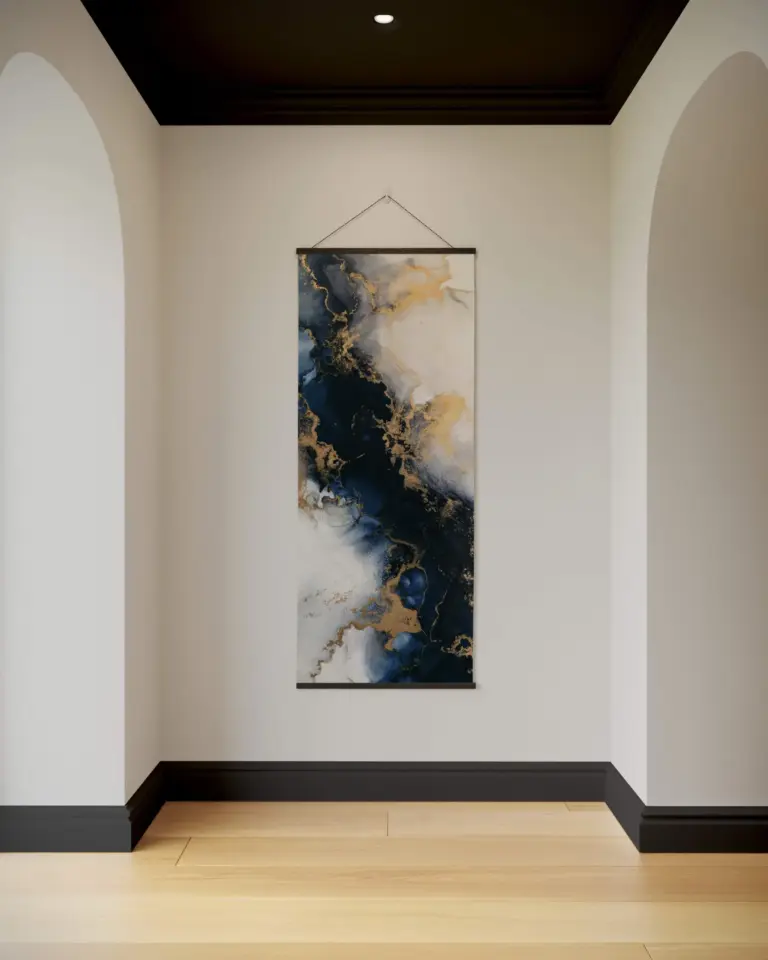
I stood in a rental with white walls and a lease that forbid paint, staring at the blank stretch above the couch, and realized the whole room felt unfinished because there was nothing on that wall for the eye to land on. One frame later, the room had a point of view.
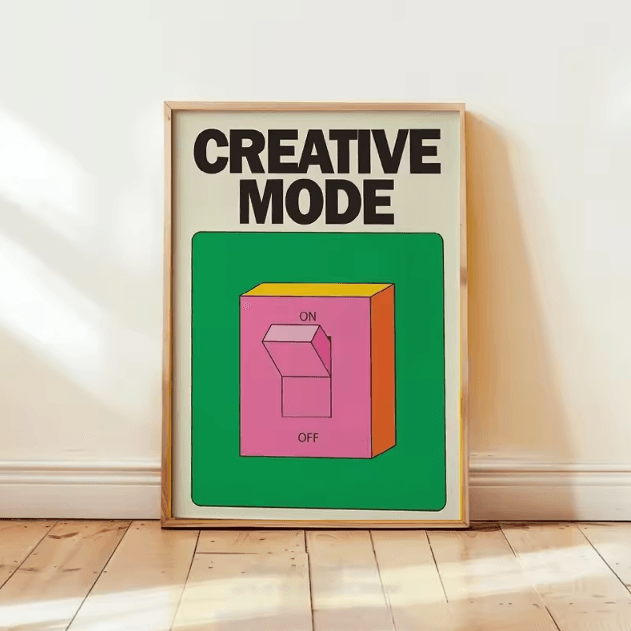
The difference between a print that looks good for years and one that looks sad by spring usually comes down to what's holding it. Paper matters more than people expect. A thin, glossy stock catches every bit of glare and starts to curl at the corners within a year, especially near a window or a radiator. A heavier matte or cotton rag paper lies flat and takes light without throwing it back at you. Frames are the other half of it. Real wood, even a plain oak or ash moulding, has weight and warmth that plastic can't fake, and the corners should be mitered clean with no visible gap or glue line. Glass over glazing film, every time, if the piece is going anywhere near sun. And whatever you do, don't trust the little sawtooth hanger that comes in the box on anything larger than a sheet of paper. It will hold for a month and then let go at two in the morning, which I can tell you from experience is a specific kind of unpleasant sound.
If you're starting from nothing, go for one larger piece before you go for a gallery wall. A single frame at a good size, something you can see clearly from the couch or the doorway, does more for a room than five small ones scattered without a plan. It gives the wall a reason to exist and it's far easier to get the hanging height right on one piece than on a cluster. Once that's up and you've lived with it a while, the smaller additions make more sense, because you'll know what the room actually wants next to it.
Where it struggles is in rooms already busy with pattern, a heavily tiled kitchen backsplash, a loud wallpaper, a wall of built in shelving crammed with books and objects. Art needs a bit of quiet around it to read as art rather than clutter. Hallways and stairwells are the exception, they can take more than you'd think.
Measure the wall space first, then buy to that, not the other way around.

 Aisha's pickBathroom Art Prints That Stand Up to Steam

 Aisha's pickLine Art Posters That Don’t Need Babying
 Aisha's pickYellow Art Prints for Blank Walls and Empty Shelves
 Aisha's pickOur Shortlist of Minimalist Wall Art for Bedroom

 Aisha's pickPrints for Bedroom That Make a Shelf Look Styled

 Aisha's pickBlack Geometric Wall Art That Looks the Part
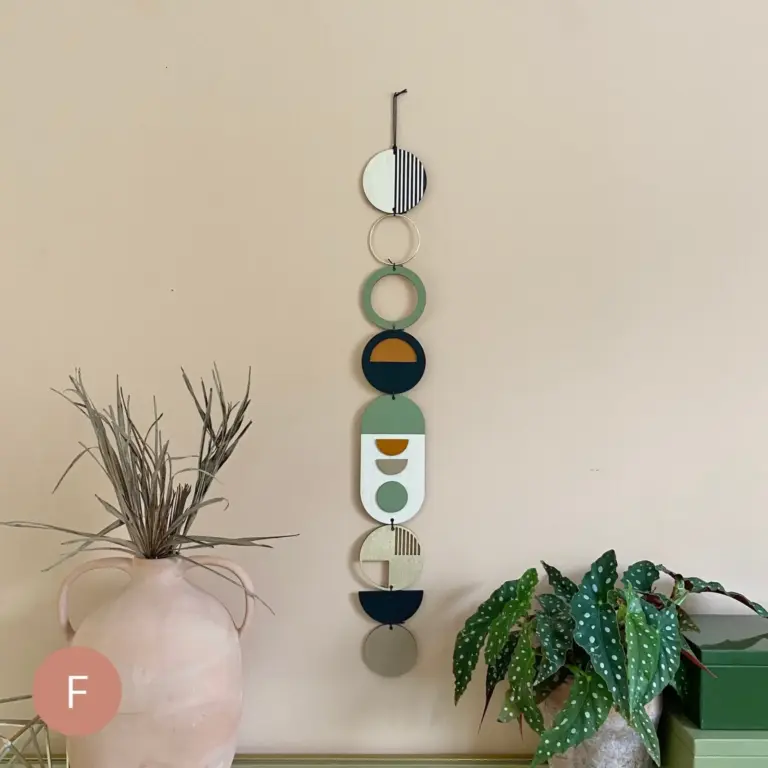
 Aisha's pickBlack Wall Art That Does What It Should

 Aisha's pickSimple Blue Canvas Prints Done Well

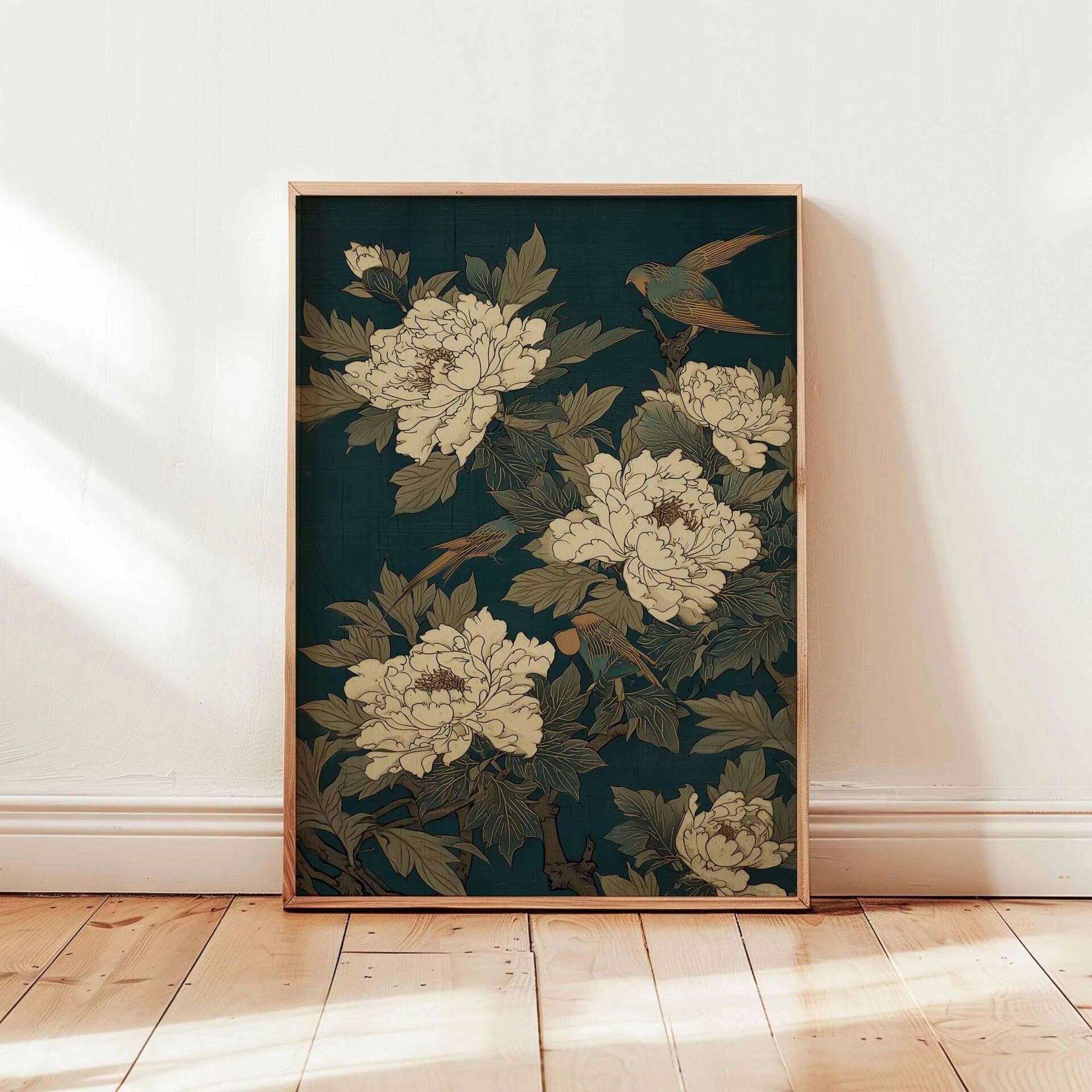 Aisha's pickAnimal Canvas Prints That Earn Their KeepAlso worth a lookPrintsThe thing nobody tells you about a print is that it changes with the light, and you won't…See the collections →

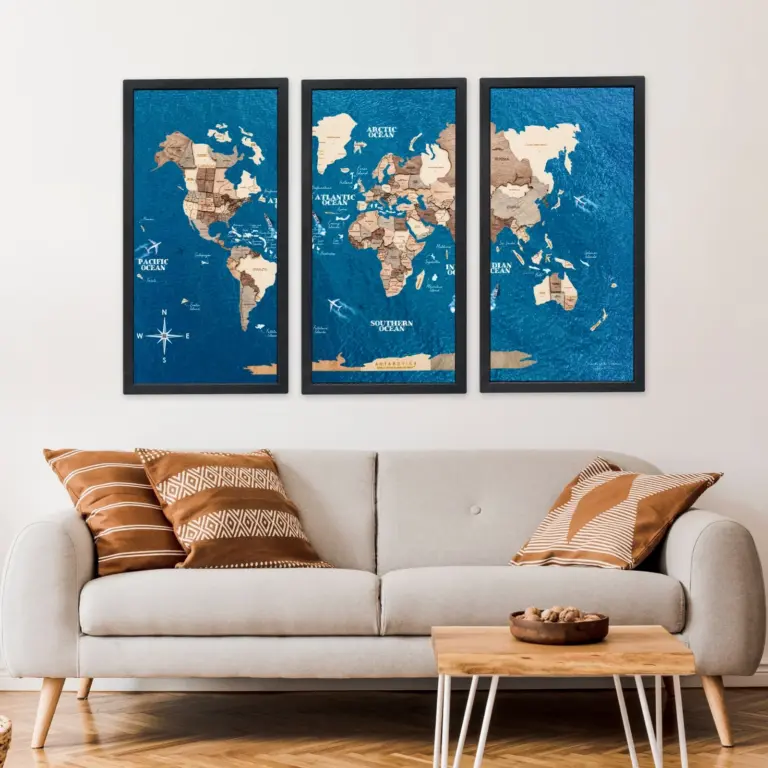 Aisha's pickMap Canvas Art Worth Your Money
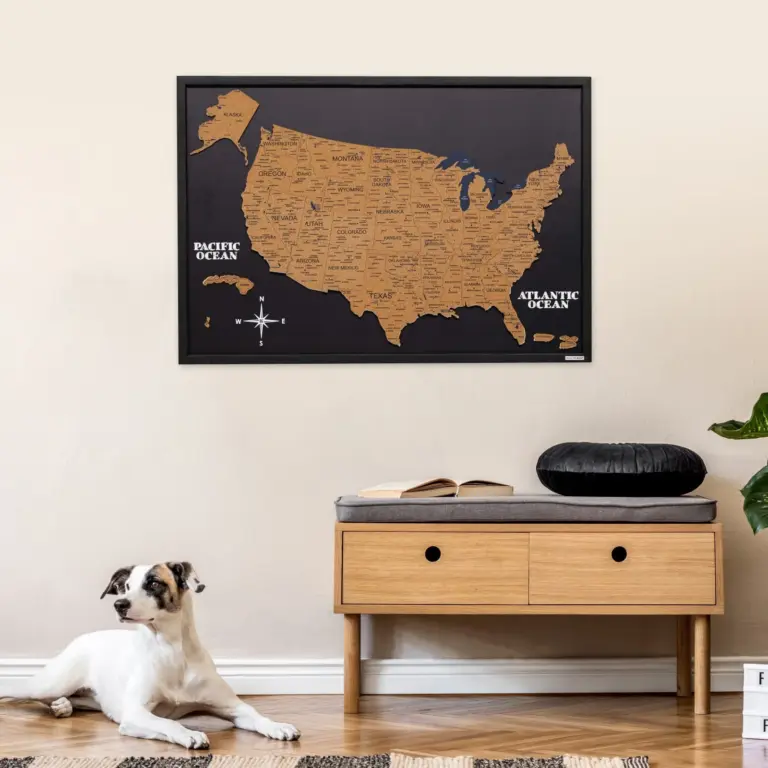
 Aisha's pickCanvas Paintings for Office That Keep the Desk Clear

 Aisha's pickWhite Canvas Paintings That Start Conversations

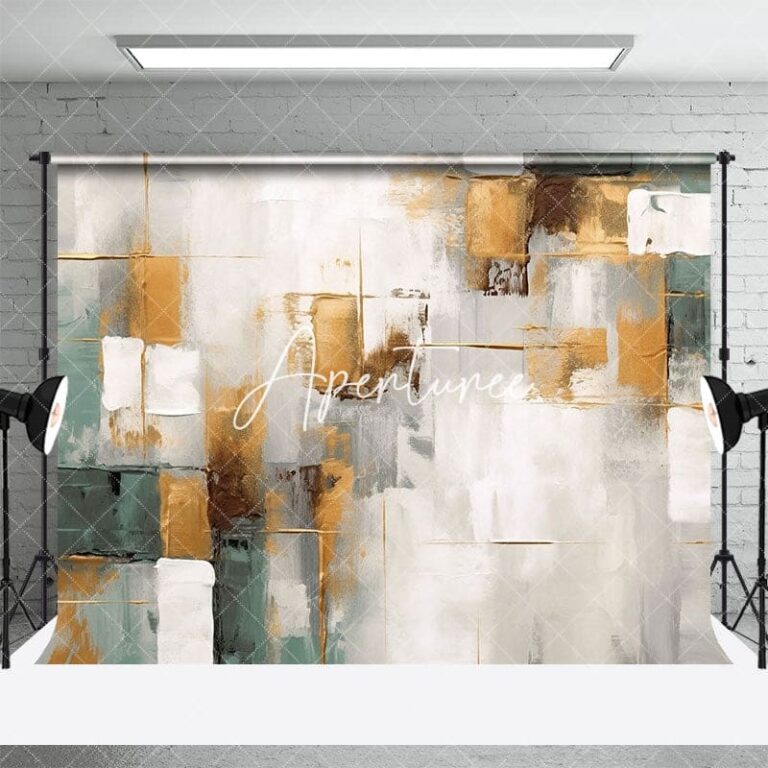 Aisha's pickYellow Wall Art That Doesn’t Cost a Fortune
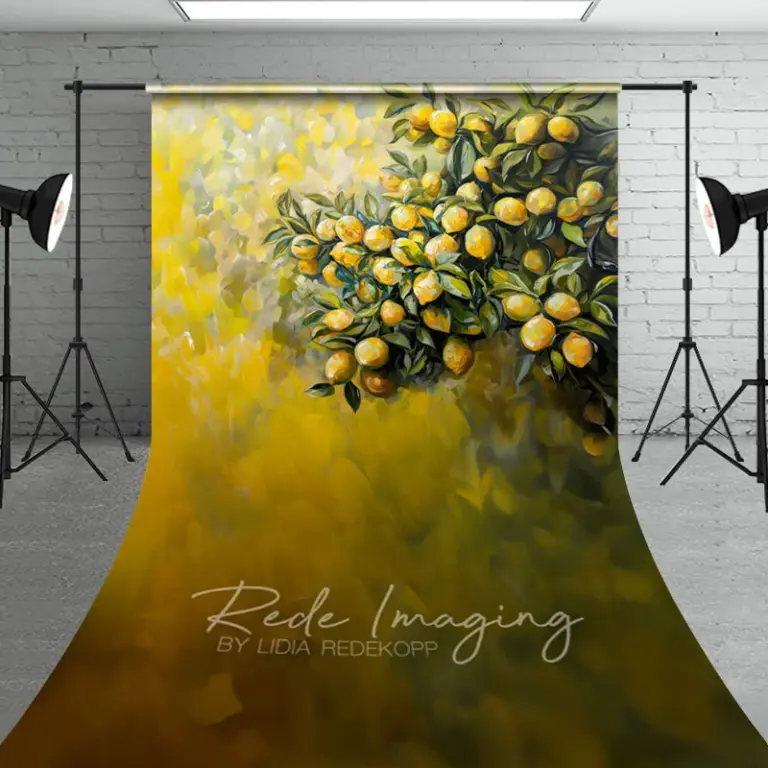
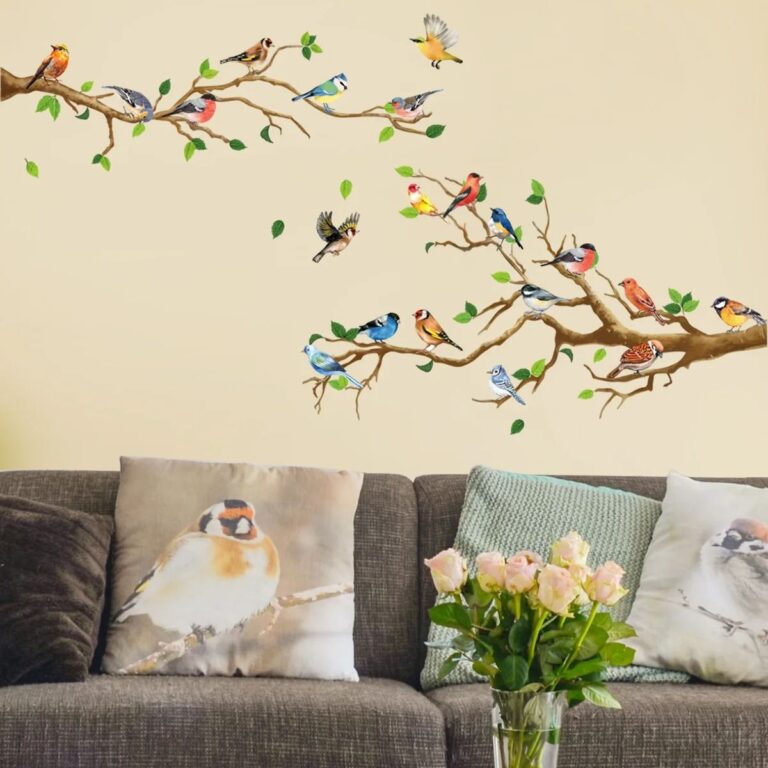 Aisha's pickFloral Wall Murals That Catch the Eye Without Taking Over
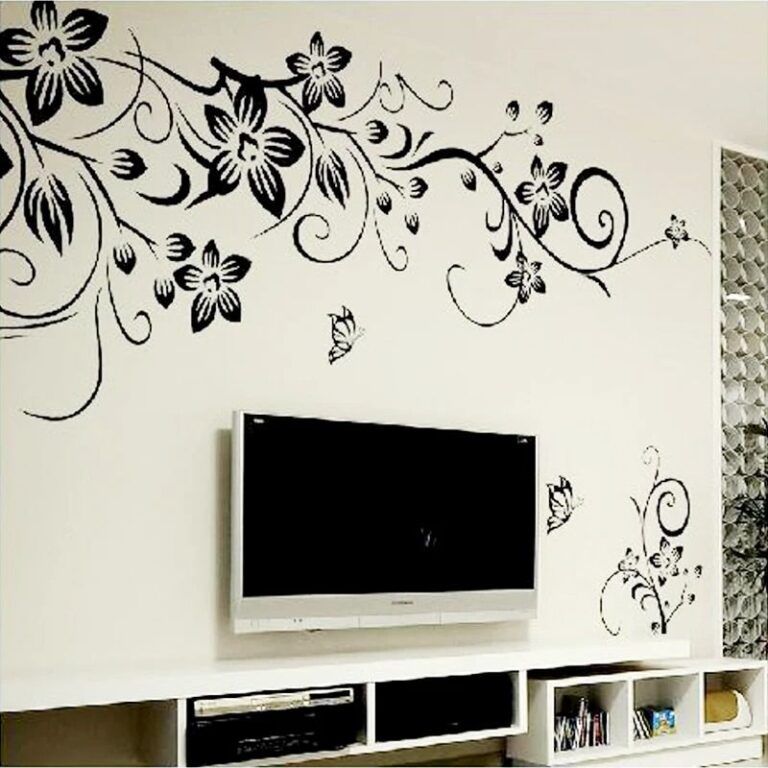
 Aisha's pickFlower Wall Art for Living Room Pulled From Dozens of Stores

 Aisha's pickFramed Prints with Frame That Won’t Date in a Year

 Aisha's pickGood White Framed Wall Art Without the Big Price Tag

 Aisha's pickGreen Vintage Wall Art From Brands You Know and a Few You Won’tAlso worth a lookModern Wall ArtFor years I figured modern wall art meant one big canvas, something abstract and gray, hung dead center…See the collections →

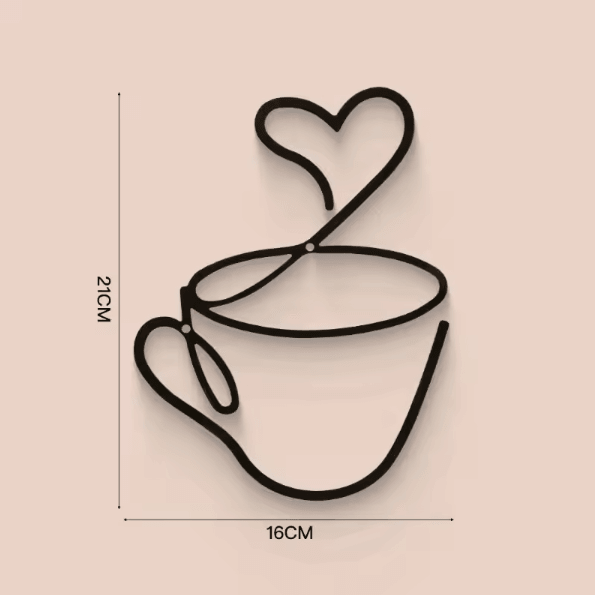 Aisha's pickKitchen Wall Art That Earns Its Place

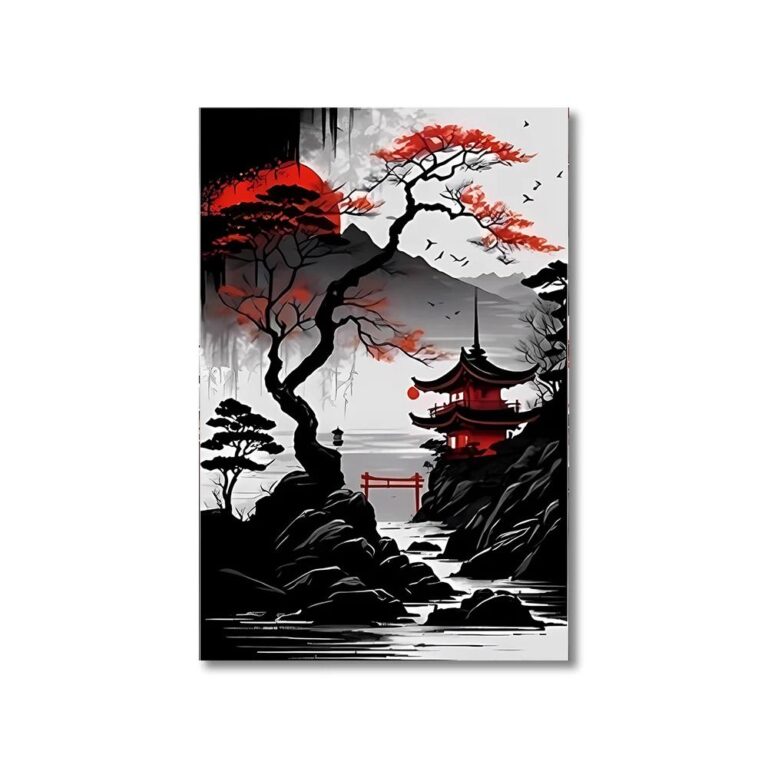 Aisha's pickLandscape Art Prints for Bedroom You Won’t Want to Hide Away

 Aisha's pickLandscape Wall Posters That Make a Room Feel Finished

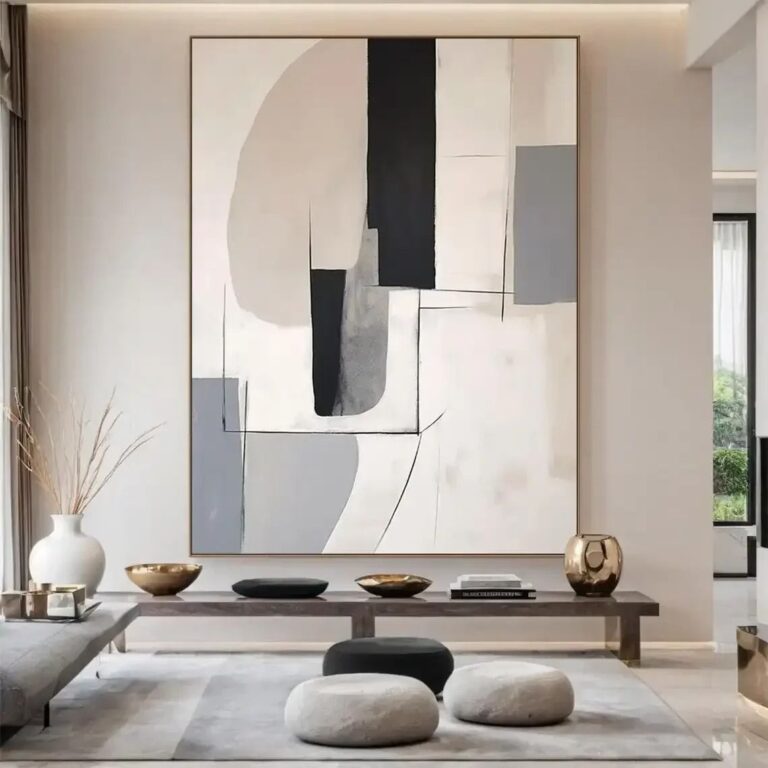 Aisha's pickLarge Minimalist Wall Art From Brands You Know and a Few You Won’t
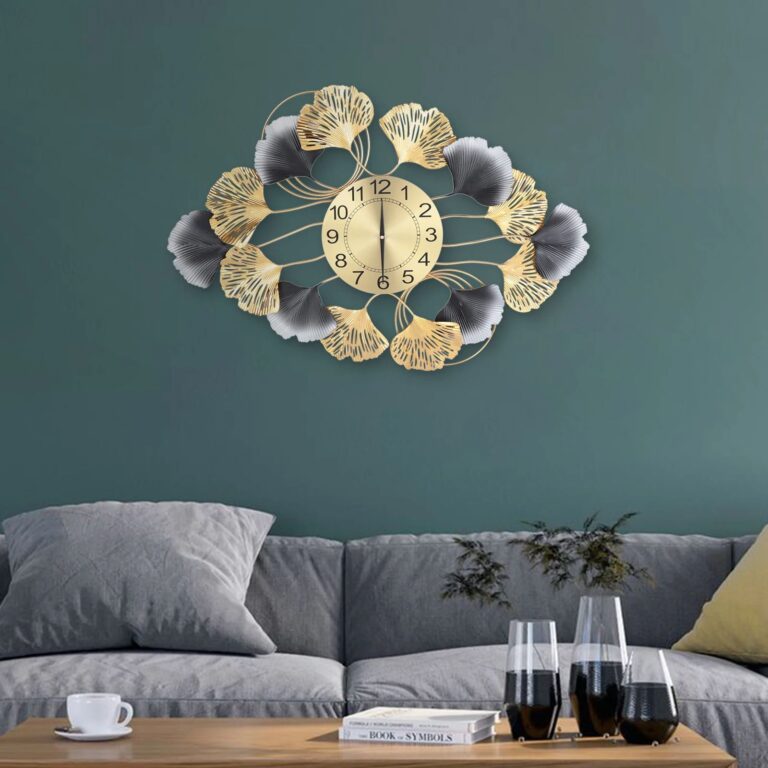
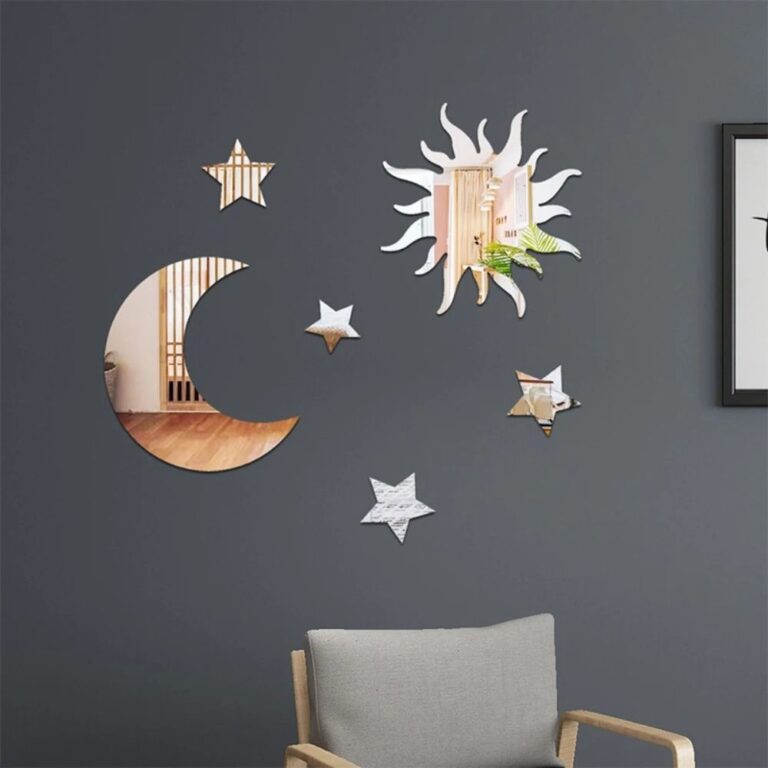 Aisha's pickLarge Wall Stickers That Make a Shelf Look Styled

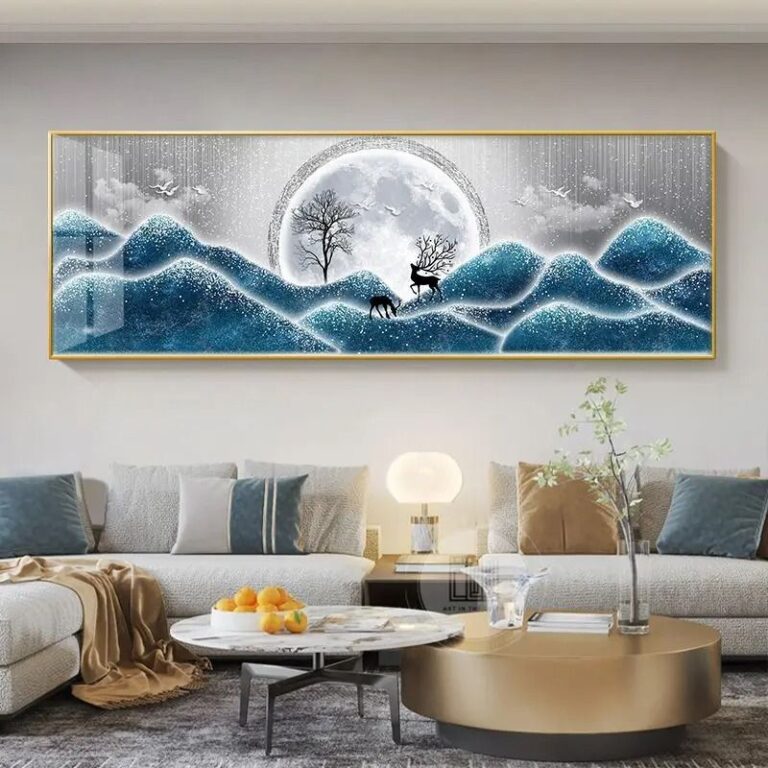 Aisha's pickMountain Wall Art for Living Room That Holds Up
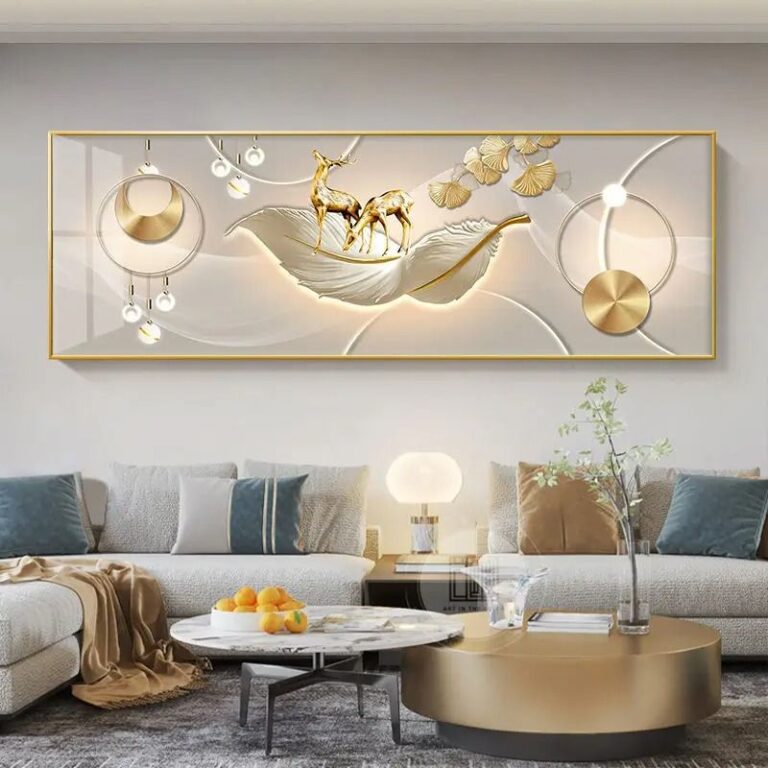
 Aisha's pickWall Posters for Living Room That Won’t Let You Down
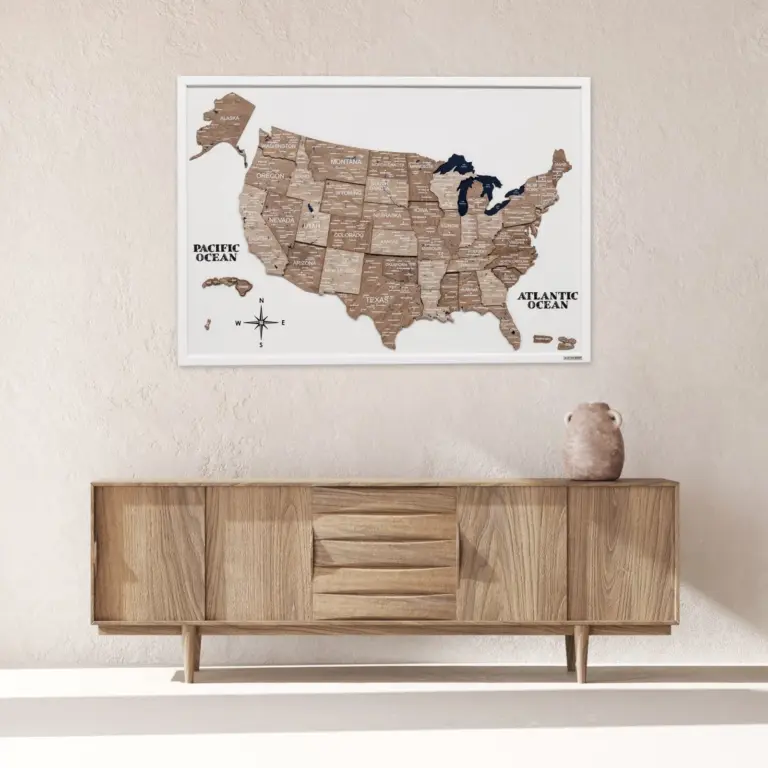
 Aisha's pickVintage Metal Signs for People Who Know What They Like

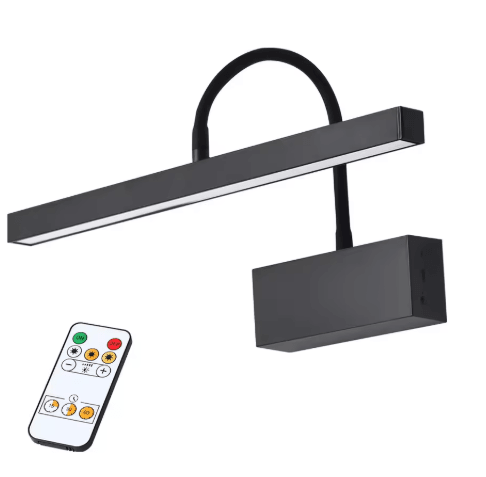 Aisha's pickMinimalist Wall Pictures for Rooms That Feel a Bit BareAlso worth a lookPaintingsThe one thing worth knowing before you hang a single painting is that scale matters more than subject.See the collections →

 Aisha's pickModern Tapestries That Visitors Always Ask About
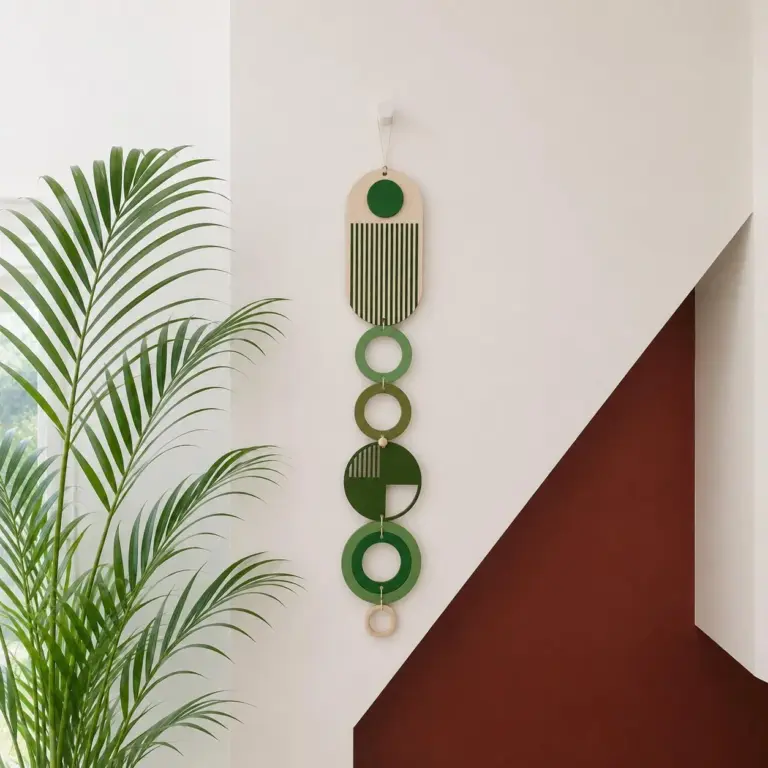
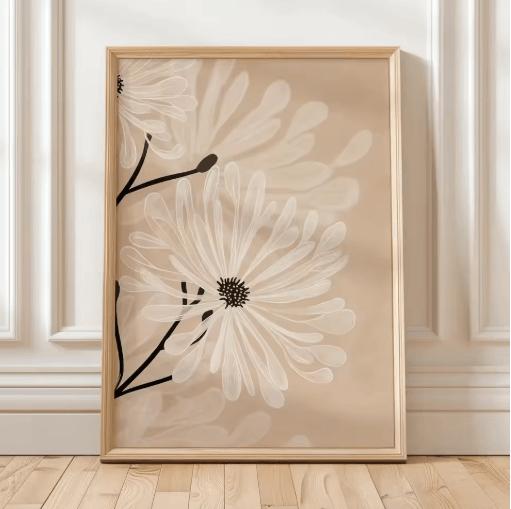 Aisha's pickRetro Wall Art for Office Picked by People Who Care Too Much

 Aisha's pickPortrait Acrylic Paintings That Won’t Date in a Year

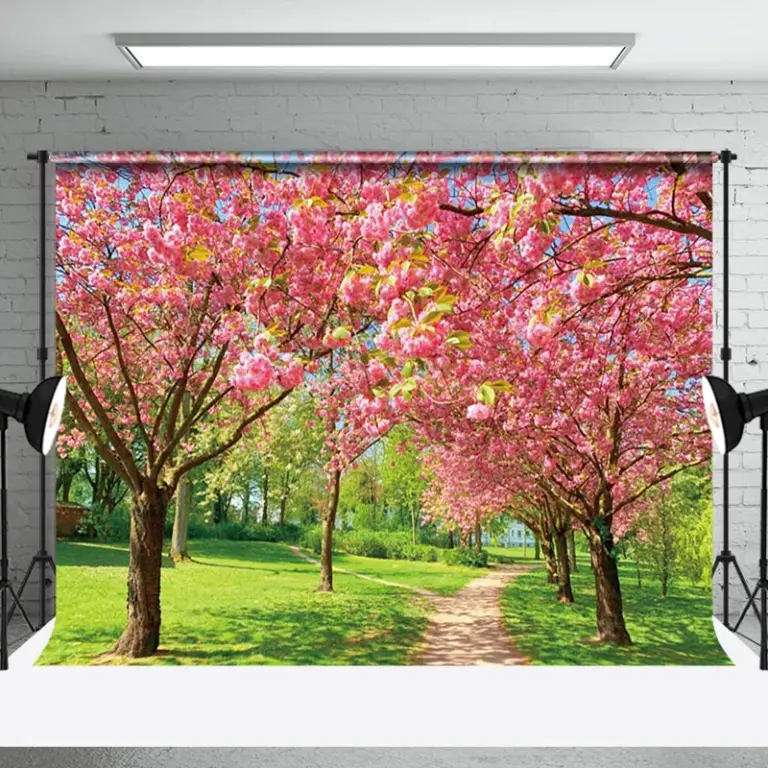 Aisha's pickForest Pictures That Do the Job Right
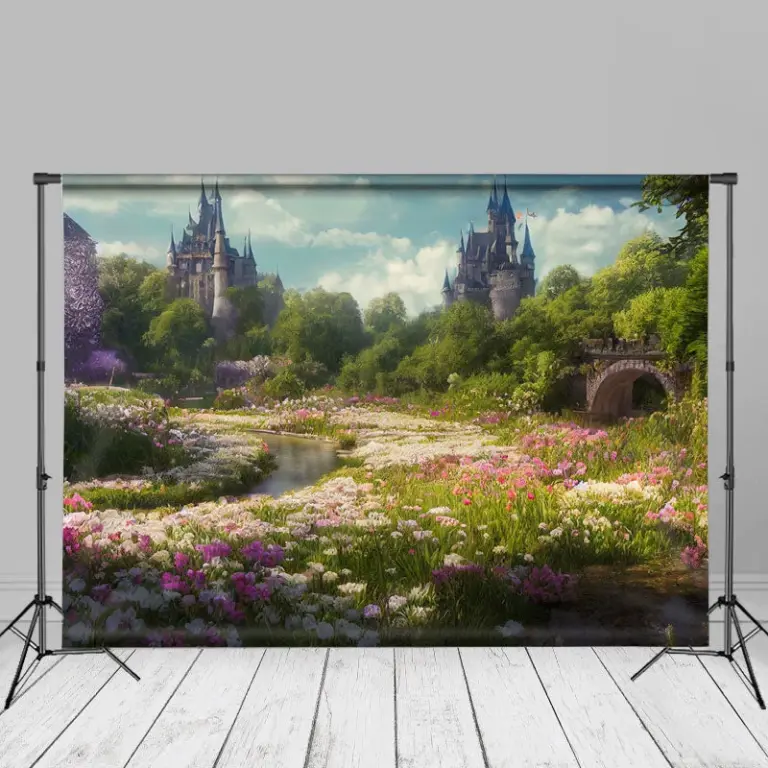
 Aisha's pickSunflower Pictures That Make a Room Feel Finished
 Aisha's pickOur Shortlist of Gothic Posters
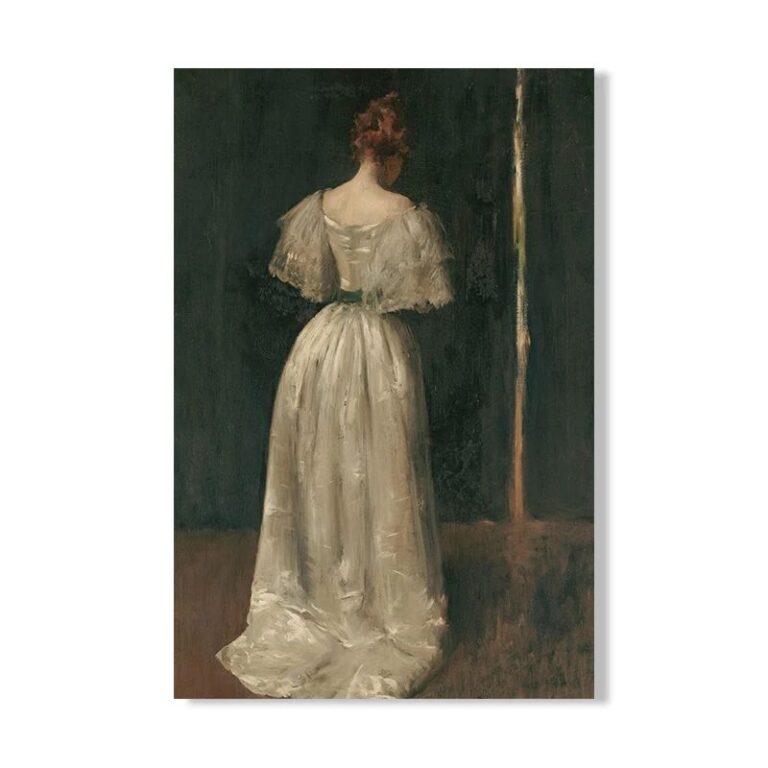
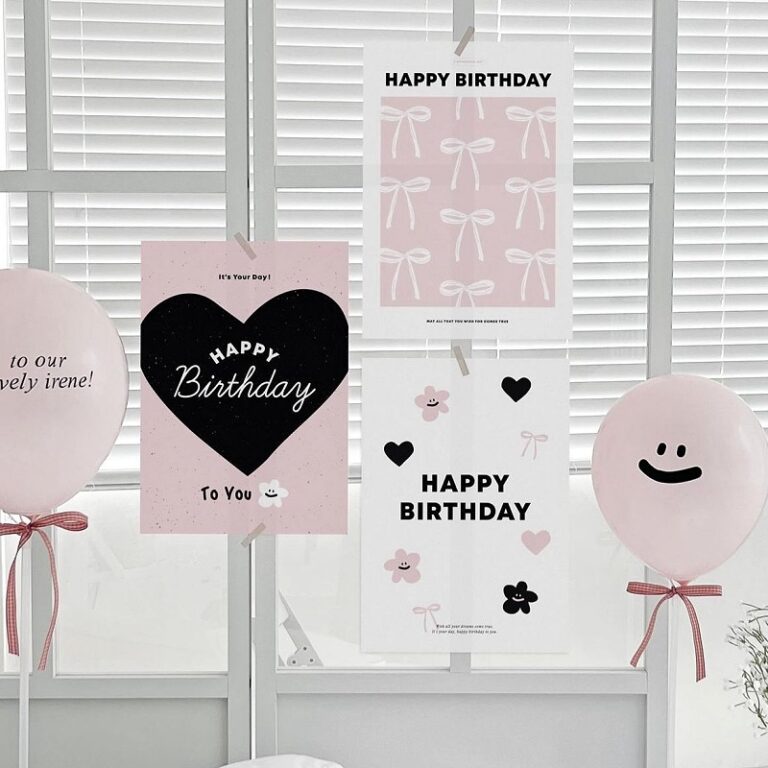 Aisha's pickSmall Posters That Feel Personal, Not Store Bought
 Aisha's pickTree Print Sets That Hold Up to Everyday Life