The first thing I check is the door, not the cabinet. I open it, close it, open it again, and I listen for the hinge and feel for any drag at the bottom corner. A cabinet that's going to live in a bathroom is going to deal with steam and humidity every single day, and cheap hinges swell and stick within a year. I also run a thumb along the inside edges where the shelves meet the sides, because that's where damp gets in first and where you'll see the board starting to puff before anywhere else does.
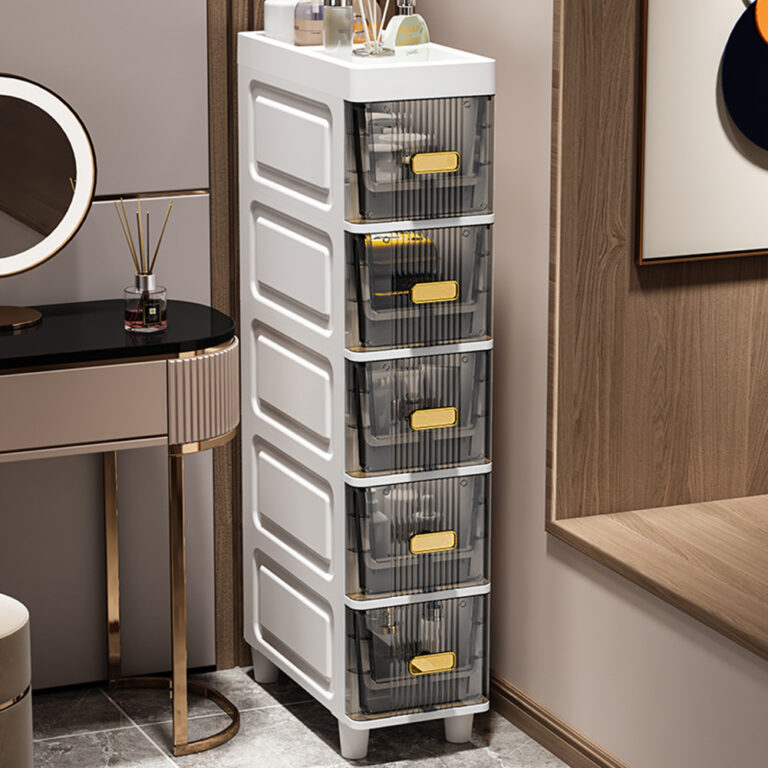
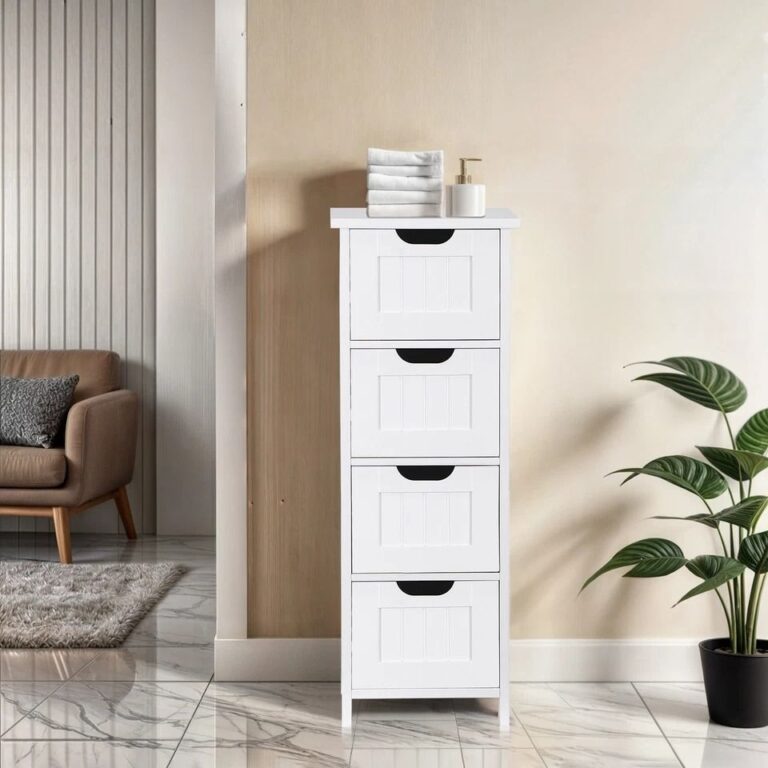
In an ordinary bathroom, a cabinet is doing more work than people give it credit for, it's usually the only storage in the room, so it ends up holding everything from spare towels to the twelve half used bottles of something nobody can bear to throw out. It sits best against a plain wall, near enough to the sink to be useful but not so close that the door bangs into a towel rail every time you open it. If a bathroom has none at all, I'd start with a simple wall hung cabinet over the sink before anything freestanding, a mirrored front if there's room, because it saves you buying a separate mirror and gives you a spot for the daily stuff at eye level, which is where you actually want it. Floor standing units are nice for a second cabinet once you know what you're storing, but they eat into a small room fast, and I've measured wrong on that twice, once leaving barely enough space to open the shower door properly.
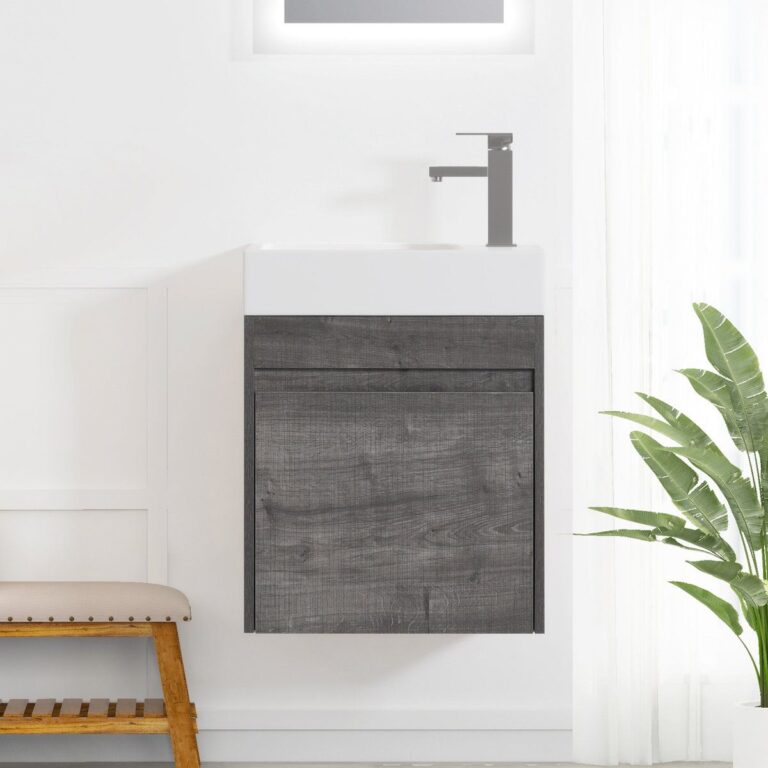
Materials matter more here than in almost any other room in the house. Solid wood looks lovely but needs a sealed finish or it will swell at the joints, painted MDF is fine as long as the edges are properly finished and not just painted over raw board, and anything with a laminate or lacquered finish will cope best with steam day after day with the least fuss. A small guest bathroom with no window and a hot shower running twice a day is the hardest test any cabinet will face, harder than a big airy en suite with good ventilation, so if you're only putting one cabinet in a tricky room, spend the extra on the finish rather than the style. Older houses with uneven walls need a cabinet that can be packed out slightly without the door going crooked, which is worth asking about before you buy, not after it's hanging wrong on your wall.
This kind of cabinet suits a family bathroom with steady daily use far better than a decorative one that only gets admired.
 Aisha's pickBathroom Cabinets with Drawers That Look Better in Real Life
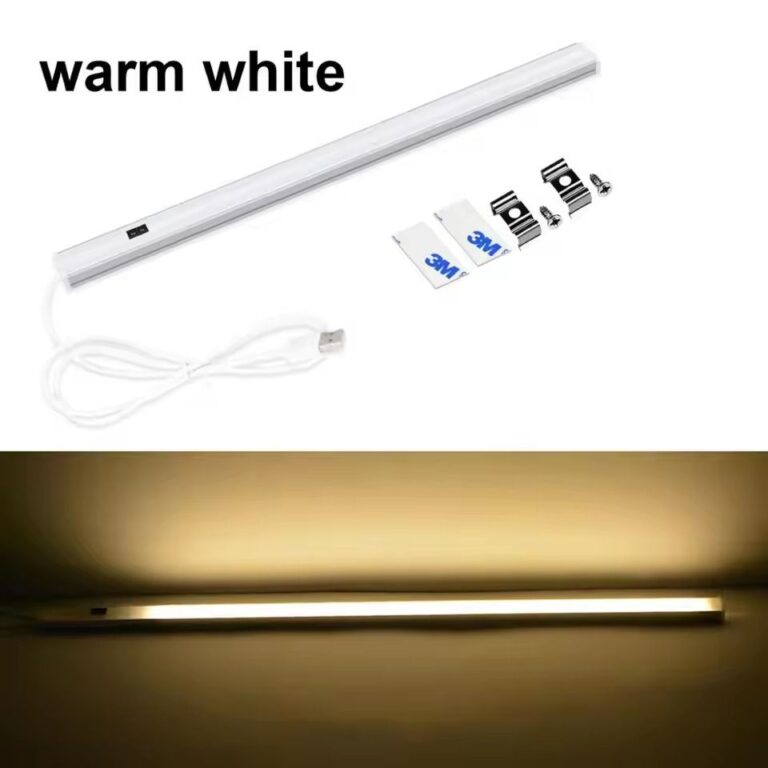 Aisha's pickSlim Bathroom Cabinets That Look Good Next to Old Tiles
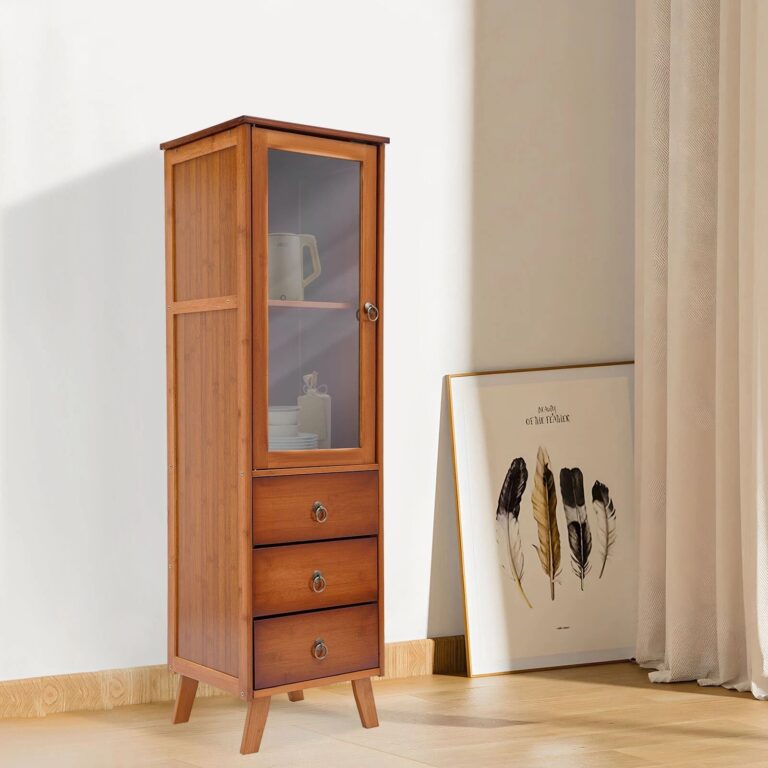
 Aisha's pickBathroom Cabinets with Mirror From Stores Big and Small
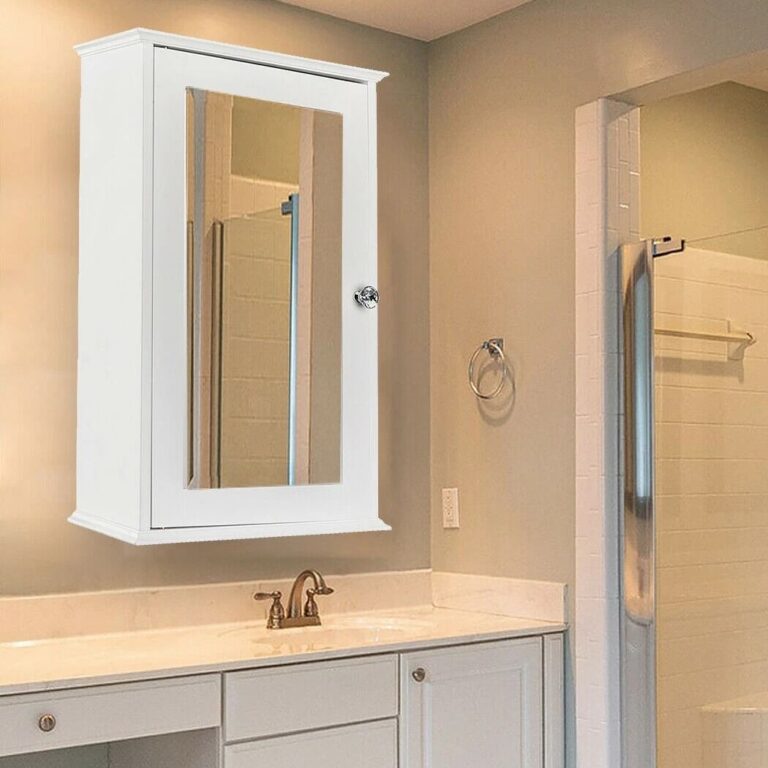
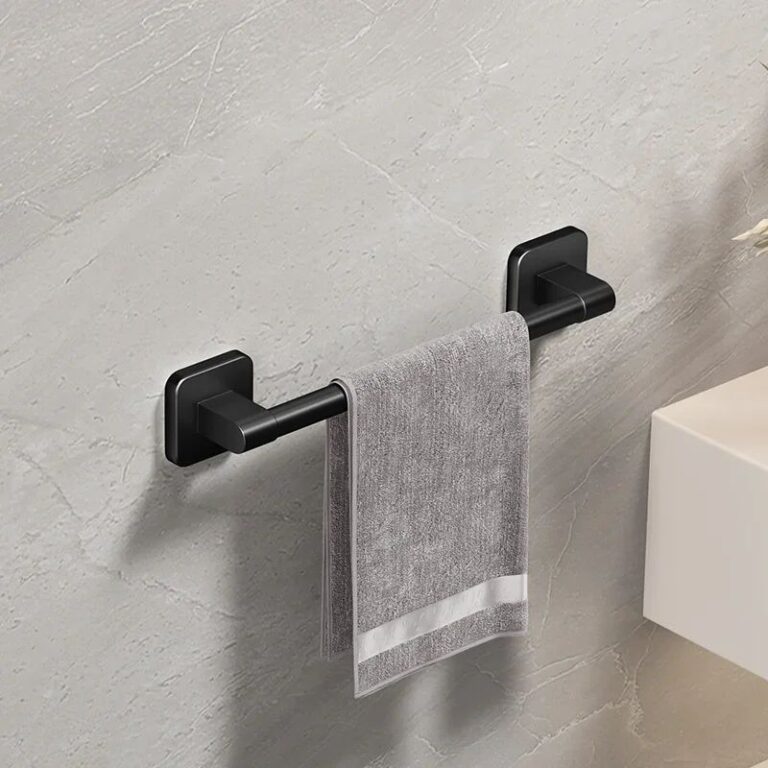 Aisha's pickSlim Bathroom Storage Cabinets That Are Easy to Keep Clean
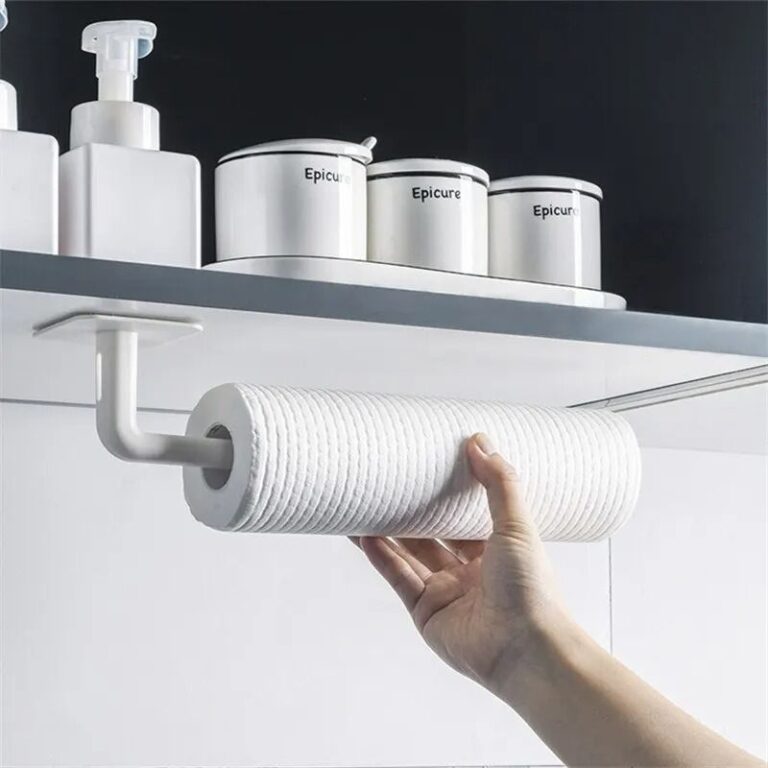
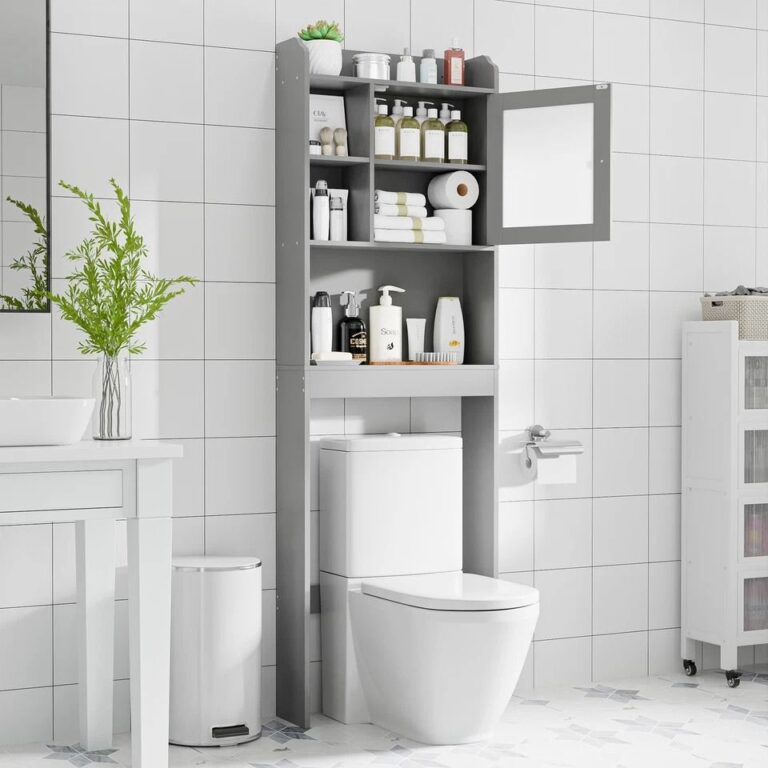 Aisha's pickBathroom Cabinets with Shelves Hunted Down So You Don’t Have To
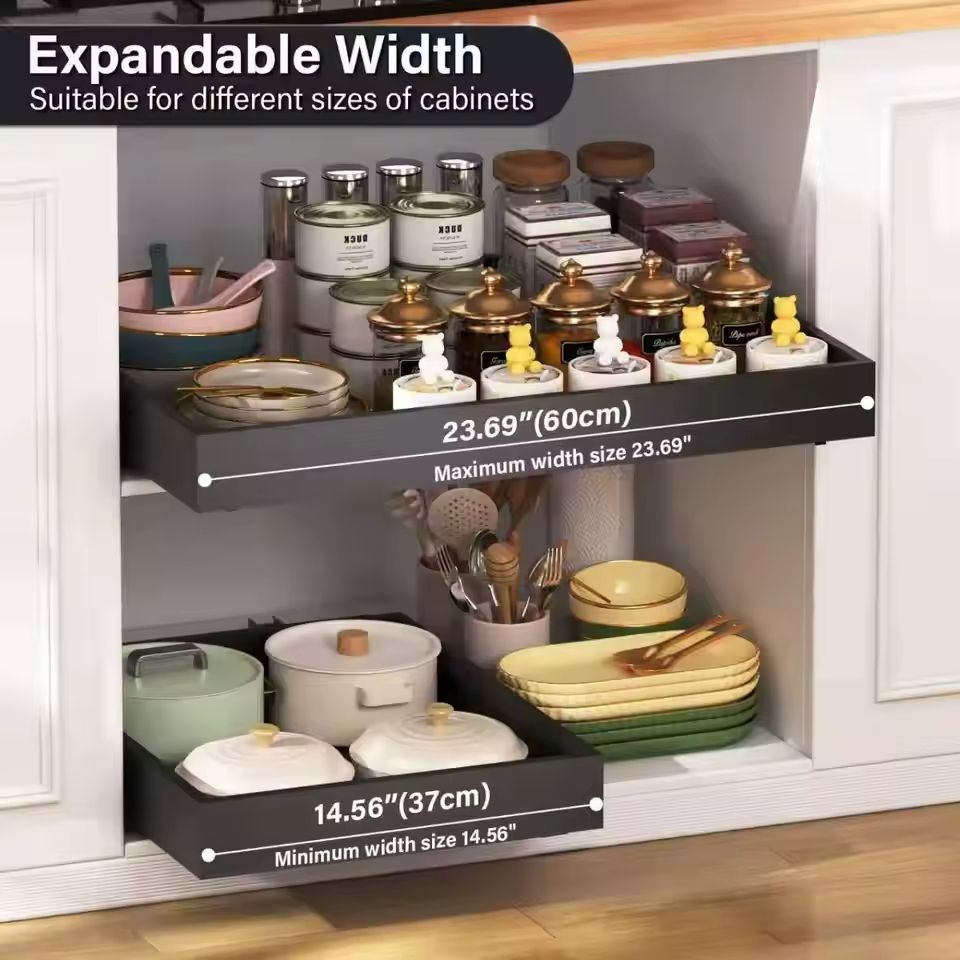
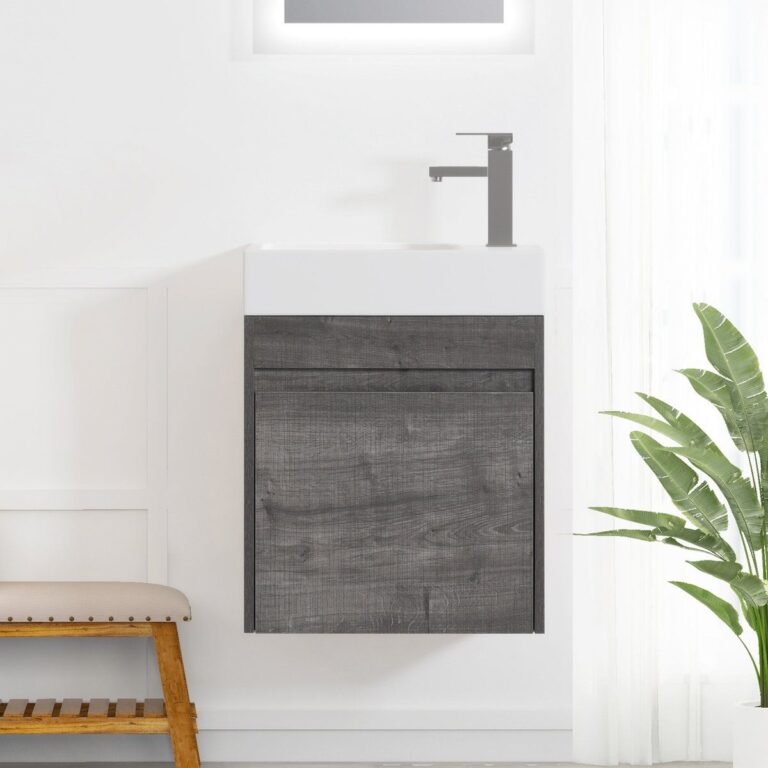 Aisha's pickBathroom Floor Cabinets That Make Mornings Easier

 Aisha's pickBathroom Floor Cabinets with Doors Picked From the Stores We Trust
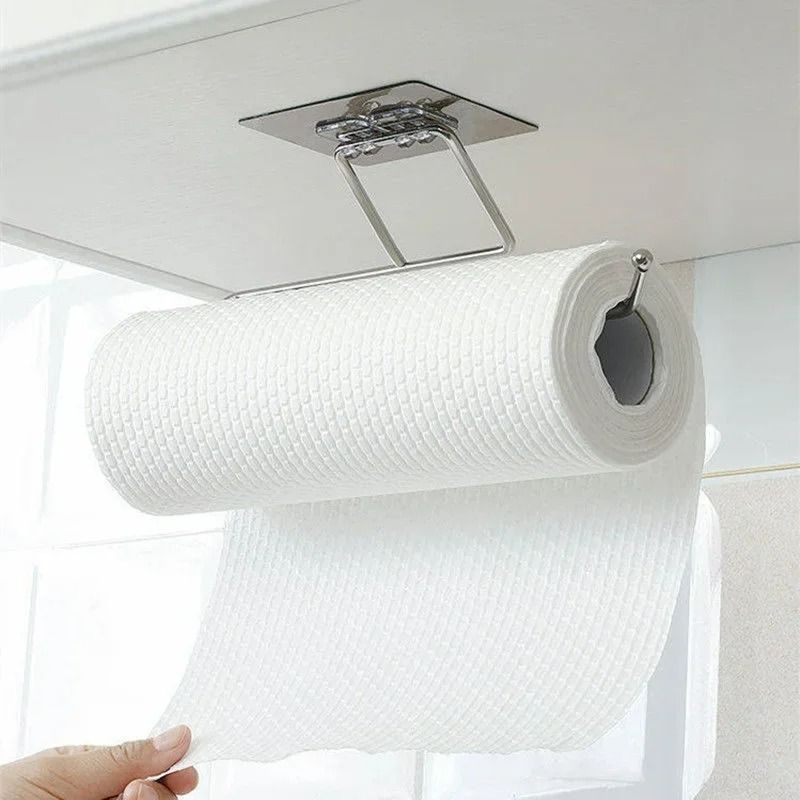
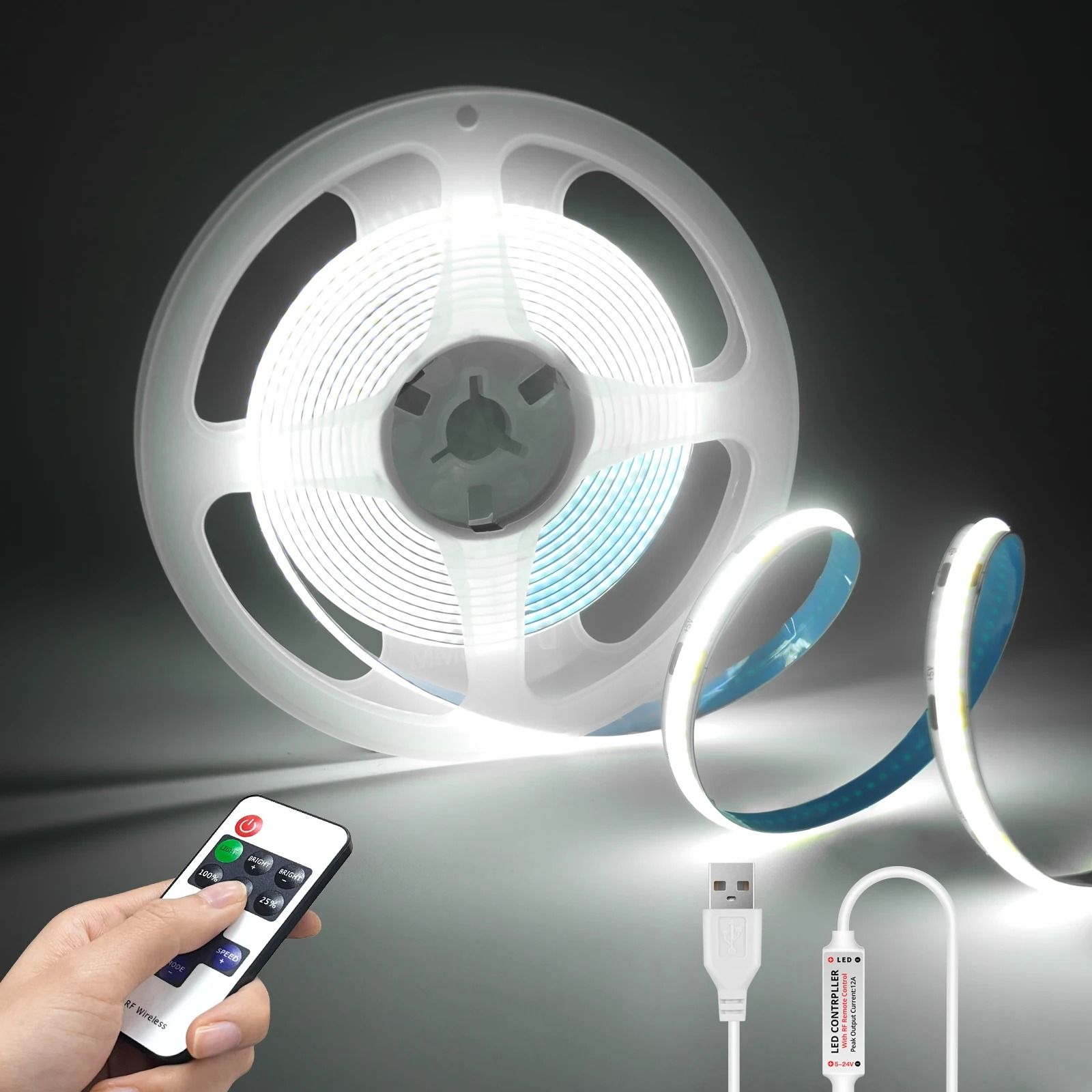 Aisha's pickBathroom Mirror Cabinets for Making a House Feel Like Yours

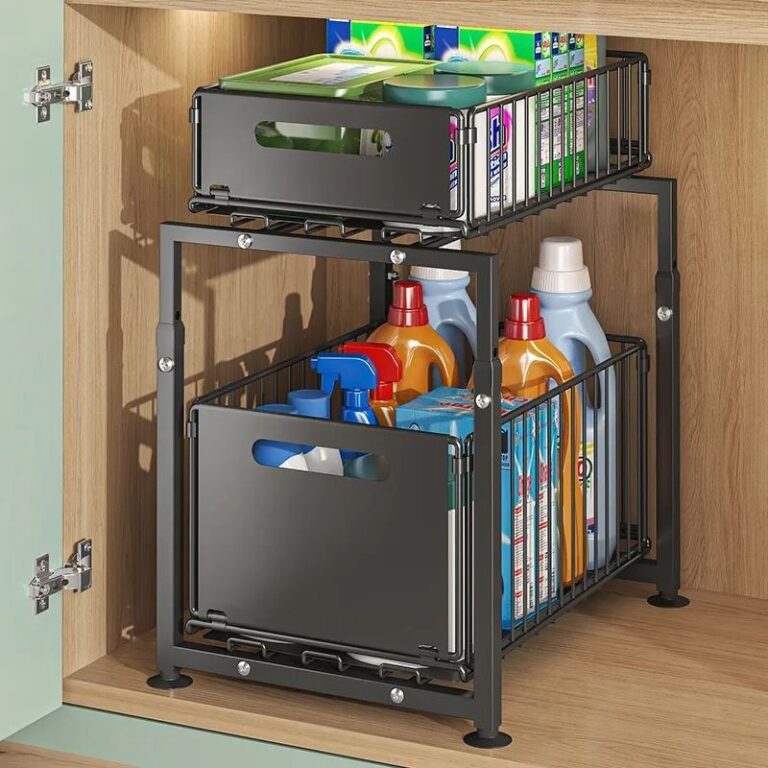 Aisha's pickBathroom Sink Cabinets That Won’t Let You DownAlso worth a lookStorage CabinetsThe hallway closet in my first apartment had exactly one shelf and a bar for coats, and every…See the collections →

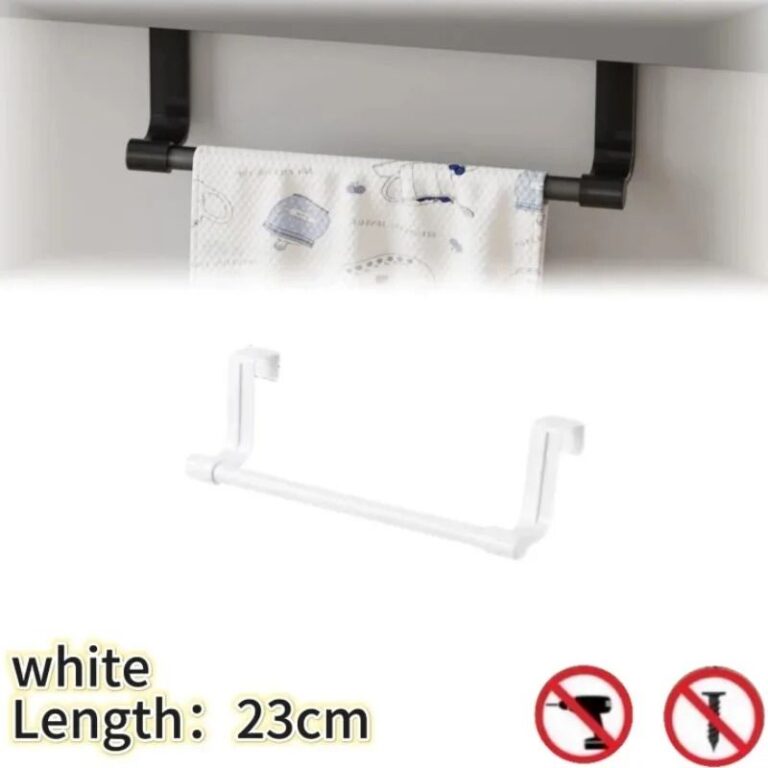 Aisha's pickDecent Bathroom Sink Cabinets with Basin Without the Hassle
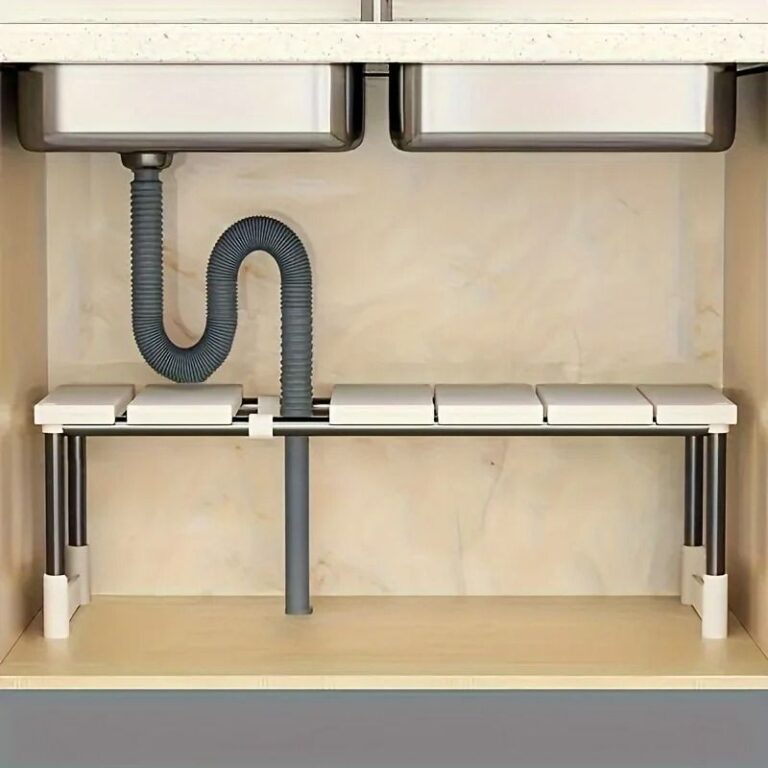
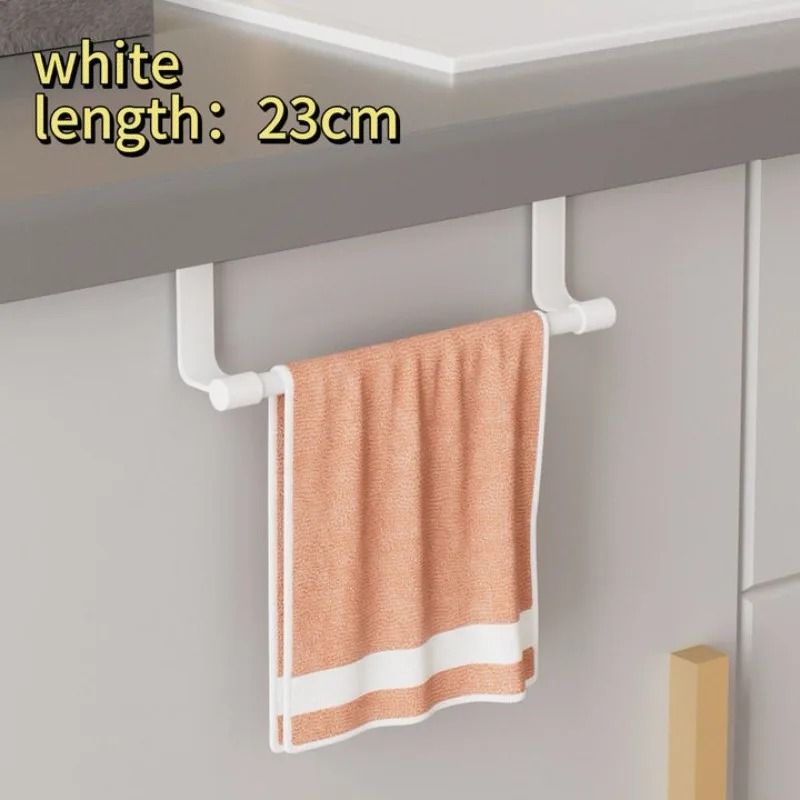 Aisha's pickBathroom Sink Cabinets with Doors From Brands You Know and a Few You Won’t
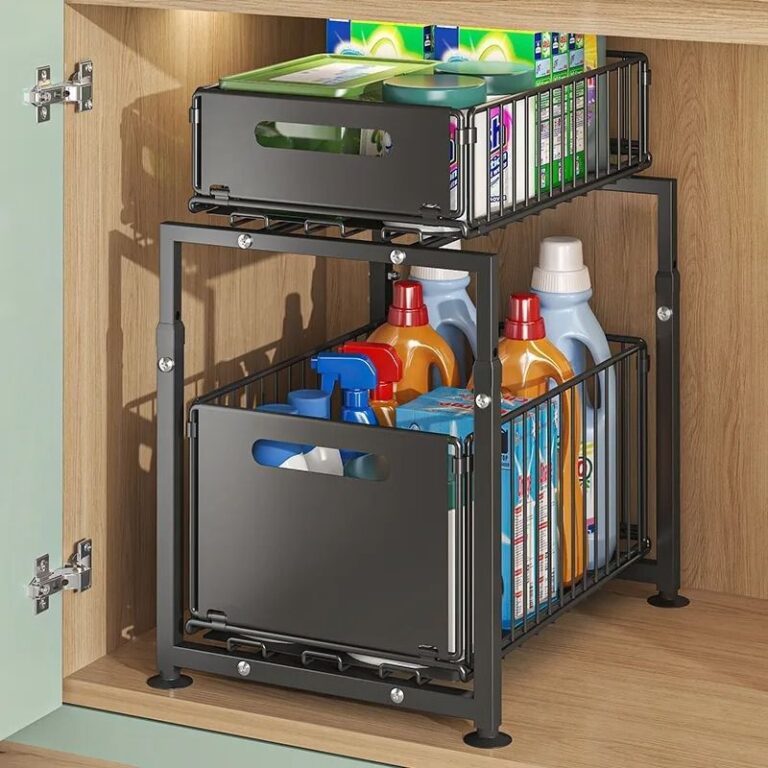 Aisha's pickBathroom Sink Cabinets with Drawers Without the Silly Price Tag
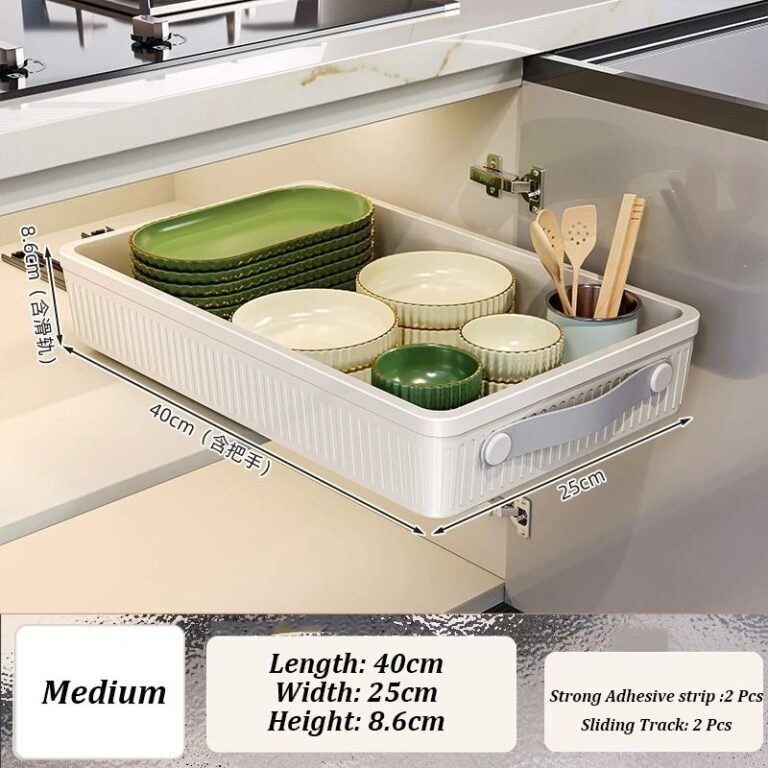
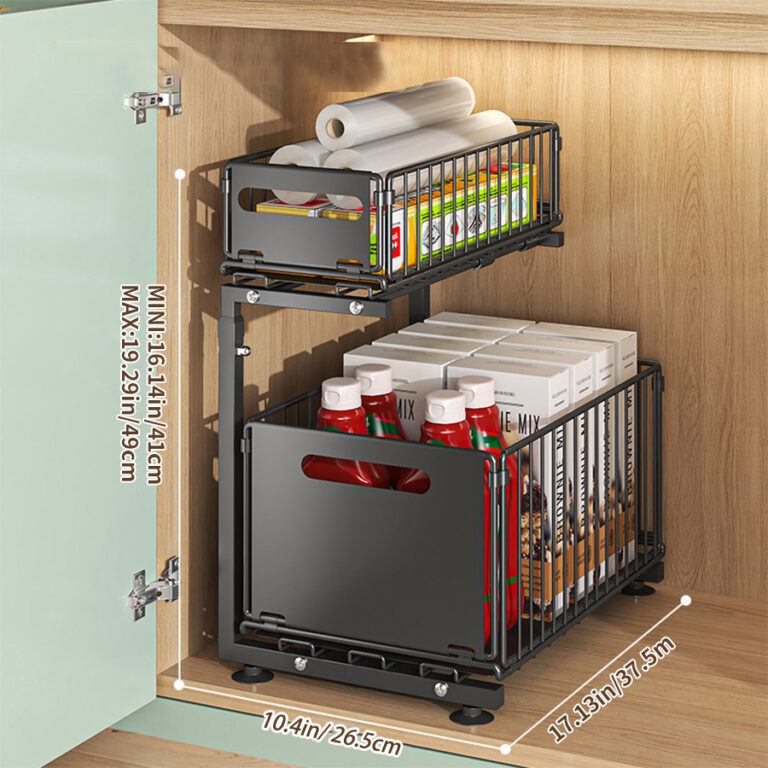 Aisha's pickBathroom Sink Cabinets with Shelf That Won’t Date in a Year

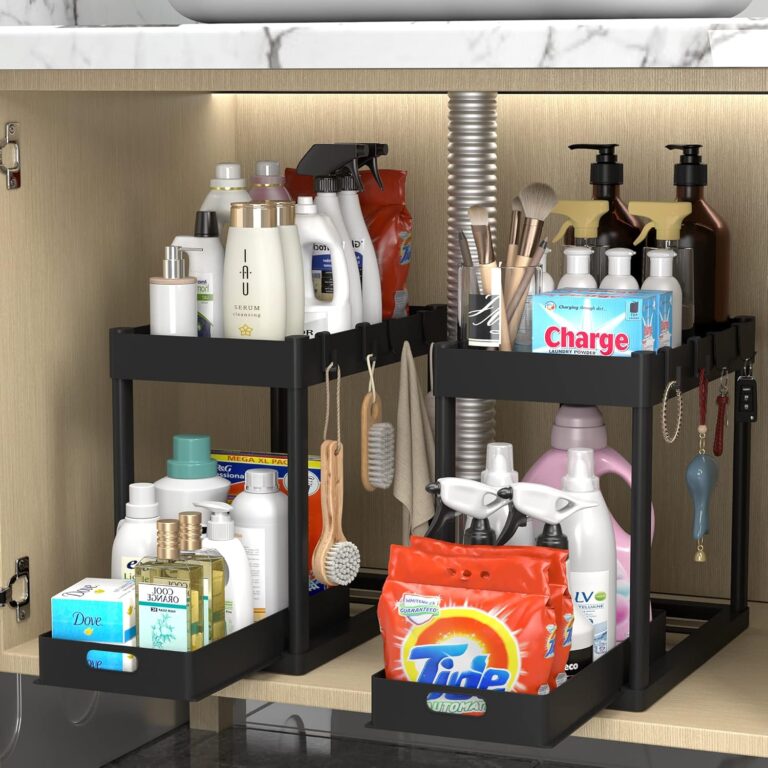 Aisha's pickBathroom Sink Units That Go With Most Rooms
 Aisha's pickBathroom Storage Cabinets You’ll Keep for Years
 Aisha's pick2 Door Bathroom Sink Cabinets That Stand Up to Steam
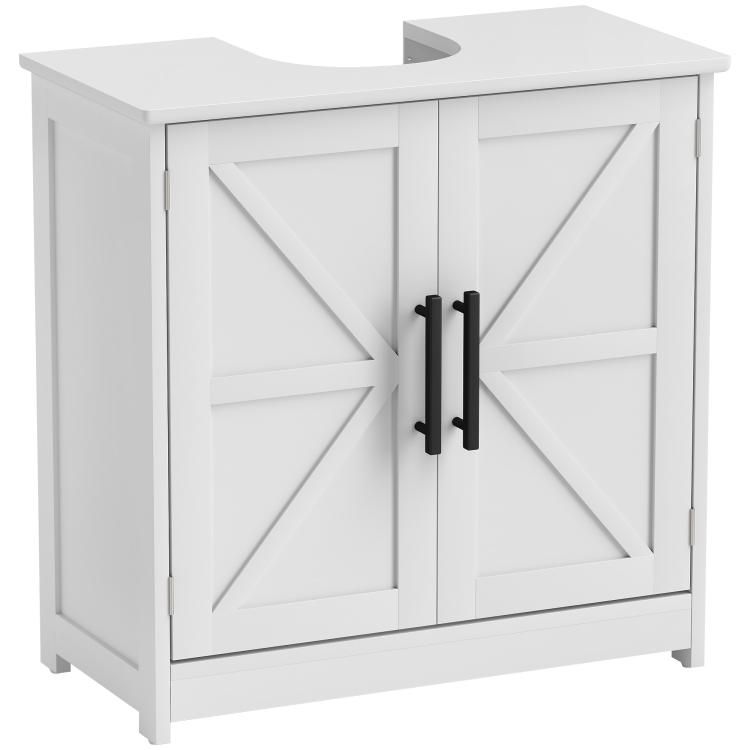
 Aisha's pickBathroom Storage Units With a Bit More About Them

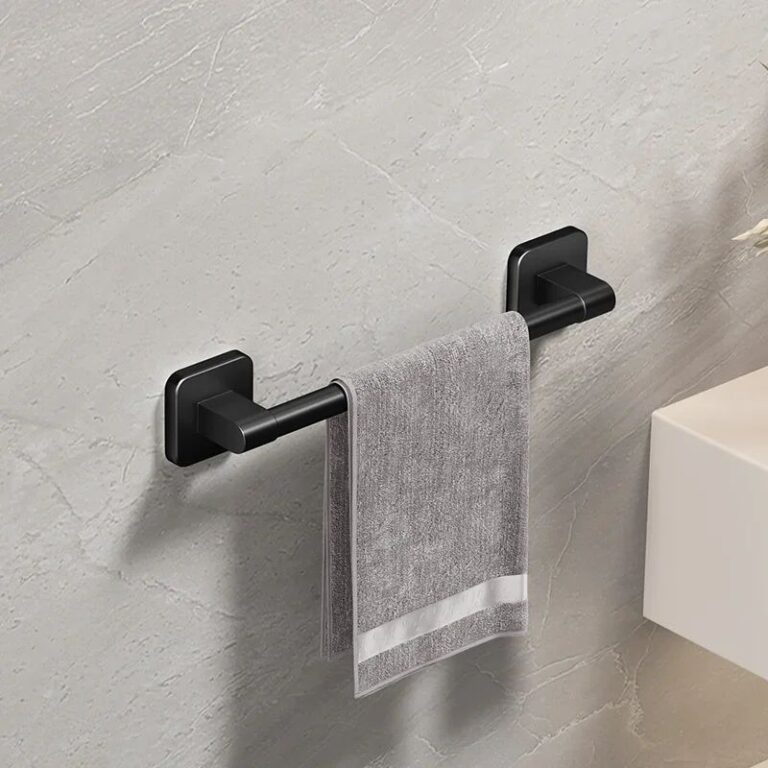 Aisha's pickBathroom Cabinets That Get Better With AgeAlso worth a lookOffice CabinetsBefore you buy anything, measure your doorways, not just the room.See the collections →

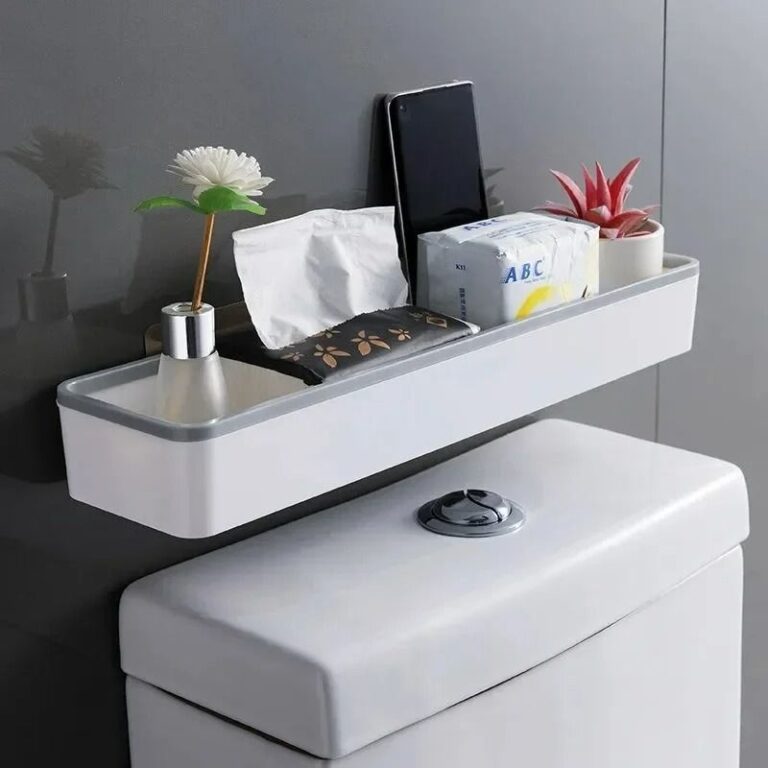 Aisha's pickNarrow Bathroom Cabinets That Make Mornings Easier