The point where a shed stops being about lawnmower storage is usually late summer, when the evenings are still warm enough to sit out but the light's going earlier, and you realize you want somewhere to retreat to that isn't the kitchen table covered in mail. That's when people start looking at these not as a place to dump the mower but as an actual room, just one that happens to be outside.
If you've never owned one, start plain and small. A basic outdoor shed, timber or metal, no windows you haven't thought through, nothing with a pitched roof that's going to eat half your budget on looks alone. You can always add shelving and insulation later, but you can't easily shrink a structure that turns out too big for the plot. Where it goes wrong is right up against a fence line or under a tree that drops sap and leaves on the roof all autumn, you want a gap for airflow and somewhere you can actually walk around it for maintenance. A cheap metal shed in full sun will tick and groan all day like it's complaining about the heat, and the paint on the bad ones chalks off on your hands within a year. The better ones have a proper coated finish that just gets quietly ignored by the weather, which is all you want from a shed, honestly. On color, go neutral, a soft gray, a muted green, something close to the planting around it rather than bright white that'll show every streak of dirt by spring. For a studio or garden room, the same rule applies tenfold since you're looking at it from indoors all winter, and a loud color you loved in the showroom gets tiring fast when it's the view from your kitchen window every single day.
Measuring up matters more than people think, and not just for the footprint. Measure the access route from the street or side gate, because a large shed that fits the garden beautifully but can't get through a side passage is a very expensive mistake someone's making this week. Measure the inside with actual furniture or equipment in mind, not just floor area, since a bike, a workbench and a mower will eat a small shed's usable space faster than you'd think. And check headroom at the eaves, not just the ridge, because that's where you'll be reaching for shelves. Buy one size up from what feels necessary, you will fill it.
A good shed earns more goodwill in a garden than almost anything else you can put back there.
 Aisha's pickBackyard Studios with Floor Built to Last More Than a Few Summers
 Aisha's pickCeramic Outdoor Kitchens That Look Like They Cost More
 Aisha's pickModern Outdoor Kitchens for Making a House Feel Like Yours
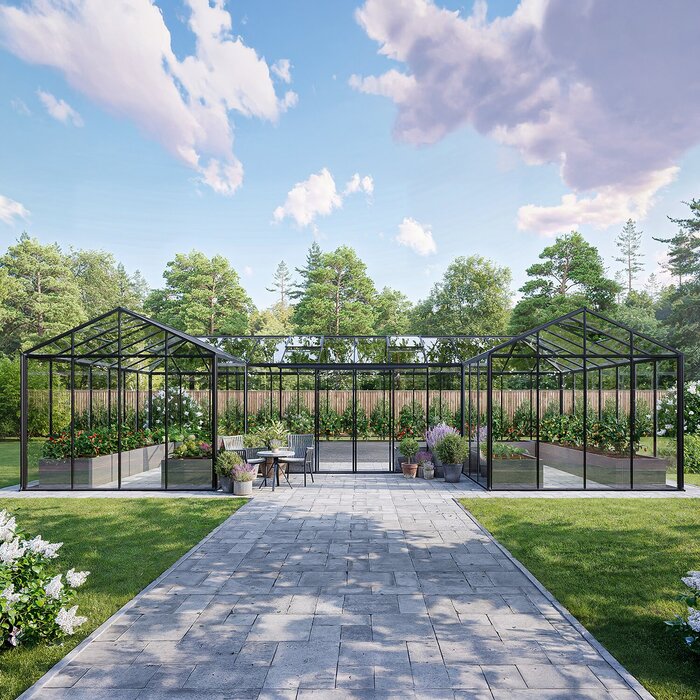 Aisha's pickAluminum Outdoor Greenhouses With Some Character
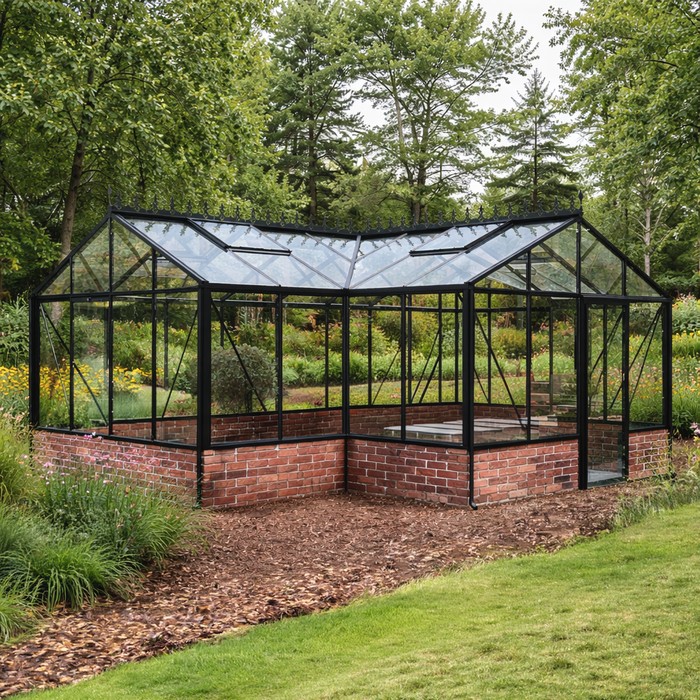
 Aisha's pickGreenhouses with Shelves at Every Price Point

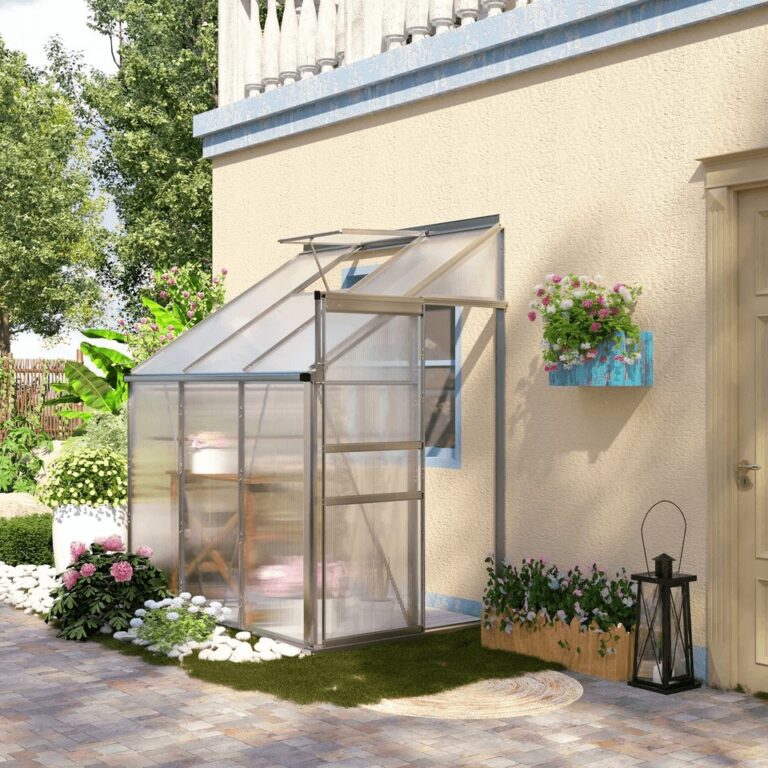 Aisha's pickPolycarbonate Outdoor Greenhouses Pulled From Dozens of Stores
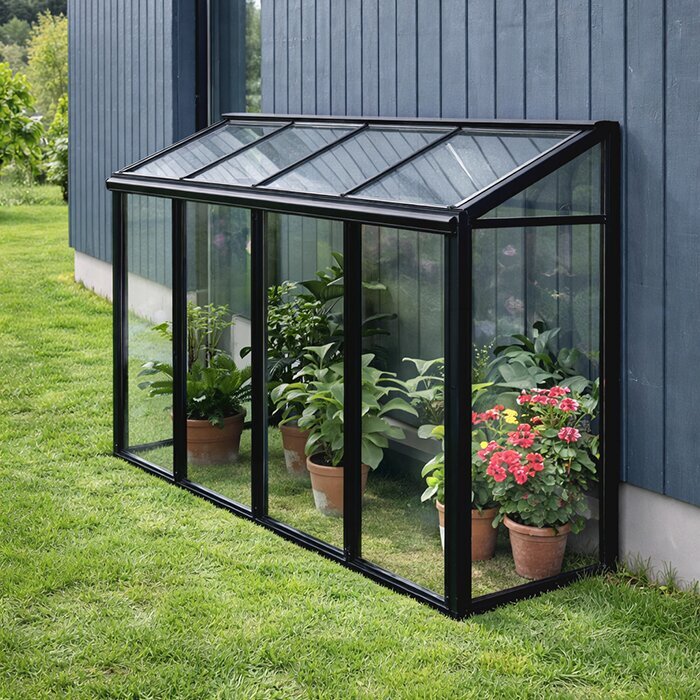
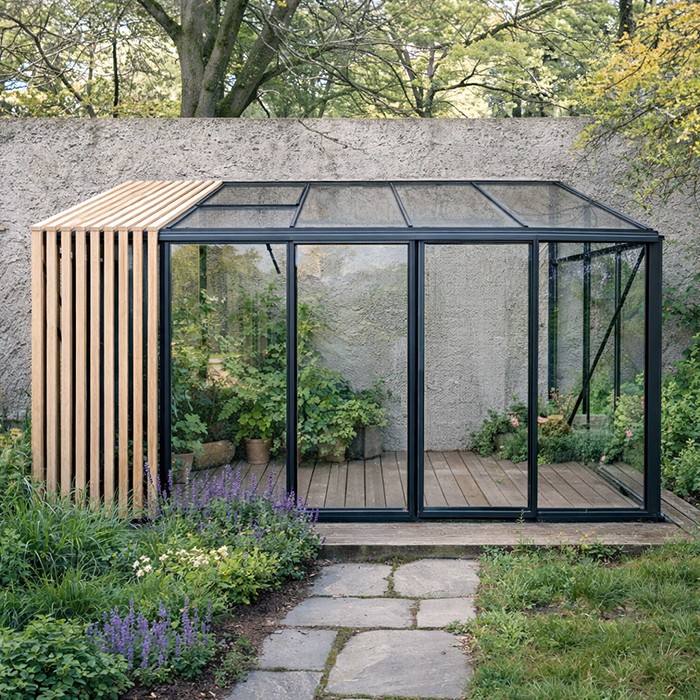 Aisha's pickSimple White Greenhouses Done Well
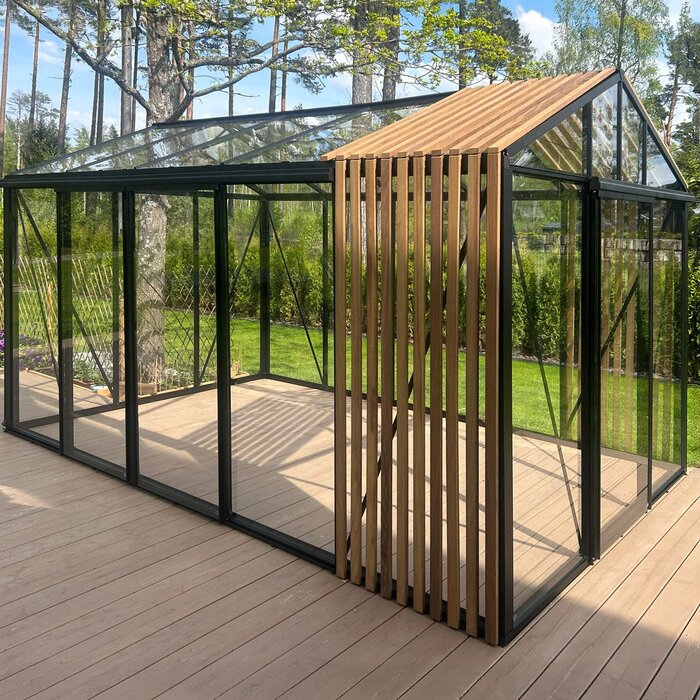
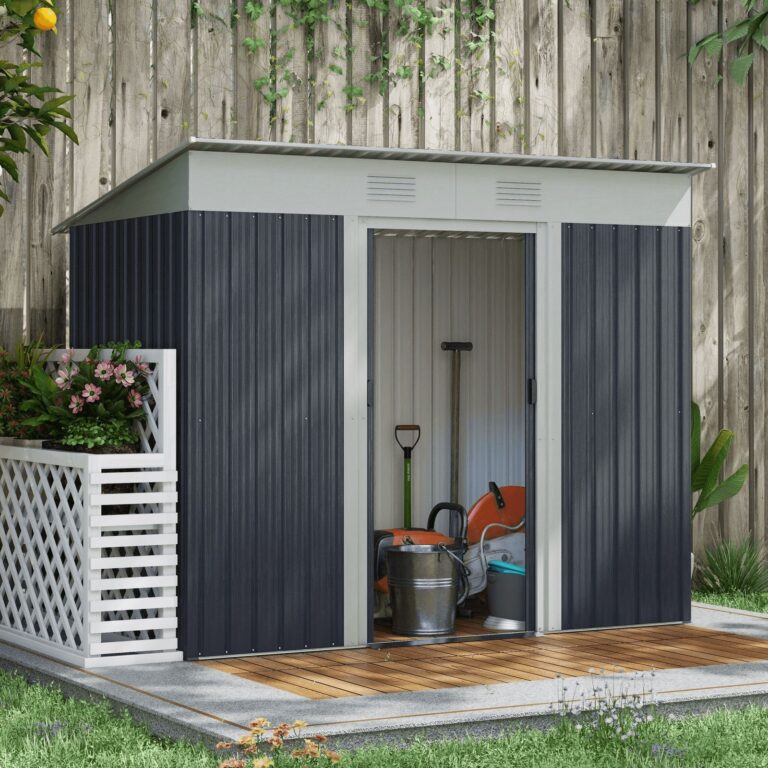
 Aisha's pickMetal Tool Sheds That Won’t Let You Down
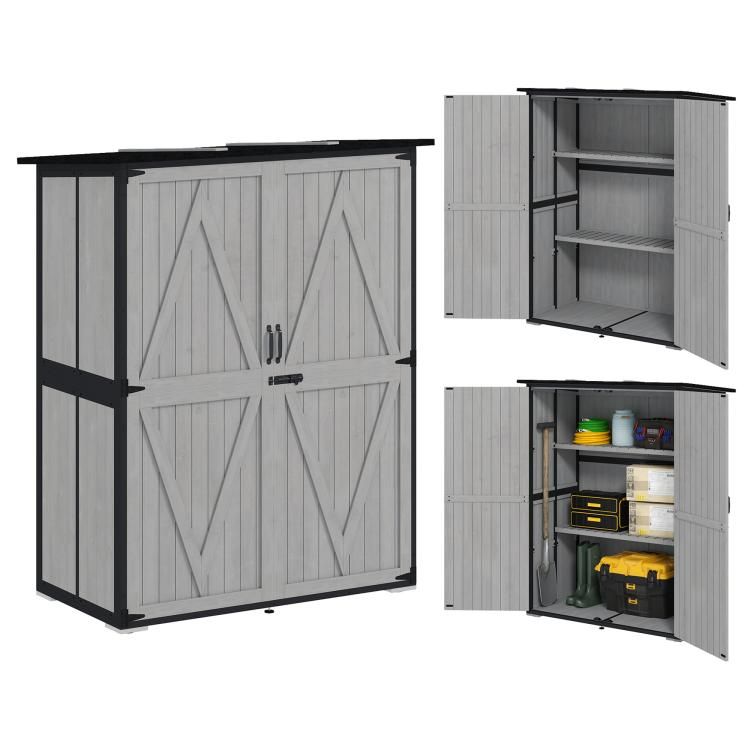 Aisha's pickPent Sheds That Won’t Let You DownAlso worth a lookGreenhousesThe thing nobody mentions is the condensation.See the collections →
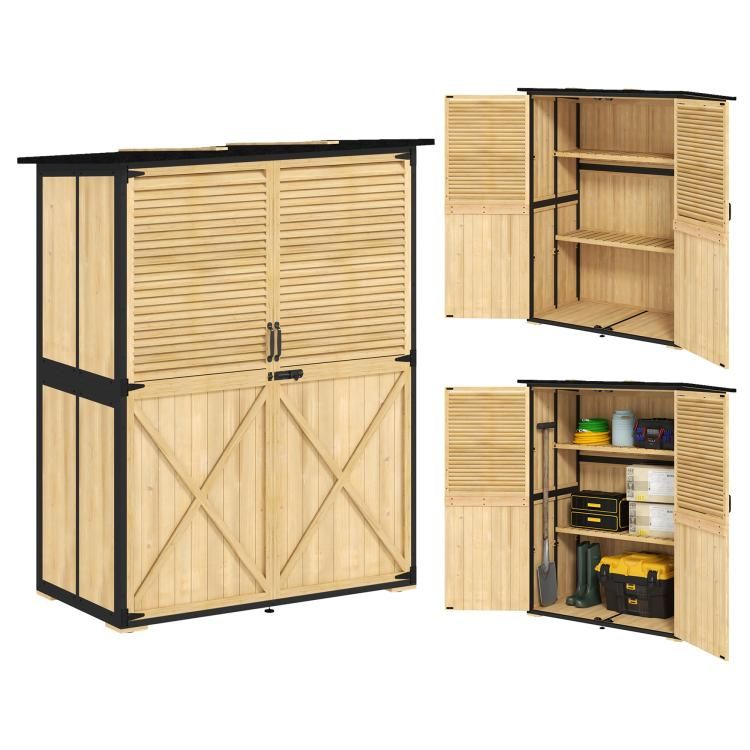
 Aisha's pickCompact Backyard Offices for Weekend Projects Outside
 Aisha's pickBackyard Studios with Windows That Survive a Hard Winter

 Aisha's pickContemporary Backyard Offices That Don’t Look Mass Produced

 Aisha's pickNatural Backyard Offices You Won’t Regret Buying
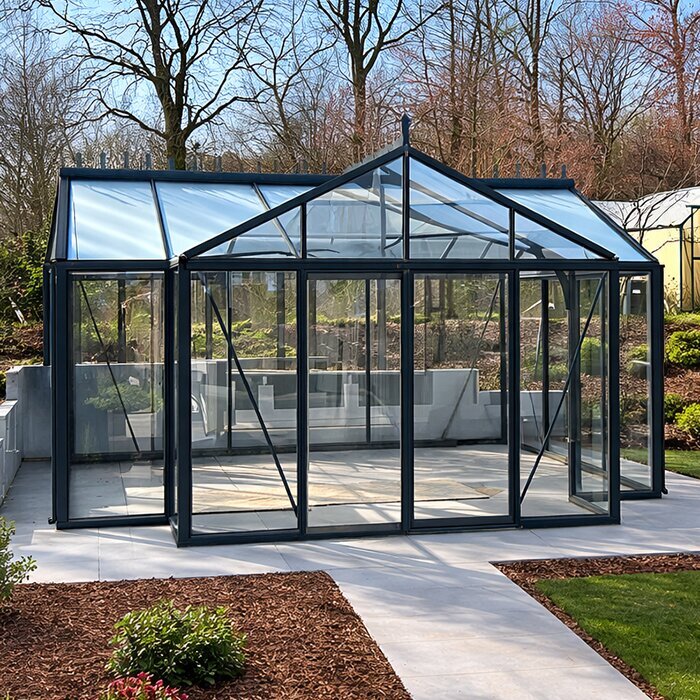 Aisha's pickAluminum Greenhouses That Don’t Need Much Upkeep
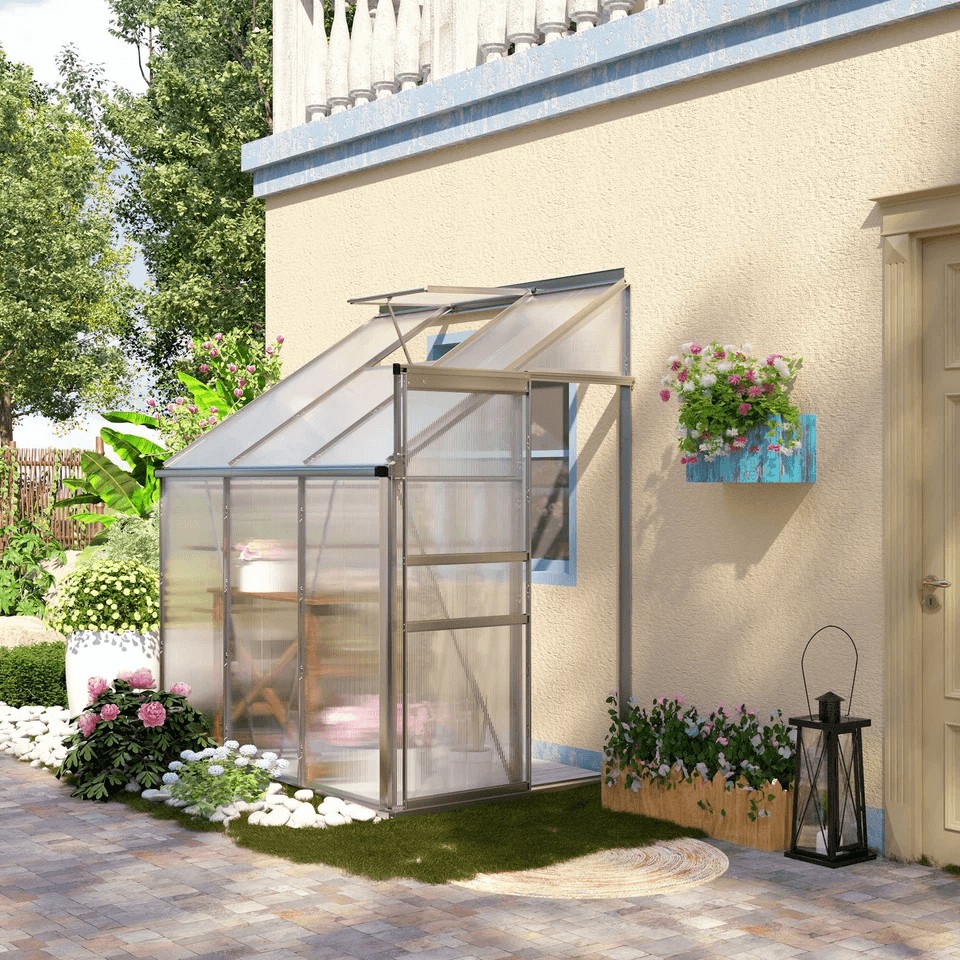
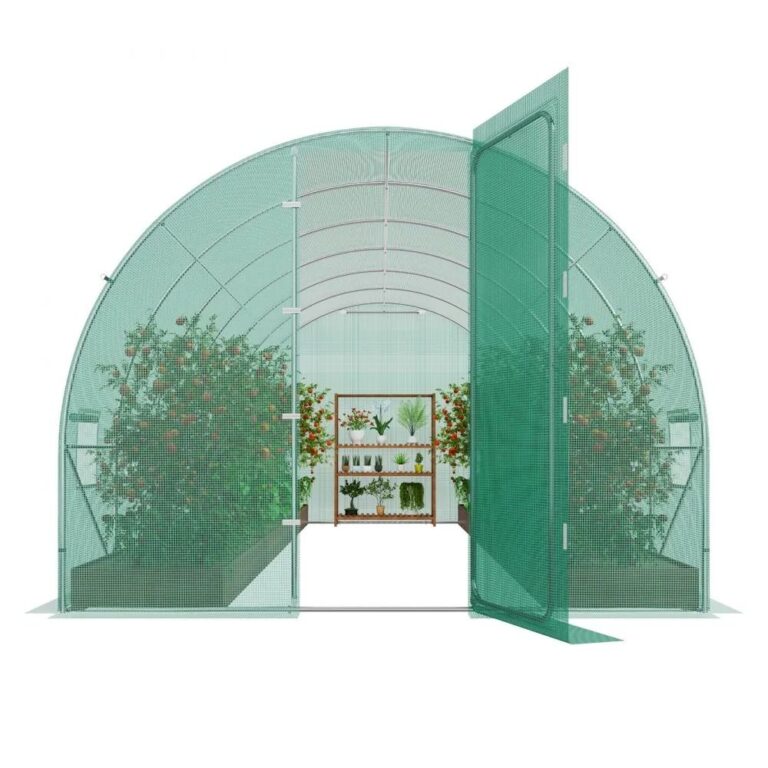 Aisha's pickGreenhouses with Windows That Don’t Need Babying
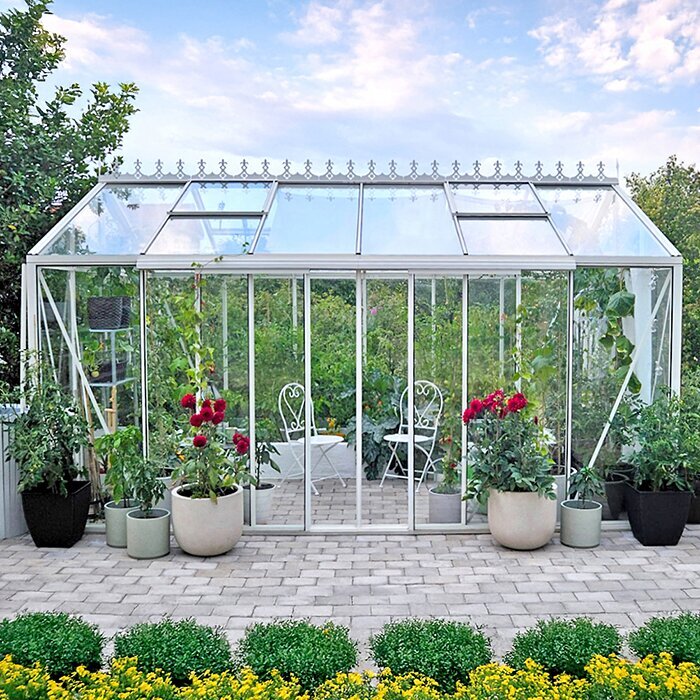
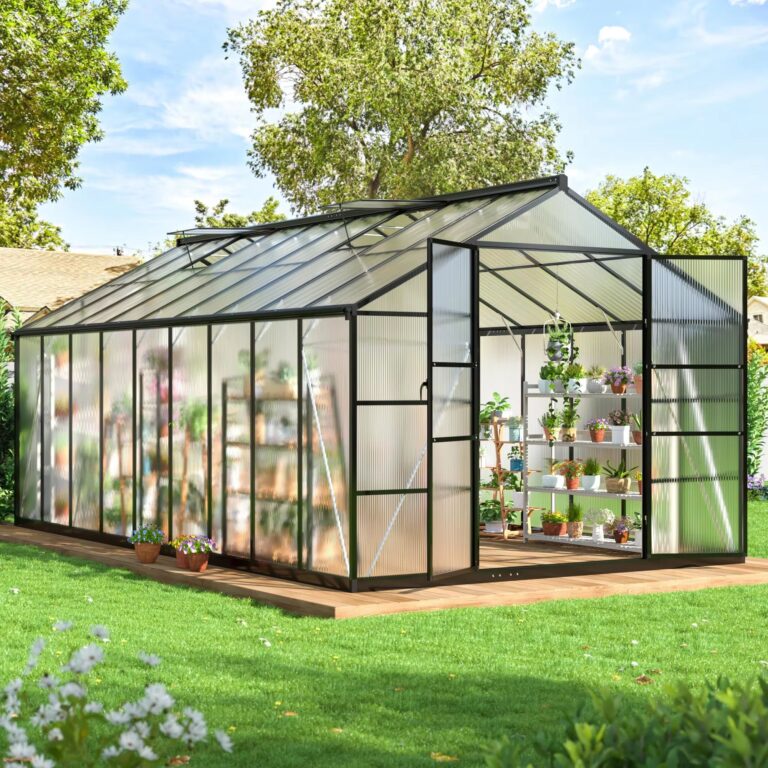 Aisha's pickPolycarbonate Greenhouses We’d Put Up in Our Own Yard
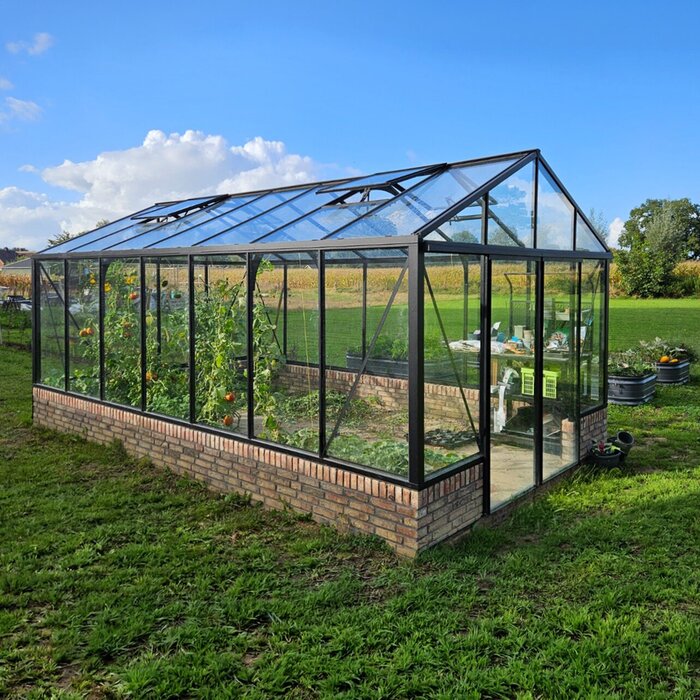
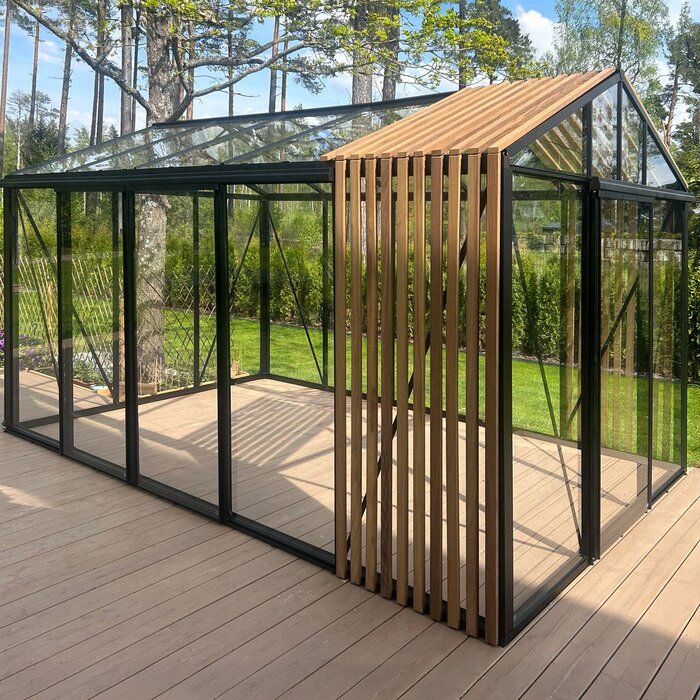 Aisha's pickWooden Greenhouses That Won’t Let You Down
 Aisha's pickStainless Steel Outdoor Kitchens That Look Better in Real LifeAlso worth a lookOutdoor ShedsYou can tell a good shed from a bad one before you even get close, just from the roofline and the gap under the door.See the collections →
 Aisha's pickNo Fuss Plastic Sheds
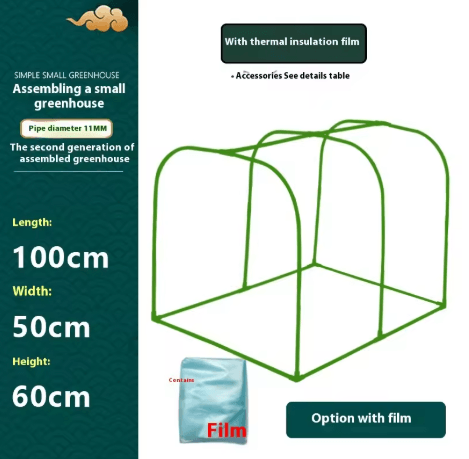
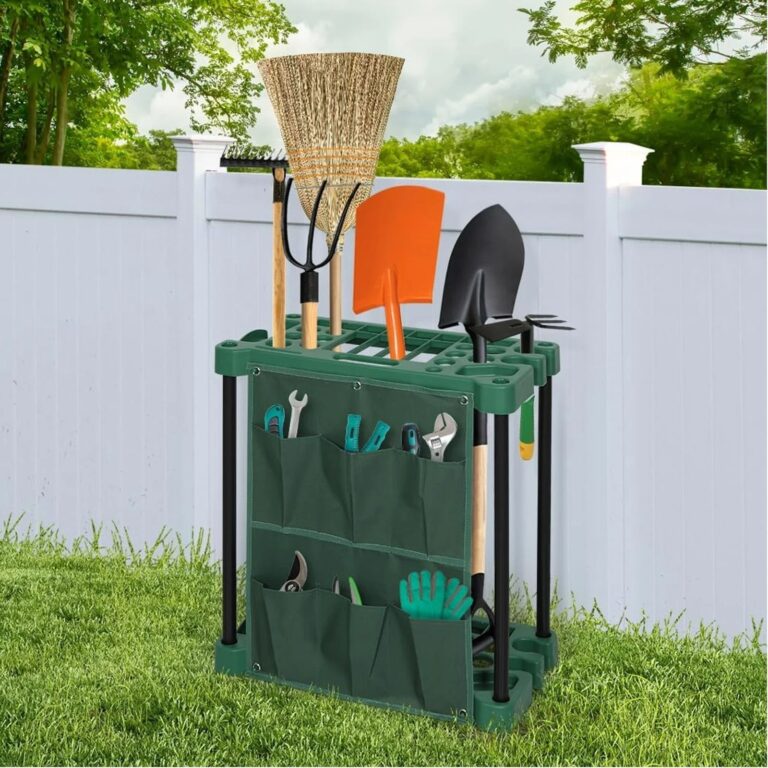 Aisha's pickCompact Outdoor Sheds Built to Last More Than a Few Summers

 Aisha's pickGreen Backyard Studios Worth Knowing About
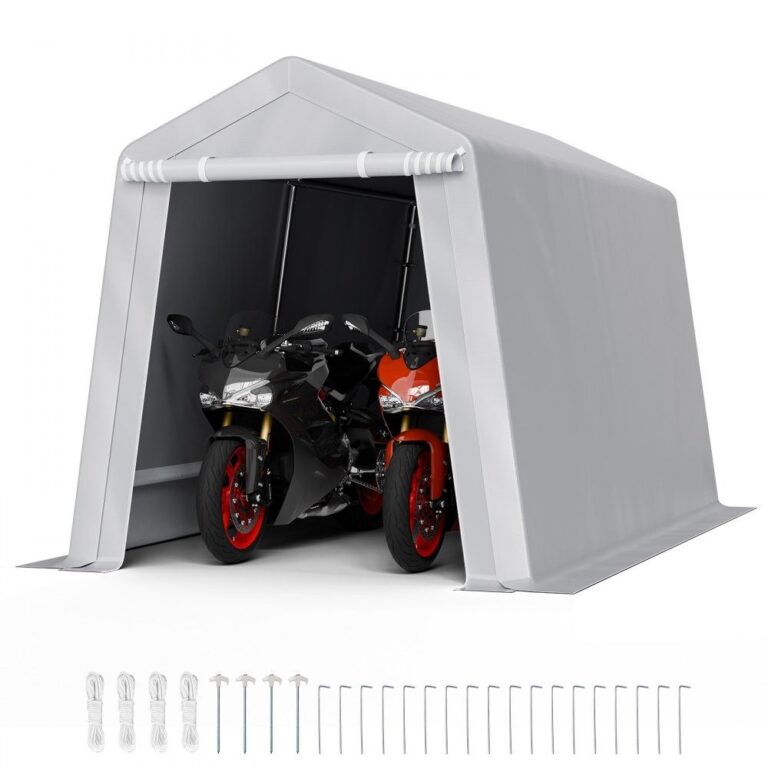 Aisha's pickDouble Door Outdoor Sheds That Fit Into Real Life
 Aisha's pickNatural Outdoor Sheds That Look Good Up Close
 Aisha's pickWhere to Start With Black Greenhouses
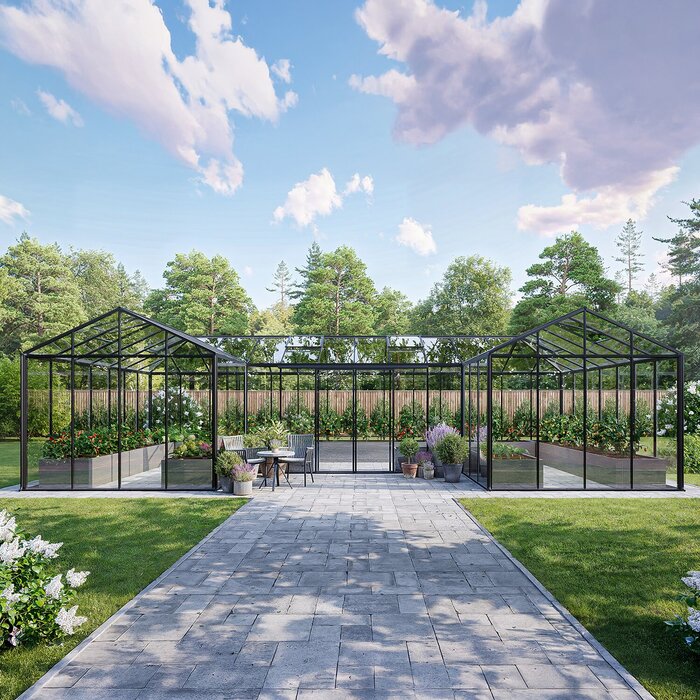 Aisha's pickLarge Outdoor Greenhouses That Earn Their Keep
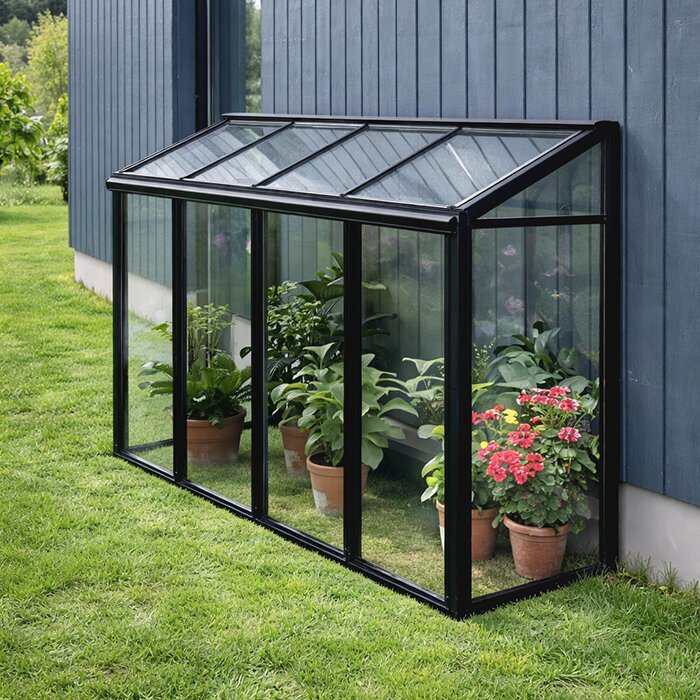
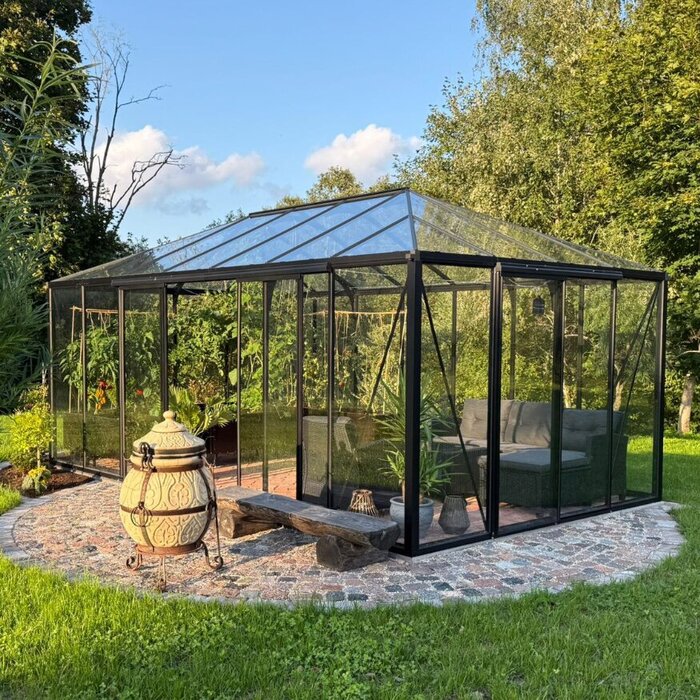 Aisha's pickSmall Outdoor Greenhouses That Survive a Hard Winter
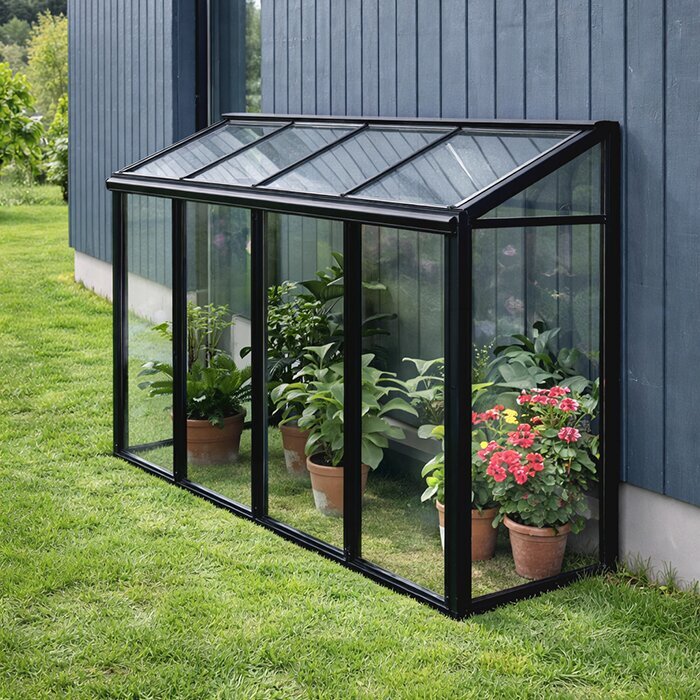
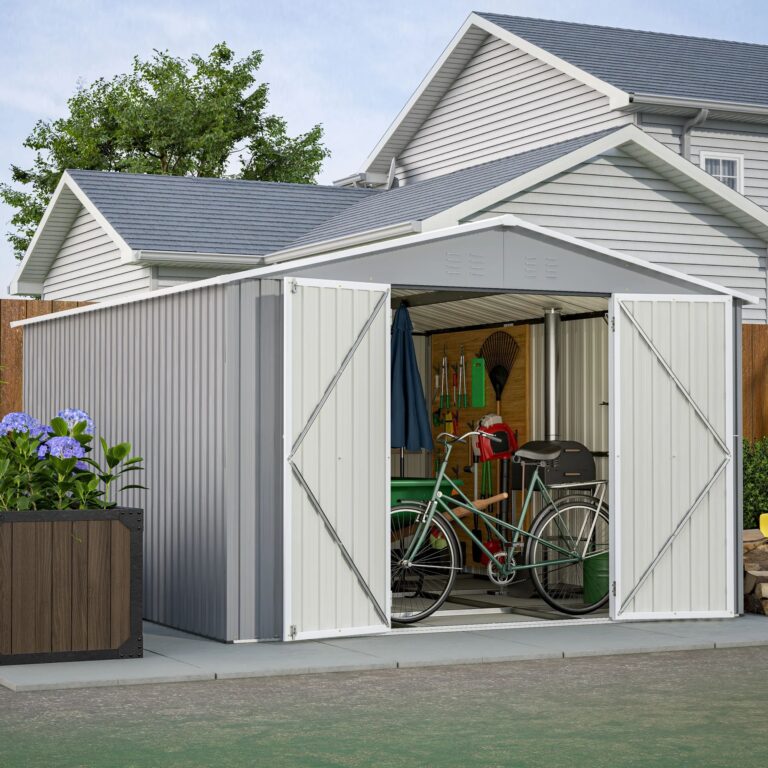 Aisha's pickExtra Large Sheds That Look Better in Real LifeAlso worth a lookMetal ShedsThe single most useful thing to know before buying a metal shed is that the price difference between…See the collections →
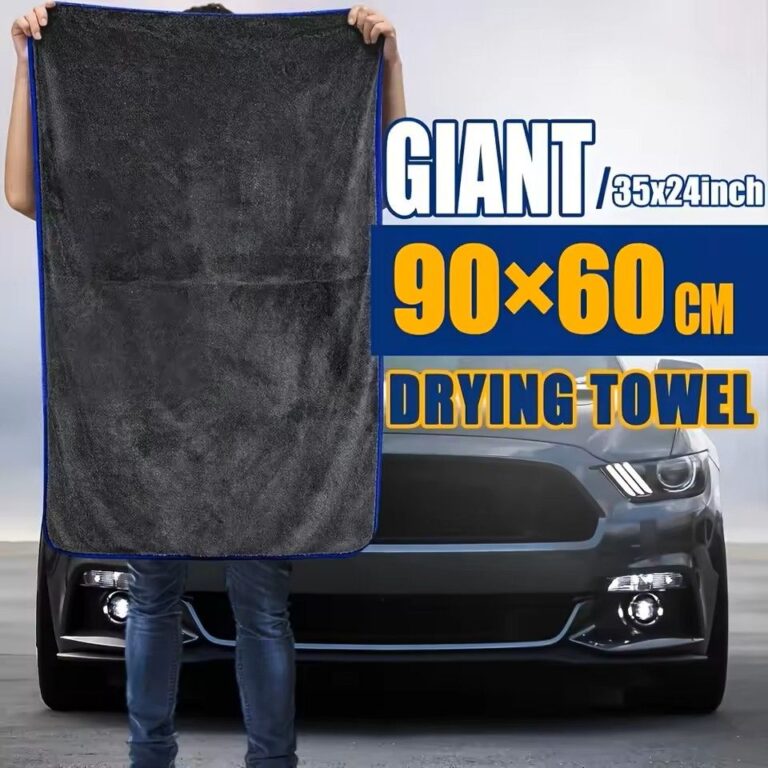
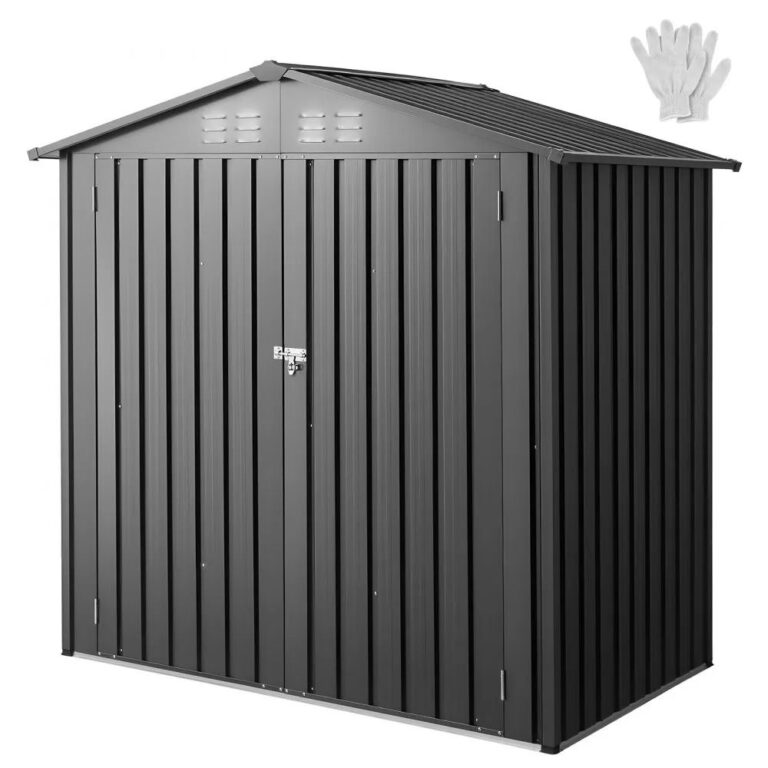 Aisha's pickSteel Bike Sheds That Don’t Need Much Upkeep
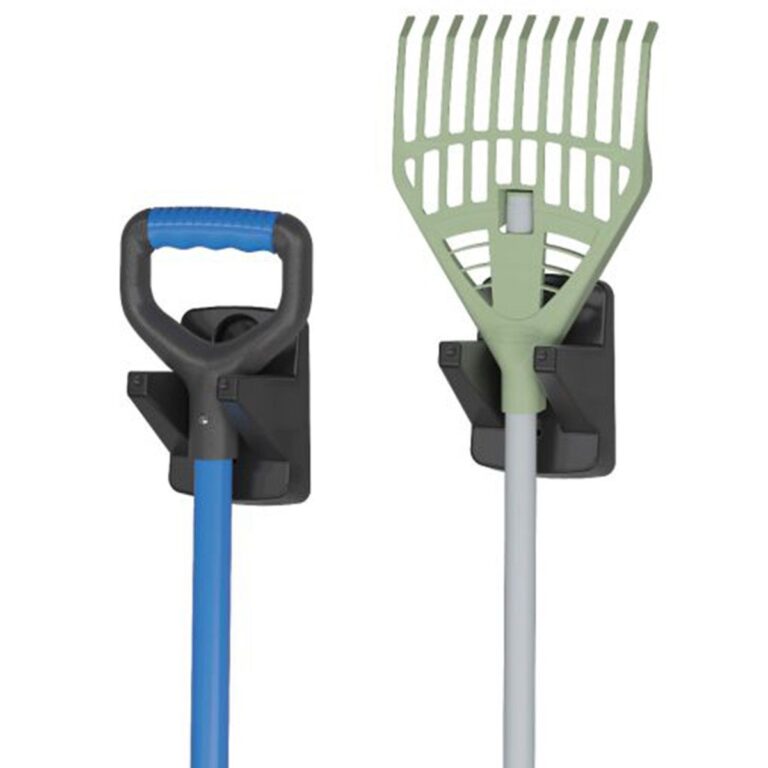 Aisha's pickResin Sheds That Visitors Always Ask About
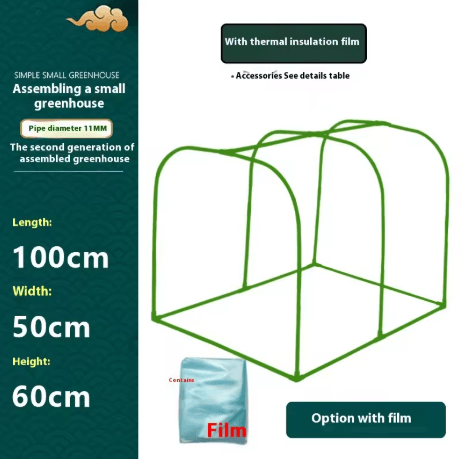 Aisha's pickDecent Compact Plastic Sheds Without the Hassle
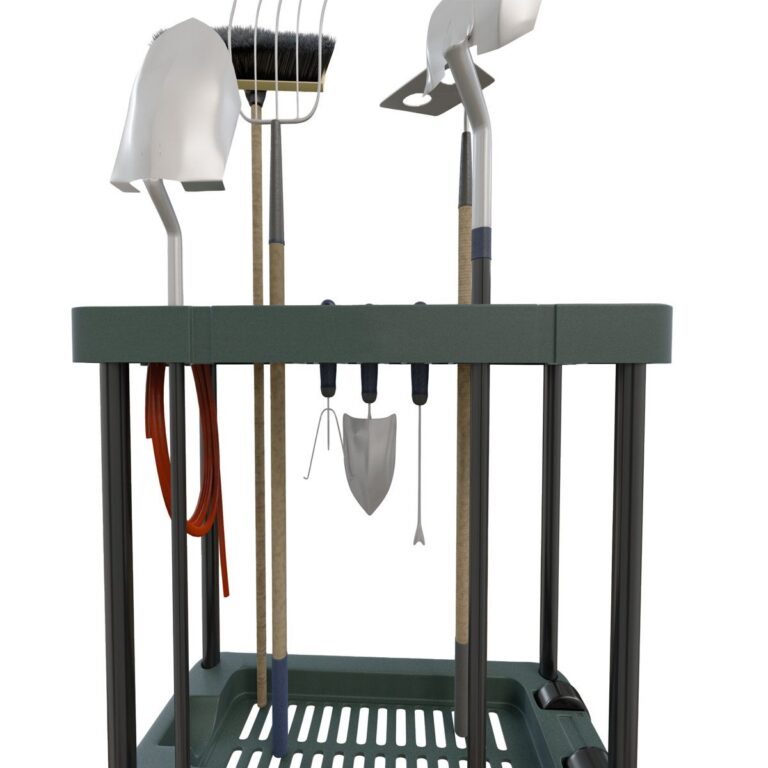
 Aisha's pickLarge Backyard Studios for People Who Know What They Like
 Aisha's pickBackyard Offices With Some Character
 Aisha's pickOutdoor Kitchens for Long Summer Evenings Outside
 Aisha's pickCompact Outdoor Greenhouses That Won’t Date in a Year
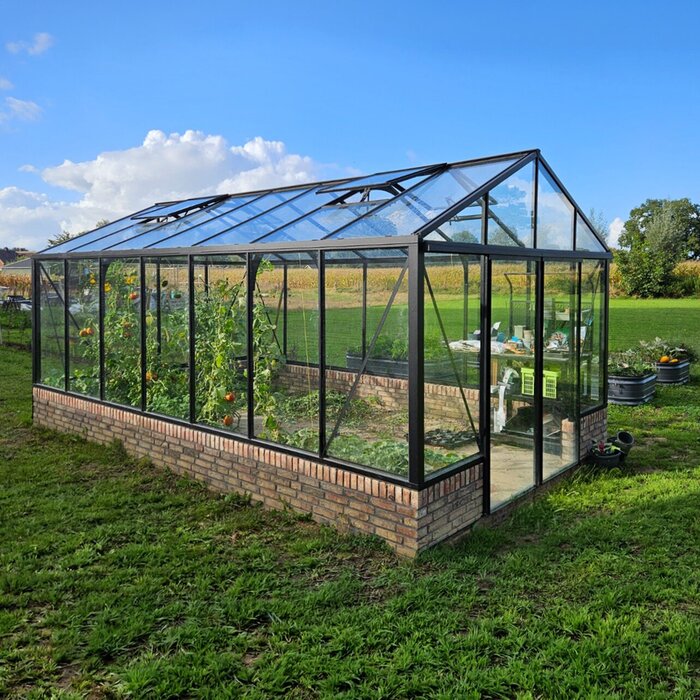
 Aisha's pickLarge Green Greenhouses for Weekend Projects Outside