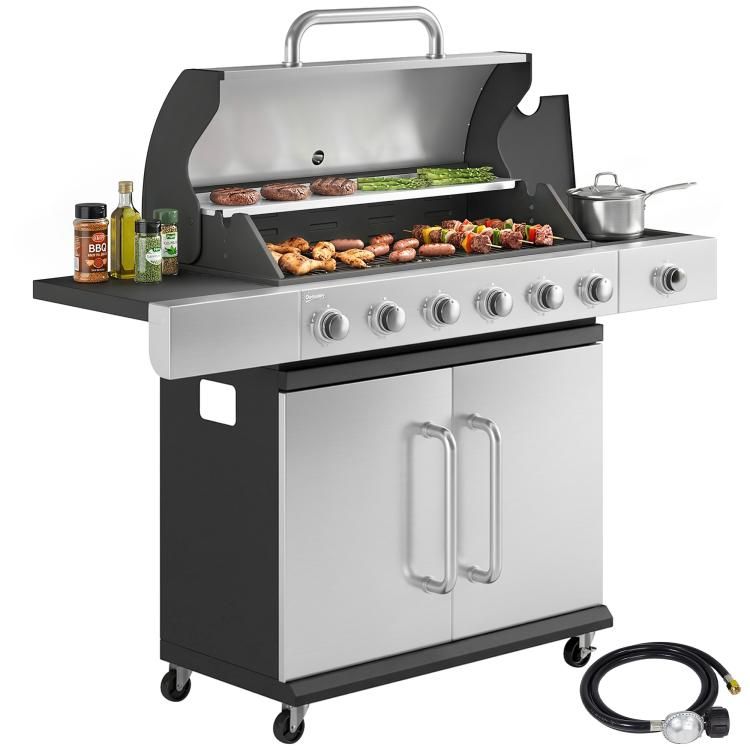
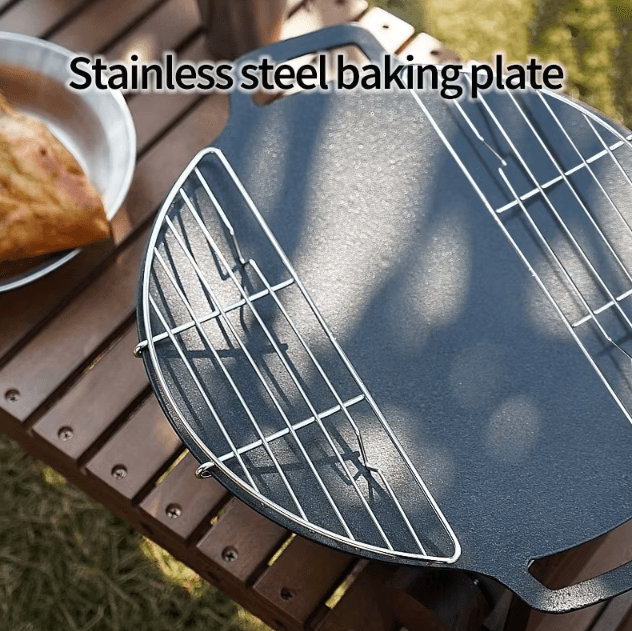
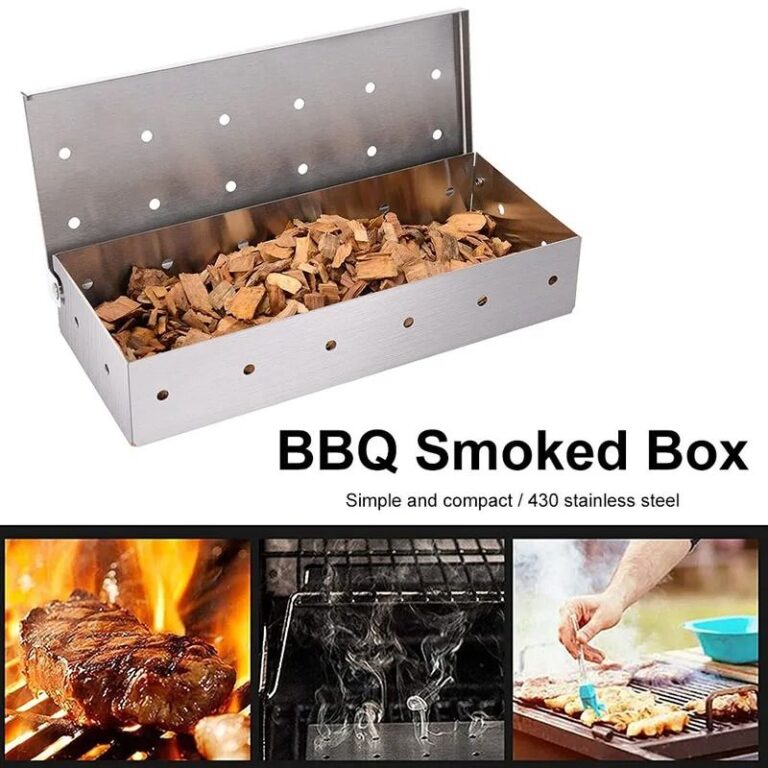
The mistake is buying for the weekend you imagine rather than the one you'll actually have, so you end up with something huge and complicated that gets used three times a summer and resents you the other fifty. The weather you actually get, the number of people who actually show up, and how much space you actually want to give up to it matter more than how good the thing looks folded out in the shop.
Whatever you choose will spend most of its life outside, so think about how it ages before you think about how it looks on day one. Metal finishes dull and spot with rust where water sits, especially around welds and screw holes, so anything left uncovered through a damp winter will look five years older than it is by spring. Cast iron and heavy steel take this better than thin pressed metal, which dents and tinnies underfoot or under a dropped log in a way that tells you exactly what you paid for it. A cover earns its cost back fast. Wipe down grates and bowls after use rather than letting grease or ash sit, and anything with a gas line or electrics should get checked for corrosion and loose fittings at the start of each season, not halfway through a dinner when it won't light.
None of this is the right choice for every garden, and it's worth being honest about that before you commit. A serious wood burning fire pit wants real outdoor space around it, not a balcony four feet from a neighbor's washing line, and a lot of strata rules and rental agreements ban open flame outright, so check before you fall in love with one. Gas heaters give you instant heat with none of the smoke but they're hungry for fuel and loud when the canister runs low mid party. If you're renting or moving within a year or two, go lighter and more portable rather than buying the heavy built in version you'll have to abandon.
In the shop or the moment it's delivered, check the weight is where it should be, a heavy stable base, not a cheap top bolted to flimsy legs that wobble when you knock the table. Push down on grates and shelves to see if they flex. Look at welds for rough or sharp edges, and check wheels, if it has them, actually turn and lock. For sizing, measure the clear space around it with at least three feet of nothing flammable on every side, more for anything with an open flame, and remember heaters throw warmth in a circle, not a room, so one in the corner of a big patio is mostly heating the fence.
Let metal cool completely before you cover it, or you'll trap moisture and rust it from the inside out.
 Aisha's pickElectric Fires That Don’t Look Mass Produced
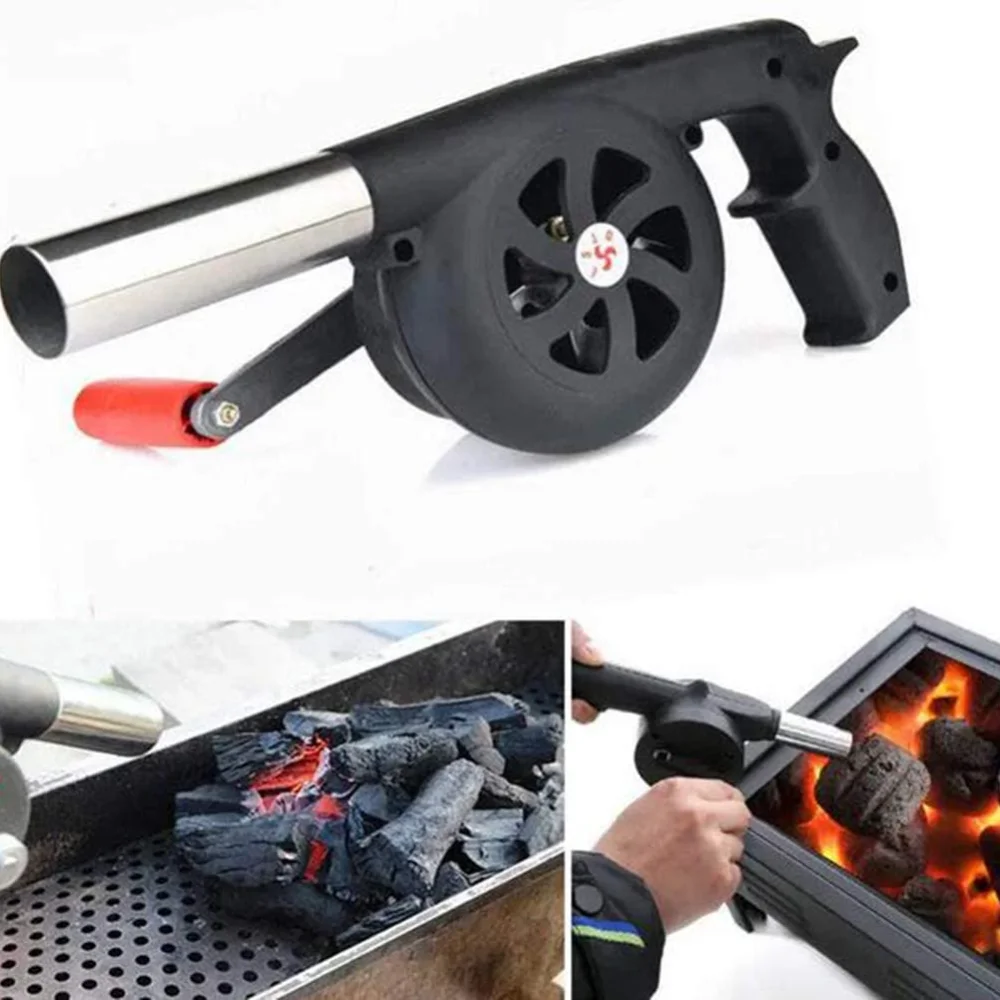
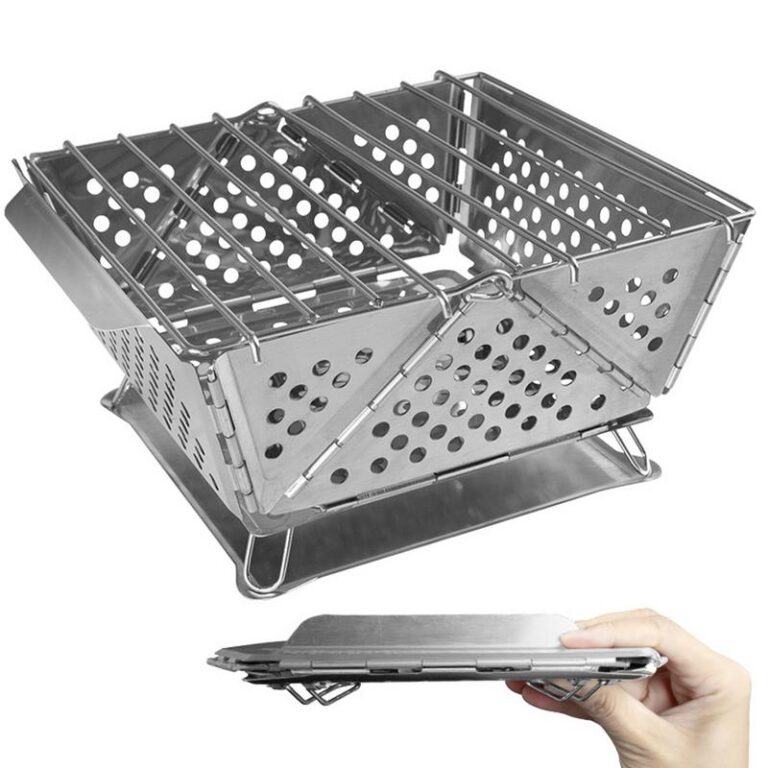 Aisha's pickOur Shortlist of Portable Fire Pits
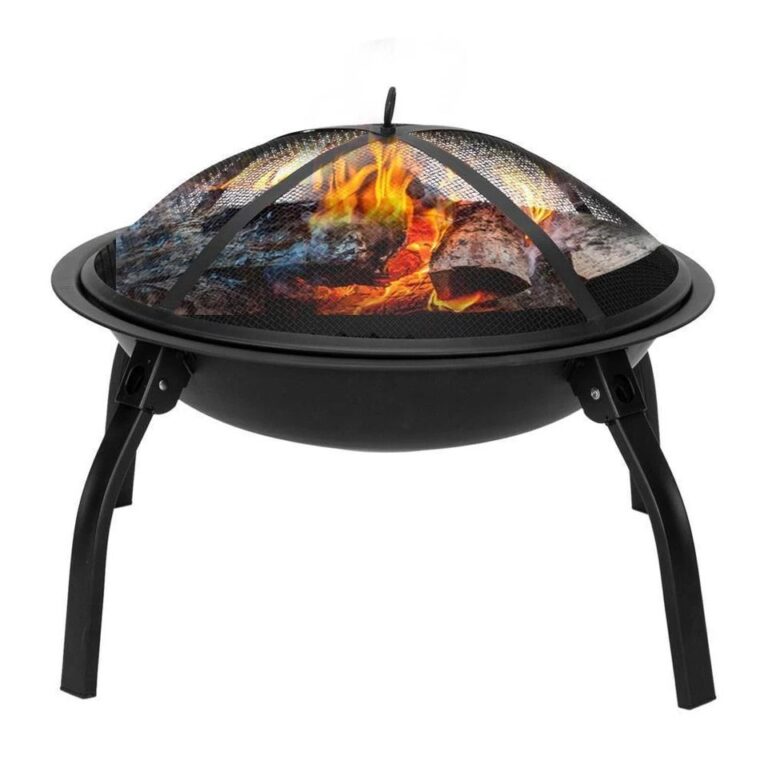
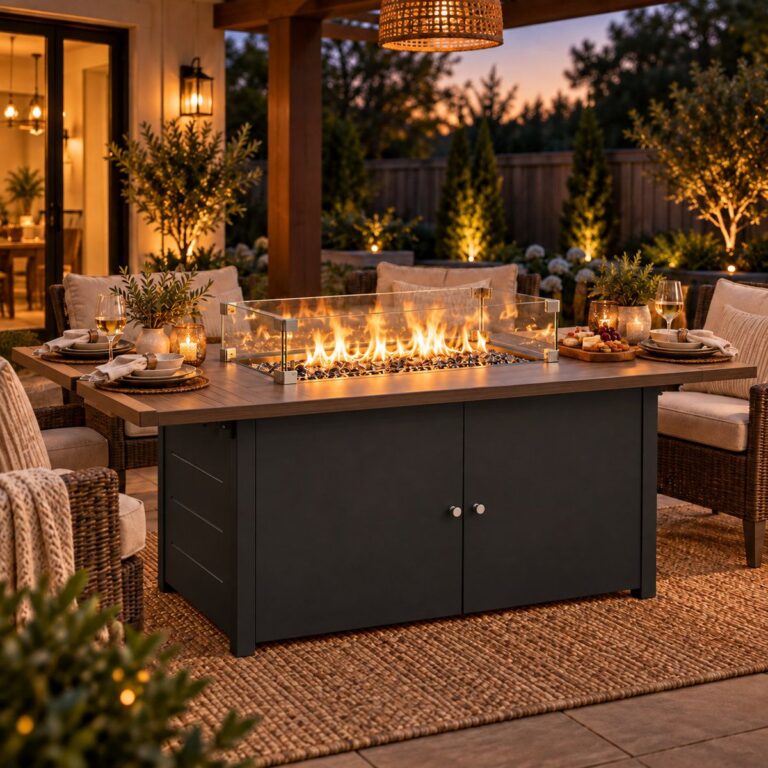 Aisha's pickSteel Fire Pits That Stand Up to the Weather
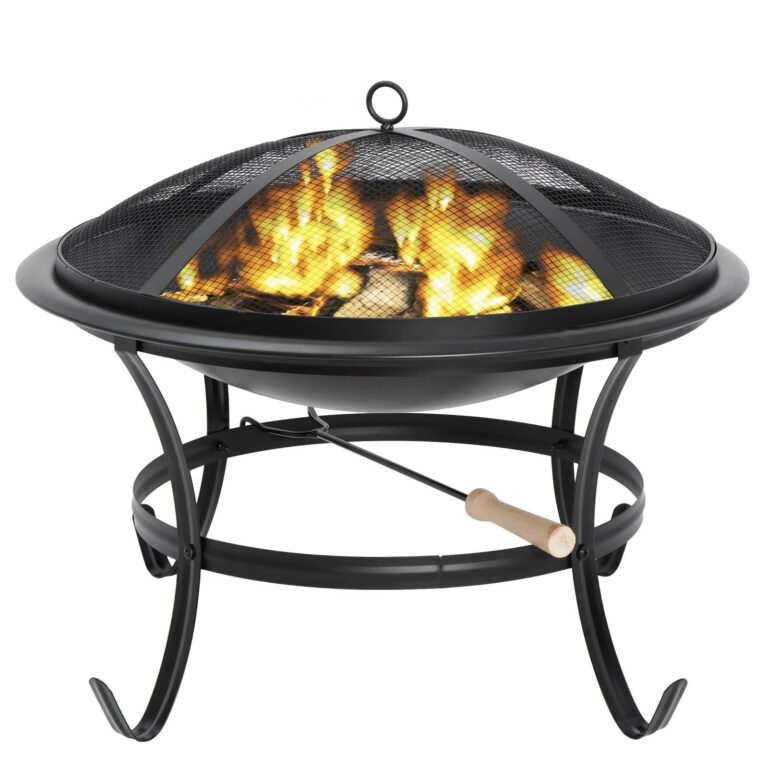
 Aisha's pickInfrared Electric Patio Heaters That Look Better in Real Life

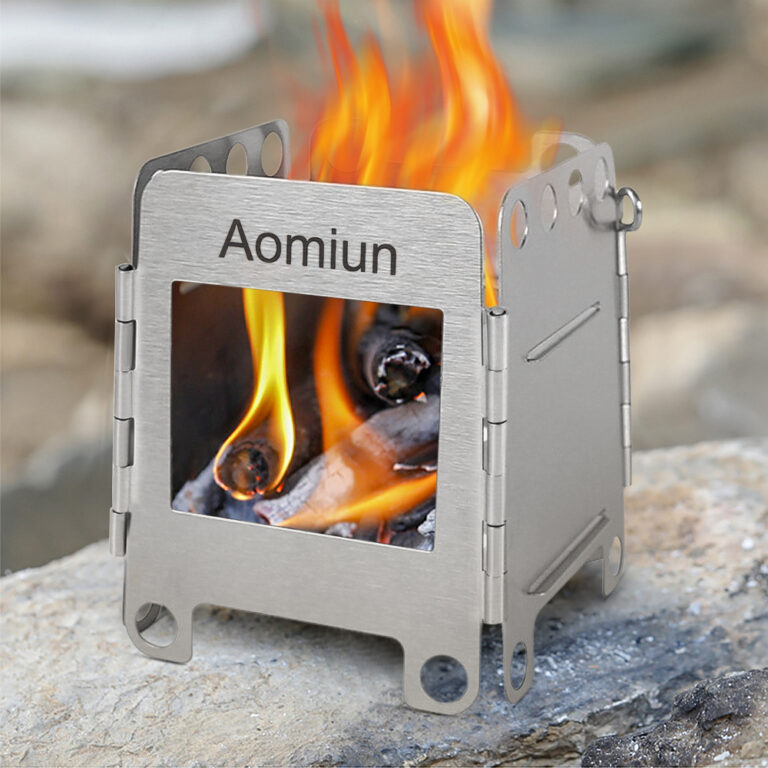 Aisha's pickSteel Outdoor Fire Pits That Survive Kids and Pets
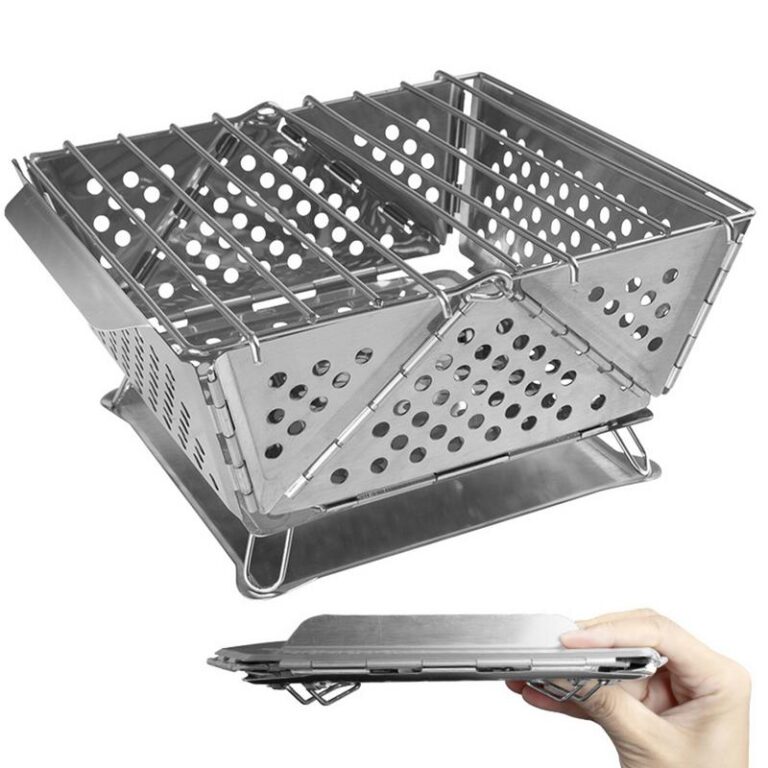
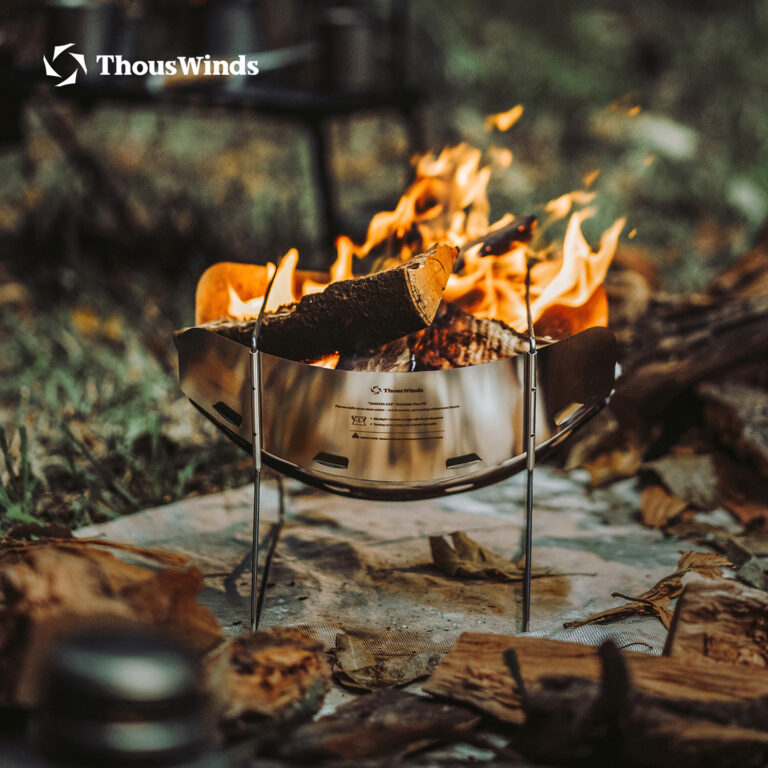 Aisha's pickFire Pits That Survive a Hard Winter
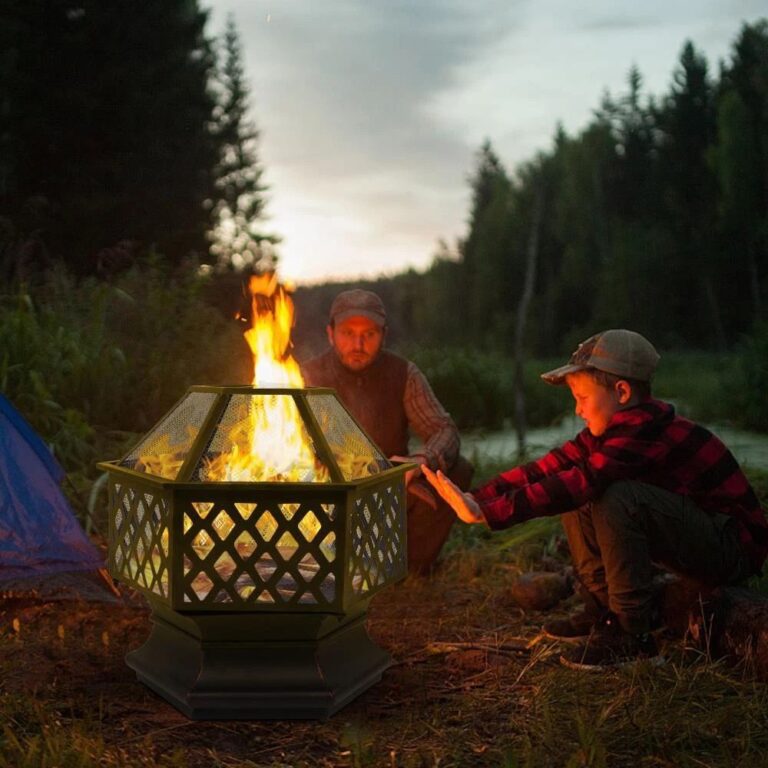
 Aisha's pickPortable Steel BBQs We’d Have Out From May to September
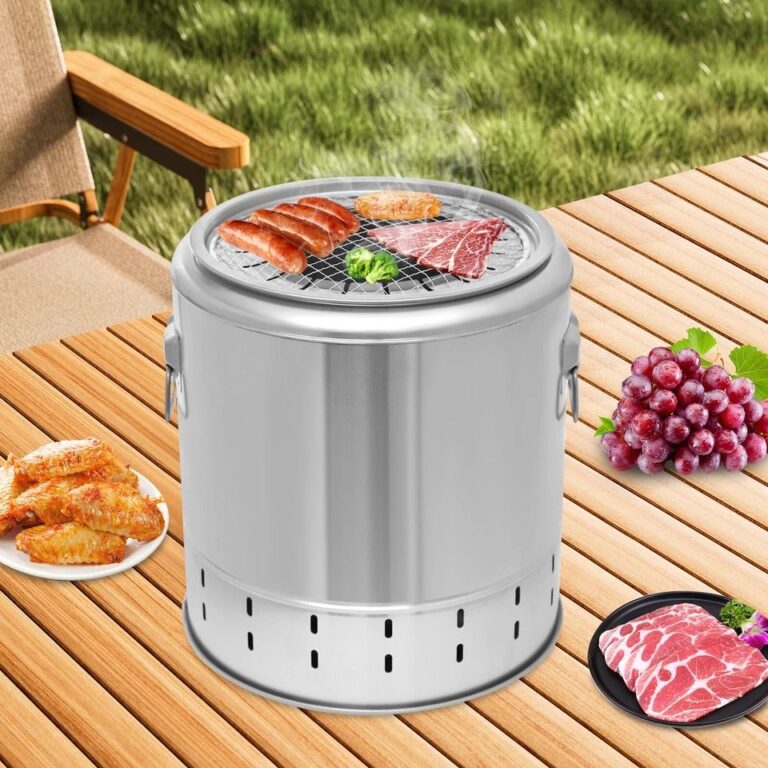
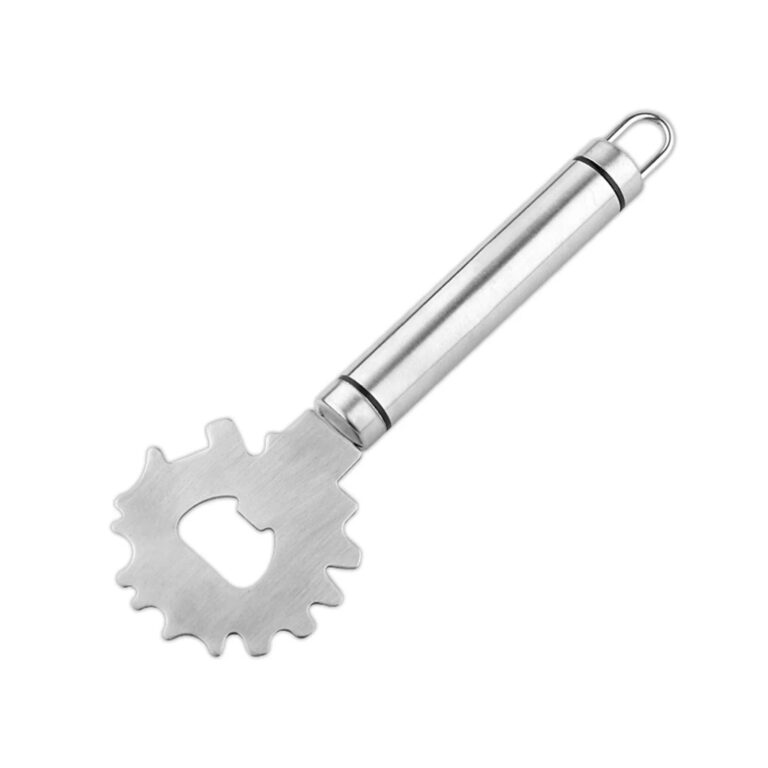 Aisha's pickSteel Gas BBQs That Visitors Always Ask About
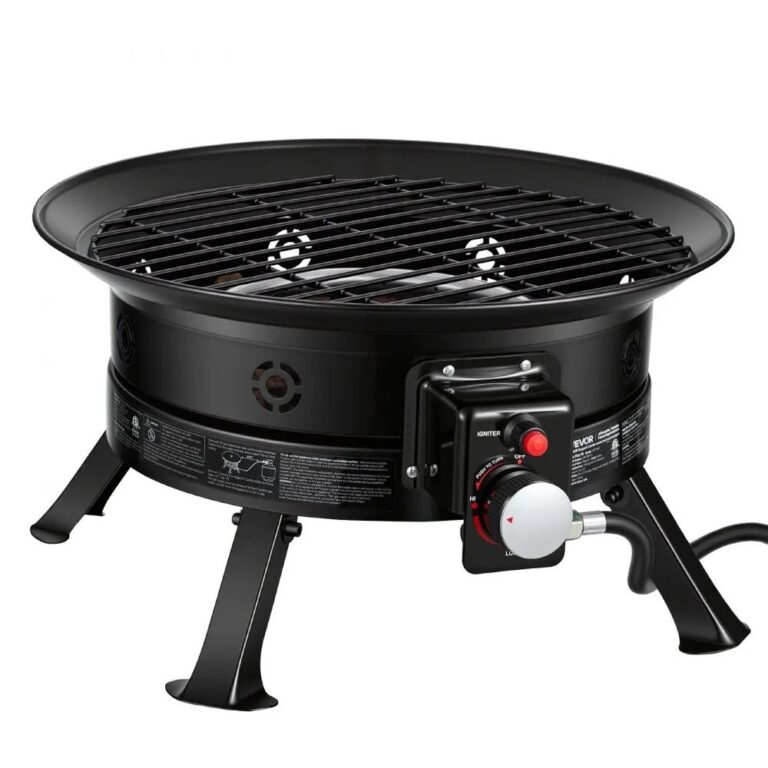
 Aisha's pickInfrared Outdoor Heaters That Make Small Changes Feel BigAlso worth a lookOutdoor HeatersThe moment it clicked was on a friend's patio in late September, the kind of evening where everyone's…See the collections →

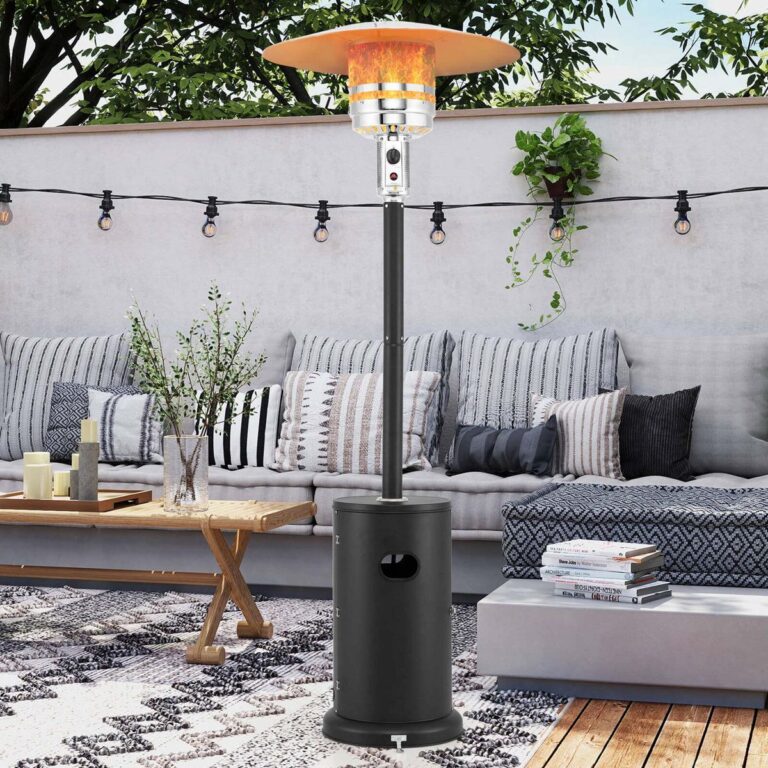 Aisha's pickSteel Outdoor Heaters for Sunny Afternoons and Chilly Nights
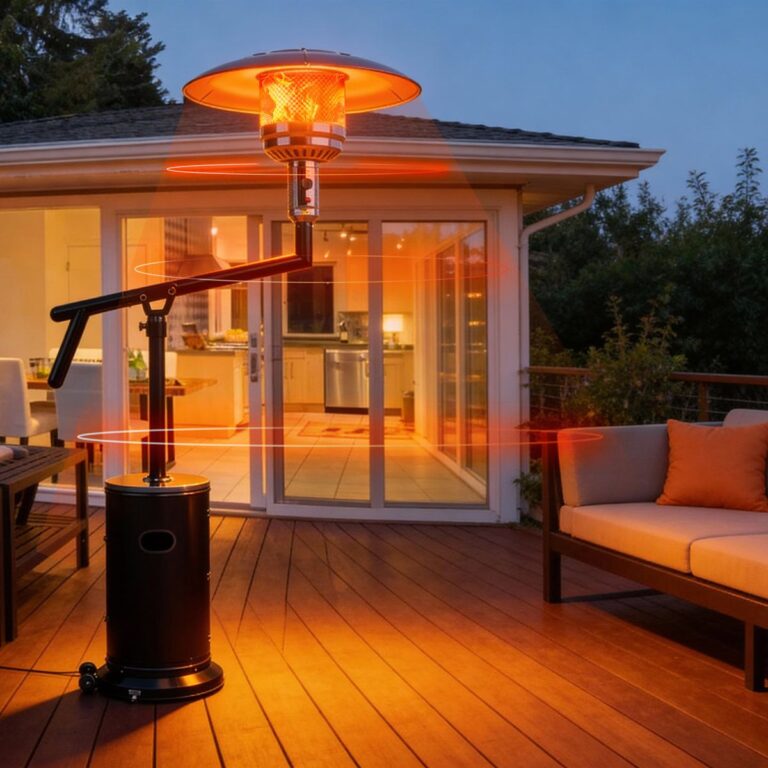
 Aisha's pickFire Pits with Grill That Won’t Date in a Year

 Aisha's pickRed BBQs Picked by People Who Care Too Much
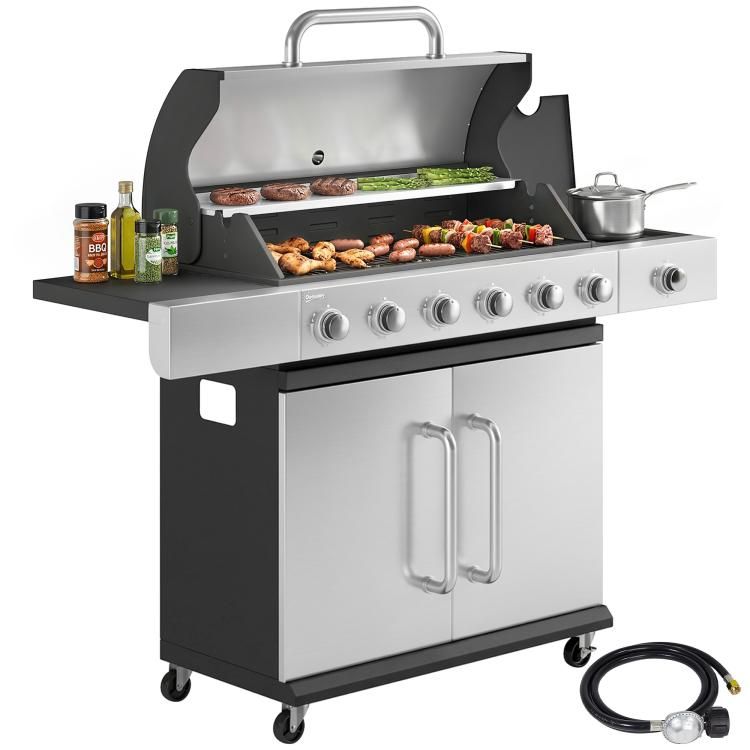
 Aisha's pickSteel Gas Grills That Won’t Date in a Year
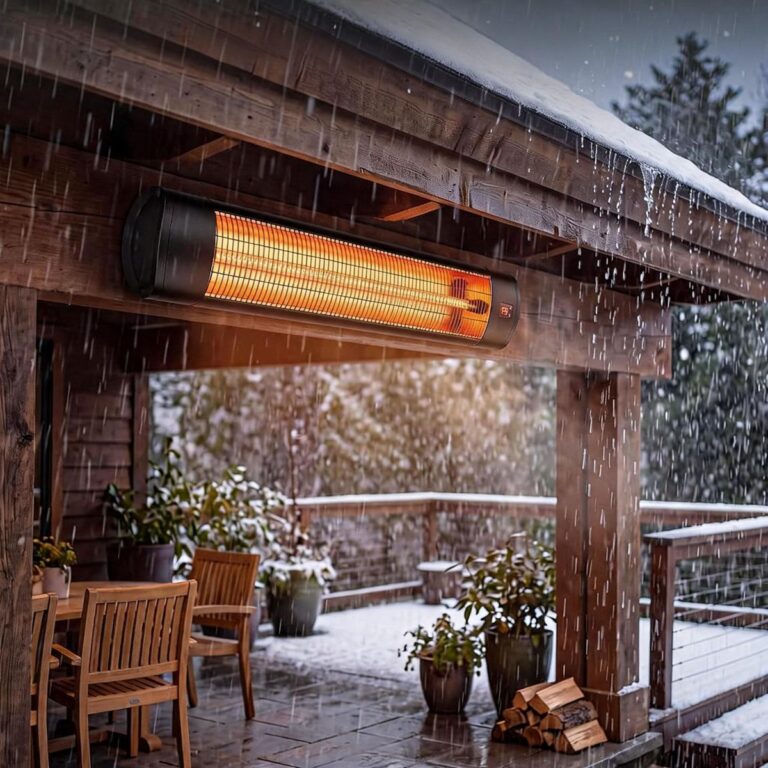 Aisha's pickInfrared Outdoor Heaters for Patio We’d Have Out From May to September
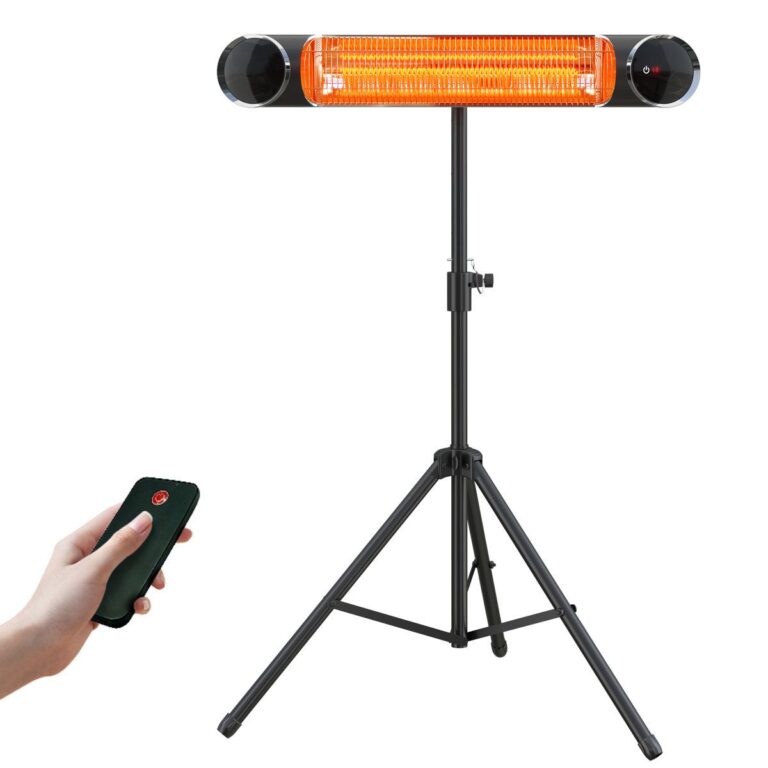
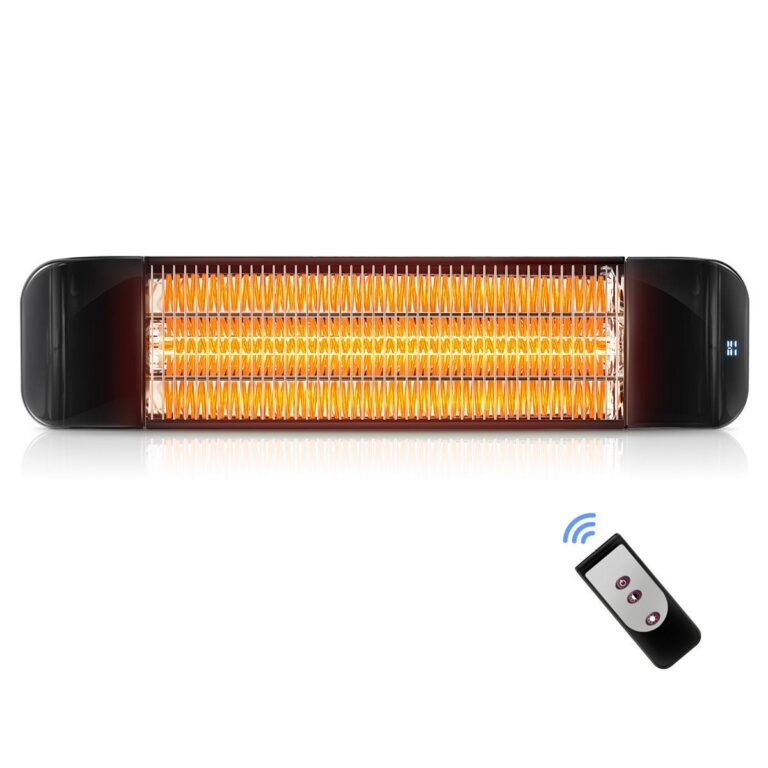 Aisha's pickShopping for Wall Mounted Patio Heaters? Start Here
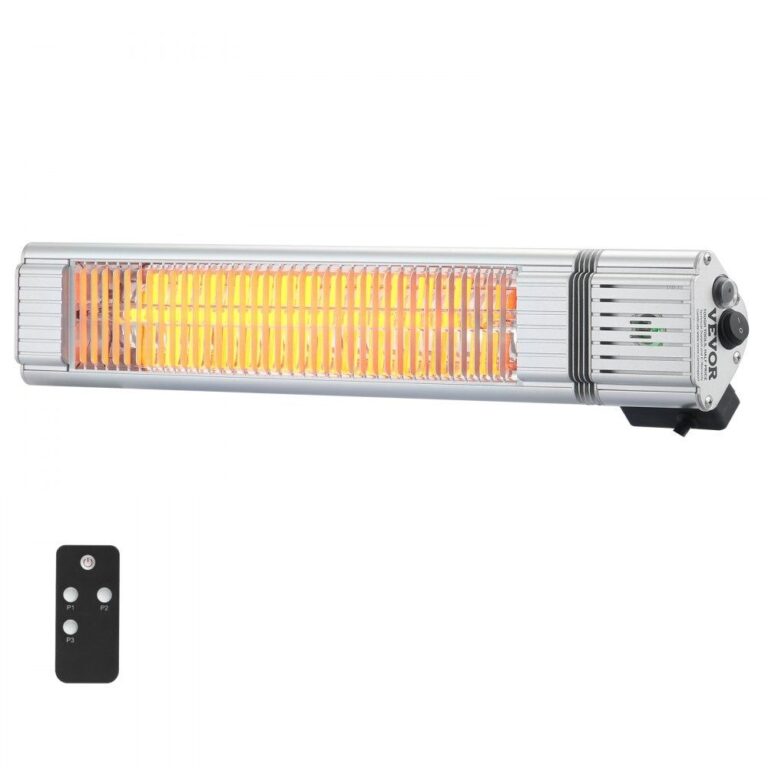
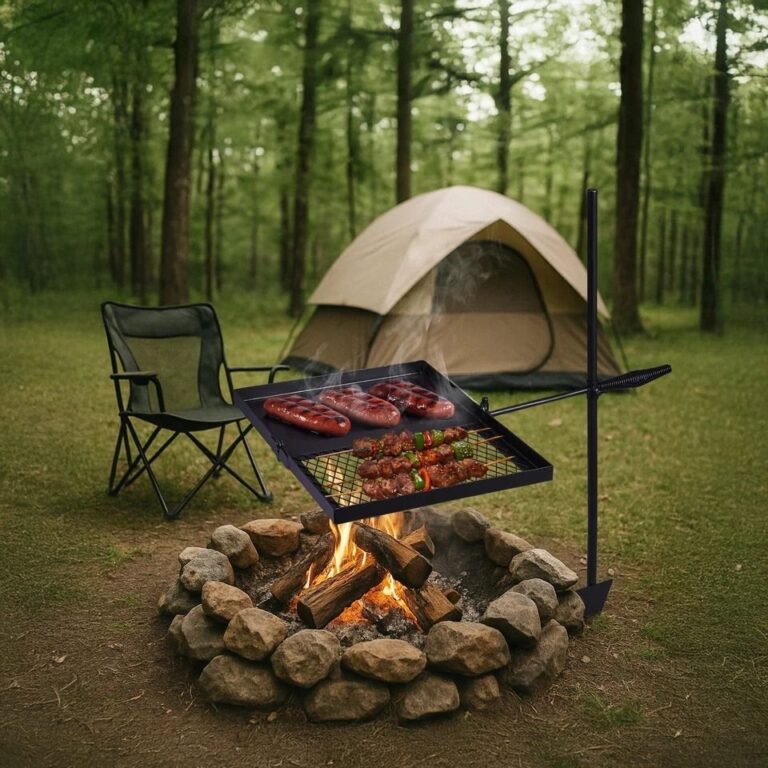 Aisha's pickFoldable BBQs for Barbecues and Lazy Weekends
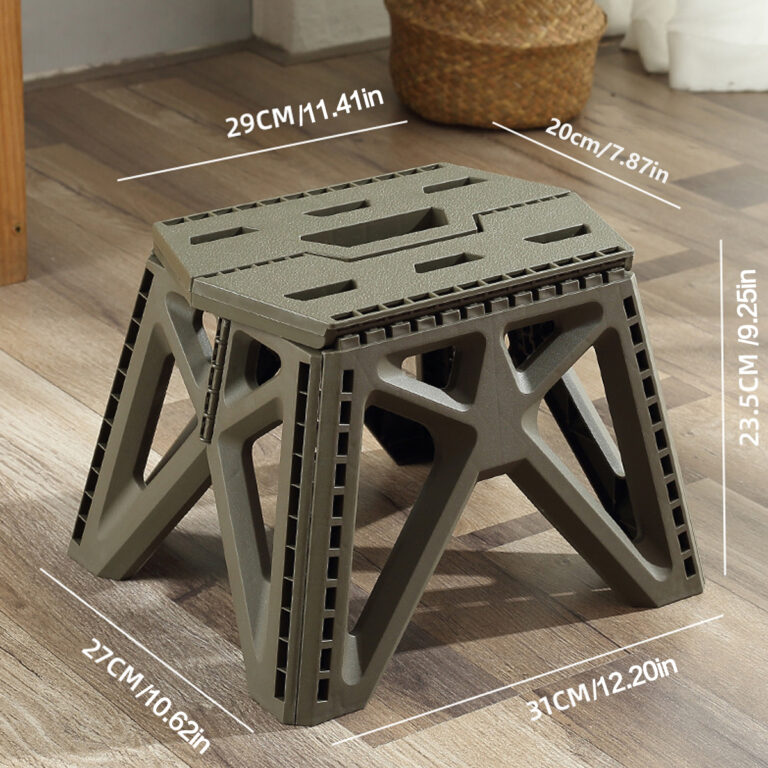
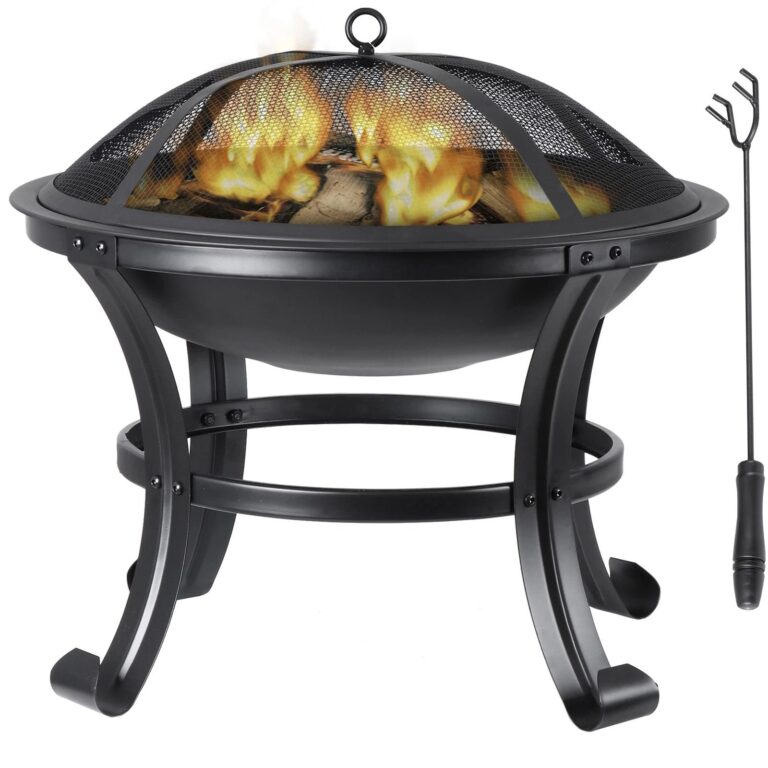 Aisha's pickRound Fire Pits You’ll Still Like in Five Years
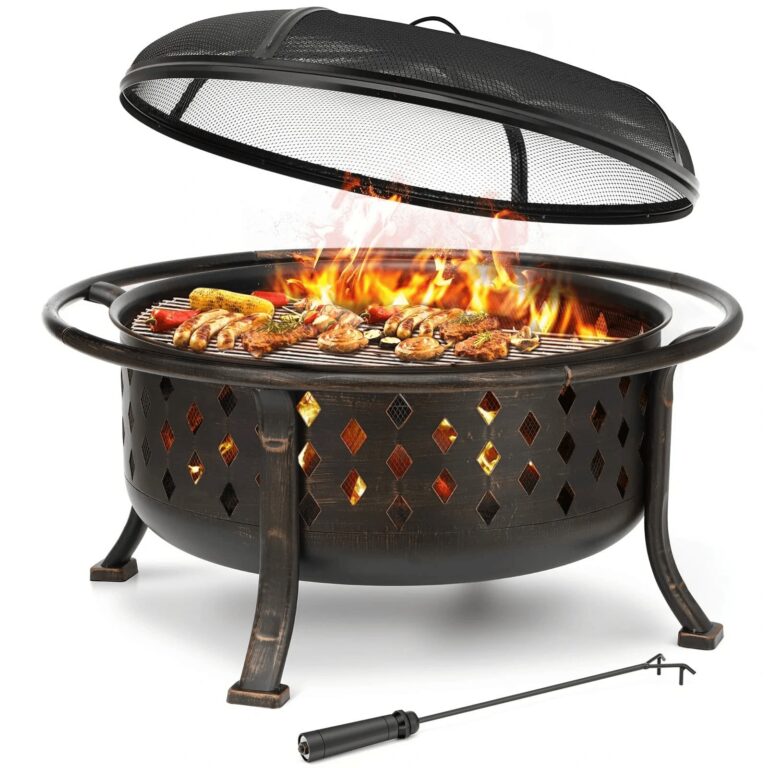
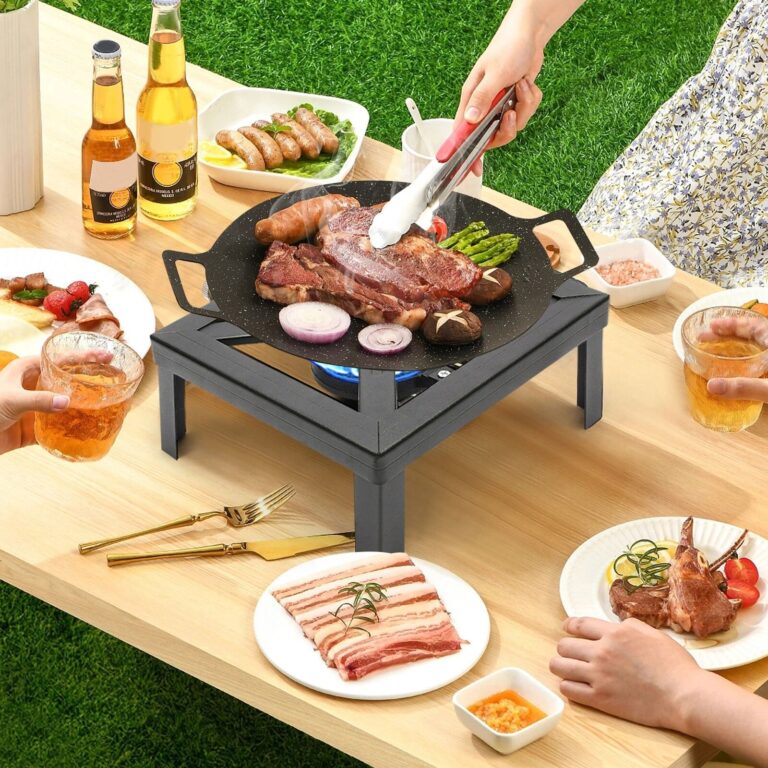 Aisha's pickTabletop BBQs for Barbecues and Lazy WeekendsAlso worth a lookHeatersThe thing nobody tells you about outdoor heaters is how much the fuel costs once you actually use one properly.See the collections →
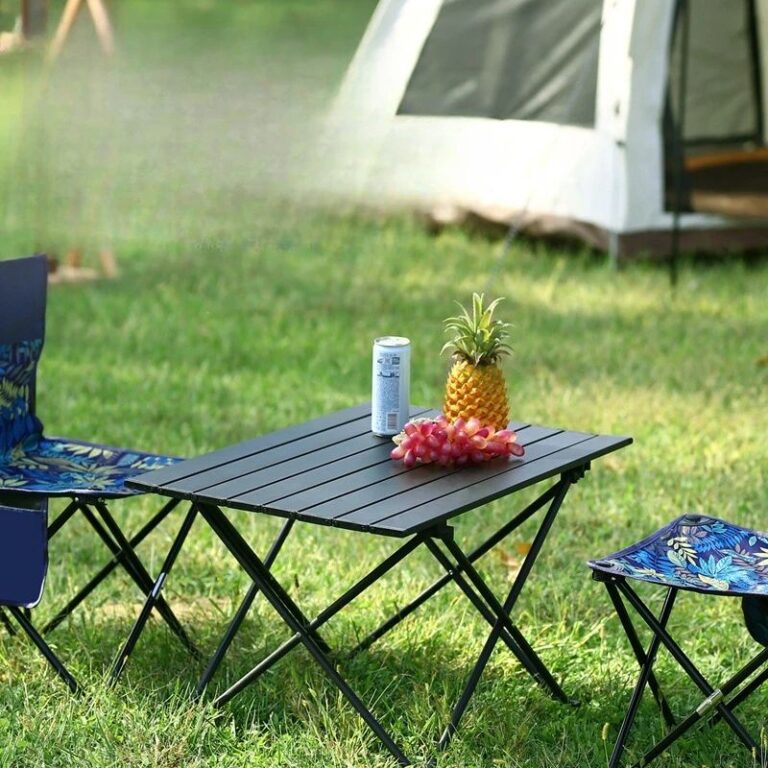
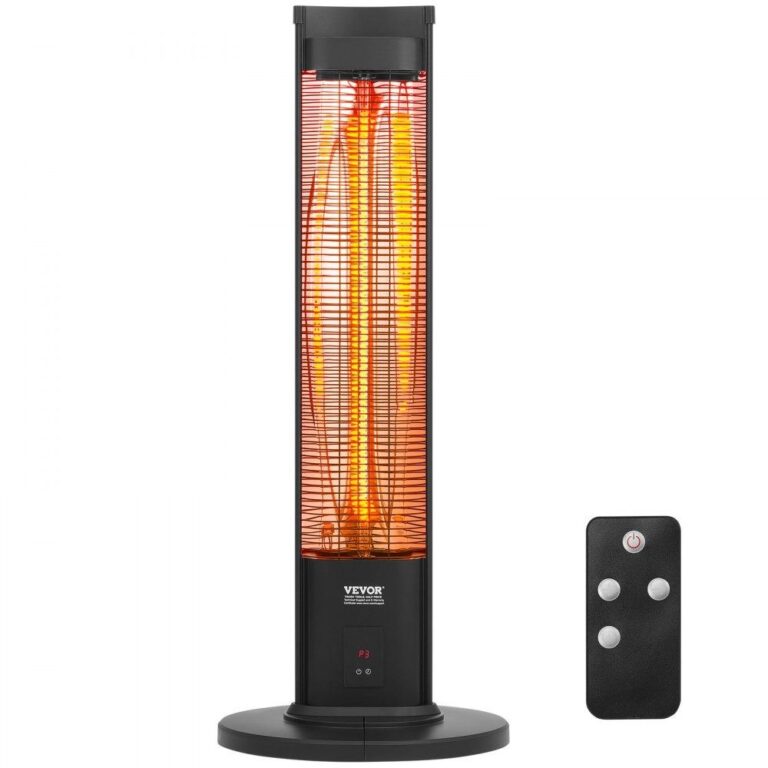 Aisha's pickInfrared Patio Heaters We’d Buy Again
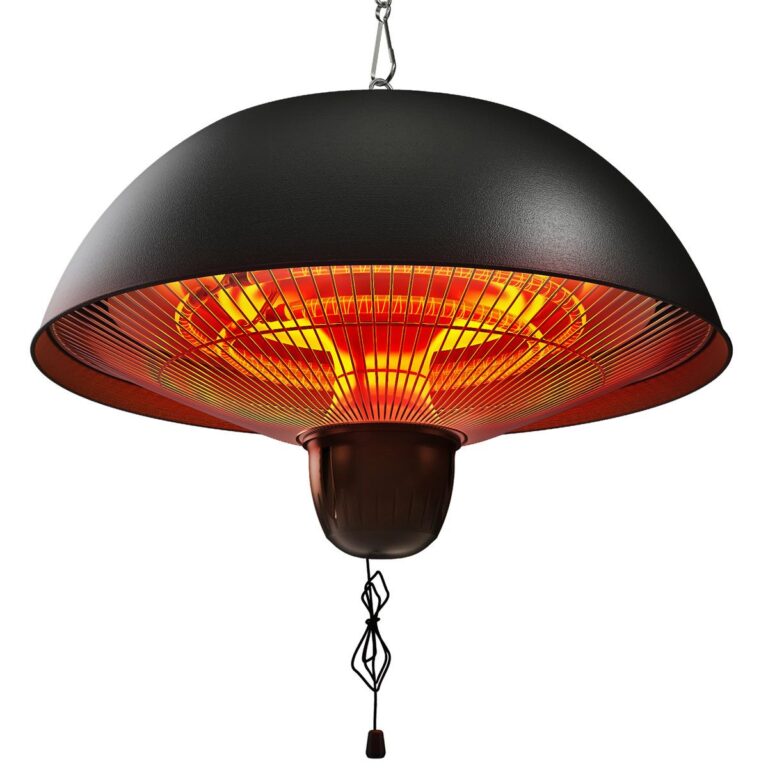
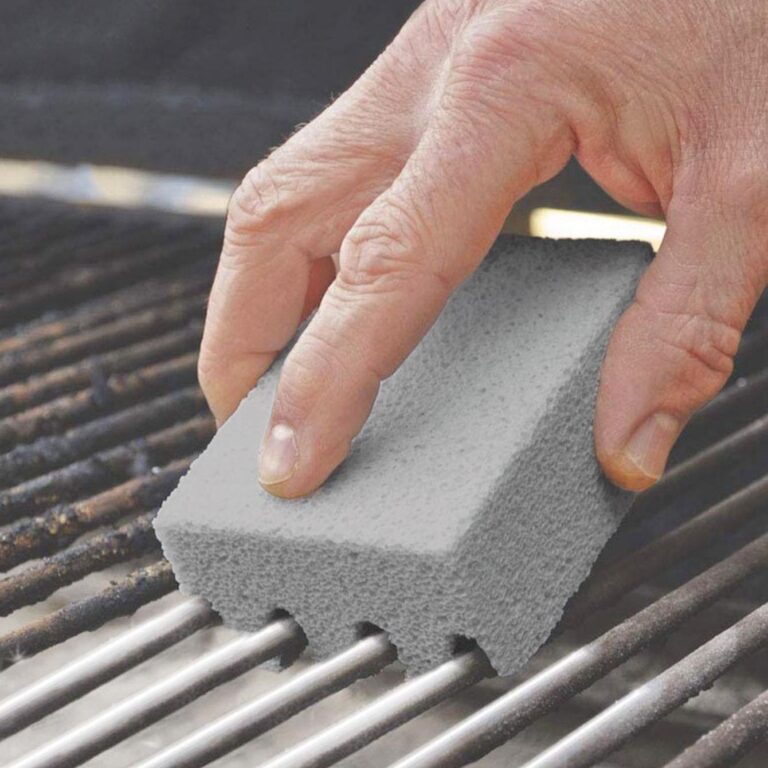 Aisha's pickGas BBQs That Get Better With Age
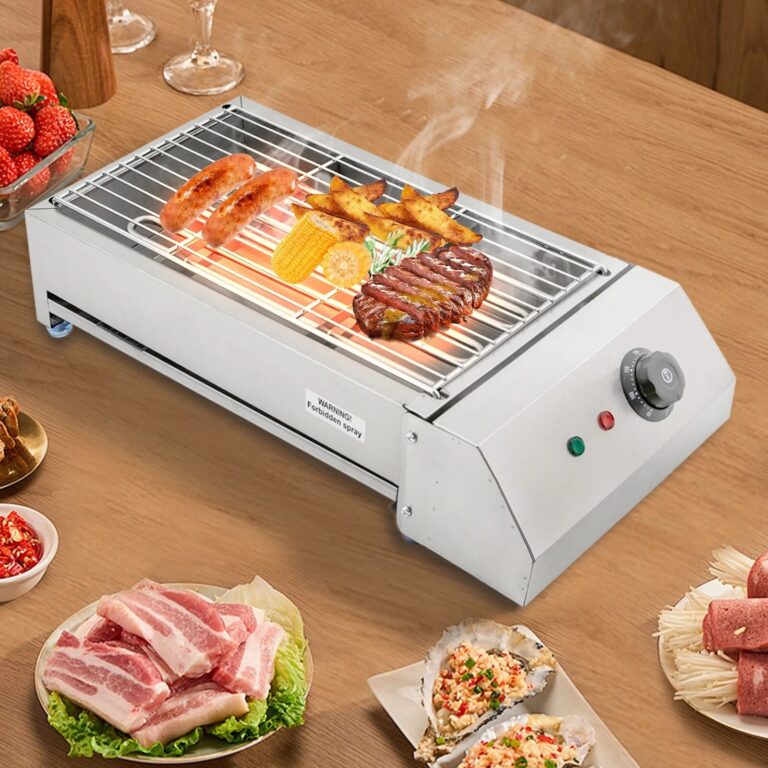
 Aisha's pickSmall BBQs Picked by People Who Care Too Much
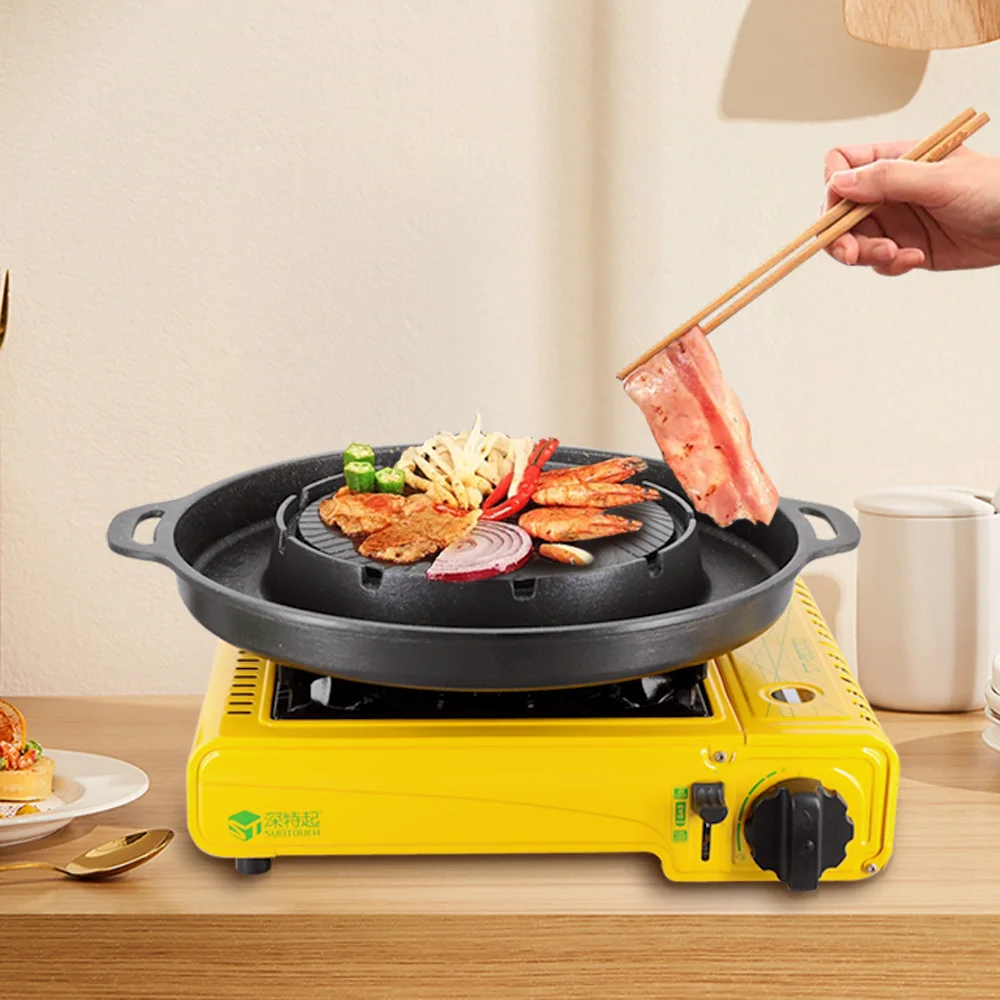
 Aisha's pickBBQs for Patio That Survive a Hard Winter

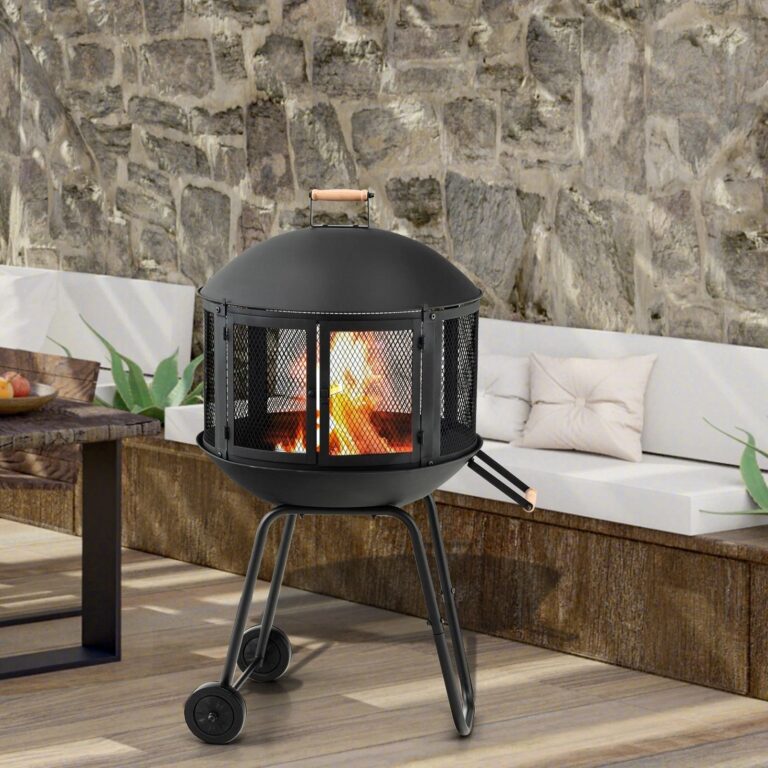 Aisha's pickOutdoor Fire Pits We’d Have Out From May to September
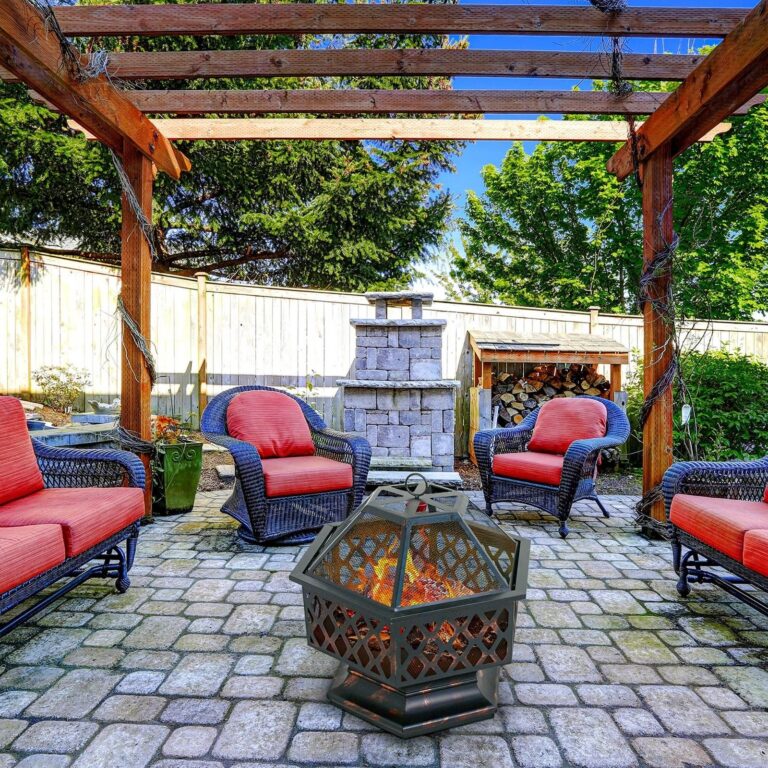
 Aisha's pickBBQs for Sunny Afternoons and Chilly Nights
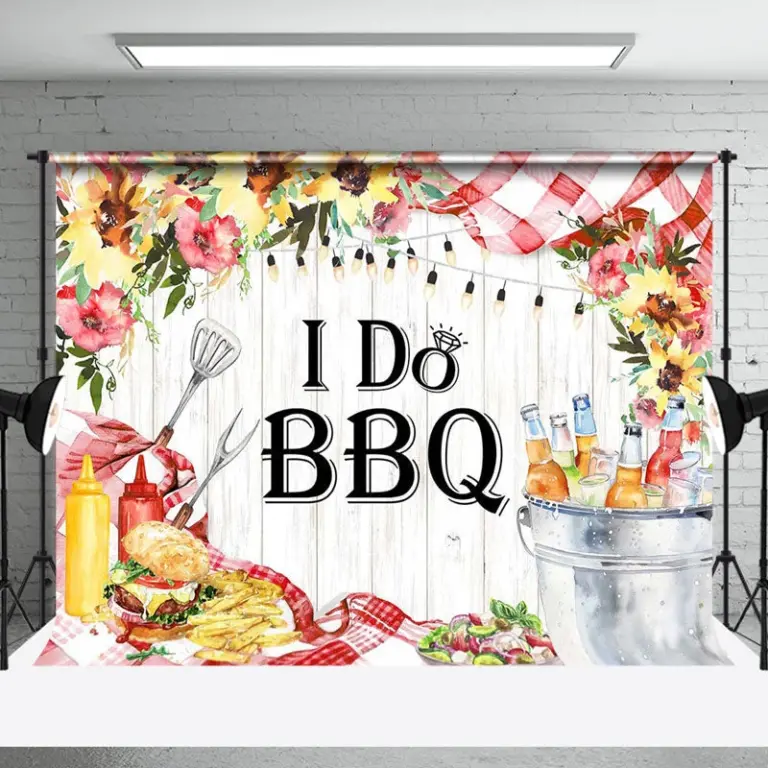
 Aisha's pickGas Fire Pits for People Who Know What They Like

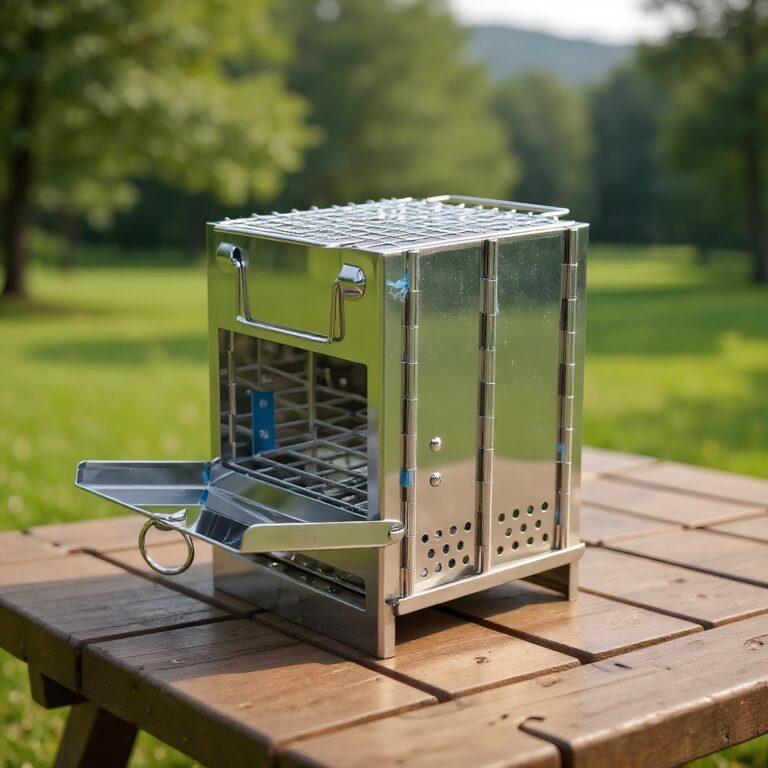 Aisha's pickStainless BBQs for Long Summer Evenings Outside
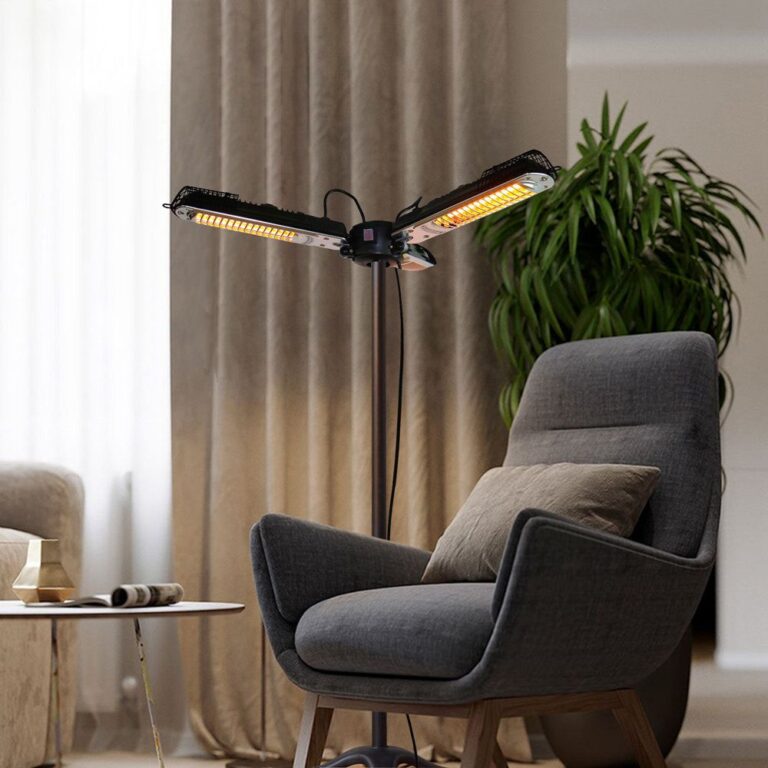 Aisha's pickBlack Outdoor Heaters for Sunny Afternoons and Chilly NightsAlso worth a lookOutdoor LightsOutdoor lights have a reputation for being the thing you buy in a hurry at the end of…See the collections →
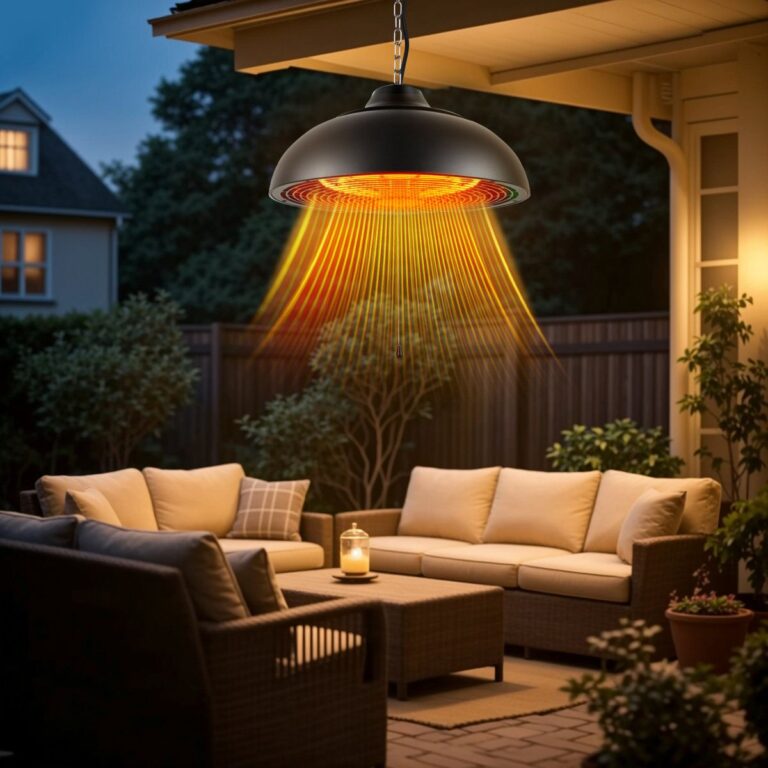
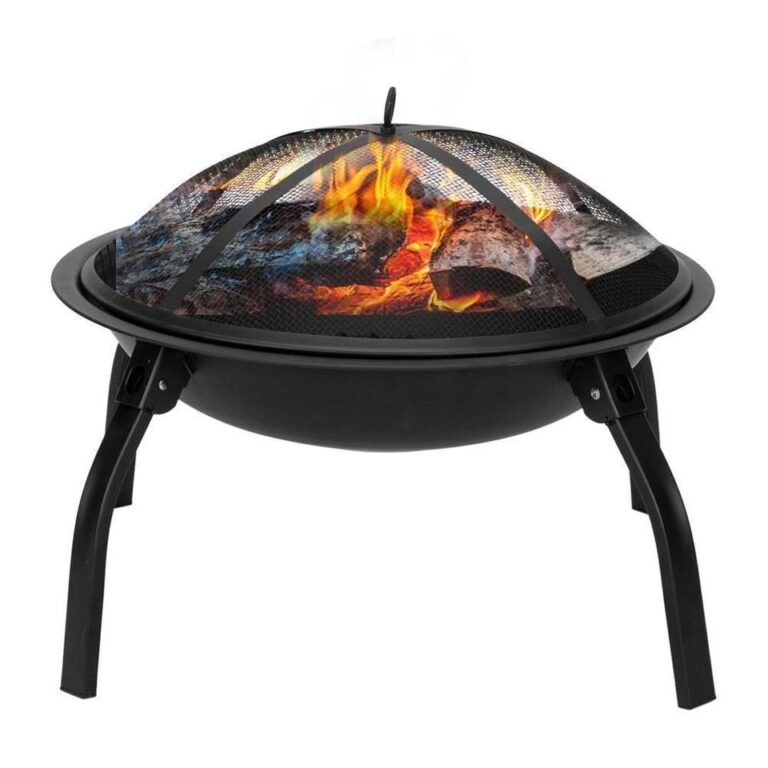 Aisha's pickOutdoor Fire Pits for the Yard That Shrug Off the Rain
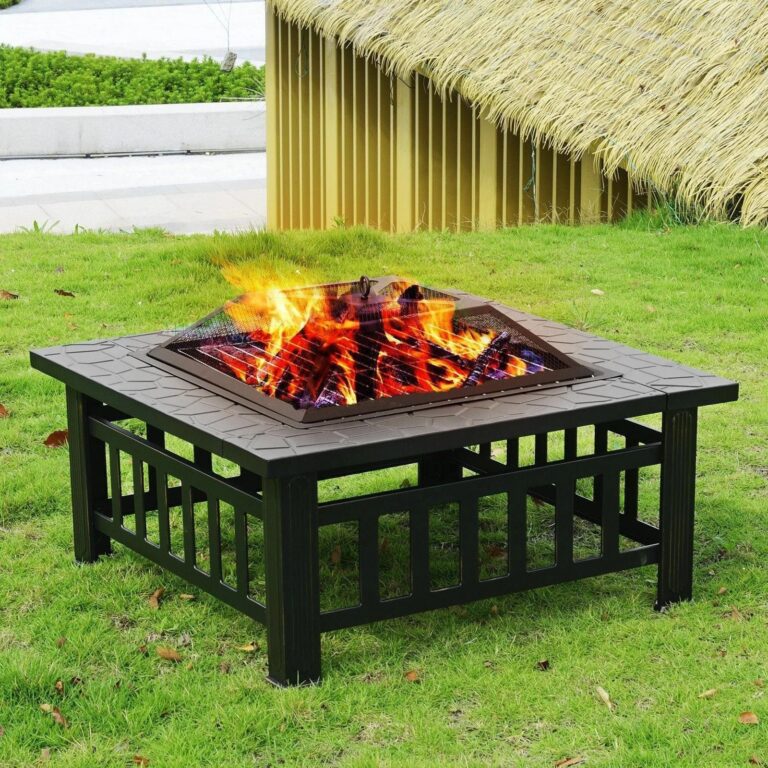
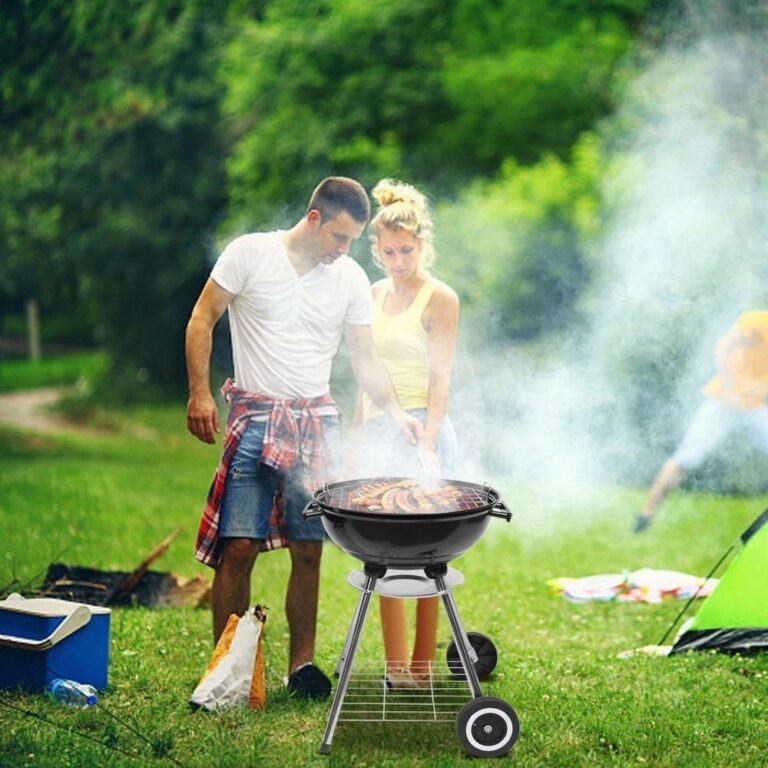 Aisha's pickBlack BBQs We Keep Coming Back To
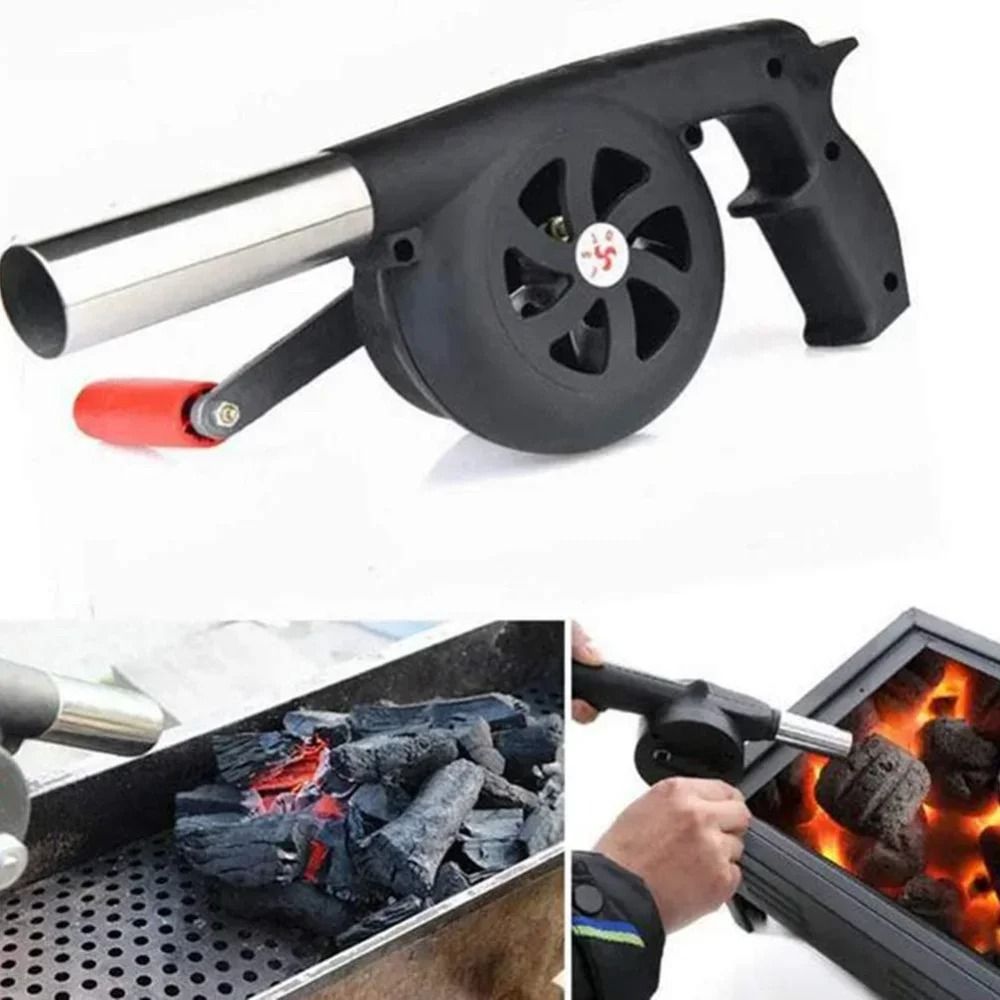
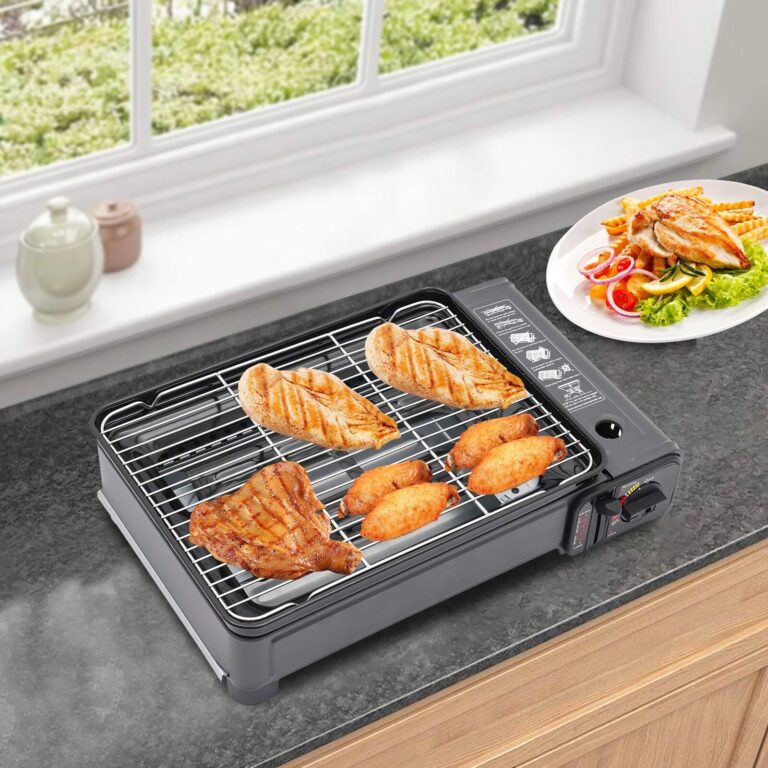 Aisha's pickGas Grills That Survive a Hard Winter
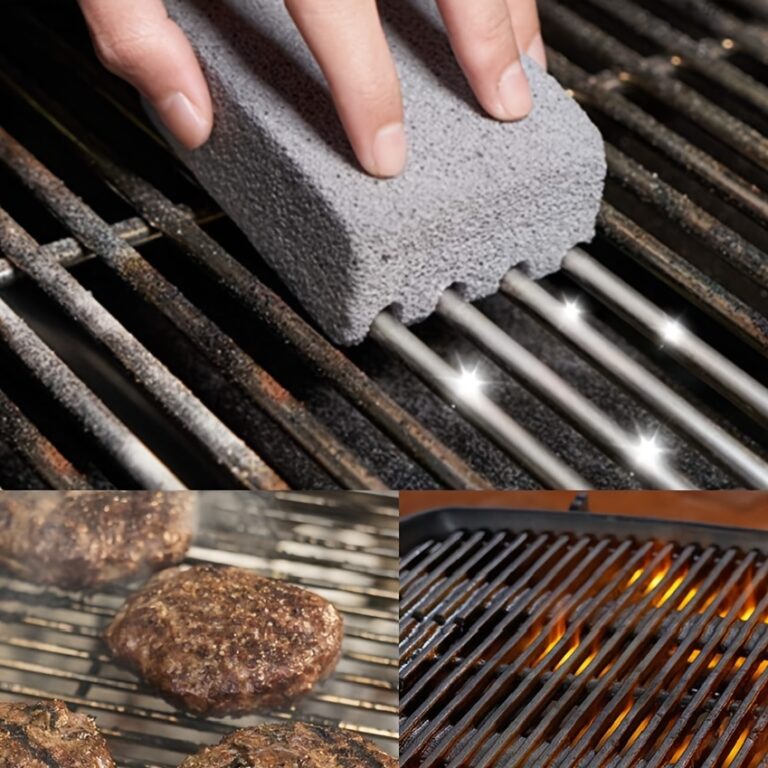
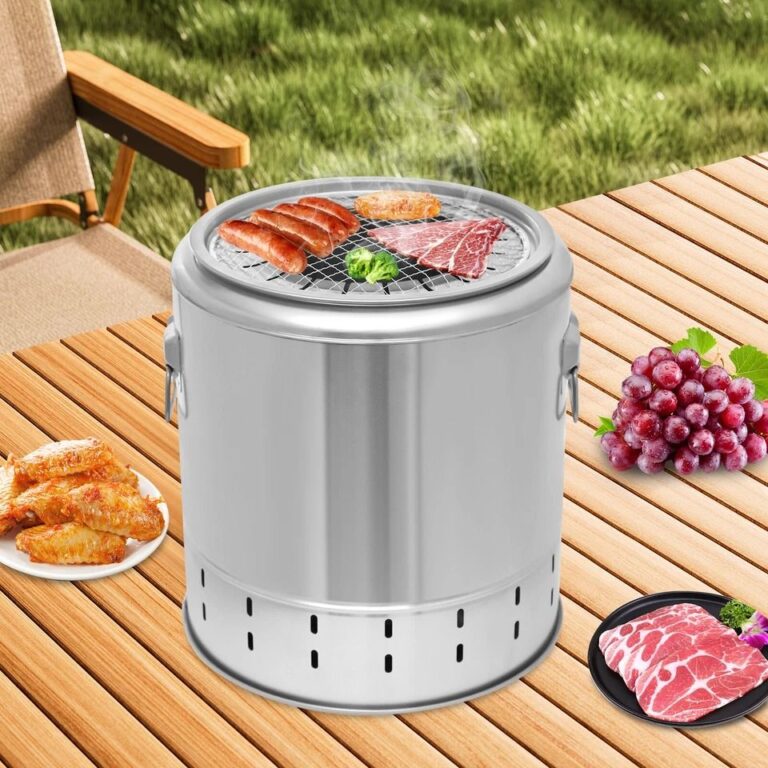 Aisha's pickStainless Charcoal Grills That Do the Job Right
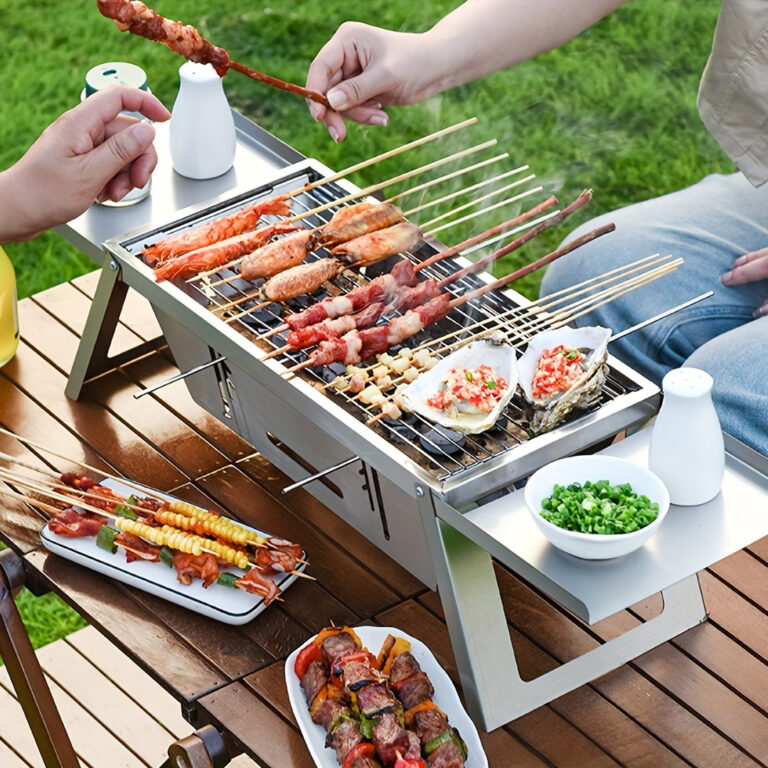
 Aisha's pickBlack Patio Heaters Worth Knowing About

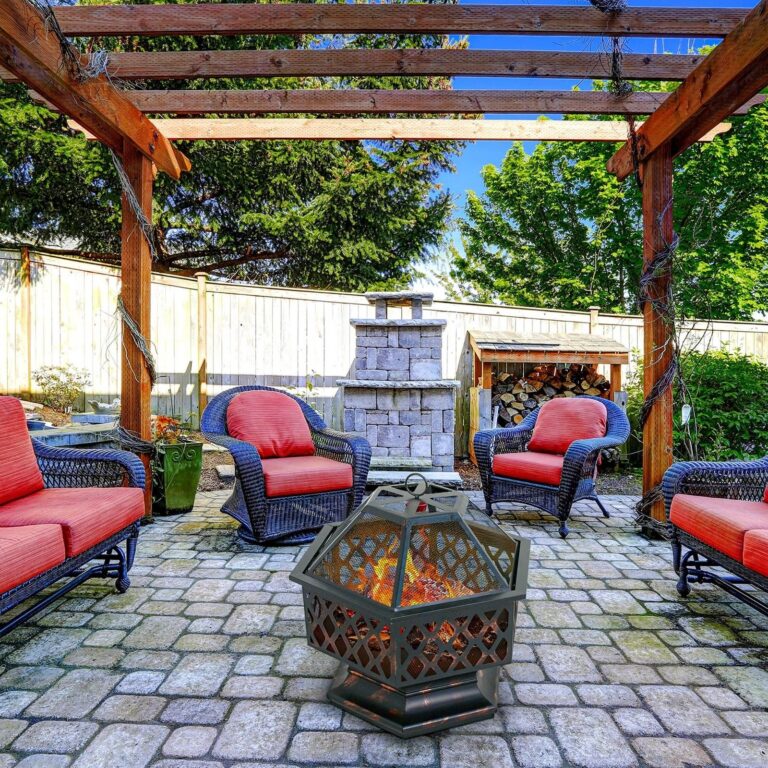 Aisha's pickOutdoor Fire Pits for Patio That Do the Job Right
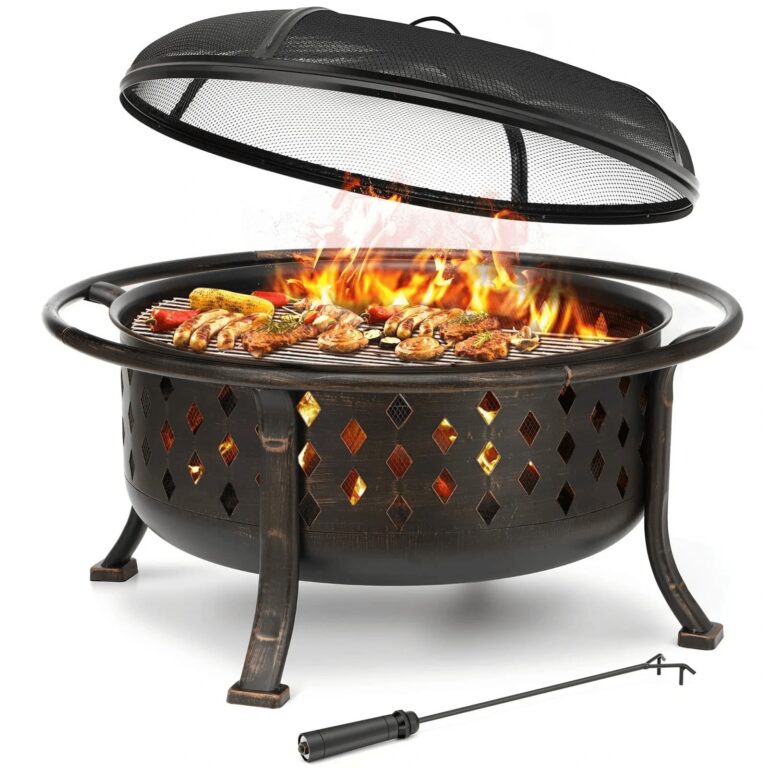
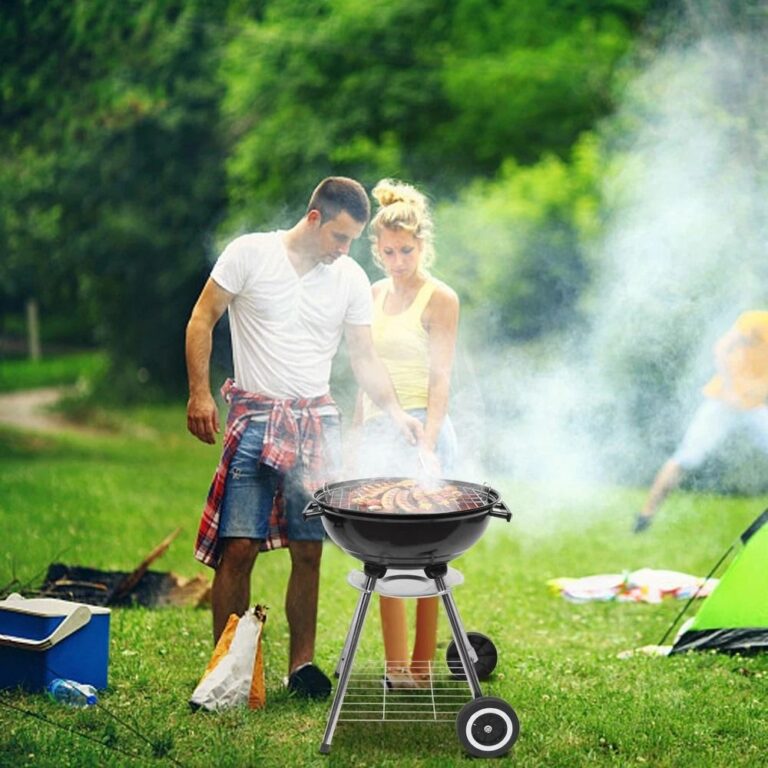 Aisha's pickBlack Charcoal BBQs That Fit Into Real Life
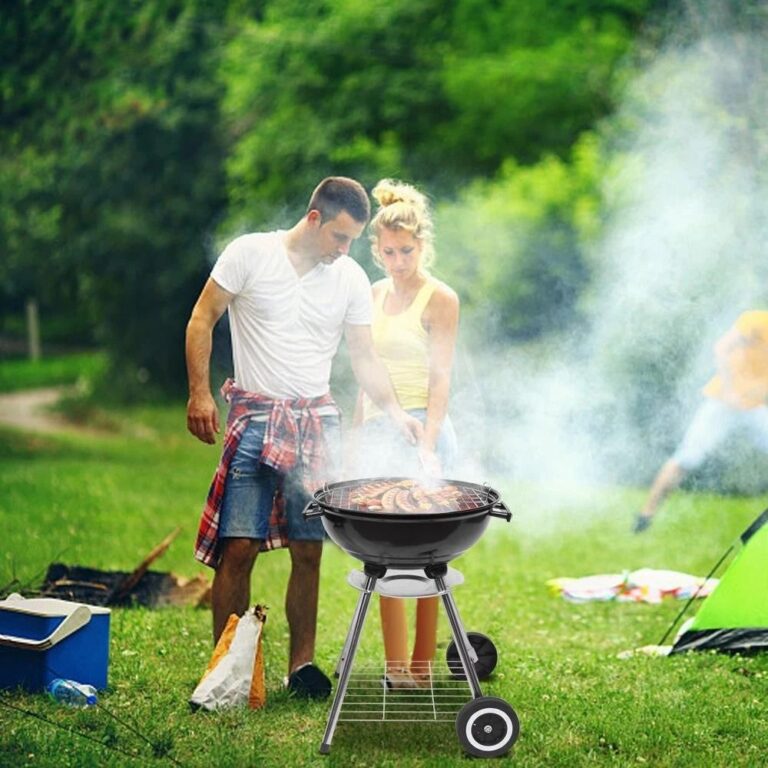
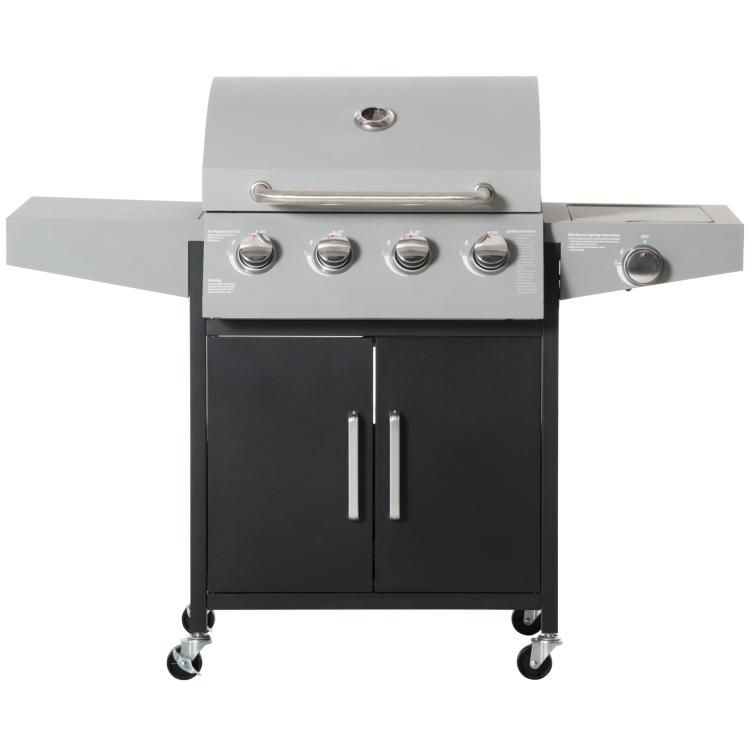 Aisha's pickThe Gas Grills with Side Burner Worth Your Cash