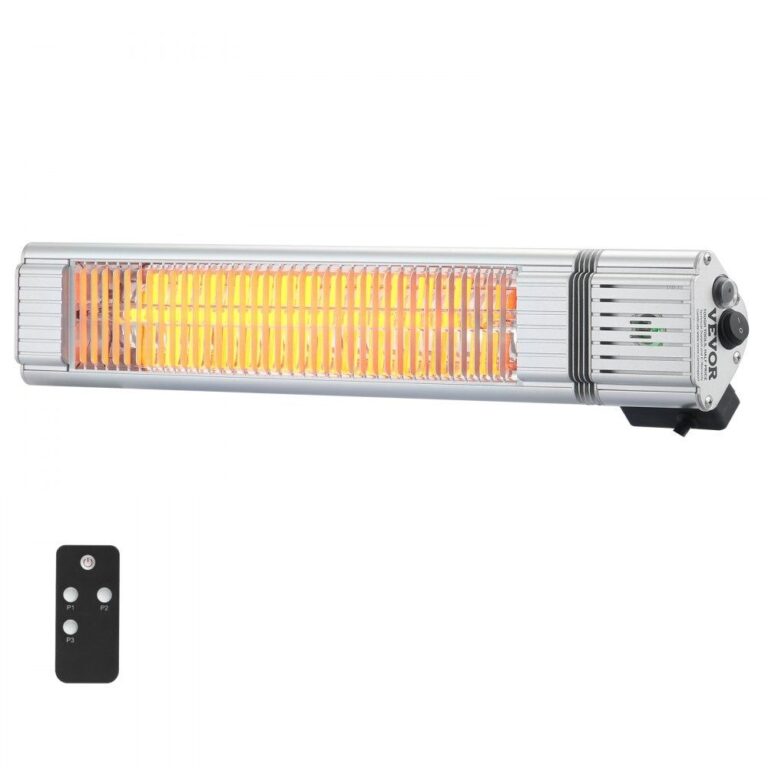
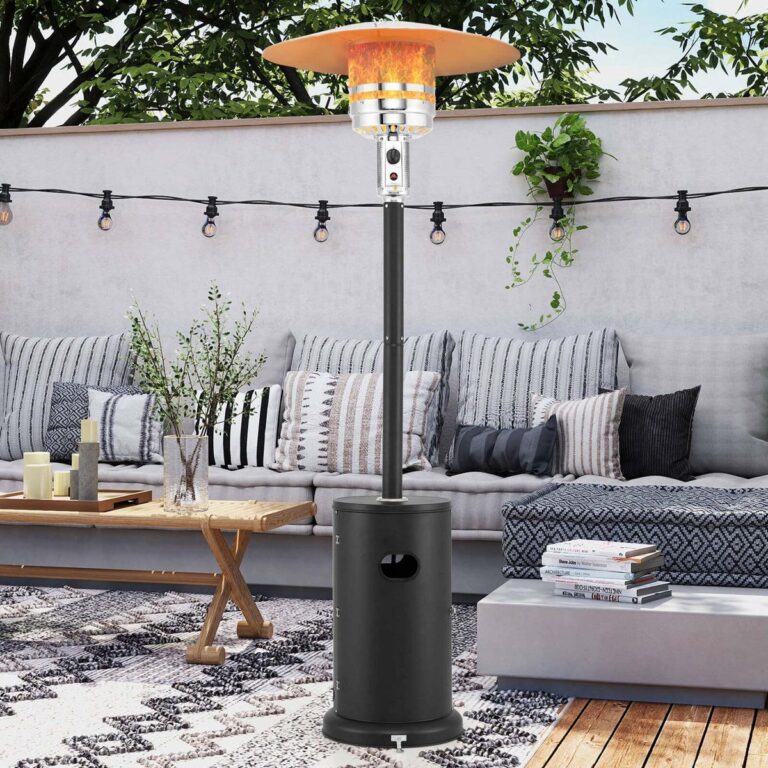
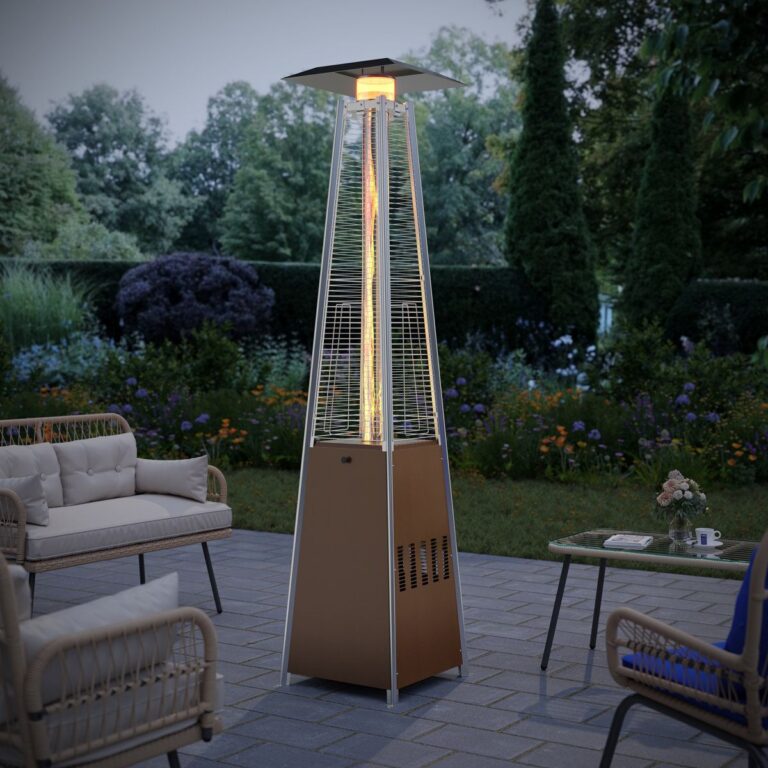
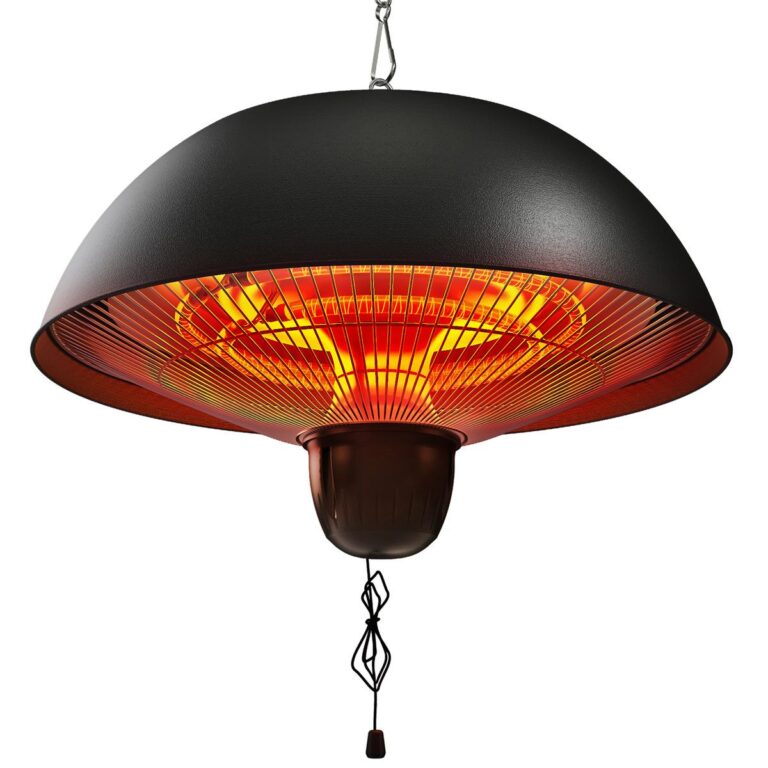
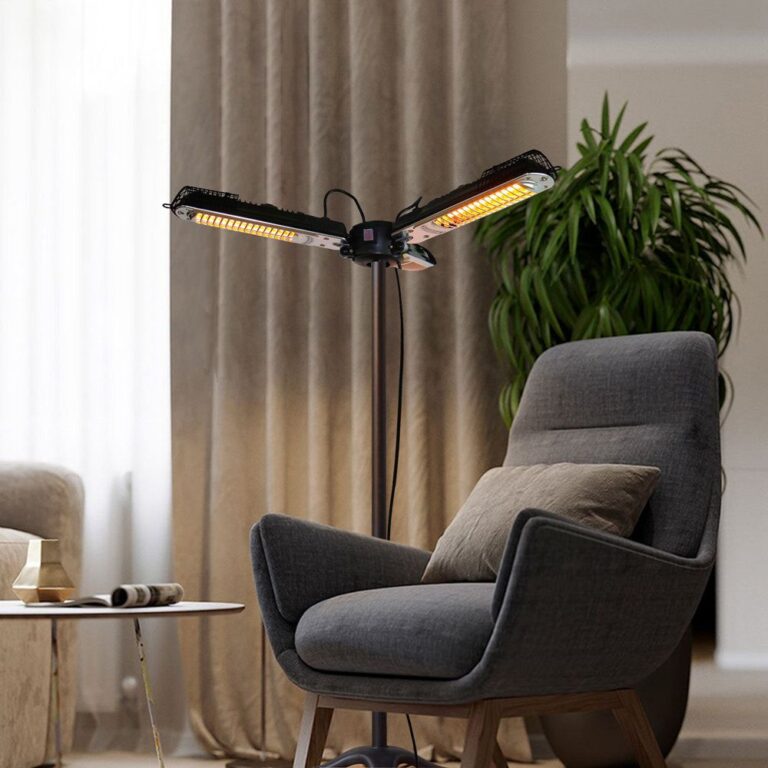
The thing nobody tells you about outdoor heaters is how much the fuel costs once you actually use one properly. A propane heater running most evenings through the fall can eat through a tank in a week and a half, and electric ones will show up on your power bill in a way that makes you wince. I almost gave up on ours the first season because I only ever thought about the purchase price, never the running cost. But a good heater still earns its place, because there is a real difference between sitting outside in a coat watching your breath and sitting outside in a sweater with a drink, and that difference is worth paying for.
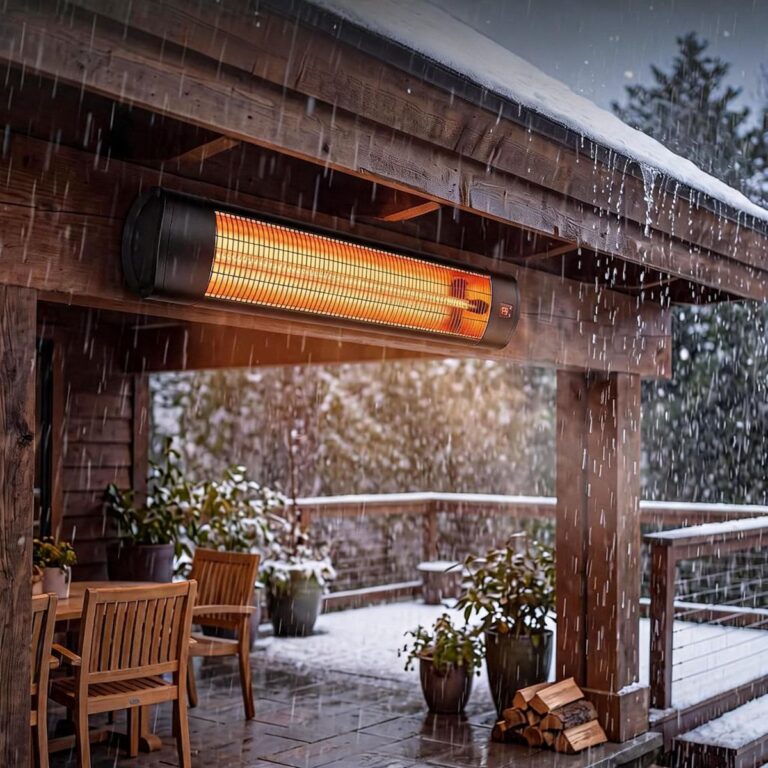
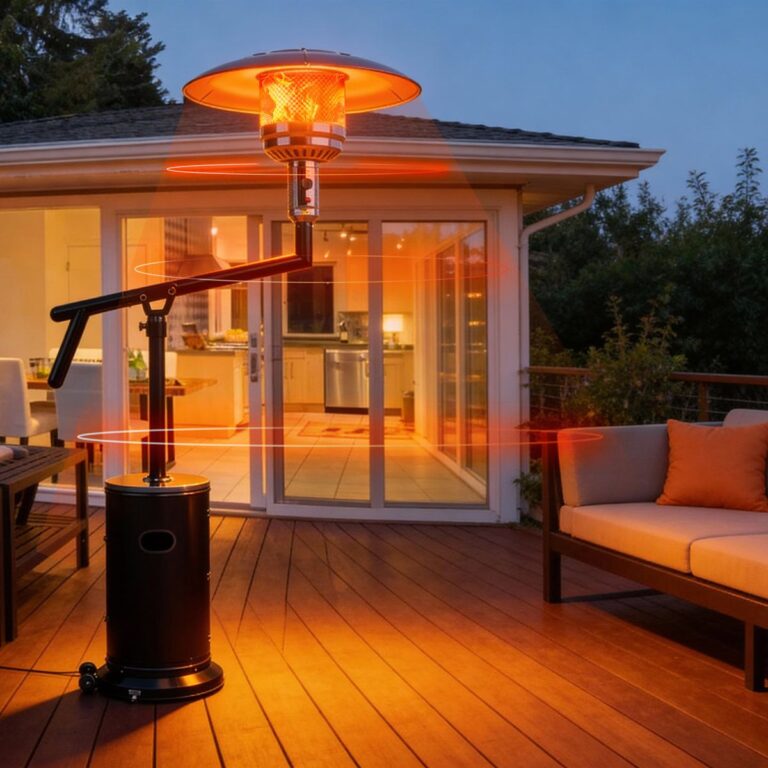
Mine lives on a covered porch, which matters more than people think, since the ones left fully exposed to weather tend to rust at the base and the connections first, usually within a year or two if you are not covering them between uses. A cheap one will pit and discolor by the second winter, the paint bubbling where moisture sits, and the igniter starts needing three or four tries before it catches. A well built one just needs a wipe down, the burner checked for spiders (they love nesting in the tubes over summer, nobody warns you about that either), and a cover thrown over it when it rains. These suit porches and patios on three season homes best, places where you are chasing an extra month or two of outdoor living rather than trying to survive a Vermont February outside, because no heater on earth is fighting that kind of cold to a draw. They are also a genuinely good fit for small city patios and apartment balconies, where a fire pit is not allowed but a heater often is.
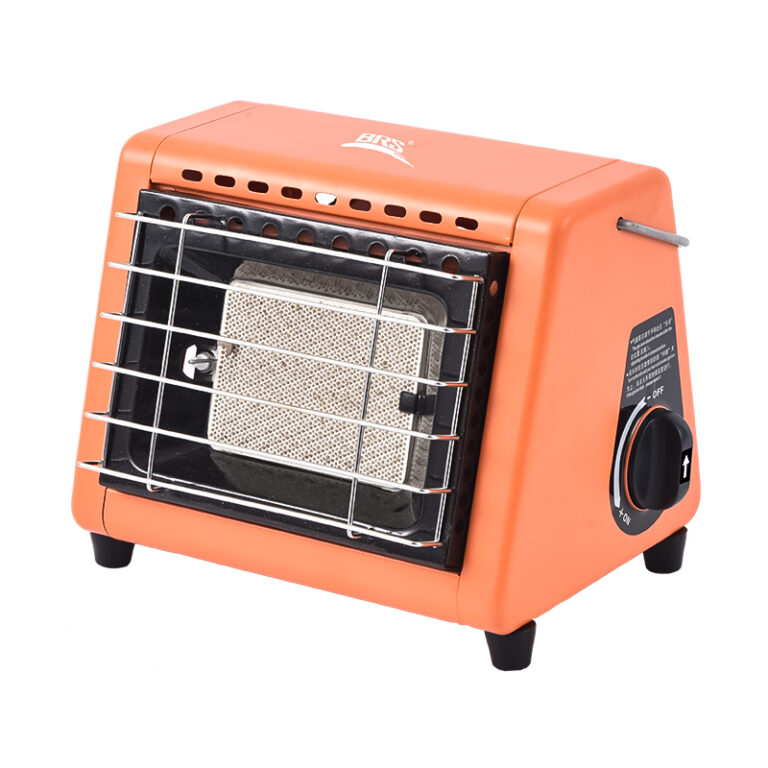
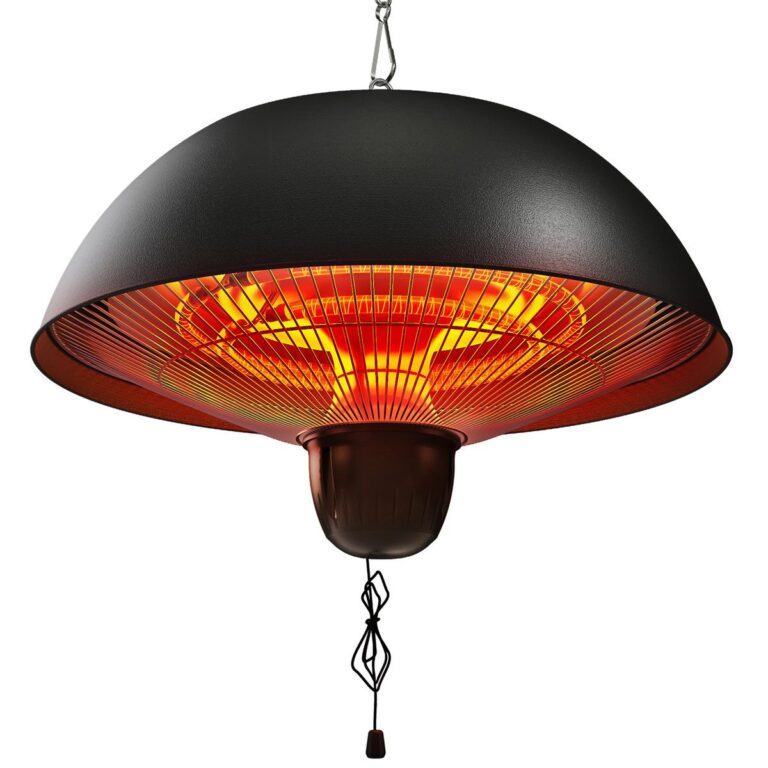
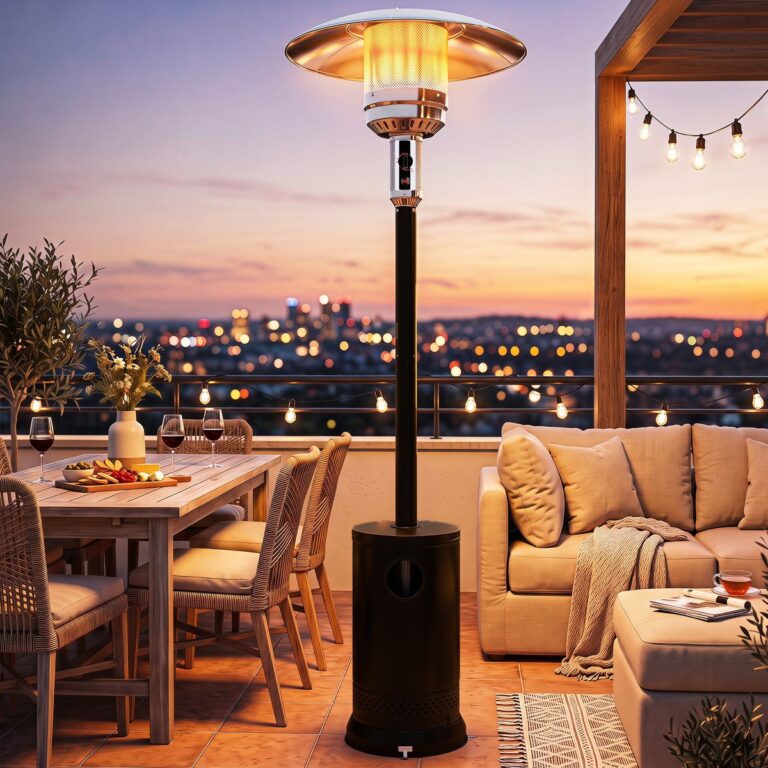
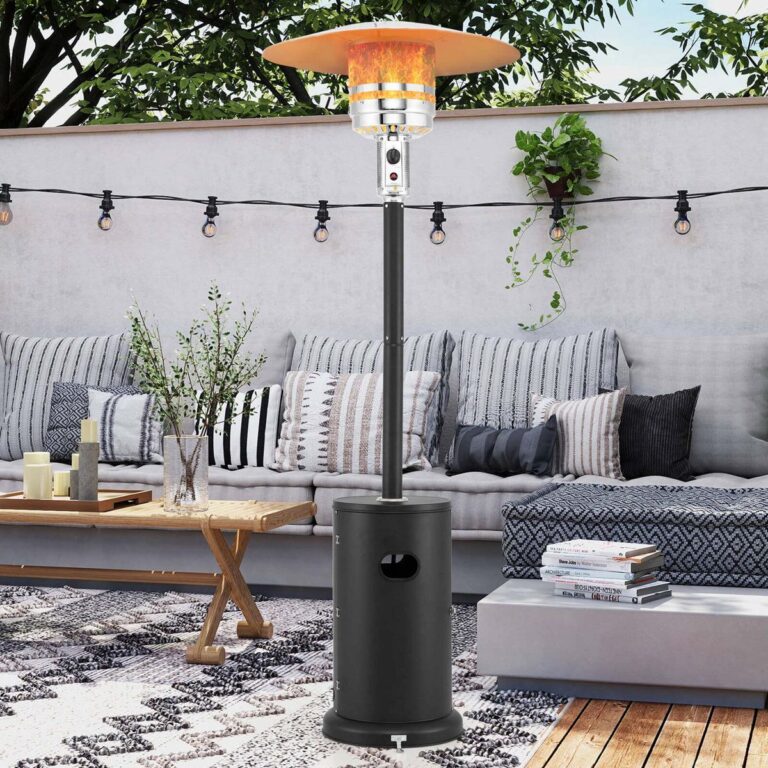
What separates the good ones from the sad ones comes down to the base, the burner, and the finish. A heavy, wide base means it will not tip in wind, and stainless steel burner components hold up to heat cycling far better than the painted steel that flakes and rusts through in a season or two. Look at how the panels join at the seams, cheap units have gaps and visible screws where good ones are welded or fitted tight enough that water cannot creep in. Propane heaters should have a reliable igniter and a tank gauge you can actually read without crouching down with a flashlight, which is a smaller thing than it sounds and matters every single time you use it.
This is the kind of thing that suits a home with a porch, a patio, or a balcony you actually want to use once the air turns cold but before you are ready to give the season up entirely.

 Aisha's pickInfrared Electric Patio Heaters That Look Better in Real Life

 Aisha's pickInfrared Outdoor Heaters That Make Small Changes Feel Big

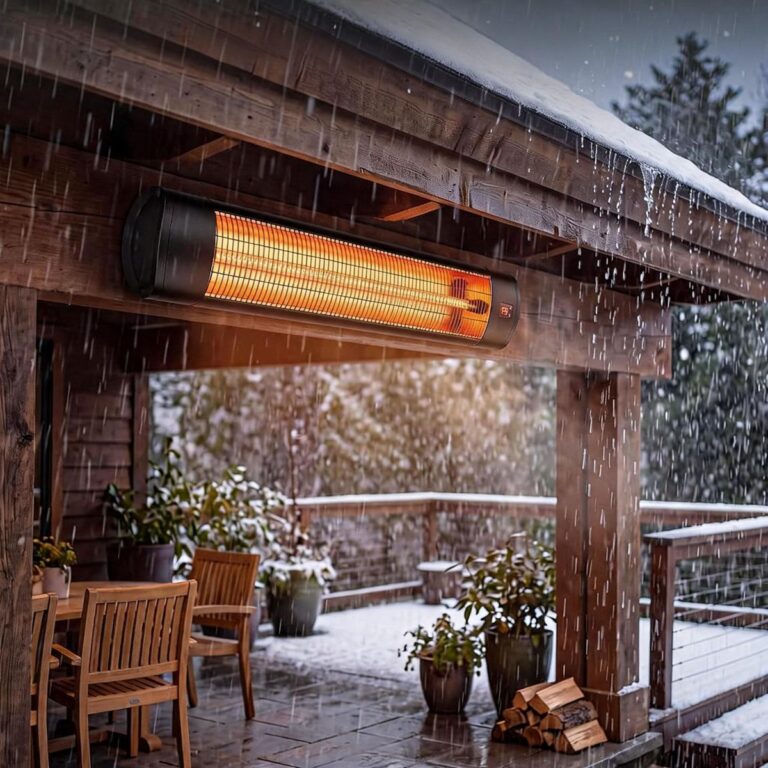 Aisha's pickInfrared Outdoor Heaters for Patio We’d Have Out From May to September
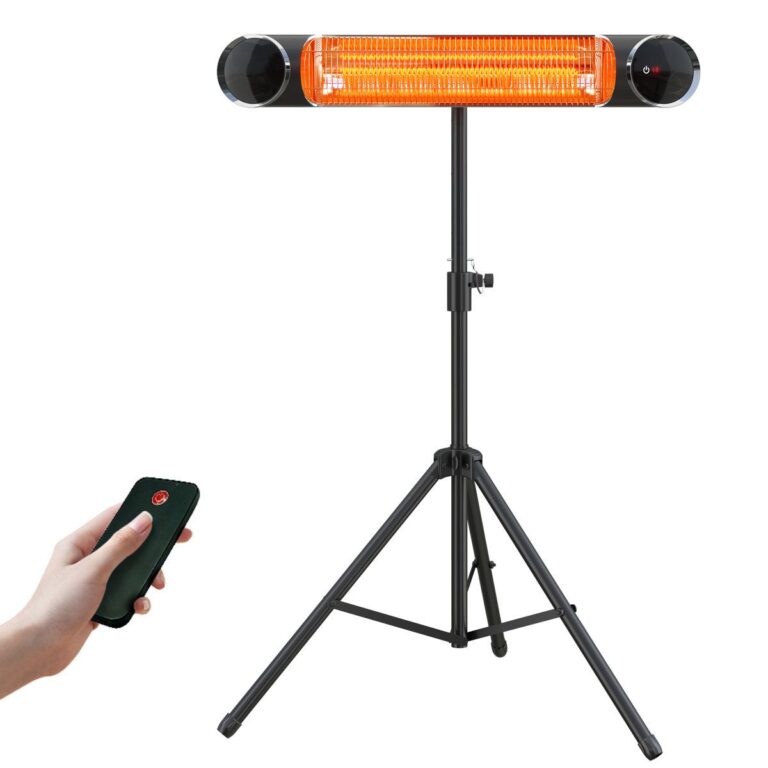
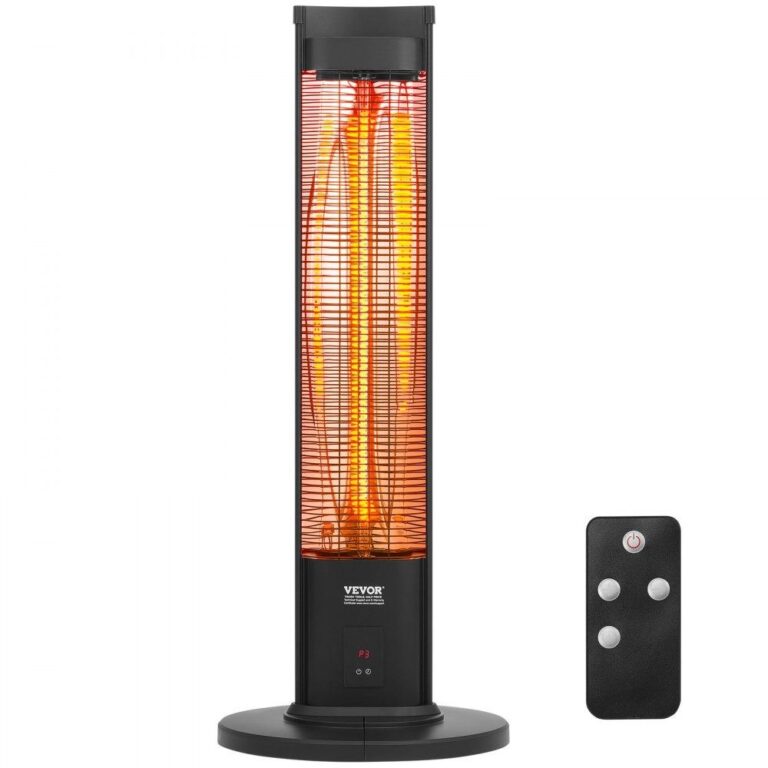 Aisha's pickInfrared Patio Heaters We’d Buy Again
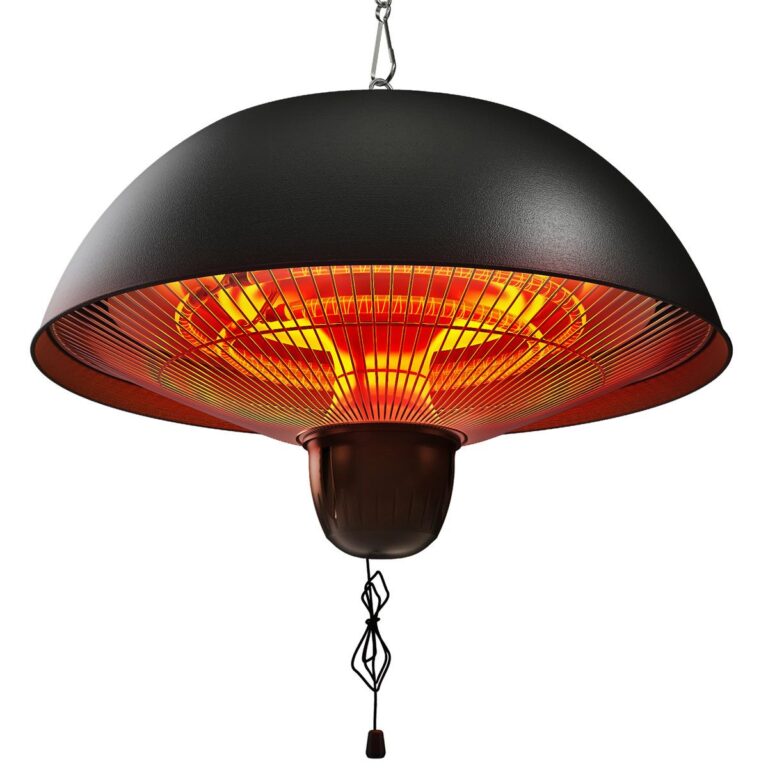
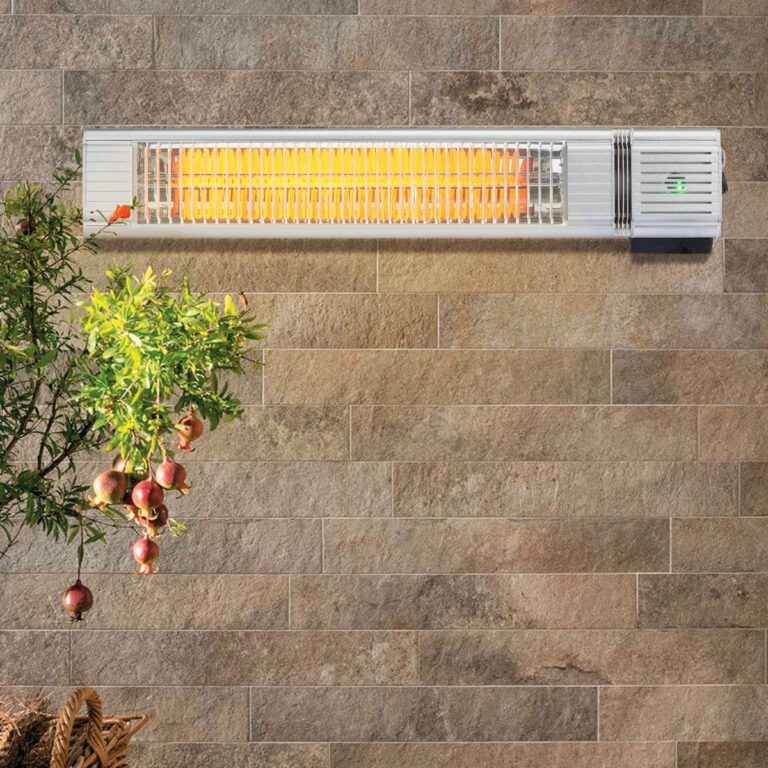 Aisha's pickOutdoor Heaters for Barbecues and Lazy Weekends
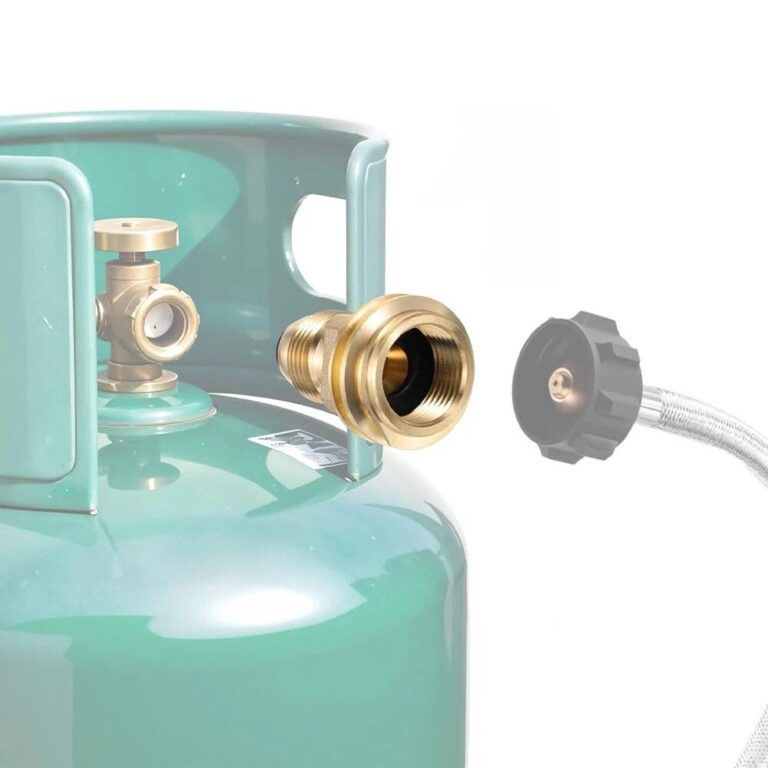
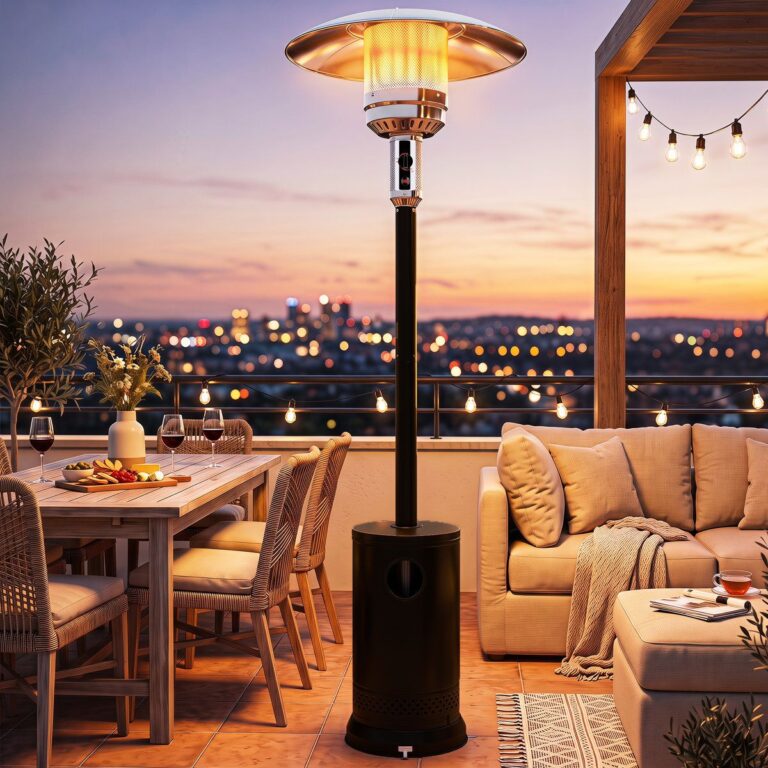 Aisha's pickOutdoor Heaters for Patio That Stand Up to the Weather
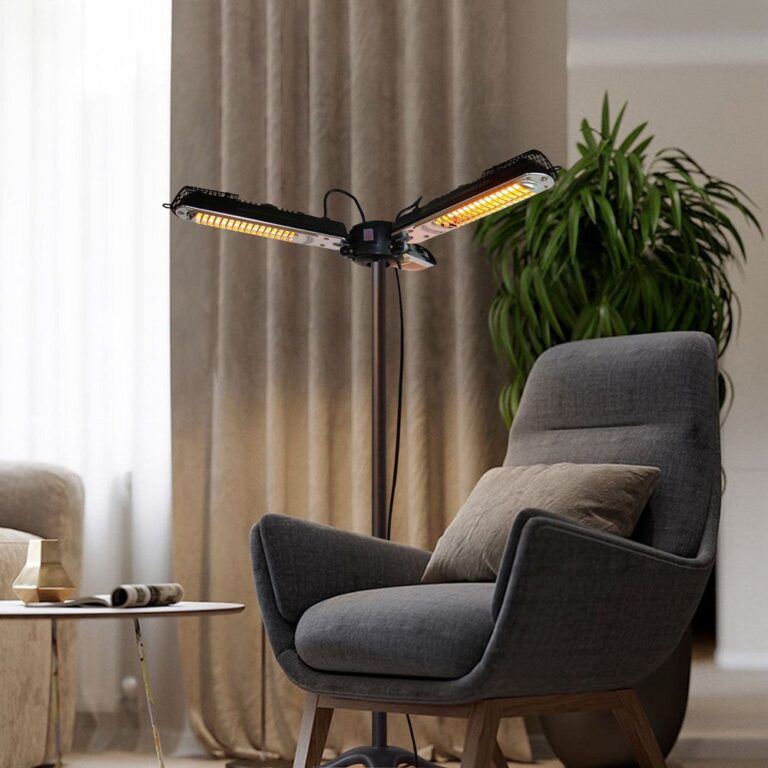
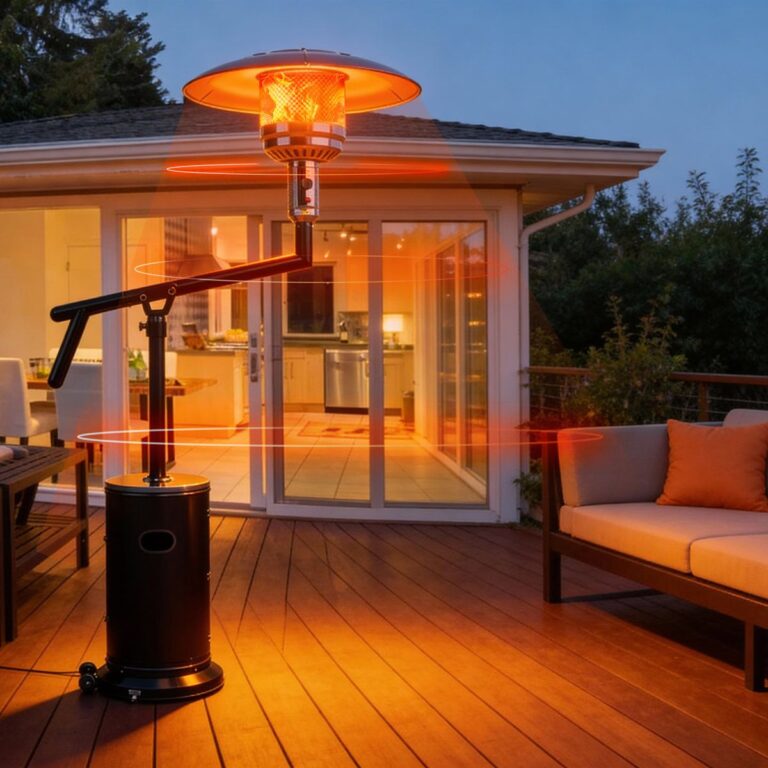 Aisha's pickOutdoor Heaters with Remote That Won’t Date in a Year
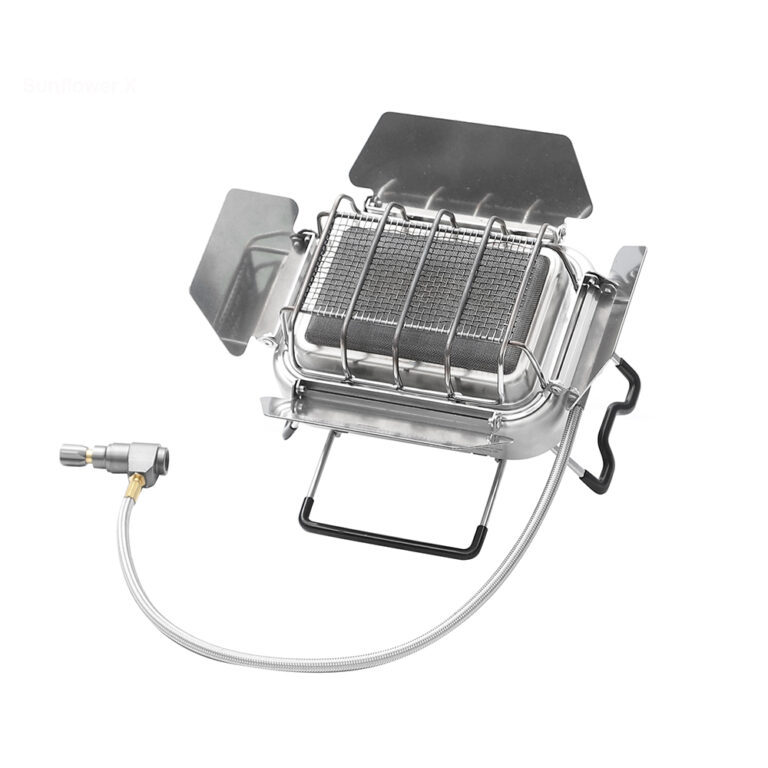
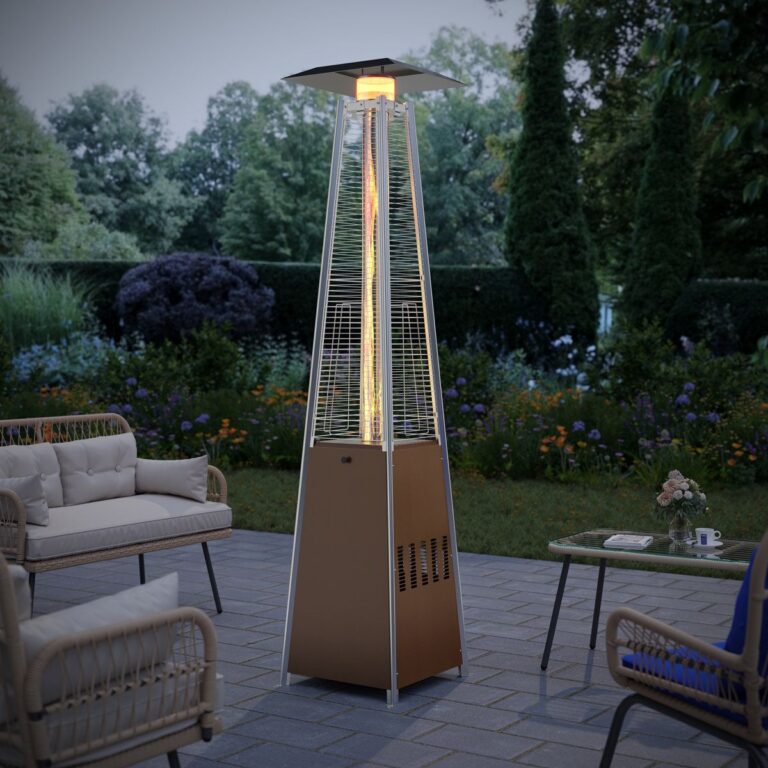 Aisha's pickPatio Heaters We’d Have Out From May to September
 Aisha's pickPatio Heaters with Remote That Shrug Off the RainAlso worth a lookOutdoor HeatersThe moment it clicked was on a friend's patio in late September, the kind of evening where everyone's…See the collections →
 Aisha's pickBlack Outdoor Heaters for Sunny Afternoons and Chilly Nights
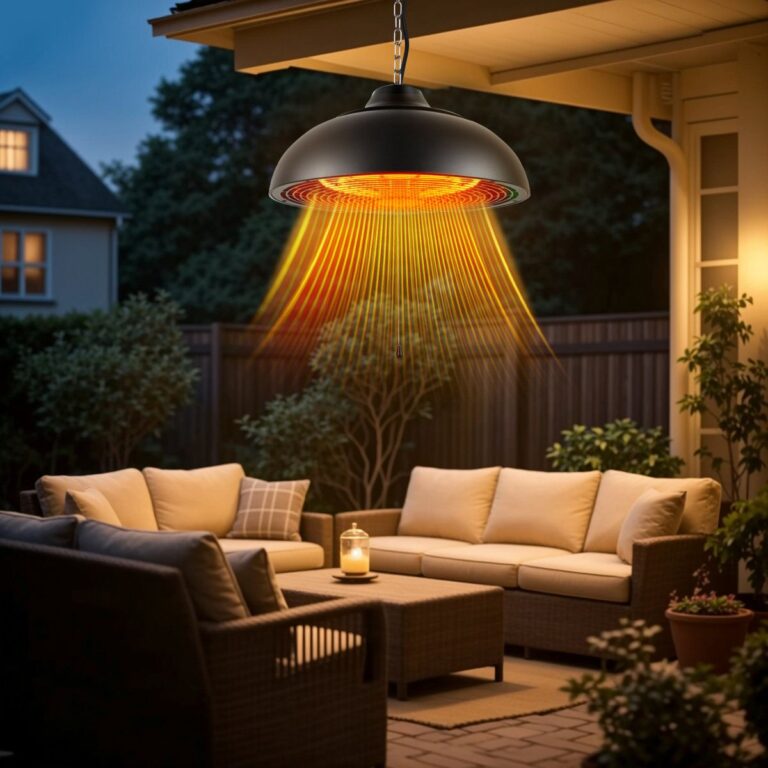
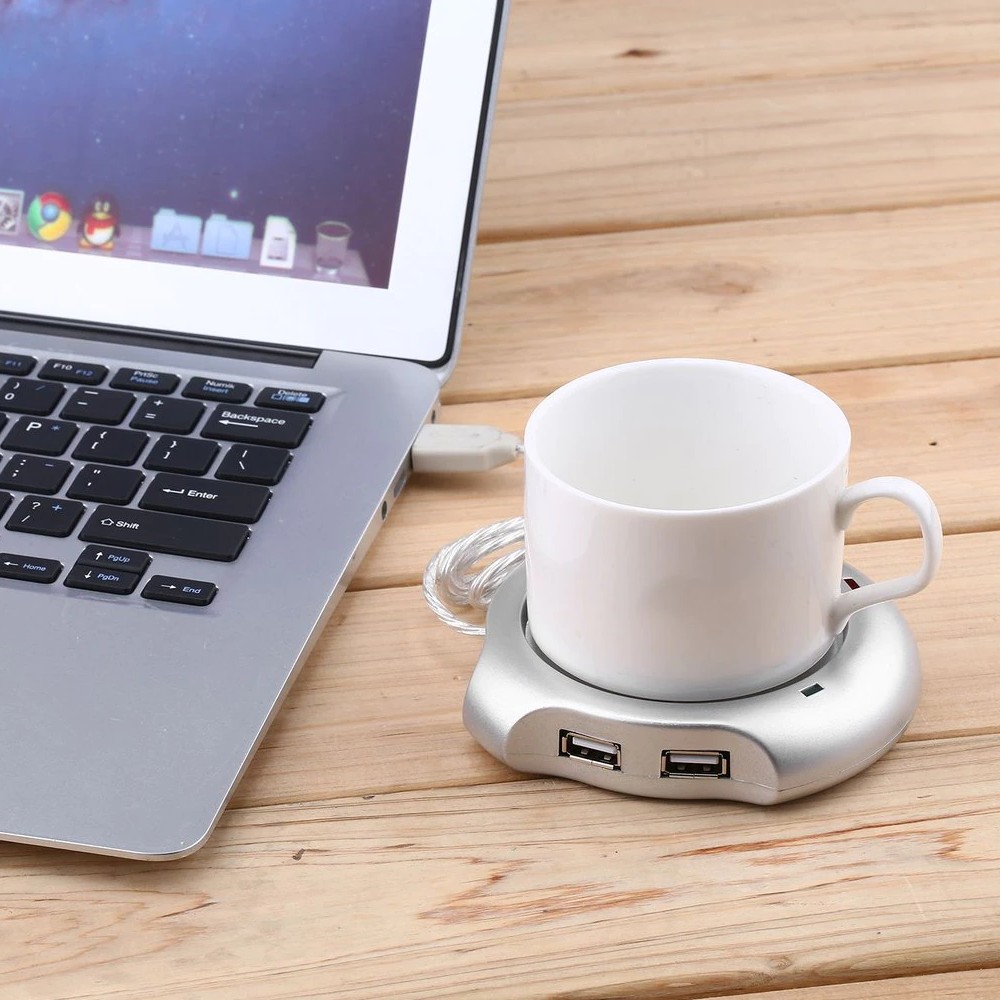 Aisha's pickPortable Outdoor Heaters We’d Buy Again
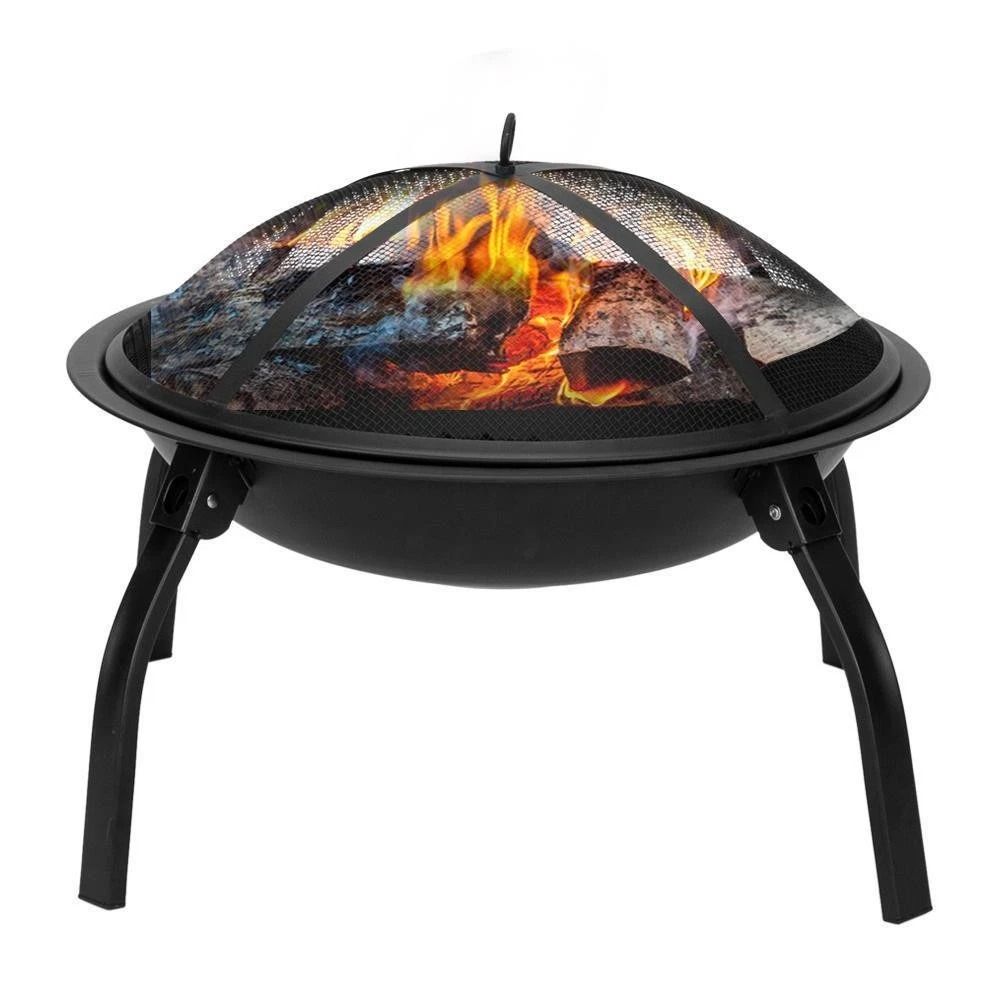
 Aisha's pickBlack Patio Heaters Worth Knowing About
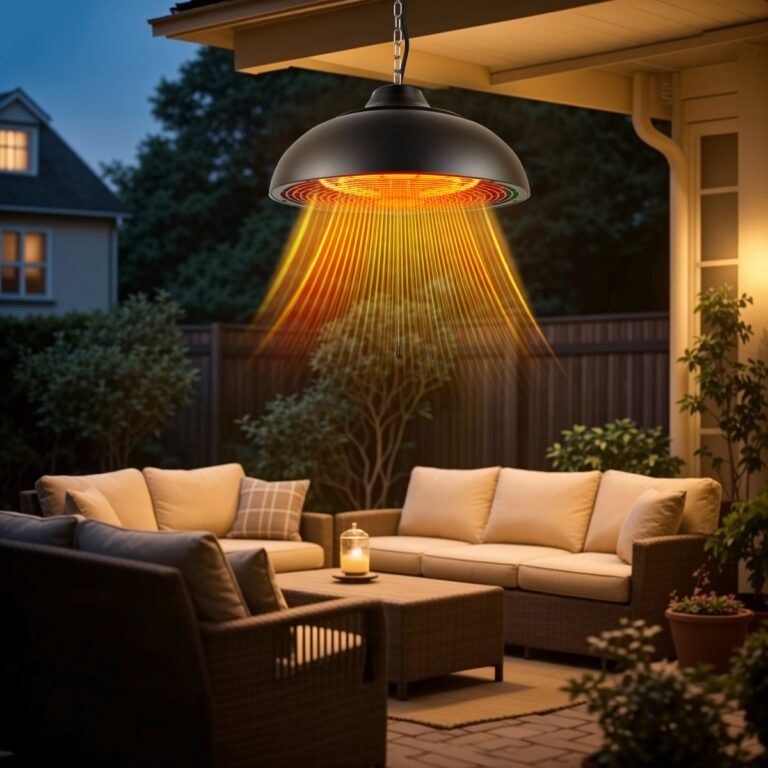
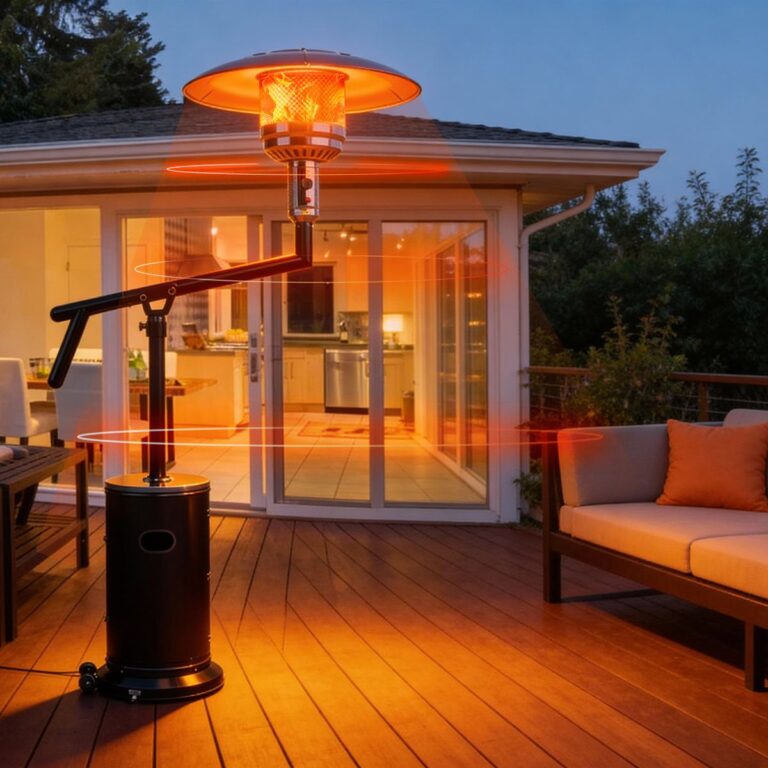 Aisha's pickRemote Control Outdoor Heaters That Stand Up to the Weather
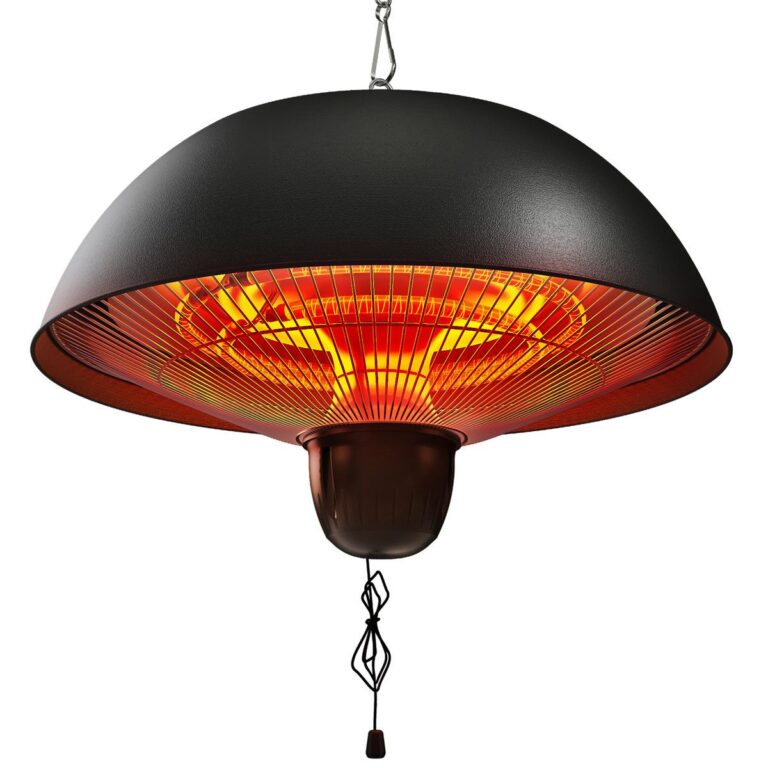
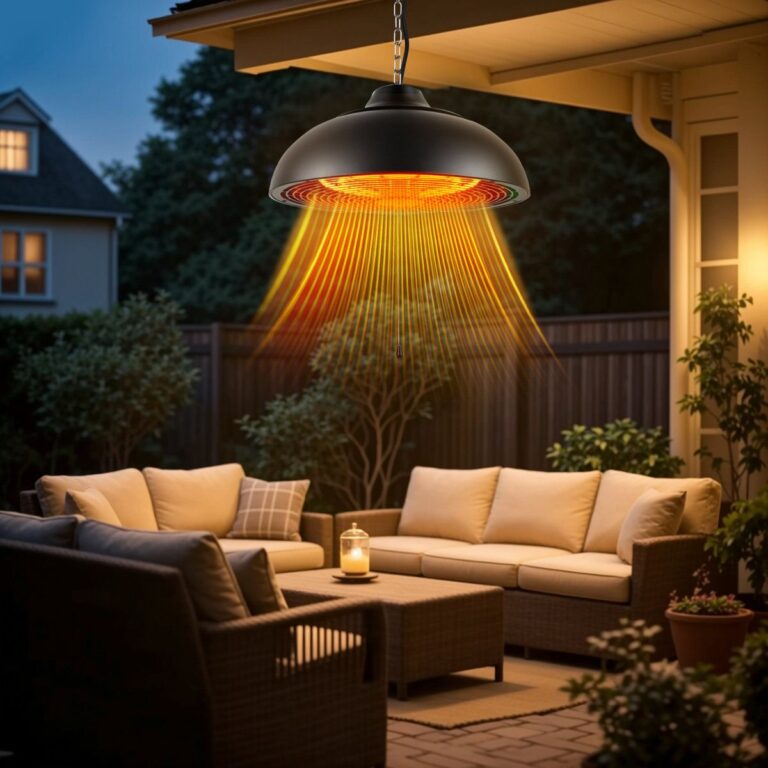 Aisha's pickElectric Patio Heaters for Long Summer Evenings Outside
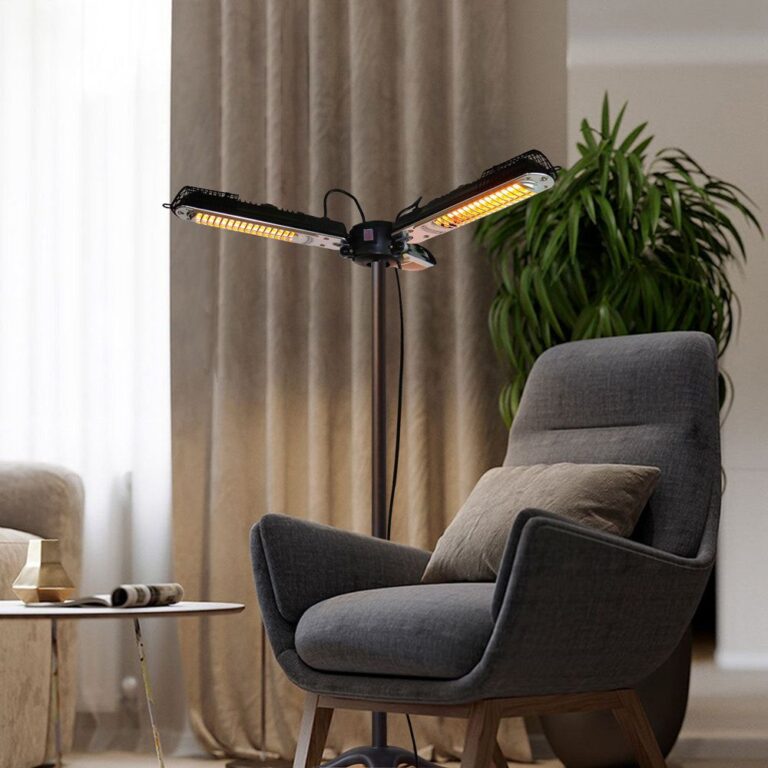
 Aisha's pickRemote Control Patio Heaters From Brands You Know and a Few You Won’t
 Aisha's pickOutdoor Heaters With a Bit More About Them

 Aisha's pickSteel Outdoor Heaters for Sunny Afternoons and Chilly Nights
 Aisha's pickOutdoor Heaters for Patio That Make Rented Places Feel Like HomeAlso worth a lookBBQs, Fire Pits & HeatersThe mistake is buying for the weekend you imagine rather than the one you'll actually have, so you…See the collections →

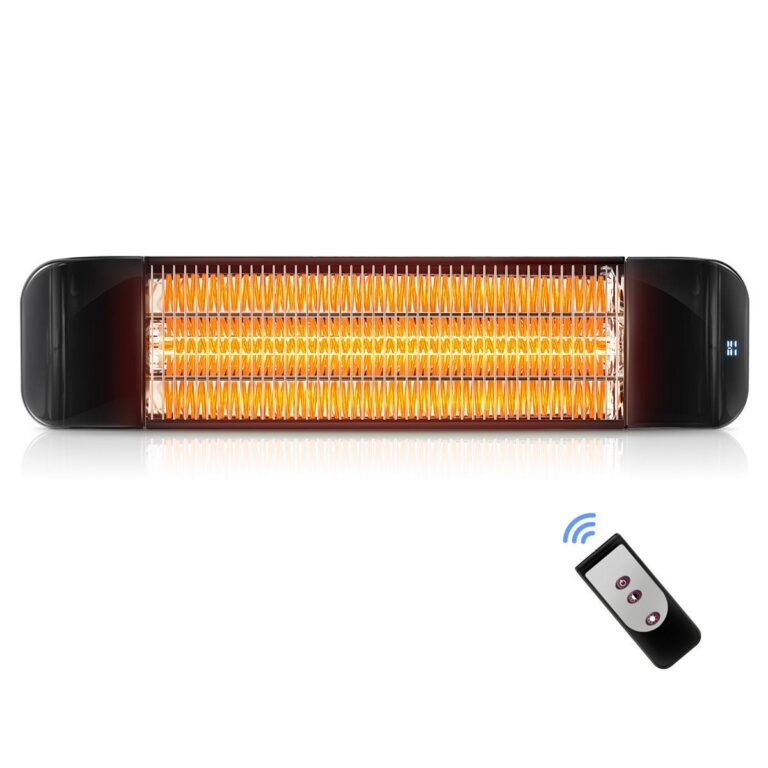 Aisha's pickShopping for Wall Mounted Patio Heaters? Start Here