The thing nobody tells you about shoe storage is that it fails the moment it can't hold what you actually own, not what you owned when you bought it. Measure your shoes, not your feet. A rack sized for eight pairs becomes a rack with four shoes on top and six more in a pile next to it within a month, and that pile is the real reason shoe storage gets a bad reputation. It's not the furniture that fails, it's the math done before you had winter boots in the mix.
If you own nothing yet, start with an open rack over a cabinet with doors. A cabinet looks tidier in photos but you will not bend down and close a little door every time you come in with groceries and wet boots, I promise you that. Open shelving gets used. The cheap versions are wire or thin laminate, and the wire ones in particular dig grooves into leather soles and warp under heeled boots within a season. A good one has solid, flat shelves with enough clearance between them, usually around six inches, so boots actually fit upright instead of getting shoved in sideways. That clearance number is the one thing worth checking before anything else about how it looks.
Measuring for shoe storage trips people up because they measure the wall and forget the swing of a front door or the width of a hallway once two people are trying to pass each other. Leave at least two feet of walking clearance in front of any entryway piece, more if kids or dogs are involved. Mistake number two is going tall when the space wants wide, a narrow five shelf tower crammed into a tight entry just gets knocked over, while a long low bench style rack along a wall holds more and stays put. Mistake number three is forgetting boot height entirely and buying something gorgeous for sneakers that fits exactly zero winter boots by November.
Entryways and mudrooms are the obvious home for this, but a good rack earns its spot in a bedroom closet or tucked under a window bench just as easily, and apartments with no real entry at all do fine with a slim one against the nearest wall. Families with kids who kick shoes off the second they're through the door need something low and open that asks nothing of a four year old. Renters do fine with freestanding pieces that need no tools and no holes in the wall. It suits any home with more shoes than floor space, which, if you're being honest, is basically all of them.
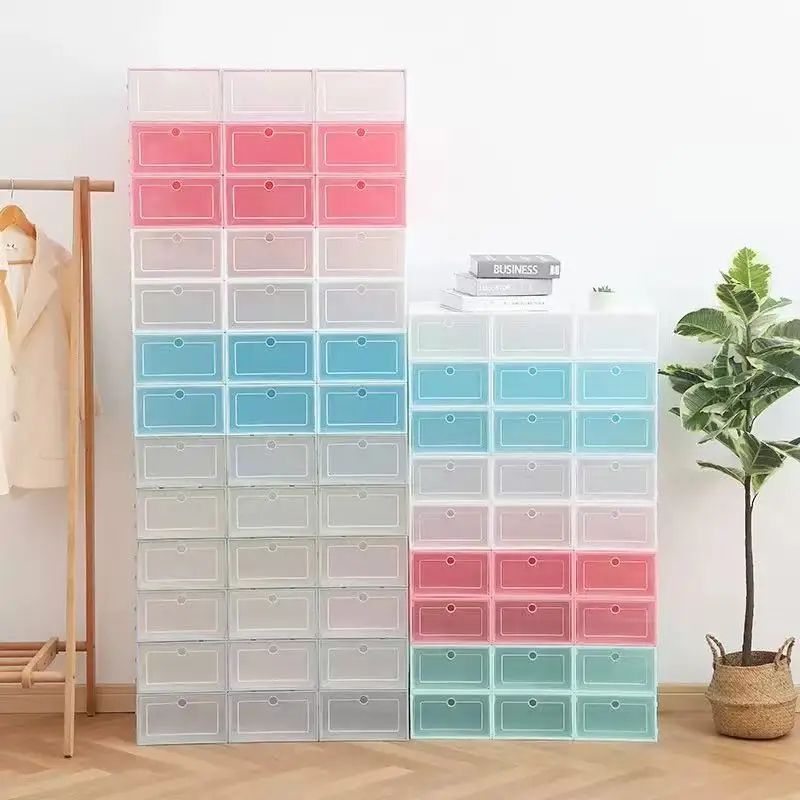
 Aisha's pickFoldable Shoe Boxes That Look Good Even When Full
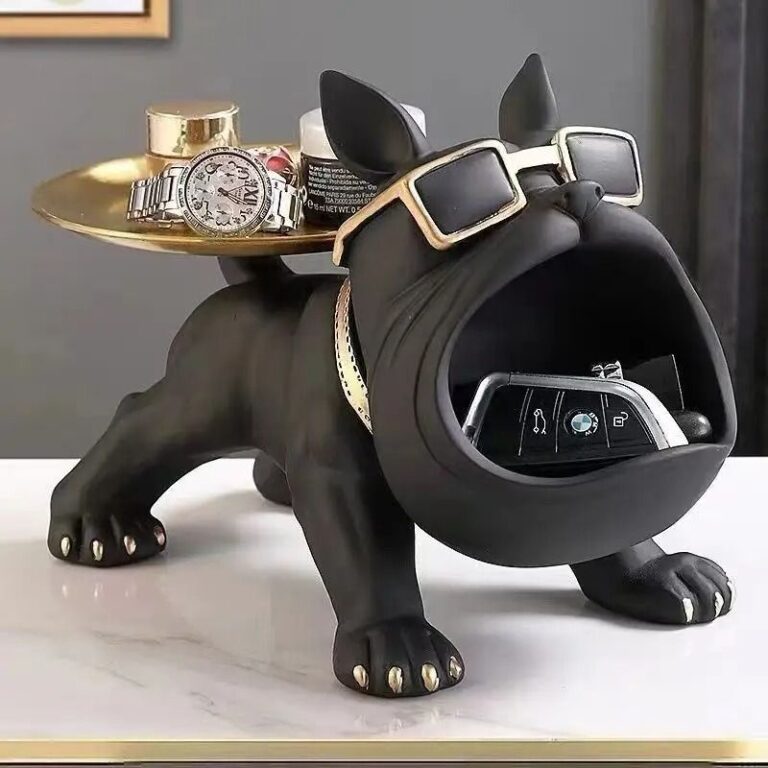 Aisha's pickShoe Storage That Looks the Part
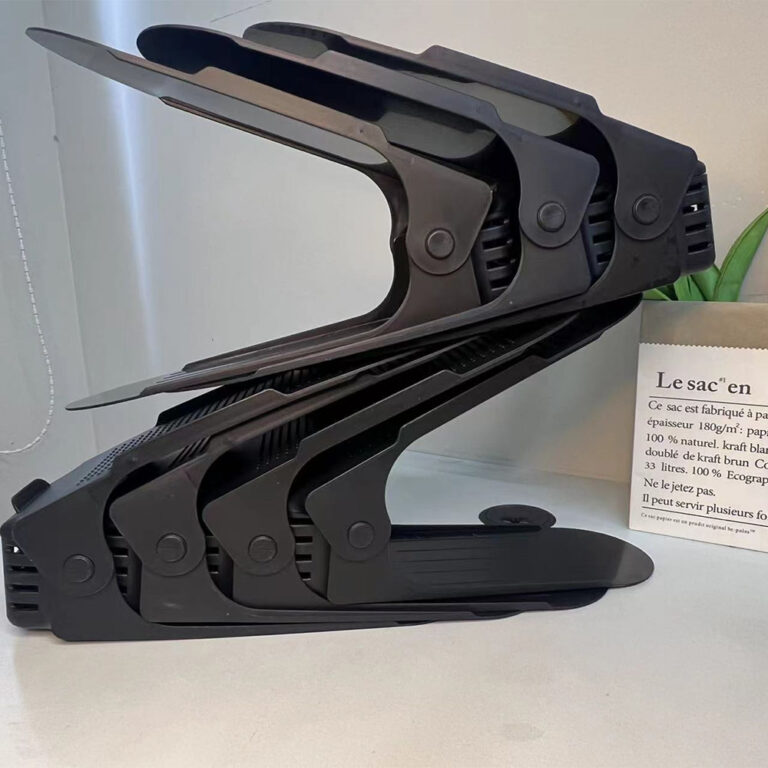
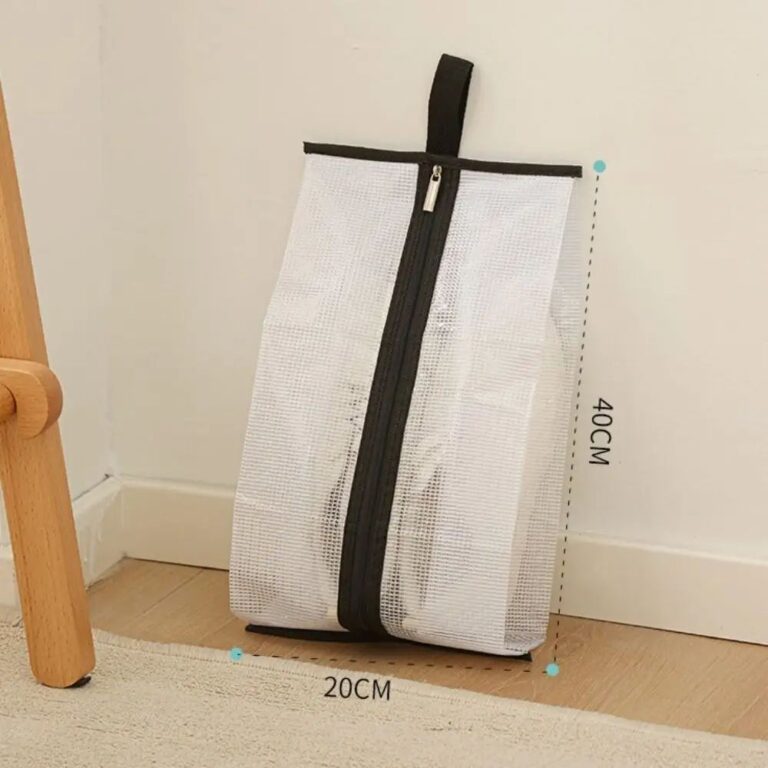 Aisha's pickFoldable Shoe Organizers That Make a Good First Impression
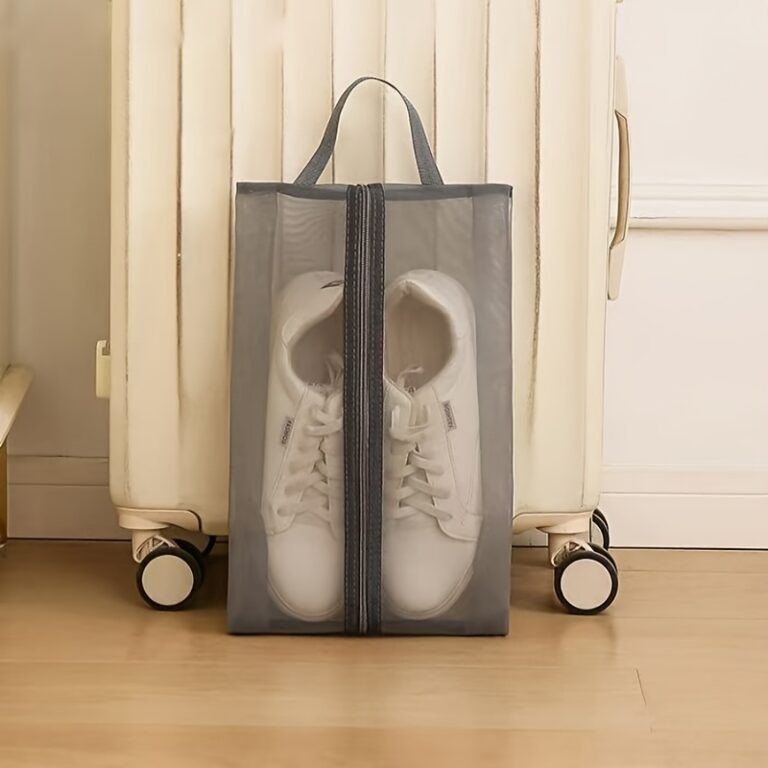
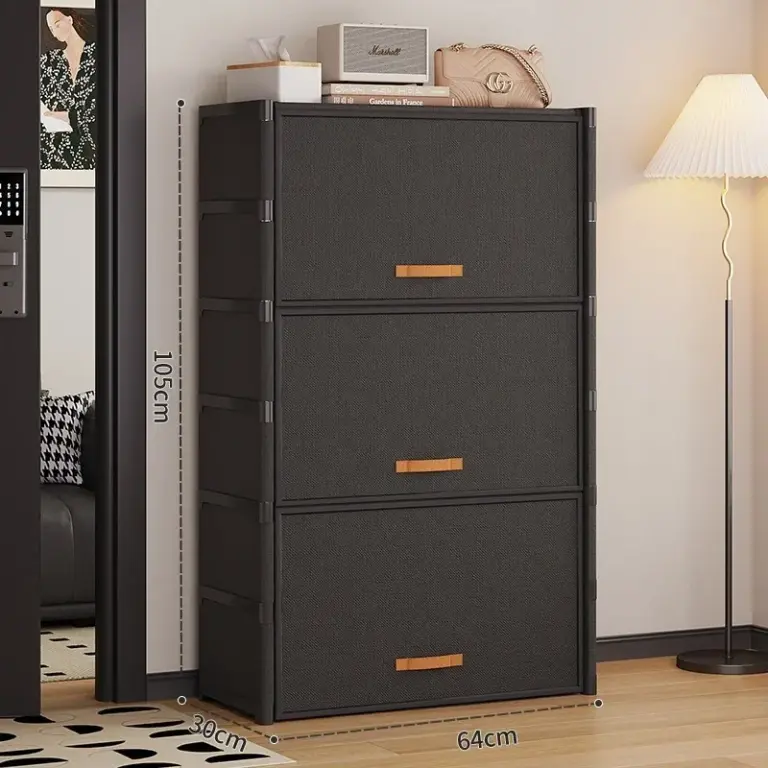 Aisha's pickShoe Storage for Hallway We Keep Buying
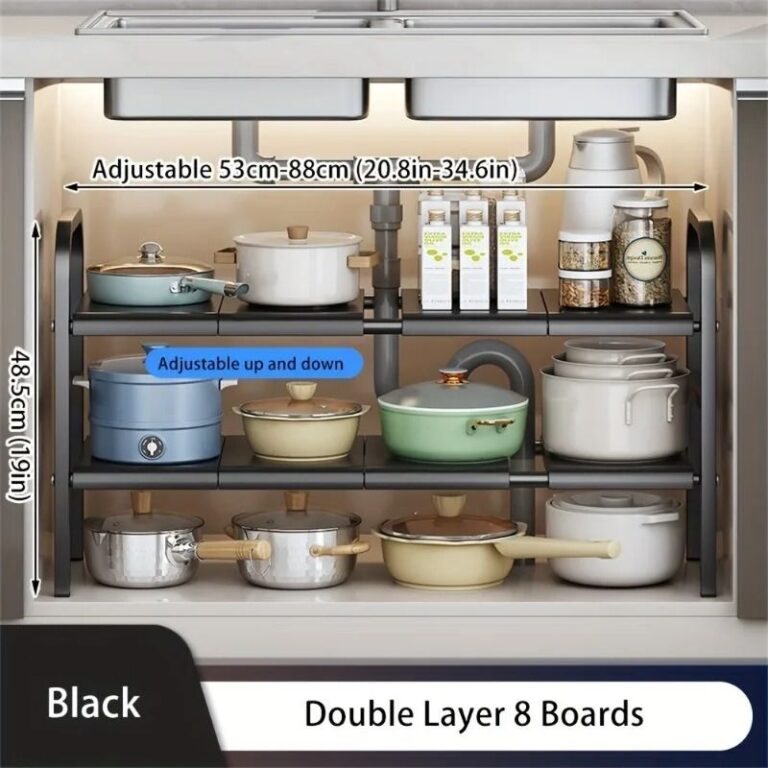
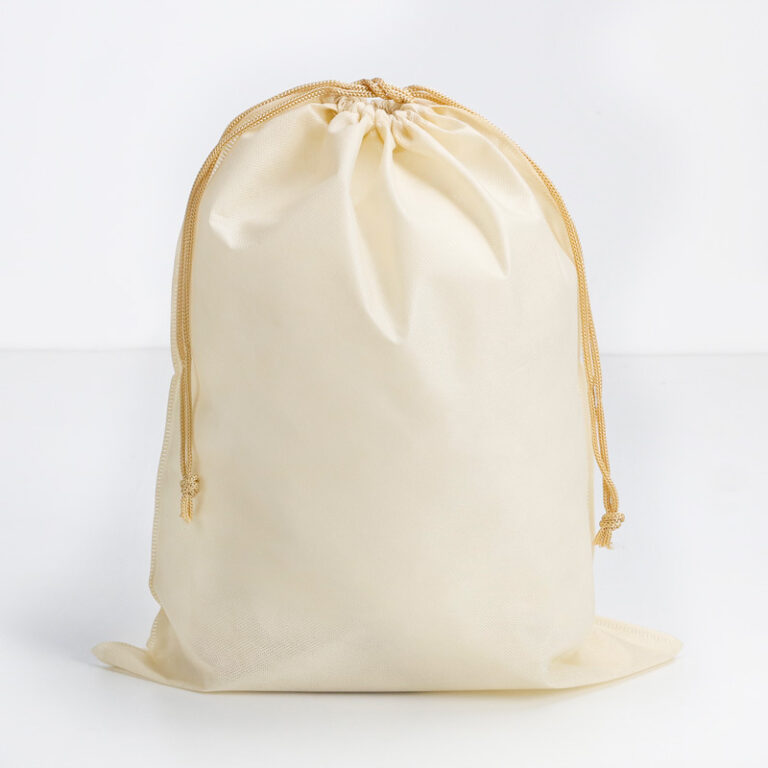 Aisha's pickGood Foldable Shoe Storage Without the Big Price Tag
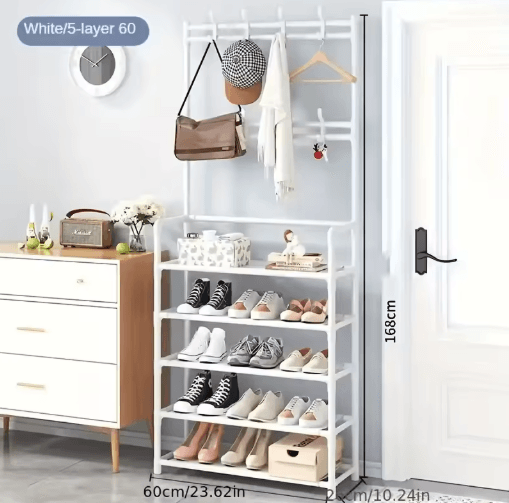 Aisha's pickOur Shortlist of Shoe Storage with Coat Hooks
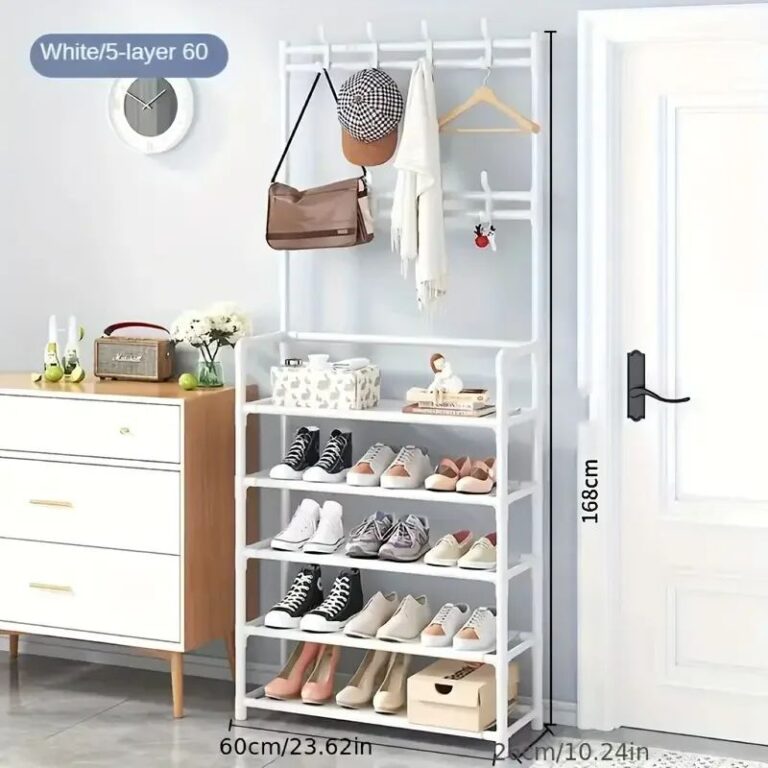
 Aisha's pickGray Shoe Storage That Does What It Should

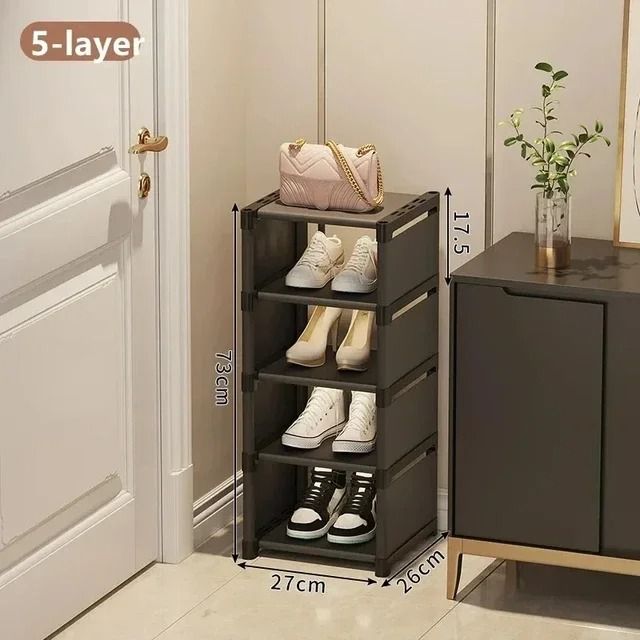 Aisha's pickGood Shoe Storage with Doors Without the Big Price Tag
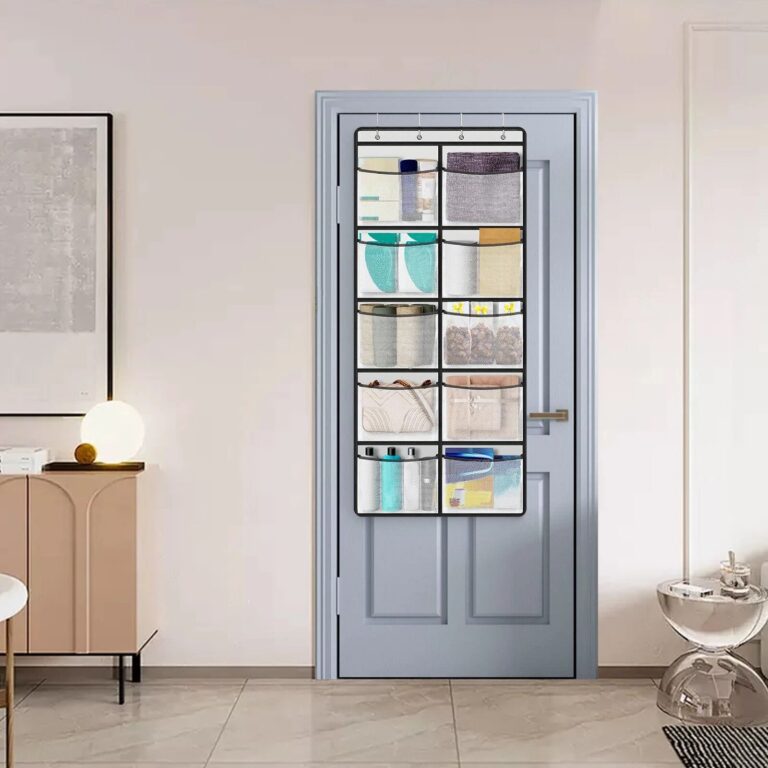
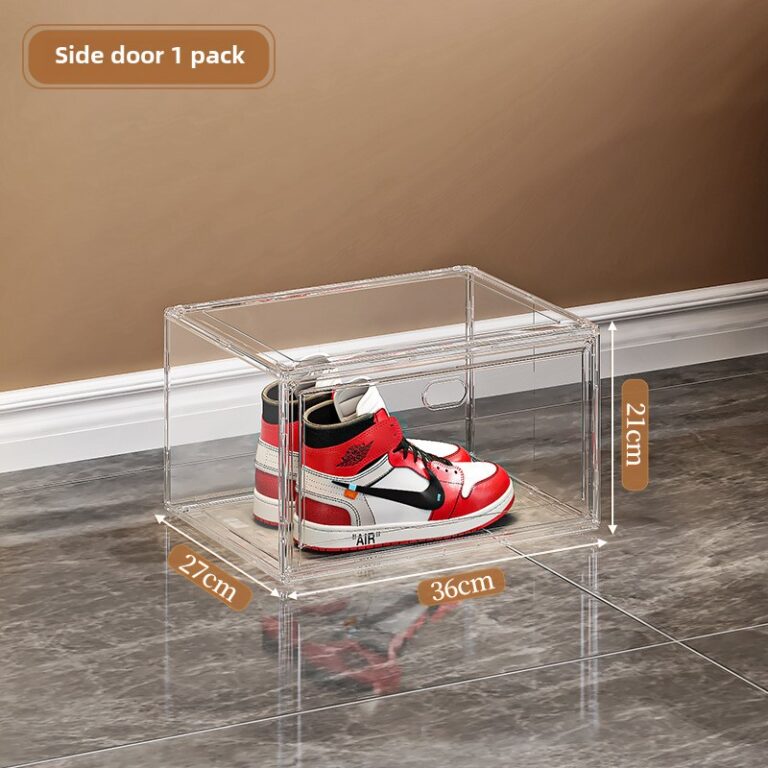 Aisha's pickLarge Shoe Boxes That Sort Out the Pile by the DoorAlso worth a lookStorage BoxesLate January is when storage boxes earn their keep, when the holiday decorations need somewhere to live that…See the collections →
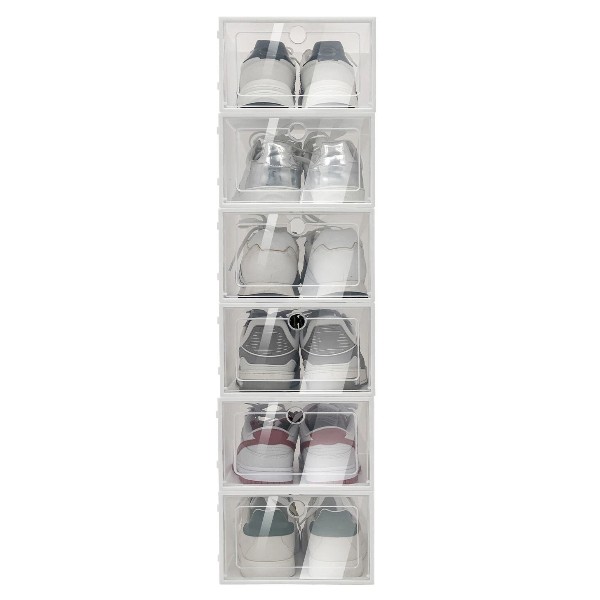
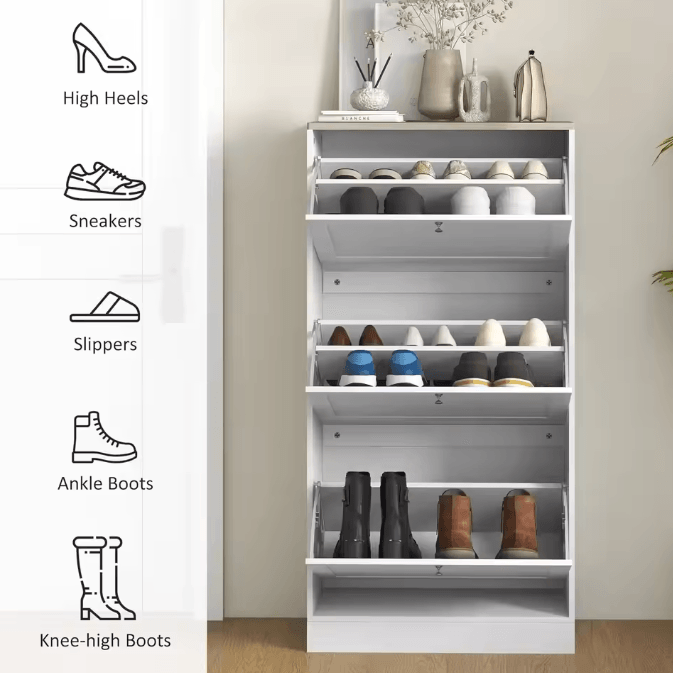 Aisha's pickShoe Storage with Drawers That Holds Up
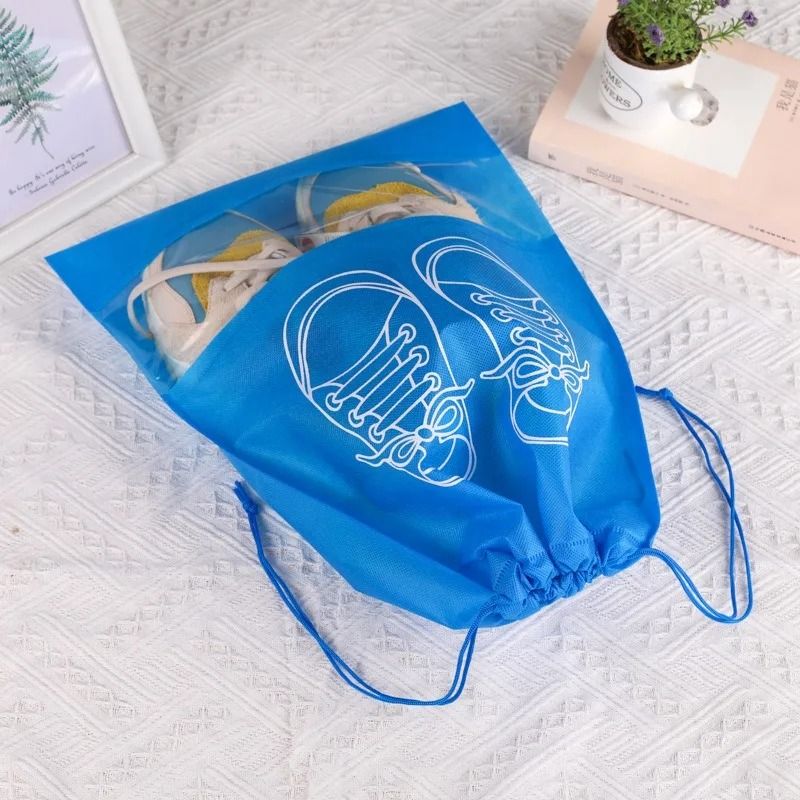 Aisha's pickLarge Shoe Storage That Earns Its Place

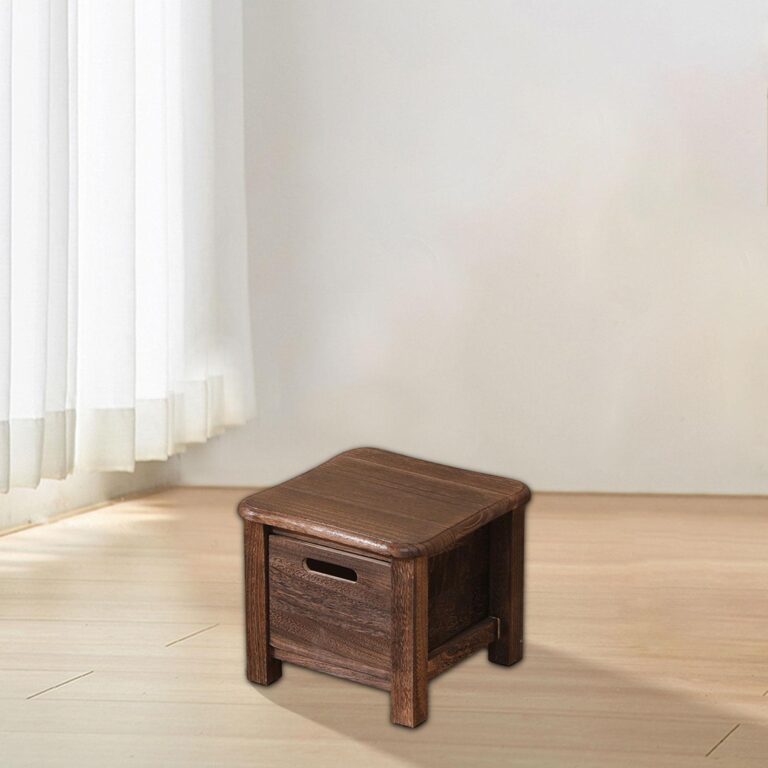 Aisha's pickShoe Storage with Seat That Earns Its Place
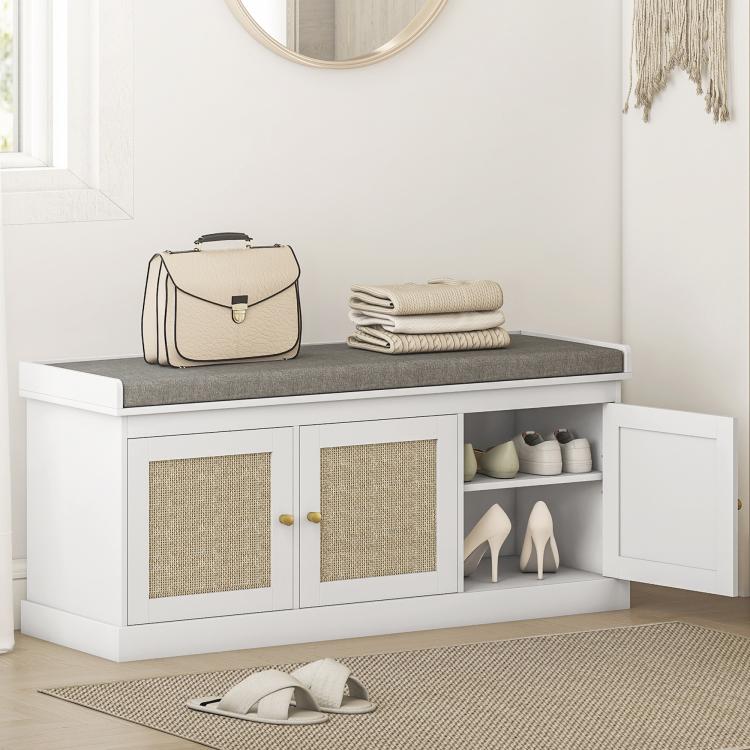
 Aisha's pickMetal Shoe Storage With a Bit More About It

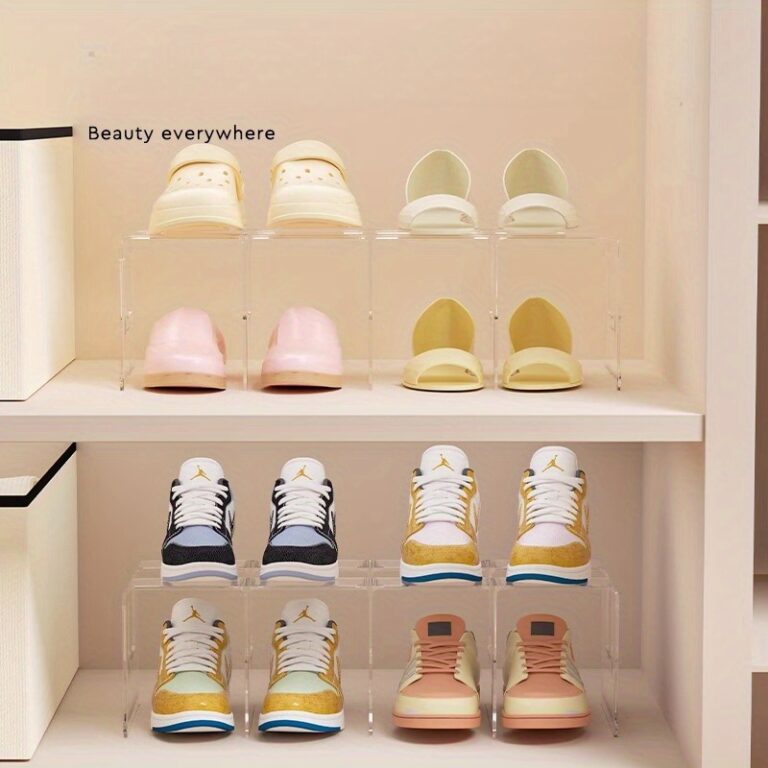 Aisha's pickSlim Shoe Storage for Narrow Hallways
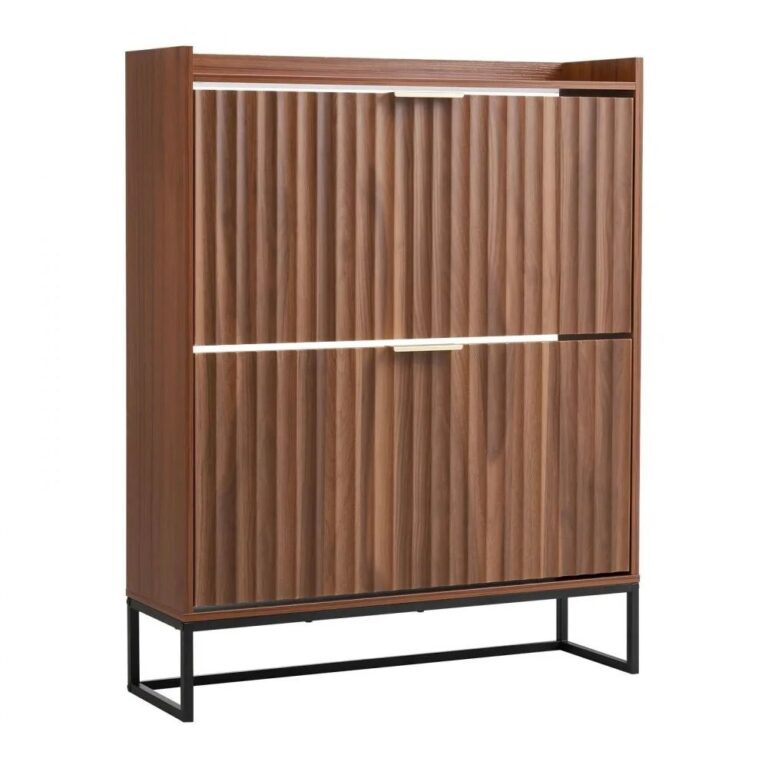
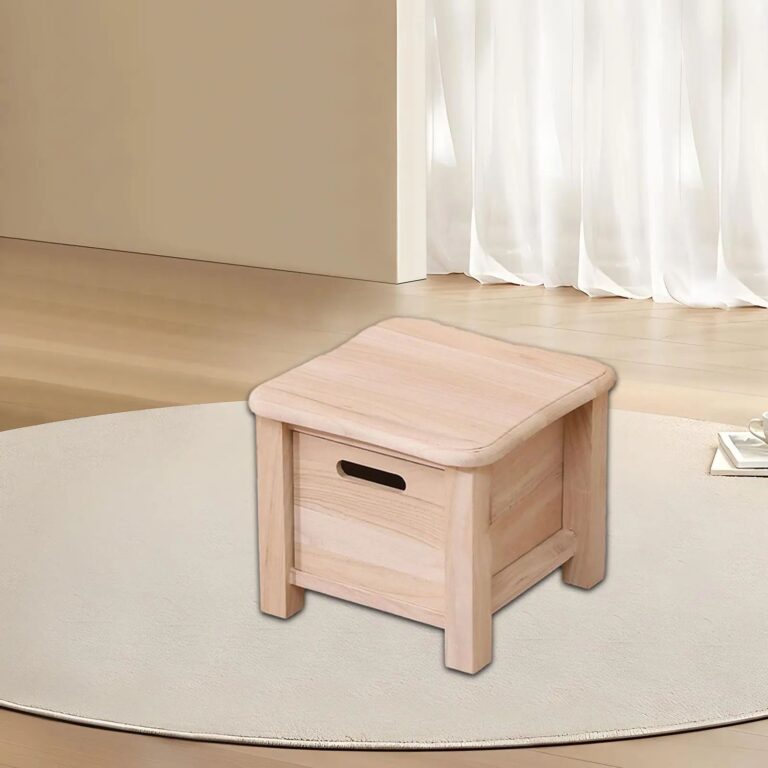 Aisha's pickModern Entryway Shoe Storage for Narrow Hallways

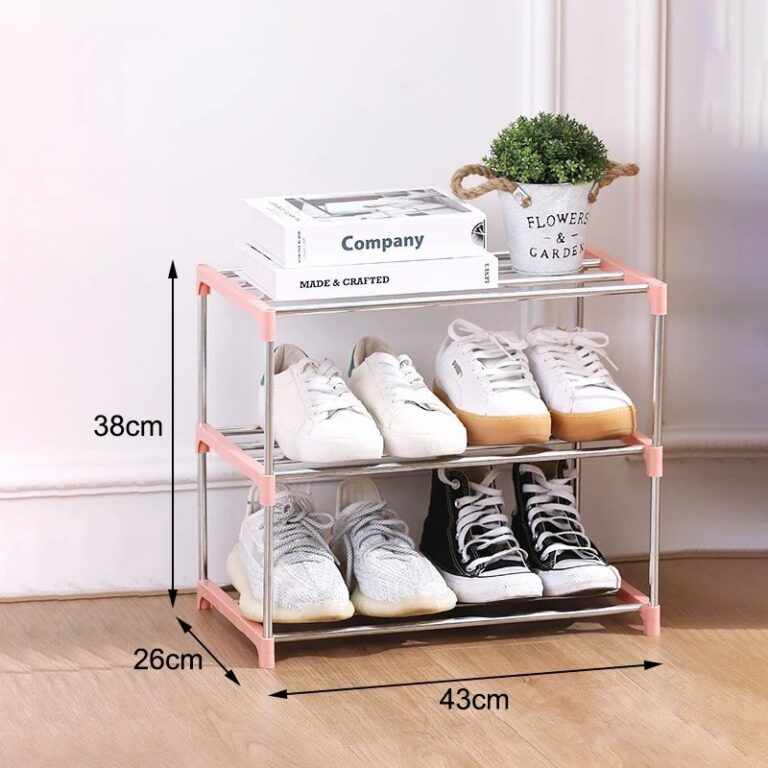 Aisha's pickSmall Shoe Storage You’ll Live With Happily for Years
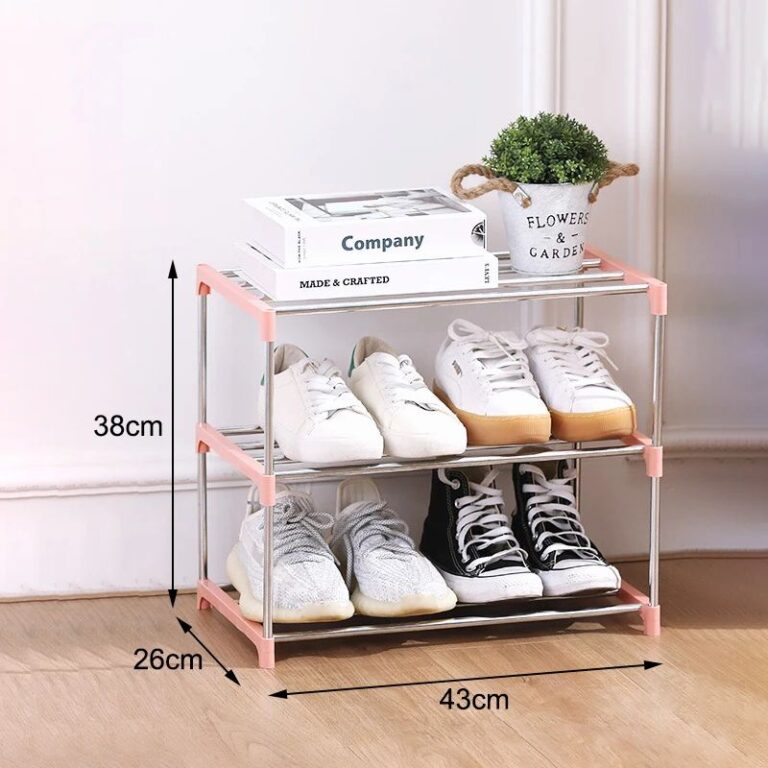
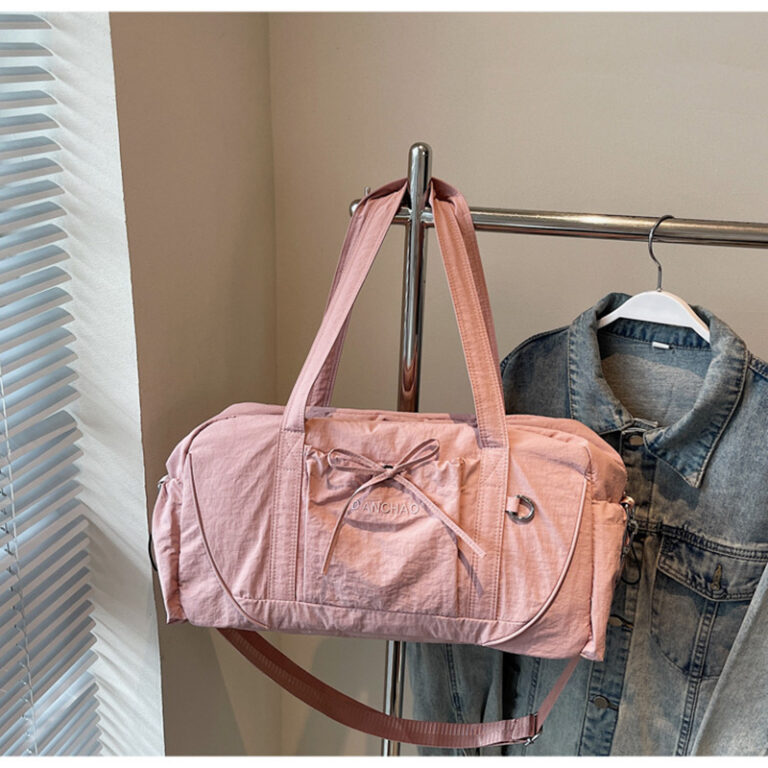 Aisha's pickModern Shoe Storage for Narrow Hallways
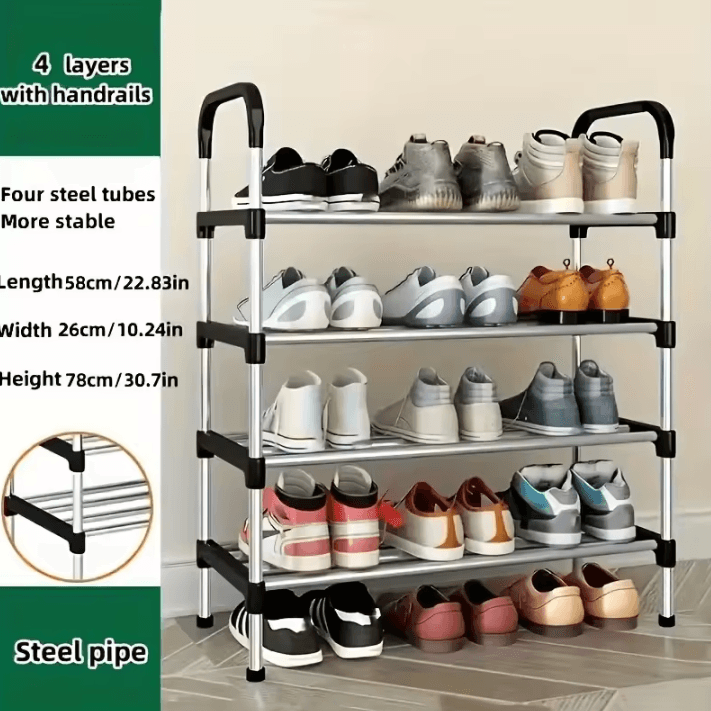
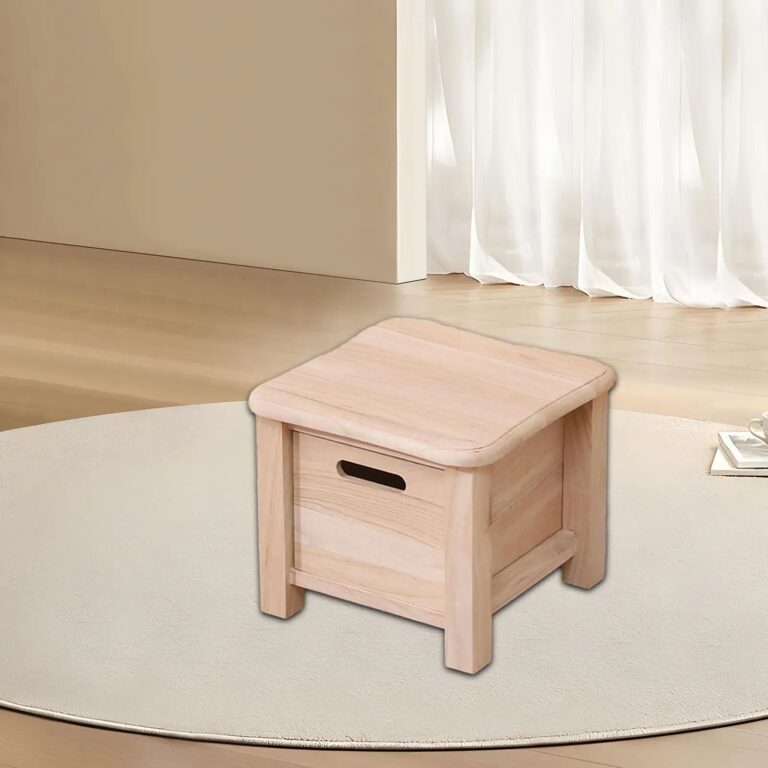 Aisha's pickSolid Wood Shoe Storage That Doesn’t Cost a FortuneAlso worth a lookGarage StorageThe mistake most people make with garage storage is buying it the way they'd buy a bookshelf, picking…See the collections →
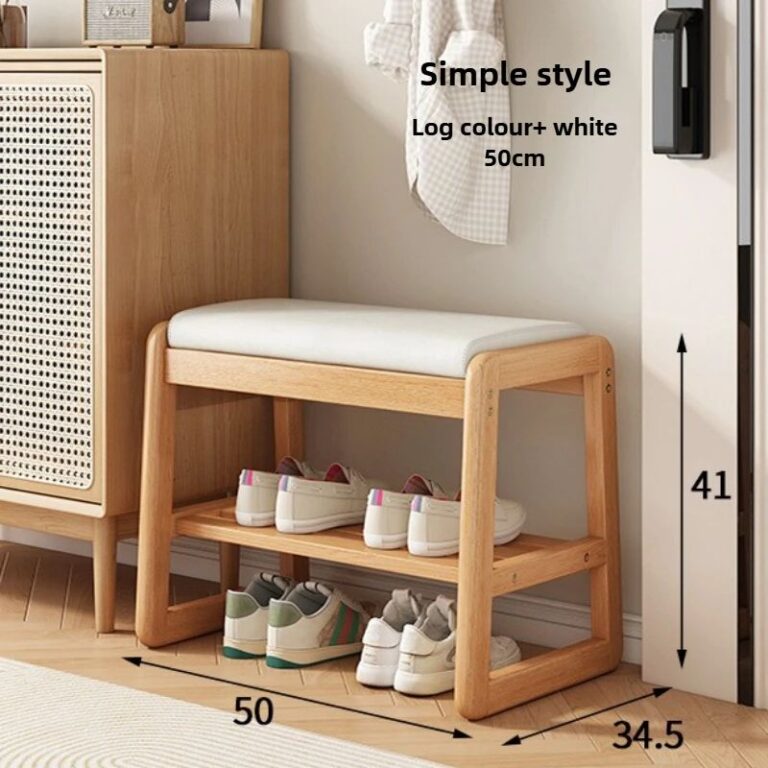
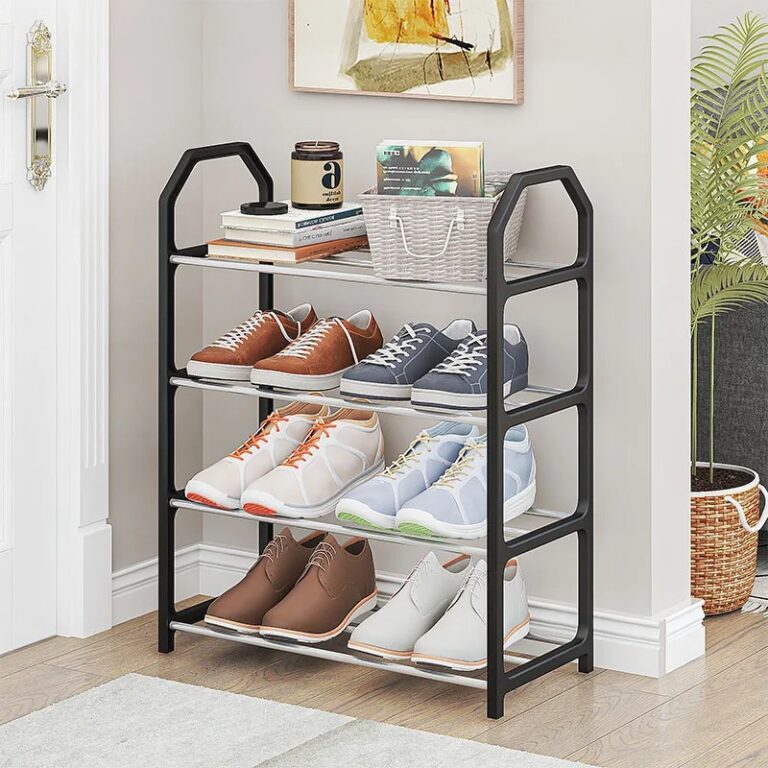 Aisha's pickBlack Shoe Storage Picked From the Stores We Trust
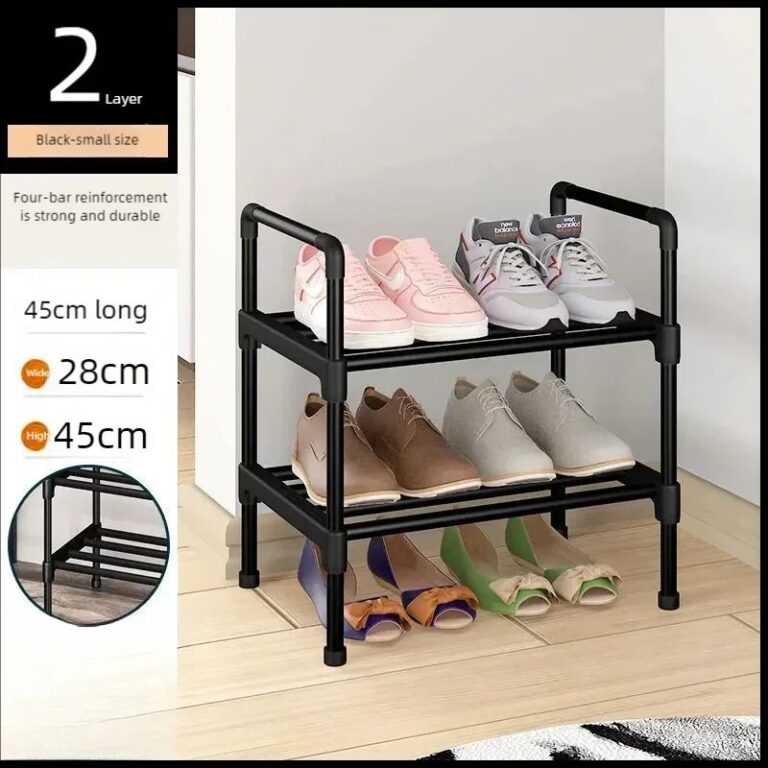
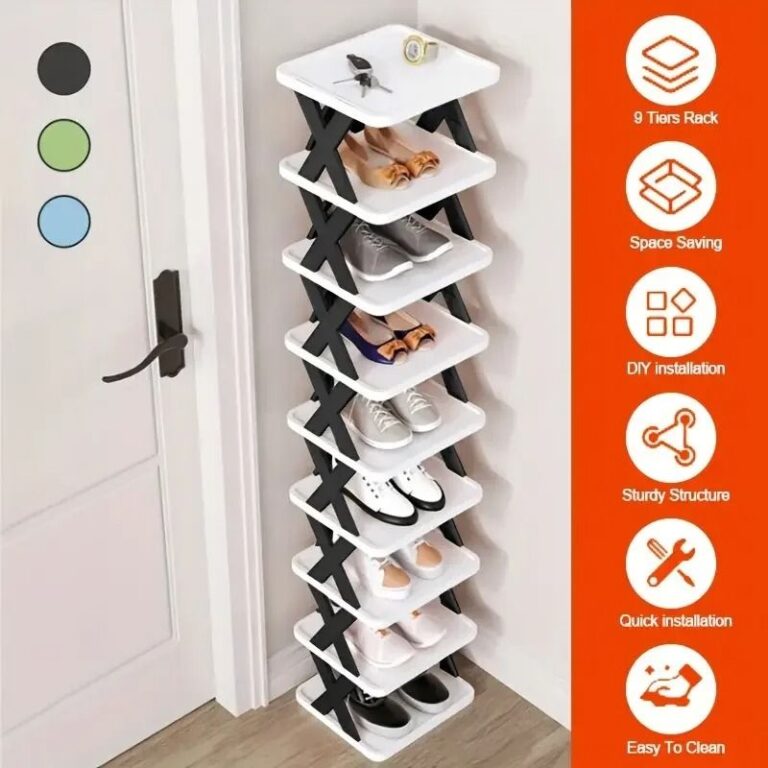 Aisha's pickThe Narrow Entryway Shoe Storage Worth Your Cash
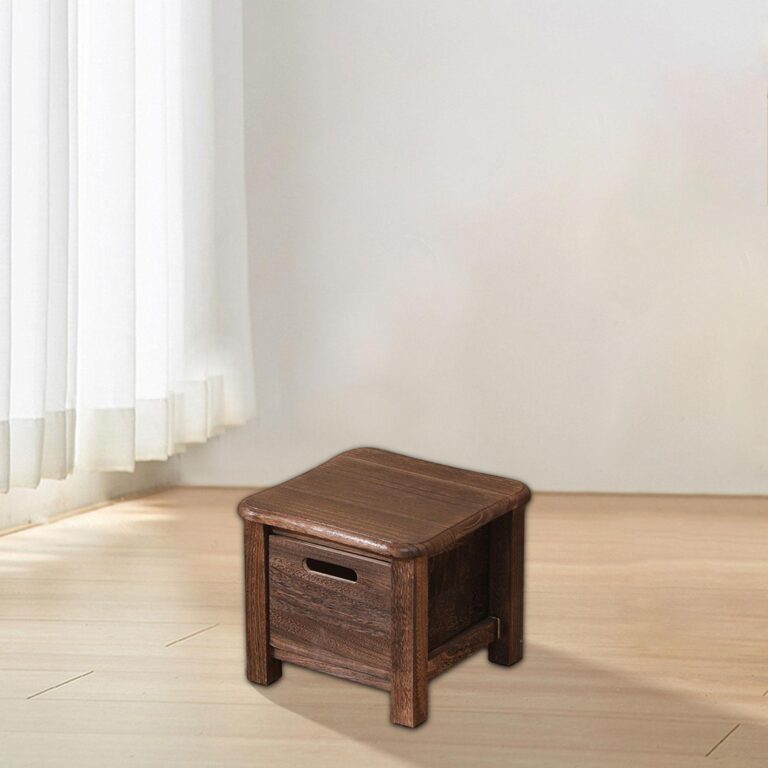
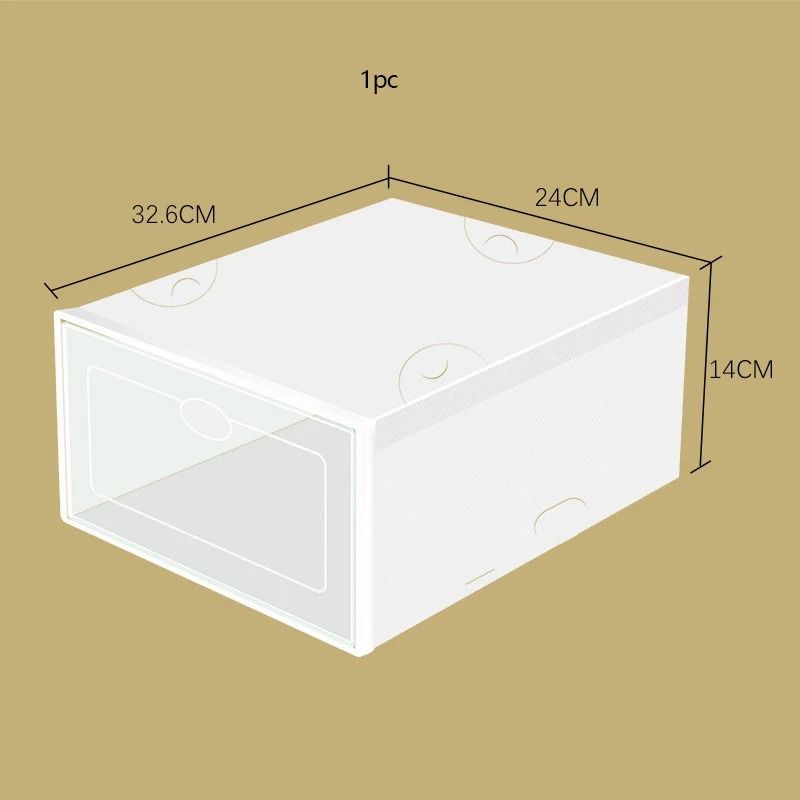 Aisha's pickStackable Clear Shoe Boxes for Narrow Hallways
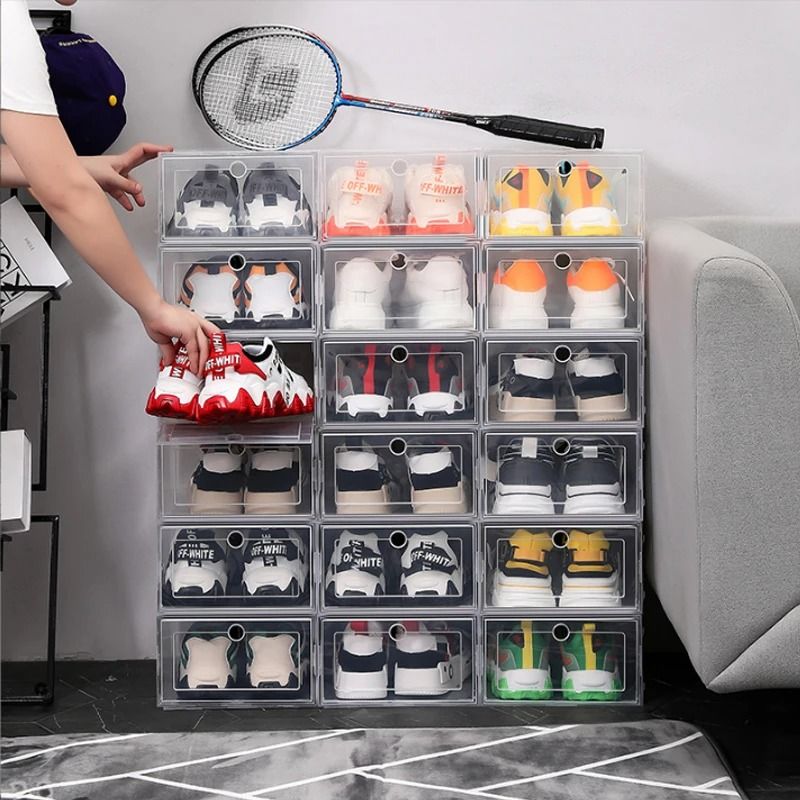
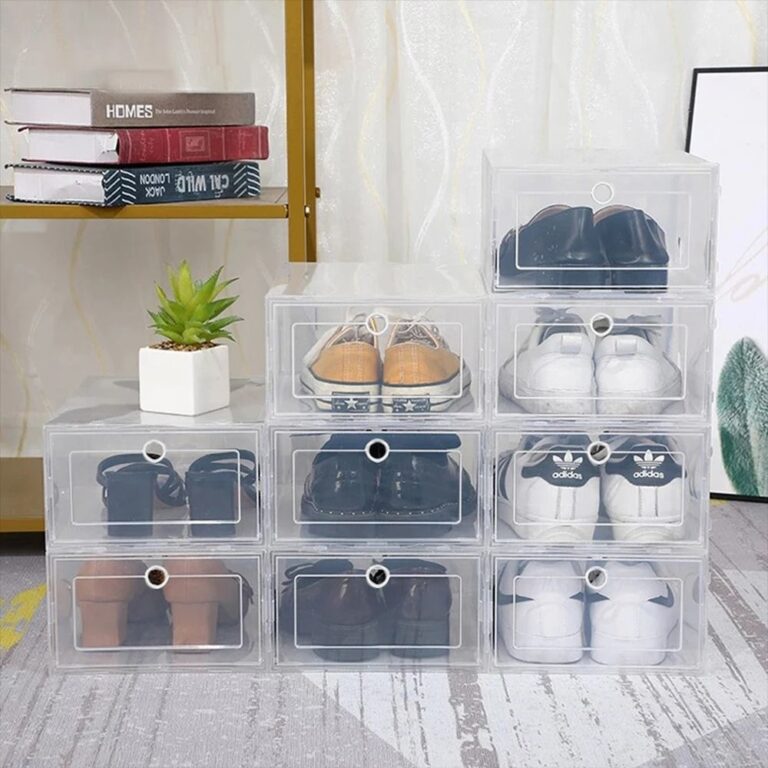 Aisha's pickClear Plastic Shoe Boxes That Go With Most Rooms
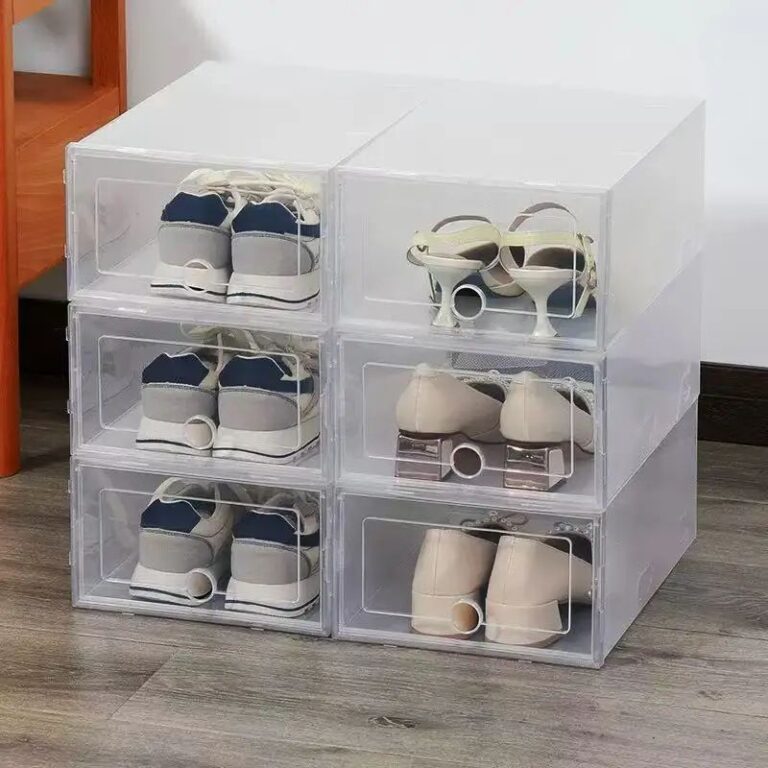
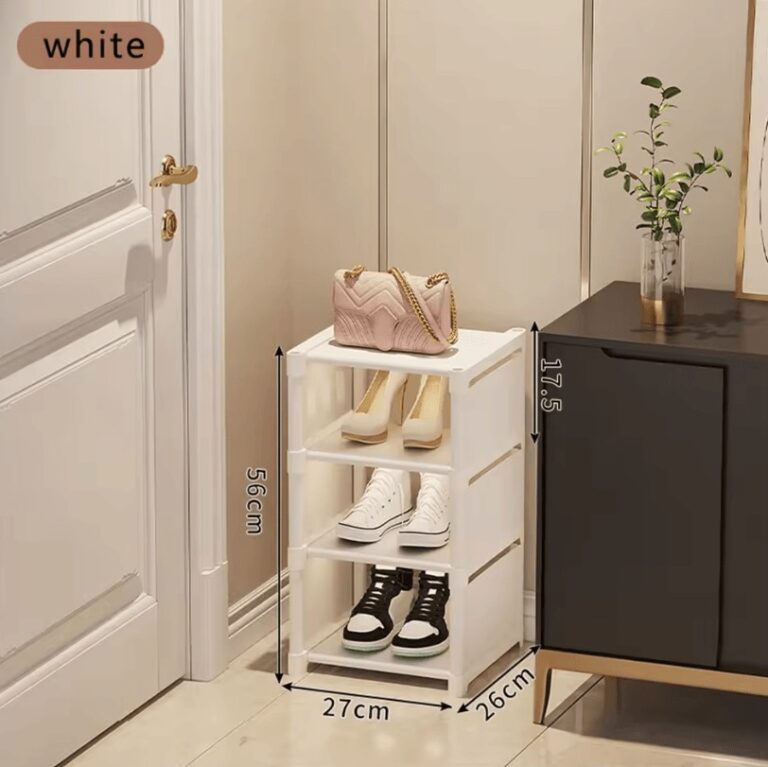 Aisha's pickNarrow Shoe Storage That Looks the Part
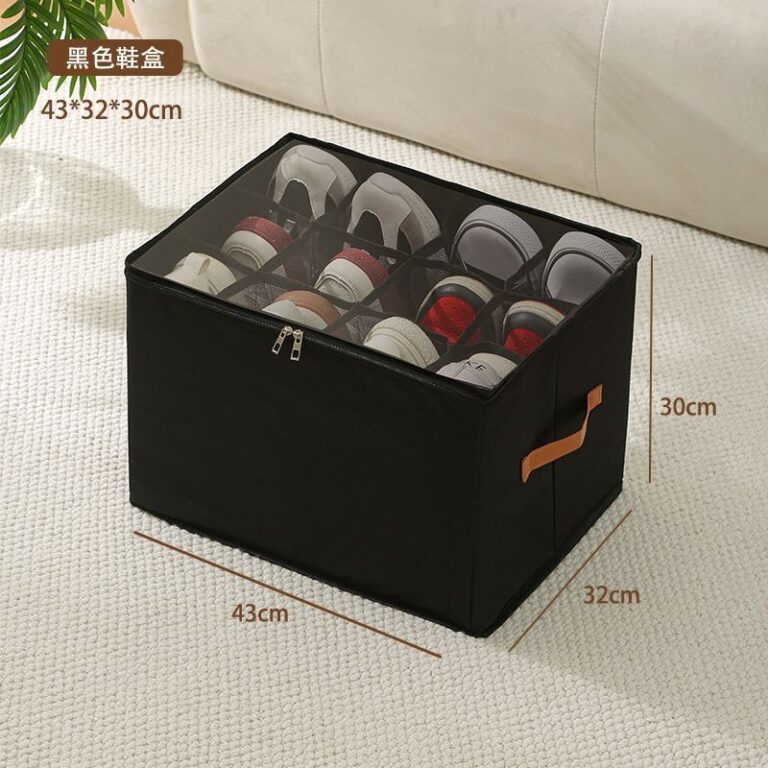
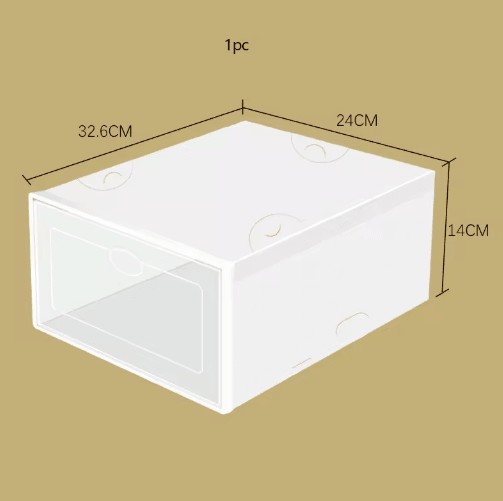 Aisha's pickStackable Shoe Boxes That Look Good Even When Full
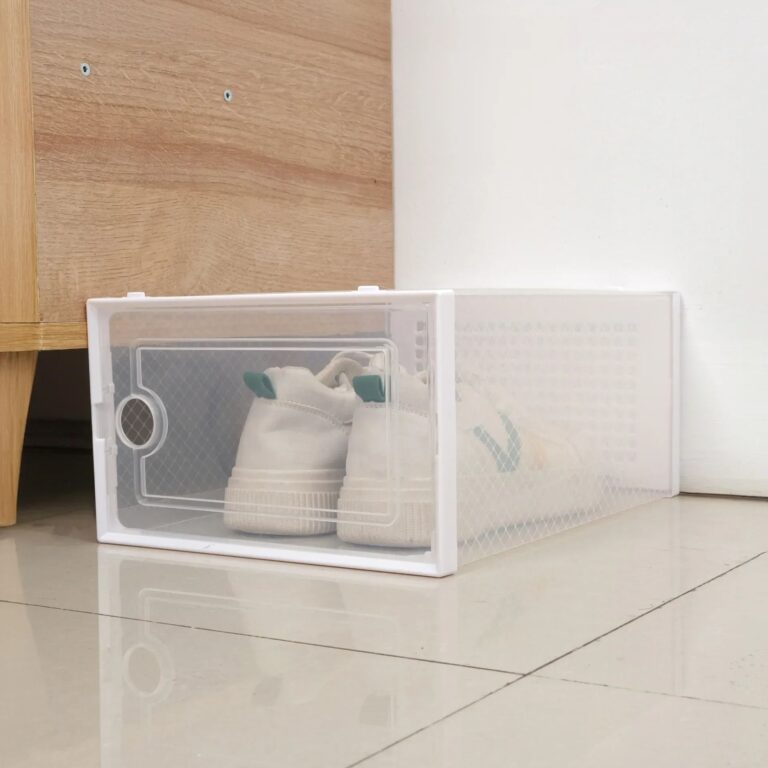
 Aisha's pickClear Shoe Boxes That Sort Out the Pile by the Door
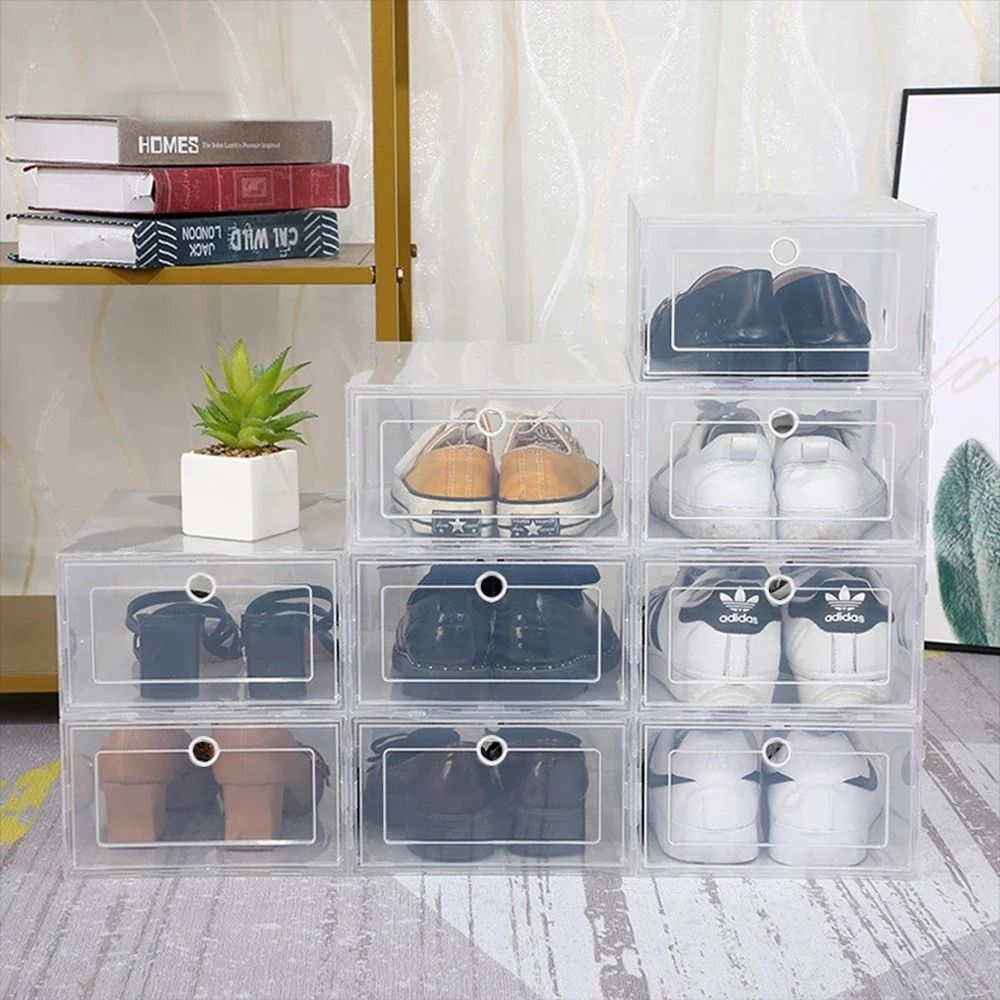
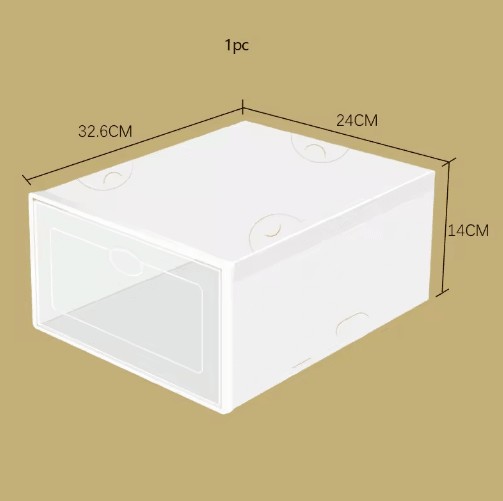 Aisha's pickPlastic Shoe Boxes That Sort Out the Pile by the Door
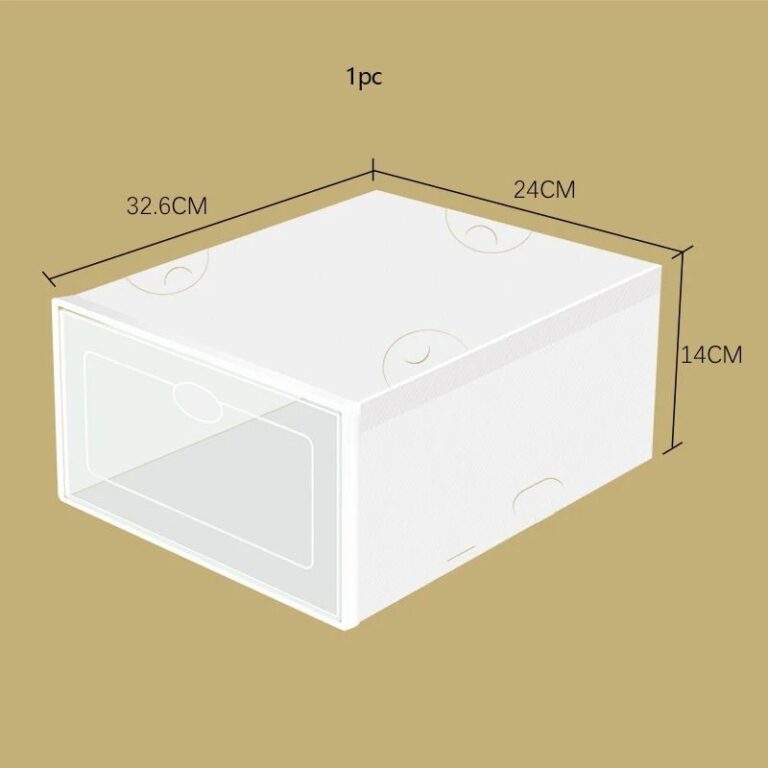
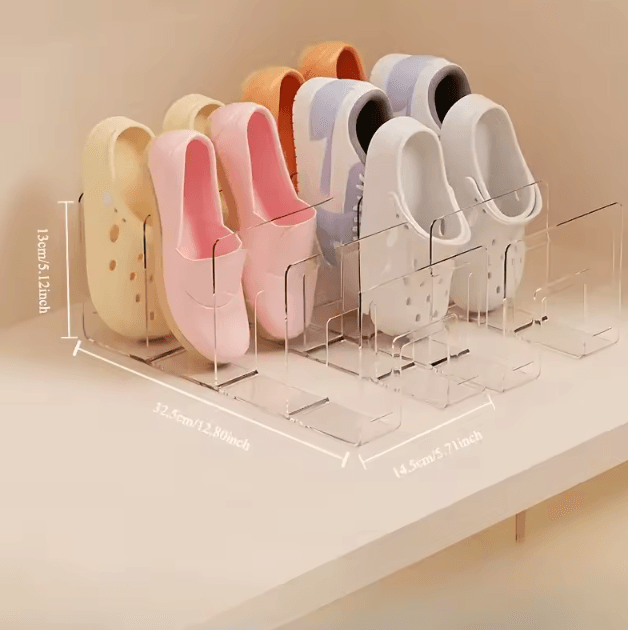 Aisha's pickStackable Shoe Organizers You Won’t Want to Hide AwayAlso worth a lookBasketsBaskets have a reputation for being the thing you buy when you've given up on actually organizing a room, and honestly, you land on it right.See the collections →
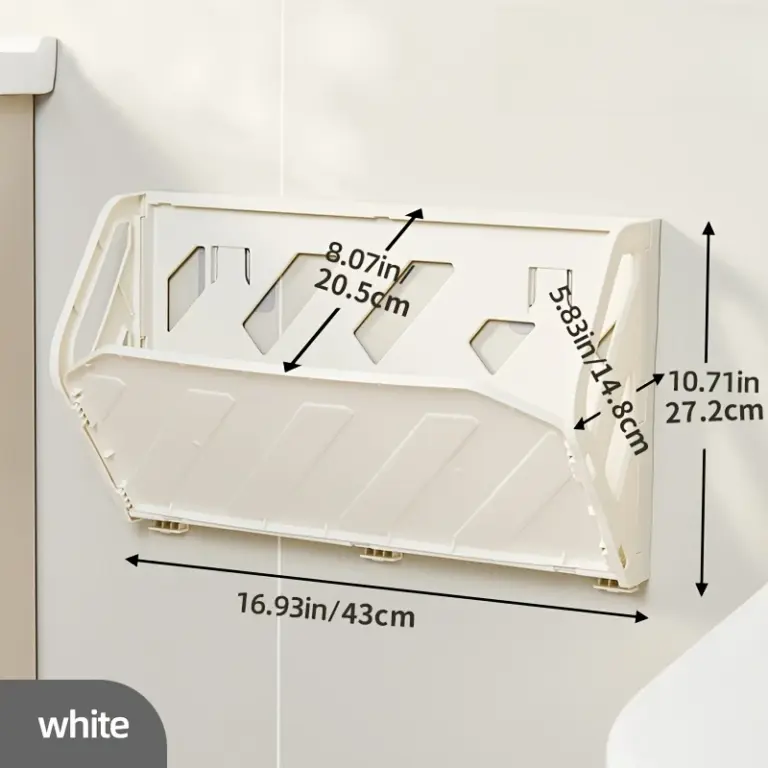
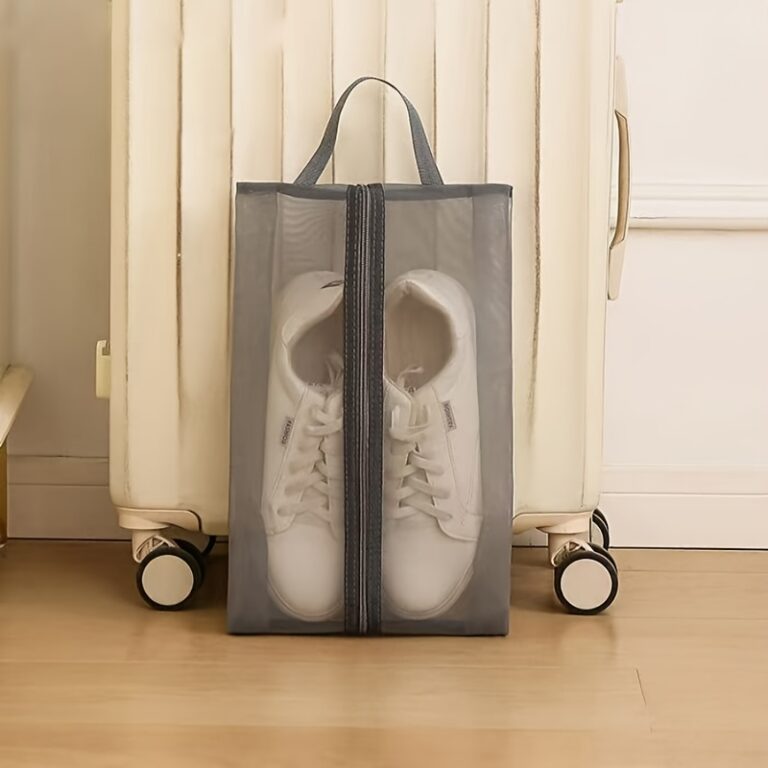 Aisha's pickCompact Shoe Storage for Narrow Hallways
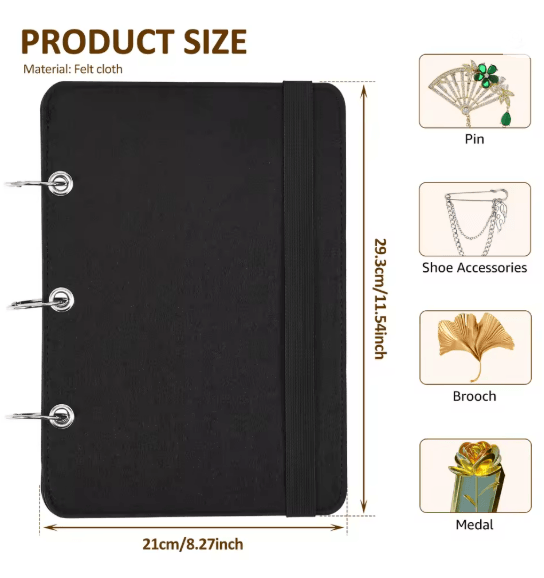
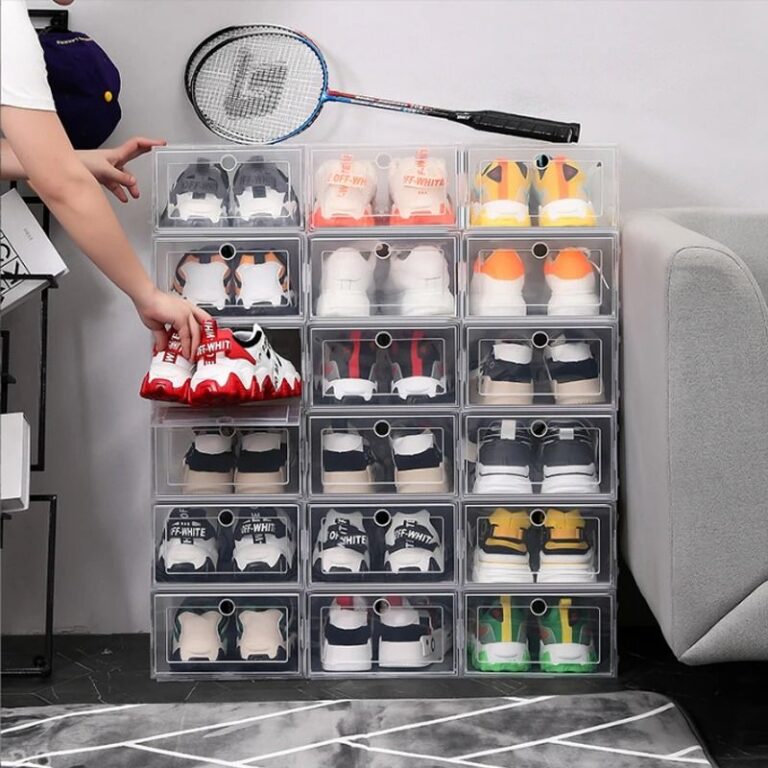 Aisha's pickShoe Boxes for the Bits That Never Have a Home
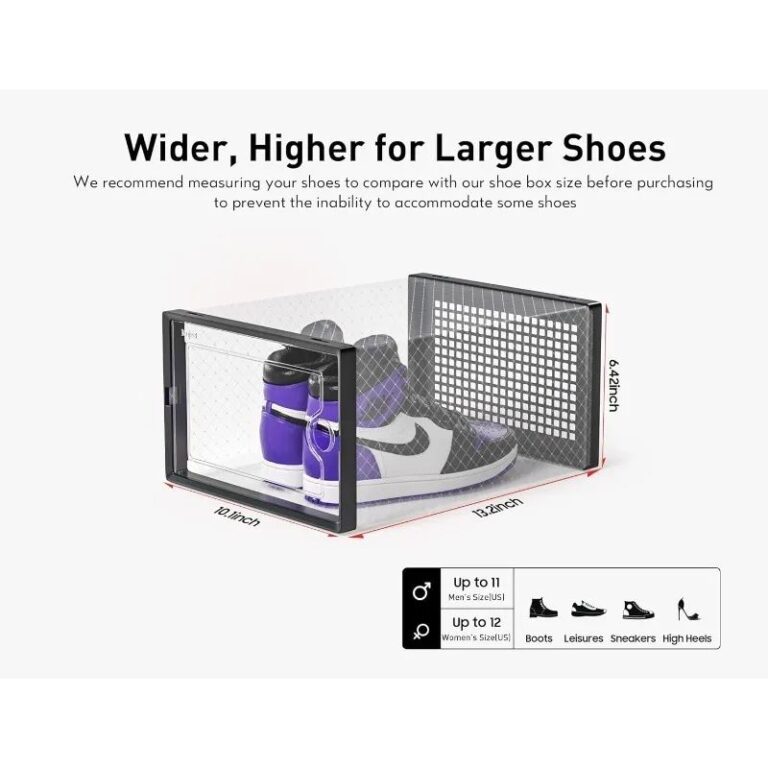
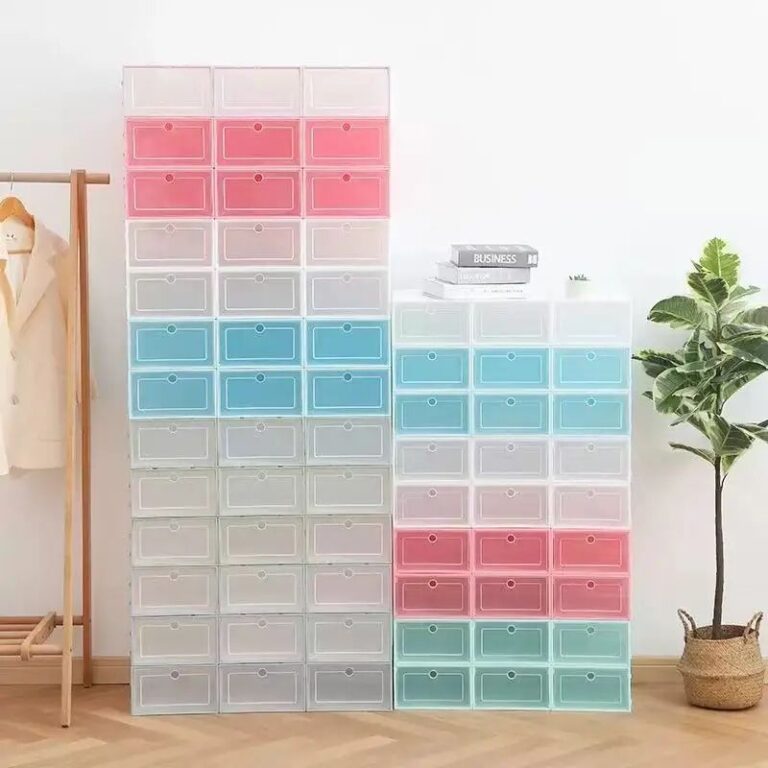 Aisha's pickGood Stackable Shoe Storage Without the Big Price Tag
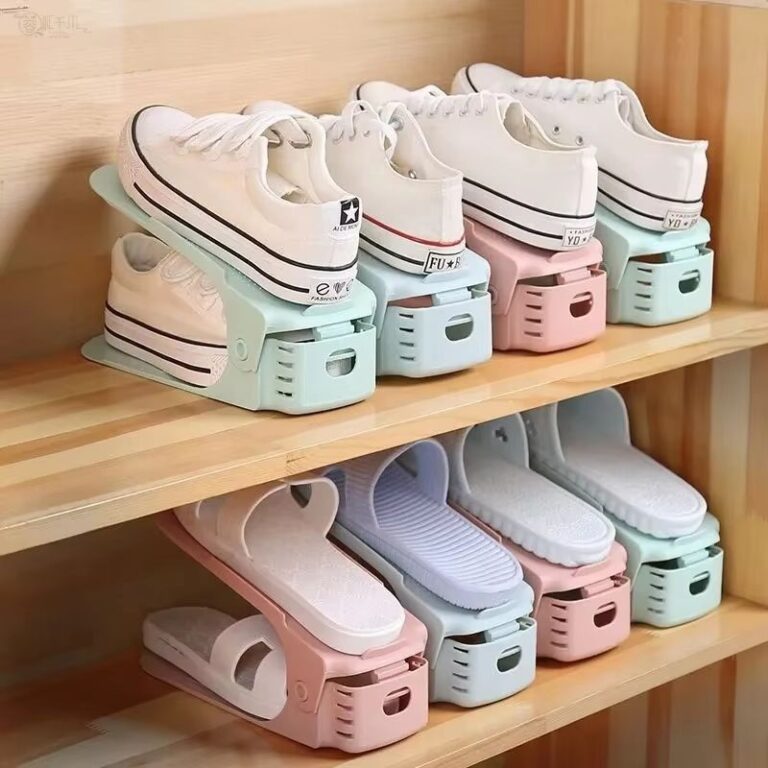
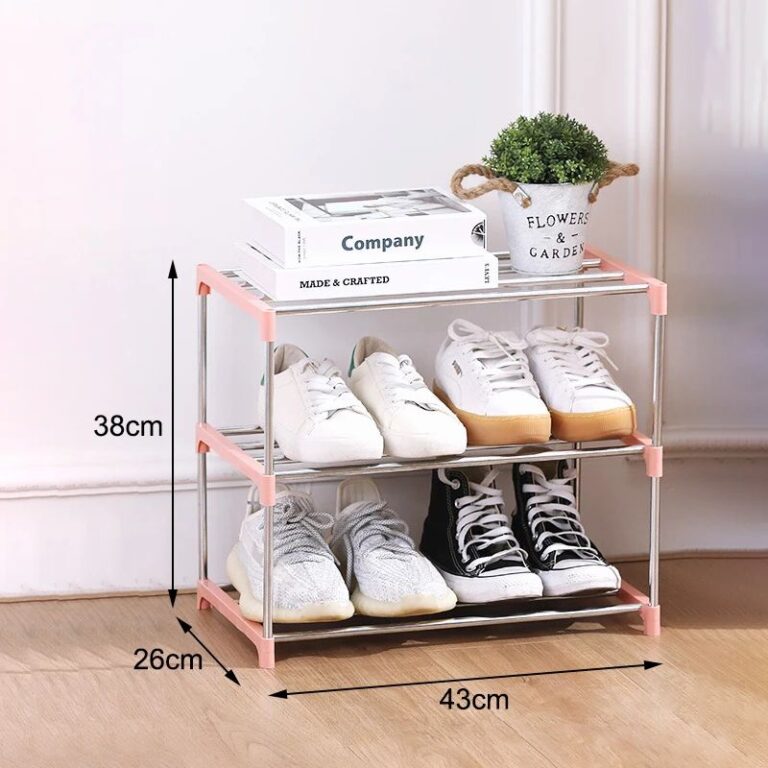 Aisha's pickEntryway Shoe Storage Worth Knowing About
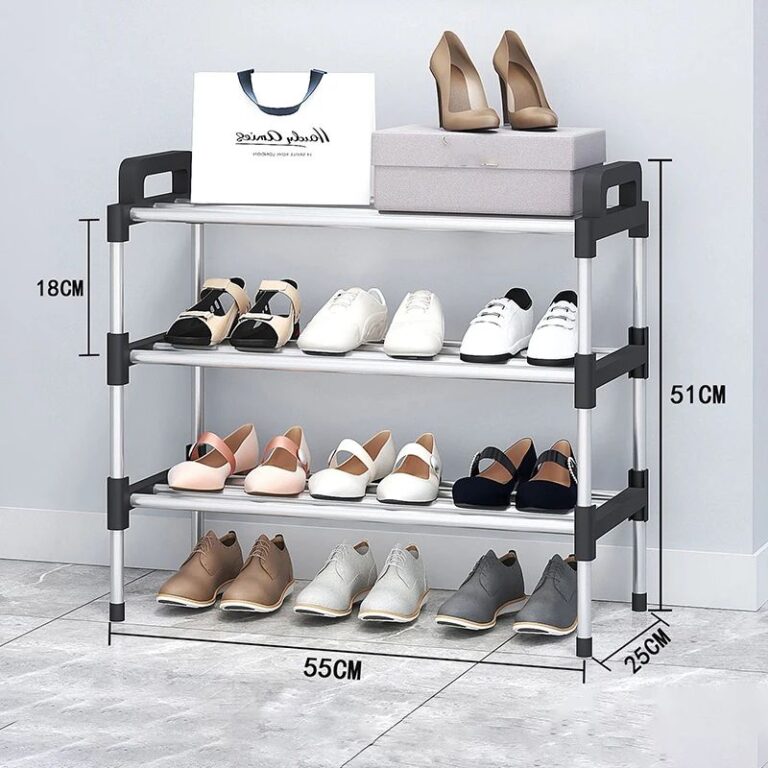
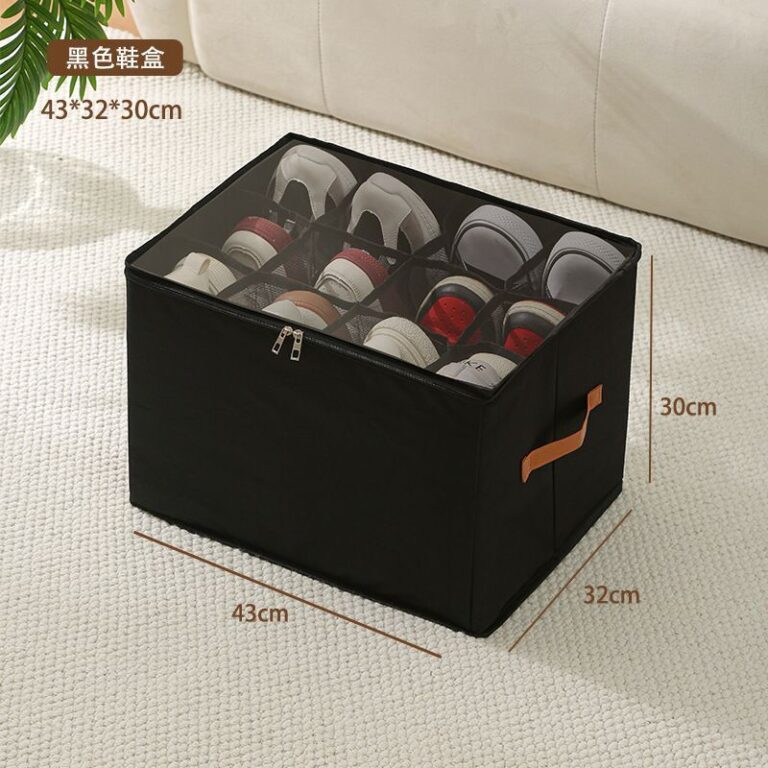 Aisha's pickShoe Boxes with Handles That Sort Out the Pile by the Door
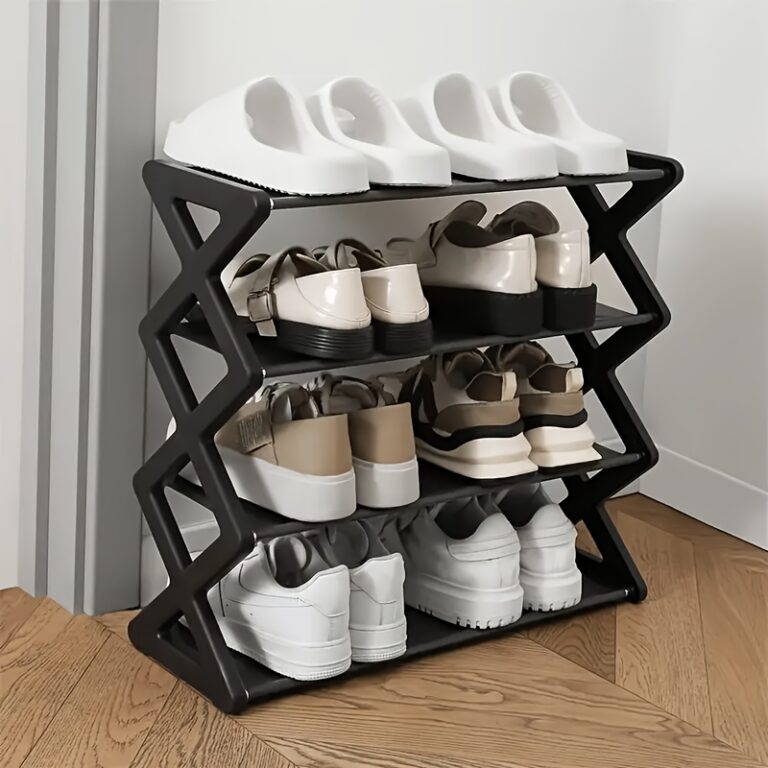 Aisha's pickSimple White Entryway Shoe Storage Done Well
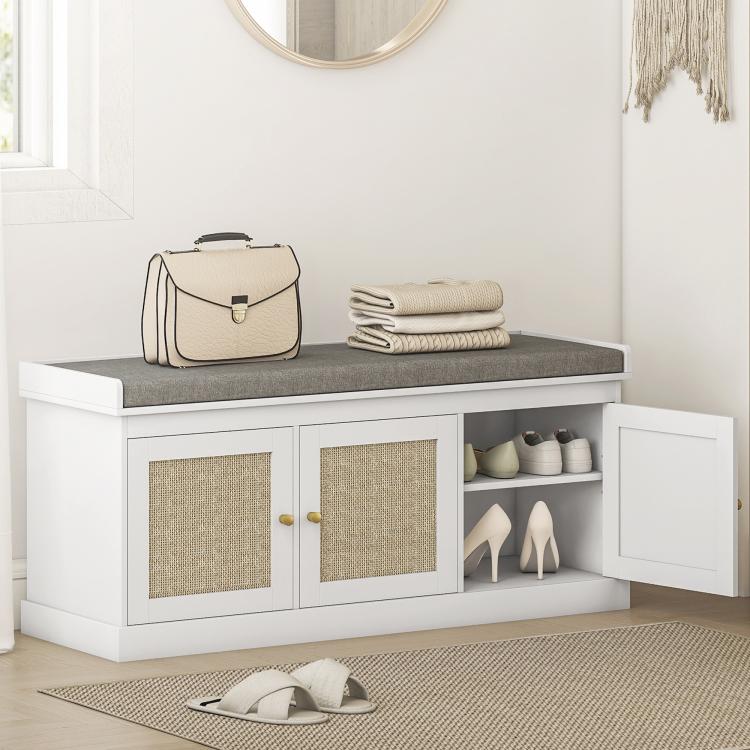
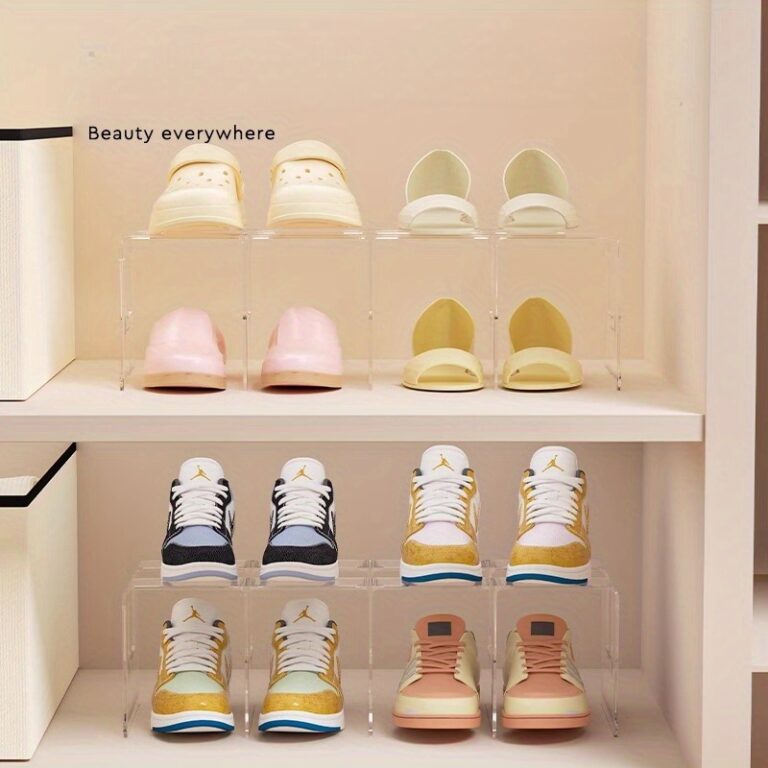 Aisha's pickGood Entryway Shoe Storage for Hallway That Don’t Cost a Fortune

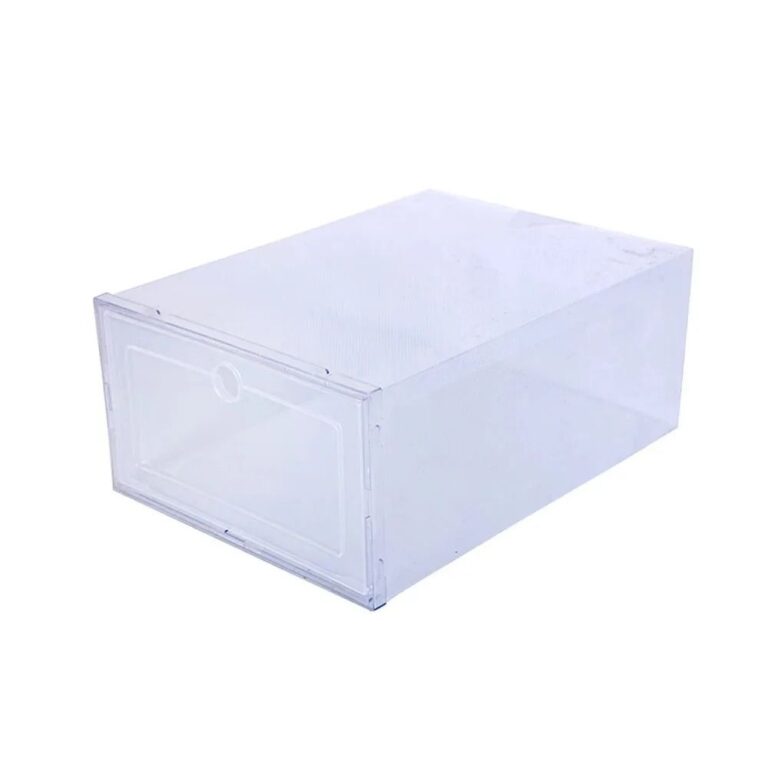 Aisha's pickShoe Boxes with Lids That Don’t Shout About It