The thing nobody mentions about a ceiling light is how much of your opinion of it depends on the hour of the day you never think to check. A fixture that looks sharp under the showroom halogens can turn a room the color of a dentist's office by nine at night, once the bulb's true tone comes through and there's nothing else competing with it. I've stood under more than one good looking fixture at dusk and felt my whole mood sour before I figured out it was the light's fault, not mine.
Getting the size right starts with the ceiling height and the table or sofa underneath it, not the room's square footage, which is the measurement everyone defaults to and the one that leads them wrong. A fixture needs to sit roughly thirty inches above a dining table if the ceiling allows it, and in a standard eight foot room you want something that doesn't eat more than a foot of headroom near a doorway or you'll be ducking it for years. The mistake I see constantly is people buying small because the room felt crowded on the showroom floor, when a too small fixture just reads as an afterthought once it's up there alone against all that empty ceiling. Go a size bigger than feels sensible on paper. A ceiling light has to hold its own against the whole room looking up at it, and a room with high ceilings and a lot of trim can carry something with real presence, while a low ceiling in an older house wants something flush or close to it so you're not forever worried about hitting your head on the way to the window.
Which room it suits depends less on style than on what the room does. A hallway or stairwell wants a fixture that reads well from below and from an angle, since you'll see the underside of it as much as the front. A living room with lamps already doing the evening work can take something quieter, almost architectural, since the ceiling light there is mostly a daytime fixture and an accent at night. If you're starting from nothing, get one with a dimmer built in or wired for one, because a ceiling light run at full brightness every single evening is how a room stops feeling like somewhere you want to sit.
They age in different ways depending on finish. Brass will darken and get better with it, left alone rather than polished. Painted metal just needs a dusting a few times a year, up on a stool, same as a bookshelf. Glass shades hold grease and dust faster than you'd expect over a stove or a dining table, so a wipe every month or two keeps the light honest rather than muddy.
Get the right one up there and the whole room finally looks lived in on purpose, not just lit.

 Aisha's pickCluster Ceiling Lights That Give Off a Warm Glow
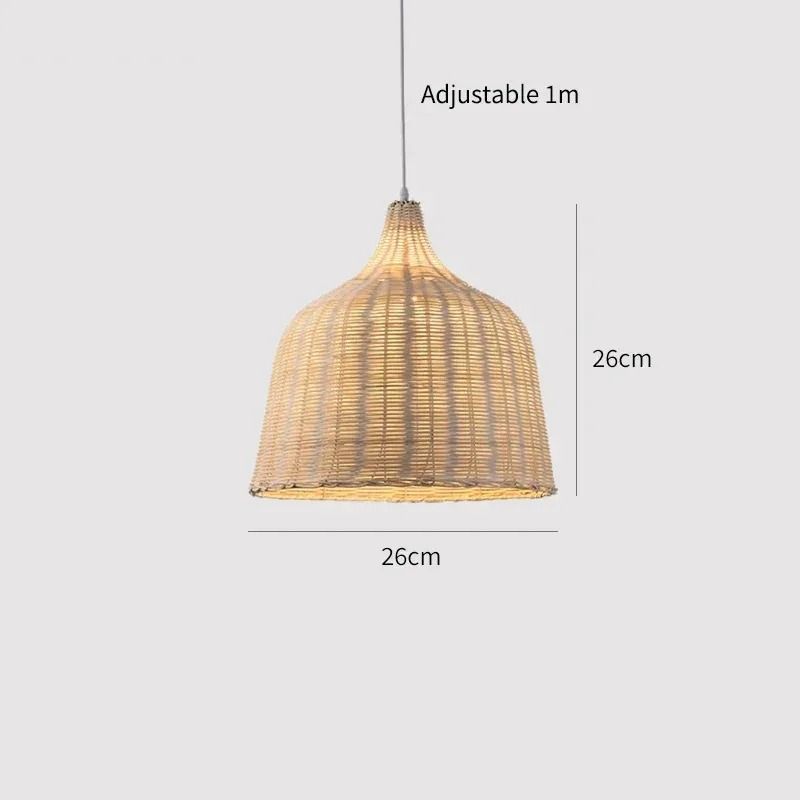
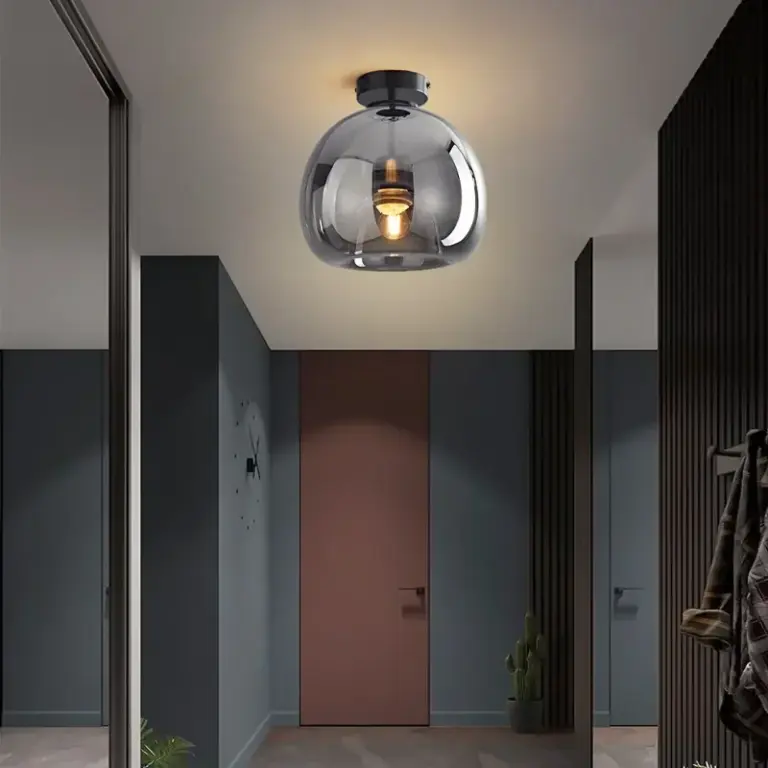 Aisha's pickSemi Flush Ceiling Lights From Brands You Know and a Few You Won’t
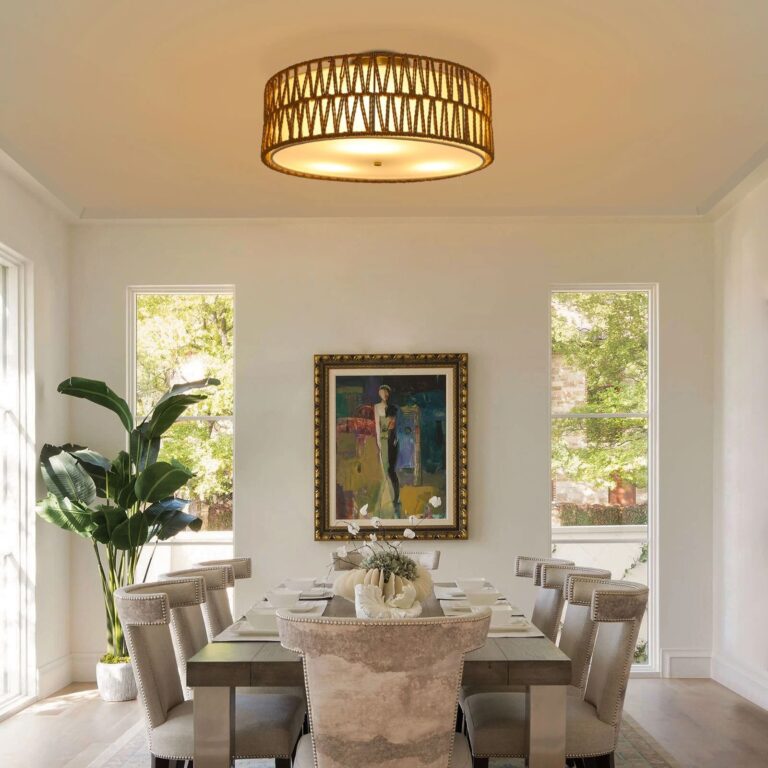
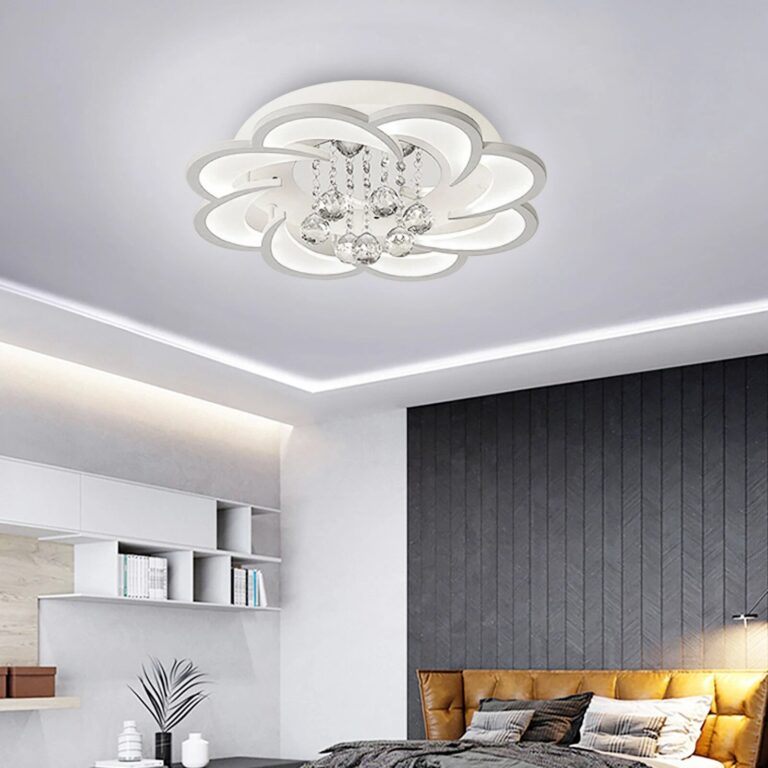 Aisha's pickCrystal Ceiling Lights With a Bit More About Them
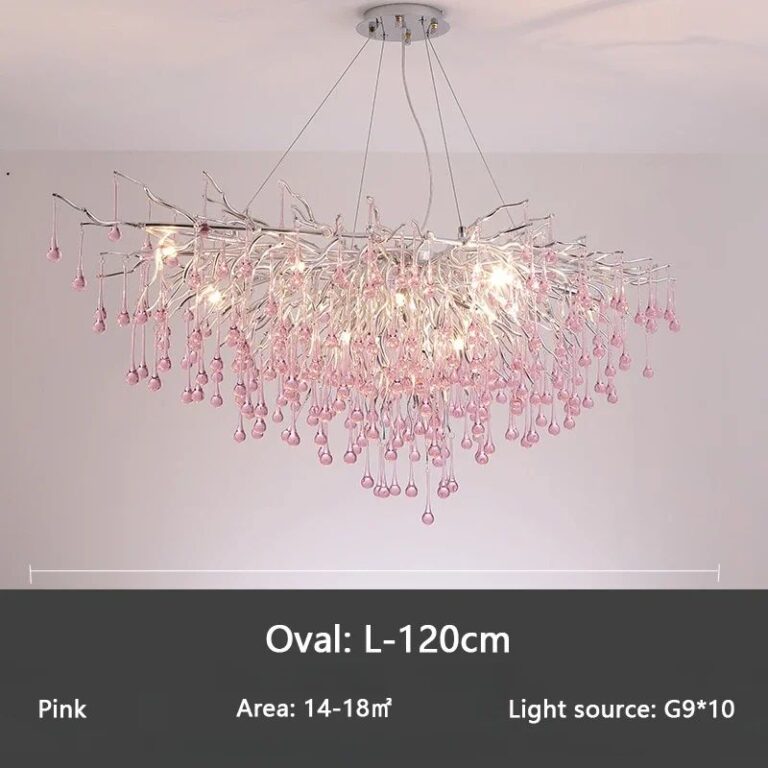
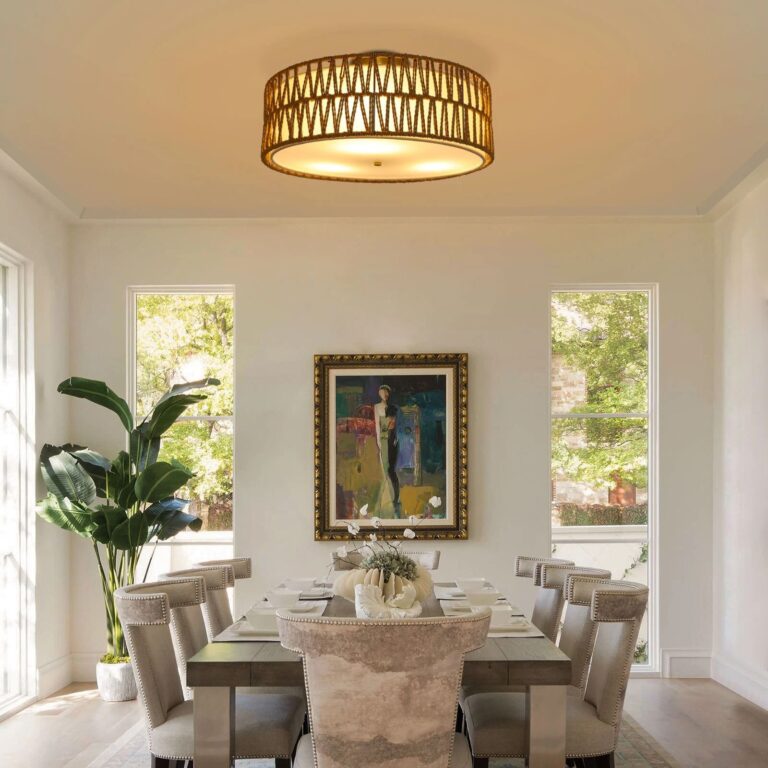 Aisha's pickSimple Semi Flush Ceiling Lights for Bedroom Done Well
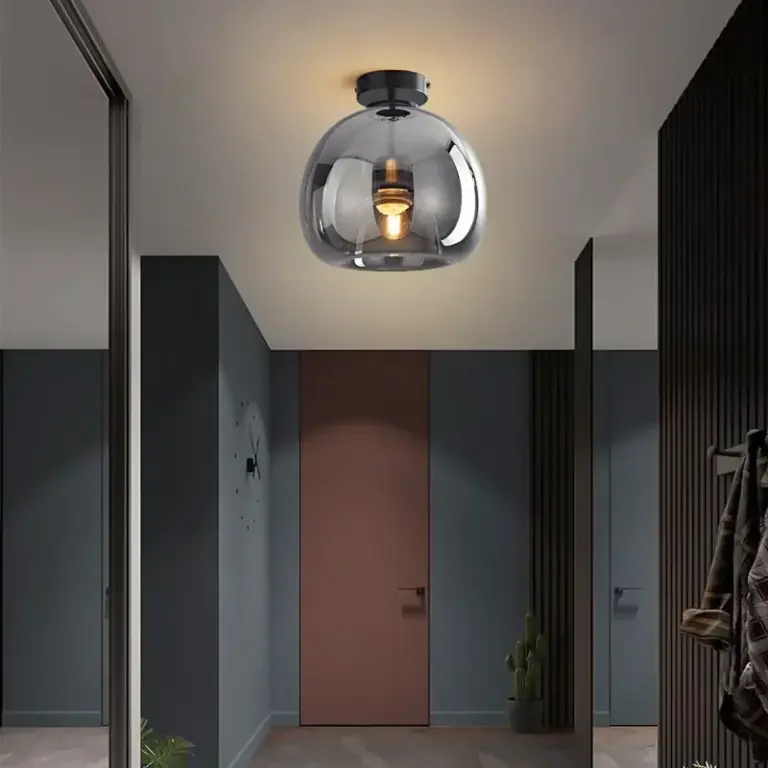
 Aisha's pickFabric Ceiling Lights for Dark Winter Evenings

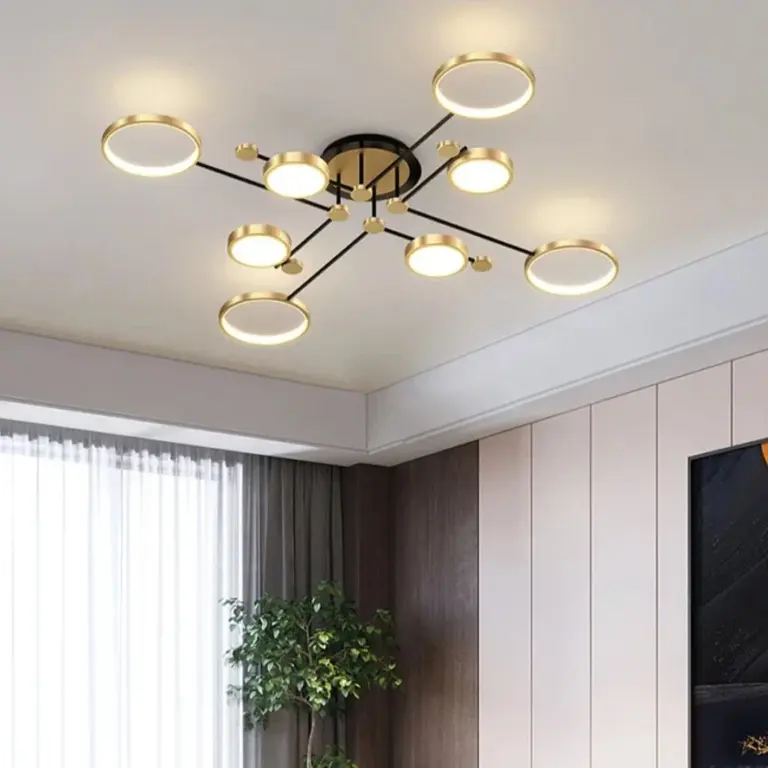 Aisha's pickThe Semi Flush Ceiling Lights for Living Room Worth Your Cash
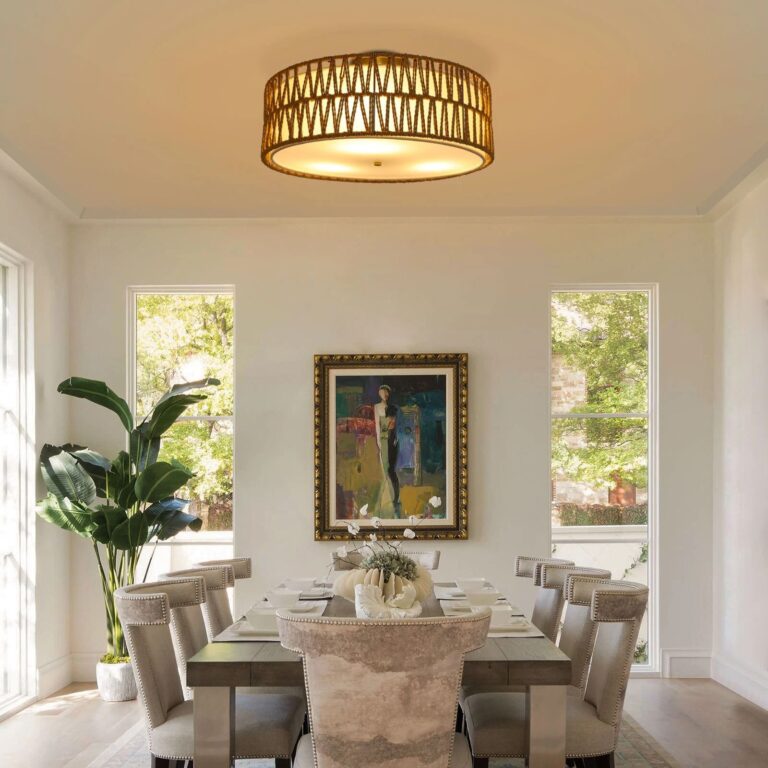
 Aisha's pickFlush Ceiling Lights for Dark Winter Evenings
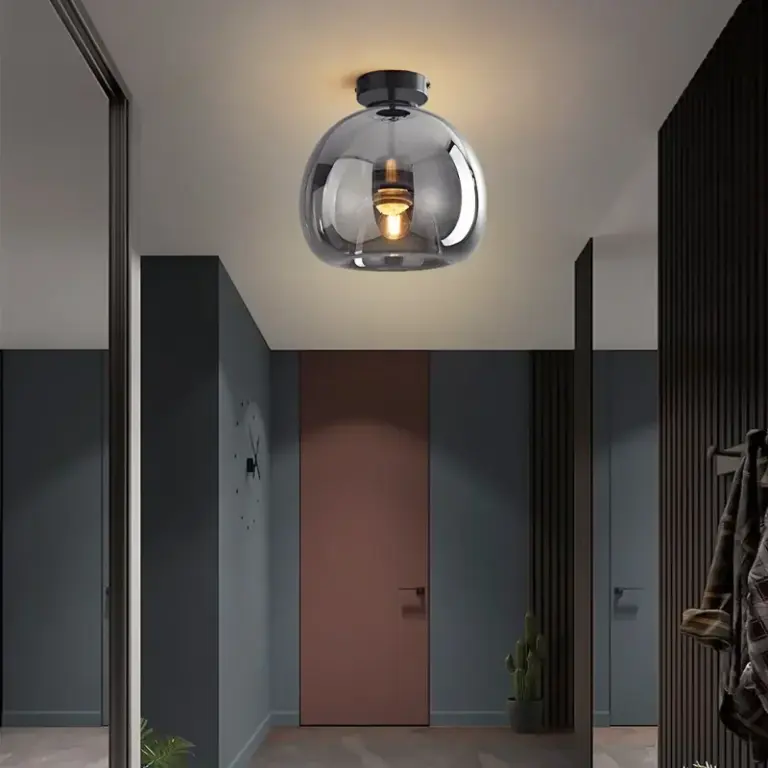
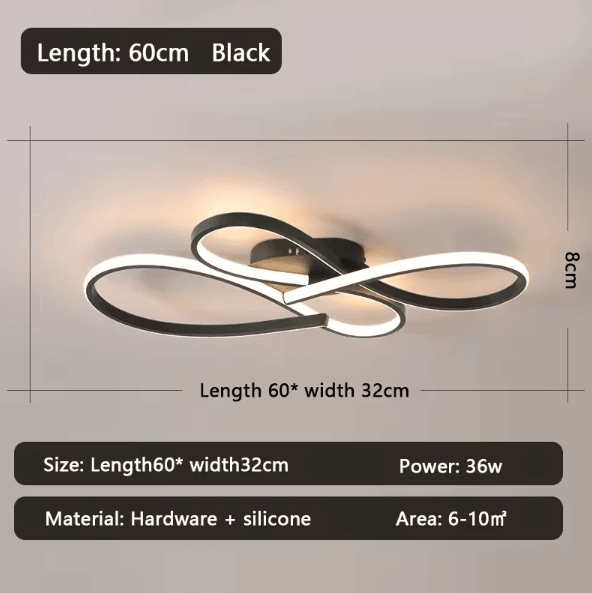 Aisha's pickSmart Ceiling Lights With a Bit More About Them
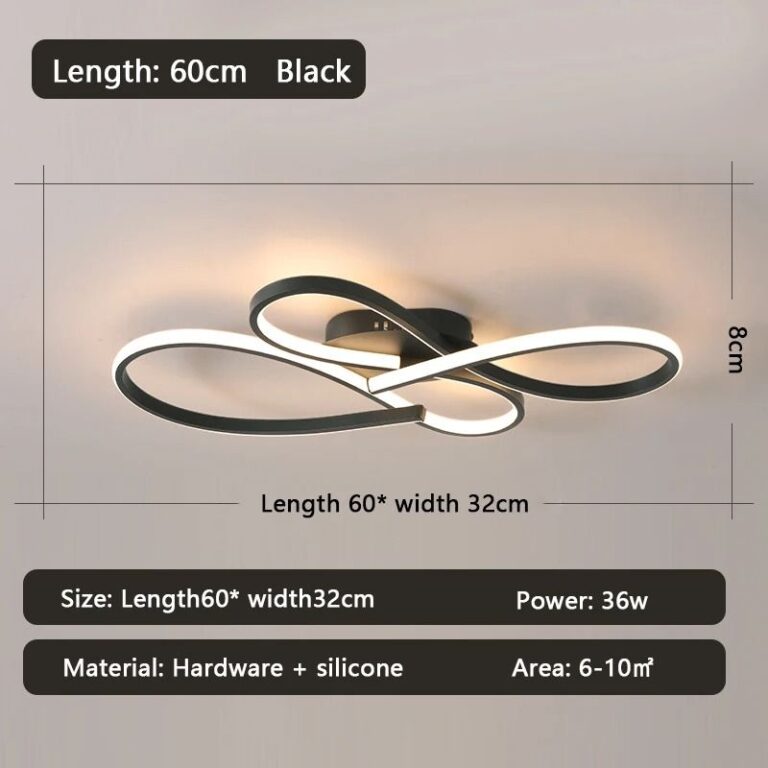
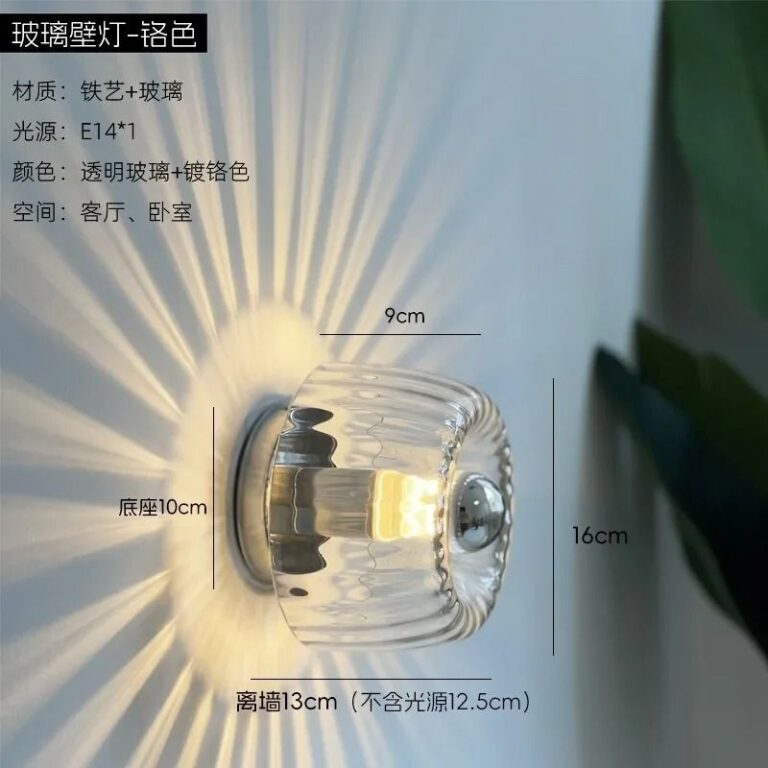 Aisha's pickFlush Ceiling Lights for Bedroom Bright Enough Without the GlareAlso worth a lookWall LightsWall lights are the fixture everyone skips and shouldn't.See the collections →
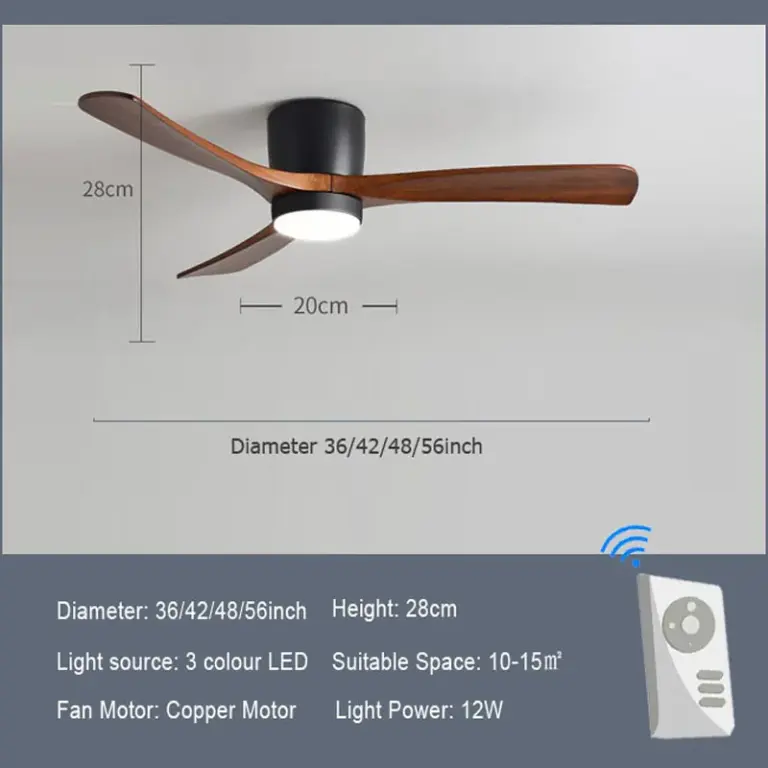
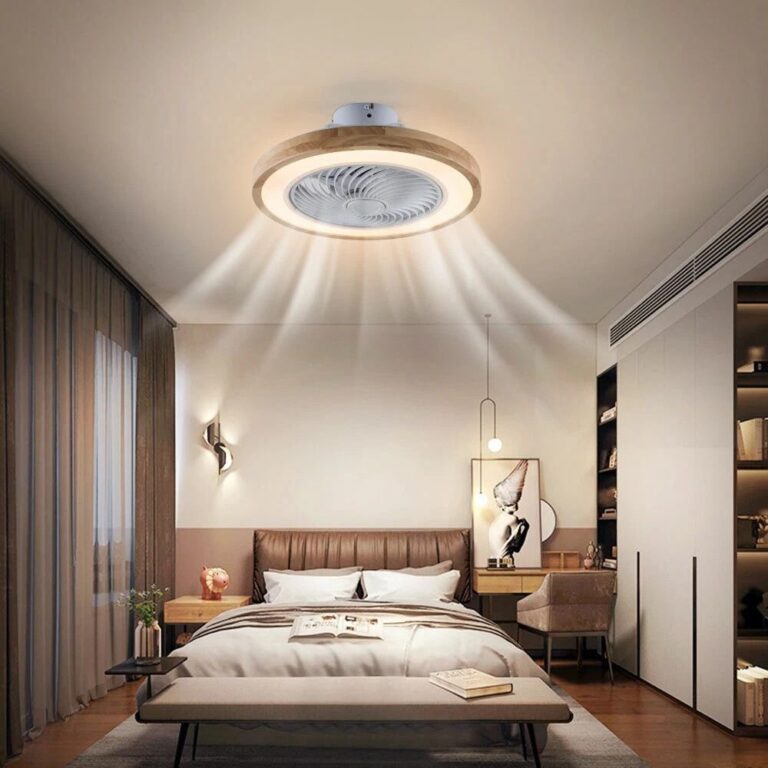 Aisha's pickThe Traditional Ceiling Lights Worth Your Cash
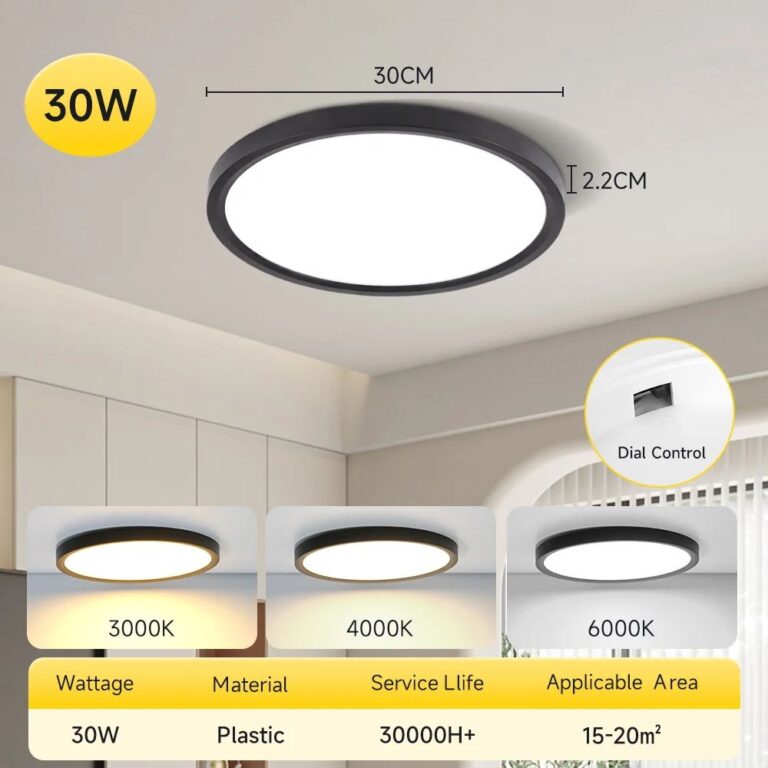
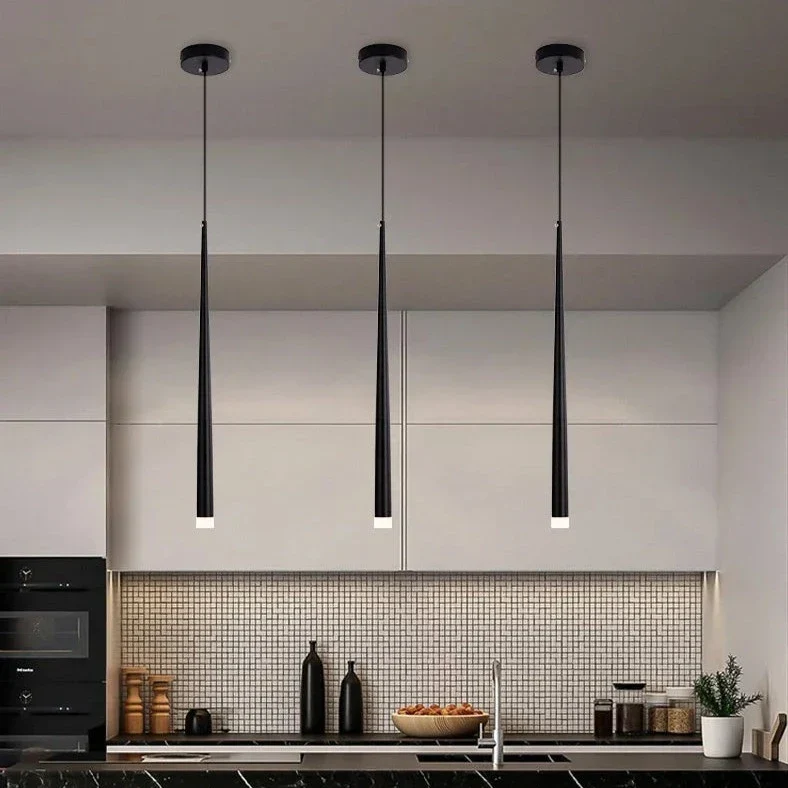 Aisha's pickCeiling Lights at Every Price Point

 Aisha's pickFlush Ceiling Lights for Living Room We Leave On All Evening
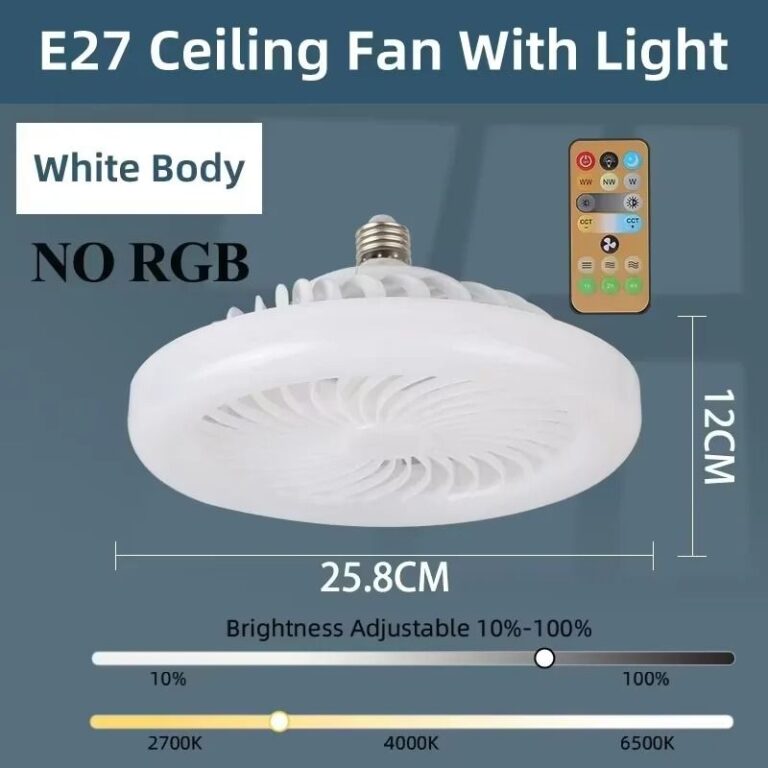
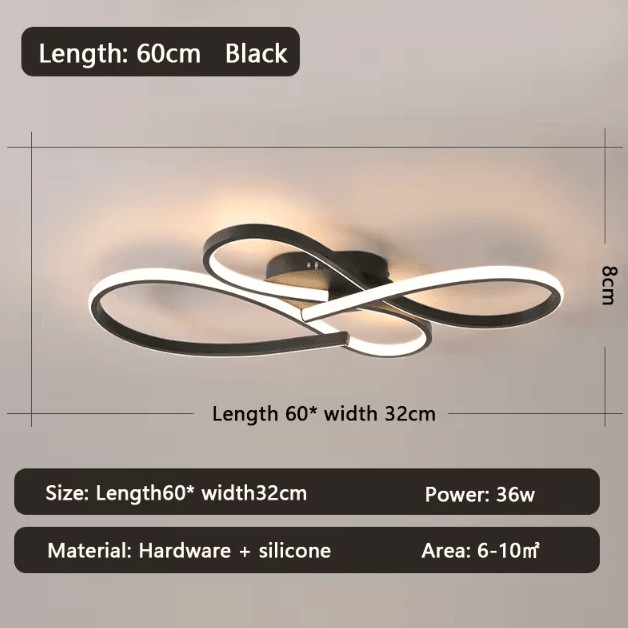 Aisha's pickTraditional Flush Ceiling Lights That Don’t Need Babying
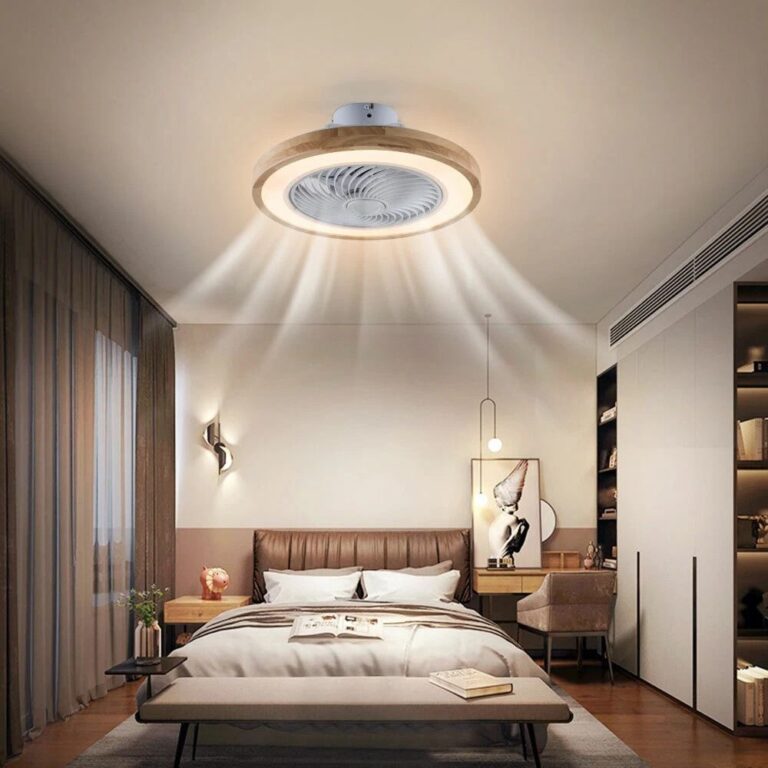
 Aisha's pickCeiling Lights for Bedroom That Fit Into Real Life
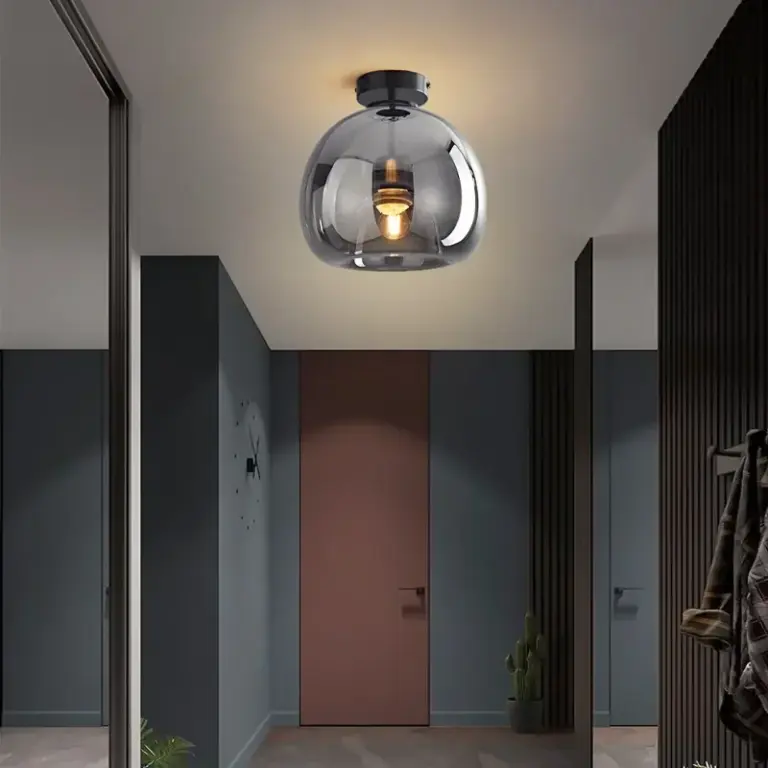
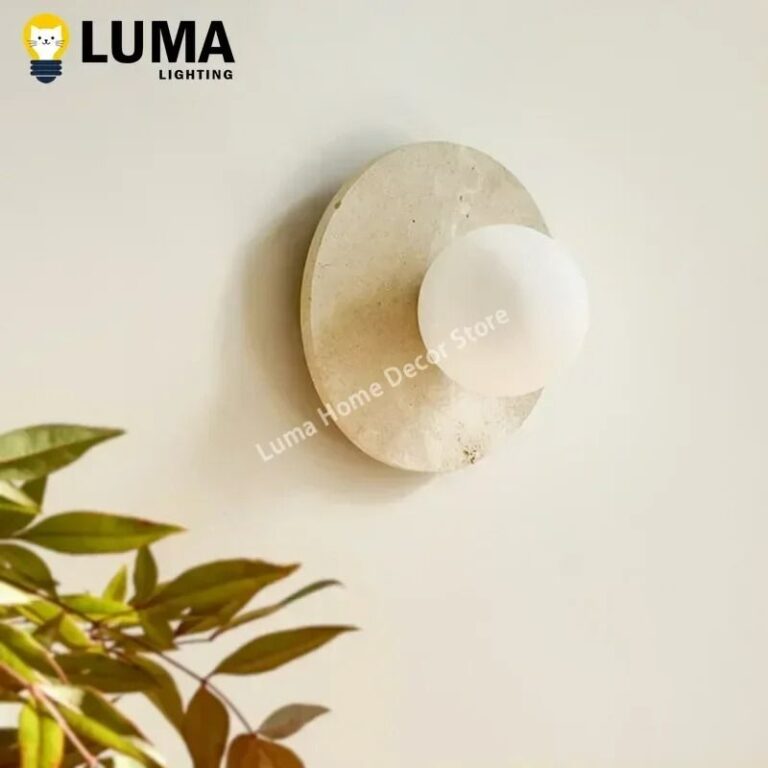 Aisha's pickGlobe Ceiling Lights for Reading, Relaxing or Both
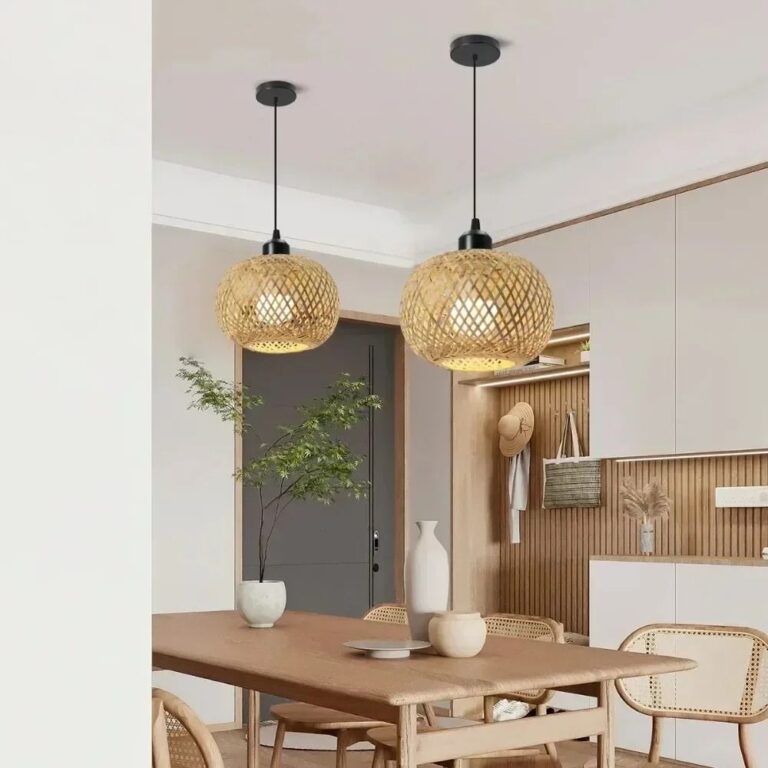
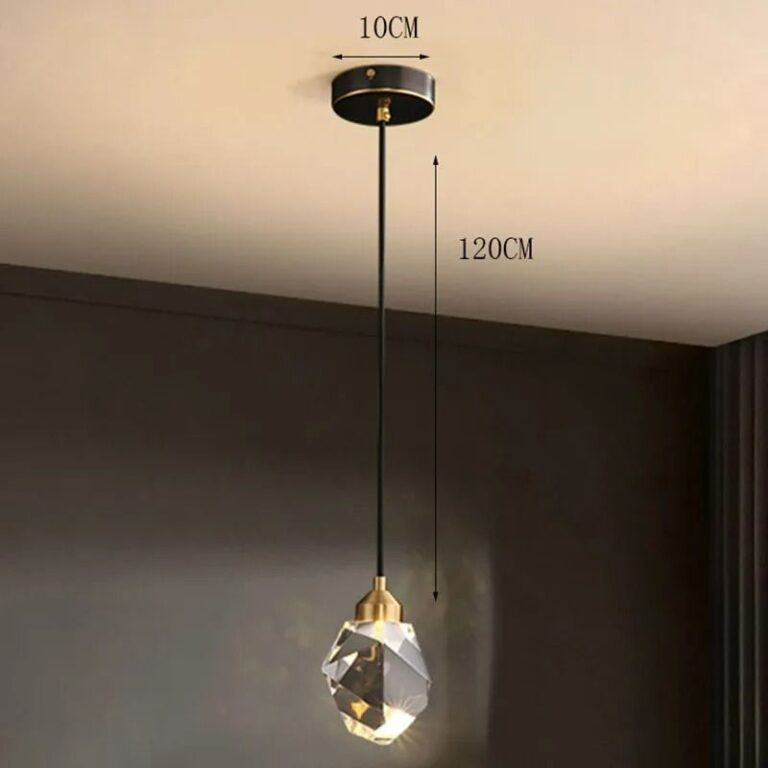 Aisha's pickCeiling Lights for Dining Table Picked From the Stores We Trust
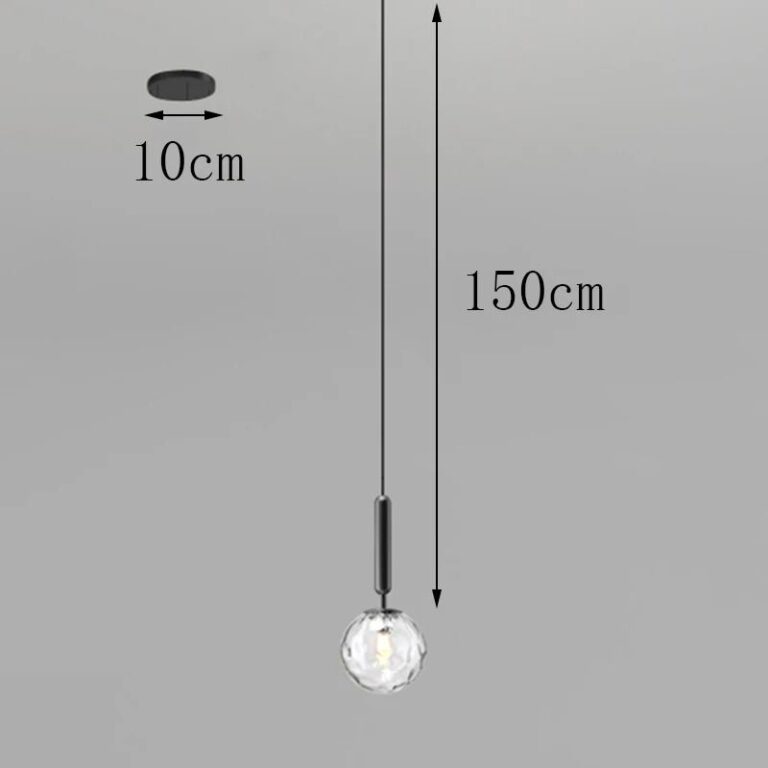
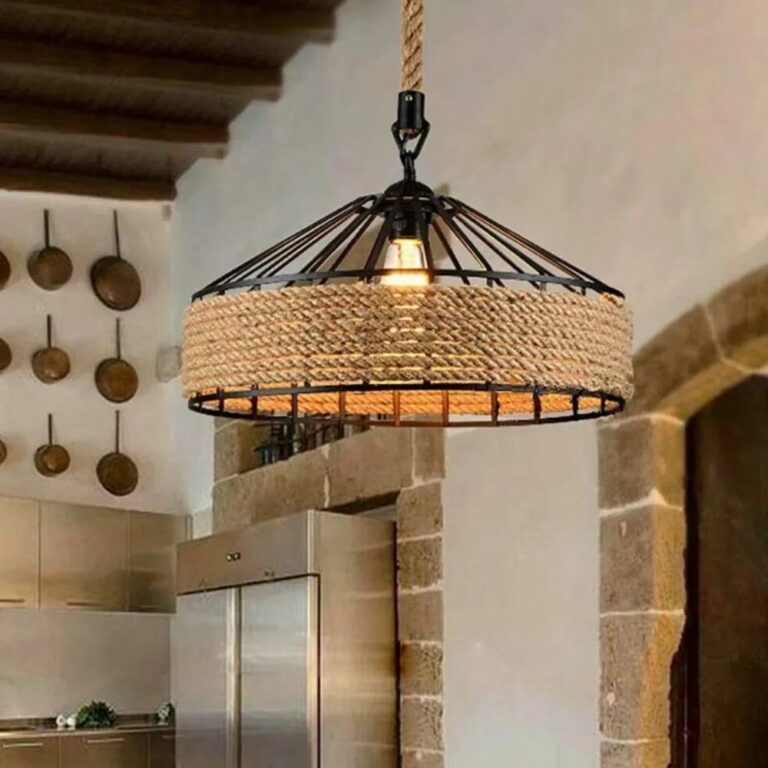 Aisha's pickIndustrial Ceiling Lights That Make a Room Feel Finished
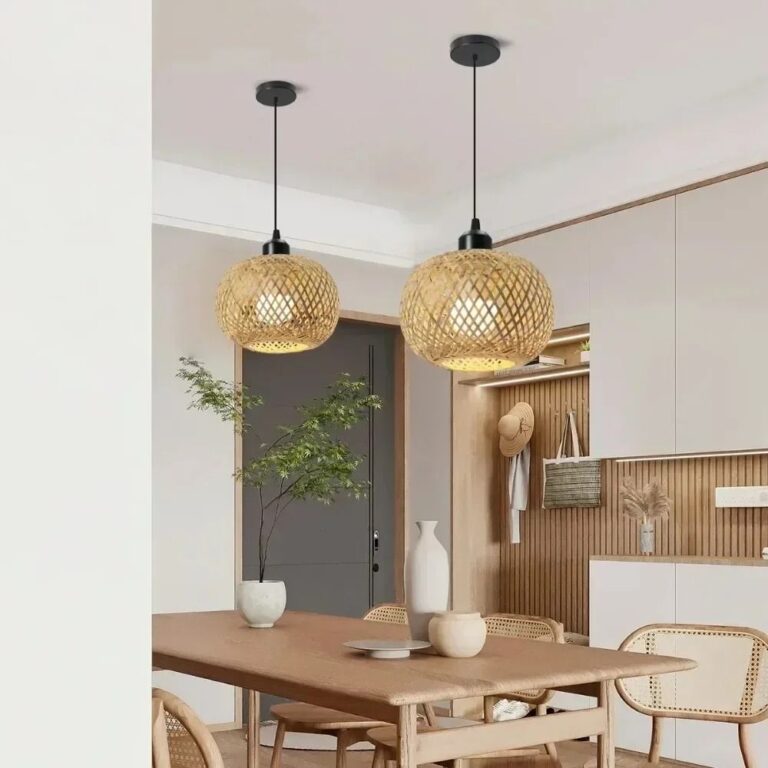
 Aisha's pickCeiling Lights for Kitchen Island You’ll Still Like in Five YearsAlso worth a lookBlack LightsThe thing nobody mentions about black light fixtures is how differently they read once the sun goes down…See the collections →

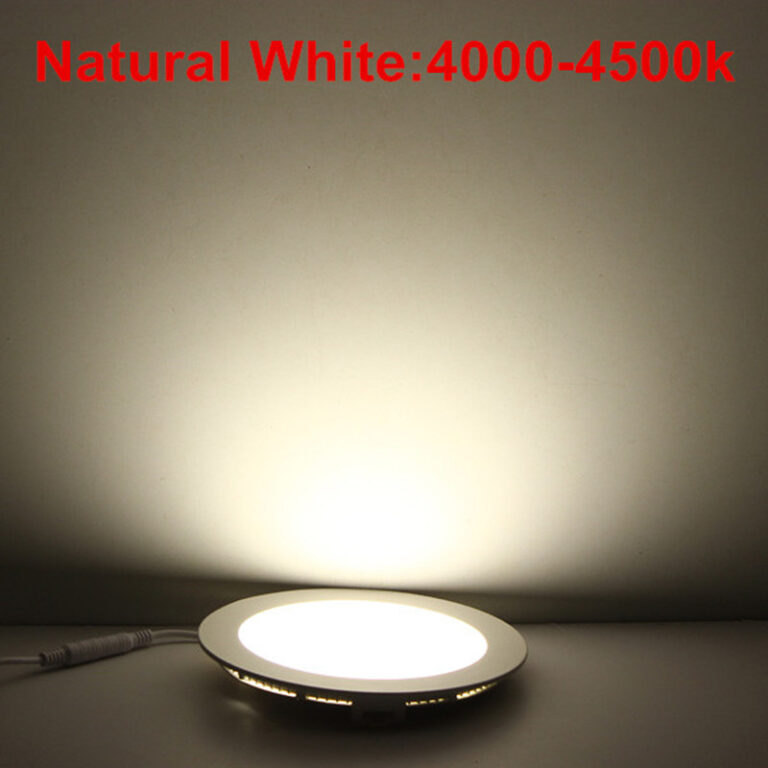 Aisha's pickLED Ceiling Lights We Keep Coming Back To
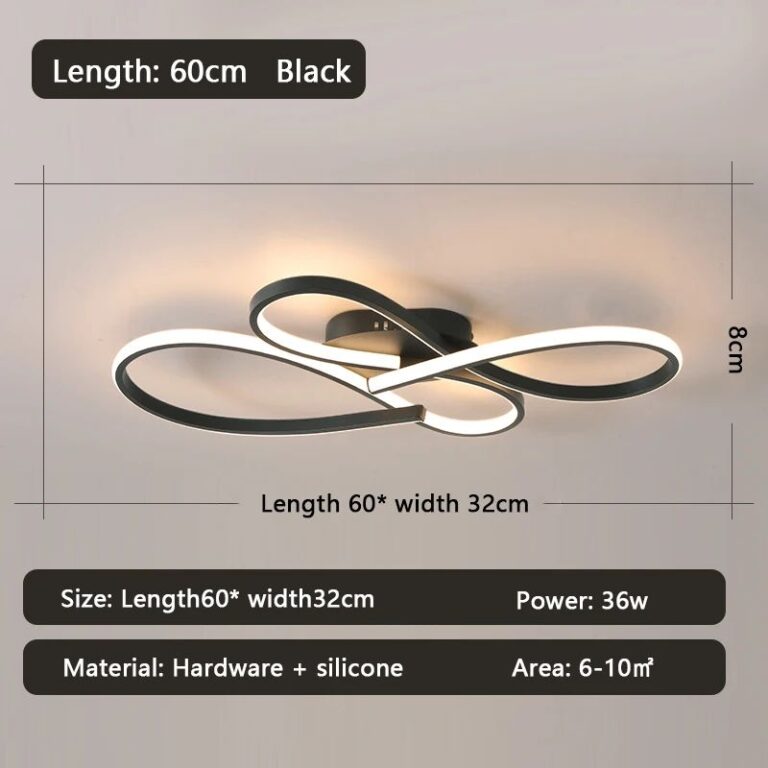
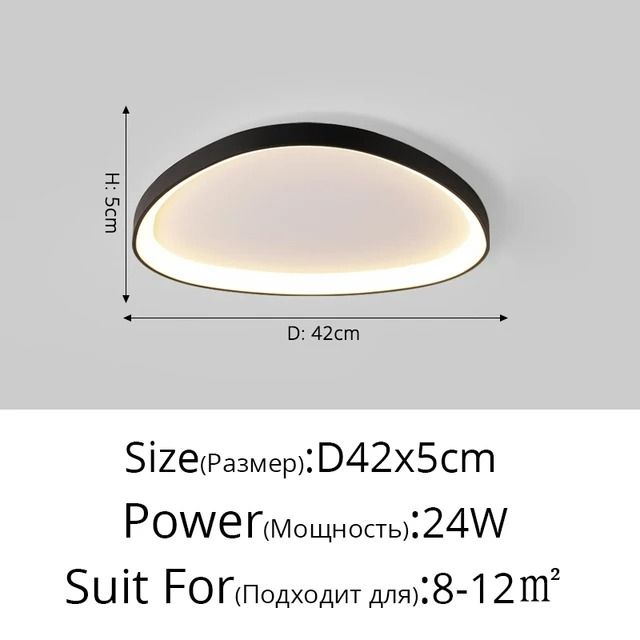 Aisha's pickCeiling Lights for Living Room That Visitors Always Ask About
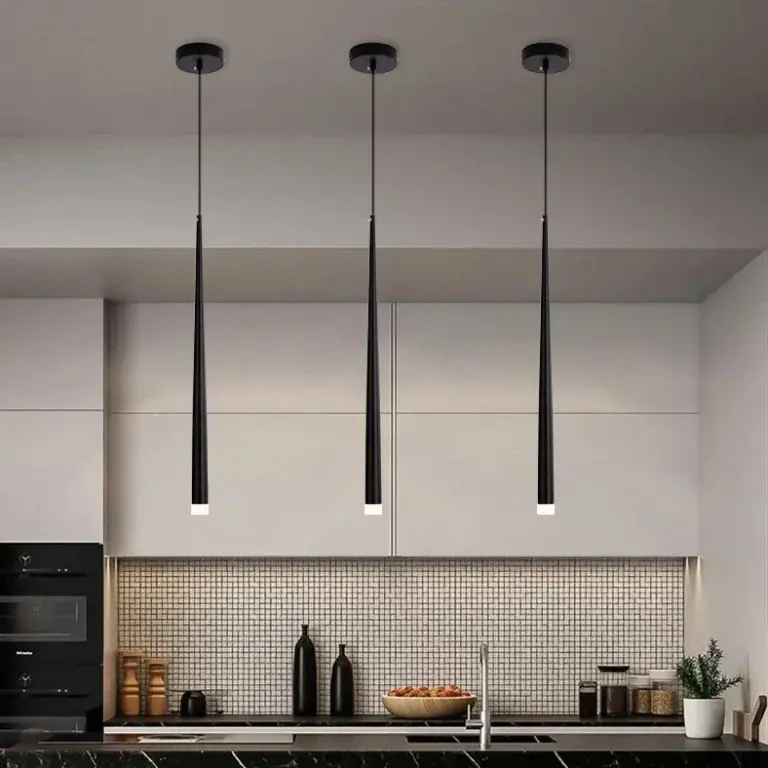
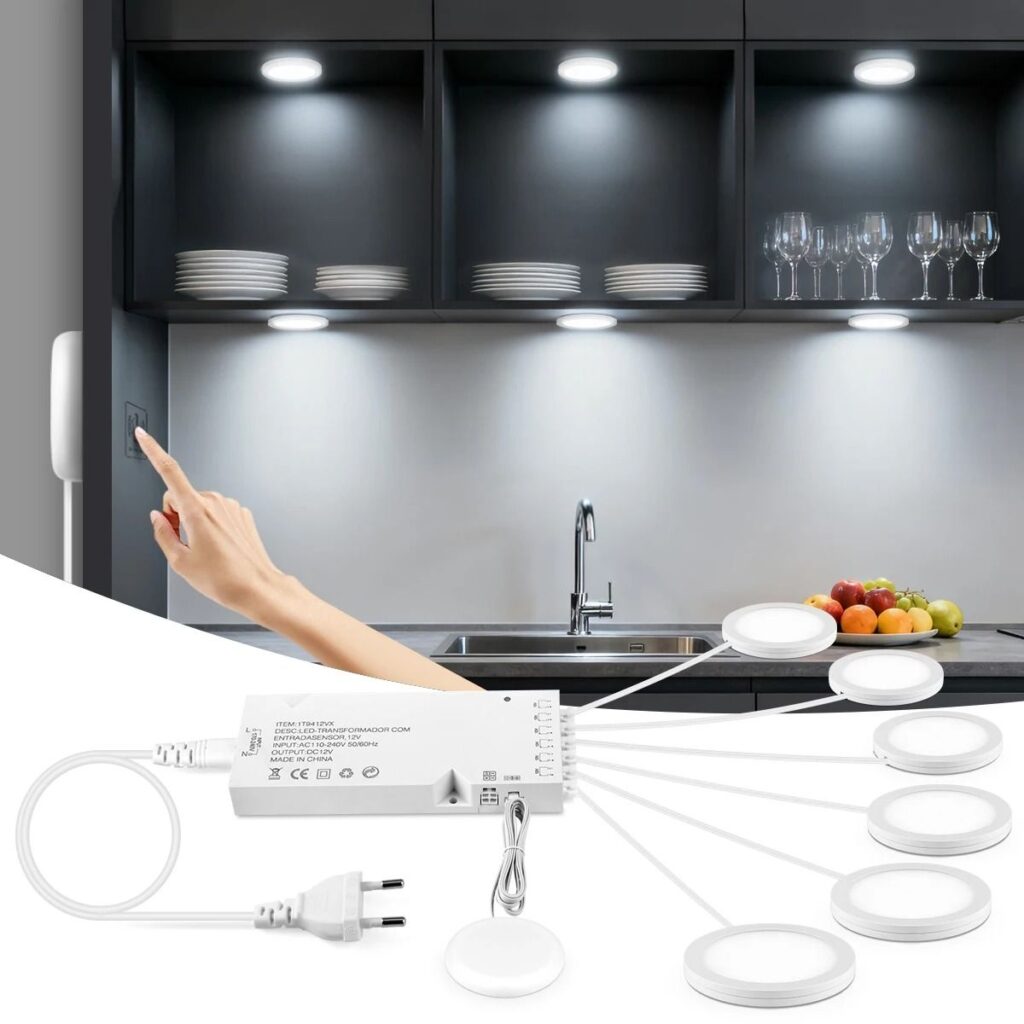 Aisha's pickLED Flush Ceiling Lights You Won’t Want to Hide Away
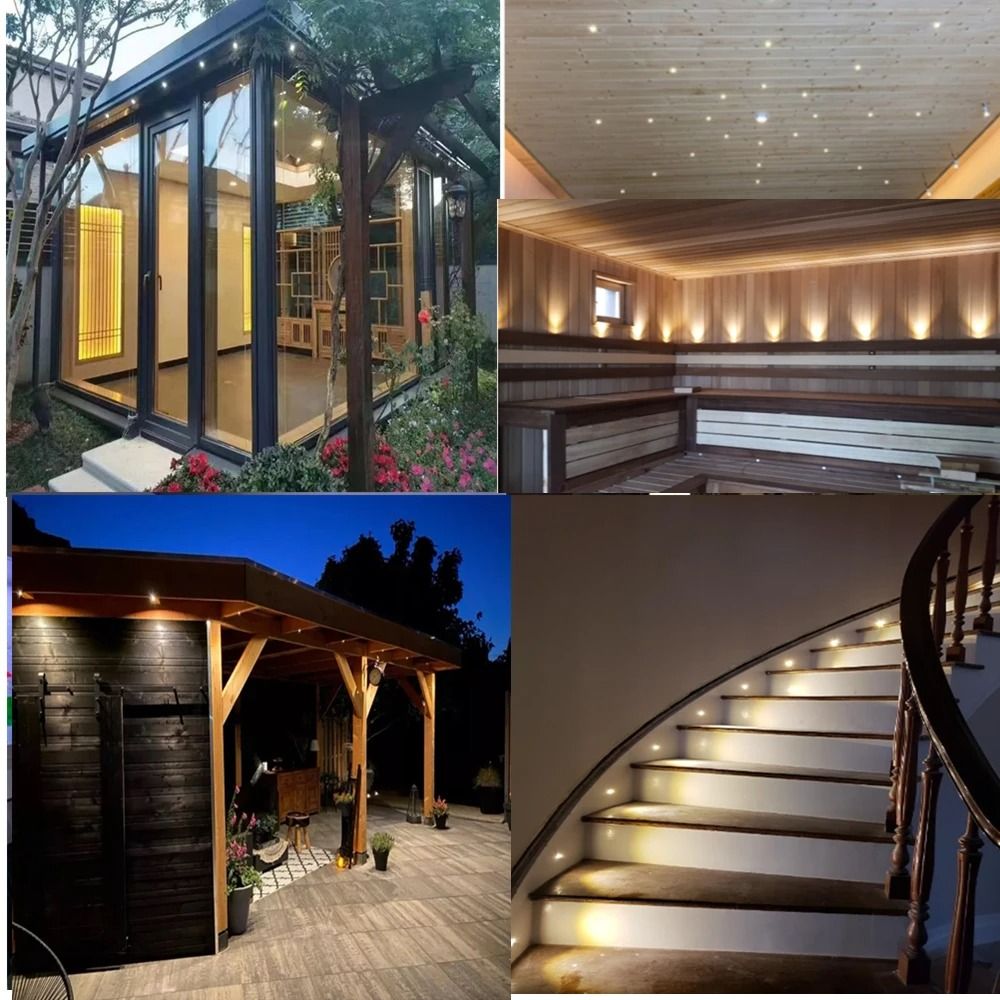
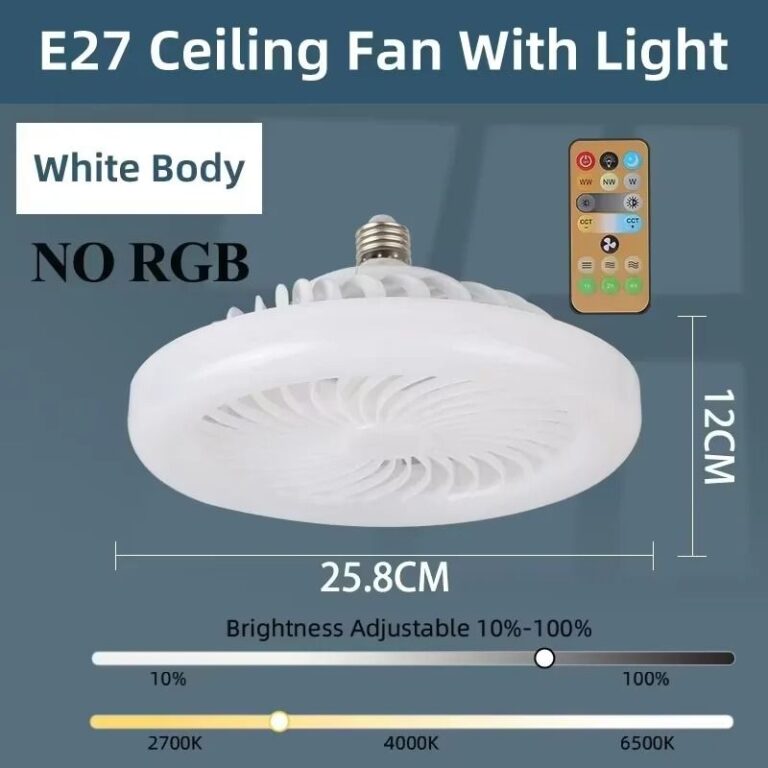 Aisha's pickCeiling Lights with Cord That Make a Room Feel Finished

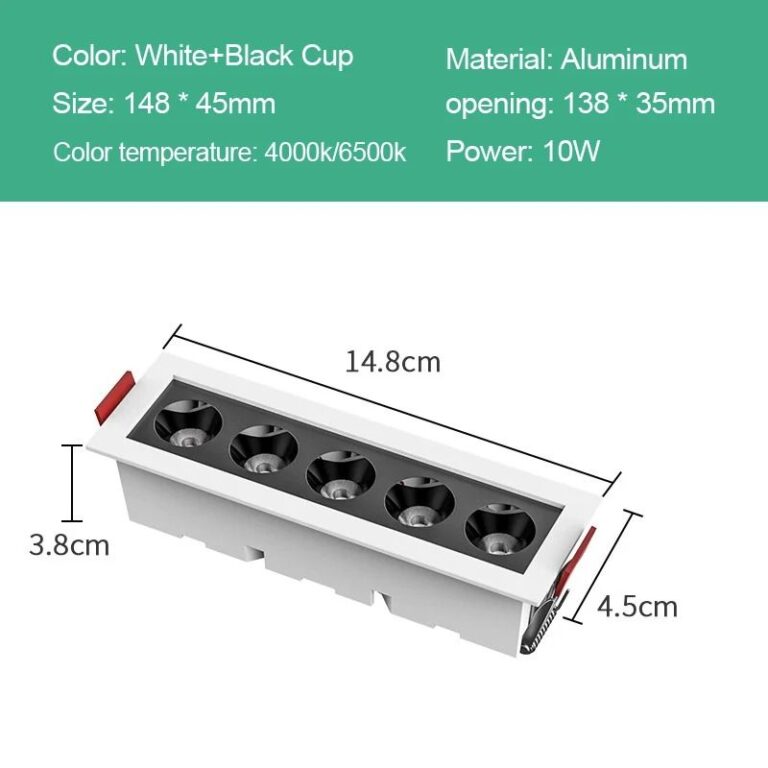 Aisha's pickLinear Ceiling Lights for When the Old Ones Give Up
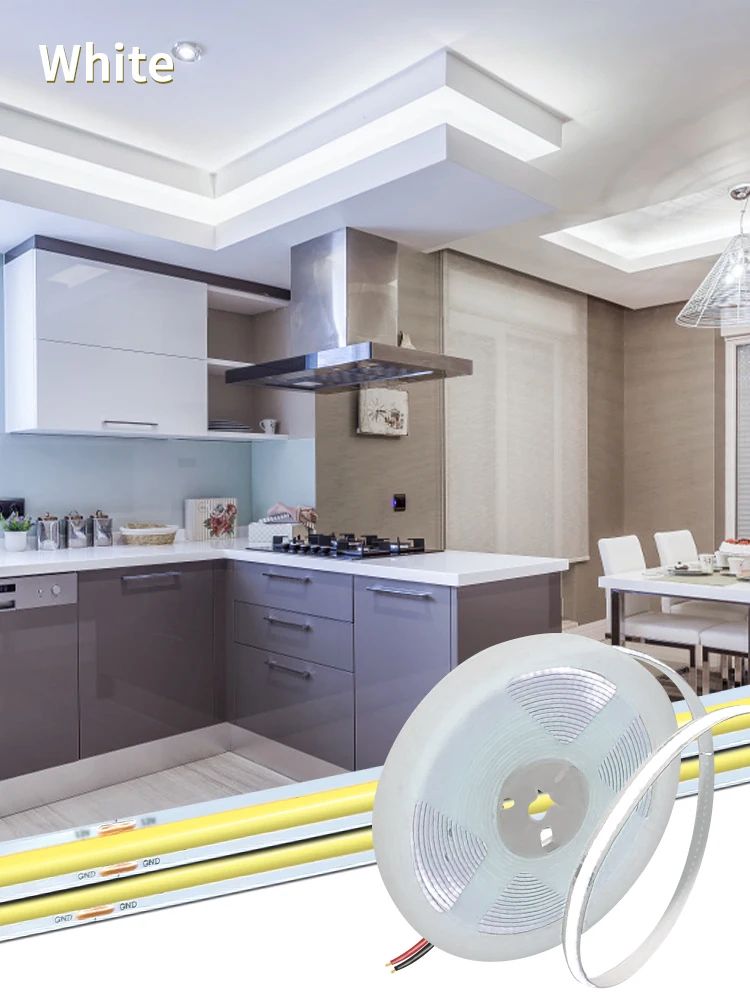
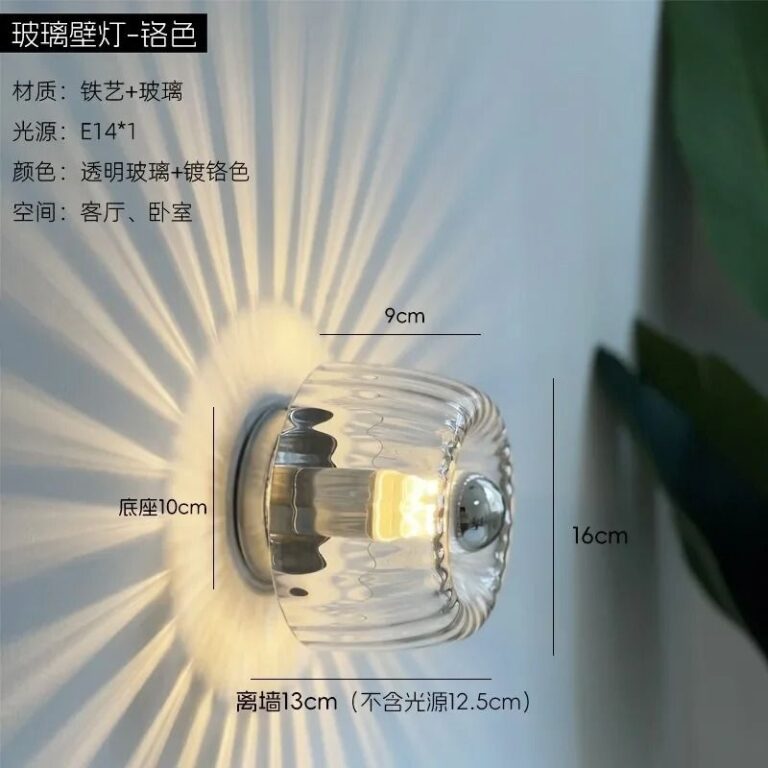 Aisha's pickCeiling Lights with Glass Shade That Look Good Switched Off Too
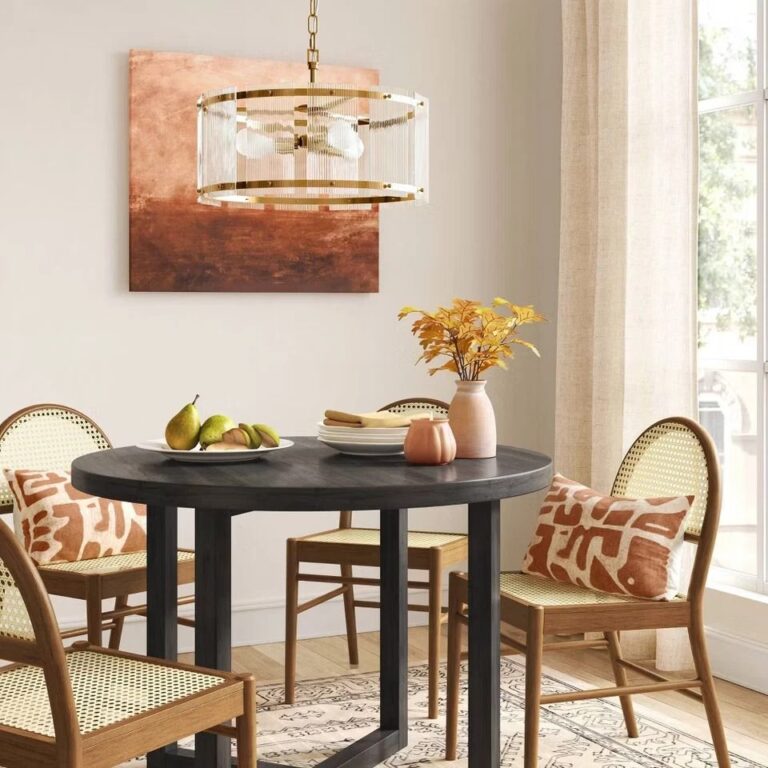
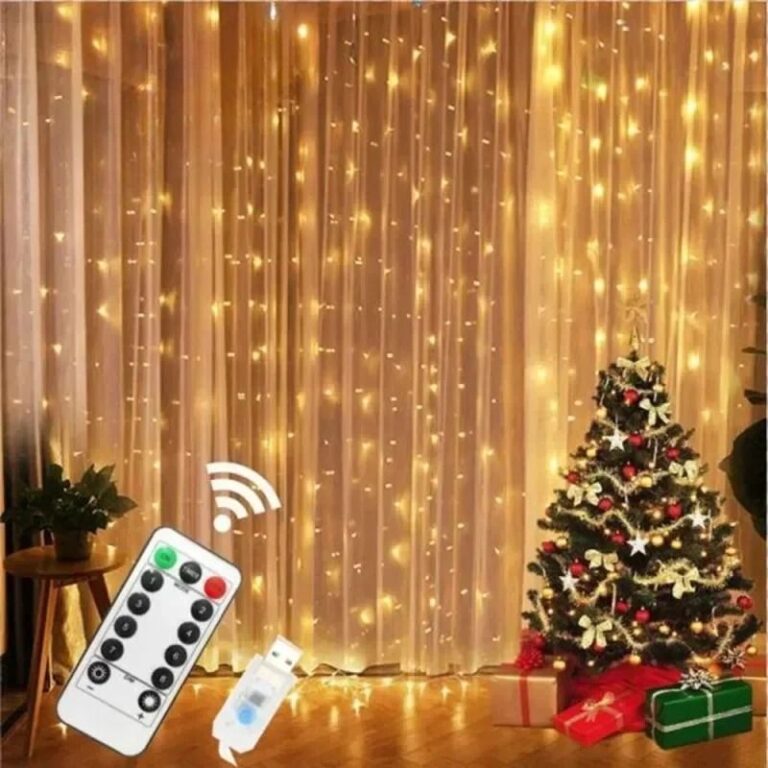 Aisha's pickLow Ceiling Bedroom Lights That Give Off a Warm Glow

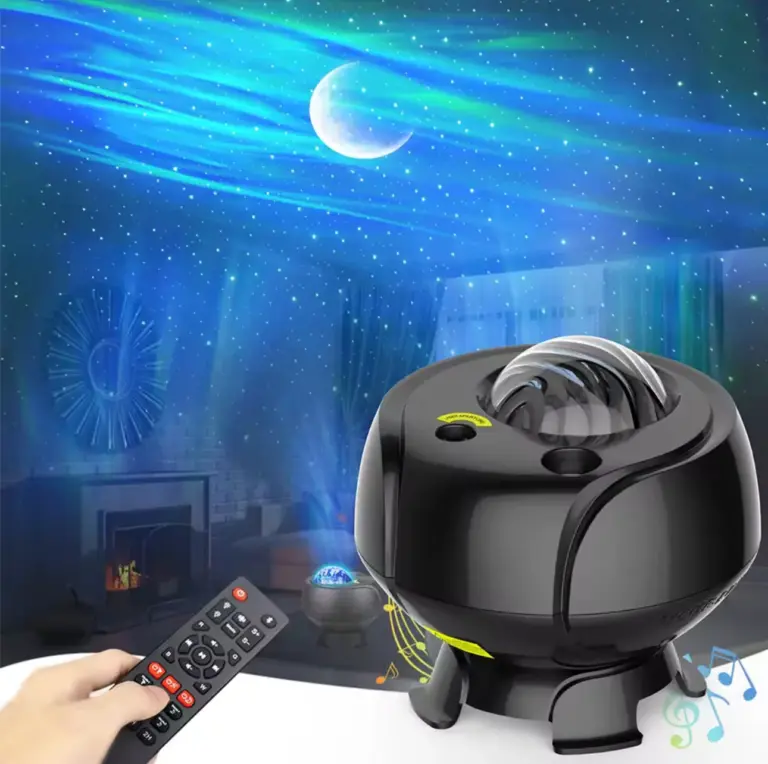 Aisha's pickCeiling Lights with Remote That Don’t Need Babying
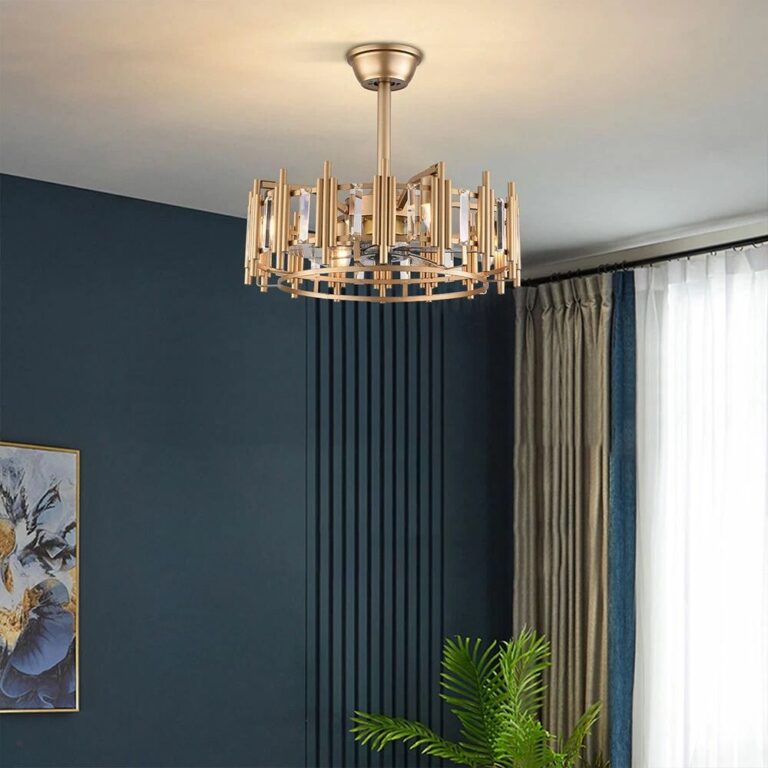
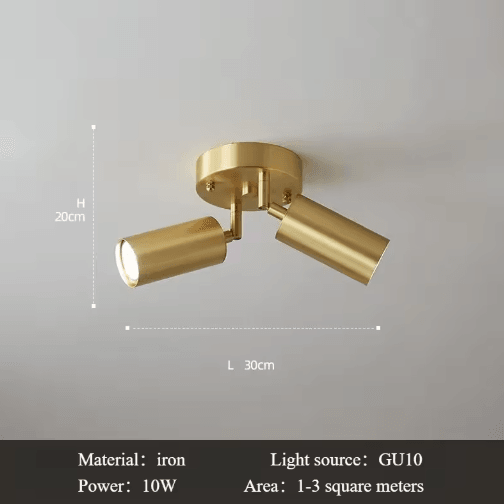 Aisha's pickLuxury Ceiling Lights That Won’t Date in a YearAlso worth a lookBedroom LightsThe question I get most often is whether bedroom lighting needs to match the rest of the house,…See the collections →

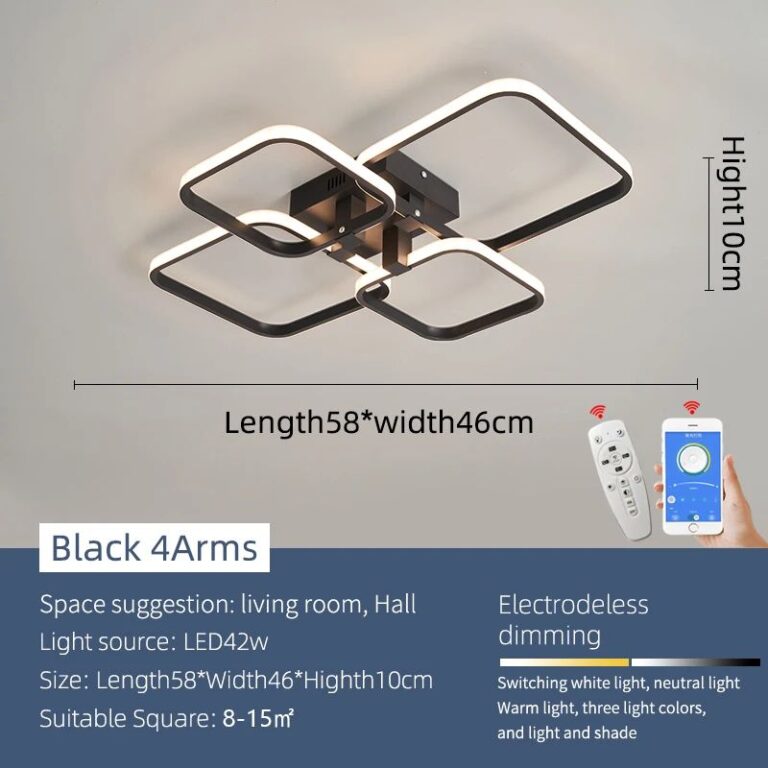 Aisha's pickCeiling Lights with Switch From Brands You Know and a Few You Won’t
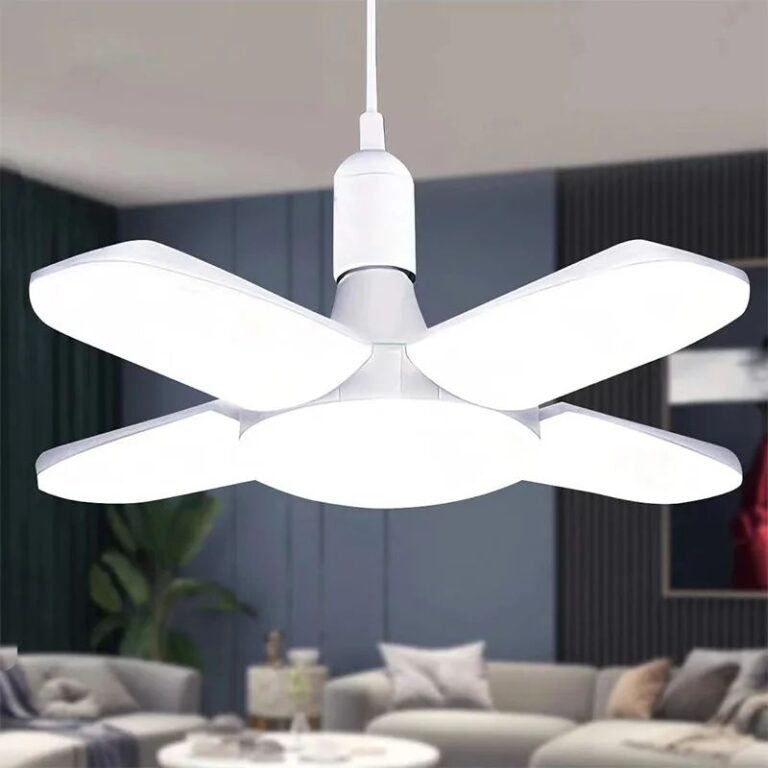
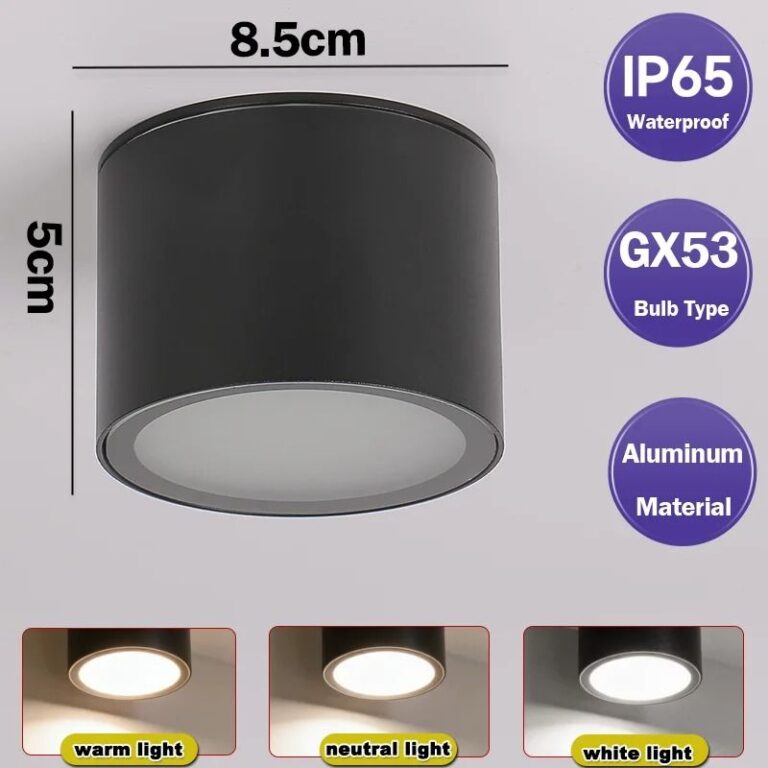 Aisha's pickNatural Ceiling Lights We Leave On All Evening

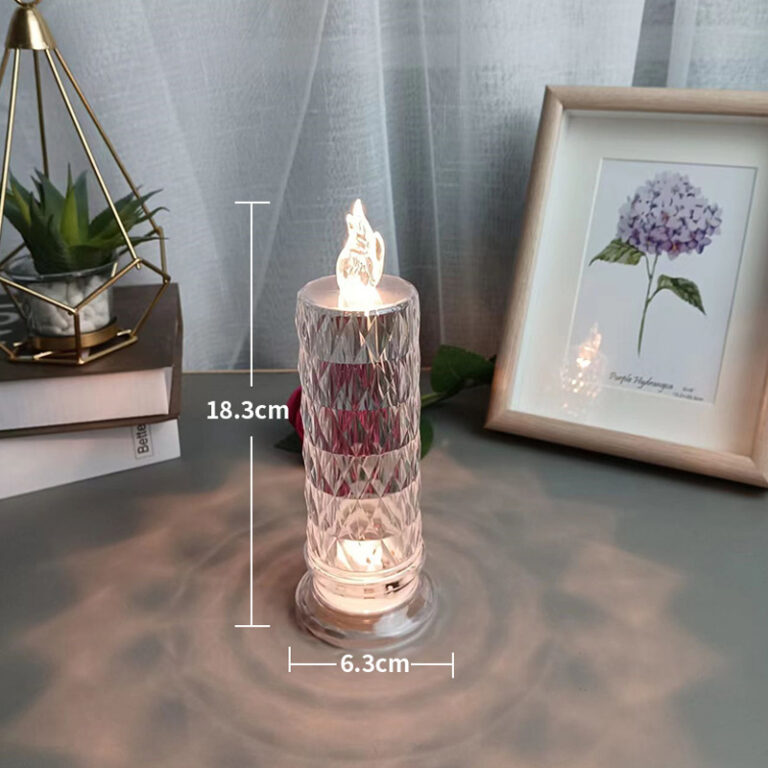 Aisha's pickCeiling Rose Lights That Don’t Shout About It

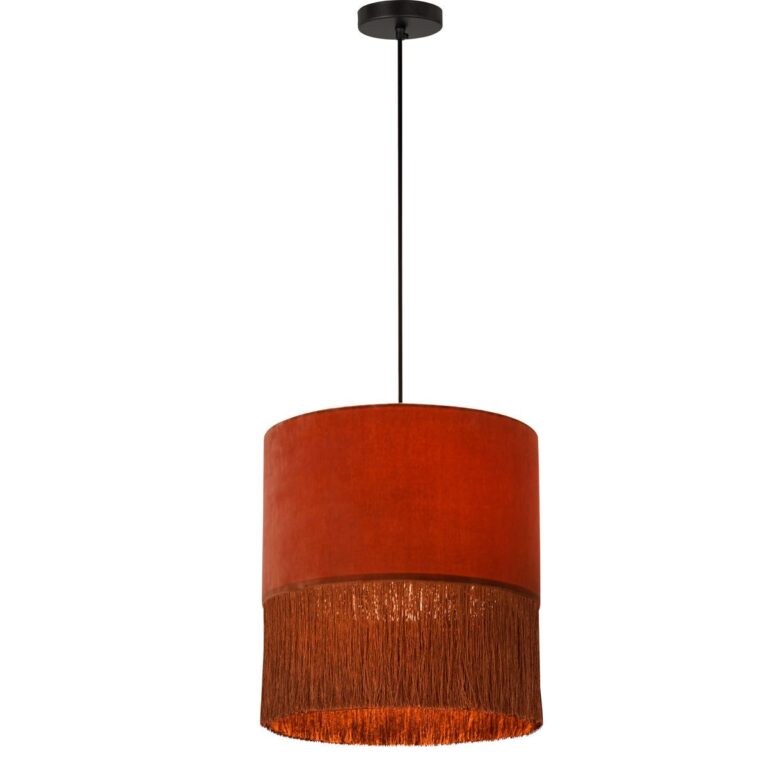 Aisha's pickNickel Ceiling Lights That Look Good Switched Off Too
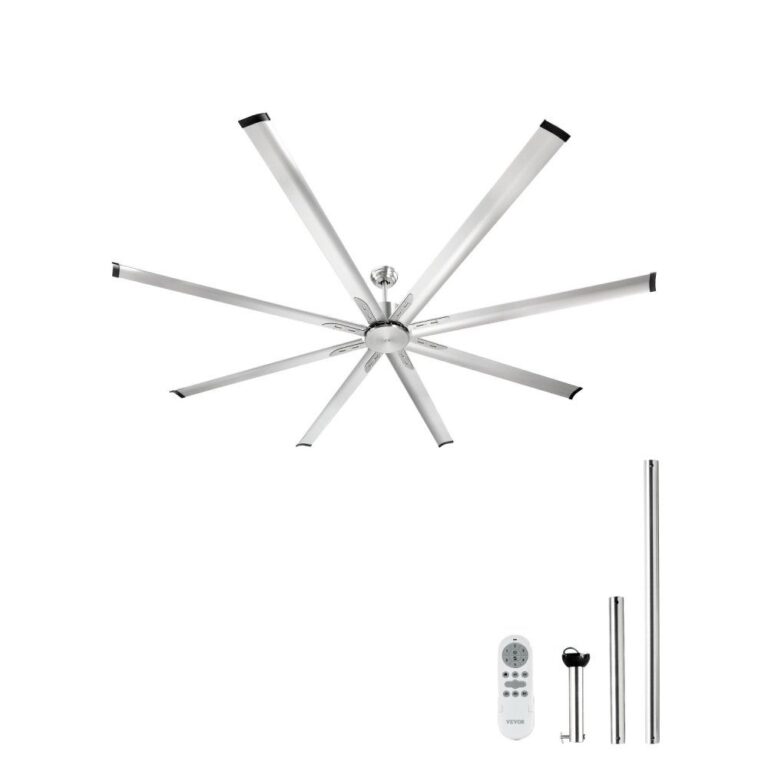
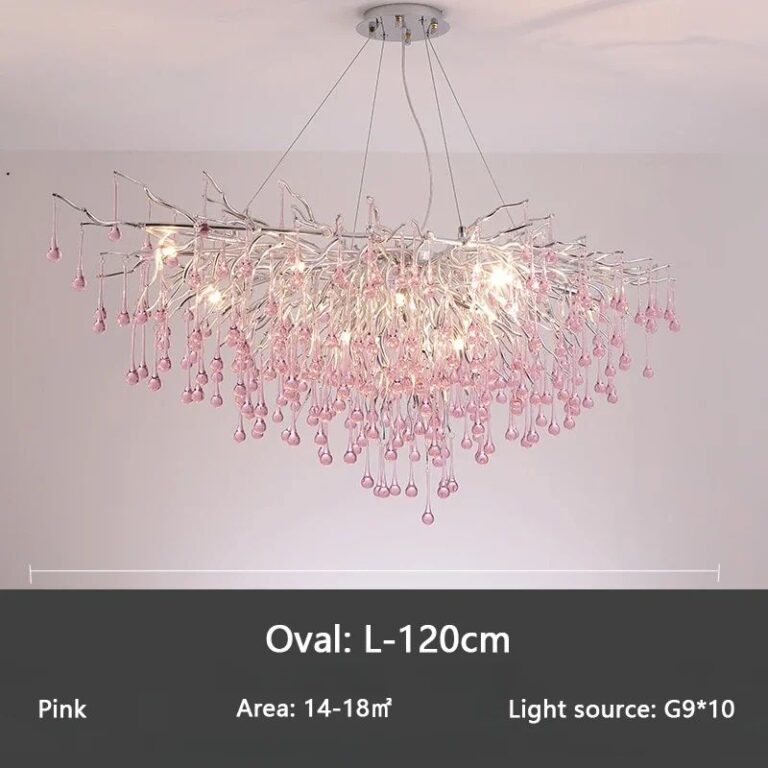 Aisha's pickChrome Ceiling Lights Without the Silly Price Tag