I remember standing in a rented house with low ceilings and a bed frame so tall it made the whole room feel like it was ducking. That was the moment it clicked for me, the bed sets the scale for everything else in a bedroom, not the wardrobe, not the curtains. Get the frame right and the room settles down around it. Get it wrong and you're ducking too.
A good bed sits well with plain, honest things around it. A wool rug peeking out on either side, a chest of drawers that doesn't match it exactly but shares a tone of wood or a similar weight of metal, a lamp low enough that you're not craning to turn it off. I've never seen a bed look better surrounded by things that were all bought together. It wants a little mismatch in the room, something with some age or character to lean against.
Where it falls short is in small rooms with big storage beds, or rooms you need to move through quickly, nurseries, guest rooms doubling as offices, that sort of thing. A storage bed is wonderful for a household that's short on cupboards, but it's a commitment, you can't easily swap it out when you want to rearrange, and a tall upholstered headboard can make a low ceilinged room feel like it's pressing down on you. If the room is doing three jobs already, keep the bed as plain and low as you can.
Measuring up matters more than people think it does. Don't just measure the mattress size, measure the full footprint of the frame, including any footboard, and leave at least two feet on each side you need to walk around, more if you're making the bed regularly and need room to move. Check the height of the frame against your existing bedside tables, not just for looks, but so you're not reaching down or up every night. If you can, stand where the bed will go and swing your arms out, that tells you more about elbow room than a tape measure ever will. And always check the door width and any tight turns in the hallway before you commit to a frame that comes as one solid piece, because getting it into the room is a different problem than choosing it in the first place.
It suits a home where the bedroom is lived in all day, not just slept in, where someone reads in it, works from it occasionally, and wants the one big piece of furniture in the room to feel solid and unhurried rather than borrowed.
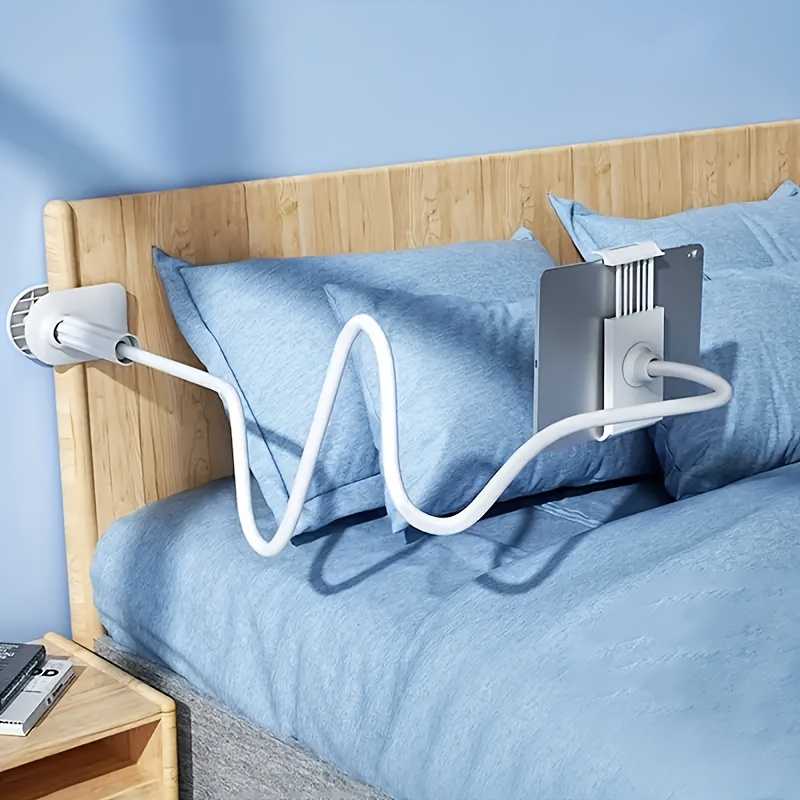 Aisha's pickWhite Bed Bases You Won’t Want to Hide Away
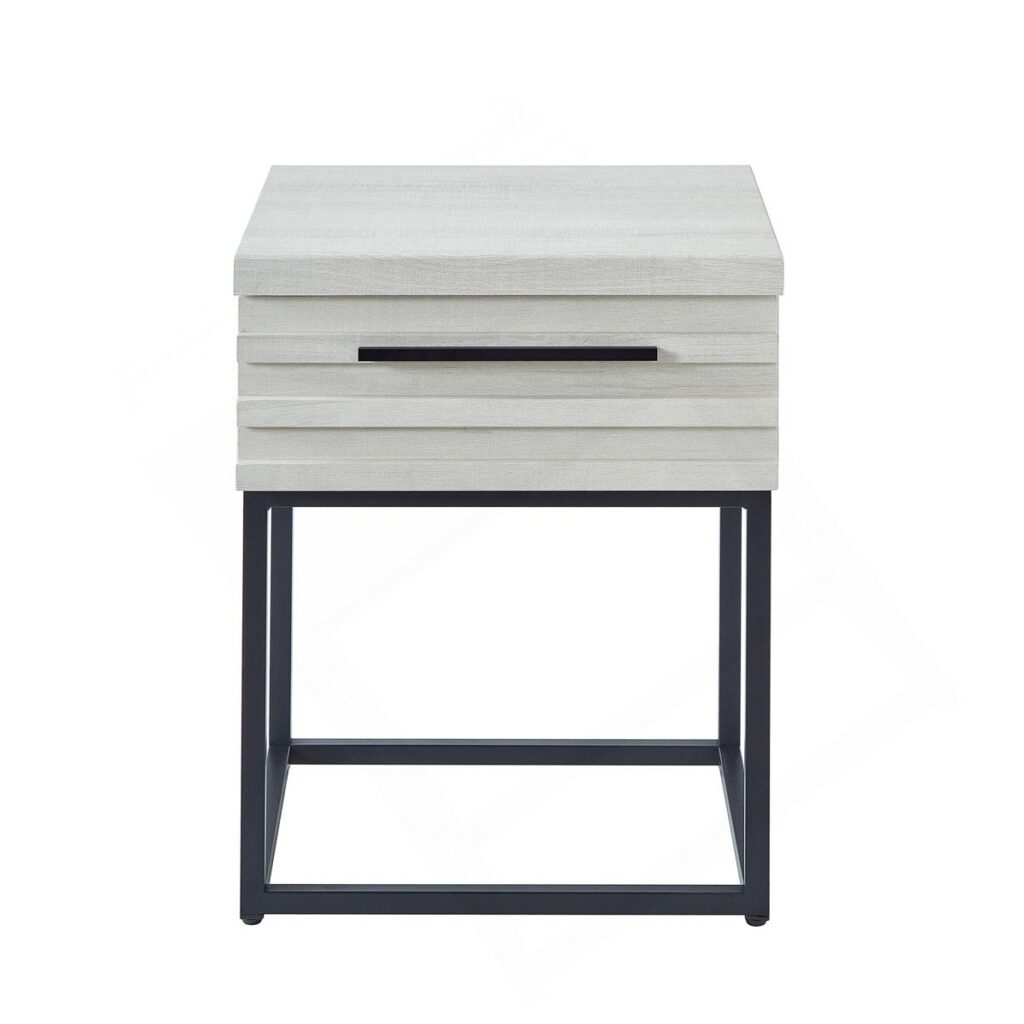
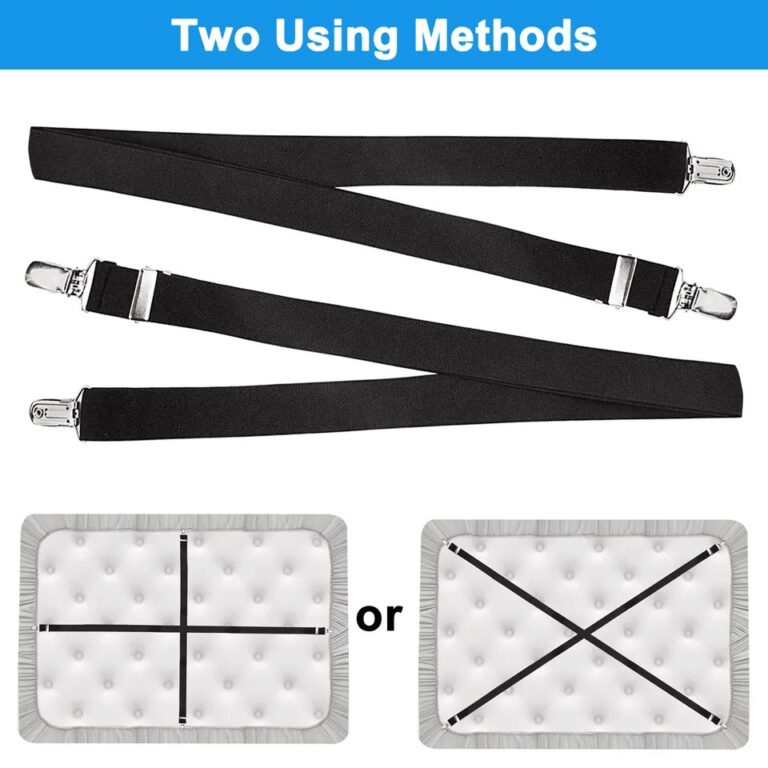 Aisha's pickQueen Bed Sets That Feel as Good as They Look
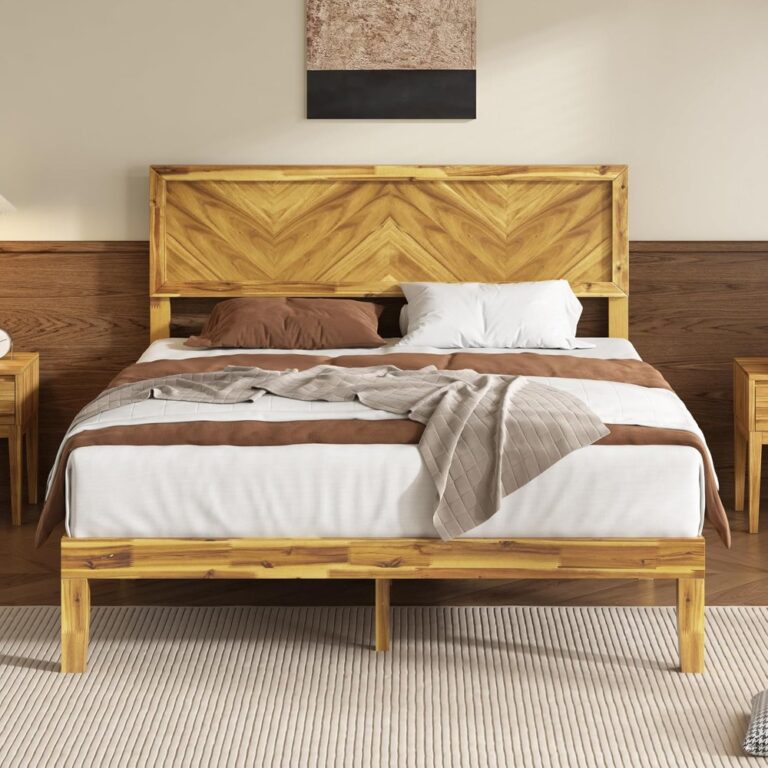
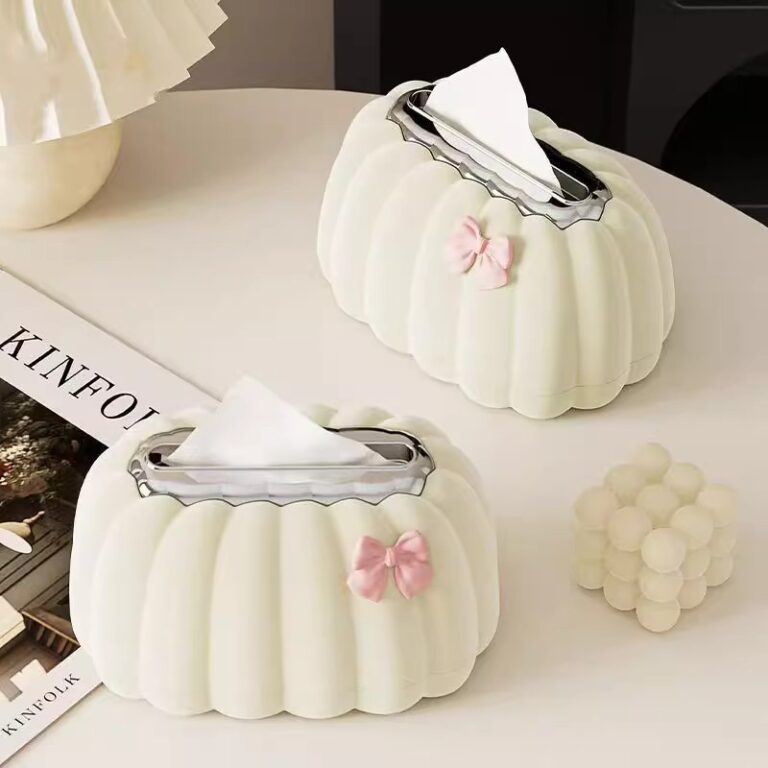 Aisha's pickBox Springs for a Better Night’s Sleep
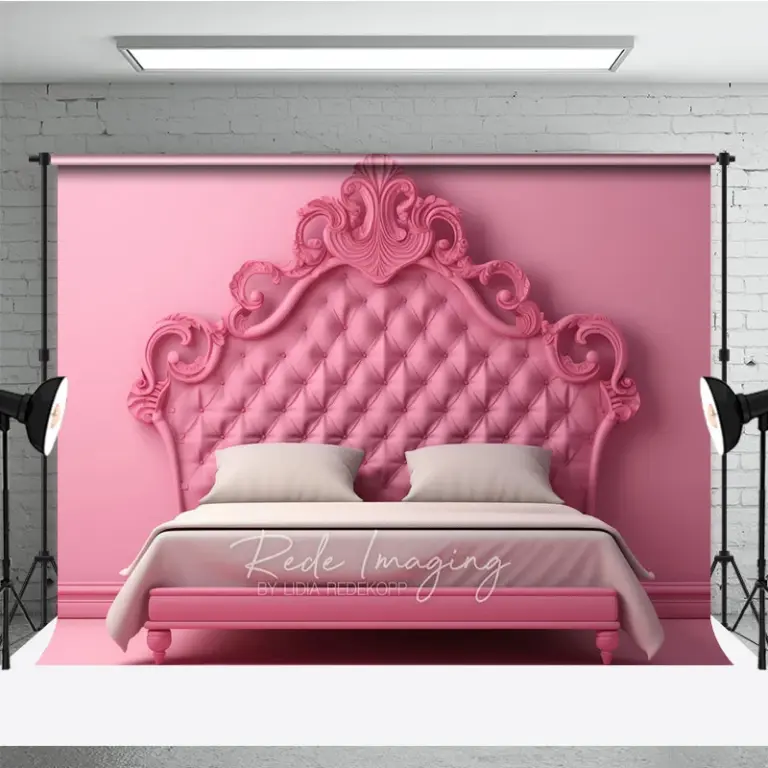 Aisha's pickCurved Beds That Fit Small Bedrooms

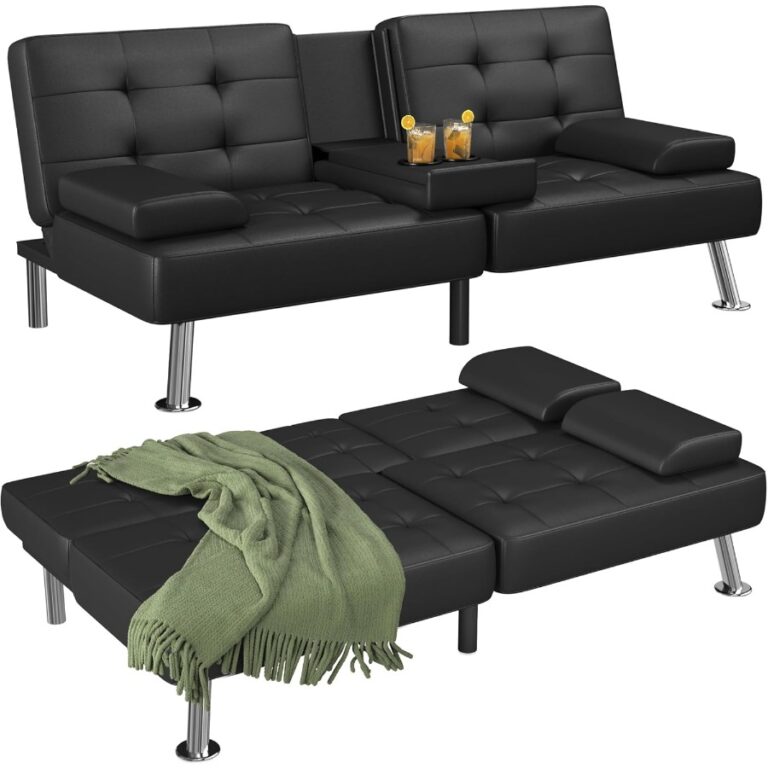 Aisha's pickFuton Beds That Make Small Changes Feel Big
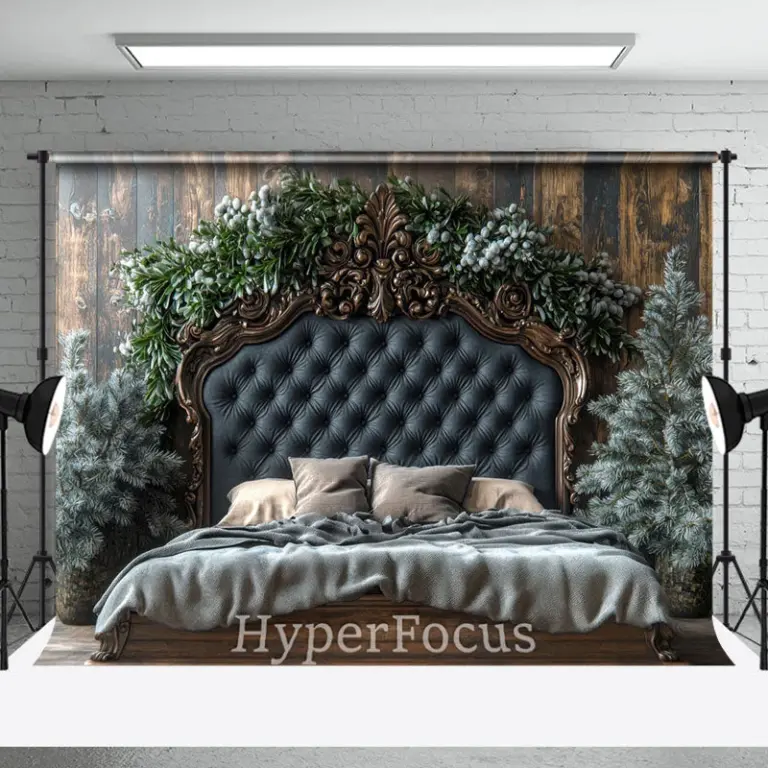 Aisha's pickNavy Beds Picked From the Stores We Trust

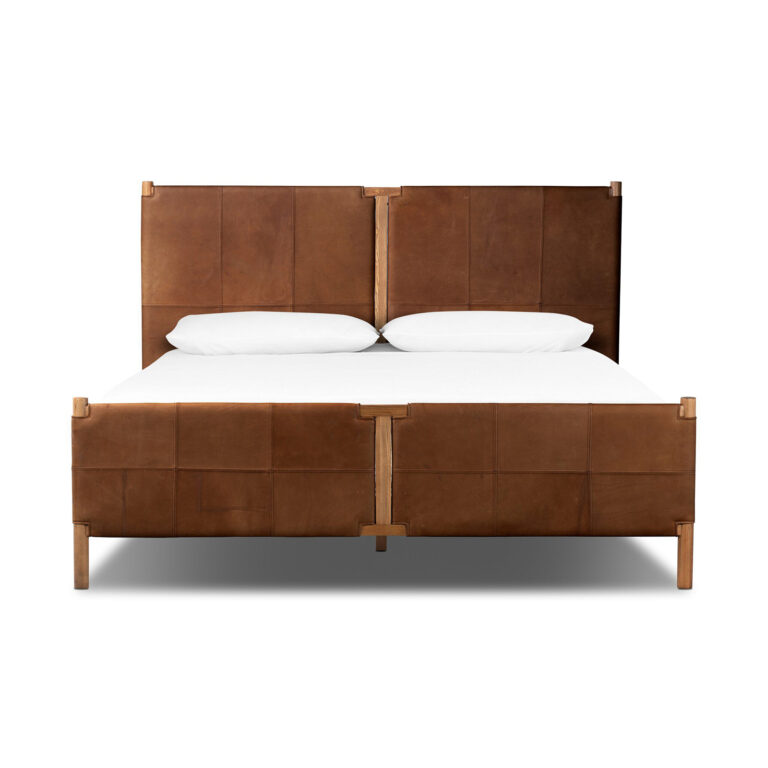 Aisha's pickSolid Panel Beds That Look Like They Cost More
 Aisha's pickBox Springs with Storage That Make Getting Up Harder

 Aisha's pickBlack Box Springs That Fit Small BedroomsAlso worth a lookModern BedsA modern bed, clean lines, low profile, no fussy carving anywhere, suits a room that already knows what it's doing.See the collections →

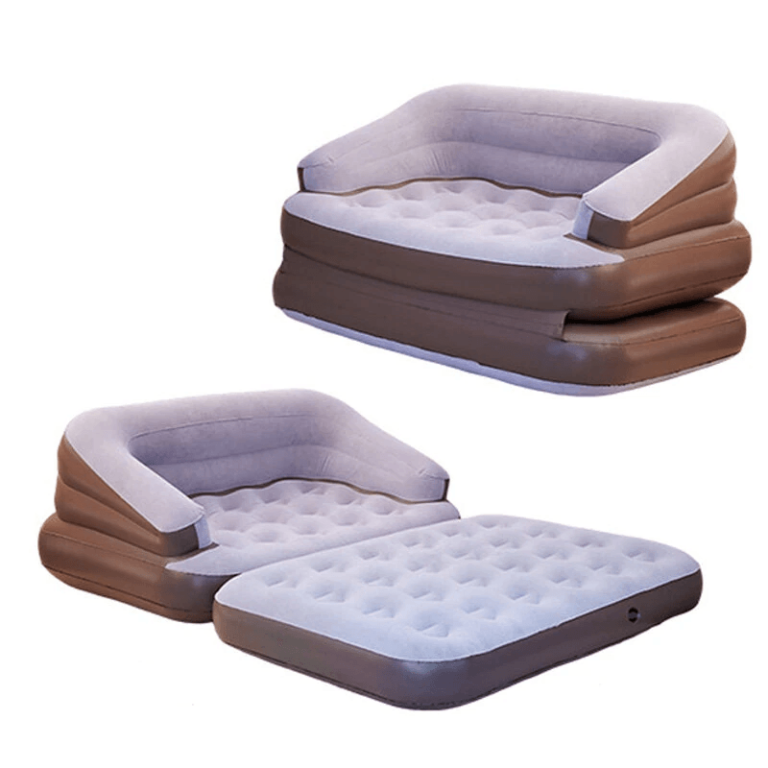 Aisha's pickDouble Folding Beds That Don’t Creak
 Aisha's pickGreen Fabric Beds That Make Getting Up Harder
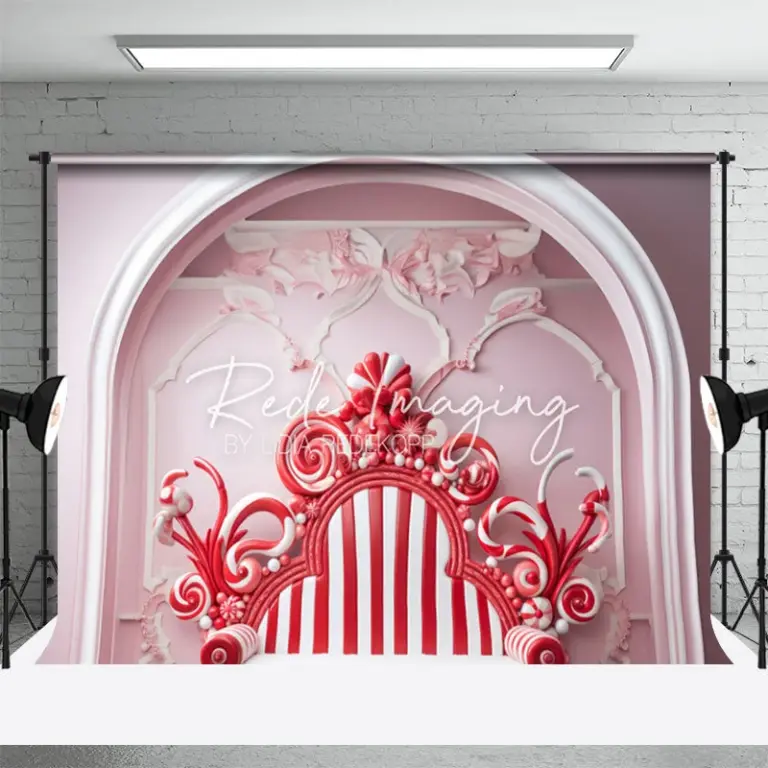 Aisha's pickLuxury Headboards We’d Happily Stay in Bed For
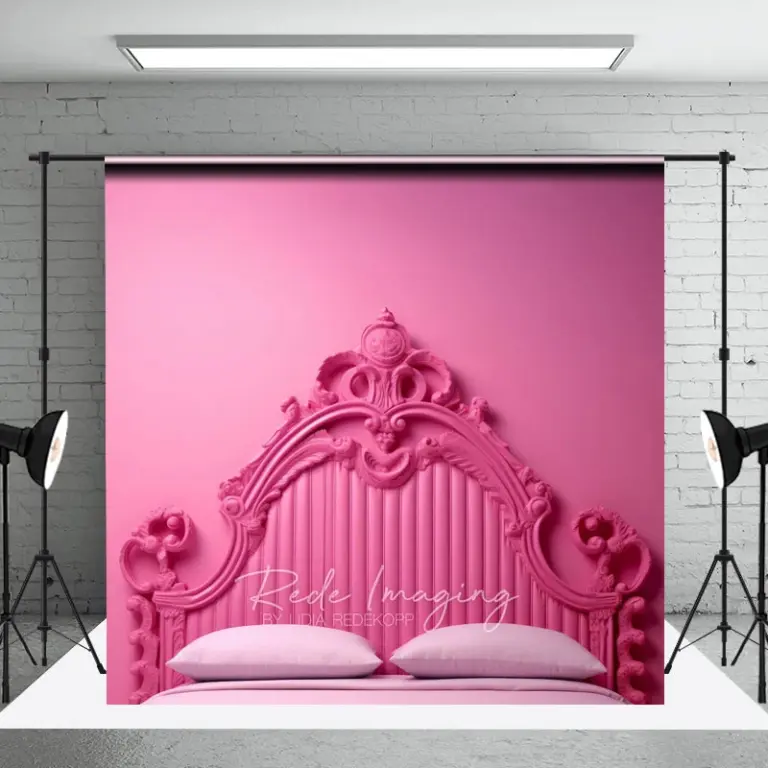
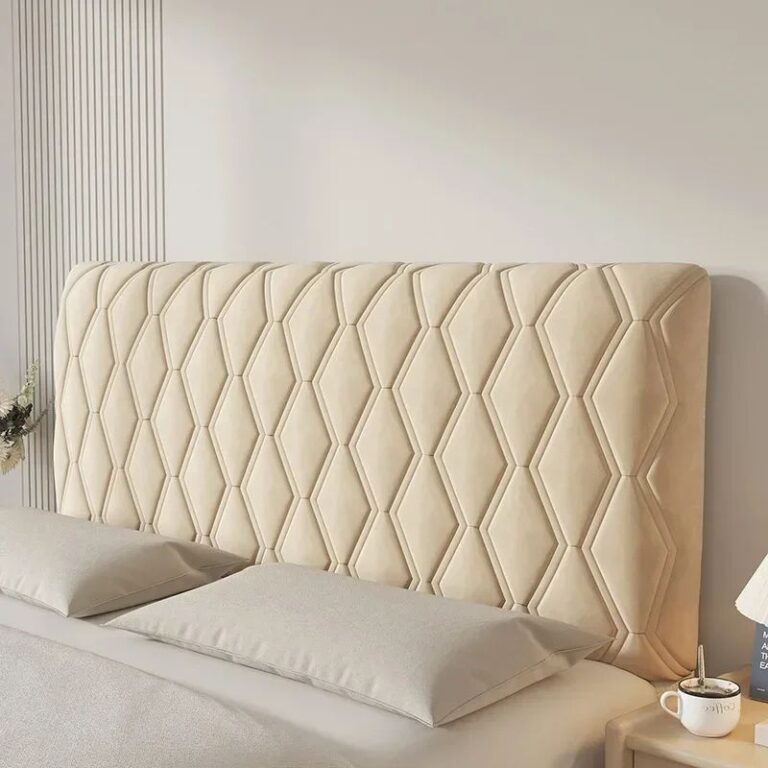 Aisha's pickWood Headboards for Lazy Mornings in Bed
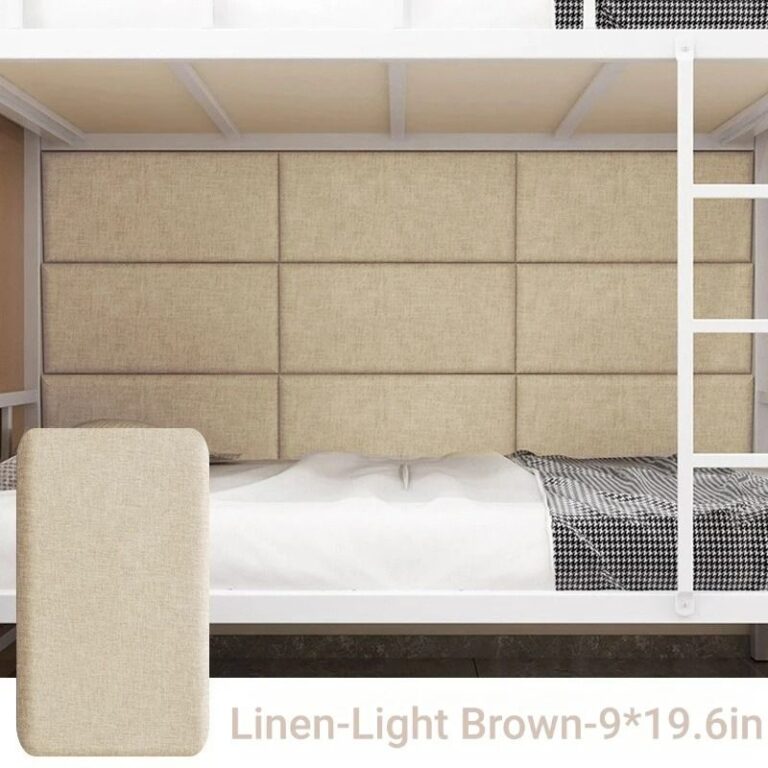
 Aisha's pickShopping for Single Metal Beds? Start Here
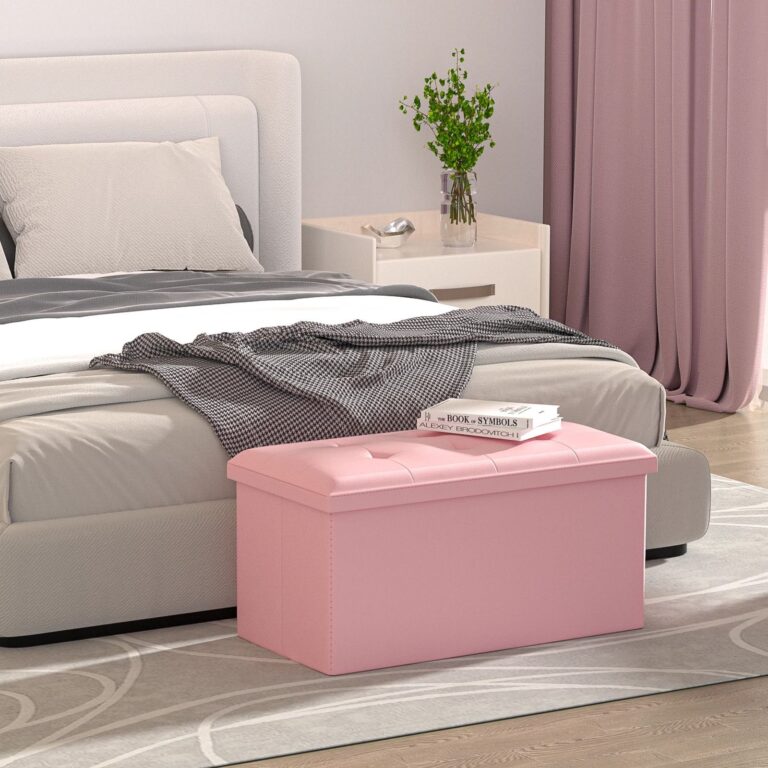 Aisha's pickModern Folding Beds at Every Price Point
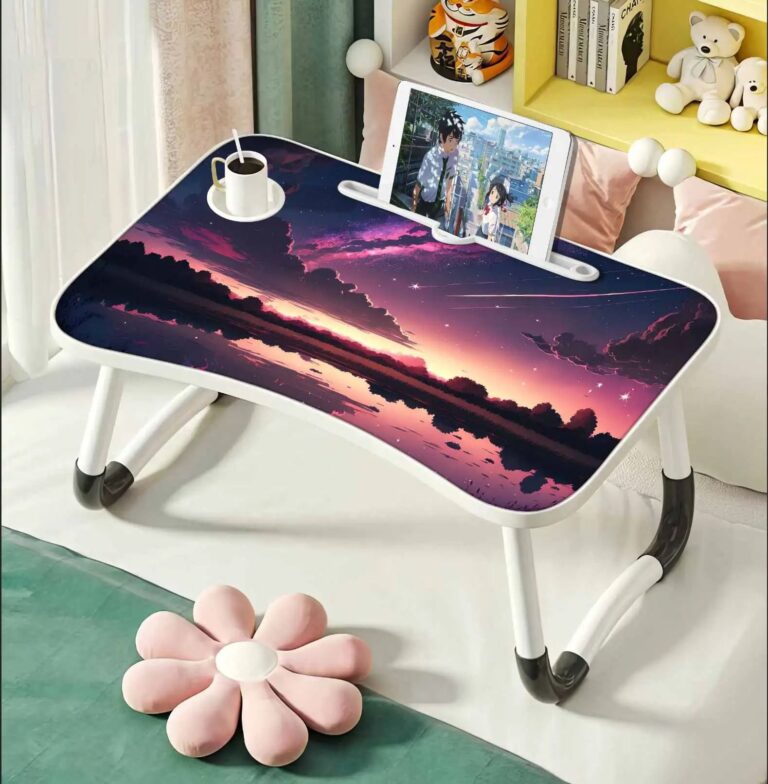
 Aisha's pickOur Shortlist of Single Bed Frames
 Aisha's pickLift Up Storage Beds That Don’t Creak
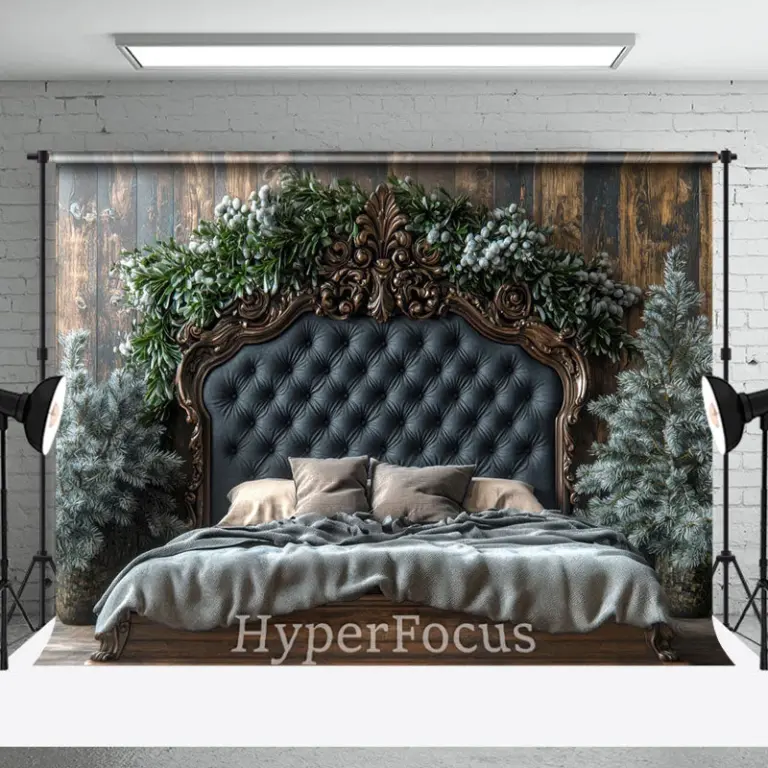 Aisha's pickWhite Beds That Don’t CreakAlso worth a lookHeadboardsFor years I thought a headboard was just a backdrop, something you picked to match the comforter and forgot about.See the collections →
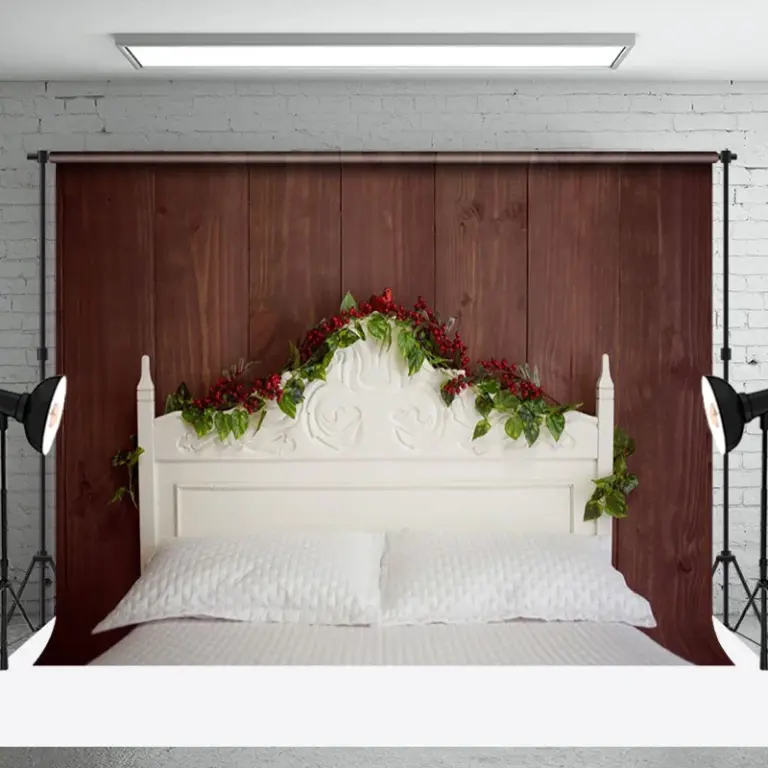
 Aisha's pickWood Bed Frames You Won’t Regret Buying
 Aisha's pickBed Frames That Won’t Date in a Year

 Aisha's pickQueen Size Bed Sets That Don’t Pill
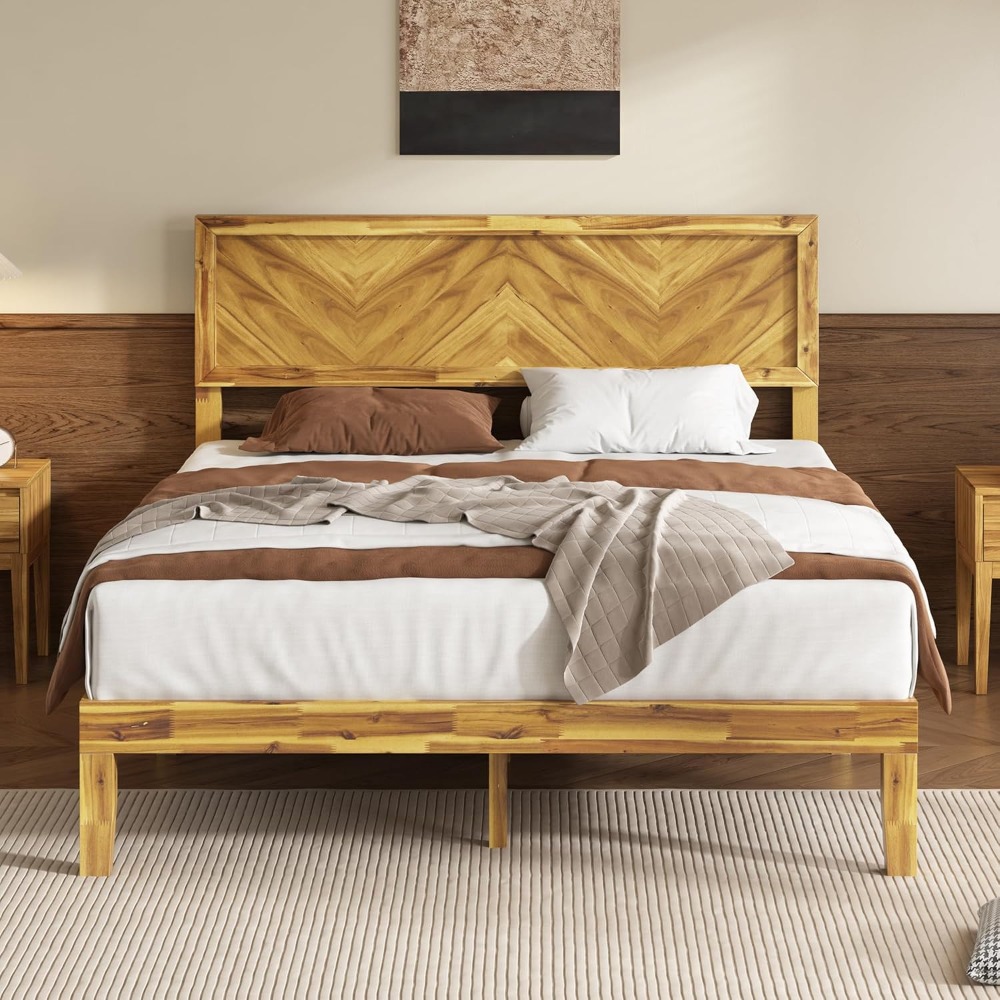
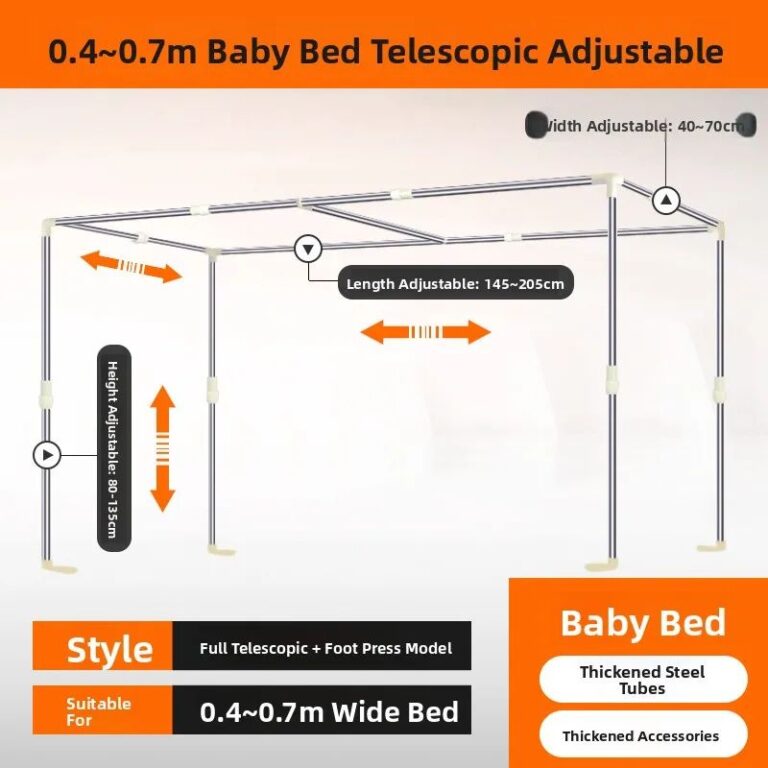 Aisha's pickBunk Beds That Grow With Your Kids

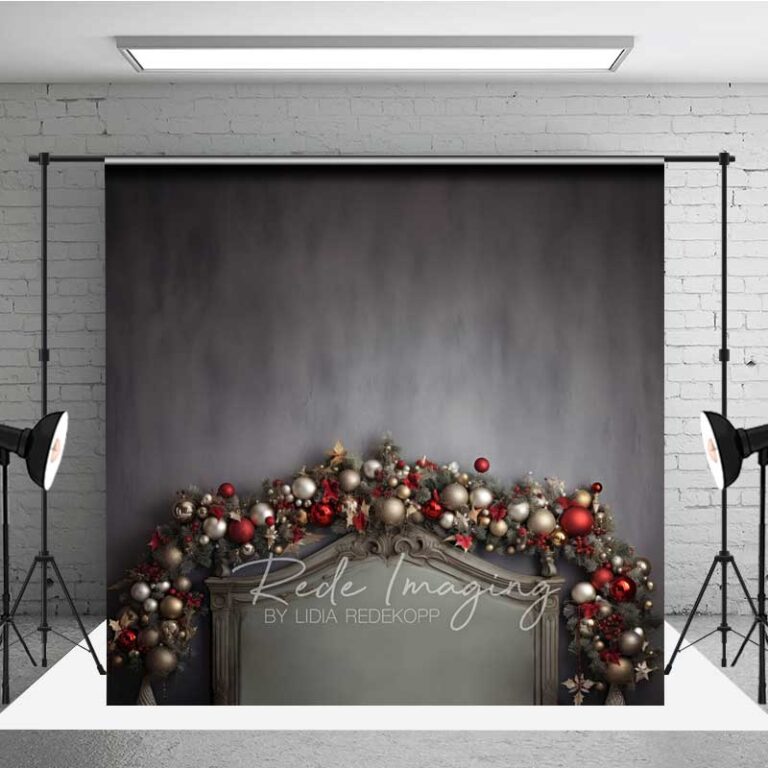 Aisha's pickDark Gray Beds From Stores Big and Small
 Aisha's pickGreen Beds Hunted Down So You Don’t Have To

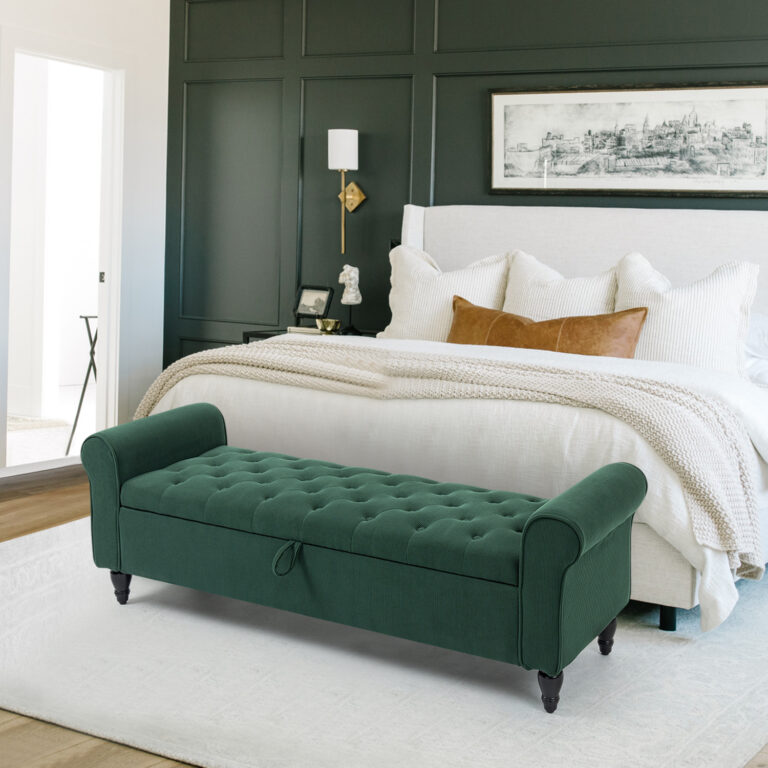 Aisha's pickOttoman Beds That Make Small Changes Feel Big
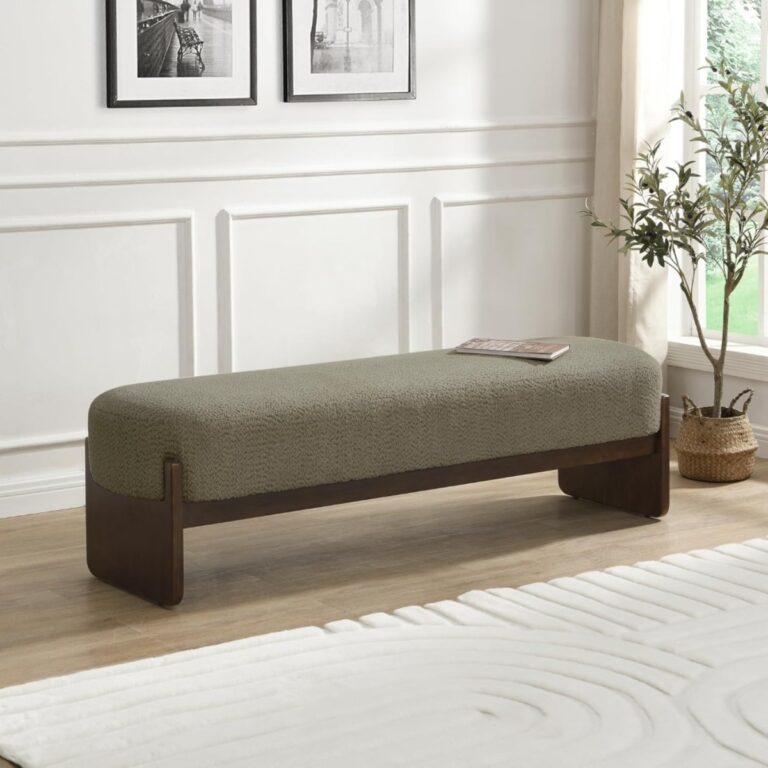
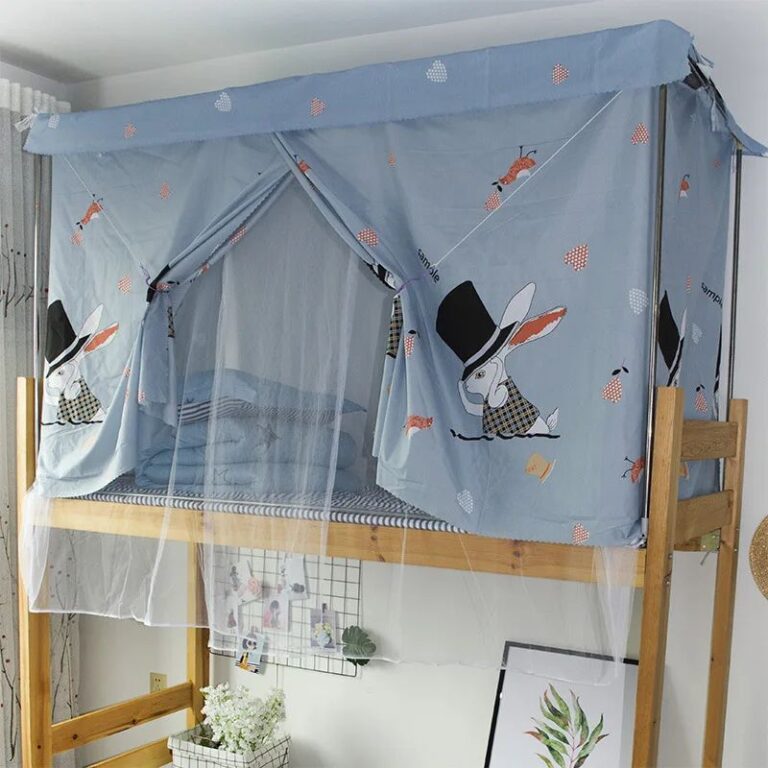 Aisha's pickSpace Bunk Beds Tough Enough for Little Hands

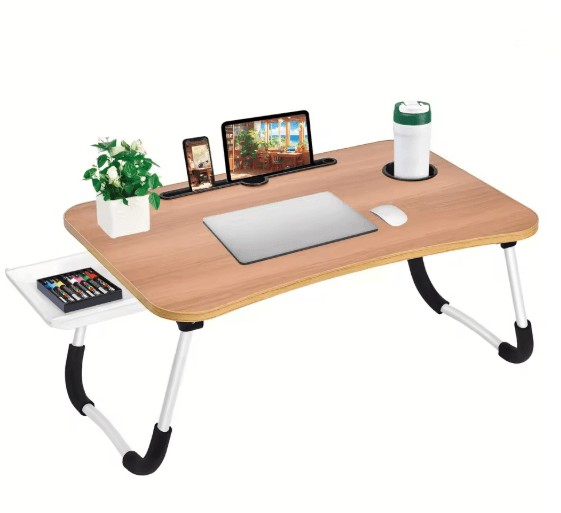 Aisha's pickDrawer Beds with Storage That Make Getting Up HarderAlso worth a lookMetal BedsA good metal bed has a little spring to it when you sit on the edge, not a…See the collections →
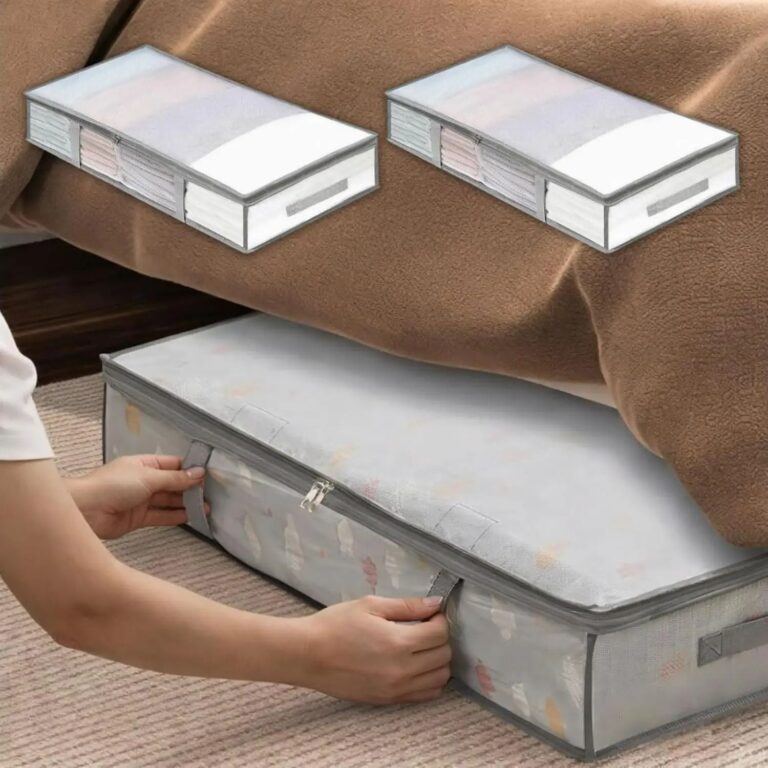
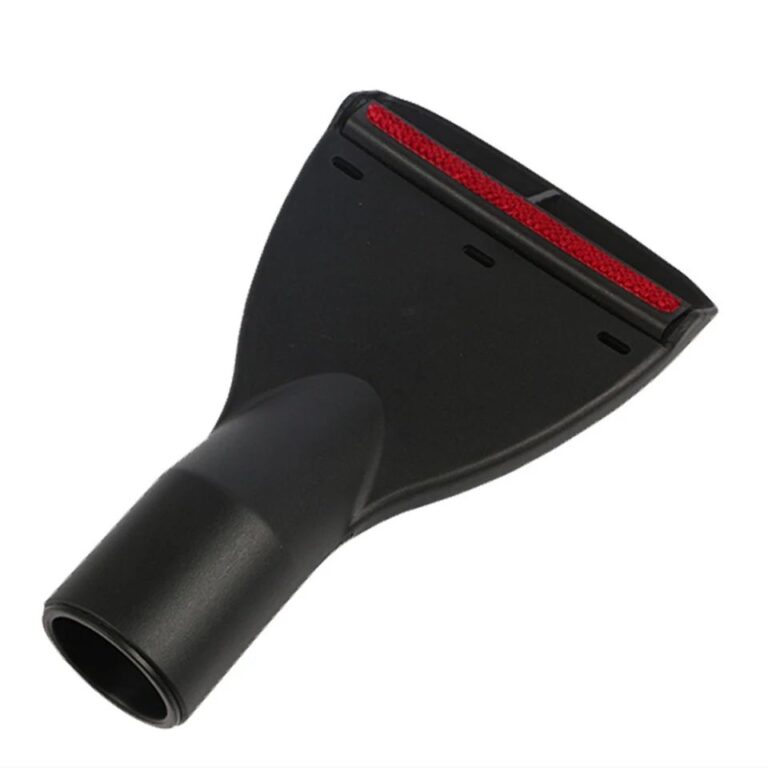 Aisha's pickBlack Day Beds That Make the Bedroom Feel Like a Hotel
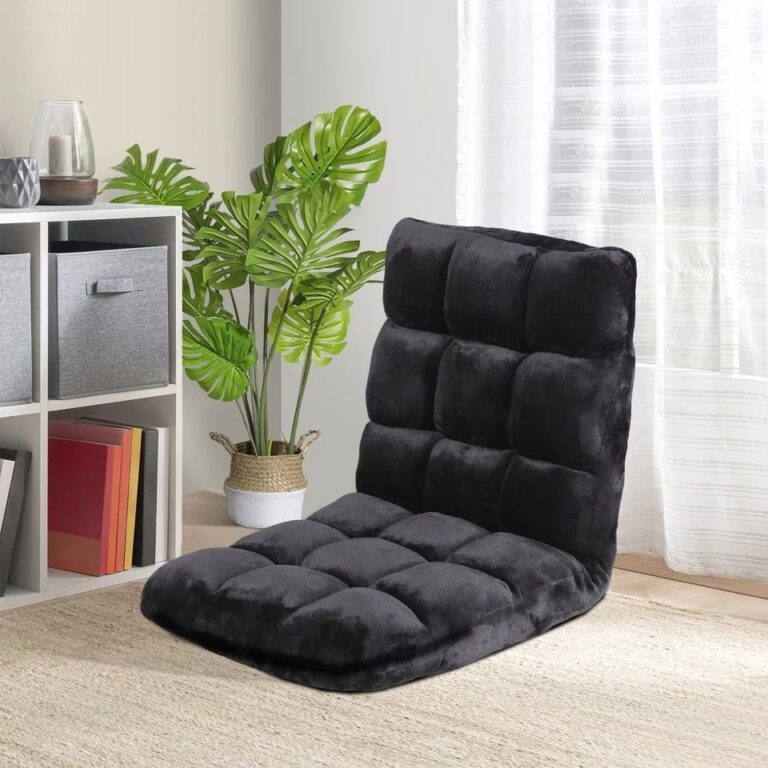
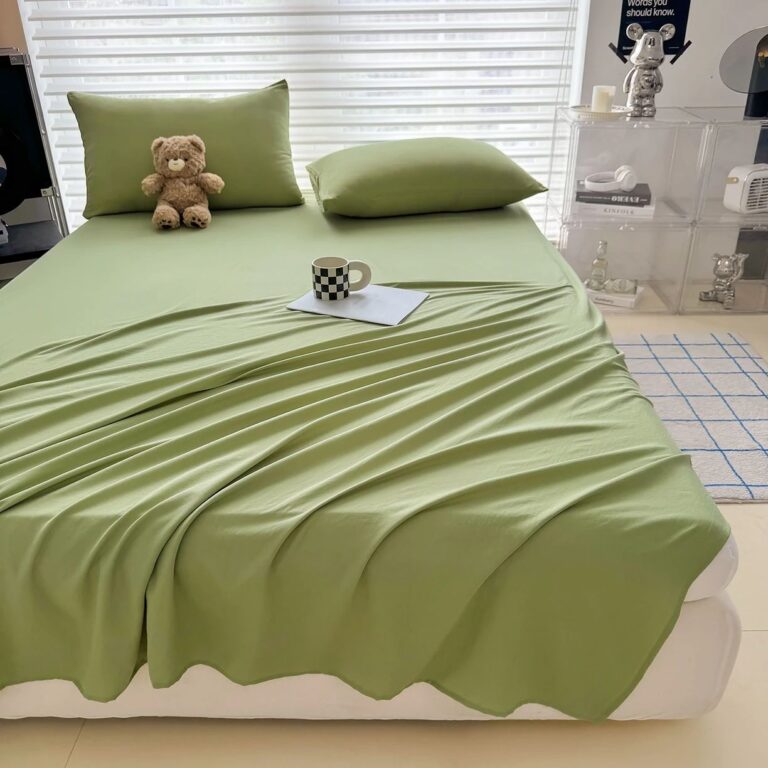 Aisha's pickDouble Guest Beds That Don’t Shout About It
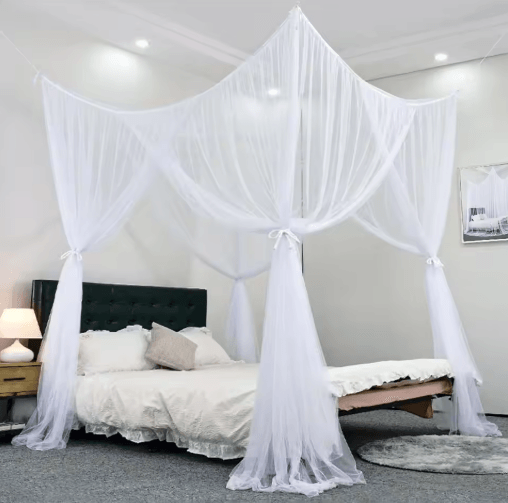
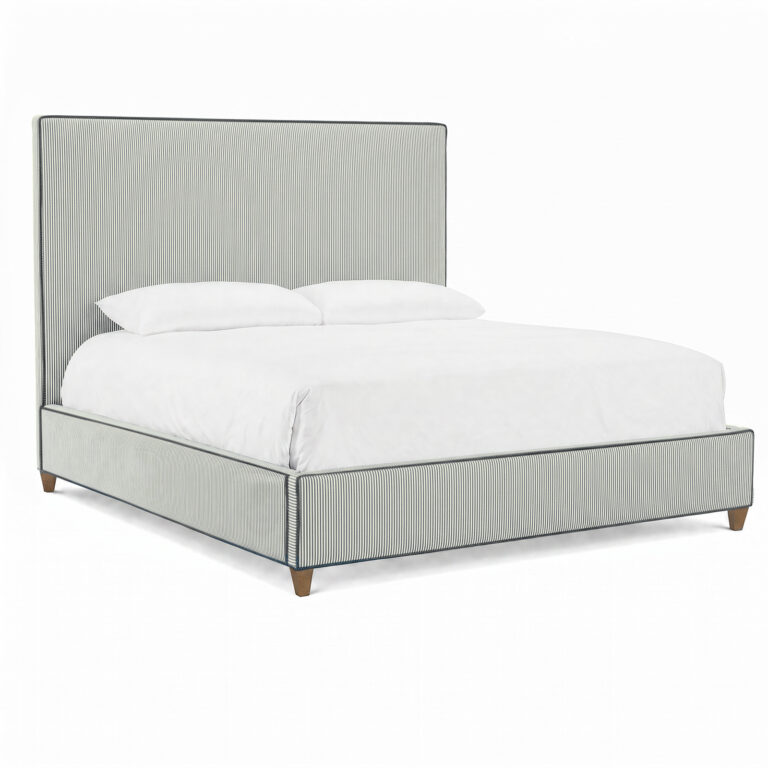 Aisha's pickKing Fabric Beds You Won’t Want to Hide Away
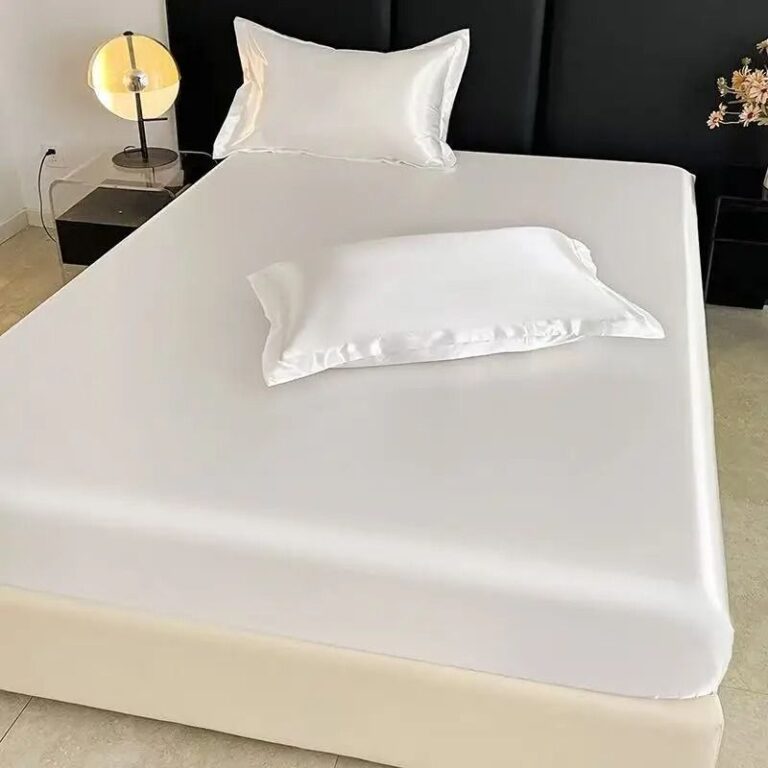
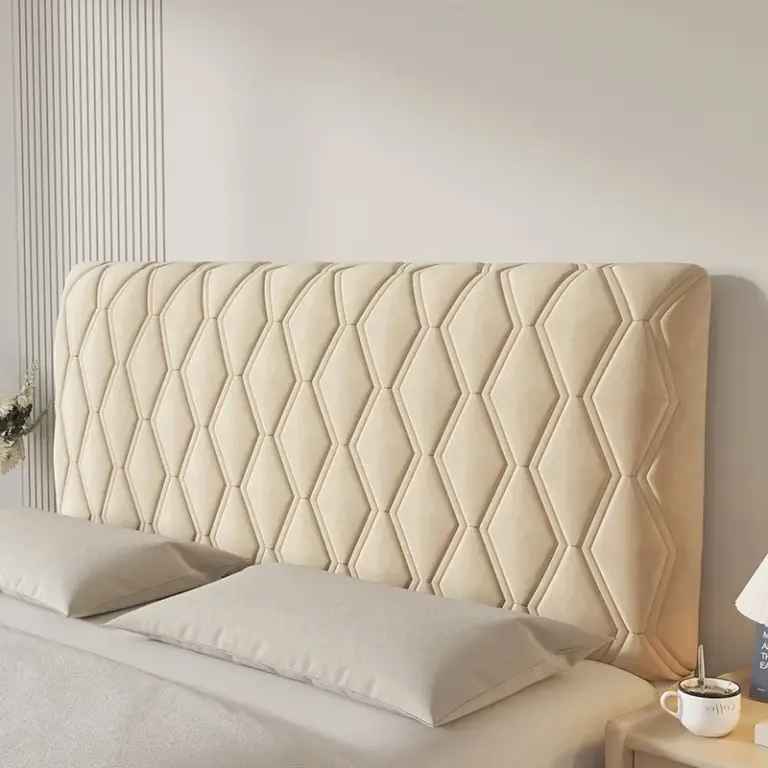 Aisha's pickLuxury Upholstered Headboards That Fit Small Bedrooms
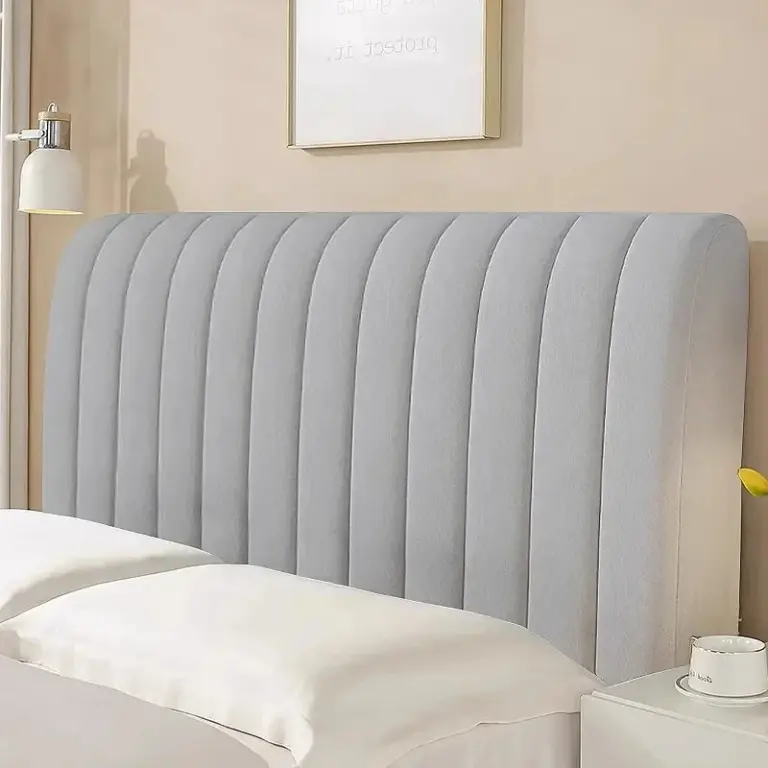
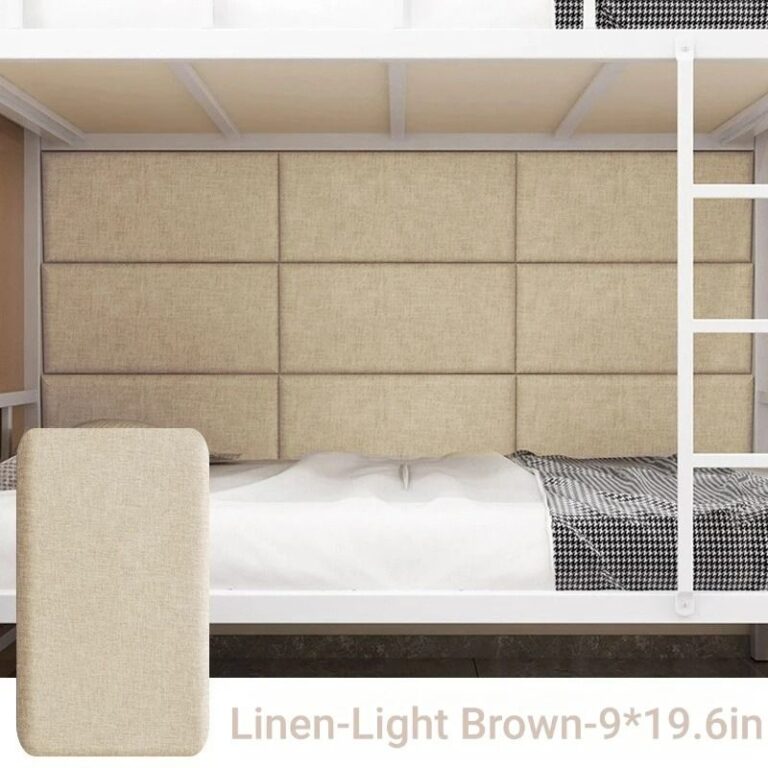 Aisha's pickWooden Headboards That Don’t Creak
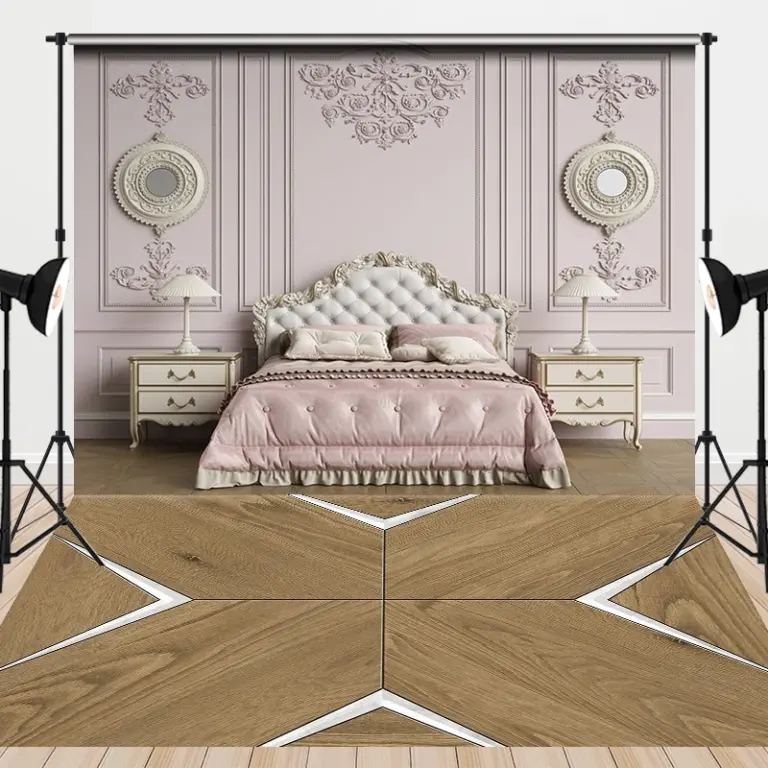
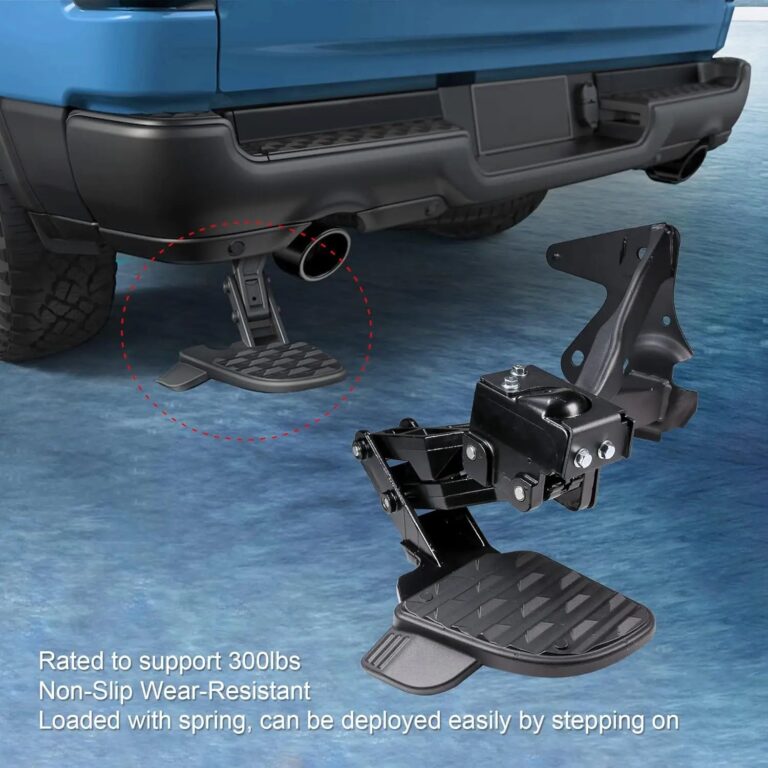 Aisha's pickStainless Steel Beds That Earn Their Keep
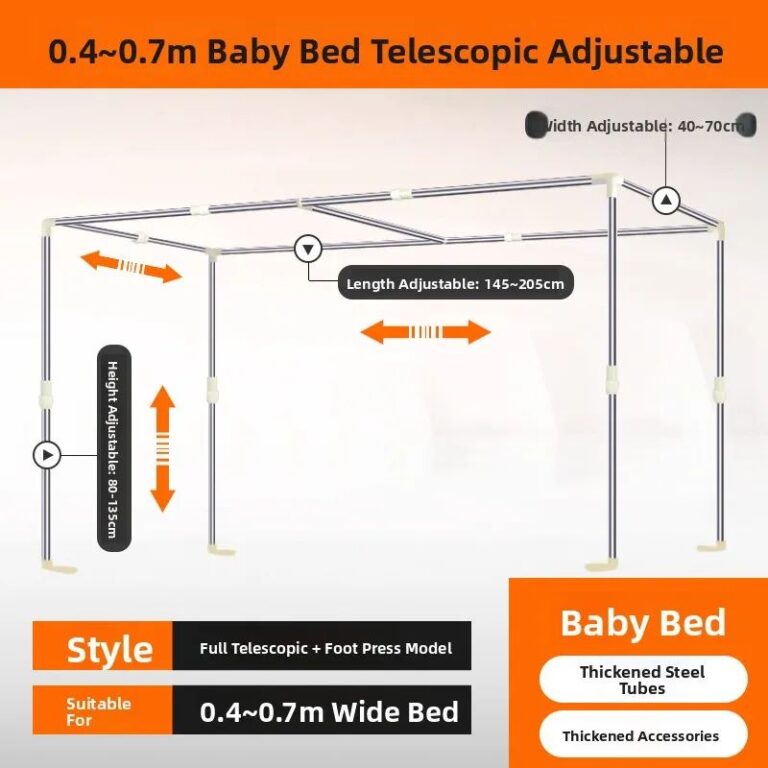
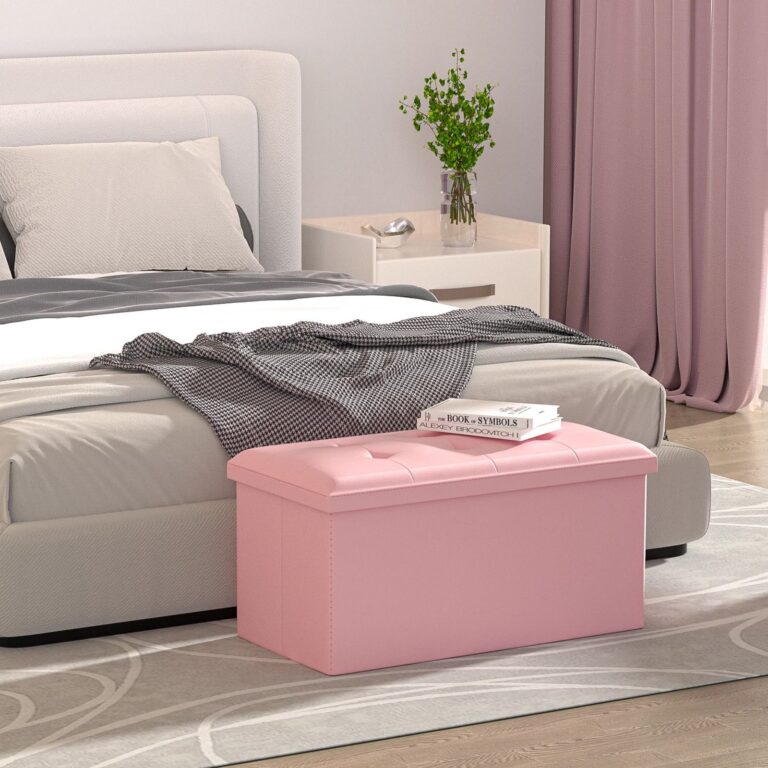 Aisha's pickModern Guest Beds From Brands You Know and a Few You Won’t
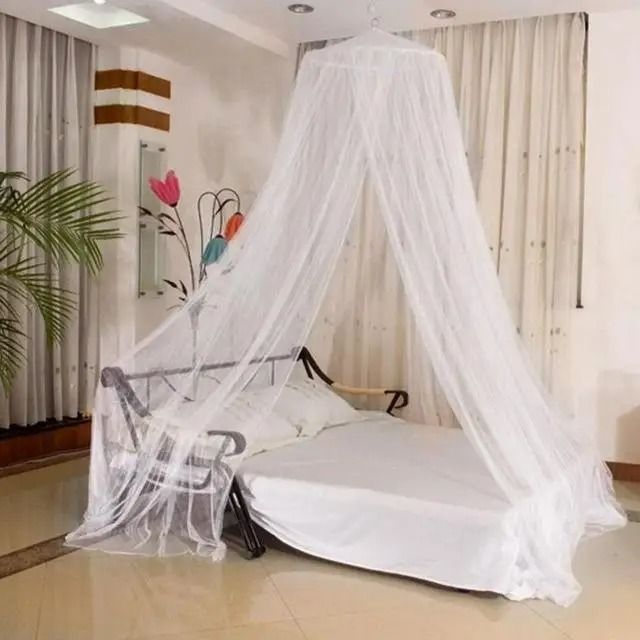
 Aisha's pickSingle Box Springs You’ll Keep for Years