Outdoor planters used to mean a handful of terracotta pots from the garden center and maybe a half barrel someone's dad cut in half. That has shifted a lot in the last few years, with better materials doing the work terracotta and concrete used to do alone, lighter composites that look like stone or zinc without needing two people to move them, and more shapes built for balconies and stoops instead of just big yards. On the whole that is a good thing, because it means a rented apartment with a six foot balcony can do as much with planters now as a house with a real porch.
Where they suit best depends on what you are actually working with. A sunny front step wants something sturdy and upright that can take a real root system, a shaded side entrance does better with wider, shallower pots that will not sit soggy, and a small balcony benefits from anything that can double up through the seasons, spring bulbs giving way to something leafier by midsummer. The biggest mistake I see, and made myself with a pair of pots that looked perfectly reasonable in the store, is buying on looks and ending up with something too small for the plant to mature in, so you are repotting every single year instead of letting anything settle in. Measure the actual spot first, not just the plant you have in mind, and go up a size from what feels right, because pots almost always read smaller once they are sitting against a wall or a railing than they did next to a dozen others on a display shelf.
In terms of what they sit with, planters do a lot of quiet work alongside the obvious stuff, a doormat, house numbers, a bench or a couple of outdoor chairs. Pairing two matching pots either side of a door reads more finished than one oversized pot, even on a tight budget, and a single large planter works best when it has something at a different height nearby, a wall sconce, a mounted mailbox, so it is not just sitting there alone.
How they age depends entirely on material. Concrete and stone composites weather beautifully and actually look better after a winter outside, developing a bit of a patina I would never scrub off. Glazed ceramic can crack if water sits and freezes inside it, so bring it in or at least empty it before the first hard freeze. Plastic and resin fade faster than you would expect in full sun, usually within two or three summers.
If I were starting from nothing, I would pick a warm charcoal or weathered stone finish. It goes with brick, siding, any door color, and it never looks like it is trying too hard.
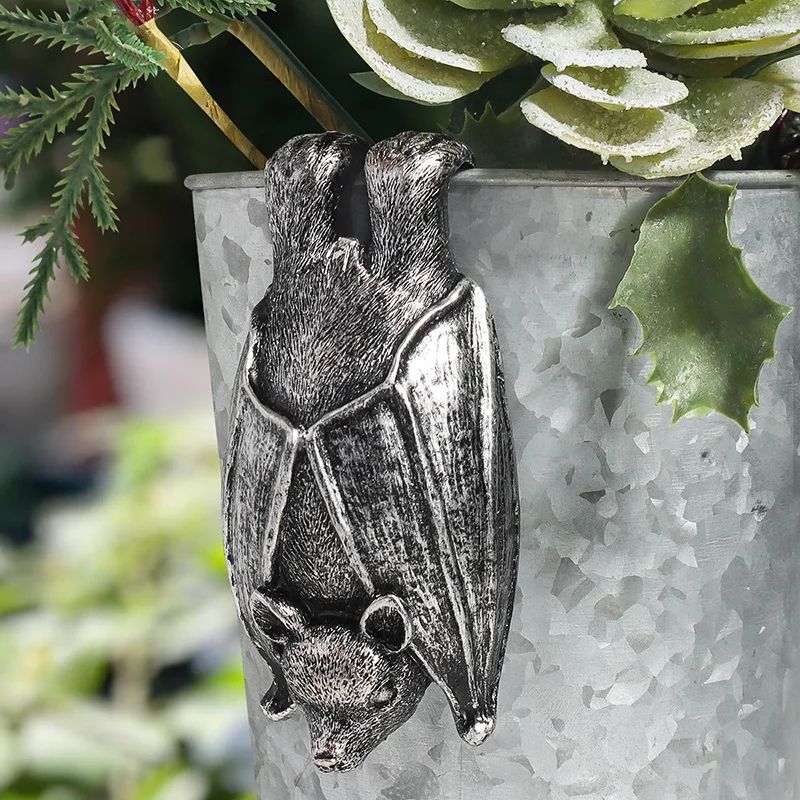 Aisha's pickMetal Balcony Planters at Every Price Point
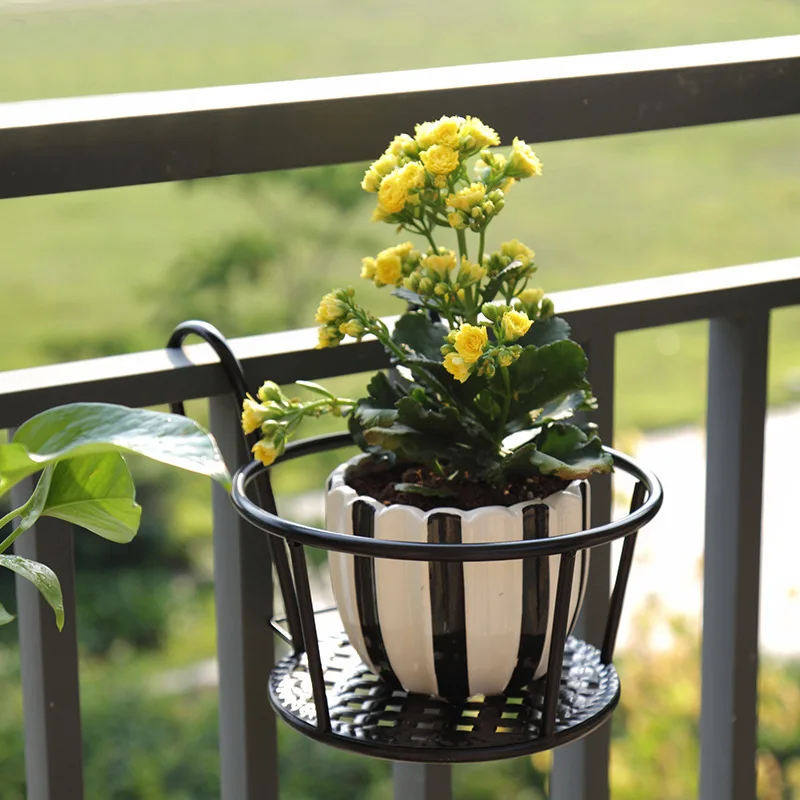
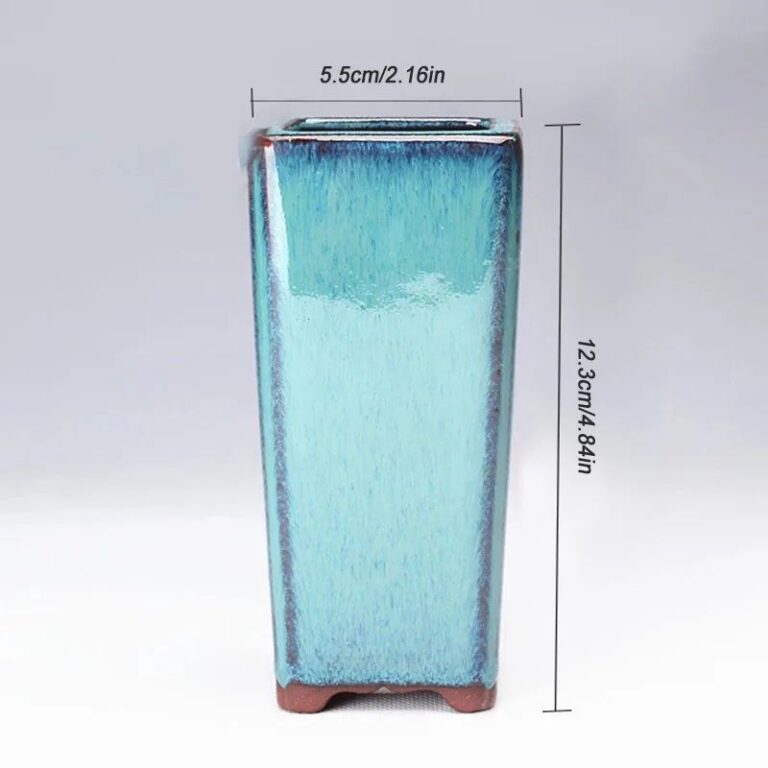 Aisha's pickCeramic Outdoor Pots We’d Have Out From May to September
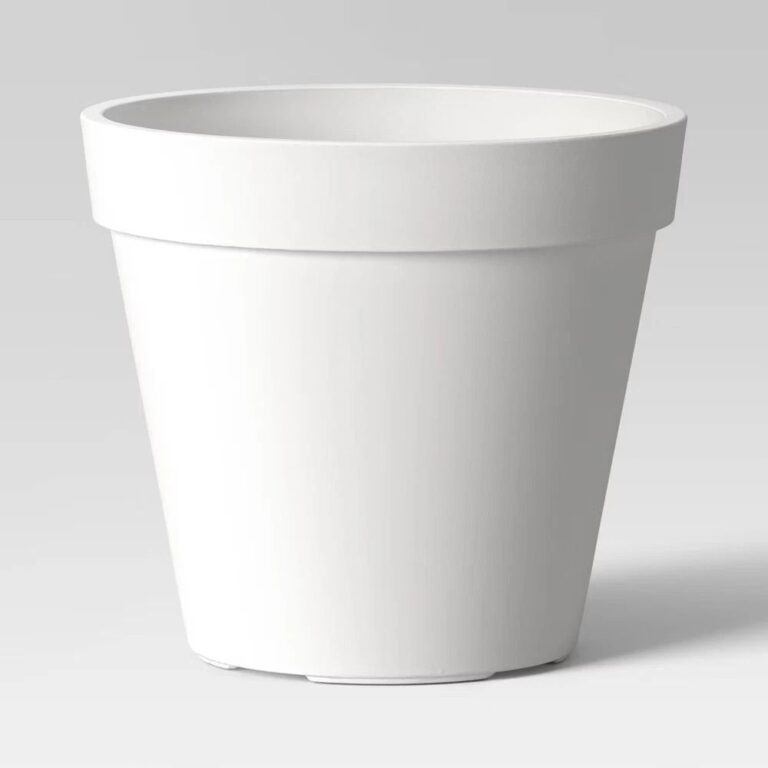 Aisha's pickPlastic Outdoor Pots for Long Summer Evenings Outside
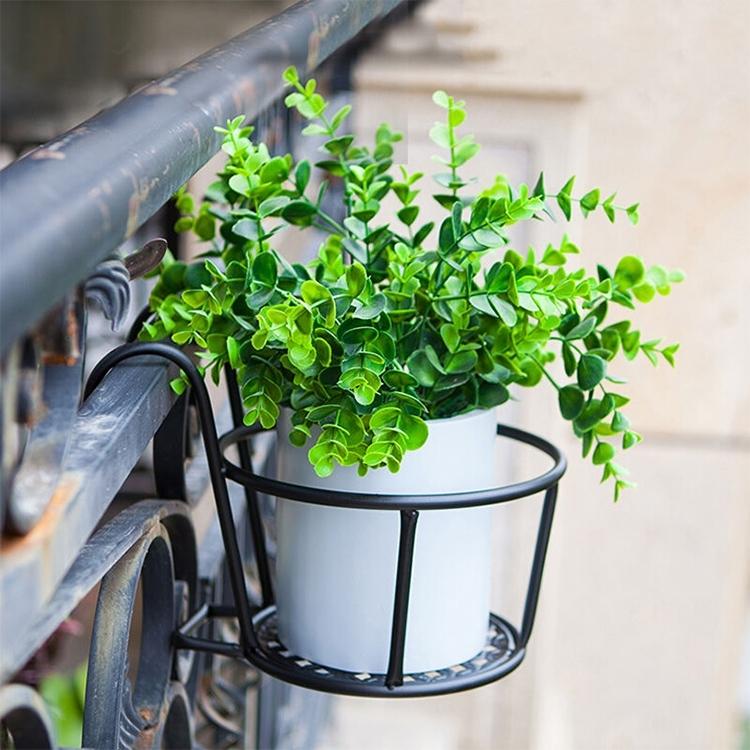
 Aisha's pickLarge Outdoor Planters for Making the Most of the Patio
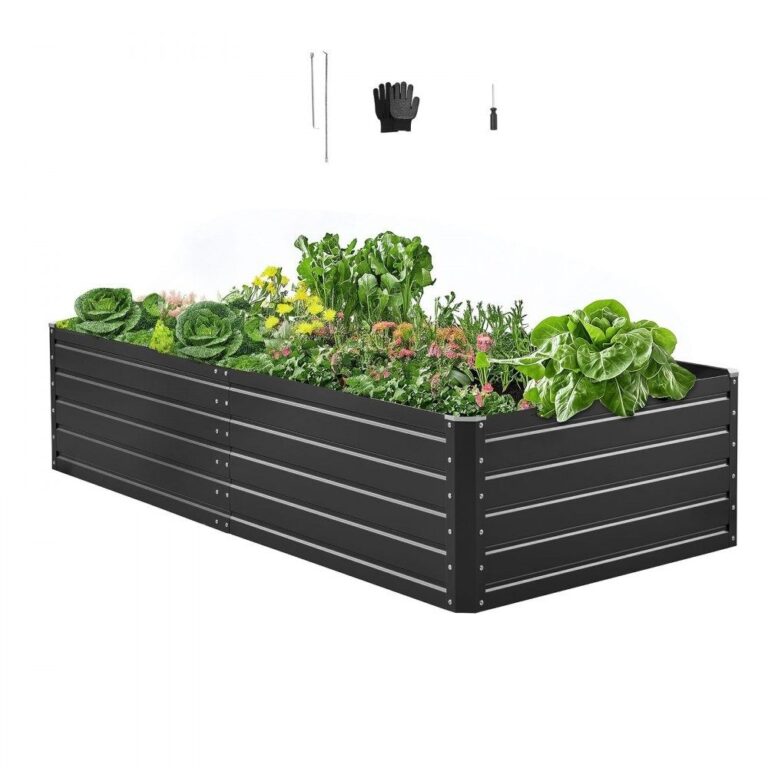
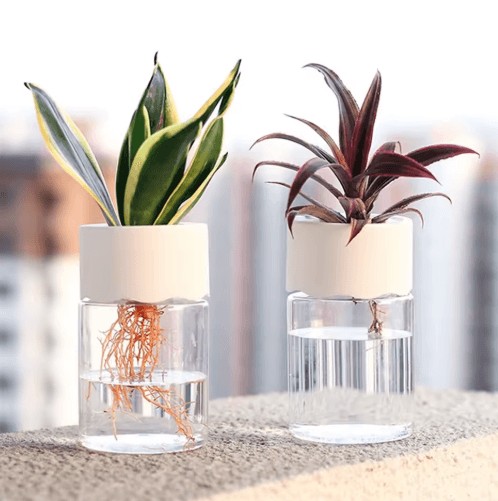 Aisha's pickBamboo Plant Pots That Shrug Off the Rain
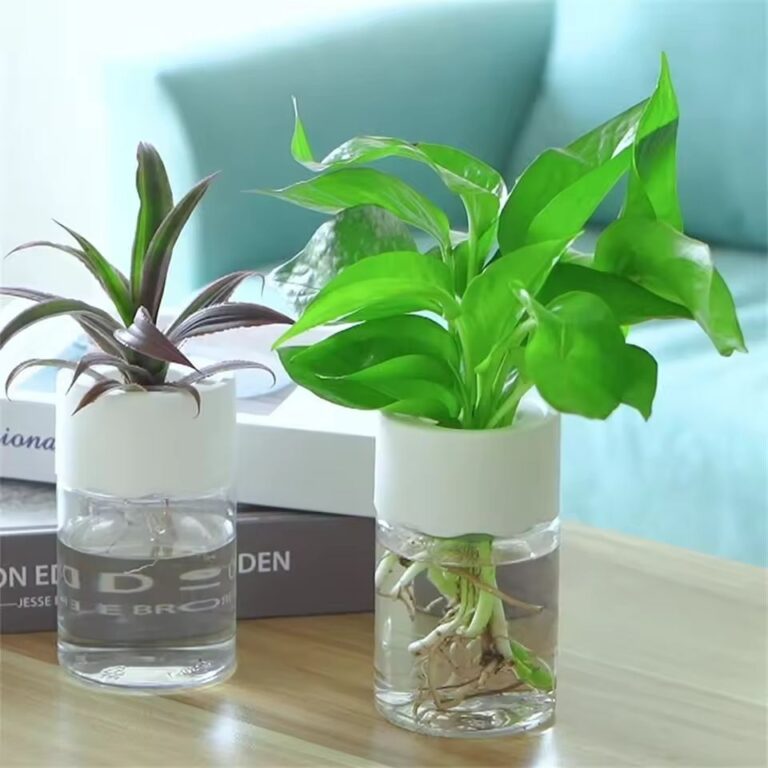
 Aisha's pickMetal Plant Pots That Make a Small Yard Work Harder

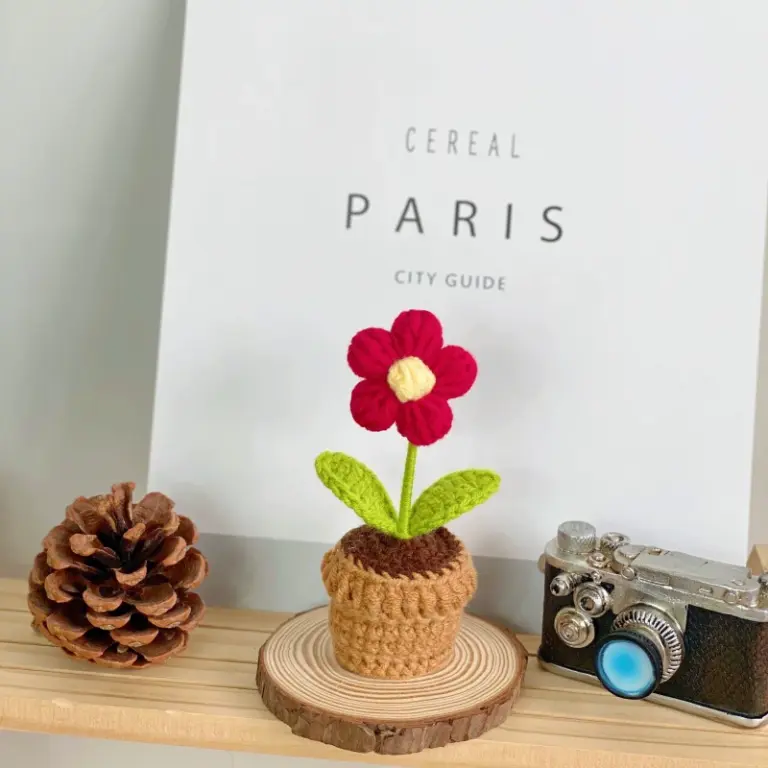 Aisha's pickNo Fuss Red Plant Pots
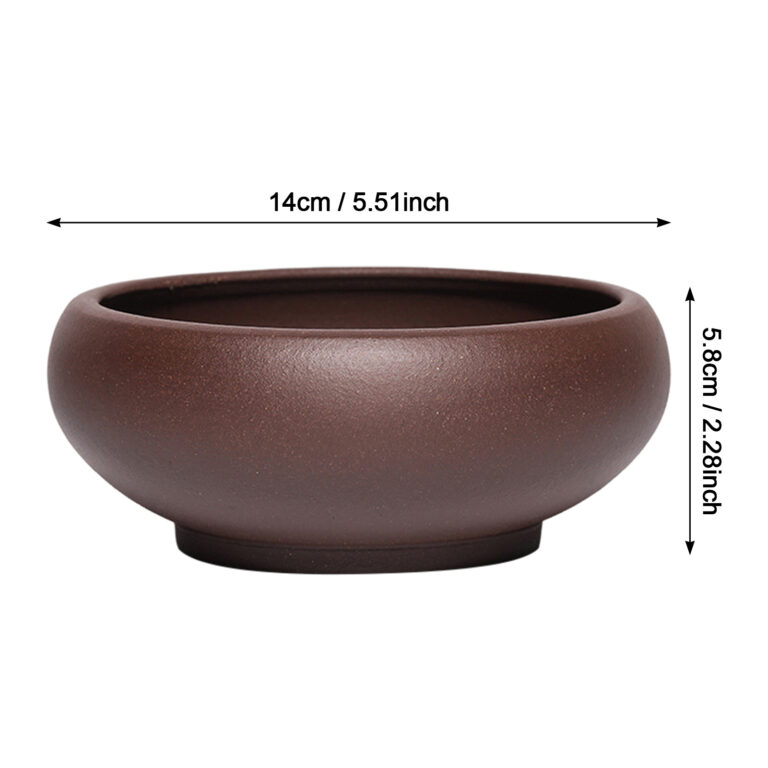
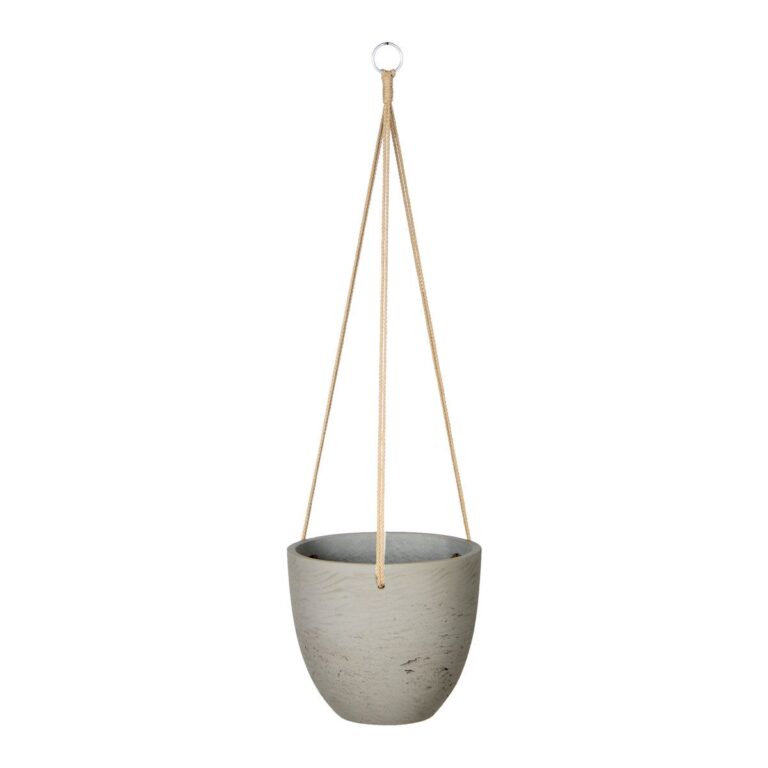 Aisha's pickGreen Round Planters for Long Summer Evenings Outside
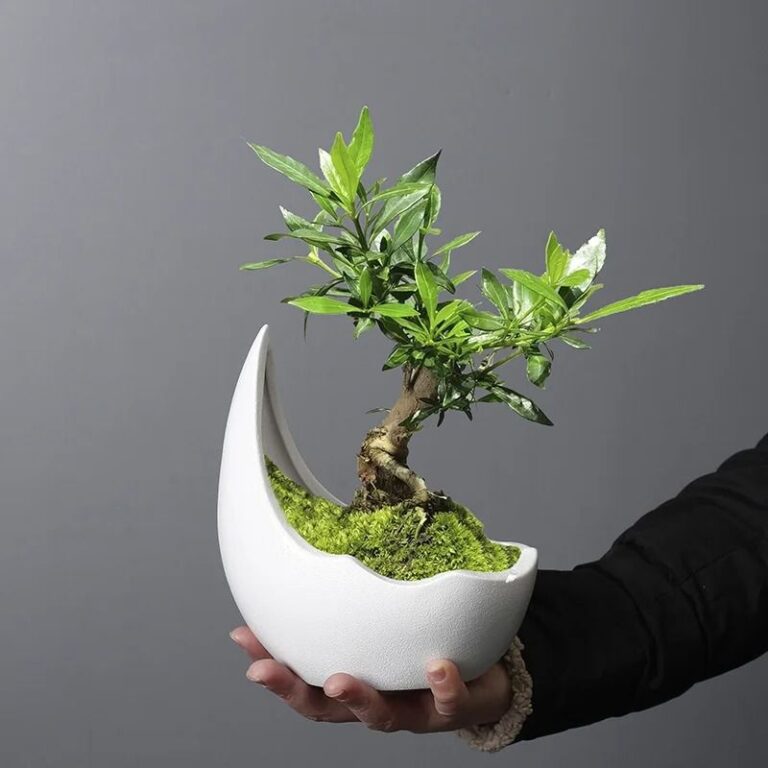
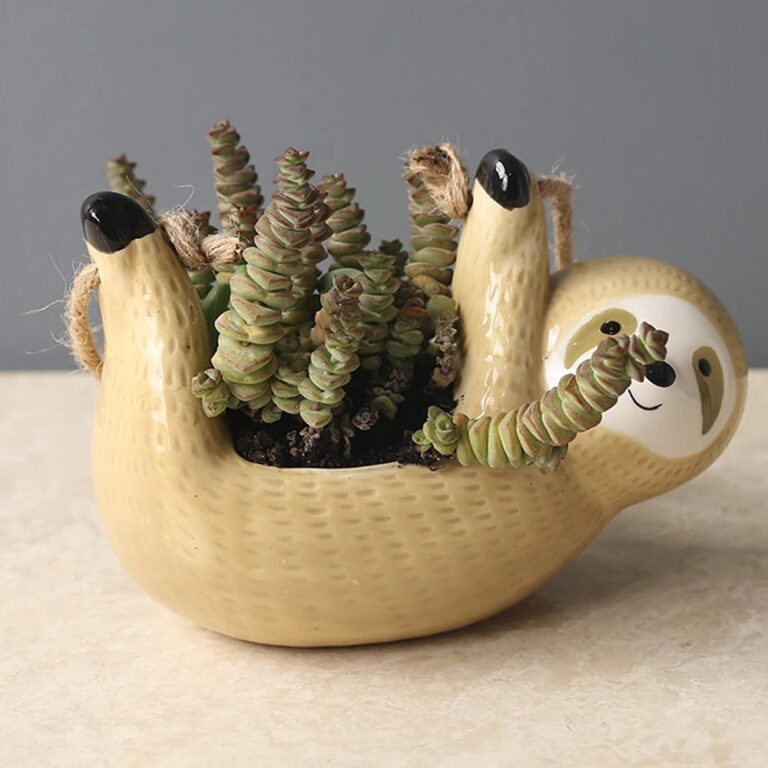 Aisha's pickPlanters with Handles That Do the Job RightAlso worth a lookPlant PotsPlant pots have a reputation for being the easy part of keeping plants alive, and mostly that's fair,…See the collections →
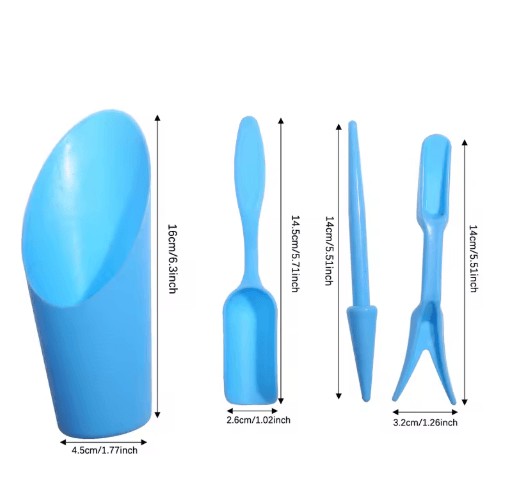
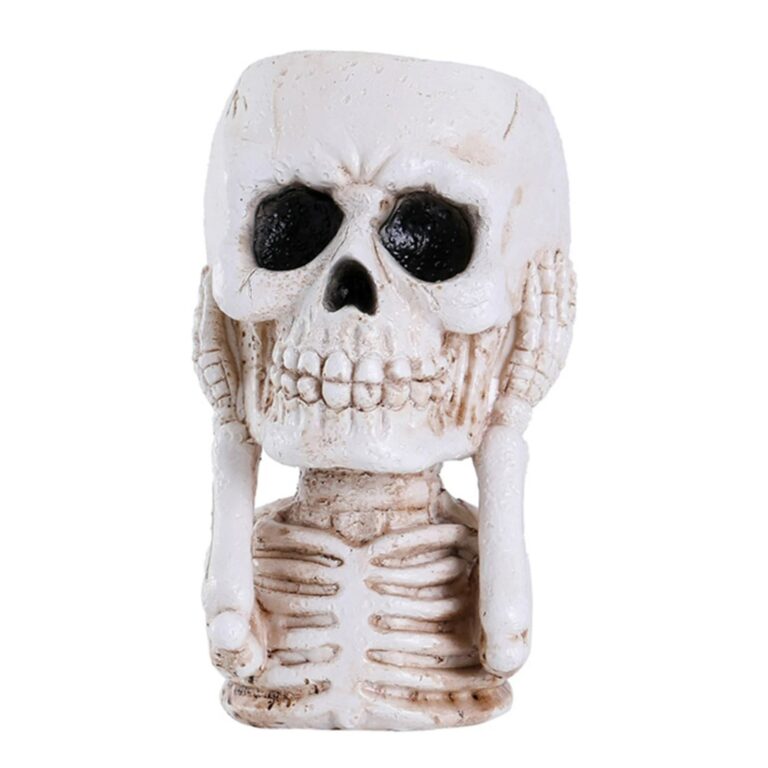 Aisha's pickOur Shortlist of Terracotta Indoor Planters
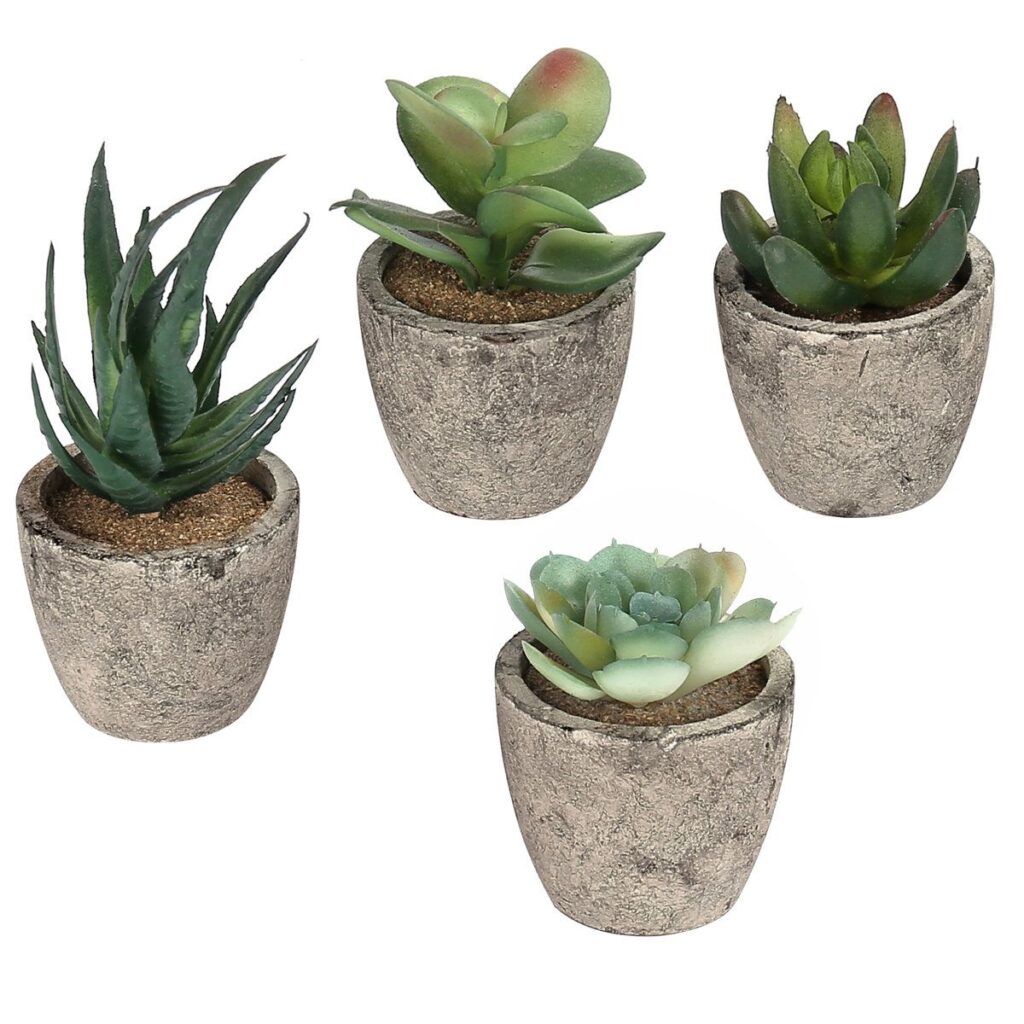 Aisha's pickShopping for Green Round Plant Pots? Start Here
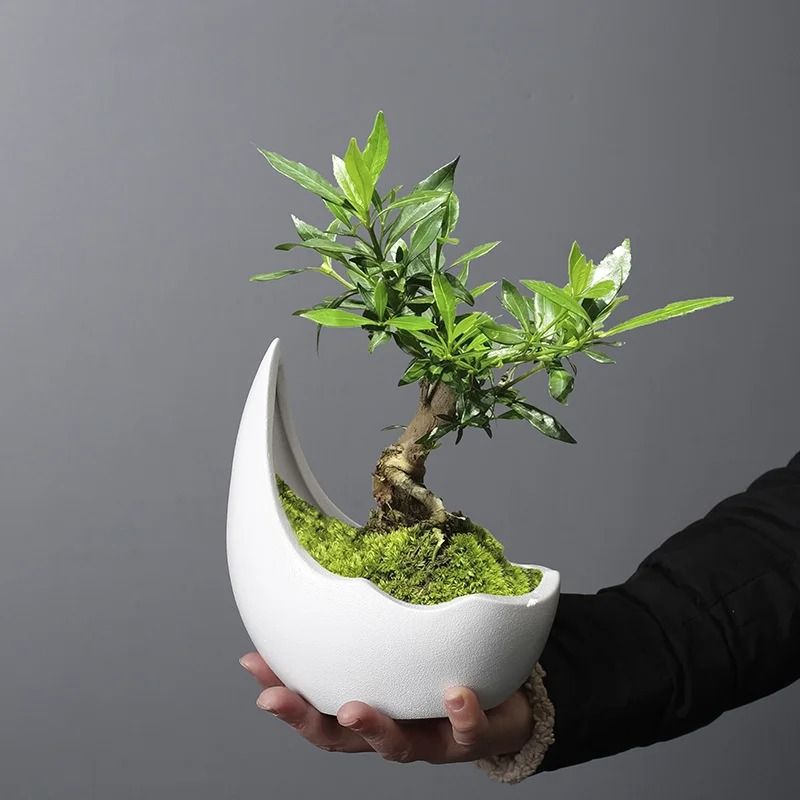
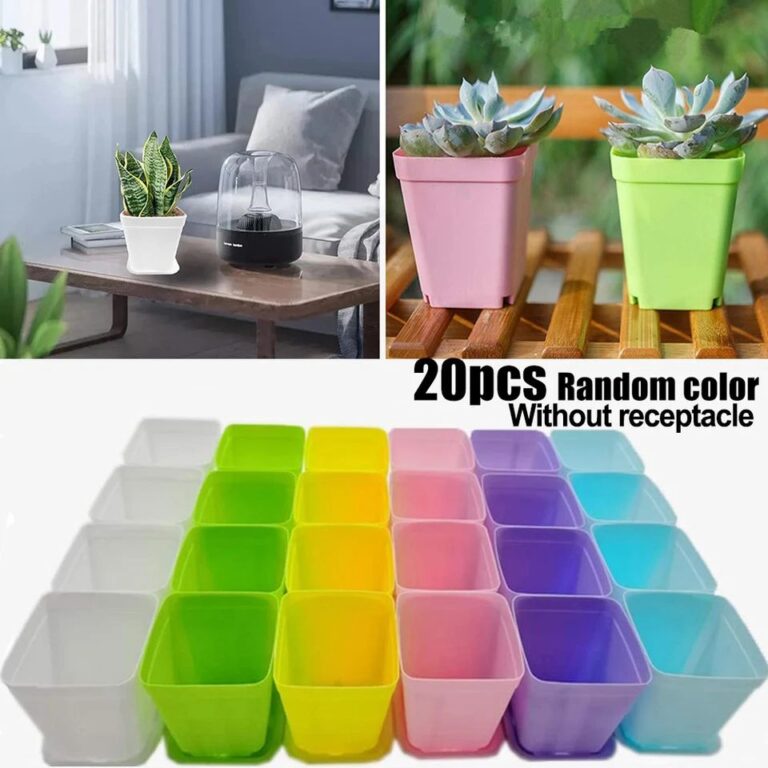 Aisha's pickSquare Plant Pots Worth Knowing About
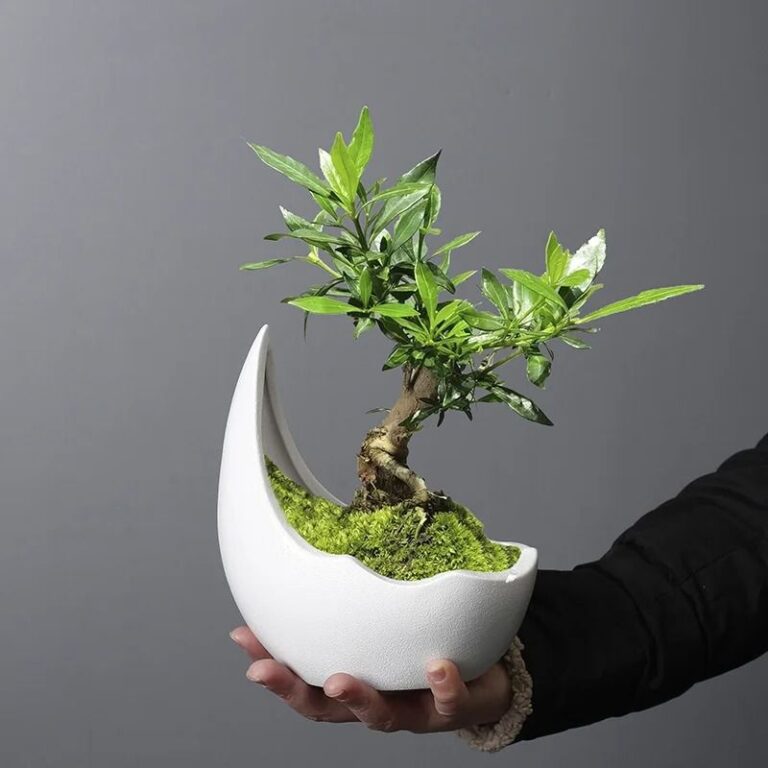
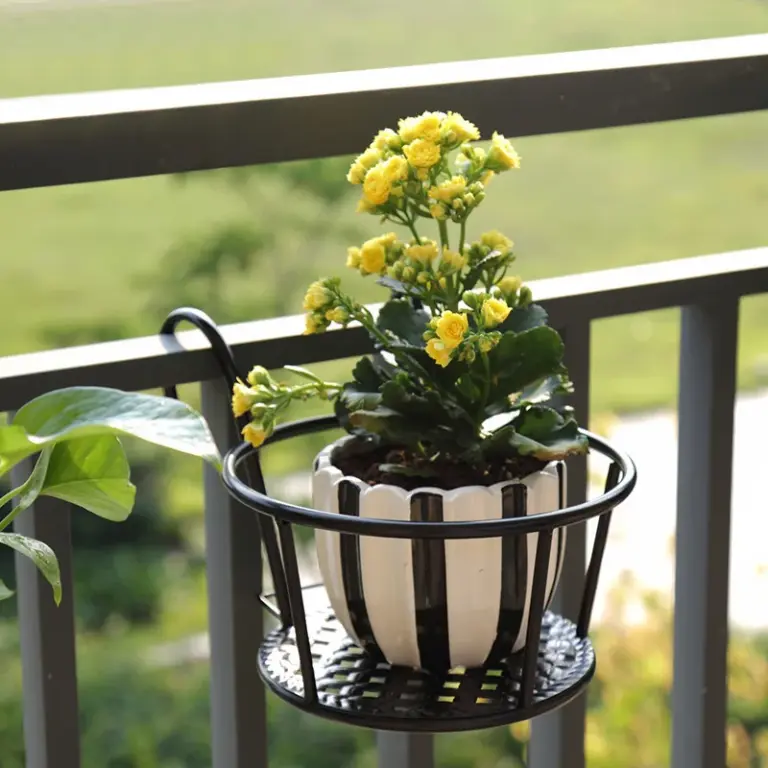 Aisha's pickMetal Outdoor Planters for Long Summer Evenings Outside
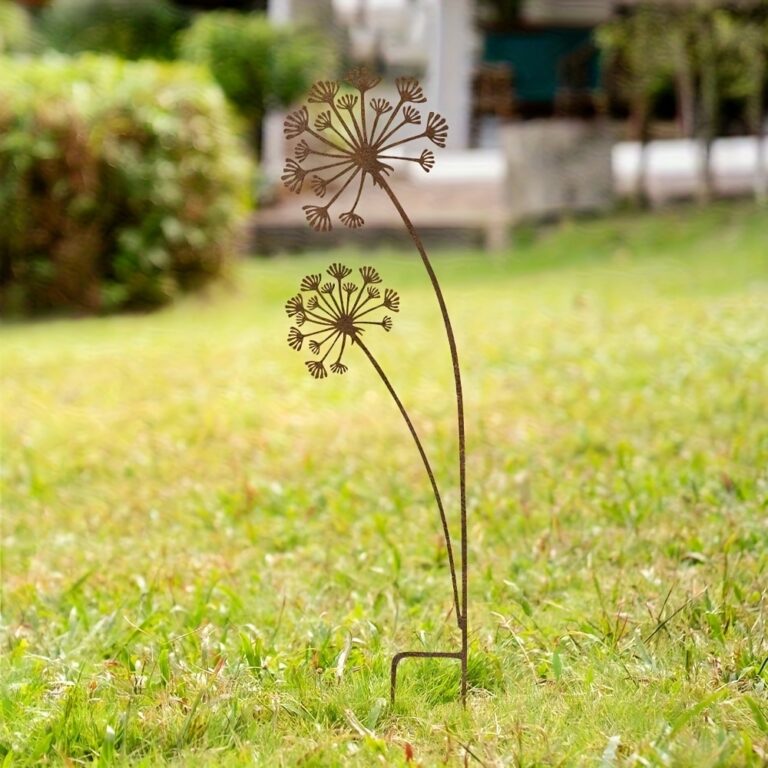
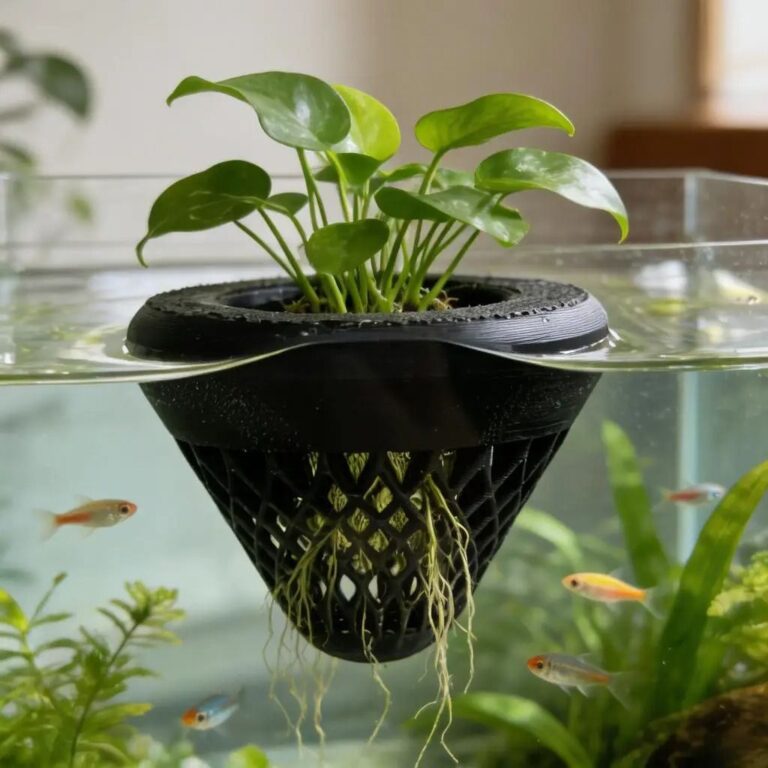 Aisha's pickOutdoor Pots for Making a House Feel Like Yours
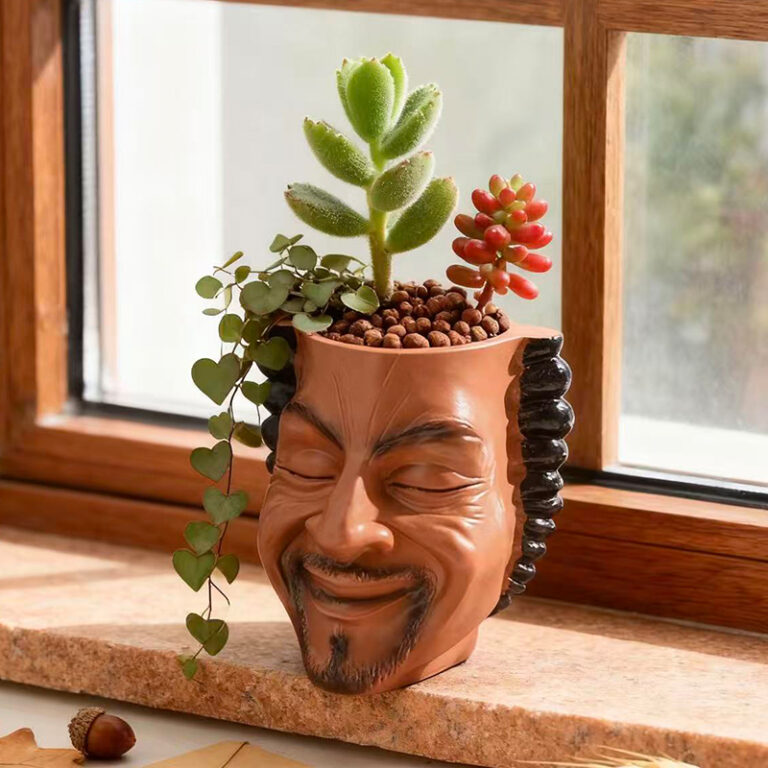
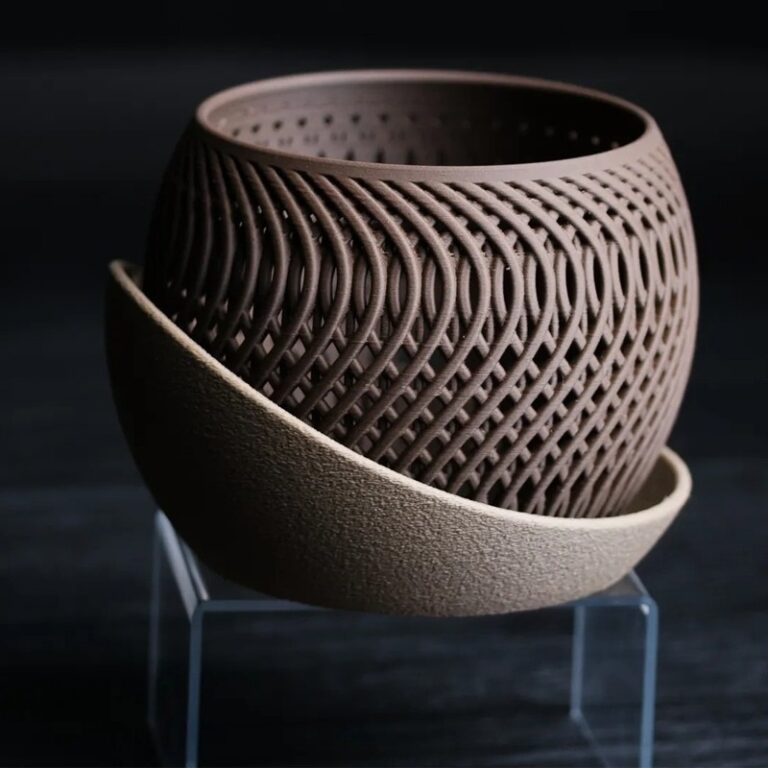 Aisha's pickPlastic Outdoor Plant Pots That Look Good Up Close
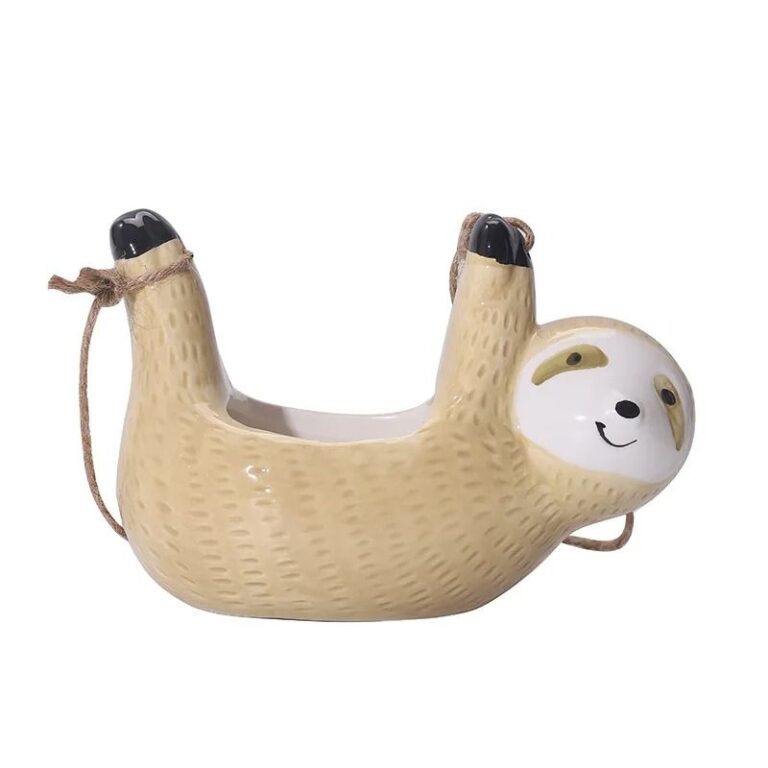
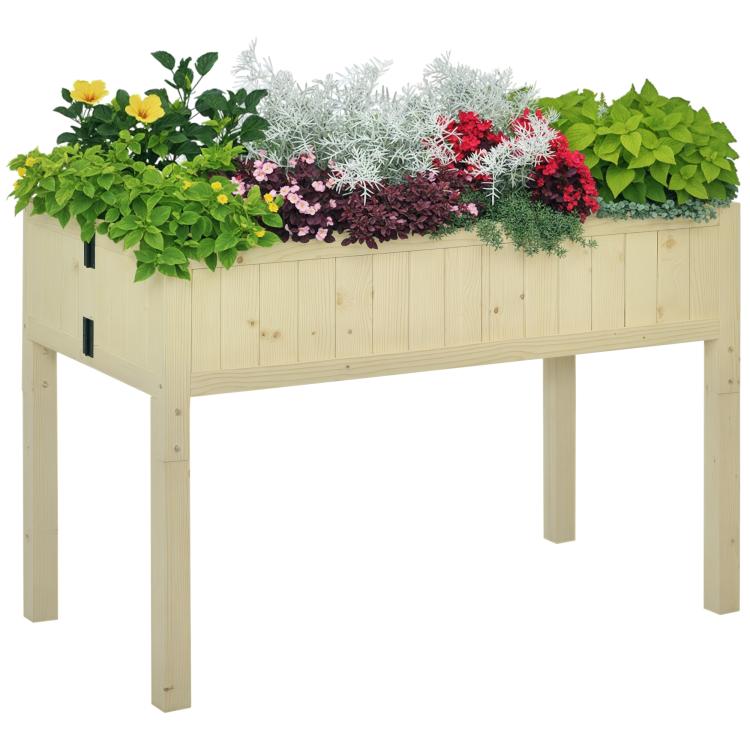 Aisha's pickLong Outdoor Planters That Look Good Up Close
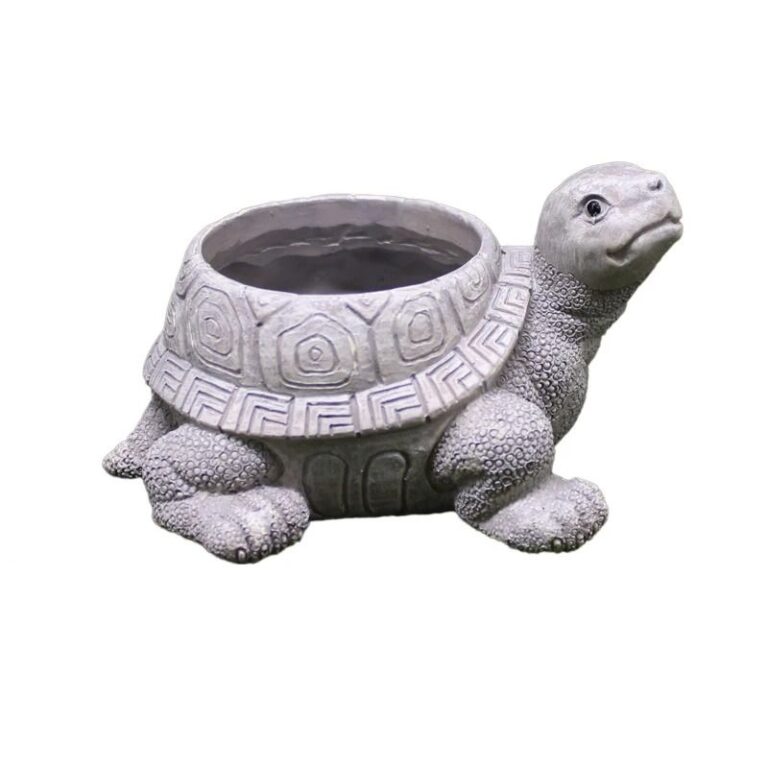
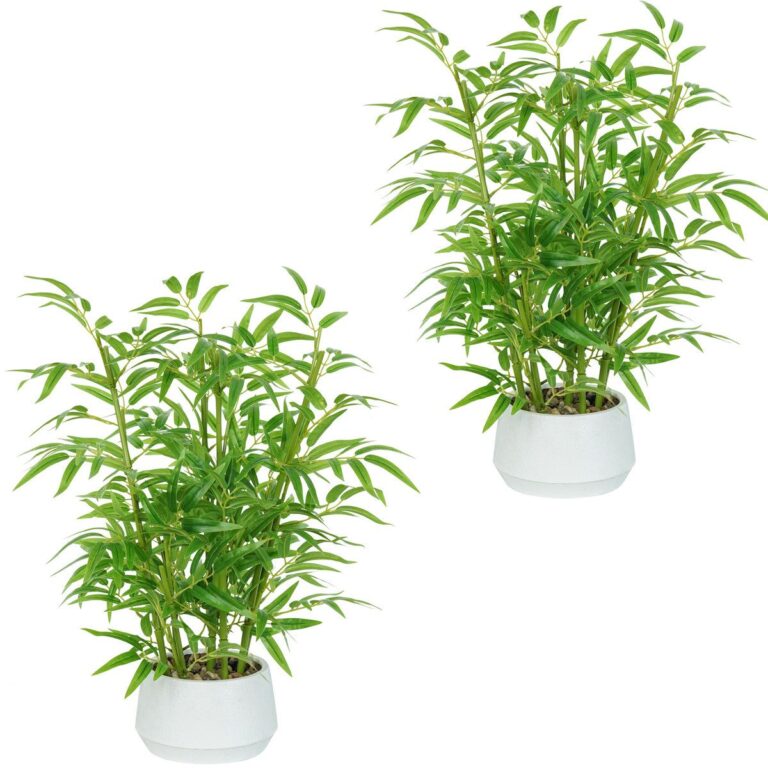 Aisha's pickBamboo Plant Pots for Barbecues and Lazy Weekends
 Aisha's pickMetal Plant Pots That Get Better With AgeAlso worth a lookPotsPots have a reputation for being the thing you grab last and regret first, some flimsy plastic circle…See the collections →
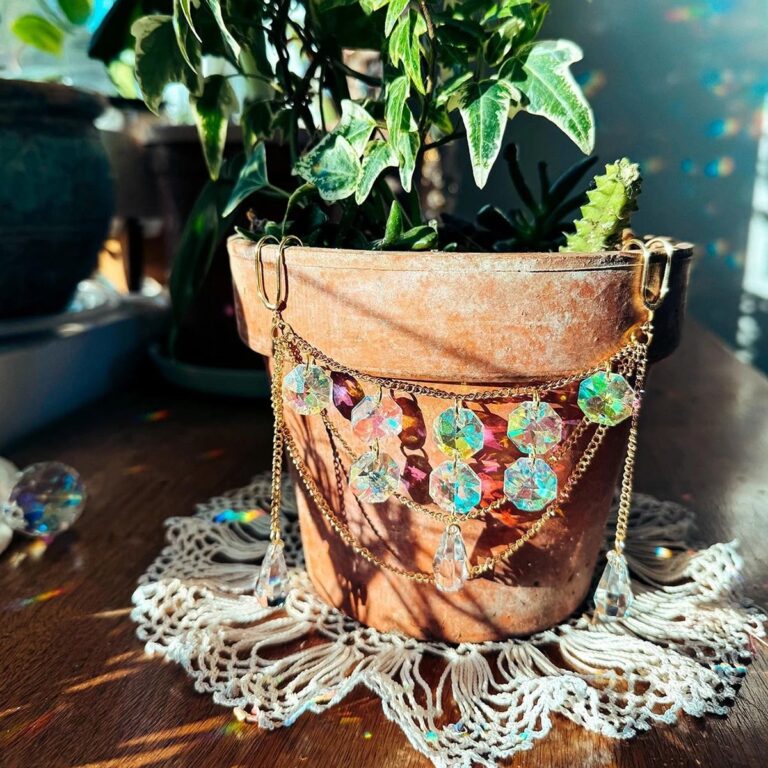
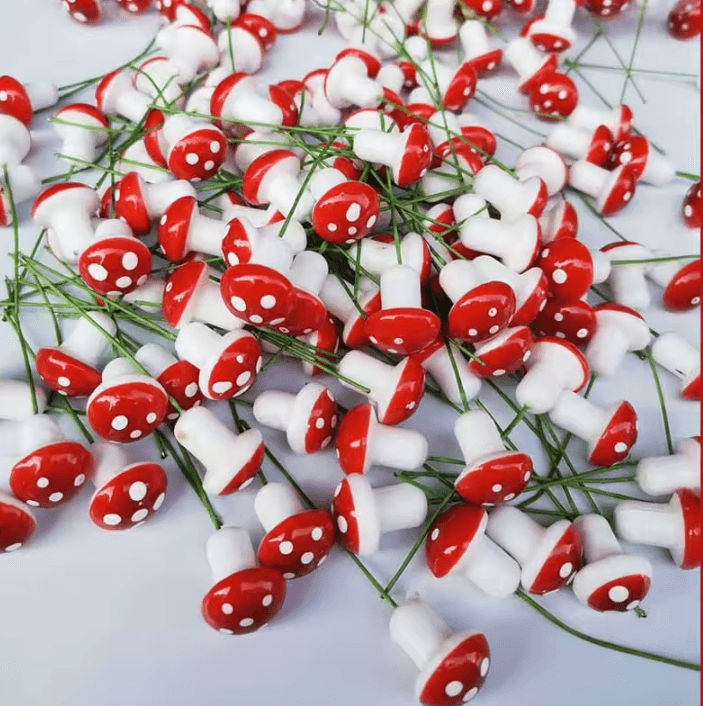 Aisha's pickRed Plant Pots That Won’t Let You Down
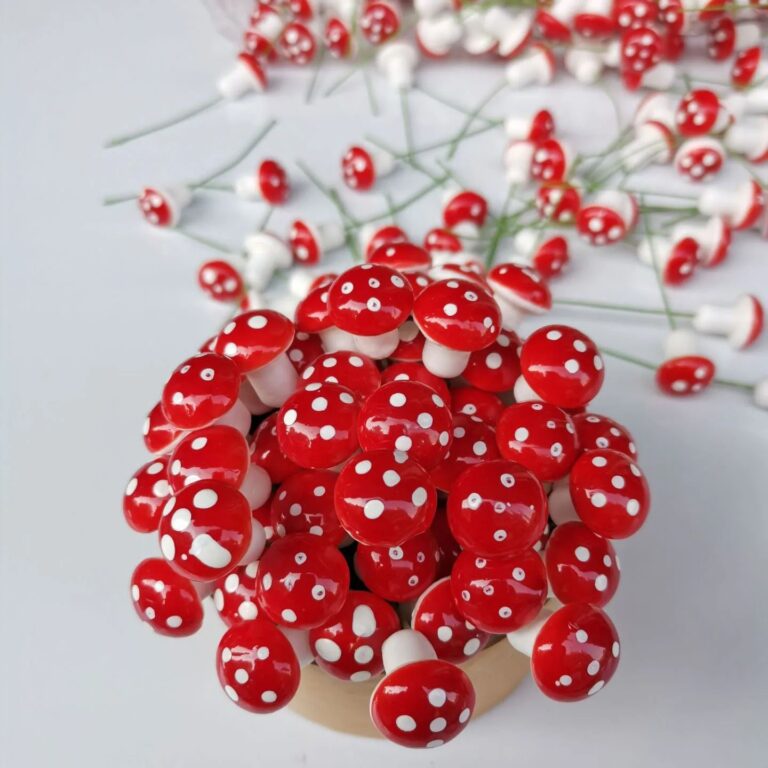
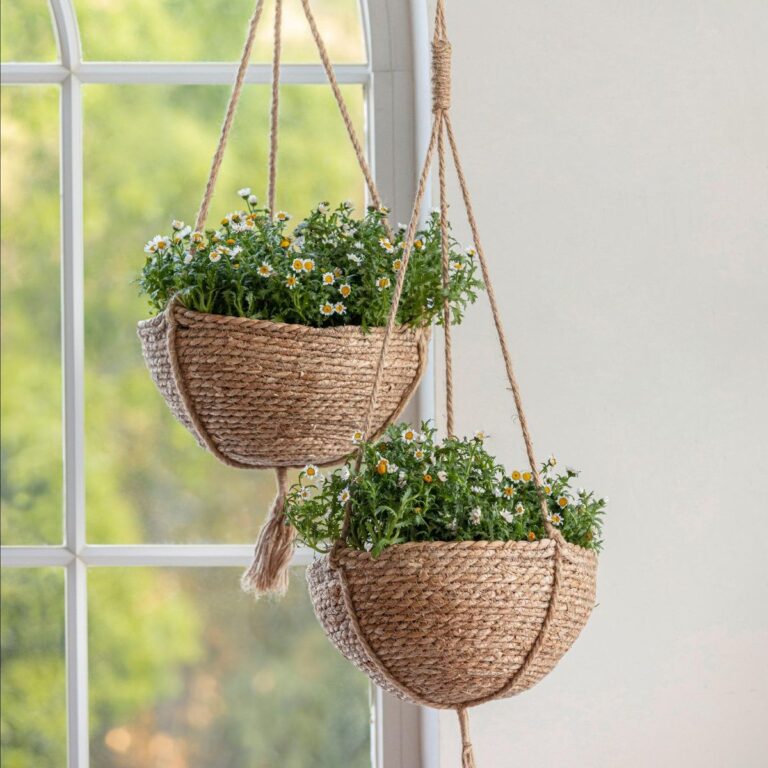 Aisha's pickHanging Planters That Make a Small Yard Work Harder

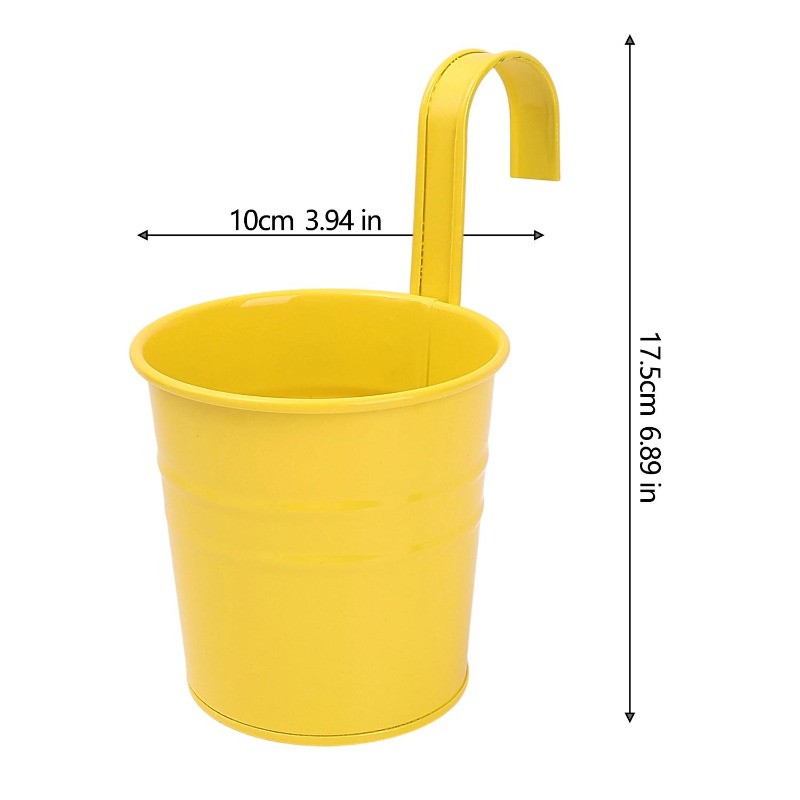 Aisha's pickPlastic Herb Planters That Make Rented Places Feel Like Home
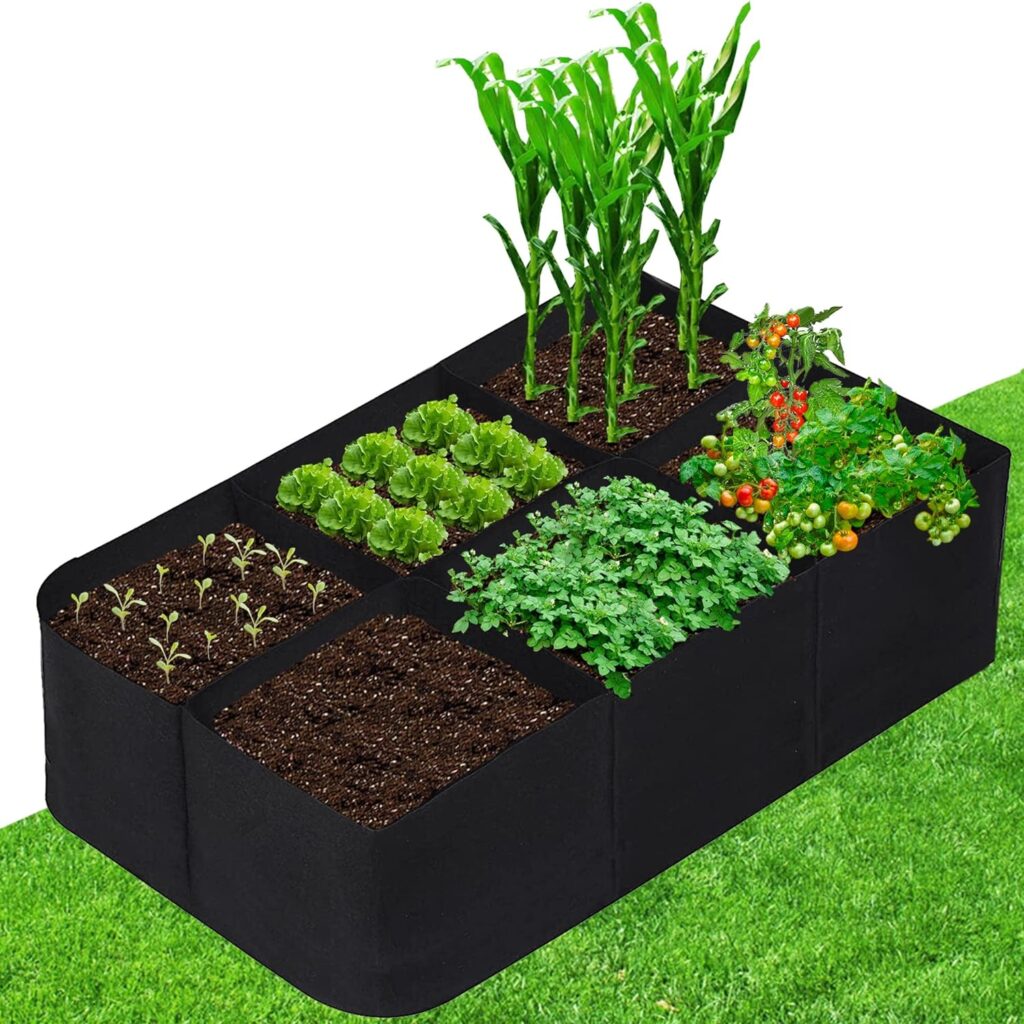
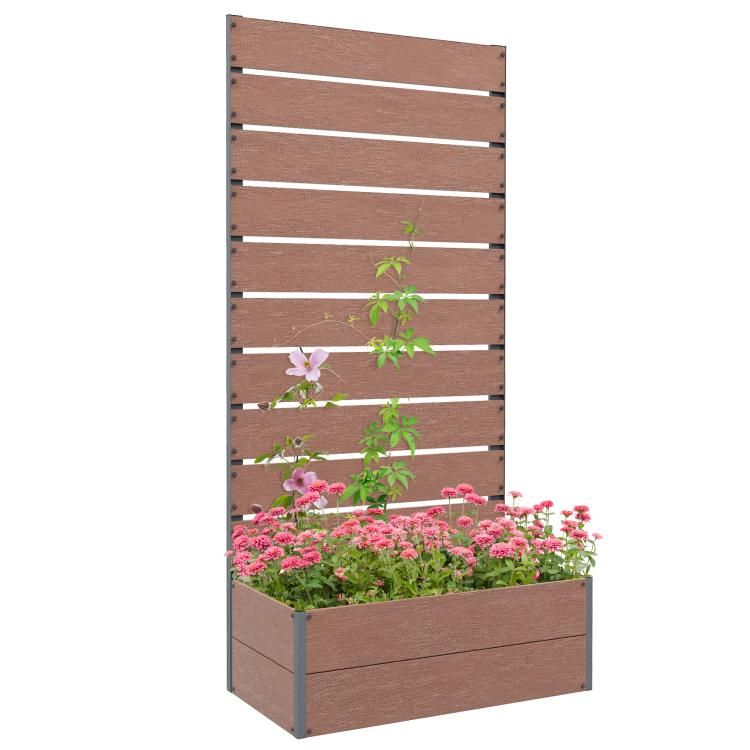 Aisha's pickTrough Planters That Survive a Hard Winter
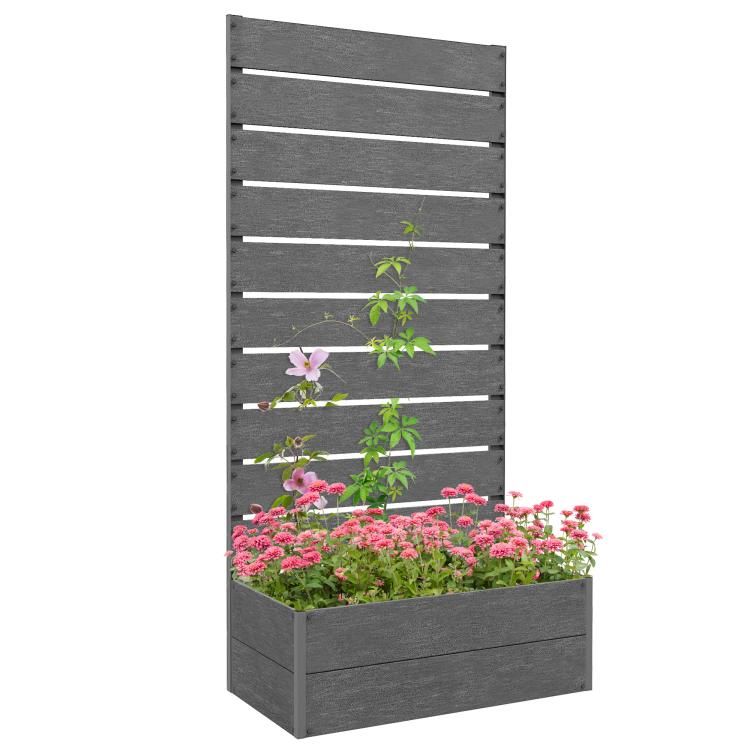
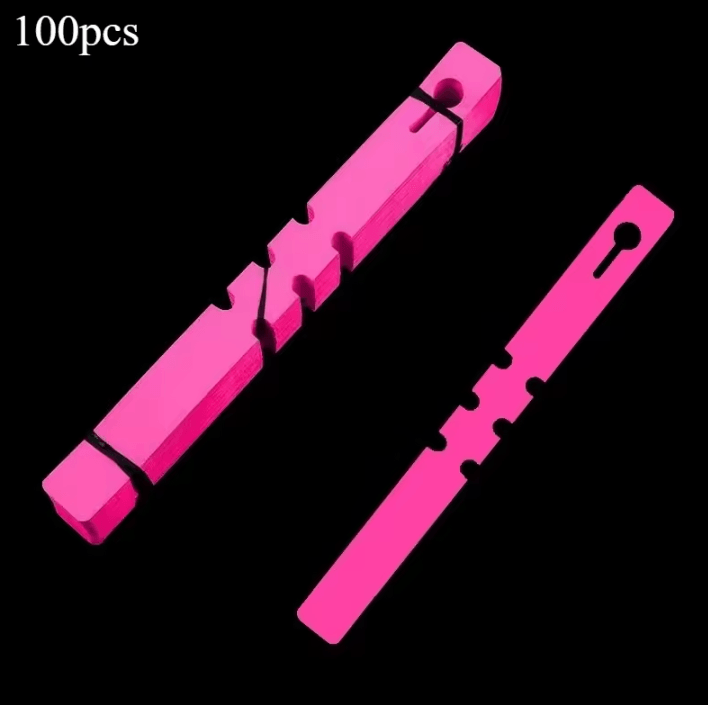 Aisha's pickHanging Plant Pots You’ll Still Like in Five Years
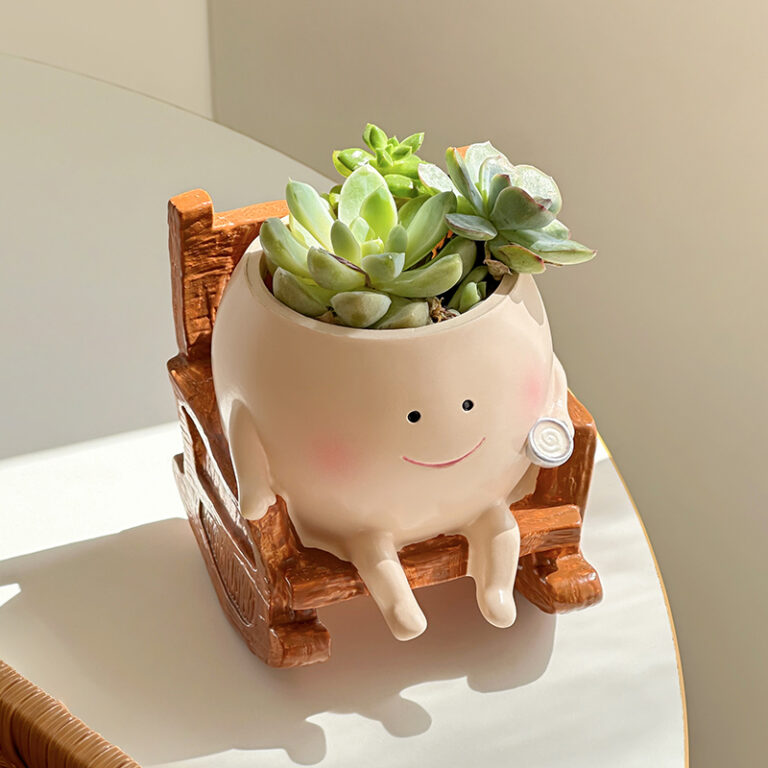
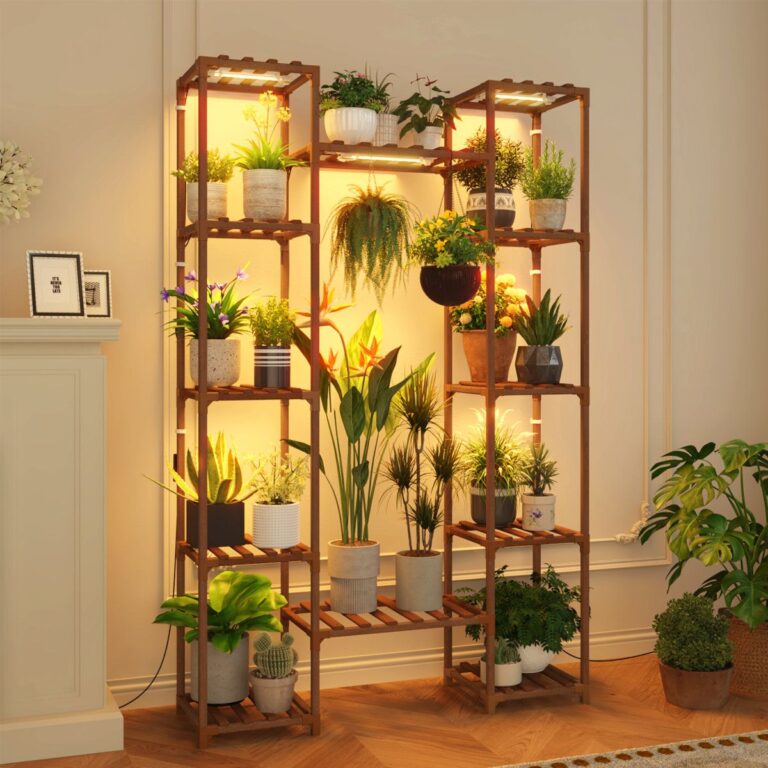 Aisha's pickTall Plant Pots That Shrug Off the Rain
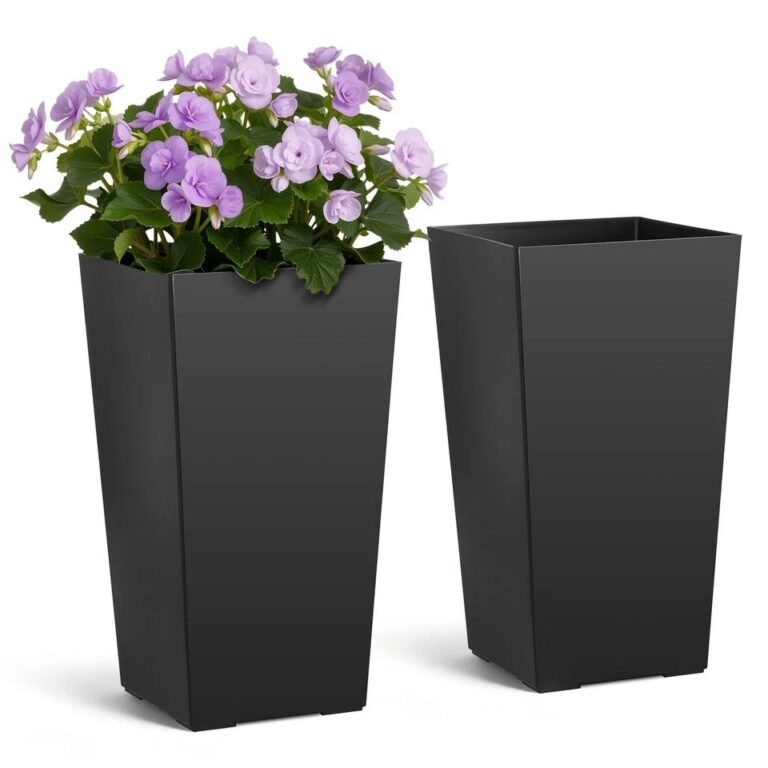
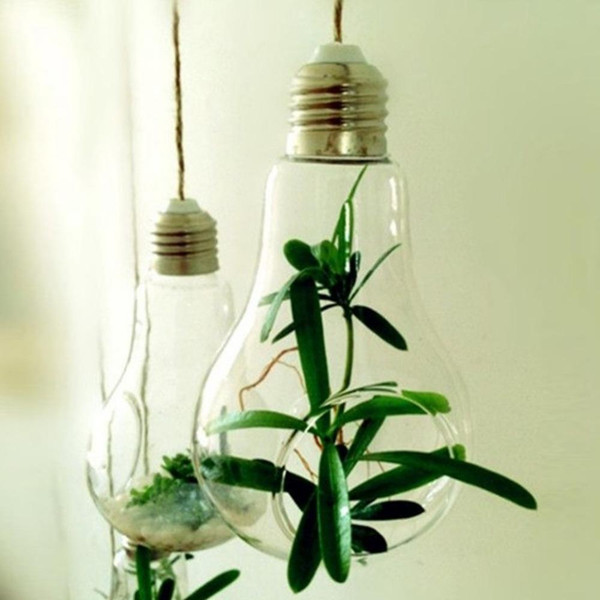 Aisha's pickModern Outdoor Planters With a Bit More About Them
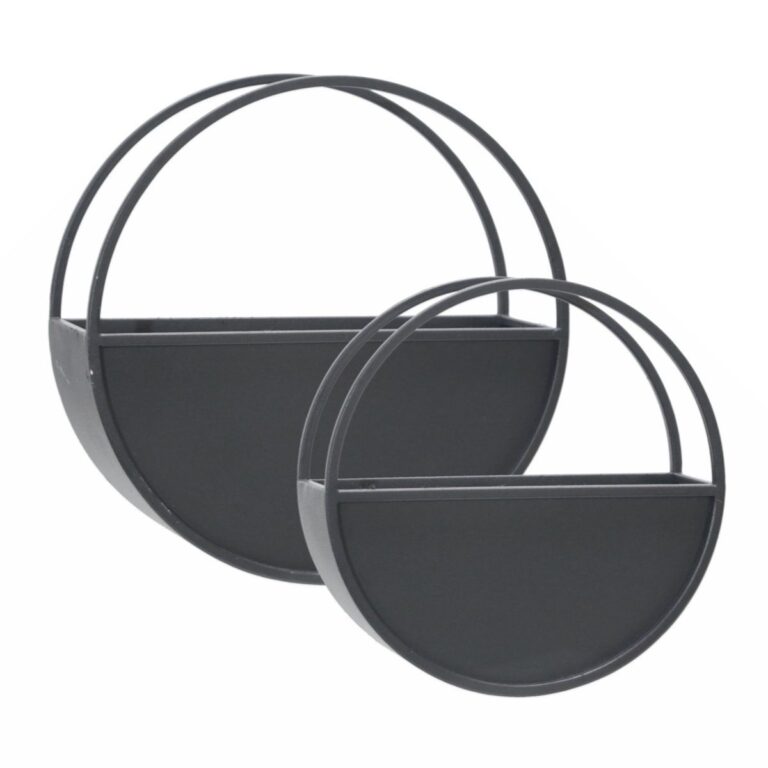
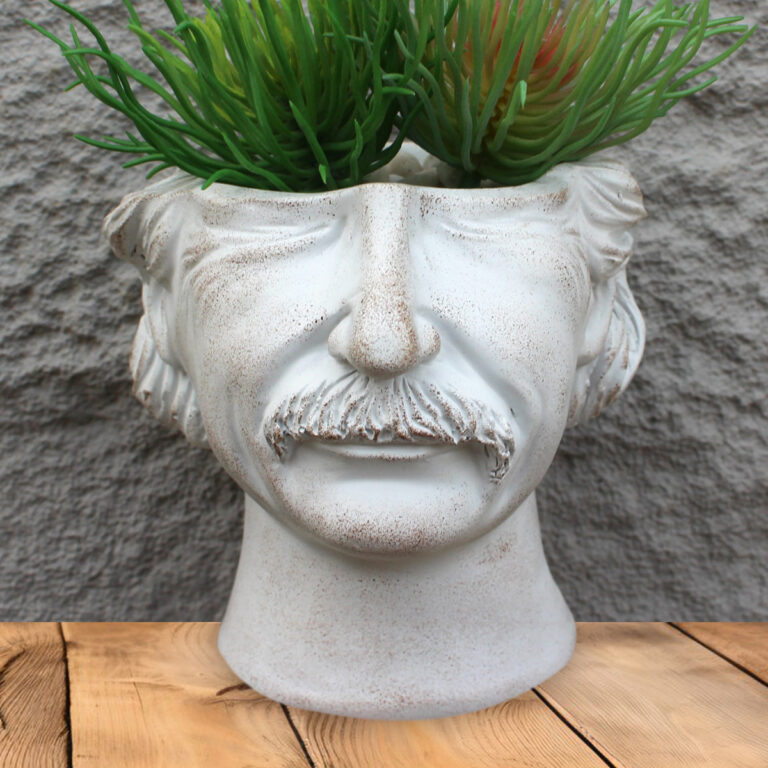 Aisha's pickOutdoor Pots with Drainage That Fit Into Real Life
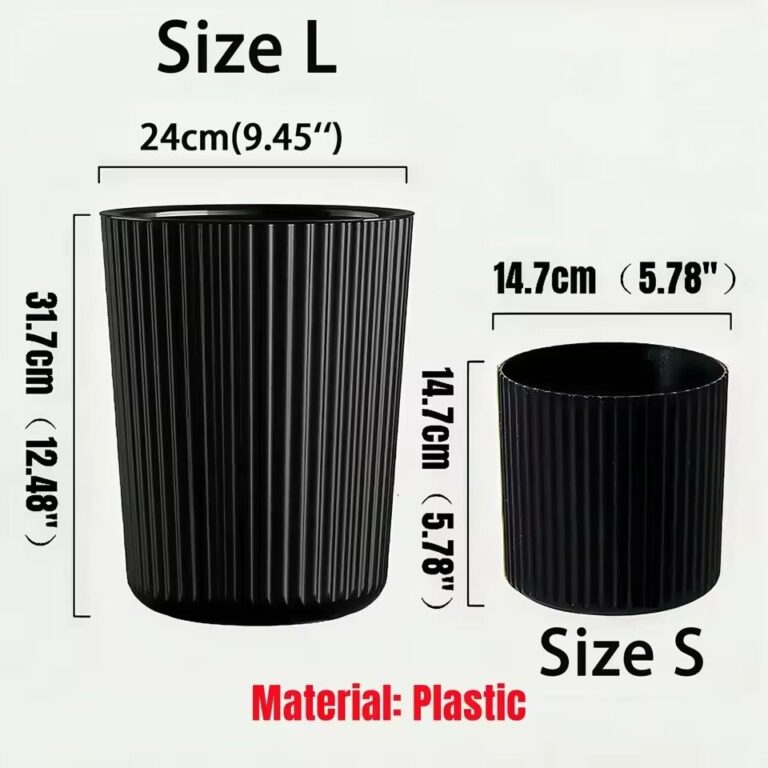
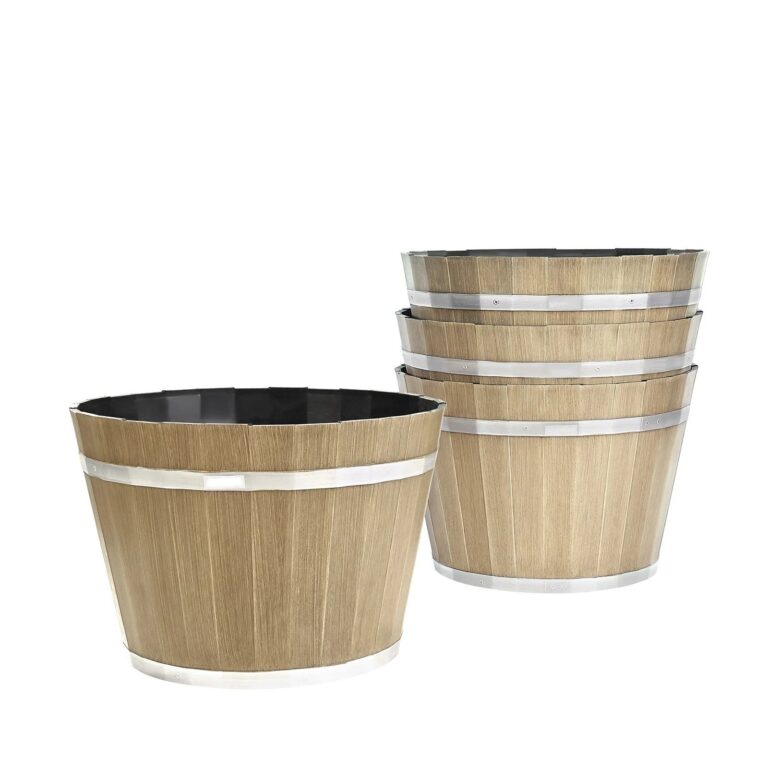 Aisha's pickRecycled Plastic Outdoor Pots for Making the Most of the PatioAlso worth a lookOutdoor Planters (Planters & Pots)The thing nobody tells you about outdoor planters is that the one you love in the store window…See the collections →
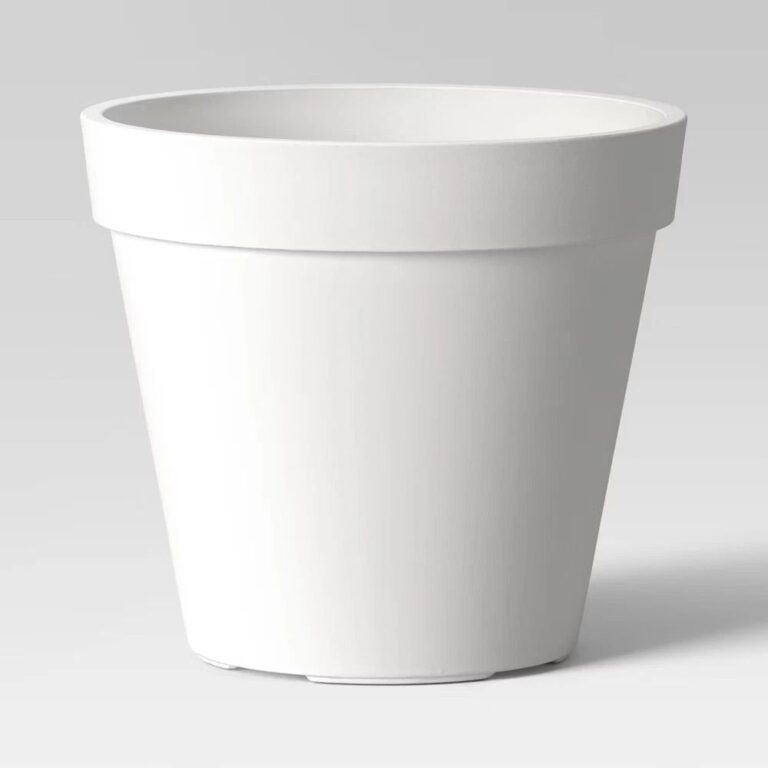
 Aisha's pickMetal Outdoor Planters for Making a House Feel Like Yours

 Aisha's pickBlack Indoor Plant Pots Picked From the Stores We Trust
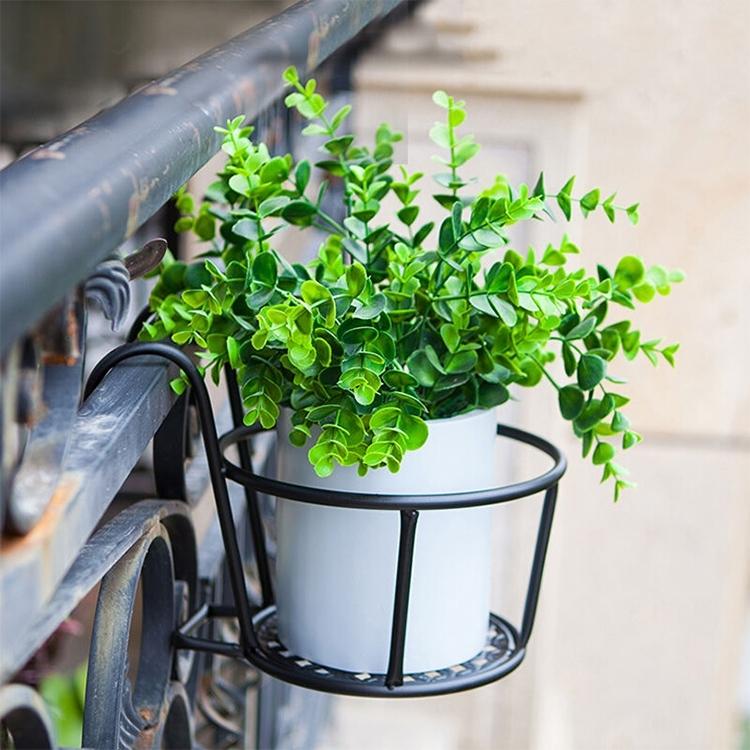
 Aisha's pickMini Plant Pots You Won’t Want to Hide Away
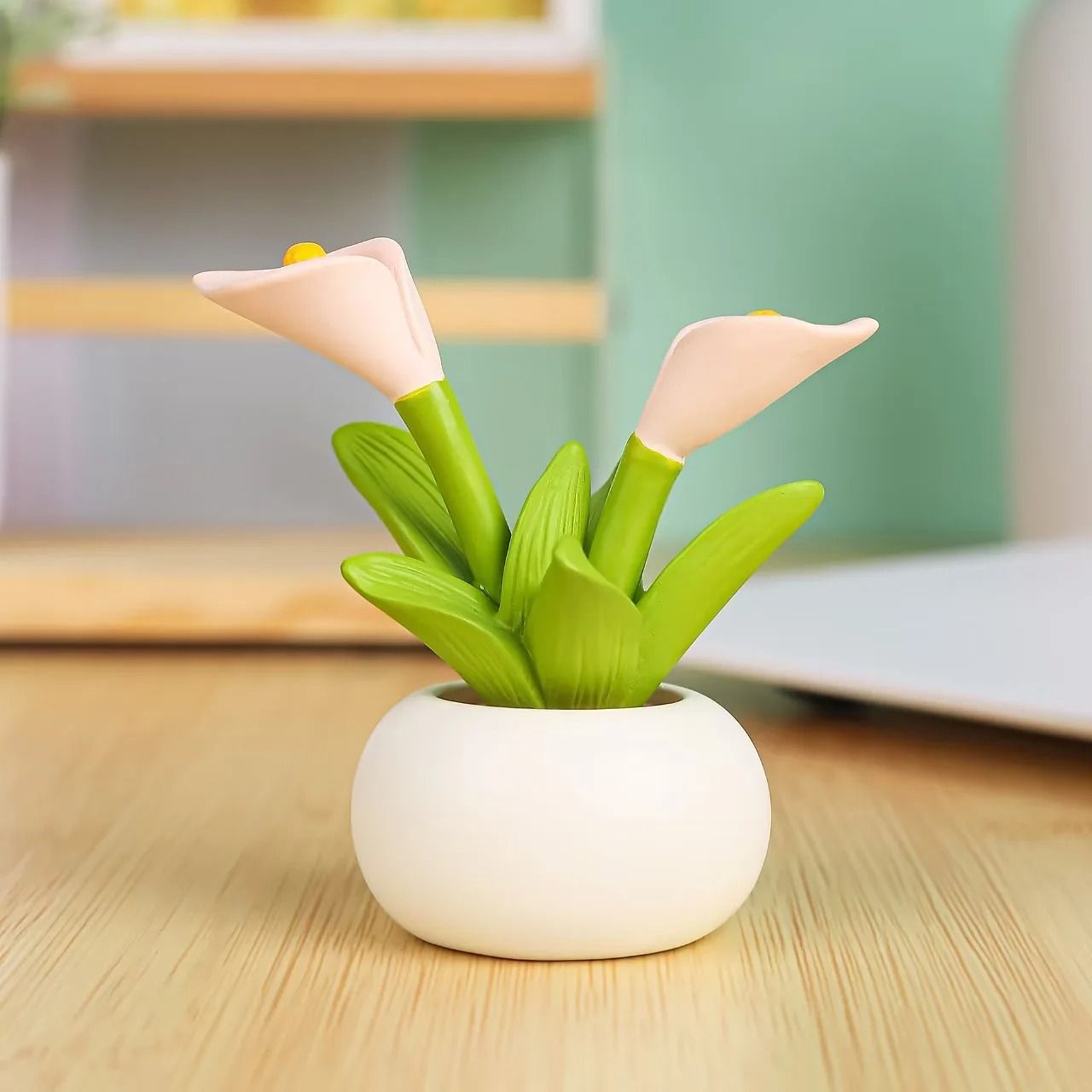
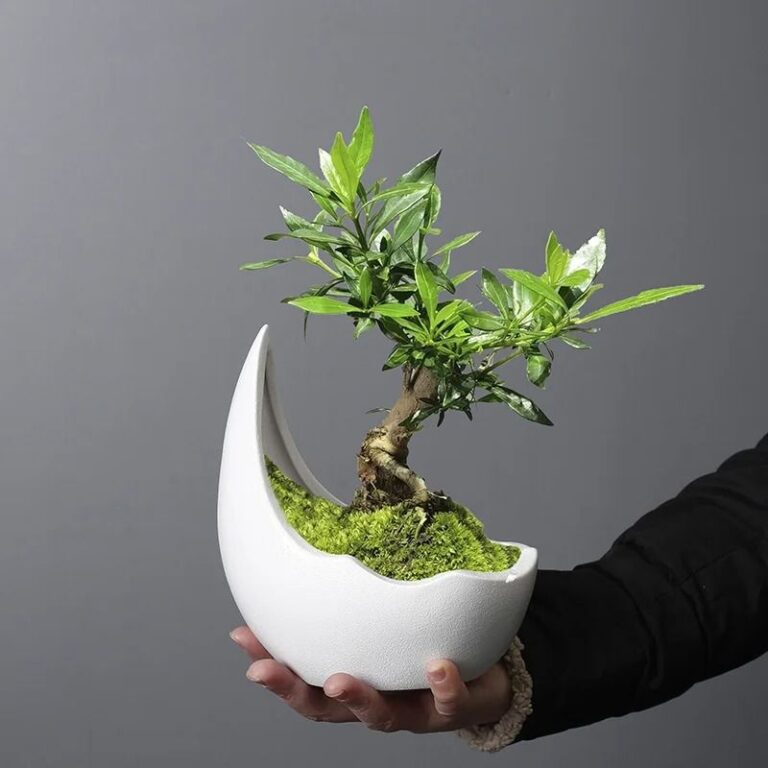 Aisha's pickRound Indoor Plant Pots That Make Rented Places Feel Like Home
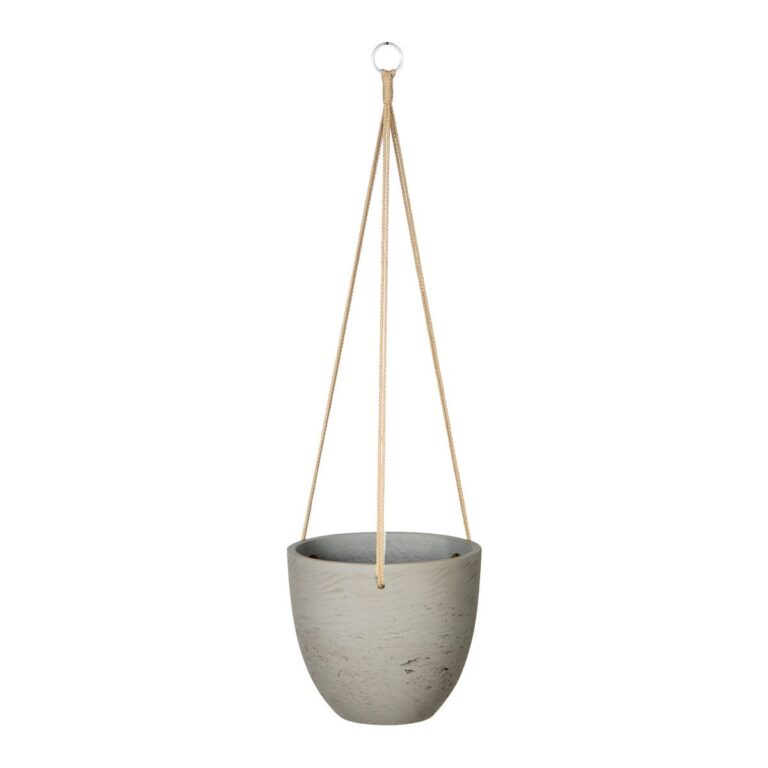
 Aisha's pickHerb Planters From Stores Big and Small

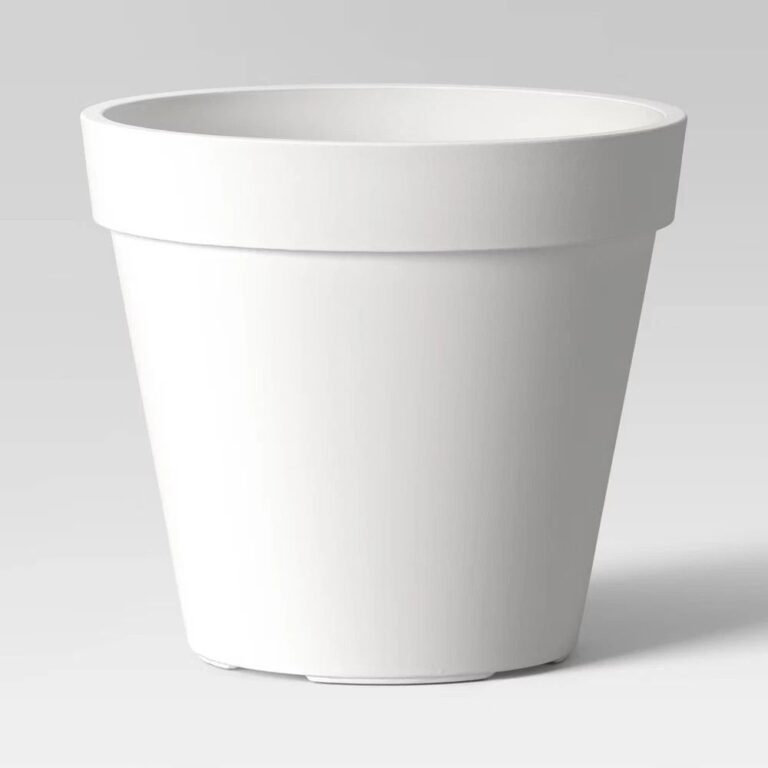 Aisha's pickDecent Plastic Indoor Planters Without the Hassle
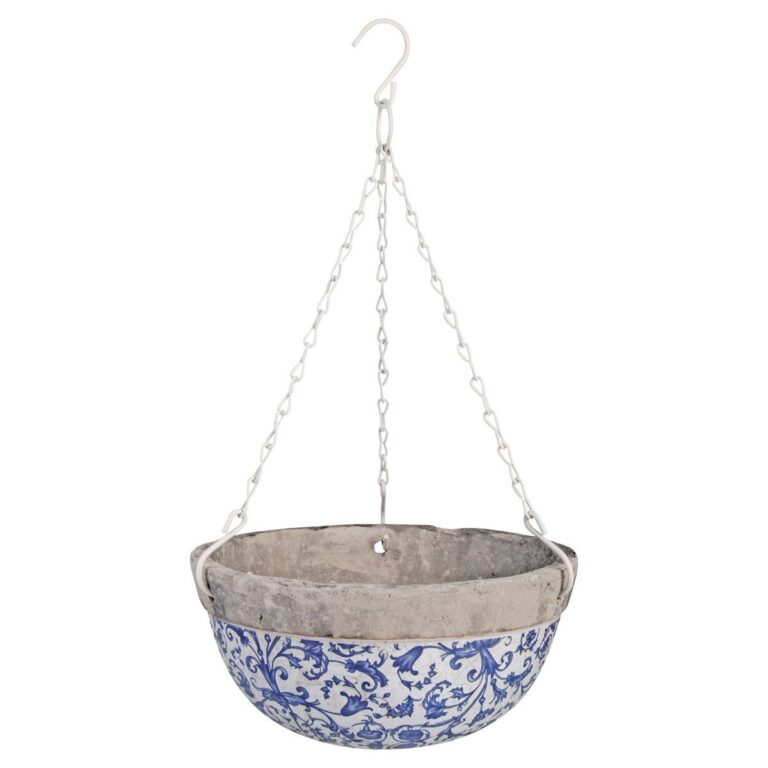
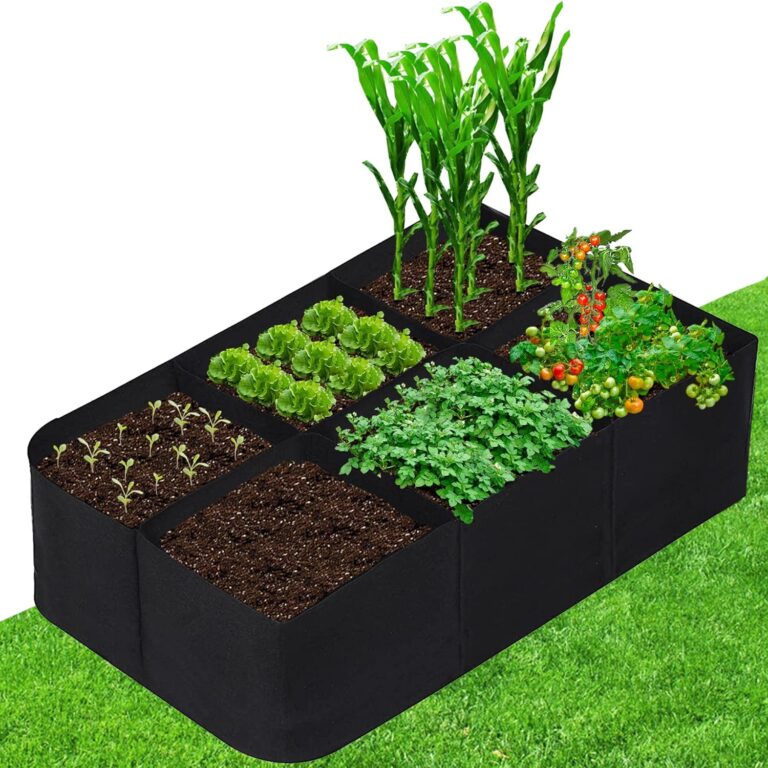 Aisha's pickVegetable Planters With a Bit More About Them
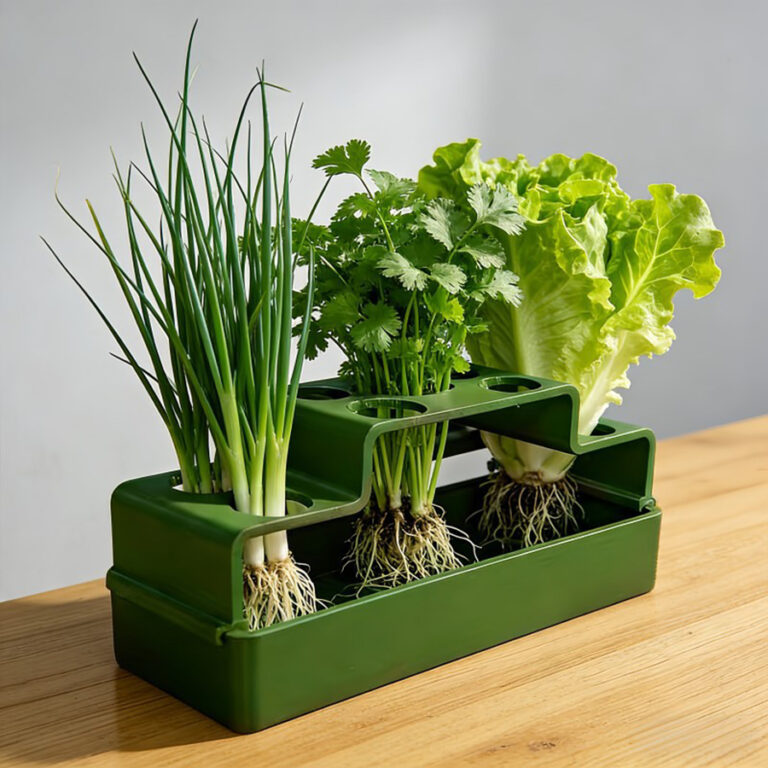
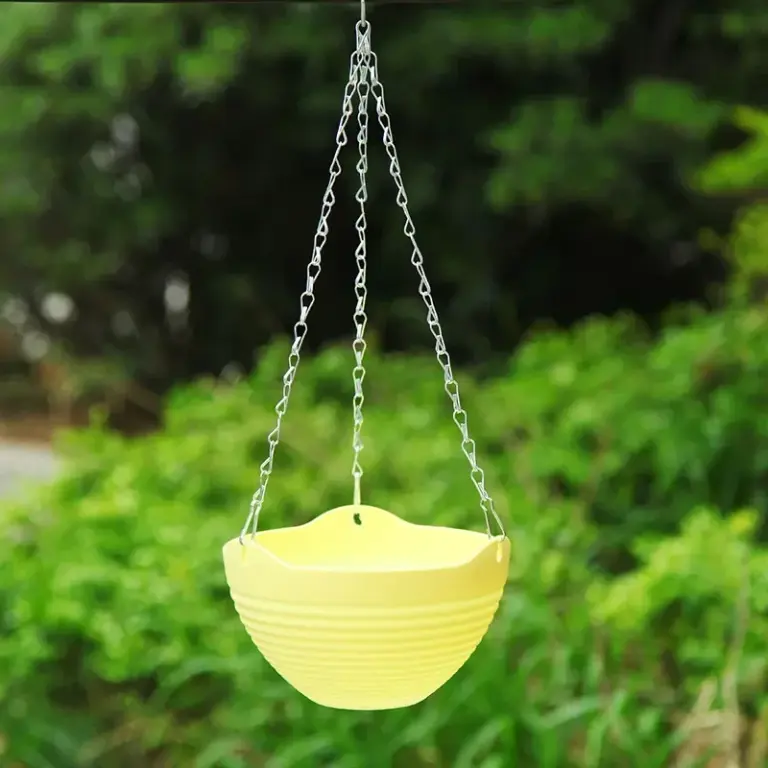 Aisha's pickHanging Plant Pots That Survive a Hard Winter