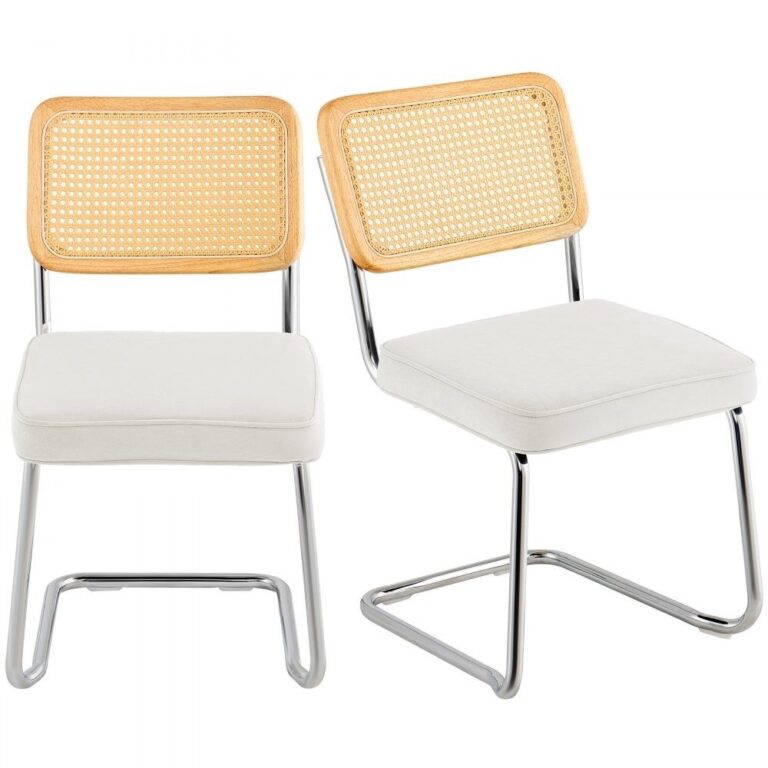
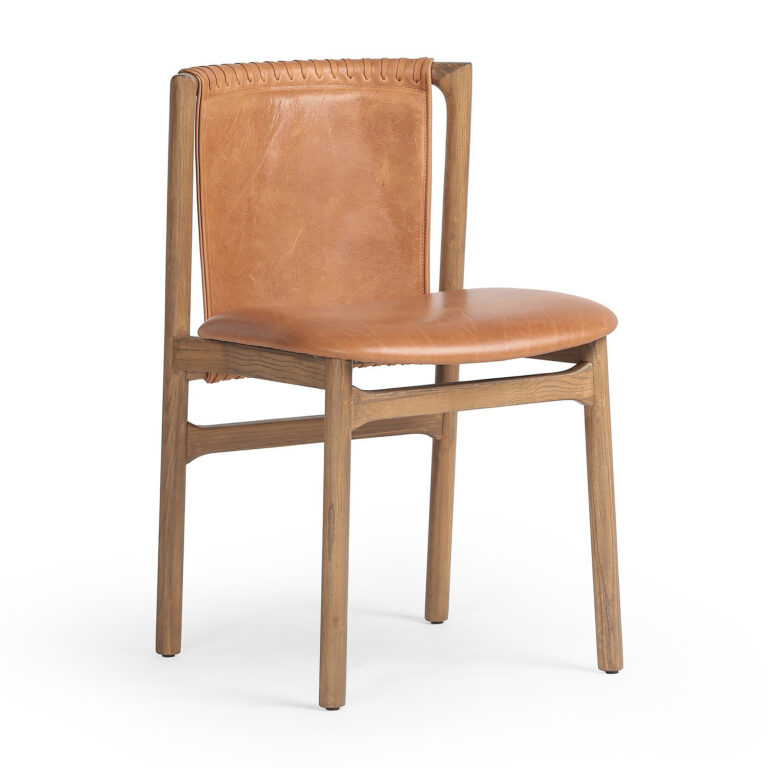
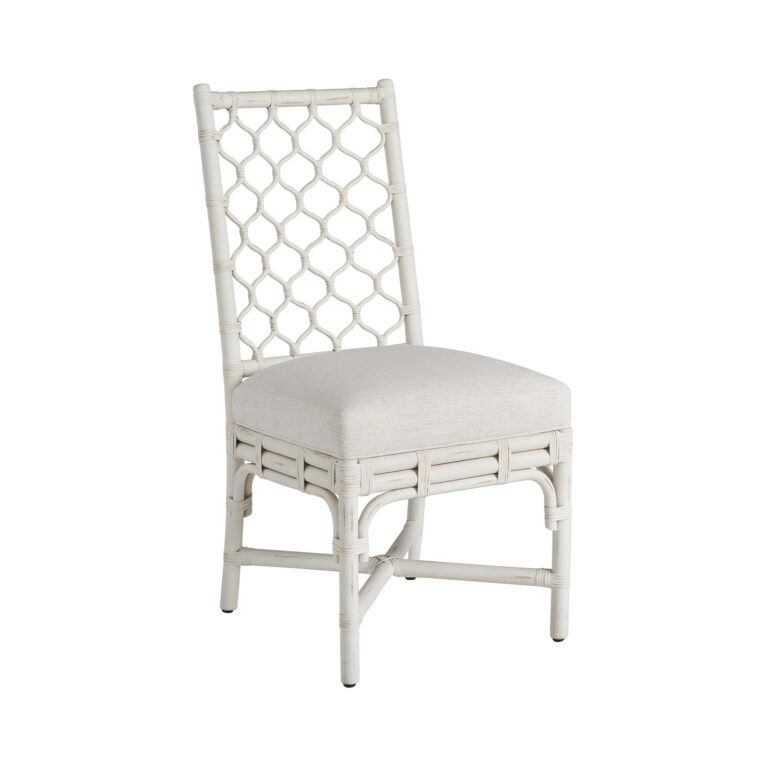
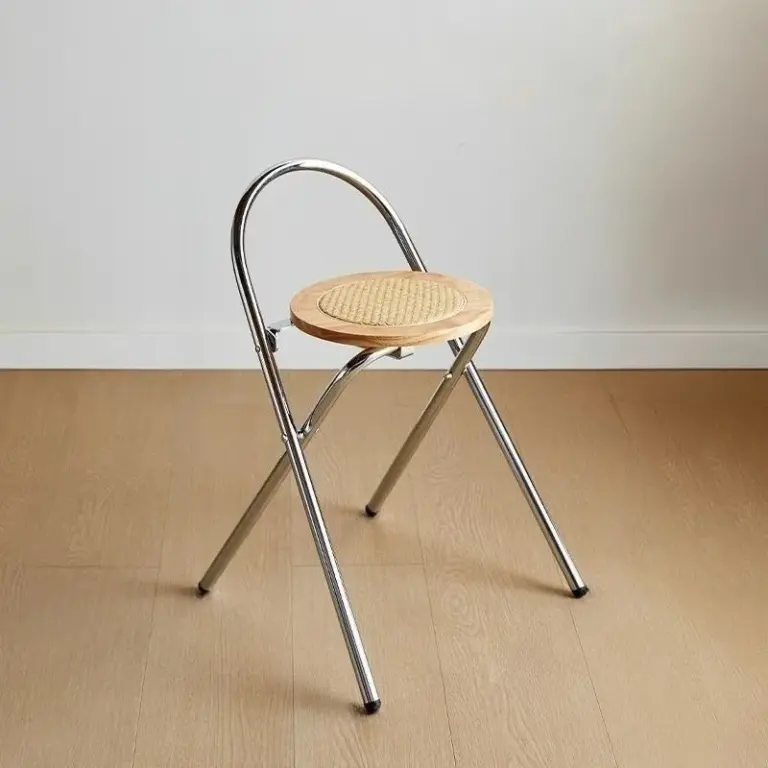
I avoided buying real dining chairs for years, mostly because the ones I liked cost more than the table, which felt backward. We lived with four mismatched chairs from three different houses for most of a decade. What changed was hosting a dinner where someone's chair leg actually gave out mid meal. That settled it.
The gap between a good chair and a bad one shows up in your hands before it shows up anywhere else. Pick one up. A well made wood chair, oak or ash usually, has joints that are doweled or mortised, not just glued and screwed from behind, and the frame doesn't flex when you twist it gently side to side. Cheap ones wobble within a year because the joints were never meant to take the stress of someone leaning back to grab the salt. Upholstered seats are their own test: a solid plywood or hardwood seat base under the foam, not particleboard that goes soft the first time a drink gets spilled near it. The foam itself matters more than people assume, a higher density foam holds its shape through years of actual use instead of going flat and sad after a few dozen Sunday roasts. Run a hand along the welting and seams too. Clean, tight stitching tells you the same hands that cut corners on joints probably cut corners there as well.
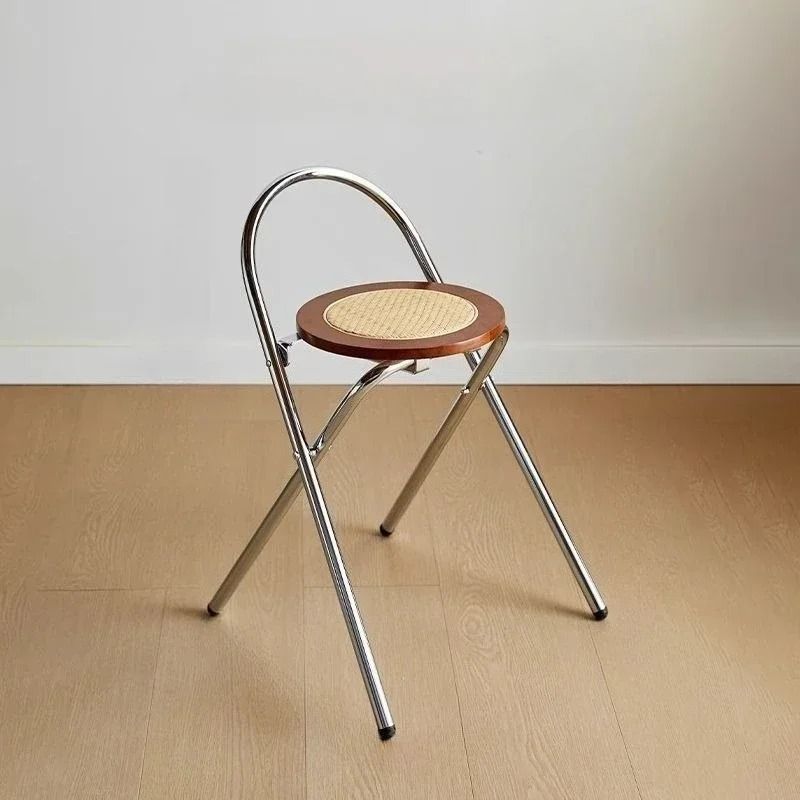
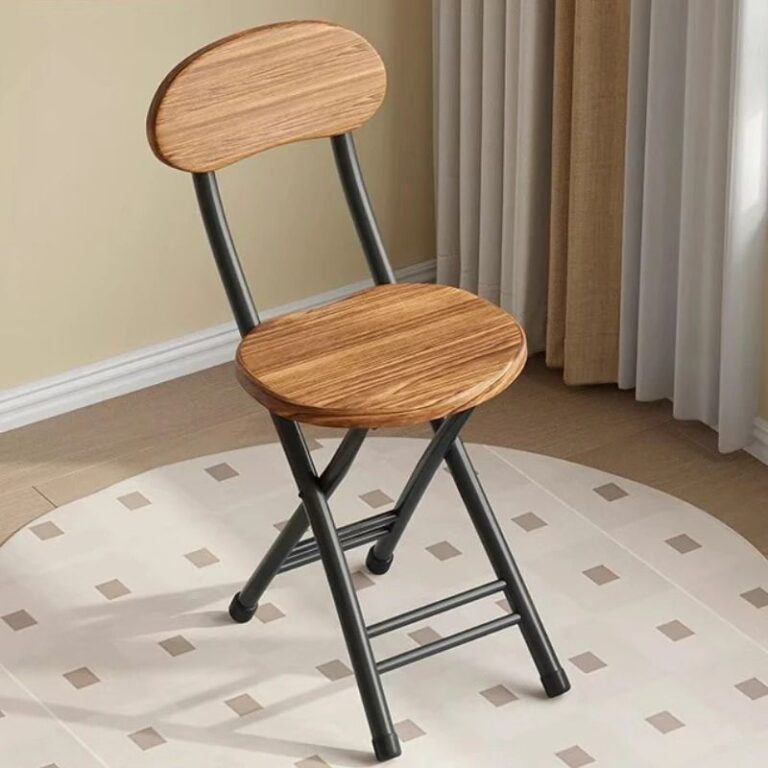
Where these chairs earn their place depends a lot on your house and your habits. A small apartment with a drop leaf table wants something light enough to carry one handed and stackable if storage is tight, which points you toward bentwood or simple metal frames rather than heavy carved wood. A family kitchen with kids and regular spills wants a wipeable seat, vinyl or a performance fabric, over anything that needs a coaster for its own existence. A proper dining room, the kind used mostly on weekends and holidays, can afford something more delicate, upholstered in a natural linen or velvet, because it isn't getting hit with syrup six mornings a week.
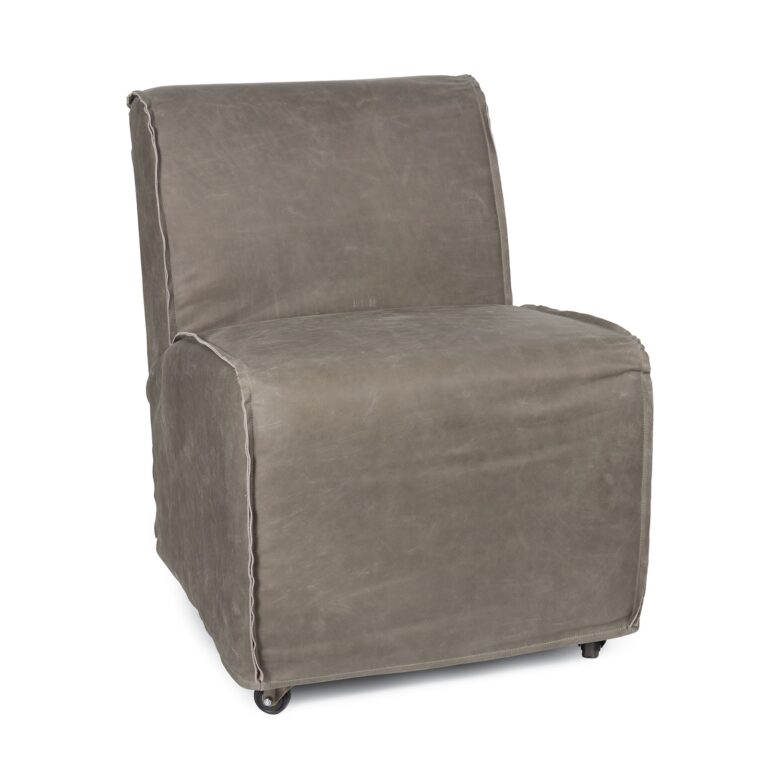
On color, I've learned to trust the boring choices more than I used to. Natural wood tones, warm oak or walnut, and neutral upholstery in oatmeal, soft gray or a muted clay all sit happily with whatever table you already own and don't date the way a trendy mustard or teal eventually will. The detail that still gets me, years later, is the quiet click of a chair sliding smoothly under the table without catching on the rug, which sounds small until you've lived with the ones that don't.

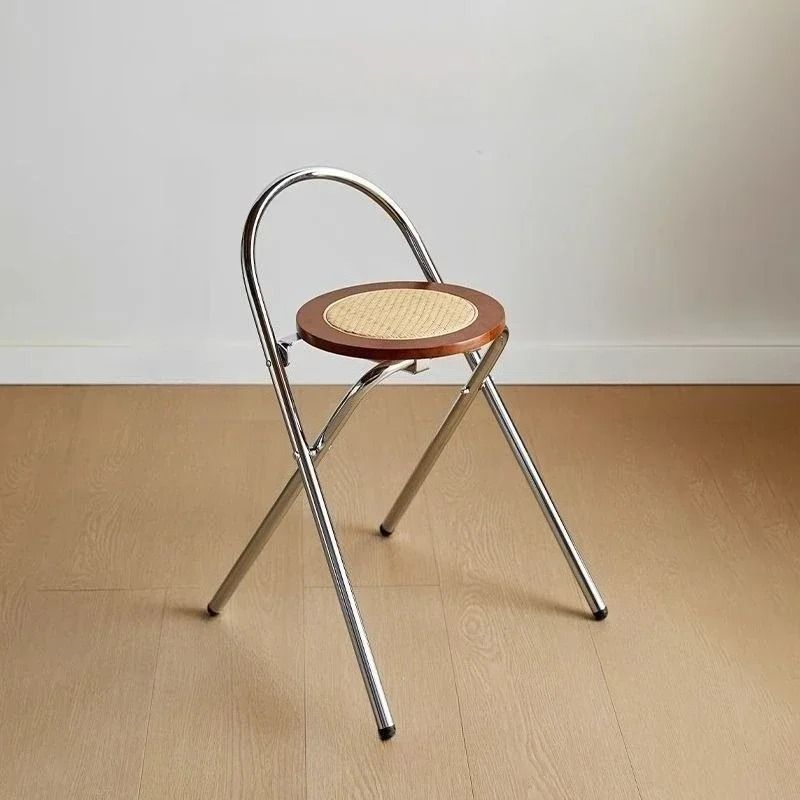 Aisha's pickClassic Dining Chairs Comfy Enough for a Movie Night
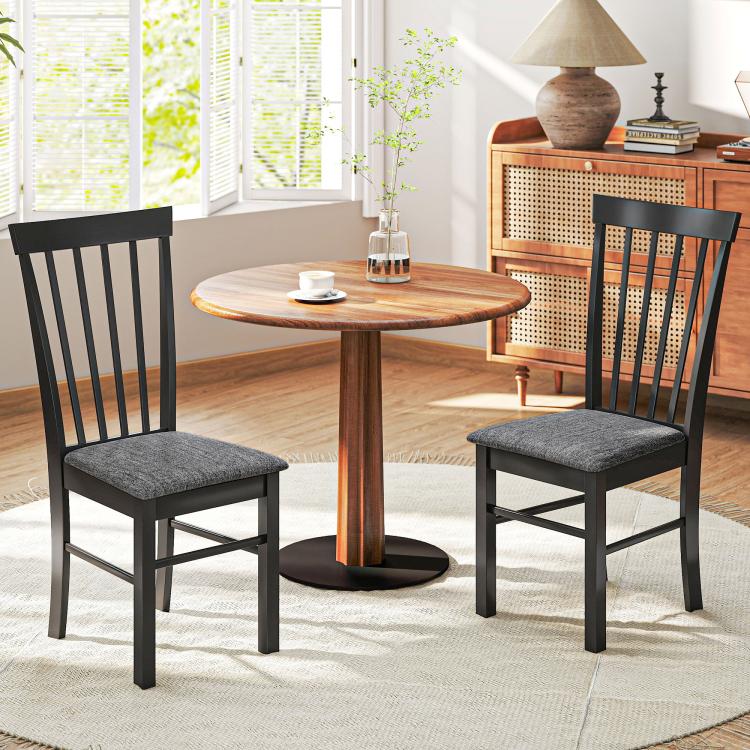
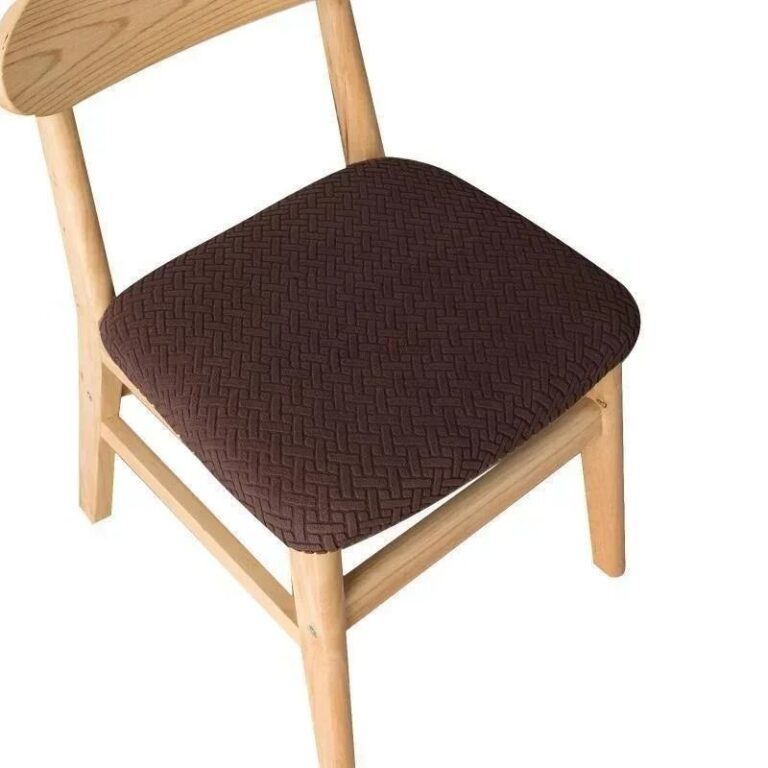 Aisha's pickRed Dining Chairs That Do the Job Right
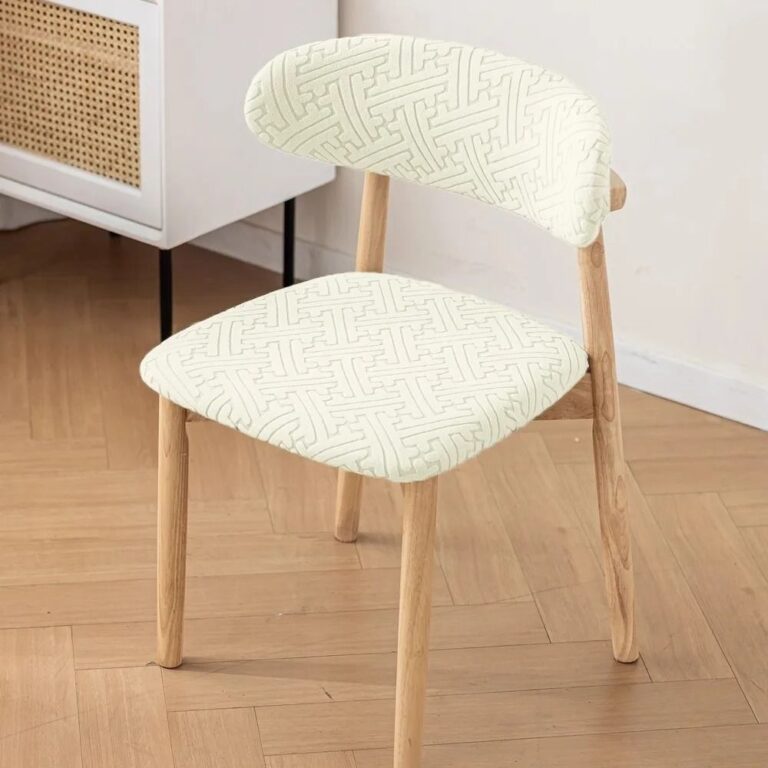 Aisha's pickCurved Back Dining Chairs That Are Easy to Keep Clean

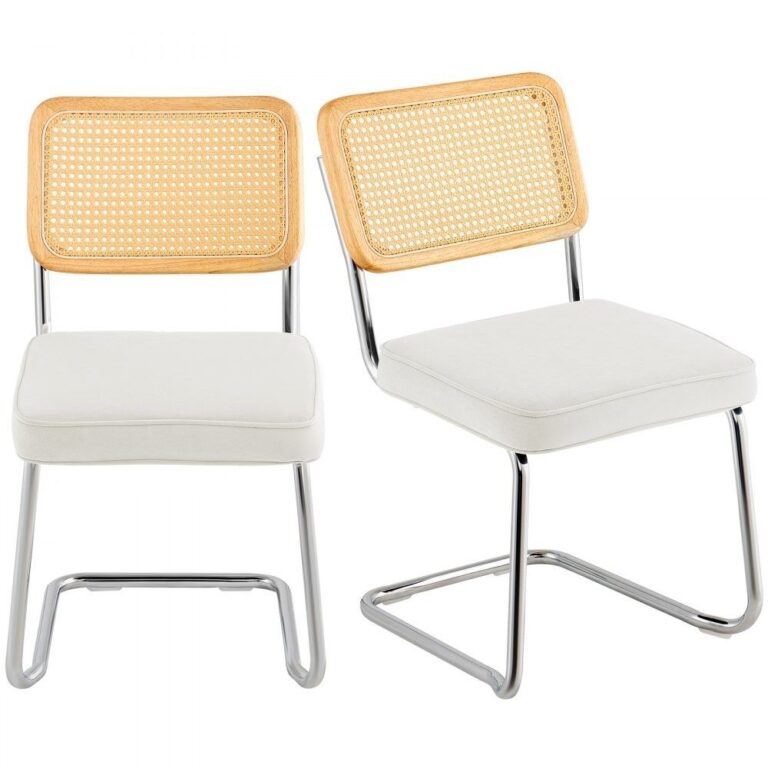 Aisha's pickRetro Dining Chairs That Seat Guests Without the Squeeze
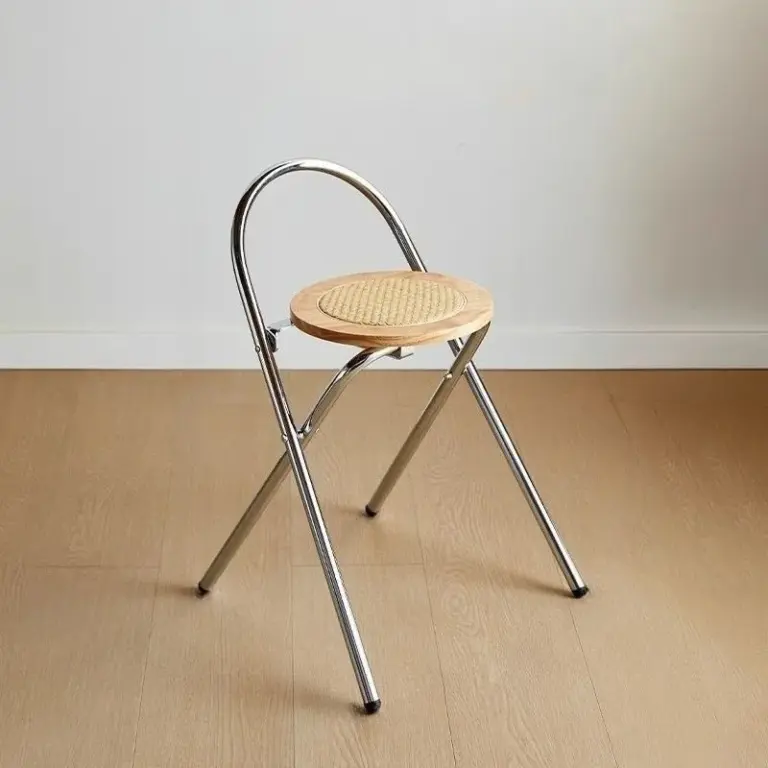
 Aisha's pickDining Arm Chairs That Won’t Let You Down

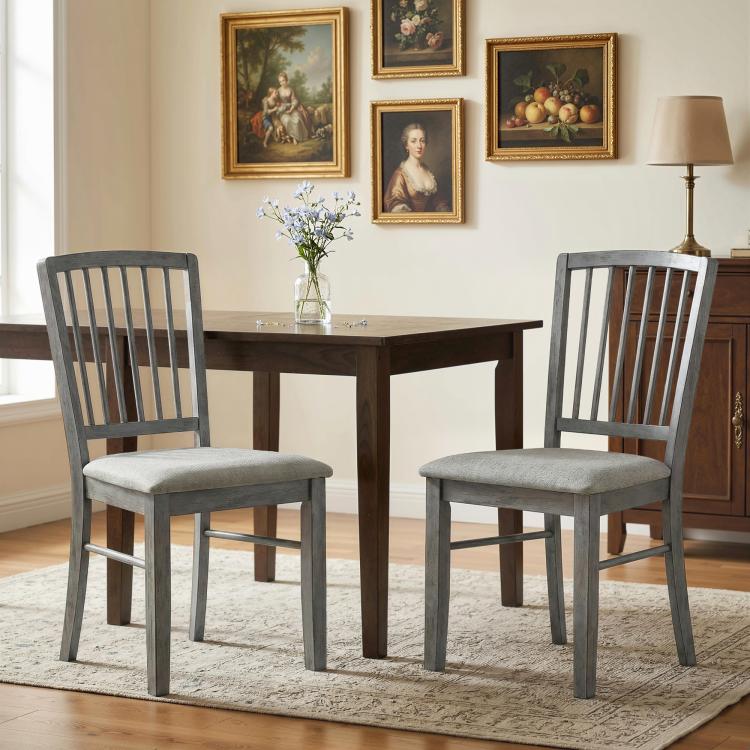 Aisha's pickRustic Dining Chairs That Look Better in Real Life
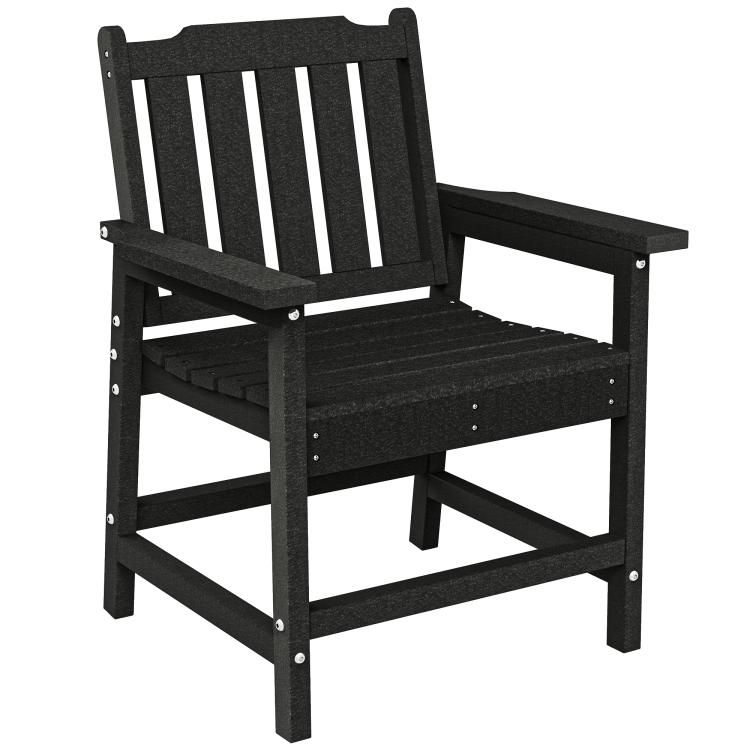
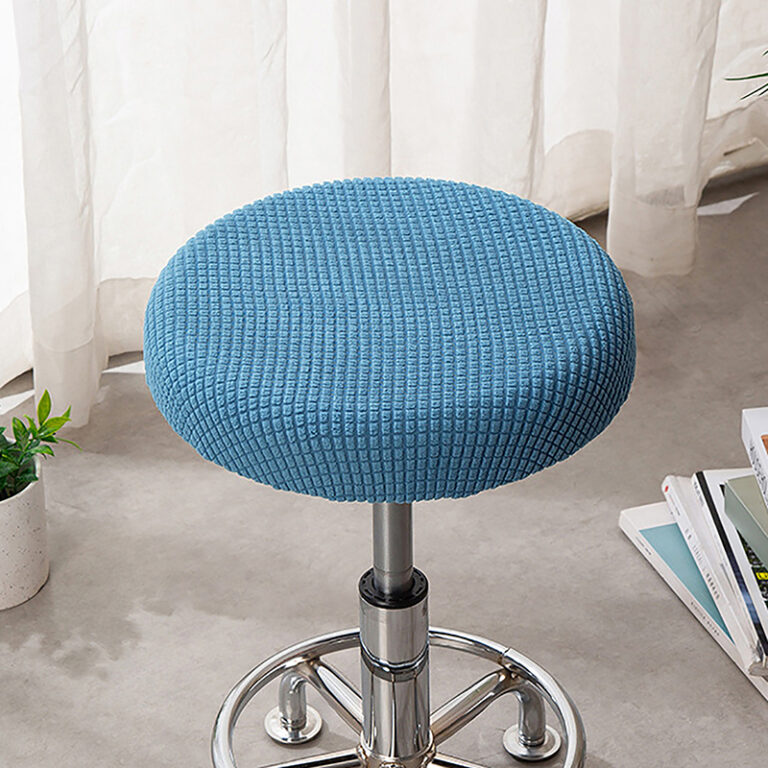 Aisha's pickDining Chairs That Don’t Sag After a Year
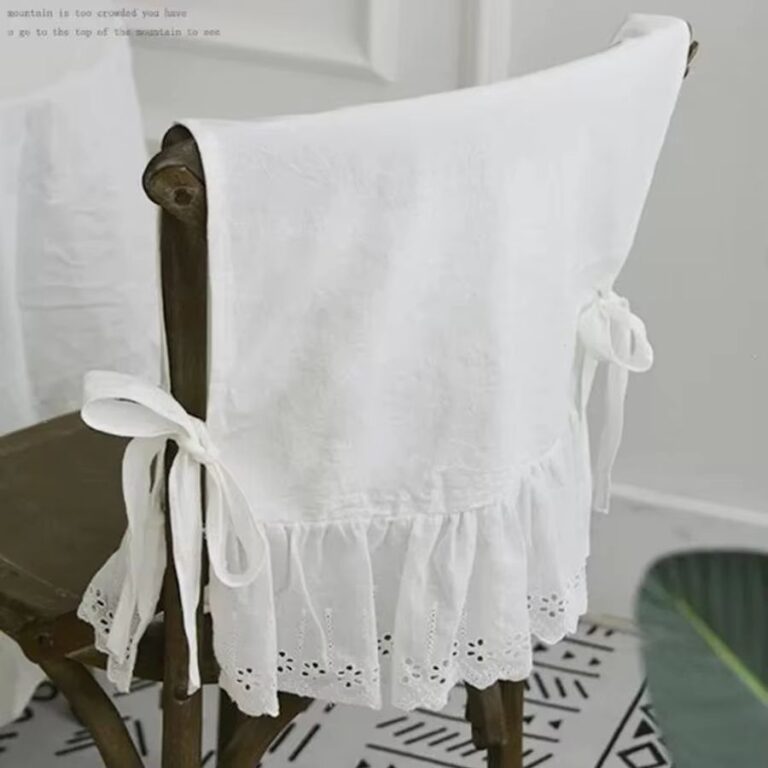
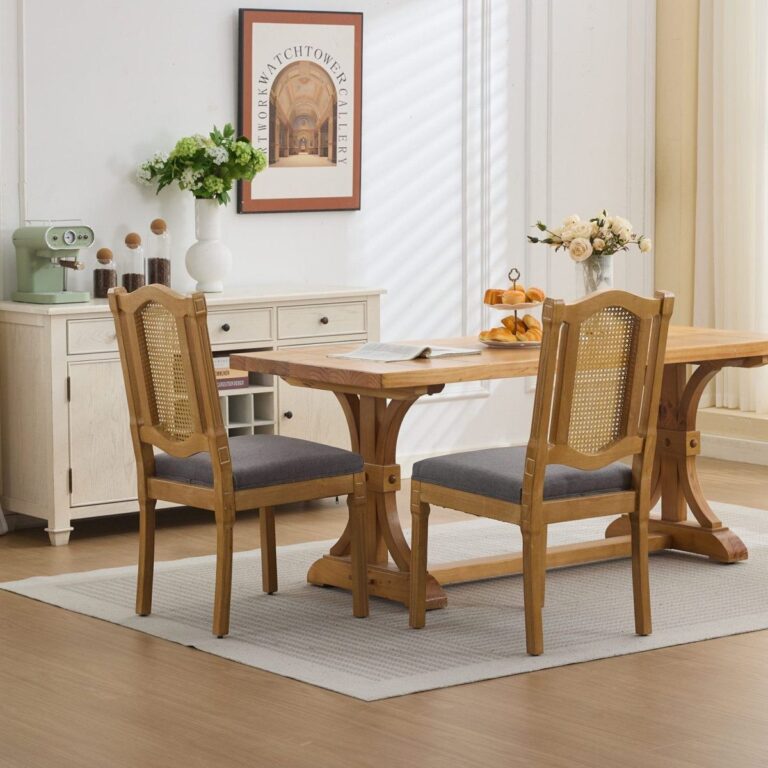 Aisha's pickSets of 2 Brown Dining Chairs That Get Better With Age
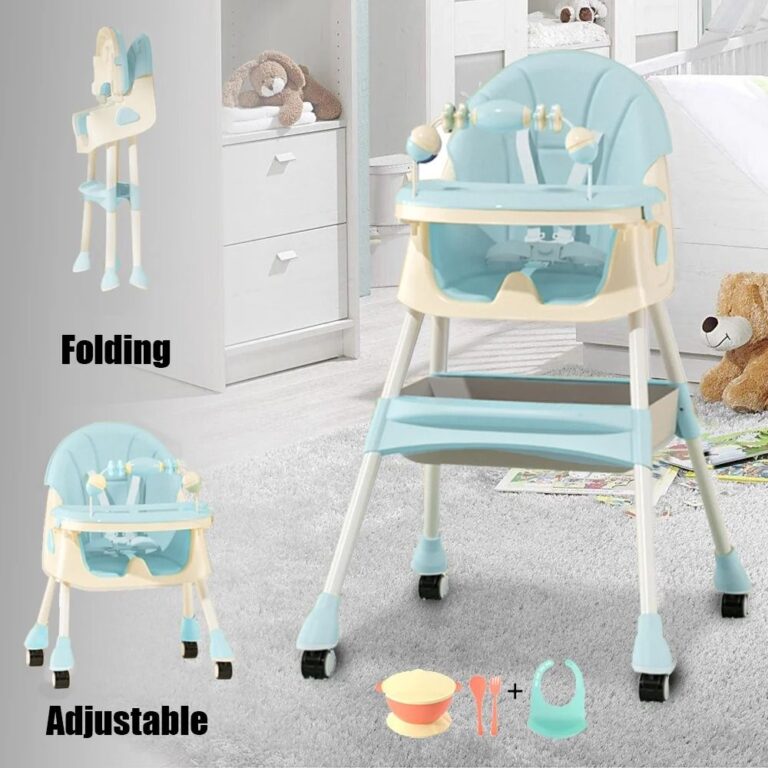 Aisha's pickDining Chairs for Small Spaces That Fit Where Nothing Else WillAlso worth a lookErgonomic ChairsThe thing nobody mentions is that an ergonomic chair looks ridiculous for the first two weeks.See the collections →
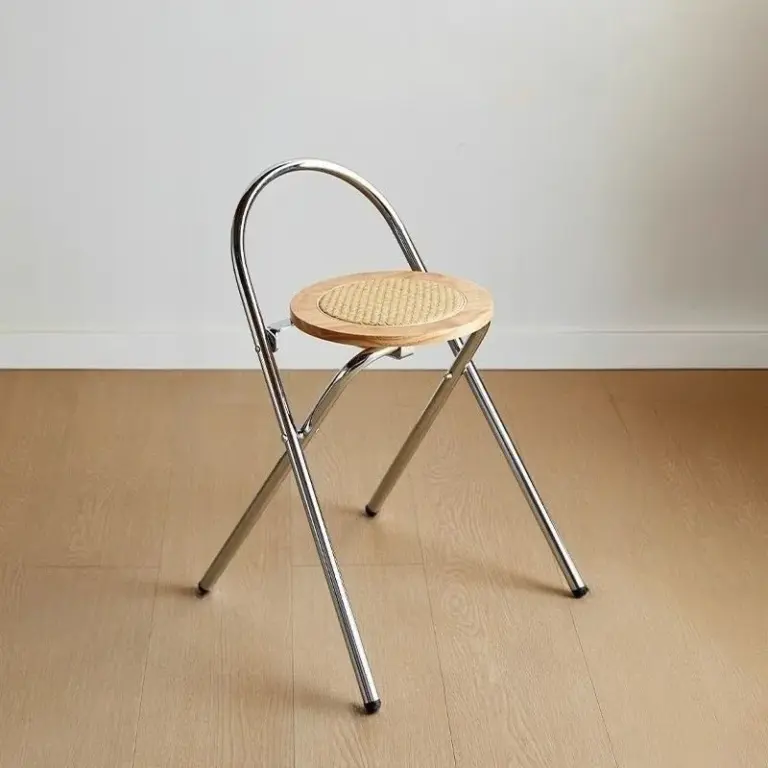
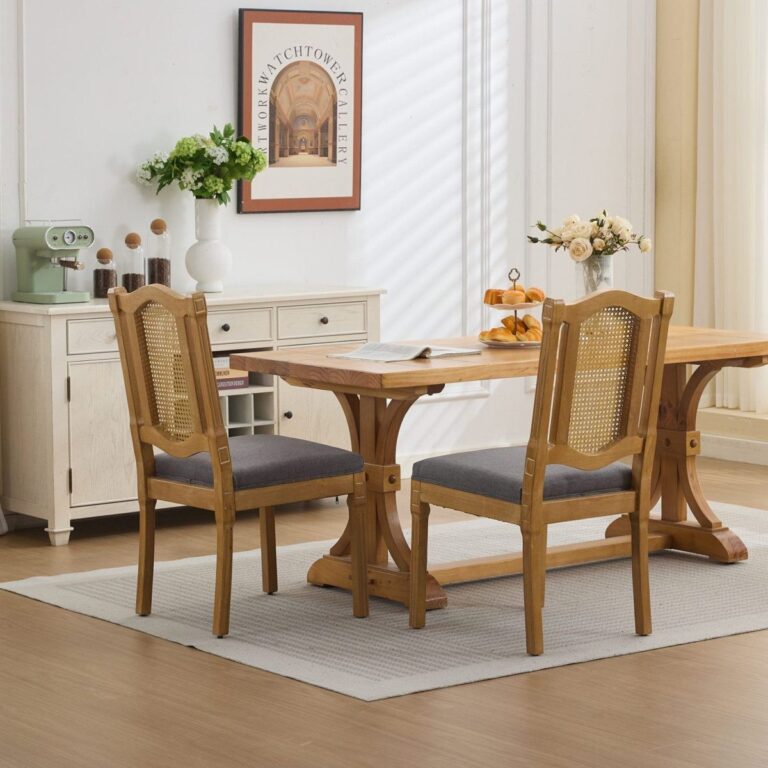 Aisha's pickSets of 2 Dining Chairs You’ll Sink Into at the End of the Day
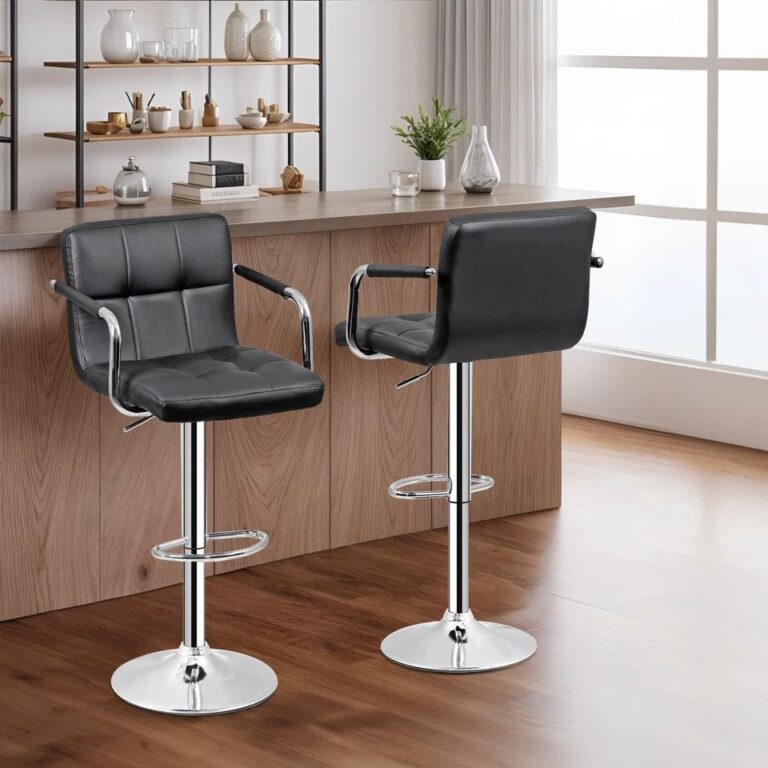
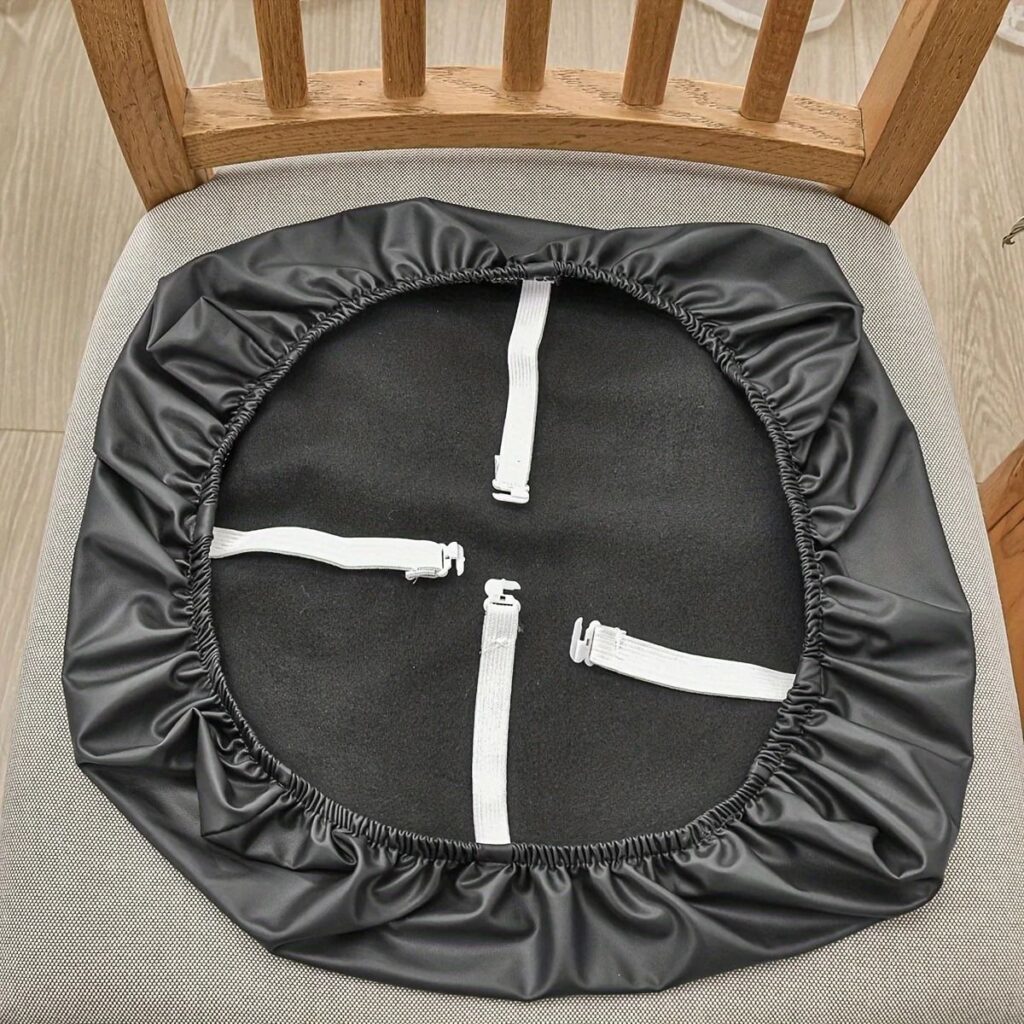 Aisha's pickGood Dining Chairs with Cushion That Don’t Cost a Fortune
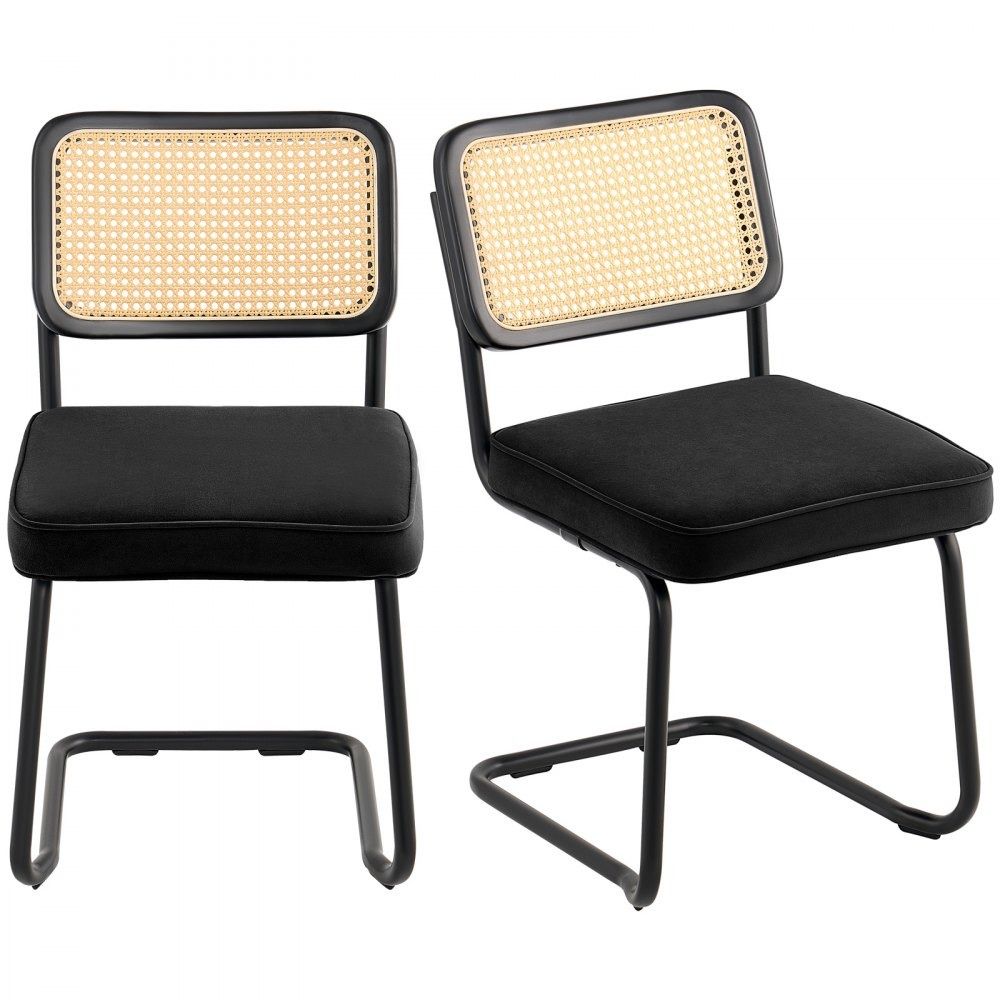
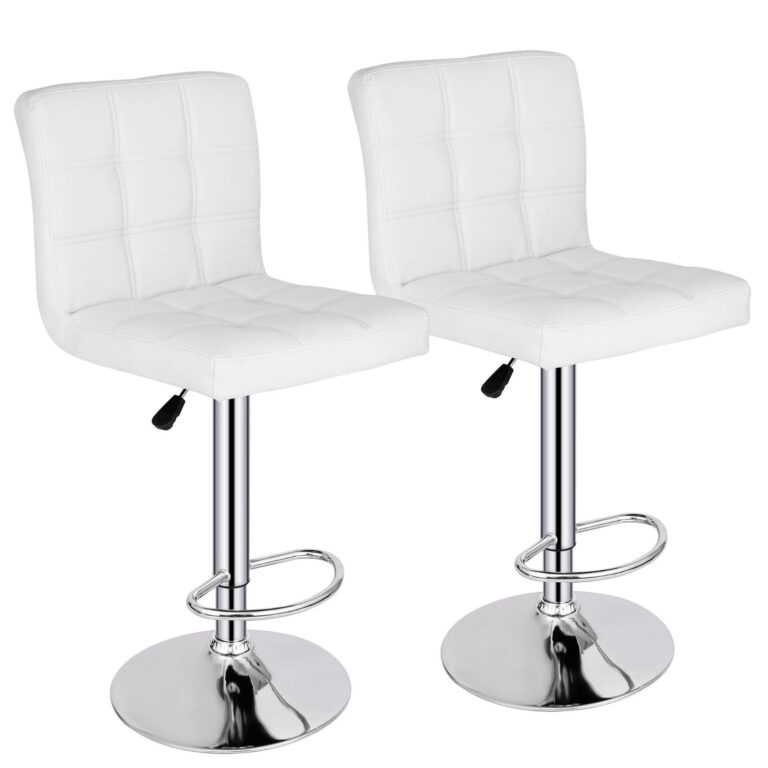 Aisha's pickSets of 4 Dining Chairs That Get the Family Around the Table
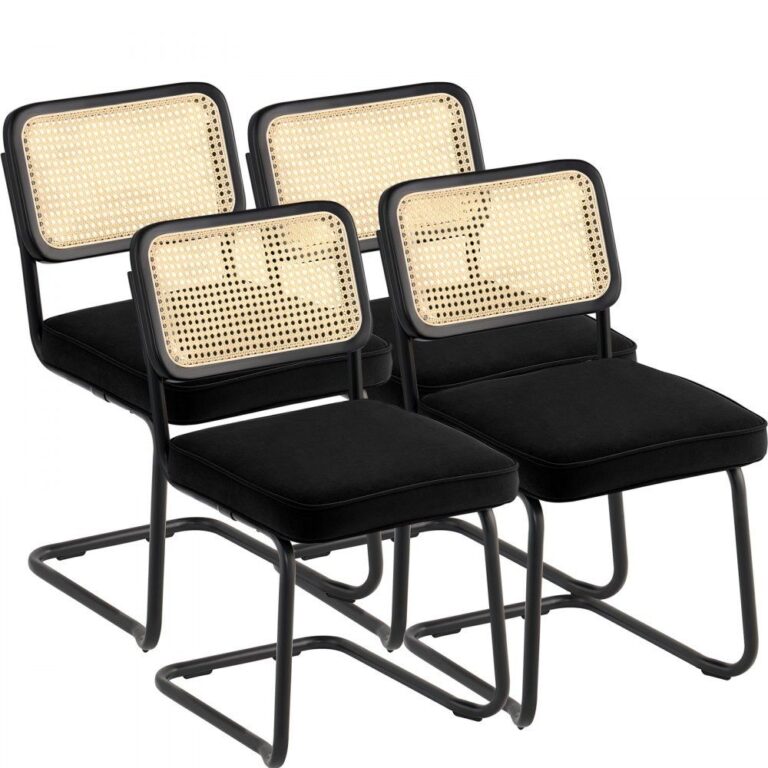
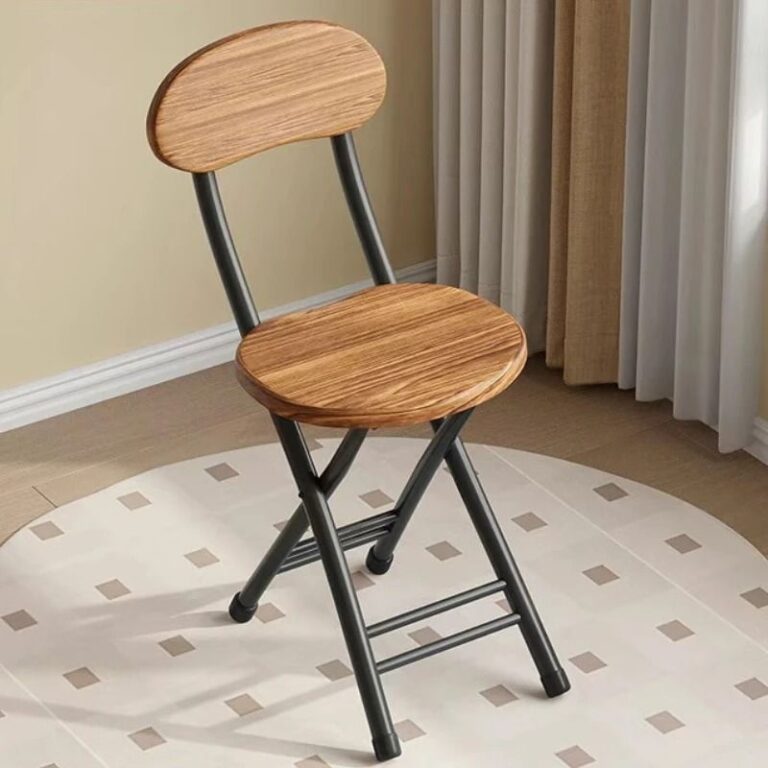 Aisha's pickDining Chairs with Metal Legs the Cat Will Claim Within a Day
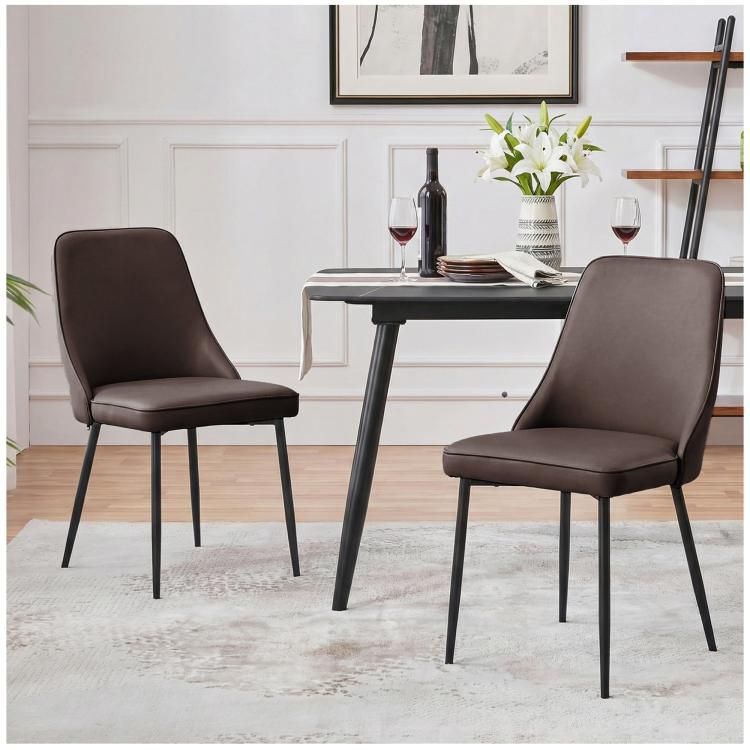
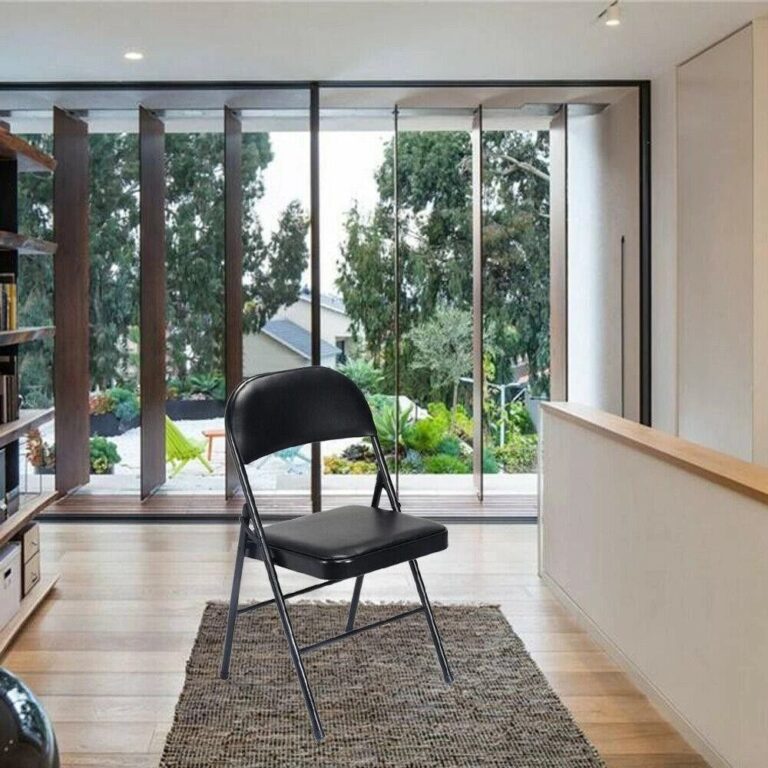 Aisha's pickSets of 6 Dining Chairs We’d Happily Nap On
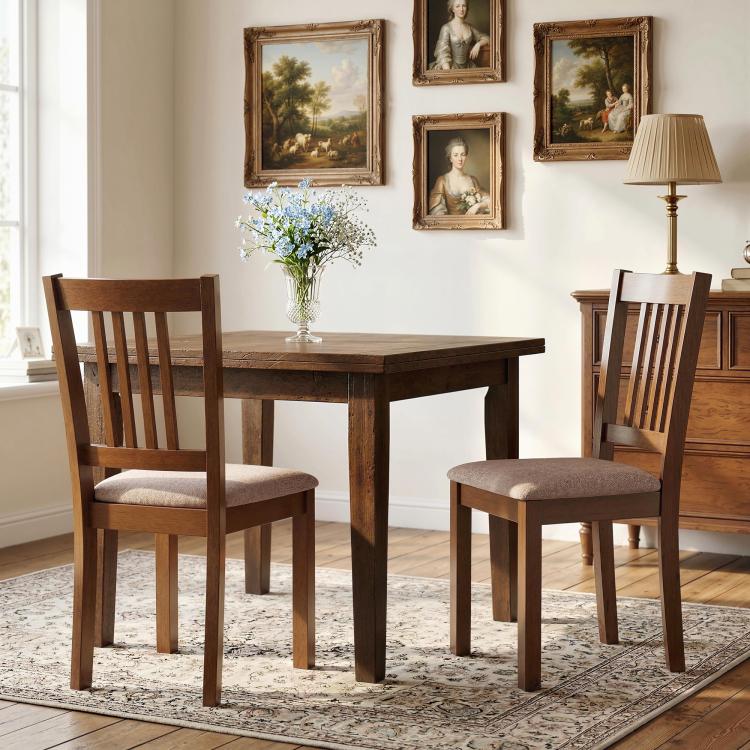
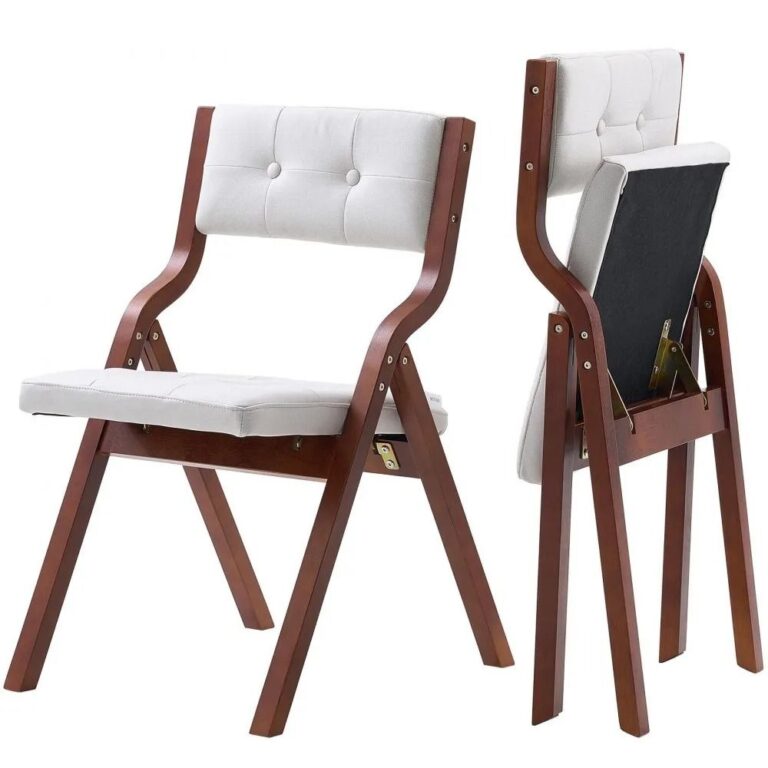 Aisha's pickFolding Dining Chairs That Get the Family Around the Table
 Aisha's pickTraditional Dining Chairs Worth Knowing About
 Aisha's pickGreen Dining Chairs That Get the Family Around the Table
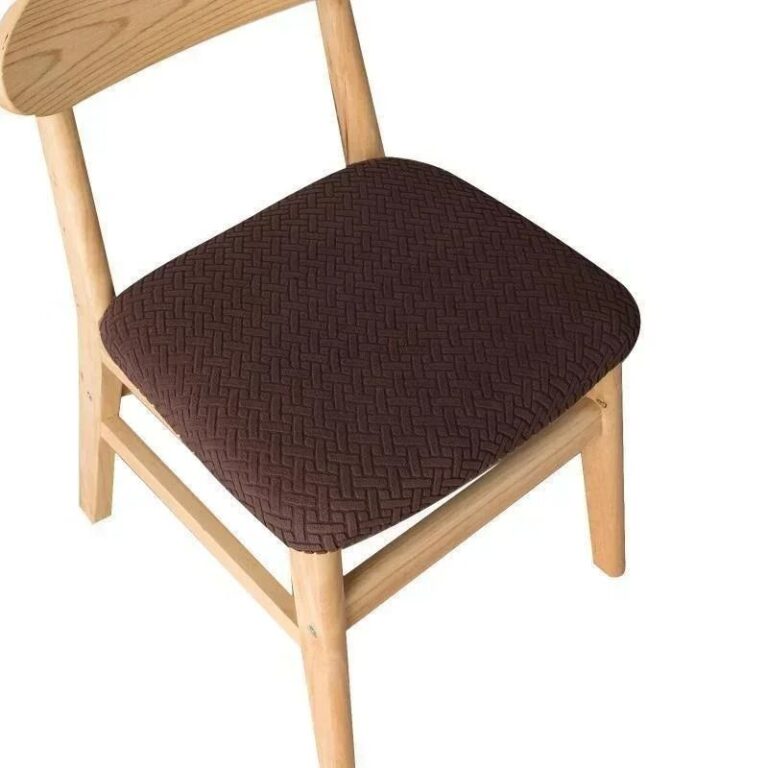
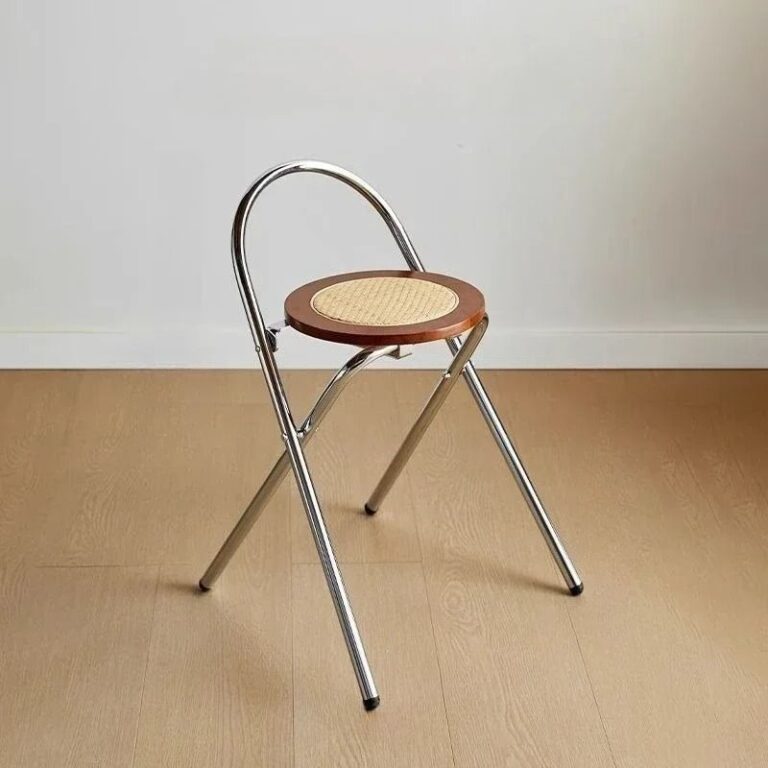 Aisha's pickVintage Dining Chairs for Long Dinners With FriendsAlso worth a lookSeatsStanding in a showroom trying to decide on seats, the first thing I'd tell you is to sit in it for longer than feels normal.See the collections →
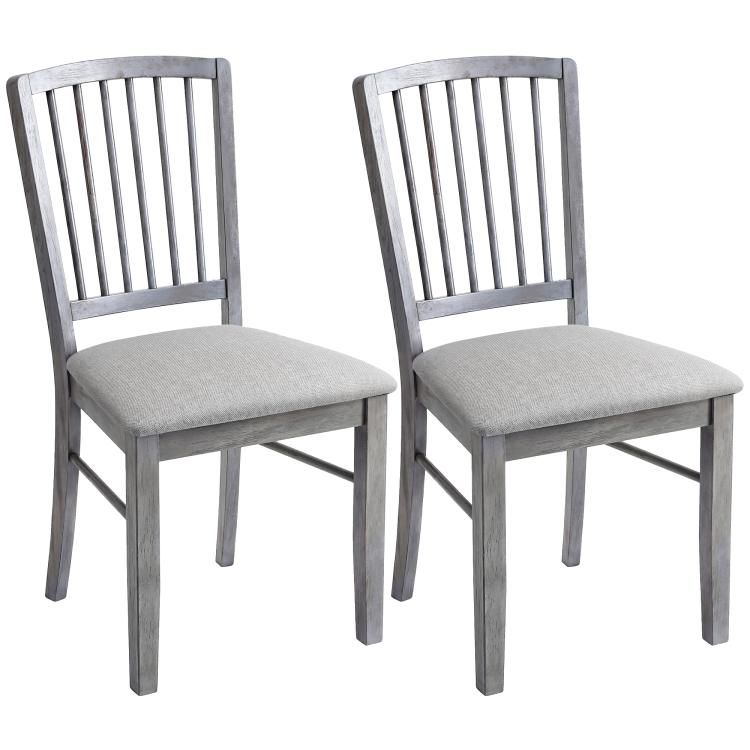
 Aisha's pickIndustrial Dining Chairs That Don’t Sag After a Year
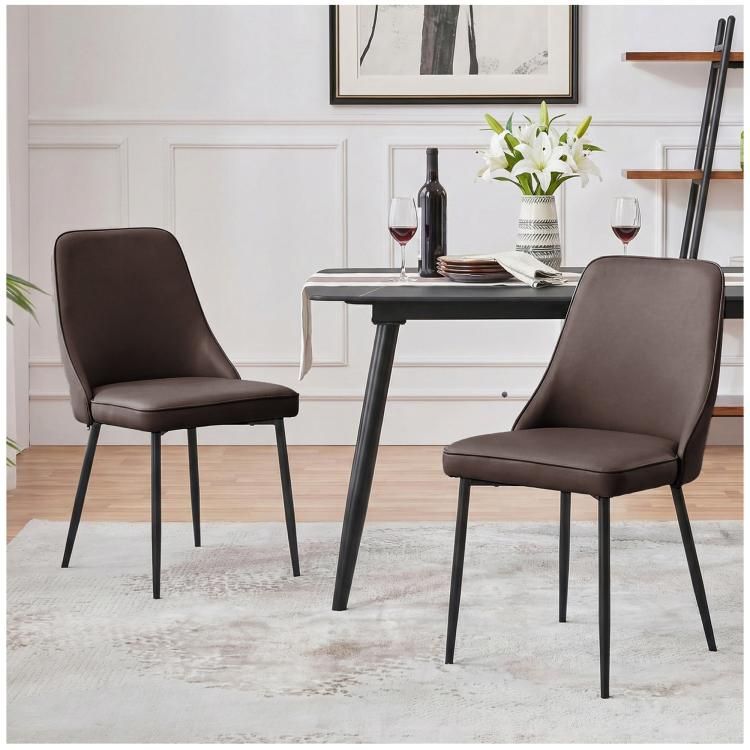
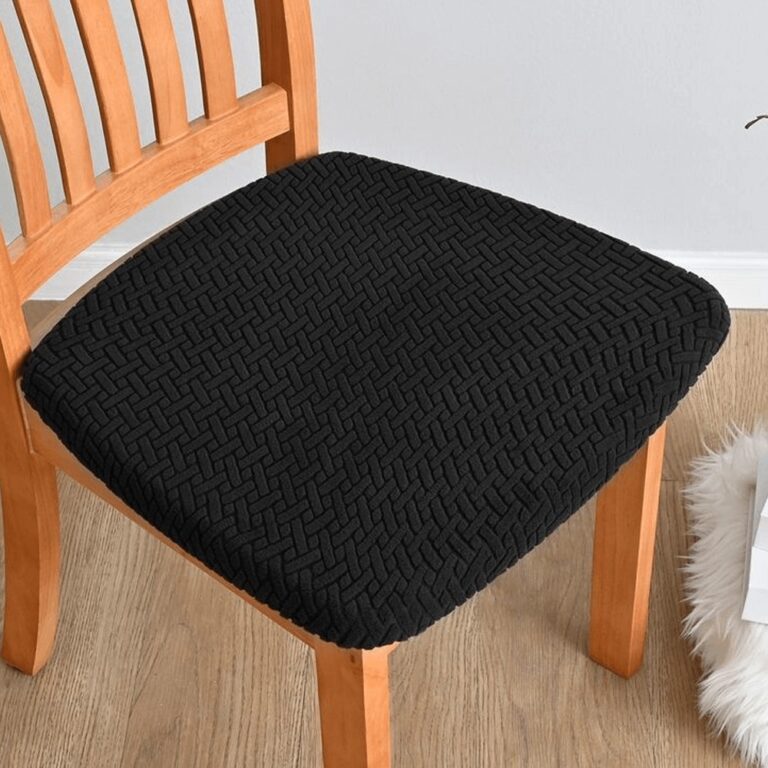 Aisha's pickWide Dining Chairs That Make a Room Feel Finished
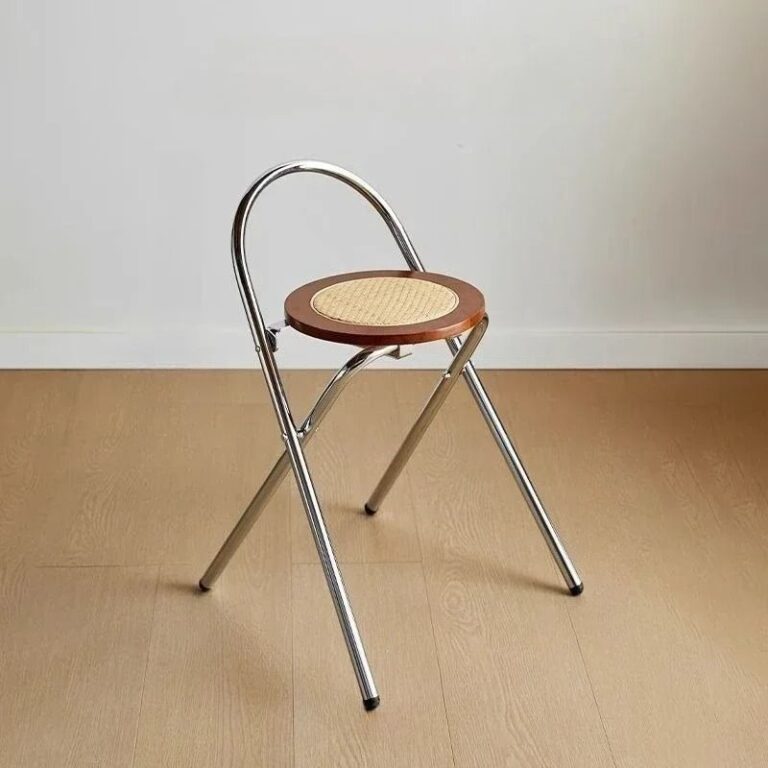
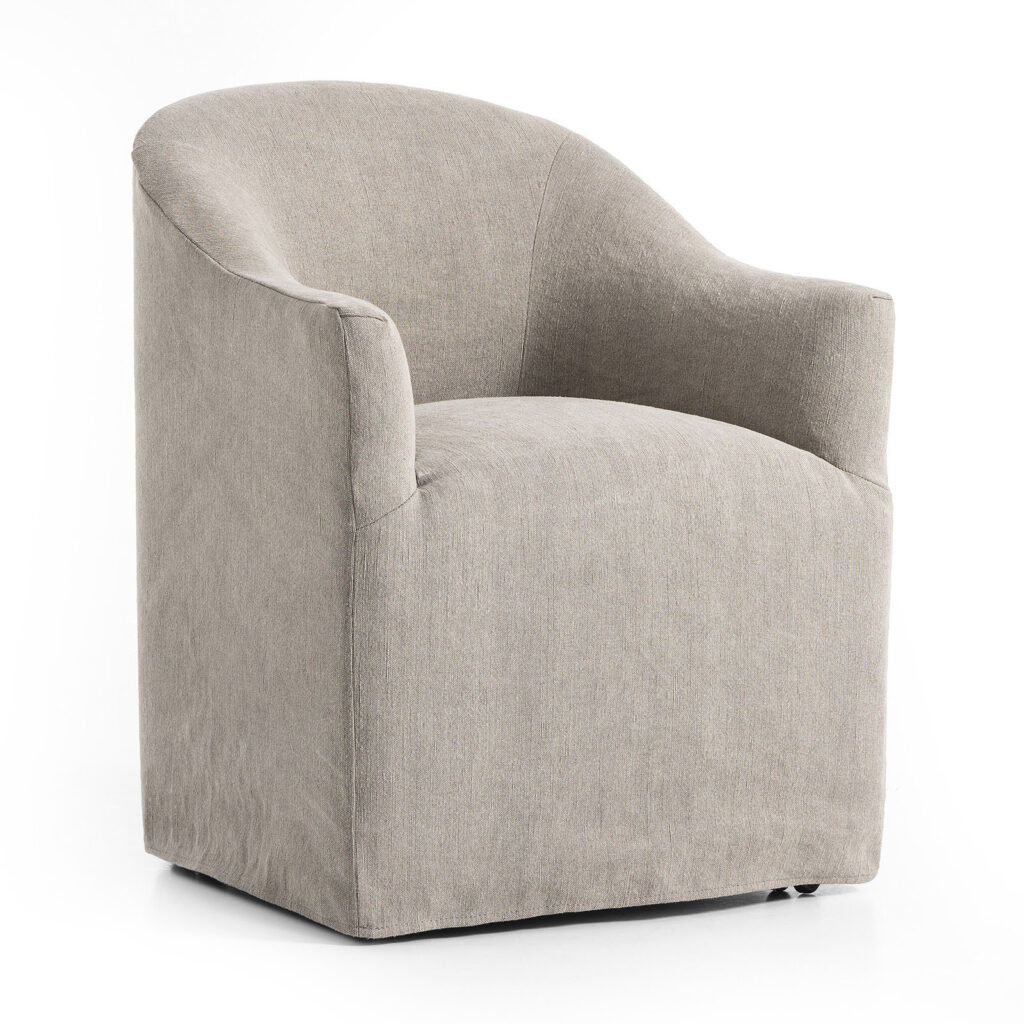 Aisha's pickLinen Dining Chairs Comfy Enough for a Movie Night
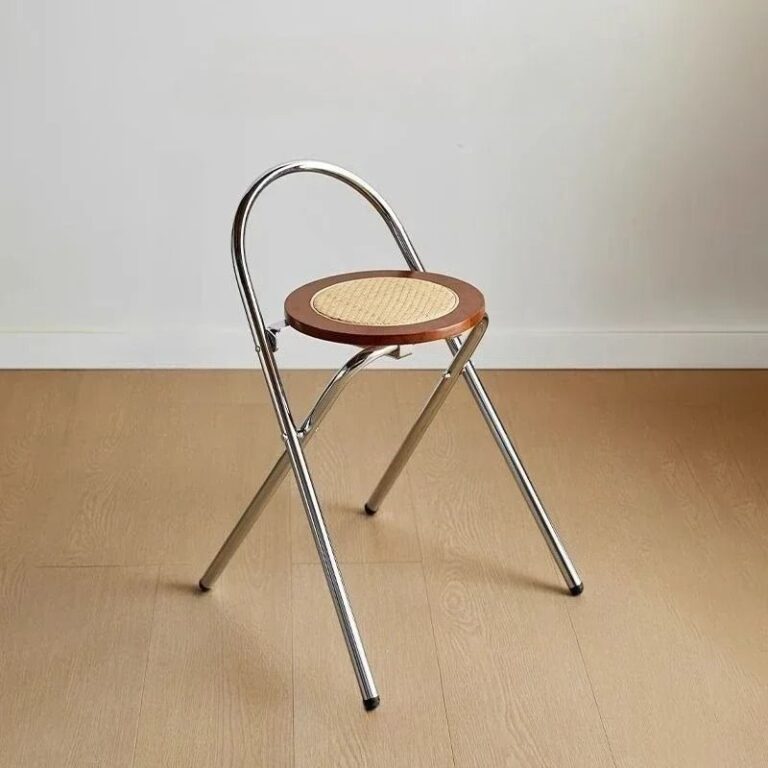 Aisha's pickWoven Seat Dining Chairs That Get the Family Around the Table
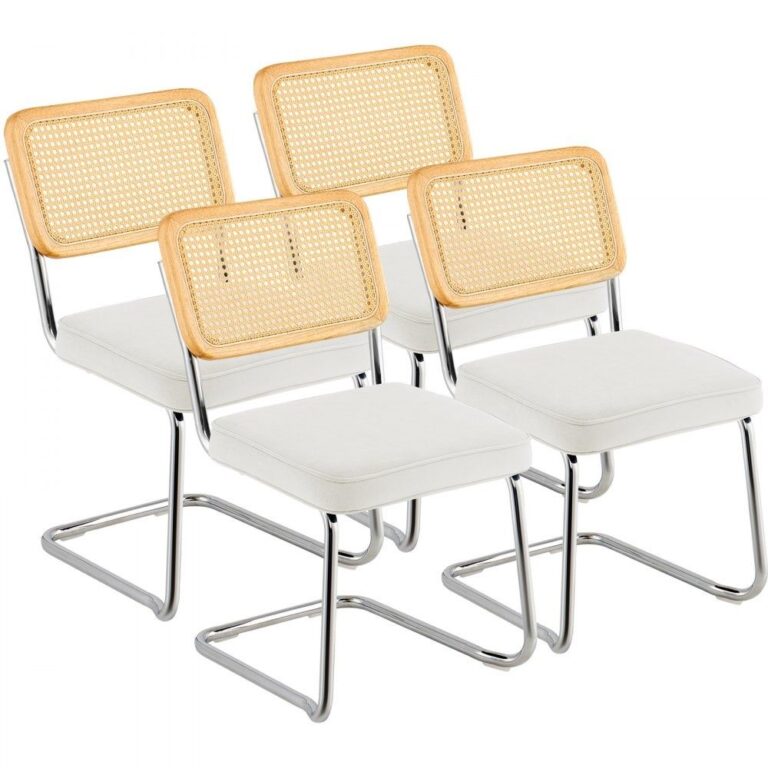
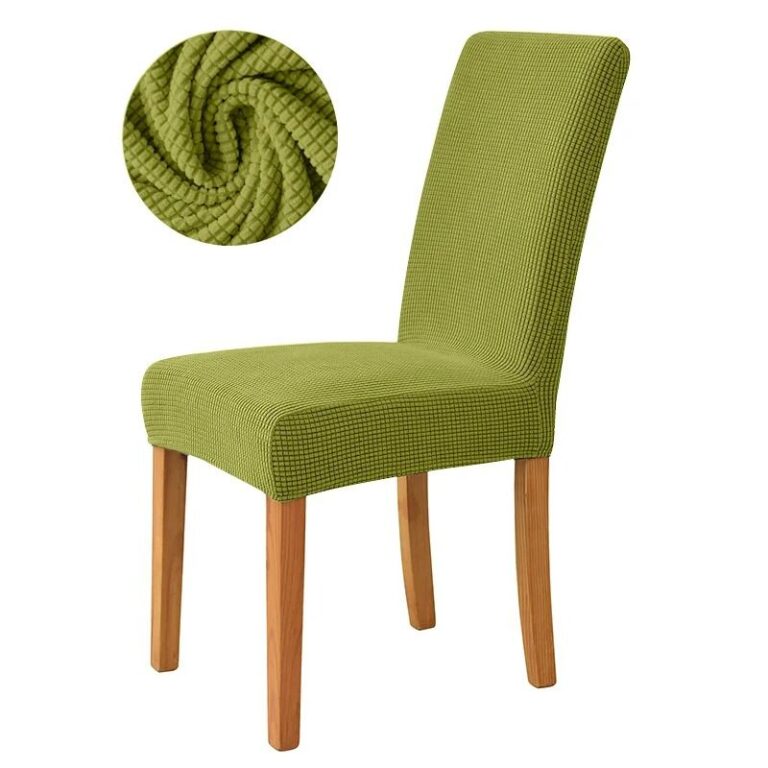 Aisha's pickLow Dining Chairs for Making a House Feel Like Yours
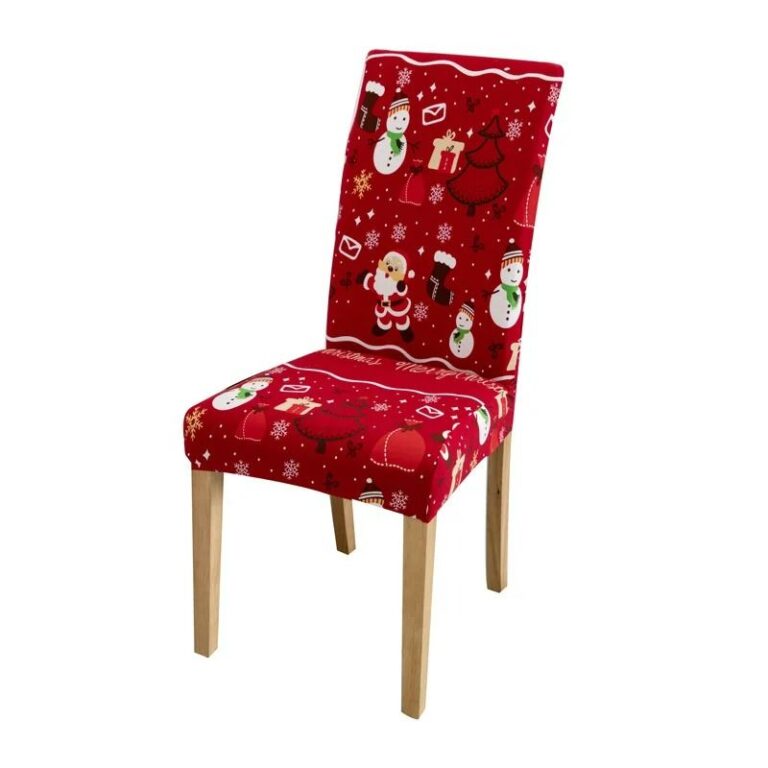
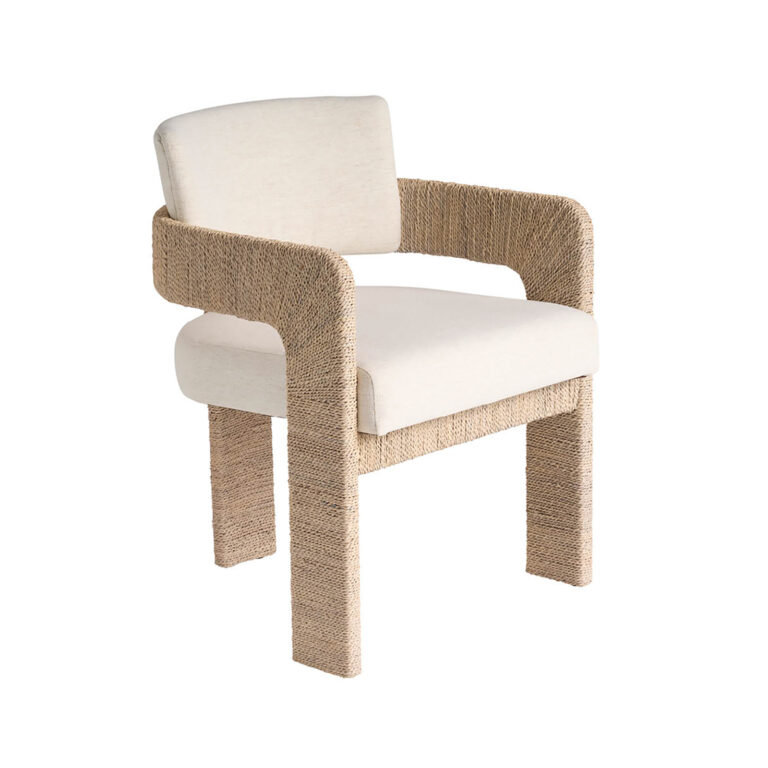 Aisha's pickNatural Dining Chairs Picked by People Who Care Too Much
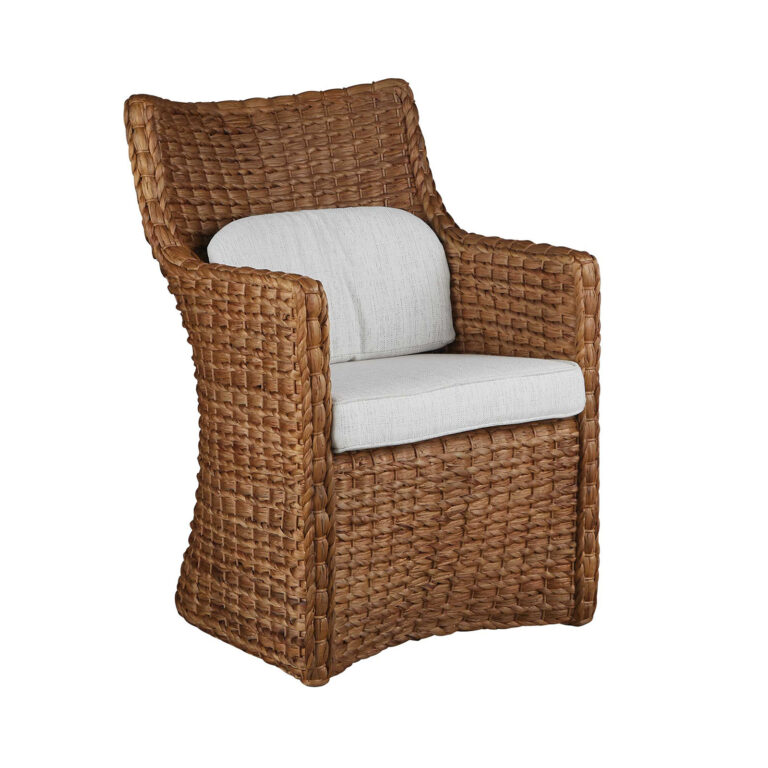
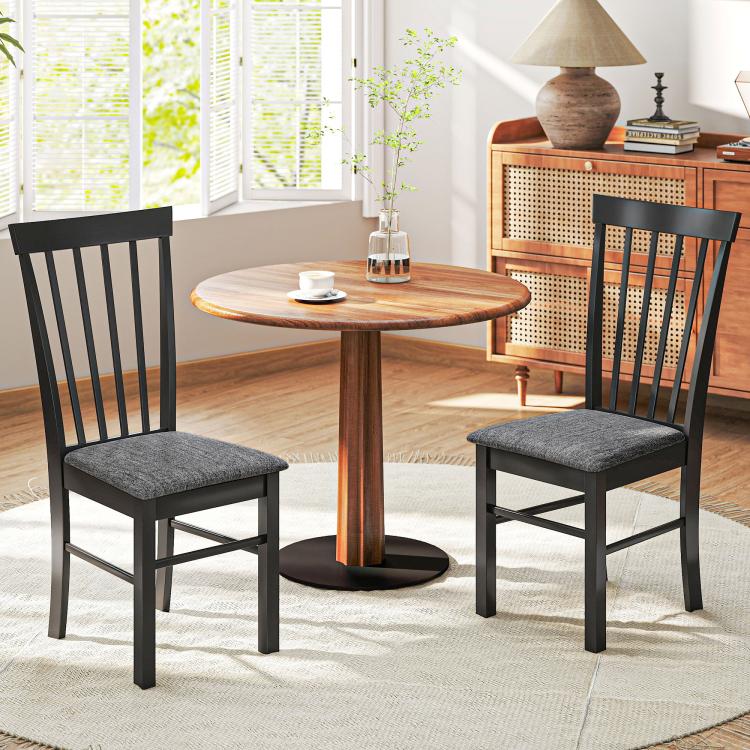 Aisha's pickArmless Dining Chairs for Long Dinners With Friends
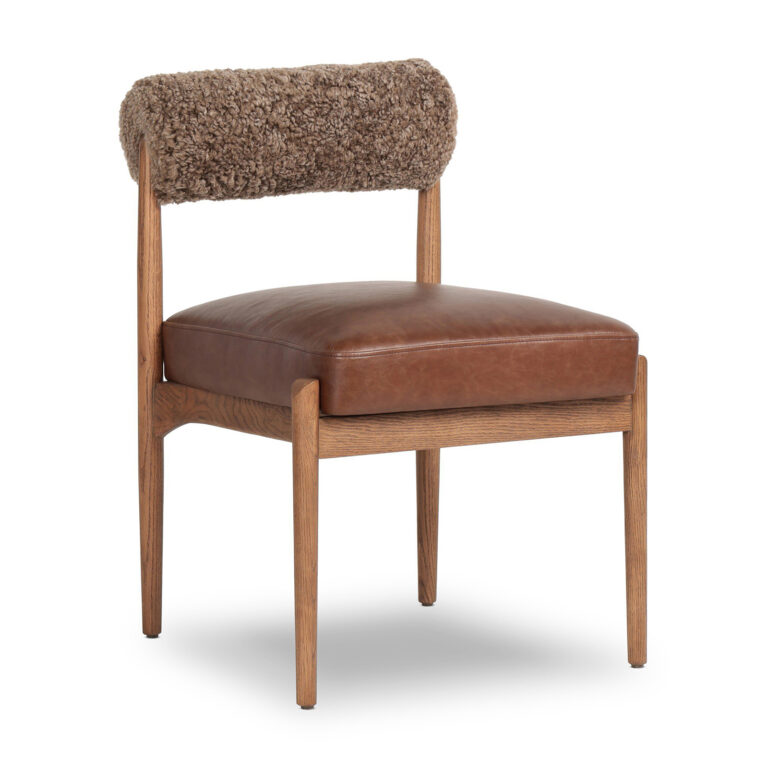
 Aisha's pickPlastic Dining Chairs That Get the Family Around the Table
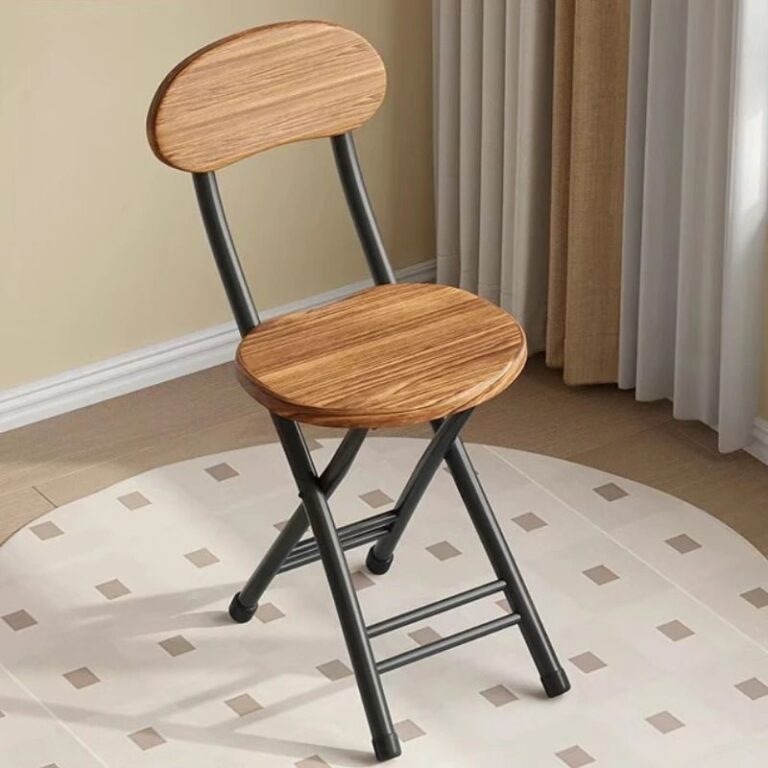
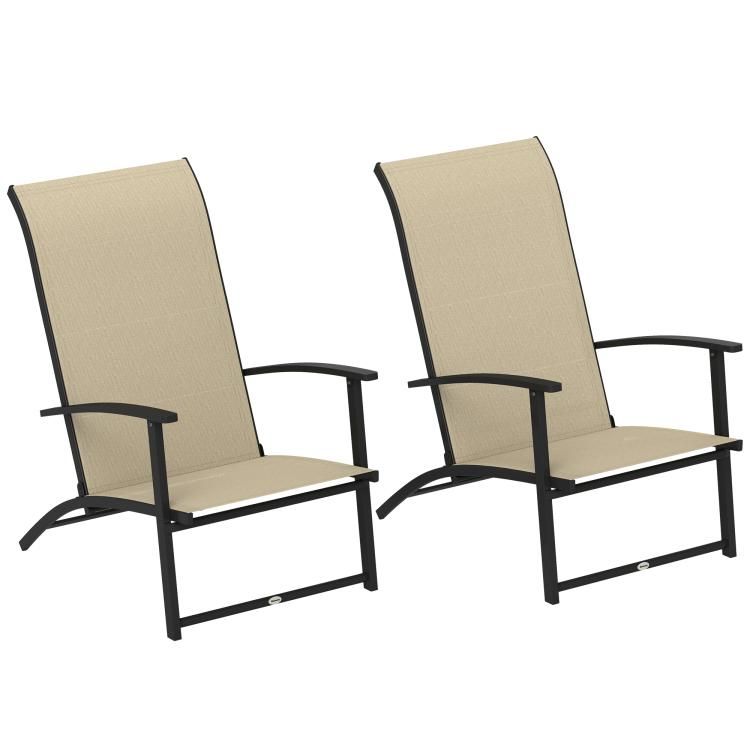 Aisha's pickBeige Dining Chairs for Long Dinners With FriendsAlso worth a lookAccent ChairsAn accent chair is the one seat in the room that doesn't have to agree with anything else.See the collections →
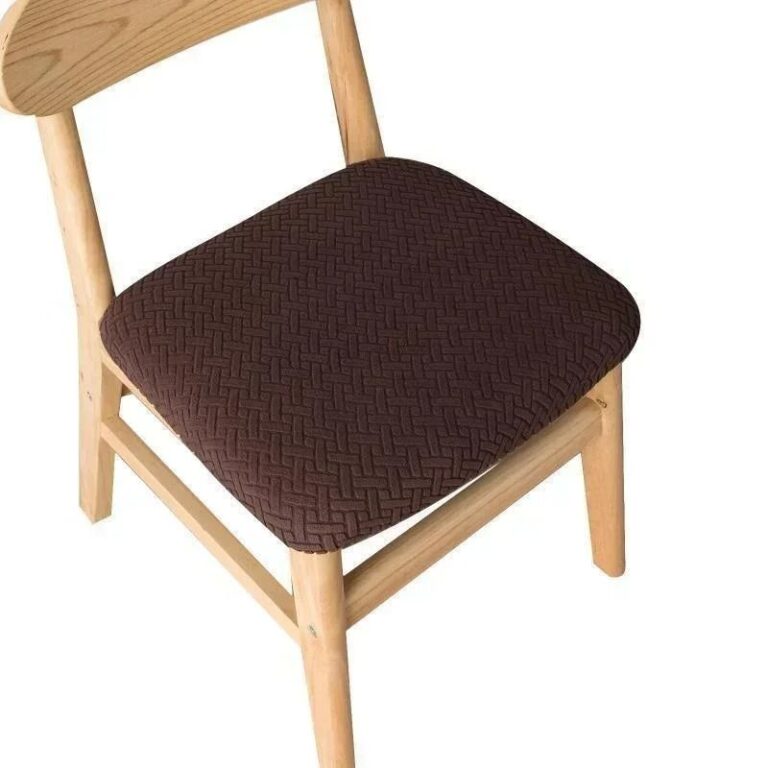
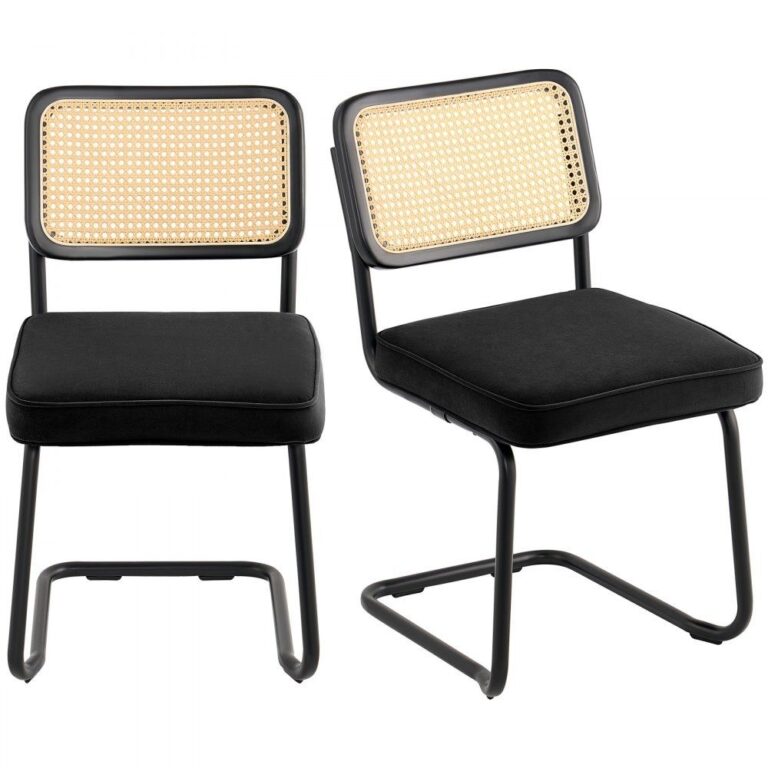 Aisha's pickRattan Back Dining Chairs Hunted Down So You Don’t Have To