If you've got any outside space at all, a balcony, a patio, a strip of yard, this is worth taking seriously. If you're dealing with a shared courtyard where everything grows legs and wanders off, maybe keep the good stuff indoors and furnish the outside cheap.
Color is where most people overthink it. Anything bright gets tired by the second summer, and that includes the orange planter I was so pleased with that now just looks like a traffic cone full of dead basil. Go with weathered wood tones, charcoal, muted greens, the kind of gray that already looks like it's been rained on. Those colors forgive fading instead of announcing it. Metal finishes are the same story: a powder coated black frame ages fine, a cheap bronze paint job starts flaking at the edges within a year and you end up with something that looks diseased rather than distressed. Natural materials, teak, stone, galvanized steel, don't really have a wrong color because they're not trying to be a color, they're just trying to survive outside, which is the actual job.
The bigger split is between things built to live outdoors and things just put outside and hoped for. Real hardwood furniture, proper stainless or galvanized hardware, UV stable fabric, will go silver gray and look better for it, the way a deck does. A pine side table from a bargain bin will warp, the joints will open up, and the fixings will rust streaks straight down the leg within a season because someone used regular steel screws instead of stainless. Cushions are the worst offender for this, the foam inside a cheap one holds water like a sponge and grows something you don't want to identify, while a proper outdoor foam drains and dries in an afternoon. Maintenance is mostly just not skipping it: wipe things down, bring cushions in when you're not using them, oil hardwood once or twice a year if you want it to stay honey colored instead of going gray, and check that any metal legs sitting directly on stone have some kind of pad or they'll streak the patio by June.
When you're buying in store or the day it arrives, turn it over. Check the legs are actually attached with proper hardware, not glue and optimism, check drainage holes on planters are real holes and not decorative dents, and check any fabric zips and seams before cushions get rained on once and never dry properly again.
The good ones have a weight to them when you pick them up, and a drain hole exactly where water would actually collect, not just somewhere convenient to drill.

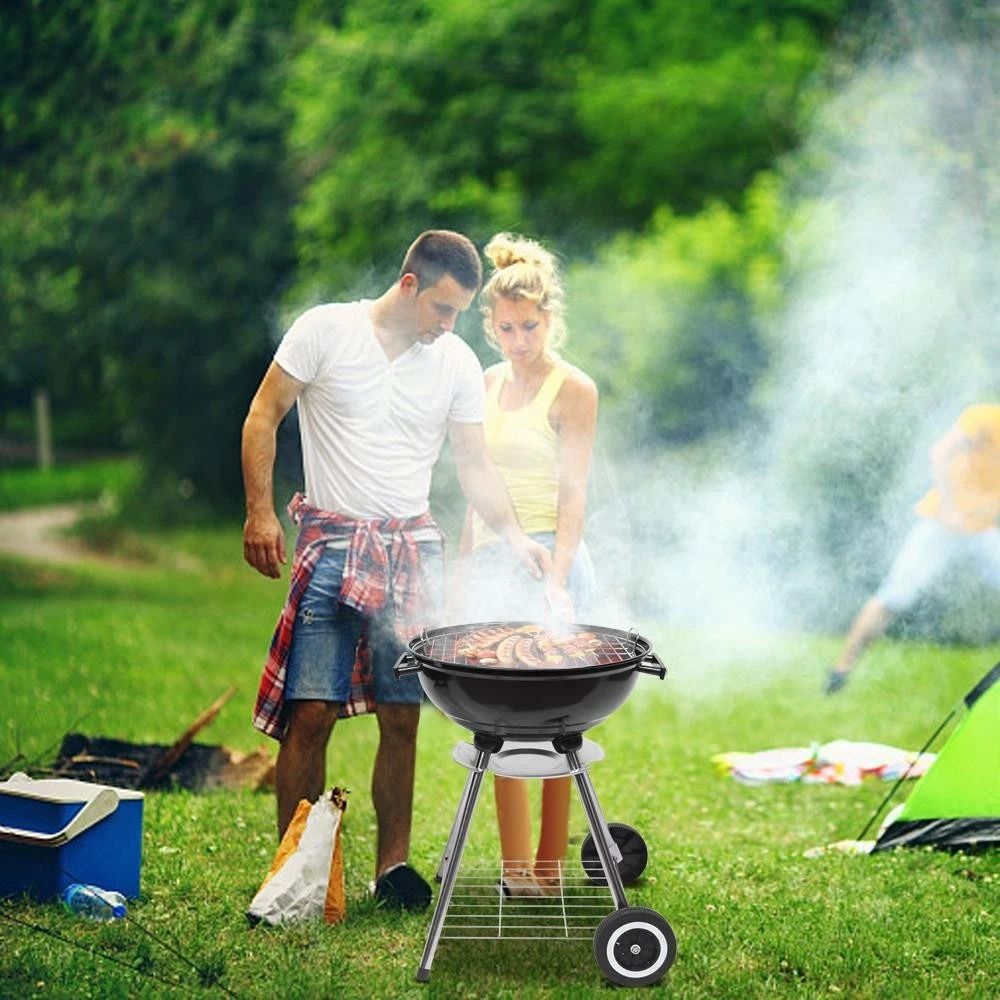 Aisha's pickBlack Charcoal Grills We’d Have Out From May to September
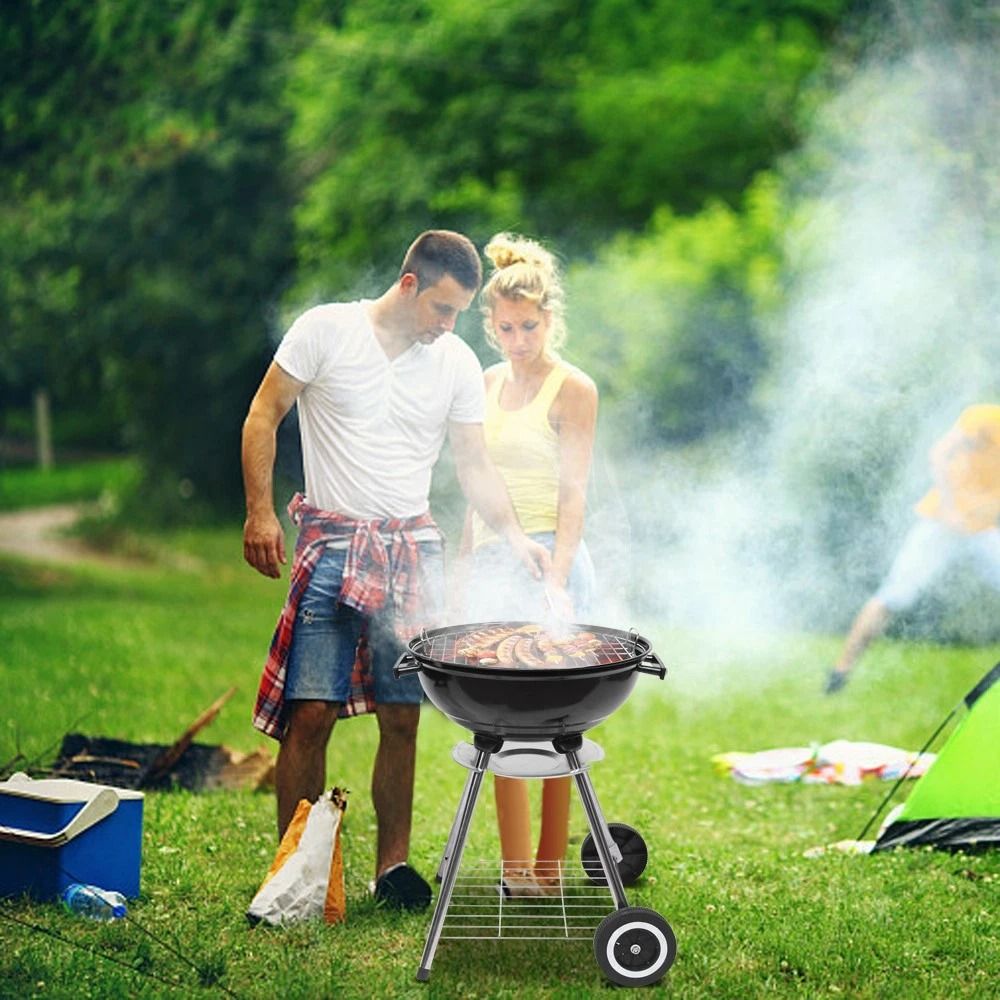
 Aisha's pickLarge BBQs That Work in Old Houses and New Ones

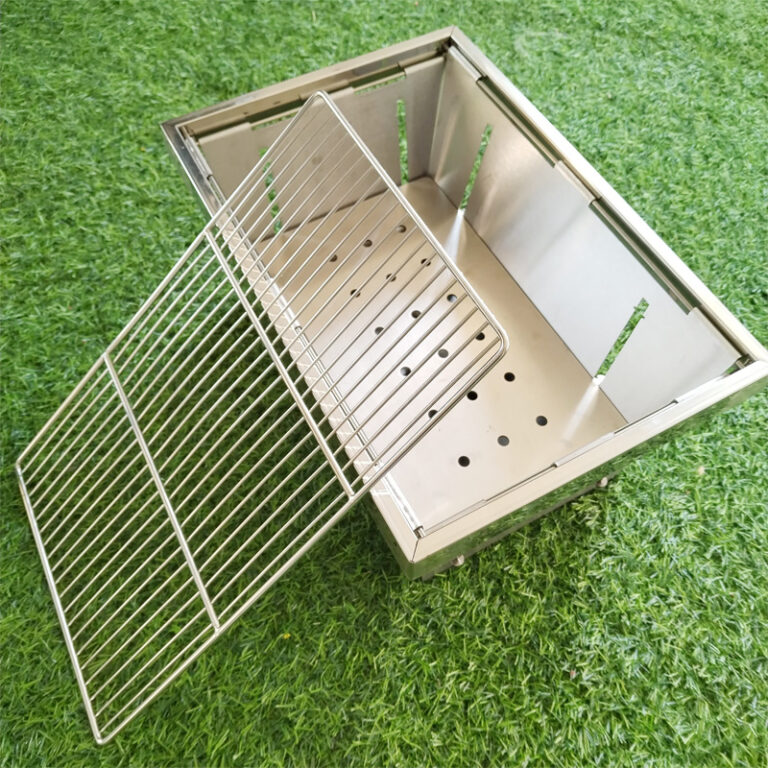 Aisha's pickWhere to Start With Stainless Gas Grills
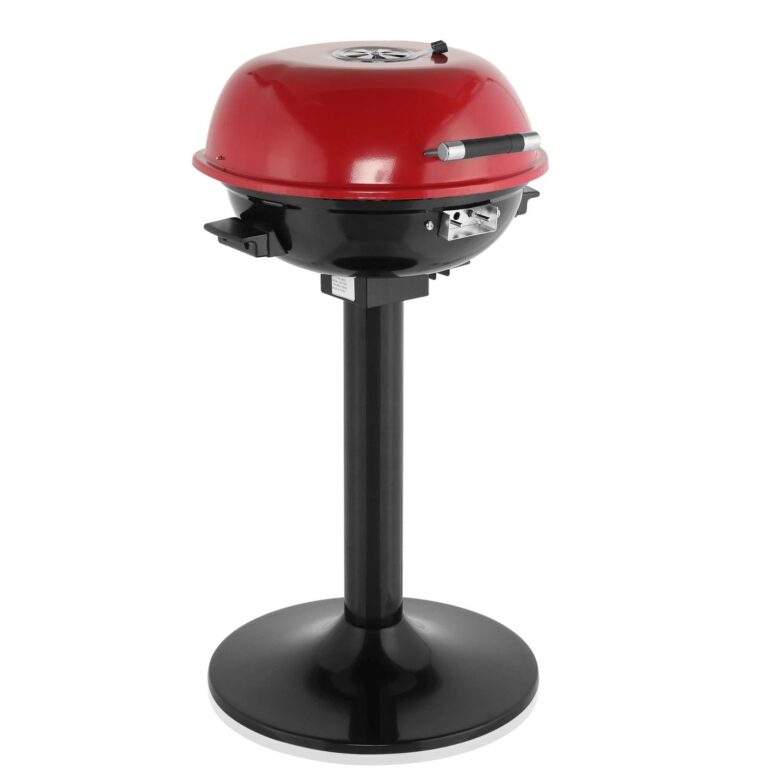
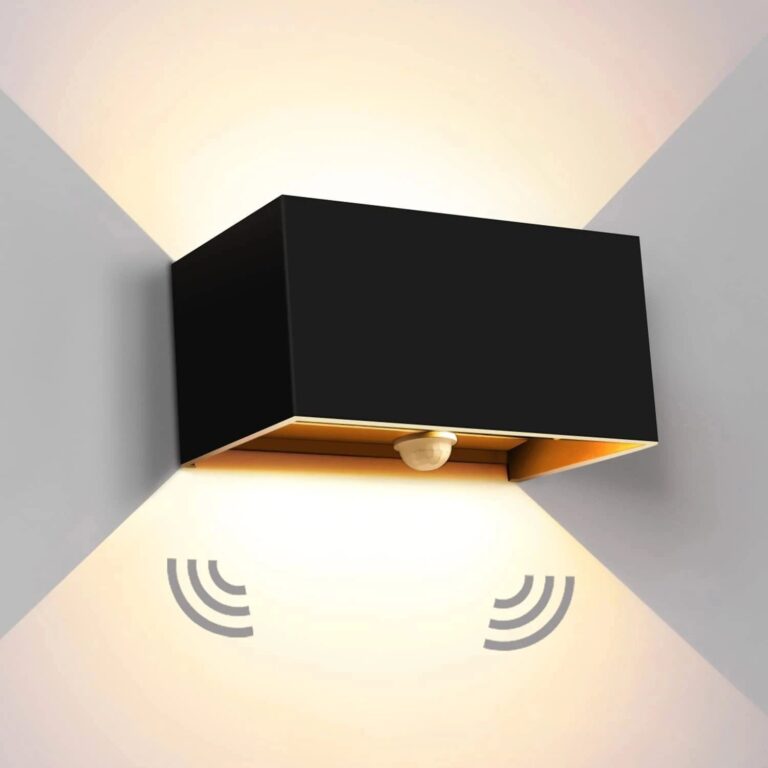 Aisha's pickBlack IP65 Outdoor Lights That Make a Room Feel Finished

 Aisha's pickLarge Black Outdoor Lights That Look Like They Cost More

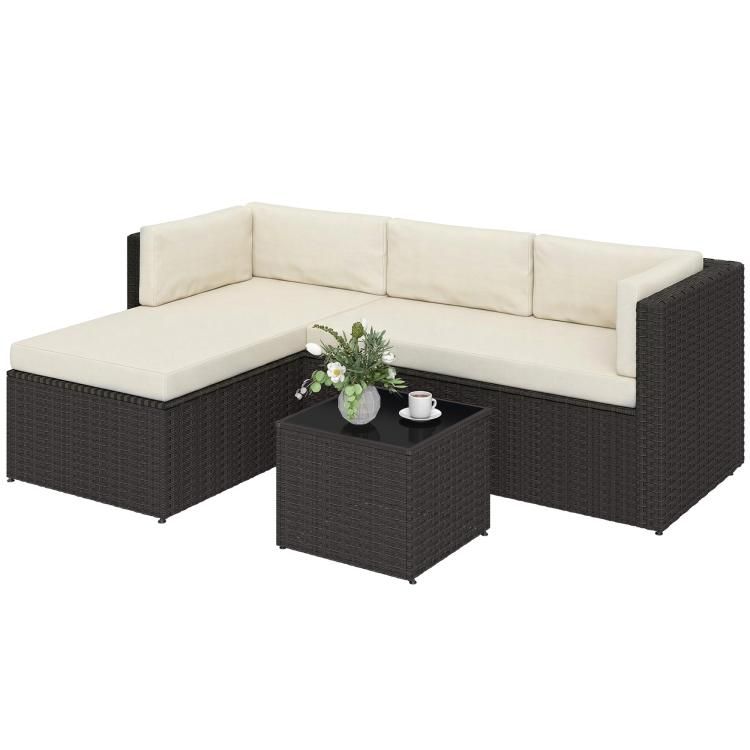 Aisha's pickRattan Outdoor Coffee Tables That Do the Job Right
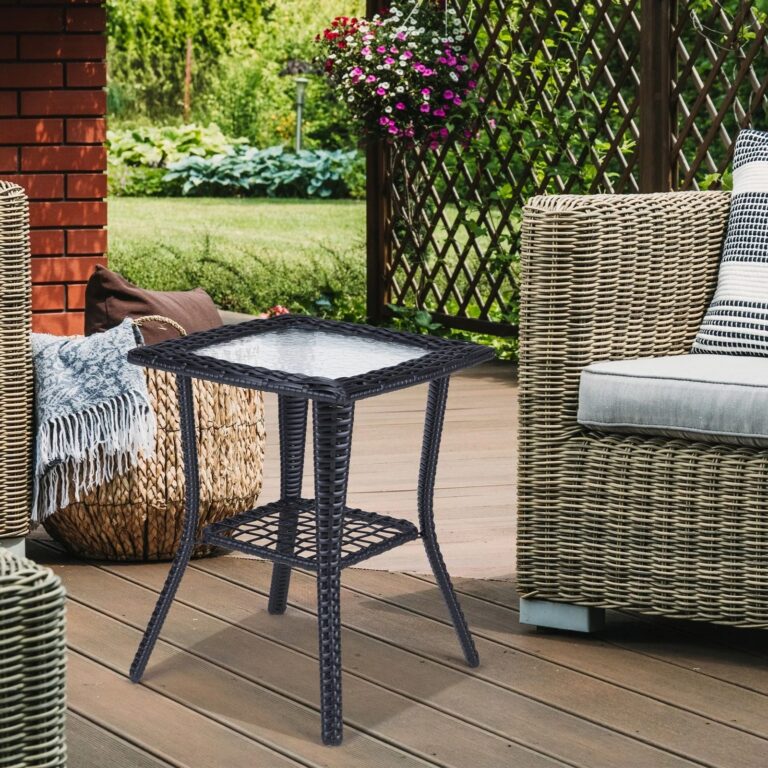
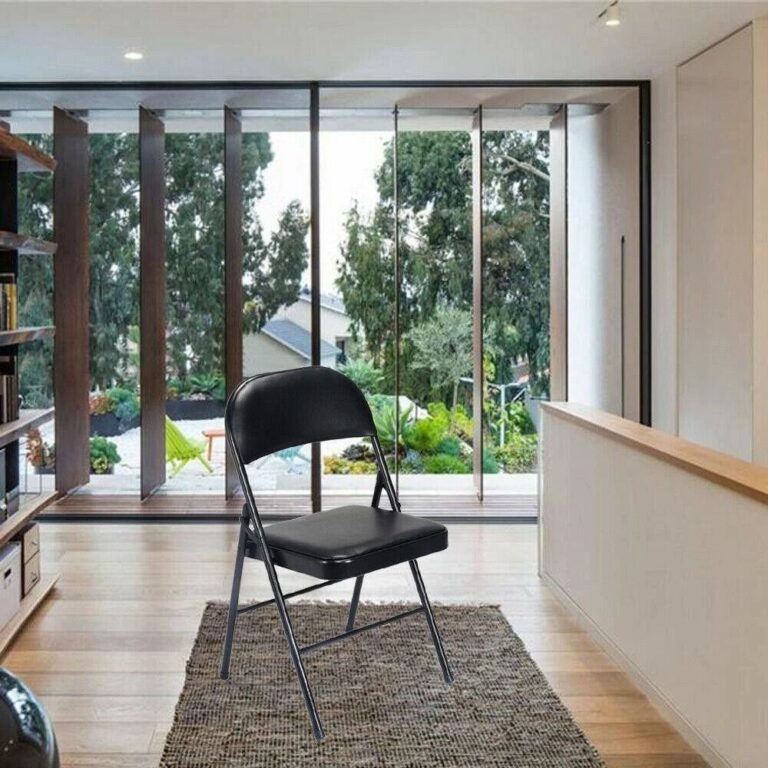 Aisha's pickPadded Outdoor Dining Chairs at Every Price Point
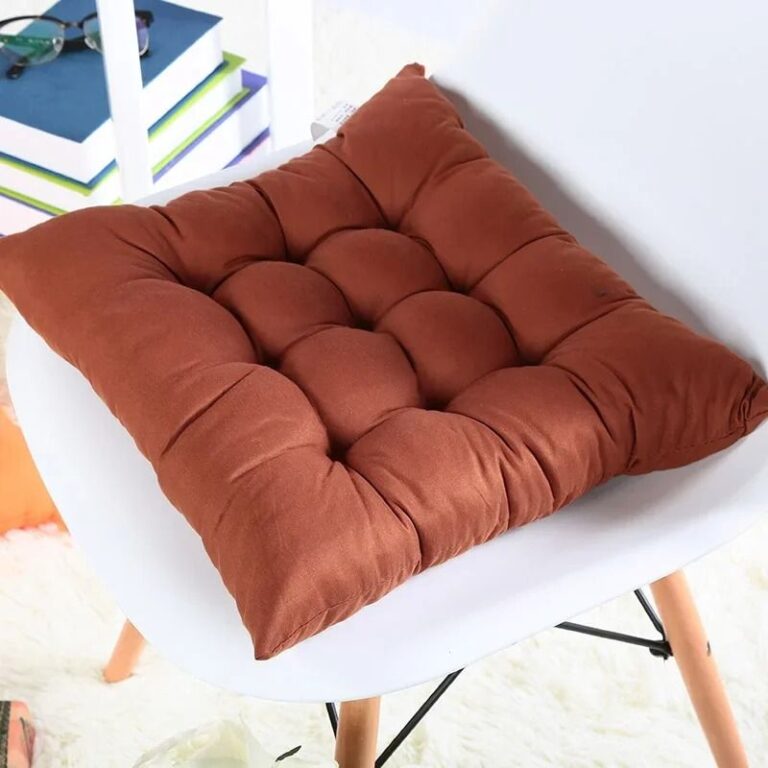
 Aisha's pickNatural Outdoor Dining Tables for Barbecues and Lazy Weekends
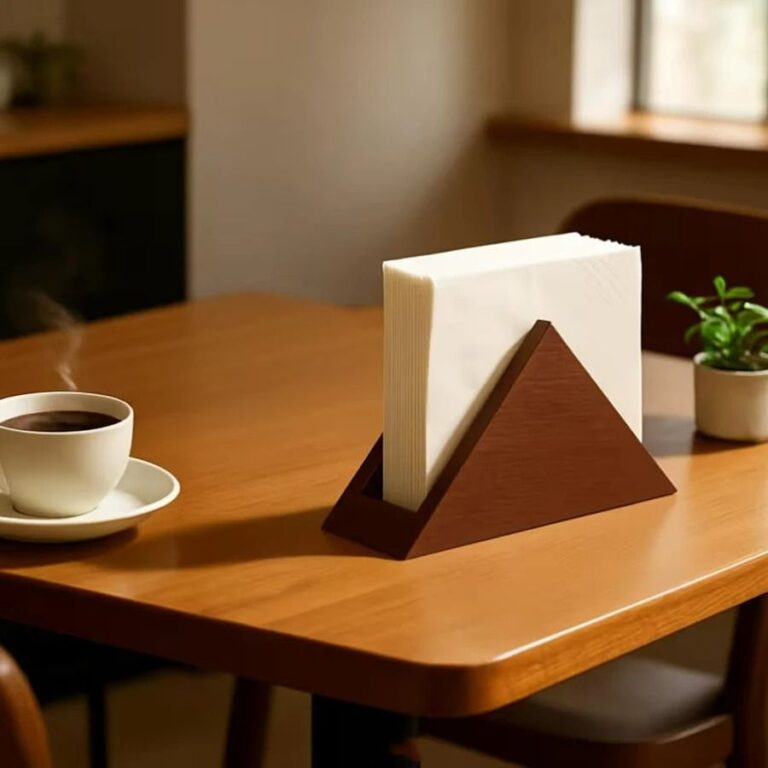
 Aisha's pickSteel Outdoor Dining Tables We’d Have Out From May to SeptemberAlso worth a lookOutdoor LightsOutdoor lights have a reputation for being the thing you buy in a hurry at the end of…See the collections →
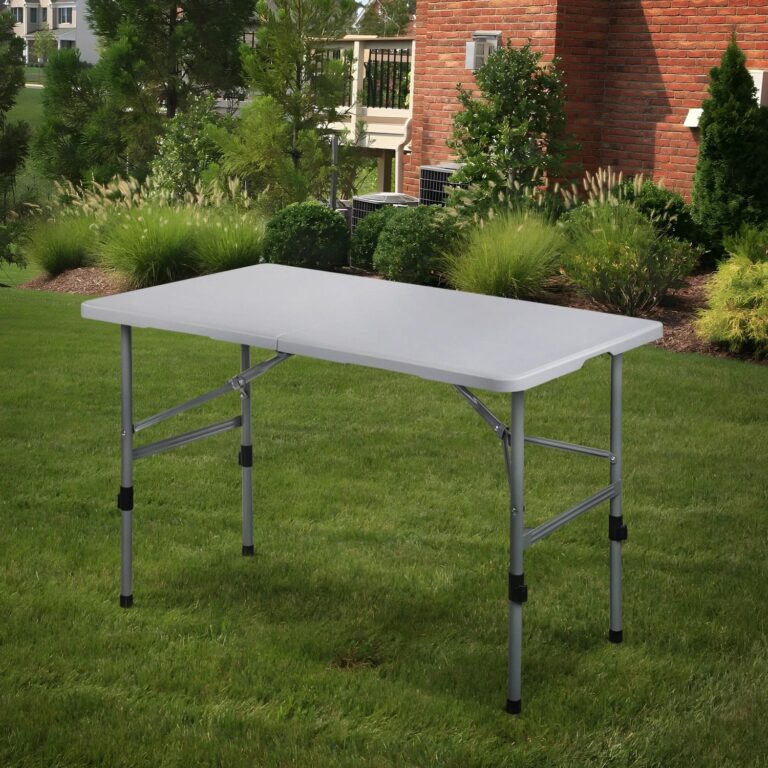
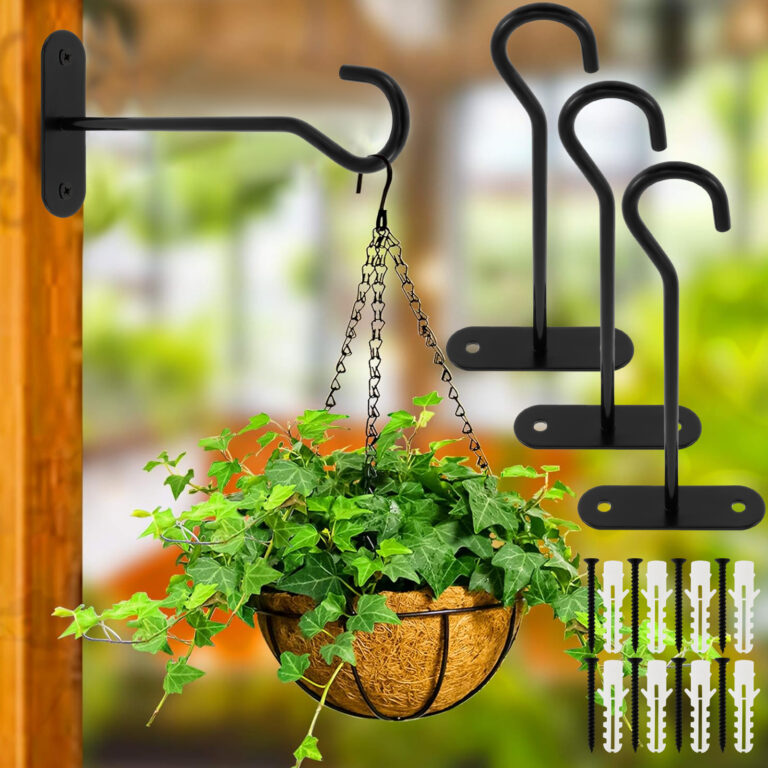 Aisha's pickHeavy Duty Plant Supports That Make a Room Feel Finished
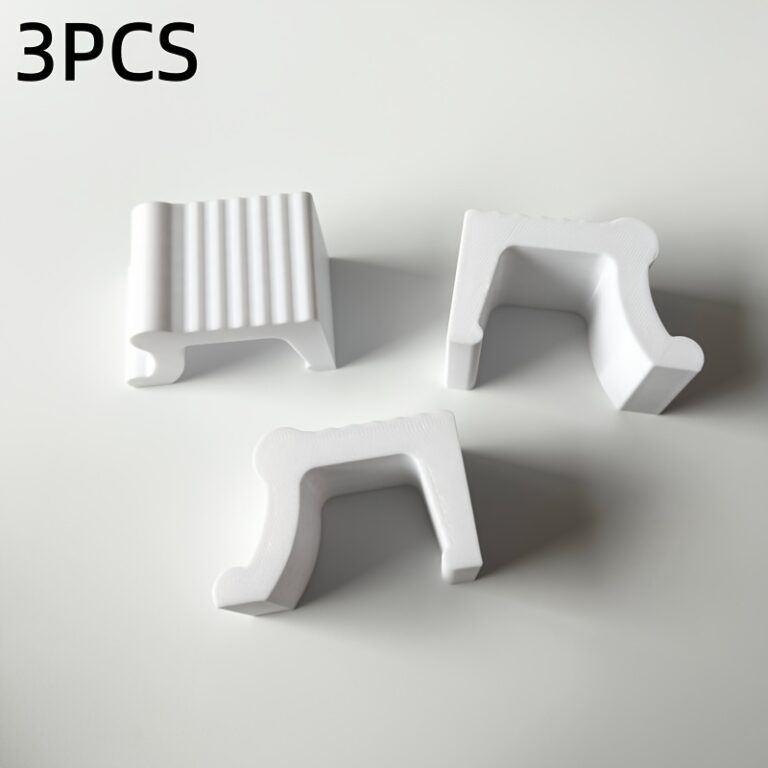
 Aisha's pickPlant Supports with Sides Built to Last More Than a Few Summers
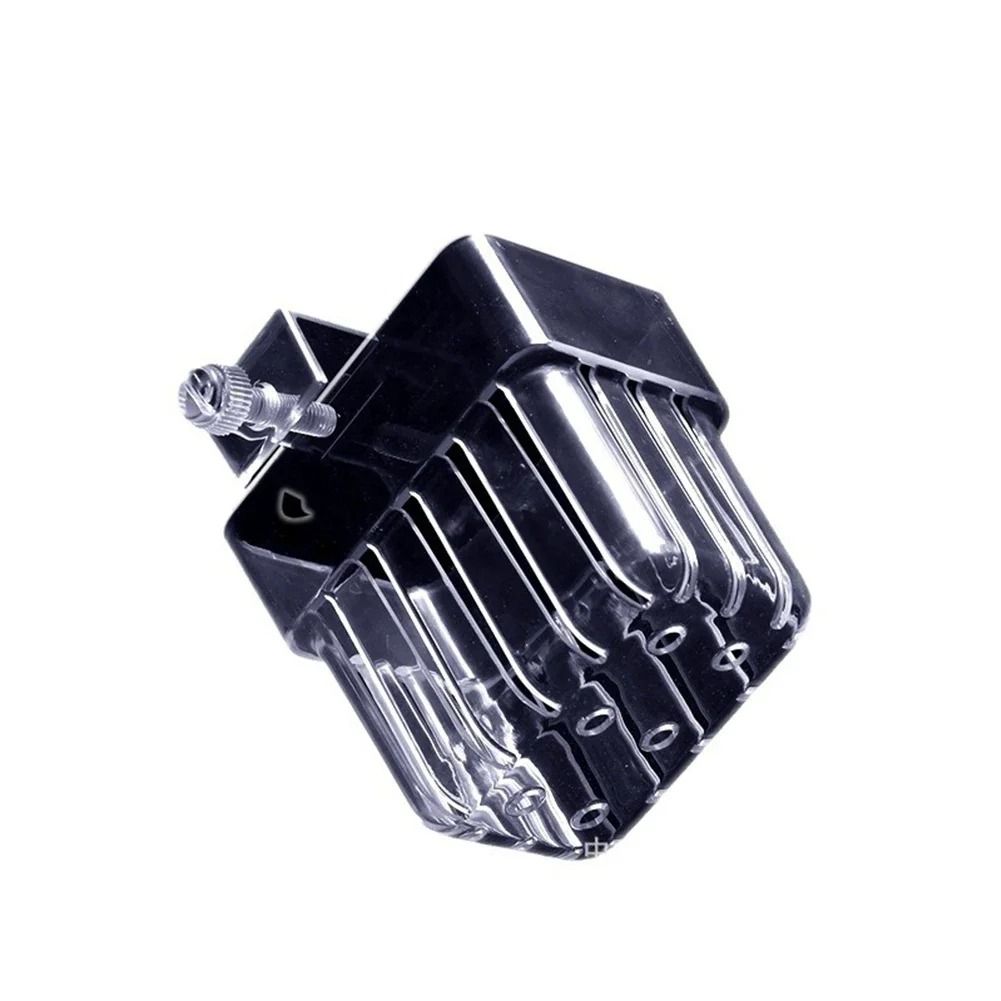
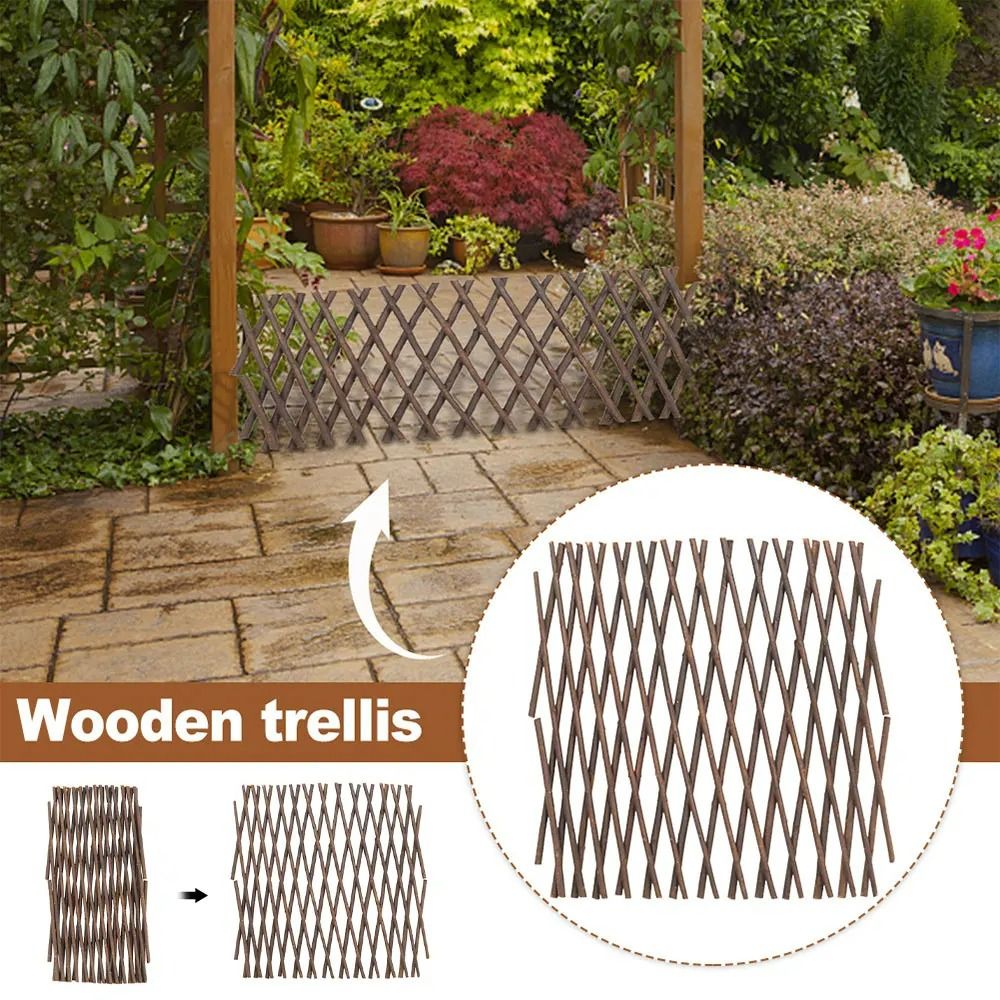
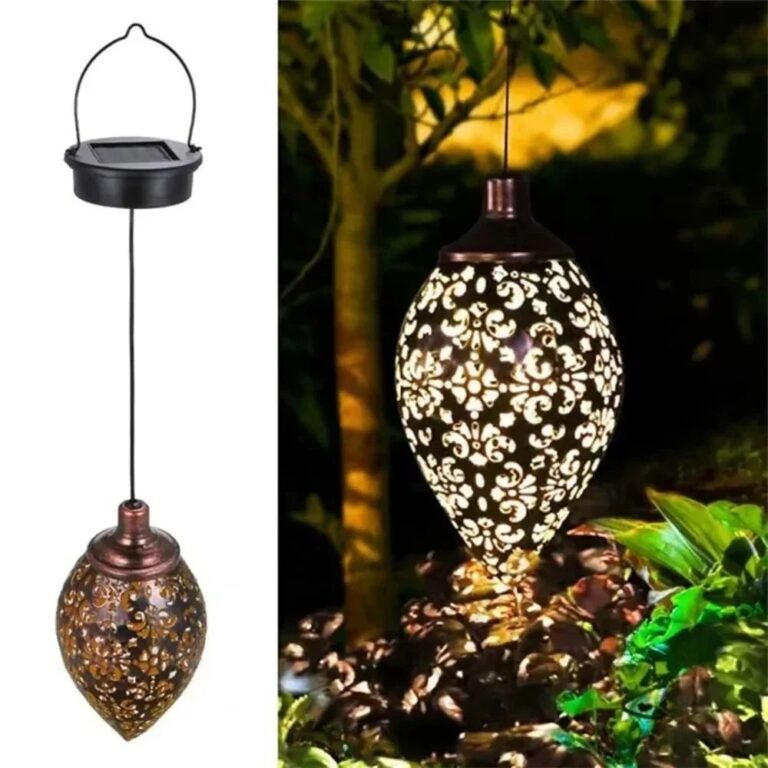 Aisha's pickWooden Fence Posts That Don’t Need Much Upkeep
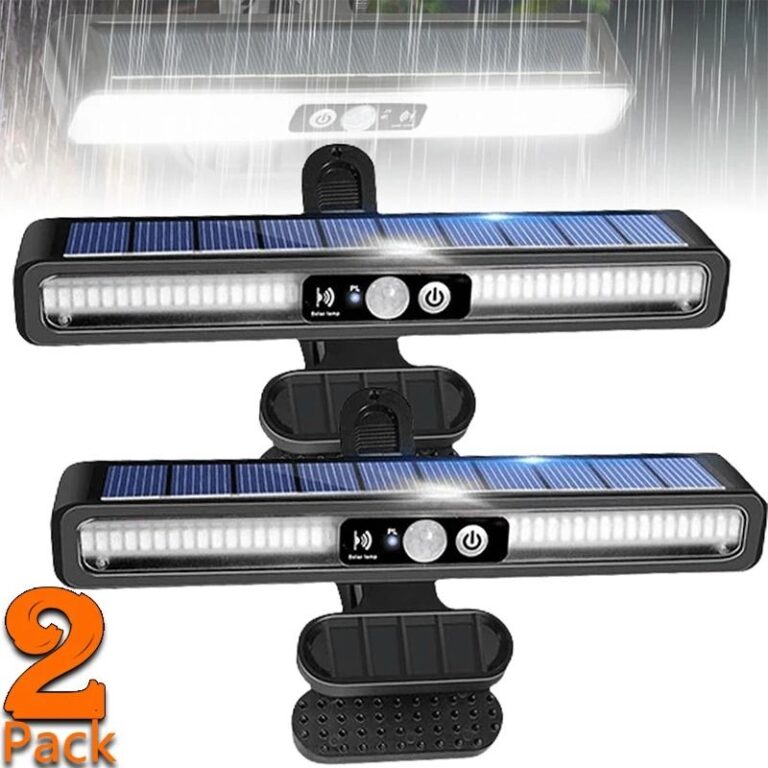
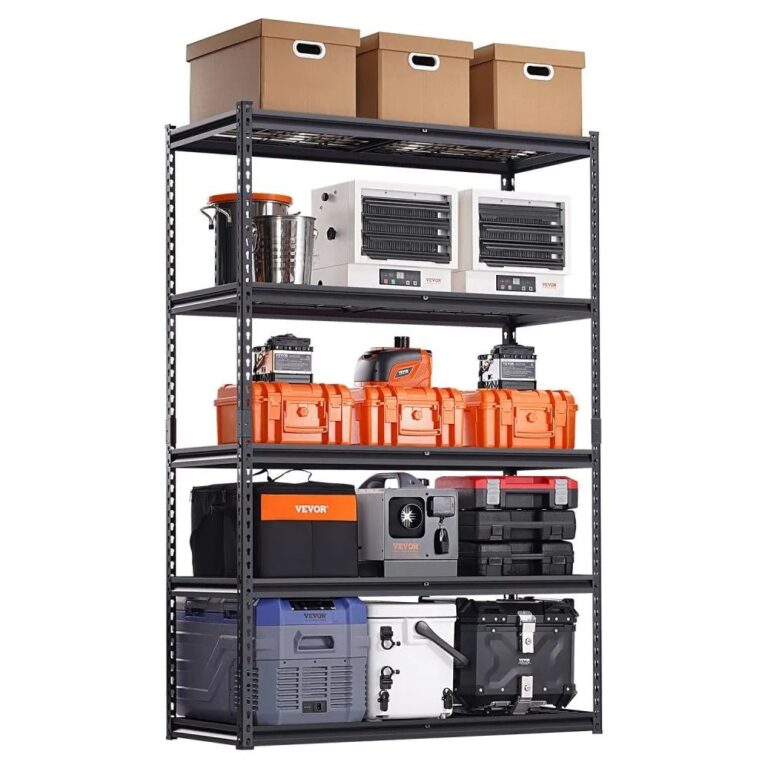 Aisha's pickOutdoor Storage Units That Stand Up to the Weather
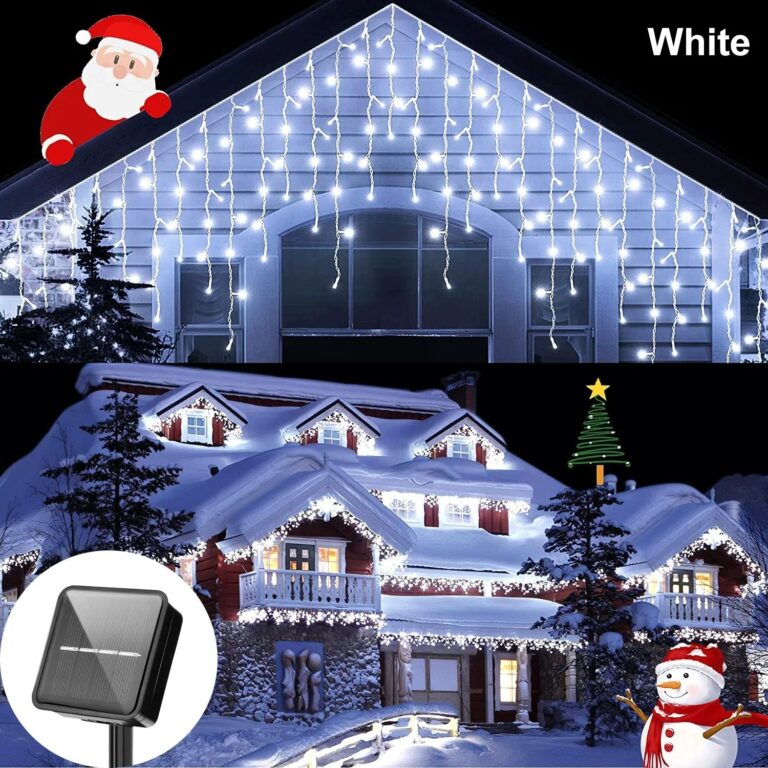 Aisha's pickModern Outdoor Curtains We Keep Coming Back To
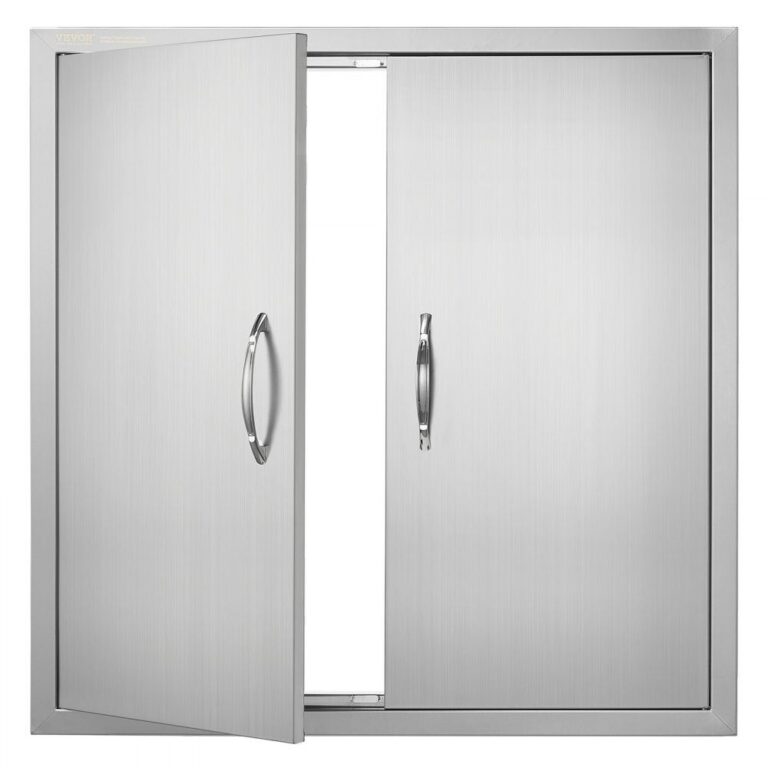 Aisha's pickOutdoor Kitchen Cabinets That Make the Yard Feel Like Another Room
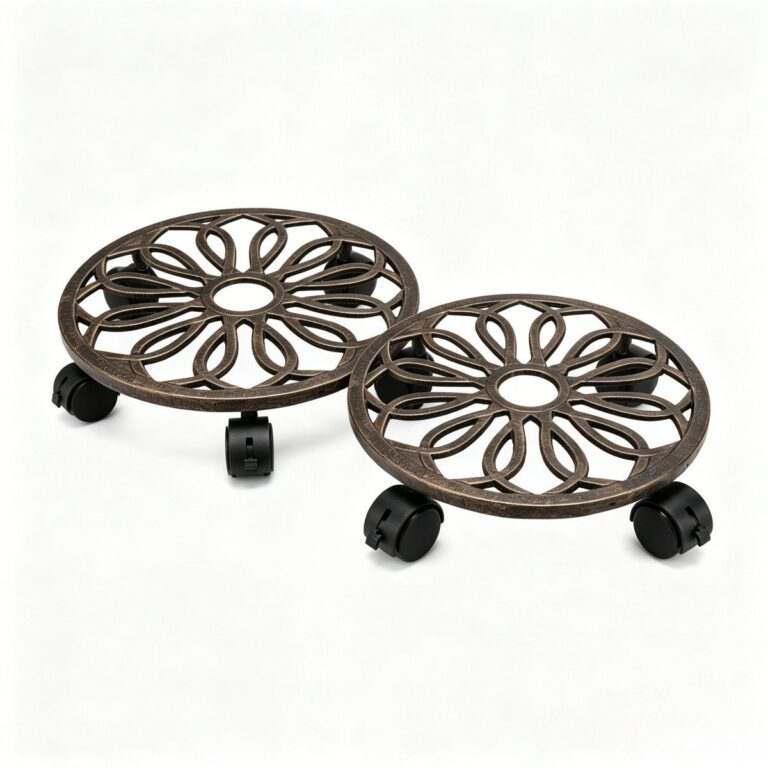
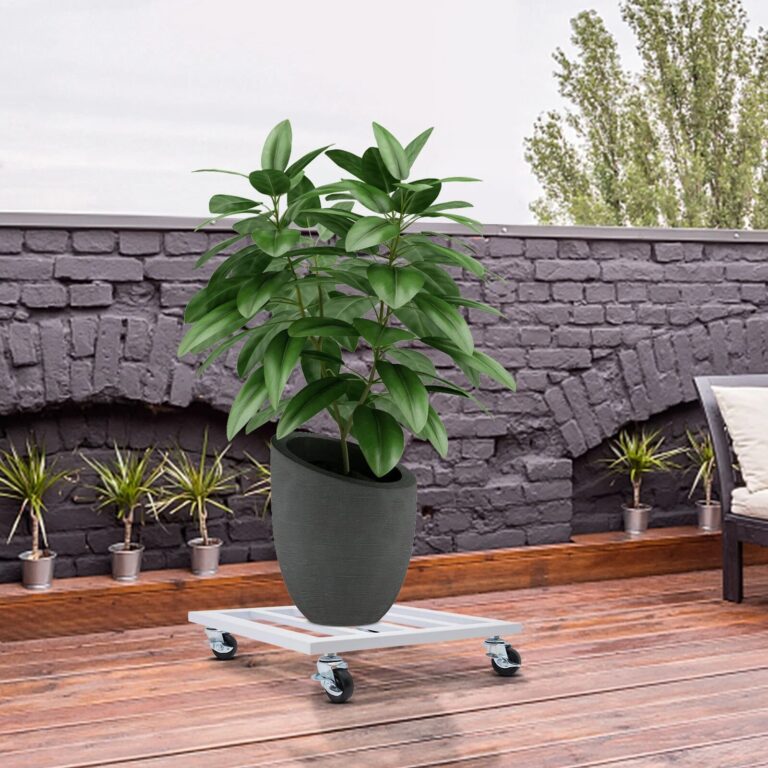 Aisha's pickPlant Pot Stands for Outdoors That Work in Old Houses and New Ones
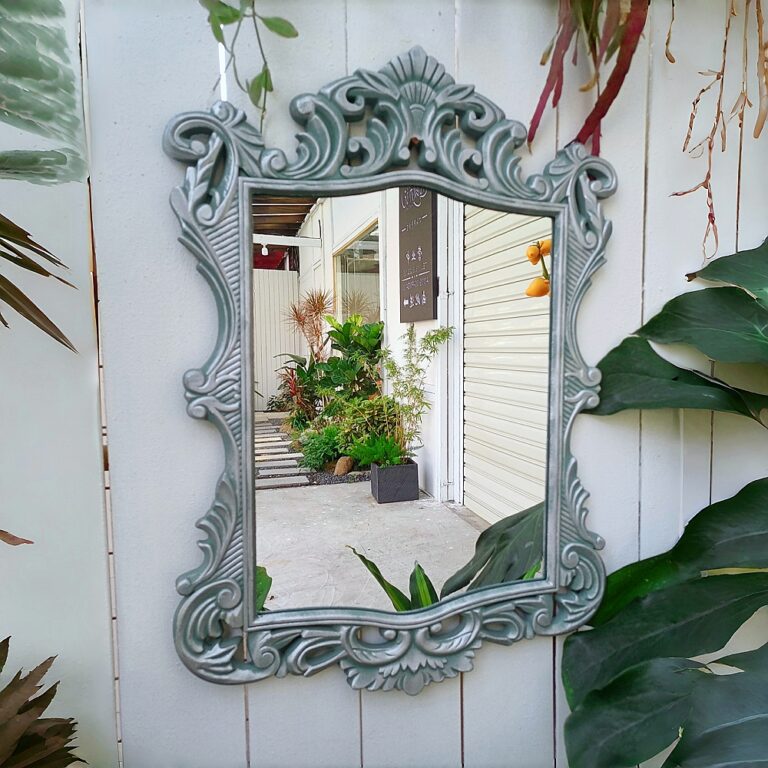
 Aisha's pickTraditional Outdoor Mirrors That Survive a Hard Winter
 Aisha's pickBird Feeders for the Yard Pulled From Dozens of StoresAlso worth a lookOutdoor TablesA good outdoor table has some weight to it before anything else.See the collections →

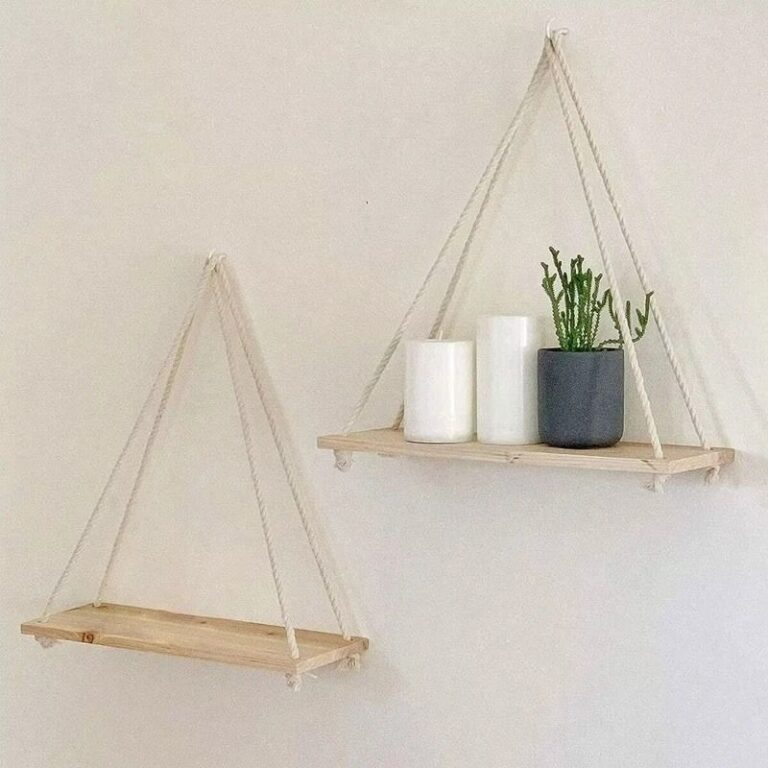
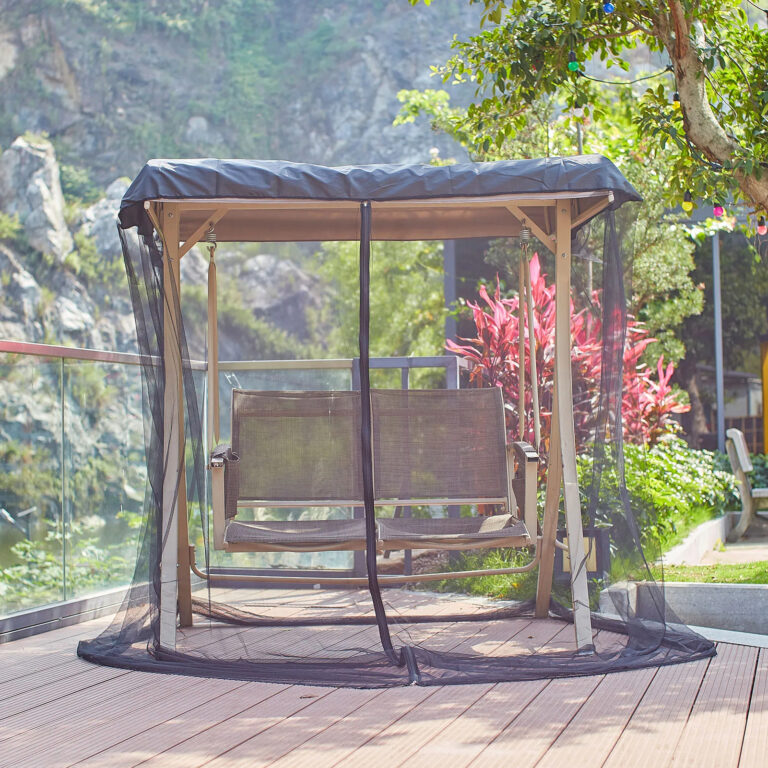 Aisha's pickPatio Swings That Survive a Hard Winter
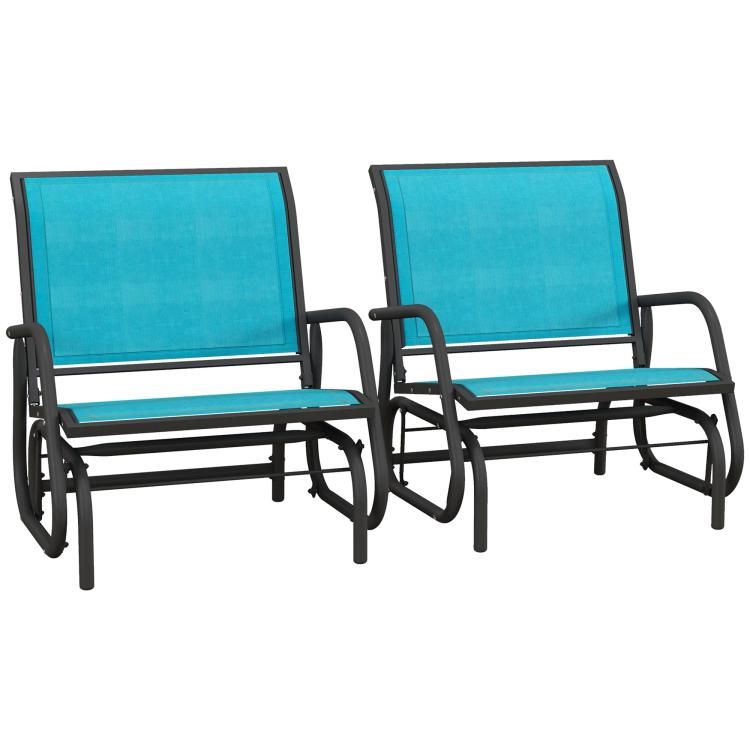 Aisha's pickBlue Outdoor Chairs That Survive a Hard Winter
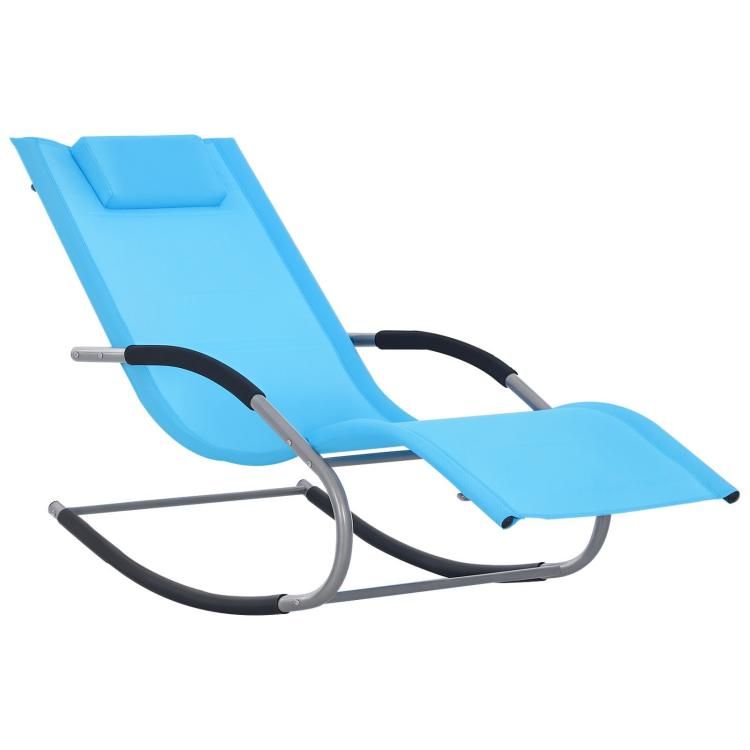
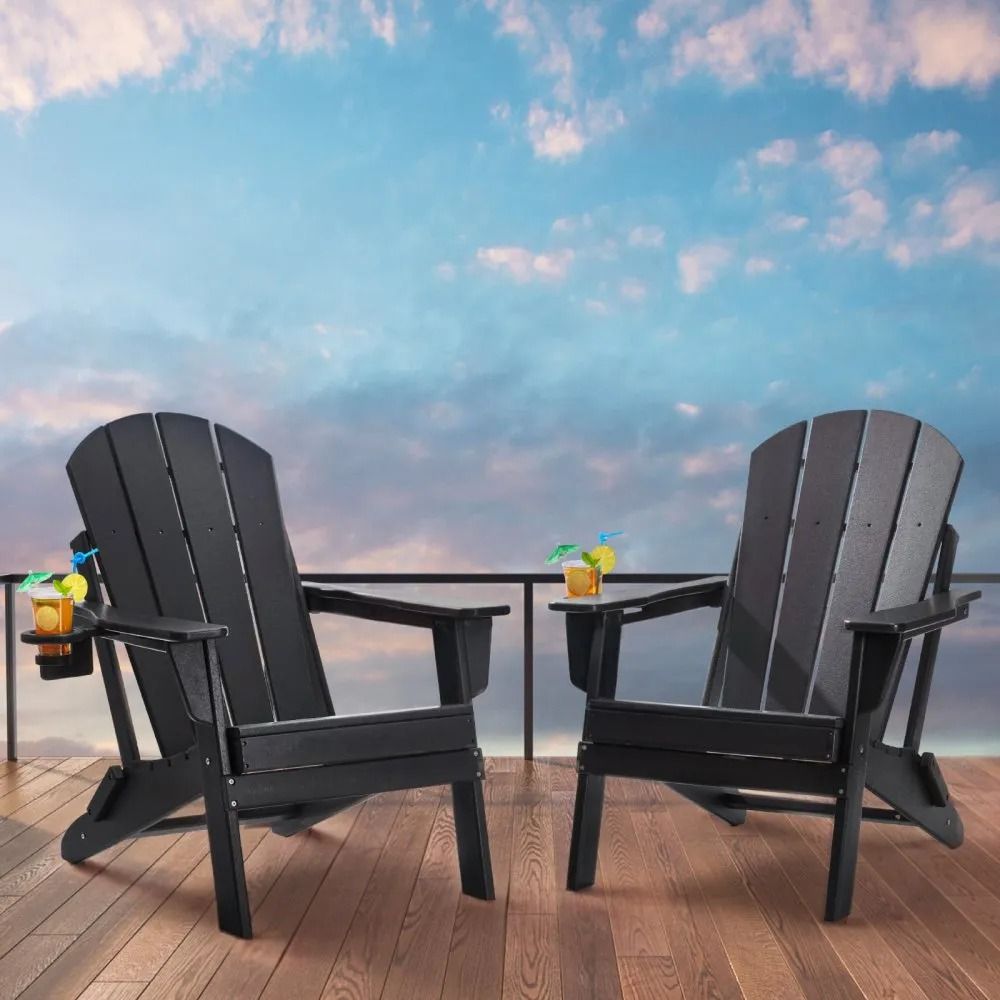 Aisha's pickShopping for Folding Reclining Outdoor Chairs? Start Here

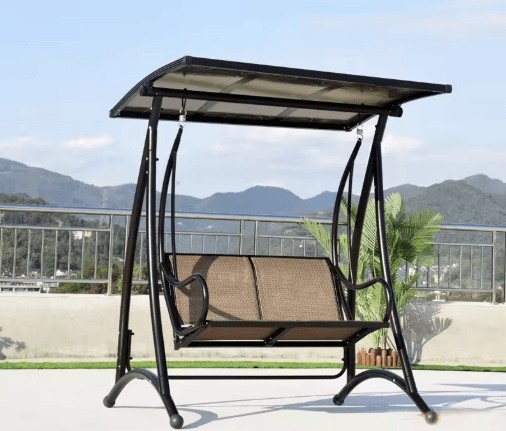 Aisha's pickLarge Outdoor Chairs We’d Have Out From May to September
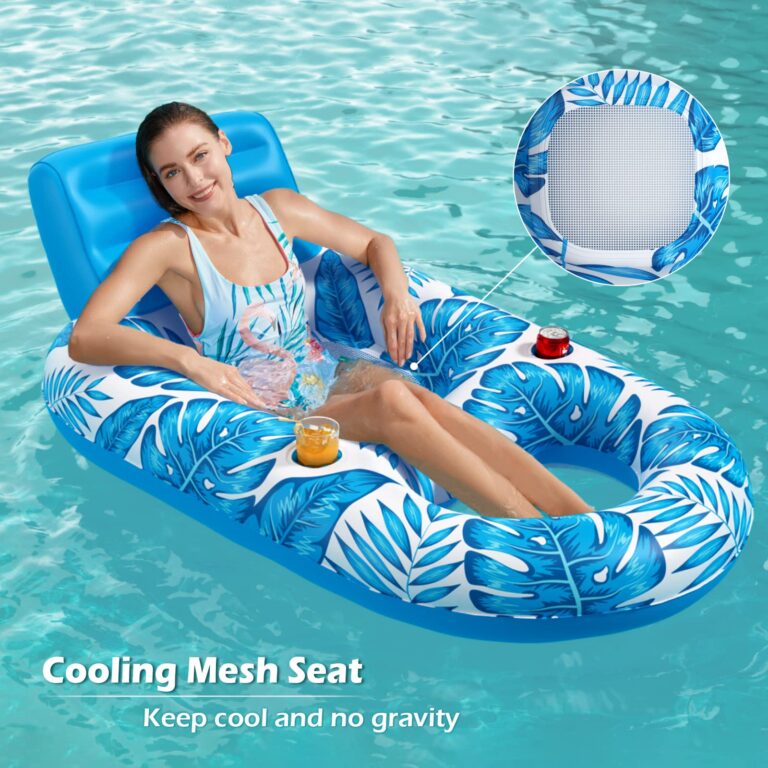 Aisha's pickDecent Outdoor Chairs with Storage Without the Hassle
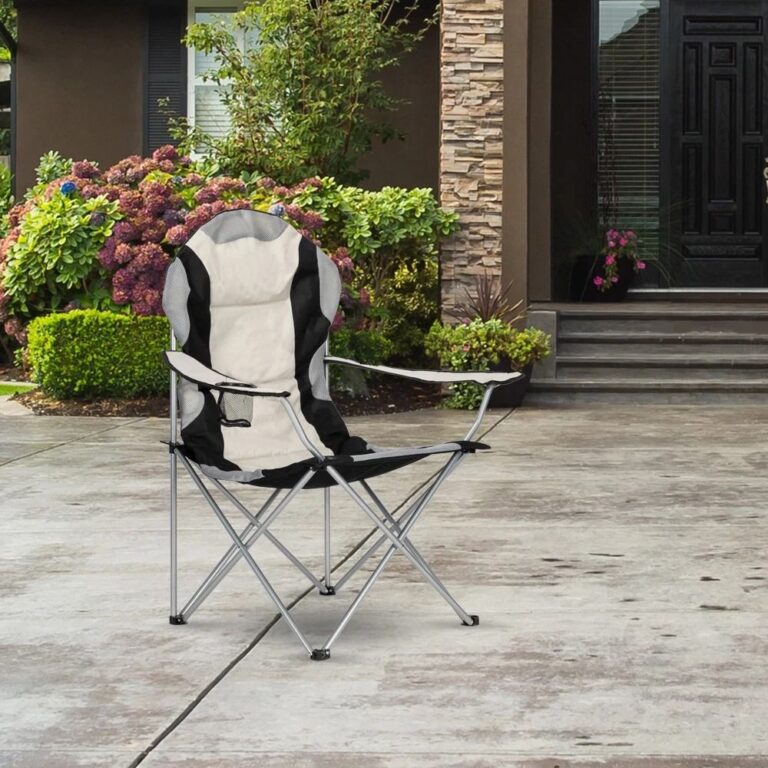
 Aisha's pickRope Outdoor Chairs That Shrug Off the Rain
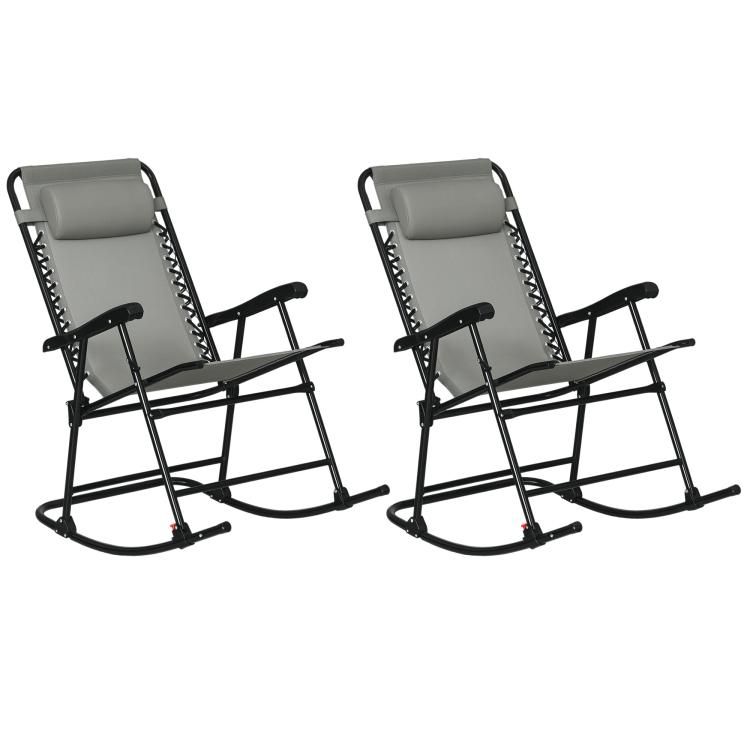
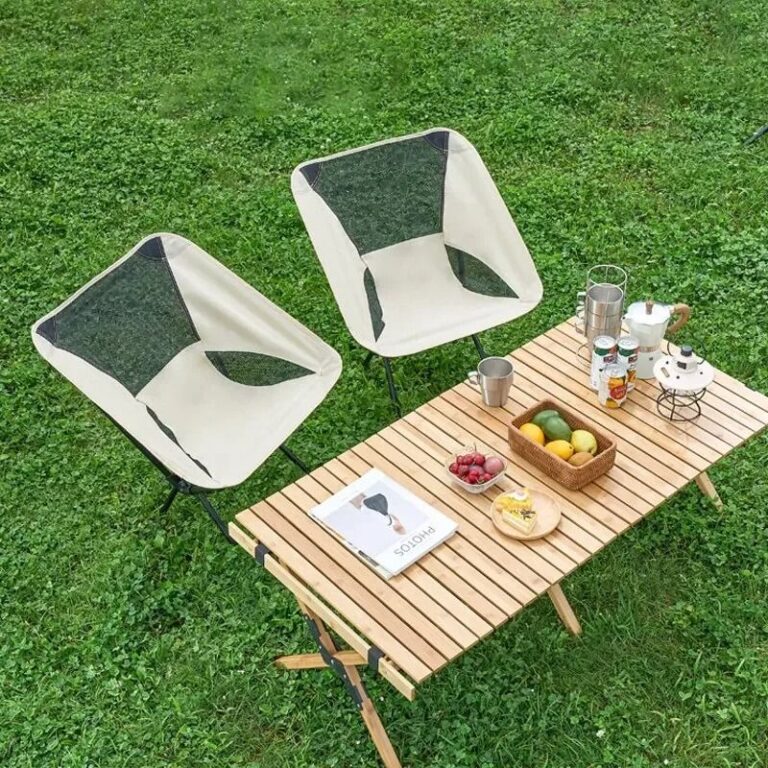 Aisha's pickWhite Outdoor Chairs for Long Summer Evenings Outside
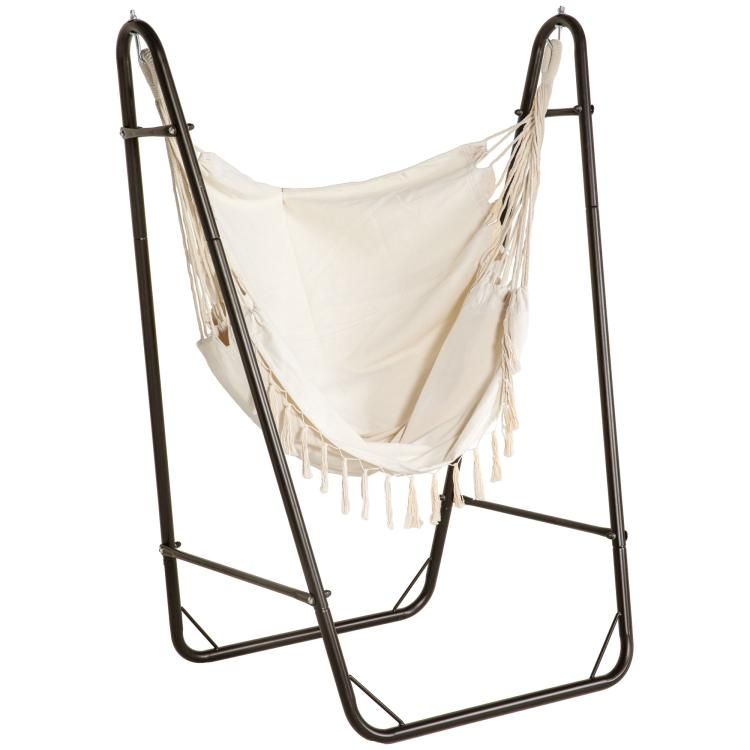
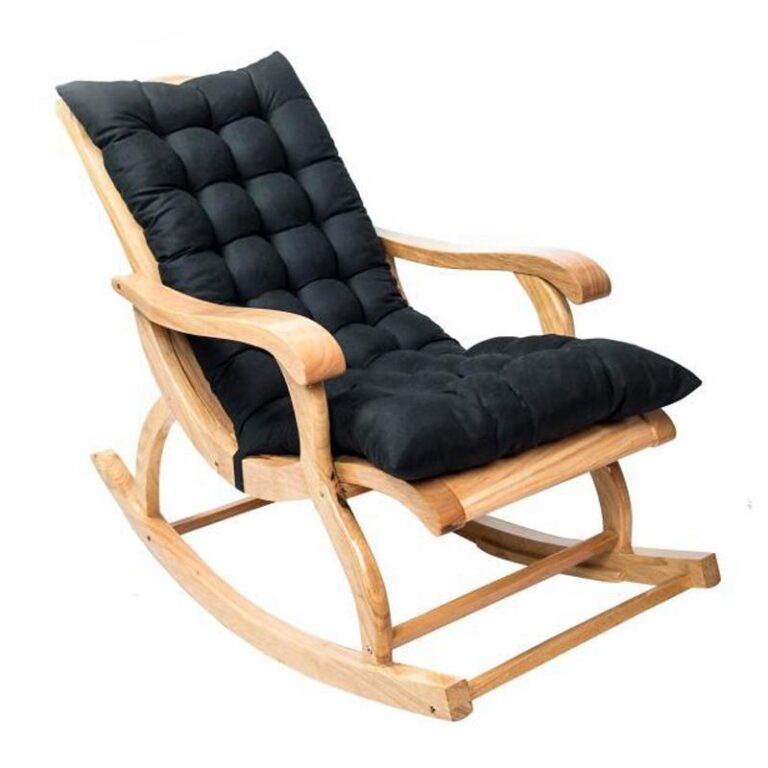 Aisha's pickOutdoor Chair Cushions for Bench That Stand Up to the Weather
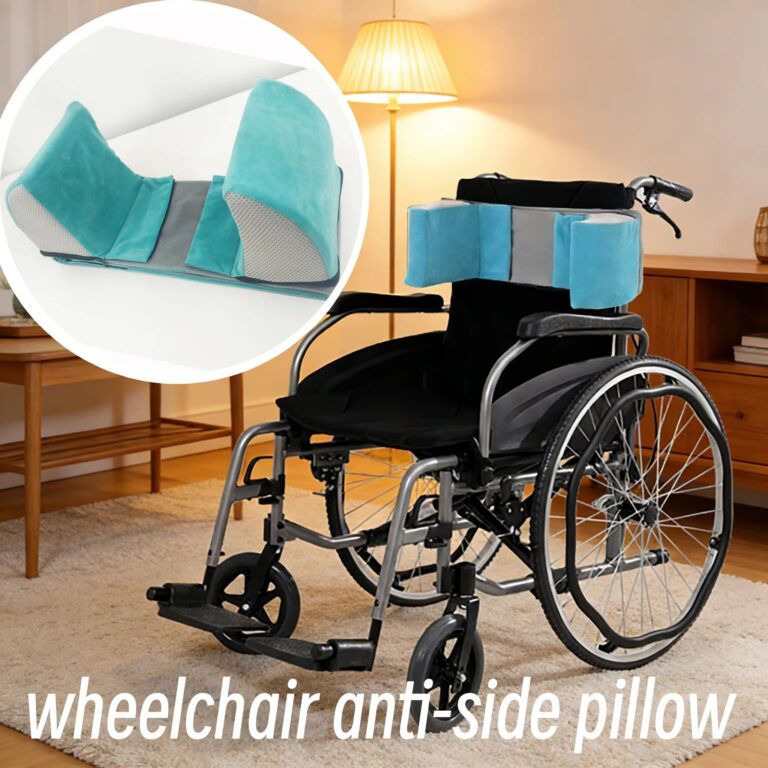 Aisha's pickNatural Outdoor Cushions That Make a Small Yard Work HarderAlso worth a lookOutdoor ChairsOutdoor chairs used to mean two choices: cheap plastic that went brittle and cracked after a couple of…See the collections →
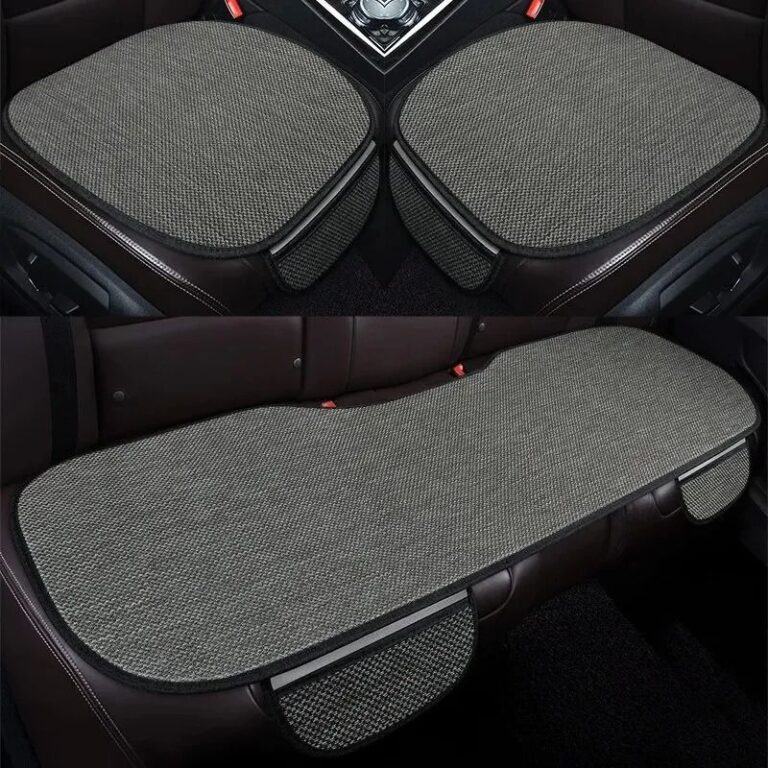
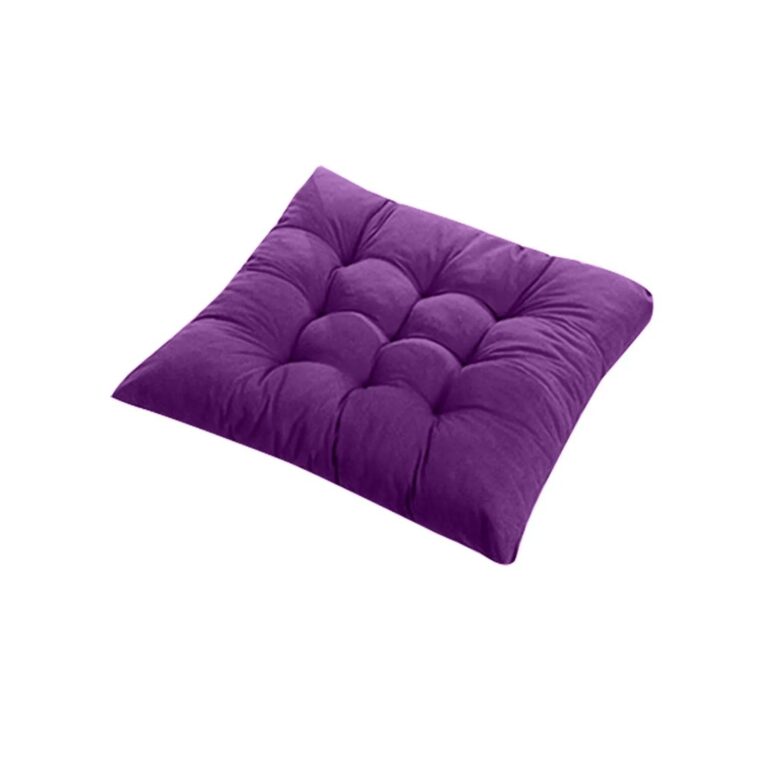 Aisha's pickPolyester Outdoor Seat Pads That Shrug Off the Rain
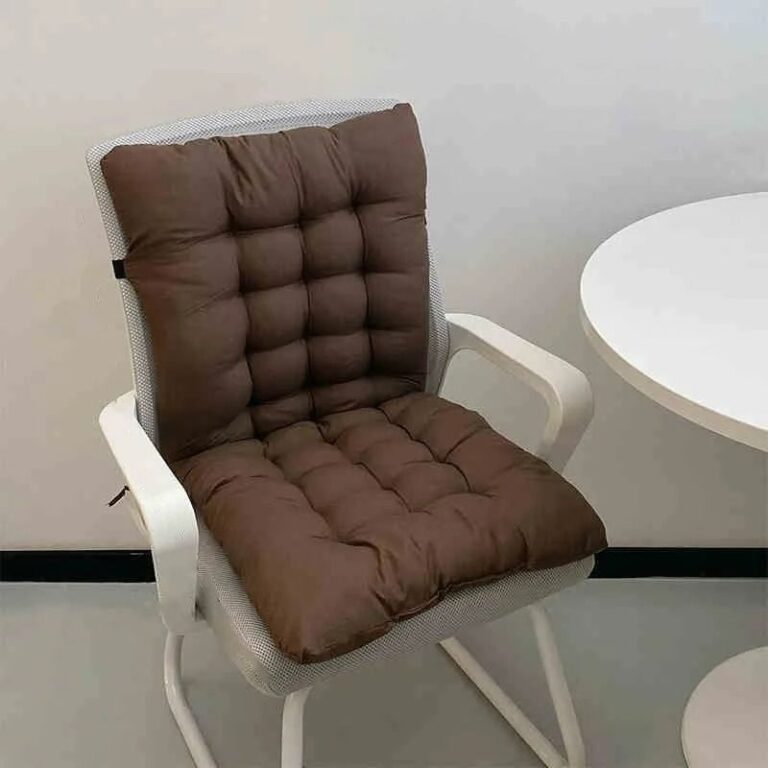
 Aisha's pickOutdoor Fences That Go With Most Rooms
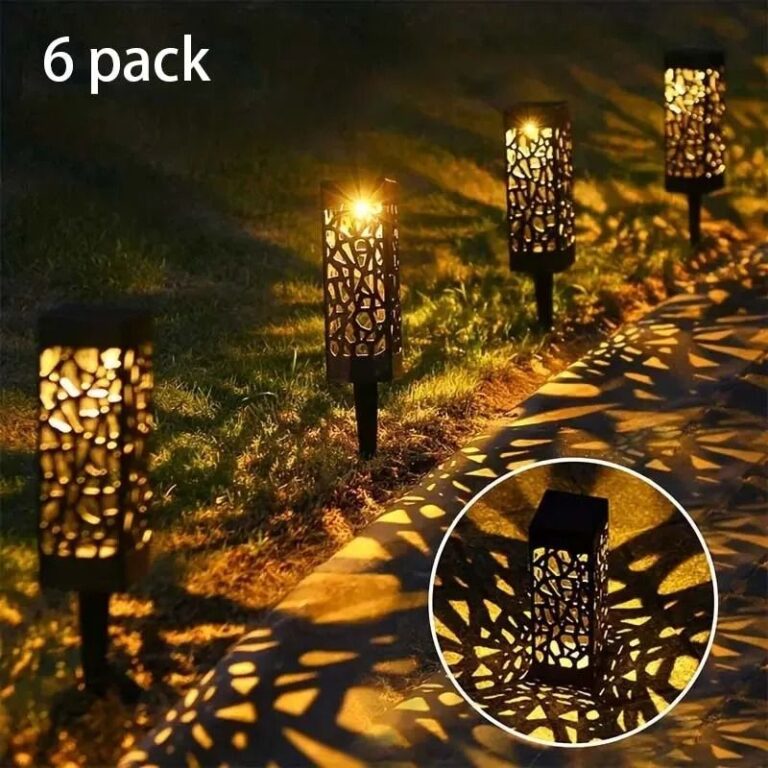 Aisha's pickLED Outdoor Stakes You Won’t Regret Buying
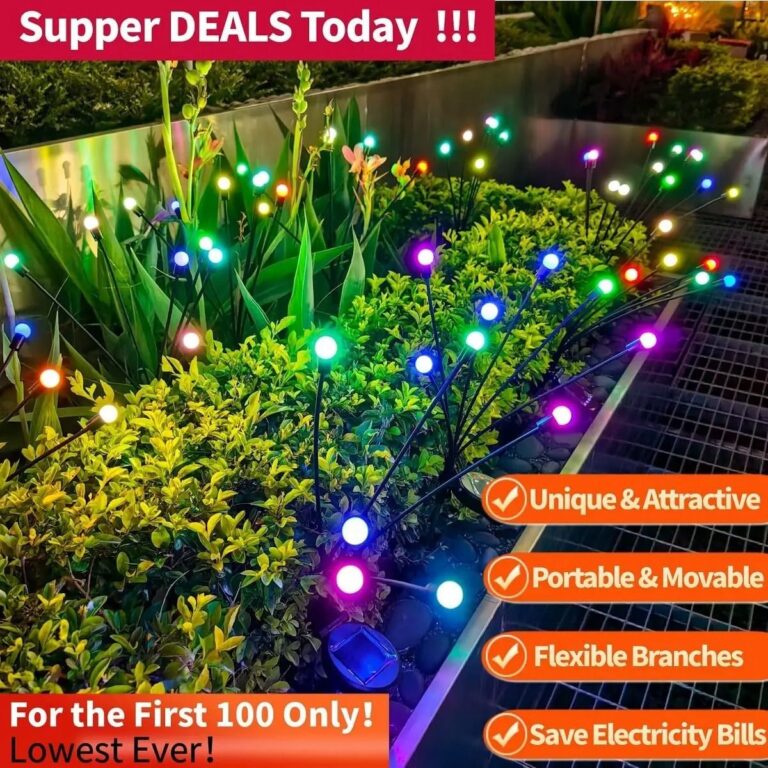
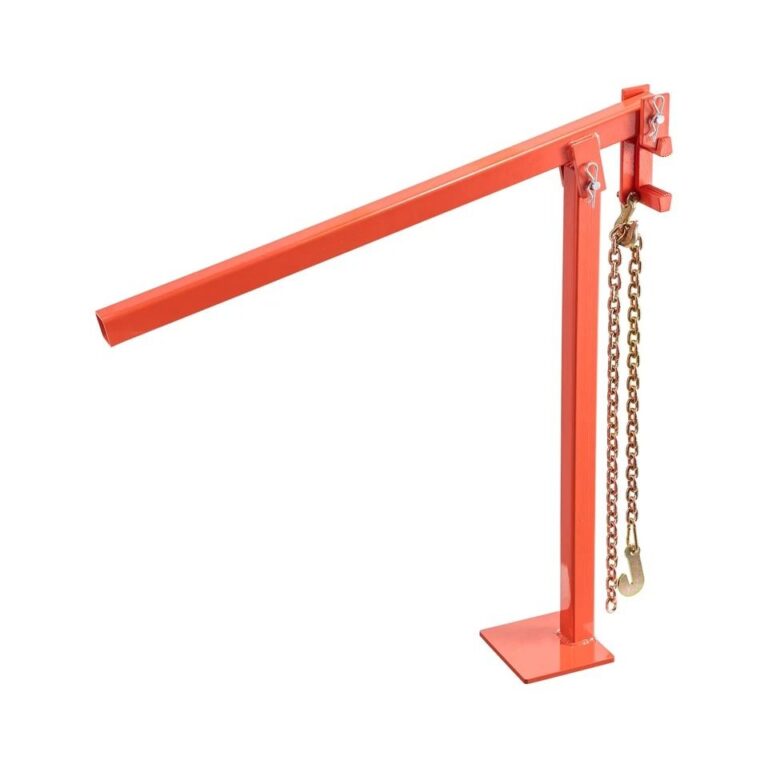 Aisha's pickSteel Outdoor Fences That Don’t Need Babying
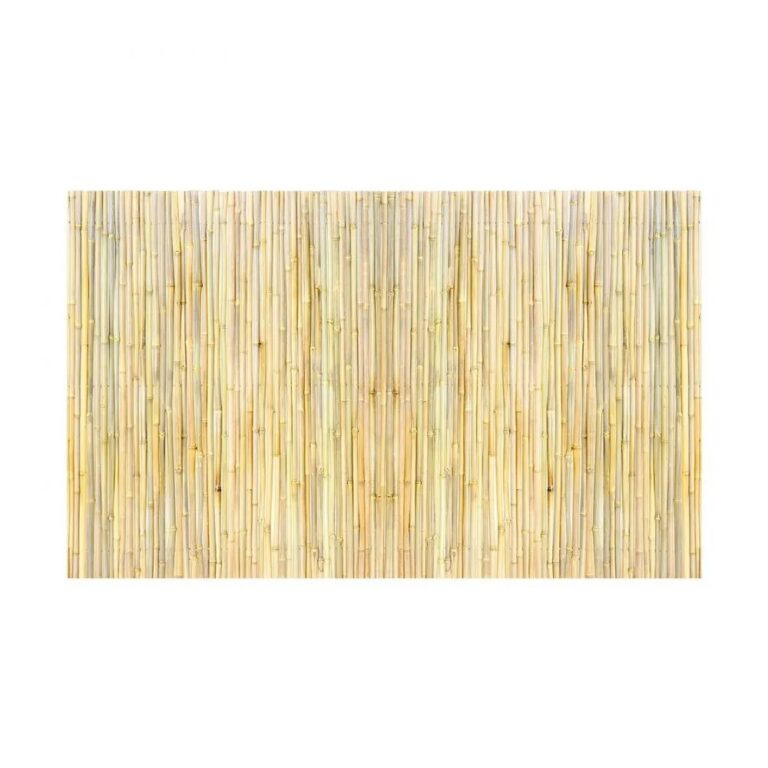
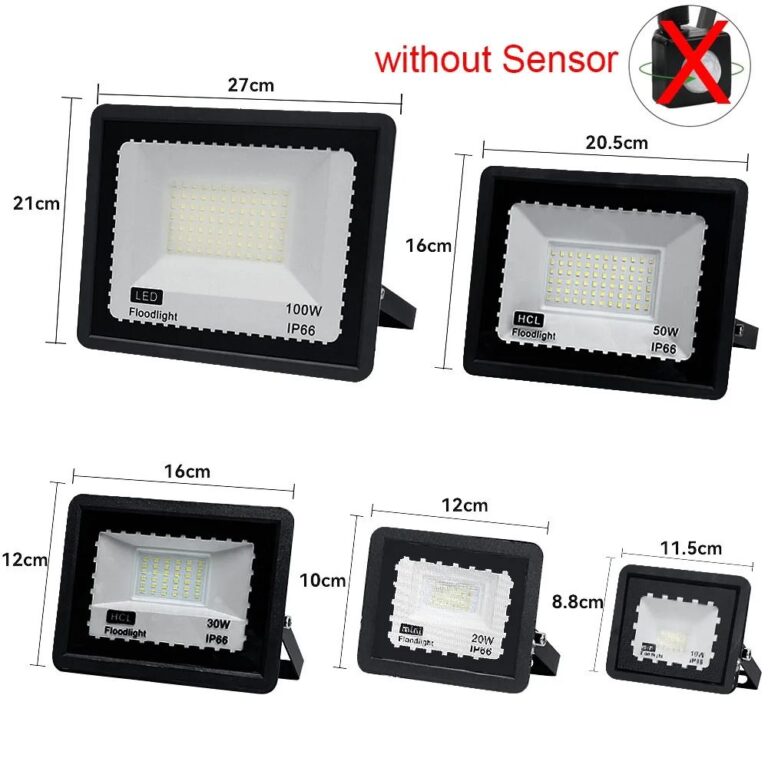 Aisha's pickIndustrial Floodlights We’d Have Out From May to September
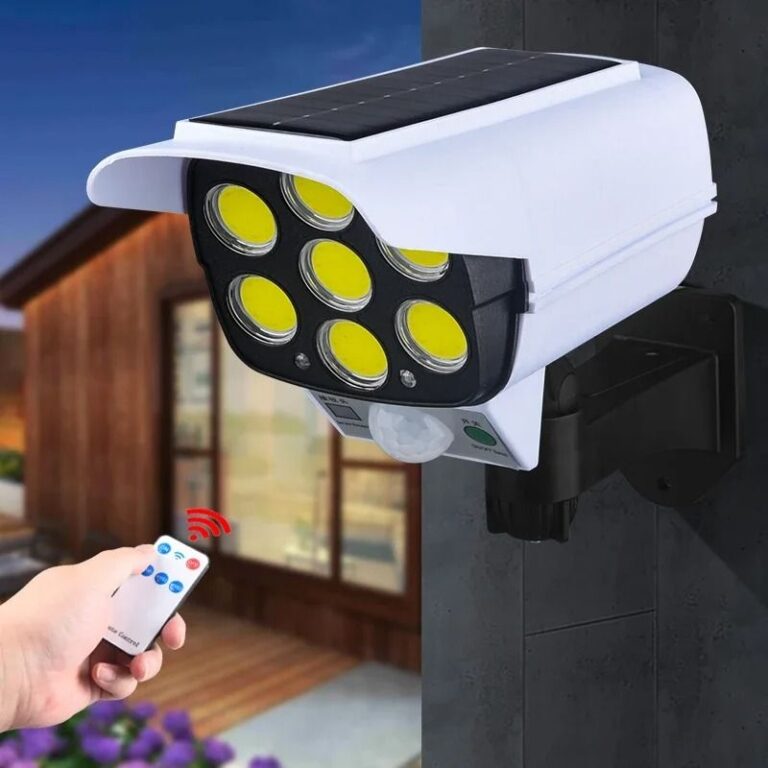
 Aisha's pickBlack Patio Heaters Worth Knowing About

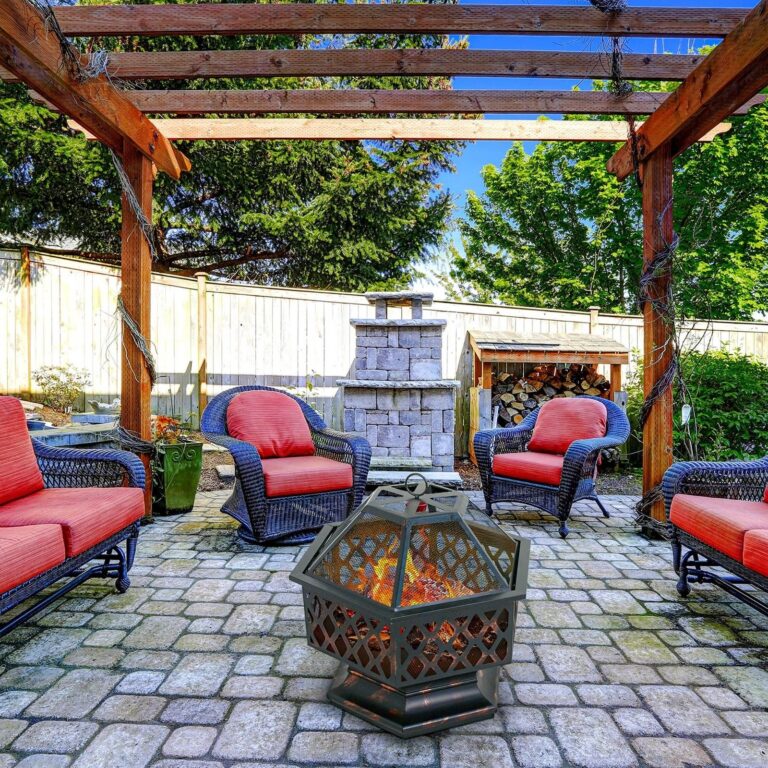 Aisha's pickOutdoor Fire Pits for Patio That Do the Job Right
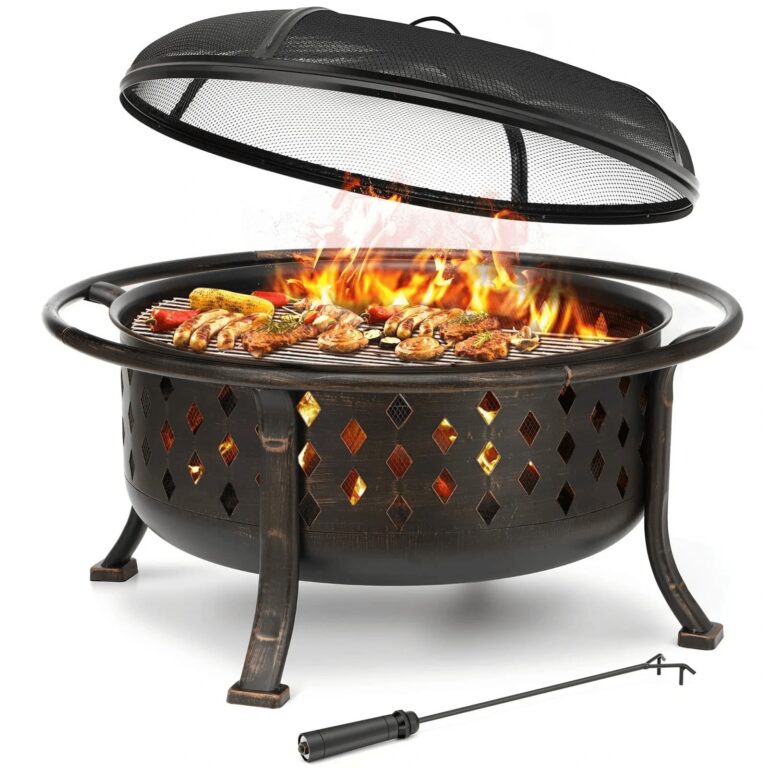
 Aisha's pickOutdoor Lighting That Earns Its Place