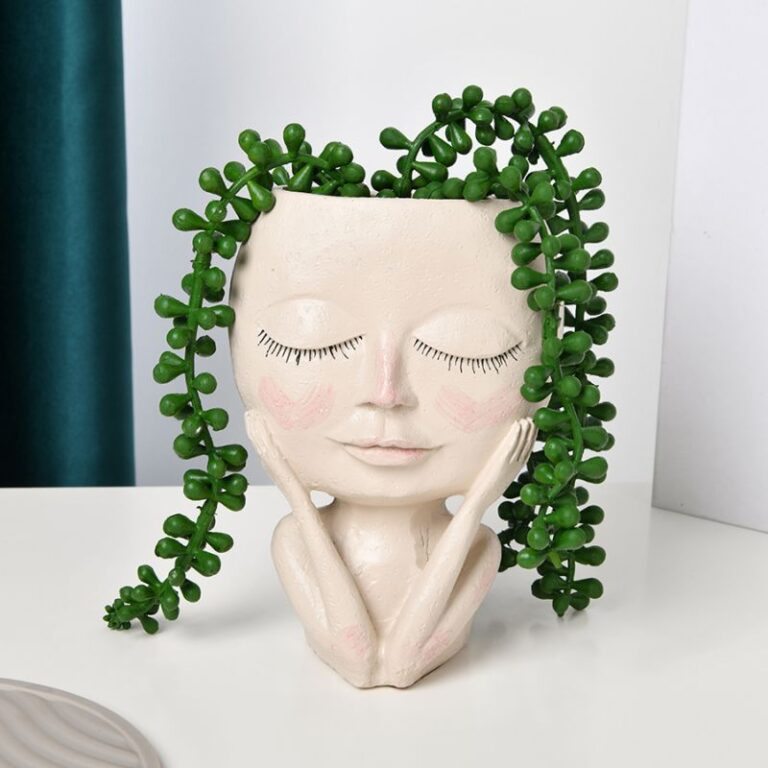
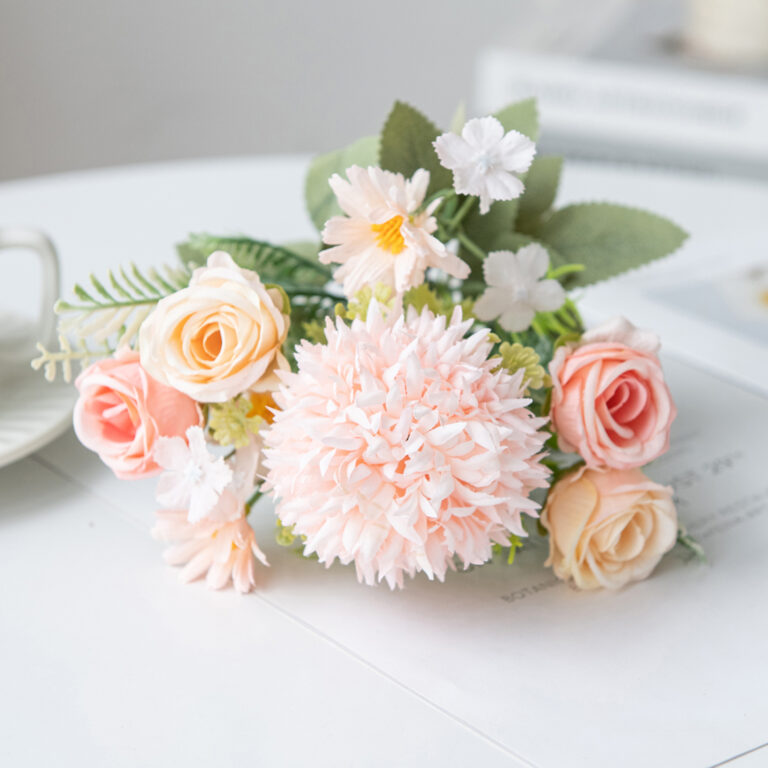
The first thing I check is the base, not the leaves. A good outdoor vase or urn needs enough weight and the right material to sit through wind and rain without tipping or soaking through, and a lot of them fail that in the first week. Glazed ceramic that's rated for outside is fine, thin resin that looks like stone from six feet away usually isn't, and I've picked up more than one "weatherproof" pot that had water sitting inside it by the second storm.
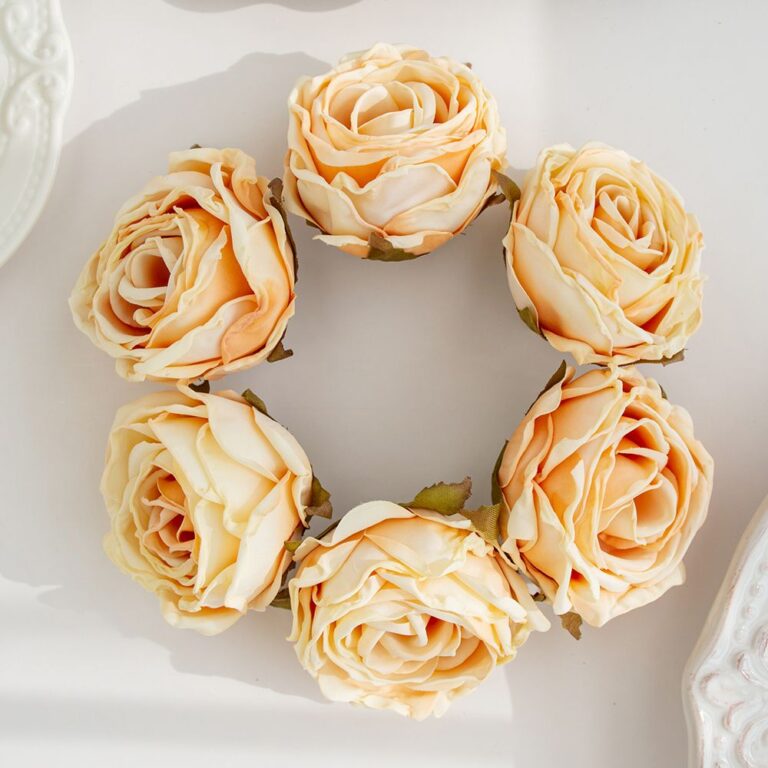
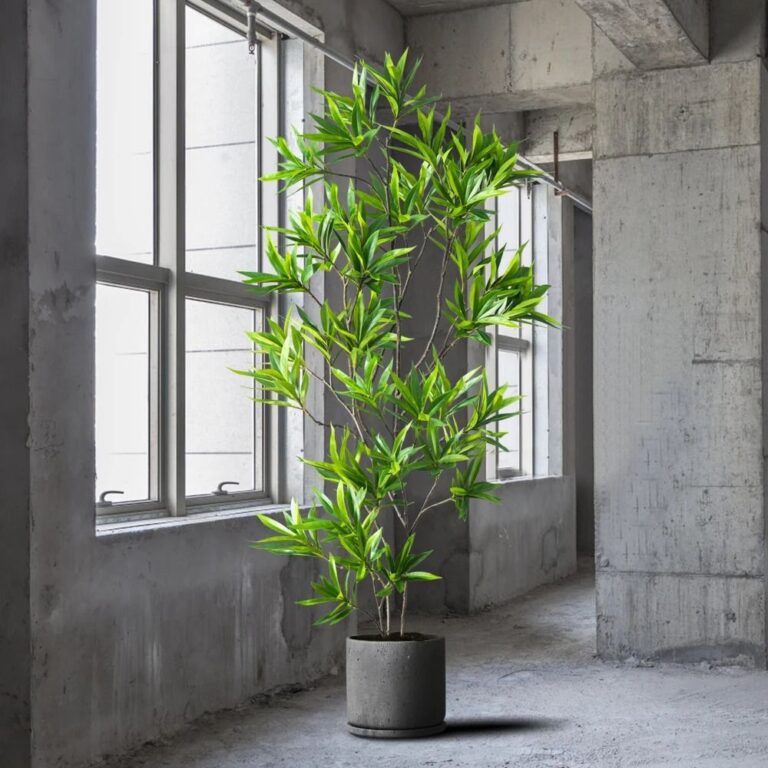
In an ordinary garden or patio, these sit best near plain surfaces that don't compete with them, a bit of gravel, a wall, a run of plain paving. They work paired with real plants too, not just alongside artificial ones, an urn with a trailing ivy at the base and a faux stem rising through it can look more settled than either on its own. Artificial plants in particular look their best when they're mixed in with something living nearby, because the eye reads the whole grouping together and forgives a lot.
Where it goes wrong is when everything in the arrangement is fake and shiny at the same time, glossy leaves in a glossy pot on a glossy table, and suddenly the whole corner reads like a display at a furniture showroom rather than a porch. Bright, saturated faux greenery also looks wrong next to natural stone, weathered wood or anything with real age on it, the contrast is too loud. And cheap vases with a painted finish rather than a true glaze or sealed material will peel and chalk within a season, which is worse than having nothing out there at all.
These earn their place in spots that don't get tended often, a side entrance, a balcony rail, a spot too shaded for anything to actually grow, or a rental where you're not digging up a border you don't own. They're good through every season precisely because nothing needs watering or dies back in winter, which matters most in climates with a long cold stretch or a long dry one. Older gardens with established plants can use one as an accent, a newer or smaller space can use a well made one to fill a gap that would otherwise sit empty.
This suits a home with more hard surface than soil, where a bit of permanent green or a well shaped pot does more good than a flower bed that needs constant attention.
 Aisha's pickFaux Plants for Outdoors You Won’t Want to Hide Away
 Aisha's pickGreen Outdoor Artificial Flowers That Don’t Need Babying
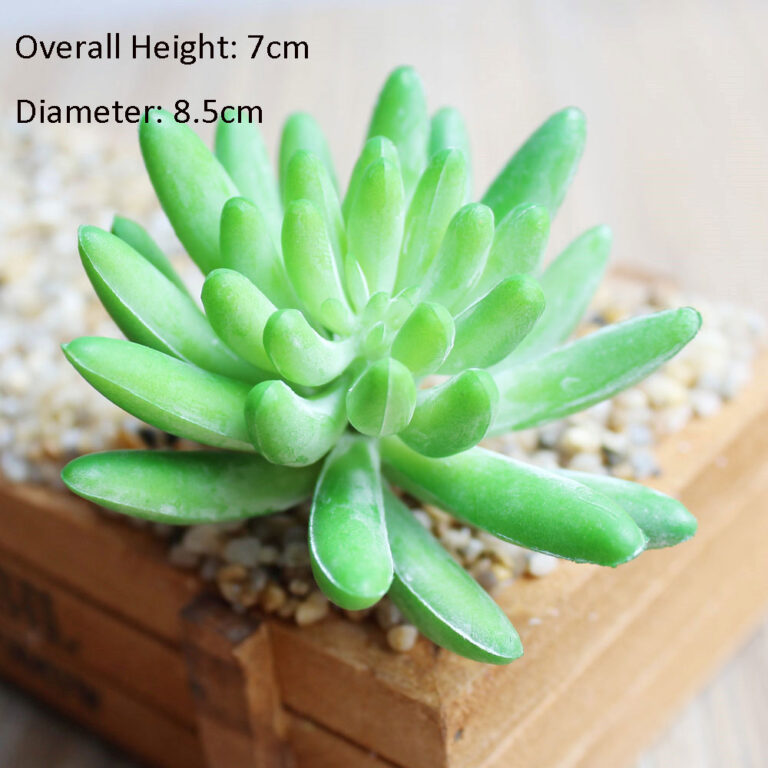
 Aisha's pickGreen Outdoor Artificial Plants for Sunny Afternoons and Chilly Nights
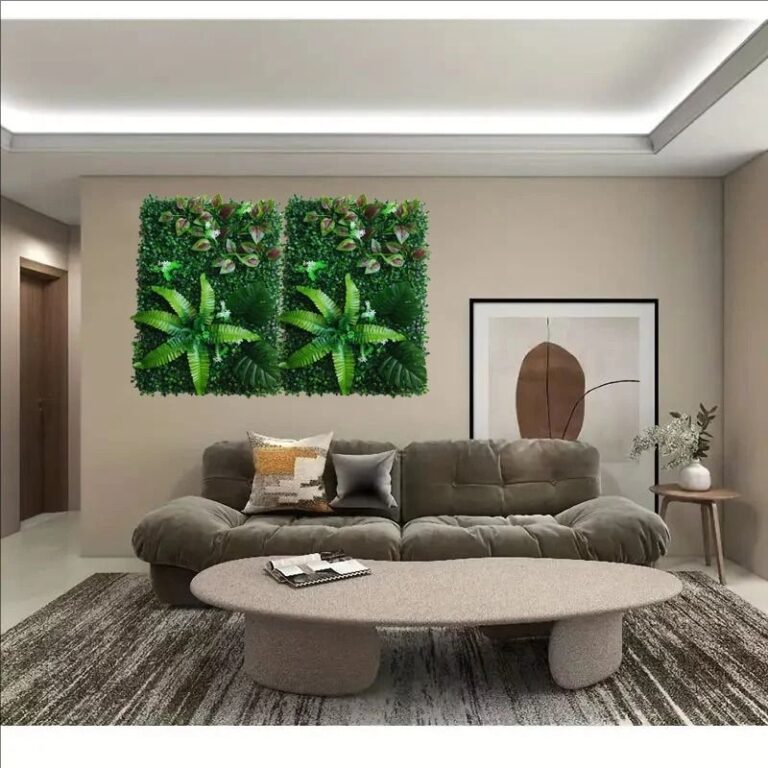
 Aisha's pickLarge Outdoor Artificial Flowers for Barbecues and Lazy Weekends

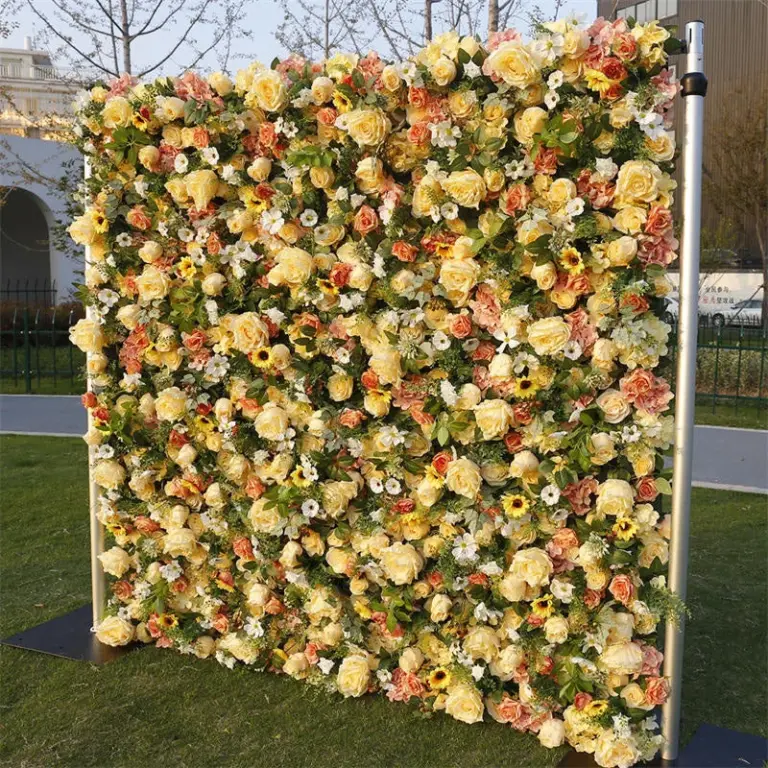 Aisha's pickOutdoor Artificial Flowers That Stand Up to the Weather
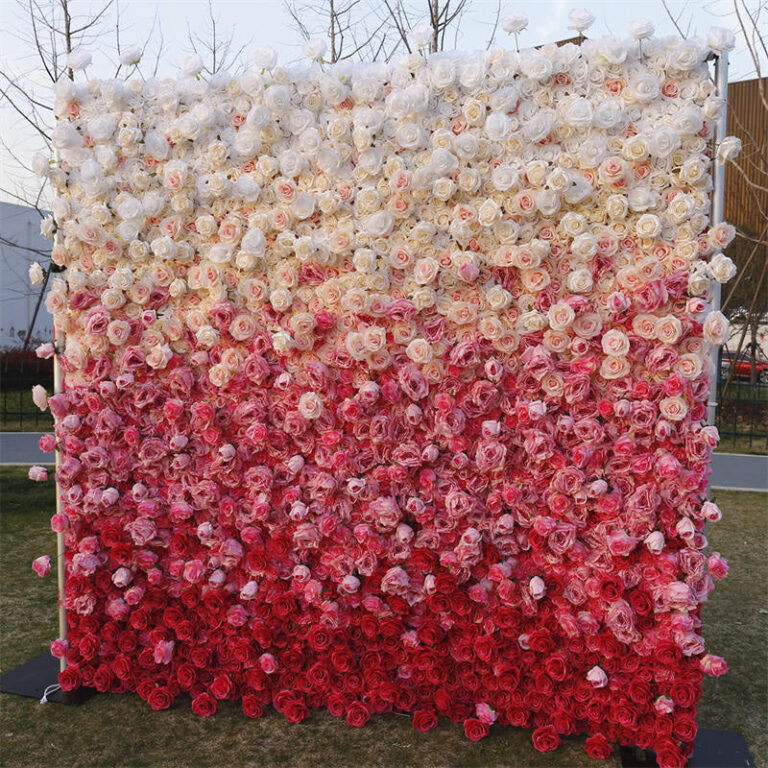
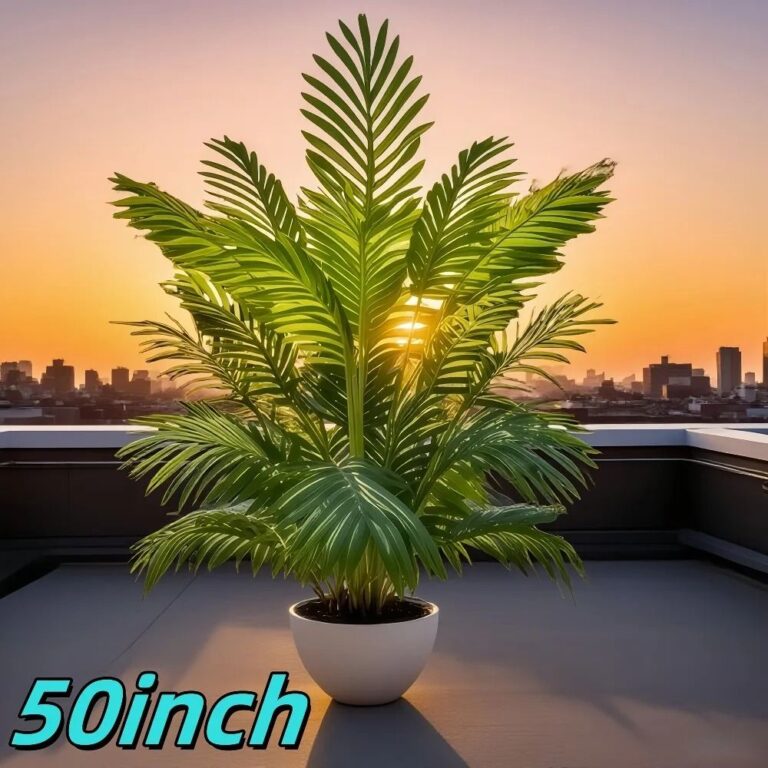 Aisha's pickOutdoor Artificial Plants That Hold Up to Everyday Life
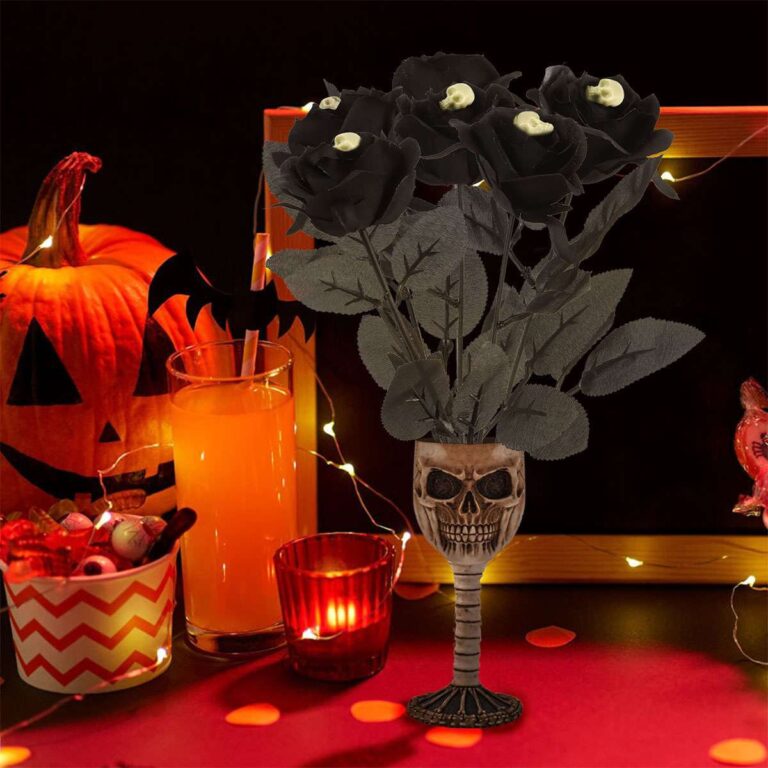 Aisha's pickOutdoor Artificial Roses for Long Summer Evenings Outside
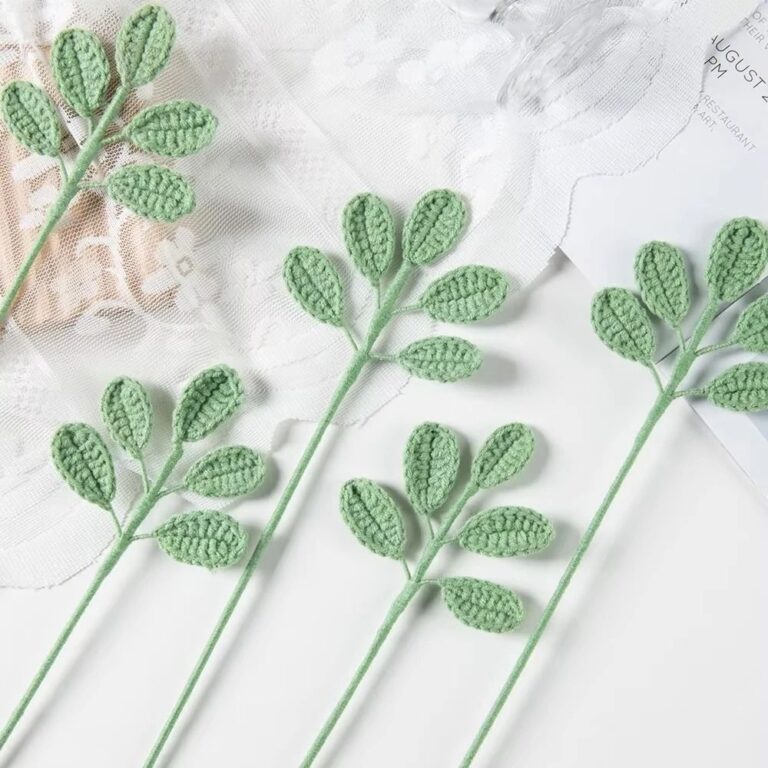
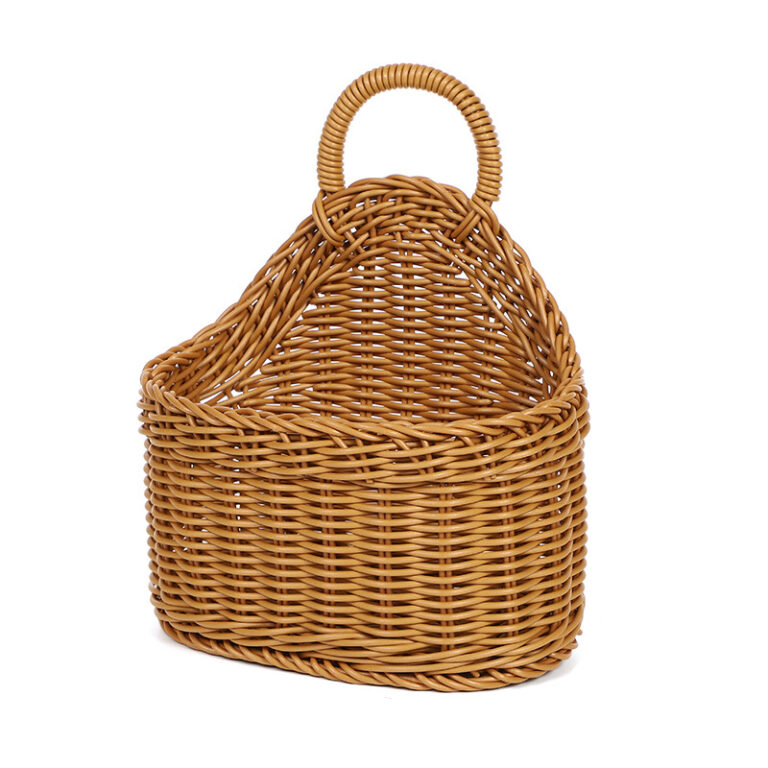 Aisha's pickOutdoor Faux Flowers That Make the Yard Feel Like Another Room
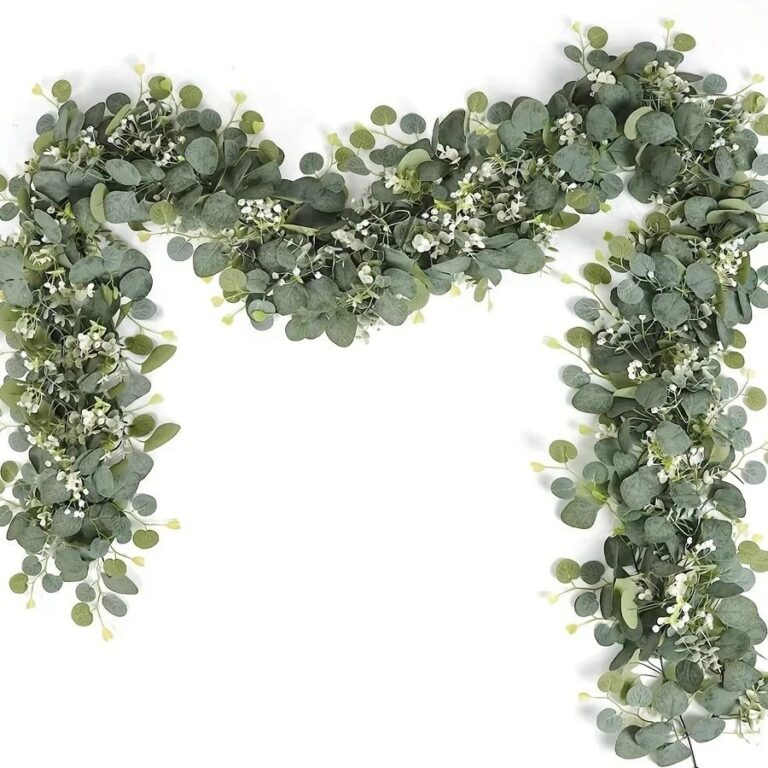
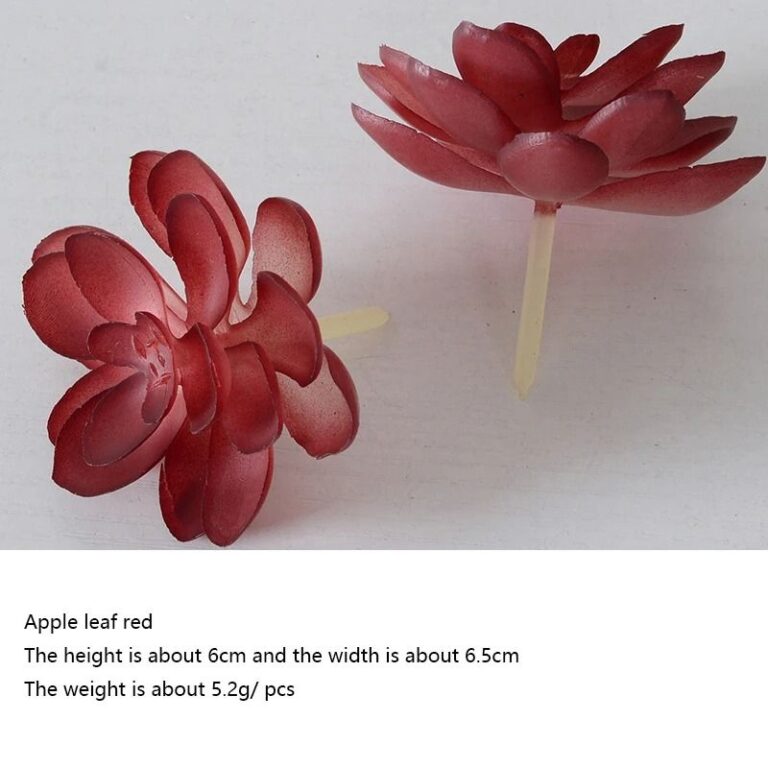 Aisha's pickOutdoor Faux Plants for Sunny Afternoons and Chilly NightsAlso worth a lookOutdoor LightsOutdoor lights have a reputation for being the thing you buy in a hurry at the end of…See the collections →
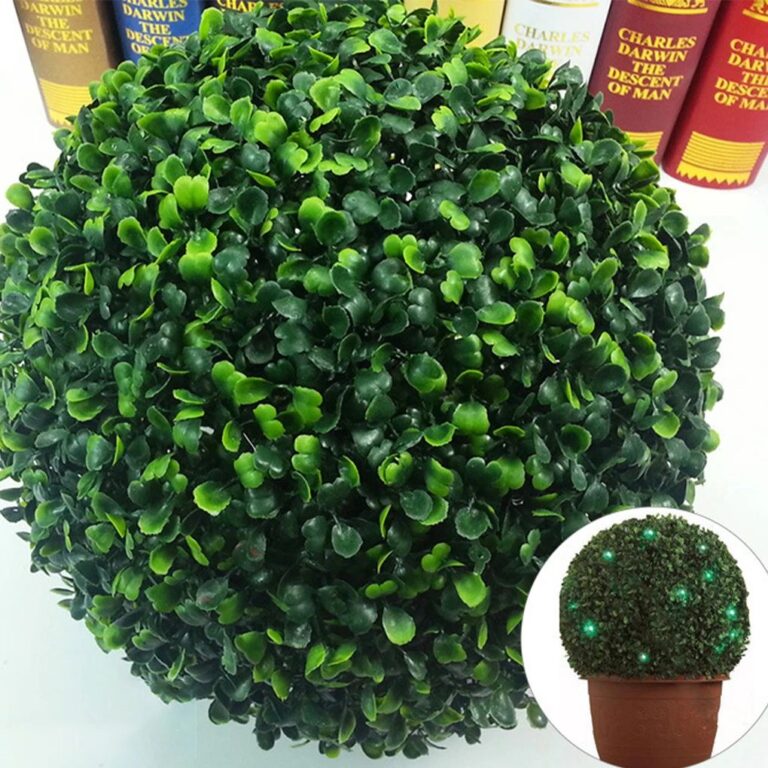
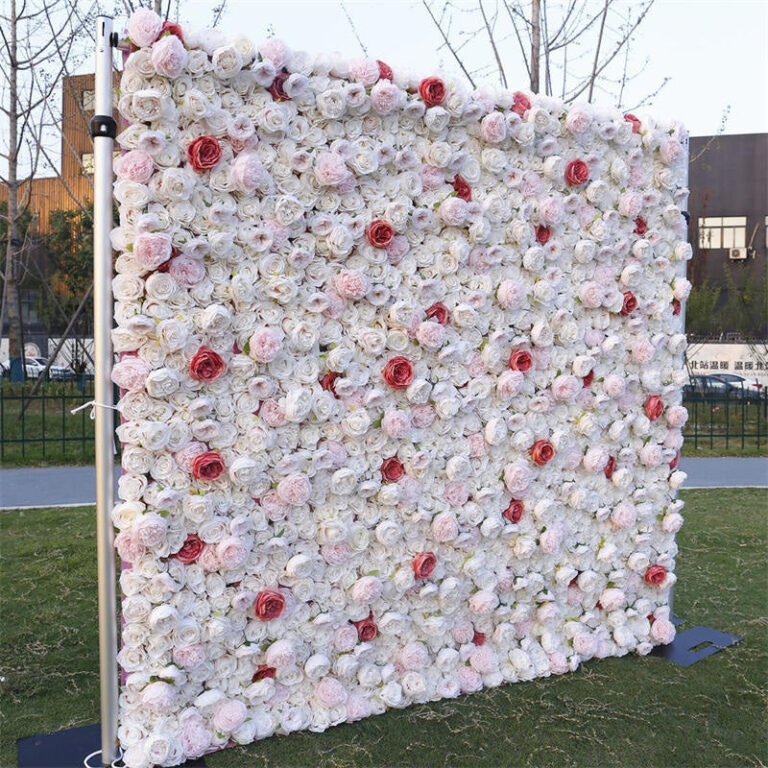 Aisha's pickPink Outdoor Artificial Flowers for Barbecues and Lazy Weekends
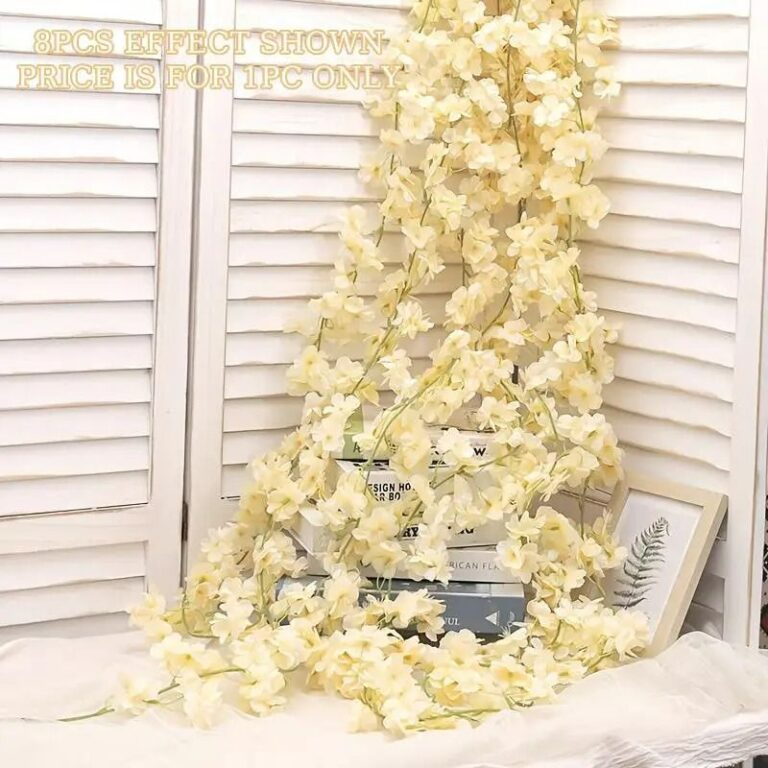
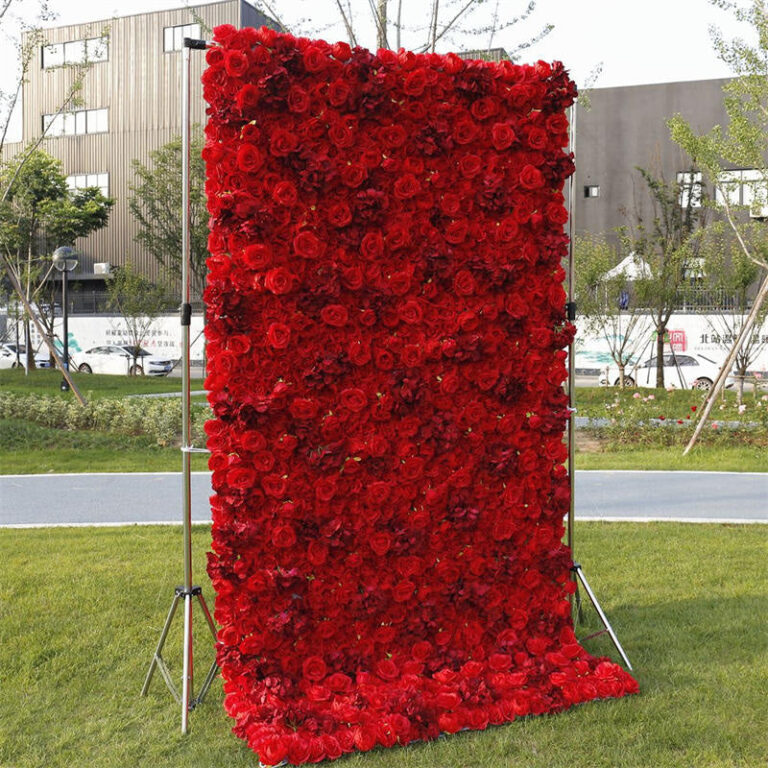 Aisha's pickRed Outdoor Artificial Flowers That Survive a Hard Winter
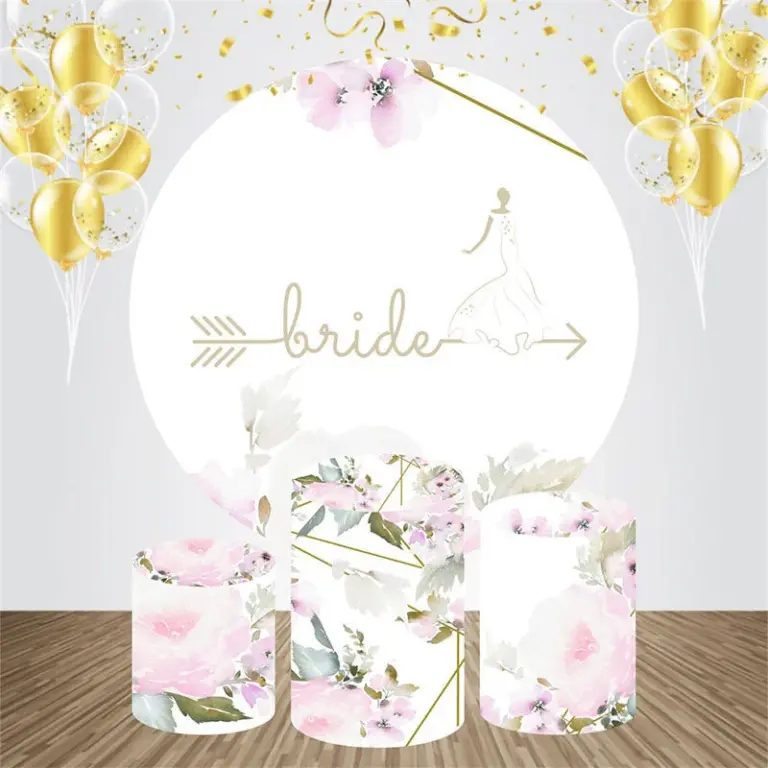
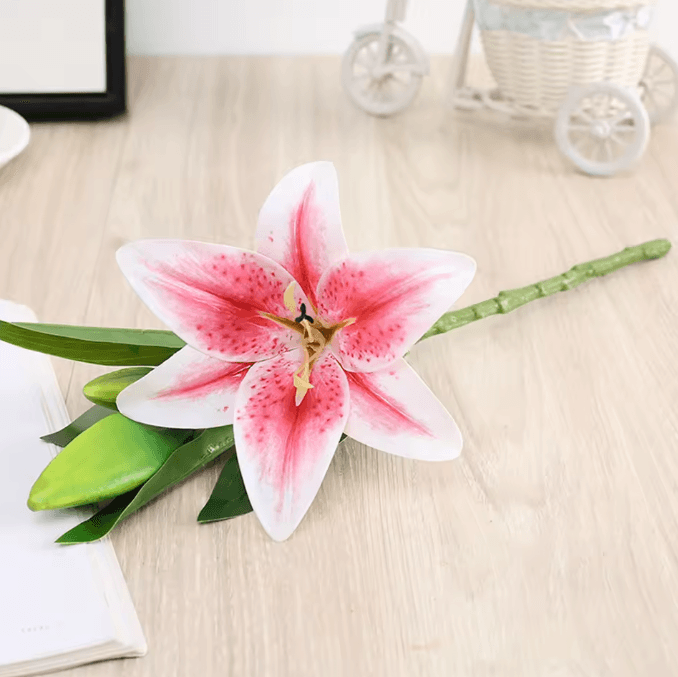 Aisha's pickWhite Outdoor Artificial Flowers That Stand Up to the Weather
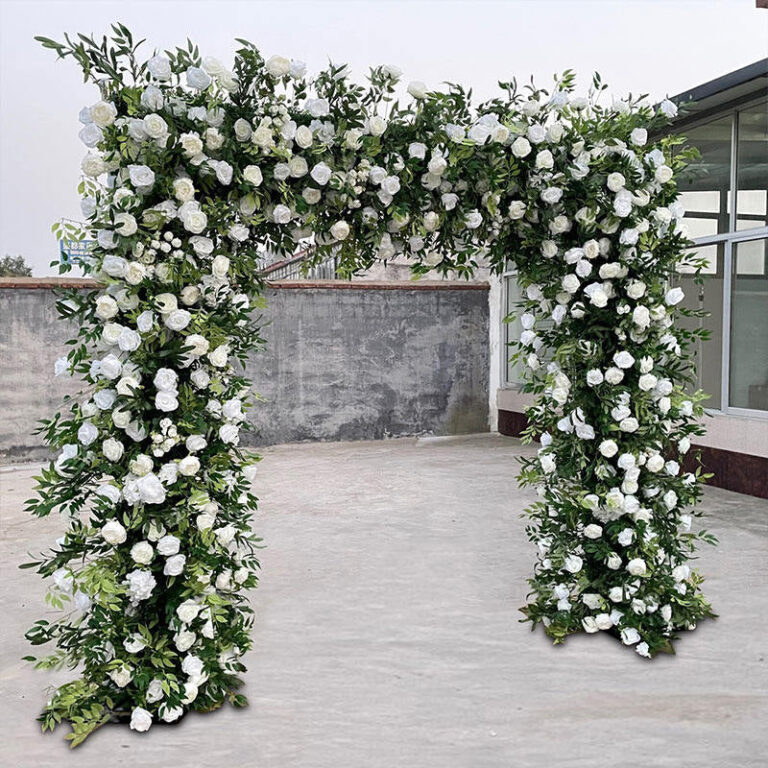
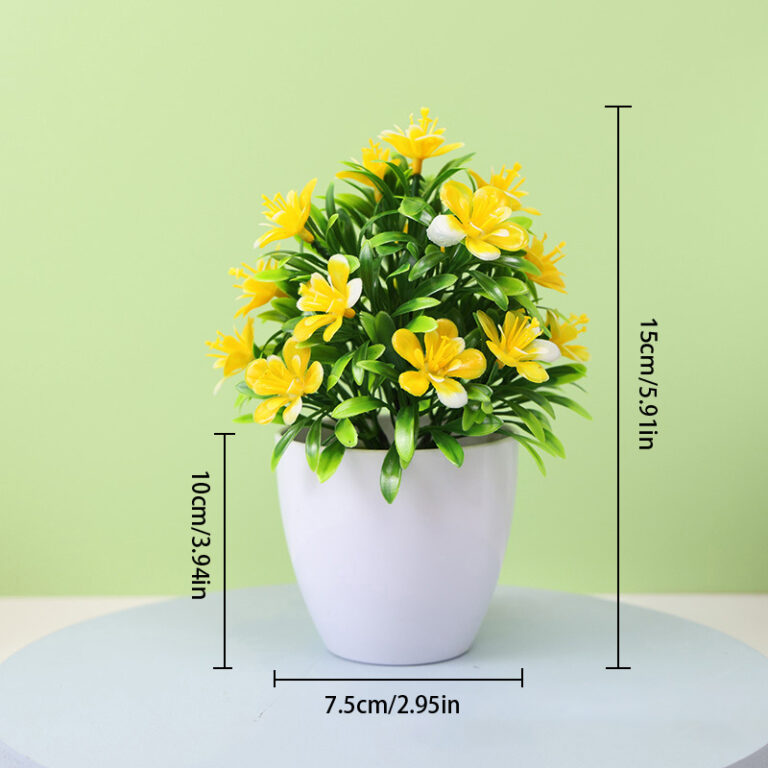 Aisha's pickWhite Outdoor Artificial Plants for Making the Most of the Patio
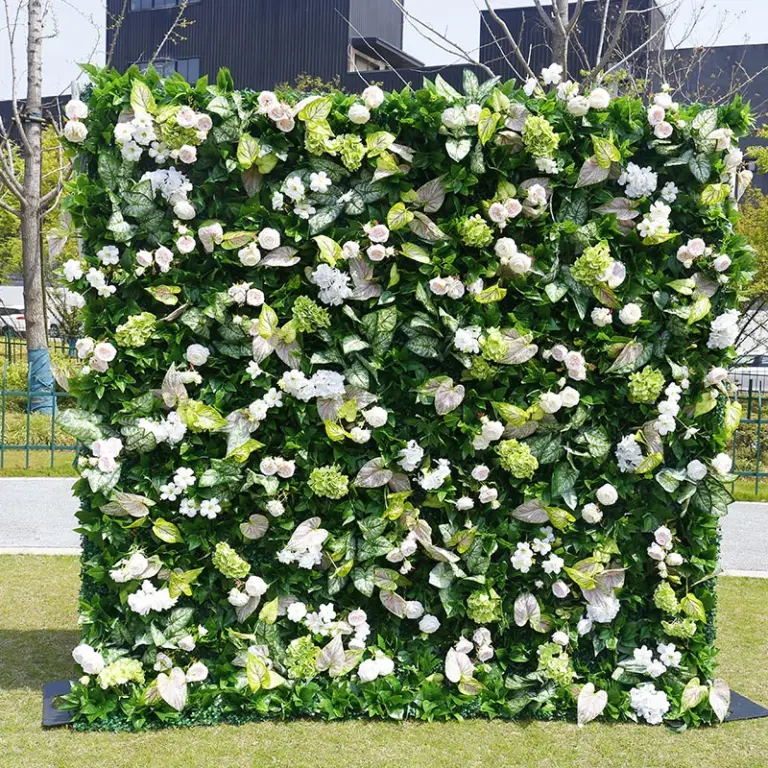
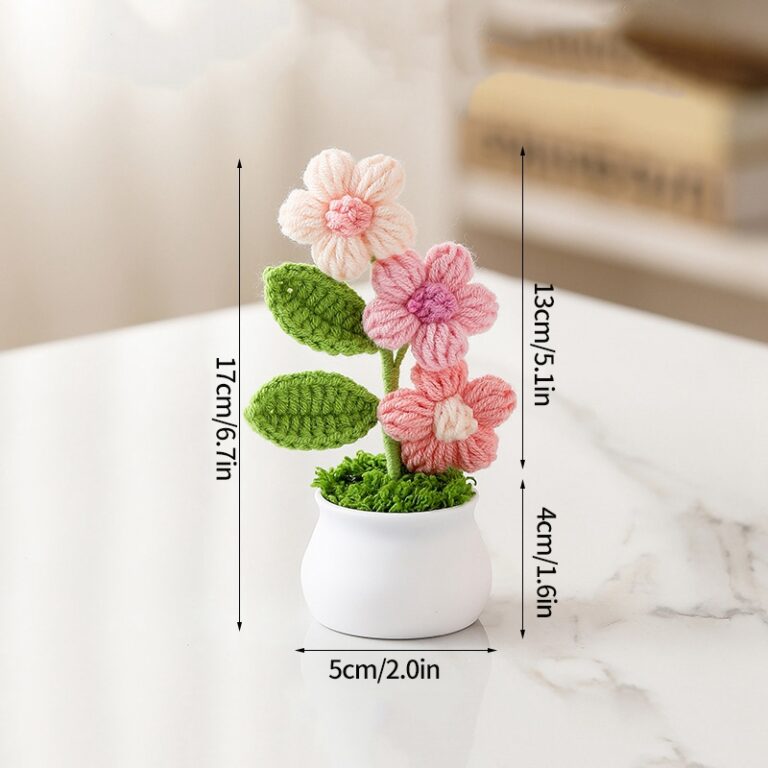 Aisha's pickArtificial Flowers for Outdoors That Make a Small Yard Work Harder