A bookcase or a shelf is the most honest piece of furniture you can own, because within a week it stops being furniture and just becomes a record of what you own and how much of it. I think that's why a badly made one bothers me more than a badly made sofa. A sofa just sits there. A sagging shelf actually fails, visibly, with your books tipping sideways into a curve like it's trying to apologize.
The difference between a good one and a disappointing one usually comes down to the shelf itself, not the frame around it. Thin particleboard will bow under books inside a year, no matter how solid the sides look, so press on the middle of a shelf before you buy anything and see if it flexes. Solid wood or a proper plywood holds flat, especially if the depth is at least ten inches and there's some kind of back panel or bracing keeping the whole thing from racking sideways when you lean on it. On a bookcase, look at how the shelves meet the sides: dadoes or proper joinery will outlast your books, while shelves just resting on little pegs or cam locks will eventually work loose. For wall mounted shelves, check what's actually holding them up, because a bracket rated for the picture it's screwed through is not rated for a stack of hardcovers. Measure the wall studs, not just the wall, before you commit to a spot. For a freestanding piece, measure the room first, not the gap you think looks right. A bookcase that's taller than your eye line will dominate a small room and make the ceiling feel lower, while a run of shelving that's too shallow for what you actually own just becomes a dumping ground for things stacked two deep, where you can never find anything at the back.
Where this goes wrong is when people buy a tall, heavy unit for a room that needed something lower and open, or hang deep shelves in a small kitchen where they end up catching your head on the way to the stove. Open shelving also shows everything, dust included, so it's the wrong call if you're not willing to keep it tidy. It's at its best in a room with wall space to spare and things worth looking at, a living room, a home office, a hallway that needed a reason to stop being just a hallway. Garages and utility rooms want something sturdier and plainer, built for weight rather than looks, and that's fine too, different job entirely.
Whatever room it goes in, it gives the things you already own somewhere proper to sit, instead of stacked on the floor pretending that's temporary.

 Aisha's pickFreestanding Bathroom Shelves That Make Mornings Easier
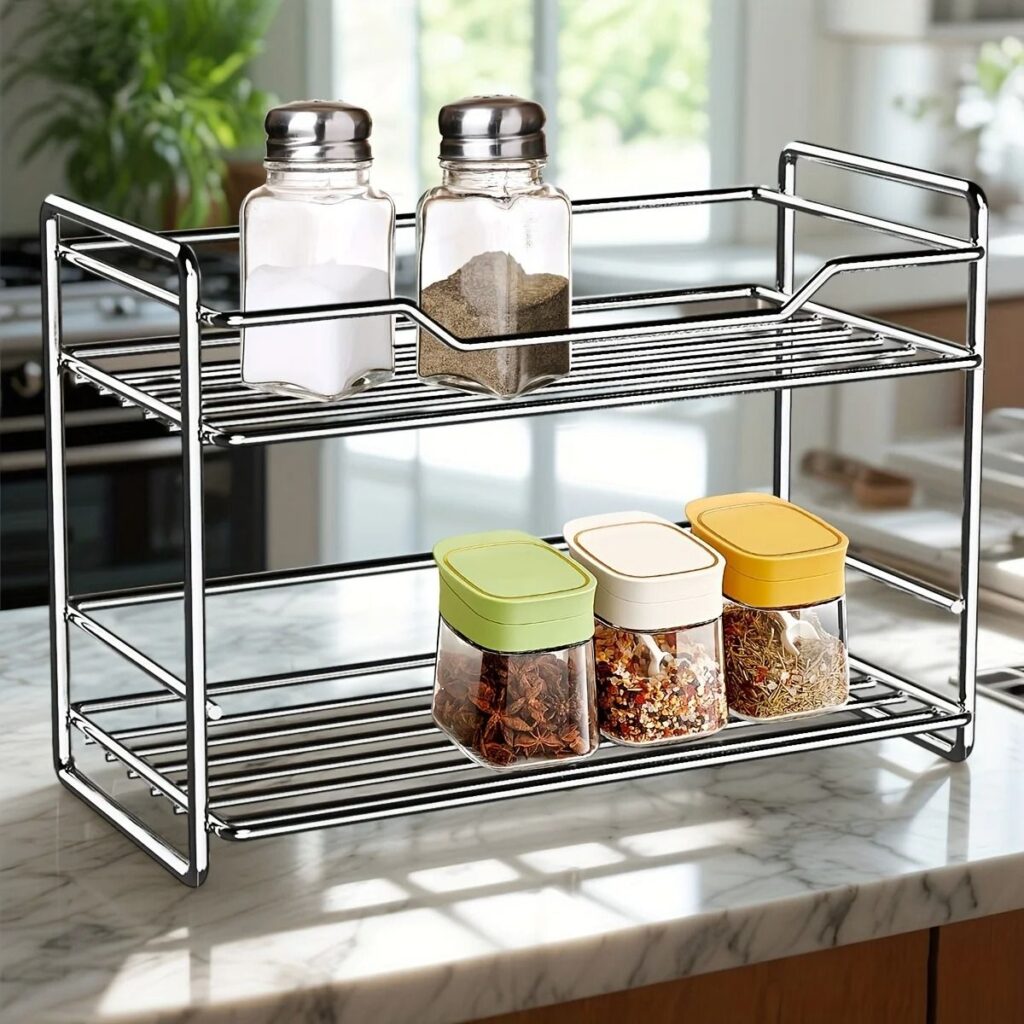
 Aisha's pick2 Shelf Bookcases We Wish We’d Bought Sooner
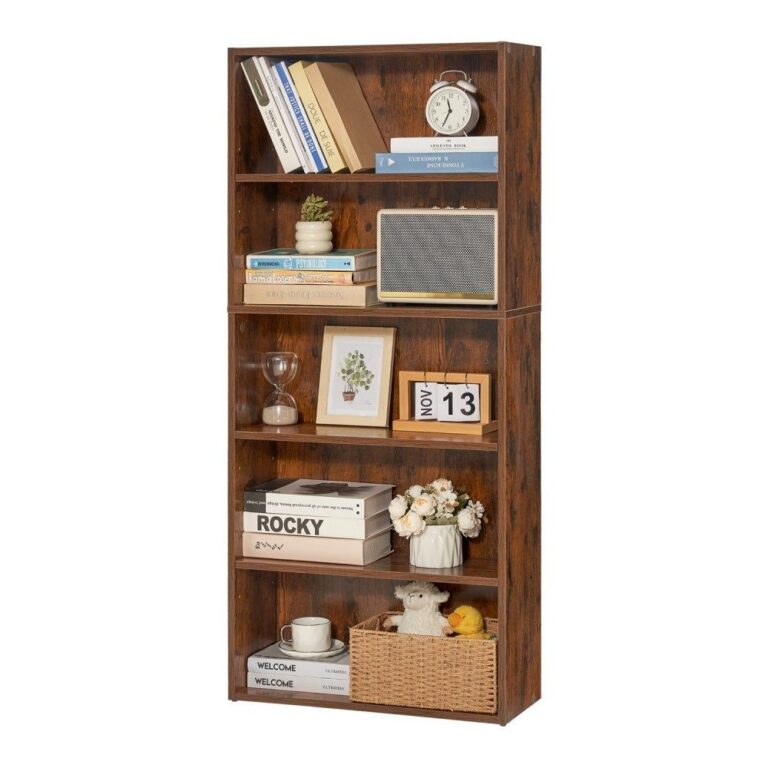
 Aisha's pickClassic Bookcases With Room for More Than You’d Think
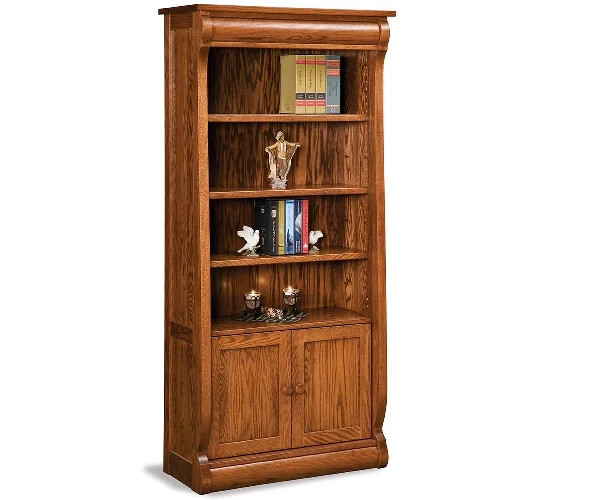
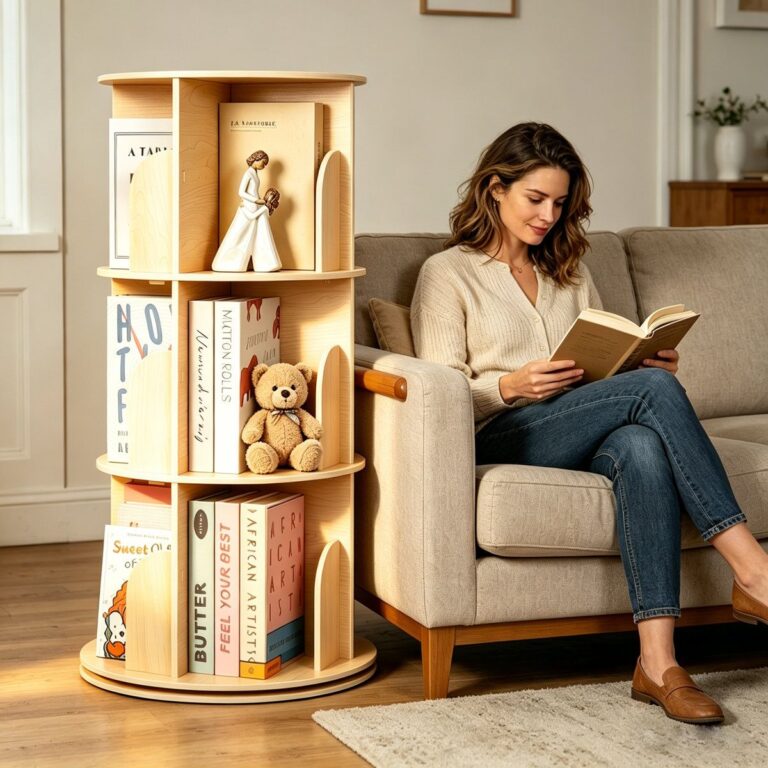 Aisha's pickGood Small Bookcases That Don’t Cost a Fortune
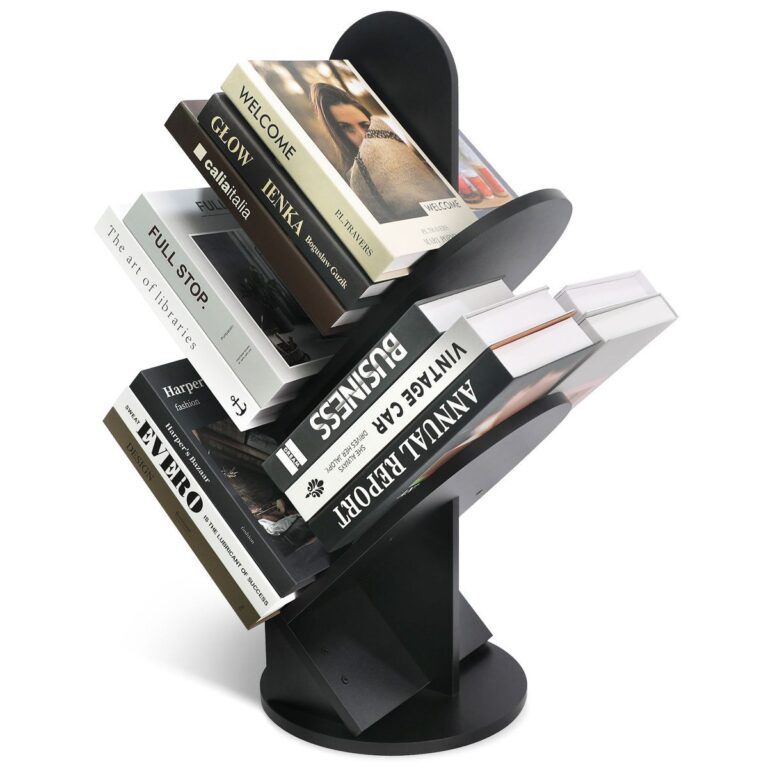
 Aisha's pickLarge Display Shelves That Won’t Let You Down
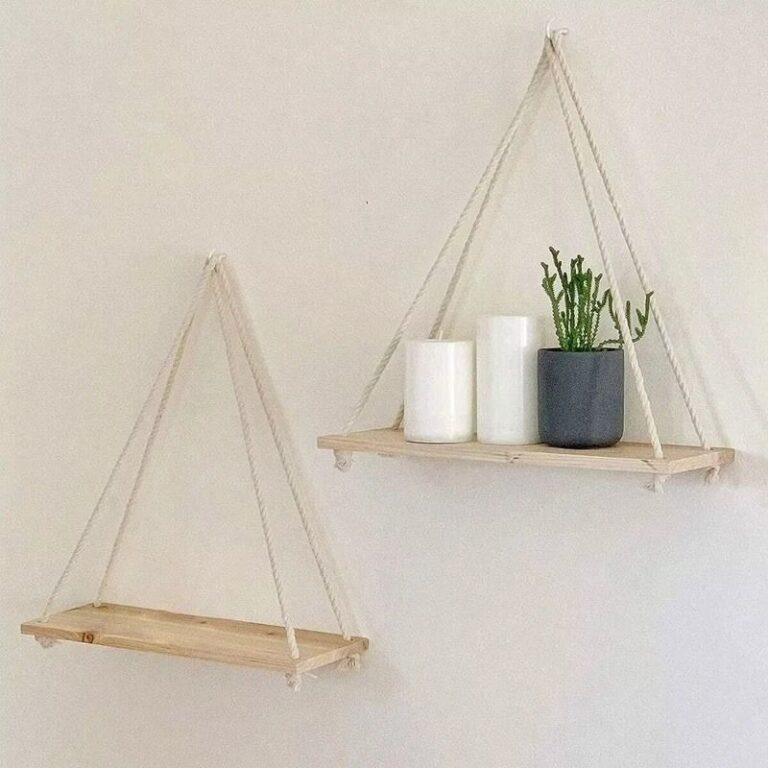
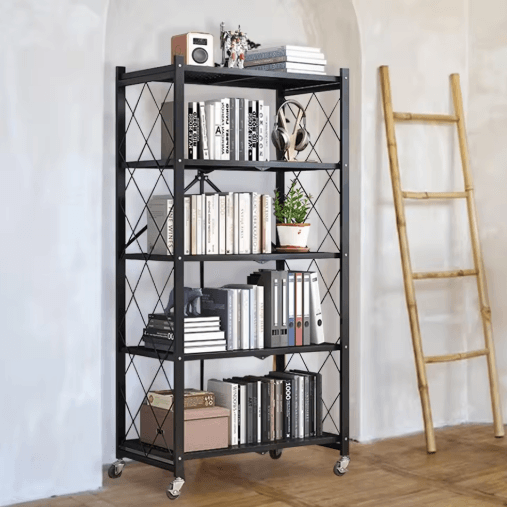 Aisha's pickGarage Shelves with Lock That Hide the Mess for Good
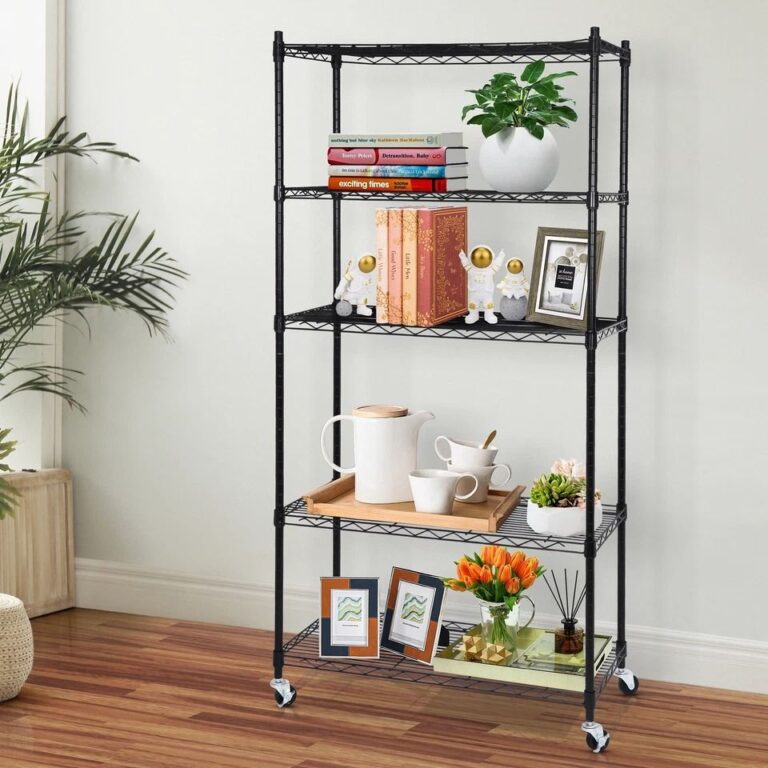
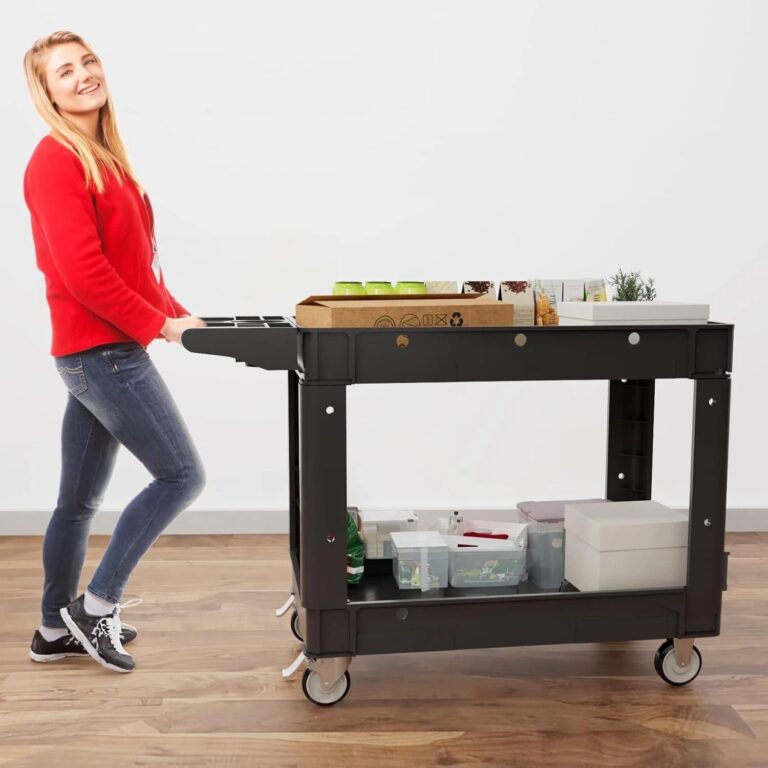 Aisha's pickWide Garage Shelves That Won’t Let You Down
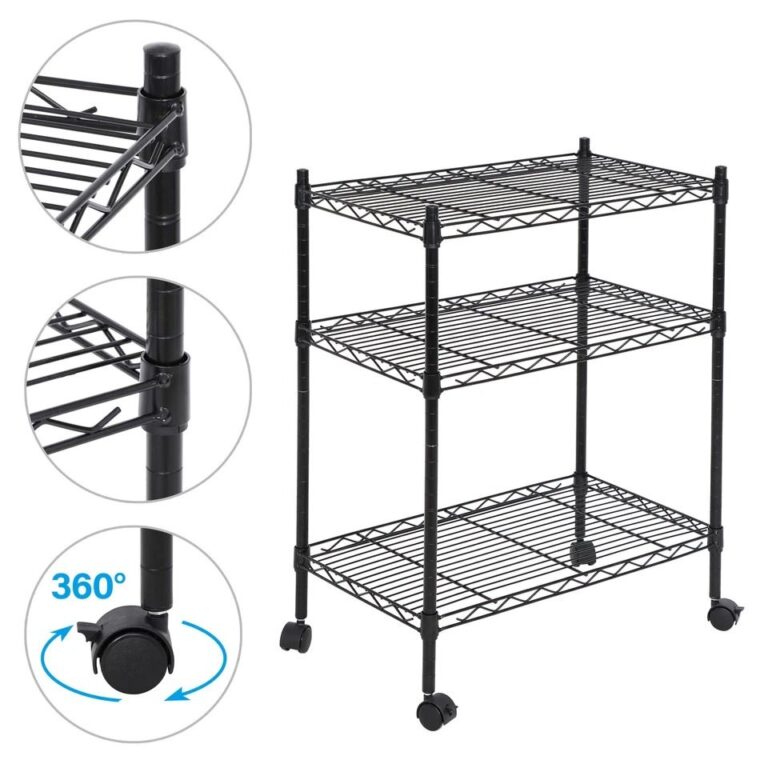
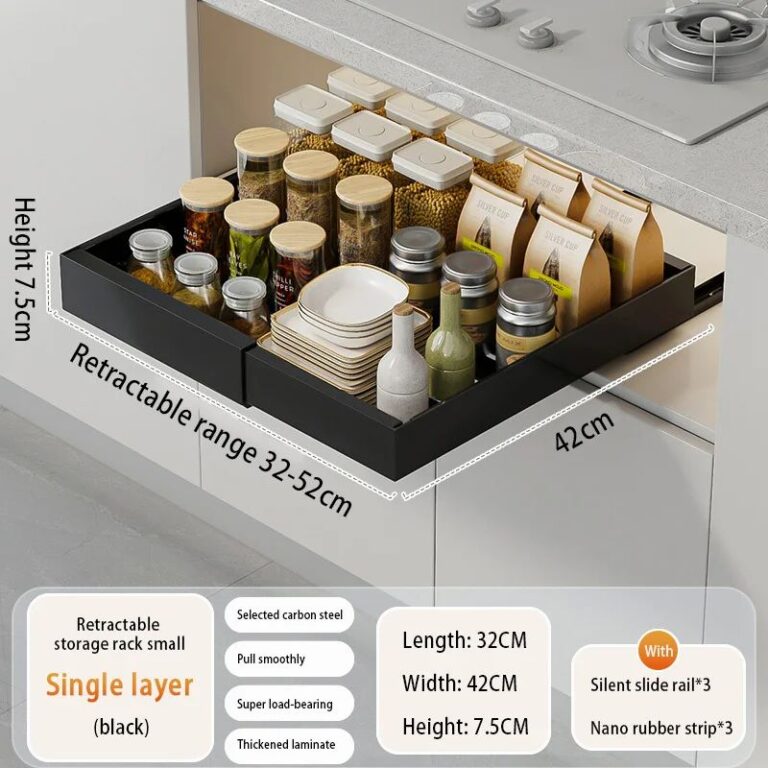 Aisha's pickKitchen Shelves Pulled From Dozens of Stores
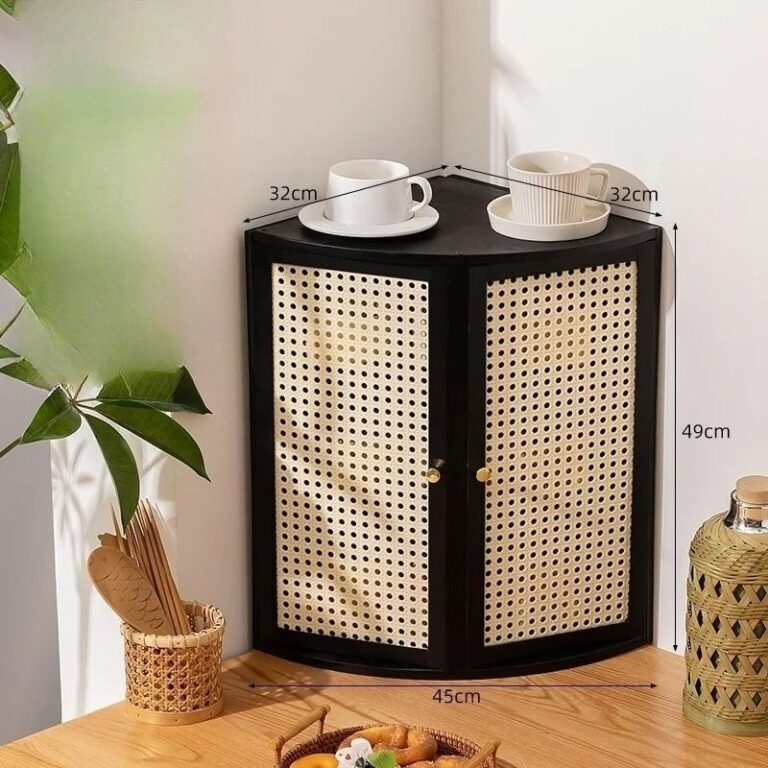
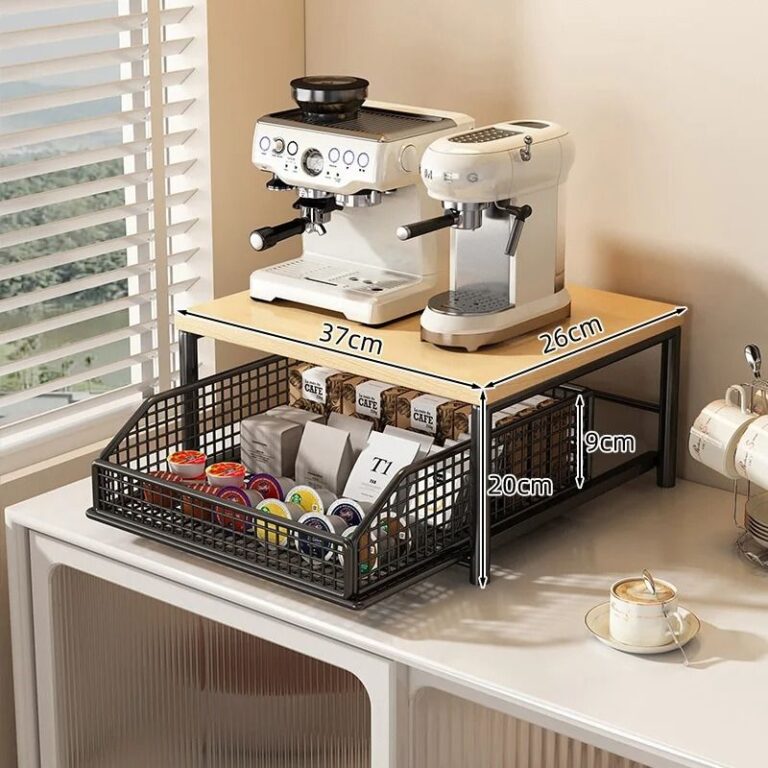 Aisha's pickWood Kitchen Shelves That Hide the Mess for GoodAlso worth a lookWall ShelvesFor years I thought the bracket was the whole story with wall shelves, buy the beefiest looking one and you're set.See the collections →
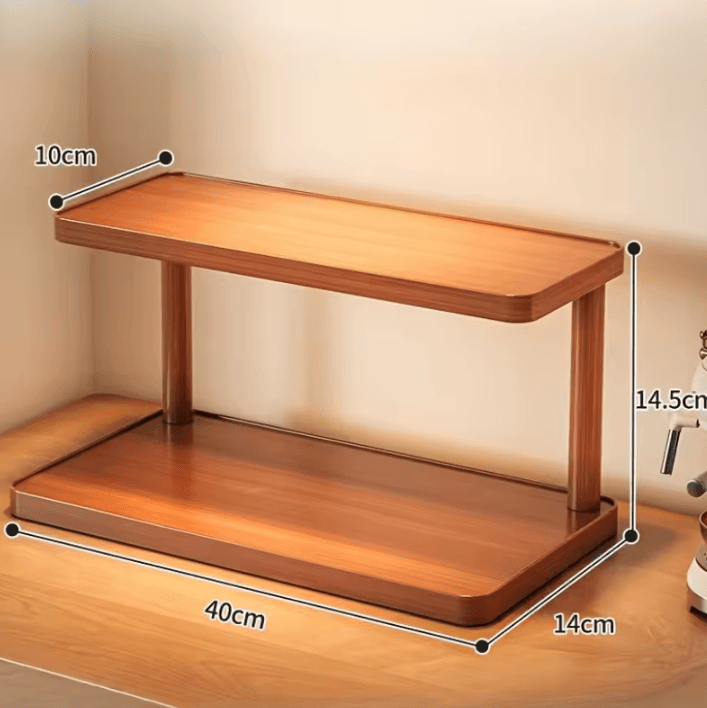
 Aisha's pickMetal Hanging Shelves Picked From the Stores We Trust

 Aisha's pickAdjustable Desk Shelves That Don’t Look Mass Produced
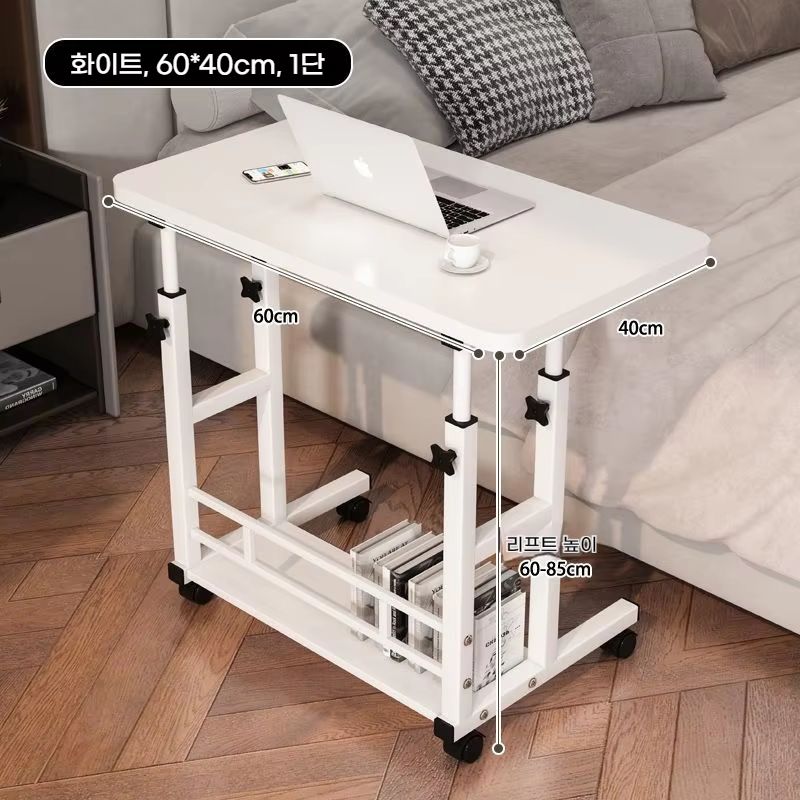
 Aisha's pickCorner Shelves That Won’t Date in a Year
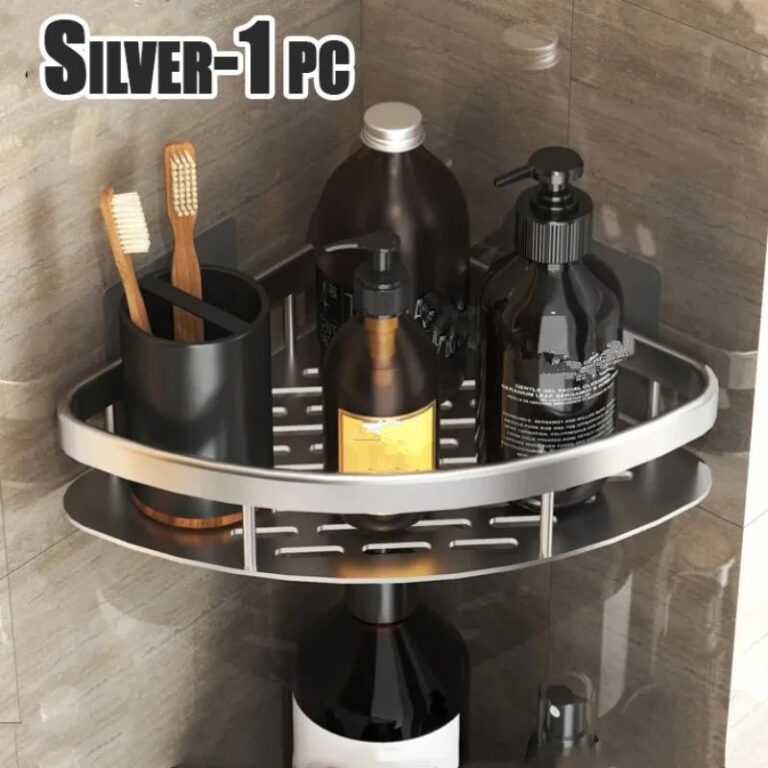
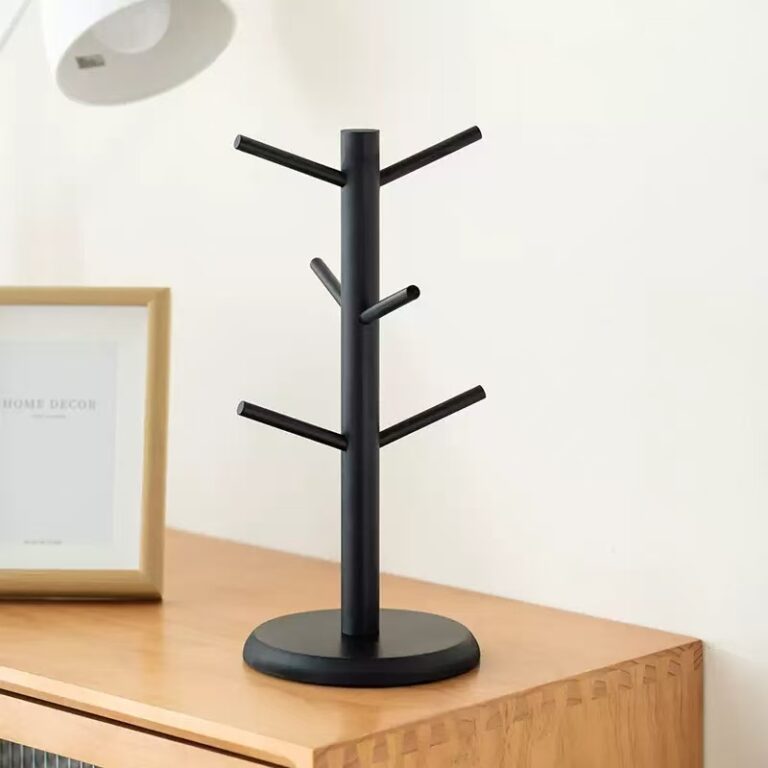 Aisha's pickHanging Shelves That Earn Their Keep

 Aisha's pickModern Storage Cubes for Homes With Too Much Stuff
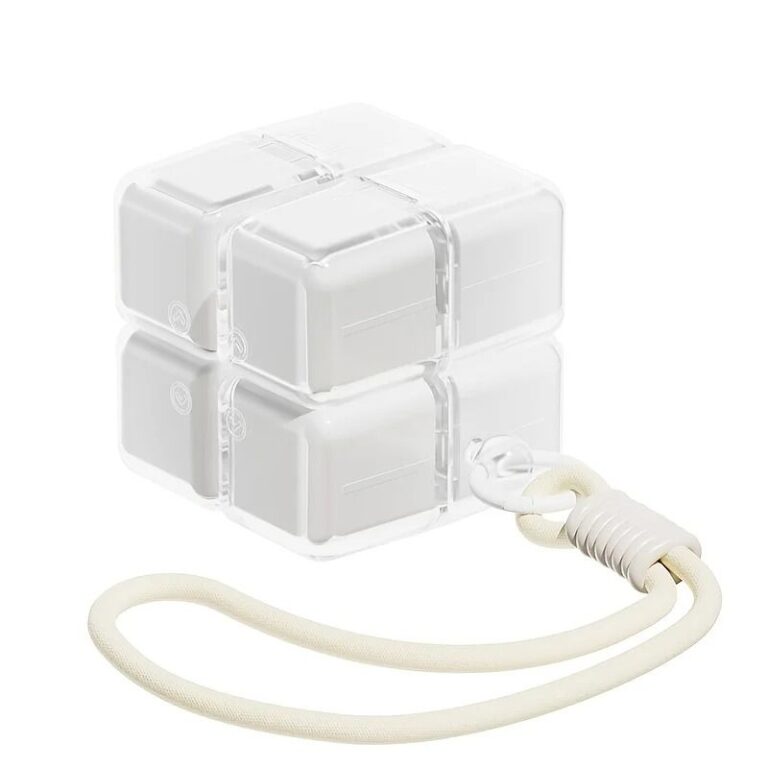
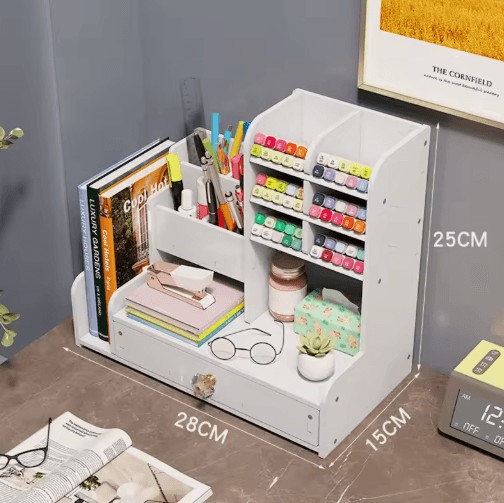 Aisha's pickSmall Desk Shelves for a Home Office That Works
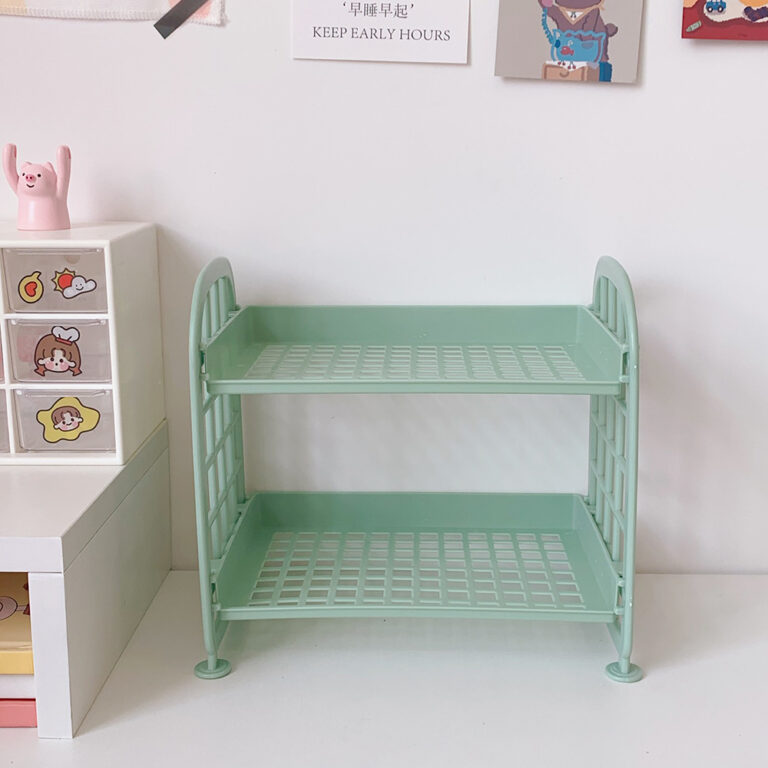
 Aisha's pickWall Mounted Hanging Shelves That Do the Job Right
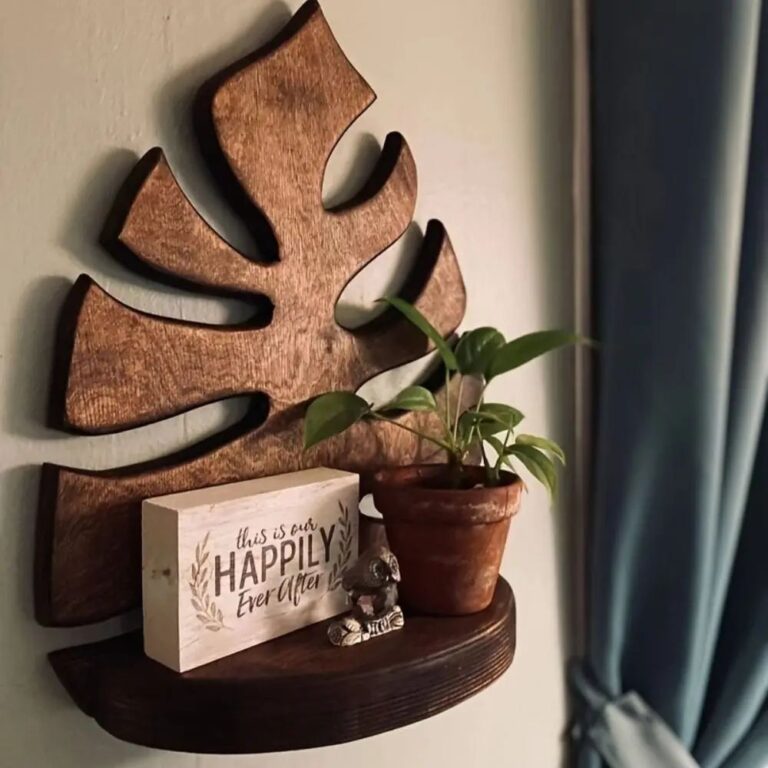
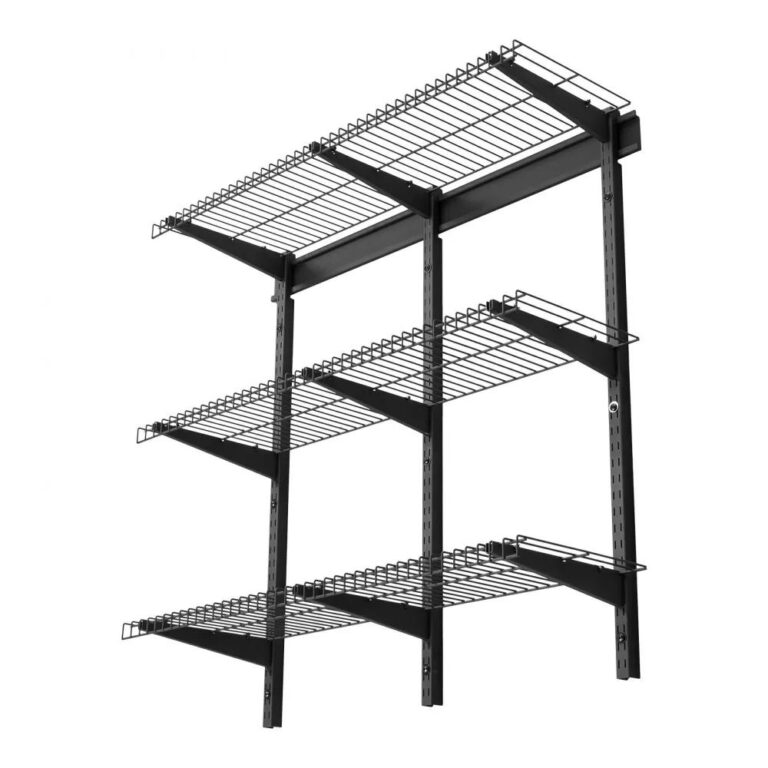 Aisha's pickWide Heavy Duty Shelving That Looks the Part
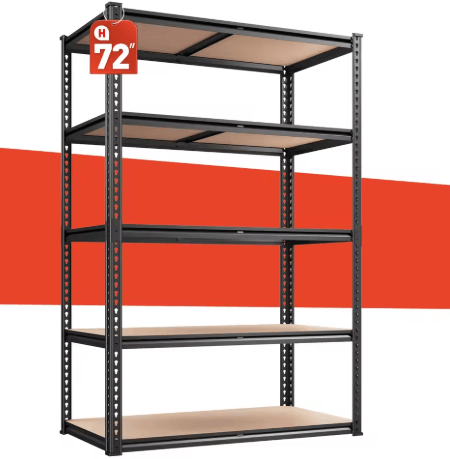
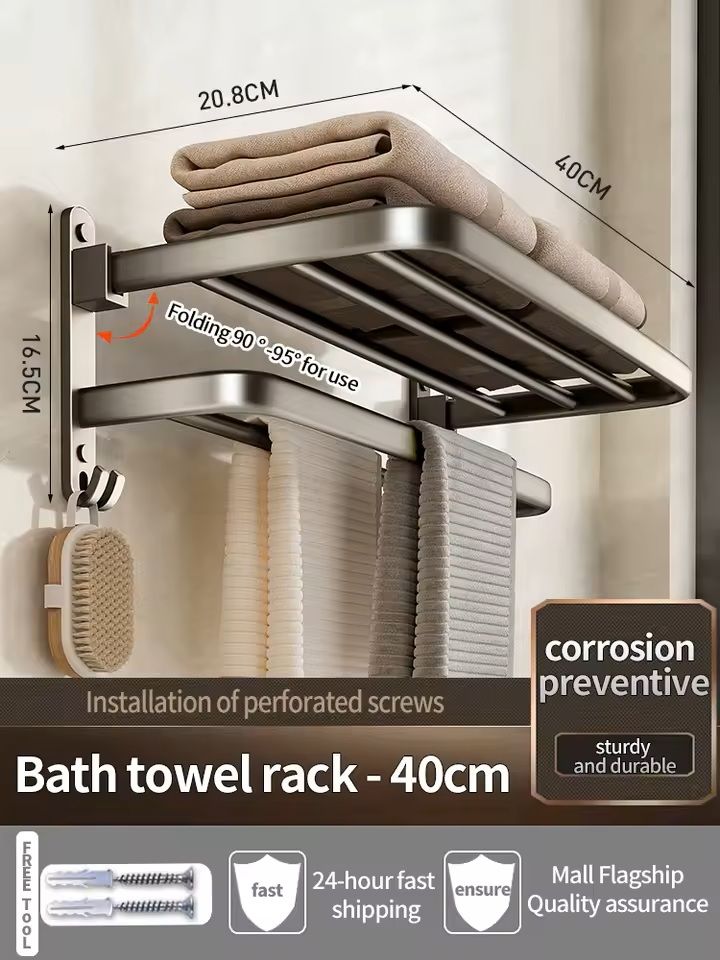 Aisha's pickMinimalist Wall Shelves Pulled From Dozens of StoresAlso worth a lookShelvingThe warning first: most people buy shelving the way they buy a lamp, grab something roughly the right size and hope.See the collections →
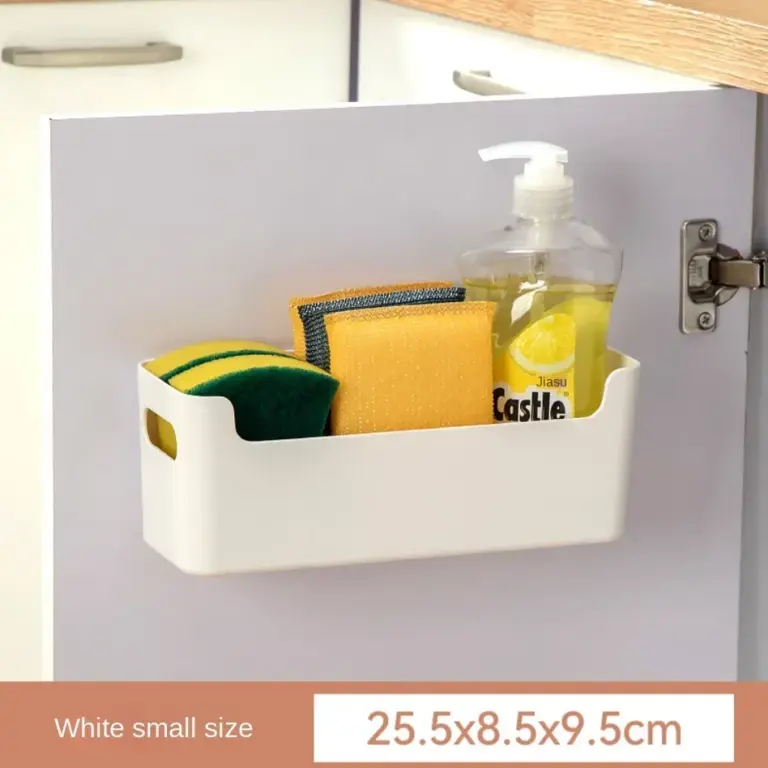
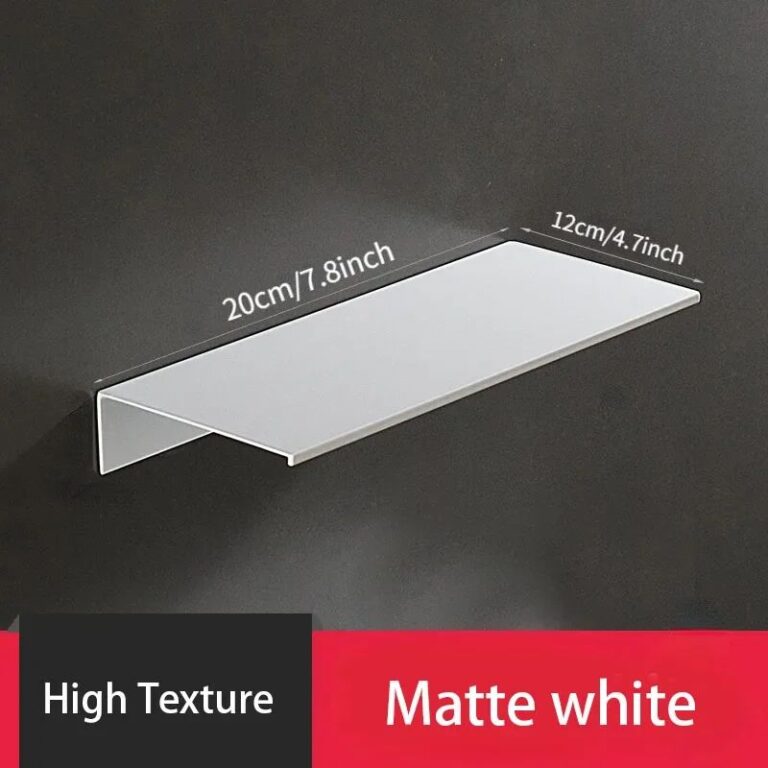 Aisha's pickWhite Wall Shelves We’d Buy Again
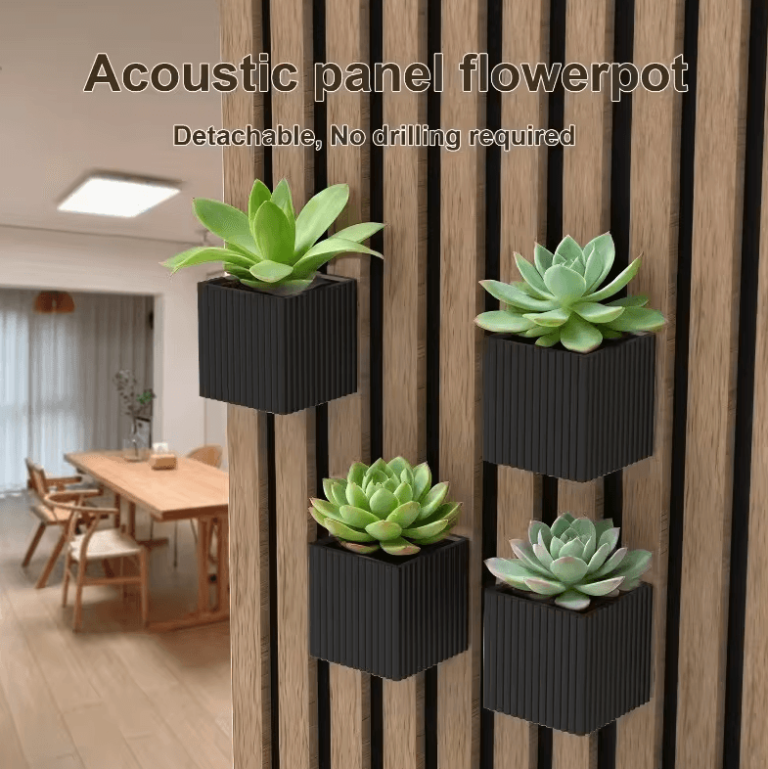
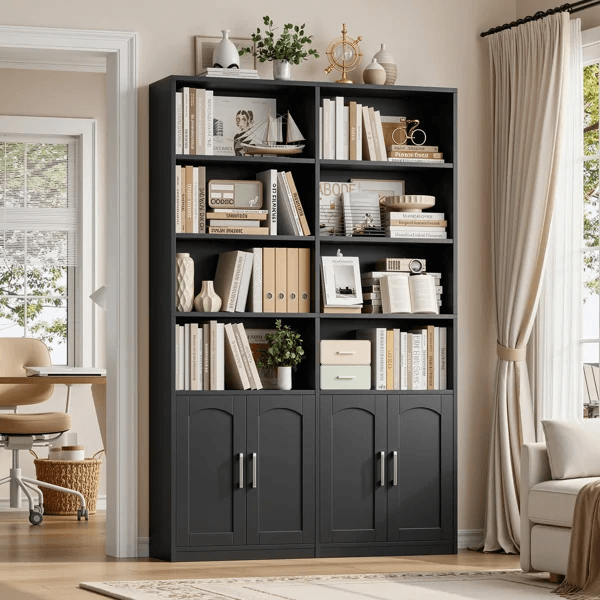 Aisha's pickWood Bookcases That Make Tidying Up Quicker
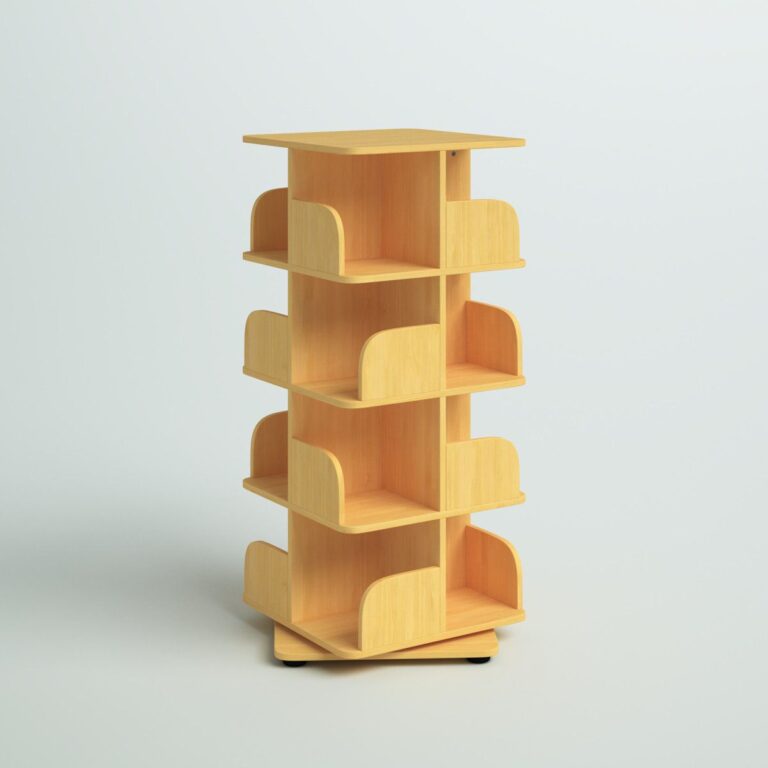
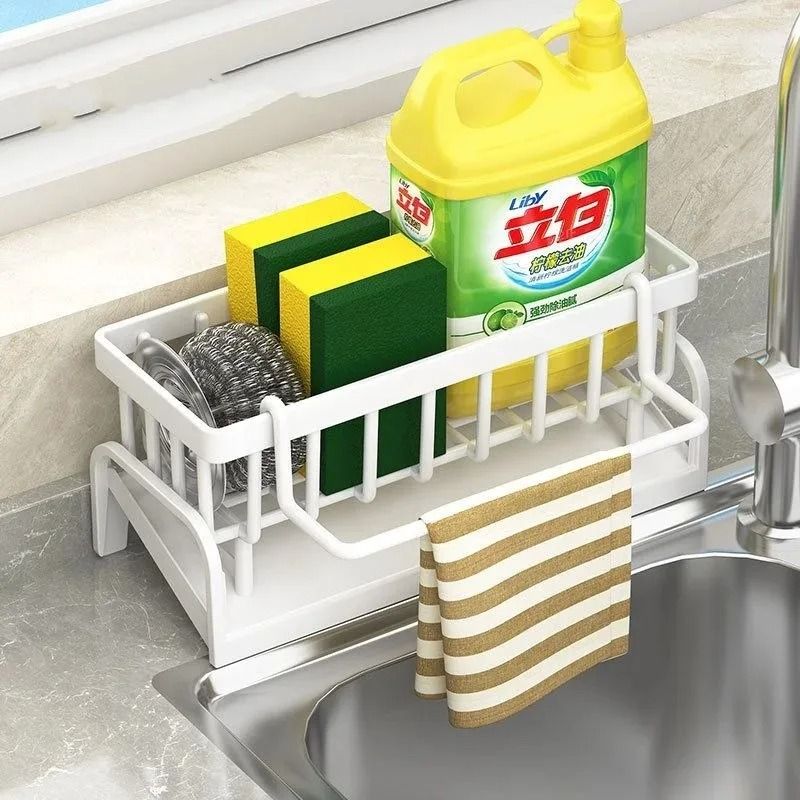 Aisha's pickLarge Bathroom Shelves That Earn Their Keep
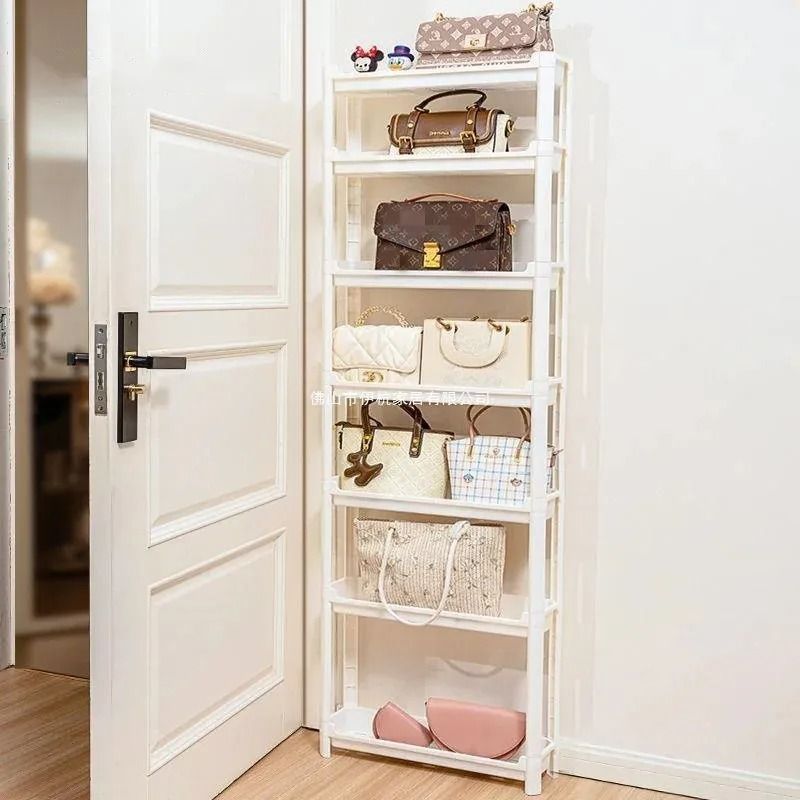
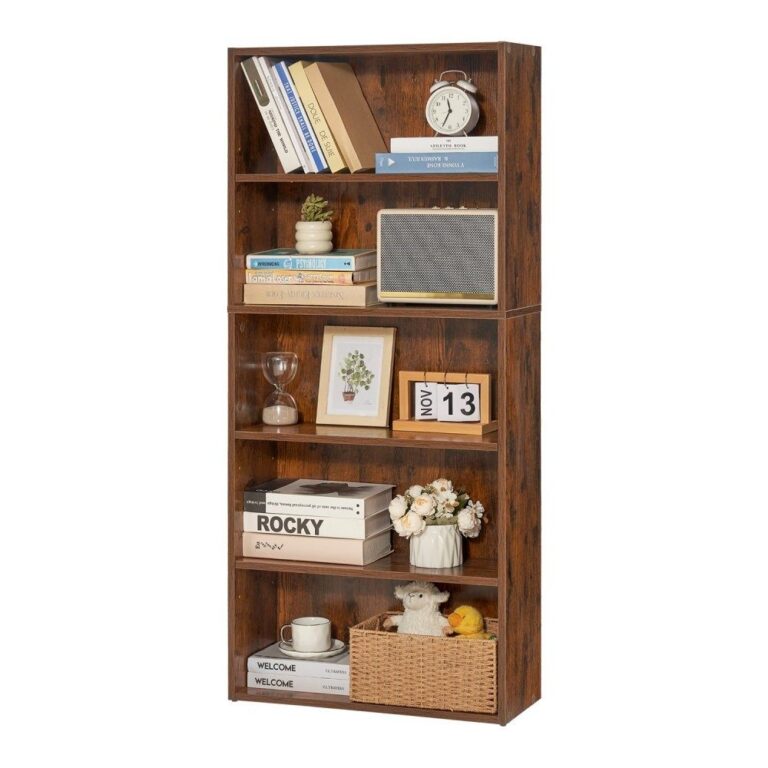 Aisha's pick2 Shelf Bookcases with Storage That Squeeze Into Awkward Corners
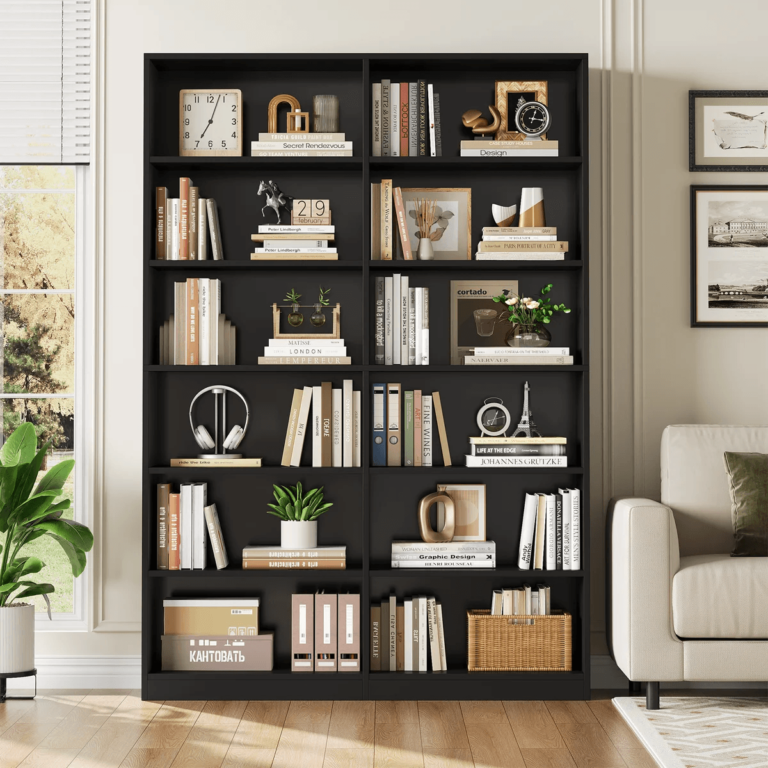
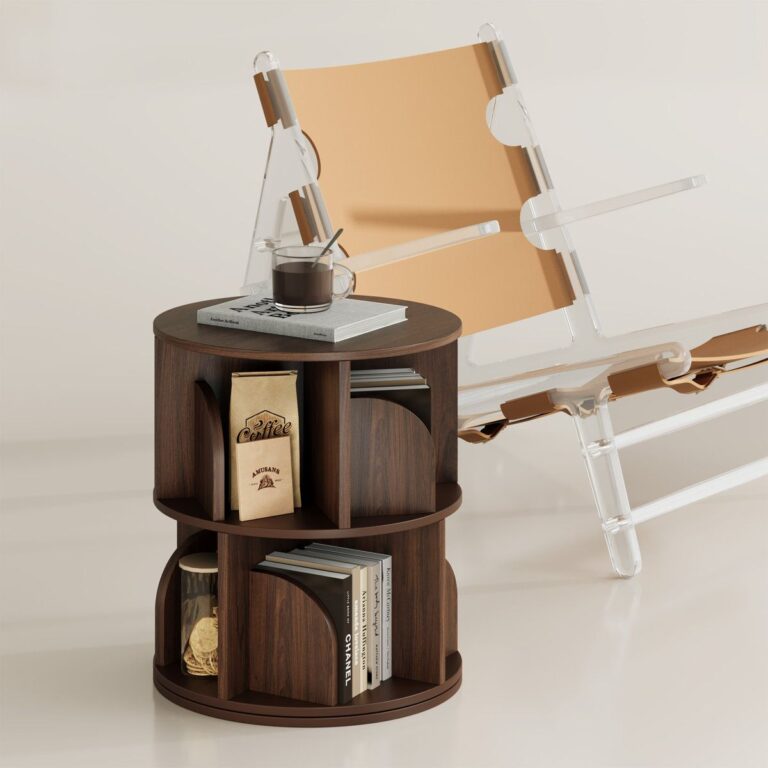 Aisha's pickCorner Bookcases That Make Rented Places Feel Like Home
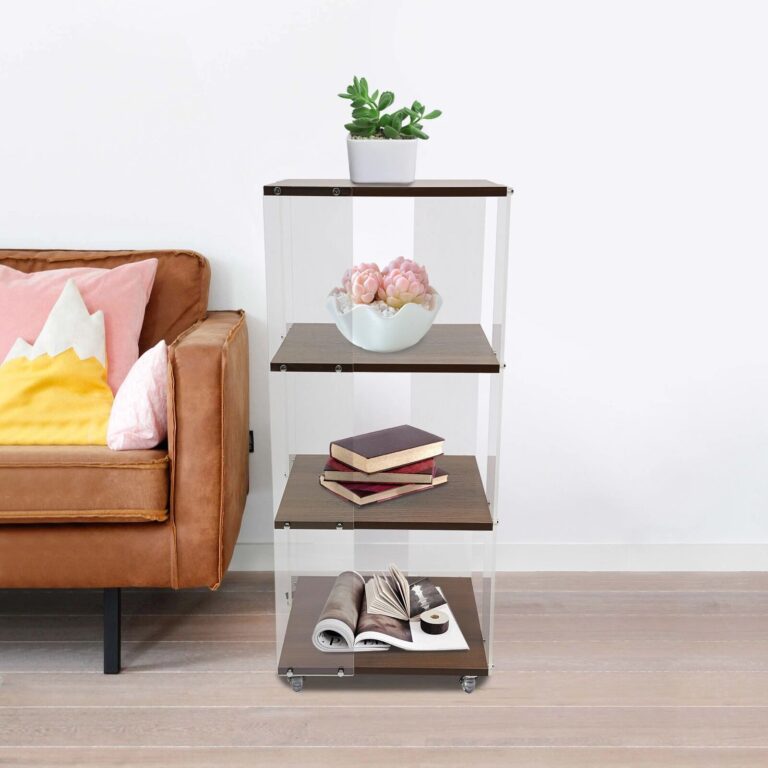
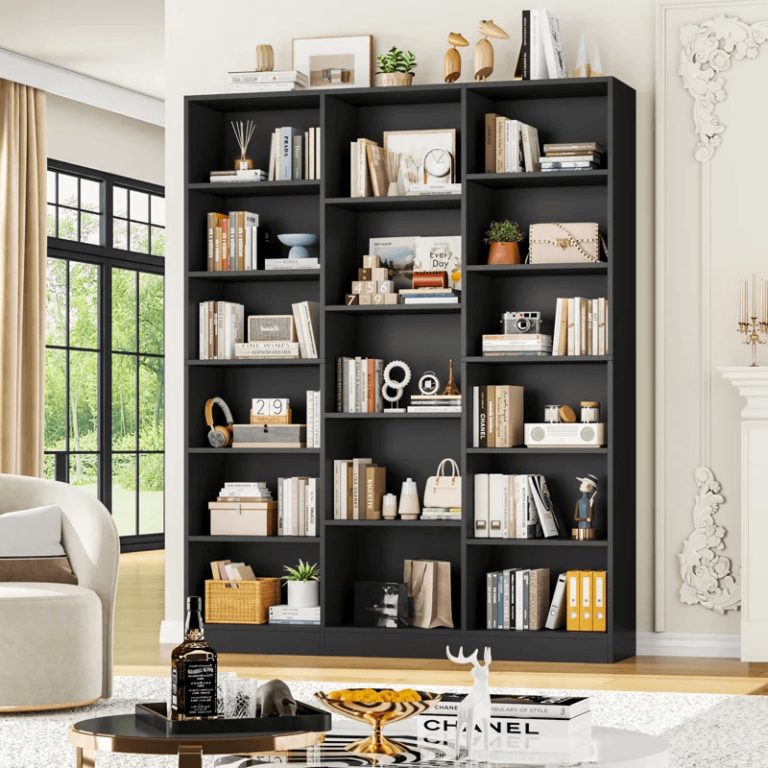 Aisha's pickTall Bookcases for Making a House Feel Like Yours
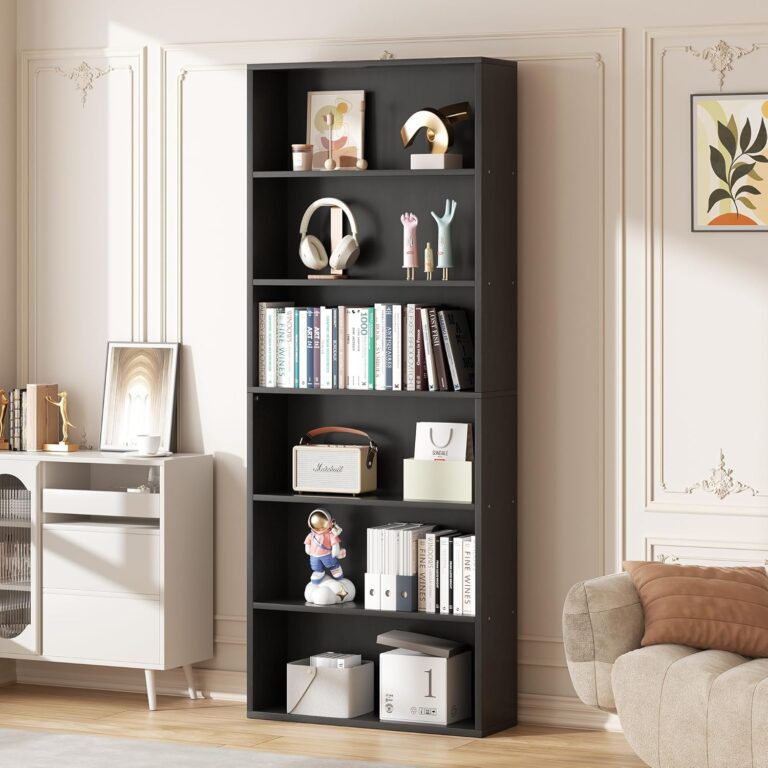
 Aisha's pickMetal Display Shelves That Keep Surfaces Clear
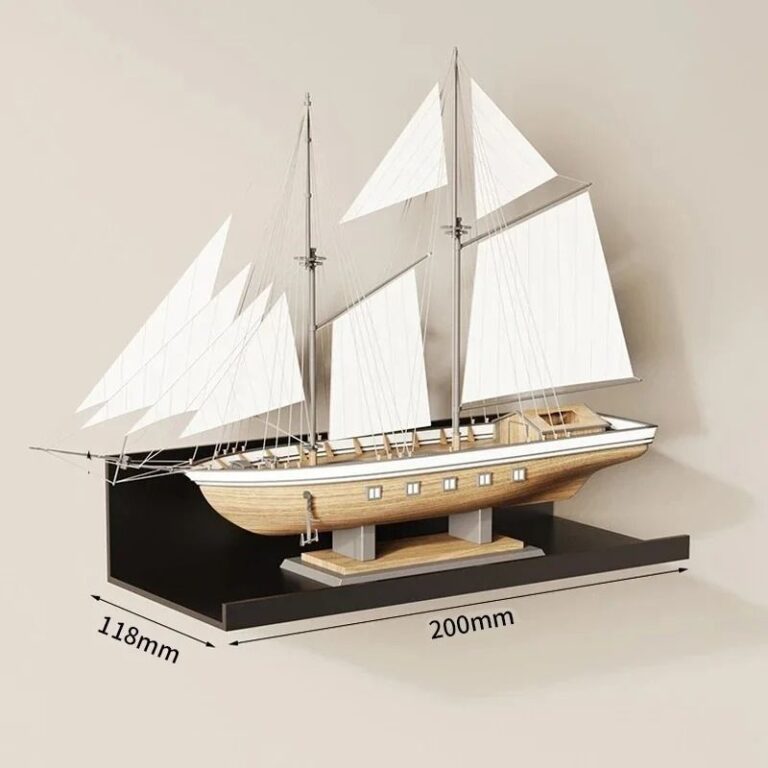
 Aisha's pickGood Garage Shelving Without the Big Price Tag
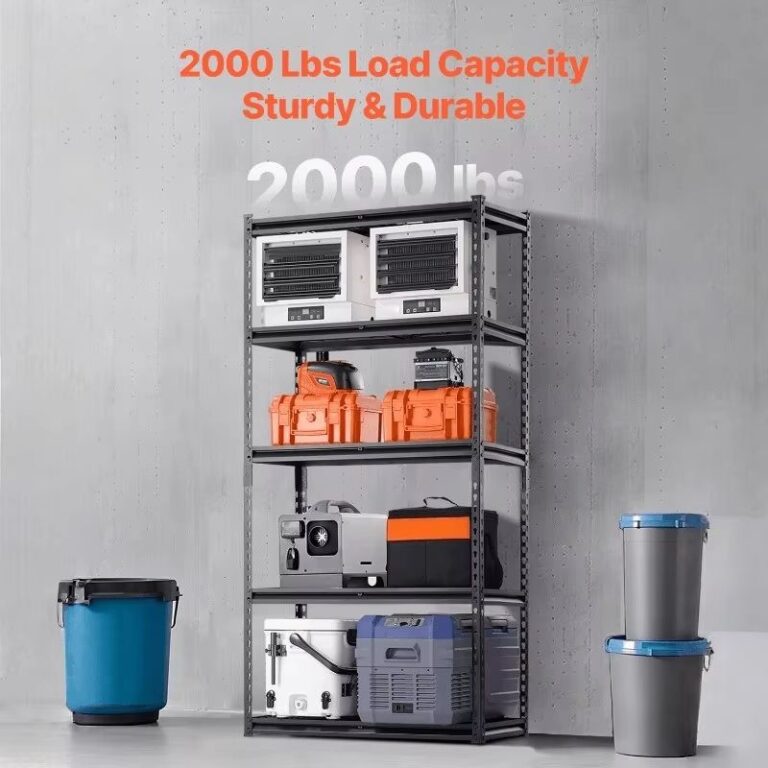
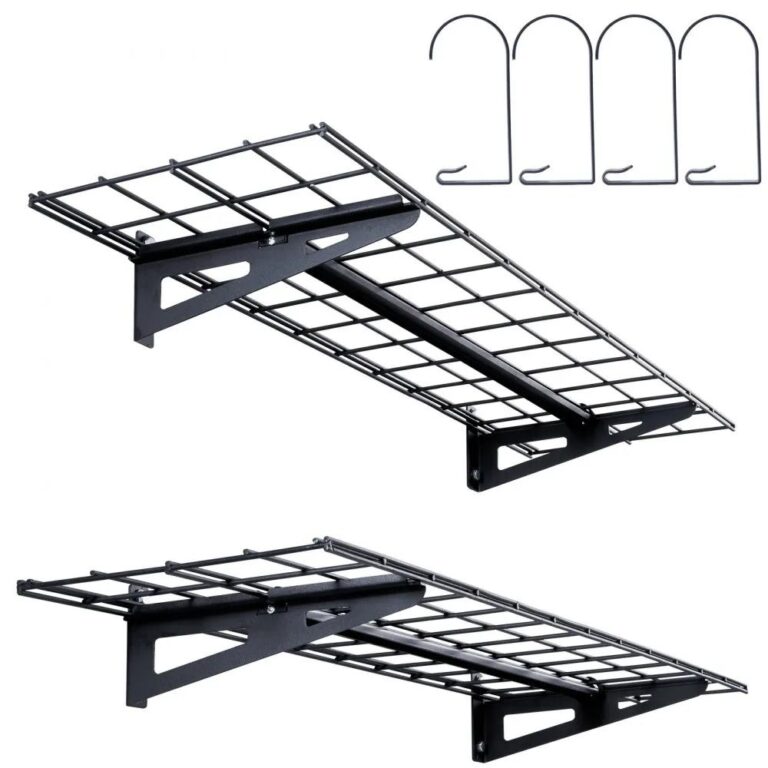 Aisha's pickWood Garage Shelves That Get Better With AgeAlso worth a lookMetal ShelvesLate winter is when I notice metal shelves doing their best work, those gray afternoons when the light…See the collections →
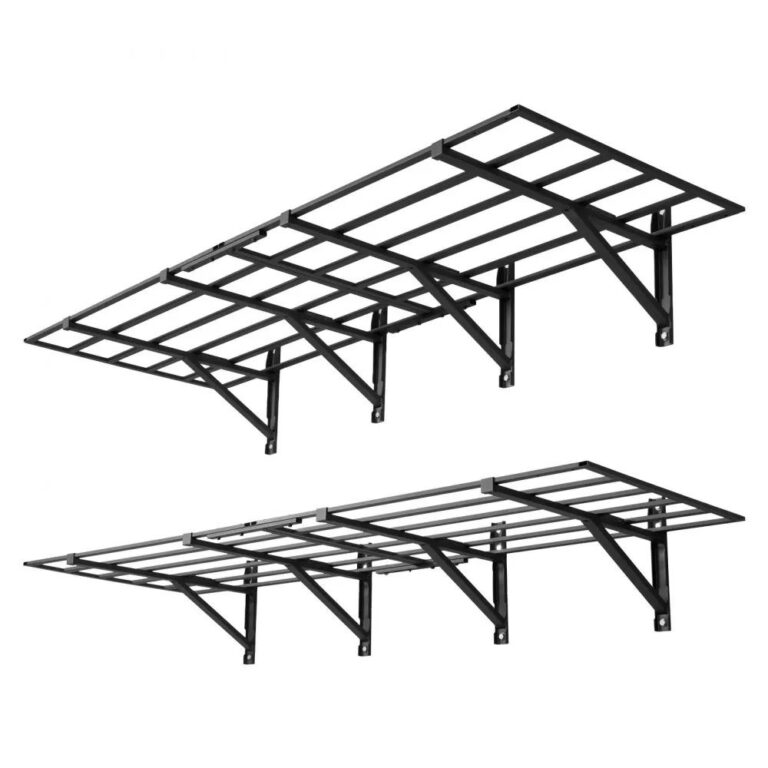
 Aisha's pickKitchen Shelves with Drawers That Earn Their Keep

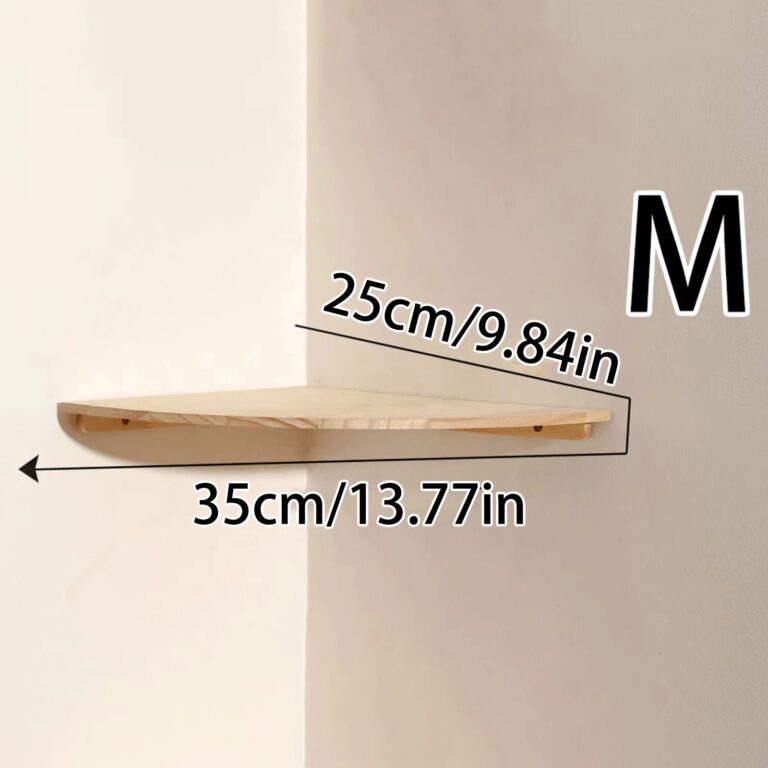 Aisha's pickWood Kitchen Shelves That Cope With Steam and Splashes
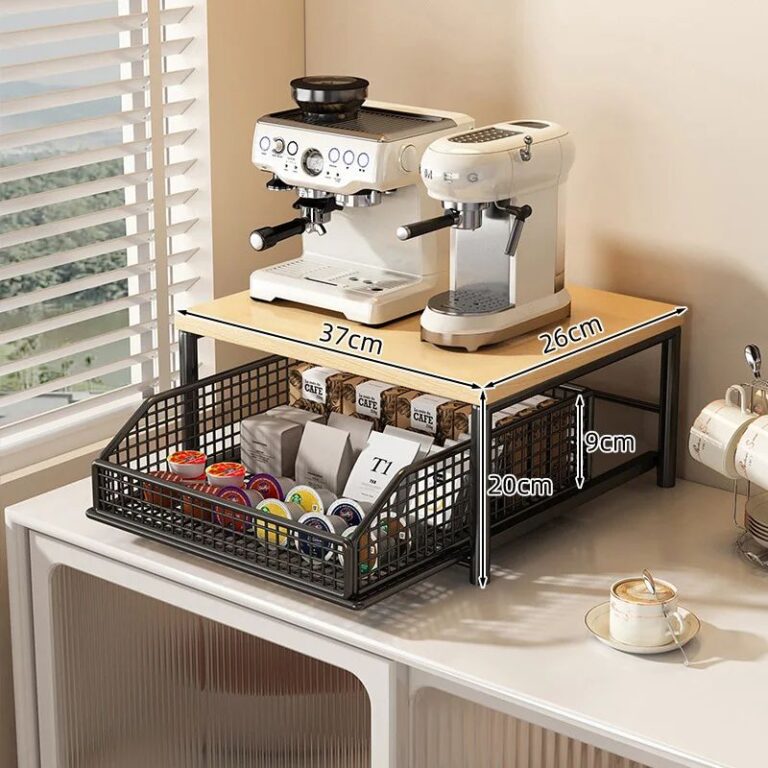
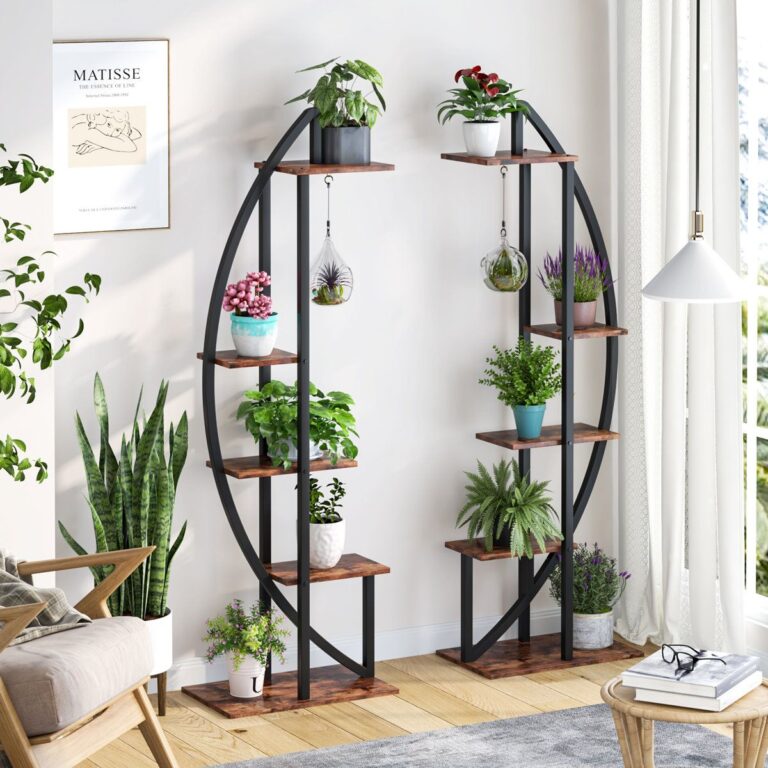 Aisha's pickMetal Plant Shelves From Stores Big and Small

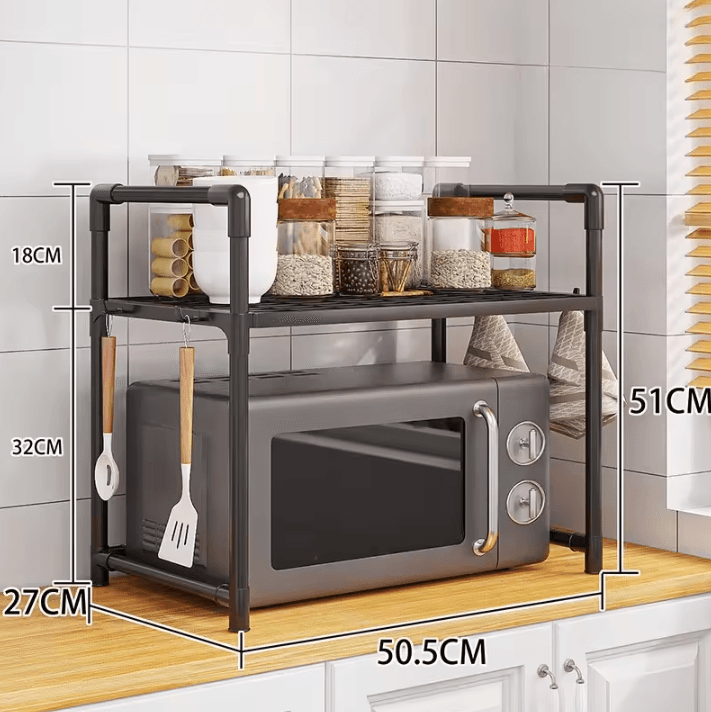 Aisha's pickAdjustable Hanging Shelves That Sort Out the Chaos

 Aisha's pickCorner Shelves for Living Room That Keep Surfaces Clear

 Aisha's pickGood Hanging Shelves with Drawers That Don’t Cost a Fortune

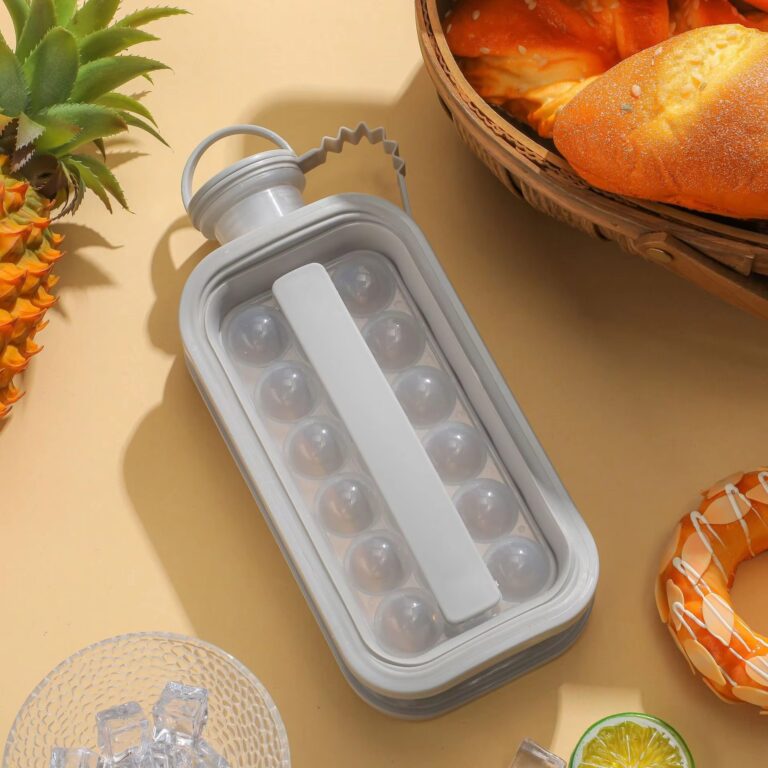 Aisha's pickModern Storage Cubes We Wish We’d Bought Sooner

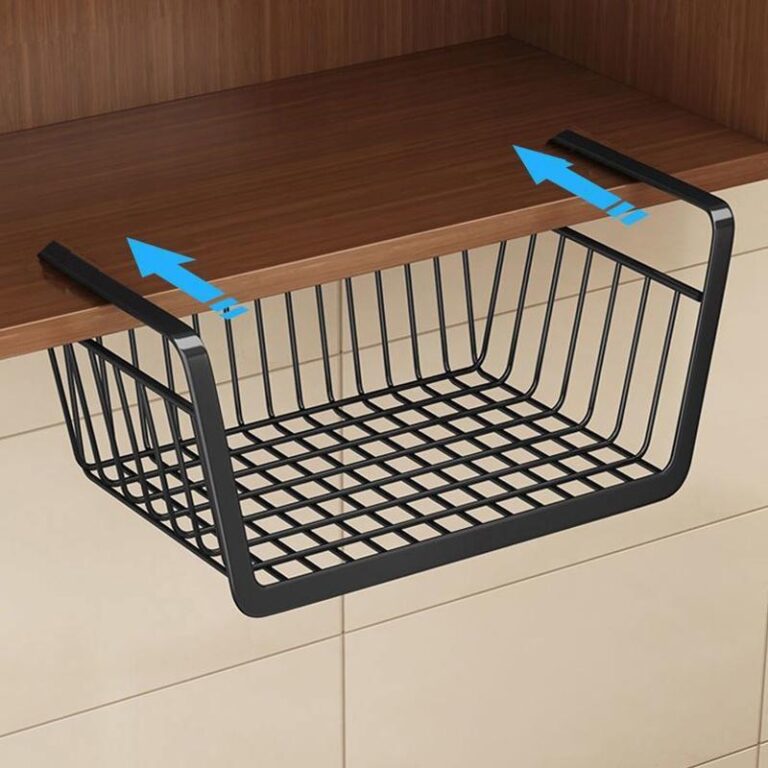 Aisha's pickSmall Hanging Shelves That Make Tidying Up Quicker