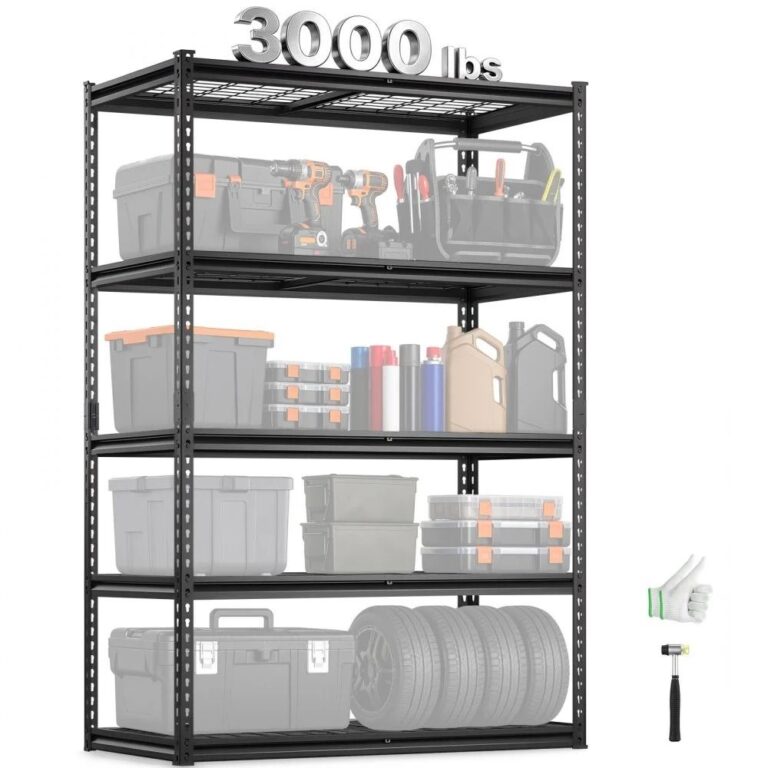
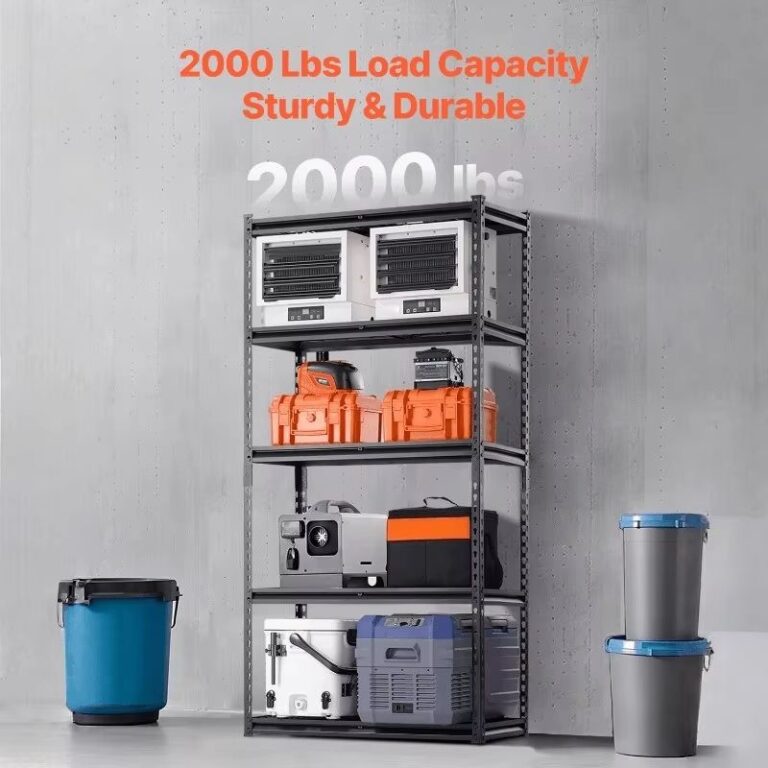
The warning first: most people buy shelving the way they buy a lamp, grab something roughly the right size and hope. Then it bows in the middle within a year, or it fits the wall but not the room, and they're stuck with it because returning shelving is a special kind of misery. Worth sorting out properly anyway, because open shelving does more for a room than almost anything else you can hang on a wall. It holds what you actually use and makes a room look lived in rather than staged, which is a different thing entirely from looking tidy.
Measuring is where most of this goes wrong, and not in the obvious way. People measure the wall width and call it done, forgetting depth matters just as much, standard shelf depth of around ten to twelve inches works for books and most display but swallows a room if you've only got a narrow hallway to spare. Check the ceiling height against how many shelves you actually want, because six shelves at a comfortable spacing takes up more vertical real estate than people picture in their head, and a unit that reaches the ceiling in a nine foot room looks very different from the same unit in a room with eight foot ceilings. The other mistake is ignoring load. A thin particleboard shelf spanning three feet will sag under a run of hardcovers within a few months, no matter how nice the finish looks on day one. Solid wood or a well made plywood shelf with a cleat underneath holds its line. Thin veneered board without support does not, and no amount of styling fixes a shelf that's started to curve like a smile.
This kind of thing suits almost every room if the depth and spacing are right. Living rooms, home offices, kids' rooms for toys that need to breathe rather than get crammed into bins, kitchens for everyday plates instead of hiding them behind cabinet doors. Rented apartments do well with it too, since the better units break down to flat pack panels that don't need permanent wall anchors the way a built in system does. Where it falls short is anywhere damp or steamy, a bathroom with no ventilation will warp a cheap shelf and even swell solid wood if it's not sealed properly, and anywhere with serious weight, heavy stereo gear or a stack of cast iron pans wants bracketed, wall mounted support rather than a freestanding unit.
Measure your tallest items before you measure the wall, shelving built around your shortest book looks fine until the one oversized atlas shows up with nowhere to go.
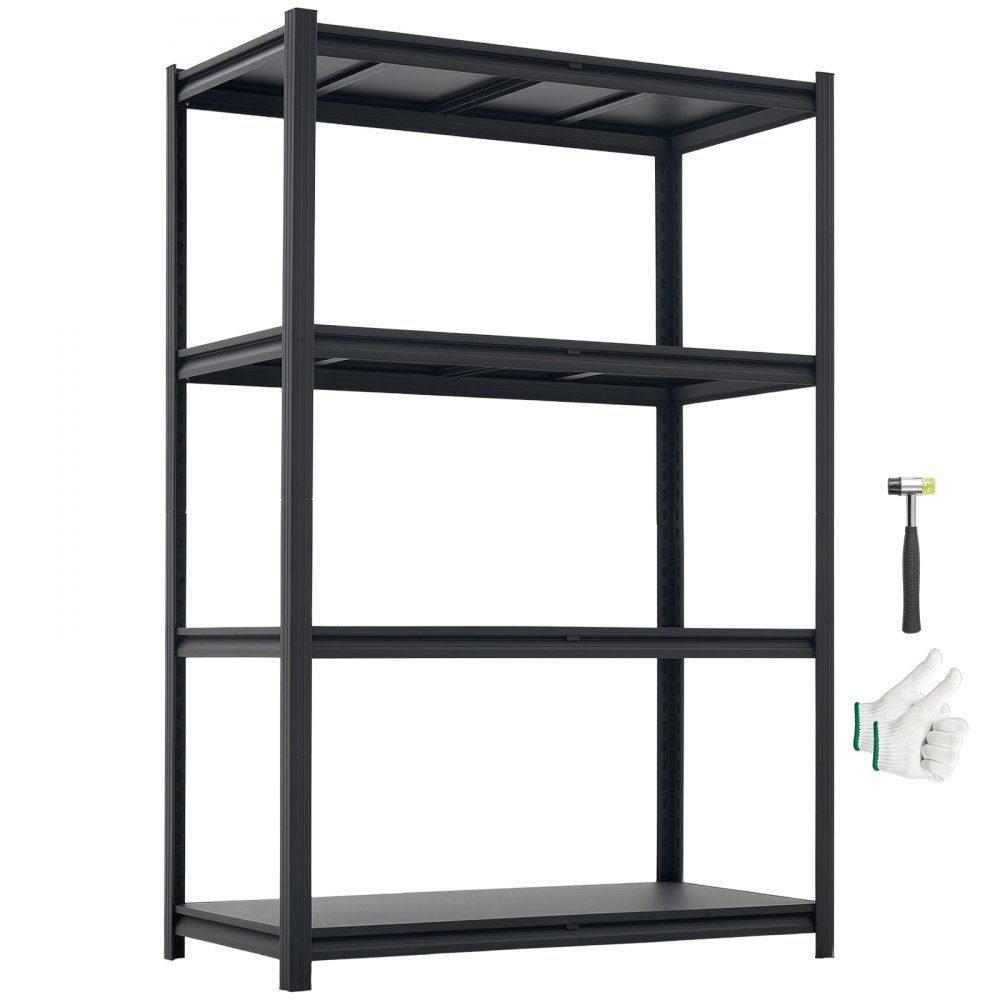 Aisha's pick4 Shelf Wire Shelving We Keep Buying
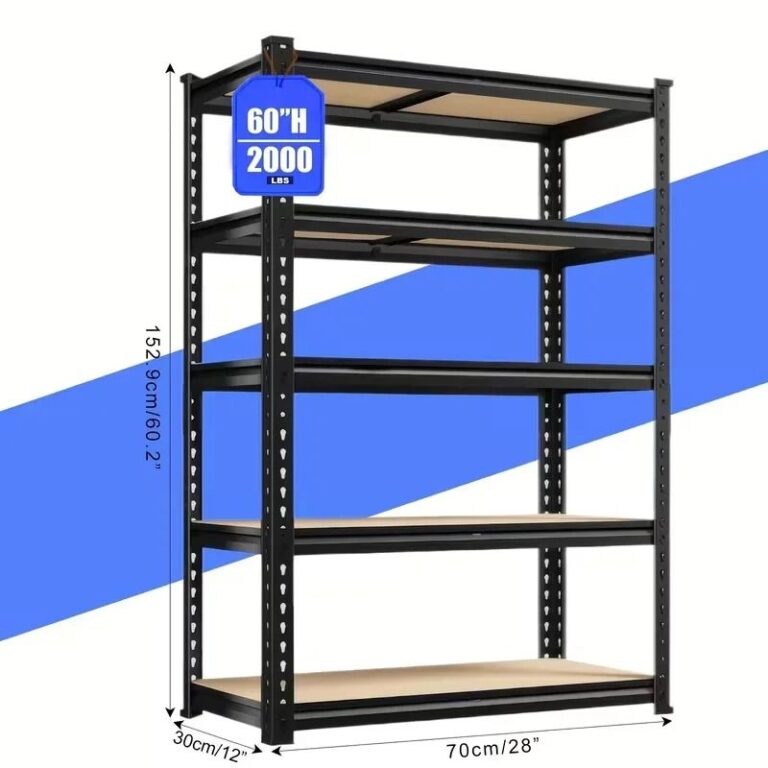 Aisha's pickHeavy Duty Boltless Shelving for Making a House Feel Like Yours
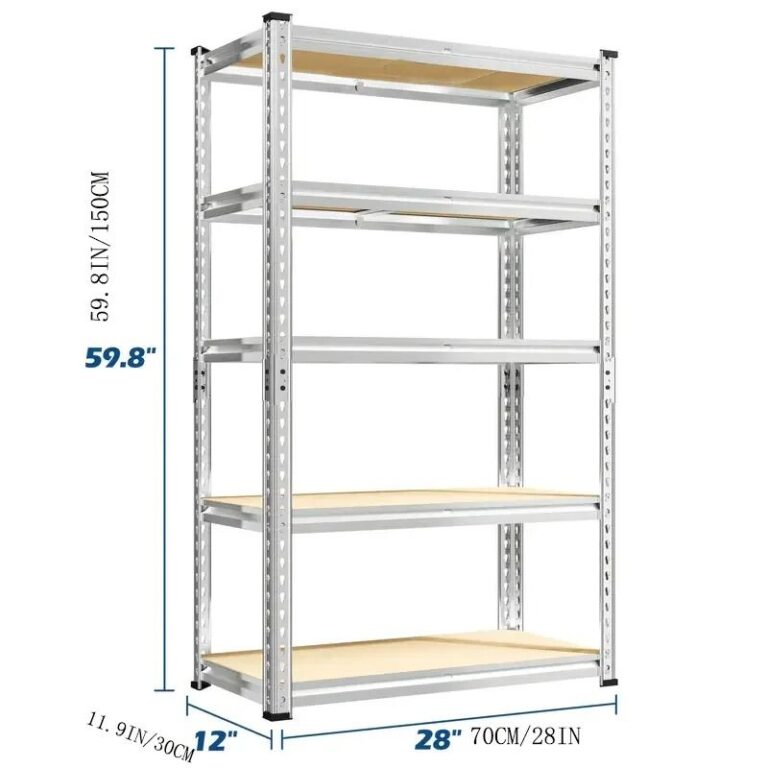
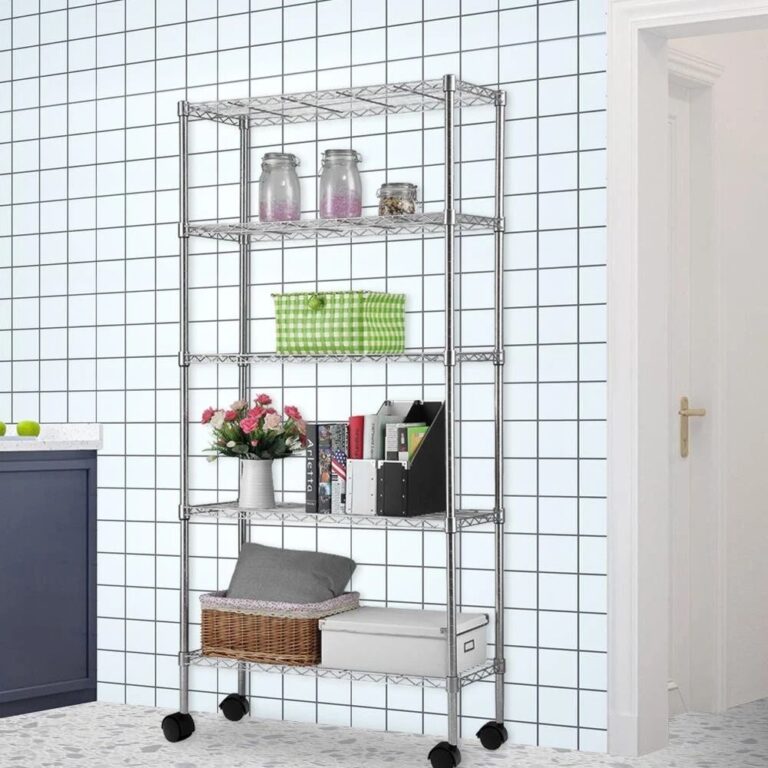 Aisha's pickSteel Heavy Duty Shelving That Holds Up
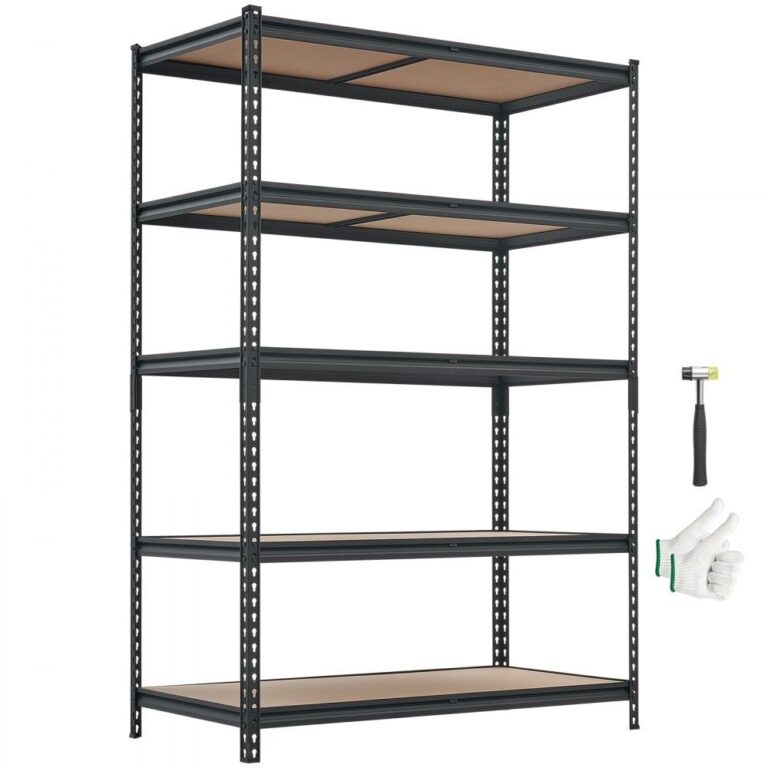
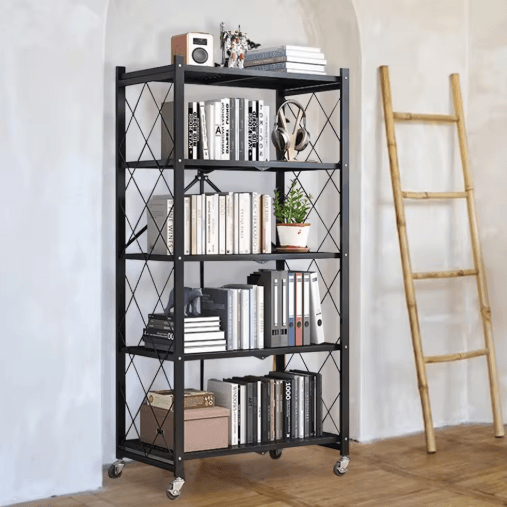 Aisha's pickSimple 5 Shelf Garage Shelving Done Well
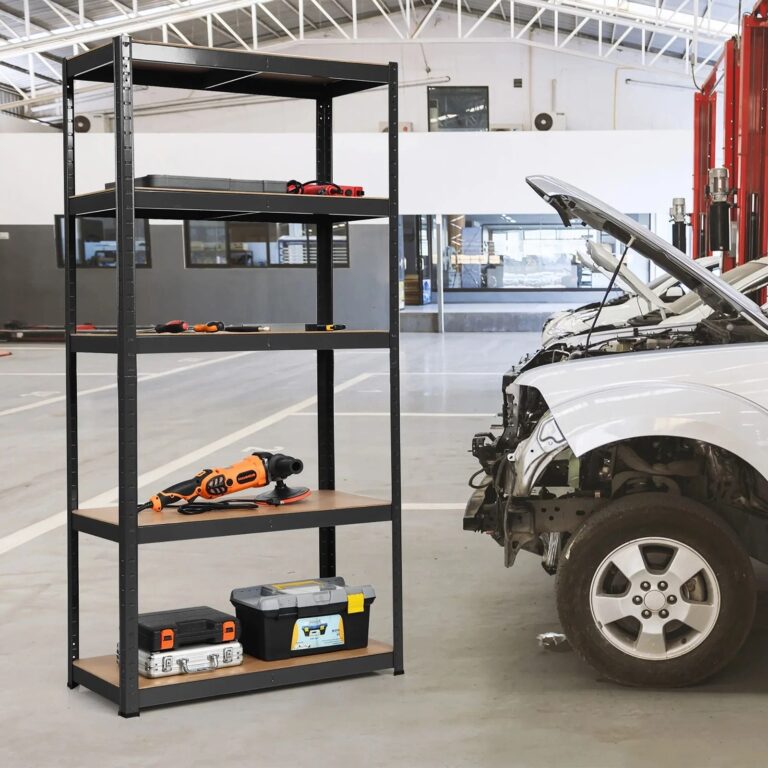
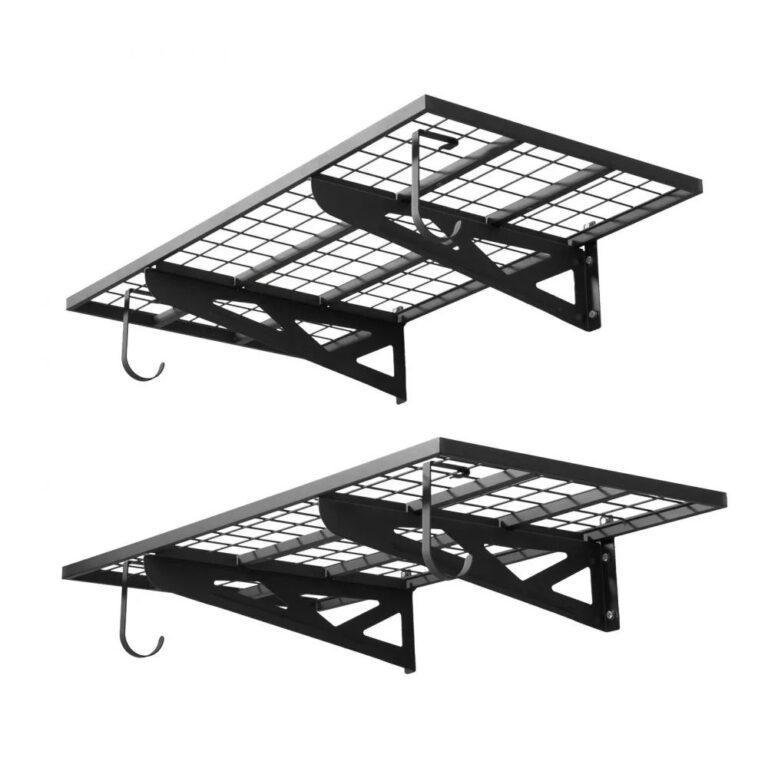 Aisha's pickThe Heavy Duty Garage Shelving Worth Your Cash

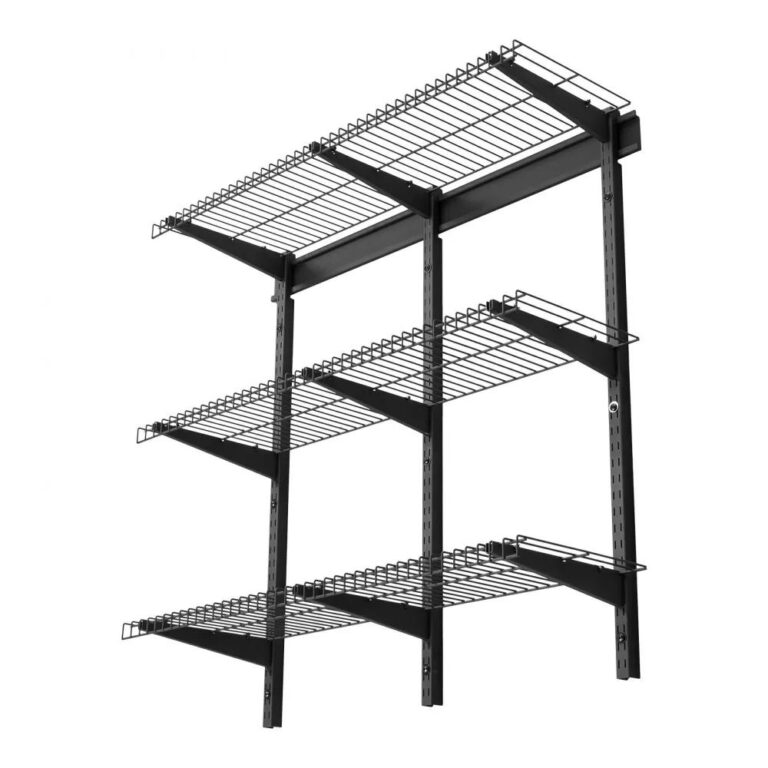 Aisha's pickWide Heavy Duty Shelving That Looks the Part
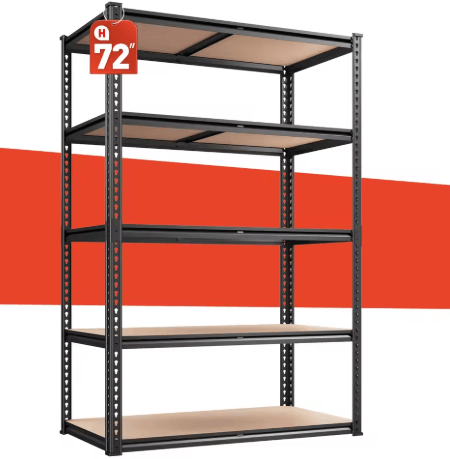
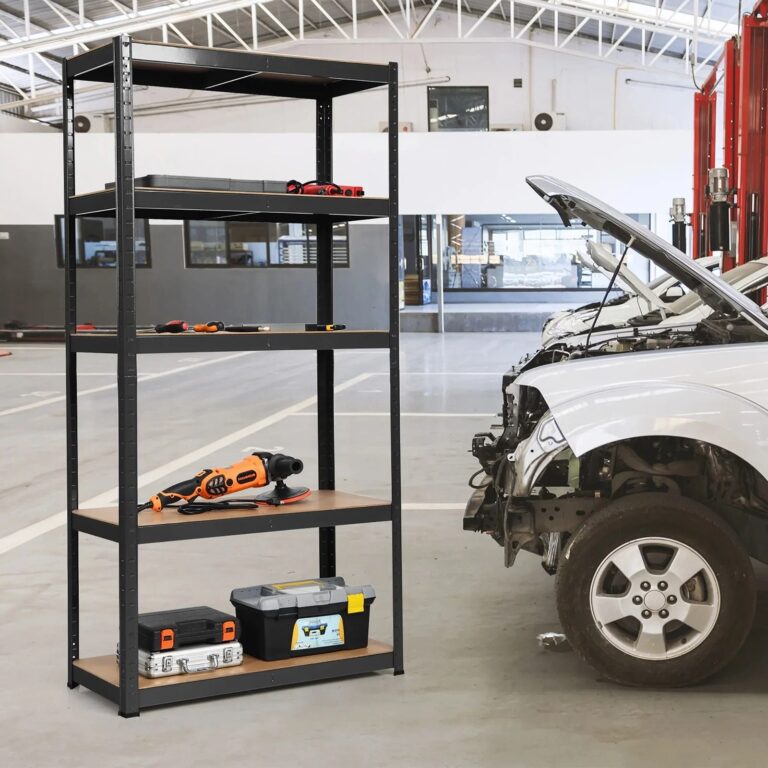 Aisha's pick5 Shelf Heavy Duty Shelving That Holds Up
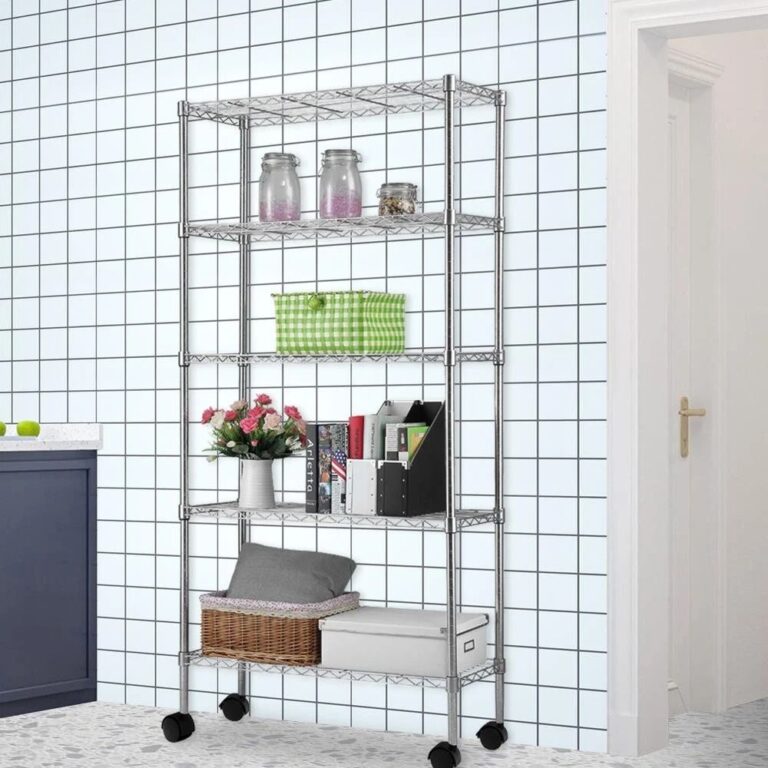
 Aisha's pickHeavy Duty Metal Shelving for When the Old Ones Give Up
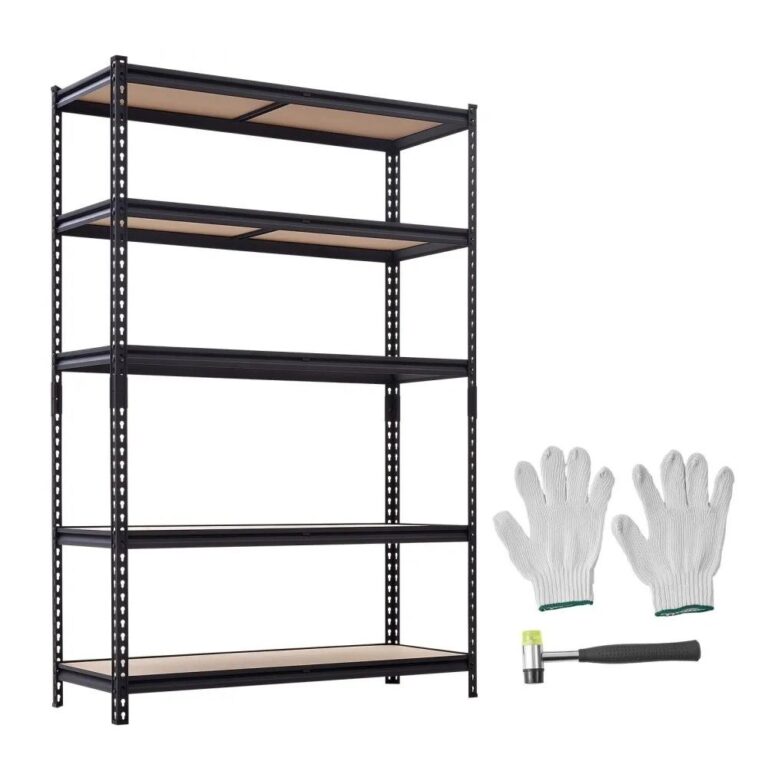
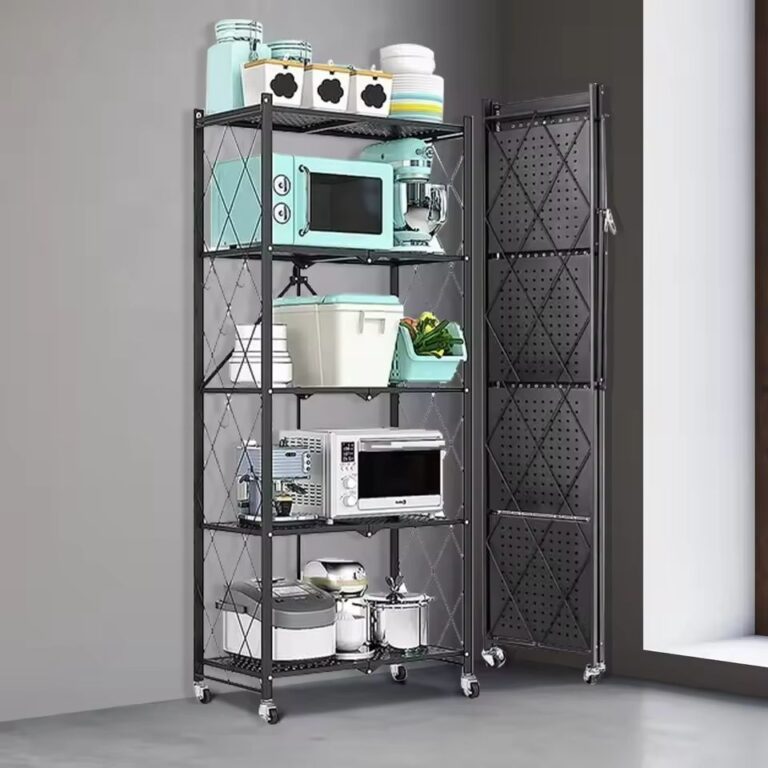 Aisha's pickWire Shelving for Making a House Feel Like YoursAlso worth a lookWall ShelvesFor years I thought the bracket was the whole story with wall shelves, buy the beefiest looking one and you're set.See the collections →
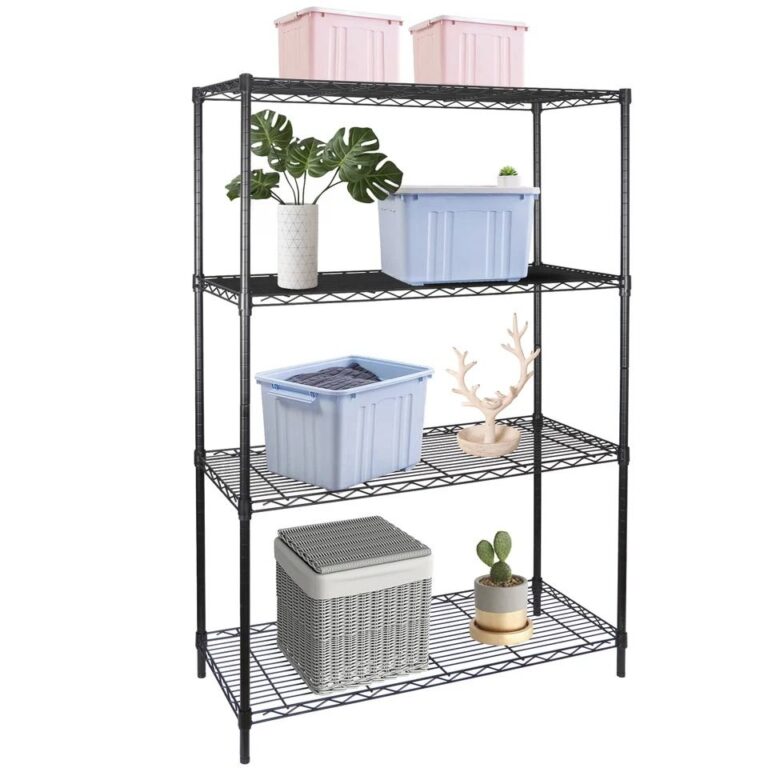
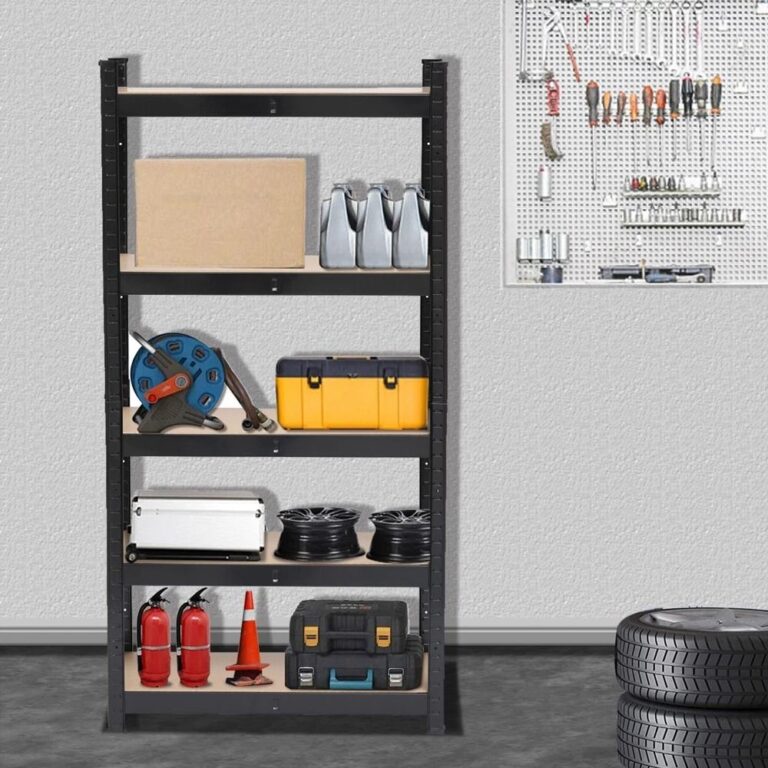 Aisha's pick5 Shelf Metal Shelving With Some Character
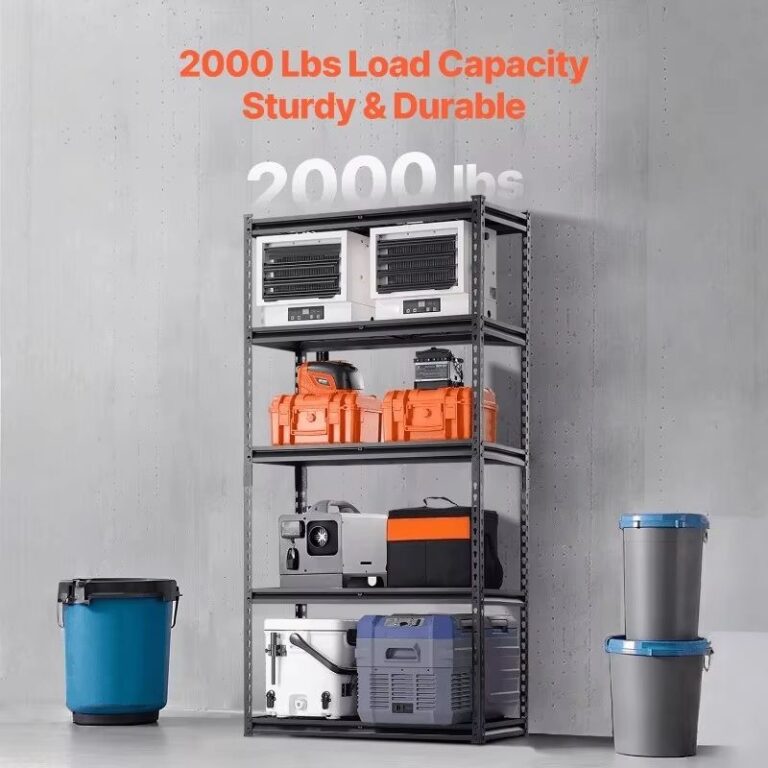
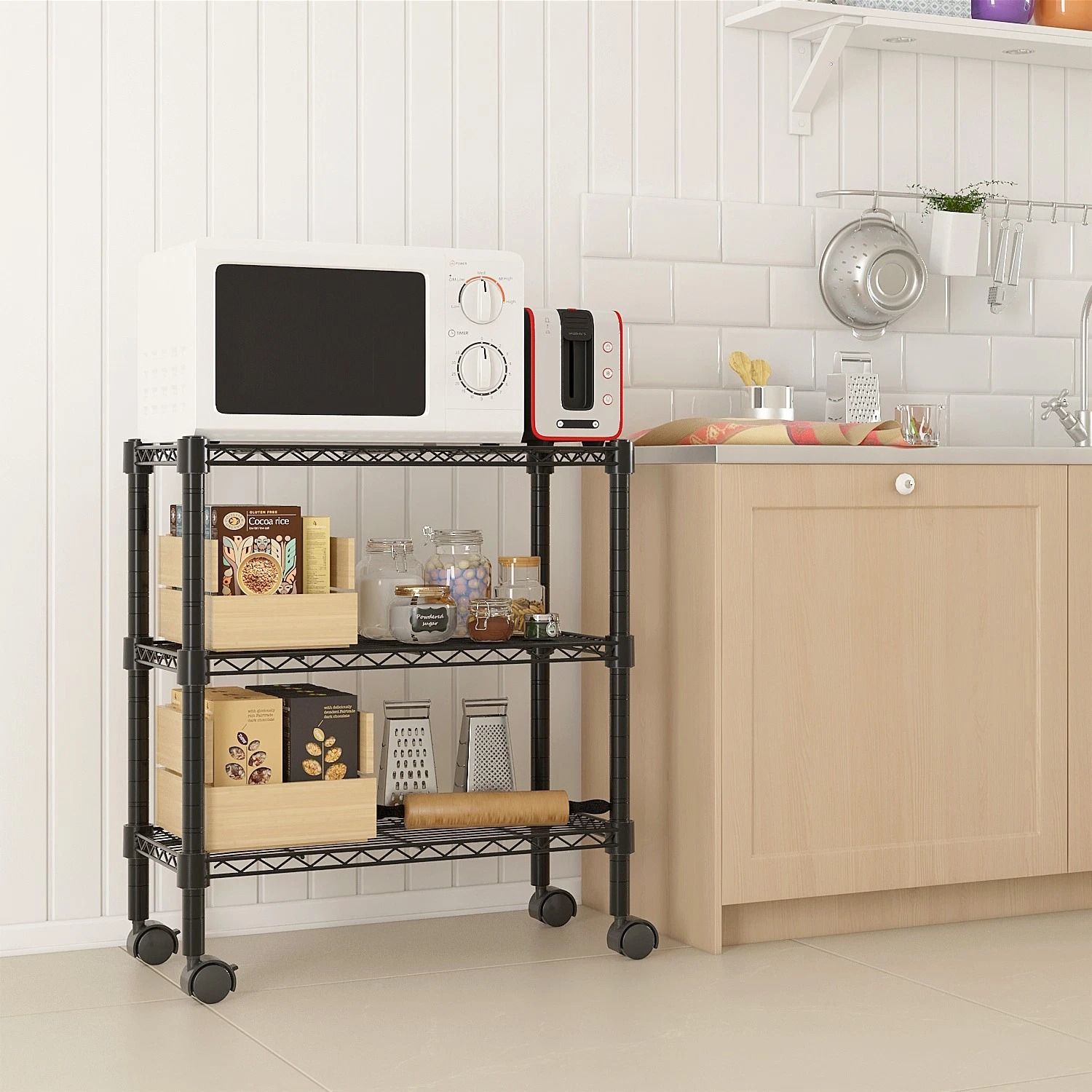 Aisha's pickHeavy Duty Shelving Worth Knowing About
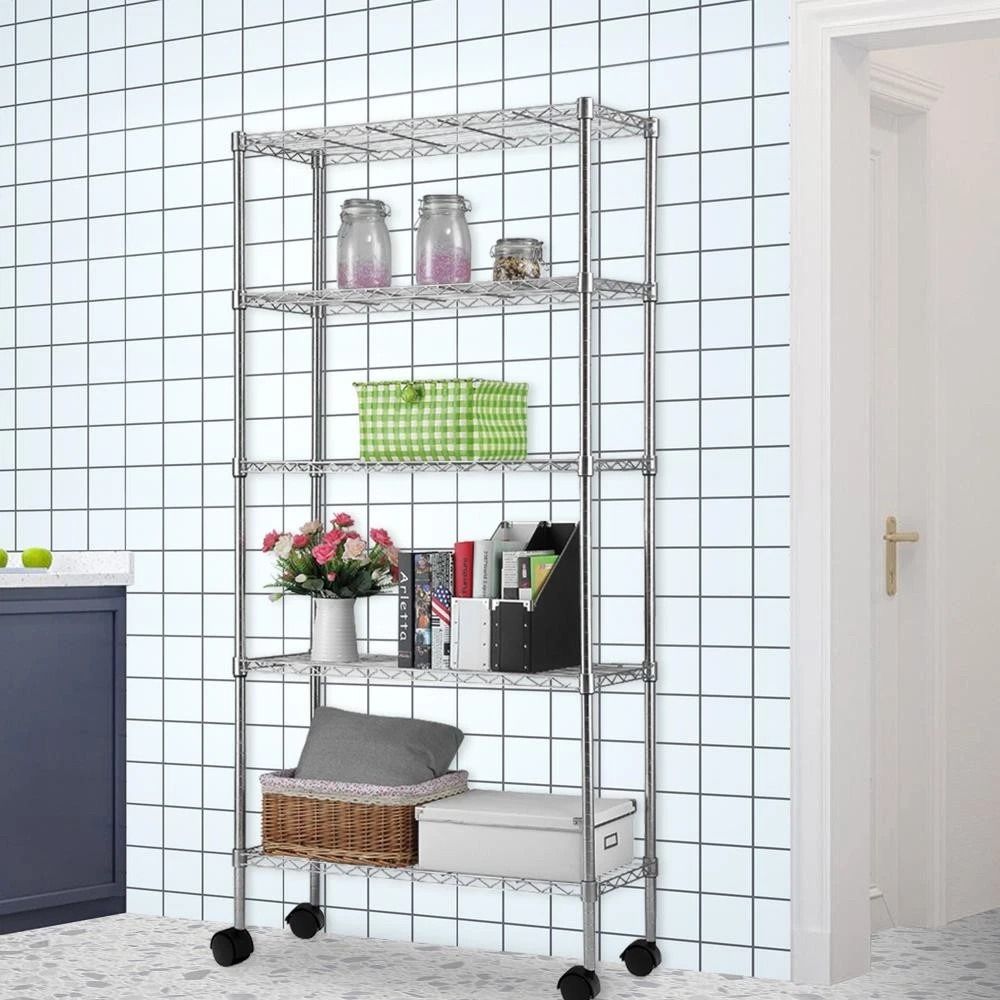
 Aisha's pickWire Shelving with Shelves That Does What It Should
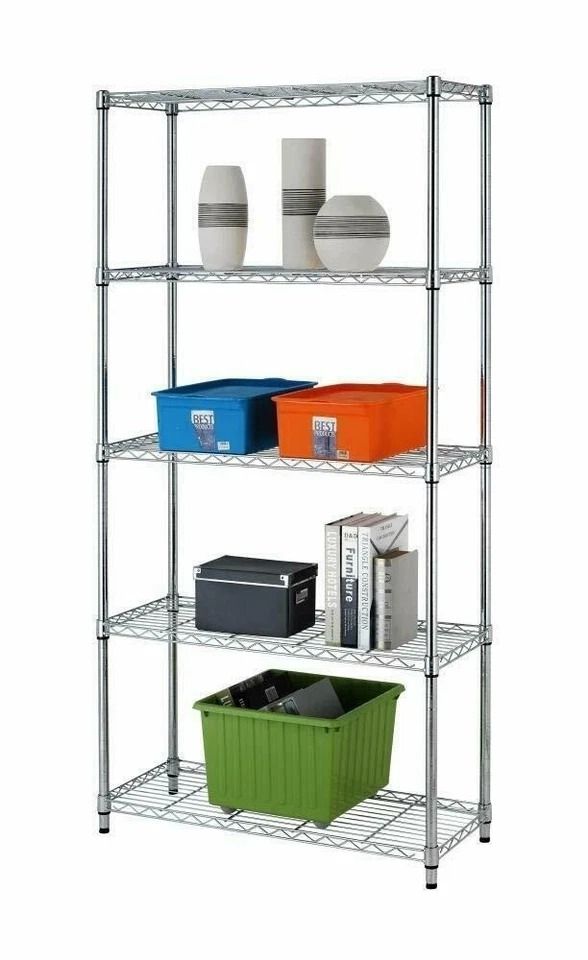
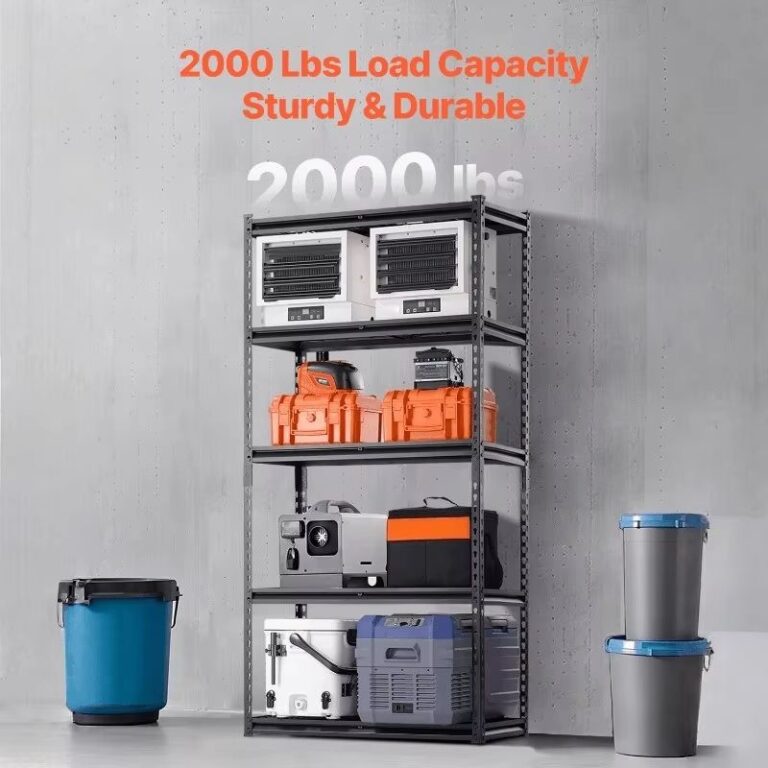 Aisha's pickGood Adjustable Garage Shelving That Don’t Cost a Fortune
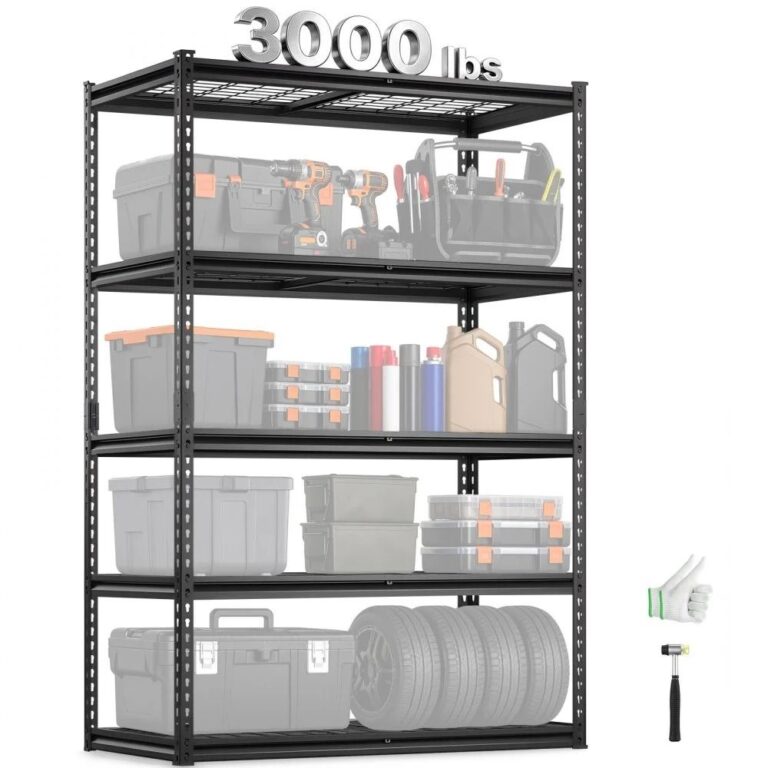
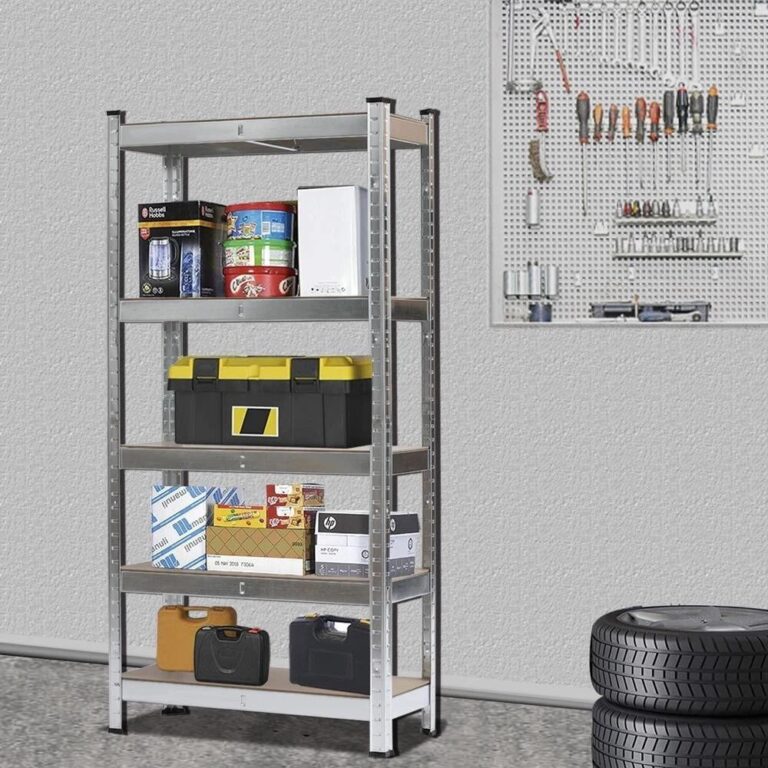 Aisha's pickHeavy Duty Shelving for Garage Pulled From Dozens of Stores
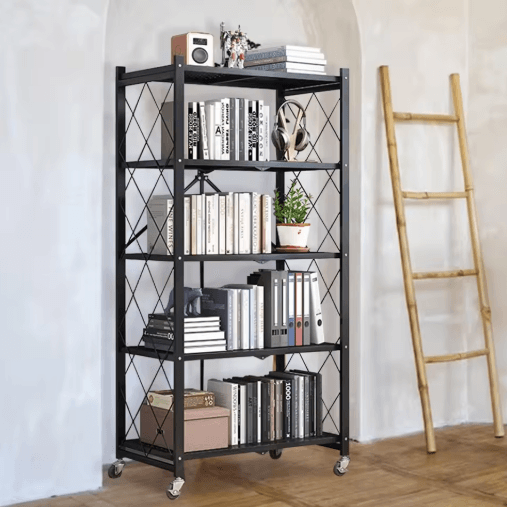
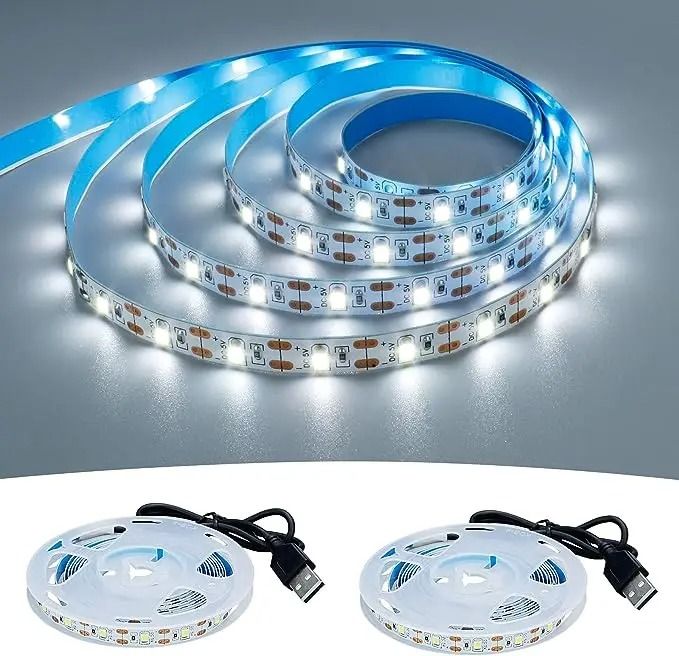 Aisha's pickWood Metal Shelving That Holds Up
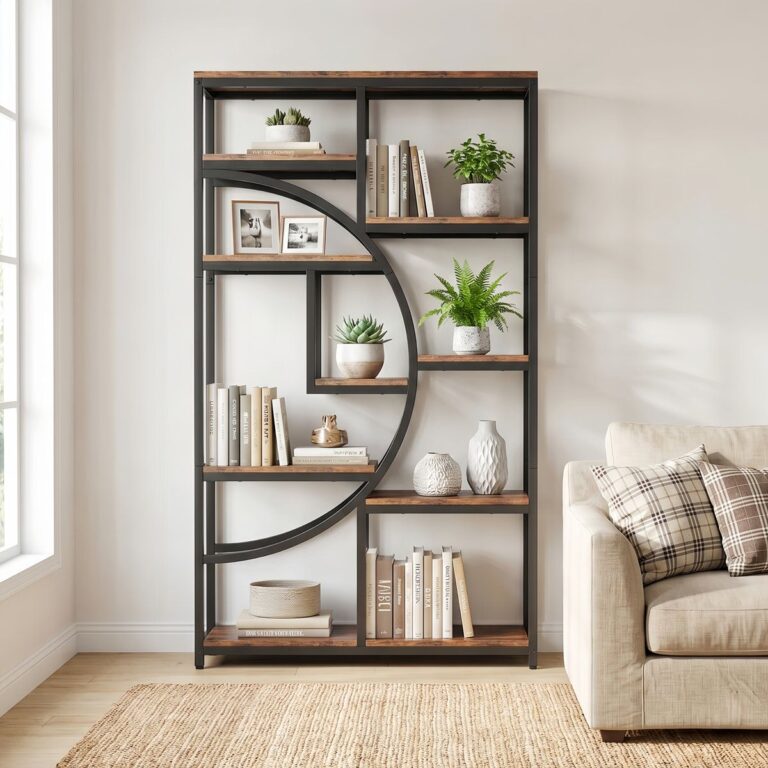
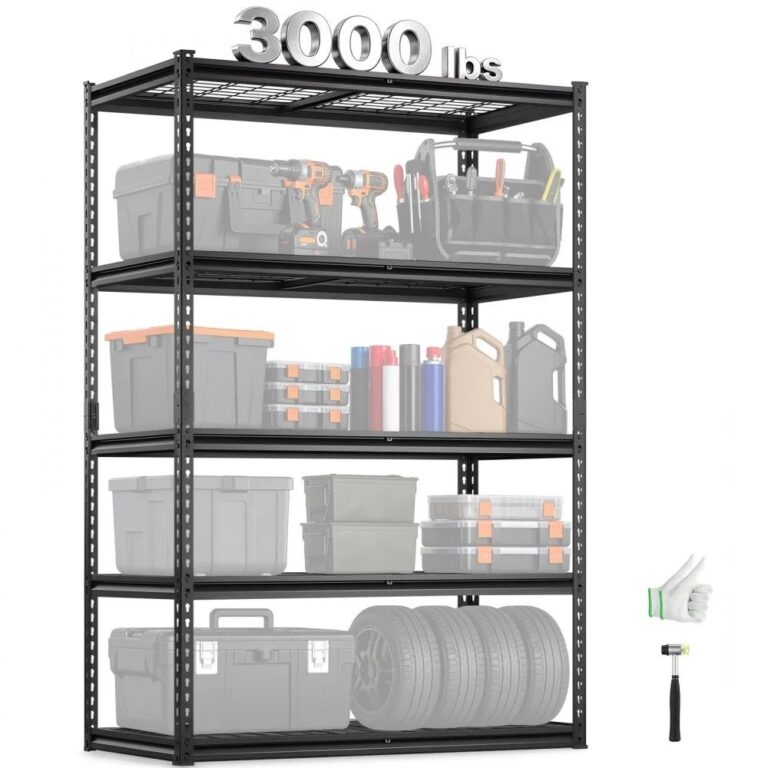 Aisha's pickAdjustable Heavy Duty Shelving Worth Your Money
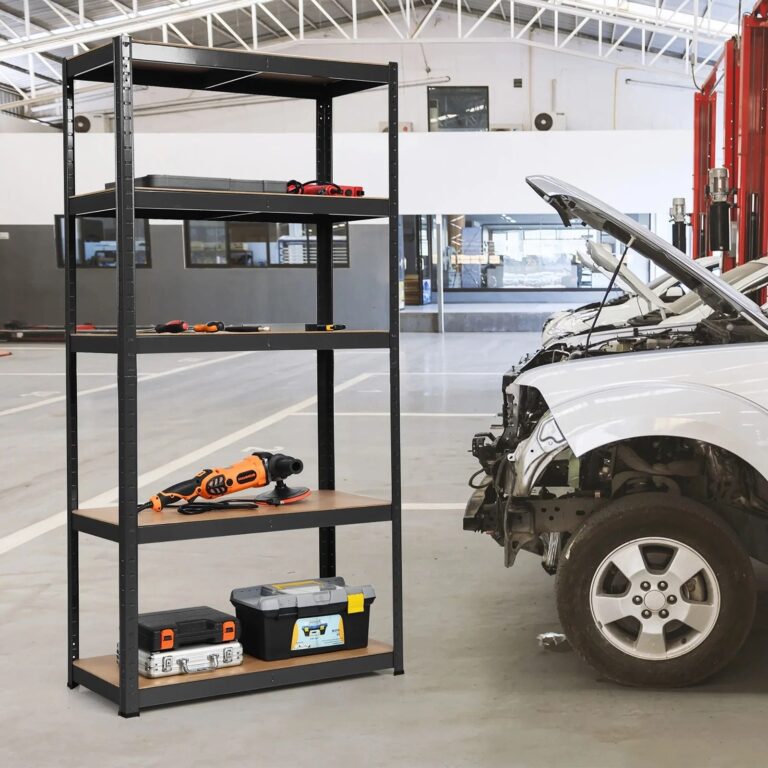
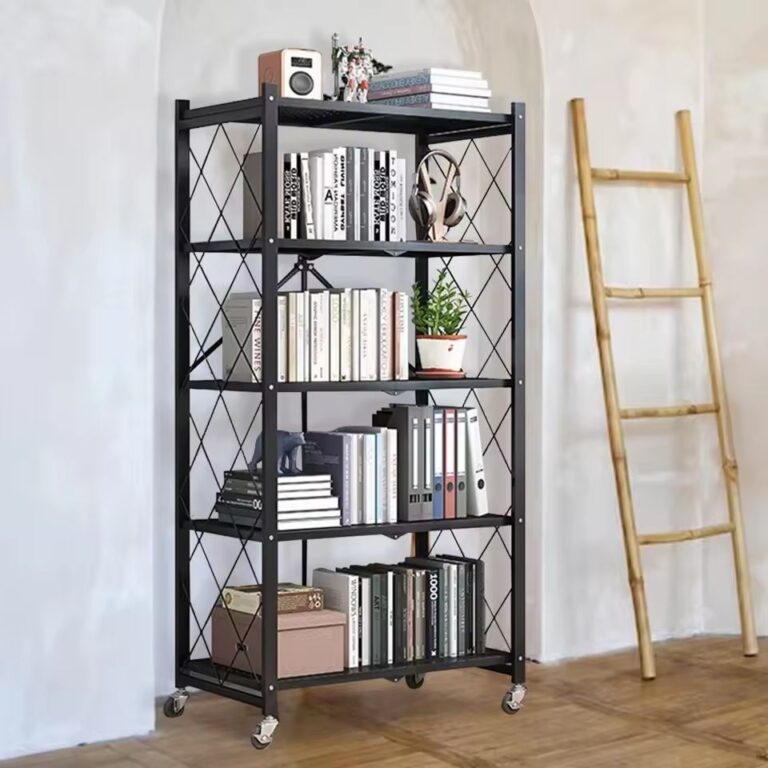 Aisha's pickHeavy Duty Shelving with Shelves That Holds Up
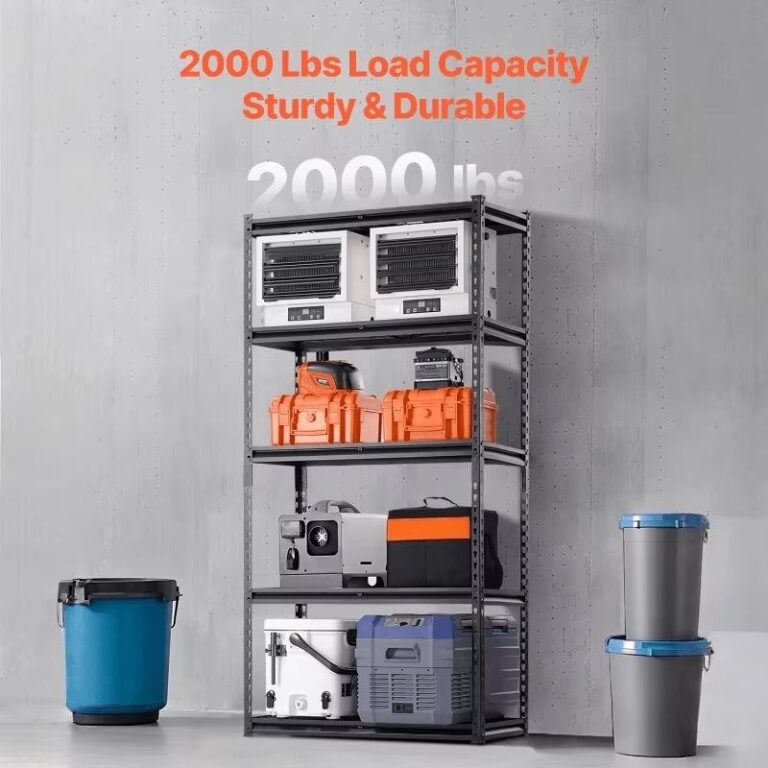
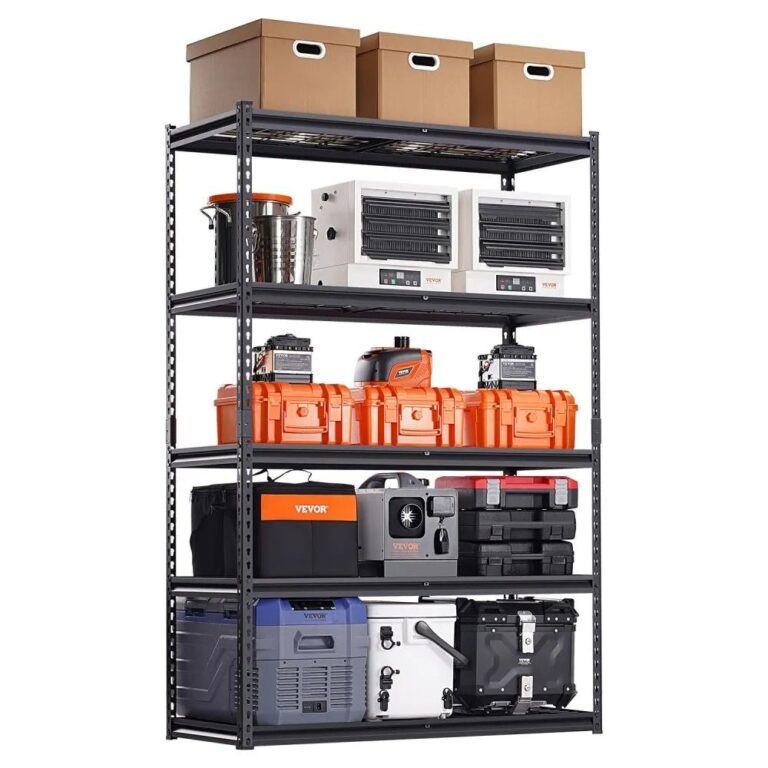 Aisha's pickAdjustable Metal Shelving With a Bit More About ItAlso worth a lookBookcasesI put off buying a real bookcase for ages because every one I looked at online seemed like…See the collections →
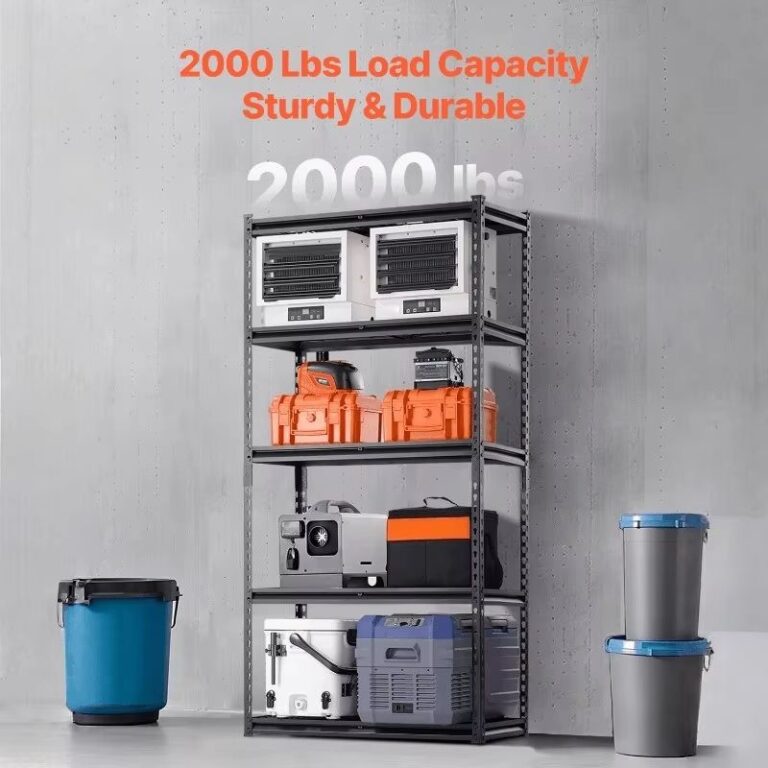
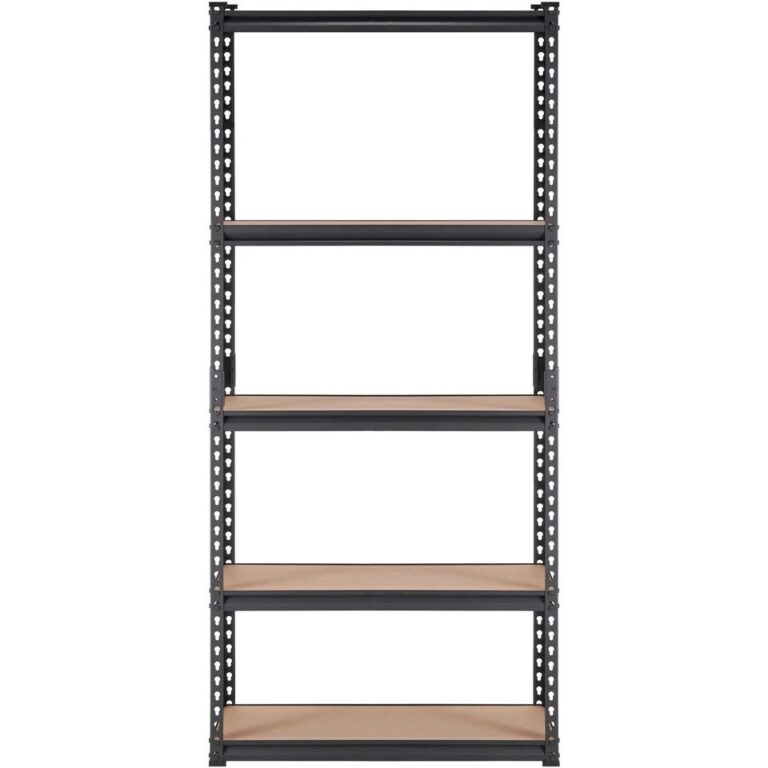 Aisha's pickIndustrial Heavy Duty Shelving That Doesn’t Cost a Fortune
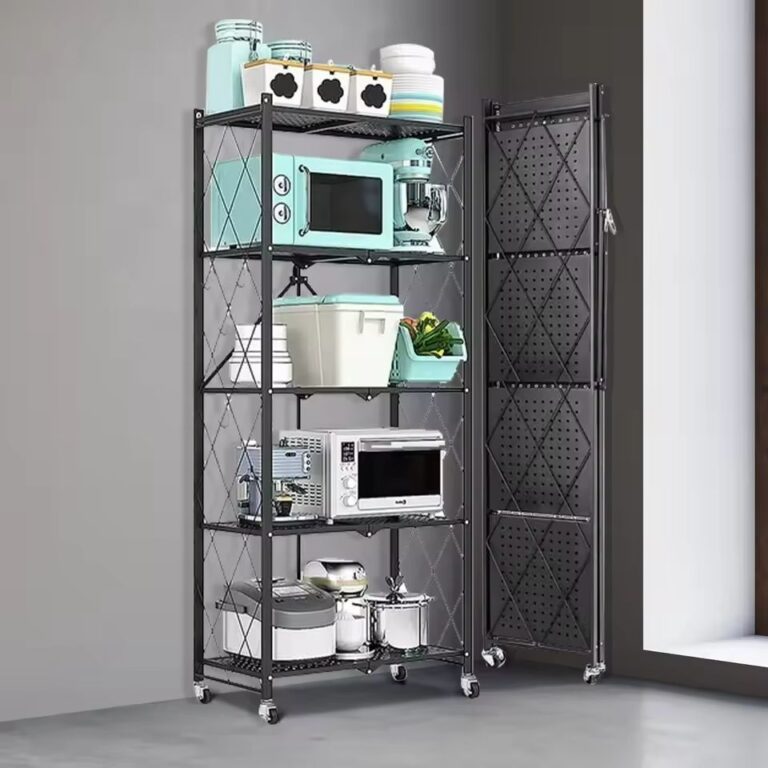
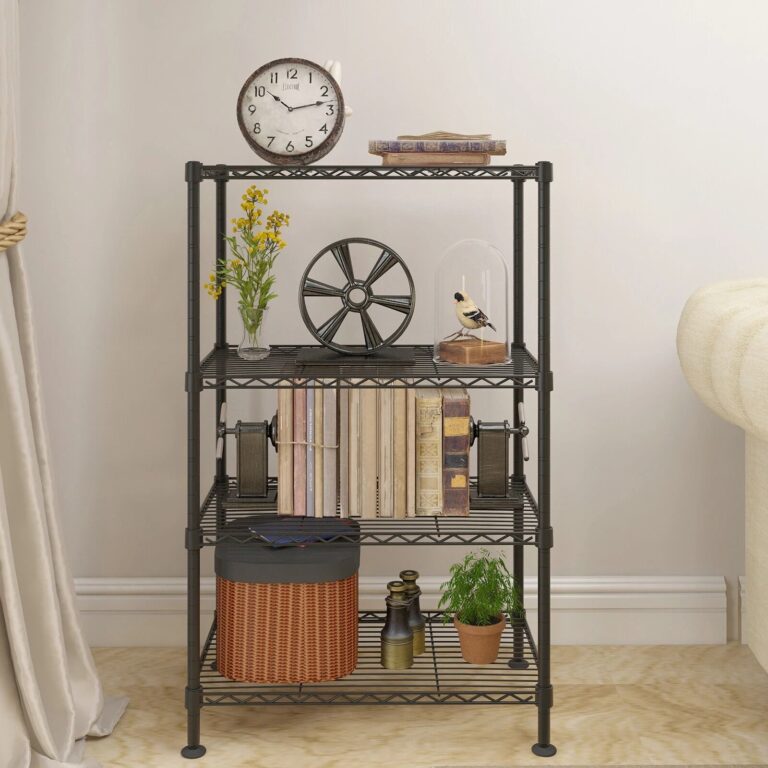 Aisha's pickAdjustable Wire Shelving Pulled From Dozens of Stores
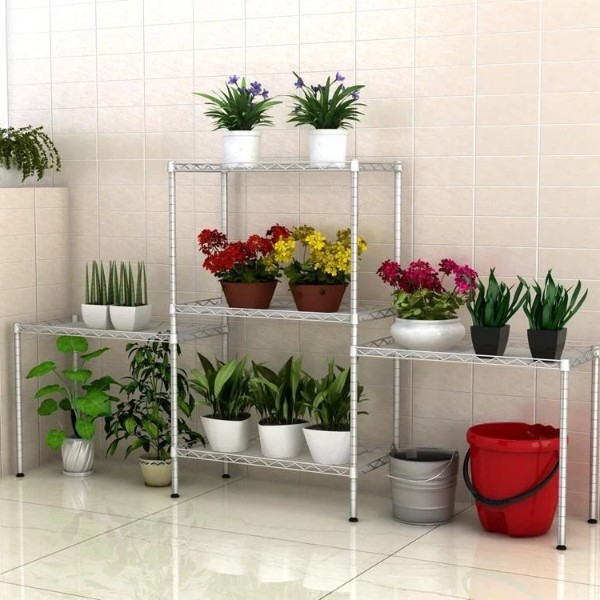
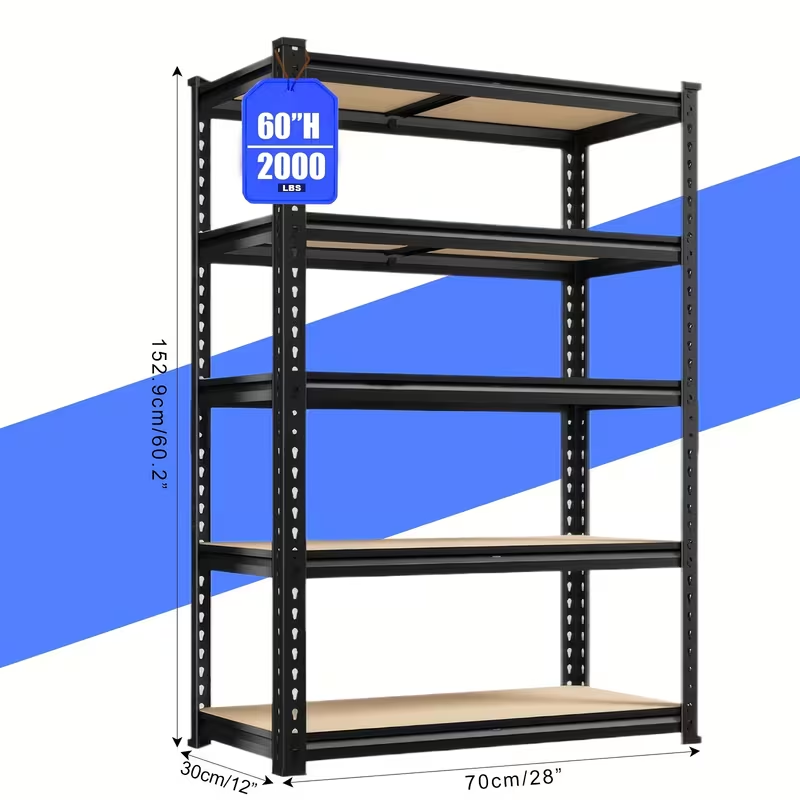 Aisha's pickLarge Metal Shelving That Doesn’t Cost a Fortune
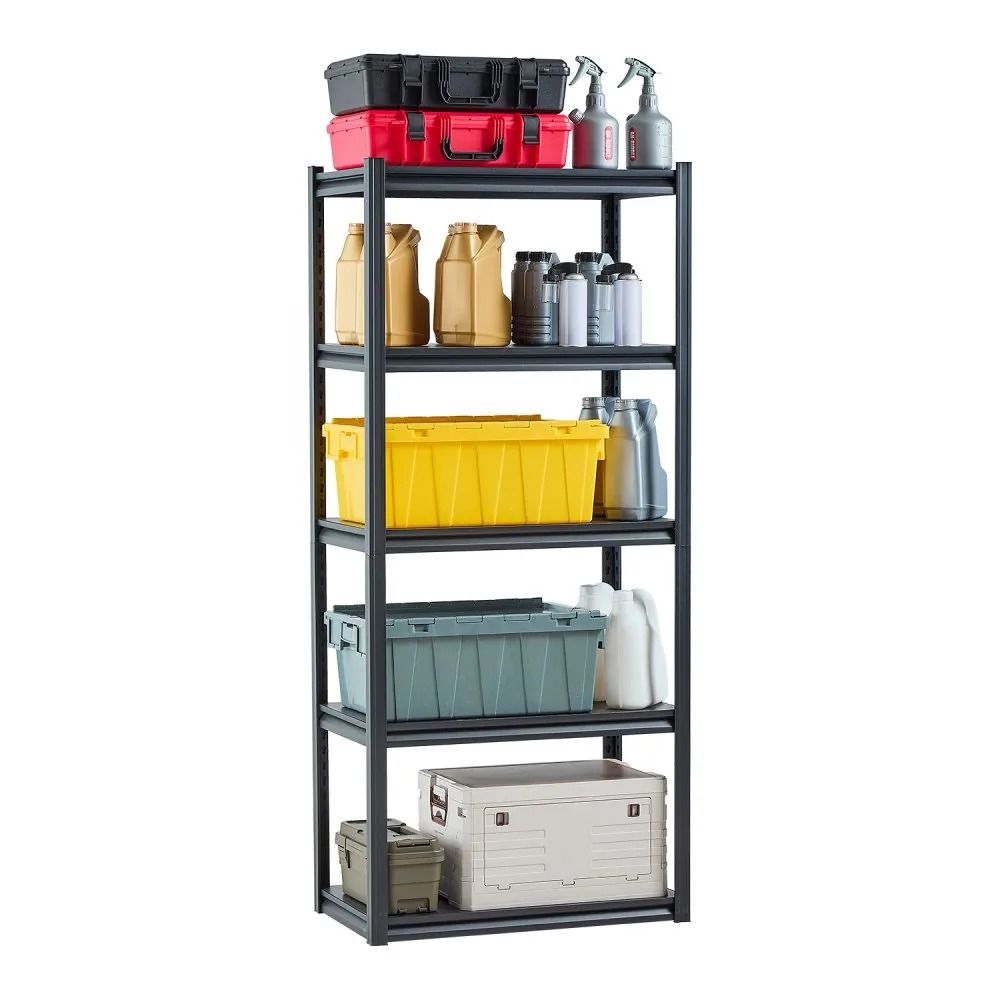
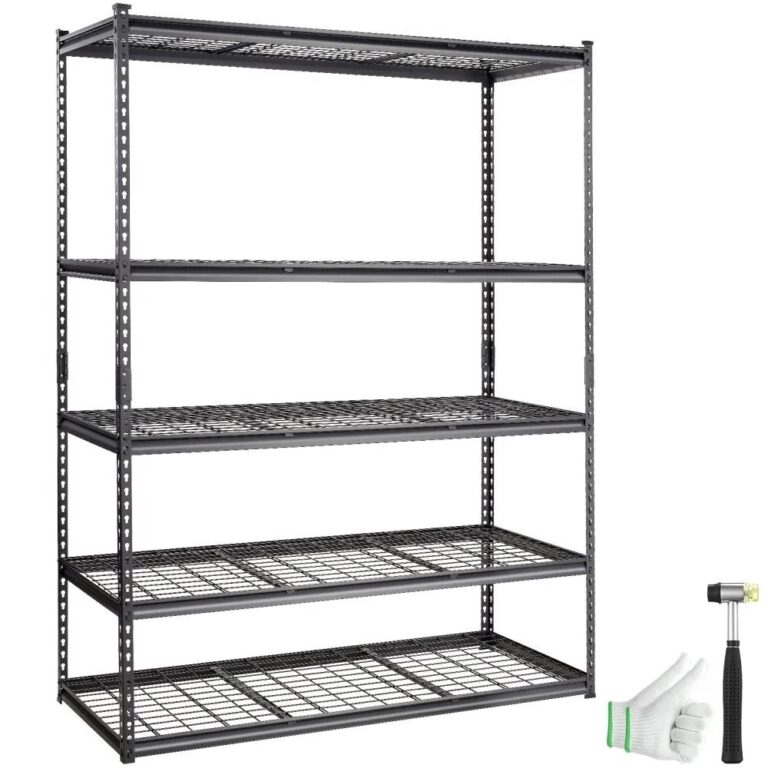 Aisha's pickBlack Metal Shelving Hunted Down So You Don’t Have To

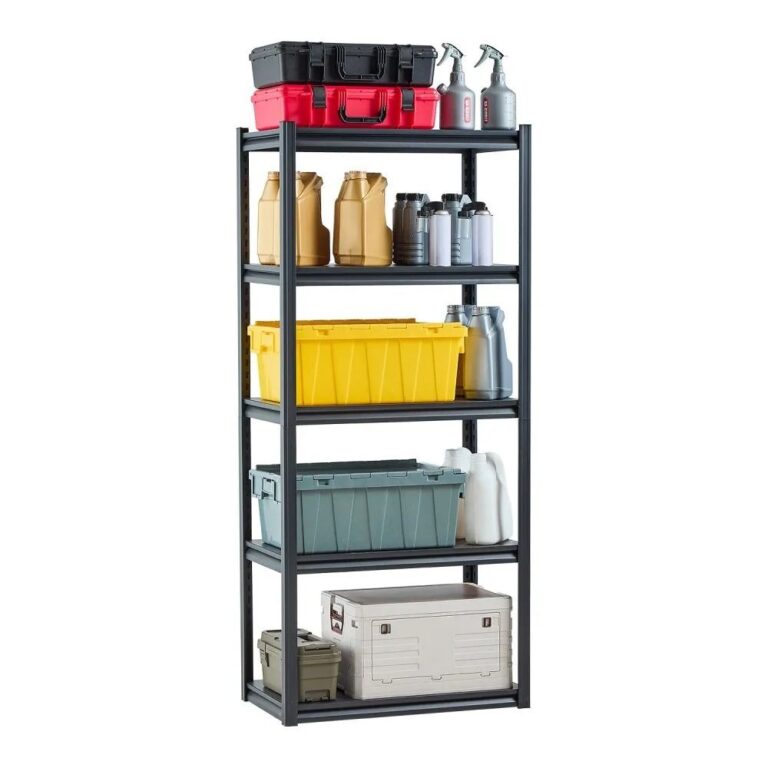 Aisha's pickNo Fuss Metal Garage Shelving
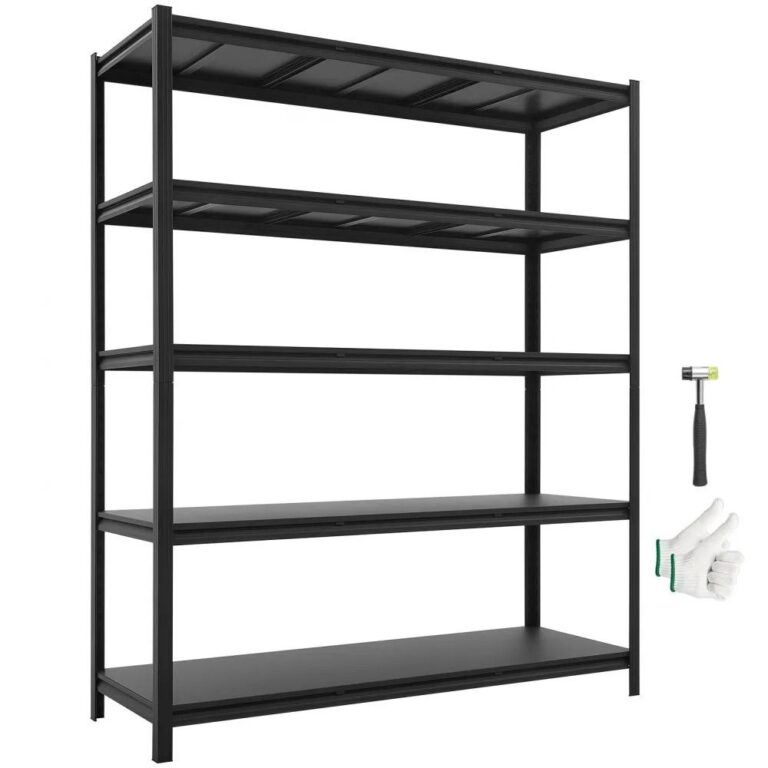
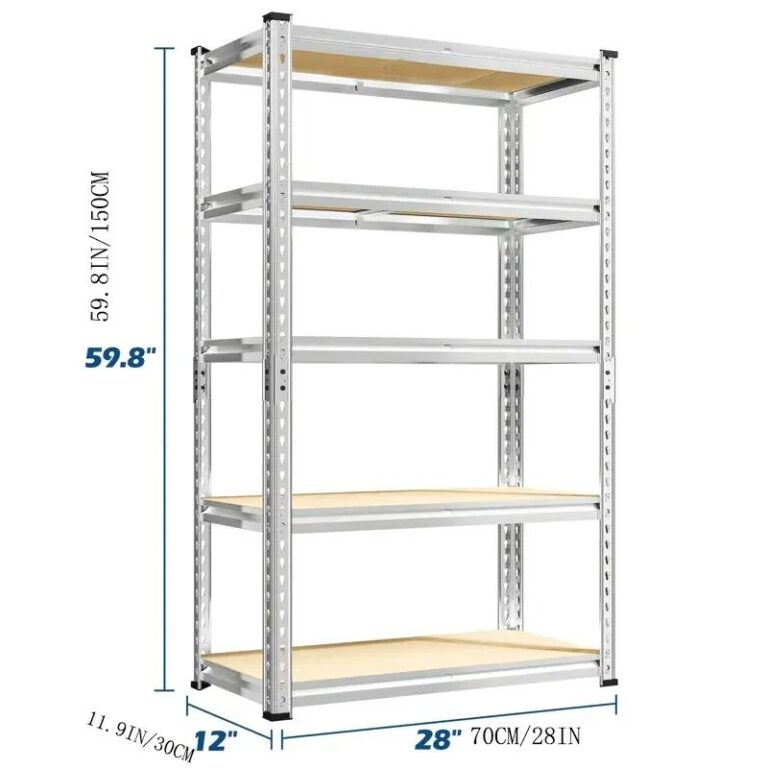 Aisha's pickShopping for Boltless Shelving? Start Here
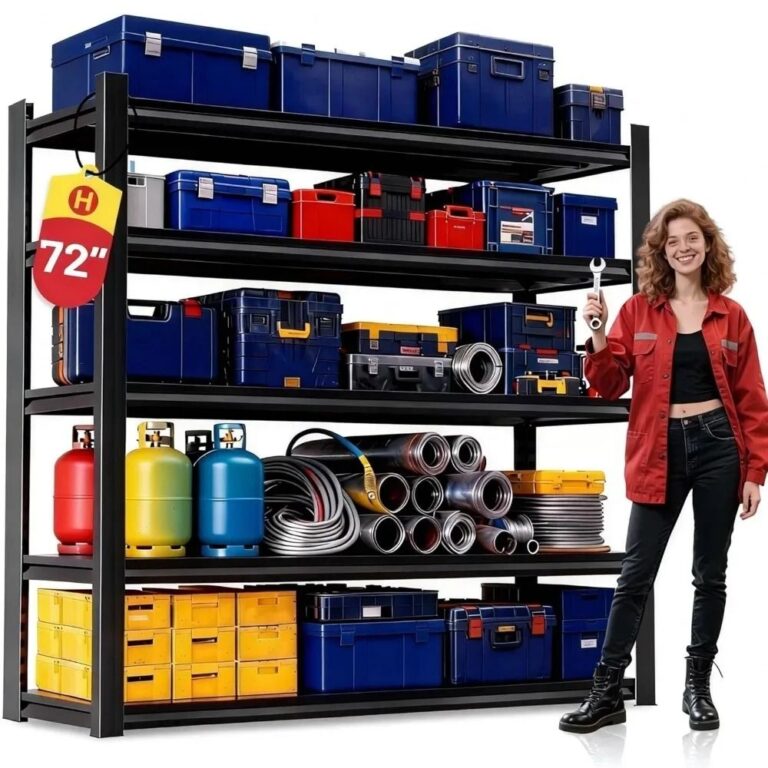
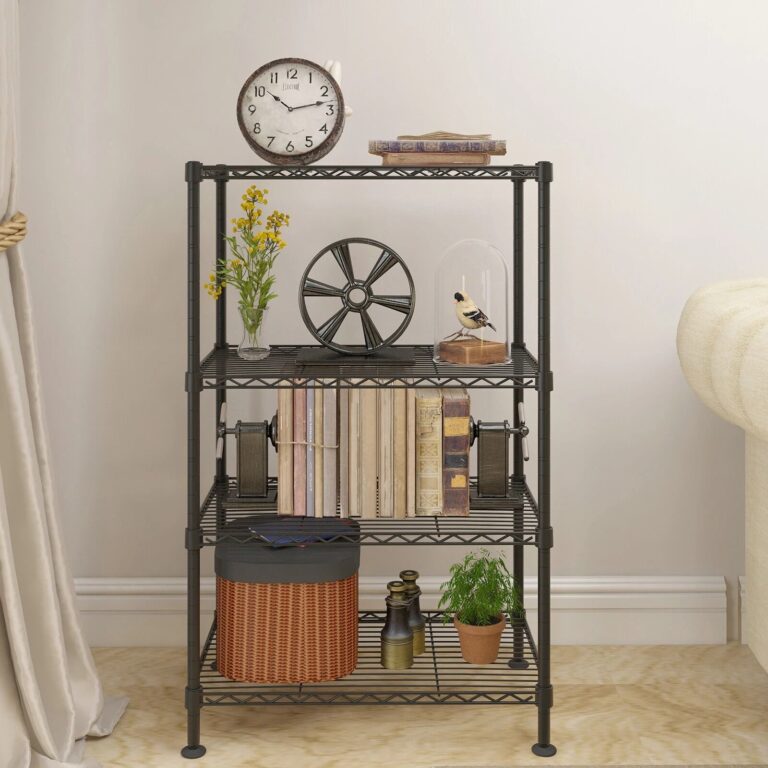 Aisha's pickMetal Shelving Worth Your Money
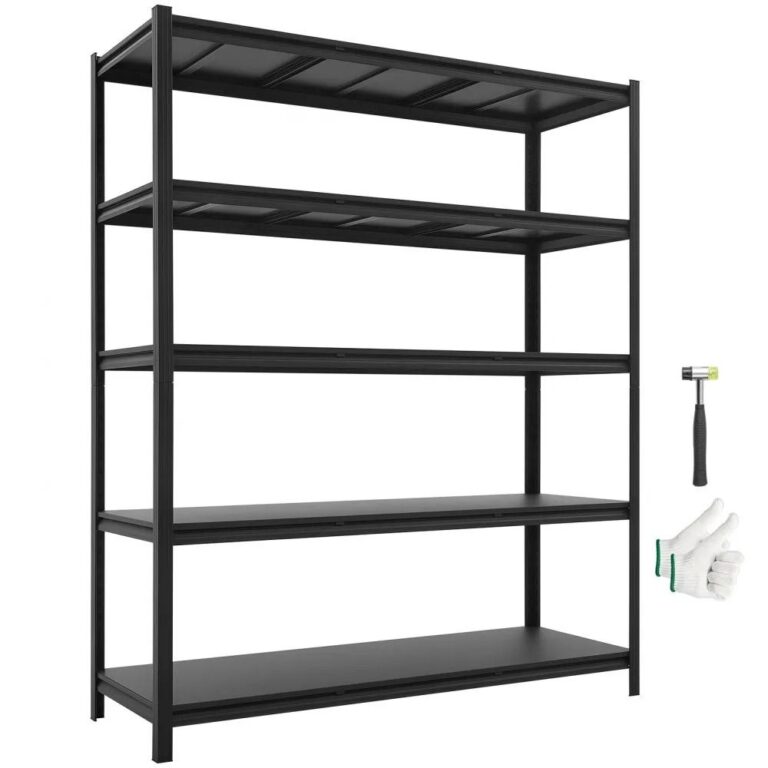
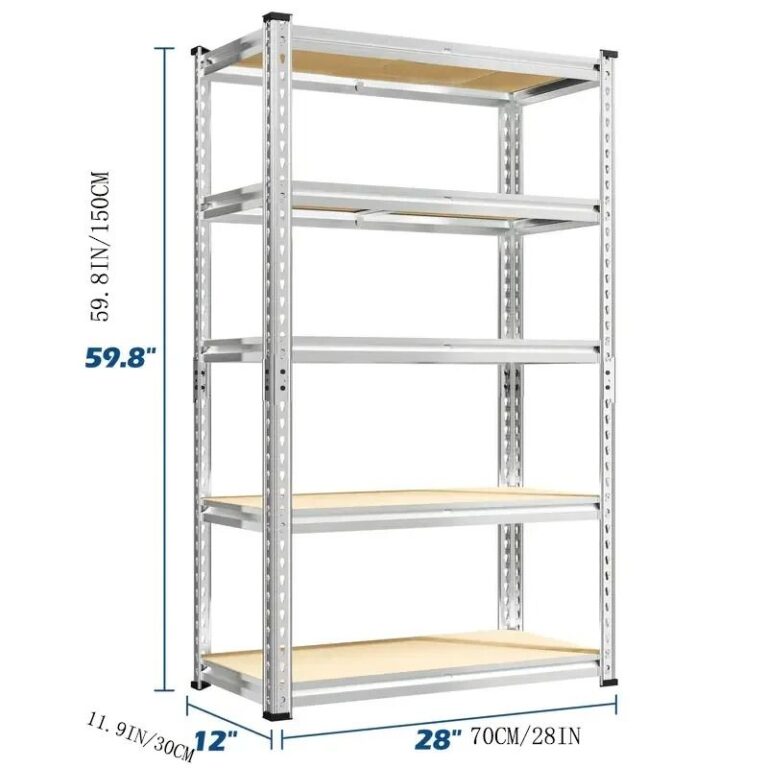 Aisha's pickBoltless Shelving for Garage That Does What It Should
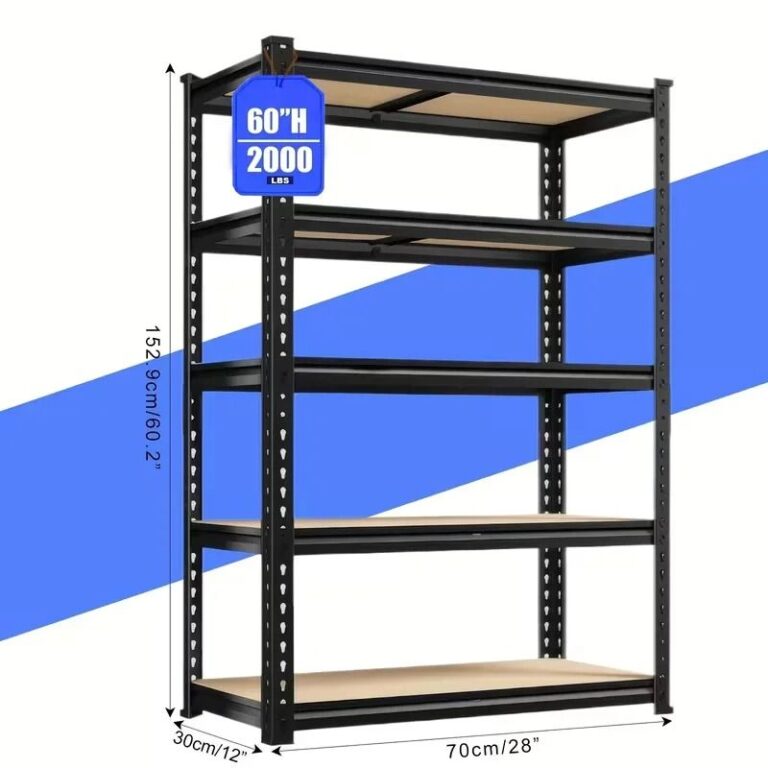
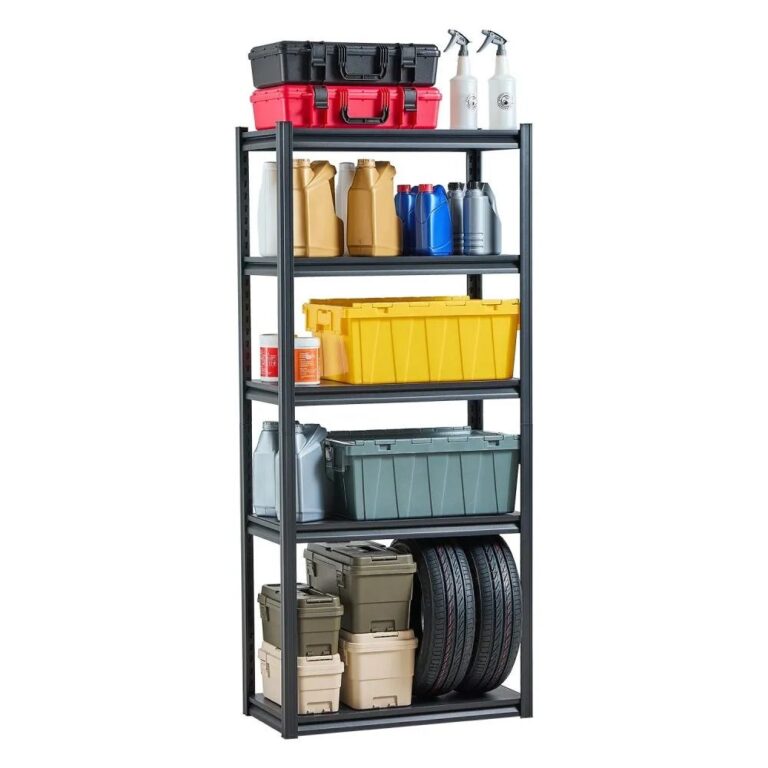 Aisha's pickMetal Shelving for Garage We Keep BuyingAlso worth a lookMetal ShelvesLate winter is when I notice metal shelves doing their best work, those gray afternoons when the light…See the collections →
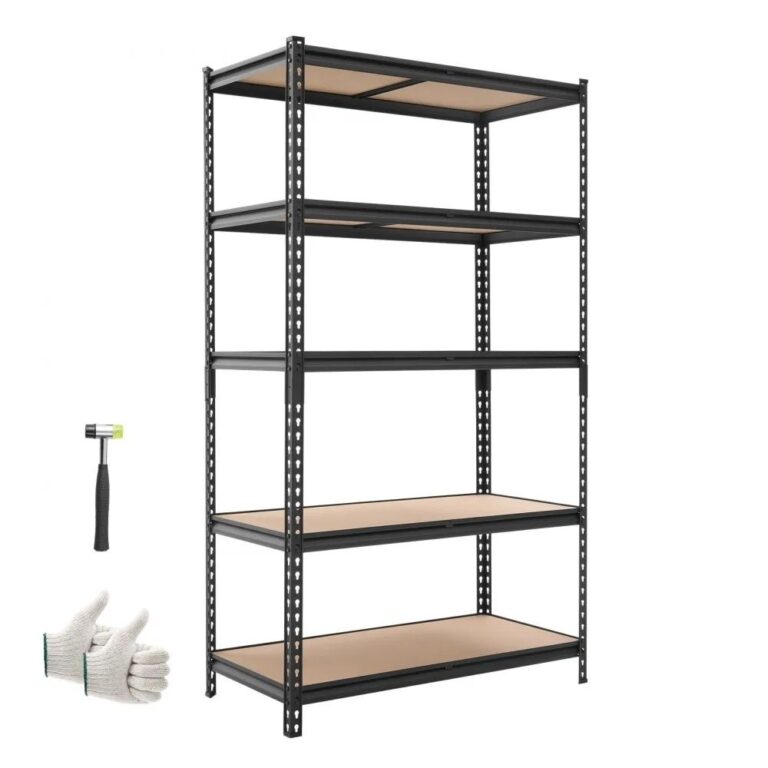
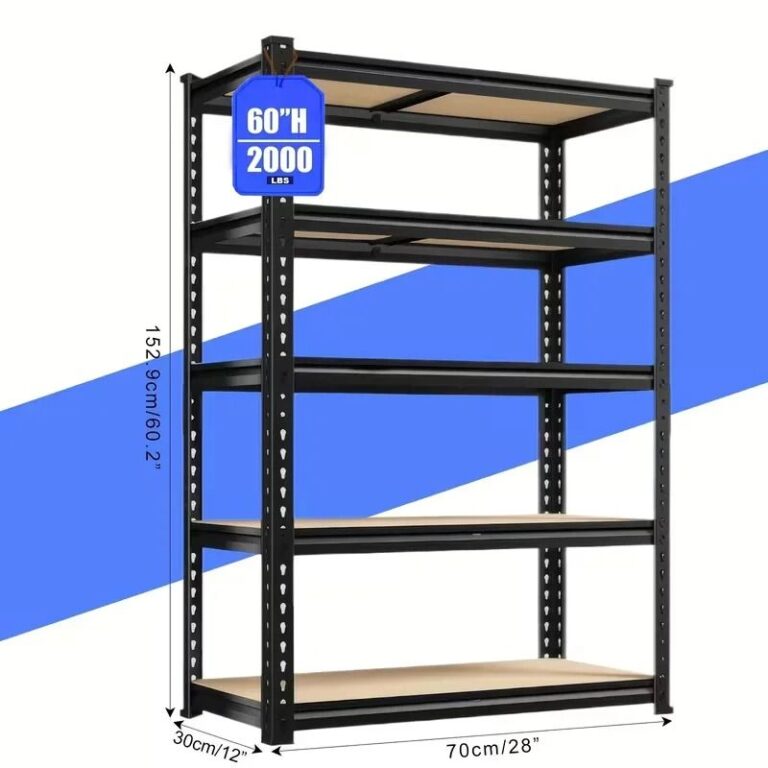 Aisha's pickBoltless Shelving with Shelves Picked by People Who Care Too Much
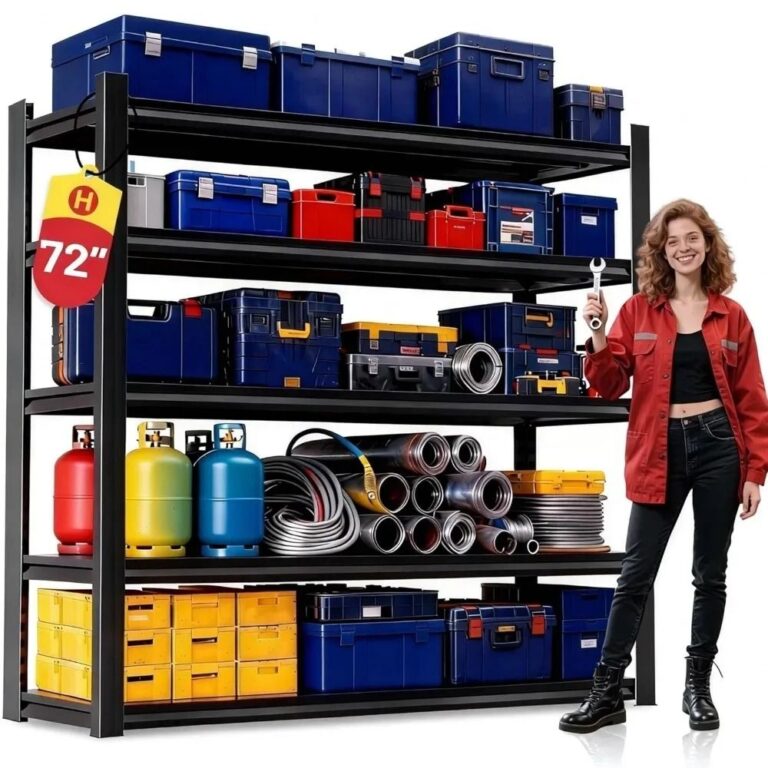
 Aisha's pickGood Metal Shelving with Shelves That Don’t Cost a Fortune
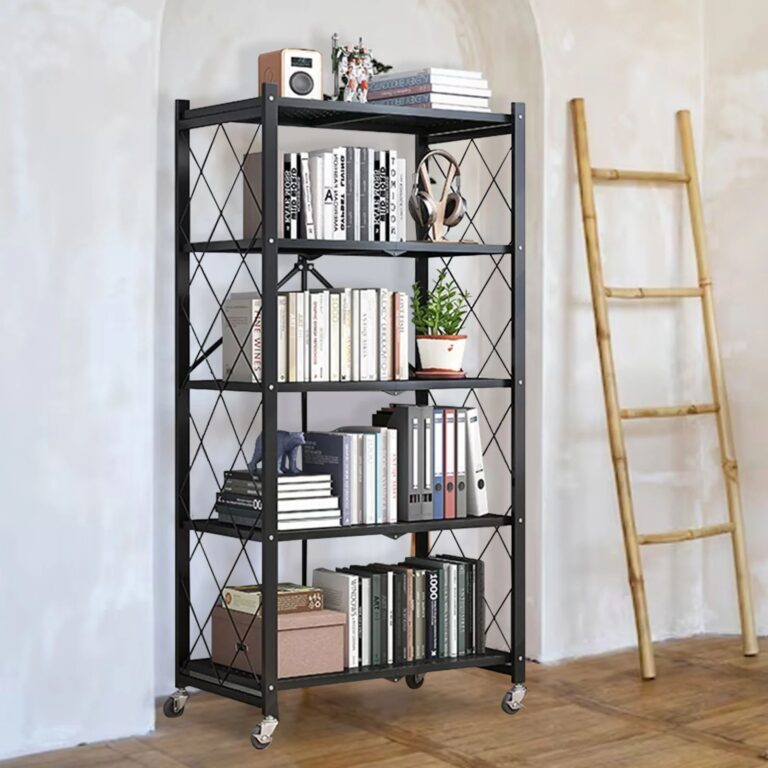
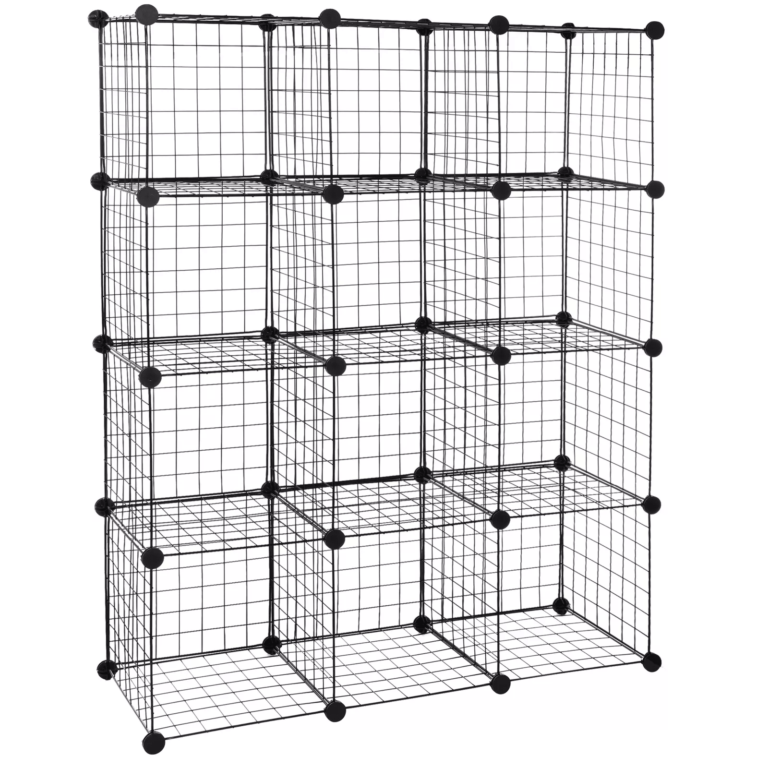 Aisha's pickClear Metal Shelving You’ll Live With Happily for Years
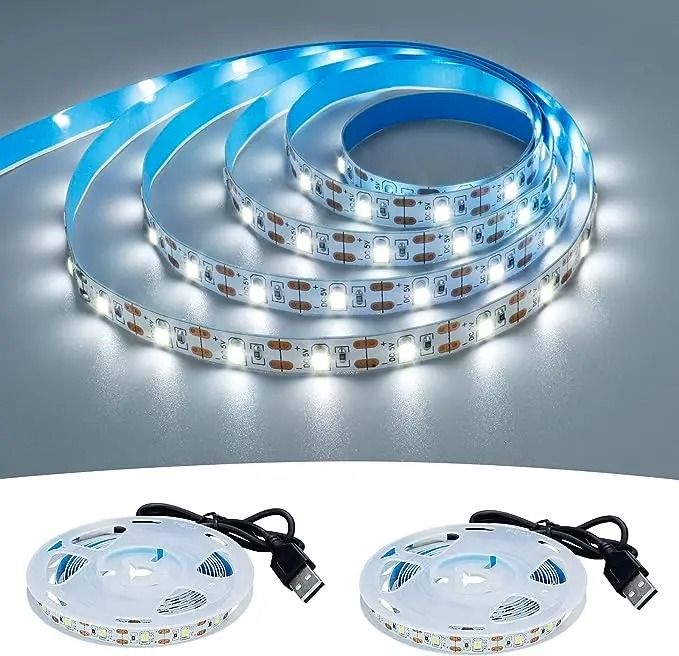
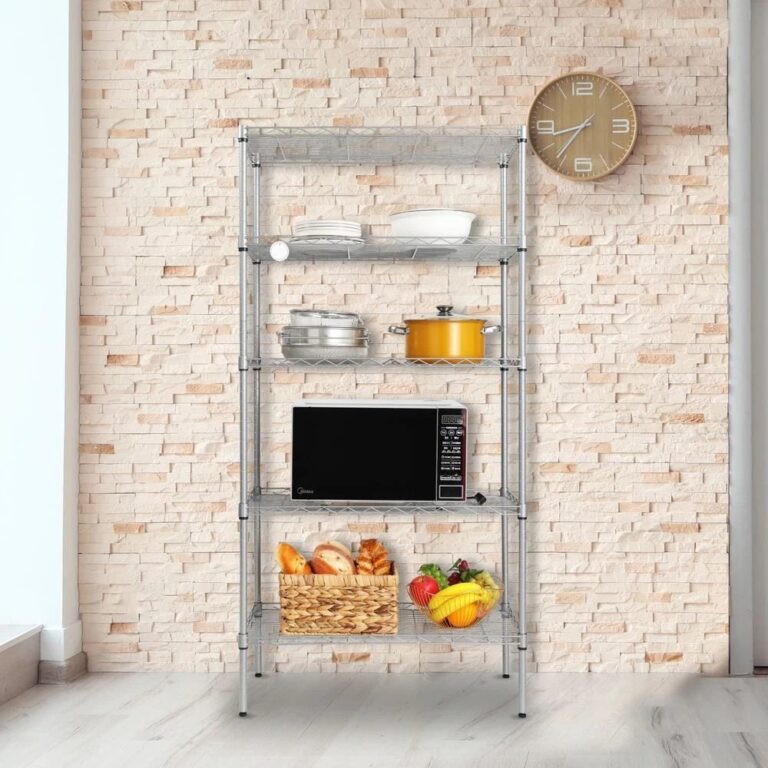 Aisha's pickMetal Wire Shelving Worth Your Money
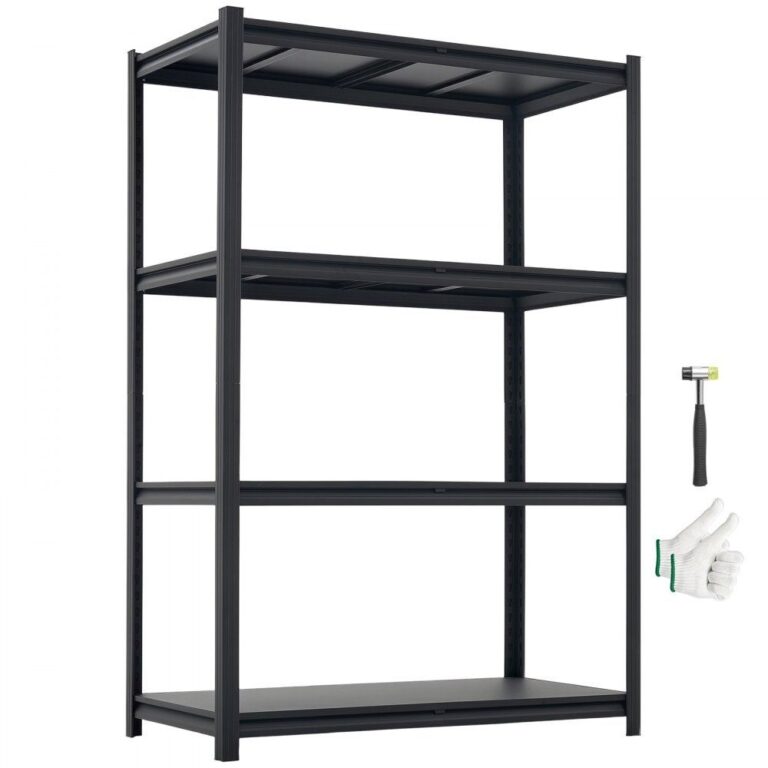
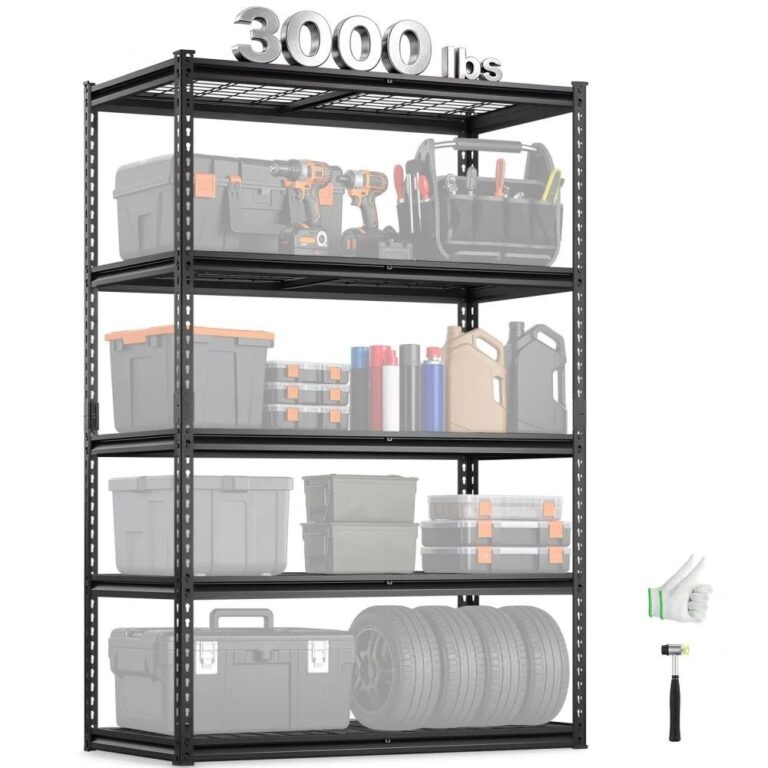 Aisha's pick3 Shelf Heavy Duty Shelving That Looks the Part
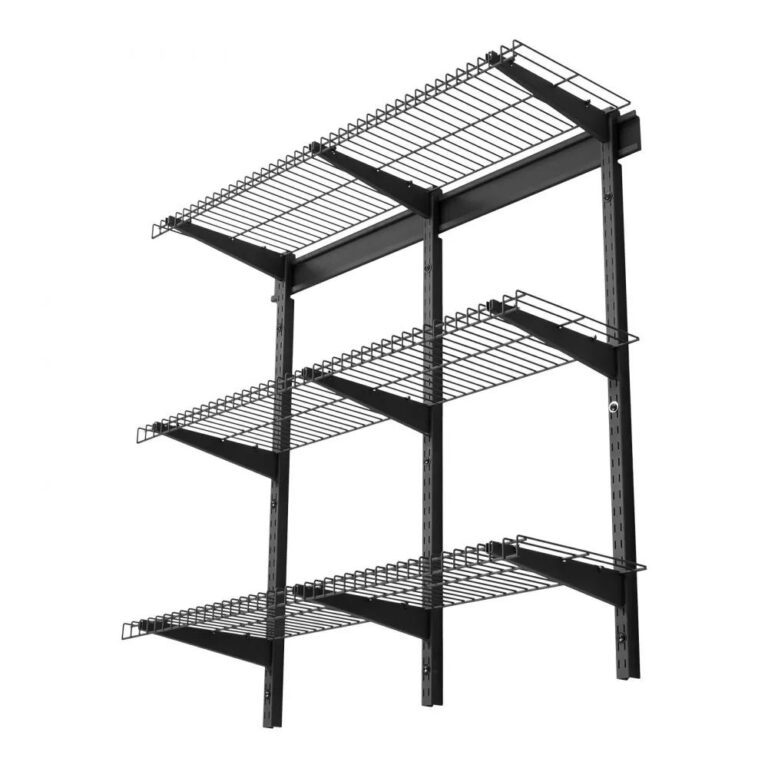
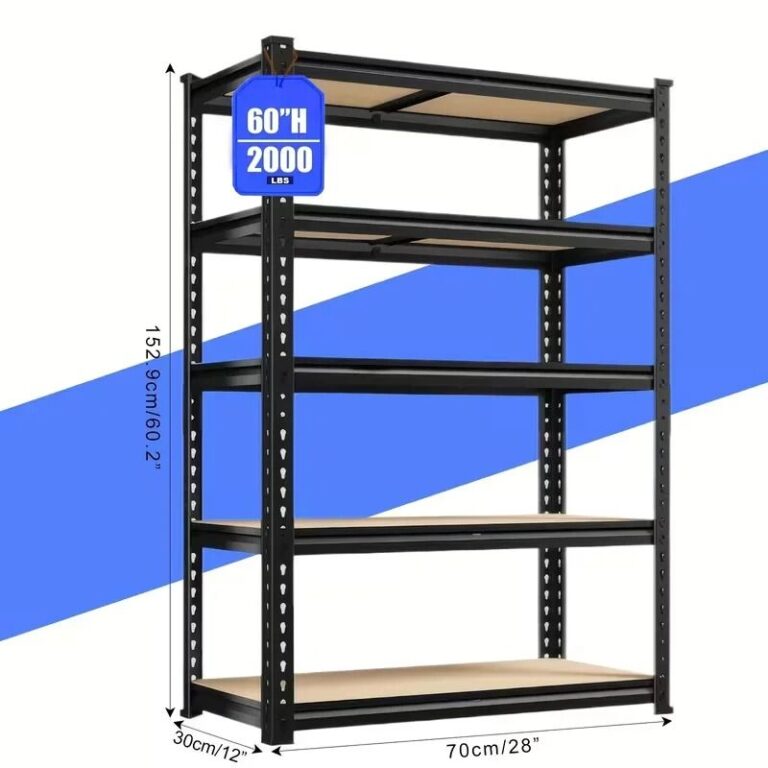 Aisha's pickCorner Heavy Duty Shelving That Looks the Part
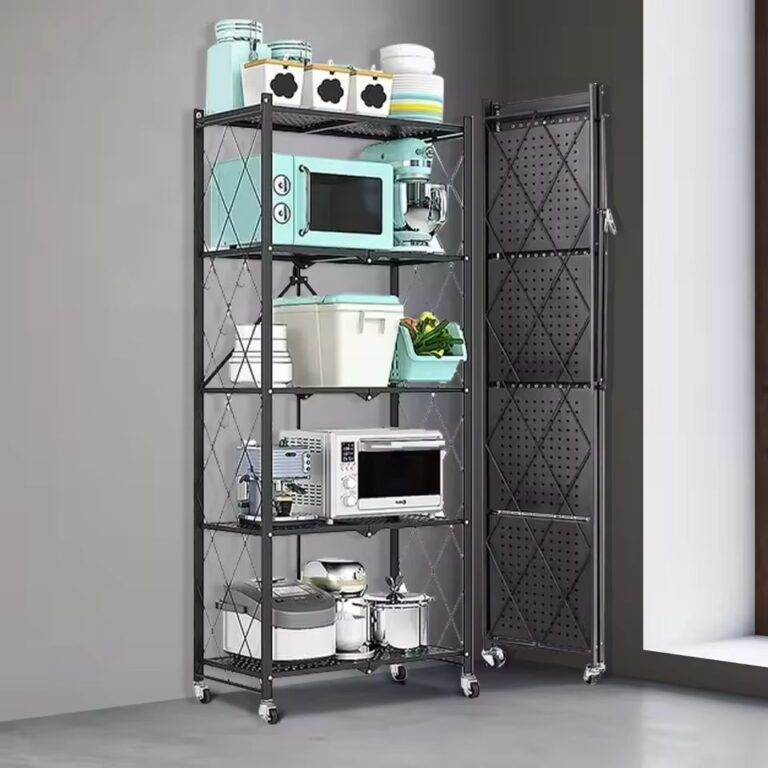
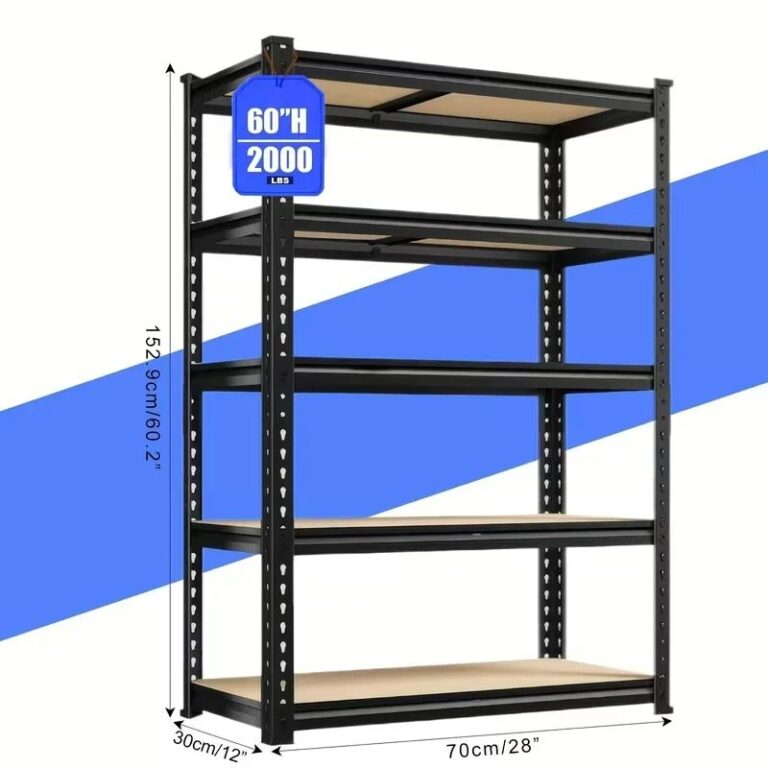 Aisha's pickSteel Boltless Shelving Picked by People Who Care Too Much
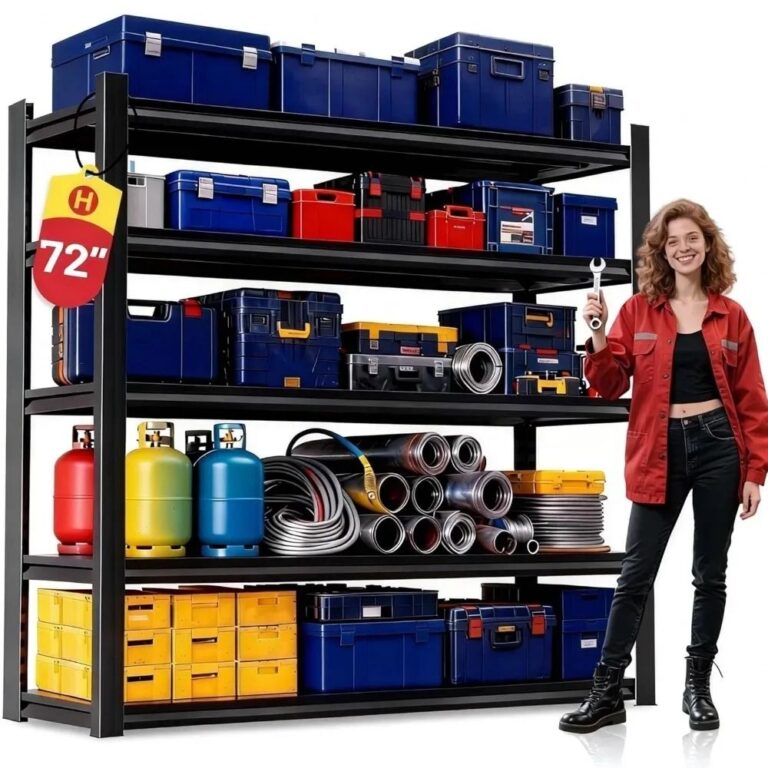
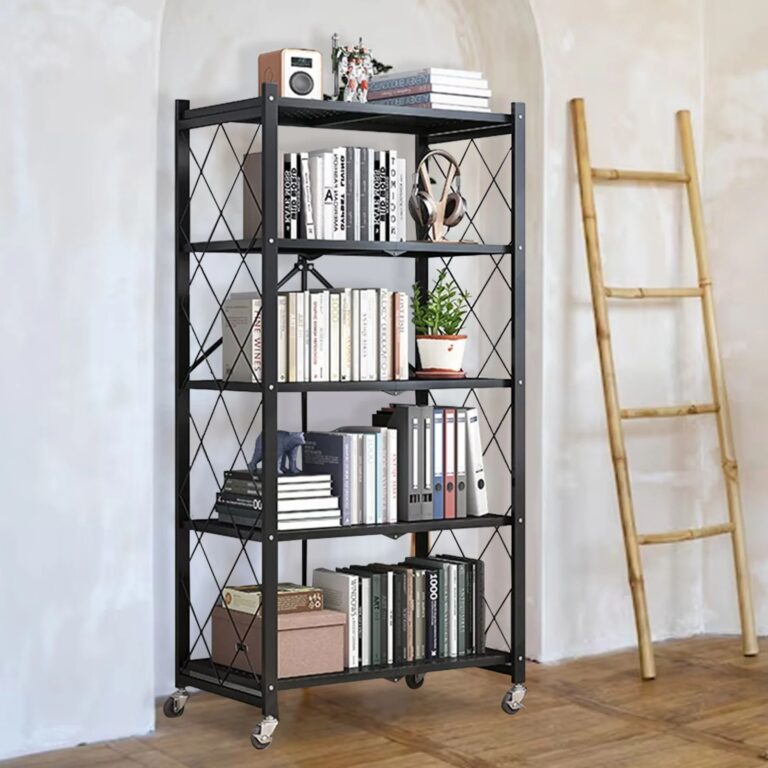 Aisha's pickDecent 4 Shelf Heavy Duty Shelving Without the Hassle