Most people measure the wall and forget the walk. They find a sofa that looks right against that stretch of living room, pay for it, and then discover it cannot get past the stair turn or through the apartment door without the delivery guys taking the legs off and shrugging at each other. Measure the doorways, the hallway width, the elevator if there is one, before you measure anything else.
Where a sofa goes depends on how you actually use the room, not how it looks empty. A deep, low sofa suits a den where people pile on for a movie and nobody sits up straight anyway. A tighter three seater with real arms works better in a smaller living room you want to use for actual conversation, or in a rental where you will move it again in two years and don't want to fight a corner piece down a narrow hallway. Corner and large sofas earn their size in open plan rooms and family houses where the sofa is doing double duty as the place everyone ends up on a Sunday afternoon, but in a smaller space the same piece just eats the room alive. For sizing, leave at least thirty inches of walking space in front of it, measure the exact spot with tape on the floor before you buy, and go a few inches smaller than you think you want rather than bigger. A sofa that looks modest in a showroom photo often looks enormous once it is backed against your actual wall. What separates a sofa that lasts from one that sags by year two usually isn't the fabric, it's underneath it. Pick it up at one end if you can, or ask about the frame. Hardwood or plywood frames with screwed and glued joints hold their shape, particleboard and staples do not. Serpentine springs are fine for lighter use, pocket springs or webbing handle daily life better, and cushions filled with a foam and fiber mix keep their plump longer than foam alone, which goes flat and stays flat. Run a hand along any seam and check it's double stitched, not just glued or stapled at the back where you won't see it until it's already coming apart.
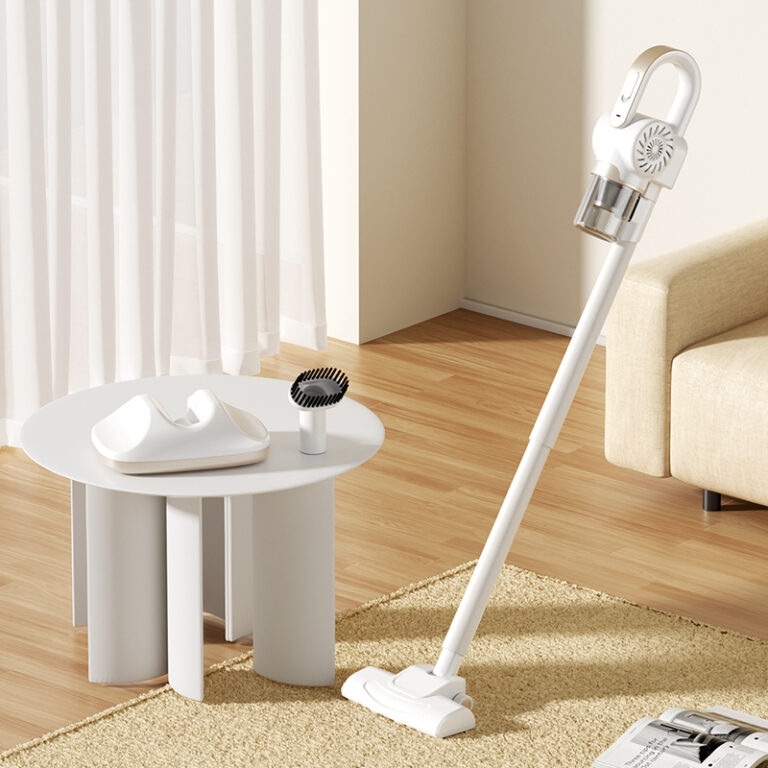
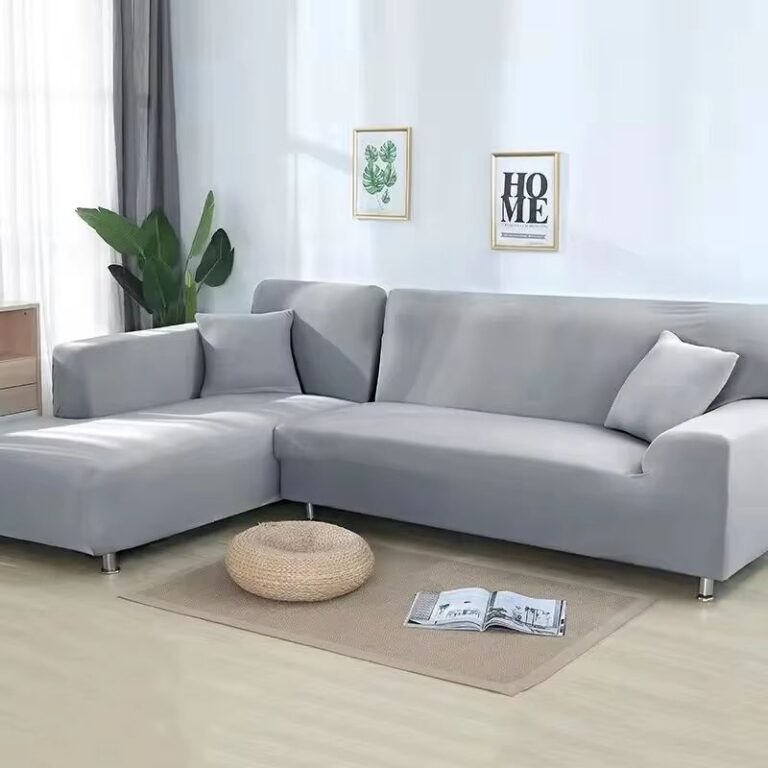
A good sofa earns its softened, broken in look over a few years, cushions settling into the shape of whoever sits there most, which is a feature, not a flaw, as long as the frame underneath isn't the thing giving up first. Fabric covers that unzip and wash save you more grief than any stain guard spray ever will, and a weekly once over with the vacuum attachment keeps crumbs from working down into the seams where they do real damage. If I were starting from nothing, I'd go with a mid gray in a hardwearing weave, forgiving of spills, dog hair and bad lighting, and honest about the fact that nobody's living room stays pristine for long.

 Aisha's pickThe Small Black Sofas Worth Your Cash
 Aisha's pickDecent Traditional Corner Sofas Without the Hassle
 Aisha's pickFabric Sofas with Storage We’d Buy Again

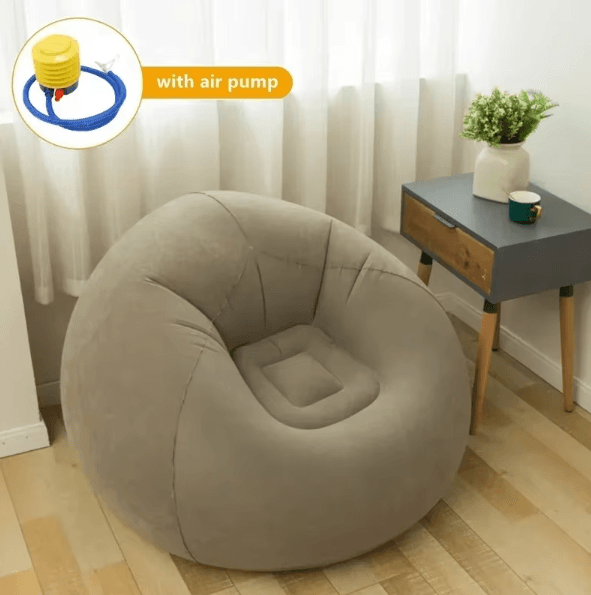
 Aisha's pickLarge Floor Sofas That Seat Guests Without the Squeeze
 Aisha's pickContemporary Fabric Sofas That Fit Through a Narrow Door

 Aisha's pickBeige Sofas Without the Silly Price Tag
 Aisha's pickHigh Back Sofa Beds That Go With Most Rooms

 Aisha's pickSmall Sofa Sets That Work in Old Houses and New Ones
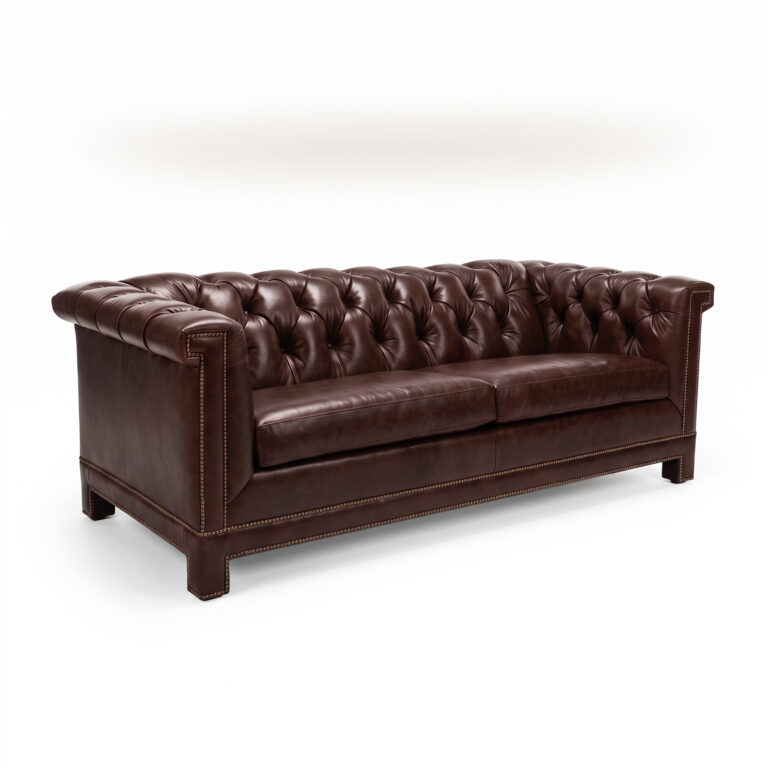
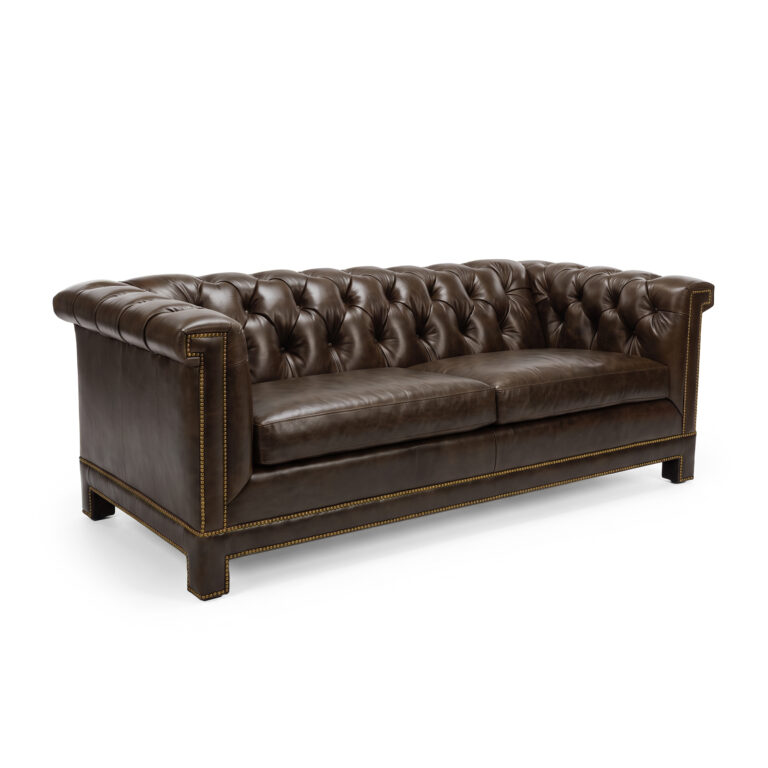 Aisha's pickClassic Chesterfield Sofas That Fit Through a Narrow DoorAlso worth a lookSofa BedsThe thing nobody tells you in the shop is what happens after about eight months, when the mechanism starts to tell on itself.See the collections →
 Aisha's pickHigh Back Sofas That Look Good From Every Angle
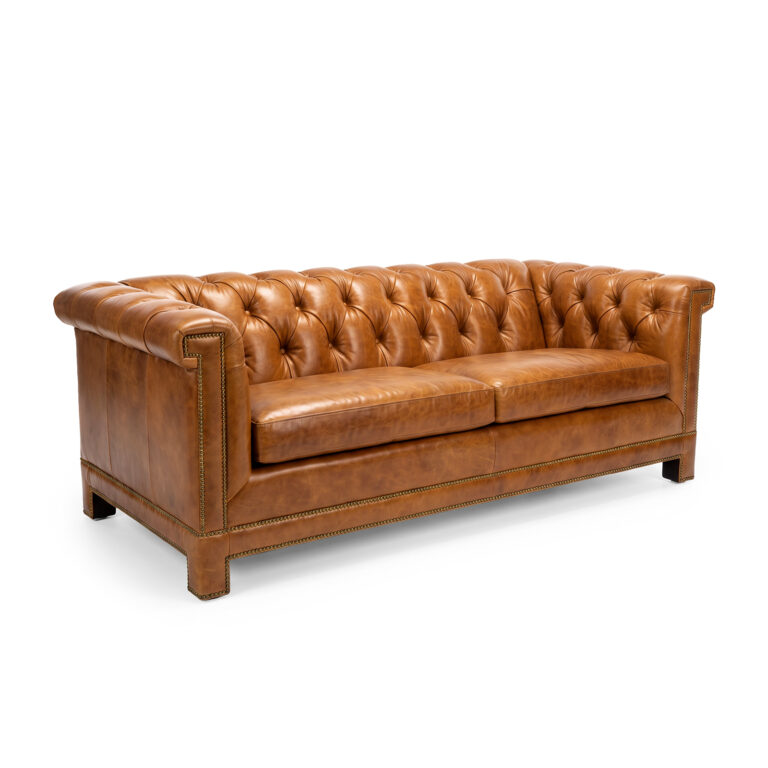
 Aisha's pickPurple Sofas the Cat Will Claim Within a Day

 Aisha's pickSofas That Make Rented Places Feel Like Home
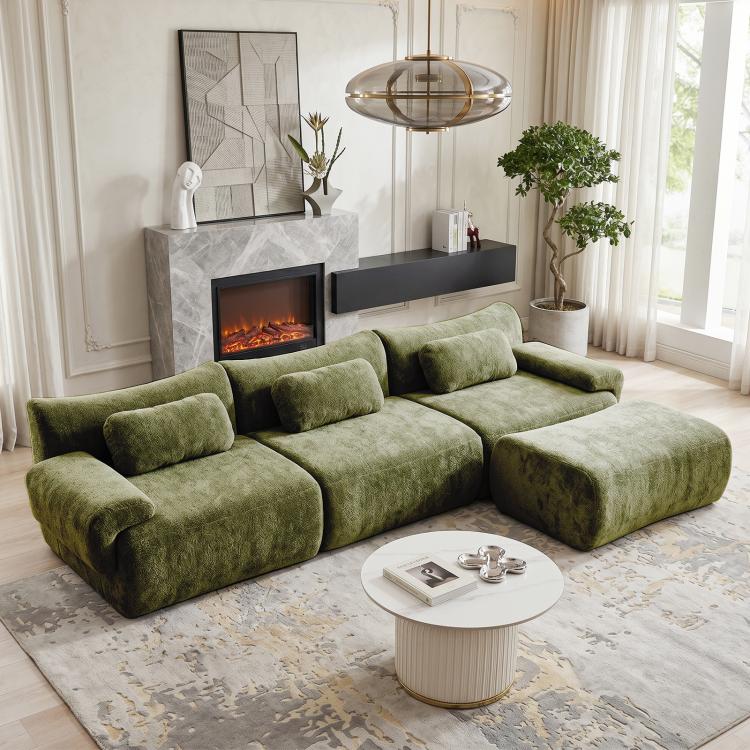 Aisha's pickChenille Corner Sofas You’ll Keep for Years
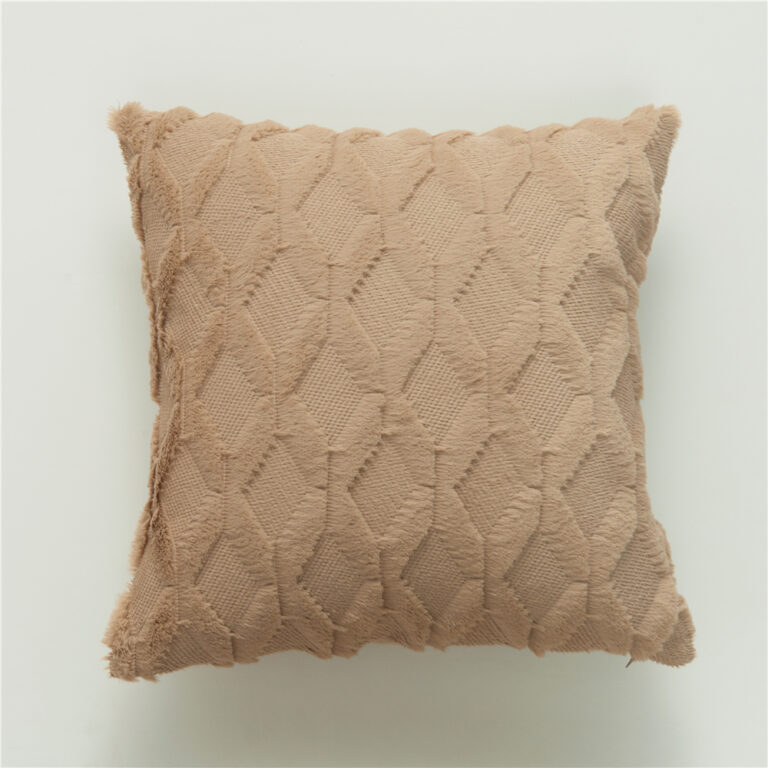 Aisha's pickVelvet Corner Sofas That Get Better With Age
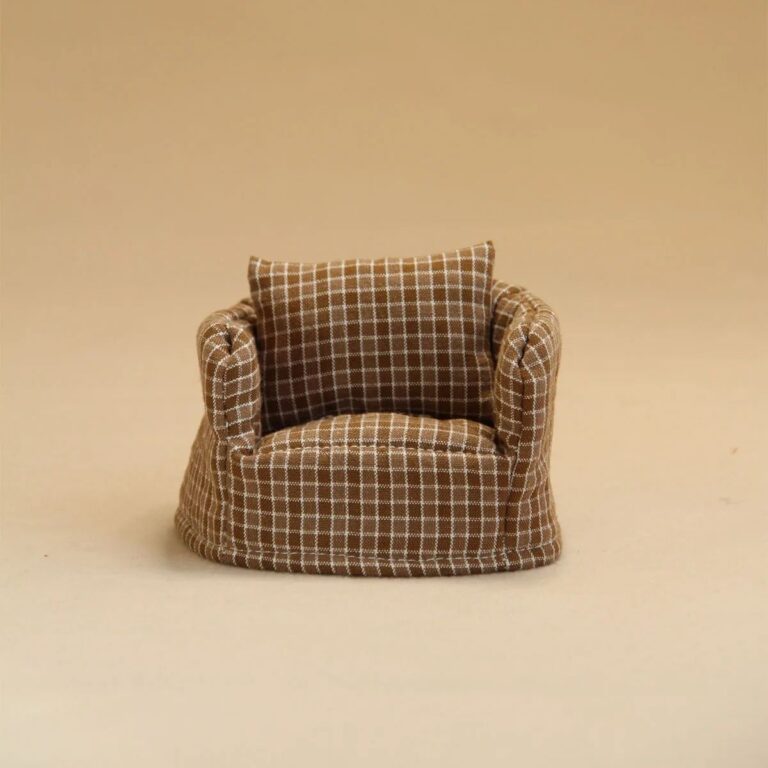 Aisha's pickGreen Fabric Sofas With Real Back Support
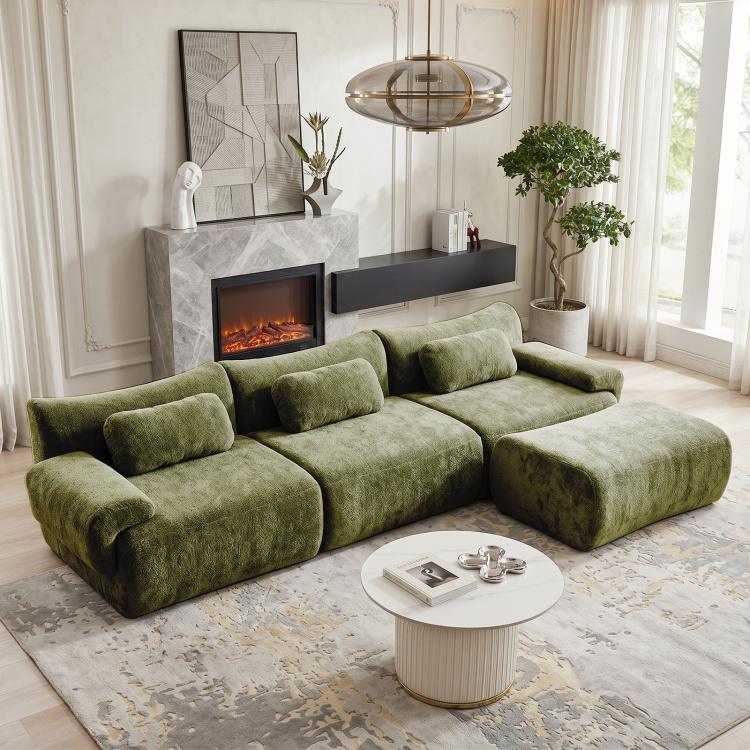
 Aisha's pickLarge High Back Sofas Worth Knowing About
 Aisha's pickContemporary Sofas That Look Like They Cost More

 Aisha's pickBeige Sofa Beds for When the Old Ones Give UpAlso worth a lookFabric SofasI put off buying a fabric sofa for years because the one I grew up with was a…See the collections →
 Aisha's pickLinen Sofa Beds You Won’t Regret Buying
 Aisha's pickSofa Sets That Look Good From Every Angle
 Aisha's pickClassic Sofas You’ll Sink Into at the End of the Day
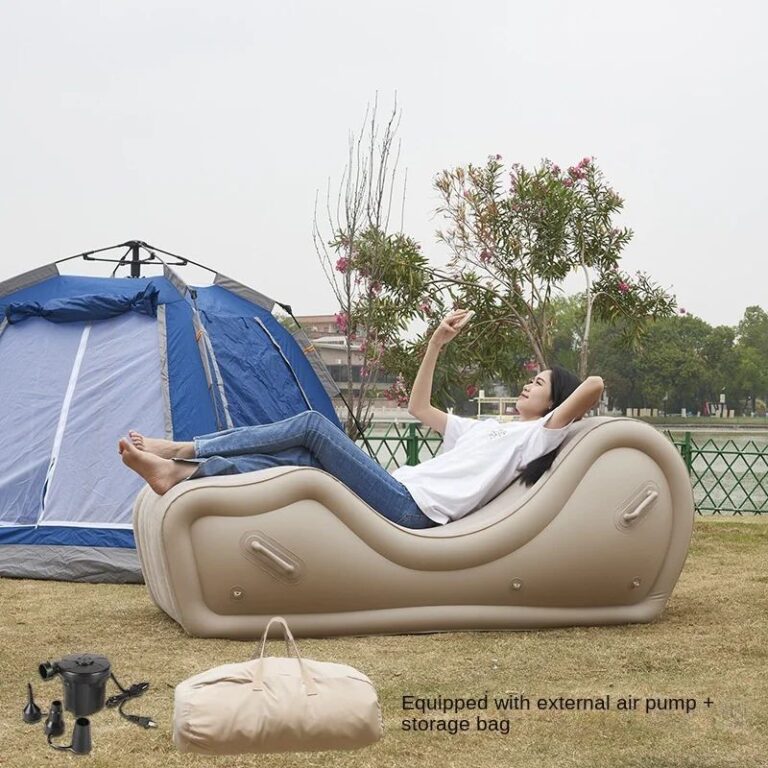 Aisha's pickShopping for Lazy Sofas? Start Here
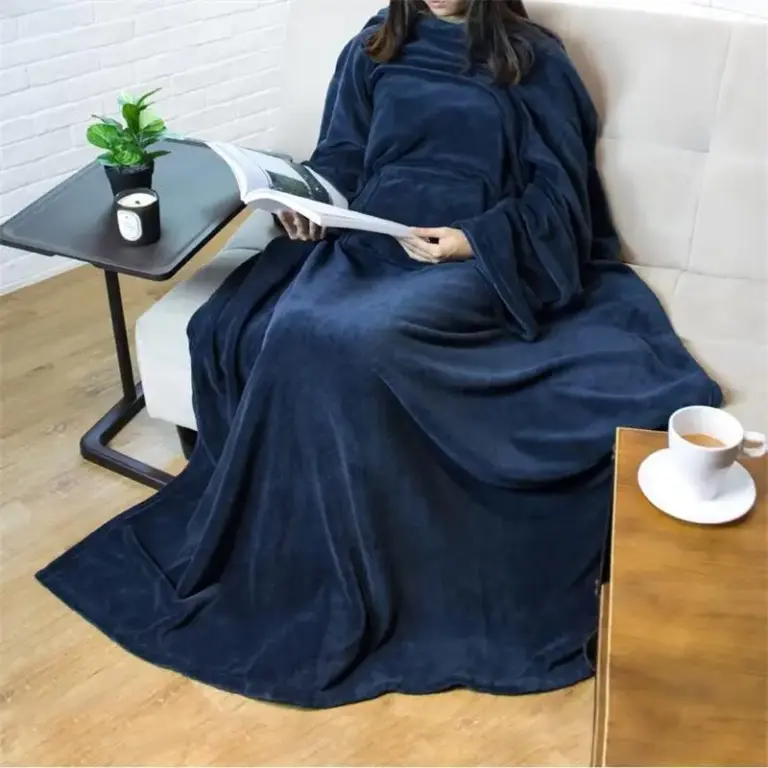
 Aisha's pickRecliner Sofas With a Bit More About Them
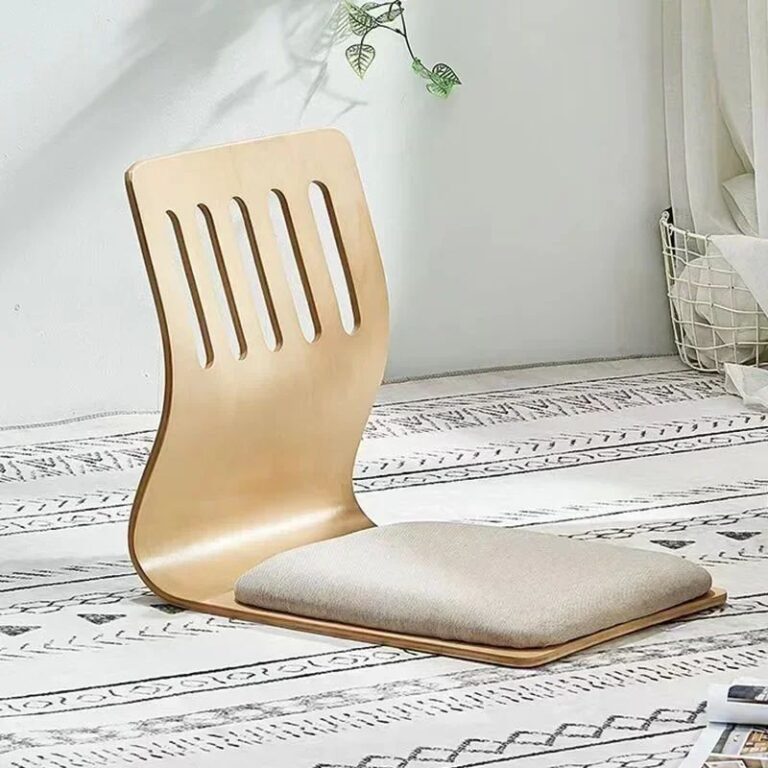
 Aisha's pickSofa and Armchair Sets That Seat Guests Without the Squeeze
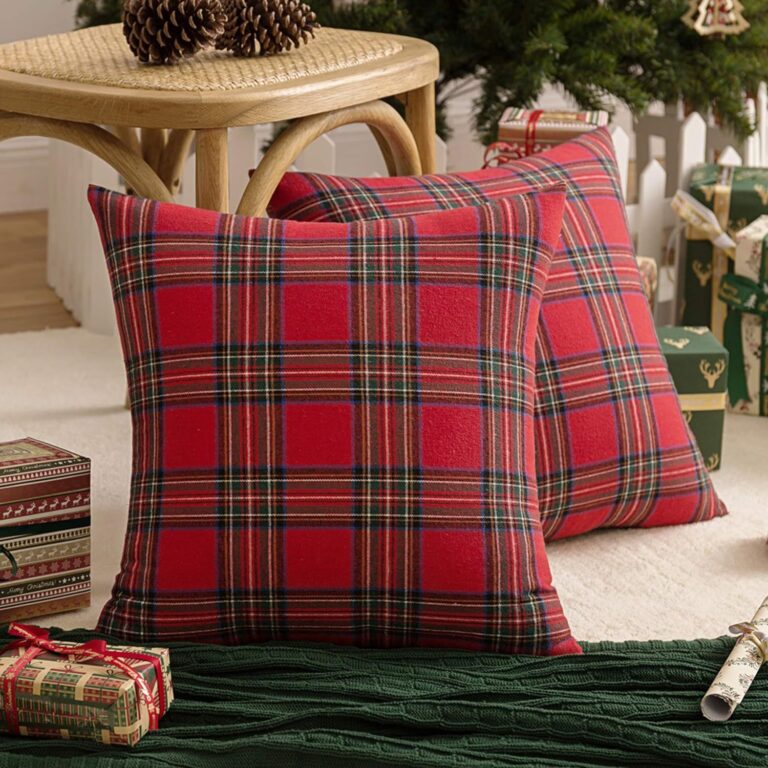 Aisha's pickClassic Corner Sofas for Making a House Feel Like Yours
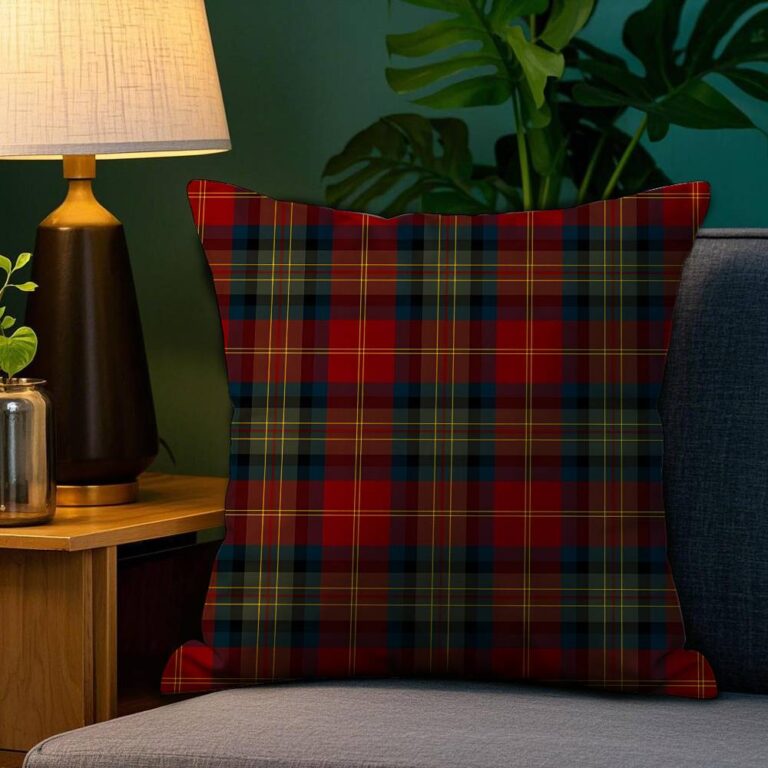
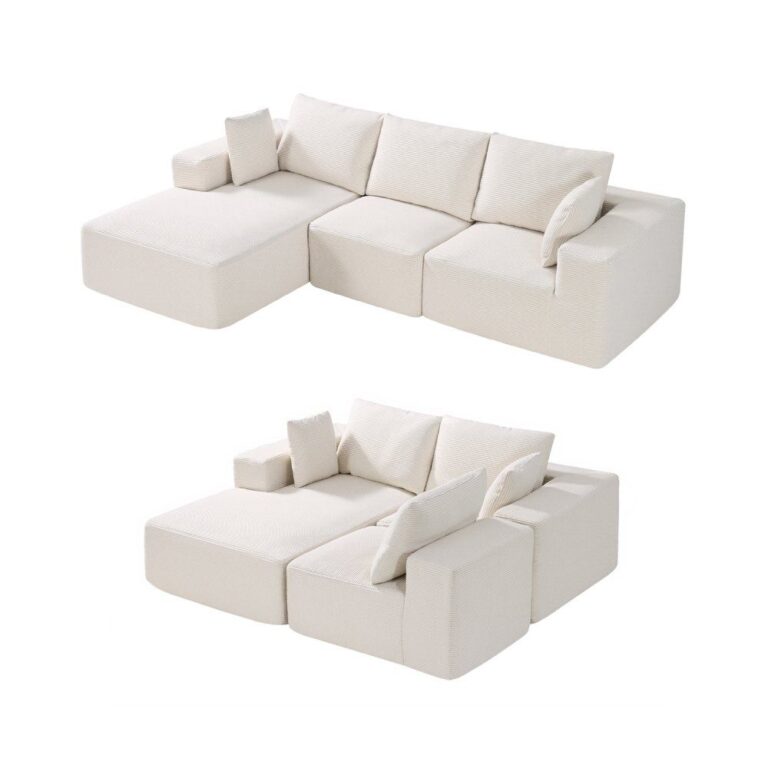 Aisha's pickBeige Fabric Sofas With Real Back Support
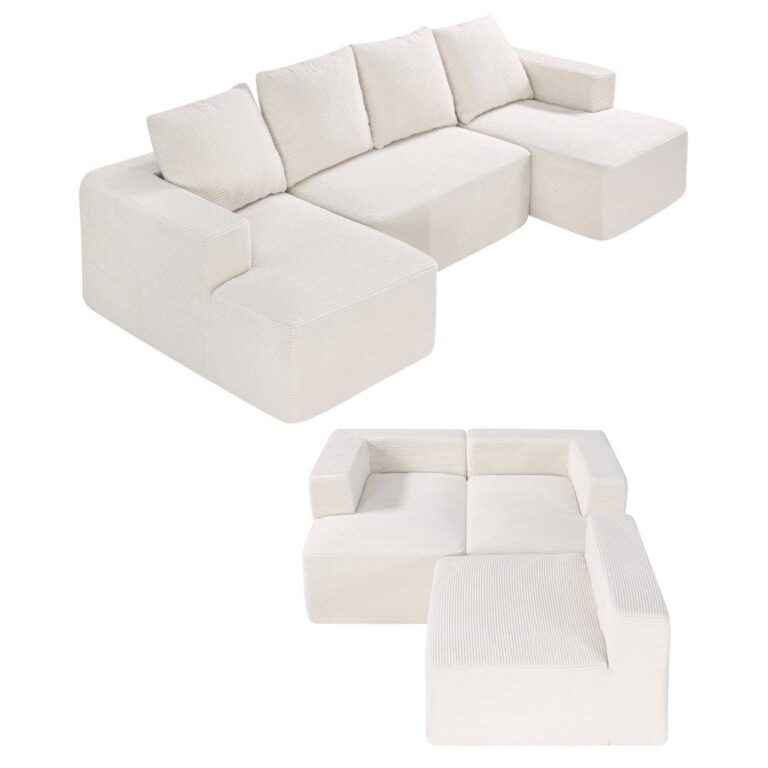
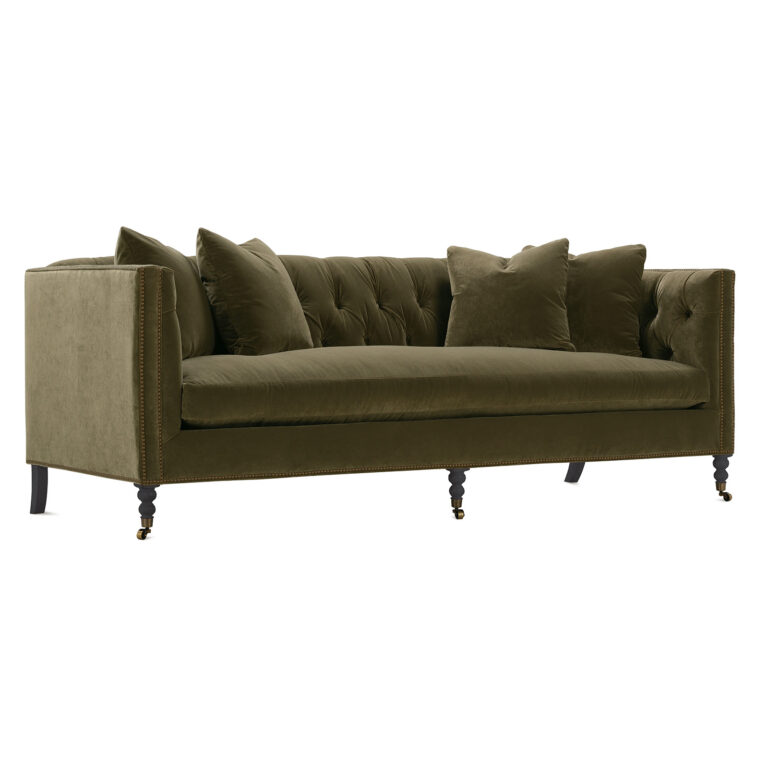 Aisha's pickGreen Velvet Sofas You’ll Still Like in Five YearsAlso worth a lookCorner SofasThe question I get most is whether a corner sofa will actually fit, or whether it just looks…See the collections →
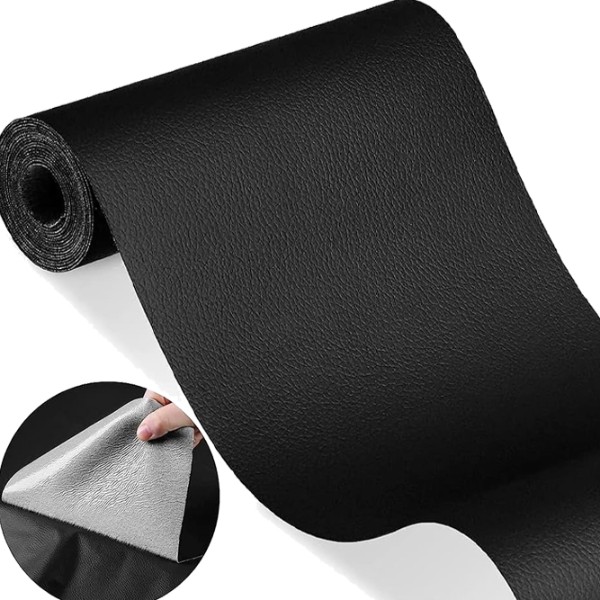 Aisha's pickLarge Leather Sofas for Long Sunday Afternoons
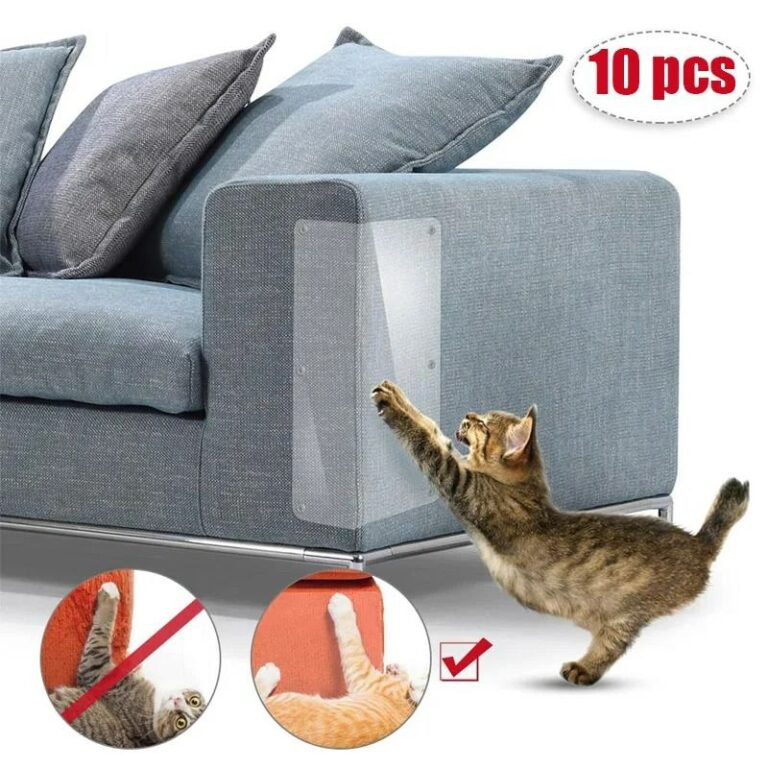
 Aisha's pickContemporary Sofa Beds We Keep Coming Back To
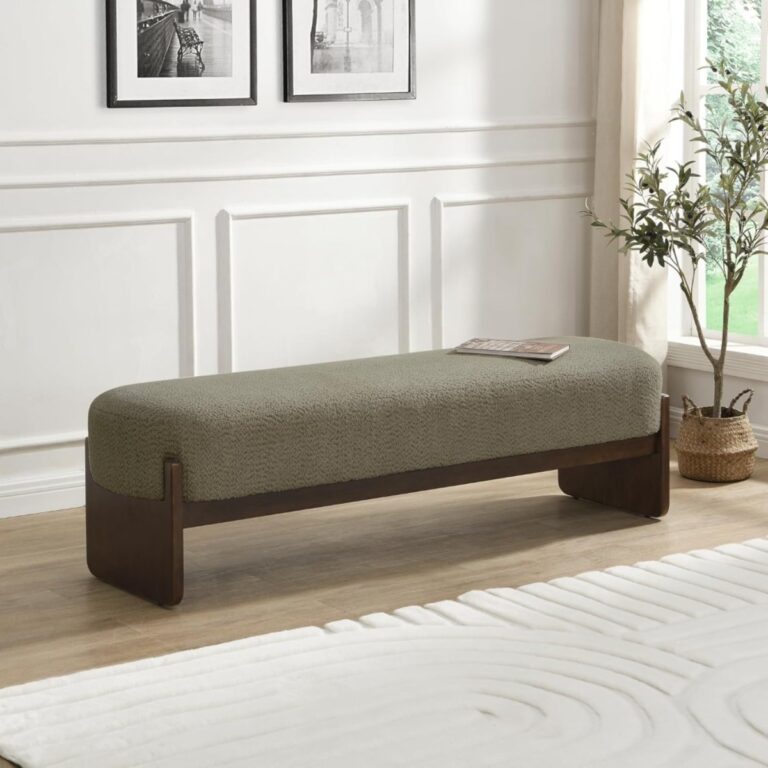
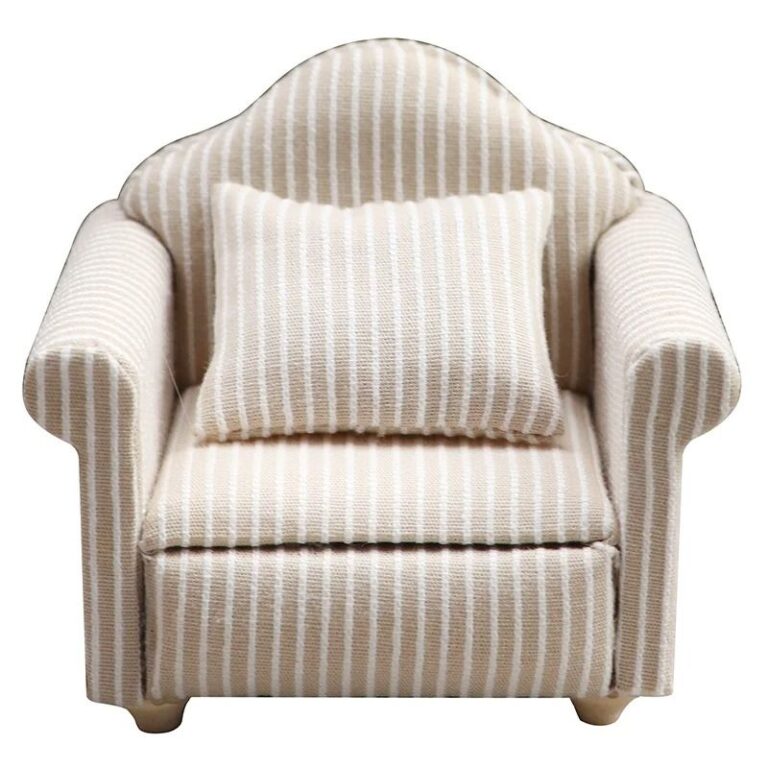 Aisha's pickBeige Sofa Sets That Look Good From Every Angle
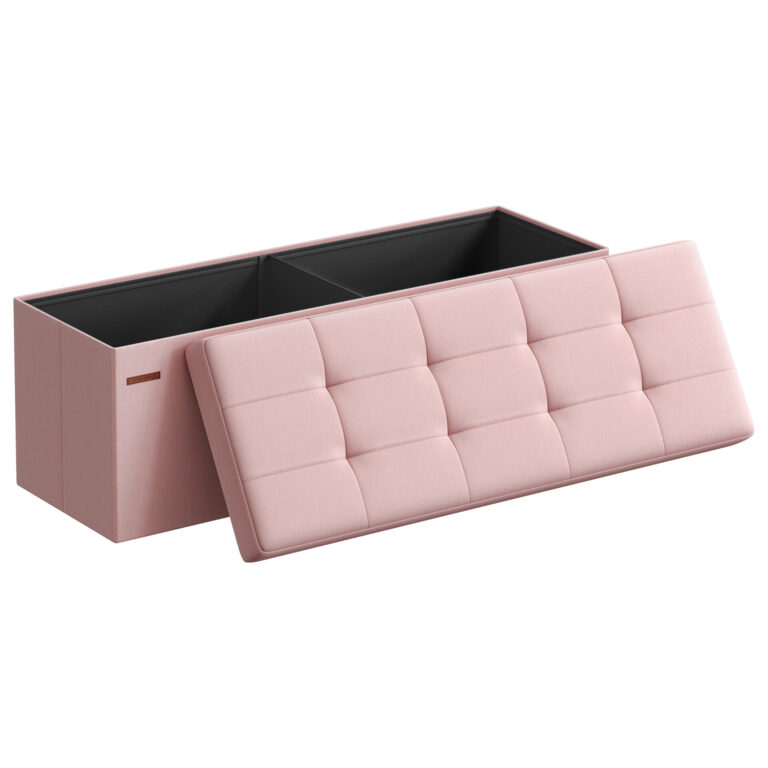 Aisha's pickLuxury Sofa Beds That Make the Bedroom Feel Like a Hotel

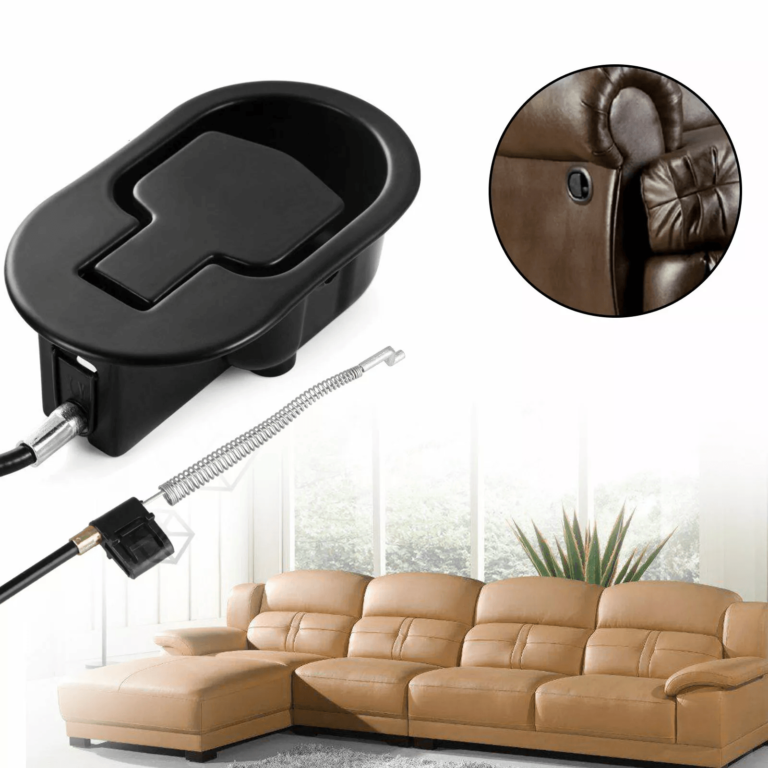 Aisha's pickSofa Sets with Recliners at Every Price Point
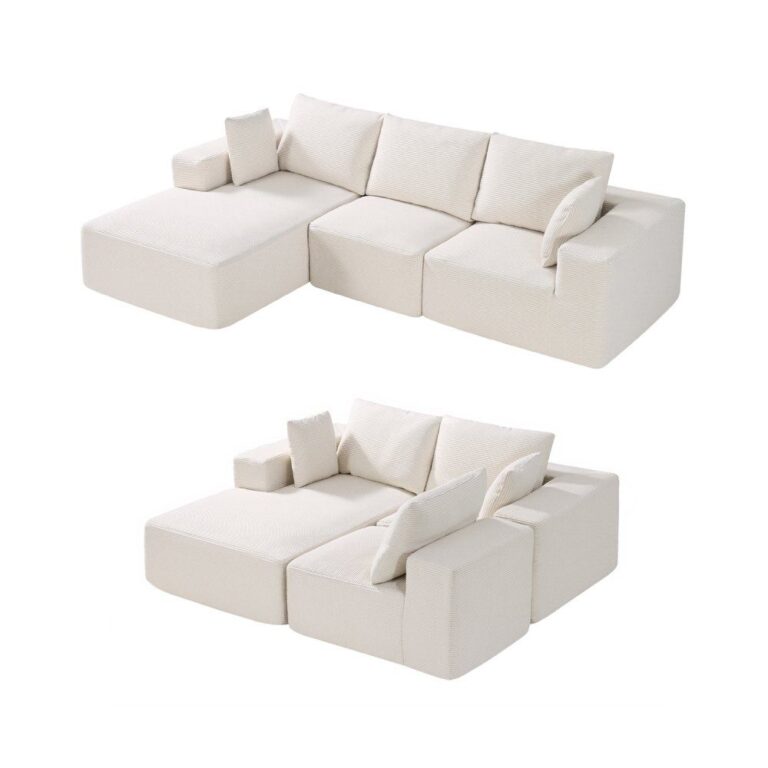
 Aisha's pickCloud Sofas We’d Happily Nap On
 Aisha's pickLinen Sofas the Cat Will Claim Within a Day

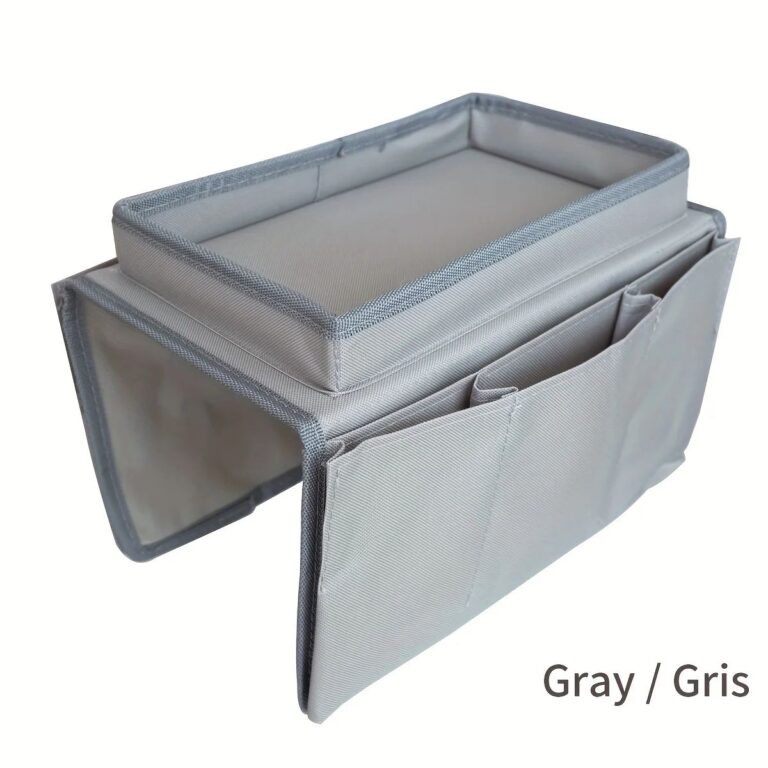 Aisha's pickThe Recliner Sofas with Storage Worth Your Cash