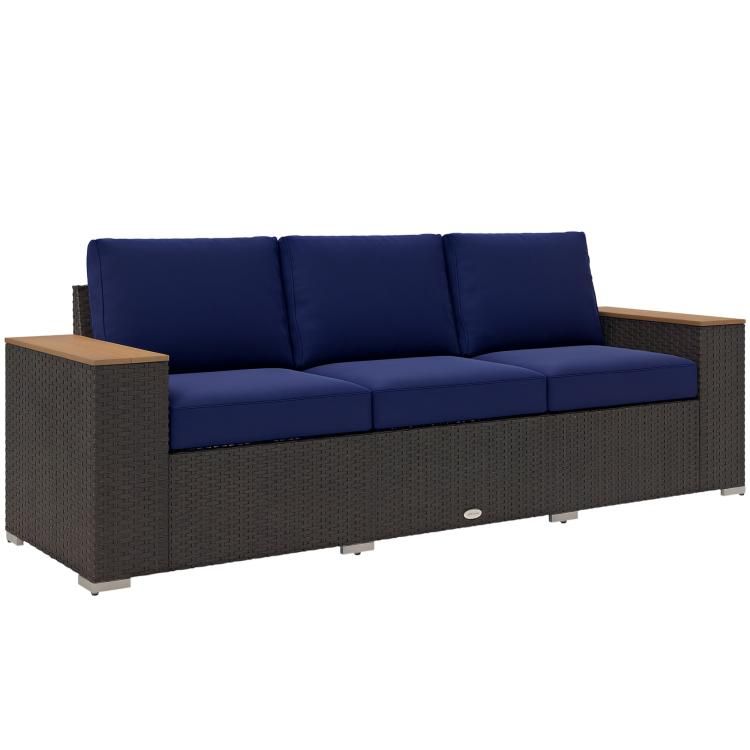
A good black sofa reads like a well cut dark suit, it anchors a room and makes everything near it look more deliberate. A poor one reads like a hole in the floor, something flat and heavy that sucks the light out of the space the second you walk in from the hallway. You notice it standing in the doorway, before you even sit down, whether the thing looks like a decision or an accident.
In an ordinary room, a dark sofa wants company that isn't trying to match it. Pale walls, a light rug, wood tones that are warm rather than gray, and at least one other dark note in the room so the sofa doesn't look like it wandered in from a different house. It earns its keep in rooms with decent natural light, because dark upholstery eats light rather than bouncing it back, so a north facing room that's already dim can tip into gloomy fast. Think about scale too, a seven foot black sofa in a twelve foot room will crowd the walls and make the ceiling feel lower than it is, while the same sofa in a room with some breathing space around it, say two feet clear on either side, just looks grounded. It suits family homes with kids, dogs, red wine and general chaos better than almost any other color, because it hides what cream never will, and it suits apartments that get a lot of foot traffic for the same reason. Where it struggles is in small, dark, low ceilinged rooms, or anywhere already heavy on dark wood and dark floors, because then you've just built a cave with a coffee table in it. It also clashes with a very busy, very colorful room, since a dark sofa wants to be the one quiet, heavy thing, not another competing pattern.
The difference between a sofa that looks rich and one that looks cheap after a year comes down to the stuff you can't see from across the room. Cheap dark fabric and poor dye jobs show every crumb, every water mark, and every patch of wear as a lighter shade, which is the opposite of what you bought it for. A better one uses a tighter weave or a proper leather that takes marks evenly rather than blotching. Check the frame for kiln dried hardwood rather than something that flexes when you push on an arm, and look at the welting and seams, since sloppy stitching is far more obvious on a dark, matte surface than on a patterned one. Cushions that keep their shape after sitting, rather than going flat within a month, are the other giveaway of something built to last rather than built to photograph well in a showroom.

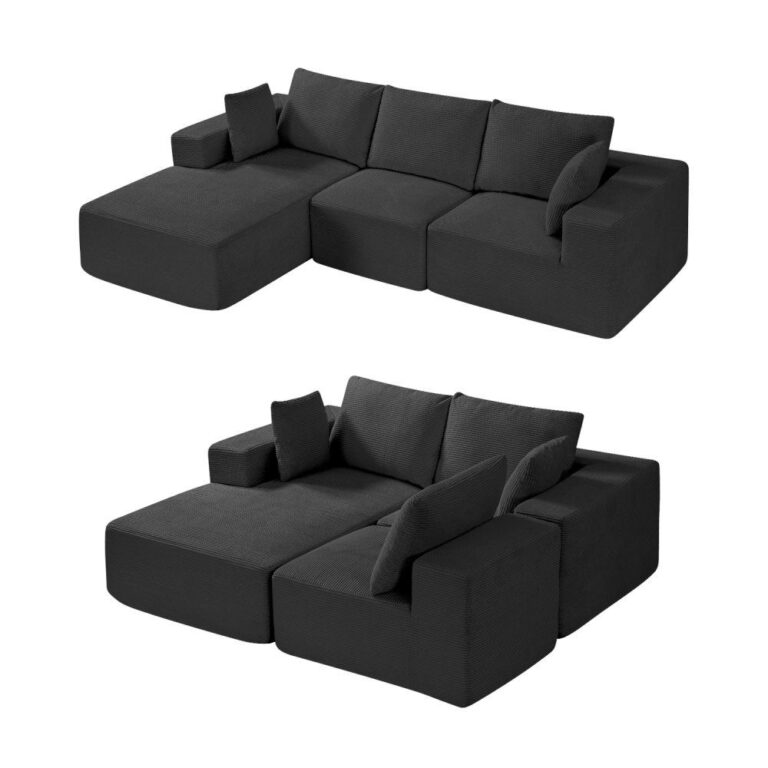 Aisha's pickThe Small Black Sofas Worth Your Cash
 Aisha's pickBlack Fabric Sofas for When the Old Ones Give Up
 Aisha's pickBlack Floor Sofas That Seat Guests Without the Squeeze
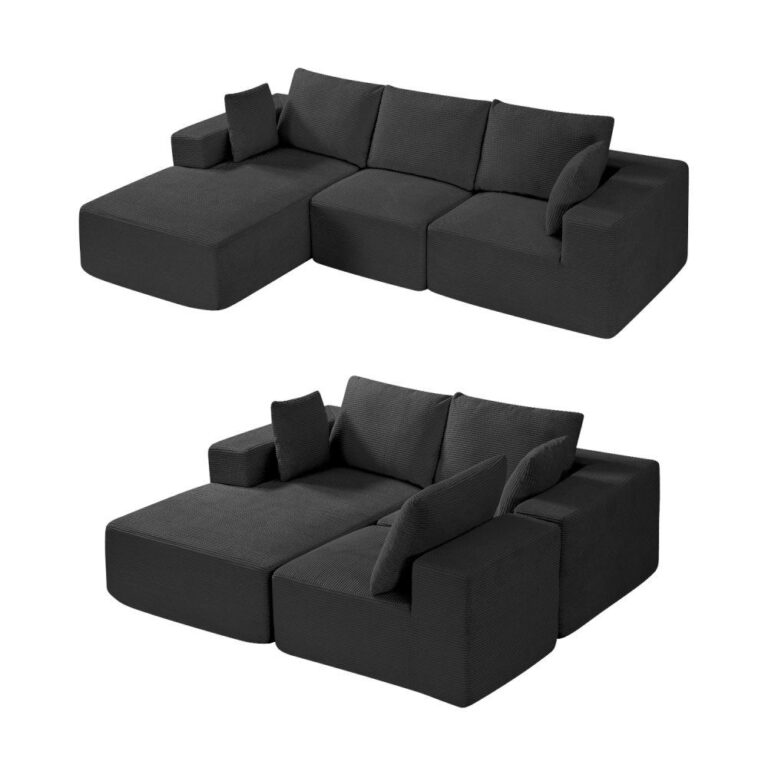
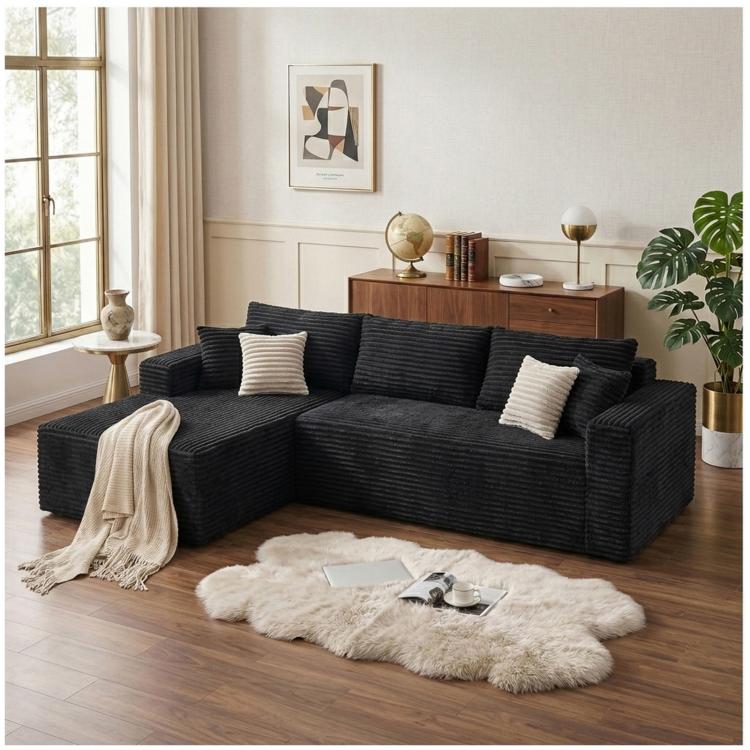 Aisha's pickBlack Modular Sofas That Hold Up to Everyday Life
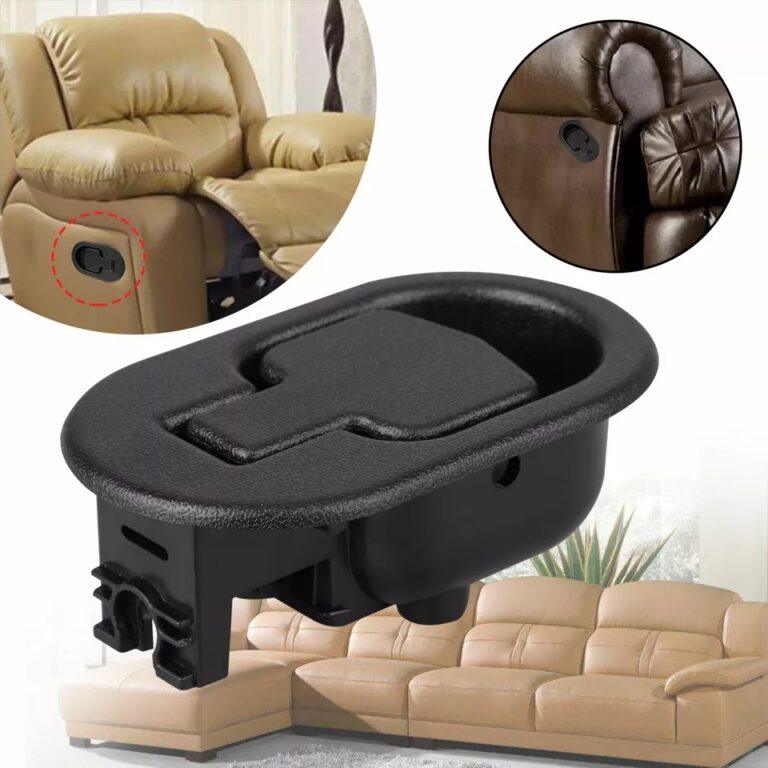 Aisha's pickNo Fuss Black Recliner Sofas
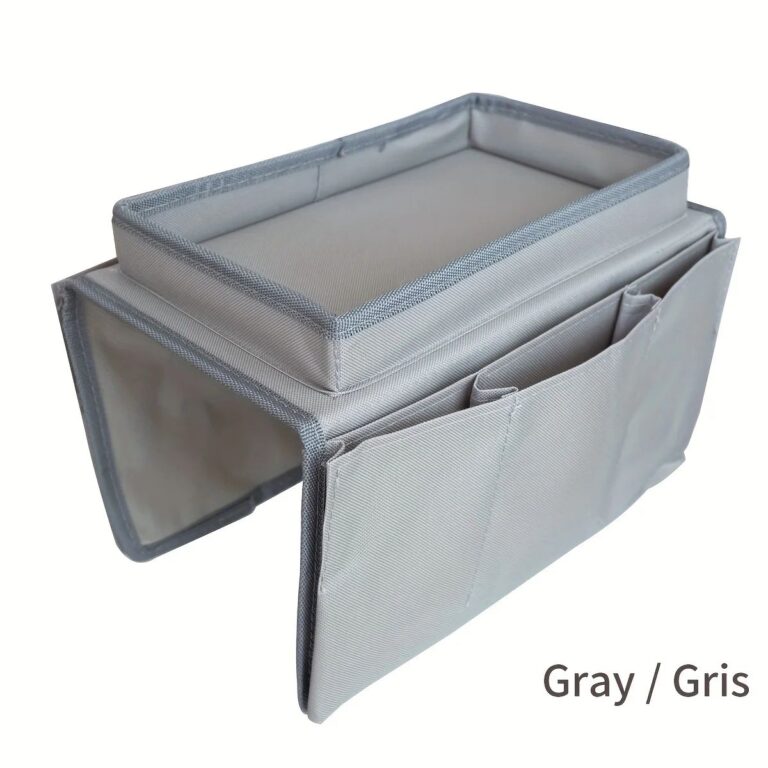
 Aisha's pickBlack Sofas That Are Easy to Keep Clean