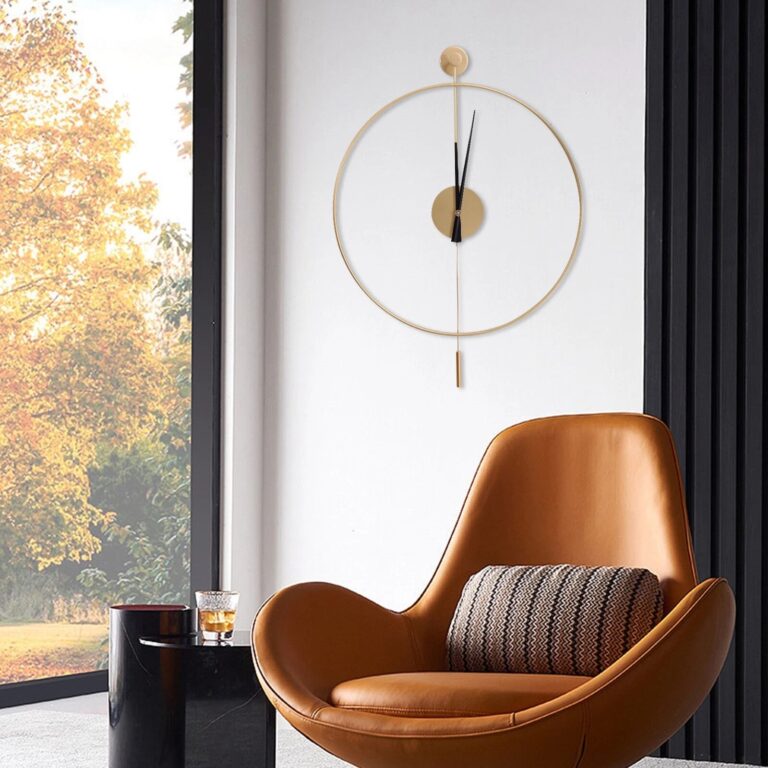
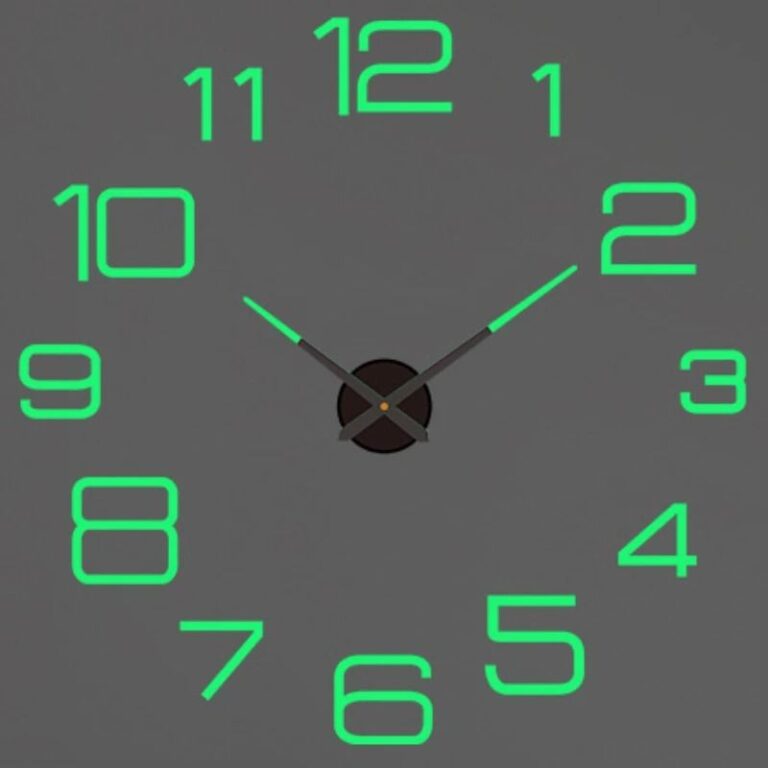
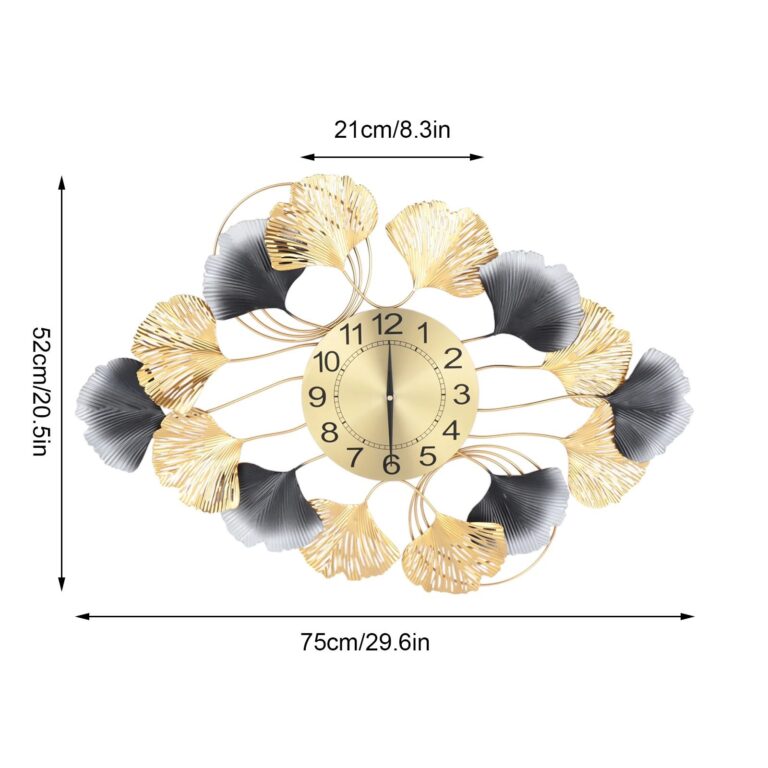
A good clock should be quiet enough that you forget it is ticking at all, but clear enough that you can glance up from across a room, half asleep or mid chore, and know the time without squinting. Pick one up before you buy it. The hands should move with a small, definite click, not a shudder, and the glass or face should feel properly set, not loose in its frame. Turn it over and look at the battery housing too. If it feels flimsy there, it will probably feel flimsy everywhere.
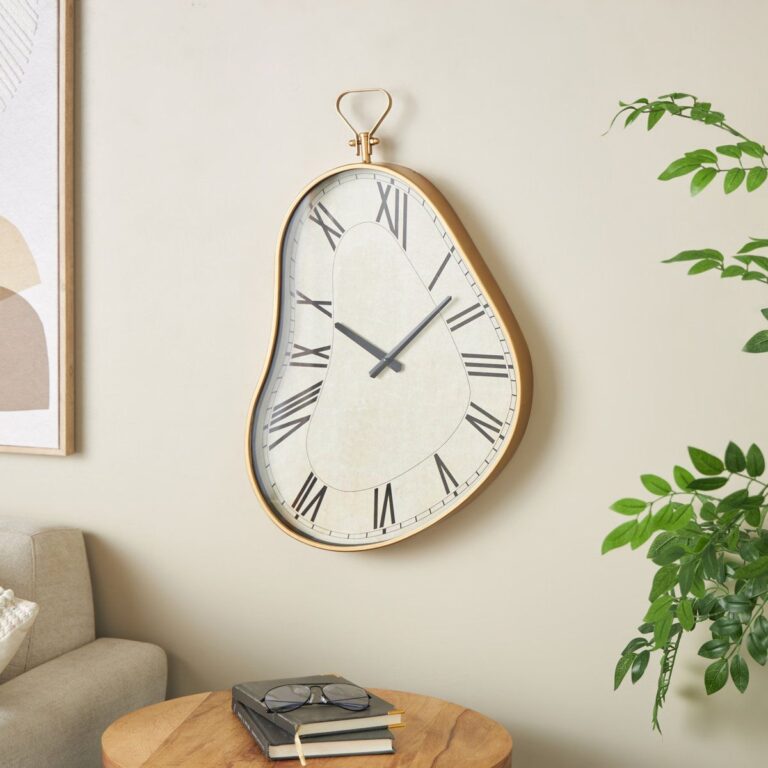
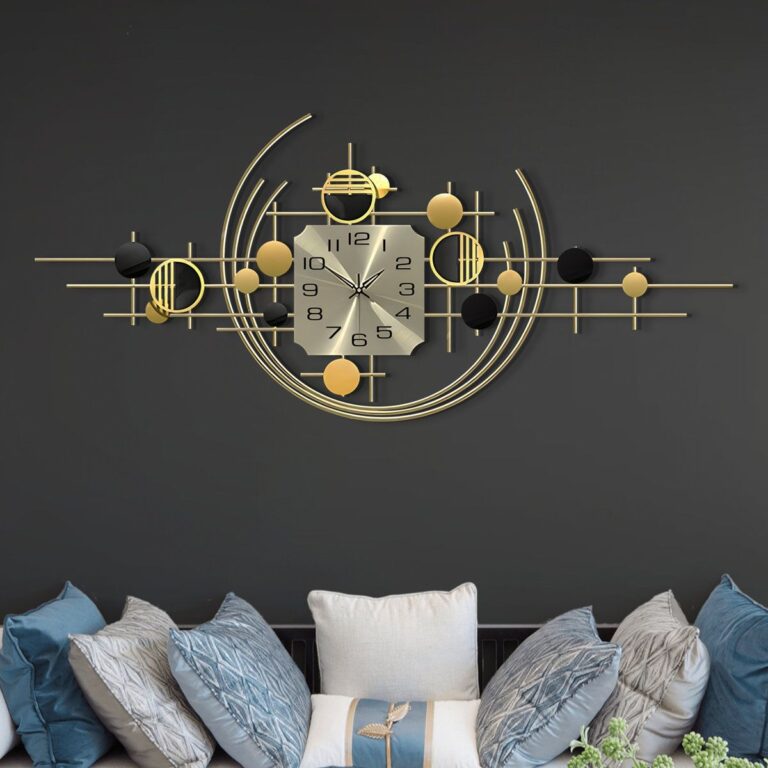
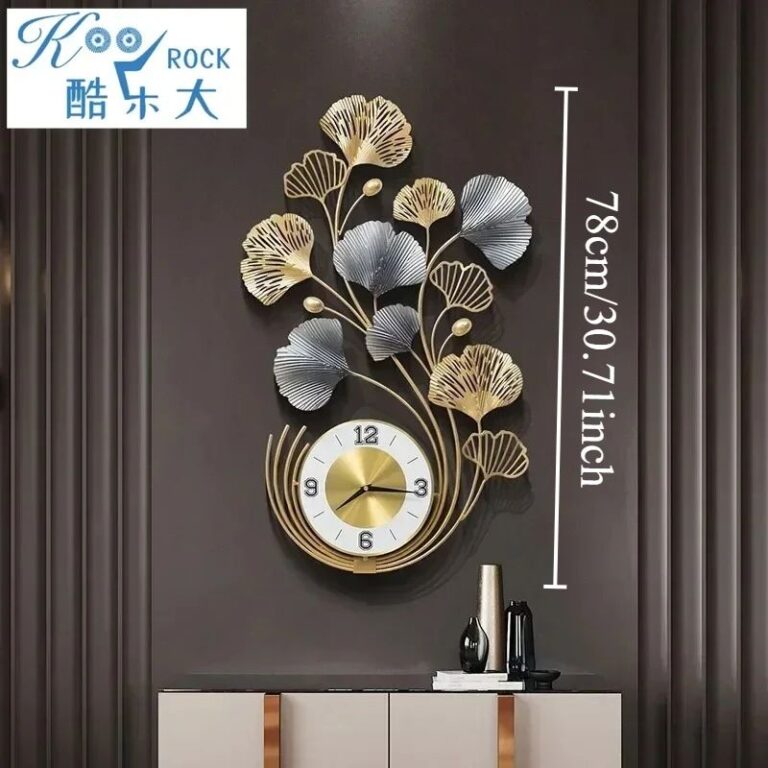
Where a clock works best depends a lot on what else is happening on that wall. A kitchen one needs to read at a glance from the stove, so simplicity matters more than character, plain numbers, good contrast, nothing fussy you have to decode while something is boiling over. A bedroom clock can be gentler, softer tones, a muted face, something that does not glow or tick loud enough to notice at two in the morning. Living rooms and hallways can take more personality, an oversized face, an unusual frame, something that acts almost like a piece of art you happen to also use. As for finish, I have learned to be a little careful with anything too shiny or too trend driven. A black frame or a warm wood tone will sit happily in a rented apartment, a family kitchen, or an older house with uneven walls, and it will not look dated in five years the way a very of the moment color or finish can. Brass and matte black are the two I trust most to go with almost anything you already own, old or new. White works everywhere too, though it shows dust and fingerprints faster than you would expect, so wipe it down now and then with a dry cloth rather than anything wet near the mechanism.
Over time, a well made wall clock mostly just needs batteries and the occasional dusting, nothing dramatic. The real wear shows at the edges, a metal frame can develop a thin film of grime near a kitchen, and a painted face can fade slightly if it hangs in direct sun for years, so give it a spot out of the strongest light if you can. Check the wall mount every so often too, especially in older buildings where plaster walls loosen their grip more than you expect. A clock that has been looked after for a decade usually still looks almost exactly as it did on day one, which says a lot about why it is worth choosing carefully rather than quickly. Whatever catches your eye, give it that once over with your hands before it goes on the wall, and it should serve you well for years without asking much in return.
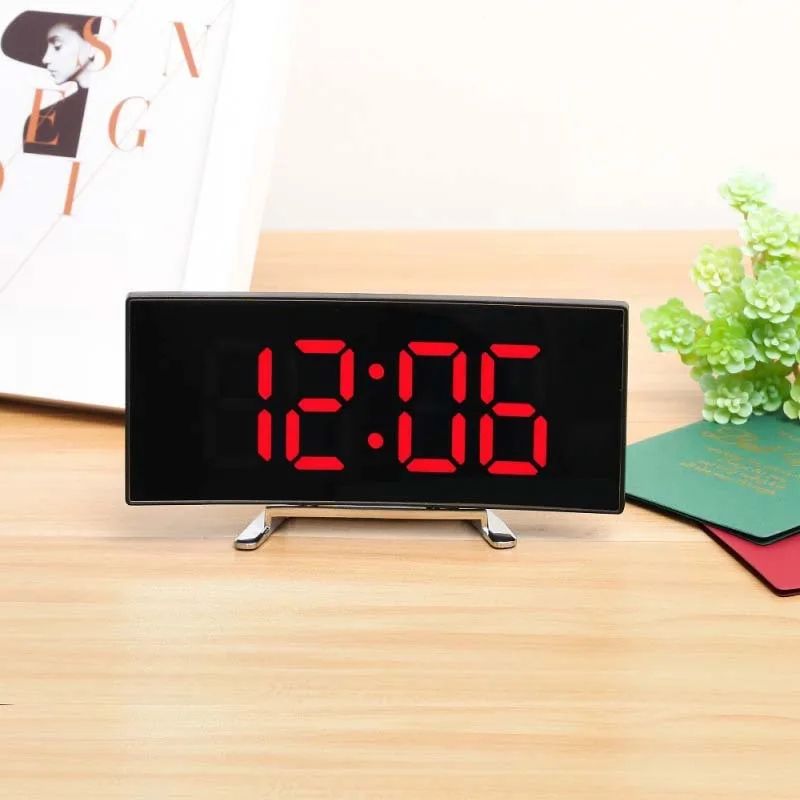 Aisha's pickBlack Alarm Clocks at Every Price Point
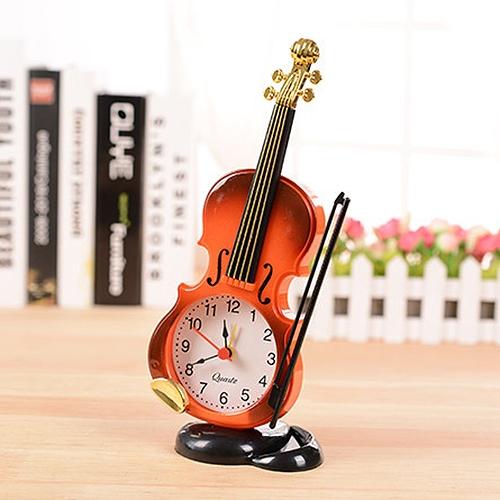
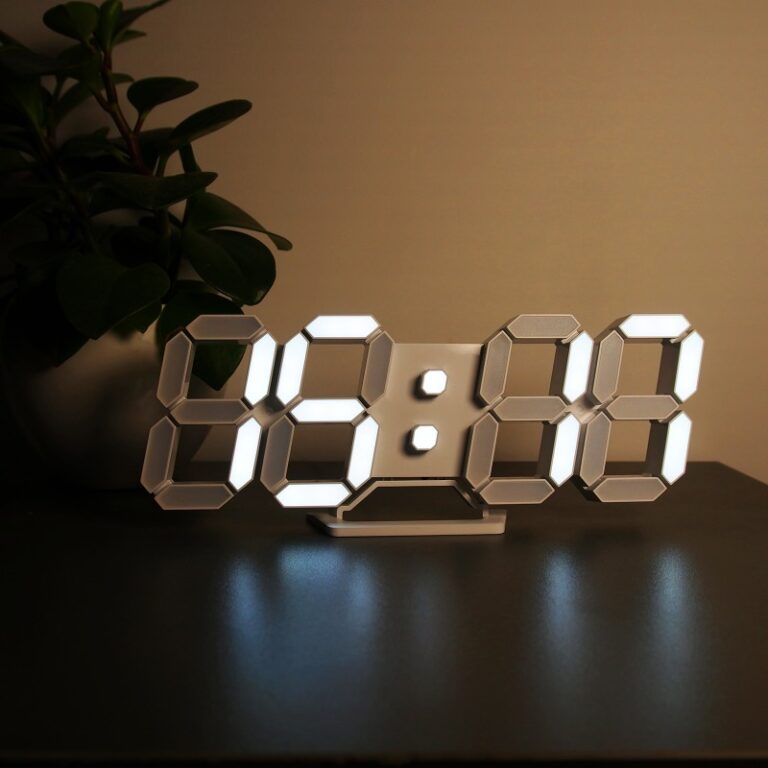 Aisha's pickLarge Clocks That Catch the Eye Without Taking Over
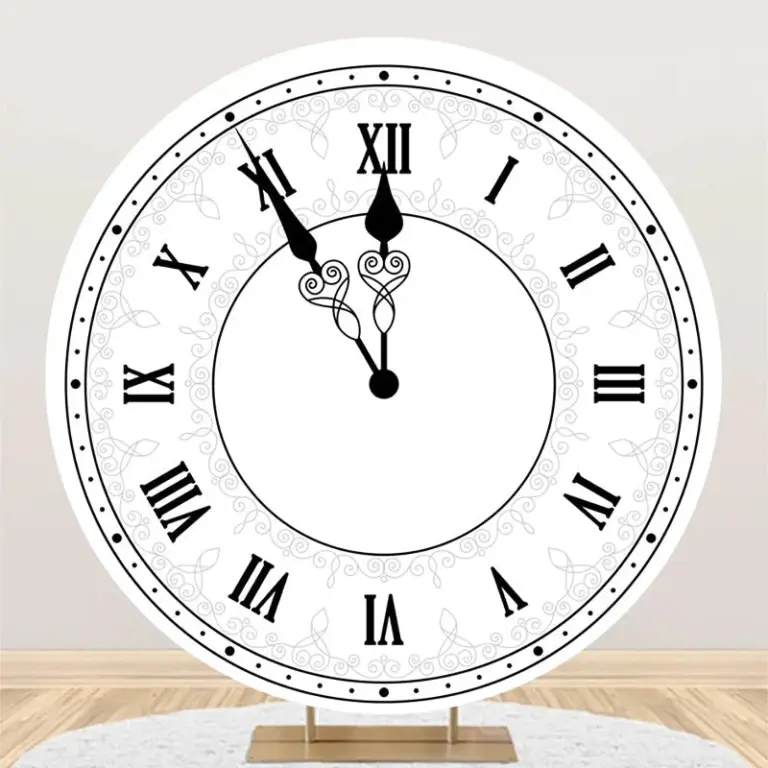
 Aisha's pickRetro Clocks With a Story to Them

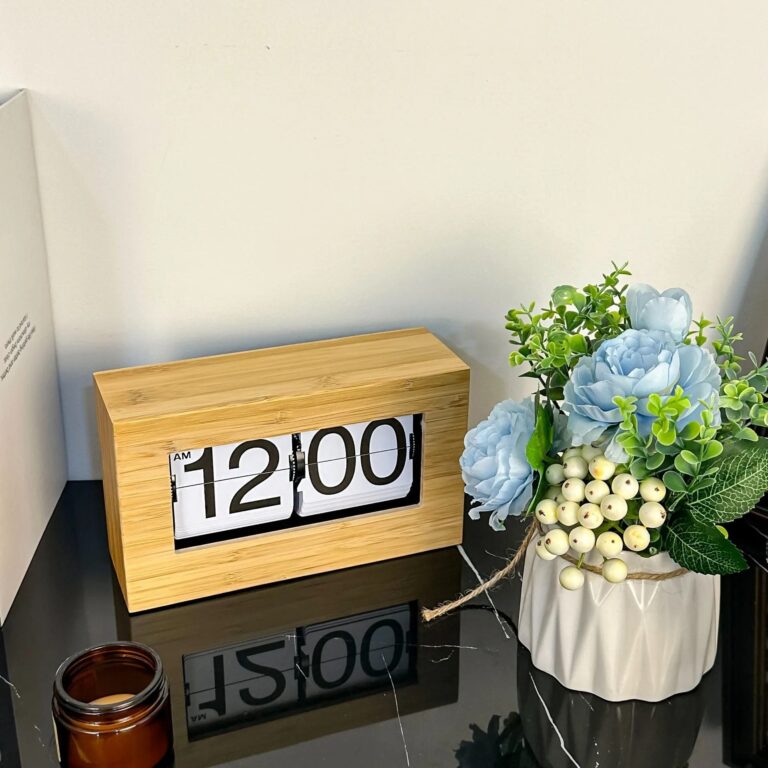 Aisha's pickWooden Clocks That Make Great Housewarming Gifts
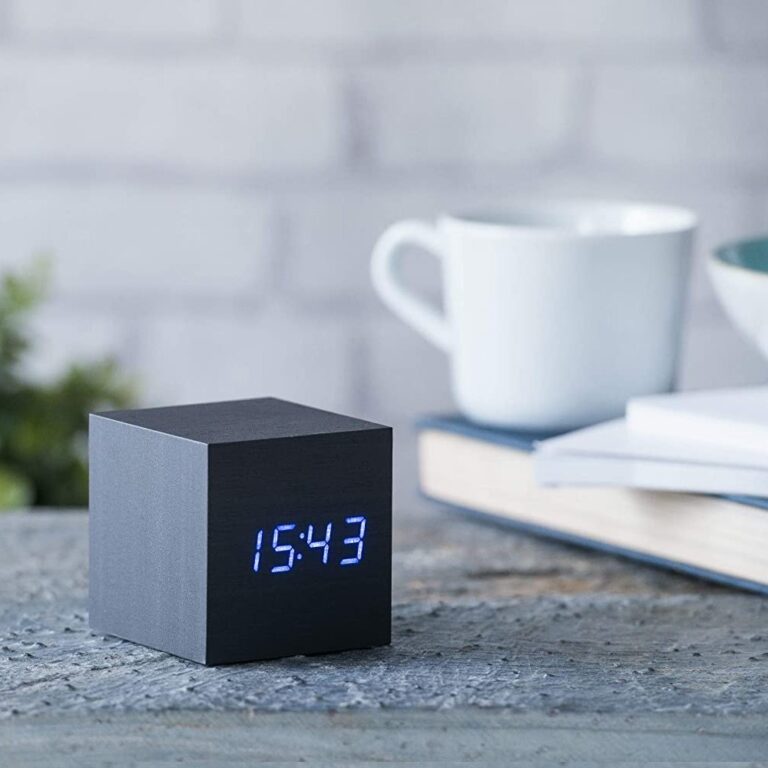
 Aisha's pickLarge Wall Clocks With a Story to Them

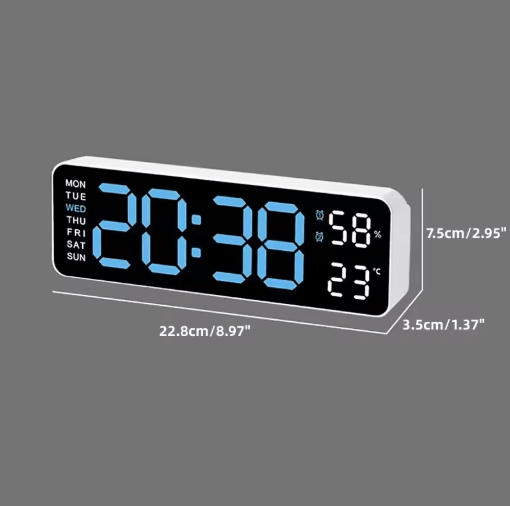 Aisha's pickWall Clocks with Temperature That Give a Room Some Personality
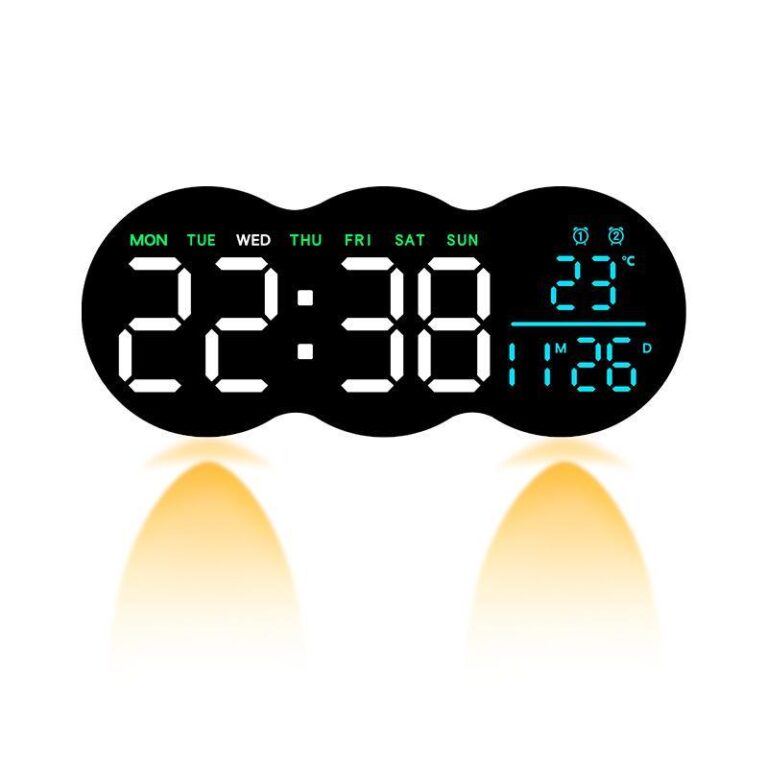
 Aisha's pickWhere to Start With Black Clocks

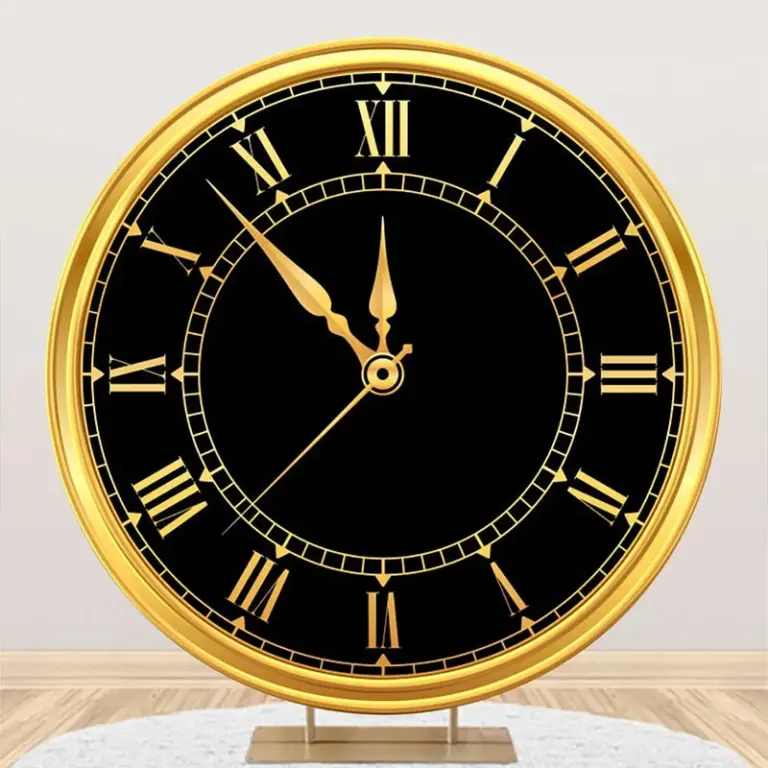 Aisha's pickLarge Metal Clocks That Make Great Housewarming Gifts
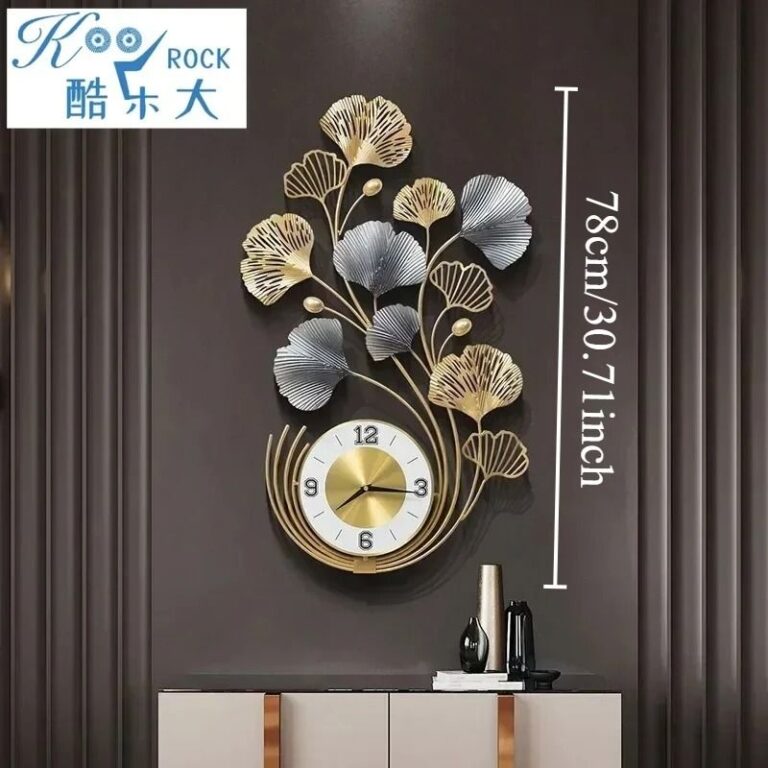
 Aisha's pickRetro Living Room Clocks for People Who Know What They LikeAlso worth a lookWall ClocksSix months in, you stop seeing the clock as a clock and start hearing it, and that's when the cheap one gets exposed.See the collections →

 Aisha's pick12 Inch Wall Clocks Pulled From Dozens of Stores

 Aisha's pickLarge White Wall Clocks With Some Character
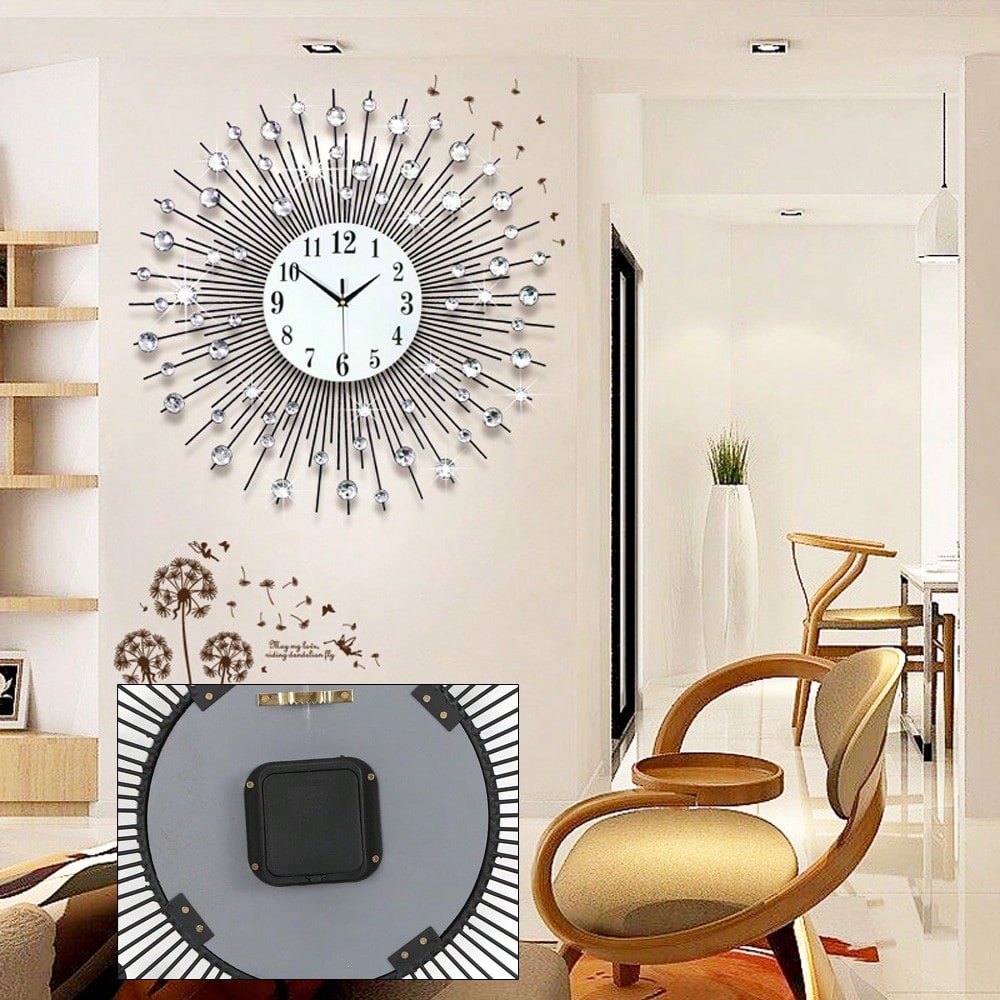
 Aisha's pickWhite Silent Wall Clocks for Rooms That Feel a Bit Bare
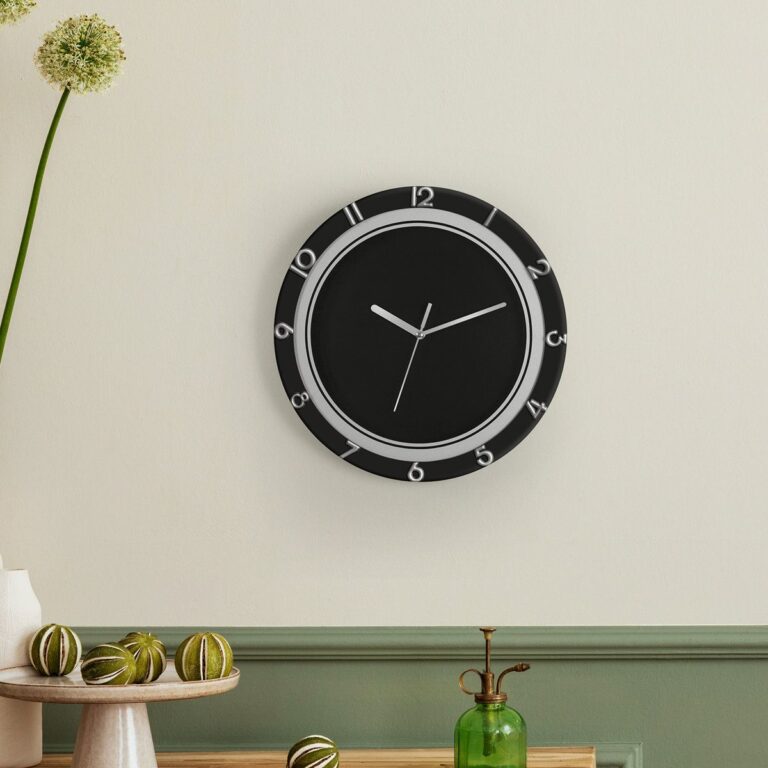
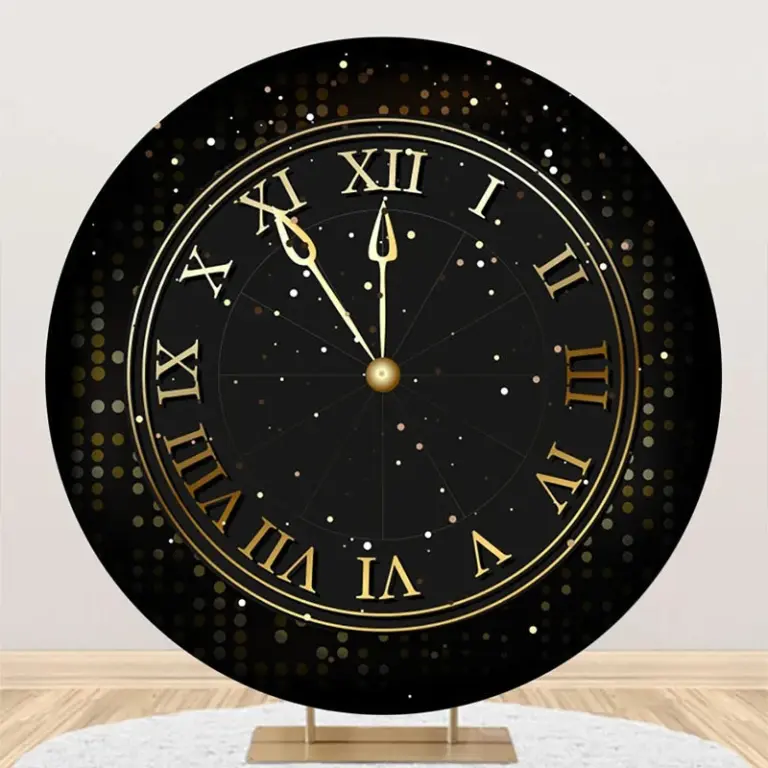 Aisha's pickBlack Round Clocks From Brands You Know and a Few You Won’t

 Aisha's pickLarge Round Clocks That Make Great Housewarming Gifts
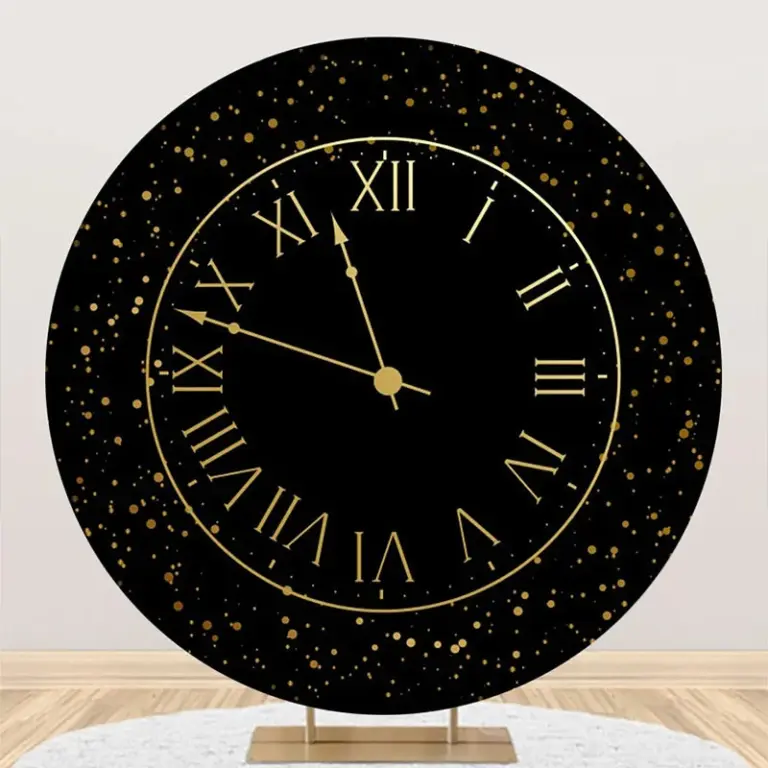
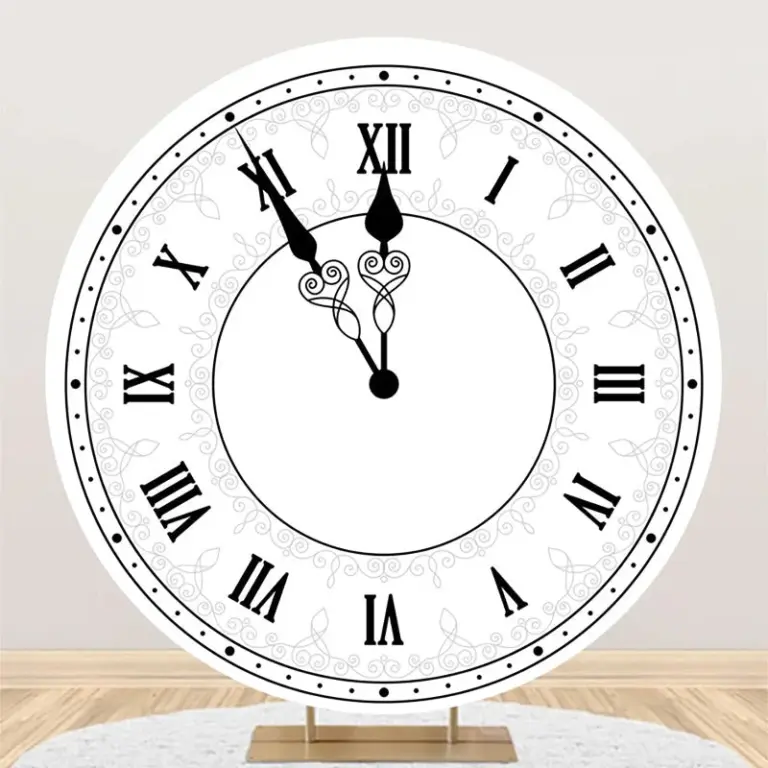 Aisha's pickRound Clocks From Stores Big and Small
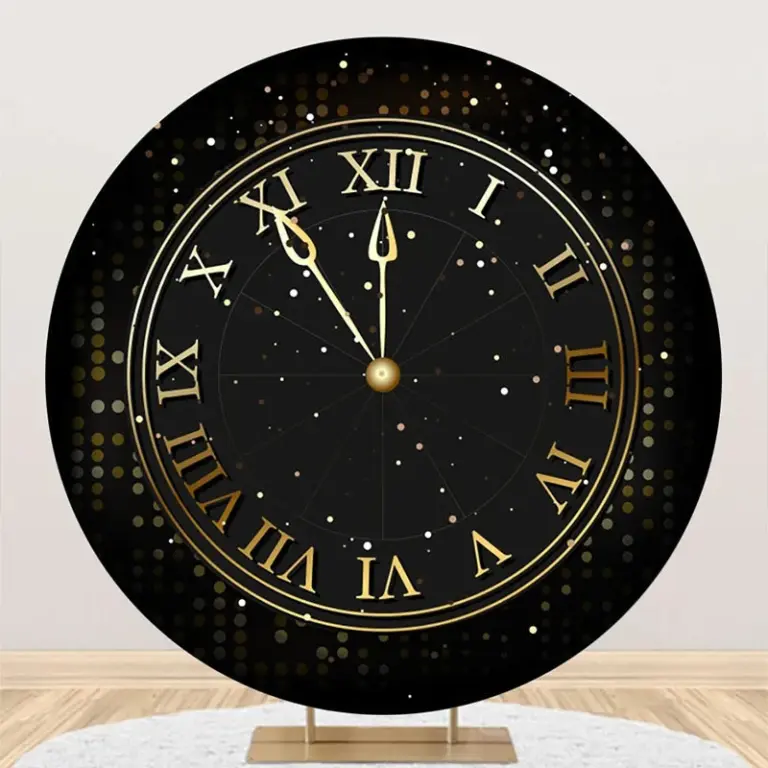
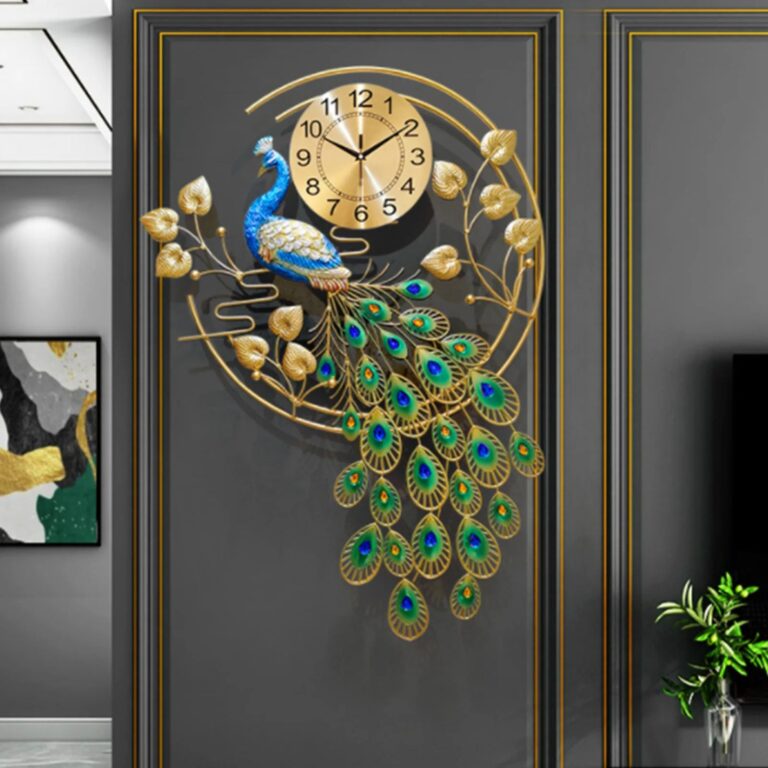 Aisha's pickBattery Operated Wall Clocks That Make a Shelf Look Styled
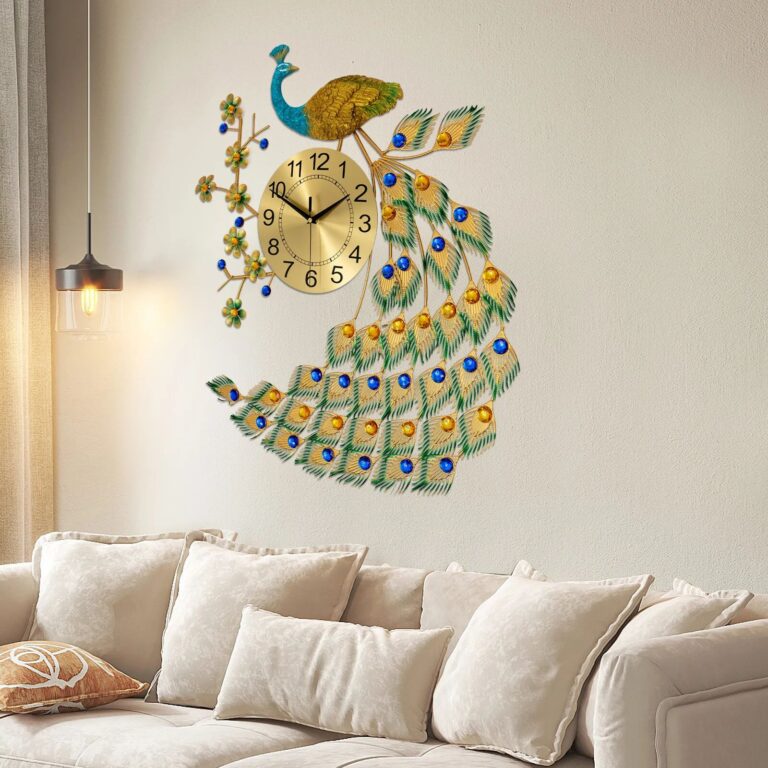
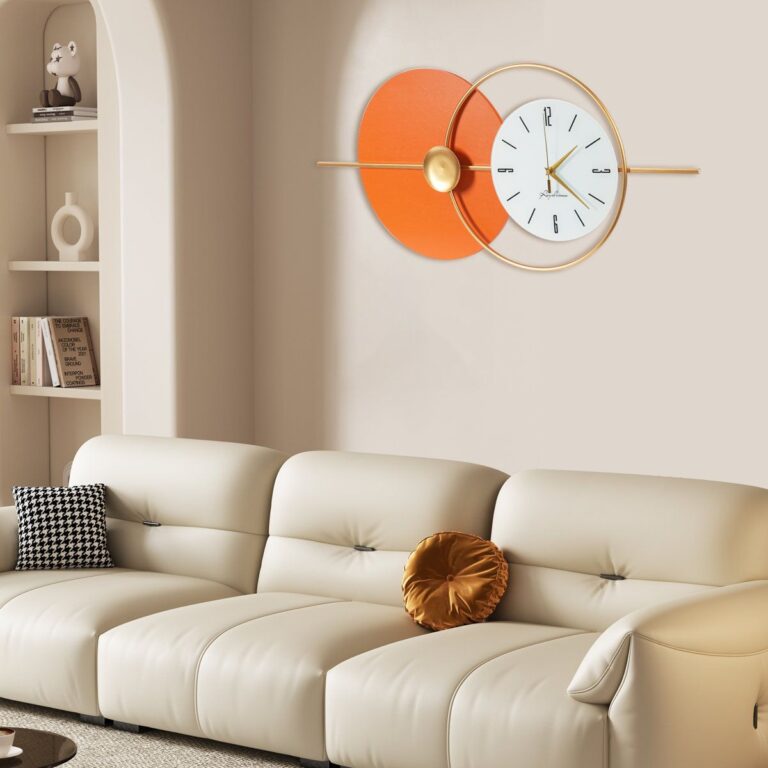 Aisha's pickMetal Wall Clocks You’ll Still Like in Five Years

 Aisha's pickWhite Wall Clocks From Brands You Know and a Few You Won’tAlso worth a lookMirrorsMirrors suit almost any home, which is part of why they're easy to get wrong.See the collections →
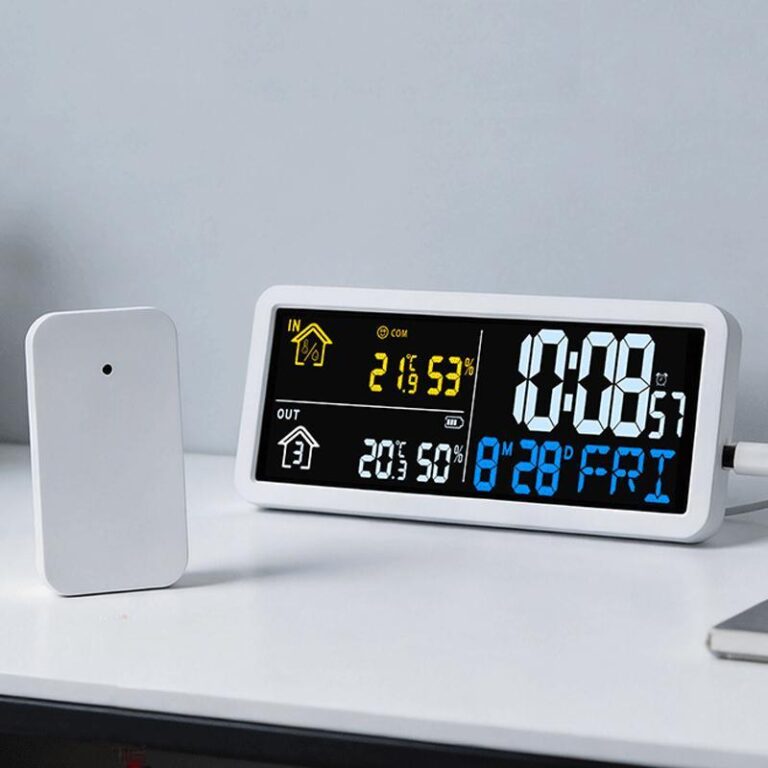
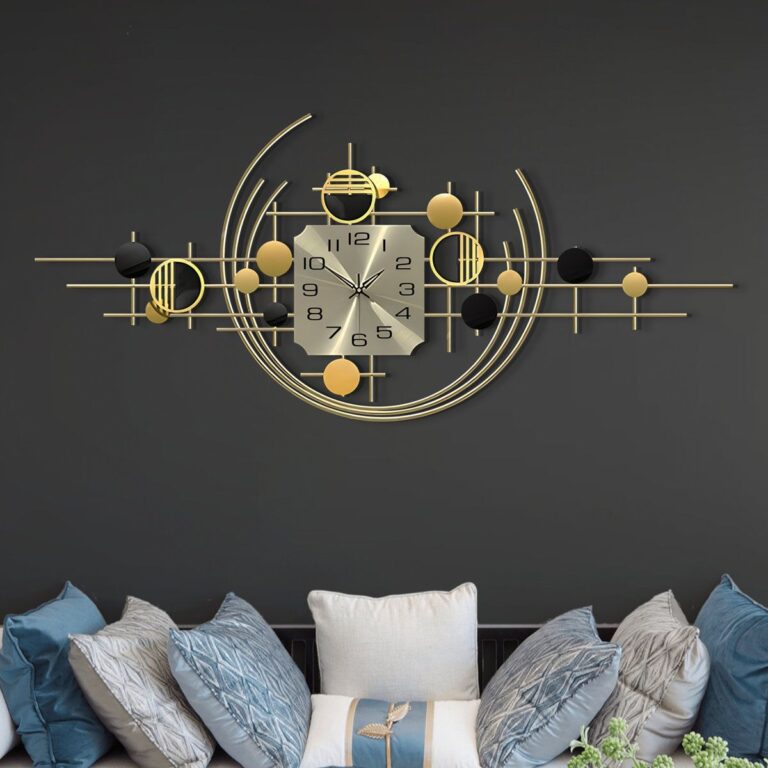 Aisha's pickBlack Silent Clocks That Don’t Need Babying
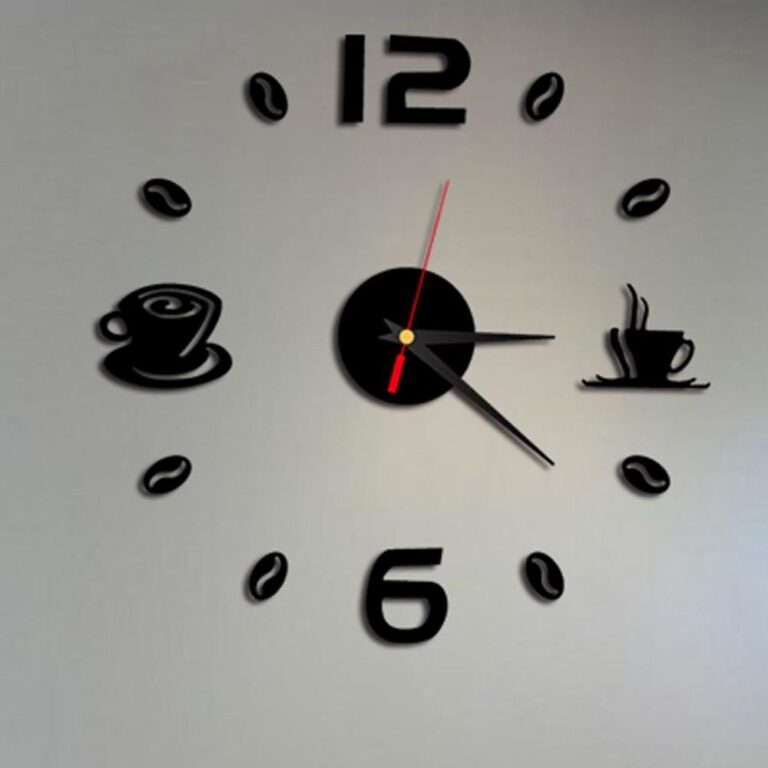
 Aisha's pickLarge Silent Clocks Worth Knowing About
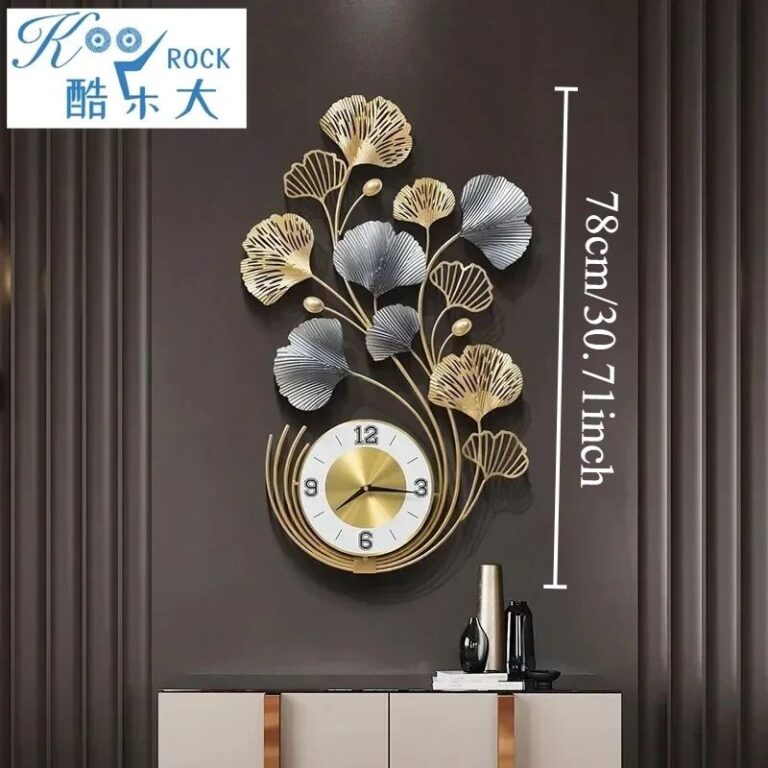
 Aisha's pickRound Metal Clocks That Give a Room Some Personality

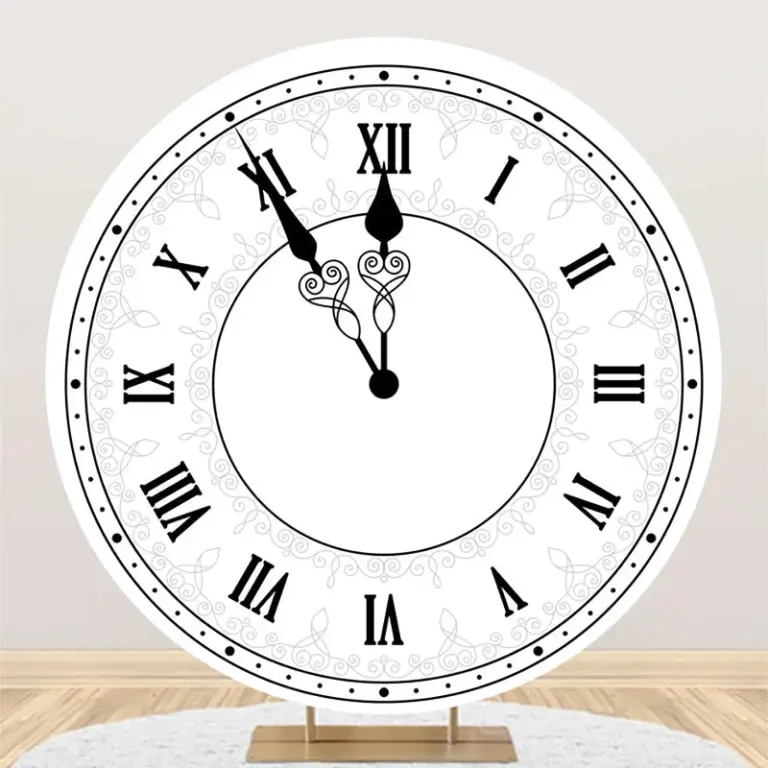 Aisha's pickBlack Round Wall Clocks That Feel Personal, Not Store Bought

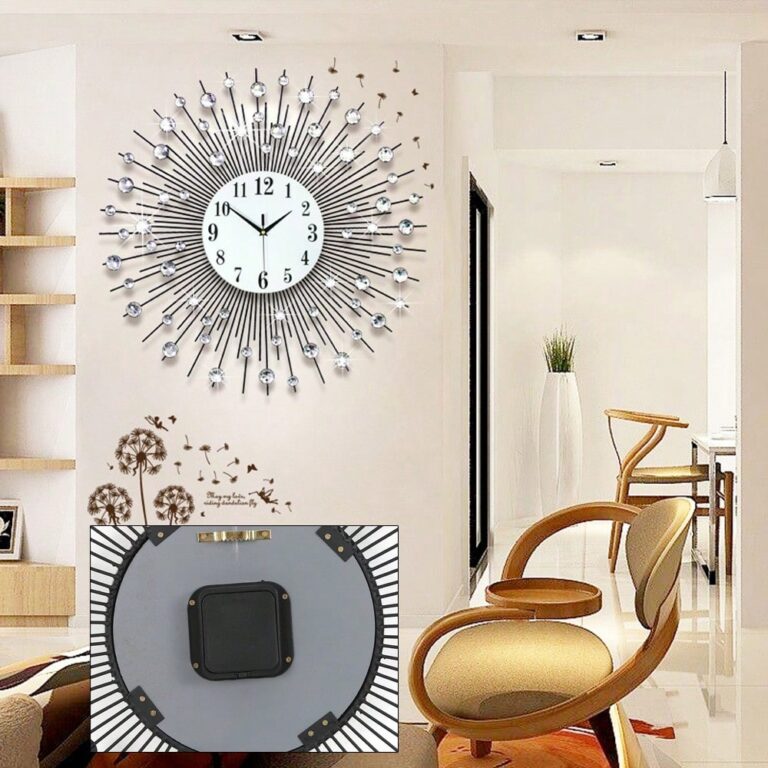 Aisha's pickMinimalist Silent Wall Clocks Hunted Down So You Don’t Have To
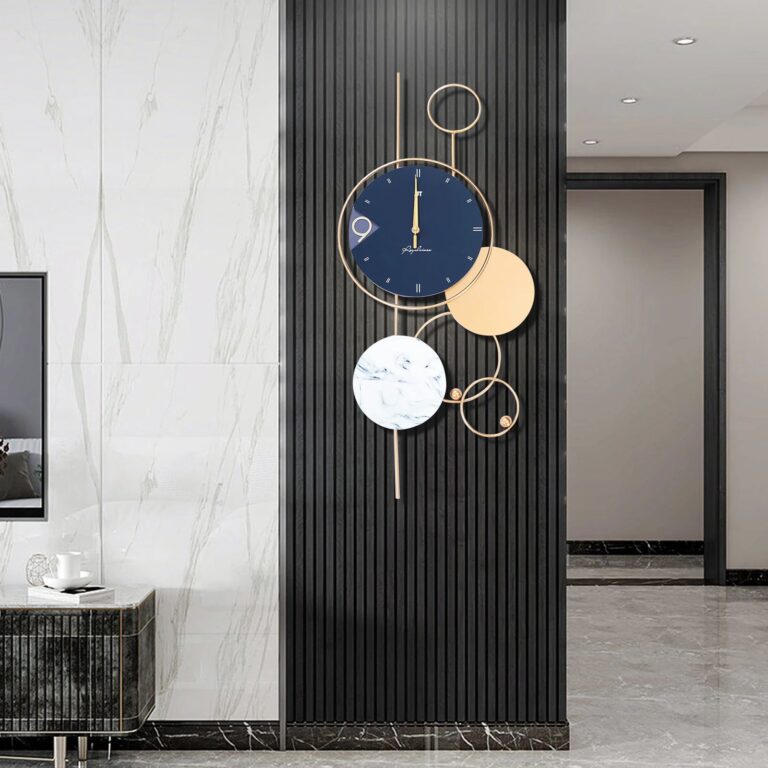
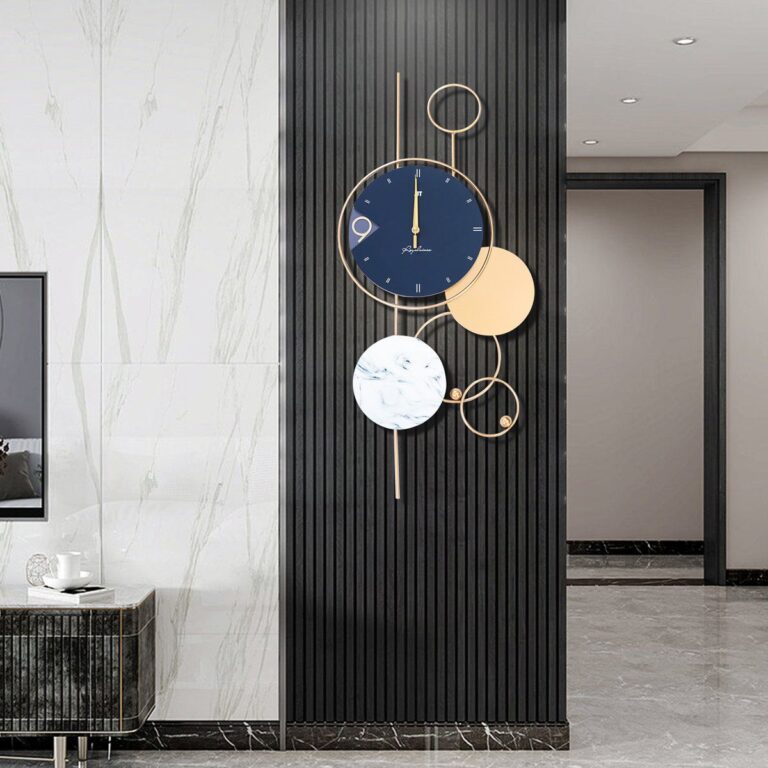 Aisha's pickGood Blue Clocks That Don’t Cost a Fortune

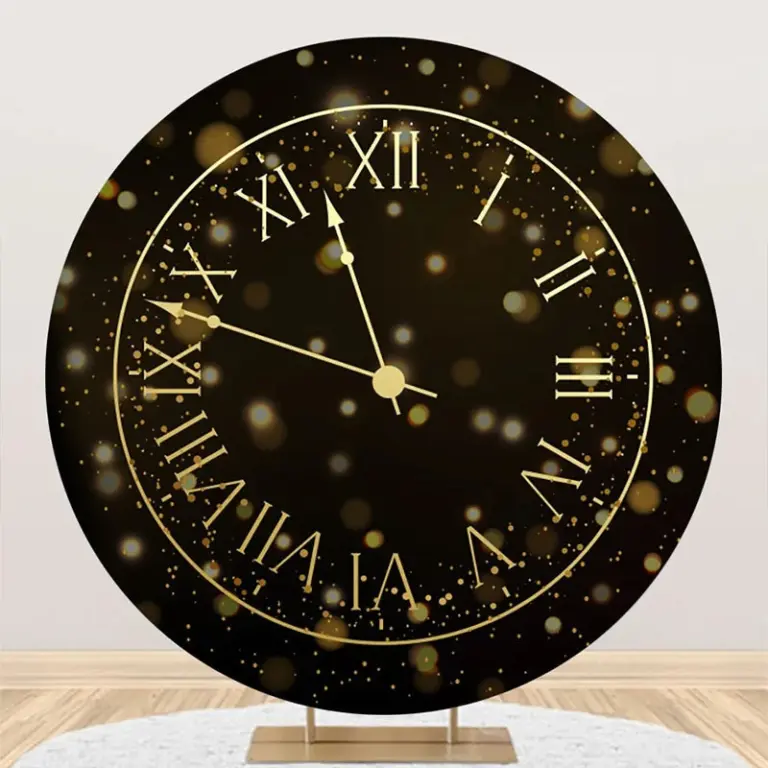 Aisha's pickLarge White Clocks for Blank Walls and Empty Shelves

 Aisha's pickRustic Clocks That Make a Shelf Look Styled

 Aisha's pickBlack Silent Wall Clocks for Filling an Awkward GapAlso worth a lookCandles & DiffusersMost scented candles are a waste of wax, and I say that as someone who has bought far too many of them.See the collections →
 Aisha's pickMinimalist Wall Clocks Picked by People Who Care Too Much
 Aisha's pickClocks You Won’t Want to Hide Away
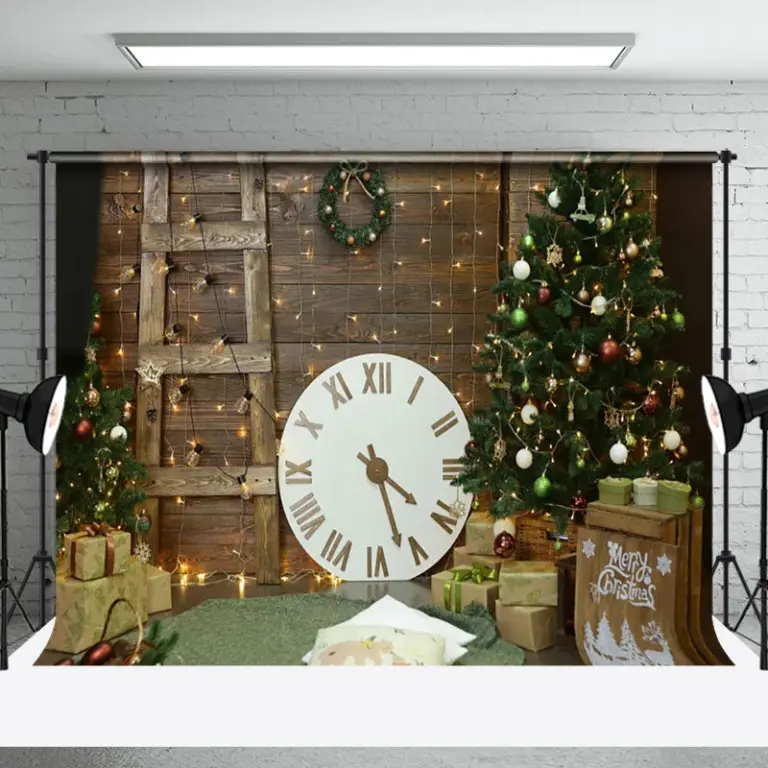
 Aisha's pickLiving Room Clocks for Movie Nights and Slow Sundays

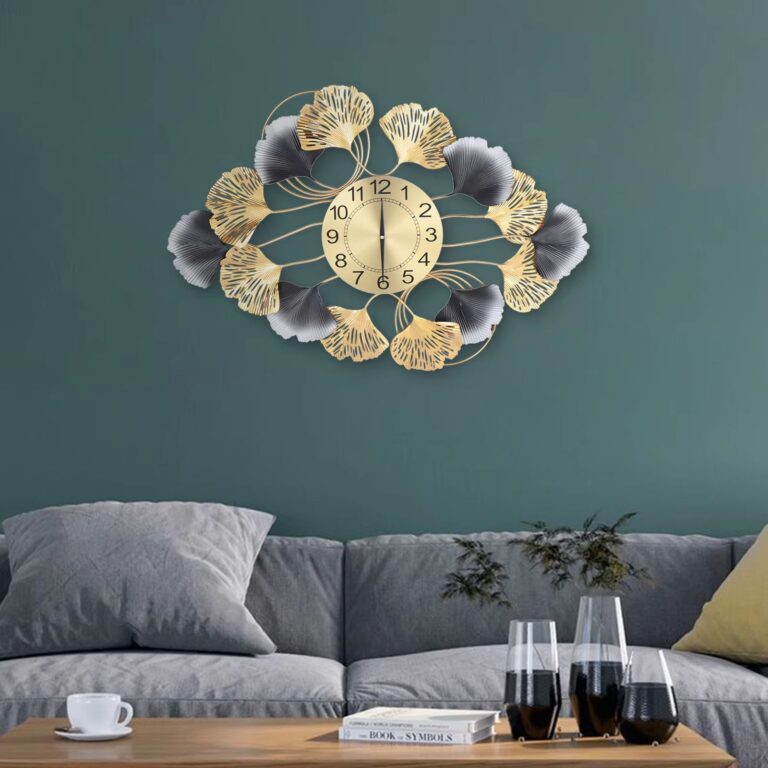 Aisha's pickSilent Clocks That Do the Job Right
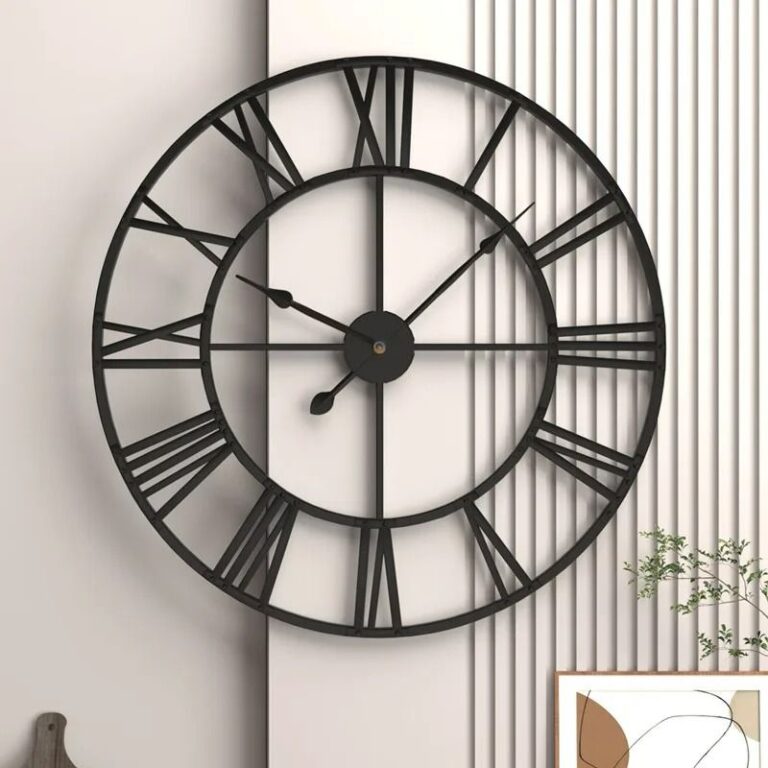
 Aisha's pickBlack Wall Clocks That Make Great Housewarming Gifts
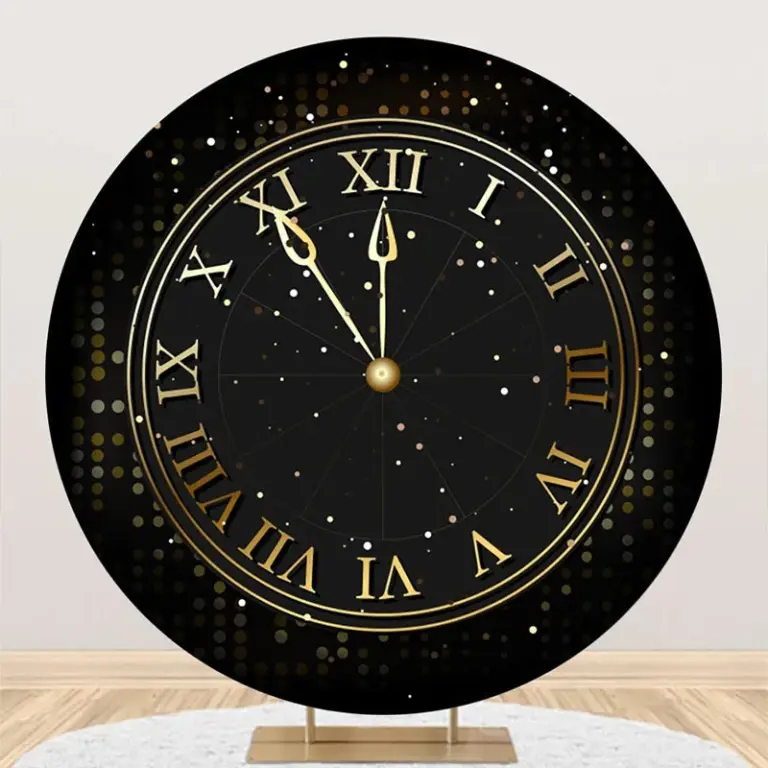
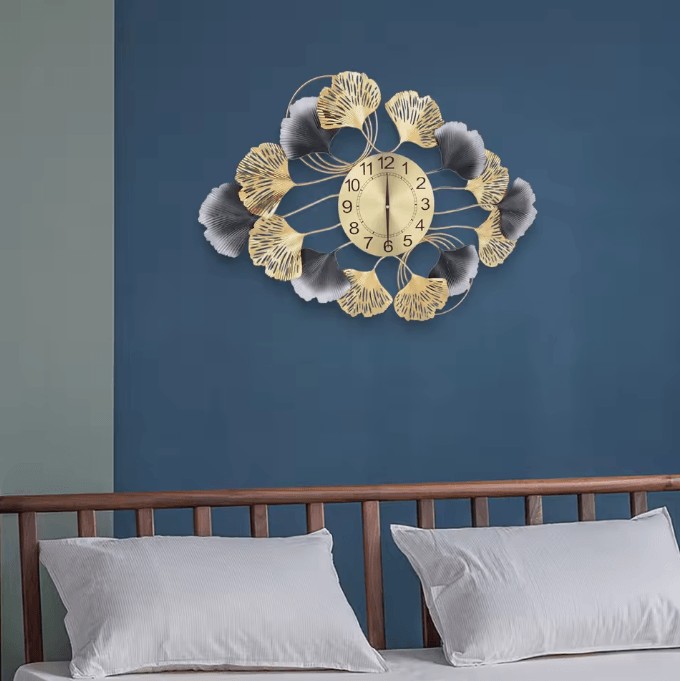 Aisha's pickModern Silent Wall Clocks That Survive Kids and Pets
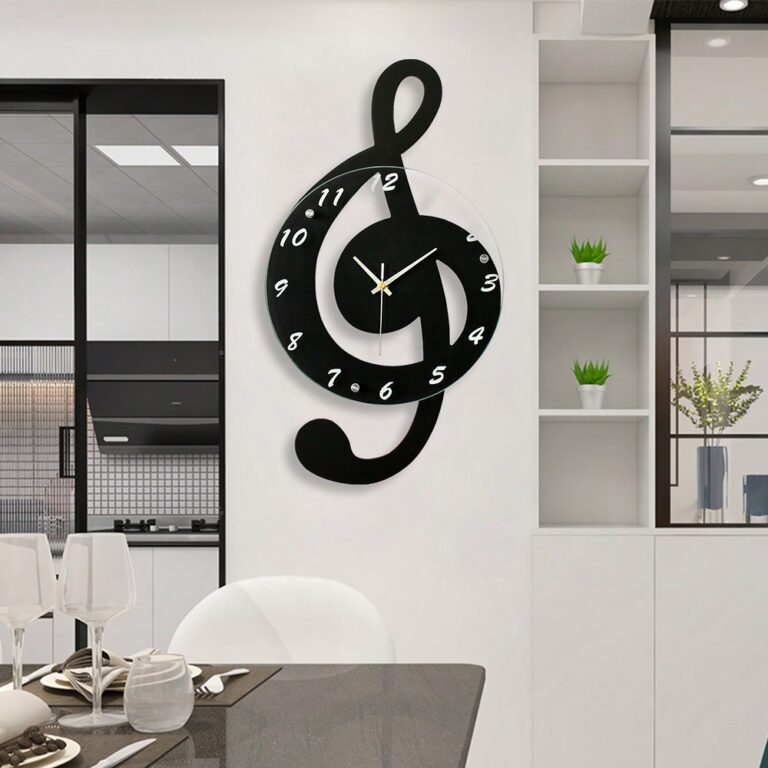
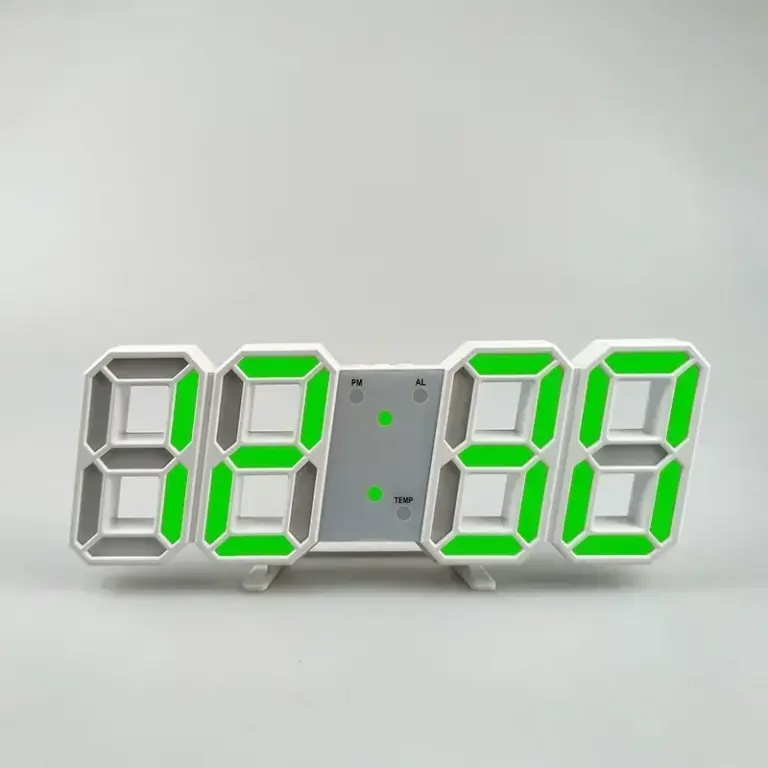 Aisha's pickNo Fuss Clocks with Date
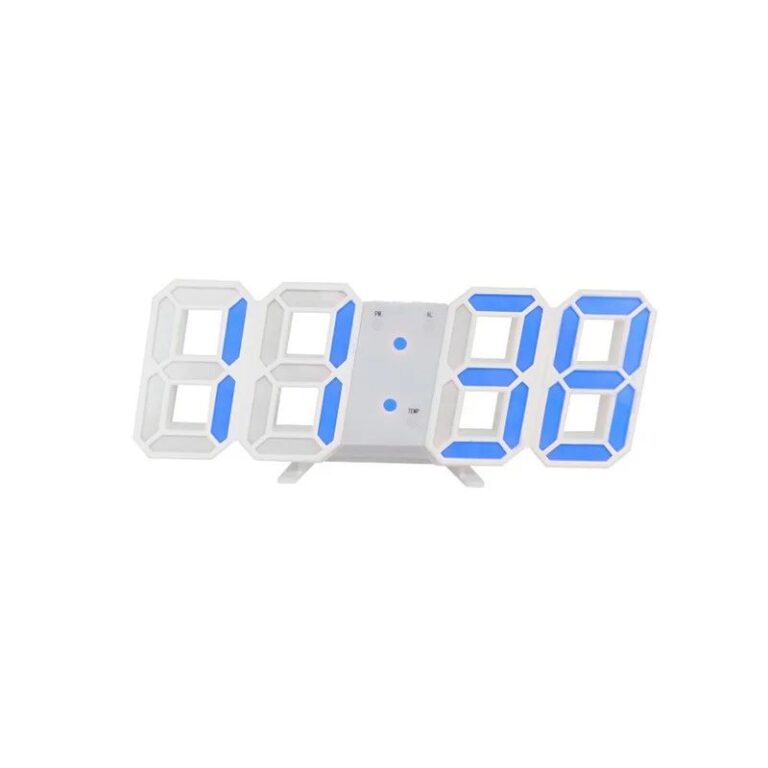
 Aisha's pickLuxury Clocks Pulled From Dozens of Stores