Six months in, you stop seeing the clock as a clock and start hearing it, and that's when the cheap one gets exposed. The tick turns into a thing you notice at ten at night when the house goes quiet, and if it's a bad movement, you will hear every single second of your life measured out in a slightly off, slightly cheap click.
If you own zero wall clocks right now, start with something plain, a clean face, simple numbers or none at all, in a size a little bigger than feels natural, because a small clock on a big wall reads like an afterthought. A silent sweep movement is worth paying a bit more for, full stop, you do not want the ticking version in a bedroom or a quiet reading spot, you will regret it by week two. Wall clocks earn their place in kitchens, hallways, and living rooms, the rooms where you actually look up and need to know the time without checking your phone, and they suit a home that leans a little lived in and layered over one that's trying to look like a showroom. They're also quietly great in a home office or a mudroom, somewhere functional where you want the room to feel finished without adding more stuff to dust. Where they don't work is a space that's already busy, a gallery wall, a heavily patterned room, anywhere you've got a lot of frames and texture already fighting for attention, a clock there just becomes visual noise, and an ornate, oversized one in a small room will make the whole wall feel like it's trying too hard.
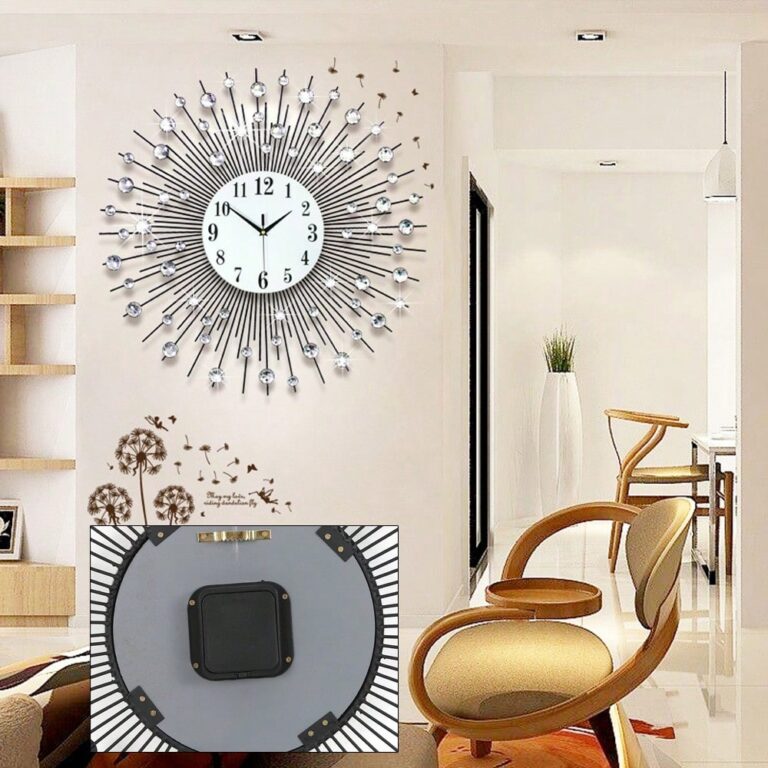
The difference between a clock you love and one you regret is almost never the face, it's everything behind it. Cheap ones have thin stamped metal hands, a plastic movement housing that rattles if you bump the wall, and a battery door that snaps off within a year. Good ones have weight to them, a real glass or acrylic cover instead of thin plastic that fogs and scratches, and hands that are properly balanced so the second hand doesn't stutter or lag behind. Check how the face attaches to the body, a good one is sealed or screwed, not just glued, because glued faces warp and separate in a humid bathroom or a sunny kitchen within a summer. The finish matters more up close than you'd think too, a painted metal frame that's actually cured properly won't chip the first time you take it down to change the battery.
Buy the quiet movement, buy the real glass, and stop pretending the $12 one from the bargain bin was ever going to work out.

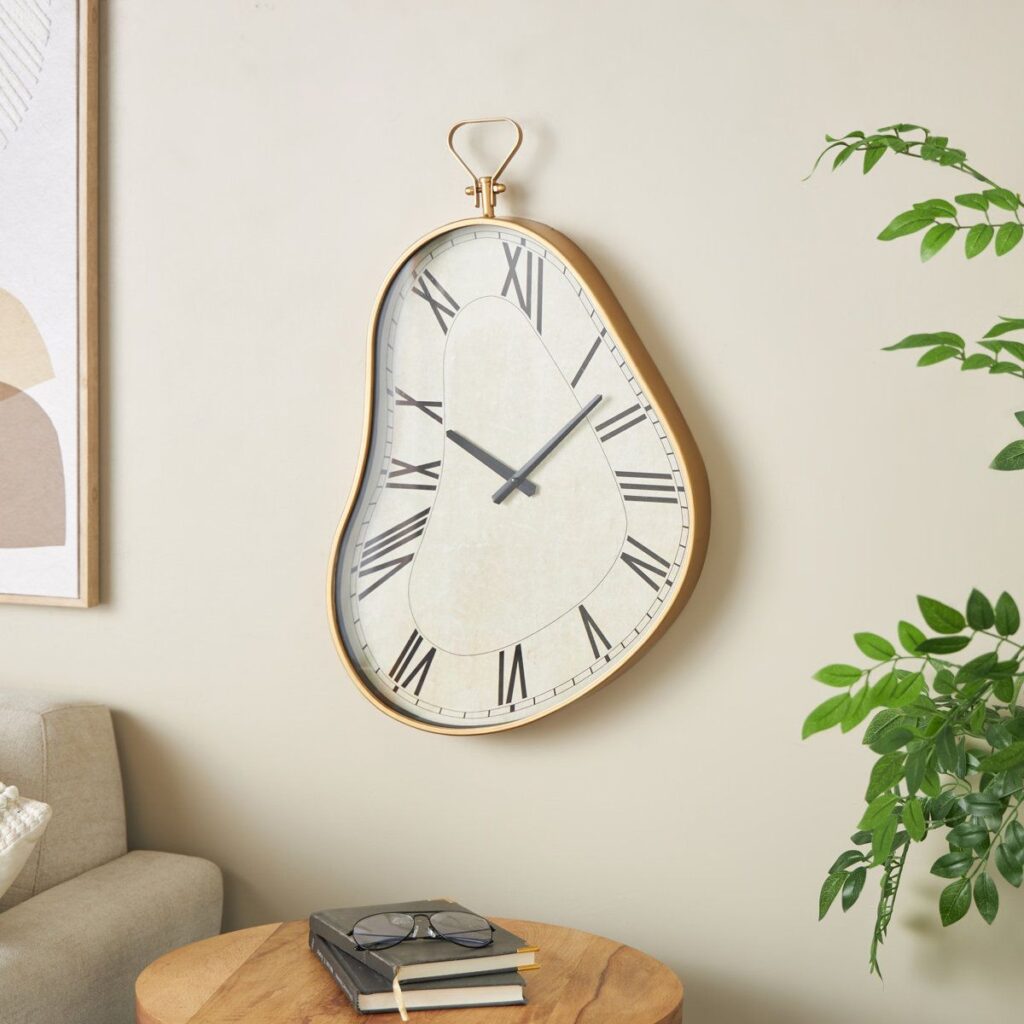 Aisha's pickBlack Silent Wall Clocks for Filling an Awkward Gap
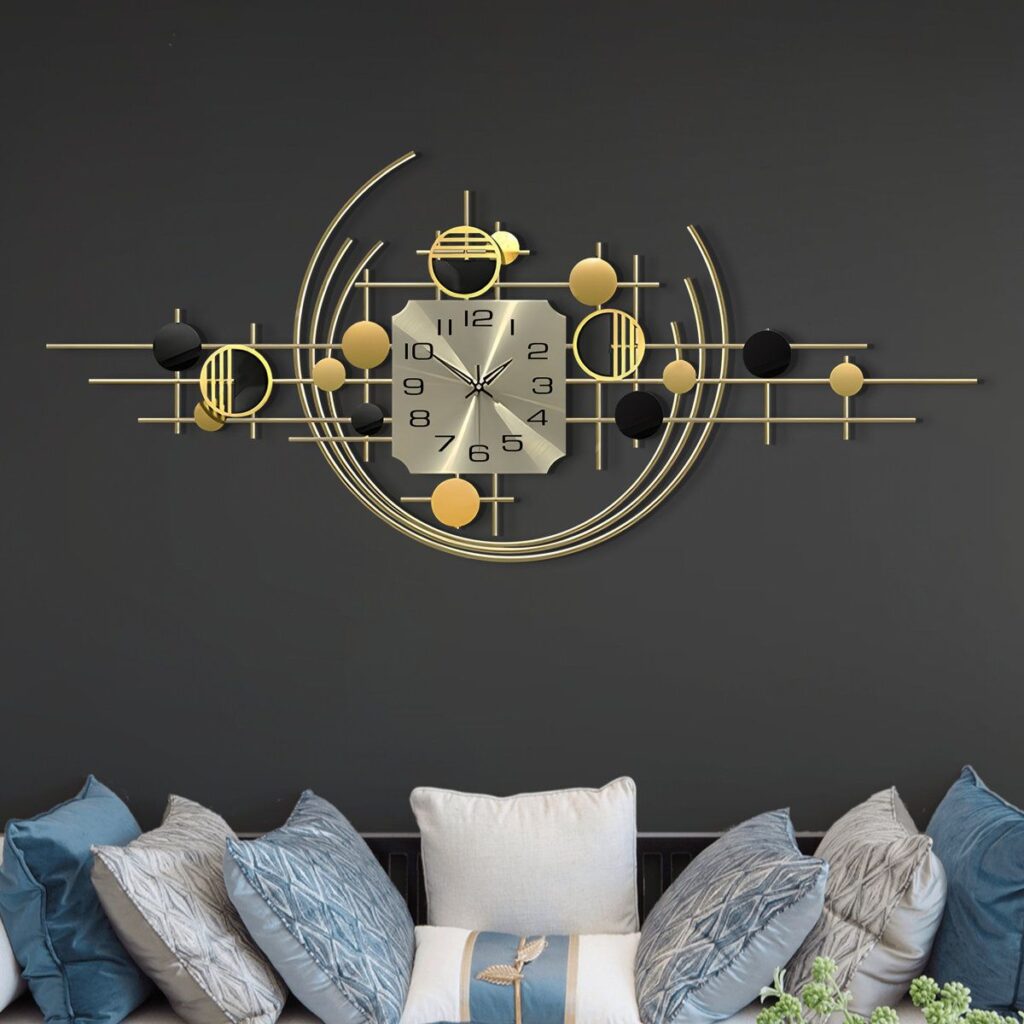
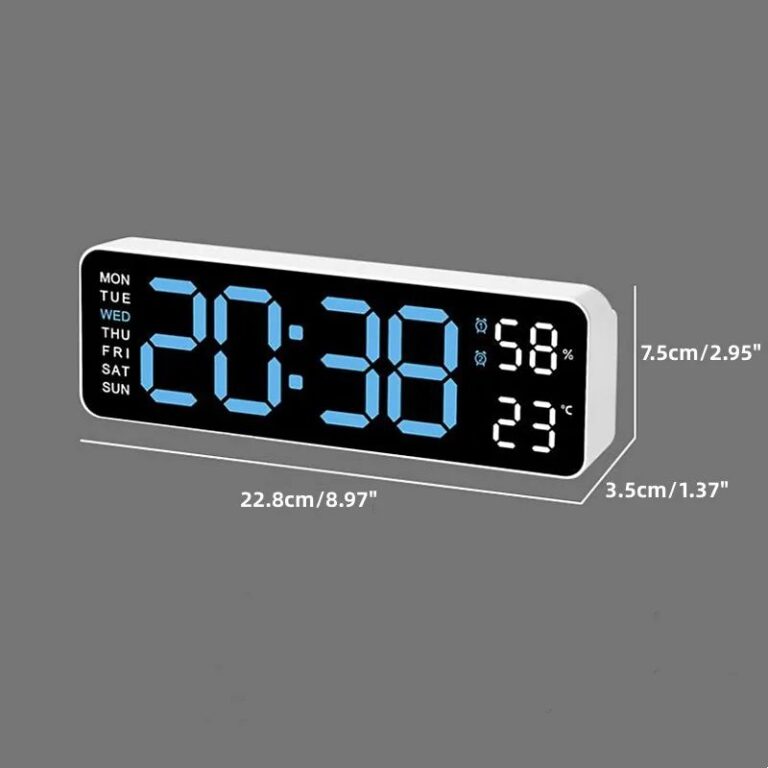 Aisha's pickMinimalist Wall Clocks Picked by People Who Care Too Much
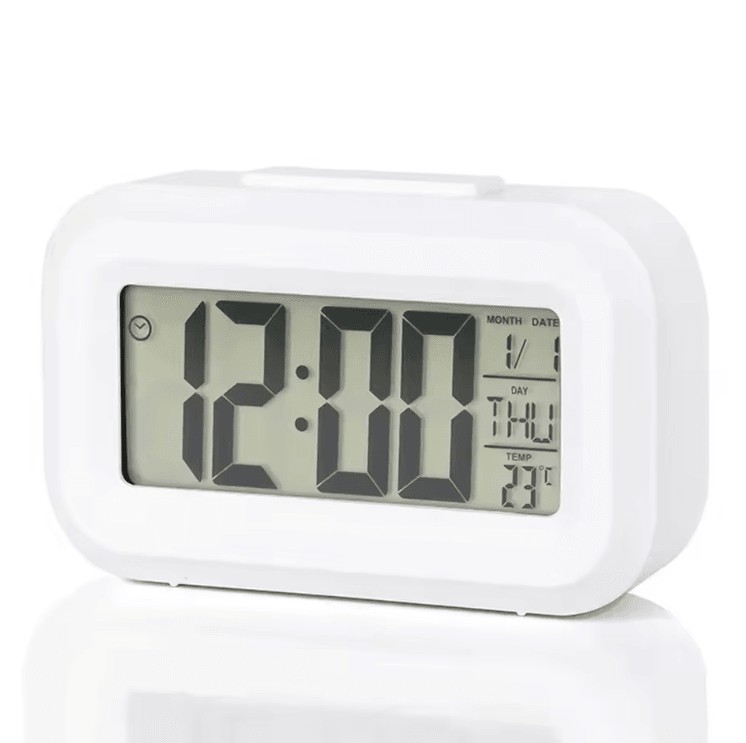
 Aisha's pickBlack Wall Clocks That Make Great Housewarming Gifts
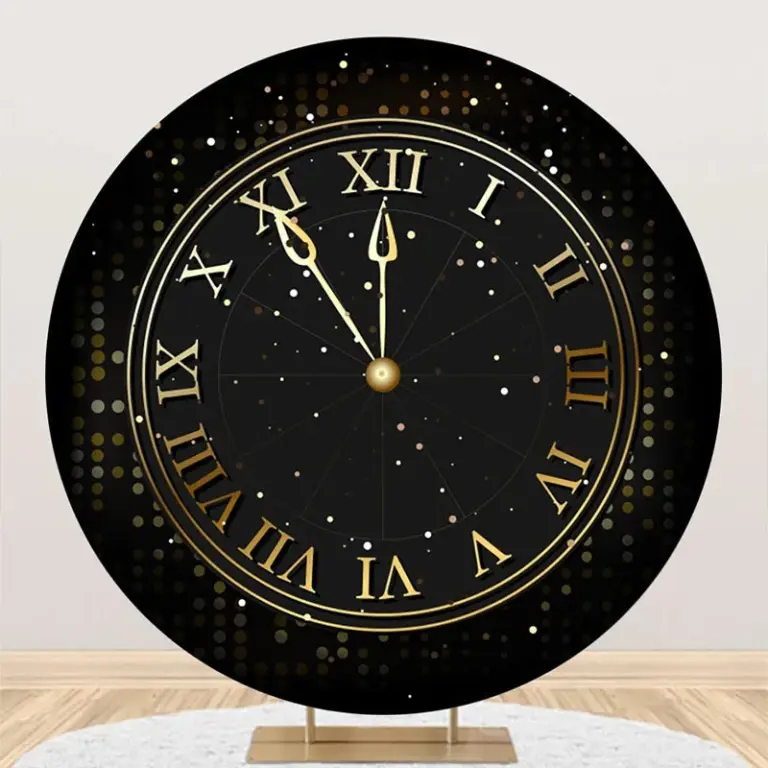
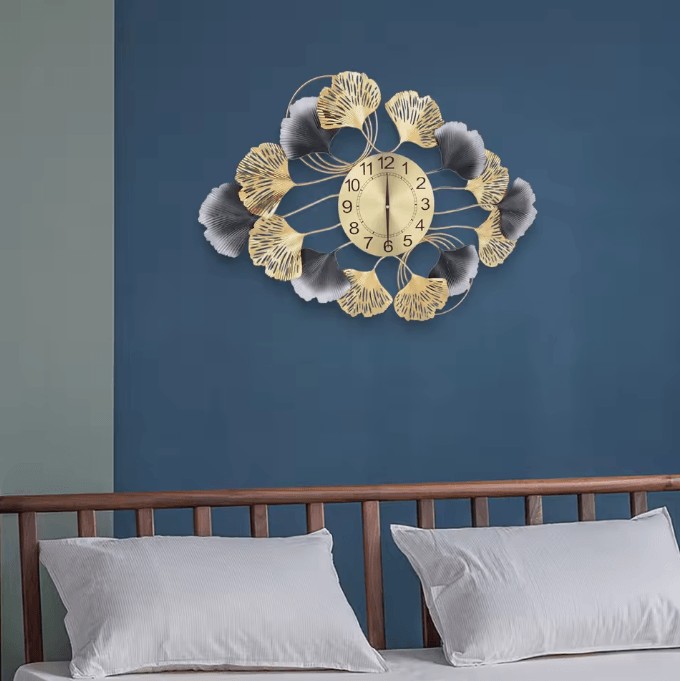 Aisha's pickModern Silent Wall Clocks That Survive Kids and Pets
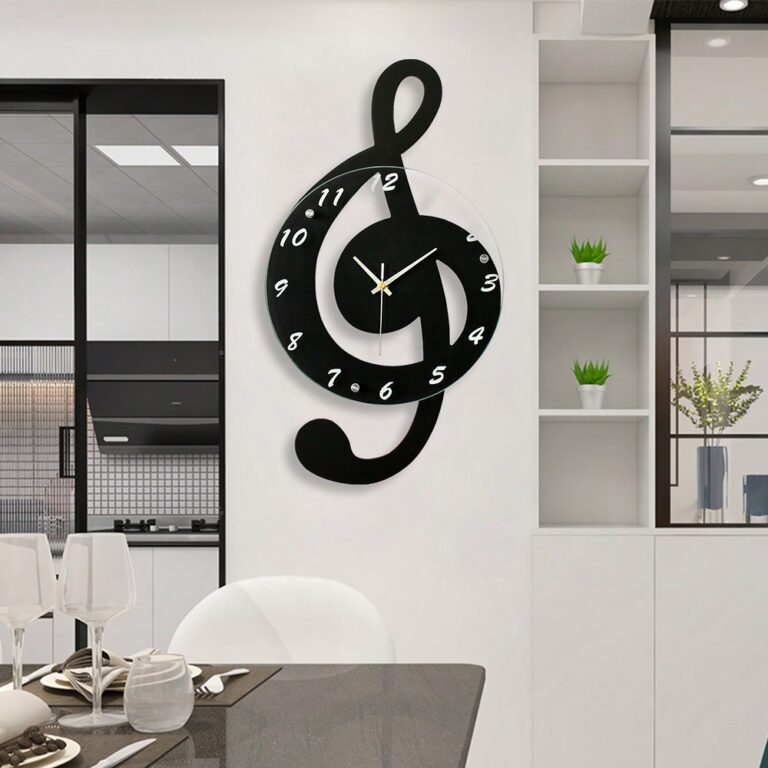
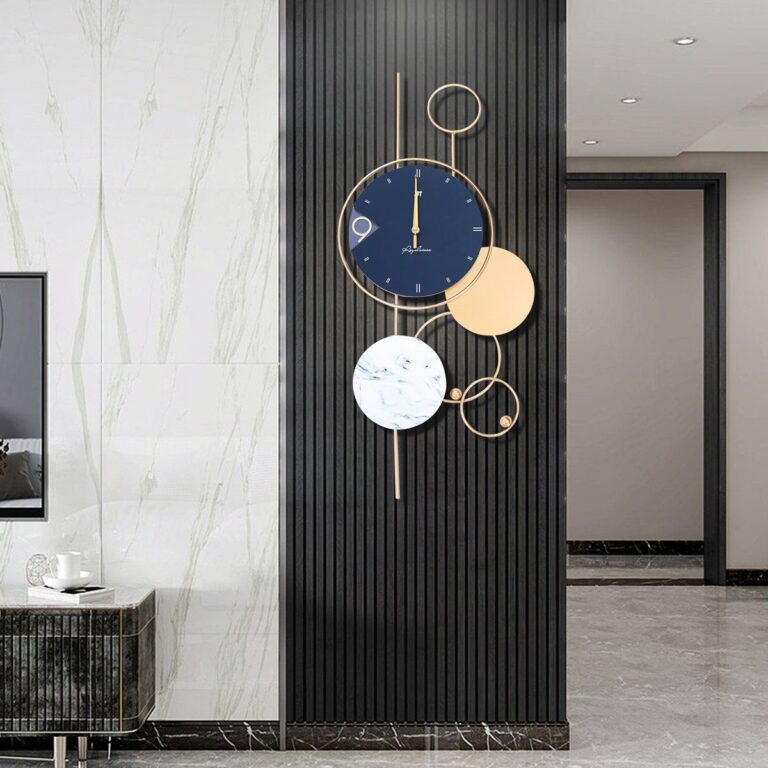 Aisha's pickBlue Silent Wall Clocks That Make a Room Feel Finished
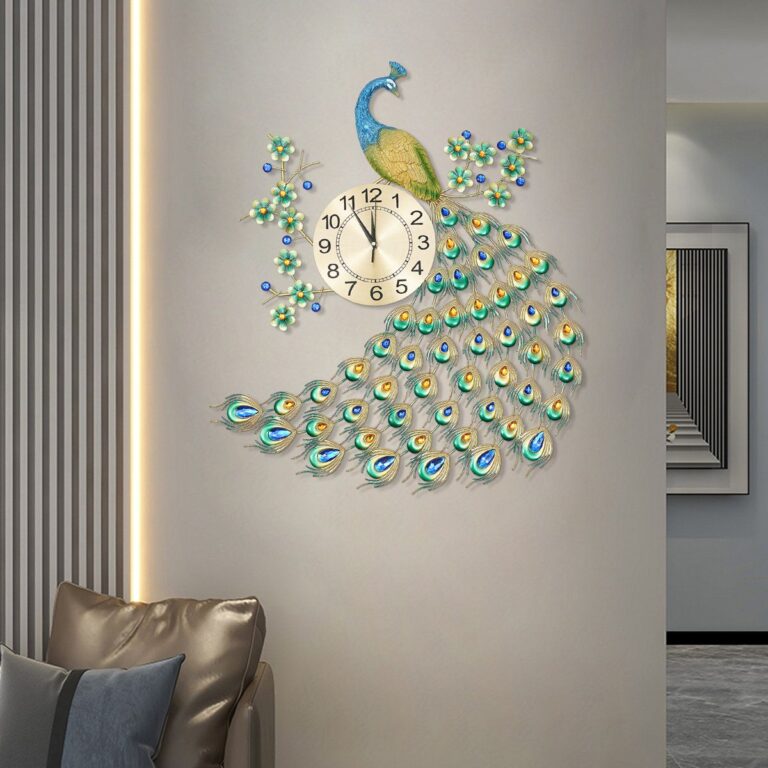
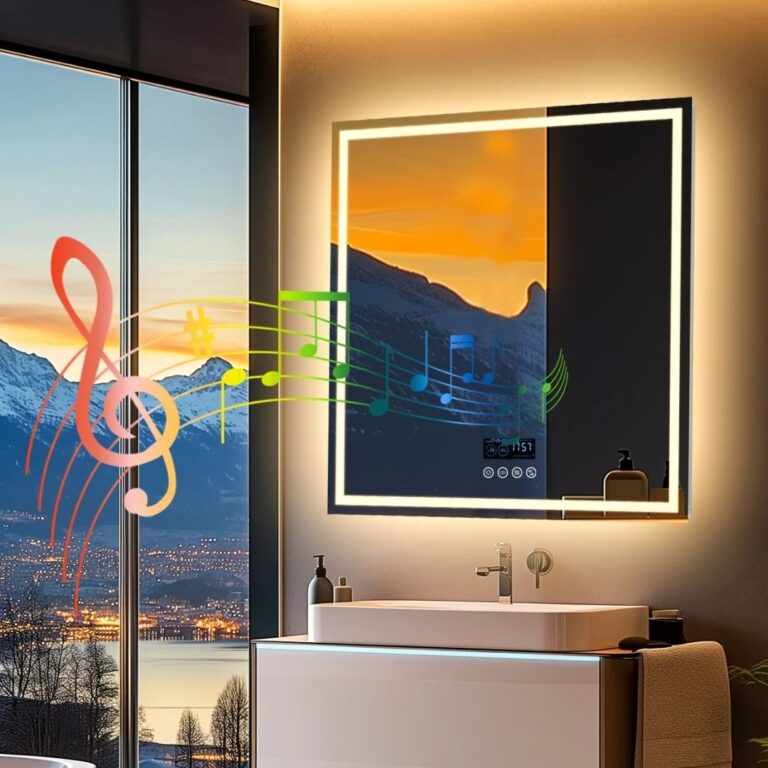 Aisha's pickModern Wall Clocks You Won’t Want to Hide Away
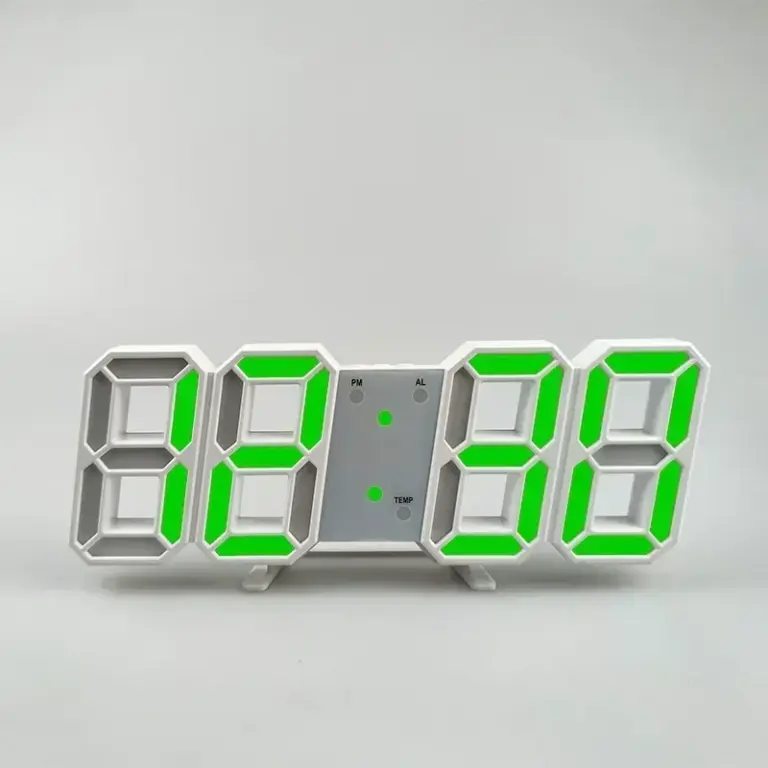
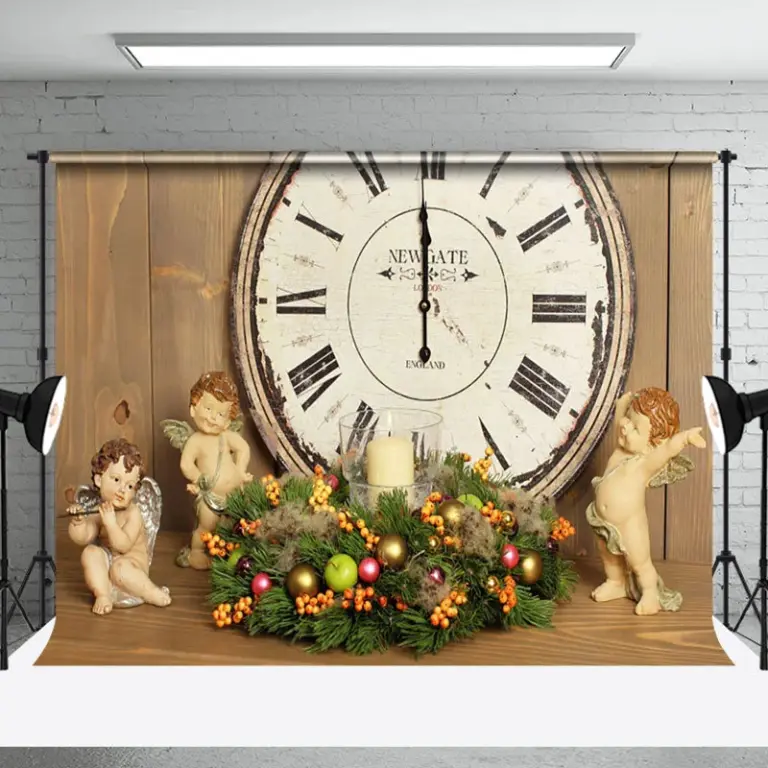 Aisha's pickBlue Wall Clocks for Rooms That Feel a Bit Bare

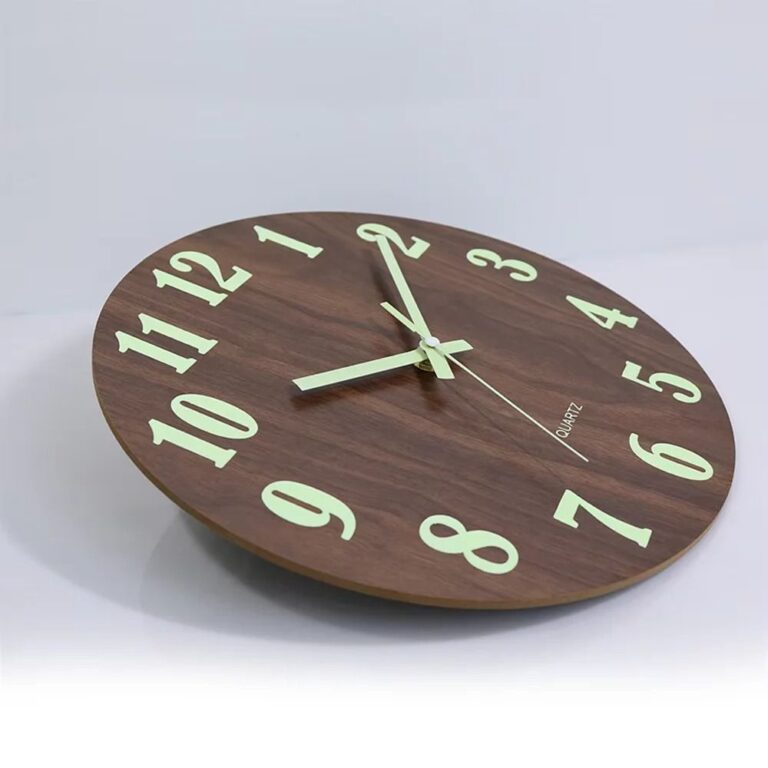 Aisha's pickNon Ticking Silent Wall Clocks That Start Conversations
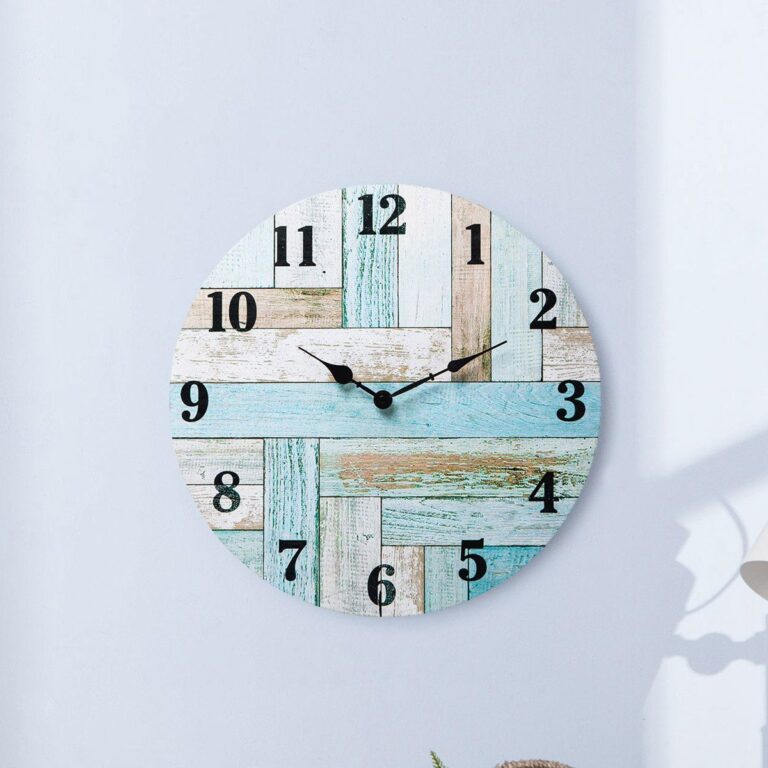
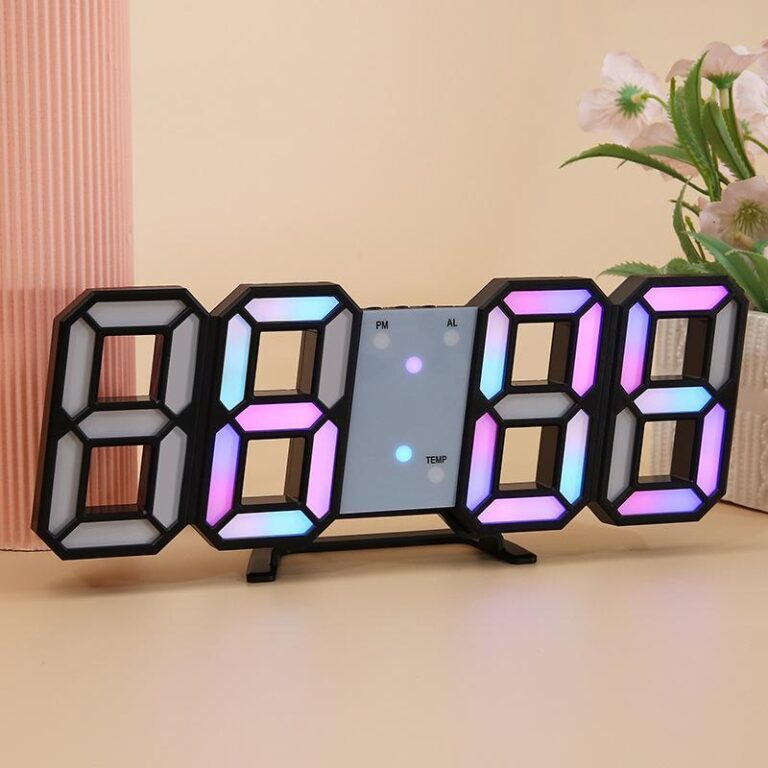 Aisha's pickDigital Wall Clocks That Look Better in Real LifeAlso worth a lookClocksA good clock should be quiet enough that you forget it is ticking at all, but clear enough…See the collections →
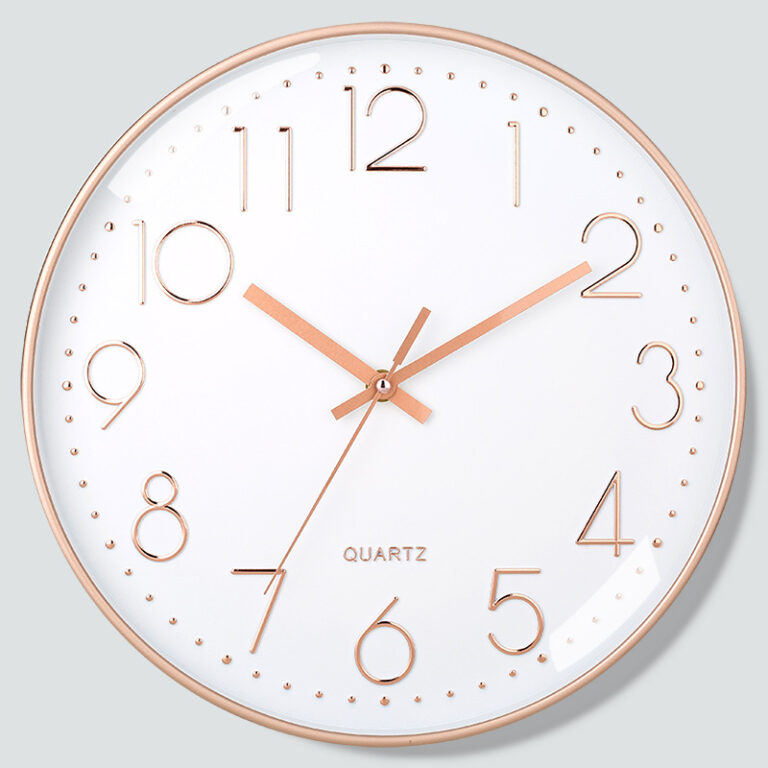
 Aisha's pickNon Ticking Wall Clocks You’ll Still Like in Five Years
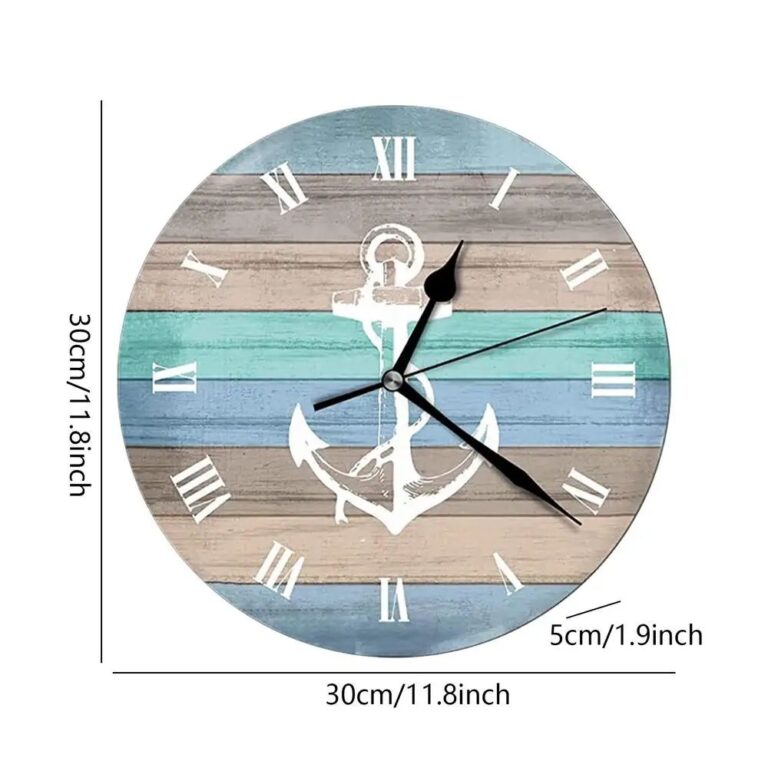
 Aisha's pickGlass Silent Wall Clocks With a Bit More About Them

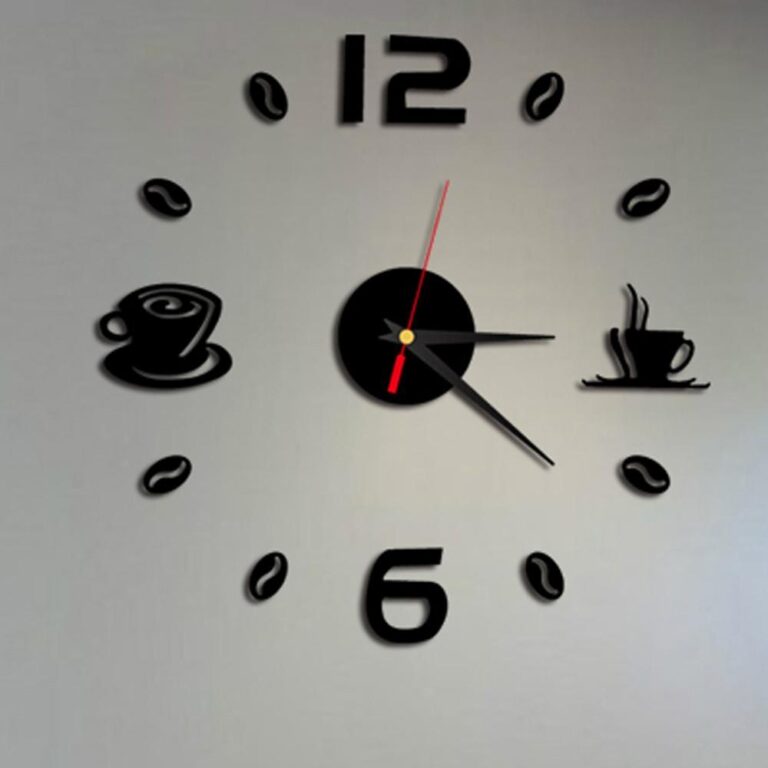 Aisha's pickRed Wall Clocks With a Story to Them
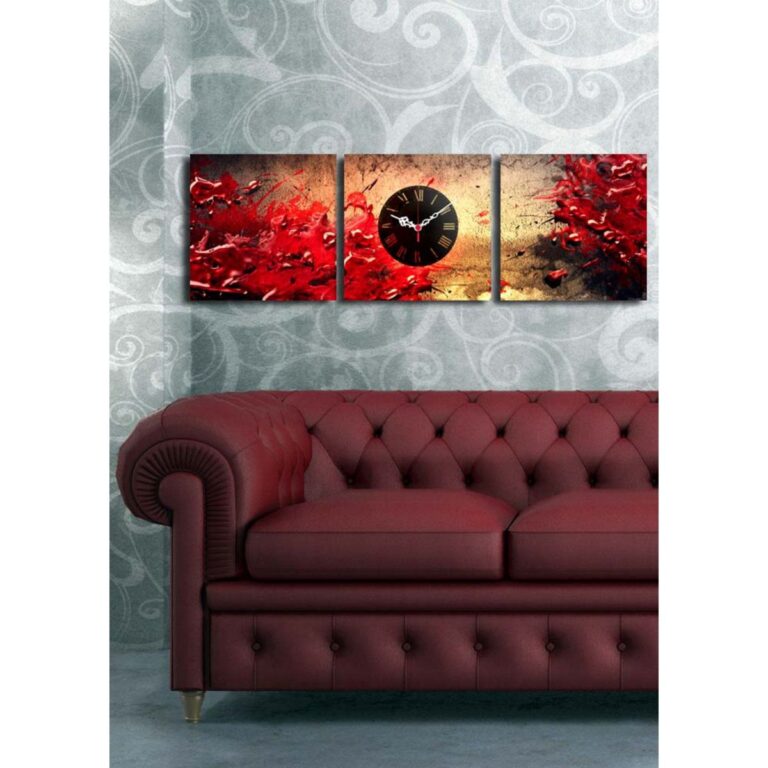
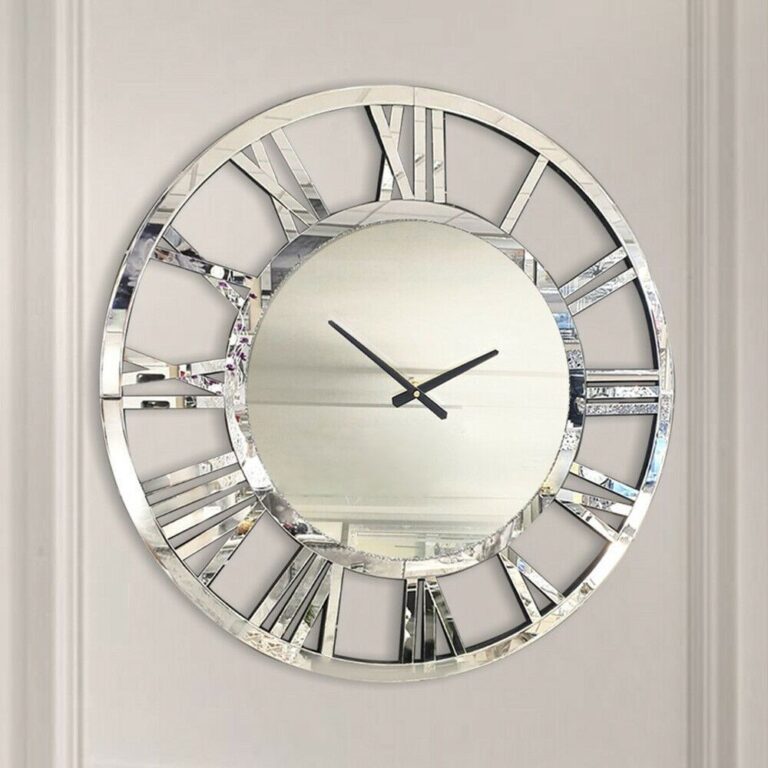 Aisha's pickGlass Wall Clocks That Catch the Eye Without Taking Over

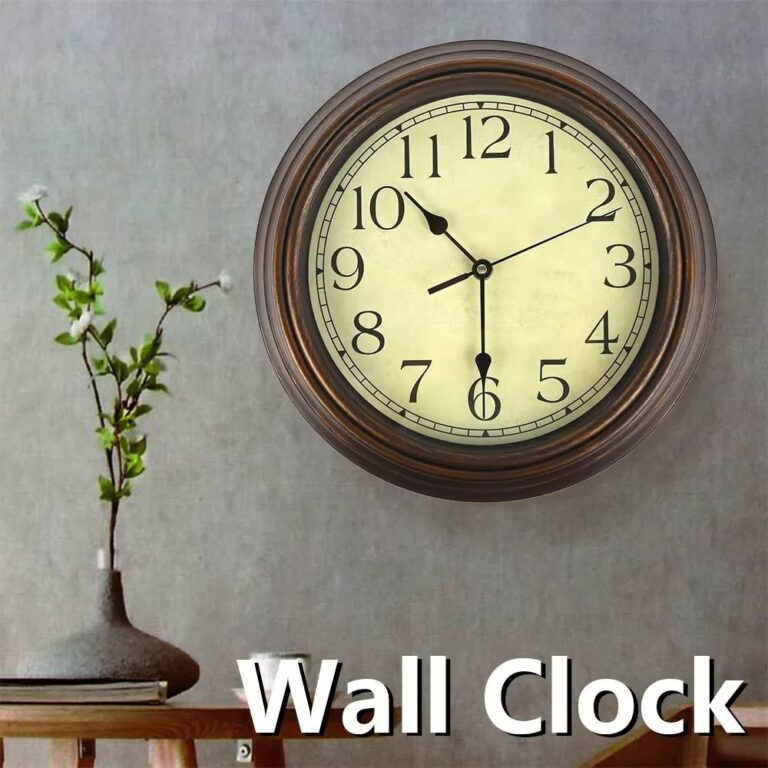 Aisha's pickRetro Wall Clocks That Don’t Need Babying
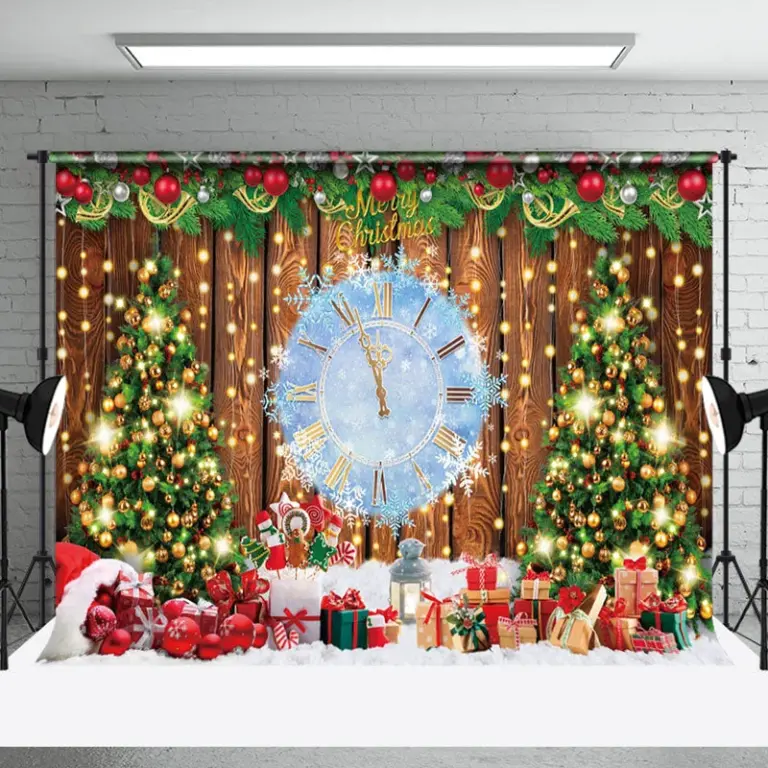
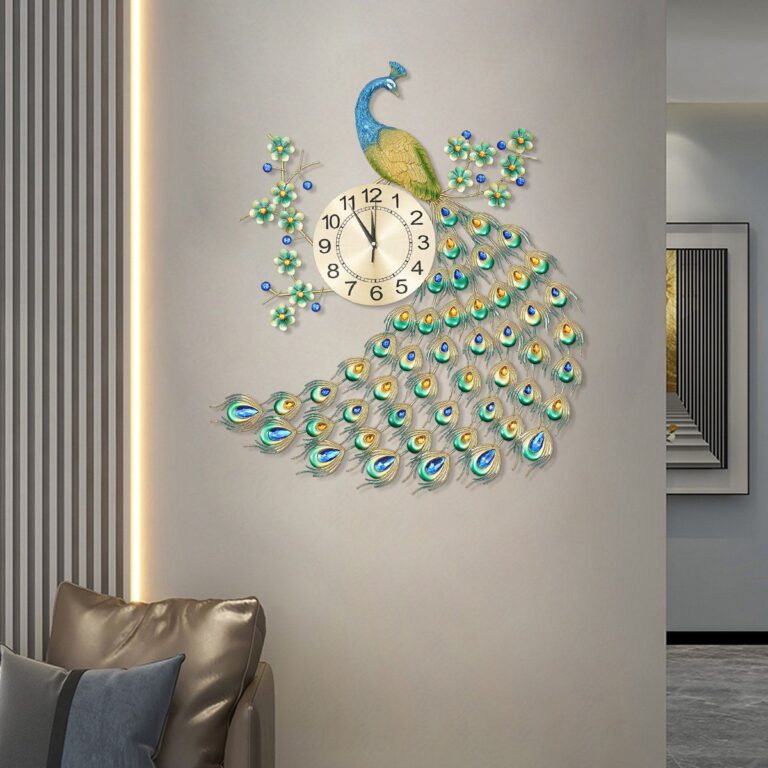 Aisha's pickGold Wall Clocks That Feel Personal, Not Store Bought

 Aisha's pickRound Wall Clocks That Do the Job Right

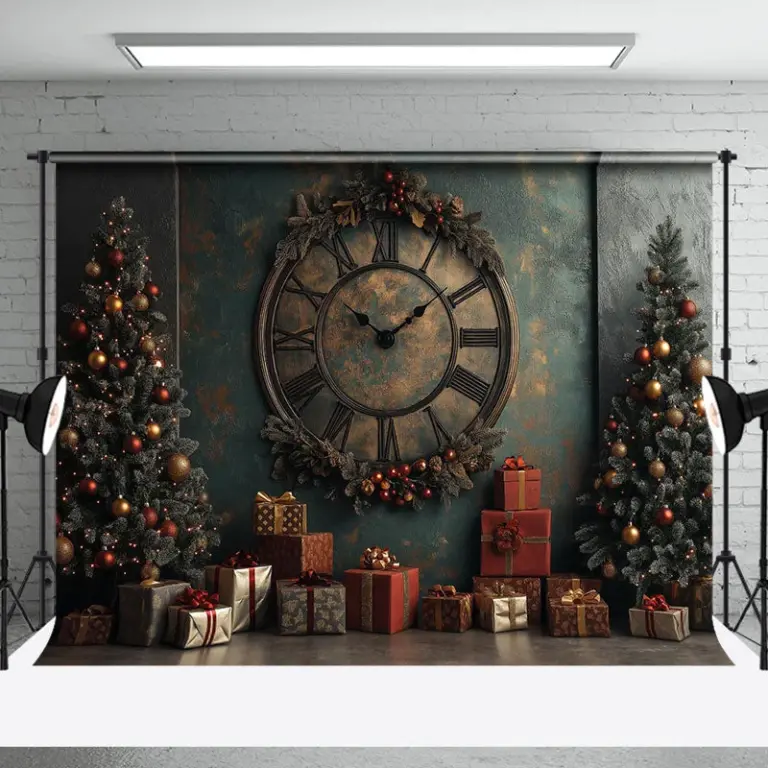 Aisha's pickGreen Wall Clocks for Rooms That Feel a Bit Bare
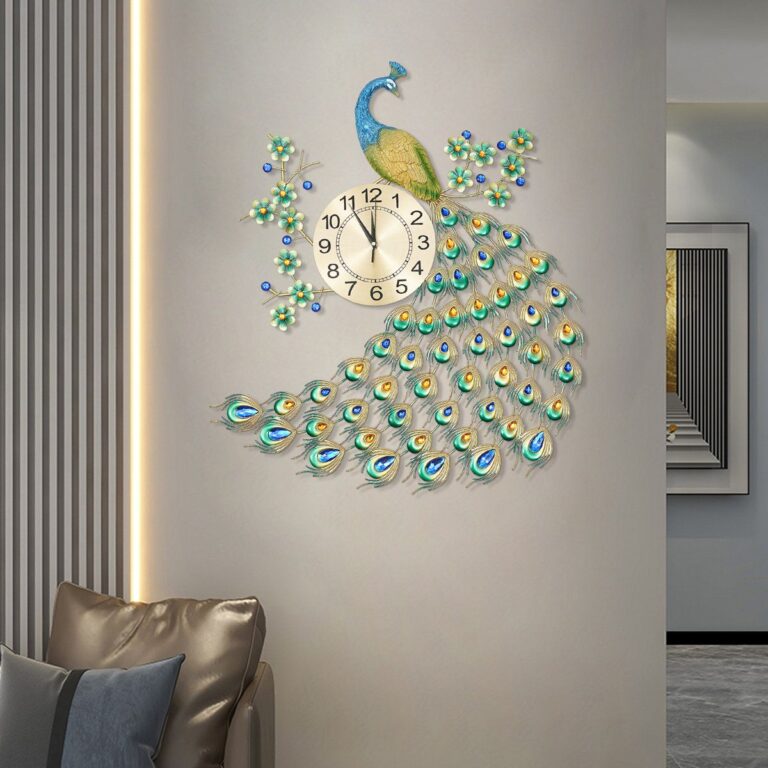
 Aisha's pickSilent Wall Clocks We’d Make Room For

 Aisha's pickKitchen Wall Clocks That Do the Job Right
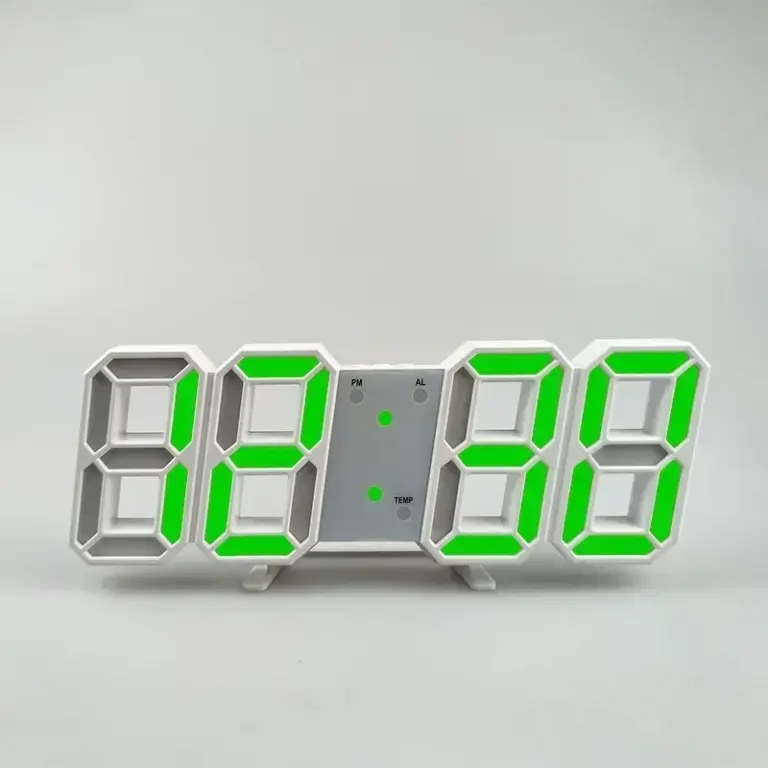
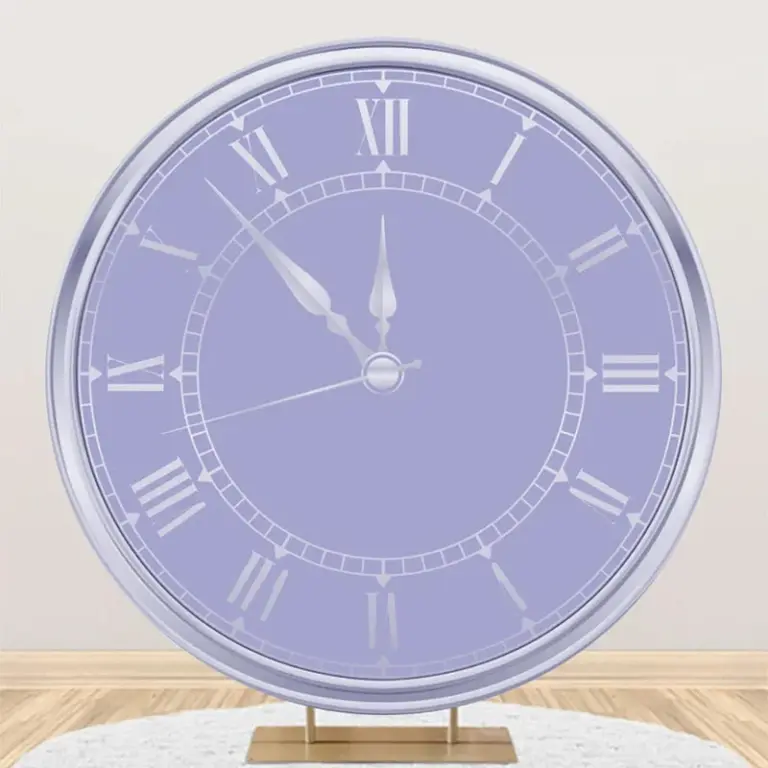 Aisha's pickSilver Wall Clocks You Won’t Want to Hide Away
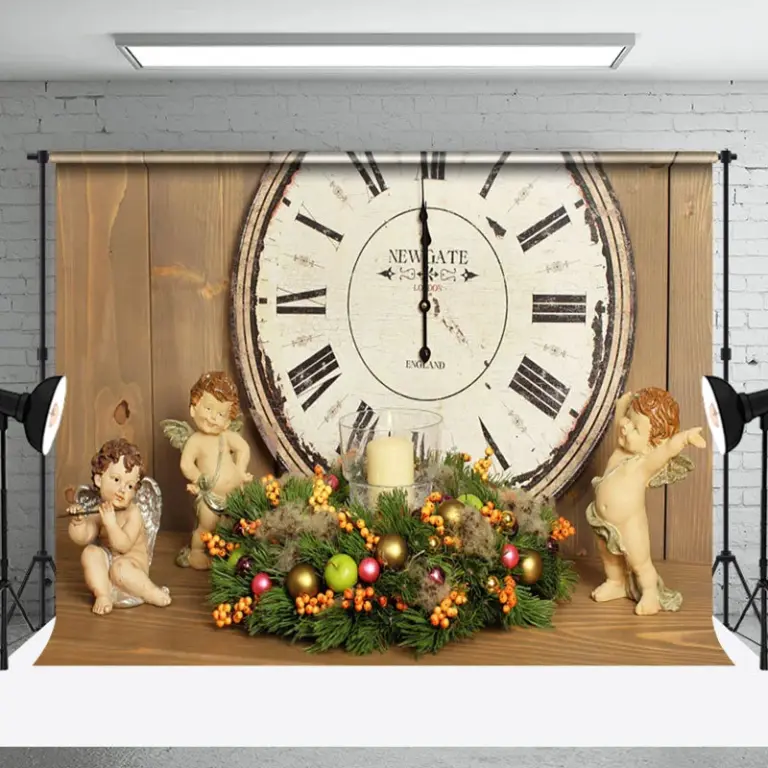
 Aisha's pickSimple Large Black Wall Clocks Done Well

 Aisha's pickWall Clocks That Make a Shelf Look Styled
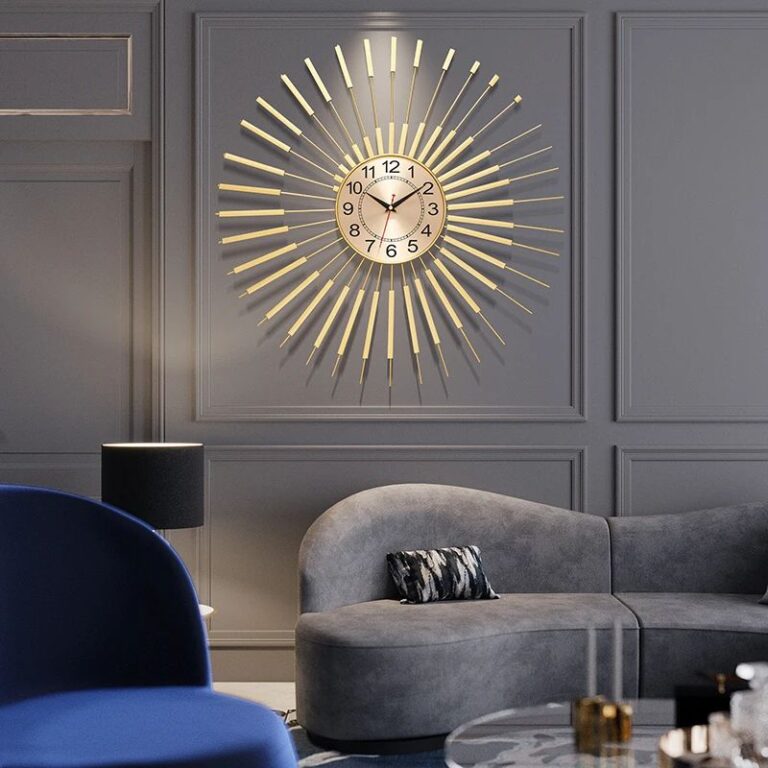 Aisha's pickLarge Metal Wall Clocks That Hold Up to Everyday Life

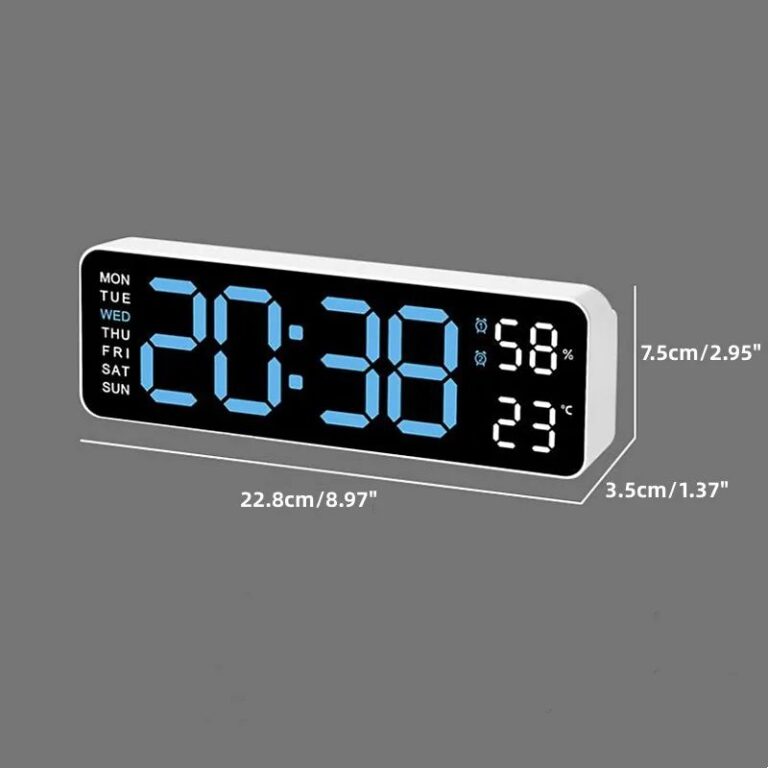 Aisha's pickWall Clocks with Date That Catch the Eye Without Taking Over
 Aisha's pickLarge Wall Clocks With a Story to Them

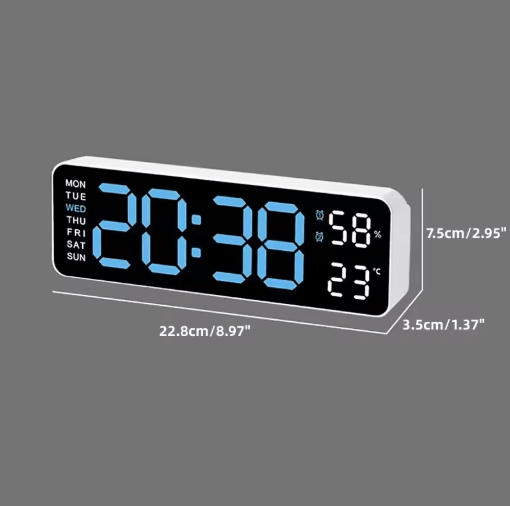 Aisha's pickWall Clocks with Temperature That Give a Room Some Personality
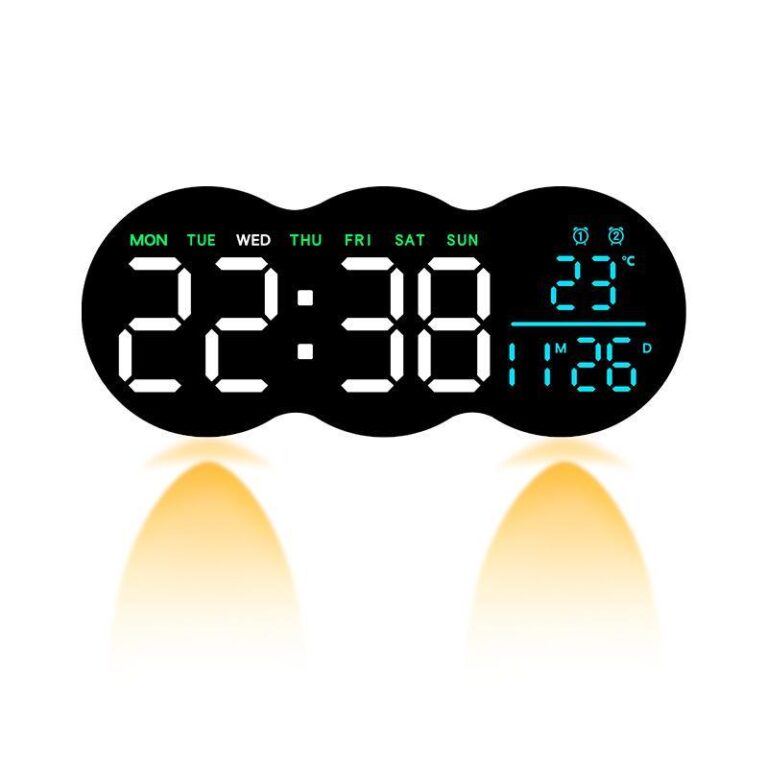
 Aisha's pick12 Inch Wall Clocks Pulled From Dozens of Stores

 Aisha's pickLarge White Wall Clocks With Some Character
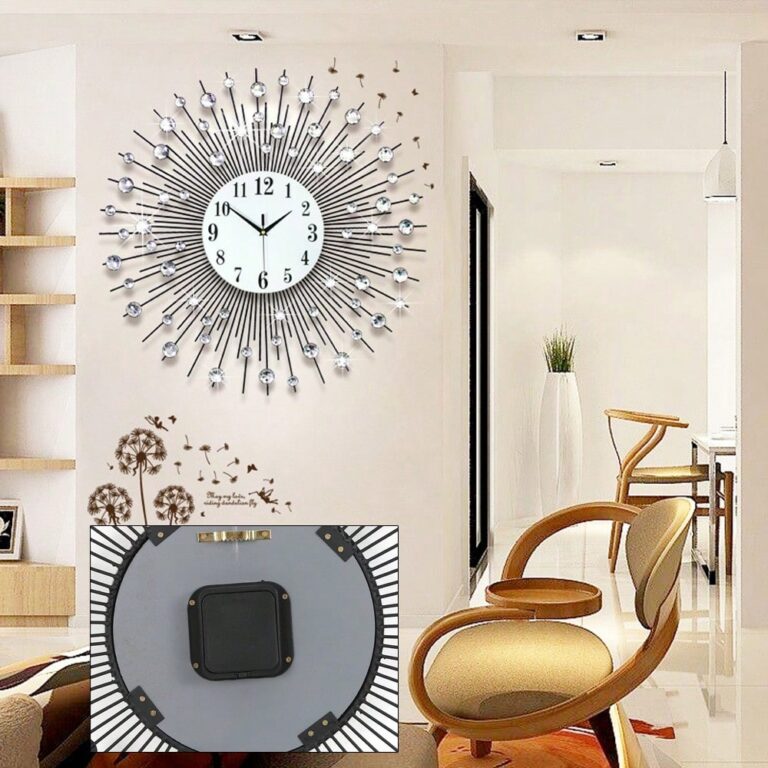
 Aisha's pickWhite Silent Wall Clocks for Rooms That Feel a Bit Bare
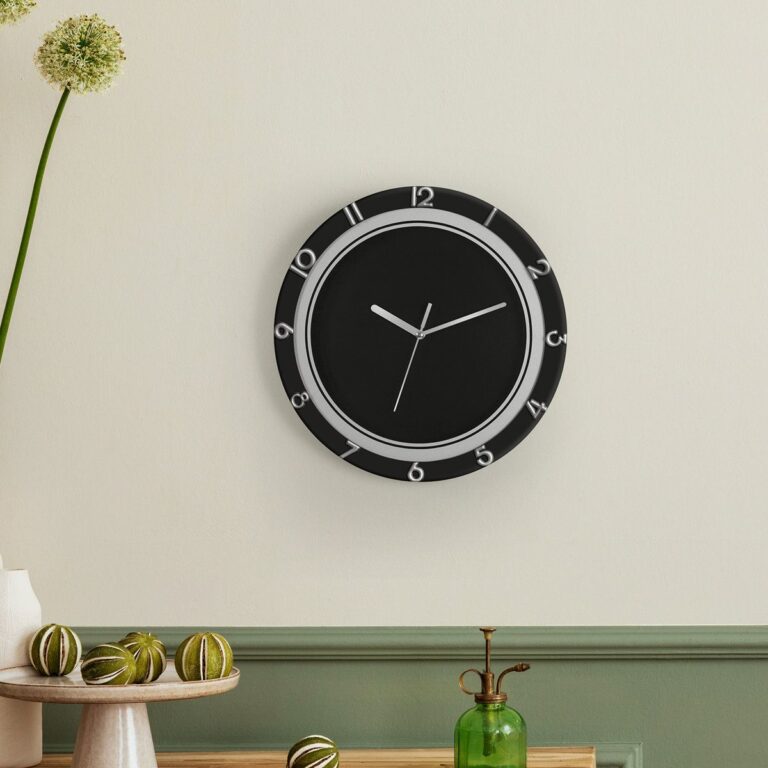
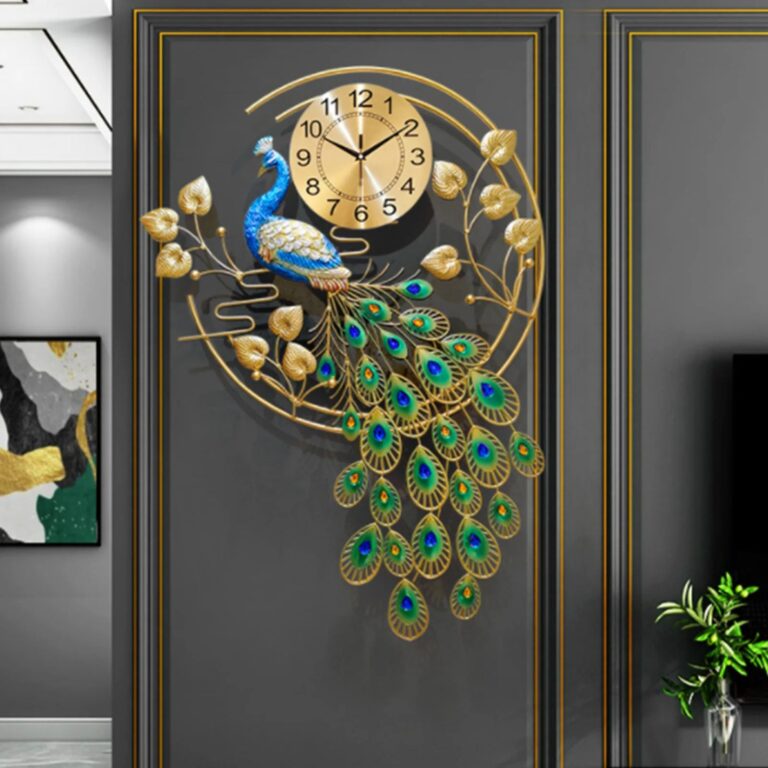 Aisha's pickBattery Operated Wall Clocks That Make a Shelf Look Styled
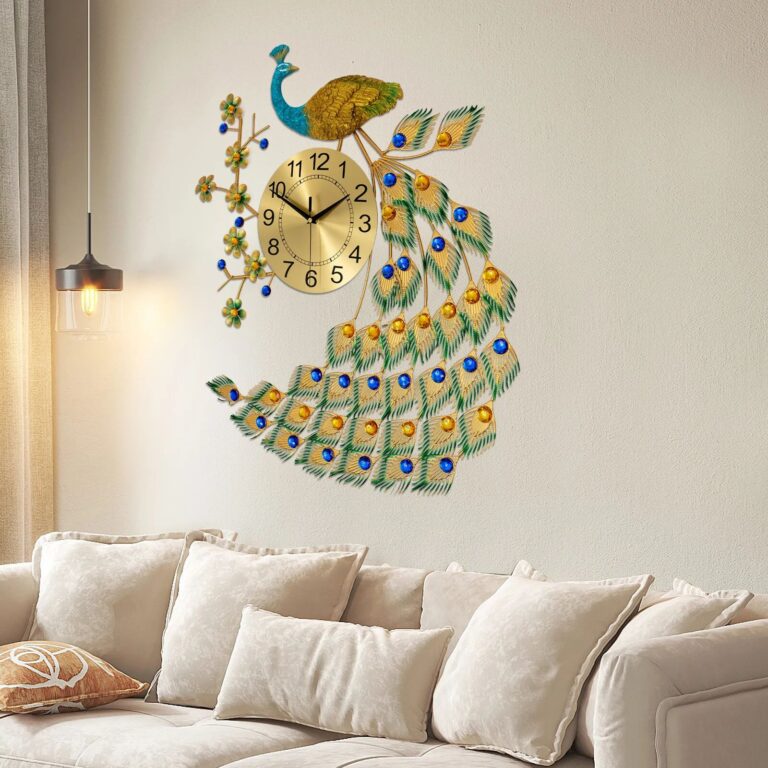
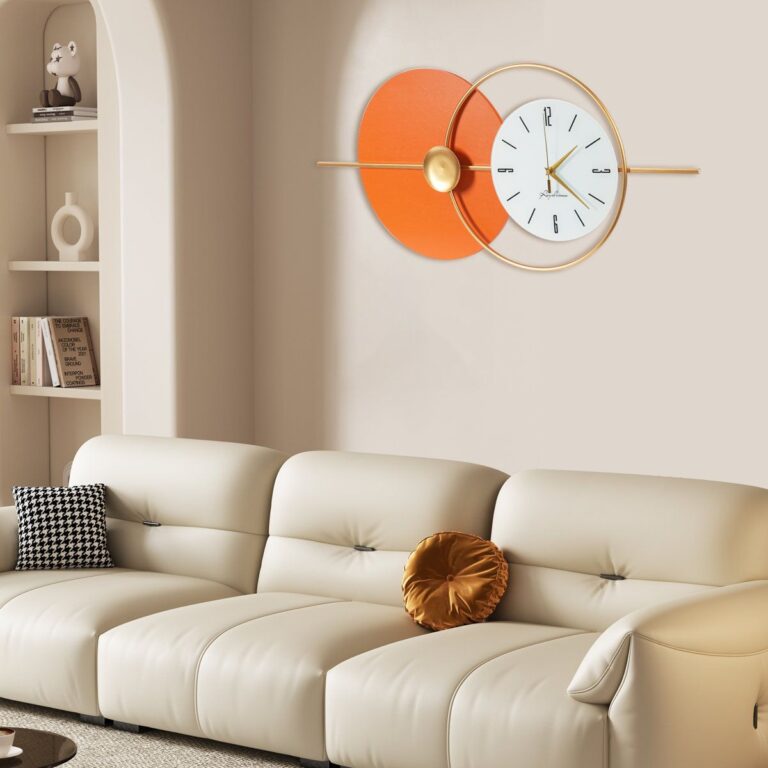 Aisha's pickMetal Wall Clocks You’ll Still Like in Five Years

 Aisha's pickWhite Wall Clocks From Brands You Know and a Few You Won’t