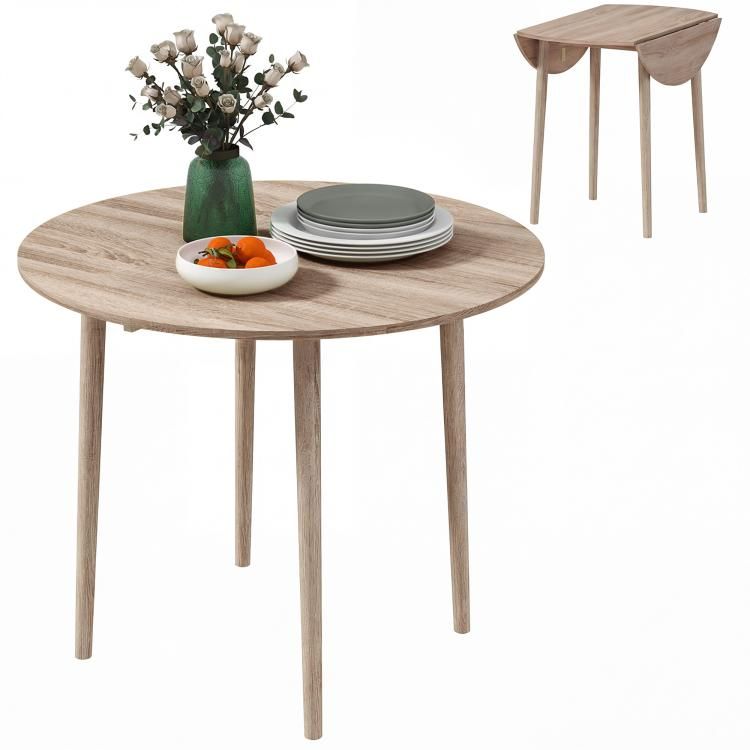
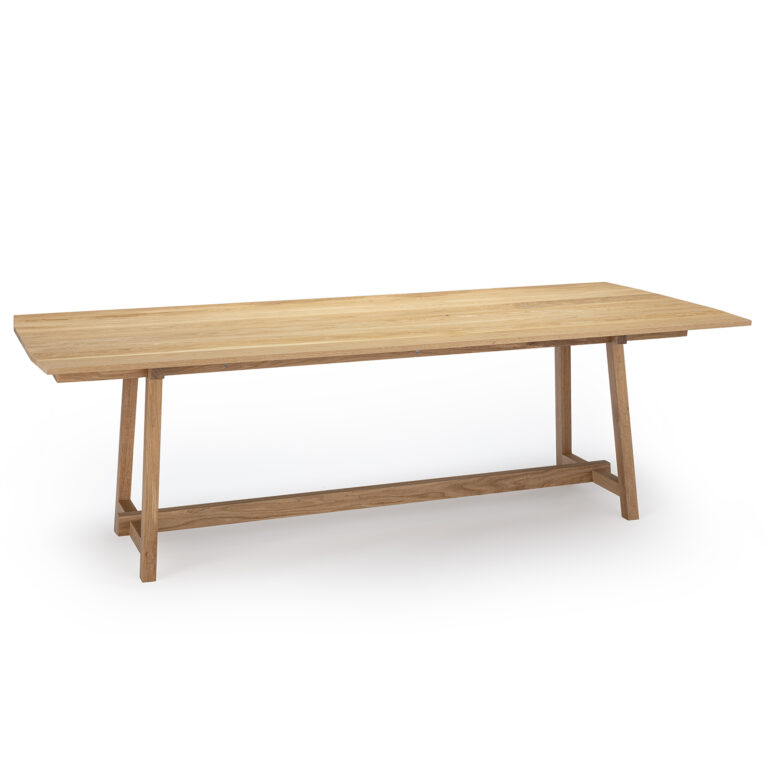
A dining table is the one piece of furniture that decides how a room gets used, not just how it looks. It is where plates land, where mail piles up, where kids do homework and adults do taxes, and where everyone ends up standing around it even when there are perfectly good chairs. If it does not work for all of that, it does not matter how nice the top is.
It sits well with a rug underneath that is large enough for the chairs to stay on it even when pulled out, a light fixture hung low enough to feel intentional but high enough that nobody bonks their head, and a sideboard or bench nearby for the things that do not need to be on the table itself. Where it goes wrong is in a room that is doing double duty as a walkway, or when the table is sized for the photo of the room rather than the people actually eating in it. A table that looks generous in a showroom can turn a small dining area into an obstacle course the second you add chairs and a person trying to get to the kitchen.
What separates a table that lasts from one that disappoints usually comes down to what you cannot see at first glance. Solid wood or a real wood veneer over a stable core will take heat, moisture and the odd elbow better than a laminate that chips at the corner within a year. Check how the legs attach, bolted into a solid apron is sturdier than a thin bracket and a few screws, and look underneath for actual joinery rather than glue and hope. A finish that is sealed well will shrug off a water ring, while an underfinished one will show every mug within a month. Leaves and extensions are where cheap tables fall apart fastest, so a smooth, solid mechanism matters more than how clever the design looks folded up in the brochure.
When it arrives, run a hand along the underside for rough spots, check that all four legs actually touch the floor without rocking, and open any extension once before the delivery truck leaves so you are not arguing with a jammed leaf alone at ten at night. Look closely at the finish in daylight, not just under the store's lighting, since a warm afternoon sun through a window will show every flaw a showroom hides. Sit at it, too, not just look at it, since a table that seems fine standing up can feel cramped once actual chairs and actual knees are involved.
Wipe up spills as they happen rather than at the end of the night, since standing liquid is what actually ruins a finish, not the occasional quick splash.

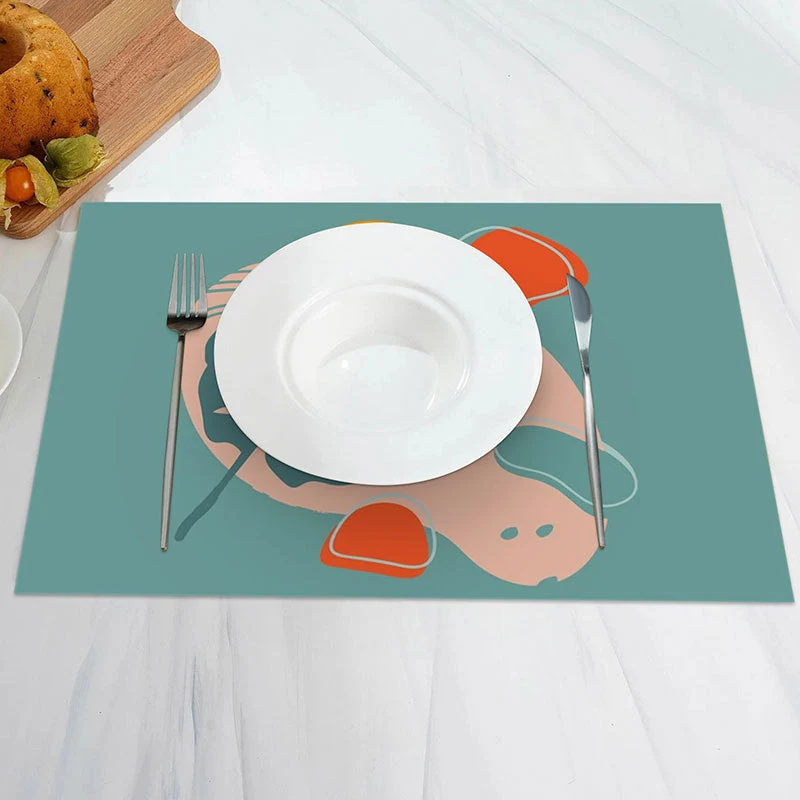 Aisha's pickGreen Dining Sets Big Enough for Sunday Dinner
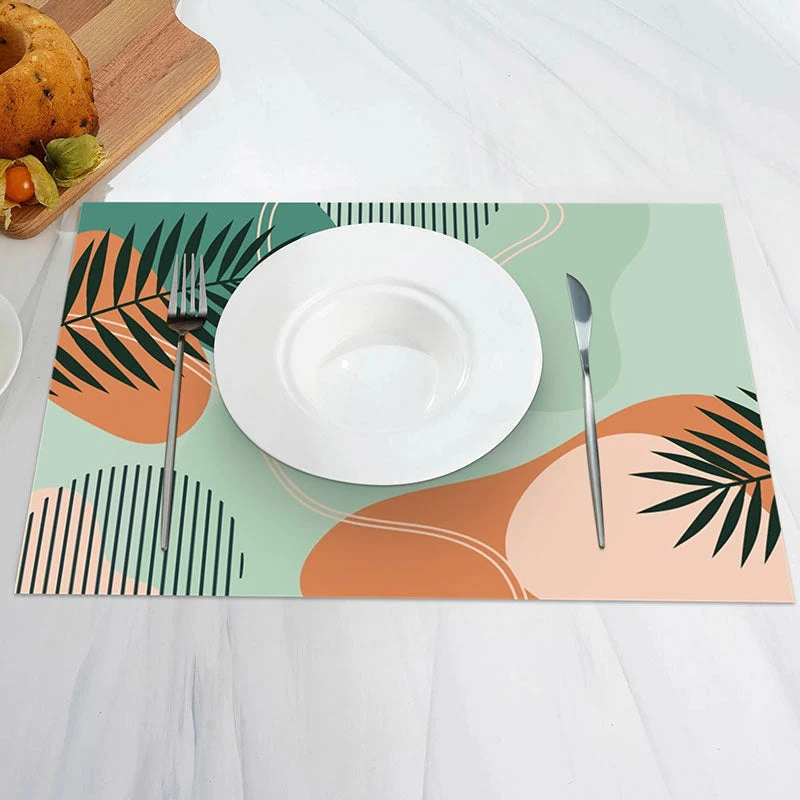
 Aisha's pickDining Tables for Small Kitchens Without the Silly Price Tag

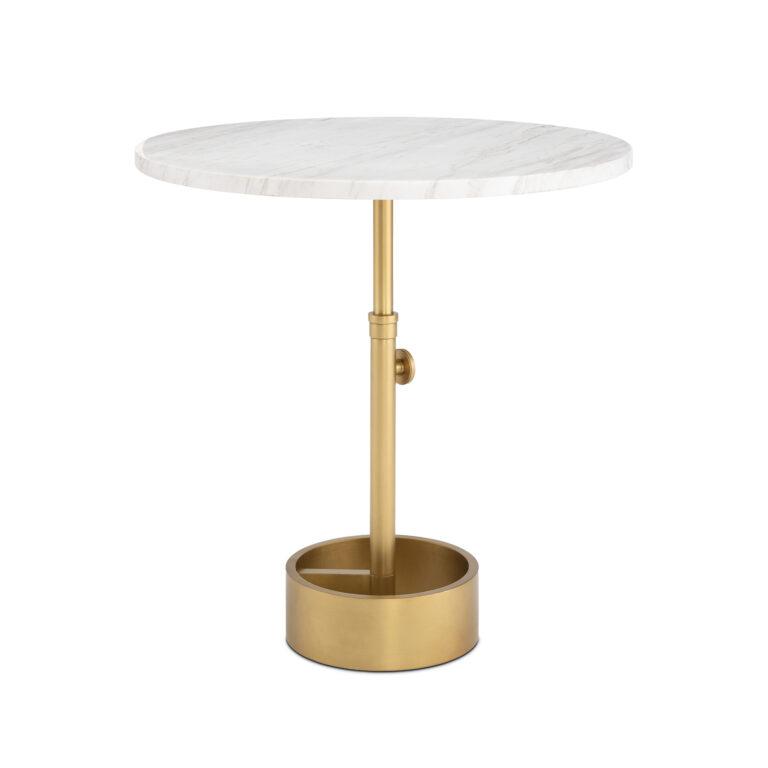 Aisha's pickIndustrial Dining Tables Big Enough for Sunday Dinner
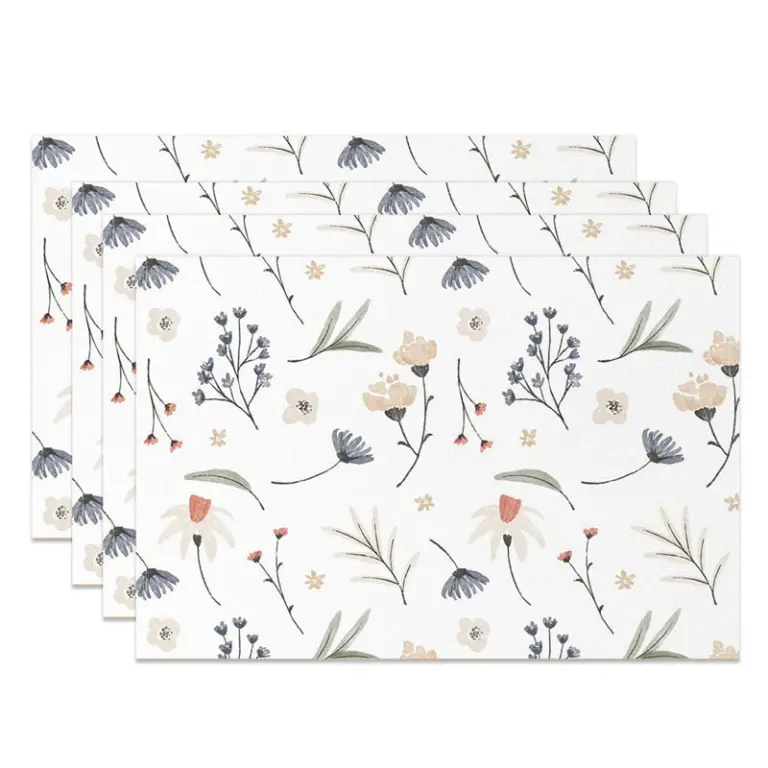
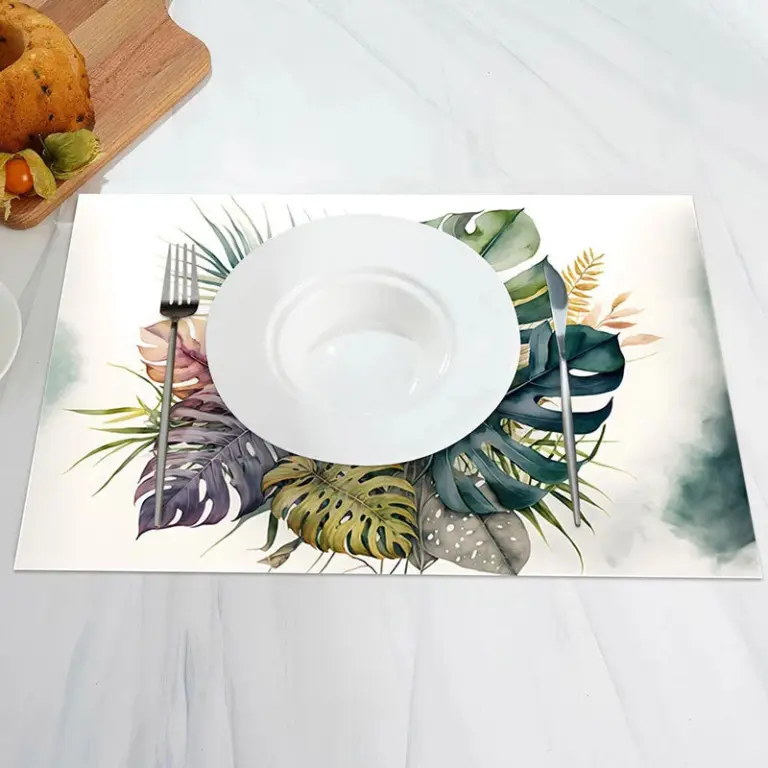 Aisha's pick4 Seater Dining Sets at Just the Right Height
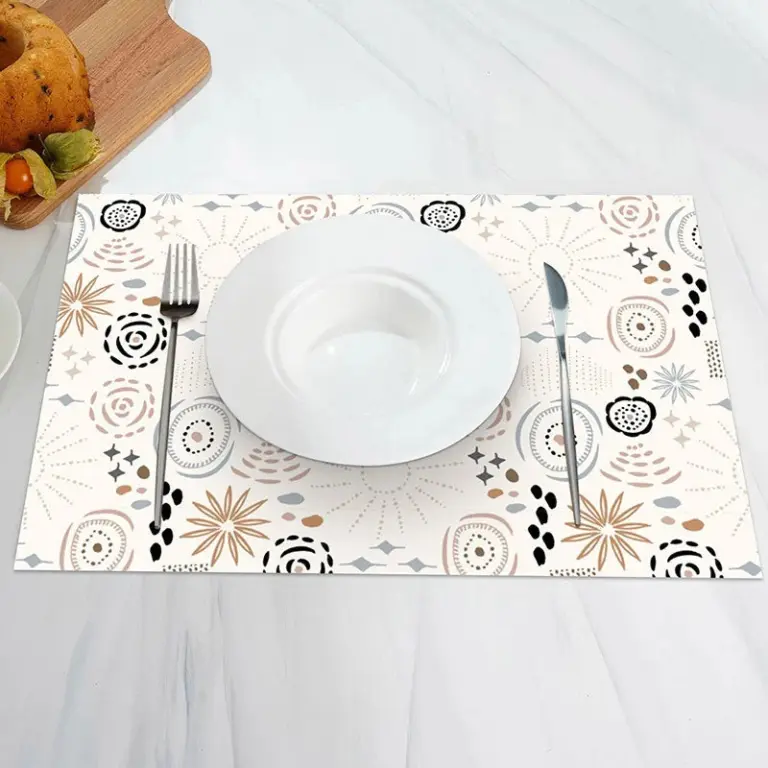
 Aisha's pickIndustrial Dining Sets That Clean Up With a Wipe
 Aisha's pickDining Tables for Small Spaces at Every Price Point
 Aisha's pick6 Seater Dining Sets That Anchor a Room
 Aisha's pickLong Dining Sets That Get the Family Around the Table
 Aisha's pickDining Tables with 2 Chairs Picked From the Stores We TrustAlso worth a lookDining SetsFor years I thought matching meant good.See the collections →
 Aisha's pickBlue Dining Sets You Won’t Regret Buying
 Aisha's pickOval Dining Sets for Long Dinners With Friends
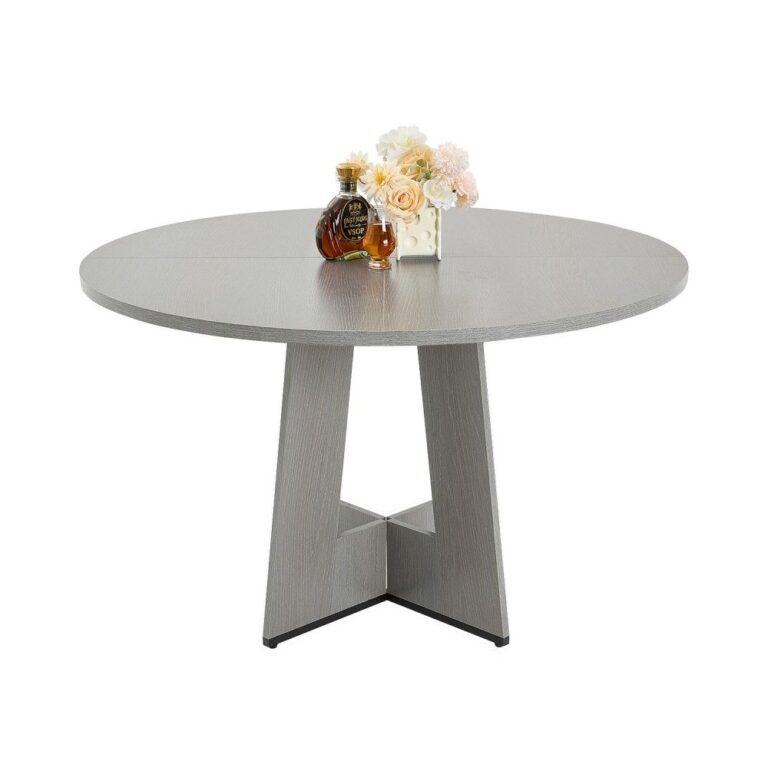 Aisha's pickDining Tables with 4 Chairs You’ll Still Like in Five Years
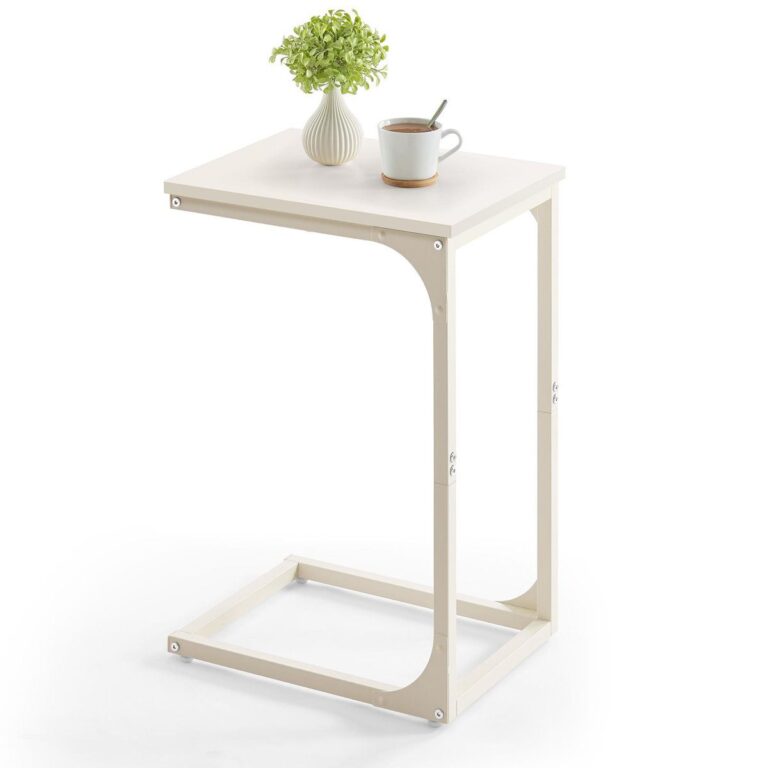
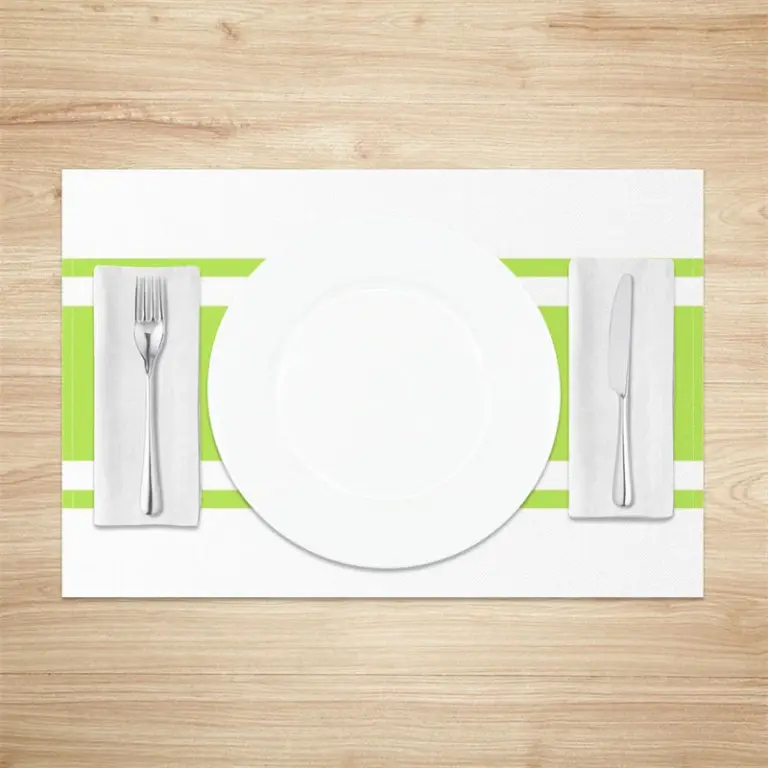 Aisha's pickChrome Dining Sets That Fit Where You Need Them
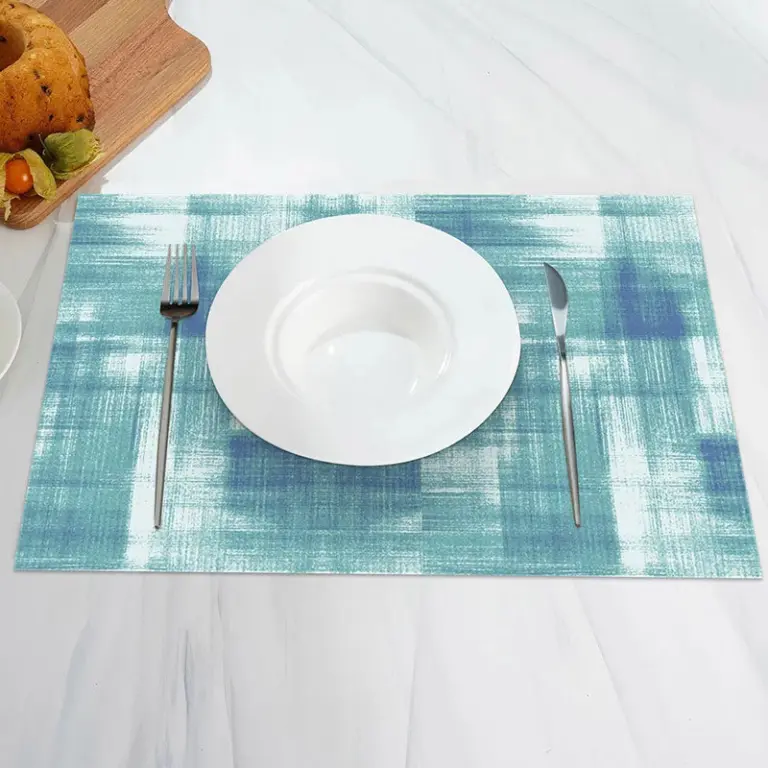 Aisha's pickPainted Dining Sets That Visitors Always Ask About
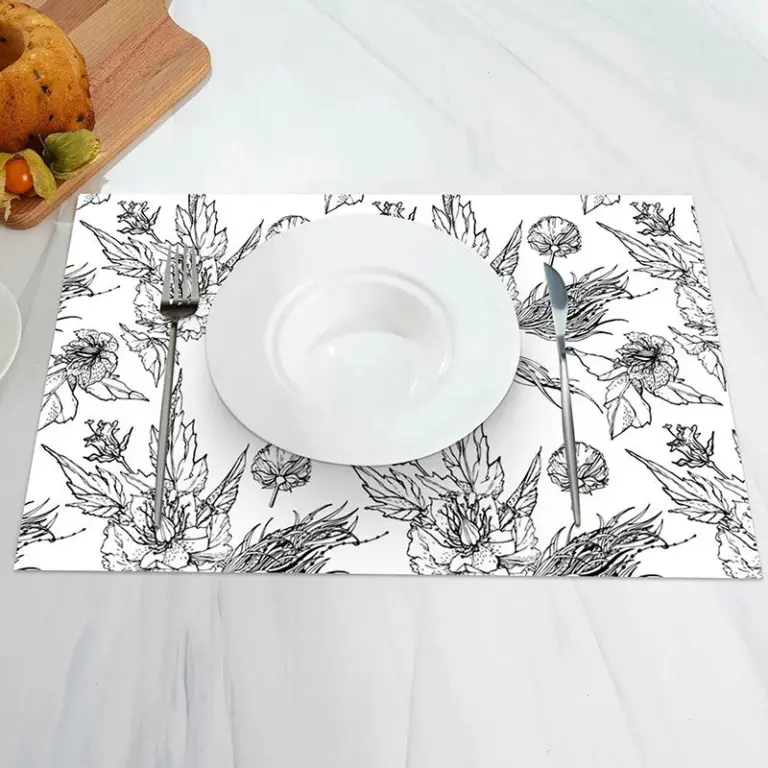
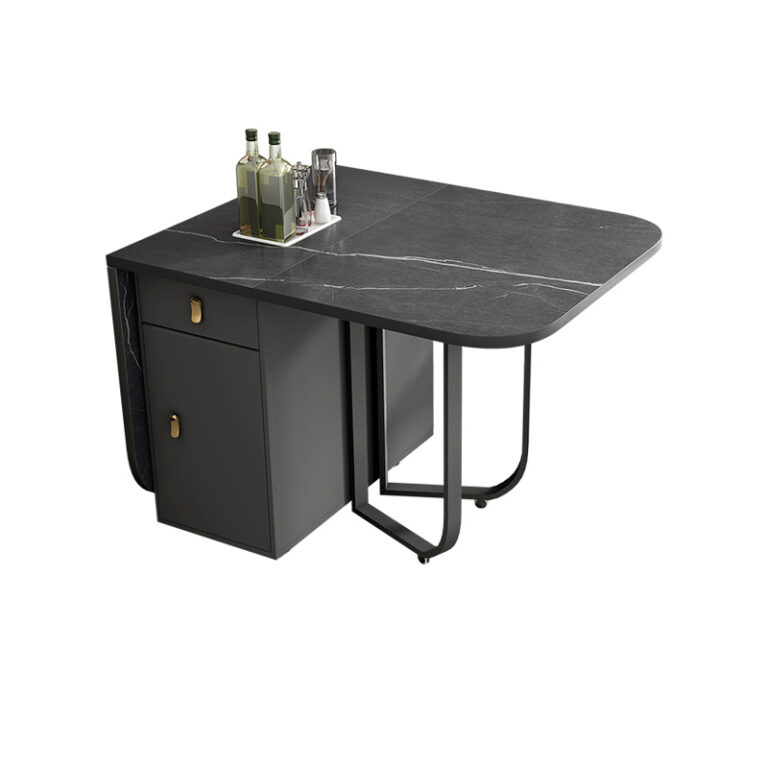 Aisha's pickDining Tables with 6 Chairs You Won’t Want to Hide Away
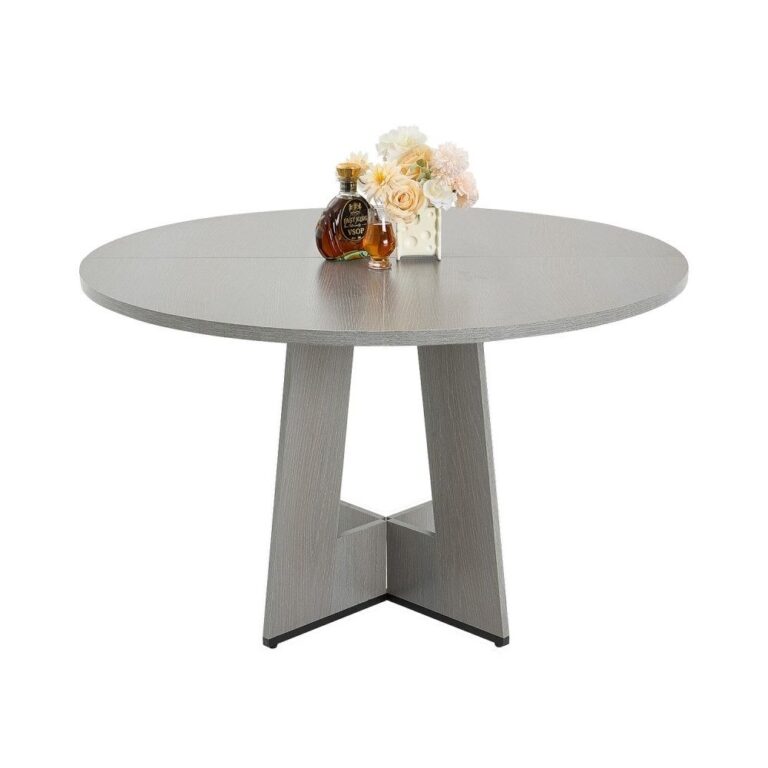
 Aisha's pickClassic Dining Sets That Clean Up With a Wipe

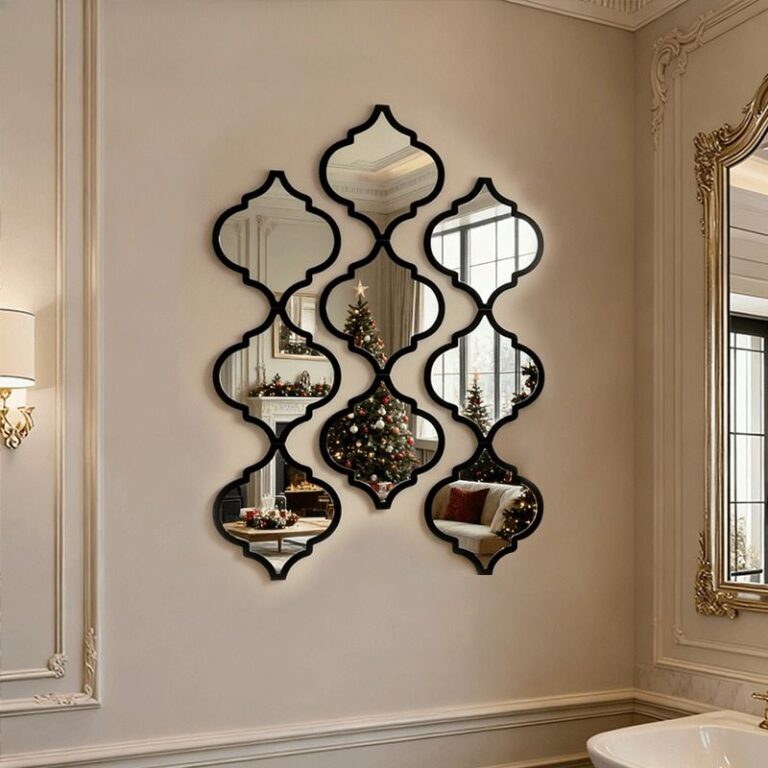 Aisha's pickTraditional Dining Sets That Get the Family Around the Table
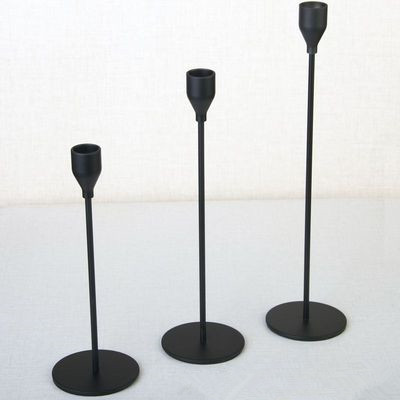
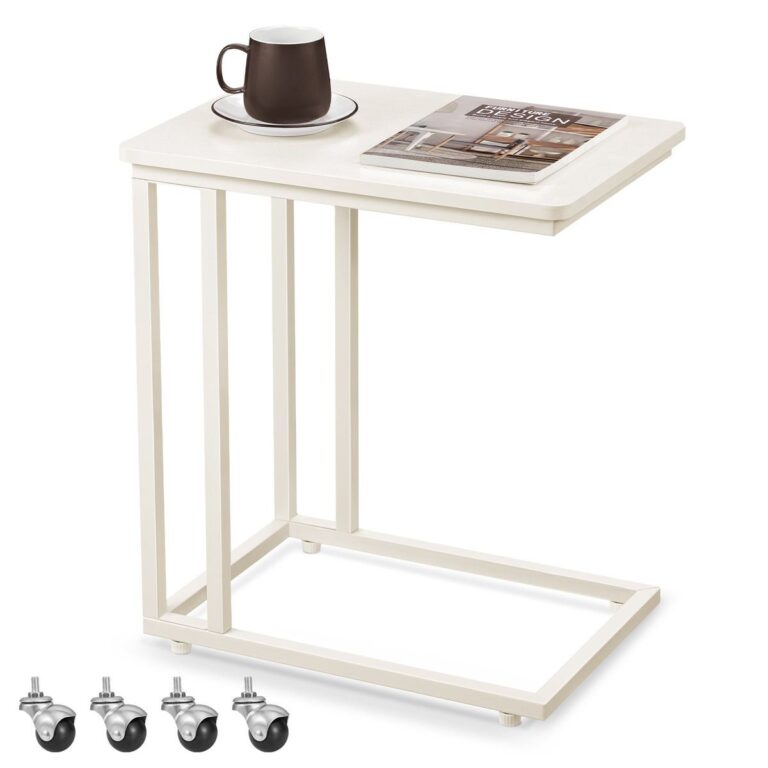 Aisha's pickDining Tables with 8 Chairs That Get the Family Around the TableAlso worth a lookVintage TablesThere's a particular kind of late fall afternoon, light going gold and low through the windows, when an…See the collections →
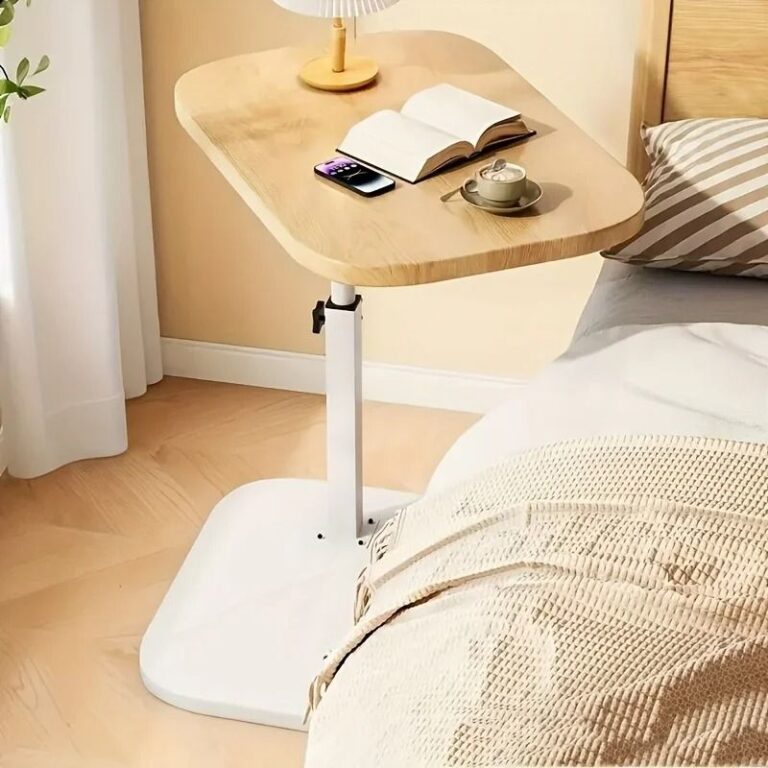
 Aisha's pickCorner Dining Sets That Get the Family Around the Table

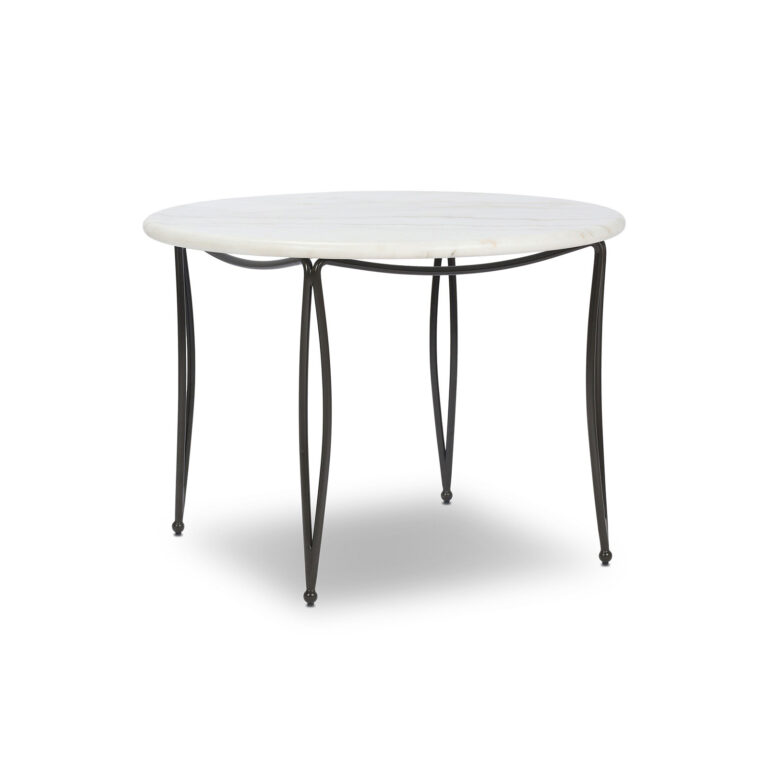 Aisha's pickArt Deco Dining Tables That Anchor a Room
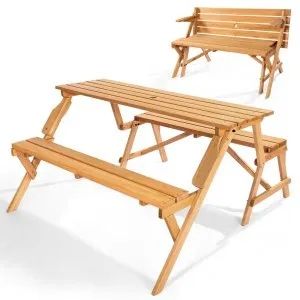 Aisha's pickDining Tables with Bench That Take a Knock
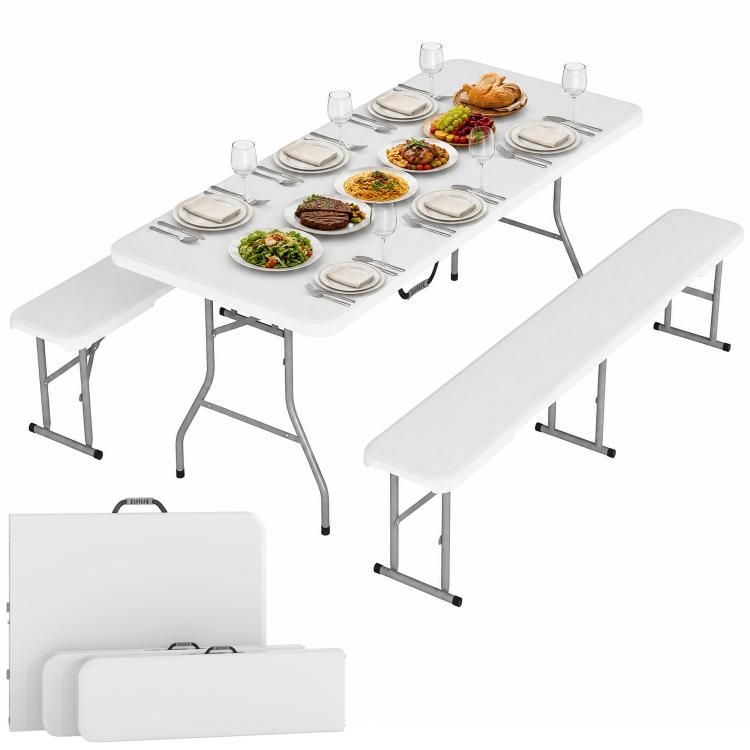
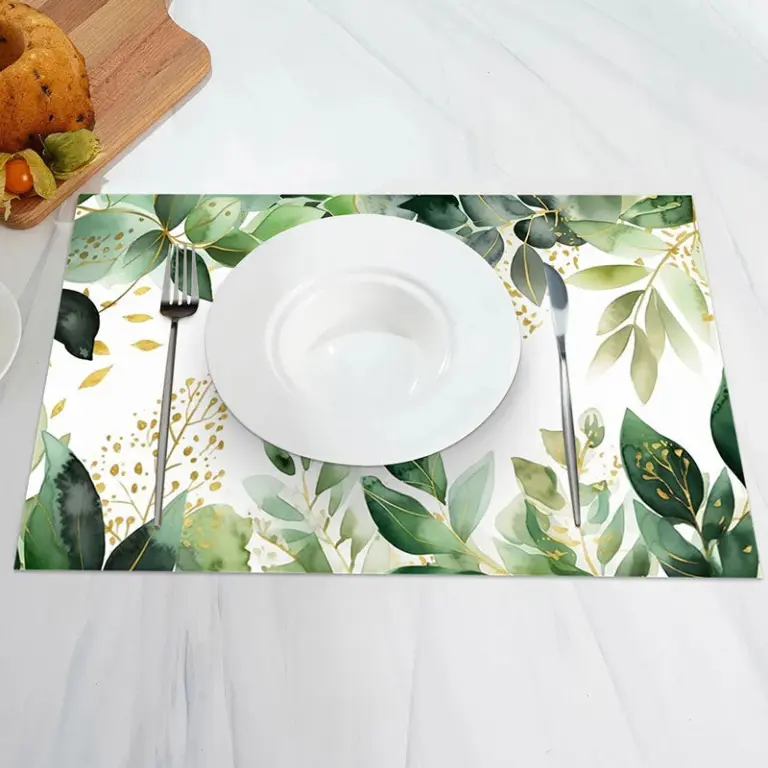 Aisha's pickDining Sets That Clean Up With a Wipe

 Aisha's pickBohemian Dining Tables That Hide the Odd Scratch
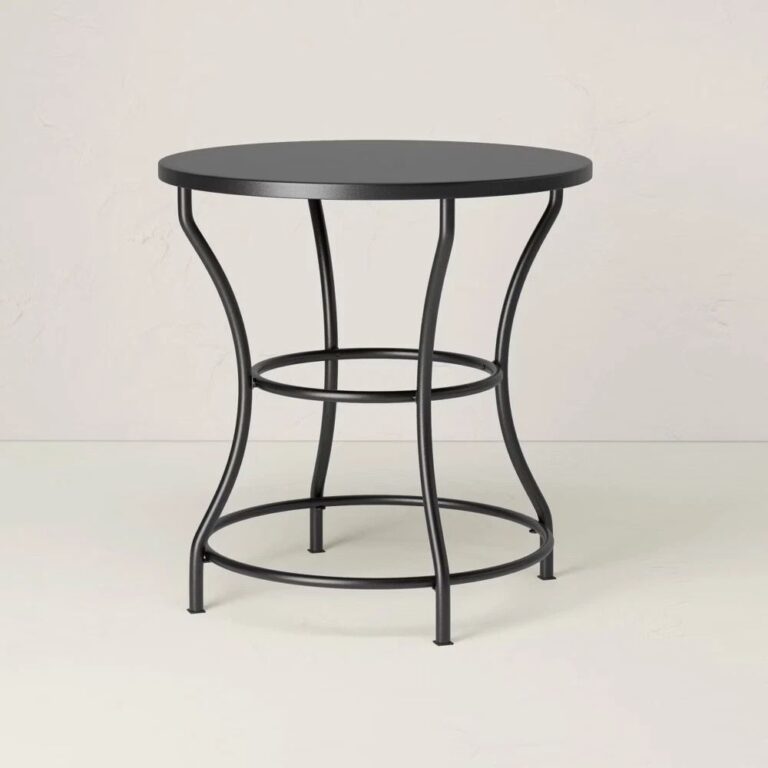
 Aisha's pickShopping for Dining Tables with Chairs? Start Here
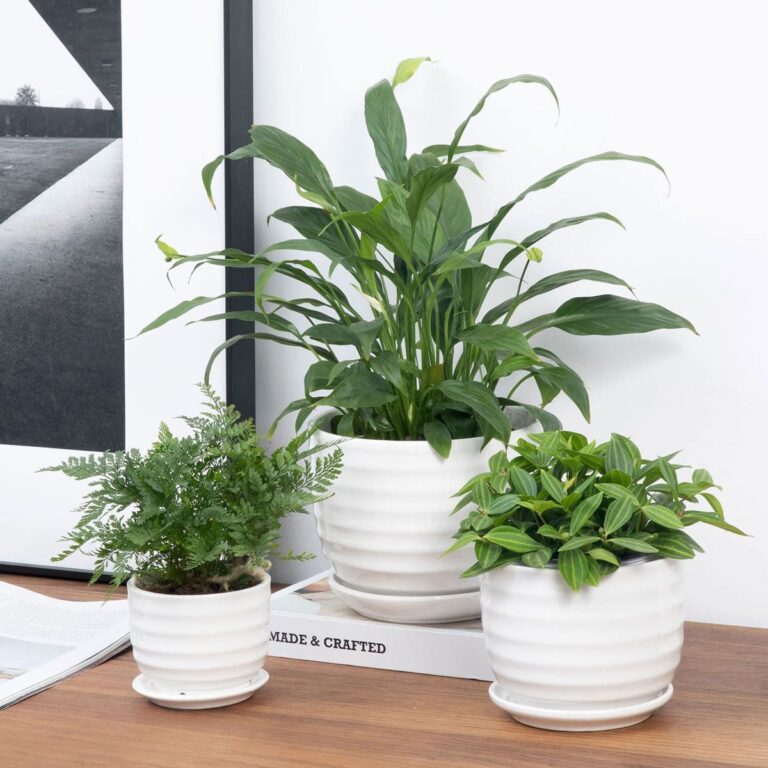 Aisha's pickDining Sets for Small Spaces That Anchor a Room
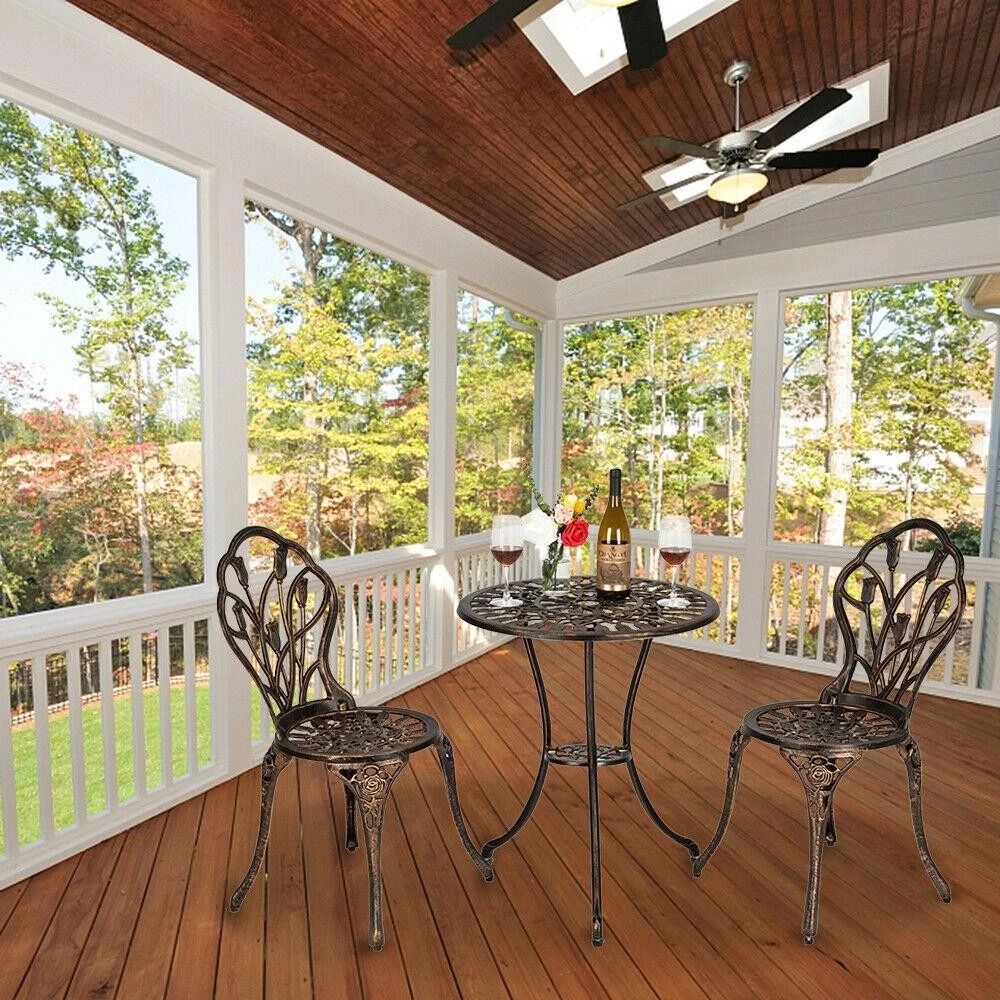
 Aisha's pickBoho Dining Tables That Don’t Wobble
 Aisha's pickDining Tables with Leaf That Survive Hot Mugs and SpillsAlso worth a lookEnd TablesThe first one I bought looked perfect in the store and then came home to a sofa it…See the collections →
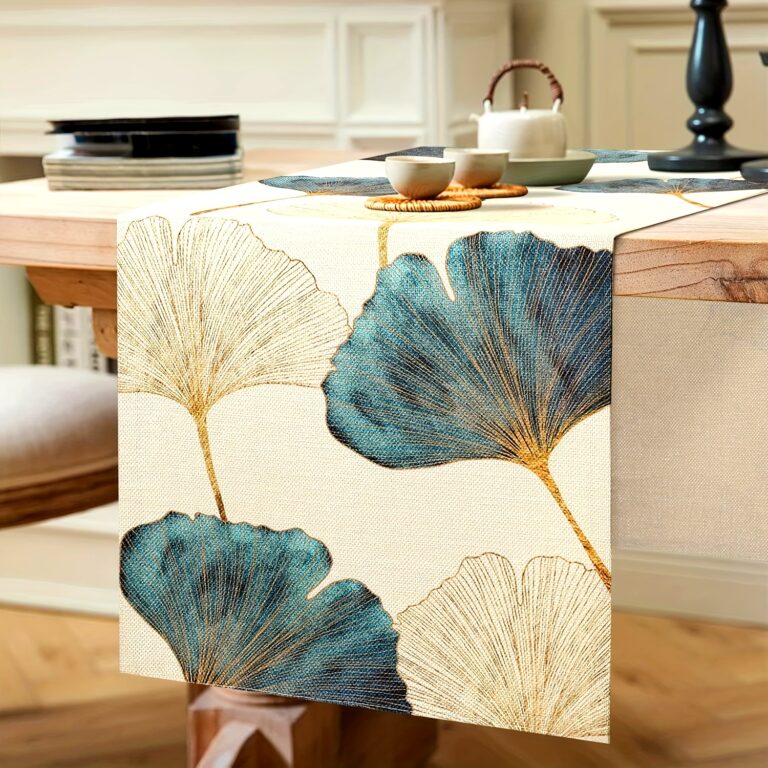
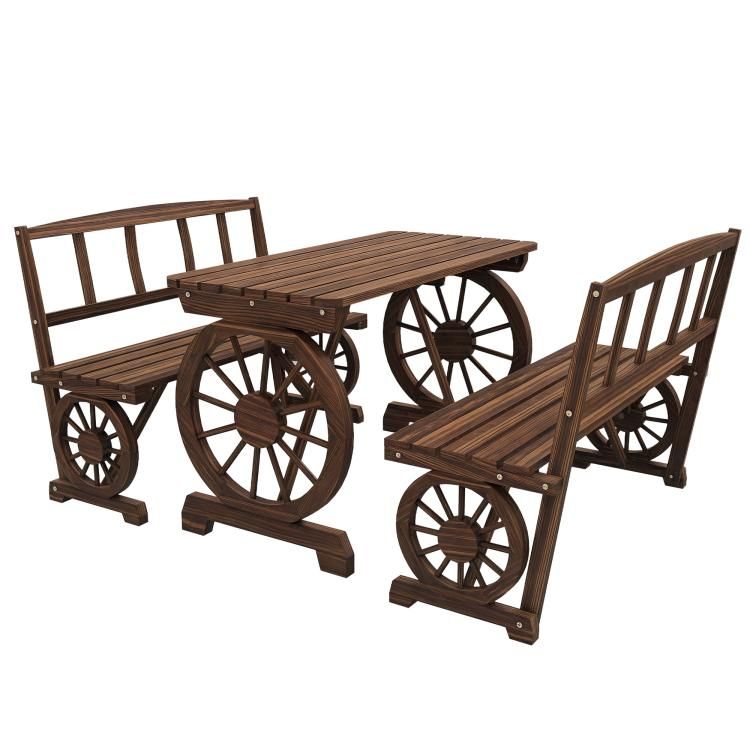 Aisha's pickDining Sets with Bench Pulled From Dozens of Stores
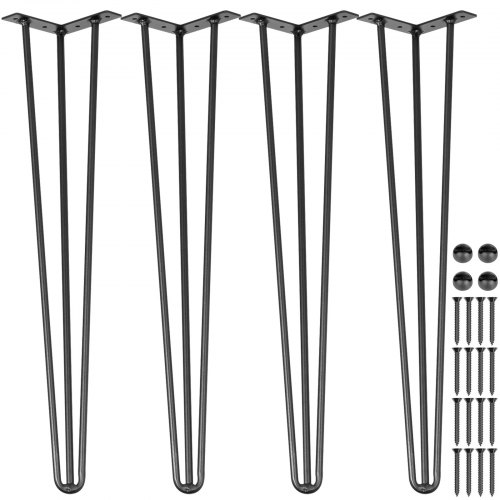
 Aisha's pickCeramic Top Dining Tables That Get the Family Around the Table
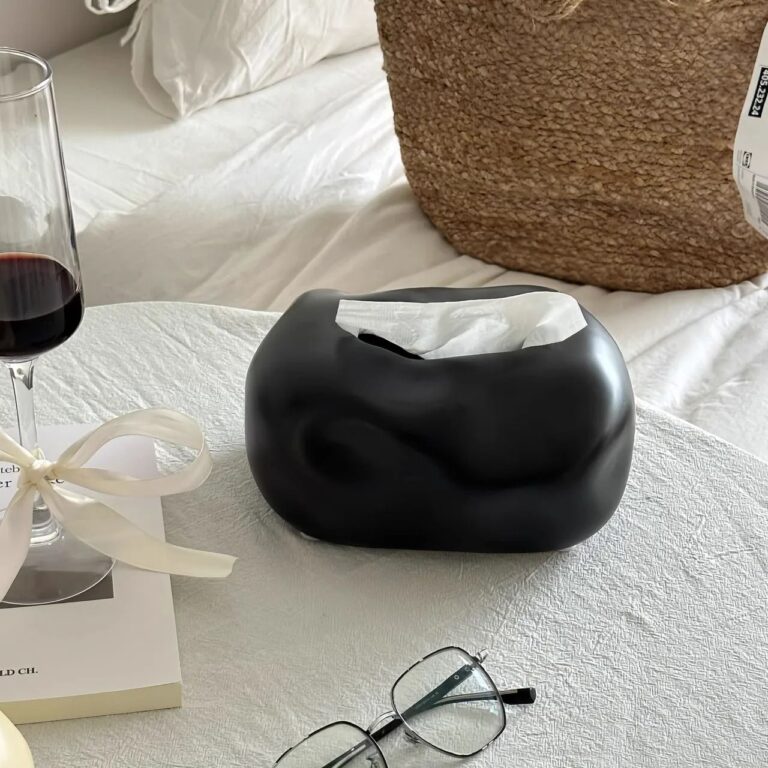
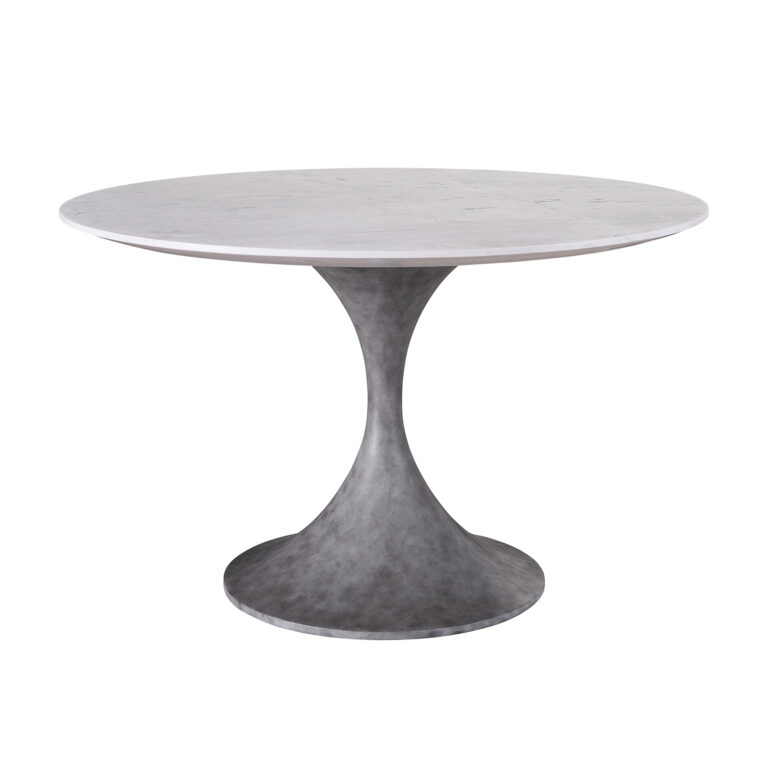 Aisha's pickDining Tables with Marble Top Picked by People Who Care Too Much
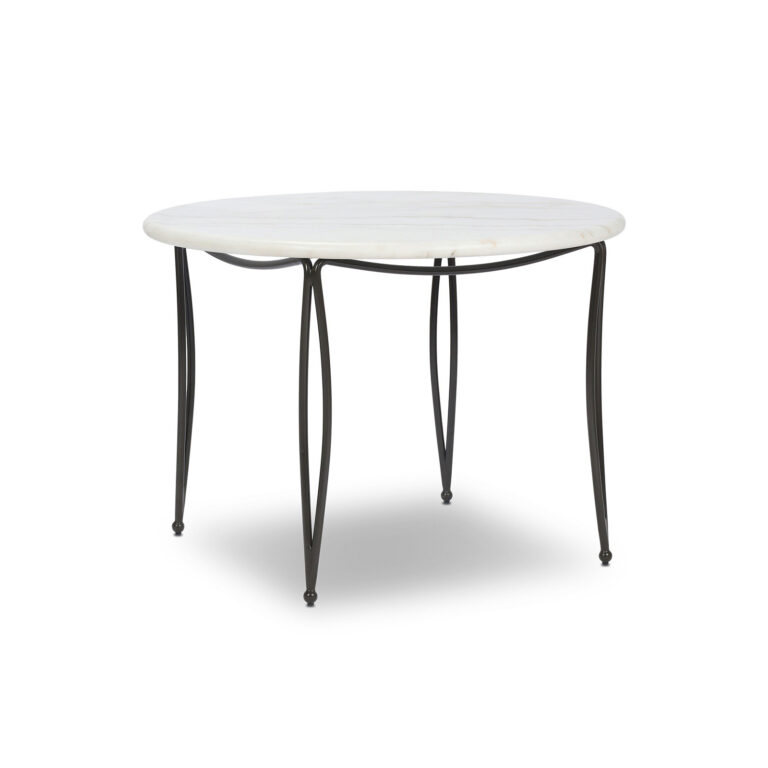
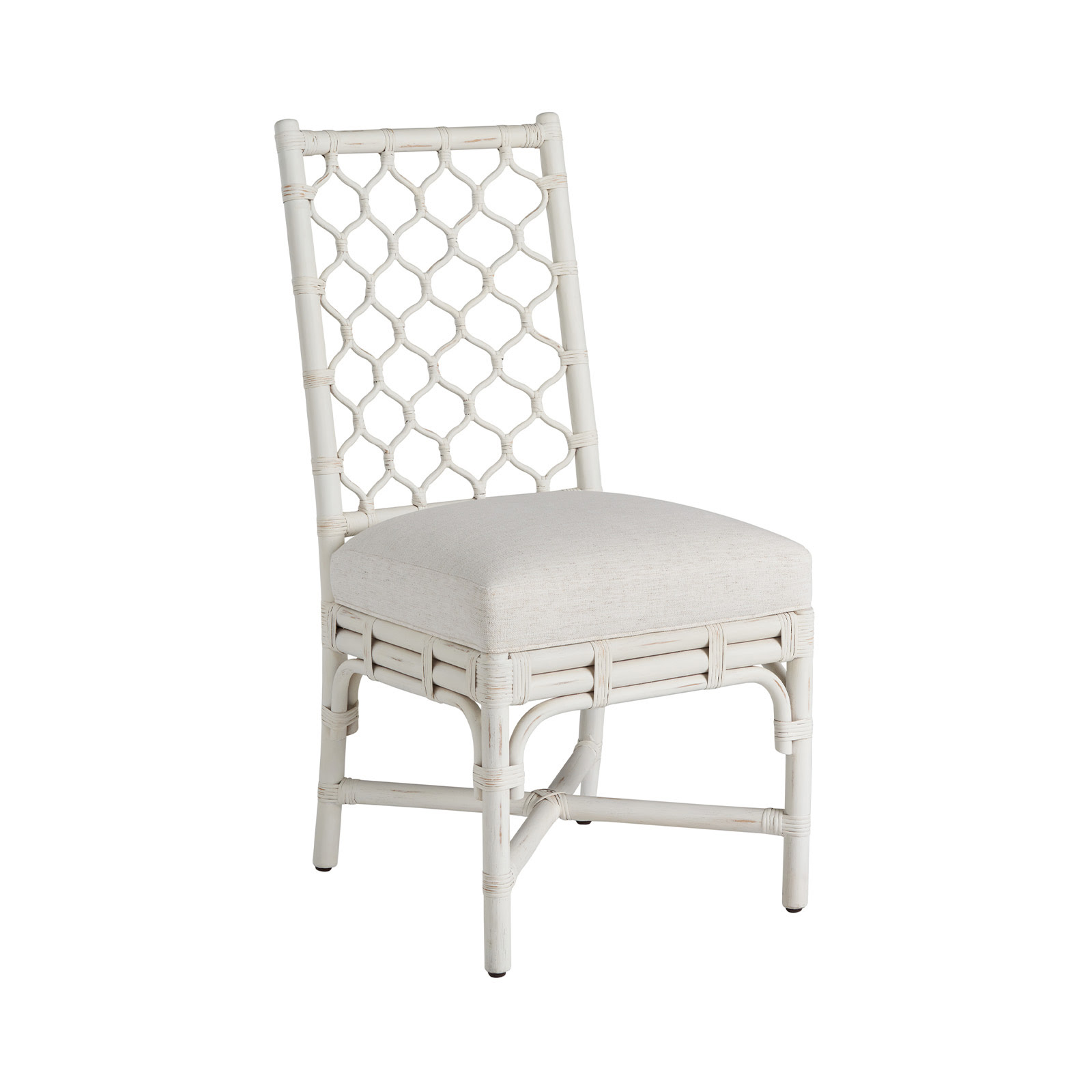 Aisha's pickDining Sets with Fabric Chairs Hunted Down So You Don’t Have To
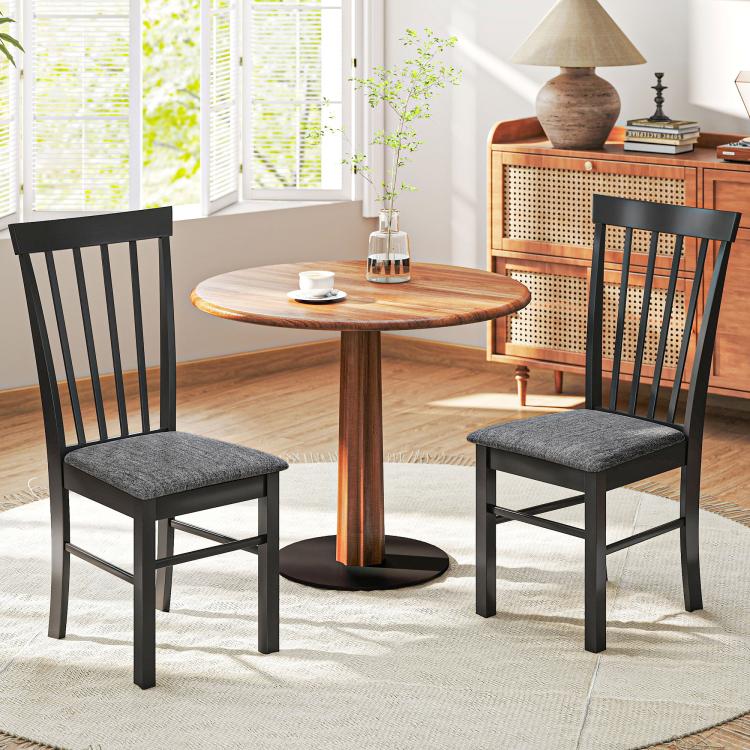
 Aisha's pickCherry Dining Tables That Anchor a Room
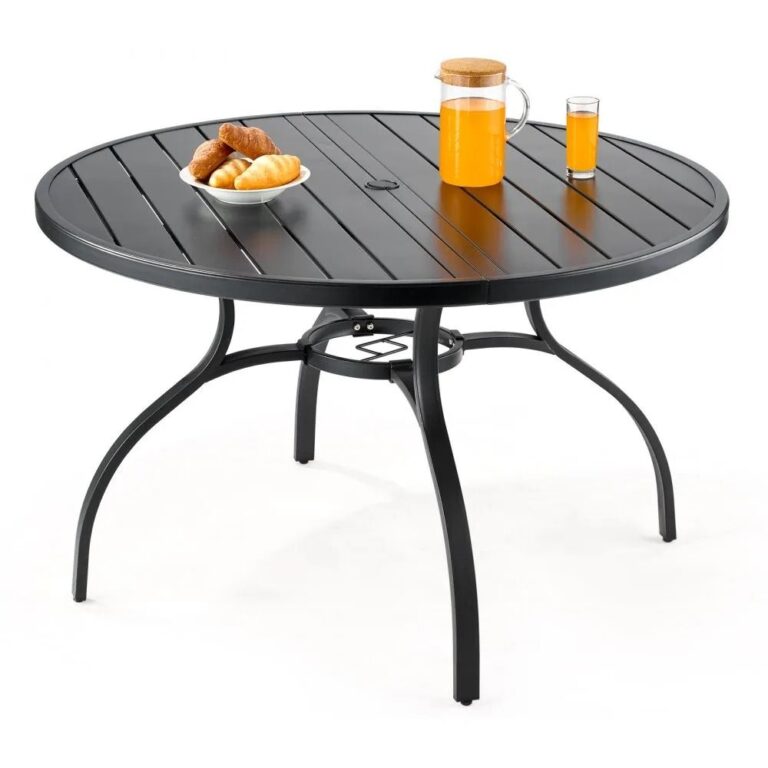 Aisha's pickDining Tables with Metal Legs That Won’t Let You Down
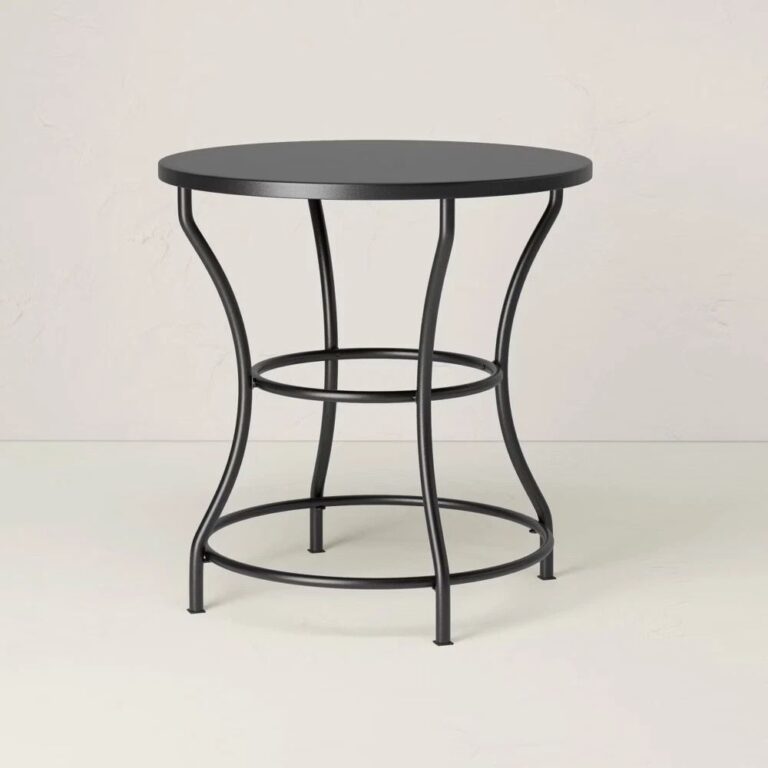
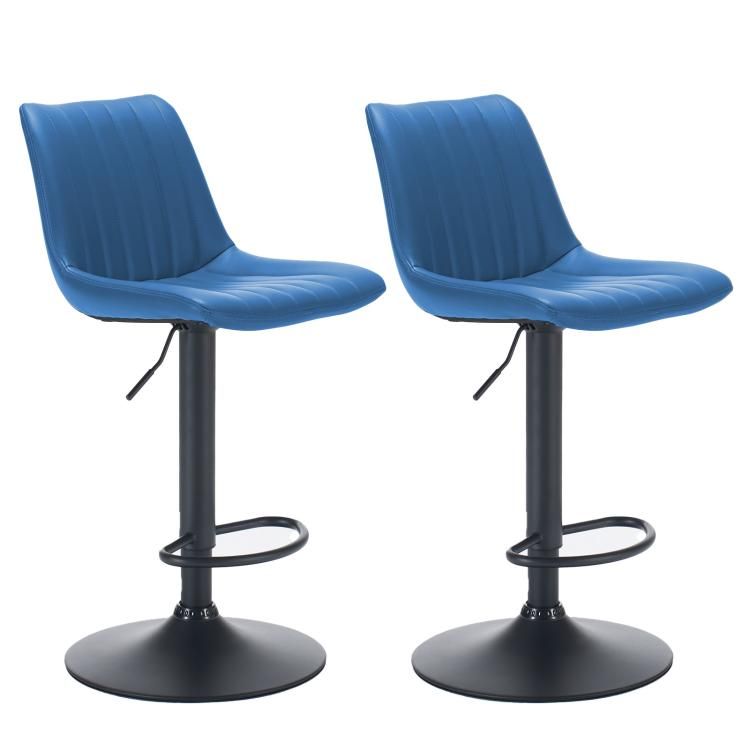 Aisha's pickDining Sets with Leather Chairs That Survive Kids and Pets
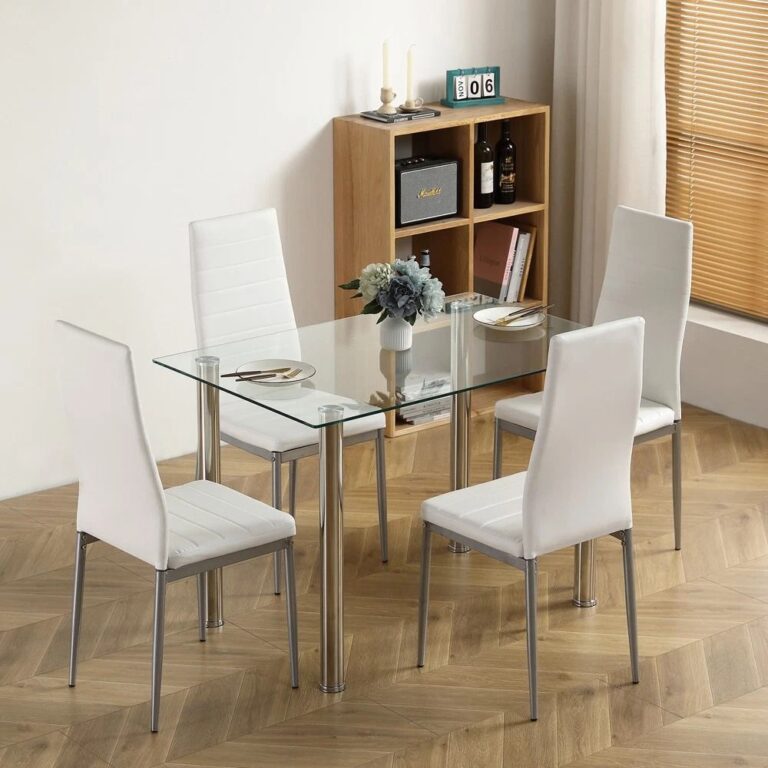
 Aisha's pickClassic Dining Tables We’d Buy Again