There's a particular kind of late fall afternoon, light going gold and low through the windows, when an old table stops being furniture and starts being the whole reason a room works. You notice the wear in the top catching the sun different from everything else around it, and you understand why nobody's rushing to replace it.
I'll say plainly where these fall short, because too many people get talked into one and then fight it for a year. A vintage table is the wrong choice if you need matching anything, pairs of chairs that line up perfectly, a surface that shrugs off every spill without a trace, or corners sharp enough for a toddler who's just learned to run. Old wood moves with the seasons, joints loosen a little, and a table that's lived eighty or a hundred years has its own opinions about level floors. If that sounds like a headache, buy new and buy well instead. But in an ordinary room, one of these does something a showroom set never will. It sits easy next to a plain canvas sofa, a rug with a worn patch nobody's bothered fixing, open shelving with mismatched mugs. It doesn't need the rest of the room to match its era. A good oak farmhouse table looks just as at home under a modern pendant as it did under whatever hung there in 1920.
How it ages depends entirely on what it's made of and how you treat it. Pine is soft and will dent, but those dents read as character within a year. Oak and walnut are harder, they darken beautifully with handling and light, and a little paste wax twice a year is really all they want. Avoid anything with a thick plastic feeling varnish, that's usually hiding damage rather than protecting good wood. Wipe spills quickly, use coasters for hot dishes, and don't panic over small scratches, they'll blend in faster than you'd think. What you don't want to do is sand it back to bare wood chasing a fresh look. You'll lose decades of color you can't buy back.
For sizing, measure your space and then take off a good twelve inches on each side beyond the table itself, so chairs can pull out without hitting a wall or a sideboard. Leave at least three feet of walking room on at least one side. A table that looks perfect in a showroom photo often turns out eight inches too long for a real dining room, so bring a tape measure before you fall for anything, and check the height too, old tables sometimes sit lower than you expect.
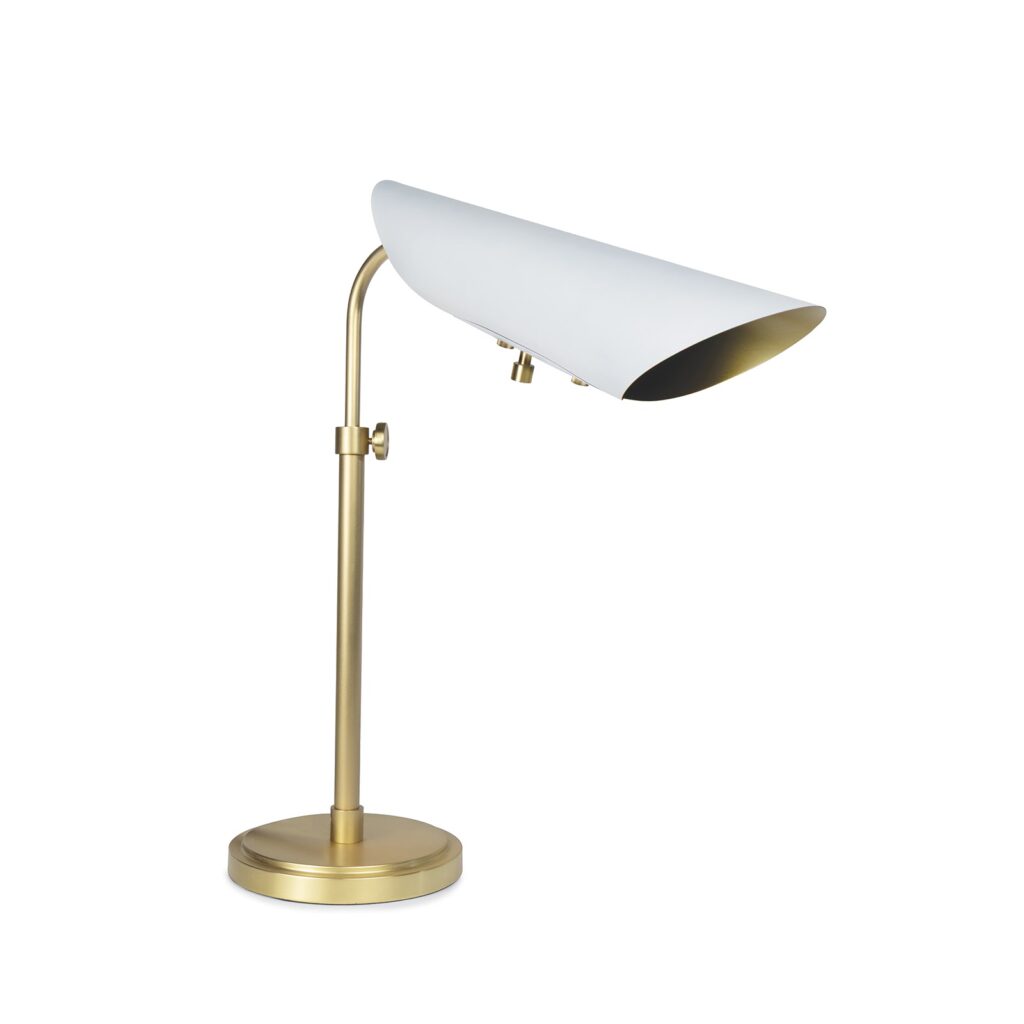 Aisha's pickMid Century Lamp Tables You’ll Keep for Years

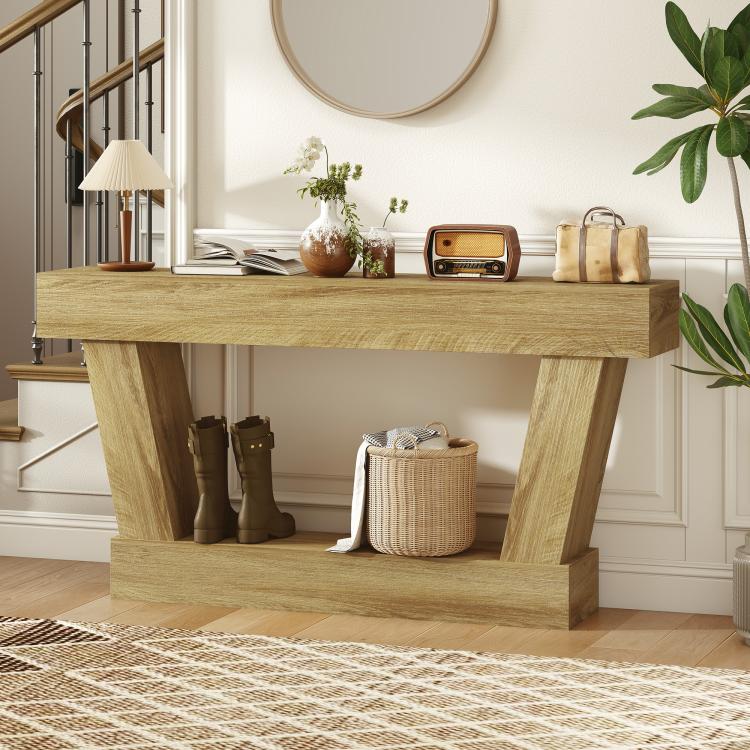 Aisha's pickDecent Vintage Console Tables Without the Hassle
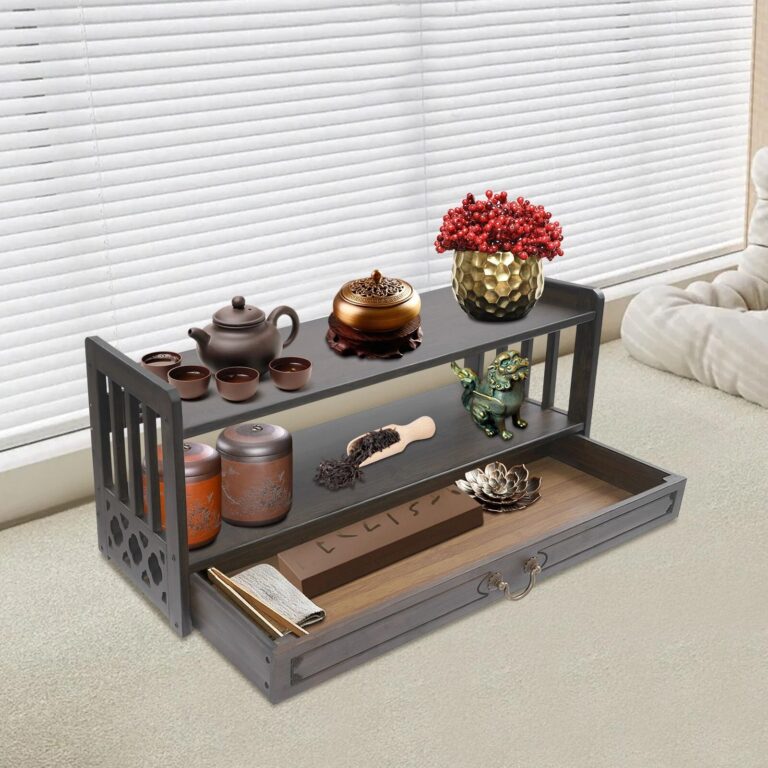
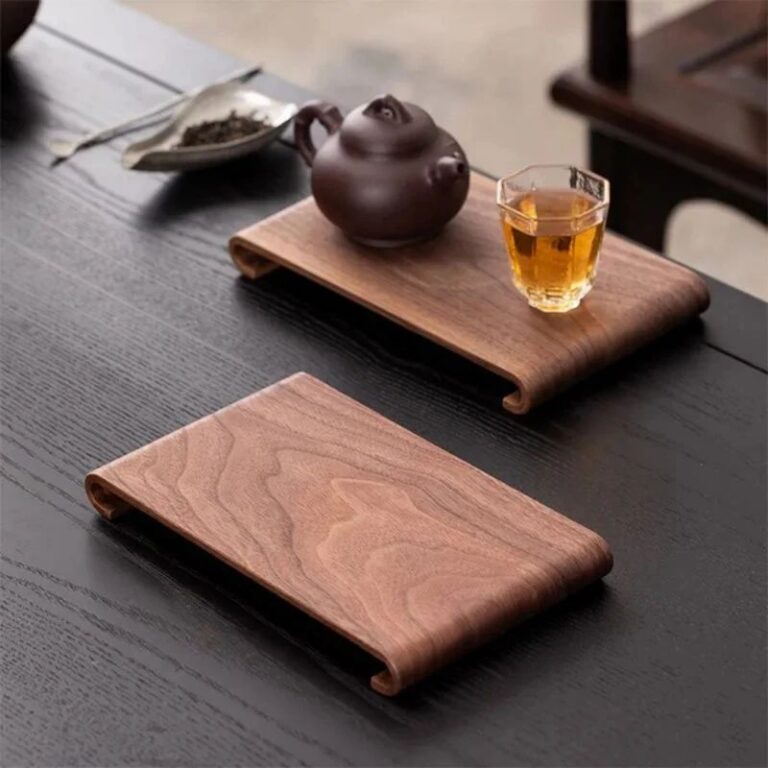 Aisha's pickVintage Serving Tables That Take a Knock
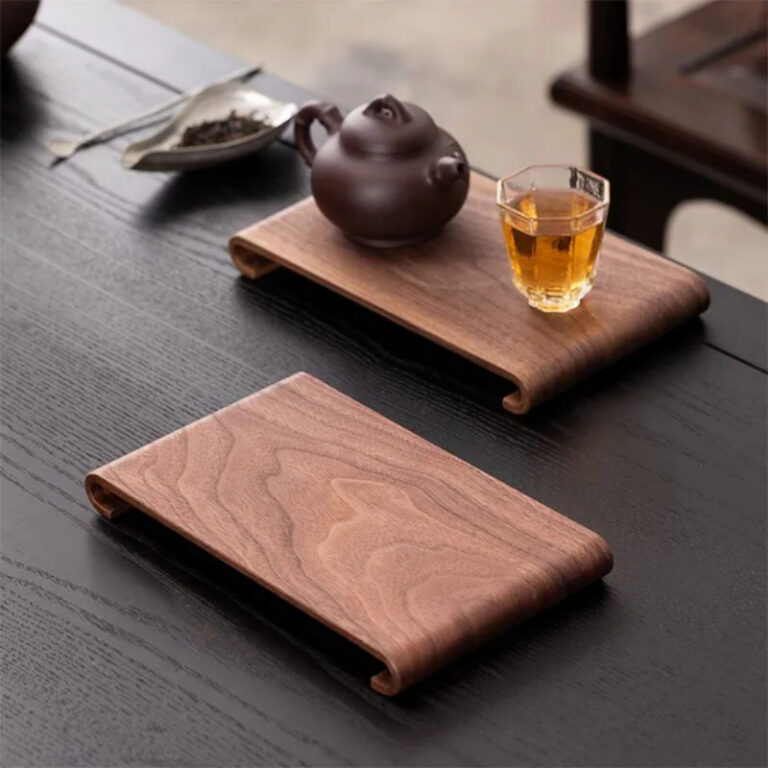
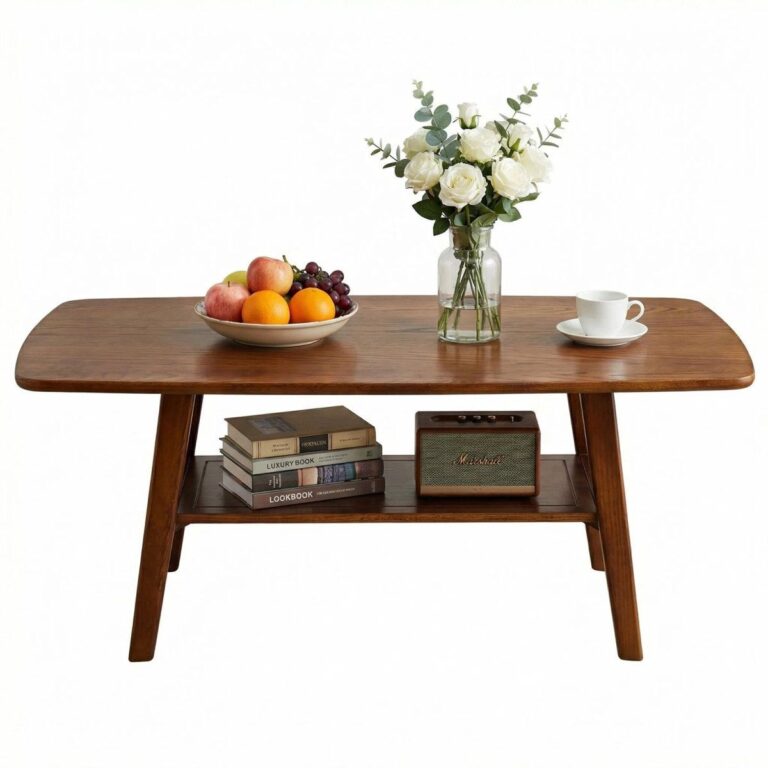 Aisha's pickMid Century Living Room Tables That Don’t Shout About It
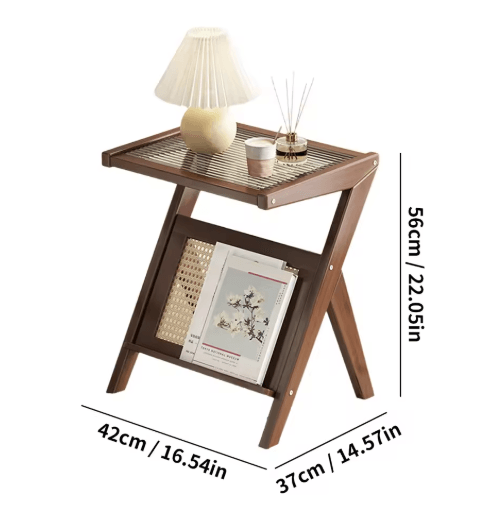
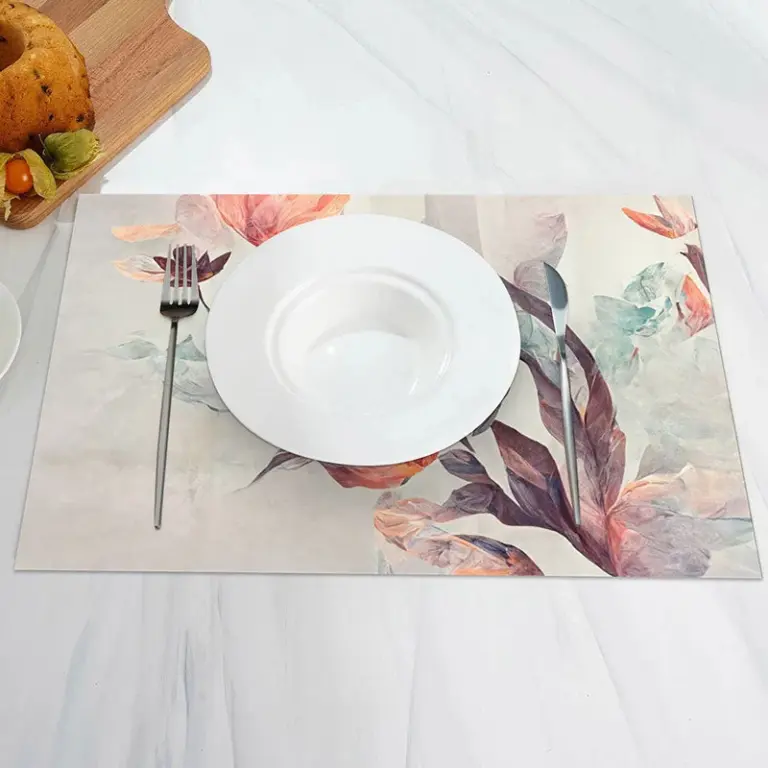 Aisha's pickVintage Dining Room Sets That Get the Family Around the Table
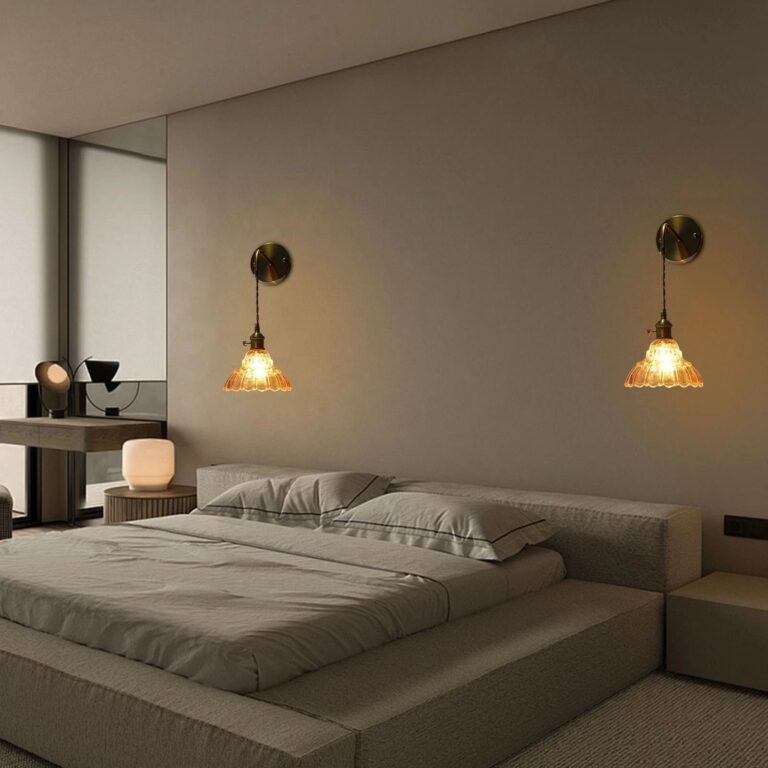
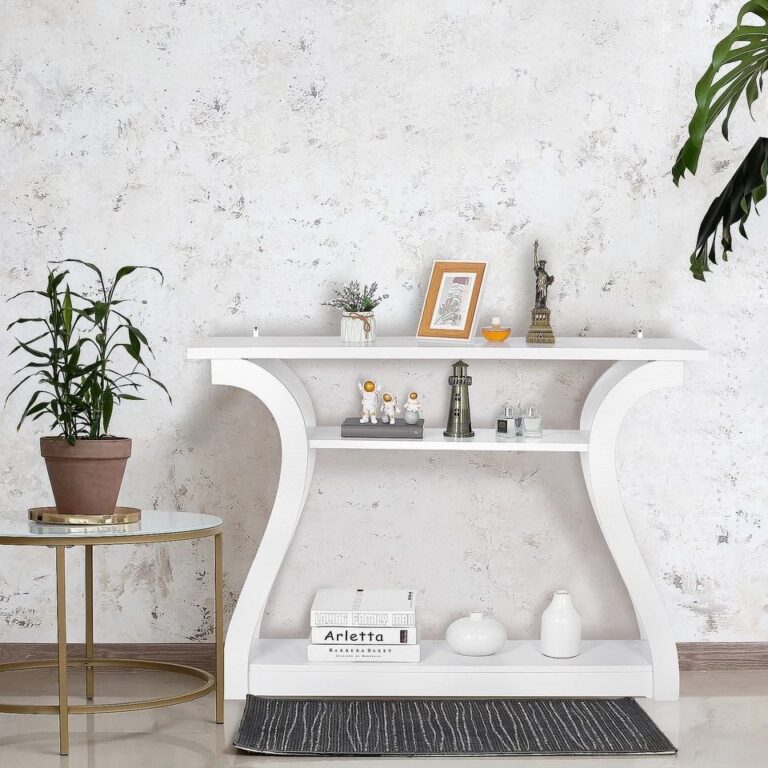 Aisha's pickOur Shortlist of Vintage Side Tables
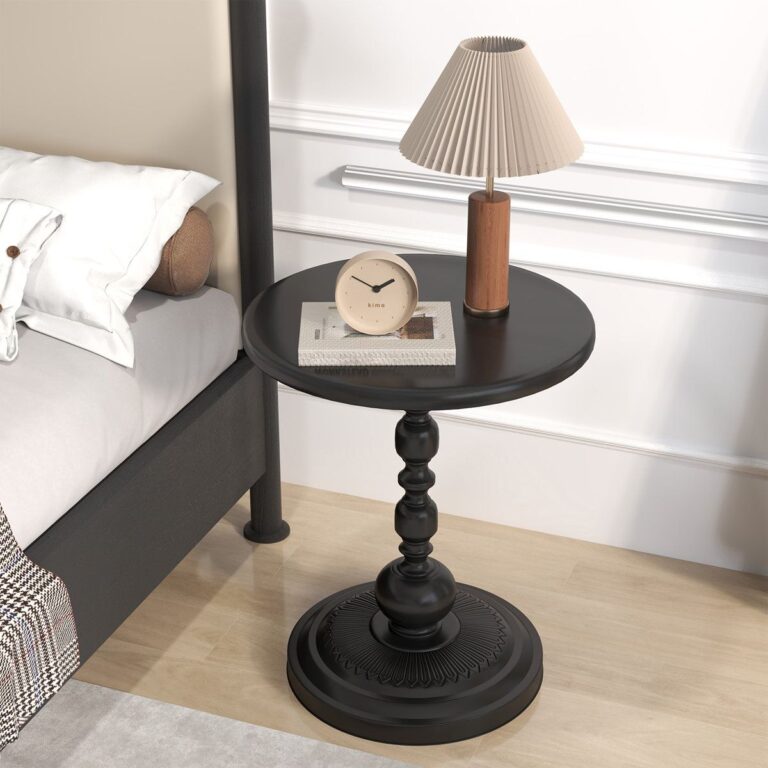
 Aisha's pickMid Century Modern Dining Sets That Survive Hot Mugs and Spills
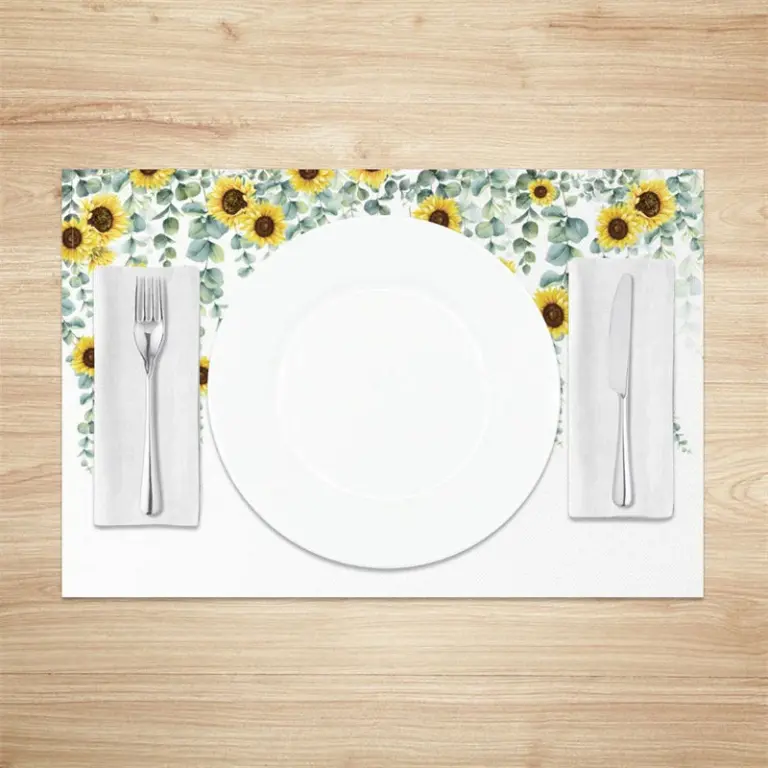
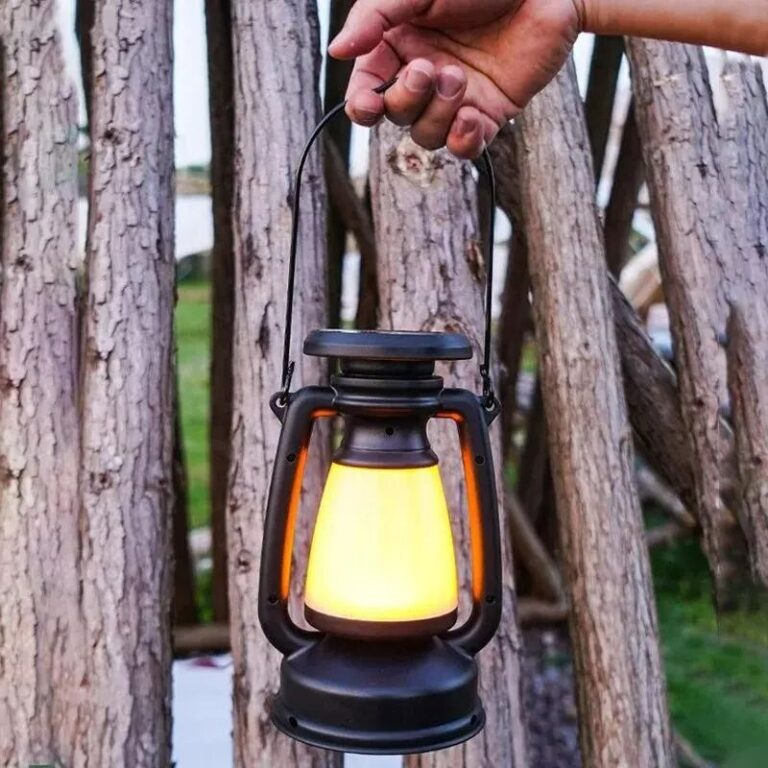 Aisha's pickVintage Dining Room Tables Big Enough for Sunday Dinner

 Aisha's pickVintage Tea Tables With Room for Everything You Put DownAlso worth a lookEnd TablesThe first one I bought looked perfect in the store and then came home to a sofa it…See the collections →

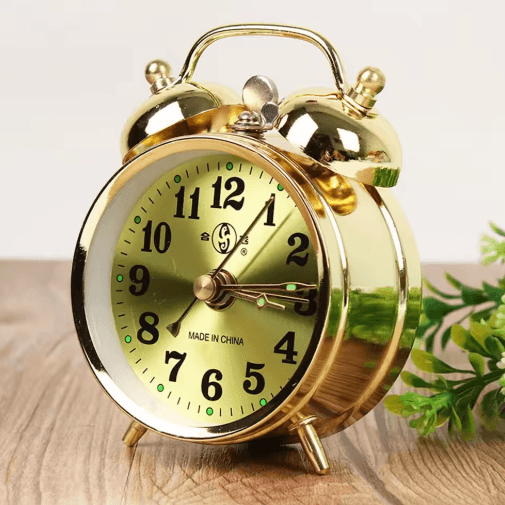 Aisha's pickRetro Nightstands That Make the Bedroom Feel Finished
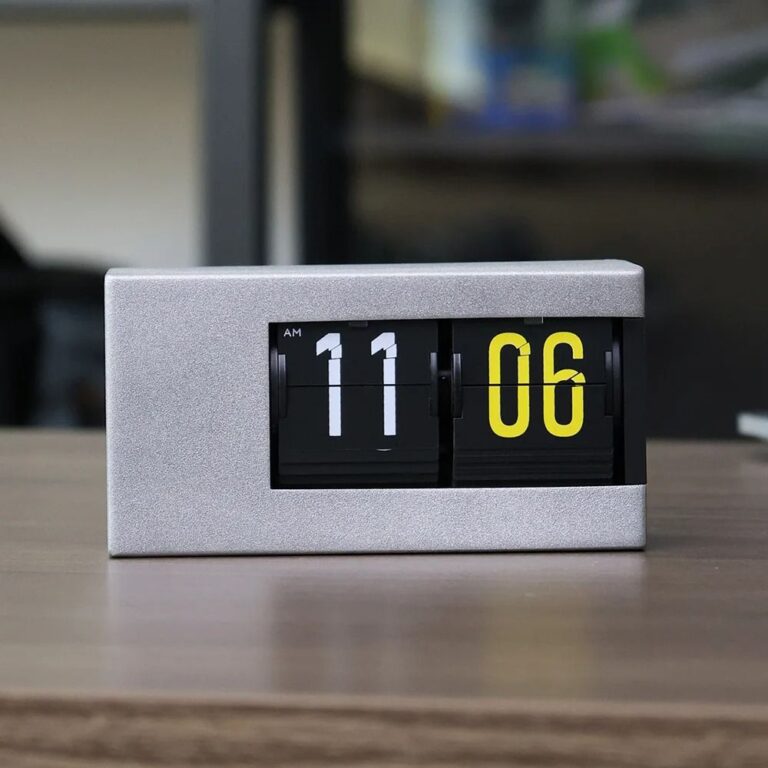
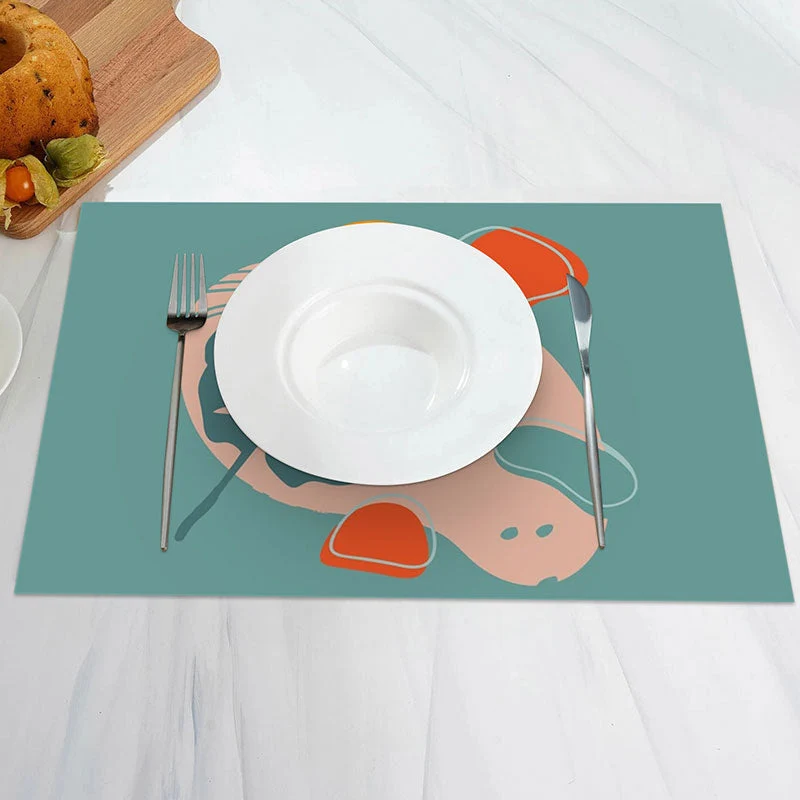 Aisha's pickVintage Dining Sets You’ll Still Like in Five Years
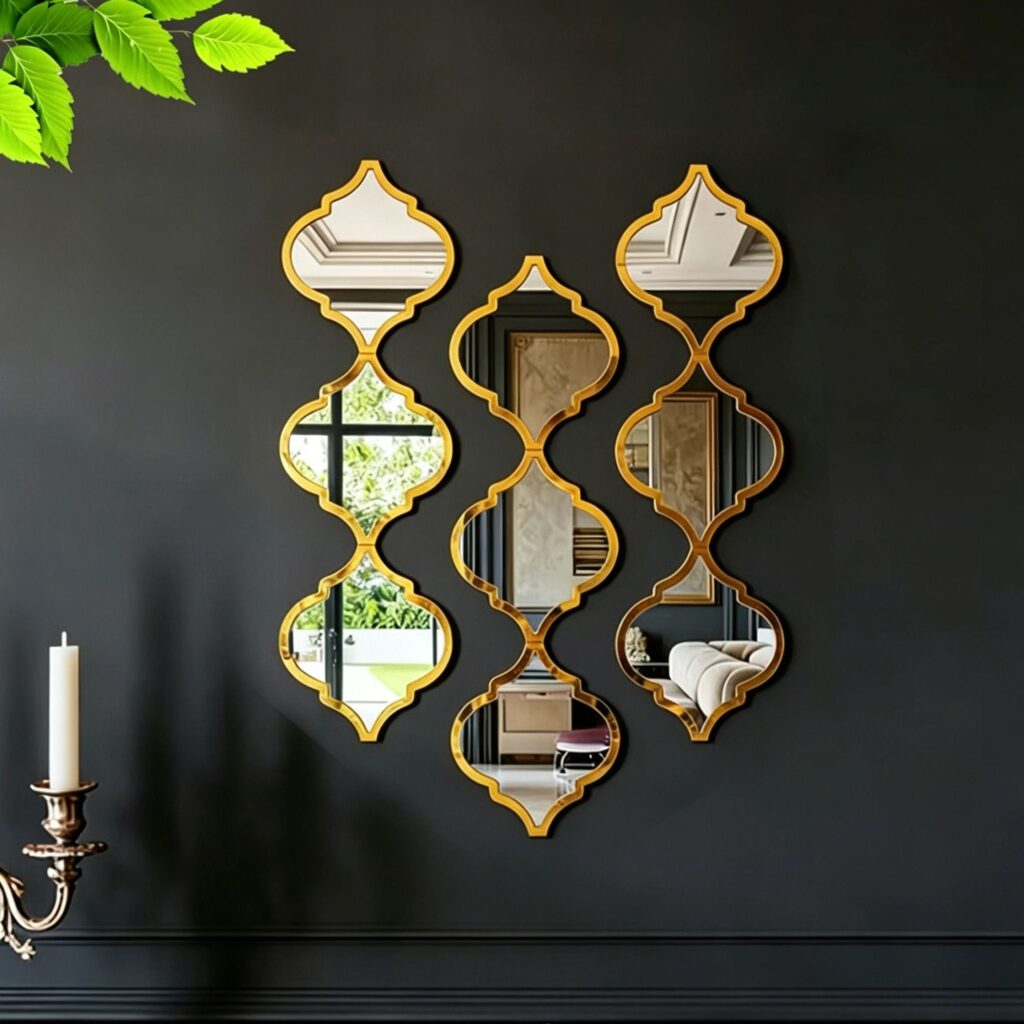
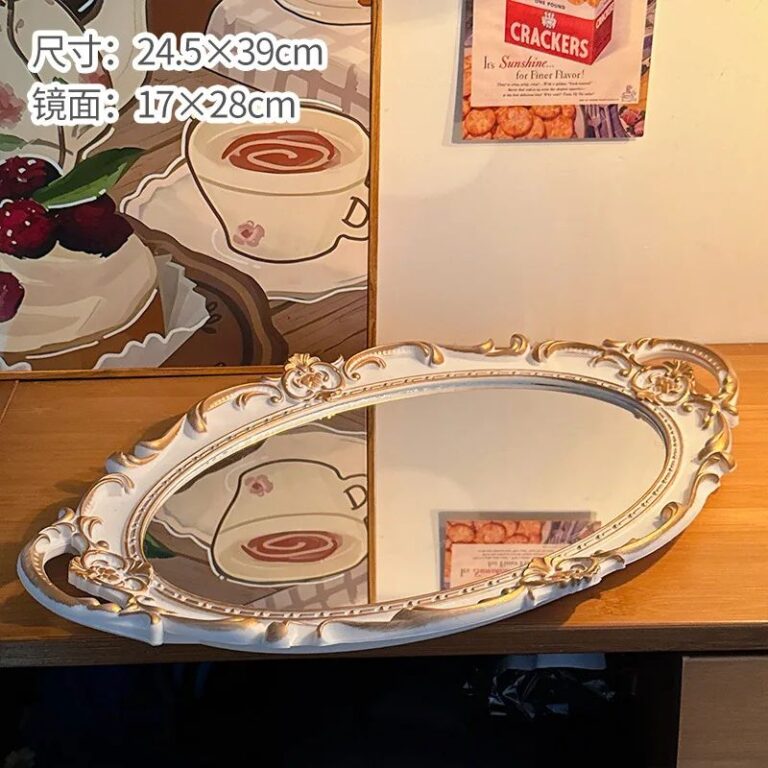 Aisha's pickVintage Tray Tables Picked From the Stores We Trust
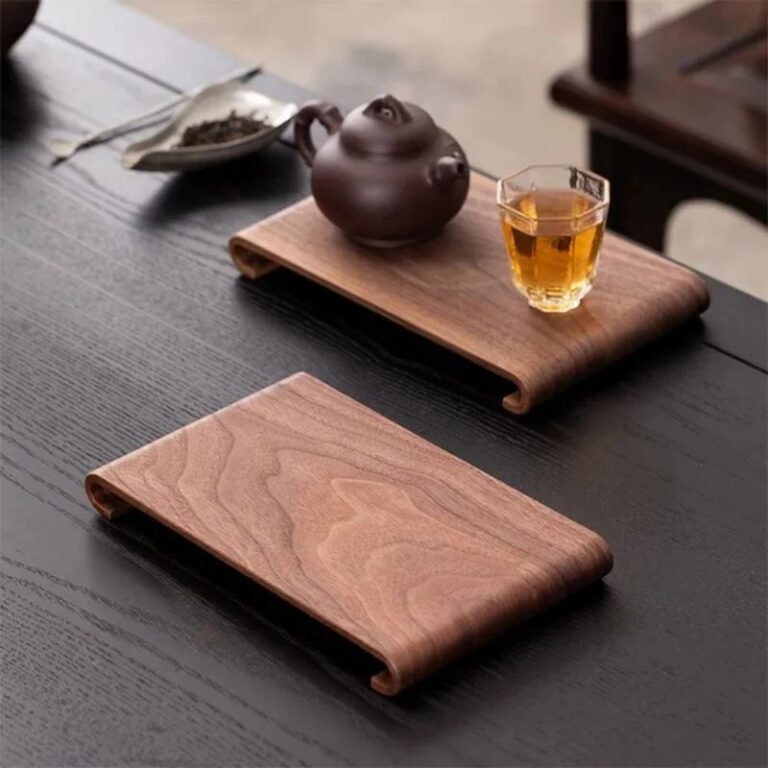
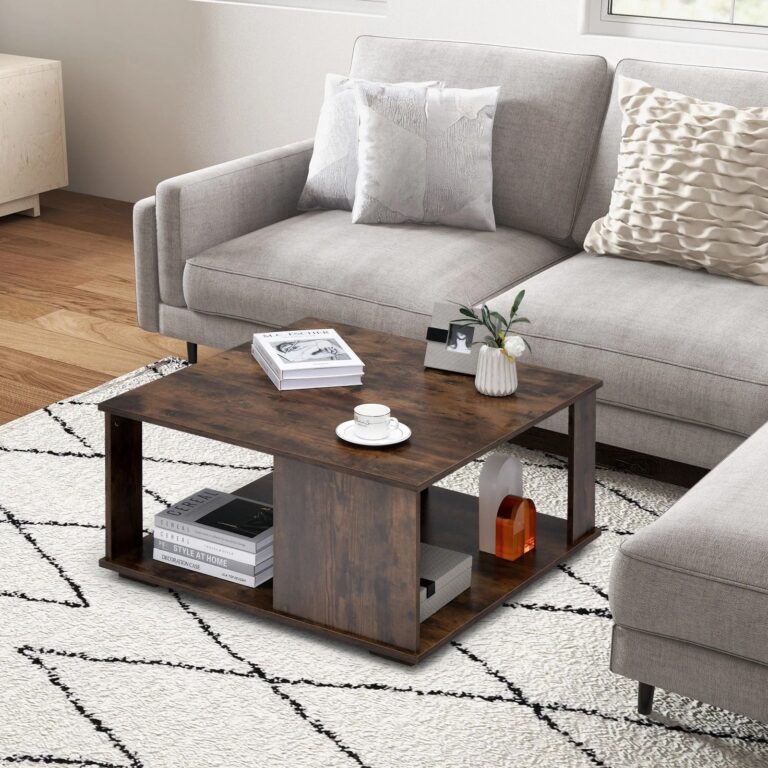 Aisha's pickRetro Coffee Tables That Make the Living Room Feel Cozier

 Aisha's pickVintage Dining Tables That Don’t Wobble

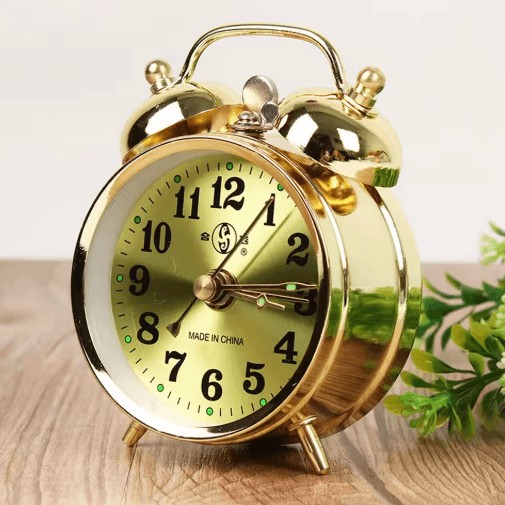 Aisha's pickAntique Nightstands That Survive Hot Mugs and Spills
 Aisha's pickRetro Dining Room Sets You’ll Keep for Years
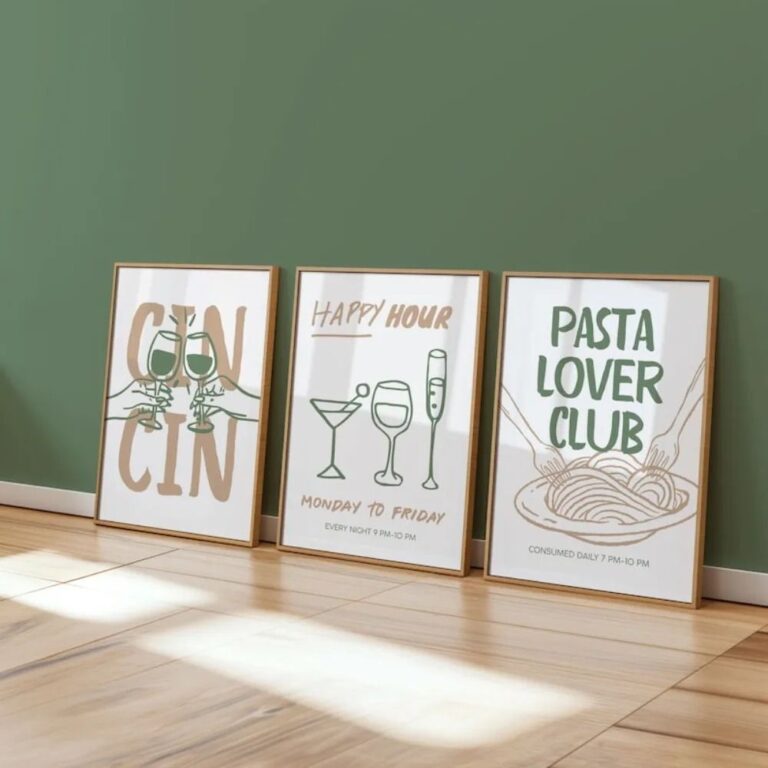
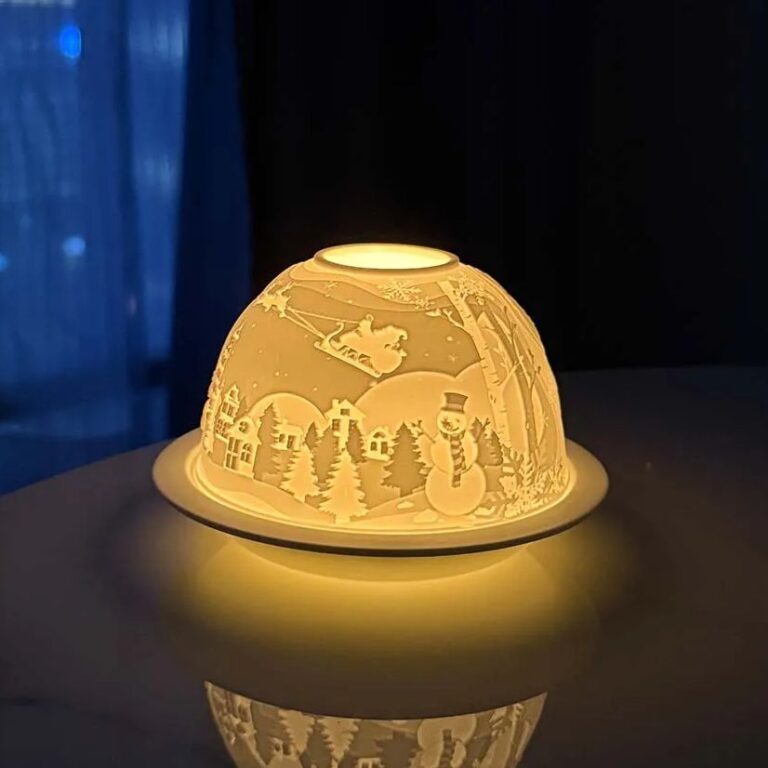 Aisha's pickVintage Dining Table Sets That Look Like They Cost More
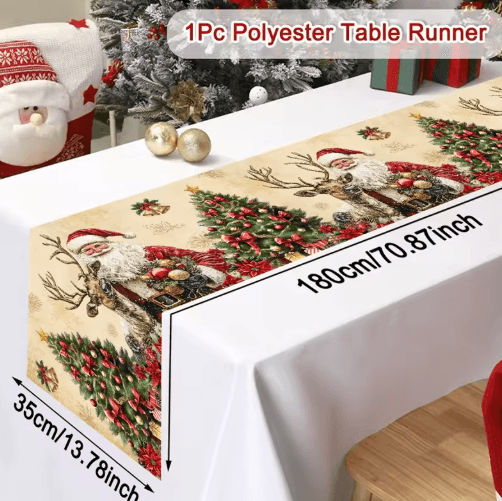
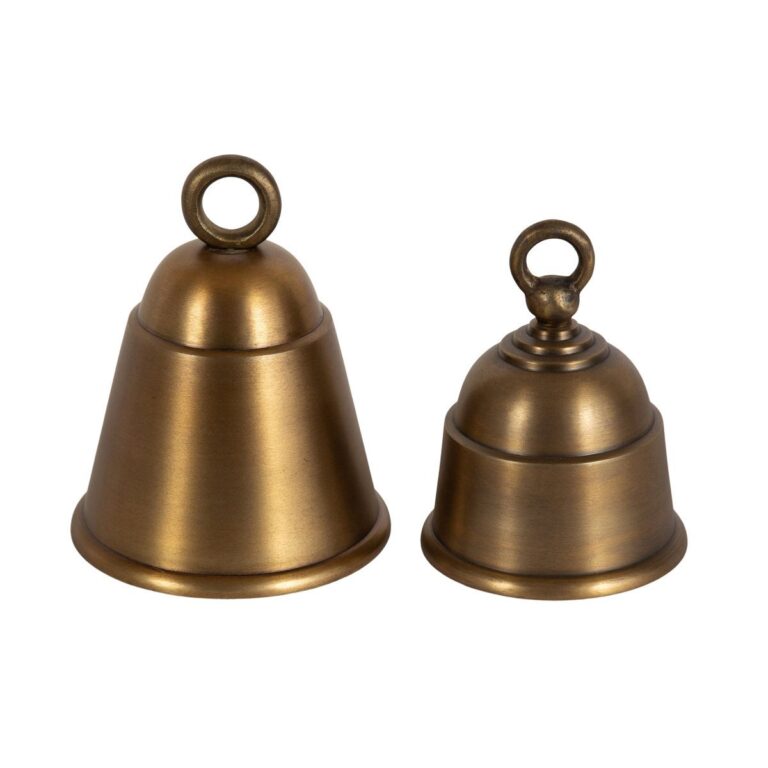 Aisha's pickAntique Brass Dining Tables With Room for Everything You Put DownAlso worth a lookTables with StorageTables with storage have a reputation for being the cleverest piece in a small room or the most…See the collections →
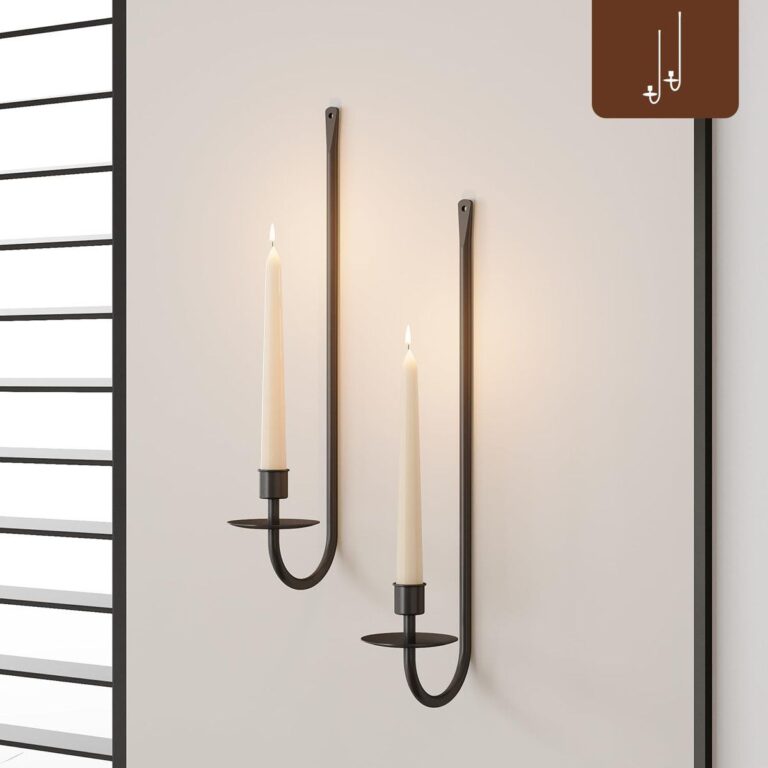 Aisha's pickRetro Dining Sets That Don’t Wobble
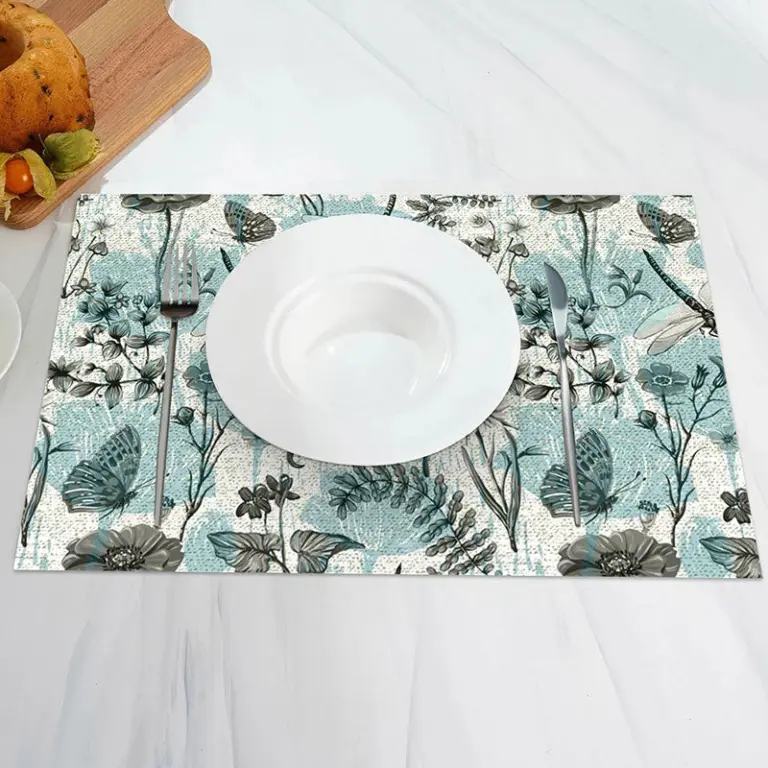
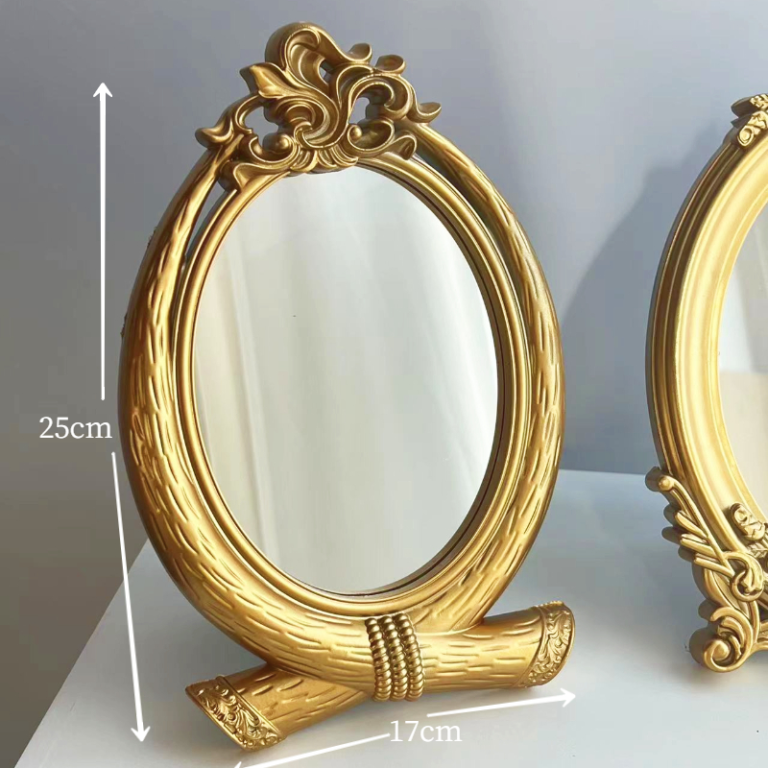 Aisha's pickVintage Vanity Tables That Survive Hot Mugs and Spills
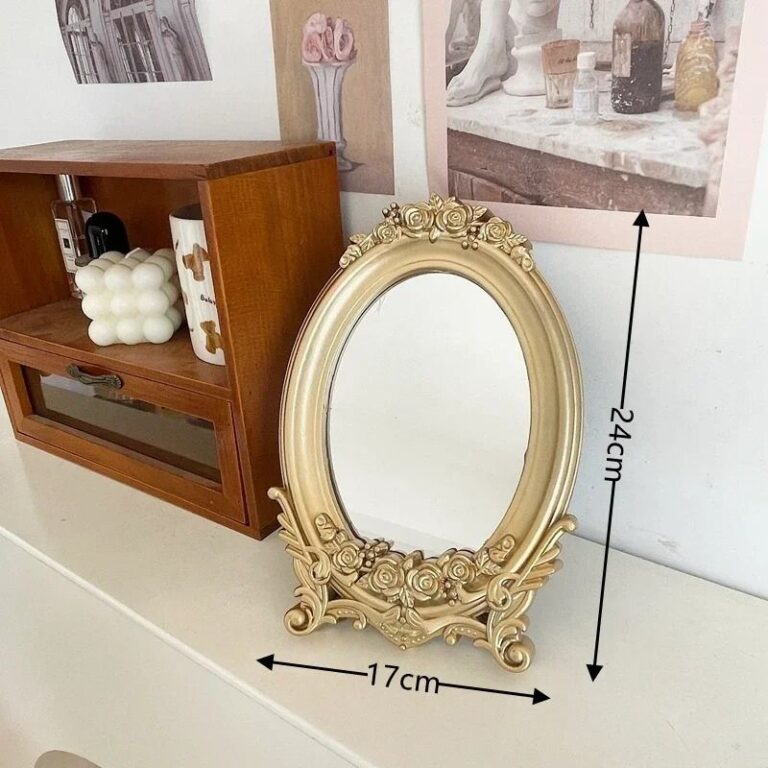
 Aisha's pickAntique Coffee Tables That Look Like They Cost More
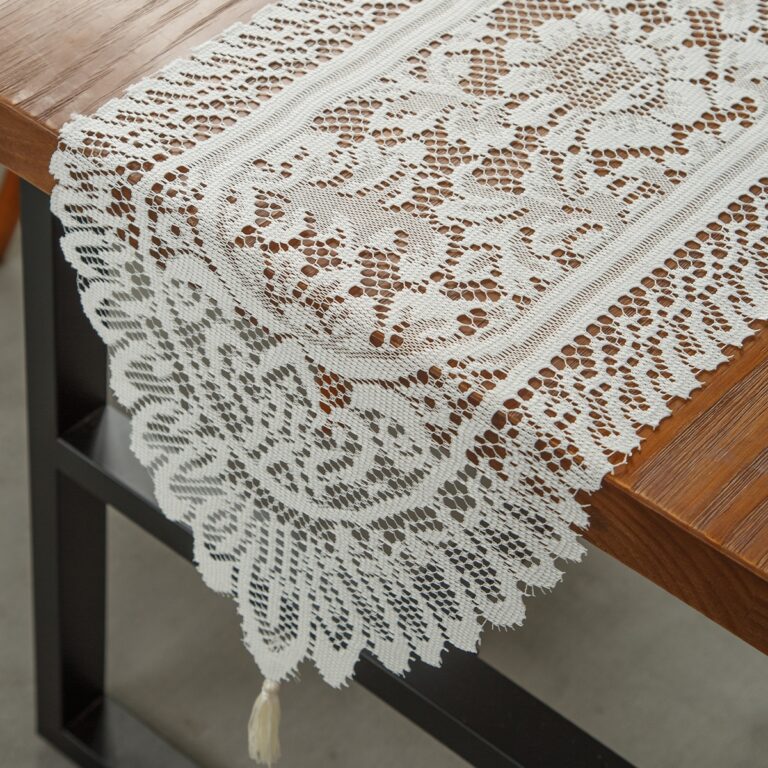 Aisha's pickRetro Dining Tables With Room for Everything You Put Down
 Aisha's pickVintage Farmhouse Dining Tables for Long Dinners With Friends
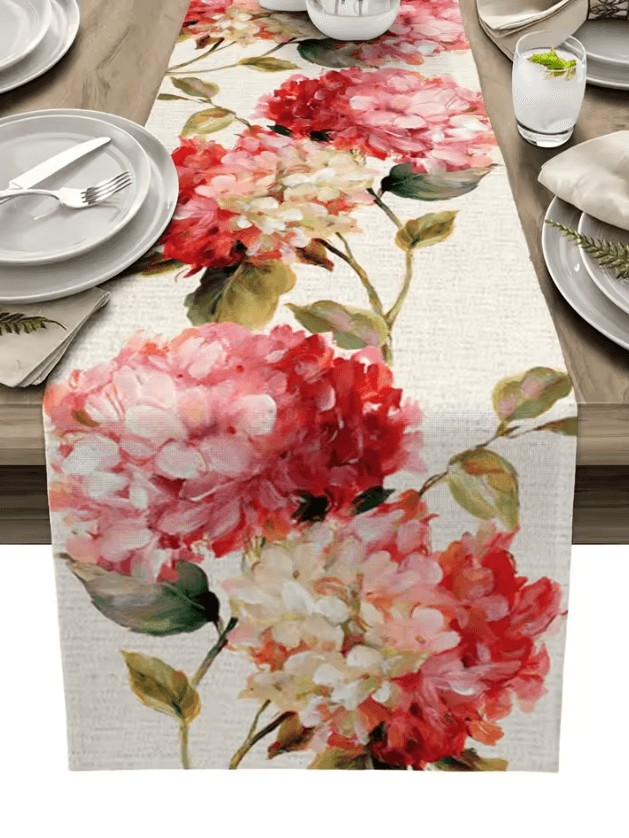
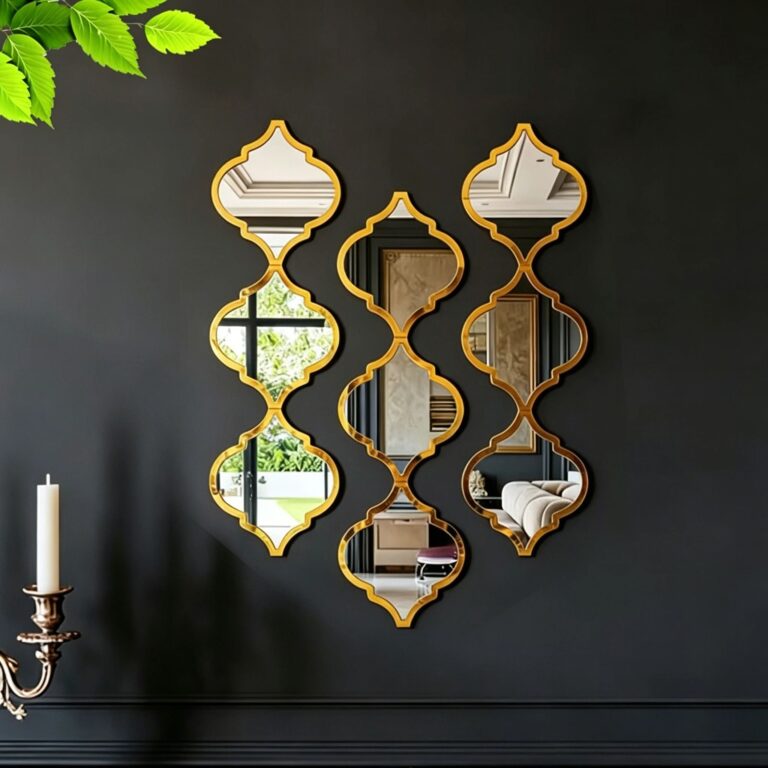 Aisha's pickAntique Dining Sets That Get the Family Around the Table
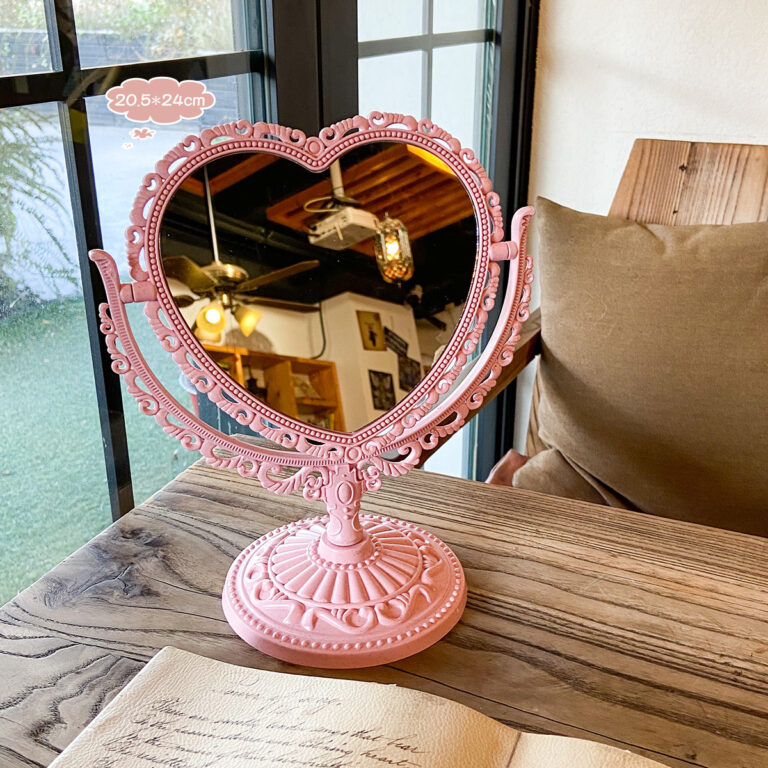 Aisha's pickRetro Vanity Tables That Anchor a Room
 Aisha's pickVintage Farmhouse Tables That Hold Up to Everyday Life
 Aisha's pickAntique Dining Tables Big Enough for Sunday DinnerAlso worth a lookRustic TablesThere's a particular kind of evening that calls for a rustic table, the ones in late fall when…See the collections →
 Aisha's pickRetro End Tables Picked by People Who Care Too Much
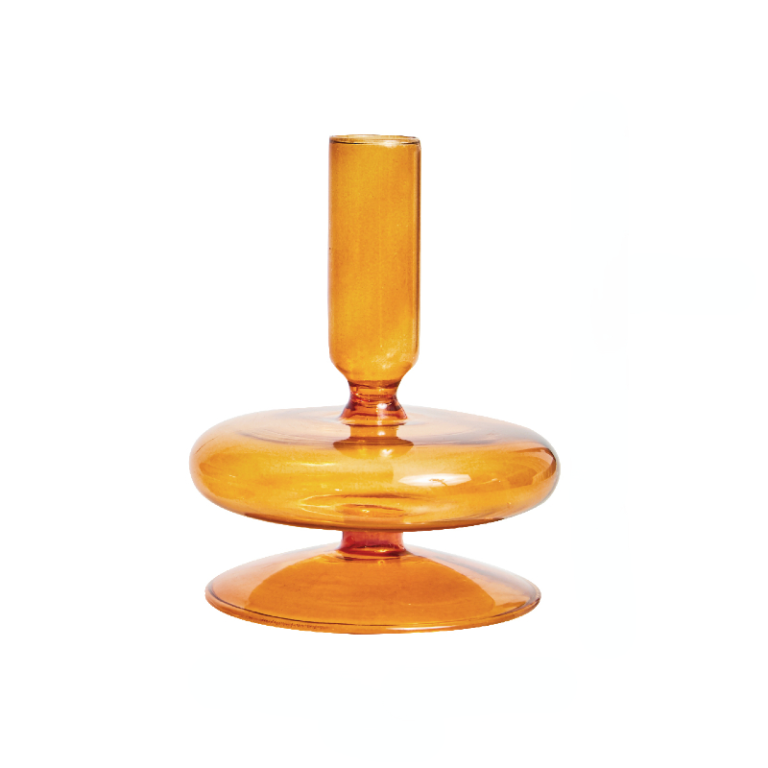 Aisha's pickVintage Glass Dining Tables at Just the Right Height
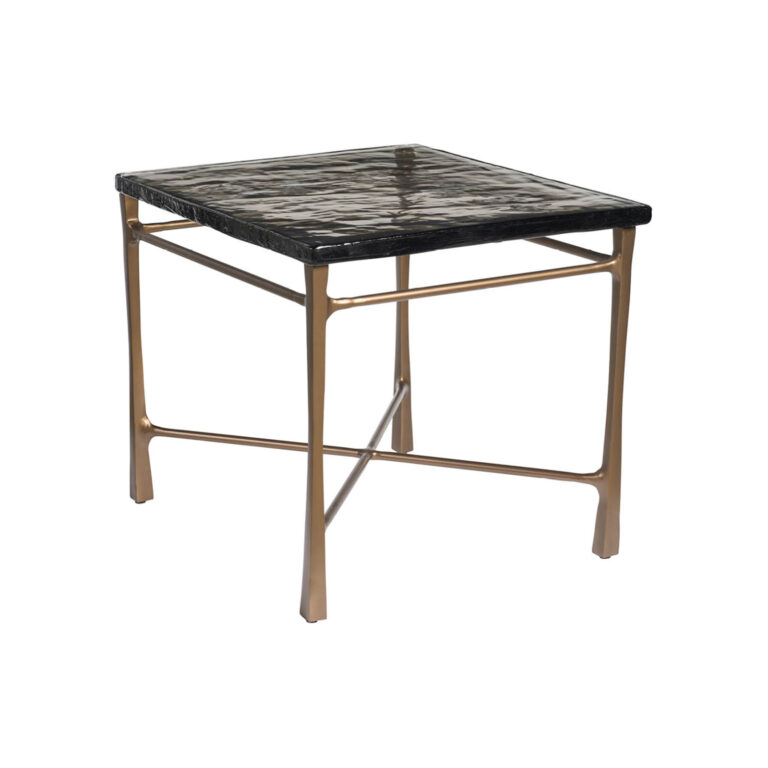 Aisha's pickAntique End Tables That Don’t Need Babying
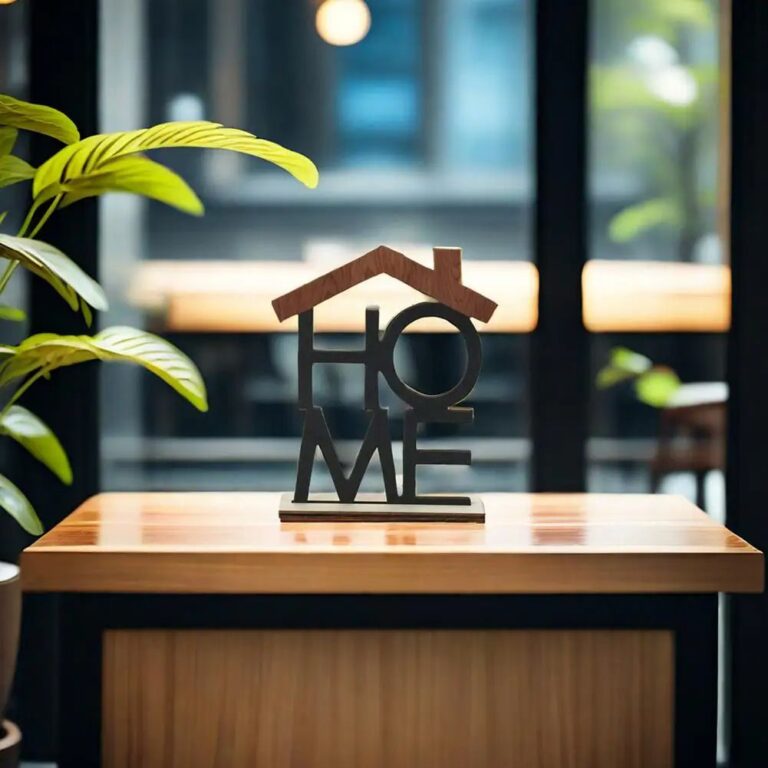 Aisha's pickRetro Kitchen Tables That Make Cooking a Bit Nicer
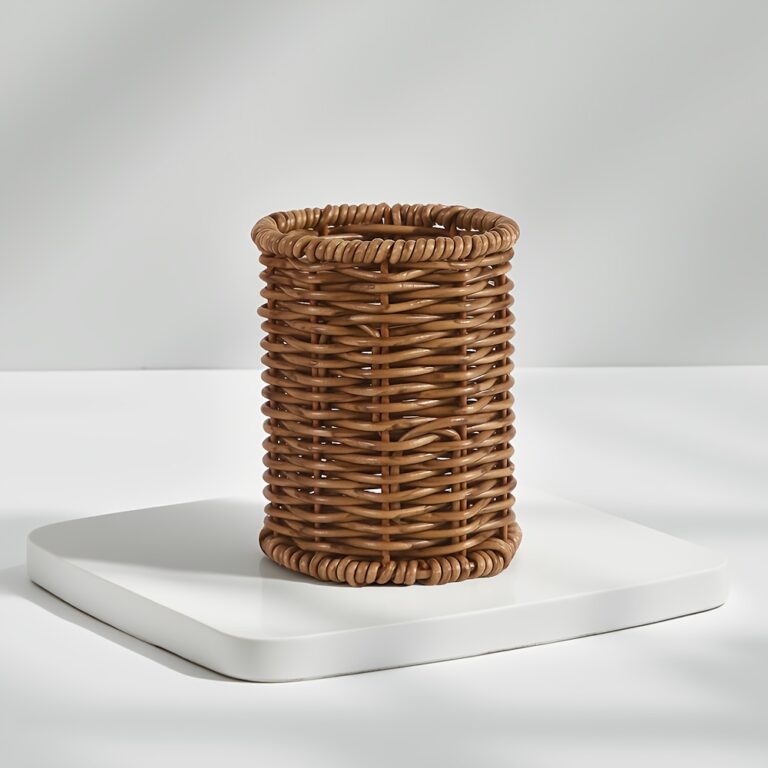
 Aisha's pickVintage Glass Lamp Tables for Making a House Feel Like Yours
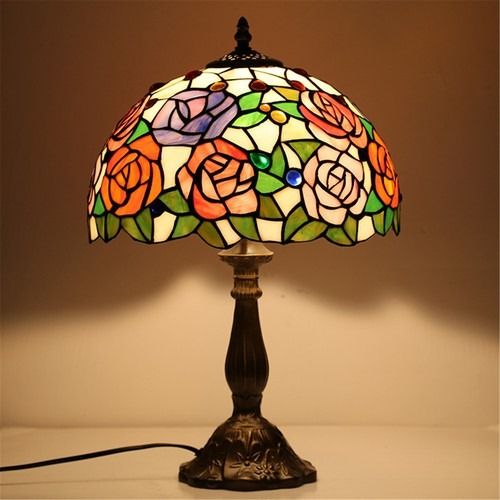
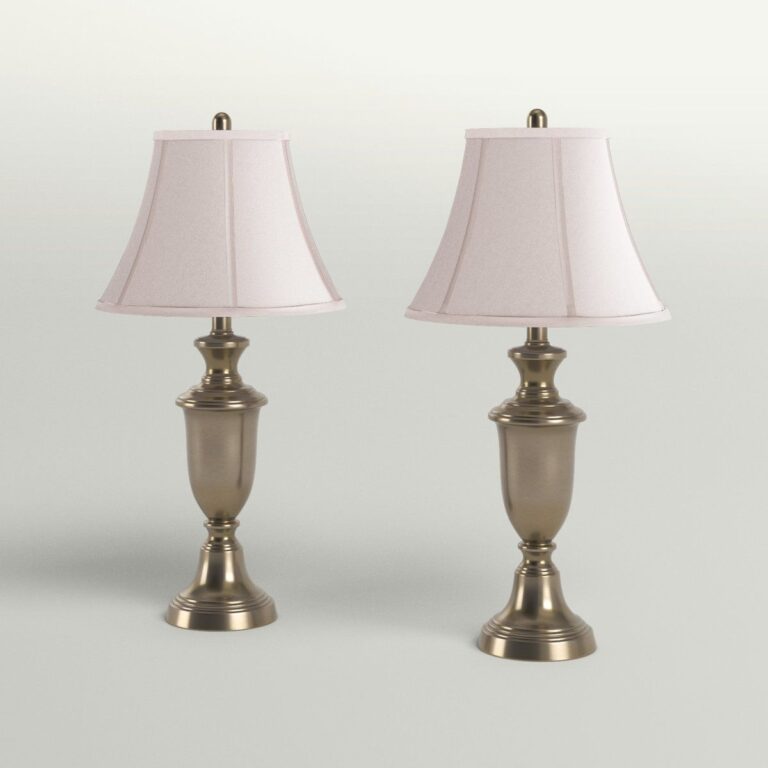 Aisha's pickAntique Lamp Tables That Look Good Up Close
 Aisha's pickWhere to Start With Retro Lamp Tables

 Aisha's pickVintage Kitchen Dining Tables That Hide the Odd Scratch