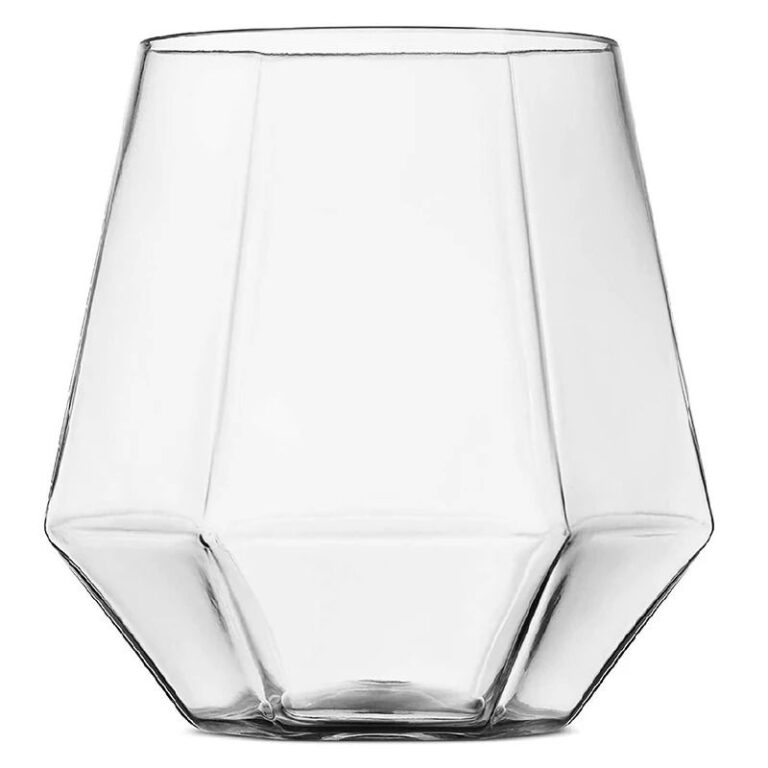
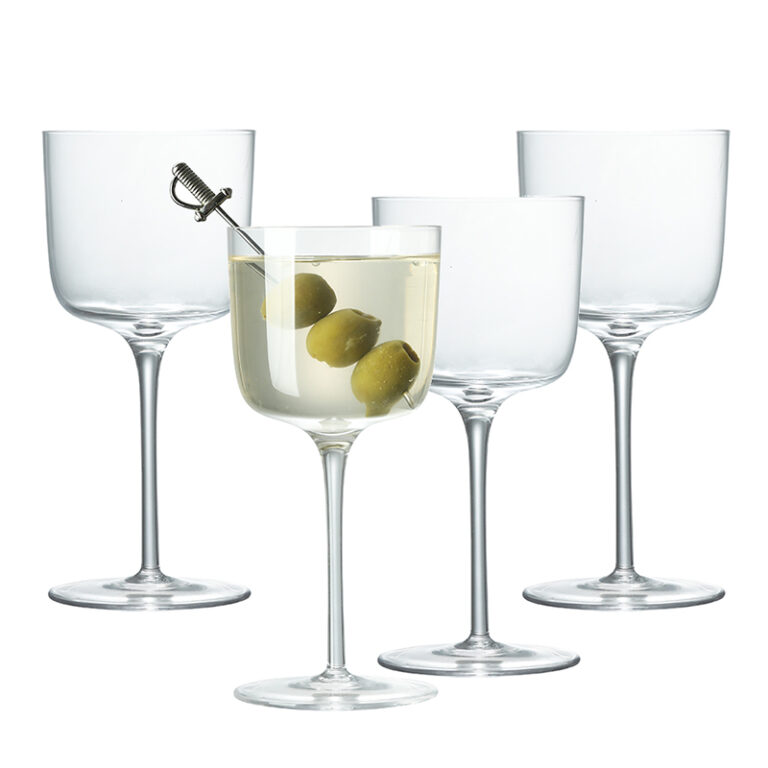
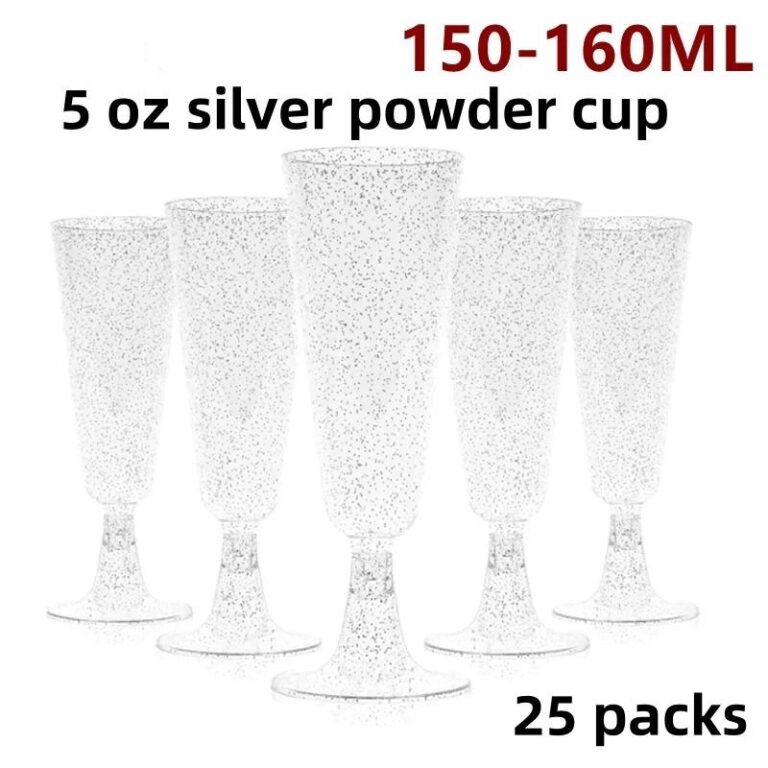
The thing nobody tells you is that most glassware chips or cracks within the first year, not from dropping it, but from stacking wet glasses while they're still warm from the dishwasher, or shoving them against each other in a cabinet that's one shelf too shallow. You'll lose a few. That's just the tax you pay for having nice things to drink out of, and it's still worth paying, because drinking orange juice out of a sturdy, decent glass instead of a jam jar changes your morning more than it should.
If you're starting from nothing, skip the delicate stuff first. Get a set of plain water glasses with a bit of weight to them, something that can go from the sink to the table to the dishwasher without you wincing, and a few mugs that are actually big enough for a full cup of coffee, not the dainty ones that hold what feels like three sips. Wine glasses and anything fragile can come later, once you know how often you actually host people and whether they're the kind of guests who set a glass down on a wood table without a coaster.
In an ordinary kitchen, glassware sits well against almost anything plain, open shelving, a basic wood table, a counter that's seen some use. It doesn't need to match your cabinets or coordinate with a theme. What it does need is to look like it belongs to actual humans, which mostly means having more than two of anything so you're not scrambling when company shows up.
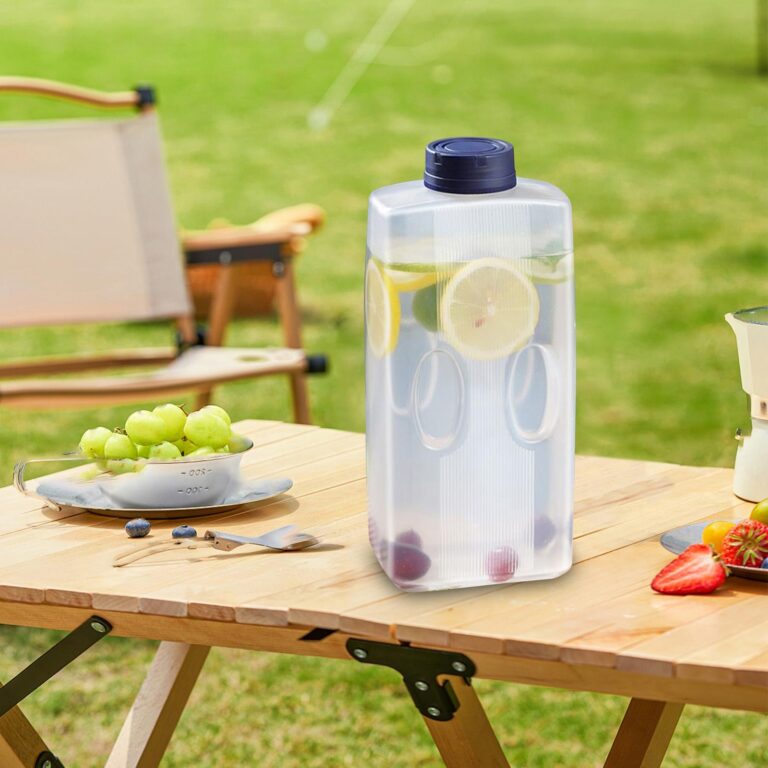
Over time, clear glass holds up better than you'd expect if you hand wash the good pieces and let the dishwasher handle the everyday stuff. Tumblers get a little cloudy after a year or two of hard water, which a soak in vinegar fixes most of the way. Mugs stain from coffee and tea no matter what you do, and I've stopped fighting it. A pitcher earns its keep fastest in summer, and the handle is always the first thing to go if it's going to go, so check that before anything else when you're choosing one.
The one mistake to avoid is buying a full matching set of everything at once. You will break pieces unevenly, lose the exact replacement, and end up with a cabinet of mismatched survivors anyway, so you might as well start mismatched on purpose and save the money for the glasses you'll actually use every day.
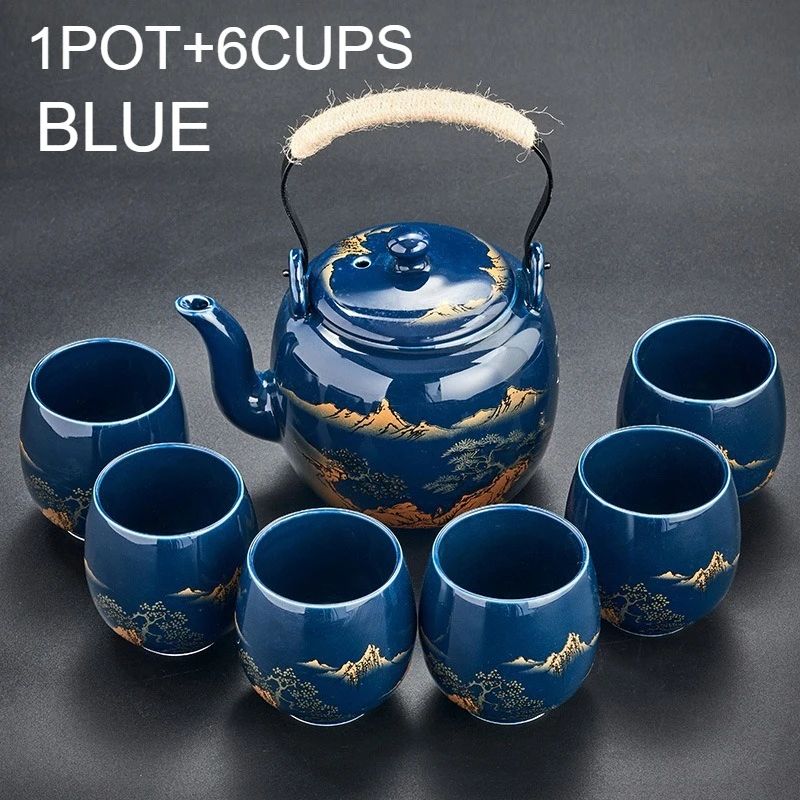 Aisha's pickCeramic Teapots That Don’t Chip at the First Knock
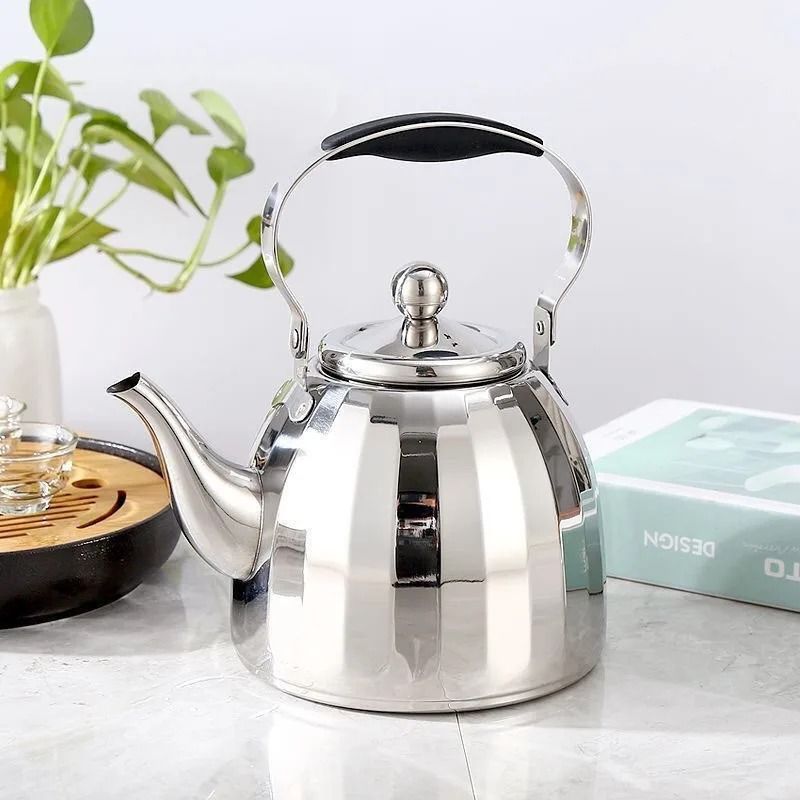
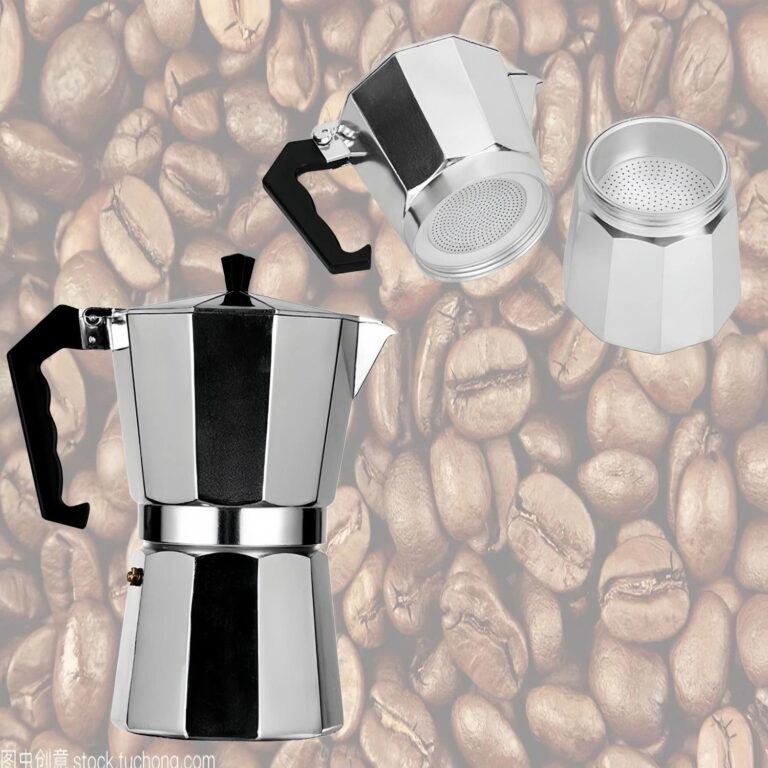 Aisha's pickEspresso Cups for 2 That Visitors Always Ask About
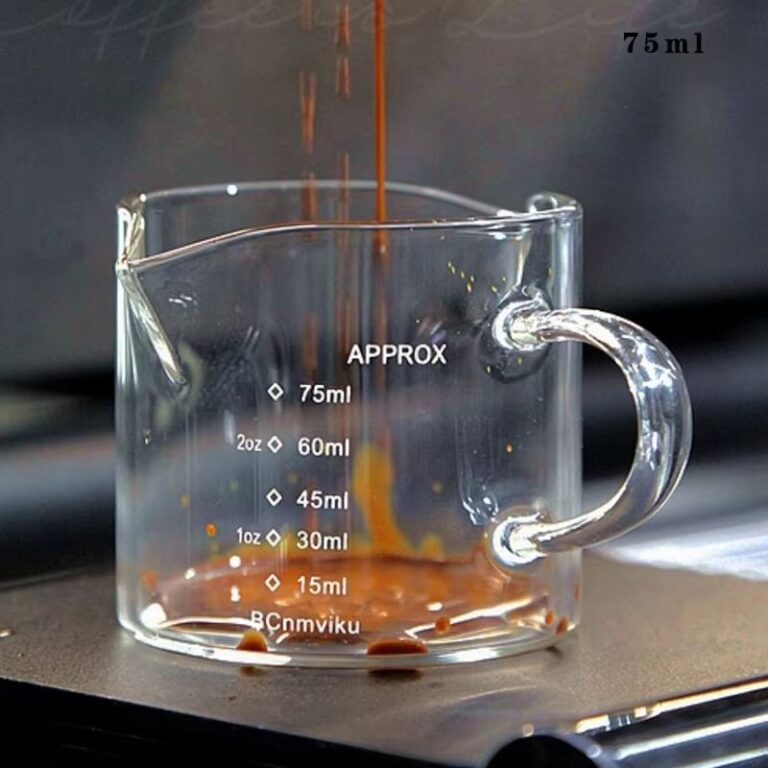
 Aisha's pickHighball Glasses That Fit Into Real Life
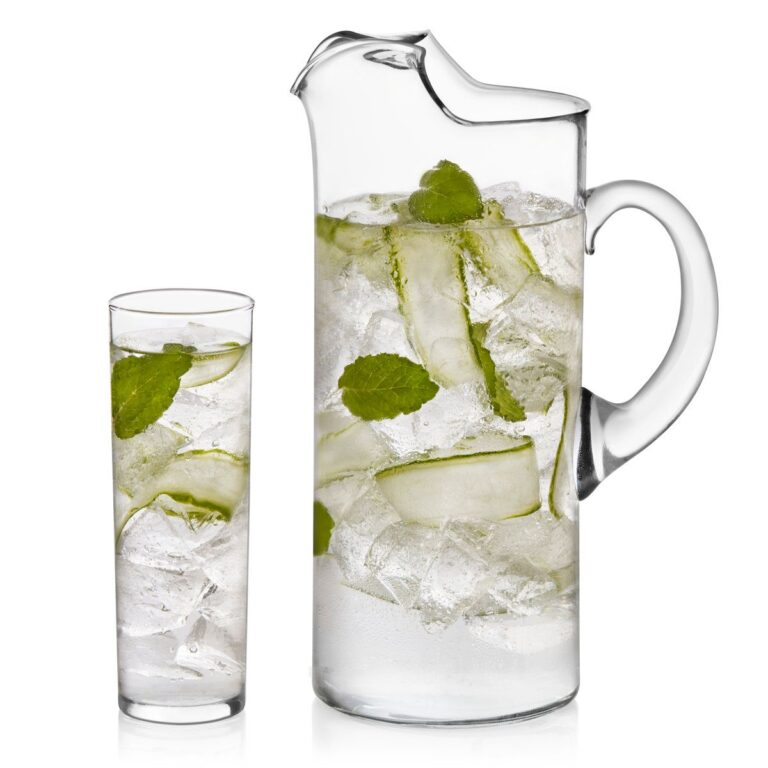
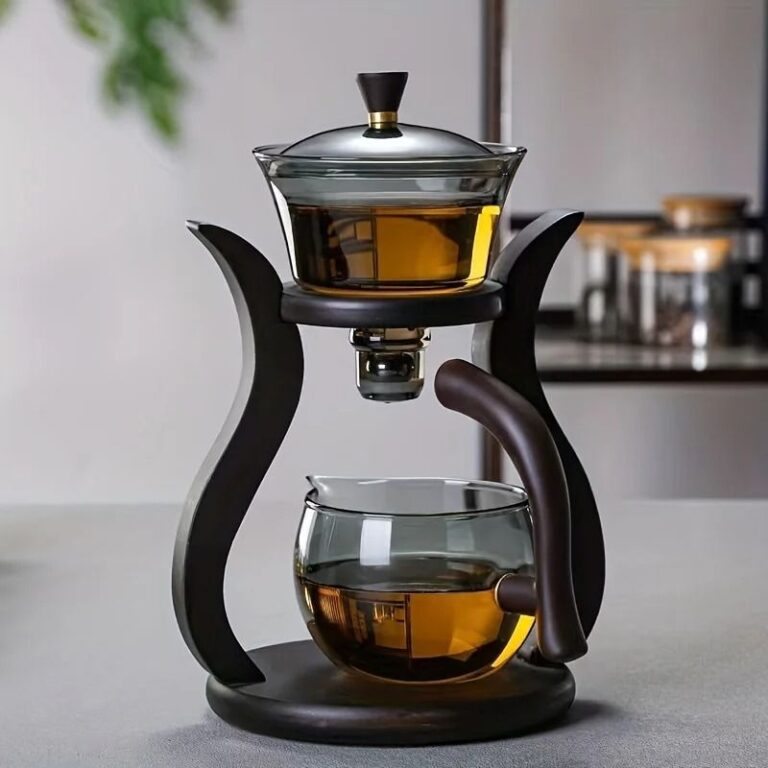 Aisha's pickTeapots for 6 That Look Like They Cost More
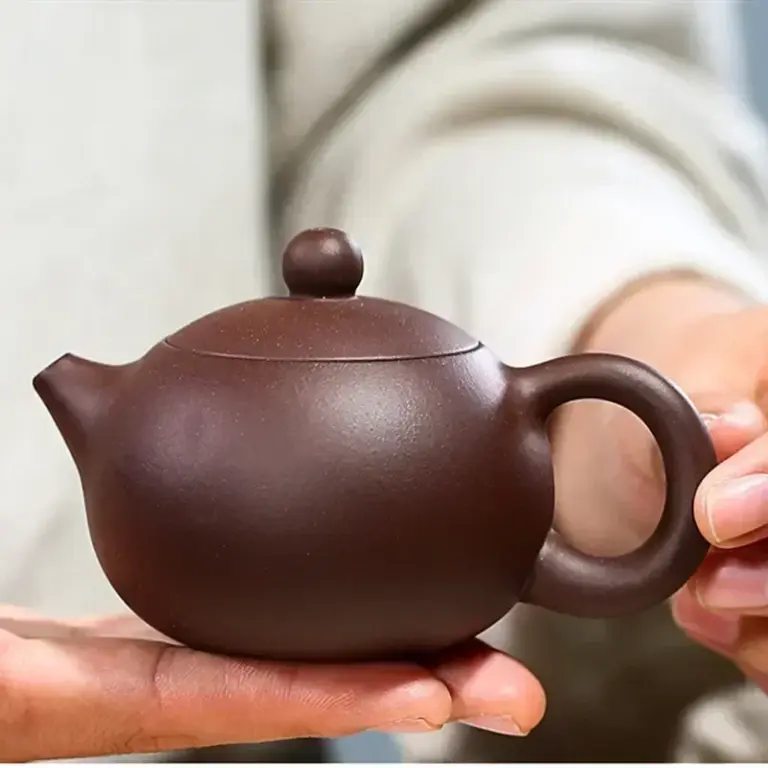
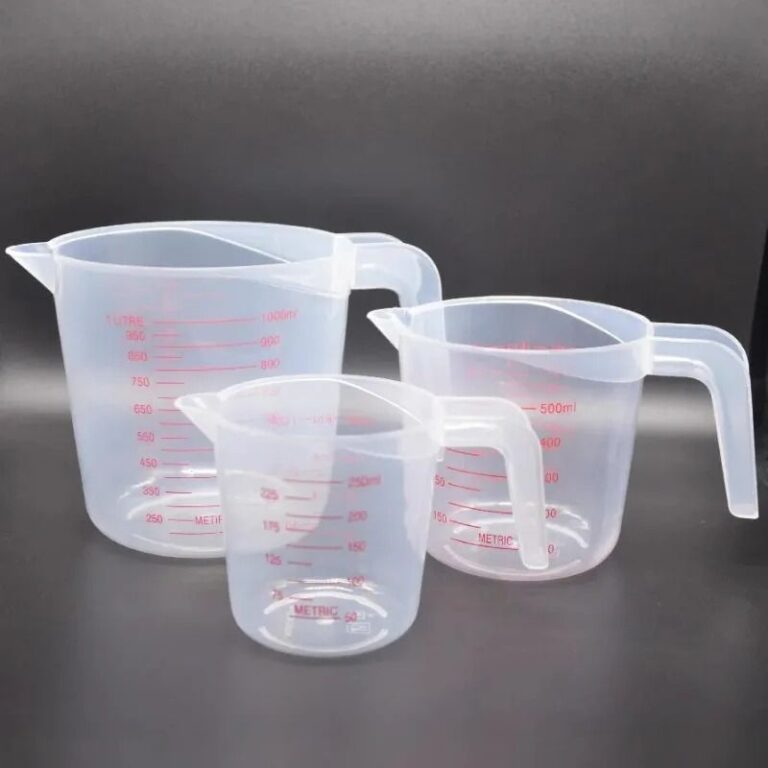 Aisha's pickPitchers for 8 Hunted Down So You Don’t Have To

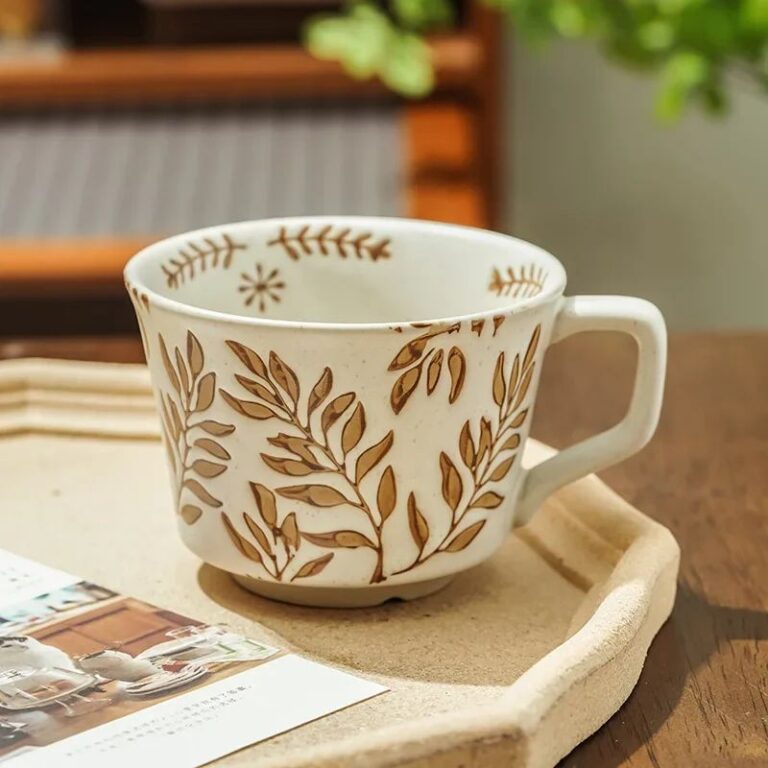 Aisha's pickHand Painted Mugs We Use More Than the Best China
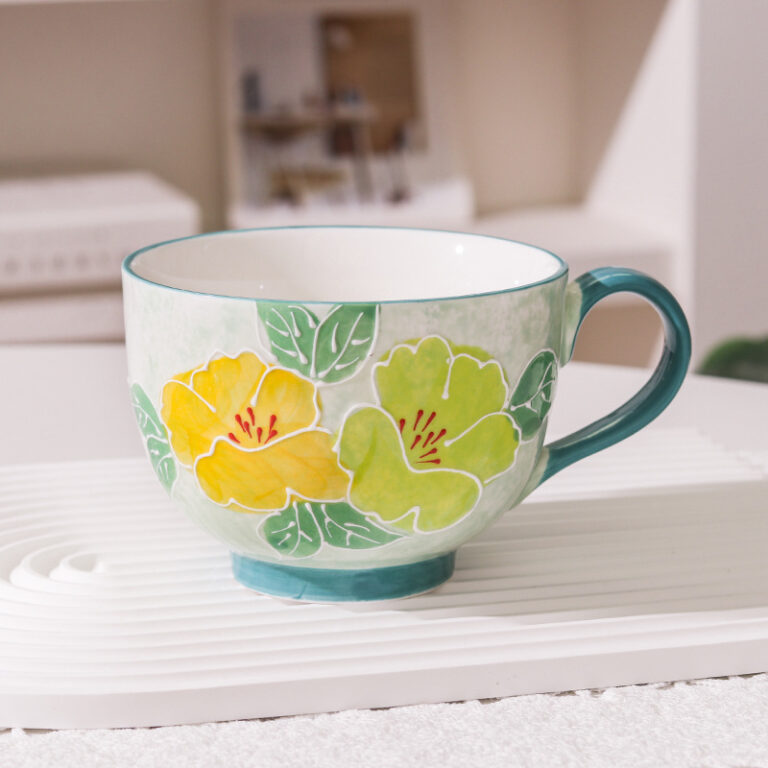
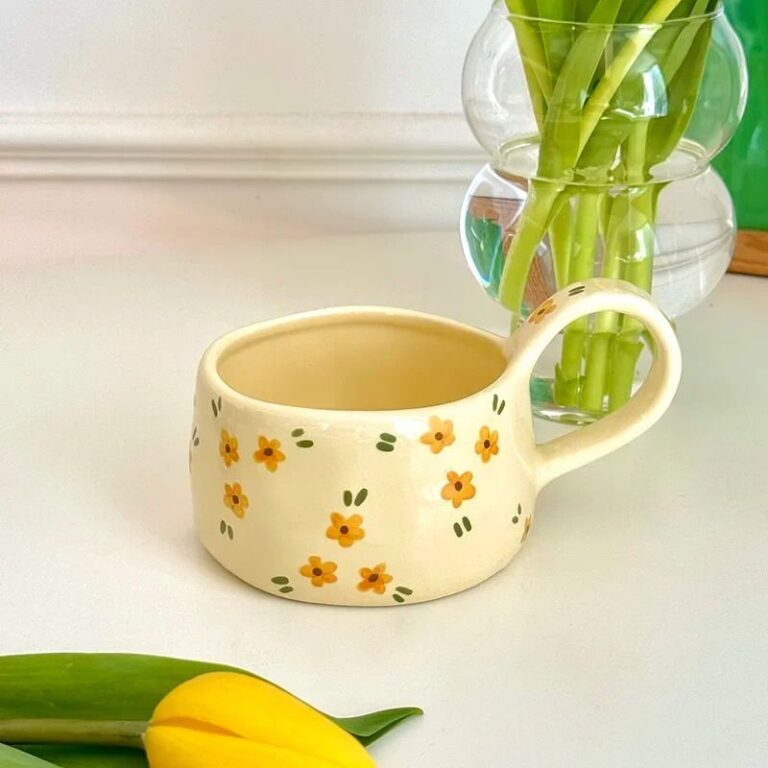 Aisha's pickRustic Mugs Without the Silly Price Tag
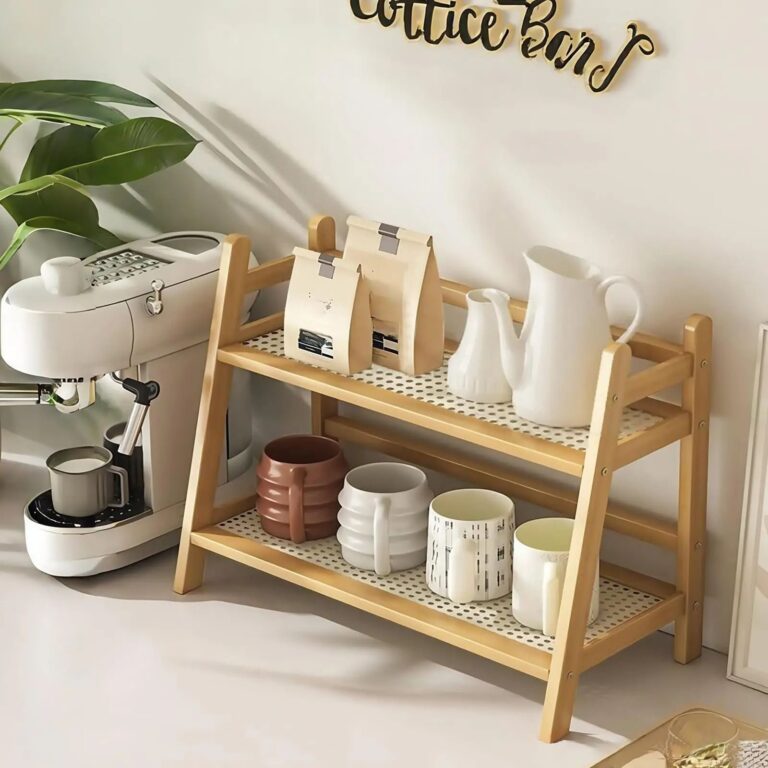
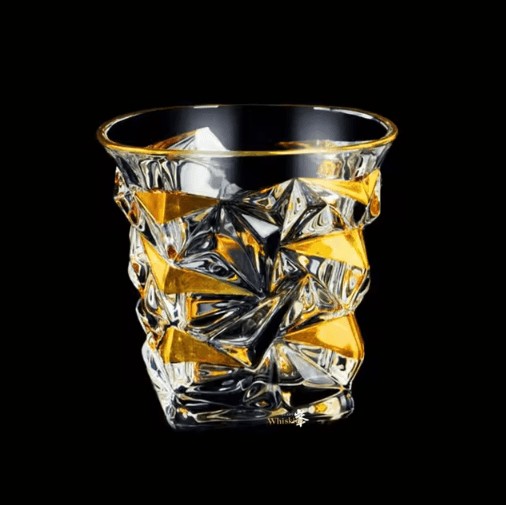 Aisha's pickLuxury Glass Wine Glasses That Make a Room Feel Finished
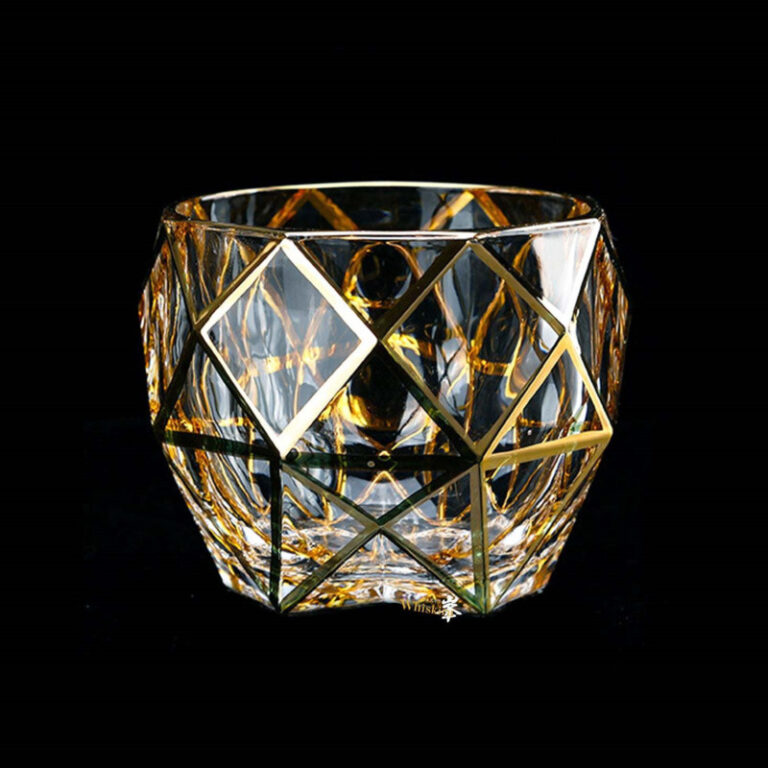
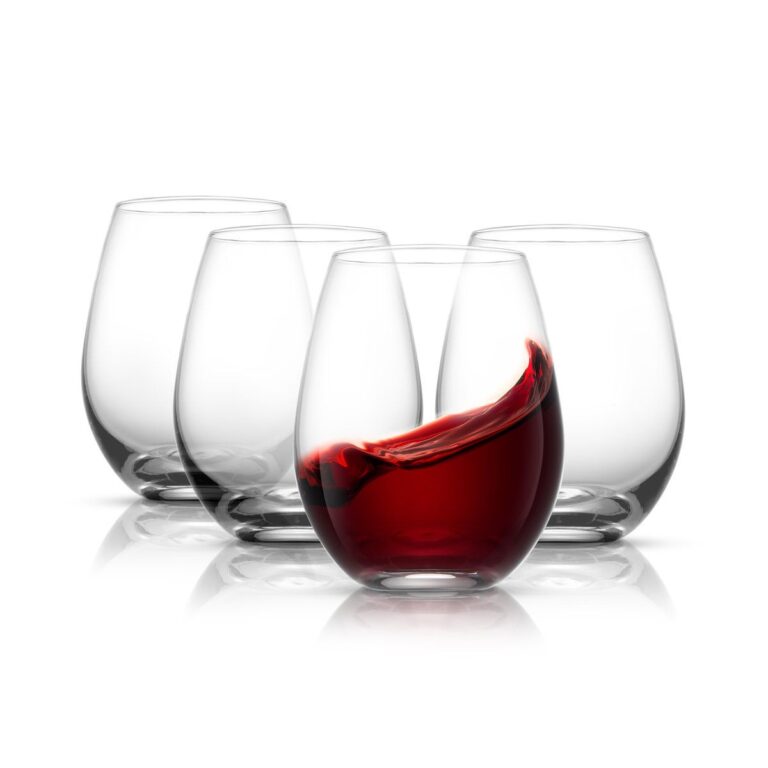 Aisha's pickWhite Wine Glasses for 4 We Use More Than the Best ChinaAlso worth a lookMugsFor years I judged mugs purely on how funny they were, which is how I ended up with…See the collections →
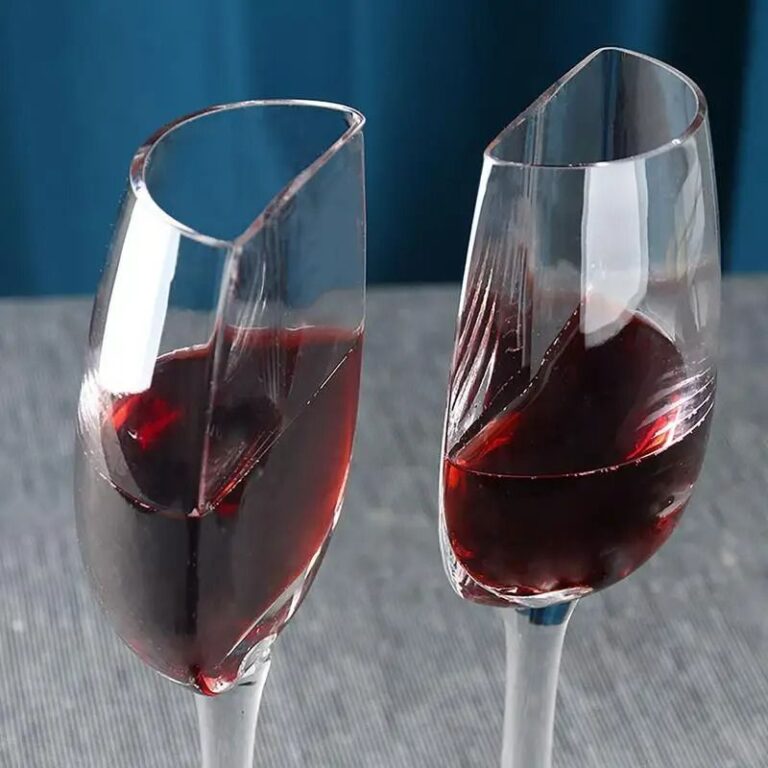
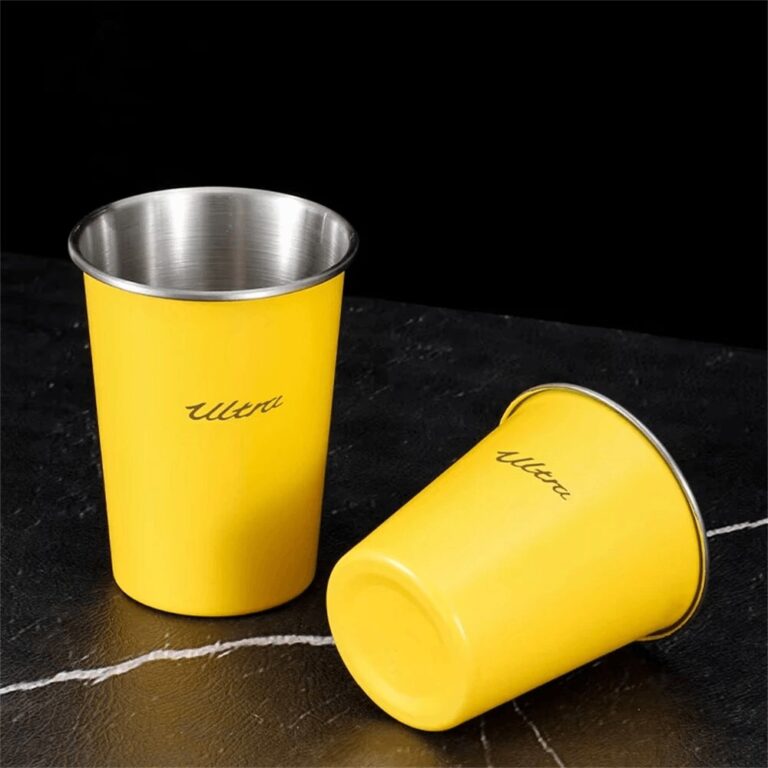 Aisha's pickSets of 4 Tumblers That Make a Weeknight Meal Feel Special
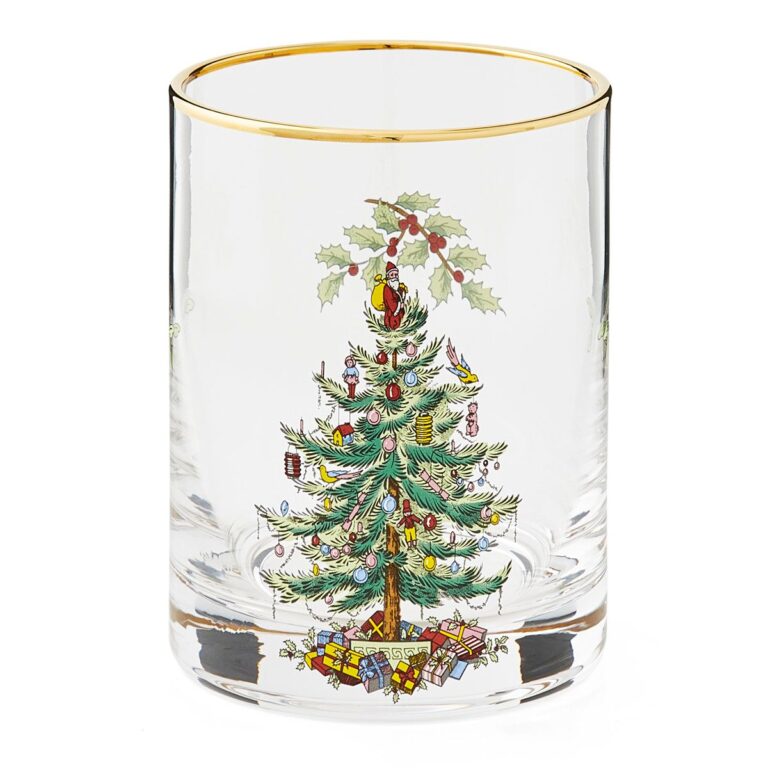
 Aisha's pickLarge Water Glasses That Make a Weeknight Meal Feel Special
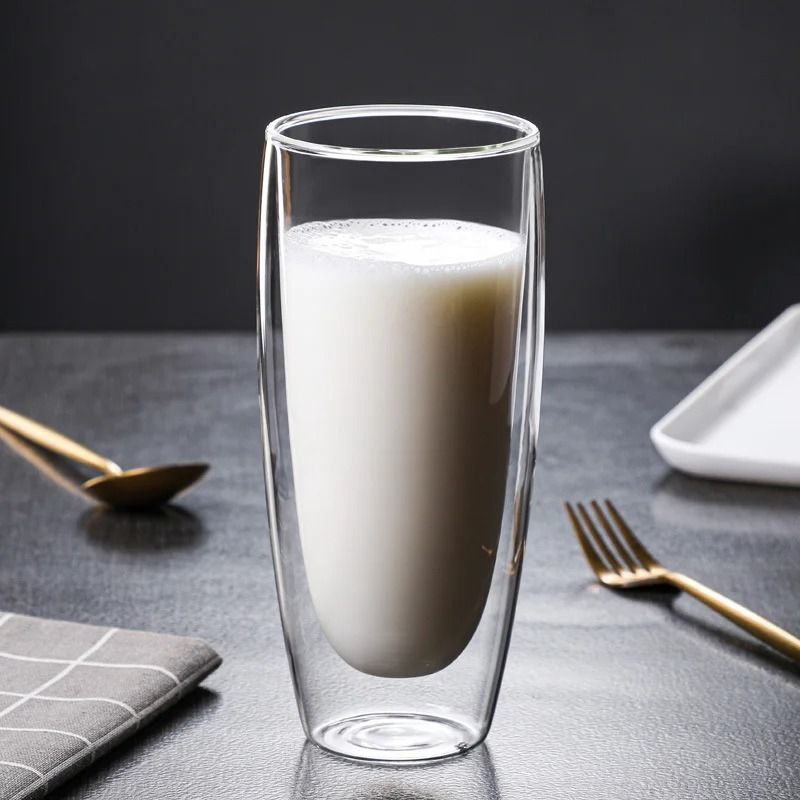
 Aisha's pickChampagne Flutes You Won’t Regret Buying

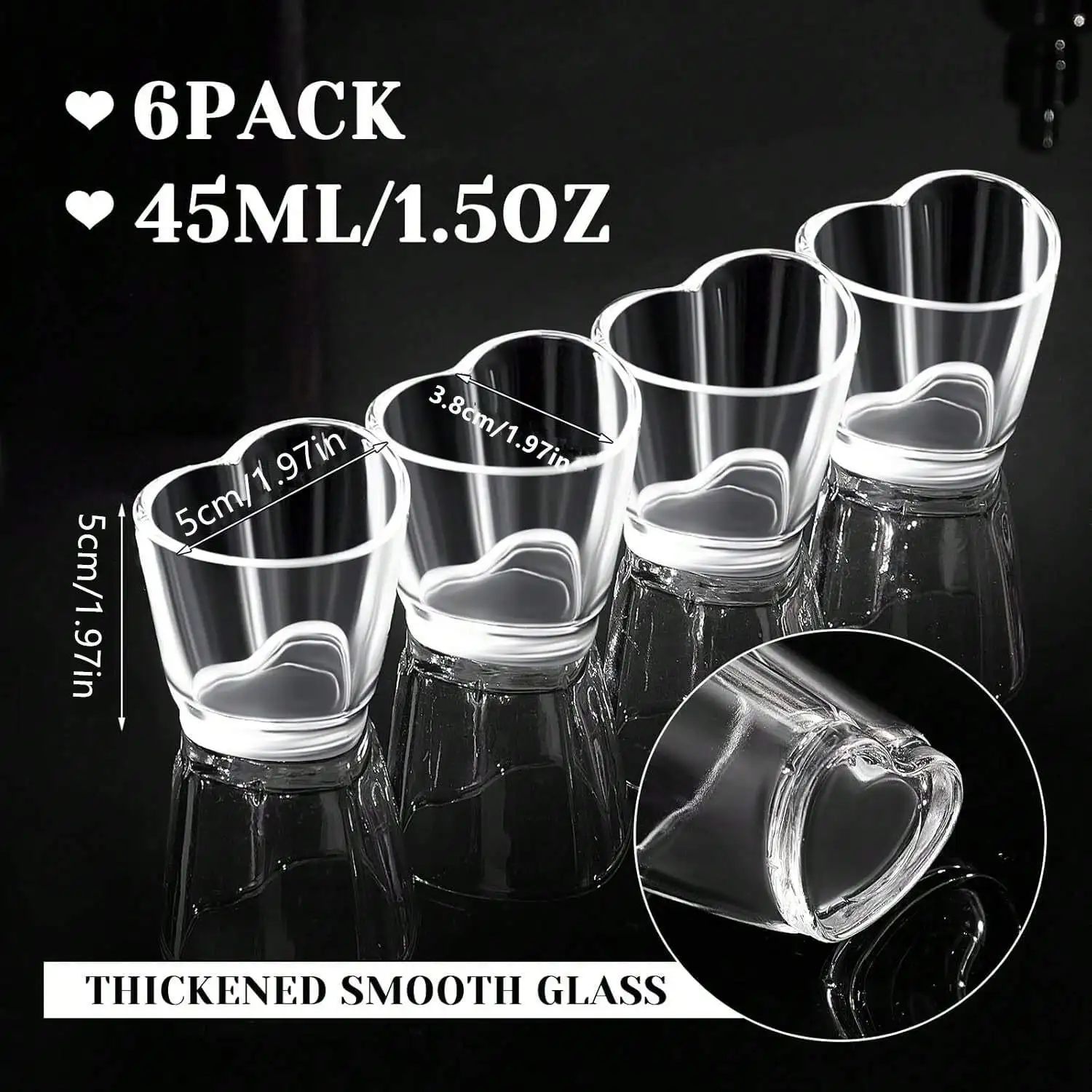 Aisha's pickDecent Espresso Cups for 6 Without the Hassle

 Aisha's pickLarge Cocktail Glasses We Use More Than the Best China

 Aisha's pickTeapots with Handle That Don’t Chip at the First Knock
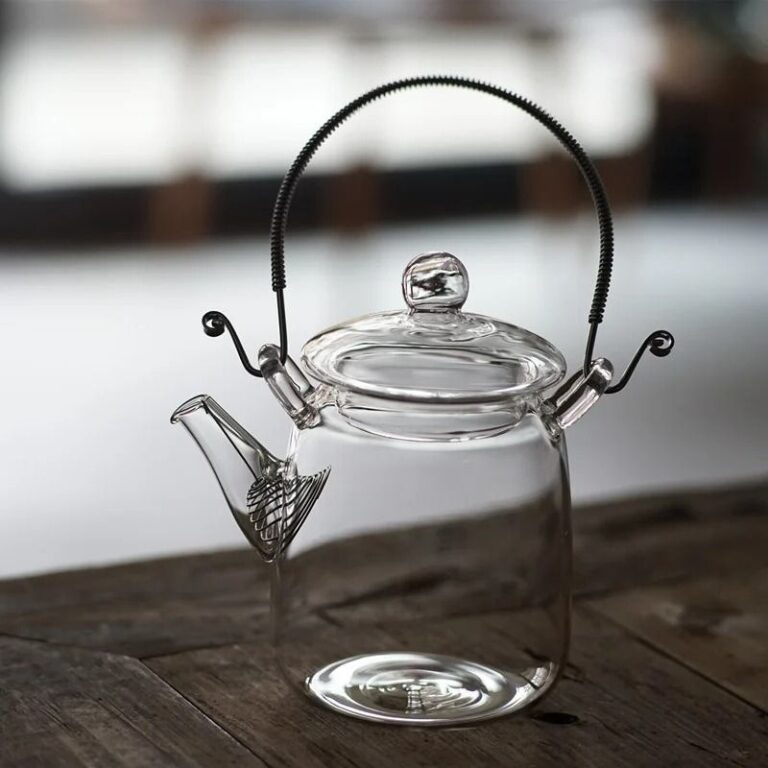
 Aisha's pickPitchers with Handle That Make a Room Feel Finished

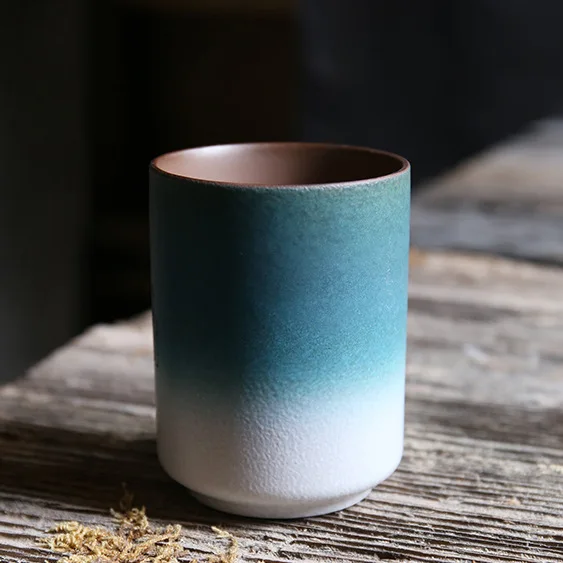 Aisha's pickShopping for Handmade Mugs? Start Here

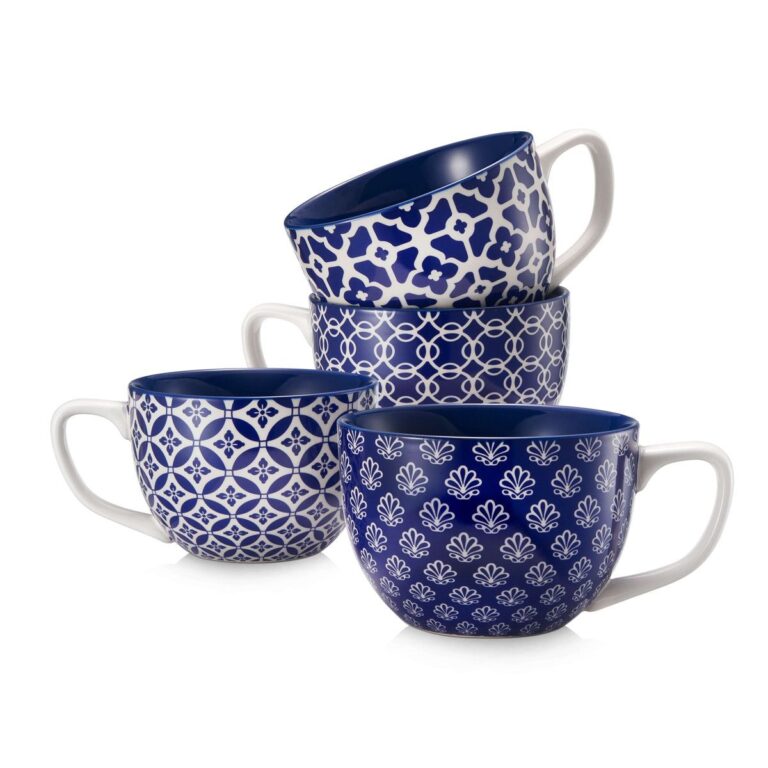 Aisha's pickSets of 4 Mugs That Mix and Match NicelyAlso worth a lookRed GlassesRed glasses are the one color choice in drinkware that actually makes your table look finished instead of…See the collections →
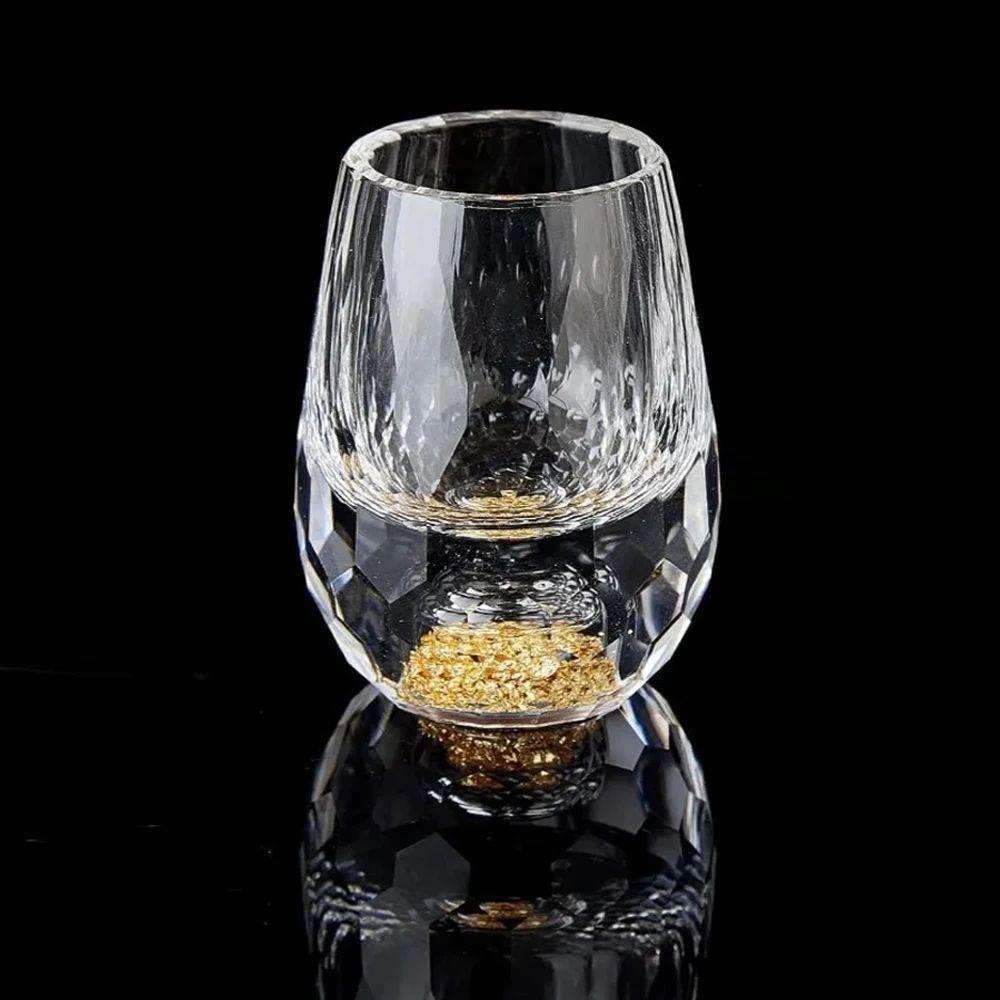 Aisha's pickLuxury Wine Glasses That Fit Into Real Life
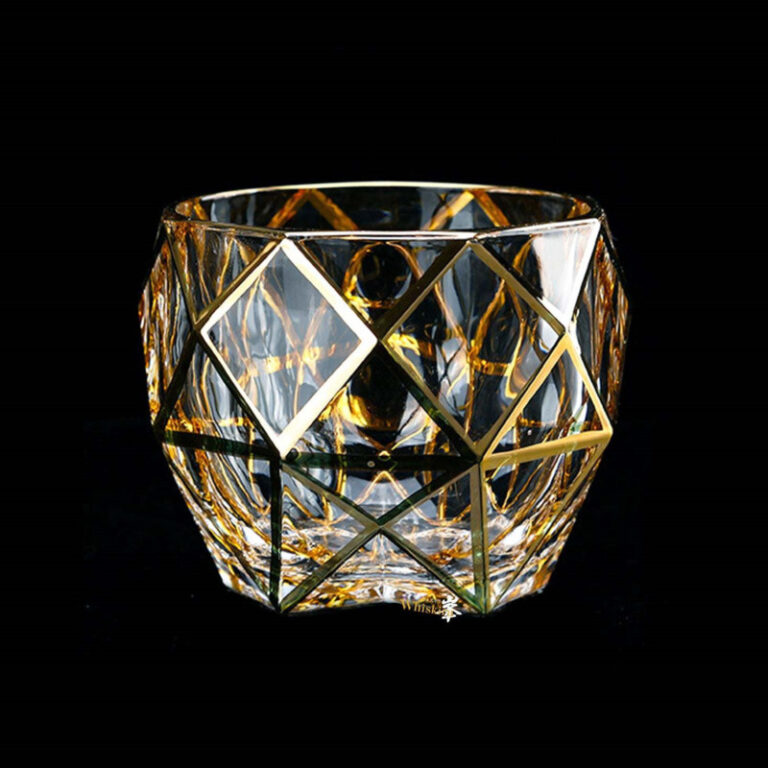
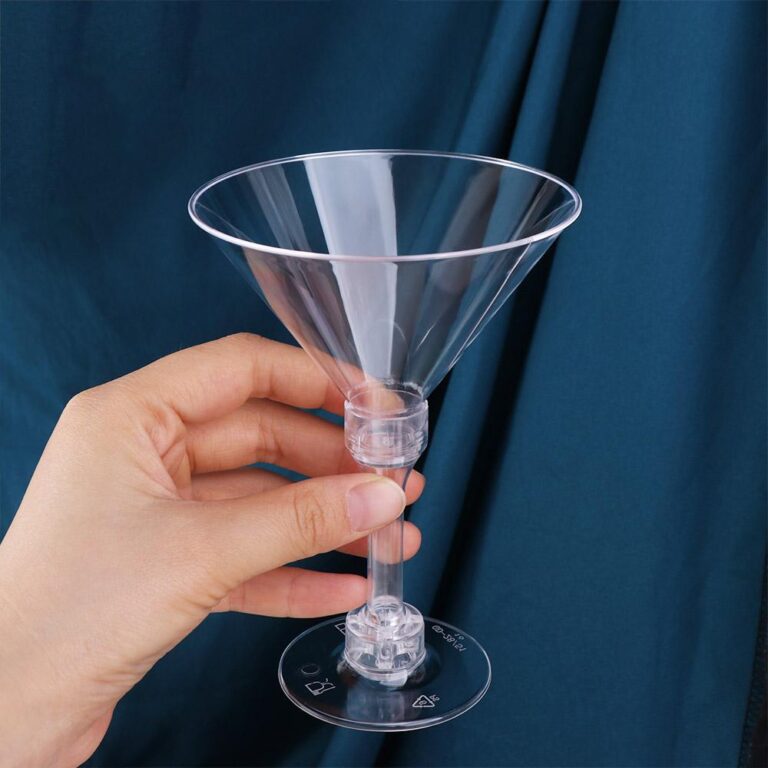 Aisha's pickWine Glasses Pulled From Dozens of Stores
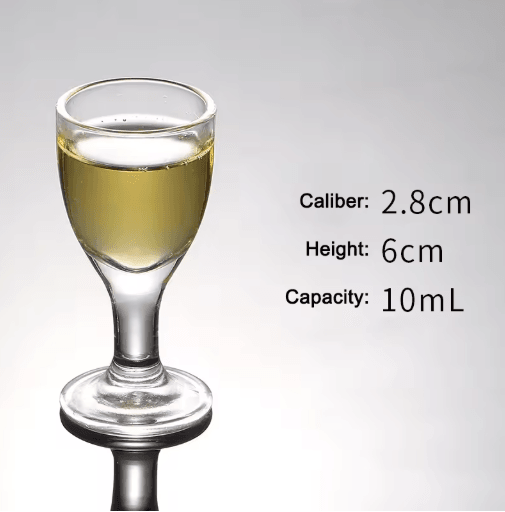 Aisha's pickSmall Tumblers Picked From the Stores We Trust
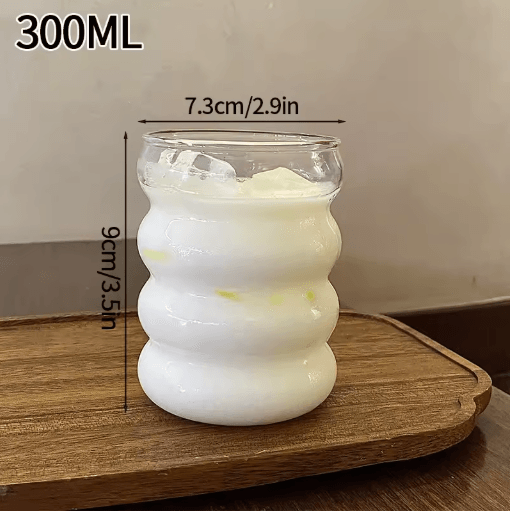
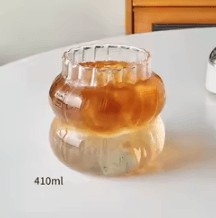 Aisha's pickModern Water Glasses That Mix and Match Nicely
 Aisha's pickCocktail Glasses You’ll Keep for Years

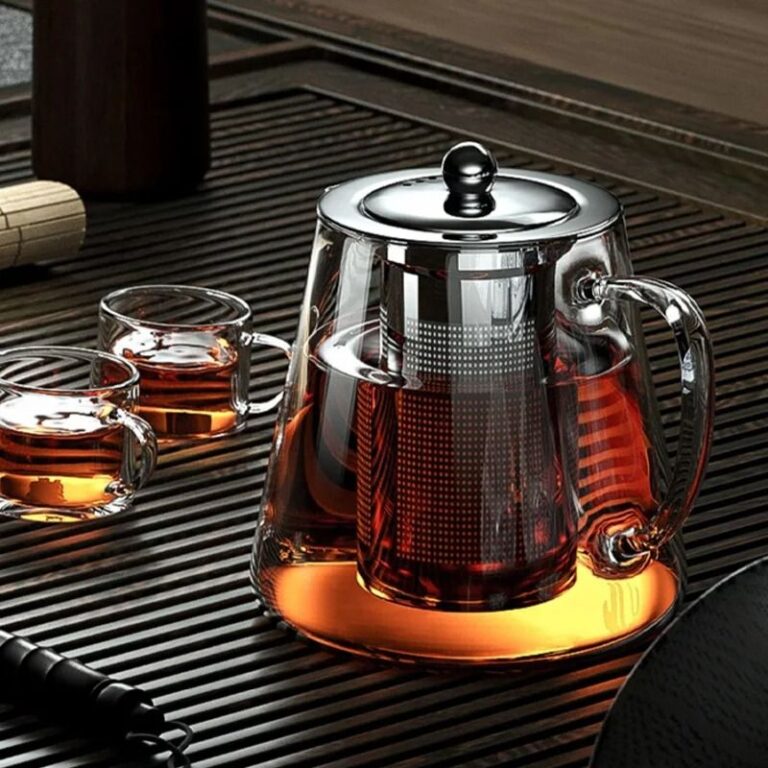 Aisha's pickFloral Teapots That Don’t Chip at the First Knock

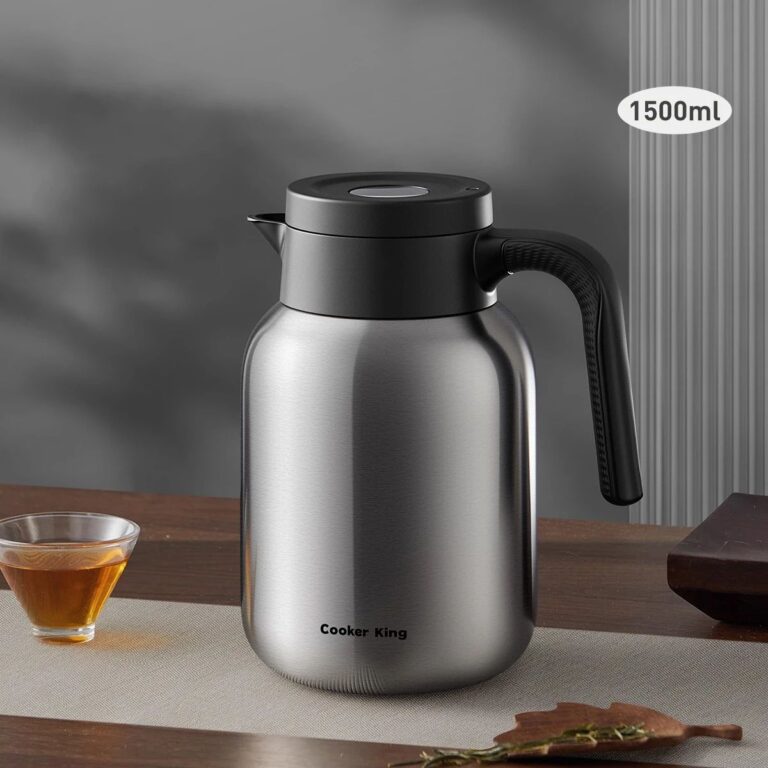 Aisha's pickLarge Teapots for Dinner Parties and Tuesday Dinners

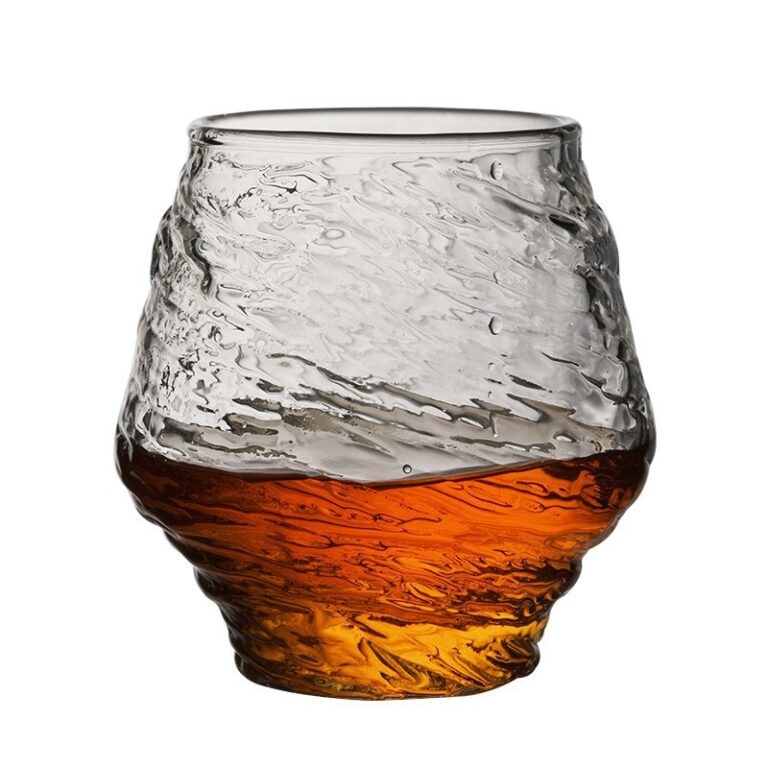 Aisha's pickVintage Drinking Glasses Tough Enough for Everyday Use
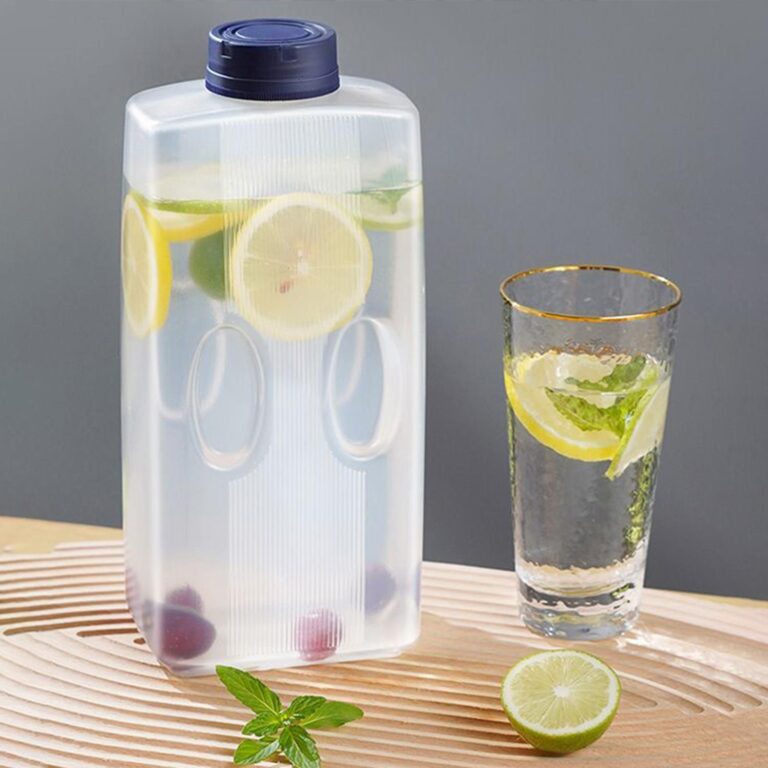 Aisha's pickPitchers with Lid That Look Good on Open ShelvesAlso worth a lookWine GlassesThere's a particular kind of evening, cold outside, something simmering on the stove, maybe just you and one…See the collections →
 Aisha's pickLarge Mugs We’d Buy Again
 Aisha's pickSets of 6 Mugs With Some Character
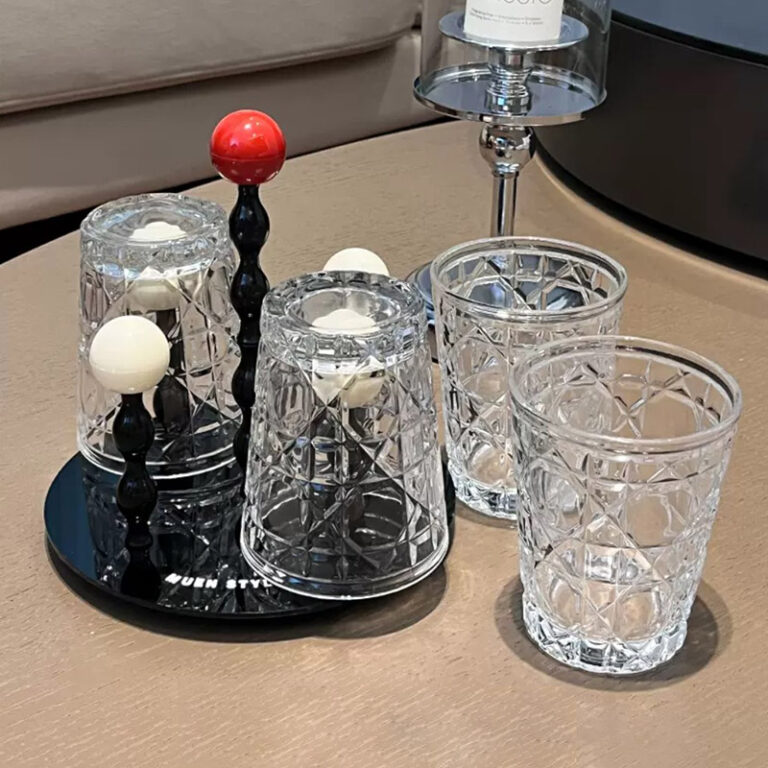 Aisha's pickModern Glass Wine Glasses That Fit Into Real Life
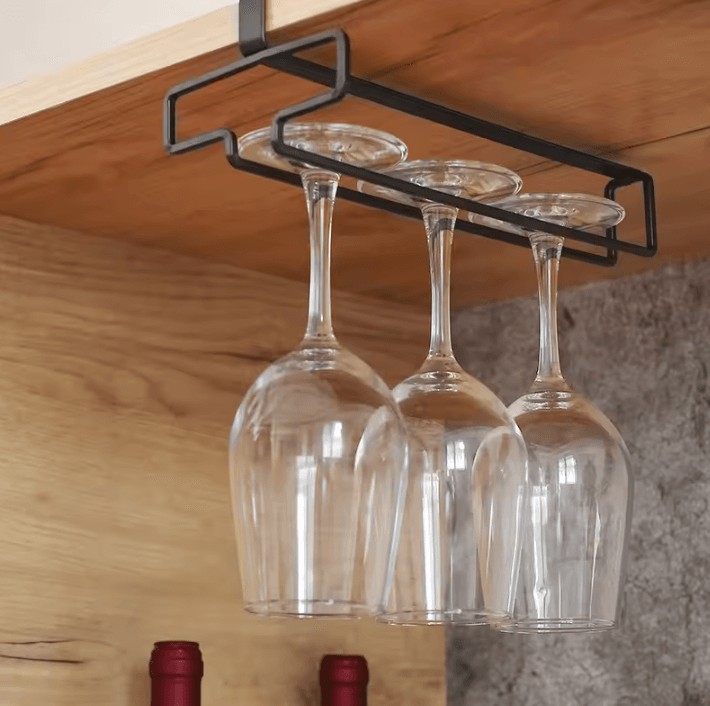
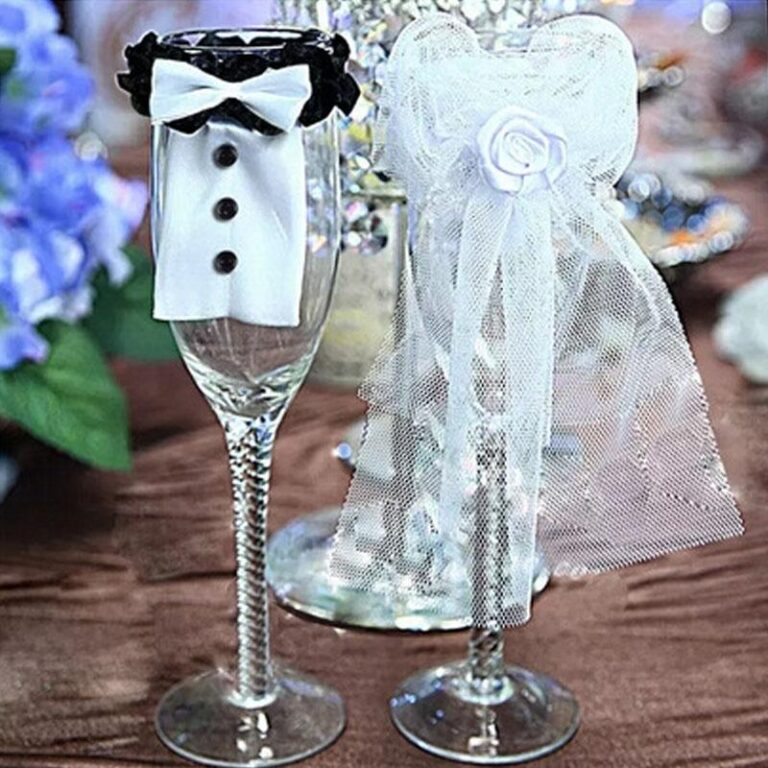 Aisha's pickThe Wine Glasses for 2 Worth Your Cash
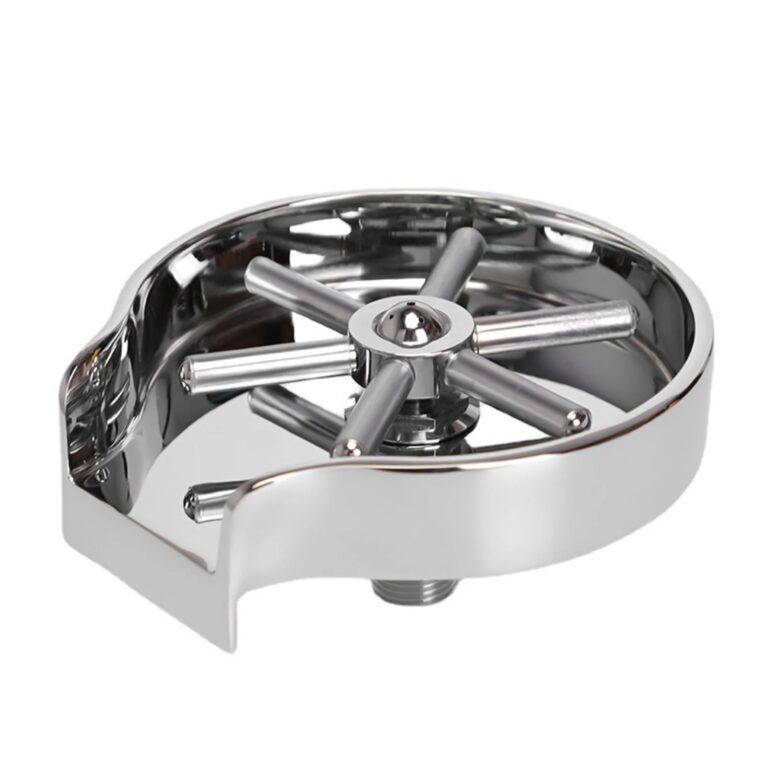
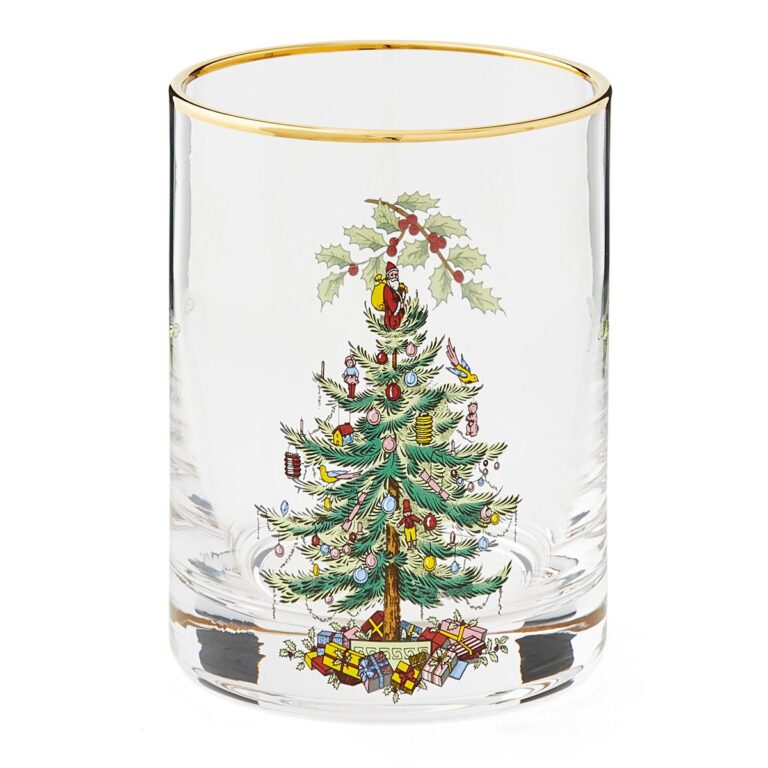 Aisha's pickStackable Tumblers for Dinner Parties and Tuesday Dinners
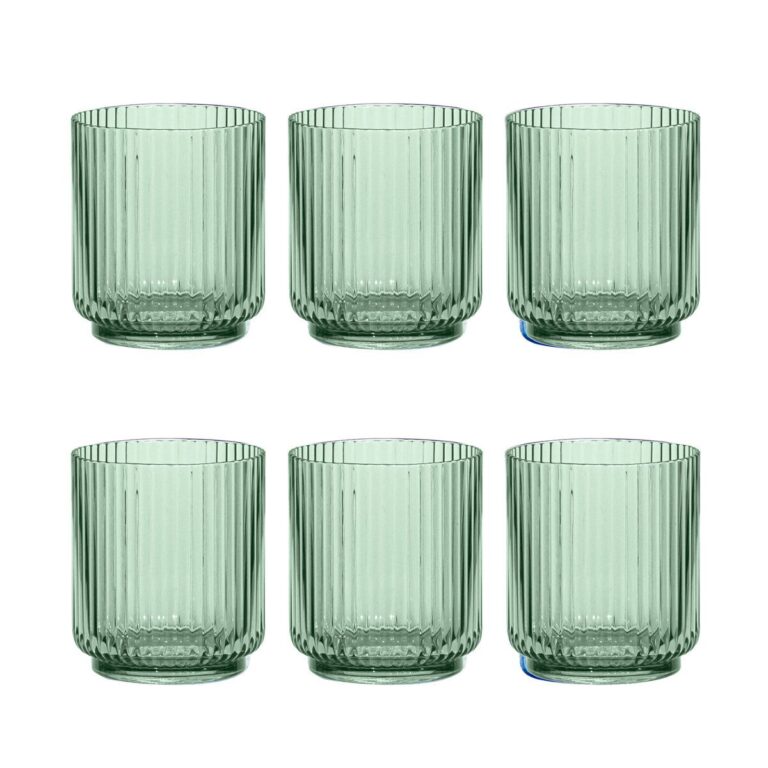
 Aisha's pickRound Water Glasses We’d Buy Again
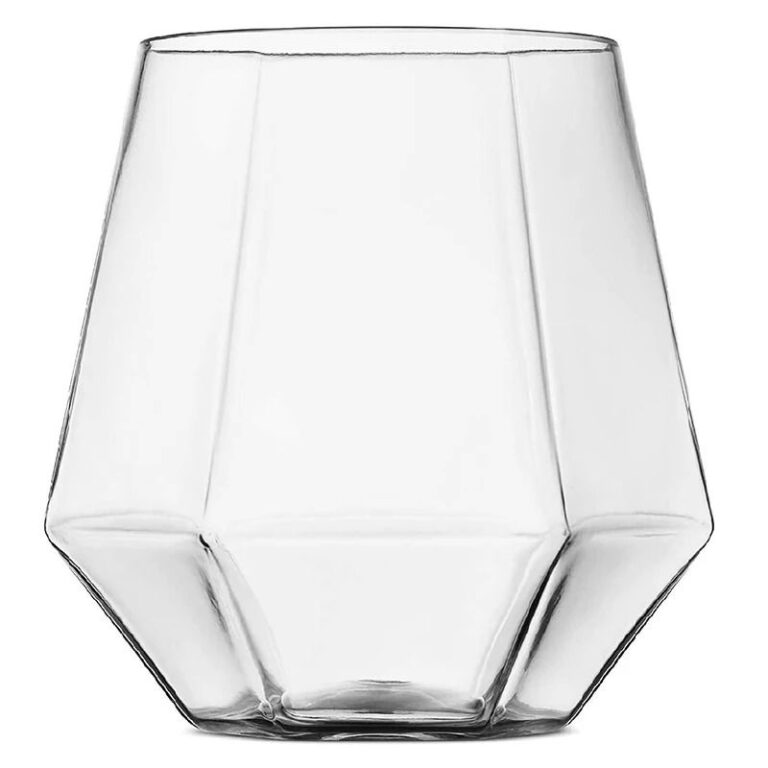
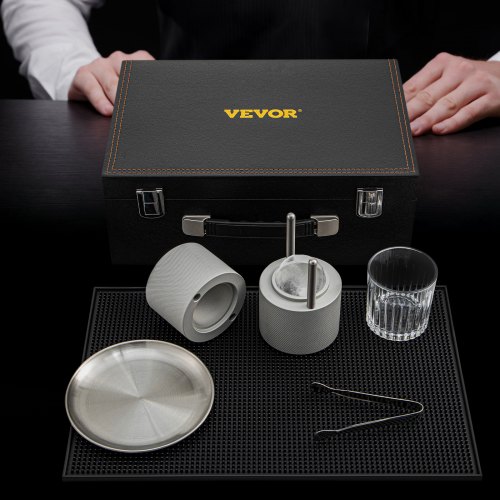 Aisha's pickCocktail Glasses for 2 Tough Enough for Everyday Use
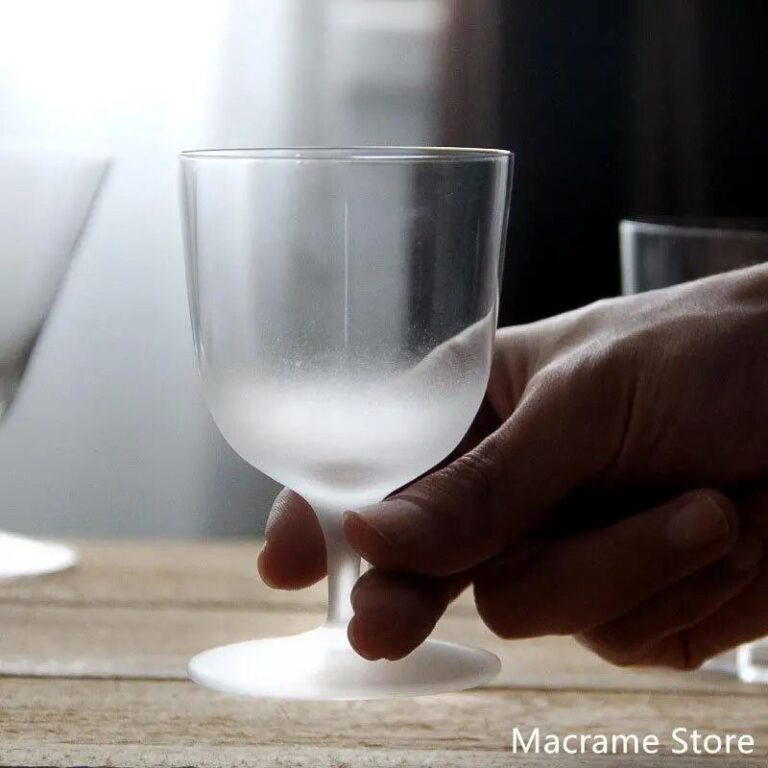
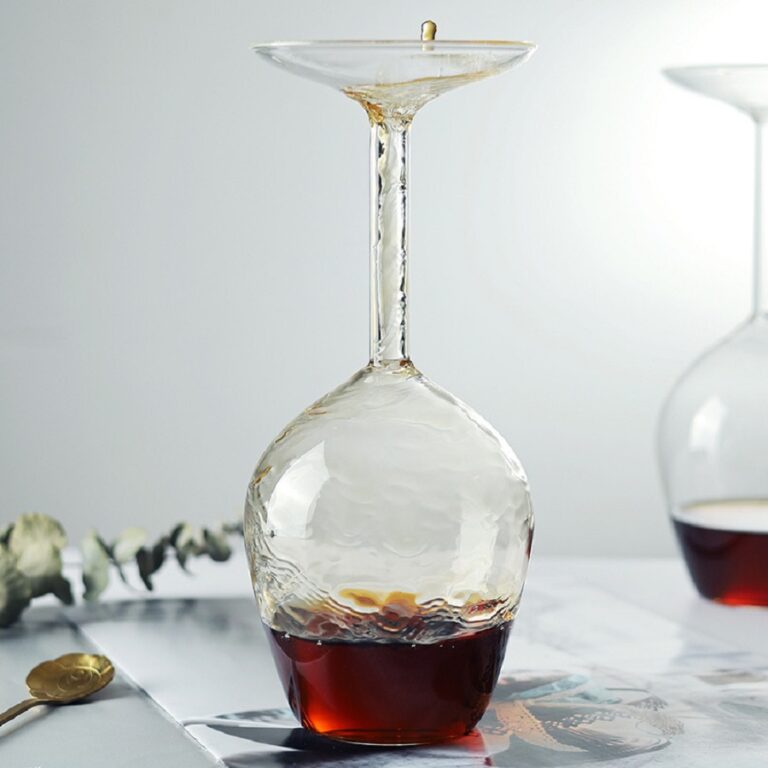 Aisha's pickGin Glasses Pulled From Dozens of Stores