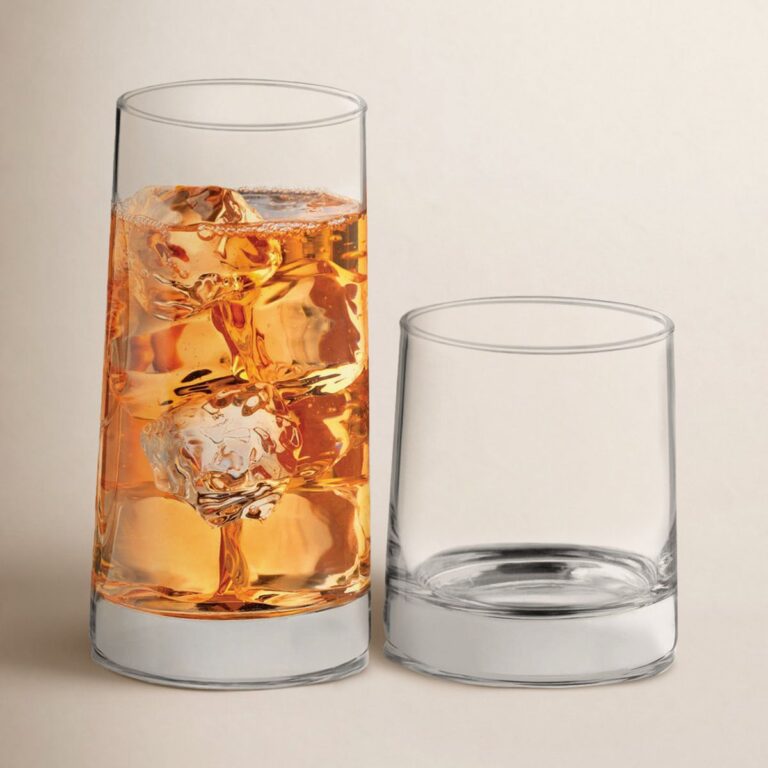
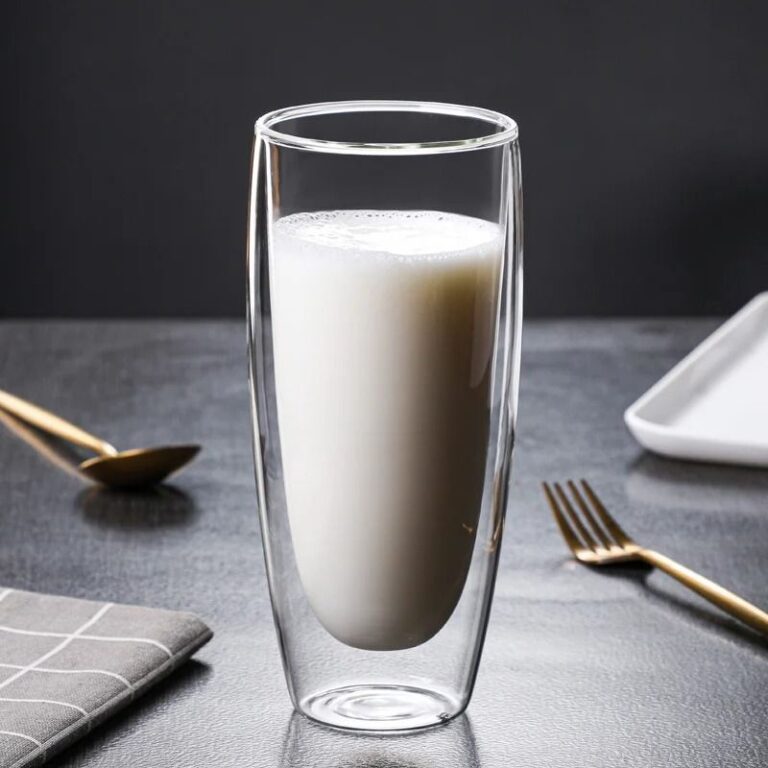
You can tell a good water glass from a bad one before you even pick it up, just by how it sits on the table. The good one has a little weight to the base, sits flat without rocking, and catches light in a way that makes plain tap water look like something worth drinking. The bad one is thin at the rim, tips if you look at it wrong, and feels like it came free with something else, because it probably did.
Where these fall down is anywhere delicate equals impractical. A set with a cut or etched pattern looks lovely in a cabinet and turns into a chip magnet the first week a teenager loads the dishwasher carelessly or someone sets one down too hard next to the sink. Hand painted rims and gold trim are the same problem twice over, since most of that finish cannot go anywhere near a dishwasher without dulling or flaking within a year, which means you are hand washing glasses forever or watching them go shabby fast. Where they sit well is almost everywhere else in an ordinary kitchen, plain glass with simple lines next to mismatched everyday plates, stacked in an open cabinet where you can see them, lined up on a tray for a dinner where nothing else matches either. They do not ask the rest of the table to coordinate with them, which is most of the job. As for wear, glass does not really age the way wood or brass does, it either survives or it does not, so the real test is a year of actual use, through a few house moves, through the dishwasher three times a week, through someone's nephew gripping one like a baseball. Good glass holds its clarity, does not cloud or scratch visibly, and the edges stay smooth instead of developing that faint sandy feel that tells you the rim has started to etch from hard water or harsh detergent. Rinse with distilled vinegar now and then if your water is hard and you start seeing a film, and stack them carefully rather than nesting narrow glasses inside wider ones, which is how chips start that you do not notice until a lip catches your mouth wrong months later.
The things worth checking before you buy a set, or the moment the box arrives, are simple but easy to skip. Run a finger around the rim for any roughness or unevenness, since that is the part touching your mouth every single day. Check that the base is flat and the glass does not wobble on a hard counter, and hold two side by side to make sure the heights and widths actually match rather than looking close enough in a photo. Tap the glass gently near the rim, a clear ring usually means a denser, better made glass, while a dull thud is a decent sign it will not last.

 Aisha's pickDishwasher Safe Water Glasses That Mix and Match Nicely

 Aisha's pickDecent Water Glasses for 8 Without the Hassle
 Aisha's pickGlass Water Glasses That Get Better With Age
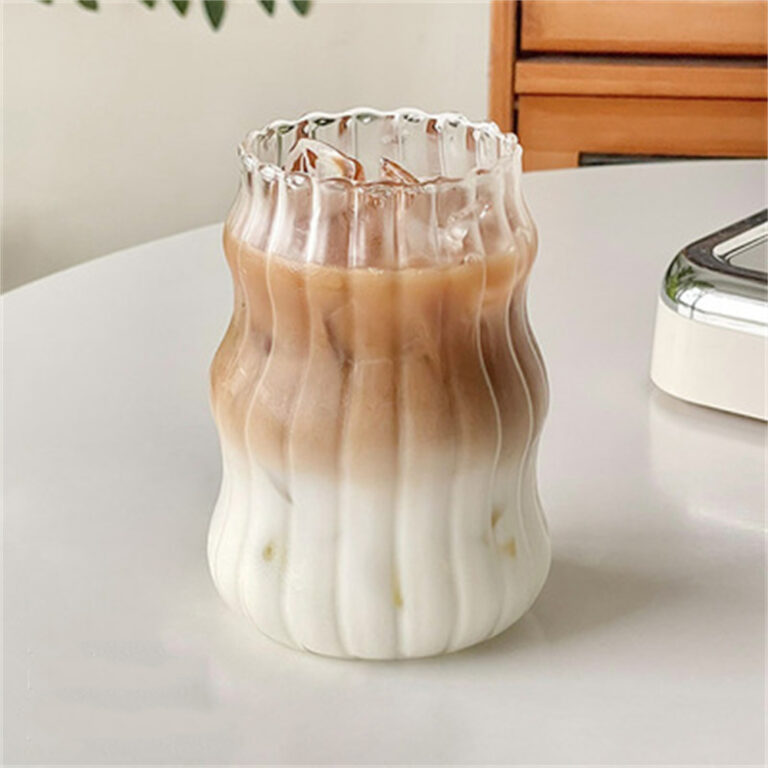
 Aisha's pickSimple Green Water Glasses Done Well
 Aisha's pickLarge Water Glasses That Make a Weeknight Meal Feel Special
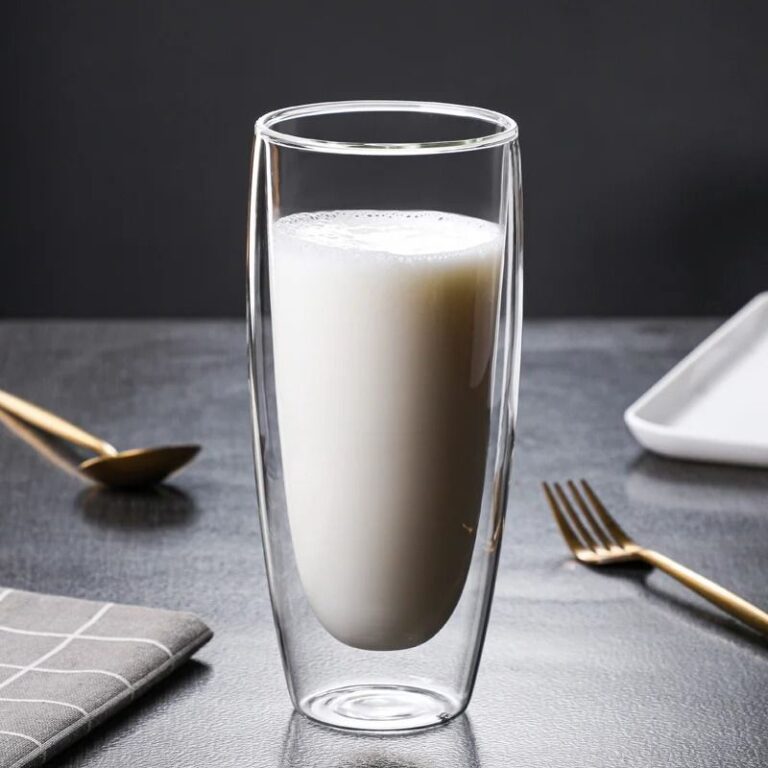
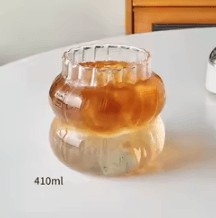 Aisha's pickModern Water Glasses That Mix and Match Nicely
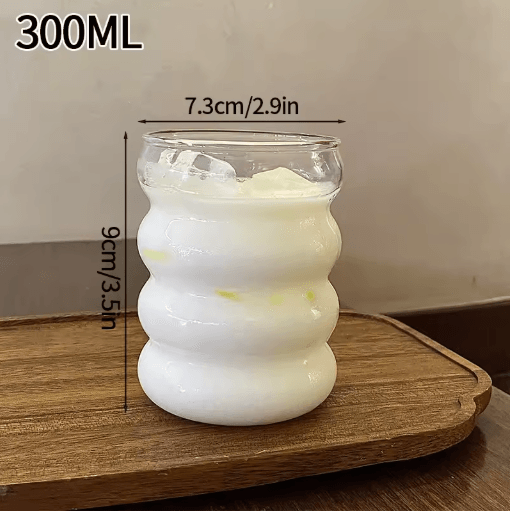
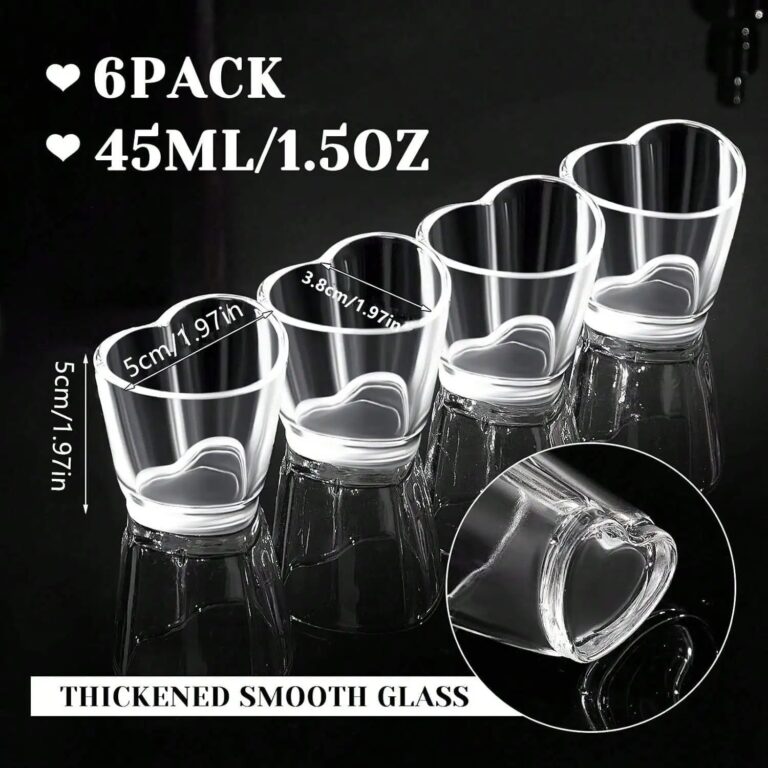 Aisha's pickRound Water Glasses We’d Buy Again
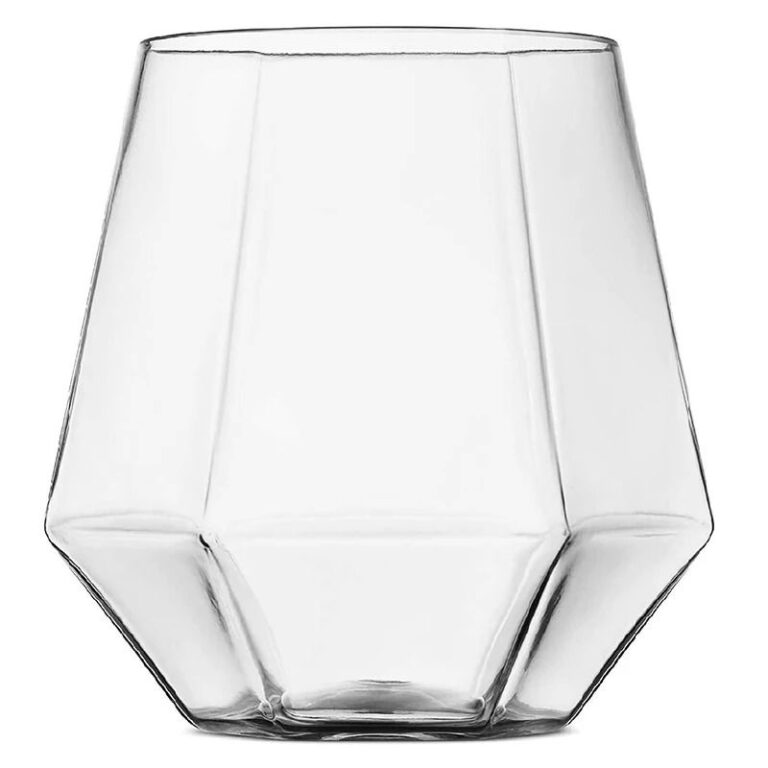
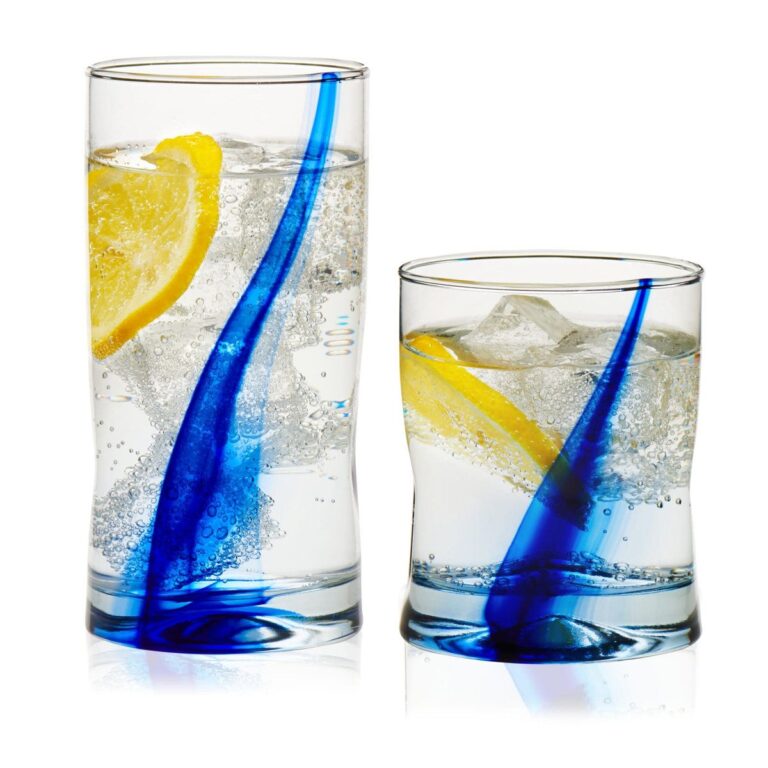 Aisha's pickSets of 12 Water Glasses That Don’t Shout About It
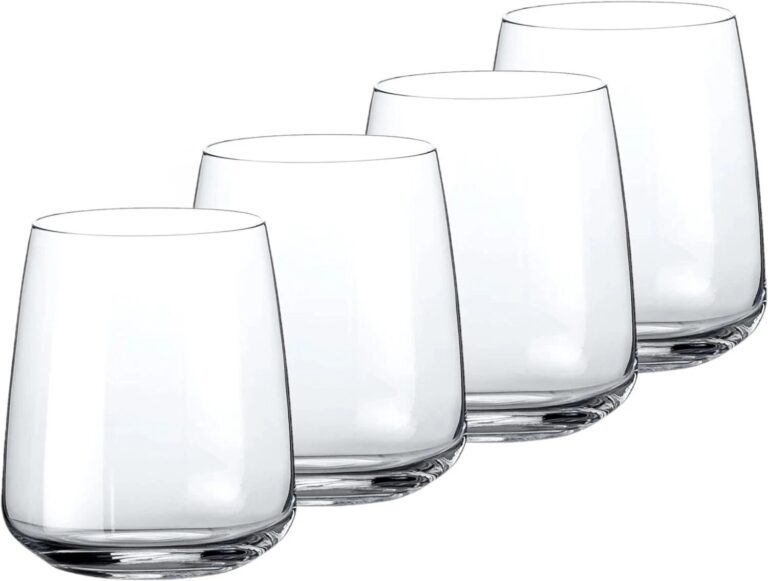
 Aisha's pickSets of 2 Water Glasses You Won’t Regret BuyingAlso worth a lookMugsFor years I judged mugs purely on how funny they were, which is how I ended up with…See the collections →

 Aisha's pickSets of 4 Water Glasses From Brands You Know and a Few You Won’t
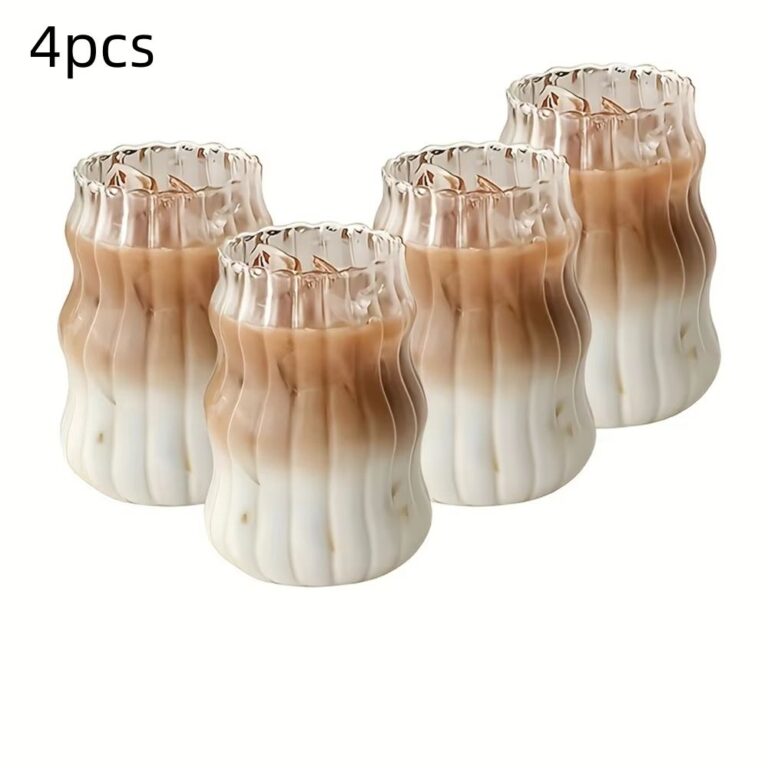
 Aisha's pickSets of 6 Water Glasses That Get Better With Age
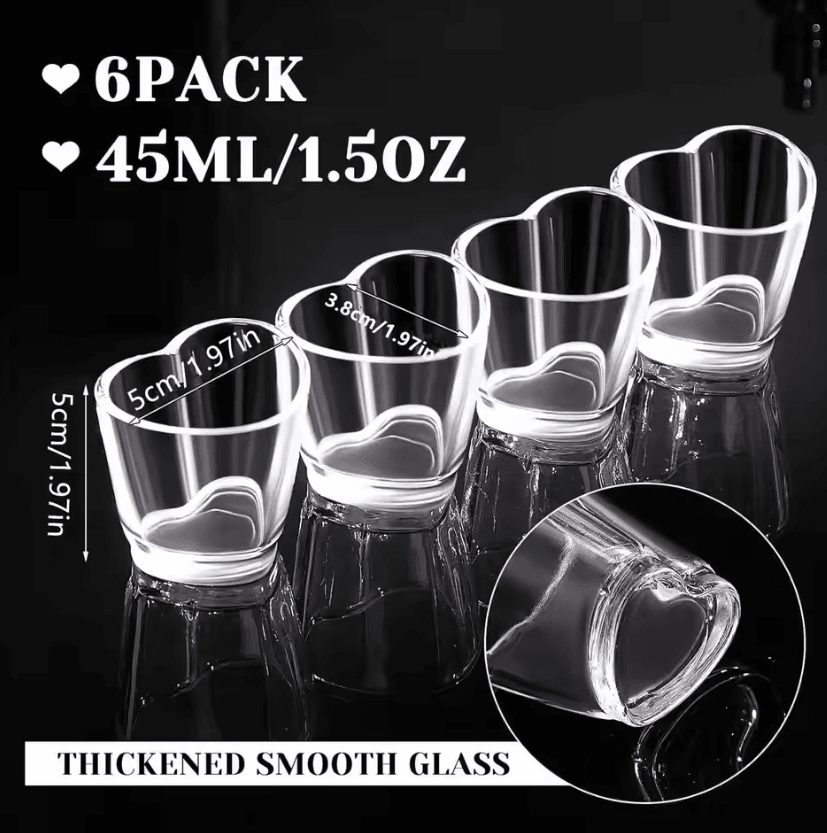
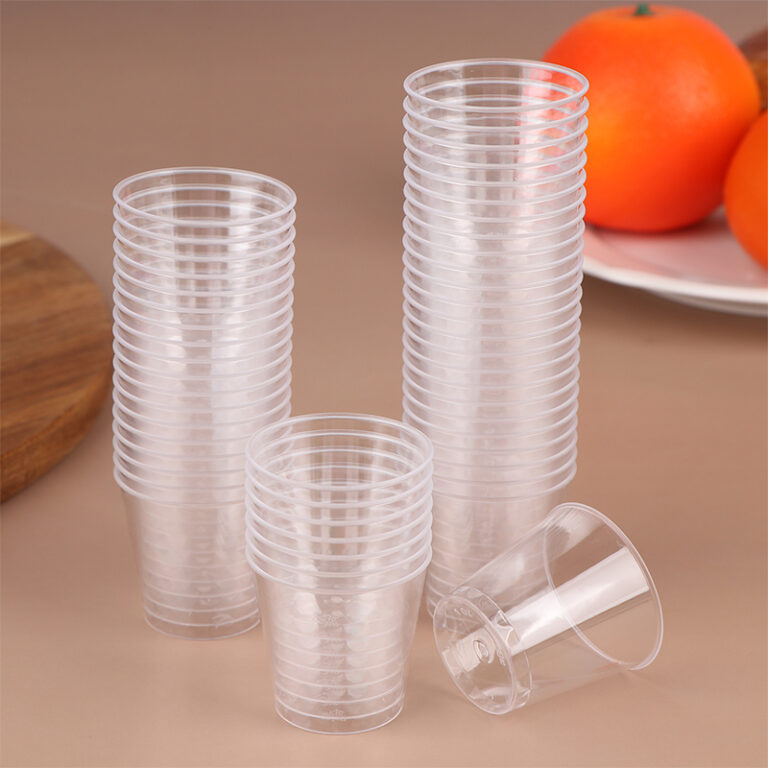 Aisha's pickSmall Water Glasses for Dinner Parties and Tuesday Dinners
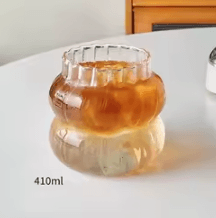 Aisha's pickStriped Water Glasses Tough Enough for Everyday Use
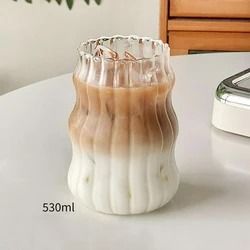
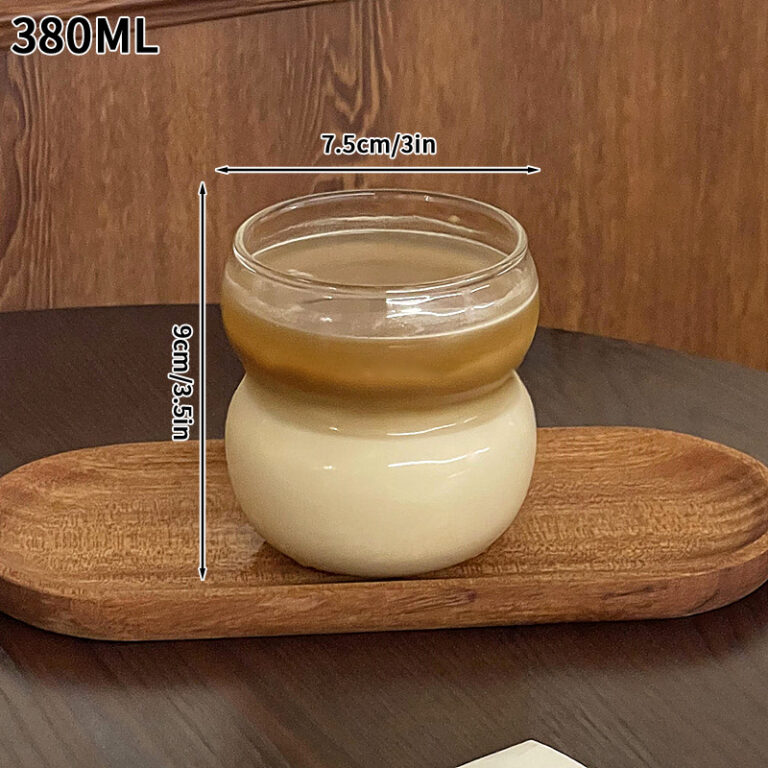 Aisha's pickWater Glasses With Some Character
 Aisha's pickBlack Water Glasses for Dinner Parties and Tuesday Dinners
 Aisha's pickWater Glasses for 2 That Go in the Dishwasher
 Aisha's pickSimple Blue Water Glasses Done Well
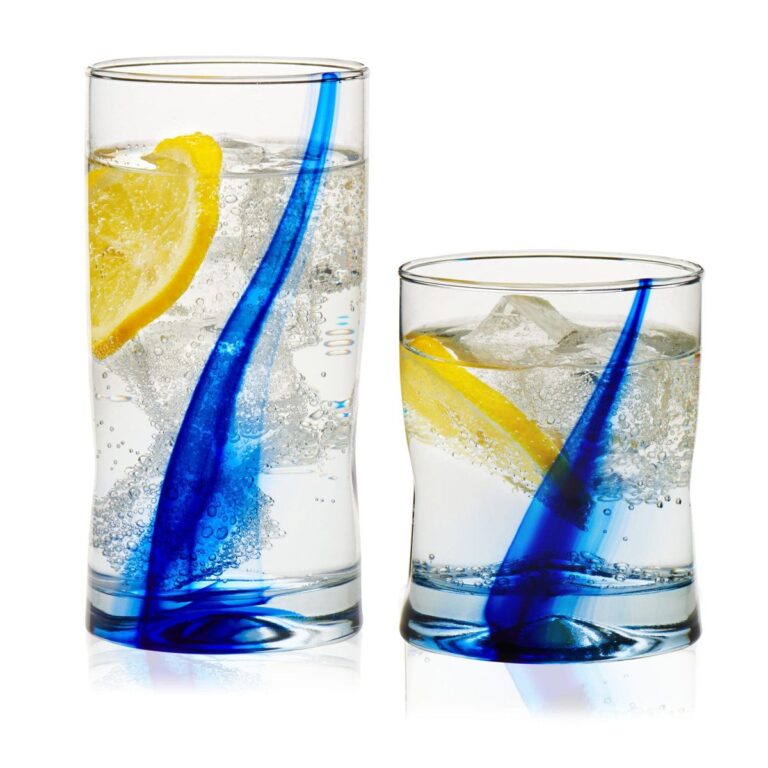
 Aisha's pickWater Glasses for 4 That Make Small Changes Feel BigAlso worth a lookRed GlassesRed glasses are the one color choice in drinkware that actually makes your table look finished instead of…See the collections →
 Aisha's pickCrystal Water Glasses That Work in Old Houses and New Ones