Before you buy any cabinet or sideboard, measure the depth of the doorway it has to travel through, not just the room you're putting it in. I have seen a beautiful piece get stuck in a stairwell and have to go back on the truck, and it is always the depth, never the width, that catches people out.
When it arrives, open every door and drawer before the delivery people leave. Run your hand along the inside edges where you can't see well, because that's where cheap finishing hides, rough particleboard under a nice veneer top, or a back panel stapled on instead of set into a groove. Push on the top corners and see if the whole thing racks or stays square. Drawers should glide without you having to lift the front, and doors should close with a soft, even click, not a slam because the hinge is already loose. Over months of actual use, the difference between a good one and a bad one shows up exactly where you'd expect: the hinges, the drawer runners, the surface where mugs and keys land every day. Solid wood and good veneers age well, they pick up a little warmth and a few honest marks, and you can touch up a scratch with oil or wax and it mostly disappears. Laminate doesn't age so much as it just starts failing, edges lifting at the corners first, usually near a steamy kitchen or a radiator. Keep anything with a wood finish out of direct sun unless you want one faded panel and three normal ones. Wipe spills quickly, and don't let a damp glass sit on an unsealed top overnight, that ring is forever.
The build tells you everything if you know where to look. Dovetail or dowel joints on drawers beat a drawer that's just glued and pinned together, every time. Doors that are a solid frame with a panel set inside will outlast a flat slab door that's really just a box. Metal runners with a soft close mechanism are worth paying for, because a cheap plastic runner will crack within a couple of years of normal use, maybe sooner if it's holding anything heavy, like files or glassware. Check the back of the piece too, a proper back panel screwed into a frame keeps the whole cabinet rigid, while a stapled hardboard back lets it twist over time, which is usually when the doors stop closing properly.
The one mistake worth avoiding is buying a piece that looks finished and ready off a screen without checking how it's actually held together, because the parts you can't see in a photo are the parts that decide whether this lasts five years or twenty.
 Aisha's pickIndustrial Bar Cabinets You’ll Keep for Years
 Aisha's pickBathroom Mirror Cabinets for Making a House Feel Like Yours

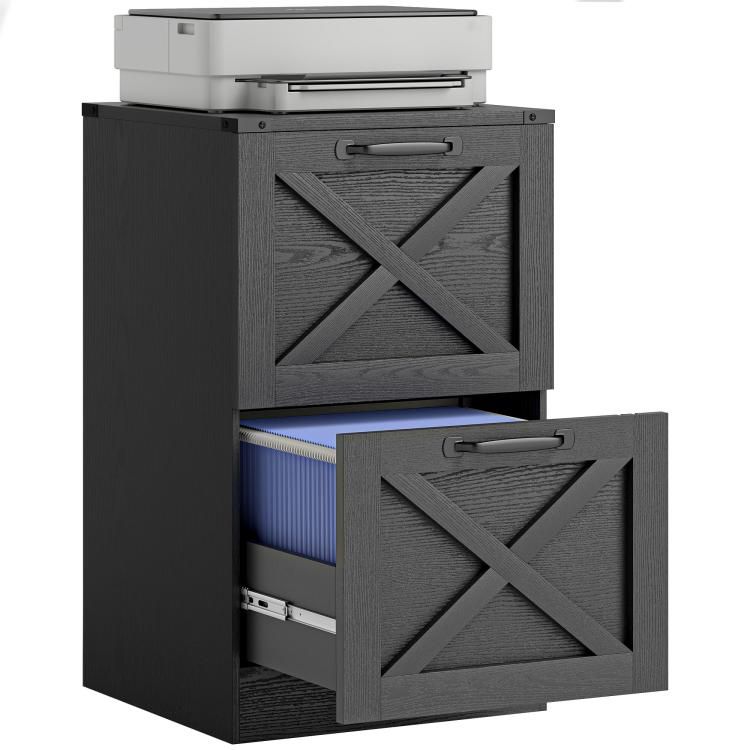 Aisha's pickBlack File Cabinets That Hide the Mess for Good
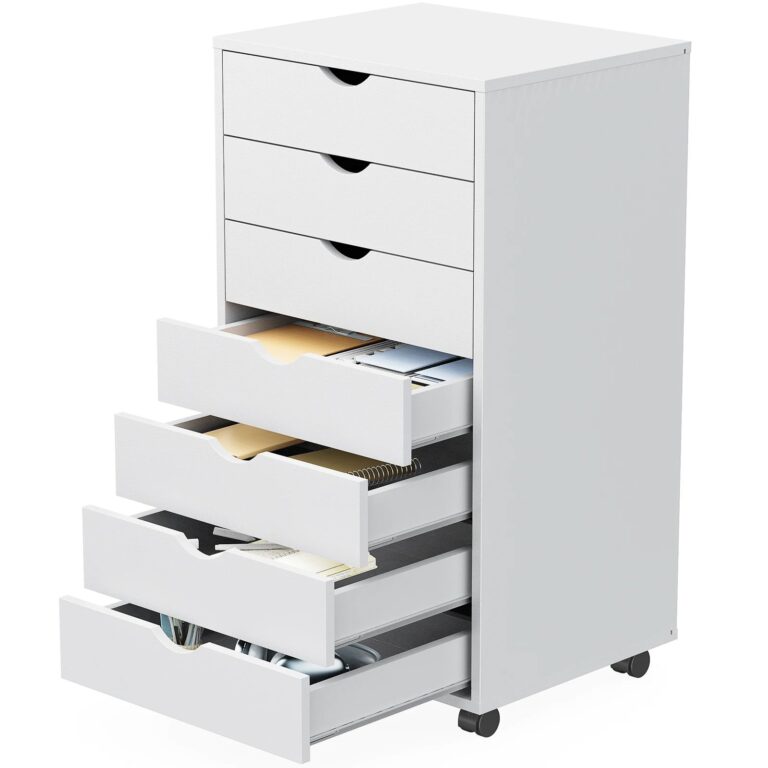
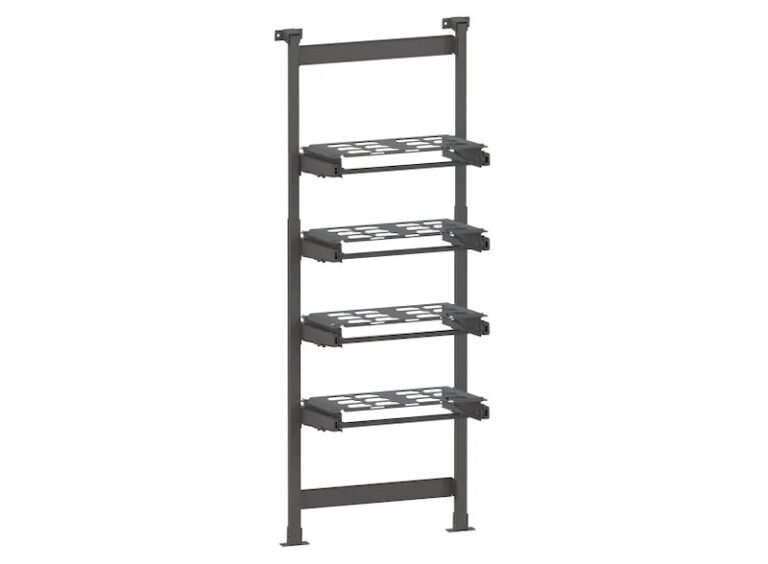 Aisha's pickBlack Storage Units Hunted Down So You Don’t Have To
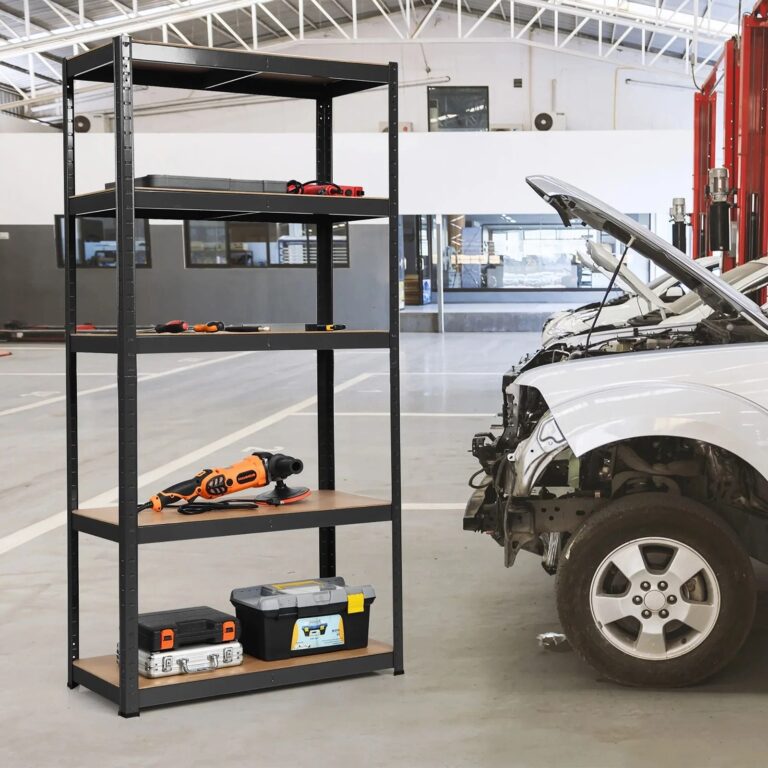
 Aisha's pickBrass Nightstands That Make the Bedroom Feel Finished
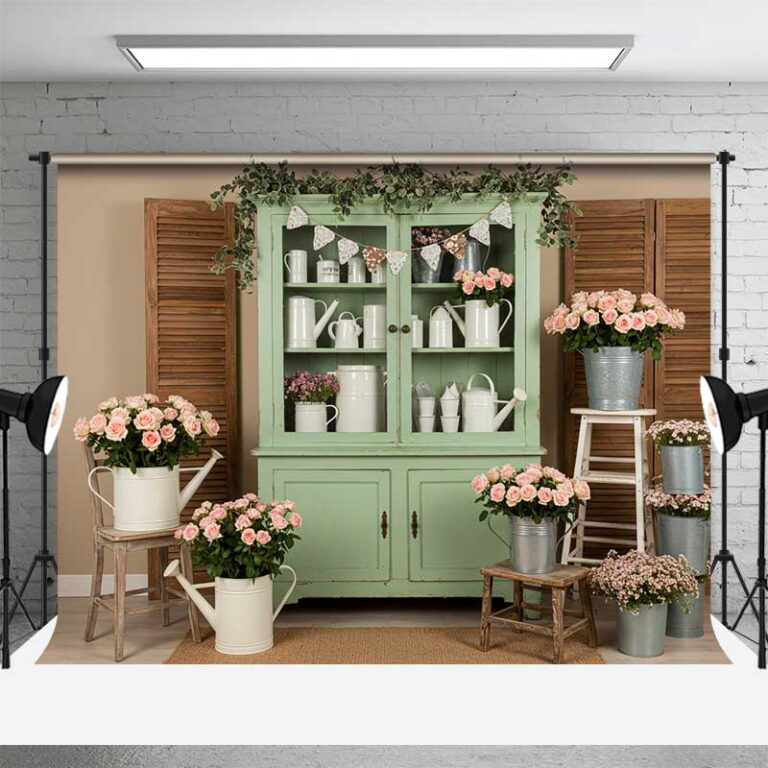 Aisha's pickHutches with Lights That Swallow the Clutter
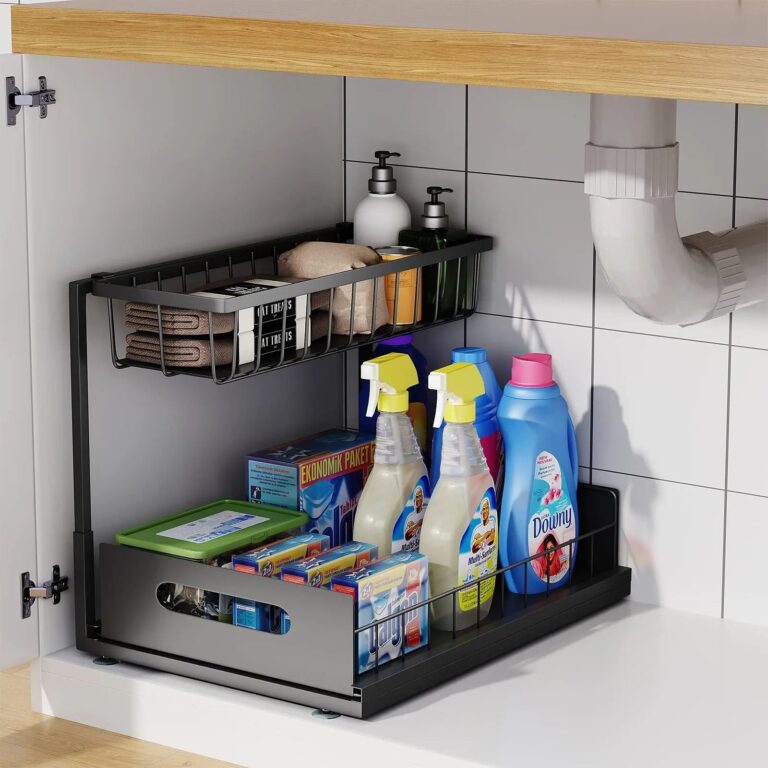 Aisha's pickVanity Cabinets at Every Price Point
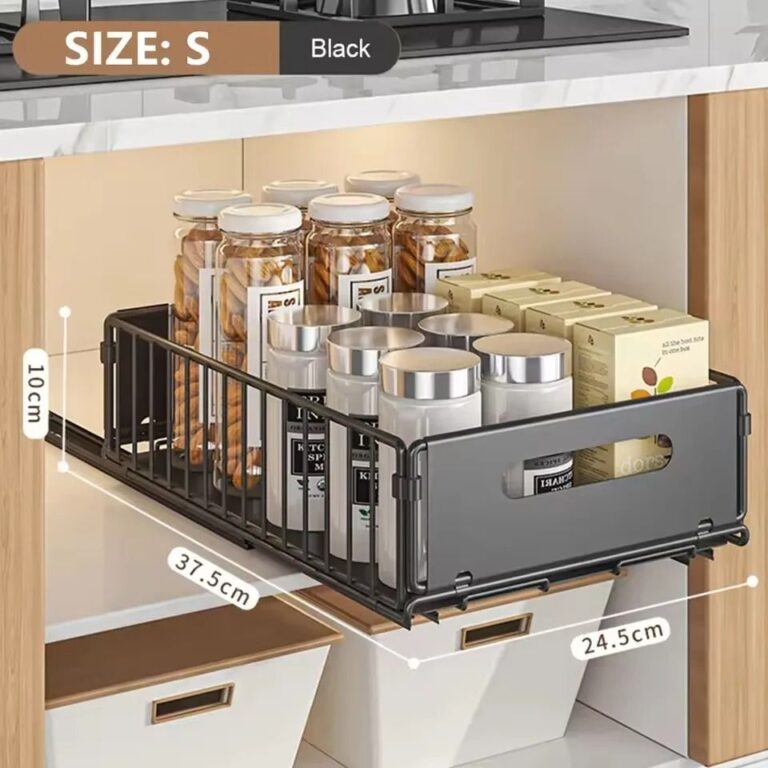
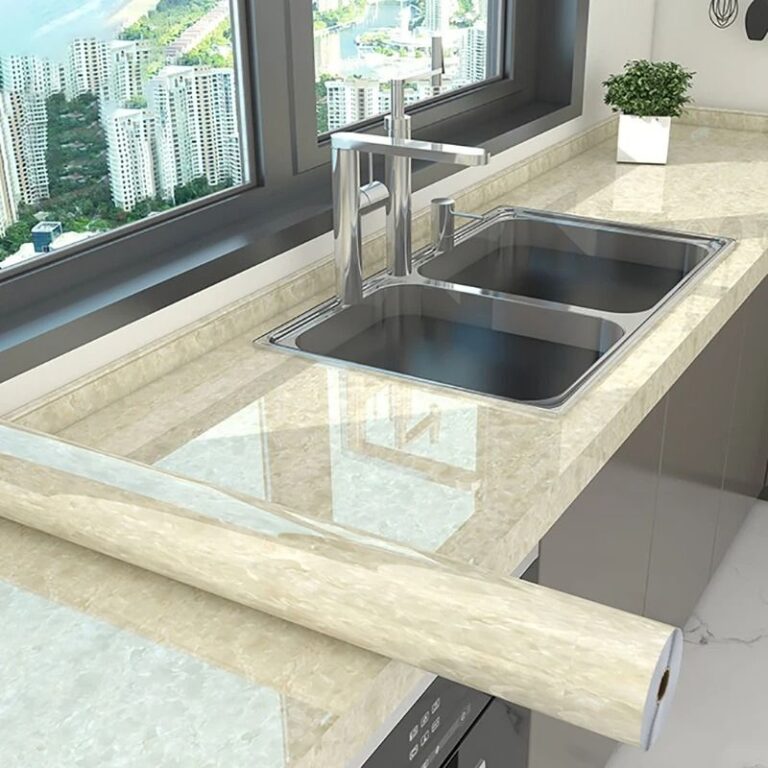 Aisha's pickVanity Cabinets with Doors That Won’t Date in a Year
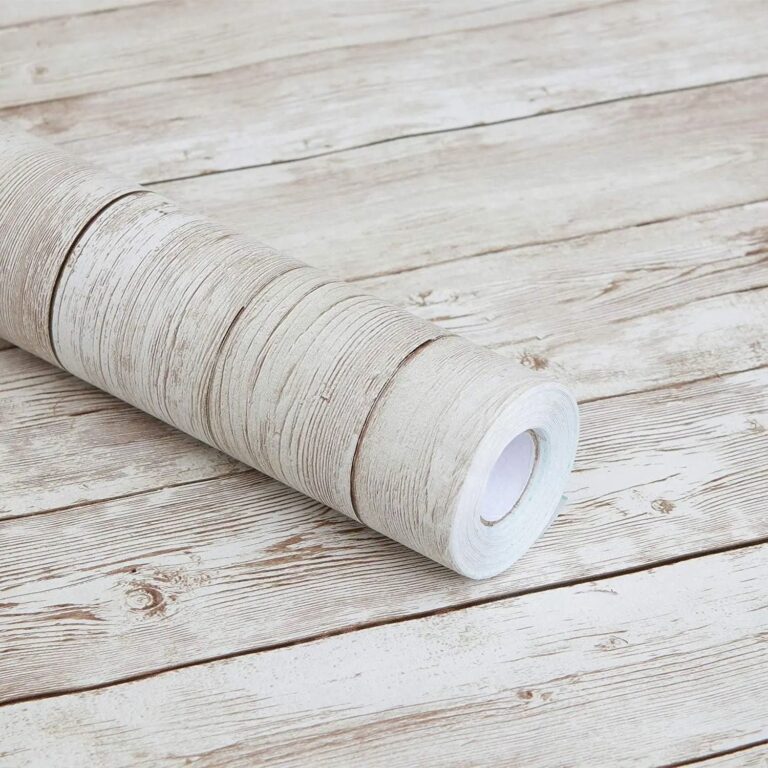
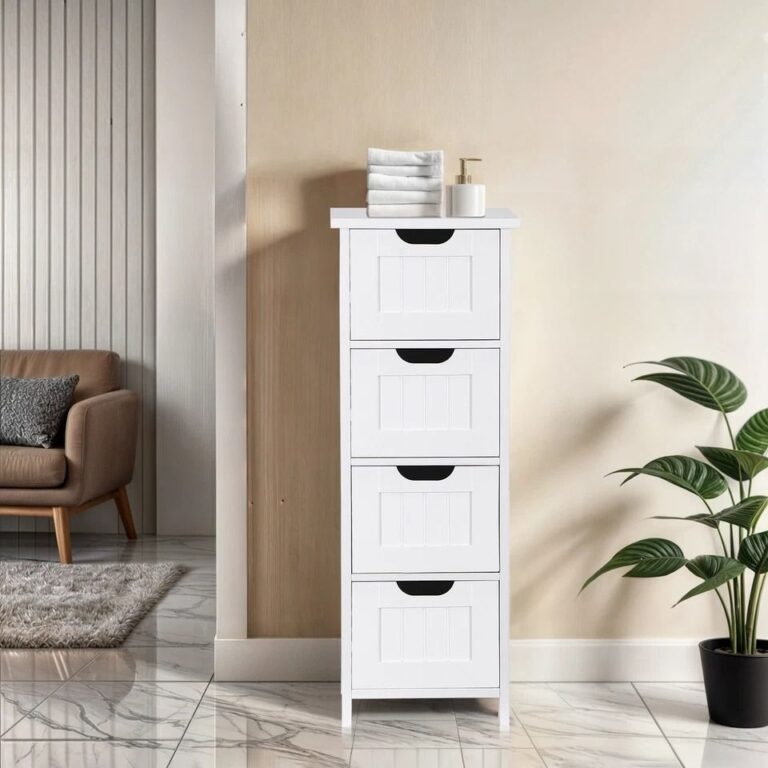 Aisha's pickShopping for White Bathroom Cabinets with Drawers? Start HereAlso worth a lookStorage CabinetsThe hallway closet in my first apartment had exactly one shelf and a bar for coats, and every…See the collections →
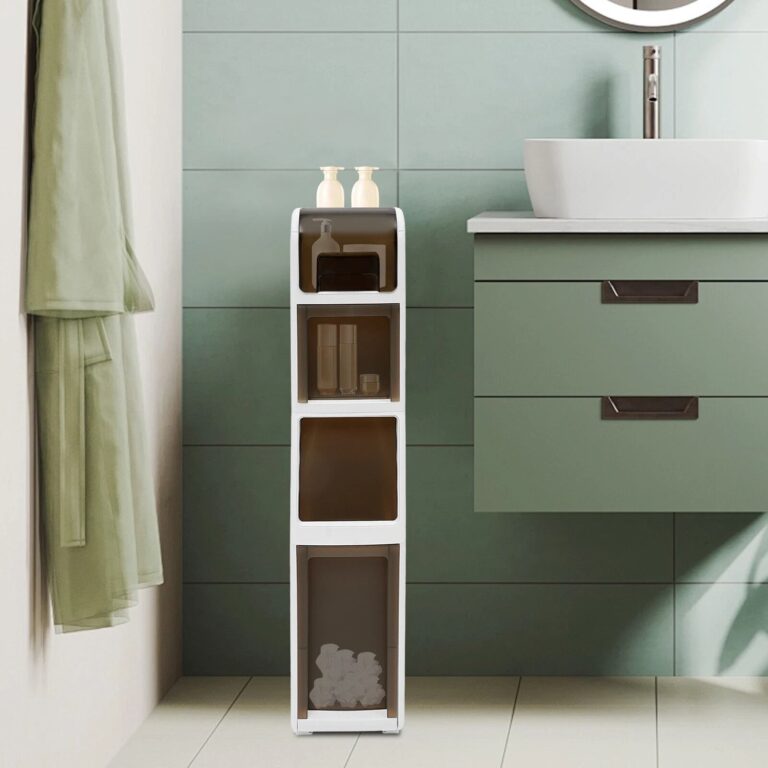
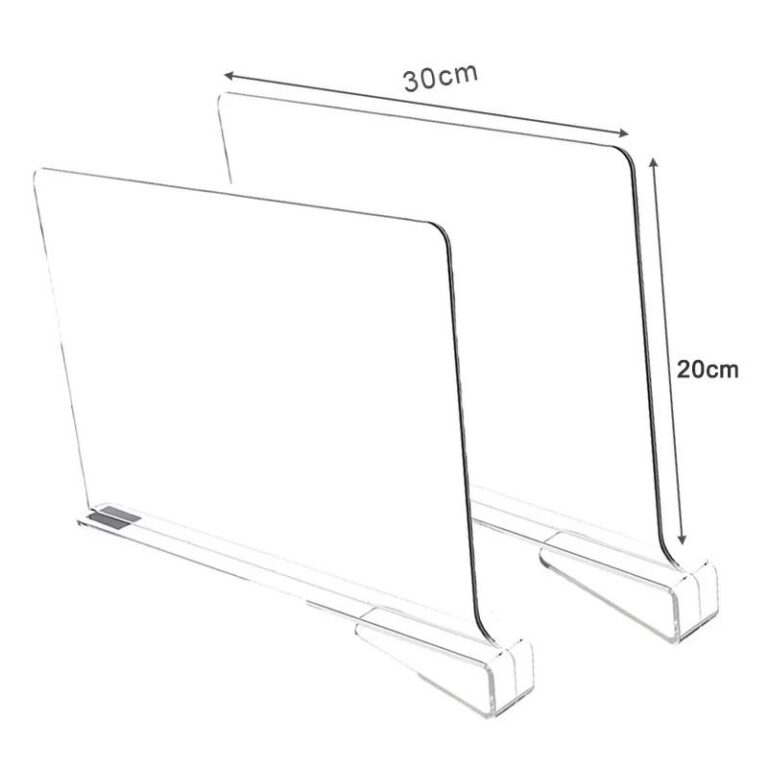 Aisha's pick6 Shelf Storage Cupboards You’ll Still Like in Five Years
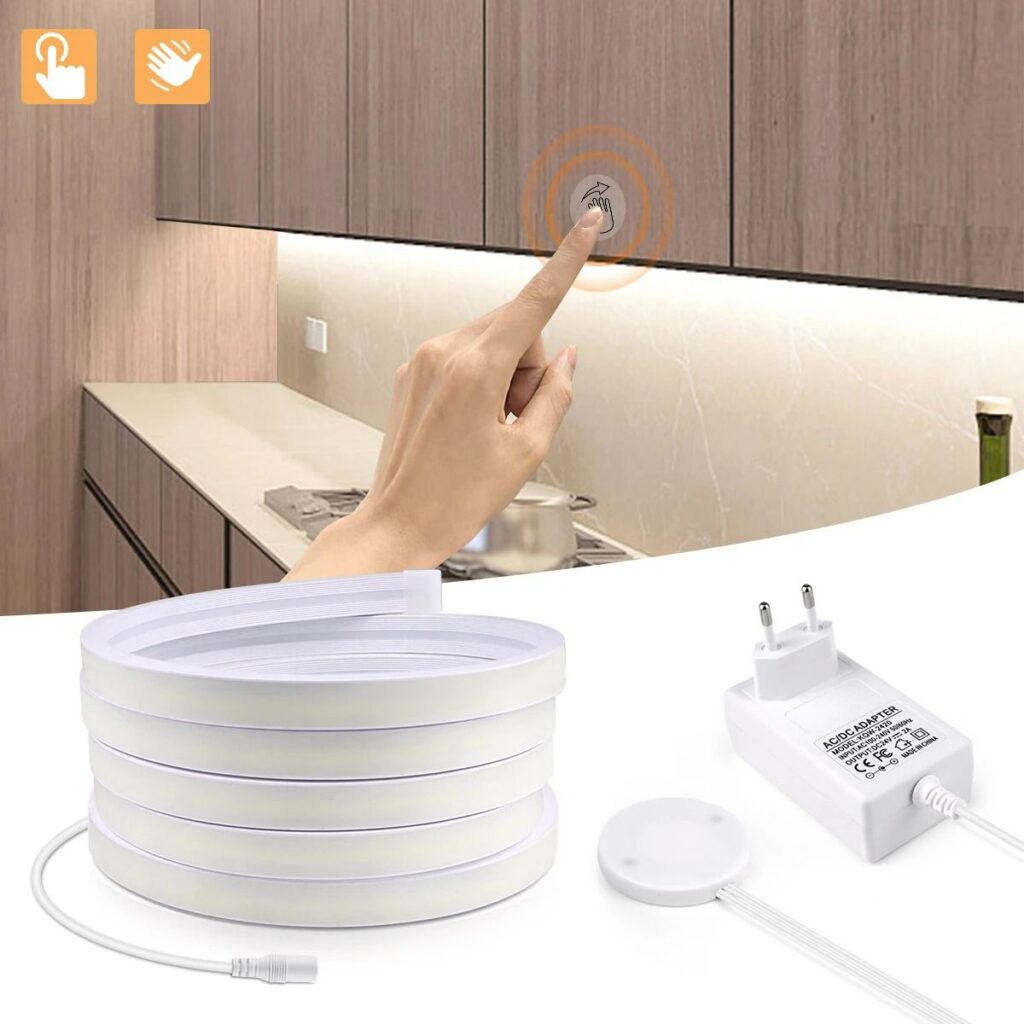 Aisha's pickDisplay Cabinets with LED Lights That Don’t Shout About It
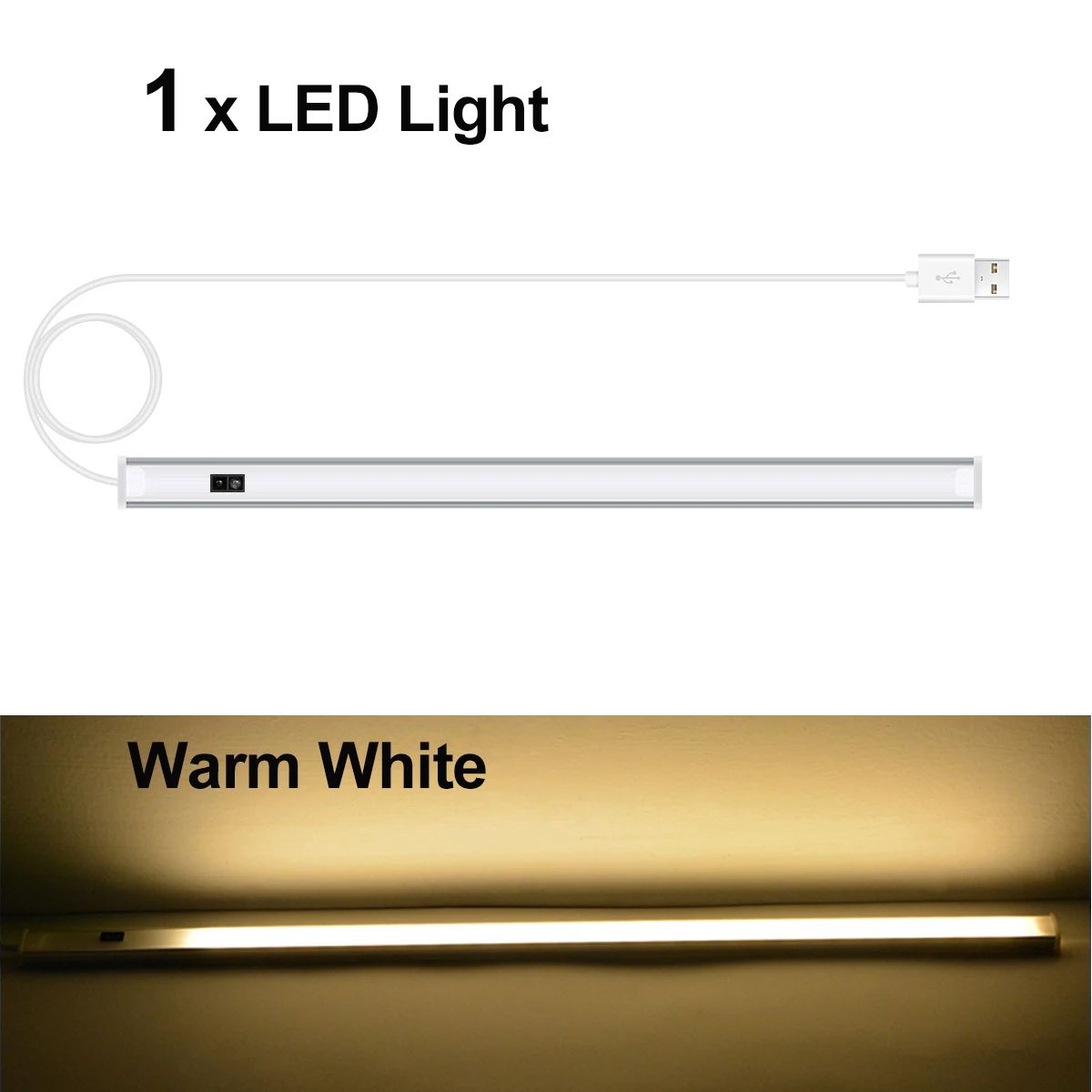
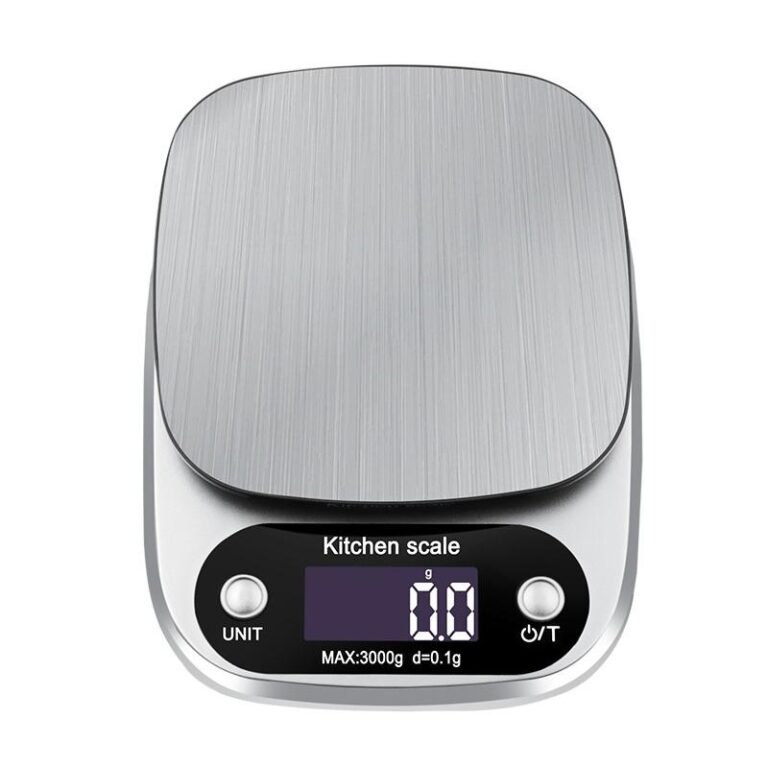 Aisha's pickModern Display Units That Look Like They Cost More
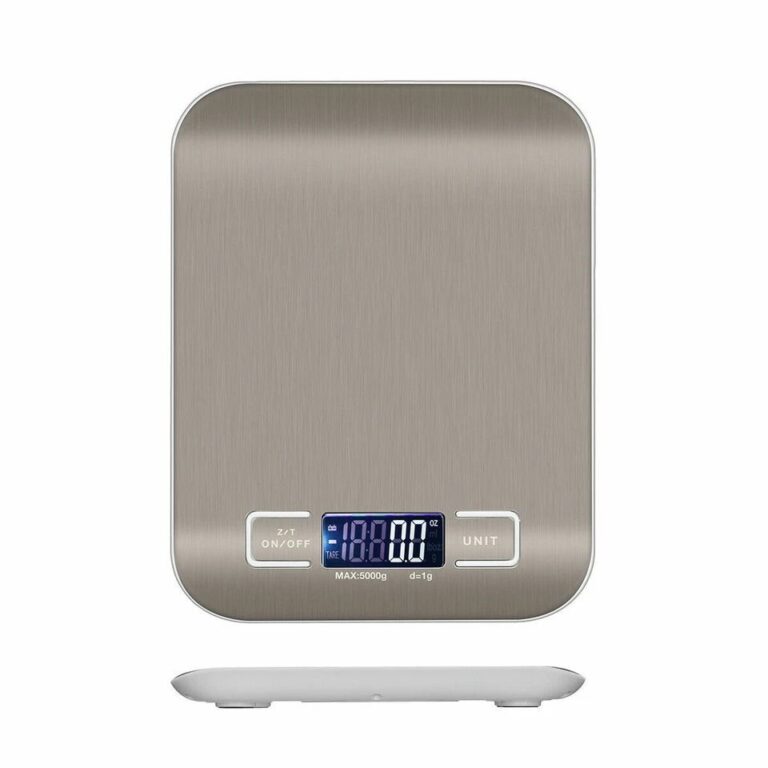
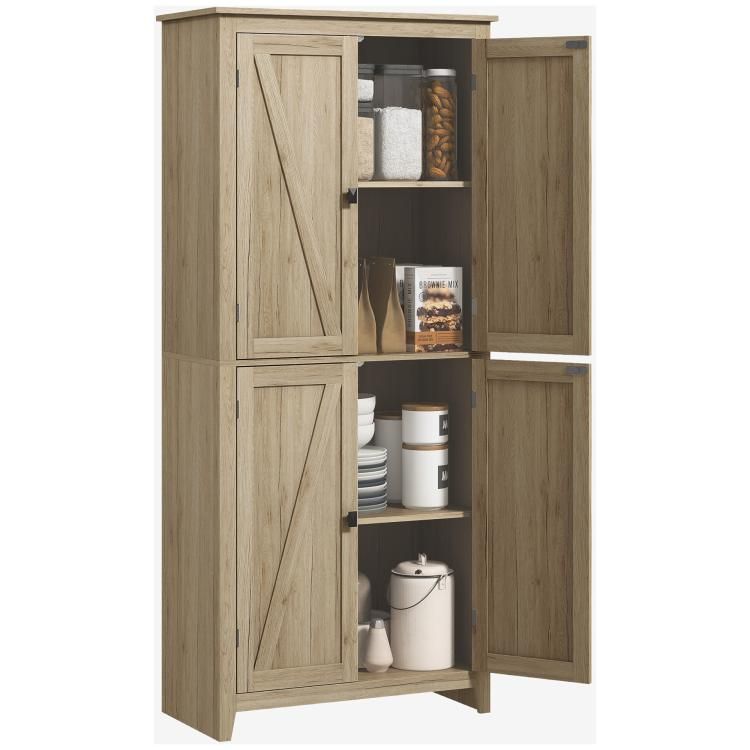 Aisha's pickFreestanding Pantries with Doors Hunted Down So You Don’t Have To
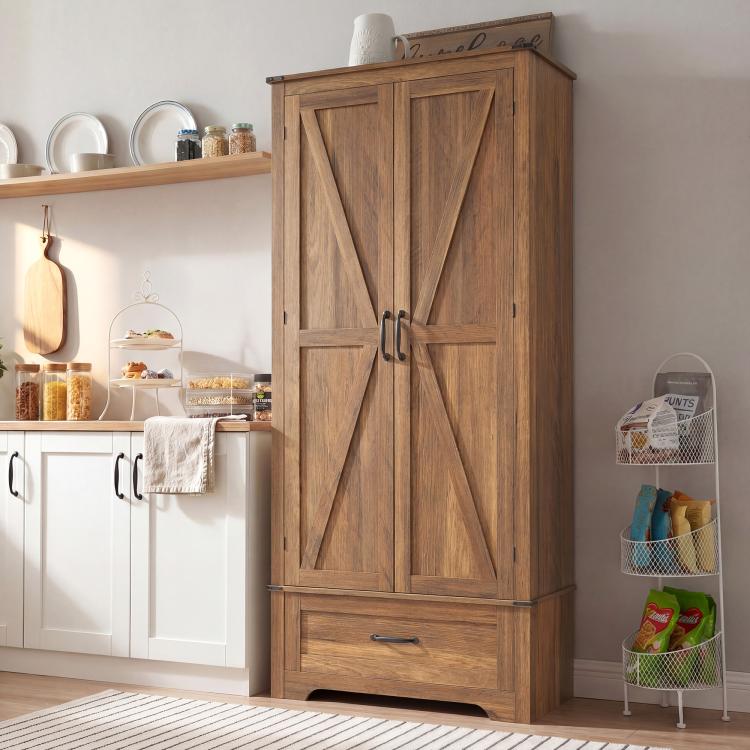
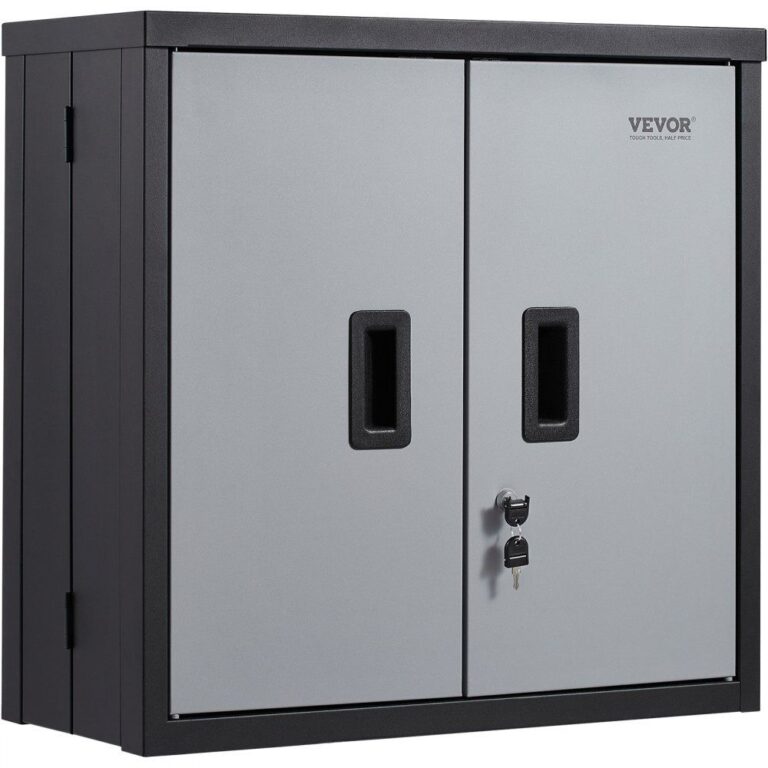 Aisha's pickGarage Cabinets with Lock You’ll Keep for Years
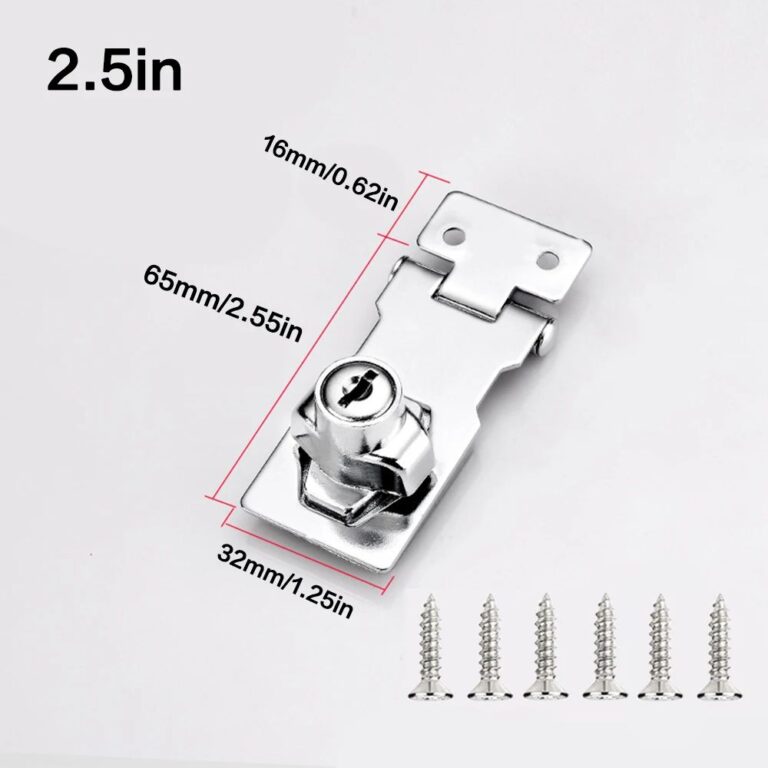
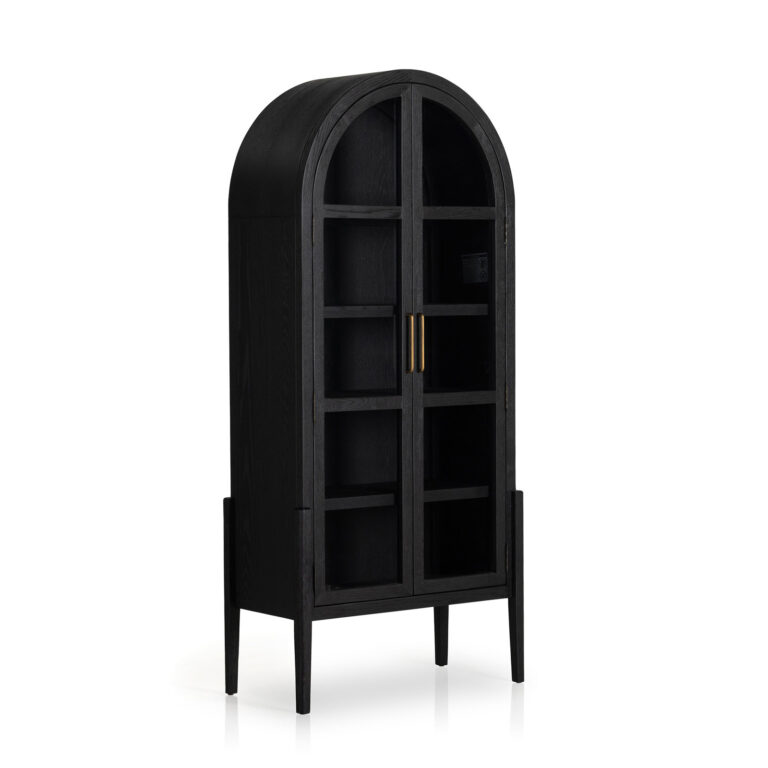 Aisha's pickGlass Cabinets That Keep Surfaces Clear

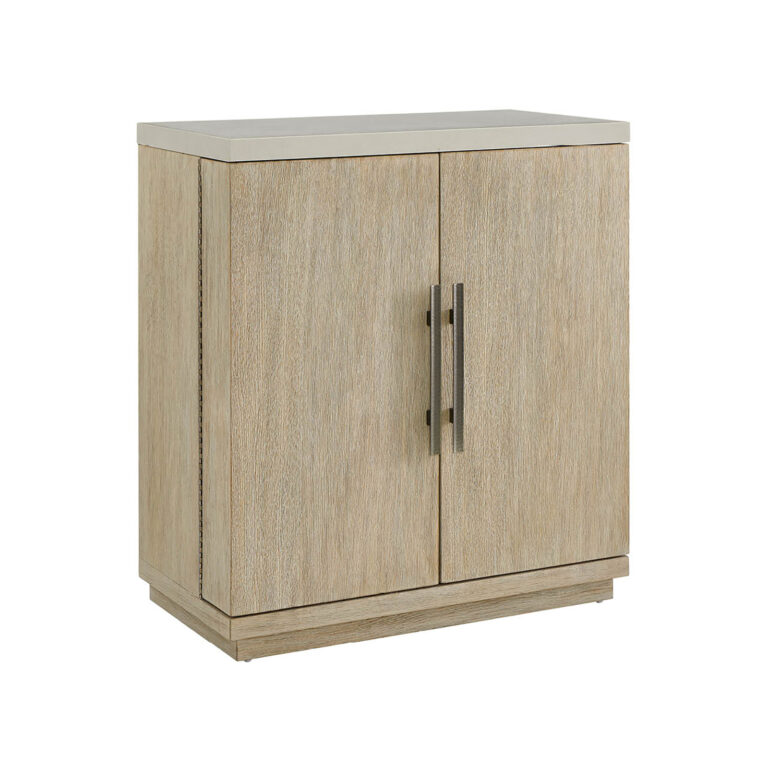 Aisha's pickGlass Storage Cabinets for Homes With Too Much Stuff
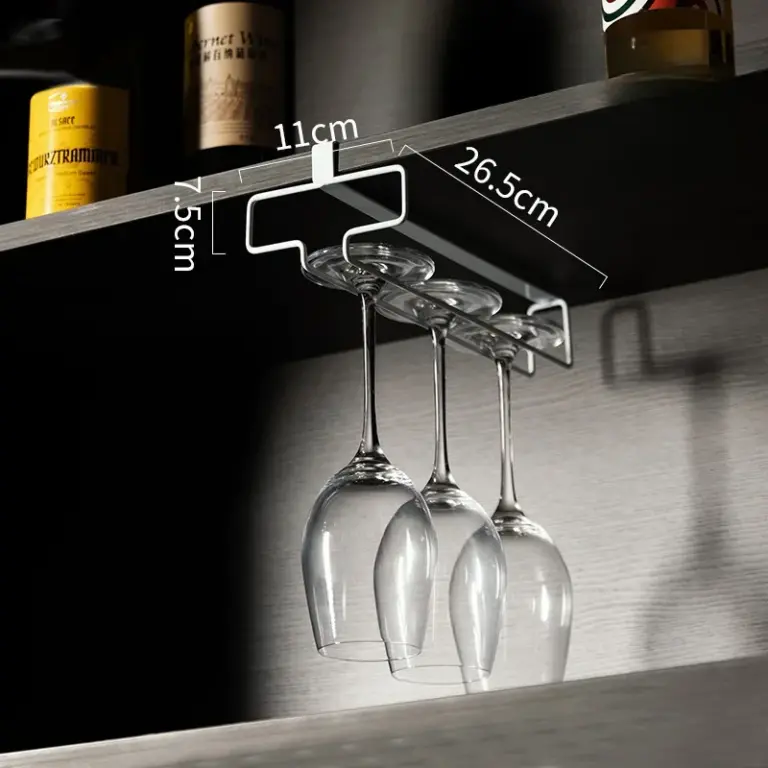
 Aisha's pickGray Storage Cabinets From Brands You Know and a Few You Won’t

 Aisha's pickLong Key Cabinets That Hold Up to Everyday LifeAlso worth a lookOffice CabinetsBefore you buy anything, measure your doorways, not just the room.See the collections →

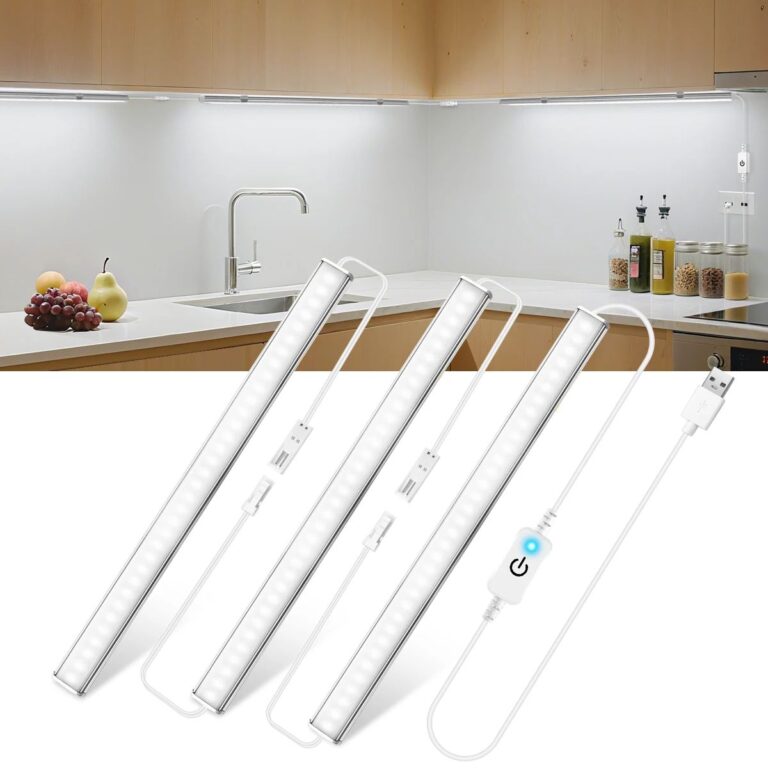 Aisha's pickKitchen Cabinets with Lights That Look Good Up Close

 Aisha's pickKitchen Storage Cabinets with Drawers That Don’t Shout About It
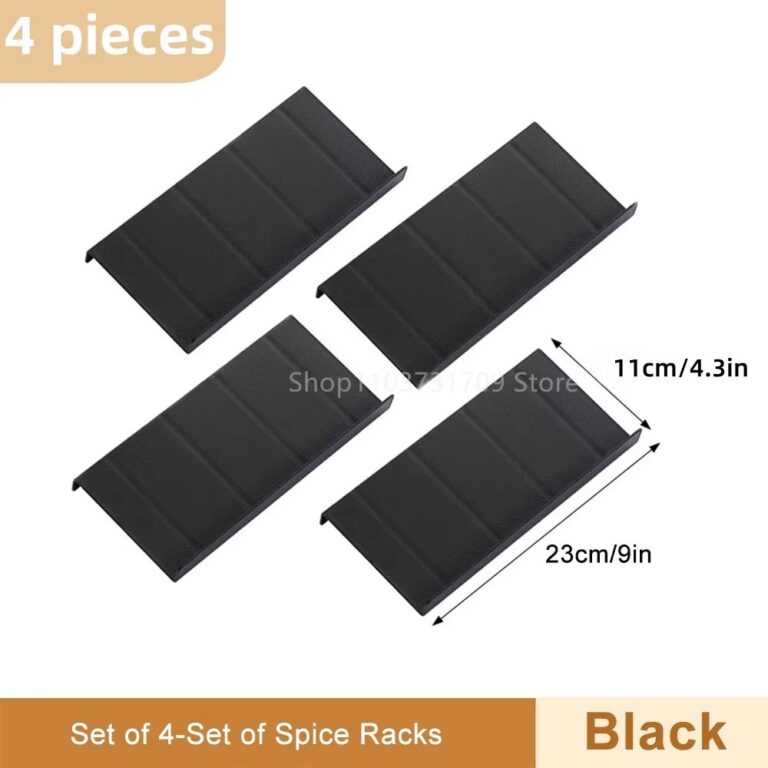
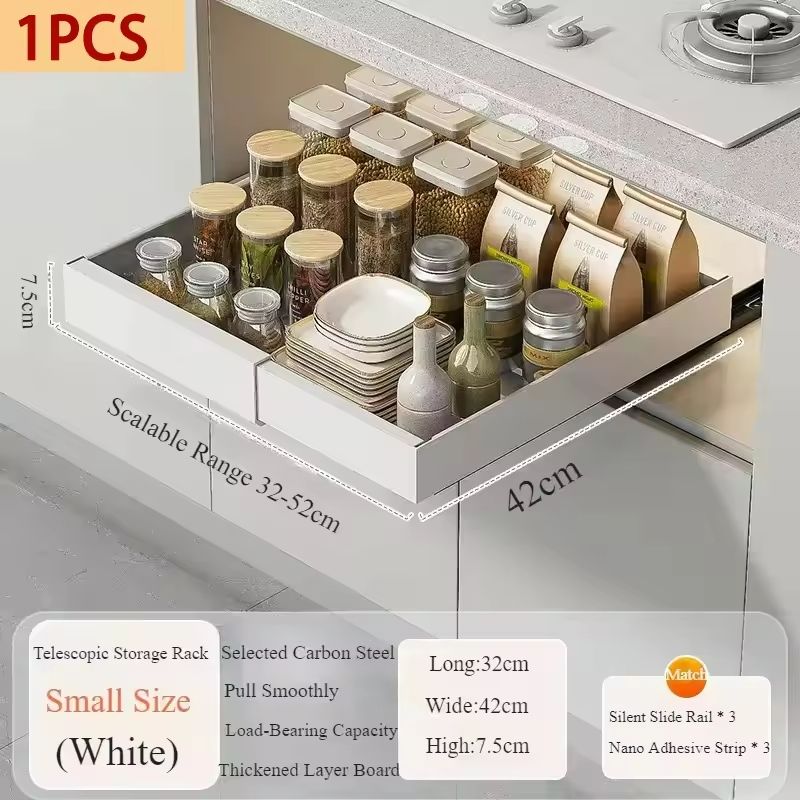 Aisha's pickWood Kitchen Storage Cabinets That Sort Out the Chaos
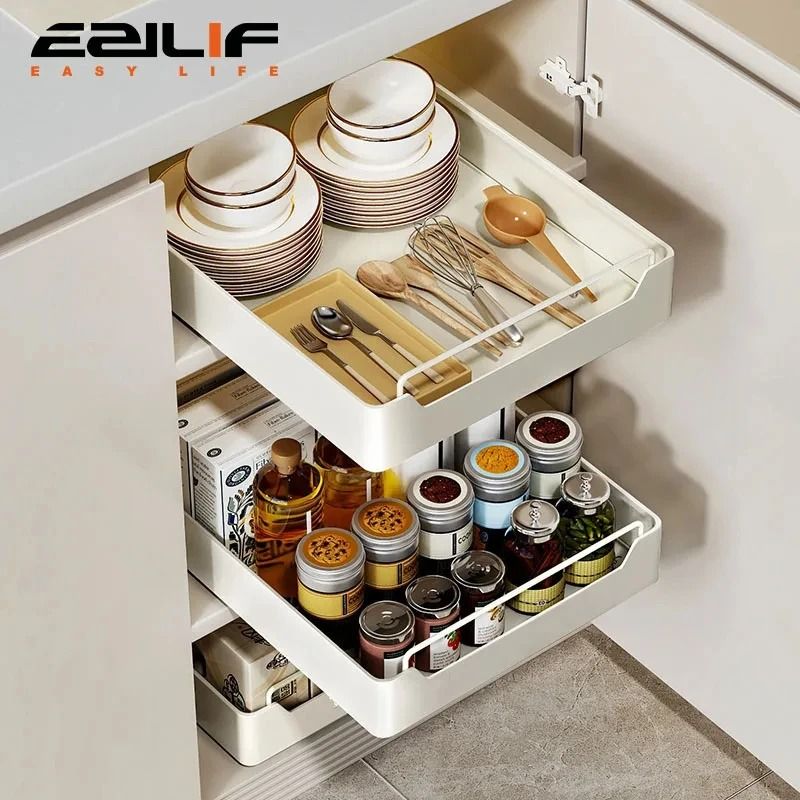
 Aisha's pickLarge Steel Storage Cabinets That Sort Out the Chaos

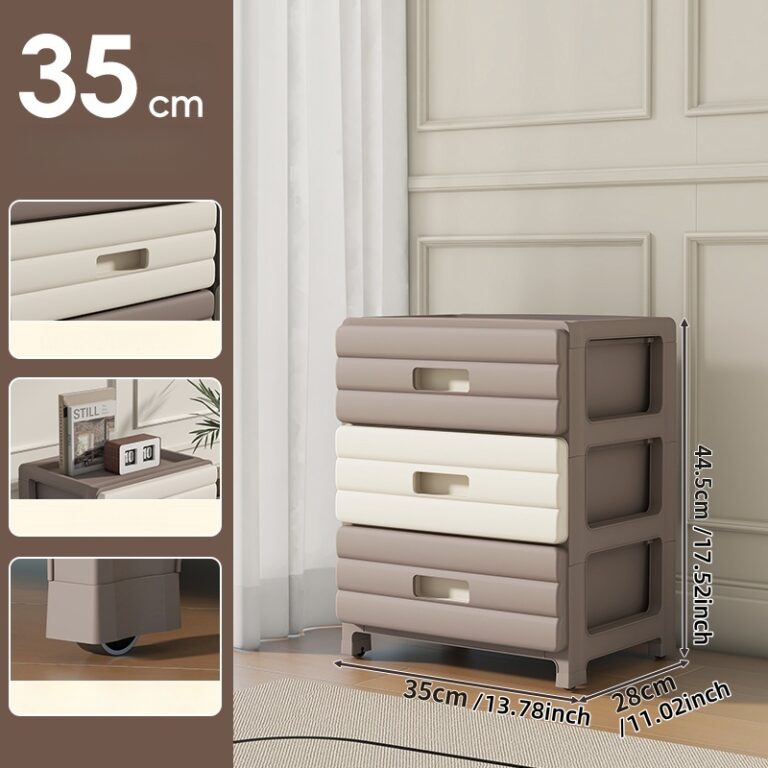 Aisha's pickLiving Room Cabinets with Drawers That Make Rented Places Feel Like Home
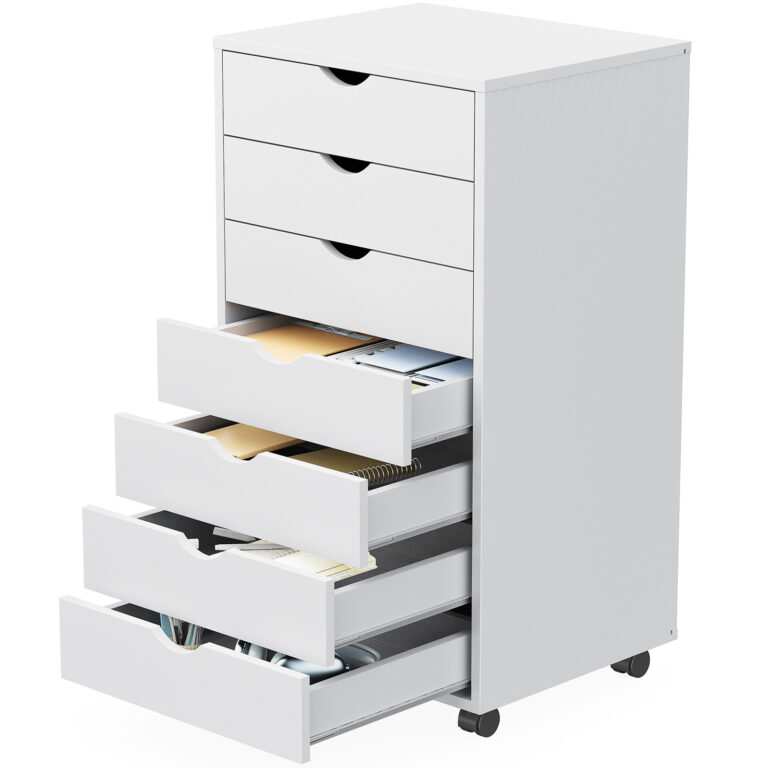
 Aisha's pickTV Cabinets for Living Room Hunted Down So You Don’t Have To

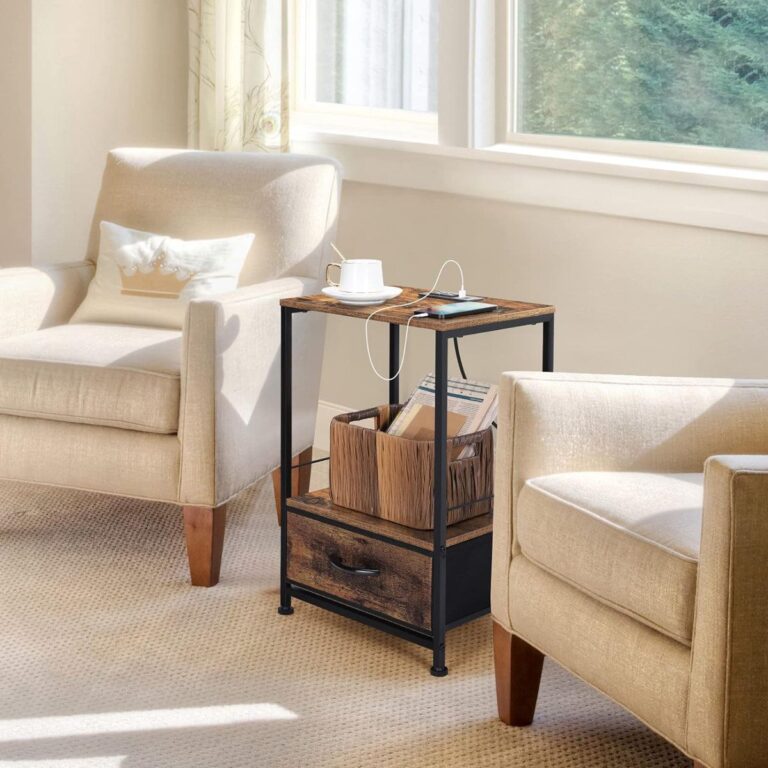 Aisha's pickMetal Nightstands for When the Old Ones Give Up
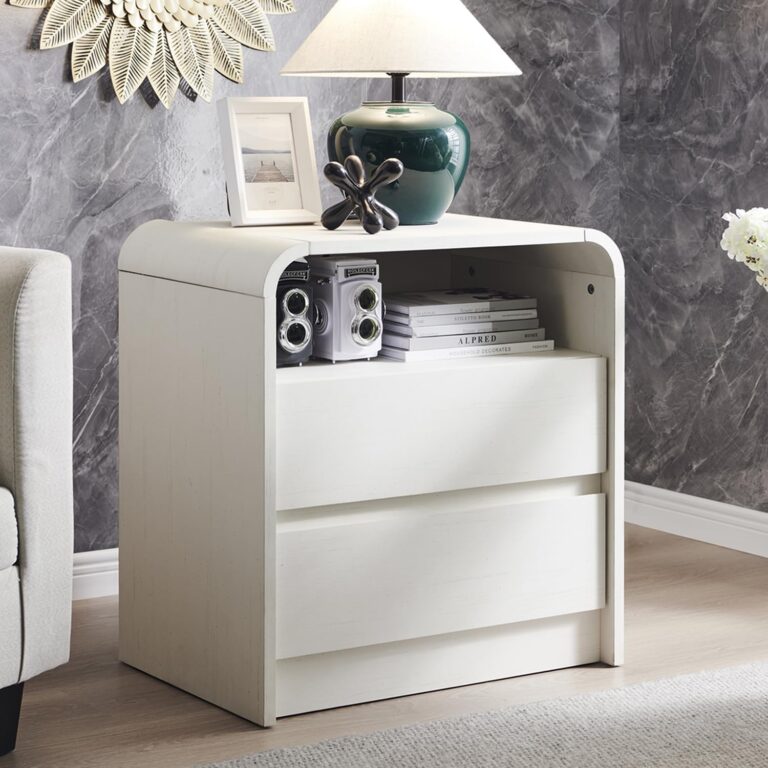
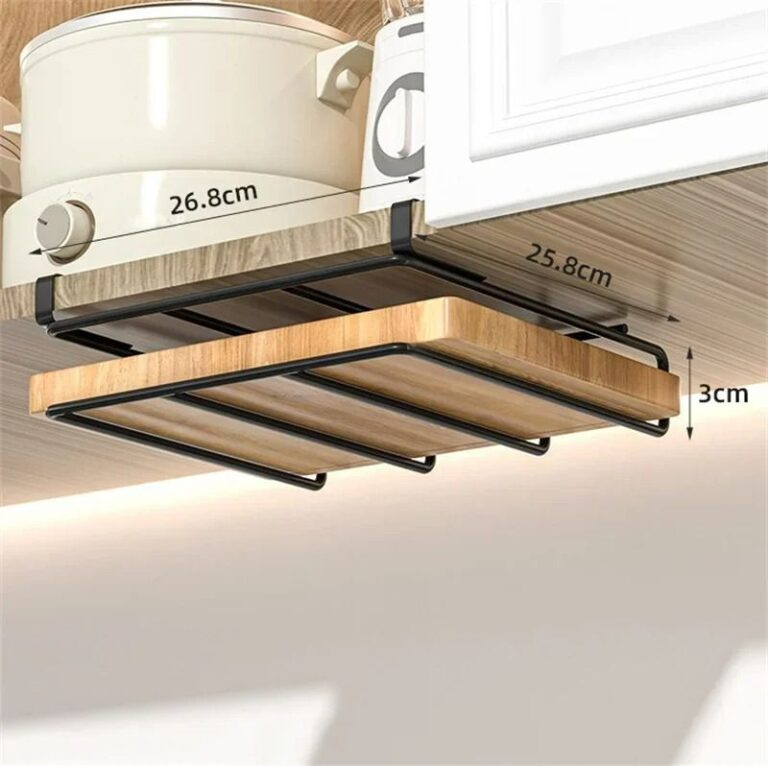 Aisha's pickSteel Office Storage Cabinets That Make a Room Feel Finished
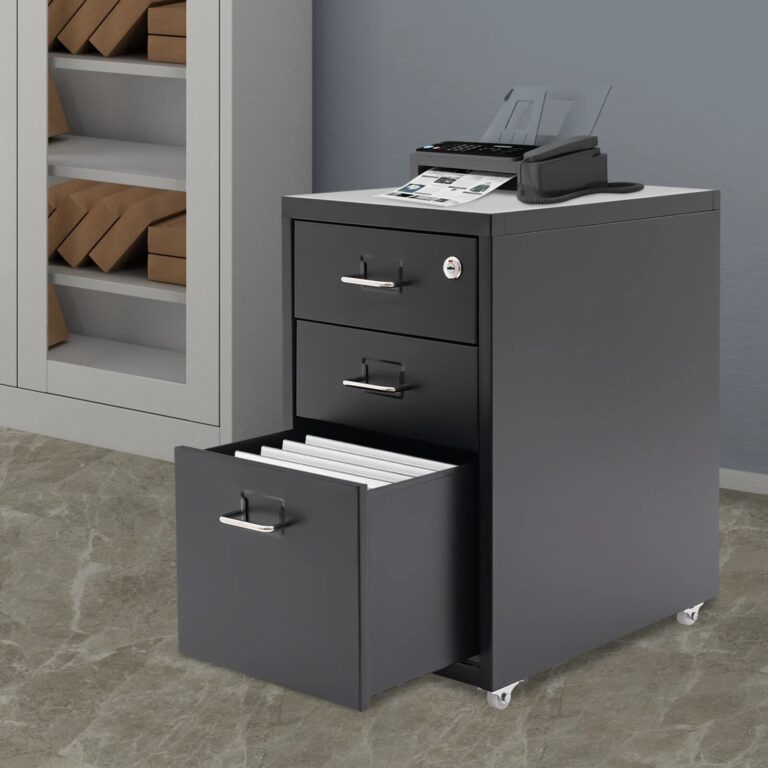
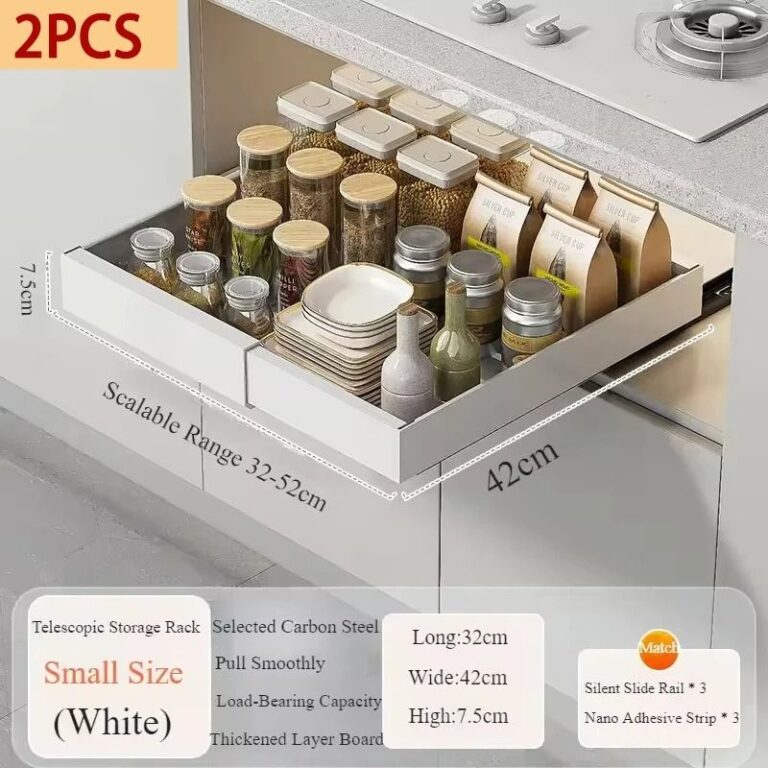 Aisha's pickModern Bathroom Storage Cabinets That Make Mornings EasierAlso worth a lookGlass CabinetsThe thing nobody mentions about glass cabinets is the dust.See the collections →
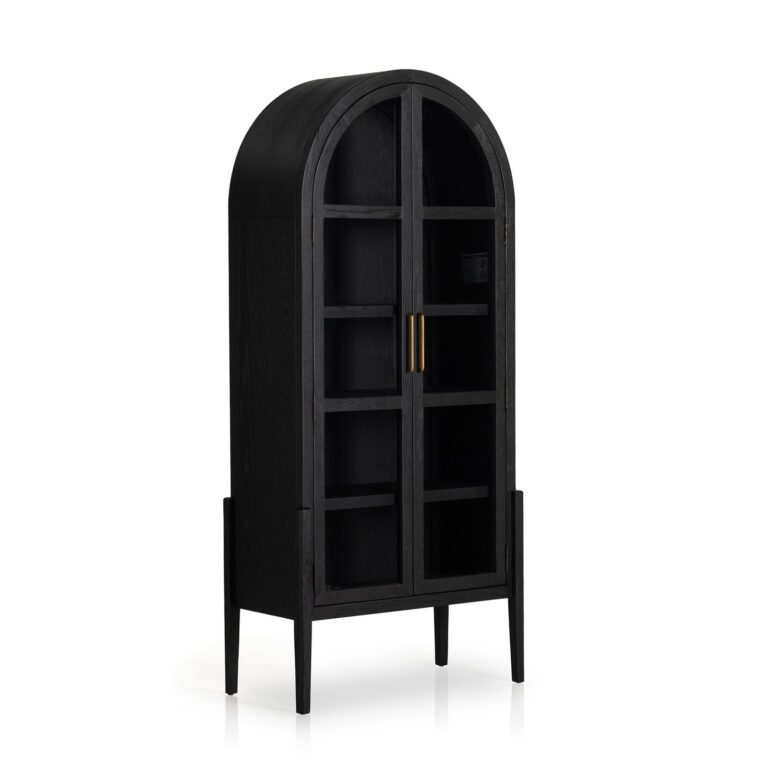 Aisha's pickOak Display Cabinets That Swallow the Clutter
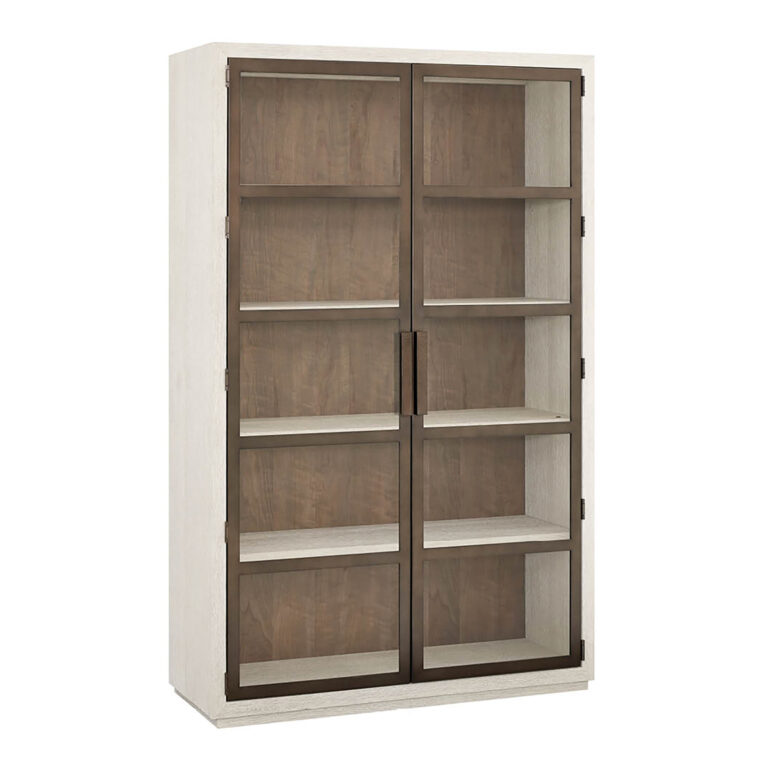
 Aisha's pickOffice Cabinets with Doors You’ll Keep for Years
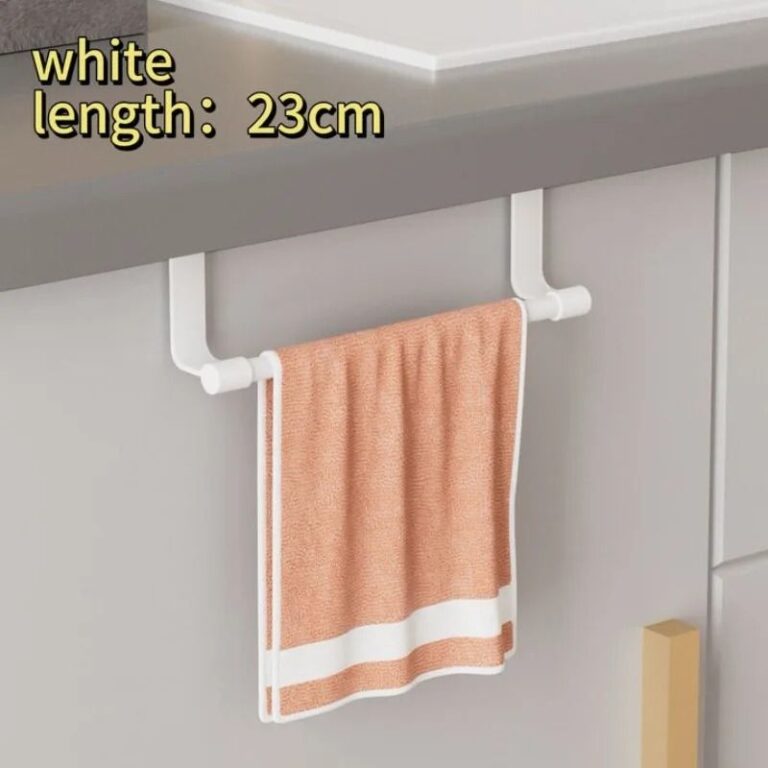
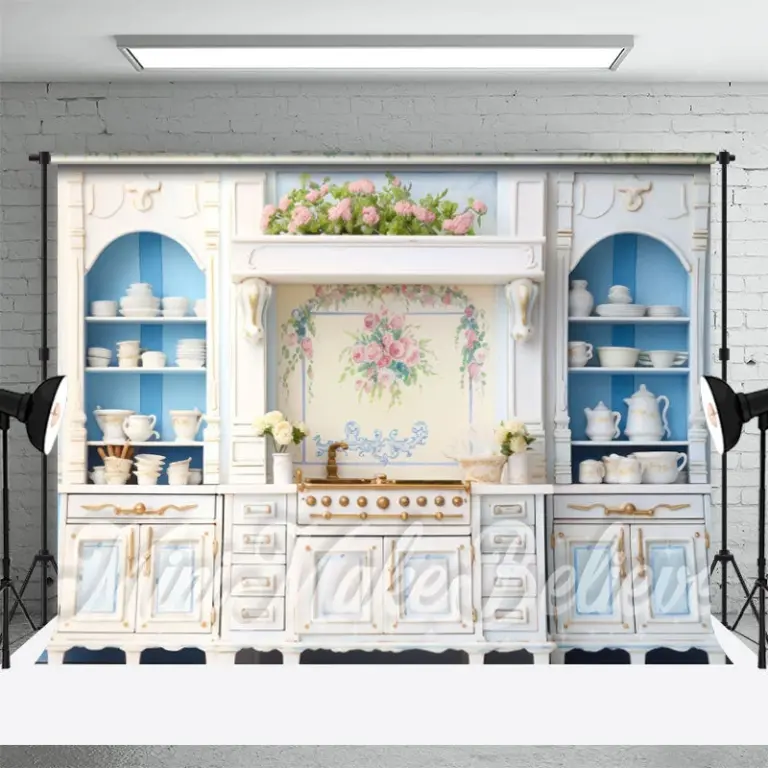 Aisha's pickNo Fuss White Office Cupboards
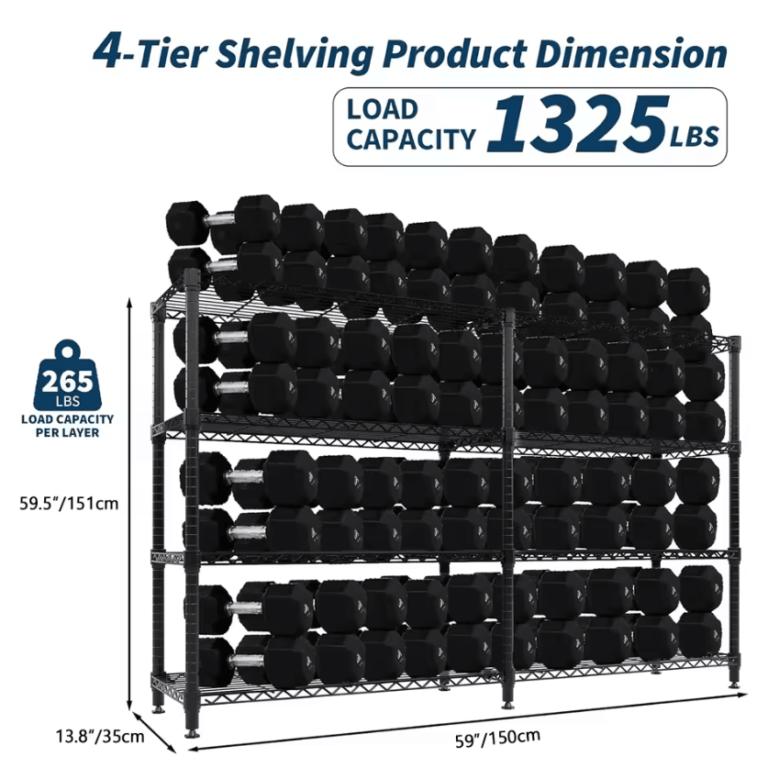 Aisha's pickPlastic Storage Units with Shelves That Keep Surfaces Clear
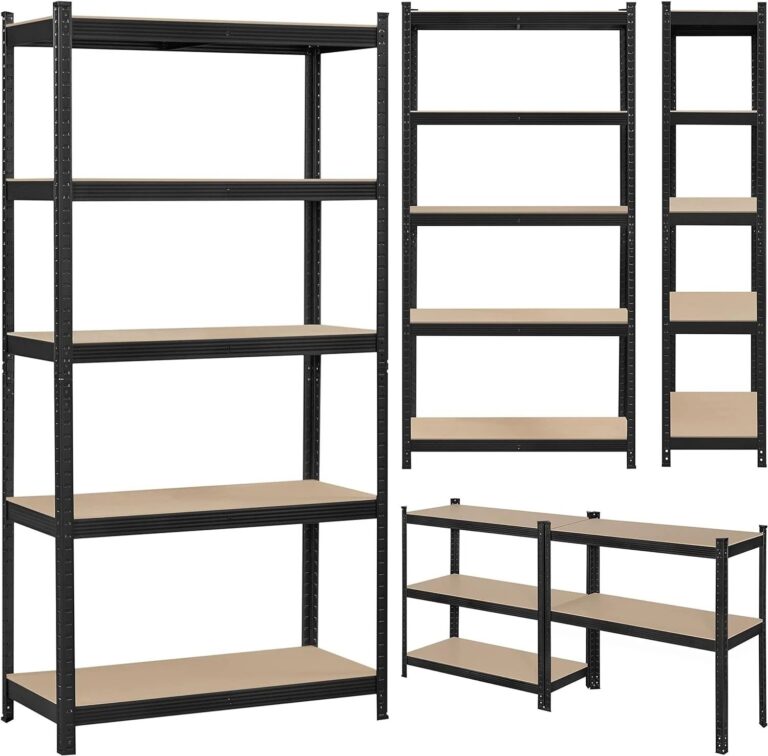
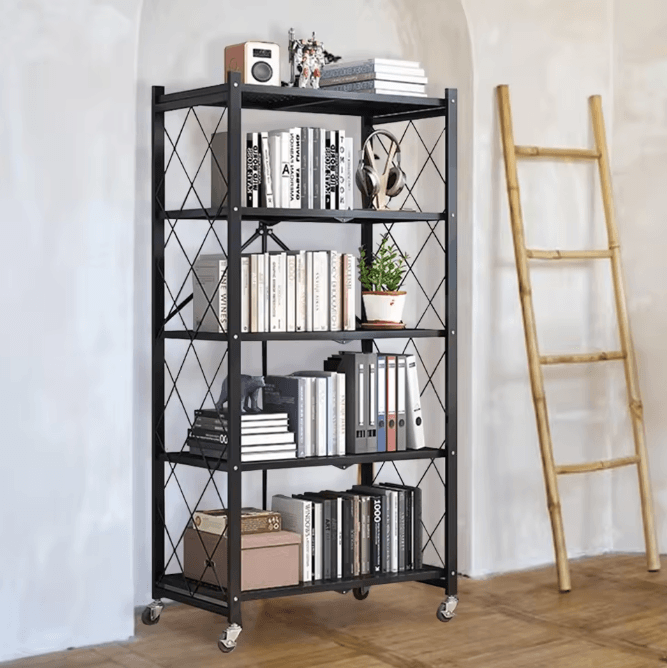 Aisha's pickShelving Units for Small Spaces That Fit Where Nothing Else Will
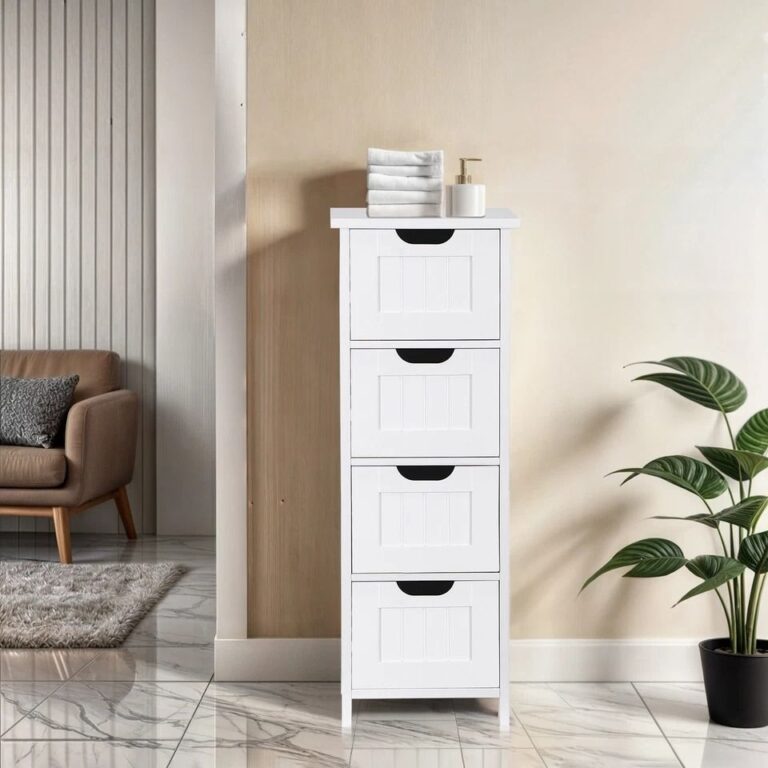
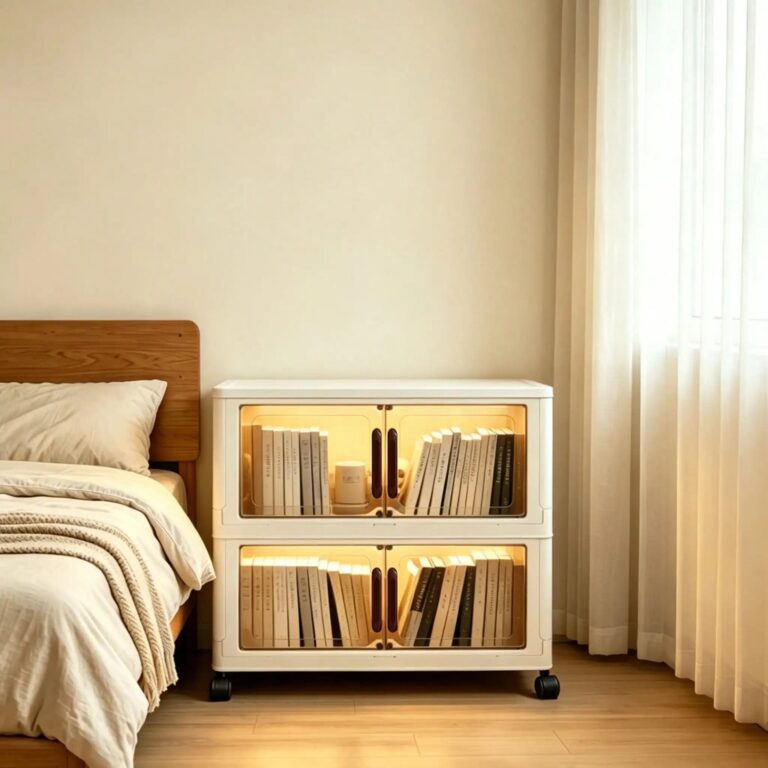 Aisha's pickStackable Shoe Cabinets That Sort Out the Pile by the Door
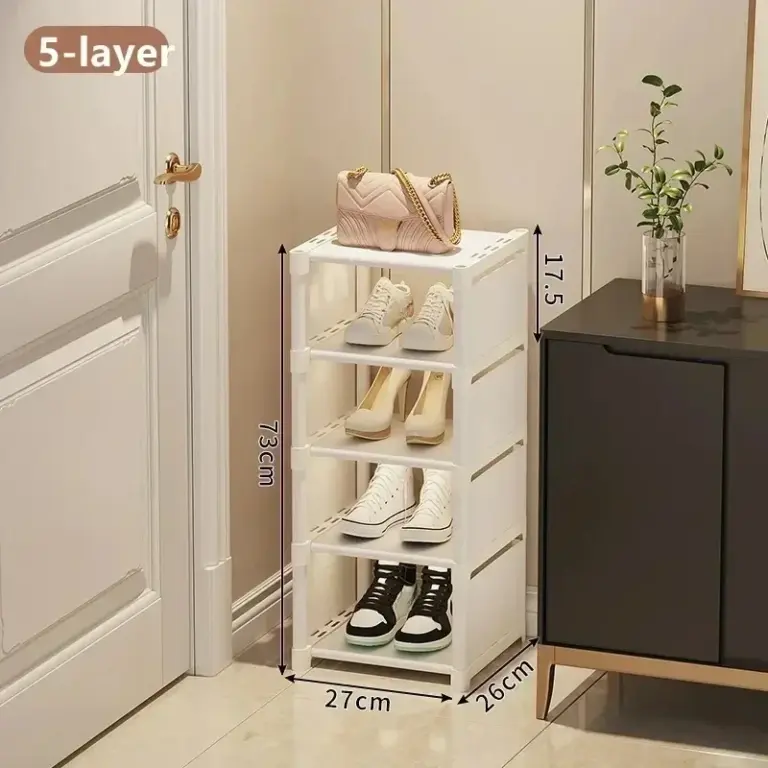
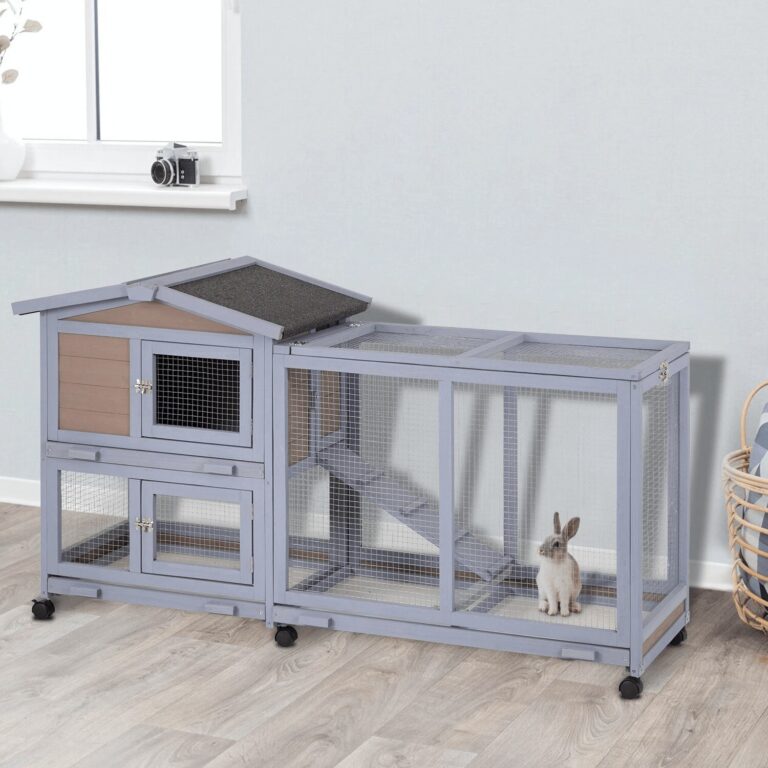 Aisha's pickSmall Hutches That Keep Surfaces Clear
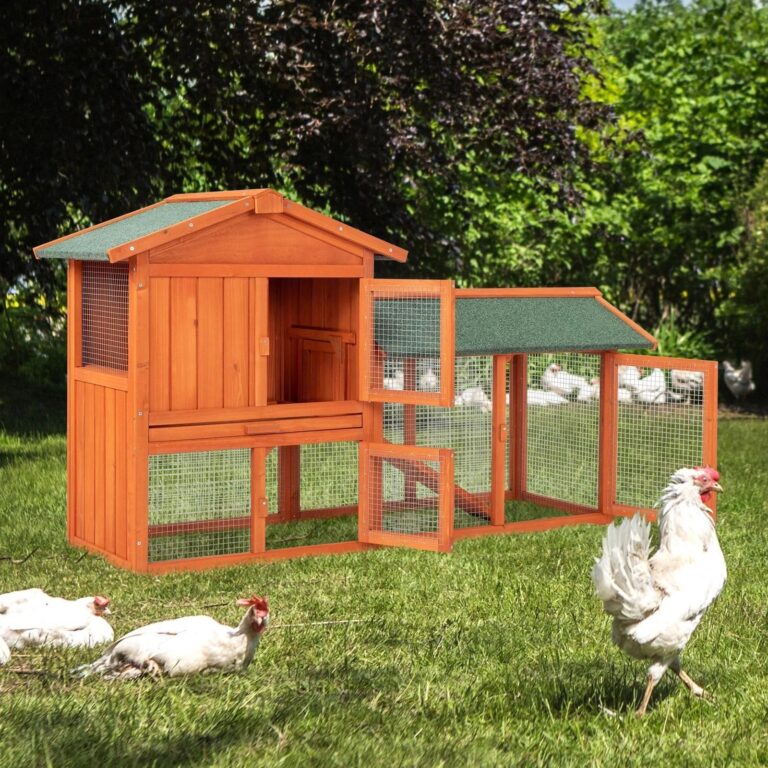
 Aisha's pickCompact Wall Units That Won’t Date in a Year