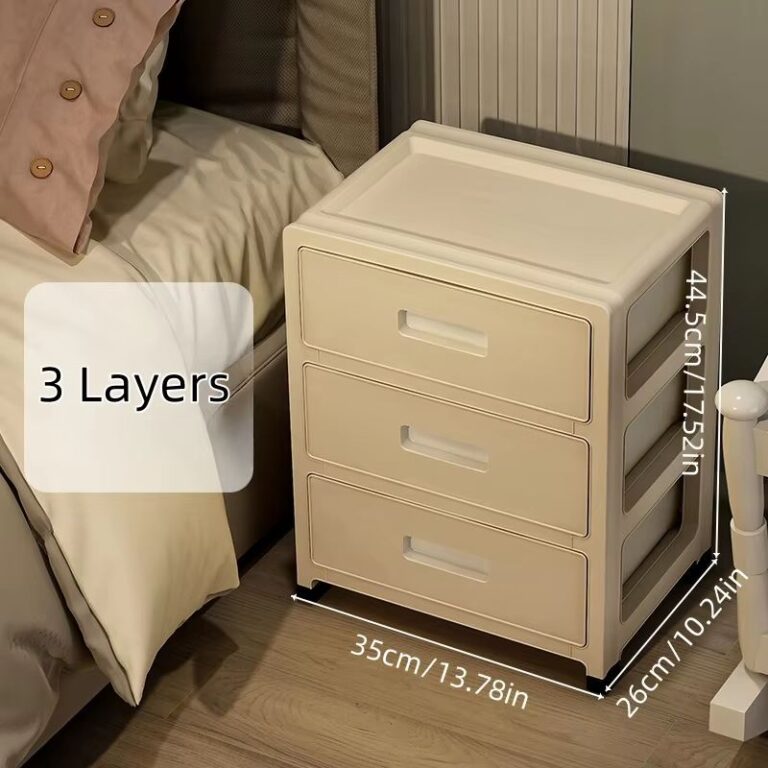
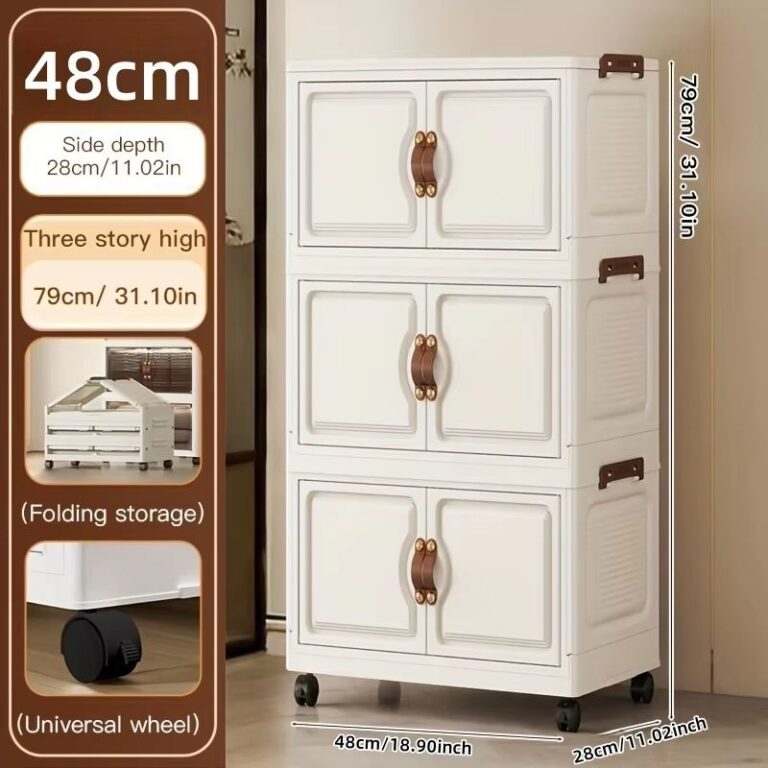
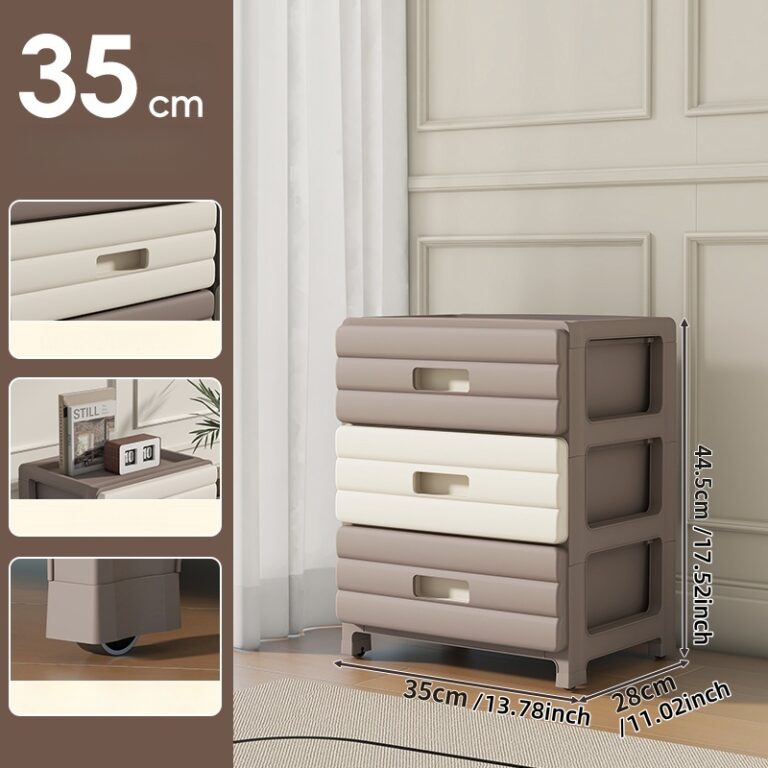
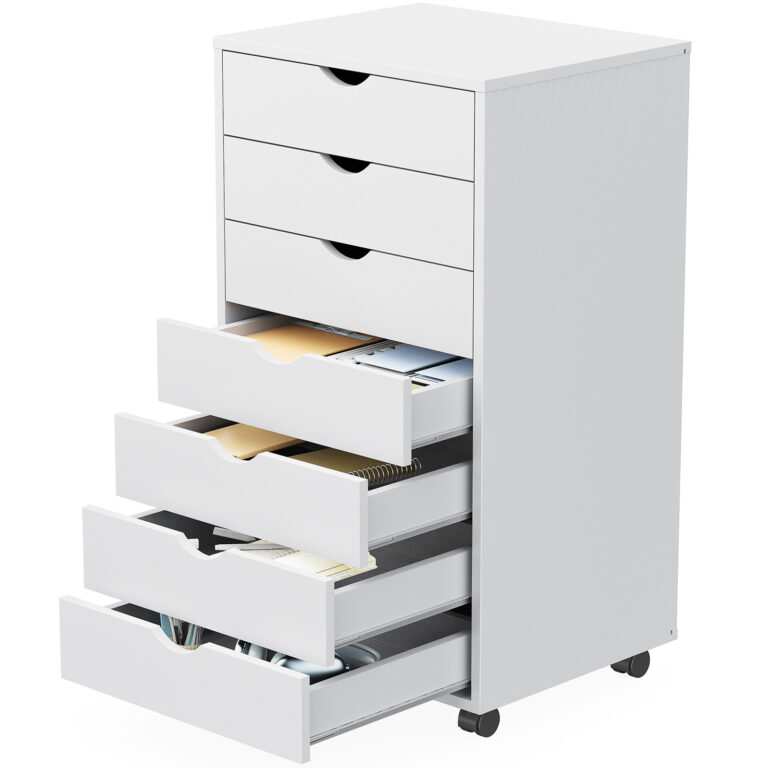
Stand in front of it with your tape measure and ask the one question that matters: what is this actually hiding. Remote controls, cables, board games, the router with all its blinking lights, whatever it is, know the job before you fall for the door style.
These cabinets are not the right call if your living room is already tight on walking space or if you live somewhere you might move in a year and don't want to deal with a heavy piece on a narrow staircase, because plenty of them are solid enough that two people and a few swear words are involved in getting them anywhere. They're also not much use if what you actually need is open shelving for books and plants you want to see, since a closed cabinet just turns all of that into clutter you can't look at, which helps some days and defeats the purpose on others. Where they do real work is in an ordinary room with a sofa, a TV, and a rug that's seen a dog or two, sitting along the wall the television is already on, or opposite the sofa so it becomes the quiet backdrop to everything else. They sit well with a plain painted wall, a lamp on top instead of overhead light, and furniture that doesn't match exactly, a wood tone close enough to the coffee table but not a perfect set.
Measuring up is where people get it wrong, usually in the same direction, too big, because the one in the showroom looked modest next to a wall that was twenty feet long. Measure the actual wall you're putting it against, leave at least a foot of breathing room on either side if you can, and check the height against your TV stand or eyeline, not against how it looked propped up in a store. Check the depth too, especially if the room doubles as a walkway, because six extra inches sounds like nothing until you're the one bruising a hip on it every evening. Doorways and stair turns matter more than people think, measure those before you fall in love with anything.
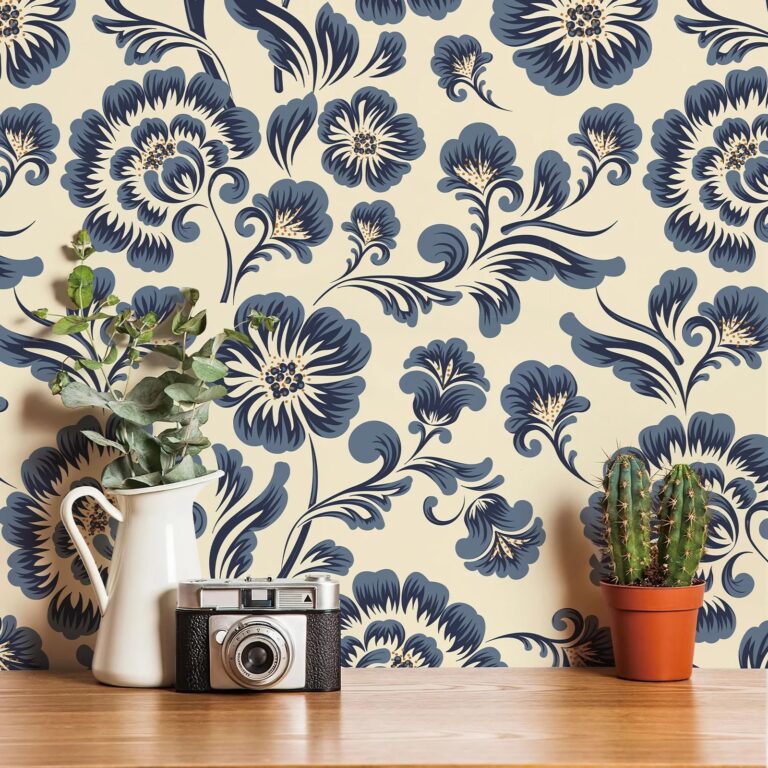
Where it clashes is against a wall that's already busy, gallery of frames, a big mirror, patterned wallpaper, pick one focal point and let the cabinet be either the star or the support, never both. It also looks wrong paired with very delicate, spindly furniture, the scale fight is obvious the second you stand back.
If I were starting from nothing, I'd go with a warm wood tone over anything glossy or white, it hides more and matches more, and that's half the battle in a room everyone actually lives in.
 Aisha's pickLiving Room Cabinets with Glass Doors You’ll Still Like in Five Years

 Aisha's pickVintage Living Room Cabinets for Movie Nights and Slow Sundays
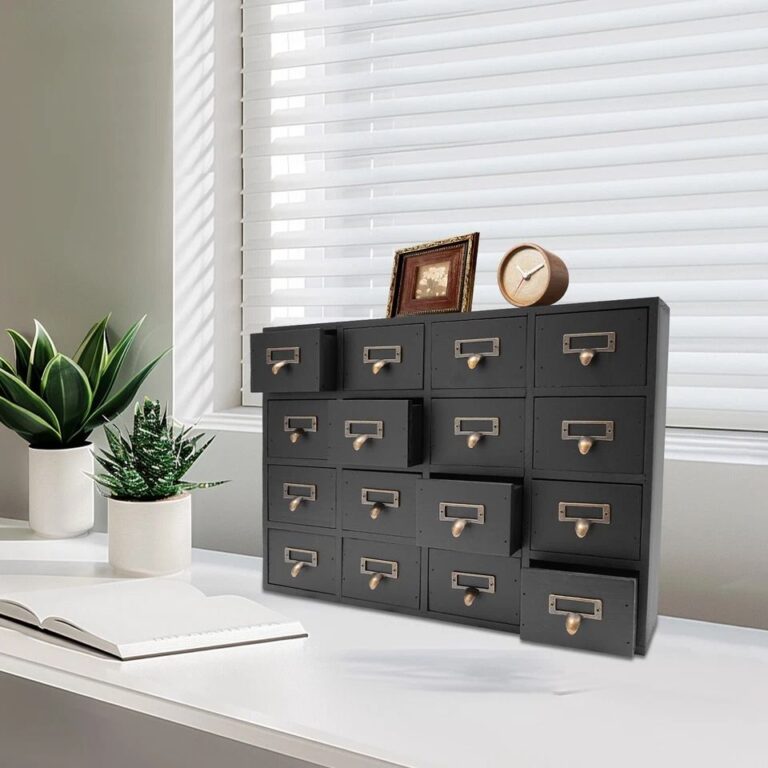
 Aisha's pickDecent Living Room Cabinets with LED Lights Without the Hassle

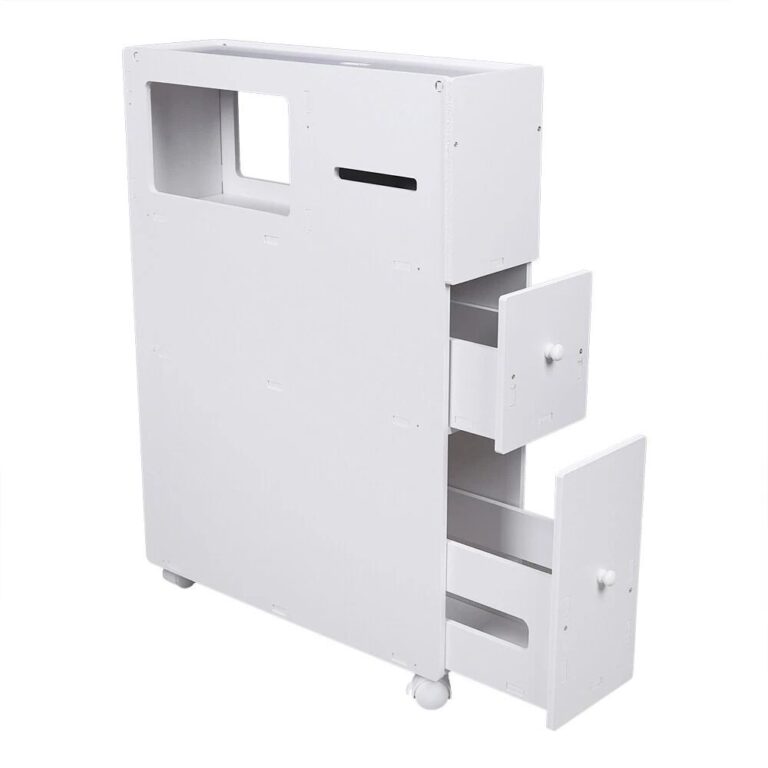 Aisha's pickWhite Living Room Cabinets for Movie Nights and Slow Sundays

 Aisha's pickLiving Room Cabinets with Lights That Look Good Even When Full
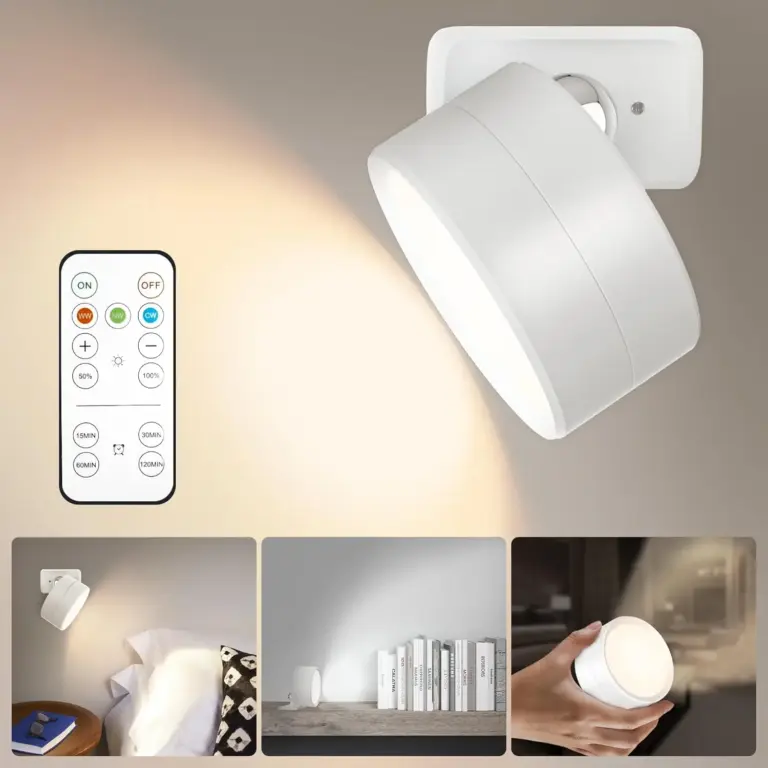
 Aisha's pickWide Living Room Cabinets for Movie Nights and Slow Sundays
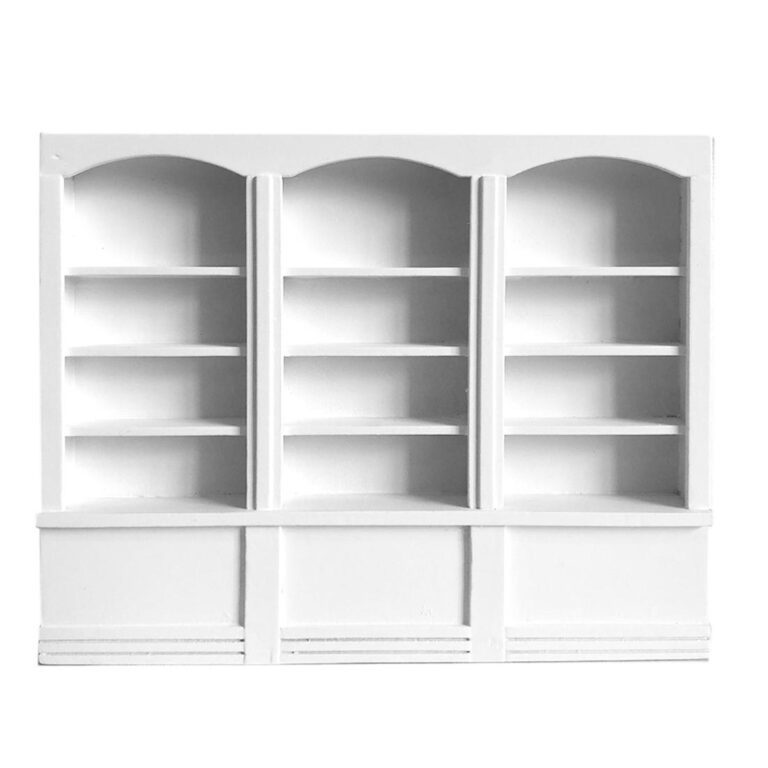
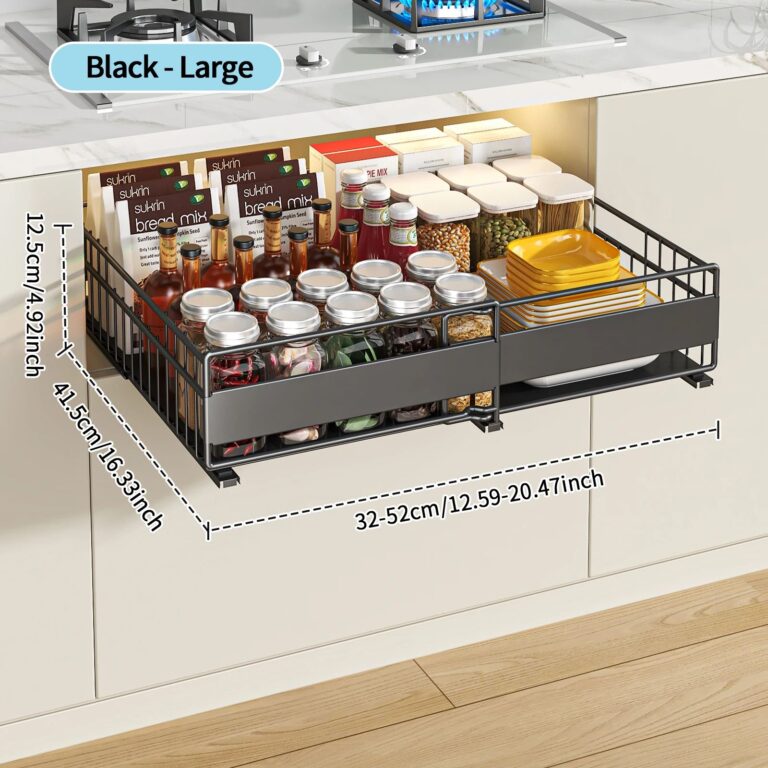 Aisha's pickLiving Room Cabinets with Storage That Don’t Need Babying
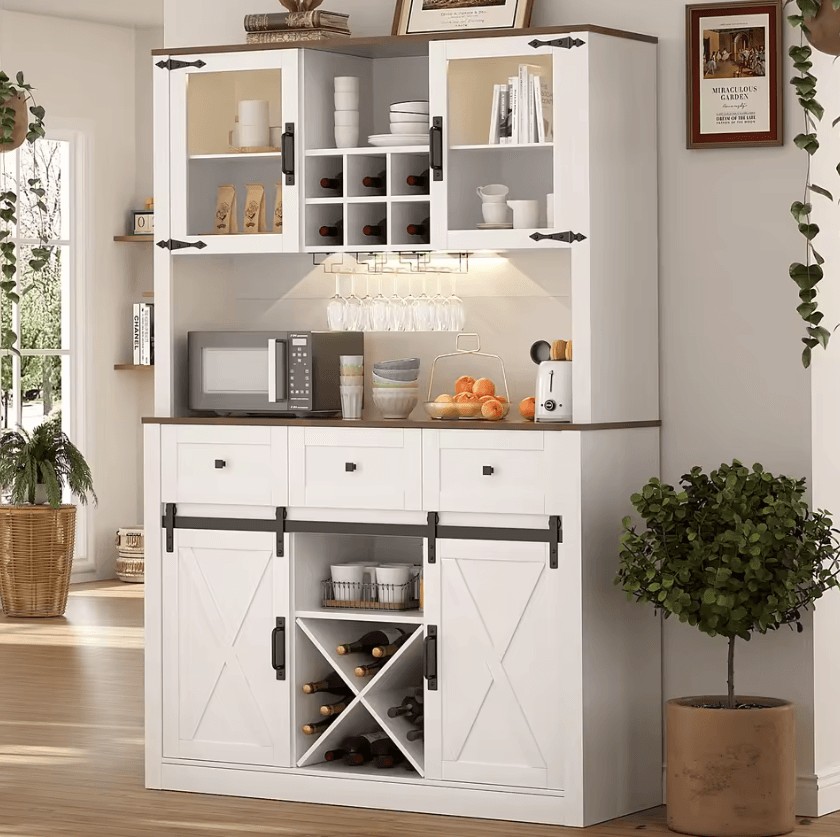
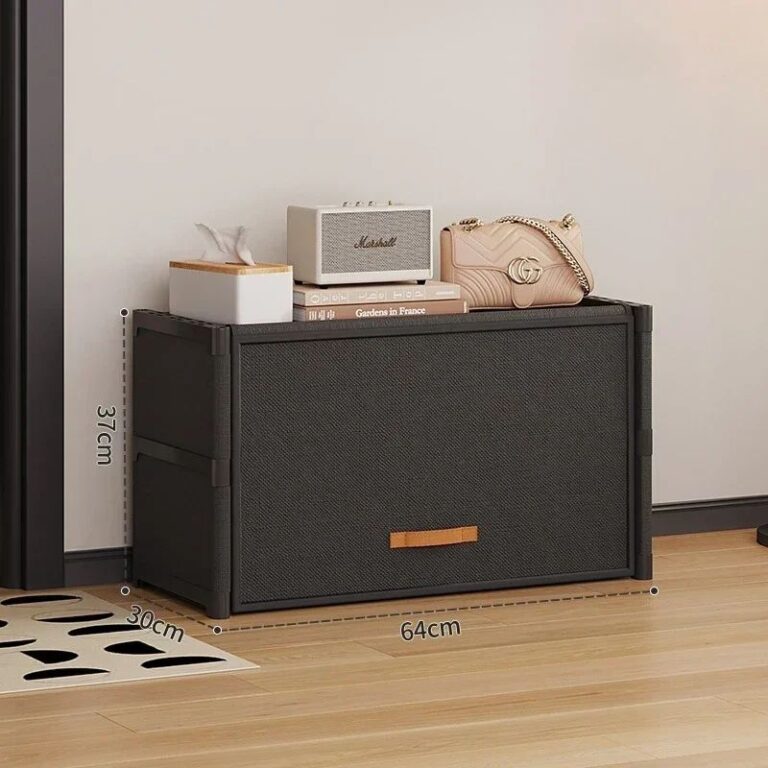 Aisha's pickWooden Living Room Cabinets for the Bits That Never Have a Home
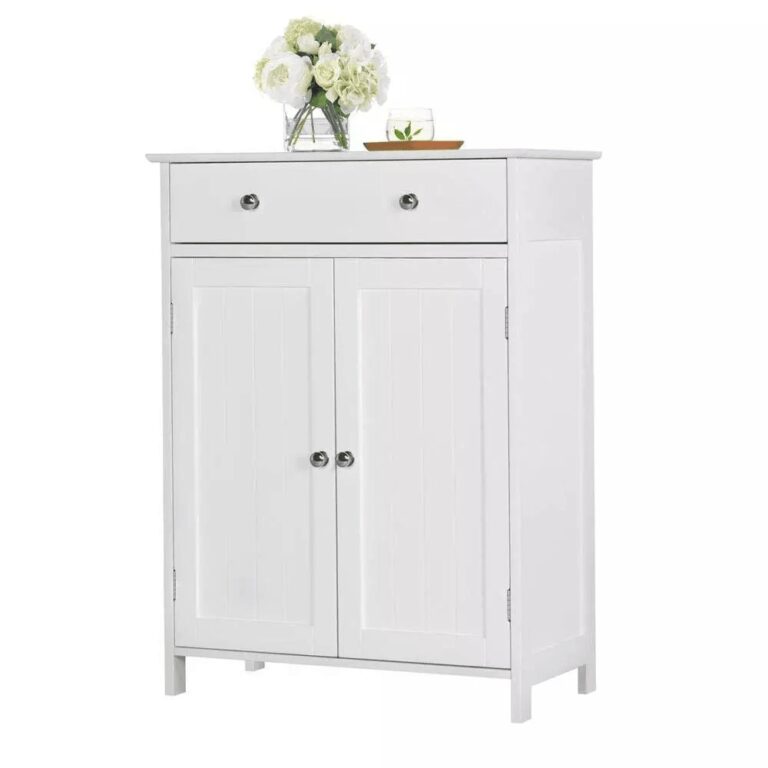
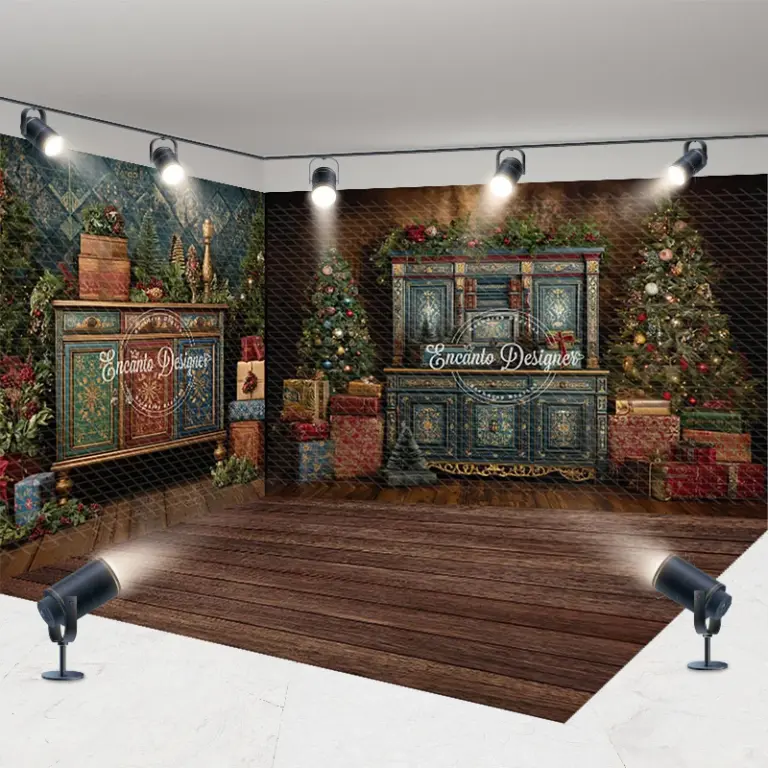 Aisha's pickLuxury Living Room Cabinets for Movie Nights and Slow SundaysAlso worth a lookStorage CabinetsThe hallway closet in my first apartment had exactly one shelf and a bar for coats, and every…See the collections →

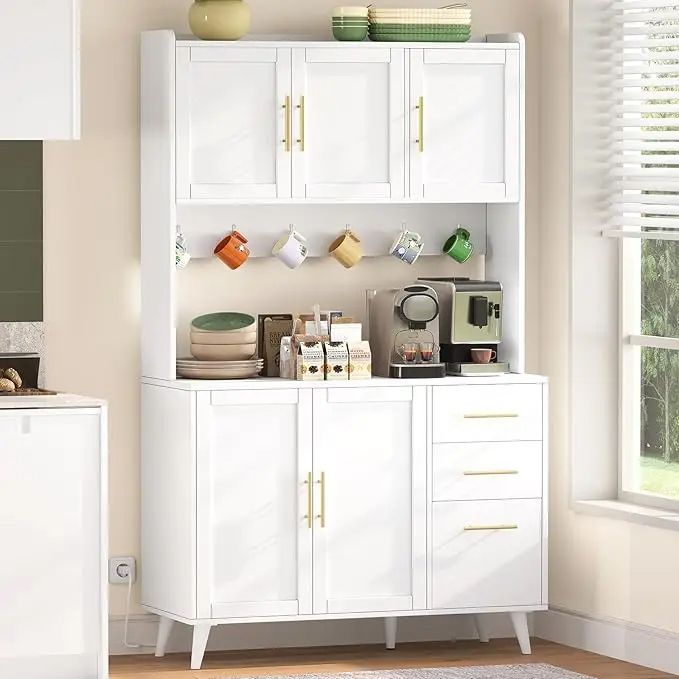 Aisha's pickBar Cabinets for Living Room That Sort Out the Chaos
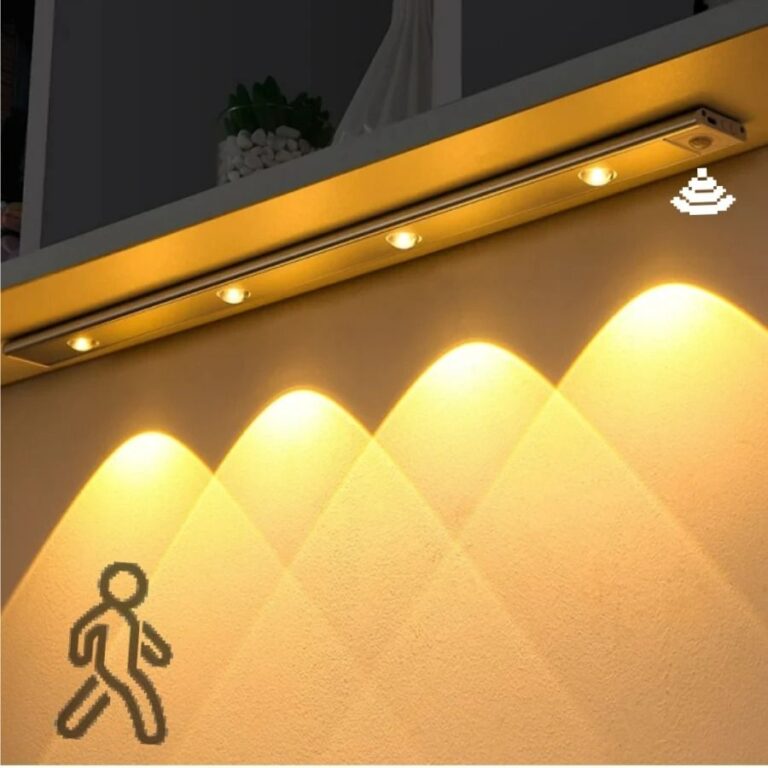
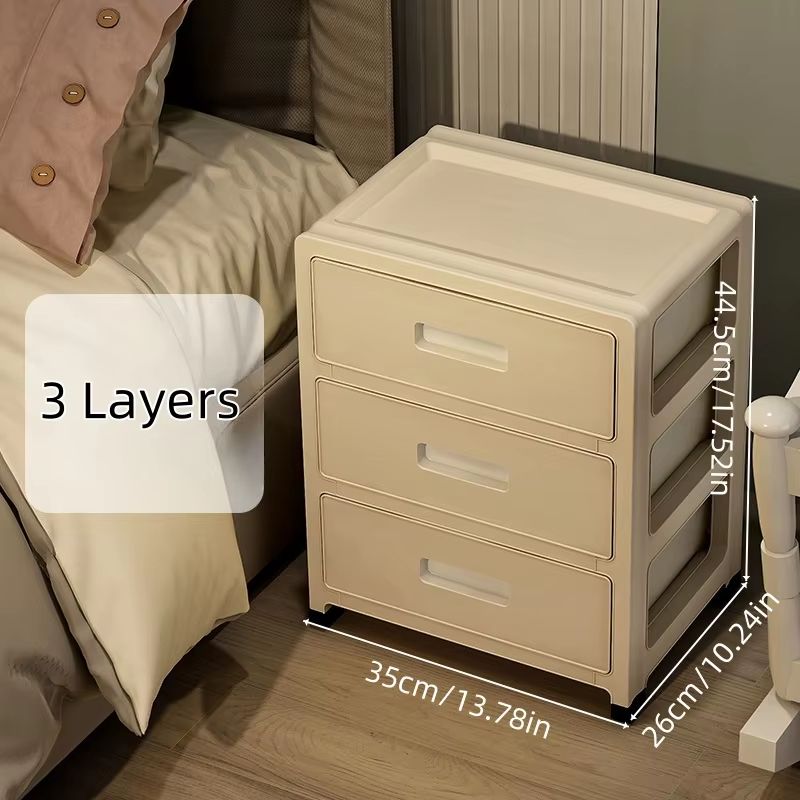 Aisha's pickMedia Cabinets for Living Room That Visitors Always Ask About

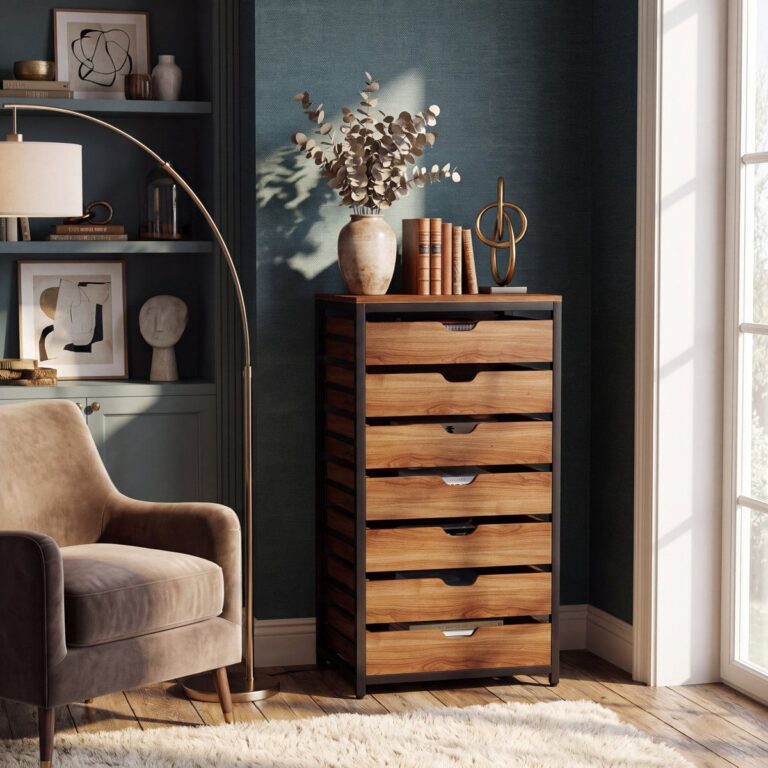 Aisha's pickBlack Living Room Cabinets Picked From the Stores We Trust
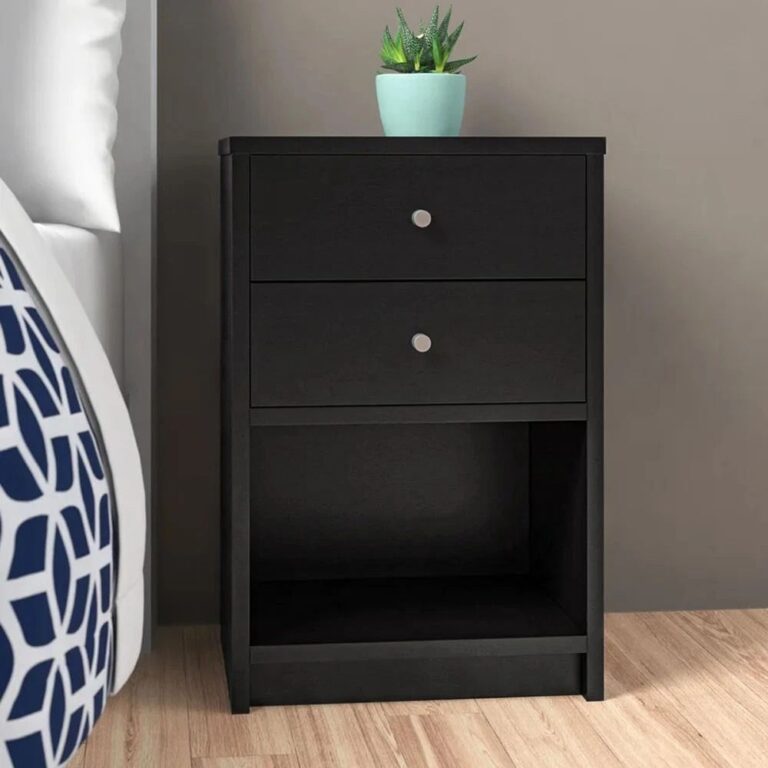
 Aisha's pickMetal Living Room Cabinets That Won’t Date in a Year

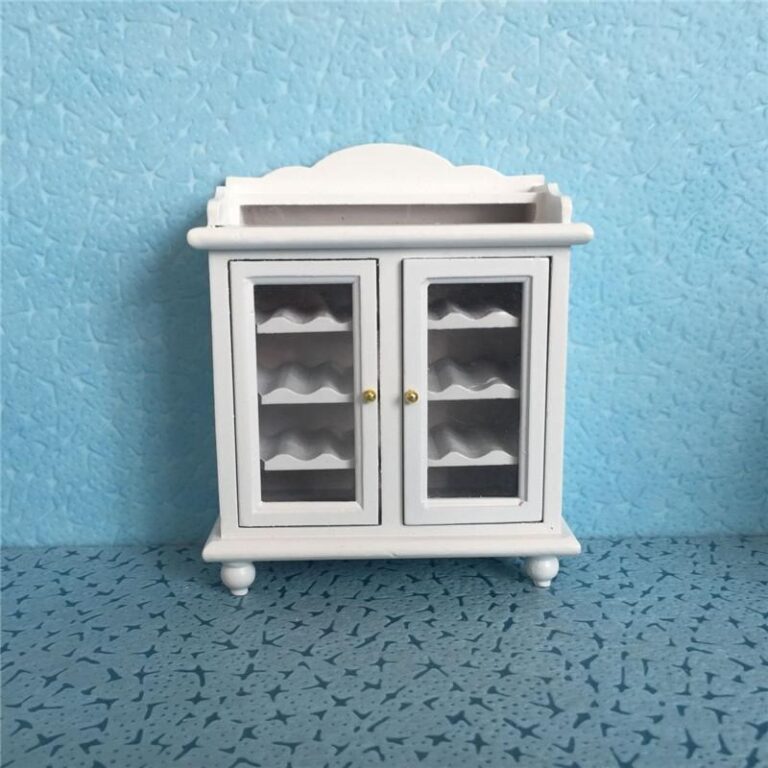 Aisha's pickCompact Living Room Cabinets for Movie Nights and Slow Sundays

 Aisha's pickModern Living Room Cabinets for Movie Nights and Slow Sundays
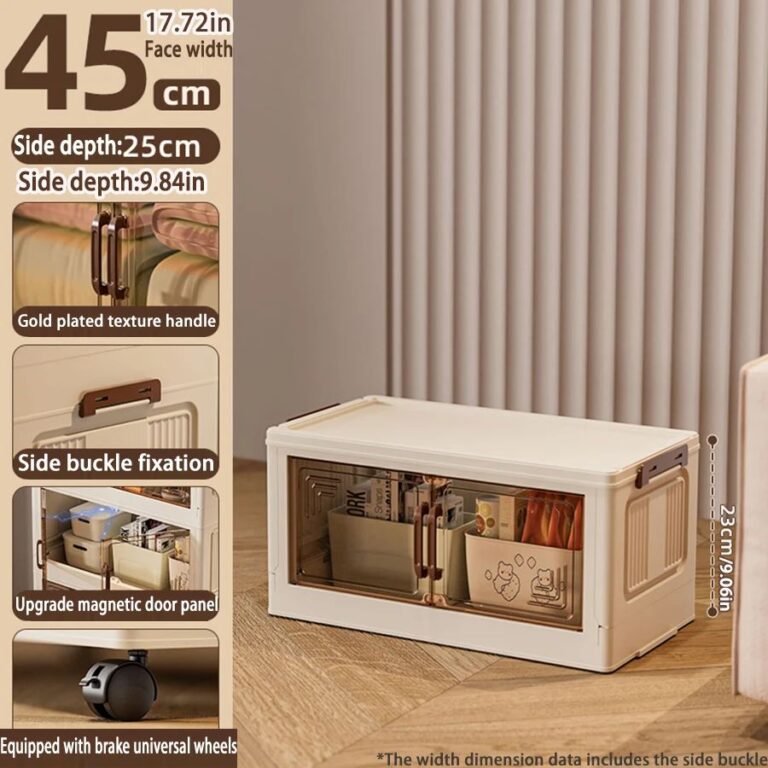
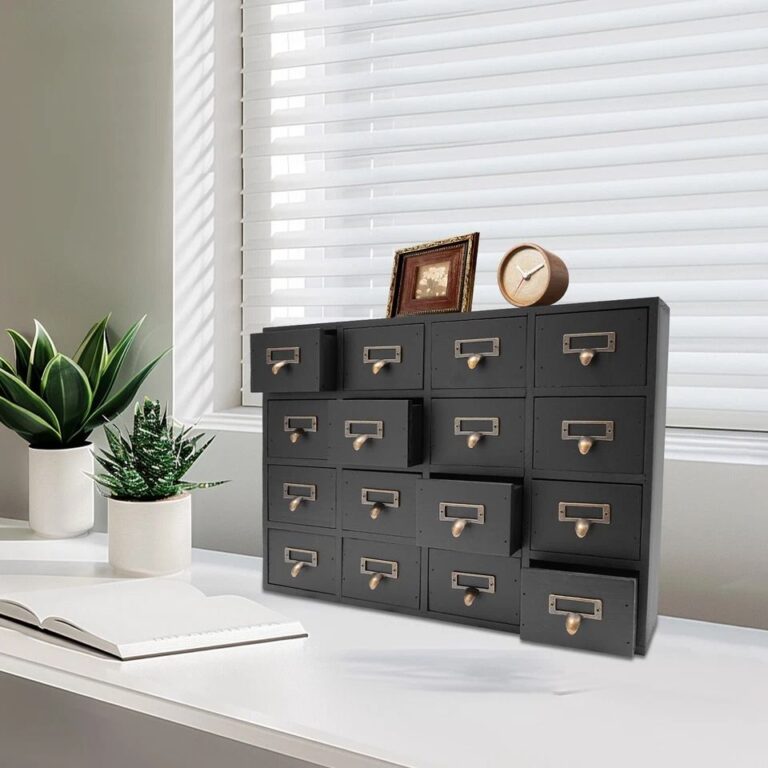 Aisha's pickDisplay Cabinets for Living Room You Won’t Want to Hide Away
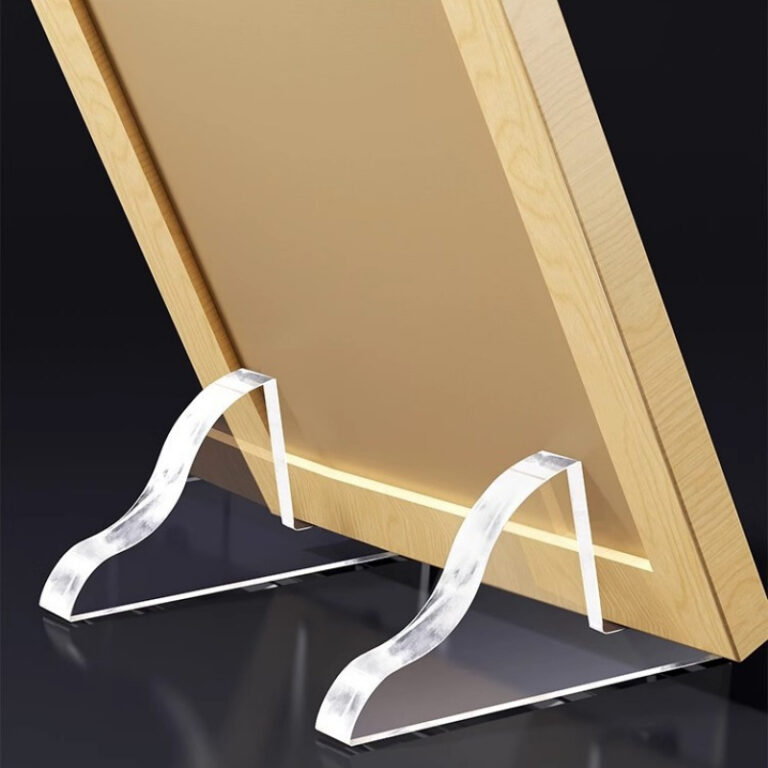
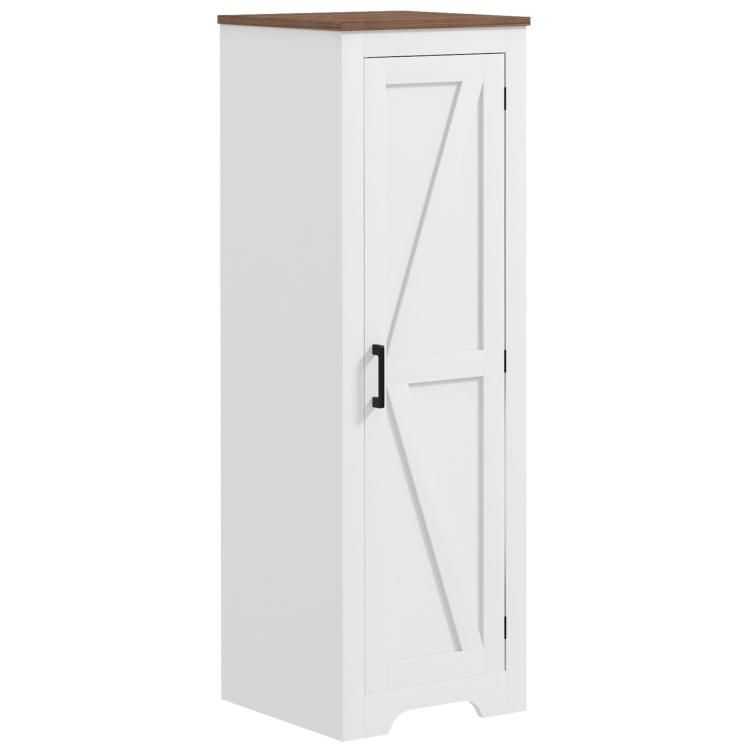 Aisha's pickPainted Living Room Cabinets for Movie Nights and Slow Sundays
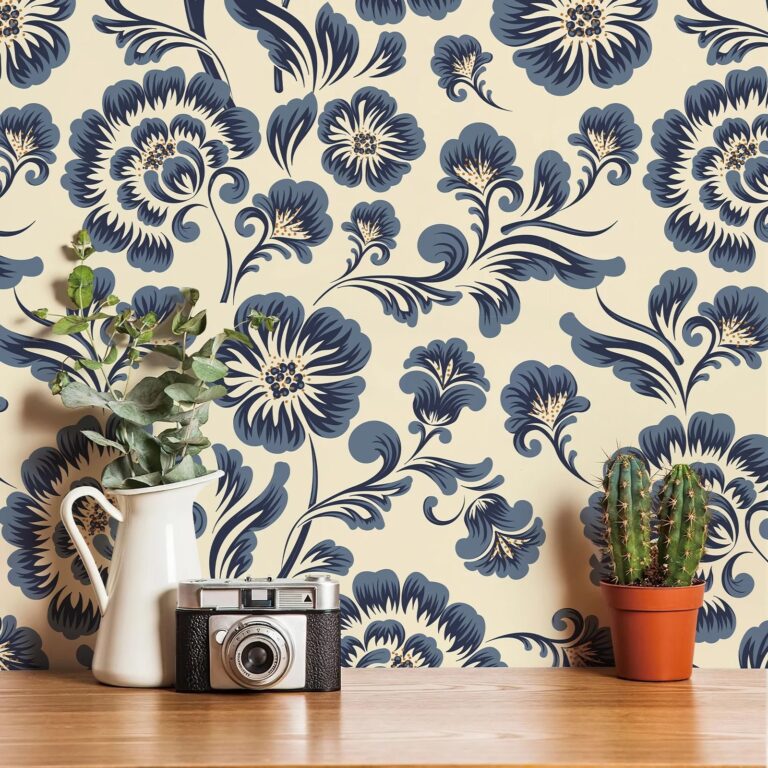
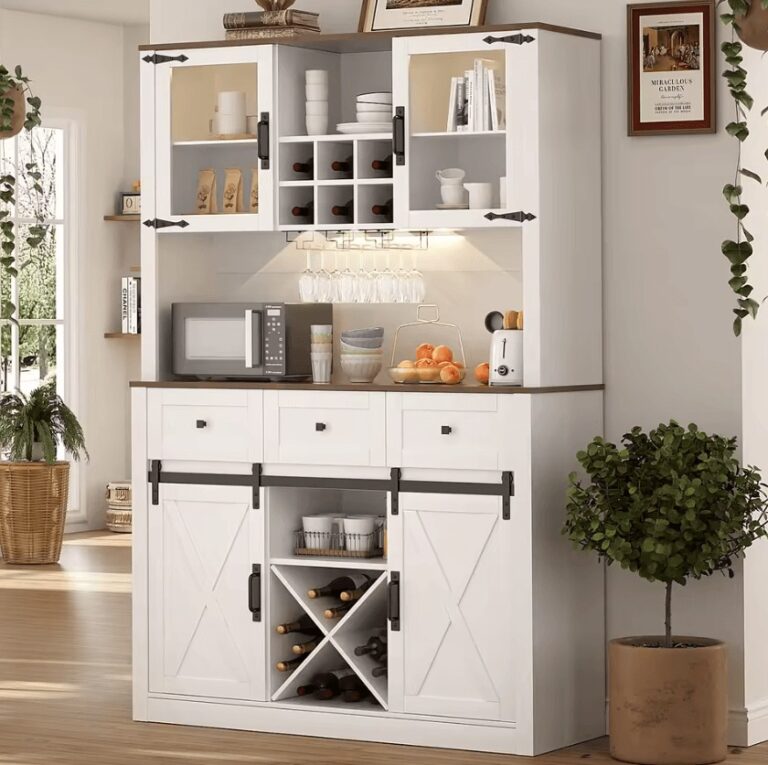 Aisha's pickFarmhouse Living Room Cabinets That Hold Up to Everyday LifeAlso worth a lookOffice CabinetsBefore you buy anything, measure your doorways, not just the room.See the collections →
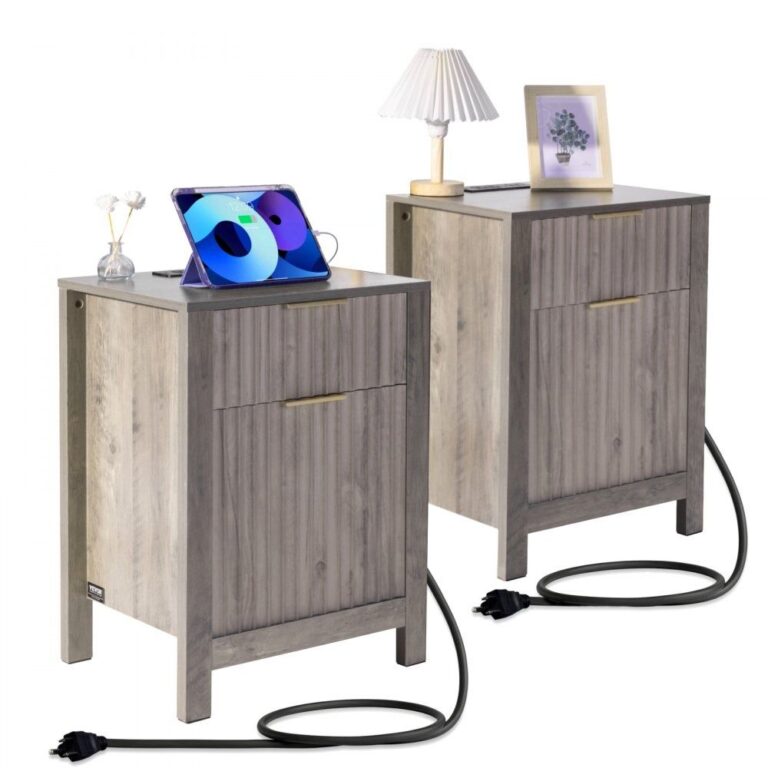
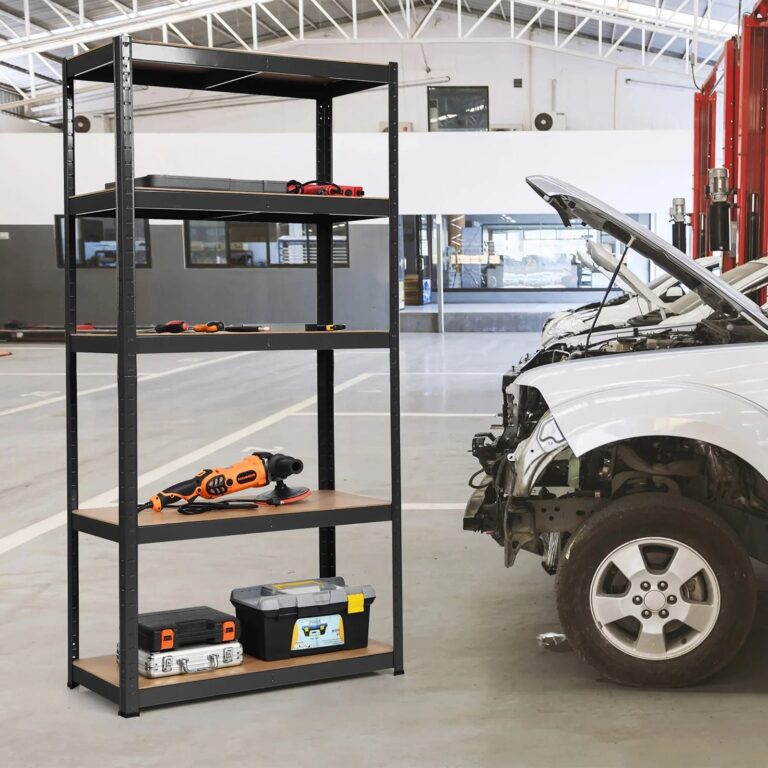 Aisha's pickShelving Units for Living Room That Look Better in Real Life
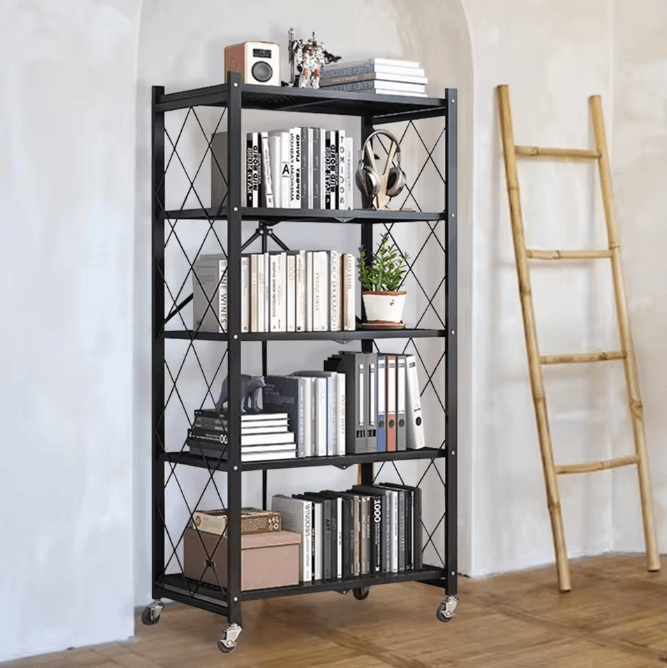
 Aisha's pickFreestanding Living Room Cabinets for Movie Nights and Slow Sundays
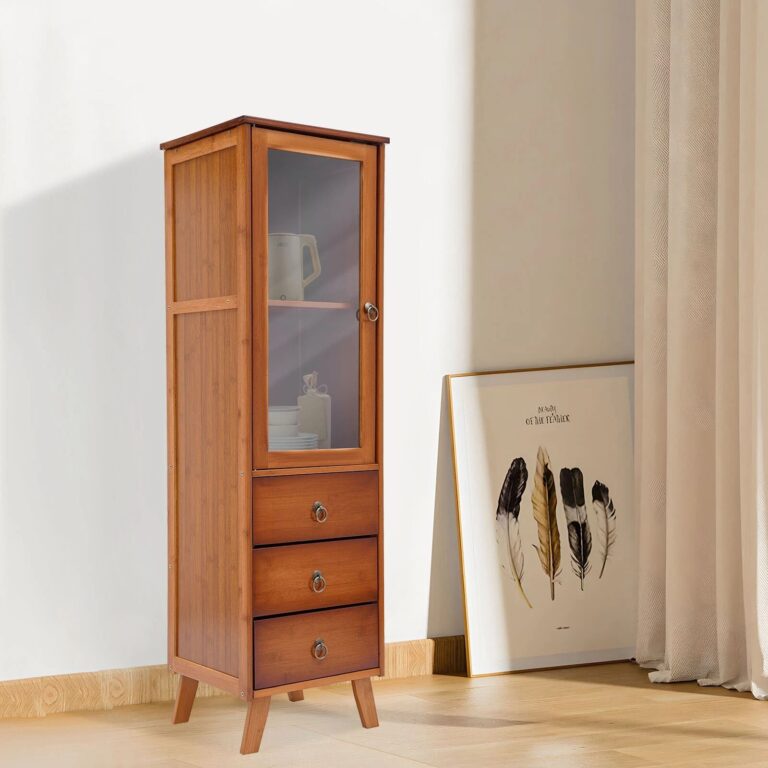
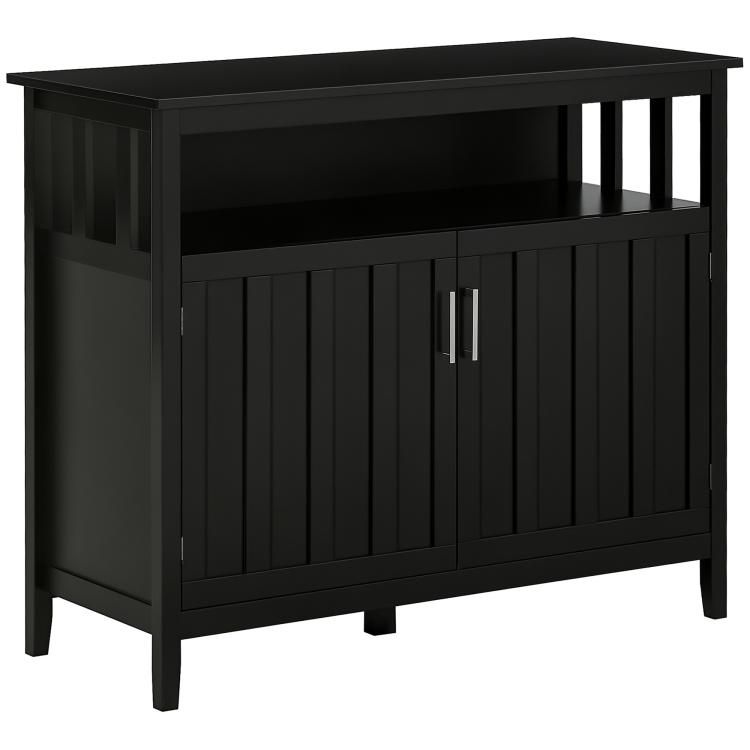 Aisha's pickSideboards for Living Room That Make Tidying Up Quicker
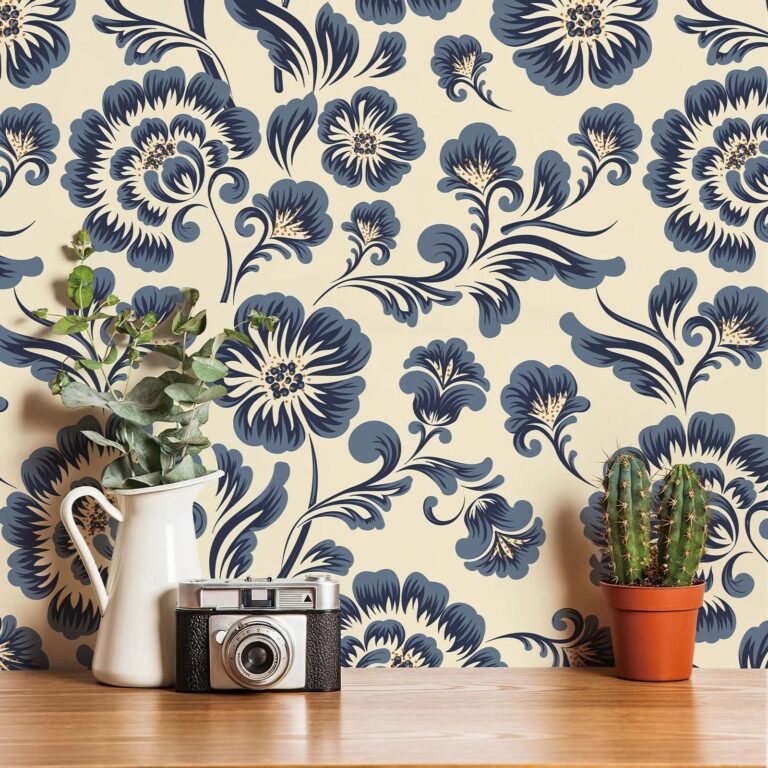 Aisha's pickGlass Living Room Cabinets Pulled From Dozens of Stores

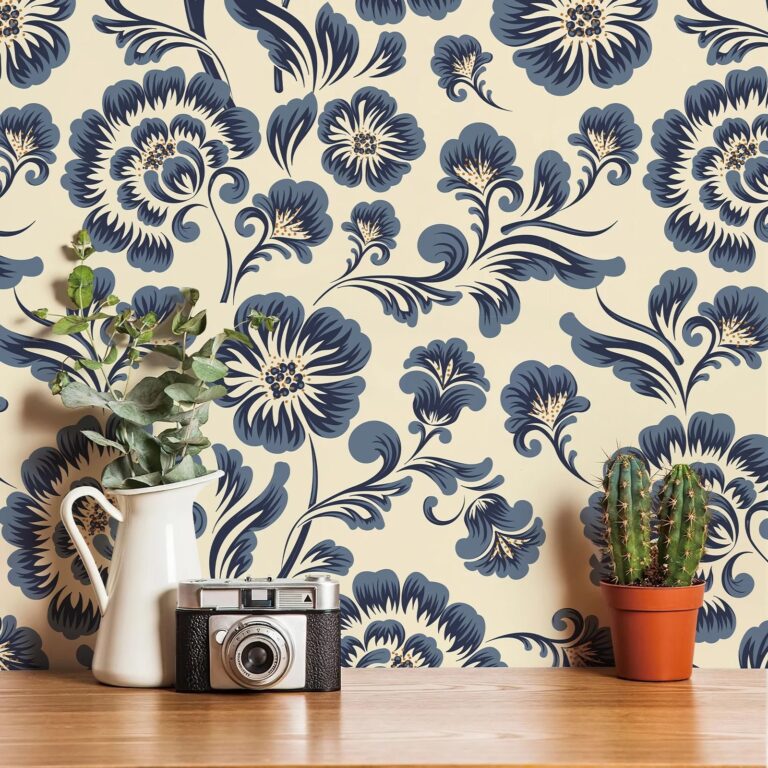 Aisha's pickSmall Living Room Cabinets for the Bits That Never Have a Home
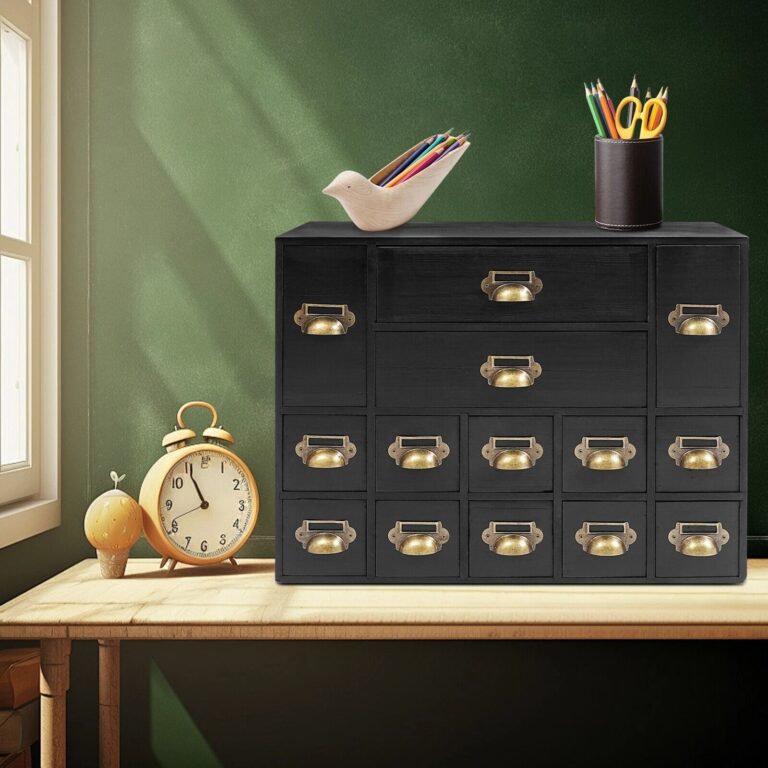
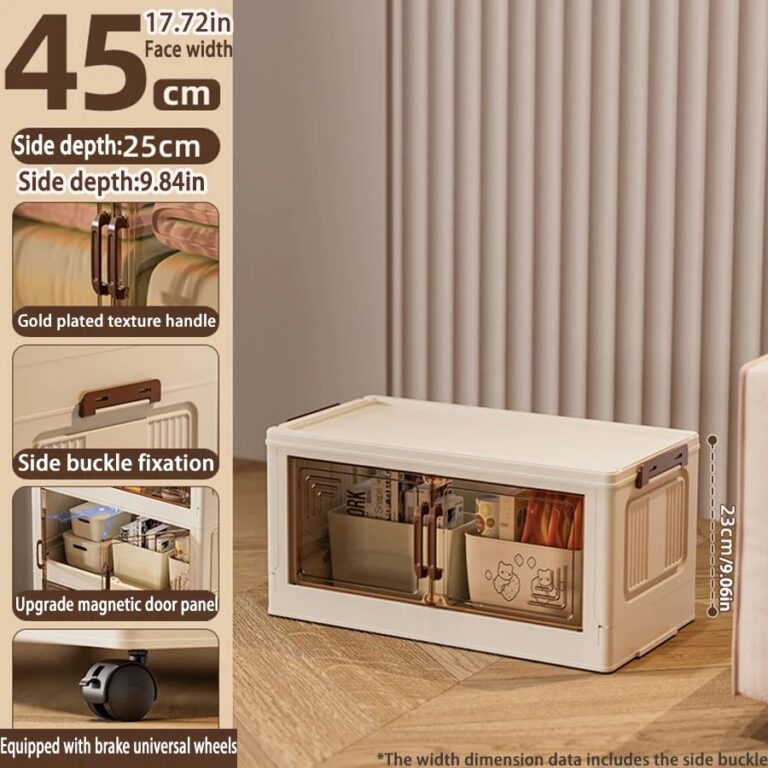 Aisha's pickLarge Living Room Cabinets for Movie Nights and Slow Sundays
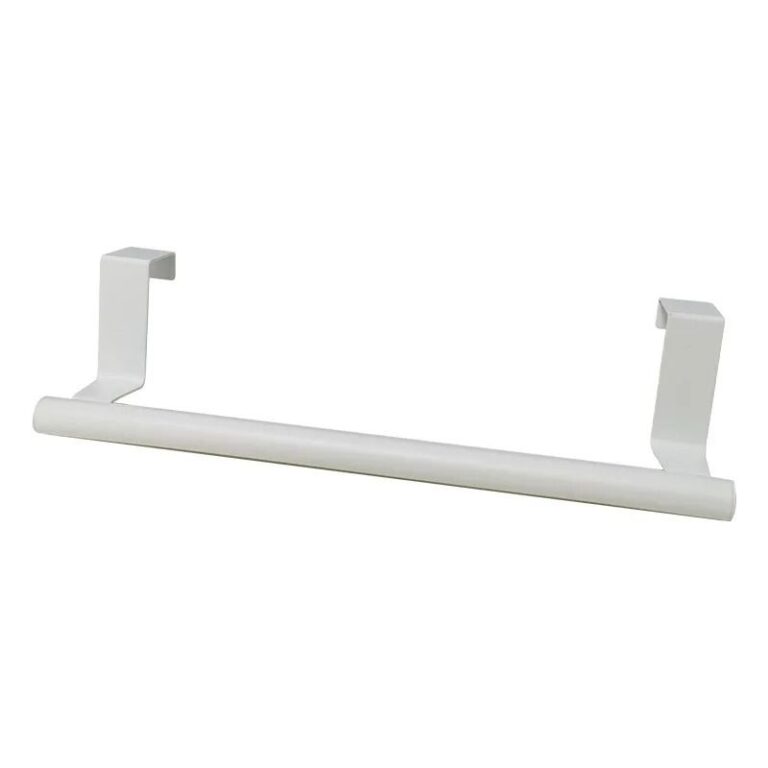
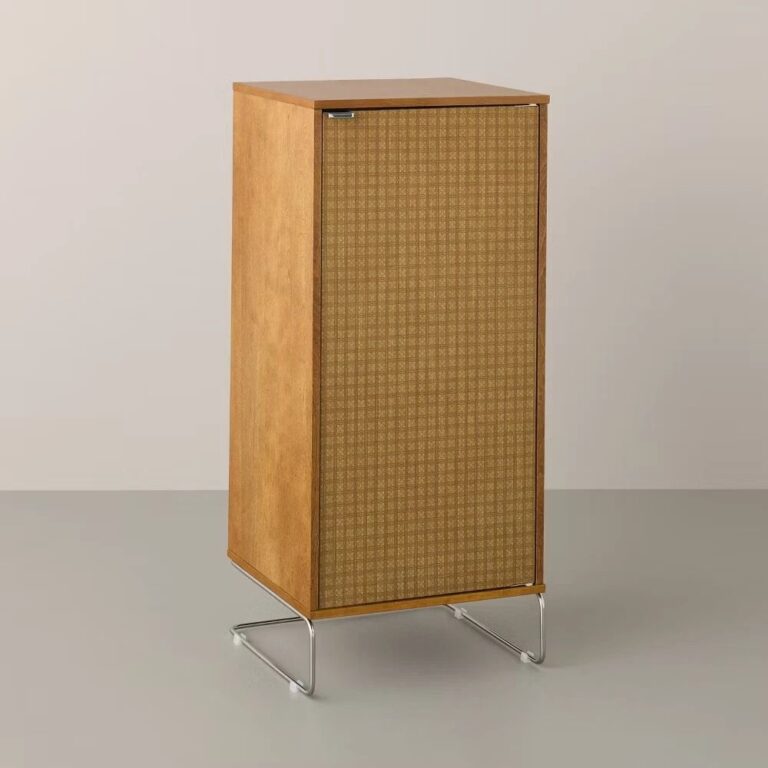 Aisha's pickSolid Wood Living Room Cabinets for Movie Nights and Slow Sundays

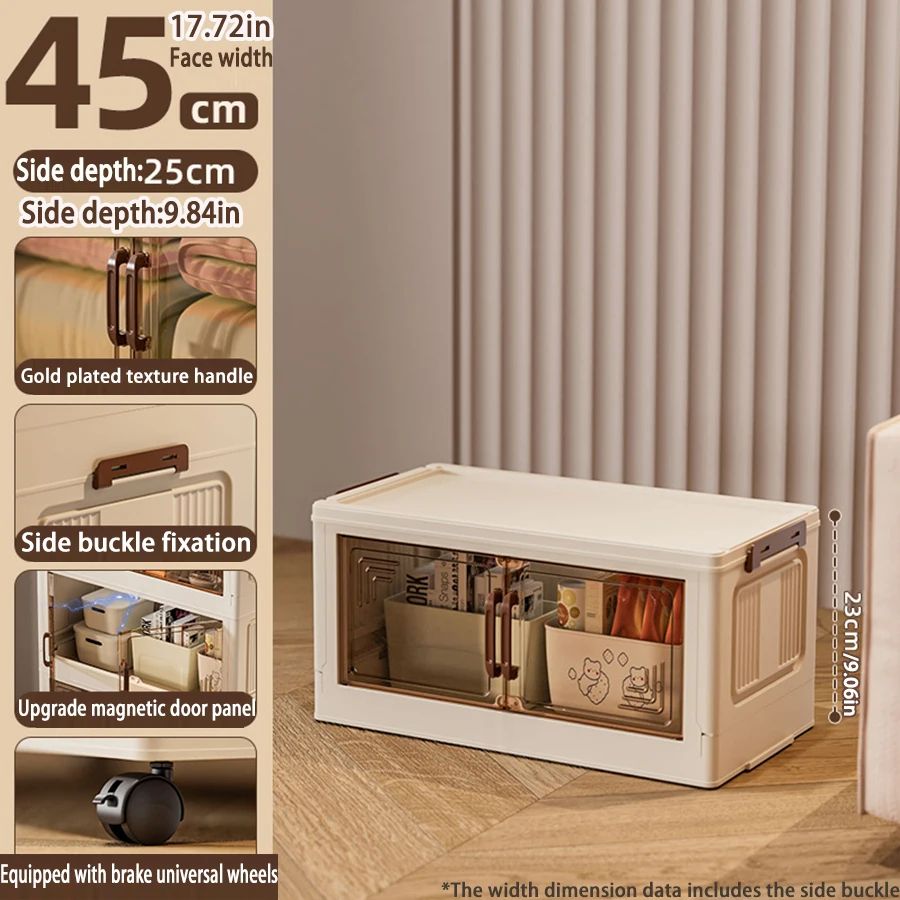 Aisha's pickLiving Room Cabinets for Homes With Too Much Stuff

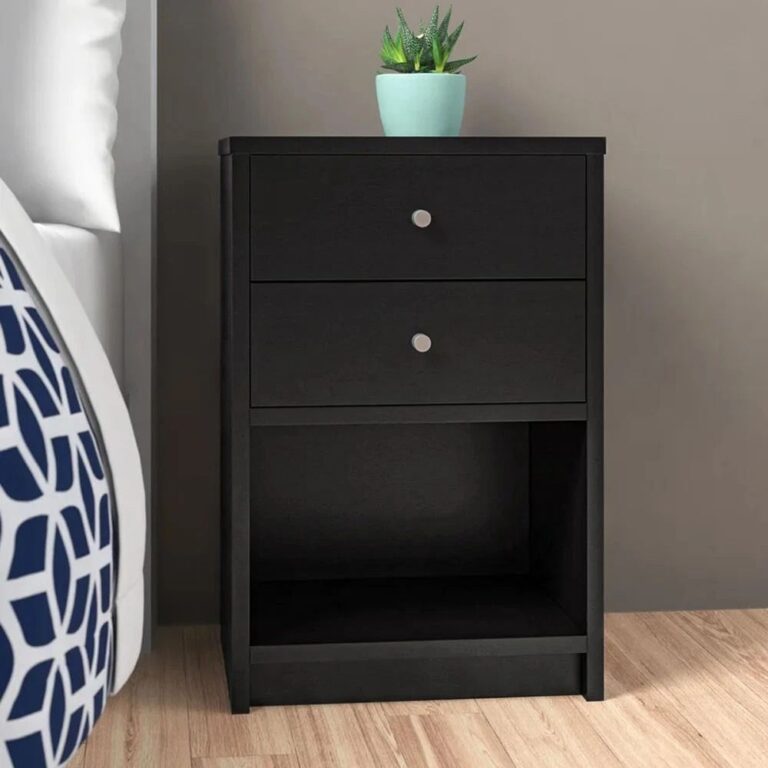 Aisha's pickStorage Cabinets for Living Room We’d Buy AgainAlso worth a lookGlass CabinetsThe thing nobody mentions about glass cabinets is the dust.See the collections →
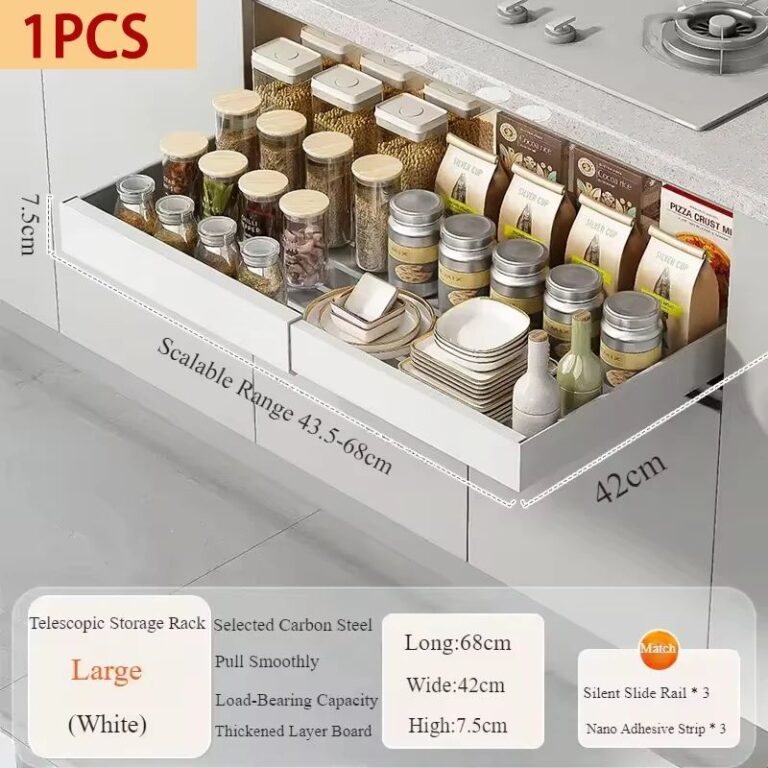
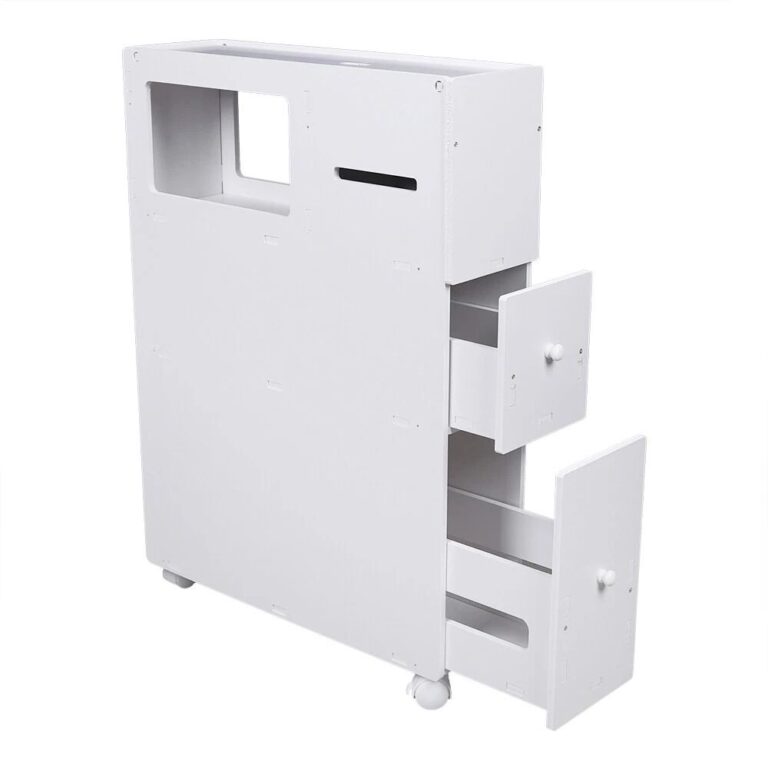 Aisha's pickLiving Room Cabinets with Doors That Sort Out the Chaos