The thing nobody mentions about glass cabinets is the dust. Open shelving behind glass still collects it, just slower, and the first time you wipe down the inside of one you understand why your grandmother kept a special cloth just for that job. It's not a flaw exactly, it's just the trade you make for being able to see your good plates without opening a door, and after a while you stop minding.
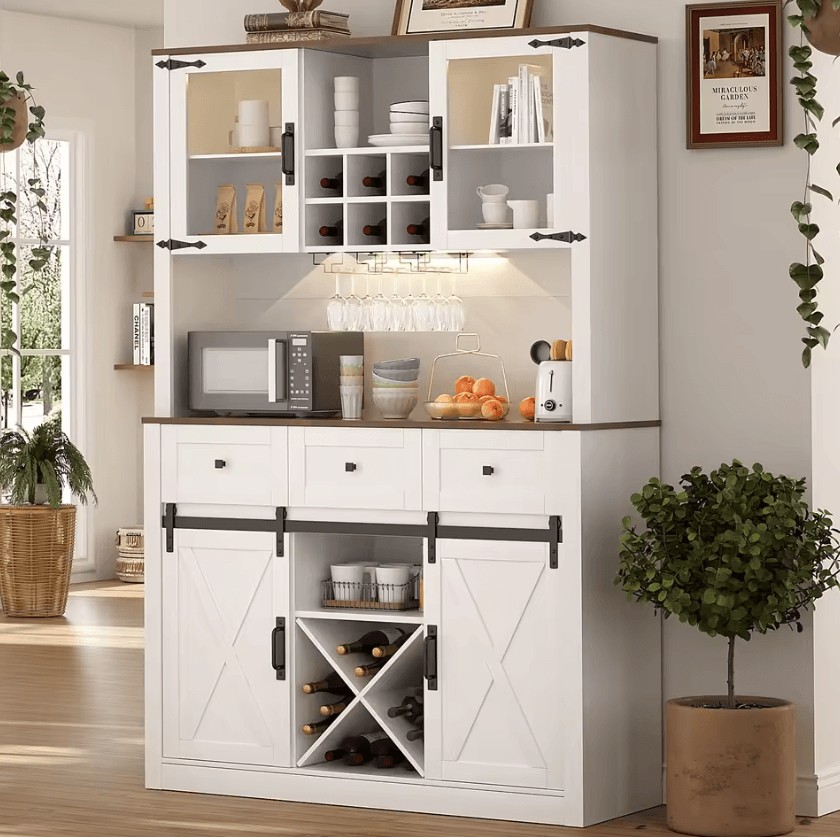
If you've never owned one, start with a single cabinet rather than a full wall unit, and pick one with a solid wood frame and simple glass panes over anything with grids, mullions or colored glass, because plain glass shows off what's inside and grids just add more surfaces to clean. A glazed hutch or a china cabinet with a closed lower section gives you the display up top and a place to hide the stuff you don't want seen, which matters more than people admit when they're shopping purely on looks. For measuring, pull the actual piece of furniture you're imagining out in painter's tape on the floor first, because glass cabinets read taller and deeper than wood ones of the same dimensions, the transparency tricks your eye into thinking there's more room than there is. Leave at least three feet of clearance in front for the doors to swing and for you to actually get close enough to see what's on the shelves, and measure your doorways and stairwells before you fall in love with anything, because a tall glazed cabinet with fixed glass panels cannot be tipped on its side the way a plain wood dresser can.
These work best in dining rooms, over mantels, in the kind of living room corner that needs a focal point rather than more storage, and in older homes with some architectural detail already going on, since a glass cabinet full of glassware or books picks up and echoes whatever moody light the room already has. A cheap one has thin glass that rattles in its frame, hinges that start to sag within a year, and a back panel of thin fiberboard that bows if you so much as lean on it. A good one has glass set into a proper rebate with beading, not just glued in, drawers and doors on real hinges you can feel the weight of, and joinery at the corners you can actually see, dovetails or mortise and tenon, not staples hidden under a strip of trim.
It gives a room somewhere to put its good things where you'll actually look at them.
 Aisha's pickGlass Door Kitchen Storage Cabinets We Keep Coming Back To
 Aisha's pickWhite Glass Display Cabinets for People Who Know What They Like
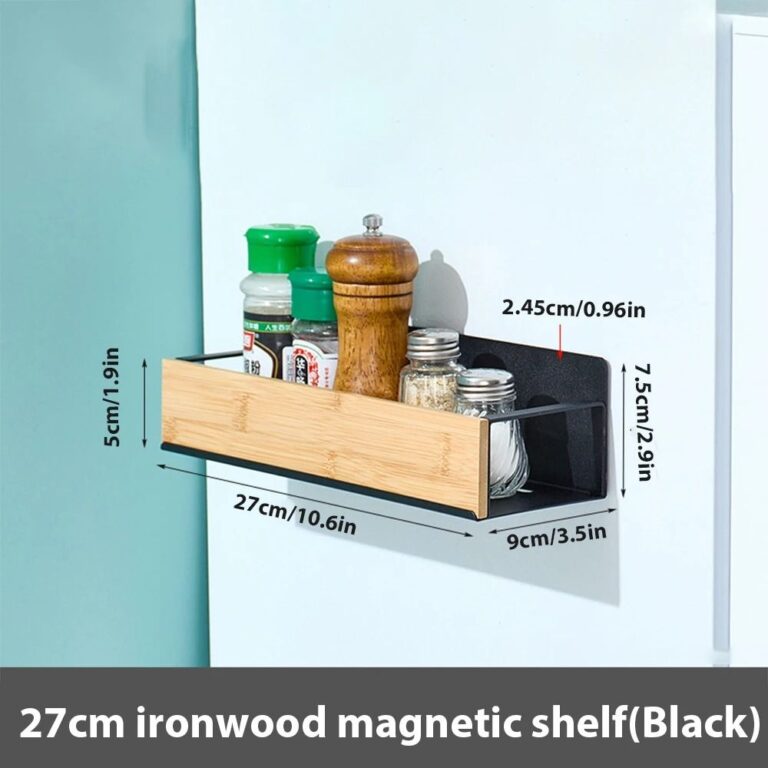 Aisha's pickBlack Glass Cabinets With Room for More Than You’d Think
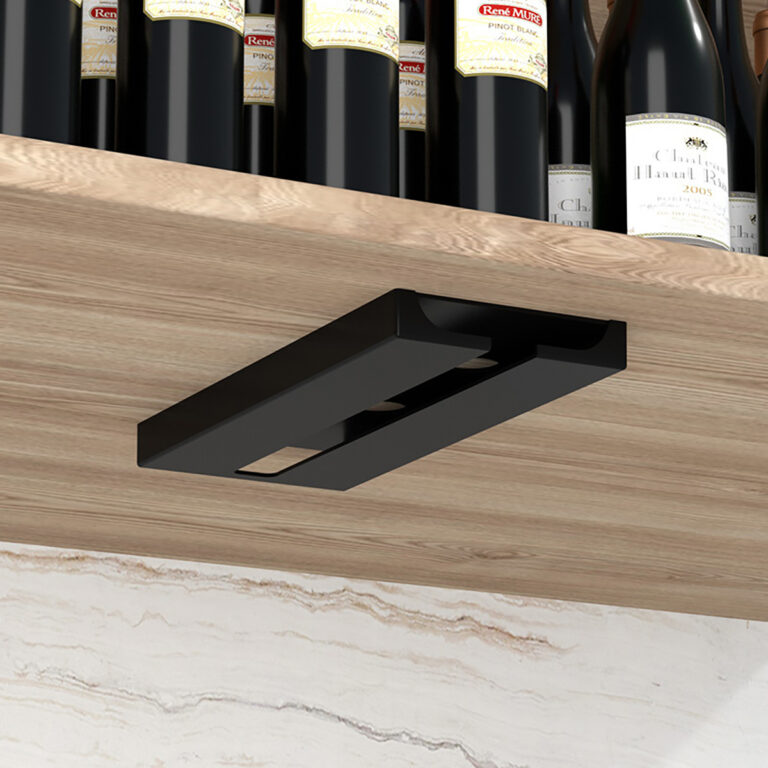
 Aisha's pickGlass Door Pantry Cabinets for Busy Kitchens

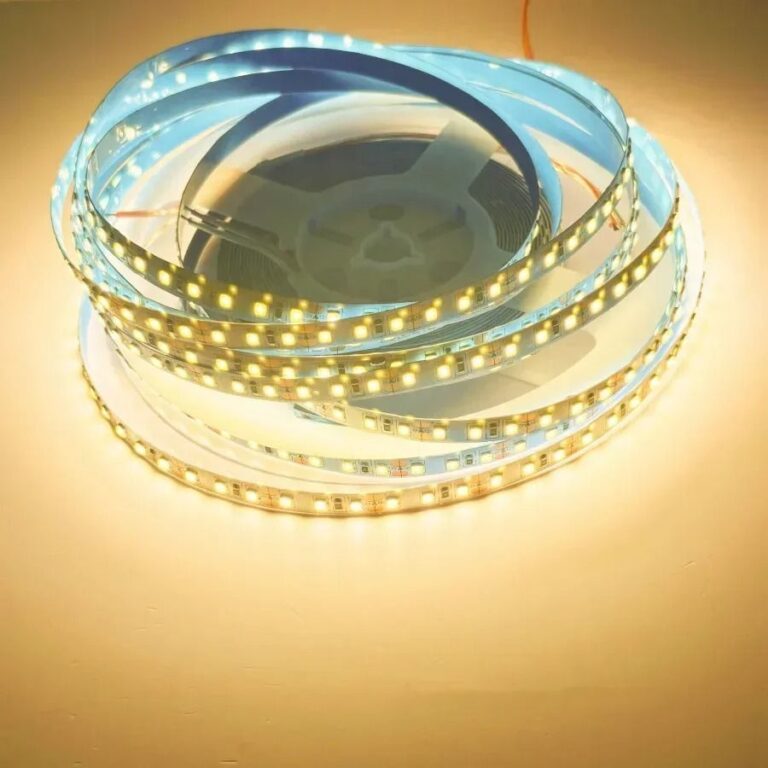 Aisha's pickThe Wide Glass Cabinets Worth Your Cash
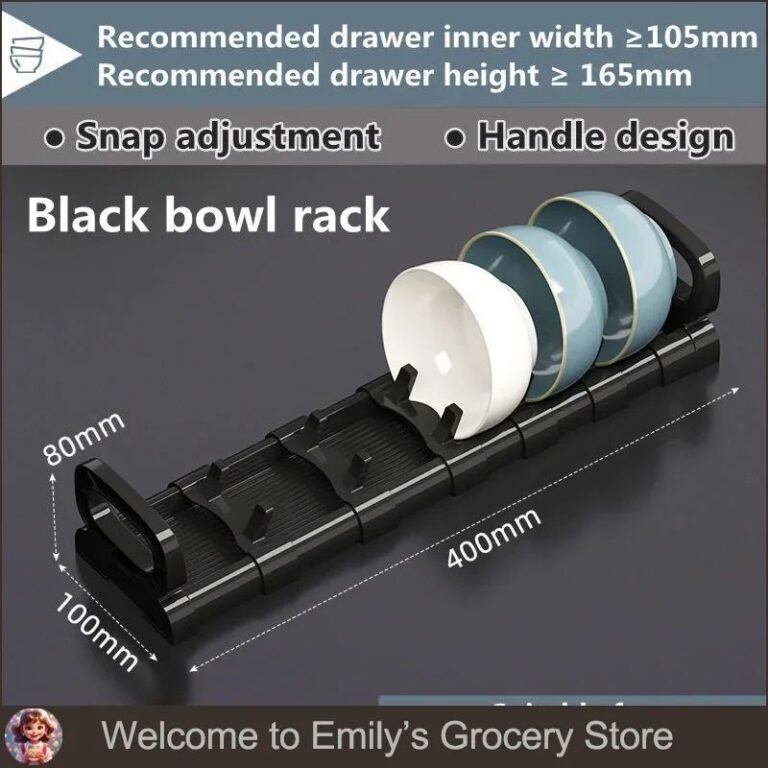
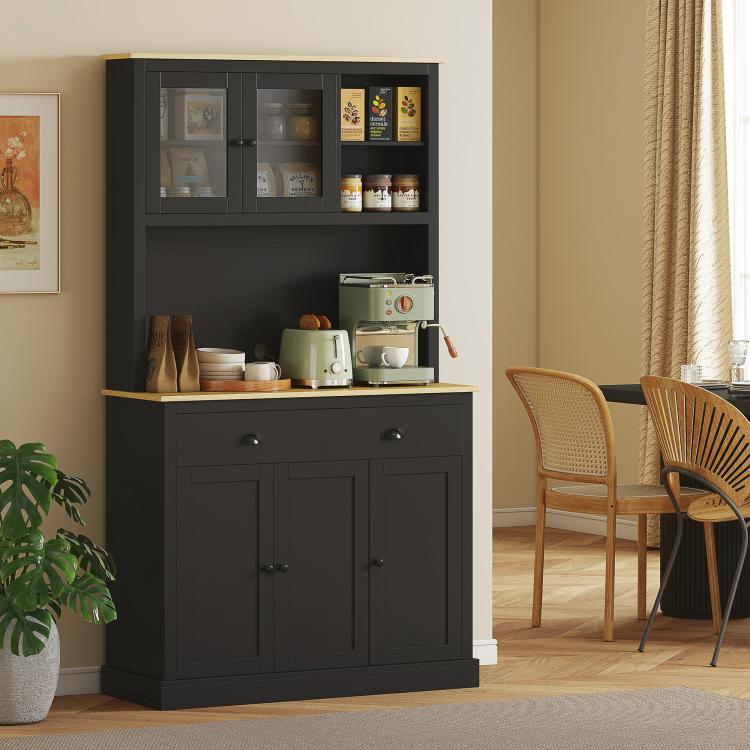 Aisha's pickBlack Glass Display Cabinets at Every Price Point
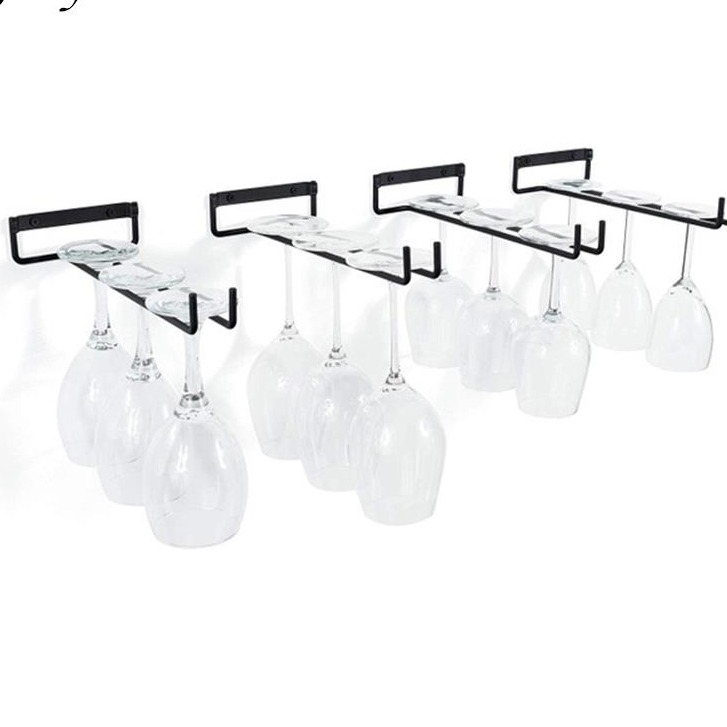
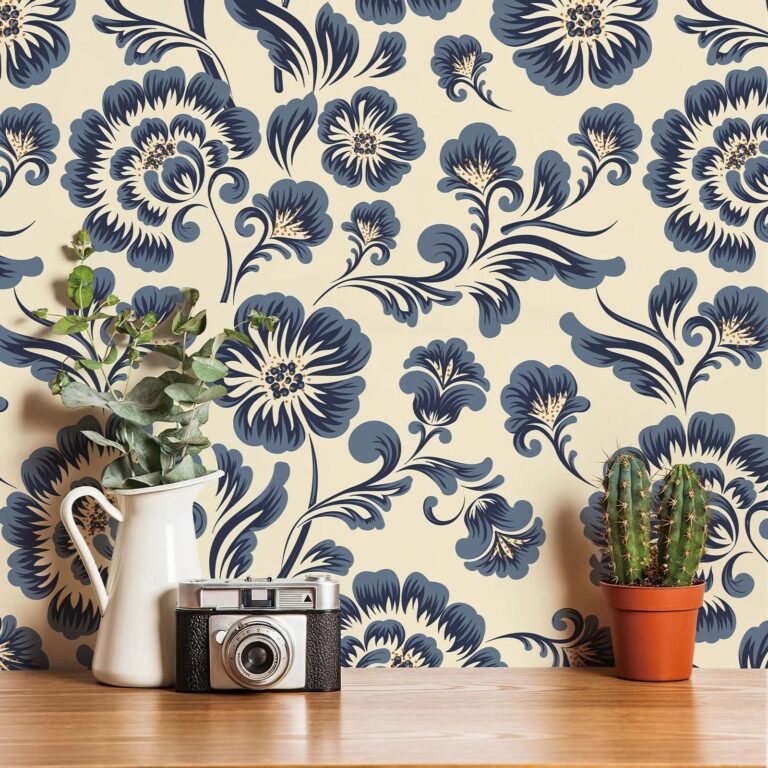 Aisha's pickGlass Living Room Cabinets Pulled From Dozens of Stores

 Aisha's pickCorner Glass Cabinets That Look Good Up Close
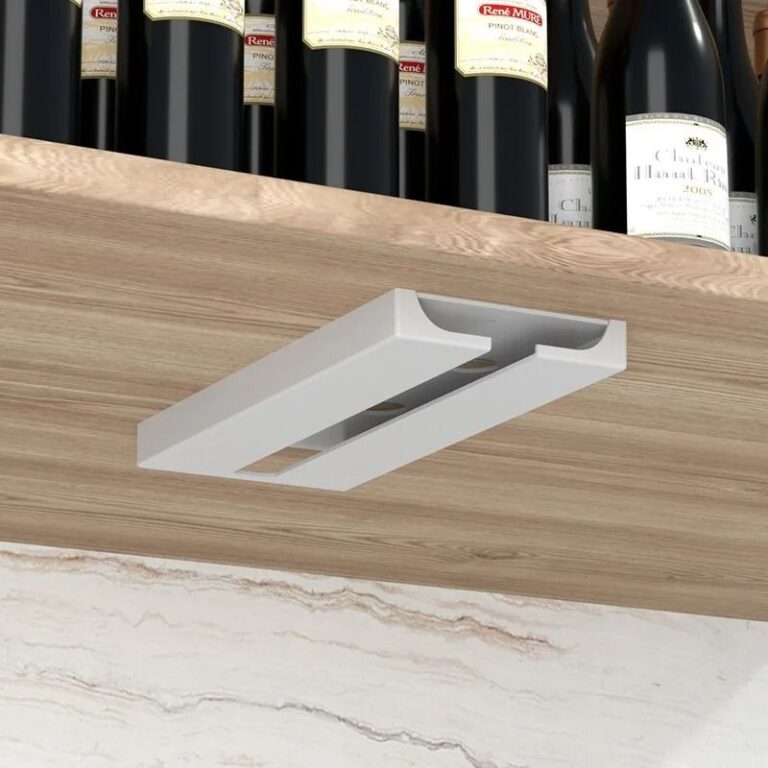
 Aisha's pickGlass Mirror Cabinets That Swallow the ClutterAlso worth a lookStorage CabinetsThe hallway closet in my first apartment had exactly one shelf and a bar for coats, and every…See the collections →
 Aisha's pickGlass Bar Cabinets for the Bits That Never Have a Home
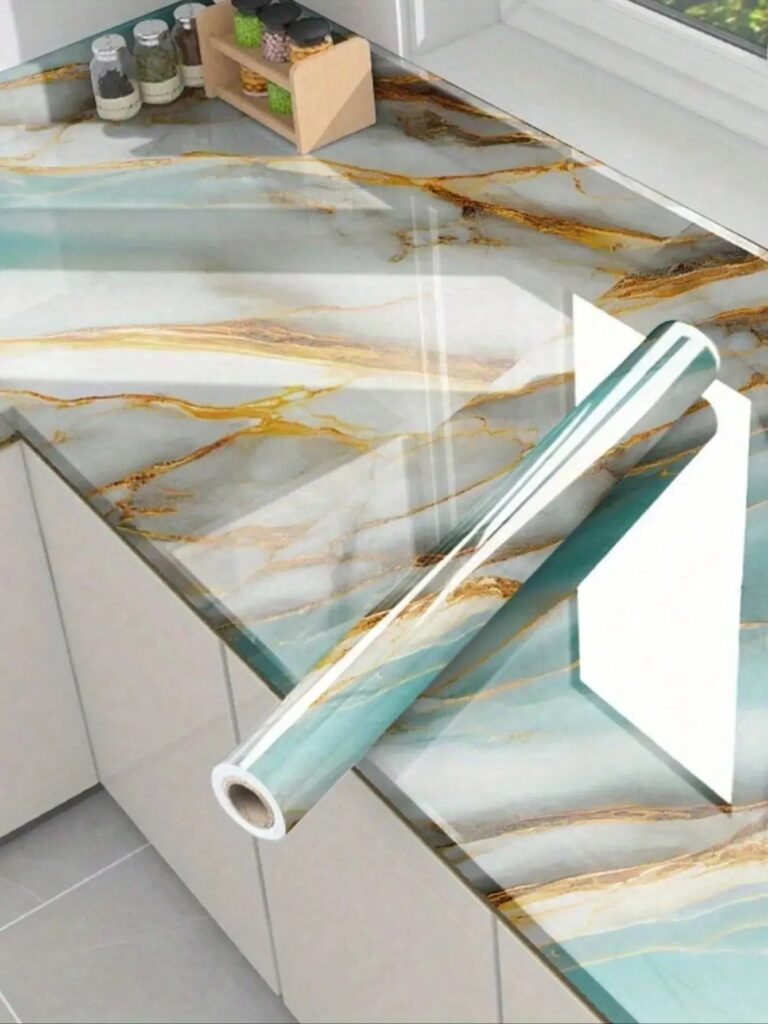 Aisha's pickGlass Office Cabinets We Work Beside Every Day
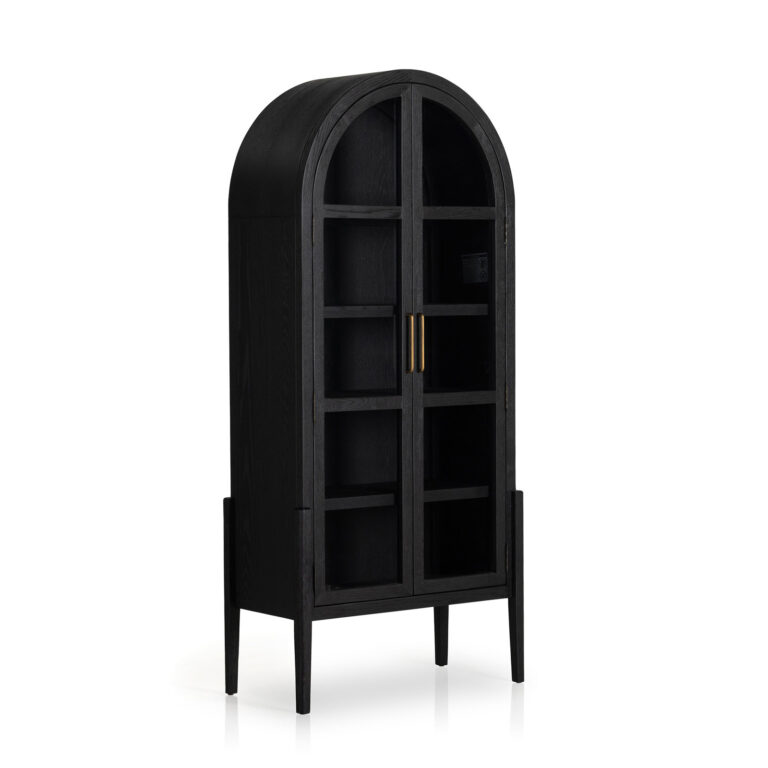 Aisha's pickGlass Cabinets That Keep Surfaces Clear

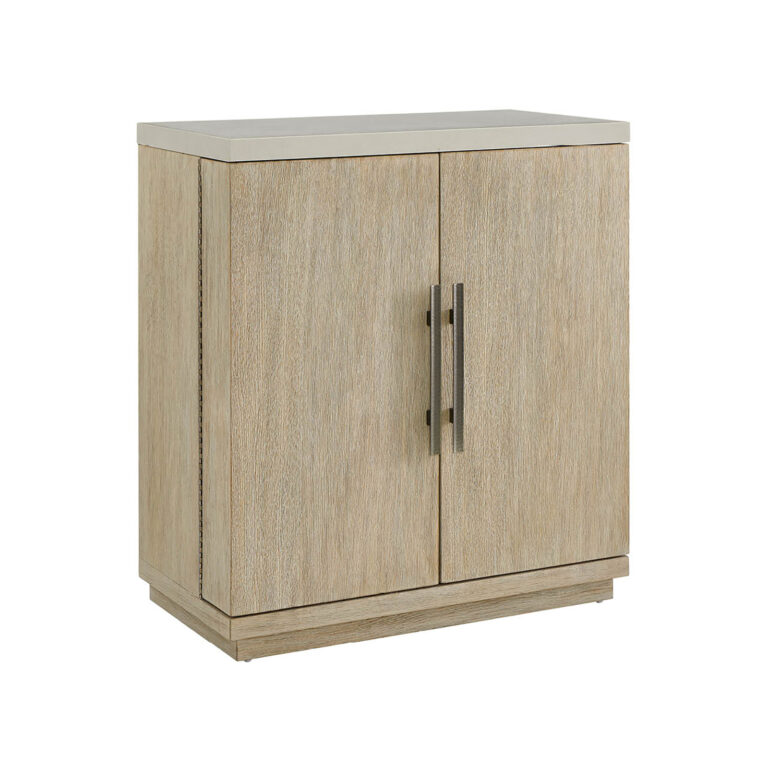 Aisha's pickGlass Storage Cabinets for Homes With Too Much Stuff
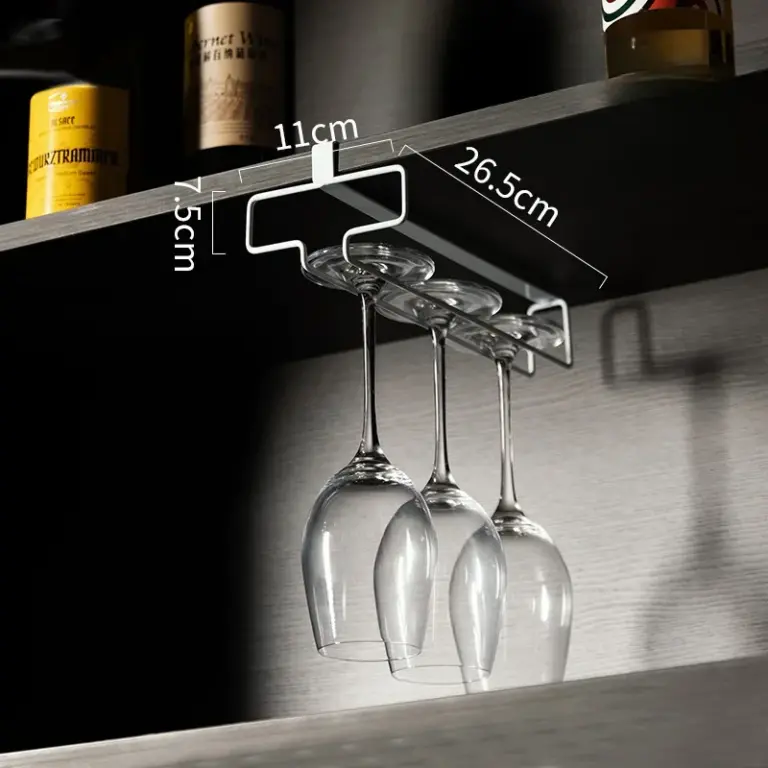
 Aisha's pickGlass Cabinets with Doors That Look Good Even When Full

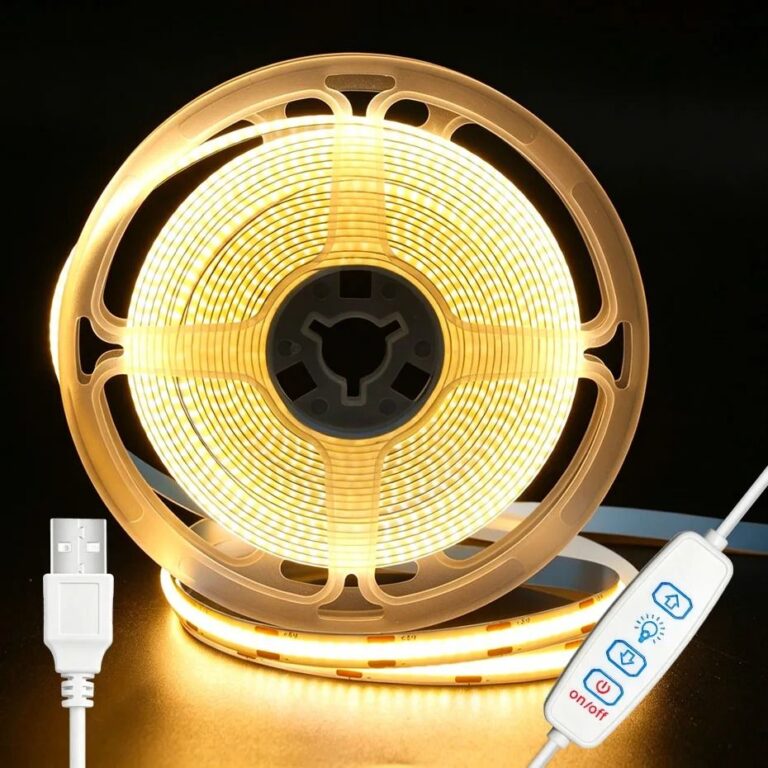 Aisha's pickGlass TV Cabinets With Room for More Than You’d Think
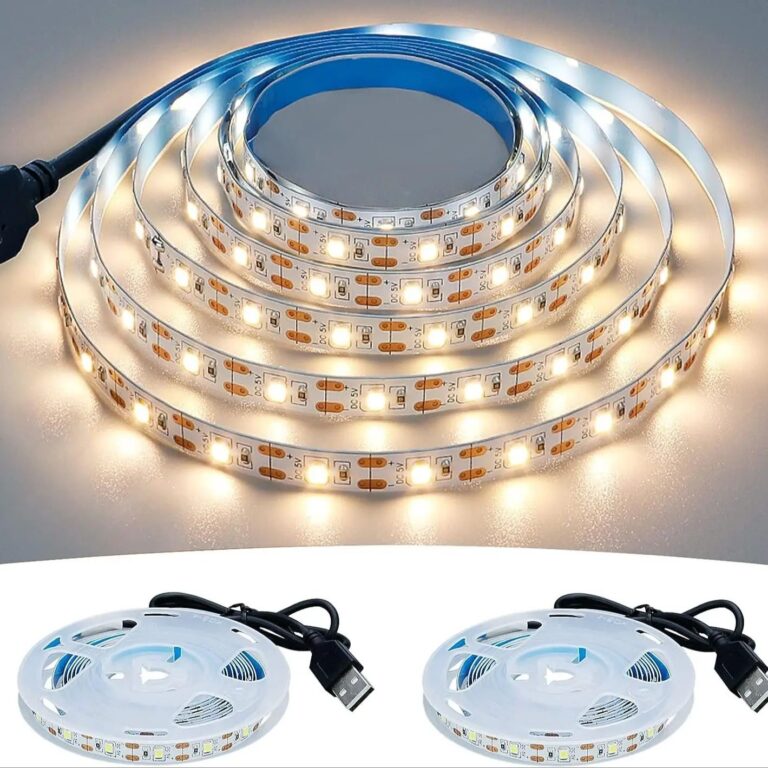
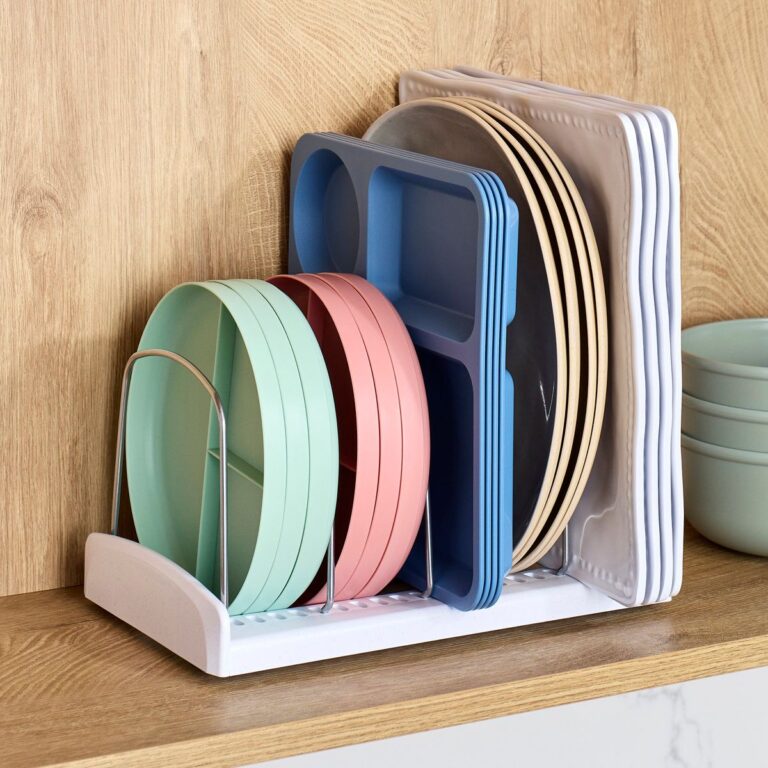 Aisha's pickGlass Cabinets with Drawers That Squeeze Into Awkward Corners
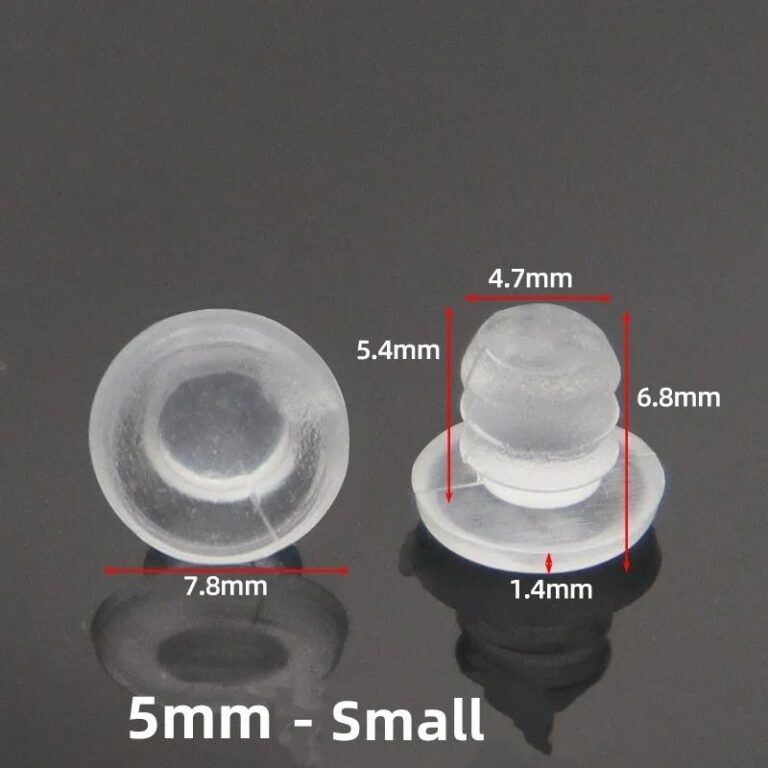
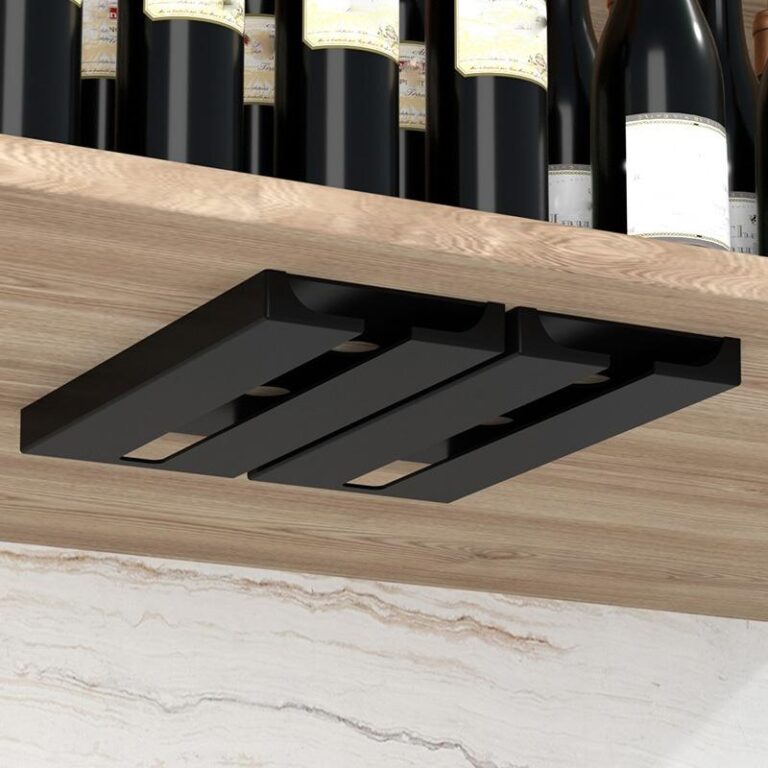 Aisha's pickNo Fuss Glass Wine Cabinets

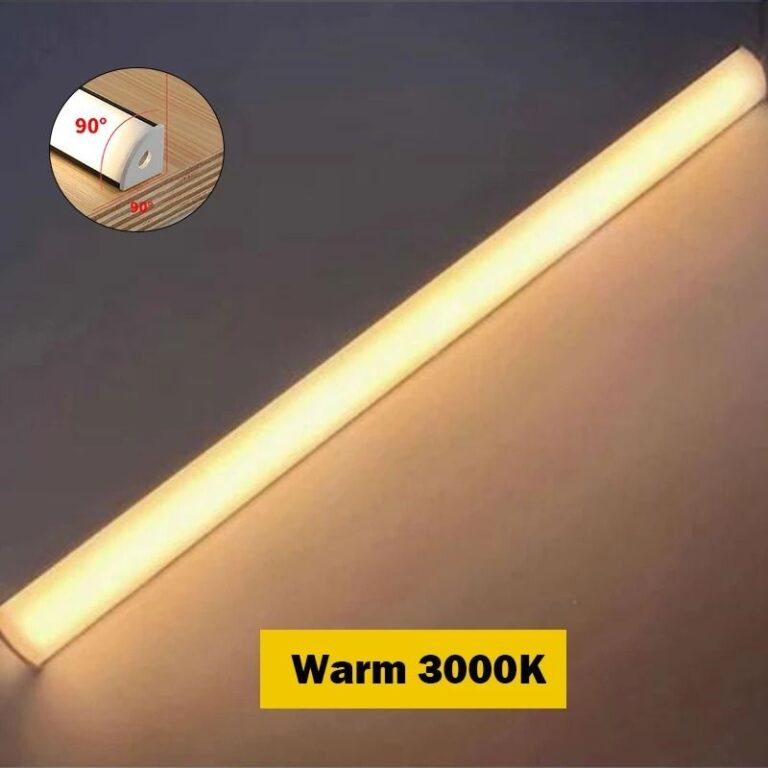 Aisha's pickGlass Cabinets with Lights That Hold Up to Everyday LifeAlso worth a lookOffice CabinetsBefore you buy anything, measure your doorways, not just the room.See the collections →
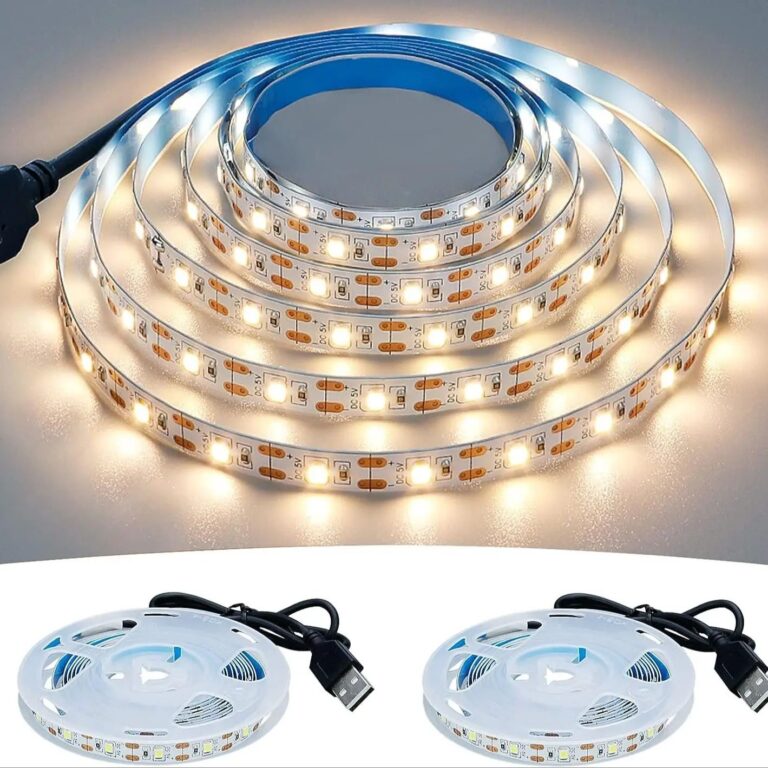
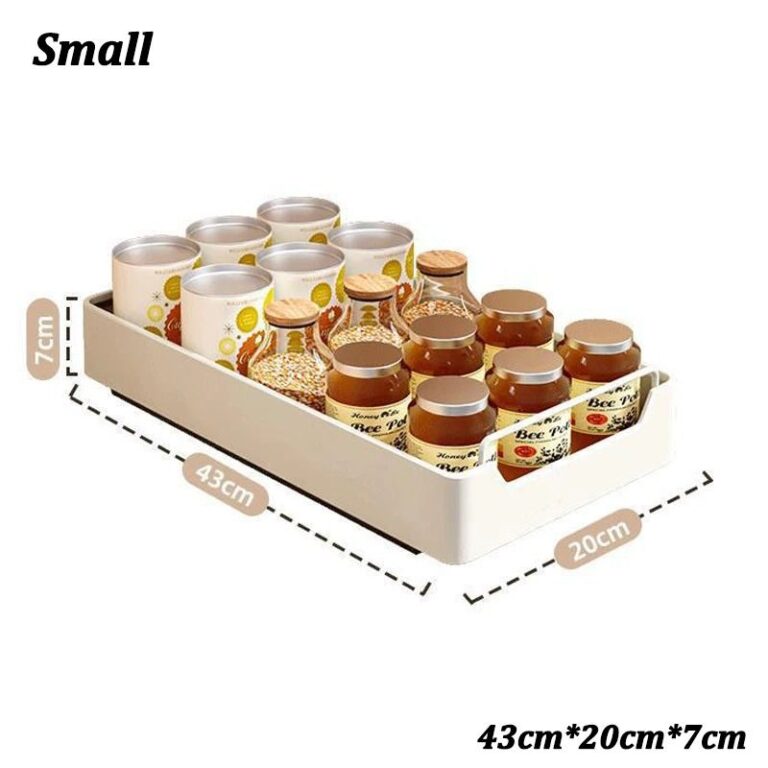 Aisha's pickLarge Glass Cabinets That Work in Old Houses and New Ones

 Aisha's pickGlass Cabinets with Shelves That Make Tidying Up Quicker

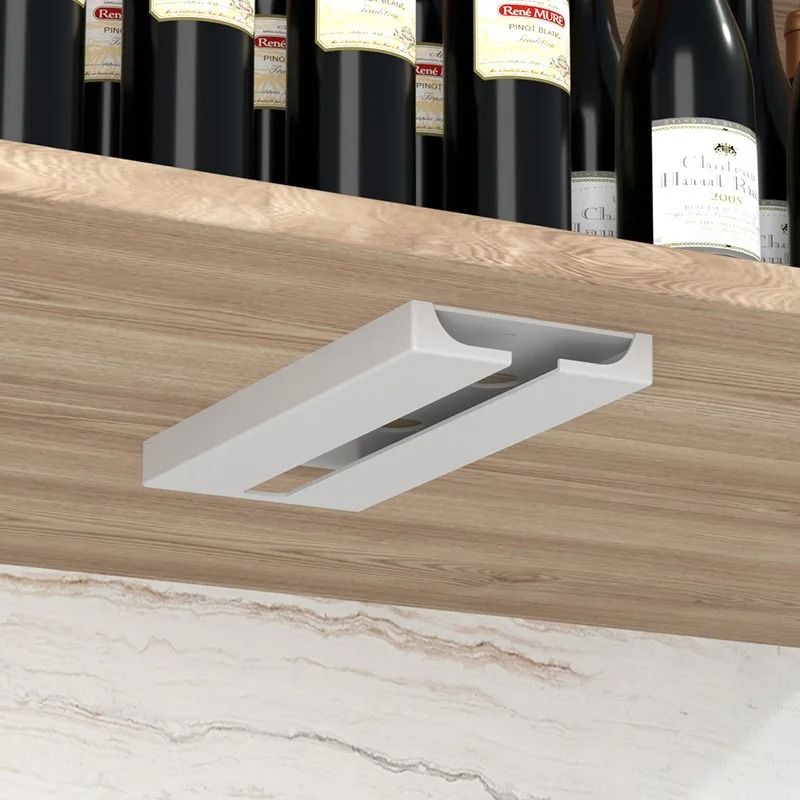 Aisha's pickWhere to Start With Modern Glass Cabinets
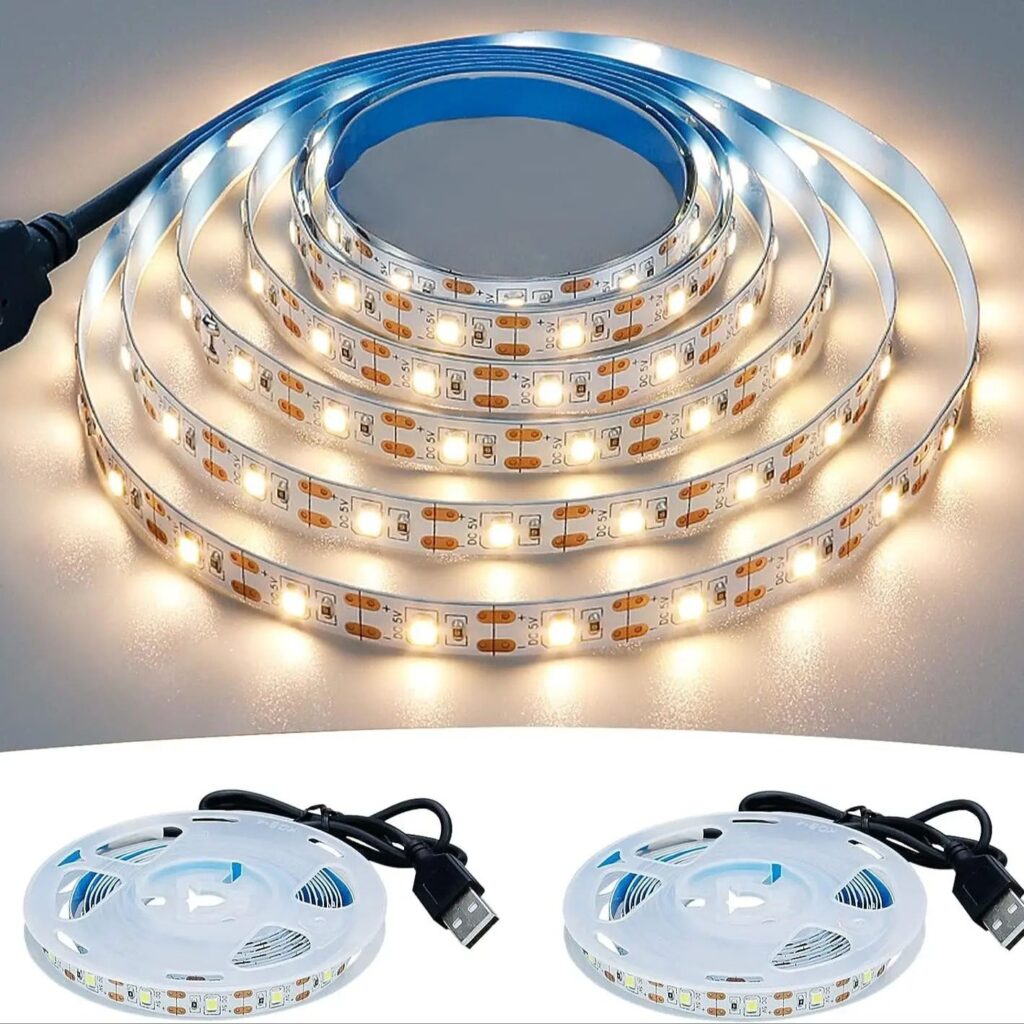
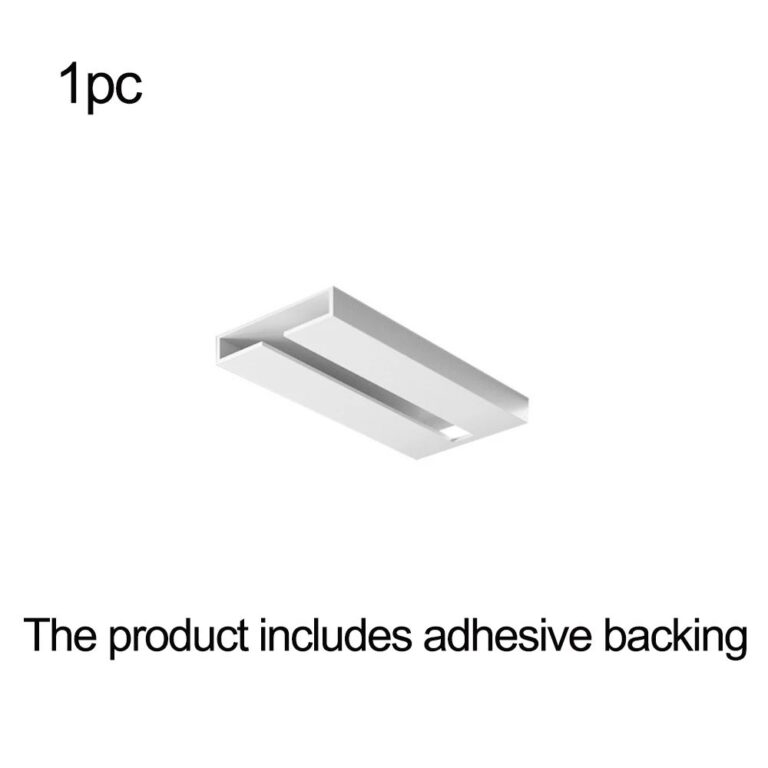 Aisha's pickGlass Display Cabinets That Hide the Mess for Good

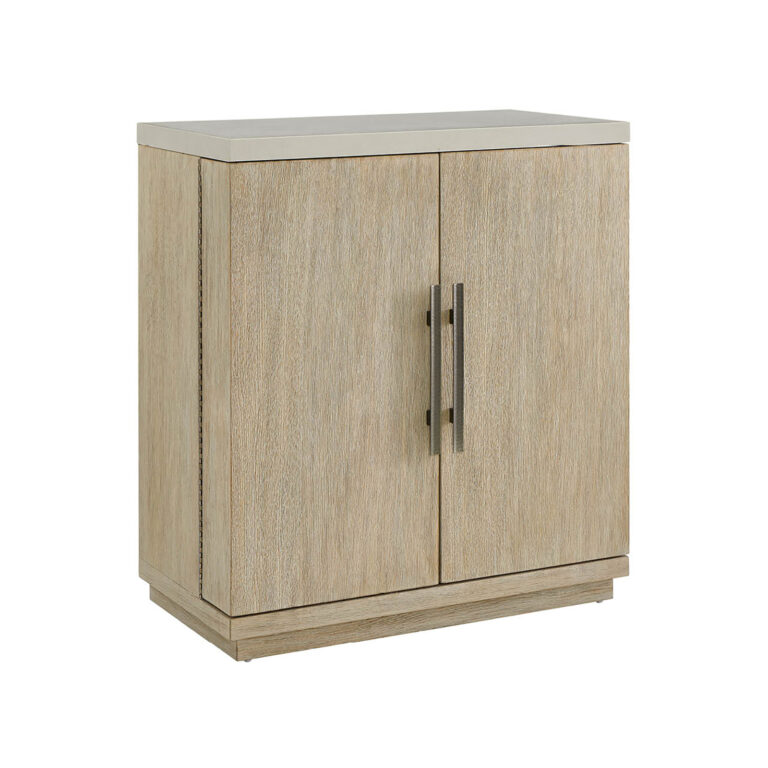 Aisha's pickThe Oak Glass Cabinets Worth Your Cash
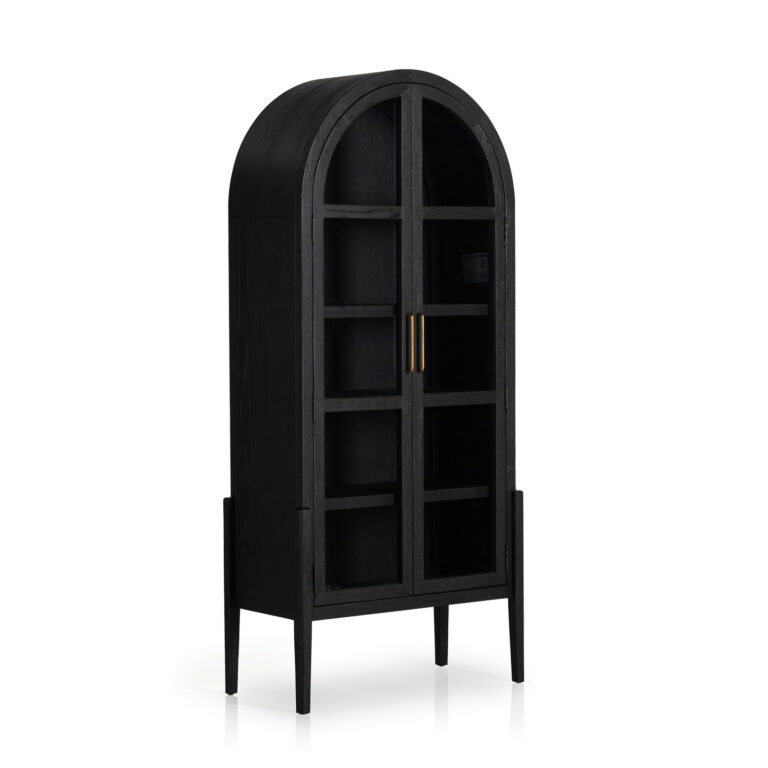
 Aisha's pickGlass Display Cabinets with Lights That Do the Job Right

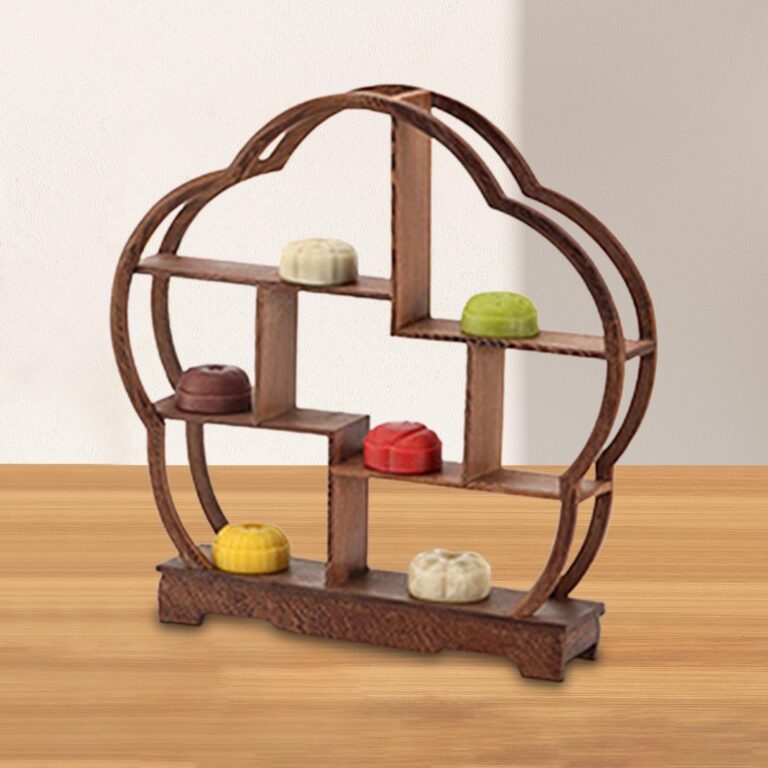 Aisha's pickSmall Glass Cabinets That Sort Out the Chaos
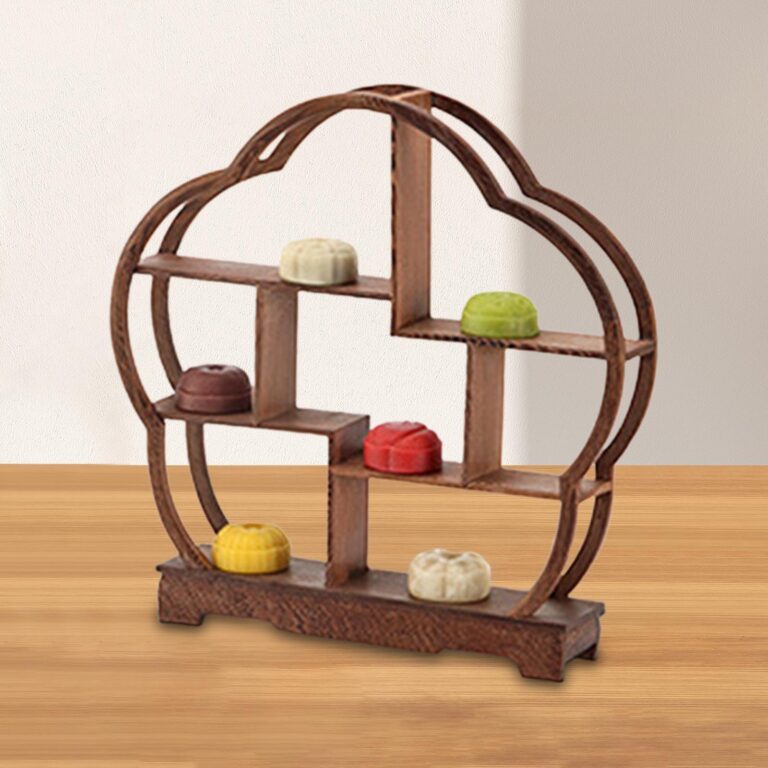 Aisha's pickGlass Display Cabinets with Storage That Survive Kids and Pets
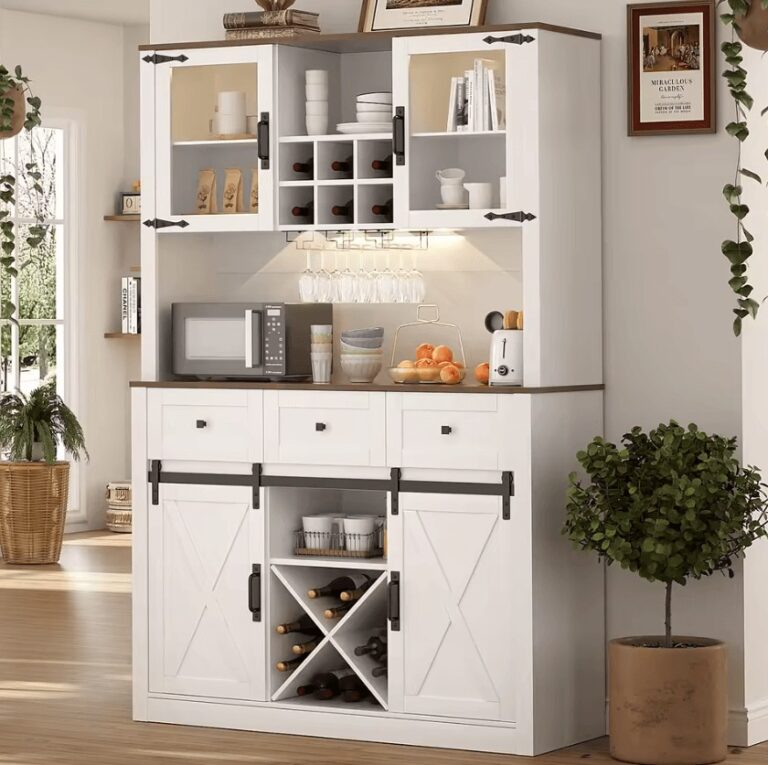
 Aisha's pickSolid Wood Glass Cabinets That Make Tidying Up QuickerAlso worth a lookTool CabinetsFor years I kept tools in a plastic tote under a workbench, and the only reason I finally…See the collections →
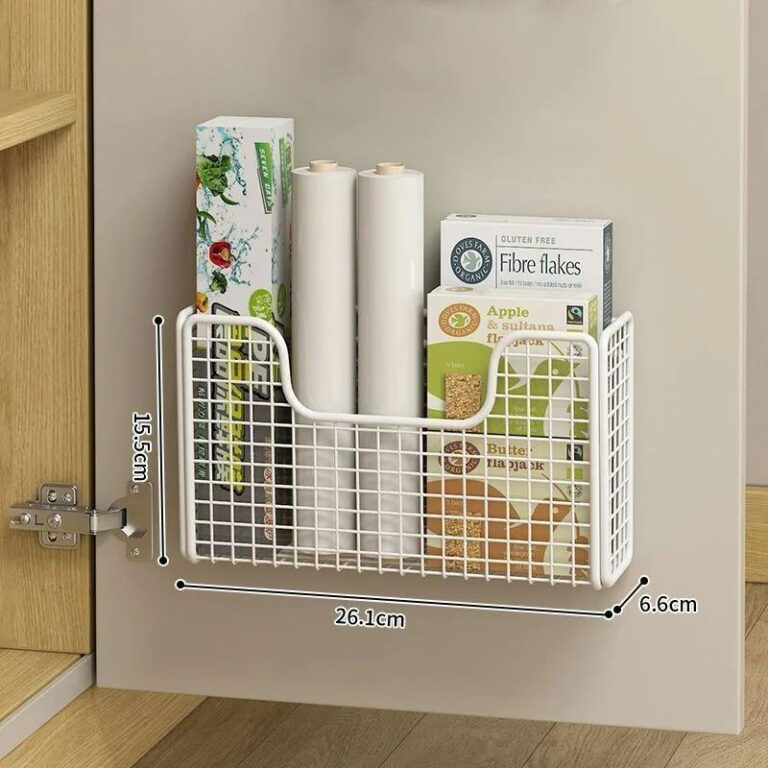 Aisha's pickGlass Door Kitchen Cabinets That Make Cooking a Bit Nicer
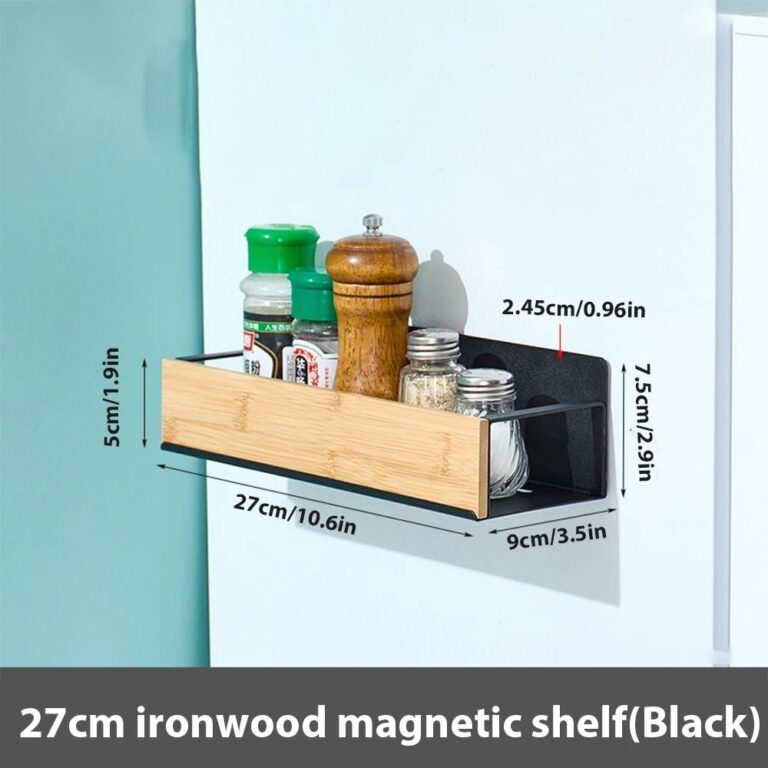
 Aisha's pickSolid Wood Glass Display Cabinets With Room for More Than You’d Think
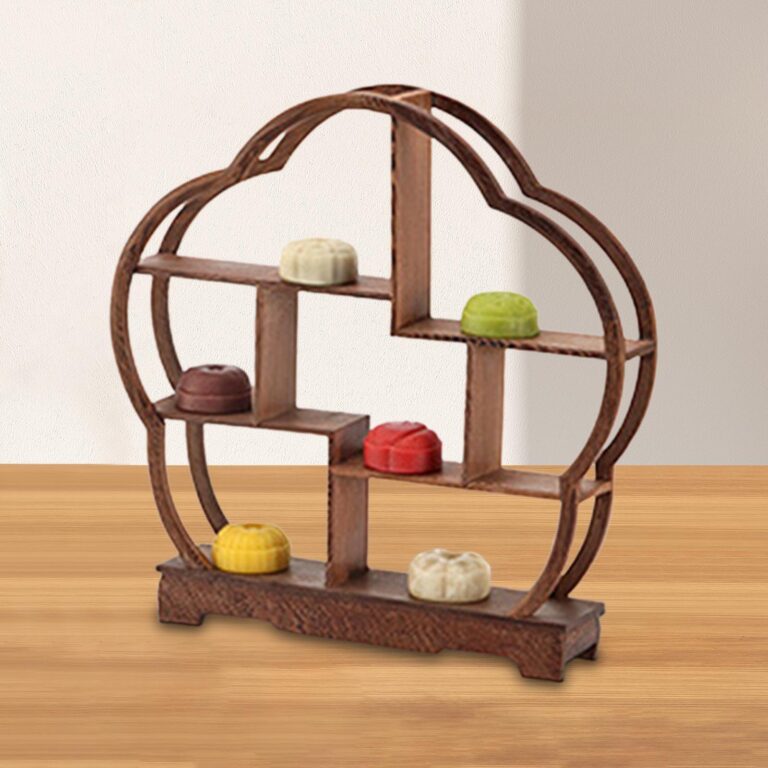
 Aisha's pickGlass Door Kitchen Cabinets That Cope With Steam and Splashes
 Aisha's pickTall Glass Cabinets That Hide the Mess for Good
 Aisha's pickGlass Door Kitchen Pantries That Look Like They Cost More