For years I kept tools in a plastic tote under a workbench, and the only reason I finally gave in and bought a proper cabinet was that I spent twenty minutes looking for a 10mm socket during a job that should have taken ten minutes total. That math bothered me more than the clutter ever had.
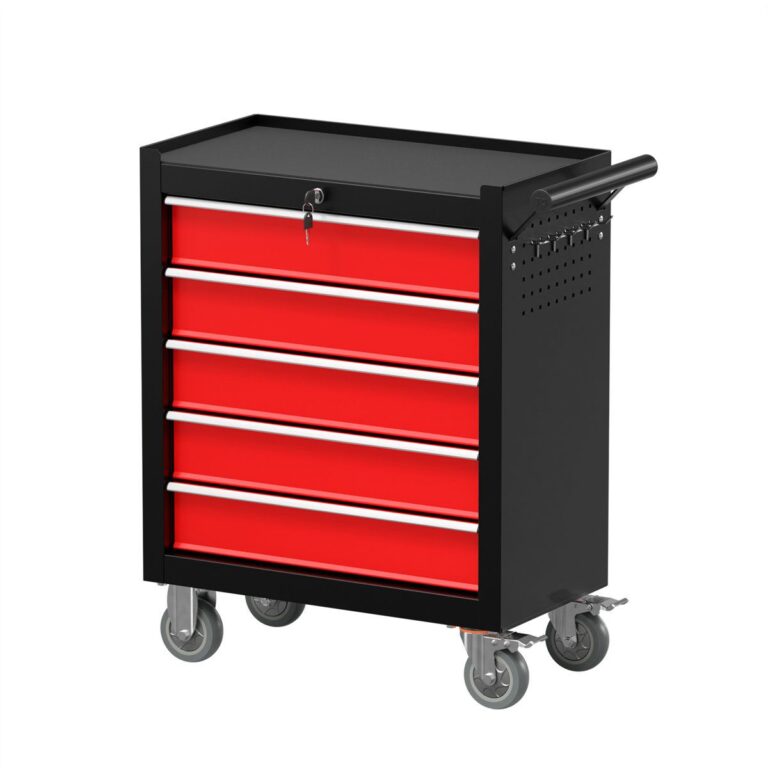
If you're starting from nothing, skip the giant rolling chest with eleven drawers and get a mid size stationary cabinet instead, something around 26 to 30 inches wide with four or five drawers. You can always add a rolling tool box later for the stuff that needs to travel to the car or the job site, but a fixed cabinet is where the bulk of your gear lives, and it's easier to organize once than to reorganize every time you reach for pliers. Drawers that size also hold standard organizer trays without you having to trim anything down, which matters more than it sounds like it should.
Measuring for it is where most people get caught out, me included, the first time, when I bought a cabinet two inches too deep for the alcove next to my garage door and spent a Saturday arguing with a tape measure instead of returning it. Measure the width, depth and height of the space with the door open, not just closed, because most cabinet doors swing out another 20 to 24 inches and you need that clearance to actually use the drawers underneath. Leave a few inches of slack on every side too, garages shift, concrete floors are never quite level, and a cabinet that fits to the exact inch on paper will not fit once you try to walk it into place.
Once it's in the right spot, what separates a cabinet that lasts from one that sags after two years comes down to the drawer slides and the steel gauge. Ball bearing slides that extend fully and lock are worth paying for, they're the difference between pulling a drawer open smoothly with a socket set in it and yanking on something that sticks halfway. Thicker steel, 18 gauge or heavier, resists denting when you inevitably drop something heavy into an open drawer. Welded seams hold up better than ones that are just bolted or riveted together, and a powder coated finish shrugs off grease and scratches in a way painted sheet metal just doesn't. Check the weight rating on the drawers too, a cabinet that looks identical to a better one can fall apart under the same load.
Mine still isn't full, which surprised me, because I was sure I'd outgrow it in a year. It just quietly holds everything and closes properly, which is more than I can say for the tote.

 Aisha's pickMetal Tool Cabinets That Do the Job Right
 Aisha's pickWooden Tool Cabinets That Go With Most Rooms
 Aisha's pick3 Drawer Tool Cabinets for Homes With Too Much Stuff
 Aisha's pickModern Tool Cabinets That Do the Job Right
 Aisha's pickWhere to Start With 4 Drawer Tool Cabinets
 Aisha's pickNarrow Tool Cabinets That Fit Into Real Life
 Aisha's pick5 Drawer Tool Cabinets That Make a Room Feel Finished
 Aisha's pickPlastic Tool Cabinets That Squeeze Into Awkward Corners
 Aisha's pick6 Drawer Tool Cabinets That Fit Into Real LifeAlso worth a lookStorage CabinetsThe hallway closet in my first apartment had exactly one shelf and a bar for coats, and every…See the collections →
 Aisha's pickRolling Tool Cabinets We Keep Coming Back To
 Aisha's pick8 Drawer Tool Cabinets With Room for More Than You’d Think
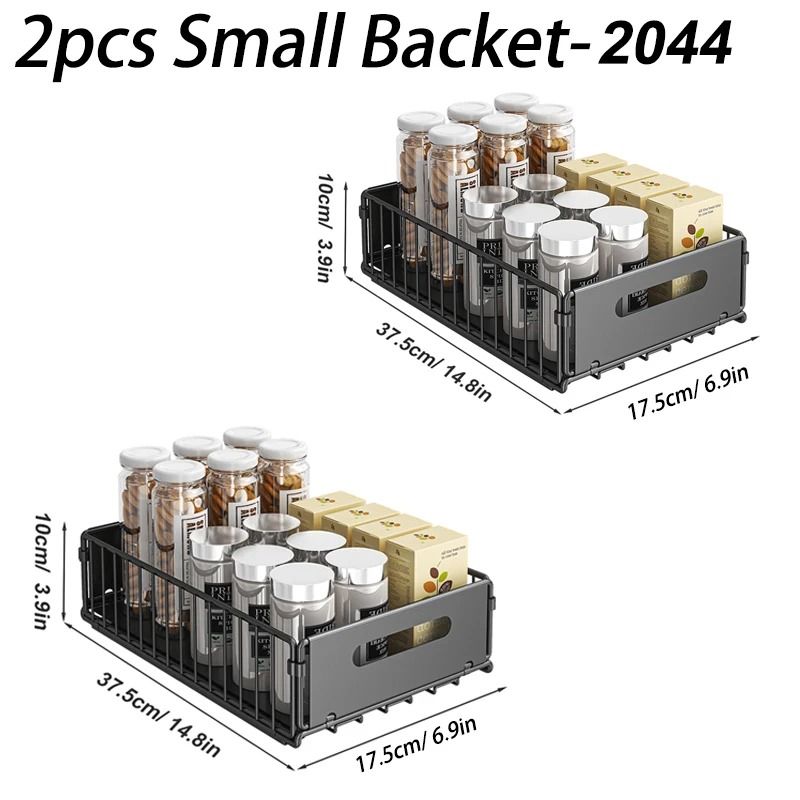
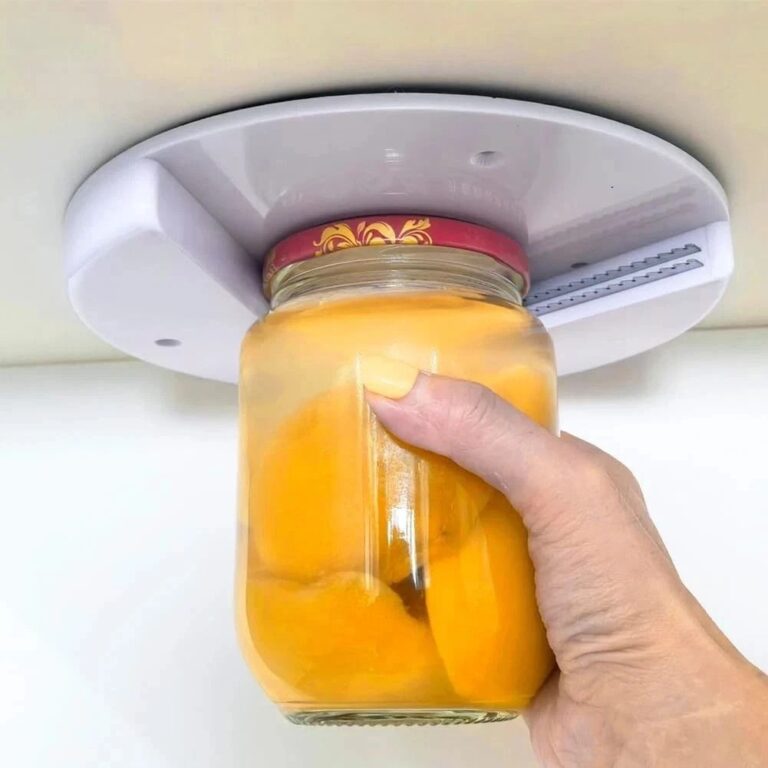 Aisha's pickSmall Tool Cabinets for the Bits That Never Have a Home
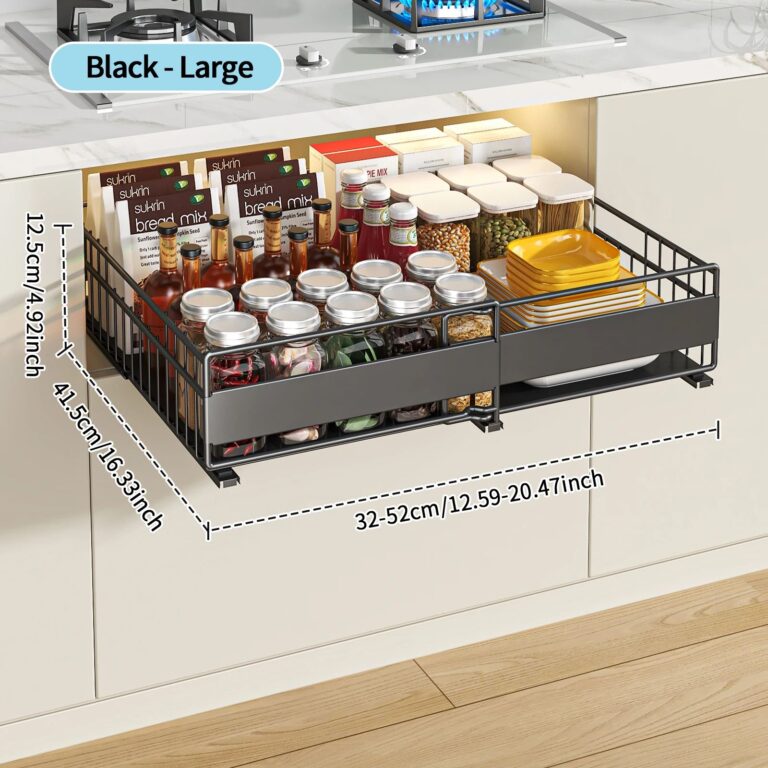
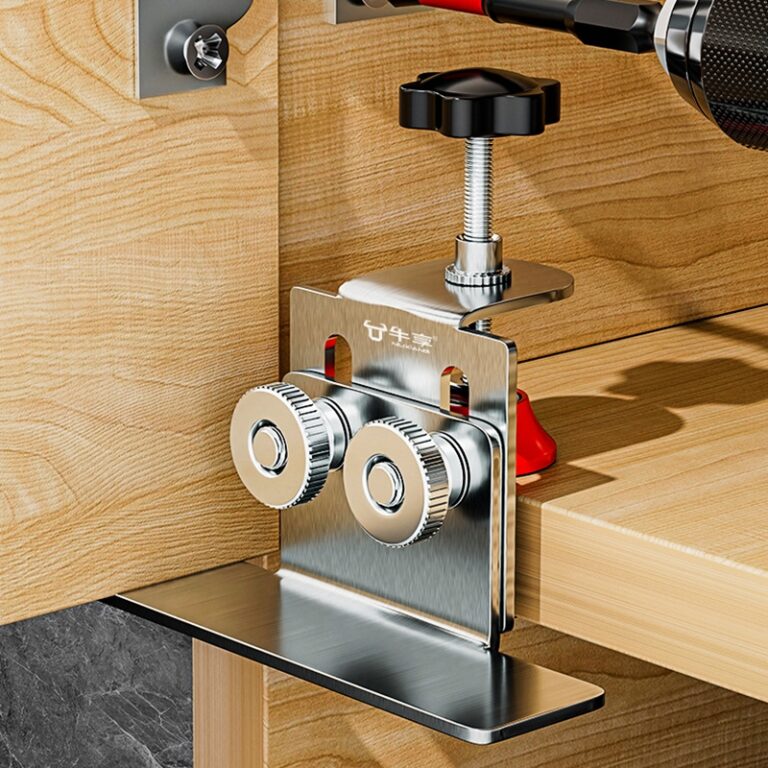 Aisha's pickOur Shortlist of Adjustable Tool Cabinets
 Aisha's pickShopping for Steel Tool Cabinets? Start Here
 Aisha's pickBlue Tool Cabinets That Look Good Even When Full
 Aisha's pickTool Cabinets That Keep Surfaces Clear
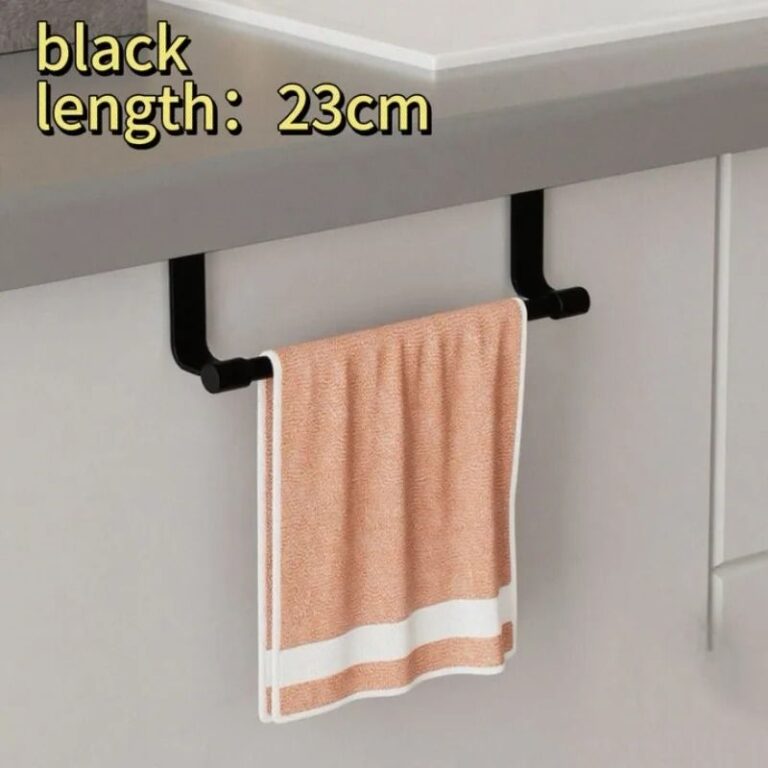
 Aisha's pickClear Tool Cabinets That Don’t Need Babying
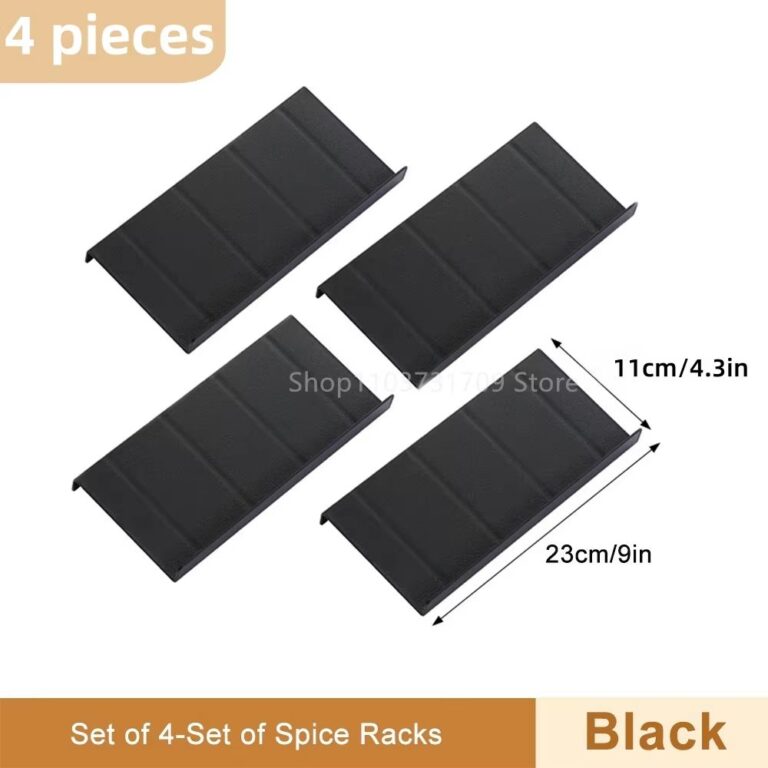
 Aisha's pickTool Cabinets for Garage That Sort Out the ChaosAlso worth a lookOffice CabinetsBefore you buy anything, measure your doorways, not just the room.See the collections →
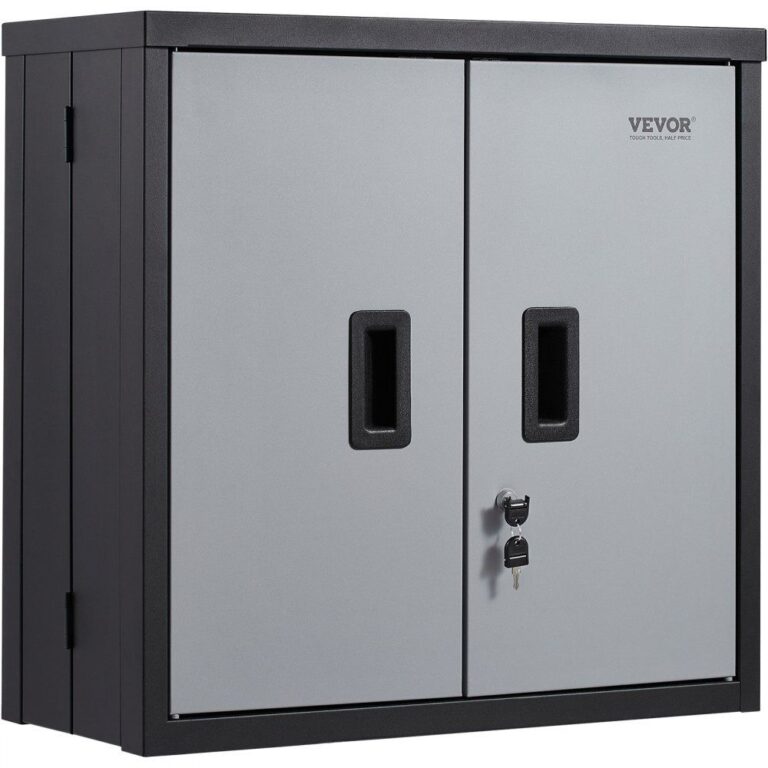
 Aisha's pickCompact Tool Cabinets for Apartments and Small Houses
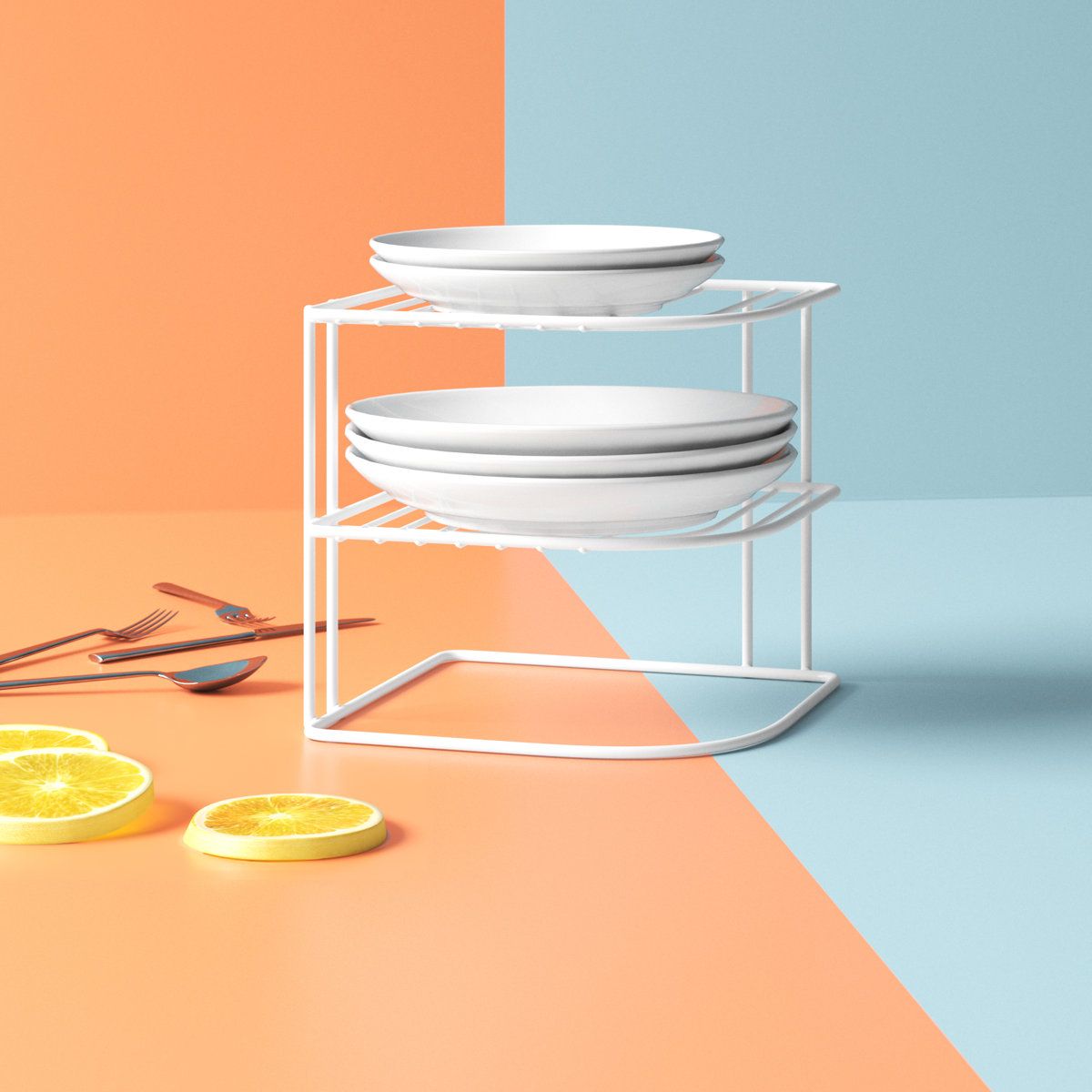
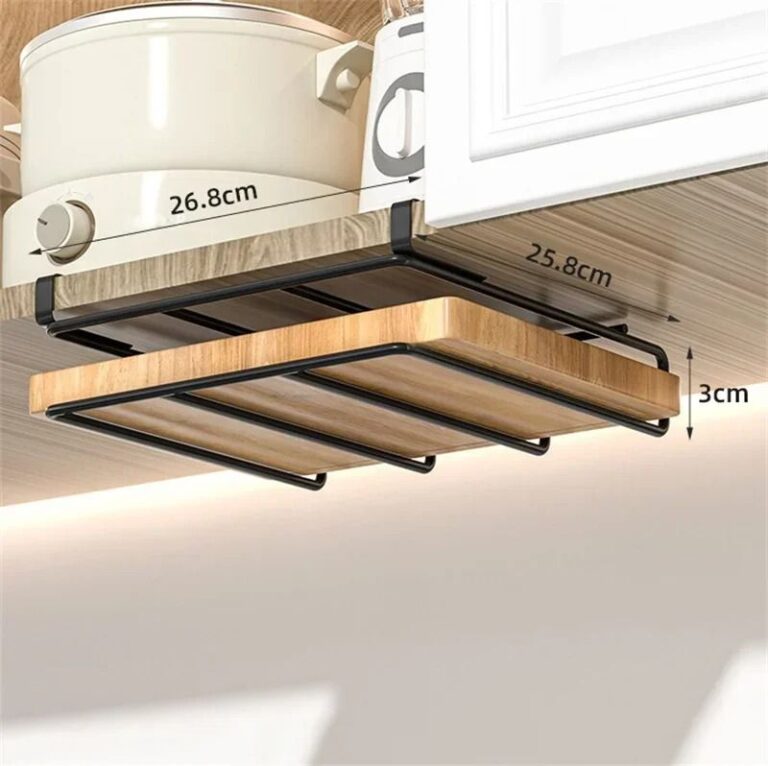 Aisha's pickTool Cabinets with Doors That Look Good Even When Full

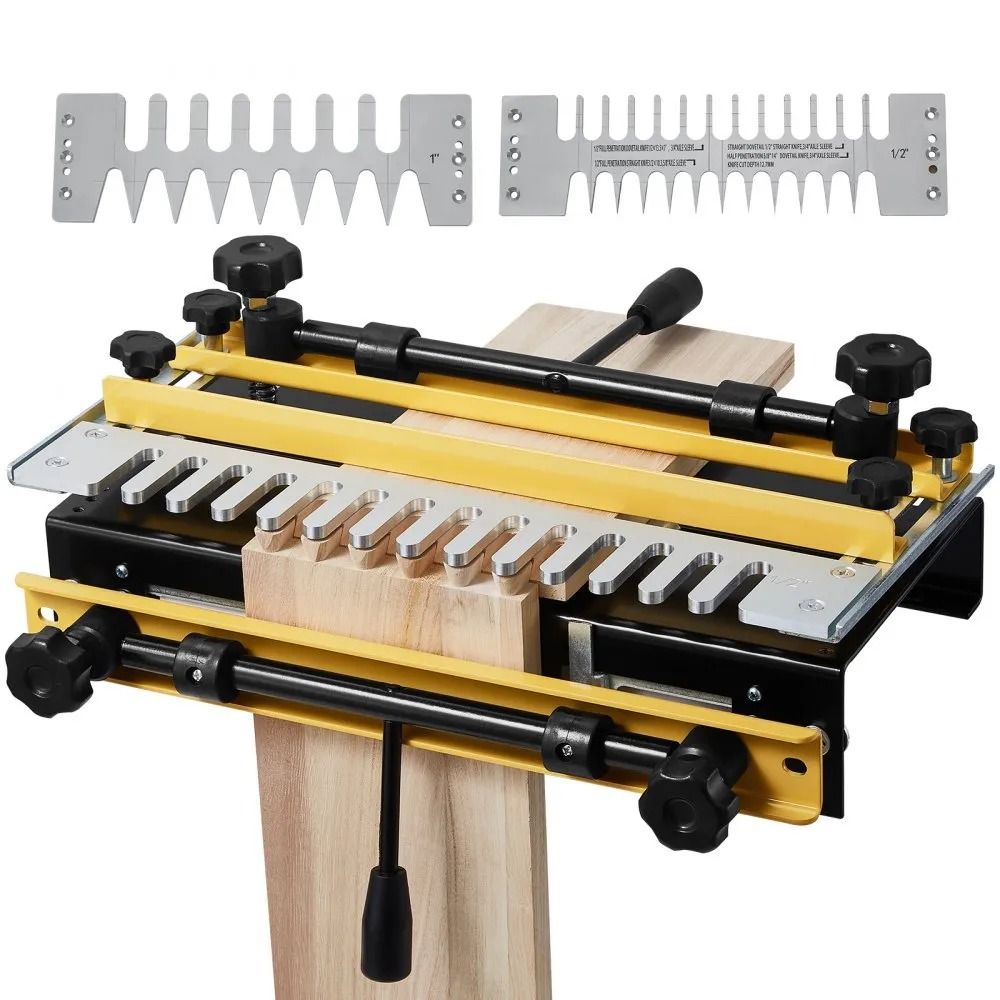 Aisha's pickExtra Large Tool Cabinets for Making a House Feel Like Yours
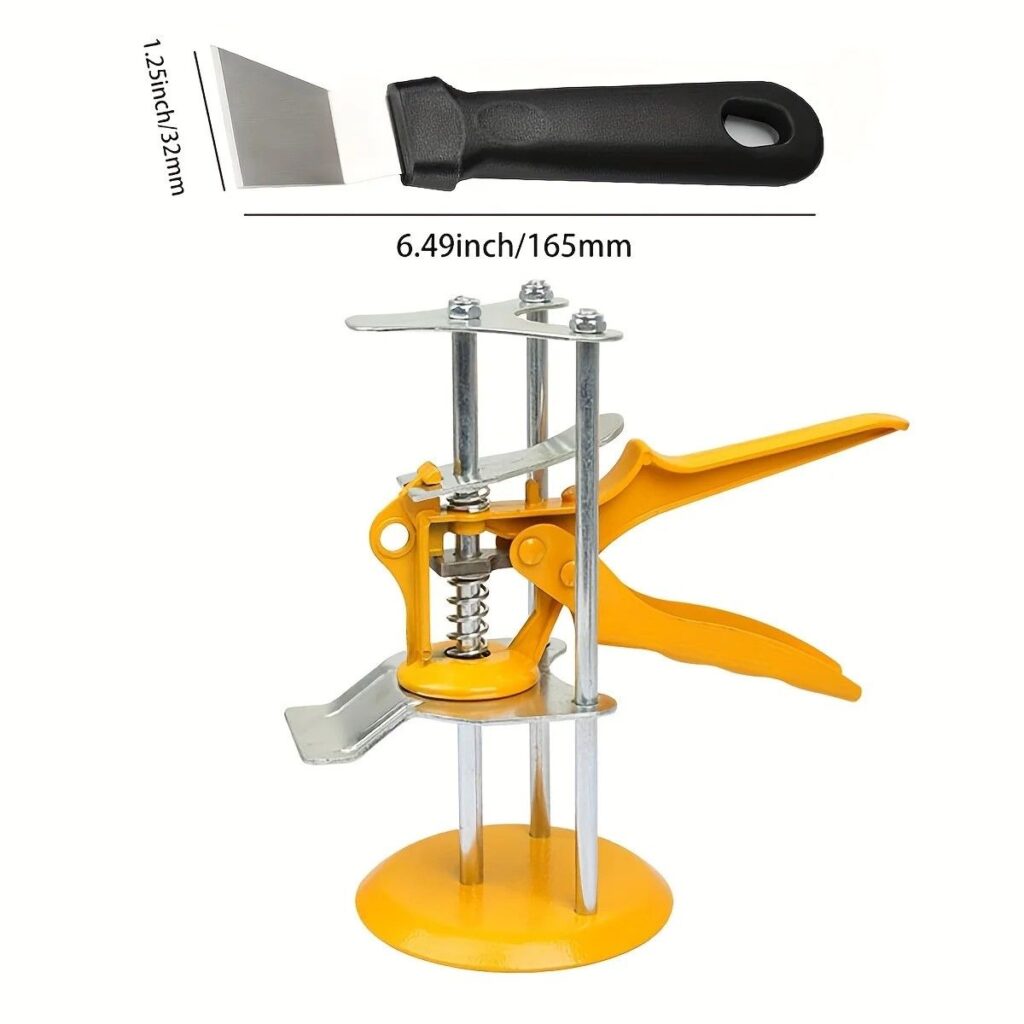
 Aisha's pickTool Cabinets with Drawers That Squeeze Into Awkward Corners
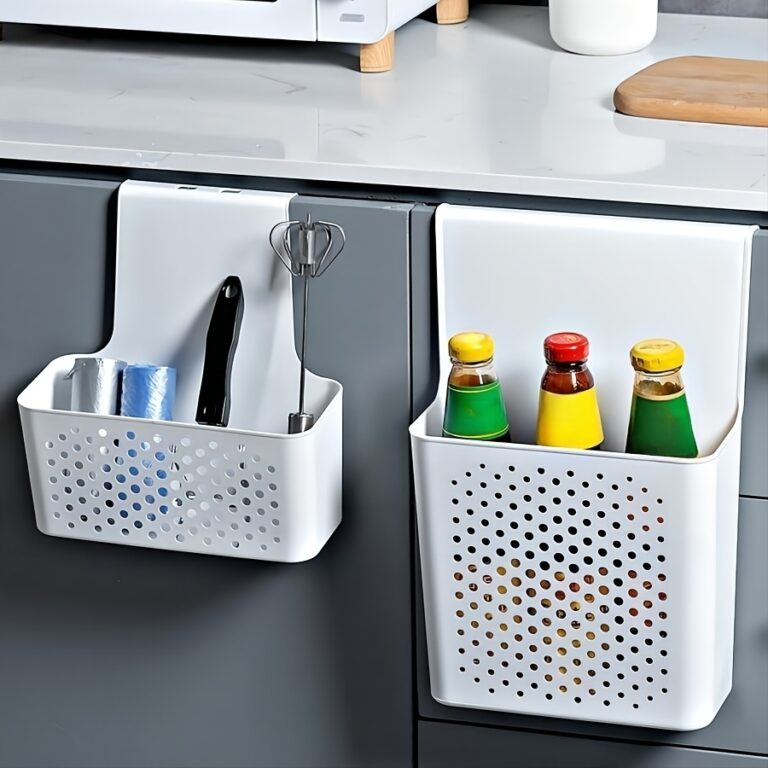
 Aisha's pickHeavy Duty Tool Cabinets That Do the Job Right

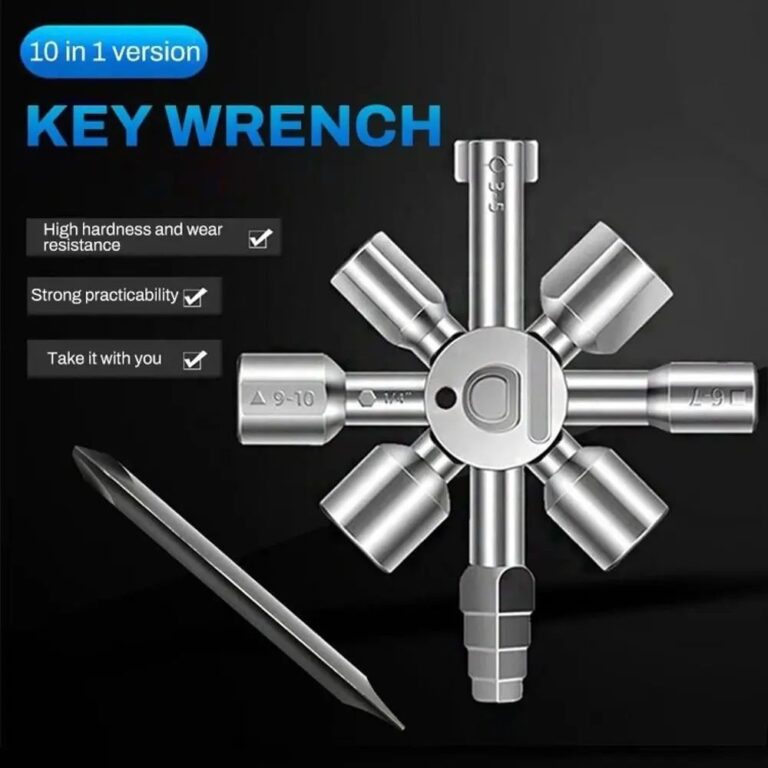 Aisha's pickTool Cabinets with Lock We’d Buy Again
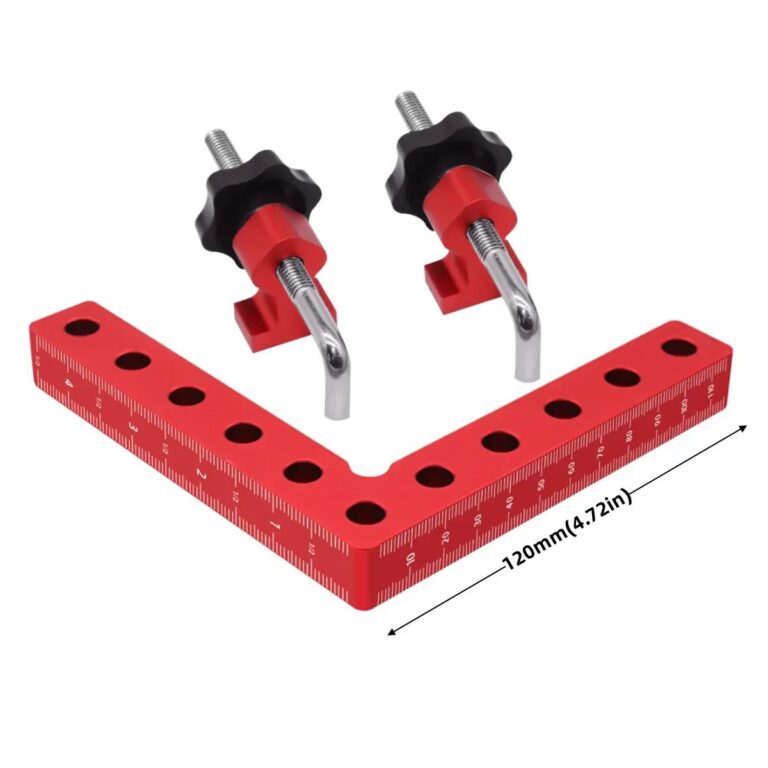
 Aisha's pickIndustrial Tool Cabinets That Don’t Need Babying

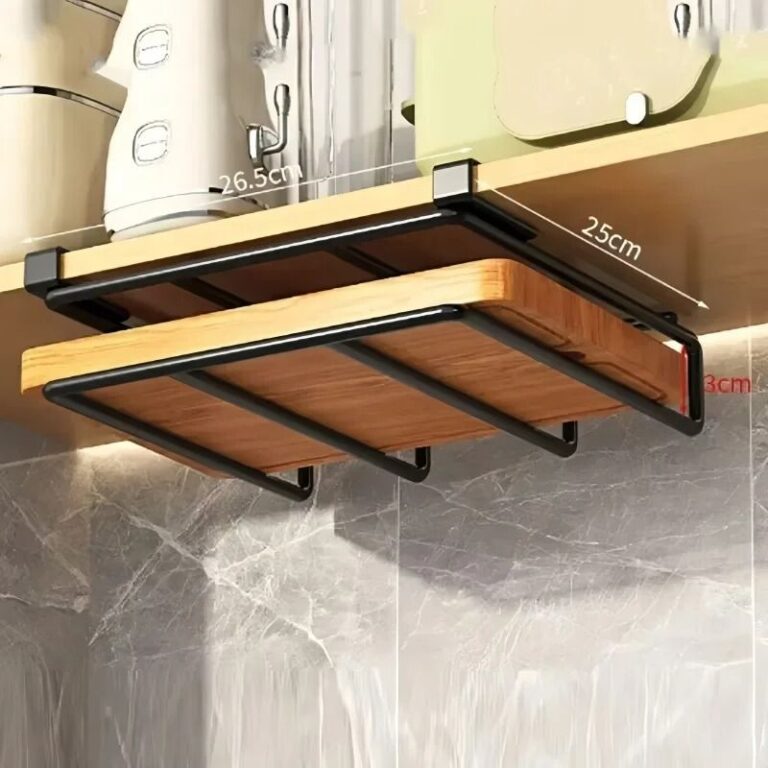 Aisha's pickTool Cabinets with Shelves You’ll Keep for Years
 Aisha's pickLarge Tool Cabinets at Every Price PointAlso worth a lookGlass CabinetsThe thing nobody mentions about glass cabinets is the dust.See the collections →

 Aisha's pickWhite Tool Cabinets That Visitors Always Ask About
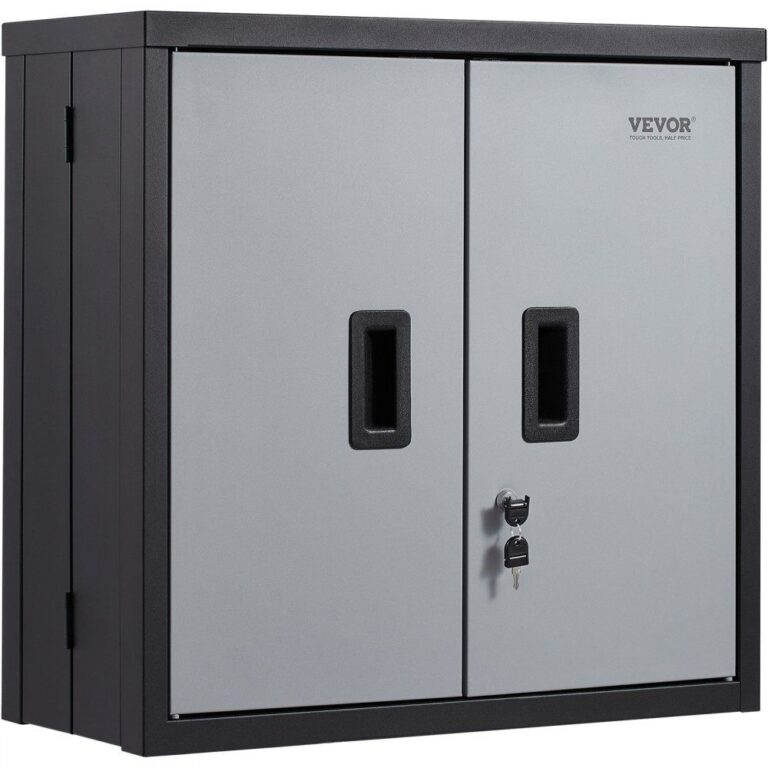 Aisha's pickLockable Tool Cabinets Picked From the Stores We Trust
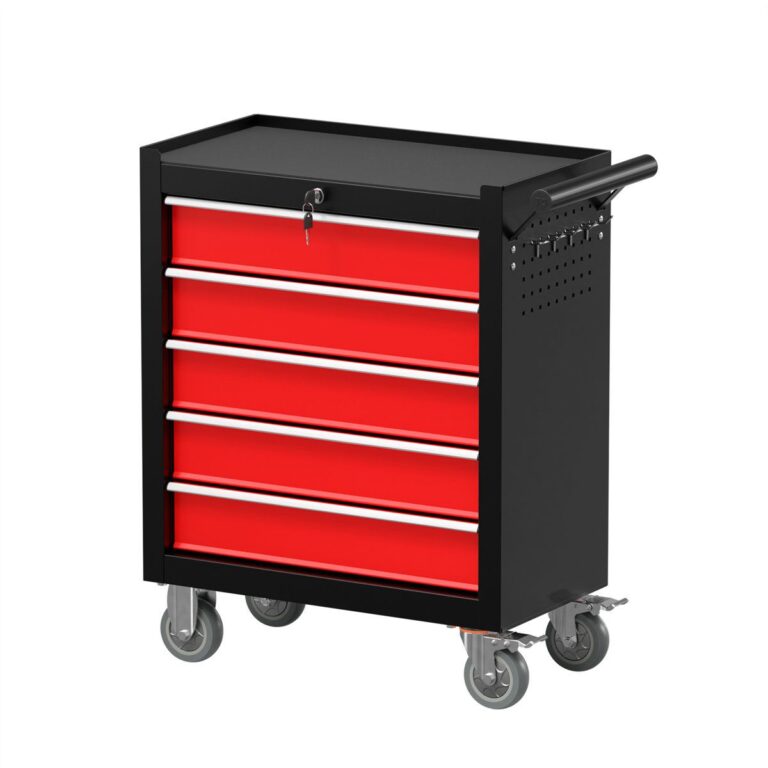
 Aisha's pickWide Tool Cabinets From Stores Big and Small