Before you buy anything for your table, run your hand flat across the fabric in good light. If it wrinkles the second you touch it, that's exactly what it'll look like after one dinner and a glass of red. Linen does this. Cotton does it less. A cotton blend with a little synthetic mixed in barely does it at all, which is the whole reason I own more of those than I ever admit to in polite company.
Now for the honest part. A pale, precious tablecloth in a house with kids or a dog that thinks under the table is its job is a losing fight from day one. I had a cream linen cloth for exactly one Thanksgiving before a gravy incident retired it to rag duty. Pure white napkins look gorgeous in the drawer and guilty within a week. And if your table gets daily use for homework and laptops and whatever else, a cloth that needs ironing every time is a chore you will stop doing by week three, I promise you.
Color and finish matter more than people give them credit for. A warm terracotta or a deep mustard hides stains better than you'd think and still looks intentional, not stained. A busy pattern, stripes, a small check, anything with movement in it, is far more forgiving day to day than a solid pale color, because nobody can tell where the coffee ring is hiding in all that print. White works beautifully for one thing only, a proper sit down dinner where you're setting the table on purpose, not for the Tuesday table that sees breakfast, bills and a toddler's crayons.
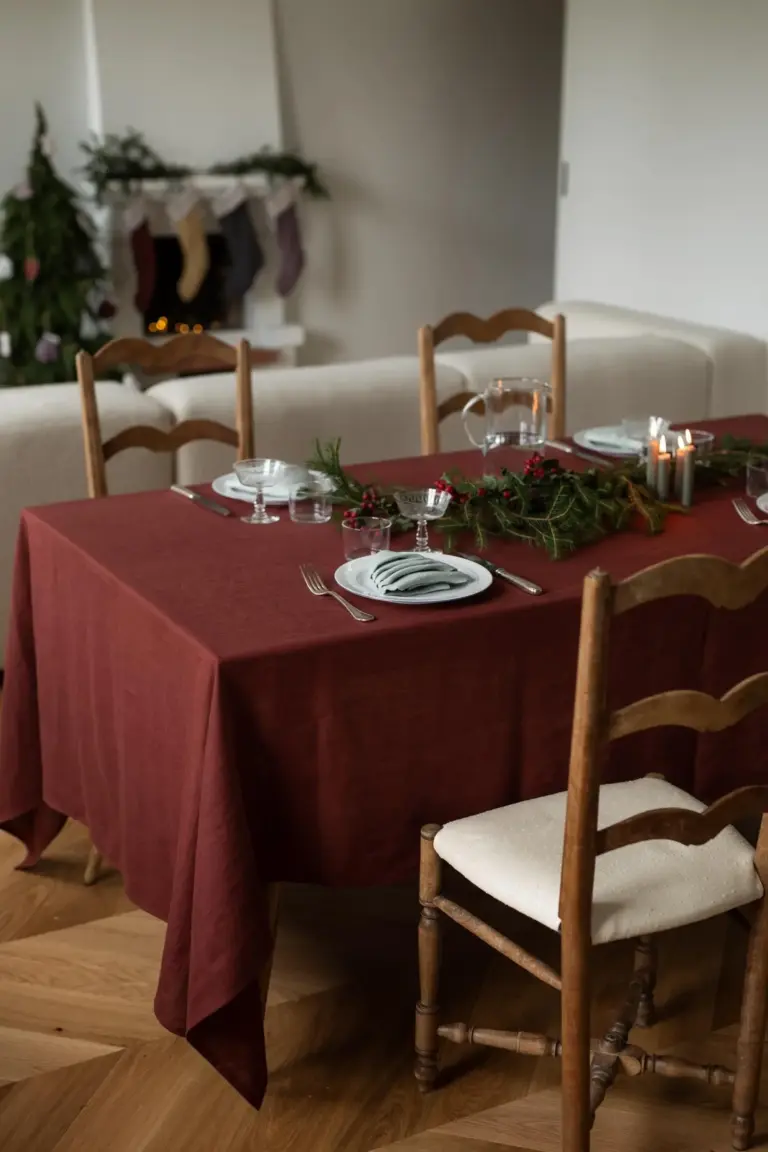
Natural fiber, linen or heavy cotton, suits a house that leans toward slower, warmer rooms, farmhouse kitchens, older houses with worn wood floors, the kind of place where a slightly creased cloth looks like character instead of a mistake. A crisper cotton or a wipeable coated cloth suits a smaller apartment kitchen where the table is doing six jobs a day and nobody has time to fuss over it. Summer tends to pull me toward lighter, breezier cloths and brighter napkins, something with a bit of citrus or blue in it. Winter is when I want the deep colors out, rust, forest, that burgundy that looks like it's been on the table forever even when it's brand new.
One practical note before you order anything: measure your actual table, then add at least ten to twelve inches per side if you want a proper drop, more if you like it closer to the floor.
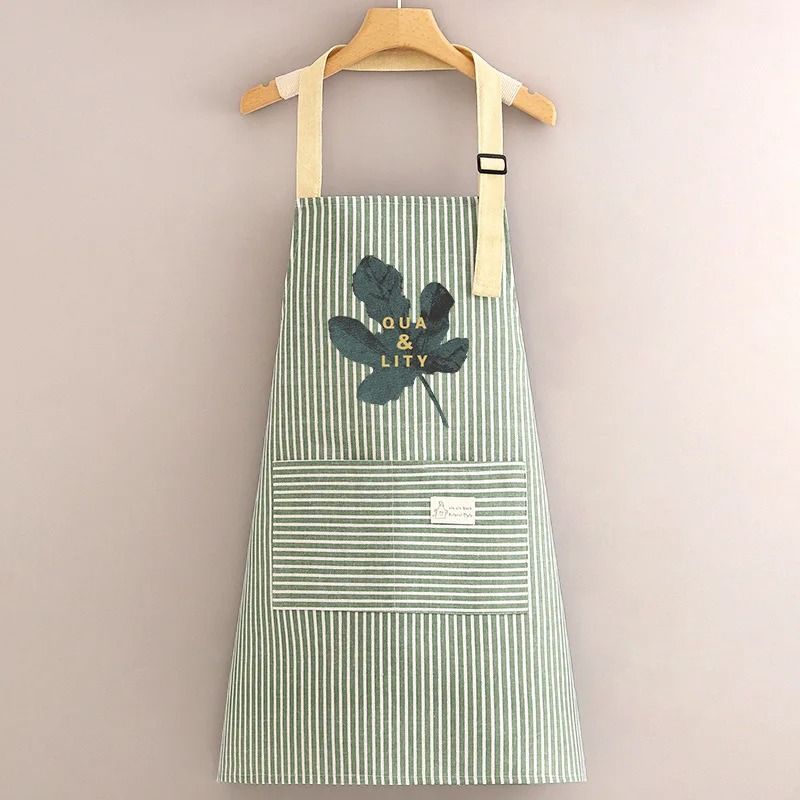 Aisha's pickAprons for Kitchen That Look Like They Cost More

 Aisha's pickDenim Aprons That Make Small Changes Feel Big
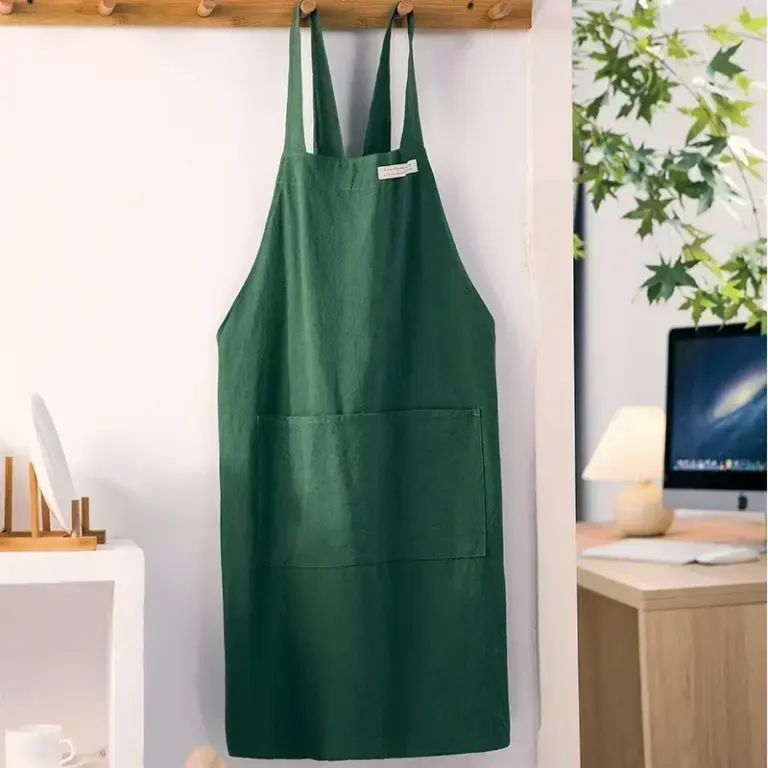
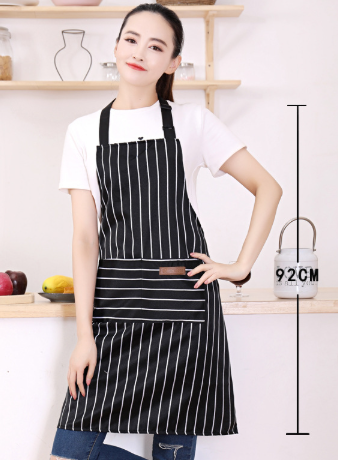 Aisha's pickWhite Aprons That Don’t Shout About It
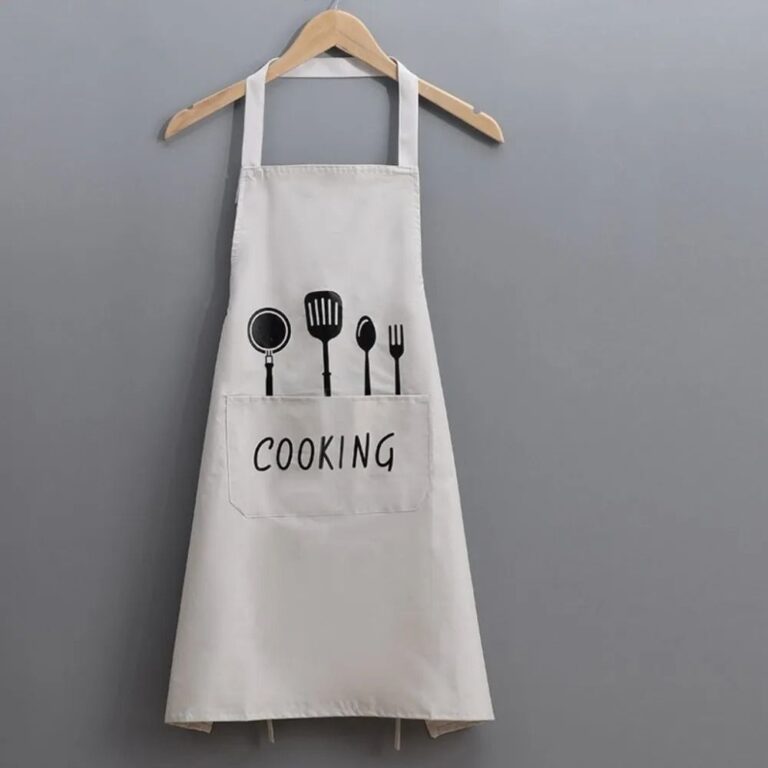
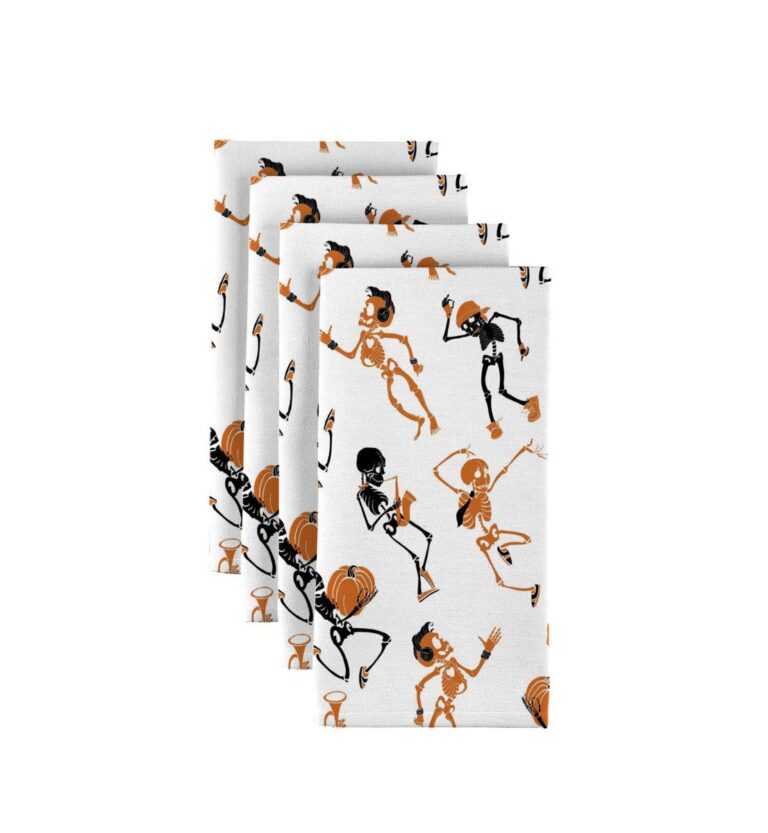 Aisha's pickLinen Table Cloths Pulled From Dozens of Stores
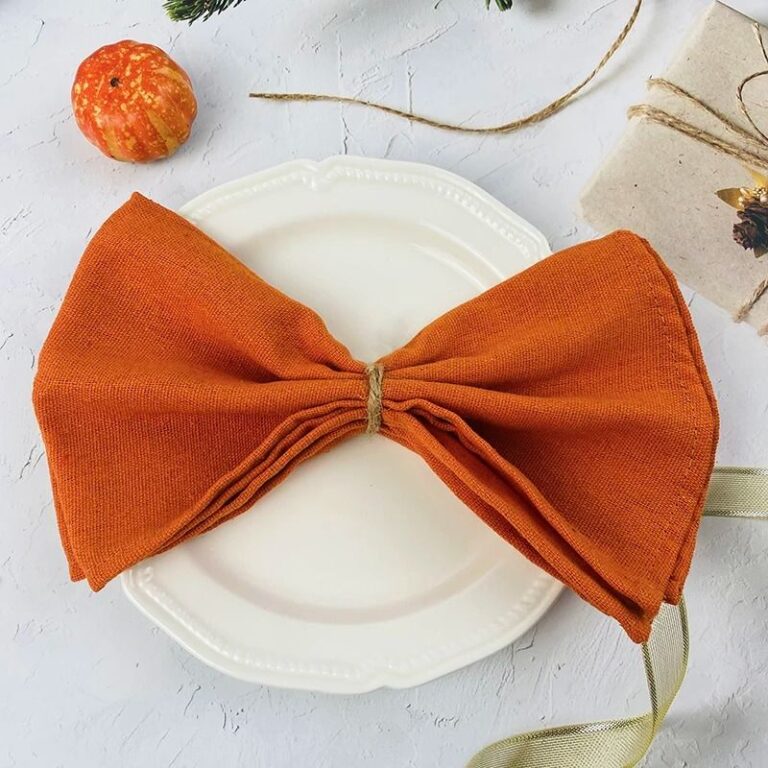 Aisha's pickShopping for Cotton Napkins? Start Here
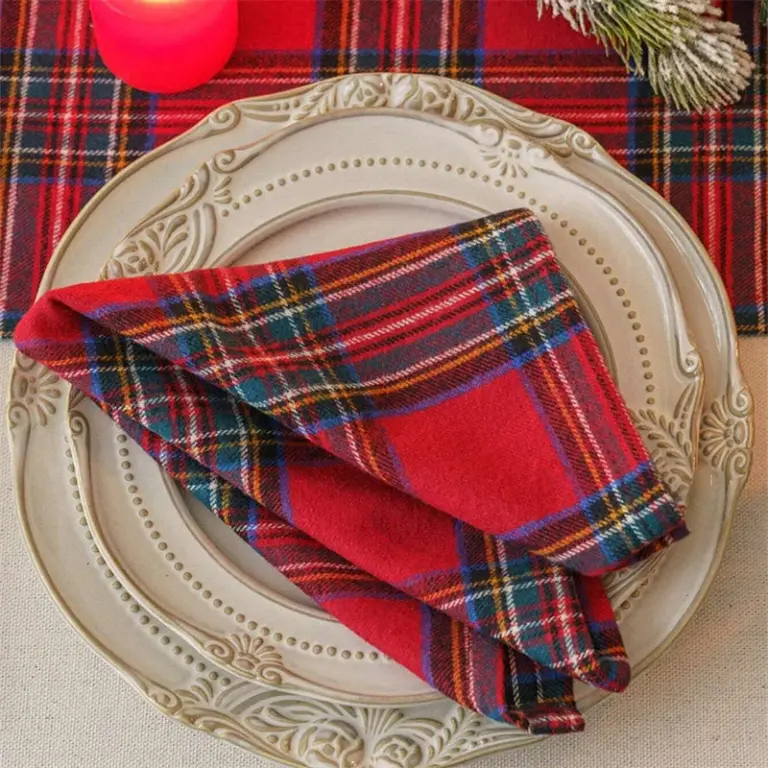
 Aisha's pickPink Napkins Picked From the Stores We Trust
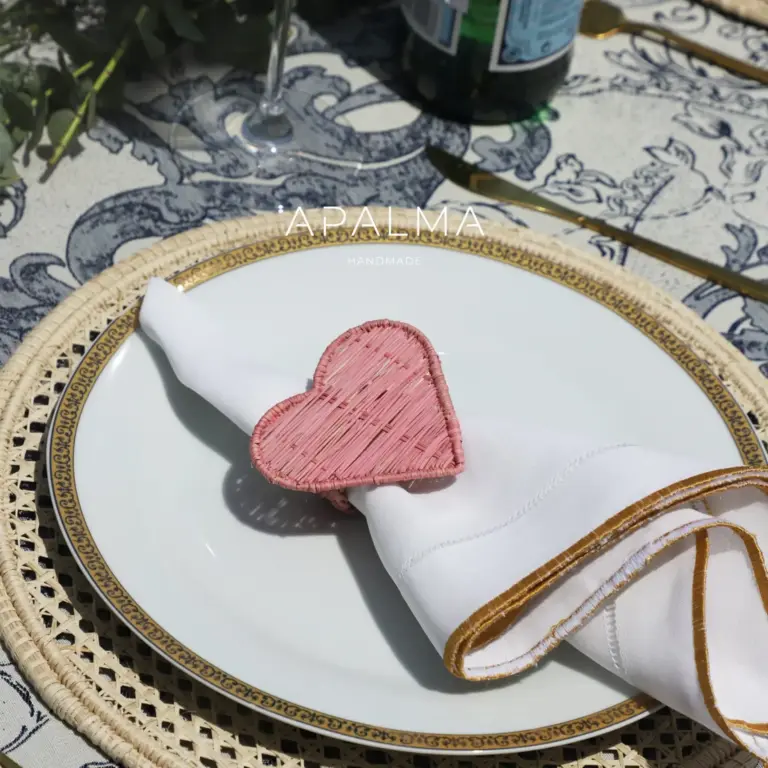
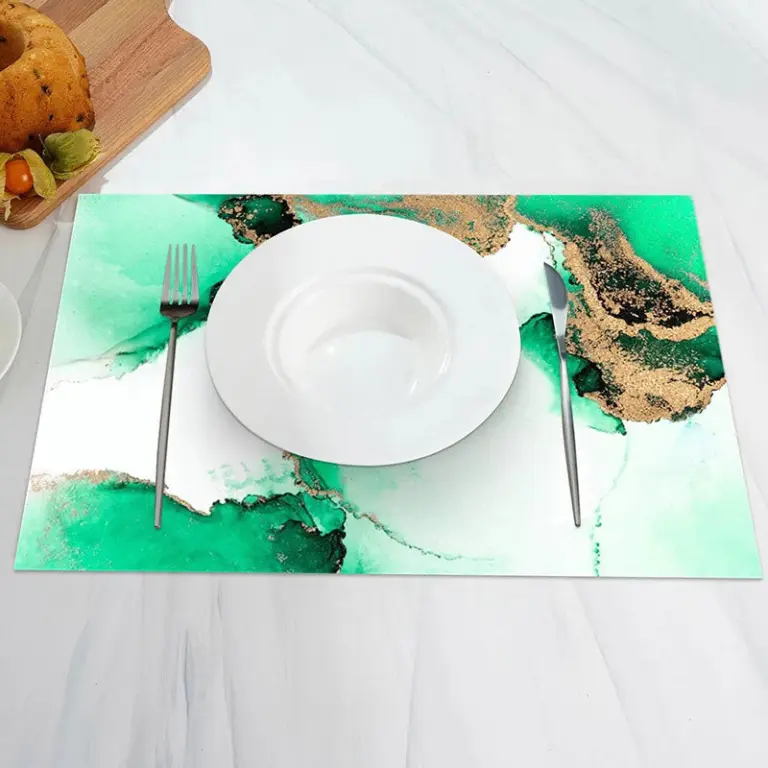 Aisha's pickFaux Leather Placemats We Swap Around With the Seasons
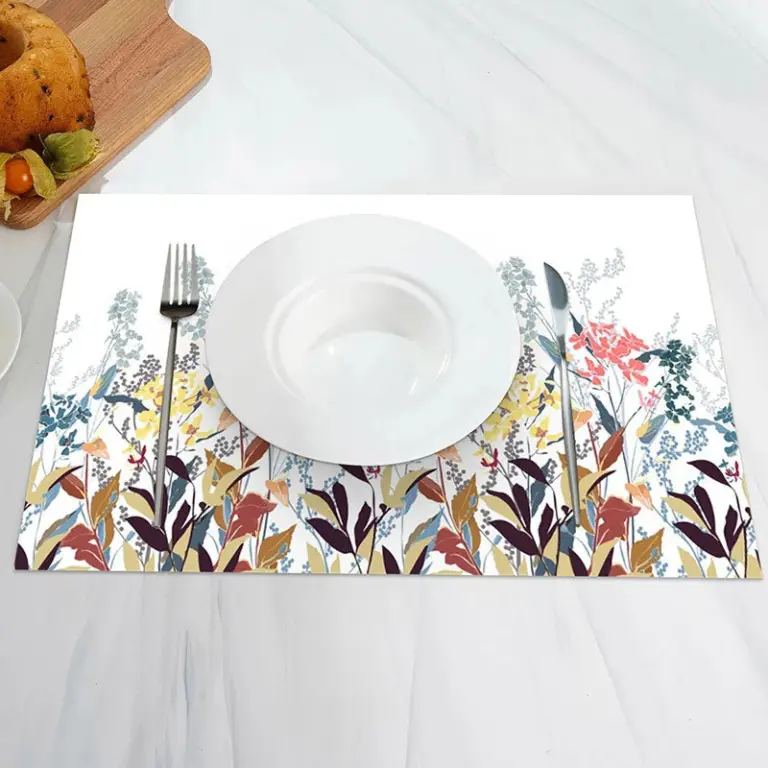
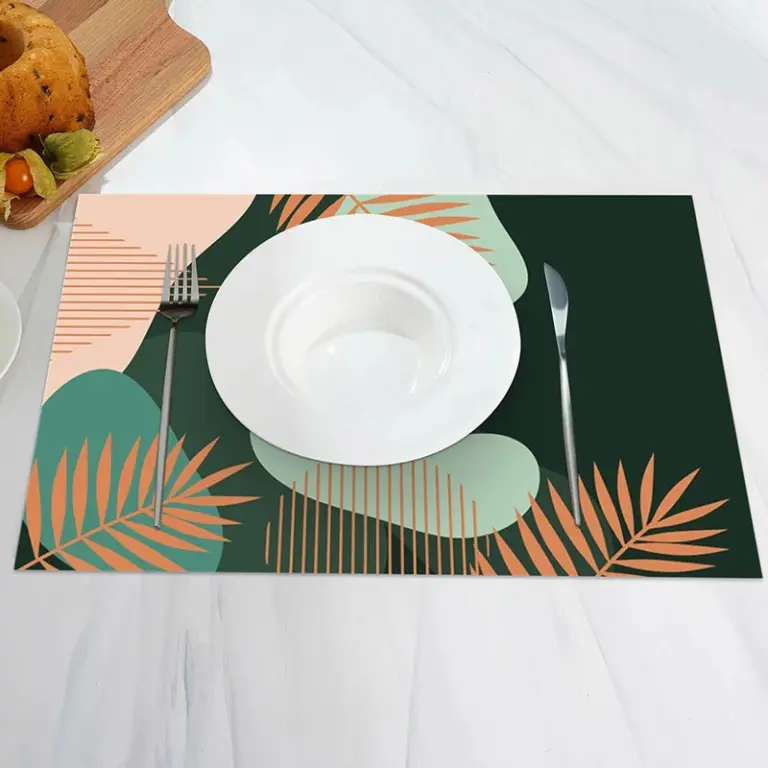 Aisha's pickGood Non Slip Placemats That Don’t Cost a Fortune
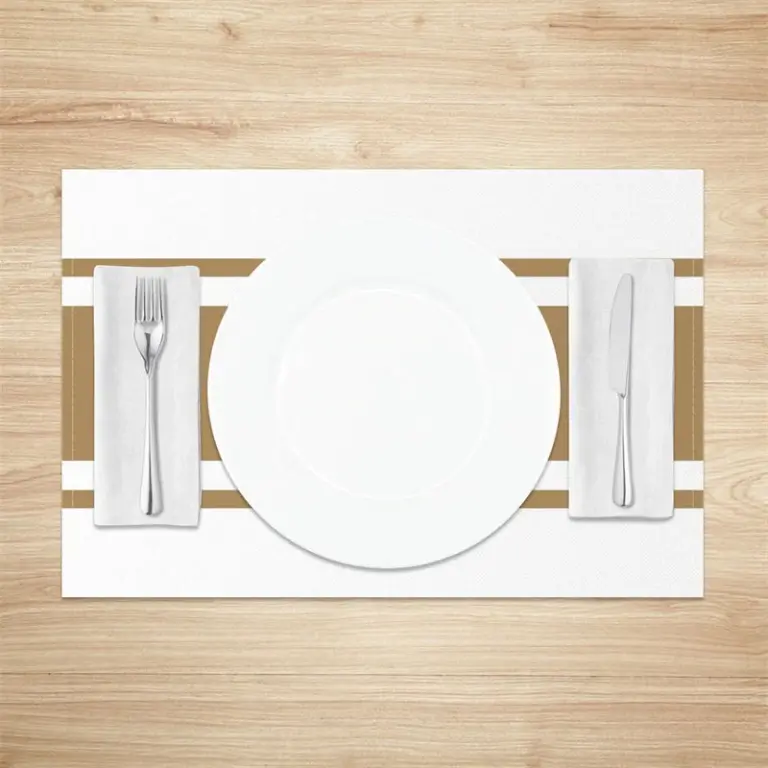
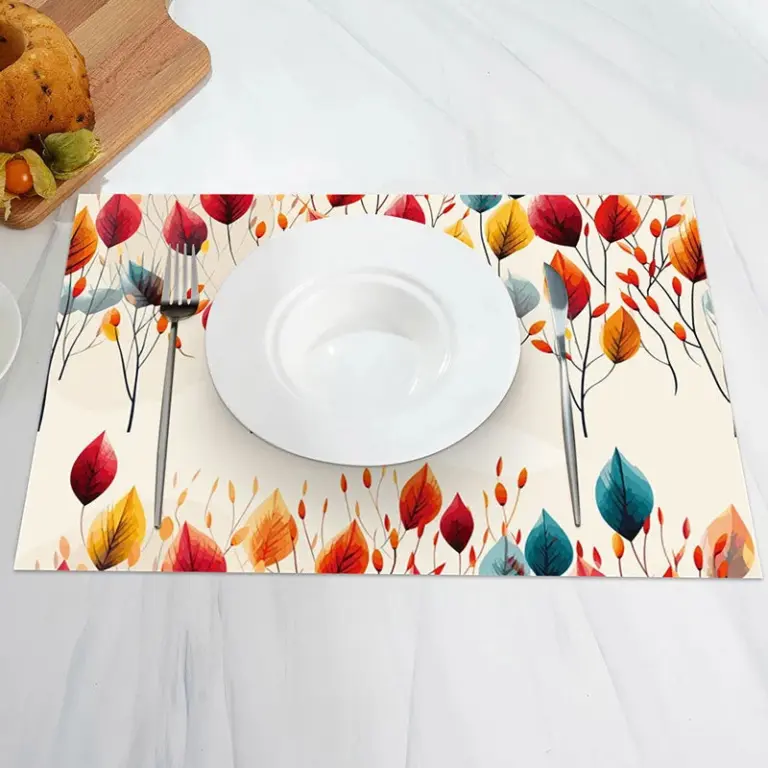 Aisha's pickSets of 6 Placemats for Dining Table That Don’t Shout About ItAlso worth a lookTableclothsThe first one I owned was a thin polyester rectangle from a discount bin, white with a texture…See the collections →
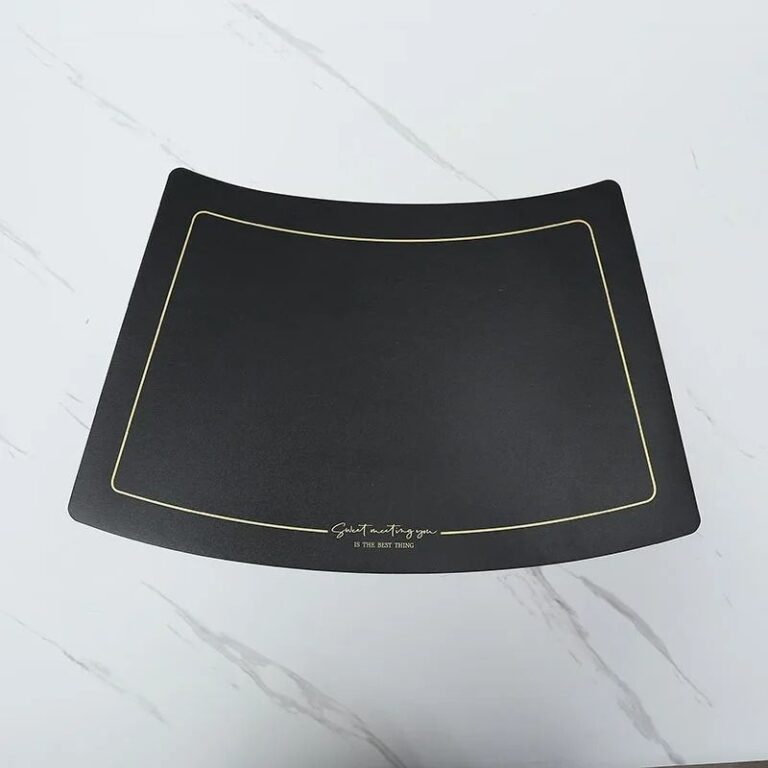
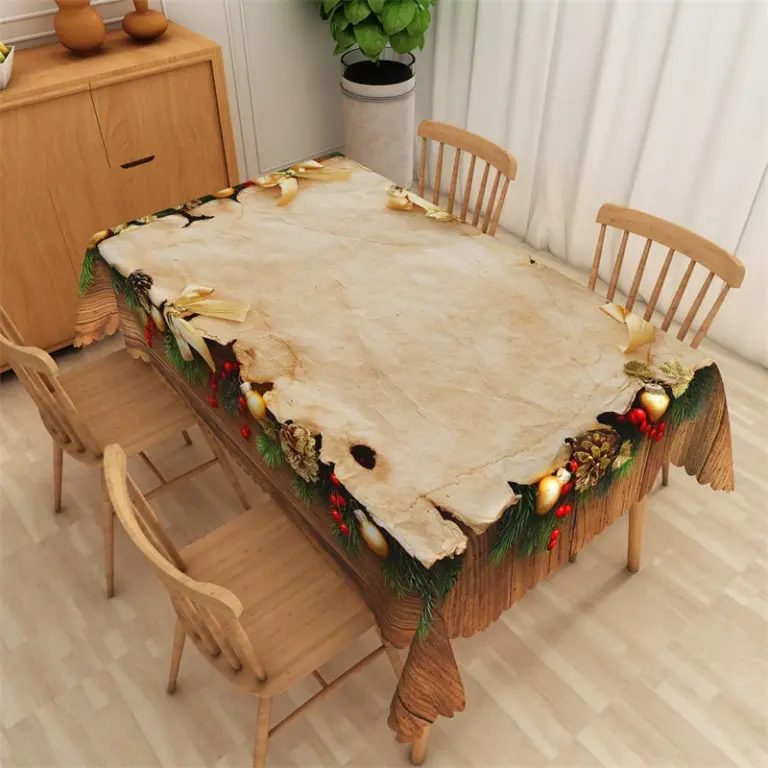 Aisha's pickSimple Tablecloths Done Well
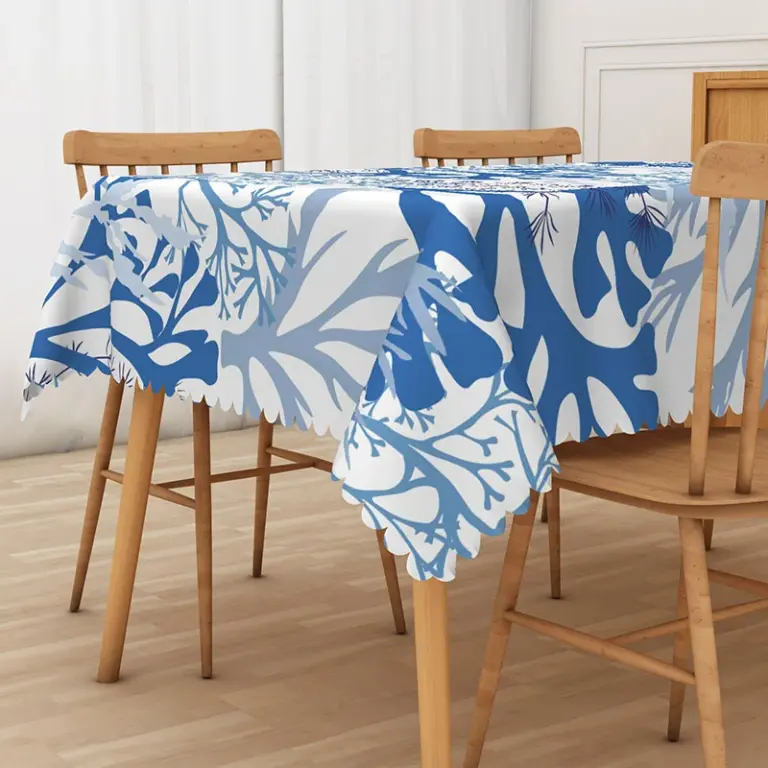
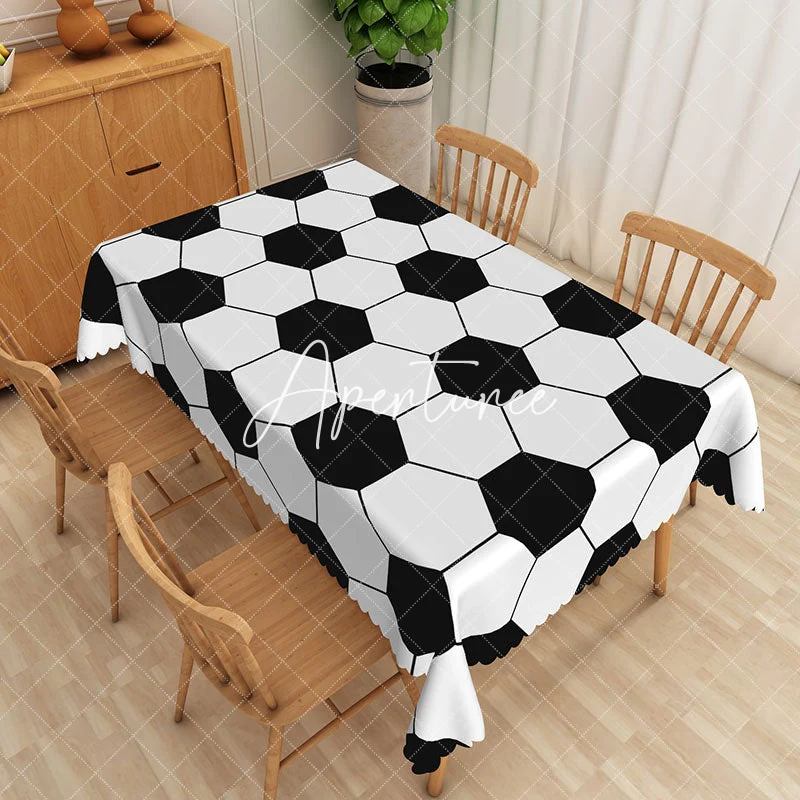 Aisha's pickWhite Rectangular Tablecloths That Don’t Shout About It
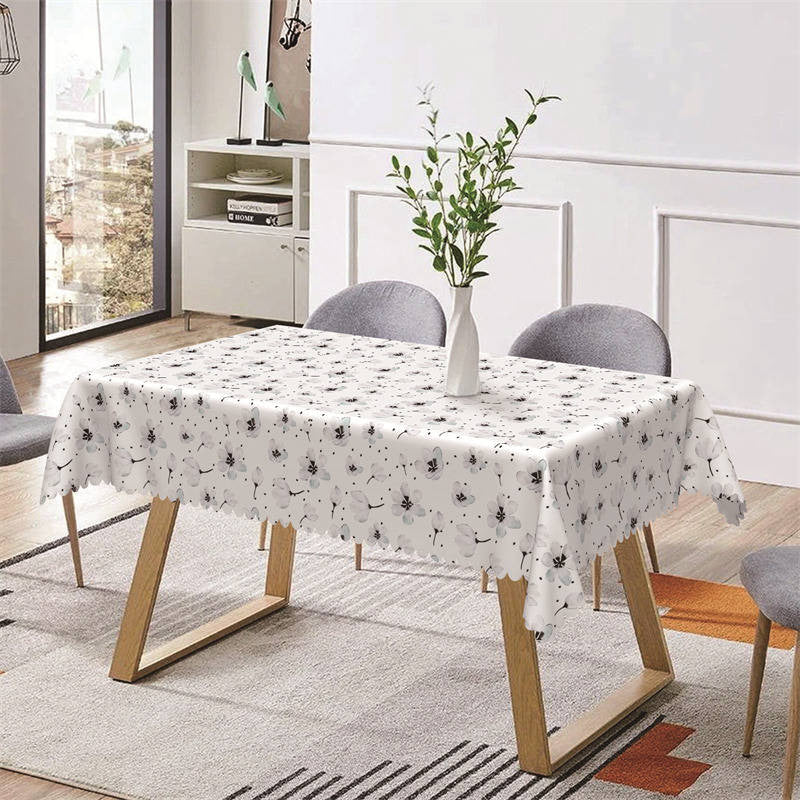
 Aisha's pickPlaid Tablecloths for Adding Color Without Painting

 Aisha's pickGreen Tablecloths for Dining Table That Keep Their Color Wash After Wash

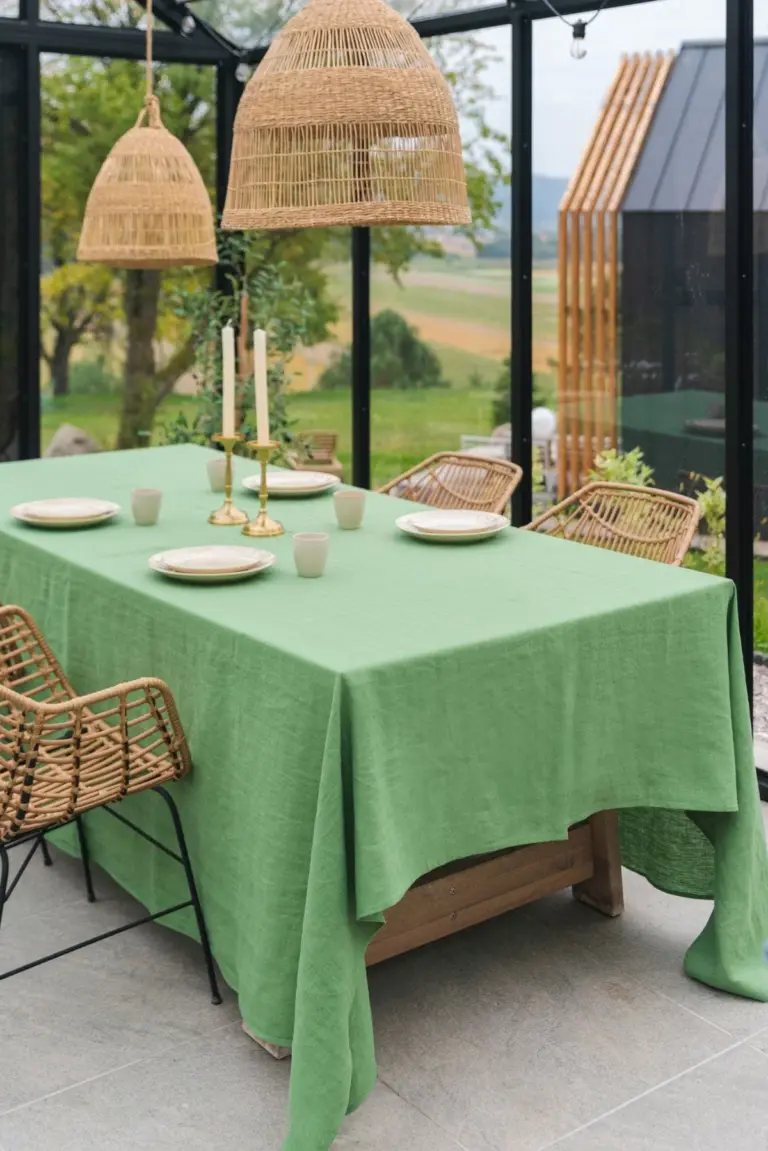 Aisha's pickRectangular Tablecloths for People Who Know What They Like
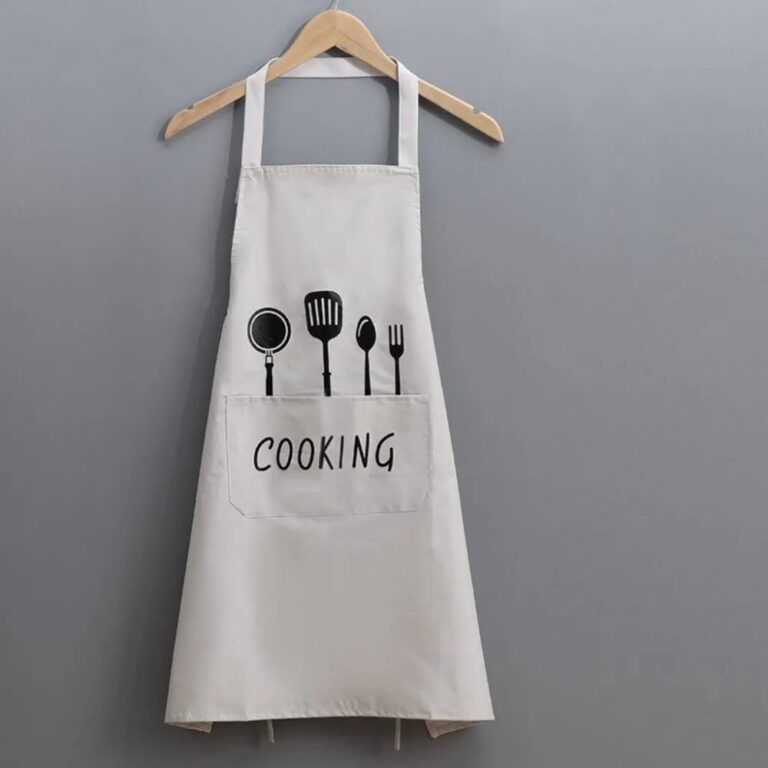 Aisha's pickAprons for Men That Work in Old Houses and New Ones
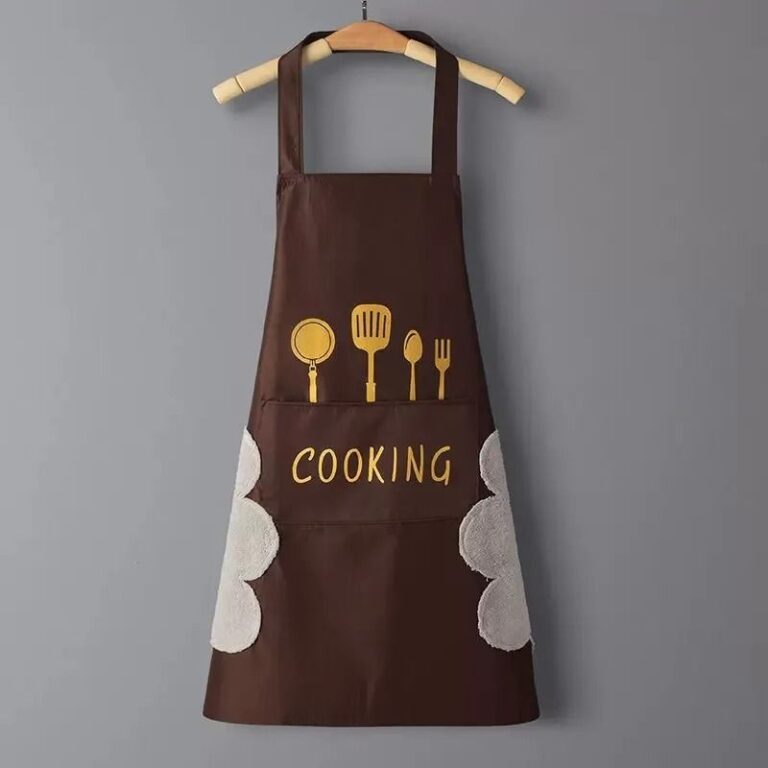
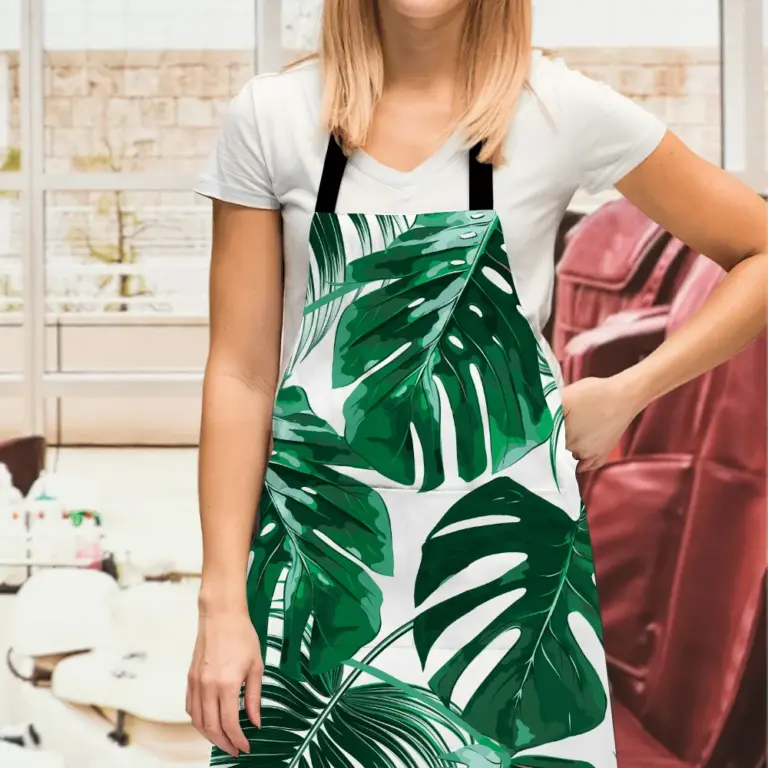 Aisha's pickGreen Aprons With a Soft, Lived In Feel
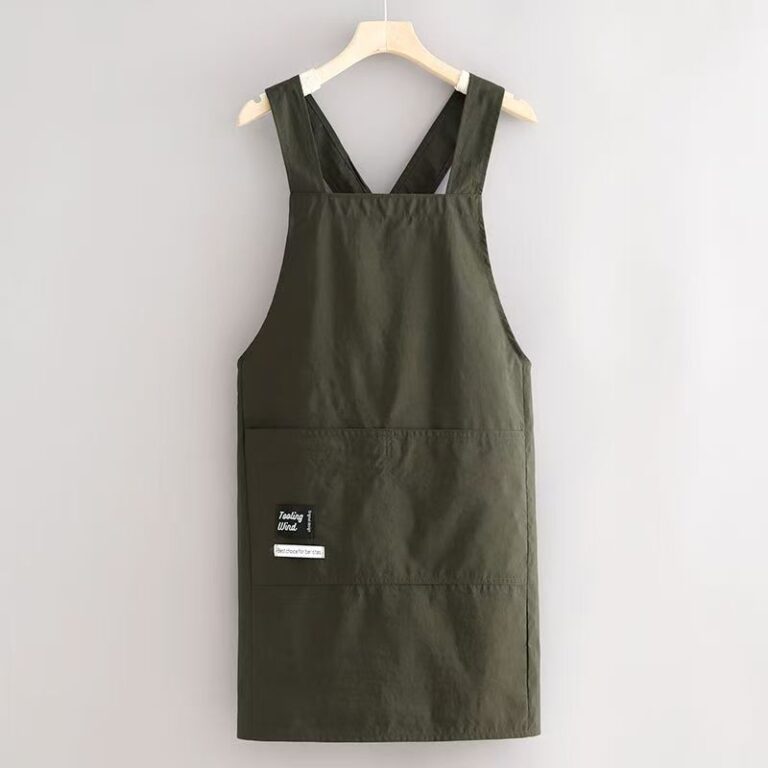
 Aisha's pickAbsorbent Dish Cloths That Don’t Pill

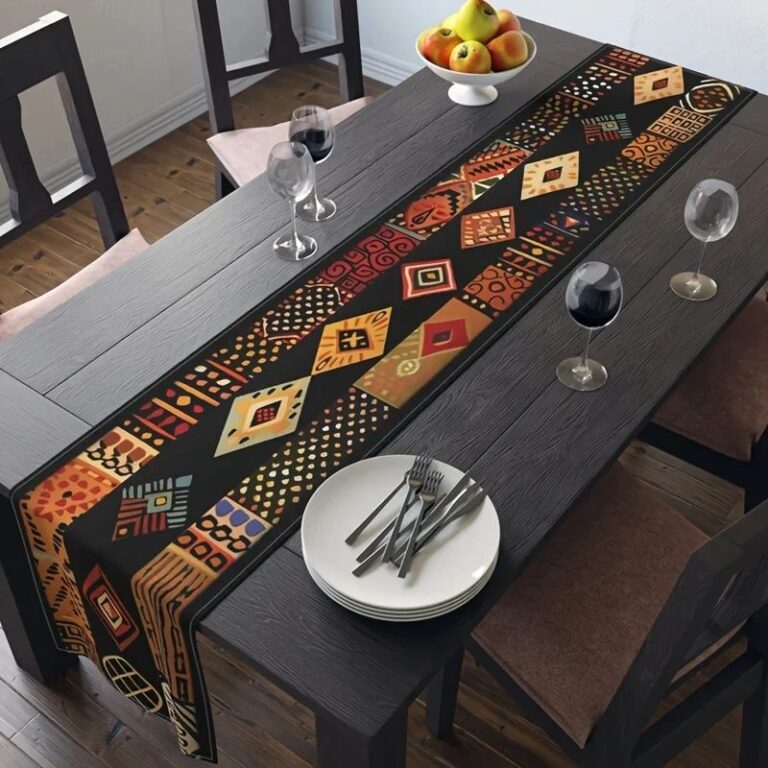 Aisha's pickModern Table Cloths for Cozy Nights InAlso worth a lookPlacematsThe thing nobody tells you about placemats is that the cheap ones slide around the second you put…See the collections →
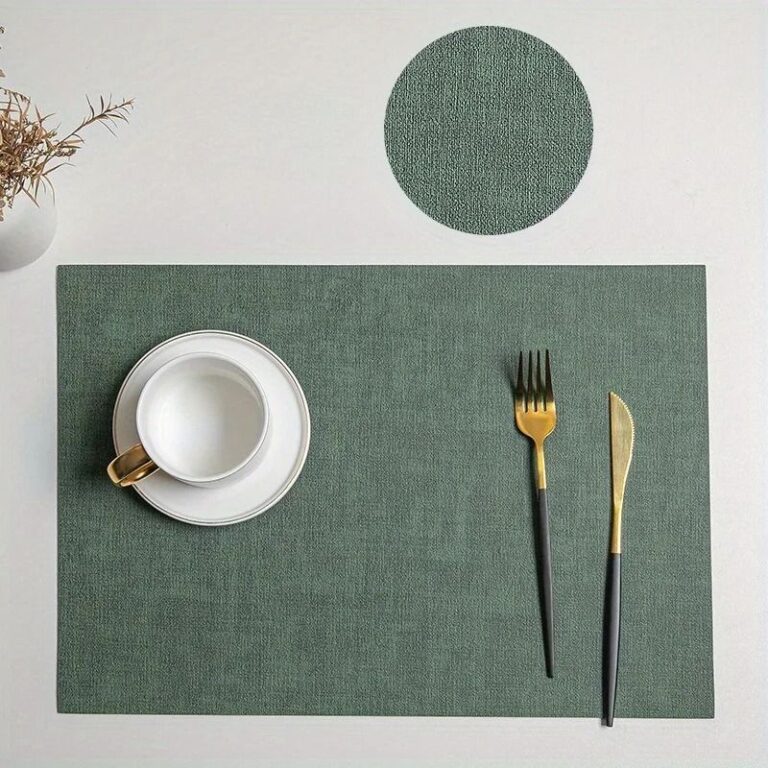
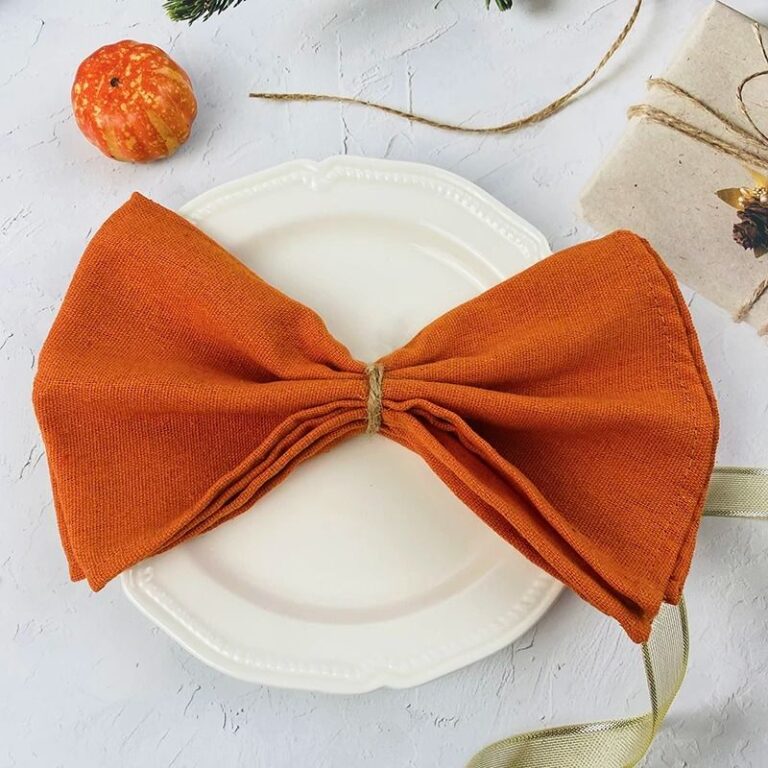 Aisha's pickCotton Napkins From Brands You Know and a Few You Won’t
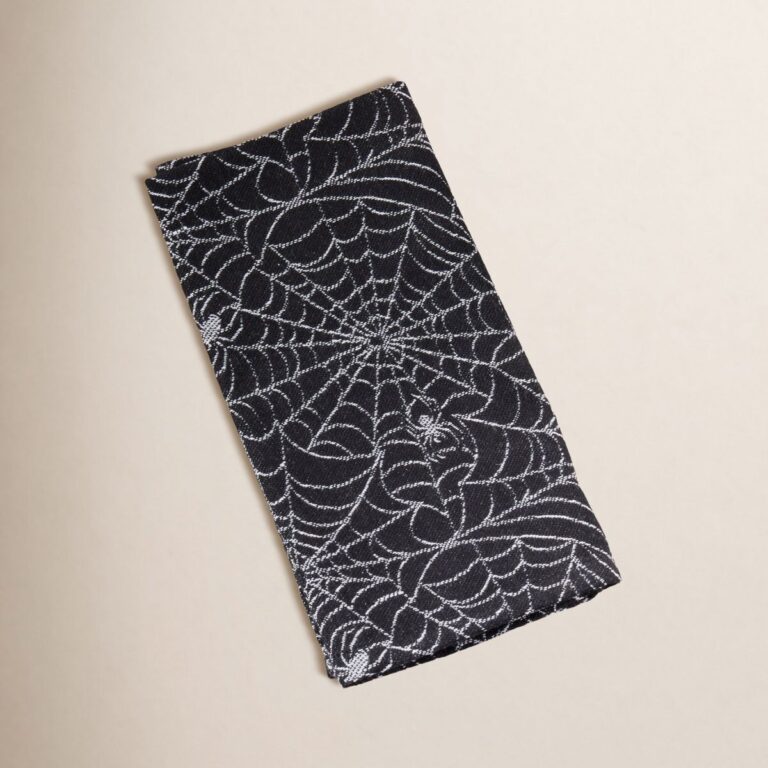
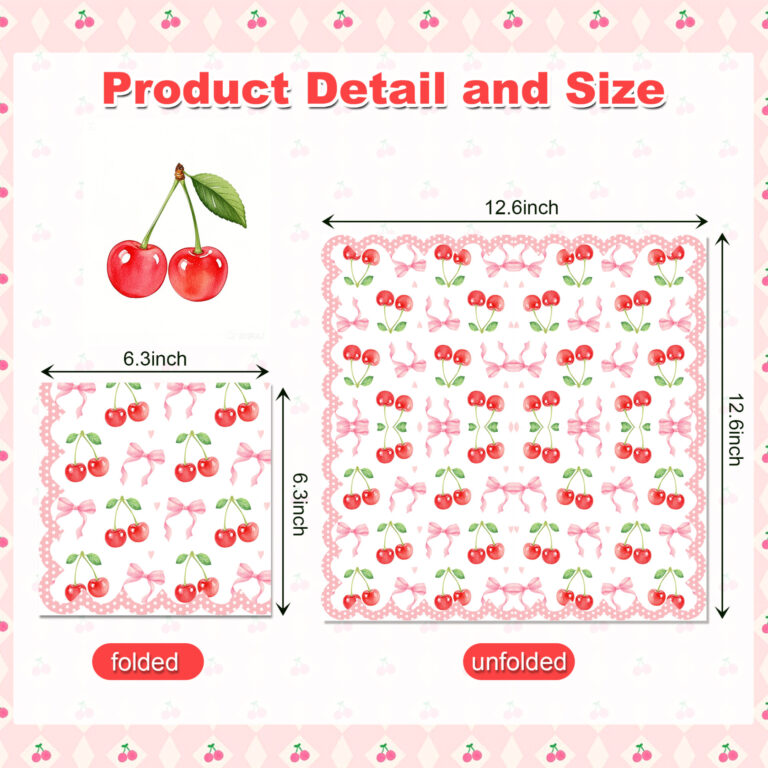 Aisha's pickPink Napkins You’ll Want to Curl Up With
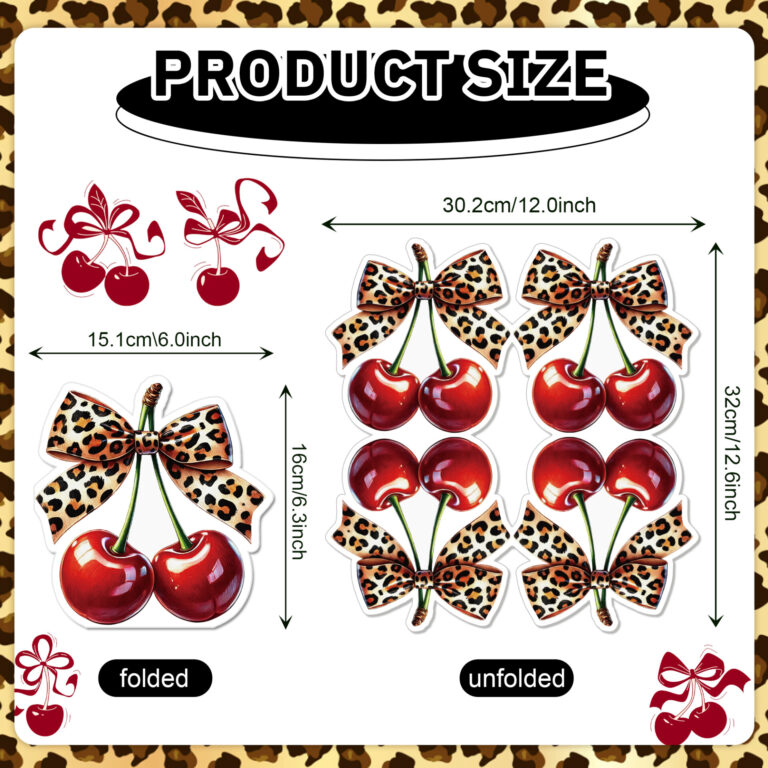
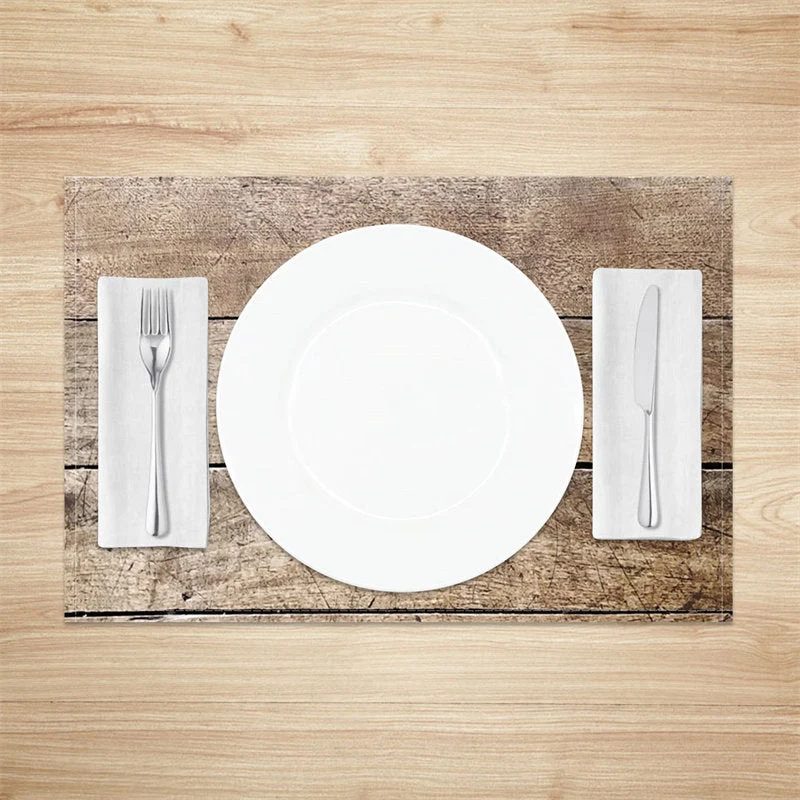 Aisha's pickFelt Placemats Hunted Down So You Don’t Have To
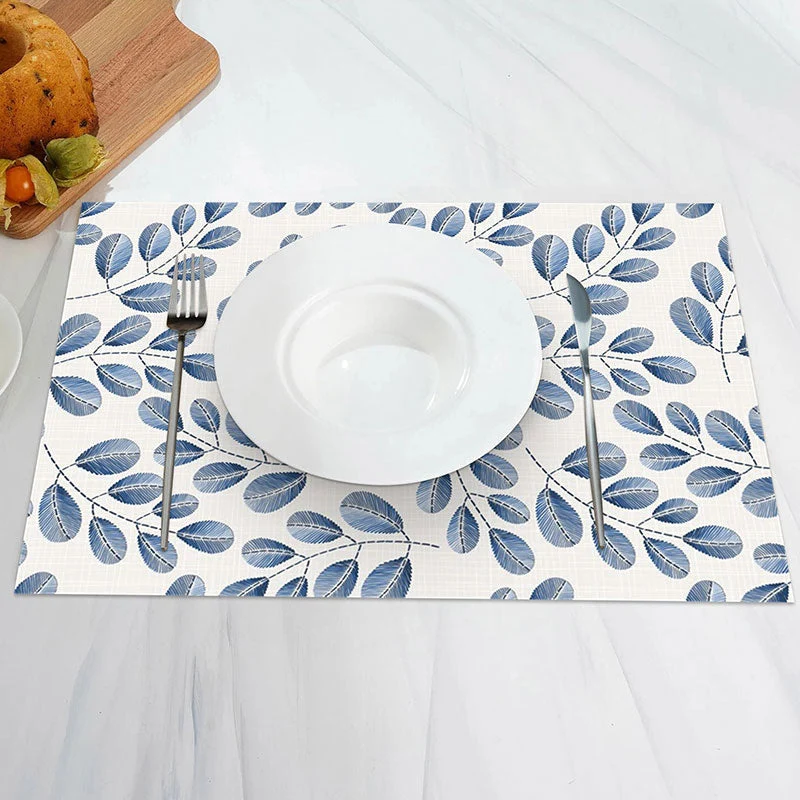
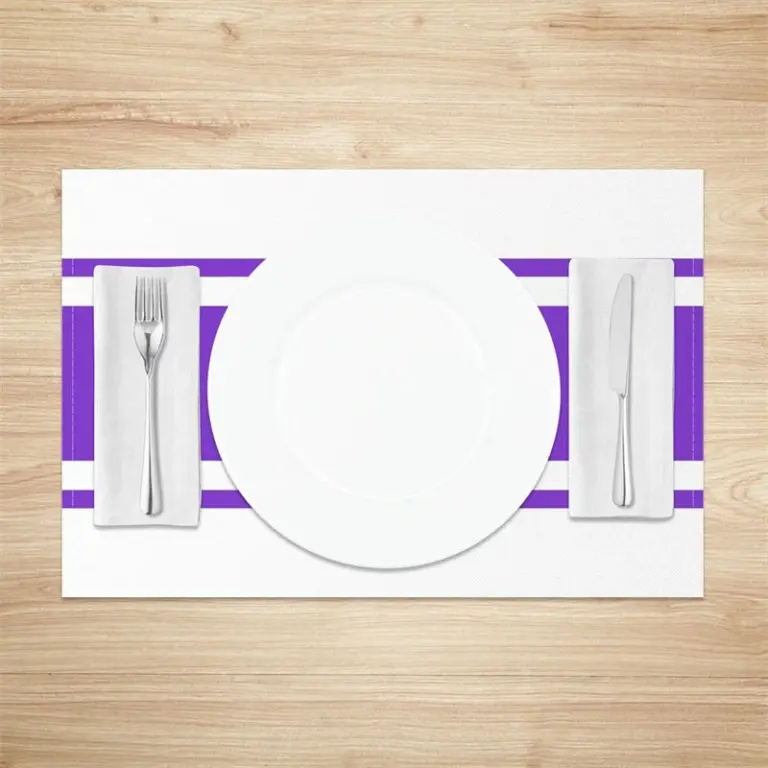 Aisha's pickOval Placemats That Look Better in Real Life
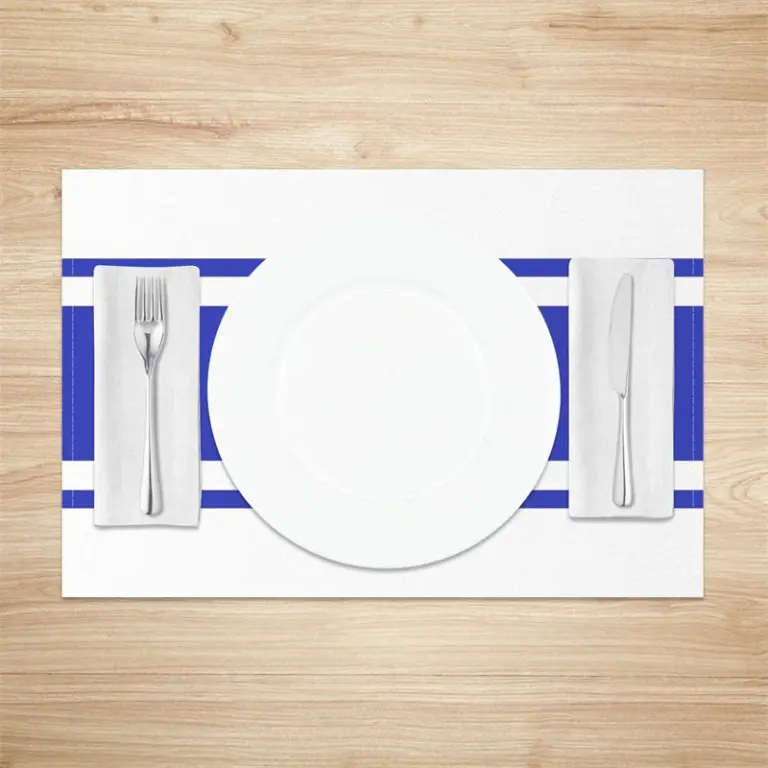
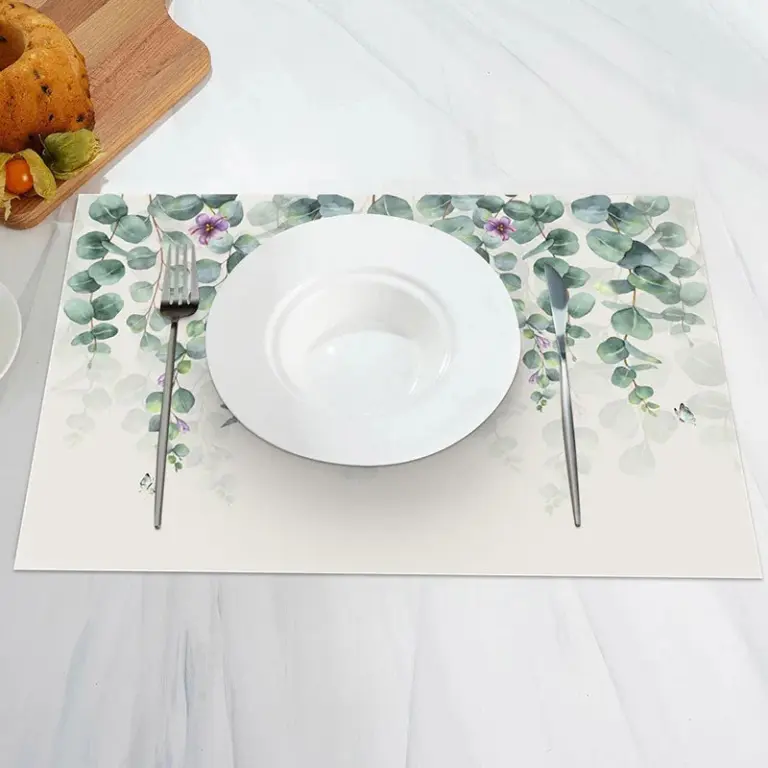 Aisha's pickSilicone Placemats That Don’t Pill
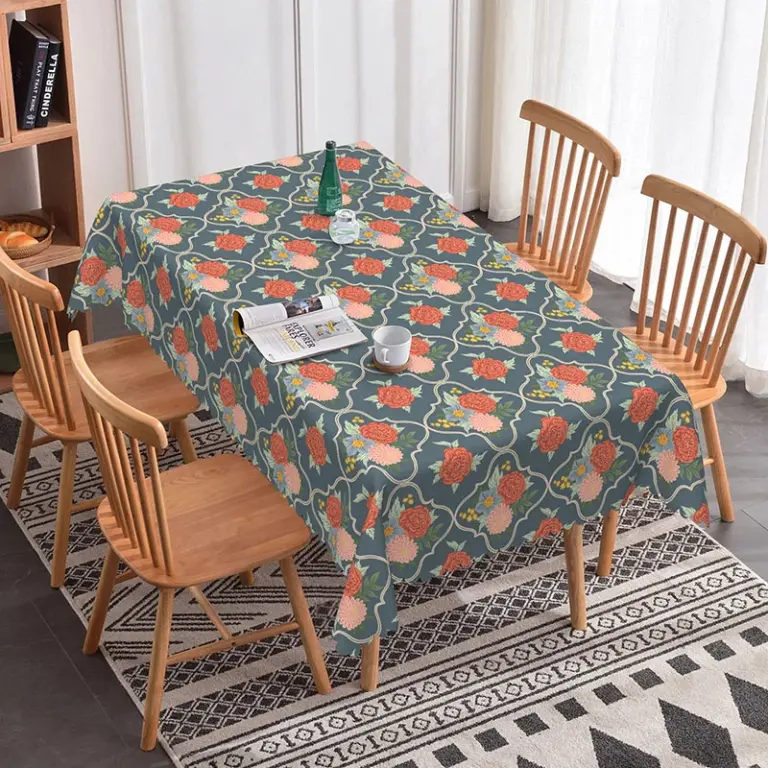 Aisha's pickTablecloths for Dining Table That Make a Room Feel Finished
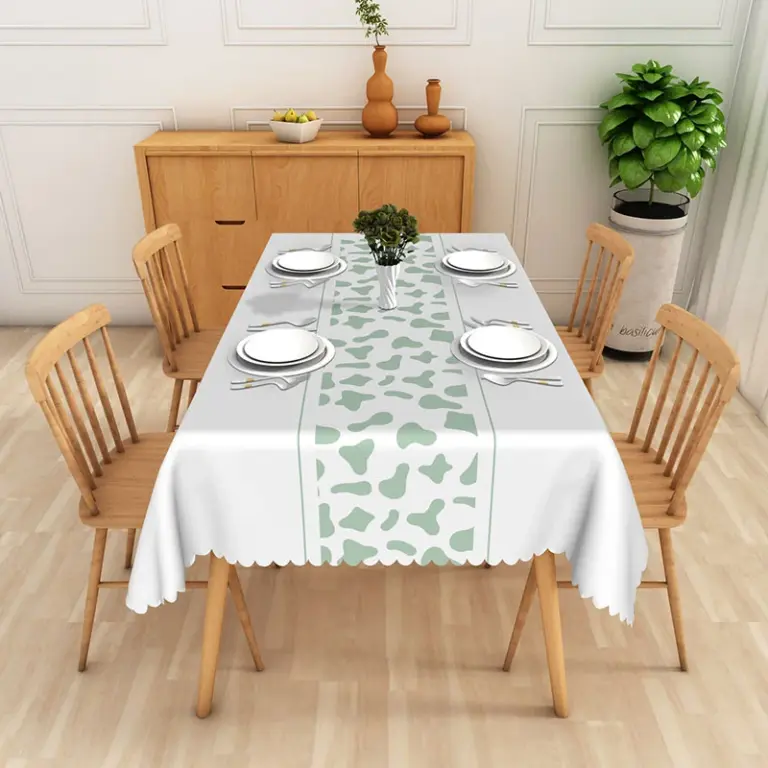
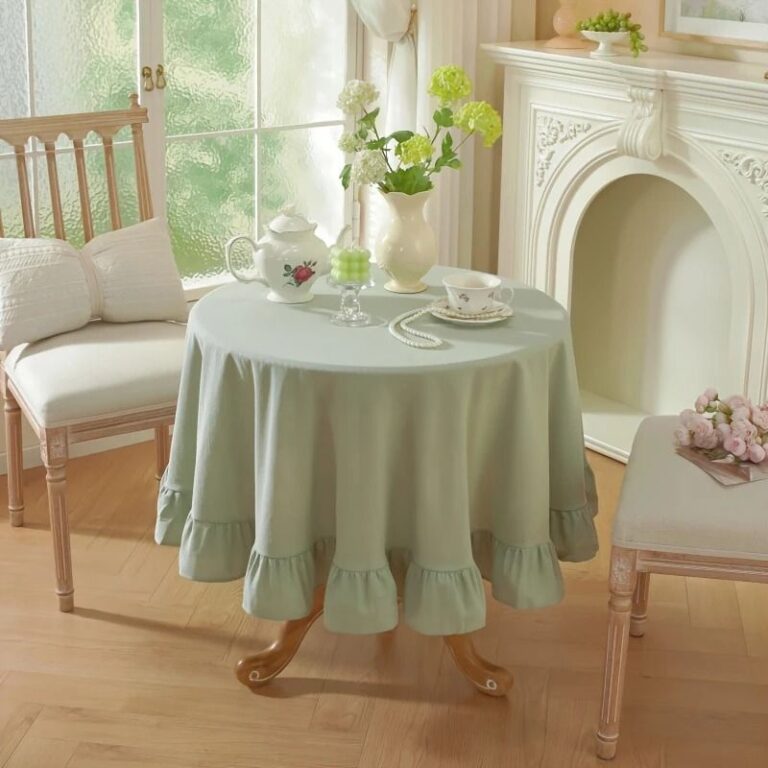 Aisha's pickWhite Round Tablecloths You’ll Want to Curl Up With
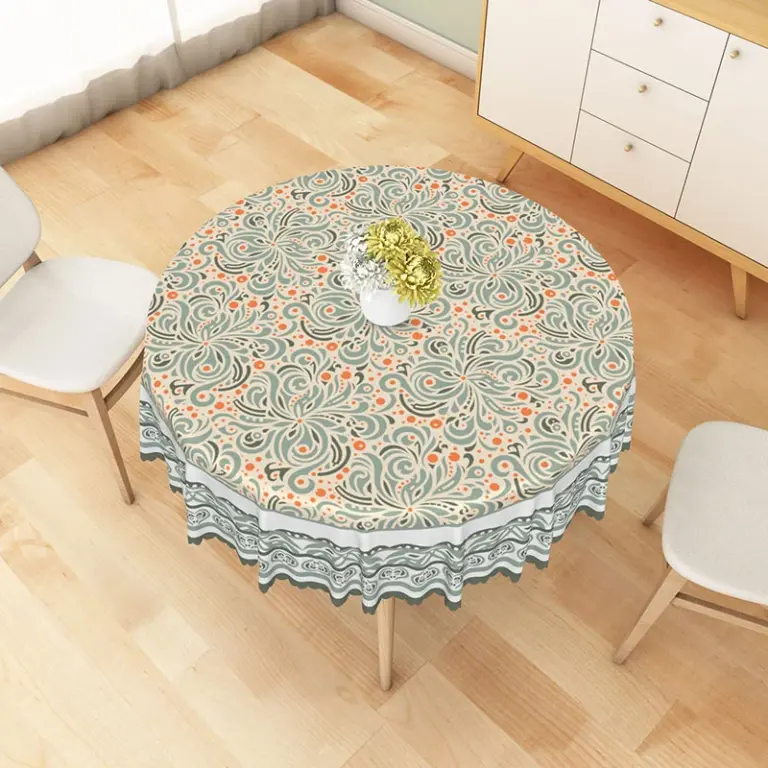
 Aisha's pickCotton Tablecloths That Don’t Need Babying

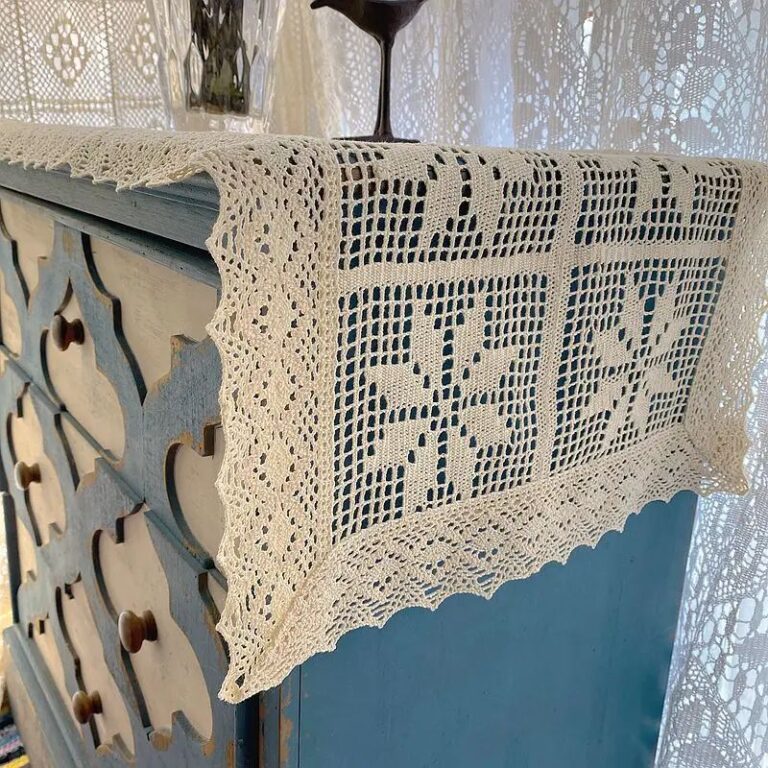
 Aisha's pickLace Tablecloths That Survive the Washing MachineAlso worth a lookApronsMost people treat an apron as the thing you grab when you're about to ruin a shirt, which…See the collections →
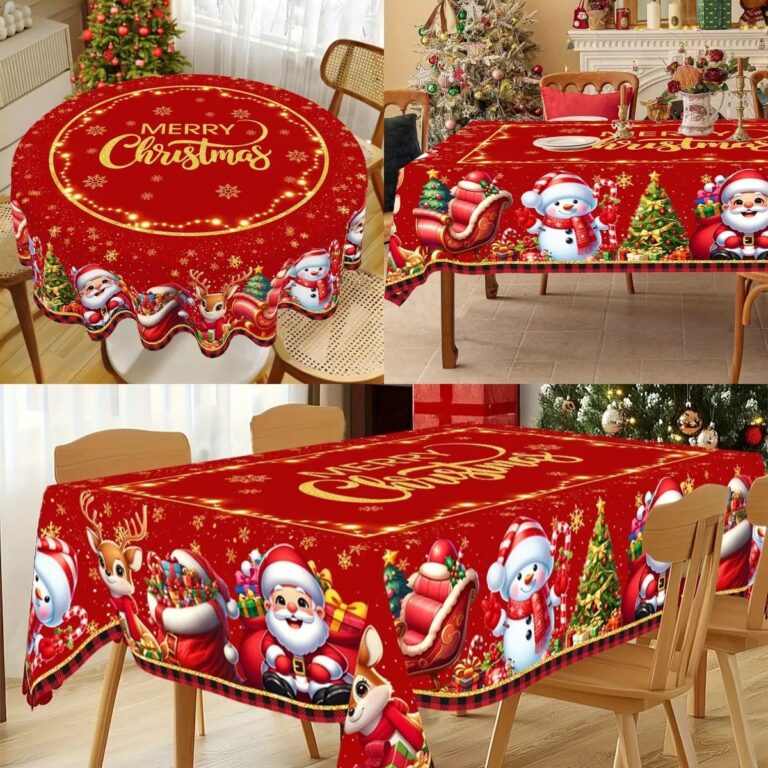
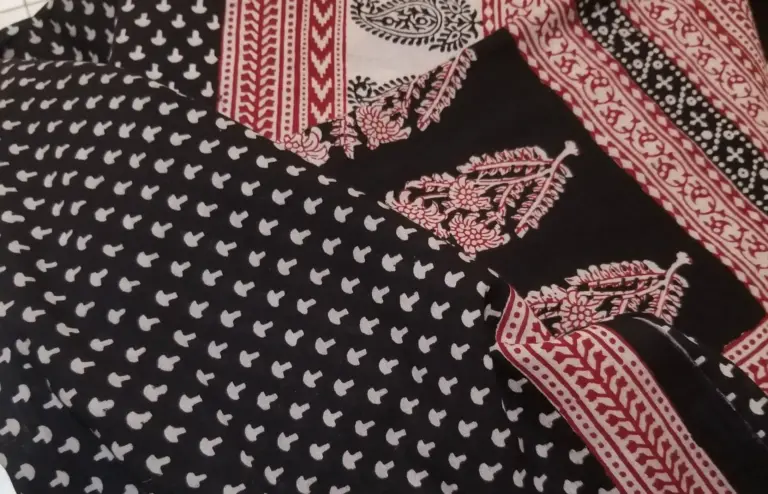 Aisha's pickRed Tablecloths We Swap Around With the Seasons
 Aisha's pickAprons for Women That Won’t Let You Down

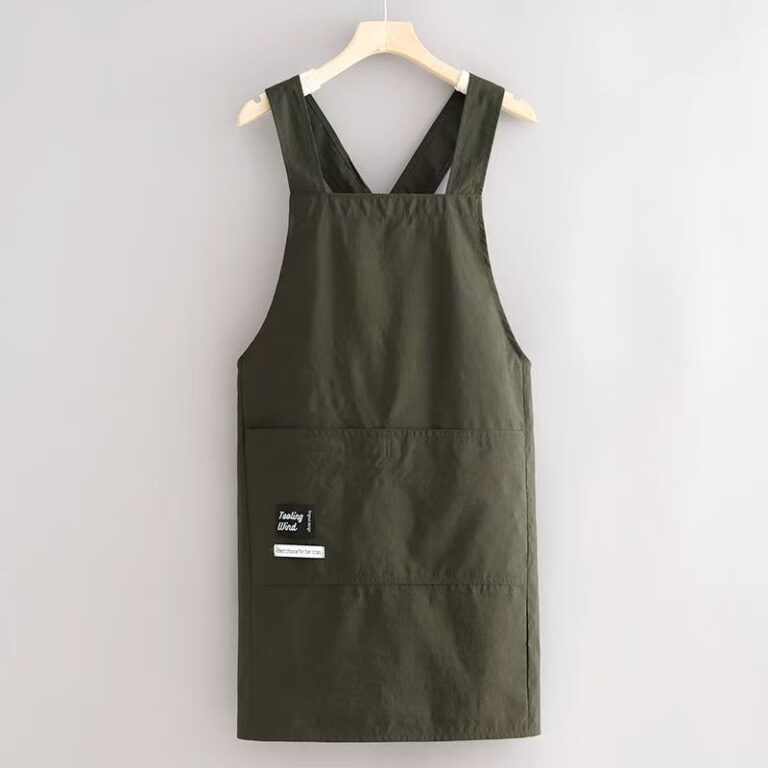 Aisha's pickKitchen Aprons That Cope With Steam and Splashes
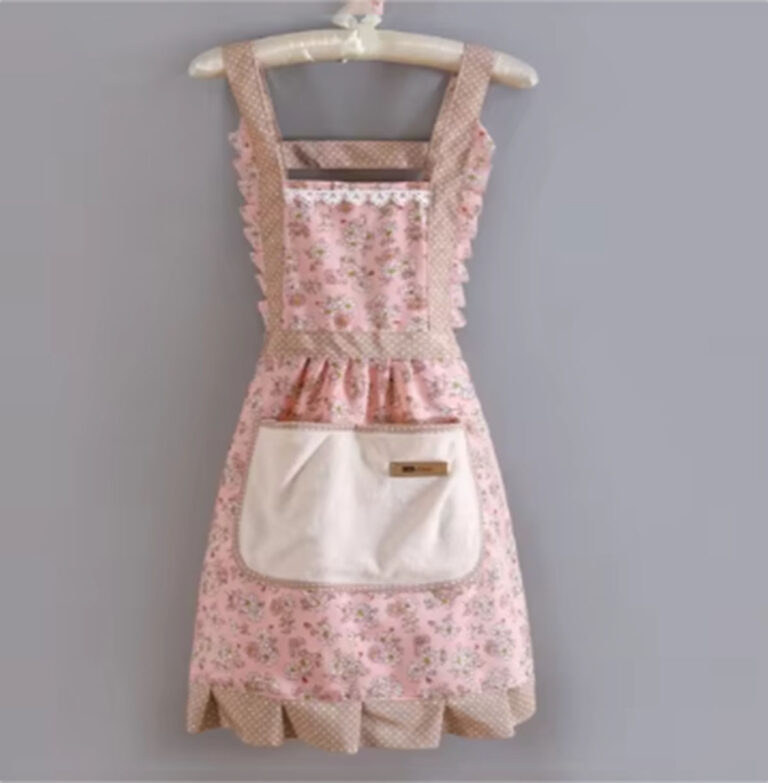
 Aisha's pickAbsorbent Dish Cloths That Fit Into Real Life

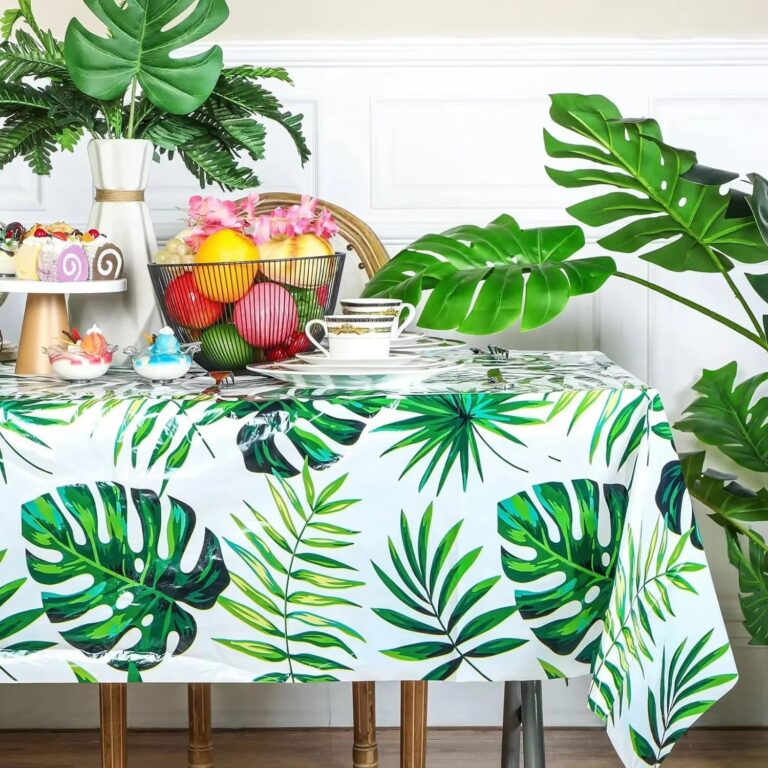 Aisha's pickRectangular Table Cloths Worth Knowing About
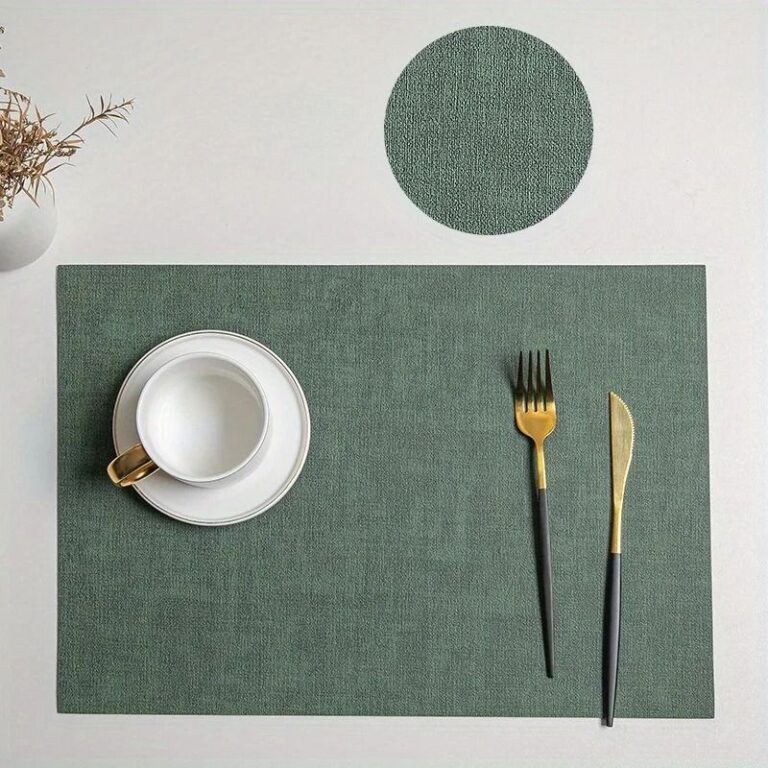
 Aisha's pickFloral Napkins That Look Better in Real Life

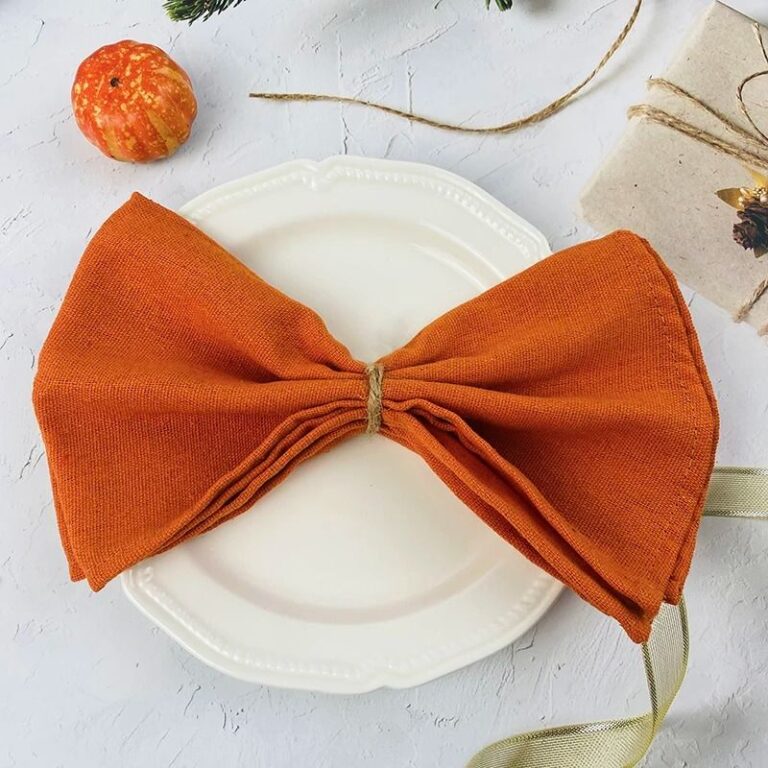 Aisha's pickPolyester Napkins Without the Silly Price Tag
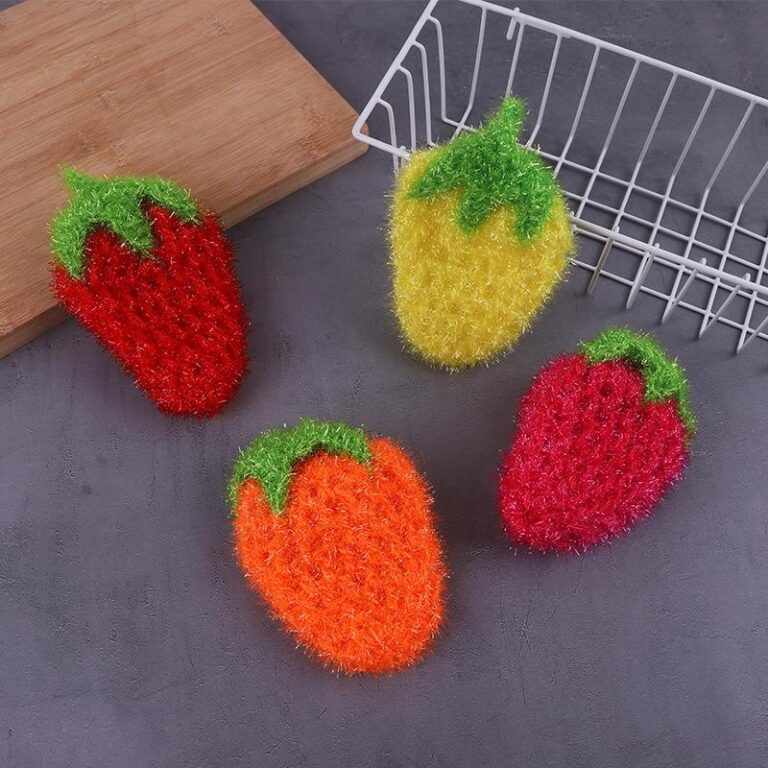
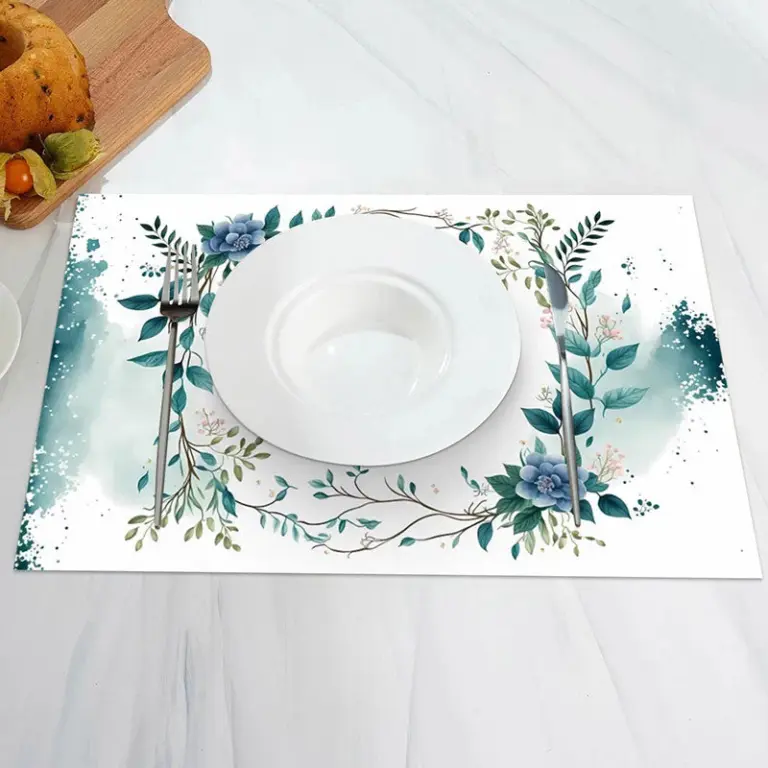 Aisha's pickFloral Placemats We Swap Around With the Seasons