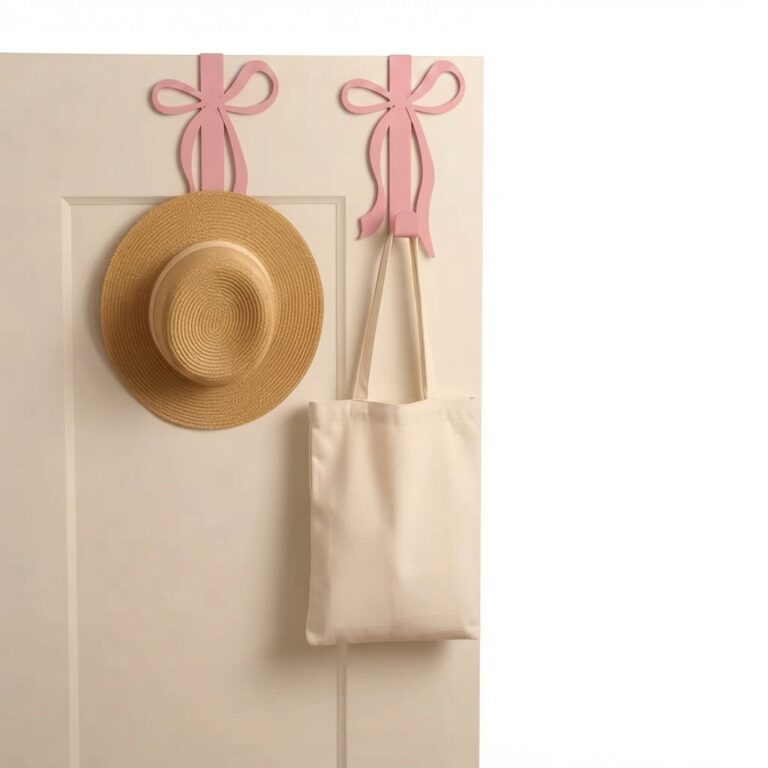
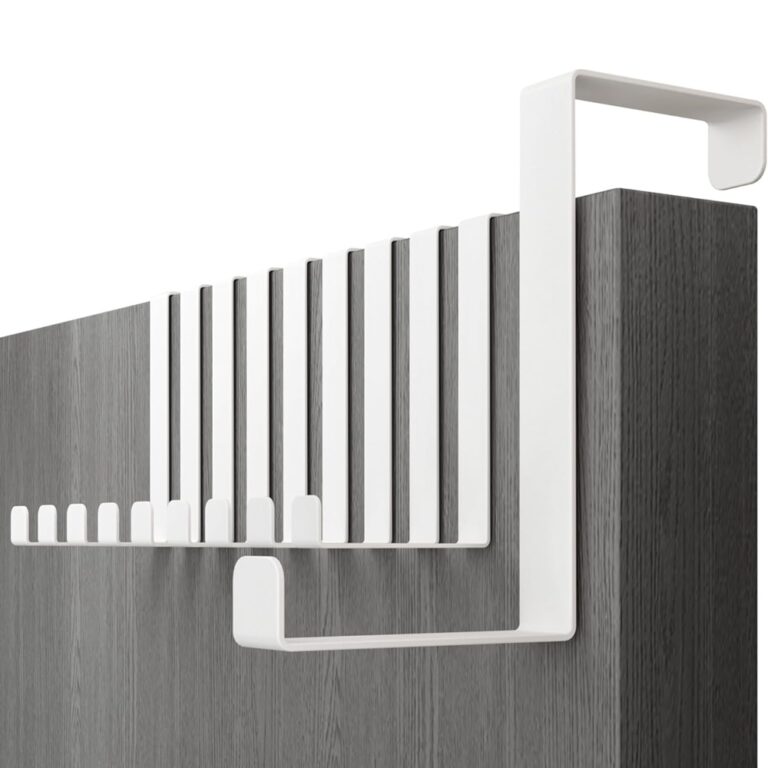
Before you buy a rack of any kind, stand next to it and imagine it loaded, not empty. An empty coat rack looks elegant in a showroom and ridiculous the day it's holding four winter coats, a backpack, two tote bags and someone's gym stuff. Same with a cart or a metal shelving rack, the one that looks sturdy bare can wobble the second you stack it with actual plates and cookbooks. Ask yourself what it's holding on a normal Tuesday, not what it's holding in the photo in your head.
These things have real limits, and it's worth saying them plainly. A slim wall mounted hook strip is wonderful for keys and scarves and absolutely useless for a heavy wool coat, it'll pull out of drywall or sag at the screws within a season if you didn't find a stud. A tall freestanding coat rack is great in an entryway with floor space to spare and a genuinely bad idea in a narrow hallway where it'll get knocked sideways every time someone's carrying groceries. Carts with wheels are brilliant for moving things room to room and not so brilliant on thick carpet, where they either dig in or just sit there refusing to roll, which defeats the point of having wheels at all. And none of these do well in a room that's already busy with pattern or clutter, a black metal rack against a wall full of framed photos and other metal finishes starts to look like a hardware store aisle rather than a room.
How they age depends almost entirely on the metal and the finish, not the shape. A good powder coated black rack shrugs off scuffs and fingerprints for years, you can wipe it with a damp cloth and it looks the same as the day it arrived. Cheaper chrome or bare metal shows every mark, rusts if it lives somewhere damp like a mudroom or a bathroom, and the welds on the flimsier ones start creaking under weight within a year, a sound that tells you everything about the build quality before anything actually breaks. Wood shelves on a rack will take water rings from wet boots and umbrellas if you don't give them a tray or a mat, so plan for that rather than being surprised by it later.
When it's delivered or you're standing there in the store, check how the thing actually joins together, not just how it looks standing still. Give it a shove side to side, a rack with wobbly legs or hooks that spin loose in their sockets will only get worse with real use. Check the weight rating if it's listed, and don't trust the generous end of it. Run a hand over the welds and edges for anything sharp enough to snag a coat sleeve. And count the hardware bag before you throw out the box, because missing screws are the most common reason these things end up leaning against a wall unused for six months.
Wipe metal racks down with a dry cloth regularly and they'll outlast whatever you're hanging on them.

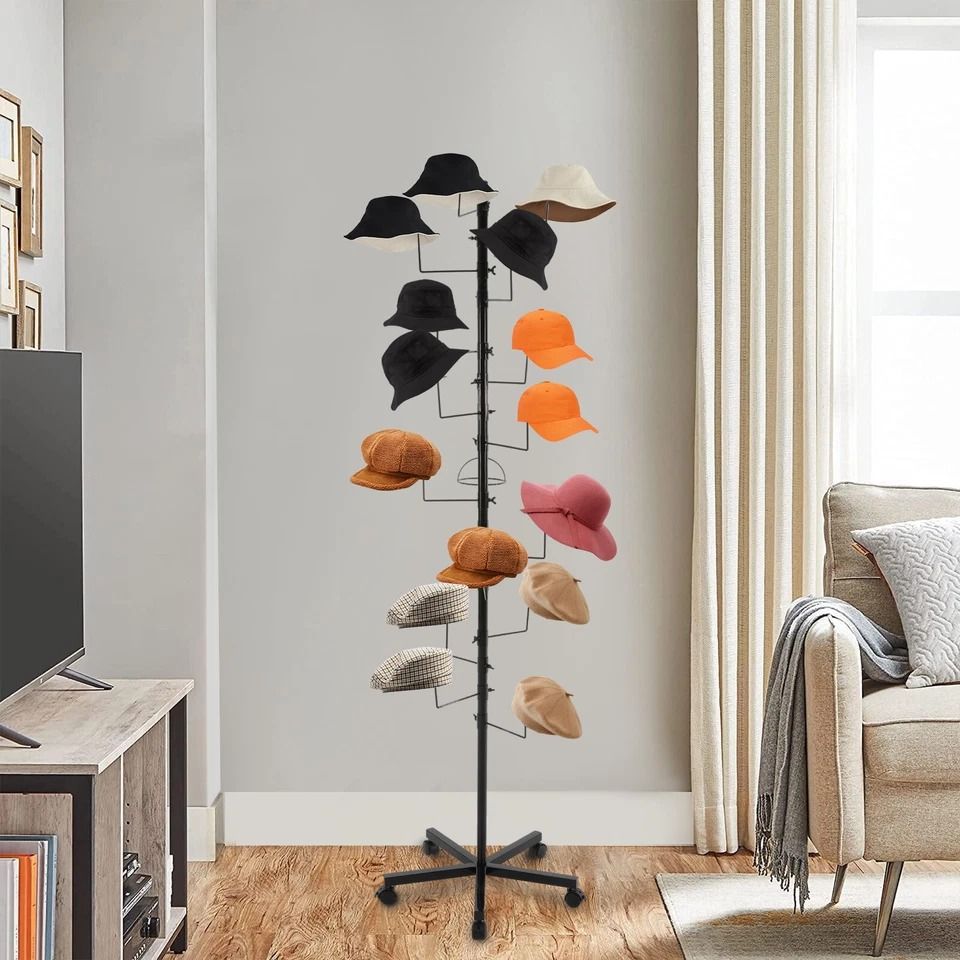 Aisha's pickBlack Coat Hooks That Make Small Changes Feel Big

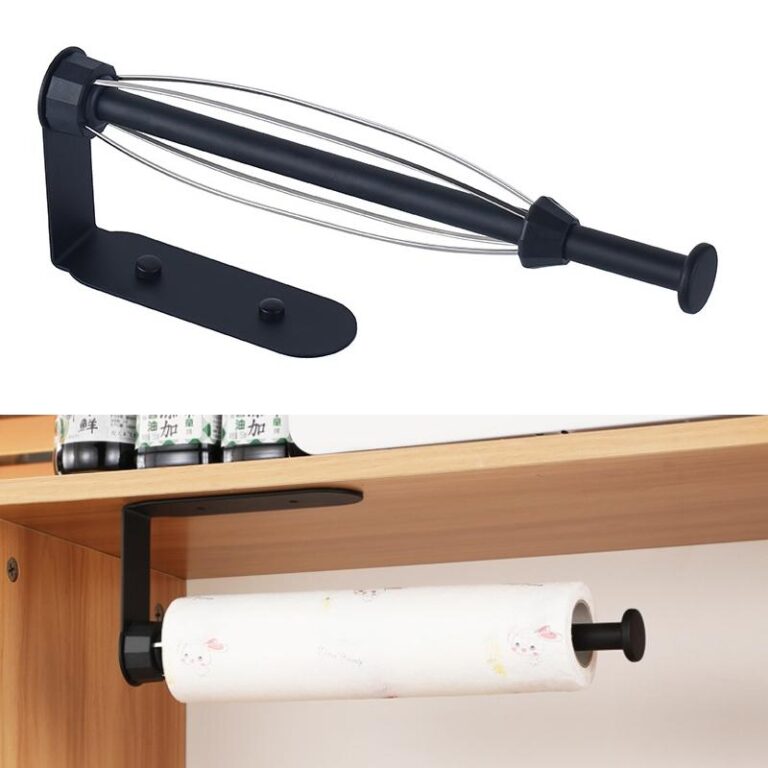
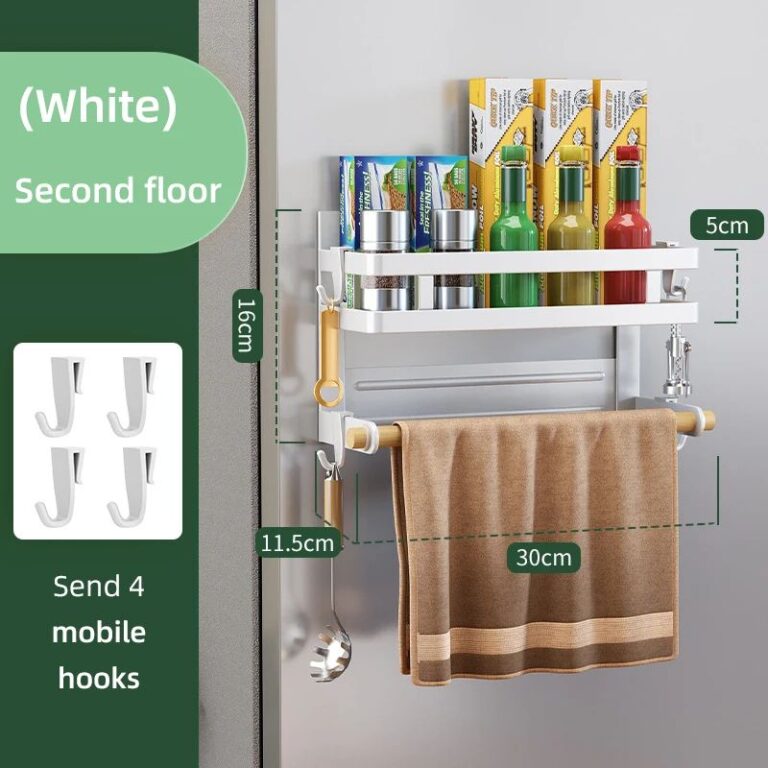 Aisha's pickBlack Paper Towel Holders That Make Rented Places Feel Like Home
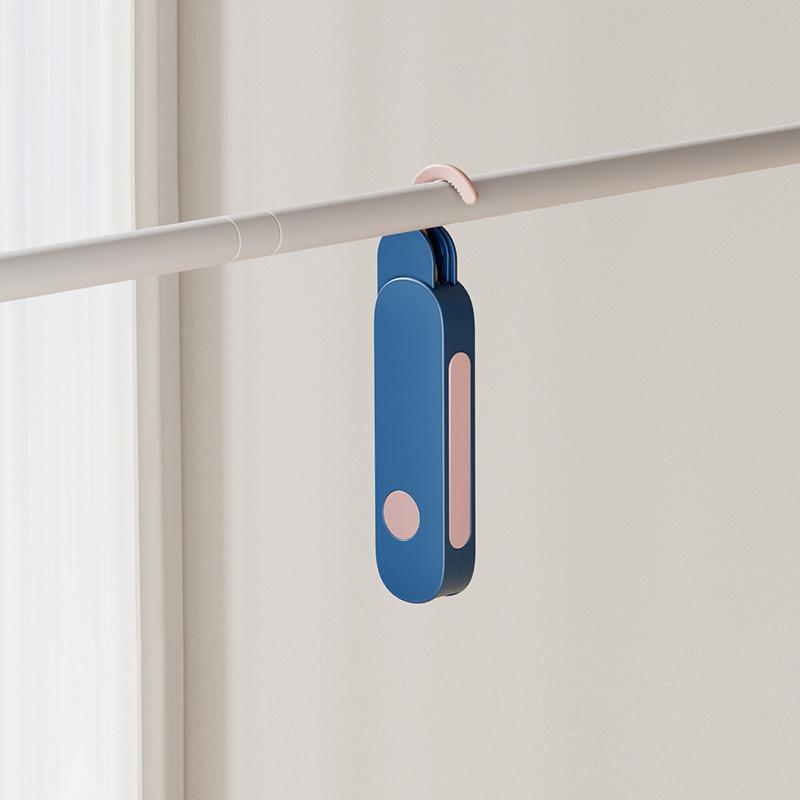 Aisha's pickClothes Racks That Hold Up to Everyday Life

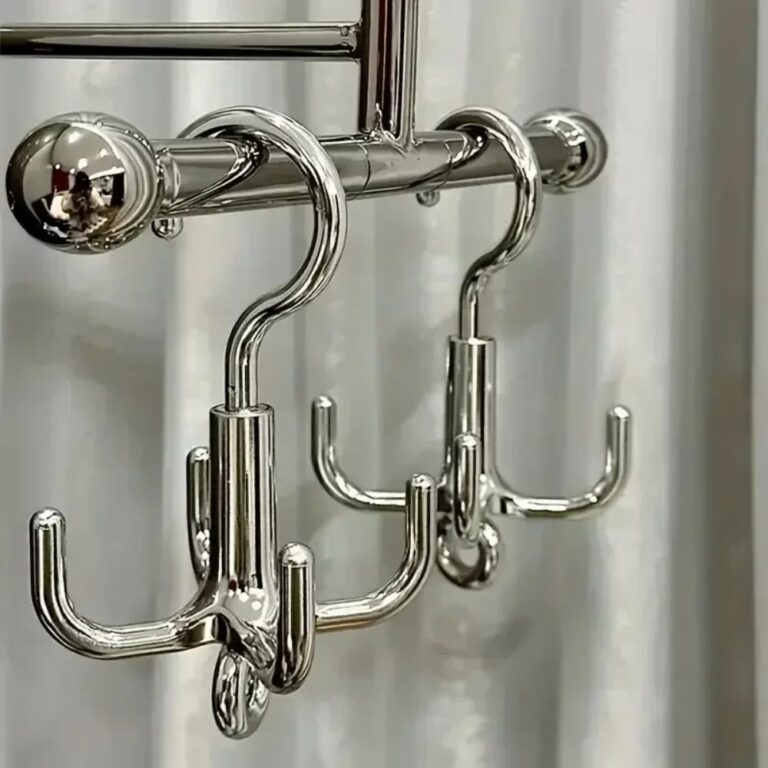 Aisha's pick4 Hook Coat Racks That Make a Good First Impression
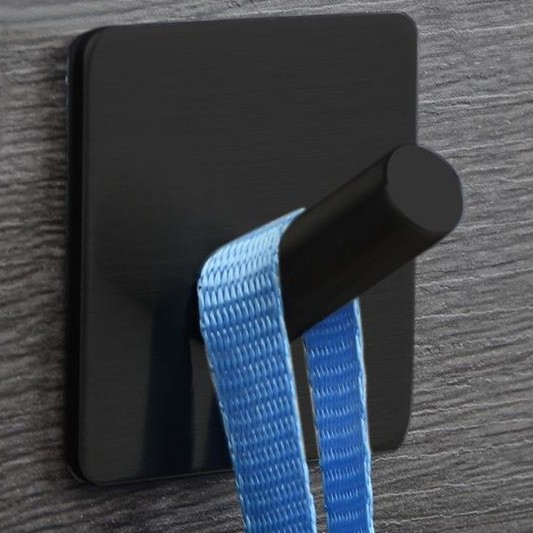
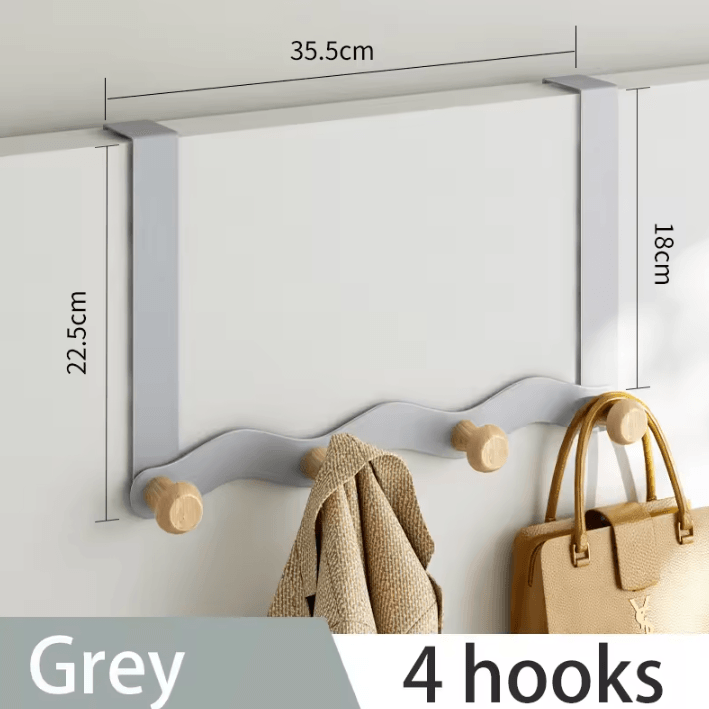 Aisha's pickNatural Coat Racks That Sort Out the Pile by the Door
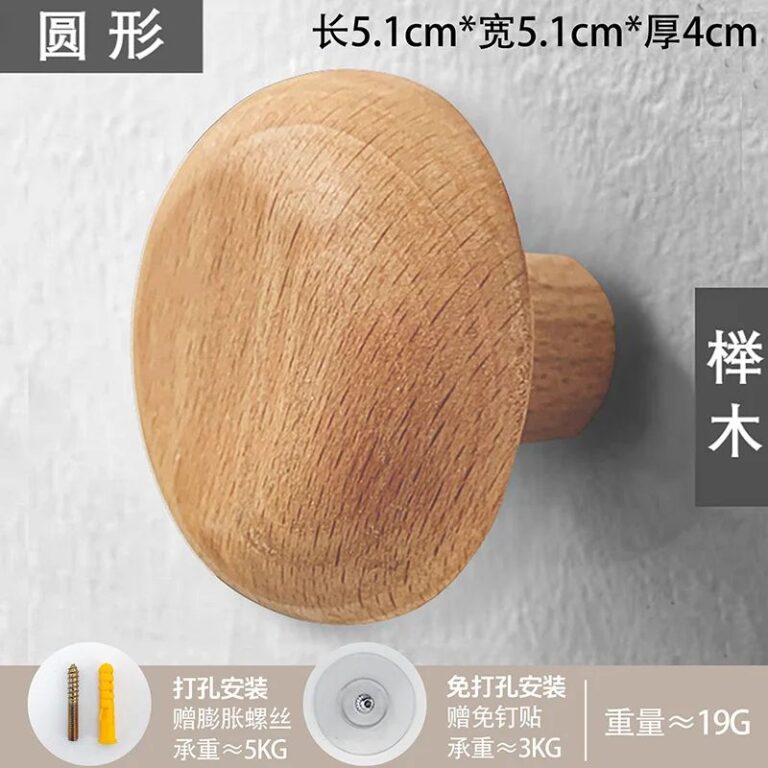
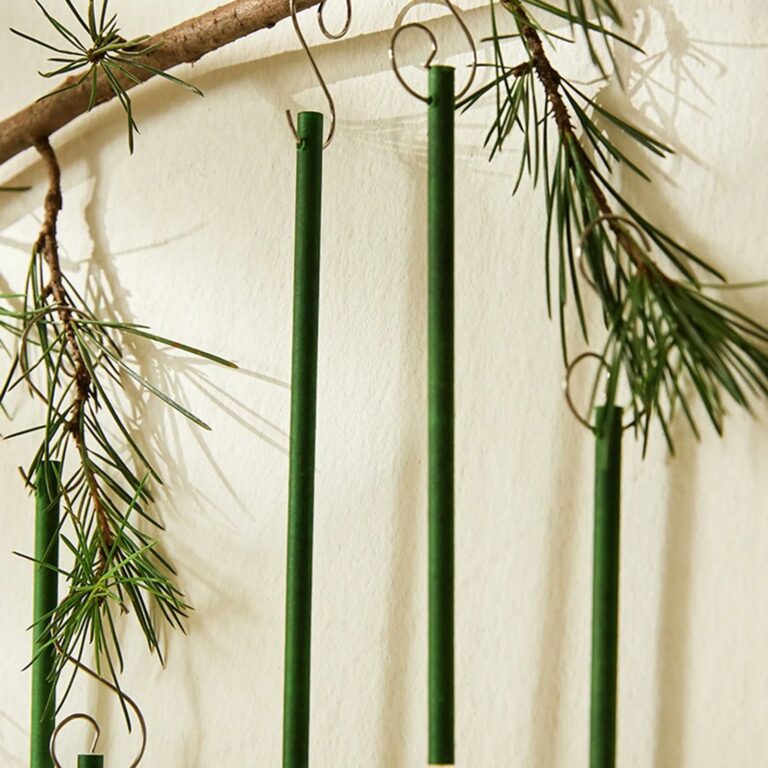 Aisha's pickDecent Natural Decorative Hooks Without the Hassle
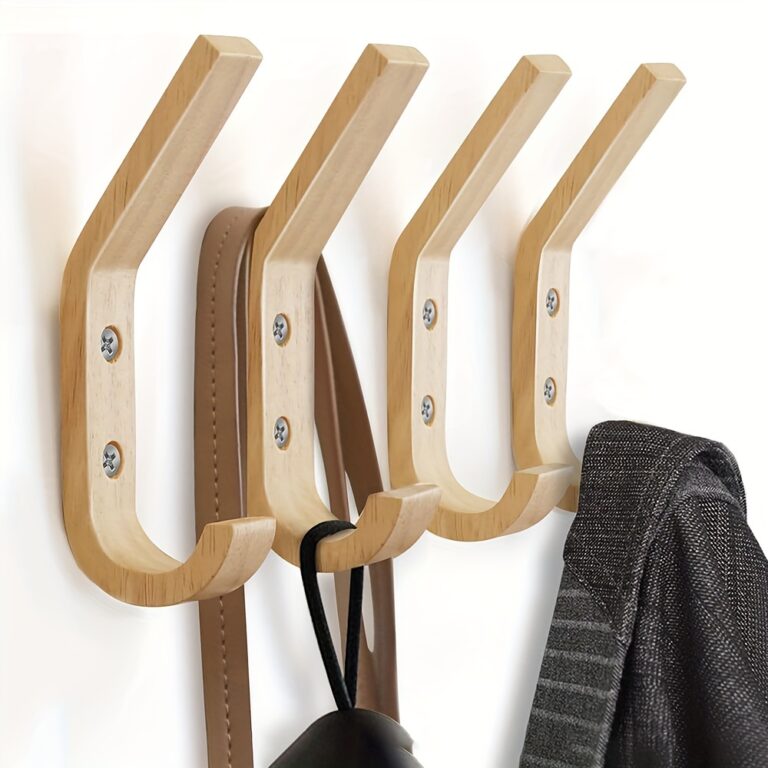
 Aisha's pickKey Holders with Storage You Won’t Regret Buying
 Aisha's pickKey Hooks with Lock That Work in Old Houses and New Ones
 Aisha's pickSmall Key Hooks That Go With Most RoomsAlso worth a lookMetal RacksA metal rack is for holding things in the open where you can see them and reach them…See the collections →
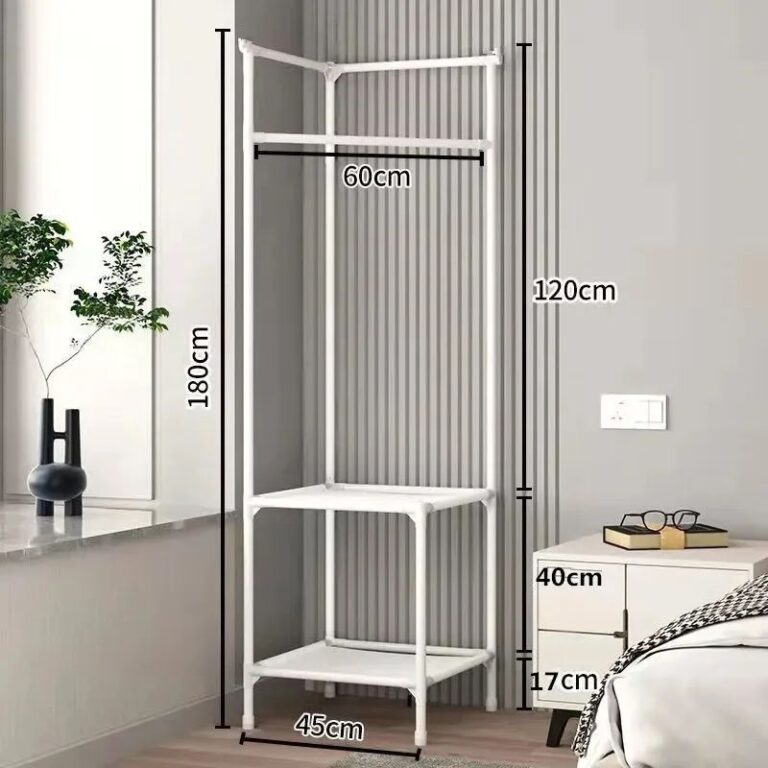
 Aisha's pickMetal Coat Racks with Shelf That Swallow the Clutter
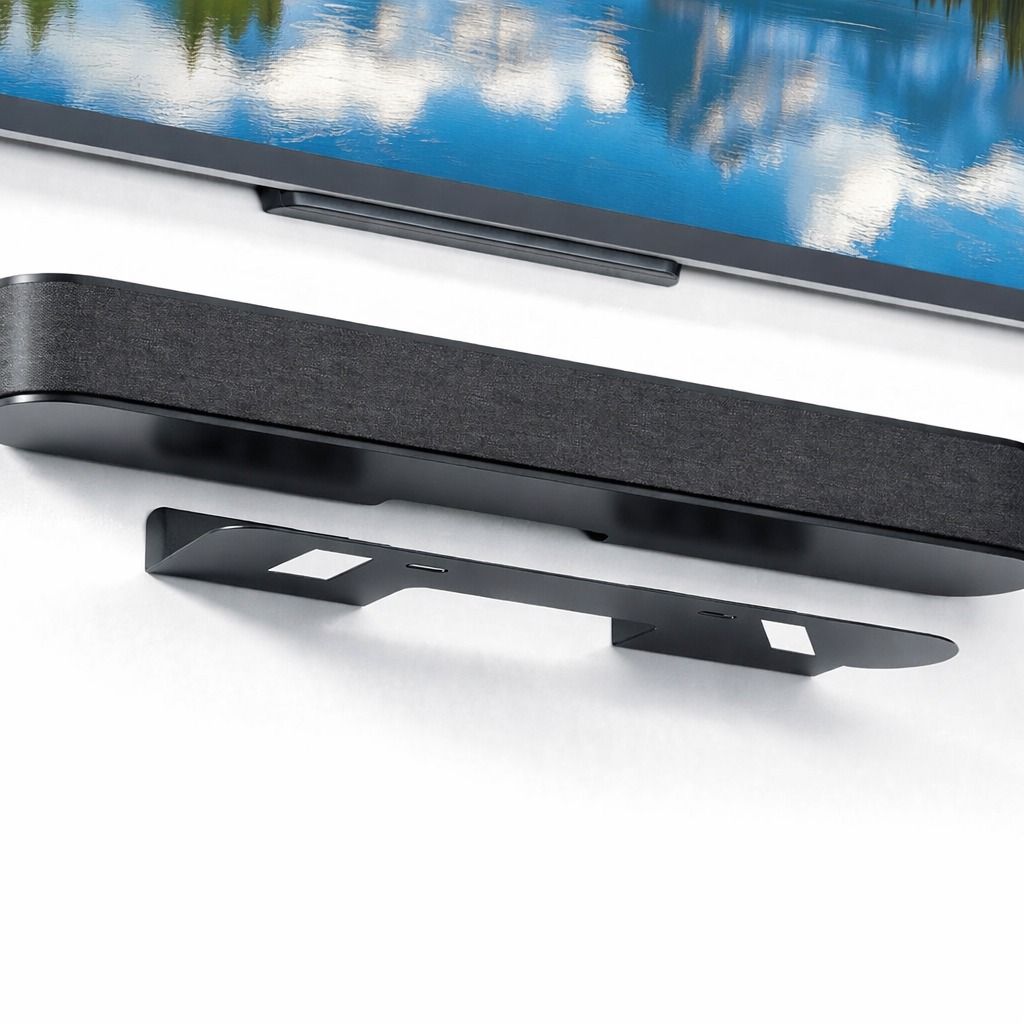 Aisha's pickOur Shortlist of Metal TV Stands
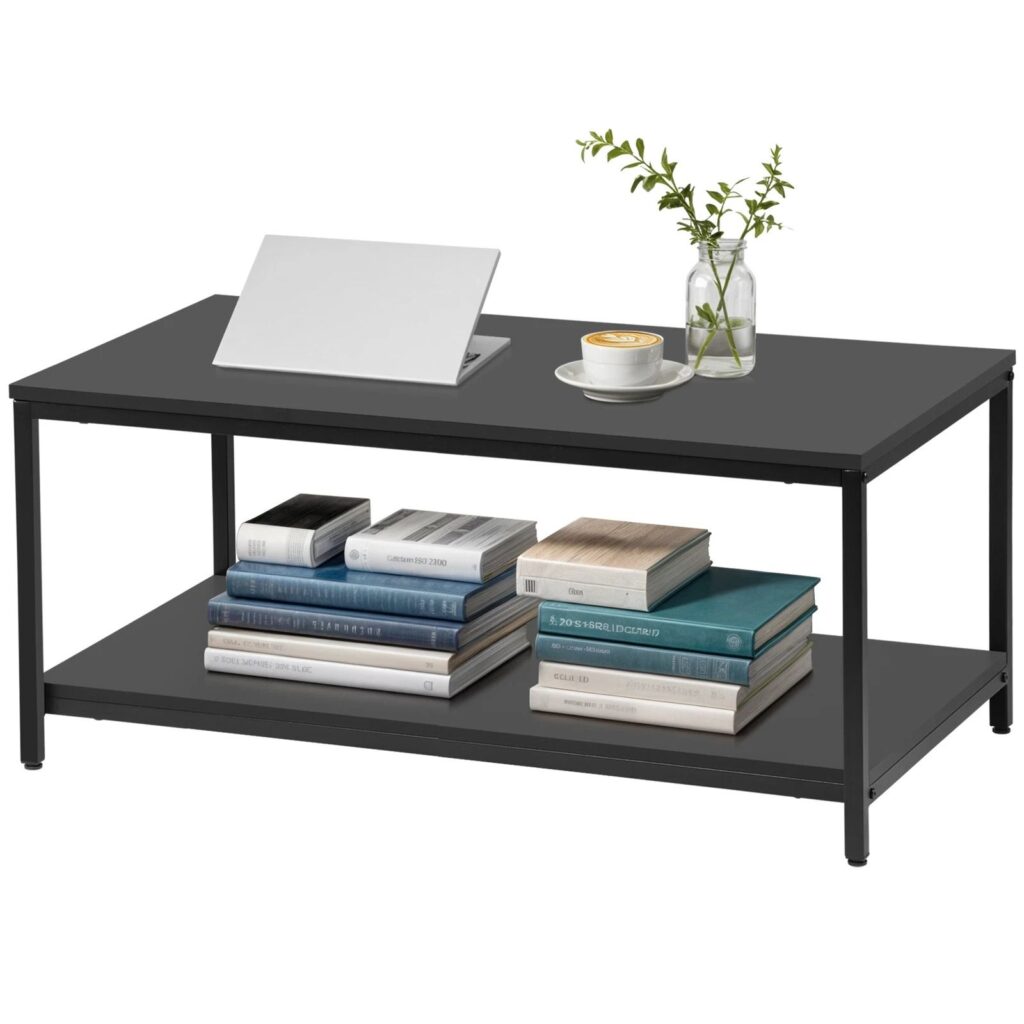
 Aisha's pickModern Coat Hangers You’ll Keep for Years
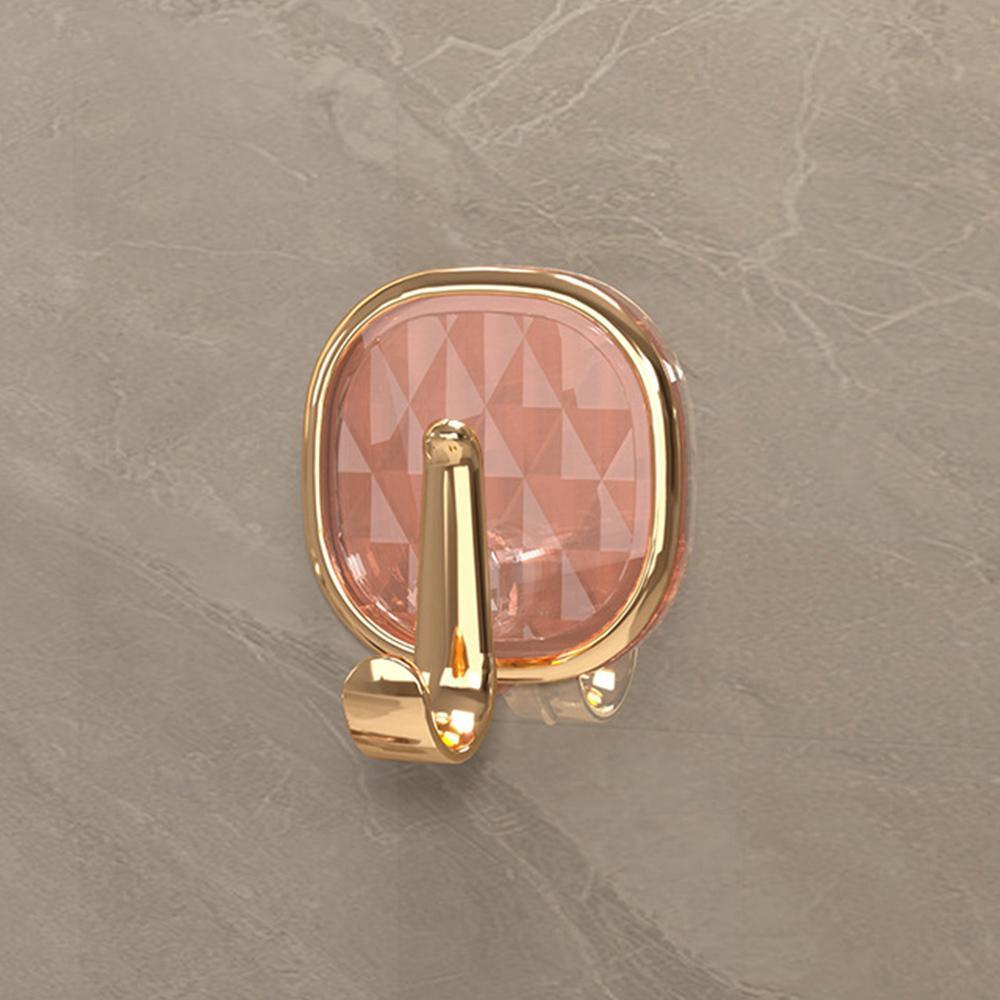
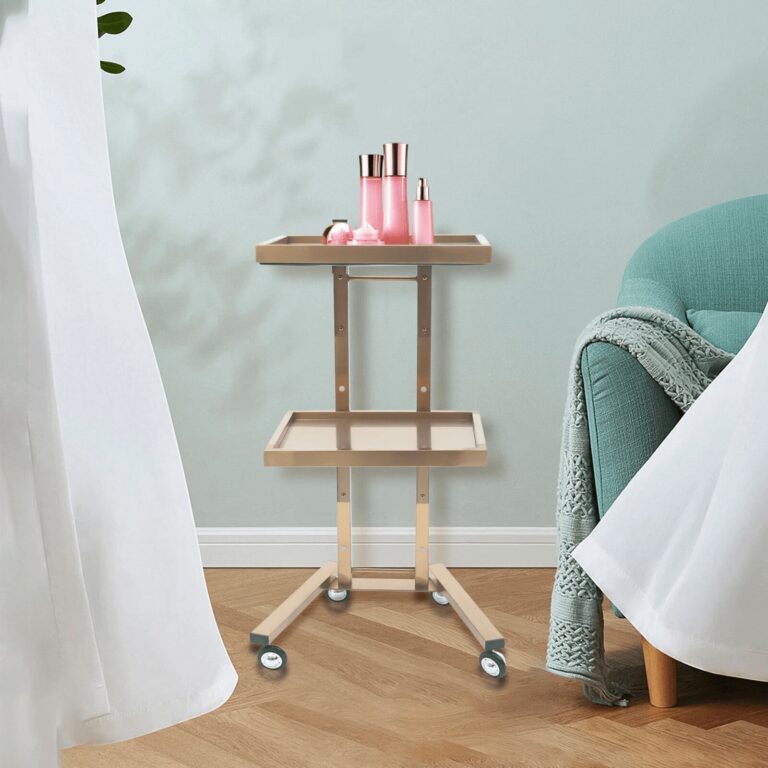 Aisha's pickModern Storage Carts Worth Knowing About
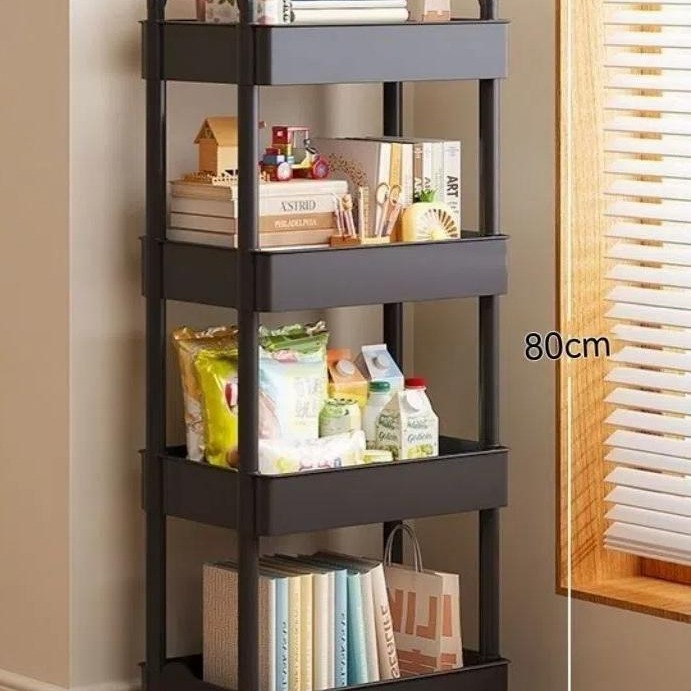
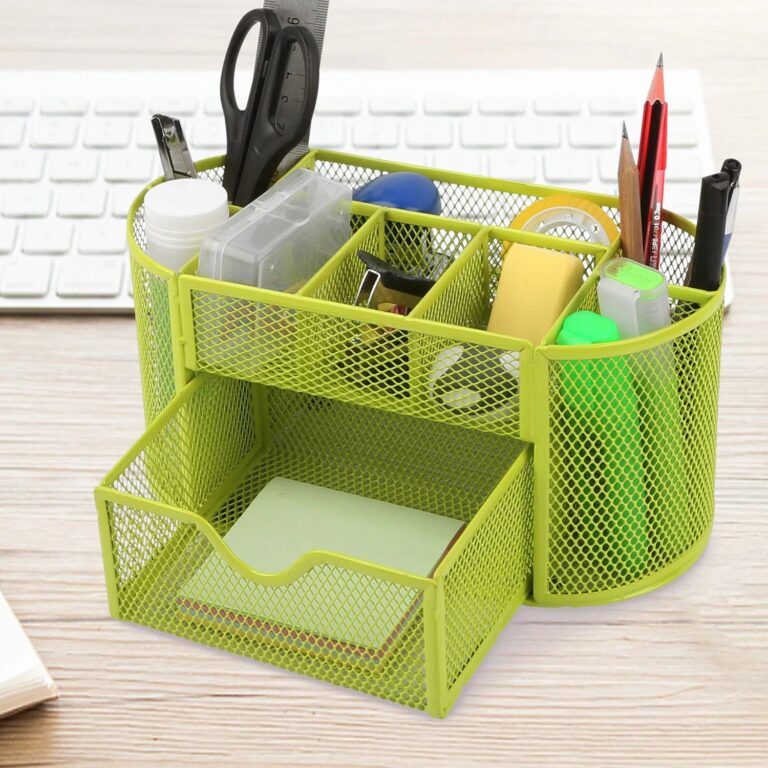 Aisha's pickPen Holders for Desk That Earn Their Keep
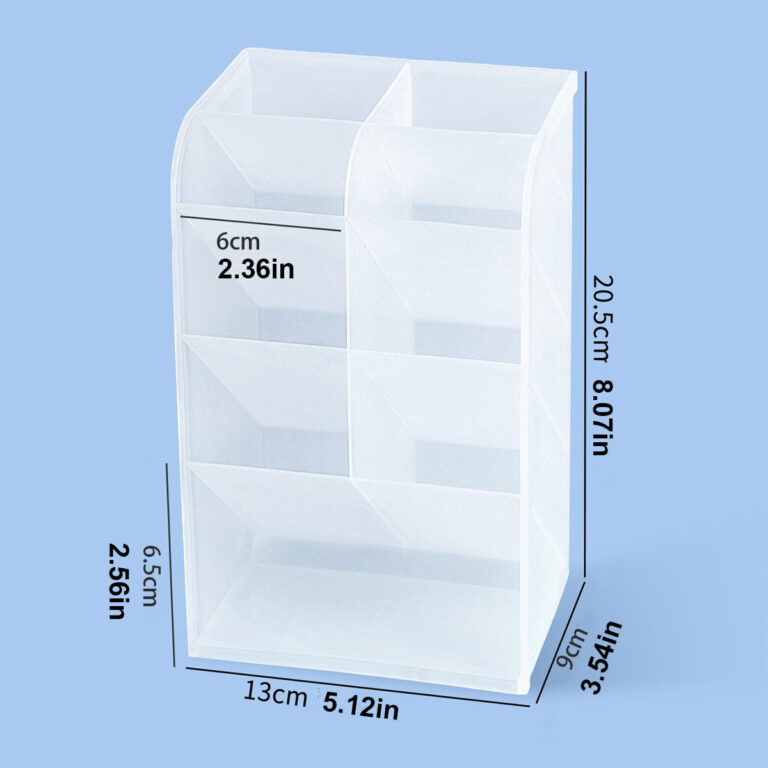
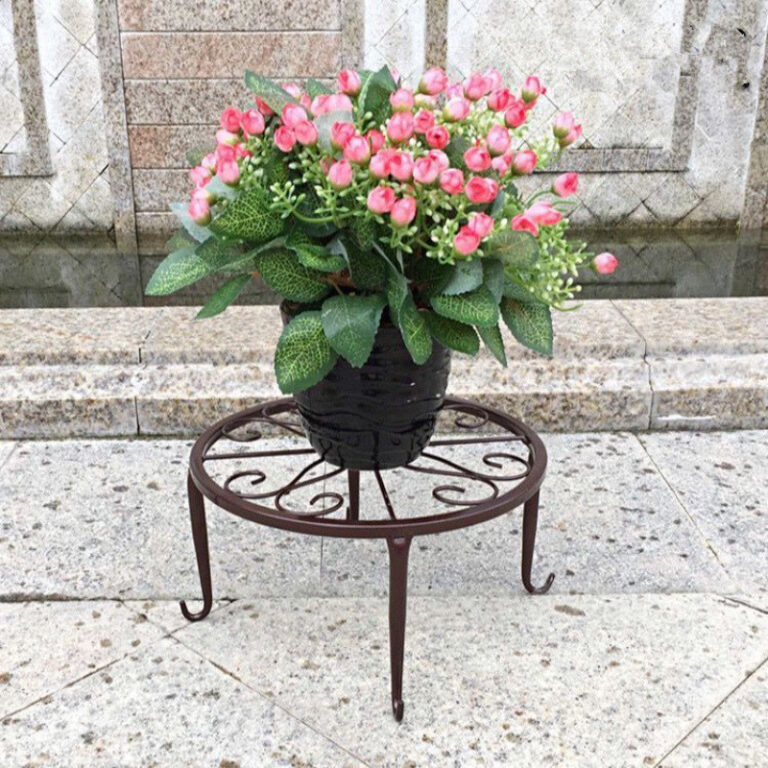 Aisha's pickPlastic Plant Stands That Don’t Shout About It
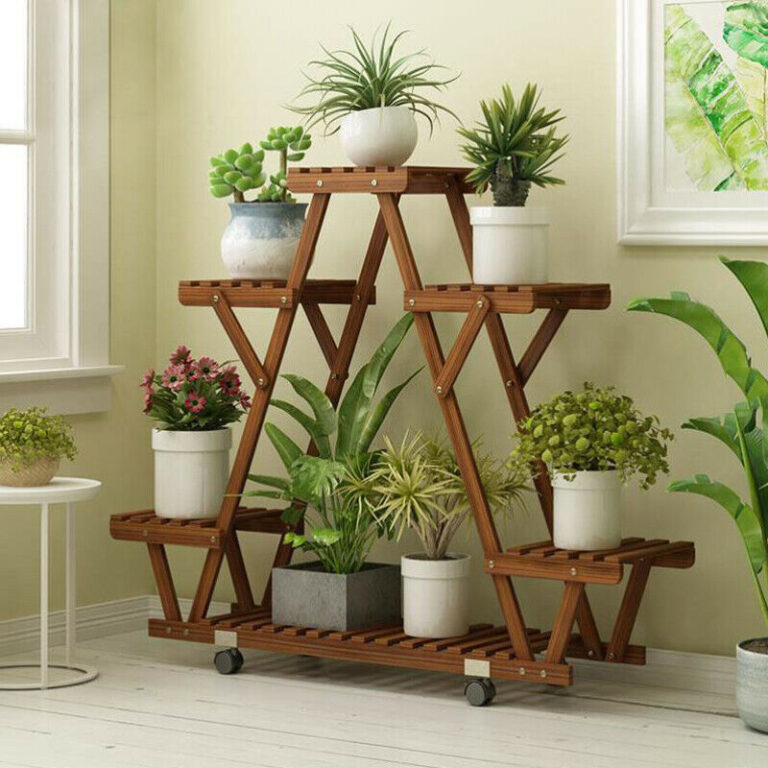
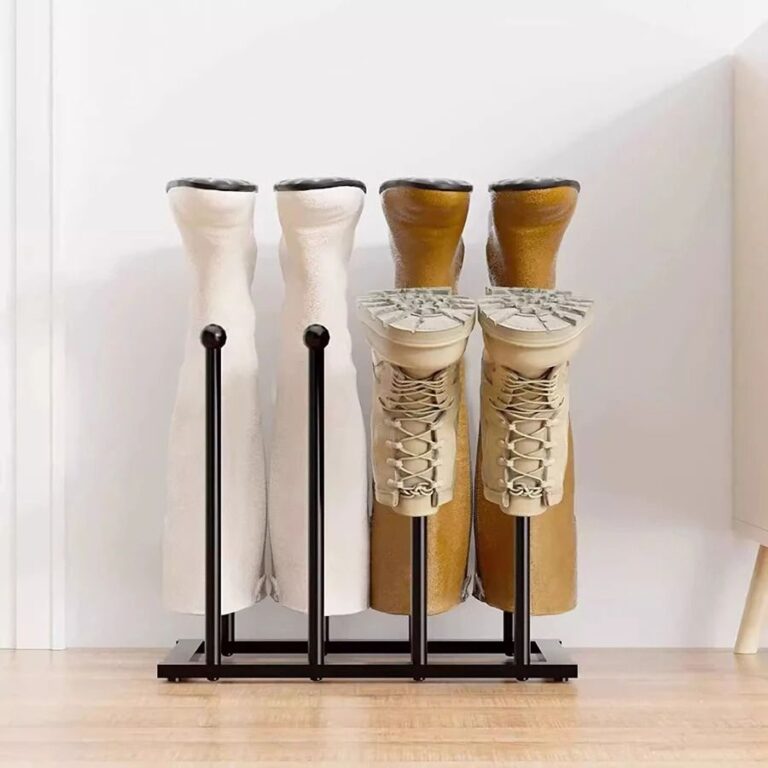 Aisha's pickBoot Racks You Won’t Want to Hide Away
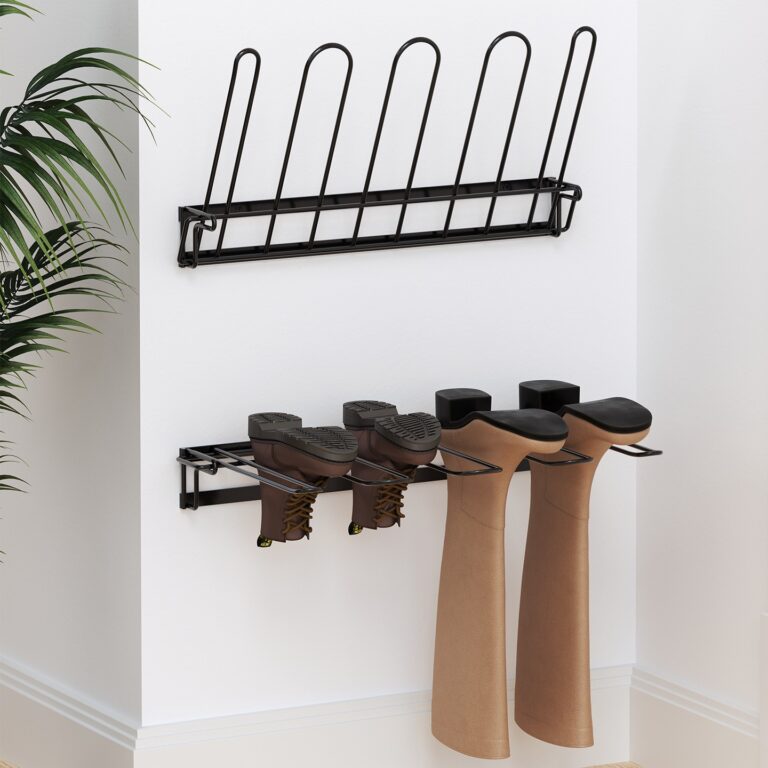
 Aisha's pickDesktop Monitor Stands for People Who Know What They Like
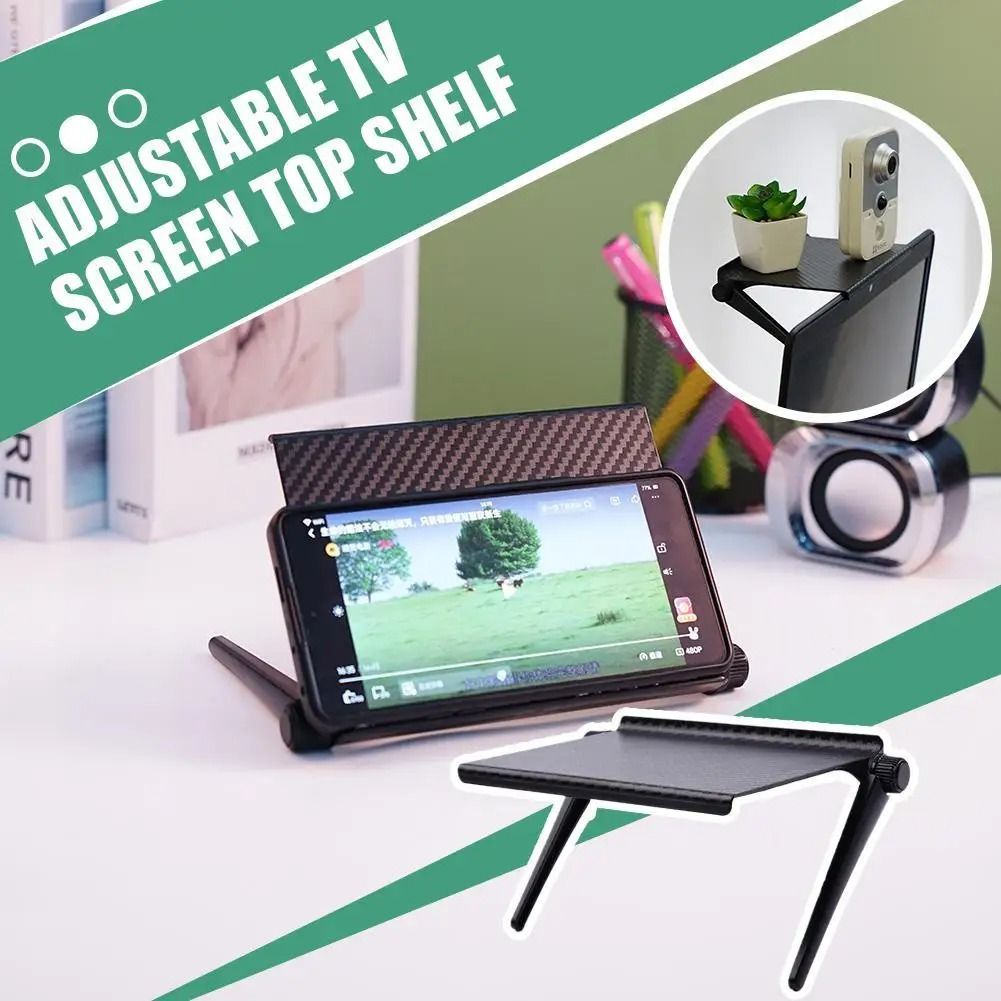
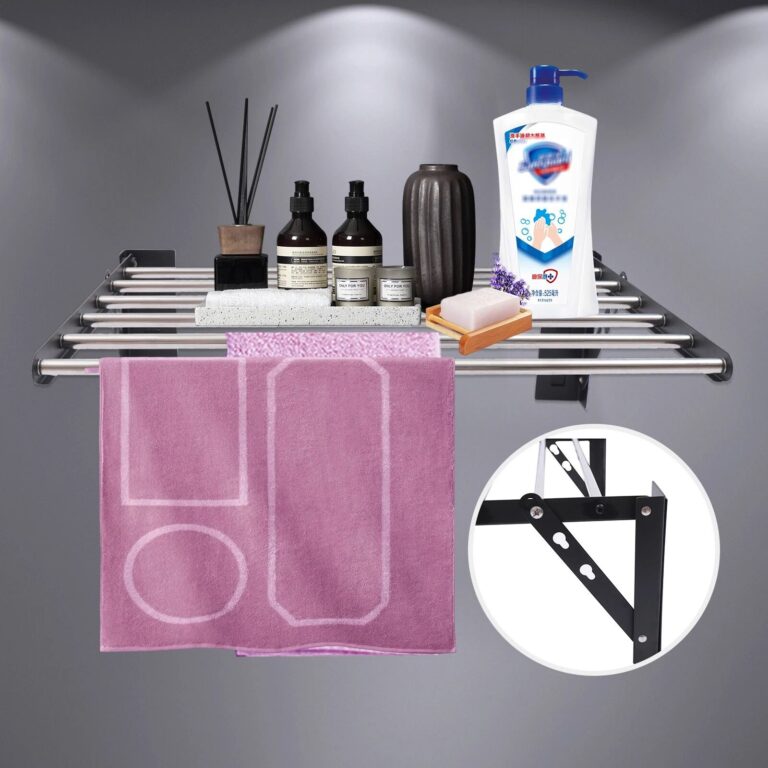
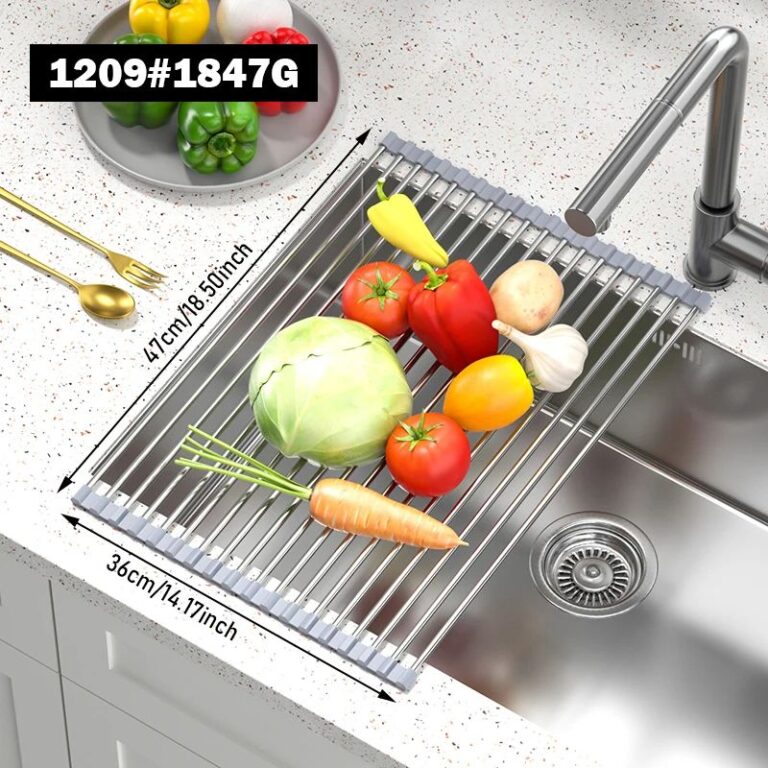 Aisha's pickDecent Foldable Drying Racks Without the HassleAlso worth a lookCartsFor a long time I thought a cart was just a tray with wheels, the kind of thing you'd buy because the aisle was there and the price was low.See the collections →
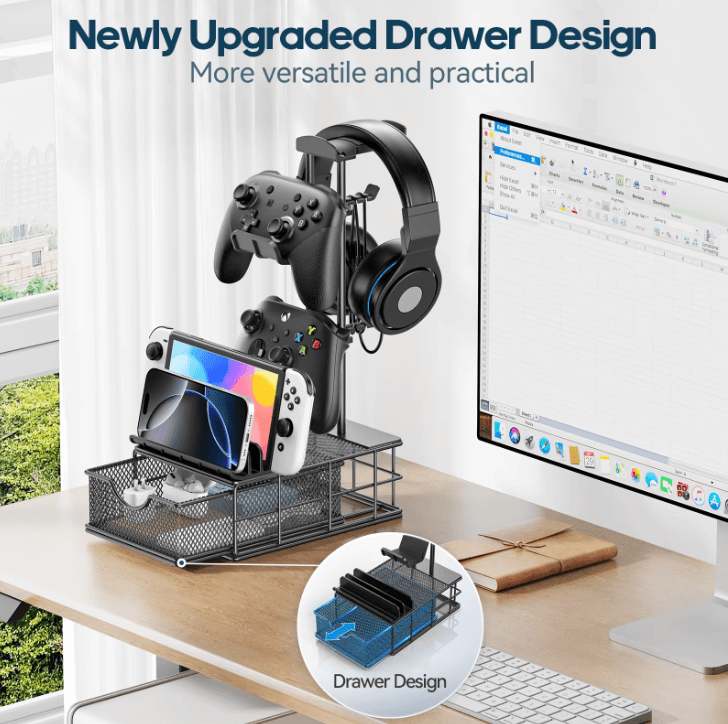 Aisha's pickHeadset Stands That Make Small Changes Feel Big

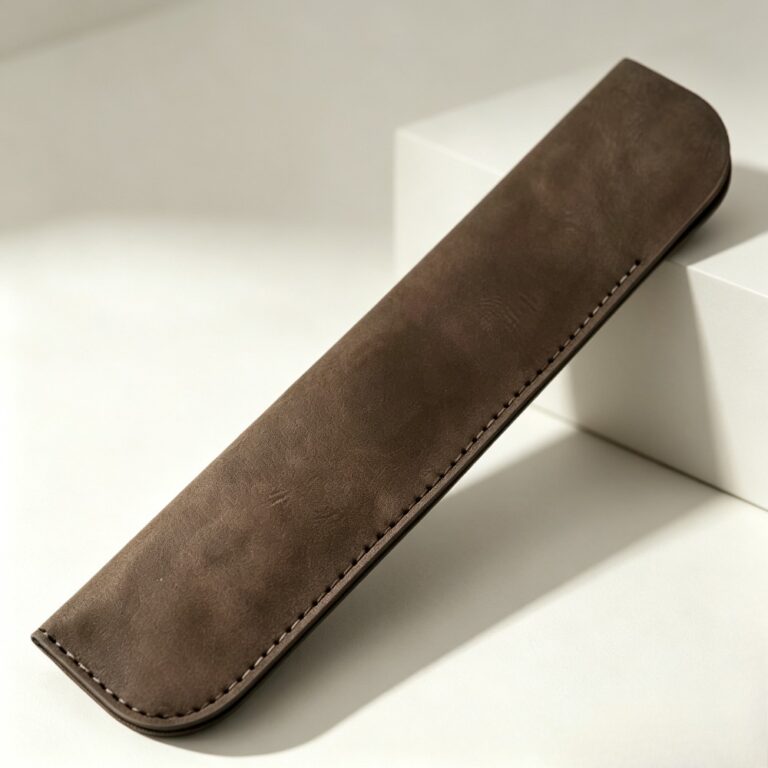 Aisha's pickLeather Pencil Holders That Look Good Up Close

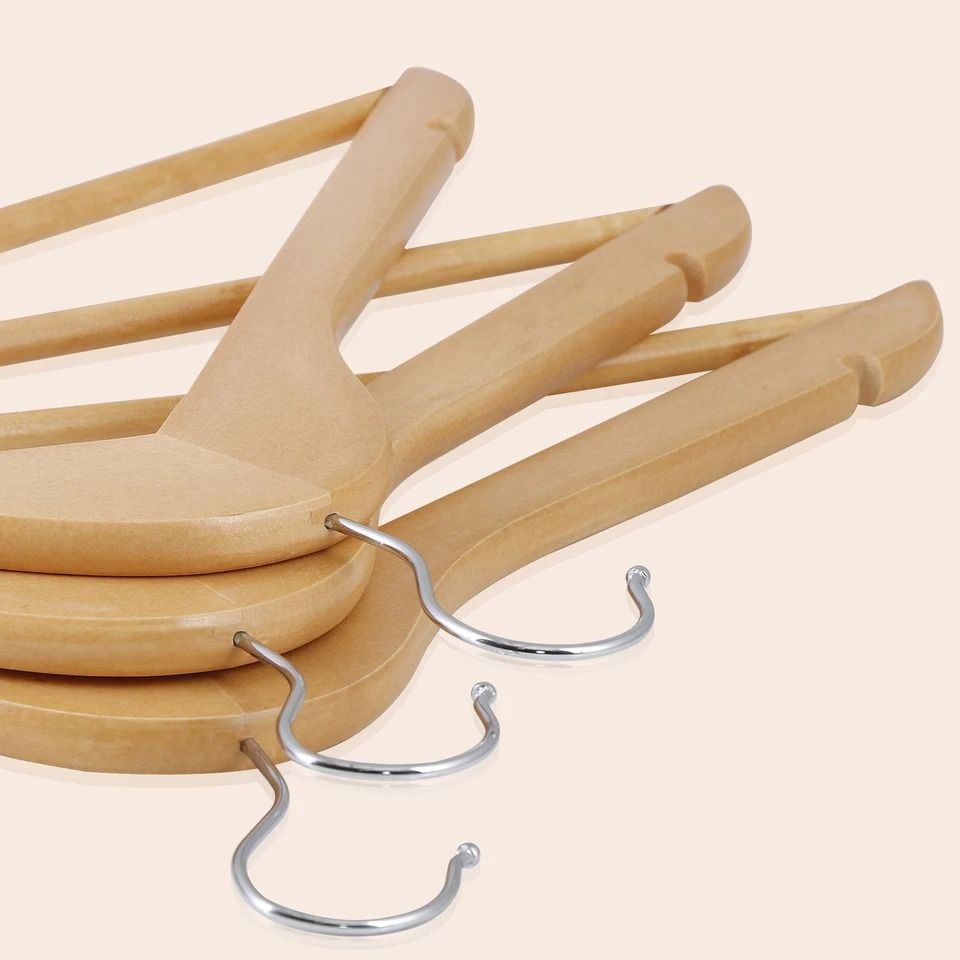 Aisha's pickNon Slip Wooden Hangers With Room for More Than You’d Think

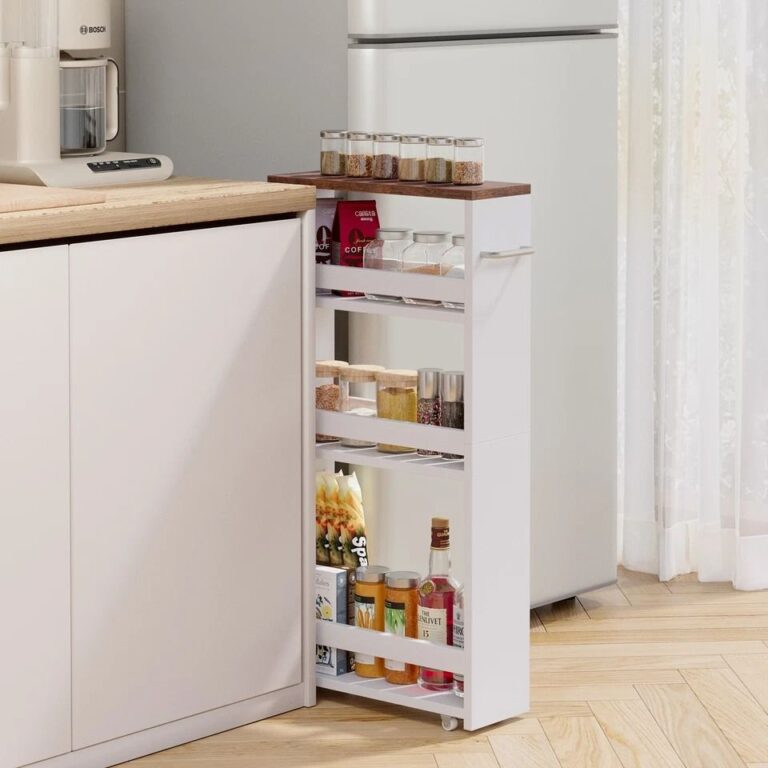 Aisha's pickRolling Carts That Swallow the Clutter
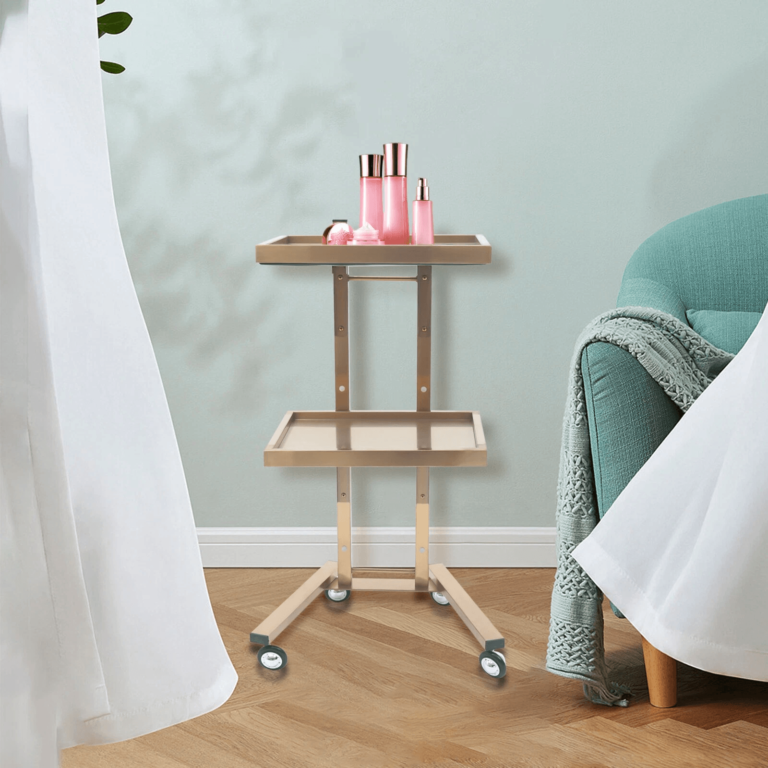
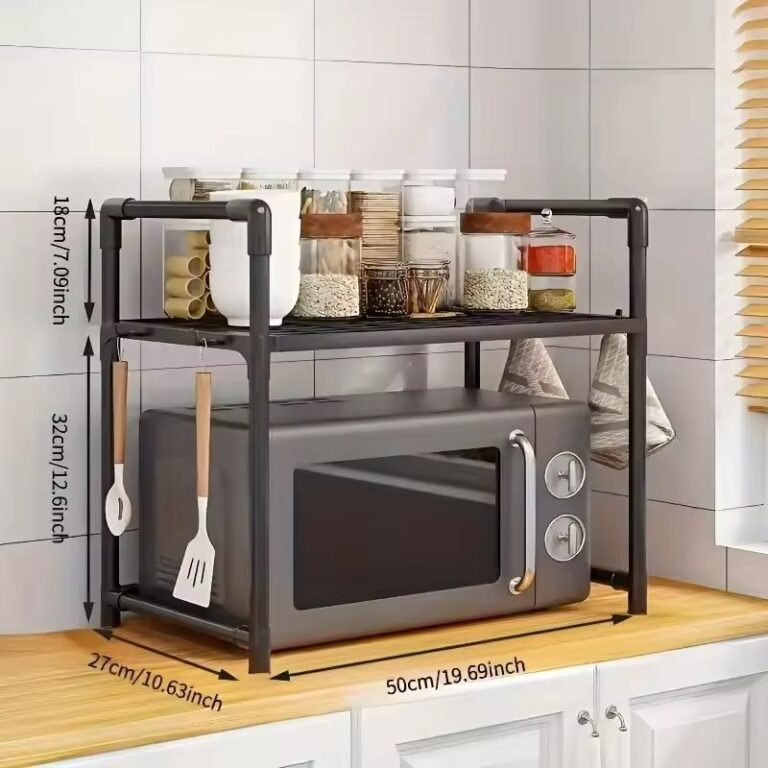 Aisha's pickSpice Racks for Busy Kitchens
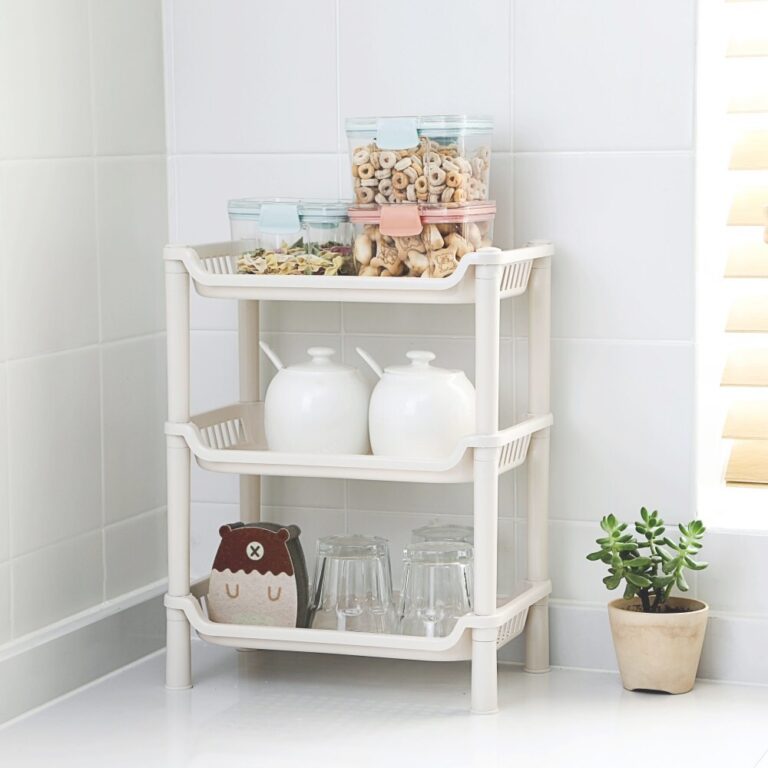
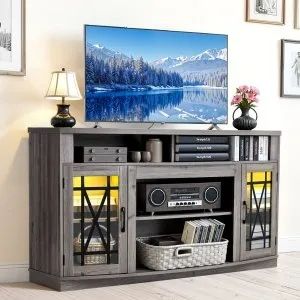 Aisha's pickTV Stands with Doors That Fit Into Real Life
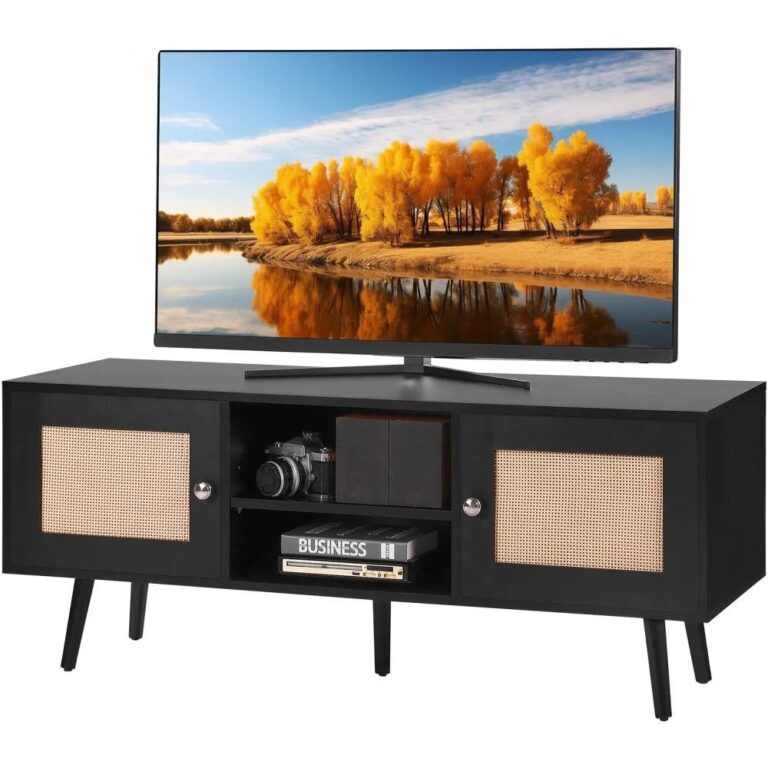
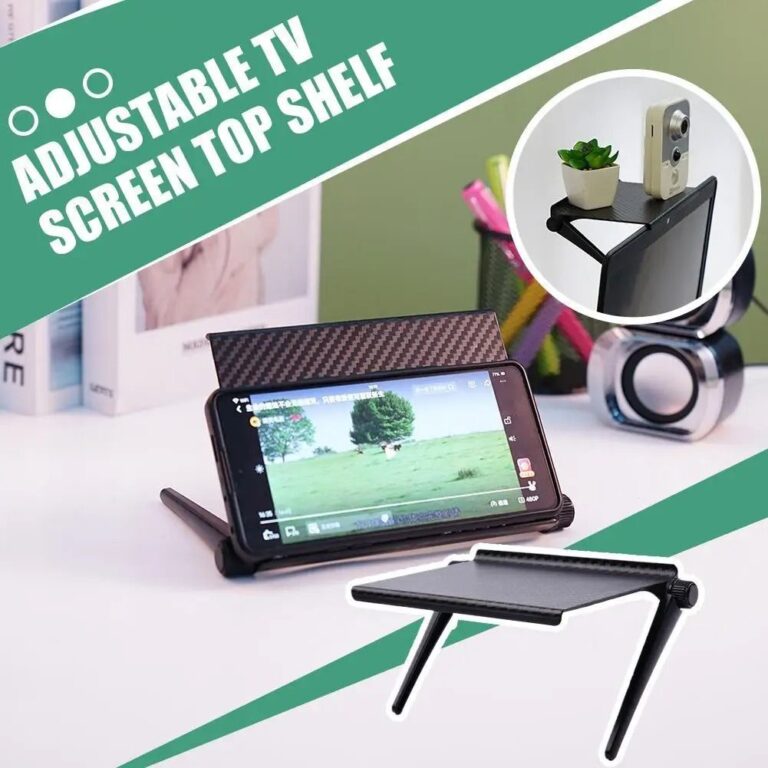 Aisha's pickWide TV Stands With a Bit More About Them
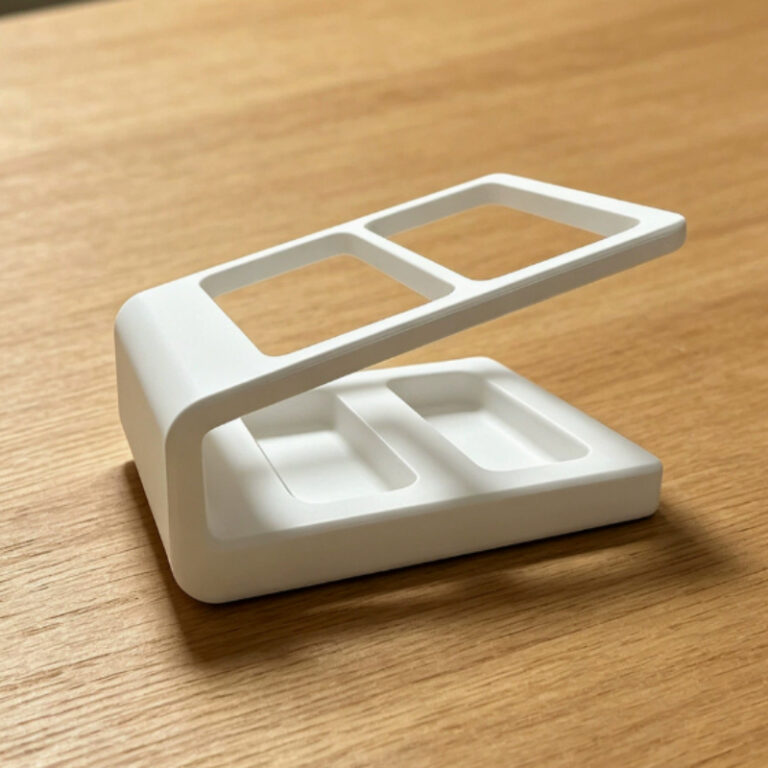
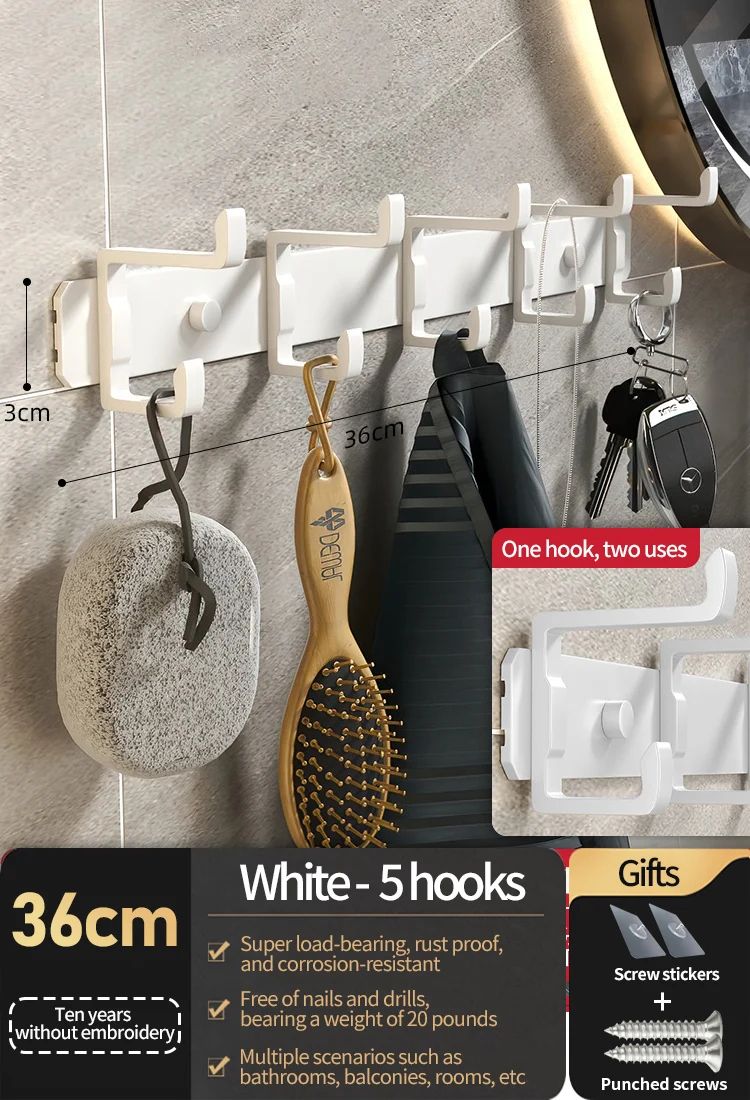 Aisha's pickOver Door Hooks with Storage We Keep Coming Back To
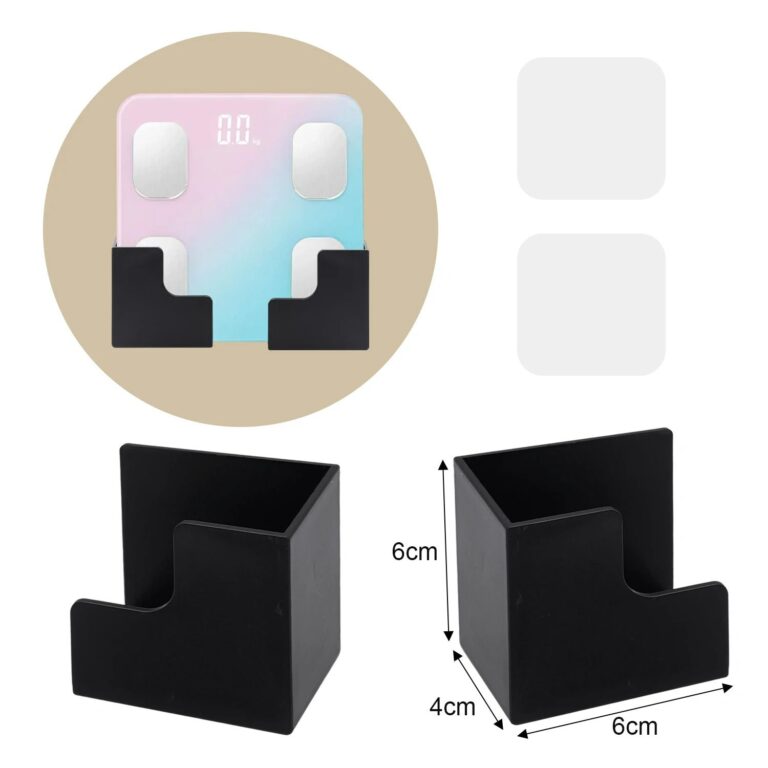
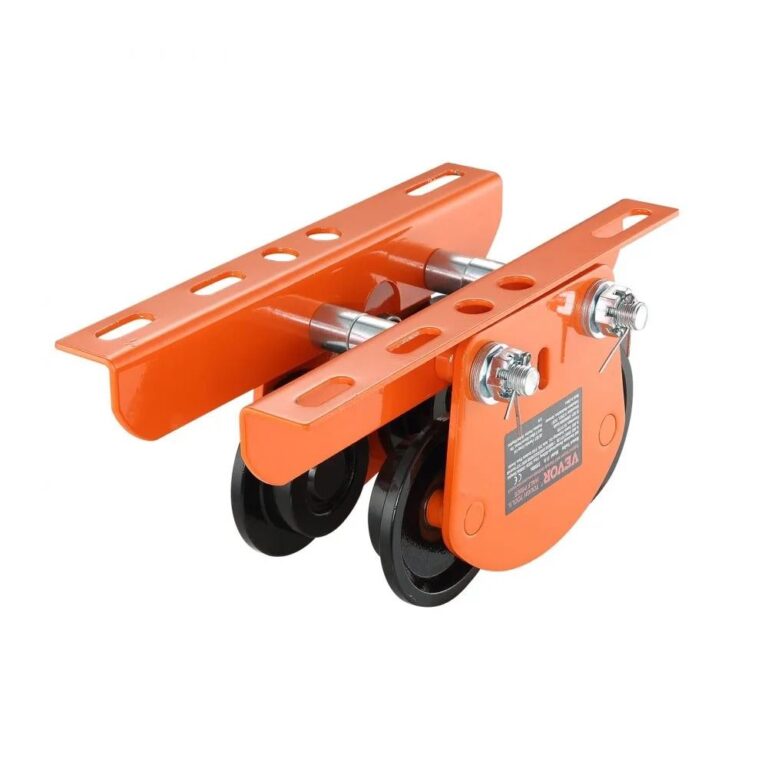 Aisha's pickIndustrial Storage Carts That Look Like They Cost MoreAlso worth a lookStorage CartsThe thing that never shows up in a listing photo is the sound.See the collections →
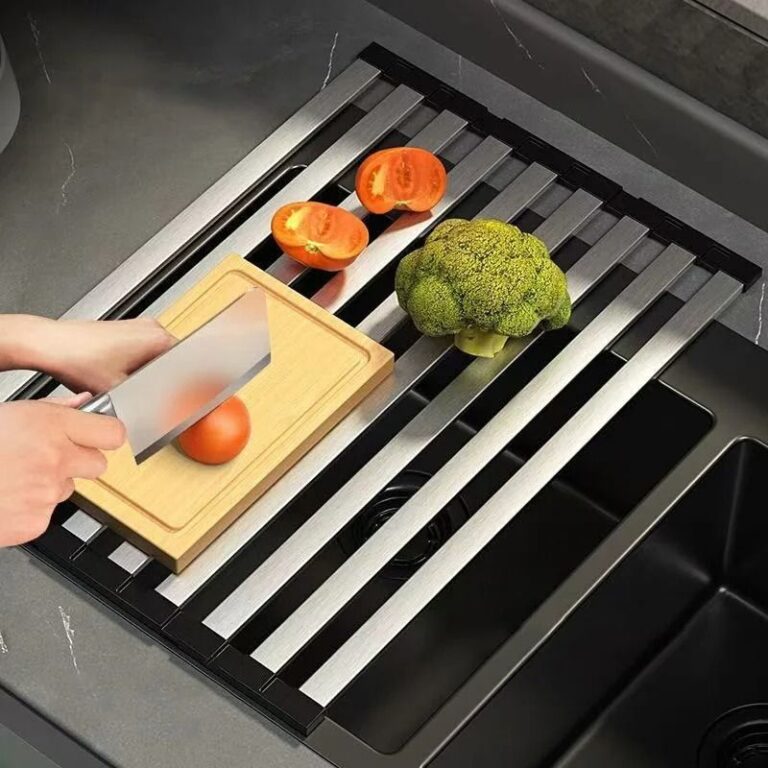 Aisha's pickWine Storage Racks for People Who Know What They Like
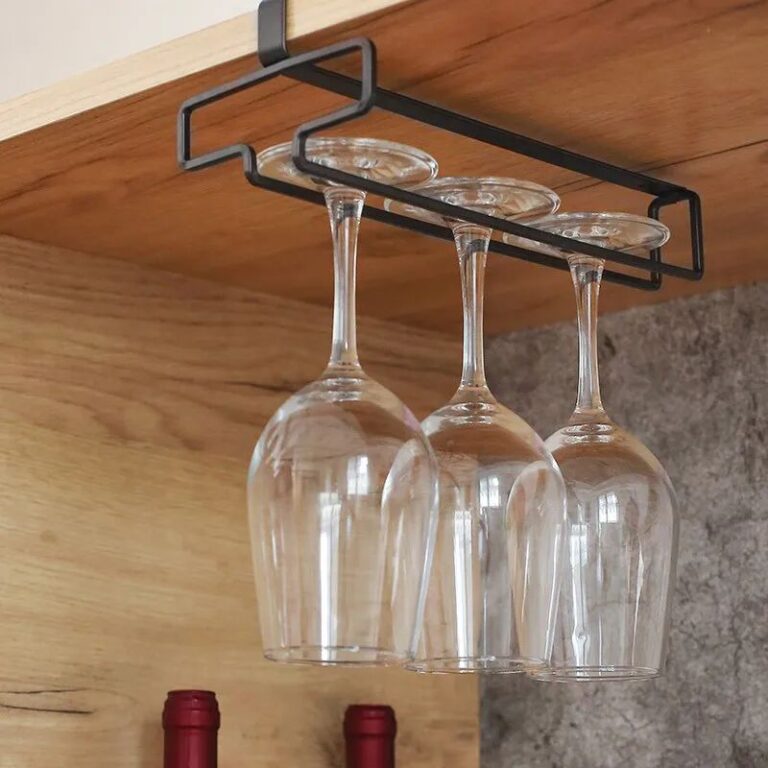
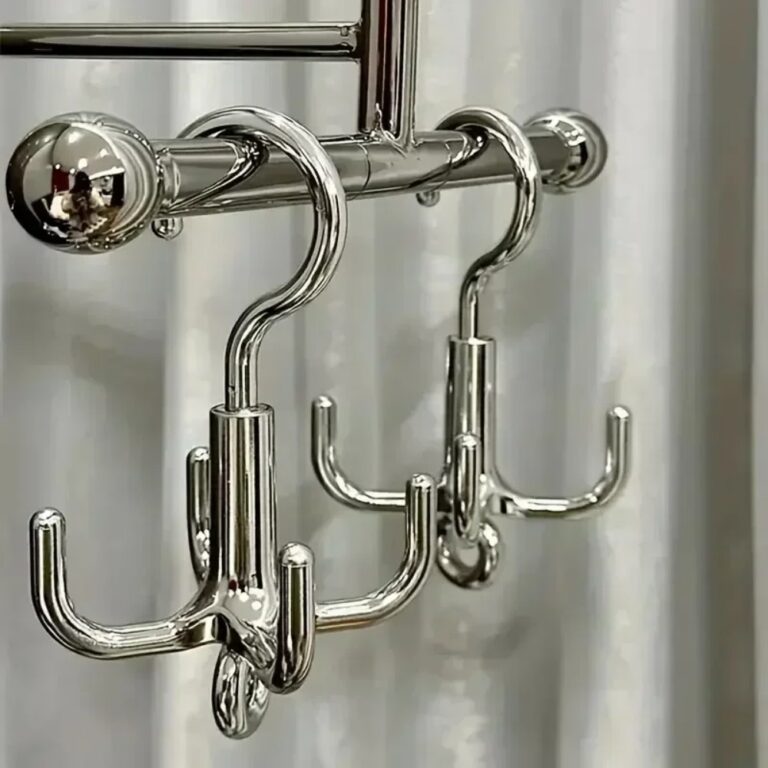 Aisha's pickWall Coat Racks That Sort Out the Pile by the Door
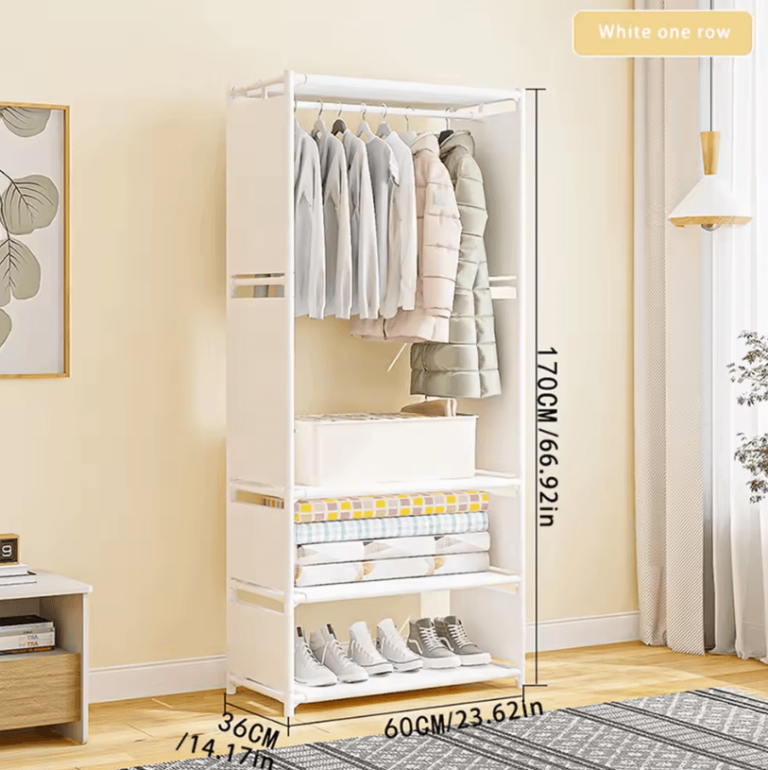
 Aisha's pickWhite Hat Stands for the Bits That Never Have a Home
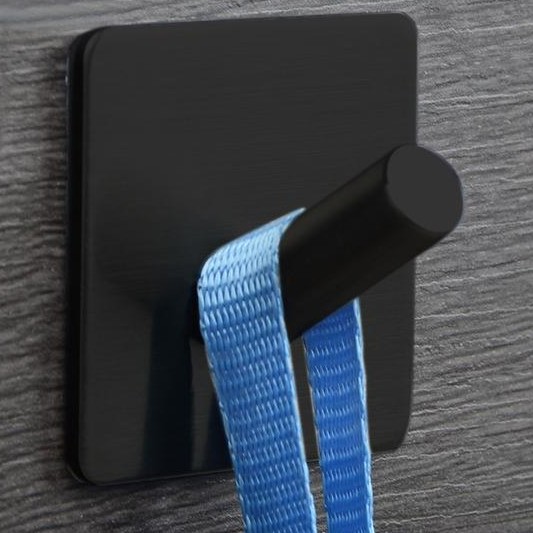 Aisha's pickBlack Coat Racks That Sort Out the Pile by the Door
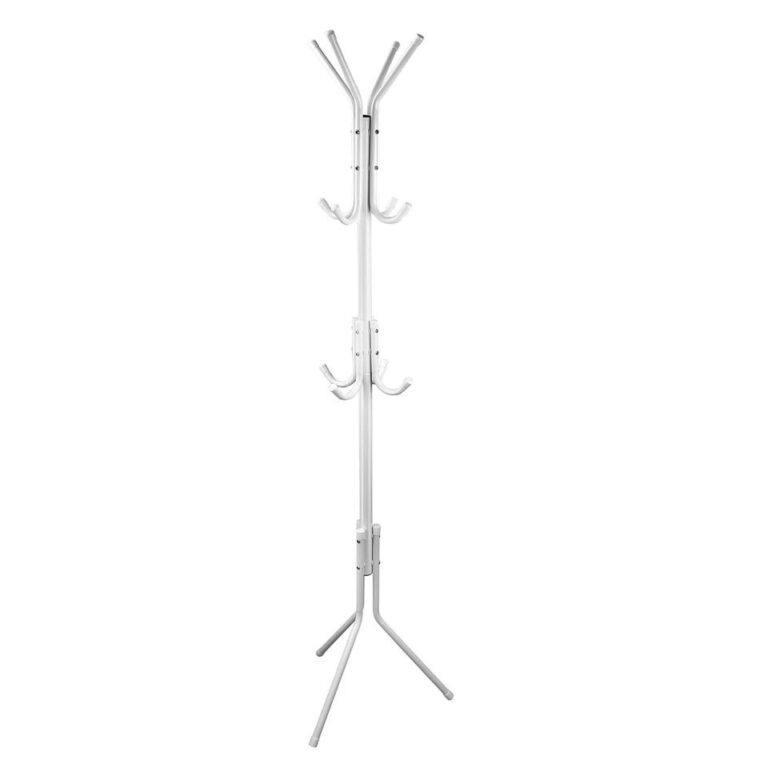
 Aisha's pickBlack Pen Holders We Wish We’d Bought Sooner

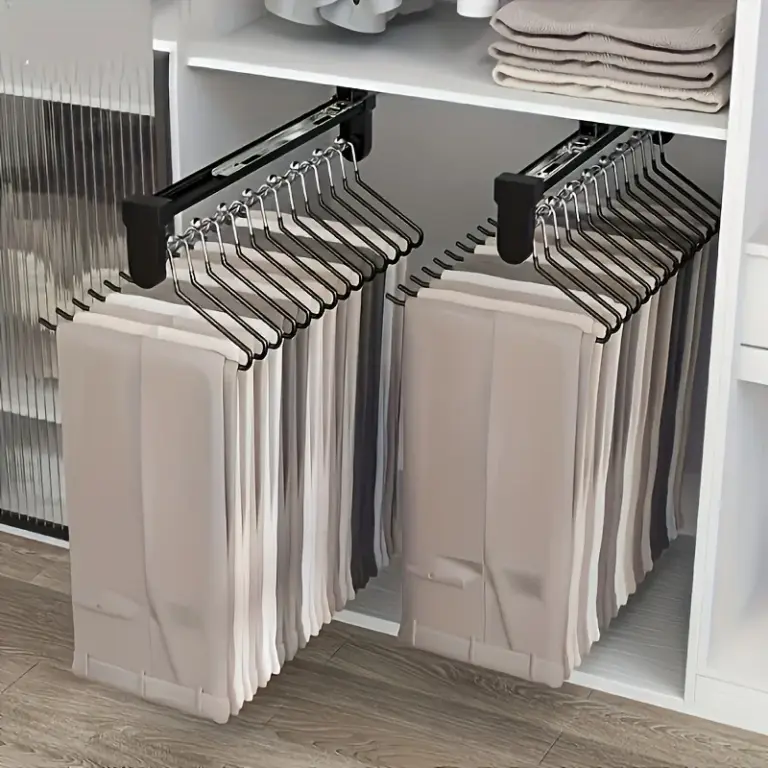 Aisha's pickClothes Rails With Room for More Than You’d Think

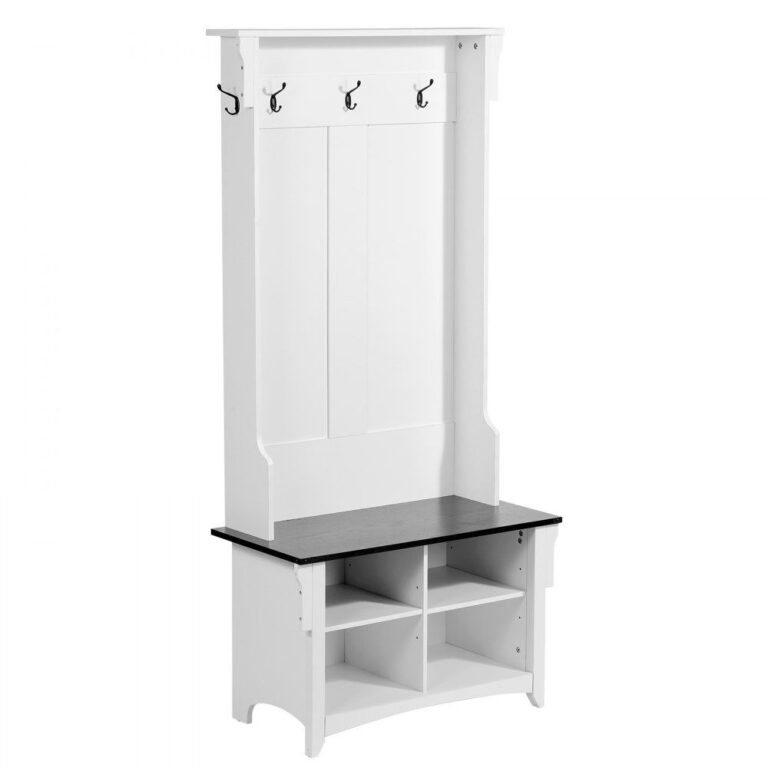 Aisha's pick5 Hook Coat Racks That Look Good Even When Full

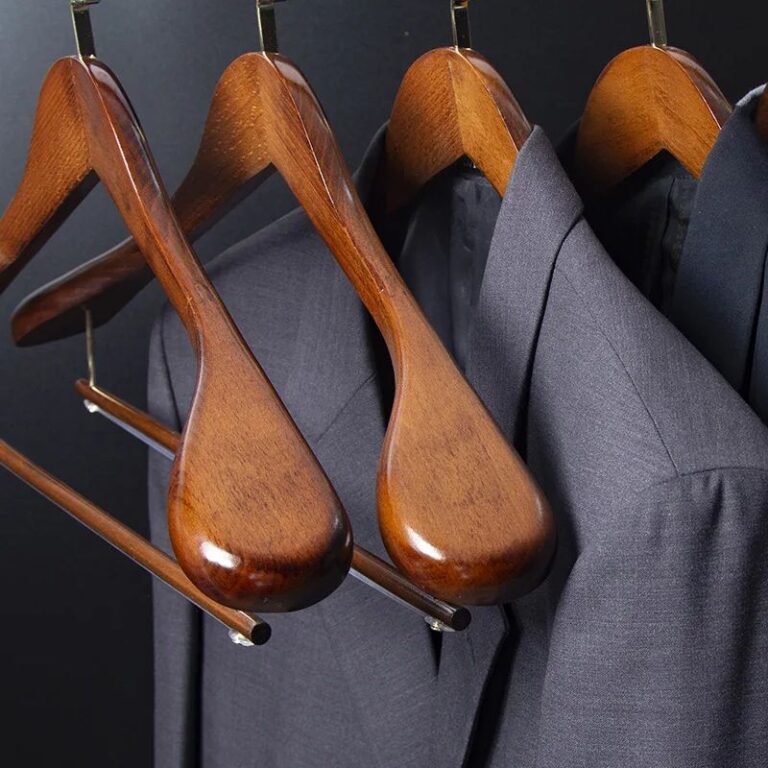 Aisha's pickPlastic Coat Hangers for Narrow Hallways