A metal rack is for holding things in the open where you can see them and reach them without opening a single door: pots over a stove, towels in a bathroom, coats by an entryway, pantry goods you actually use every week. It does the job a cupboard does, but faster, and it makes you deal with your own clutter because there's nowhere to hide it.
Before you buy one, measure the wall or corner with a tape measure, not your eye, because metal racks read as bigger and heavier once they're actually standing in a room than they do in a photo. Check the width against the full run of wall you want it on, not just the gap between two things, and leave at least a few inches of breathing room on either side so it doesn't look wedged in. For anything wall mounted, find the studs first and check the weight rating against what you plan to hang on it, since a rack loaded with cast iron pans needs more than a couple of drywall anchors and a prayer. Shelf depth matters more than people expect too: shallow shelves look neat but won't hold a stack of plates or a bulky basket, so bring the actual items you want to store and see if they fit before you commit. A rack that's open on all sides will always make a room feel lighter than a boxy cabinet, but that only works in your favor if what's on it is tidy, so be honest with yourself about whether you're a display person or a shove it on the shelf person. These suit kitchens, pantries, mudrooms, bathrooms, workshops and any room where you want things visible and grabbable rather than tucked away, and they're especially good in smaller or rented homes where built in storage is scarce and you need something you can take with you when you move. They tend to clash with rooms that are already busy with pattern or color, a metal rack full of odds and ends on top of a patterned wallpaper just reads as noise, and they don't belong anywhere you're trying to keep a cleaner, more finished look, like a formal dining room or a bedroom you want to feel calm. If you're starting with nothing, go for a simple, sturdy shelving unit in a kitchen or pantry first, black or raw steel rather than anything coated or fussy, since that's the one that will take the most daily use and show you quickest whether open storage actually suits how you live. I'd put the first one in the kitchen, somewhere near the stove where you reach for the same five things every single day.

 Aisha's pickMetal Book Stands We Keep Coming Back To

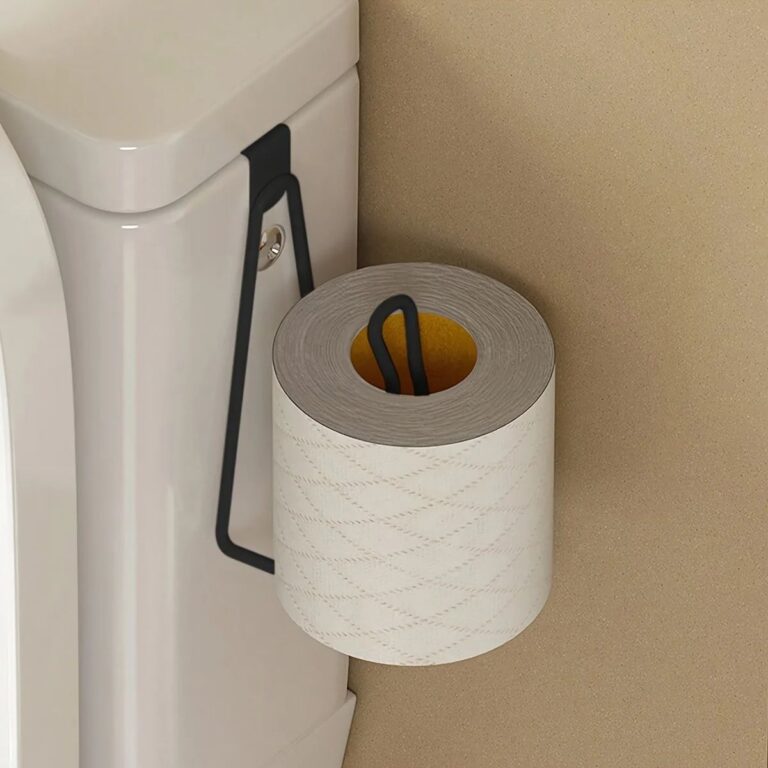 Aisha's pickShopping for Metal Key Holders? Start Here

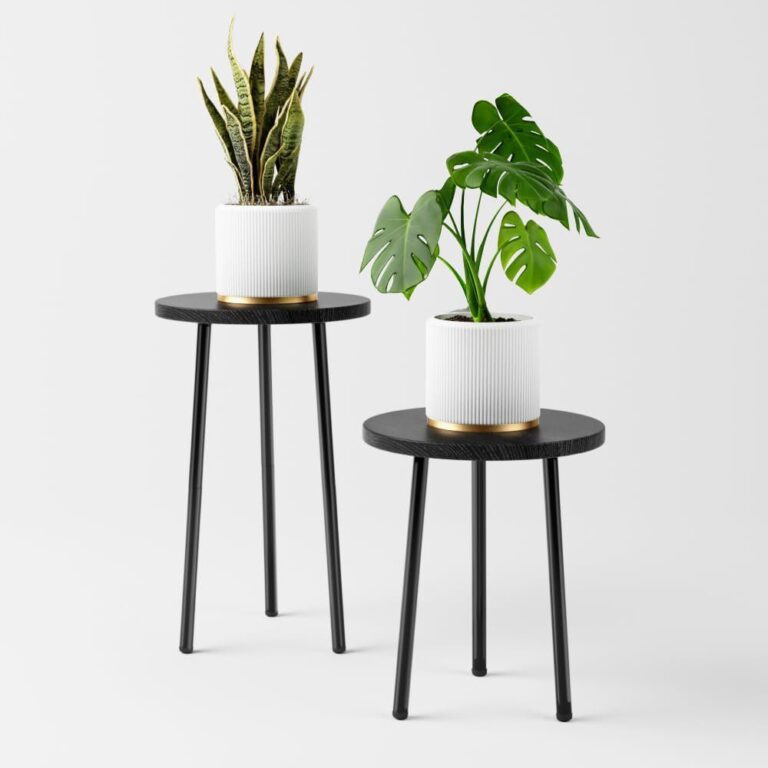
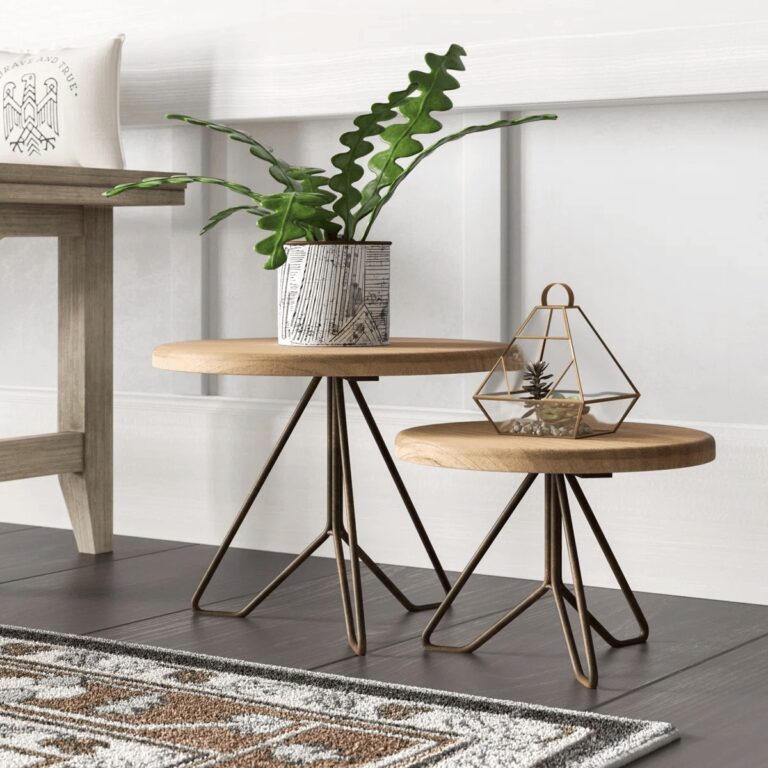 Aisha's pickRound Metal Plant Stands for Homes With Too Much Stuff
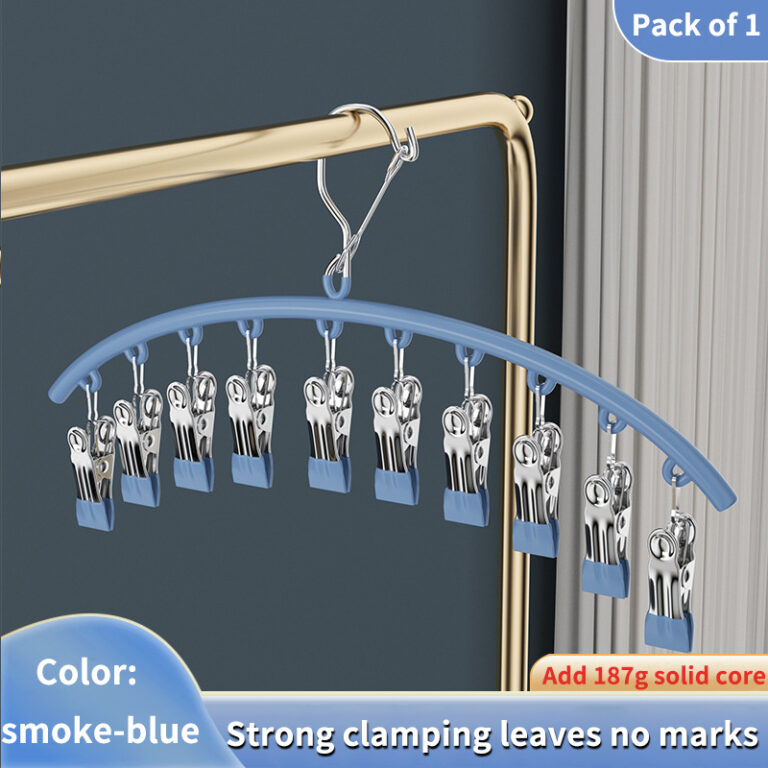 Aisha's pickMetal Clothes Racks That Make Tidying Up Quicker
 Aisha's pickMetal Key Holders with Storage That Keep Surfaces Clear

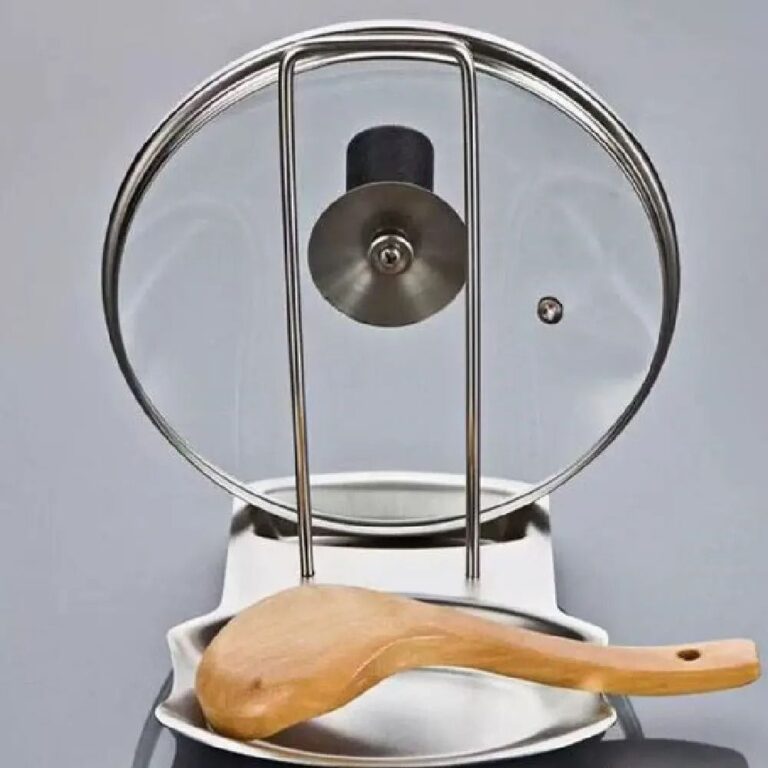 Aisha's pickStainless Steel Iron Holders That Work in Old Houses and New Ones
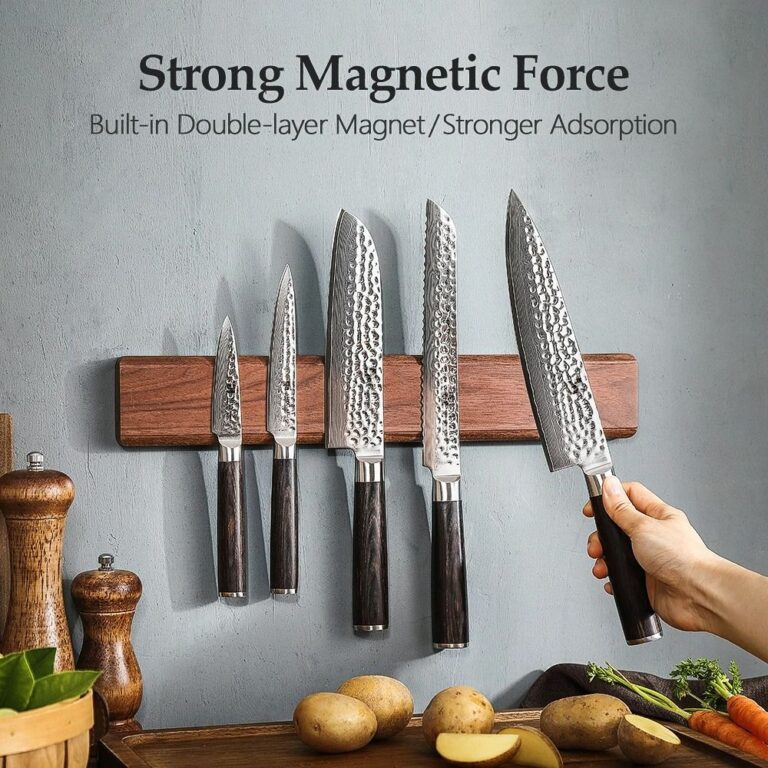
 Aisha's pickMetal Coat Hanger Racks We’d Buy Again

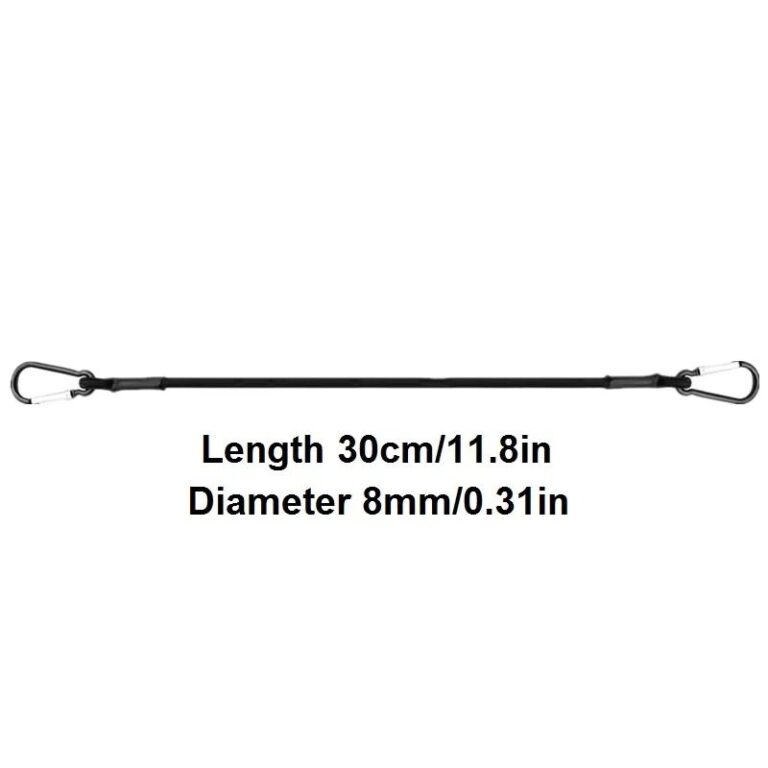 Aisha's pickMetal Key Hooks You’ll Still Like in Five Years
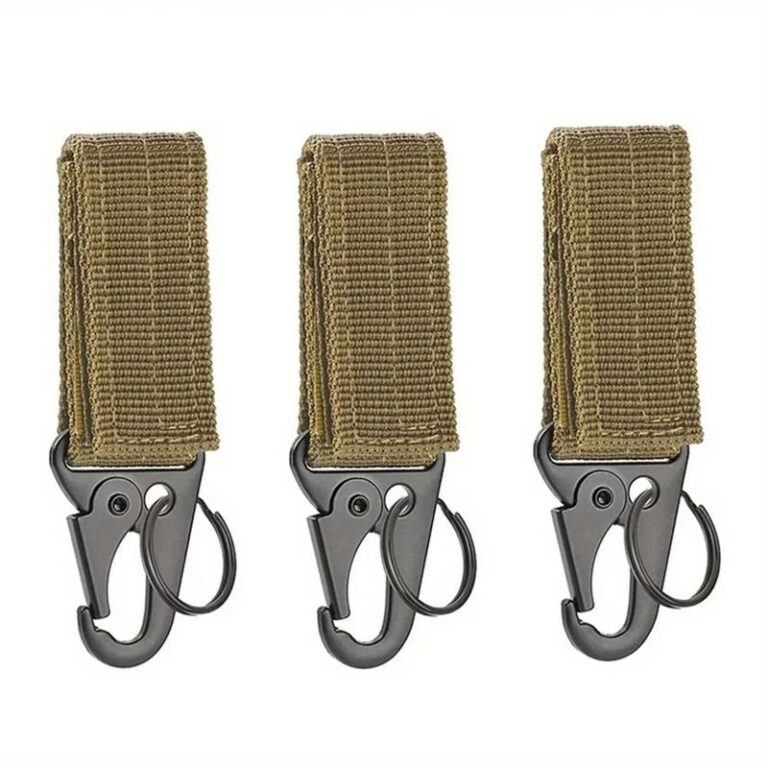
 Aisha's pickStainless Steel Key Holders That Earn Their KeepAlso worth a lookCartsFor a long time I thought a cart was just a tray with wheels, the kind of thing you'd buy because the aisle was there and the price was low.See the collections →
 Aisha's pickMetal Coat Hangers for Narrow Hallways
 Aisha's pickMetal Key Hooks for the Bits That Never Have a Home

 Aisha's pickStainless Steel Key Hooks for Making a House Feel Like Yours
 Aisha's pickMetal Coat Hooks From Brands You Know and a Few You Won’t
 Aisha's pickMetal Night Stands That Don’t Look Mass Produced

 Aisha's pickSteel Iron Holders for People Who Know What They Like
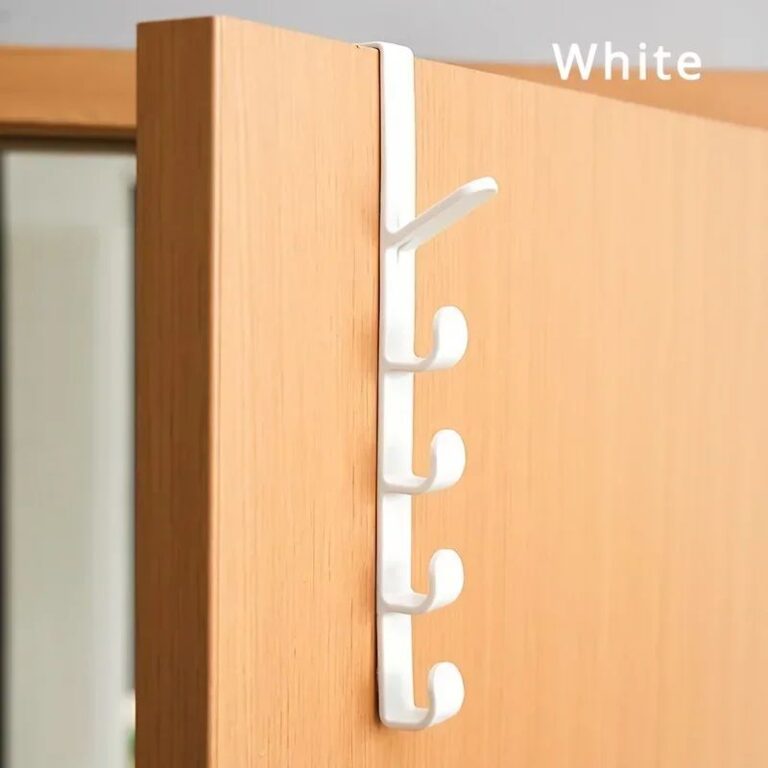 Aisha's pickMetal Coat Hooks with Storage That Make a Good First Impression
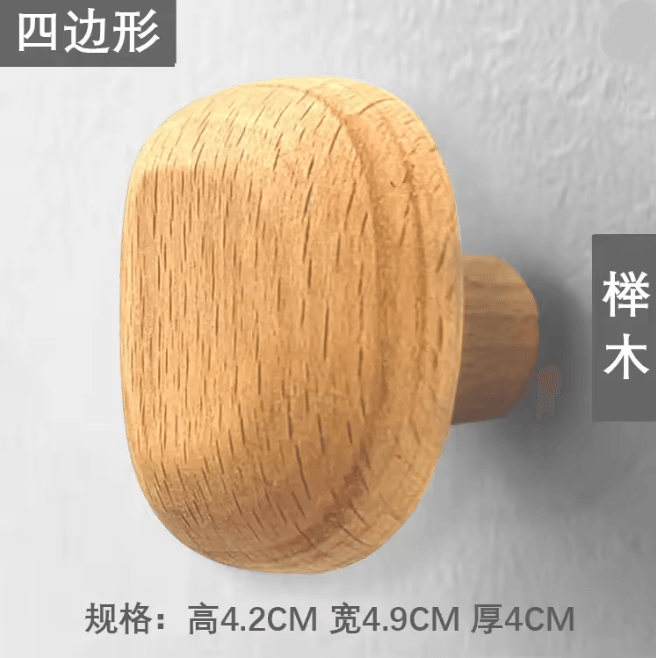
 Aisha's pickMetal Pen Holders We Wish We’d Bought Sooner
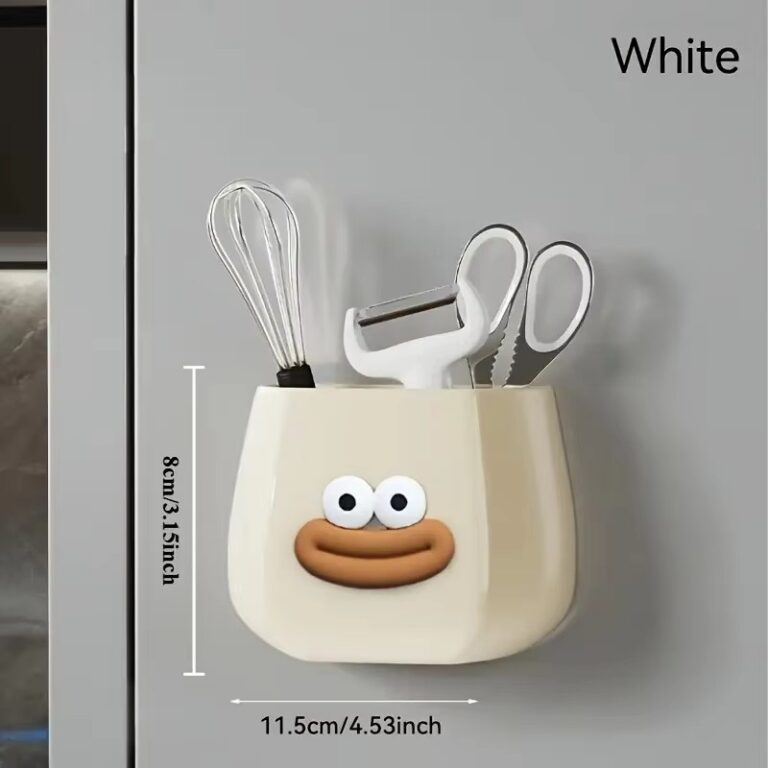
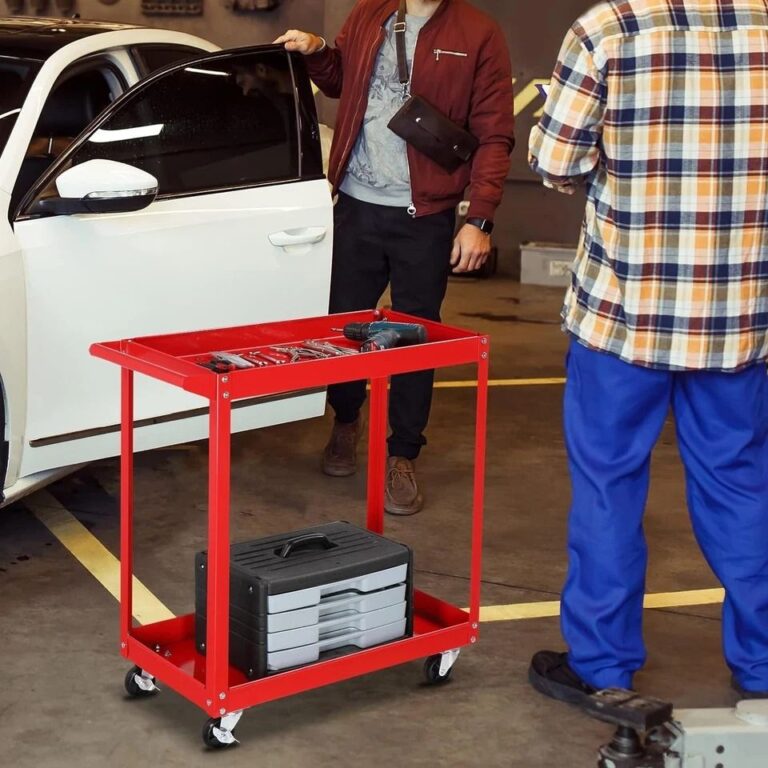 Aisha's pickSteel Rolling Carts That Make Tidying Up QuickerAlso worth a lookStorage CartsThe thing that never shows up in a listing photo is the sound.See the collections →
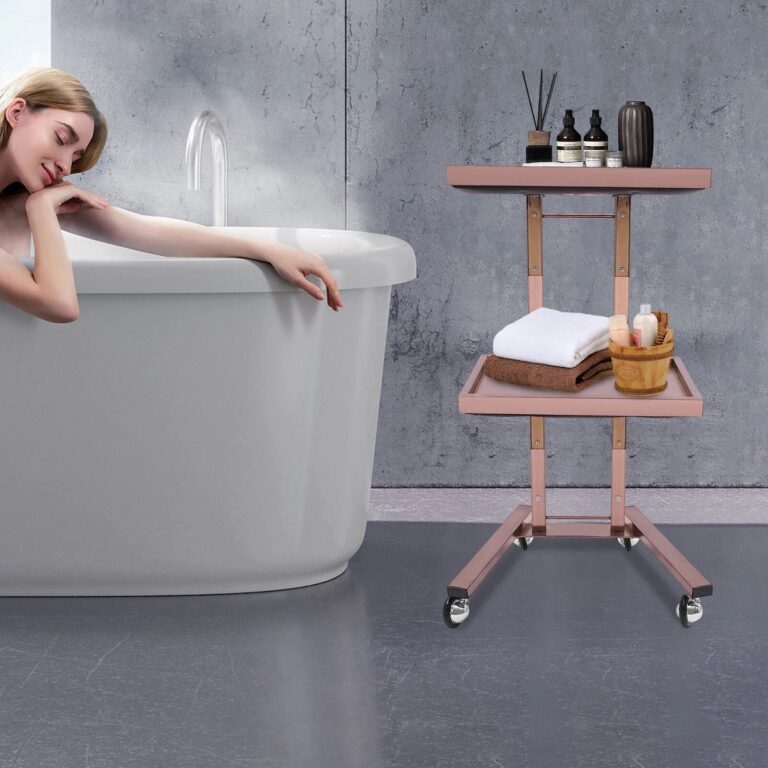
 Aisha's pickMetal Coat Racks Picked From the Stores We Trust
 Aisha's pickMetal Pencil Holders That Look Good Even When Full

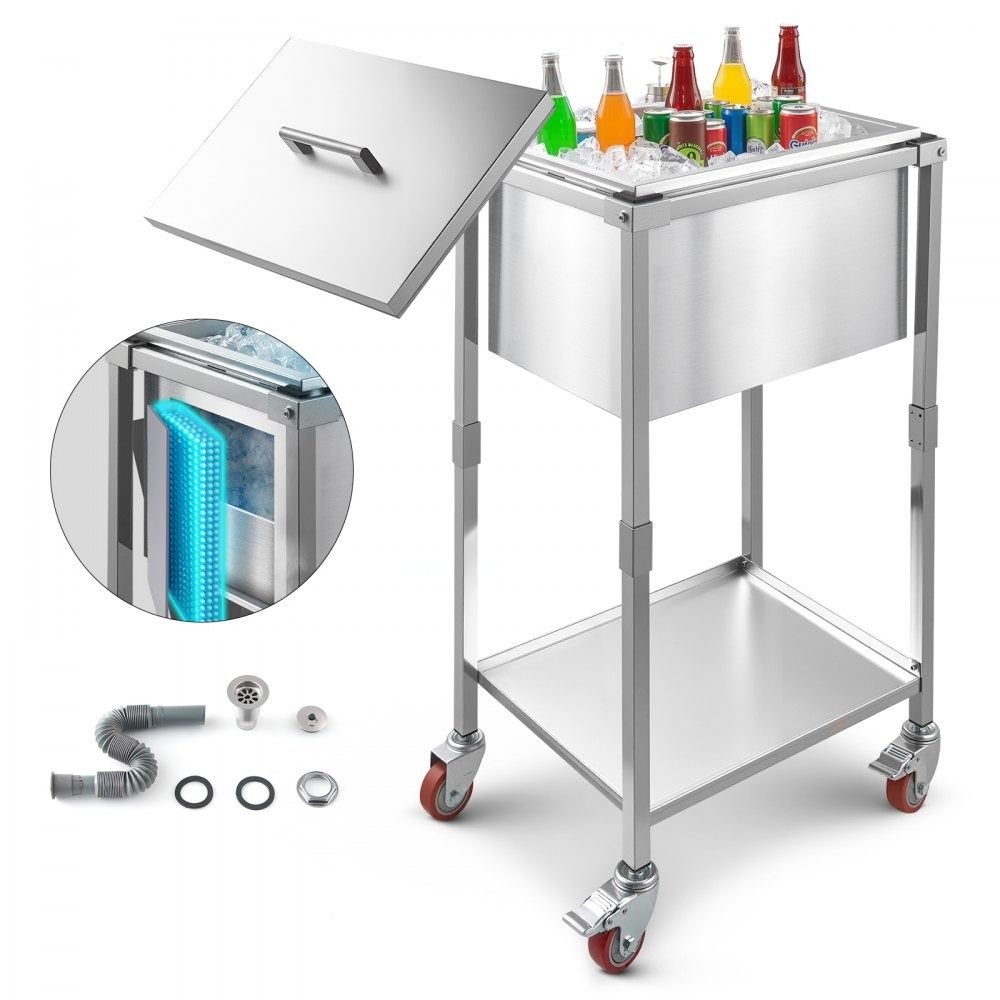 Aisha's pickSteel Rolling Storage Carts That Keep Surfaces Clear
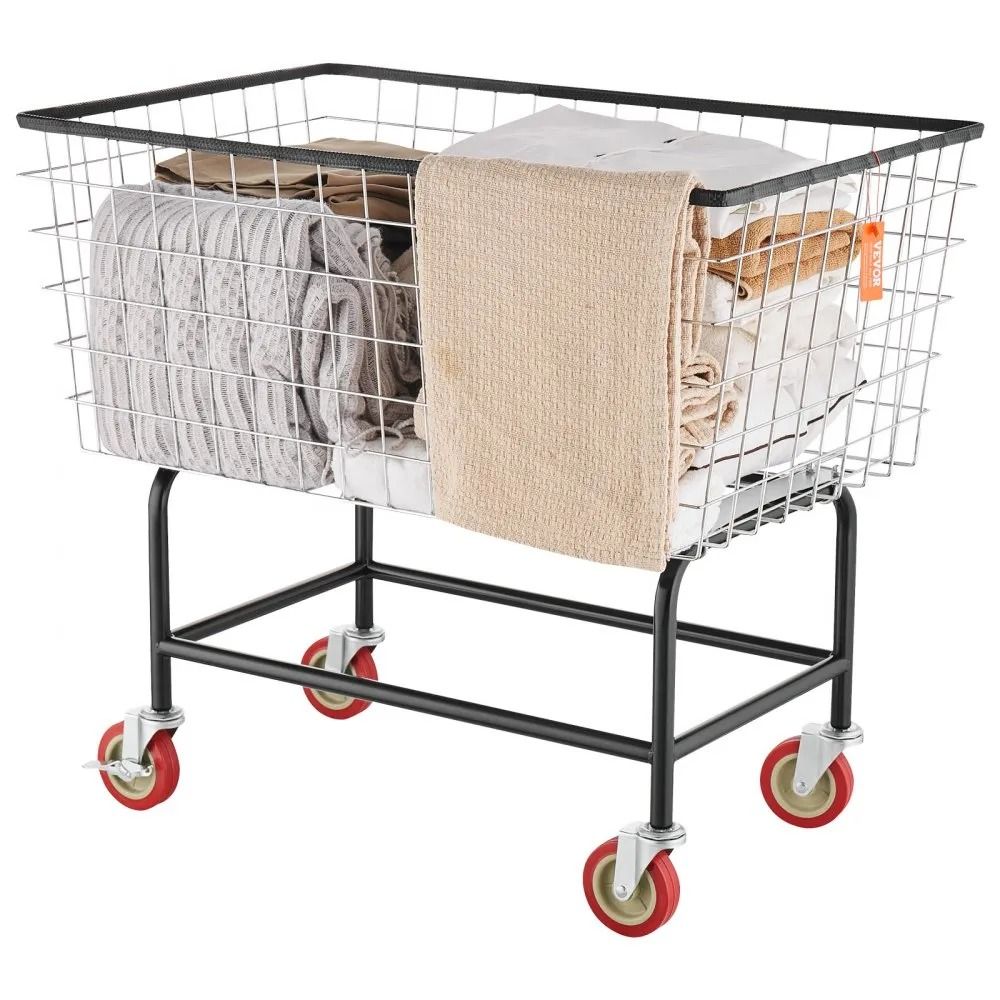
 Aisha's pickMetal Coat Racks with Hooks That Sort Out the Pile by the Door
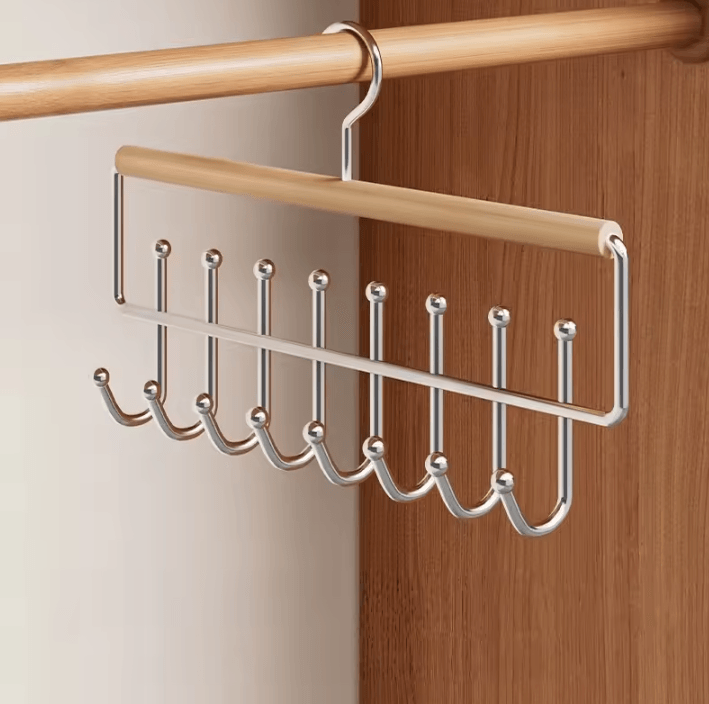
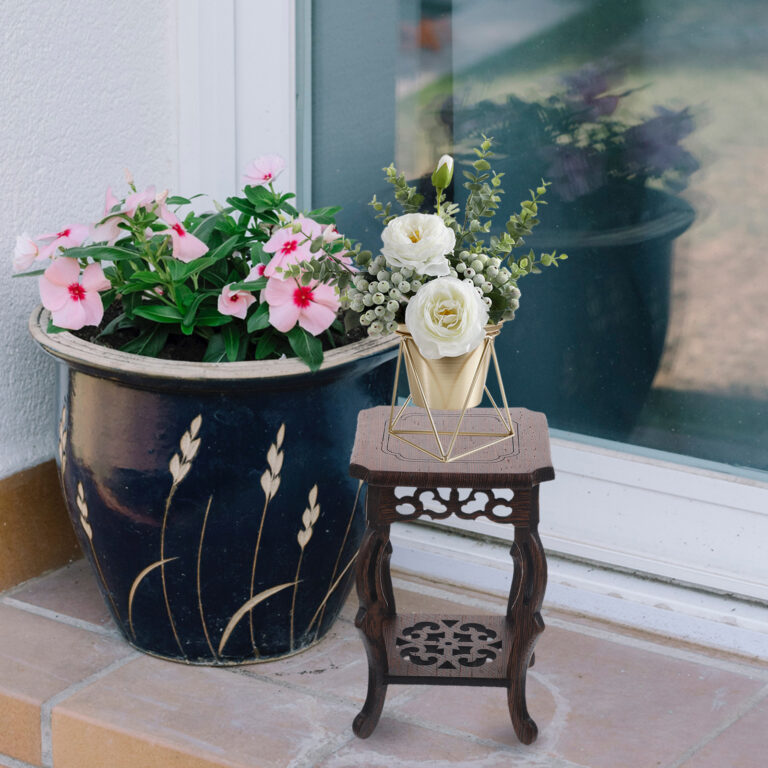 Aisha's pickMetal Plant Stands That Sort Out the Chaos

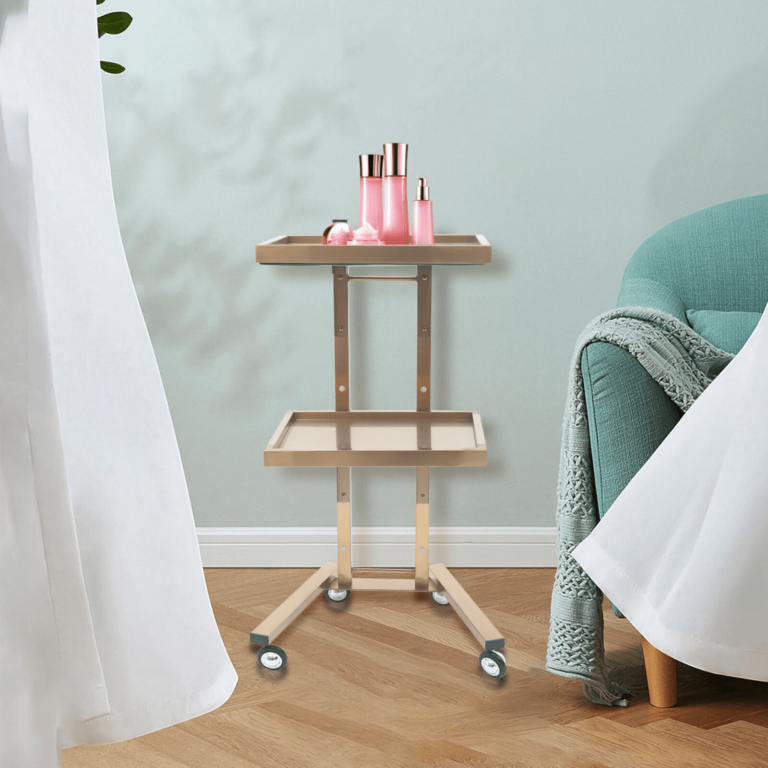 Aisha's pickDecent Steel Storage Carts Without the Hassle

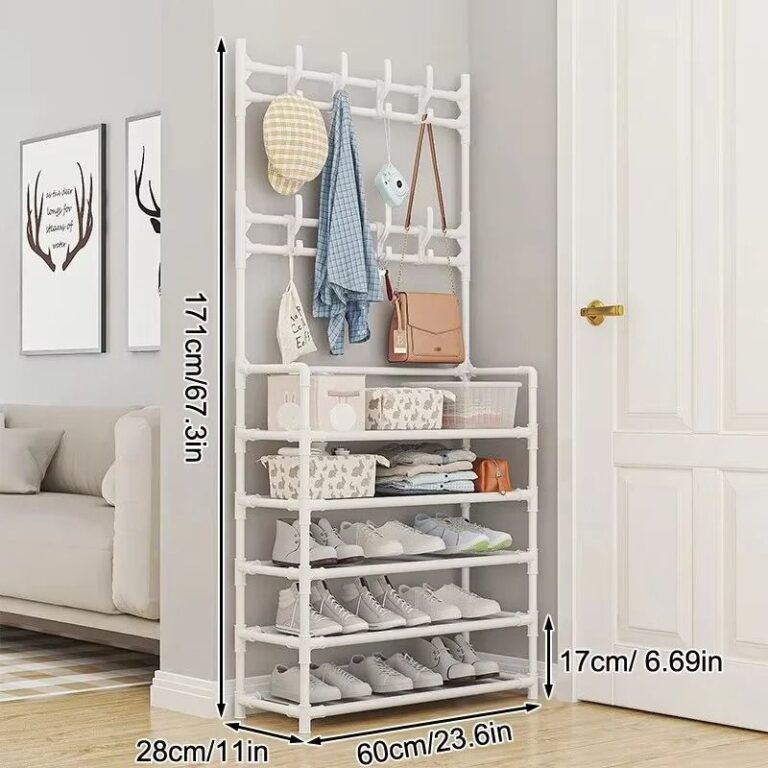
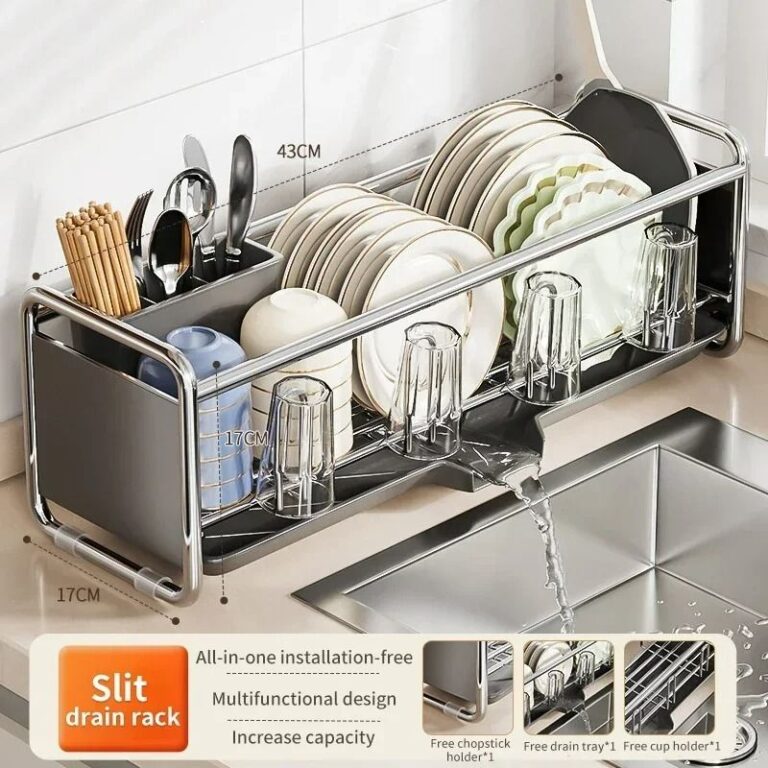 Aisha's pickMetal Coat Racks with Shelf That Swallow the Clutter
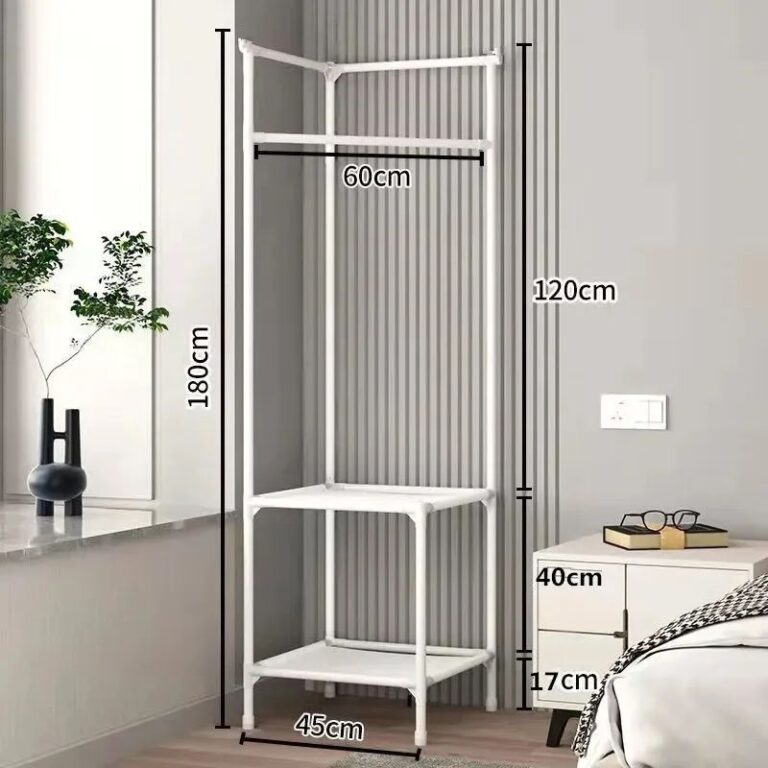
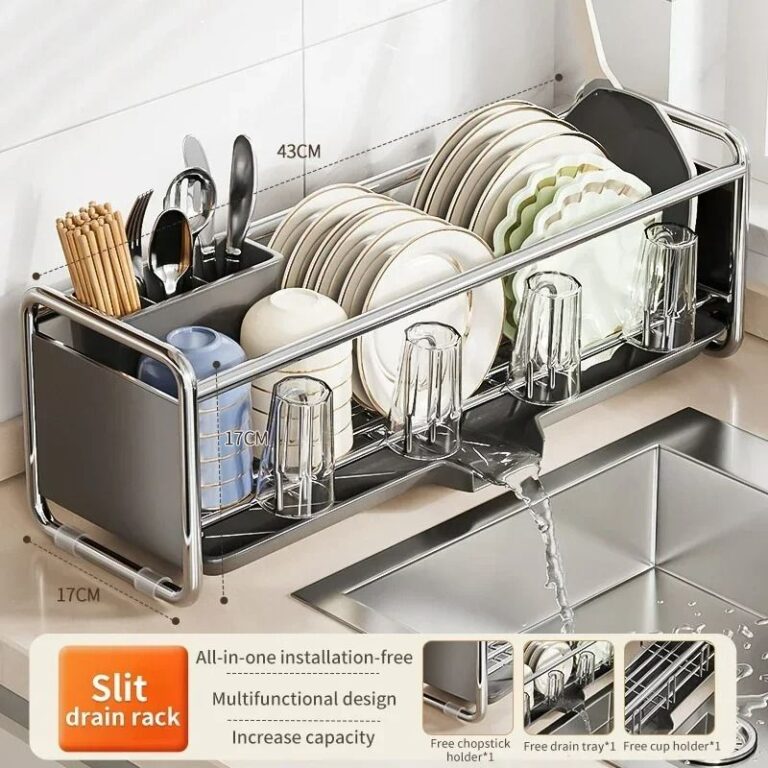
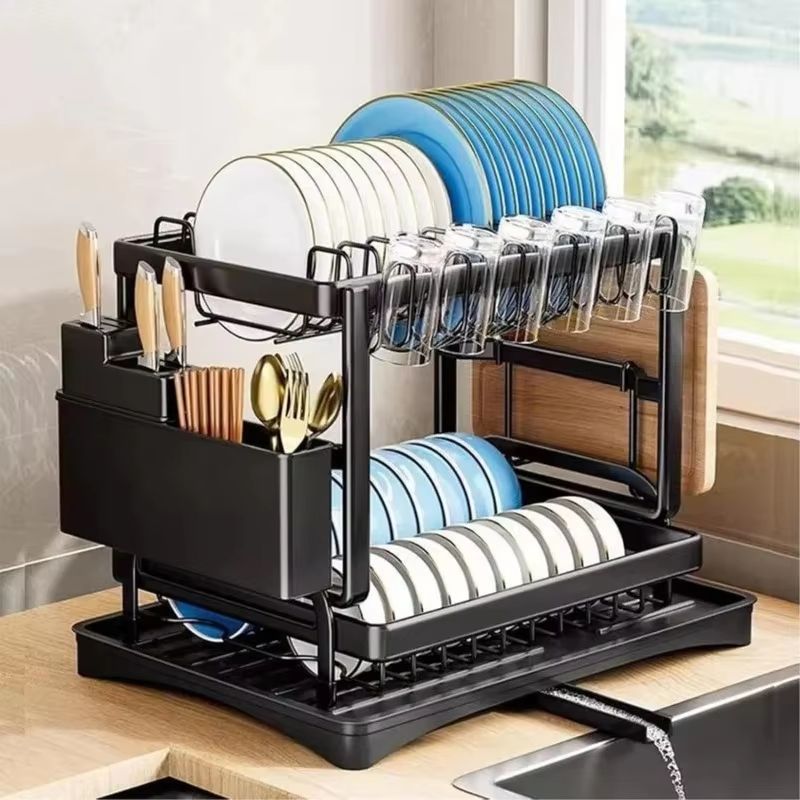 Aisha's pickMetal Plate Racks With Room for More Than You’d Think
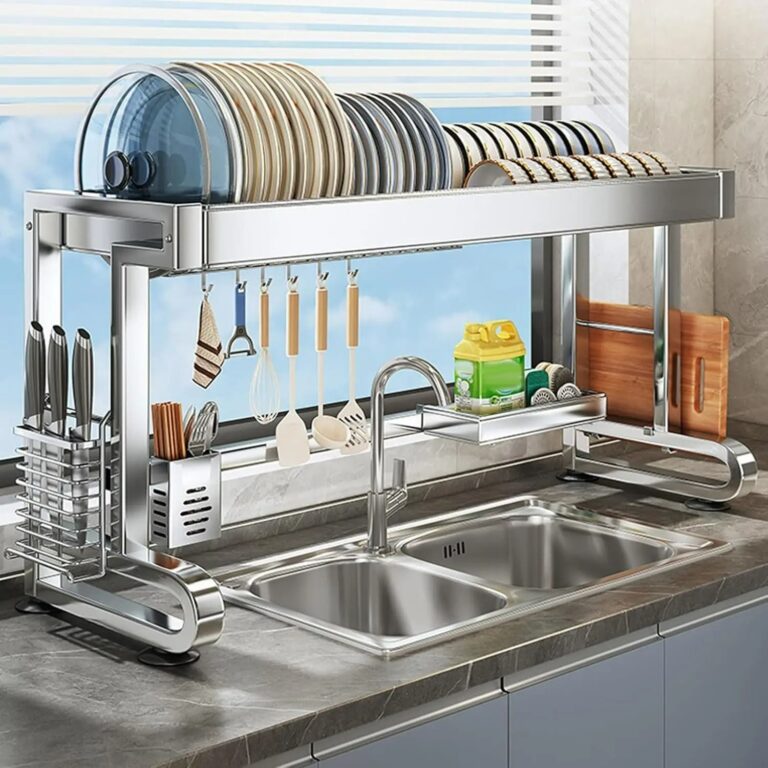
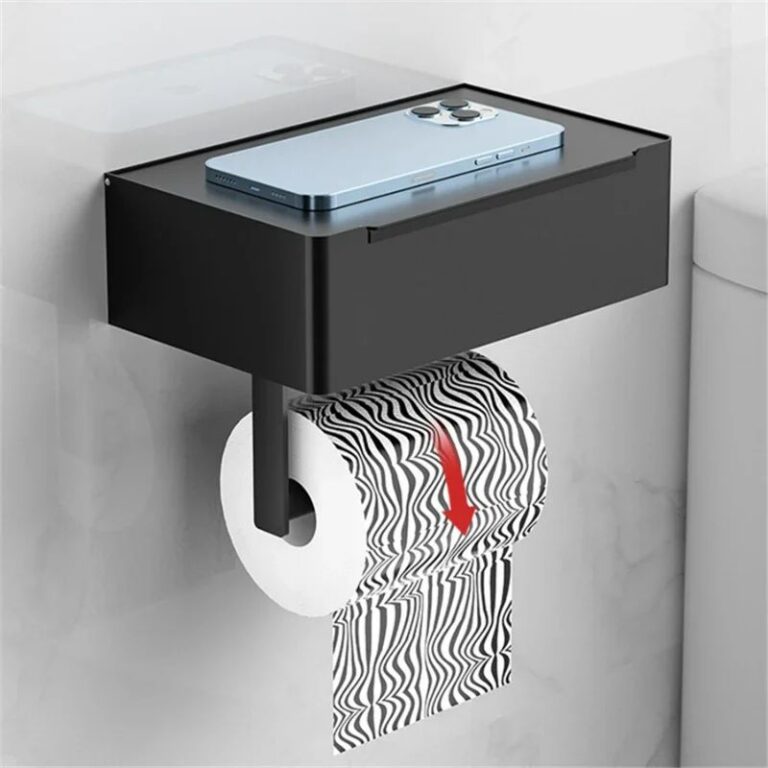 Aisha's pickSteel Toilet Roll Holders That Make Mornings EasierAlso worth a lookBlack RacksA black rack is just a frame for holding things off the floor or off a wall, coats,…See the collections →
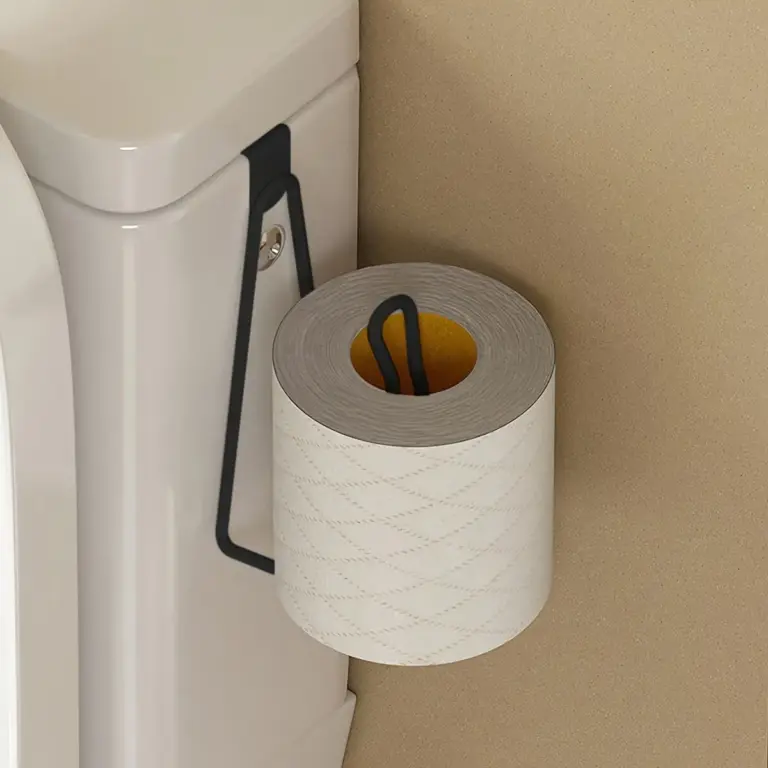
 Aisha's pickMetal Coat Stands for Making a House Feel Like Yours

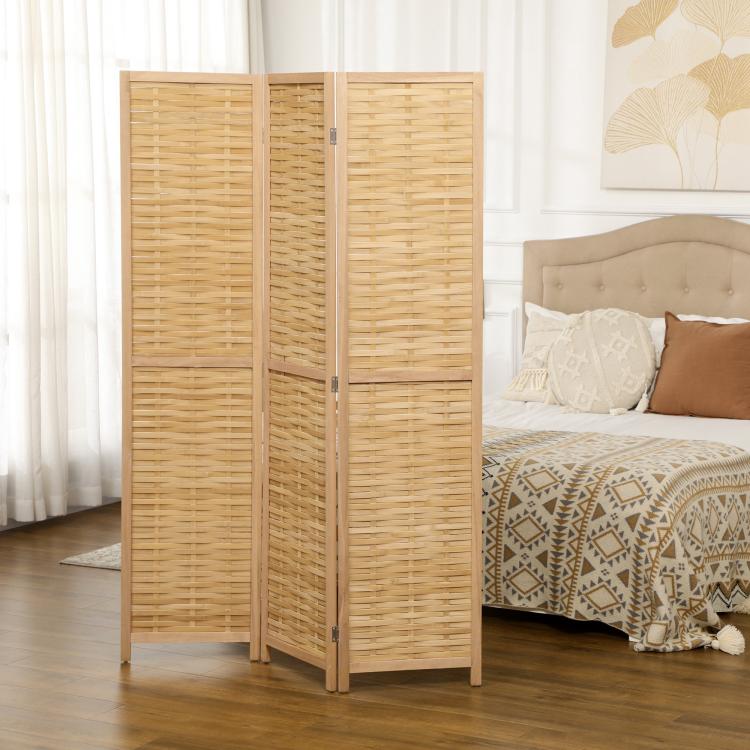 Aisha's pickMetal Room Dividers That Earn Their Keep
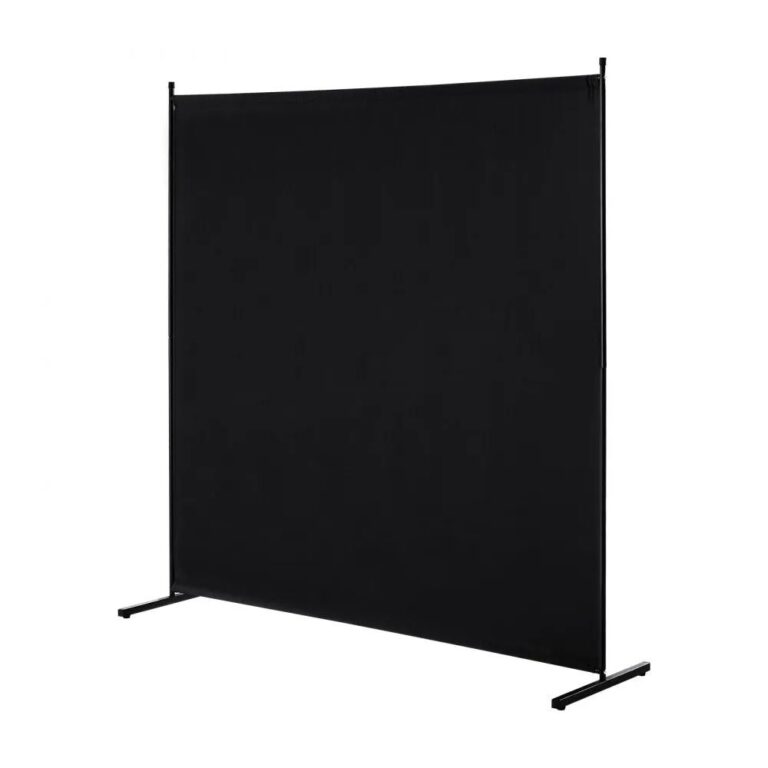
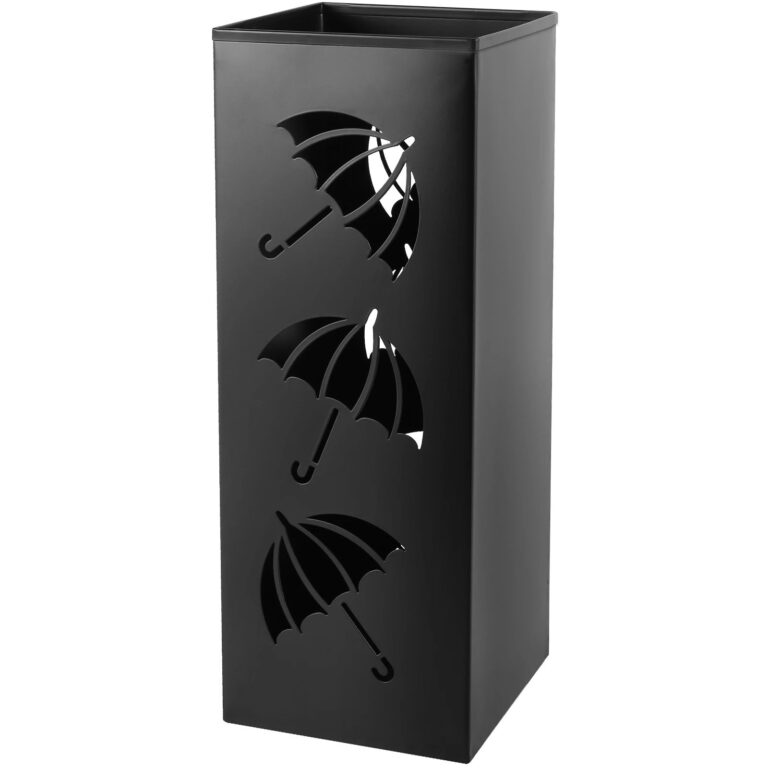
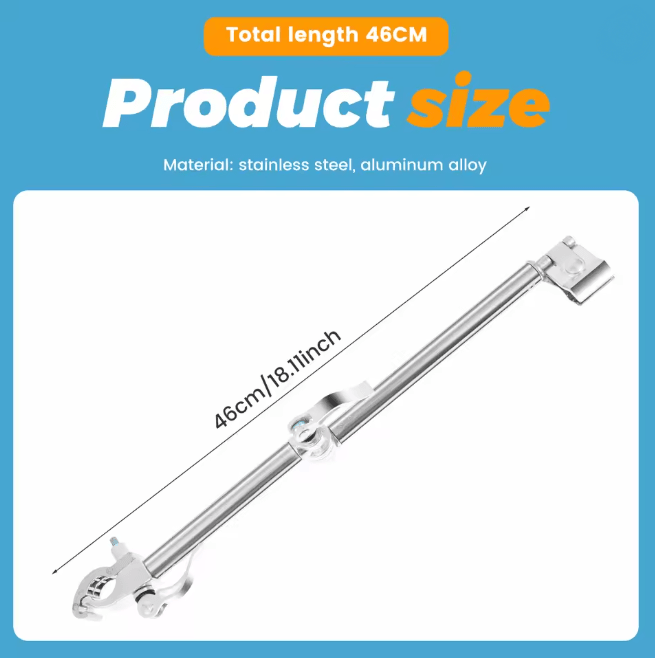 Aisha's pickSteel Umbrella Stands That Swallow the Clutter
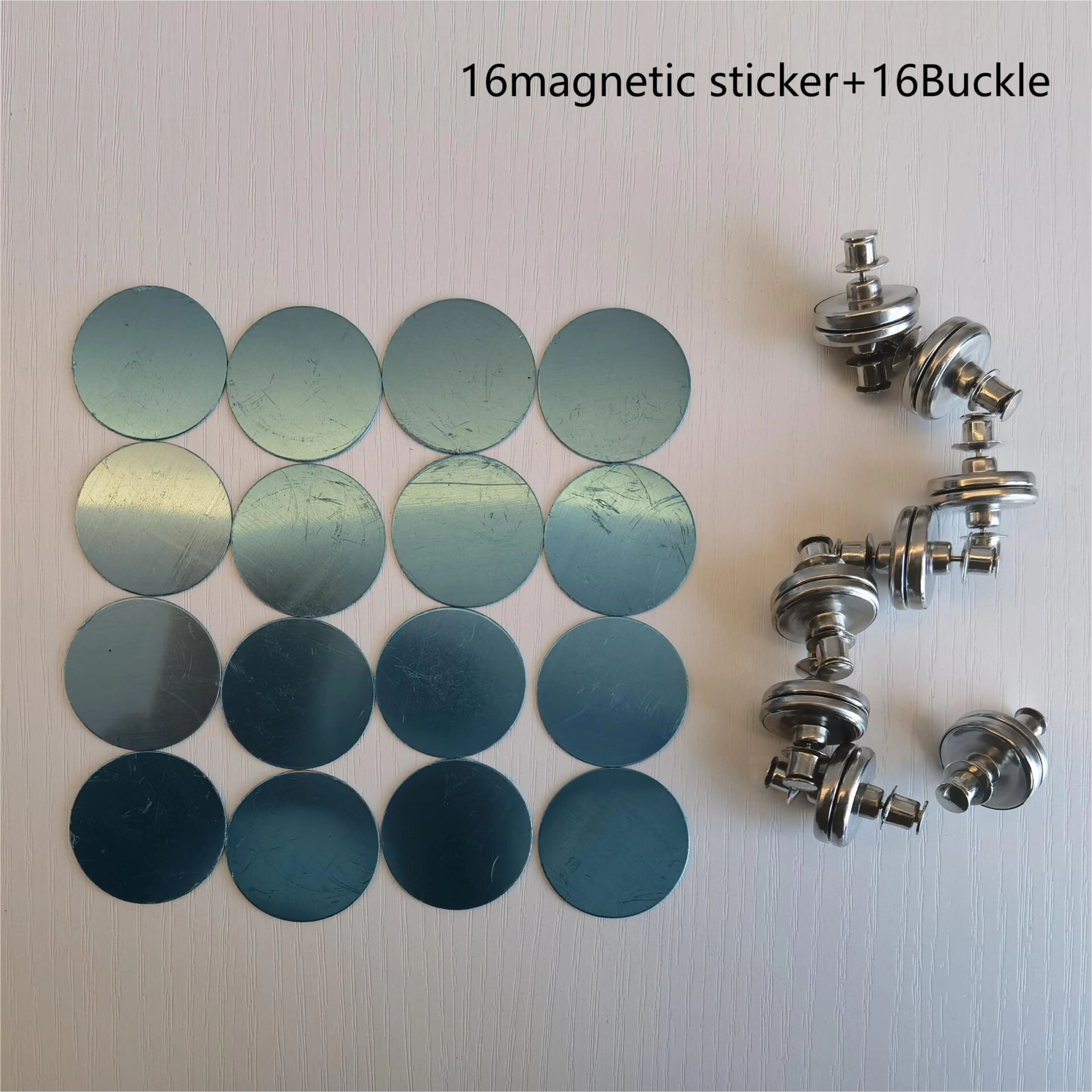 Aisha's pickMetal Curtain Hooks Pulled From Dozens of Stores

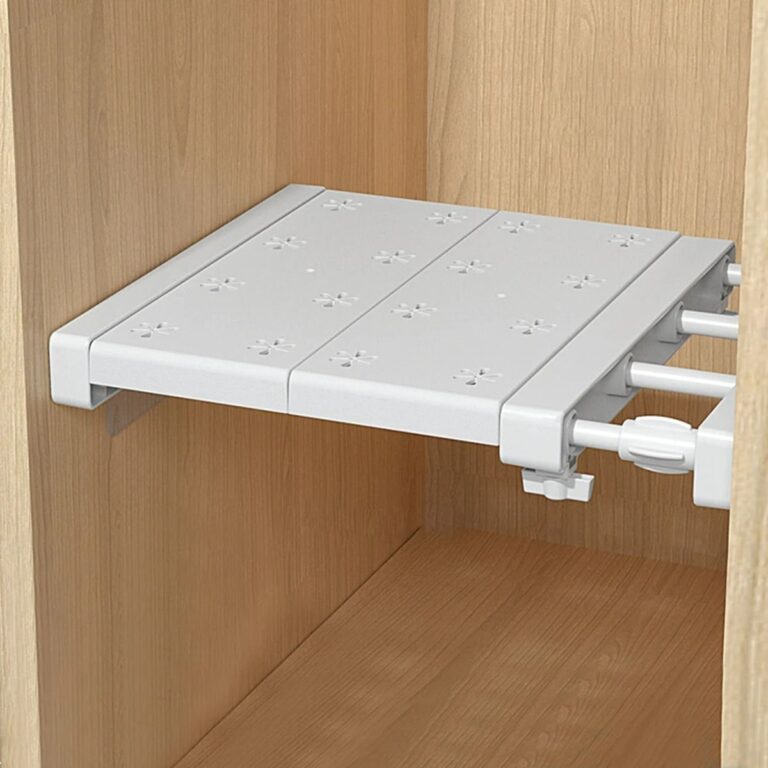 Aisha's pickMetal Shoe Racks That Make a Good First Impression

 Aisha's pickMetal Garment Racks You Won’t Regret Buying

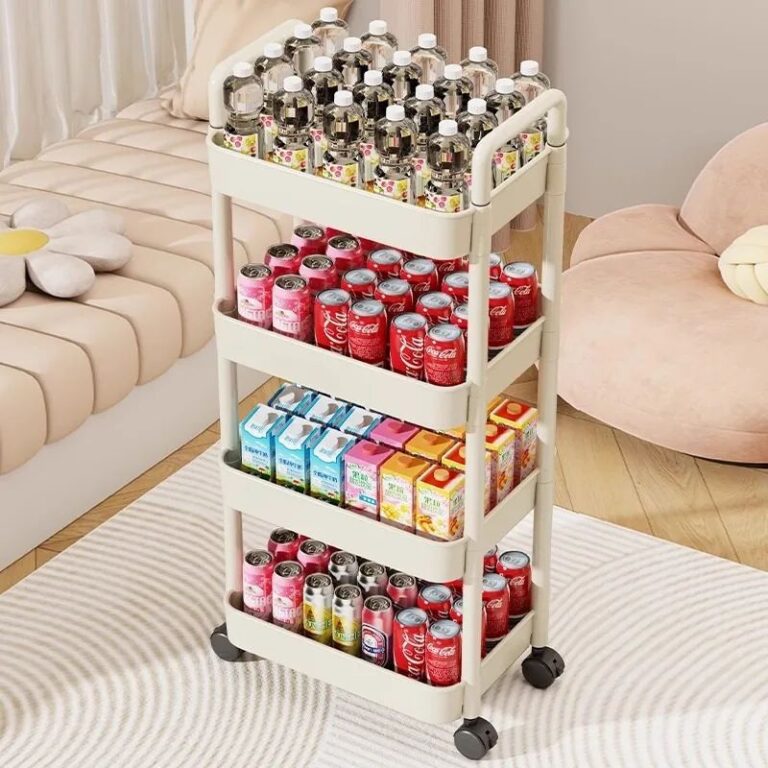 Aisha's pickMetal Storage Carts That Squeeze Into Awkward Corners

 Aisha's pickMetal Hallway Stands Picked by People Who Care Too Much