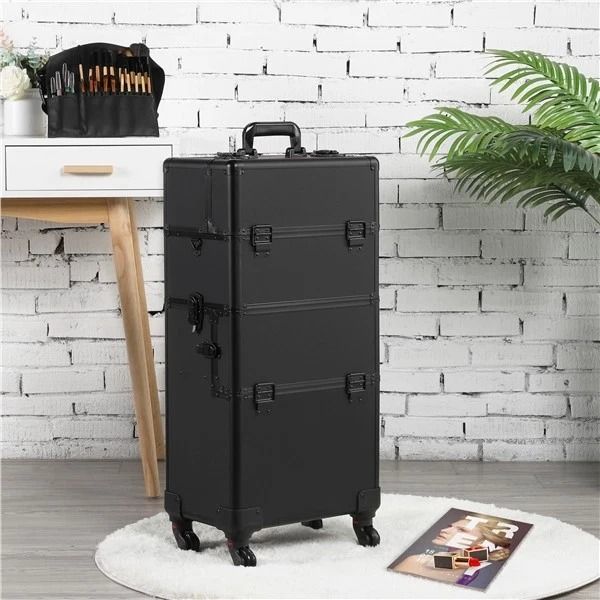
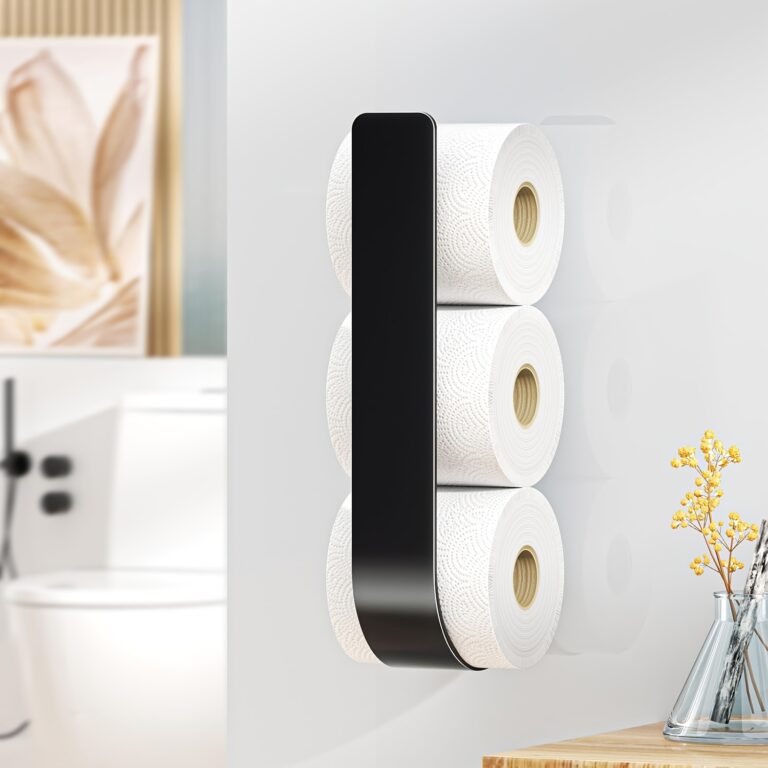
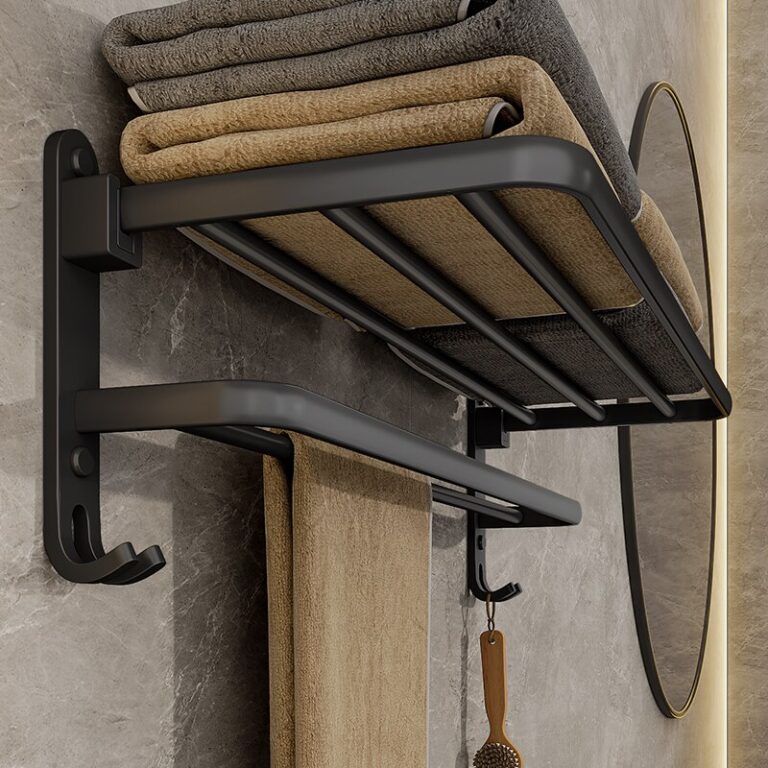
A black rack is just a frame for holding things off the floor or off a wall, coats, towels, pans, shoes, whatever your hallway or kitchen has decided to pile up on the nearest chair instead. The color is the whole decision here, really. Black reads as hardware rather than furniture, so it disappears into the job it's doing instead of asking to be admired.
Where it falls down is anywhere you want softness or warmth, because black metal has a way of making a room feel colder and more clinical than you meant it to, especially under bright white light. A black rack against pale oak floors and white walls can look sharp, but drop one into a room full of warm wood tones and soft textiles and it starts to look like it wandered in from an office supply catalog. It also shows dust and watermarks more than lighter finishes do, which sounds minor until you notice every fingerprint on a towel rail for a week straight and start wondering if anyone in the house has ever washed their hands. Scale matters too. A slim black rack tucked by a door leaves space for boots and bags underneath, but a wide one in a small entryway eats the whole wall and makes you squeeze past it every morning like it's charging rent.
It sits well with other black hardware, door handles, light fixtures, even just a black framed mirror nearby, so it feels intentional rather than like a stray piece that got left behind from another room. Pair it with warm wood, leather, or a patterned rug and it stops feeling cold and starts acting as a kind of visual anchor, the one dark line in a room that's otherwise all soft color. It does well in kitchens with open shelving, in entryways that get real daily traffic, in bathrooms with a more modern or industrial lean. Autumn and winter interiors suit it best, when coats and bags are heavier and you actually need the storage, and it tends to work hardest in rented apartments and busy family houses where the real job is keeping clutter contained rather than making a design statement.
Where it clashes is pastel schemes, heavily traditional or cottage style rooms, and anywhere already dominated by another strong metal finish like brass or chrome, because then you've just got two loud materials arguing in the same five feet of wall.
Wipe it down with a dry cloth regularly, since black finishes show dust and water spots far faster than you'd expect.

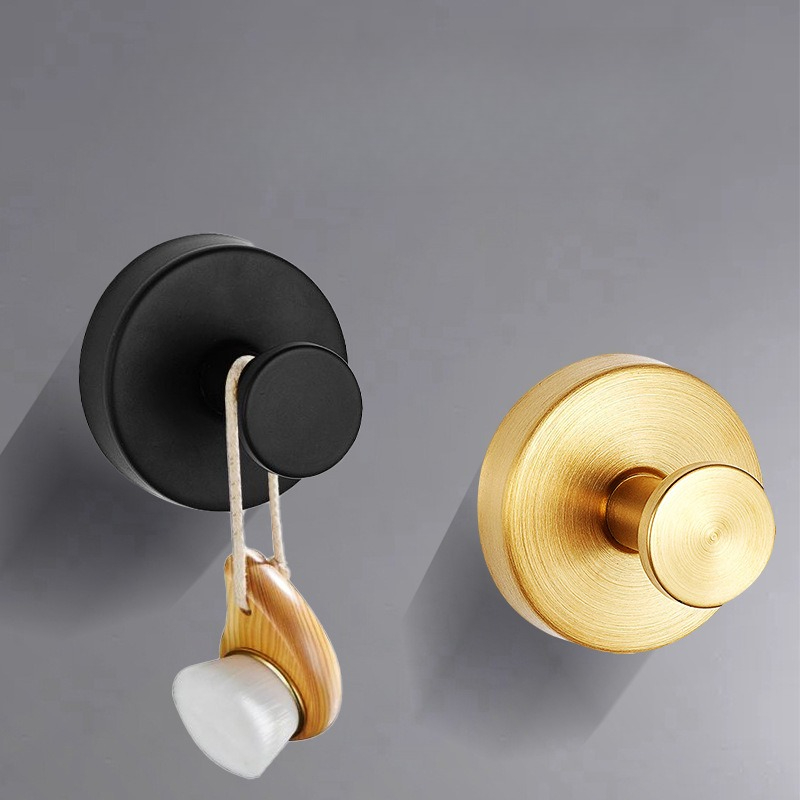 Aisha's pickBlack Key Hooks That Look Better in Real Life
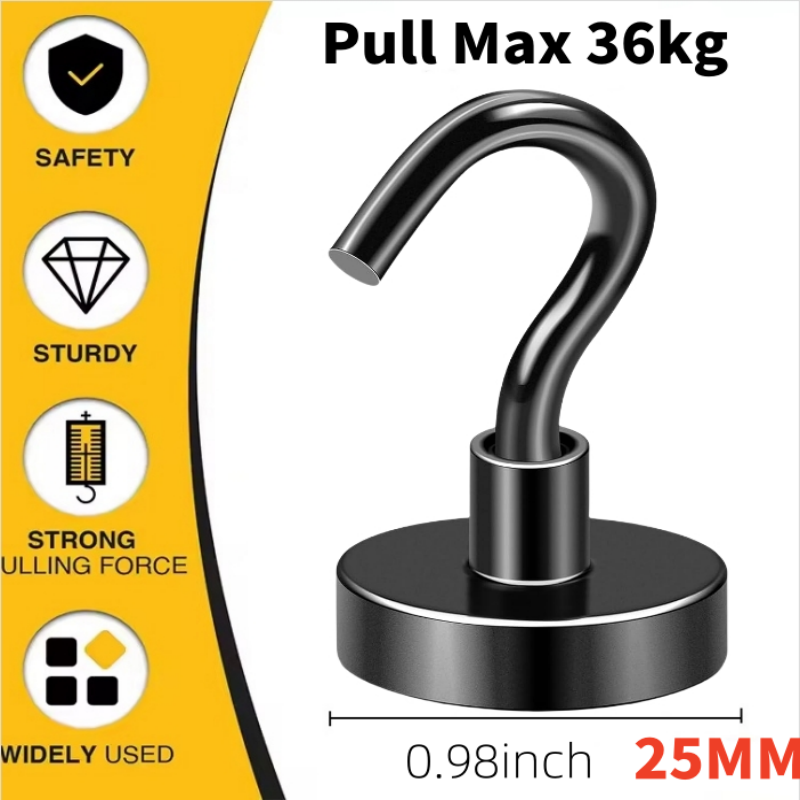
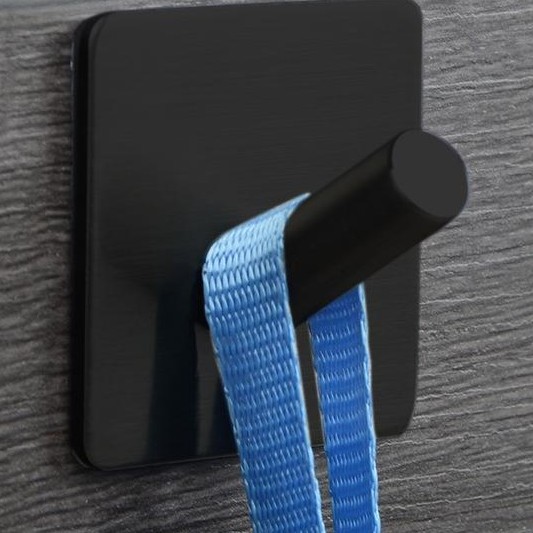 Aisha's pickBlack Towel Hooks From Stores Big and Small
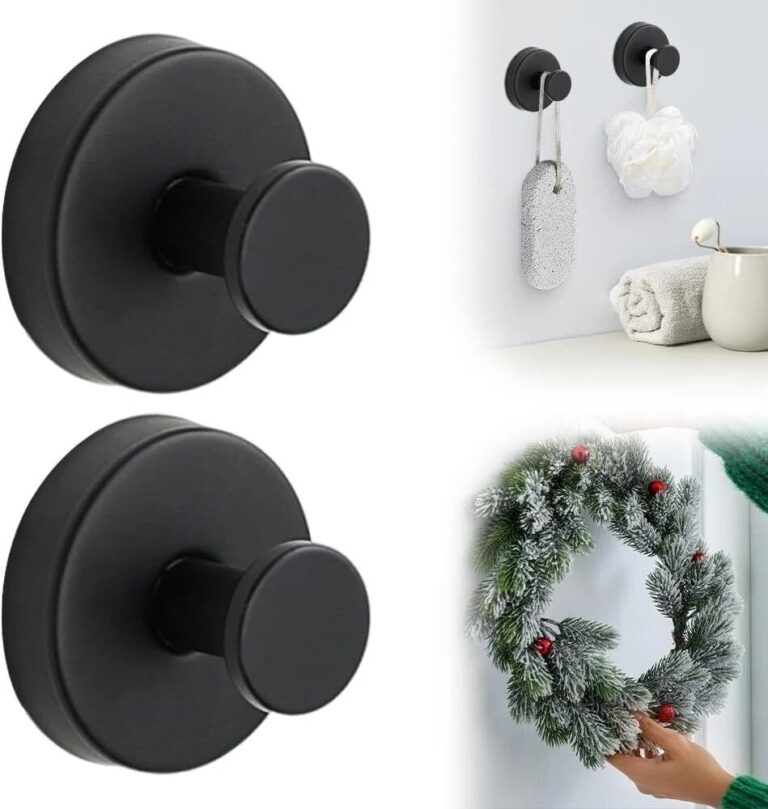
 Aisha's pickBlack Lamp Holders That Hide the Mess for Good
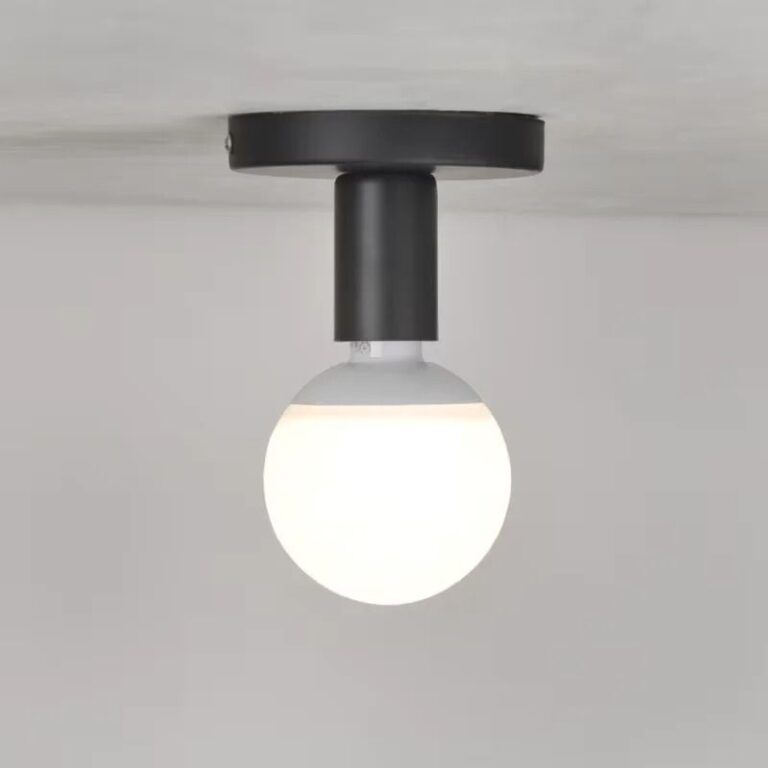
 Aisha's pickBlack TV Stands That Do the Job Right
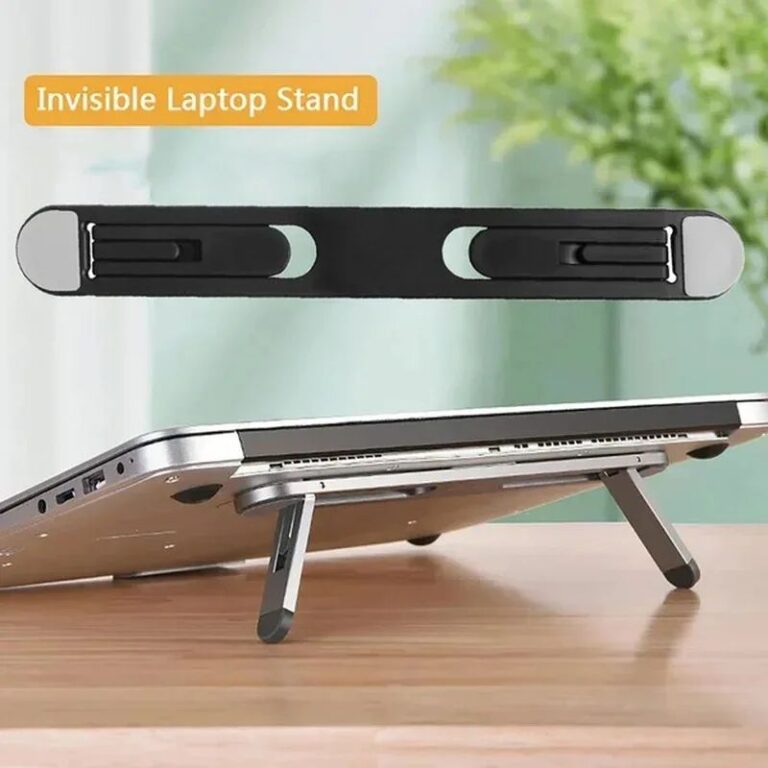 Aisha's pickBlack Laptop Risers That Make the Spare Room Feel Like an Office
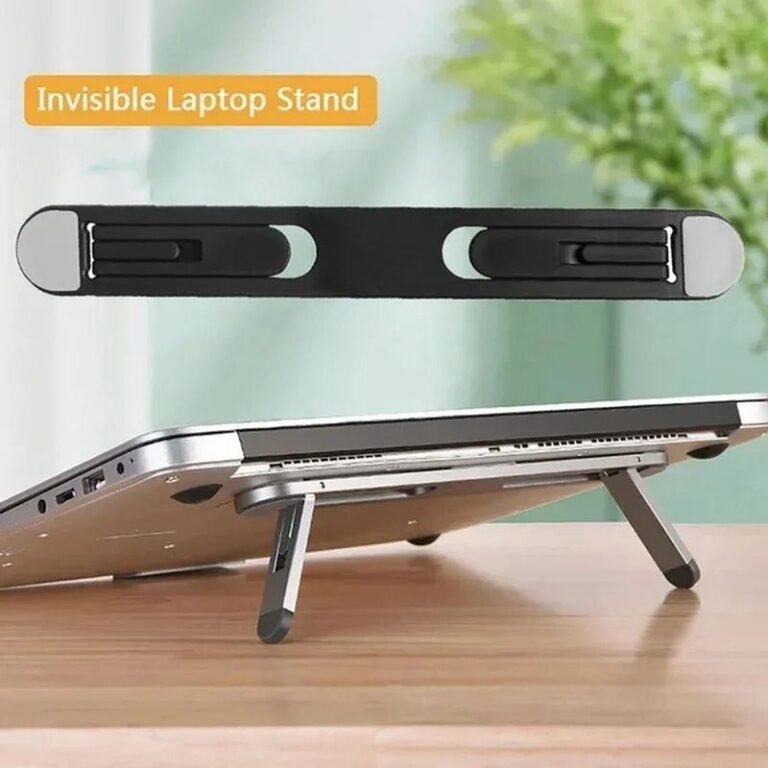
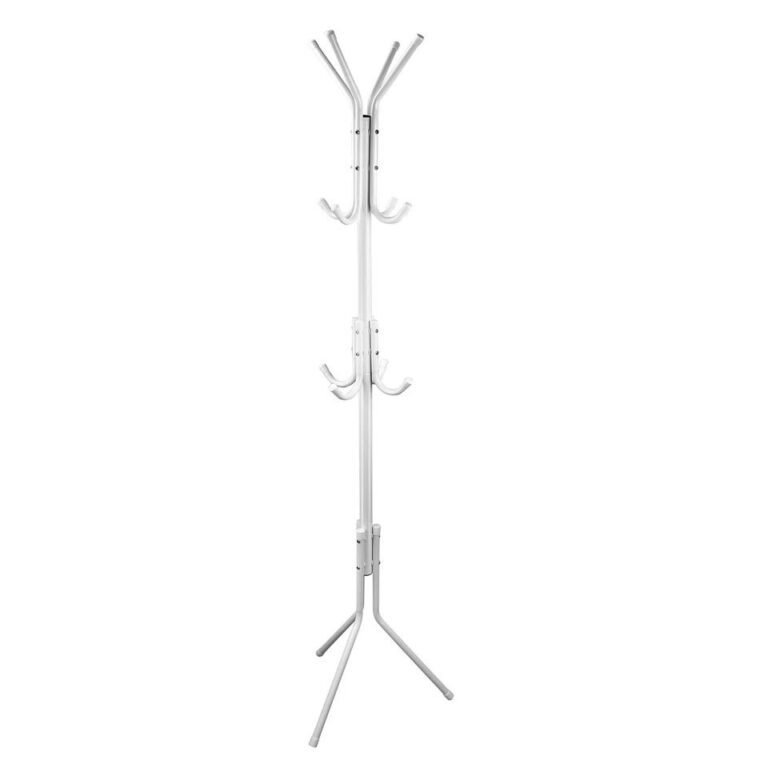 Aisha's pickBlack Umbrella Stands That Swallow the Clutter
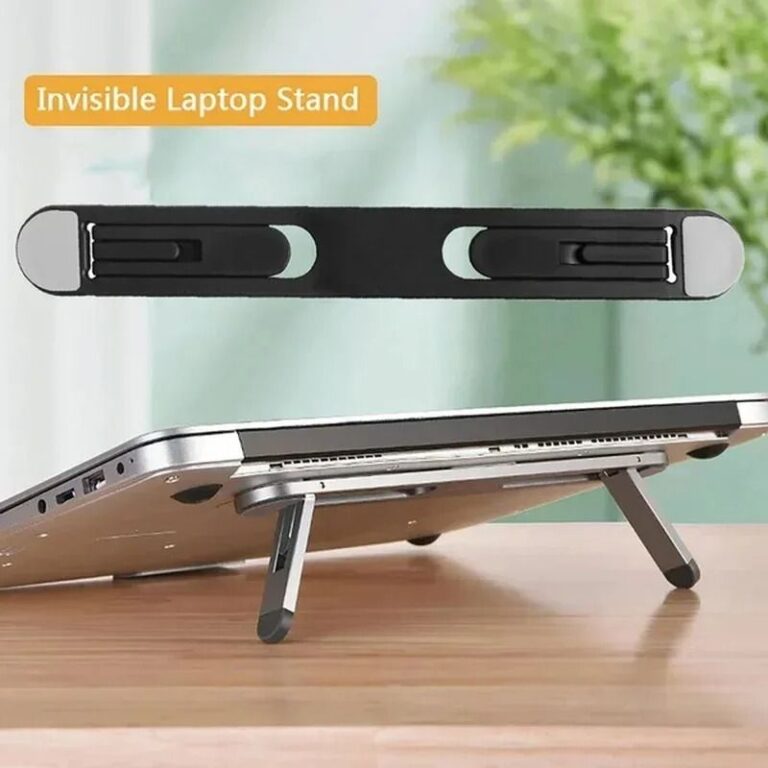
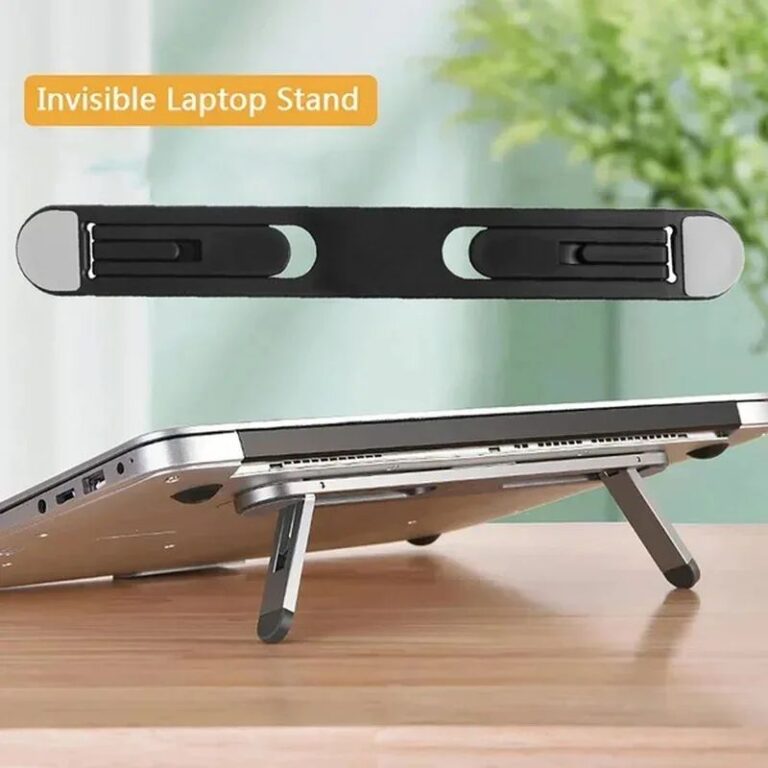 Aisha's pickBlack Laptop Stands for a Home Office That Works
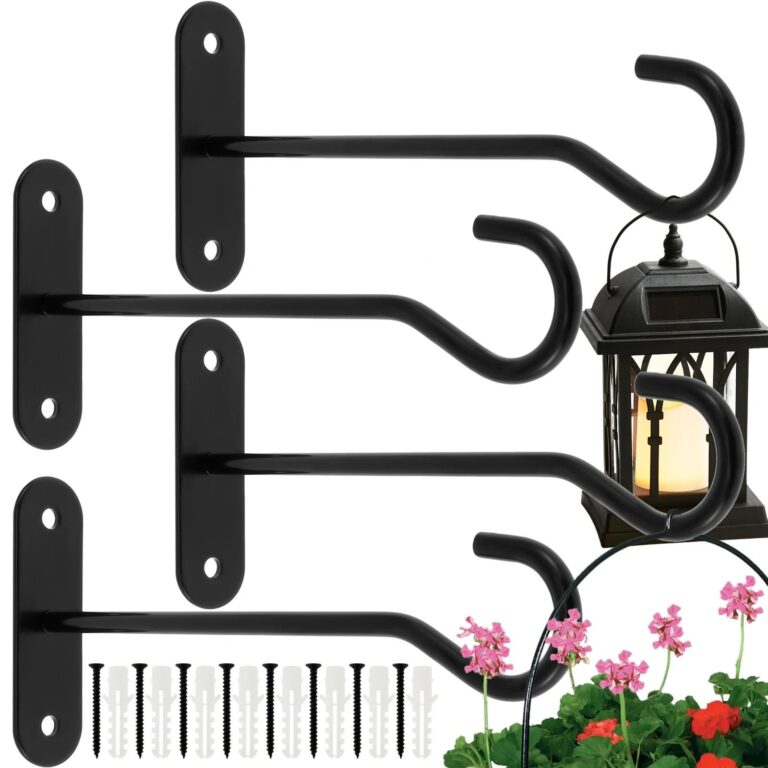 Aisha's pickBlack Wall Hooks for Homes With Too Much Stuff

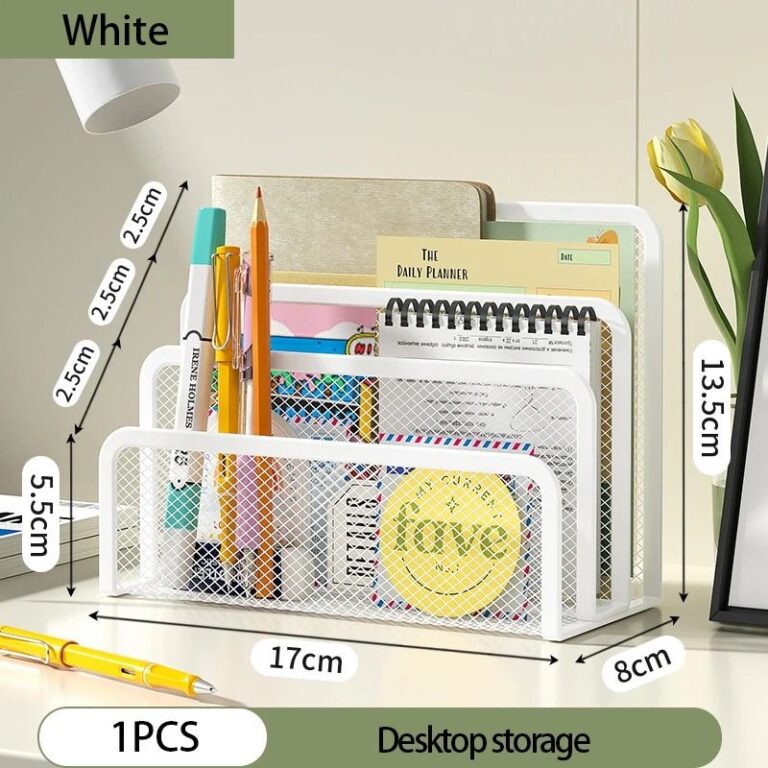 Aisha's pickBlack Magazine Racks With Room for More Than You’d ThinkAlso worth a lookMetal RacksA metal rack is for holding things in the open where you can see them and reach them…See the collections →
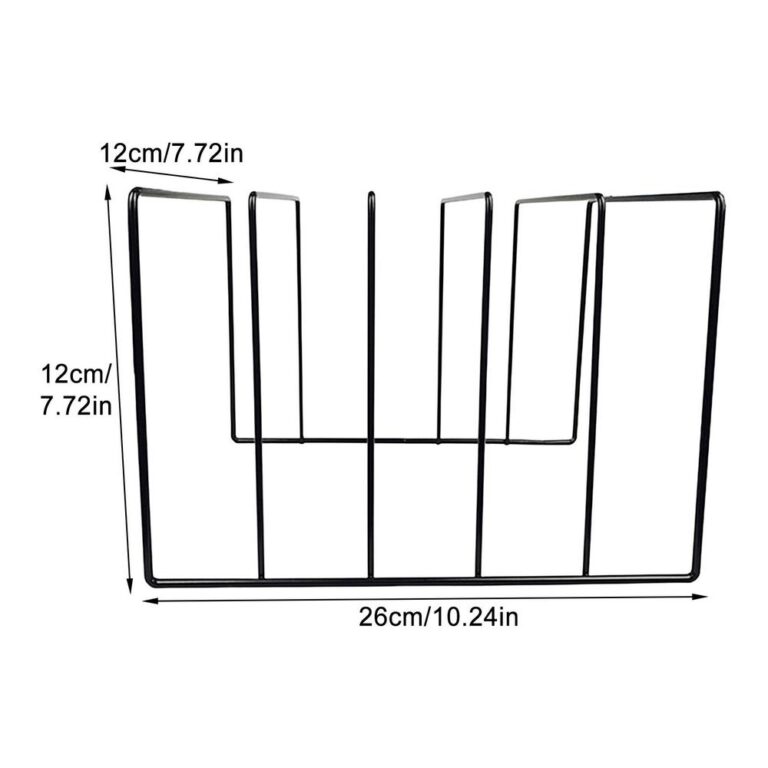
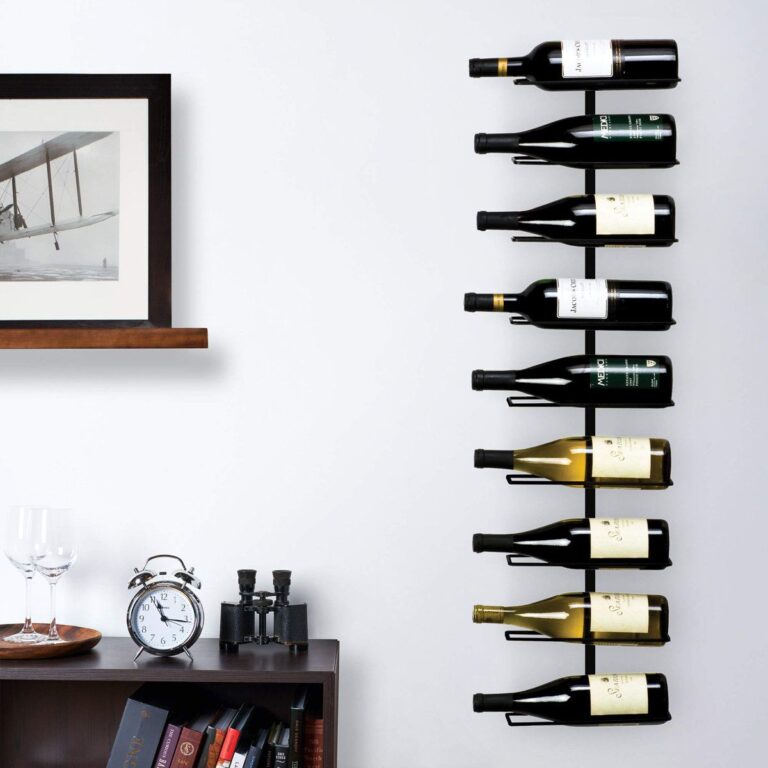 Aisha's pickBlack Wine Racks From Brands You Know and a Few You Won’t
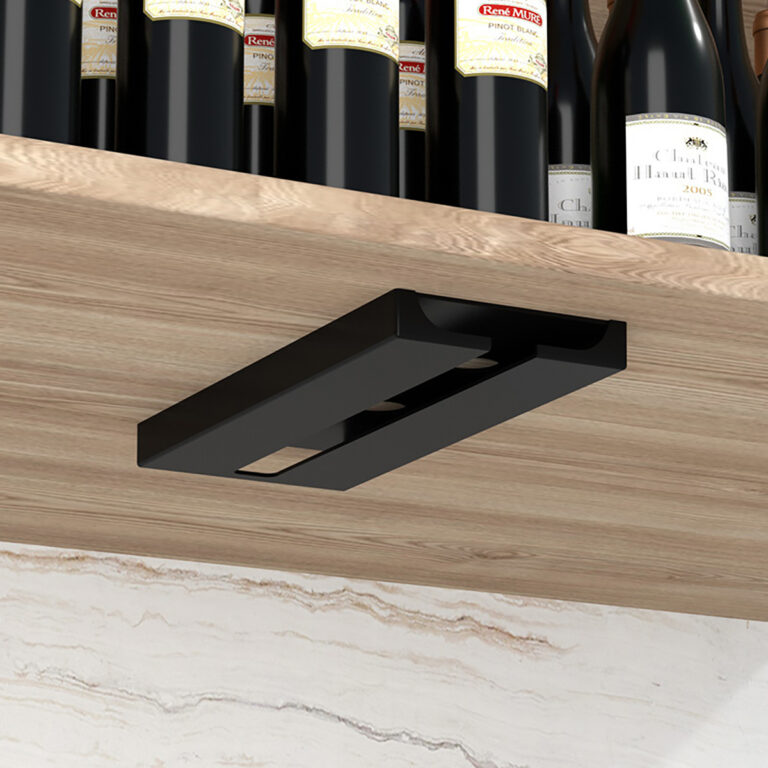
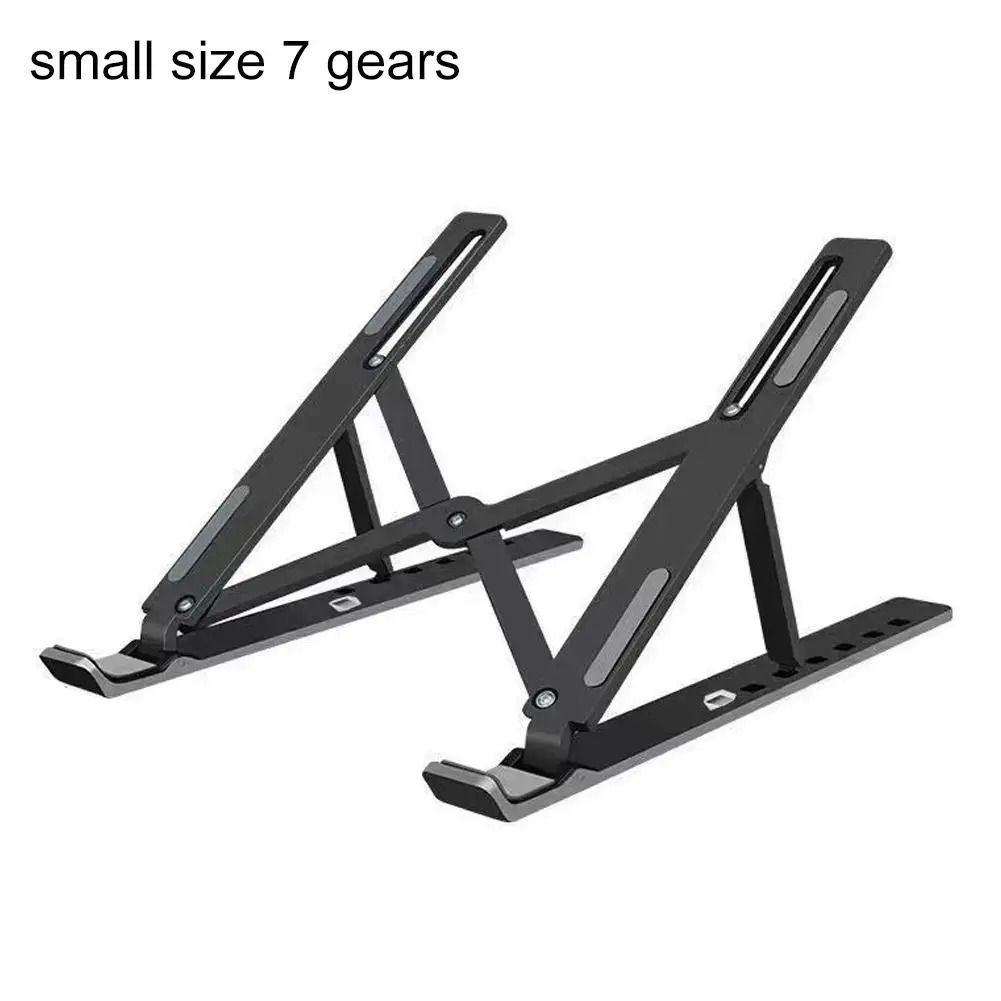 Aisha's pickBlack Adjustable Laptop Stands for a Home Office That Works
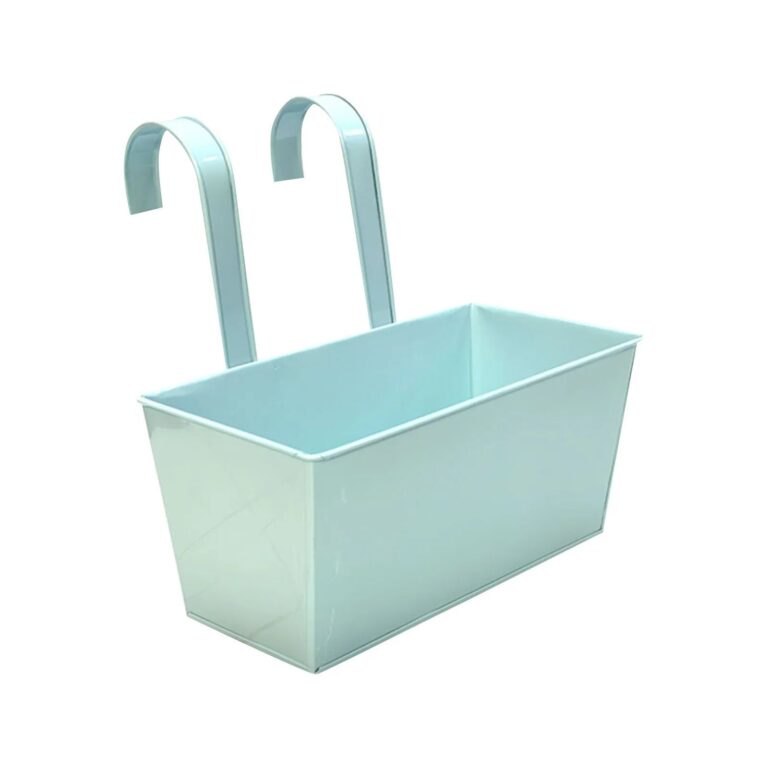 Aisha's pickBlack Metal Wall Hooks That Keep Surfaces Clear
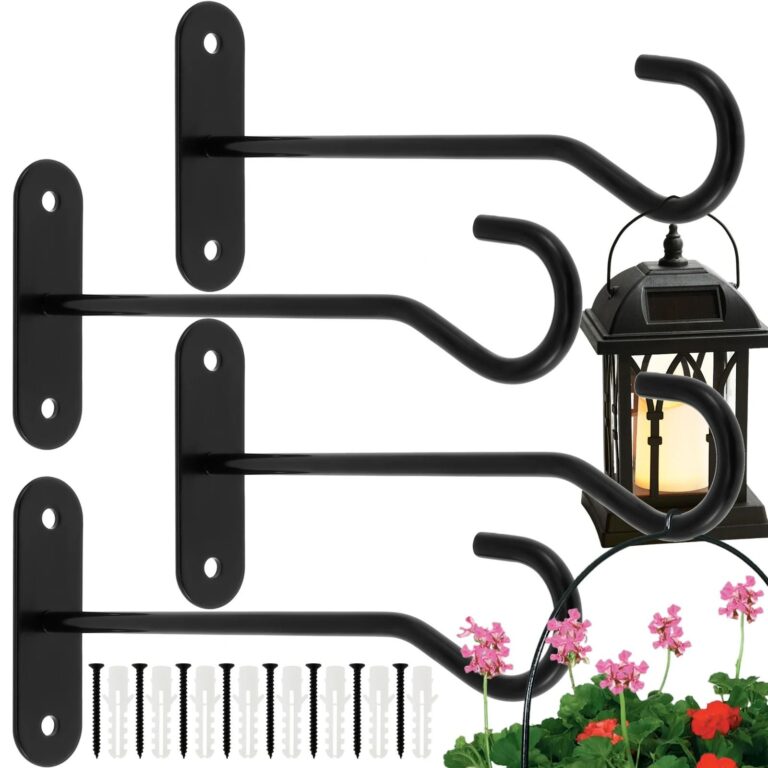
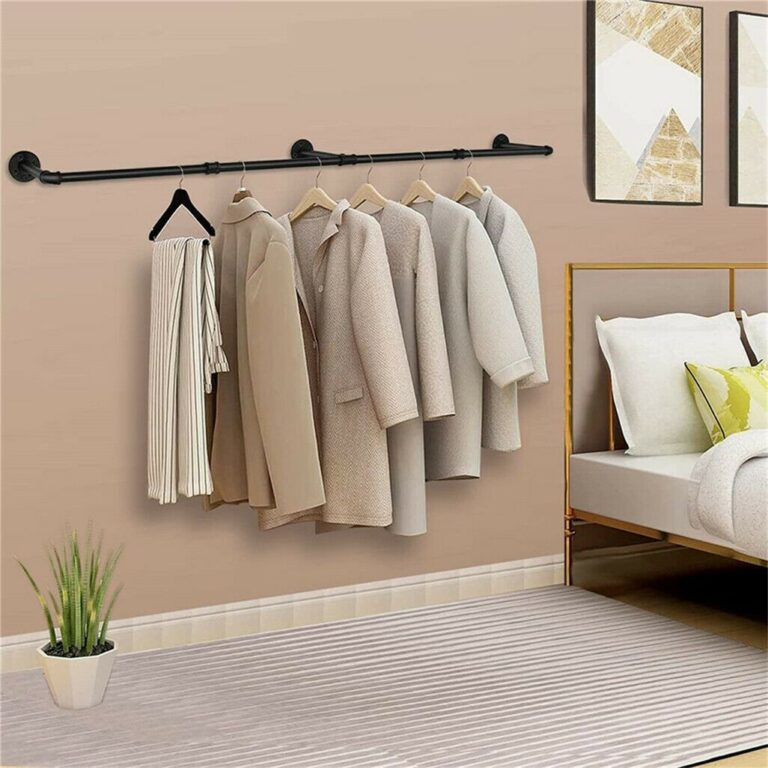
 Aisha's pickBlack Clothes Racks That Swallow the Clutter
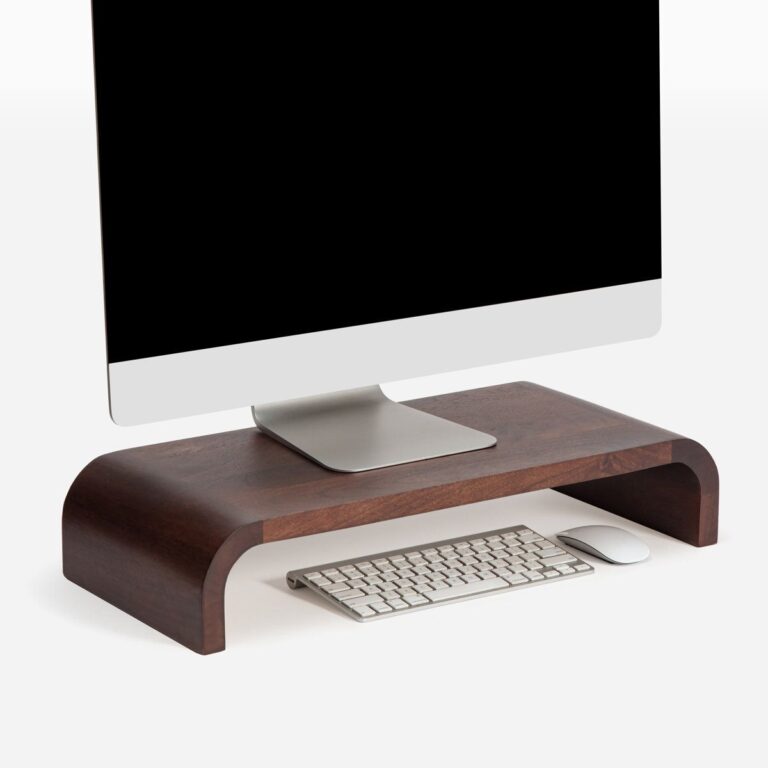 Aisha's pickBlack Monitor Stands We Work Beside Every Day
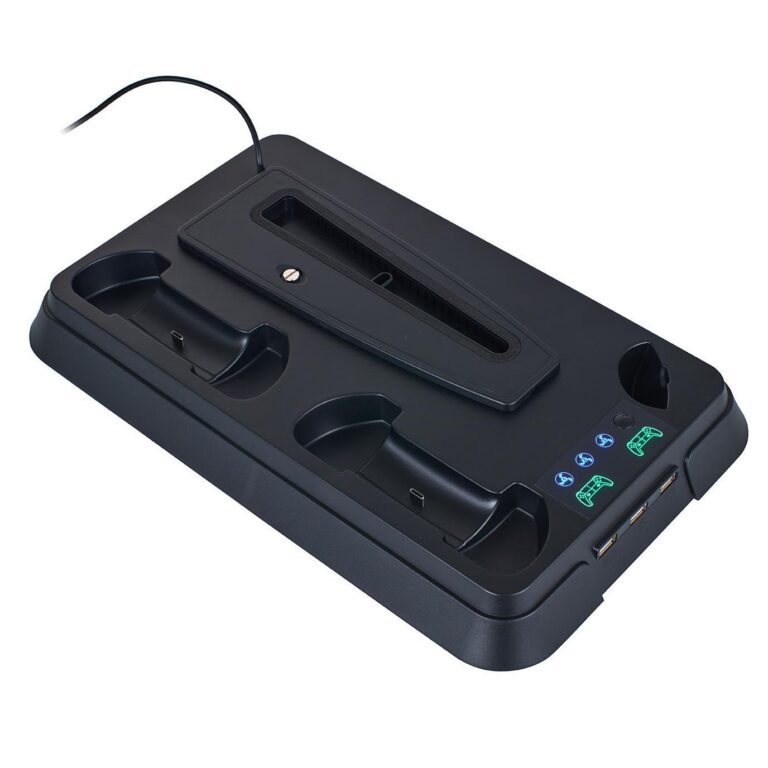
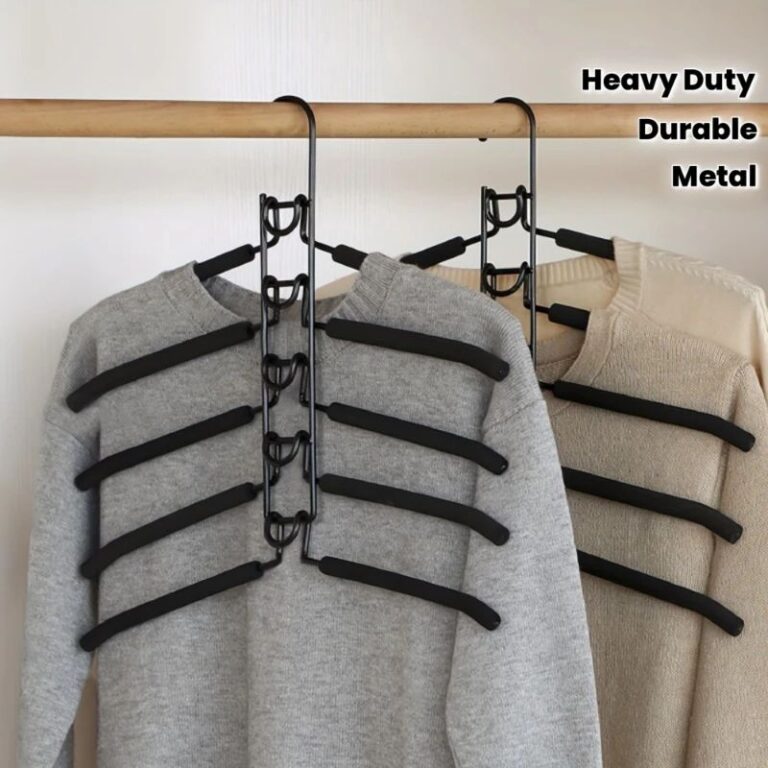 Aisha's pickBlack Coat Hangers With Room for More Than You’d Think
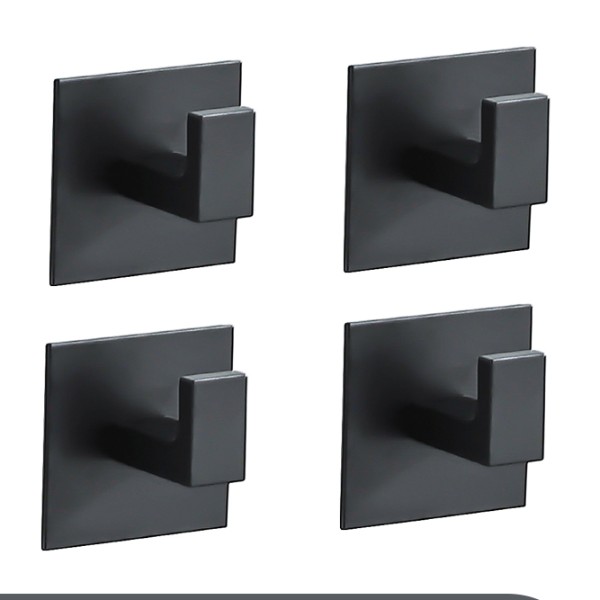
 Aisha's pickThe Black Night Stands Worth Your Cash
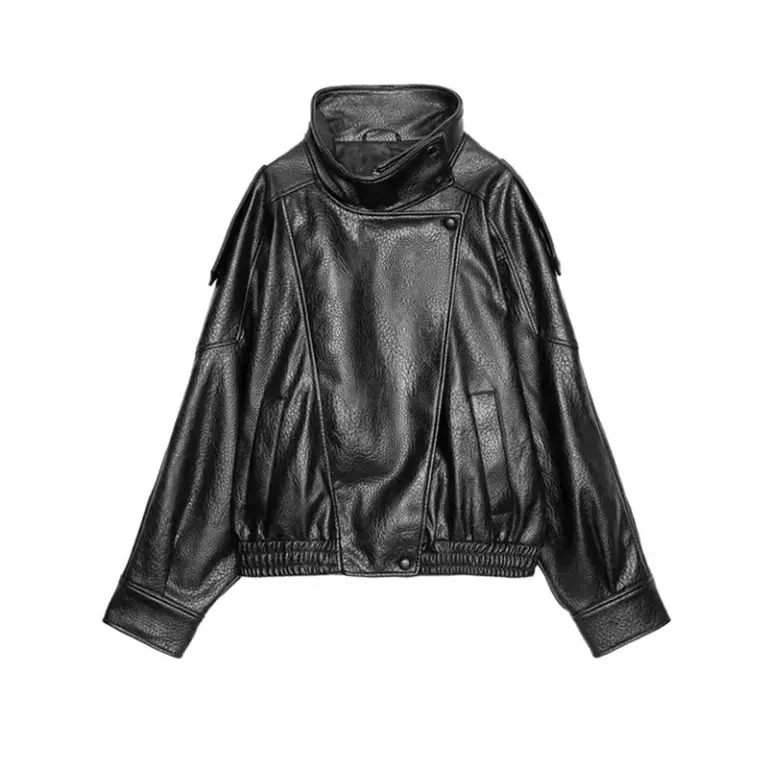
 Aisha's pickBlack Coat Hooks That Make Small Changes Feel Big
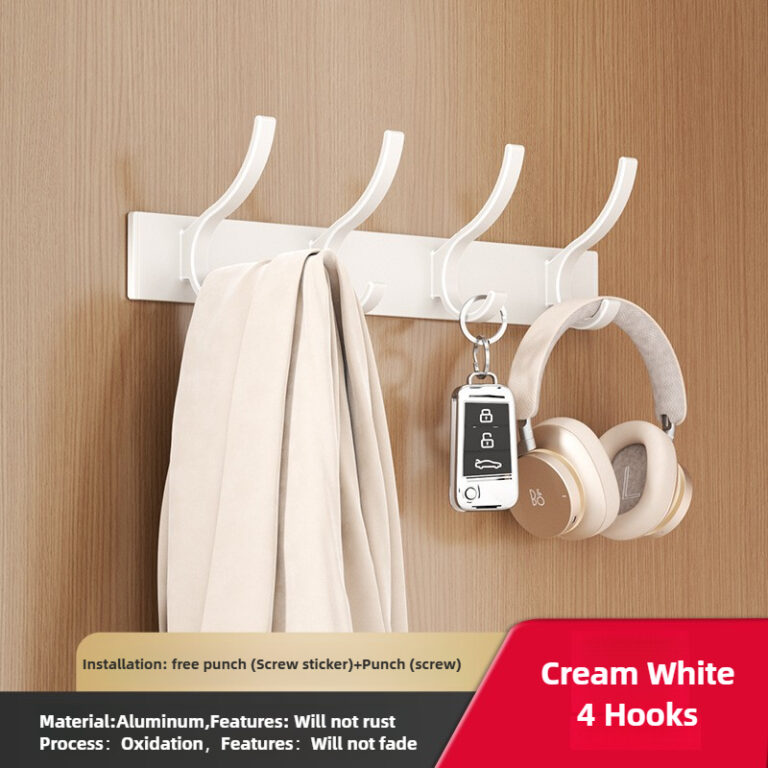
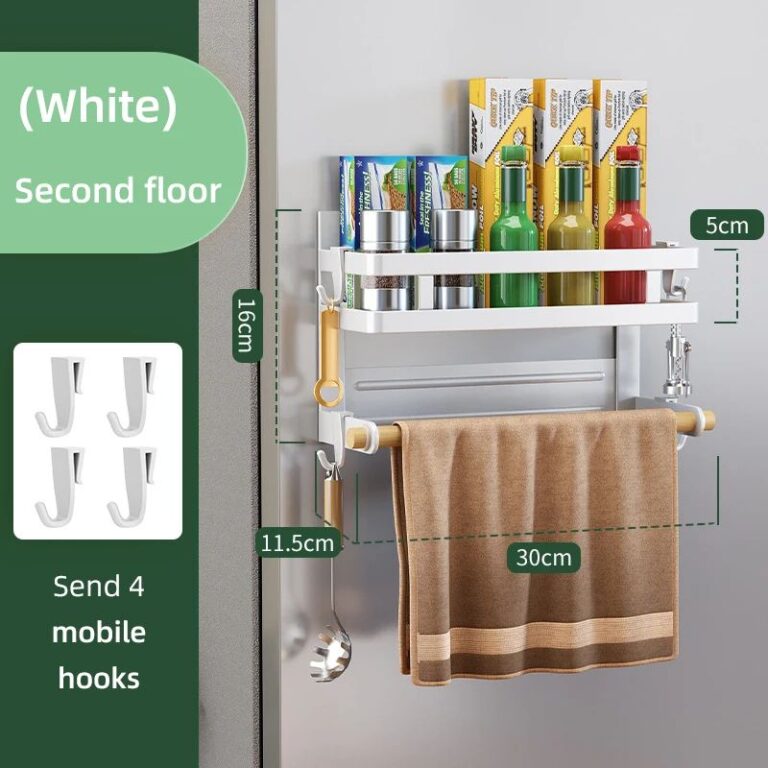 Aisha's pickBlack Paper Towel Holders That Make Rented Places Feel Like HomeAlso worth a lookCartsFor a long time I thought a cart was just a tray with wheels, the kind of thing you'd buy because the aisle was there and the price was low.See the collections →
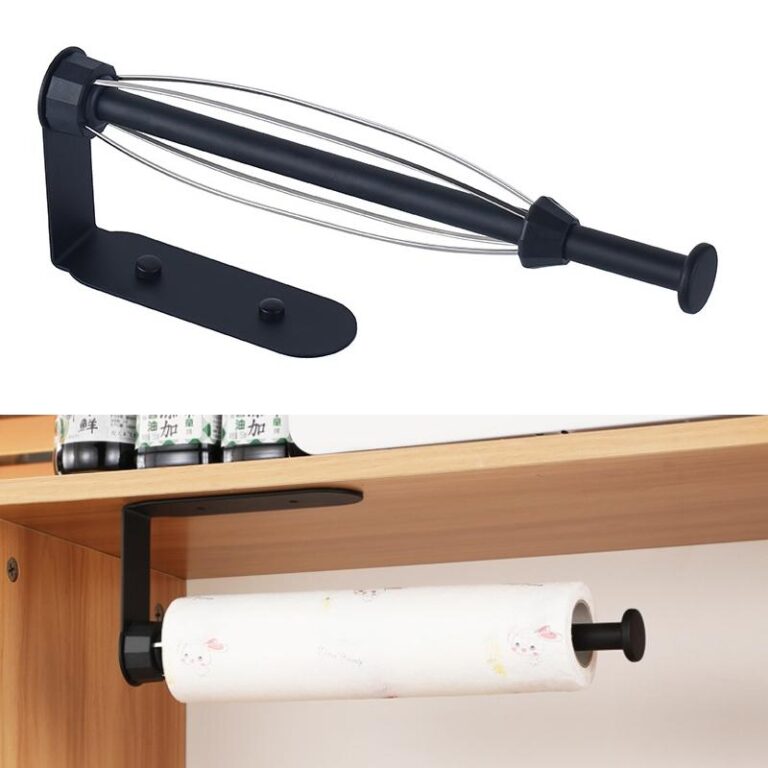
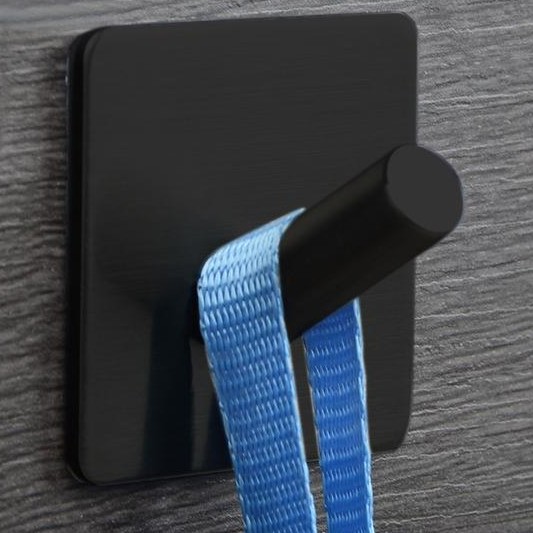 Aisha's pickBlack Coat Racks That Sort Out the Pile by the Door
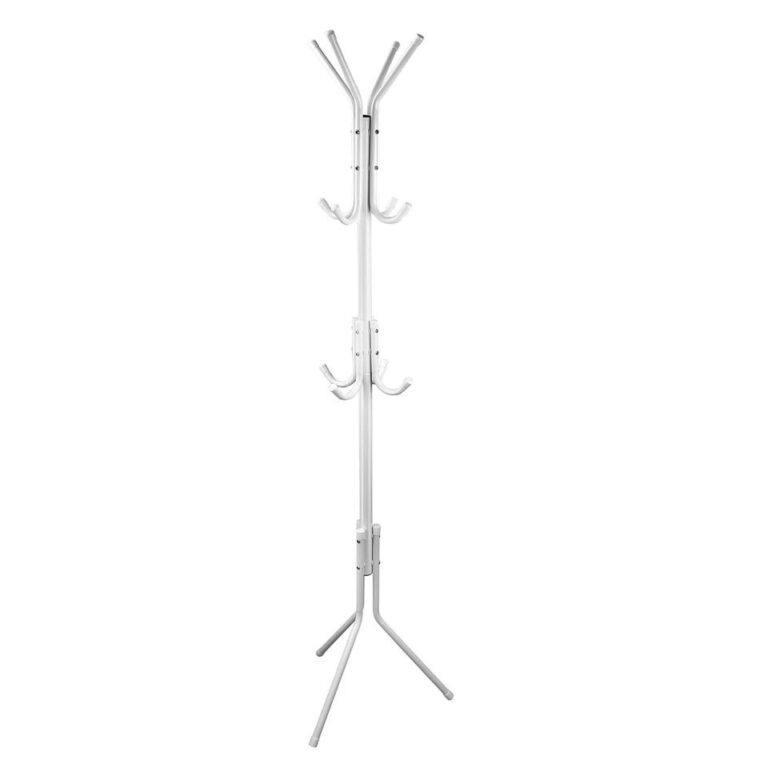
 Aisha's pickBlack Pen Holders We Wish We’d Bought Sooner
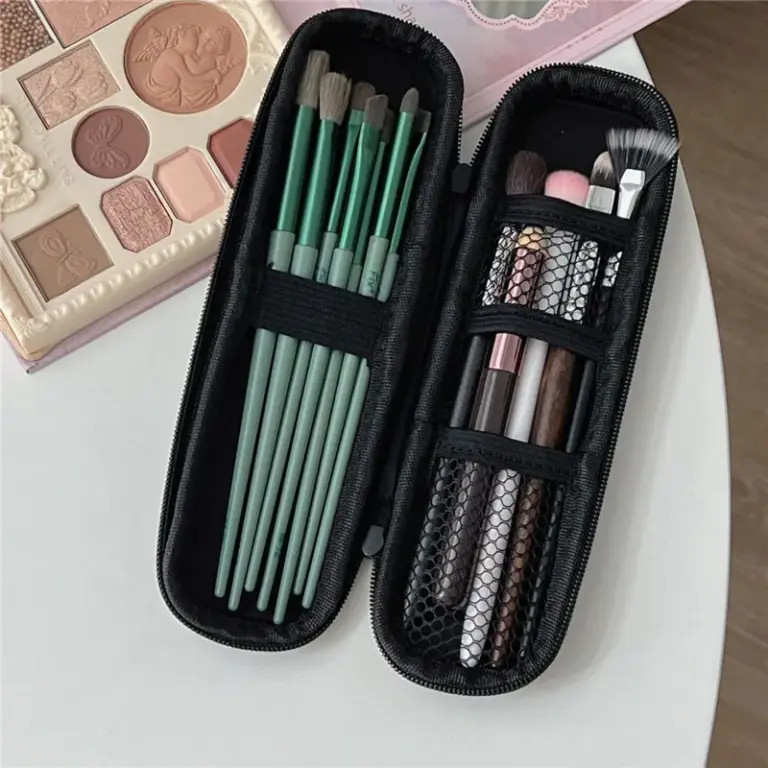
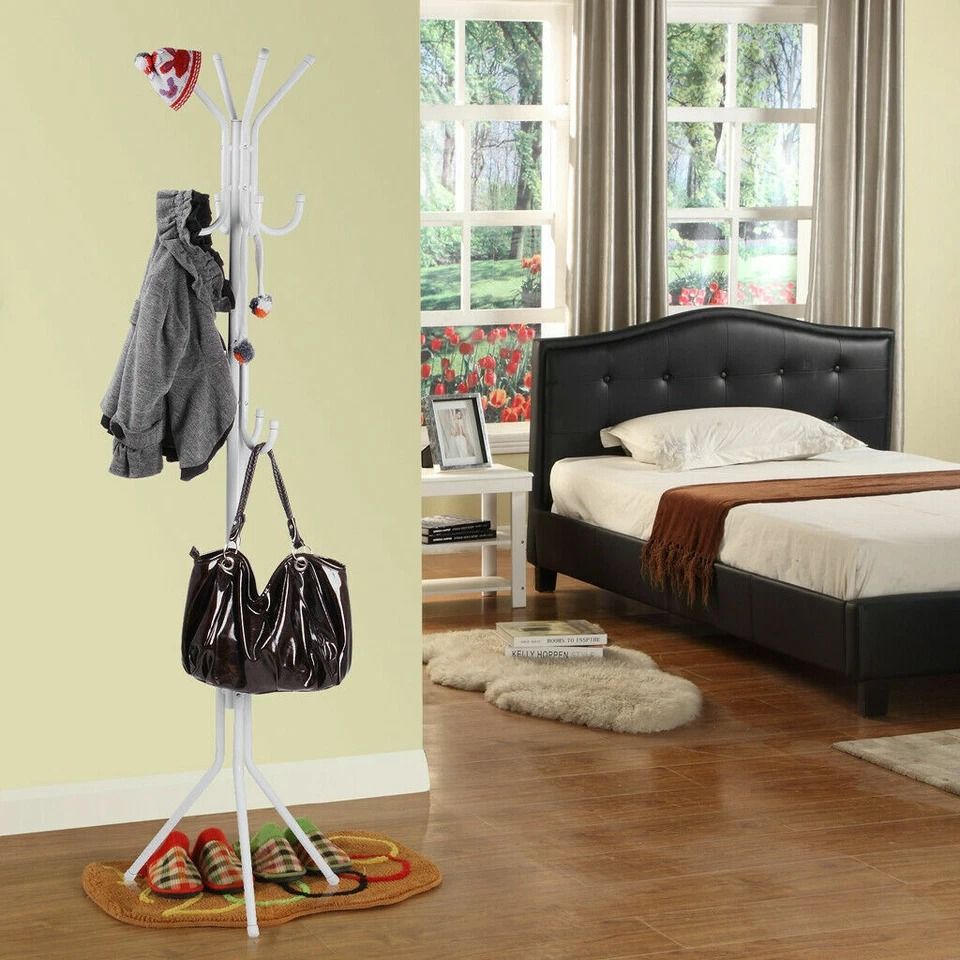 Aisha's pickBlack Coat Stands That Work in Old Houses and New Ones

 Aisha's pickBlack Pencil Holders That Hide the Mess for Good
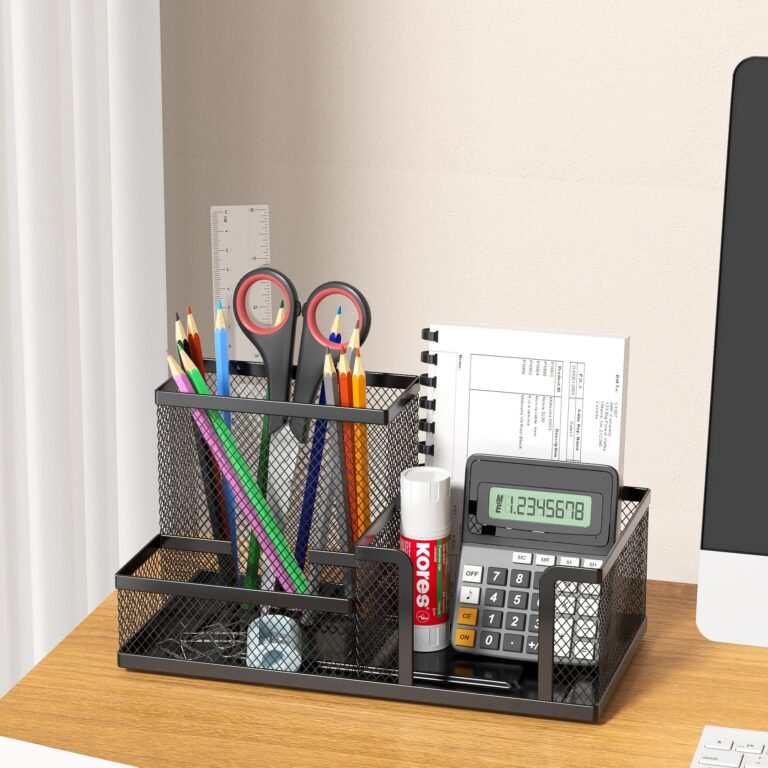
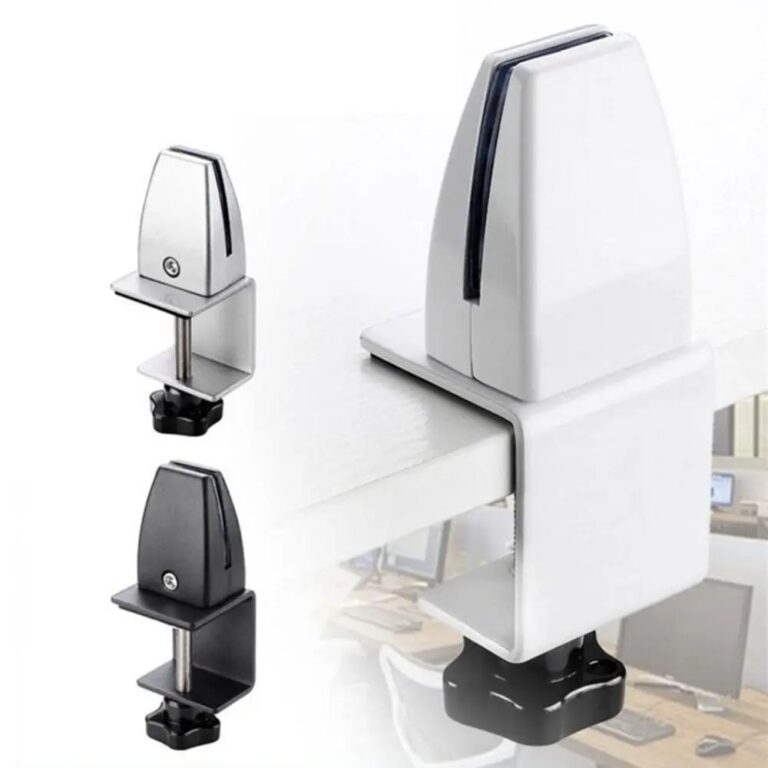
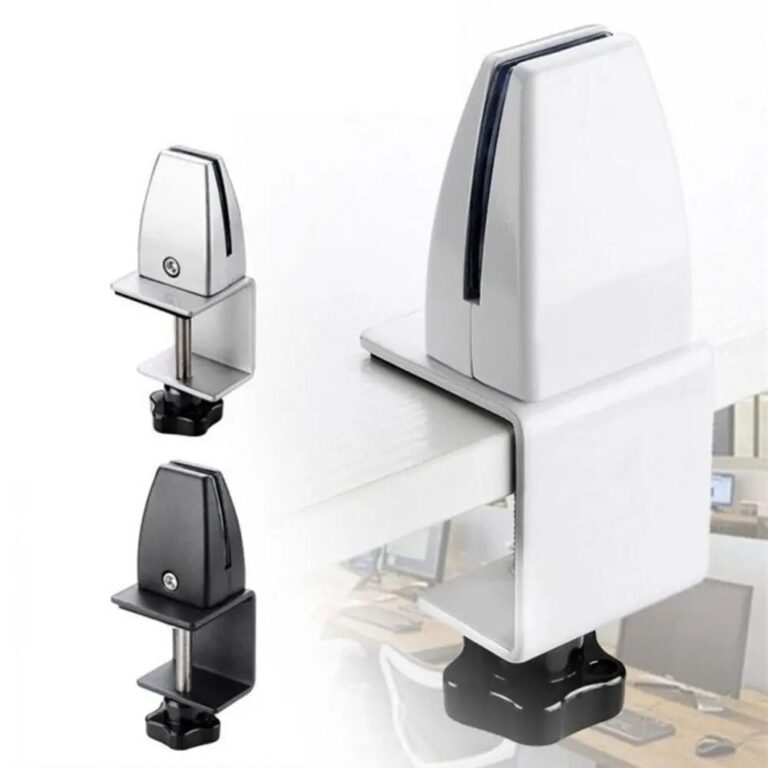 Aisha's pickBlack Desk Dividers That Make the Spare Room Feel Like an Office
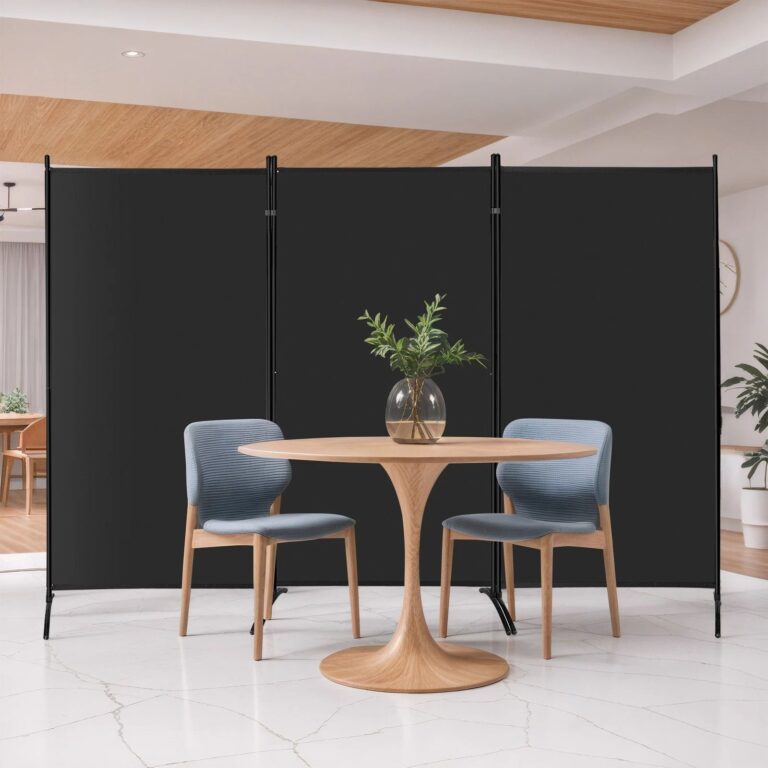
 Aisha's pickBlack Room Dividers Without the Silly Price Tag
 Aisha's pickGood Black Iron Holders That Don’t Cost a Fortune
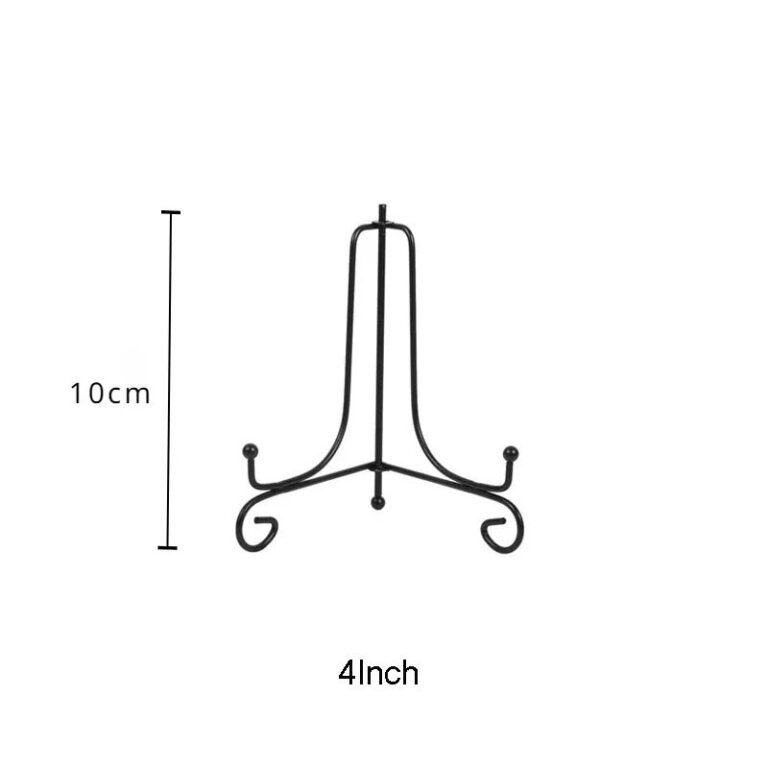
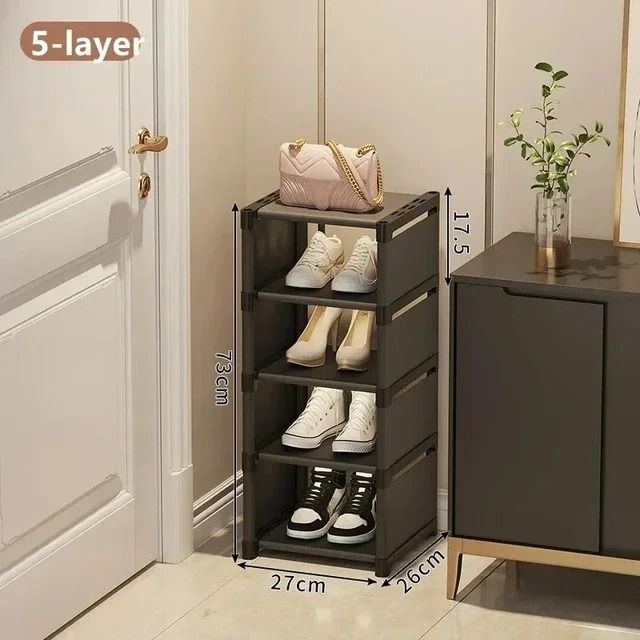 Aisha's pickBlack Shoe Racks That Keep Surfaces Clear
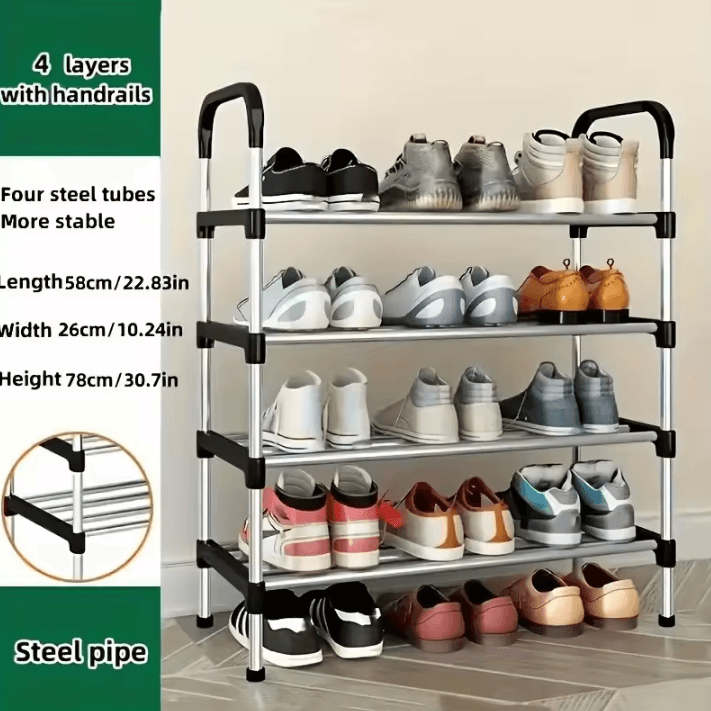
 Aisha's pickBlack Key Holders That Keep Surfaces ClearAlso worth a lookStorage CartsThe thing that never shows up in a listing photo is the sound.See the collections →
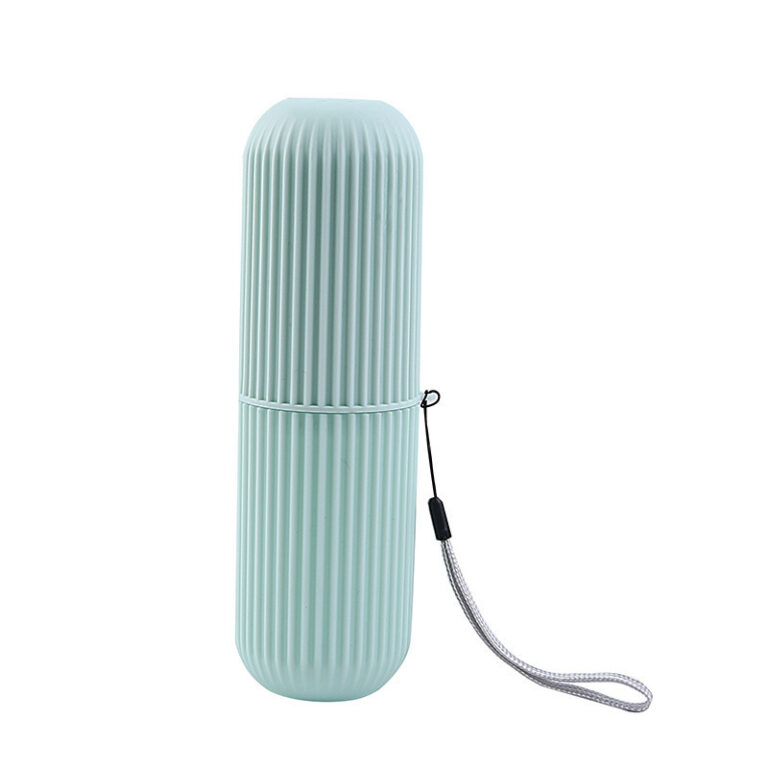
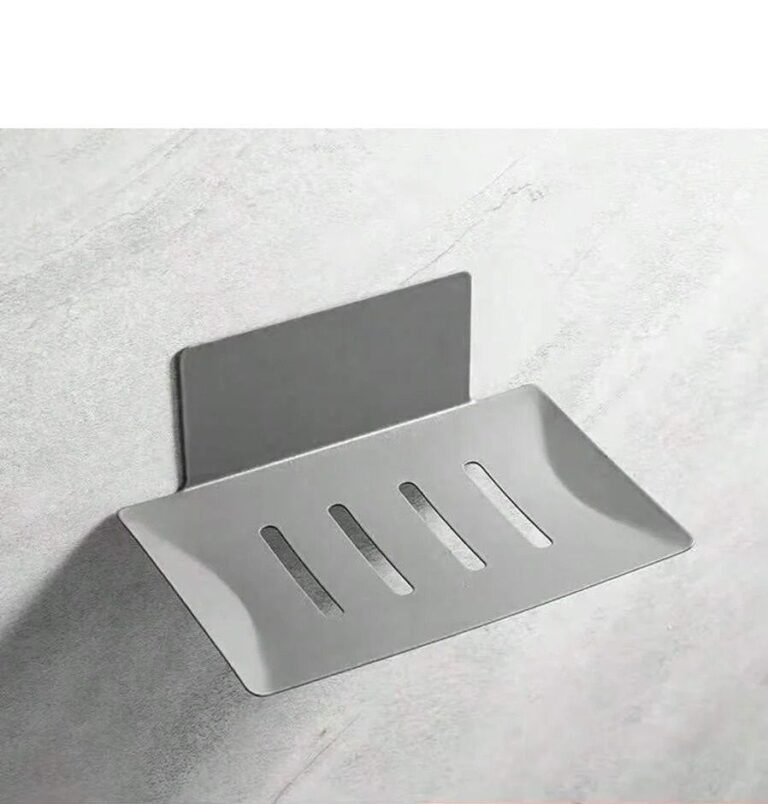
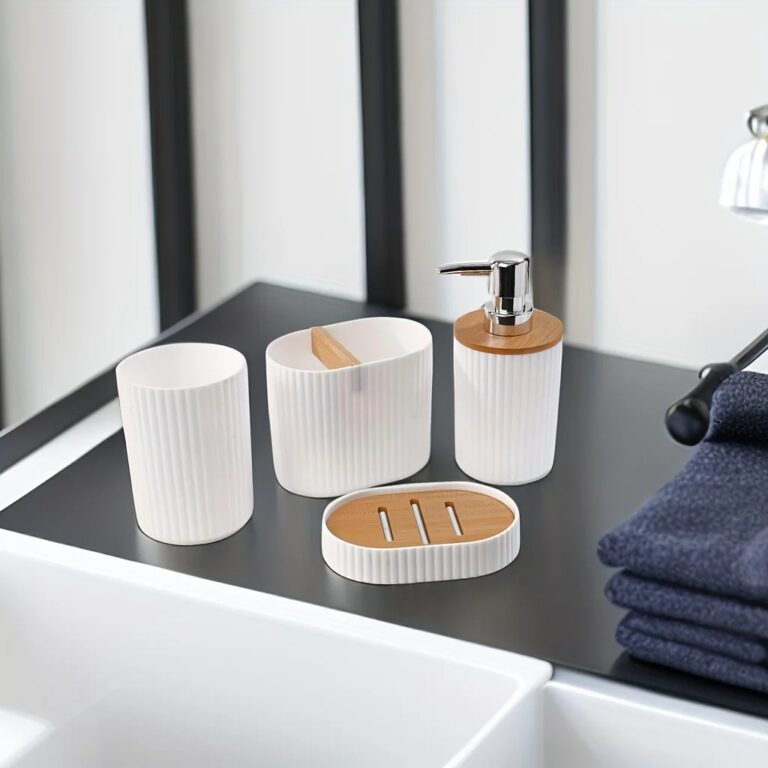 Aisha's pickBlack Soap Holders That Squeeze Into Awkward Corners
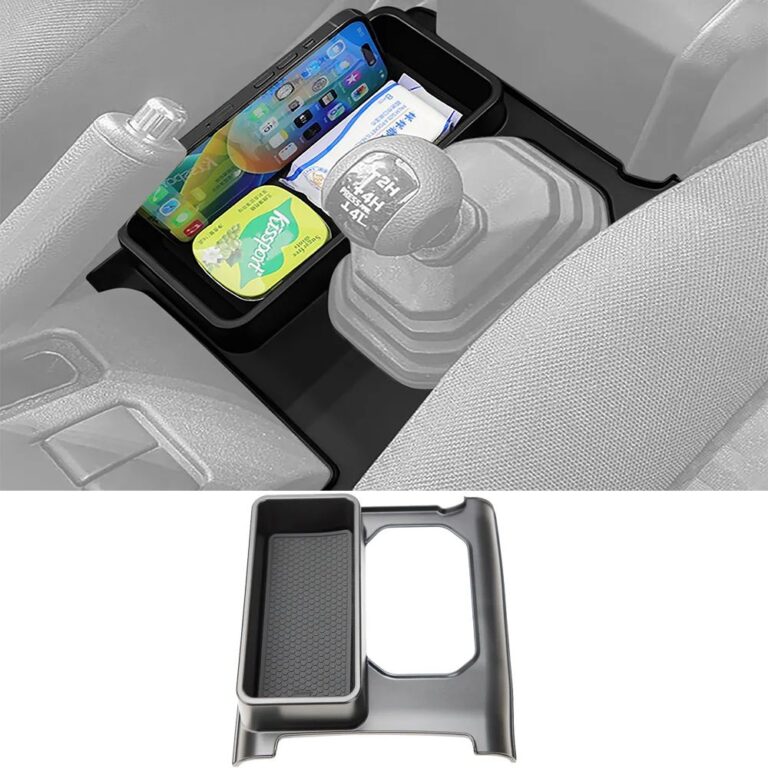 Aisha's pickBlack Key Holders with Storage That Look Good Even When Full
 Aisha's pickBlack Storage Carts That Keep Surfaces Clear