The thing nobody tells you until you have ruined a floor is that the backing matters more than the pattern on top. A rug that looks wonderful in a photograph can still slide across floorboards the moment someone walks fast through the room, or it can be so thin that every chair leg eventually punches a dent straight through to the wood. Before you fall for a color or a weave, ask what is underneath it, because that is the part doing the actual work.
A well made rug has some heft to it, enough that it sits flat on its own rather than curling at the corners like a bad toupee, and the pile feels dense under your palm rather than hollow. Natural fibers like wool take a dye better and spring back after furniture presses into them for years, where a lot of synthetic blends stay flattened once something heavy has lived on them a while. Run your hand along the edge and feel for a bound or serged finish rather than a cut edge that will fray the first time it meets a vacuum, and check the knots or tufting on the back, because a rug that was made properly will look almost as tidy underneath as it does on top. I learned this the hard way with a jute runner in the hallway that looked rustic for exactly one winter before it shed itself into a small haystack by the front door.
Where a rug lives changes what it needs to be. A thick, soft rug earns its keep in a bedroom or a living room where bare feet and lounging happen, something you sink into rather than just stand on. Kitchens, mudrooms and anywhere wet boots or dog paws pass through want something flatter, washable or at least forgiving of a sponge and some patience, and a good non slip layer underneath is not optional if there are small children or anyone less steady on their feet moving through that space. Smaller mats by doors and sinks take the worst daily abuse of all, so that is where I spend the least on sentiment and the most on grip.
The day it arrives, unroll it somewhere you can actually walk on it rather than just look at it, because rugs photograph flat and lie flat differently once there is foot traffic and furniture weight involved. Check that the edges lie down within a day or two rather than staying curled, listen for whether a dropped object sounds like it landed on something or just skidded across it, and make sure any rug pad you are using is the right thickness for the floor, not just whatever was on sale.
A good rug suits a home where people actually live on the floor, not just admire it from the doorway.

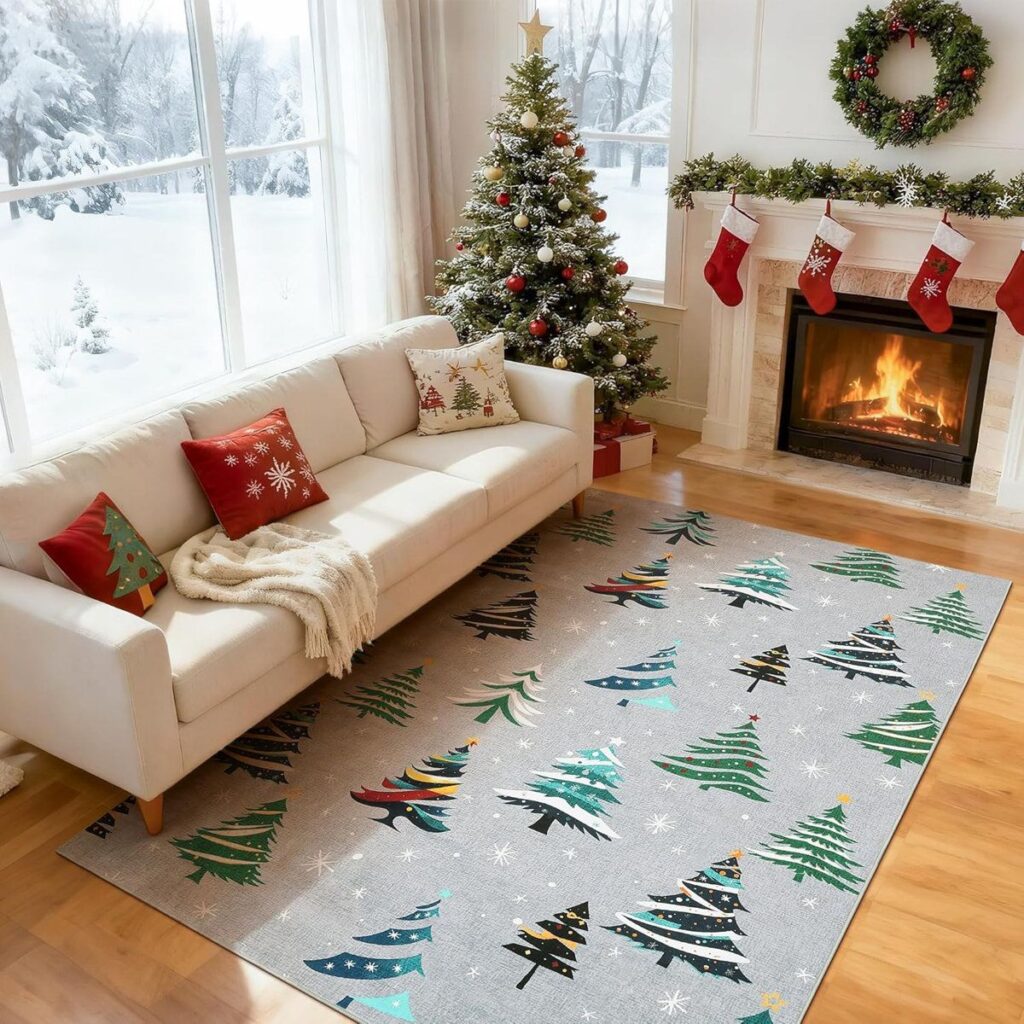 Aisha's pickLow Pile Rugs for Bedroom That Don’t Shed Everywhere
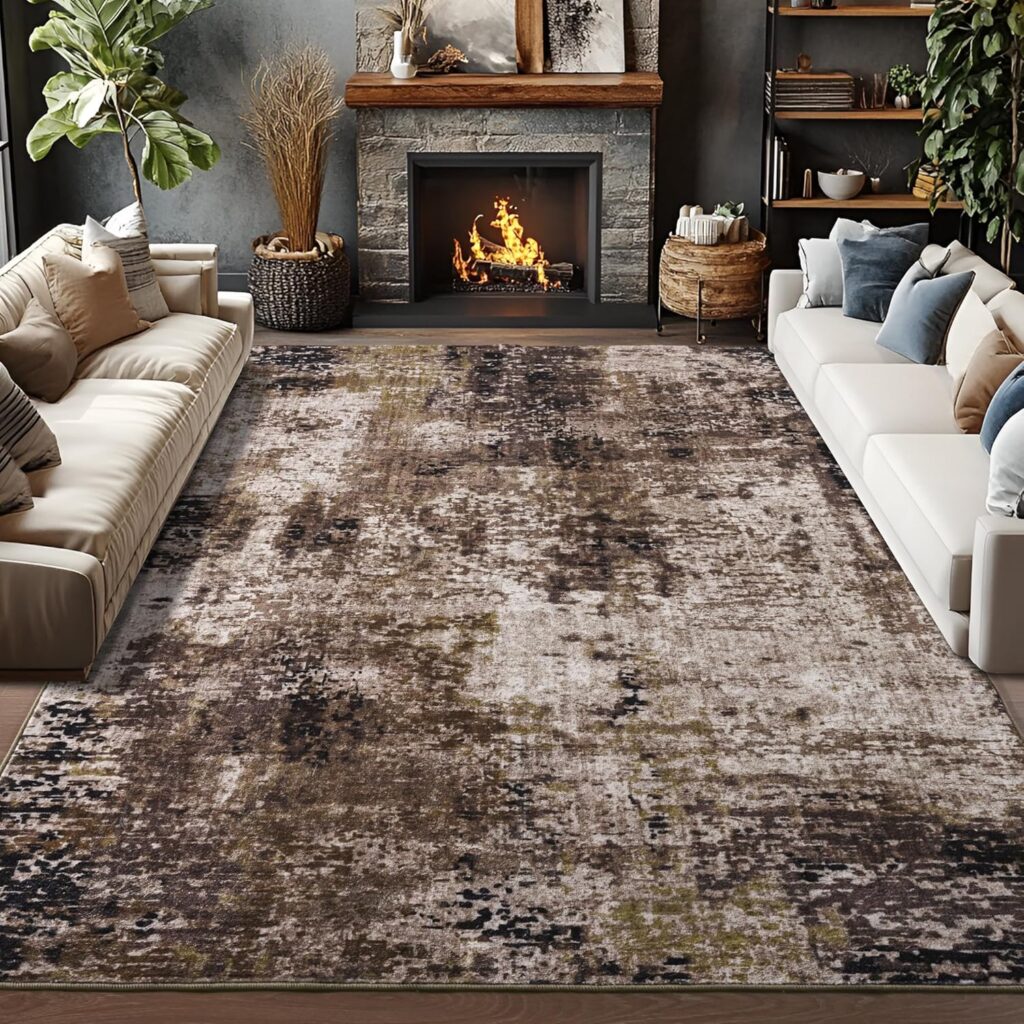
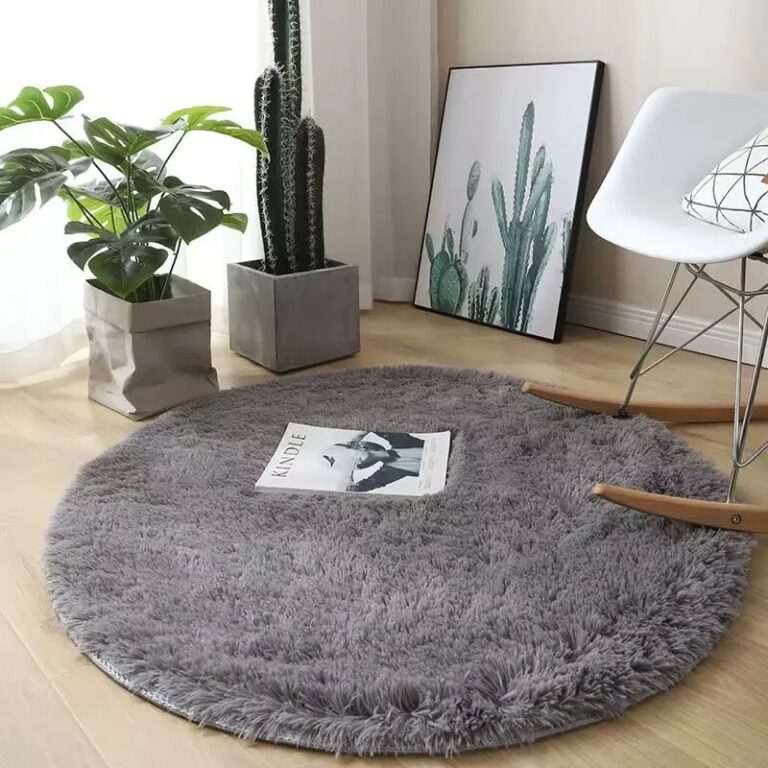 Aisha's pickWhite Bedroom Rugs That Feel Good Underfoot
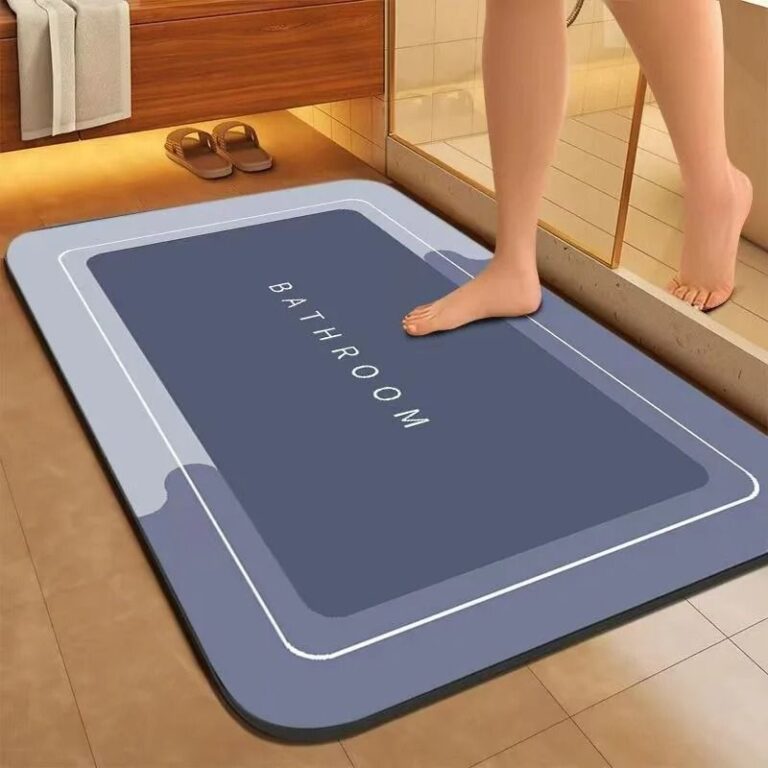 Aisha's pickGood Natural Door Mats That Don’t Cost a Fortune

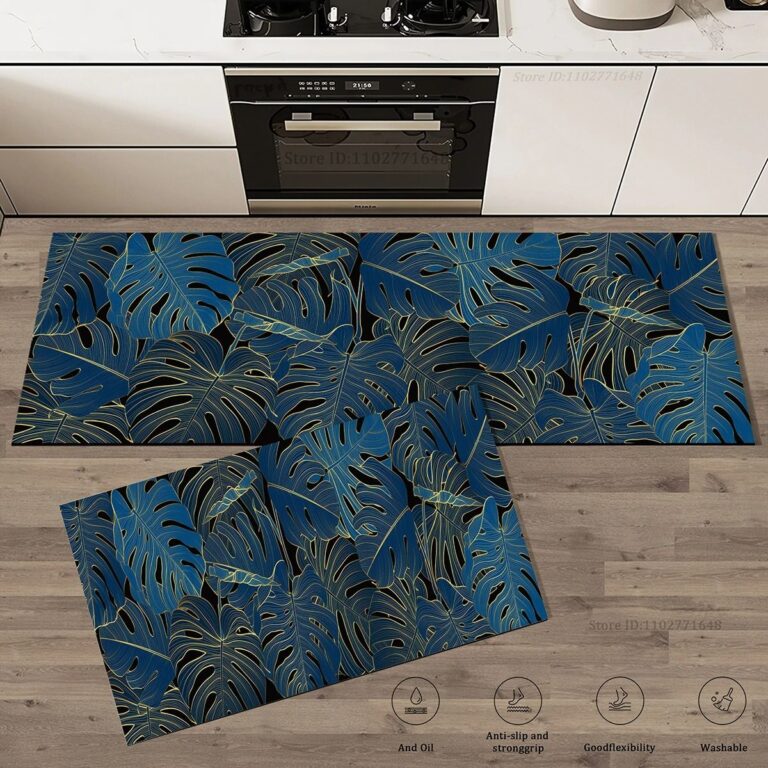 Aisha's pickDecent Cotton Non Slip Rugs Without the Hassle
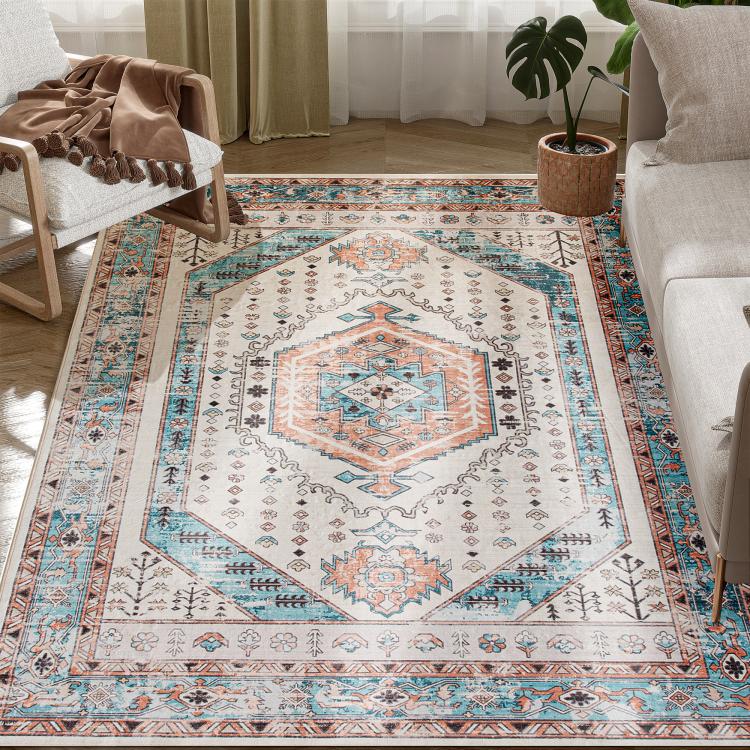
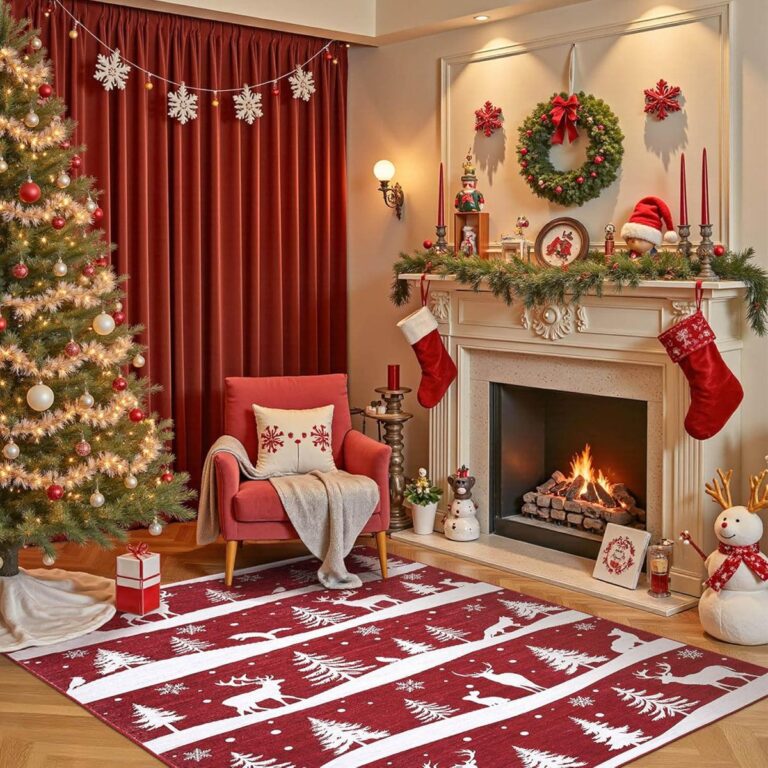 Aisha's pickSimple Floor Rugs for Dining Room Done Well
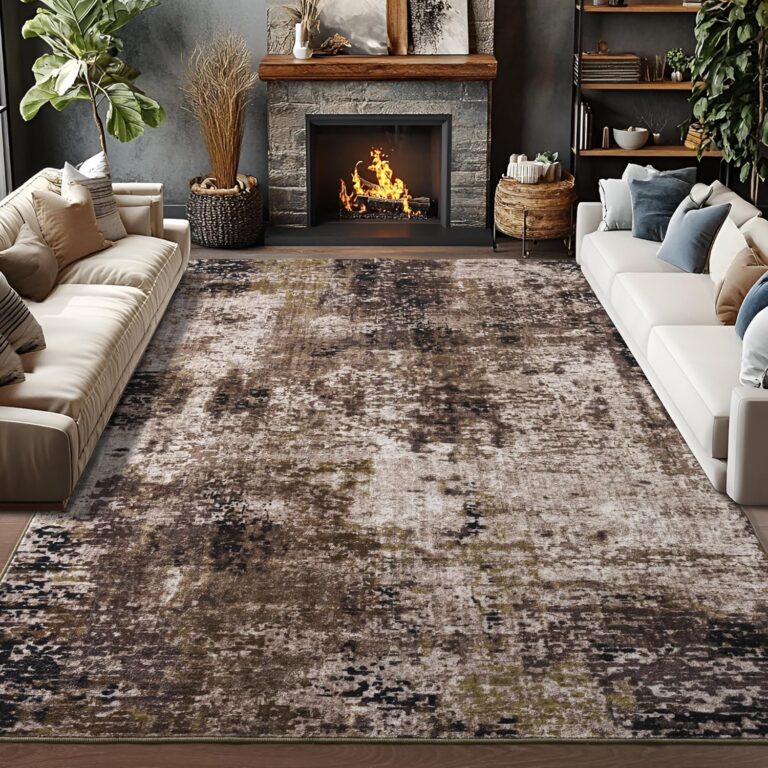
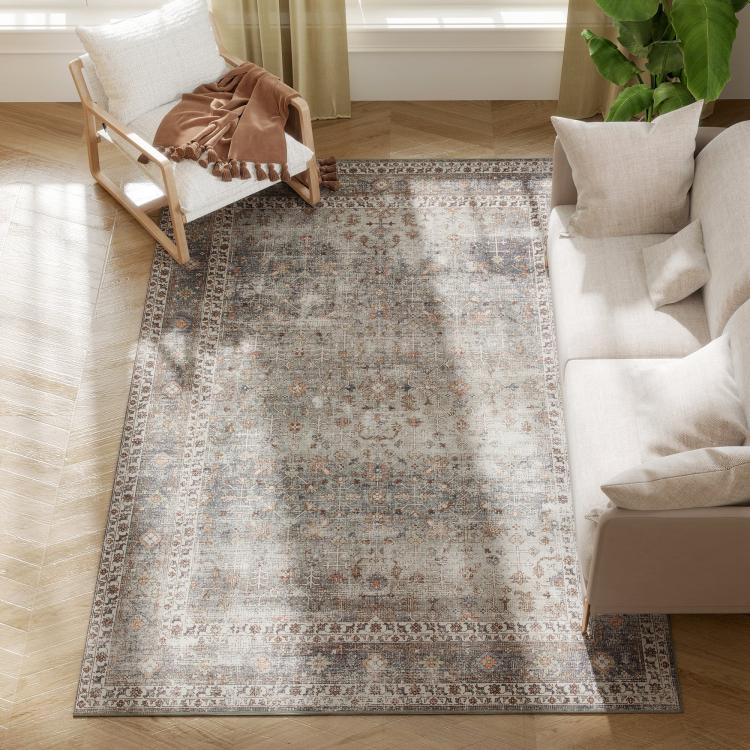 Aisha's pickTraditional Floor Rugs We’d Buy Again
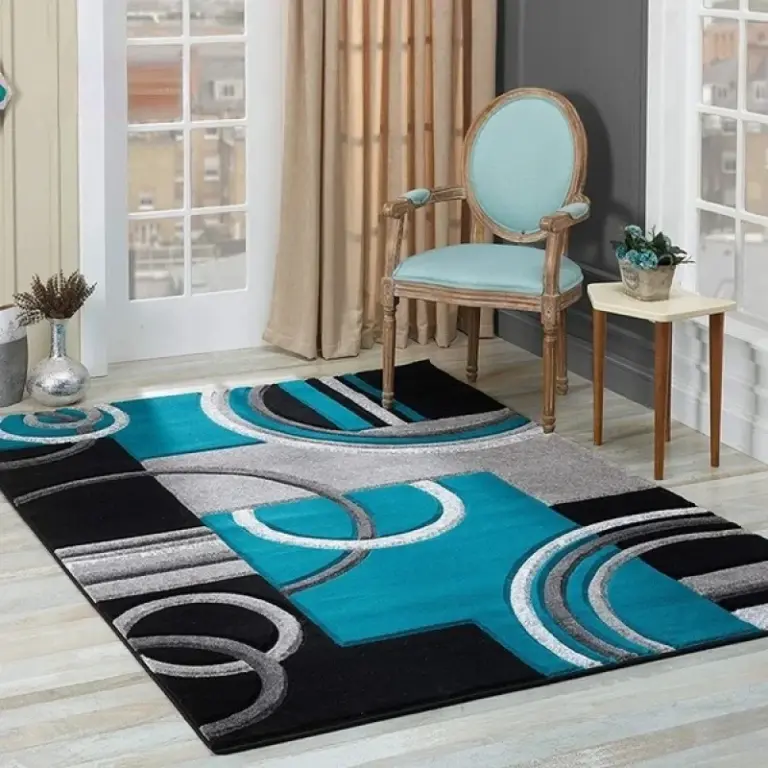 Aisha's pickGeometric Soft Rugs That Pull a Room Together
 Aisha's pickGreen Runner Rugs That Don’t Need Babying
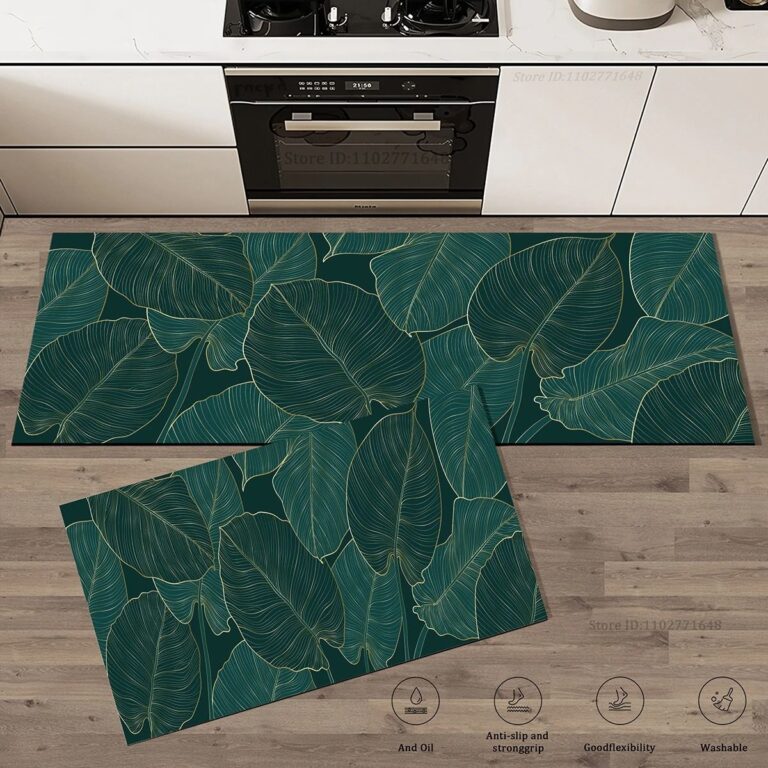
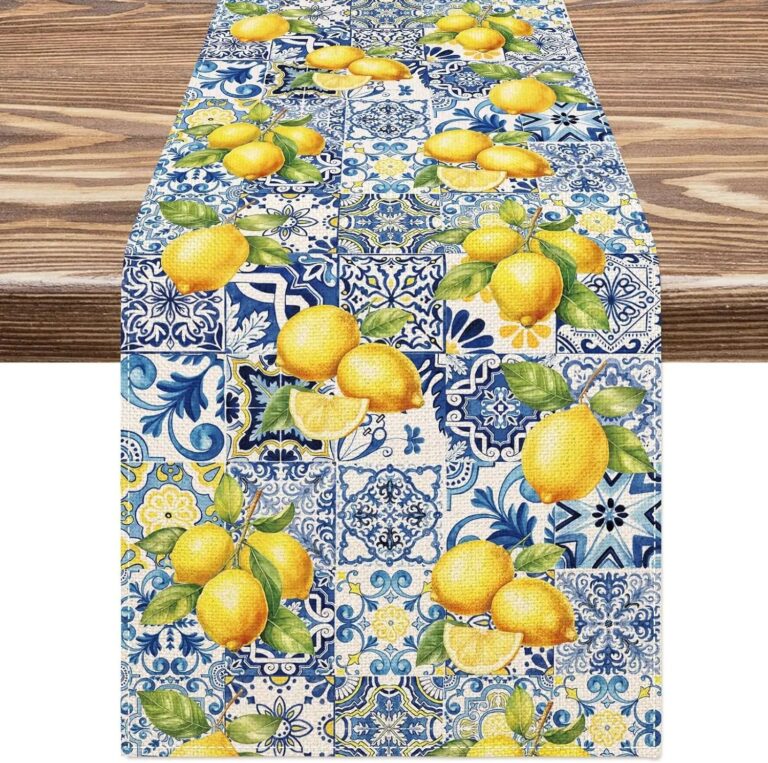 Aisha's pickKitchen Runners That Survive Kids and PetsAlso worth a lookSoft RugsMost people buy a soft rug by how it feels in the store, standing on it in socks…See the collections →
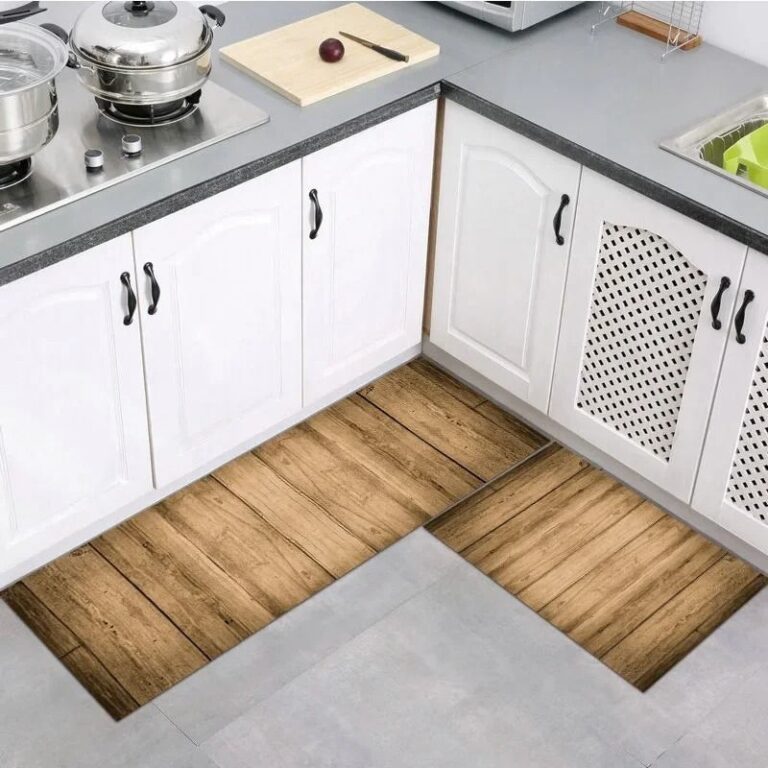
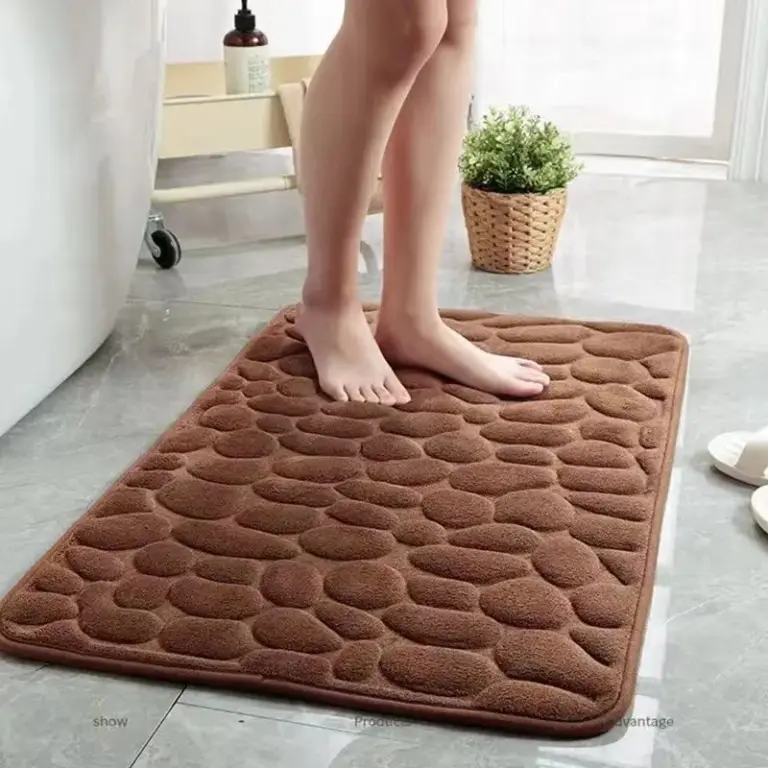 Aisha's pickWashable Kitchen Mats That Hide Muddy Footprints
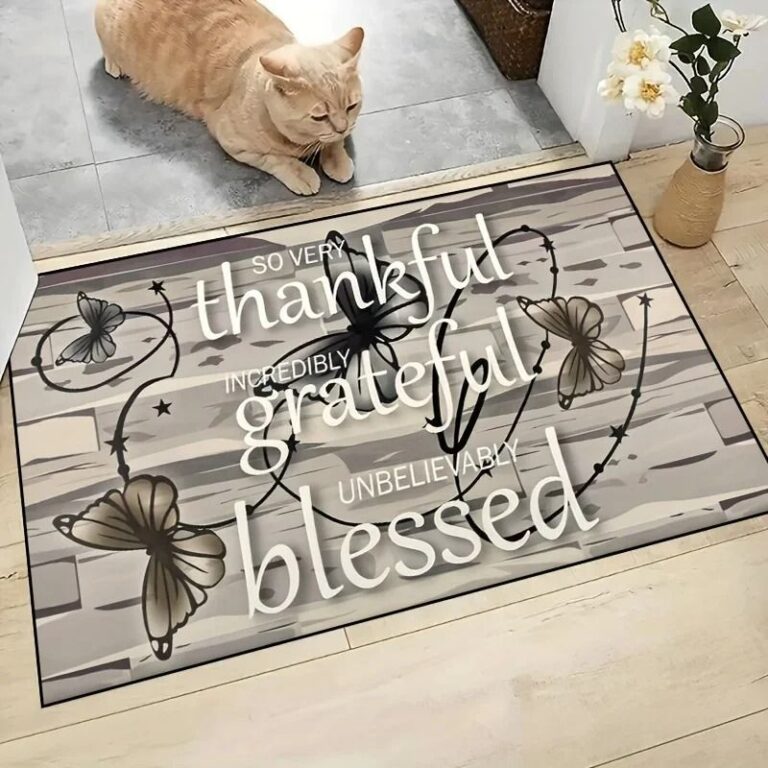
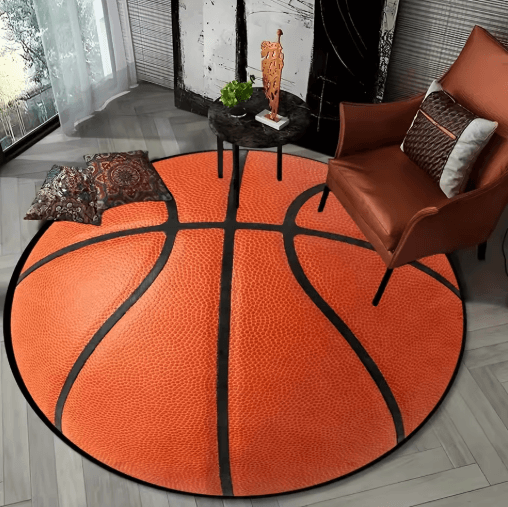 Aisha's pickLiving Room Rugs for Making a House Feel Like Yours

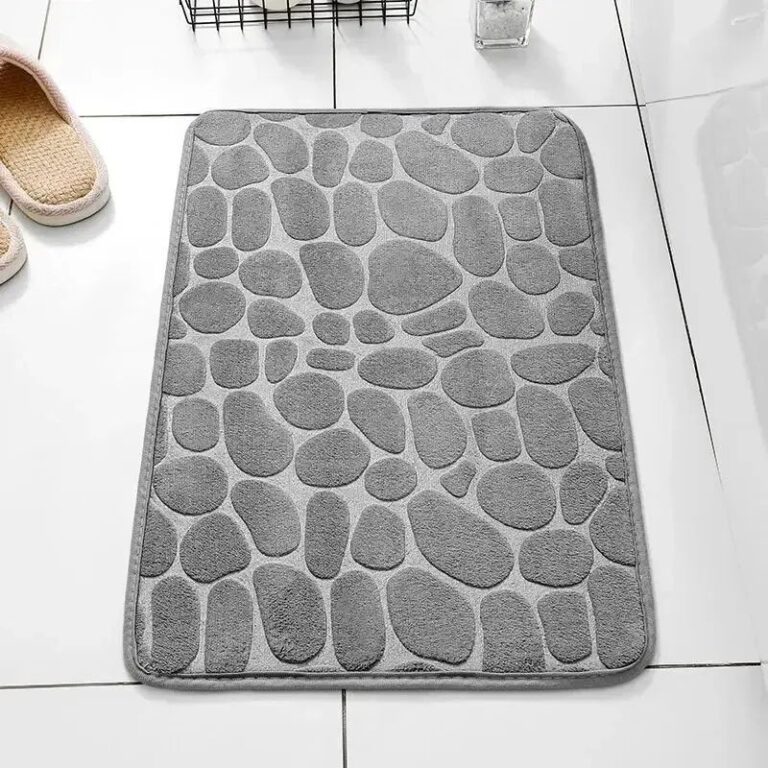 Aisha's pickTextured Living Room Rugs That Don’t Shed Everywhere
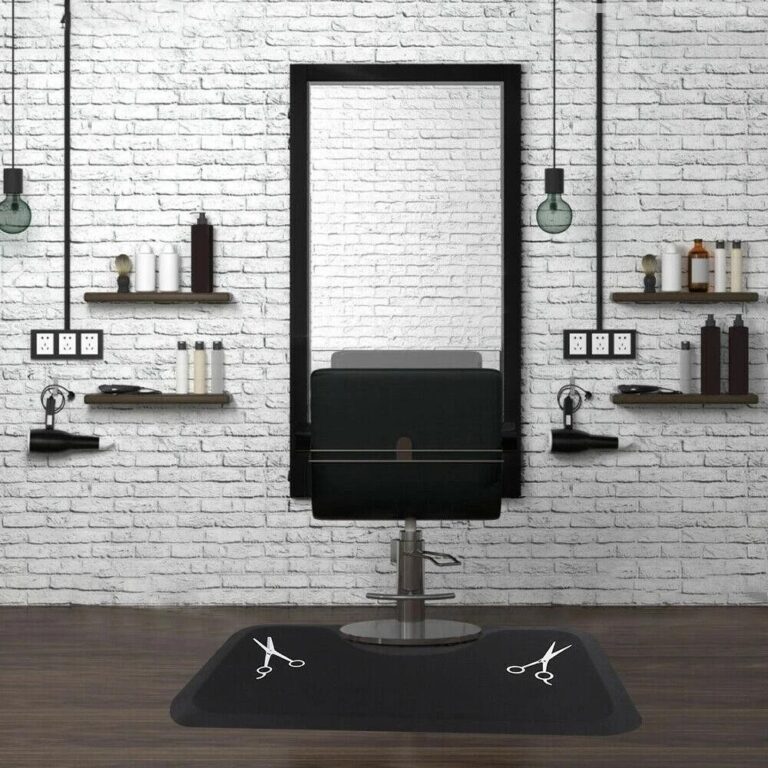 Aisha's pickBlack Anti Fatigue Mats That Hide Muddy Footprints
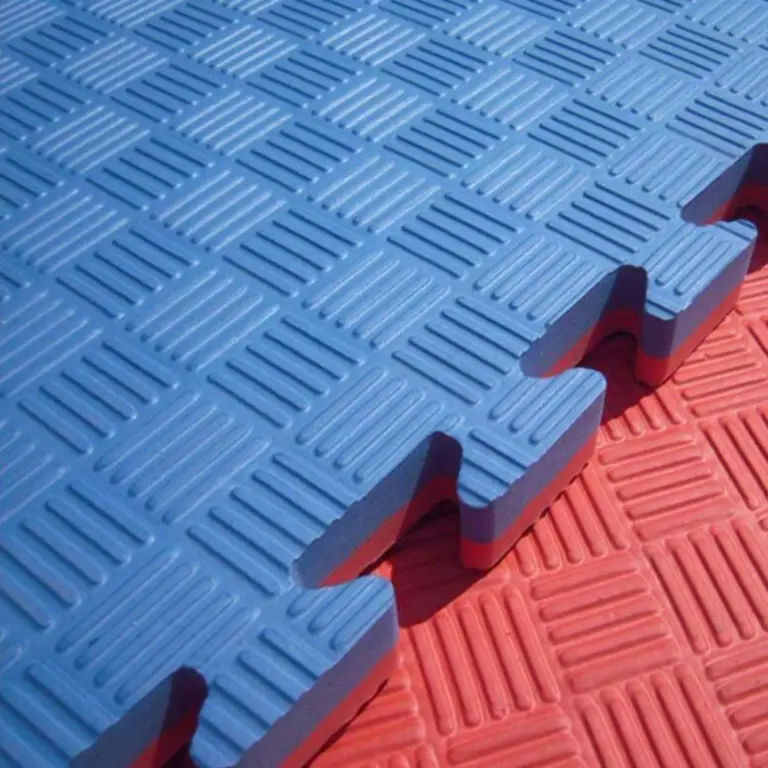
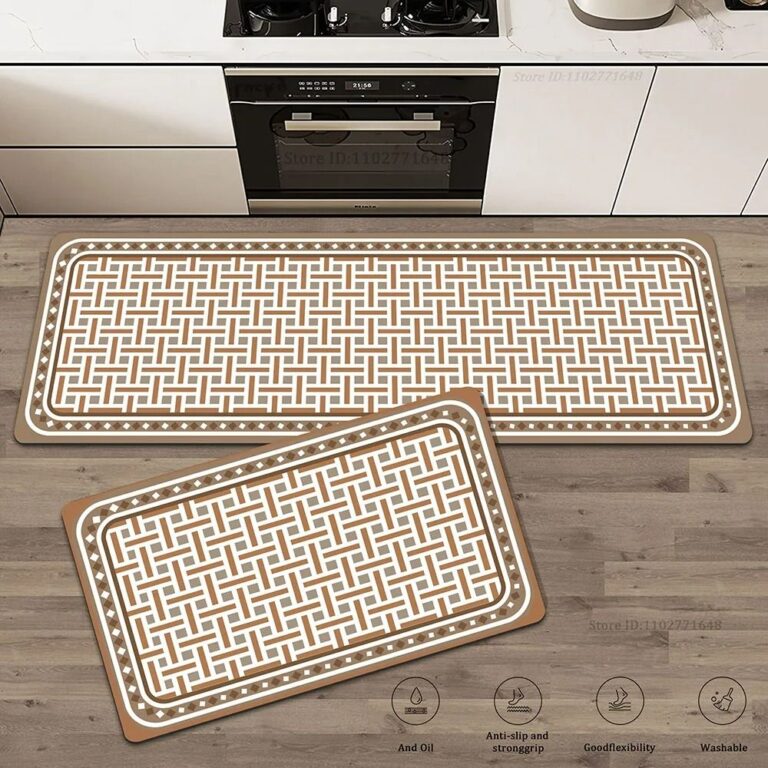 Aisha's pickEntrance Mats for Carpet That Don’t Shed Everywhere
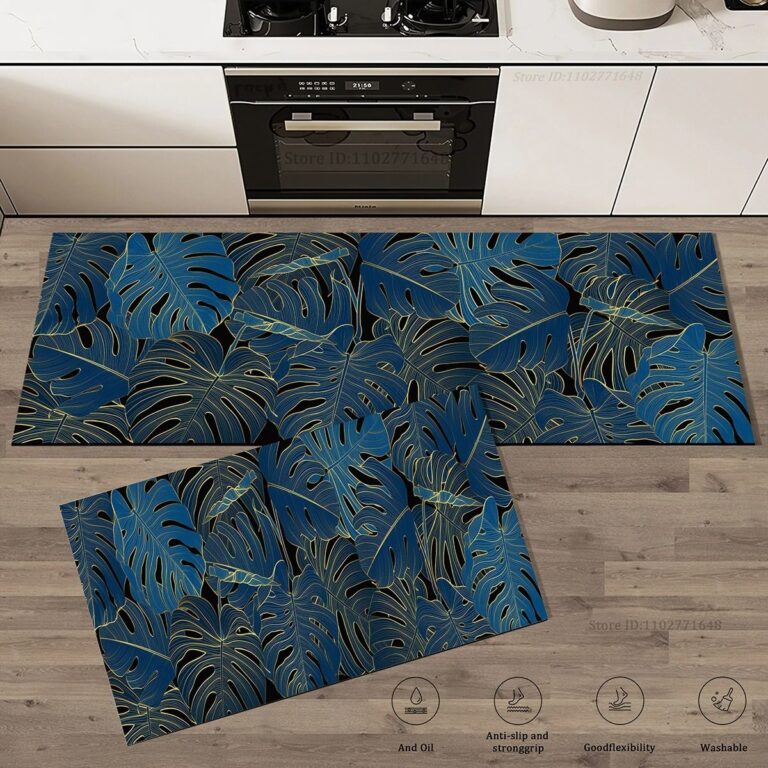
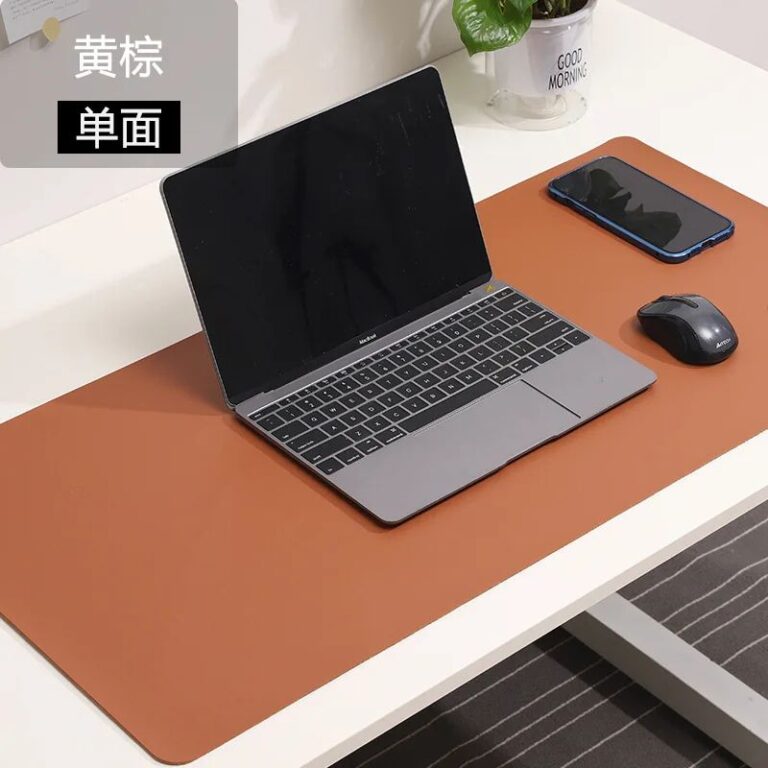
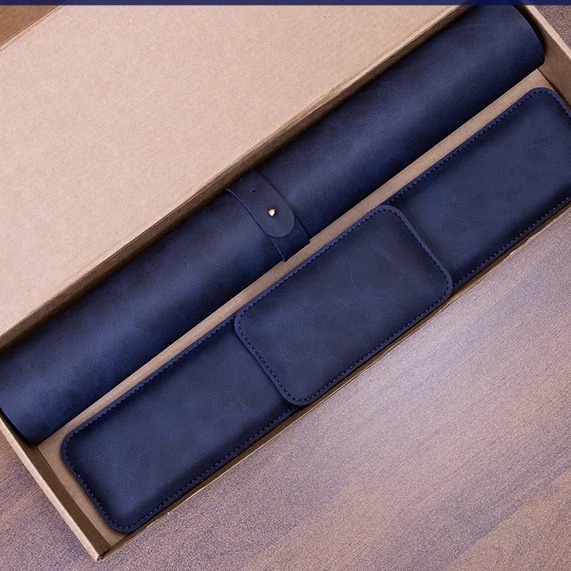 Aisha's pickMouse Mats for Desk That Make the Spare Room Feel Like an Office
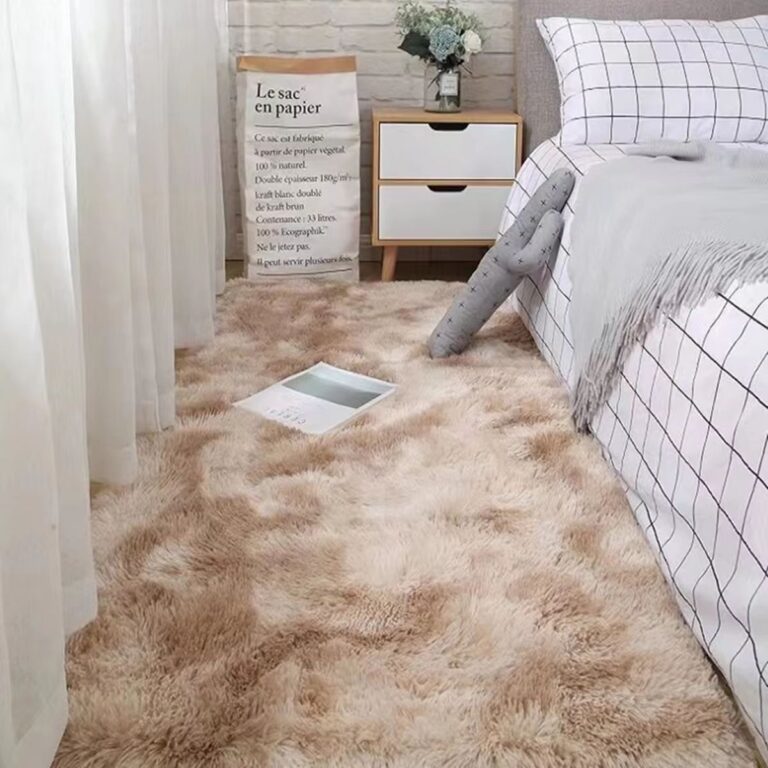 Aisha's pickModern Bedroom Rugs That Pull a Room Together
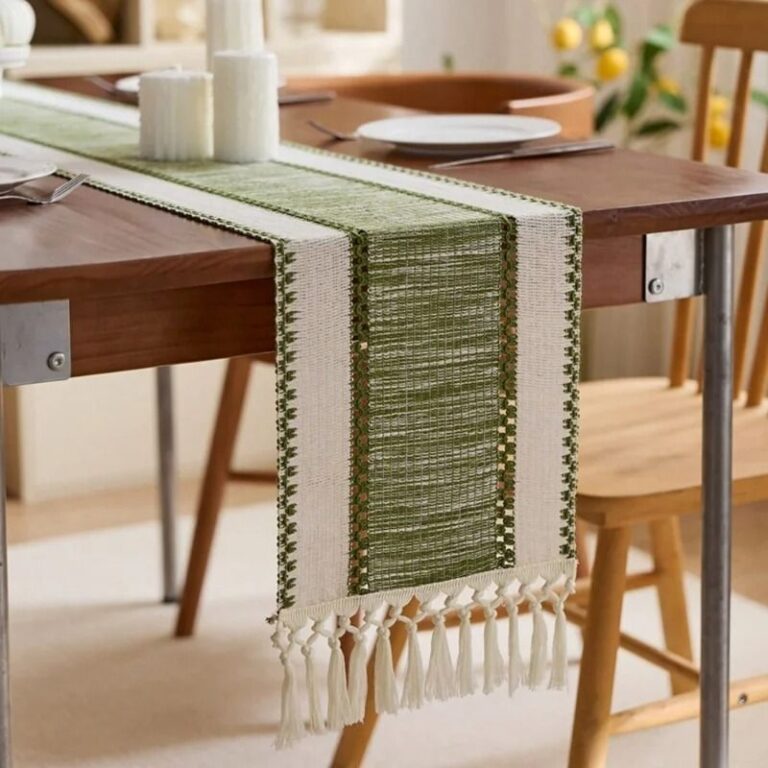 Aisha's pickModern Table Runners We Keep Coming Back To
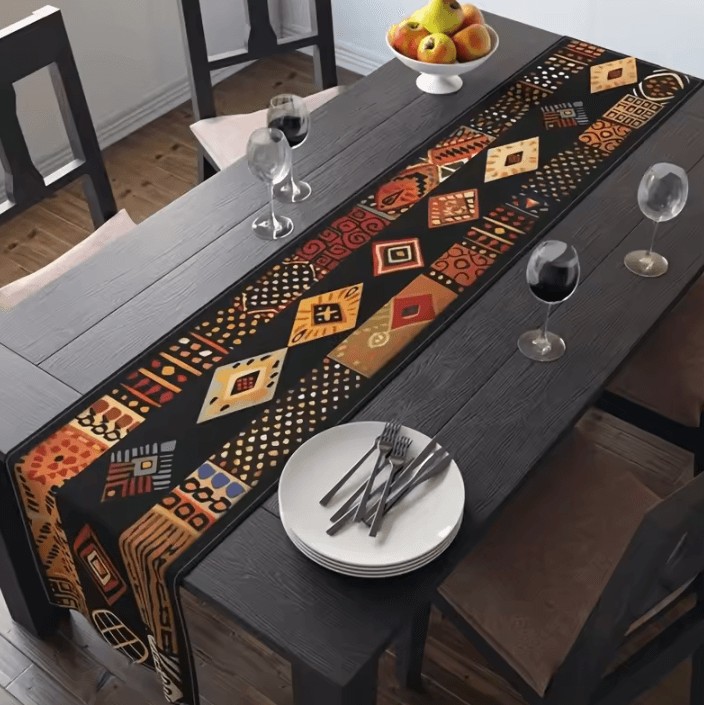
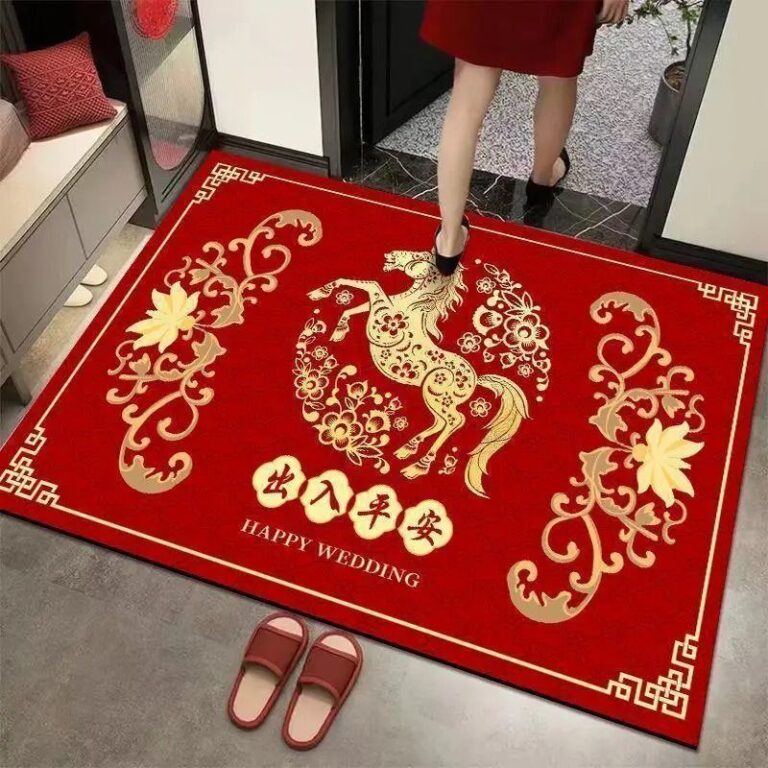
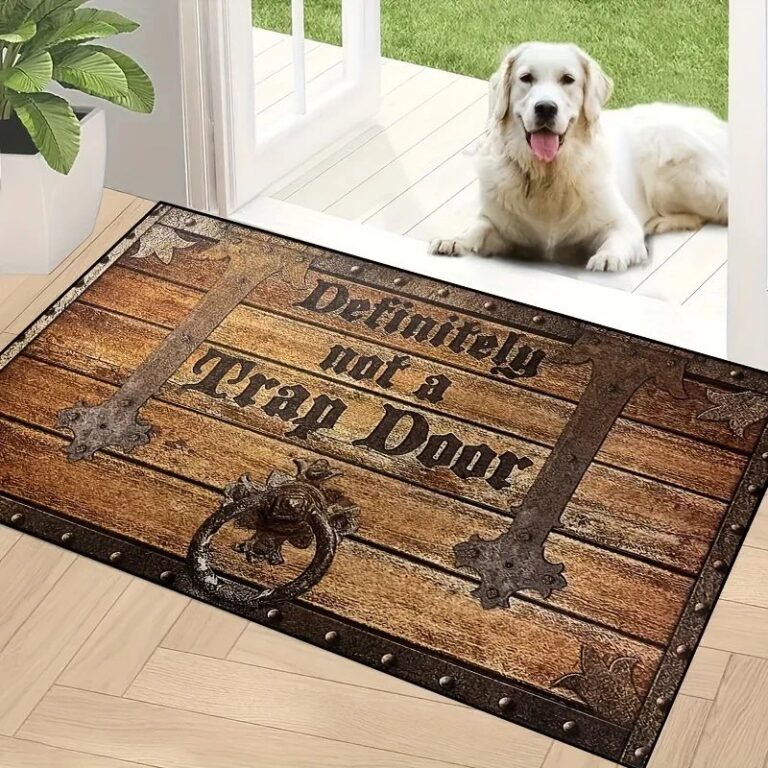 Aisha's pickNon Slip Entrance Mats That Pull a Room TogetherAlso worth a lookMatsA mat is the thing standing between whatever is happening outside your door and the floor you just cleaned.See the collections →
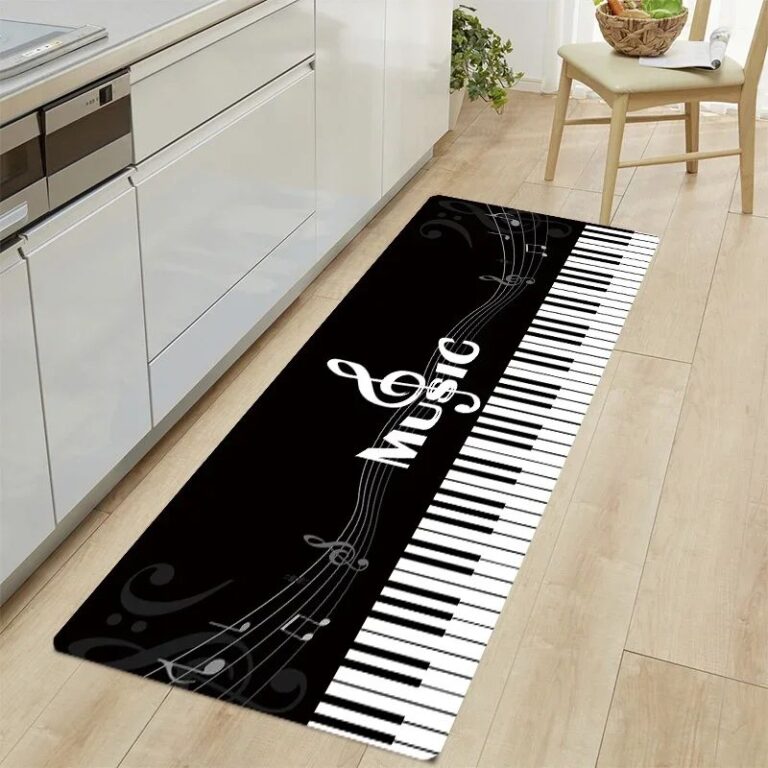
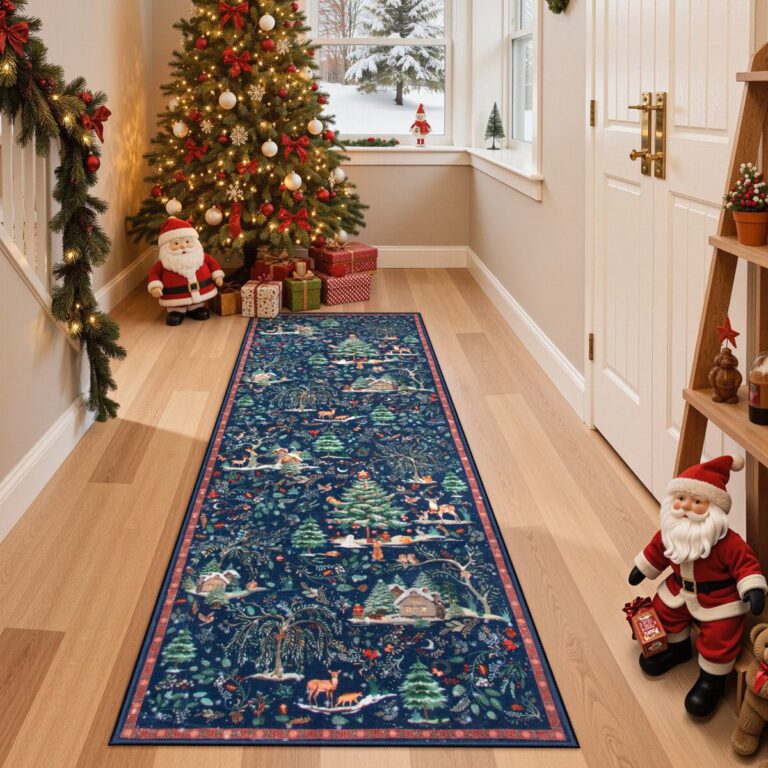 Aisha's pickGood Polyester Non Slip Rugs That Don’t Cost a Fortune
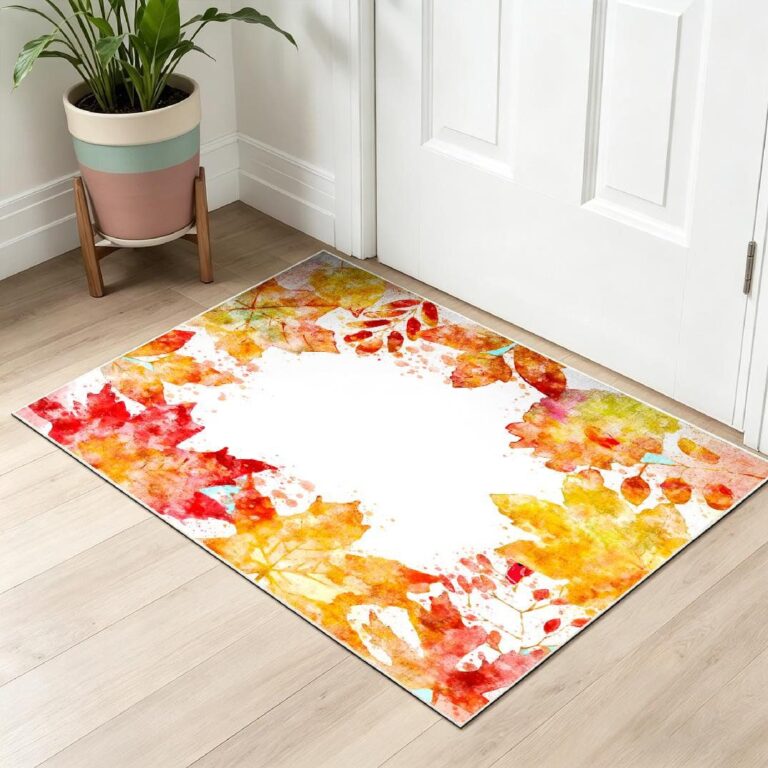
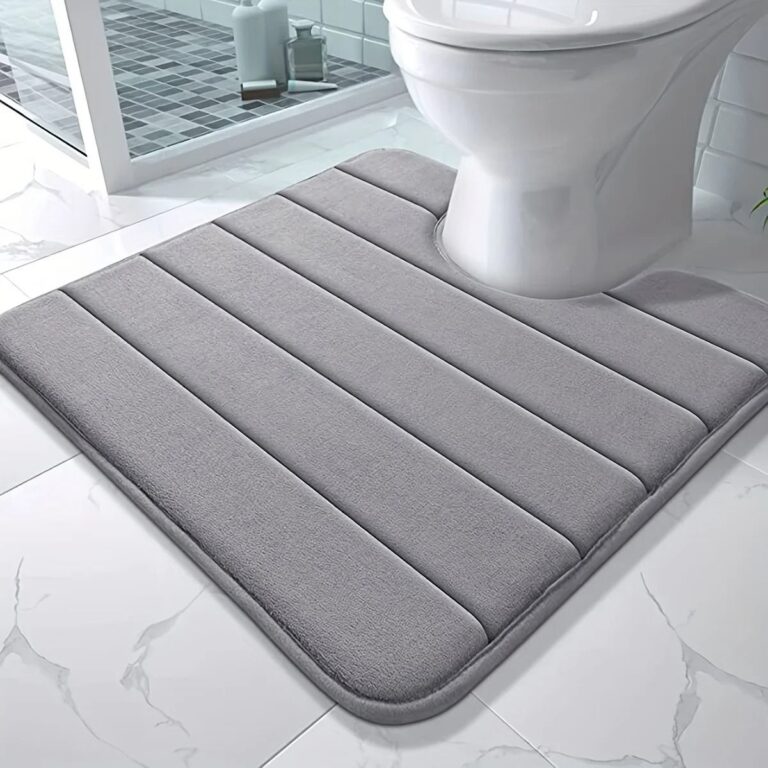 Aisha's pickLuxury Place Mats That Cope With Heavy Traffic
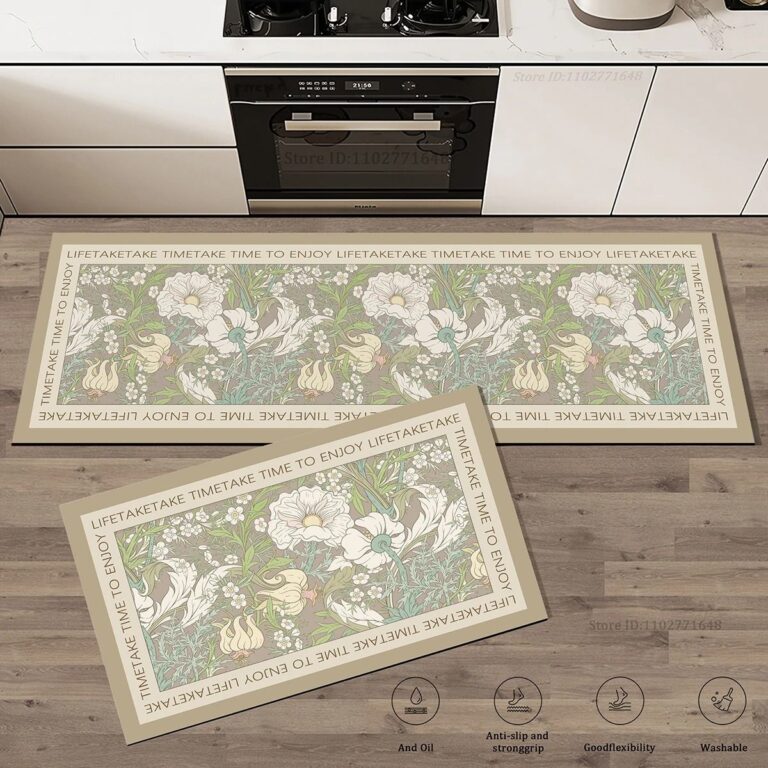
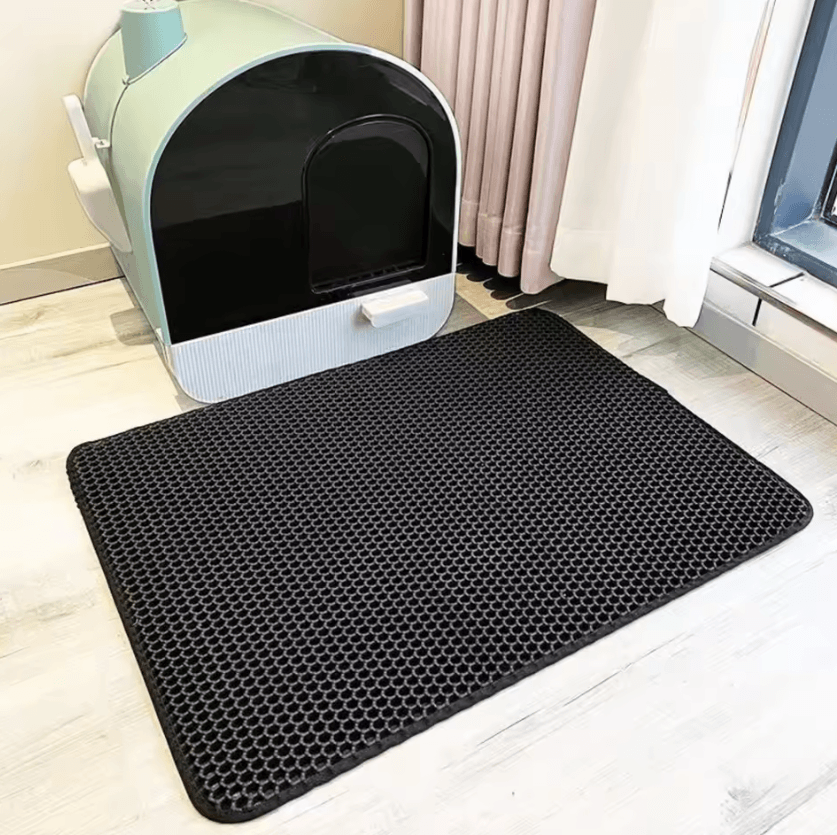 Aisha's pickWaterproof Place Mats That Stay Put on Hard Floors
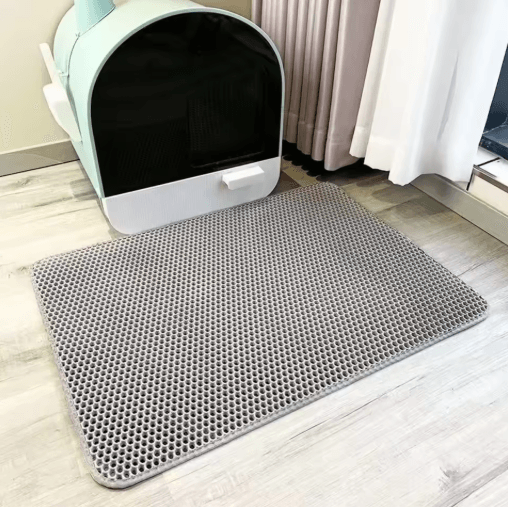
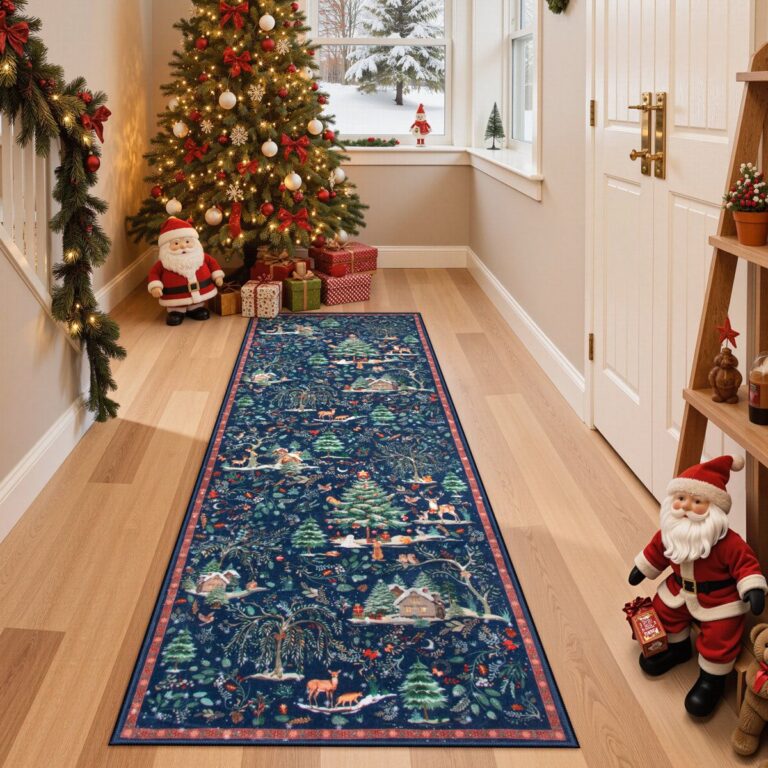 Aisha's pickFloral Runners Picked From the Stores We Trust

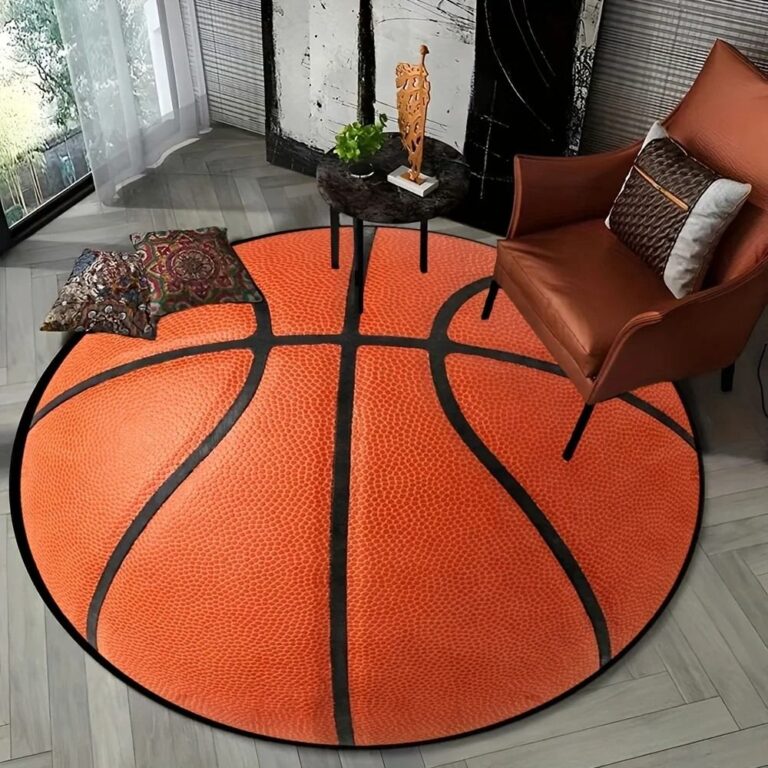 Aisha's pickBlack Rugs That Warm Up Cold Floors

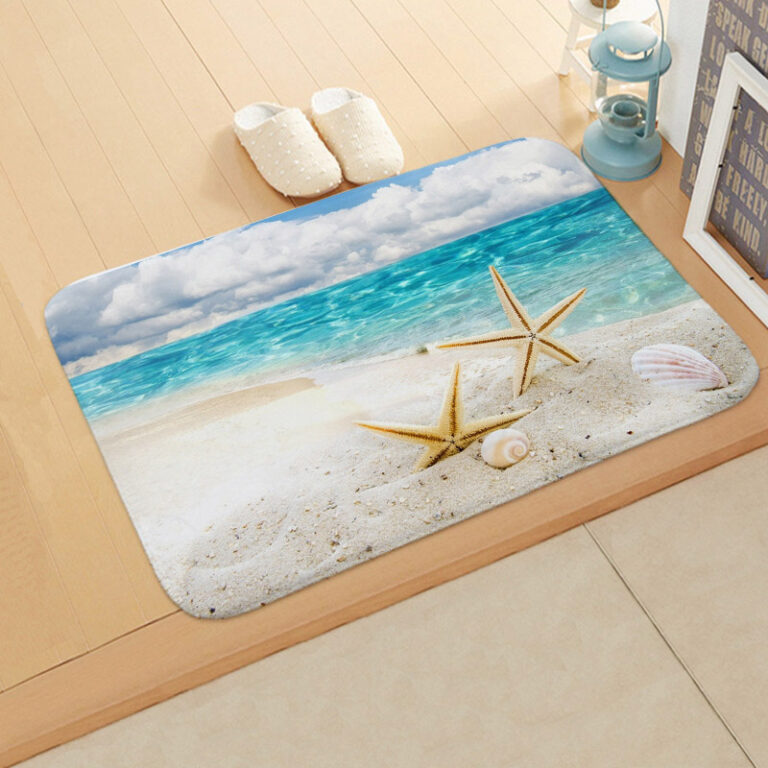 Aisha's pickDoormats for Narrow Hallways
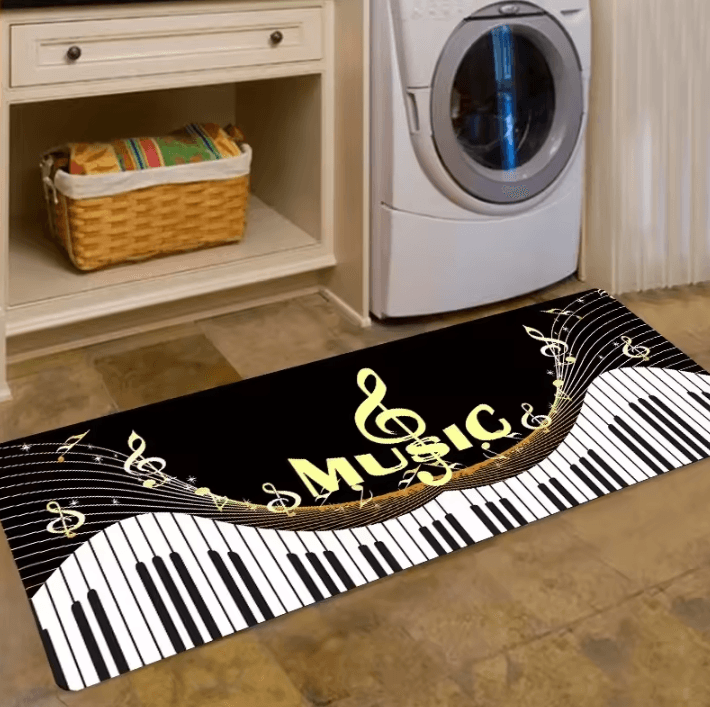
 Aisha's pickIndoor Rugs That Look Better in Real Life

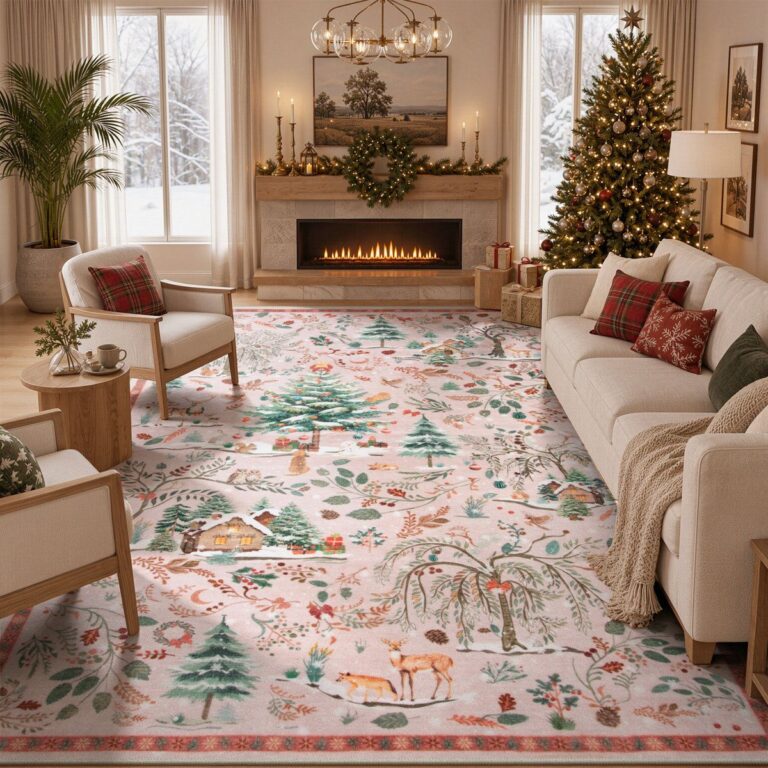 Aisha's pickMachine Washable Rugs for Pets That Visitors Always Ask About
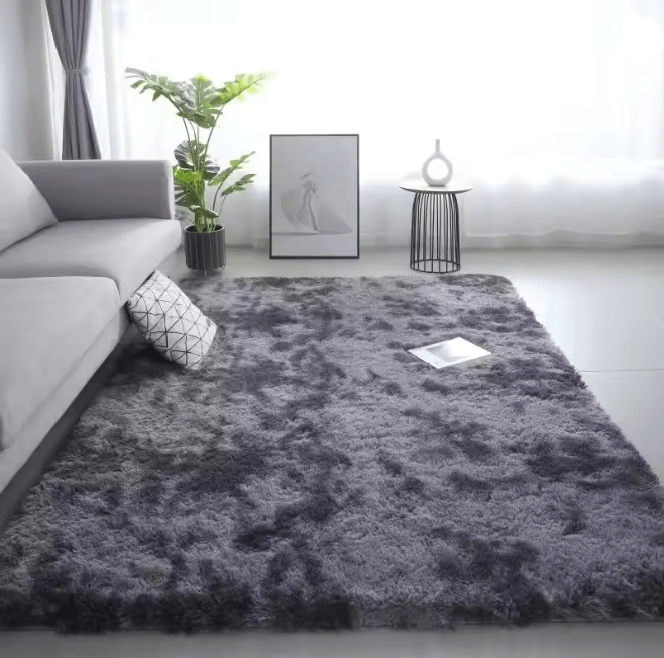
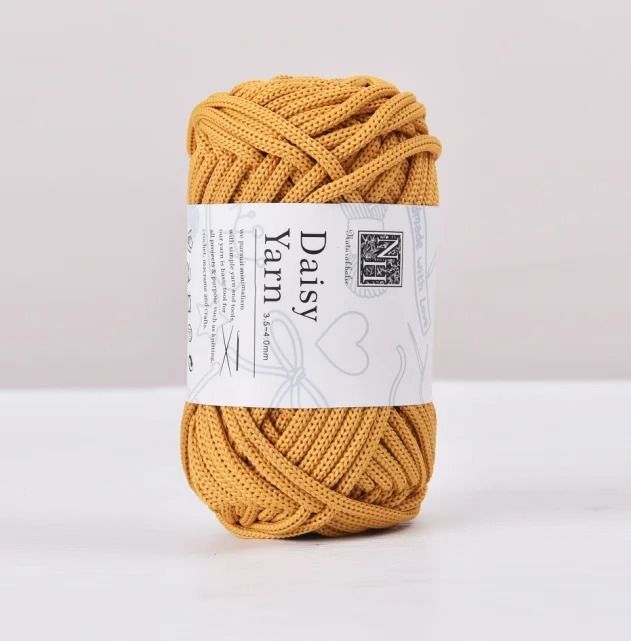 Aisha's pickPolyester Rugs Picked by People Who Care Too MuchAlso worth a lookPrinted RugsA printed rug works best in a room that needs a bit of personality without a full renovation,…See the collections →
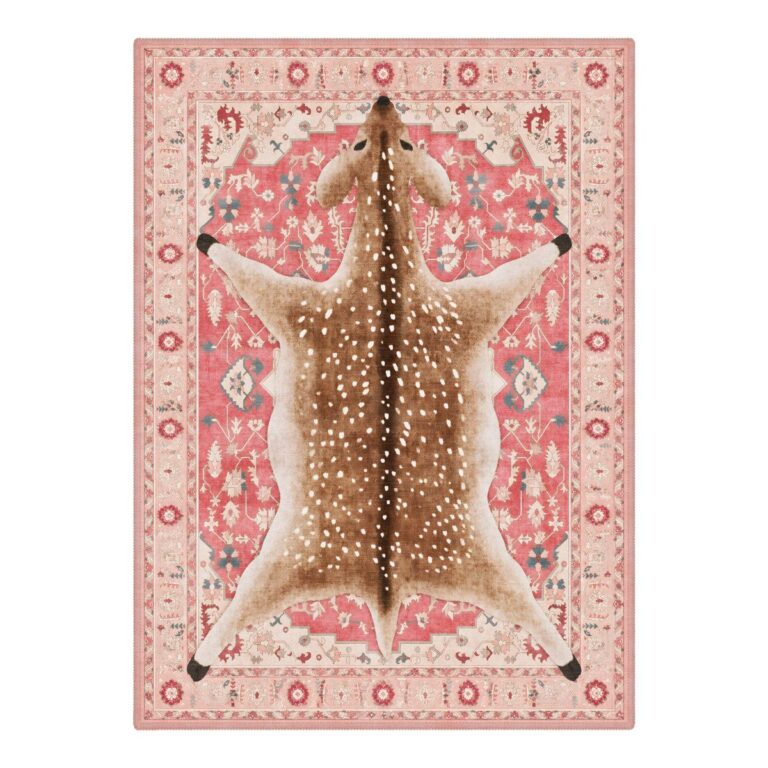
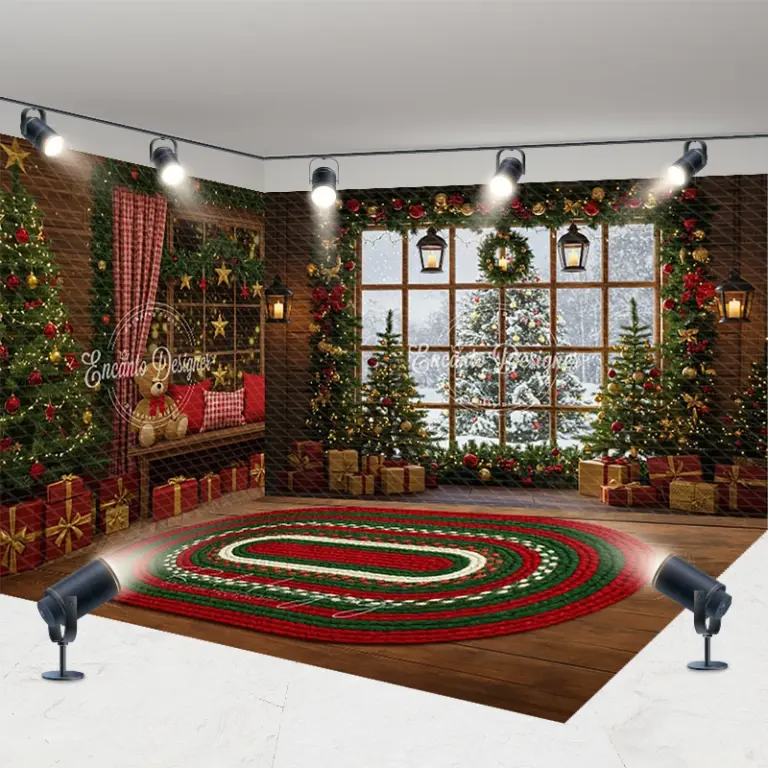 Aisha's pickRustic Rugs That Feel Good Underfoot
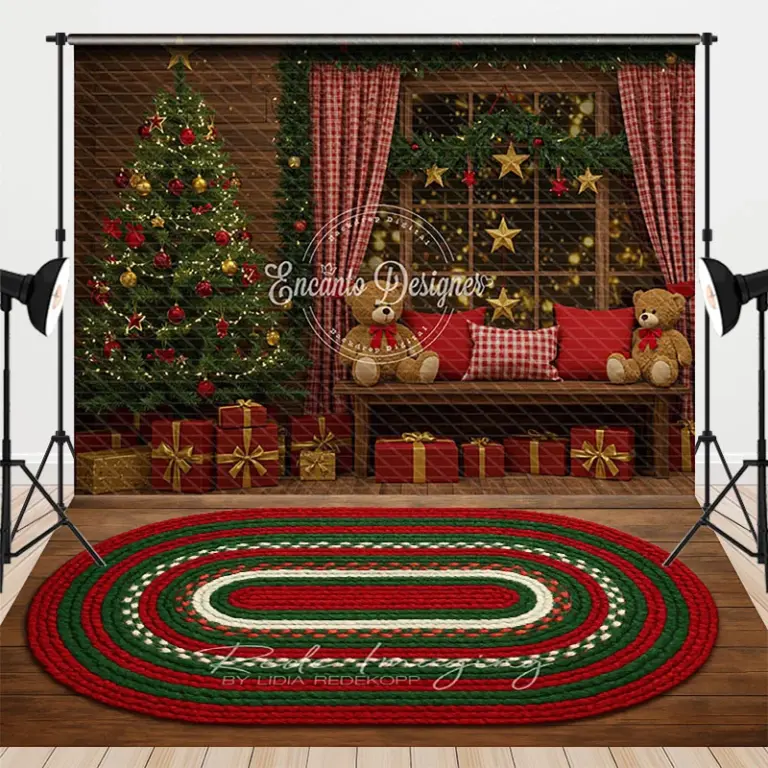
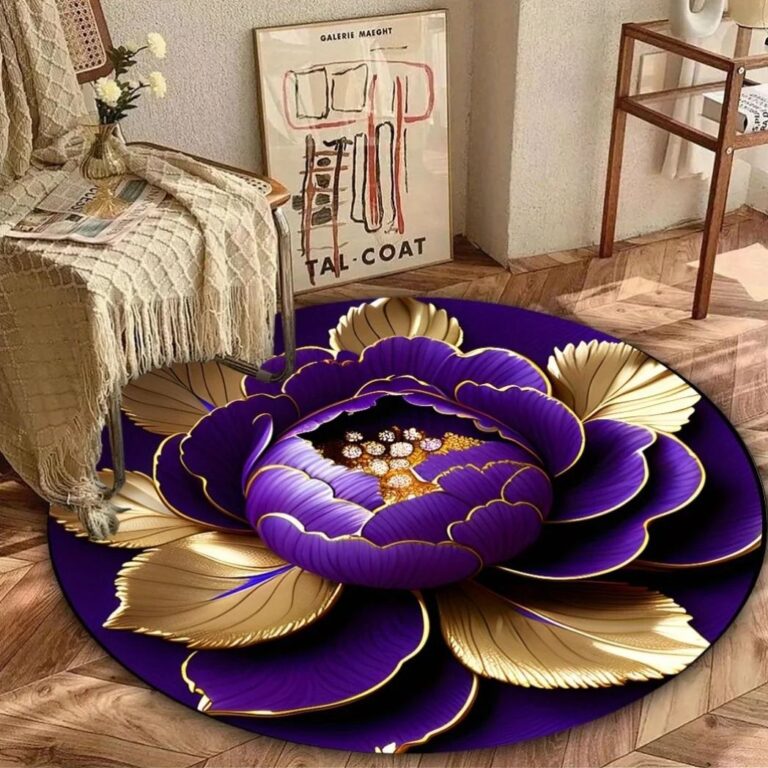 Aisha's pickTraditional Rugs That Cope With Heavy Traffic
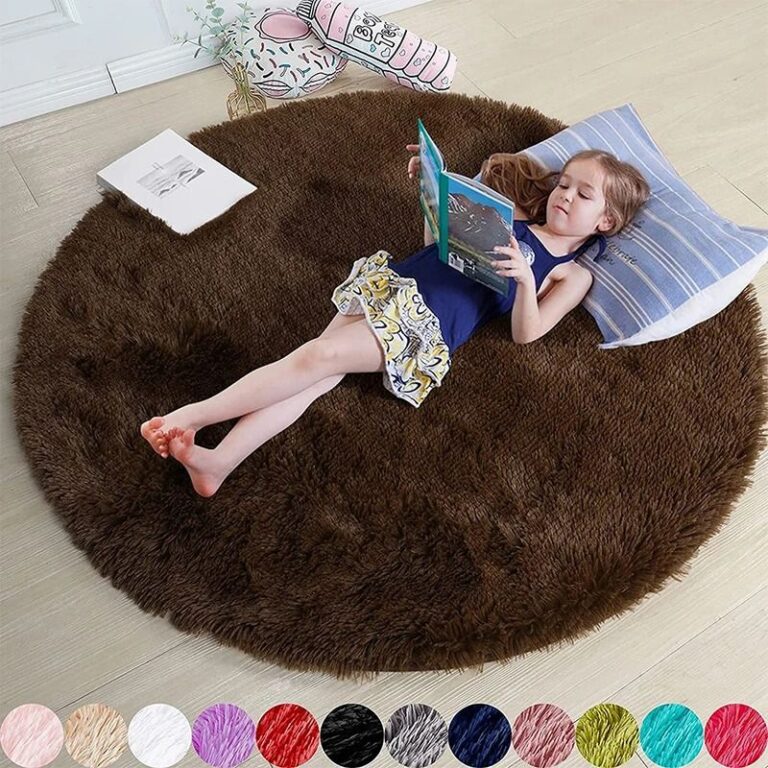
 Aisha's pickRed Runner Rugs From Stores Big and Small
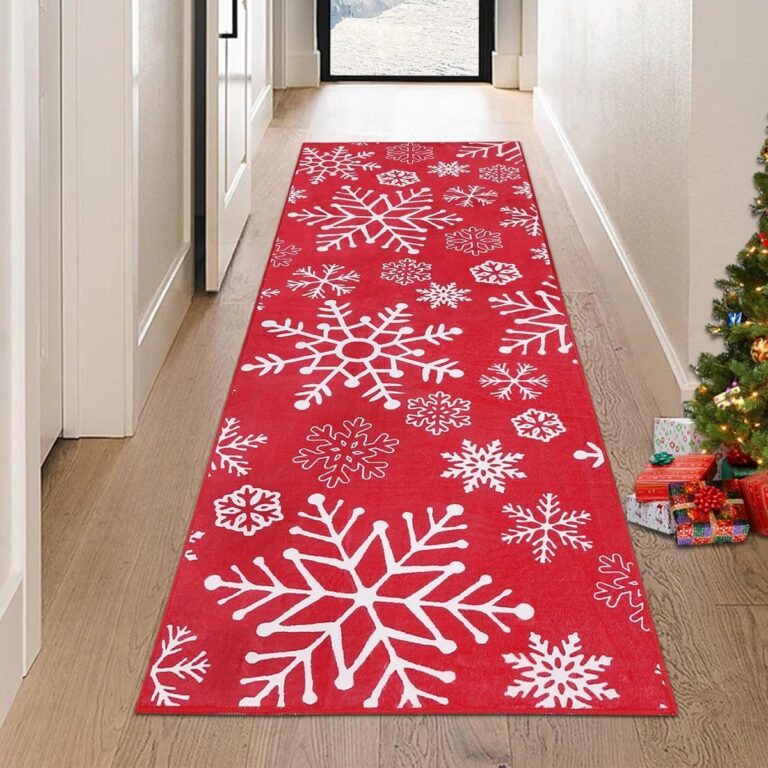
 Aisha's pickGood Gray Runners That Don’t Cost a Fortune

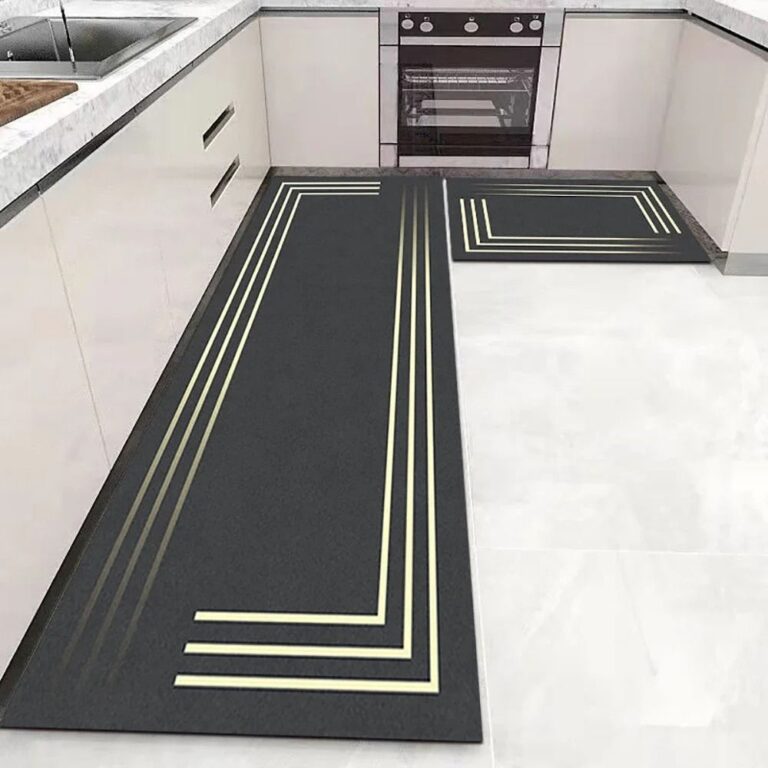 Aisha's pickTraditional Runners for When the Old Ones Give Up

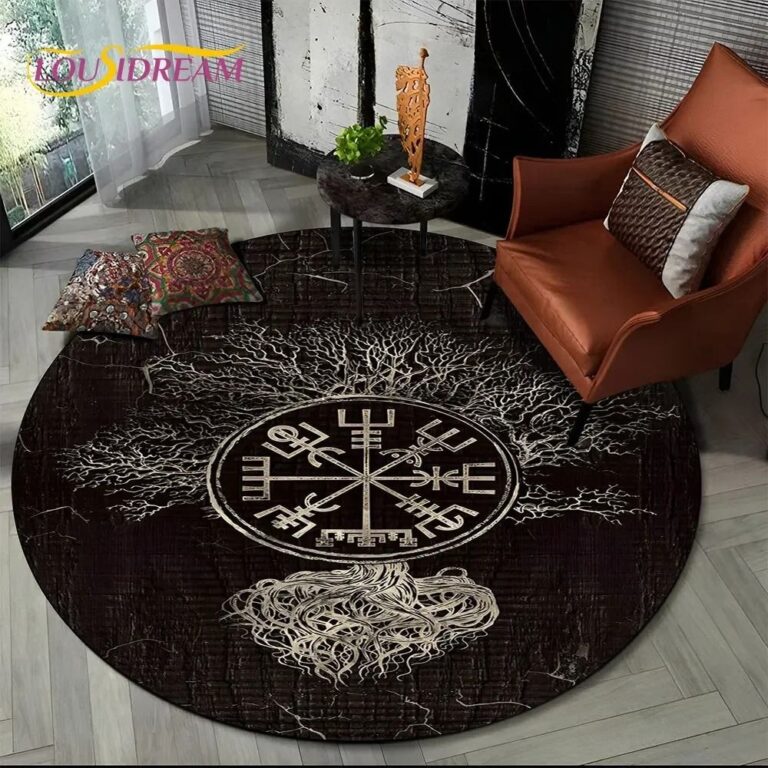 Aisha's pickRustic Soft Rugs That Cope With Heavy Traffic
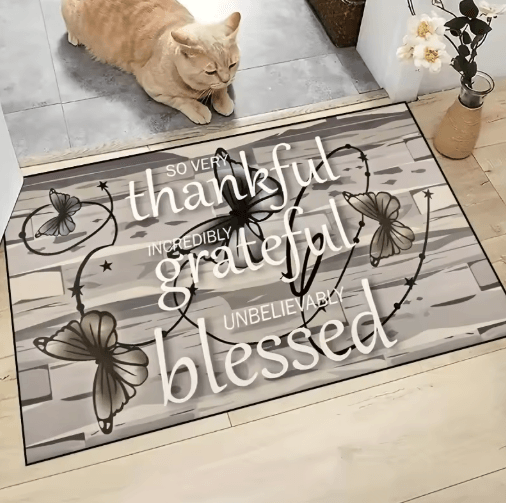
 Aisha's pickSoft Rugs for Pets You Won’t Regret Buying
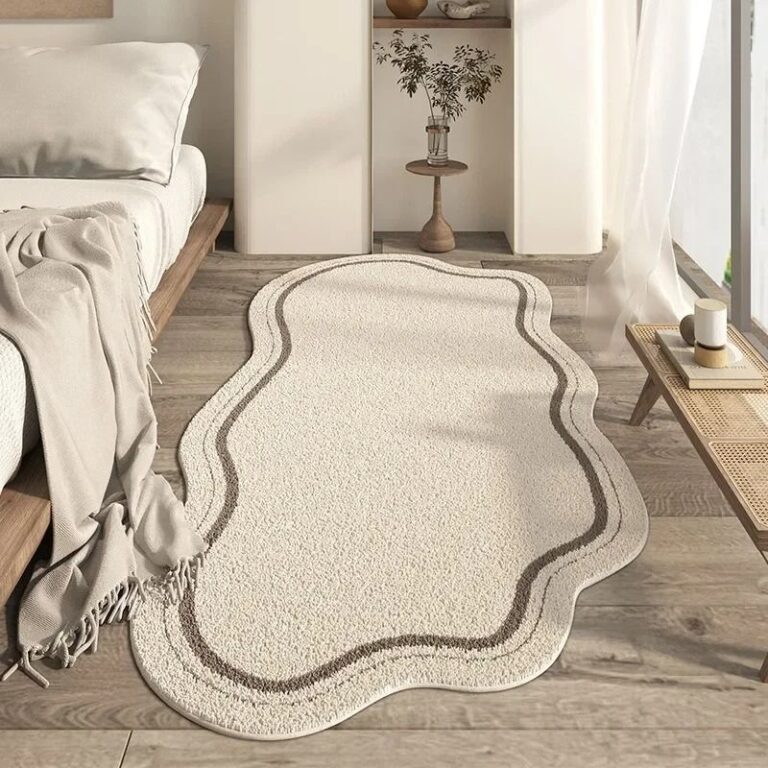
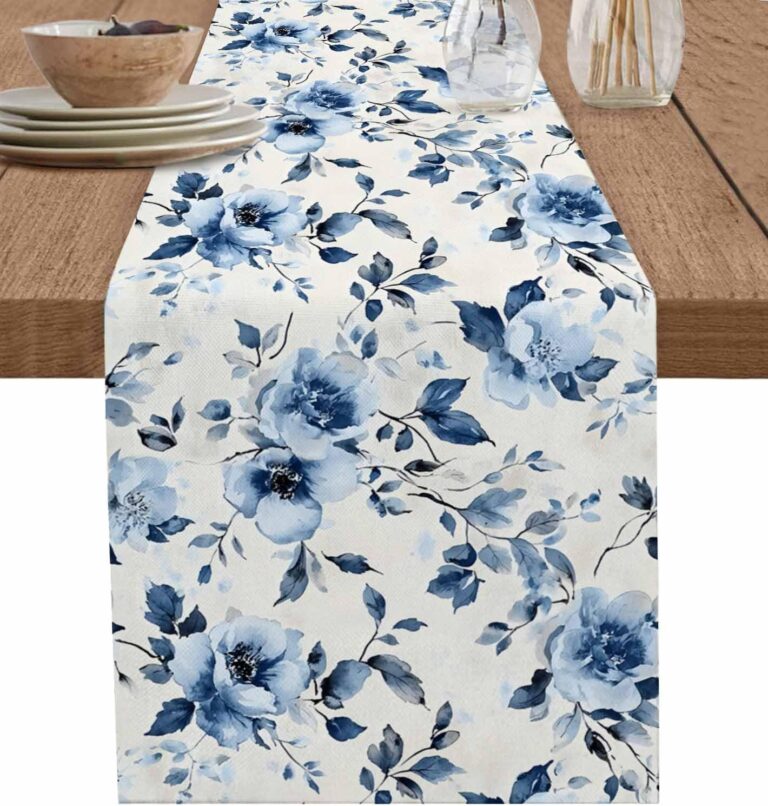 Aisha's pickFarmhouse Table Runners You Won’t Want to Hide Away