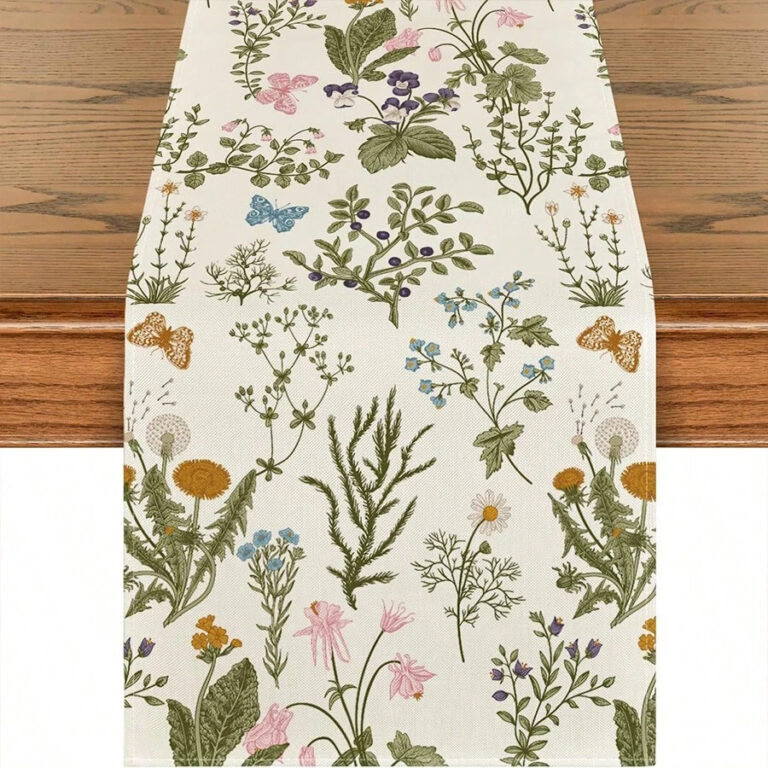
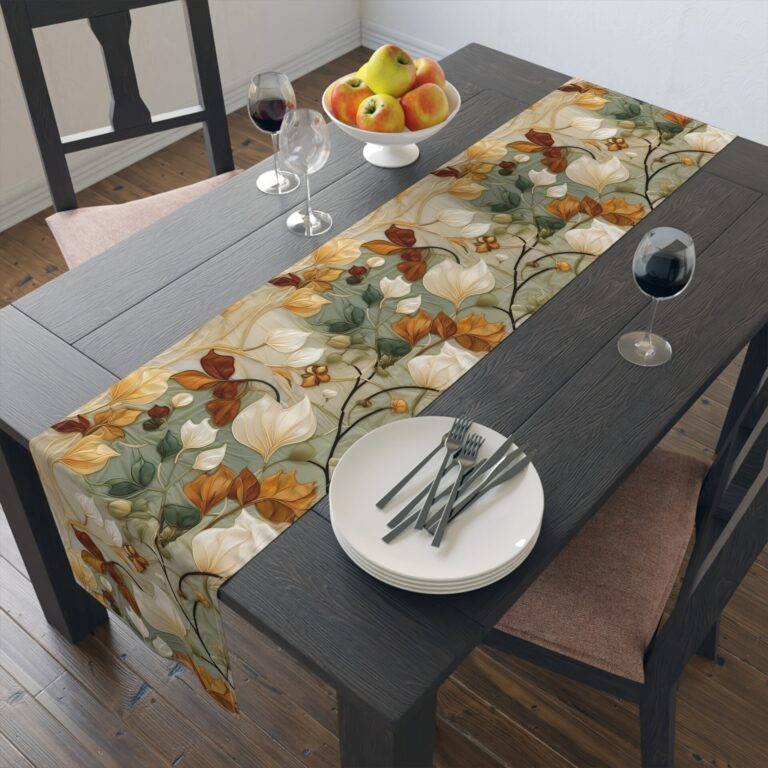
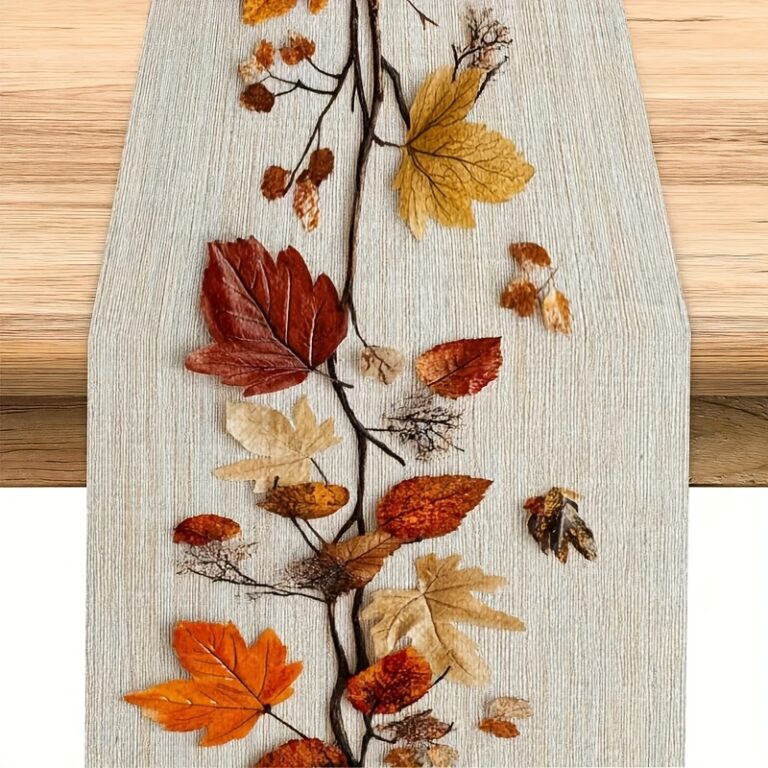
A table runner that is too long ends up pooled in laps or dragging into the gravy, and one that is too short just looks like it gave up halfway down the table. That one measuring mistake puts more people off runners than anything else, and it is a shame, because the right one does something a tablecloth cannot, which is let the wood show.
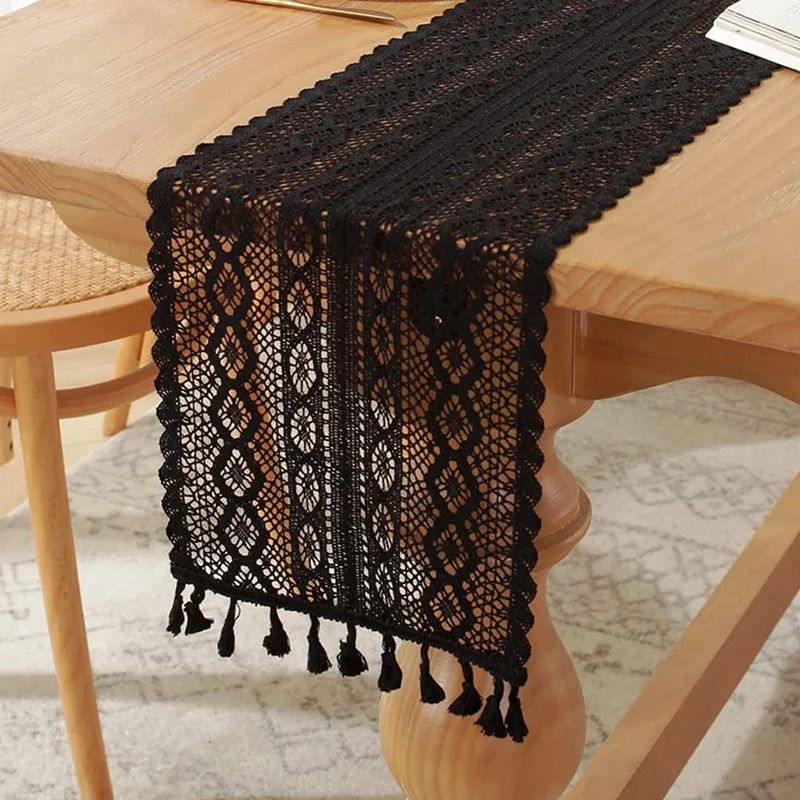
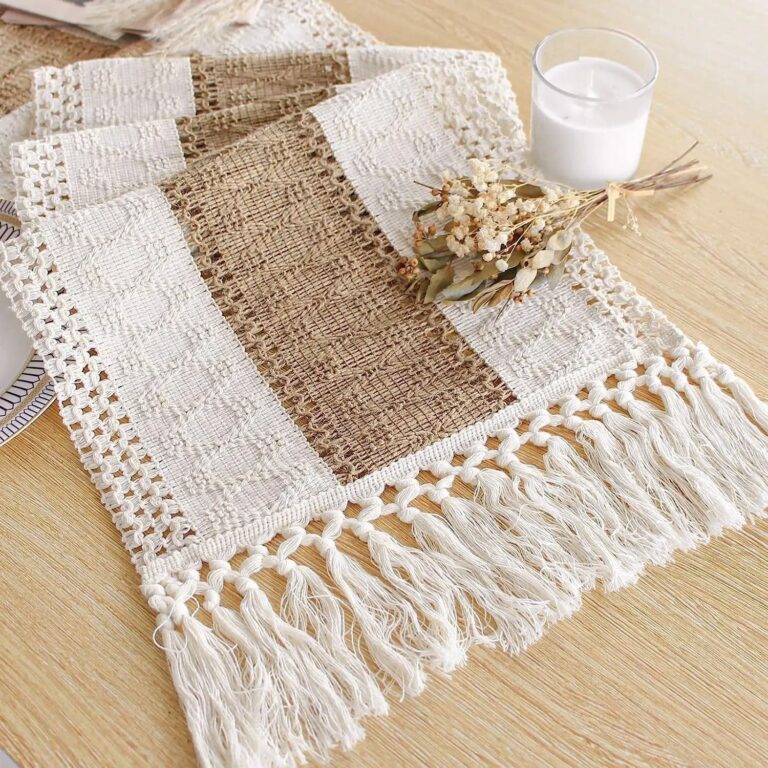
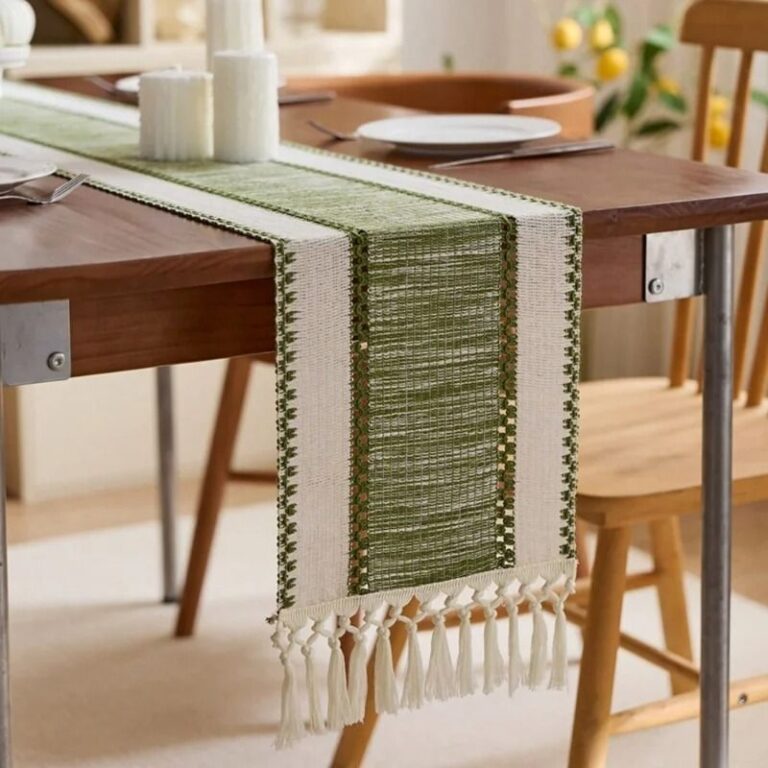
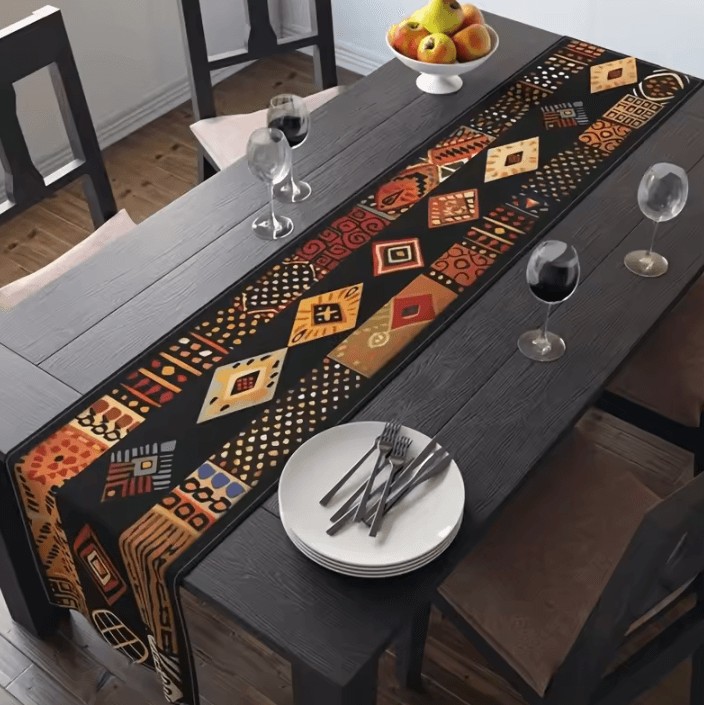
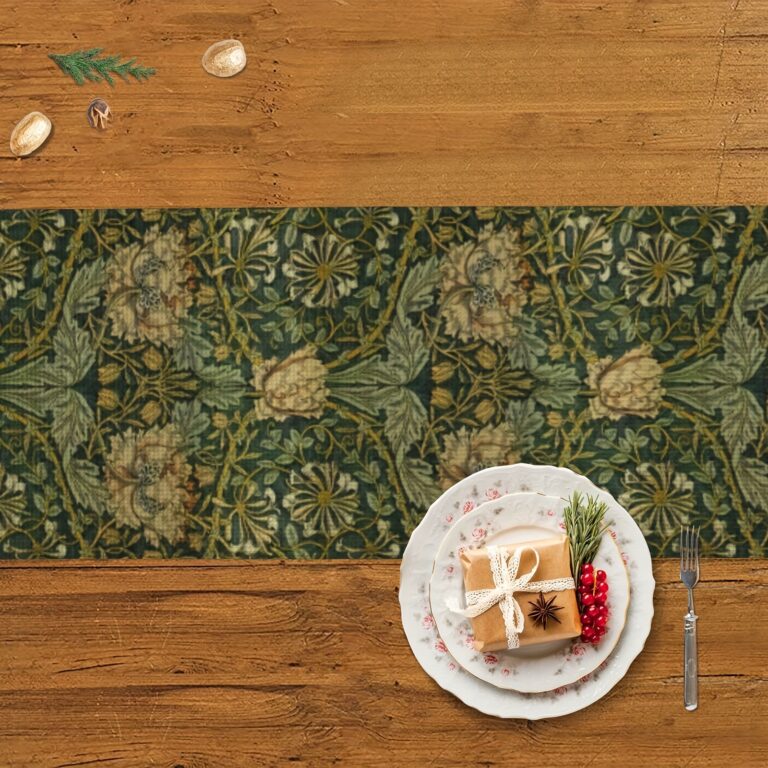
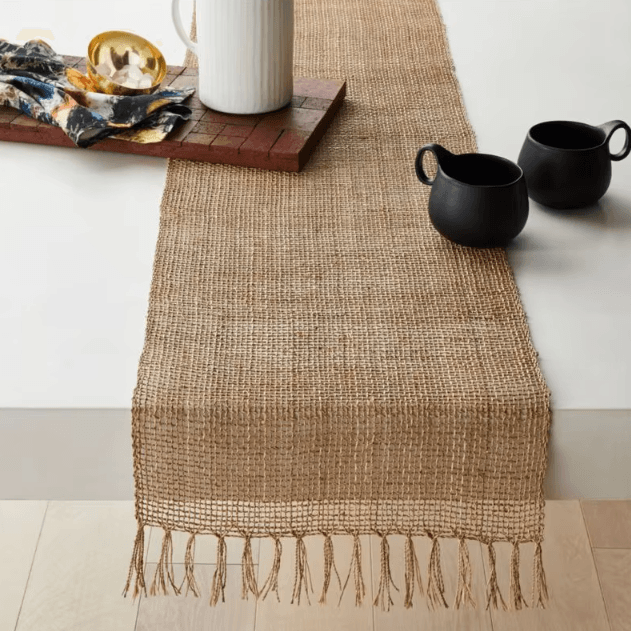
The best thing a runner sits with is a table you actually like looking at, wood grain, an old farmhouse top, even a plain dining set that could use a little life. Lay it down the center of an everyday table, stoneware on either side, maybe a low bowl of fruit or a couple of candles in the middle, and suddenly the table has a shape to it instead of being one flat surface. It works just as well on a console in a hallway, under a tray and a lamp, or across a sideboard where it stops the whole thing looking like a shelf of leftover decorations. Runners are forgiving about theme too, a woven cotton one sits fine next to mismatched chairs, and a linen one doesn't mind sharing space with everyday plates rather than the good china.
For length, the rule that actually works is to let it hang eight to twelve inches past each end of the table, enough to read as intentional rather than left behind. Measure the table, not the chairs, and account for whether the table has leaves in or out, since a runner bought for a six seater will look stranded on a table stretched out for company. Width matters more than people expect too, anything under twelve inches reads thin and a little mean on a standard dining table, so look for fourteen to sixteen inches unless the table itself is narrow. The common mistake is buying for the table's length alone and forgetting the overhang, or centering it so carefully that it ends up looking stiff rather than lived in, a slight careless lay is almost always better.
Where a runner does not work is on a table that gets heavy daily use for actual meals with kids, plates sliding on and off a runner all day gets tiresome fast, and it is also the wrong move if the table itself is nothing special and needs covering rather than framing. For those tables, a full cloth is the honest answer.
The one mistake to avoid is guessing the length instead of measuring the table with the leaves in, because that is the runner you will end up folding under itself for the next five years.
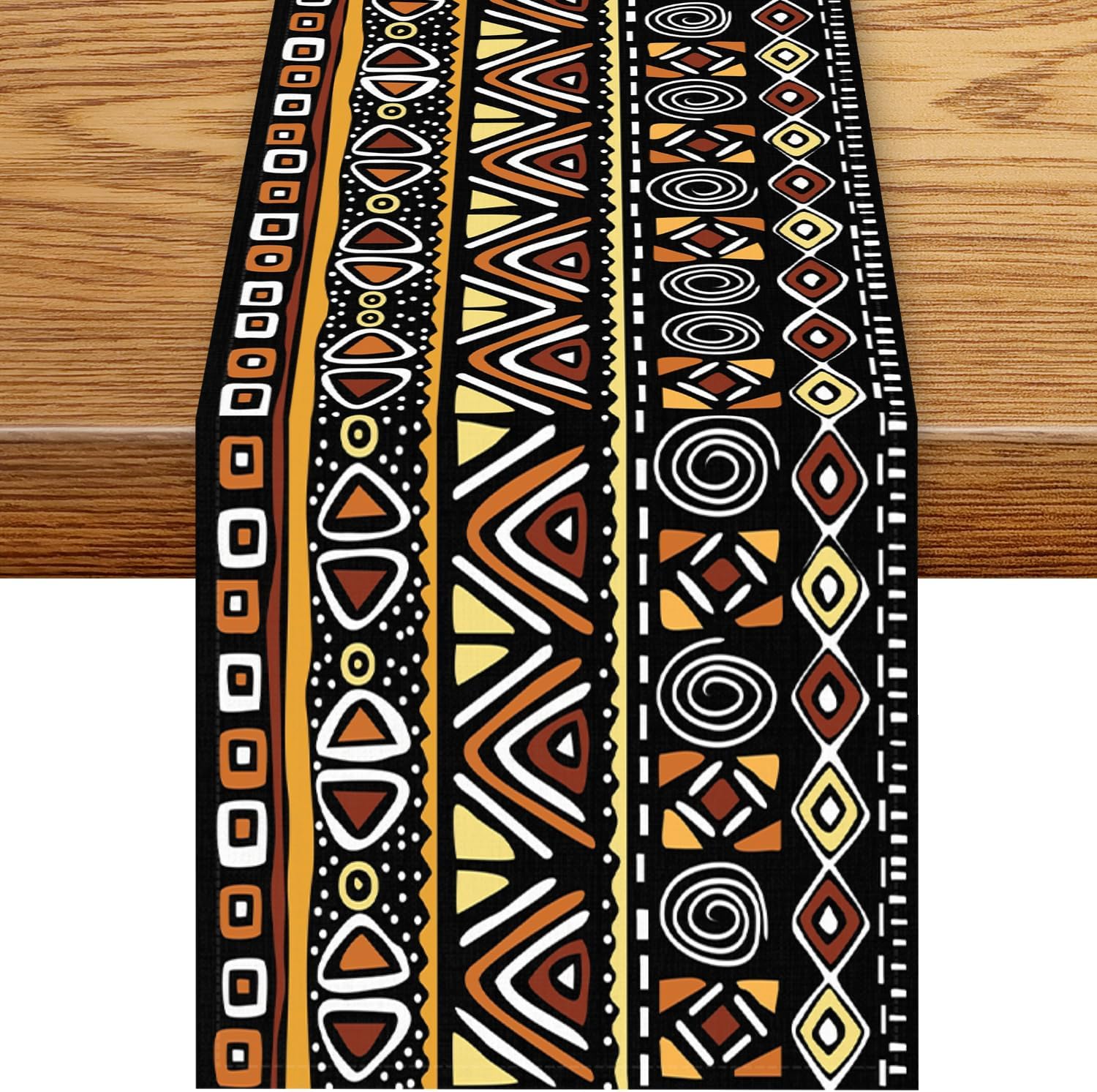 Aisha's pickGeometric Table Runners You’ll Keep for Years
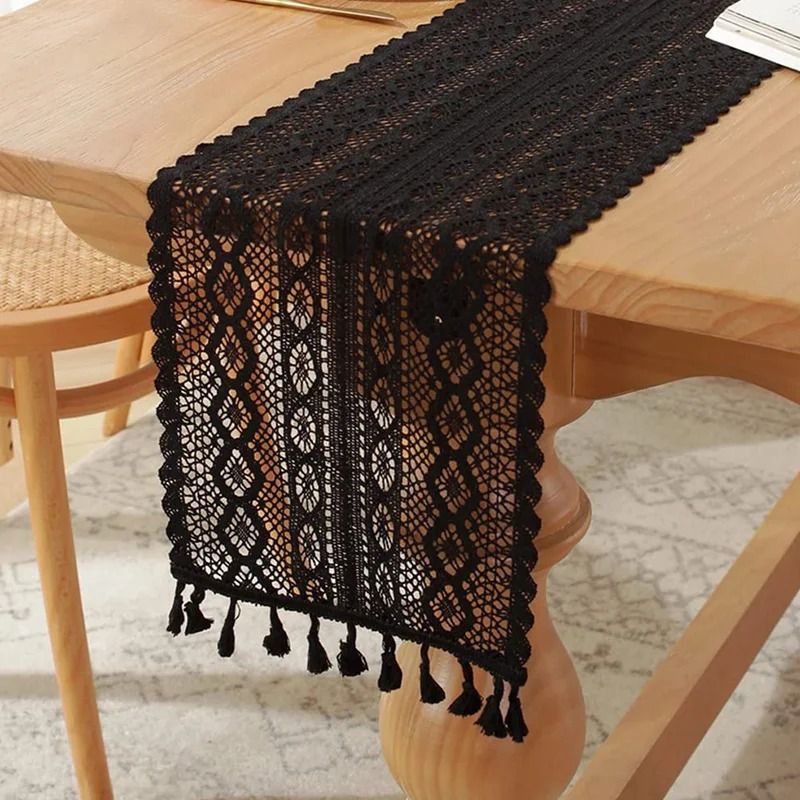
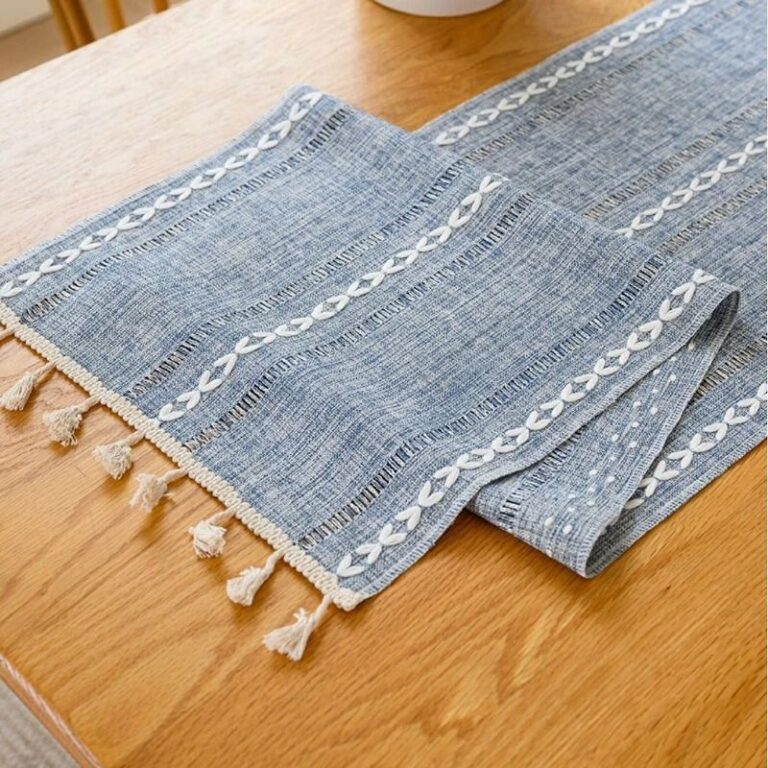 Aisha's pickSage Green Table Runners That Hide Muddy Footprints
 Aisha's pickGold Christmas Table Runners That Look Better in Real Life

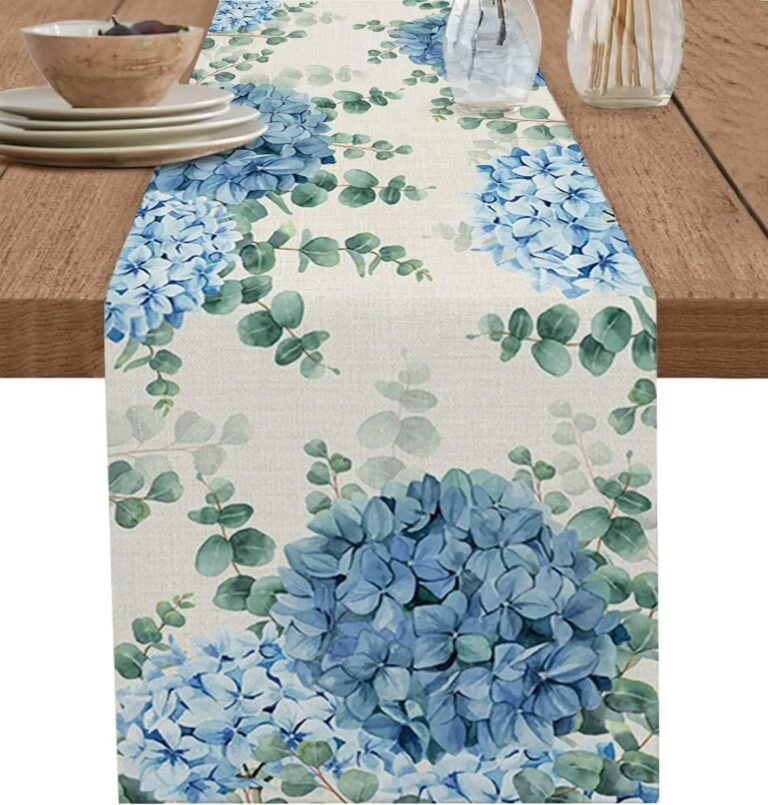 Aisha's pickSage Table Runners That Make a Room Feel Finished
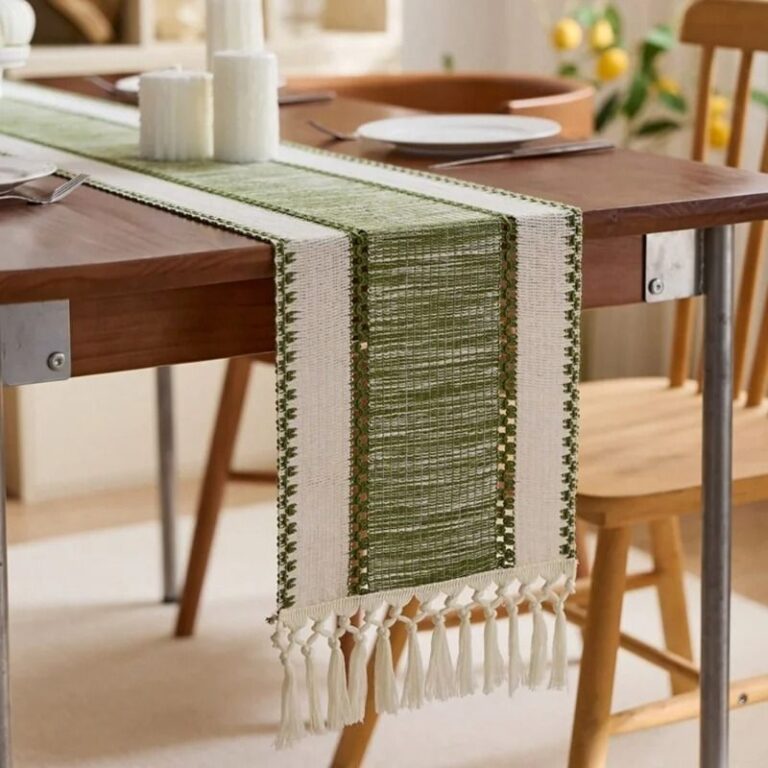
 Aisha's pickGold Table Runners That Stay Put on Hard Floors

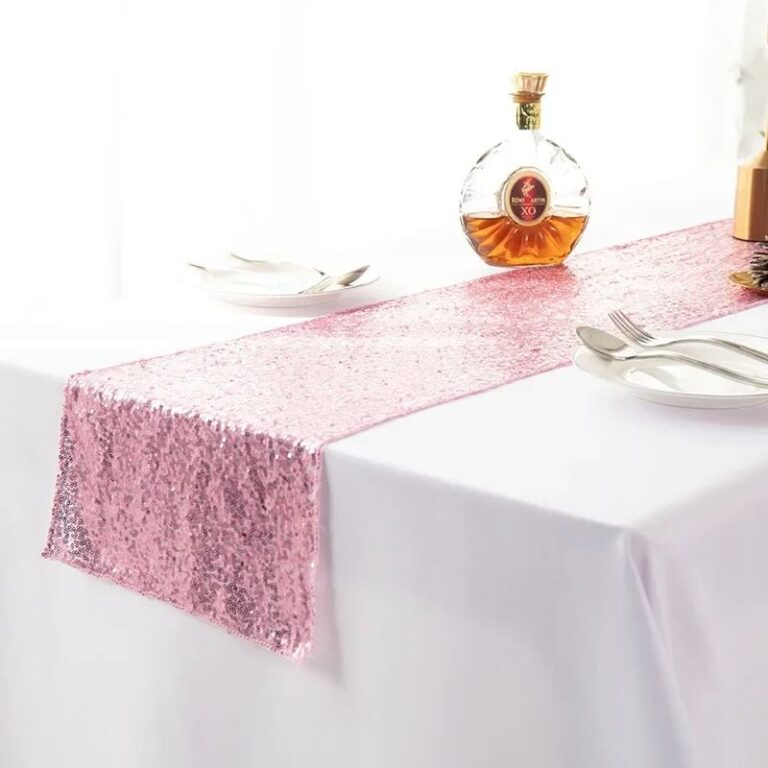 Aisha's pickSilver Table Runners That Look Like They Cost More
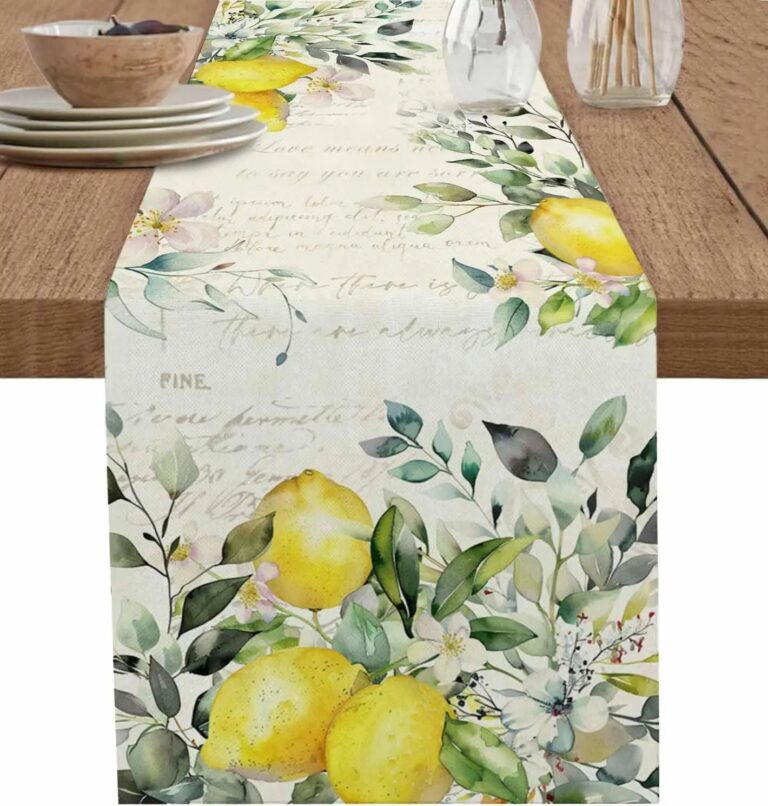
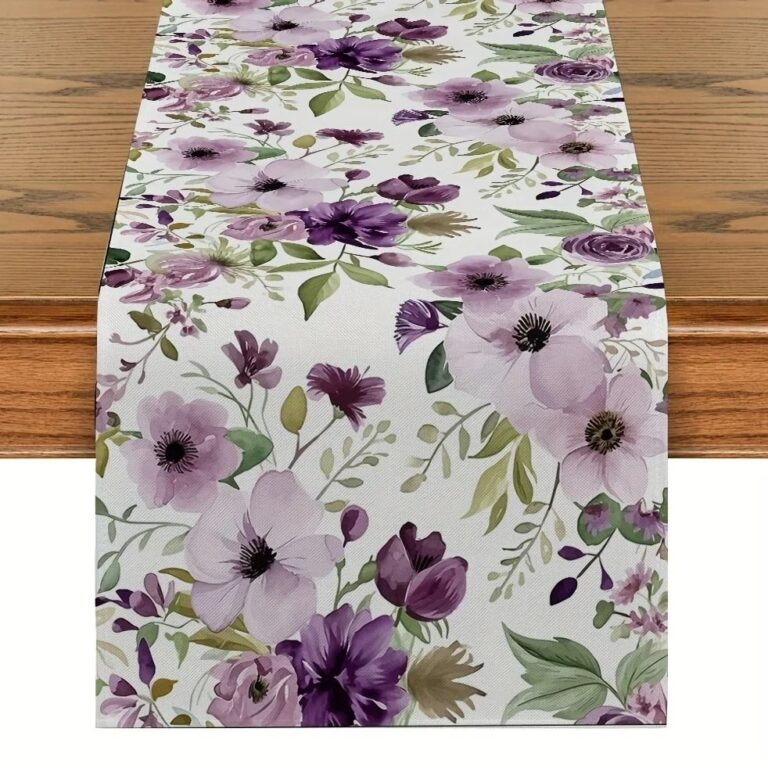 Aisha's pickNo Fuss Green Table Runners
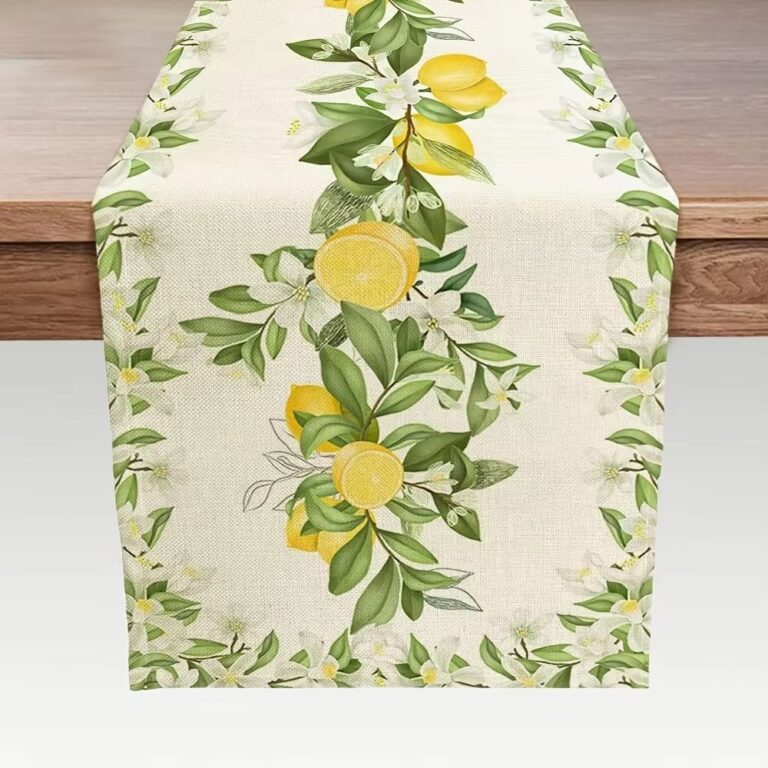
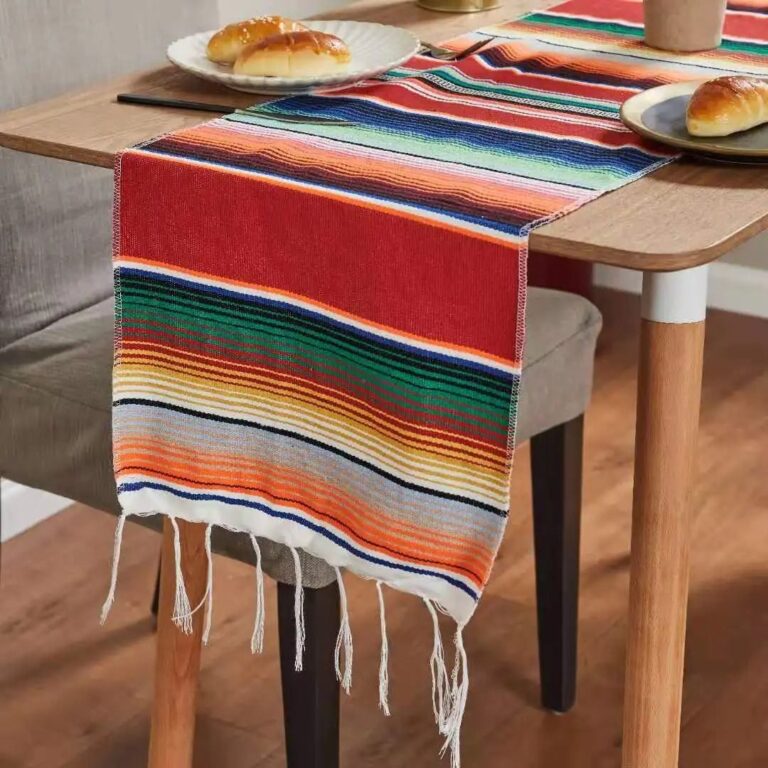 Aisha's pickStriped Table Runners You’ll Keep for Years
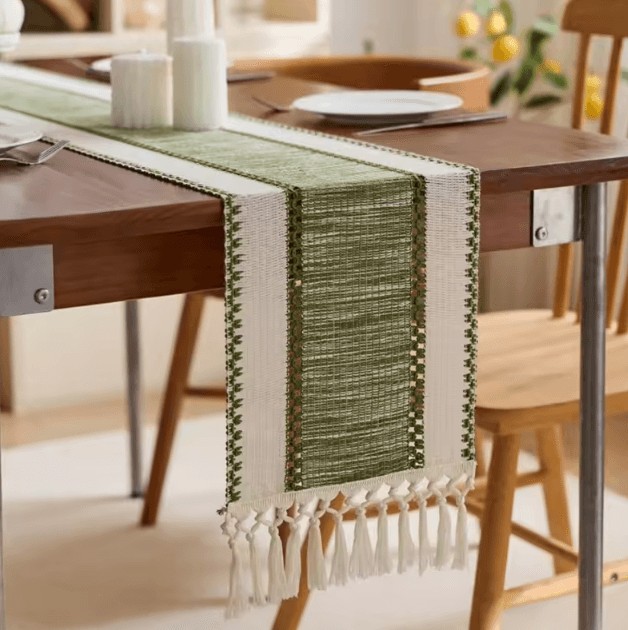
 Aisha's pickLace Table Runners That Get Better With AgeAlso worth a lookSoft RugsMost people buy a soft rug by how it feels in the store, standing on it in socks…See the collections →
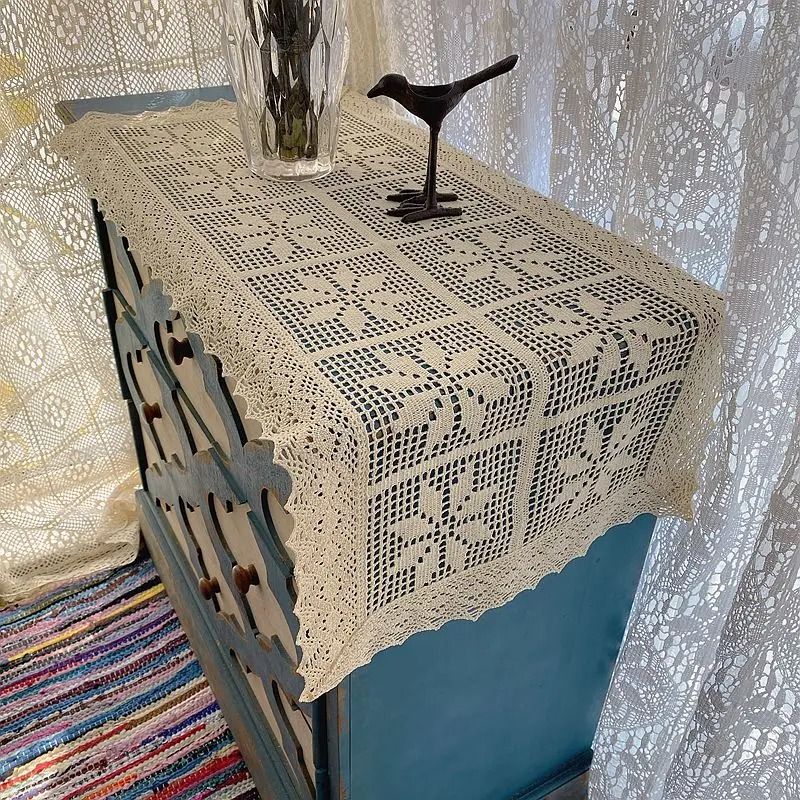
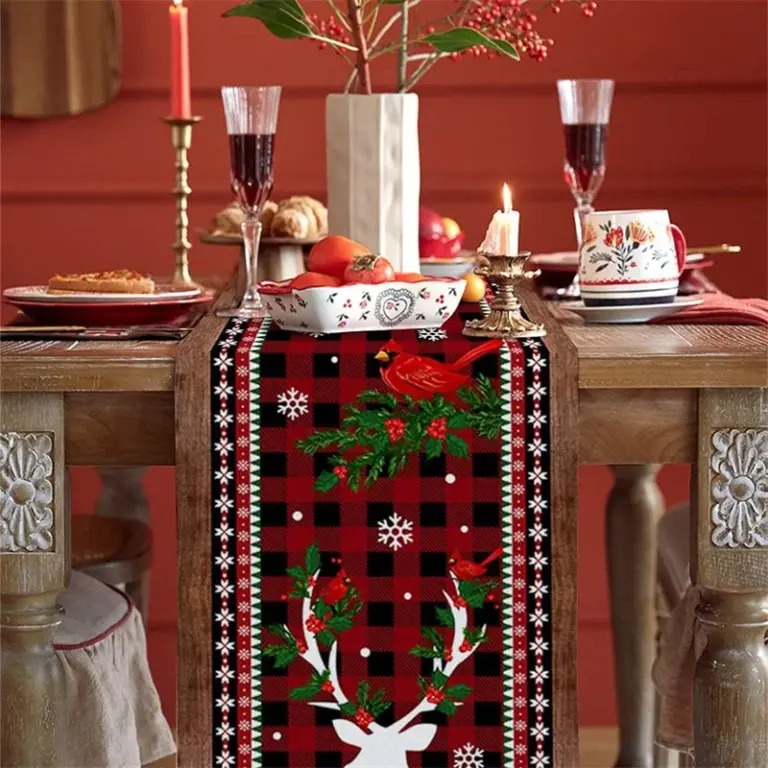 Aisha's pickTable Runners That Visitors Always Ask About
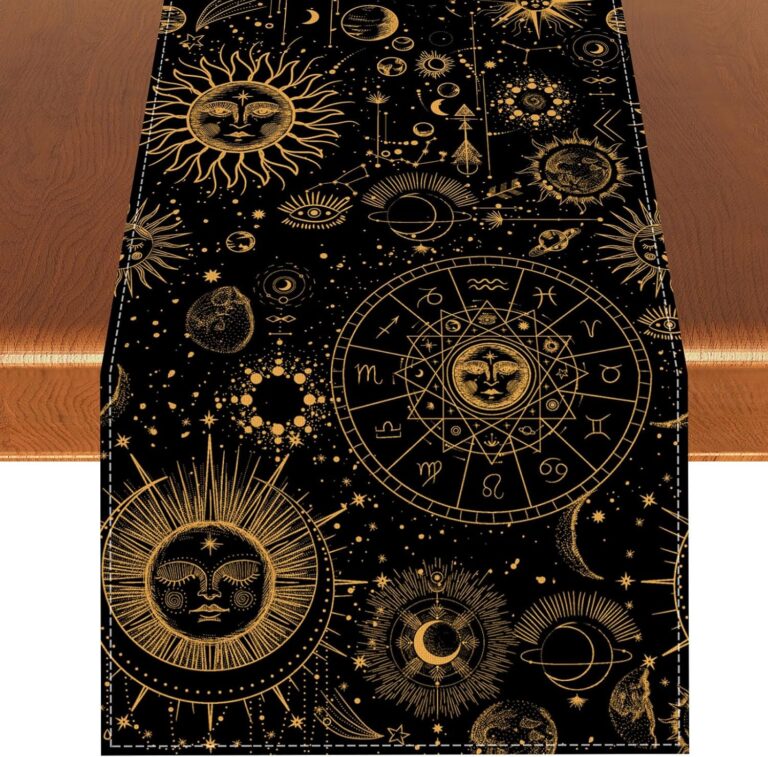
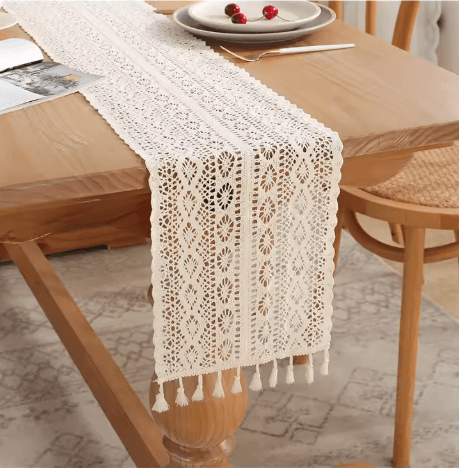 Aisha's pickBeige Table Runners That Work in Old Houses and New Ones
 Aisha's pickLinen Table Runners That Get Better With Age
 Aisha's pickTable Runners with Tassels Worth Knowing About
 Aisha's pickBlack Linen Table Runners You’ll Still Like in Five Years
 Aisha's pickModern Table Runners We Keep Coming Back To
 Aisha's pickVintage Table Runners That Cope With Heavy Traffic
 Aisha's pickBlack Table Runners That Stay Put on Hard Floors
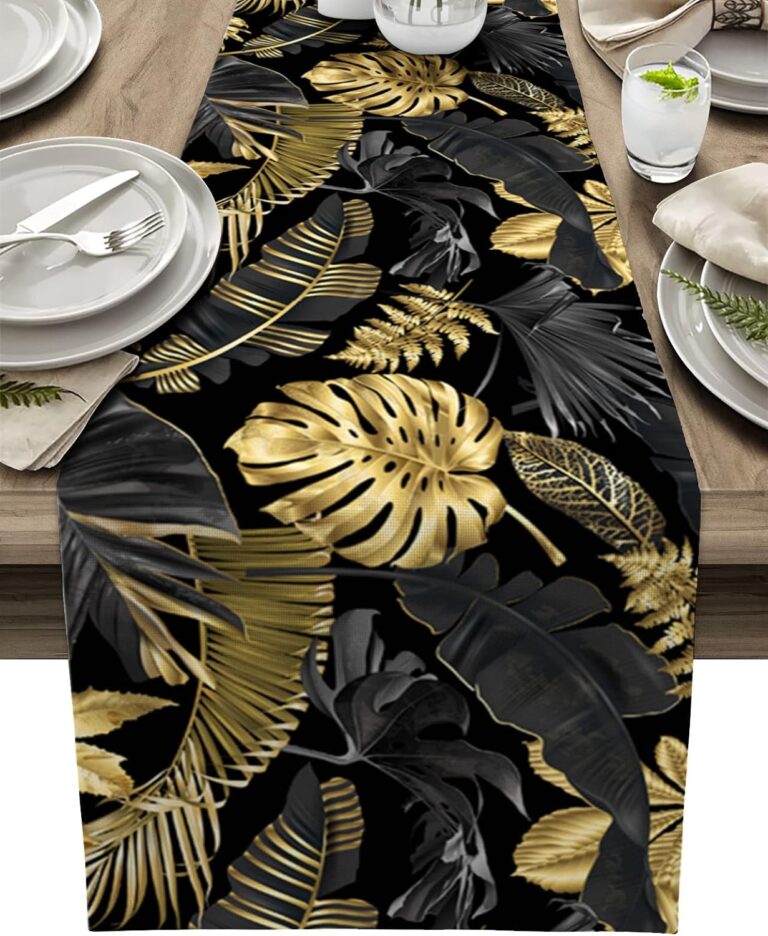
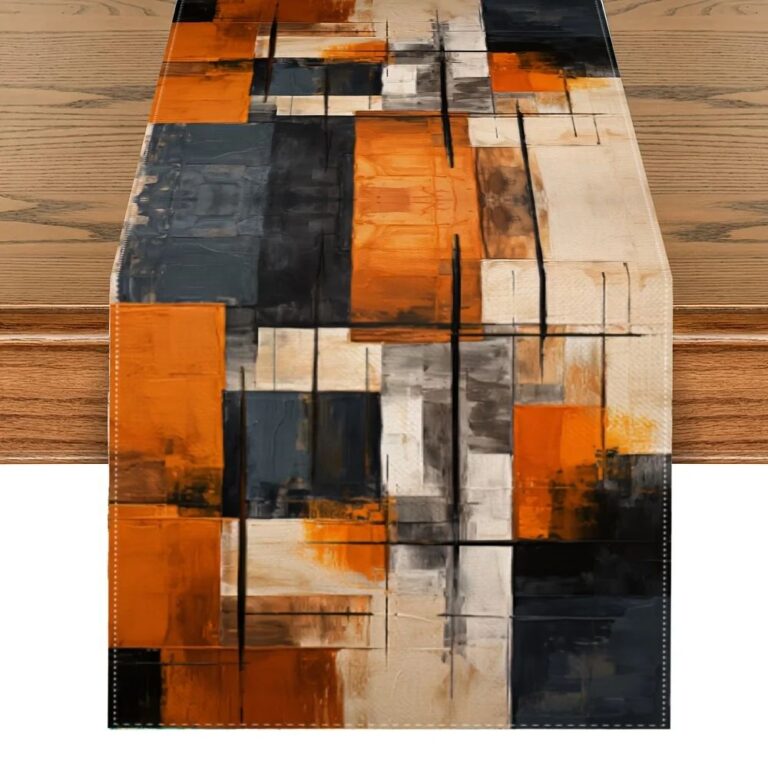 Aisha's pickOrange Table Runners That Pull a Room TogetherAlso worth a lookMatsA mat is the thing standing between whatever is happening outside your door and the floor you just cleaned.See the collections →
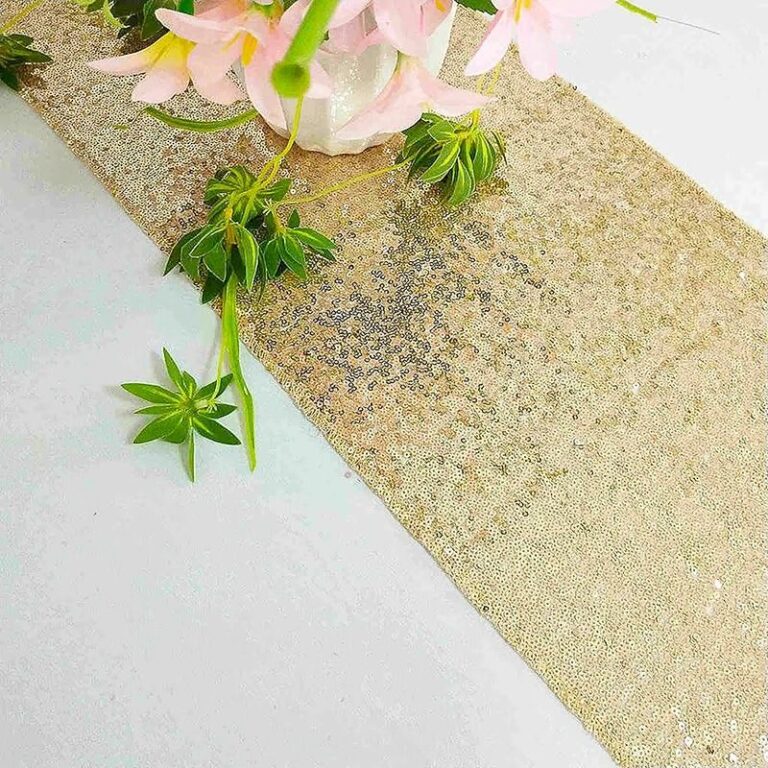
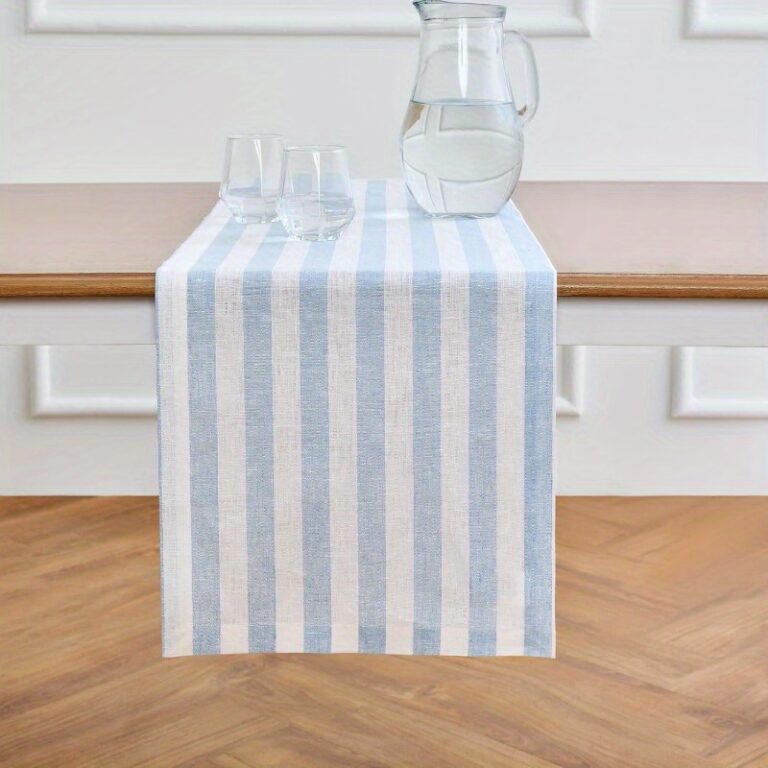 Aisha's pickWhite Table Runners That Work in Old Houses and New Ones
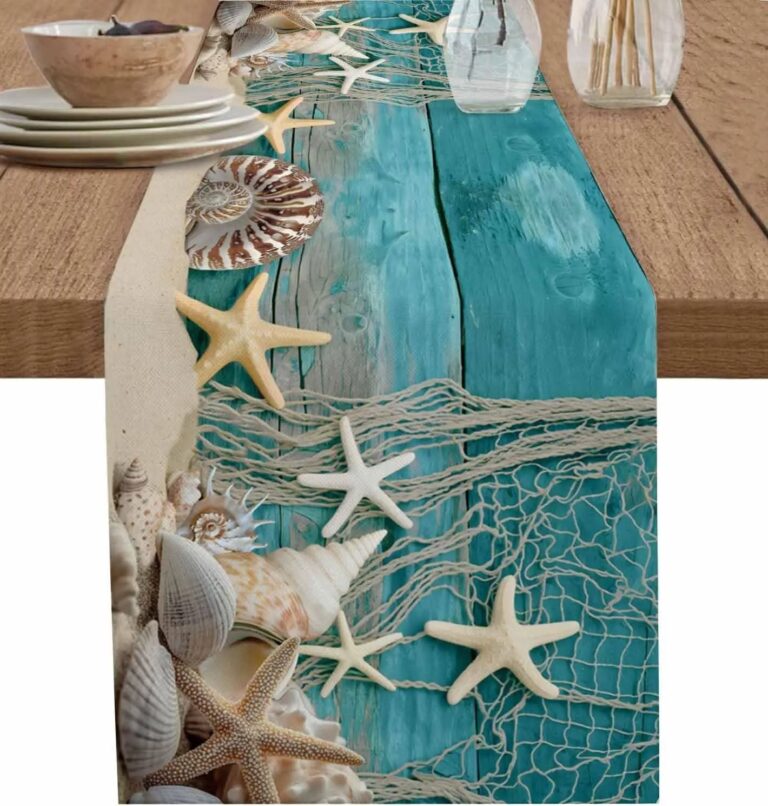
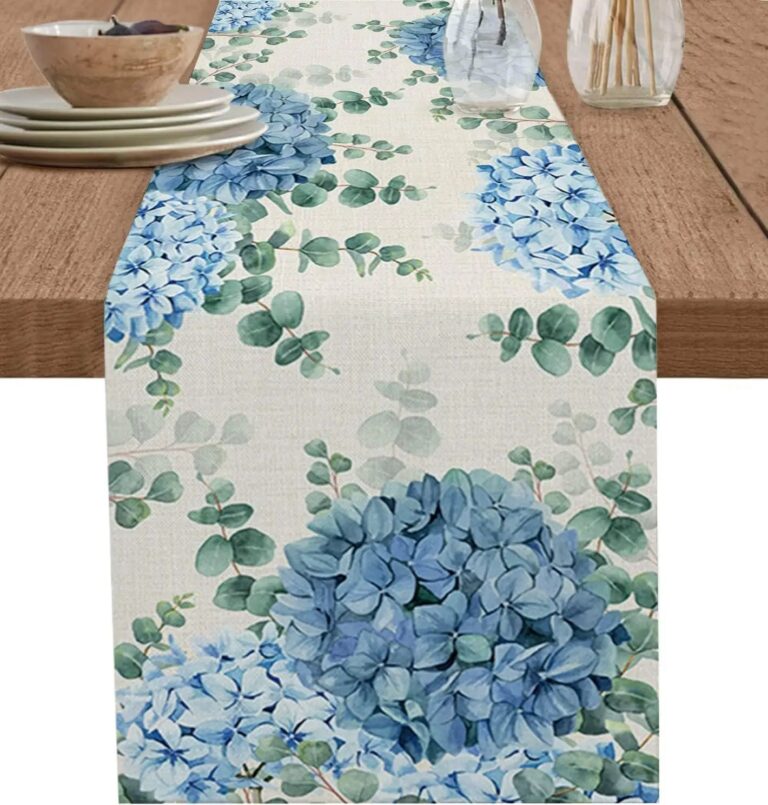 Aisha's pickBlue Linen Table Runners That Don’t Need Babying
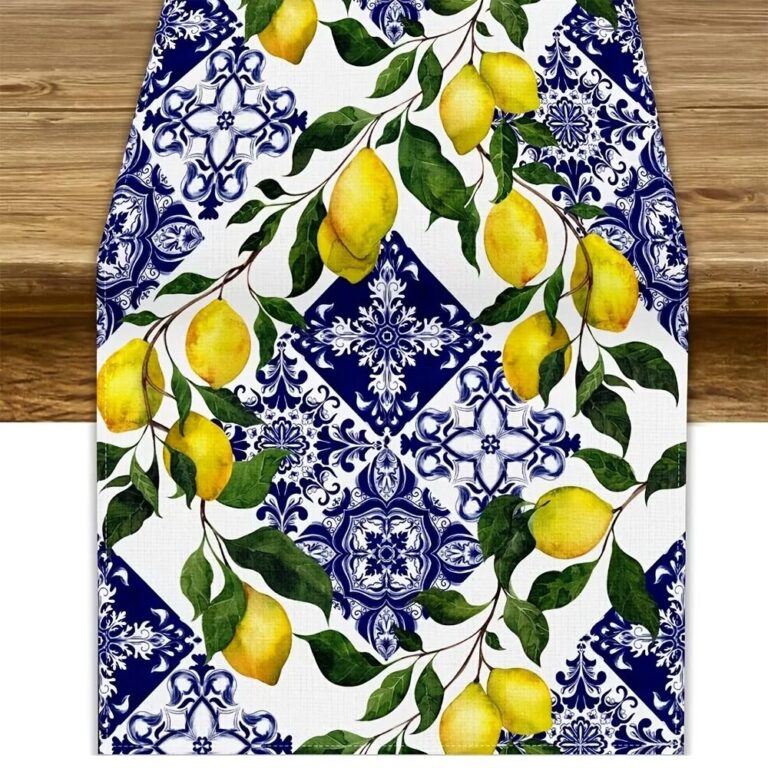
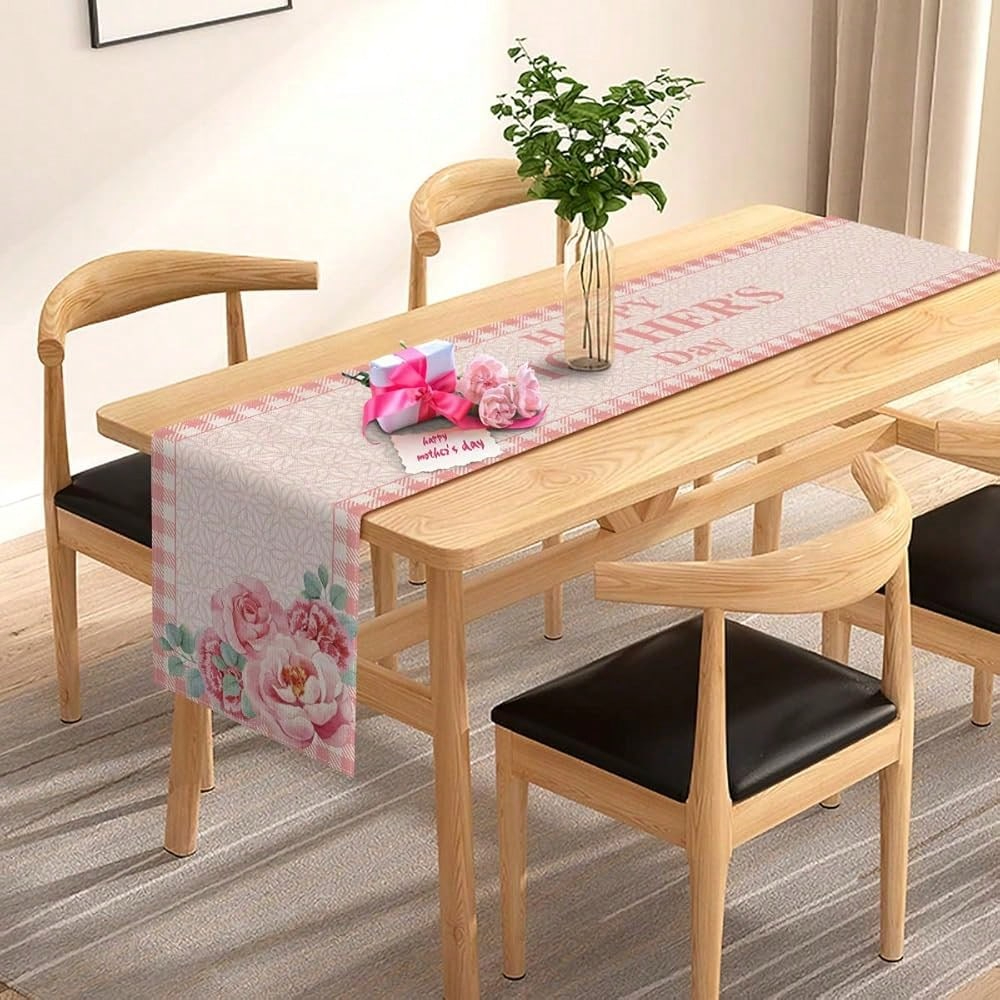 Aisha's pickPink Floral Table Runners Picked by People Who Care Too Much
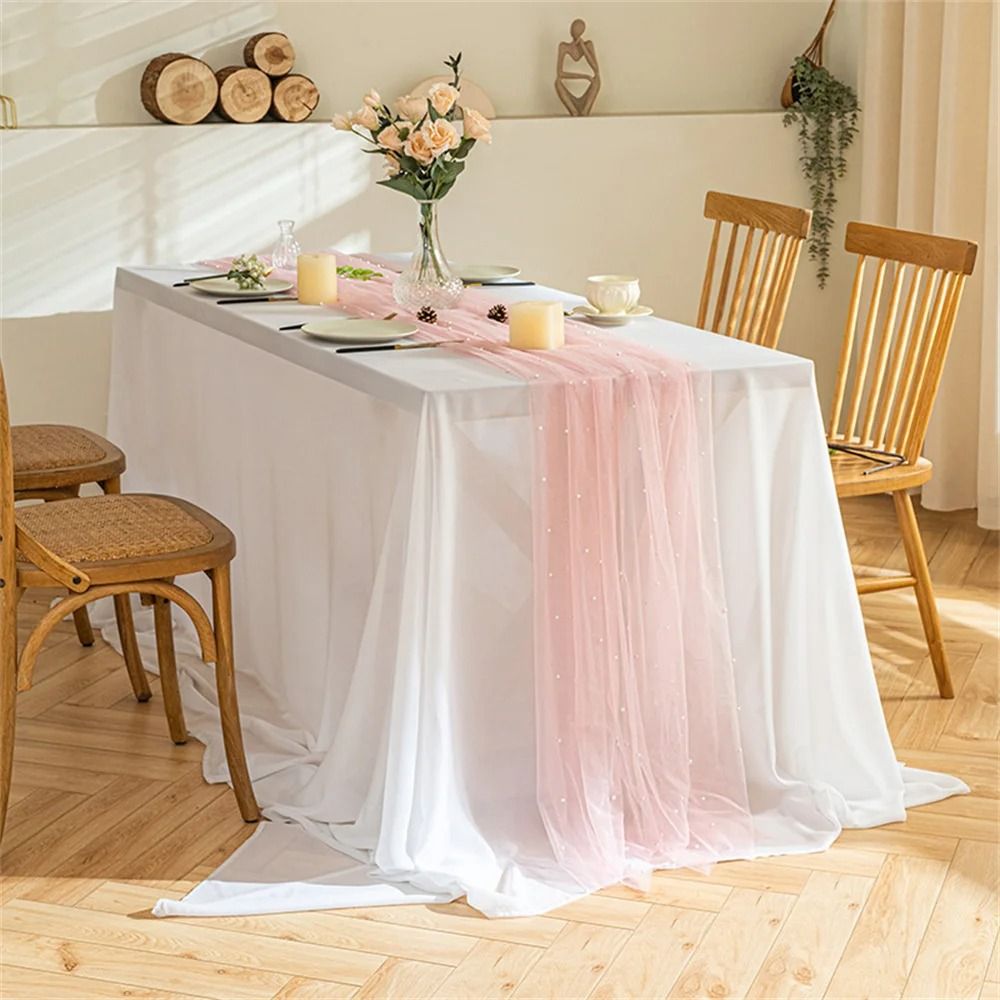
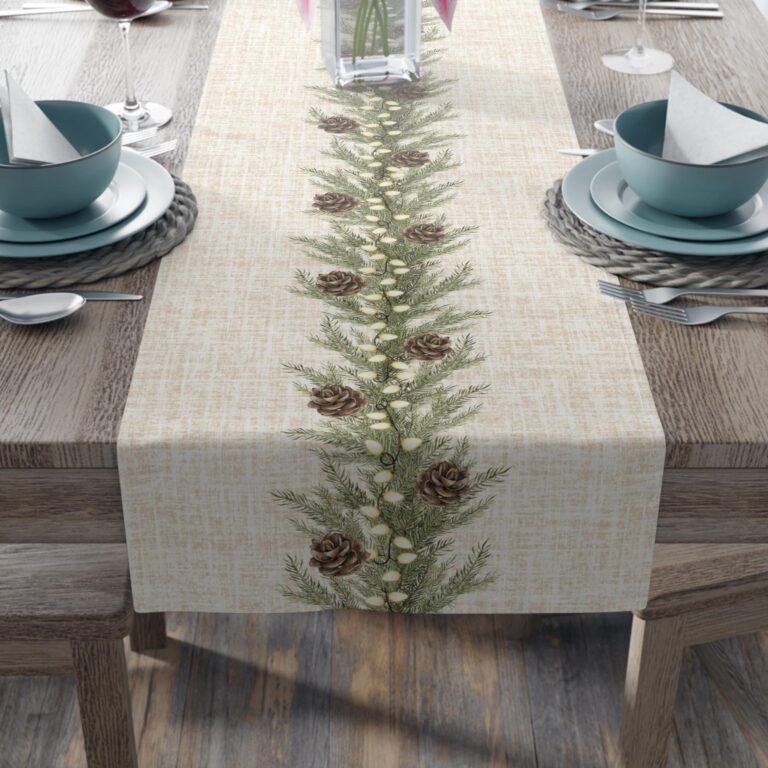 Aisha's pickWoven Table Runners Worth Knowing About
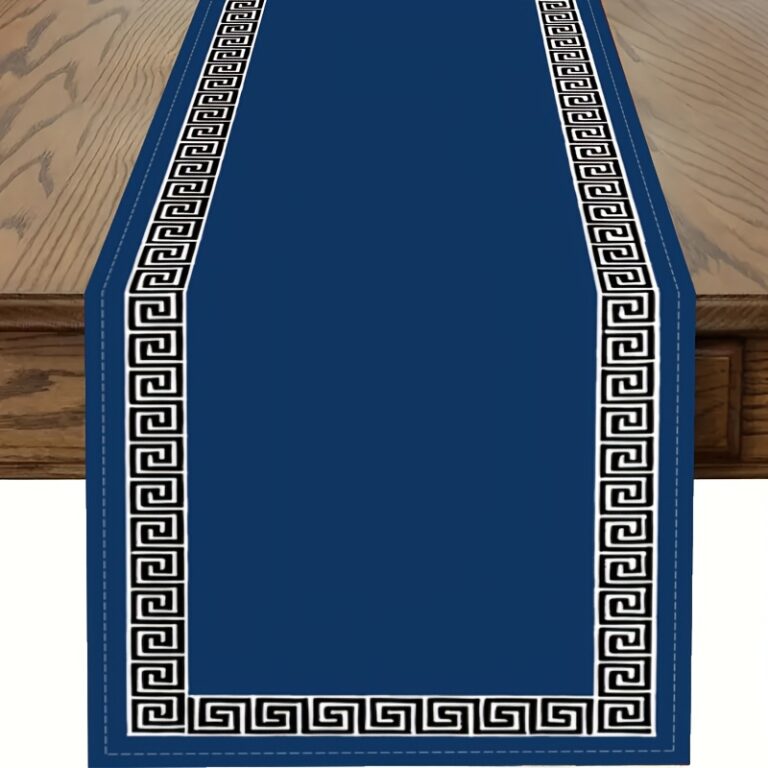
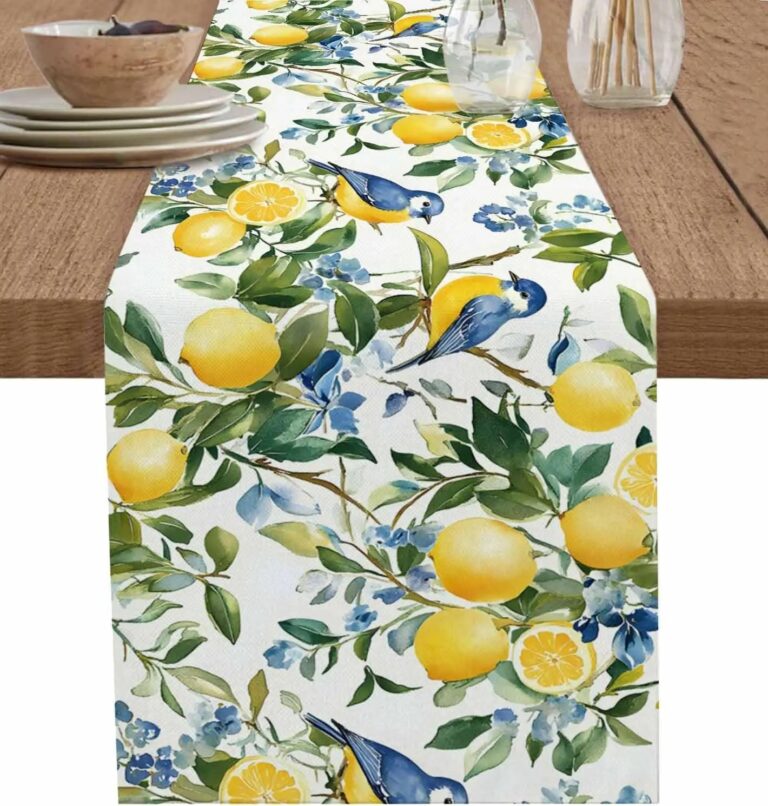 Aisha's pickBlue Table Runners You Won’t Want to Hide Away
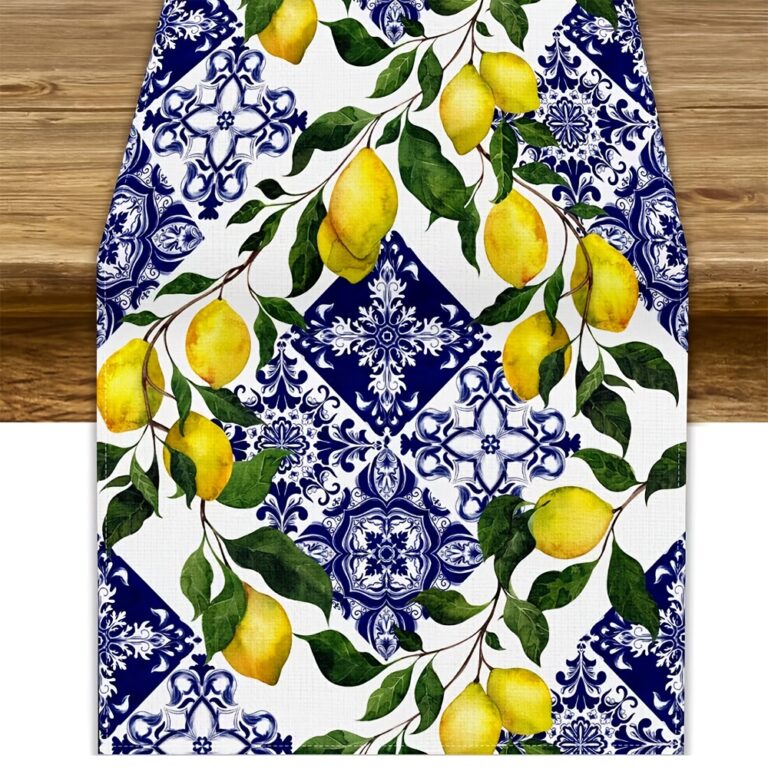
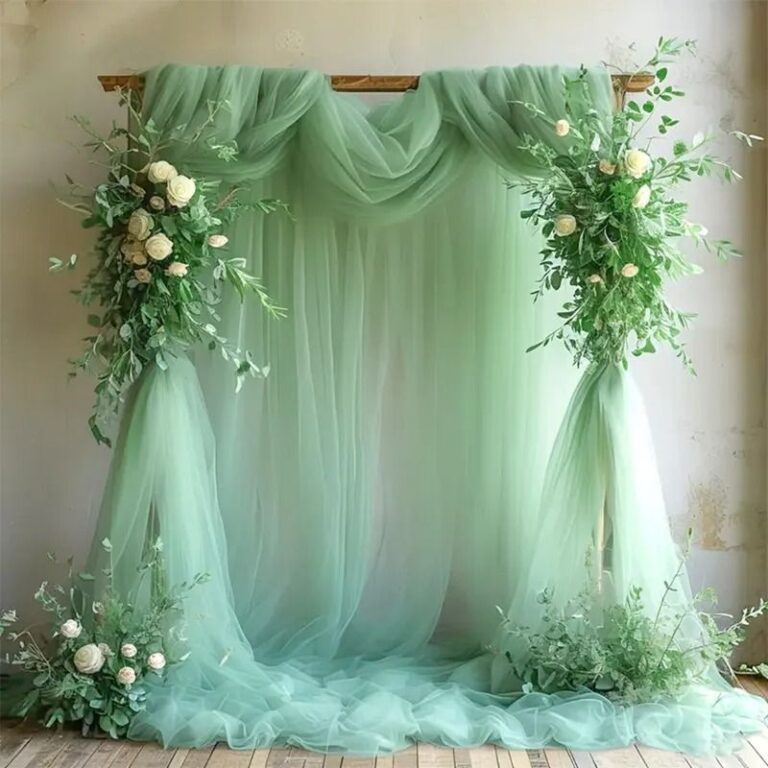 Aisha's pickSimple Pink Table Runners Done Well
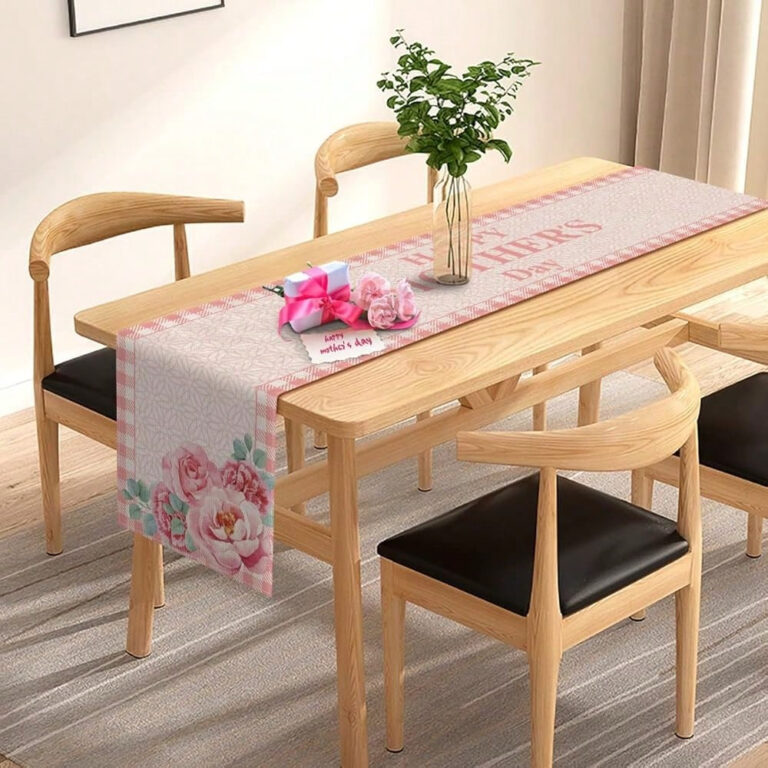
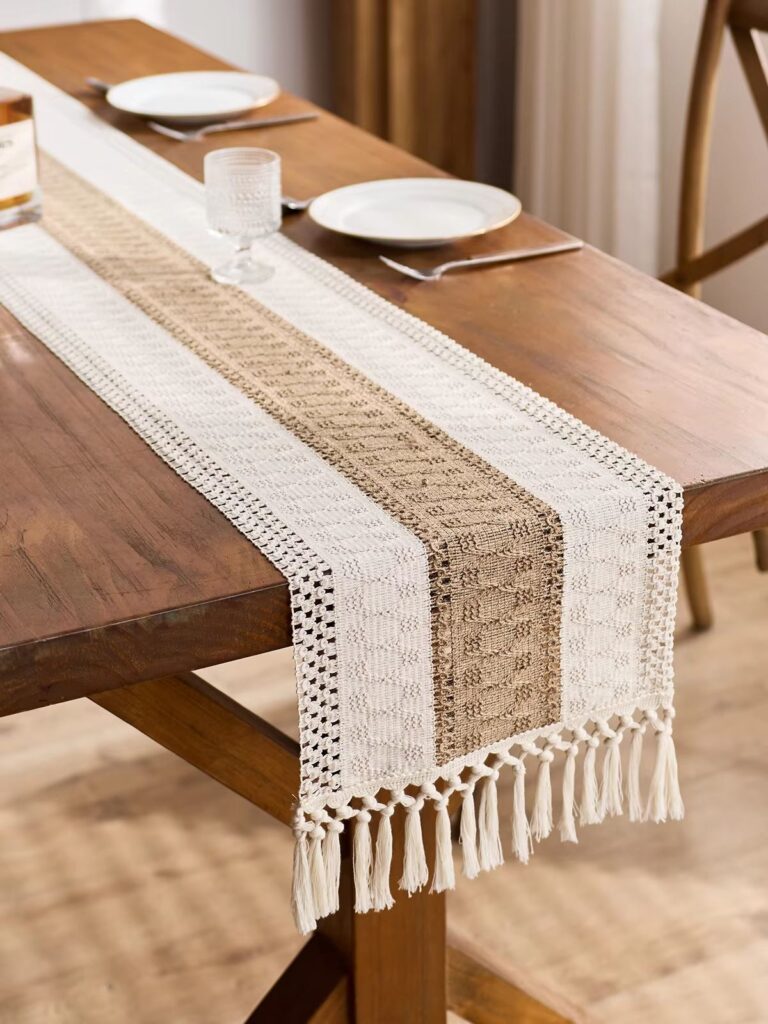 Aisha's pickBrown Table Runners That Warm Up Cold Floors
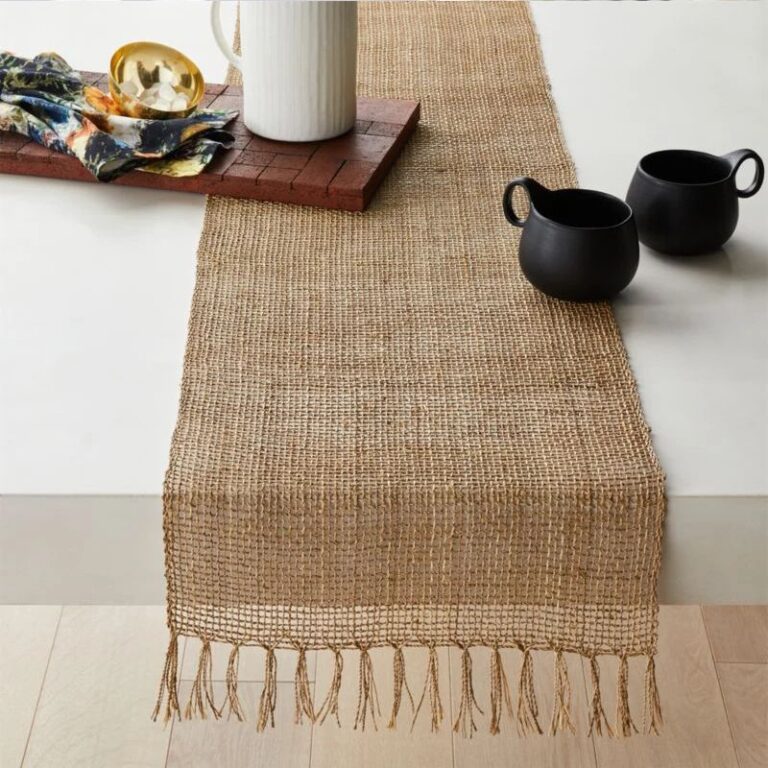
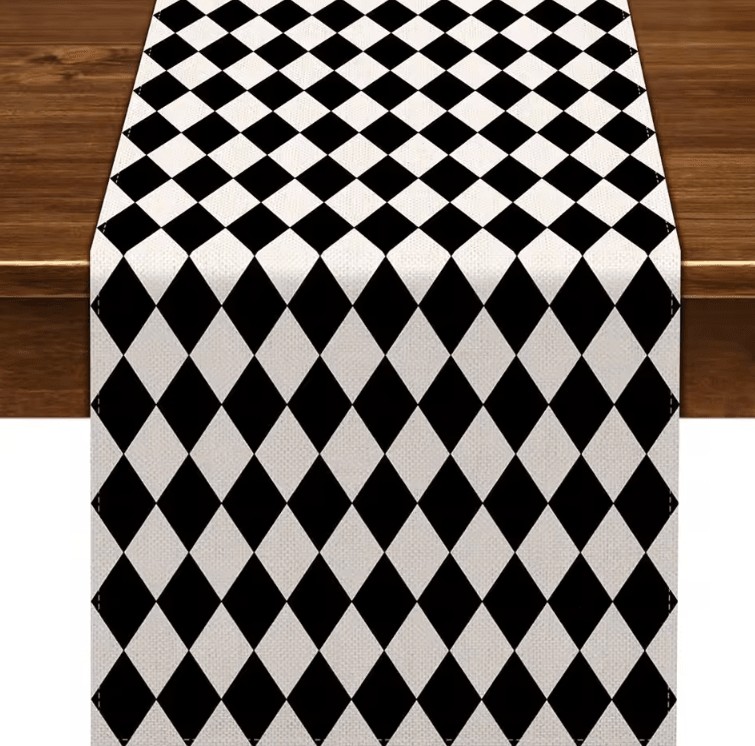 Aisha's pickOur Shortlist of Plaid Table Runners
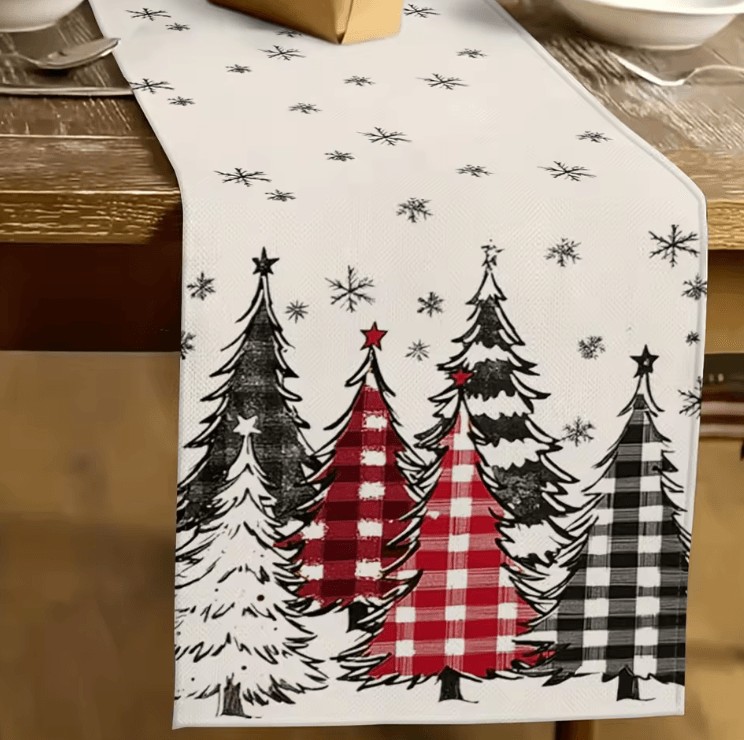
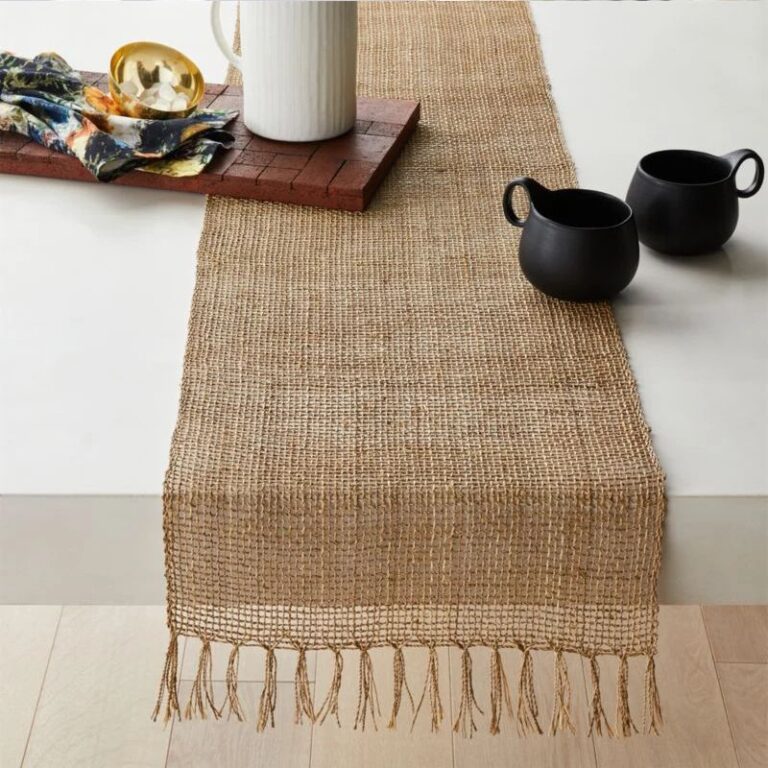 Aisha's pickChristmas Table Runners That Make the House Feel FestiveAlso worth a lookPrinted RugsA printed rug works best in a room that needs a bit of personality without a full renovation,…See the collections →
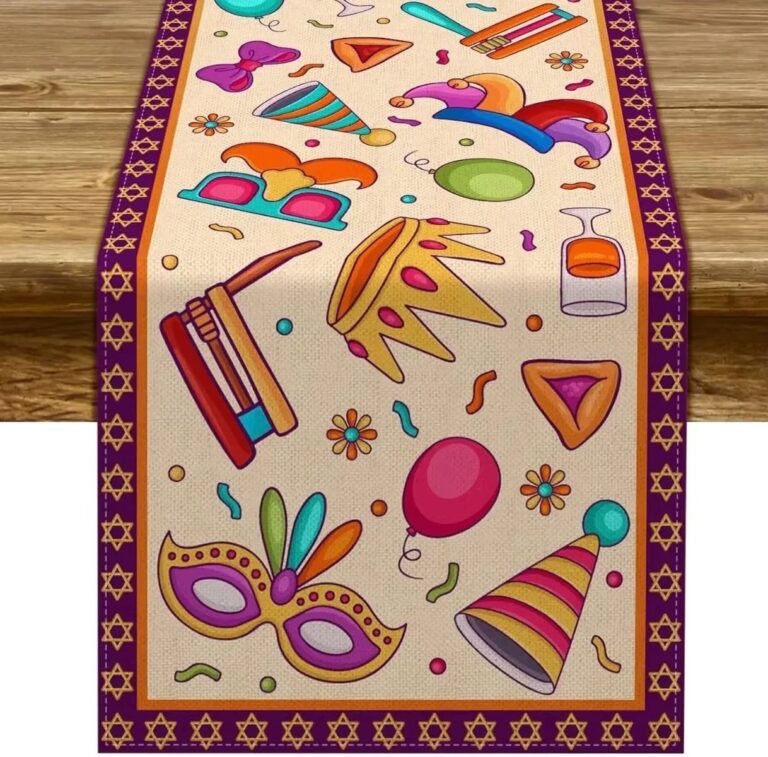 Aisha's pickPurple Table Runners That Don’t Shed Everywhere
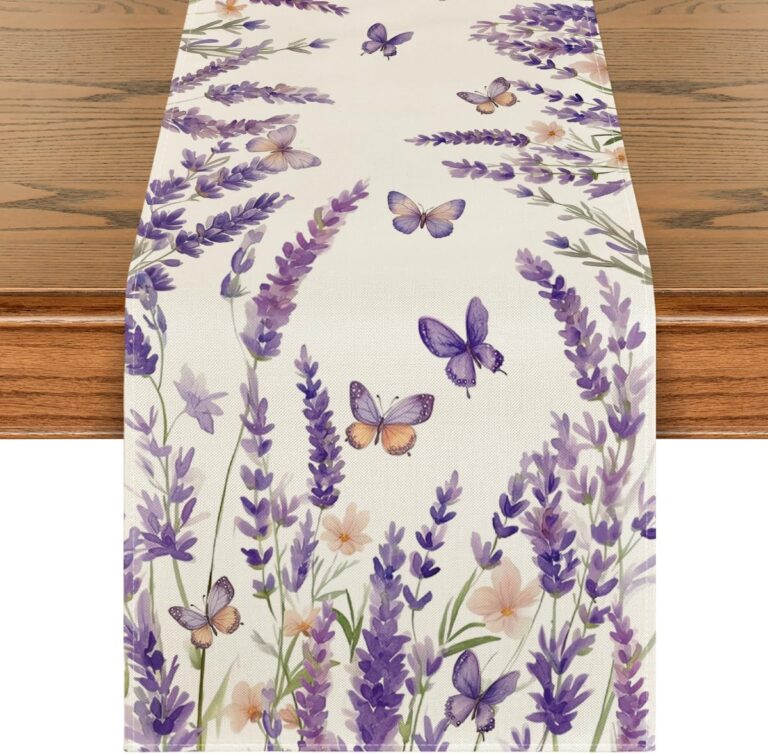
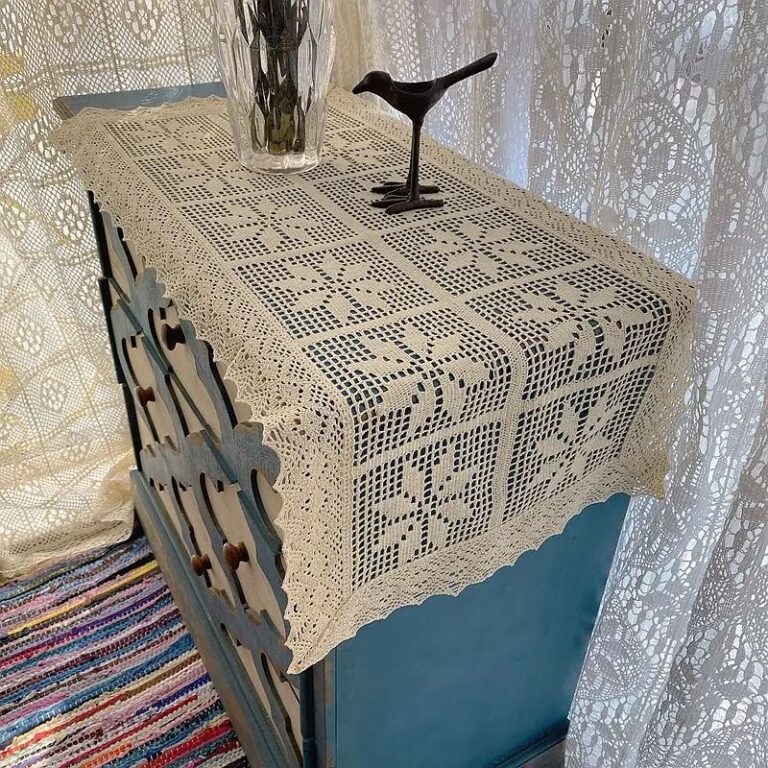 Aisha's pickShopping for Cotton Table Runners? Start Here
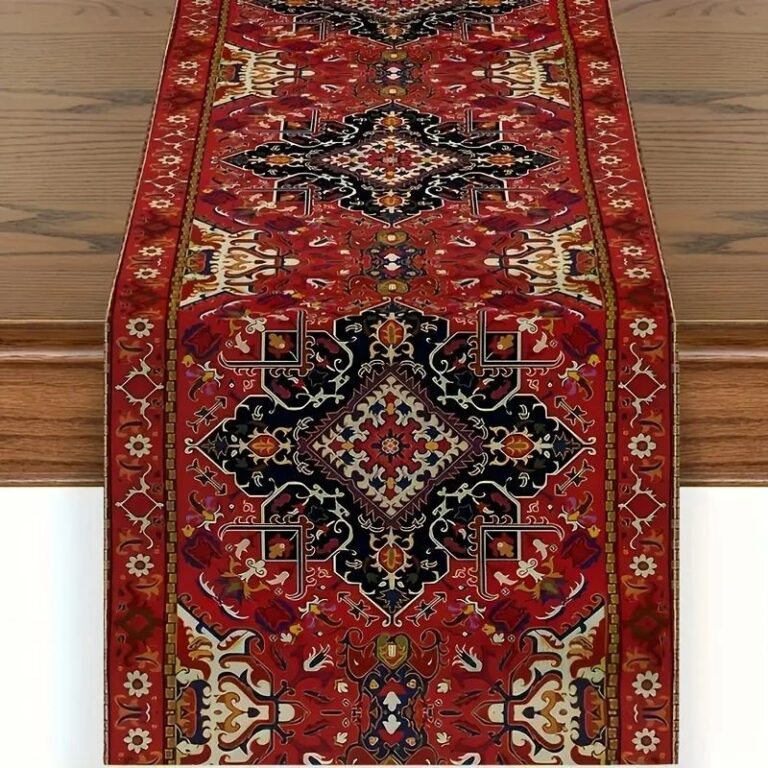
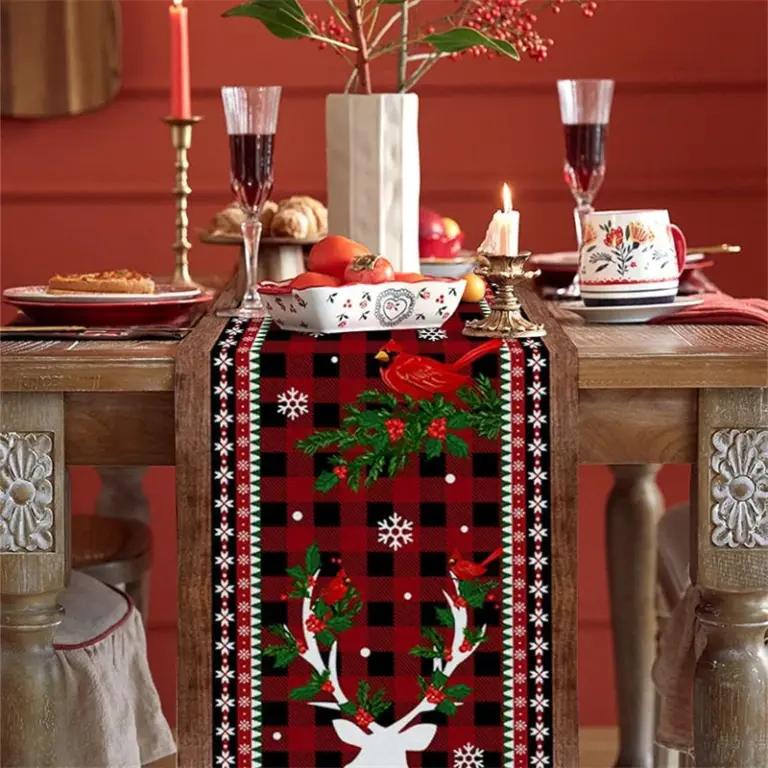 Aisha's pickRed Christmas Table Runners That Get Better With Age
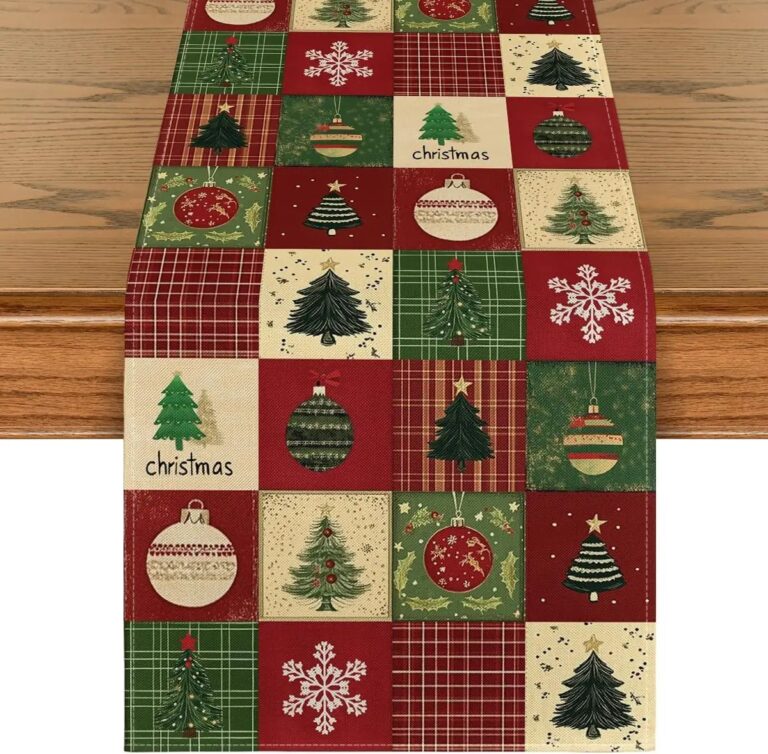
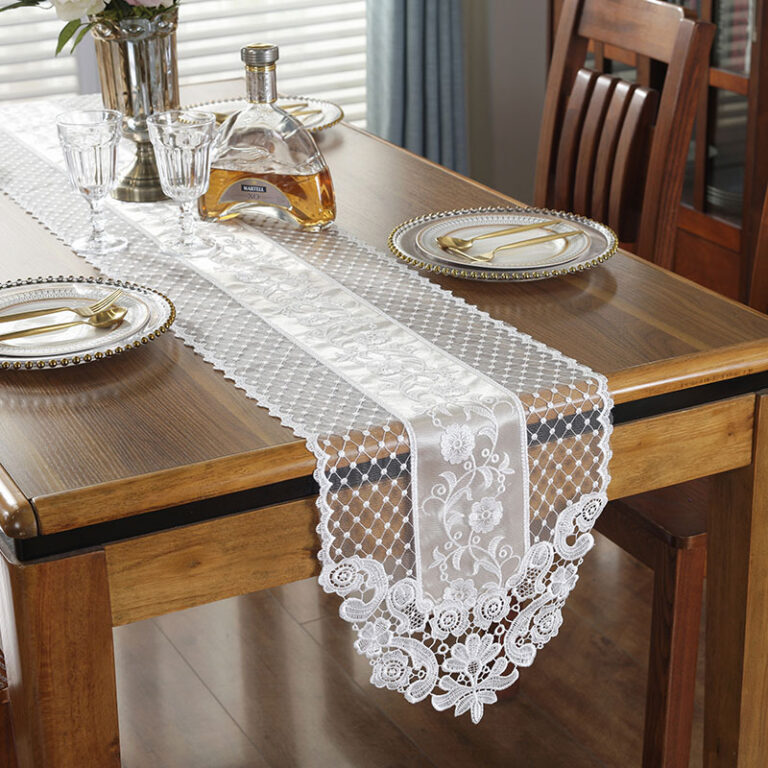 Aisha's pickWhere to Start With Embroidered Table Runners
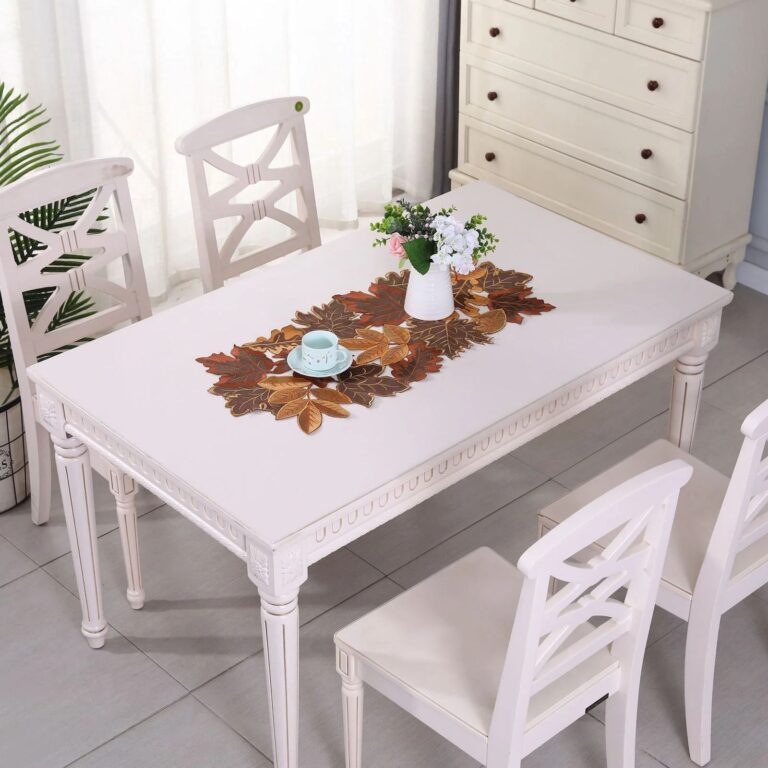
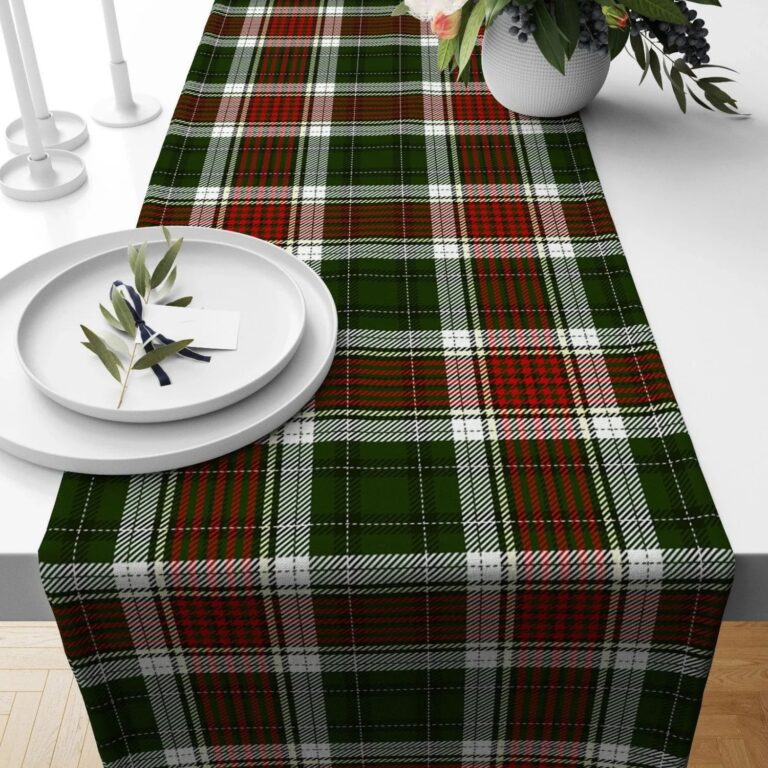 Aisha's pickRed Table Runners Picked by People Who Care Too Much
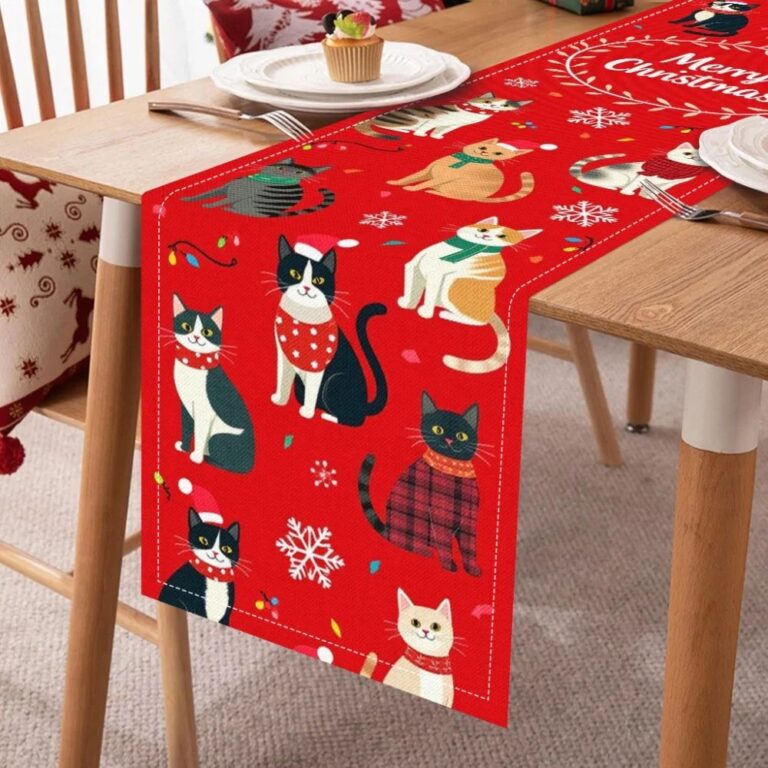
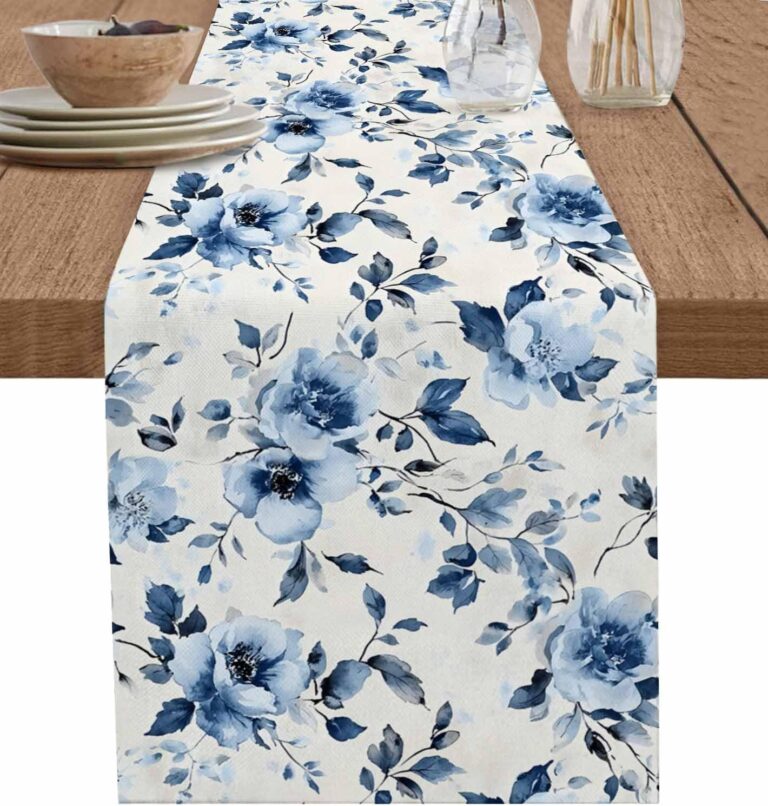 Aisha's pickFarmhouse Table Runners You Won’t Want to Hide Away
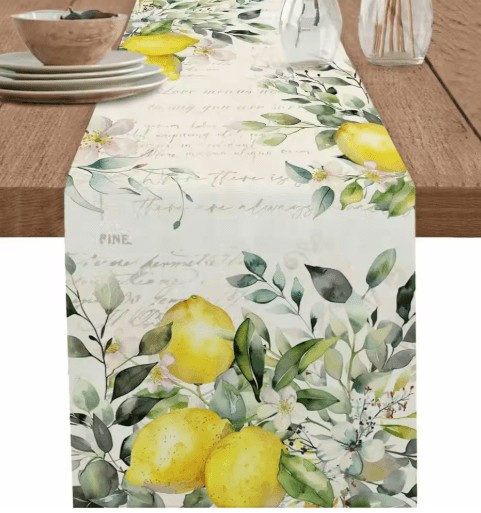
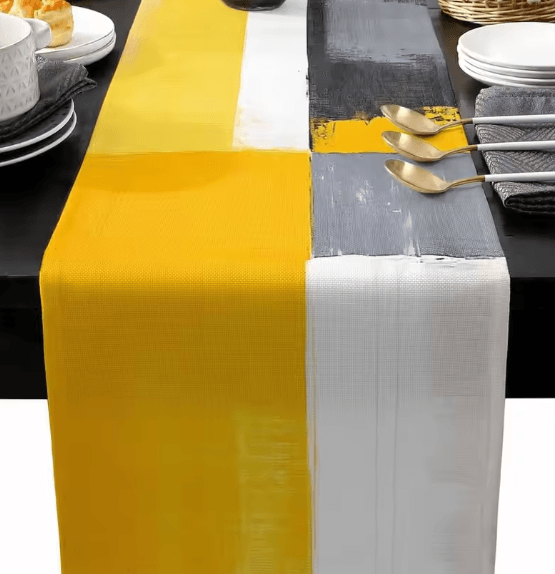 Aisha's pickRound Table Runners for People Who Know What They Like
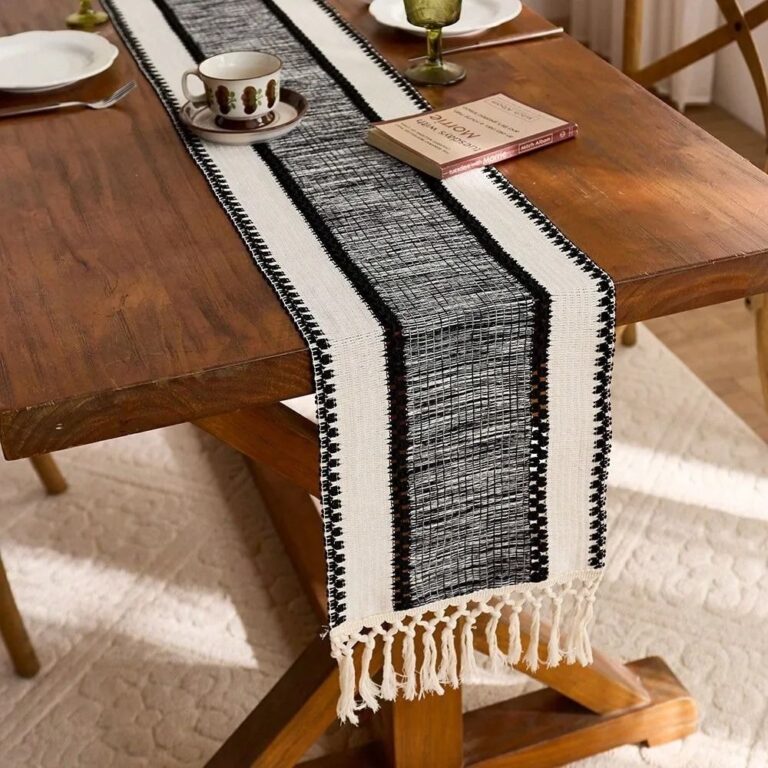
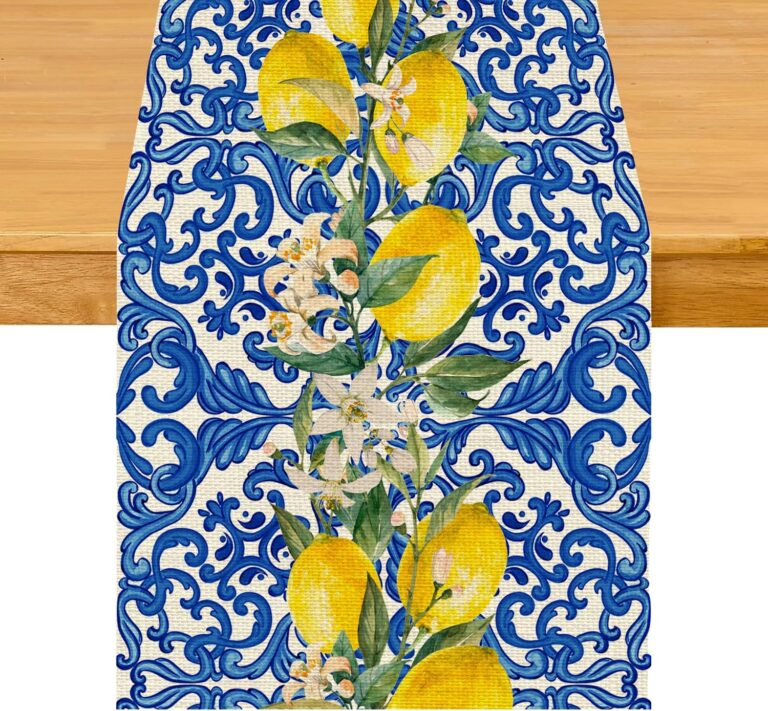 Aisha's pickFloral Table Runners That Look Good Up Close