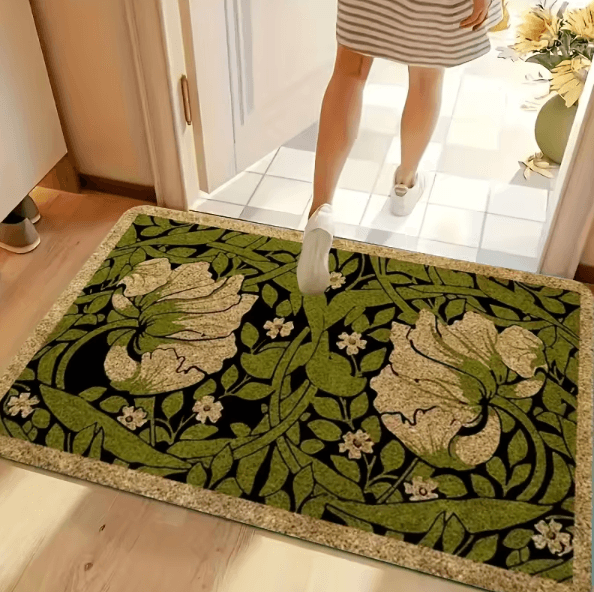
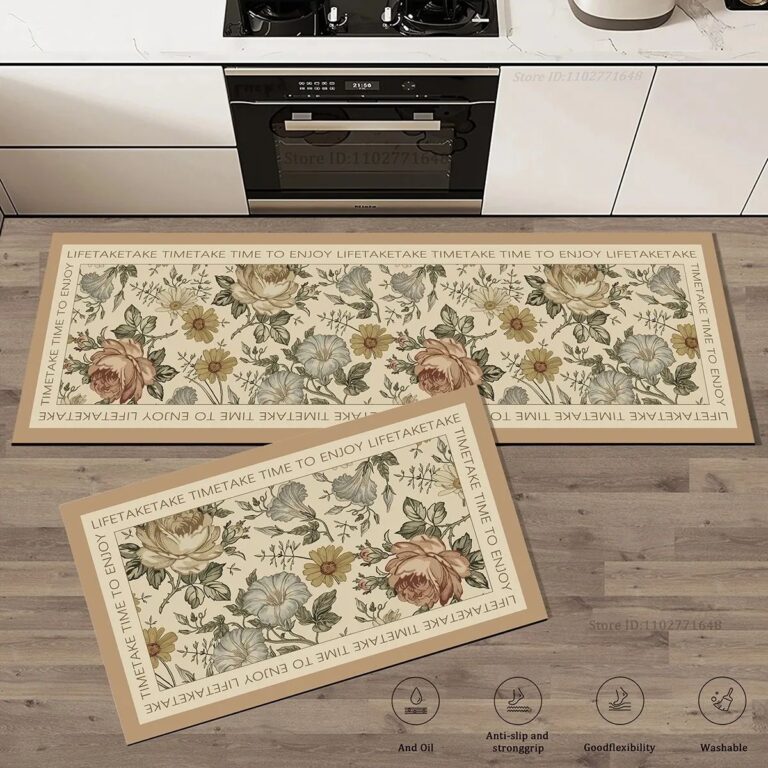
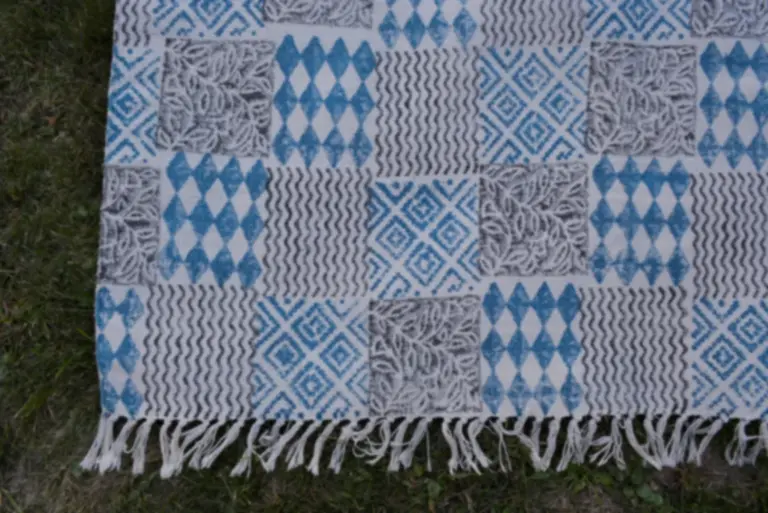
A printed rug works best in a room that needs a bit of personality without a full renovation, a rental living room with white walls you can't paint, a kid's bedroom, a hallway that's otherwise just a strip of beige carpet. If your furniture is already busy, a bold sofa, patterned curtains, art everywhere, think twice before adding a loud rug on top. You end up with a room that looks like it's arguing with itself, and nobody wins that argument, including the rug.
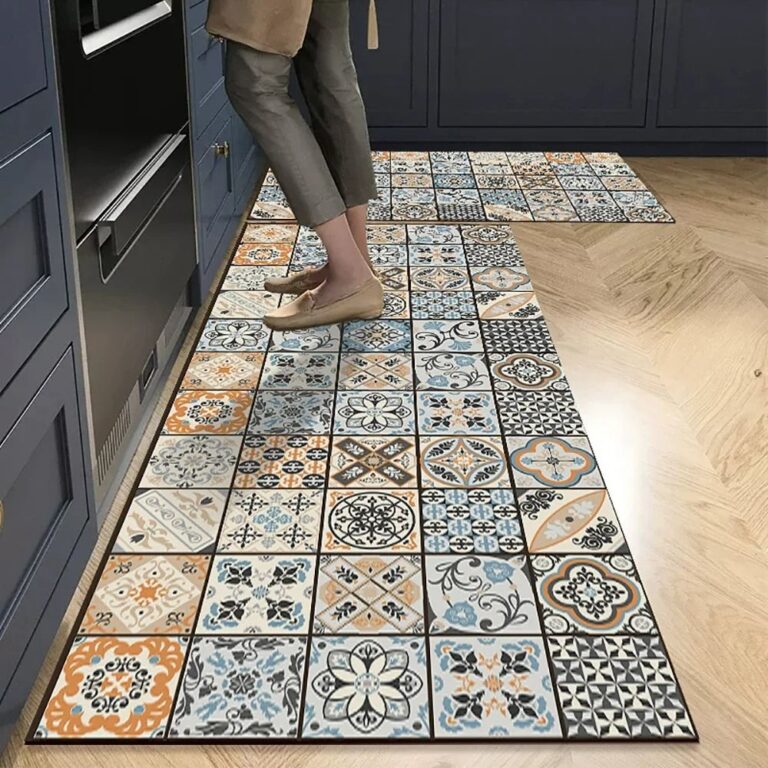
The best use I've seen is in a smaller space that needs one thing to look at, a studio apartment, a reading nook, a narrow entryway. Pattern draws the eye down instead of up, which is useful when the ceilings are low or the walls are doing nothing interesting. It also hides a lot. Crumbs, pet hair, the general wear of a room that gets used every day, all of that disappears into a busy print in a way a plain gray rug never quite manages. Seasonally they don't care much, they're not fading in a window the way a sofa fabric might, so you can leave one down through a full year without worrying about one side going pale.
Where it falls apart is scale and lighting. A tight geometric print can look sharp in a showroom photo and then genuinely dizzying once it's under your feet every morning before coffee. Large scale florals or busy medallions need a bit of visual breathing room around them, a few feet of plain floor or a low key sofa, or the whole room reads as noise. And printed rugs, especially the flatter woven ones, show wear in the print before they show wear in the pile, so a rug that gets dragged across by furniture or dog nails can look tired at the edges years before the backing gives out.
On delivery day, unroll it flat somewhere with good light before you decide it's wrong, because rugs photograph differently than they sit in a room, and colors that looked warm online can turn oddly cool under your actual bulbs. Check the backing for any rubber or latex coating, some of those have a smell for the first week that's worth airing out before it lives under a dining table. And run a hand over the pile to feel for any crushed patches from being rolled too tight in shipping, most relax out in a day or two under some weight, but not all of them.
A good one earns its keep in the small moment when a spill shows up as part of the pattern instead of a stain you have to explain.

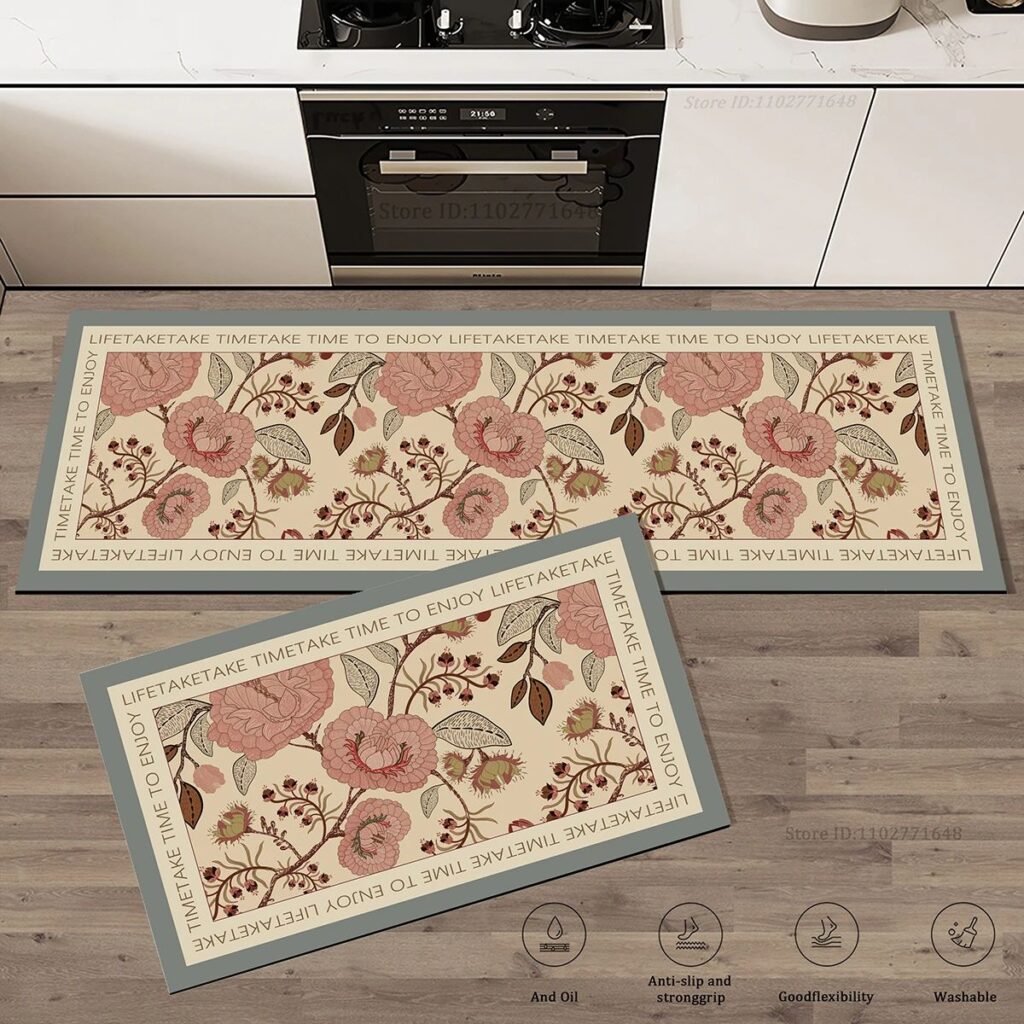 Aisha's pickFloral Non Slip Rugs That Make a Room Feel Finished
 Aisha's pickGeometric Polyester Washable Rugs That Look Like They Cost More
 Aisha's pickAbstract Bedroom Rugs That Stay Put on Hard Floors
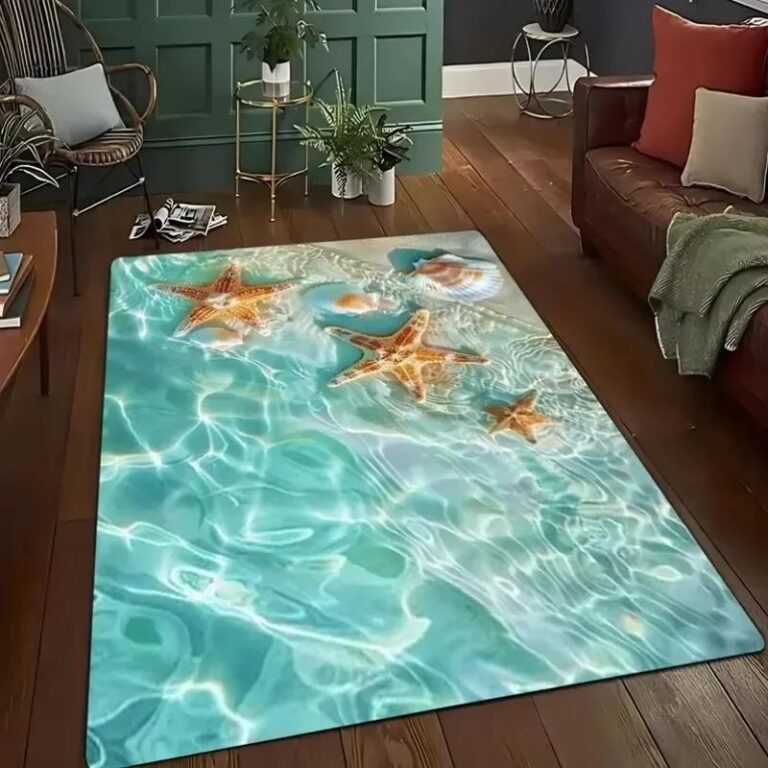
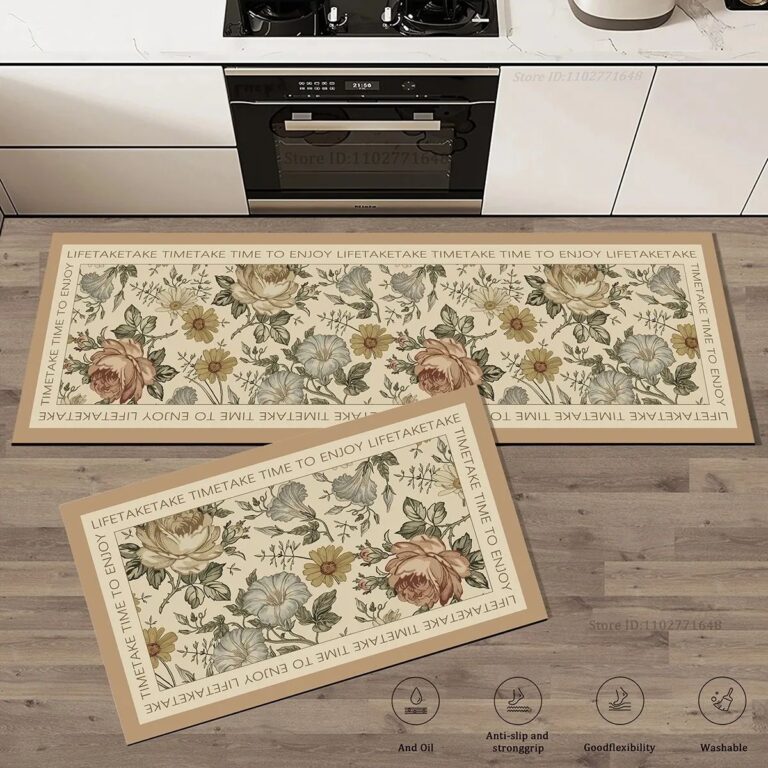 Aisha's pickFloral Place Mats That Visitors Always Ask About
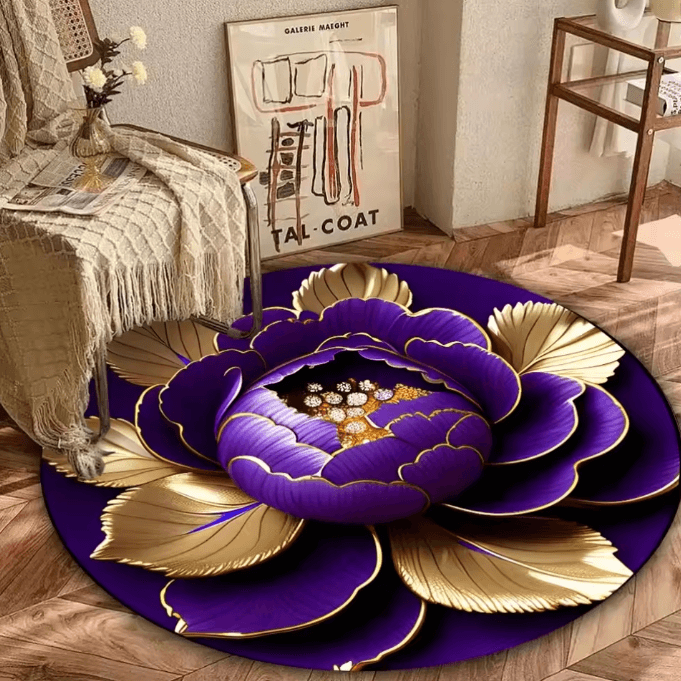
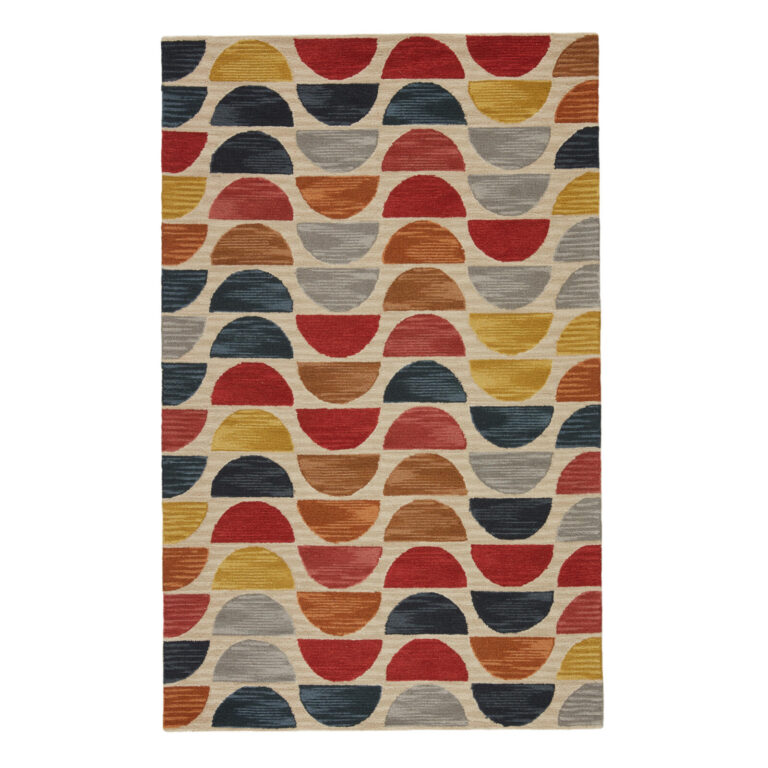 Aisha's pickGeometric Rugs That Feel Good Underfoot
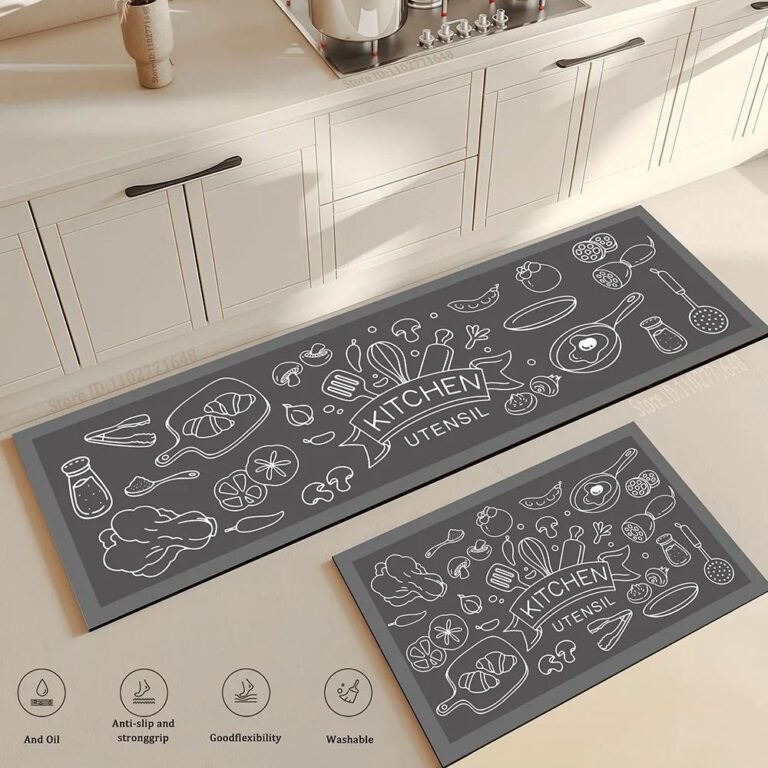
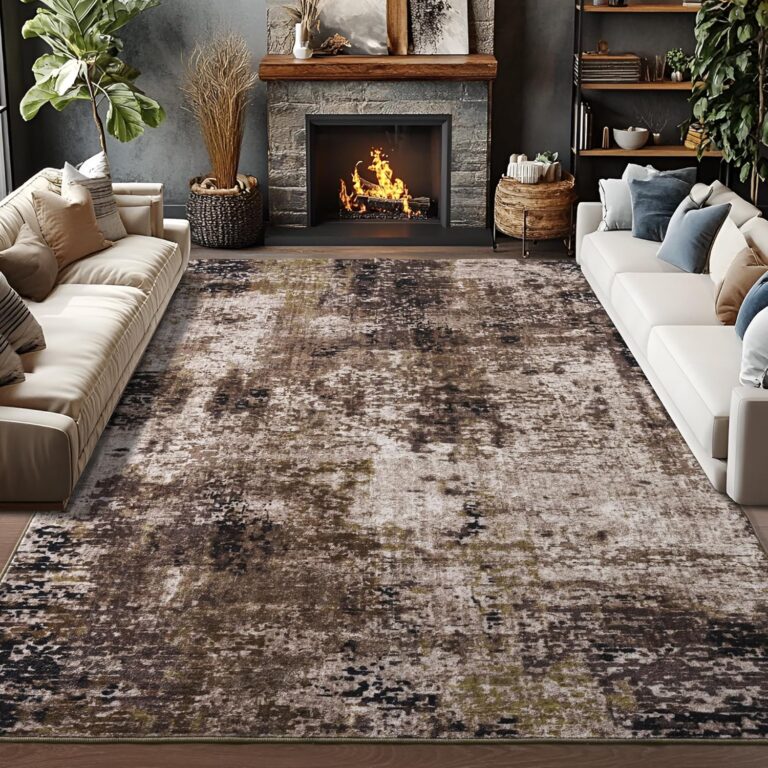 Aisha's pickAbstract Living Room Rugs for Movie Nights and Slow Sundays

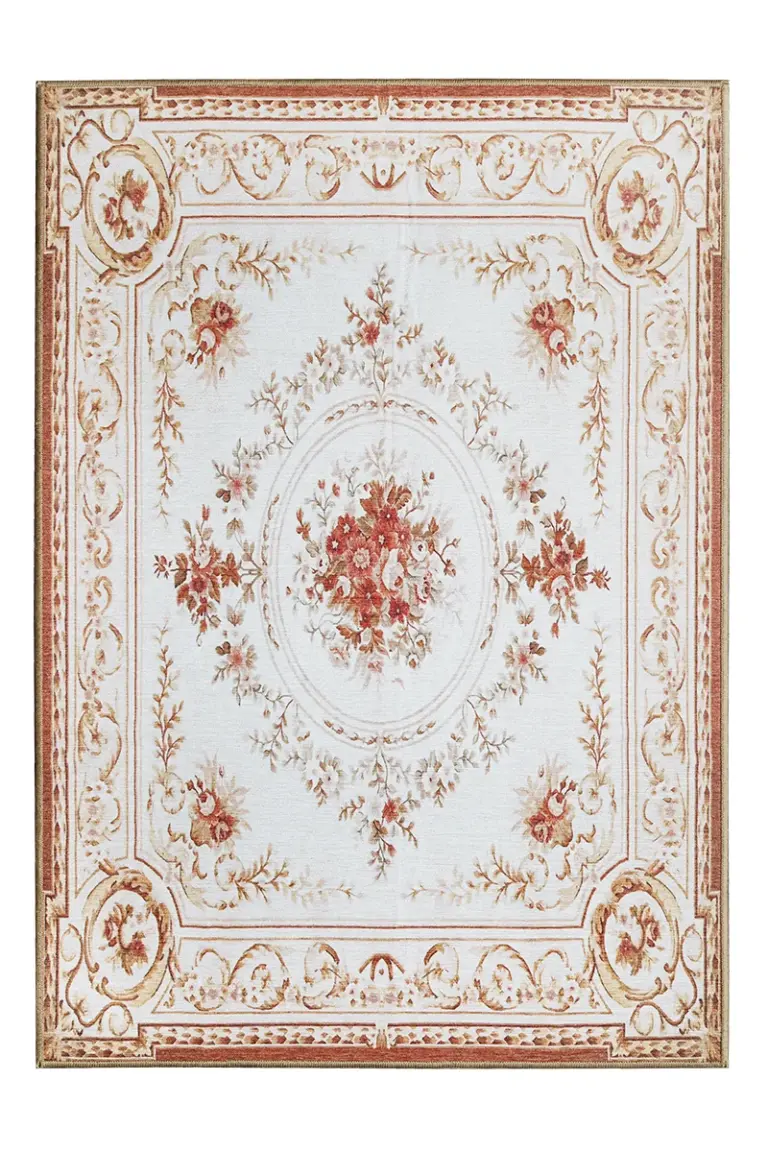 Aisha's pickFloral Rugs That Don’t Shed Everywhere
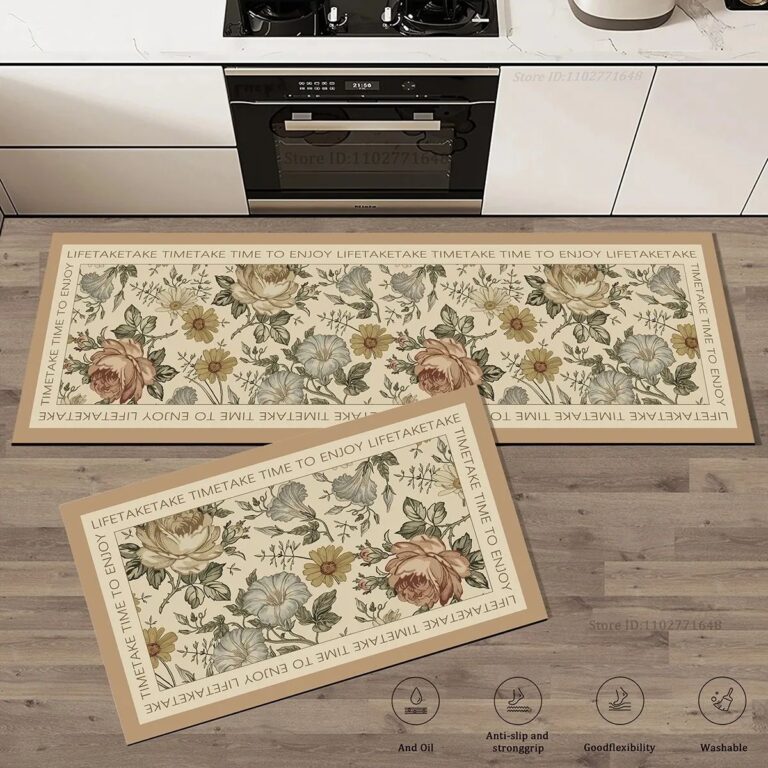
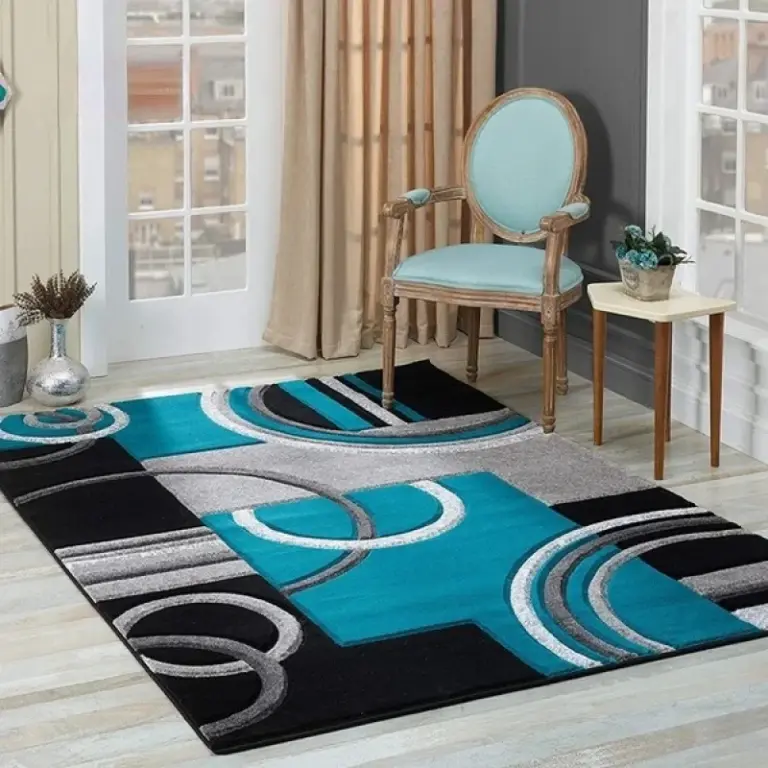 Aisha's pickGeometric Rugs for Bedroom That Don’t Need Babying

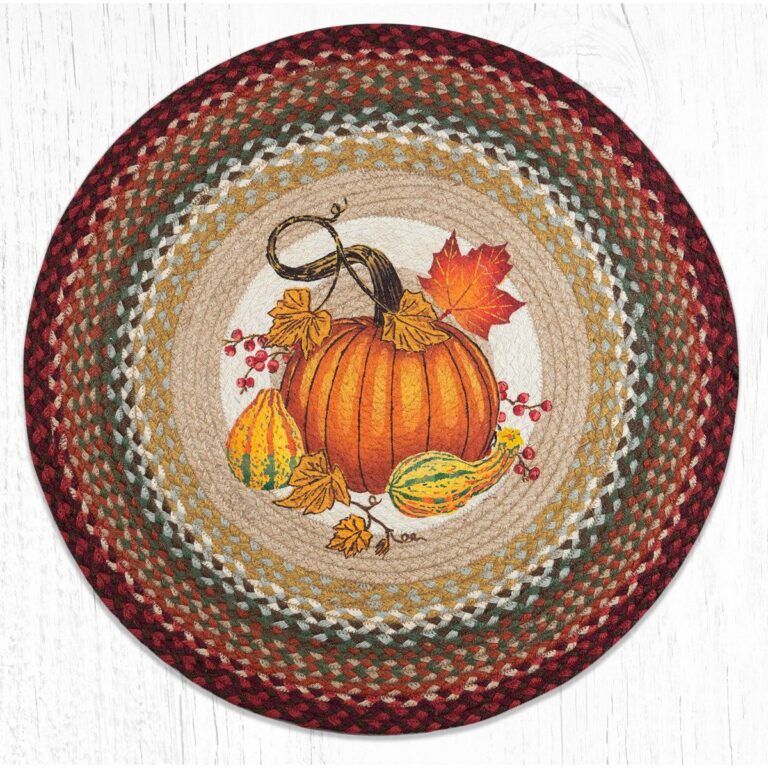 Aisha's pickThe Abstract Place Mats Worth Your CashAlso worth a lookSoft RugsMost people buy a soft rug by how it feels in the store, standing on it in socks…See the collections →
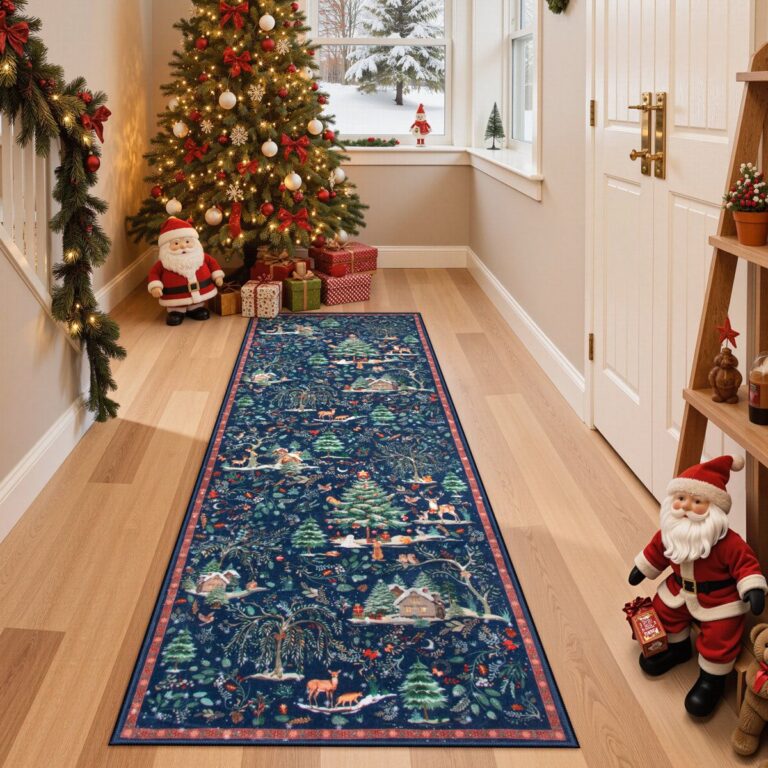 Aisha's pickFloral Runners Picked From the Stores We Trust
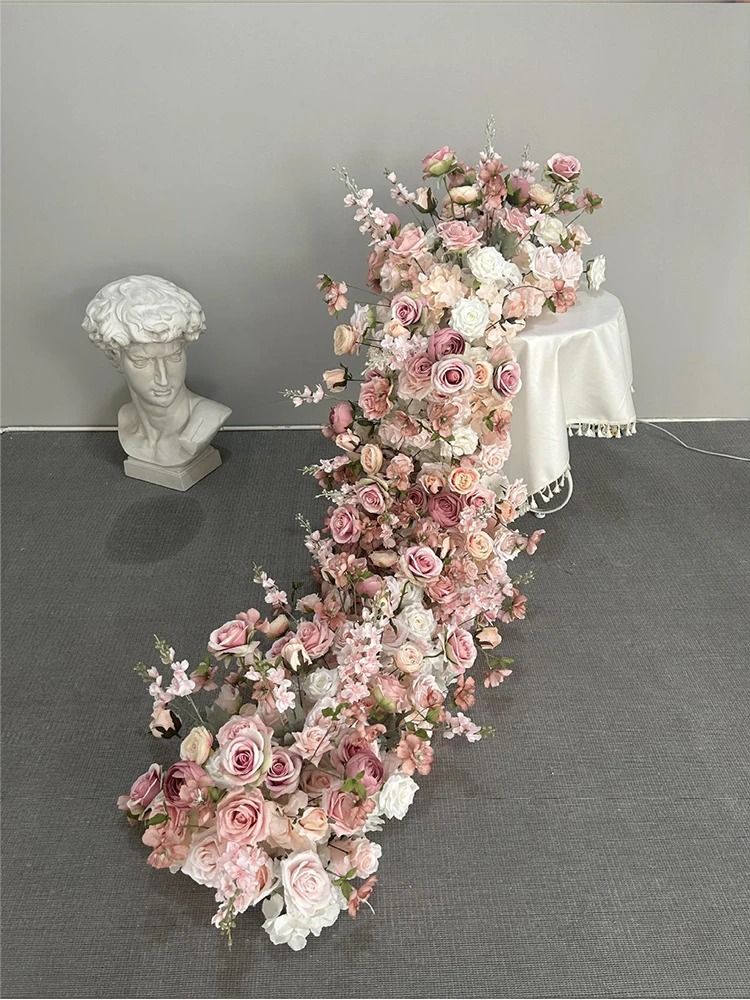
 Aisha's pickGeometric Rugs for Living Room You’ll Still Like in Five Years
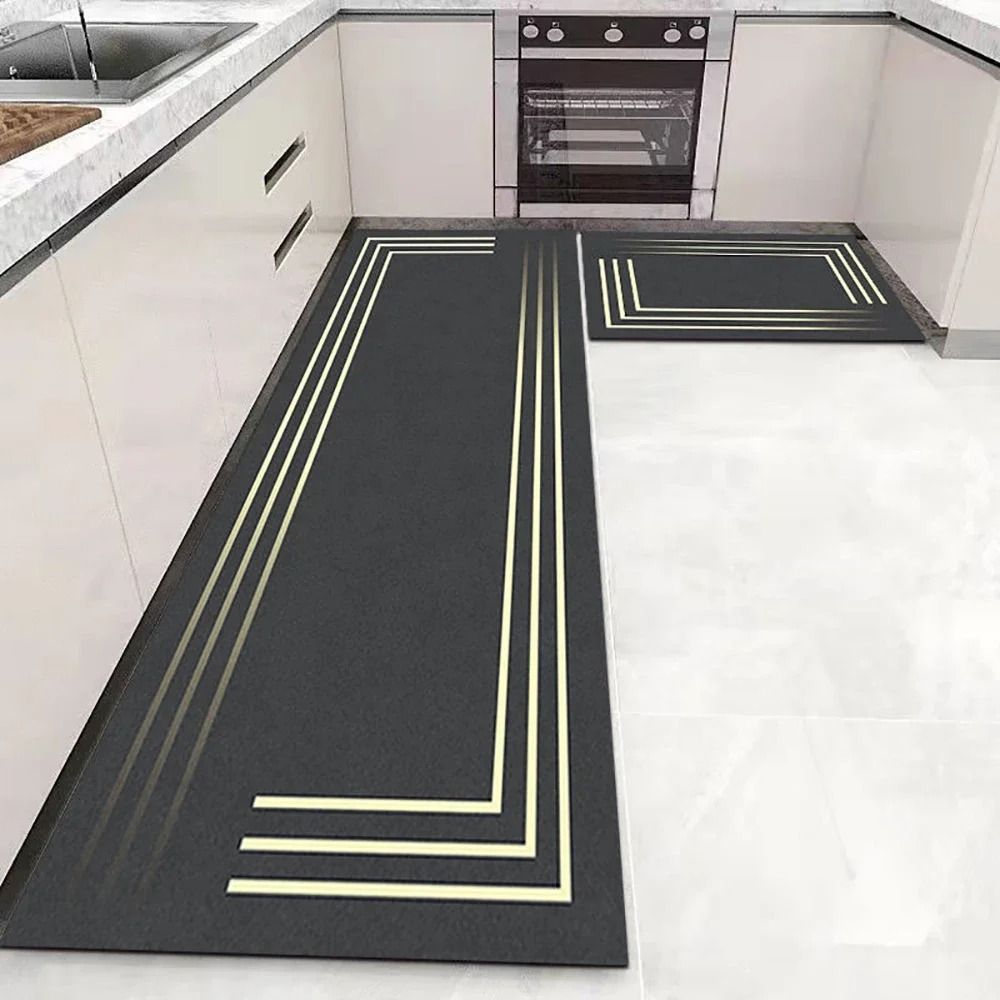
 Aisha's pickAbstract Rugs That Look Better in Real Life

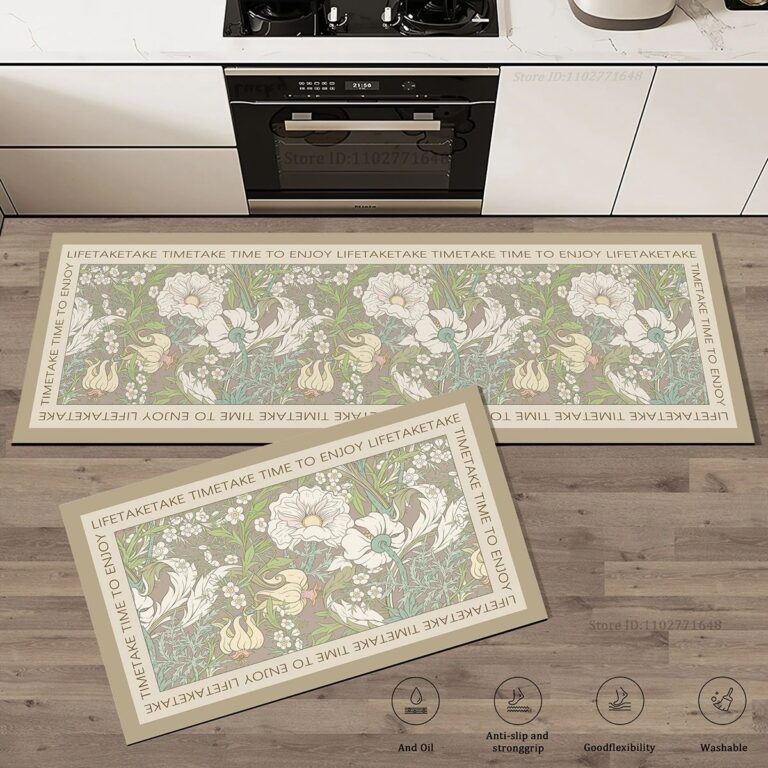 Aisha's pickFloral Runner Rugs That Pull a Room Together
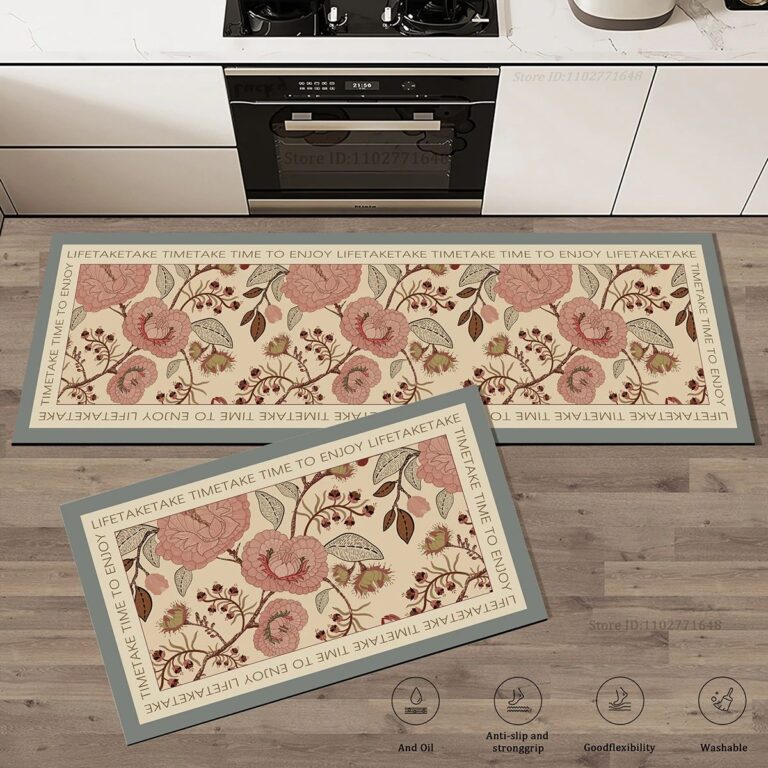
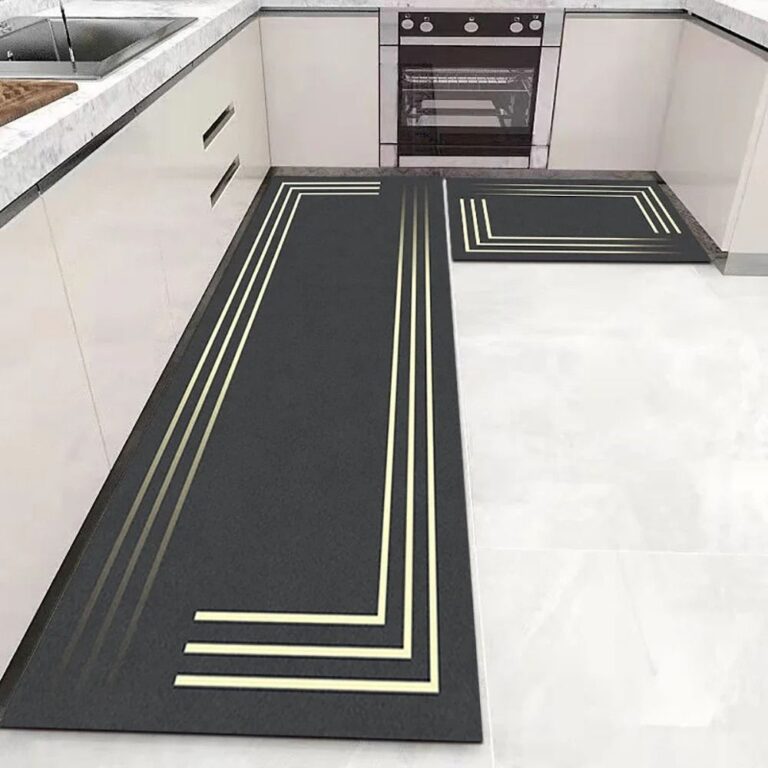
 Aisha's pickGeometric Runners That Don’t Shed Everywhere
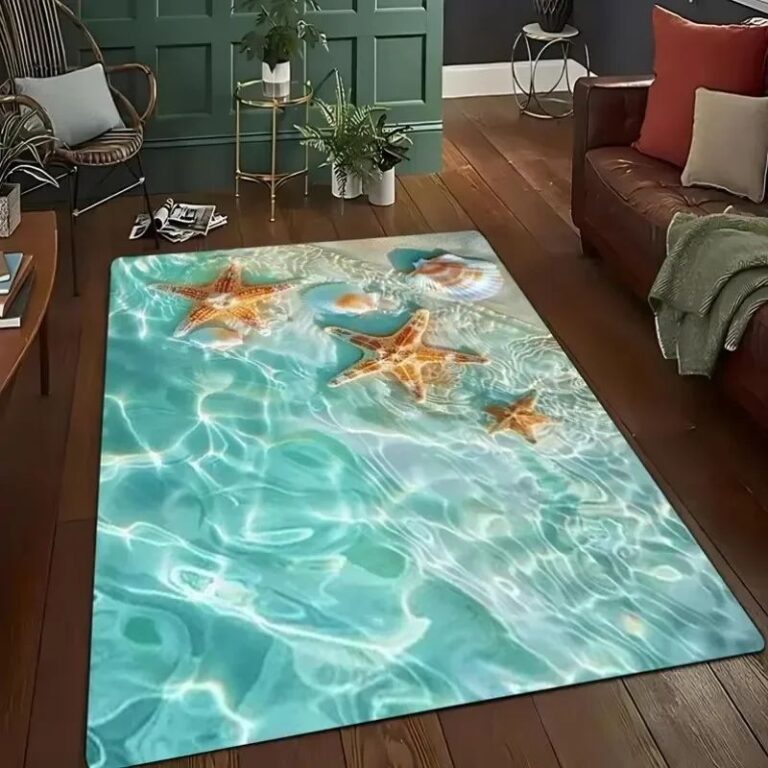 Aisha's pickAbstract Rugs for Bedroom That Feel Good Underfoot
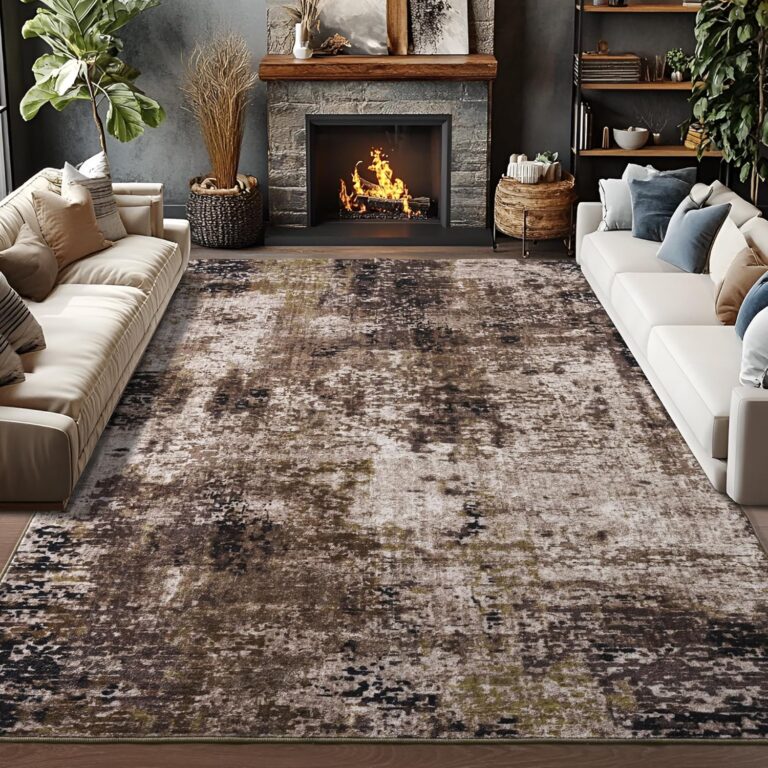
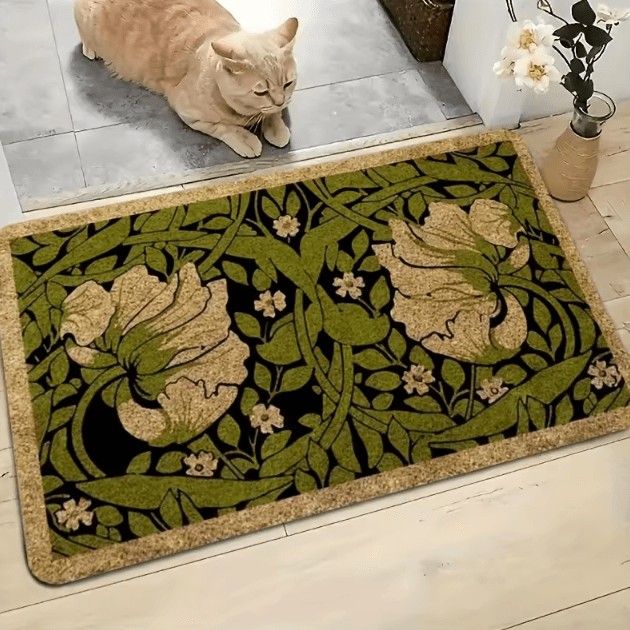 Aisha's pickFloral Soft Rugs for When the Old Ones Give Up
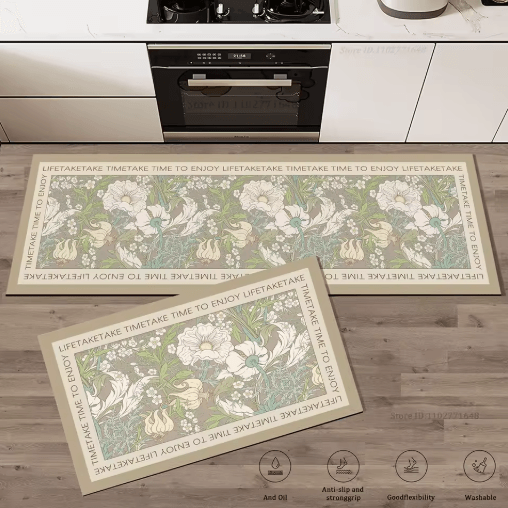
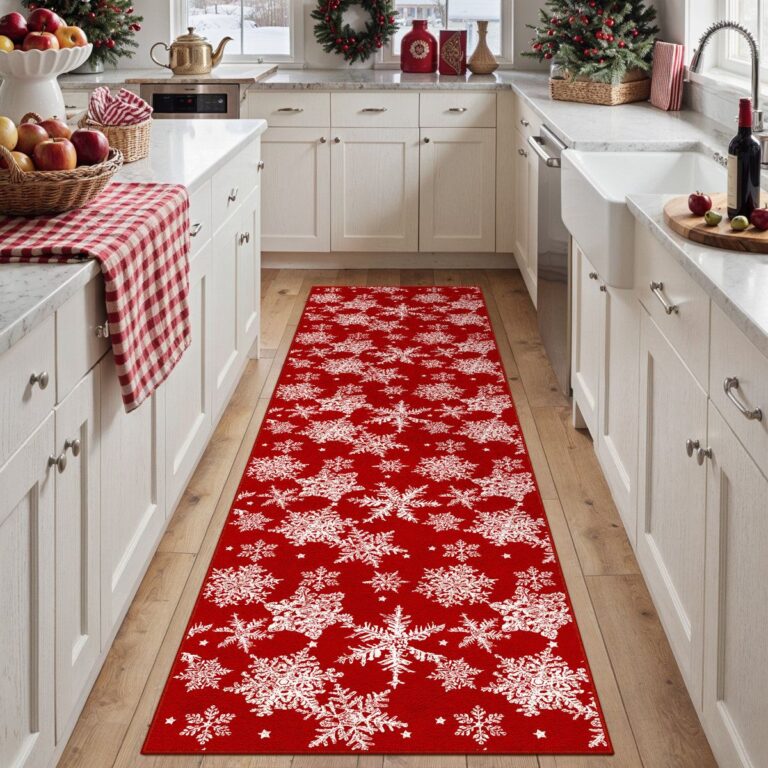 Aisha's pickGeometric Runner Rugs That Go With Most Rooms
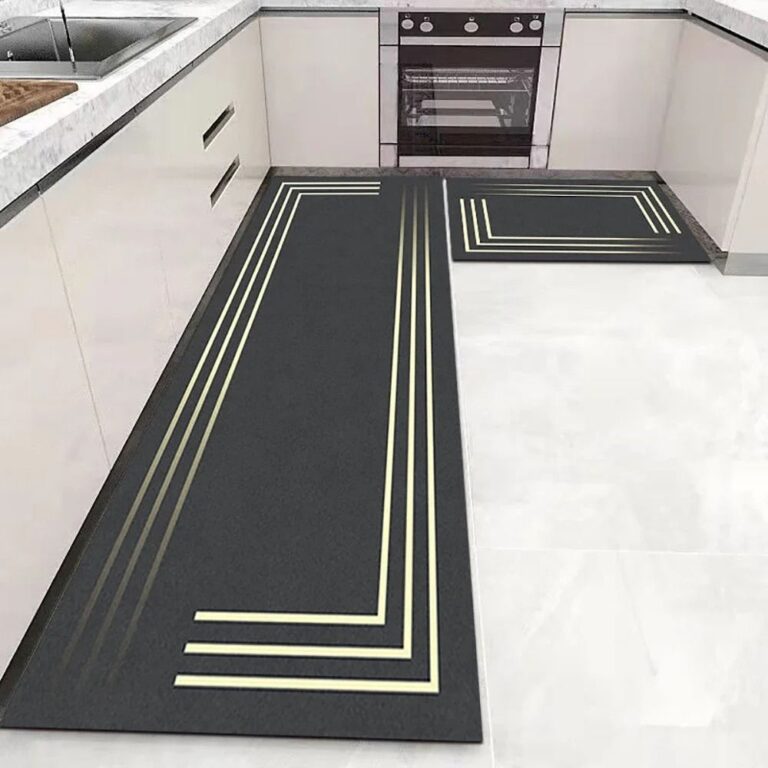
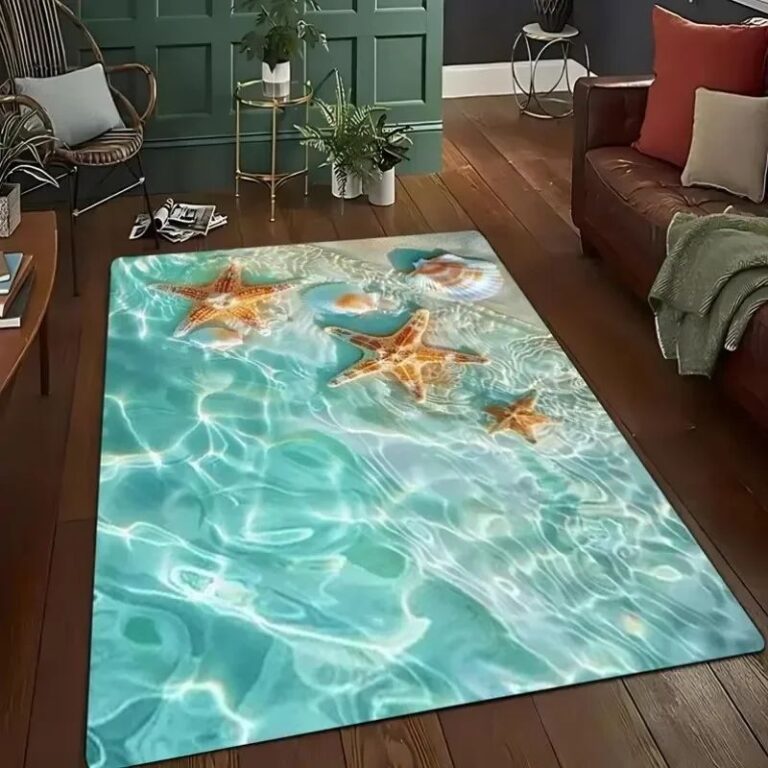 Aisha's pickAbstract Rugs for Living Room That Warm Up Cold FloorsAlso worth a lookMatsA mat is the thing standing between whatever is happening outside your door and the floor you just cleaned.See the collections →
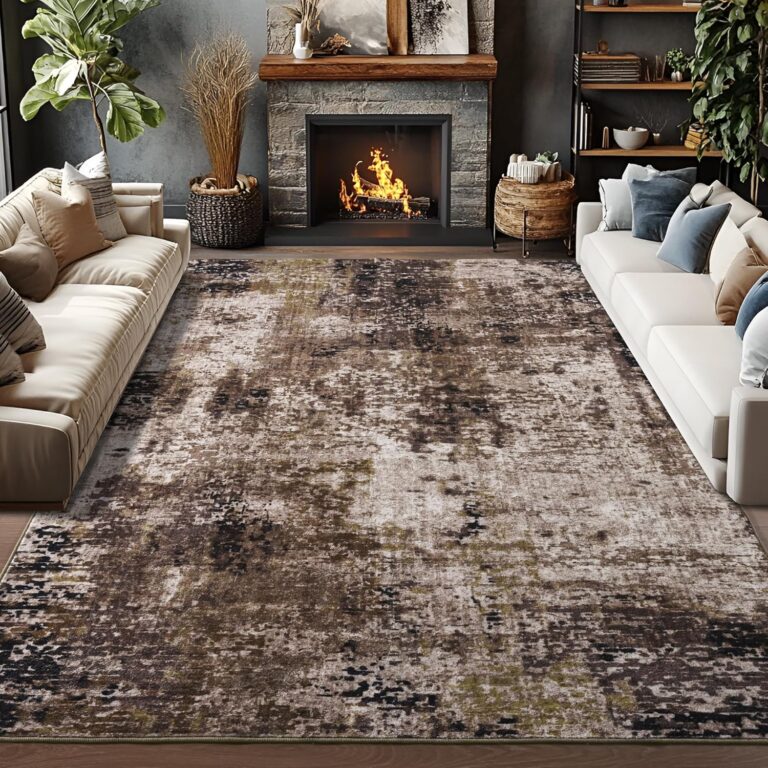
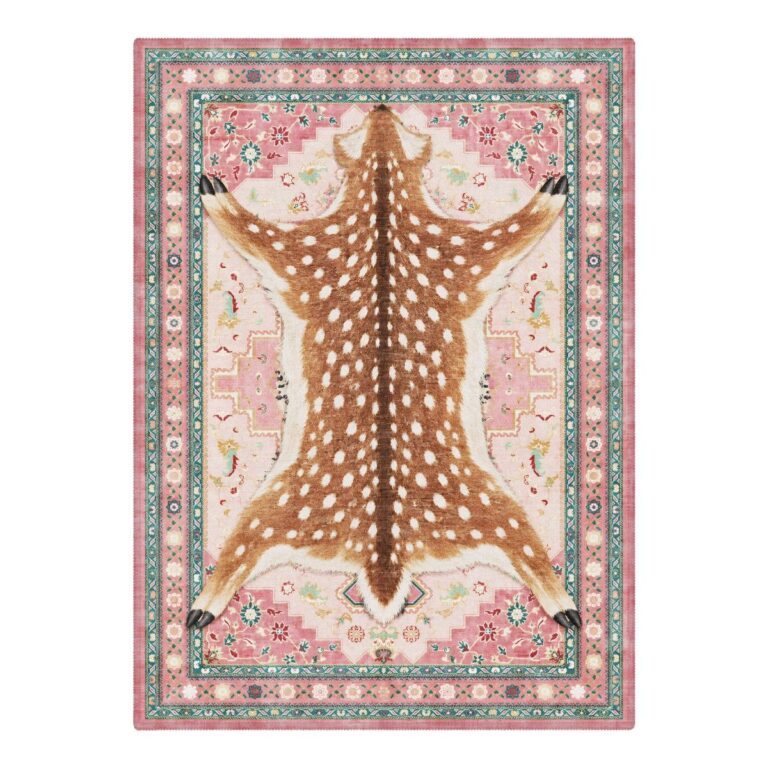 Aisha's pickFloral Stain Resistant Rugs for People Who Know What They Like
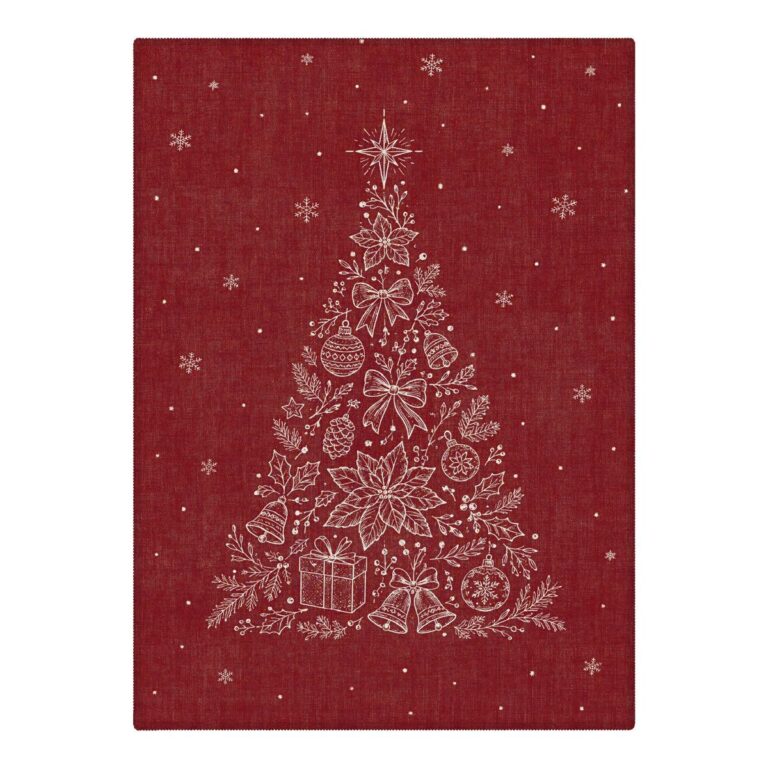
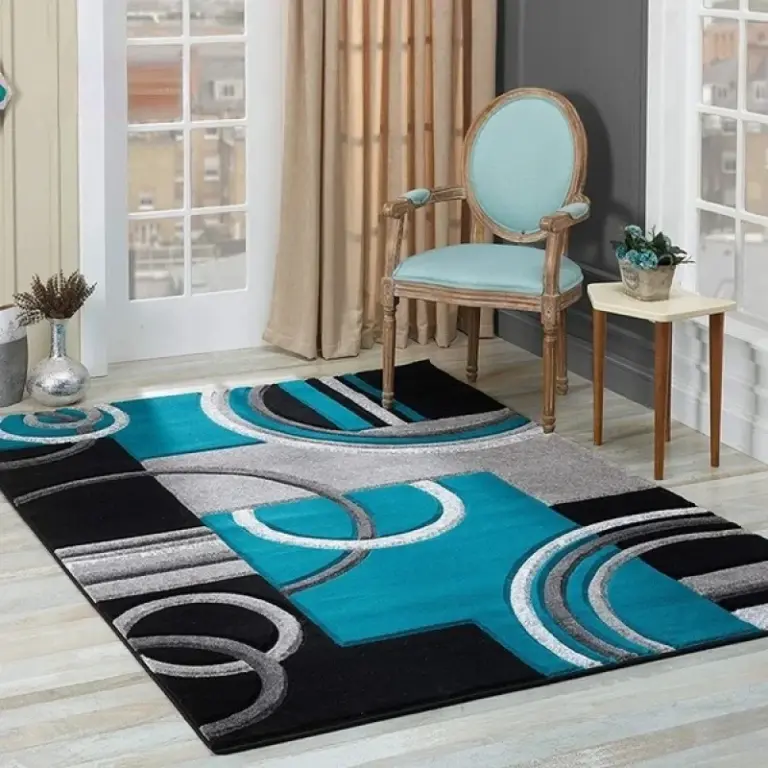 Aisha's pickGeometric Soft Rugs That Pull a Room Together
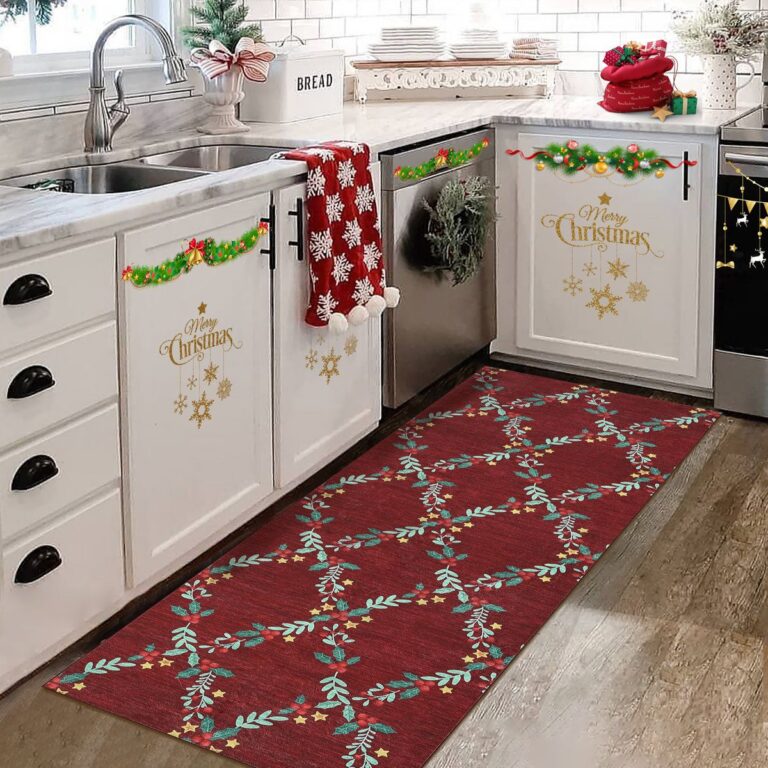
 Aisha's pickAbstract Runners That Pull a Room Together

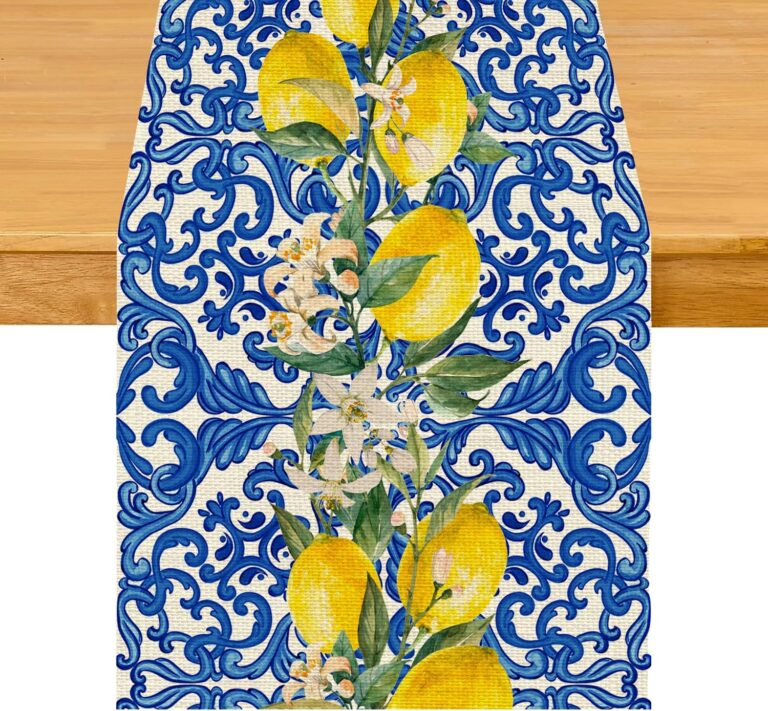 Aisha's pickFloral Table Runners That Look Good Up Close
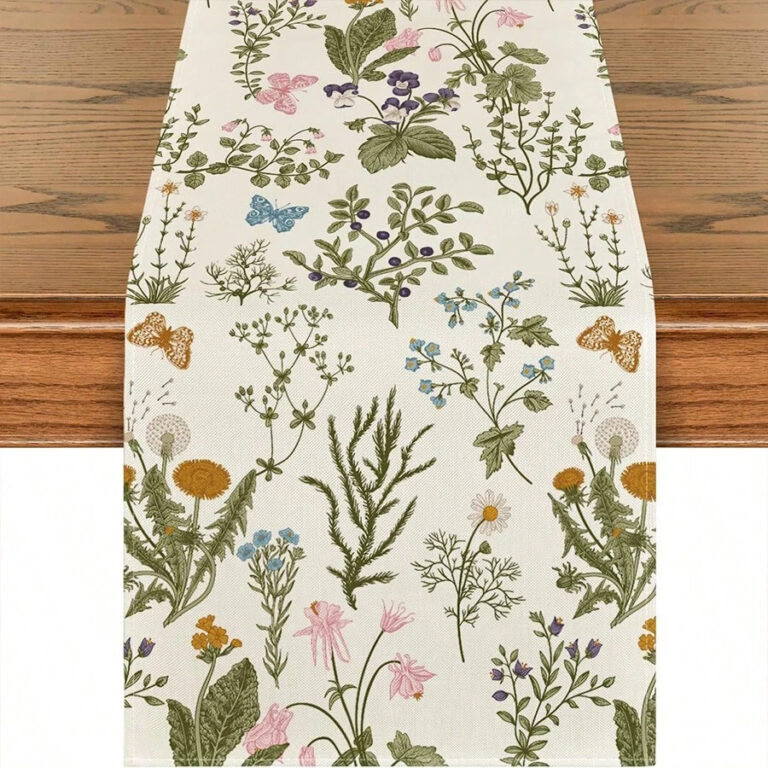
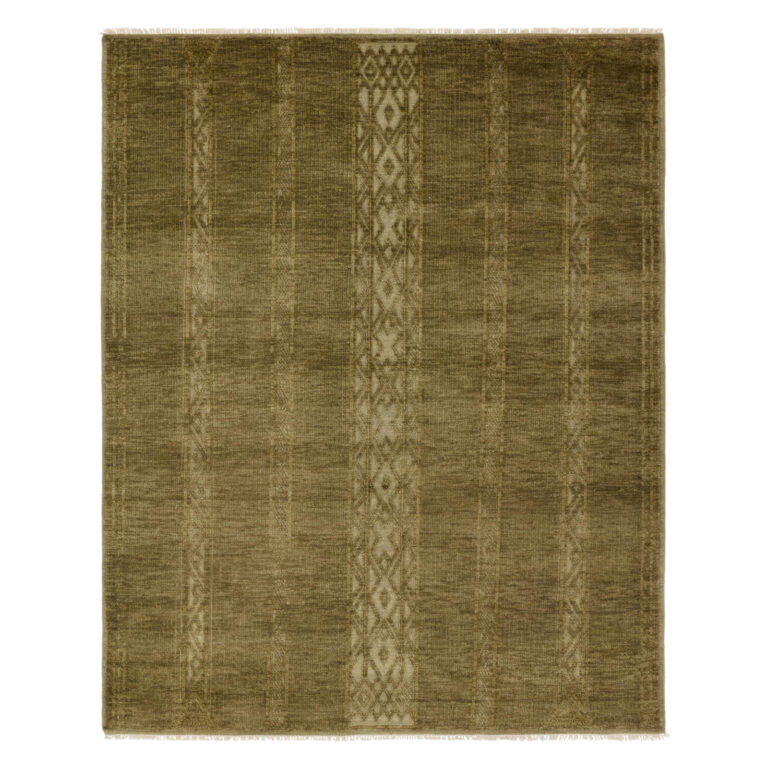 Aisha's pickGeometric Stain Resistant Rugs at Every Price Point
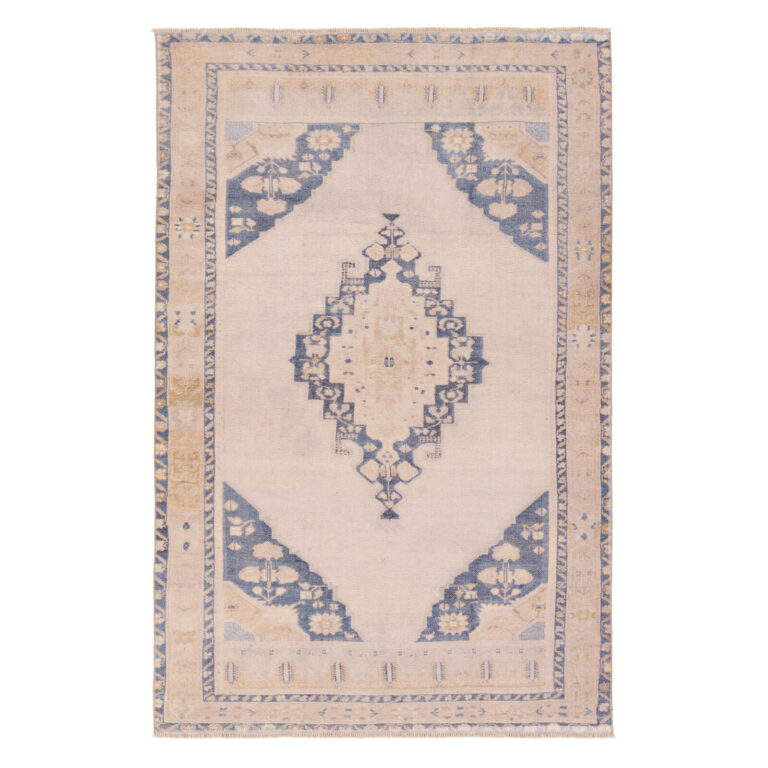
 Aisha's pickAbstract Soft Rugs That Cope With Heavy Traffic

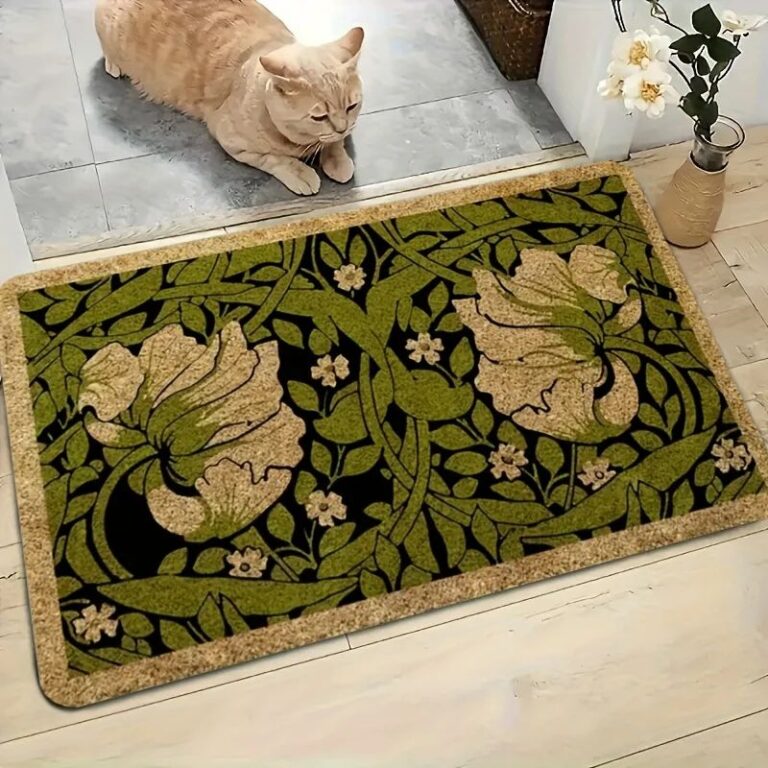 Aisha's pickFloral Washable Rugs With Some Character
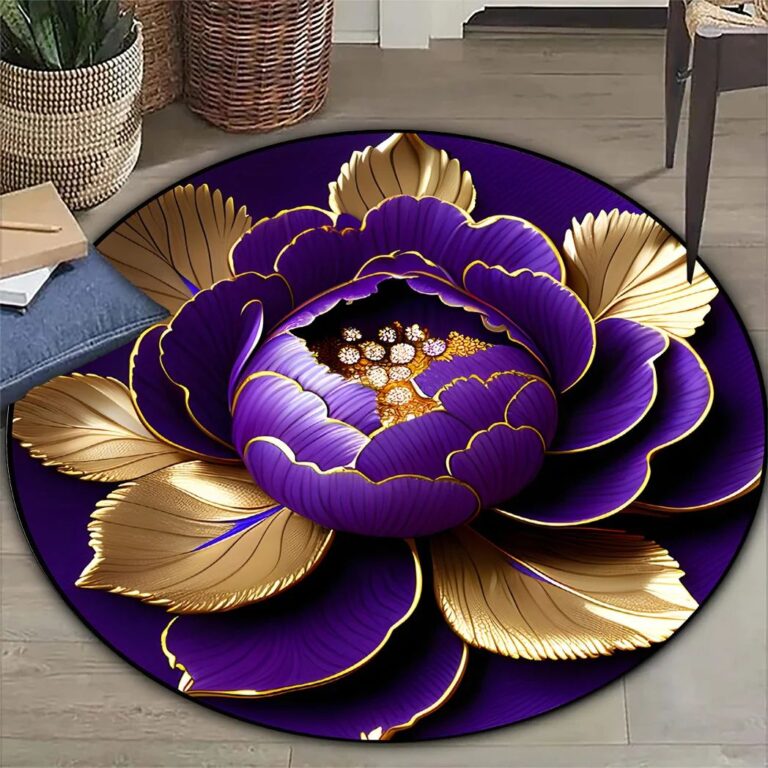
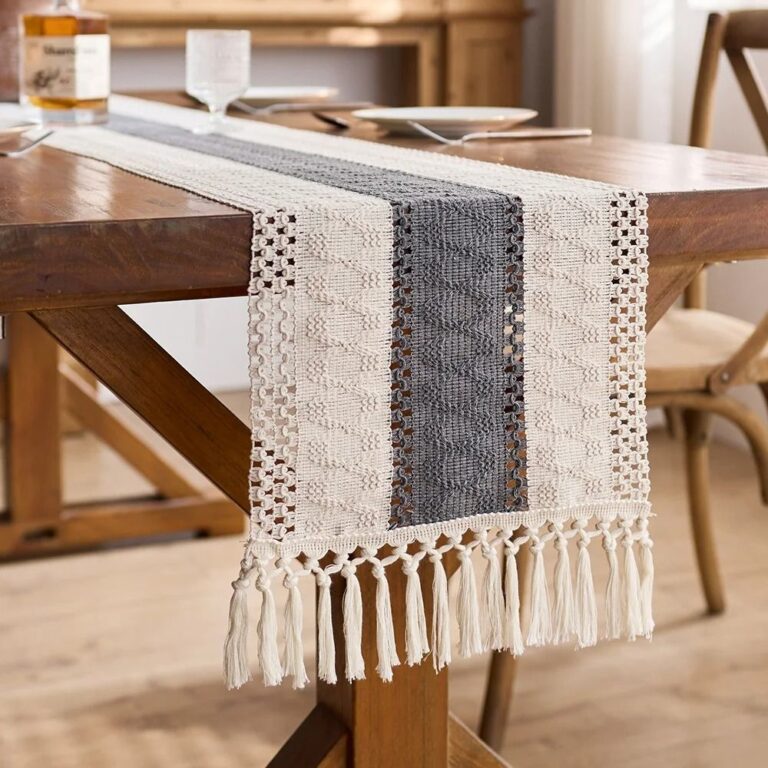 Aisha's pickGeometric Table Runners You’ll Keep for Years
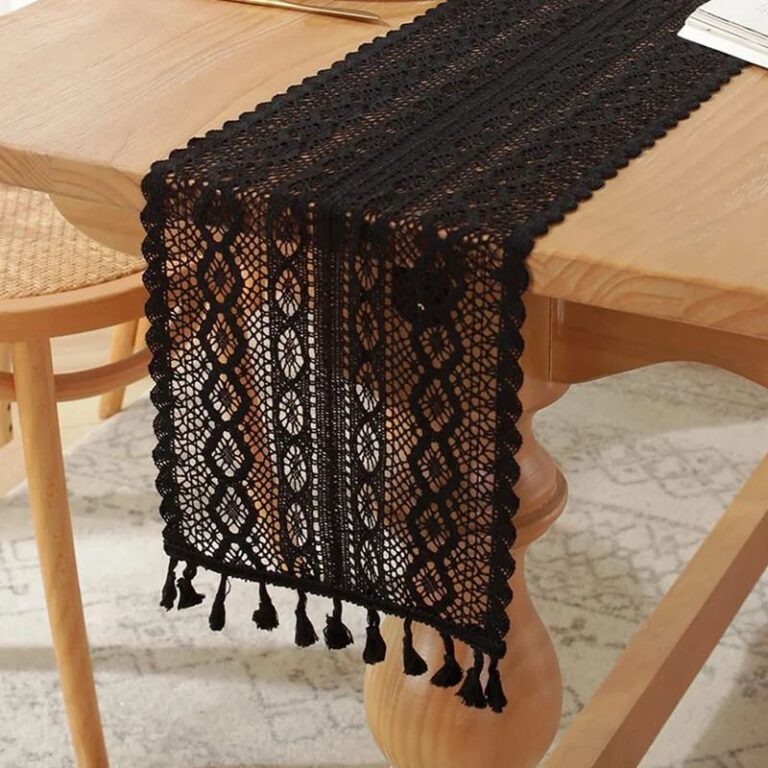
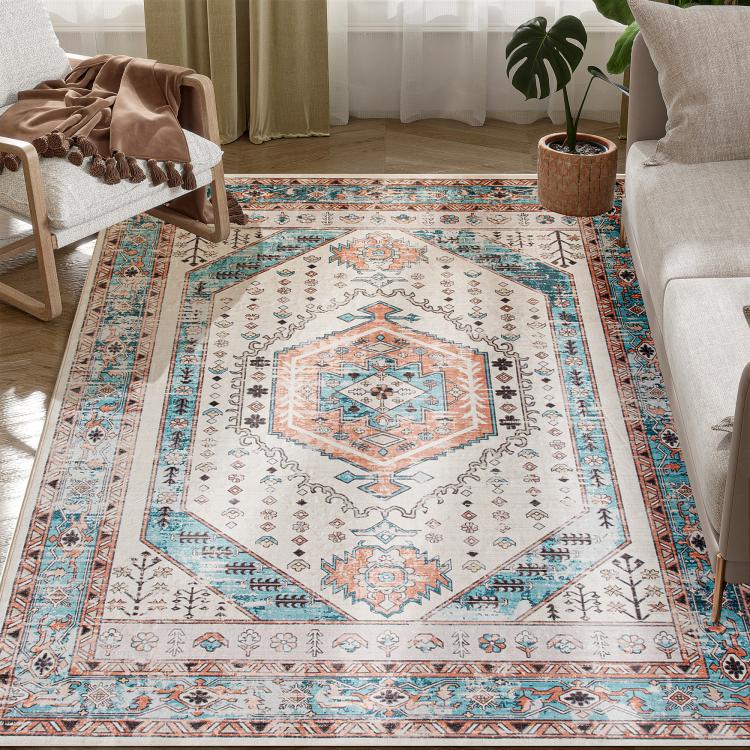 Aisha's pickBlue Floral Rugs That Cope With Heavy TrafficAlso worth a lookWashable RugsThe question I get most, usually from a guest standing in my mudroom doorway holding a dripping boot,…See the collections →
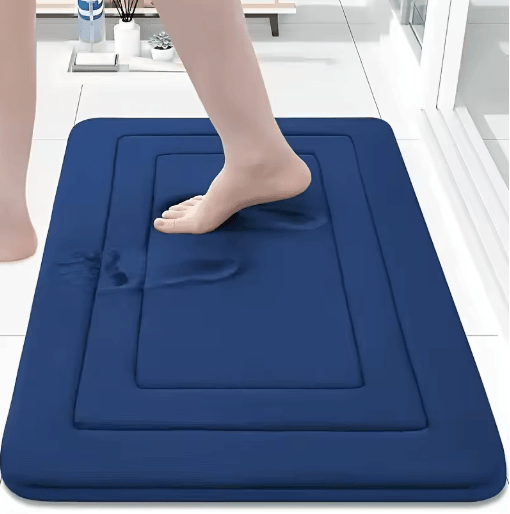
 Aisha's pickGeometric Bedroom Rugs We’d Put in Every Room

 Aisha's pickThe Geometric Washable Rugs Worth Your Cash
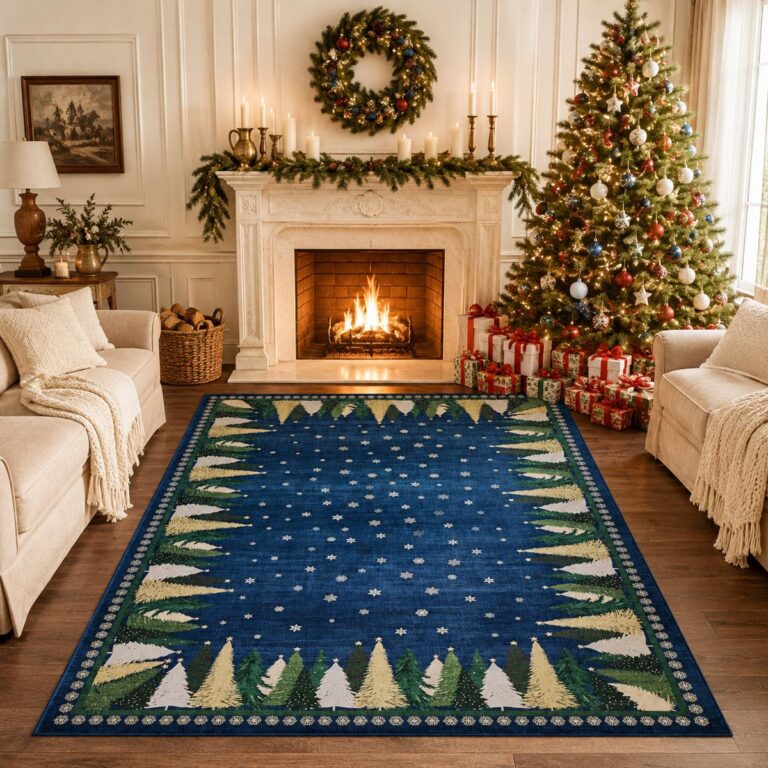
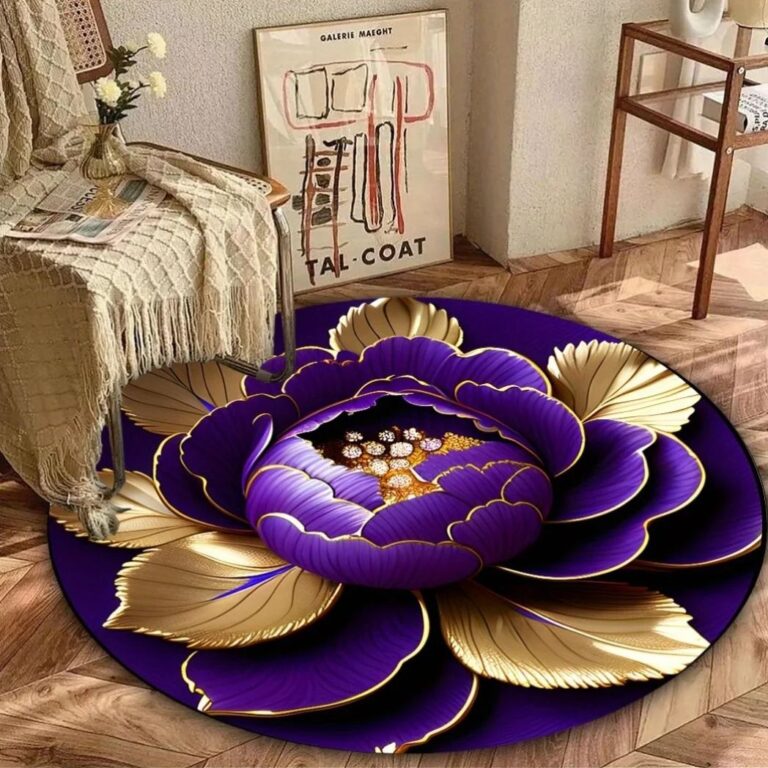 Aisha's pickFloral Bedroom Rugs That Warm Up Cold Floors
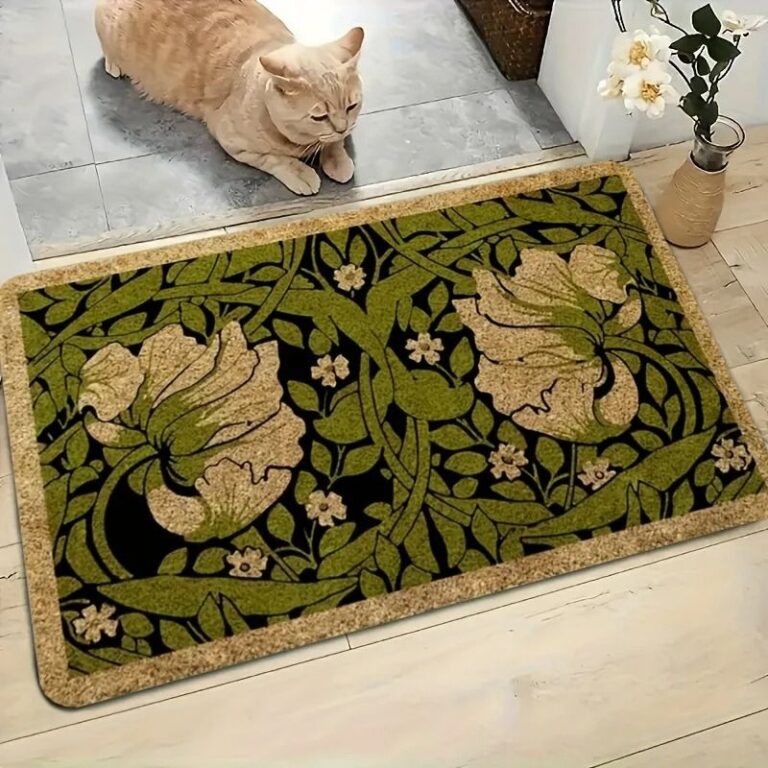
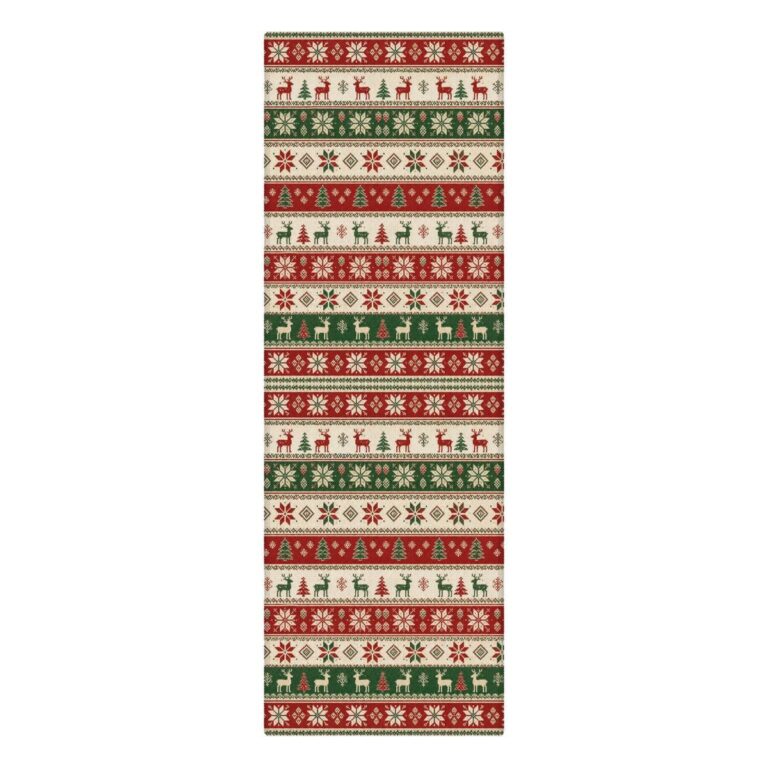 Aisha's pickGeometric Floor Rugs That Do the Job Right
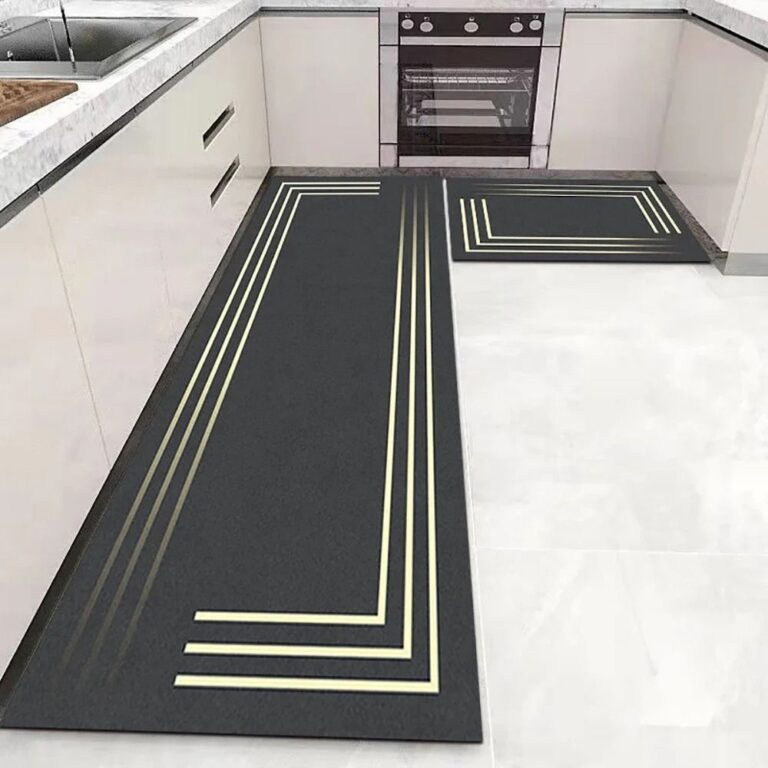
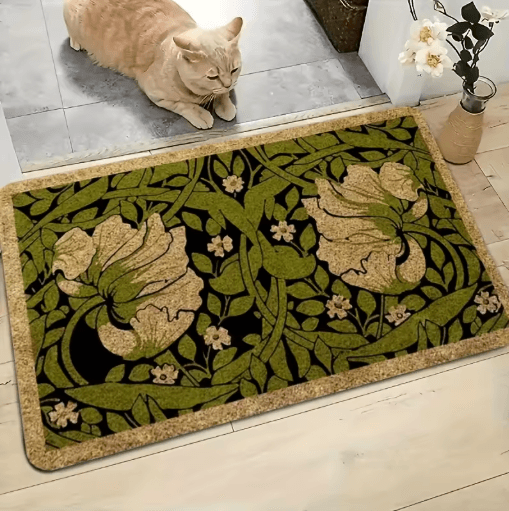
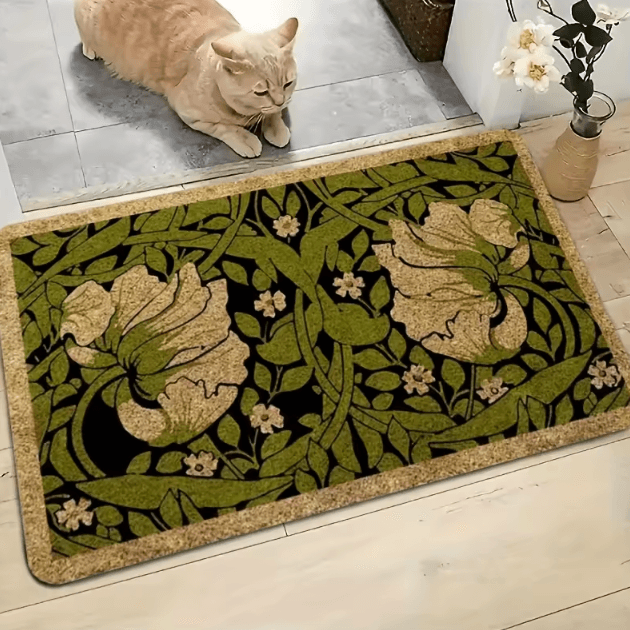 Aisha's pickDecent Green Floral Rugs Without the Hassle
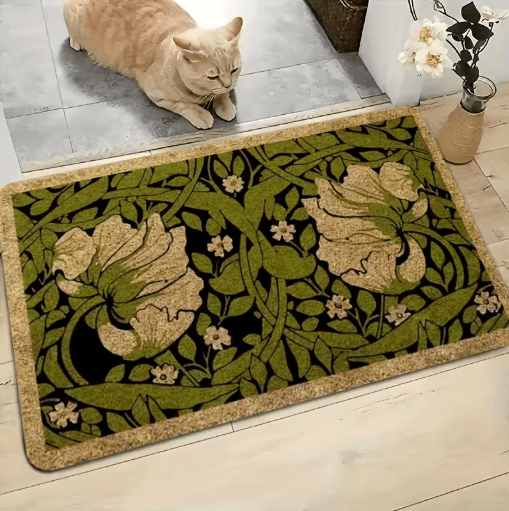
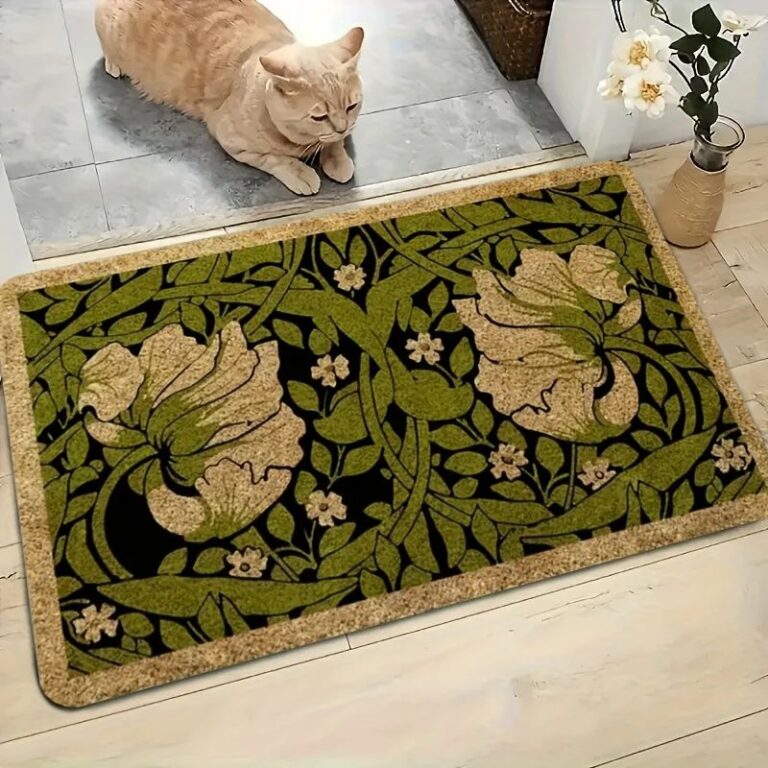 Aisha's pickFloral Doormats That Won’t Date in a Year
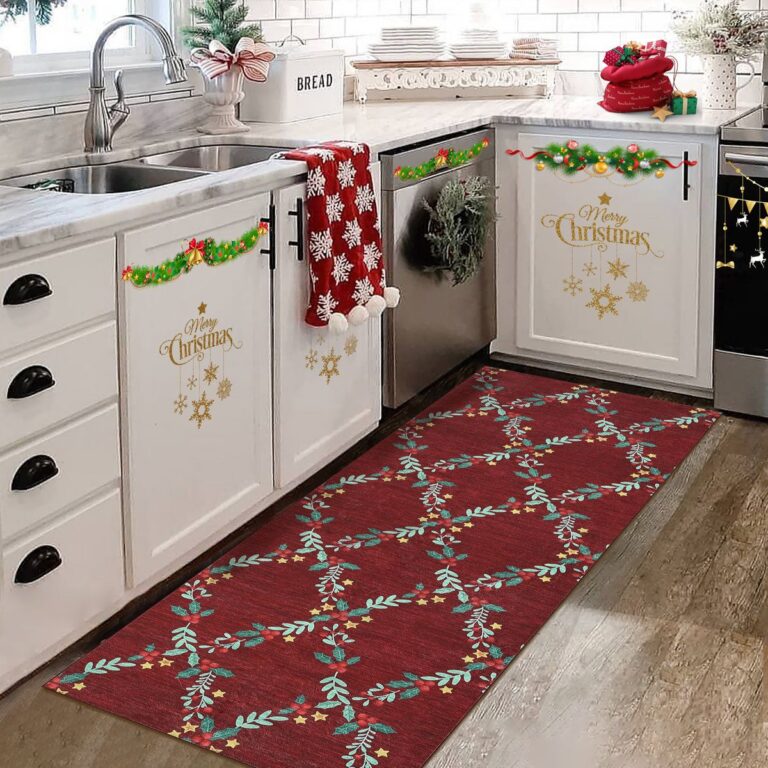 Aisha's pickNo Fuss Geometric Indoor Rugs
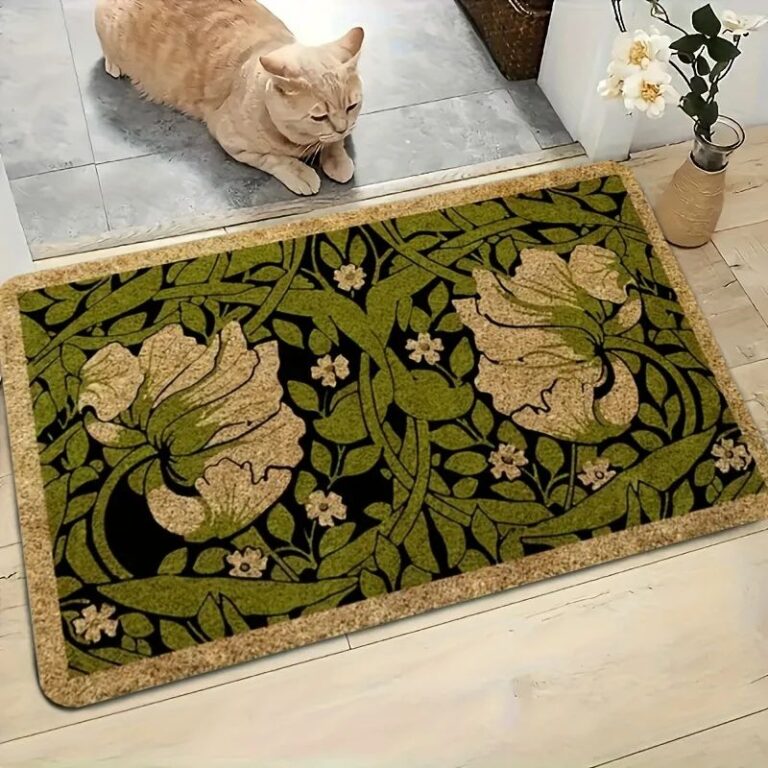
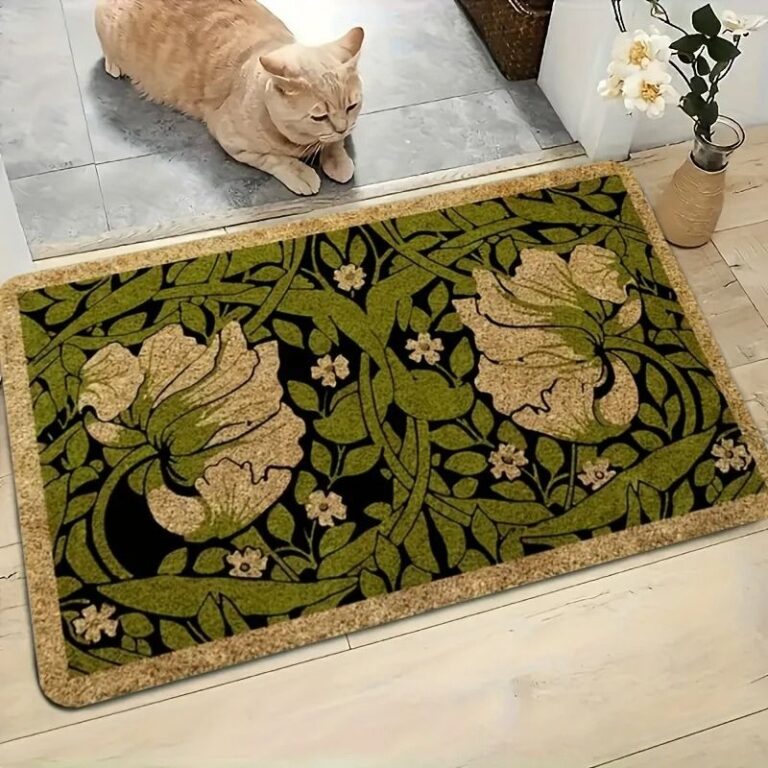 Aisha's pickGreen Floral Washable Rugs That Feel Good Underfoot