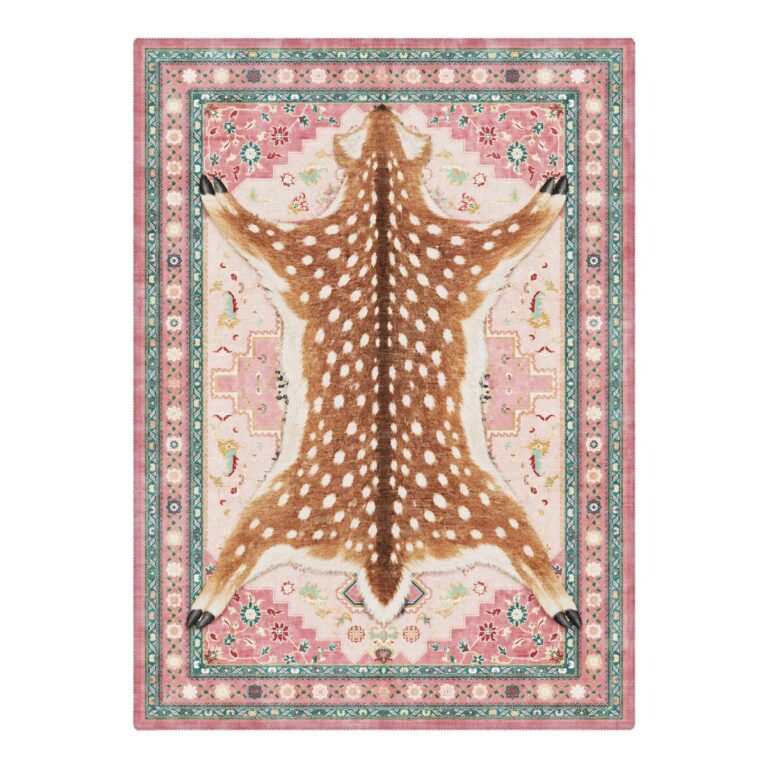
A good living room rug should feel like it belongs under bare feet first thing in the morning, before you've even decided what kind of day it's going to be. Thick enough that you don't feel the floor underneath, but not so plush that the coffee table legs sink in and tip your drinks. You should be able to lie on it with a laptop and not feel like you're punishing yourself.
When it shows up, unroll it somewhere you can actually walk on it for a day before committing to furniture placement. Check the edges are sewn flat, not just folded and glued, because that's the first place a rug starts looking tired. Run a hand across the pile in both directions, one way should feel different from the other if it's a decent weave. And look at the back. A rug with a loose, flimsy backing is going to slide around every time someone walks across it in socks, and no amount of double sided tape fixes that properly, it just fixes it for about three weeks.
Over time a good rug changes color a little, usually for the better. Foot traffic flattens the pile in the paths you actually walk, which sounds bad but mostly just looks lived in, the way a good pair of boots looks better after a year than it did in the box. Rotate it every few months if it sits in a sunny spot, otherwise one half fades while the other stays saturated and you end up with a rug that looks like it's having an identity crisis. Vacuum it, but not with the beater bar turned all the way up unless you want to slowly murder the pile. Spills happen, wine happens, a kid with a juice box happens, and the difference between a rug that survives that and one that doesn't usually comes down to whether it's a natural fiber that can be blotted and cleaned or a synthetic that just grabs the stain and keeps it as a souvenir.
The gap between a rug that's worth the floor space and one that isn't comes down to density and what it's actually made from. Pick it up by a corner, a well made rug has some weight and doesn't flop like a bath towel. Wool holds up better than almost anything for a room people actually sit and live in, it resists crushing and it doesn't look matted after one winter of socks and dog paws. Cheaper synthetic piles look fine in the showroom and then go flat and shiny within a year, especially under a regular path from the couch to the kitchen.
I've had rugs in apartments with secondhand couches that made the whole room feel pulled together, and I've had expensive ones that never quite worked because they were the wrong size for the seating. Get one that's big enough that the front legs of your furniture sit on it, nothing smaller, and go from there.

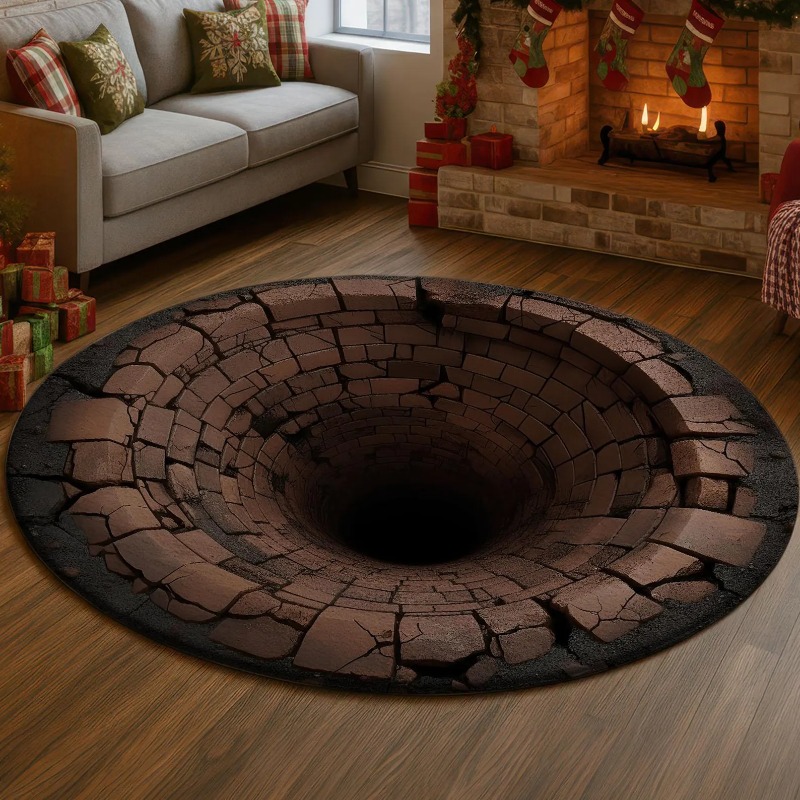 Aisha's pickLarge Living Room Rugs That Cope With Heavy Traffic

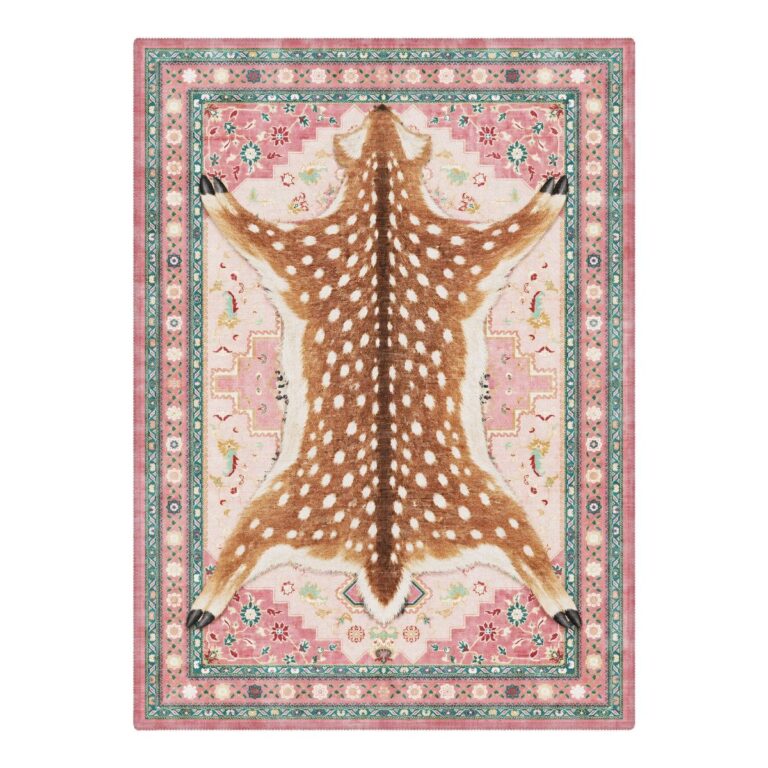 Aisha's pickStain Resistant Rugs for Living Room That Look Better in Real Life
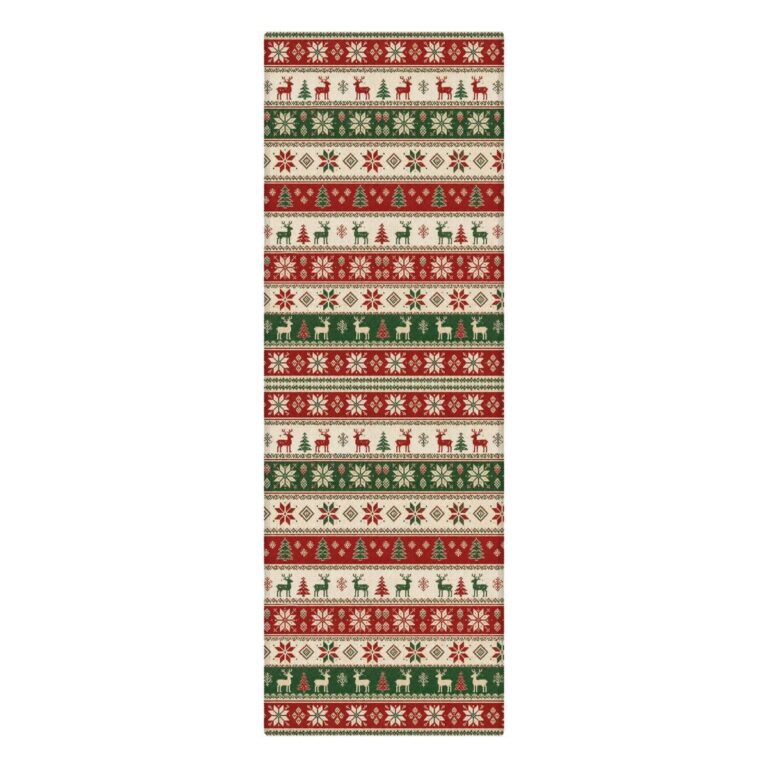
 Aisha's pickLiving Room Rugs for Making a House Feel Like Yours
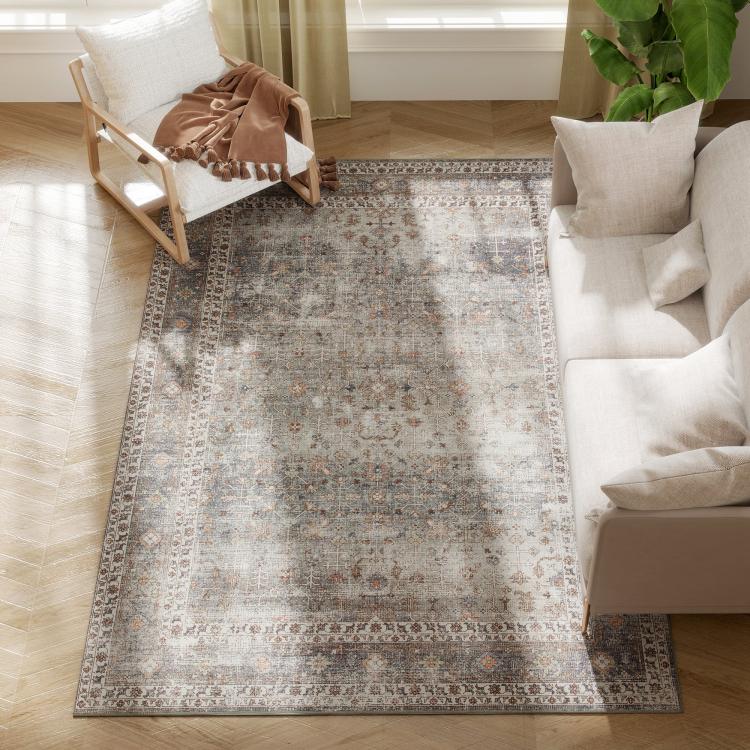
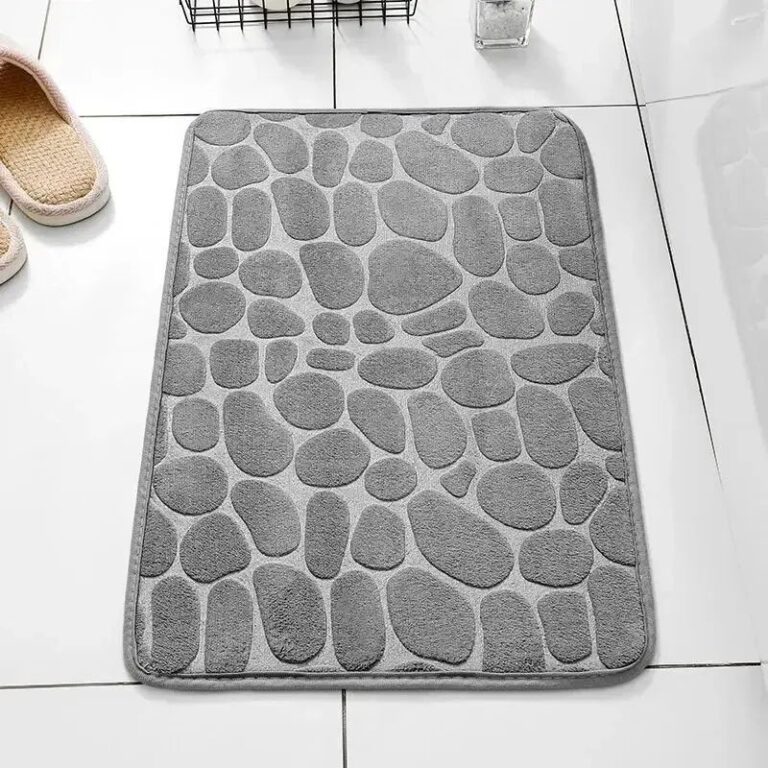 Aisha's pickTextured Living Room Rugs That Don’t Shed Everywhere
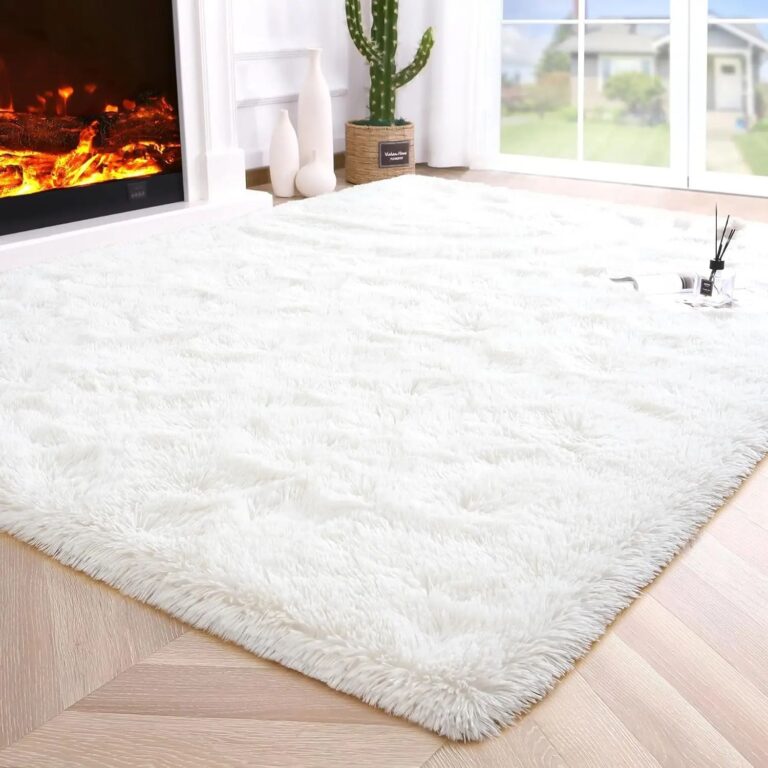 Aisha's pickSimple Living Room Rugs for Pets Done Well
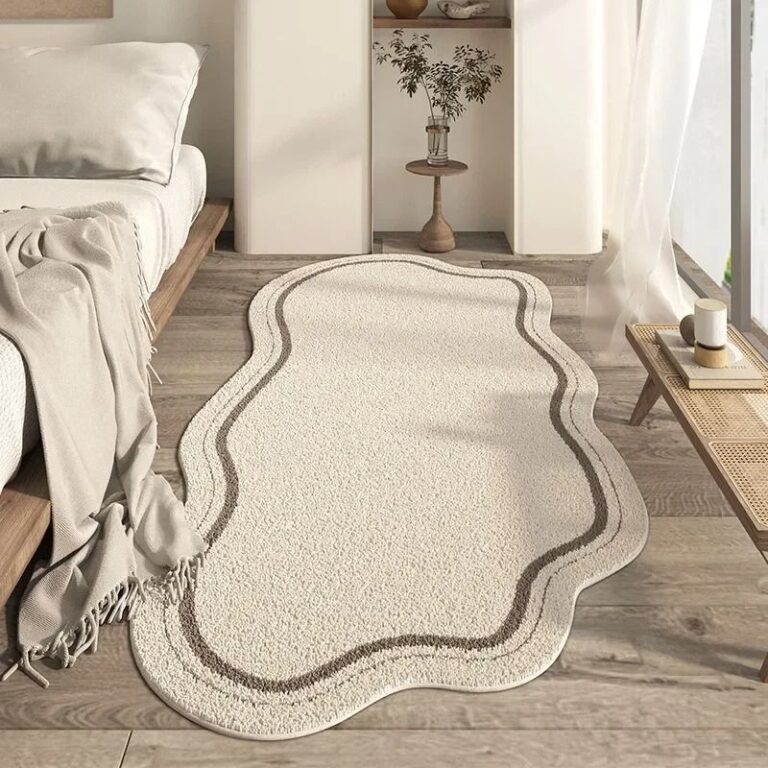
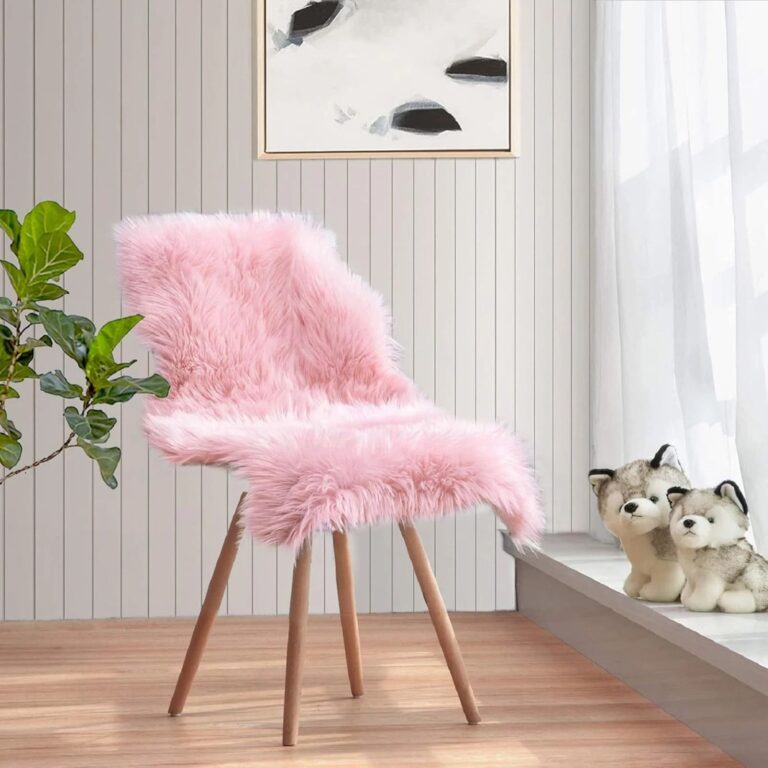 Aisha's pickThick Rugs for Living Room That Don’t Look Mass Produced
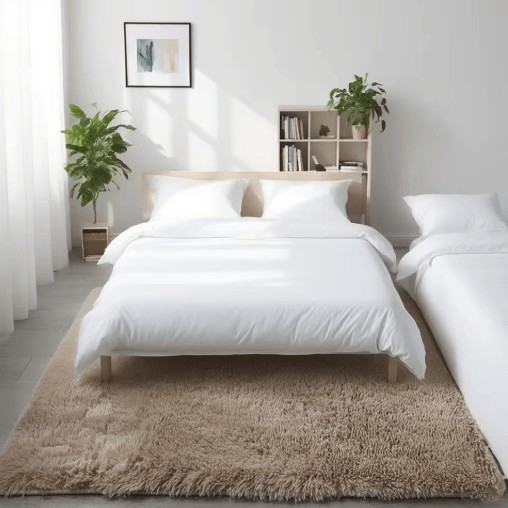
 Aisha's pickLiving Room Rugs with Border That Won’t Date in a Year
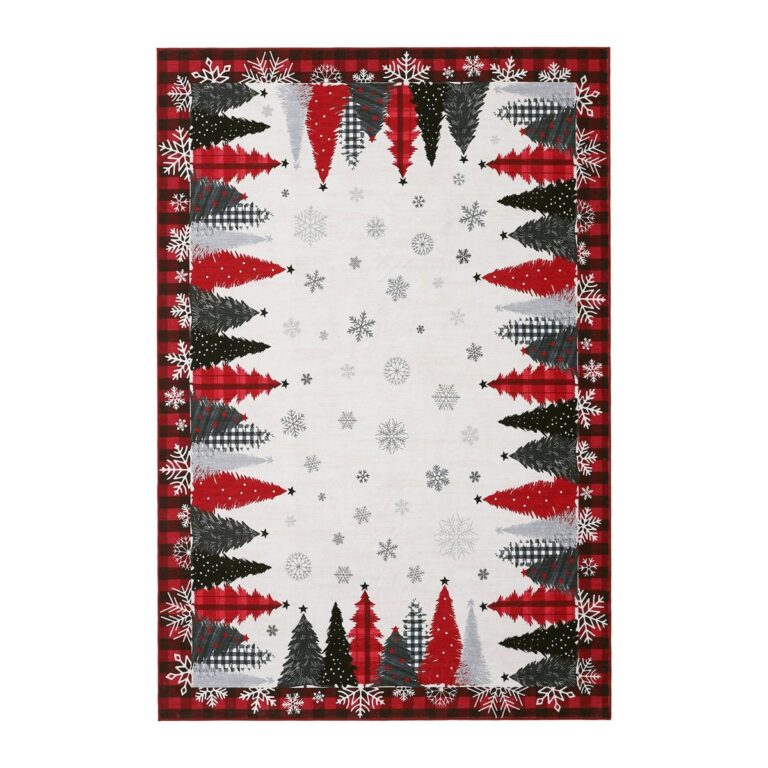
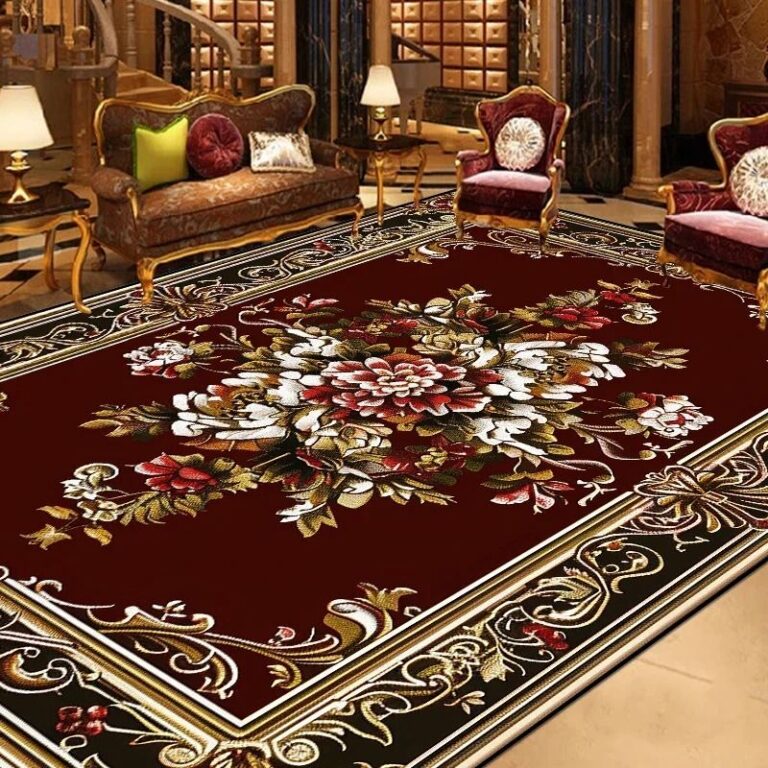 Aisha's pickTraditional Living Room Rugs for Movie Nights and Slow Sundays
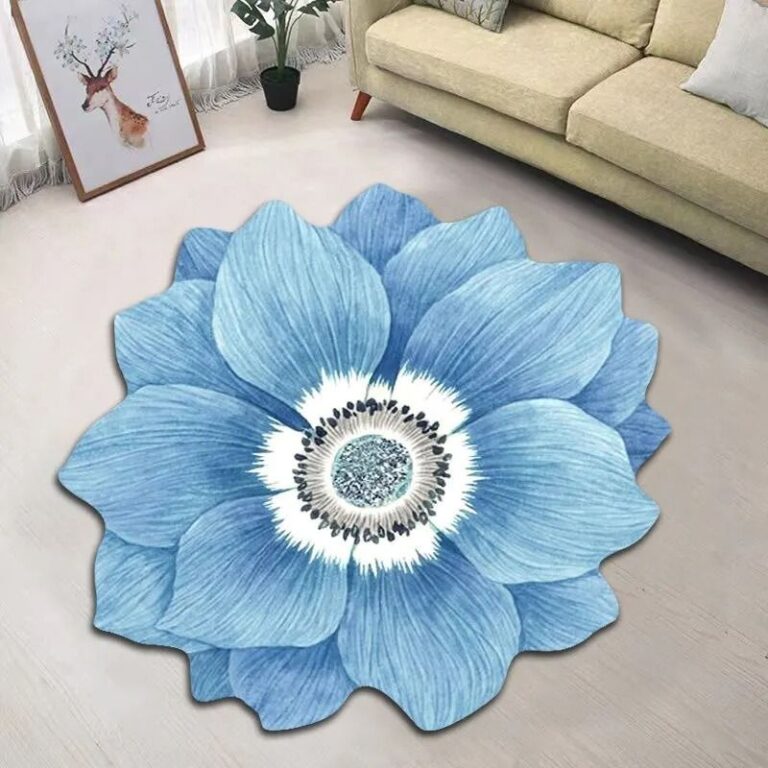
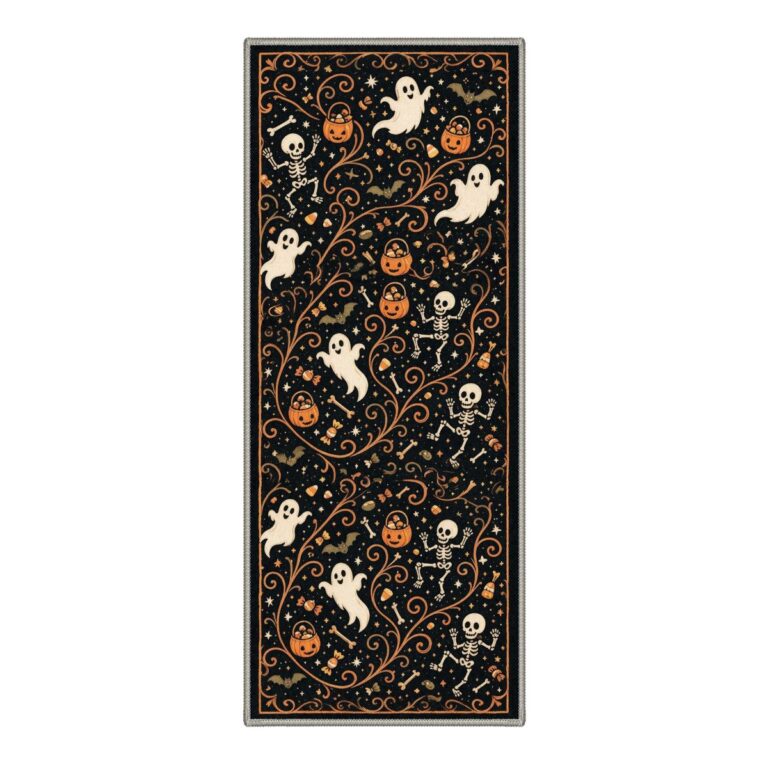 Aisha's pickLow Pile Living Room Rugs for Movie Nights and Slow SundaysAlso worth a lookSoft RugsMost people buy a soft rug by how it feels in the store, standing on it in socks…See the collections →
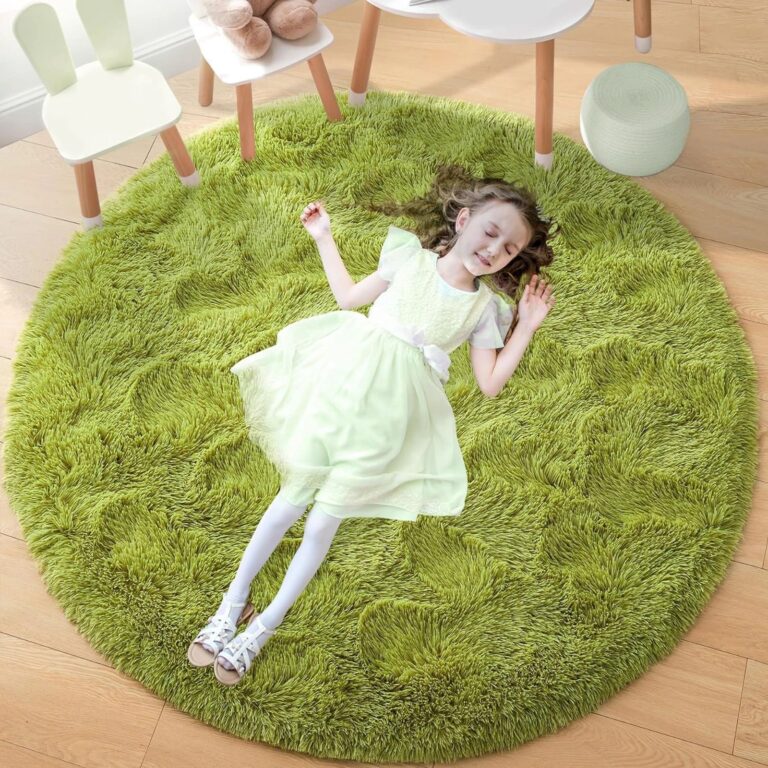
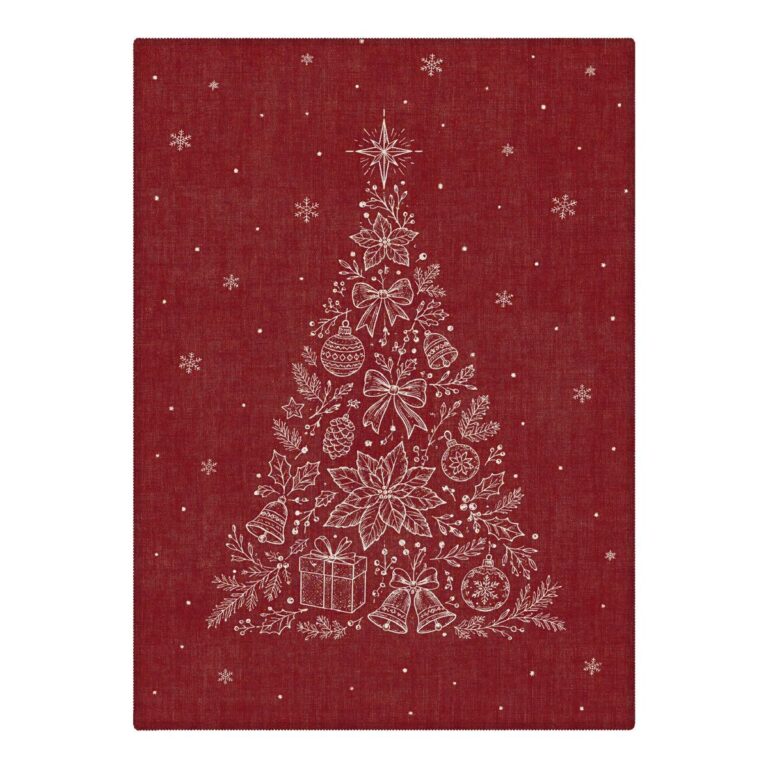 Aisha's pickWhite Living Room Rugs That Hold Up to Everyday Life

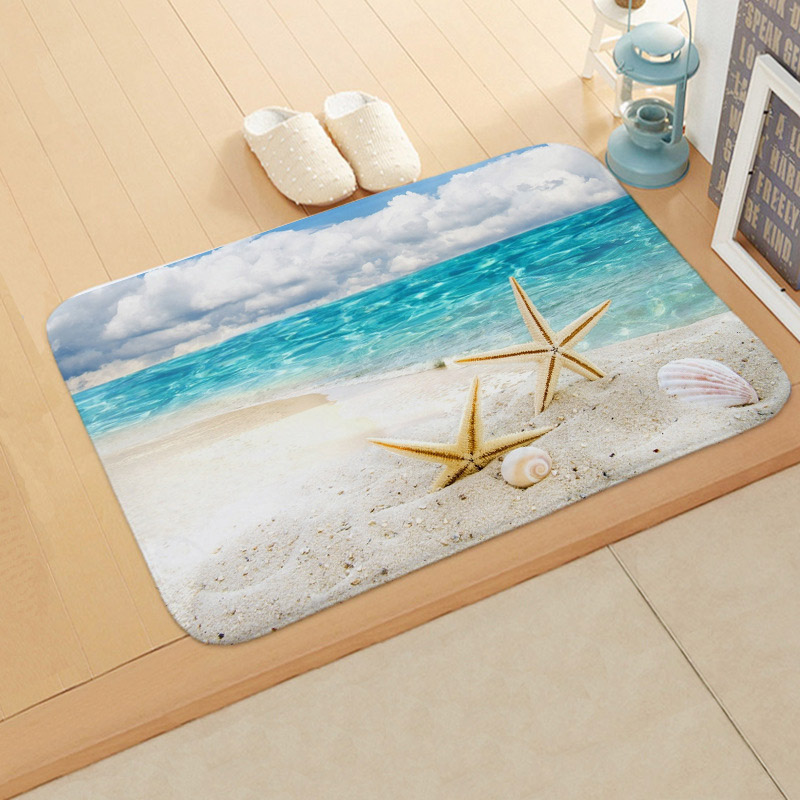 Aisha's pickAnti Slip Living Room Rugs From Brands You Know and a Few You Won’t
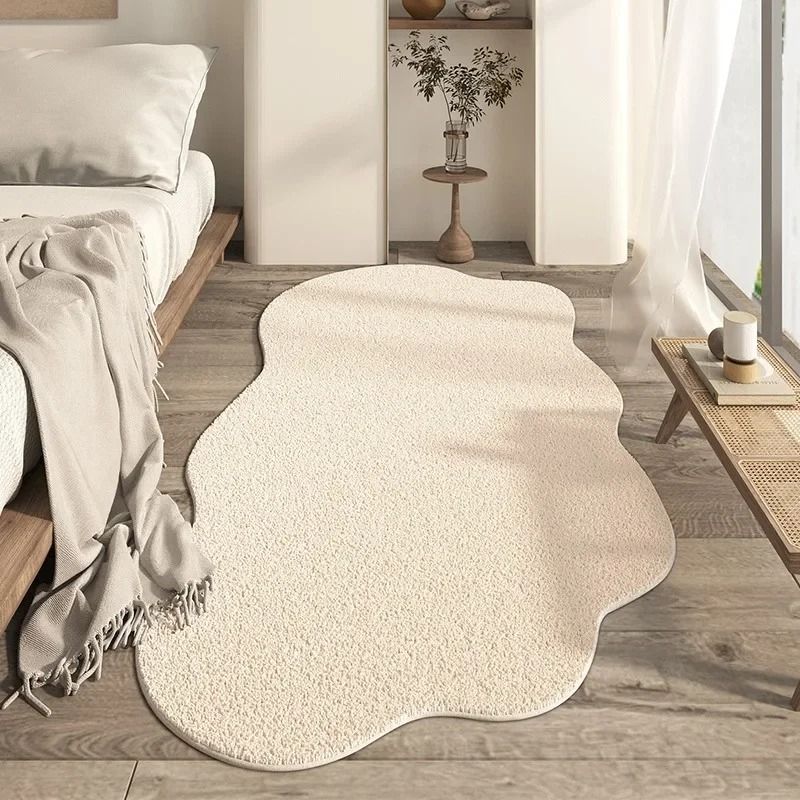
 Aisha's pickLow Pile Rugs for Living Room That Feel Good Underfoot

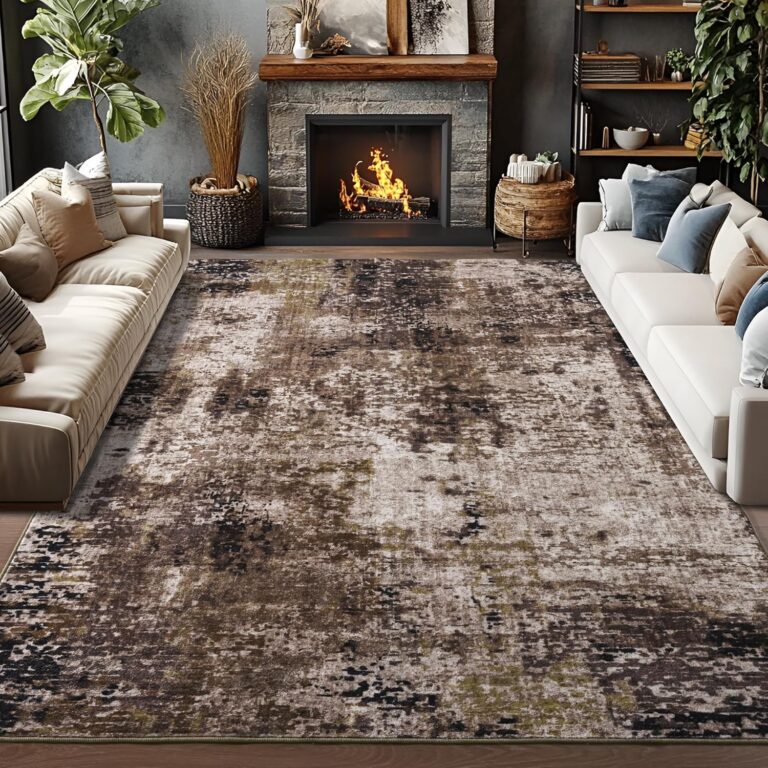 Aisha's pickWool Living Room Rugs That Stay Put on Hard Floors
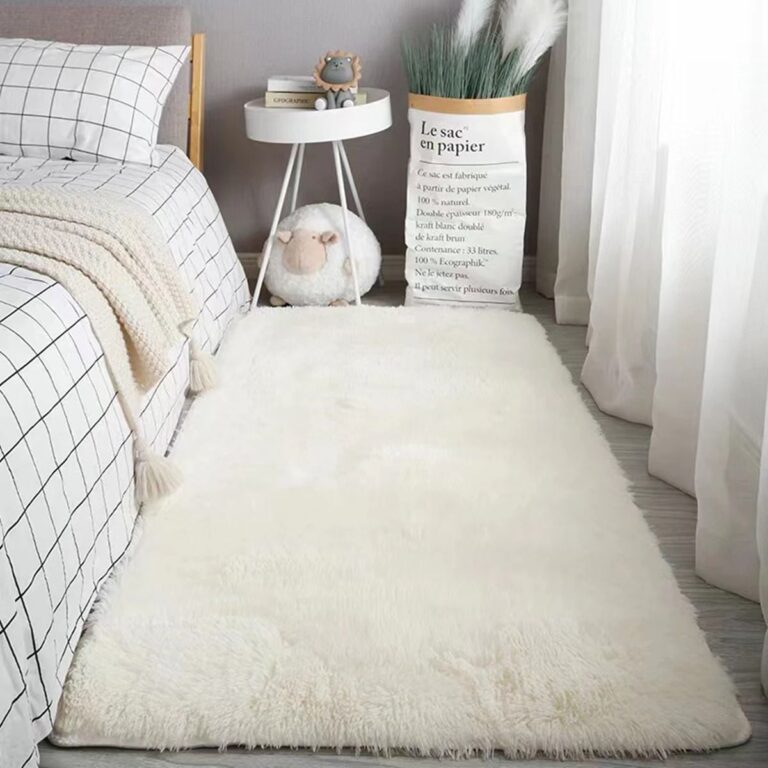
 Aisha's pickBedroom Rugs for Living Room That Feel Good Underfoot
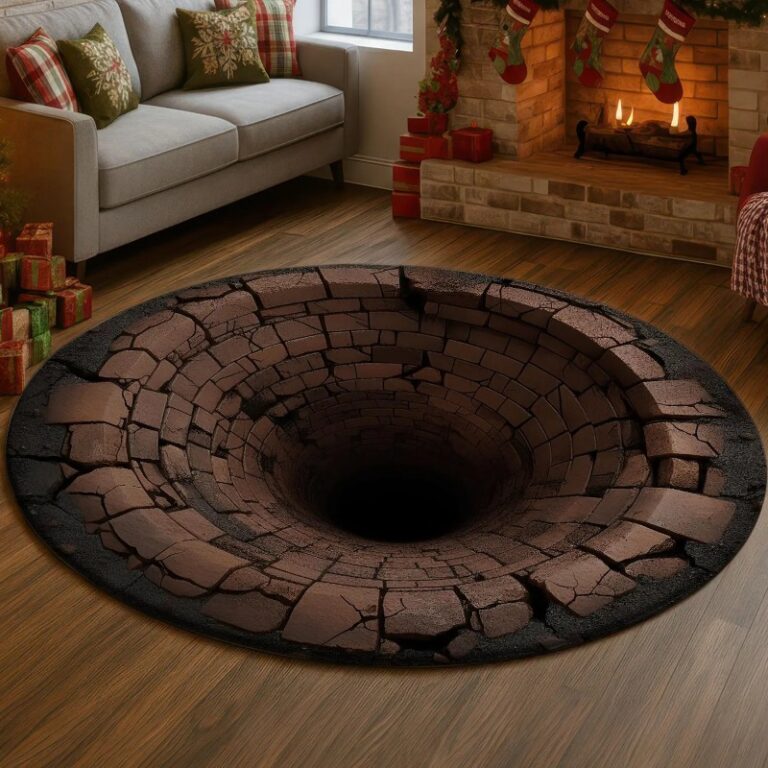
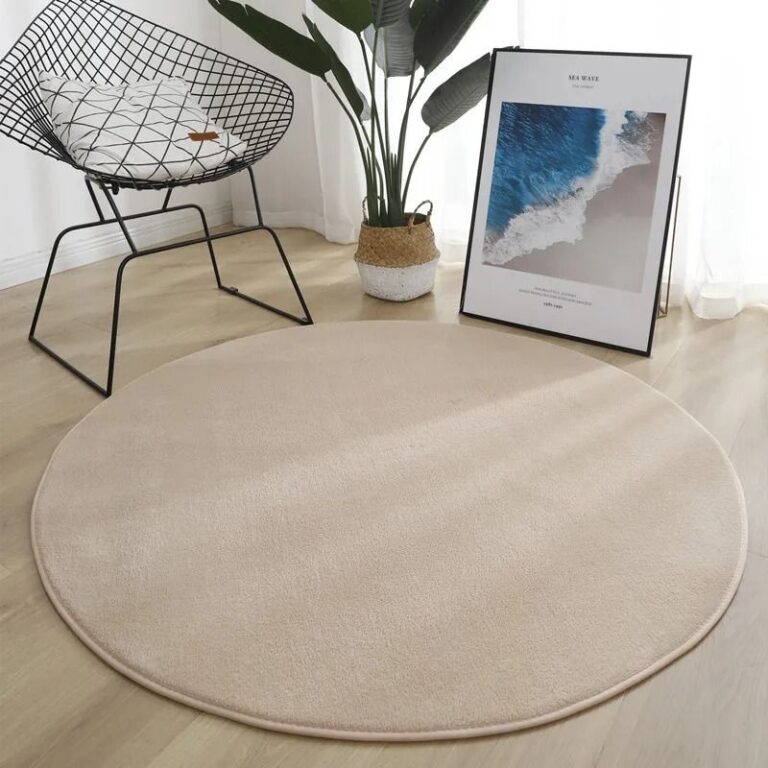 Aisha's pickLuxury Living Room Rugs That Fit Into Real Life
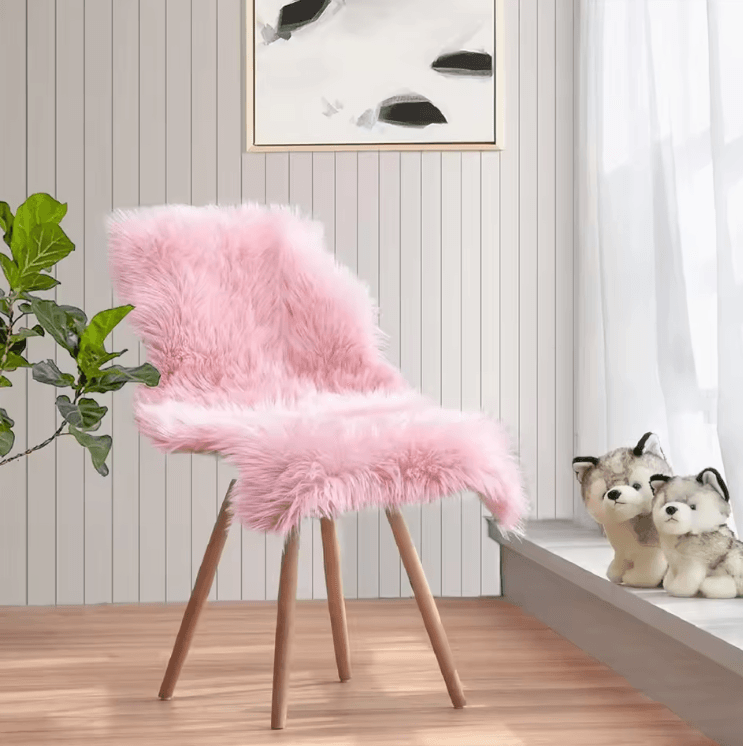
 Aisha's pickWool Rugs for Living Room That Won’t Date in a Year

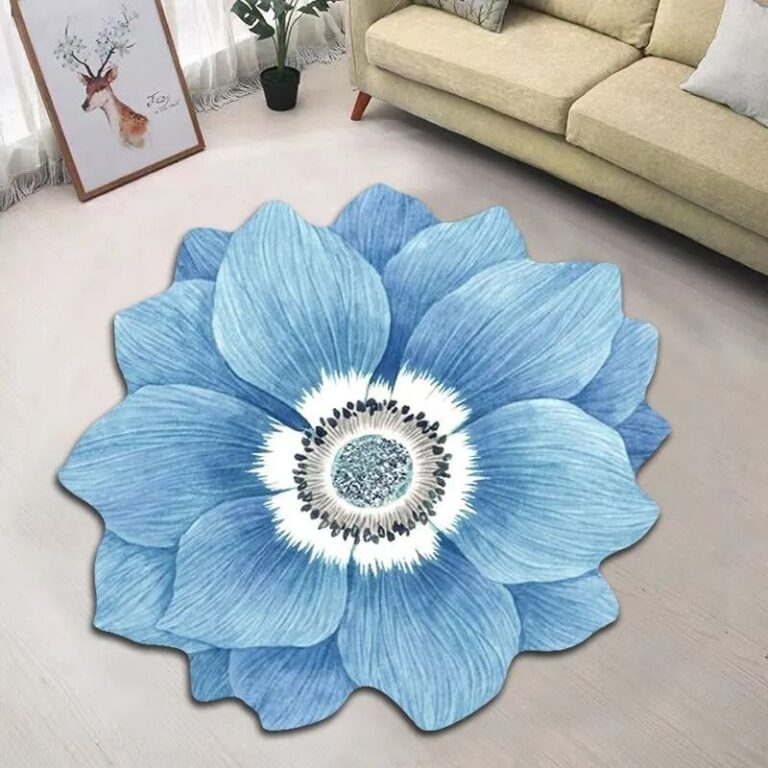 Aisha's pickBlue Living Room Rugs That Hold Up to Everyday Life
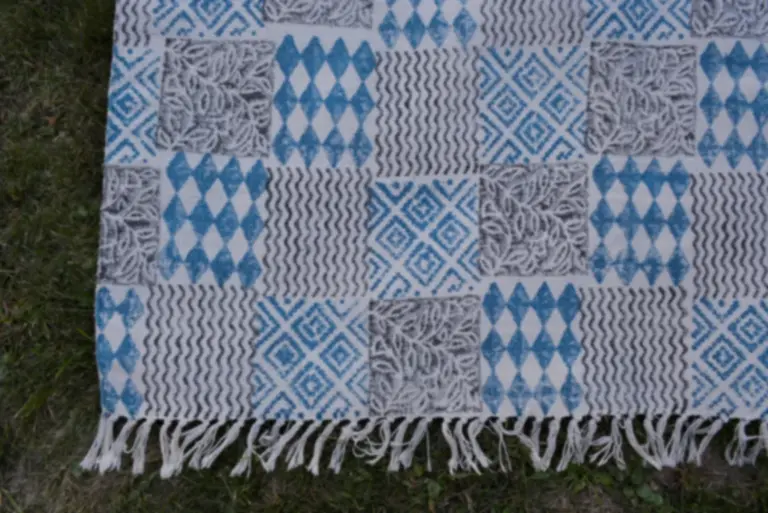
 Aisha's pickMachine Washable Living Room Rugs That Warm Up Cold FloorsAlso worth a lookMatsA mat is the thing standing between whatever is happening outside your door and the floor you just cleaned.See the collections →
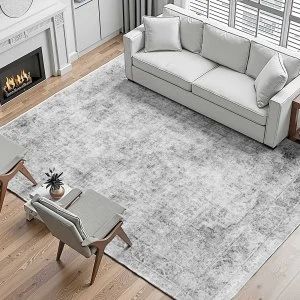 Aisha's pickBoho Living Room Rugs That Do the Job Right
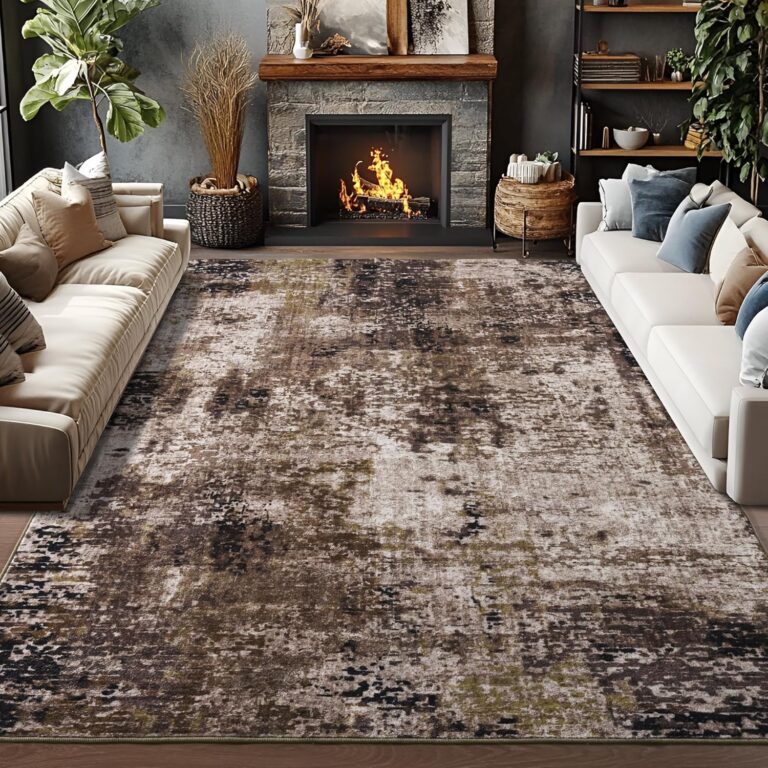
 Aisha's pickOffice Rugs for Living Room From Stores Big and Small
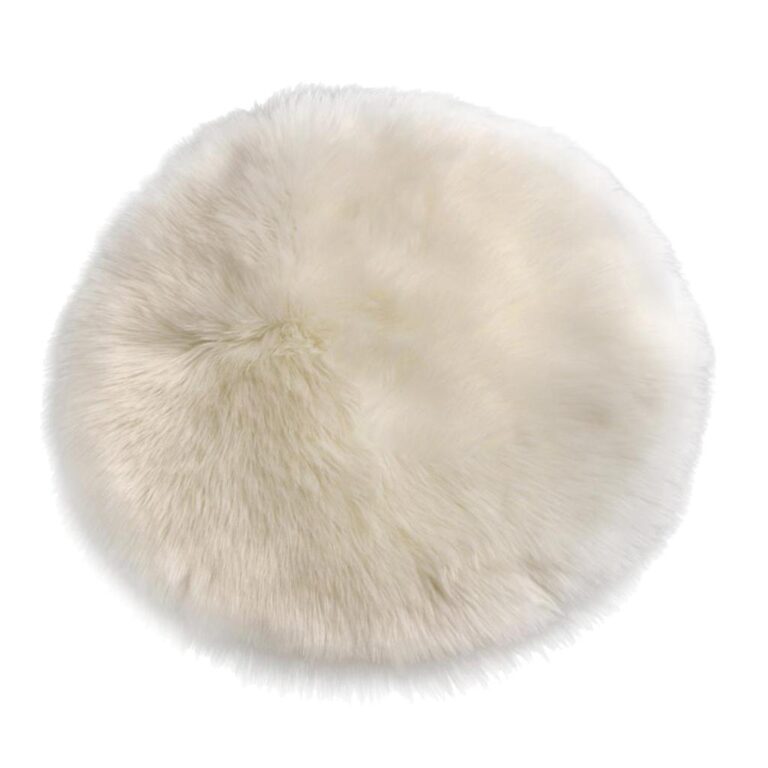
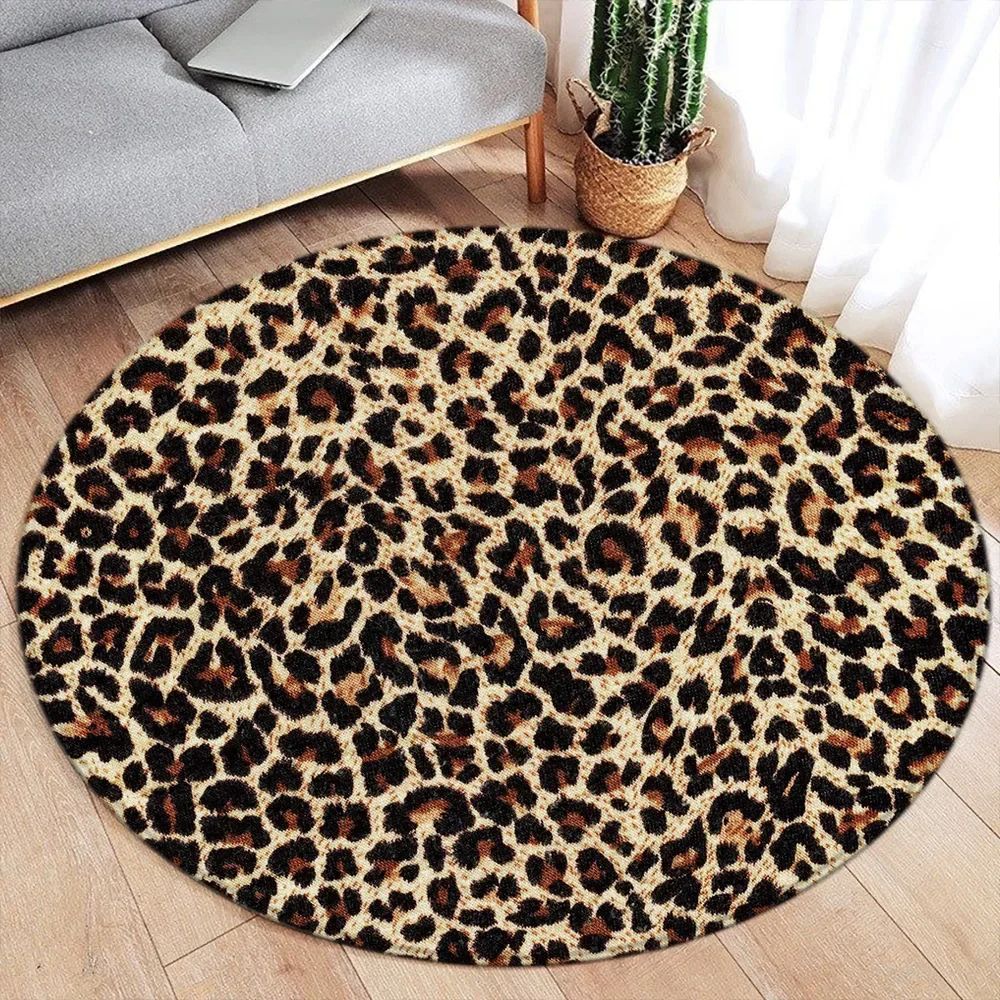 Aisha's pickBrown Living Room Rugs That Stay Put on Hard Floors
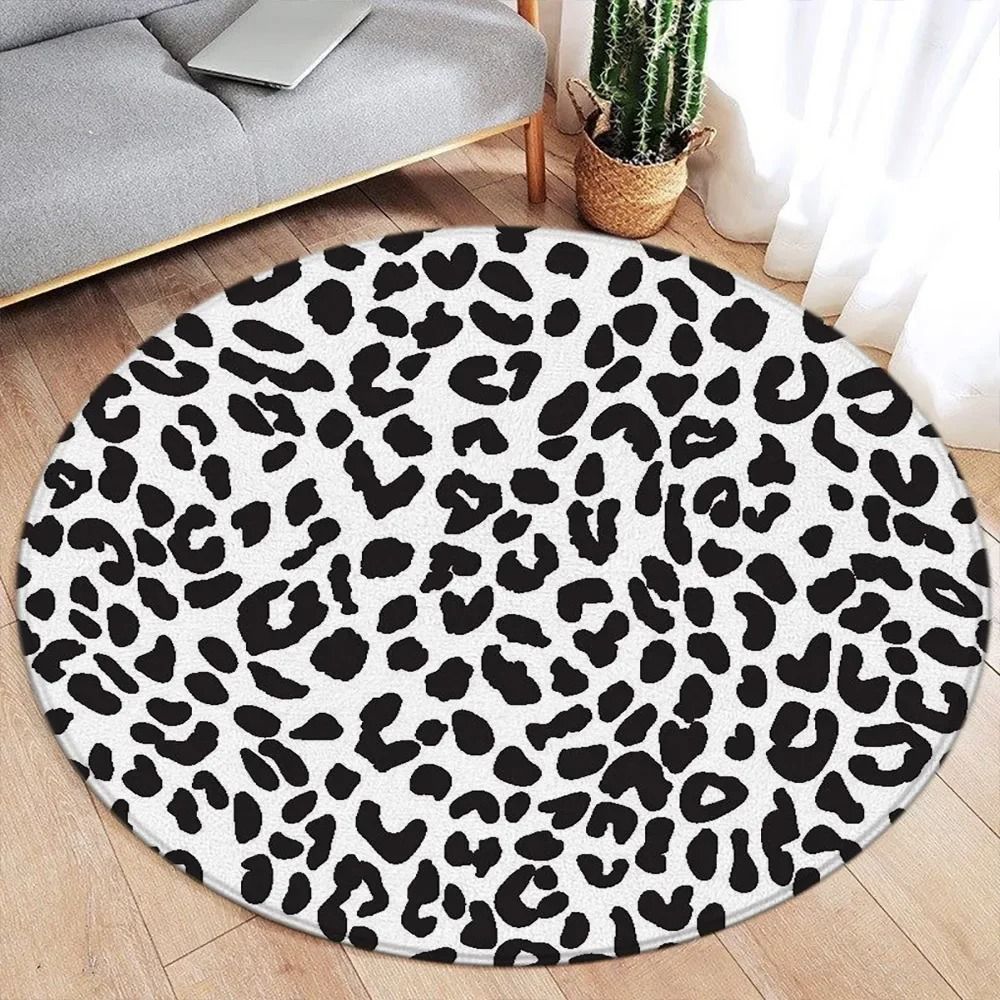
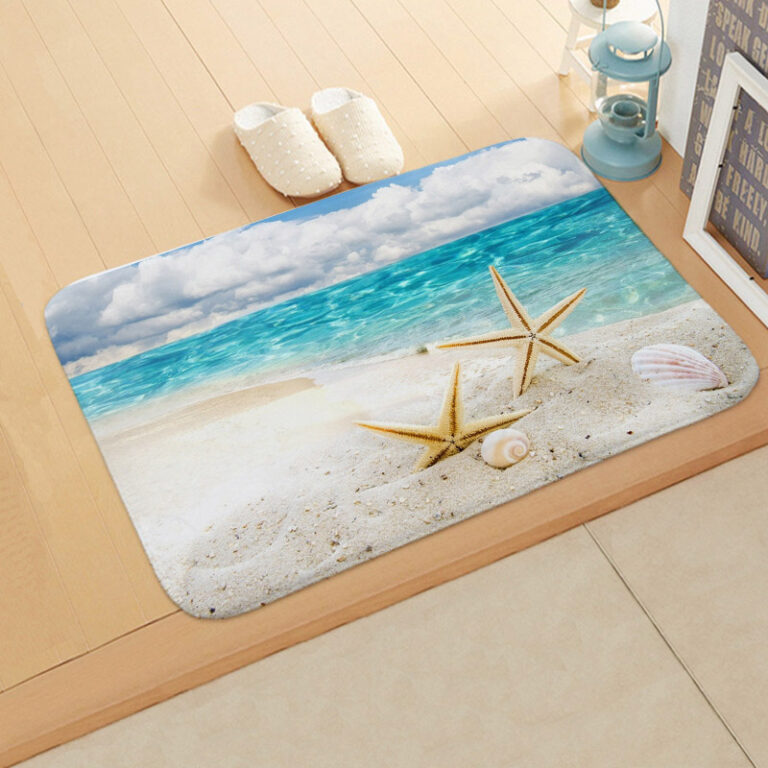 Aisha's pickPolyester Living Room Rugs That Survive Kids and Pets
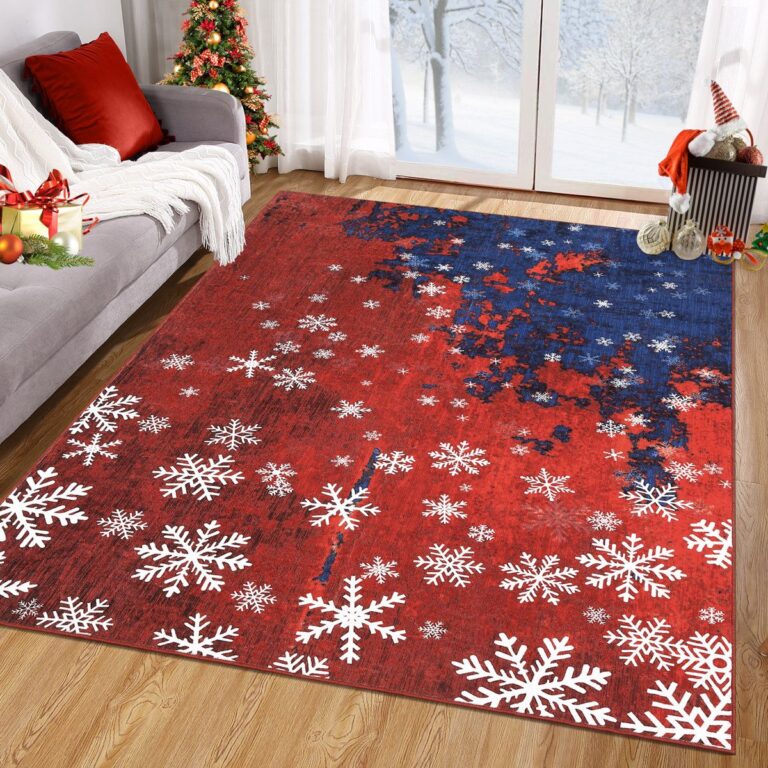
 Aisha's pickEntryway Rugs for Living Room That Do the Job Right

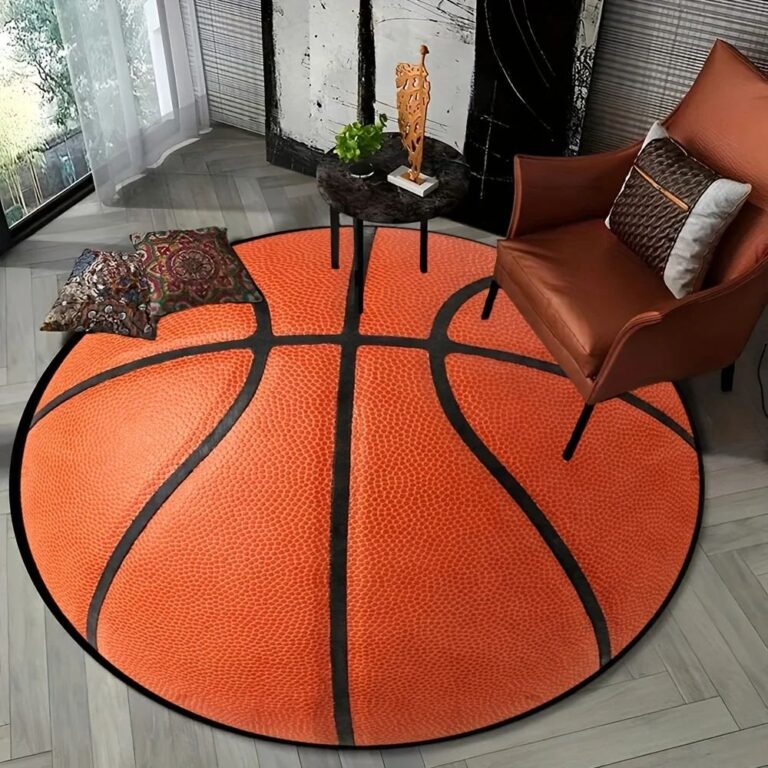 Aisha's pickRound Rugs for Living Room That Look Better in Real Life
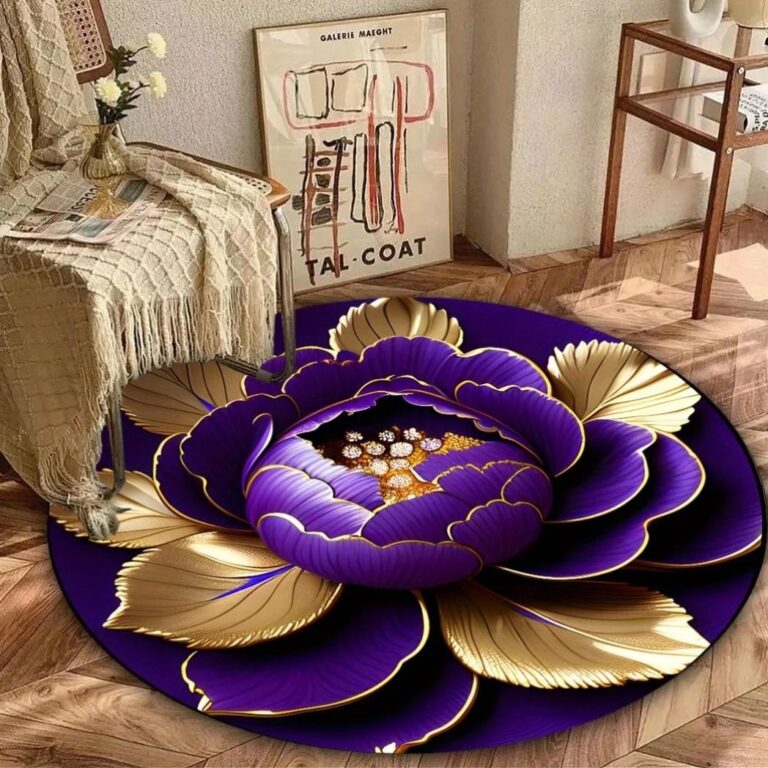
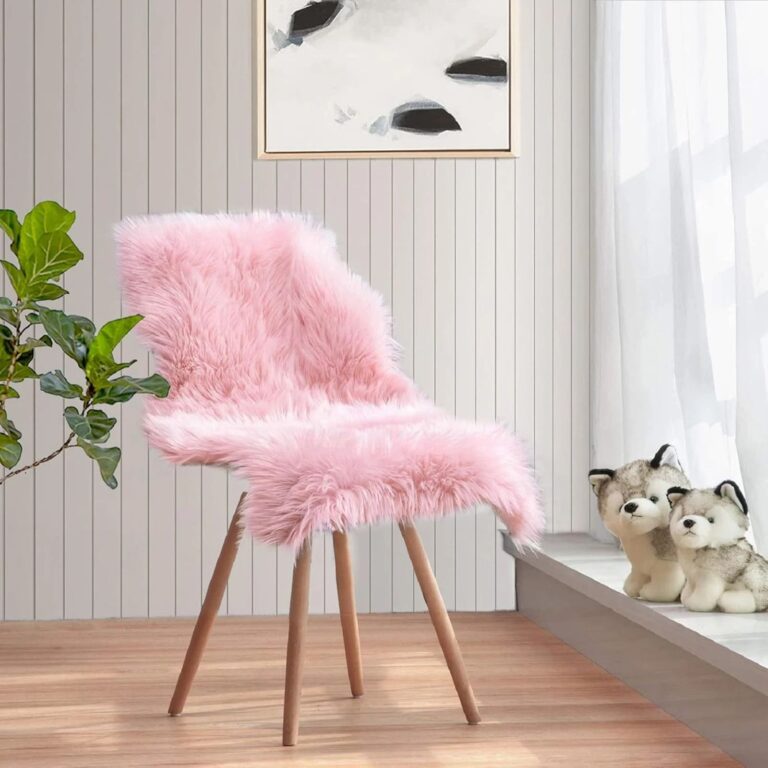 Aisha's pickFluffy Living Room Rugs That Hold Up to Everyday Life
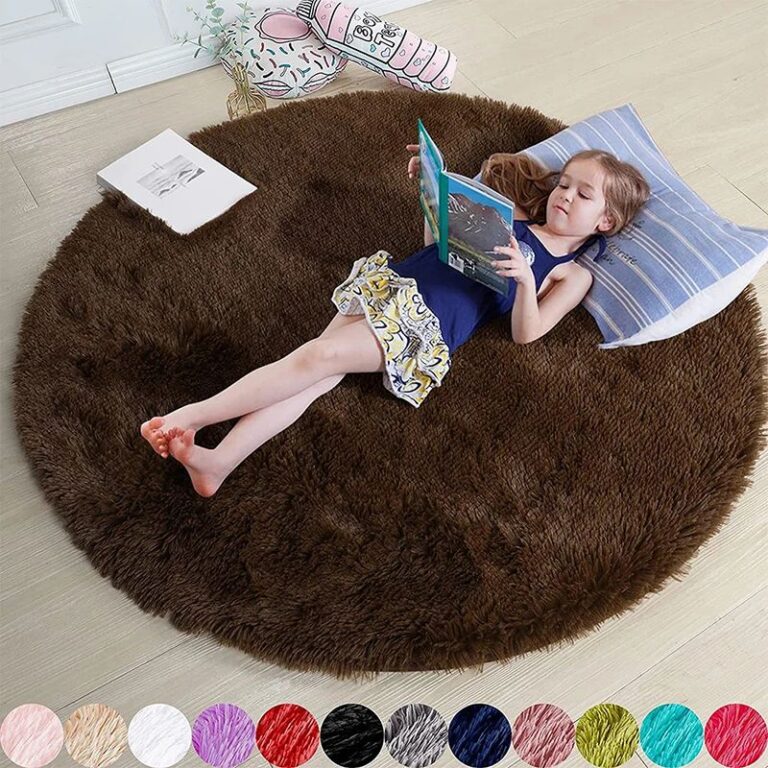
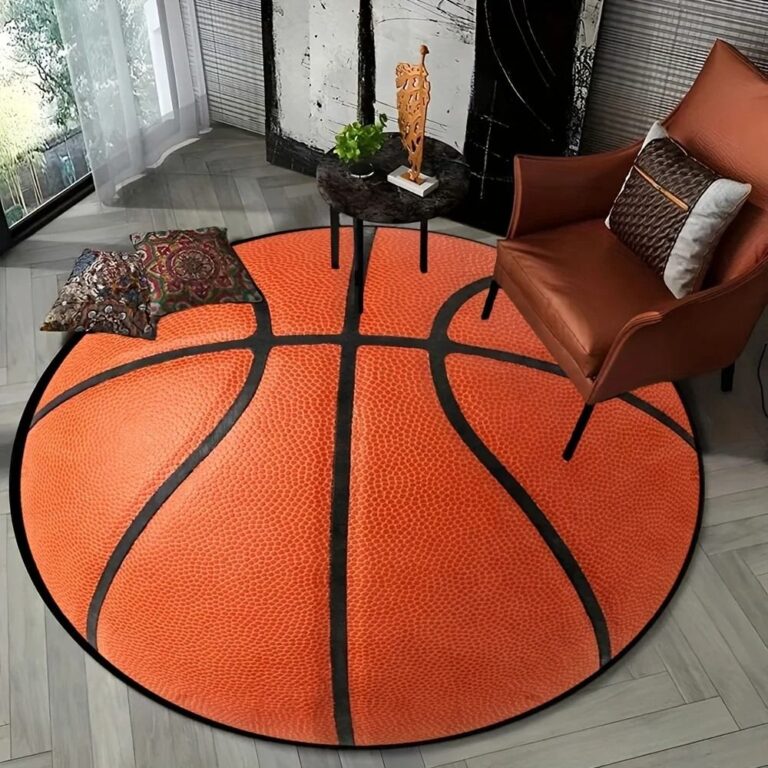 Aisha's pickRugs for Living Room You Won’t Want to Hide Away
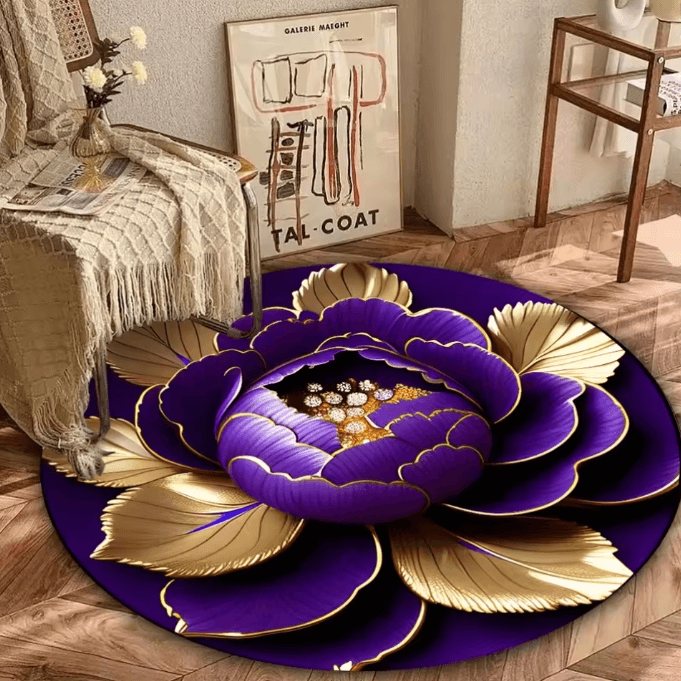
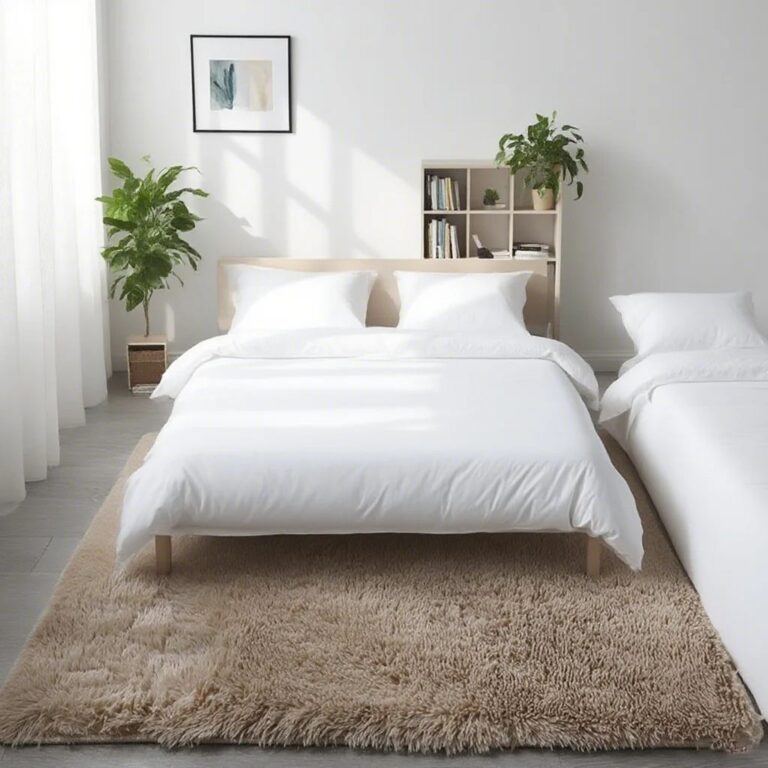 Aisha's pickFluffy Rugs for Living Room That Survive Kids and PetsAlso worth a lookPrinted RugsA printed rug works best in a room that needs a bit of personality without a full renovation,…See the collections →
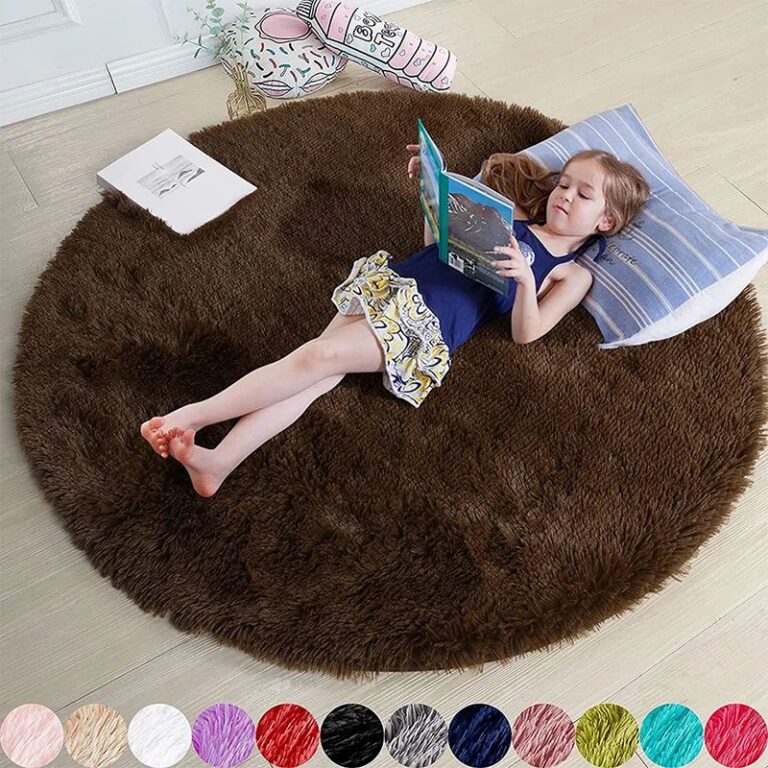
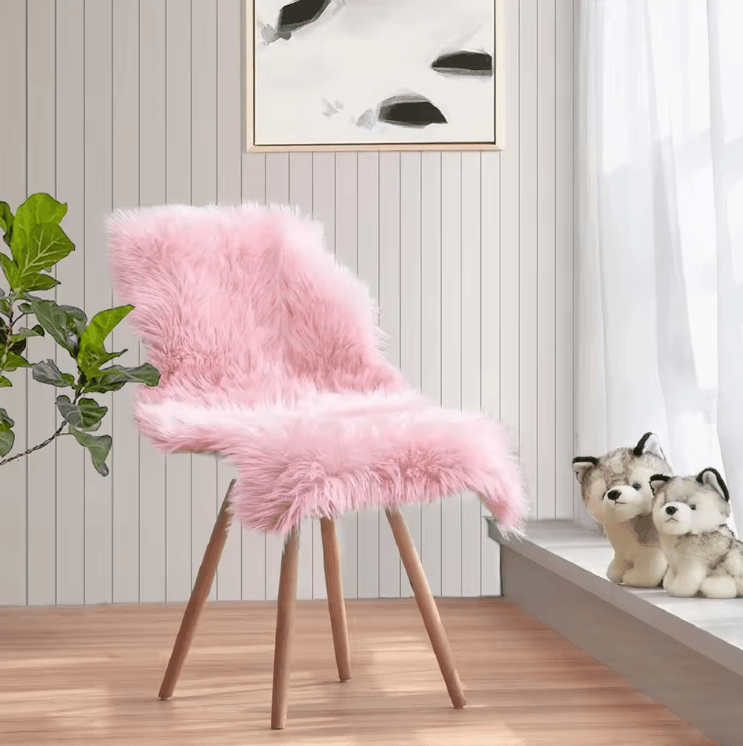 Aisha's pickShag Rugs for Living Room That Warm Up Cold Floors
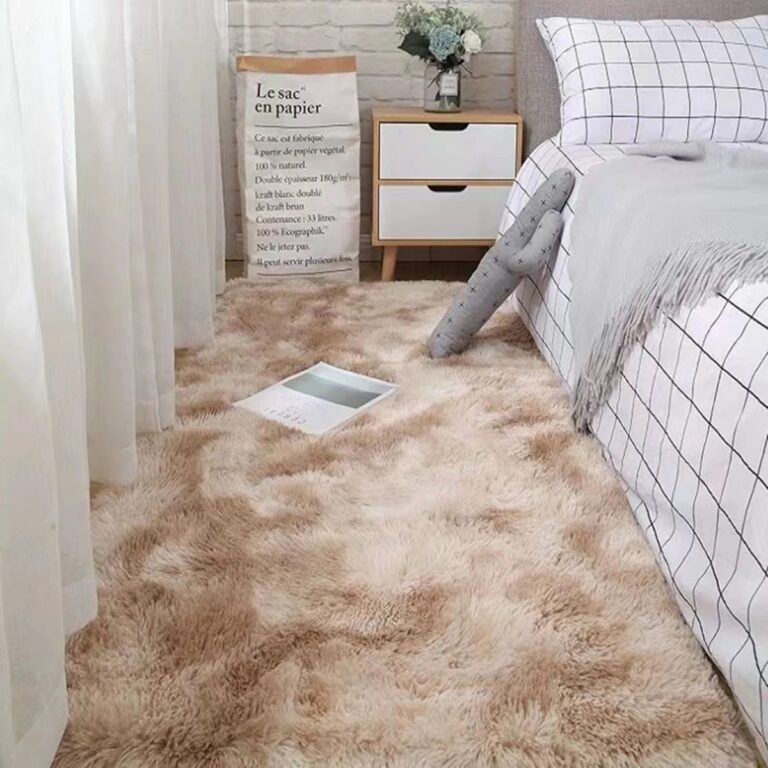
 Aisha's pickGray Living Room Rugs With Some Character

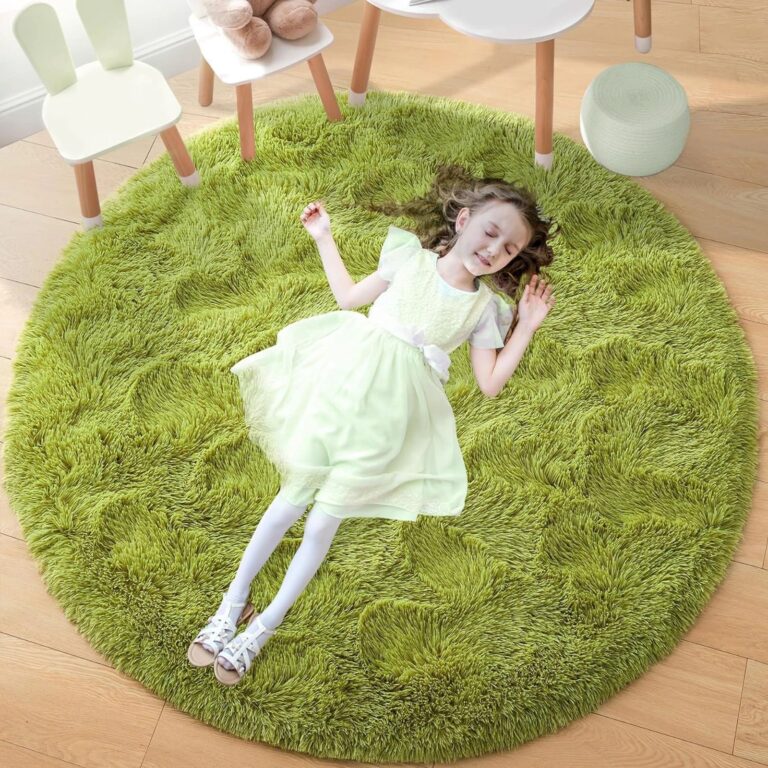 Aisha's pickSilk Living Room Rugs for Movie Nights and Slow Sundays
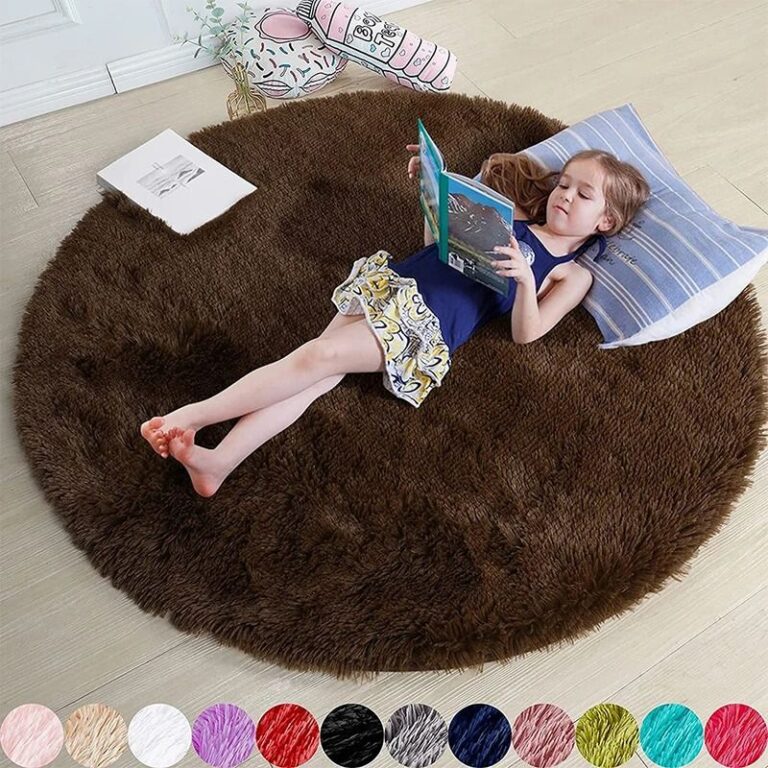
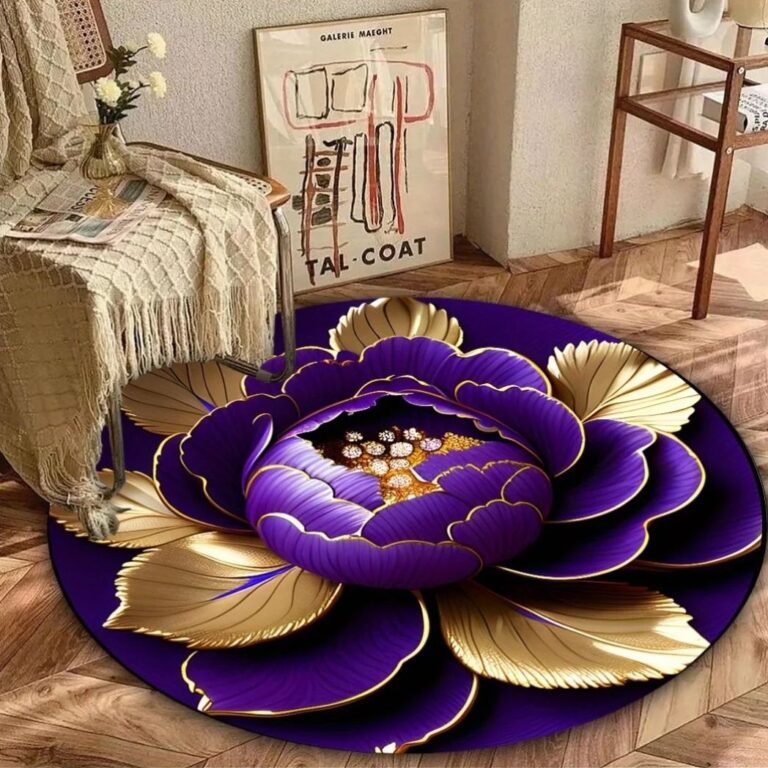 Aisha's pickHallway Rugs for Living Room You’ll Keep for Years
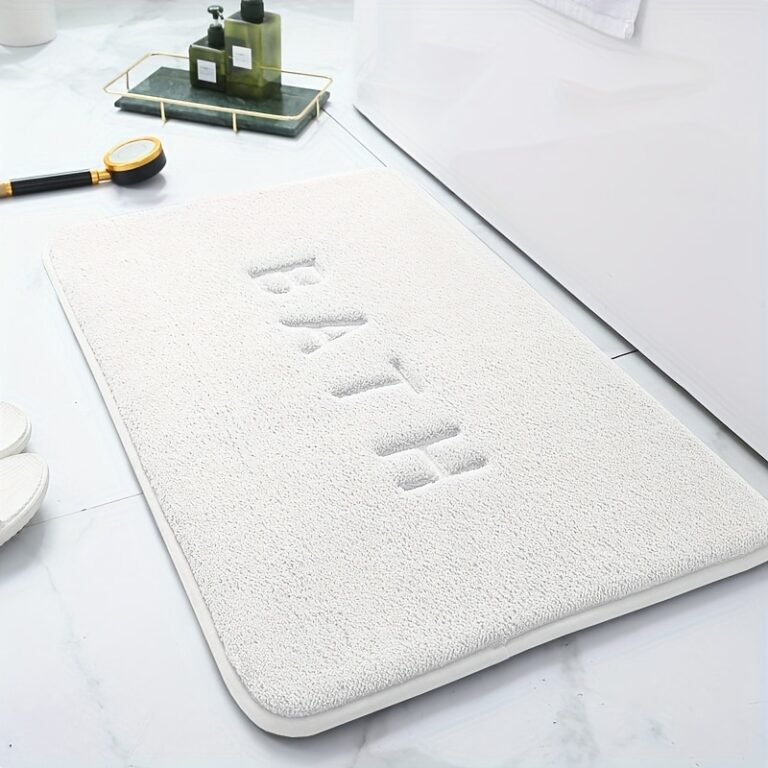
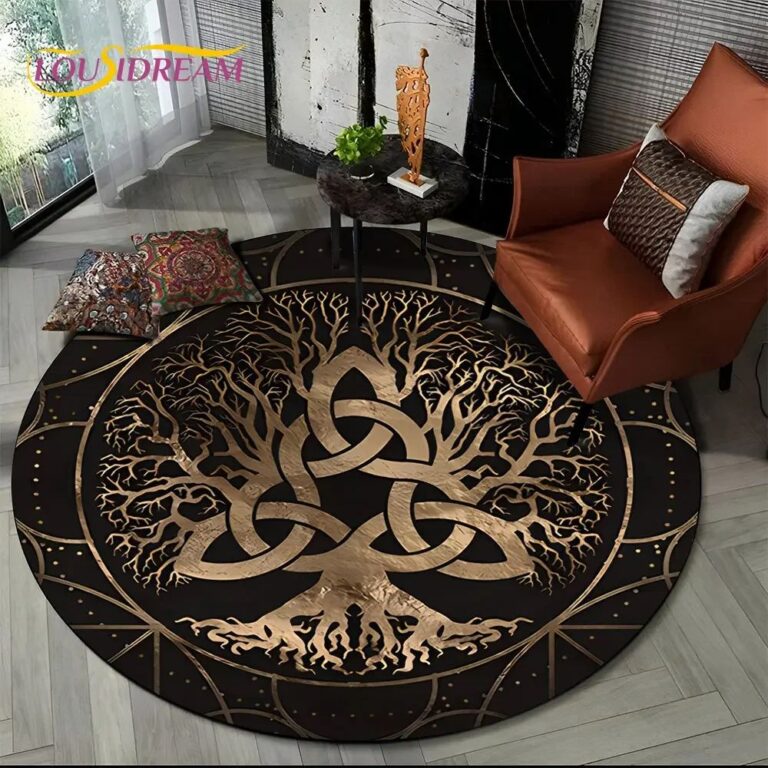 Aisha's pickSmall Living Room Rugs That Feel Good Underfoot