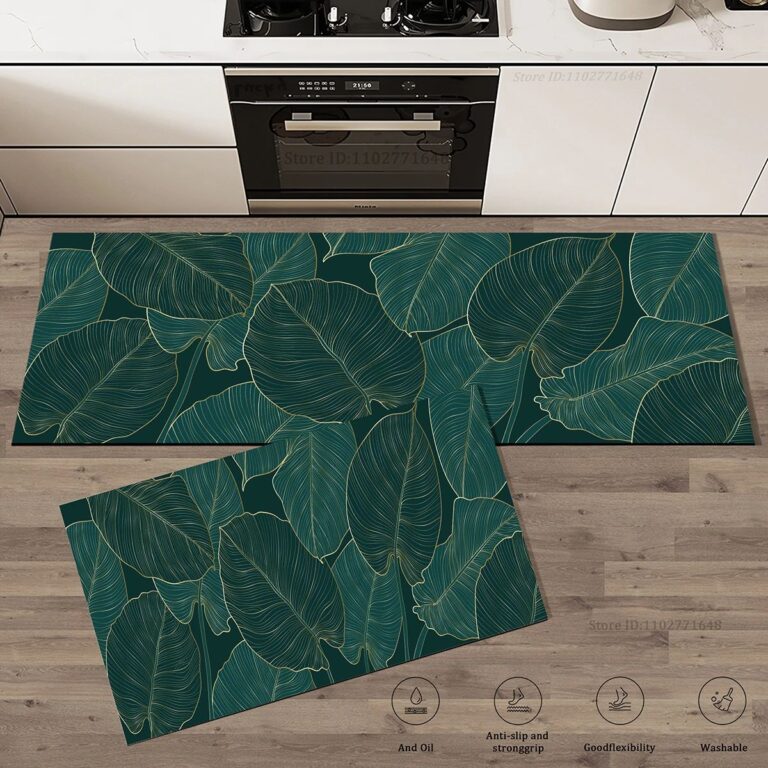
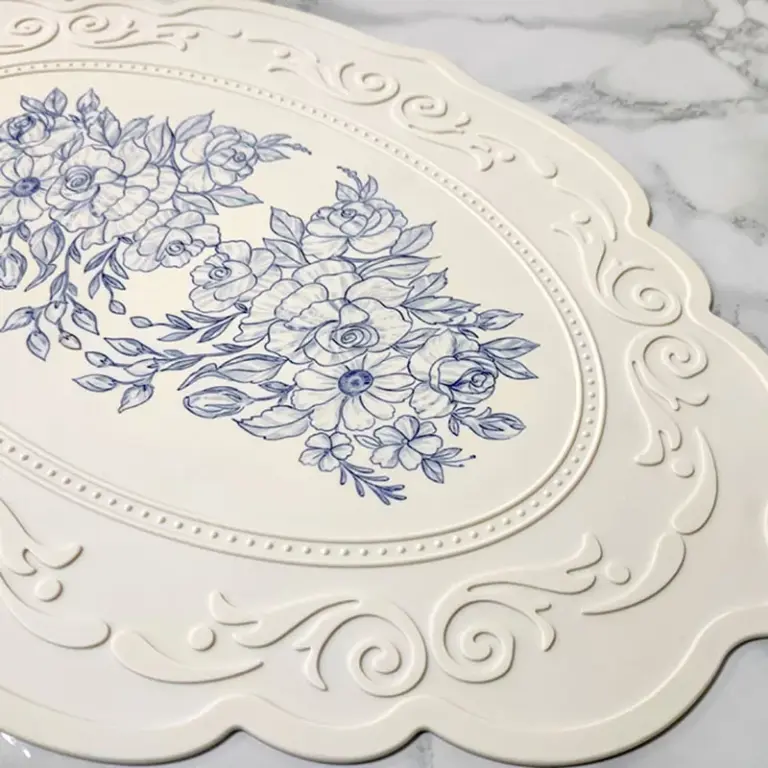
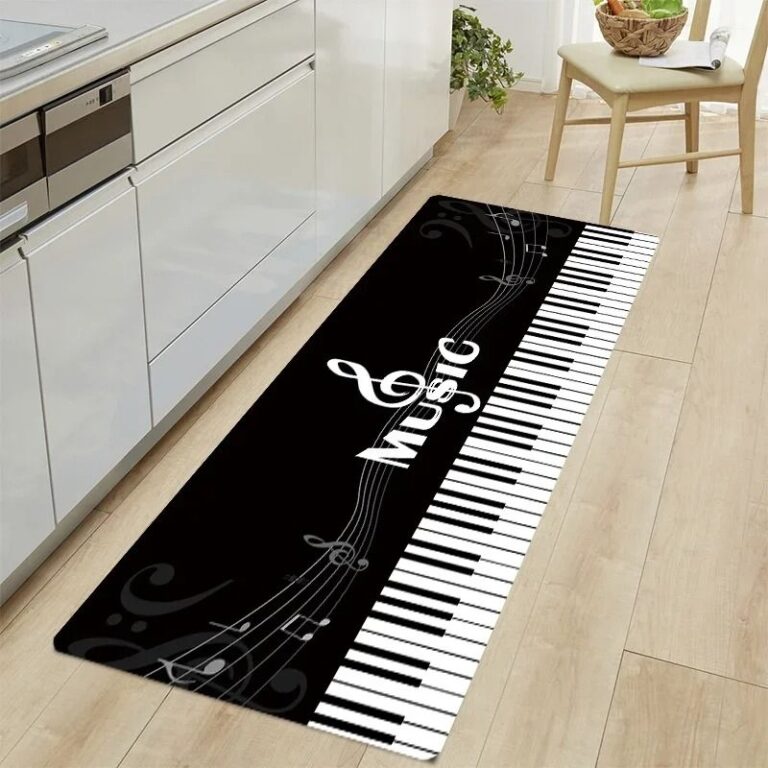
The thing nobody tells you about kitchen mats is that the wrong one becomes a trip hazard within a week. Corners curl, edges bunch up against the dishwasher door, and suddenly you're catching your sock on it every single time you reach for a pan. I learned this standing in front of my sink with a mat that had migrated a full foot to the left, bunched up like a rug that had given up on life. Still, a good mat in front of a sink is one of the few things that makes standing in a kitchen for an hour of dishes feel less punishing on your feet and your back, and that alone makes it worth sorting out.
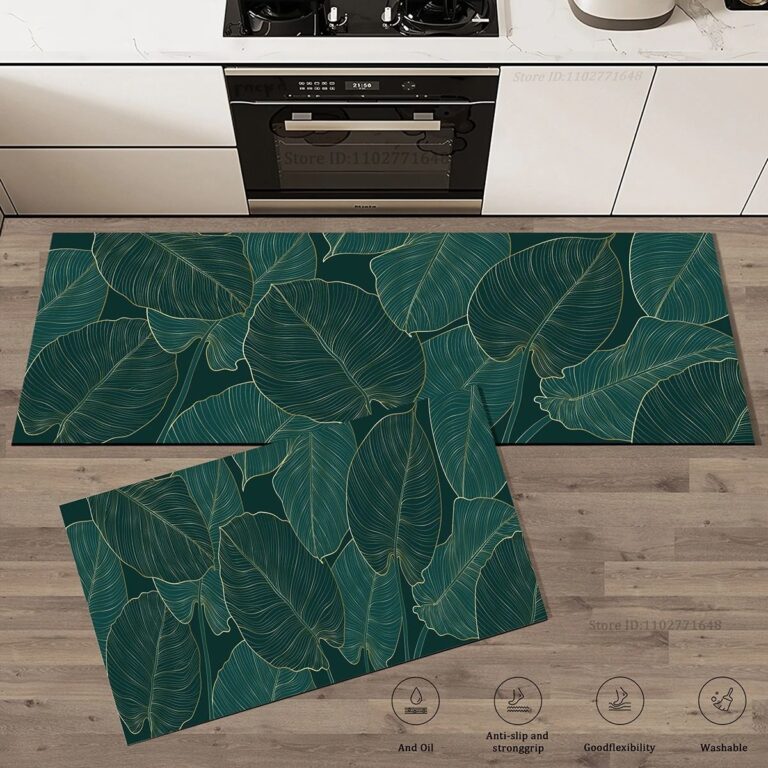
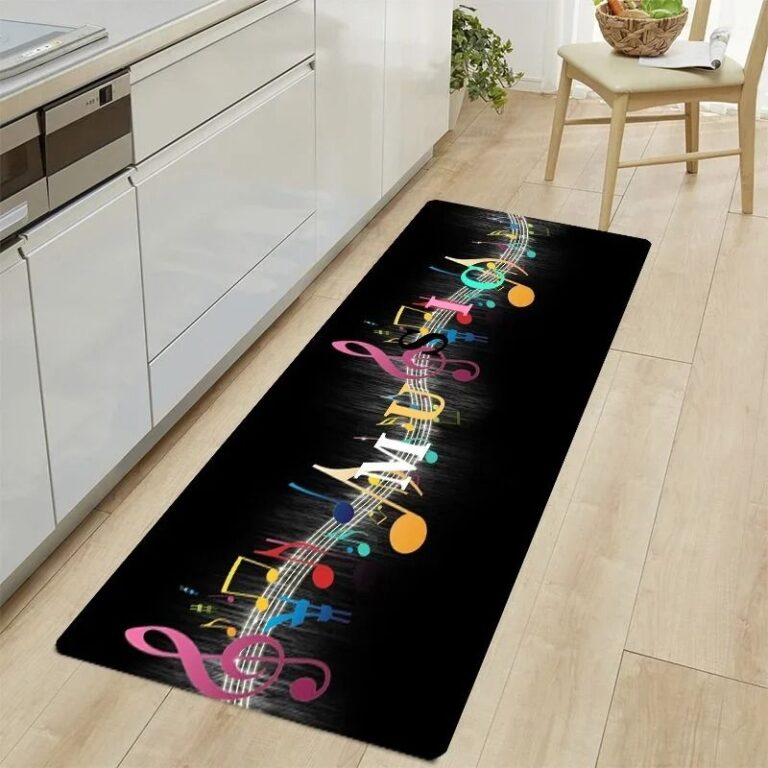
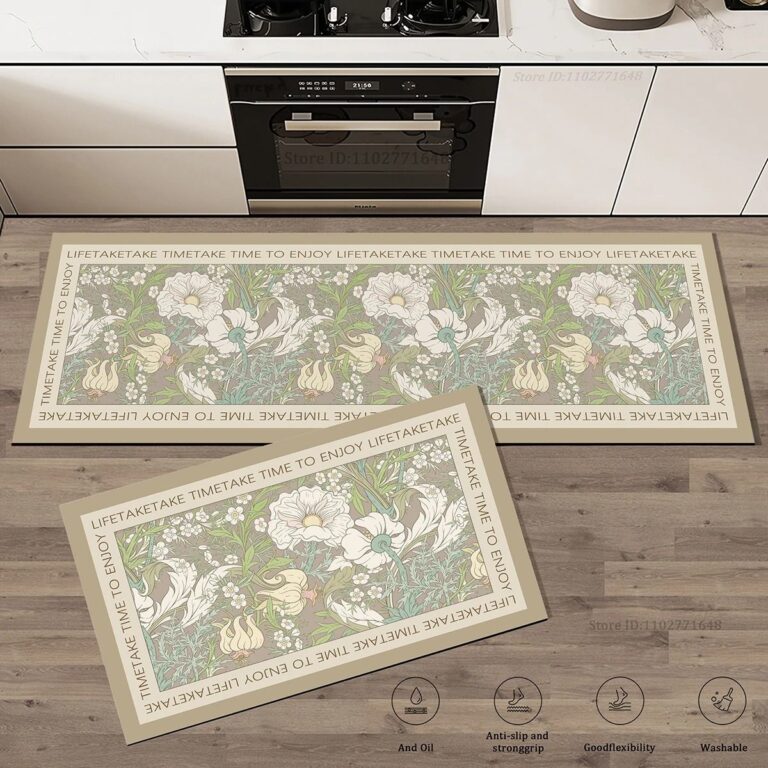
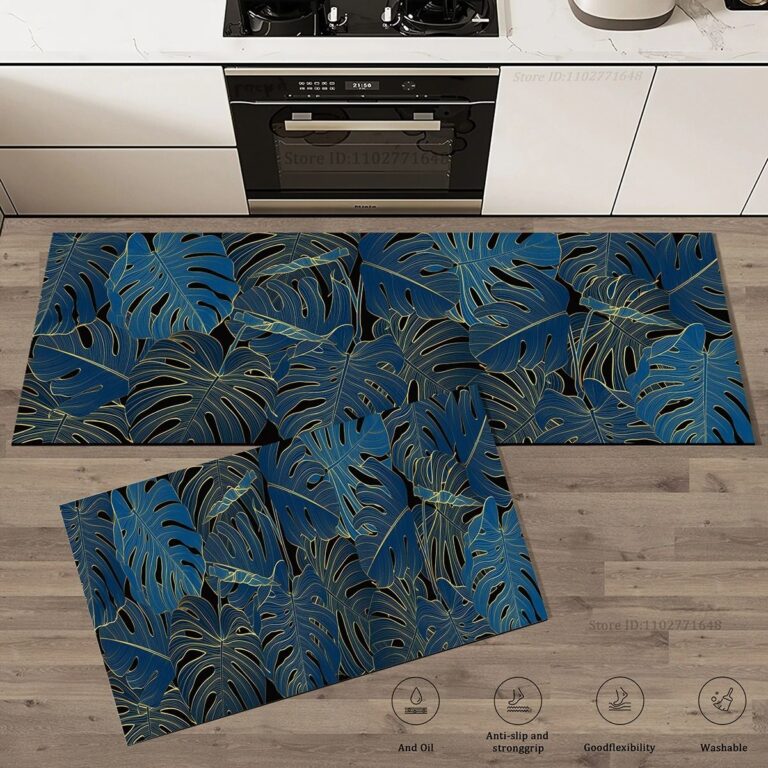
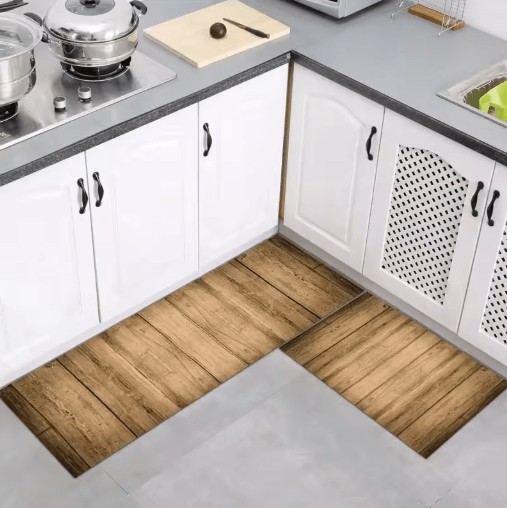
Color wise, I've had the best luck with anything in a muddy, mid tone range, charcoal, a deep clay, a patterned mat with some navy or rust in it, because kitchen floors take a beating and a pale oatmeal mat shows every coffee drip and dropped olive oil within a day. Solid black looks sharp for about a week and then shows dust and flour like a chalkboard. A busy, small scale pattern hides more sins than you'd expect and still reads as calm from across the room. Where it falls apart is next to anything else busy, a patterned runner in front of the stove and a different patterned one at the sink will fight every time you walk between them, so if you're doing more than one mat, keep one of them plain. They also do not belong anywhere near an open oven door or a swinging cabinet, the lip of a thick cushioned mat is exactly tall enough to catch a door edge or a dragging foot, and I've watched that happen to a friend holding a full stockpot, which was a near miss I still think about.
The honest limit is size. A standard mat runs around twenty by thirty six inches, which works in front of a sink but looks lost and slightly sad in a galley kitchen that's six feet wide, where it ends up as a narrow island with inches of bare floor on either side. In a kitchen like that, you're better off with a thin, low profile mat that runs almost wall to wall, or skipping it near the stove entirely if you're working in a tight footprint, because a cushioned mat eats floor space you need for opening the oven door or turning around with a hot pan. In a big farmhouse kitchen with room to spare, go bigger and thicker, it reads as intentional rather than crowded.
The one mistake that gets people every time is buying based on how it looks in a photo rather than how thick it is in person. Measure the actual rise off the floor before you buy, not after.
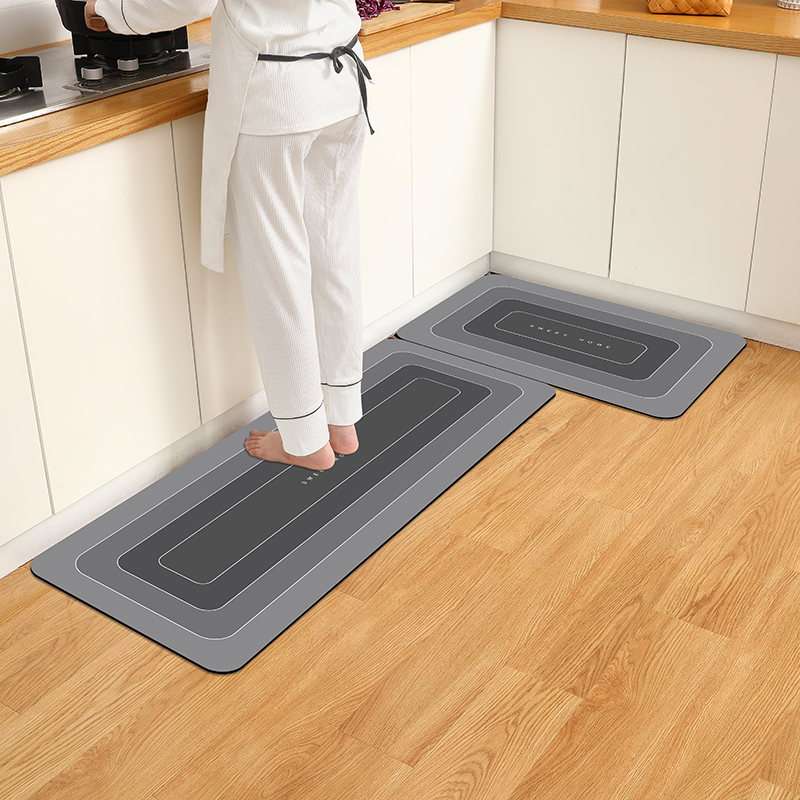 Aisha's pickKitchen Floor Mats That Won’t Let You Down
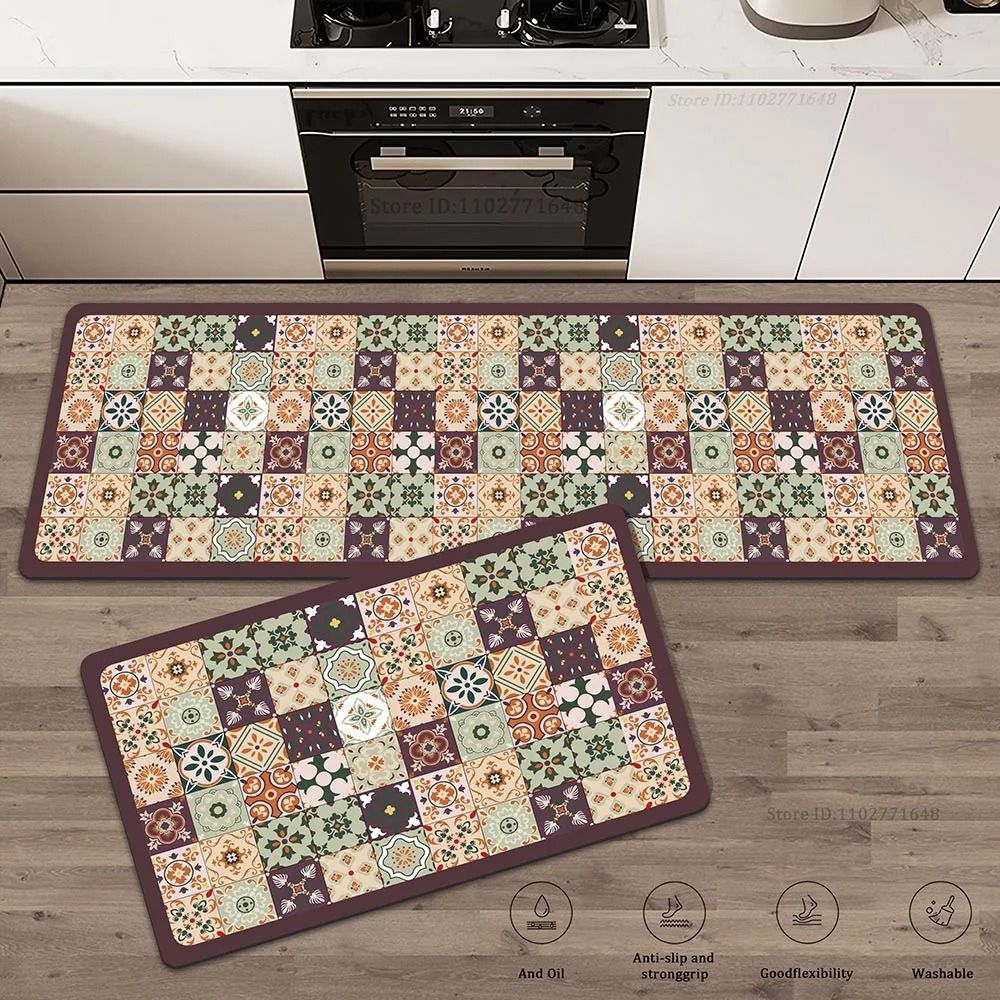
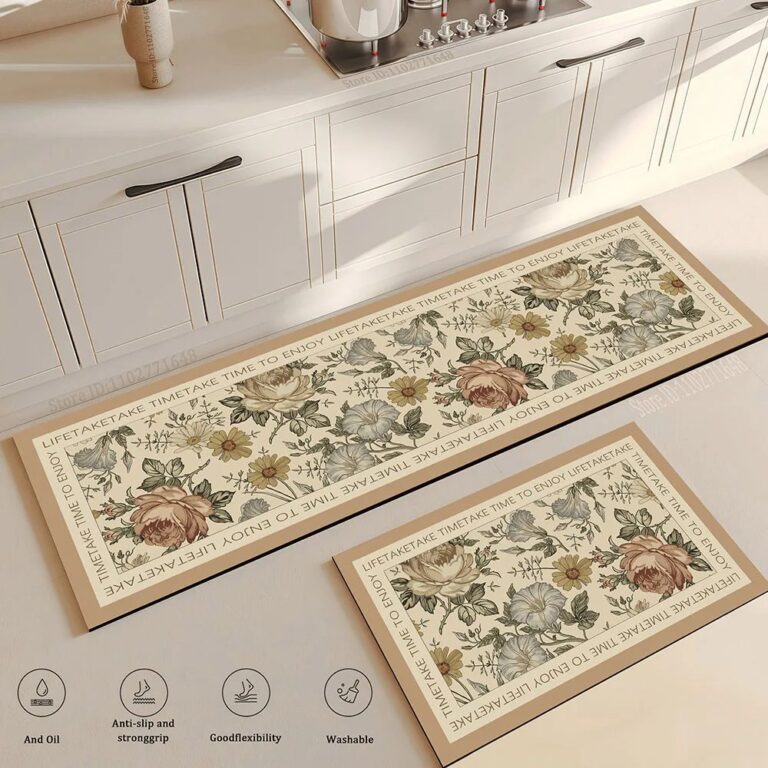 Aisha's pickDecent Runners for Kitchen Without the Hassle
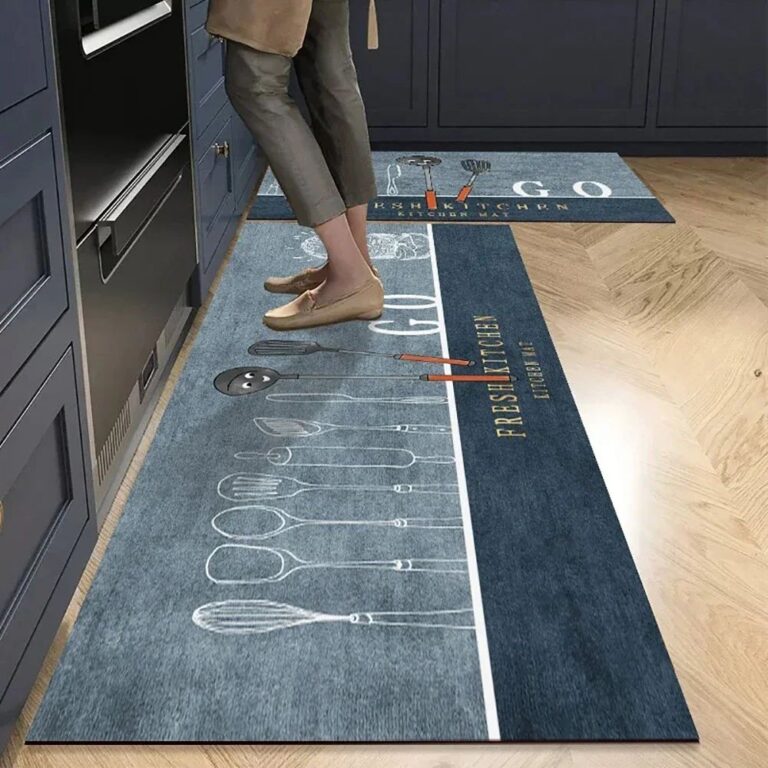
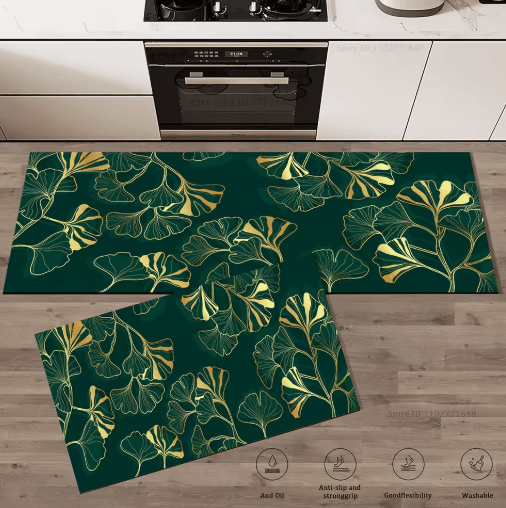 Aisha's pickKitchen Mats That Feel Good Underfoot
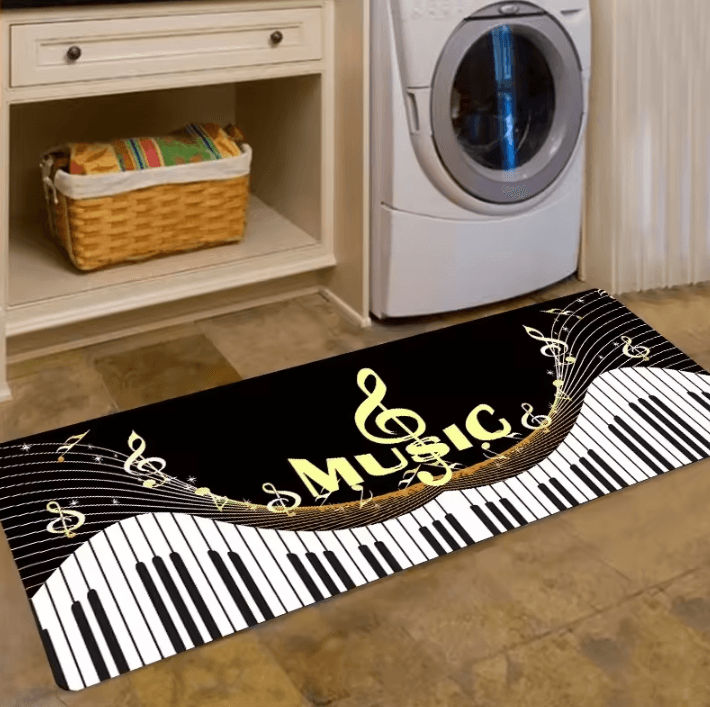
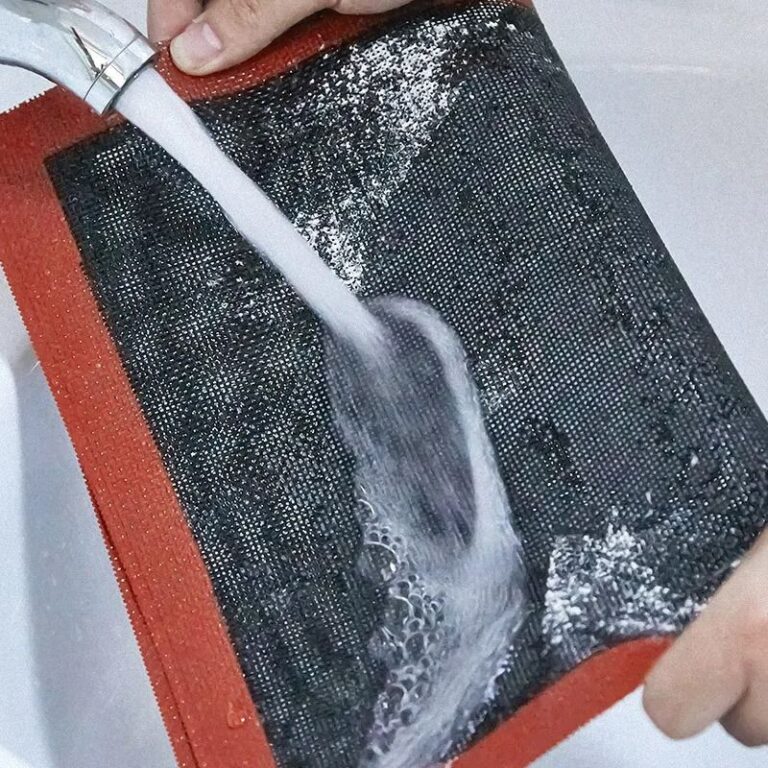 Aisha's pickThe Silicone Kitchen Mats Worth Your Cash
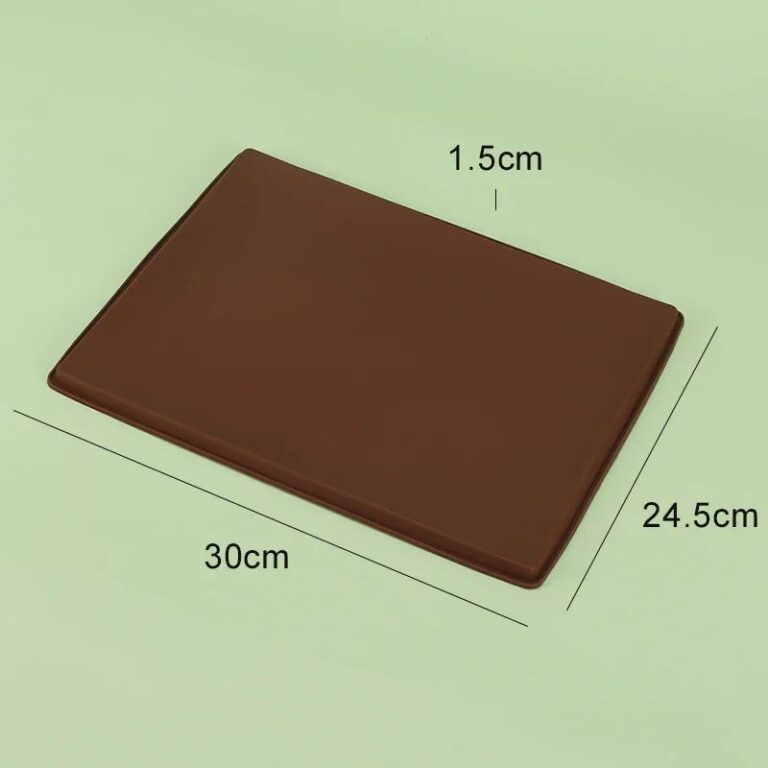
 Aisha's pickKitchen Rugs That Don’t Shed Everywhere
 Aisha's pickSmall Kitchen Mats at Every Price Point
 Aisha's pickKitchen Runners That Survive Kids and Pets
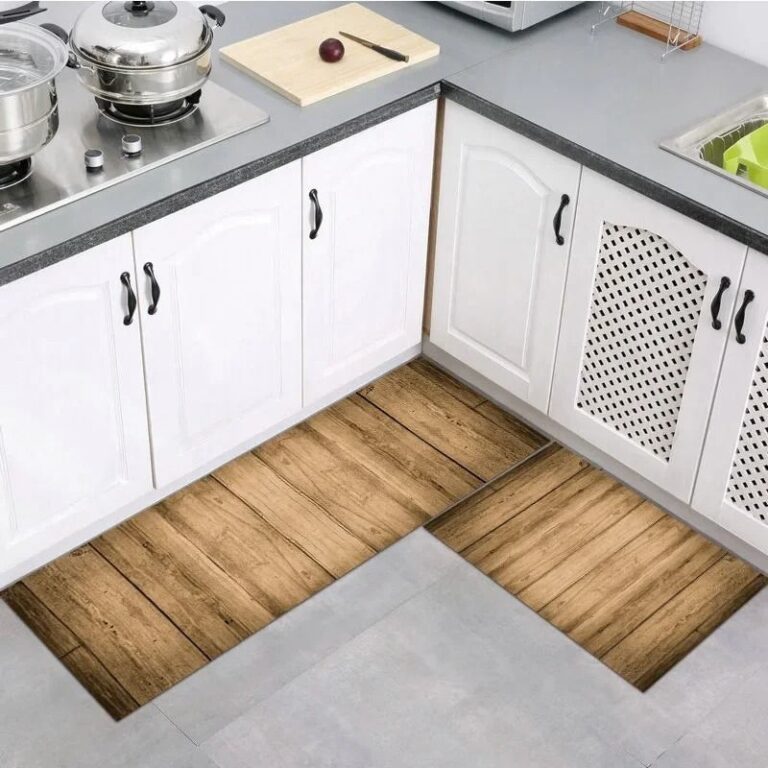
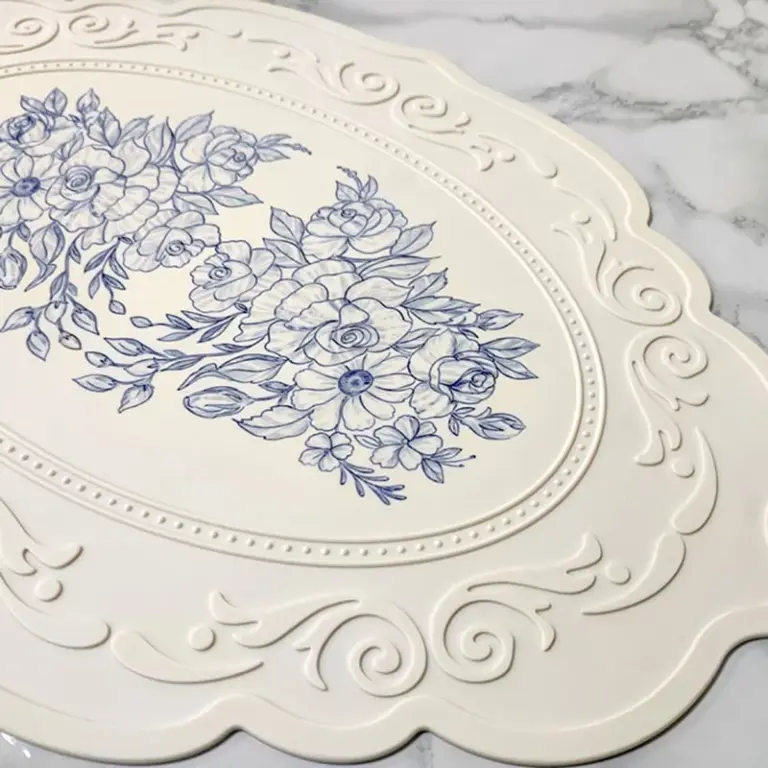 Aisha's pickVintage Kitchen Mats That Hide Muddy Footprints
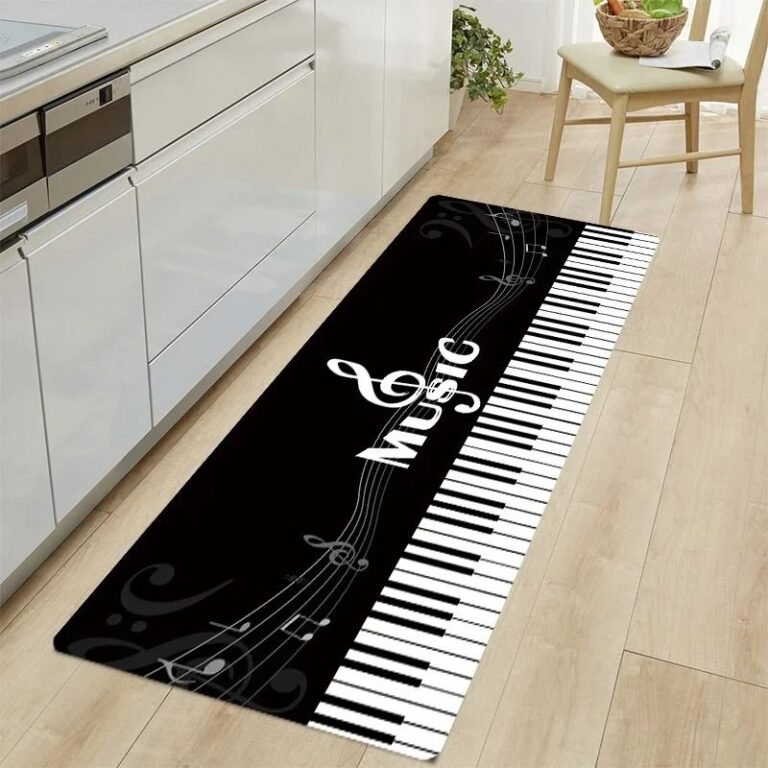
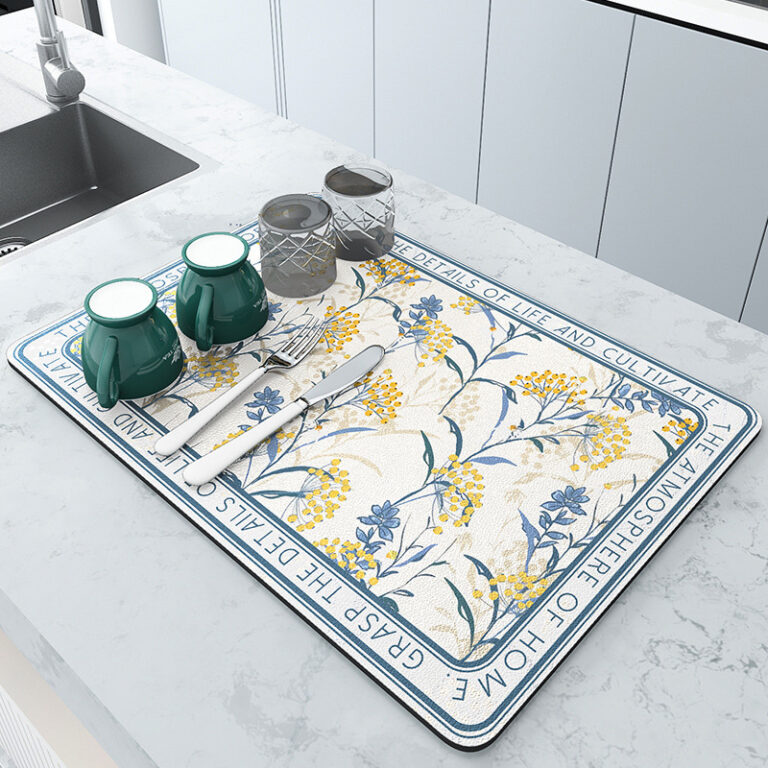 Aisha's pickLarge Kitchen Mats That Stay Put on Hard FloorsAlso worth a lookSoft RugsMost people buy a soft rug by how it feels in the store, standing on it in socks…See the collections →
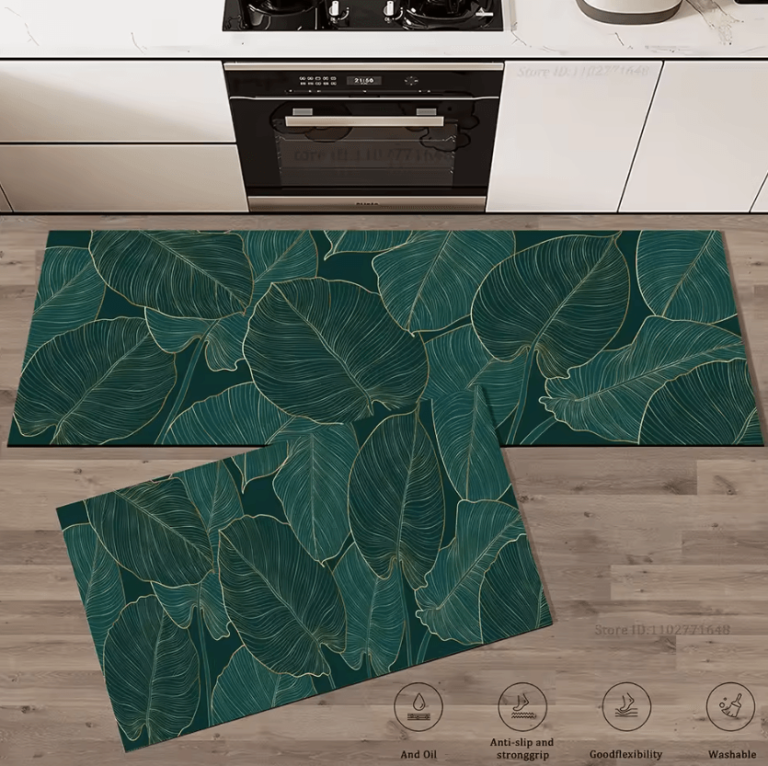
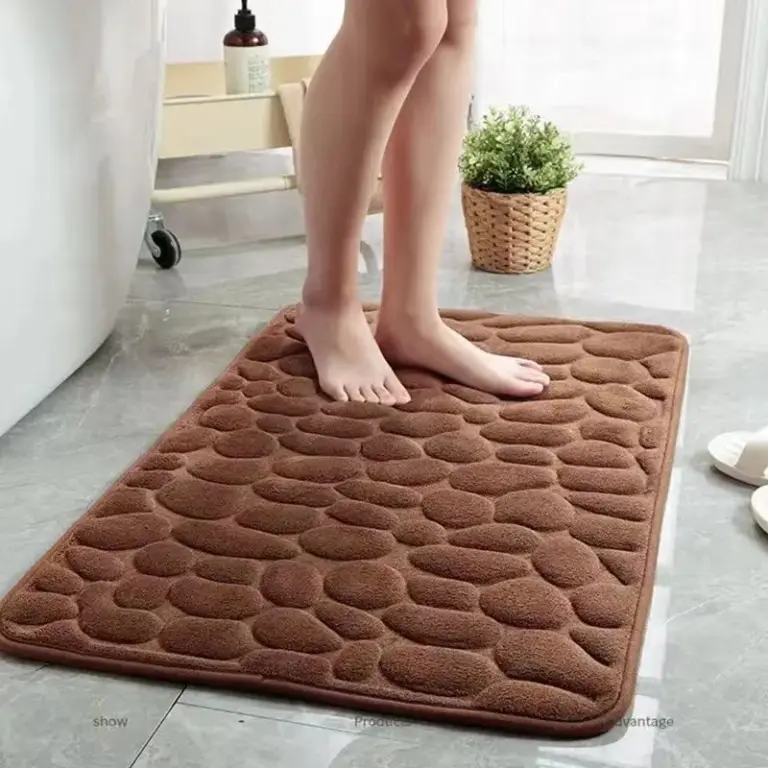 Aisha's pickWashable Kitchen Mats That Hide Muddy Footprints

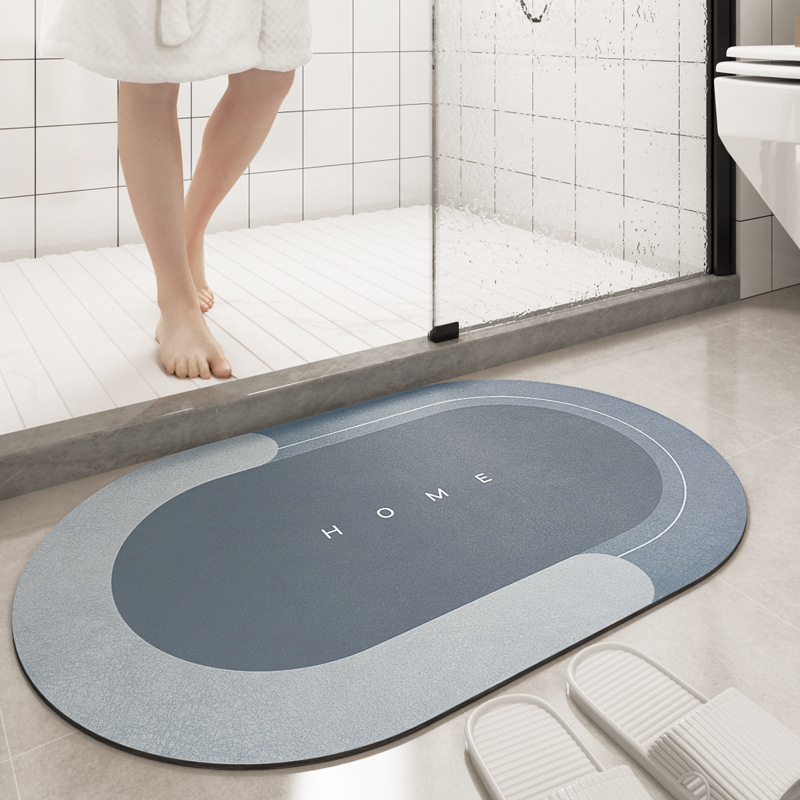 Aisha's pickAbsorbent Kitchen Floor Mats That Work in Old Houses and New Ones
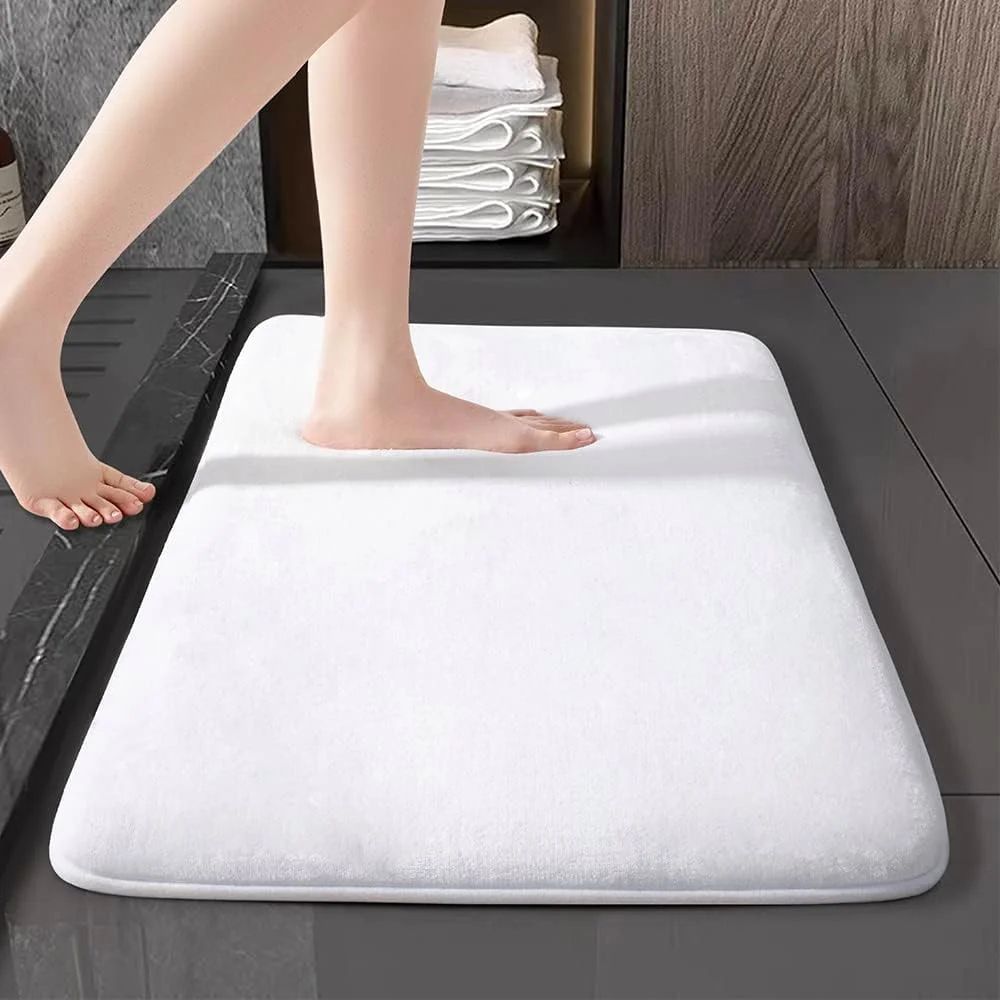
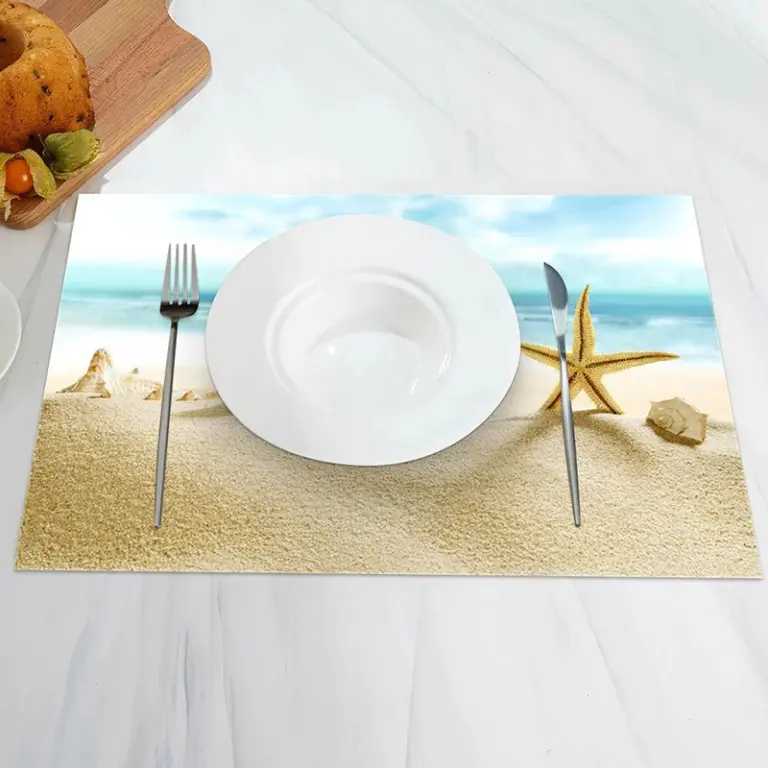 Aisha's pickLeather Kitchen Mats That Don’t Shed Everywhere

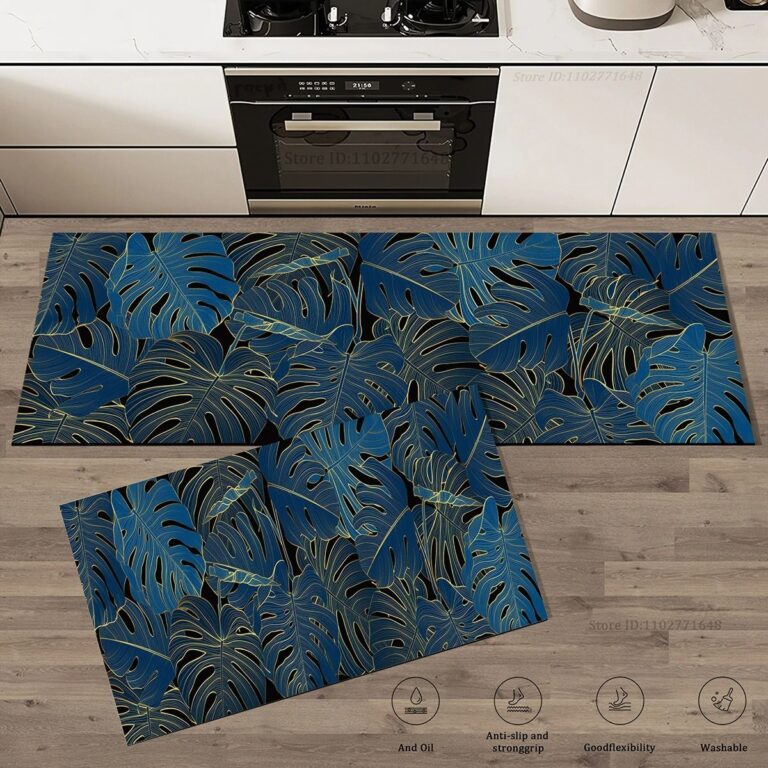 Aisha's pickWaterproof Kitchen Mats That Cope With Heavy Traffic
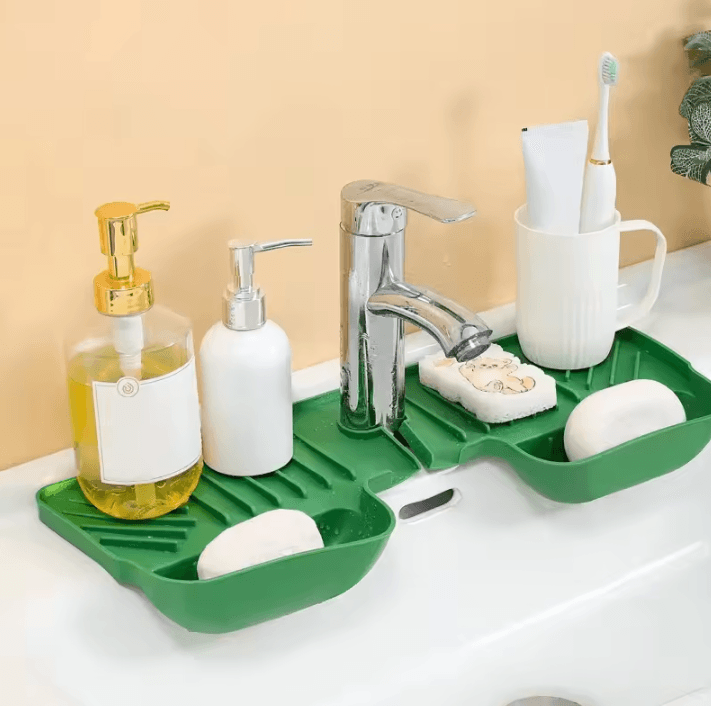
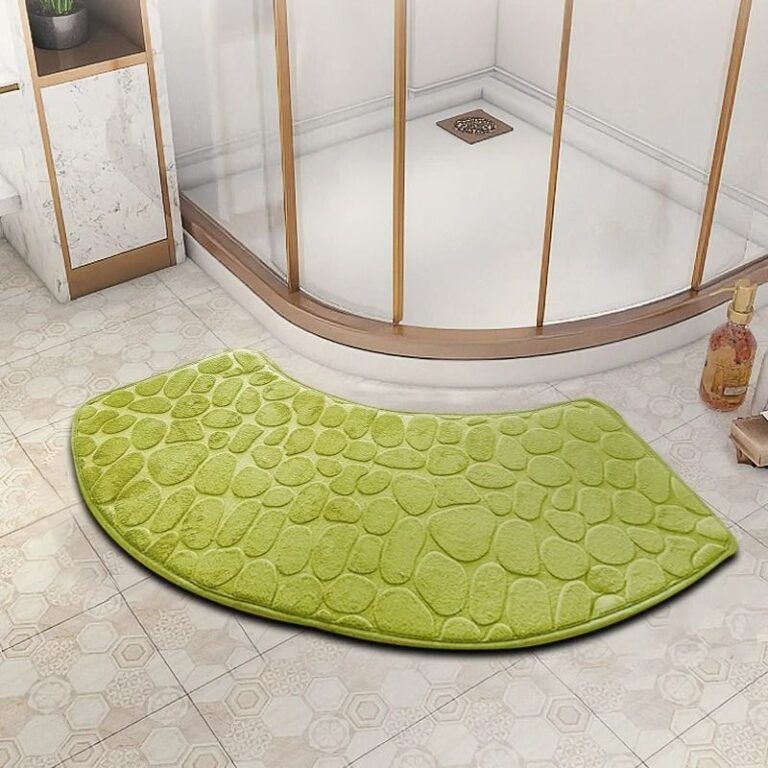 Aisha's pickAbsorbent Kitchen Mats That Don’t Shed Everywhere
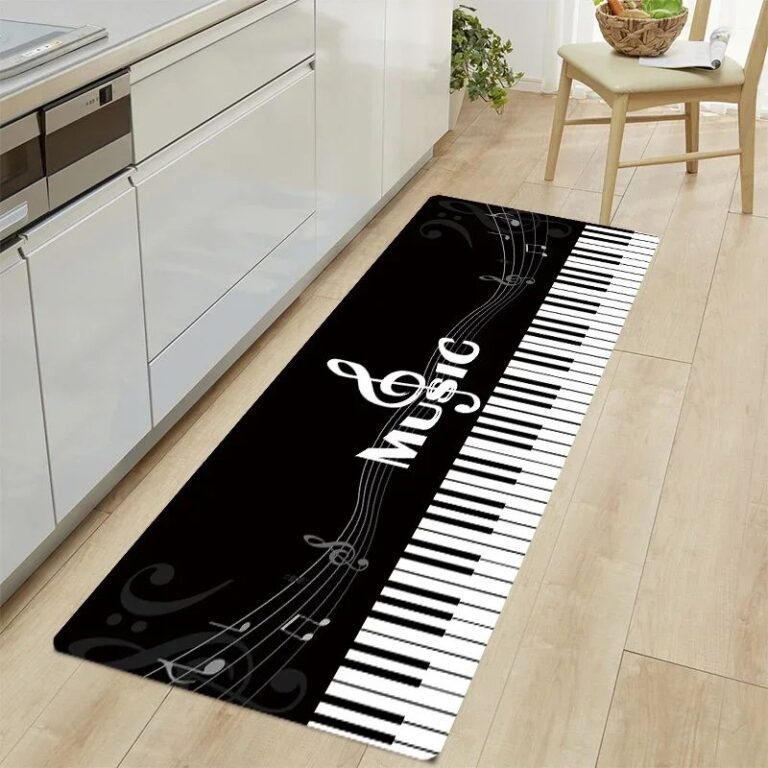
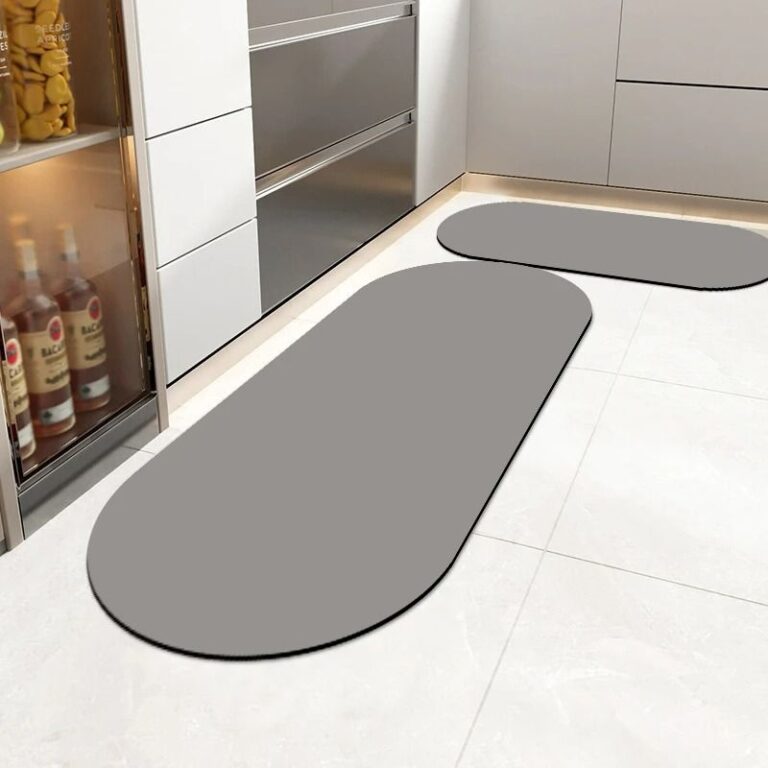 Aisha's pickShopping for Long Kitchen Mats? Start Here
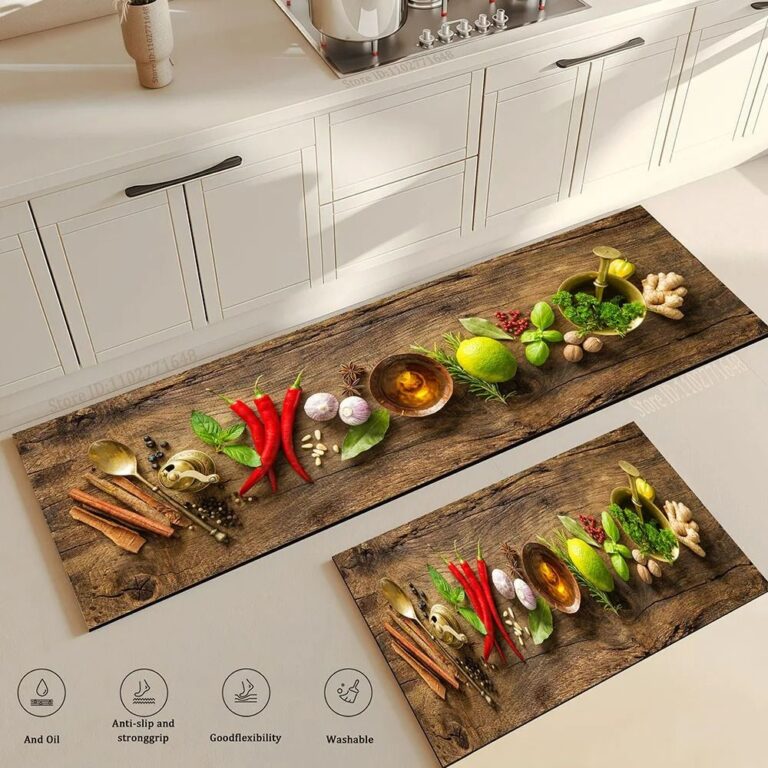
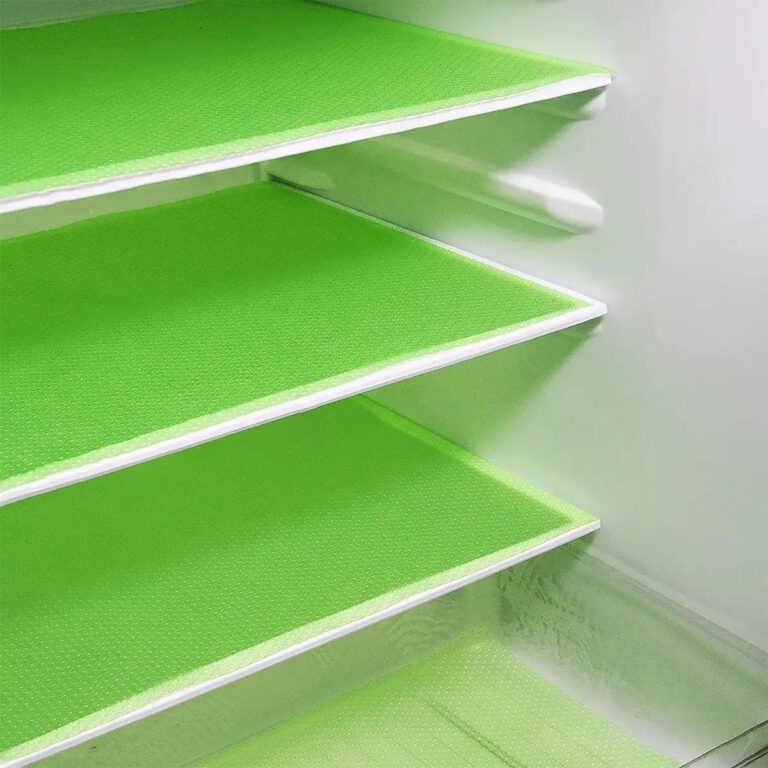 Aisha's pickWhite Kitchen Mats Worth Knowing About
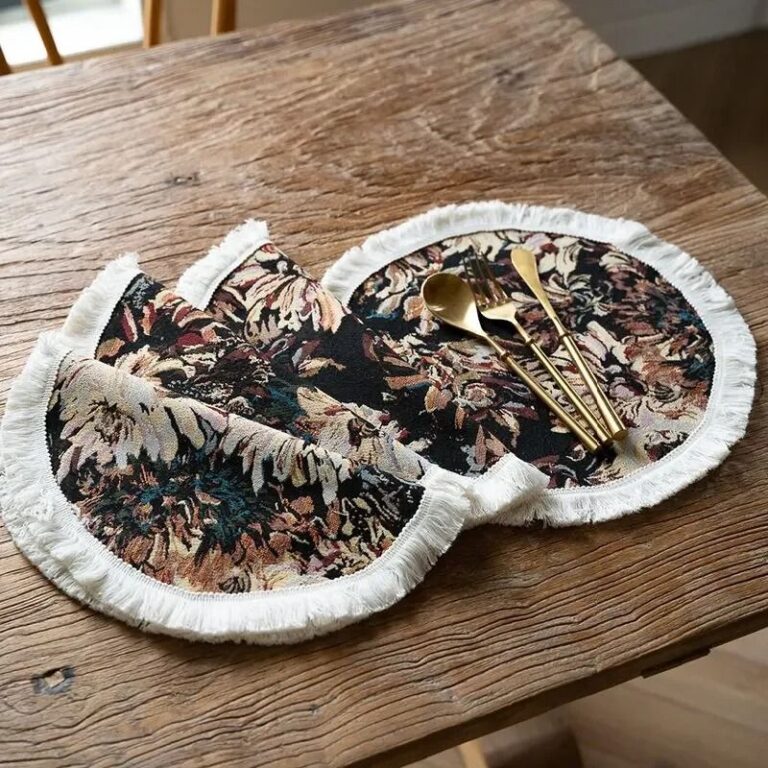
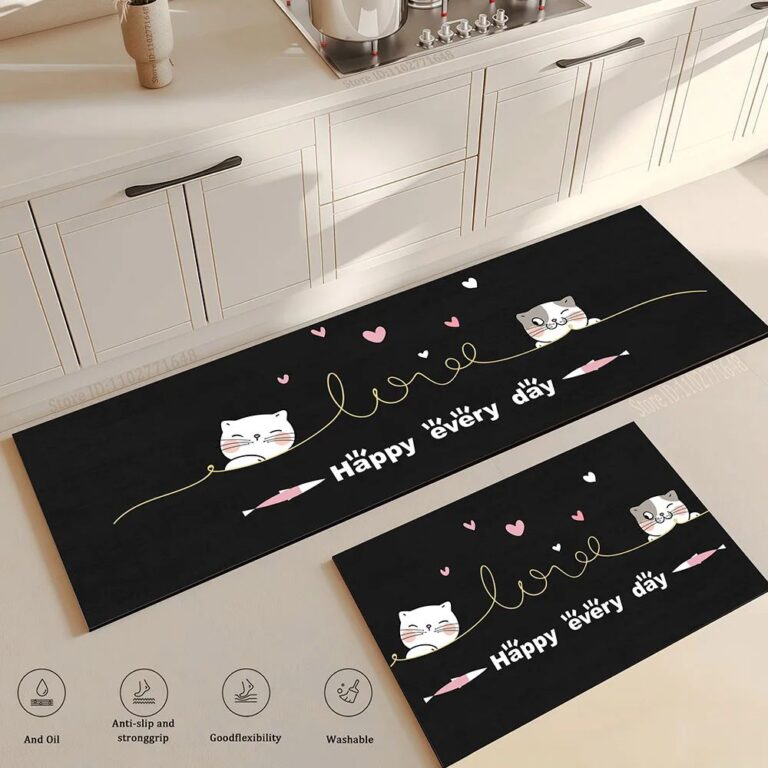 Aisha's pickAnti Fatigue Kitchen Mats We’d Put in Every Room
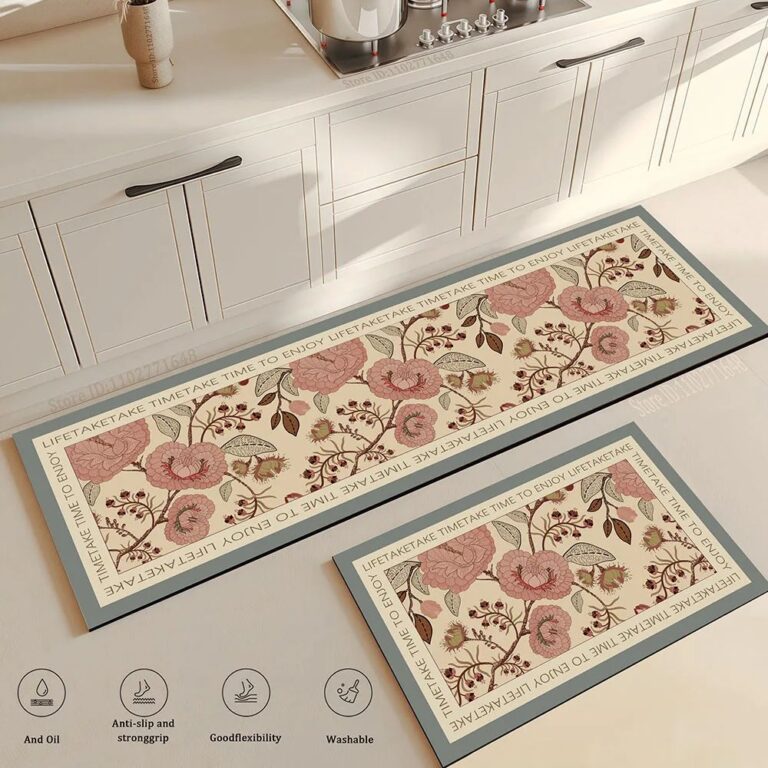
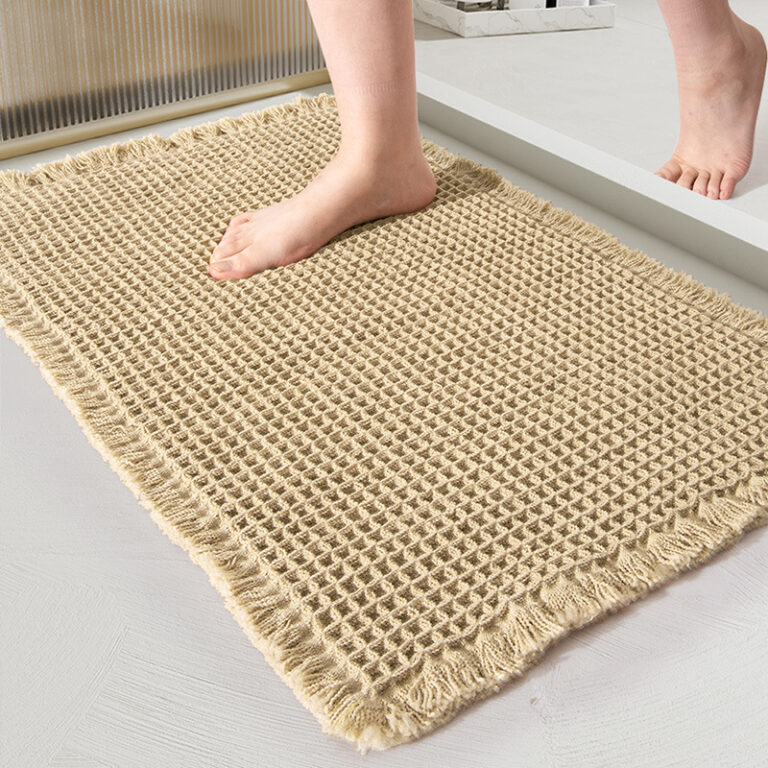 Aisha's pickLuxury Kitchen Mats We Keep Coming Back ToAlso worth a lookMatsA mat is the thing standing between whatever is happening outside your door and the floor you just cleaned.See the collections →
 Aisha's pickSimple White Kitchen Runners Done Well
 Aisha's pickBlack Kitchen Mats for Making a House Feel Like Yours
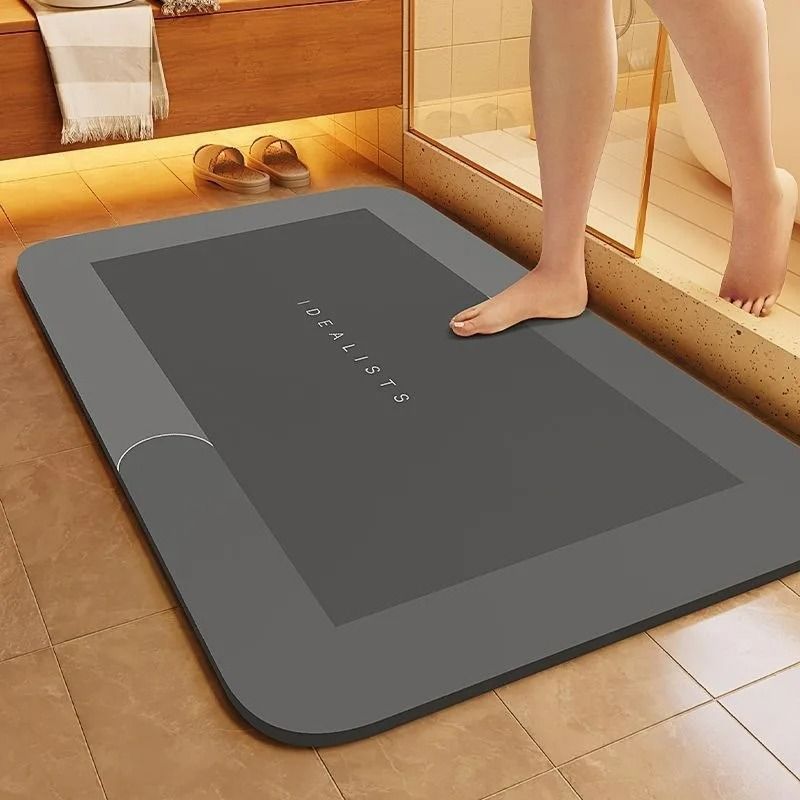 Aisha's pickModern Kitchen Mats With a Bit More About Them
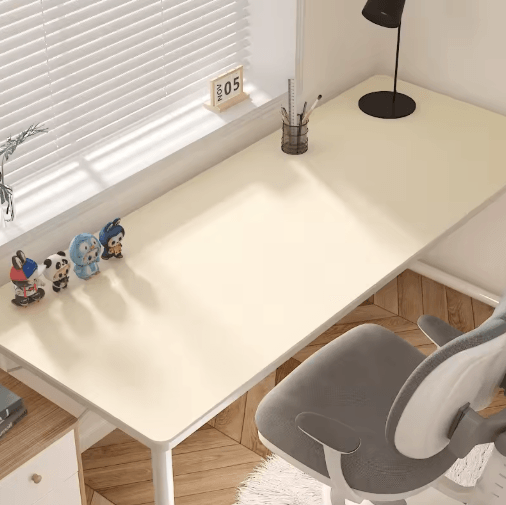
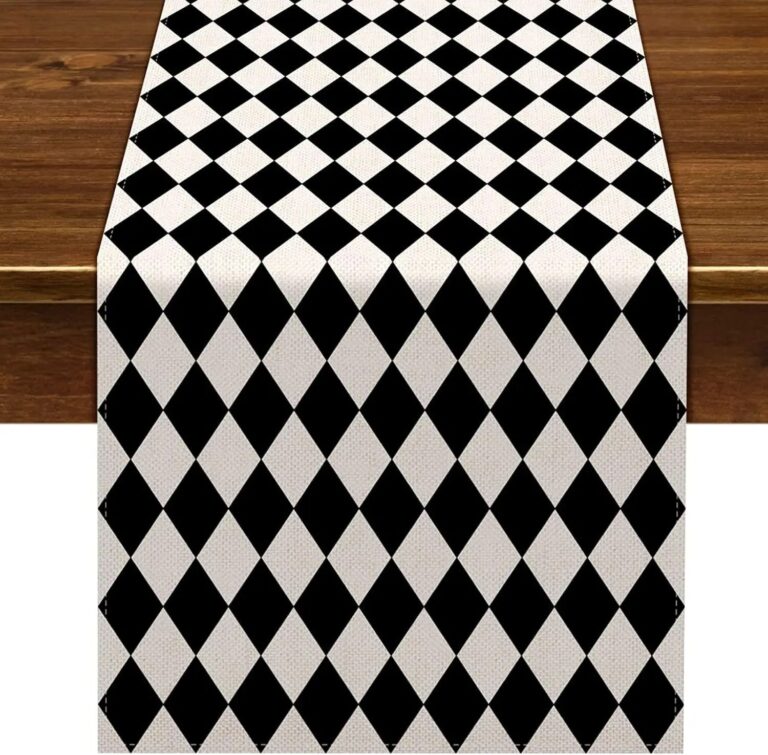 Aisha's pickBlack Kitchen Runners We’d Buy Again
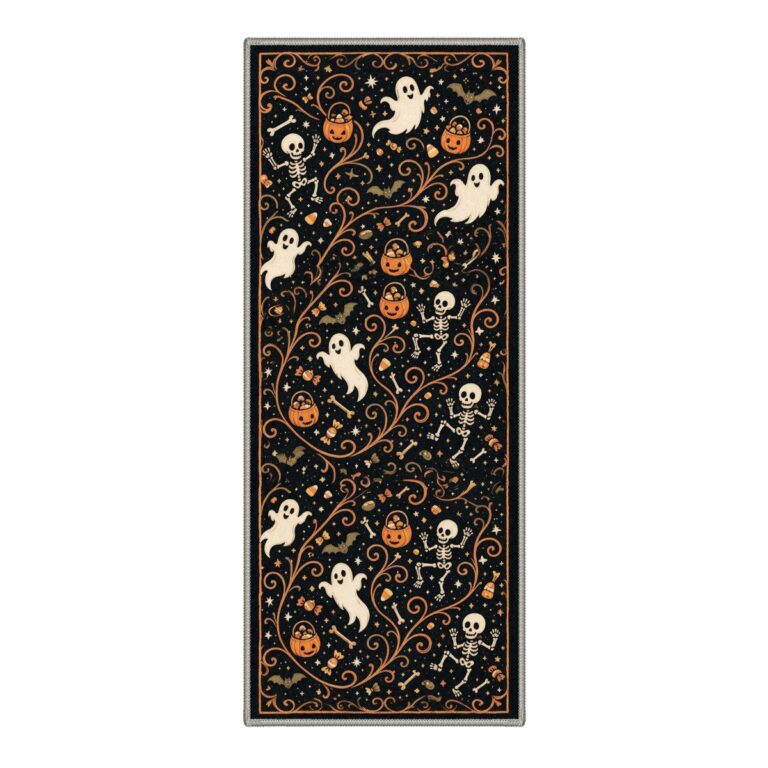
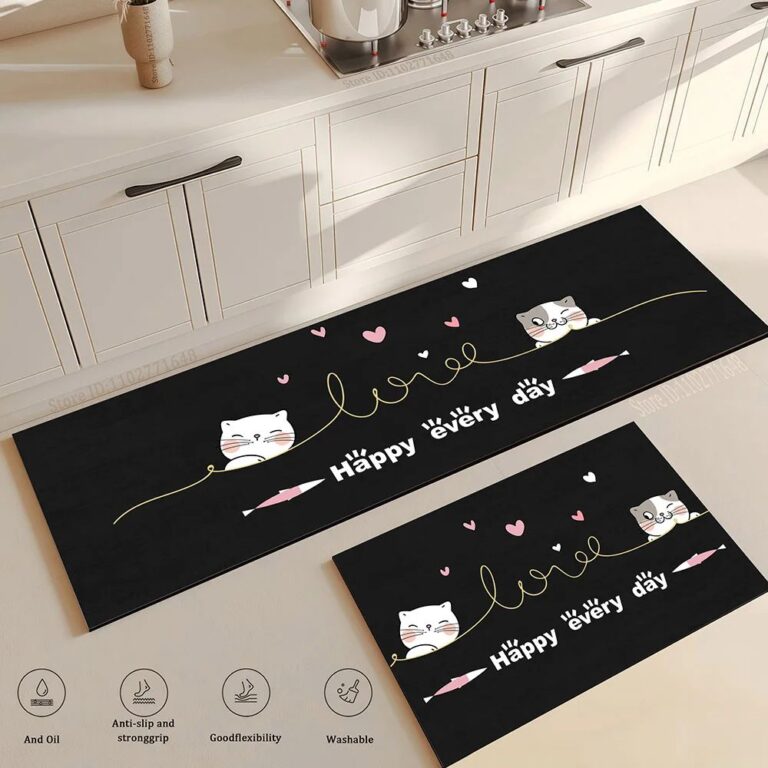 Aisha's pickNon Slip Anti Fatigue Kitchen Mats We’d Put in Every Room
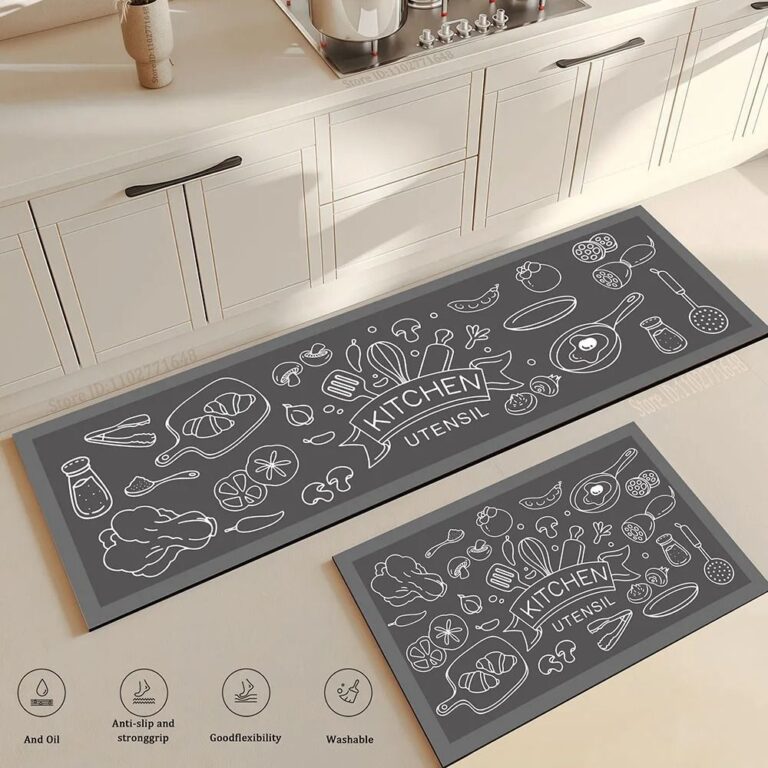
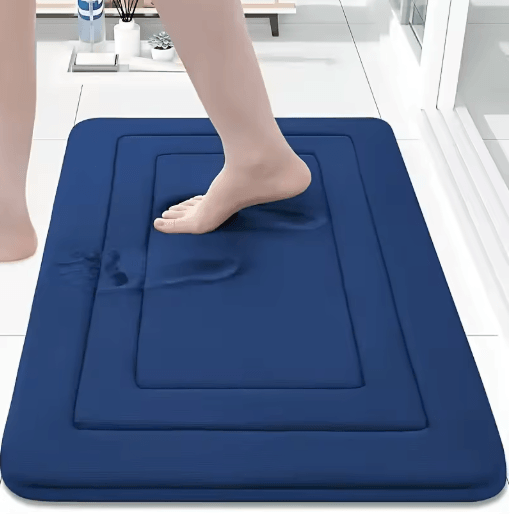 Aisha's pickBlue Kitchen Mats You Won’t Regret Buying
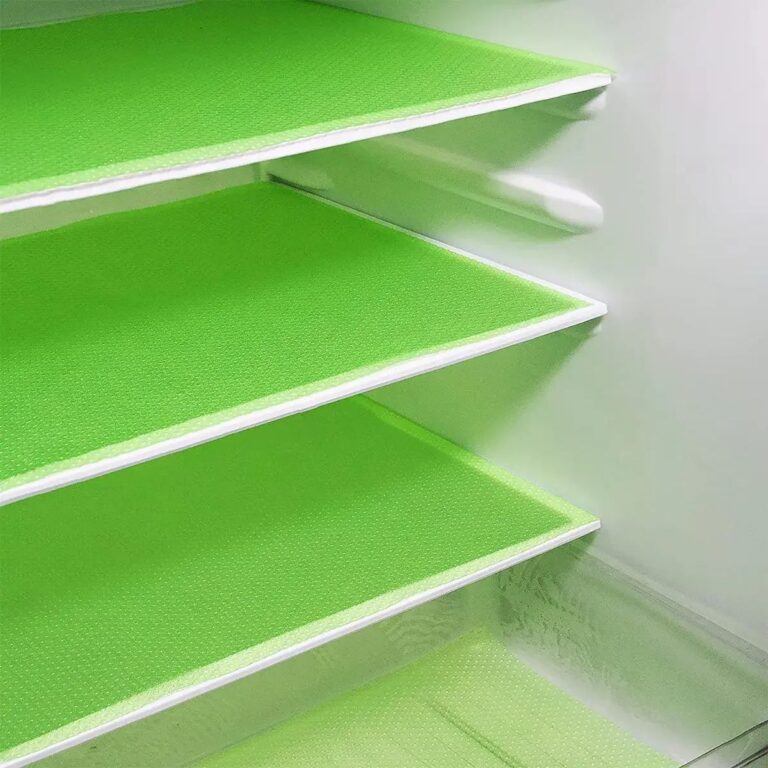
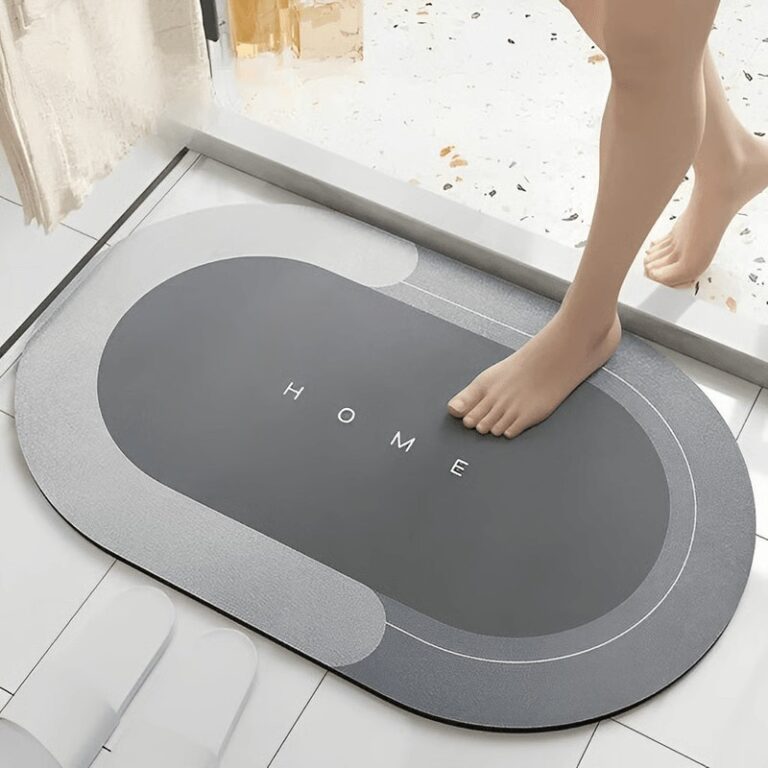 Aisha's pickNon Slip Kitchen Floor Mats That Cope With Heavy Traffic
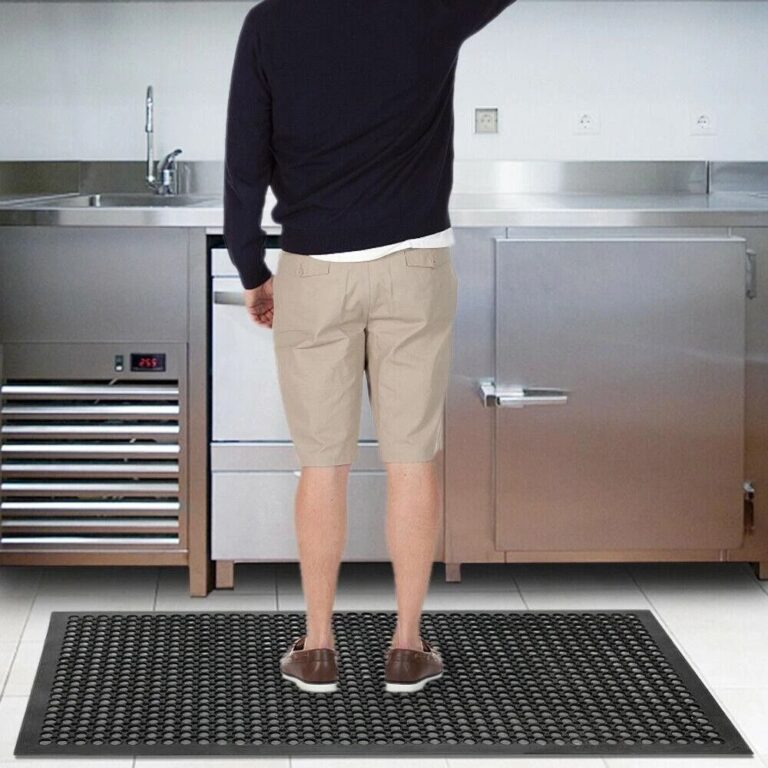
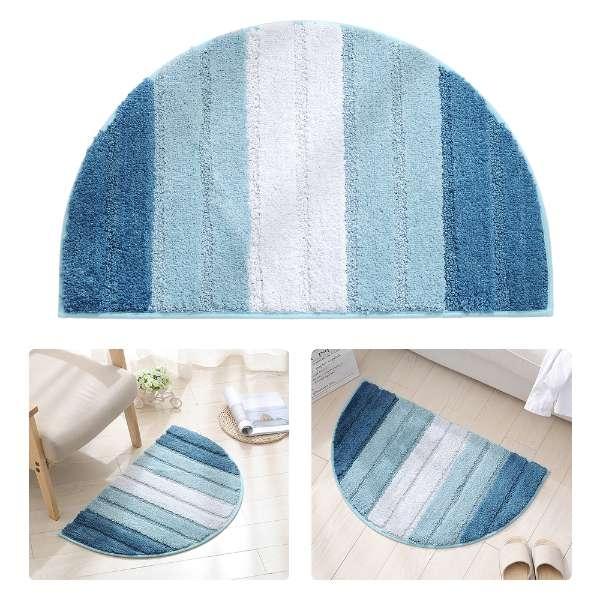 Aisha's pickBlue Kitchen Rugs That Hide Muddy Footprints
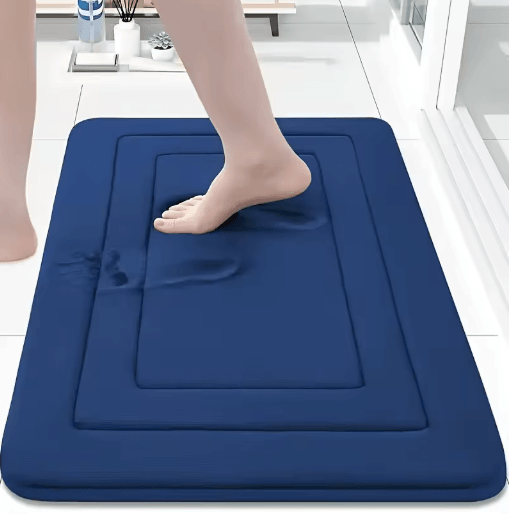
 Aisha's pickNon Slip Kitchen Mats That Stay Put on Hard FloorsAlso worth a lookPrinted RugsA printed rug works best in a room that needs a bit of personality without a full renovation,…See the collections →
 Aisha's pickCotton Kitchen Mats You’ll Keep for Years
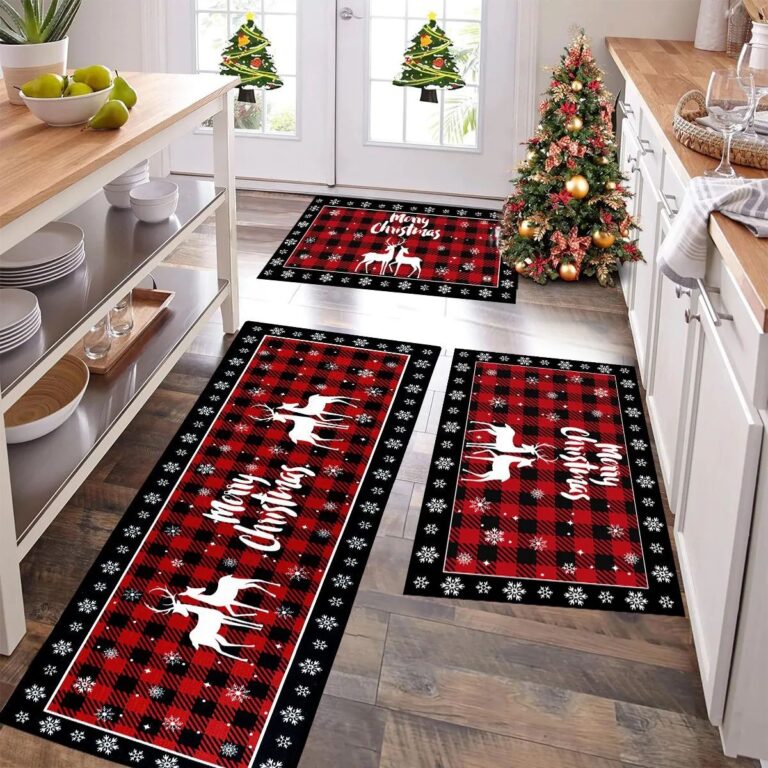 Aisha's pickPlaid Kitchen Mats That Look Good Up Close
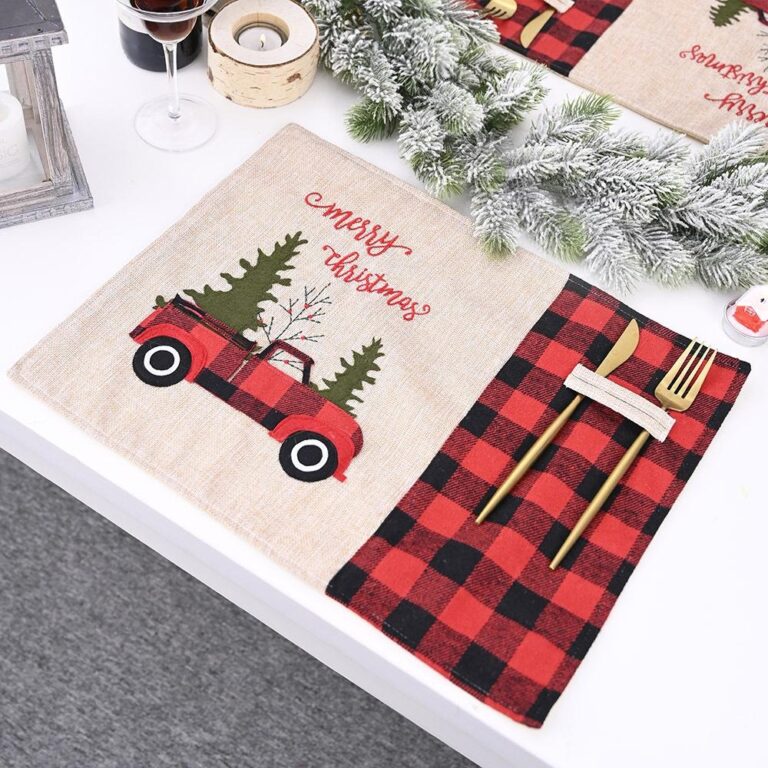
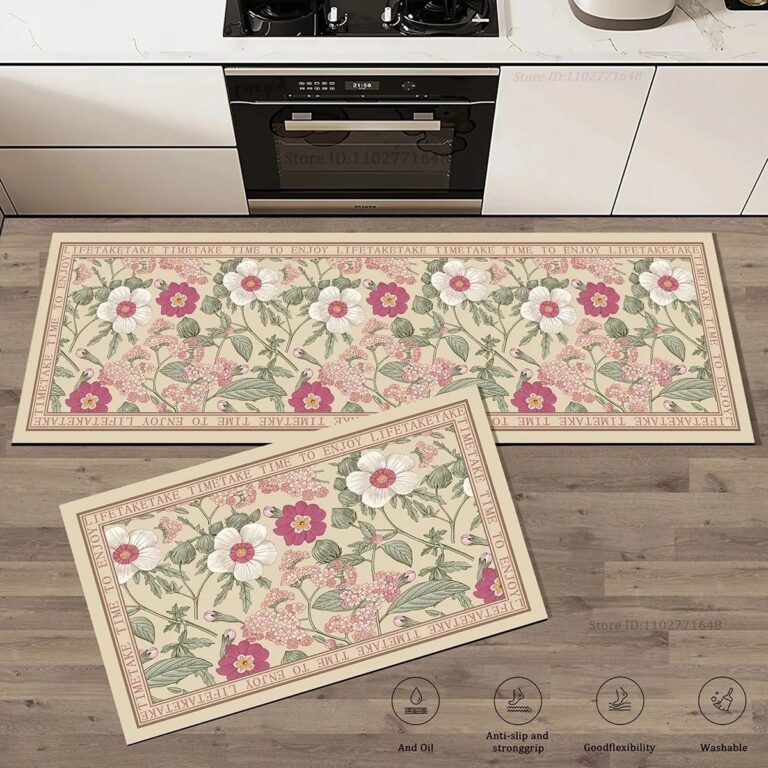 Aisha's pickFloral Kitchen Mats That Don’t Need Babying
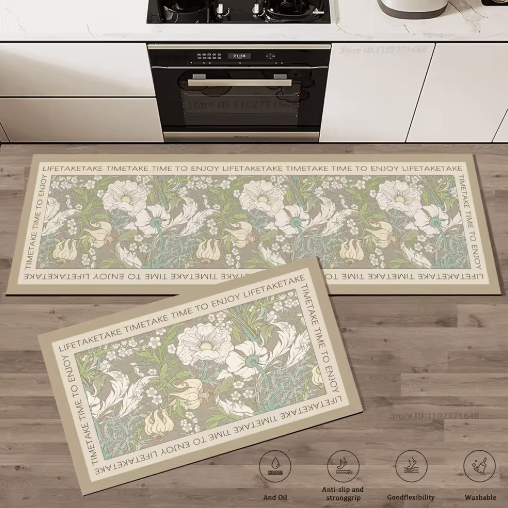
 Aisha's pickPlain Kitchen Rugs for Making a House Feel Like Yours
 Aisha's pickGray Kitchen Mats We’d Put in Every Room