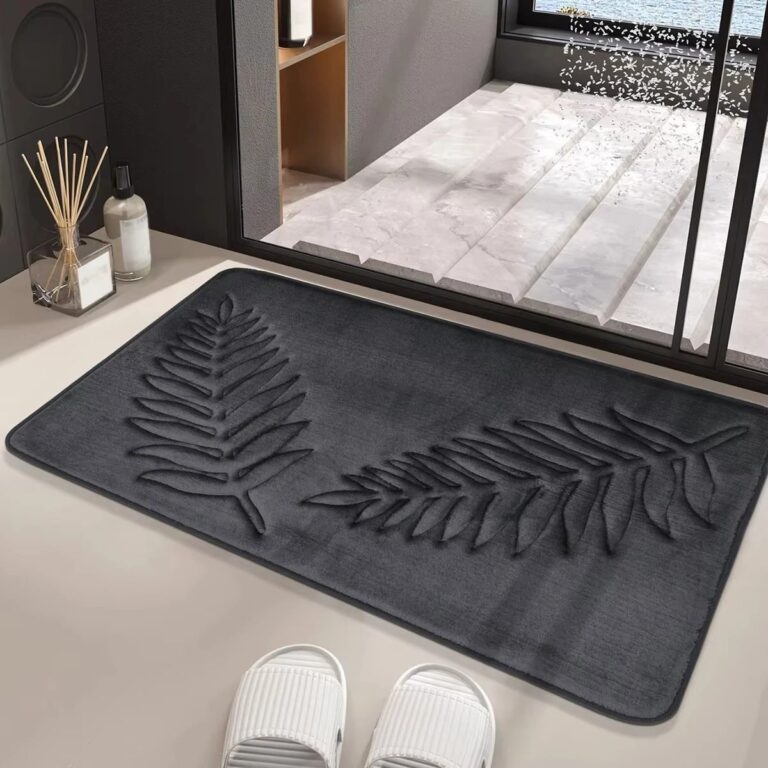
Most people buy a runner the way they'd buy a doormat, as an afterthought, and grab whatever length is closest to their hallway without actually measuring. Then it sits there either swimming in extra space at both ends or looking like it got cut short by someone in a hurry, and neither one does the hallway any favors.
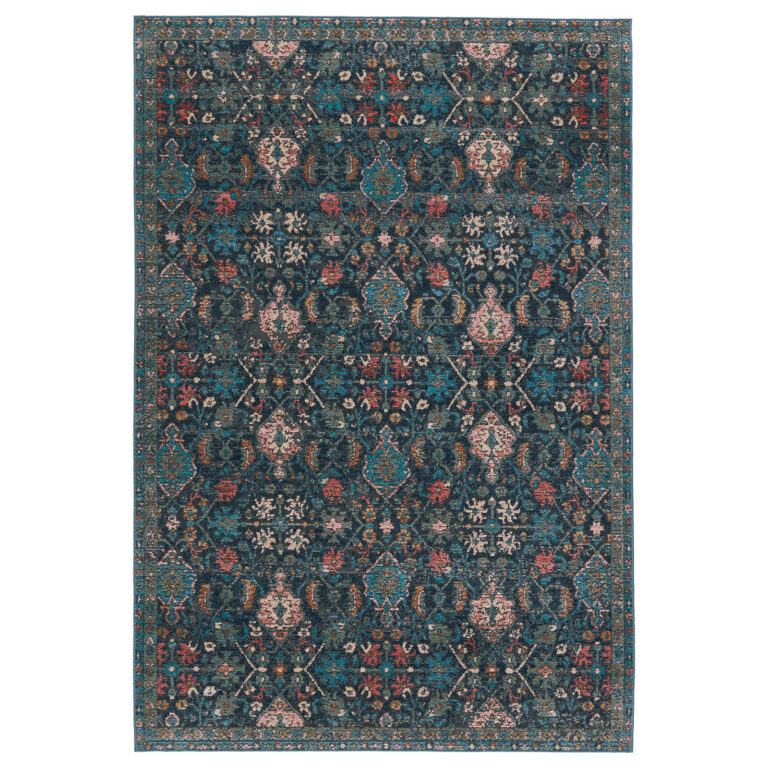
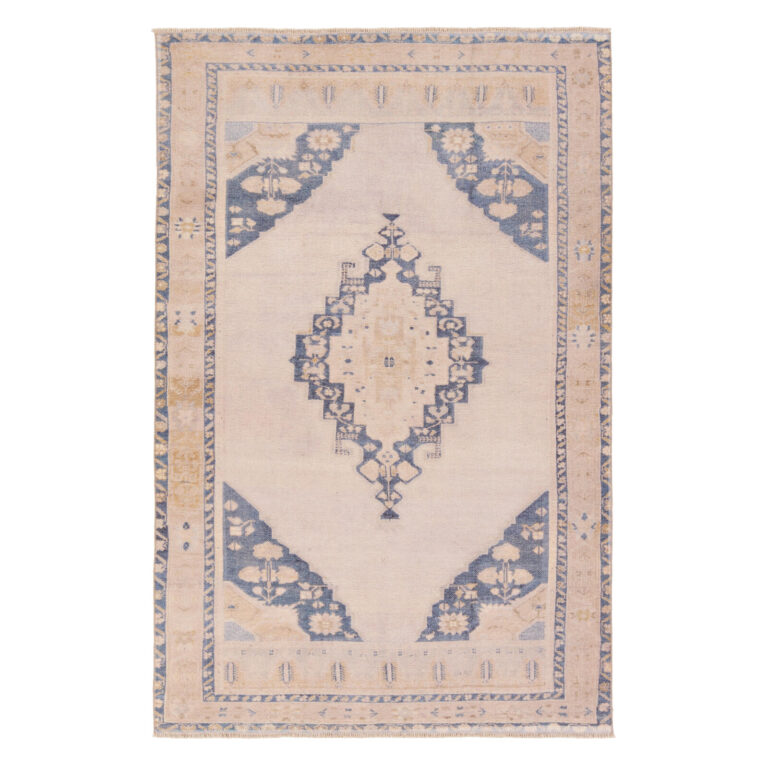
For color, you want something that can handle dirt without looking like it's hiding dirt. A flat, pale solid shows every boot print and every bit of gravel that walks in off the street, so look at mid tones with some pattern or variation in the weave, charcoal, a deep rust, an indigo with a faded pattern worked into it. Those hide a lot of daily life. Busy traditional patterns are genuinely useful here, not just decorative, because they're doing camouflage work on a floor that gets more foot traffic than almost anything else in the house. As for what separates the ones that last from the ones that fray out at the edges within a year, it comes down to how it's finished and what it's made from. Wool holds up to years of walking and bounces back from being flattened under furniture, which matters in a narrow hallway where there's nowhere else to put a console table. Flatweaves and cotton runners are easier to live with if you need to throw them in a wash, but they wear thinner faster. Check the edges and the ends, a well made runner has a bound or serged edge that's tight and doesn't curl, and the backing should feel like it's actually attached to the pile, not glued on as an afterthought that'll start peeling in a year.
Measuring is where most of this goes wrong, and it's worth doing properly. Leave a few inches of floor showing on either side of the rug, don't push it wall to wall, that reads as too small a rug trying to do too big a job. Length matters more than people think, you want it stopping a hand's width or two from doorways and corners, not running right up to the threshold, otherwise it catches on doors and looks like it was laid down in a hurry. Measure the actual walked path, not just the wall to wall length, because a lot of hallways jog or widen partway down and a single straight runner won't account for that.
Where runners don't work is anywhere with a lot of pivoting, at the bottom of stairs, in front of a kitchen sink where water pools, or across a doorway that swings a door directly over it, since the rug bunches and becomes a trip risk fast. In those spots a smaller mat or nothing at all is the better call.
If I were starting from nothing, I'd go with a mid toned patterned runner in a warm, muddy color family. It hides more, forgives more, and never looks like it just arrived.
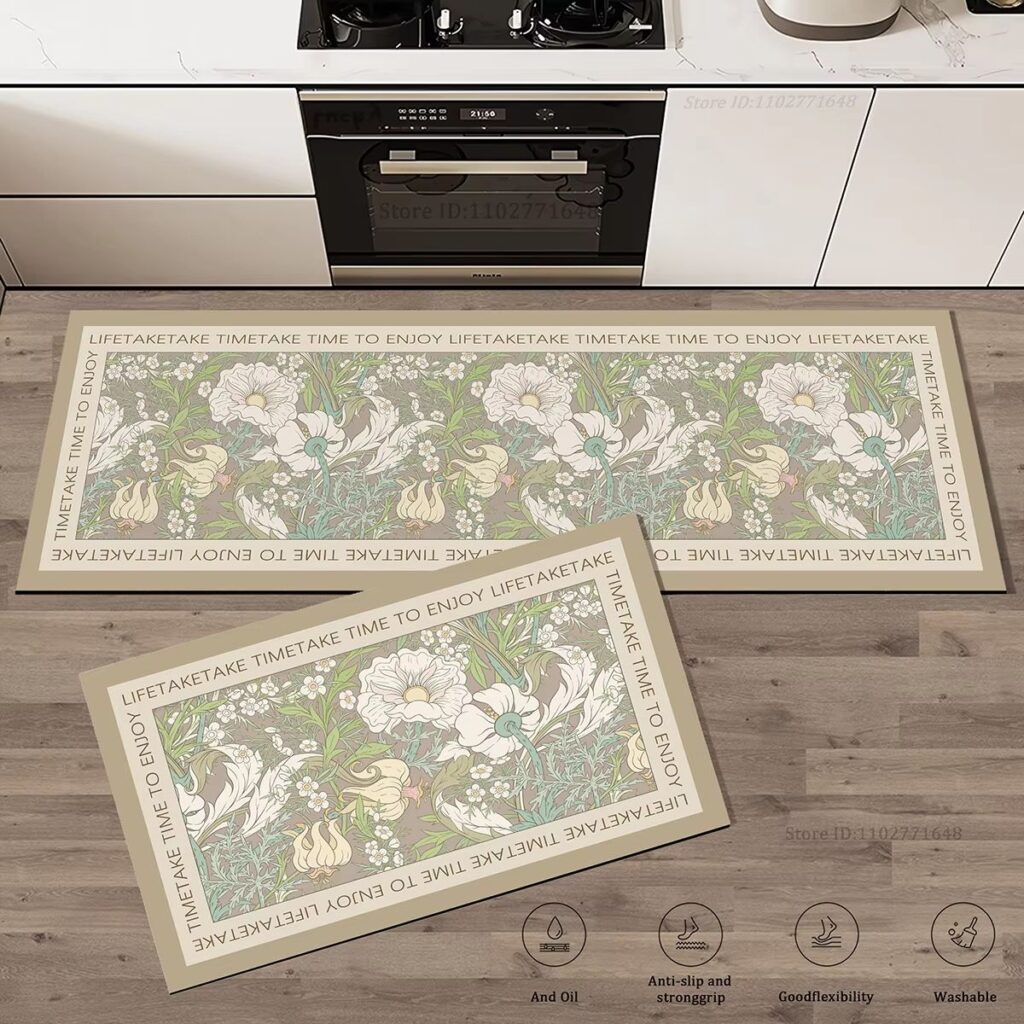 Aisha's pickRunner Rugs with Non Slip Backing That Won’t Date in a Year

 Aisha's pickContemporary Runner Rugs That Warm Up Cold Floors
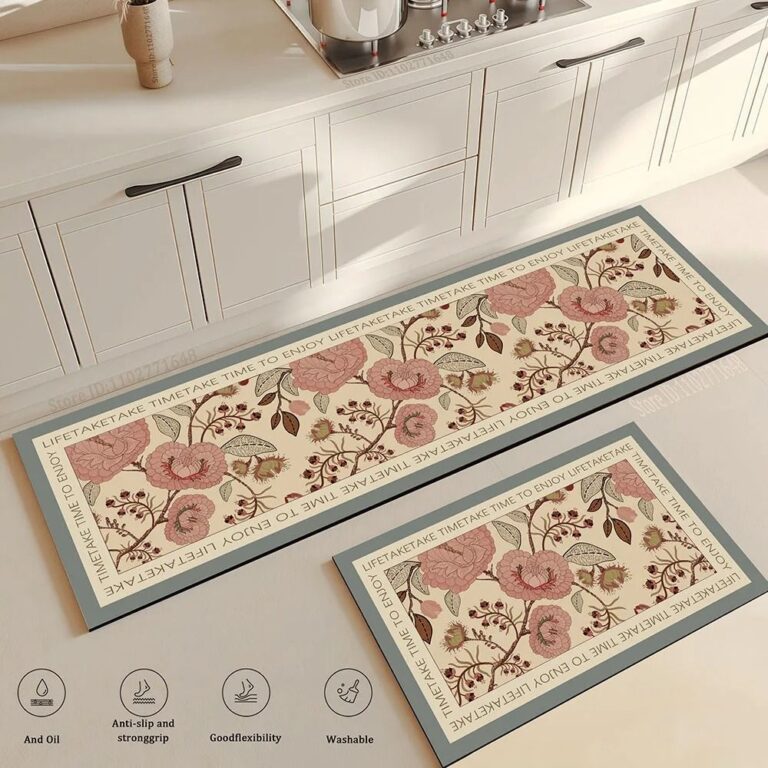
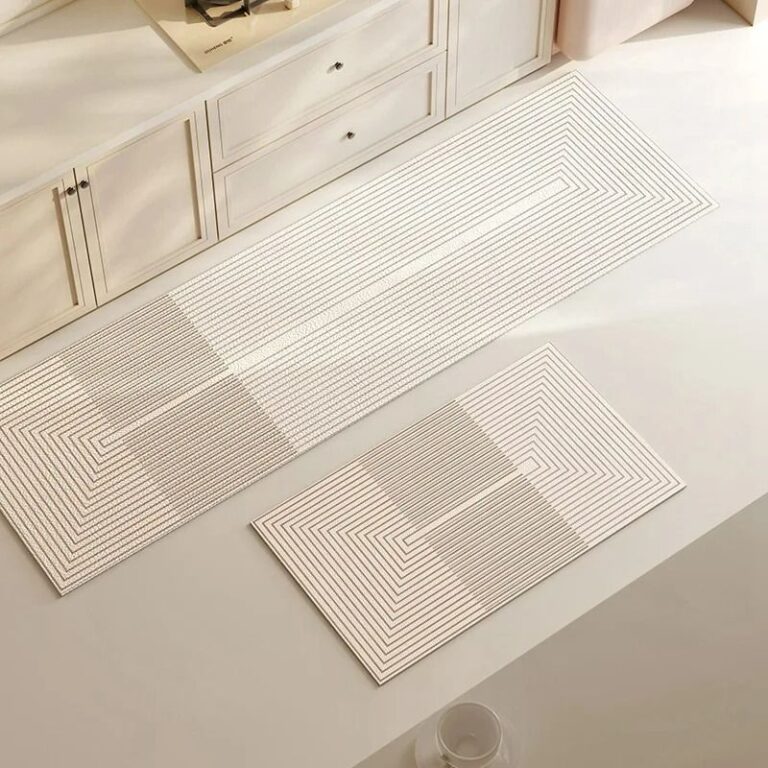 Aisha's pickSoft Hallway Runner Rugs You’ll Still Like in Five Years
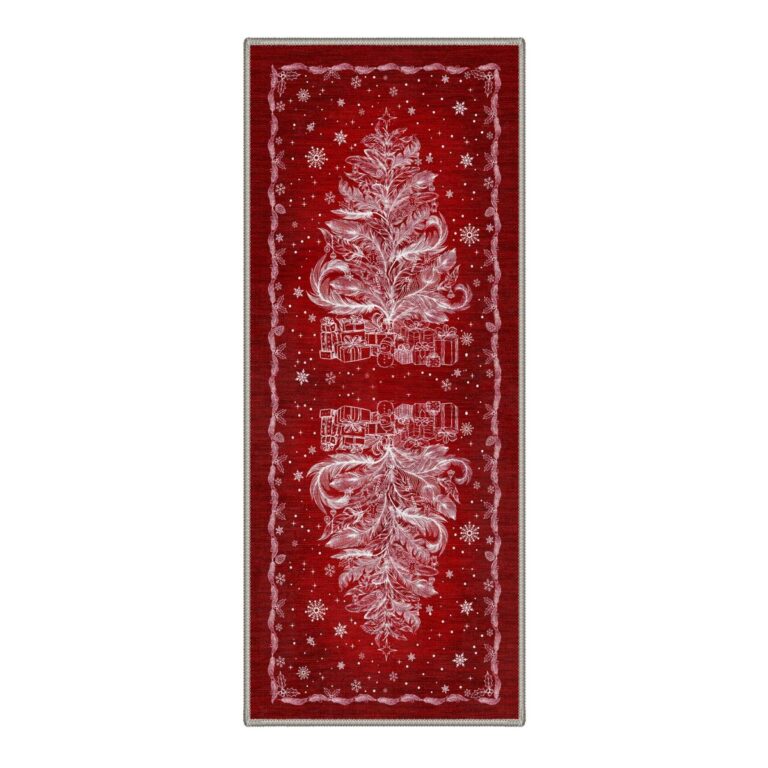
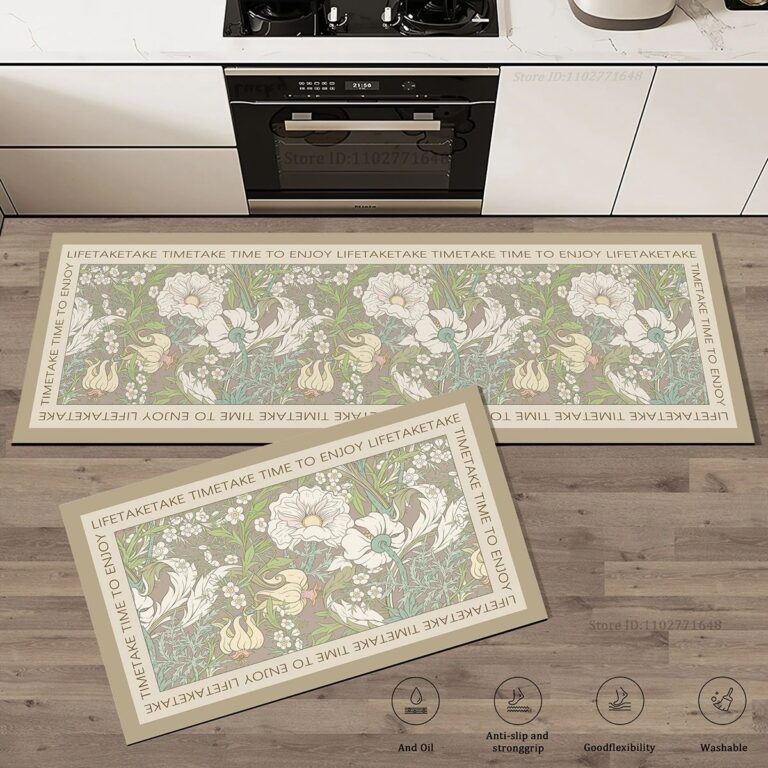 Aisha's pickFloral Runner Rugs That Pull a Room Together
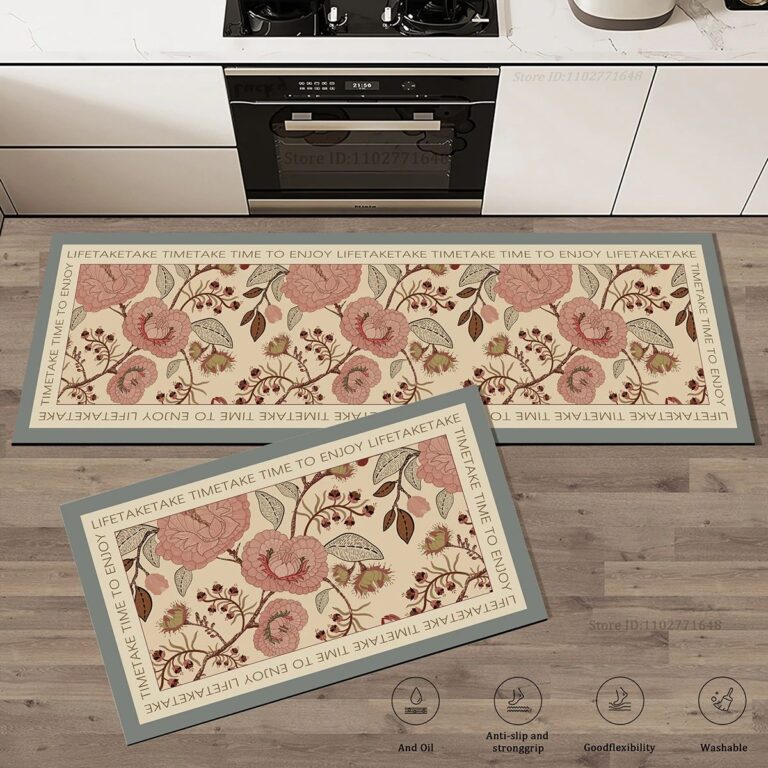
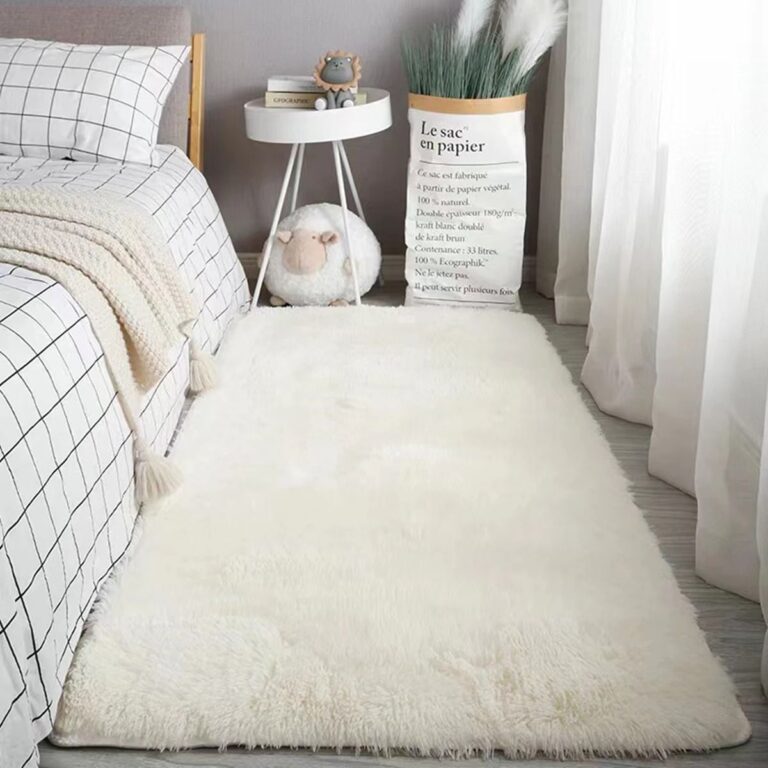 Aisha's pickSoft Runner Rugs That Cope With Heavy Traffic
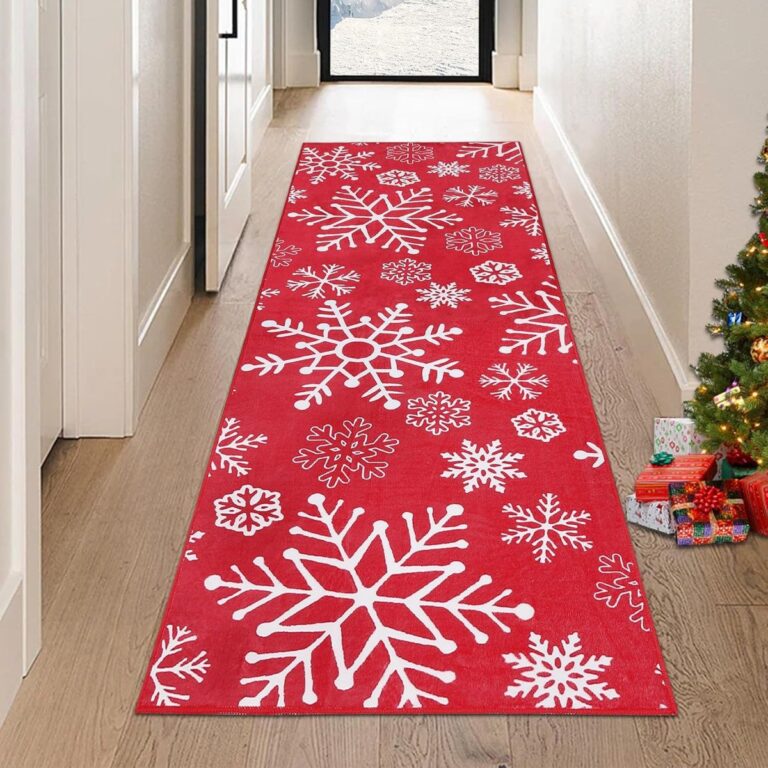
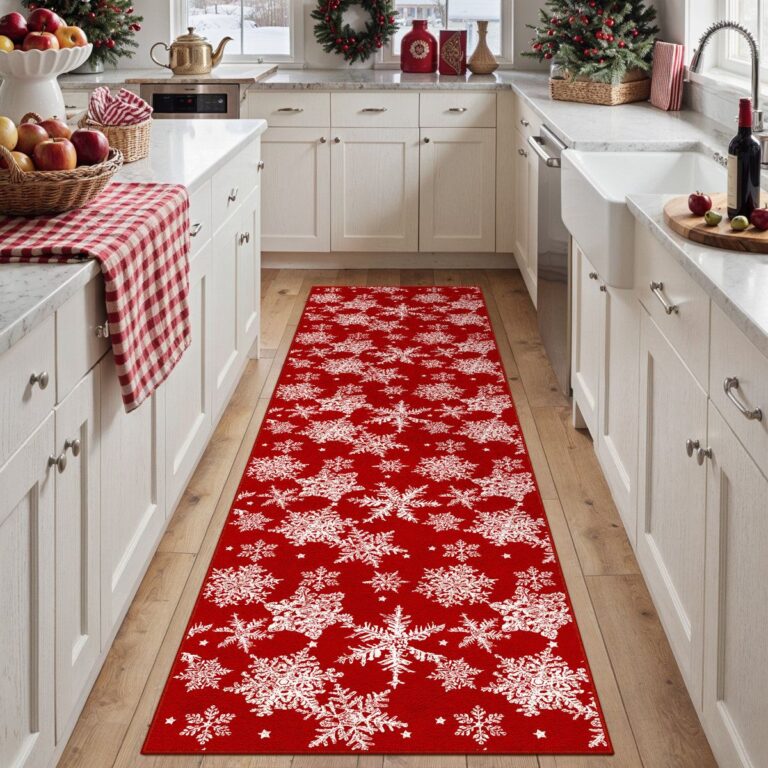 Aisha's pickGeometric Runner Rugs That Go With Most Rooms
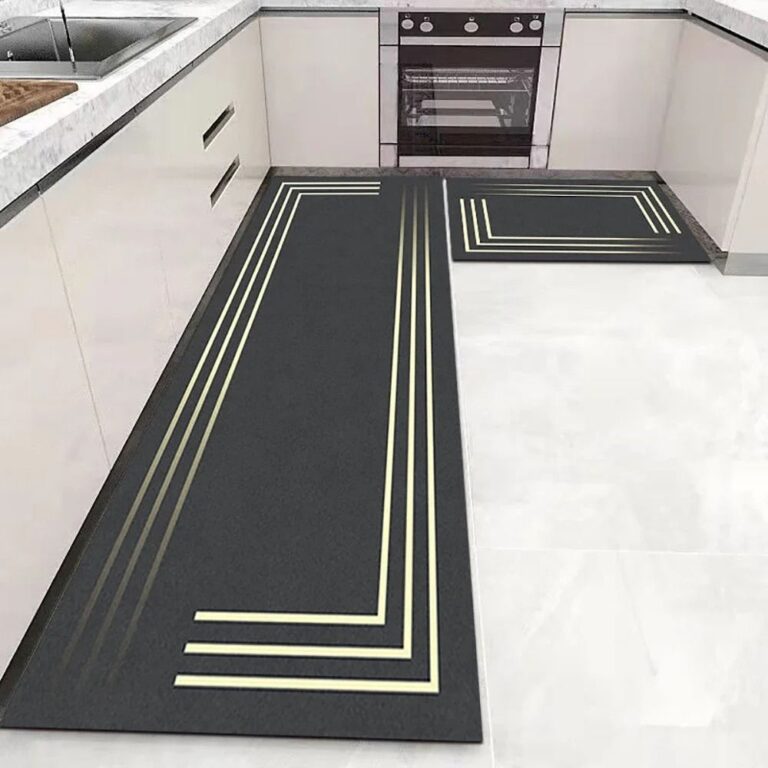
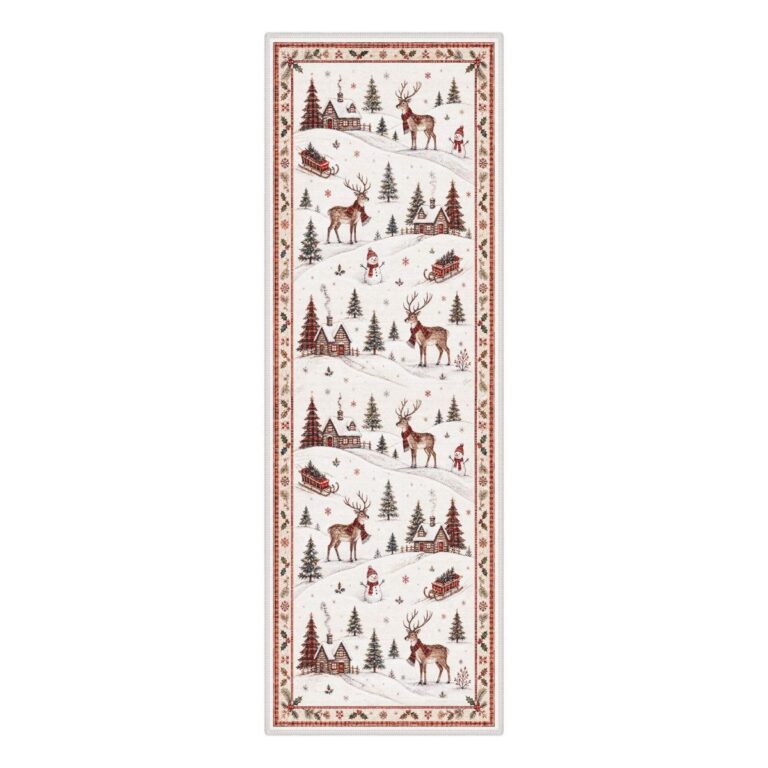 Aisha's pickStain Resistant Runner Rugs for People Who Know What They Like
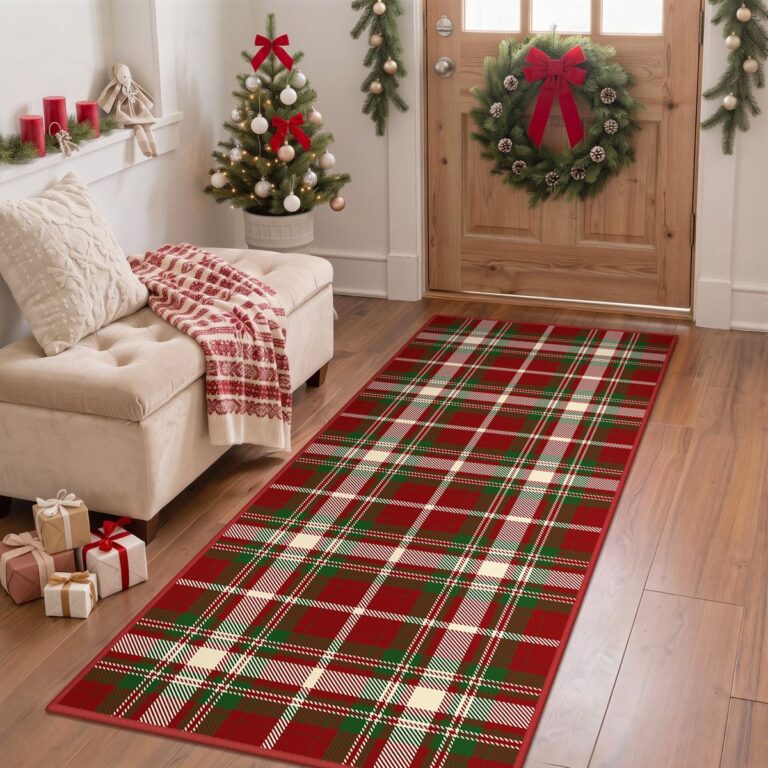 Aisha's pickGreen Runner Rugs That Don’t Need Babying
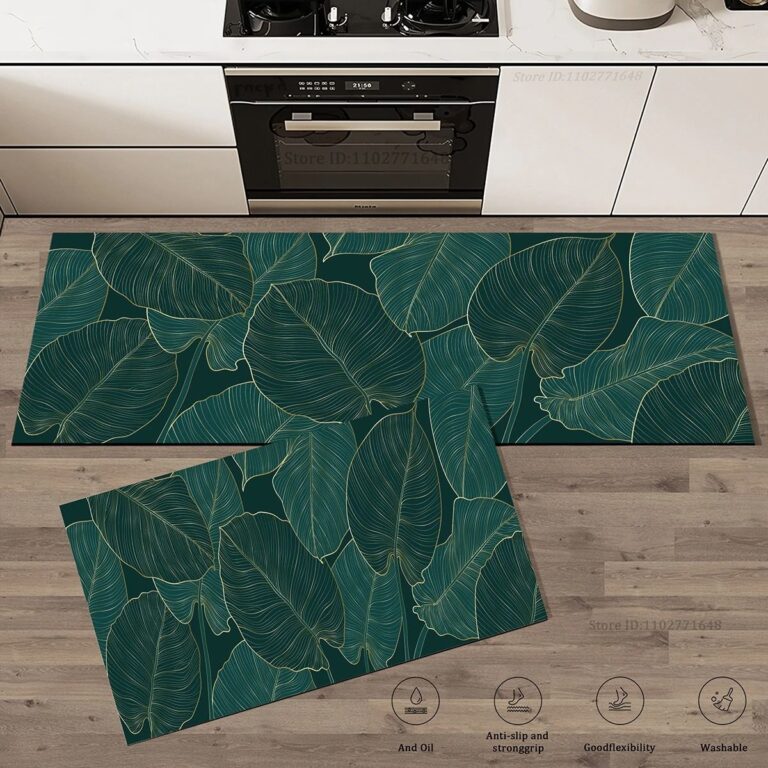
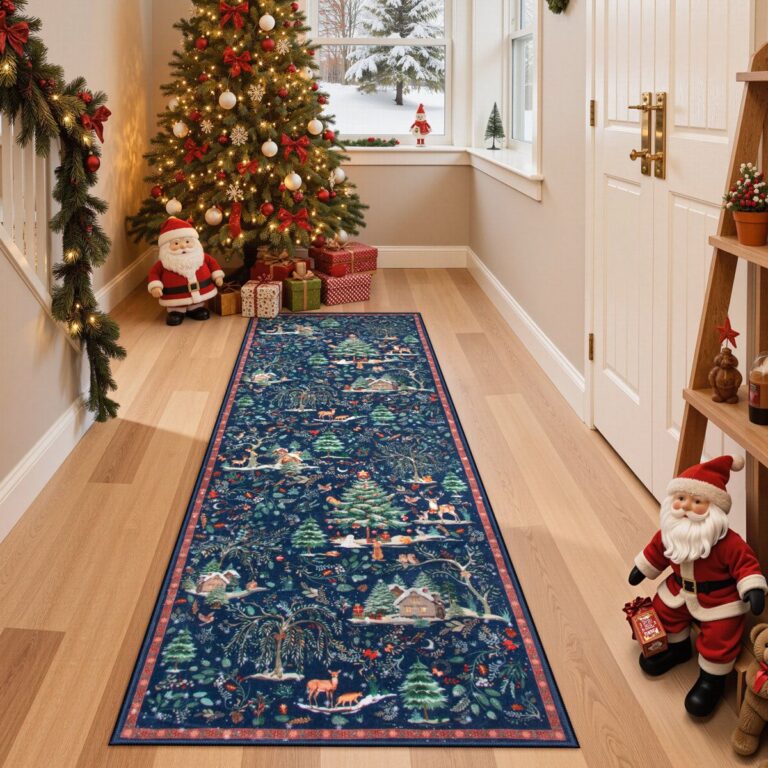 Aisha's pickVintage Runner Rugs That Pull a Room TogetherAlso worth a lookMatsA mat is the thing standing between whatever is happening outside your door and the floor you just cleaned.See the collections →
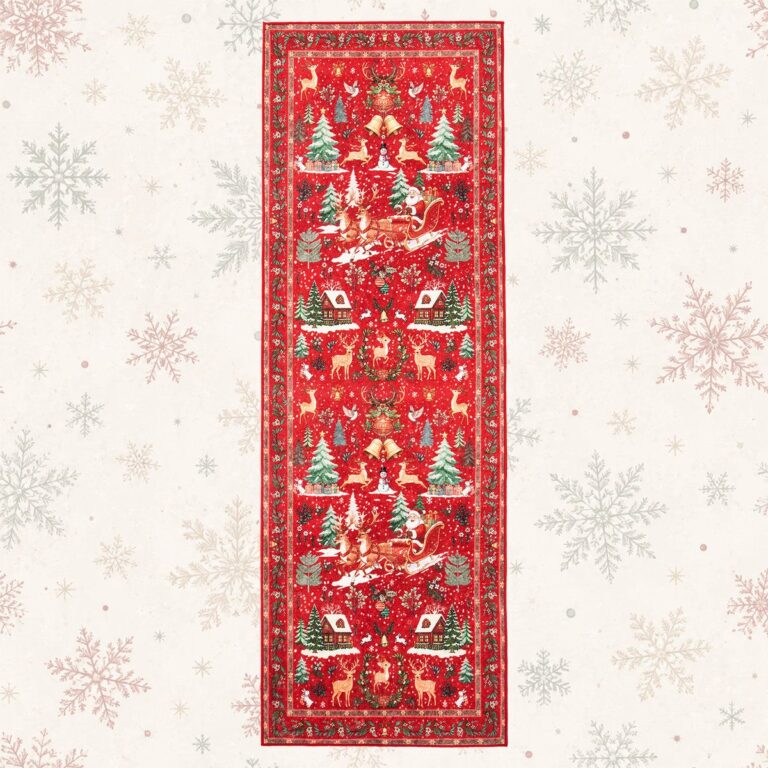
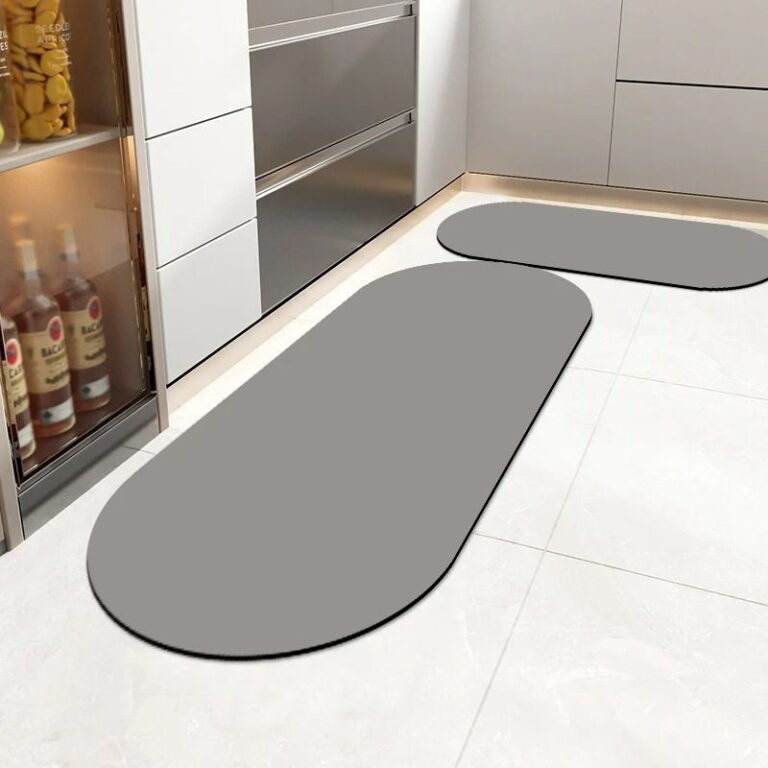 Aisha's pickHallway Runner Rugs Pulled From Dozens of Stores
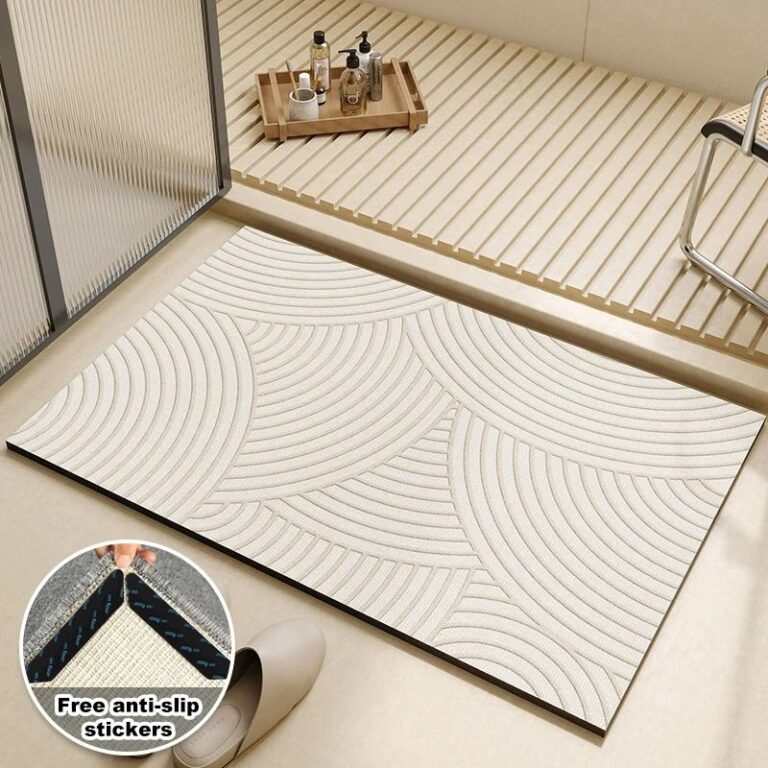
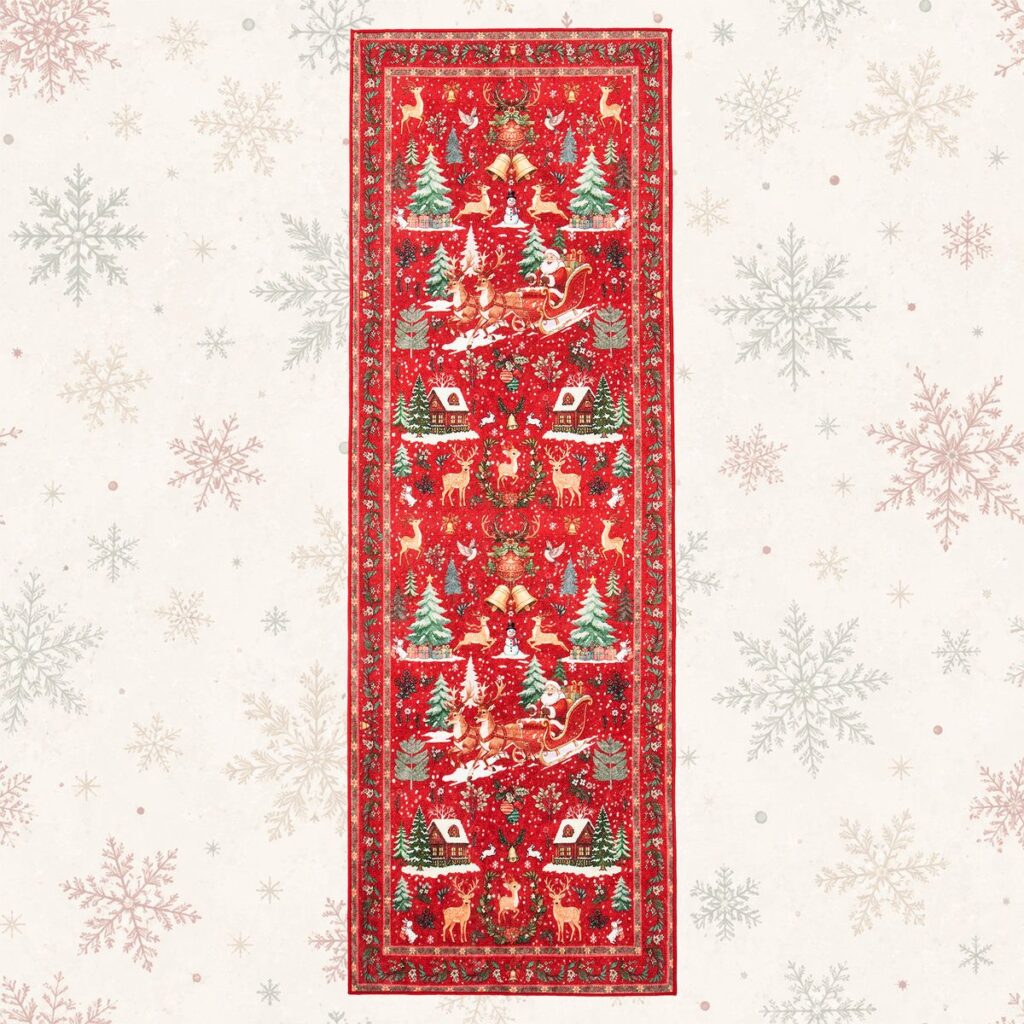 Aisha's pickWashable Hallway Runner Rugs From Brands You Know and a Few You Won’t
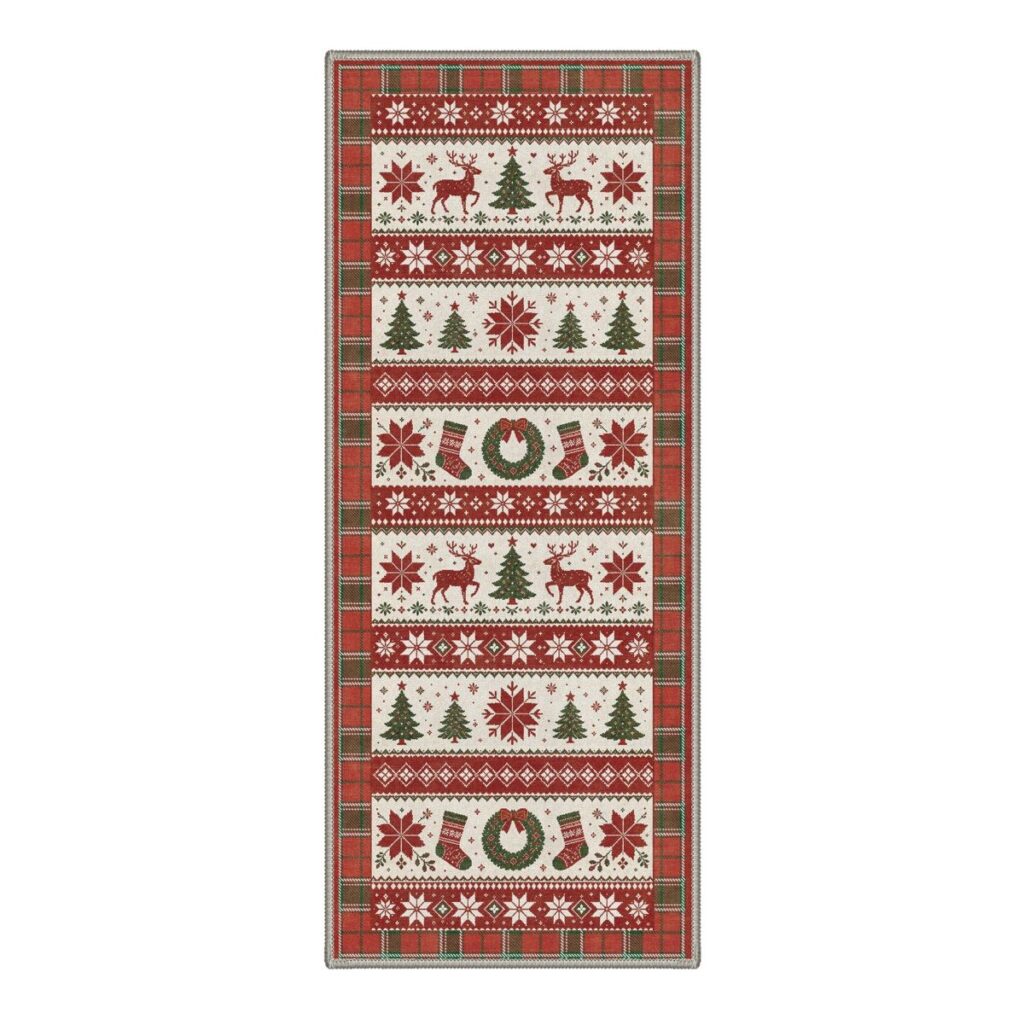
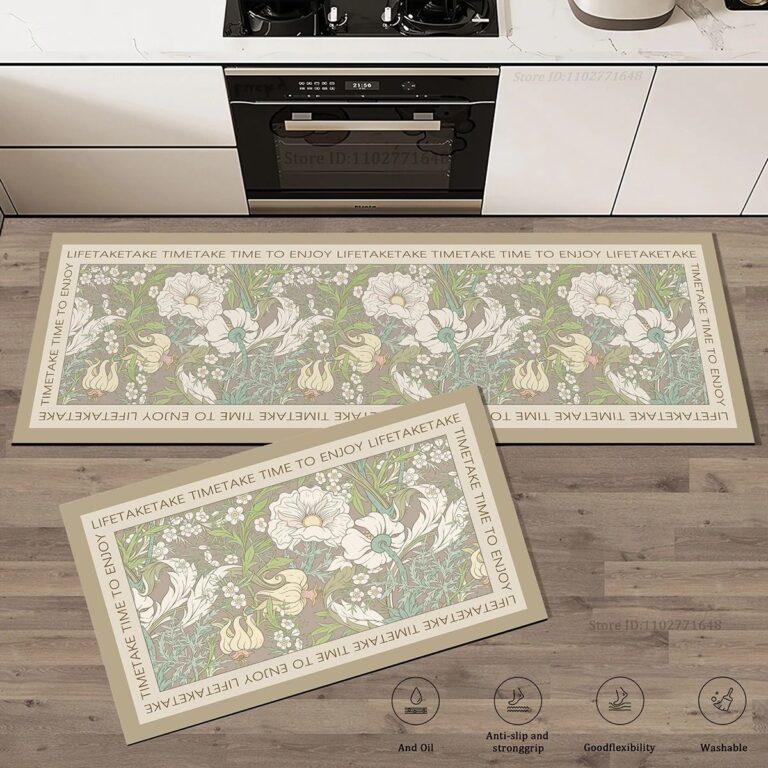 Aisha's pickLuxury Runner Rugs We’d Put in Every Room

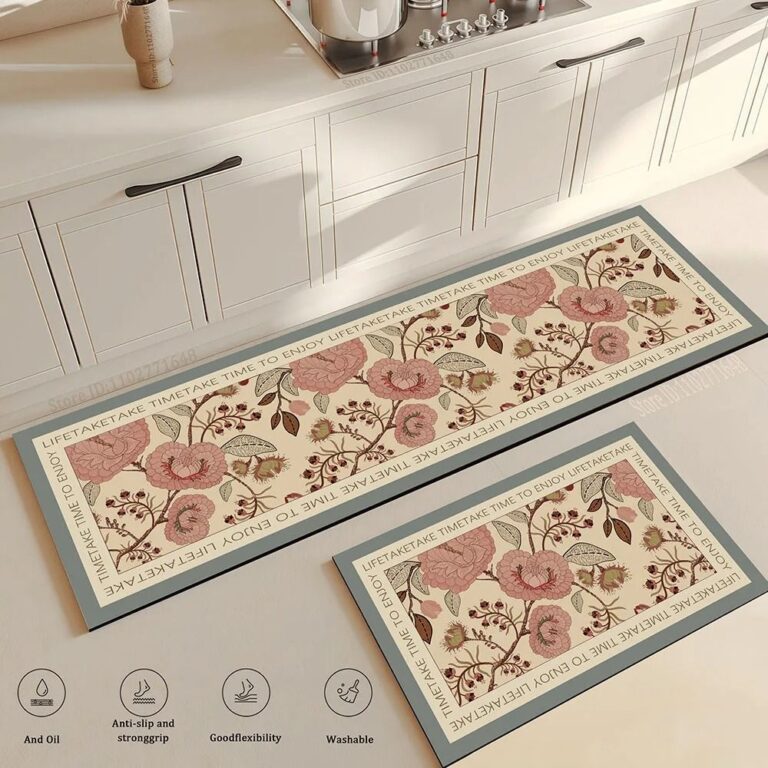 Aisha's pickWashable Runner Rugs at Every Price Point
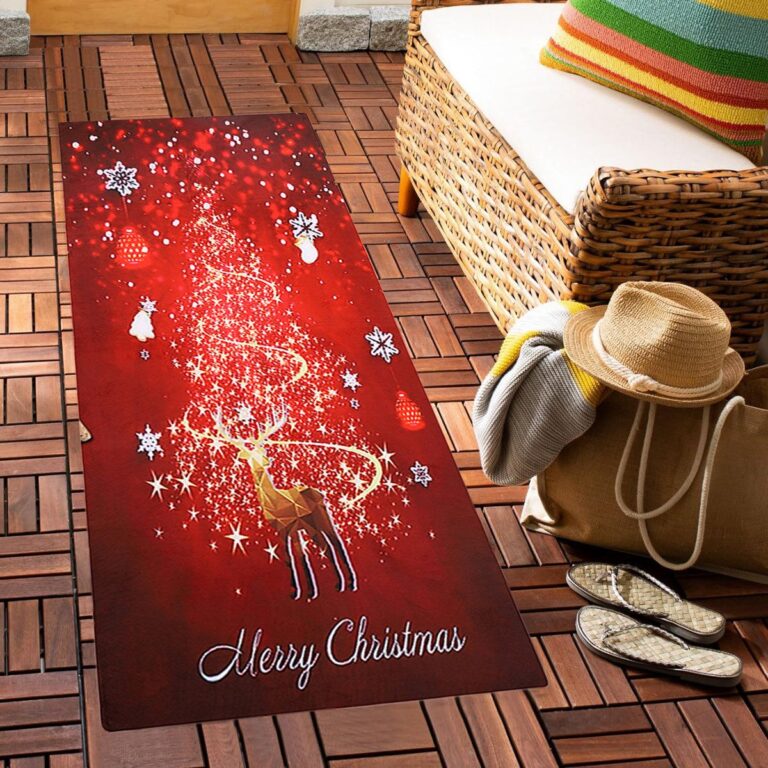
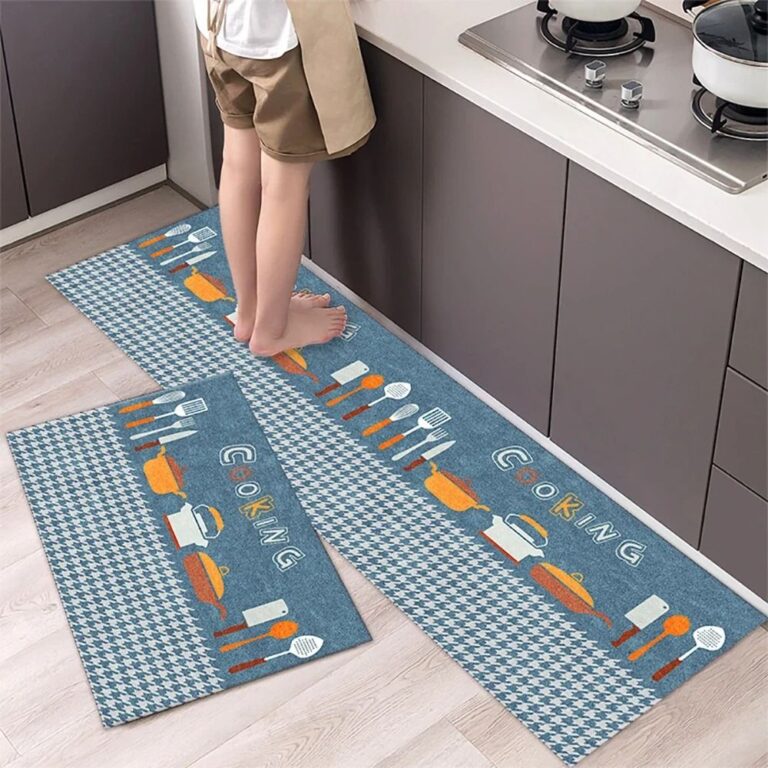 Aisha's pickMachine Washable Runner Rugs That Look Good Up Close
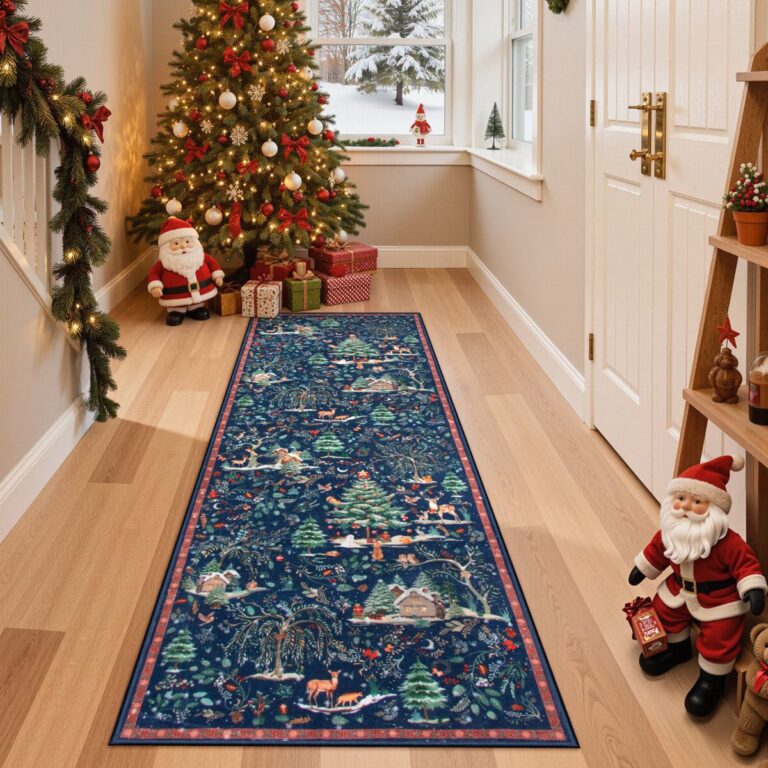
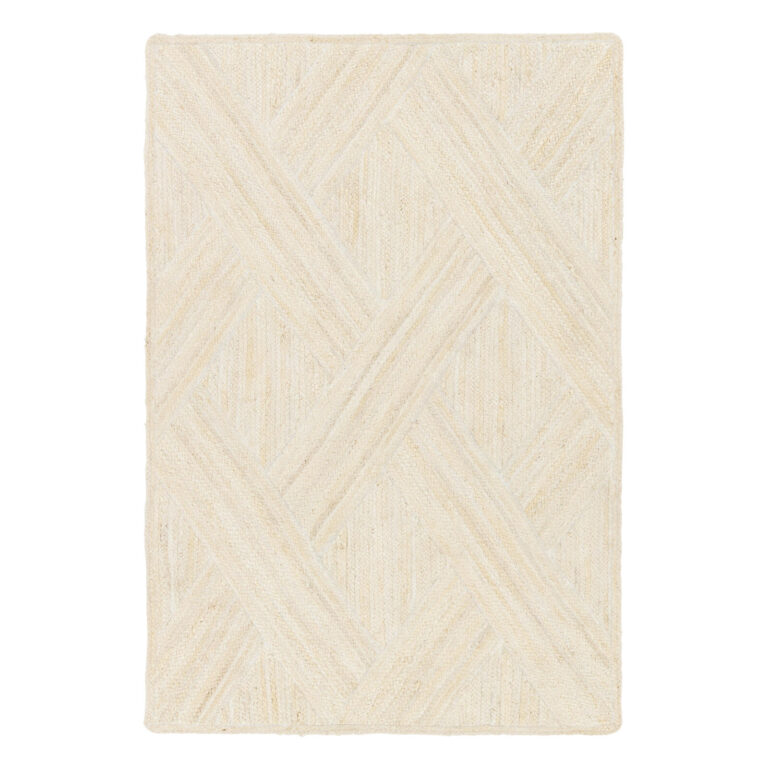 Aisha's pickWoven Runner Rugs That Warm Up Cold Floors
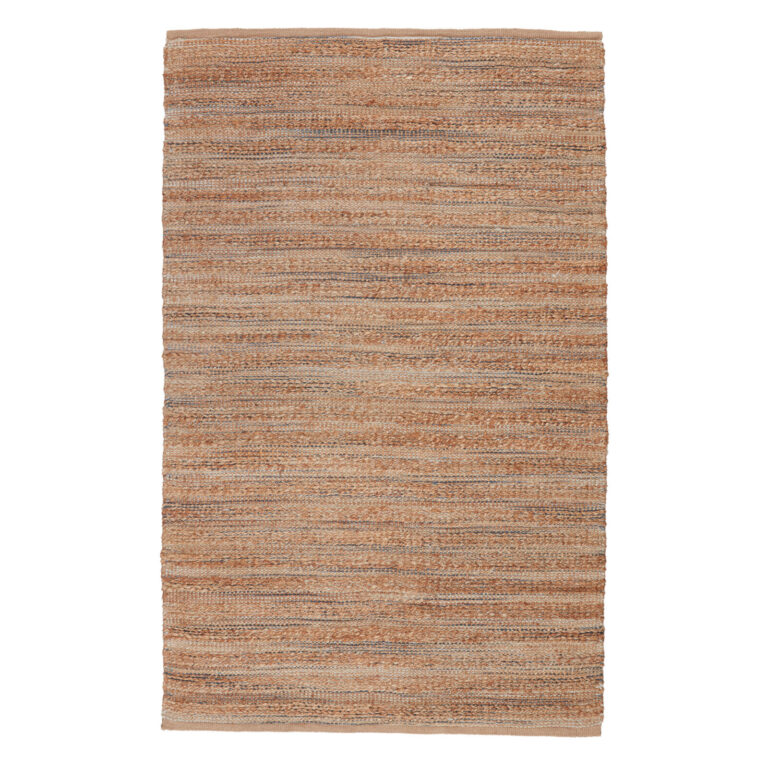
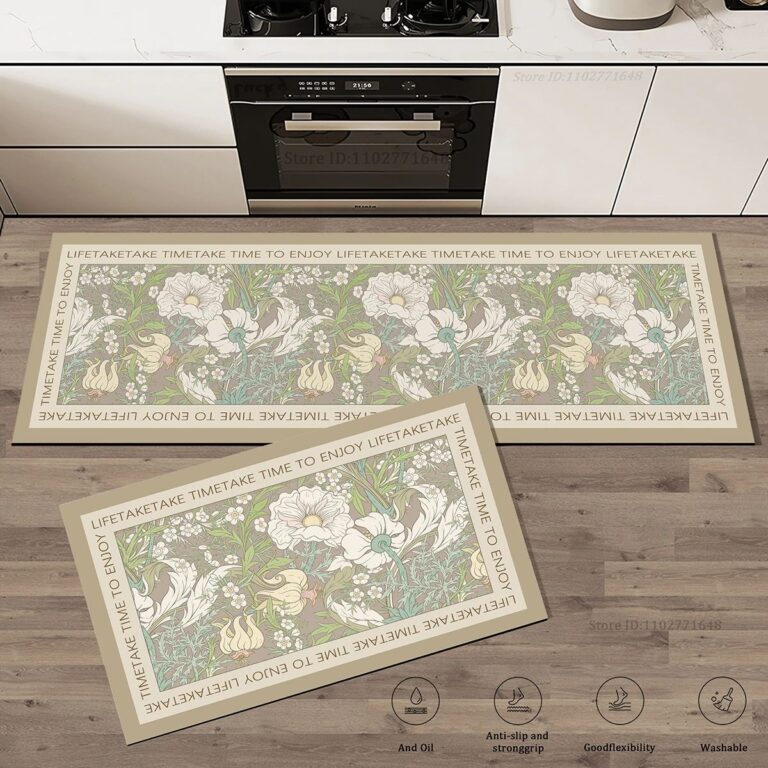 Aisha's pickModern Runner Rugs Picked by People Who Care Too Much
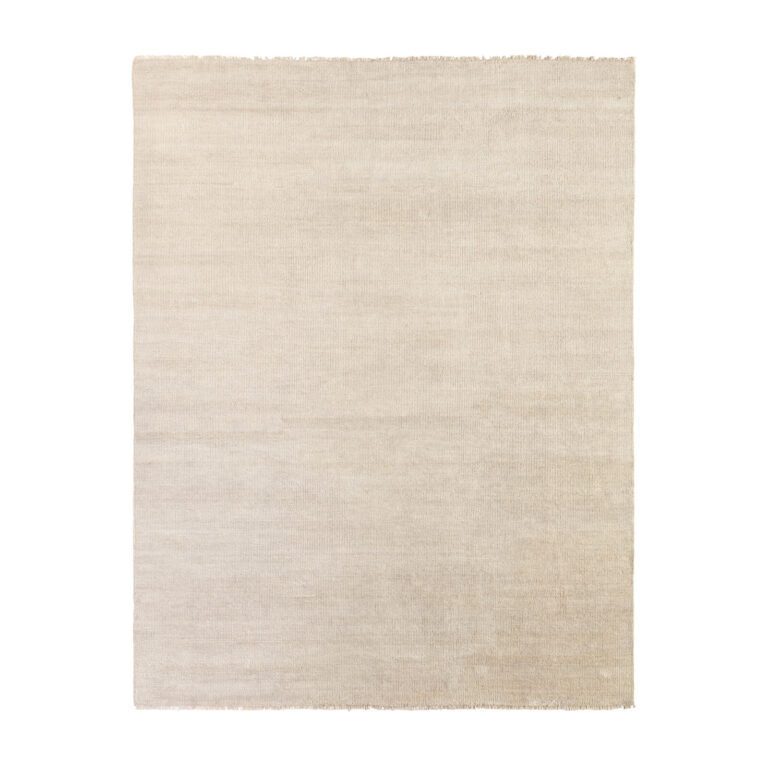
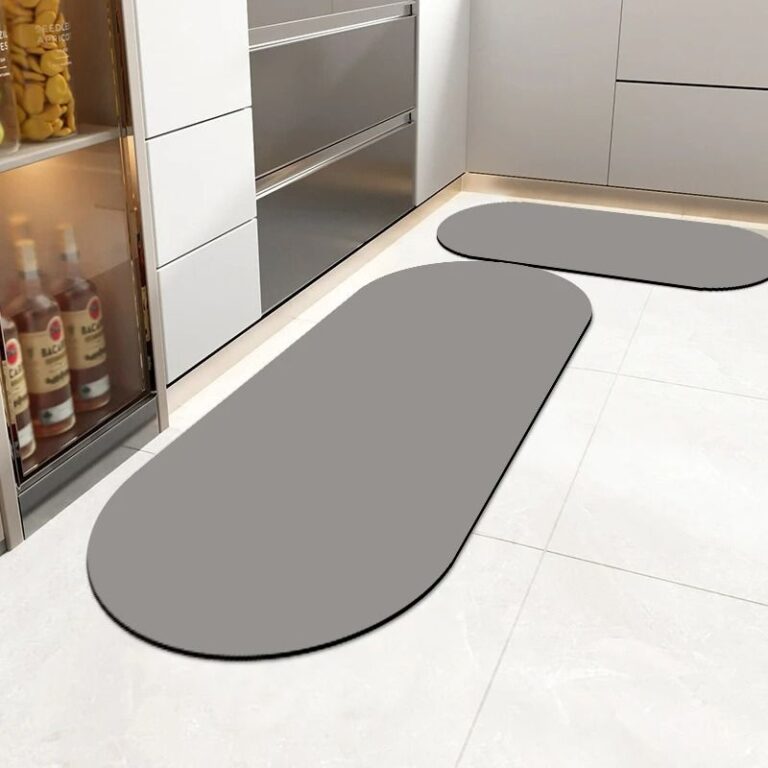 Aisha's pickNatural Runner Rugs Worth Knowing About
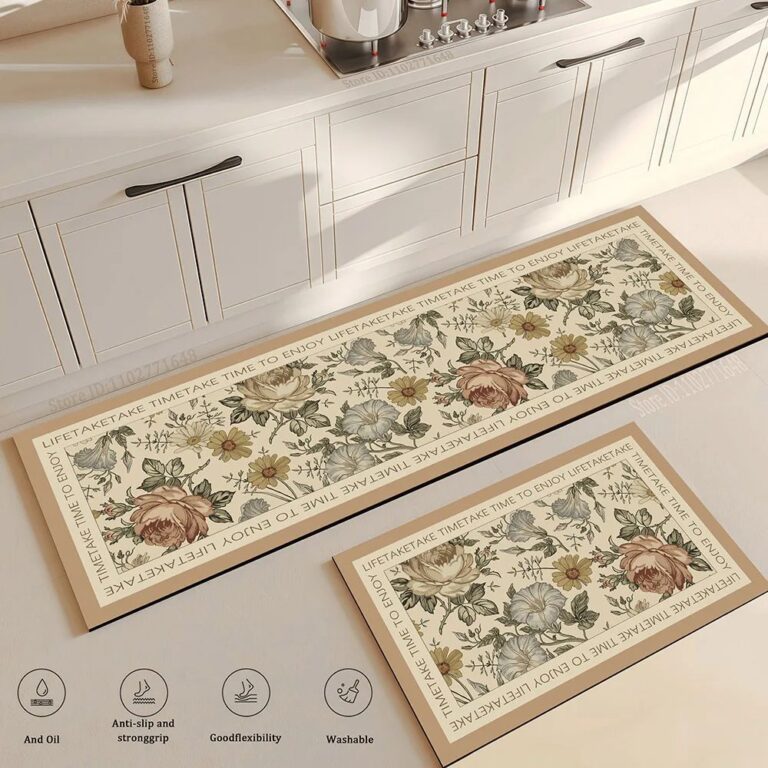
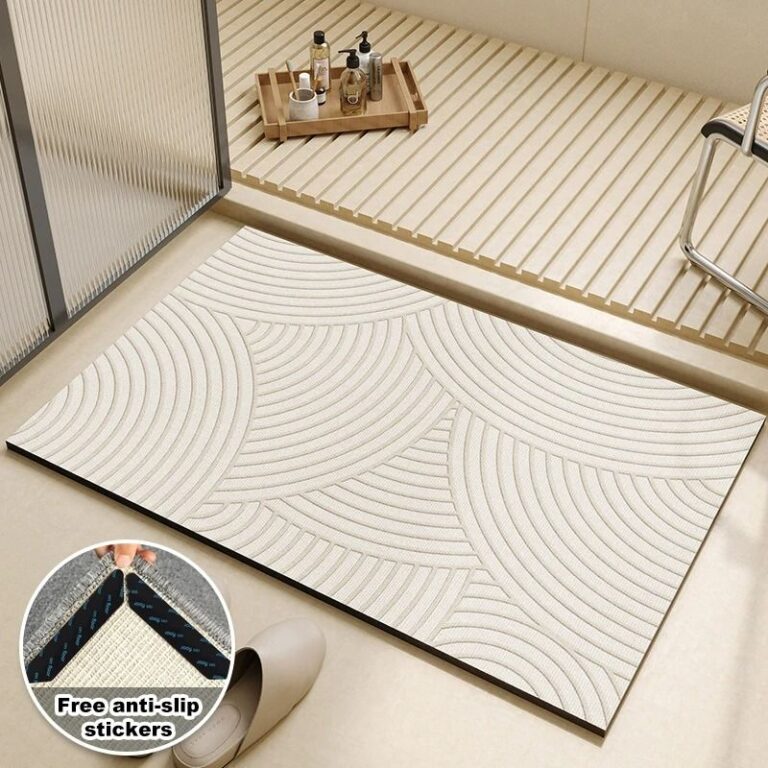 Aisha's pickNon Slip Hallway Runner Rugs That Make a Room Feel FinishedAlso worth a lookSoft RugsMost people buy a soft rug by how it feels in the store, standing on it in socks…See the collections →
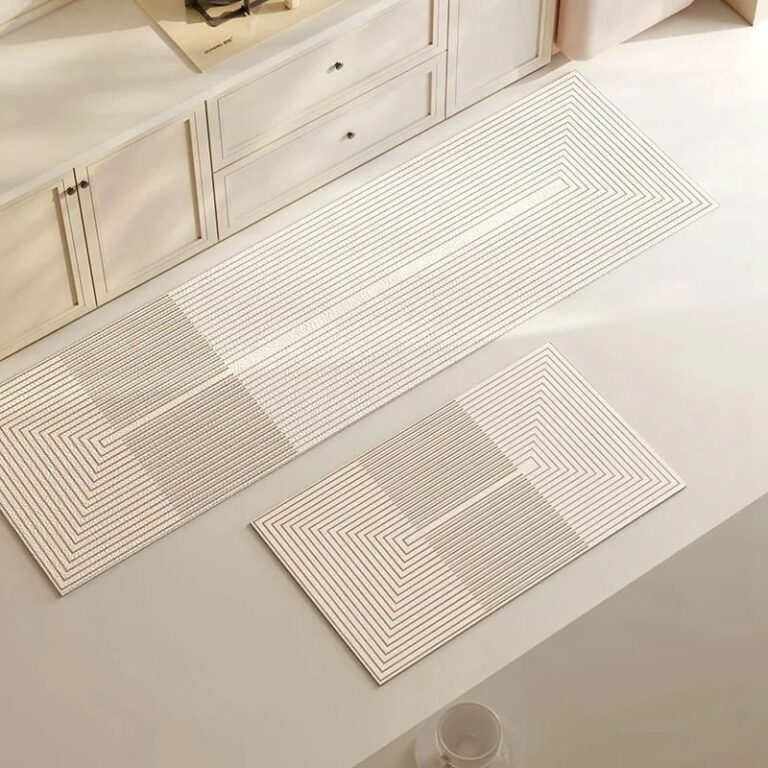
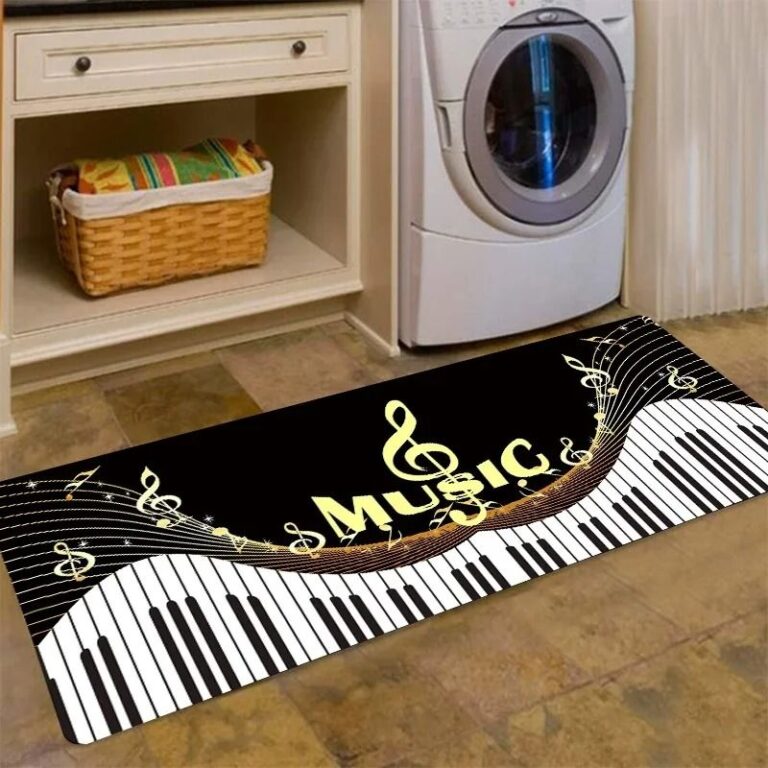 Aisha's pickNon Slip Runner Rugs Without the Silly Price Tag
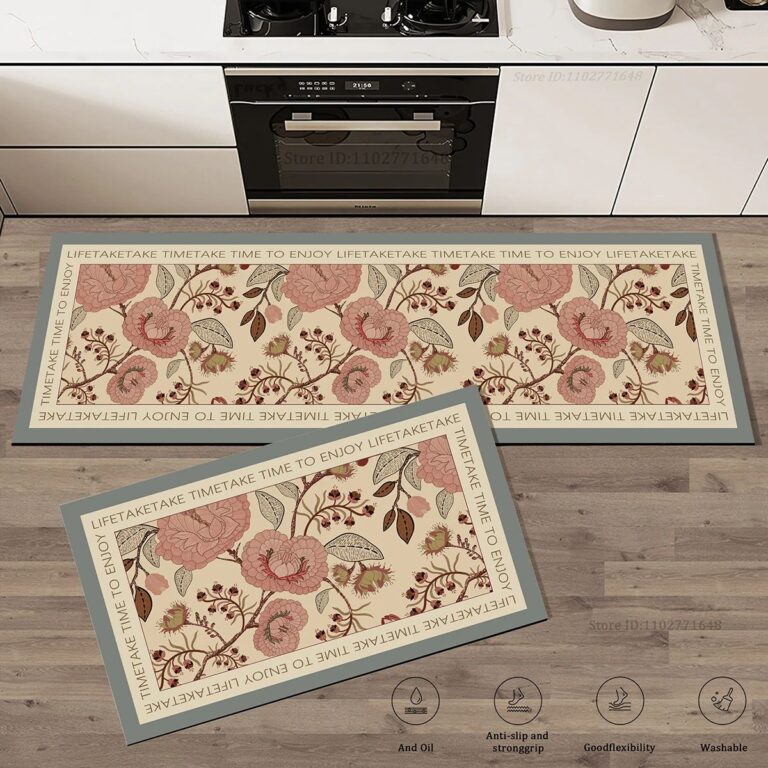
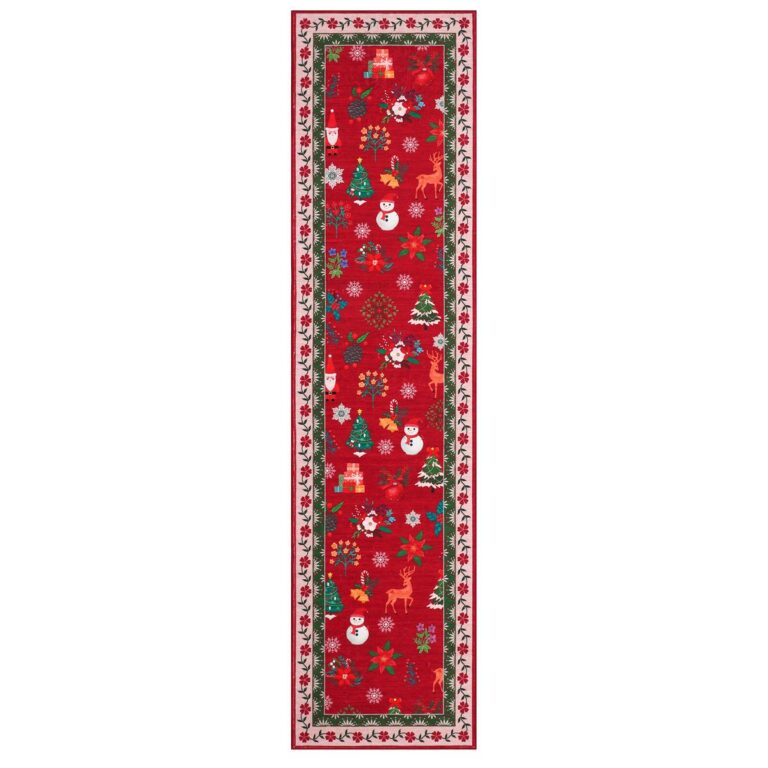 Aisha's pickSimple Polyester Runner Rugs Done Well