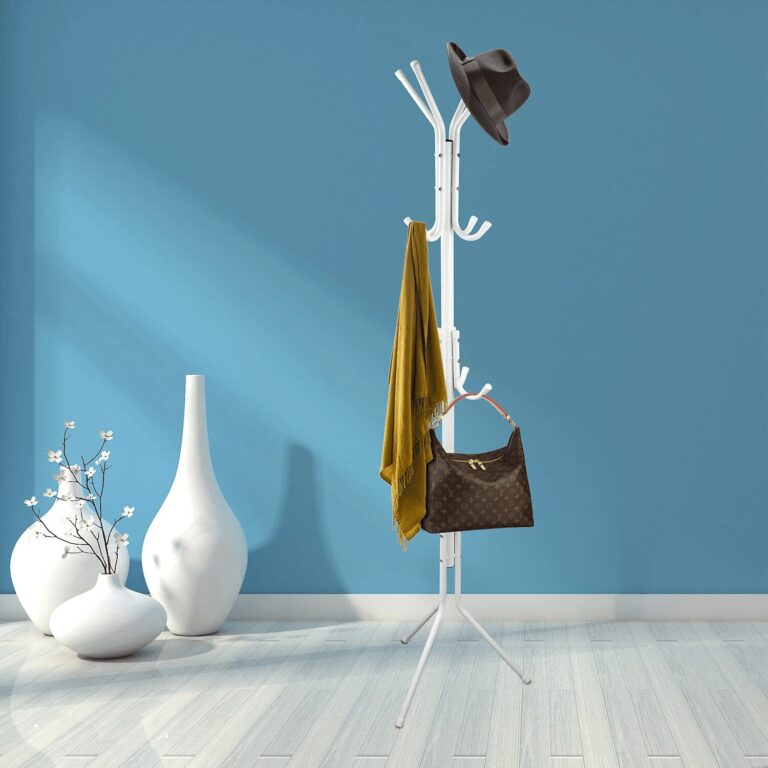
The thing to check before anything else is whether it stands on its own or has to lean against a wall. A lot of modern racks, the open metal or wood ones with angled legs, are designed to look a little unstable on purpose, that's the style, but if it wobbles when you give it a firm push with one hand, it's going to wobble a lot more once it's loaded with coats and bags every day. I always test this in the store before I even look at the finish. Press down on one corner. If it rocks, walk away.
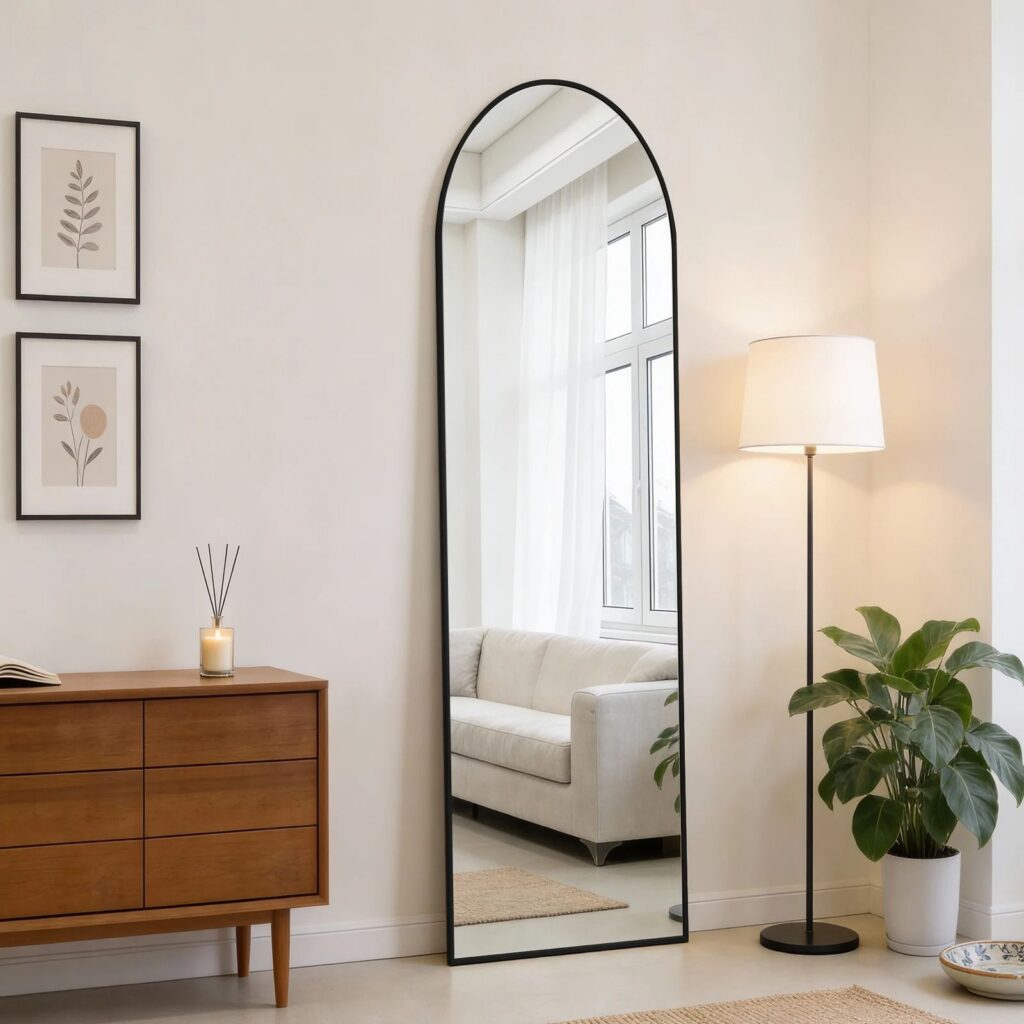
Where these go wrong is next to anything ornate. A sleek black metal rack with thin angled legs next to a carved wood console or a traditional rug with a busy pattern just looks like it wandered in from a different house. I learned this one the hard way putting a minimal rack in an entryway that already had a heavy antique mirror and some fussy molding, and it looked like the rack was apologizing for being there. They do best in rooms that are already fairly calm, a mudroom with plain walls, a small apartment entry, a bedroom corner for the next day's outfit. They suit newer builds and renovated rentals especially well, places with clean lines already, and they work year round, though I notice mine gets the heaviest use in fall and winter when there are actual coats to hang instead of just a tote bag and a baseball cap.
On color and finish, I've found the easiest ones to live with are matte black, raw or lightly oiled wood, and brushed brass or nickel, in that order of how forgiving they are. Matte black hides scuffs and doesn't show dust the way a shiny chrome one does, and it goes with almost anything else metal in the room. Wood warms up a space that might otherwise feel a bit cold and works well if you've got other natural materials around. Shiny or polished finishes look great for about three weeks and then every fingerprint and coat zipper scratch shows up under normal light. When you're looking at one in person, run your hand along the finish and check for a texture that will hide small marks rather than a glassy surface that will show every one.
The one mistake I'd steer you away from is buying based on how it looks empty. A rack with three hooks looks clean and spare in a showroom photo, but real life means jackets, bags, a dog leash, maybe a kid's backpack, all on the same day. Count what you actually hang up each morning, then buy for that number plus a couple more, because an overloaded rack with hooks packed three deep is the fastest way to make a nice piece look like a mess.

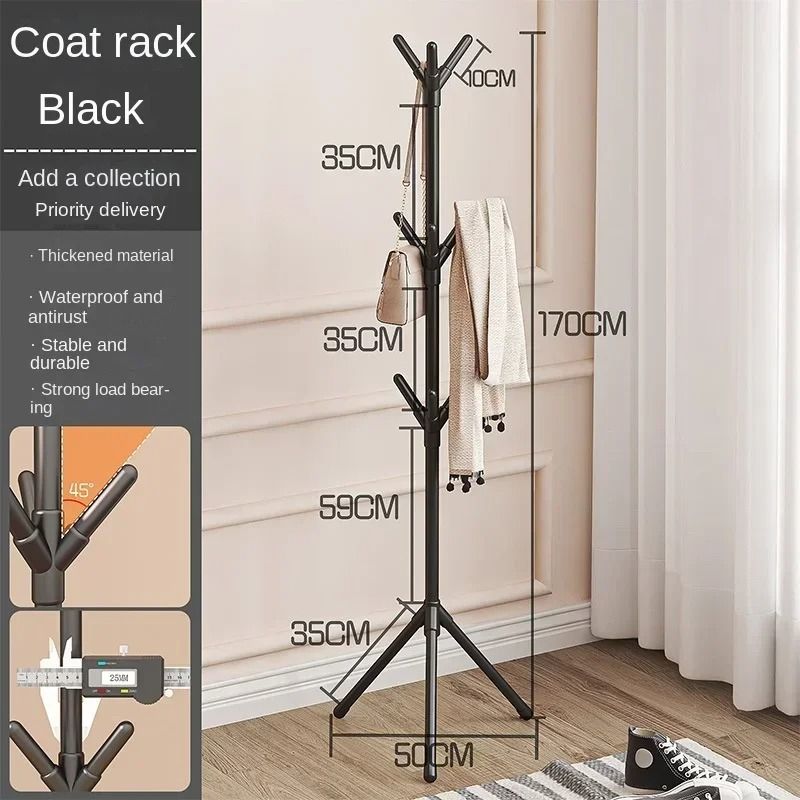 Aisha's pickModern Hallway Stands for the Bits That Never Have a Home
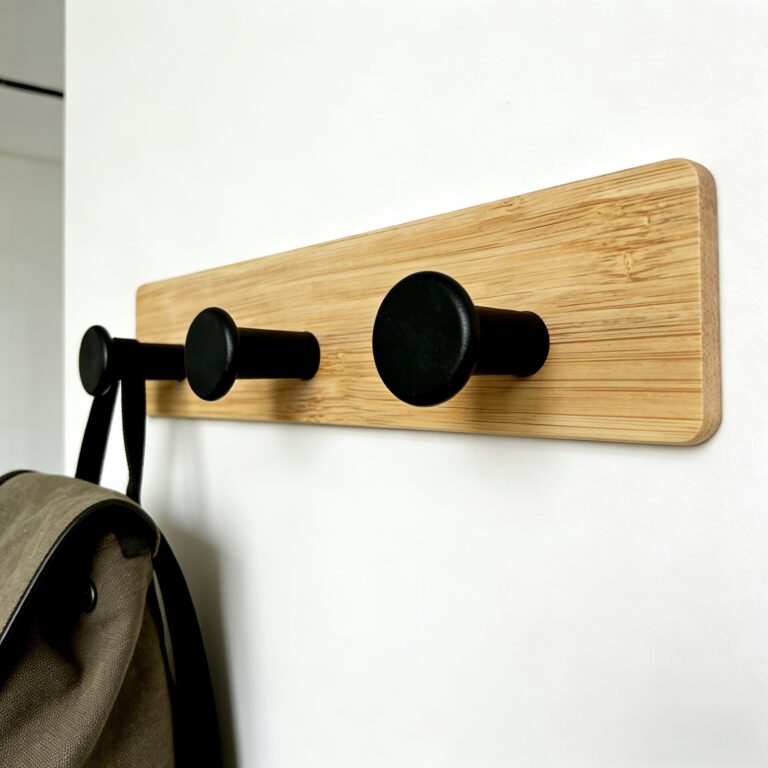 Aisha's pickModern Wall Hooks We’d Buy Again
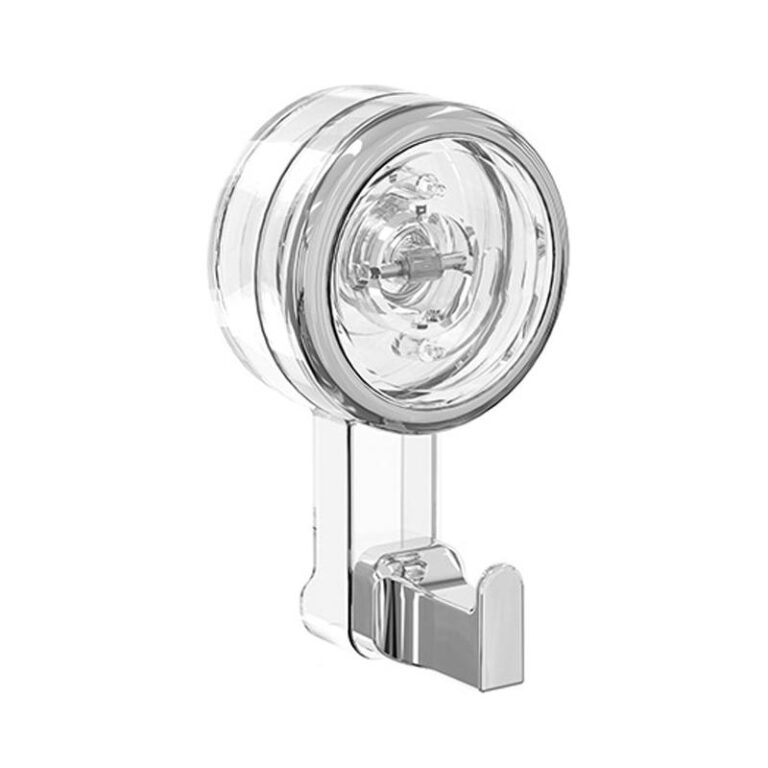
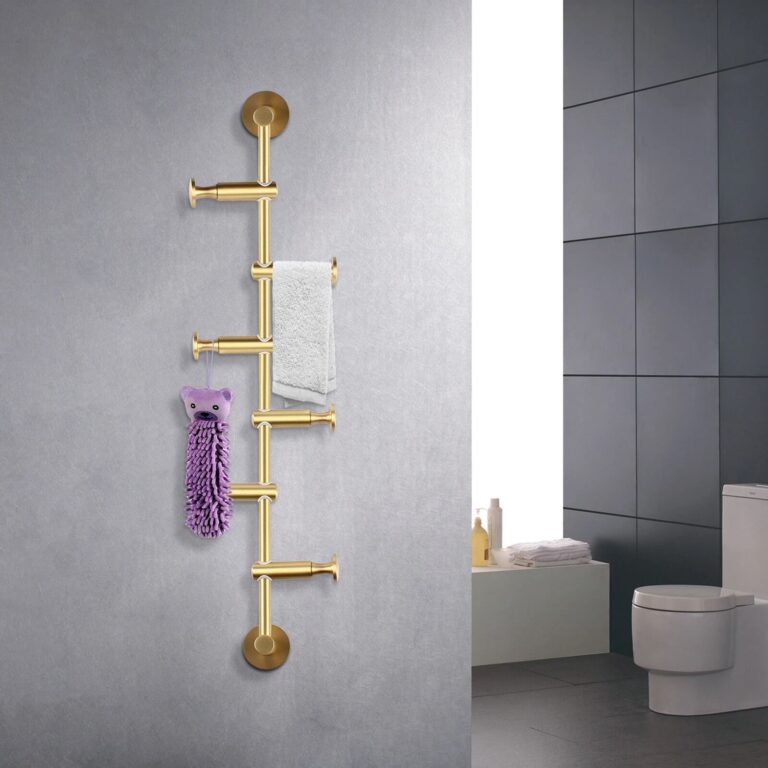 Aisha's pickModern Hat Racks That Make Tidying Up Quicker
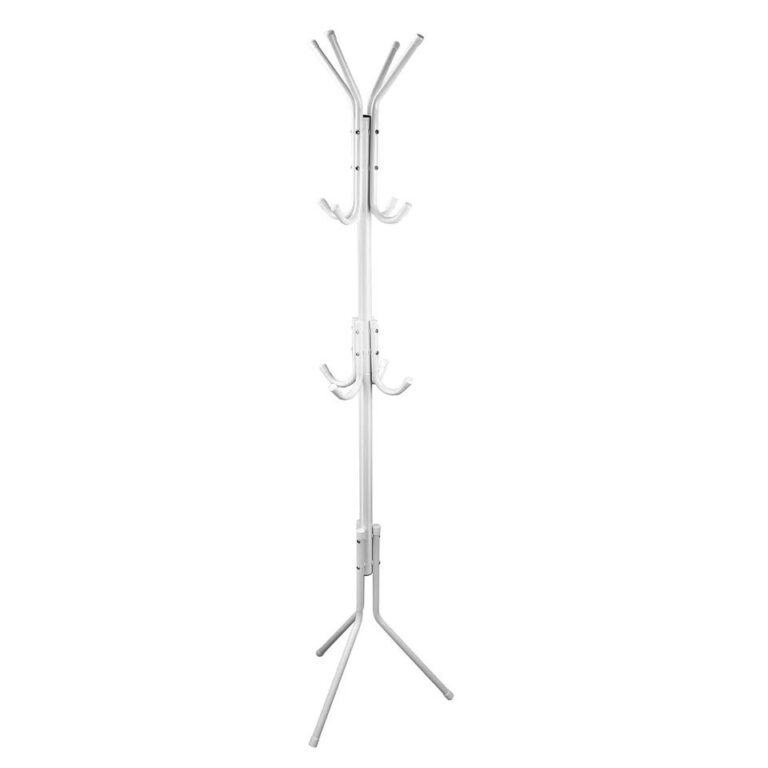
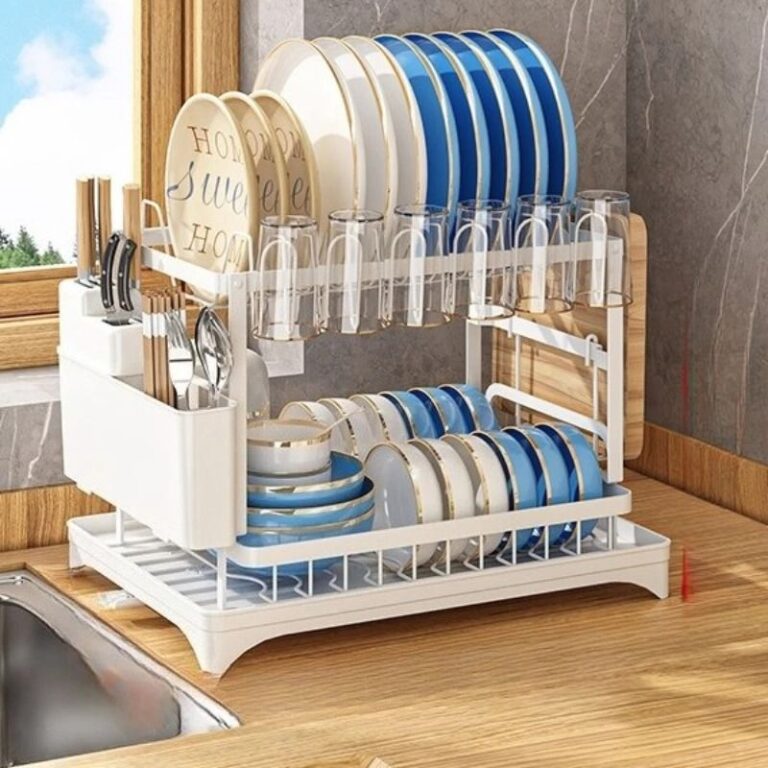 Aisha's pickModern Wine Racks That Keep Surfaces Clear

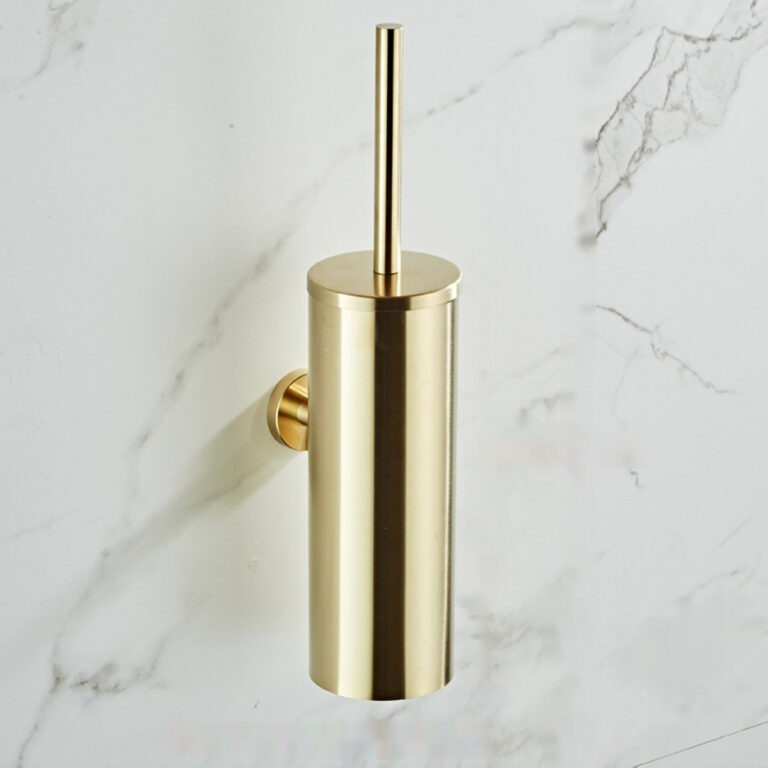 Aisha's pickModern Key Holders That Work in Old Houses and New Ones
 Aisha's pickModern Key Hooks That Sort Out the Chaos
 Aisha's pickModern Key Hooks That Keep Surfaces Clear
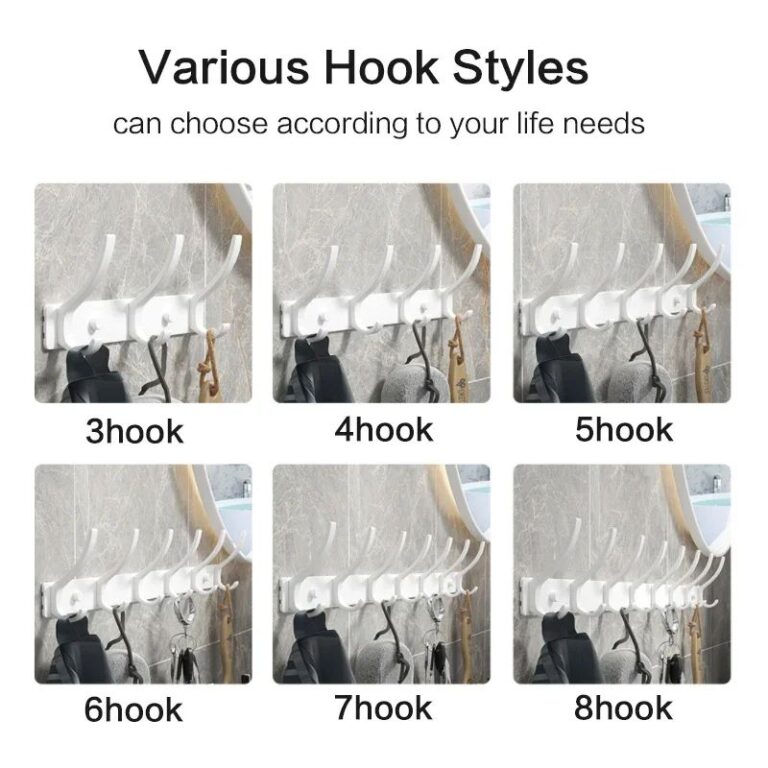 Aisha's pickOur Shortlist of Contemporary Coat Hooks
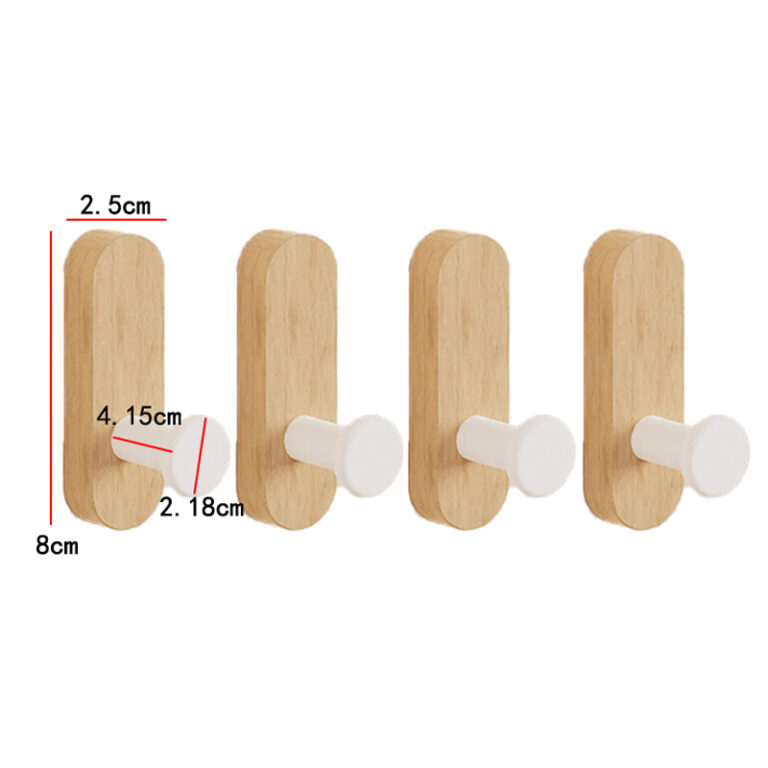
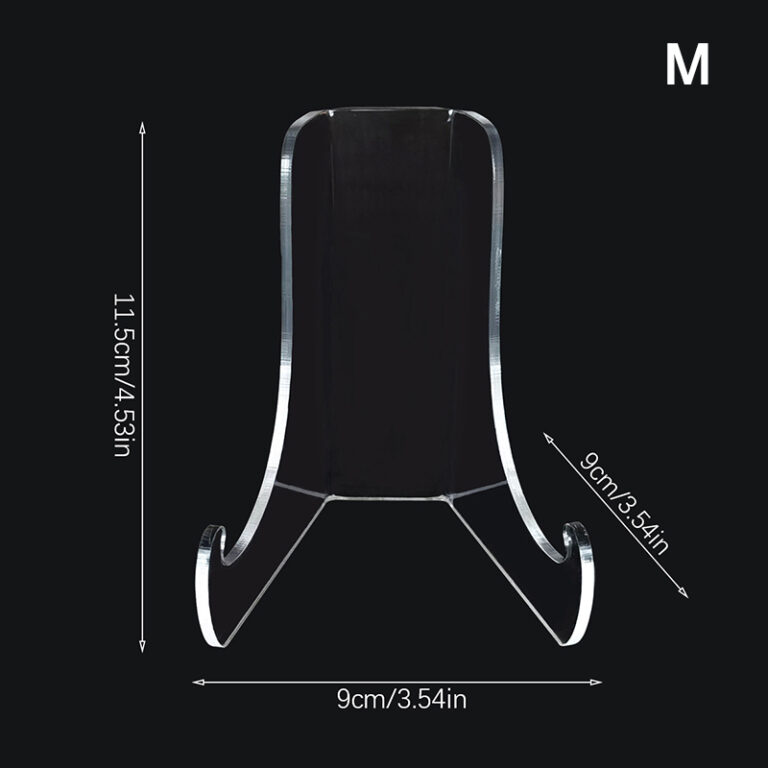 Aisha's pickModern Magazine Holders We Wish We’d Bought SoonerAlso worth a lookMetal RacksA metal rack is for holding things in the open where you can see them and reach them…See the collections →
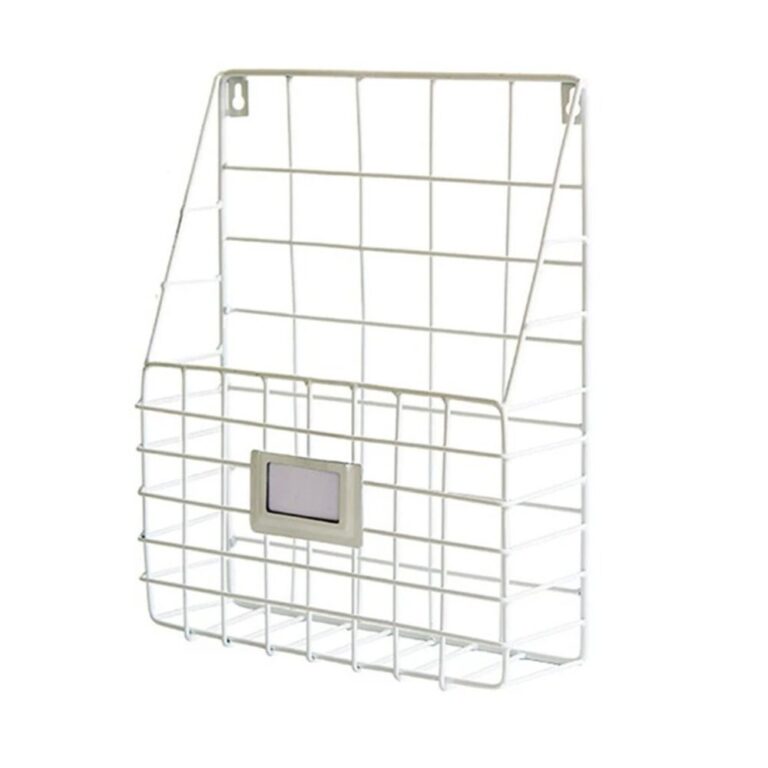
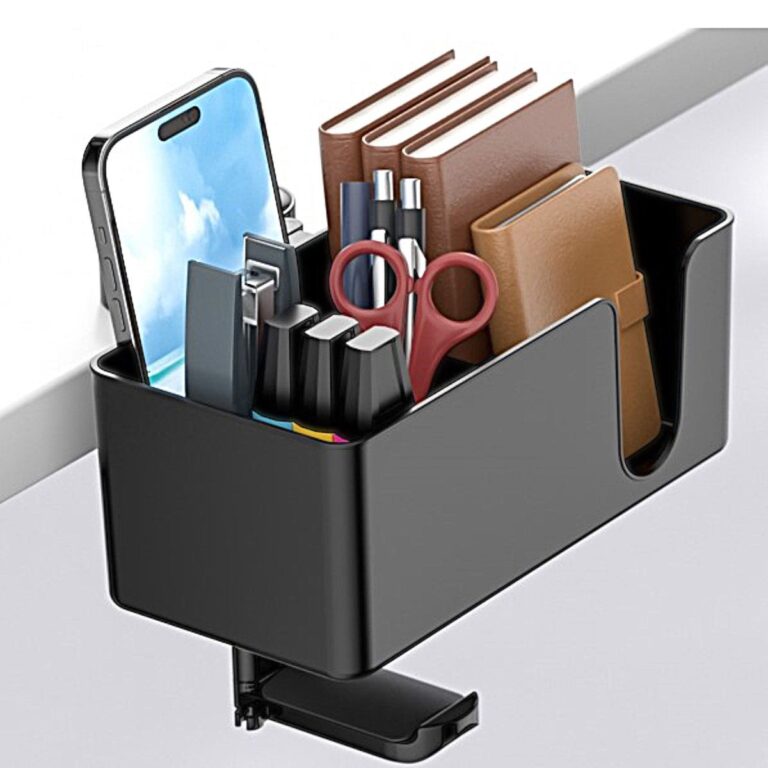 Aisha's pickNo Fuss Minimalist Pen Holders

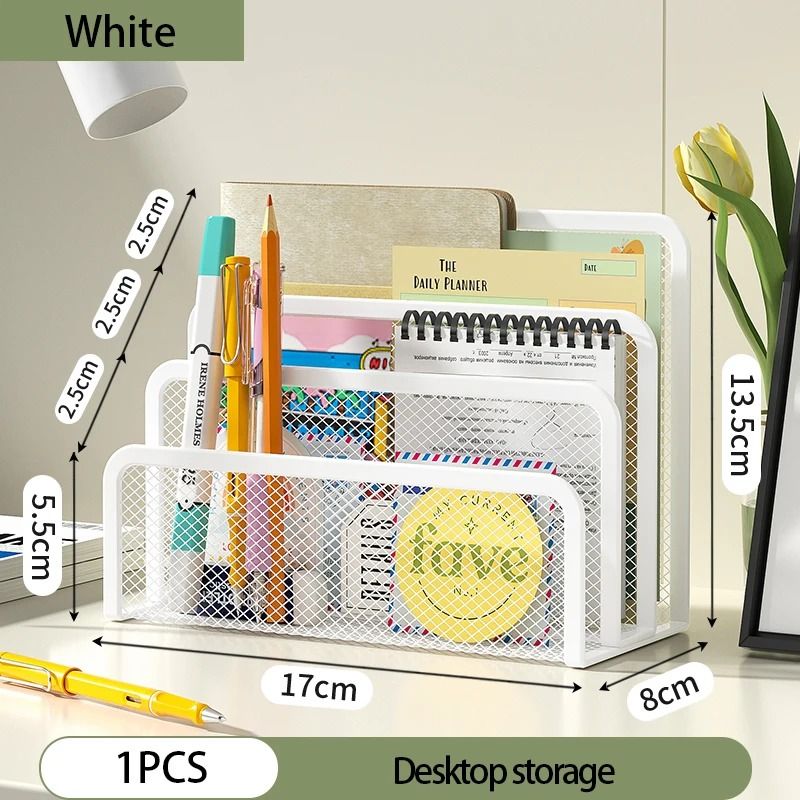 Aisha's pickModern Magazine Racks You Won’t Want to Hide Away
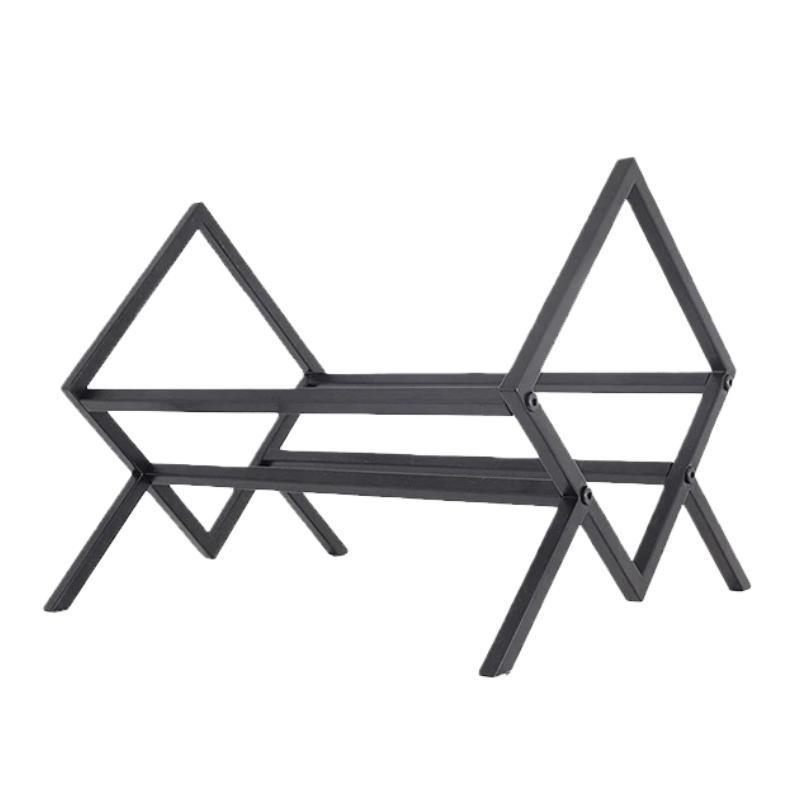
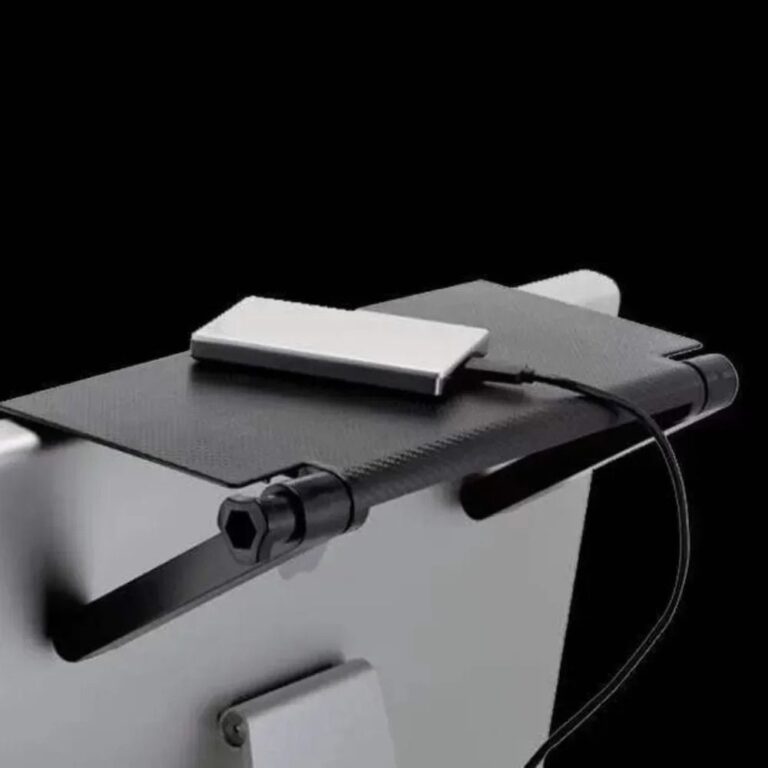 Aisha's pickMinimalist TV Stands That Keep Surfaces Clear
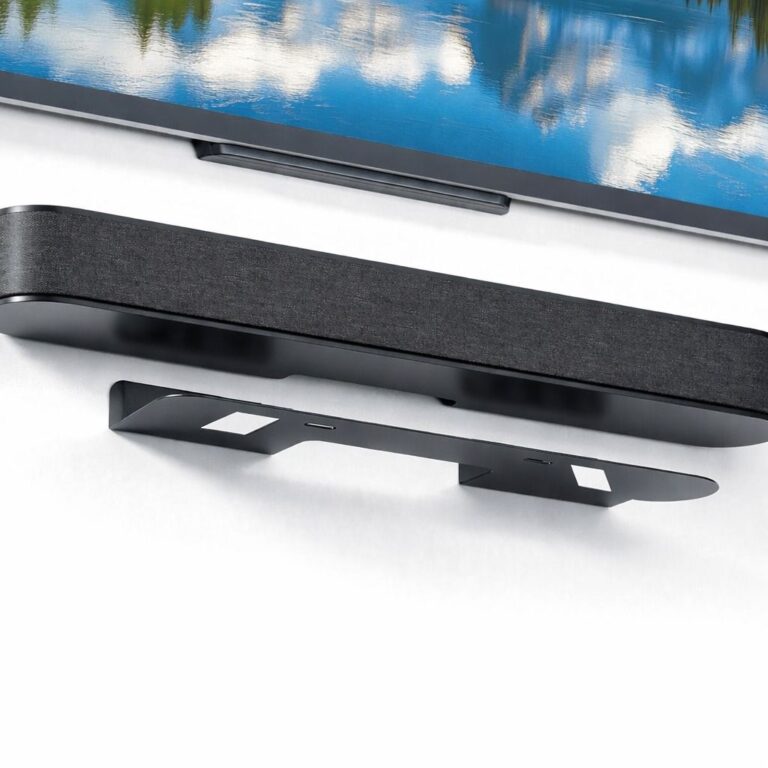
 Aisha's pickModern Night Stands That Make a Room Feel Finished

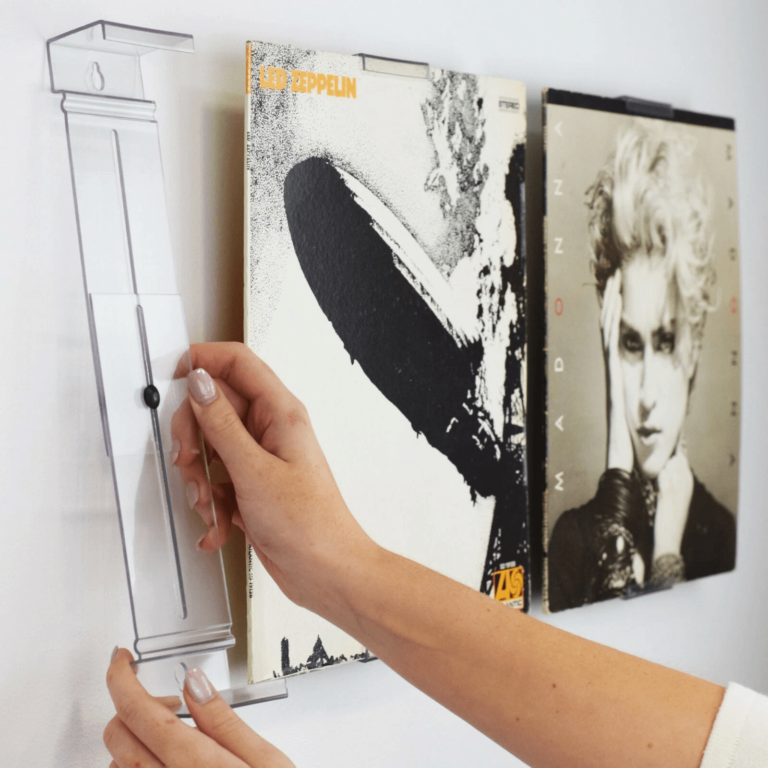 Aisha's pickModern Book Stands That Visitors Always Ask About
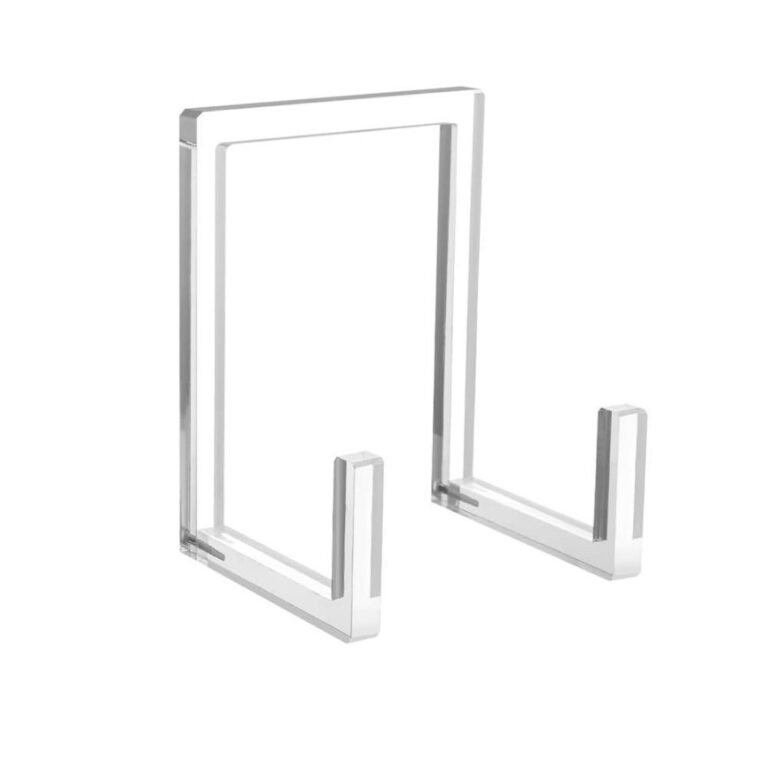
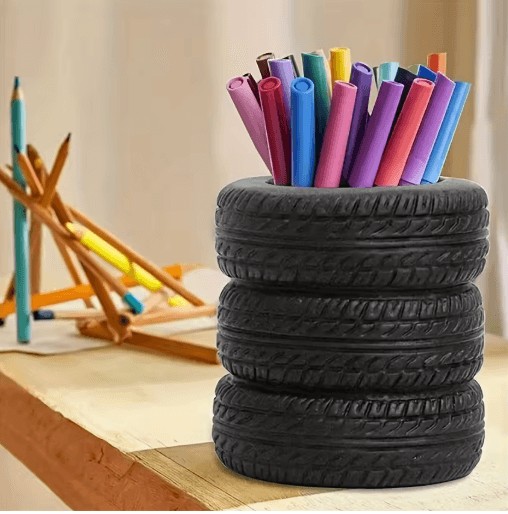 Aisha's pickModern Pen Holders at Every Price Point
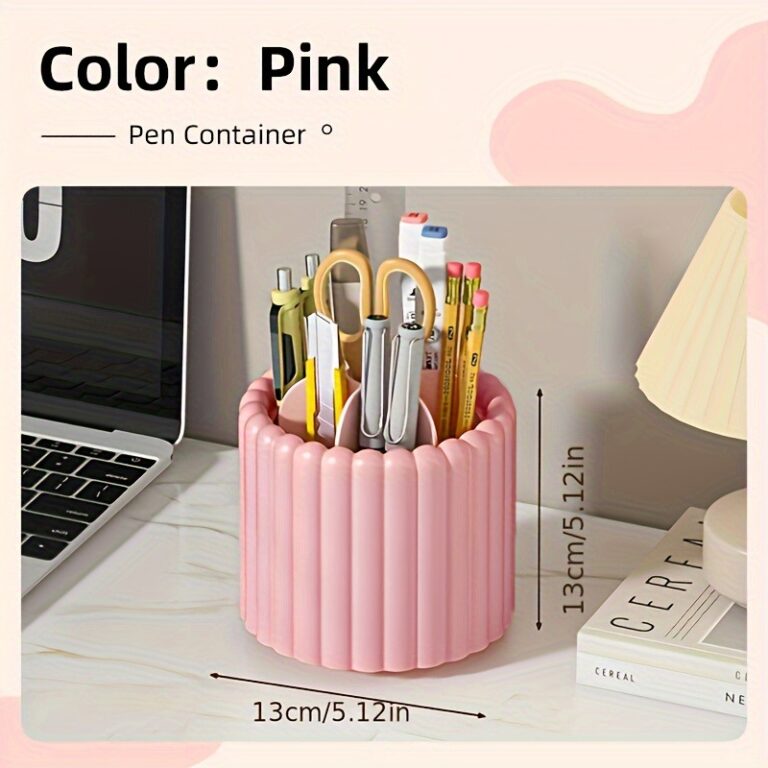
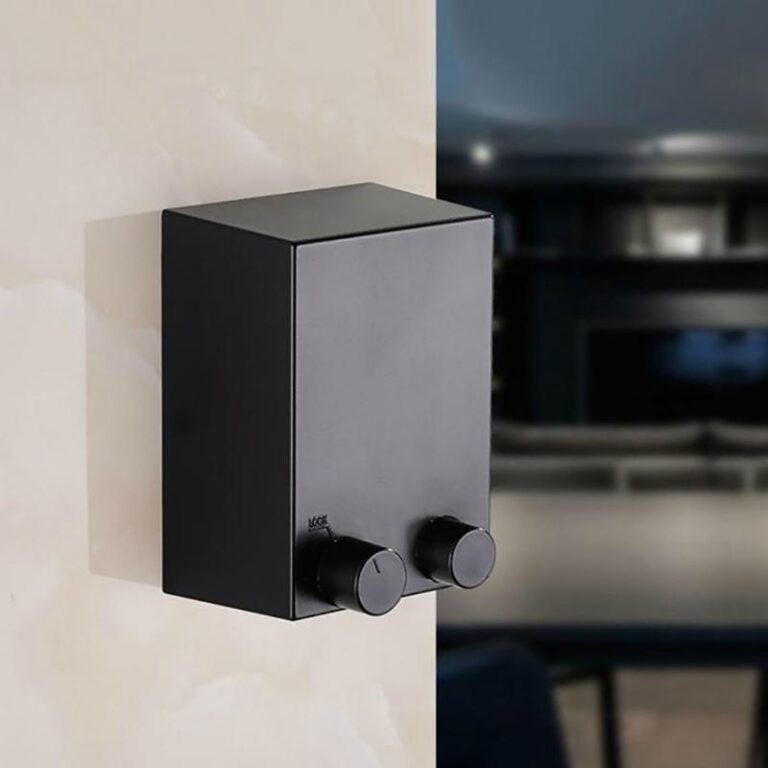 Aisha's pickModern Clothes Racks We Wish We’d Bought Sooner

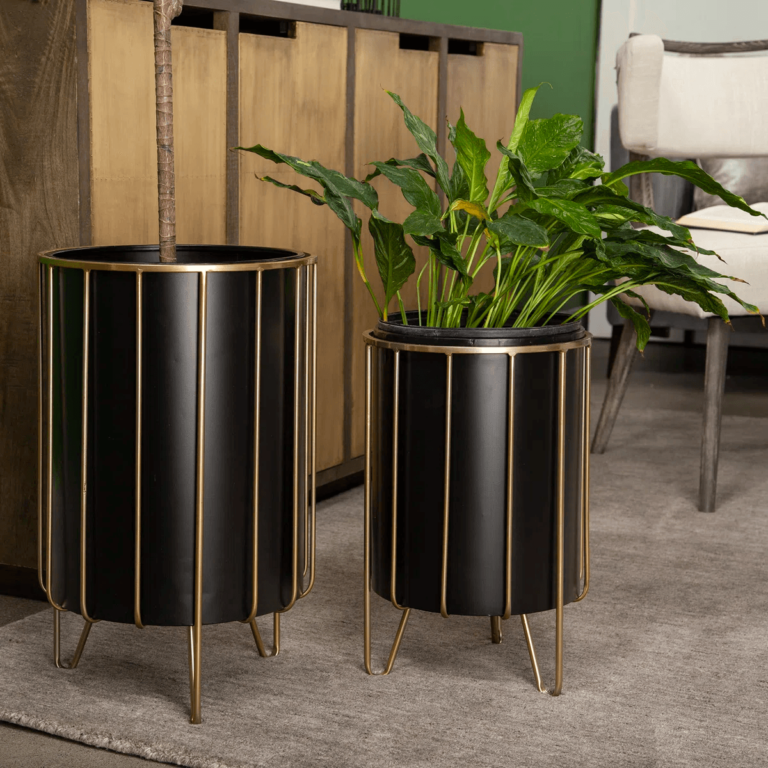 Aisha's pickModern Plant Stands That Make Tidying Up Quicker
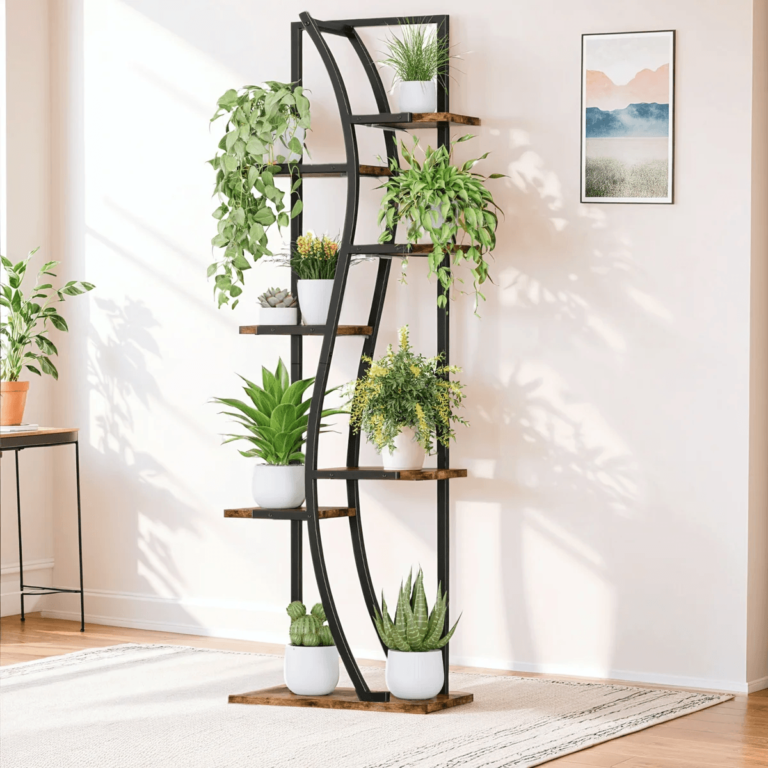
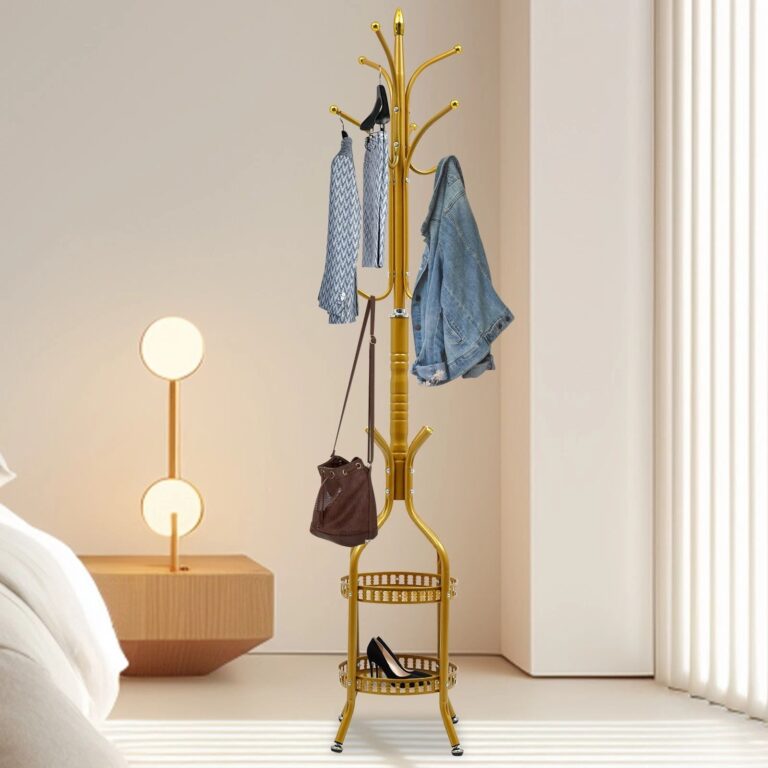 Aisha's pickModern Coat Hangers You’ll Keep for YearsAlso worth a lookCartsFor a long time I thought a cart was just a tray with wheels, the kind of thing you'd buy because the aisle was there and the price was low.See the collections →
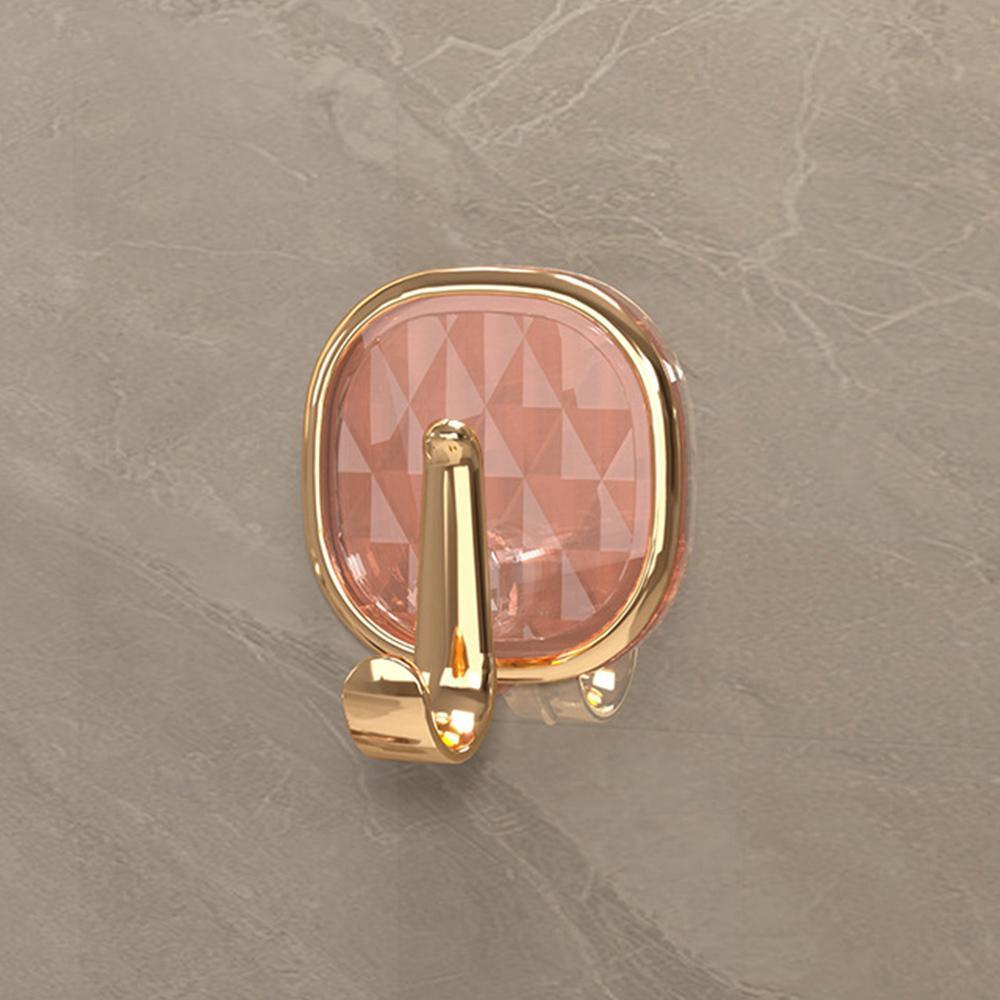
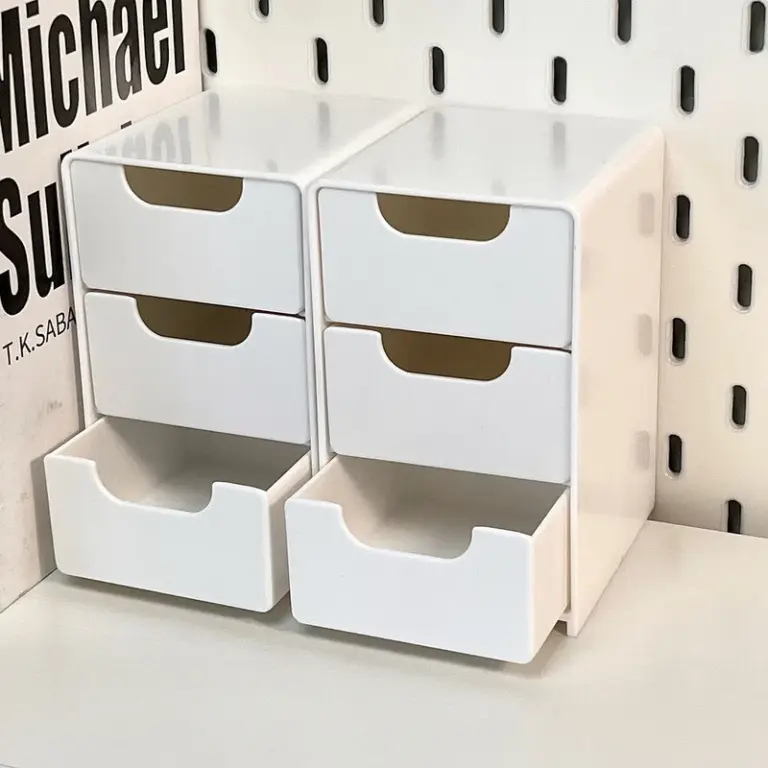 Aisha's pickModern Room Dividers That Squeeze Into Awkward Corners
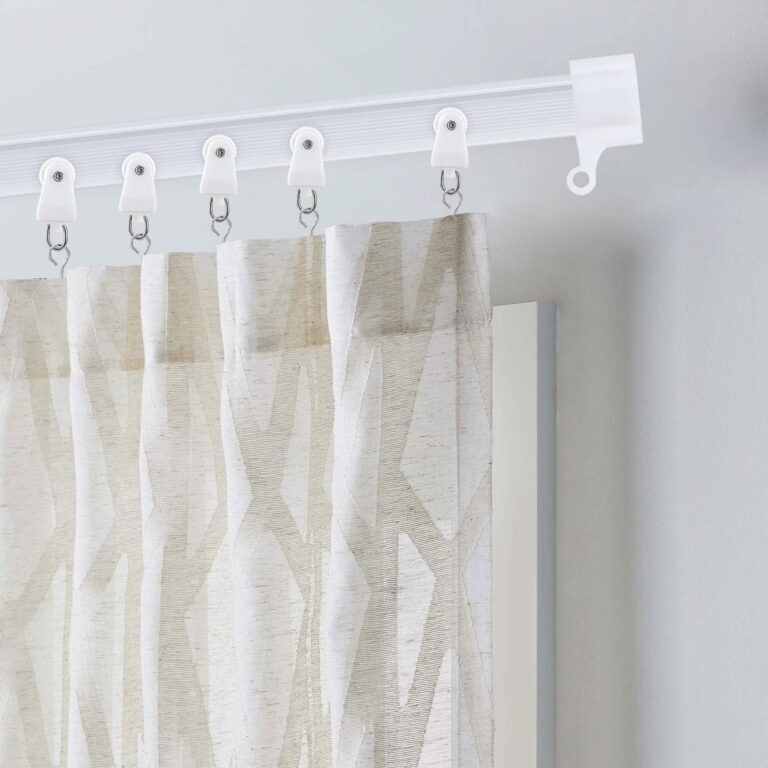
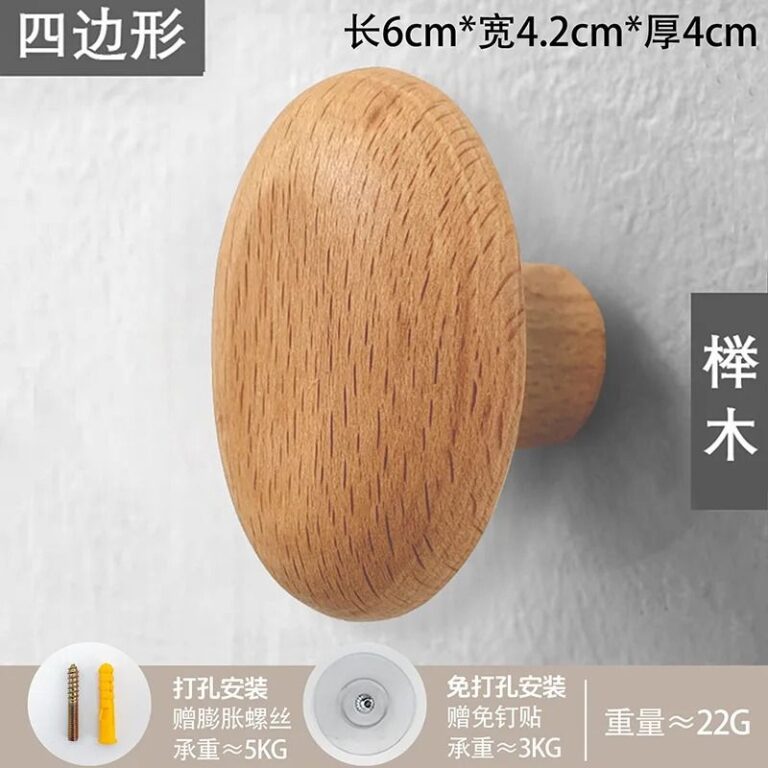 Aisha's pickModern Coat Hooks That Sort Out the Pile by the Door

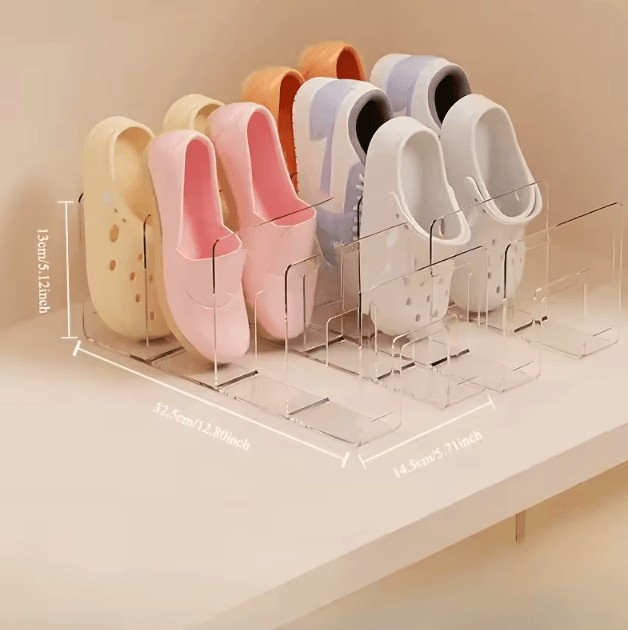 Aisha's pickModern Shoe Racks That Keep Surfaces Clear
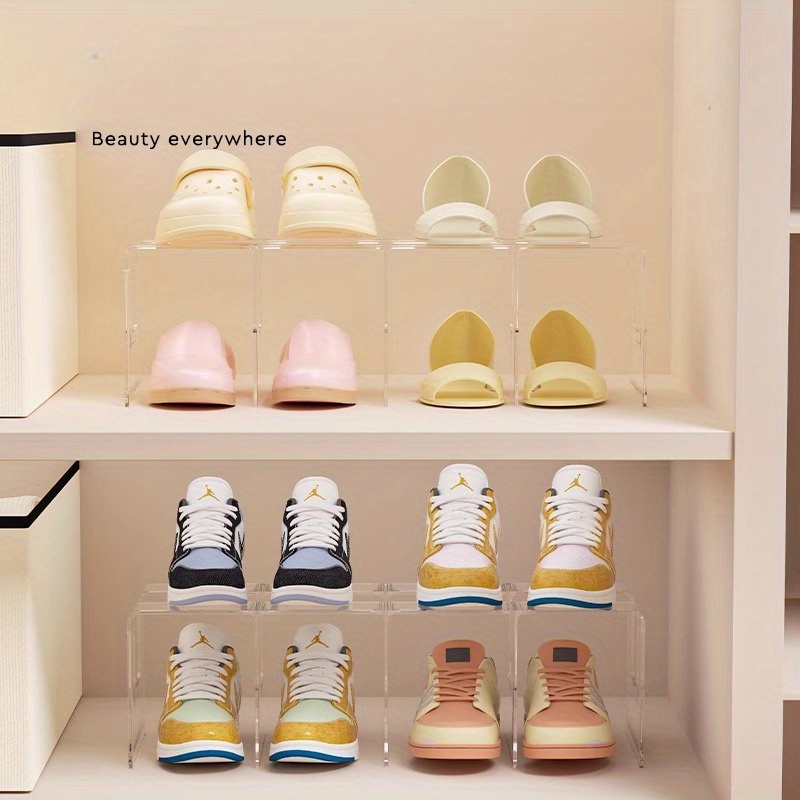
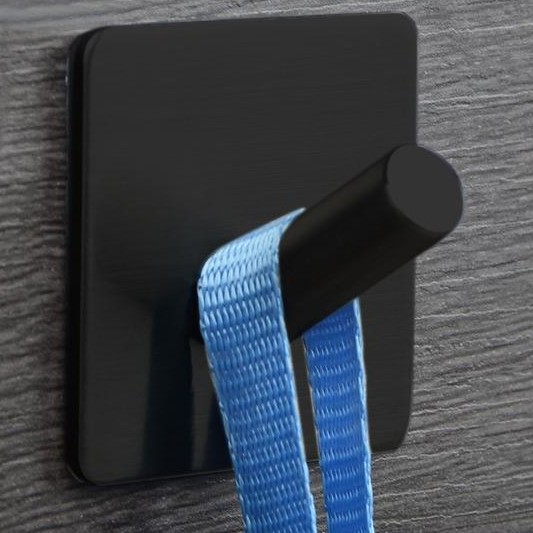 Aisha's pickModern Coat Racks That Look Good Even When Full

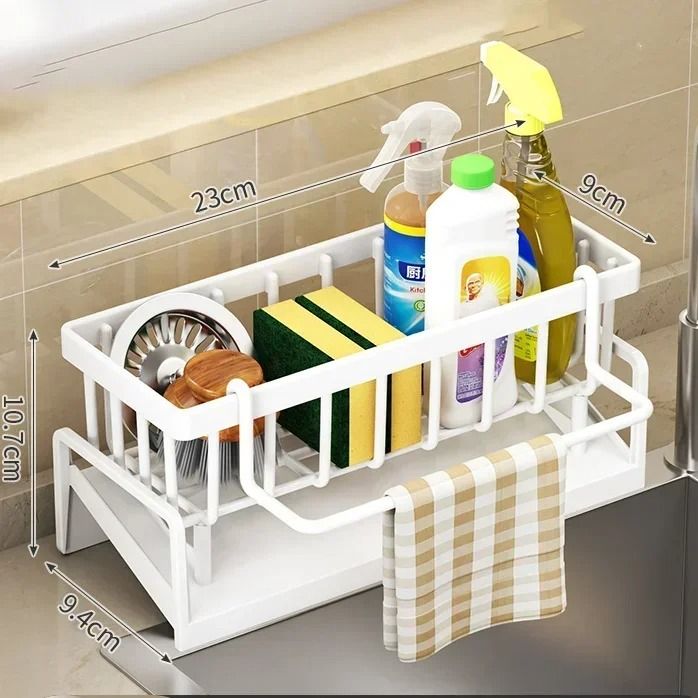 Aisha's pickModern Soap Holders With Room for More Than You’d Think
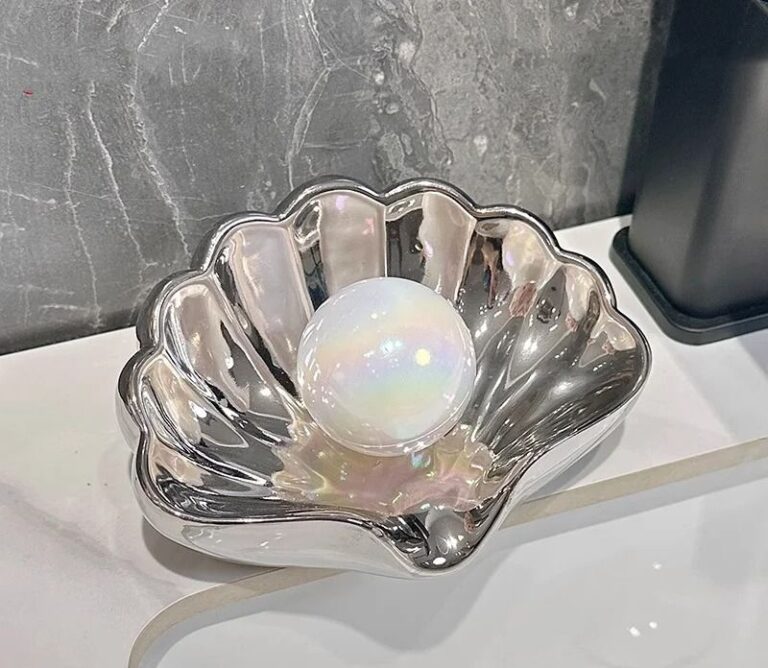
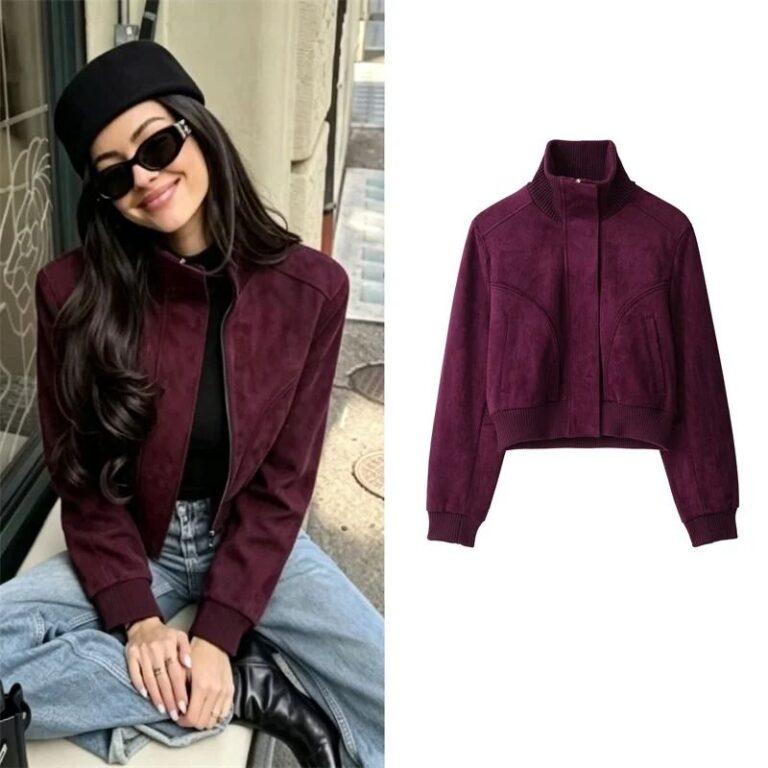 Aisha's pickModern Coat Stands for Making a House Feel Like Yours

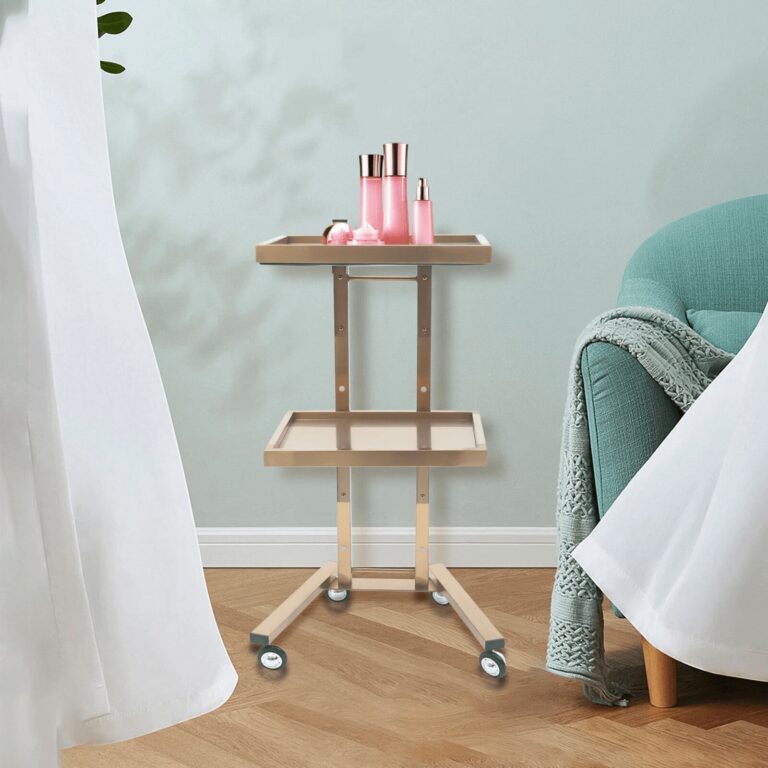 Aisha's pickModern Storage Carts Worth Knowing About
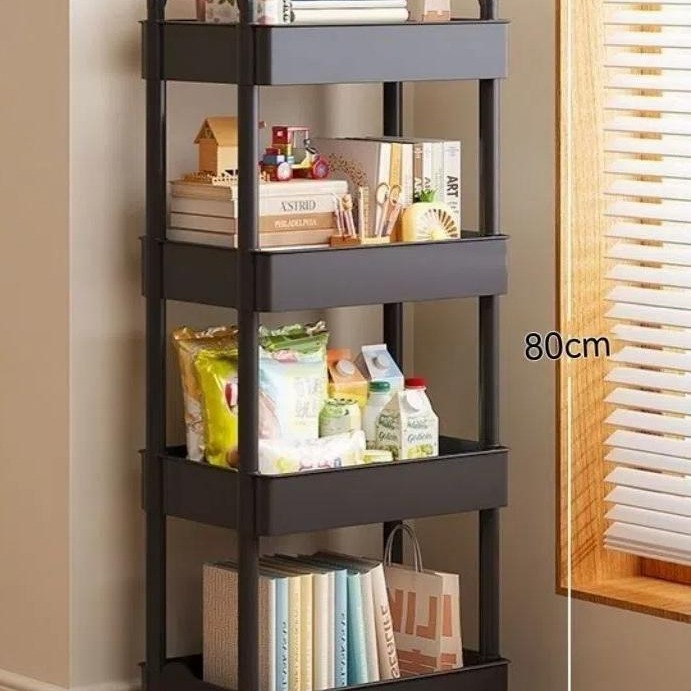
 Aisha's pickModern Decorative Hooks With Room for More Than You’d Think

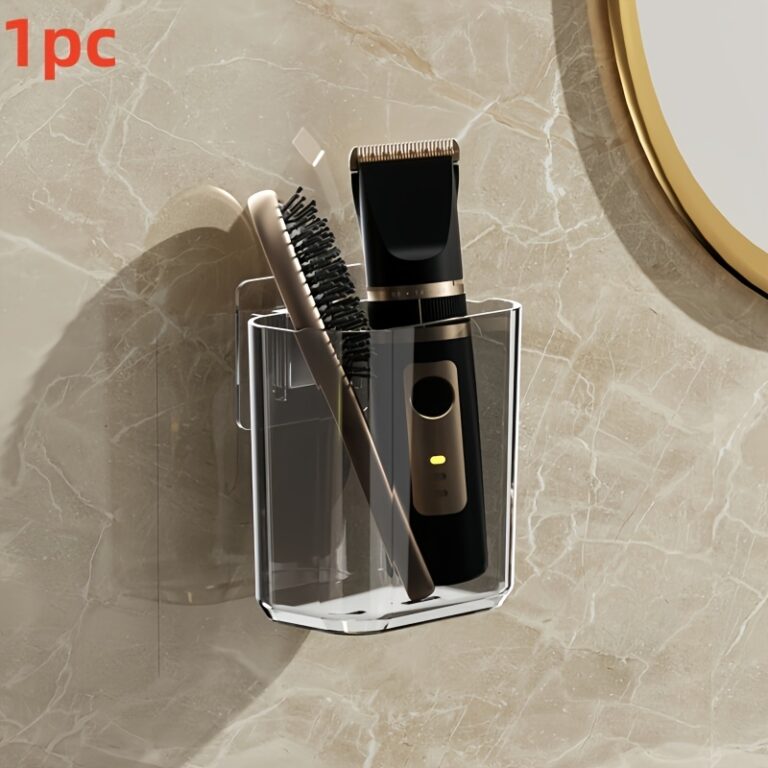 Aisha's pickModern Toothbrush Holders That Don’t Look Mass ProducedAlso worth a lookStorage CartsThe thing that never shows up in a listing photo is the sound.See the collections →