The first thing I do with any white rack is run a thumbnail along the edge where two pieces meet. If the finish catches or chips right there, that rack is going to look tired within a year, no matter how clean it looked under shop lighting. White shows every flaw a dark finish would hide, so the join is where you find out what you're actually buying.
A well made one has a powder coated finish that feels slightly textured, almost chalky, rather than a thin gloss paint that chips if you look at it wrong. The welds should be smooth, not just filed down and sprayed over, and the screws should sit flush rather than proud. Cheap versions use a hollow tube that dents if you lean a coat on it too hard, and the white on those is usually closer to cream after six months near a window, because thin paint yellows with sun exposure faster than you'd expect. I've got one in a hallway that's held up for four years and one from a bargain bin that looked patchy by the second winter. Same color on the label, completely different material underneath.
Where white racks fall short is in rooms that take a beating. Mudrooms, garages, anywhere with wet boots or bikes leaning against things, scuff white in a way that's hard to undo short of repainting it yourself. I'd also skip white if the room gets heavy kitchen grease in the air, since it holds a grey film that's maddening to clean off a textured surface. In those spots a black or natural wood rack just forgives more.
Where it earns a place is anywhere the light matters, a narrow entryway that only gets a window of sun in the late afternoon, or a bedroom corner that feels cramped with dark furniture in it. White racks read as almost invisible against a pale wall, which makes a small room feel like it's breathing rather than storing things.
For sizing, measure the wall space with the rack's full footprint in mind, not just the shelf width, since hooks and side arms often stick out further than people expect. Leave at least a couple of inches of clearance on either side so it doesn't look wedged in, and if it's going above a bench or near a doorway, account for coats and bags adding real depth once it's in use, not just the empty rack you saw in the showroom. A rack that looked right on paper can suddenly feel enormous once three jackets are hanging off it.
The one mistake to avoid is buying based on the photo and skipping the material check entirely. Ask what the finish actually is before you buy, because a bad paint job on a white rack is the kind of thing you notice every single day, right at eye level, for as long as you own it.
 Aisha's pickWhite Coat Racks That Look Good Even When Full
 Aisha's pickWhite Storage Carts That Don’t Shout About It
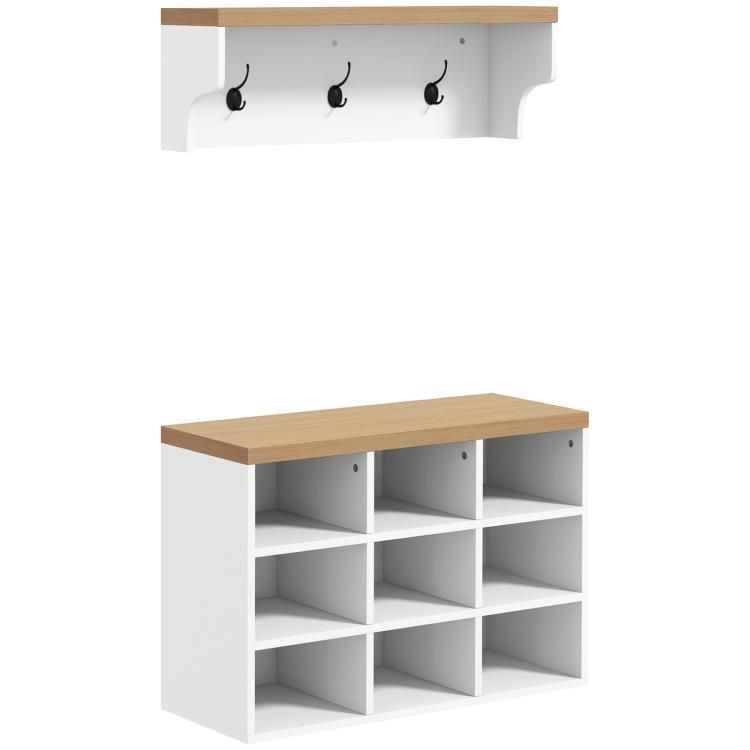 Aisha's pickWhite Coat Racks with Hooks That Swallow the Clutter
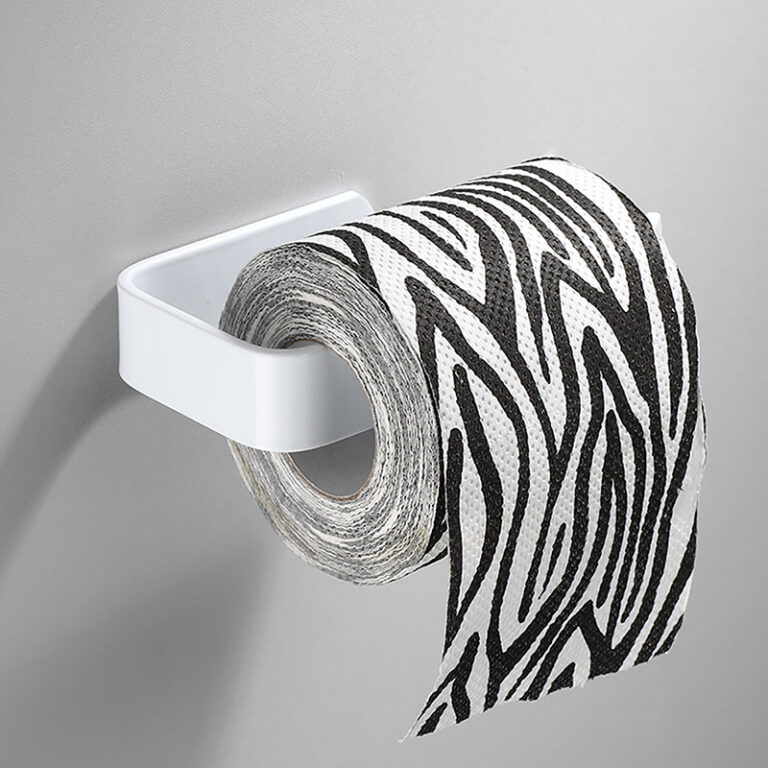 Aisha's pickWhite Towel Holders That Sort Out the Chaos
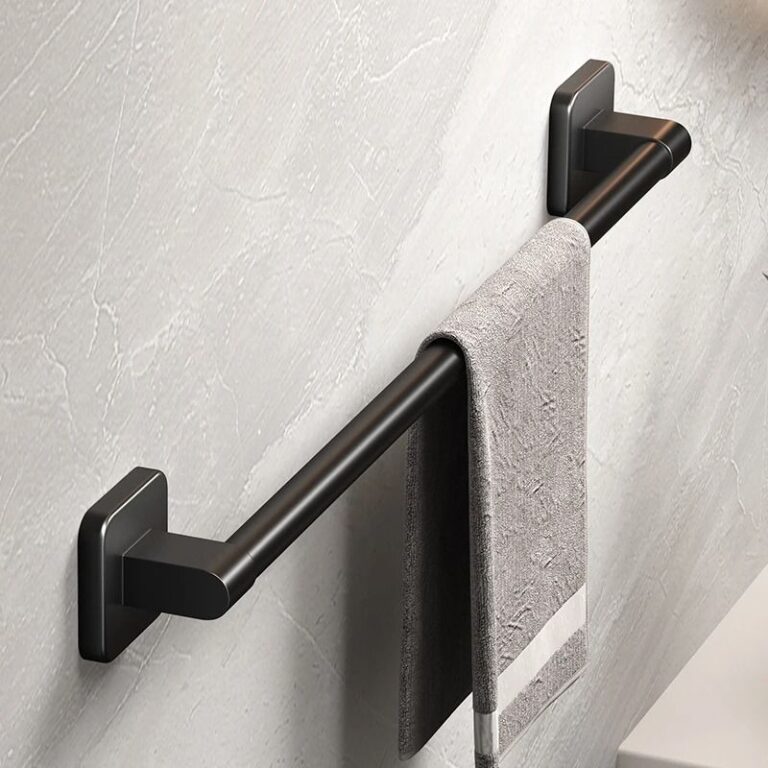
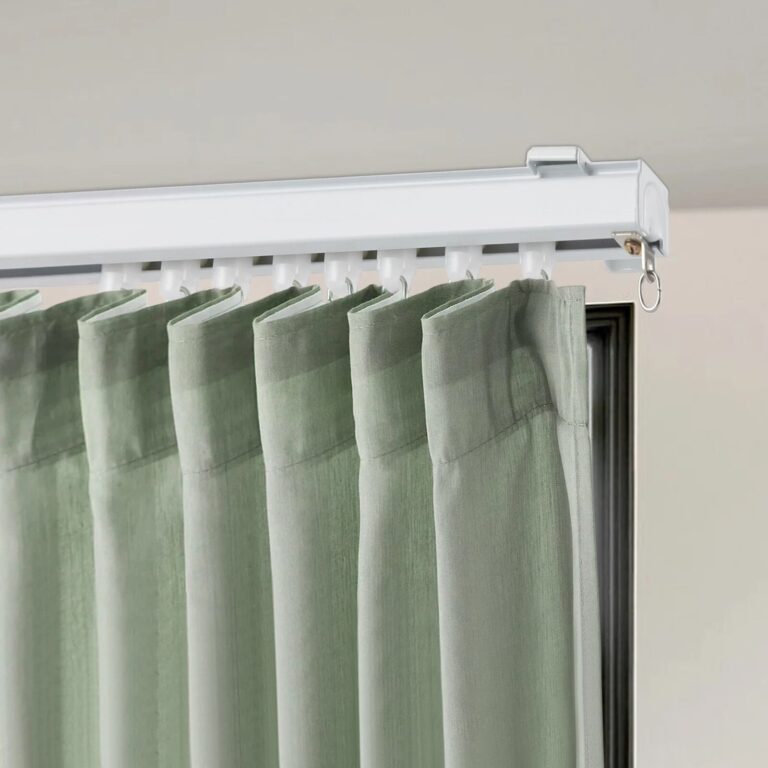
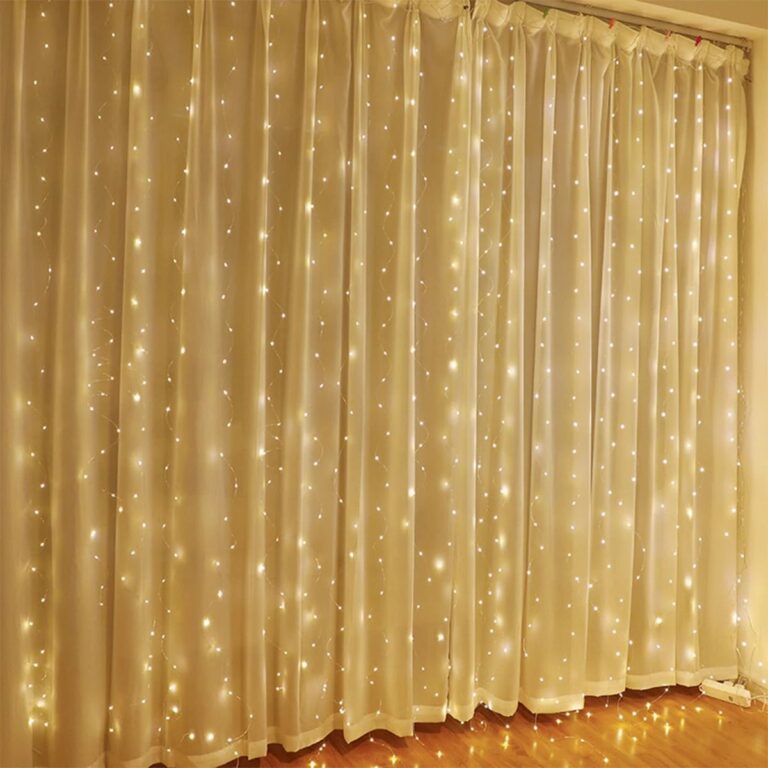 Aisha's pickWhite Curtain Hooks for Homes With Too Much Stuff
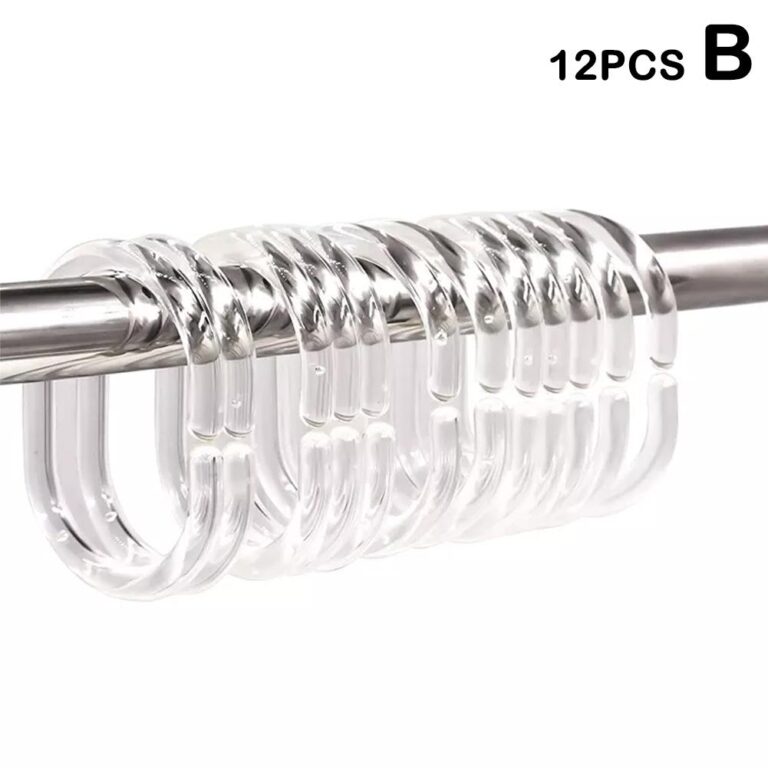
 Aisha's pickWhite Towel Hooks That Hide the Mess for Good

 Aisha's pickWhite Decorative Hooks That Won’t Let You Down
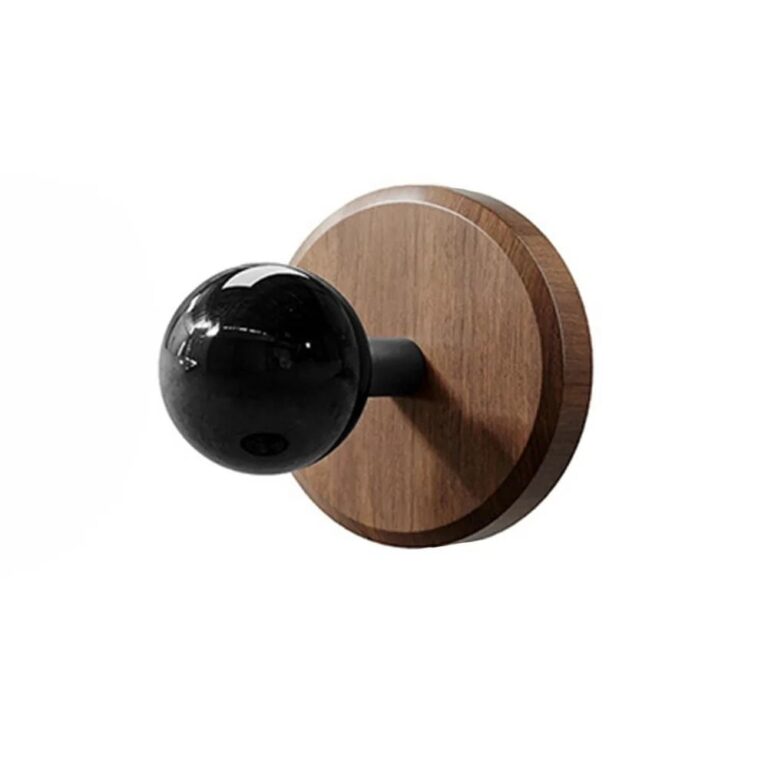
 Aisha's pickWhite TV Stands That Keep Surfaces Clear

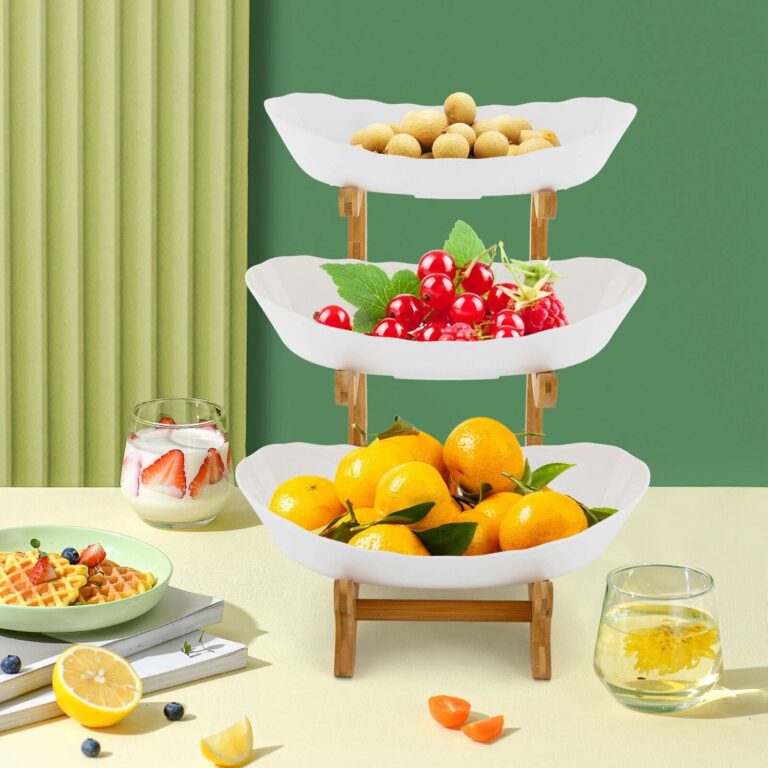 Aisha's pickWhite Fruit Stands That Make Tidying Up QuickerAlso worth a lookMetal RacksA metal rack is for holding things in the open where you can see them and reach them…See the collections →
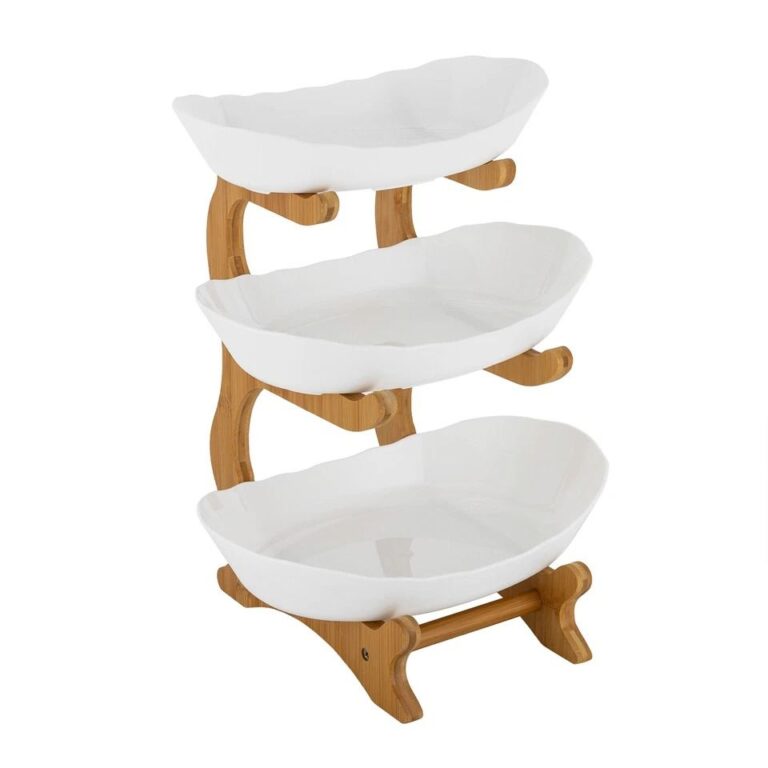
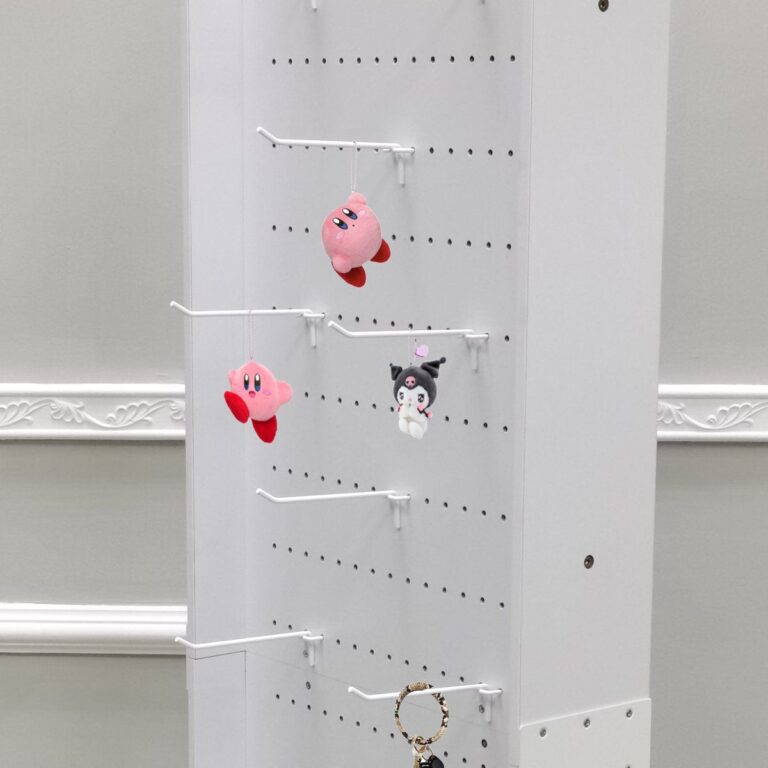 Aisha's pickWhite Wall Hooks That Swallow the Clutter
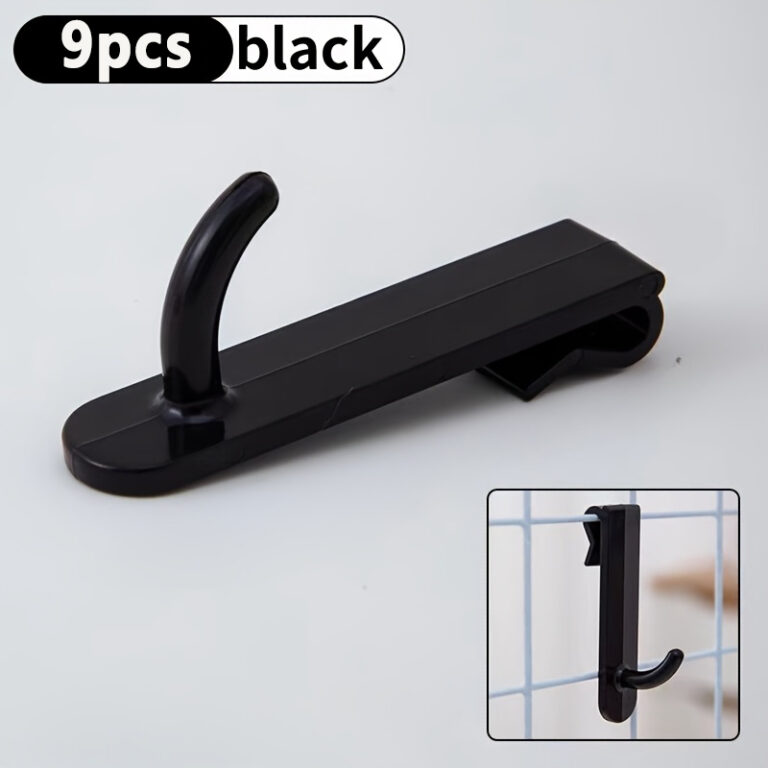
 Aisha's pickWhite Hat Stands for the Bits That Never Have a Home
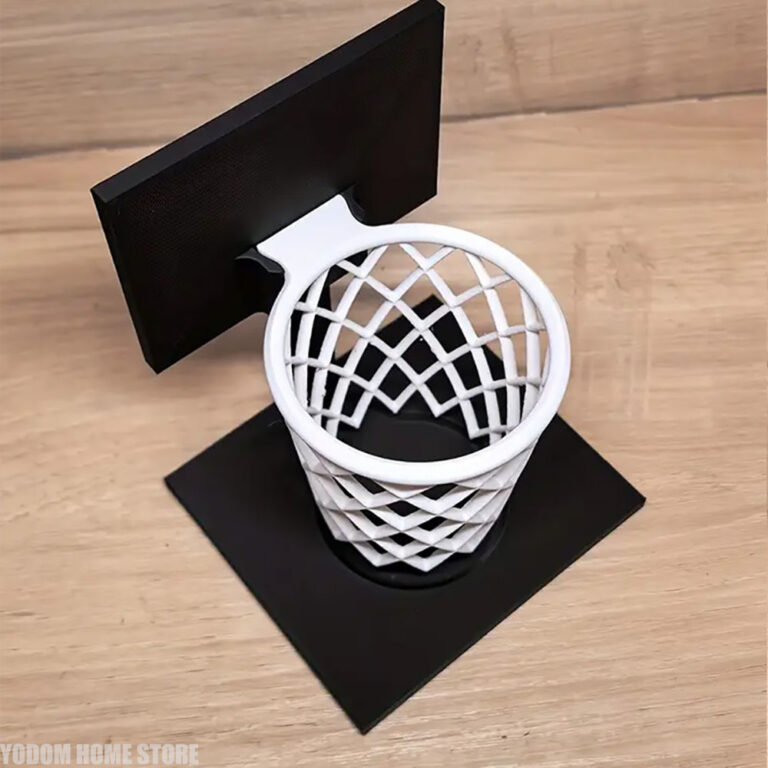 Aisha's pickWhite Key Holders That Sort Out the Chaos

 Aisha's pickWhite Key Hooks That Keep Surfaces Clear

 Aisha's pickWhite Key Hooks That Hide the Mess for Good

 Aisha's pickWhite Kitchen Racks That Work in Old Houses and New Ones
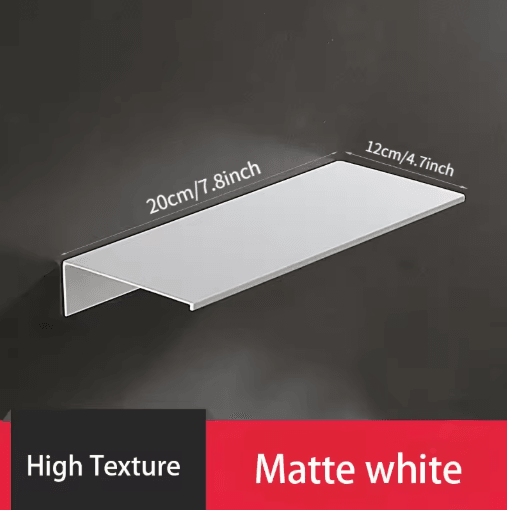
 Aisha's pickWhite Lamp Holders You’ll Keep for Years
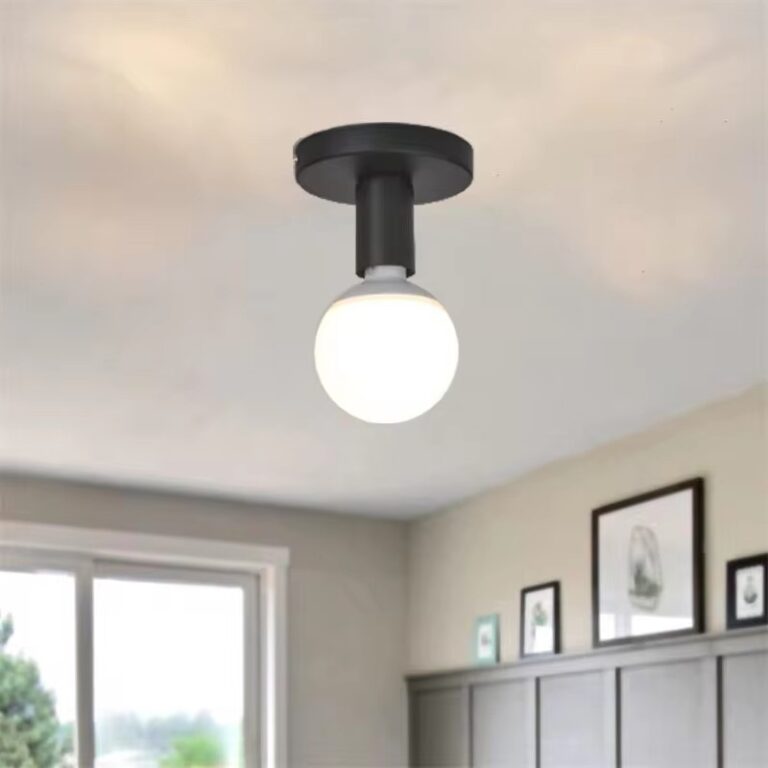
 Aisha's pickWhite Night Stands We’d Buy Again

 Aisha's pickWhite Pen Holders That Make Tidying Up QuickerAlso worth a lookCartsFor a long time I thought a cart was just a tray with wheels, the kind of thing you'd buy because the aisle was there and the price was low.See the collections →
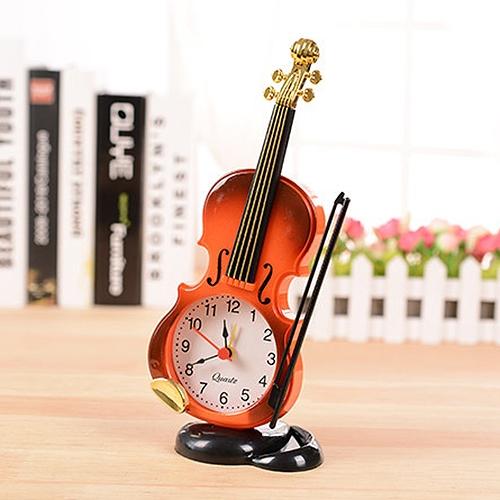
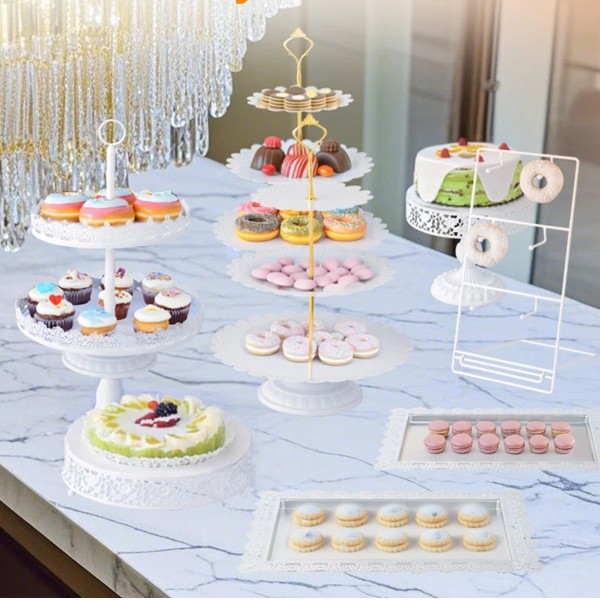 Aisha's pickWhite Cake Stands That Sort Out the Chaos
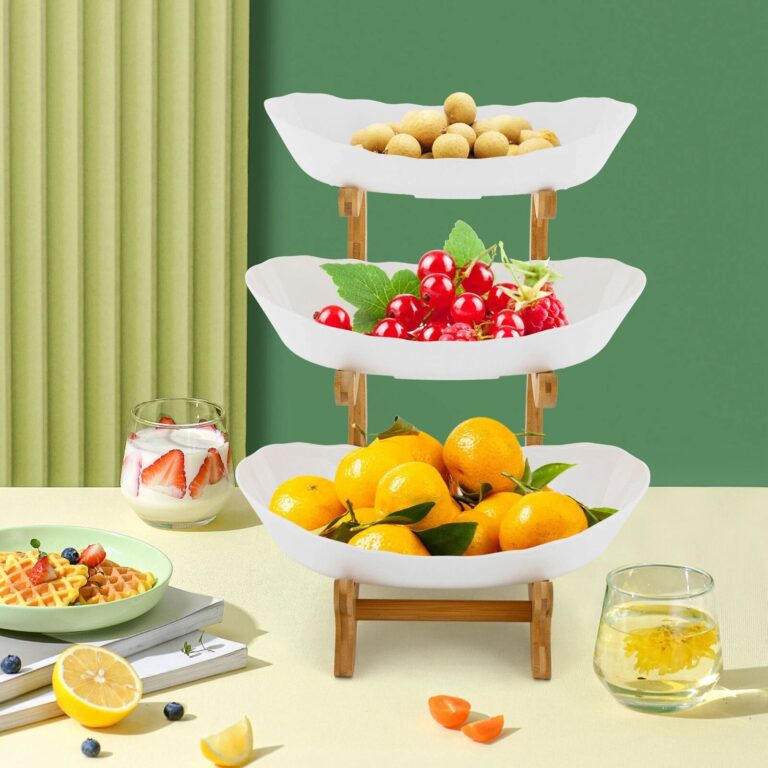
 Aisha's pickWhite Plant Stands for Homes With Too Much Stuff

 Aisha's pickWhite Christmas Tree Stands We Dig Out Every Year

 Aisha's pickWhite Room Dividers for the Bits That Never Have a Home