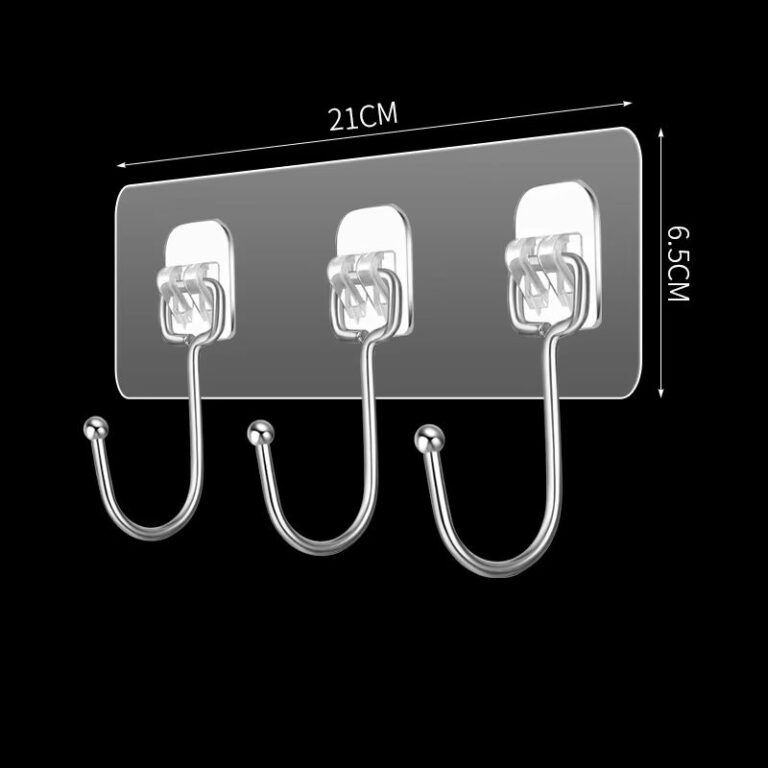
Wall hooks make the most sense in houses with a real bottleneck at the door, mudrooms, back entries, narrow apartment hallways where coats pile up on the one chair by the radiator. If you already have a closet that fits everyone's coats with room to spare, you probably don't need them so much as want them, which is fine too.
The honest limit is weight and plaster. A hook looks sturdy right up until someone hangs a wet winter coat, a backpack, and a dog leash on it at the same time, and then it's hanging at an angle and pulling the screw out of drywall that was never meant to hold that much. Anything heavier than a light jacket wants a stud or a proper anchor, not just the hopeful little plastic plug that came in the bag. I learned this the hard way with a row of hooks that held for about six weeks before one came down, Carhartt and all, onto the dog's water bowl. Where they really fall apart is in spaces that get damp and never fully dry, a shed, a porch with no storm door, a bathroom with no fan, because the hardware underneath will rust or the backing board will swell before the hook itself gives out.
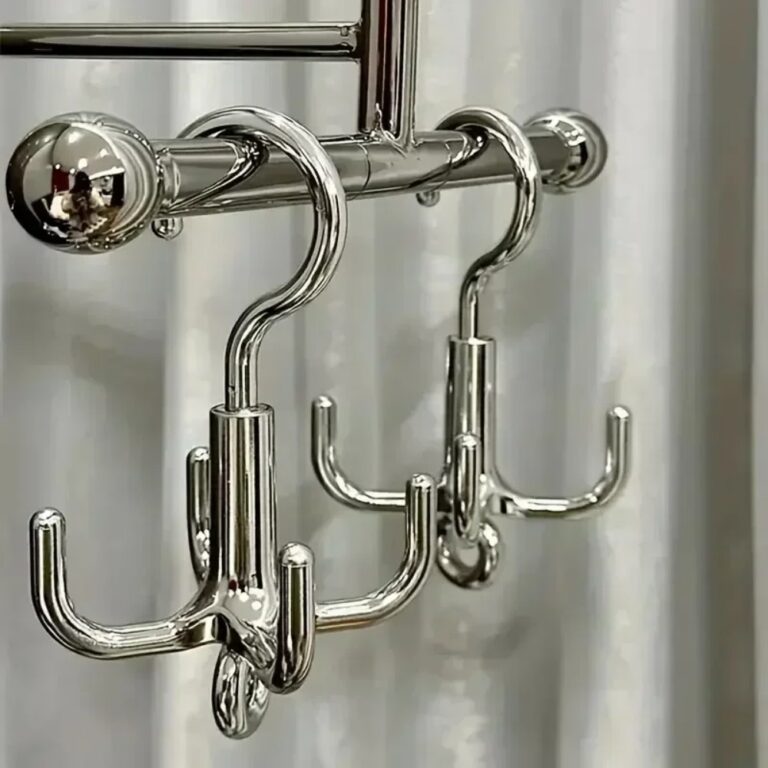
As for where not to put them, skip anything near a doorway's swing path, you will hit your head on a coat hook exactly once before you move it, and skip clustering too many at the same height in a small hallway, it starts to look like a coat rack had an argument with a pegboard. Wall hooks also don't do much for a room that already has a lot going on, busy wallpaper, a gallery wall, trim with detail in it, the hook just gets lost or fights the eye in a way that feels unfinished rather than deliberate. For color and finish, the easiest ones to live with are the plainest: matte black, brushed brass gone slightly soft rather than mirror bright, or a painted wood tone that matches your trim so it reads as part of the house rather than an addition to it. Bright chrome shows every fingerprint and water spot, and glossy white scuffs the first winter someone leans a wet umbrella against it.
Given a few years and some real use, the metal ones mellow, the brass dulls down to something warmer, the black goes a little matte at the edges where hands and coats rub against it daily, and the wall around them earns a faint halo from coats brushing past on the way out the door, which is its own kind of proof the thing was worth putting up.

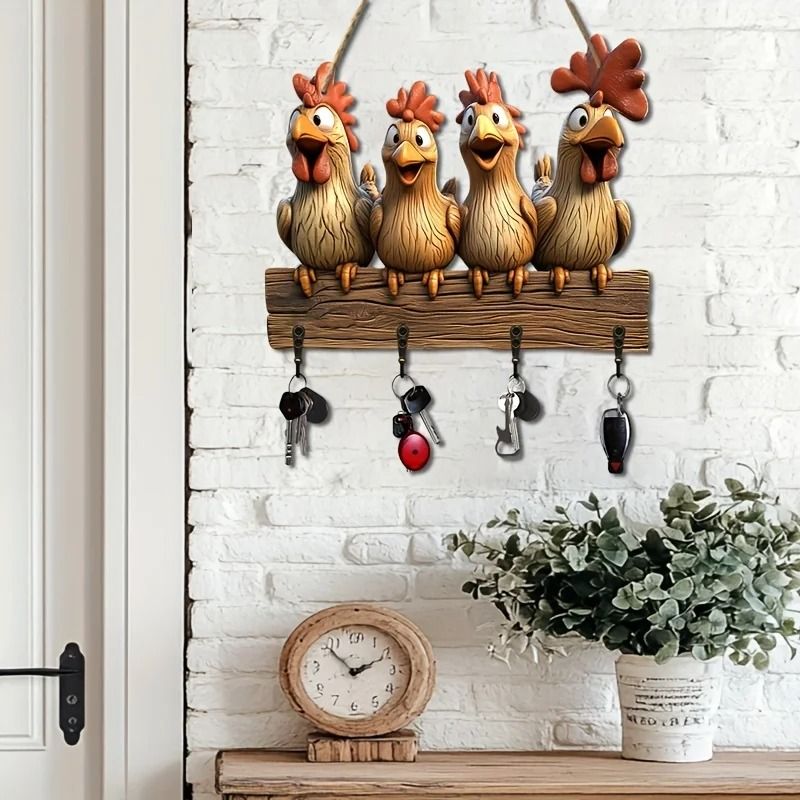 Aisha's pickWall Hooks for Hallway That Squeeze Into Awkward Corners
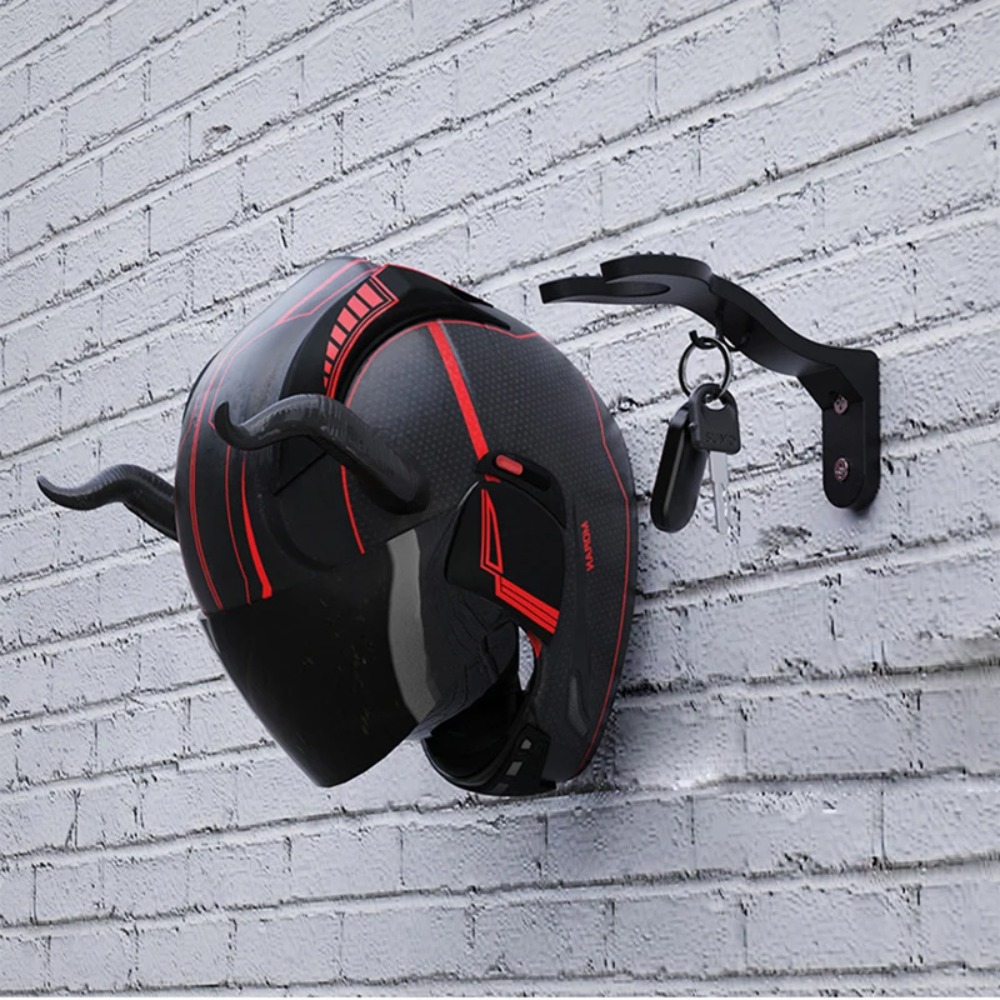
 Aisha's pickBlack Metal Wall Hooks That Keep Surfaces Clear

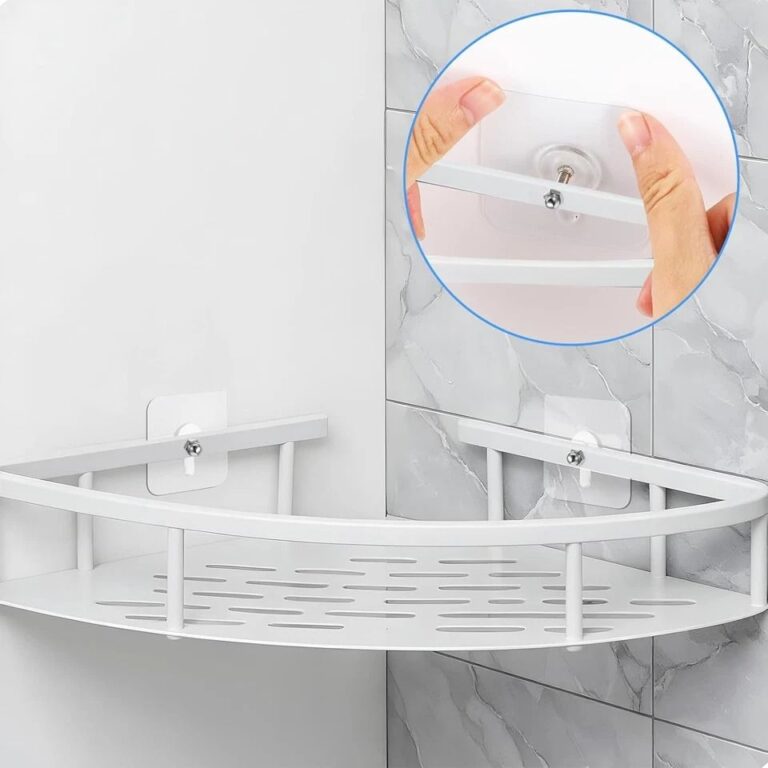 Aisha's pickWall Hooks for Kitchen That Make Cooking a Bit Nicer
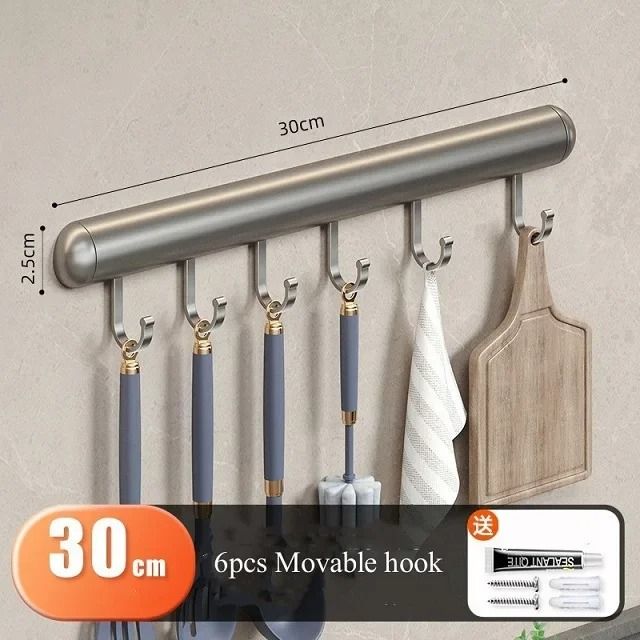
 Aisha's pickBlack Wall Hooks for Homes With Too Much Stuff

 Aisha's pickWall Hooks for Office We Work Beside Every Day
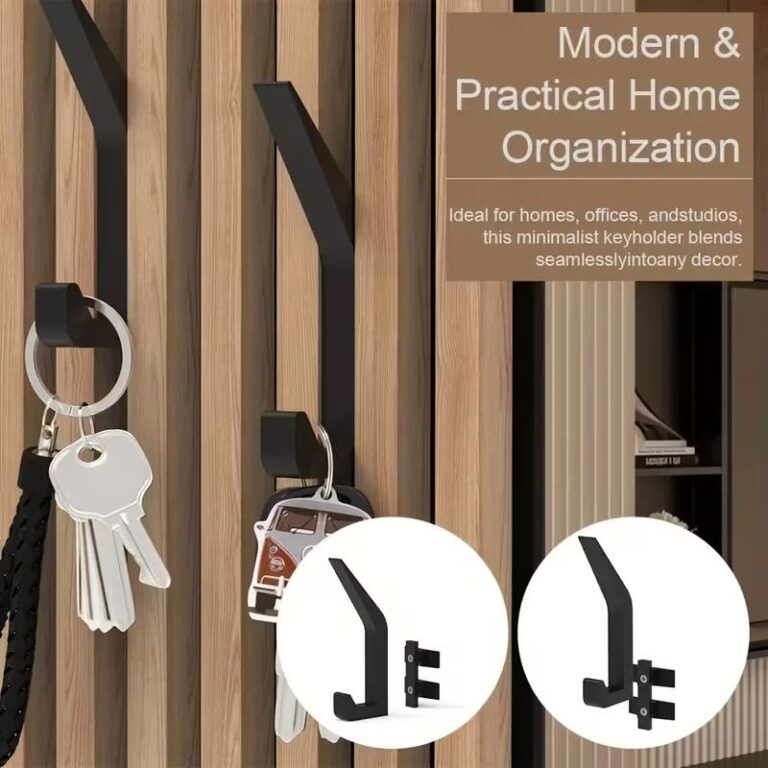
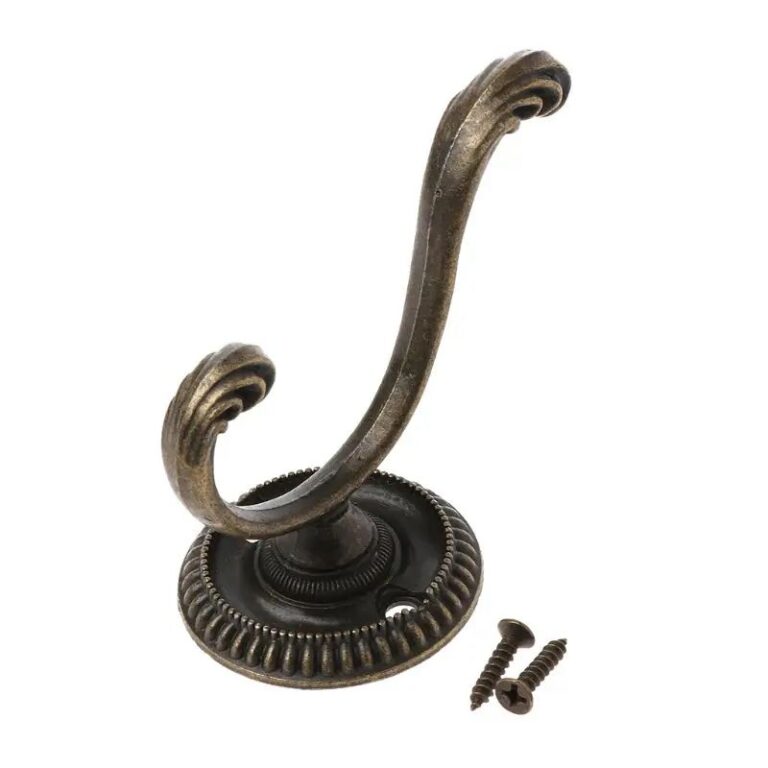 Aisha's pickGold Wall Hooks Without the Silly Price Tag
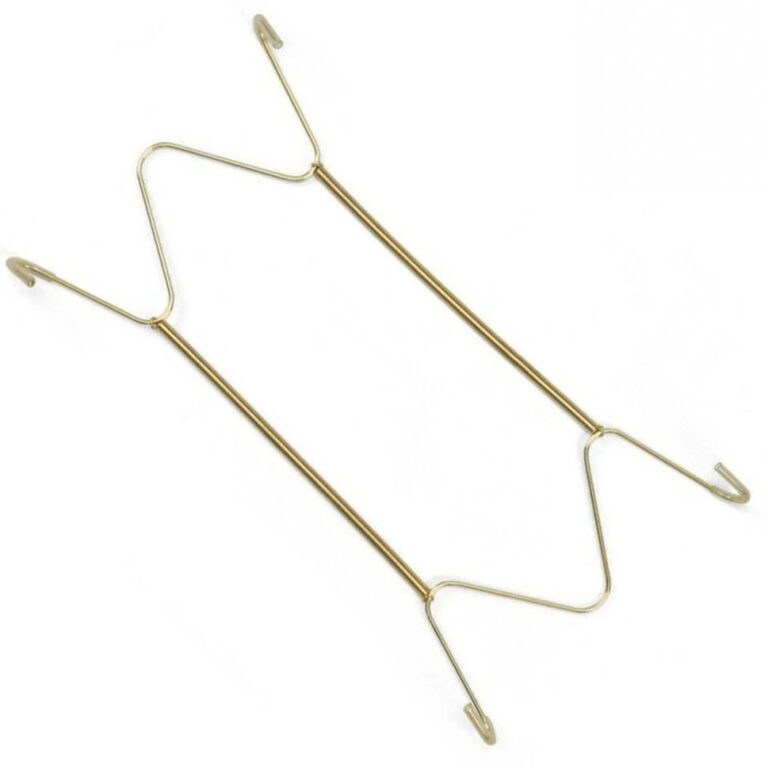
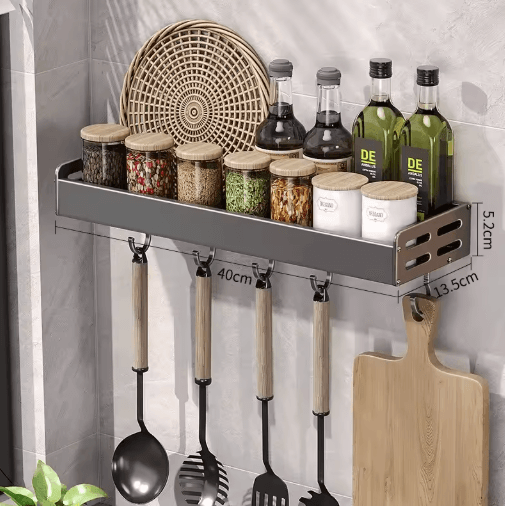 Aisha's pickWall Hooks with Shelf That Hide the Mess for Good
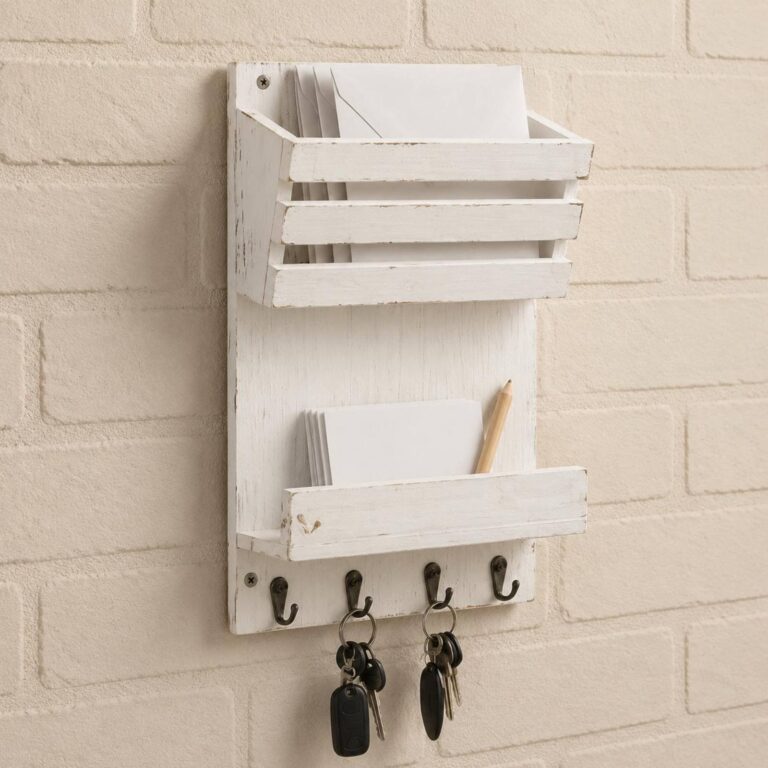
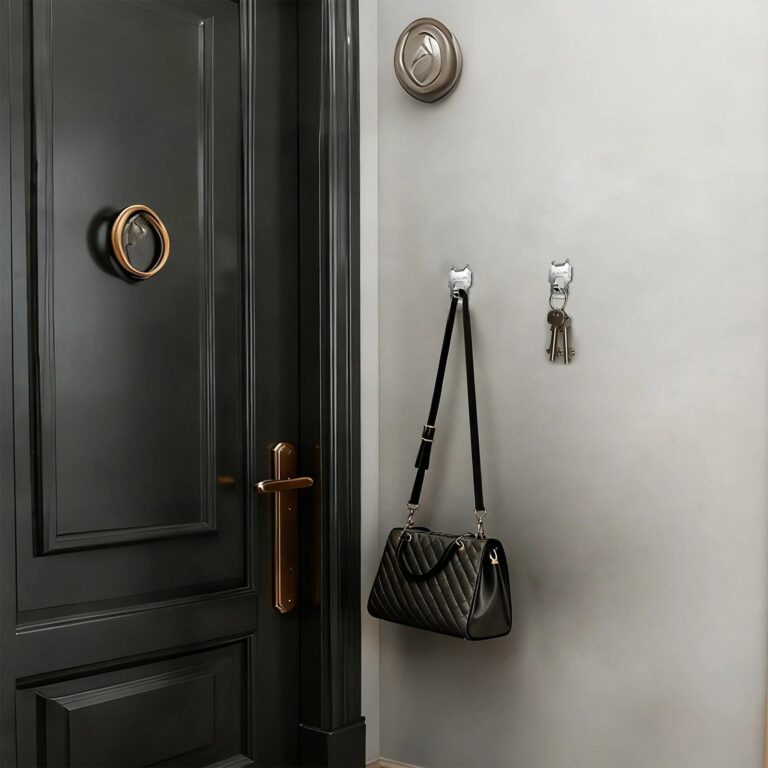 Aisha's pickSimple Large Wall Hooks Done Well
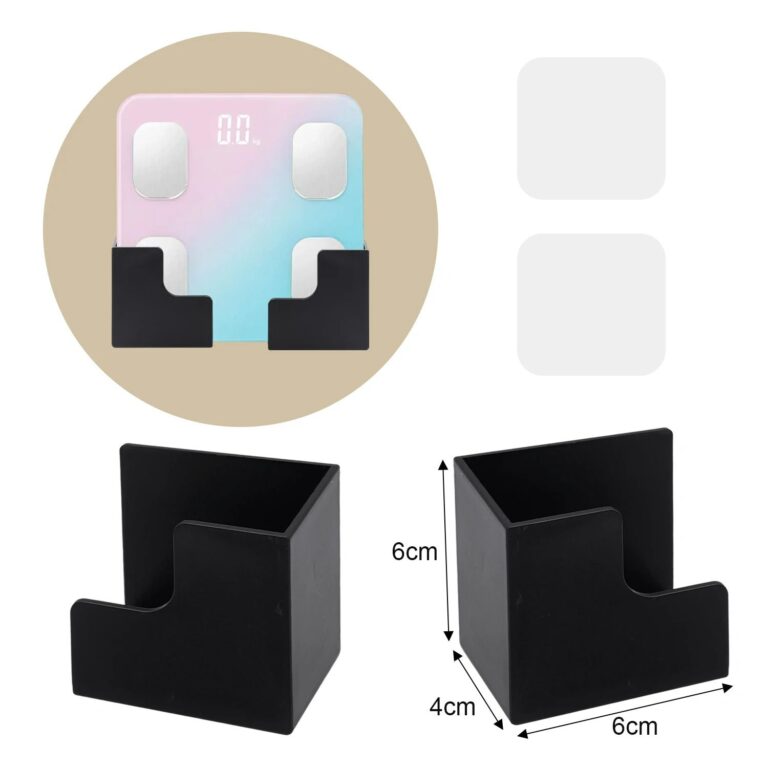
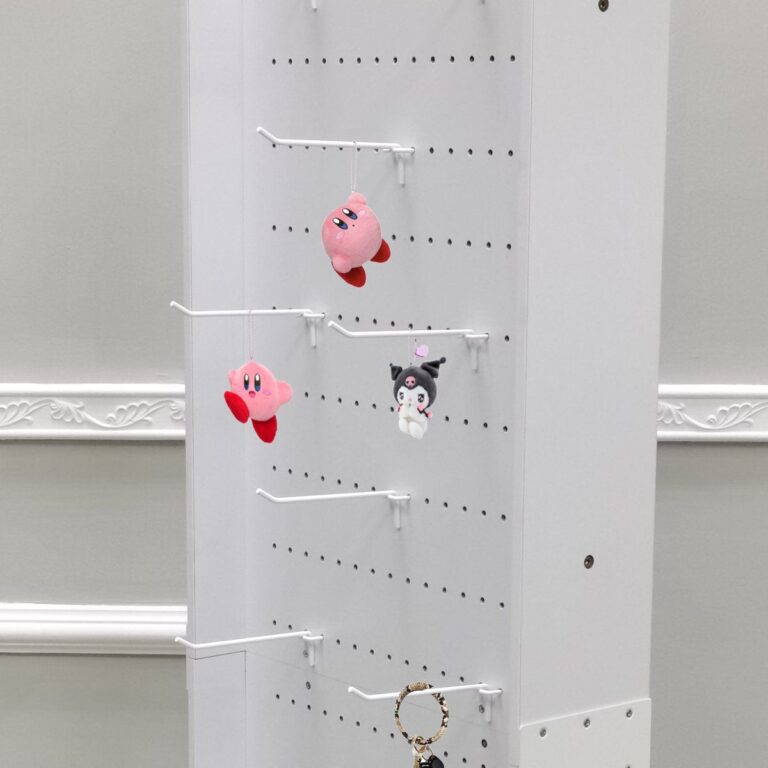 Aisha's pickWhite Wall Hooks That Swallow the ClutterAlso worth a lookMetal RacksA metal rack is for holding things in the open where you can see them and reach them…See the collections →
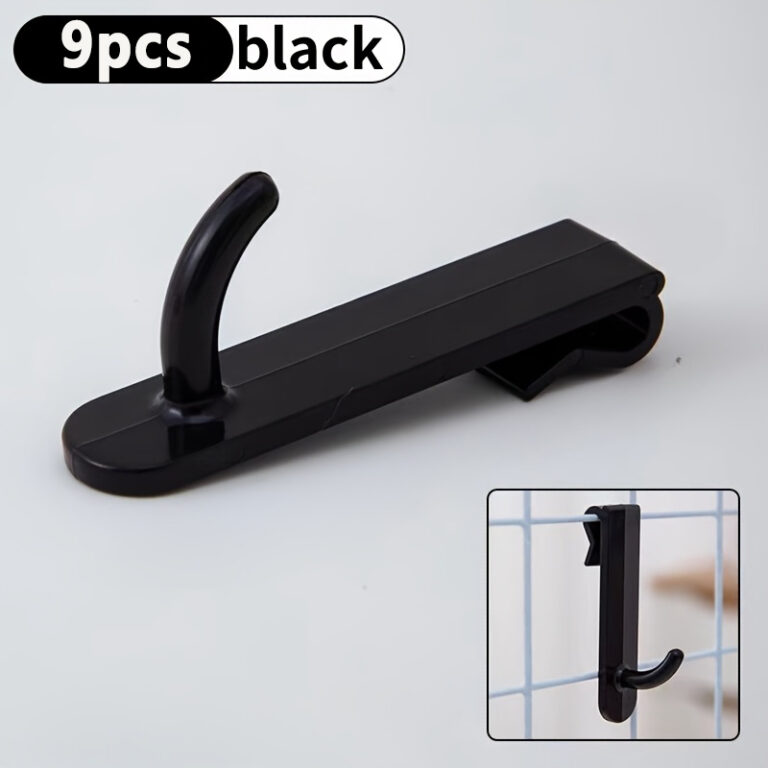
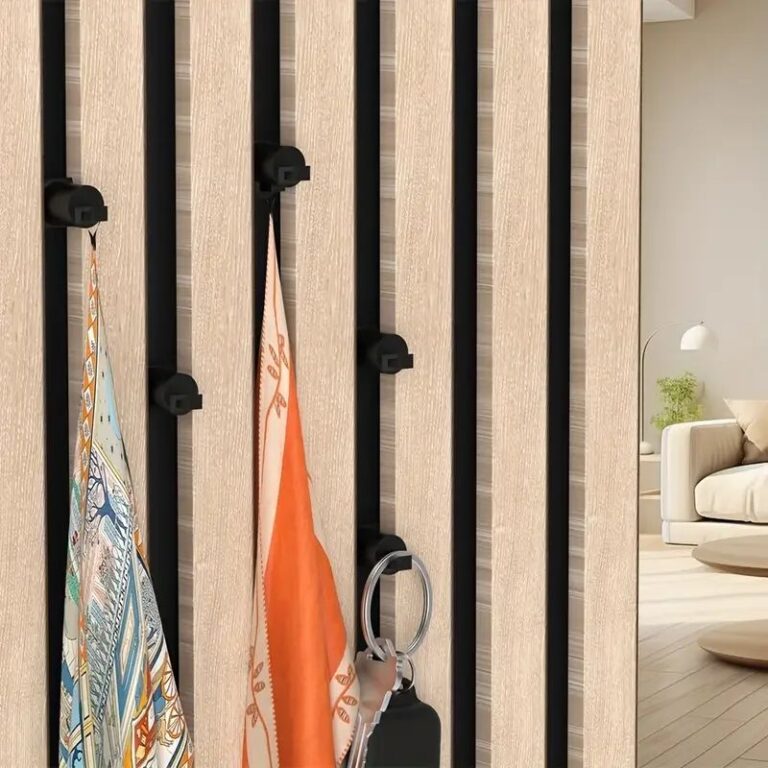 Aisha's pickLong Wall Hooks That Squeeze Into Awkward Corners
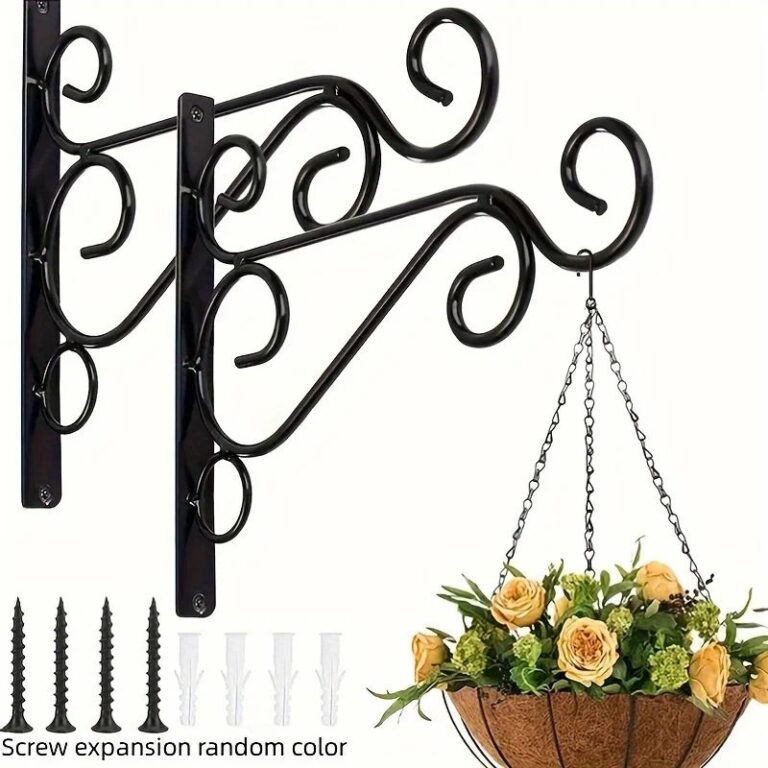
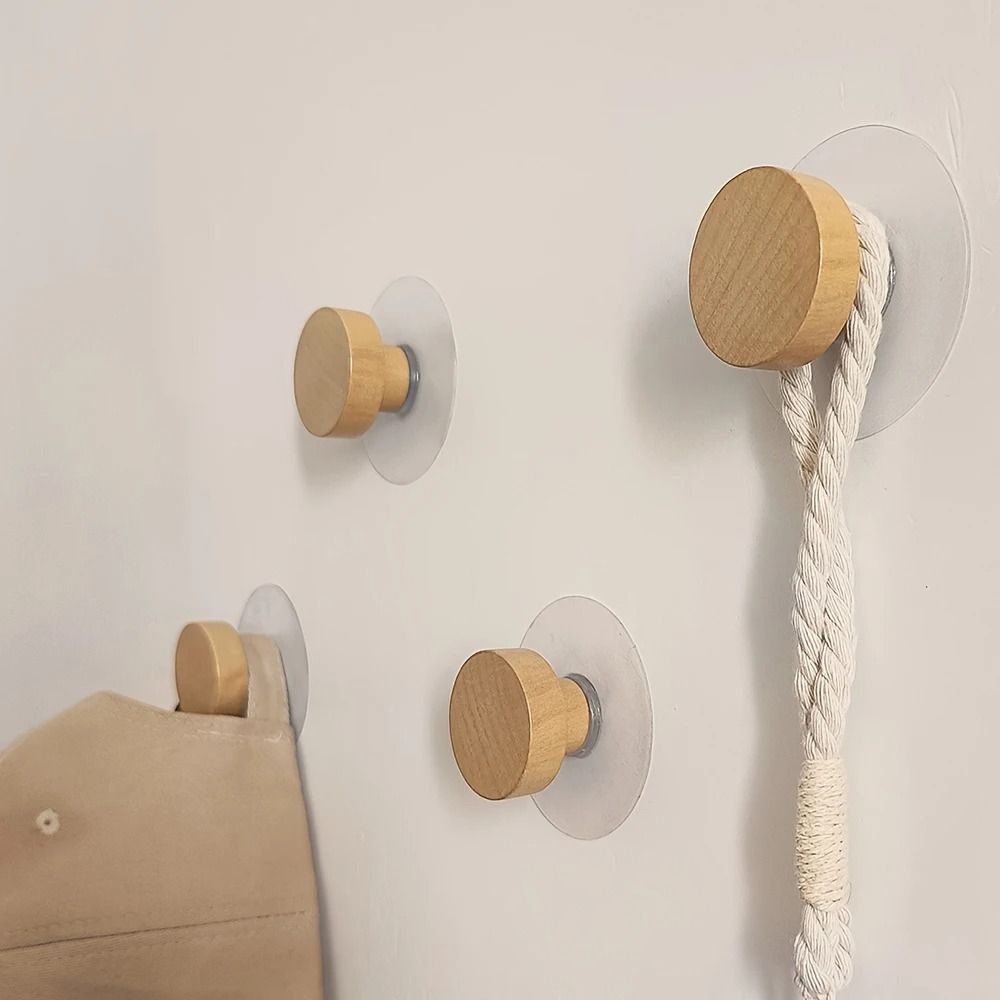
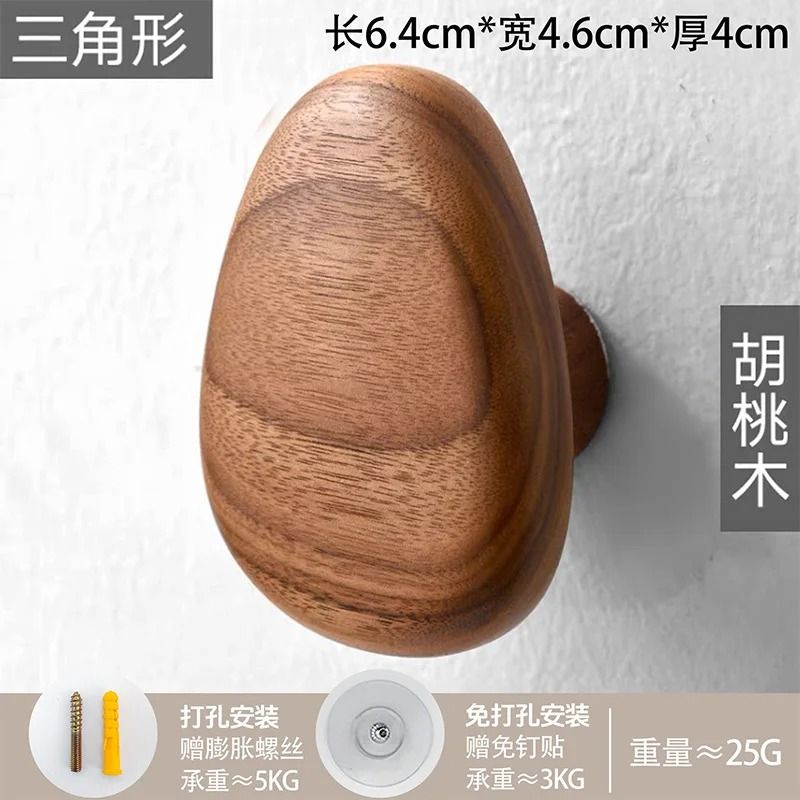 Aisha's pickWooden Wall Hooks That Squeeze Into Awkward Corners
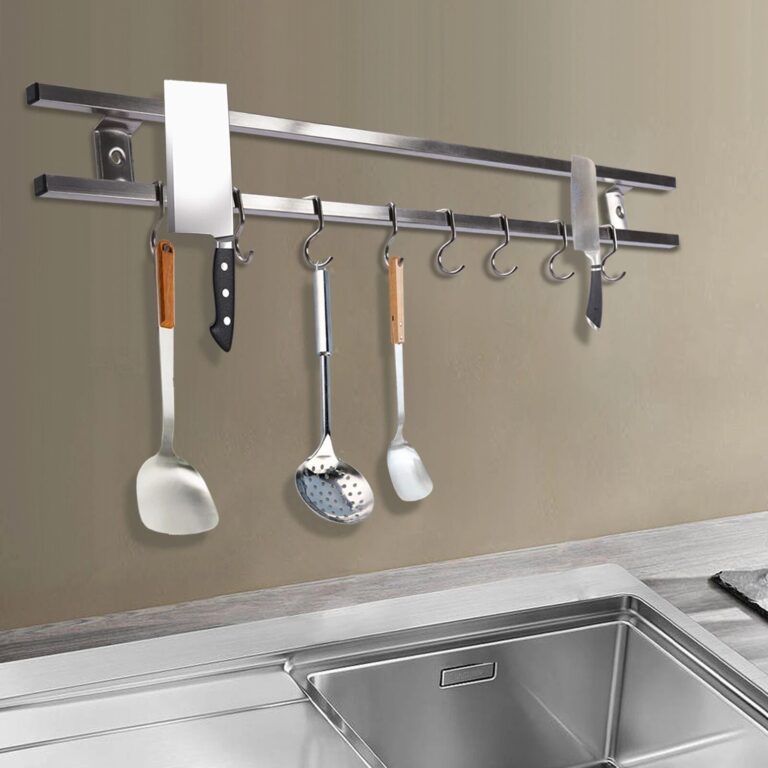 Aisha's pickMagnetic Wall Hooks You’ll Keep for Years
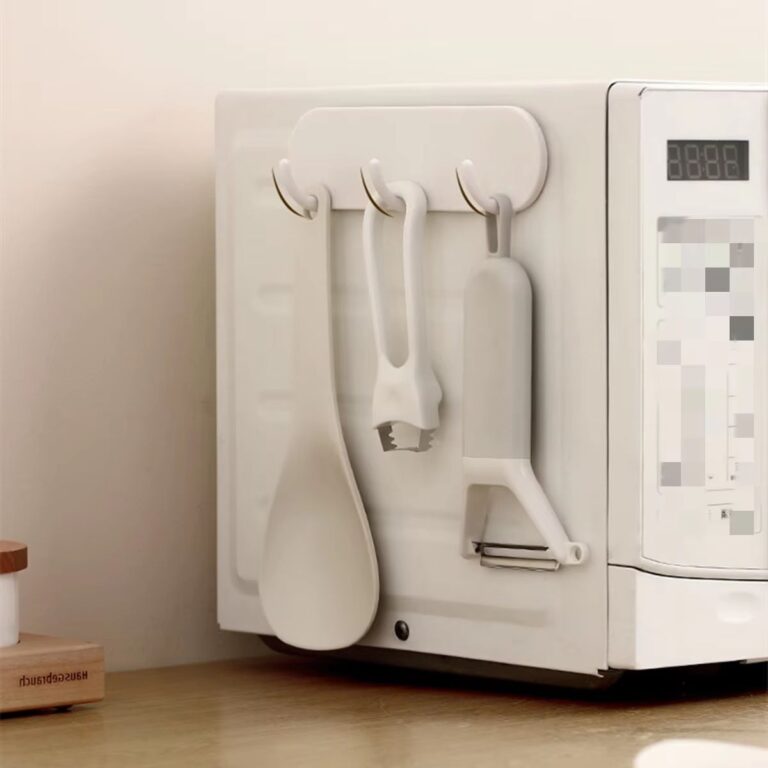
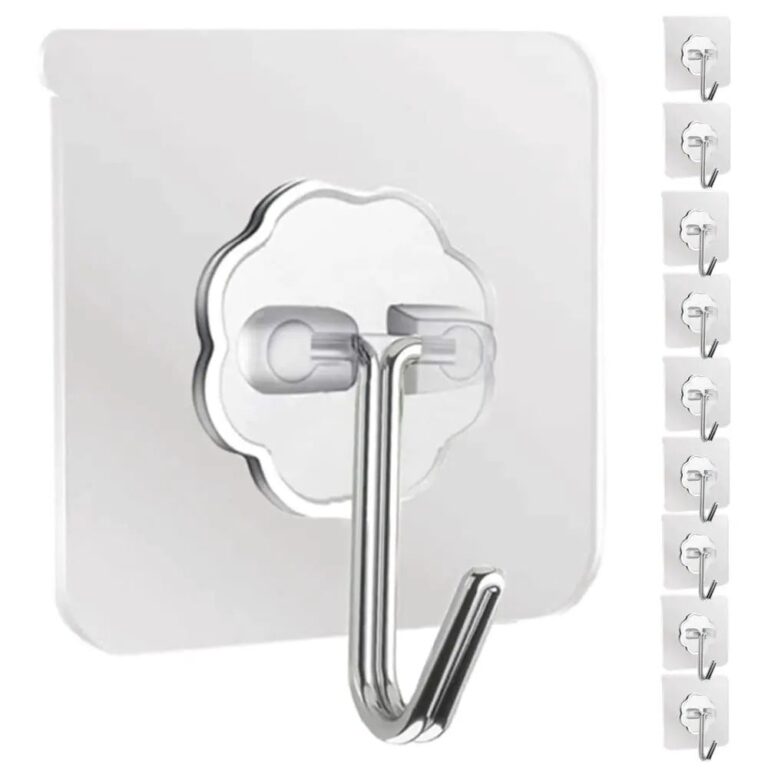 Aisha's pickMedium Wall Hooks We Wish We’d Bought Sooner
 Aisha's pickMetal Wall Hooks for Homes With Too Much Stuff

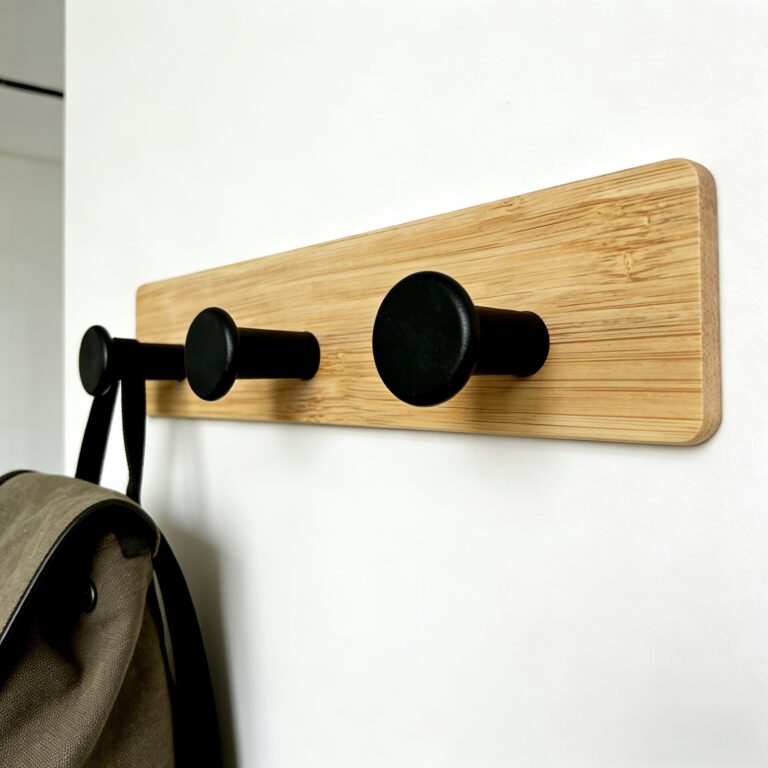 Aisha's pickModern Wall Hooks We’d Buy Again
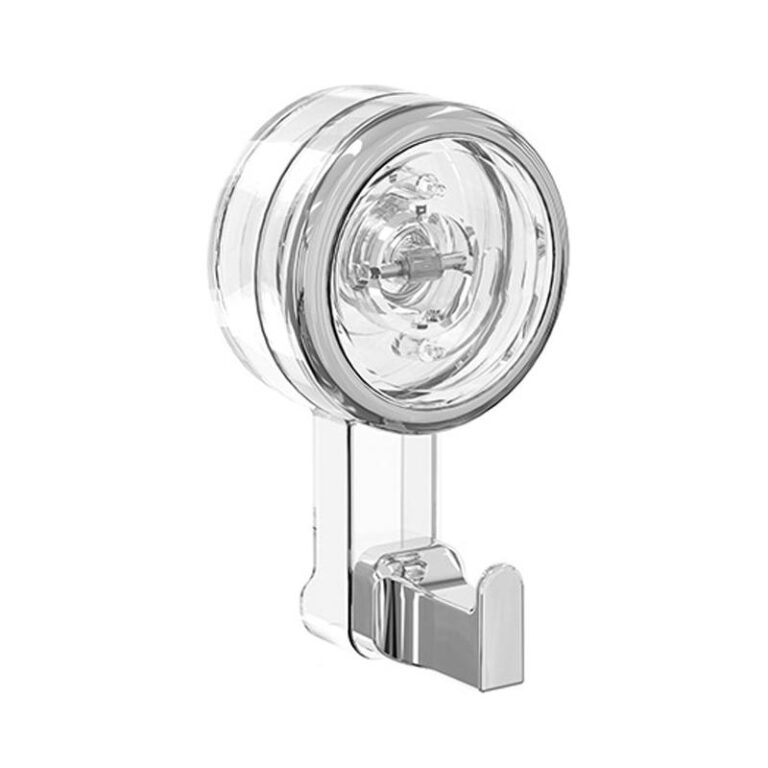
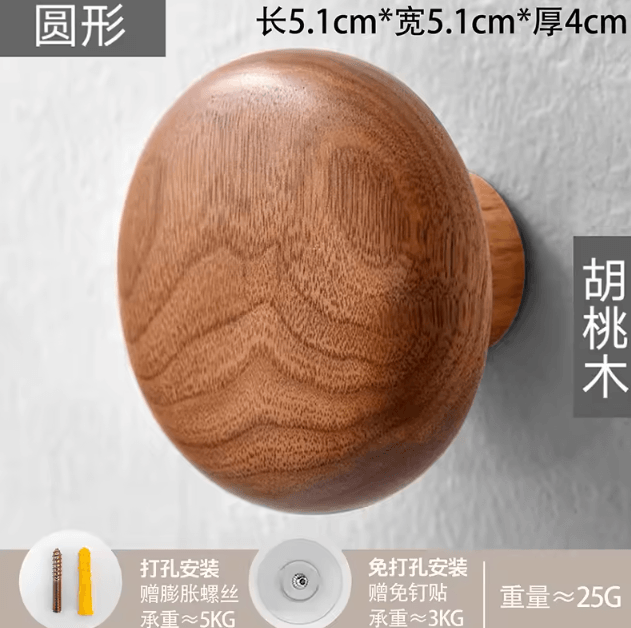 Aisha's pickNatural Wall Hooks From Brands You Know and a Few You Won’t
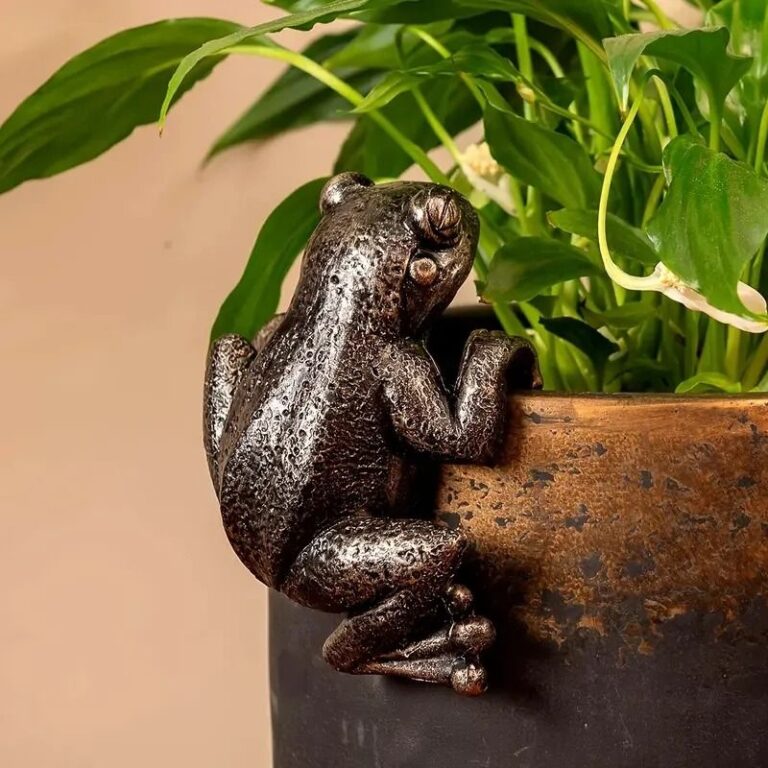
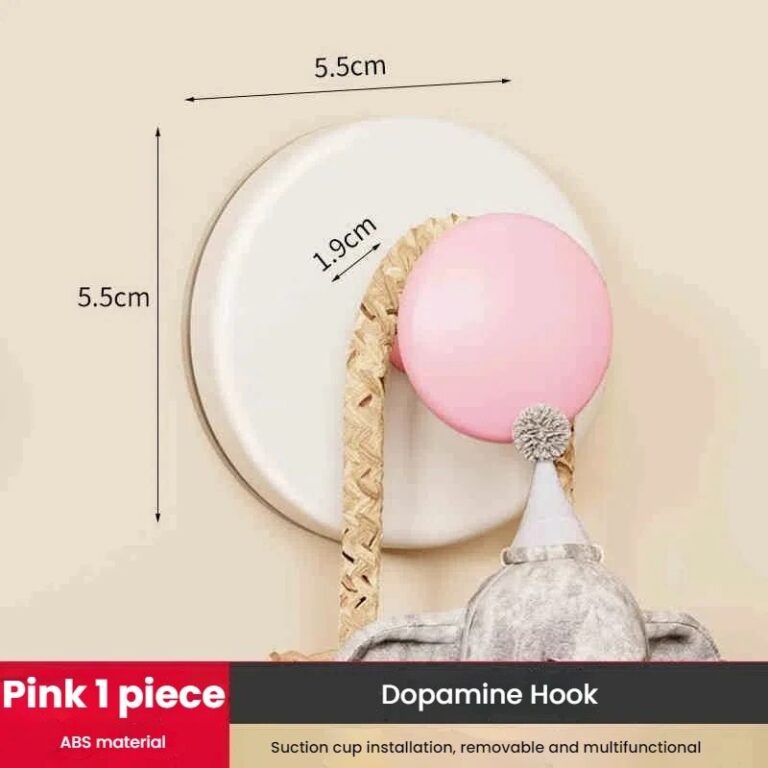 Aisha's pickRound Wall Hooks That Squeeze Into Awkward Corners
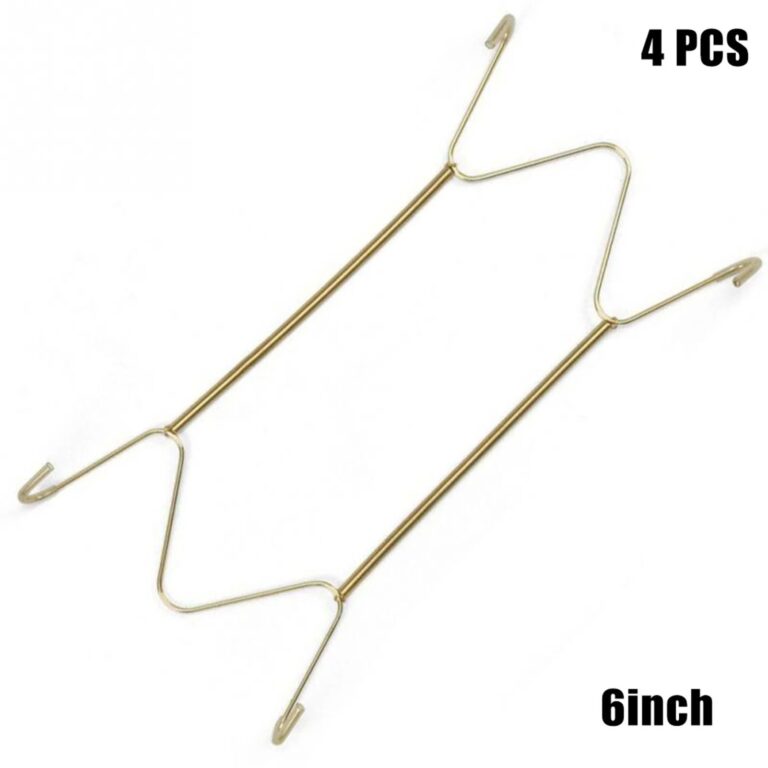
 Aisha's pickSmall Wall Hooks for Making a House Feel Like YoursAlso worth a lookCartsFor a long time I thought a cart was just a tray with wheels, the kind of thing you'd buy because the aisle was there and the price was low.See the collections →
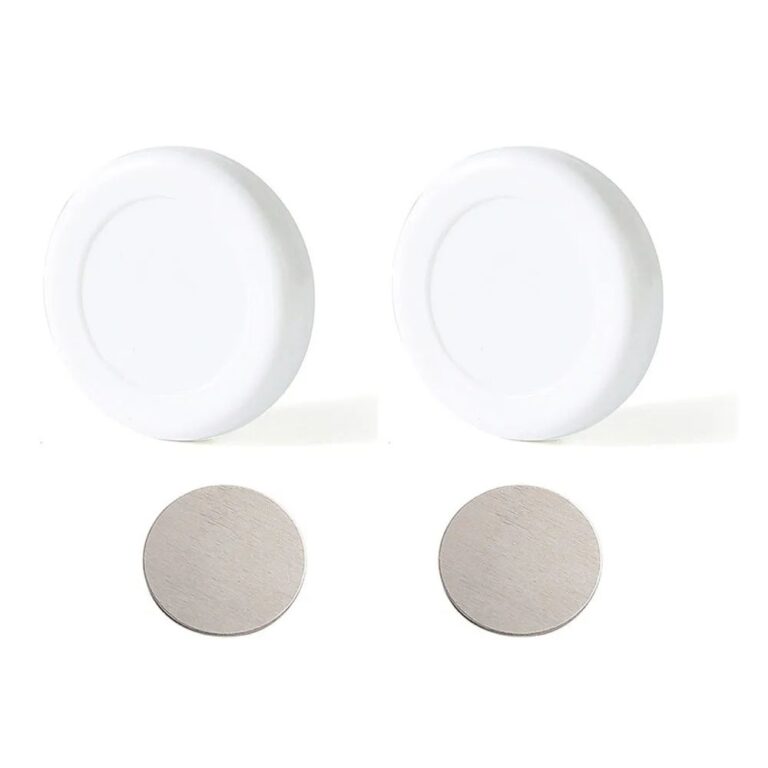
 Aisha's pickWall Coat Racks That Sort Out the Pile by the Door