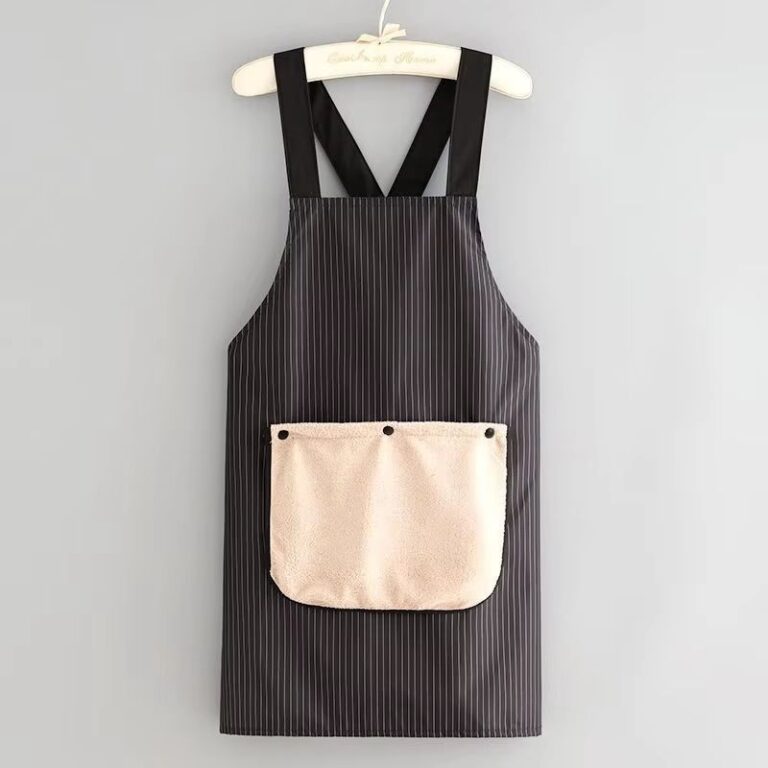
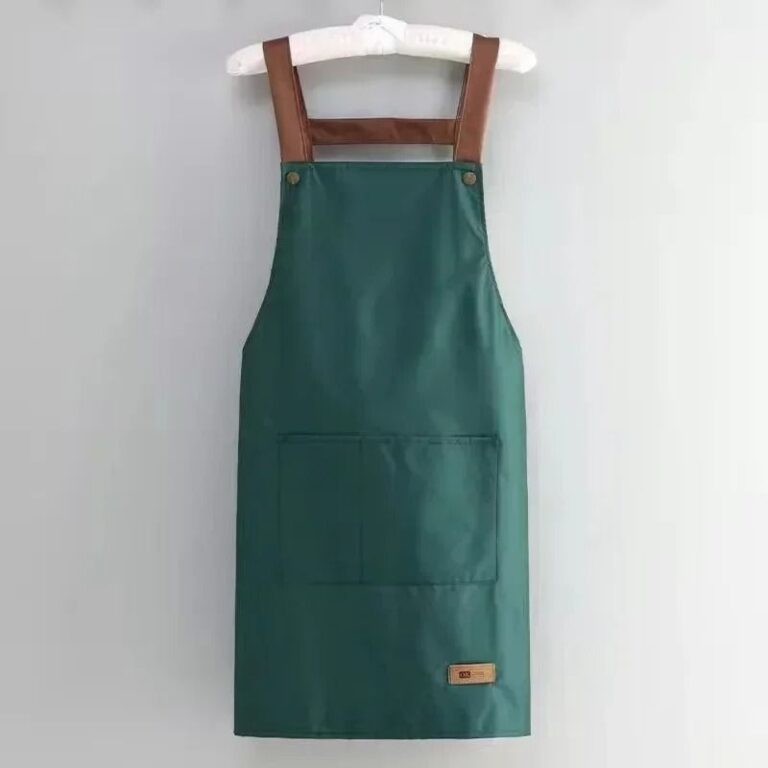
Most people treat an apron as the thing you grab when you're about to ruin a shirt, which means it ends up a flimsy square of fabric shoved in a drawer until the one time you need it, and by then the tie strings have gone see through and it does nothing. An apron you actually reach for is a different animal entirely, and most kitchens have the wrong one or none at all.
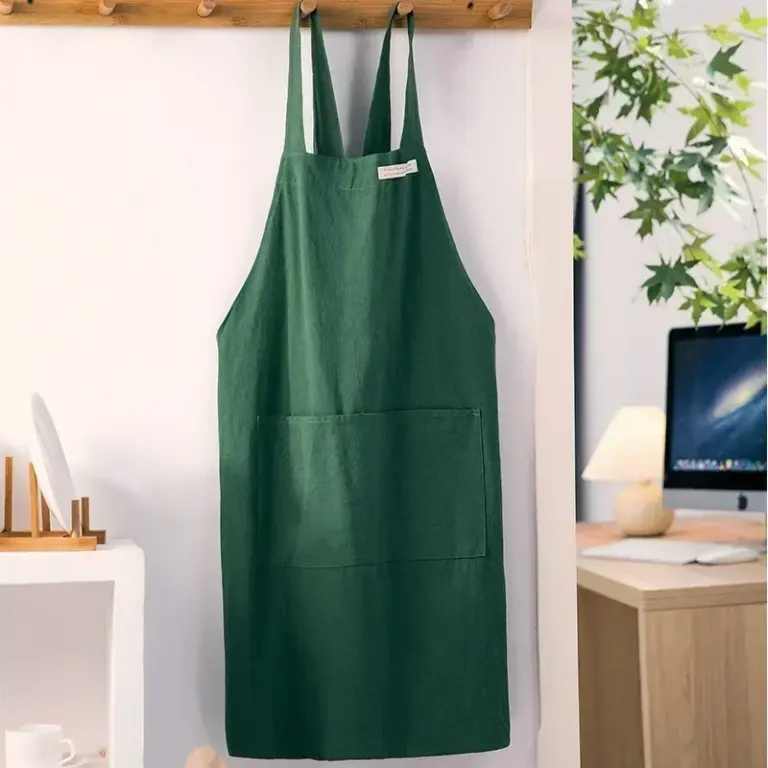
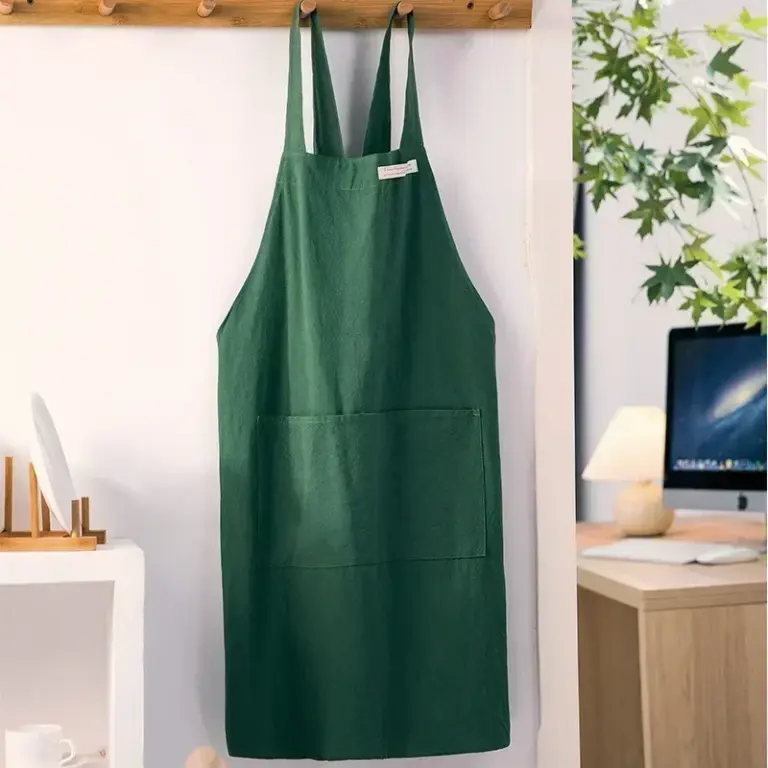
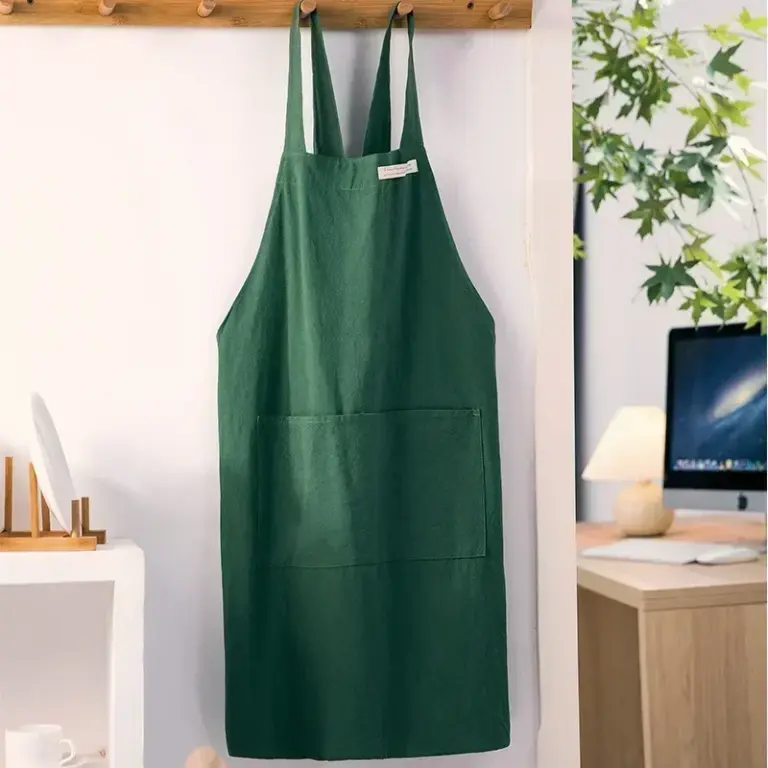
A good apron sits well against plain things, a worn wood counter, open shelving with plain white dishes, a linen towel hanging off the oven handle. It is not trying to coordinate with anything, which is exactly why it works in a kitchen that already has too many patterns going on. For color, go duller than you think you want. A flour sack white or a faded denim blue hides sauce splatter and years of use far better than anything bright or printed, and a dark olive or rust will actually look better after a hundred washes, not worse. White looks clean in the store and then you cook one pan of bolognese and it tells on you forever.
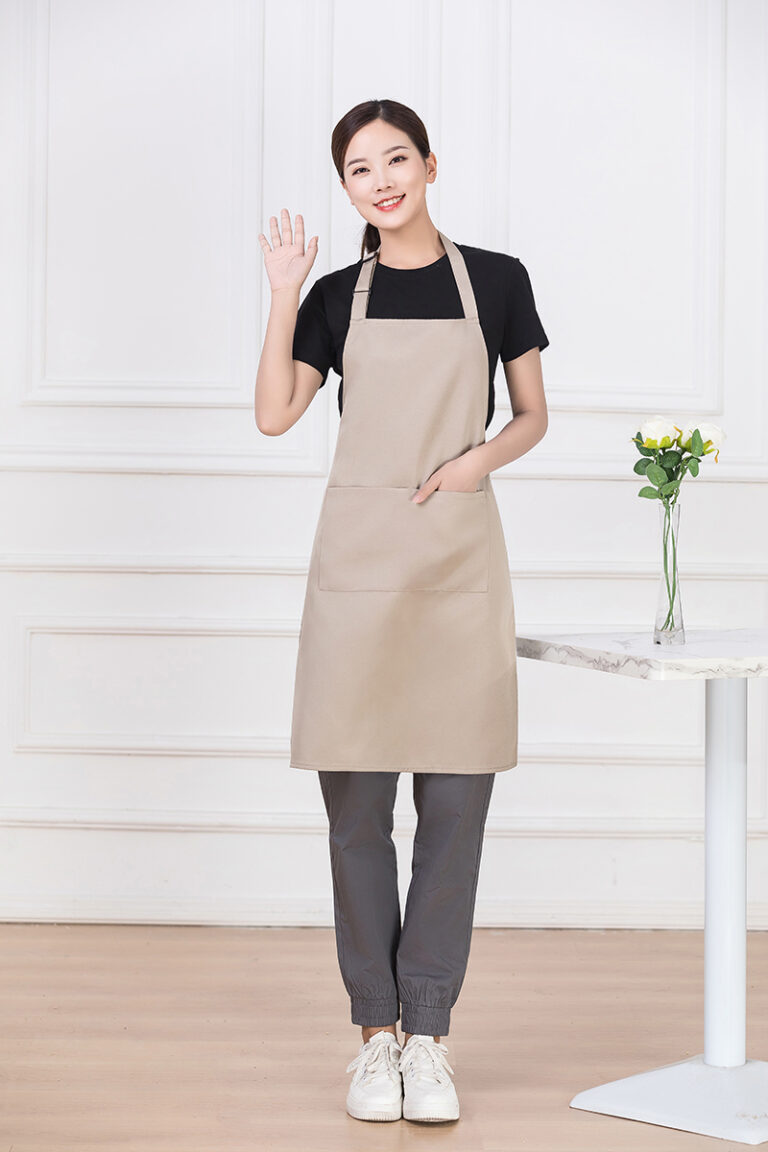
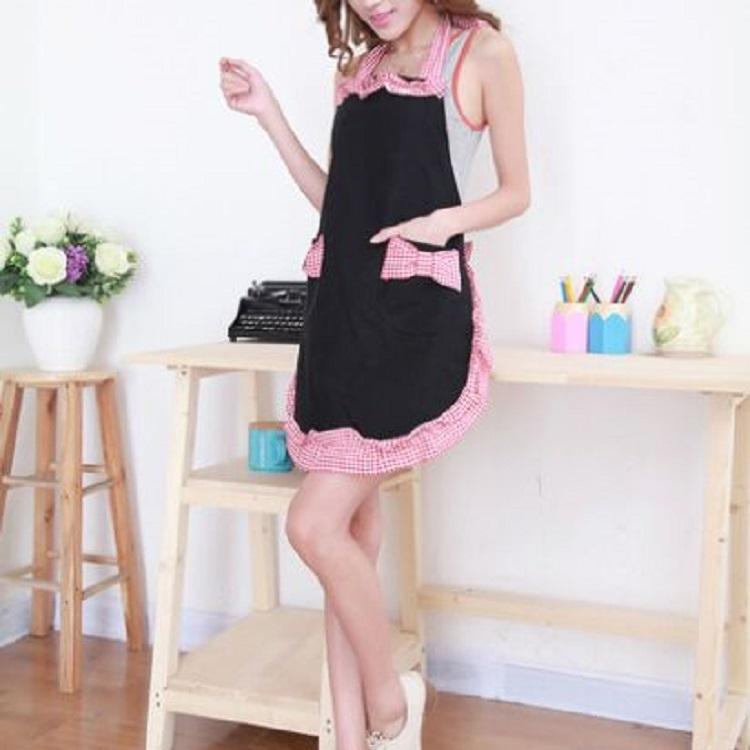
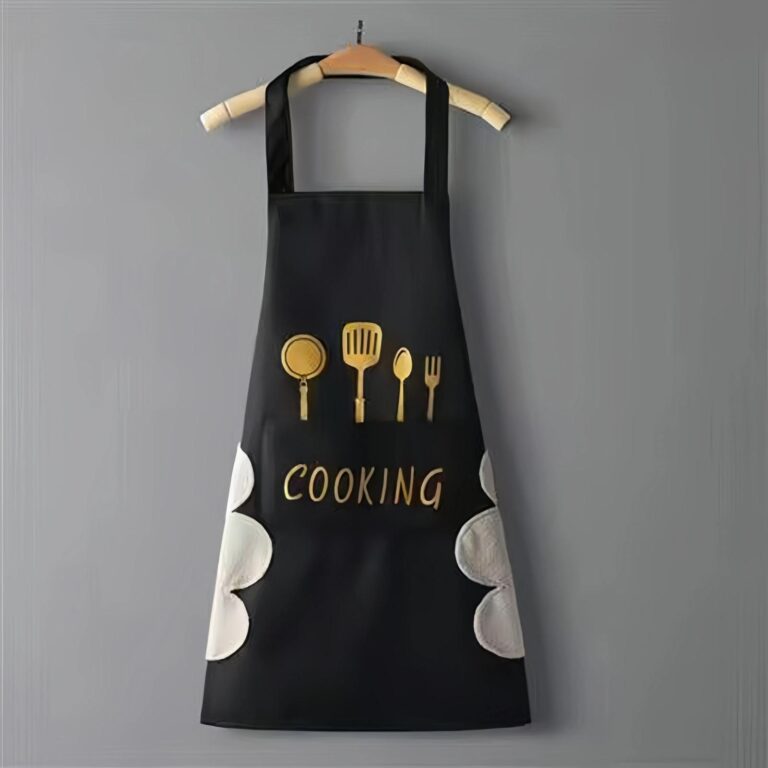
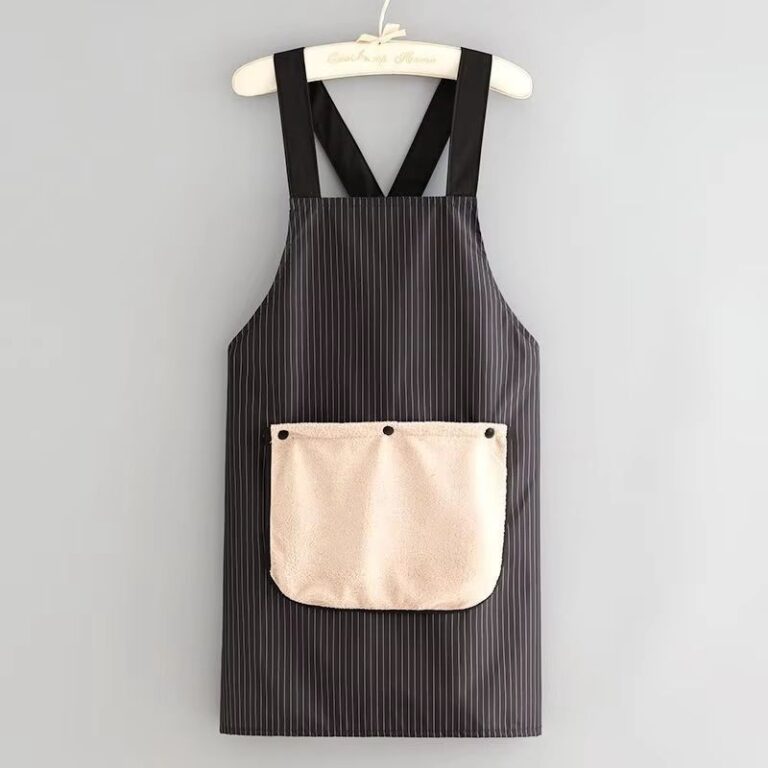
If you own zero aprons right now, start with a plain full coverage one with a neck strap and a waist tie, in a mid weight cotton or linen blend, not a see through cotton that might as well be a dish towel with ambitions. Skip the cute half apron with the tiny front pocket until you know what you actually need pockets for. You want something that covers your actual torso when you lean over a stockpot, not something decorative that protects your belt buckle and nothing else.
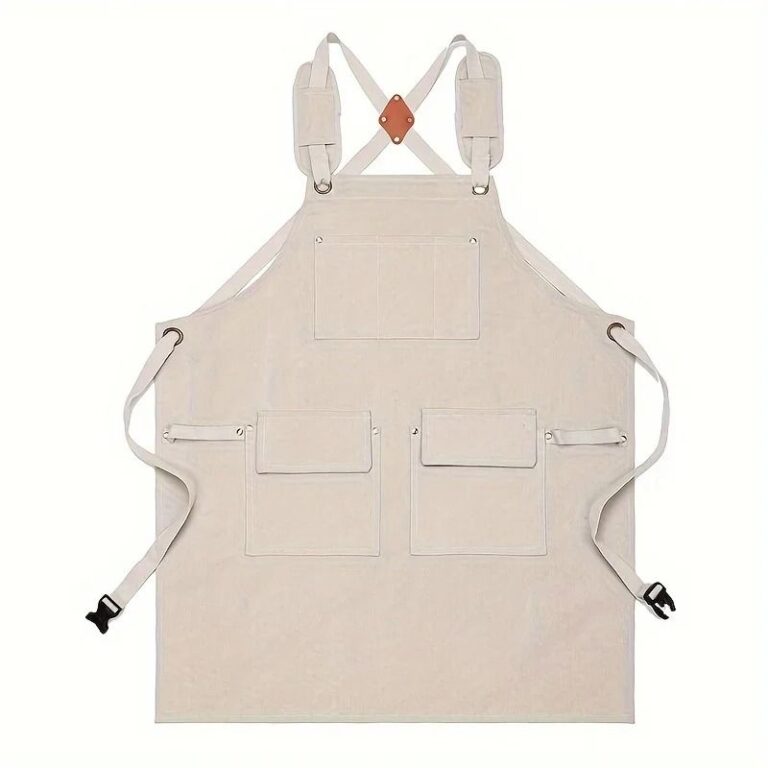
The difference between a cheap apron and a good one shows up fast. Cheap ones have a thin single layer of fabric, ties that are basically shoelaces, and a neck strap that saws into your neck after twenty minutes of standing at the stove. A well made one has double stitched seams, a wider neck strap, often adjustable, and ties long enough to cross in back and knot in front without a struggle. The fabric should have some weight to it, enough that it doesn't flap around or soak through the second you touch anything wet. Mike bought a two dollar one once that disintegrated at the hem after one wash with jeans. I will never let him forget it.
Wash it the way you'd wash a good towel, cold water, no bleach, and let it air dry so the ties don't lose their shape in the dryer.

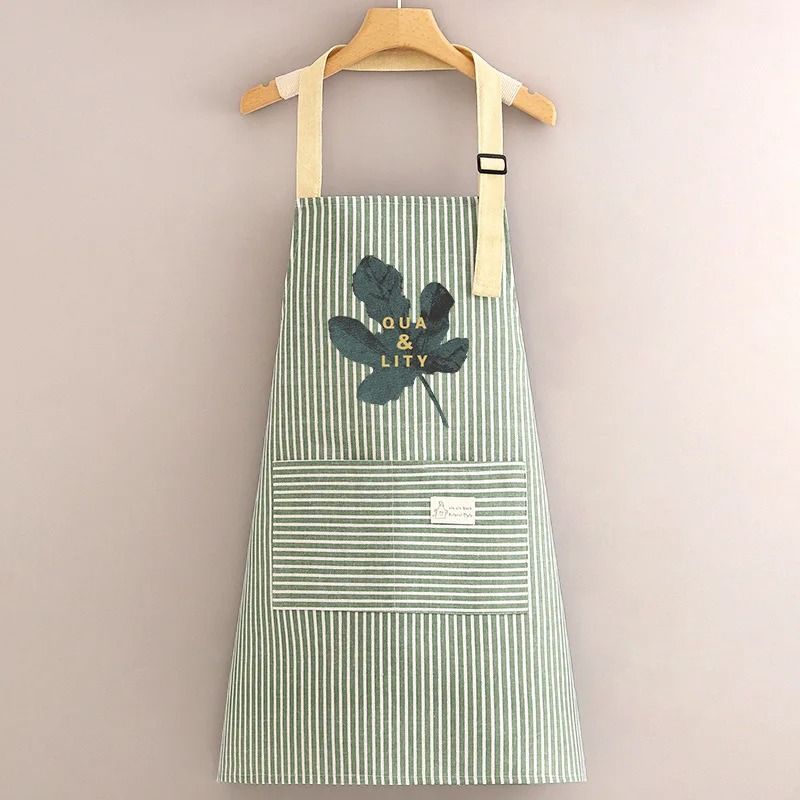 Aisha's pickAprons for Kitchen That Look Like They Cost More
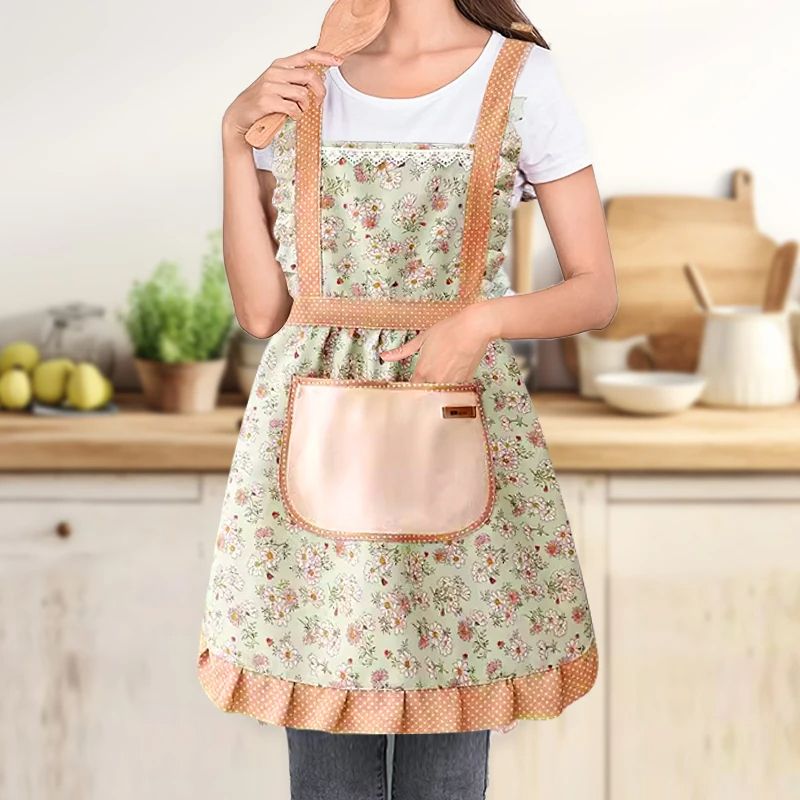
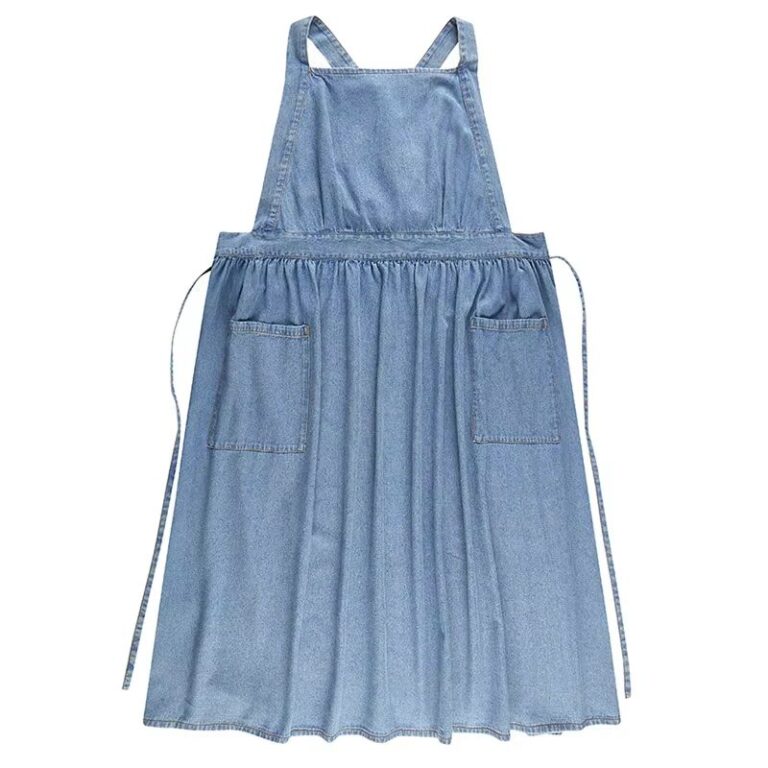 Aisha's pickDenim Aprons That Make Small Changes Feel Big
 Aisha's pickWhite Aprons That Don’t Shout About It
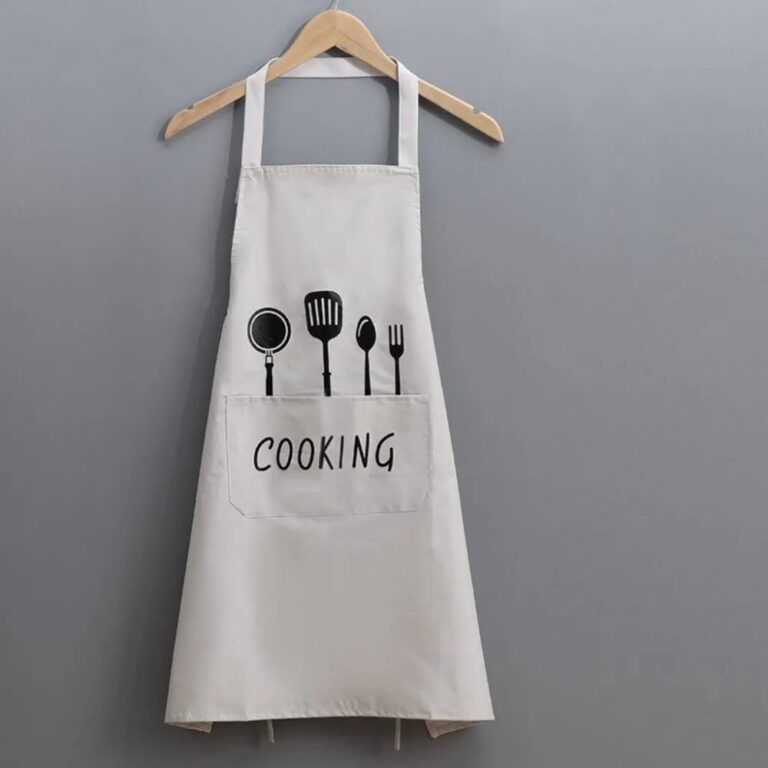 Aisha's pickAprons for Men That Work in Old Houses and New Ones
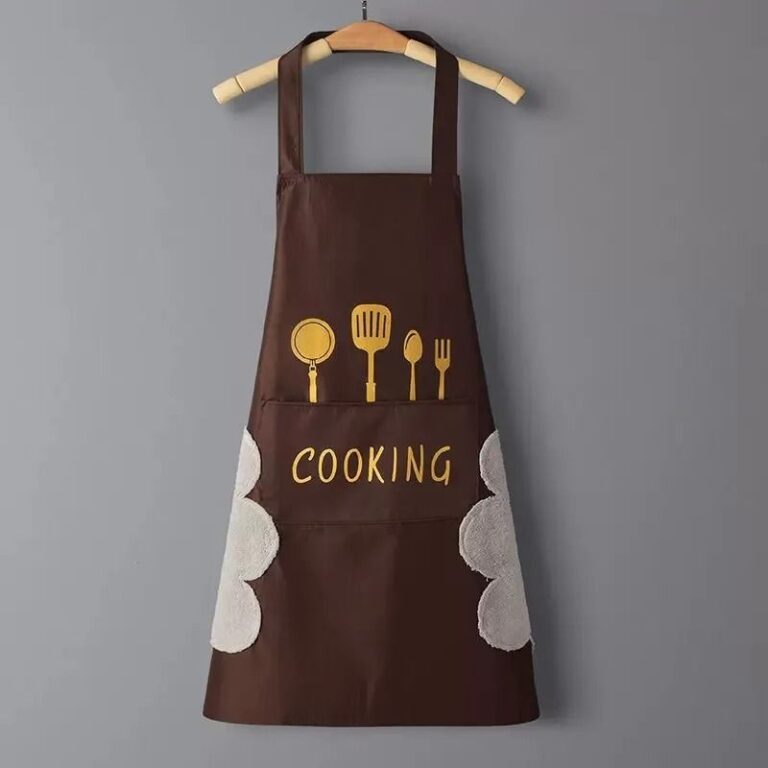
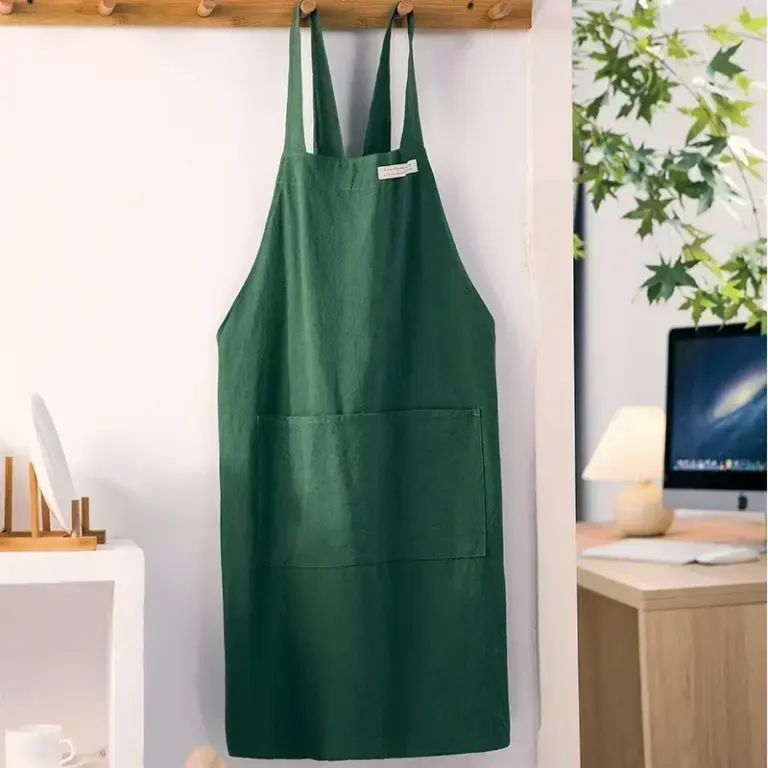
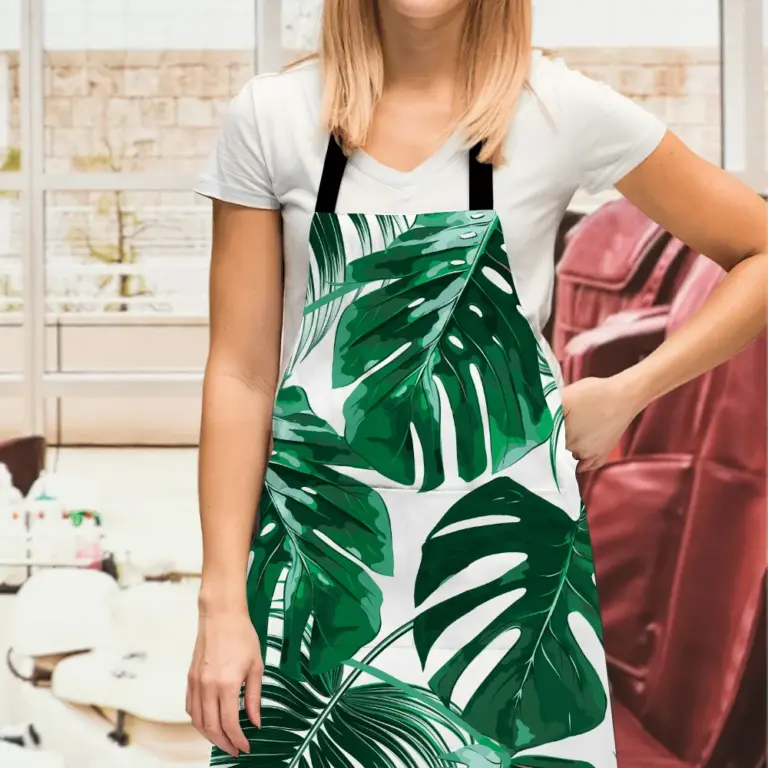 Aisha's pickGreen Aprons With a Soft, Lived In Feel
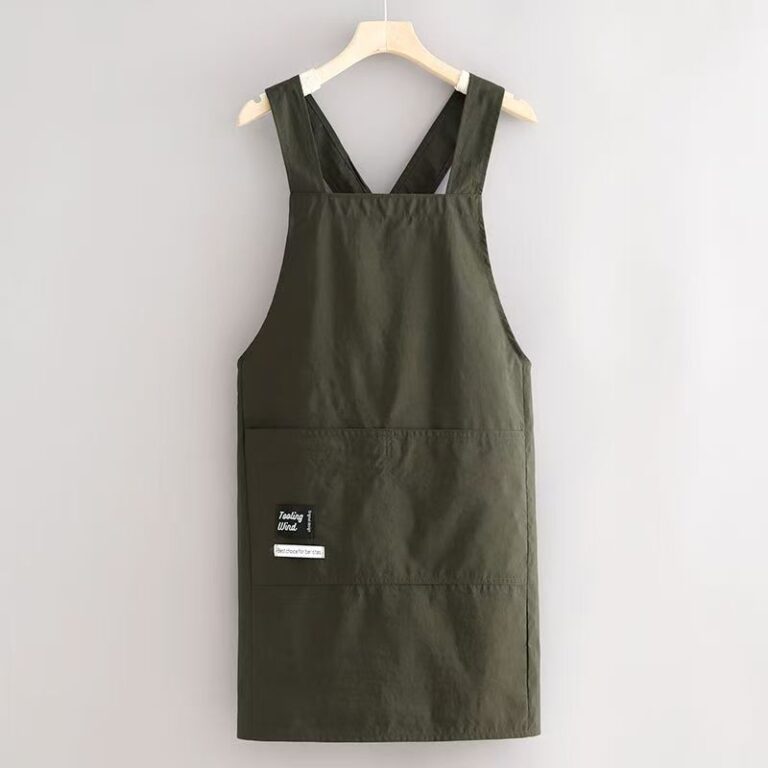
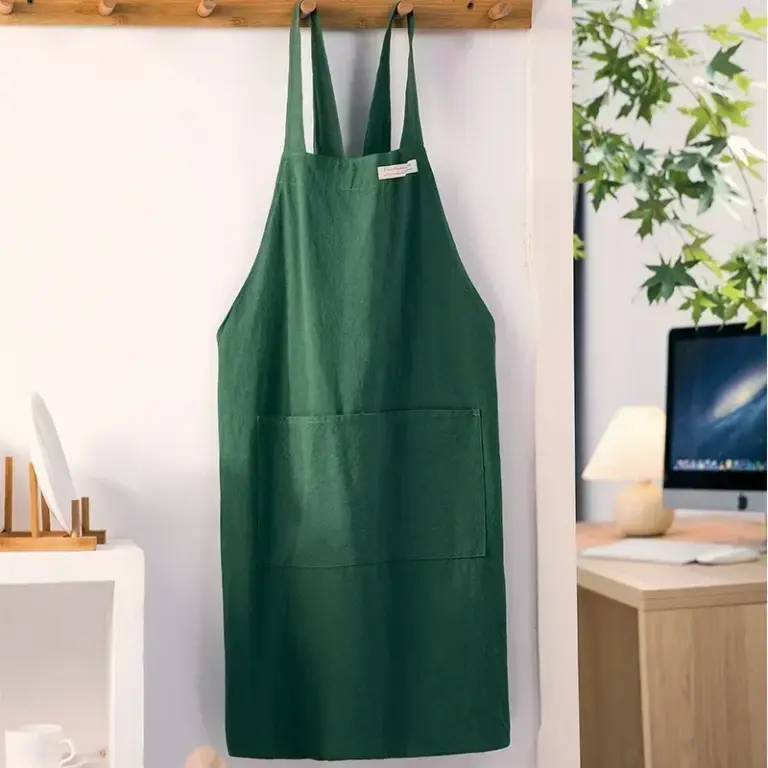 Aisha's pickAprons for Women That Won’t Let You Down
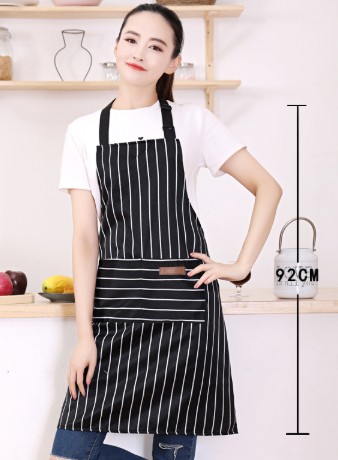
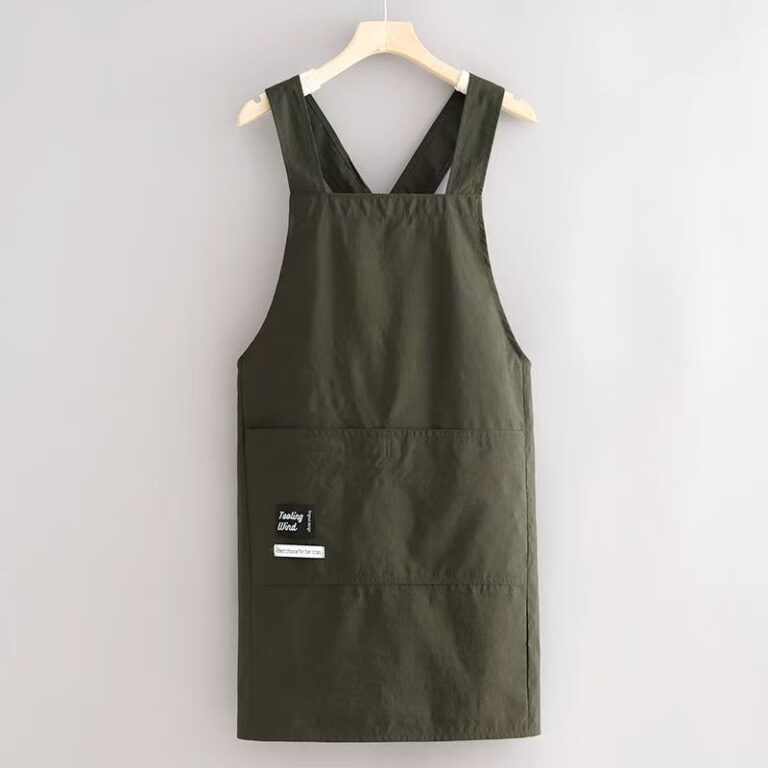 Aisha's pickKitchen Aprons That Cope With Steam and Splashes
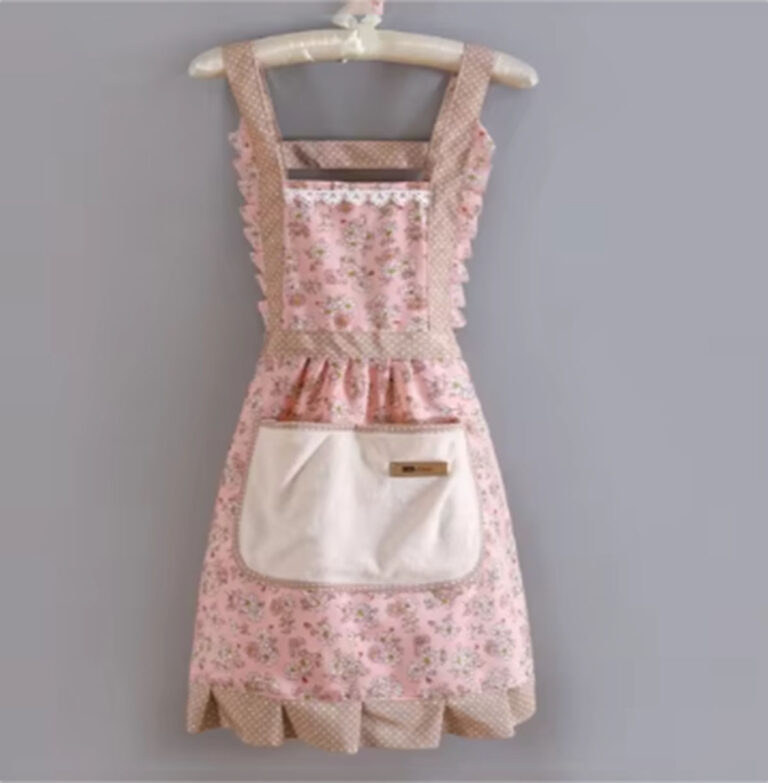
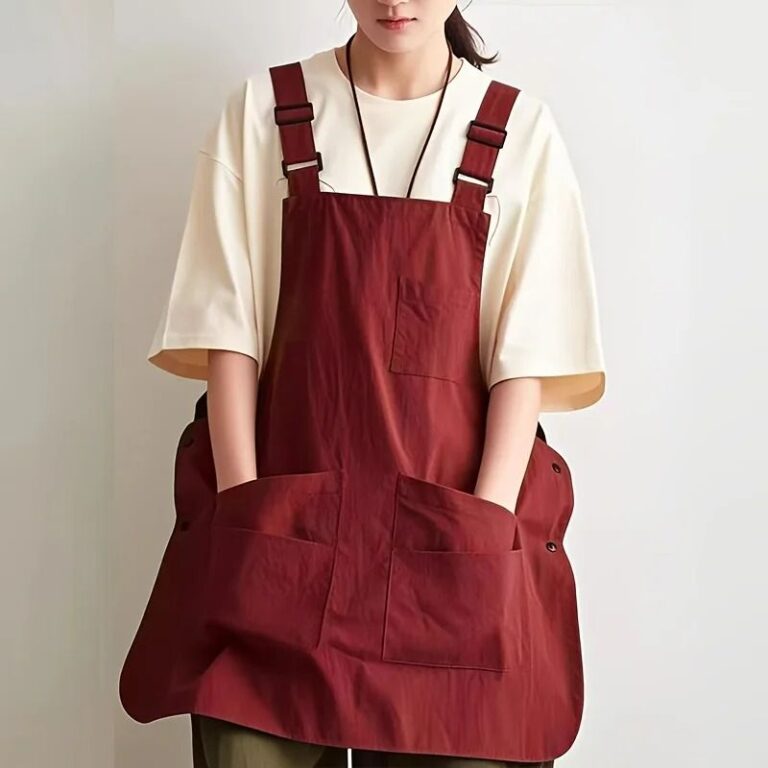 Aisha's pickAprons with Pockets We Keep Coming Back To
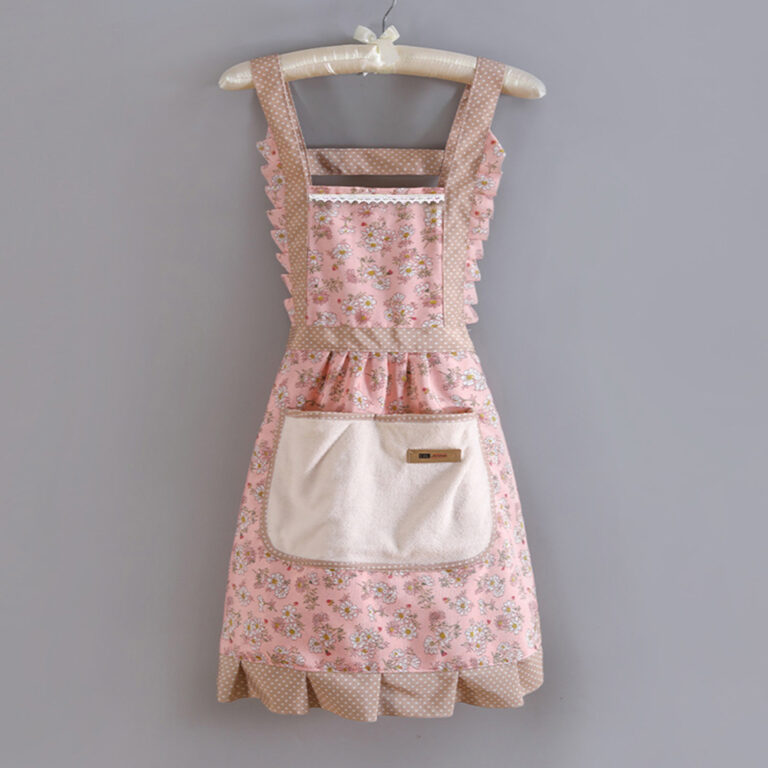
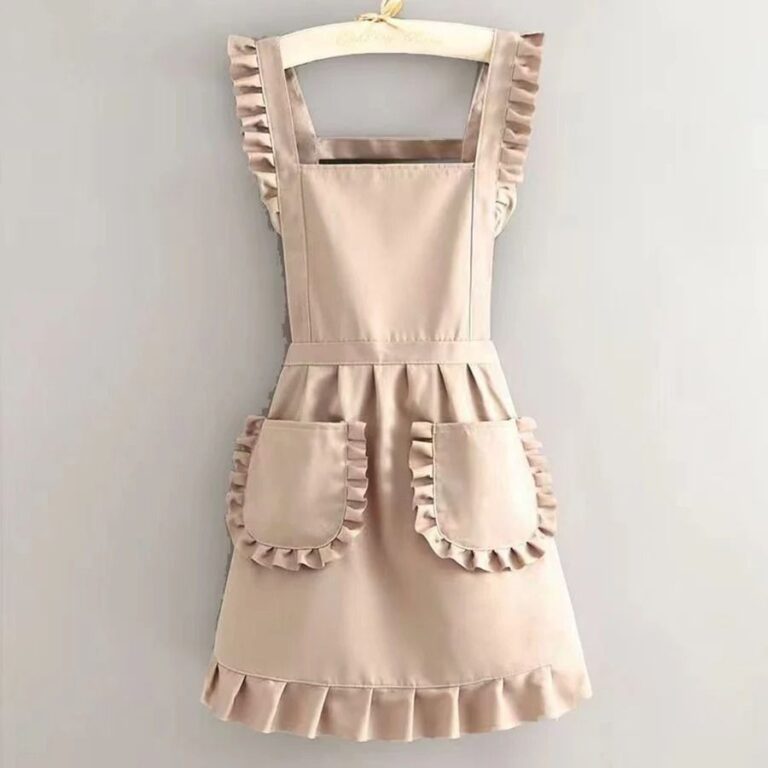 Aisha's pickKitchen Aprons with Pockets That Look Better in Real LifeAlso worth a lookTableclothsThe first one I owned was a thin polyester rectangle from a discount bin, white with a texture…See the collections →
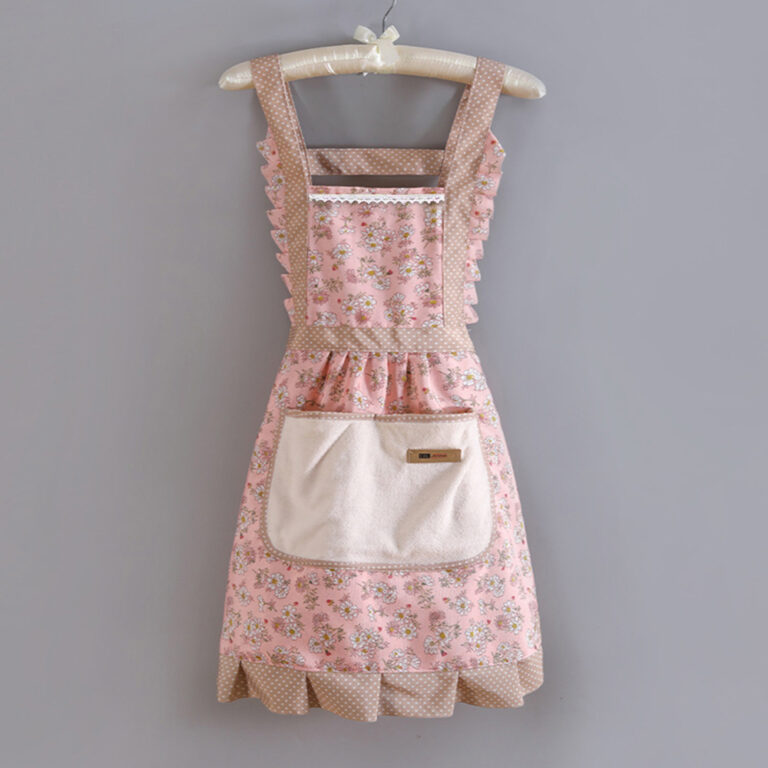
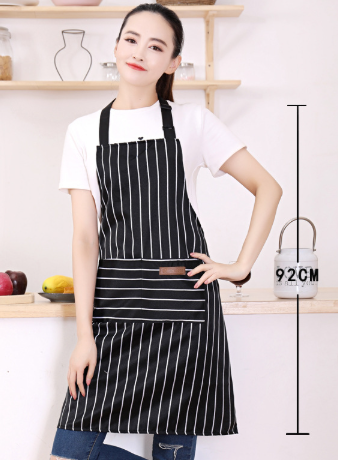 Aisha's pickBlack Aprons That Look Better in Real Life
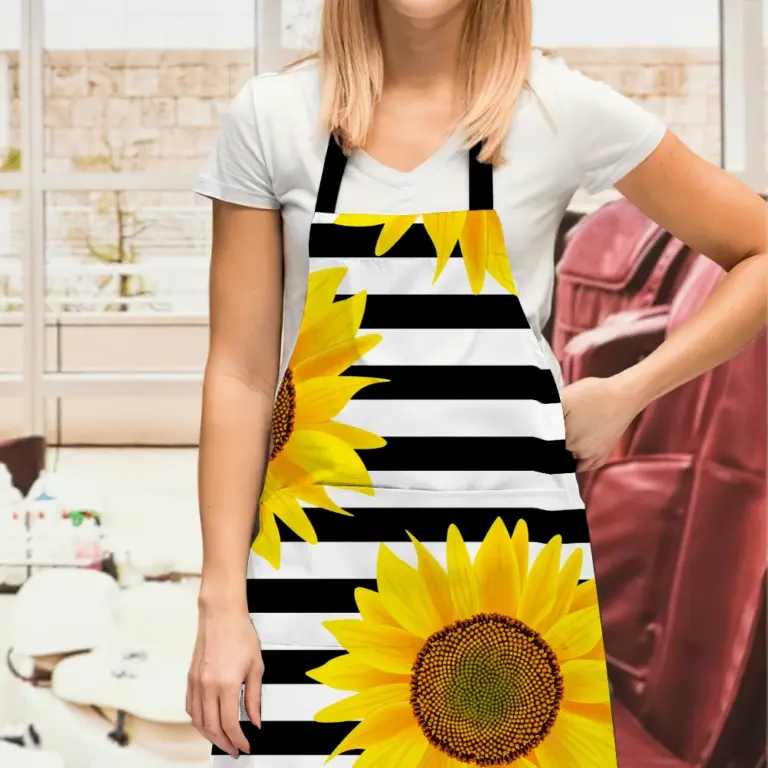
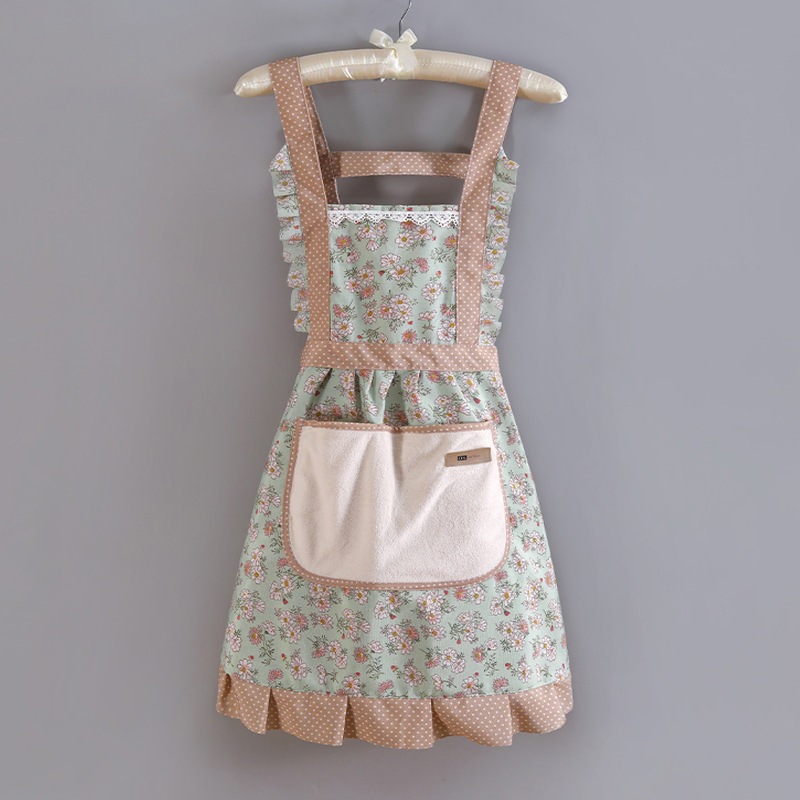 Aisha's pickLarge Aprons From Brands You Know and a Few You Won’t
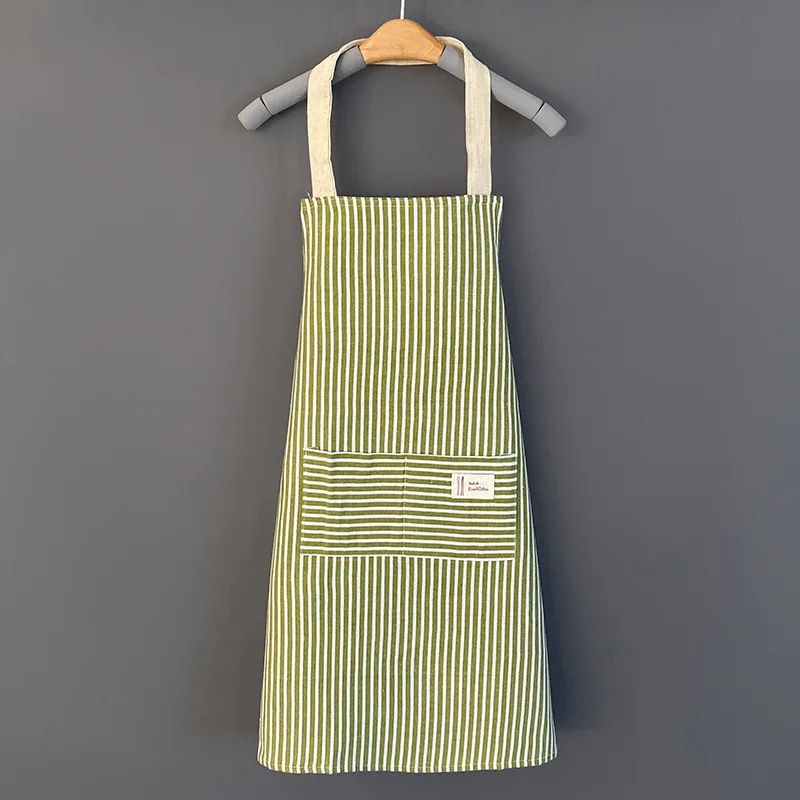
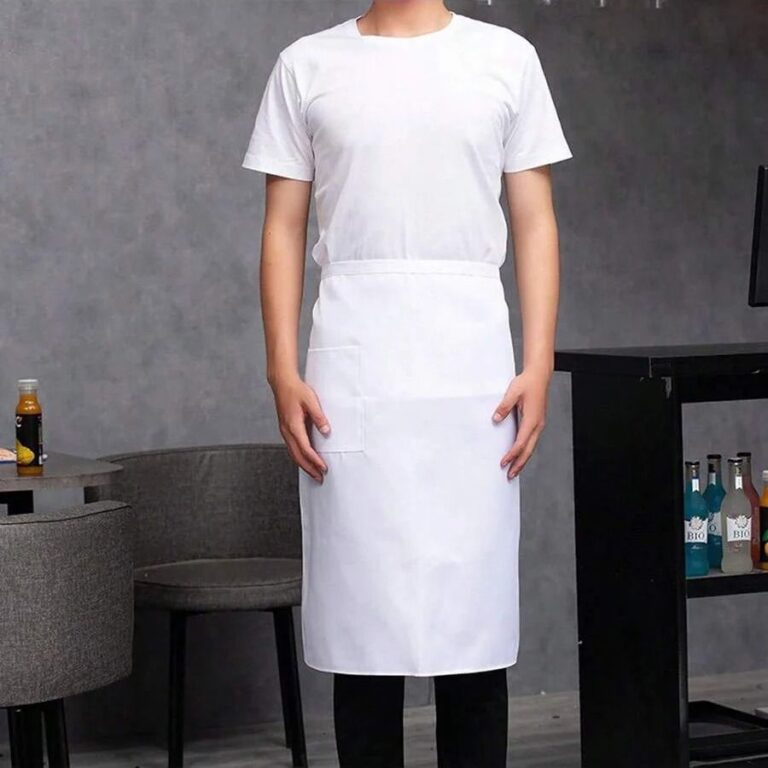 Aisha's pickBlack Aprons with Pockets That Feel as Good as They Look
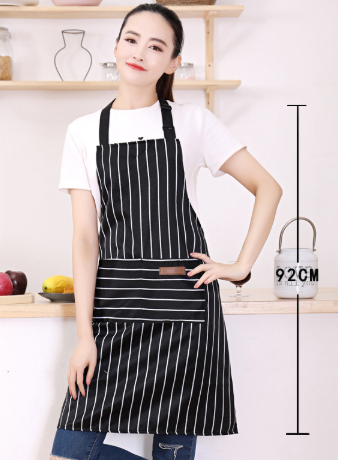
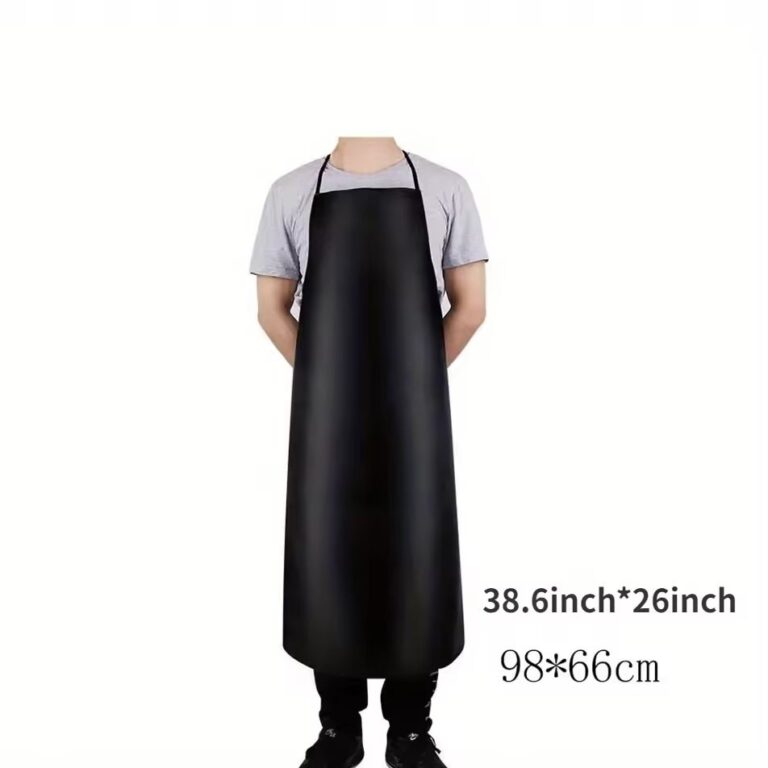 Aisha's pickLeather Aprons Picked From the Stores We Trust
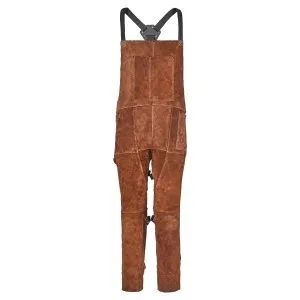
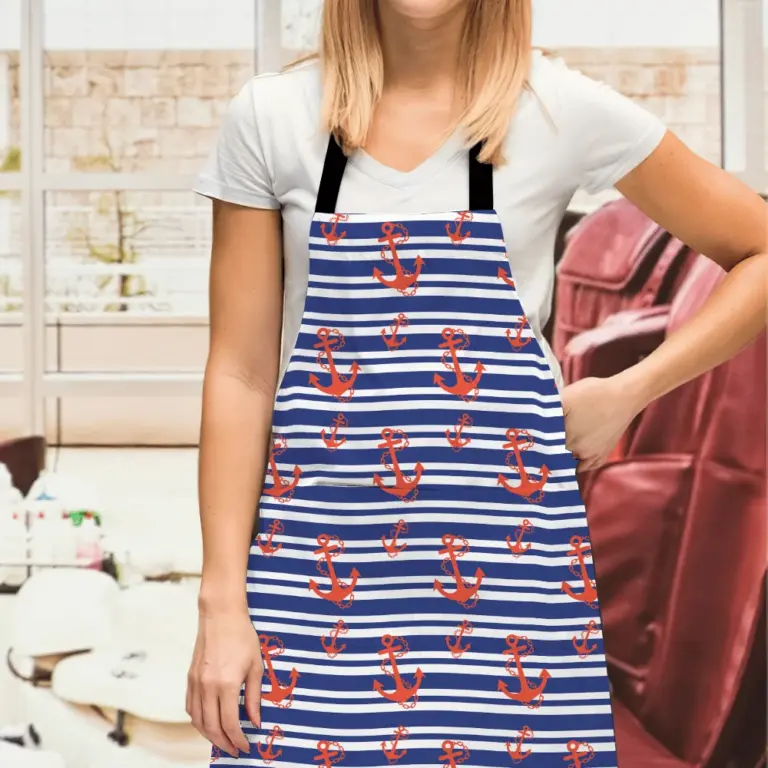 Aisha's pickBlue Aprons We Swap Around With the Seasons
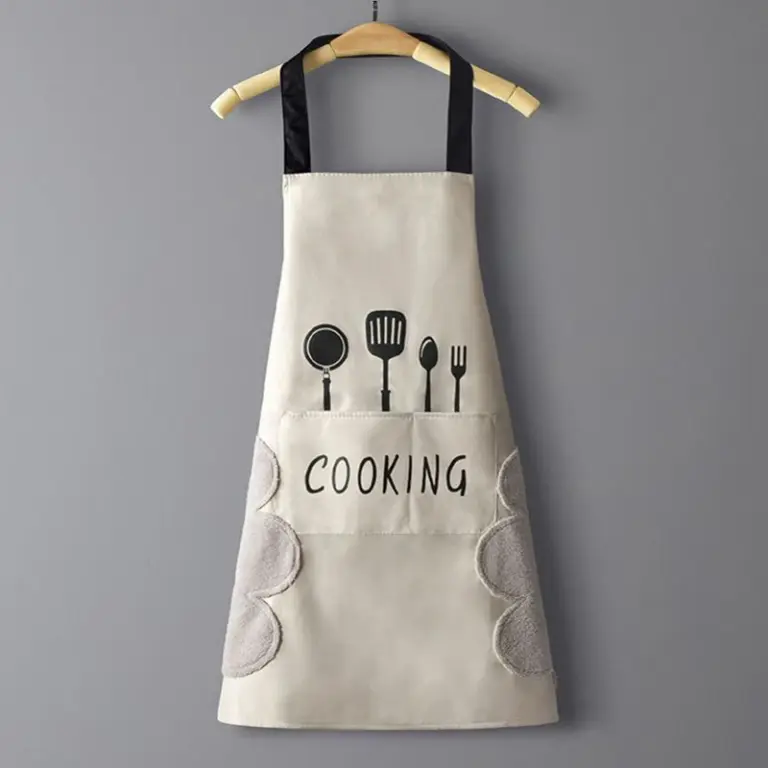 Aisha's pickThe Long Aprons Worth Your Cash
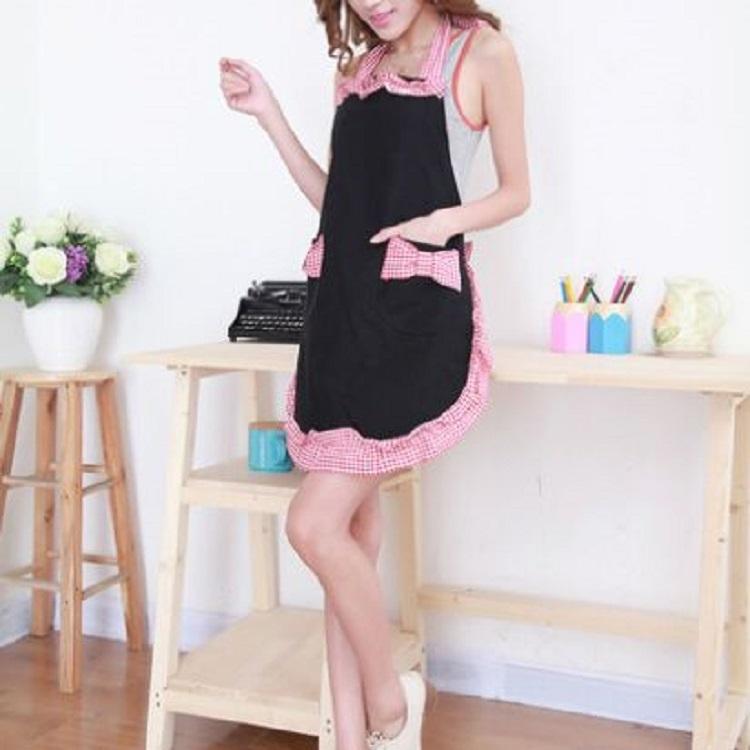
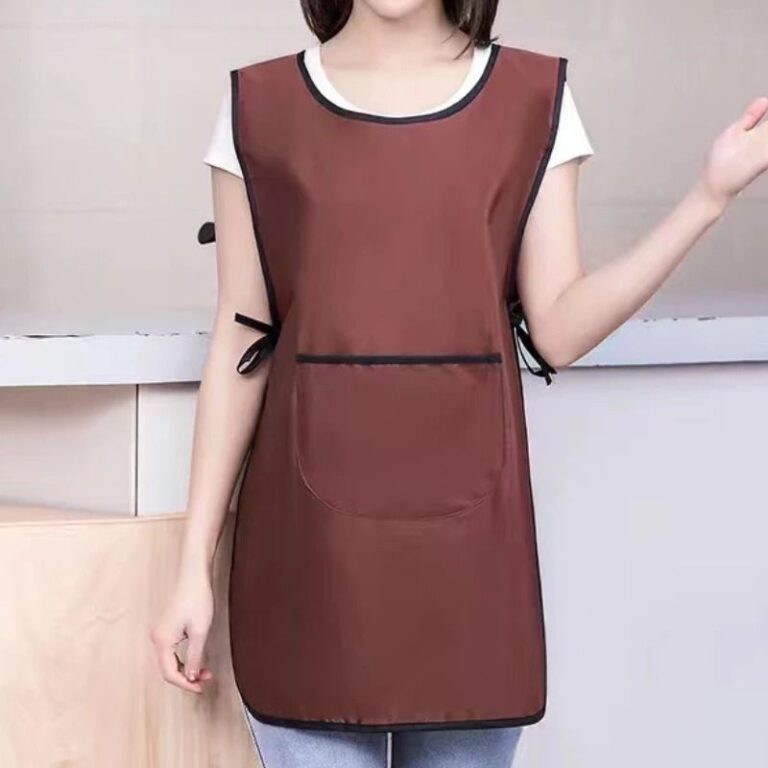 Aisha's pickCanvas Aprons That Don’t Need Babying
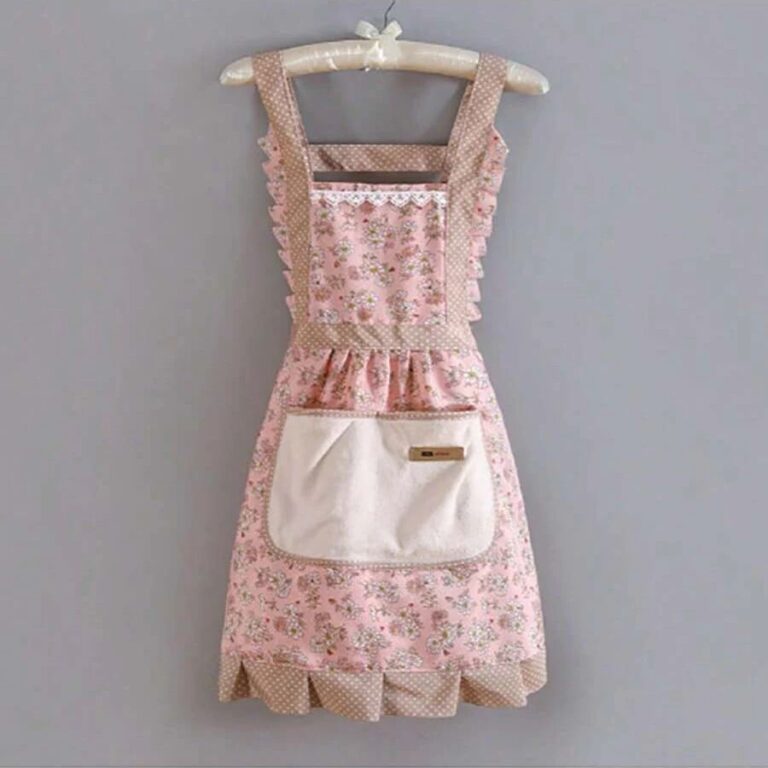
 Aisha's pickModern Aprons You’ll Still Like in Five Years
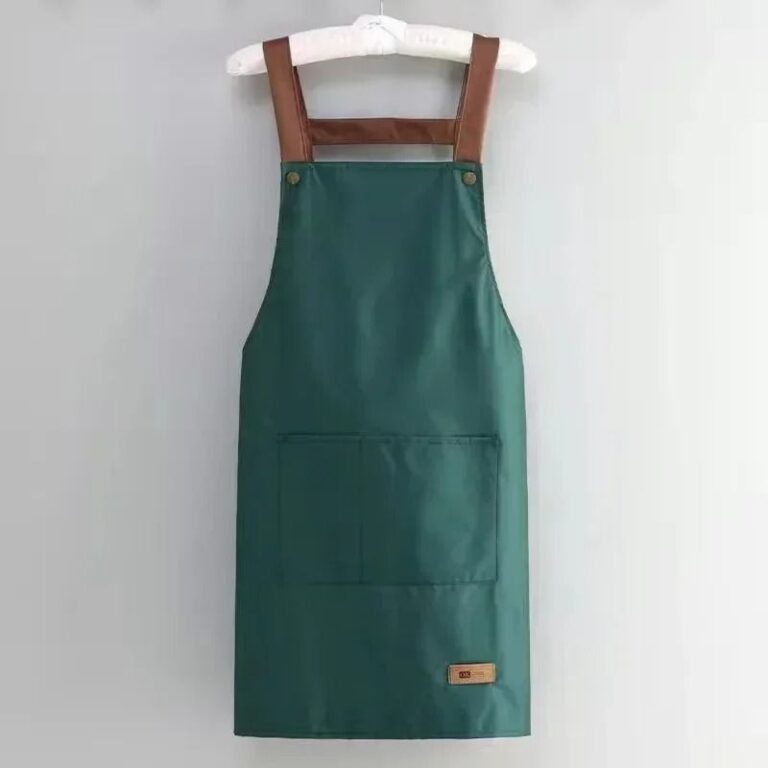
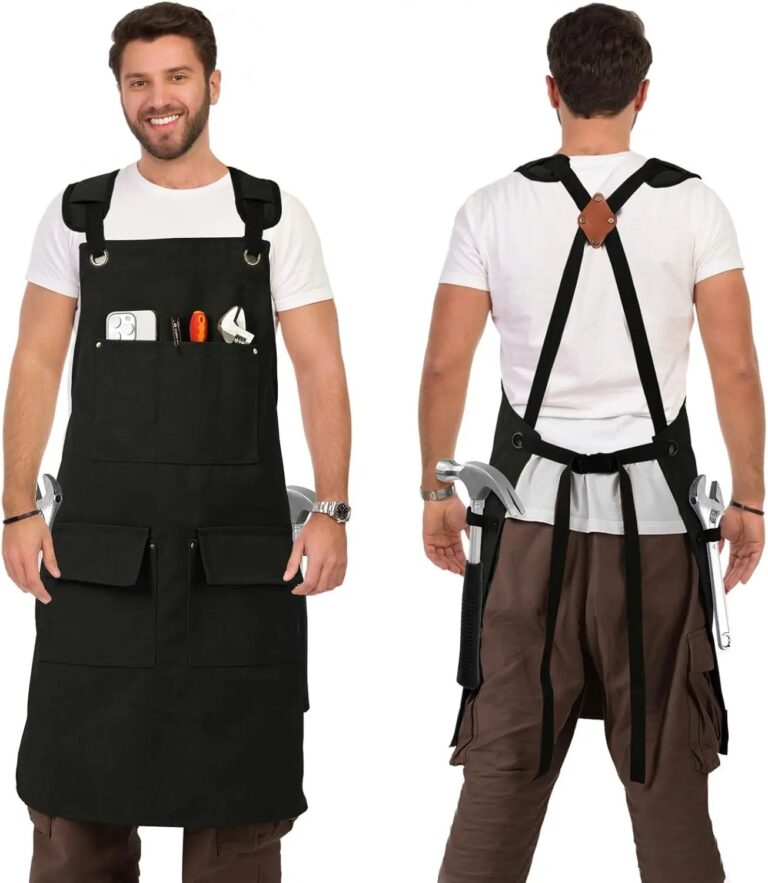 Aisha's pickPlaid Aprons You Won’t Regret BuyingAlso worth a lookPlacematsThe thing nobody tells you about placemats is that the cheap ones slide around the second you put…See the collections →
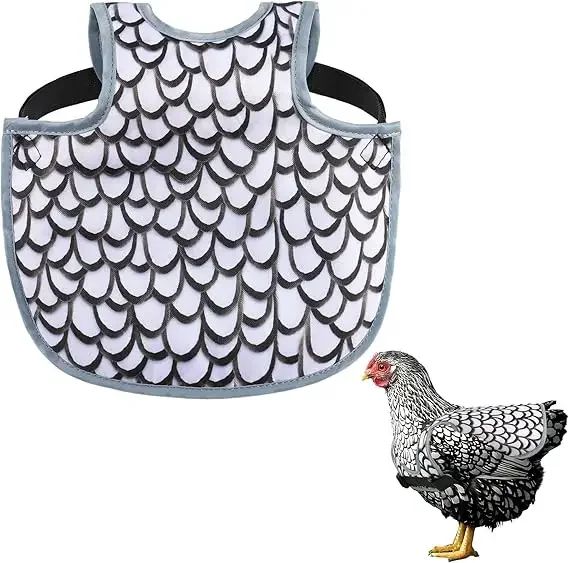
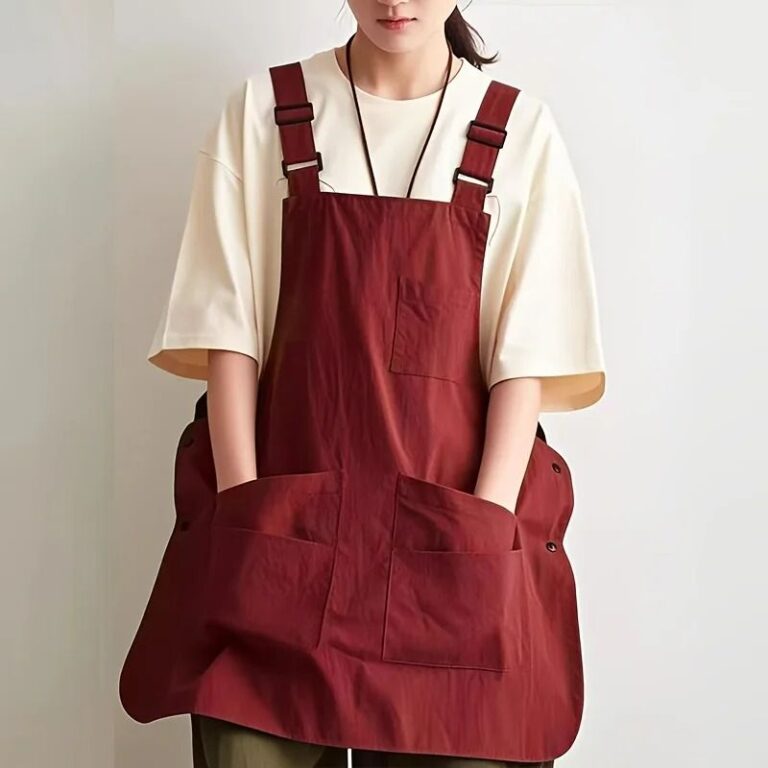 Aisha's pickPersonalized Aprons That Feel as Good as They Look

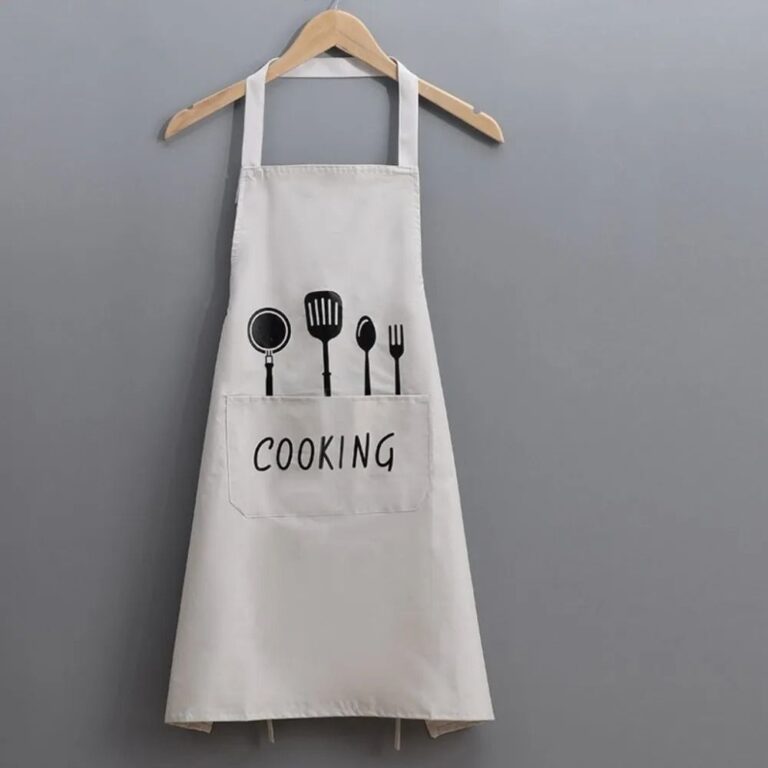
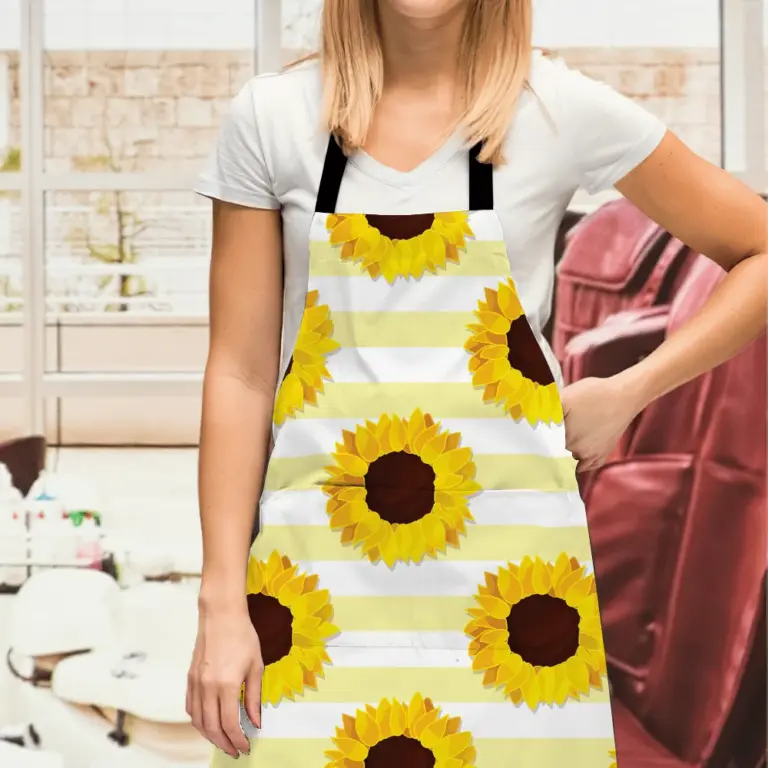 Aisha's pickCooking Aprons Worth Knowing About
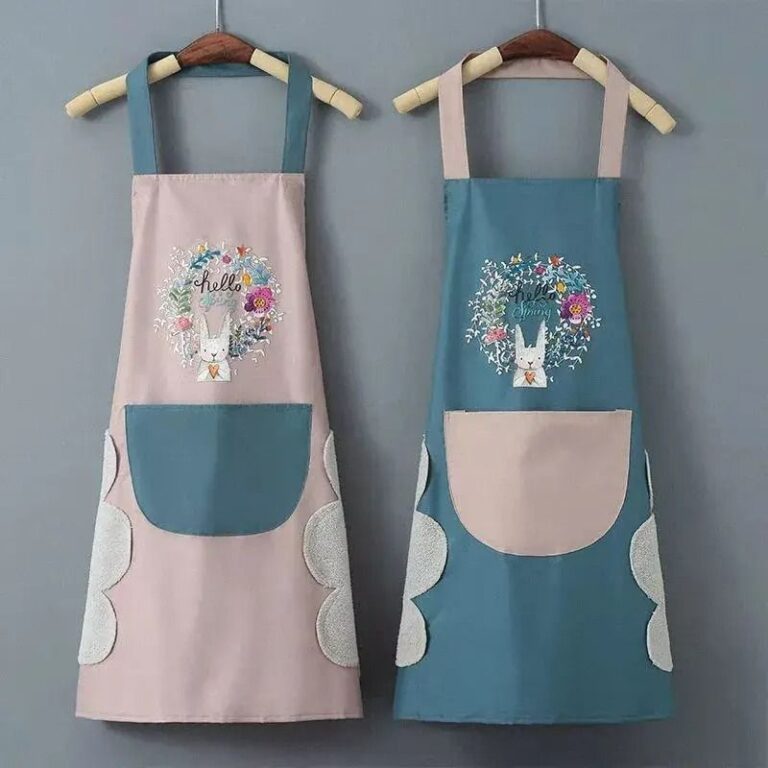
 Aisha's pickThe Pink Aprons Worth Your Cash
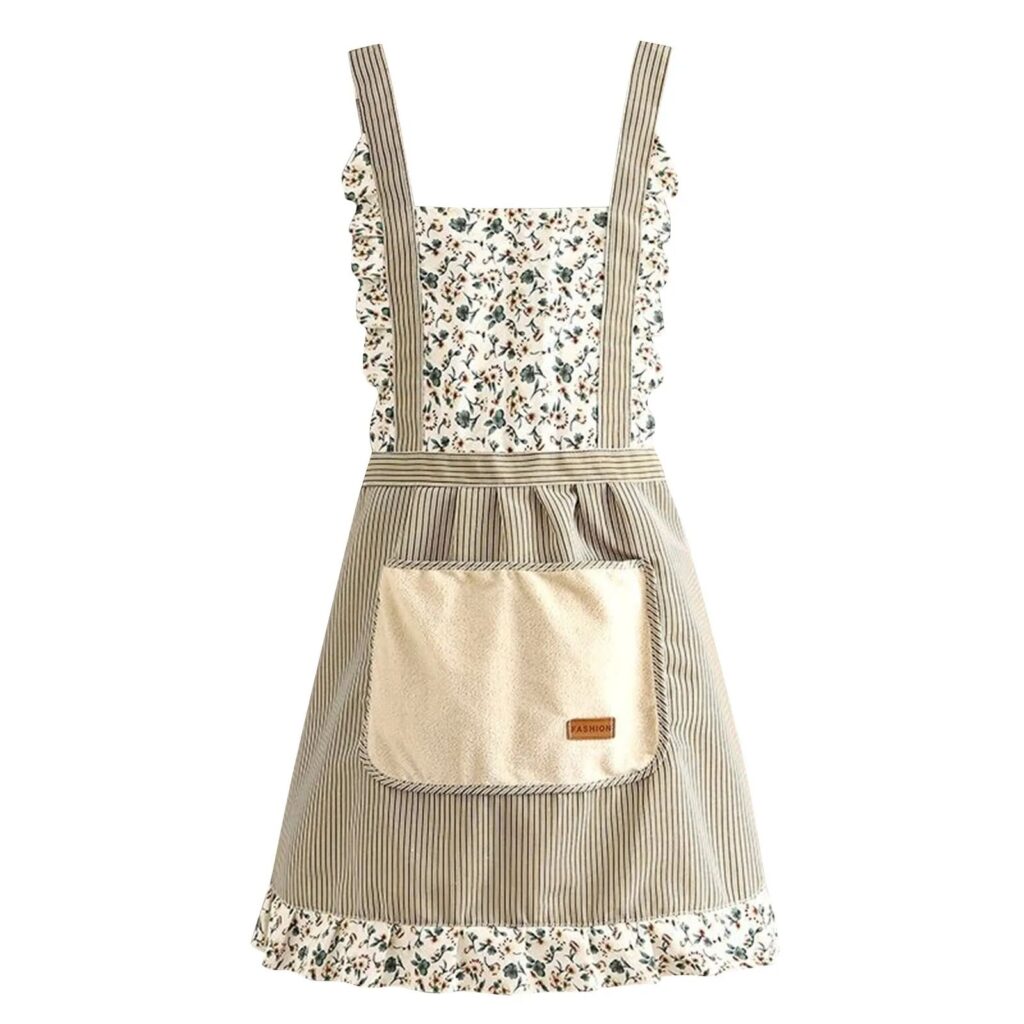
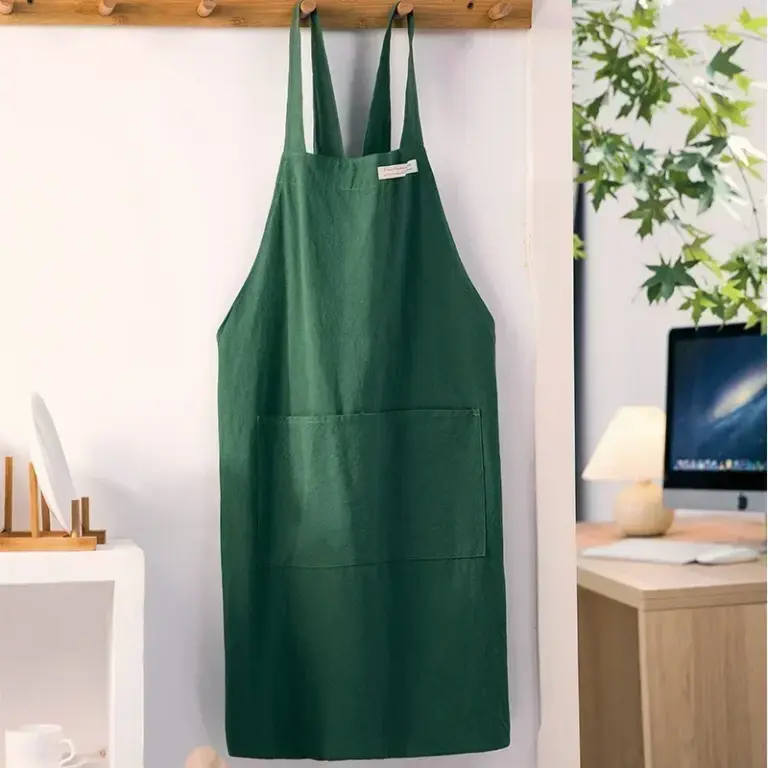 Aisha's pickCotton Aprons We Swap Around With the Seasons
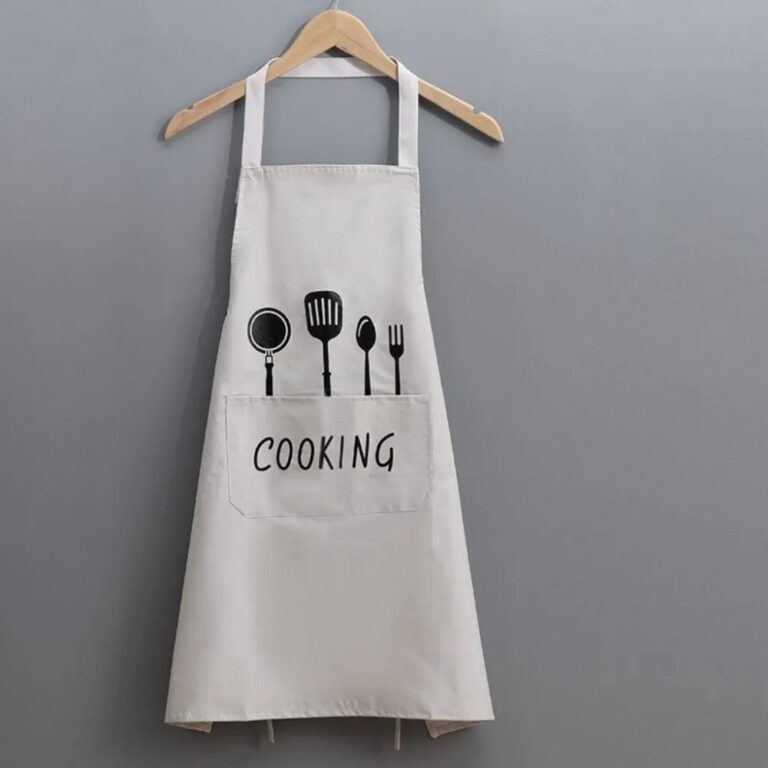
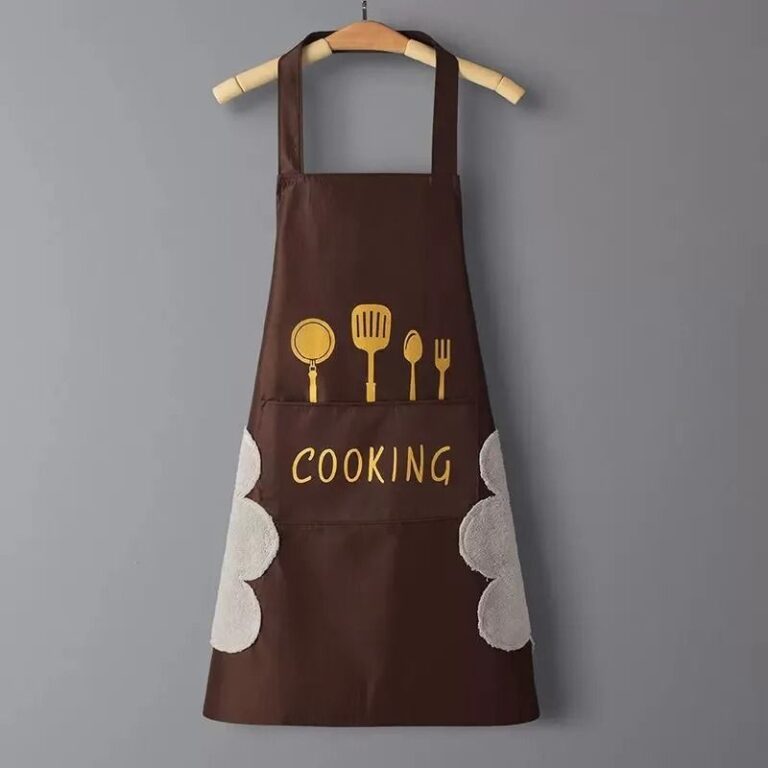 Aisha's pickPVC Aprons That Survive the Washing Machine
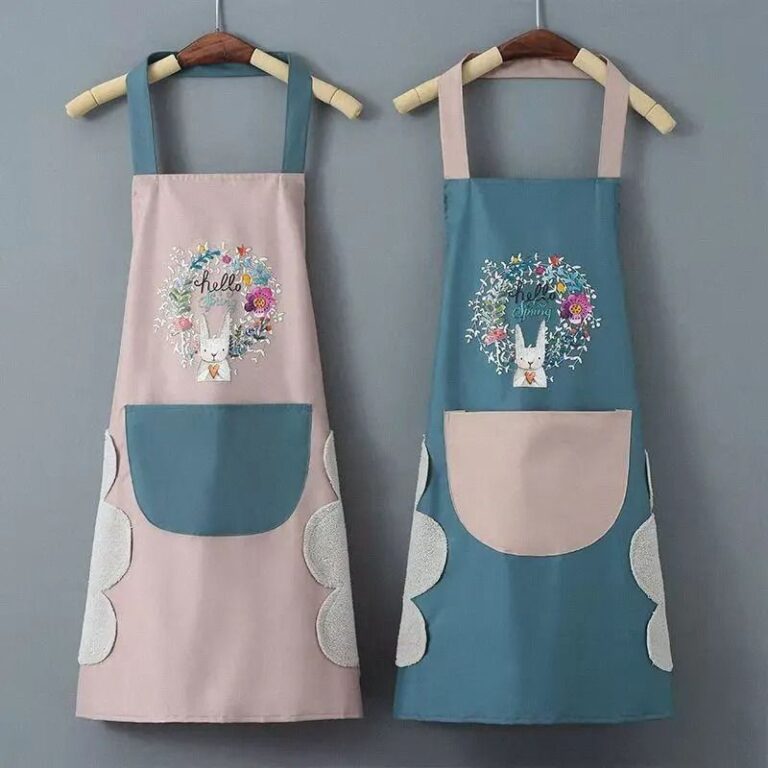
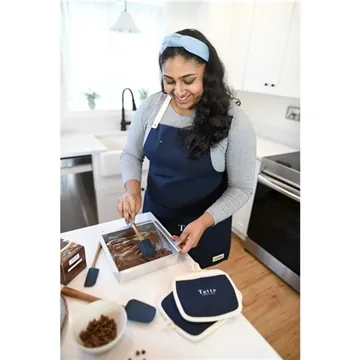 Aisha's pickCotton Aprons for Kitchen That Earn Their Keep
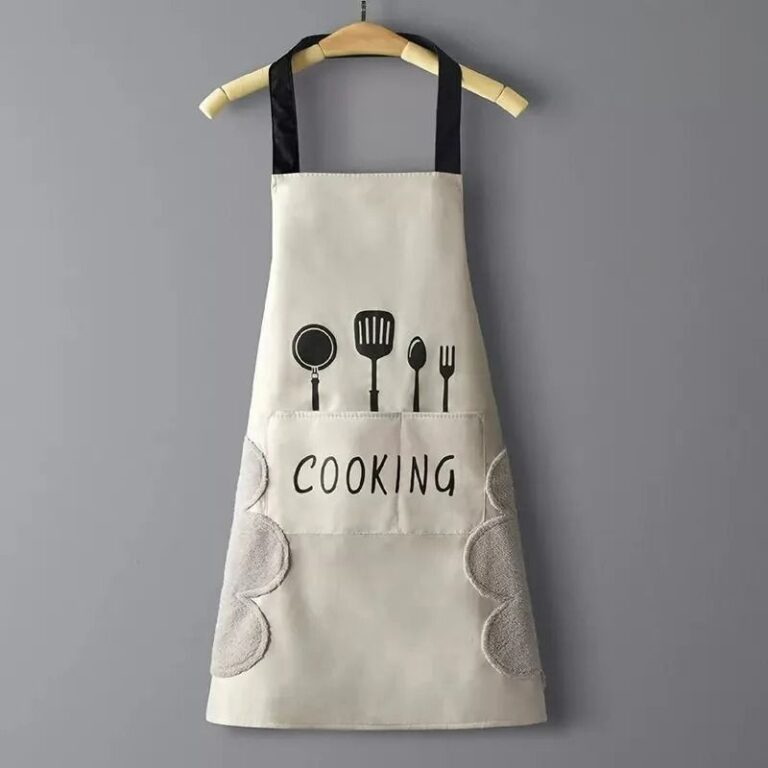
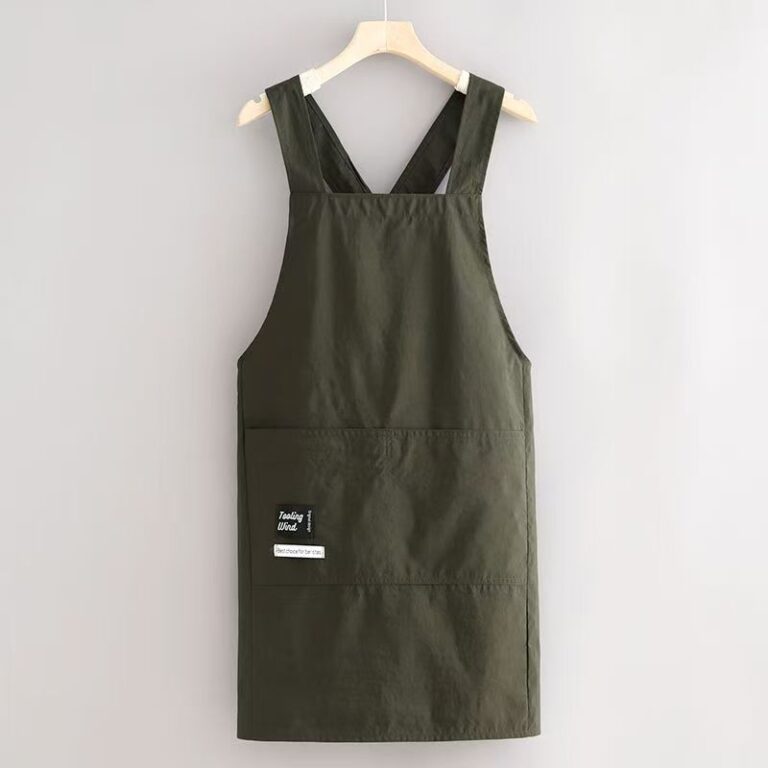 Aisha's pickRed Aprons You’ll Want to Curl Up With
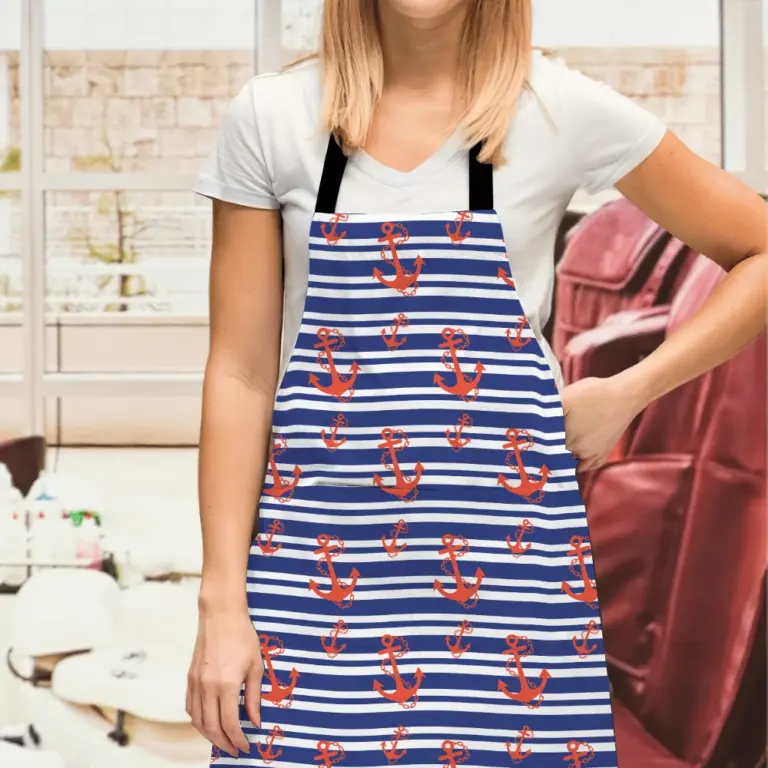
 Aisha's pickCotton Aprons with Pockets That Won’t Date in a Year
 Aisha's pickSmall Aprons That Make Rented Places Feel Like HomeAlso worth a lookNapkinsThe mistake is buying one set and expecting it to cover everything, the weeknight dinners, the holiday table, the kid's lunch tray.See the collections →
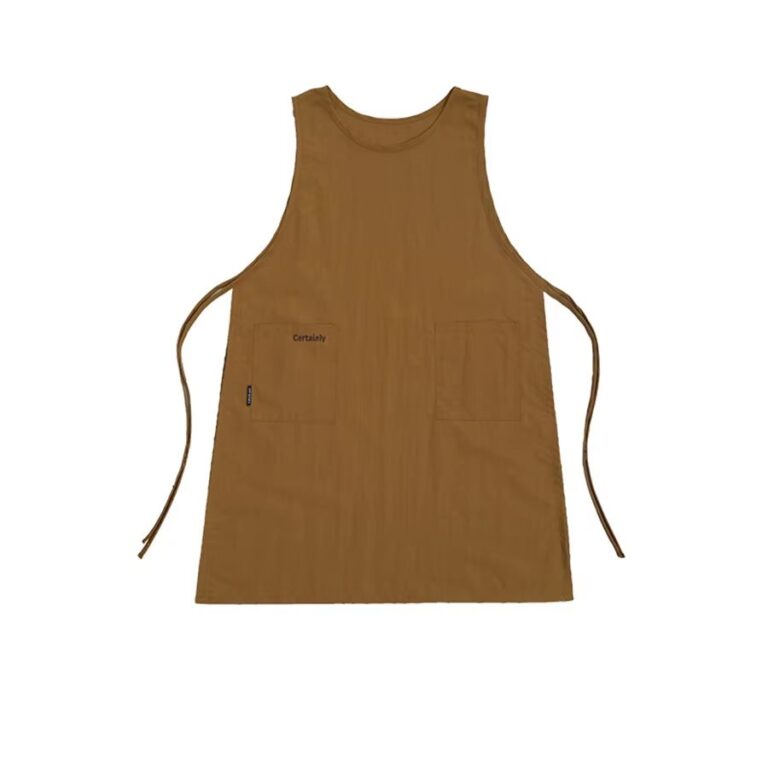 Aisha's pickAdjustable Aprons That Make Rented Places Feel Like Home
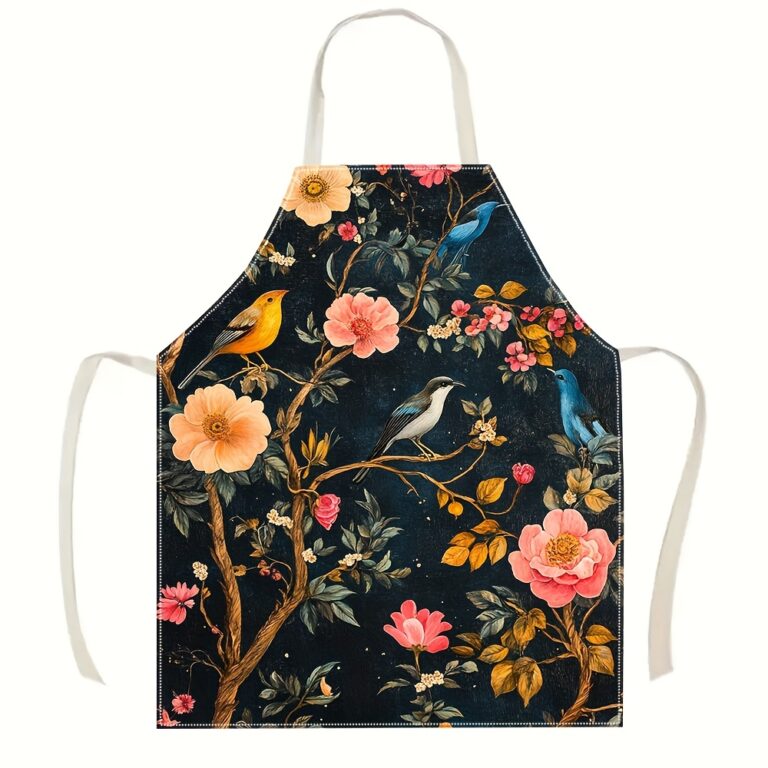
 Aisha's pickCotton Cooking Aprons That Get Better With Age
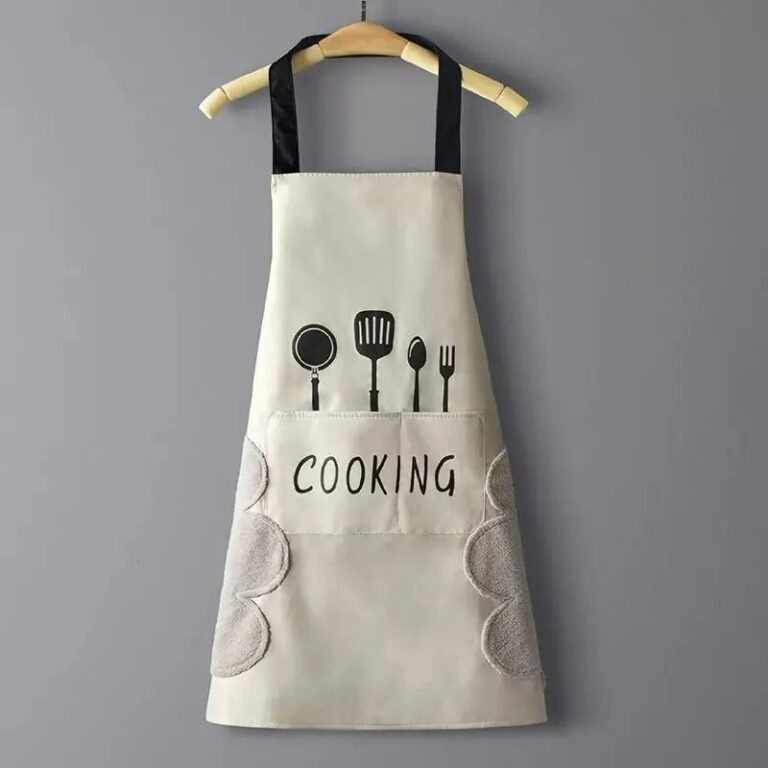
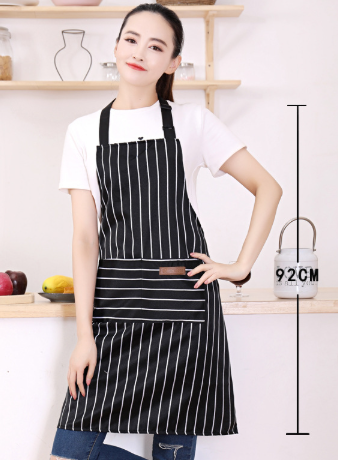
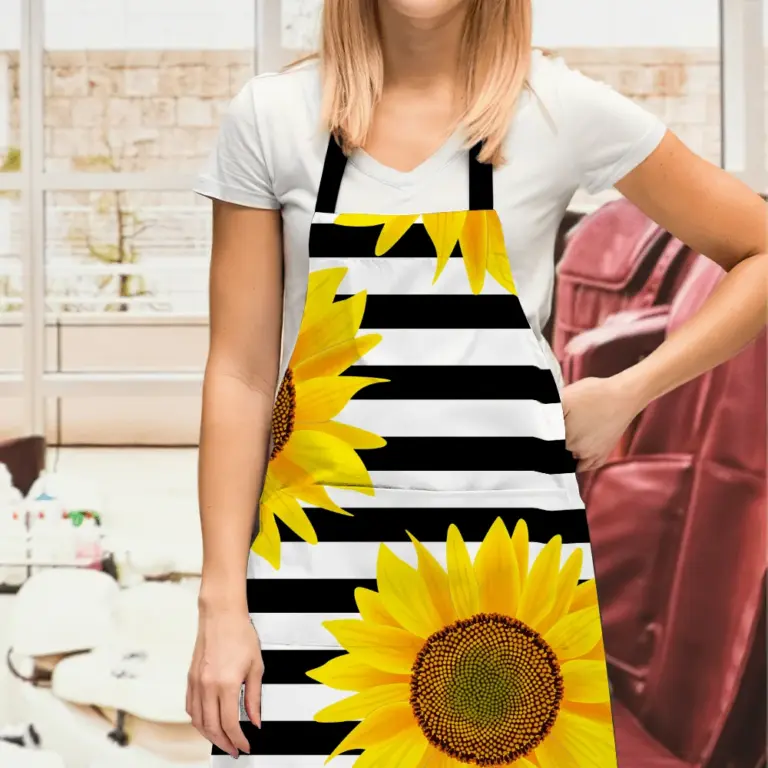 Aisha's pickStriped Aprons Worth Knowing About
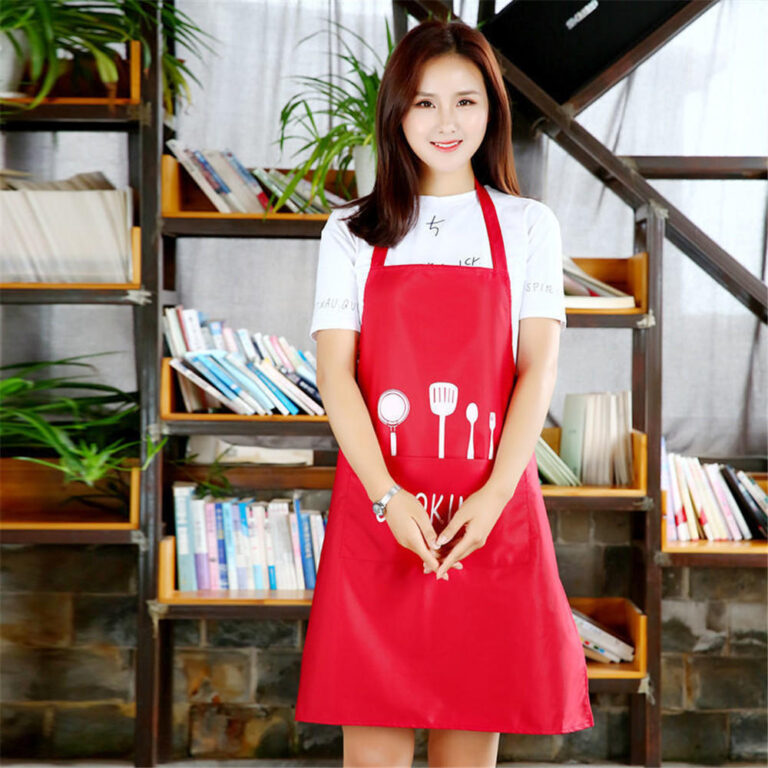
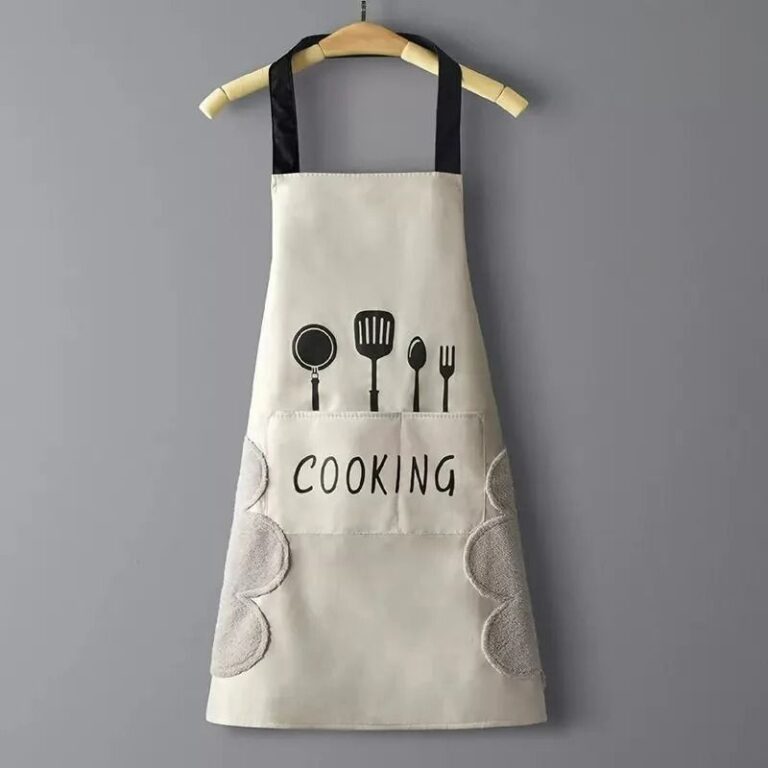 Aisha's pickAdjustable Cooking Aprons You’ll Want to Curl Up With
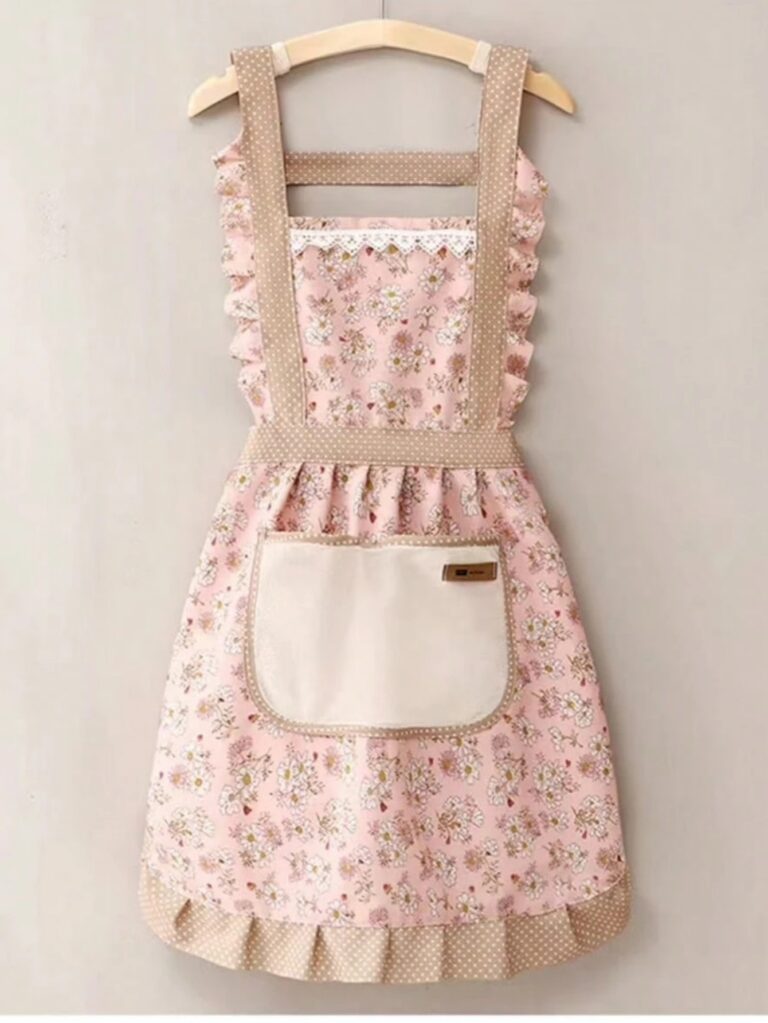
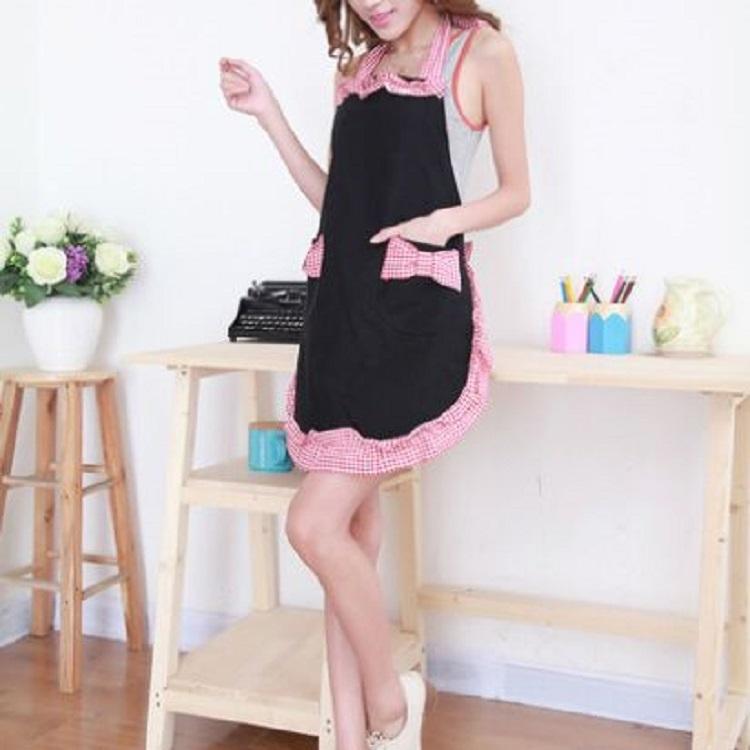 Aisha's pickCotton Kitchen Aprons for Making a House Feel Like Yours
 Aisha's pickWashable Aprons for Adding Color Without Painting
 Aisha's pickAprons That Get Better With Age
 Aisha's pickCross Back Aprons at Every Price Point