The first one I owned was a thin polyester rectangle from a discount bin, white with a texture like a shower curtain, and it taught me that cheap tablecloths don't lie flat, they float an inch above the table and slide the second a dish touches them. Lesson learned early and often, because I bought it twice before I figured out it wasn't a fluke.
A good tablecloth belongs wherever a table sees real use, which is most tables. Rented apartments with a scratched secondhand table benefit from one more than anywhere, since it covers a multitude of sins for the price of a nice dinner out. They do real work in fall and winter, when the table becomes the center of everything and you want it dressed without repainting a wall or buying new chairs, and they're just as good in summer thrown over an outdoor table for something that isn't plastic.
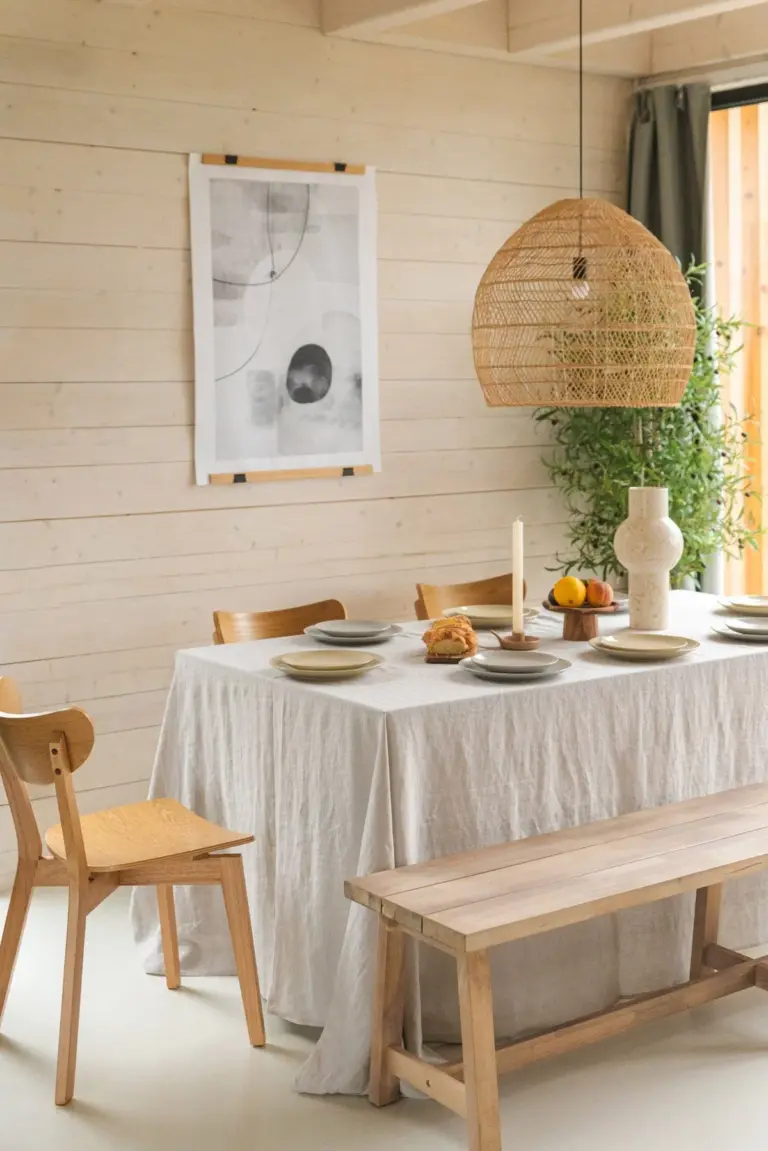
Color wise, I'm not going to pretend I don't want you brave here, because a deep rust or a soft clay tone does more for a room than another round of white ever will, and it hides crumbs, wine, and the inevitable candle wax drip better too. That said, if you're not ready to commit, a warm cream or a pale stone shade is the easiest thing to live with, it goes under any plates you own and doesn't fight with a centerpiece. Linen or a linen blend in these colors looks expensive without being precious, and a slightly wrinkled one actually looks better than a stiff, ironed one, which is the best news I've ever delivered about laundry.
Here's where I'll be honest instead of enthusiastic. A tablecloth is the wrong choice on a table you actually like the look of, a nice wood grain or a marble top deserves to be seen sometimes, not permanently buried. It's also the wrong call for a daily breakfast table with toddlers or large dogs underfoot, because even the sturdiest cotton becomes a flag someone eventually pulls, and I've seen a full bowl of cereal go down with the tablecloth like it was the ship's captain. For those tables, placemats earn their keep and the cloth stays for the occasions that deserve it.
In a shop, pinch the fabric and pull gently on the diagonal, if it springs back without wrinkling into a permanent crease, it'll survive a wash cycle and a few dinners without looking tired by dessert. Rub a corner between your fingers too, anything that feels papery or plasticky now will feel worse after one trip through the dryer.
Measure your table's length and width, then add at least twelve inches on each side for a drape that actually looks dressed instead of barely covered.
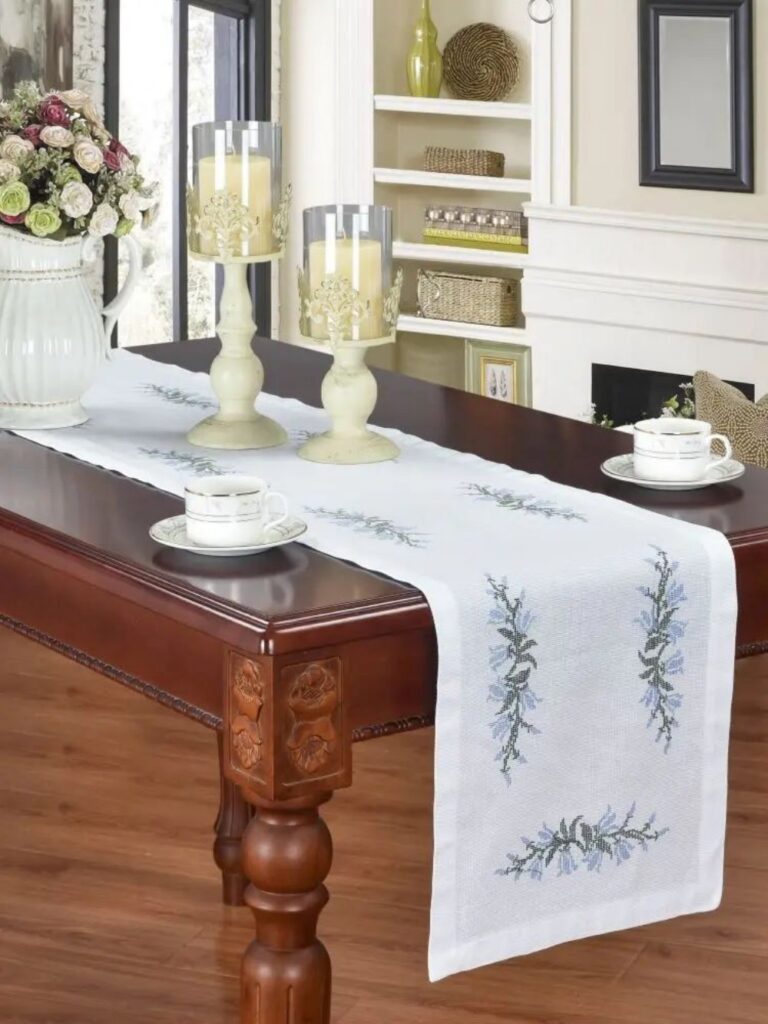 Aisha's pickFloral Rectangular Tablecloths That Don’t Pill
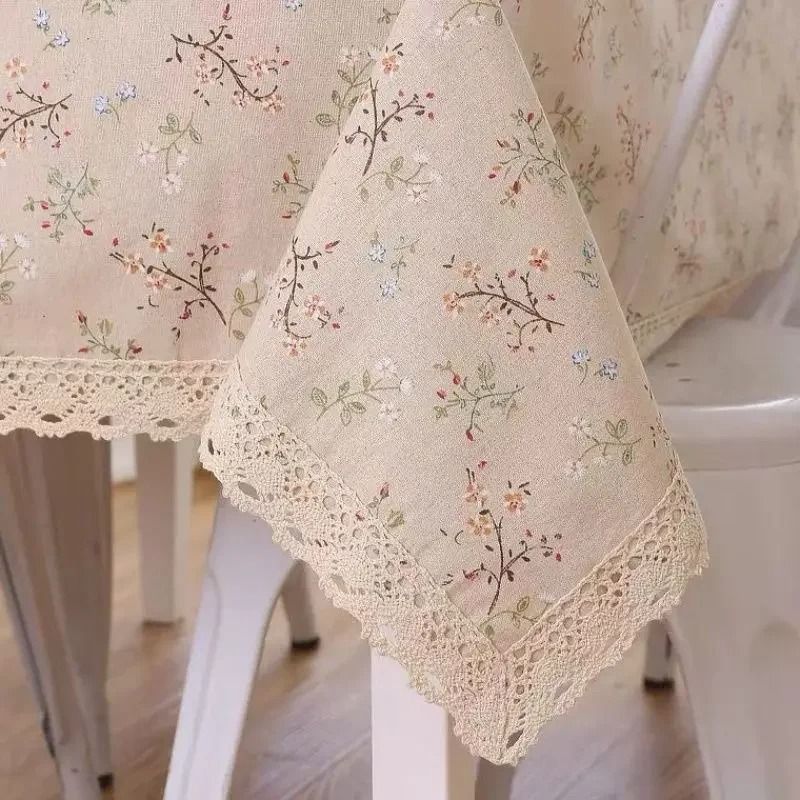
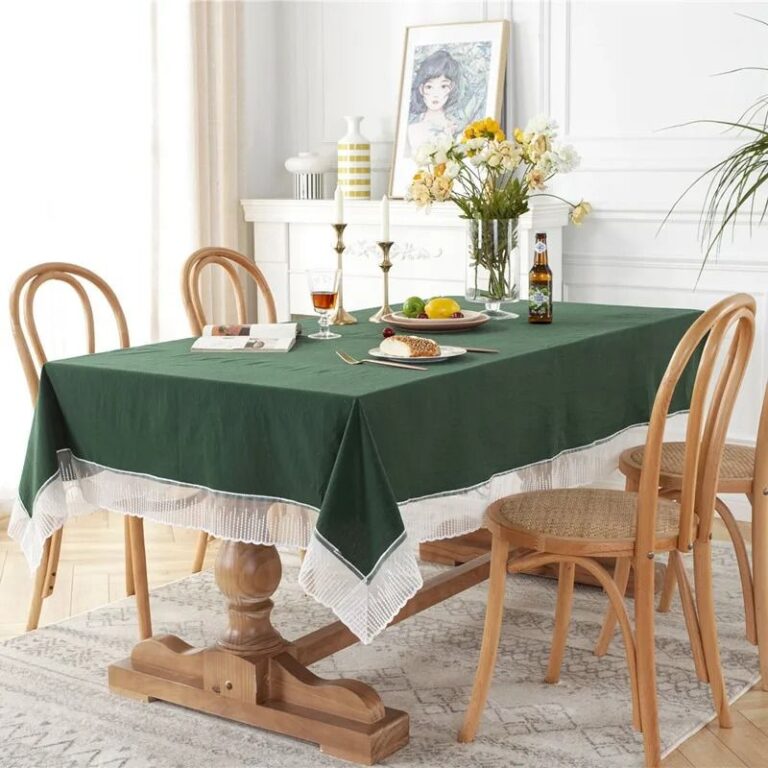 Aisha's pickLuxury Tablecloths That Earn Their Keep

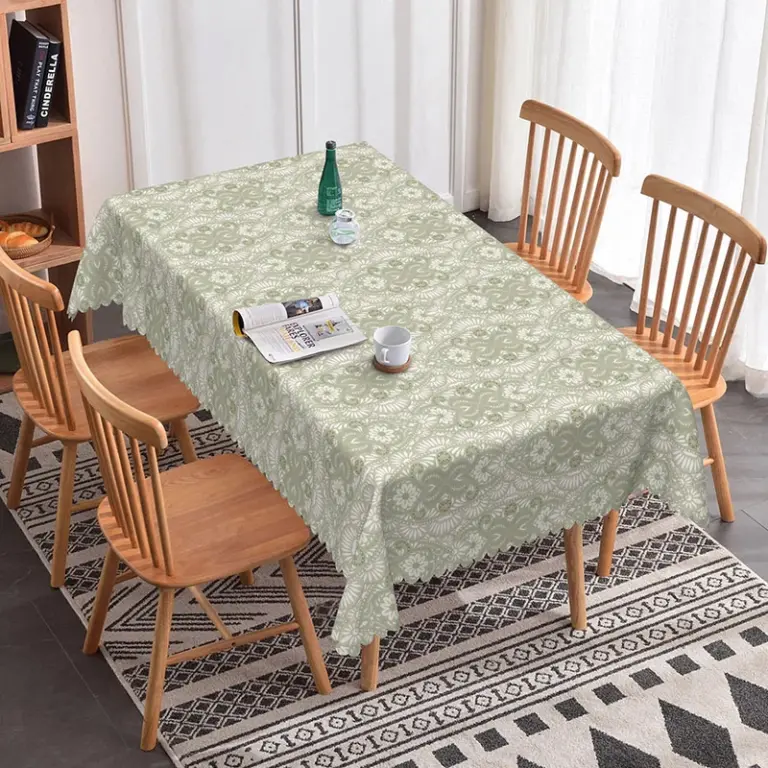 Aisha's pickShopping for Sage Tablecloths? Start Here
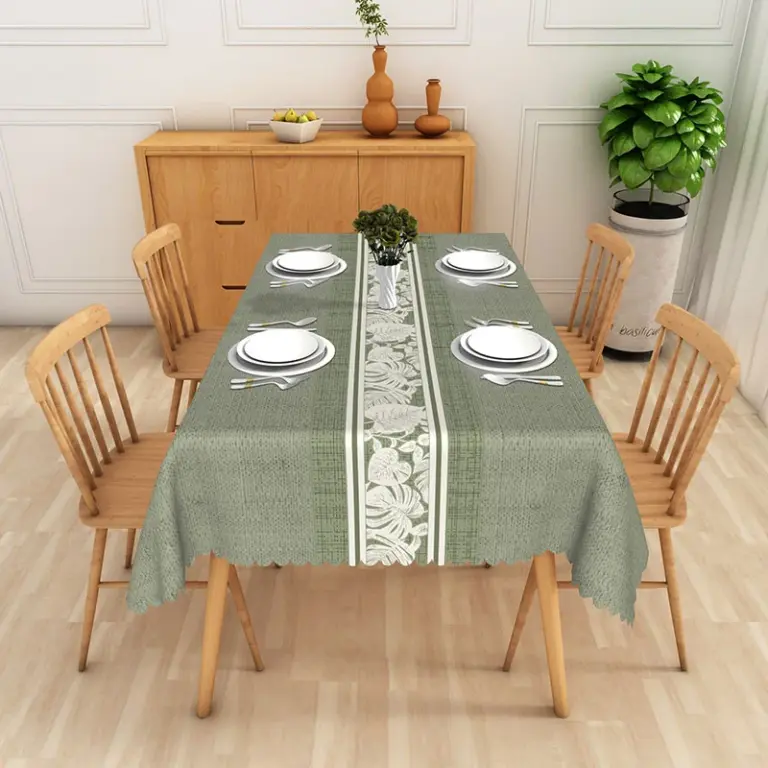
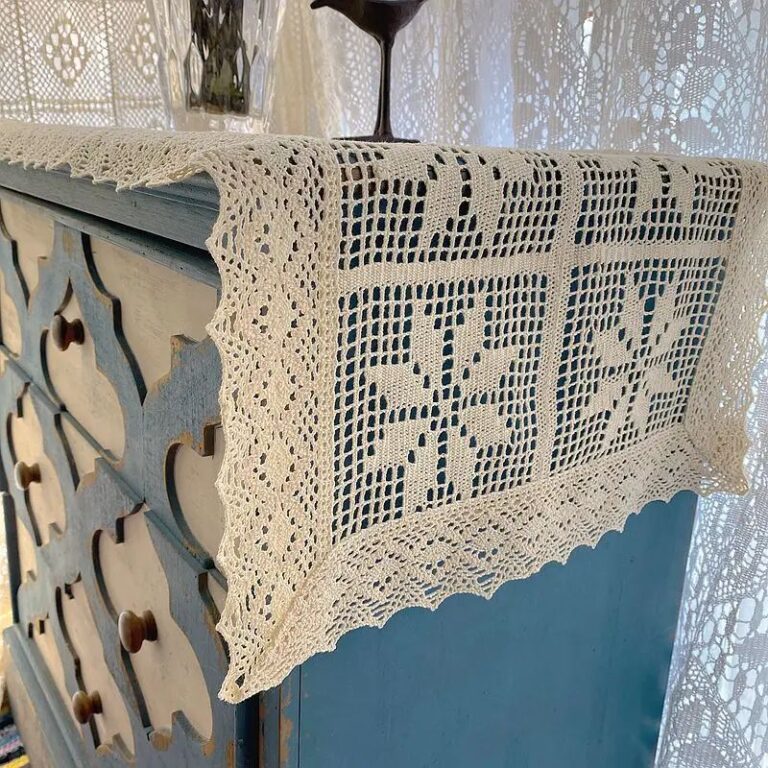 Aisha's pickBeige Tablecloths That Get Better With Age
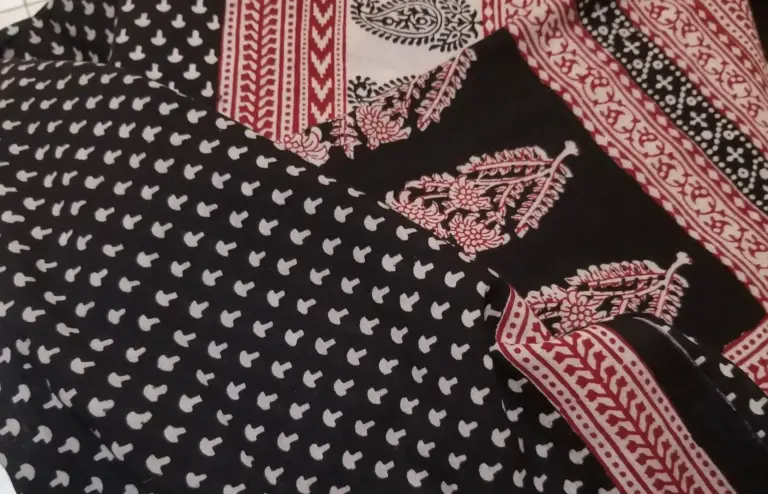
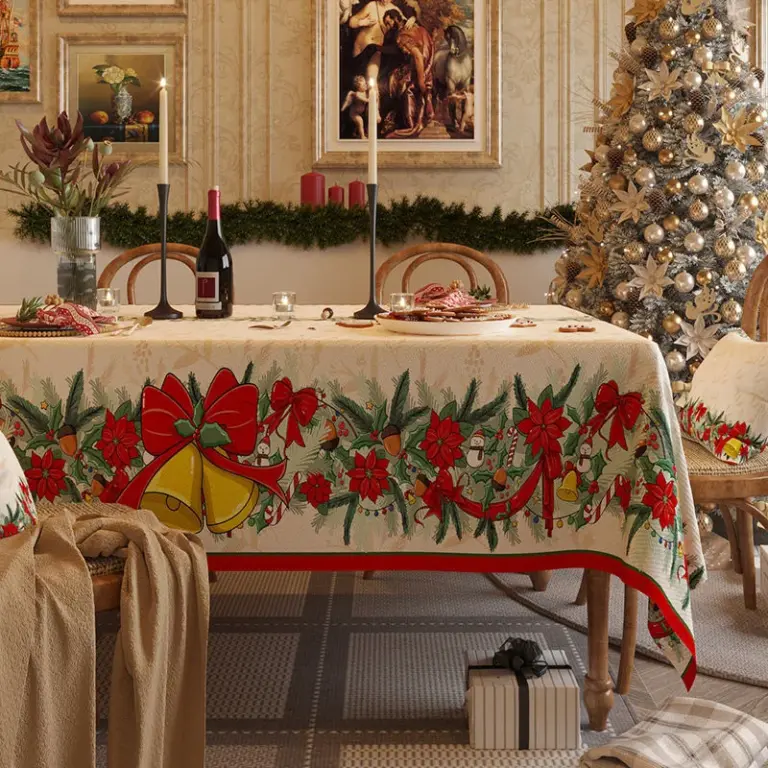 Aisha's pickFloral Round Tablecloths You’ll Want to Curl Up With
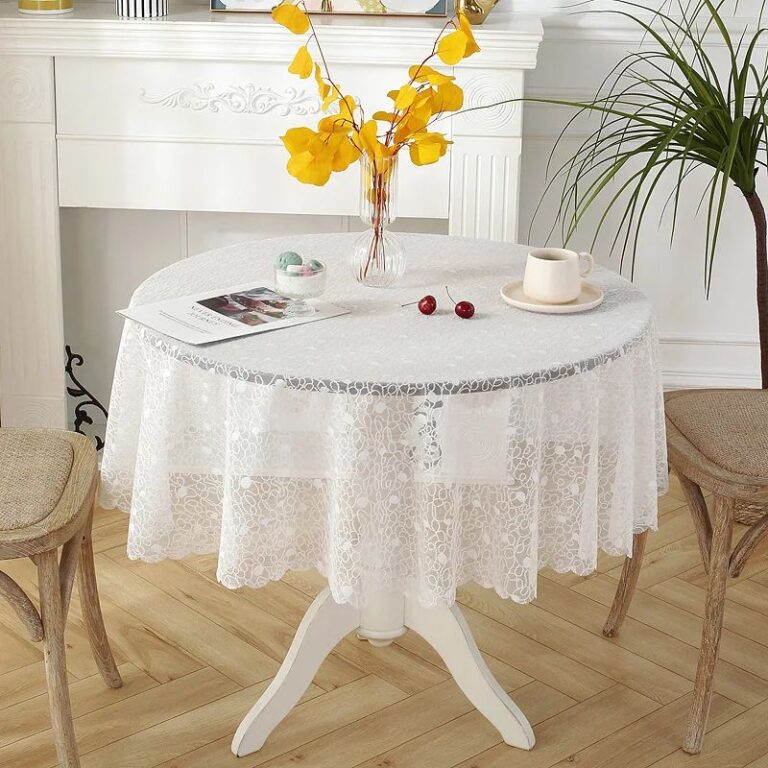
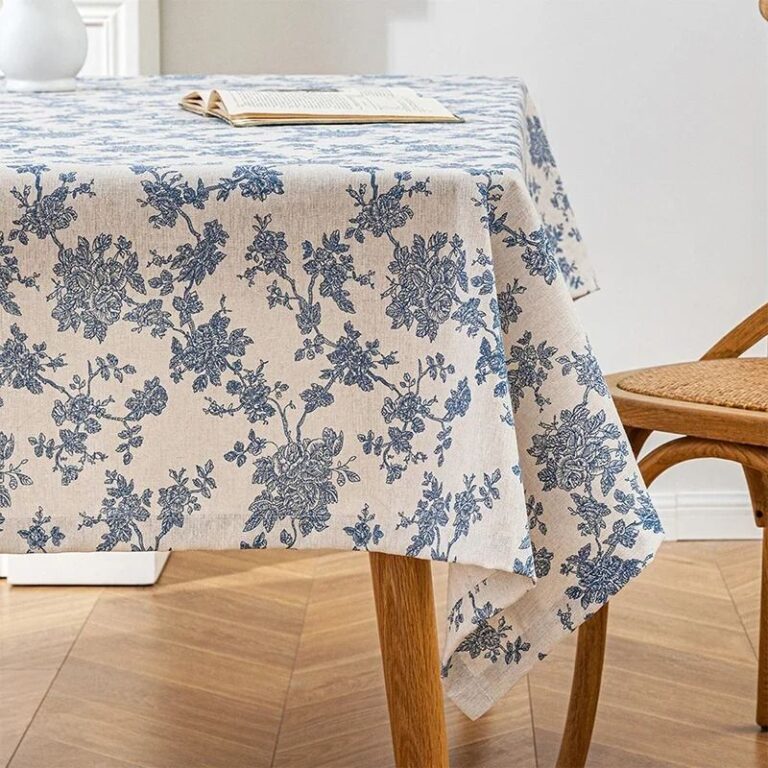 Aisha's pickMarble Tablecloths That Visitors Always Ask About
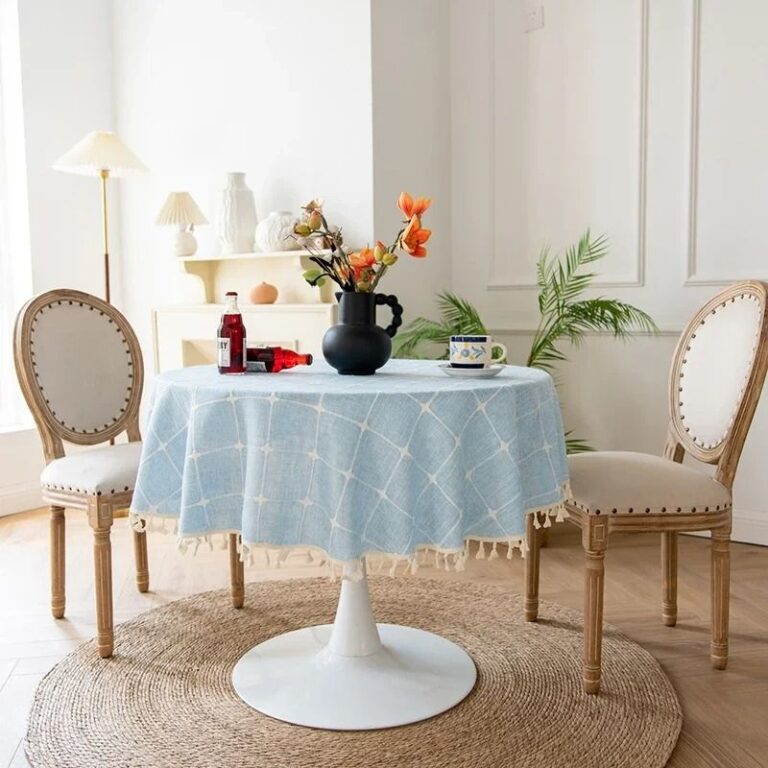
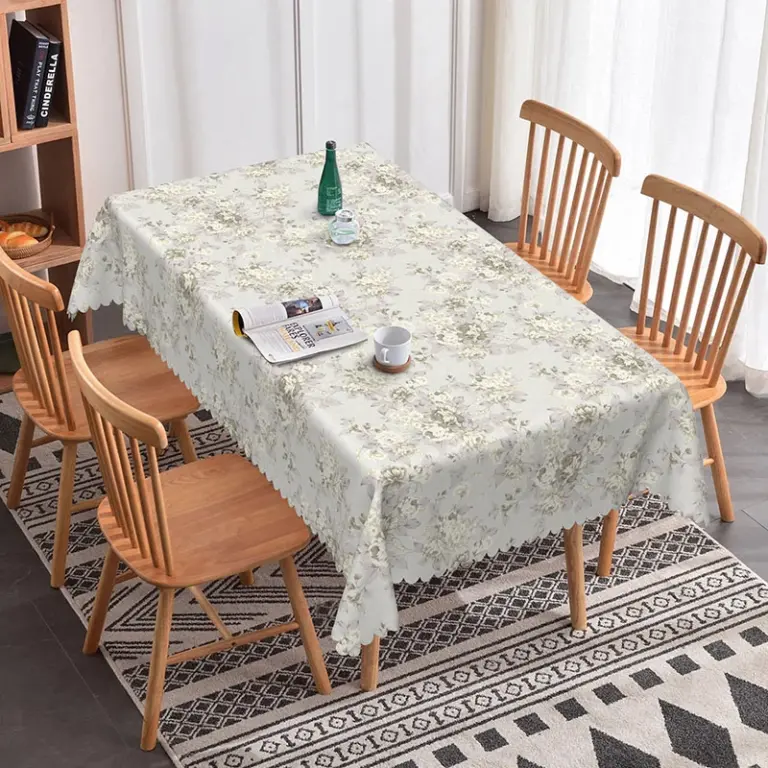 Aisha's pickDecent Silver Tablecloths Without the Hassle
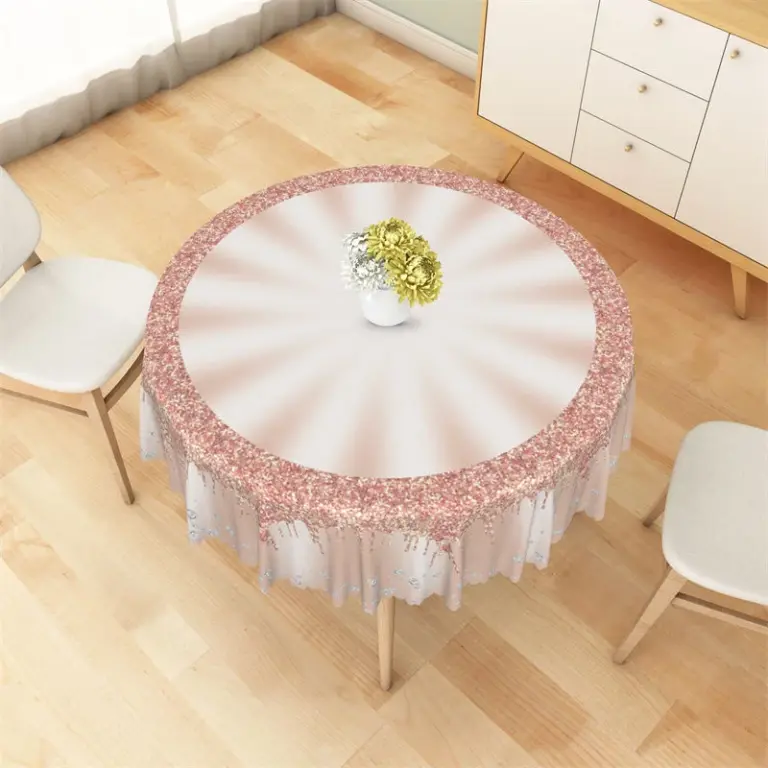
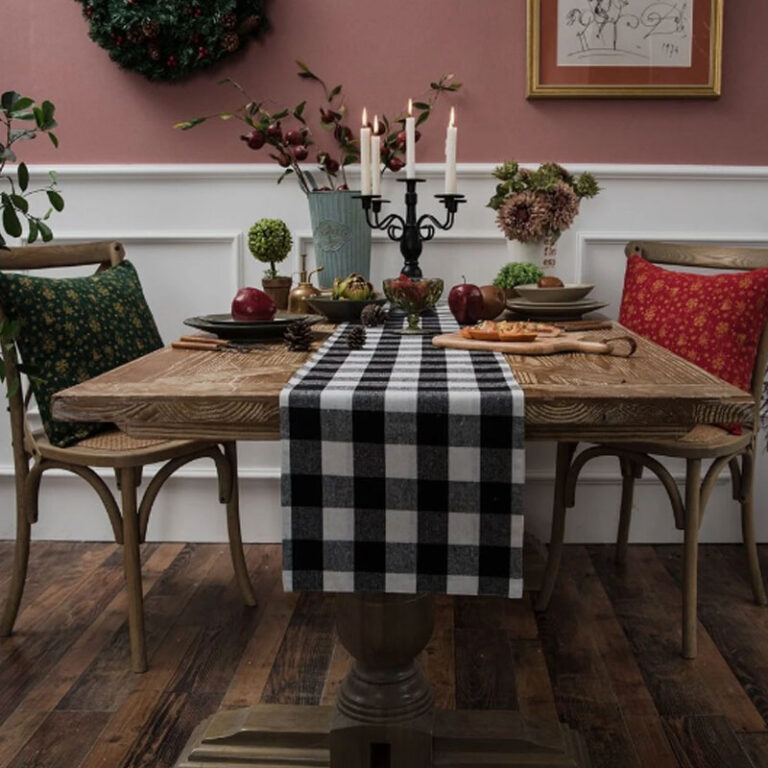 Aisha's pickBlack Rectangular Tablecloths for Adding Color Without Painting
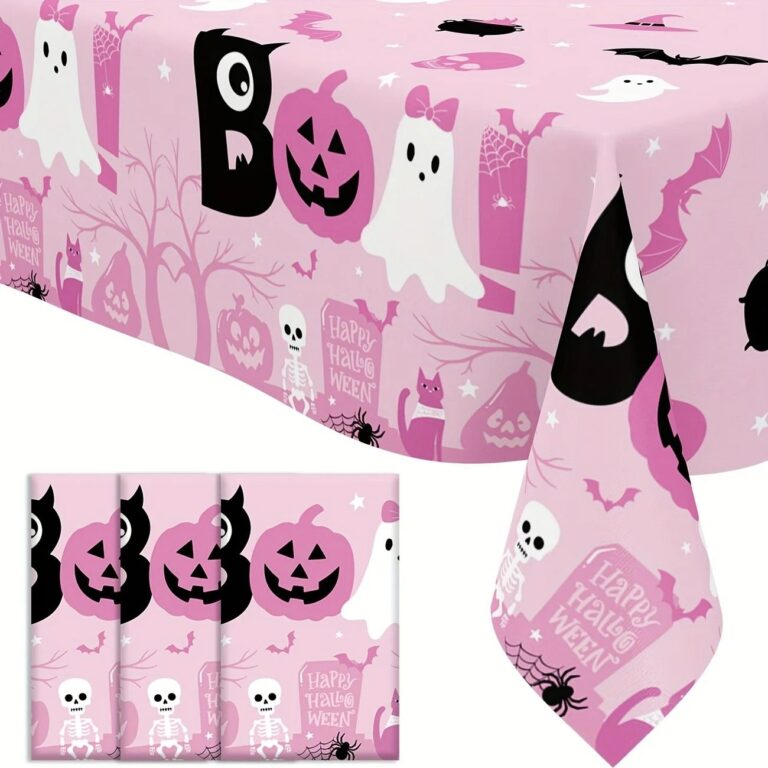
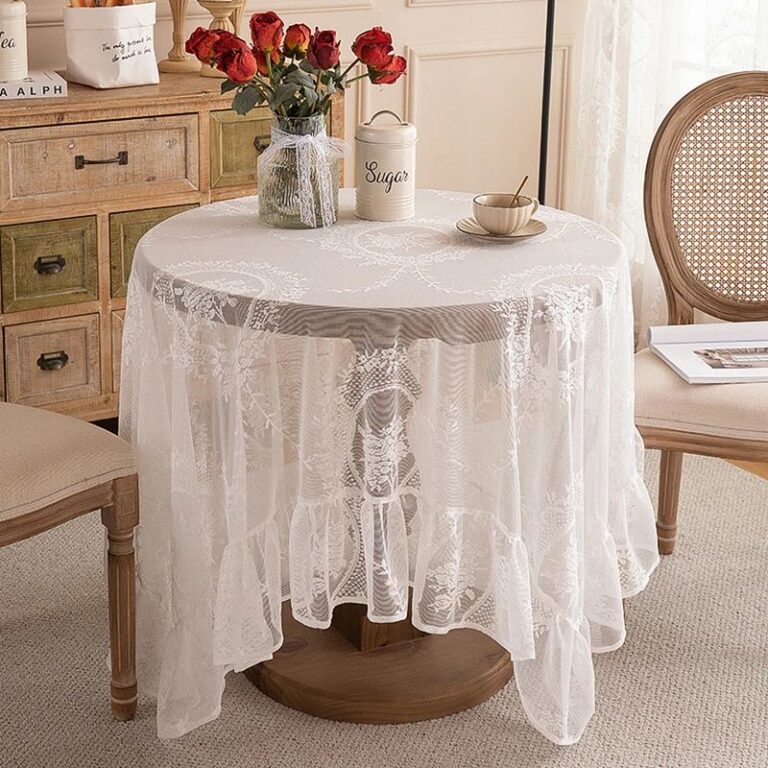 Aisha's pickFloral Tablecloths That Visitors Always Ask AboutAlso worth a lookPlacematsThe thing nobody tells you about placemats is that the cheap ones slide around the second you put…See the collections →
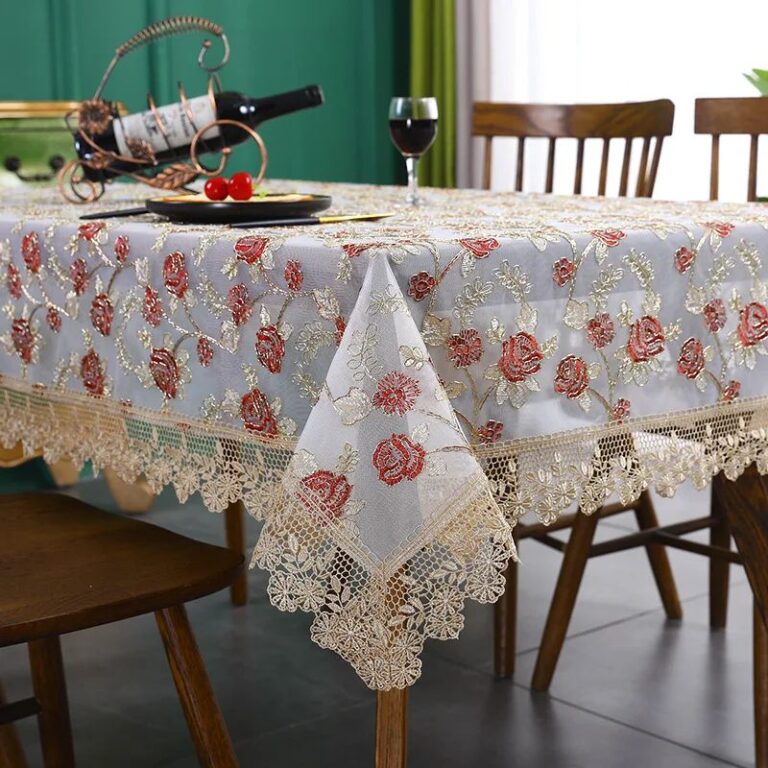
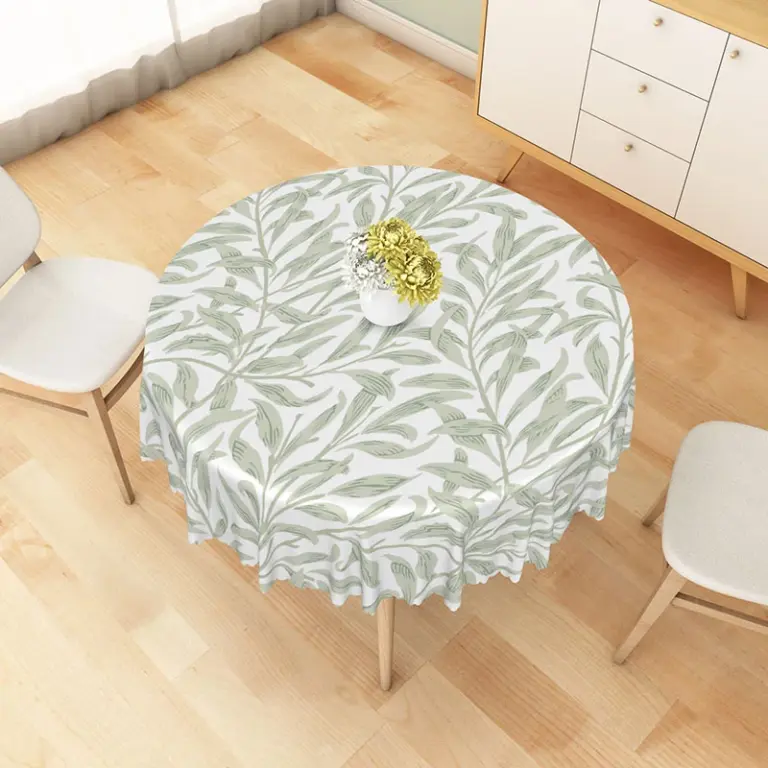 Aisha's pickModern Tablecloths That Won’t Date in a Year
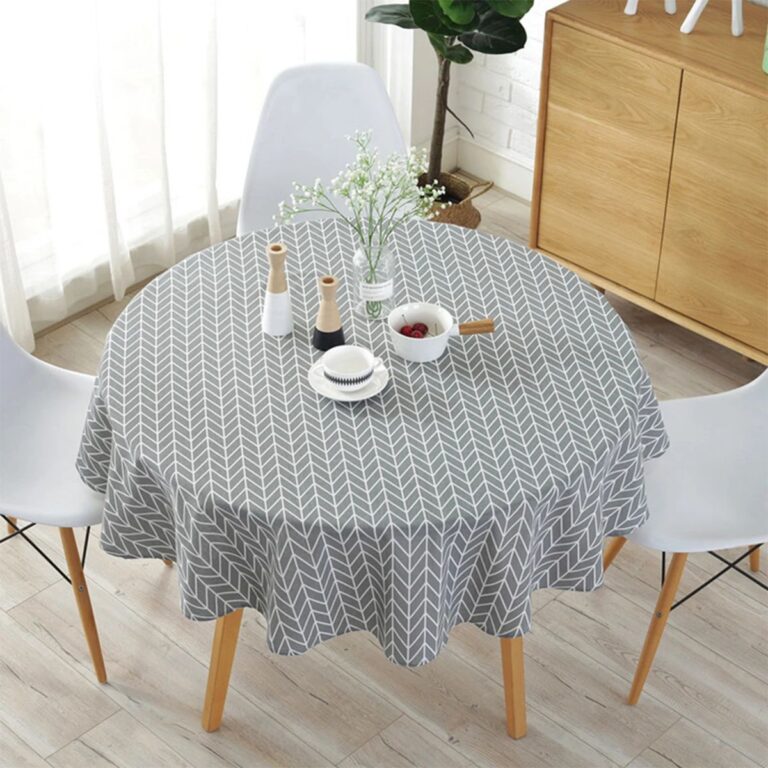
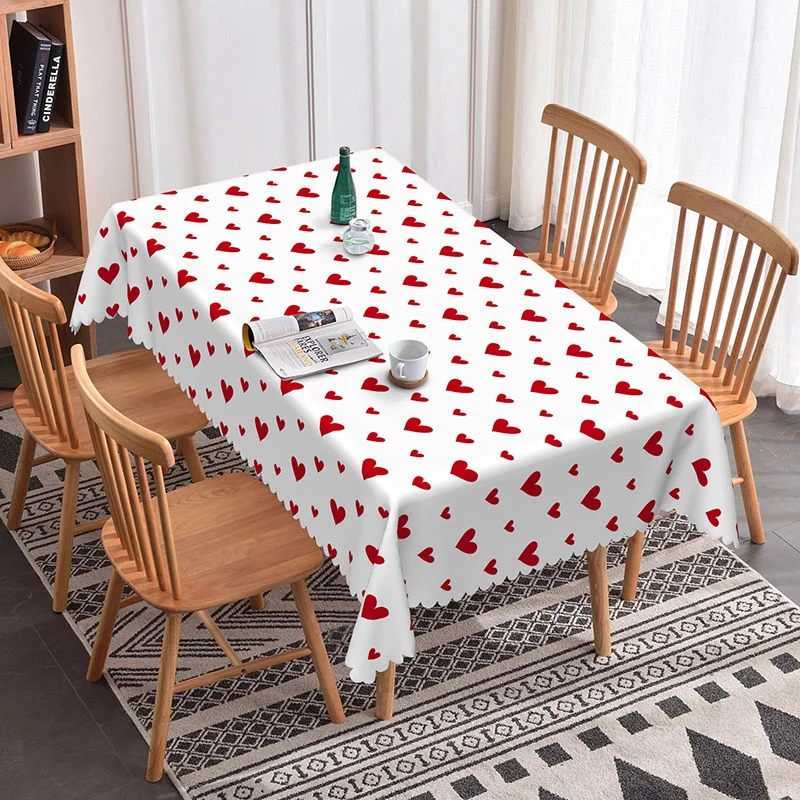 Aisha's pickSmall Tablecloths That Make Rented Places Feel Like Home
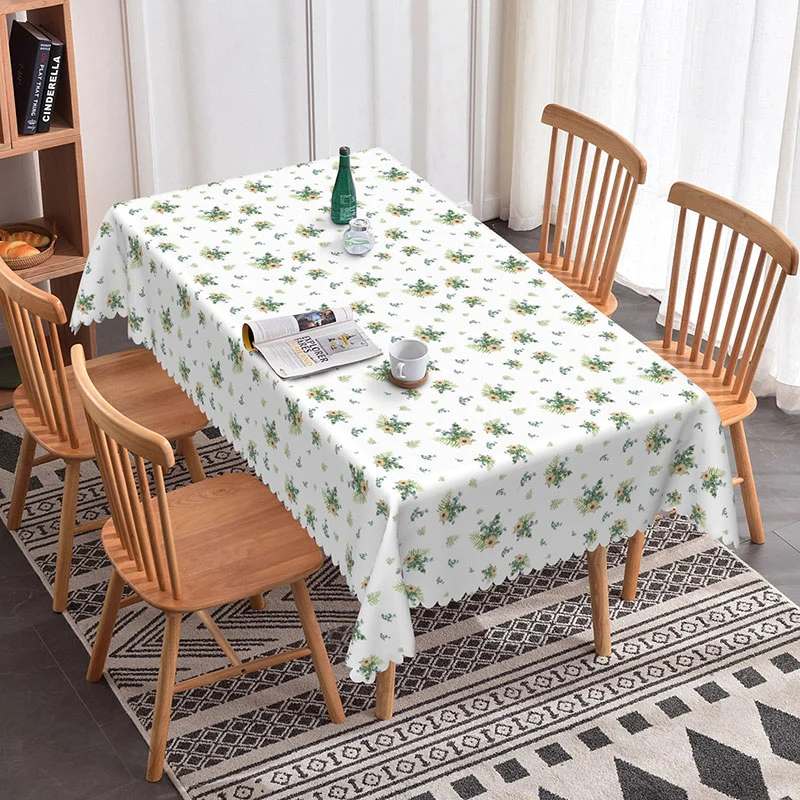
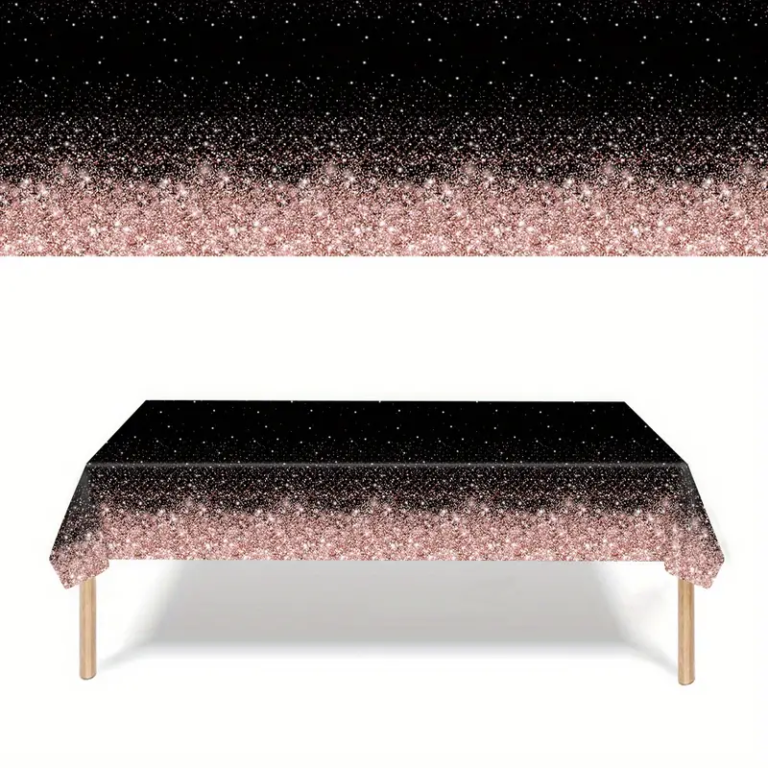 Aisha's pickBlack Tablecloths for People Who Know What They Like
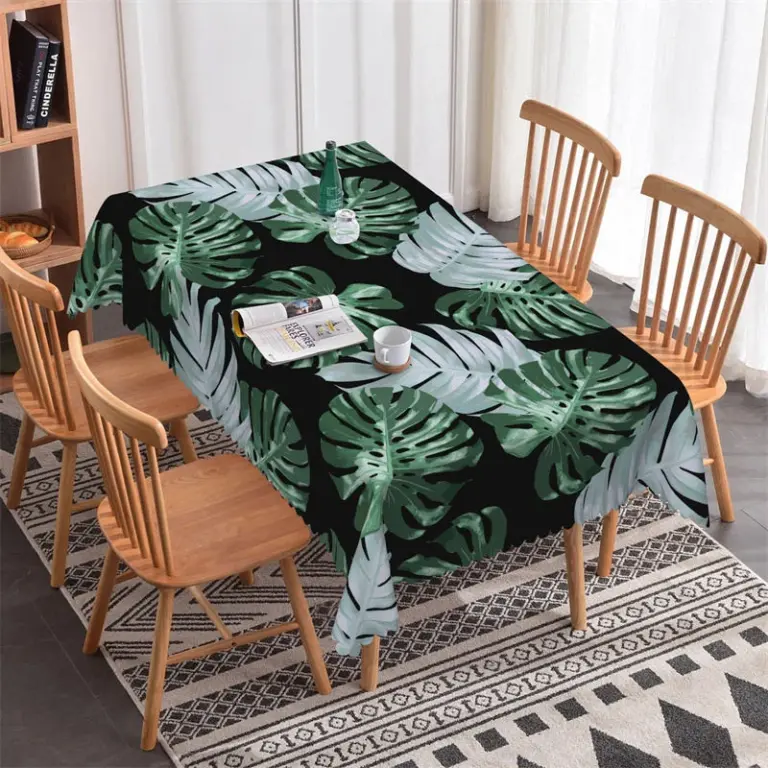
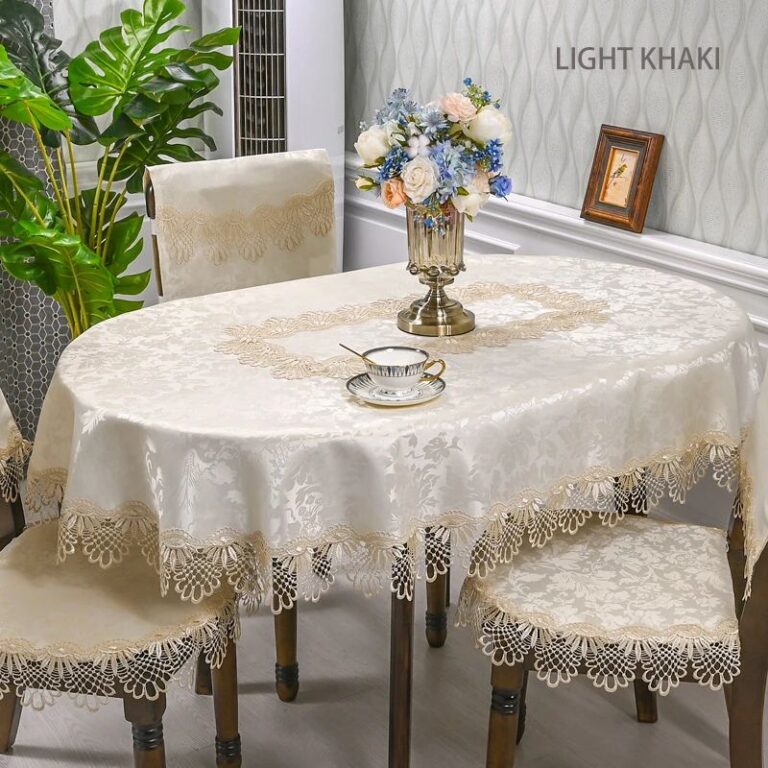 Aisha's pickFrench Tablecloths That Survive the Washing Machine
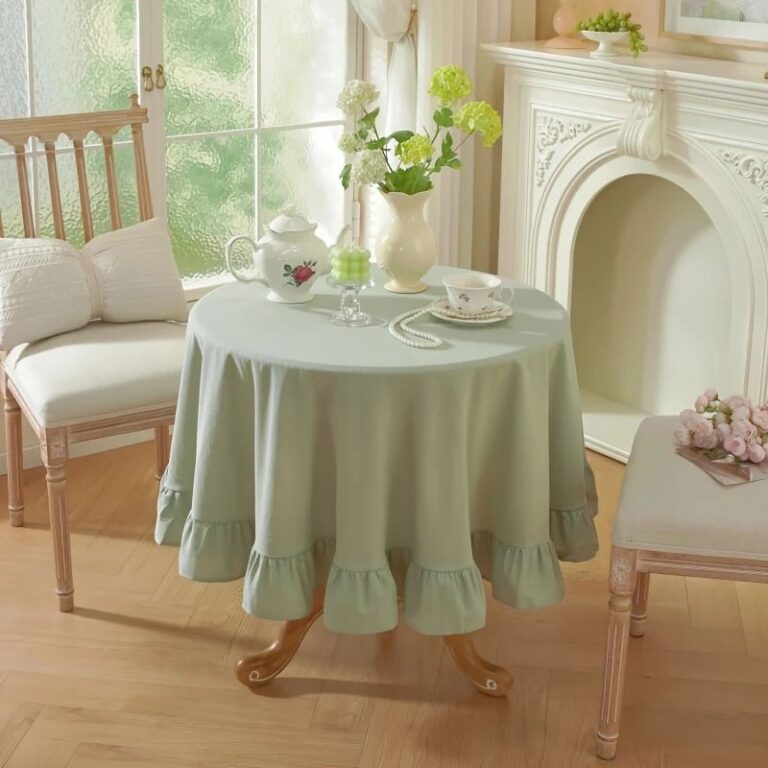
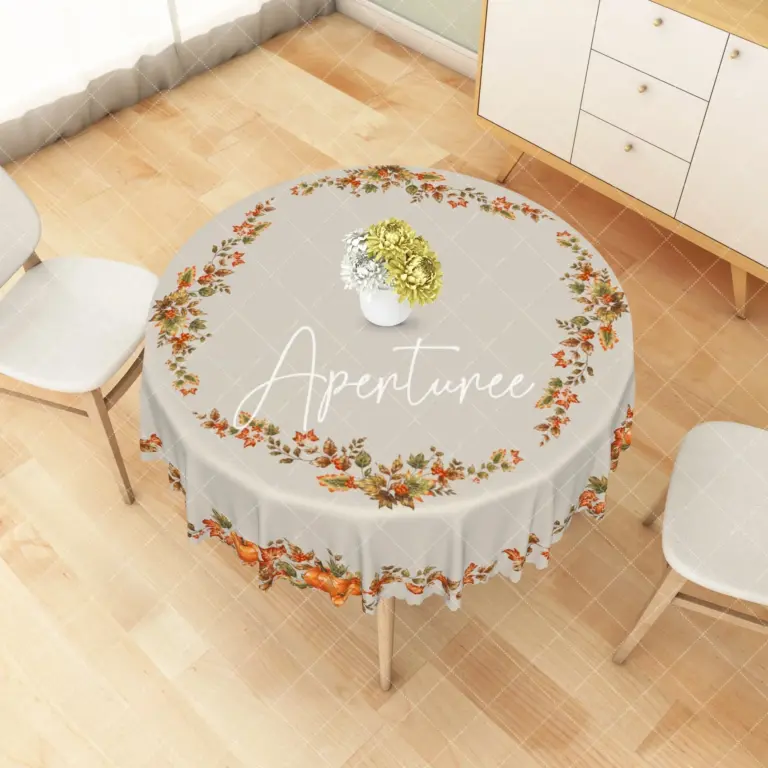 Aisha's pickOrange Tablecloths That Do the Job Right
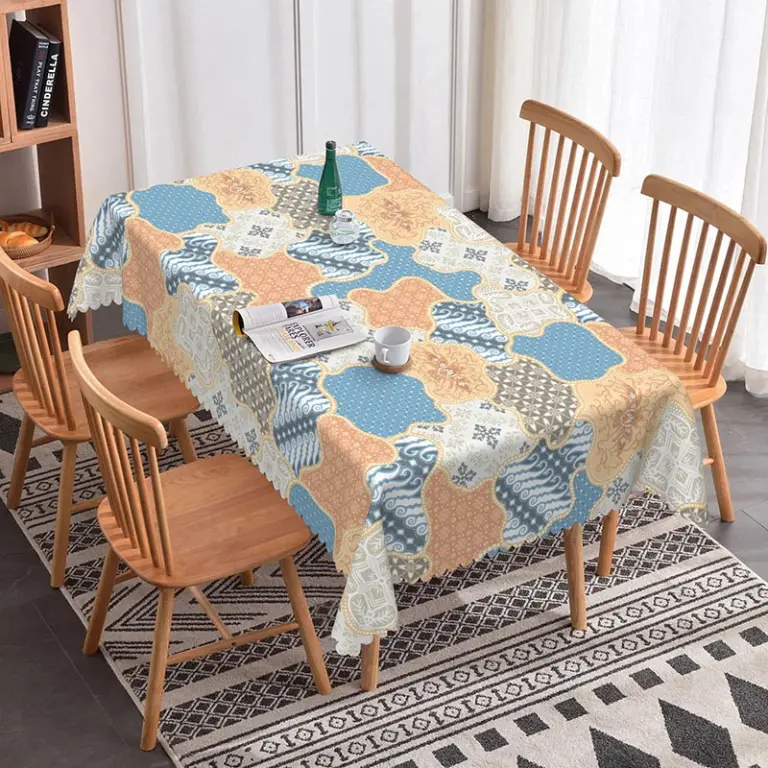
 Aisha's pickBlack Tablecloths for Dining Table That Don’t Pill
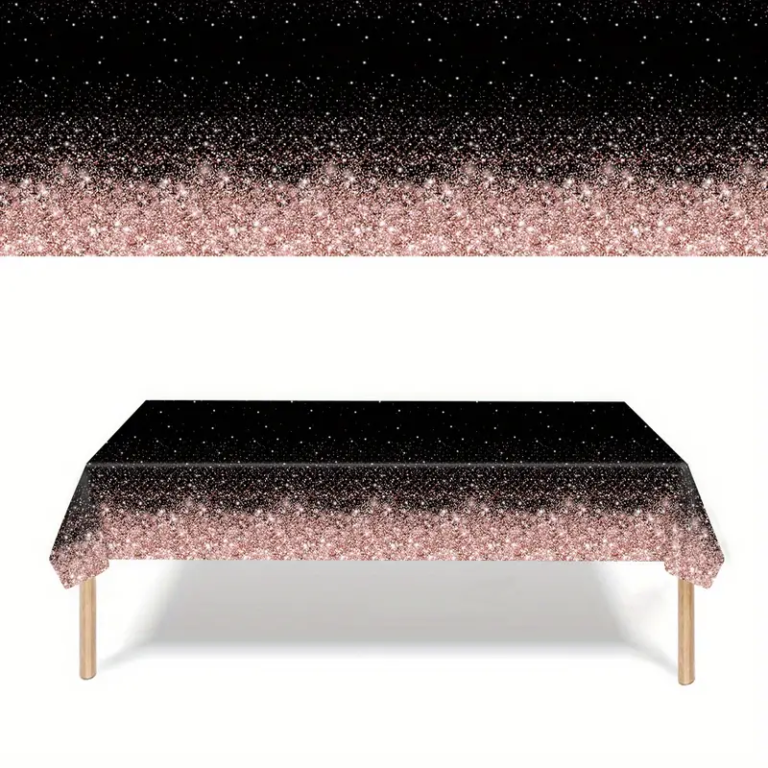
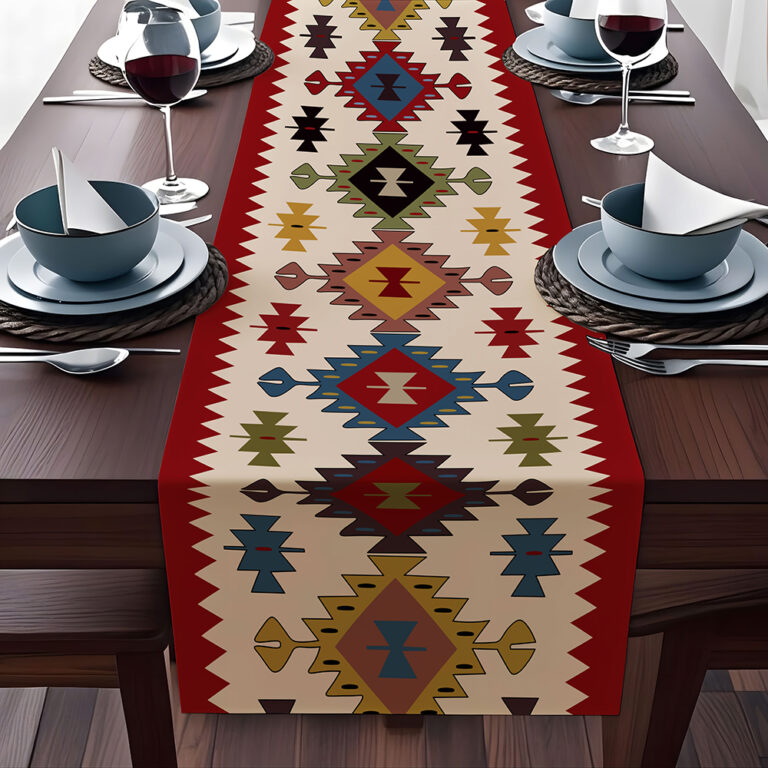
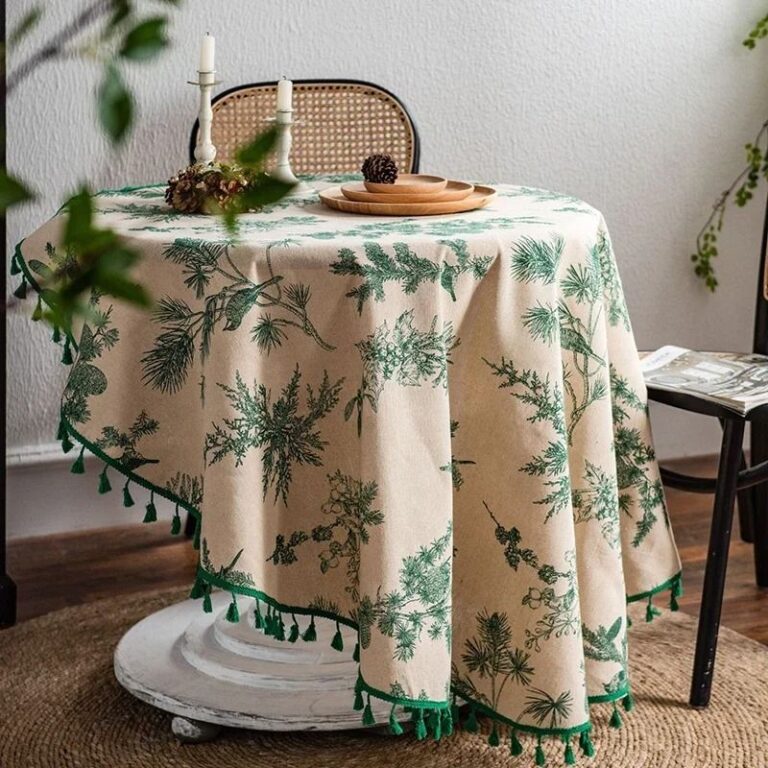 Aisha's pickGeometric Tablecloths for Adding Color Without Painting
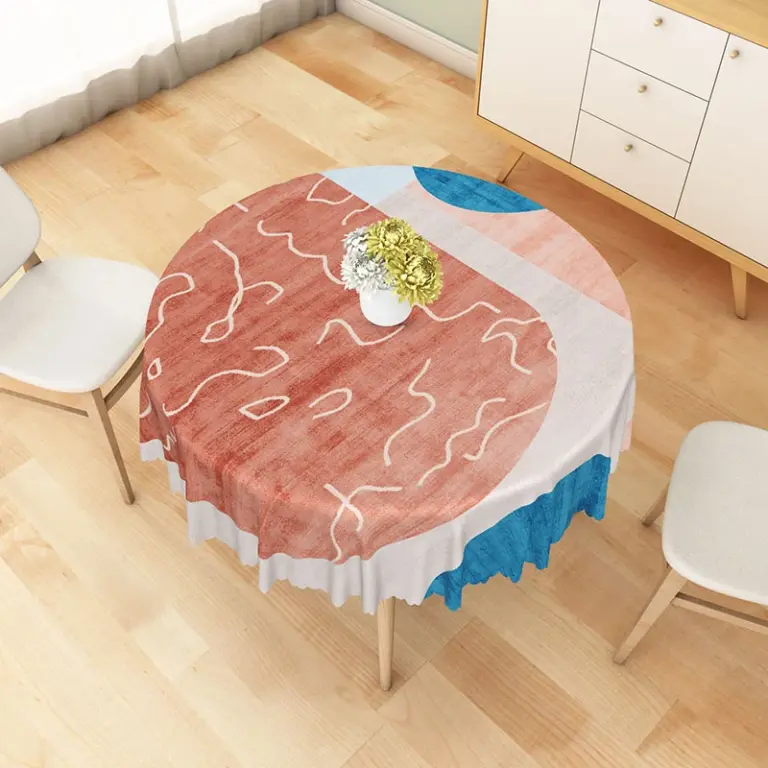 Aisha's pickPatchwork Tablecloths That Look Good Up Close
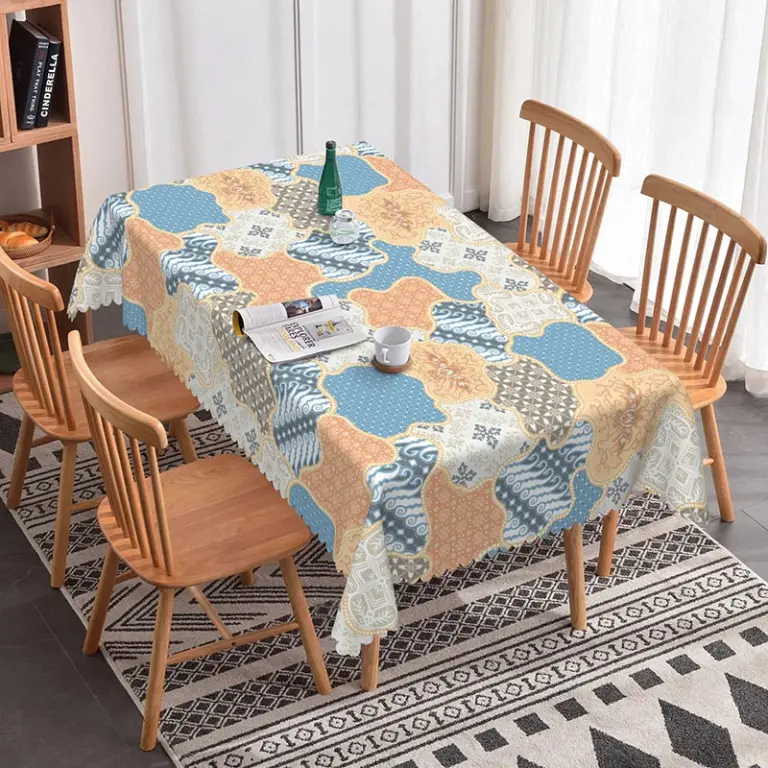
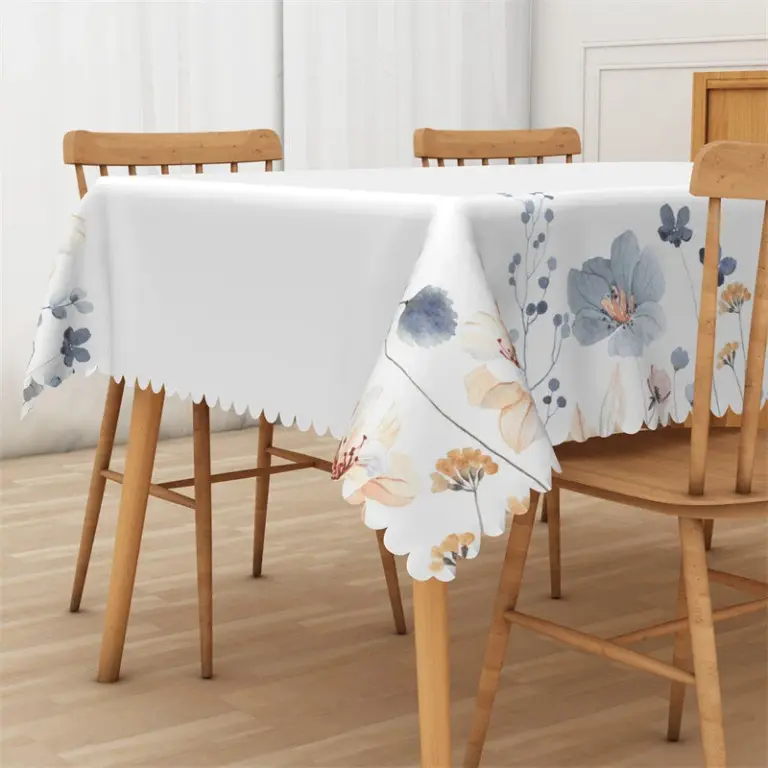 Aisha's pickBlue Floral Tablecloths We Swap Around With the SeasonsAlso worth a lookApronsMost people treat an apron as the thing you grab when you're about to ruin a shirt, which…See the collections →
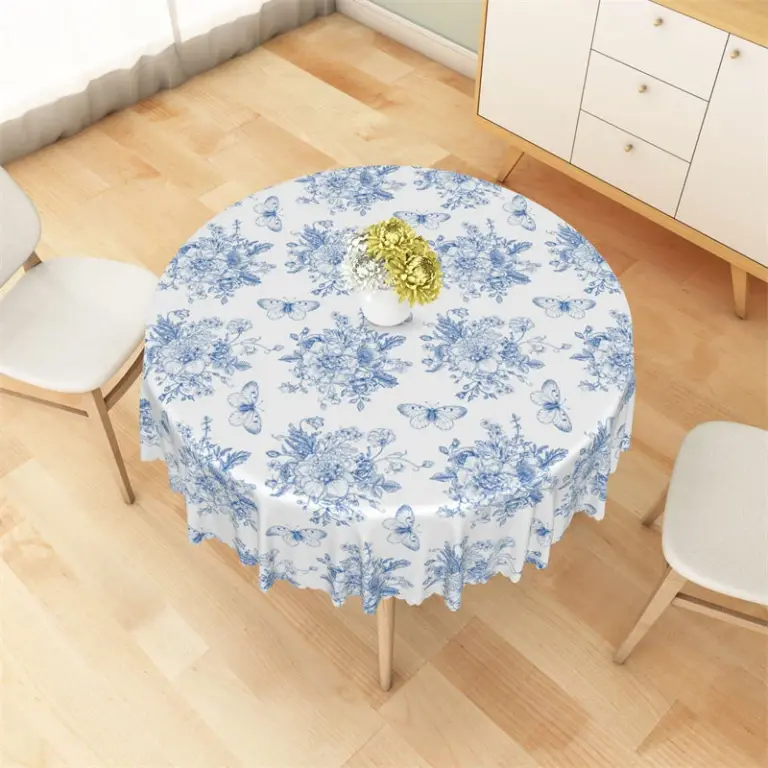
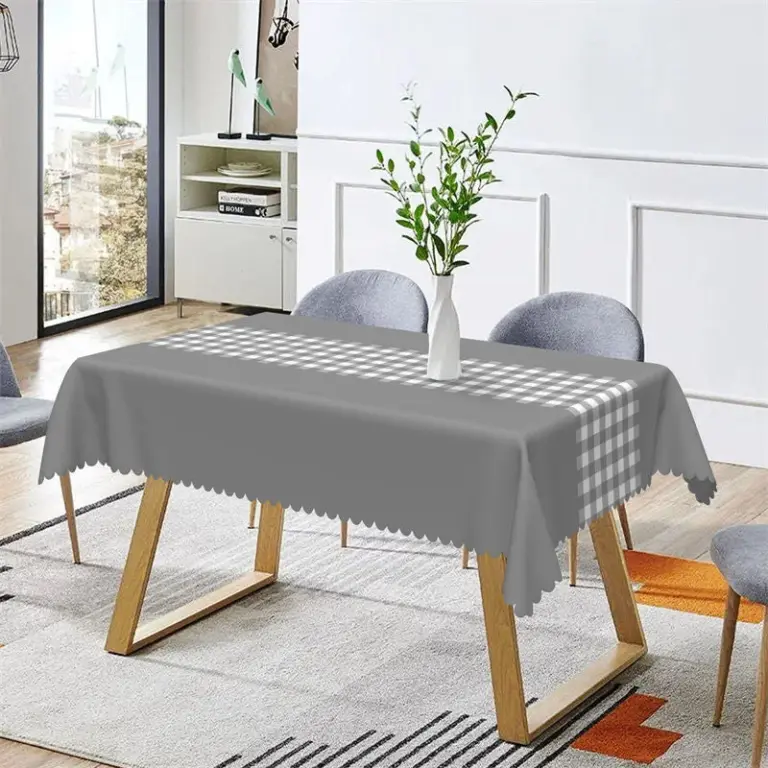 Aisha's pickGingham Tablecloths That Survive the Washing Machine
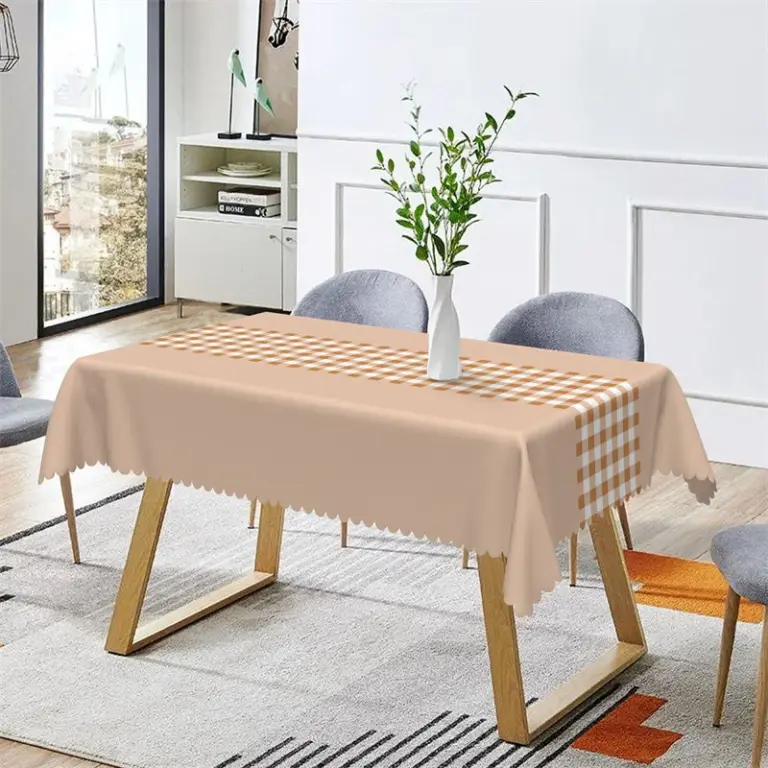
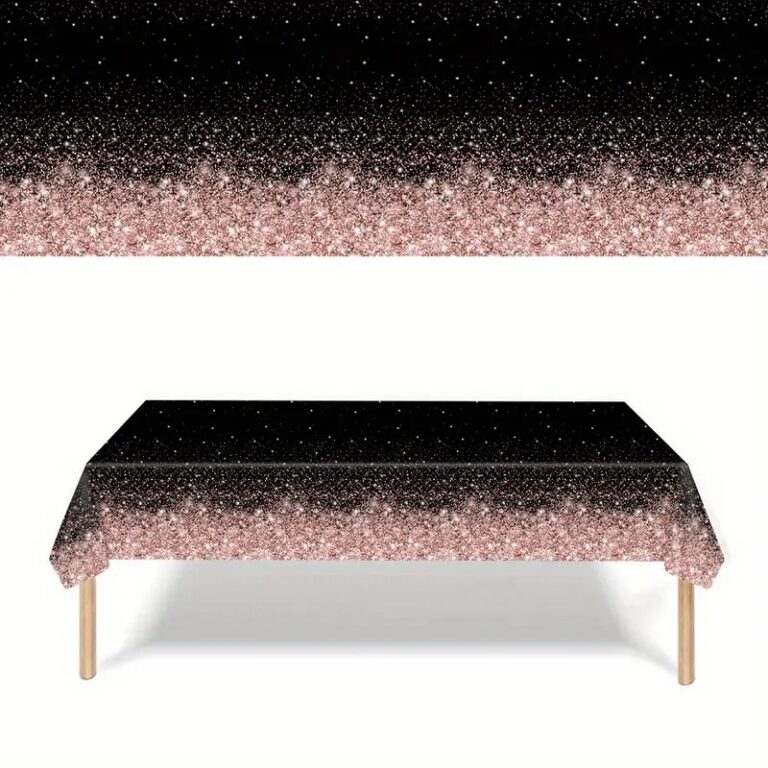 Aisha's pickPink Tablecloths That Make a Room Feel Finished
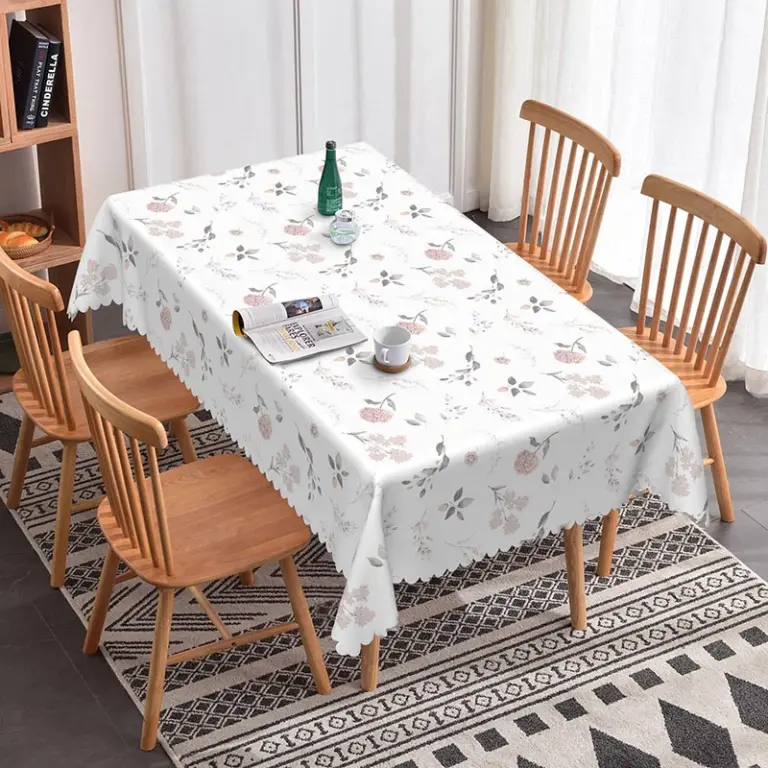
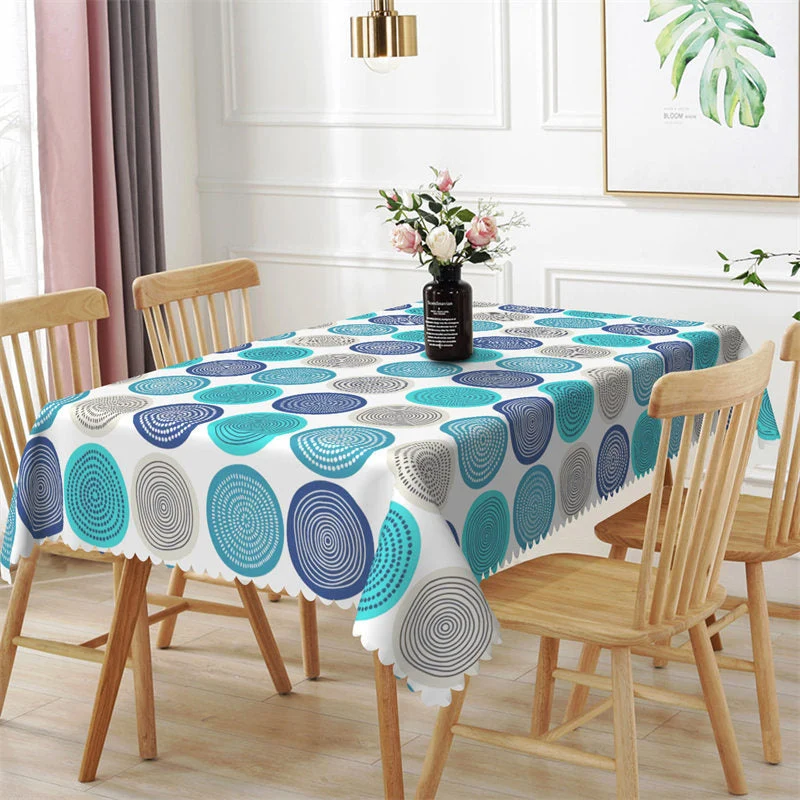 Aisha's pickBlue Tablecloths That Make Small Changes Feel Big
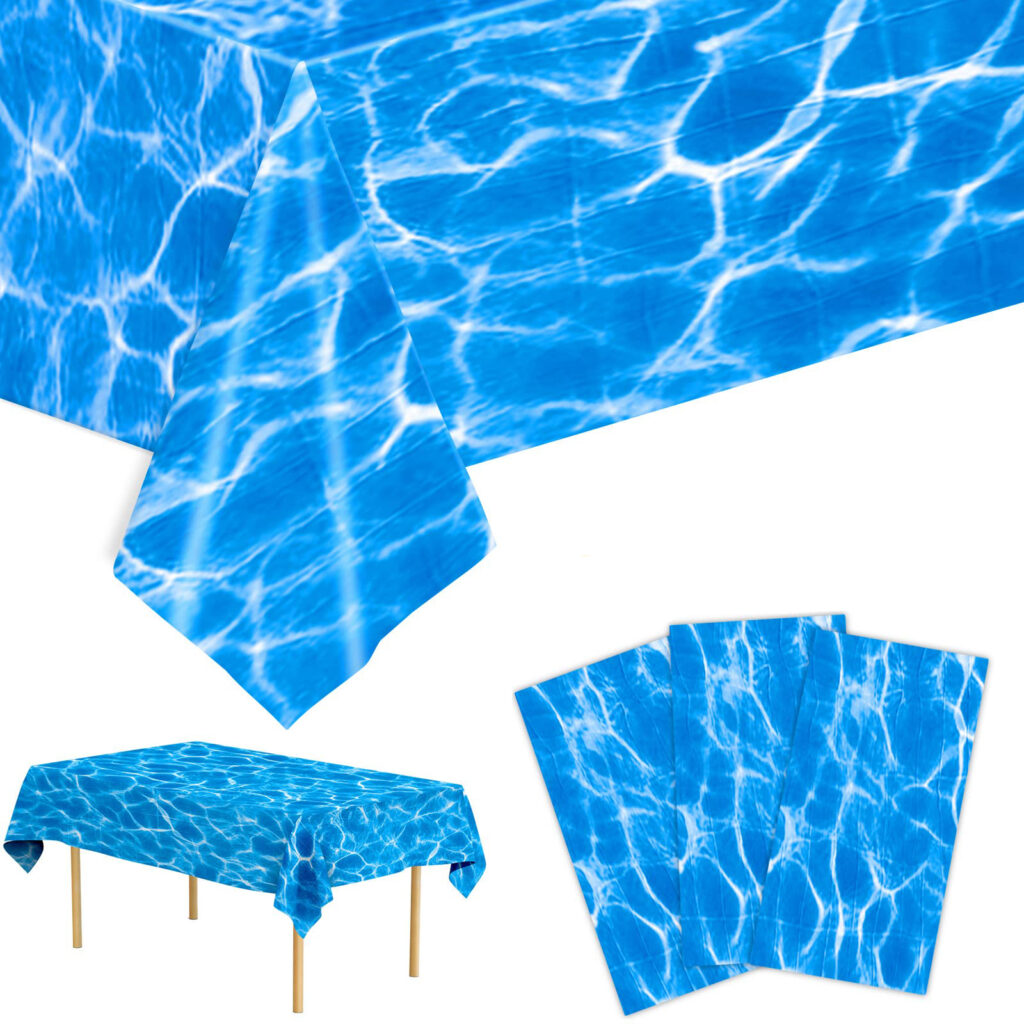
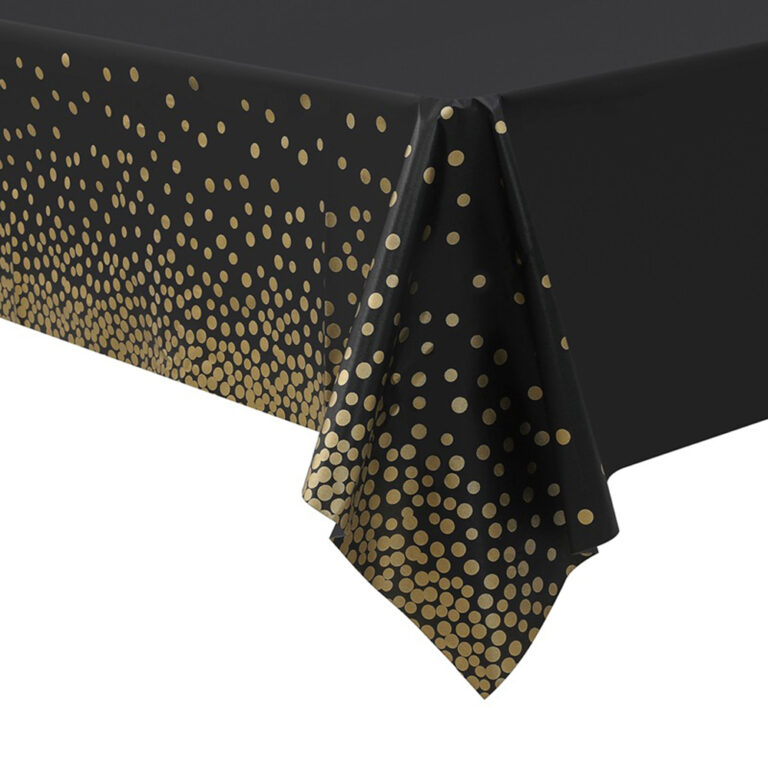 Aisha's pickGold Tablecloths That Go With Most Rooms
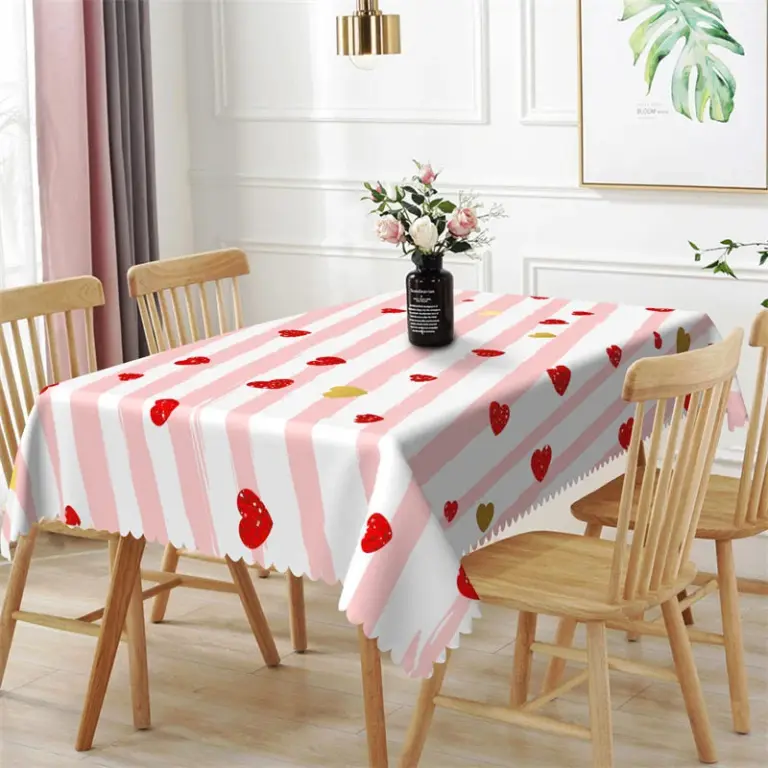
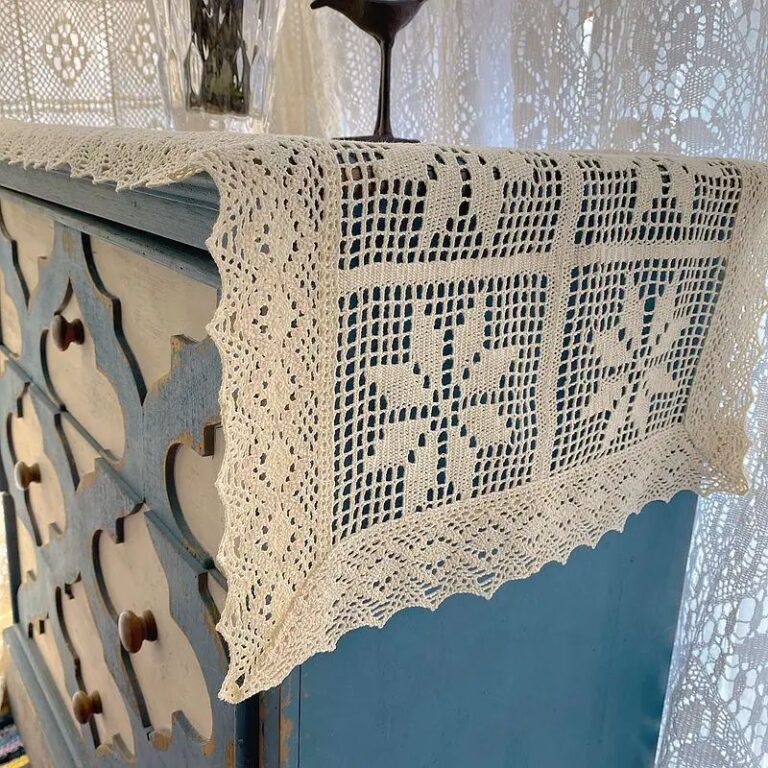 Aisha's pickPlaid Tablecloths You’ll Want to Curl Up With
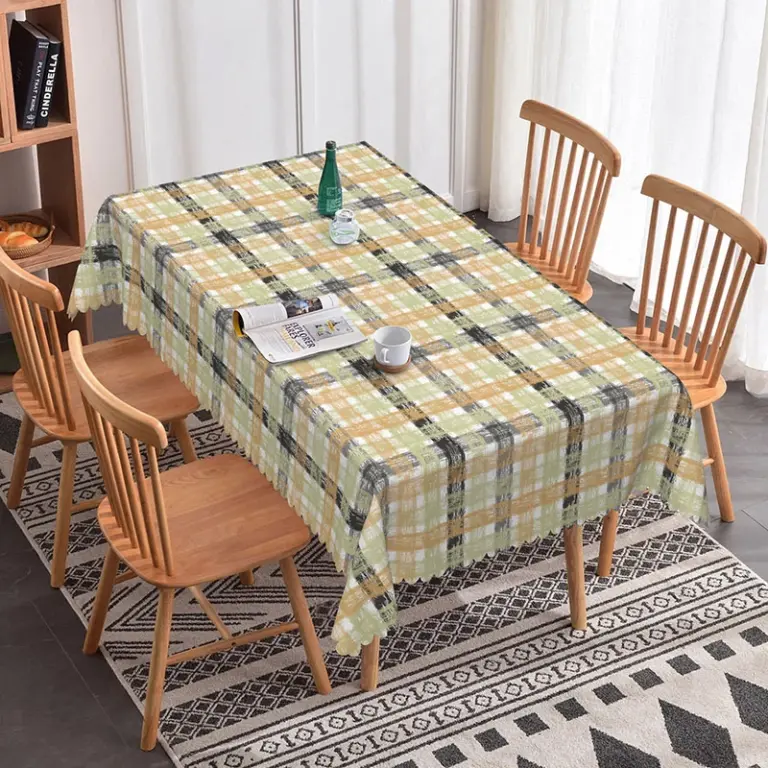
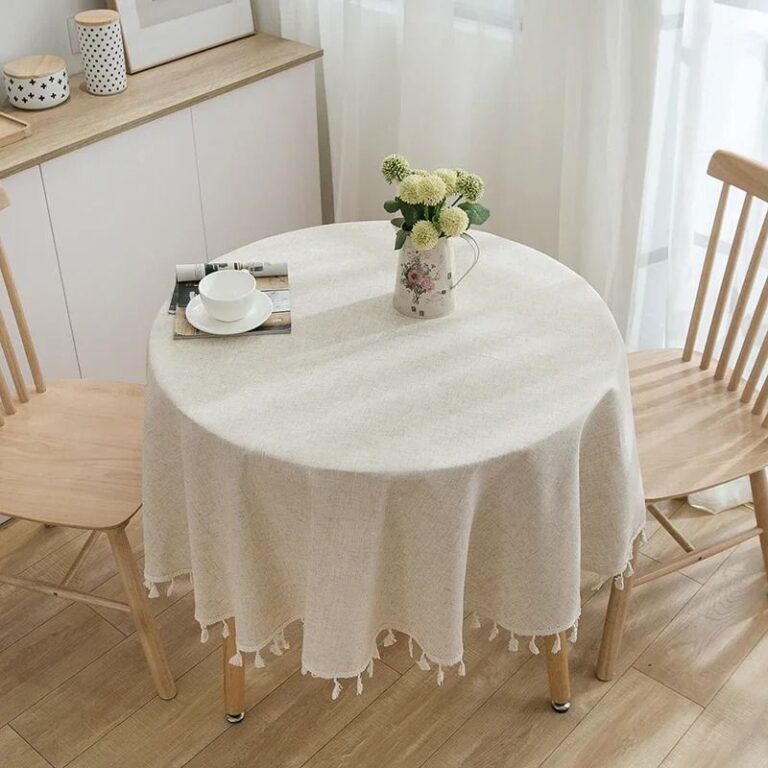 Aisha's pickBoho Tablecloths That Look Better in Real Life
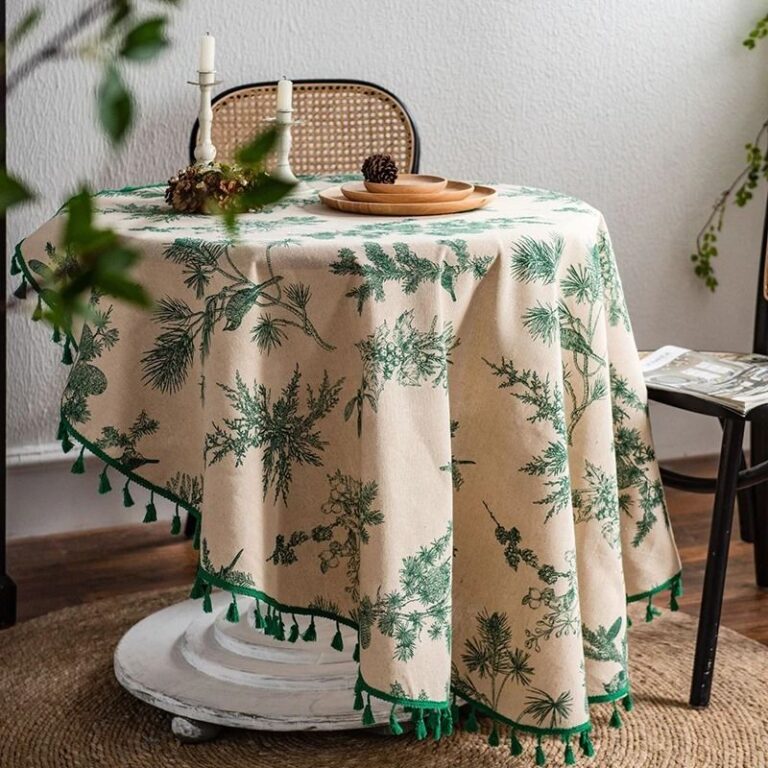
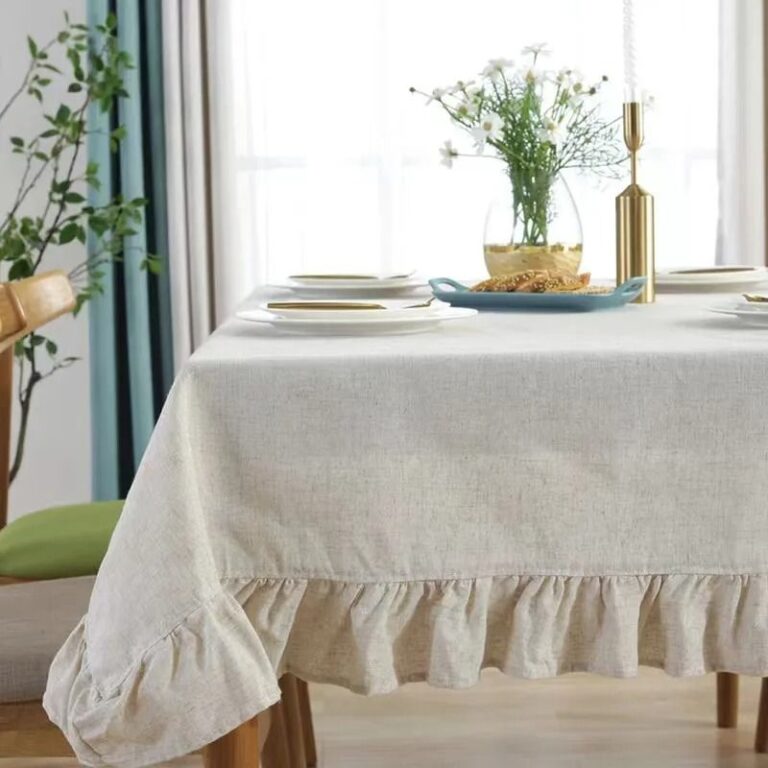 Aisha's pickGreen Rectangular Tablecloths That Soften a Room
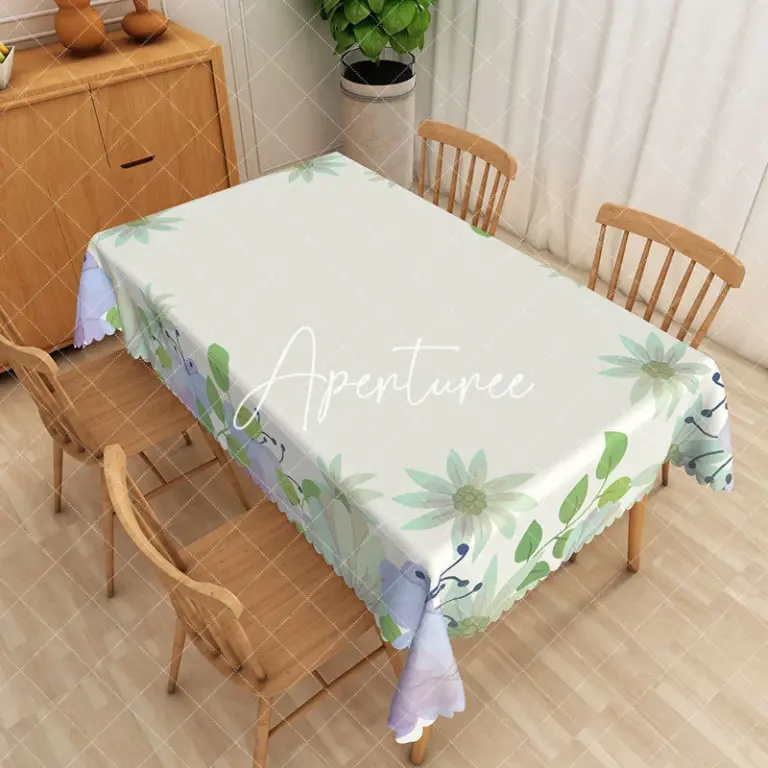
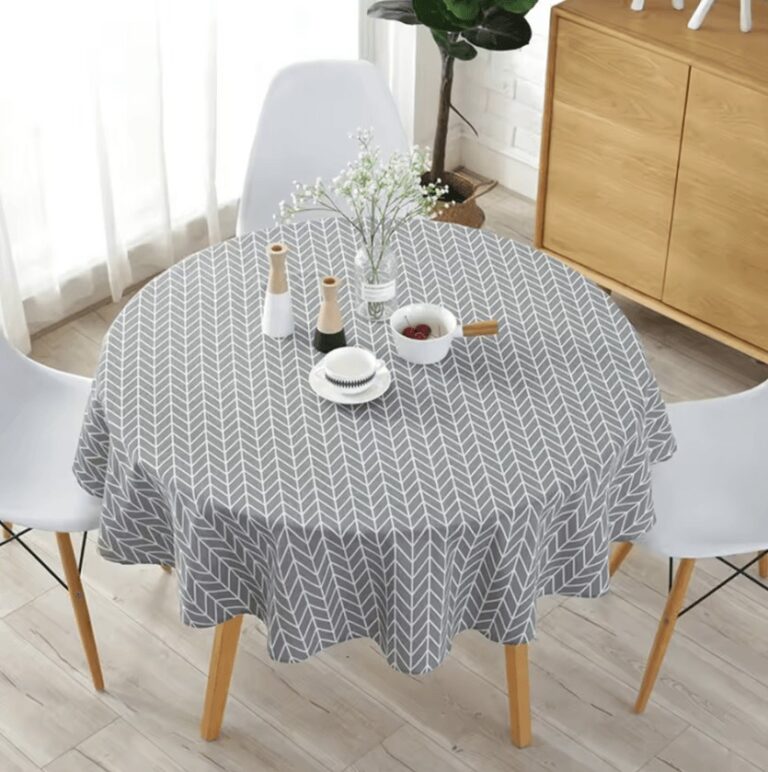 Aisha's pickPolyester Tablecloths That Keep Their Color Wash After Wash
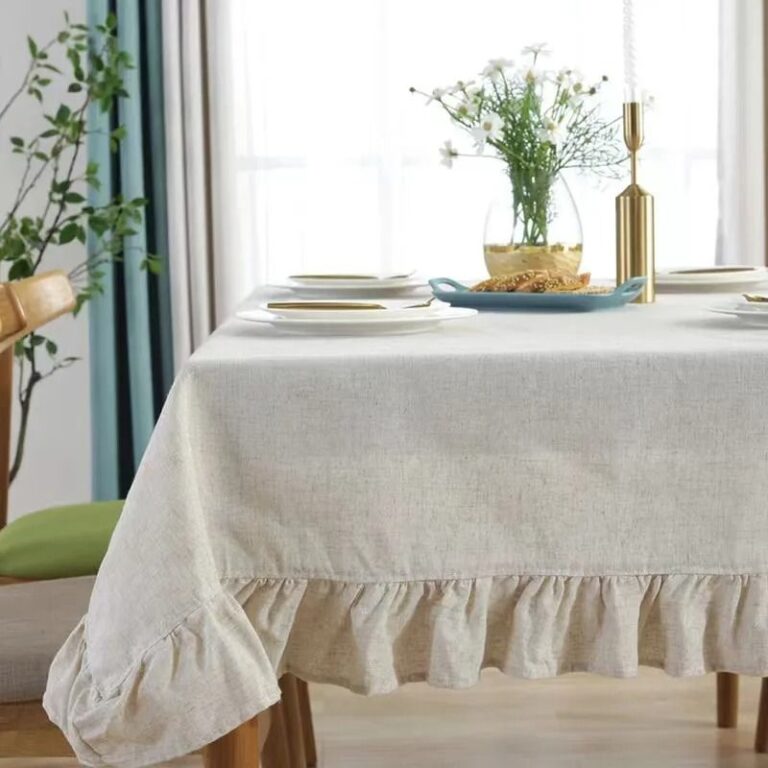
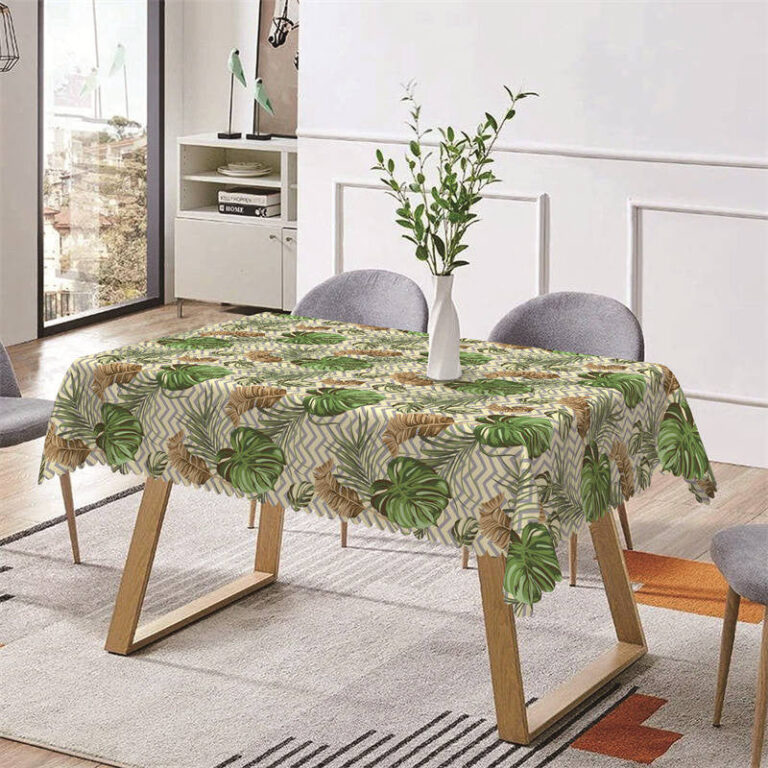 Aisha's pickBrown Tablecloths That Won’t Let You DownAlso worth a lookNapkinsThe mistake is buying one set and expecting it to cover everything, the weeknight dinners, the holiday table, the kid's lunch tray.See the collections →
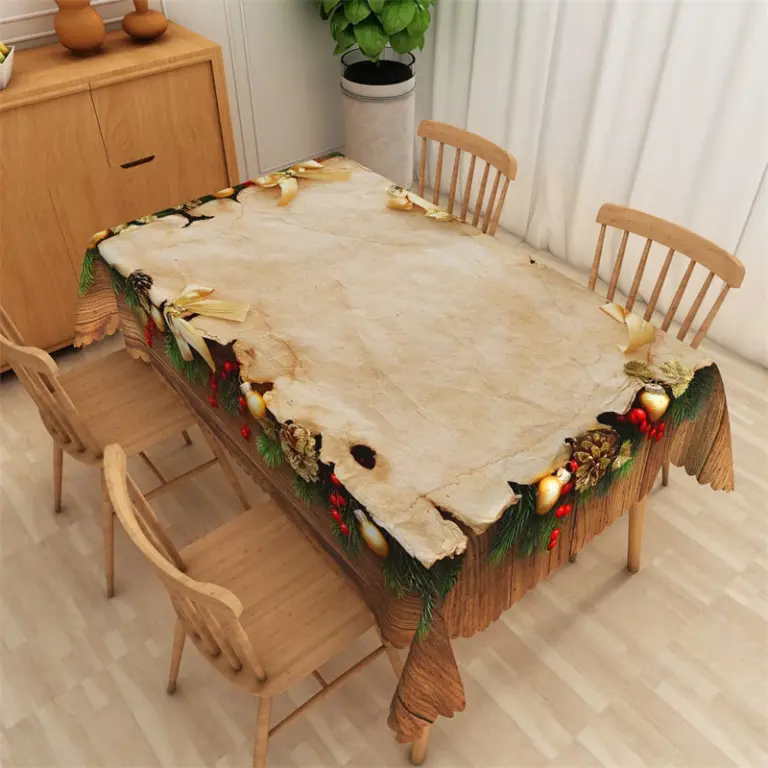
 Aisha's pickGreen Tablecloths You Won’t Want to Hide Away
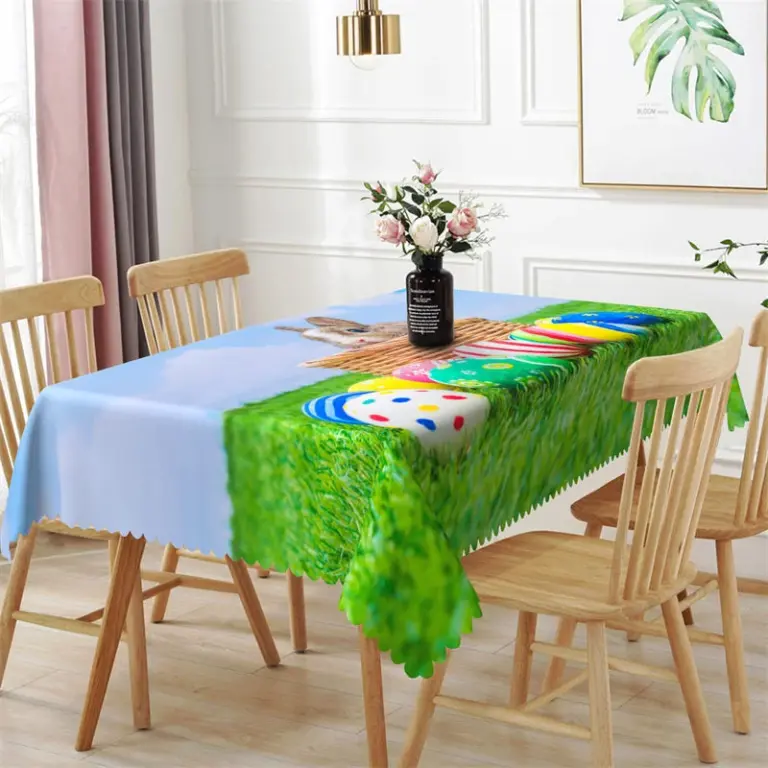
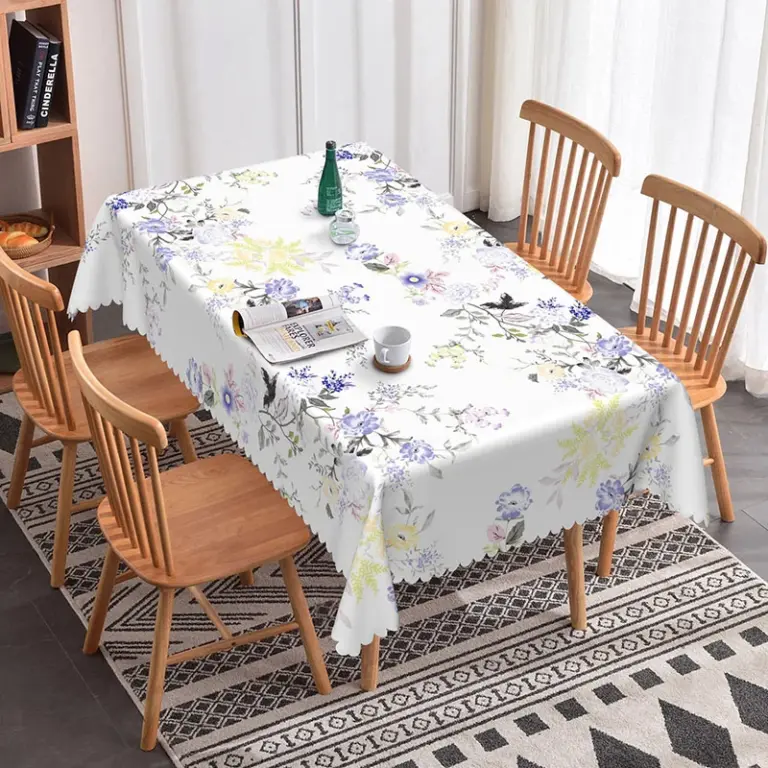 Aisha's pickPurple Tablecloths That Make Small Changes Feel Big
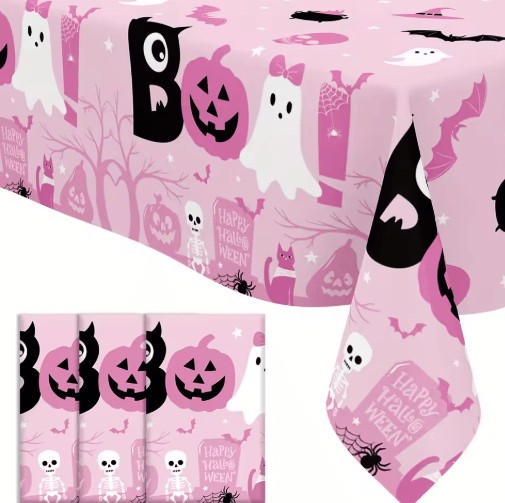
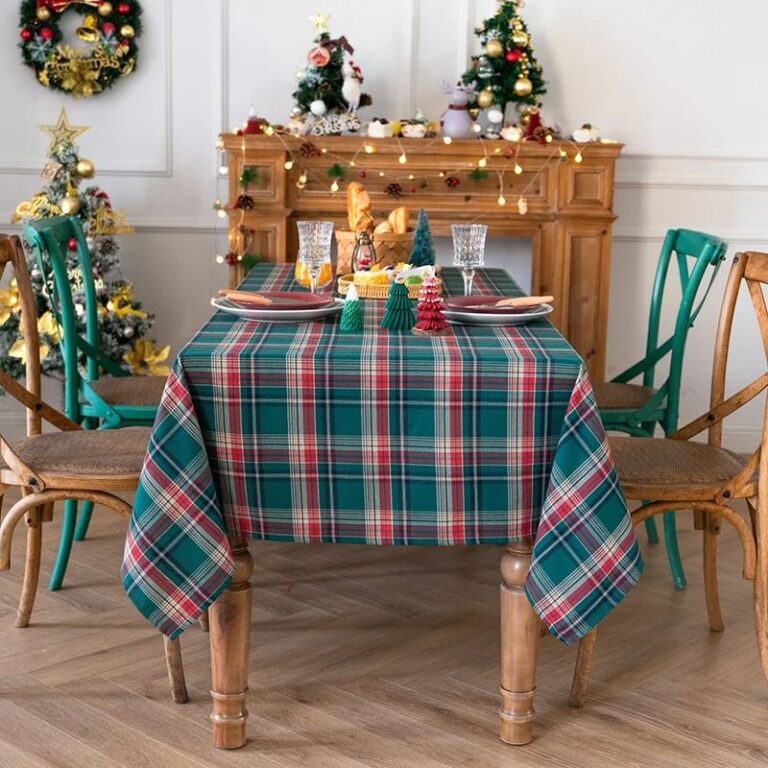 Aisha's pickPlaid Tablecloths for Adding Color Without Painting
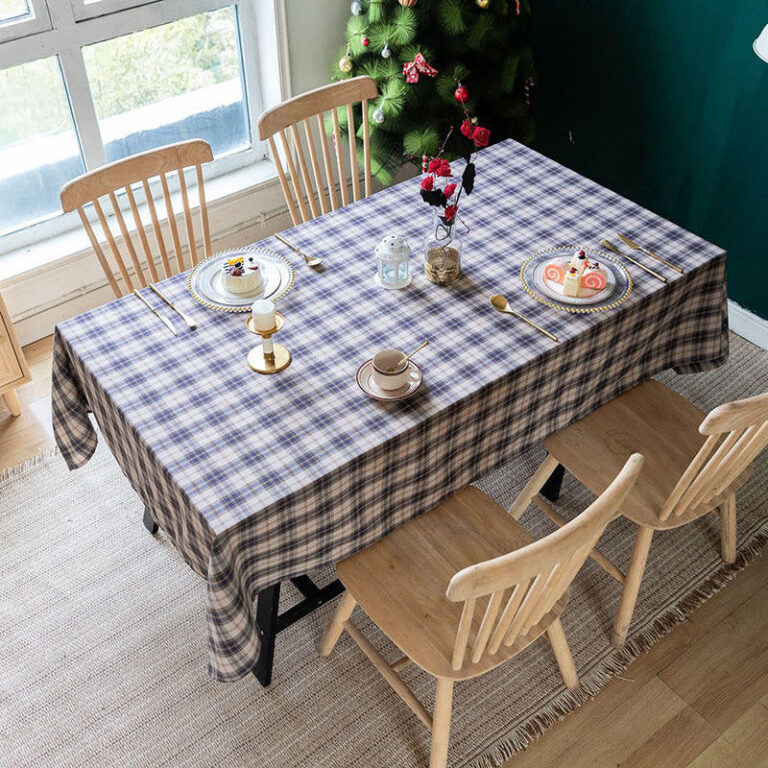
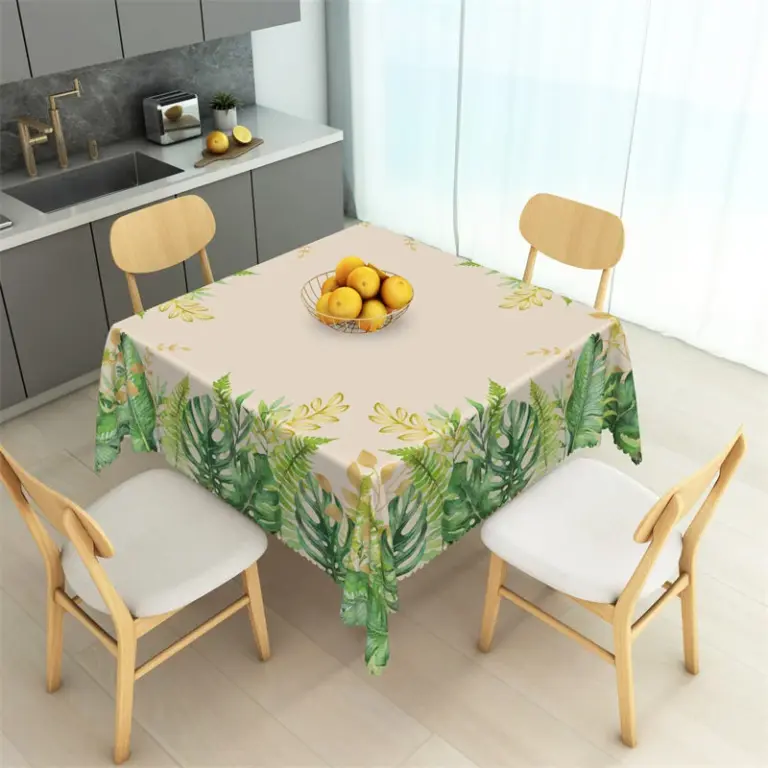 Aisha's pickGreen Tablecloths for Dining Table That Keep Their Color Wash After Wash
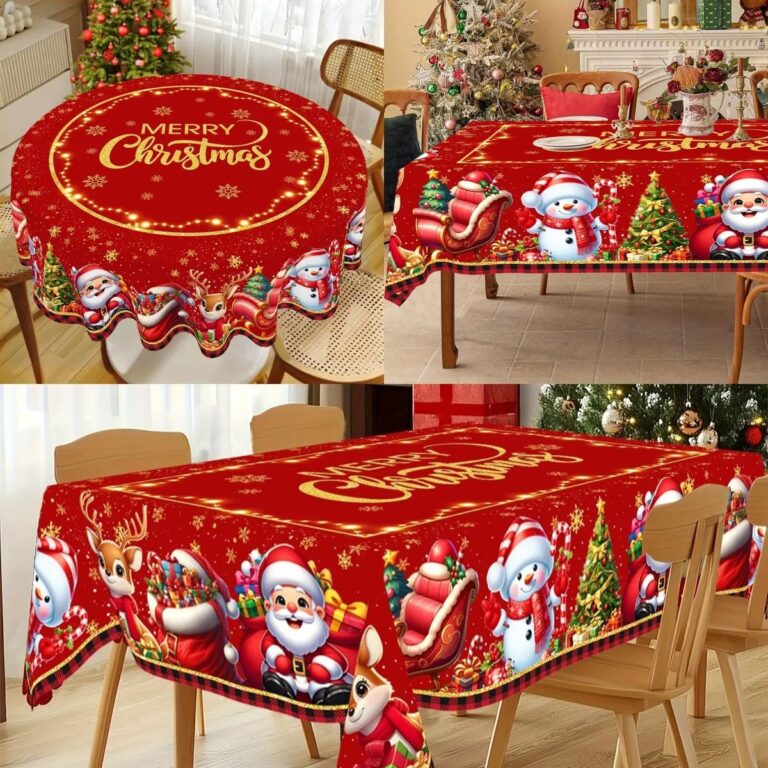
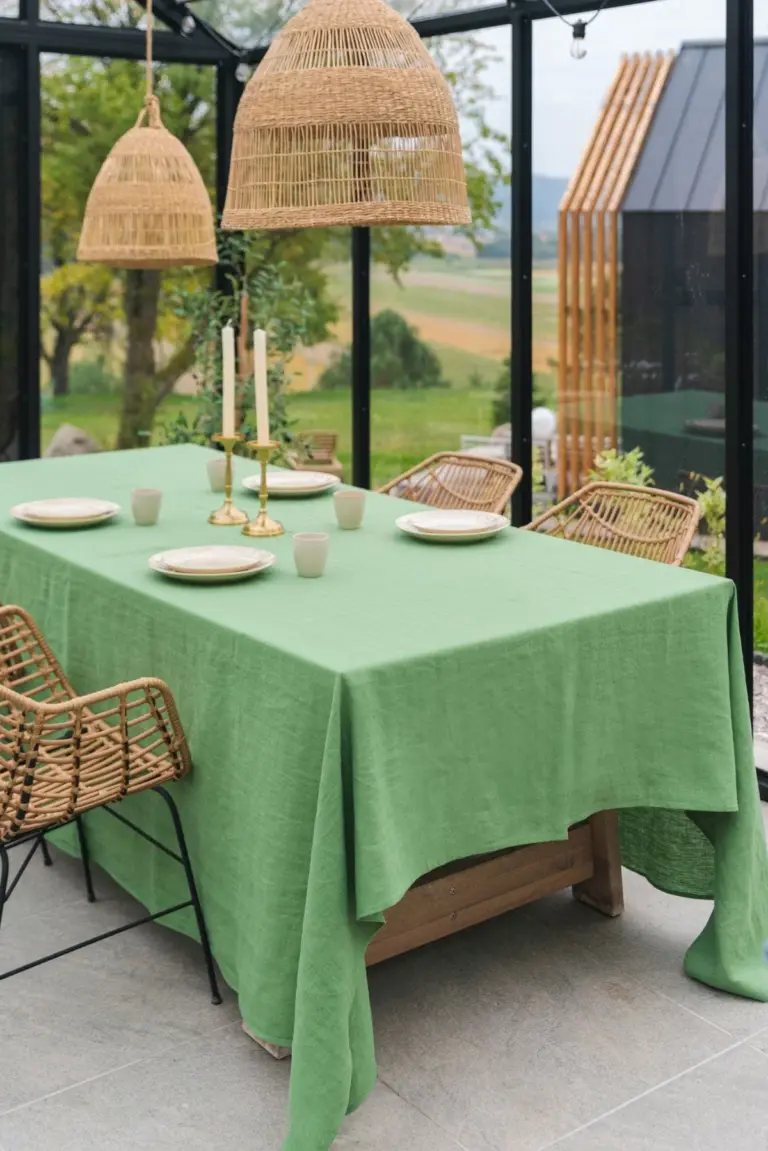 Aisha's pickRectangular Tablecloths for People Who Know What They Like
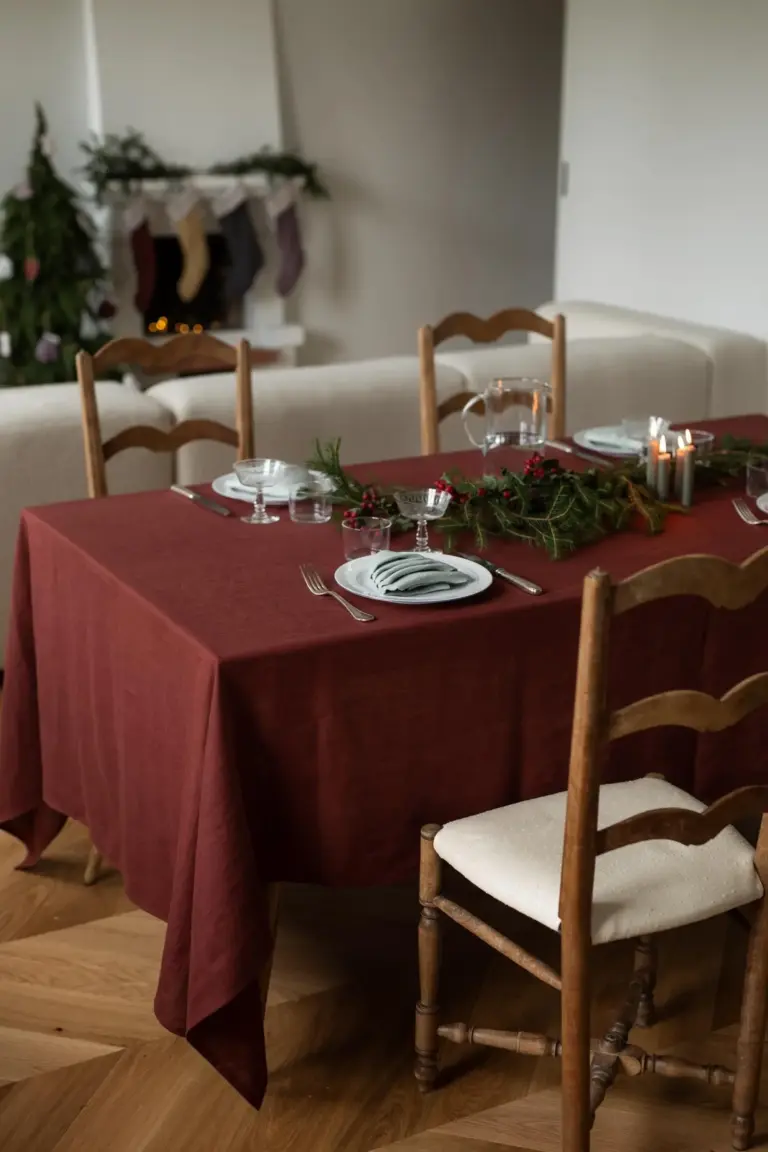
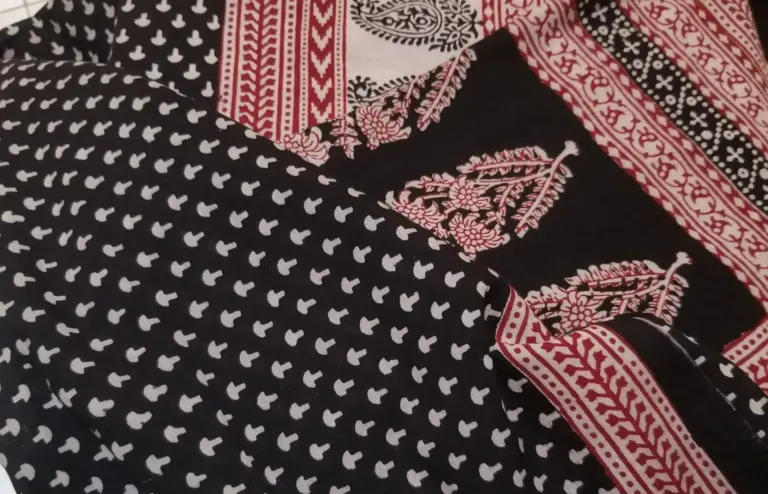 Aisha's pickCotton Tablecloths That Don’t Need Babying
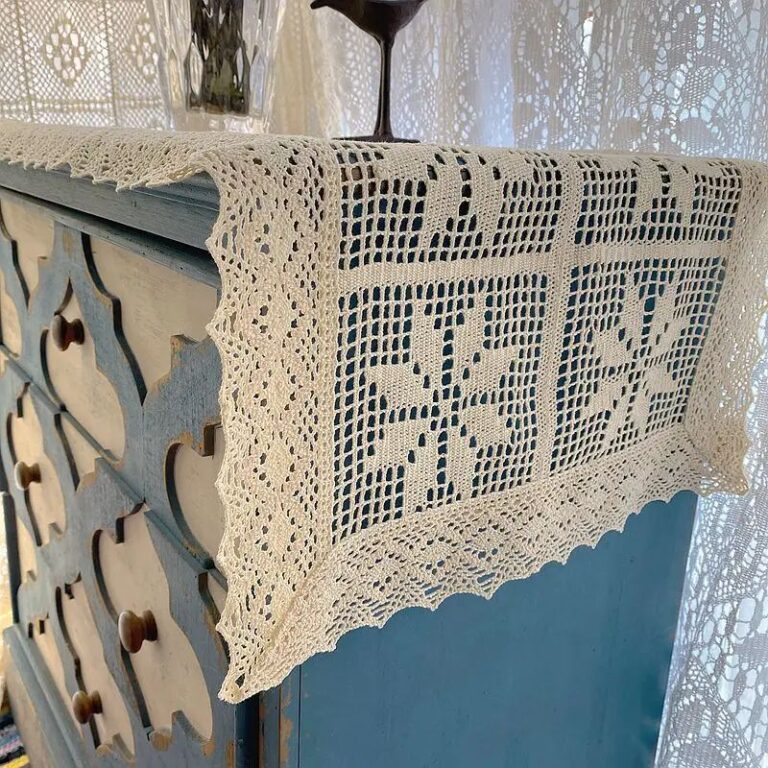
 Aisha's pickLace Tablecloths That Survive the Washing Machine
 Aisha's pickRed Tablecloths We Swap Around With the Seasons