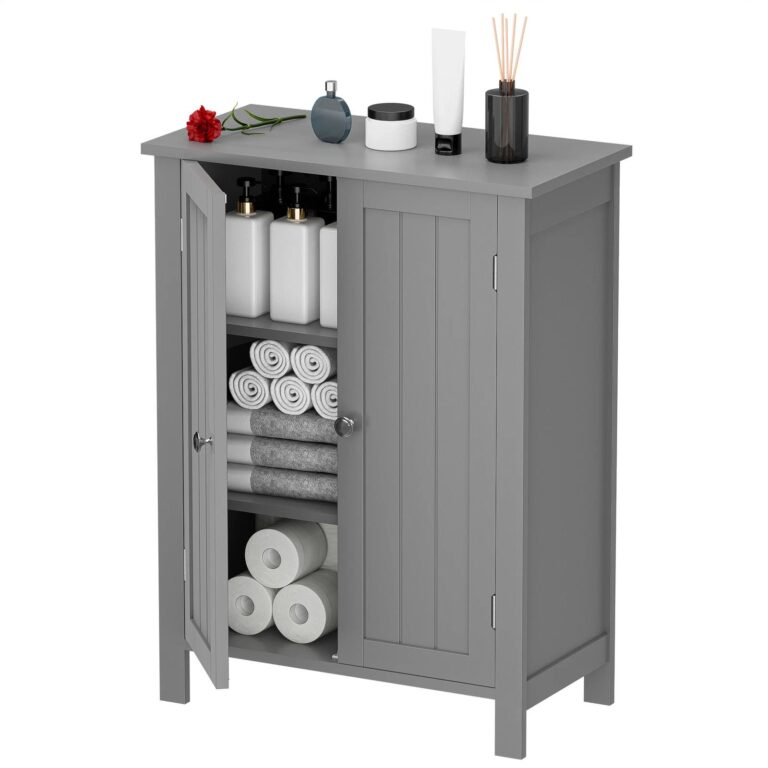
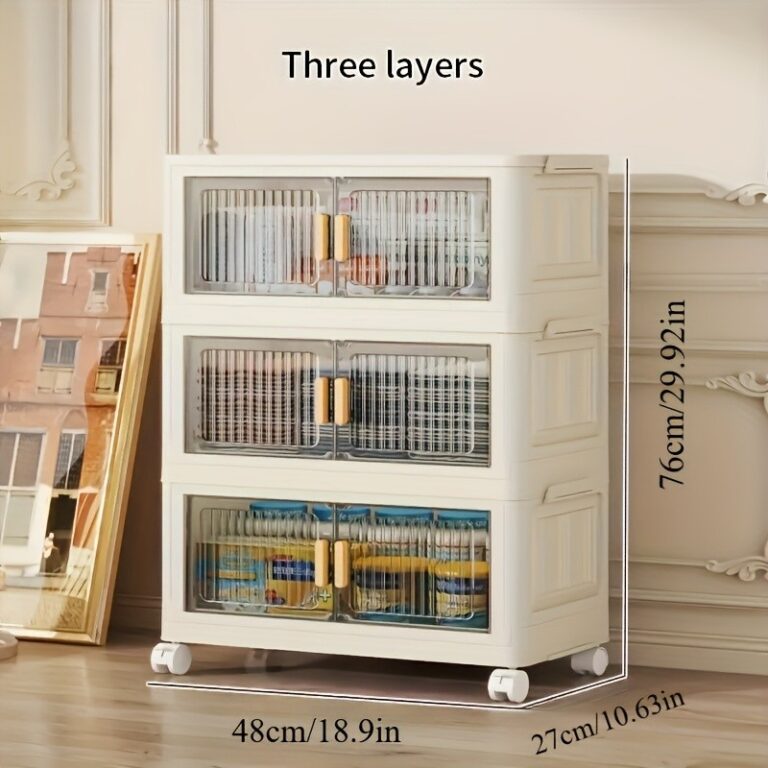
The hallway closet in my first apartment had exactly one shelf and a bar for coats, and every winter I'd stand there trying to fit snow boots, a toolbox, board games, and whatever my mother had decided I needed that I never asked for. It wasn't until I put a plain storage cabinet against the wall near the door that the whole entry stopped looking like a problem I was ignoring. Closed doors, one flat surface on top for keys and mail, and suddenly the mess had an address.
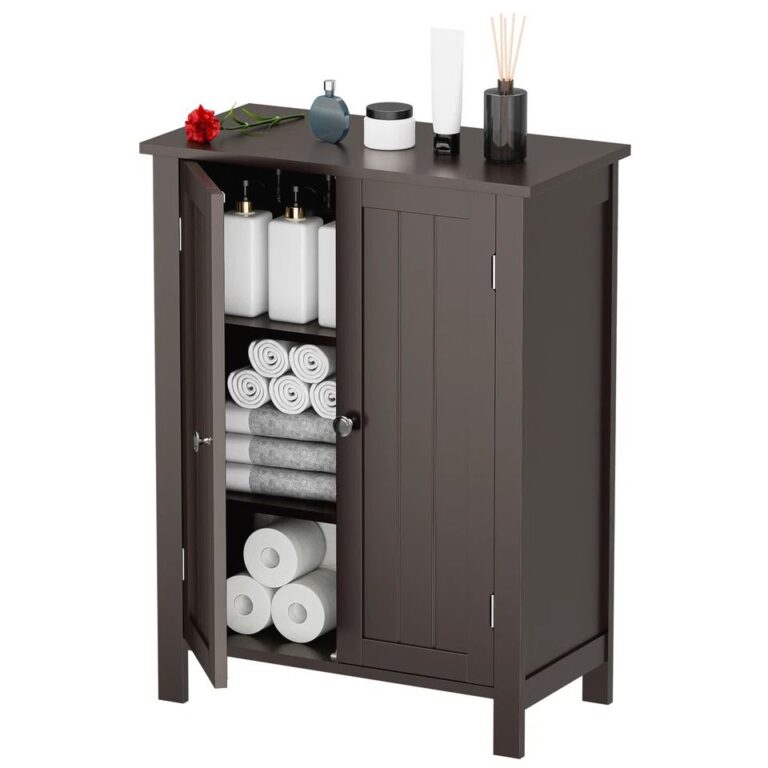
If you're starting with nothing, go for a cabinet with doors before you get tempted by open shelving or anything with a long row of drawers. Doors hide the chaos, which matters more than people admit, because not everything you own is folded and color coded, and a closed door doesn't ask you to pretend otherwise. Solid wood is lovely and it'll outlast you, but it's heavy to move and it costs like it. For everyday living, a painted MDF or a laminate cabinet holds up fine, wipes clean, and doesn't flinch when a kid leans a bike against it. Drawers are worth adding once you know what you're storing, since they're better for anything you dig through often, linens, cords, the junk drawer that migrated out of the kitchen, while shelves behind a door suit things you grab in one piece, like serving platters or board games in their boxes. This kind of cabinet earns its spot in an entryway, a home office, a kid's room, a laundry area, or that dead stretch of wall every living room has that's too awkward for a sofa and too obvious to ignore. It's especially good in a rental, where you can't build in storage and don't want to drill fifteen holes trying. Humid climates and summer are no trouble for wood veneer or laminate, but raw or unsealed wood in a bathroom or a mudroom with real weather coming through the door will warp and swell faster than you'd expect, so skip that pairing entirely.
Where it clashes is in a room that's already busy with pattern or with other large case pieces. Two tall cabinets facing each other in a small room just makes a hallway feel like a corridor in an office building, and a heavily grained wood cabinet next to a sleek glass front sideboard looks like two different arguments happening at once. Pick one material language per room and let the cabinet be the quiet one.
The mistake is buying it for the look of the front and ignoring the depth. A cabinet that's too shallow for what you actually own just becomes another thing you have to work around, and you'll know within a week.
 Aisha's pick4 Shelf Storage Cabinets That Hold Up to Everyday Life

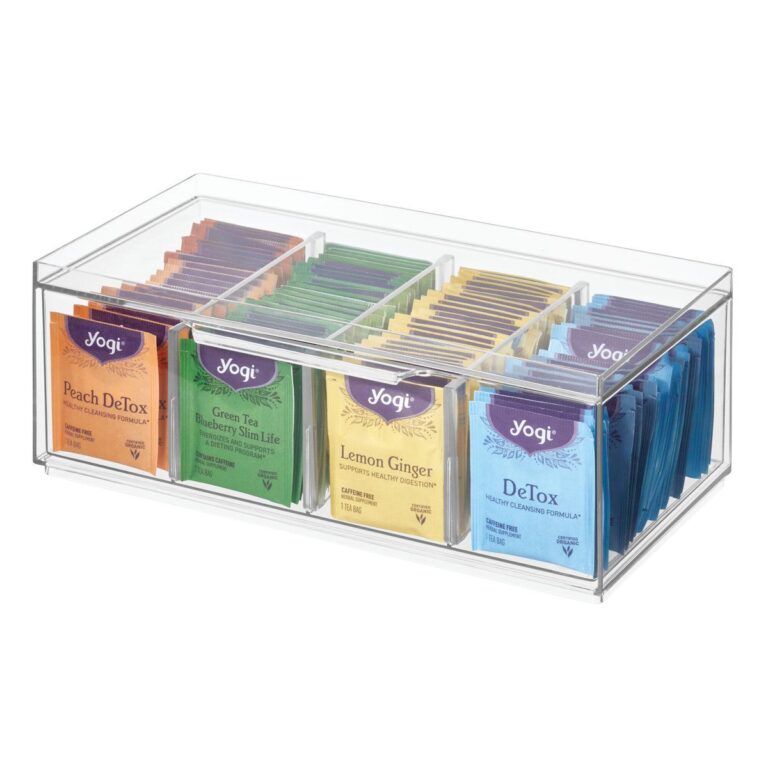 Aisha's pickGreen Storage Cabinets That Earn Their Keep
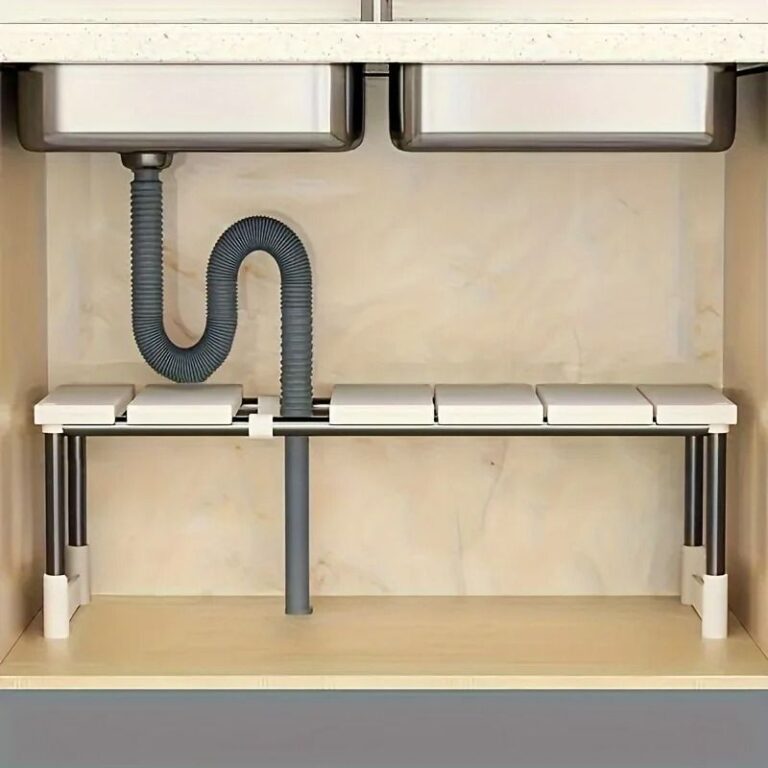 Aisha's pickSilver Storage Cabinets That Swallow the Clutter
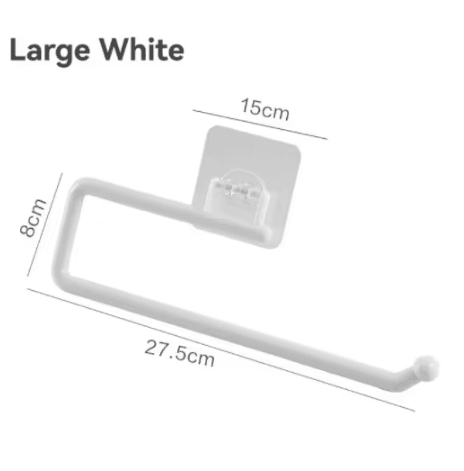
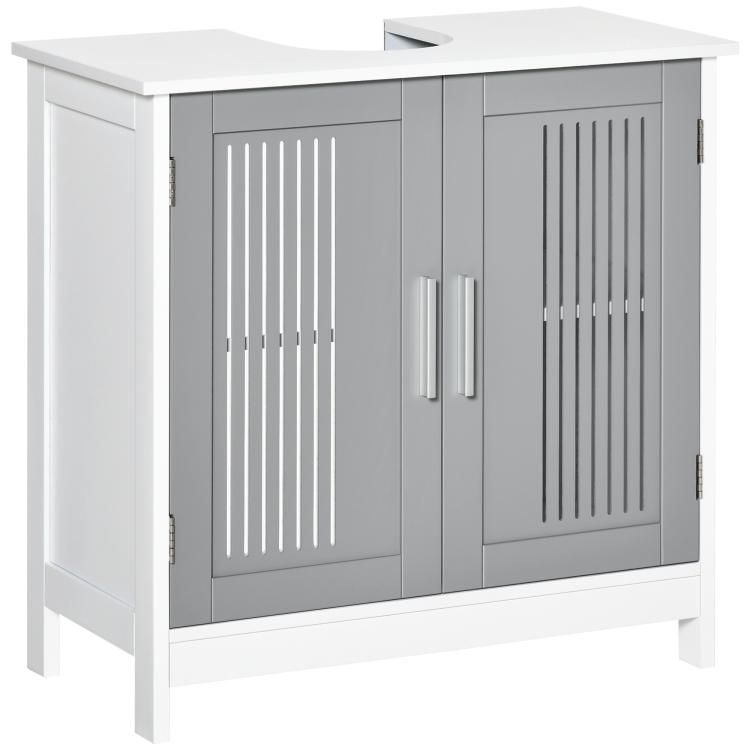
 Aisha's pickSimple Gray Storage Cabinets with Doors Done Well
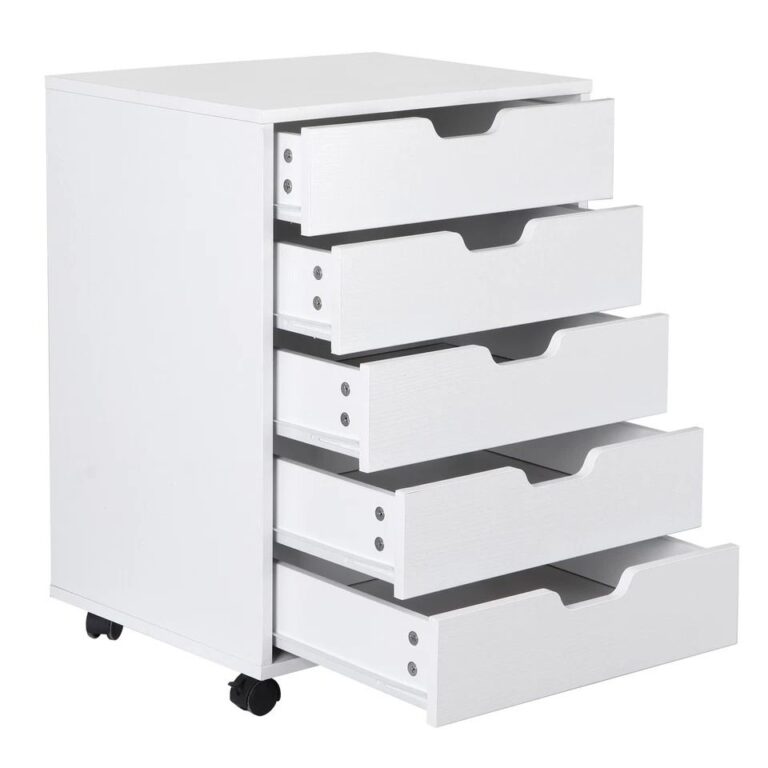 Aisha's pickKitchen Storage Units with Drawers That Squeeze Into Awkward Corners
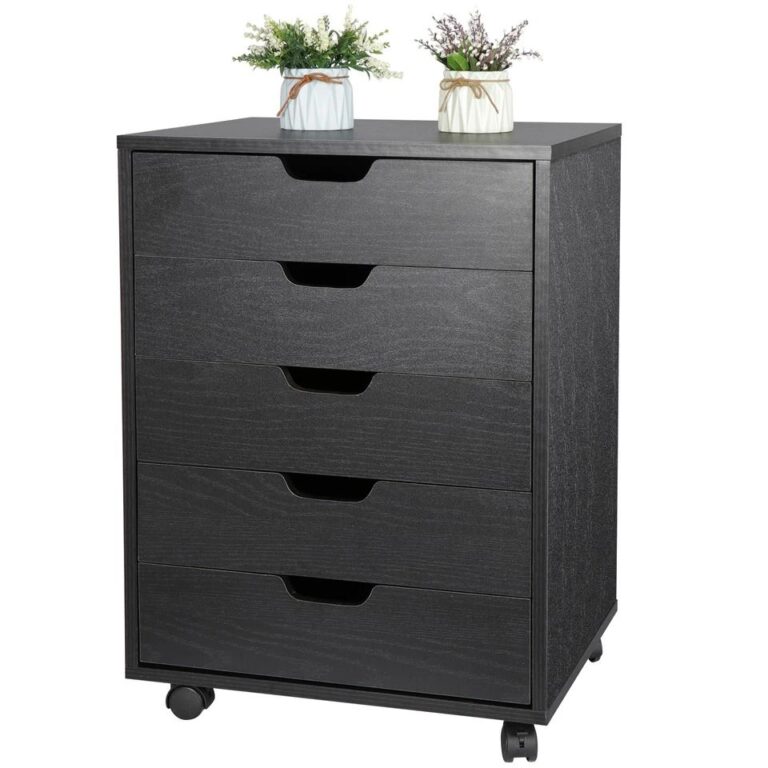
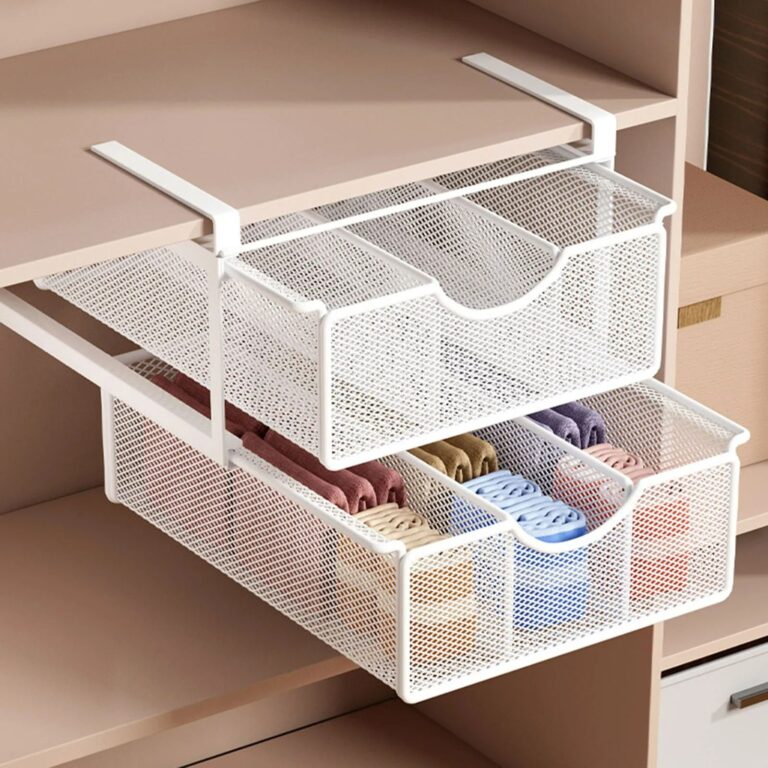 Aisha's pickMetal Storage Cabinets with Shelves From Stores Big and Small

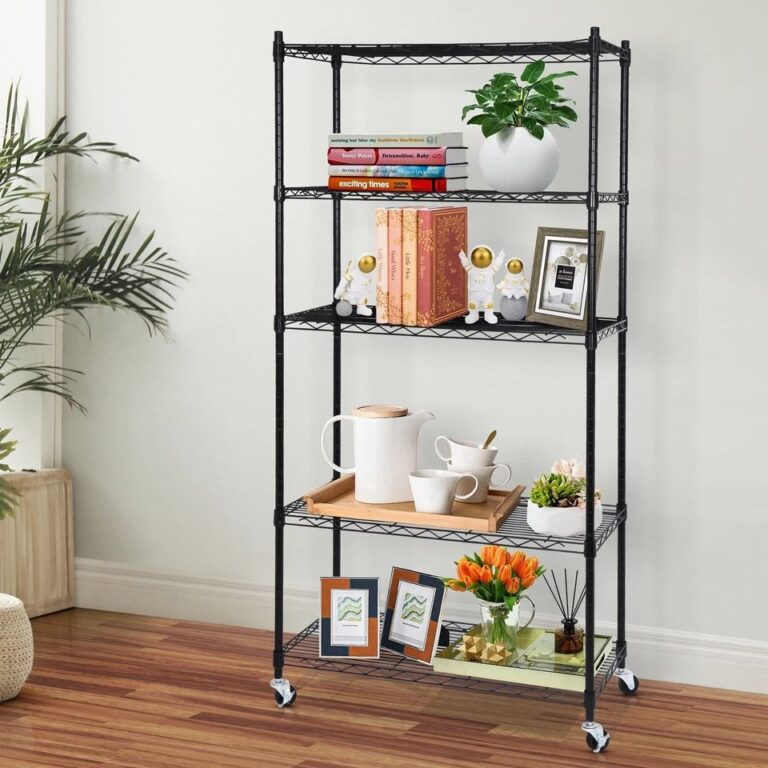 Aisha's pick4 Shelf Storage Units We Wish We’d Bought Sooner
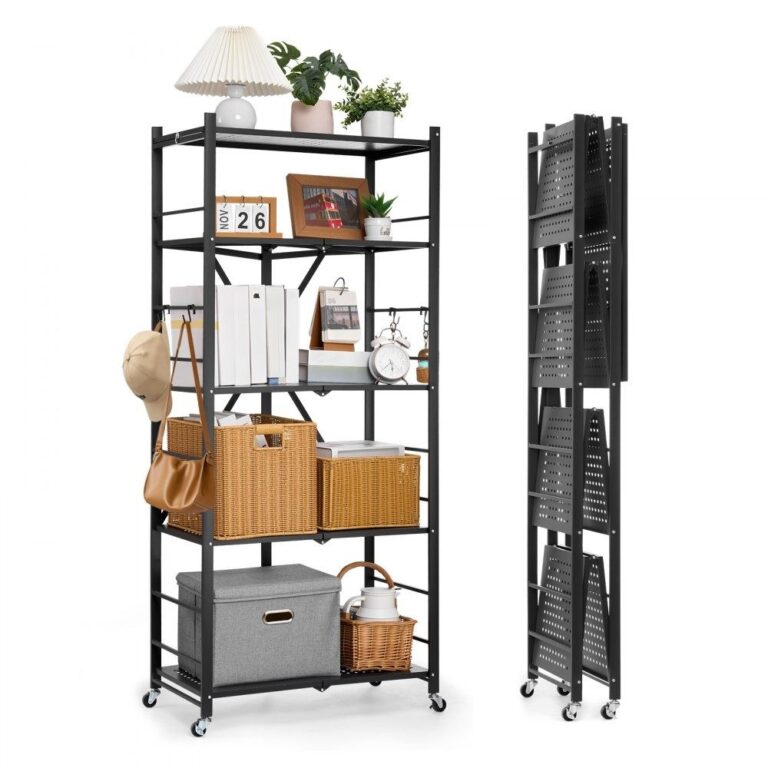
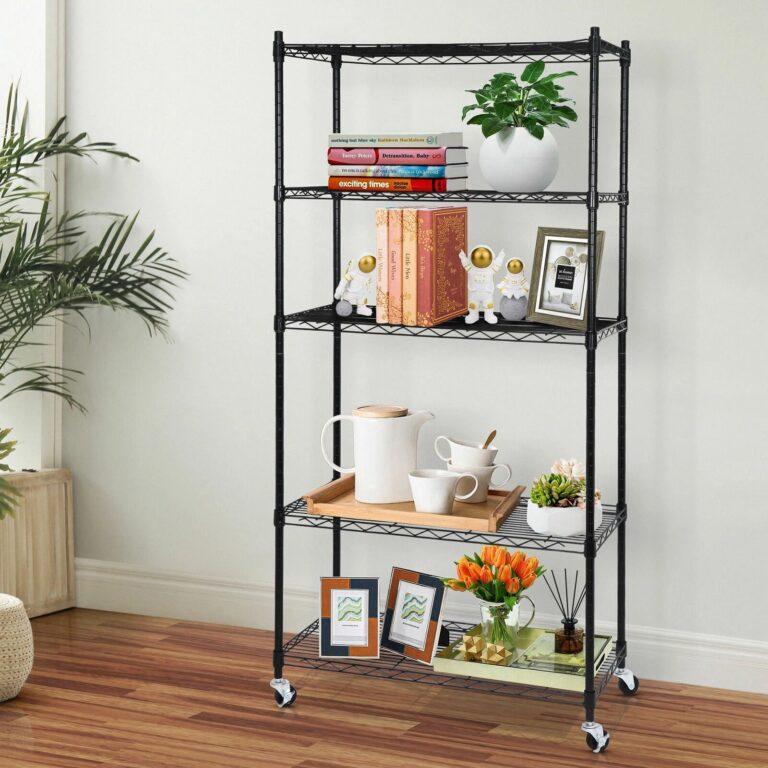 Aisha's pickStorage Units That Make Tidying Up Quicker
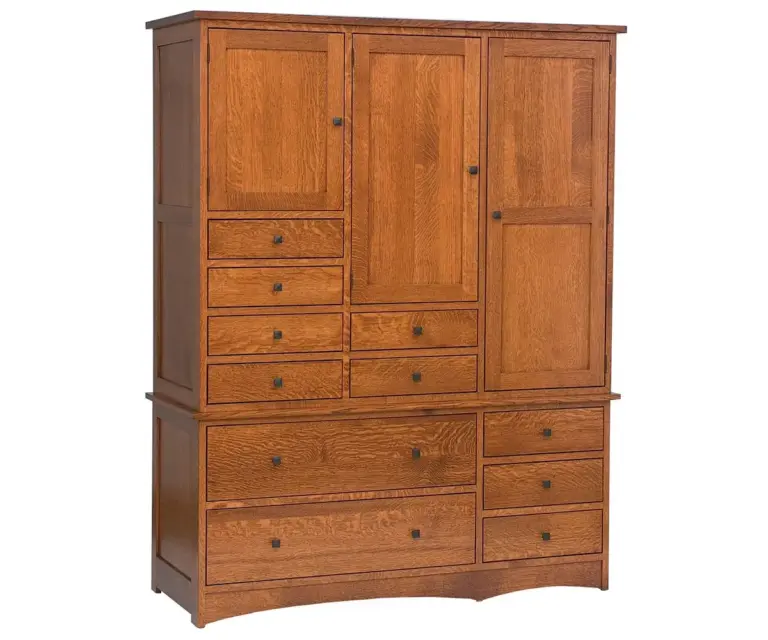
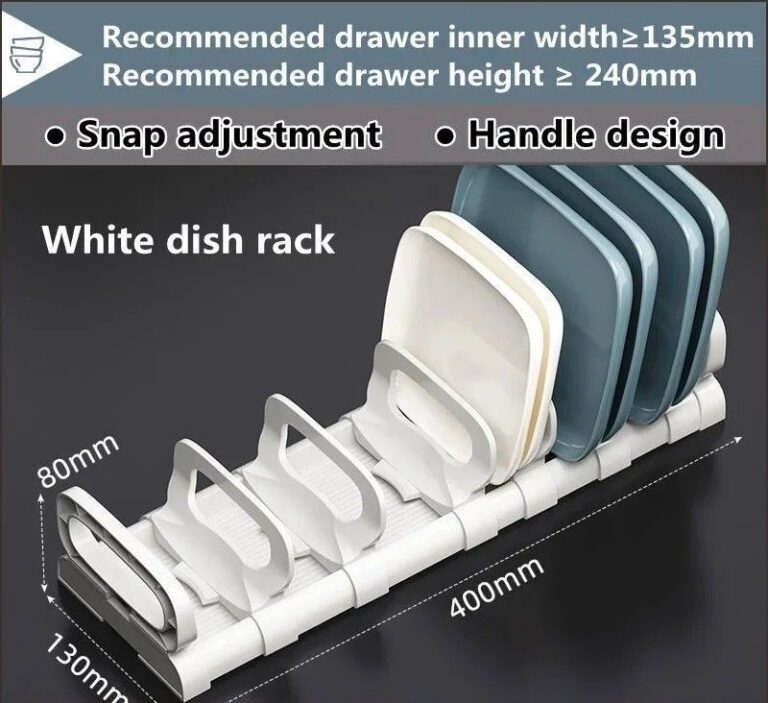 Aisha's pick5 Drawer Storage Cabinets That Won’t Date in a YearAlso worth a lookStorage UnitsThe moment this kind of piece earned its keep for me wasn't anywhere grand, it was a narrow…See the collections →
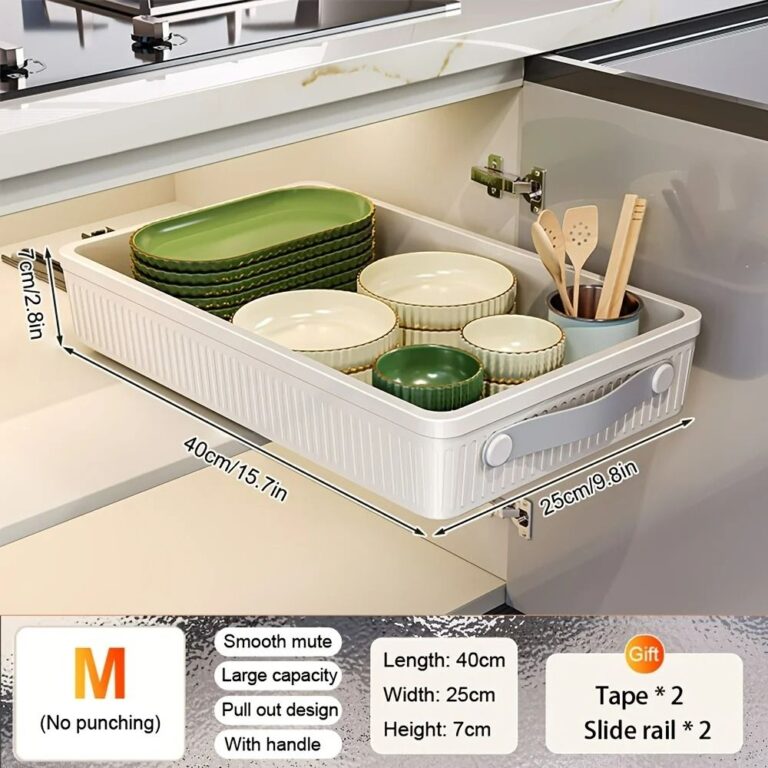
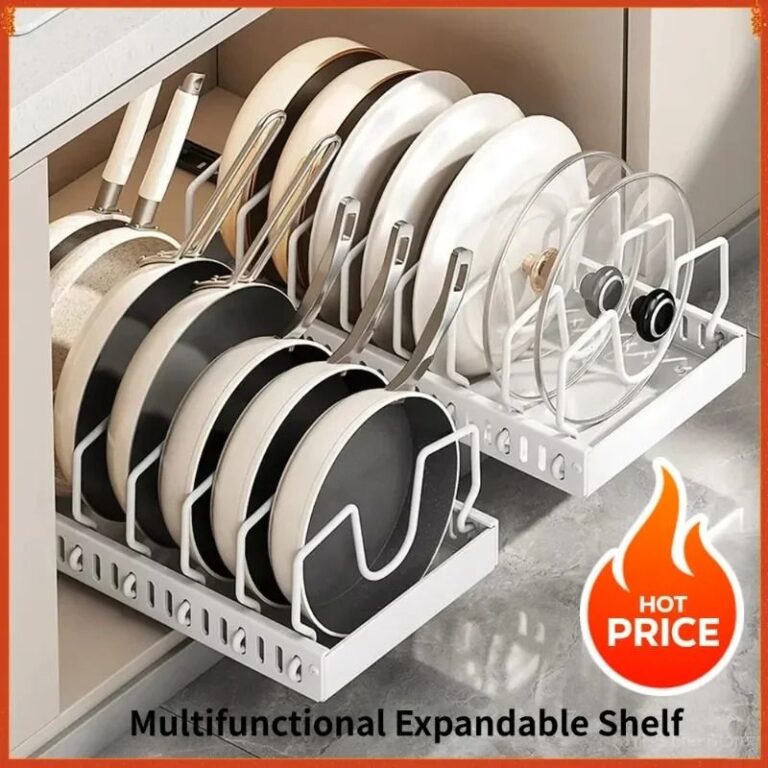 Aisha's pickHeavy Duty Storage Cabinets That Keep Surfaces Clear
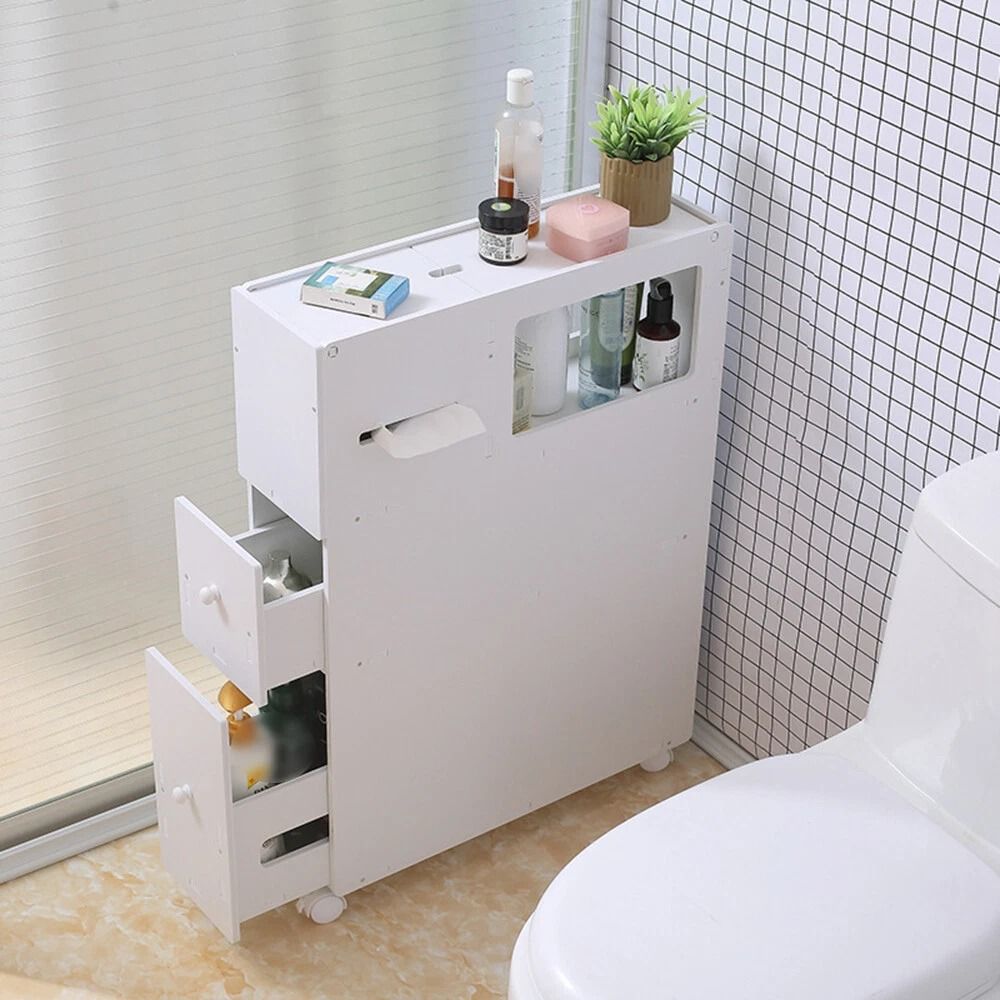 Aisha's pickSlim Storage Cabinets That Look Good Even When Full
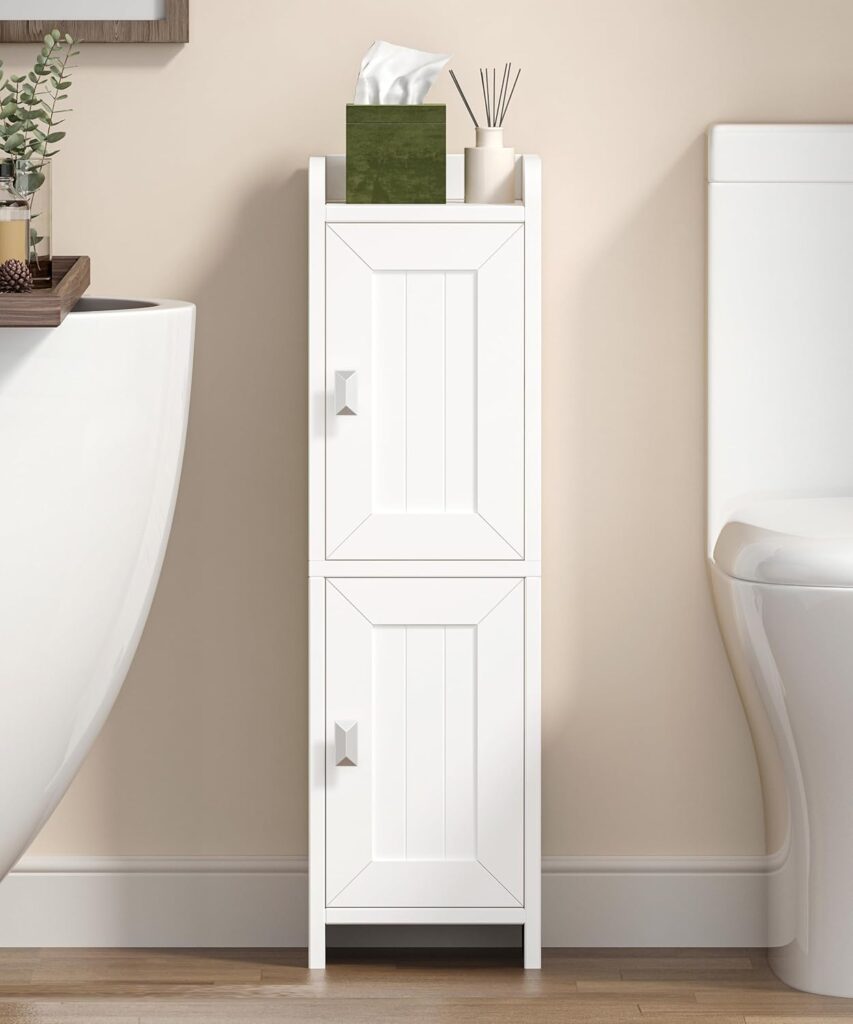
 Aisha's pickKitchen Storage Cabinets with Doors From Stores Big and Small

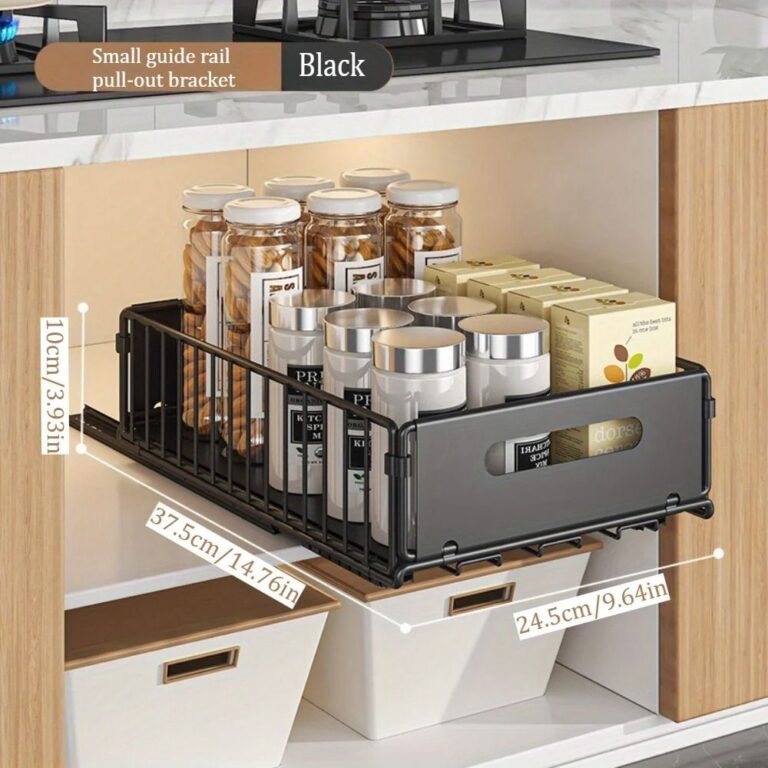 Aisha's pickMetal Storage Cabinets with Drawers That Make Small Changes Feel Big
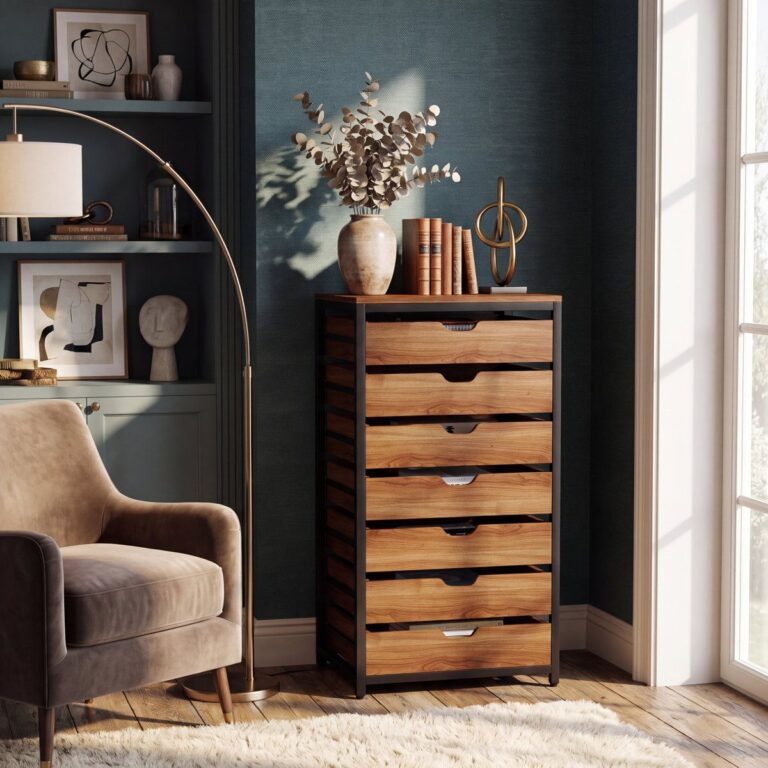
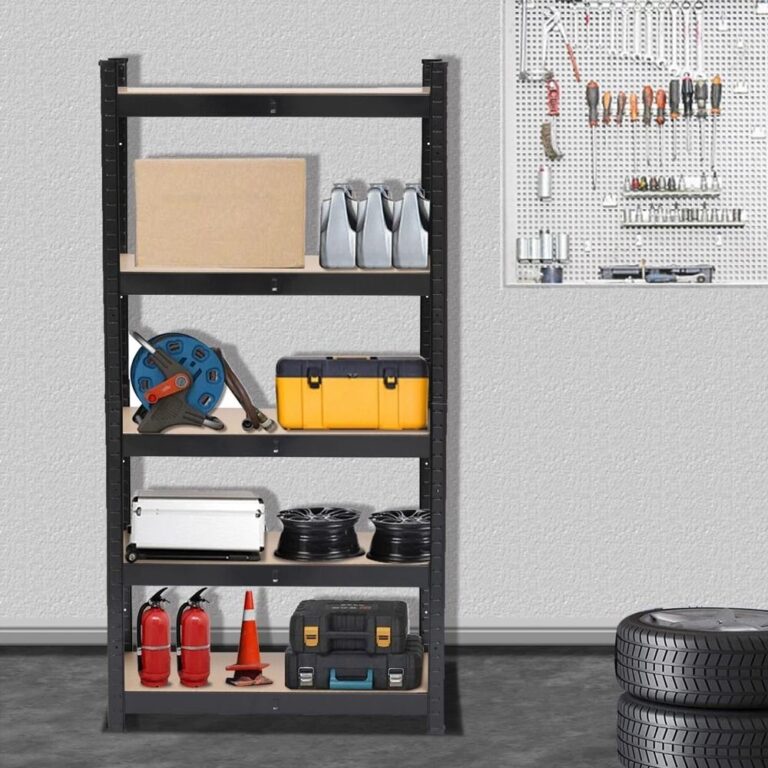 Aisha's pickMetal Storage Units with Shelves We Keep Coming Back To
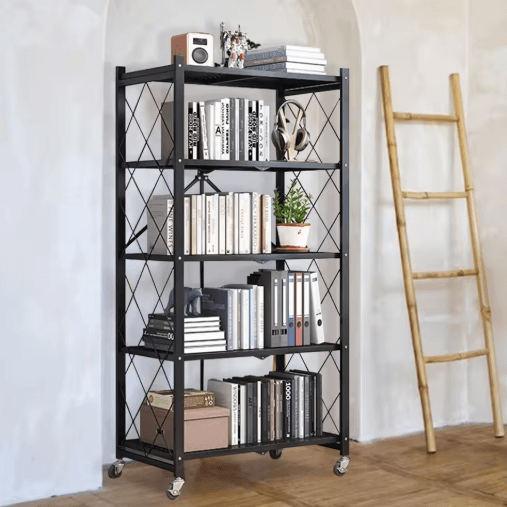
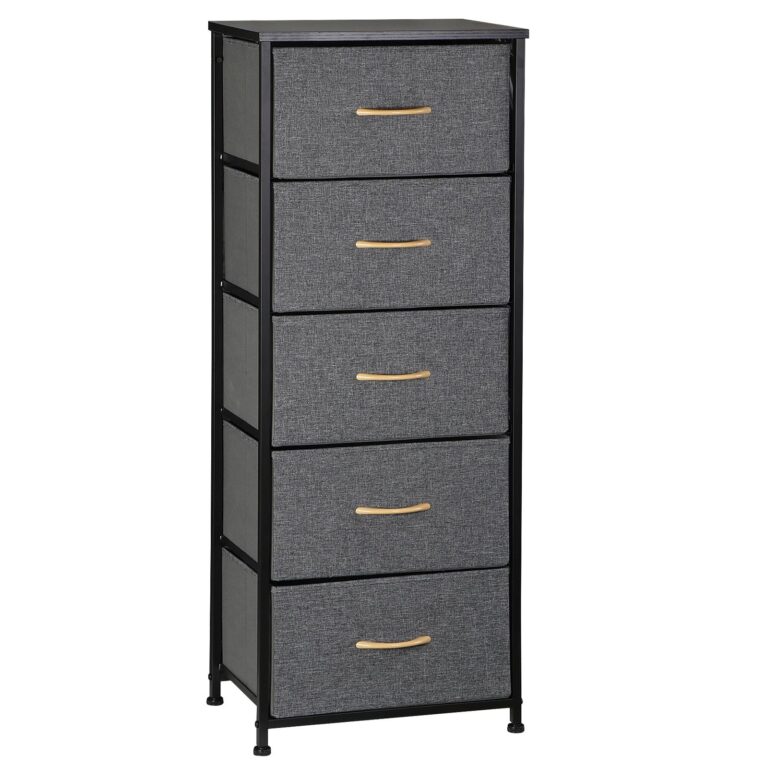 Aisha's pick5 Drawer Storage Units Worth Knowing About
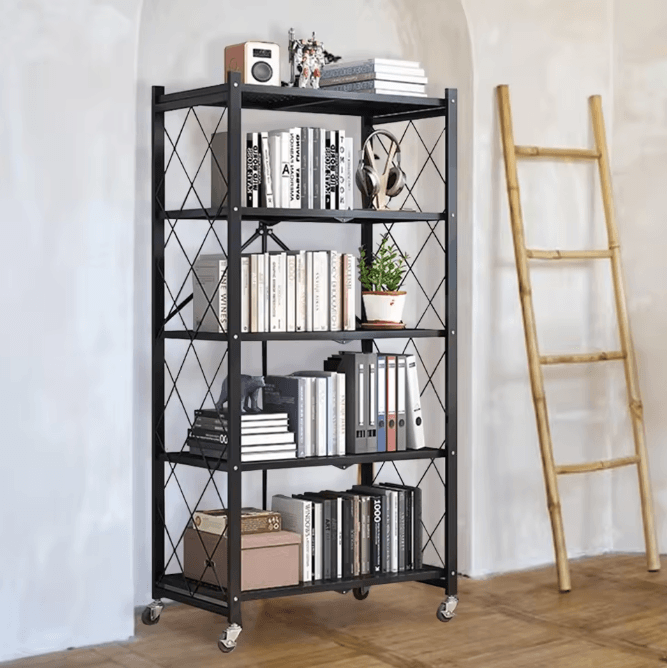 Aisha's pickSimple Storage Units for Small Spaces Done Well
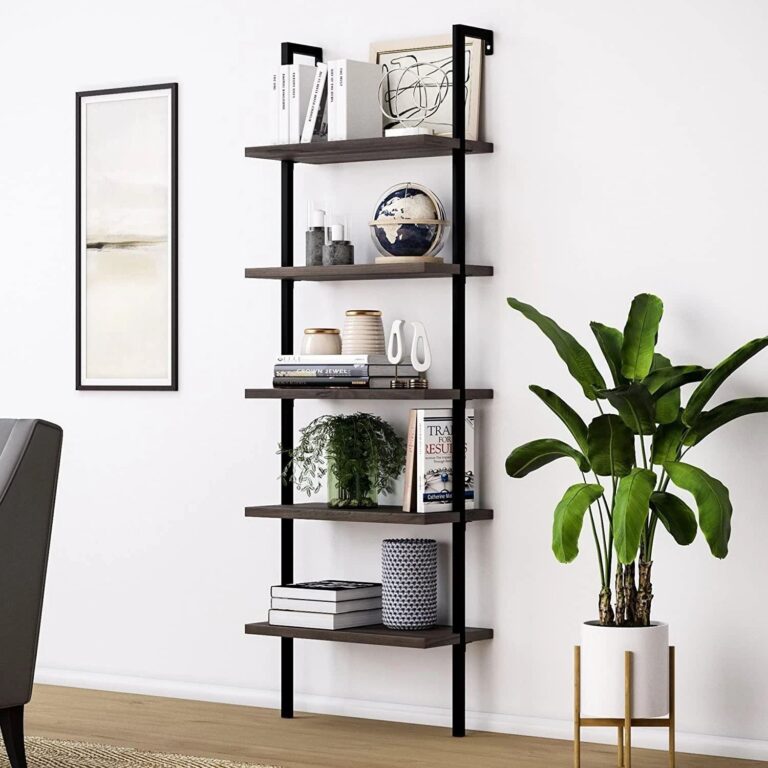
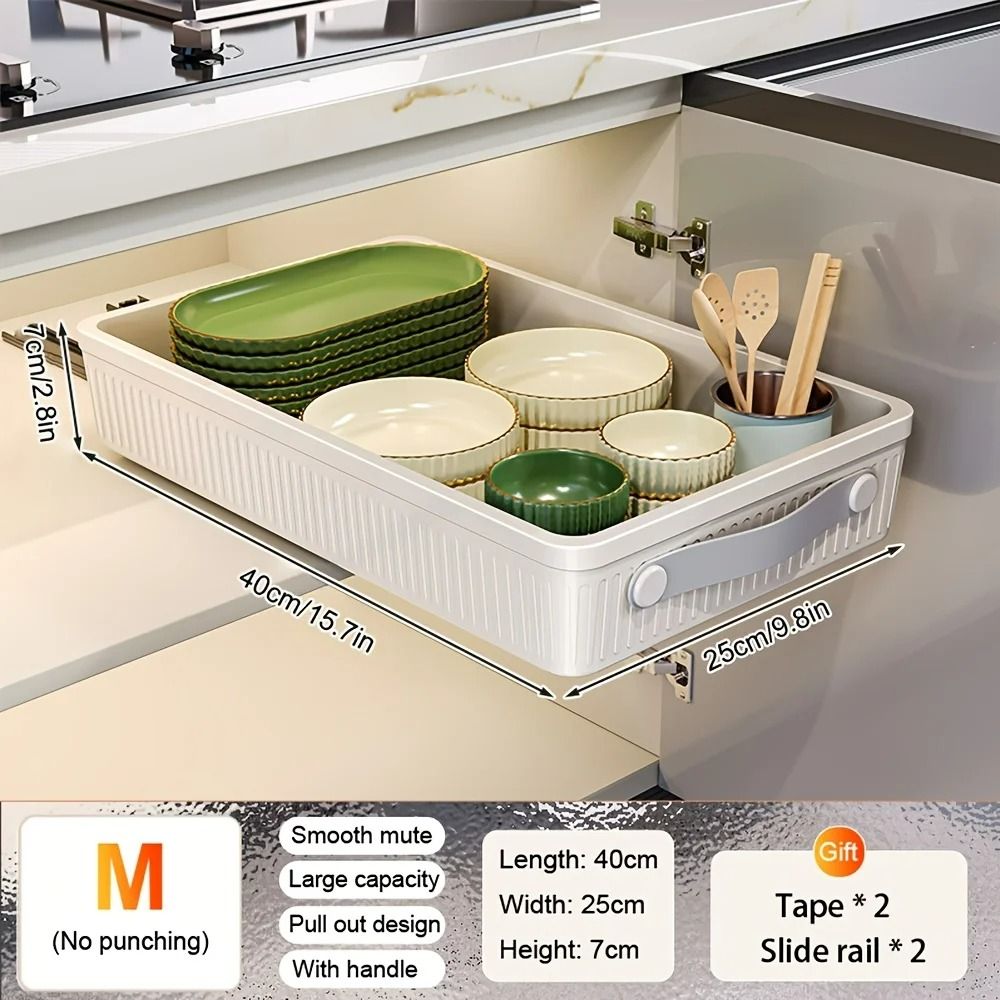 Aisha's pick5 Shelf Storage Cabinets for the Bits That Never Have a Home
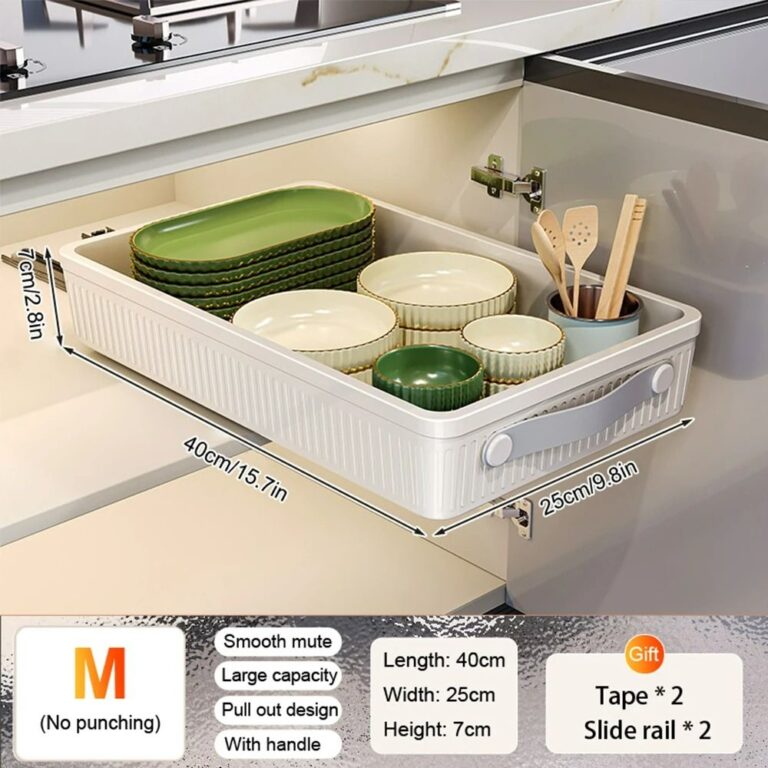
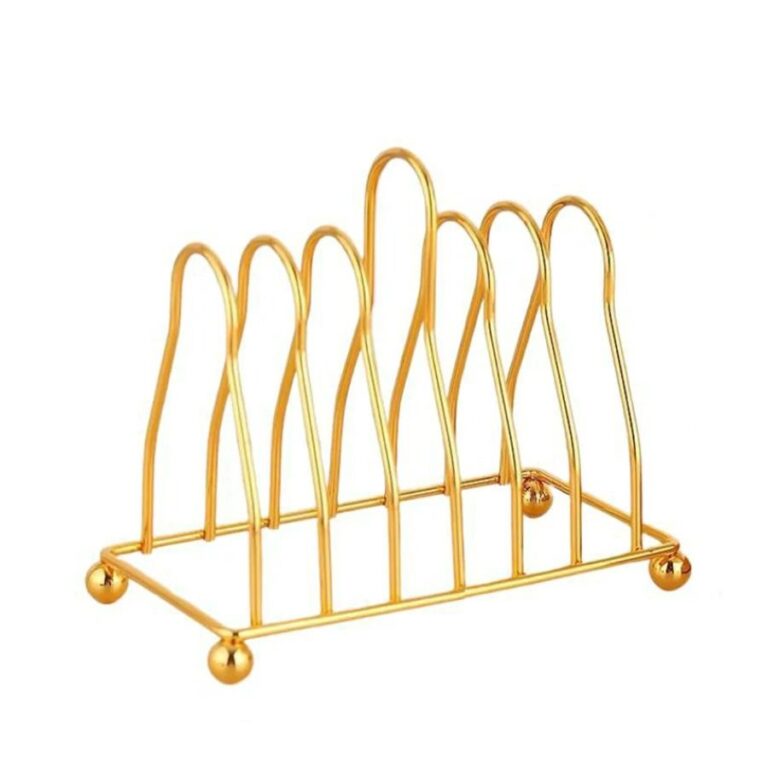 Aisha's pickHigh Gloss Storage Cabinets We Wish We’d Bought SoonerAlso worth a lookStorage Cabinets with ShelfThe week before Christmas, when I pull out the good tablecloths and the folding chairs and every candle…See the collections →
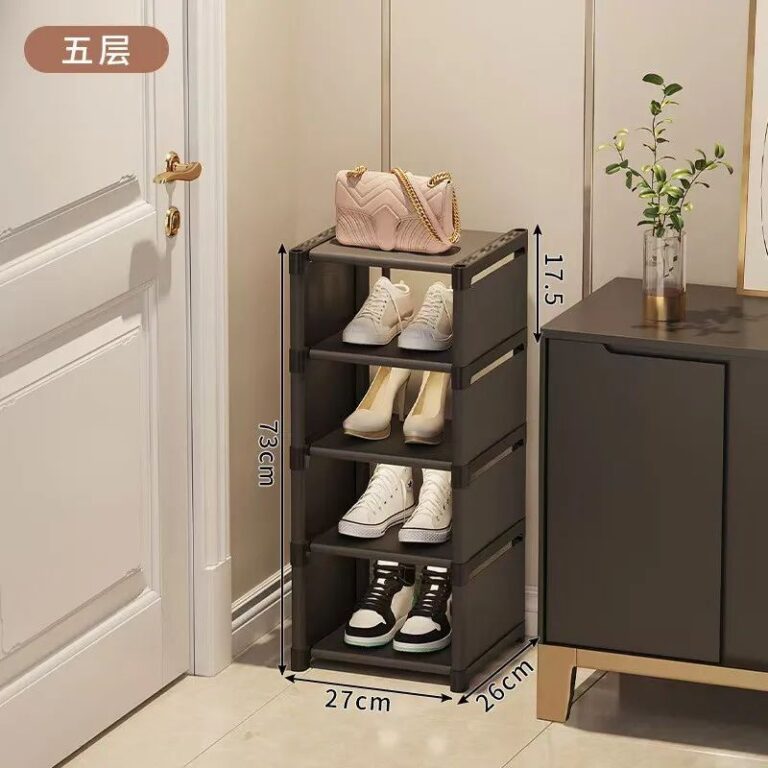 Aisha's pickStackable Storage Cabinets at Every Price Point
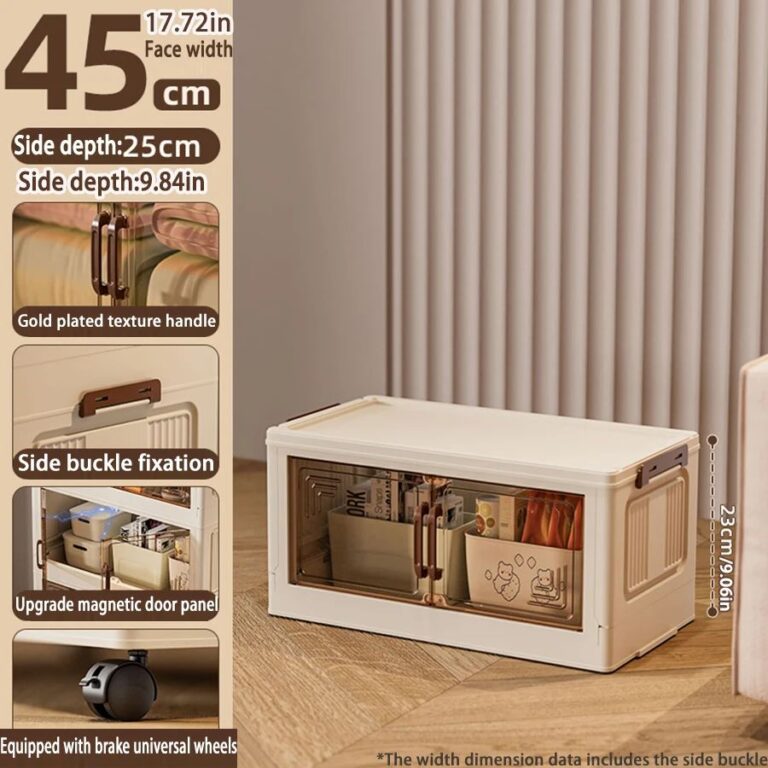
 Aisha's pickMetal Storage Cabinets with Doors That Look Good Even When Full

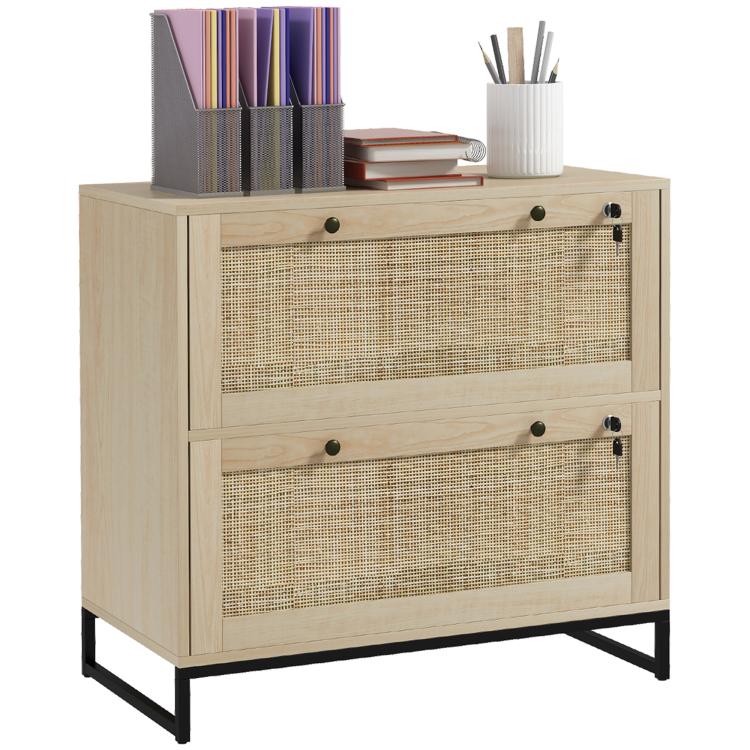 Aisha's pickNatural Storage Cabinets with Drawers That Make a Room Feel Finished
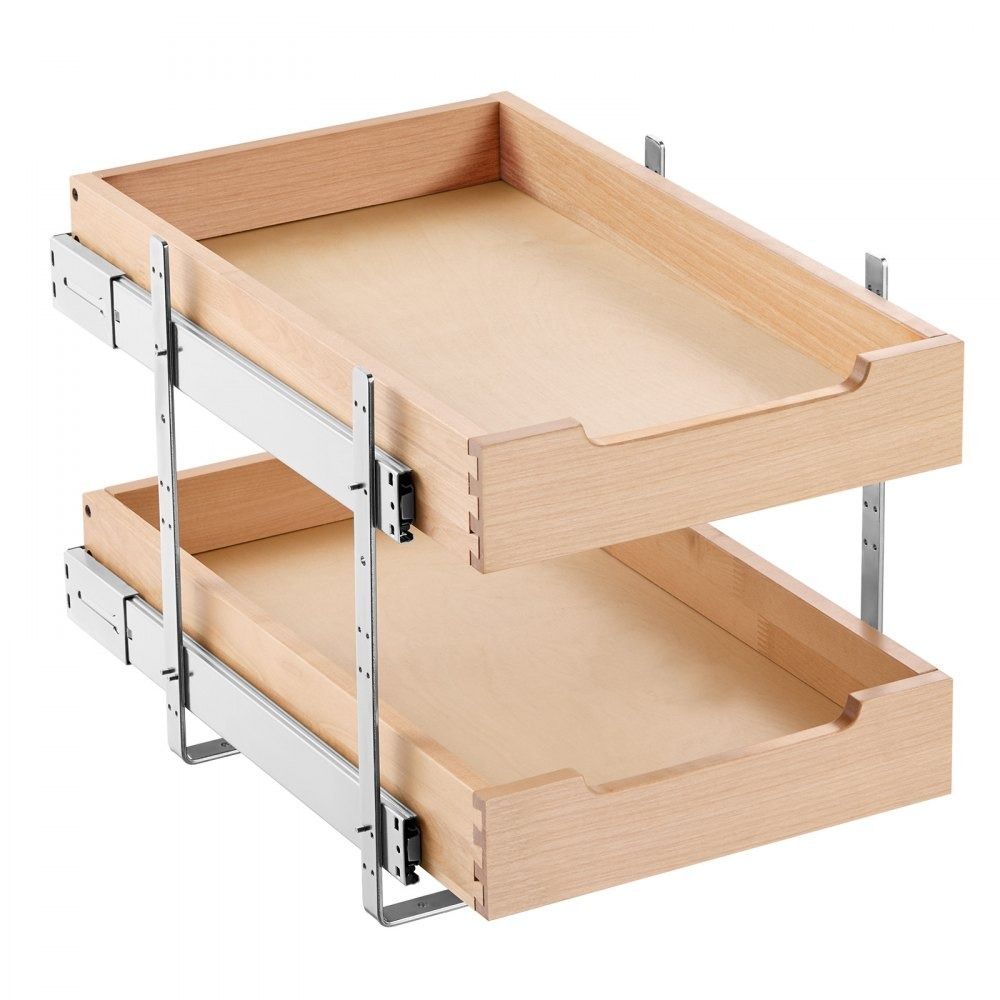
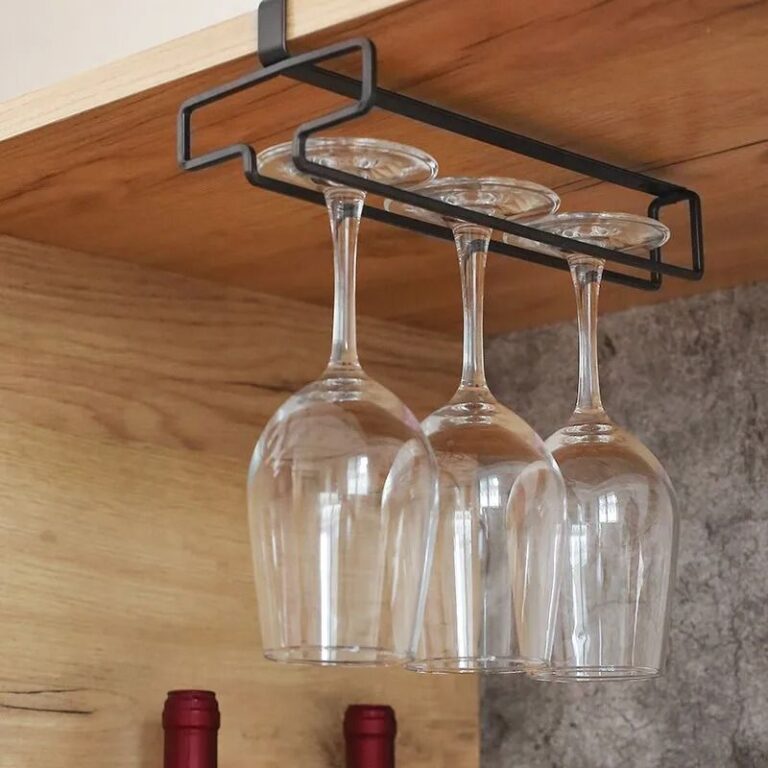 Aisha's pickNatural Storage Cabinets with Shelves You Won’t Want to Hide Away
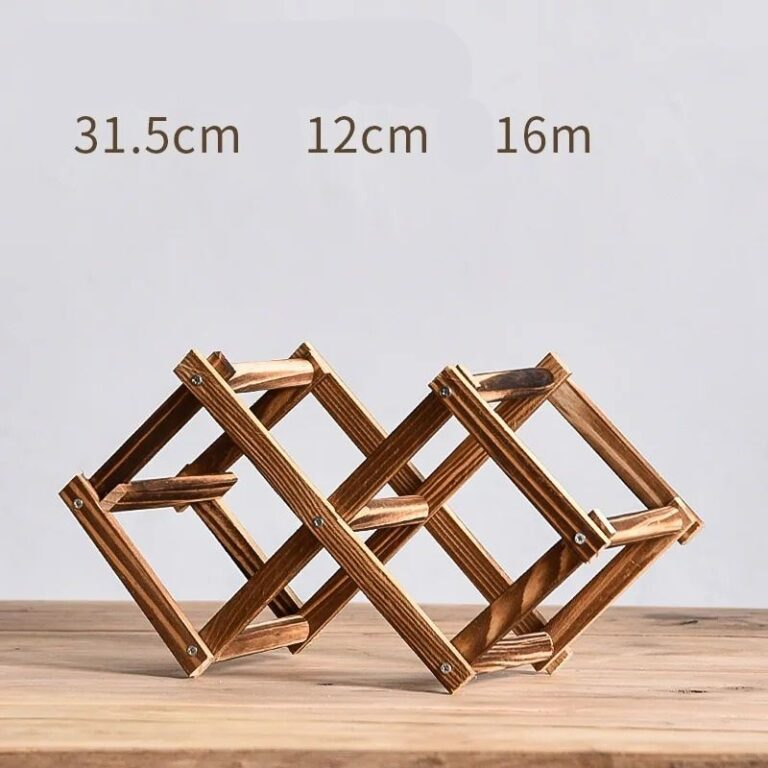
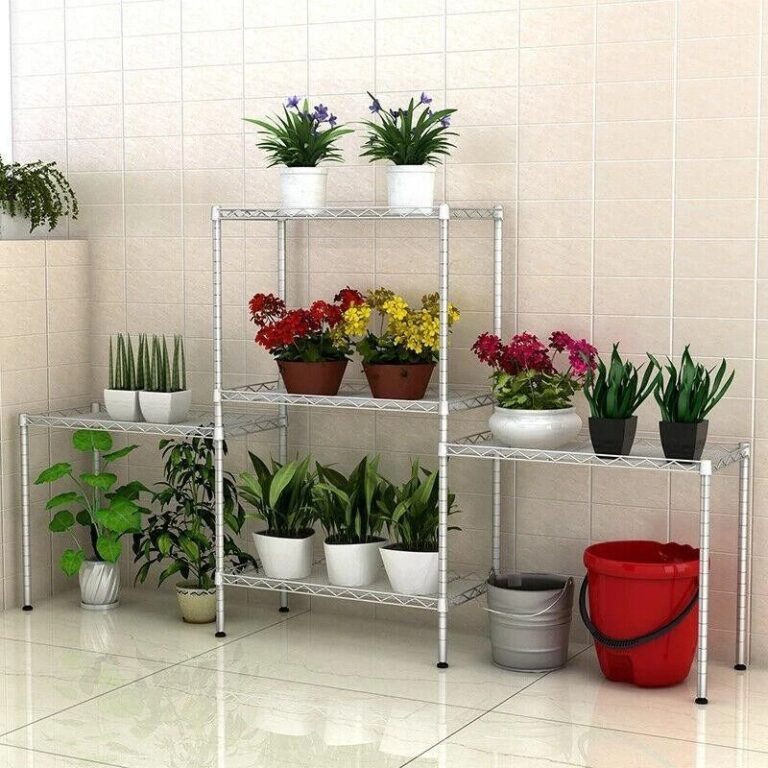 Aisha's pick5 Shelf Storage Units That Go With Most Rooms
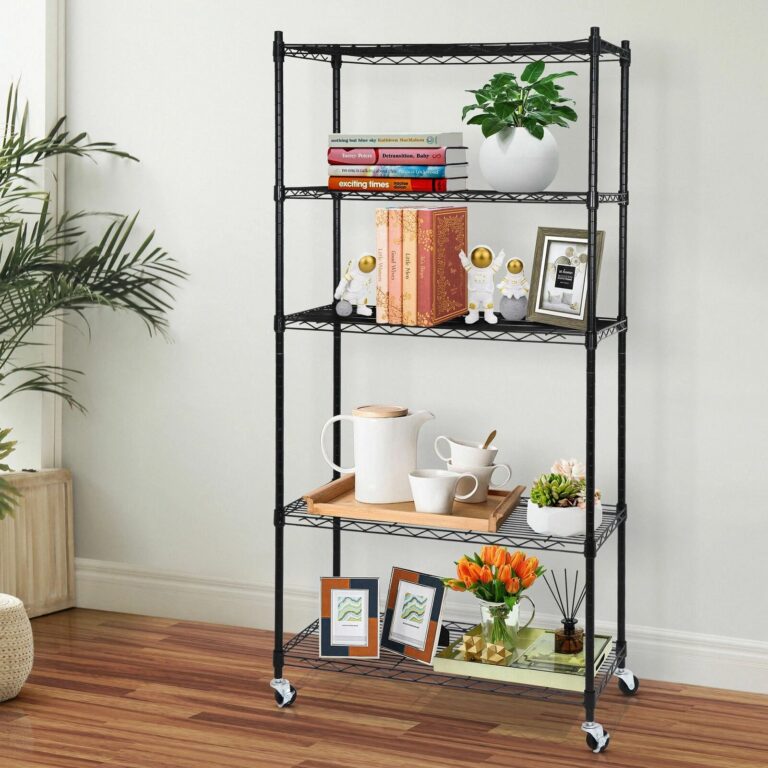
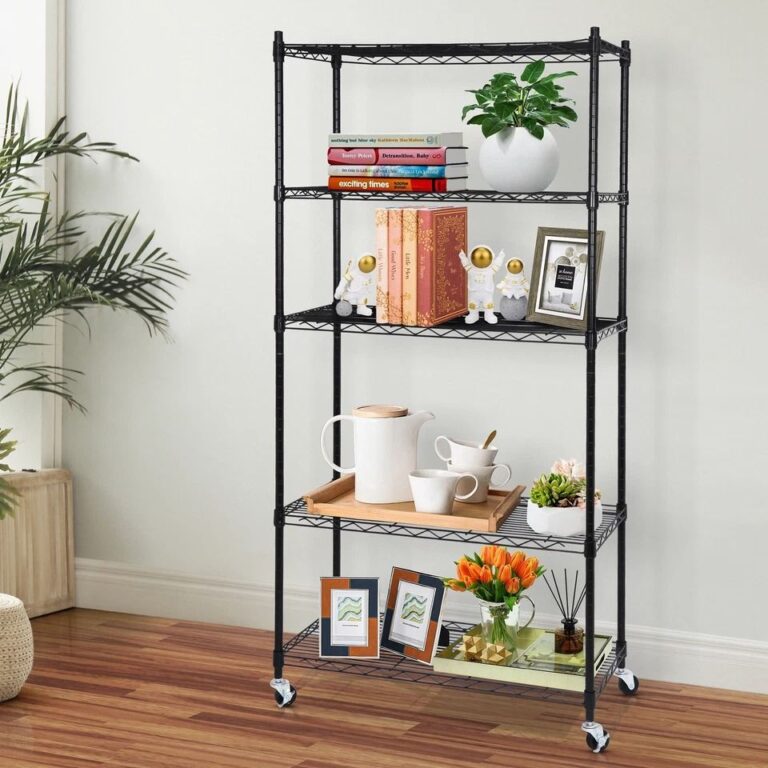 Aisha's pickStorage Units with Lock That Keep Surfaces Clear
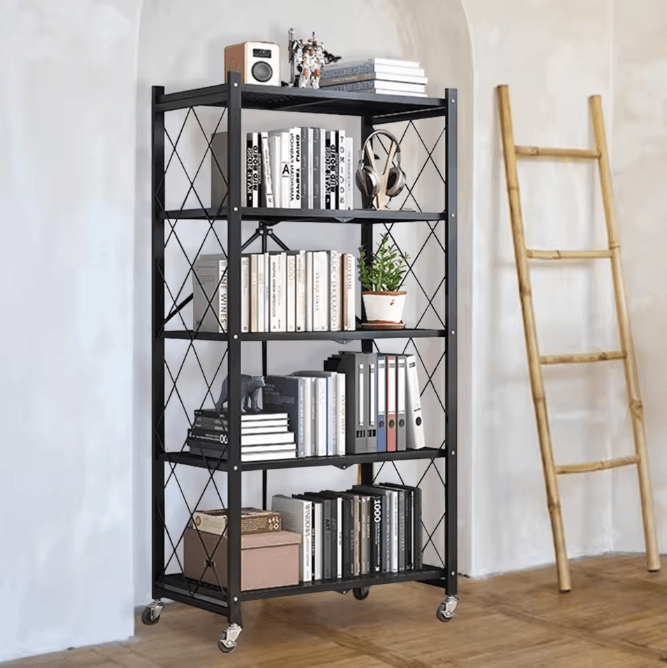
 Aisha's pick6 Drawer Storage Cabinets for When the Old Ones Give Up

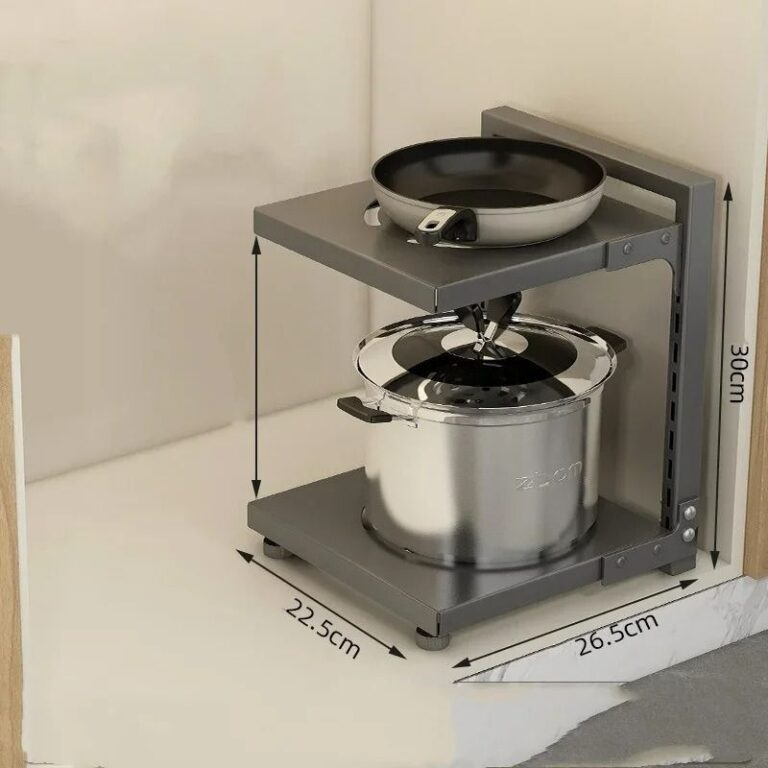 Aisha's pickIndustrial Storage Cabinets We Wish We’d Bought Sooner
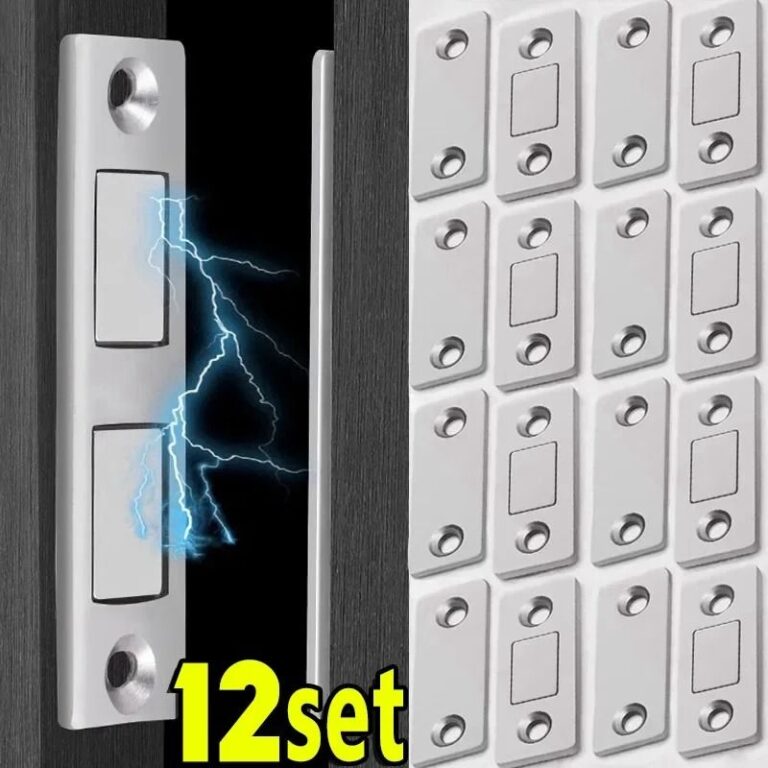
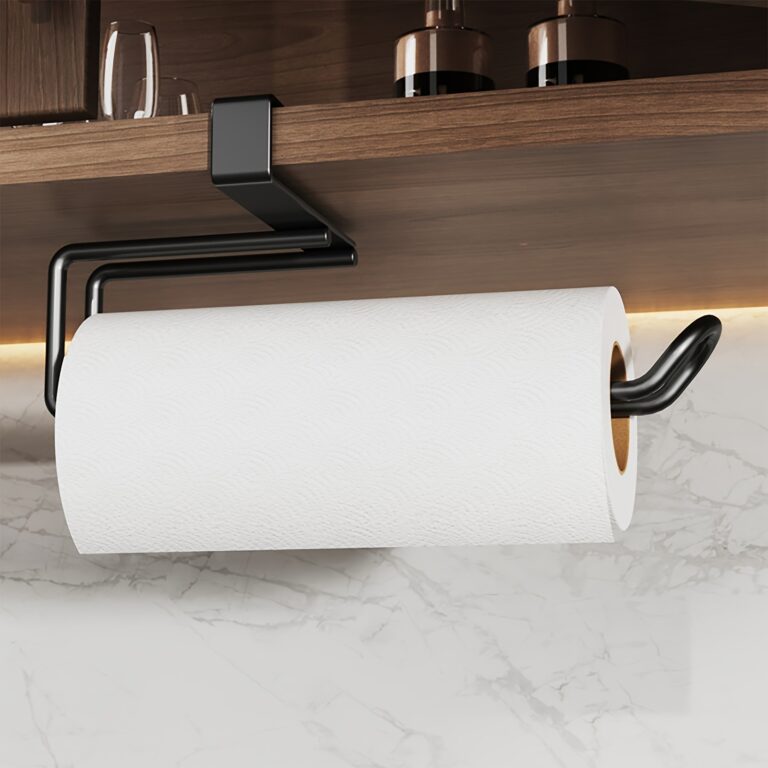 Aisha's pickStorage Cabinets That Don’t Shout About ItAlso worth a lookStorage Cabinets with DoorFor a long time I thought a cabinet with a door was just a shelf that was ashamed…See the collections →
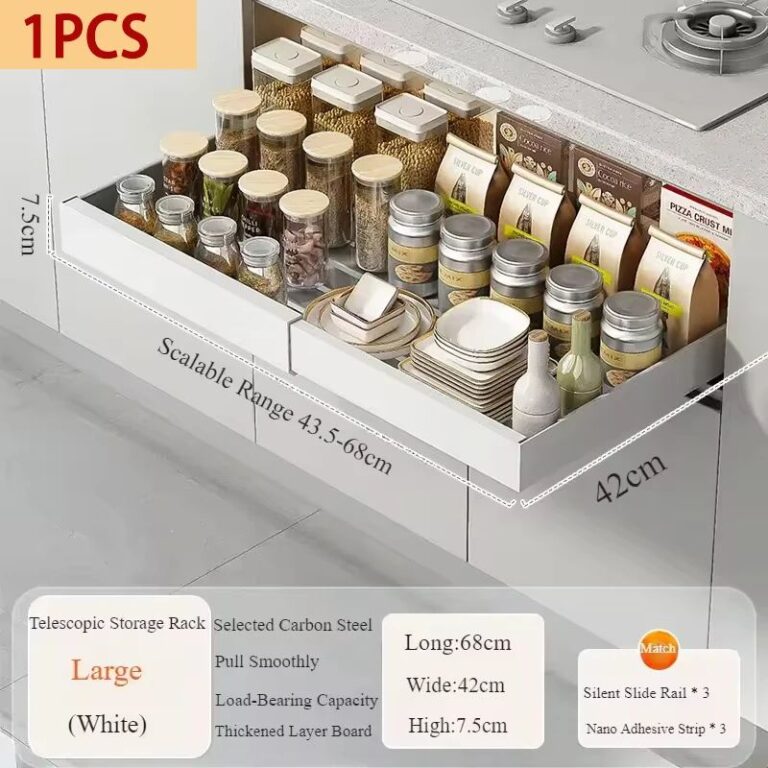
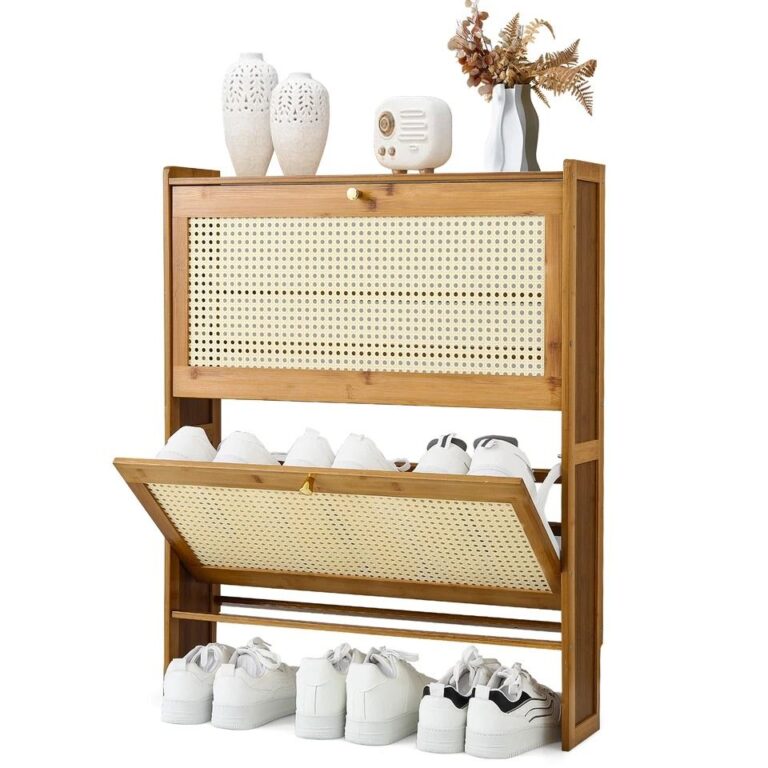 Aisha's pickNatural Storage Cabinets with Doors That Swallow the Clutter
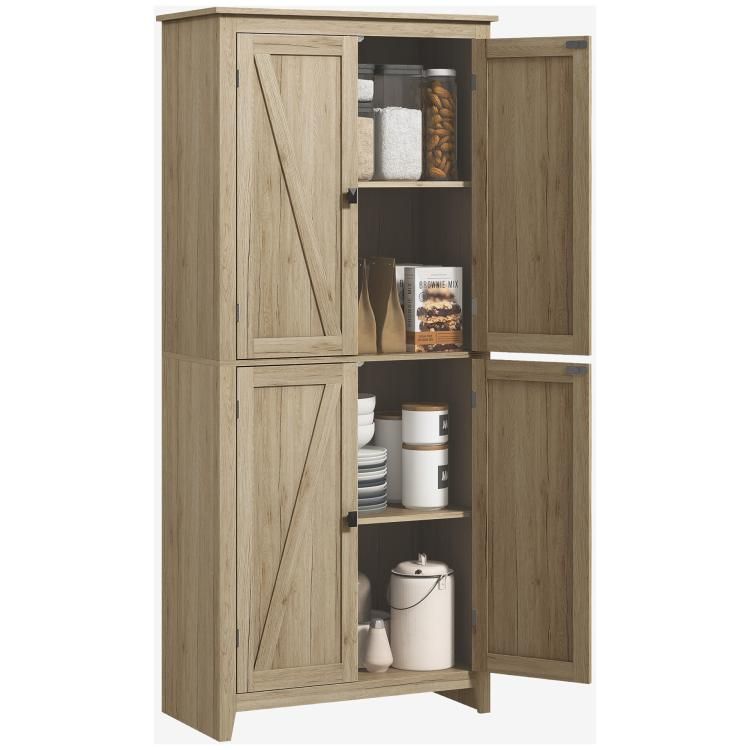
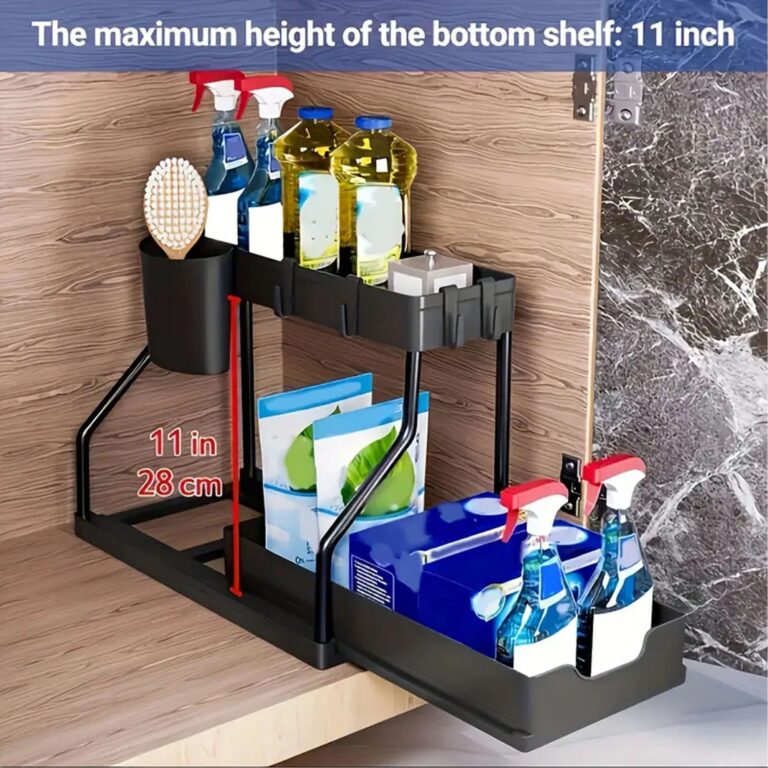 Aisha's pickOffice Storage Cabinets with Drawers That Hold Up to Everyday Life
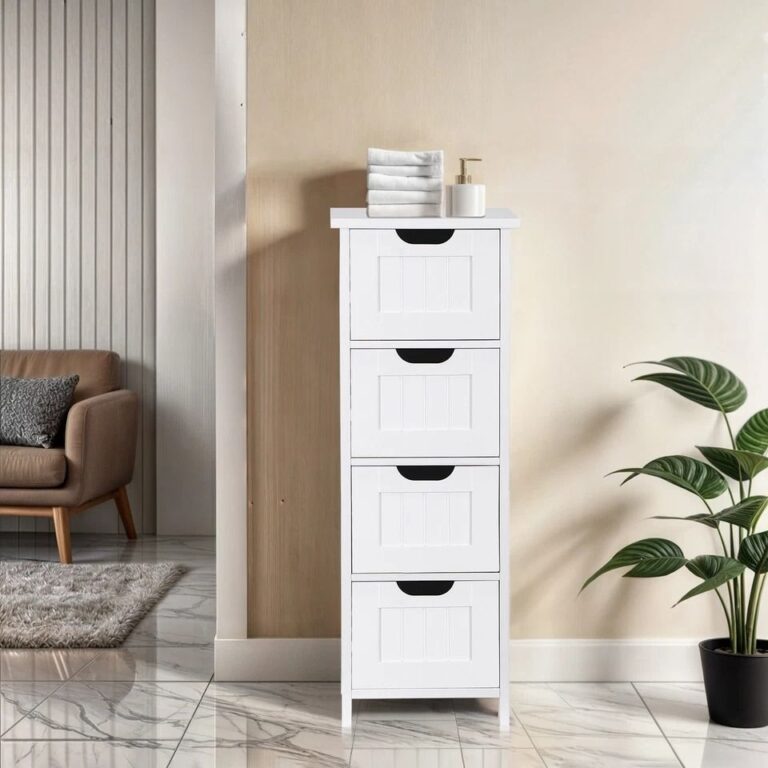
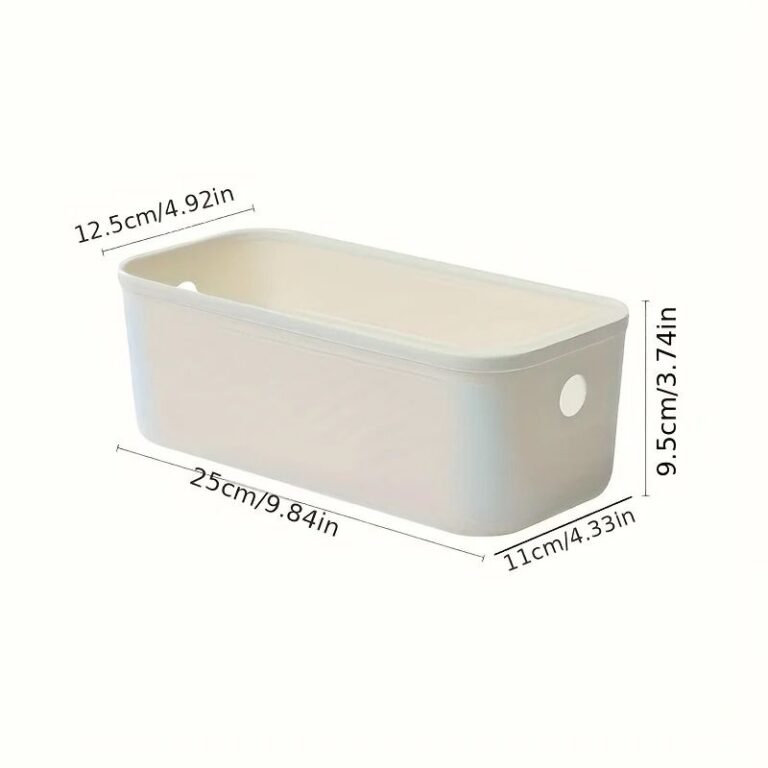 Aisha's pickOffice Storage Cabinets with Shelves We Work Beside Every Day
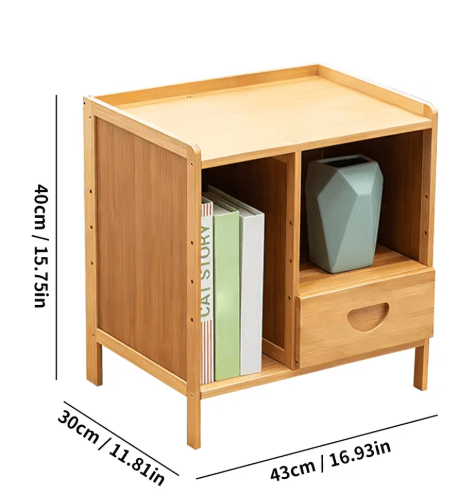
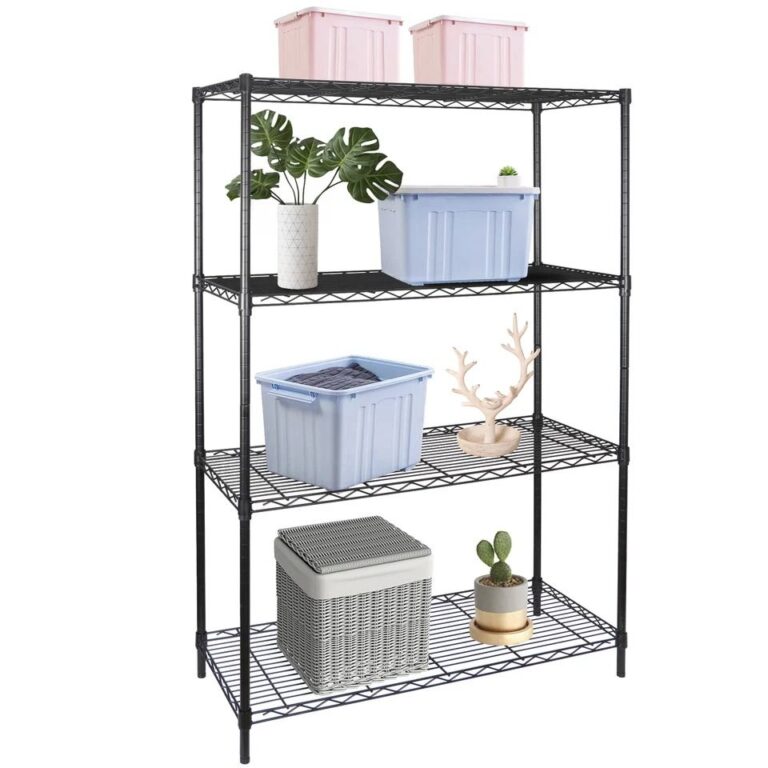 Aisha's pick6 Shelf Storage Units You’ll Keep for Years
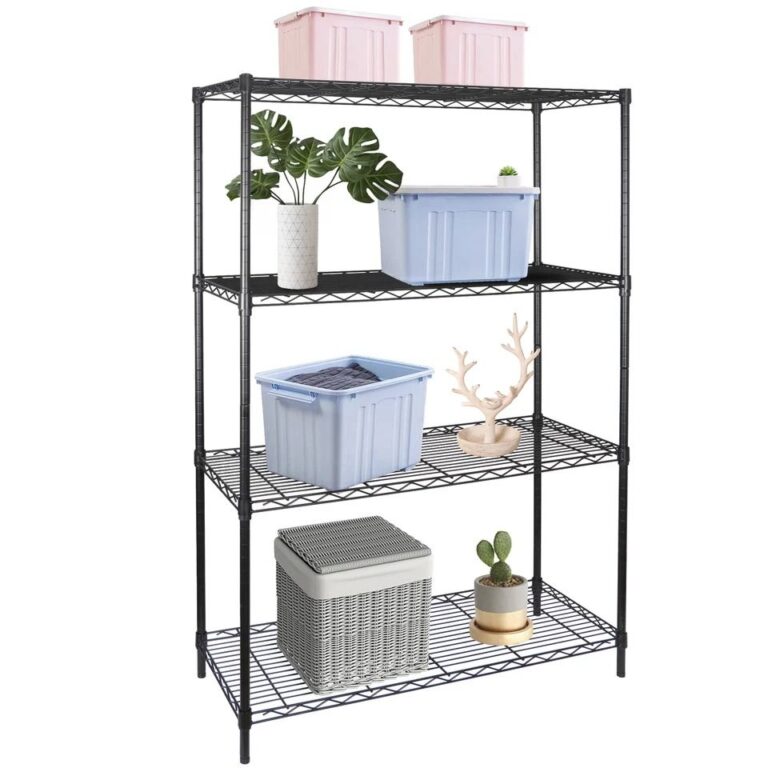
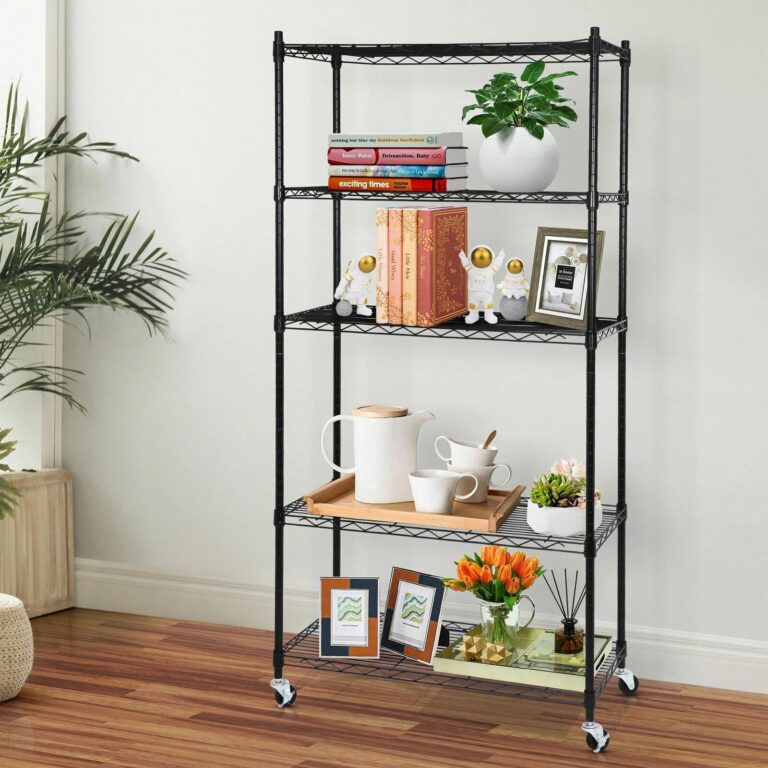 Aisha's pickStorage Units with Wheels We Keep Coming Back To
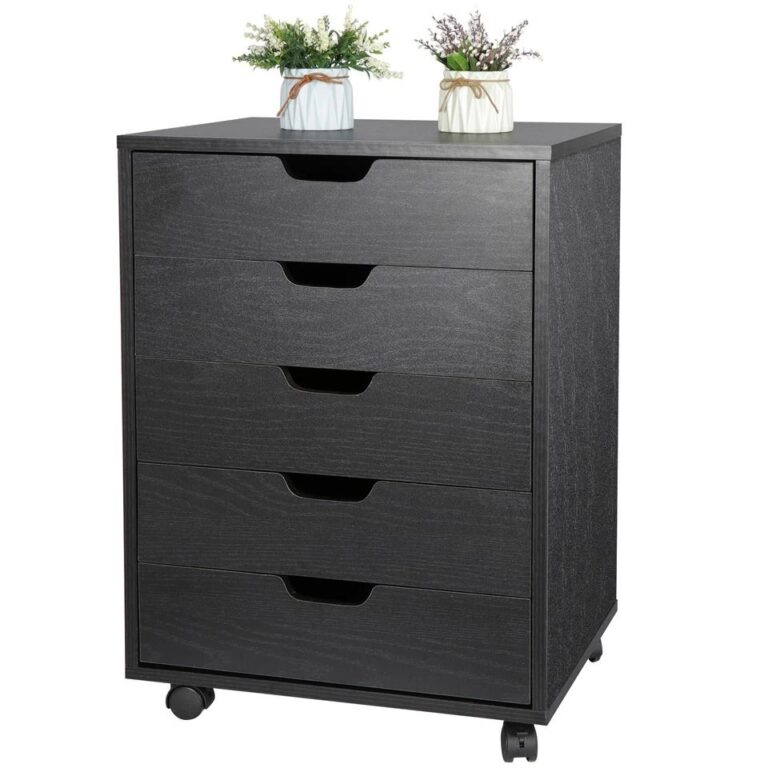
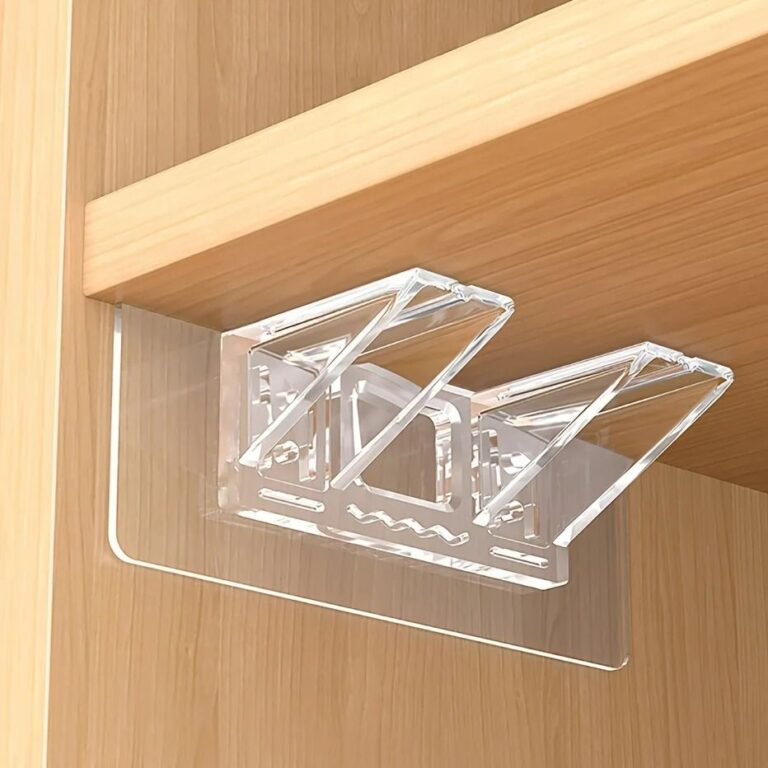 Aisha's pickOur Shortlist of 6 Shelf Storage Cabinets

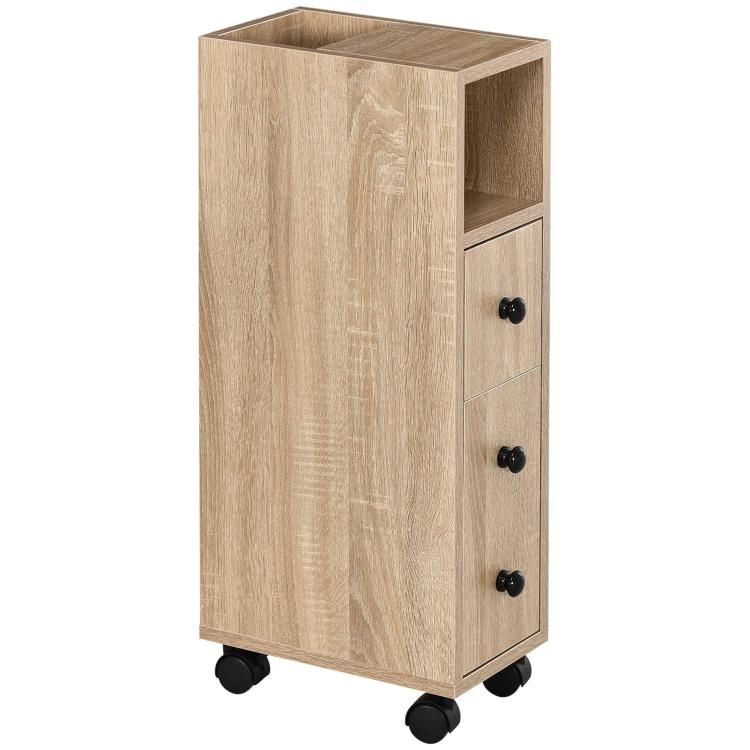 Aisha's pickLockable Storage Cabinets for the Bits That Never Have a Home
 Aisha's pickSimple Storage Cabinets for Small Spaces Done Well