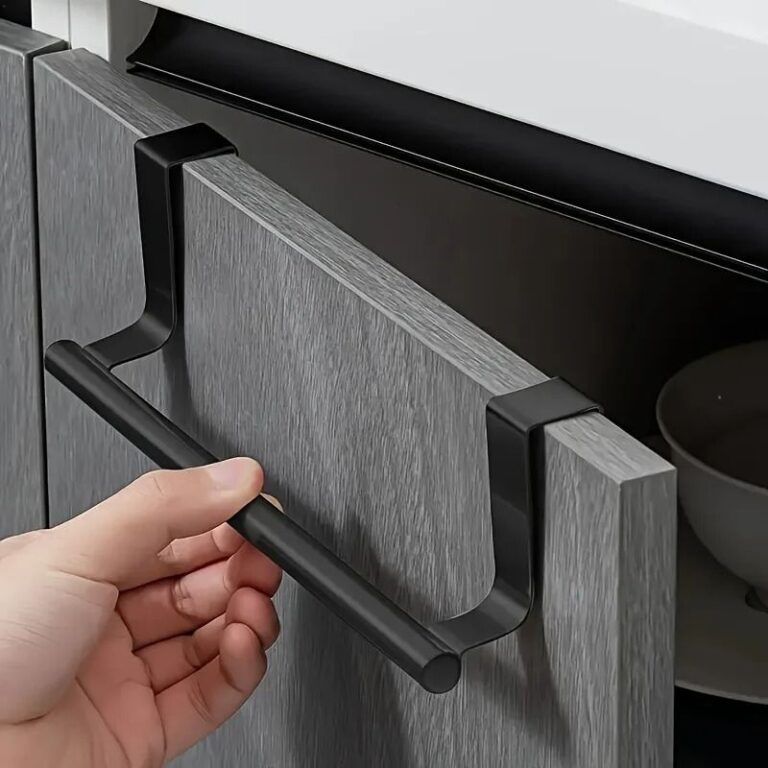
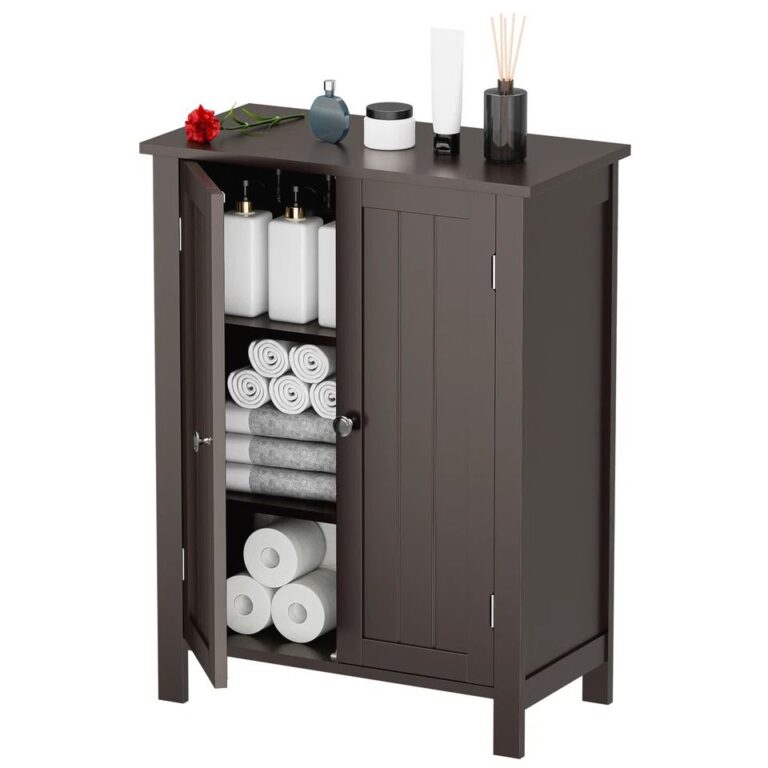
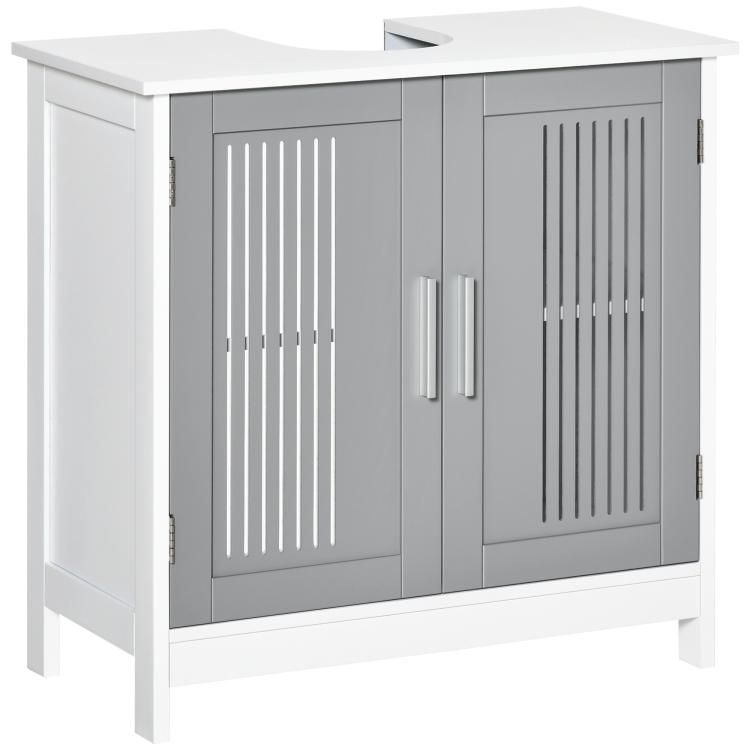
For a long time I thought a cabinet with a door was just a shelf that was ashamed of itself, something you bought when you ran out of open shelving and panicked. Then I lived with an open bookcase full of extension cords, half used candles and a label maker in my front hallway for a year, and I understood. The door isn't hiding anything, it's just editing what guests see.
If you've got none in the house yet, start with one in the room where the most random stuff collects, which for most people is a hallway, mudroom or living room, not a bedroom. A low two door cabinet, about waist height, works as both storage and a surface, somewhere to drop keys or set a lamp on top. That one piece does more for how a room looks than almost anything else you'll buy, because it's the difference between a room with stuff in it and a room with a mess in it.
Where the price gap actually shows up is in the door itself. Cheap cabinets have doors that are slightly too light, so they swing shut on their own or rattle every time someone walks past, and hinges that are just screwed into particleboard with nothing backing them up. Open a few doors in the store, or in photos if you're buying online, and feel for resistance. A well made one has a soft close hinge or at least a firm, even swing, a door that sits flush instead of gapping at the top, and a back panel that's actually attached, not stapled on like an afterthought. Solid wood or a good plywood carcass will outlast particleboard by years, but even a laminate cabinet can be fine if the edges are properly banded and not just glued strips peeling by month three.
For finish, I'd steer toward something that doesn't scream for attention, because this piece is working hard enough already. A warm wood tone, a soft white, or a quiet gray all sit well against whatever flooring you've already got, which in most older houses like mine is some shade of honey oak nobody chose on purpose. I bought a navy one once because it looked great online and it has fought with literally every other piece of furniture I own since. Save the bold color for something smaller, a lamp, a vase, a cabinet nobody has to look at for six hours a day.
Next time you're in front of one, open the door first, not last, and judge the whole cabinet by how that one motion feels.
 Aisha's pickKitchen Storage Cabinets with Doors From Stores Big and Small

 Aisha's pickMetal Storage Cabinets with Doors That Look Good Even When Full
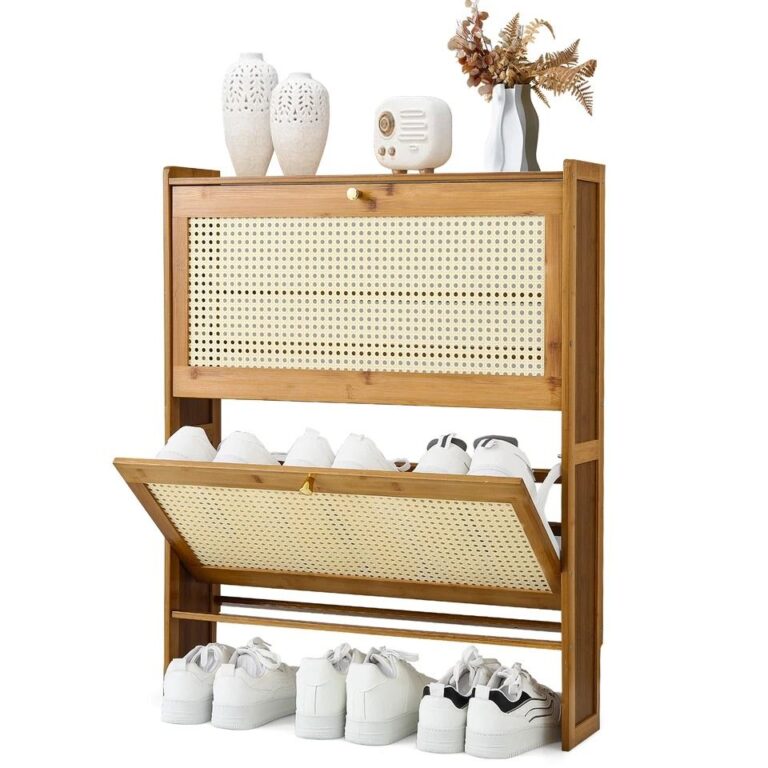 Aisha's pickNatural Storage Cabinets with Doors That Swallow the Clutter
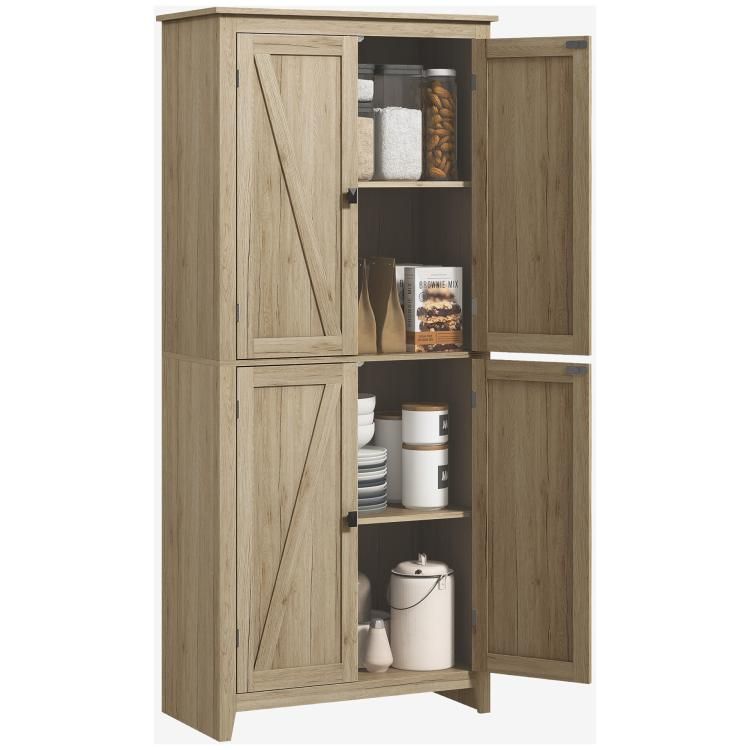
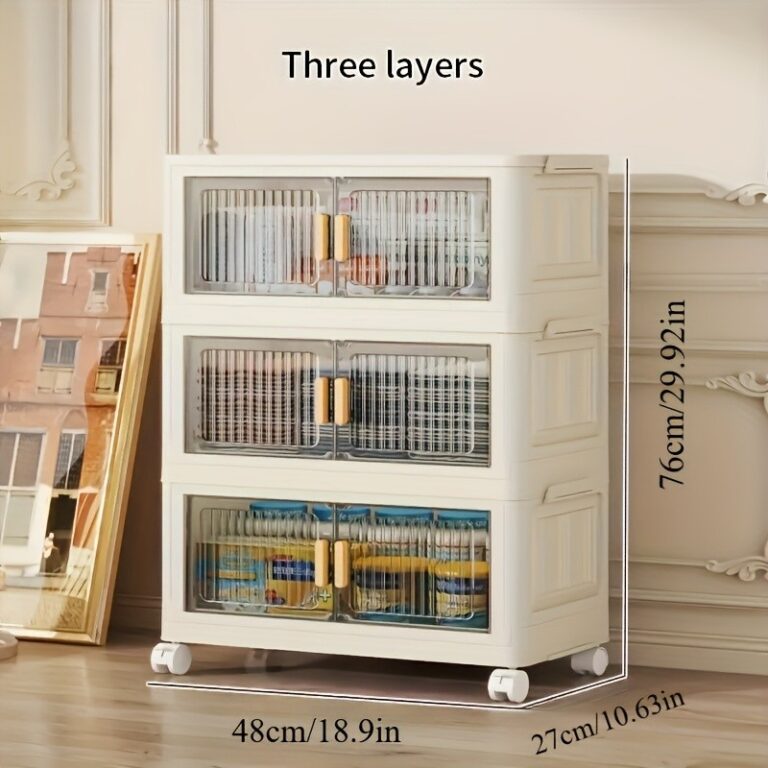 Aisha's pickOffice Storage Cabinets with Doors Hunted Down So You Don’t Have To
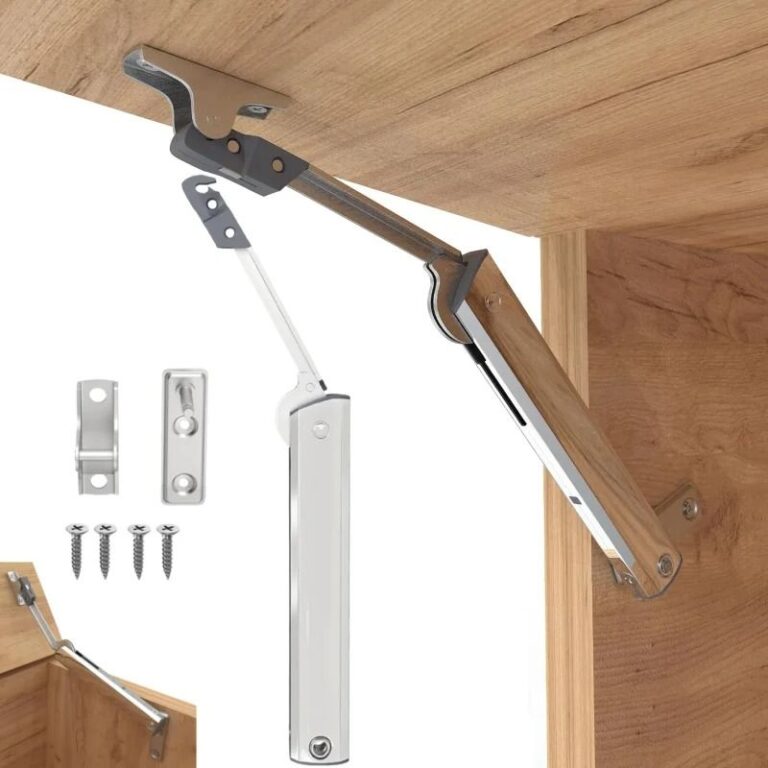
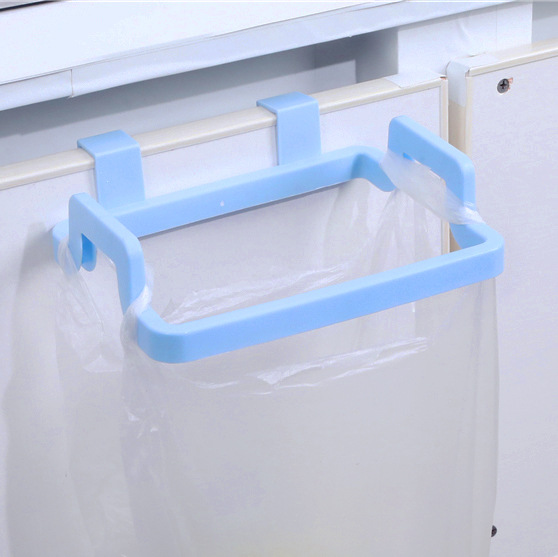 Aisha's pickPlastic Storage Cabinets with Doors We’d Buy Again
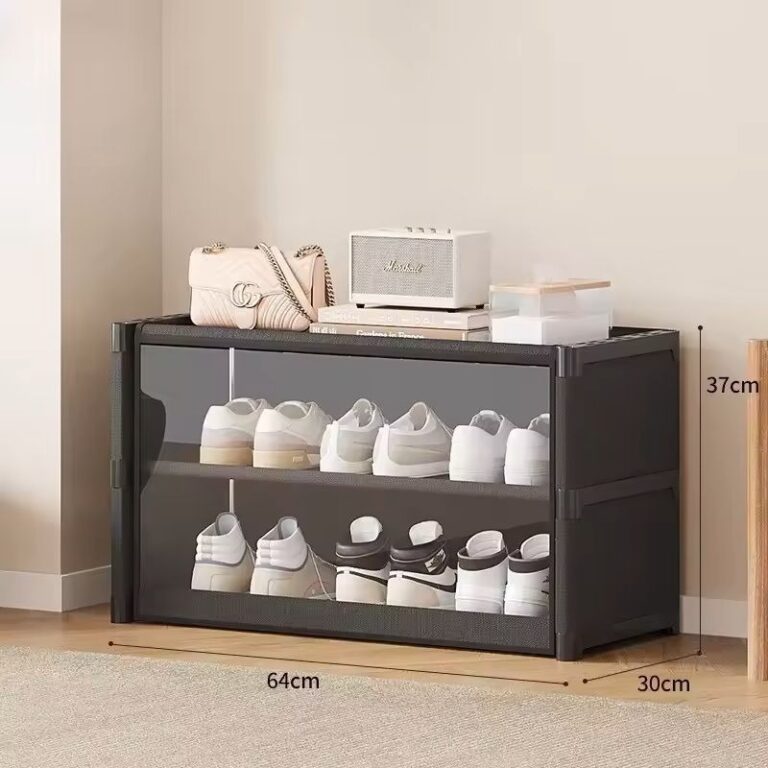 Aisha's pickShoe Storage Cabinets with Doors That Make a Good First Impression
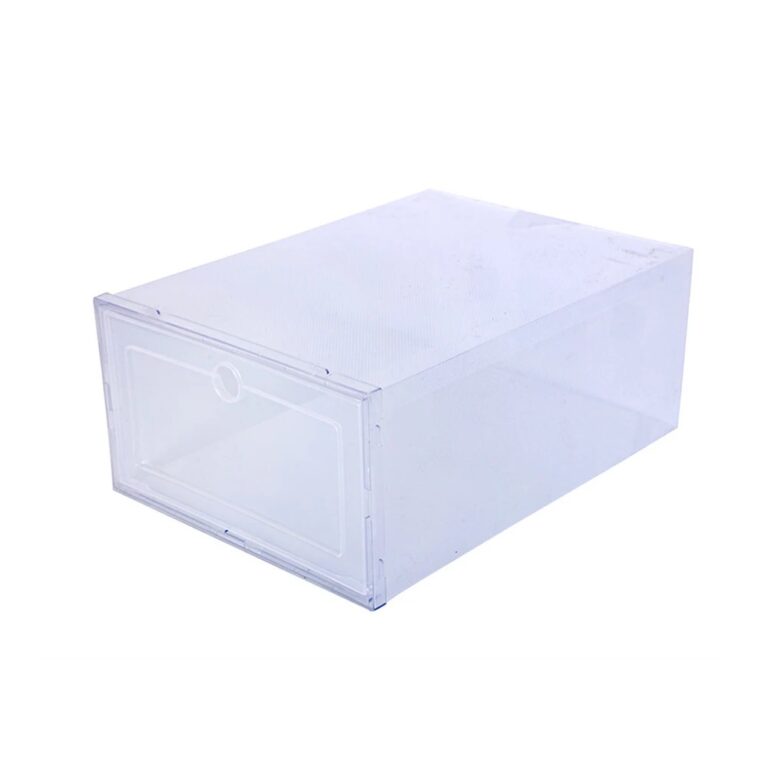
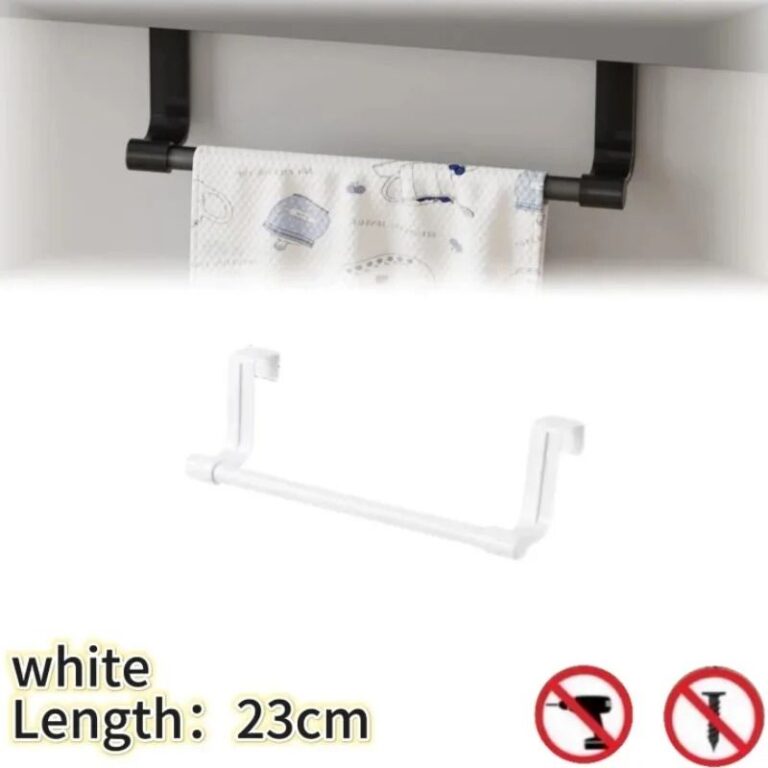 Aisha's pickSteel Storage Cabinets with Doors That Make Rented Places Feel Like Home
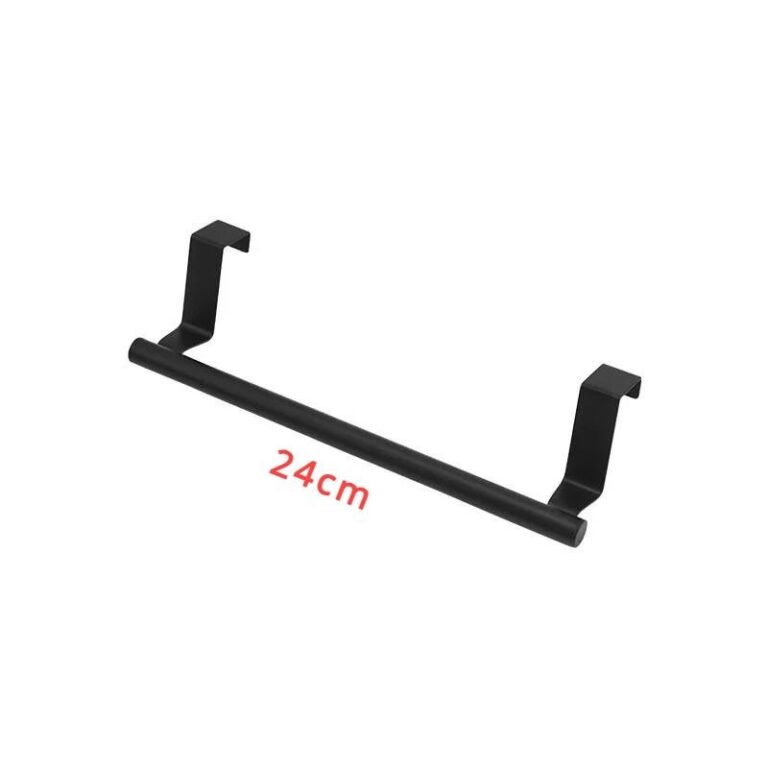
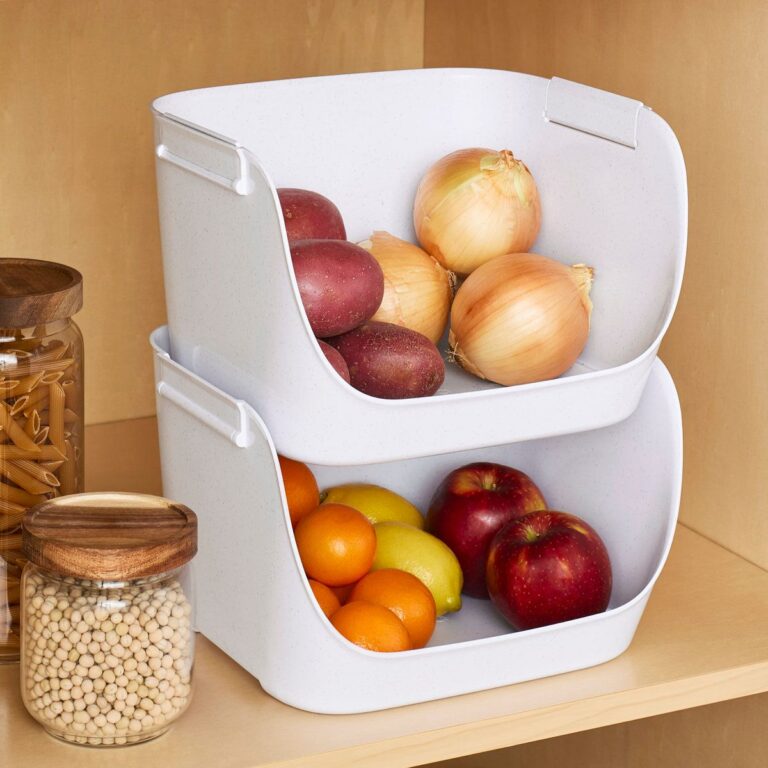 Aisha's pickStorage Cabinets with Doors That Visitors Always Ask About
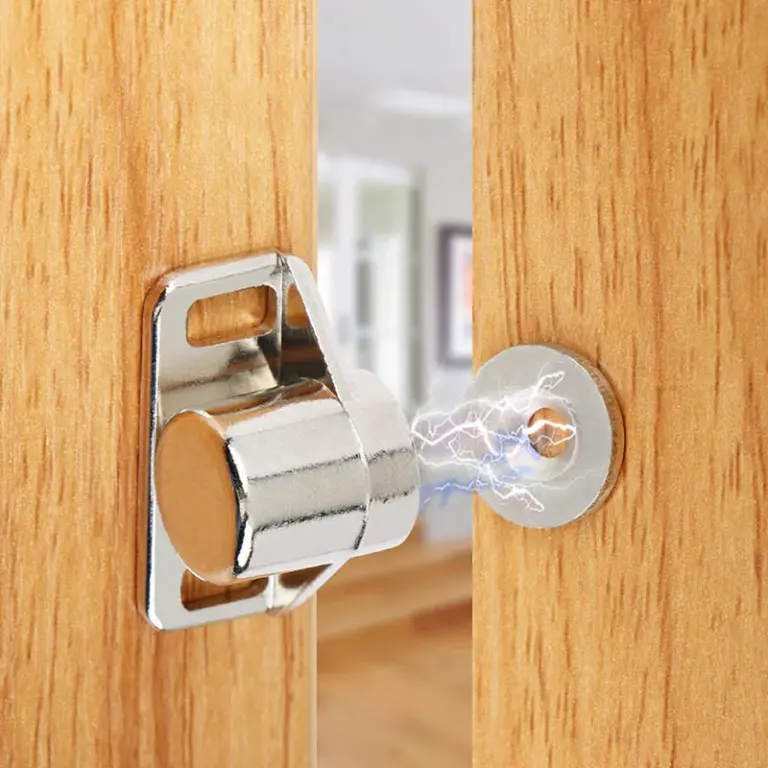
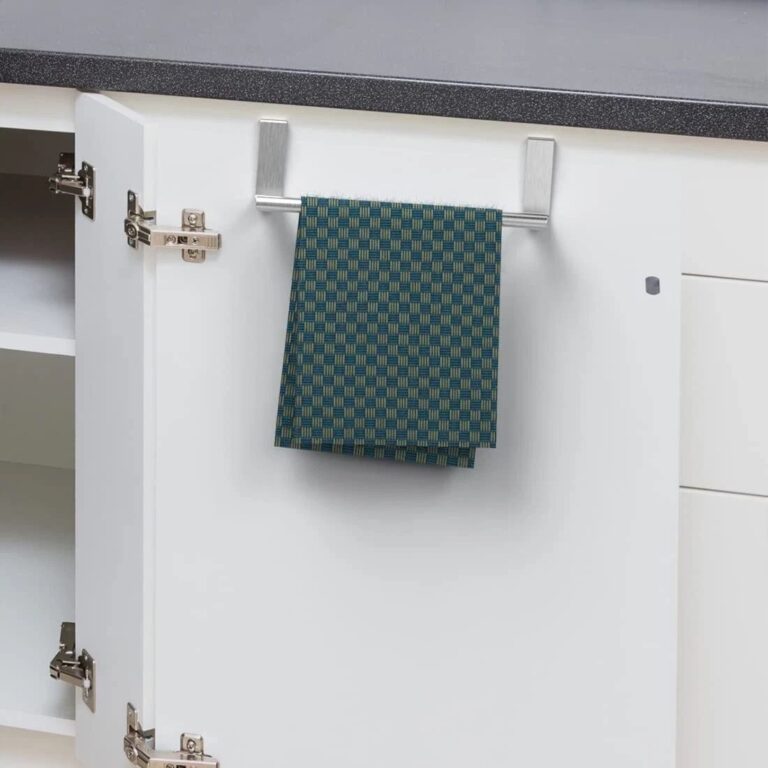 Aisha's pickStorage Cupboards with Doors That Swallow the ClutterAlso worth a lookStorage UnitsThe moment this kind of piece earned its keep for me wasn't anywhere grand, it was a narrow…See the collections →
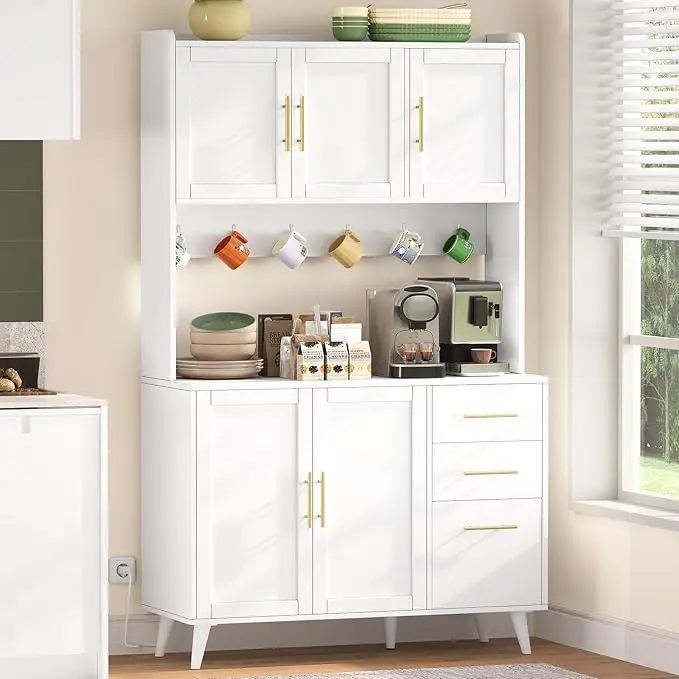
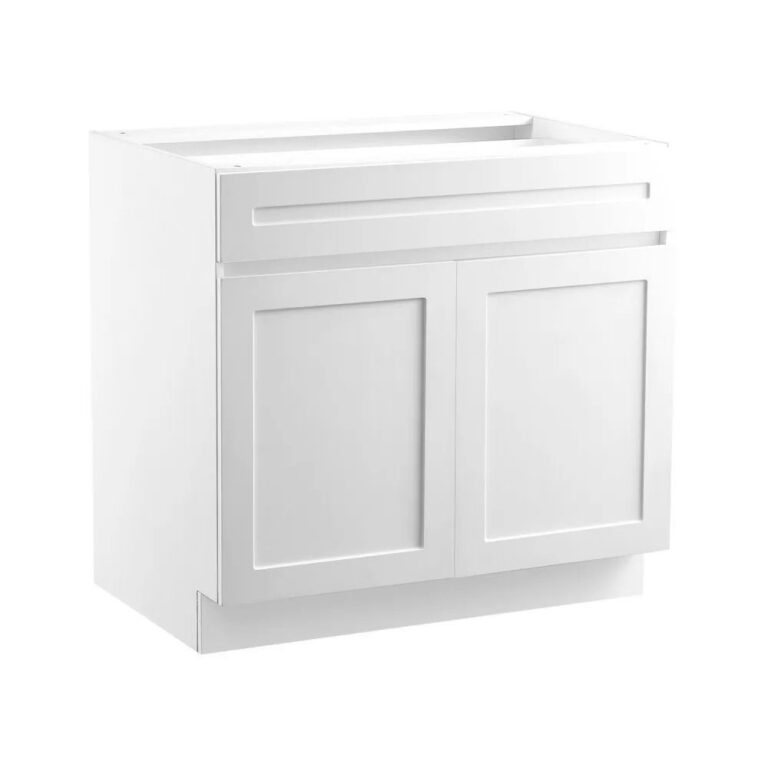 Aisha's pickWhite Kitchen Storage Cabinets with Doors That Won’t Date in a Year
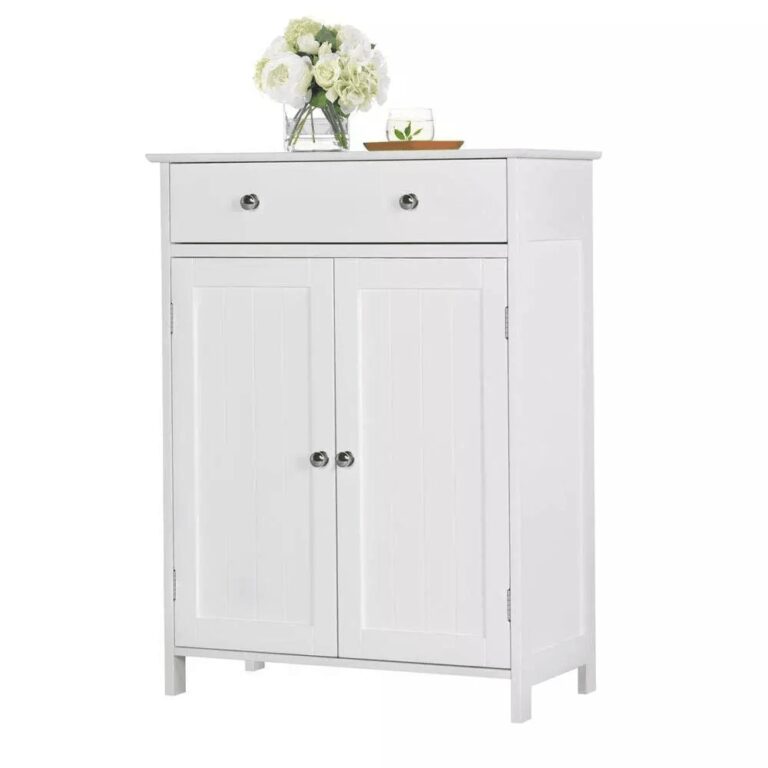
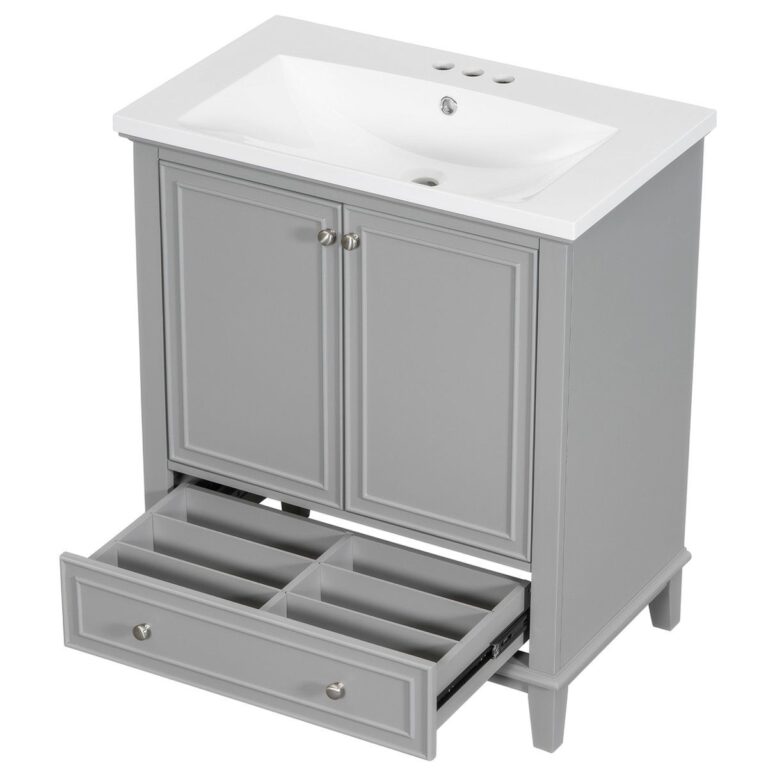 Aisha's pickWhite Storage Cabinets with Doors That Look Good Even When Full
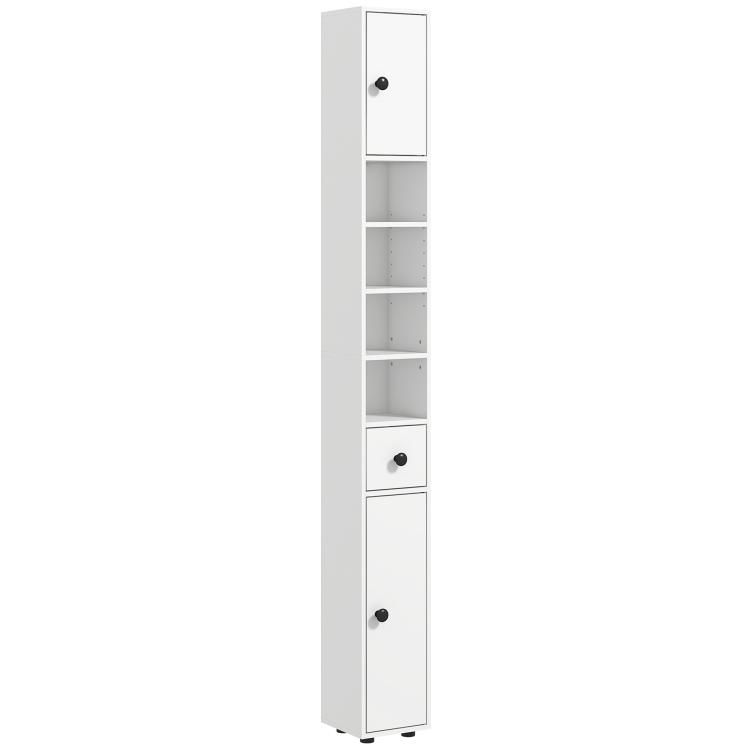
 Aisha's pickWooden Storage Cabinets with Doors That Don’t Shout About It