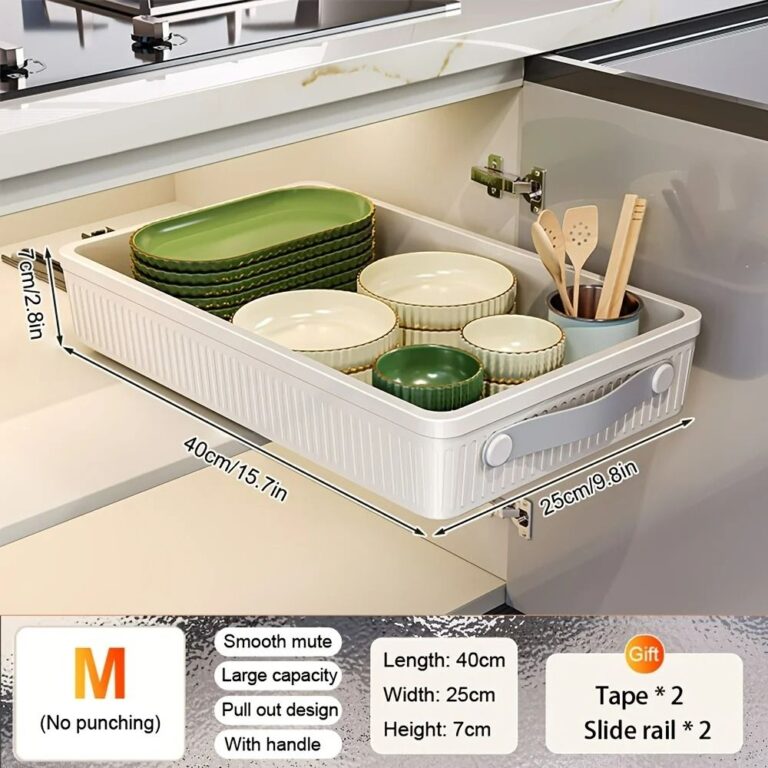
The question I get asked most about these is whether the drawer actually earns its spot or just adds a weak point to something that would have been sturdier without it. Honest answer: a good one is the single most useful storage piece you can own, because a cabinet alone is all or nothing, you open the door and dig, but a drawer gives you a place for the small stuff you need fast, batteries, takeout menus, the random cords, without upending the shelves behind it.
Where it goes wrong is weight and wobble. A drawer on cheap plastic runners, stuffed with anything heavier than papers and candles, will start to sag and stick within a year, and once it's off its track it rarely goes back on happily. If you need to store anything substantial, tools, serving platters, heavy linens, that weight belongs on the cabinet shelves below, not riding on a drawer front. Check the runners before anything else, pull the drawer all the way out and see if it tips or drags, give it a shake side to side, a well made one stays level and glides without a fight. Look at how the drawer box itself is built too, dovetailed or at least screwed corners beat stapled particleboard every time, because staples work loose with use and the whole front eventually droops. The day it arrives, check the drawer front sits flush with the cabinet face and lines up evenly on both sides, a crooked drawer front is the fastest tell that the whole piece was knocked together in a hurry. Run a hand along the inside too, solid wood or properly sealed veneer feels smooth and finished, while a raw, splintery edge inside a drawer you're supposedly meant to use daily is a bad sign for the rest of the build.
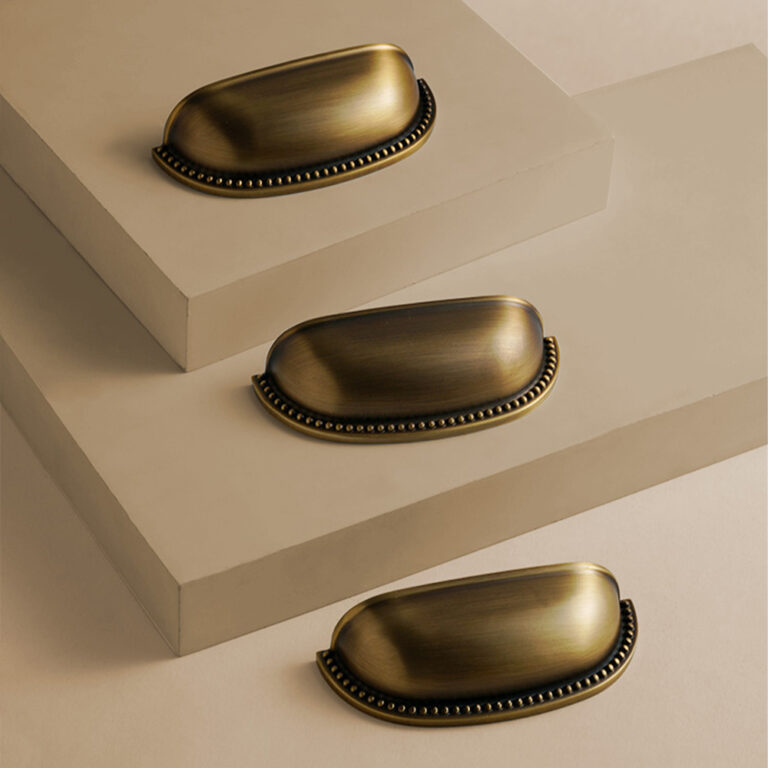
Materials matter more here than people expect from something that just sits in a hallway or bedroom holding spare sheets. Solid wood or plywood carcasses handle humidity and the odd bump far better than MDF, which is fine until it meets a damp umbrella or a cat with opinions, then it swells and never quite closes the same way again. Metal pulls or knobs with actual screws through the drawer front outlast the glued on plastic kind, which pop off almost on schedule, usually around the second year, like clockwork. A cabinet with a drawer that's slightly undersized compared to the body isn't a flaw, it's often a sign someone thought about proportion rather than just bolting a box onto a box. And the finish should feel sealed, not tacky, run a thumb over it in the shop, a rough or sticky surface now only gets worse once it lives somewhere with actual daily use.
Next time you're looking at one, skip the finish and go straight to the drawer runners, because that's the part that tells you how it'll behave in six months, not six minutes.

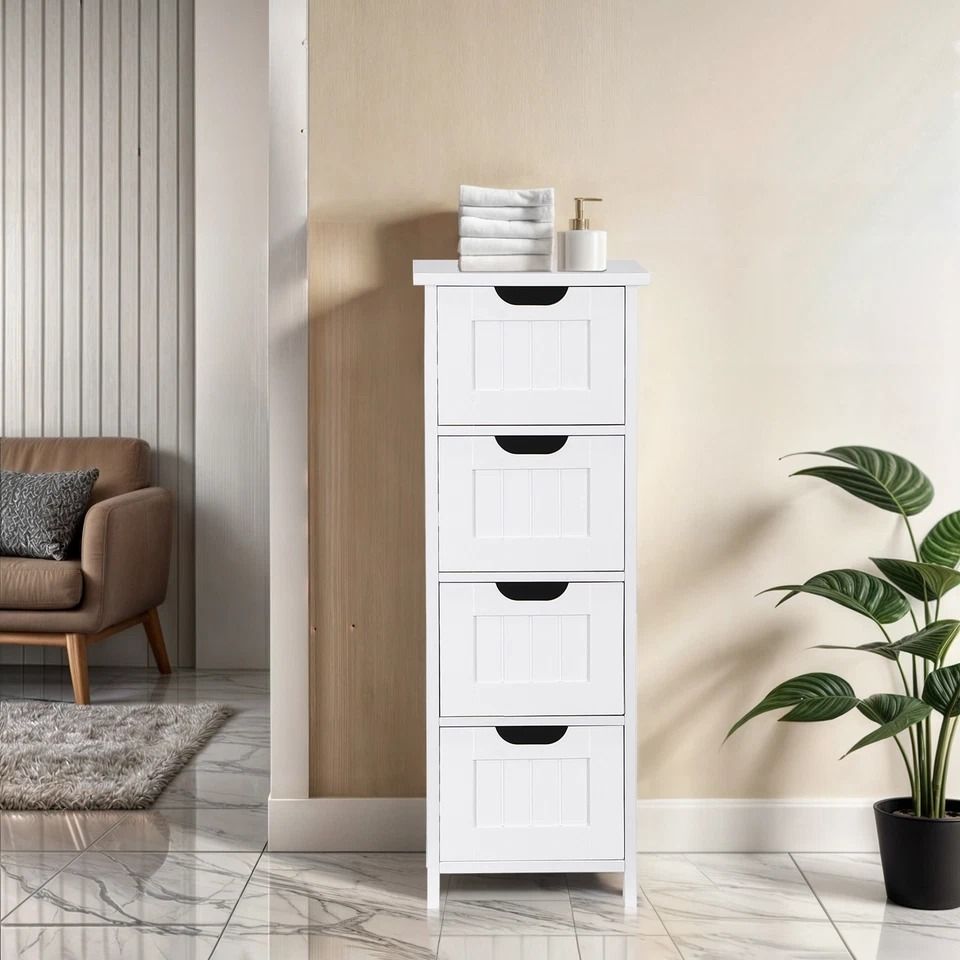 Aisha's pickStorage Units with Drawers That Make Rented Places Feel Like Home
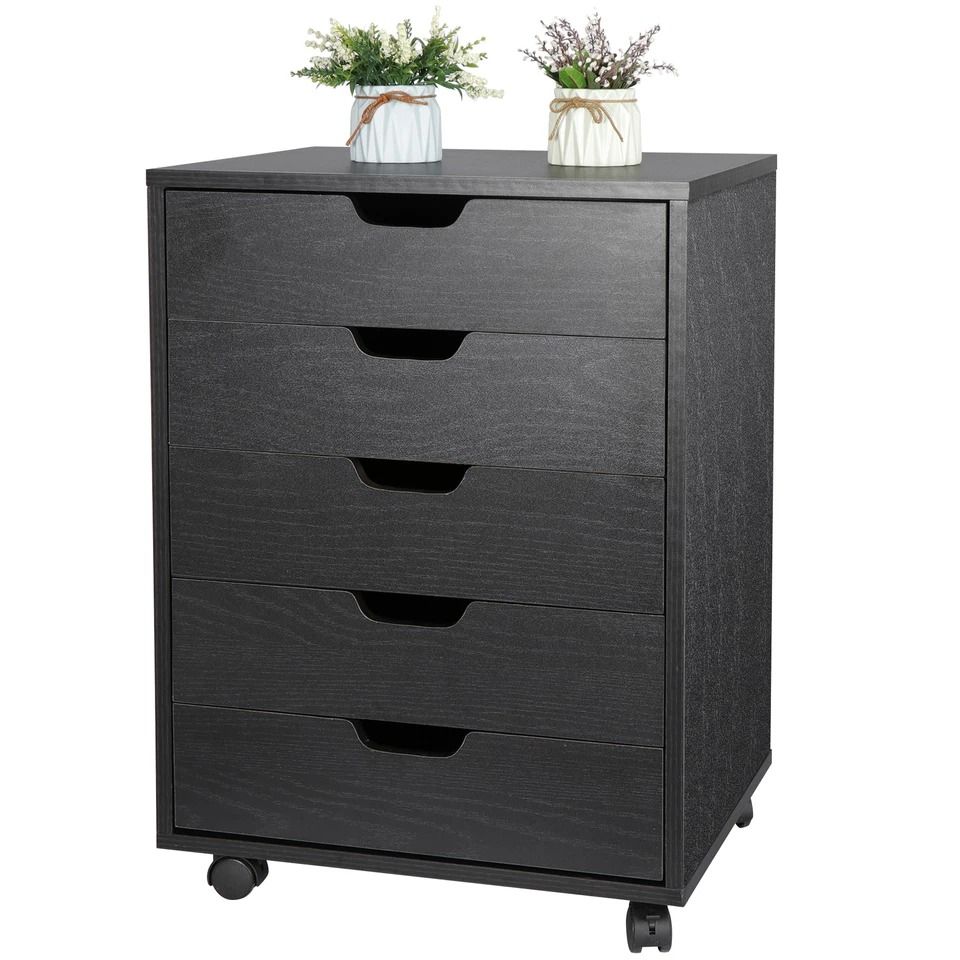
 Aisha's pickWhite Kitchen Storage Cabinets with Drawers That Do the Job Right
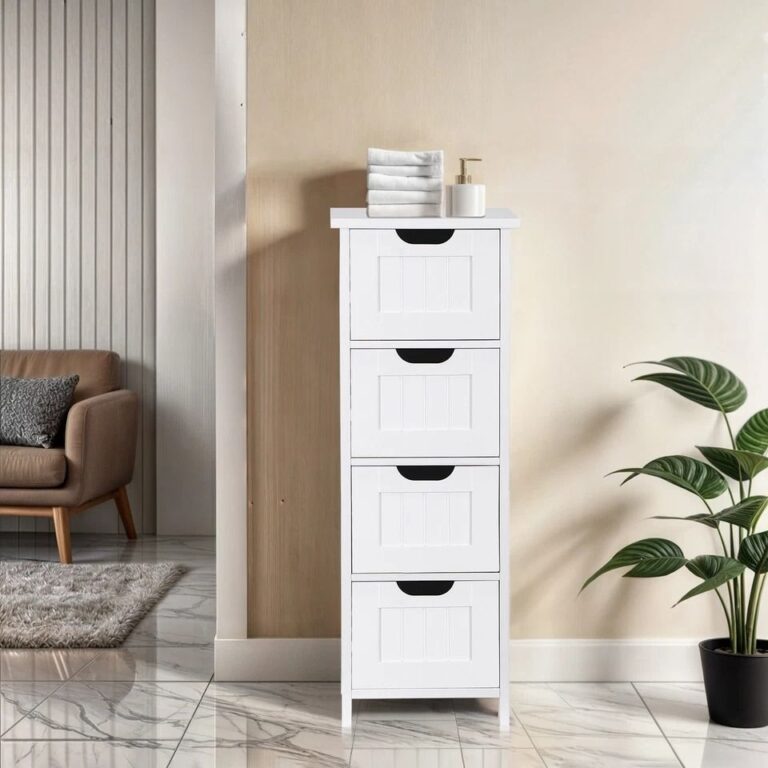
 Aisha's pickSimple White Storage Cabinets with Drawers Done Well
 Aisha's pickWooden Storage Cabinets with Drawers That Keep Surfaces Clear
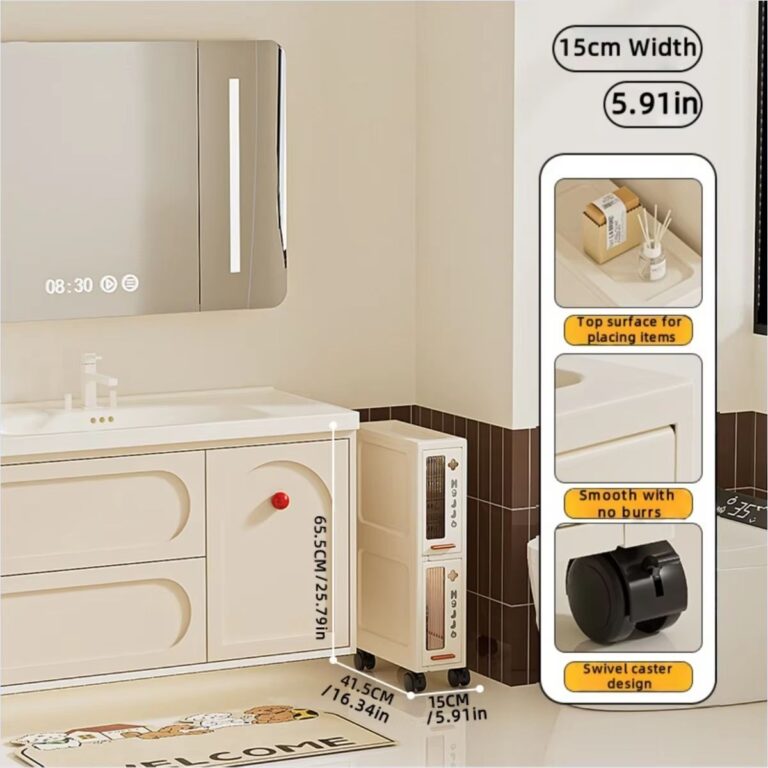
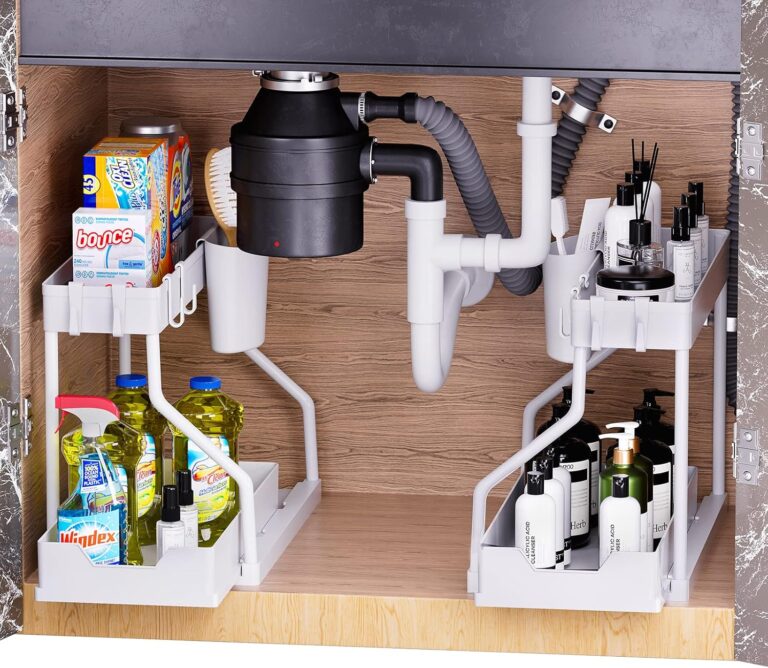 Aisha's pickBathroom Storage Cabinets with Drawers That Visitors Always Ask About
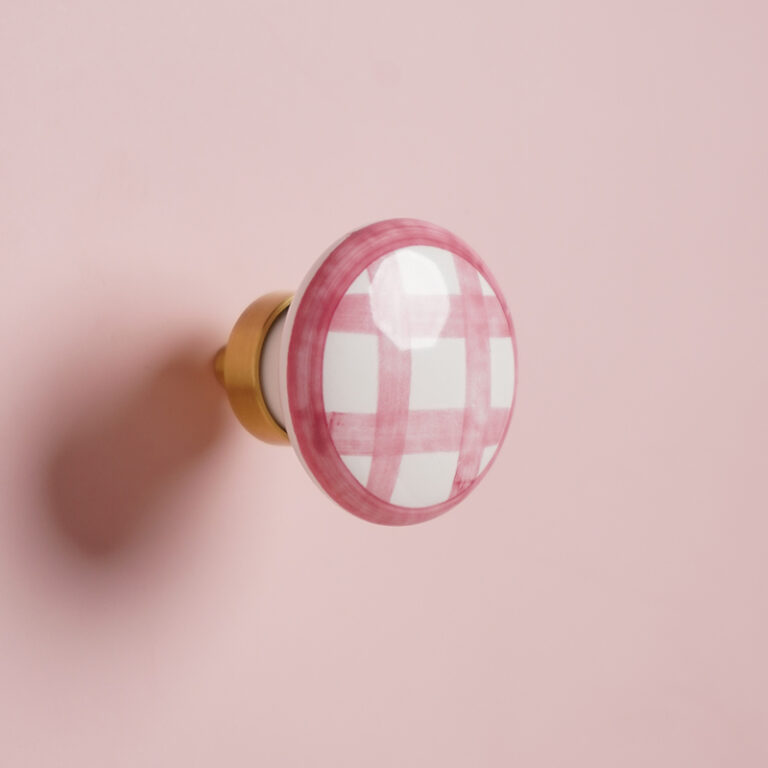
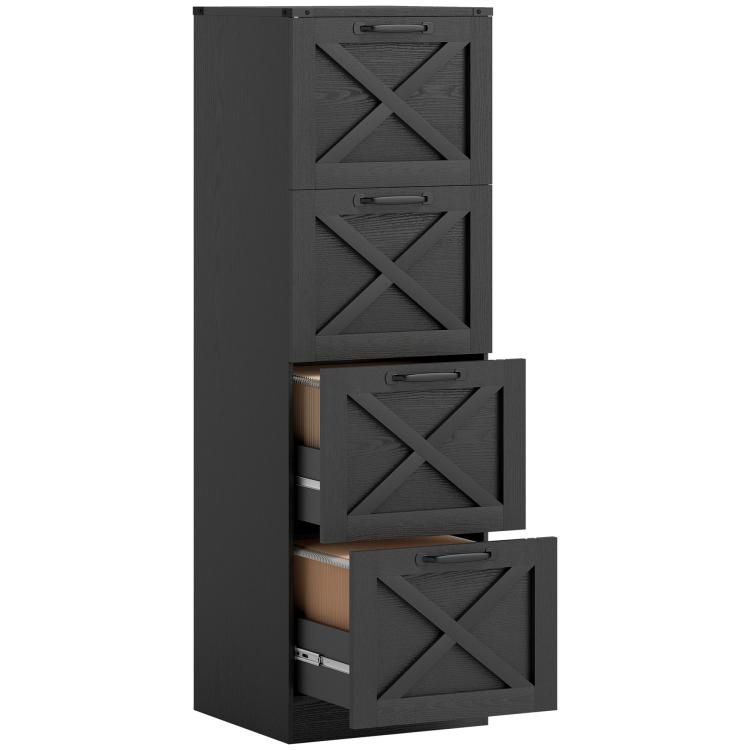 Aisha's pickBlack Storage Cabinets with Drawers That Make Tidying Up Quicker
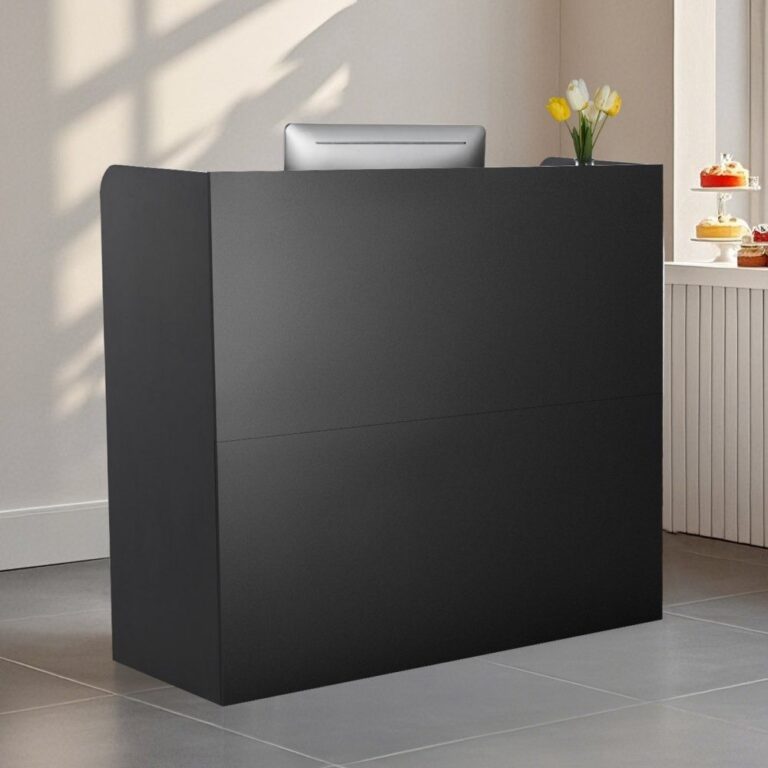
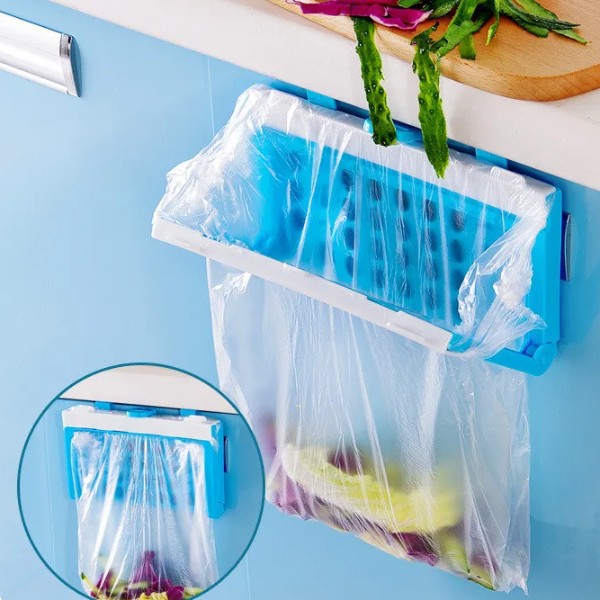 Aisha's pickKitchen Storage Cabinets with Drawers That Don’t Shout About It
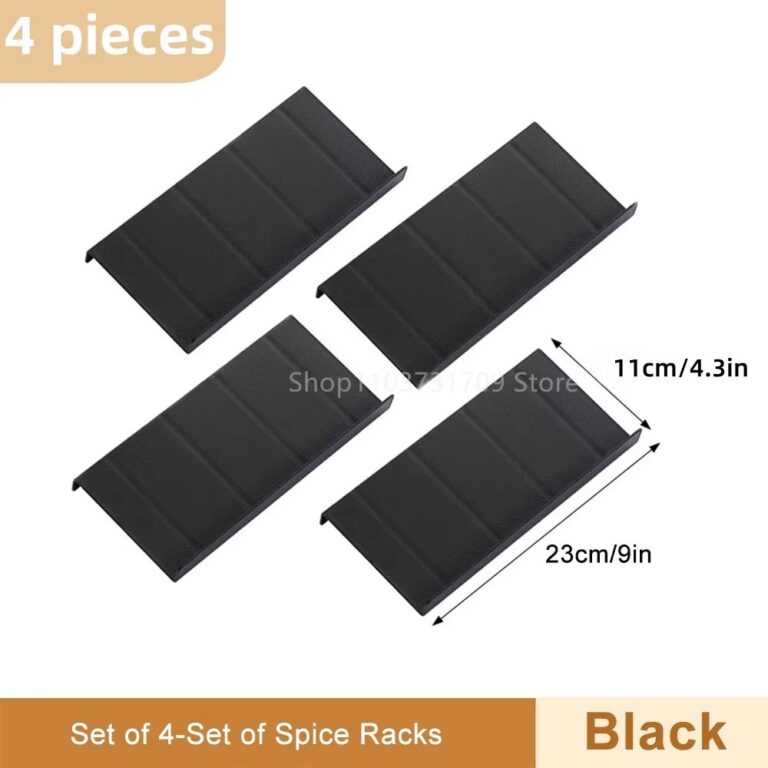
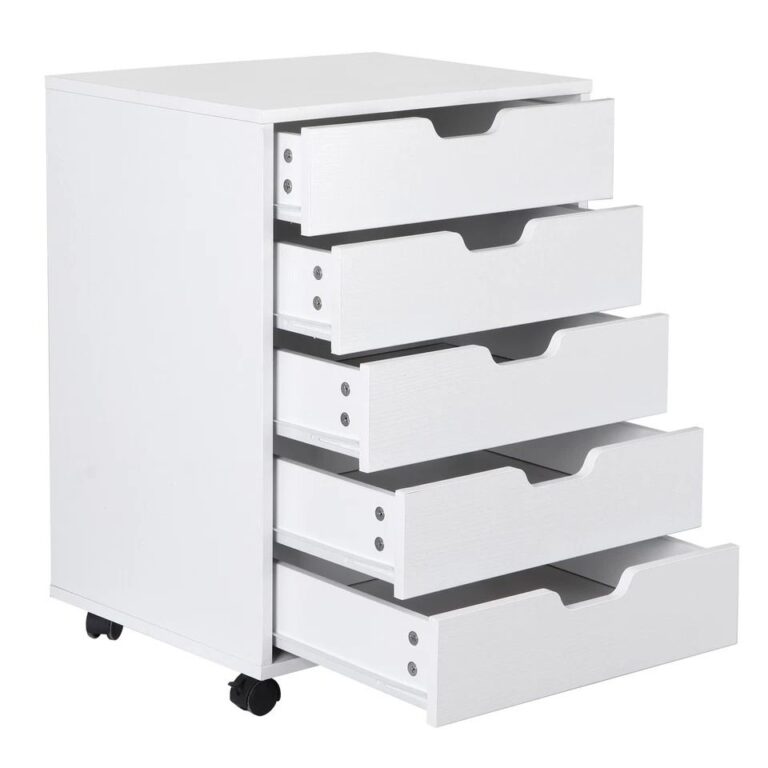 Aisha's pickKitchen Storage Units with Drawers That Squeeze Into Awkward Corners
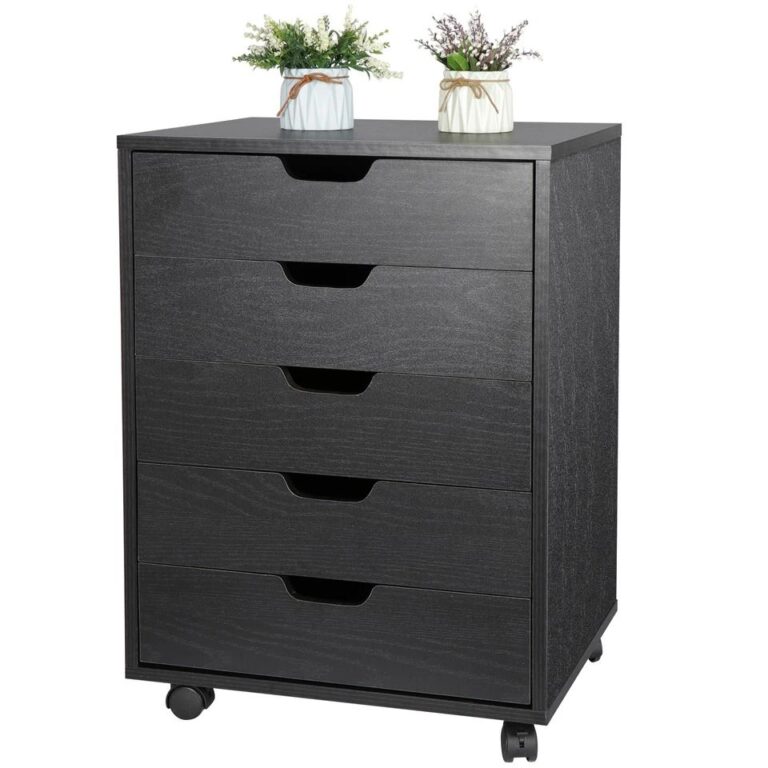
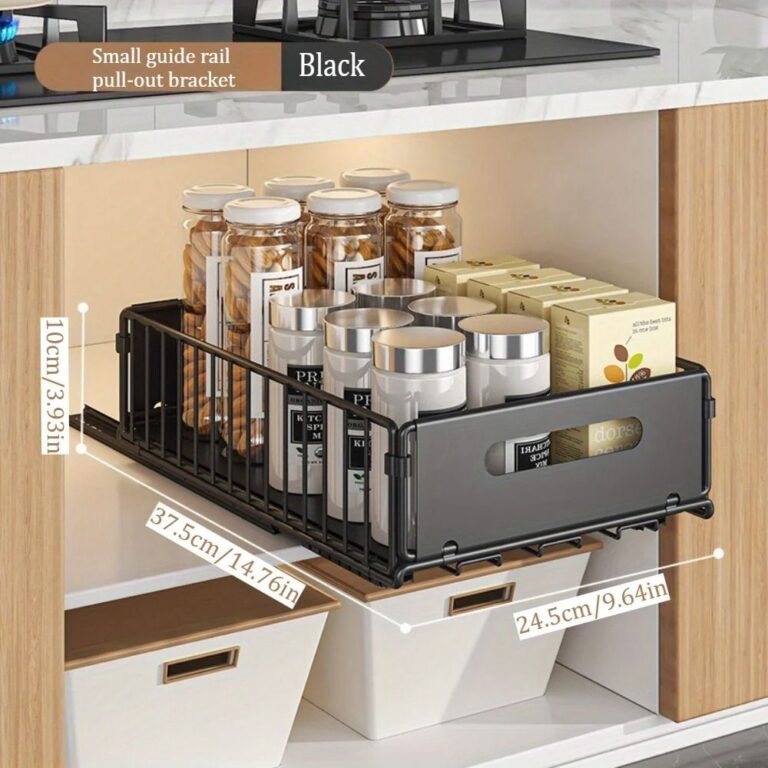 Aisha's pickMetal Storage Cabinets with Drawers That Make Small Changes Feel BigAlso worth a lookStorage UnitsThe moment this kind of piece earned its keep for me wasn't anywhere grand, it was a narrow…See the collections →

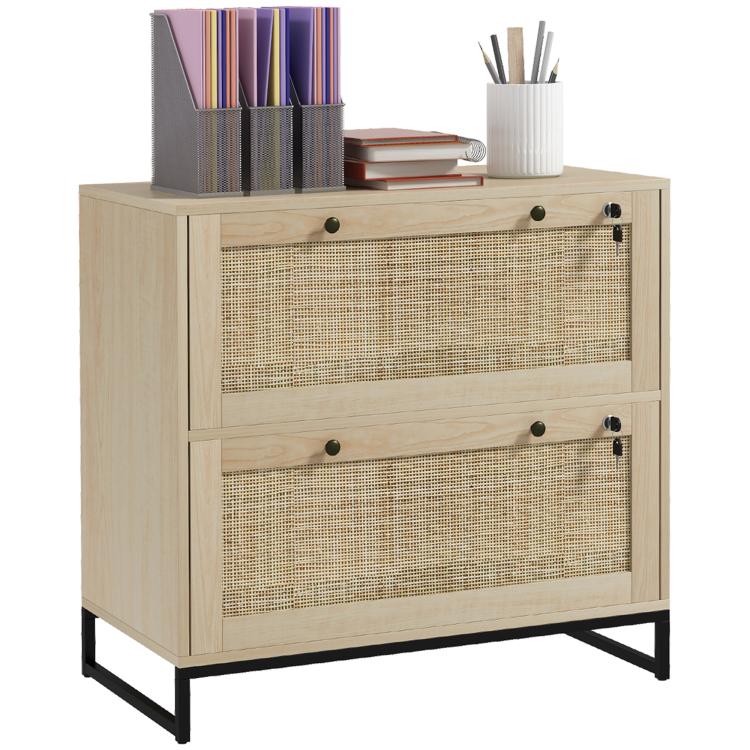 Aisha's pickNatural Storage Cabinets with Drawers That Make a Room Feel Finished
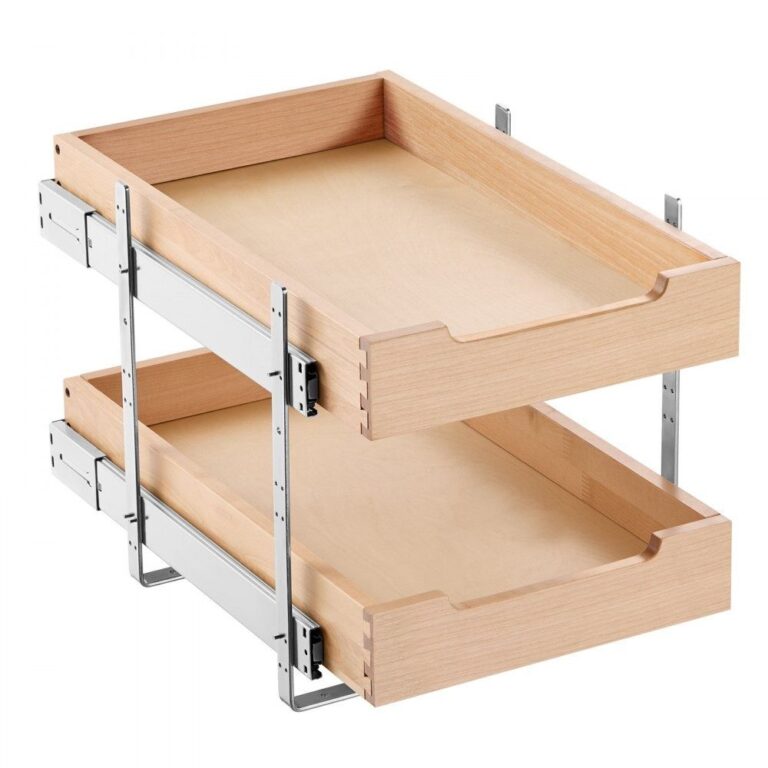
 Aisha's pickOffice Storage Cabinets with Drawers That Hold Up to Everyday Life
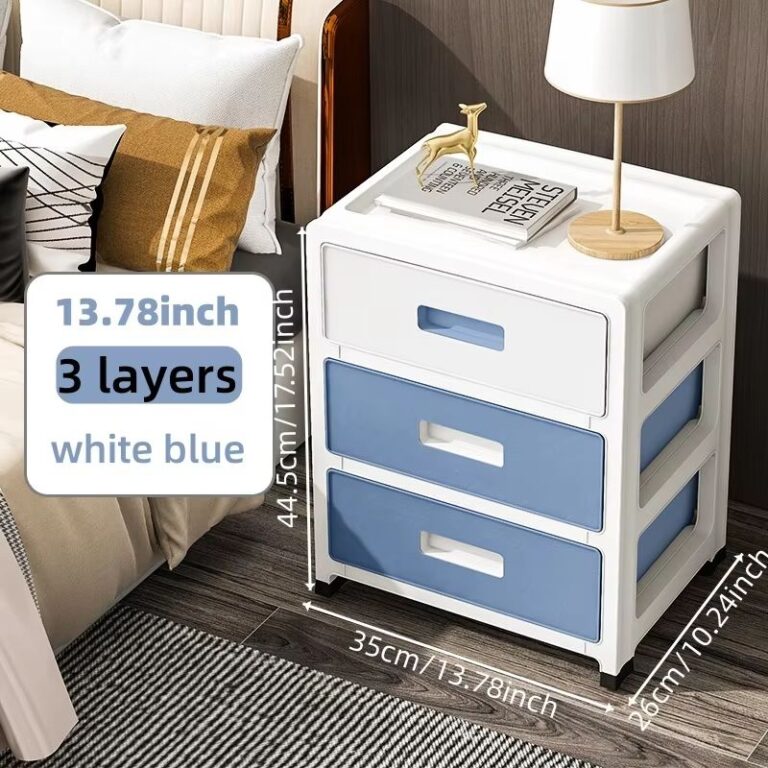 Aisha's pickPlastic Storage Cabinets with Drawers We Keep Coming Back To