The one thing worth knowing before you buy any kitchen cabinet is that the box matters more than the door. Doors get swapped, painted, replaced in ten years when you're bored of them. The carcass, the actual box behind that pretty front, is what you're living with when the hinges start to sag and the shelf starts to bow under a stack of plates. Put your hand inside, press on the base and the sides. If it flexes or sounds hollow and thin, that's what you're buying, no matter how nice the door looks.
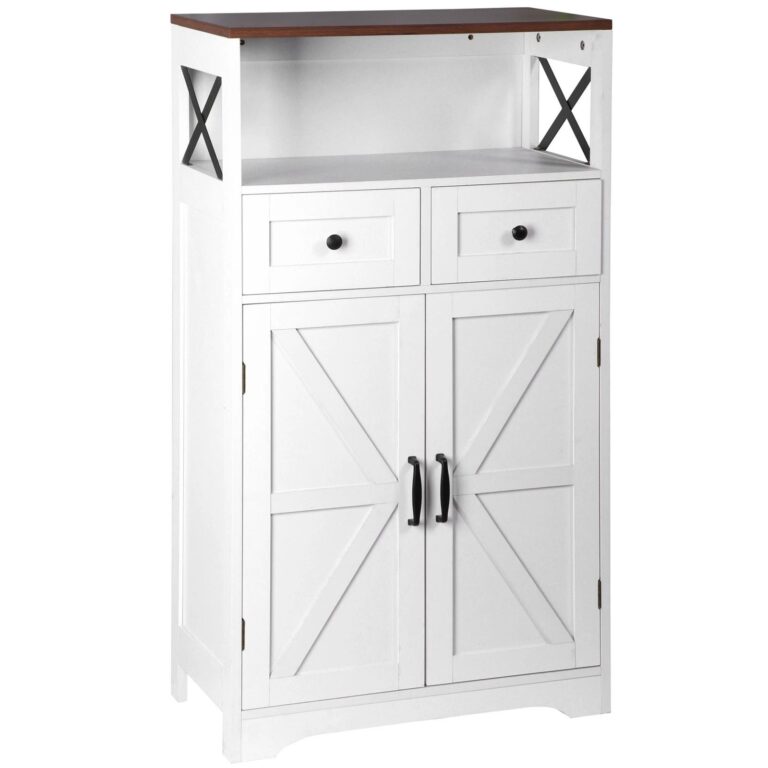
Where these go wrong is when people treat them like furniture instead of fittings. A freestanding storage cabinet dropped into a kitchen that's short on built in storage is a fine fix, but it's not going to behave like a proper run of fitted cabinetry, and it won't hide plumbing or give you the same continuous counter line. If you're after that seamless wall of storage, a single stand alone piece is a patch, not a solution, and it's worth knowing that going in rather than being disappointed later. They're also a poor choice for anyone chasing a totally uniform, built in look, because even a close color match will read as a separate piece once it's sitting next to fitted units. Measure the width and depth of the space twice, once with the tape and once by actually standing a chair or a stack of boxes the same size in the gap for a day, because a number on paper and a box in a doorway are not the same experience. Leave room for the doors to swing fully open without clipping a handle on the fridge, and check the height against your counter, not just the wall, since a mismatch of even an inch looks wrong every single day.
As for wear, solid wood cabinets will take on knocks and a bit of color change near the sink and the stove, which is honestly how they're supposed to age, and a light wax or oil once or twice a year keeps that looking intentional rather than tired. Painted MDF doors hold up fine to wiping down but chip at the corners eventually, especially near handles, so touch up paint is worth keeping on hand from day one. Hinges are the first thing to loosen, so give them a turn with a screwdriver every few months rather than waiting for a door to droop.
Would I still want this cabinet in five years, once the doors have taken a few knocks and the kitchen around it has changed?
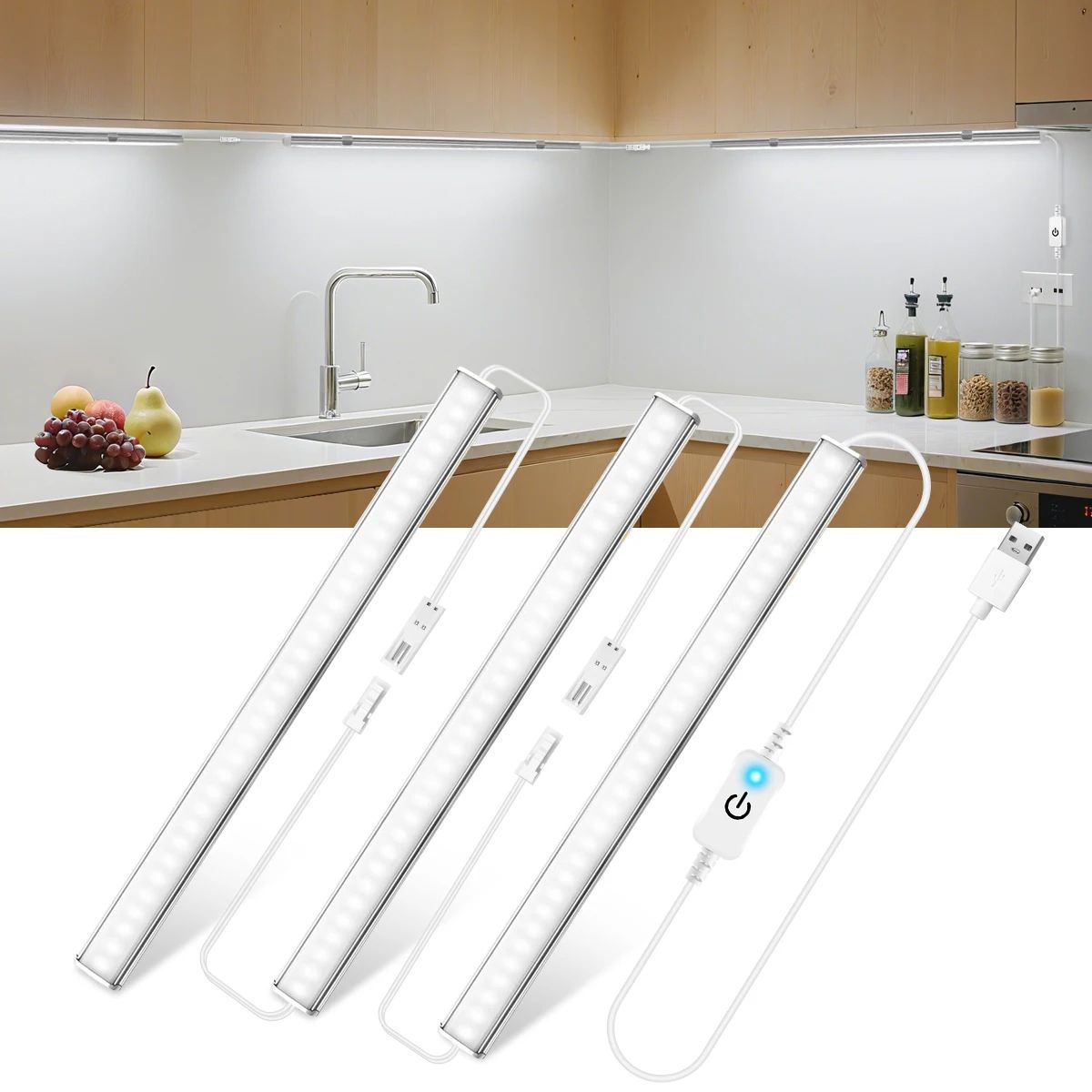 Aisha's pickKitchen Cabinets with Lights That Look Good Up Close

 Aisha's pickKitchen Storage Cabinets That Don’t Need Babying

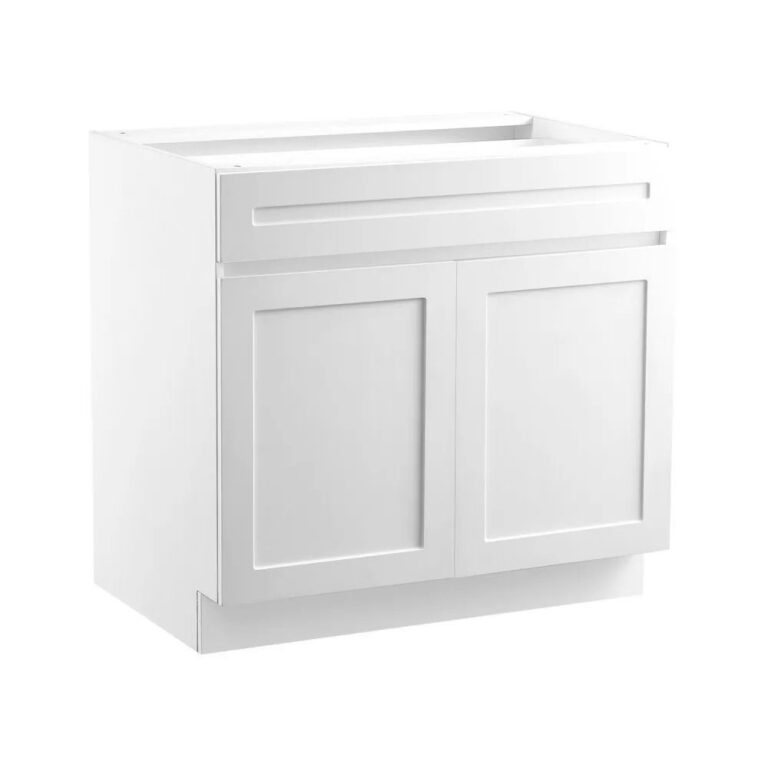 Aisha's pickWhite Kitchen Storage Cabinets with Doors That Won’t Date in a Year
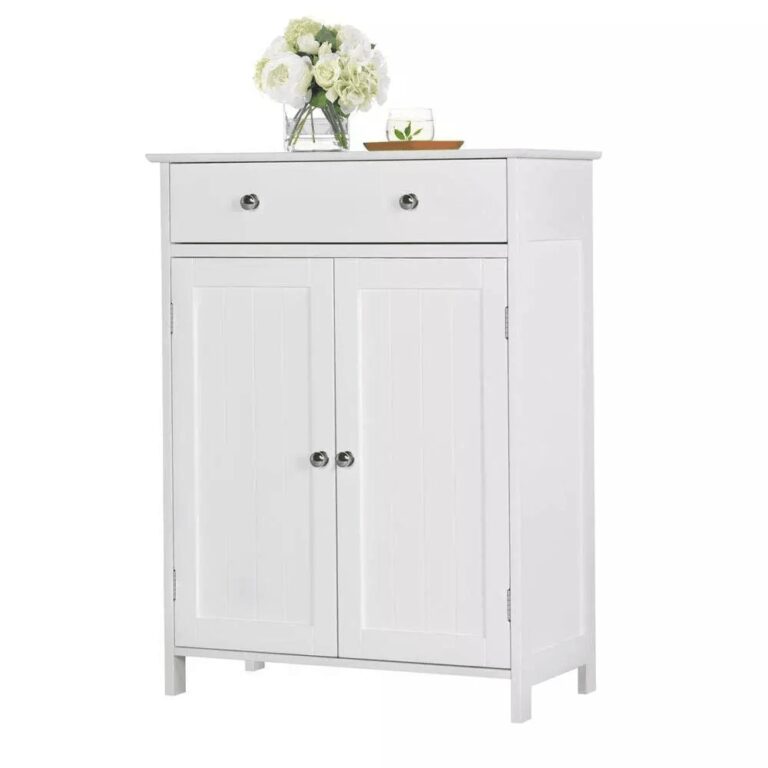
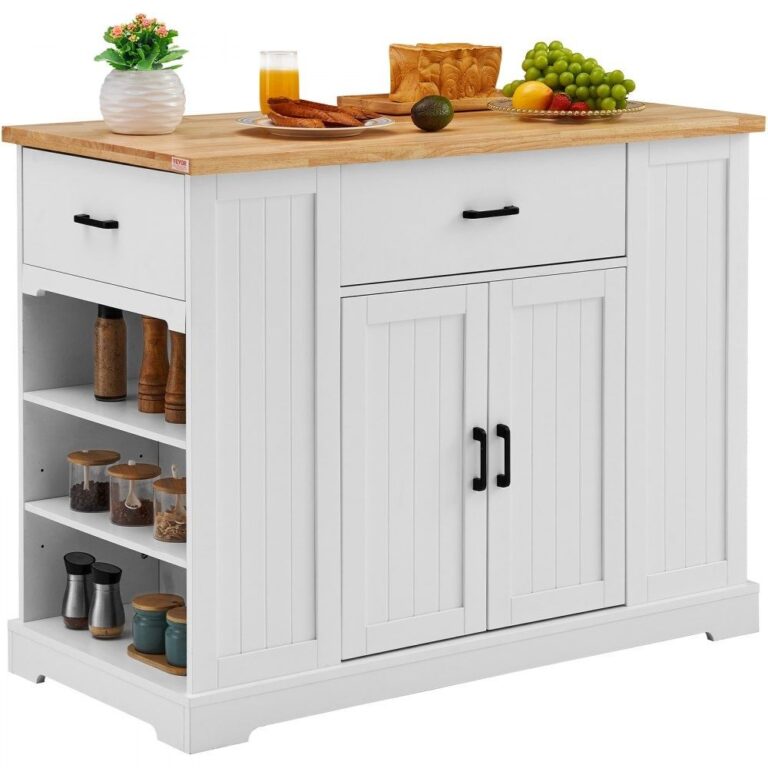 Aisha's pickKitchen Cabinets with Countertop That Sort Out the Chaos
 Aisha's pickKitchen Storage Cabinets with Doors From Stores Big and Small

 Aisha's pickWhite Kitchen Storage Cabinets with Drawers That Do the Job Right
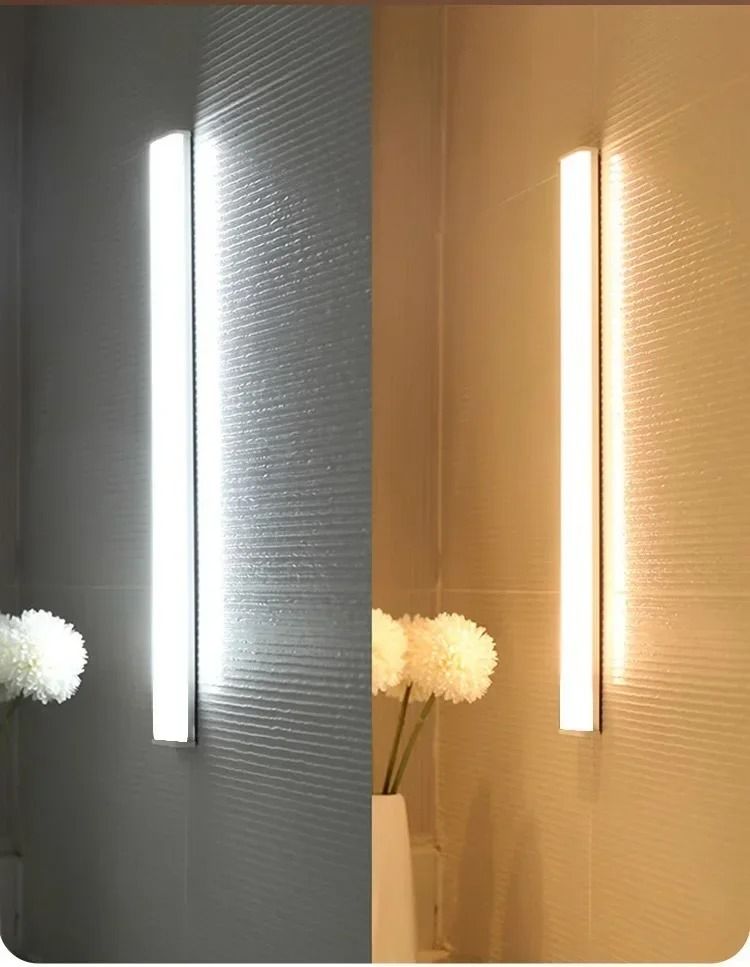 Aisha's pickKitchen Cabinets That Look Like They Cost More

 Aisha's pickKitchen Storage Cabinets with Drawers That Don’t Shout About It
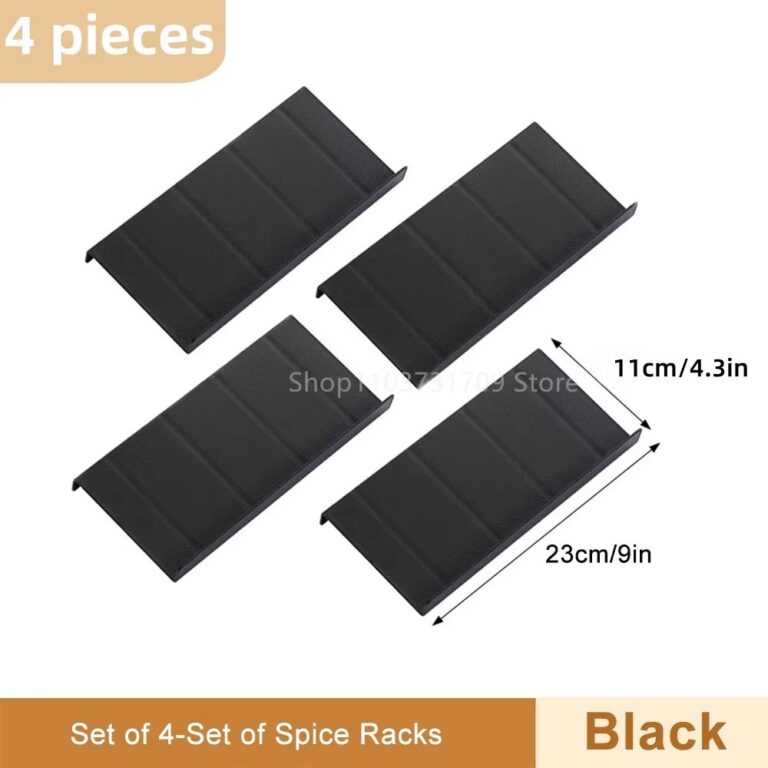
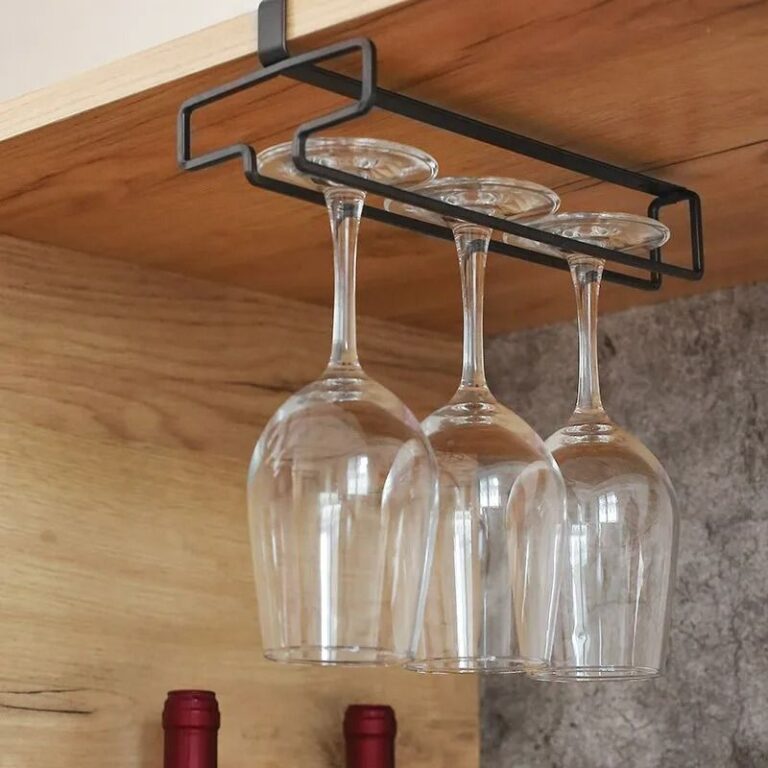 Aisha's pickThe White Kitchen Storage Cabinets with Shelves Worth Your CashAlso worth a lookKitchen Storage CabinetsMy first kitchen storage cabinet was a secondhand particleboard thing with a door that swelled shut every time it rained.See the collections →
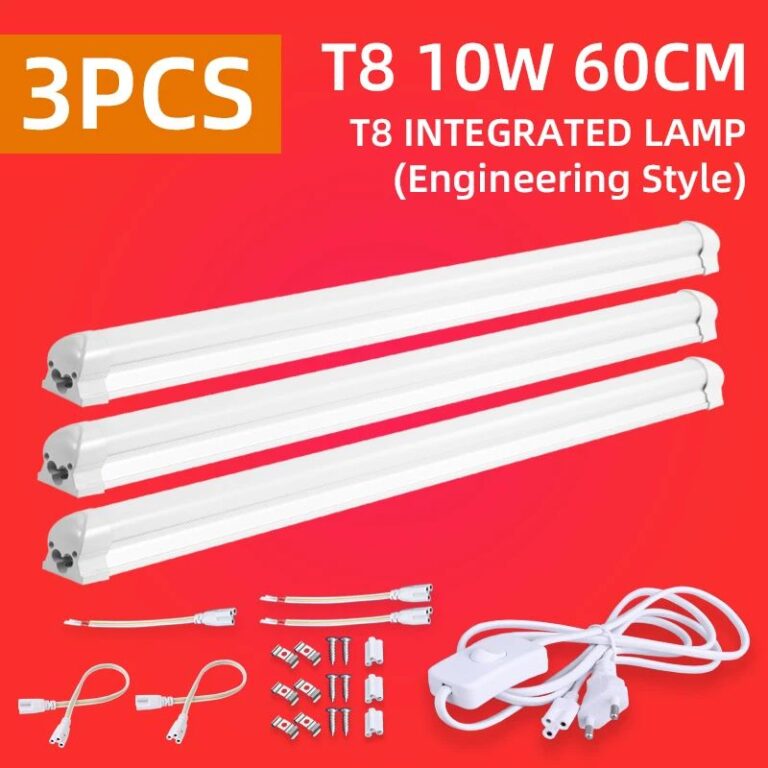
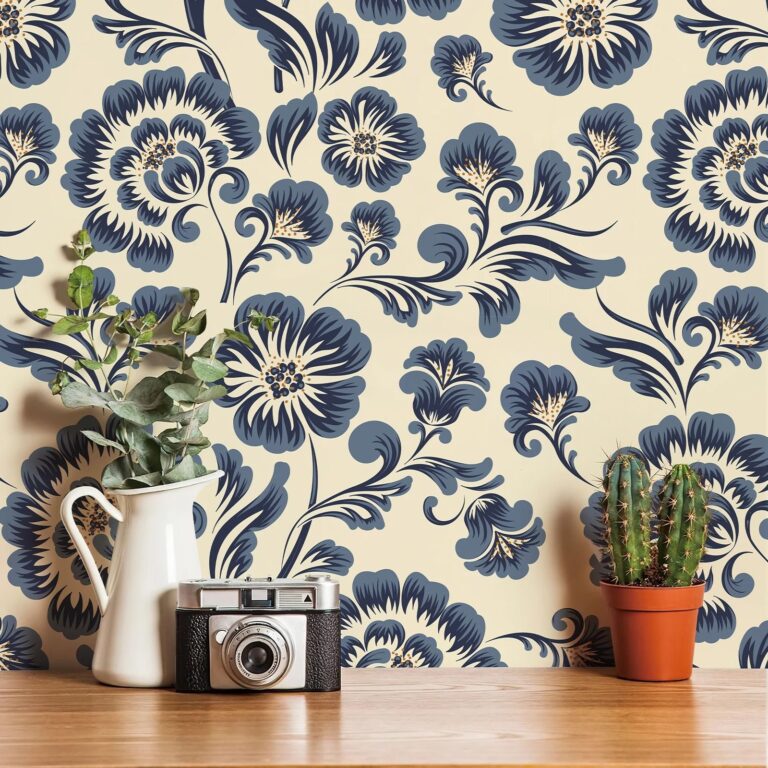 Aisha's pickKitchen Cabinets with Glass Doors That Look Good Even When Full
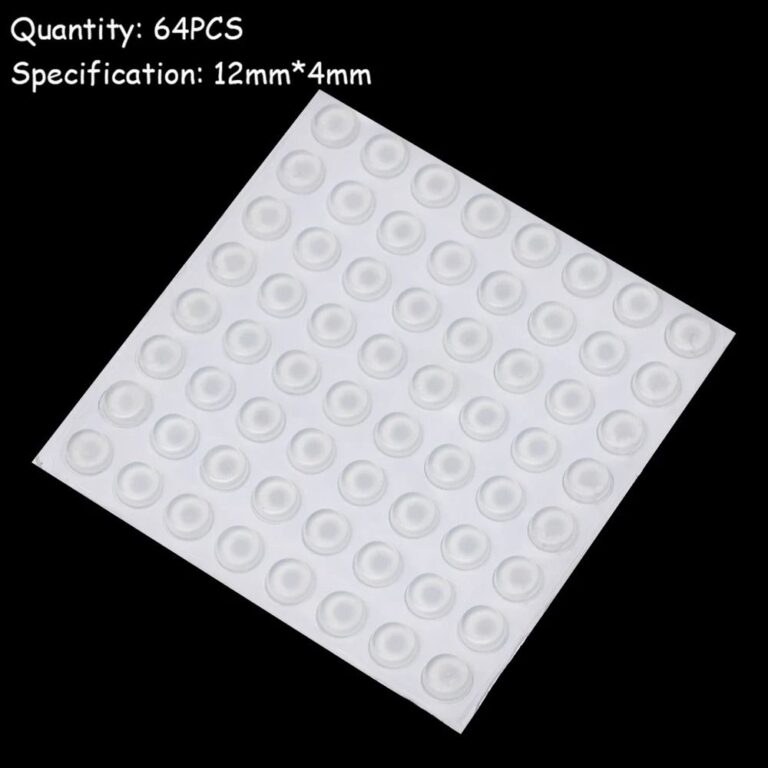
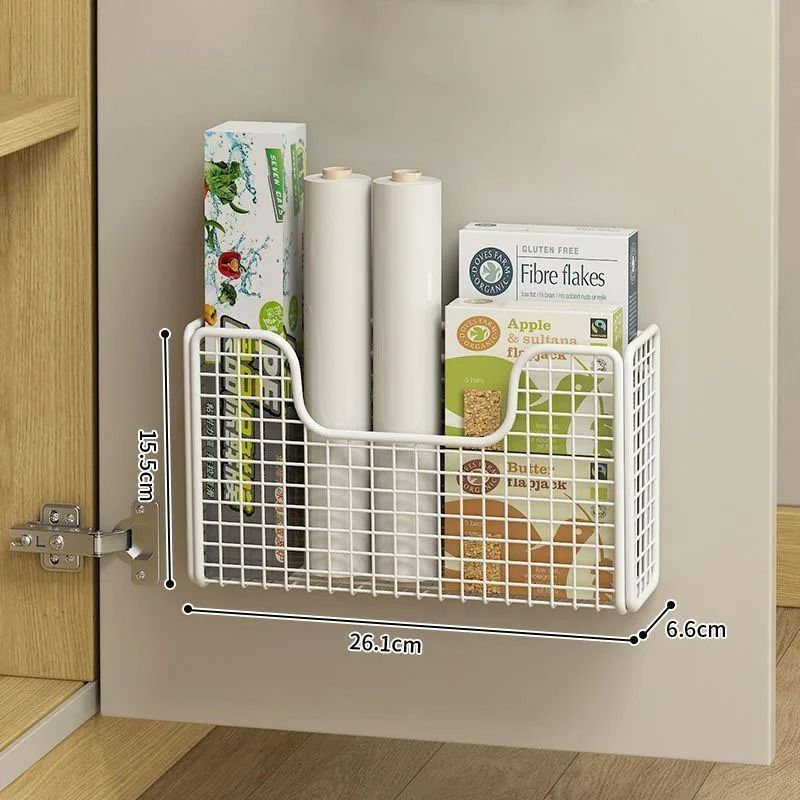 Aisha's pickKitchen Storage Cabinets with Glass Doors That Swallow the Clutter
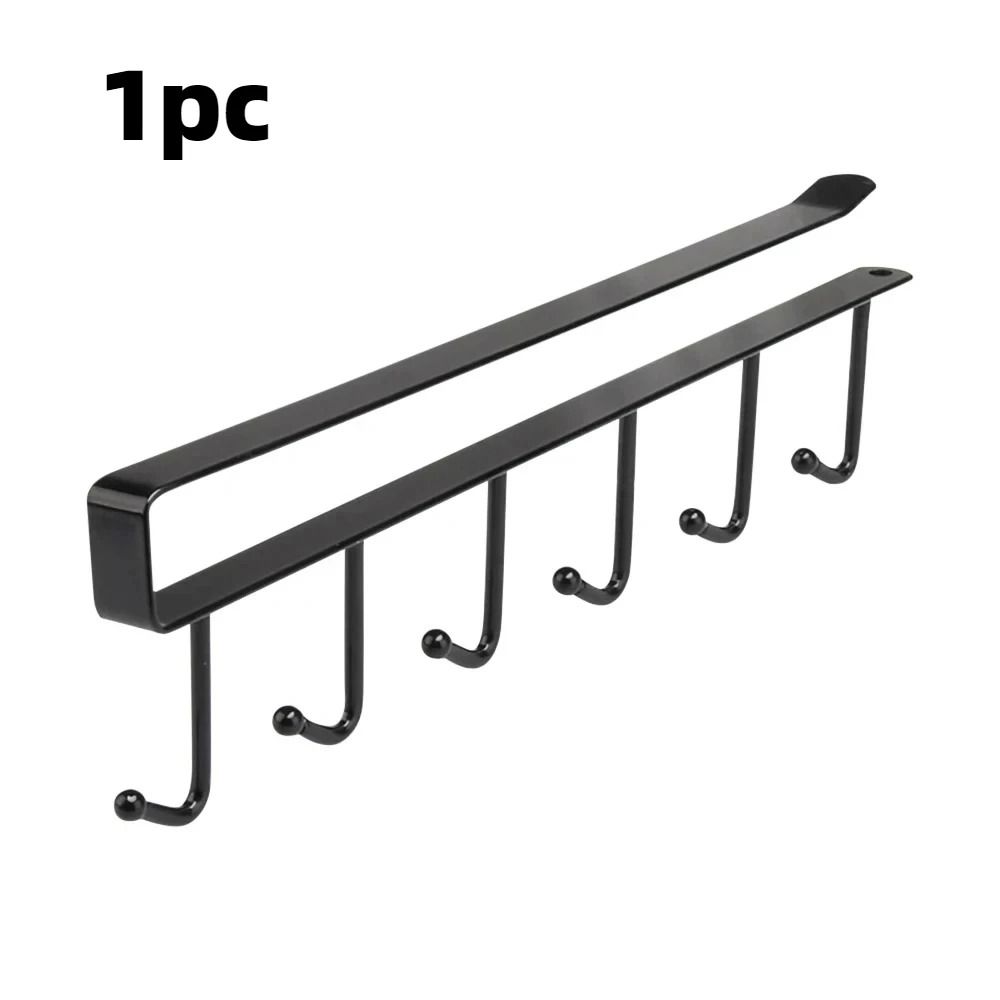
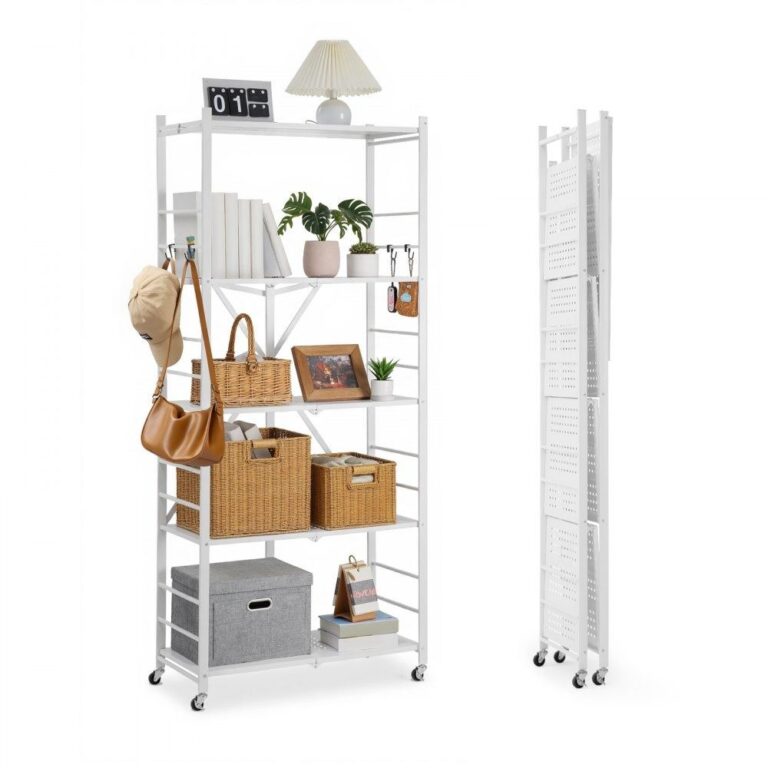 Aisha's pickWhite Kitchen Storage Units That Cope With Steam and Splashes
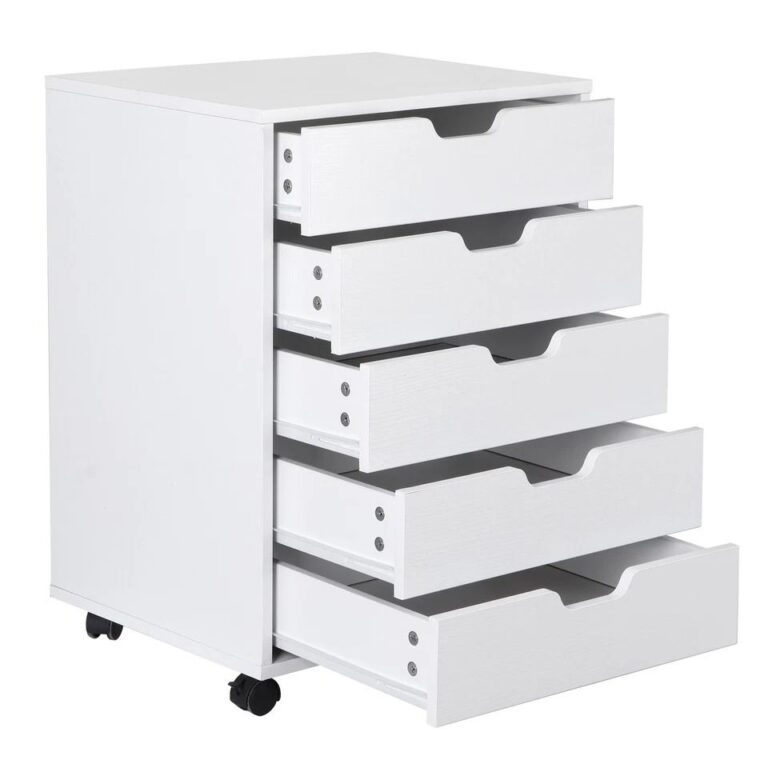
 Aisha's pickKitchen Cabinets with Lights That Swallow the Clutter

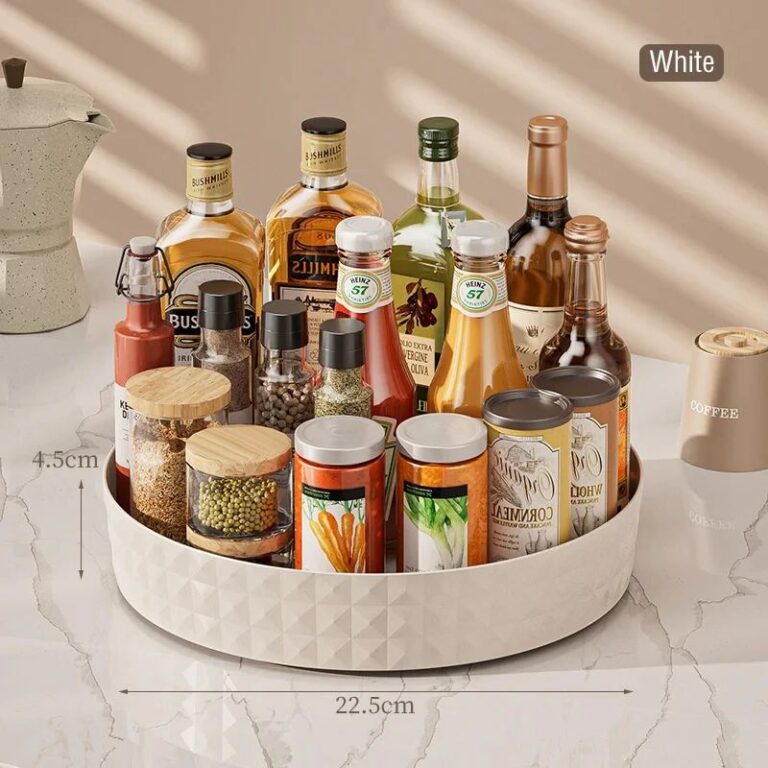 Aisha's pickKitchen Storage Cabinets with Shelves That Make a Room Feel Finished
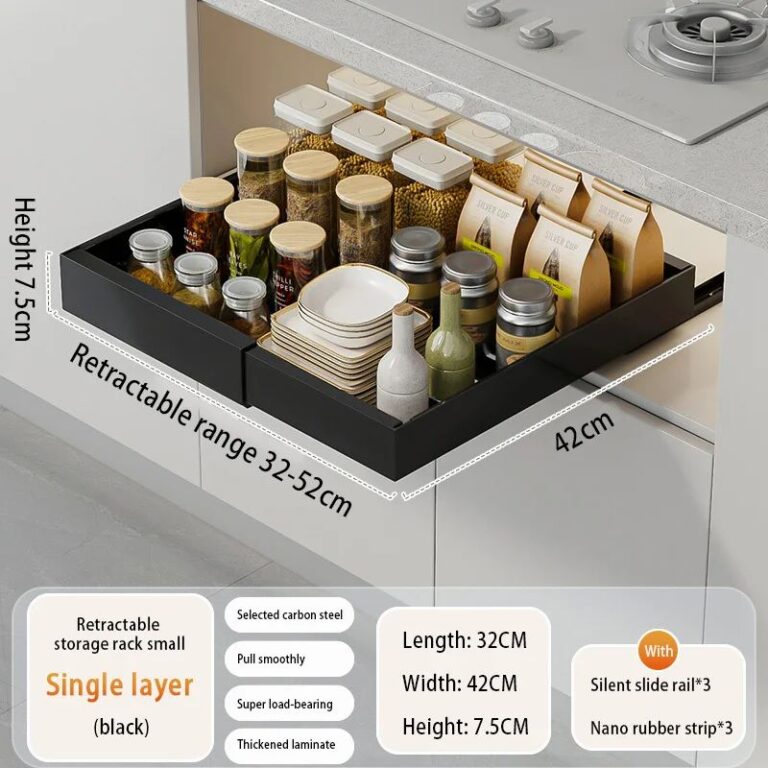
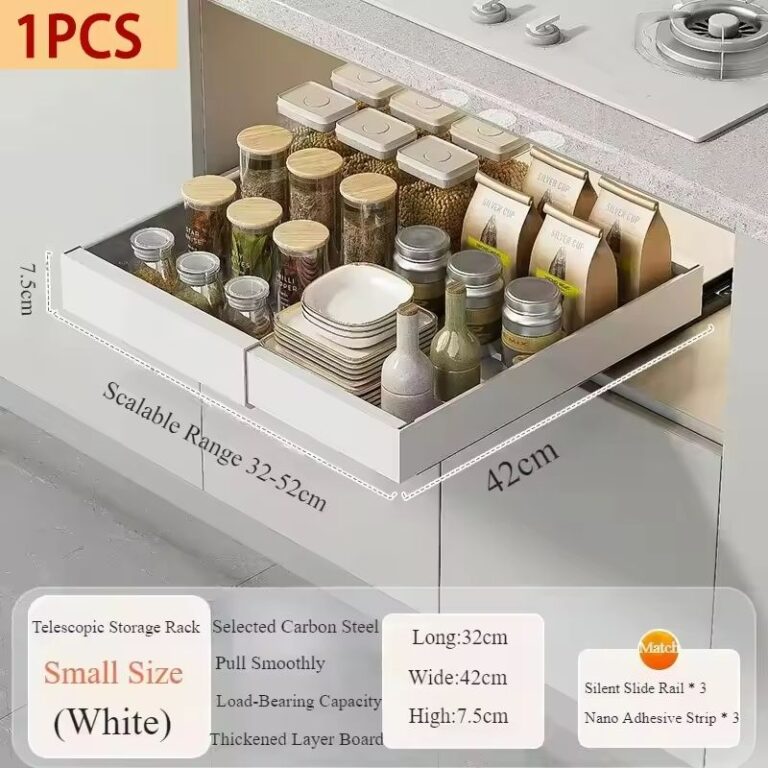 Aisha's pickWood Kitchen Storage Cabinets That Sort Out the Chaos
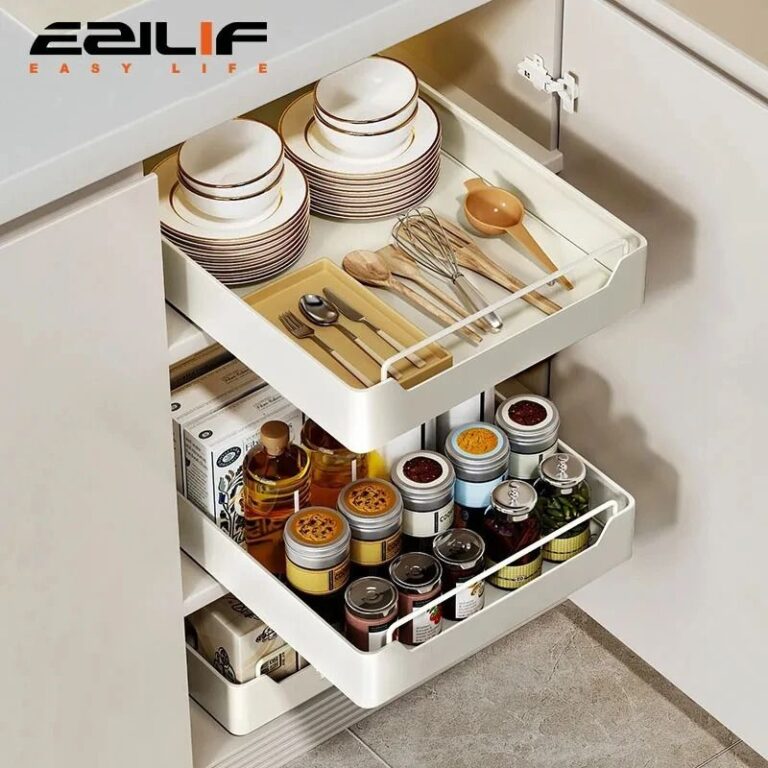
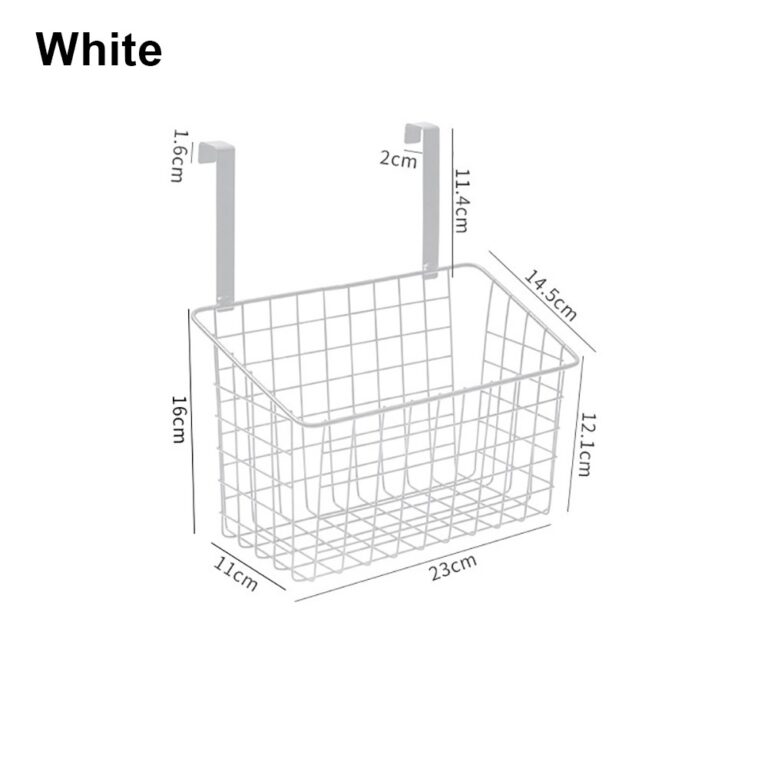 Aisha's pickKitchen Cabinets with Countertop That Survive Kids and Pets
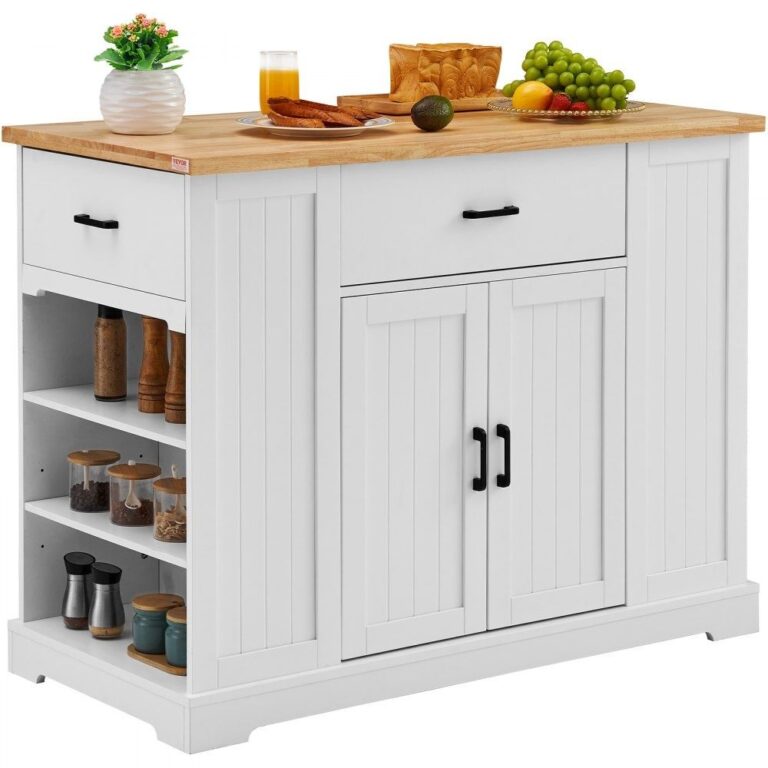
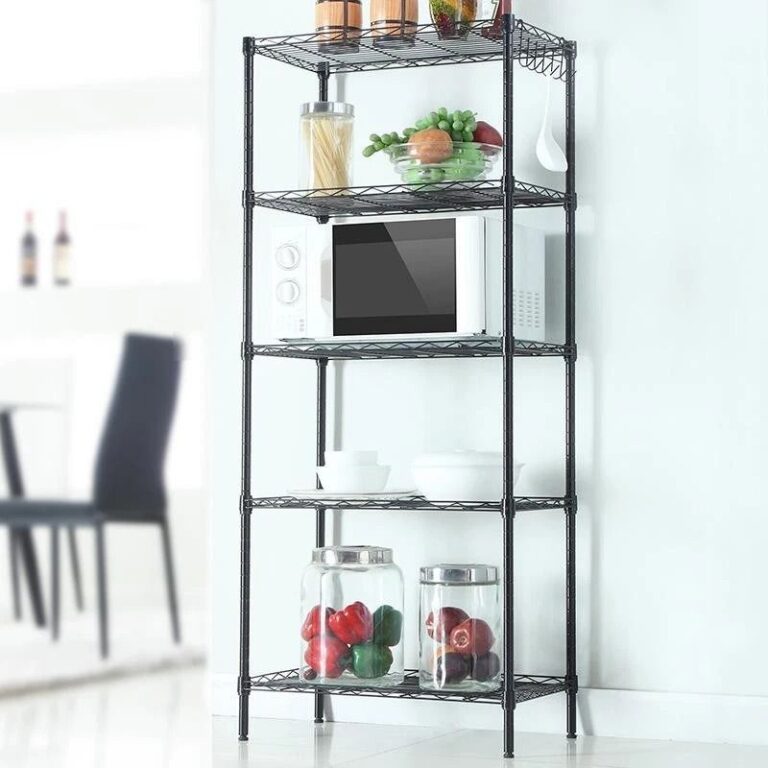 Aisha's pickKitchen Storage Units That Cope With Steam and Splashes
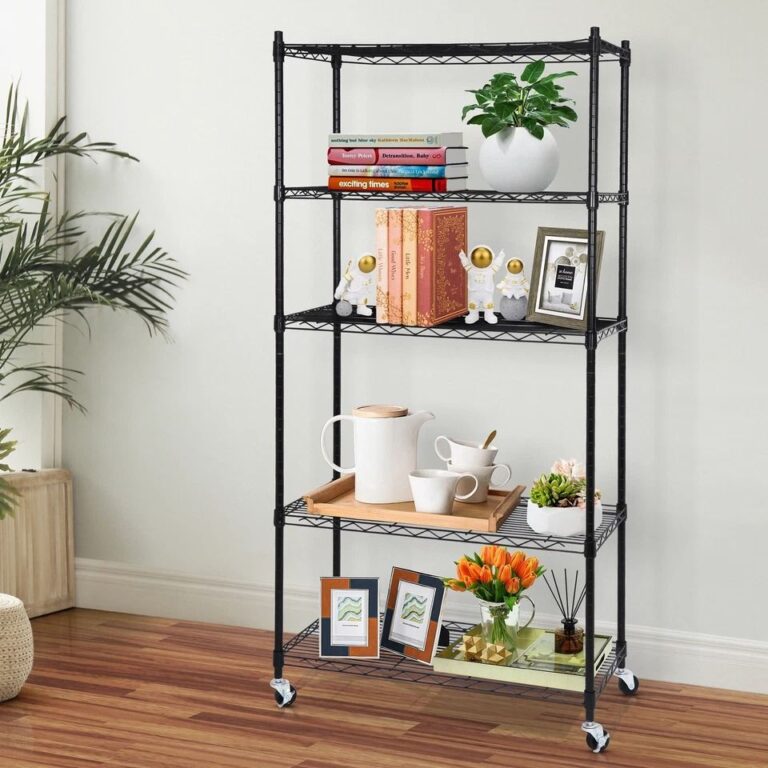
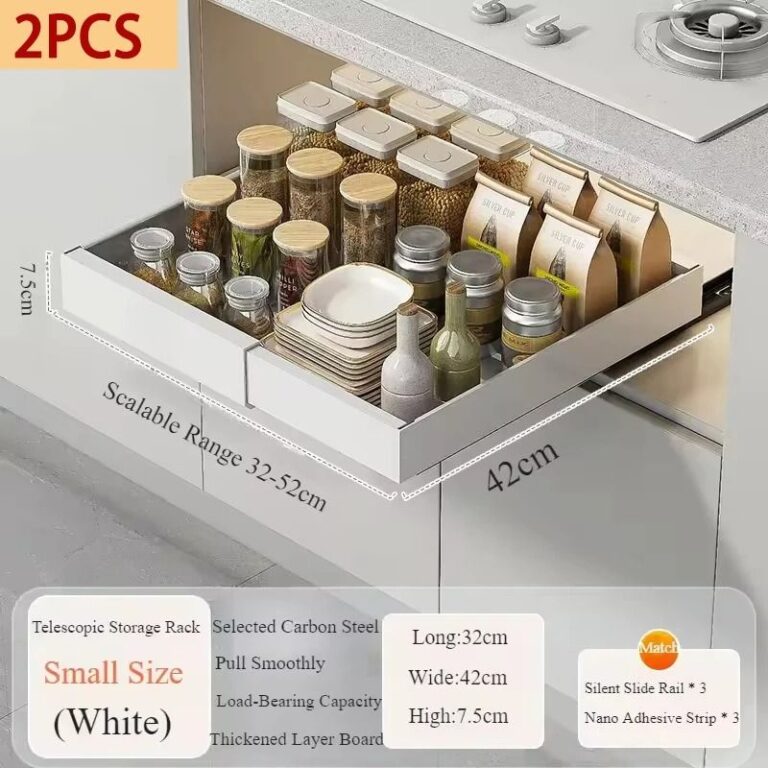 Aisha's pickKitchen Pantries That Hold Up to Everyday LifeAlso worth a lookStorage CabinetsThe hallway closet in my first apartment had exactly one shelf and a bar for coats, and every…See the collections →
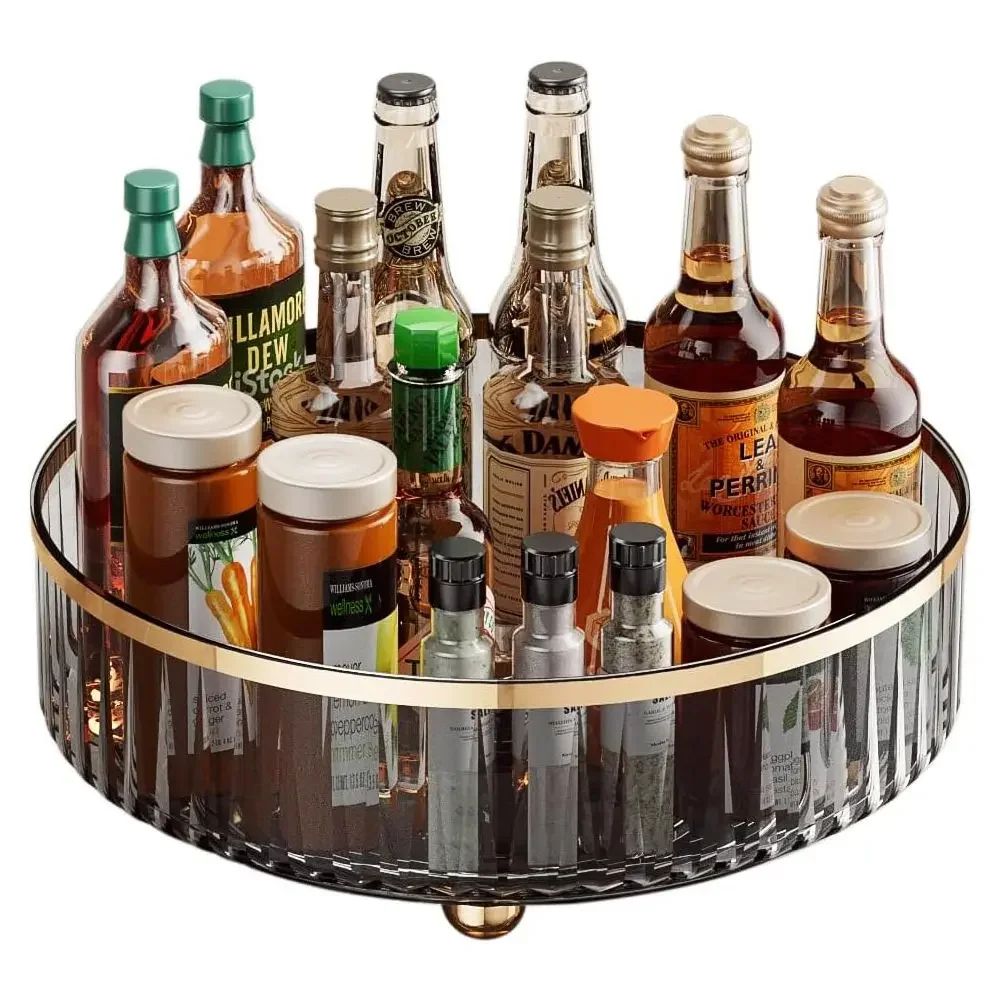
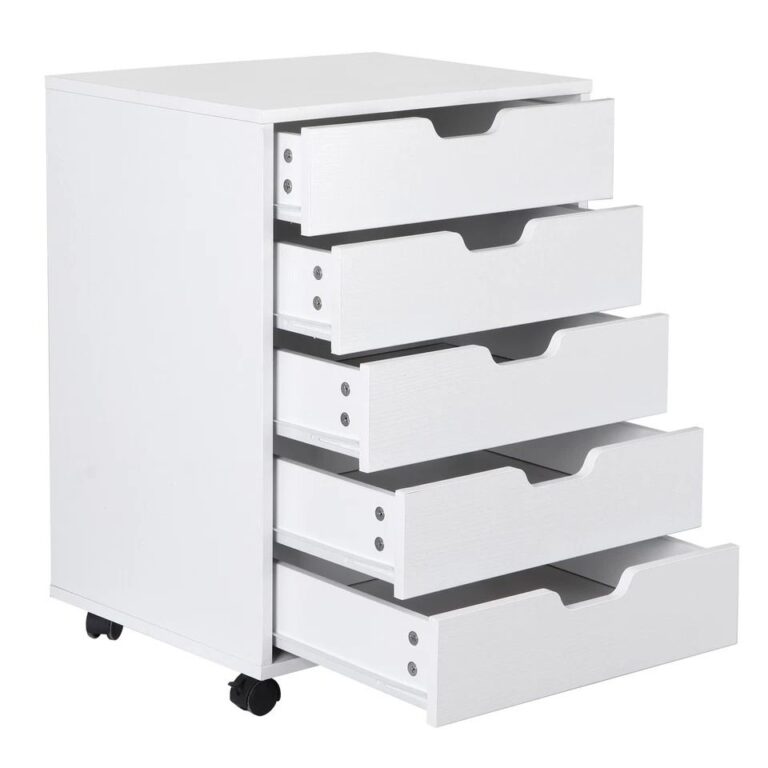 Aisha's pickKitchen Storage Units with Drawers That Squeeze Into Awkward Corners
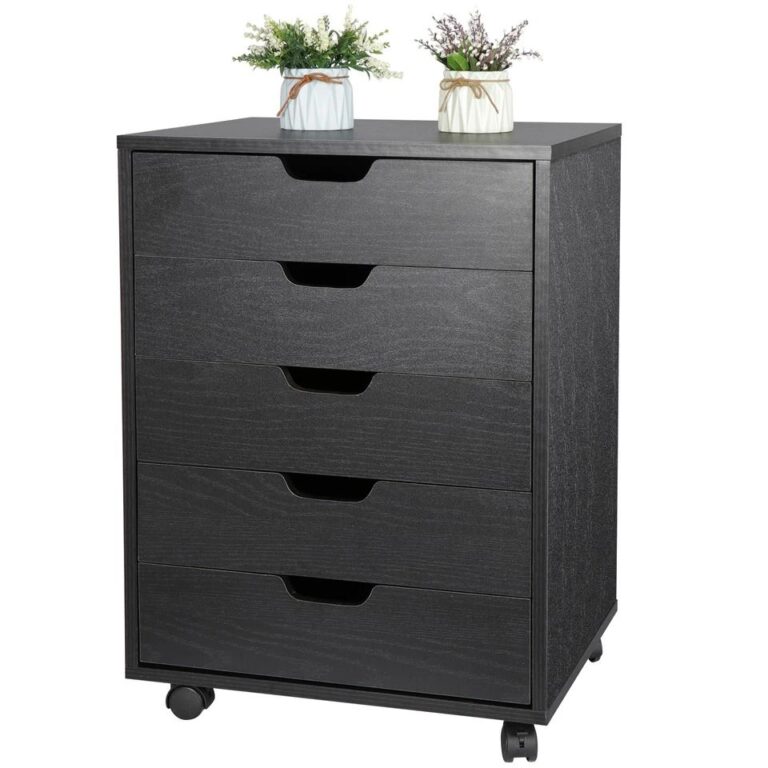
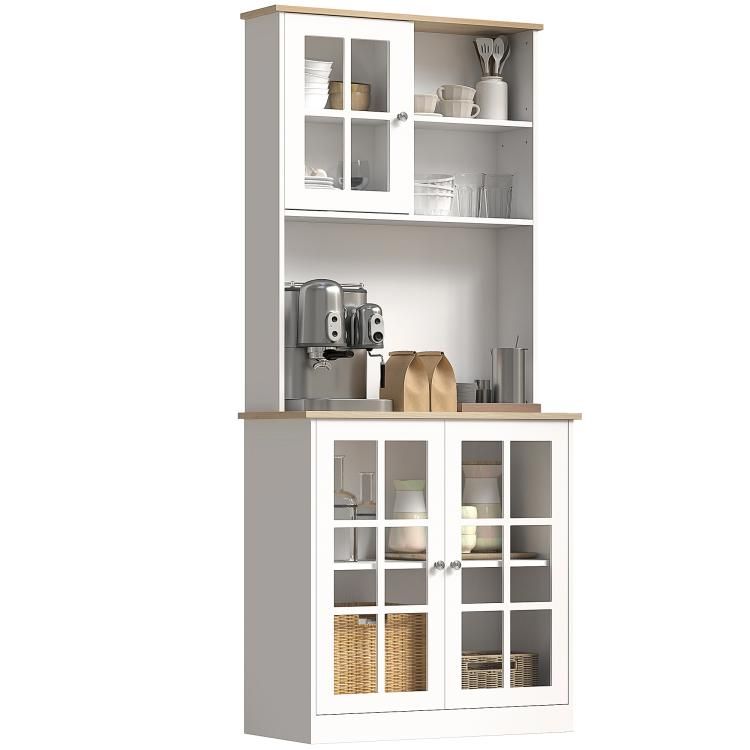 Aisha's pickGood Kitchen Pantries with Glass Doors That Don’t Cost a Fortune
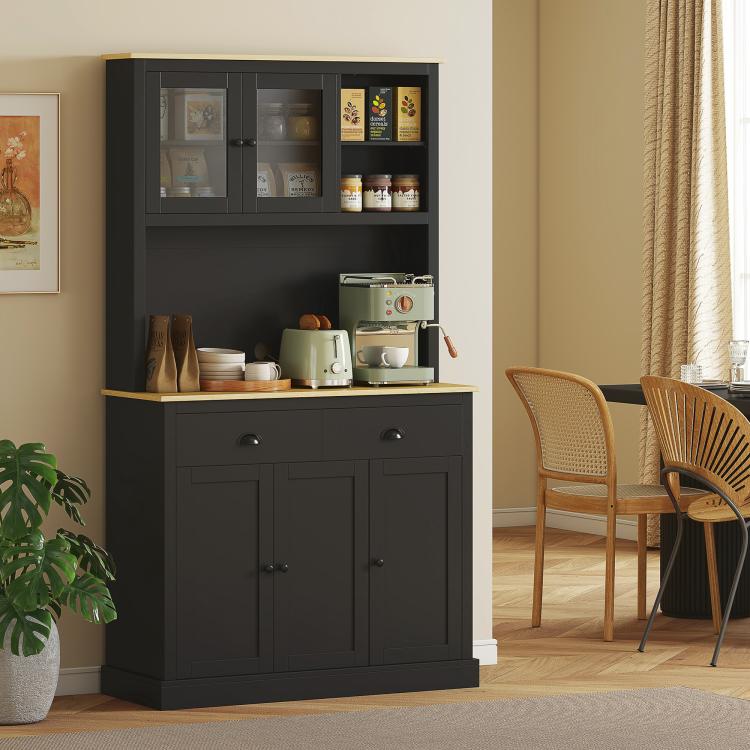
 Aisha's pickLarge Kitchen Storage Cabinets for Making a House Feel Like Yours
 Aisha's pickKitchen Units That Sort Out the Chaos
 Aisha's pickMDF Kitchen Storage Cabinets That Make Cooking a Bit Nicer
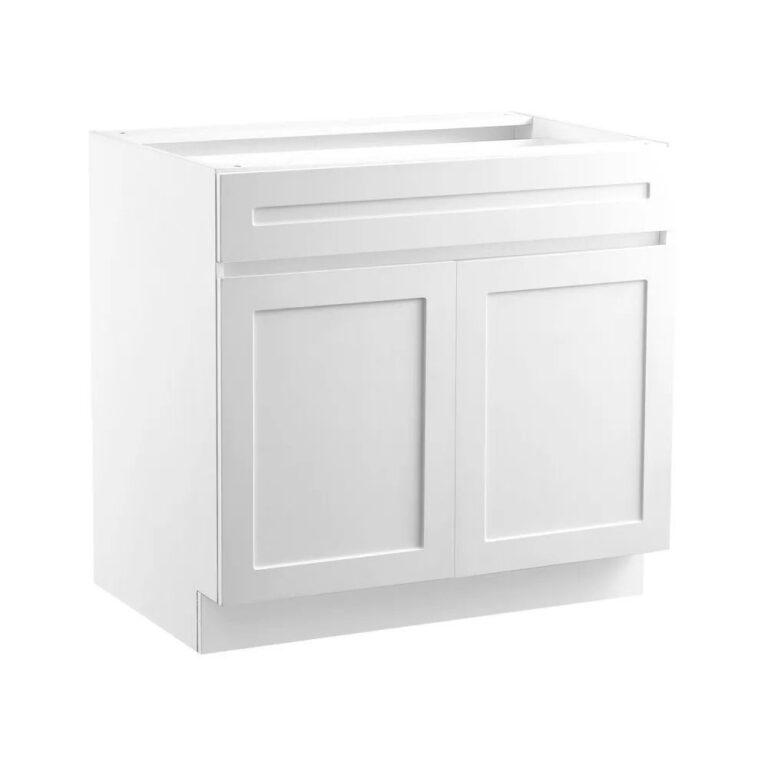
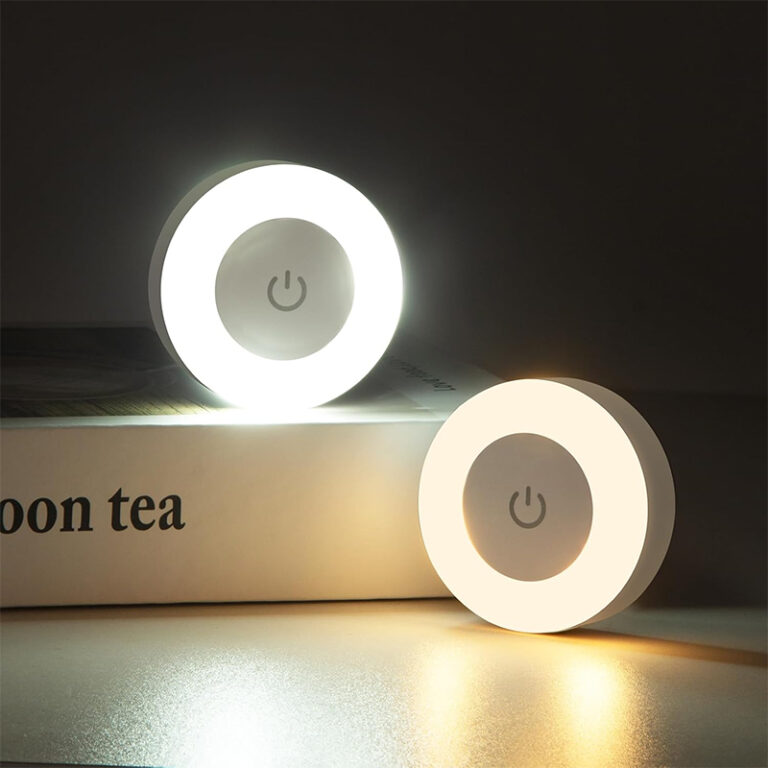 Aisha's pickCorner Kitchen Cabinets That Hide the Mess for Good

 Aisha's pickMDF Kitchen Cabinets That Cope With Steam and Splashes
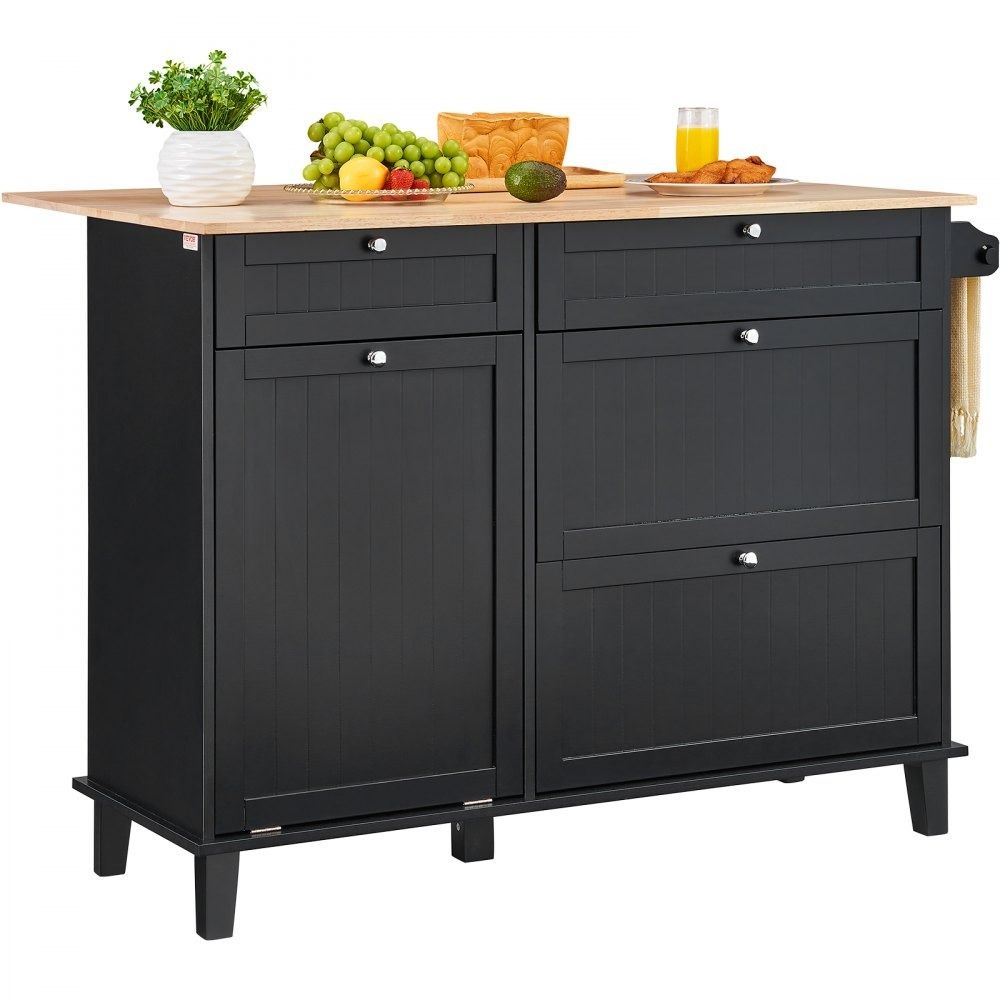
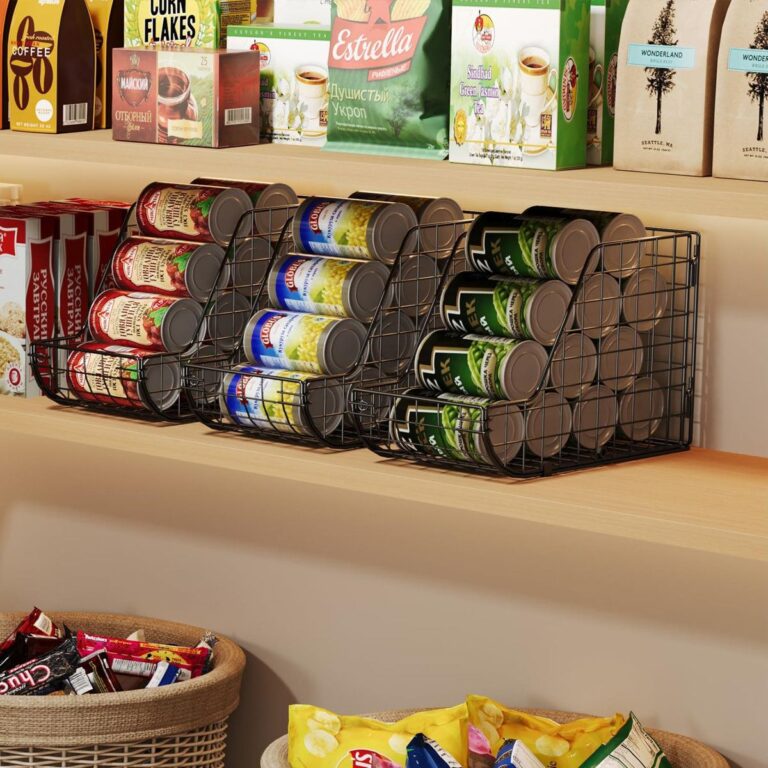 Aisha's pickModern Kitchen Storage Cabinets for Homes With Too Much Stuff
 Aisha's pickCorner Kitchen Cabinets That Cope With Steam and SplashesAlso worth a lookOffice CabinetsBefore you buy anything, measure your doorways, not just the room.See the collections →
 Aisha's pickPull Out Kitchen Cabinets That Go With Most Rooms
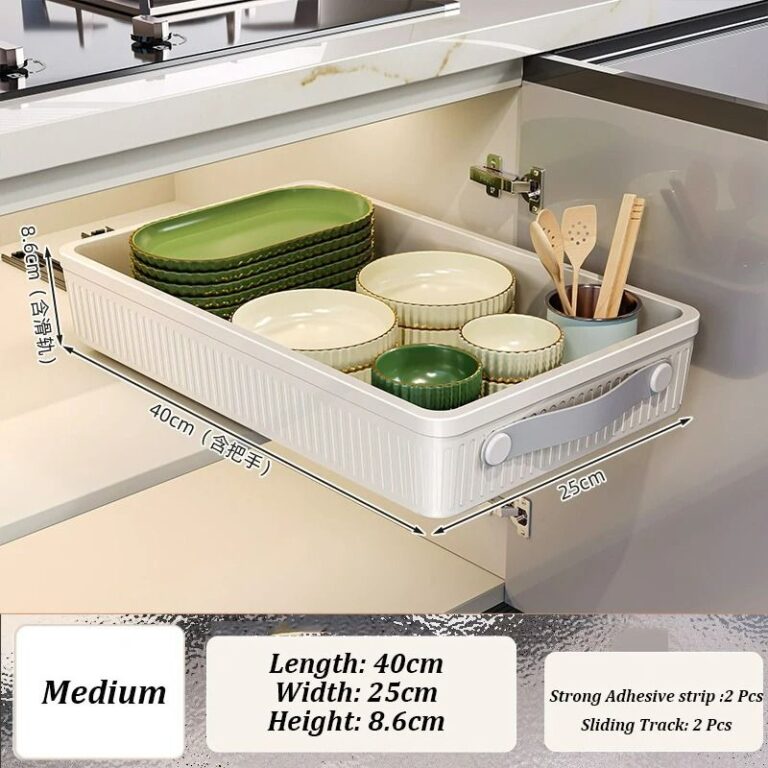
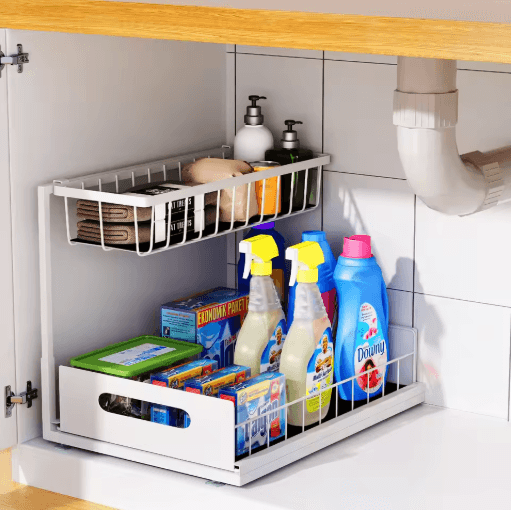 Aisha's pickPull Out Kitchen Storage Cabinets That Make a Room Feel Finished
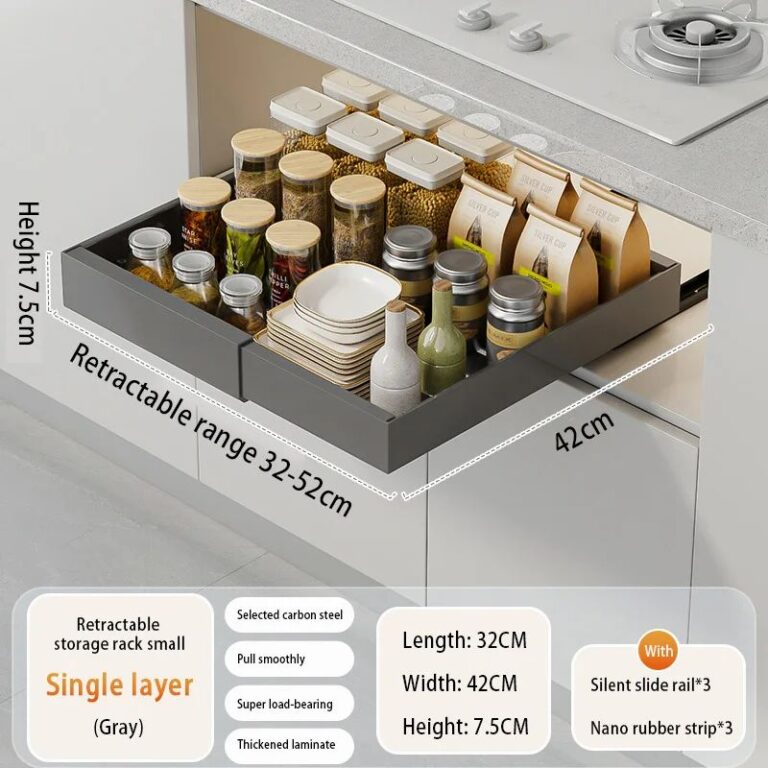
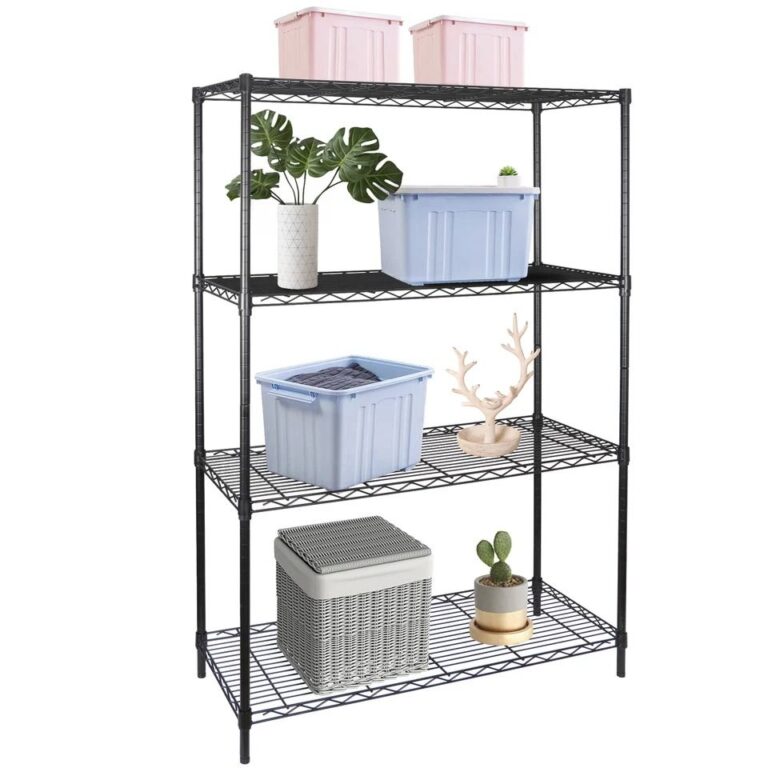 Aisha's pickCorner Kitchen Units That Look Good Even When Full
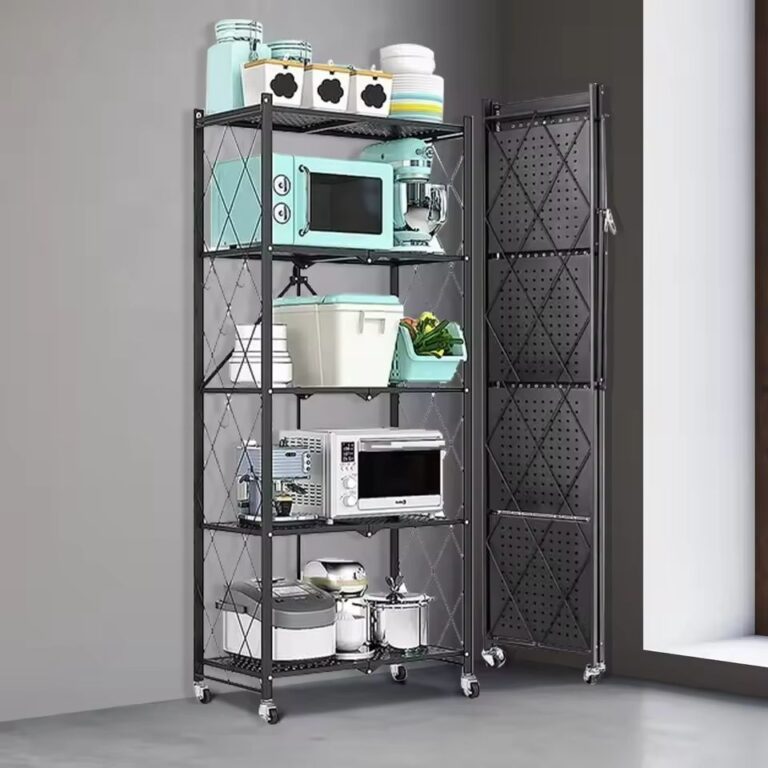
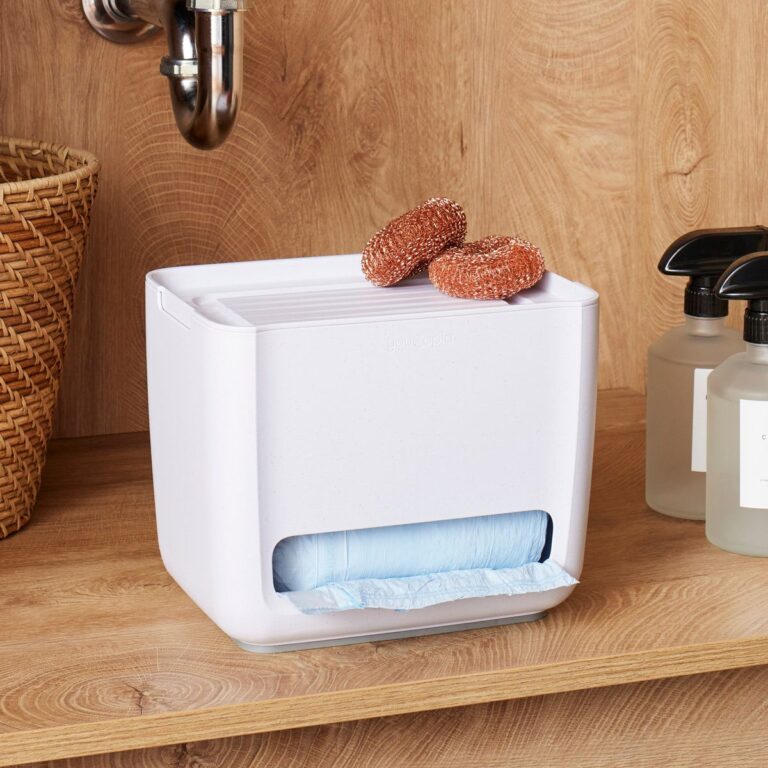 Aisha's pickPull Out Kitchen Cabinets That Cope With Steam and Splashes
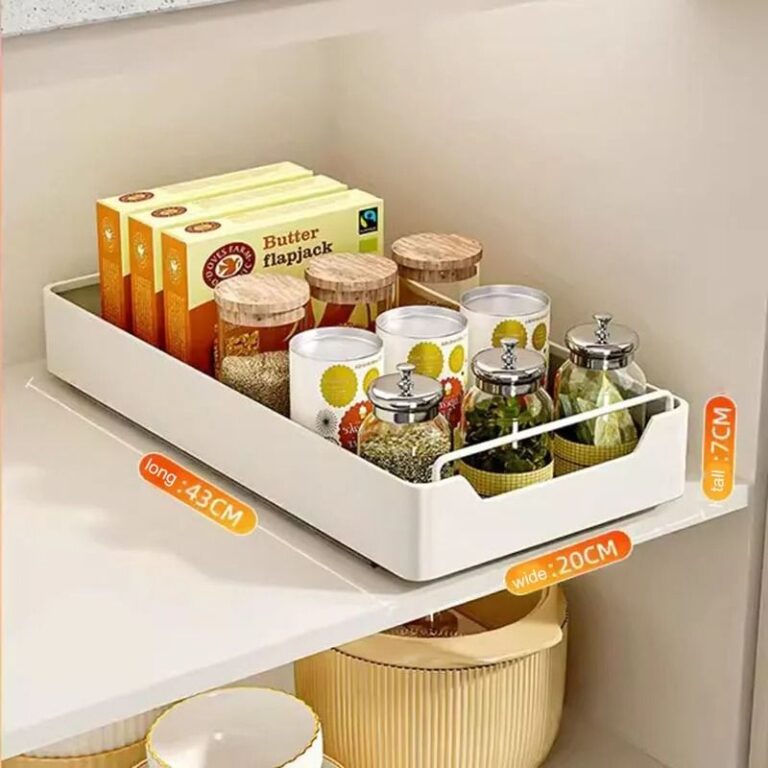
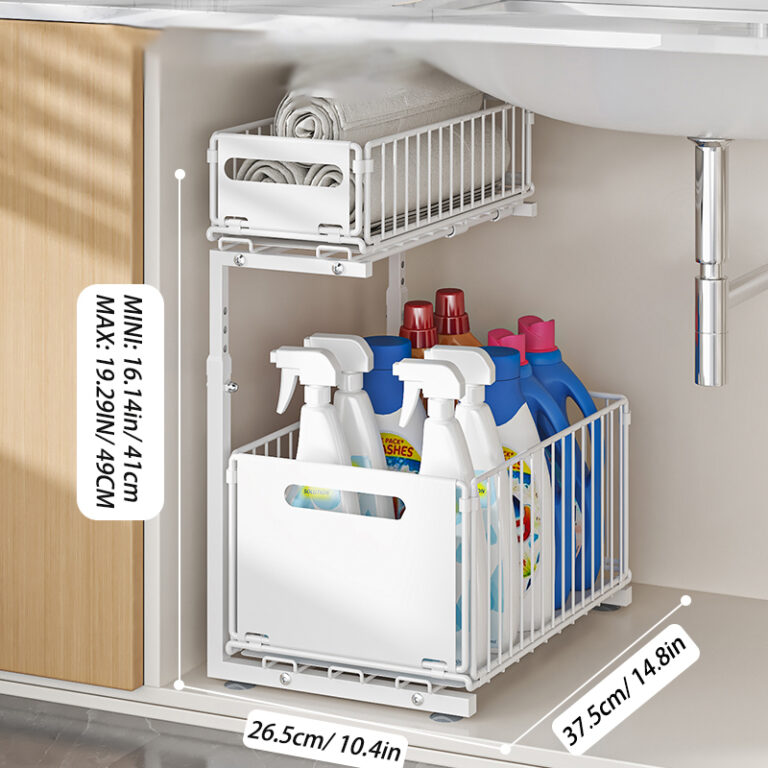 Aisha's pickSmall Kitchen Storage Cabinets That Make Rented Places Feel Like Home
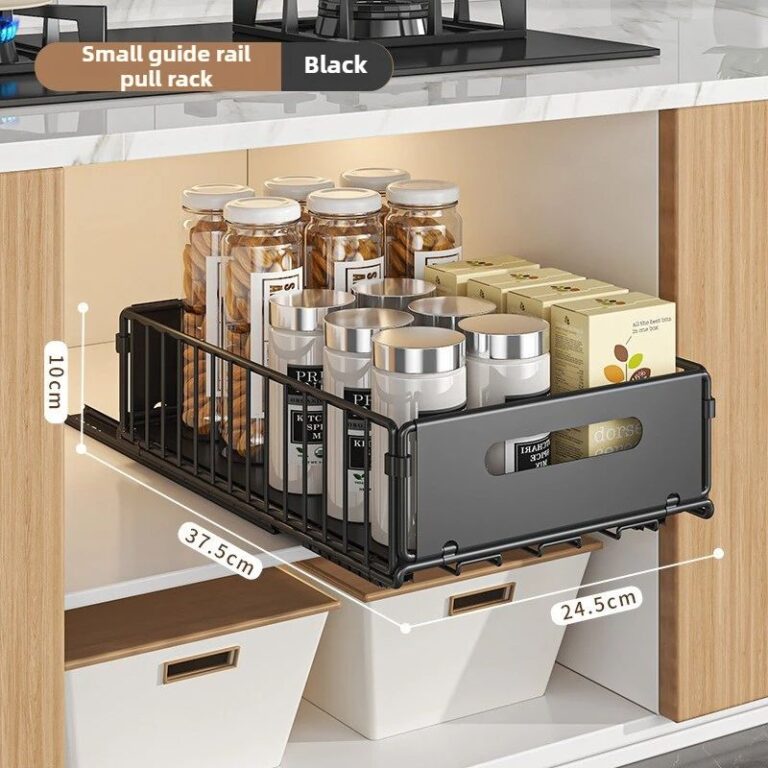
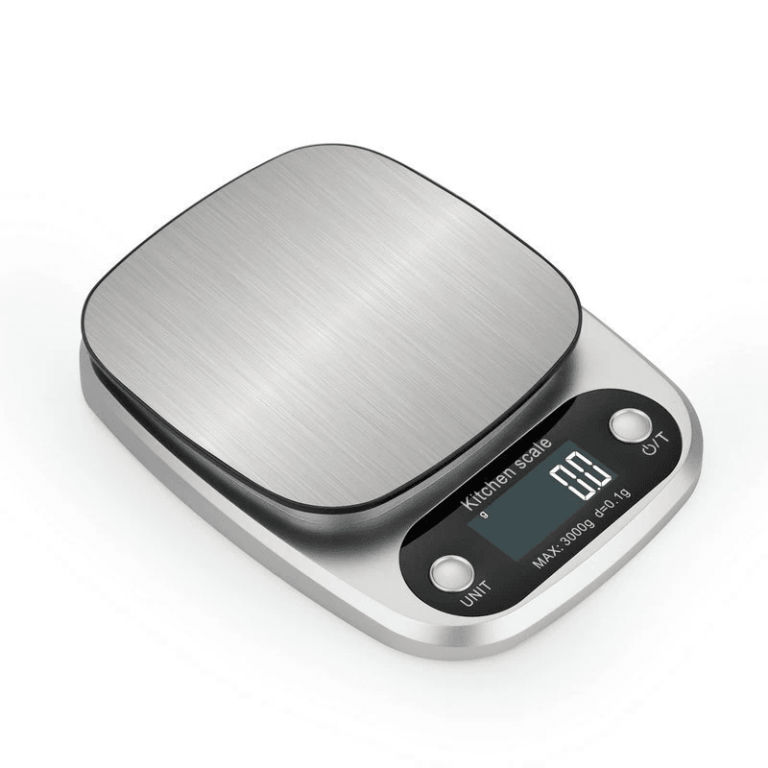 Aisha's pickCorner Kitchen Units We Wish We’d Bought Sooner
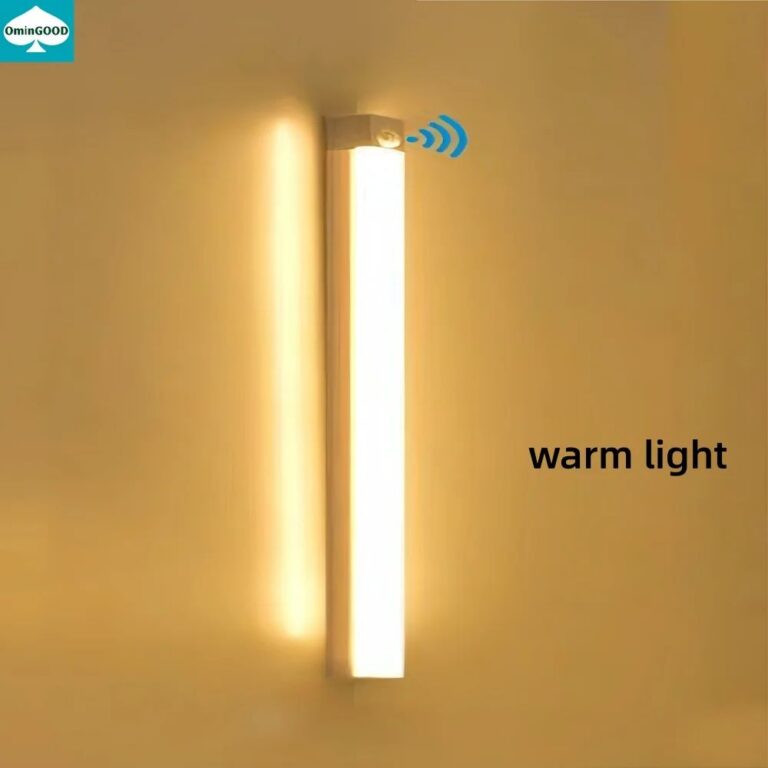 Aisha's pickSlim Kitchen Cabinets We Wish We’d Bought Sooner
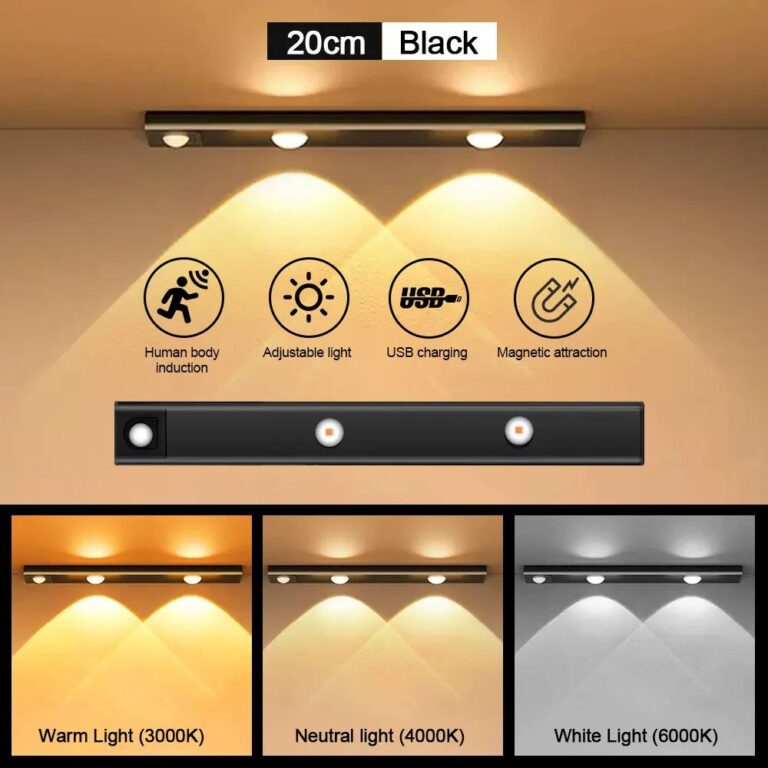
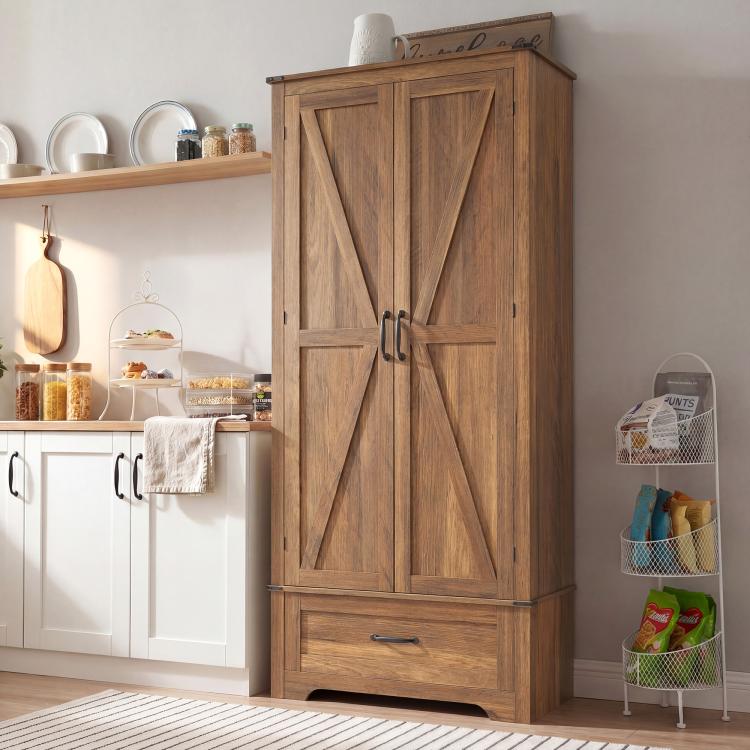 Aisha's pickTall Freestanding Kitchen Storage Cabinets That Make Small Changes Feel Big