The first time a plastic unit earned its keep for me was in a damp basement, holding paint cans and old tile samples without a single worry about moisture warping a nice material I'd actually paid for. That is the whole appeal in one sentence. It does not care what the room throws at it.
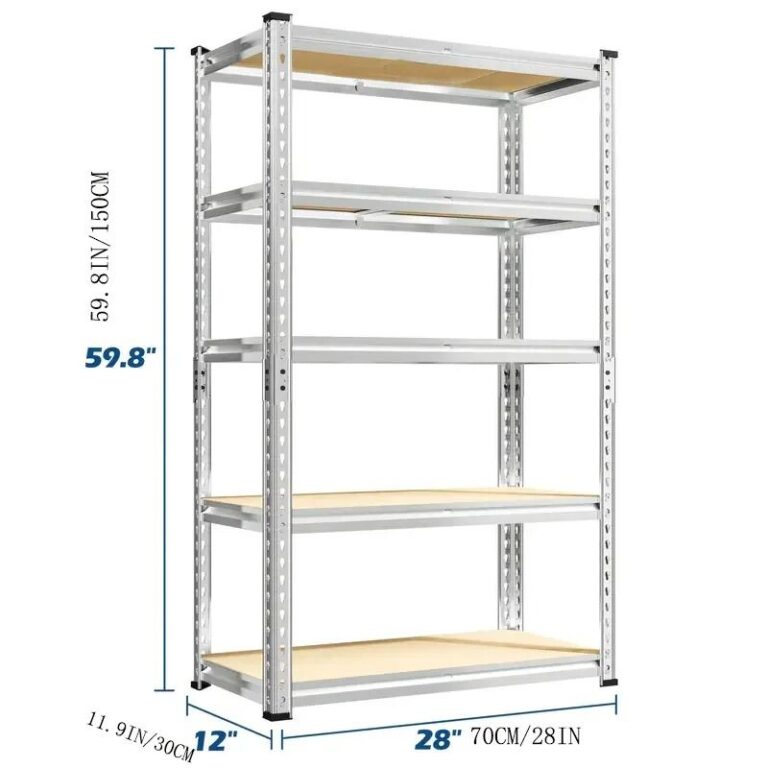
Where it falls short is anywhere you actually look at it for pleasure. Plastic units flex under weight in a way wood never does, the shelves bow if you load them with books, and most of them use a snap together construction with plastic pins instead of real fasteners, so over a few years of moving house they loosen up and start to wobble. I would not put one in a dining room or a living room where it has to carry any visual weight, and I would not expect it to hold a stack of heavy cookware or a television without some sag showing up within a year. Garages, laundry rooms, basements, a kid's playroom, a rental where you know you are moving in eighteen months, that is the right territory. Measure the space the way you would for anything else, width and height and depth, but also check the actual shelf weight rating, because the box often lists a number that assumes even weight distribution and not a stack of paint cans in one corner. The common mistake is buying something too large for a small utility space just because it was cheap for the size, and then fighting it around a doorframe for the rest of its life.
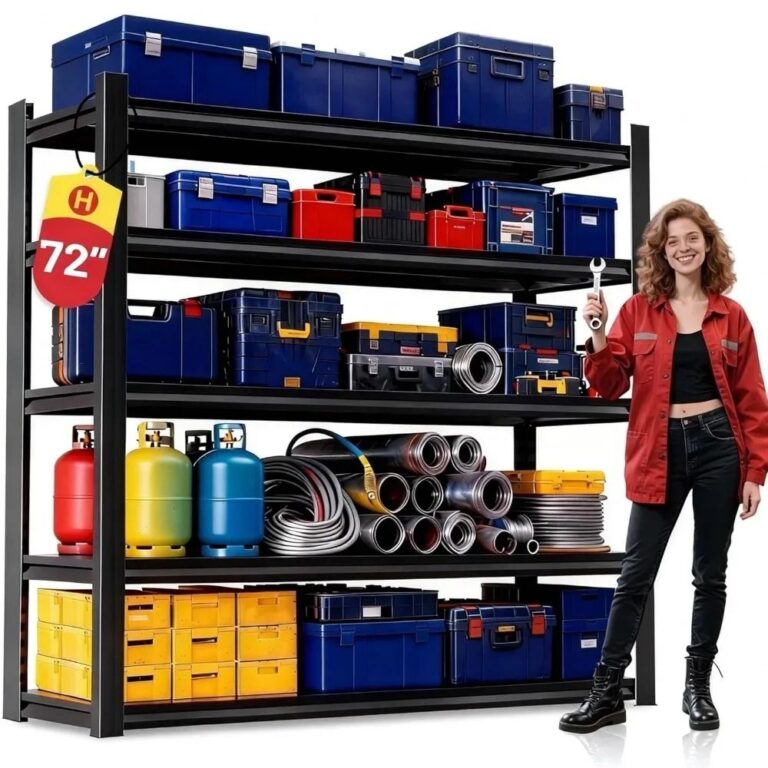
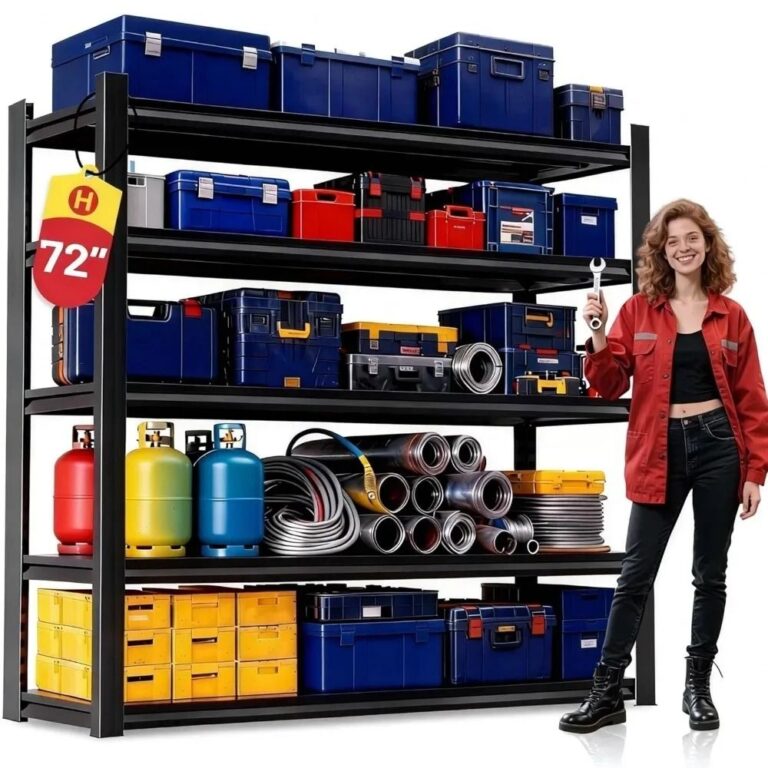
In an ordinary room, a plastic unit sits best next to other utility pieces rather than trying to blend into a living space, think a metal shelving unit, a rolling tool cart, open bins. It does not need to coordinate with your furniture because it is not furniture in that sense, it is storage that happens to live in a room you also use for other things. The difference between a decent one and a bad one comes down to the plastic itself and the hardware. Thicker walled, UV stabilized plastic will not yellow or go brittle the way a thin bargain bin version does within a year of sitting near a window, and the better ones use actual screws or bolts at the stress points instead of relying entirely on snap fit tabs. Flip one over before you buy it if you can, and look at how the shelves attach to the frame, because that joint is where every cheap unit eventually gives up first.
It keeps the mess contained without asking anything of the room around it.
 Aisha's pickPlastic Storage Cabinets with Doors We’d Buy Again
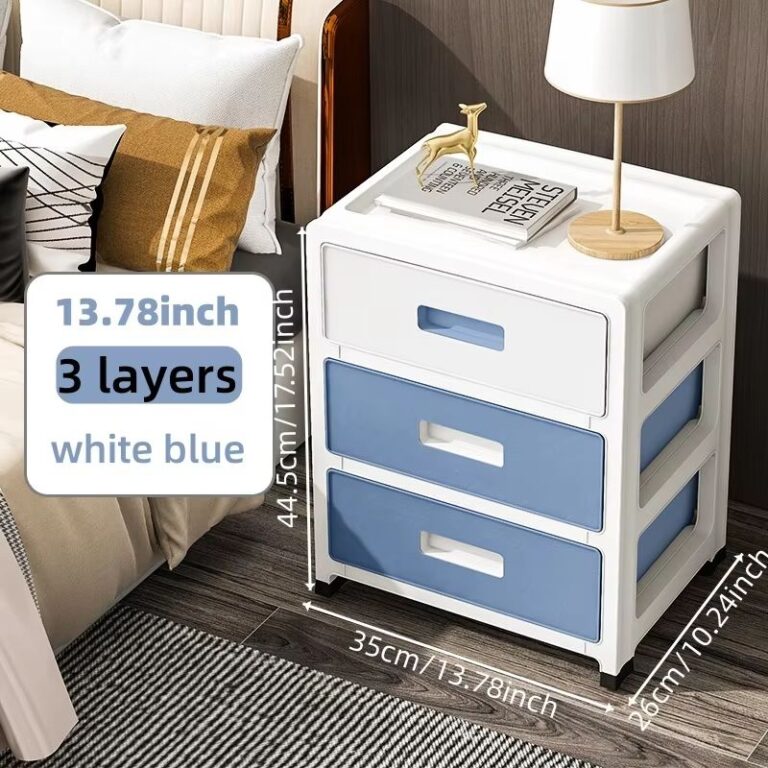 Aisha's pickPlastic Storage Cabinets with Drawers We Keep Coming Back To
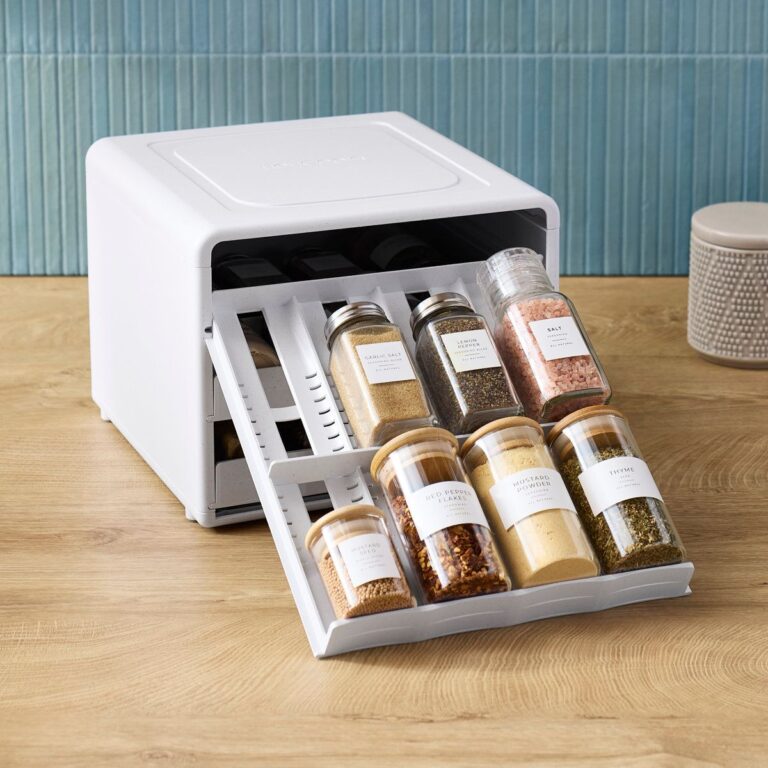
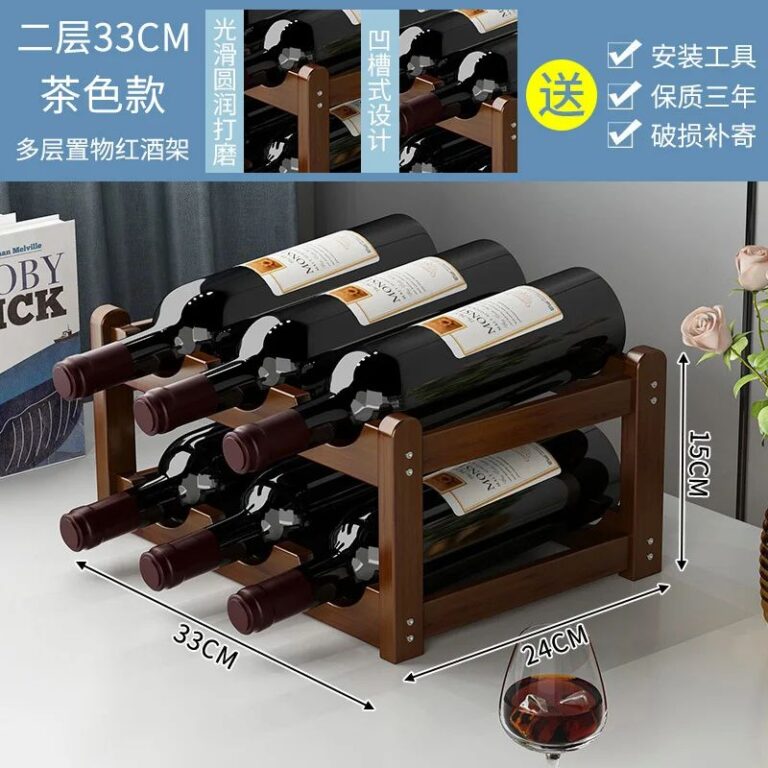 Aisha's pickPlastic Storage Cabinets with Shelves From Stores Big and Small
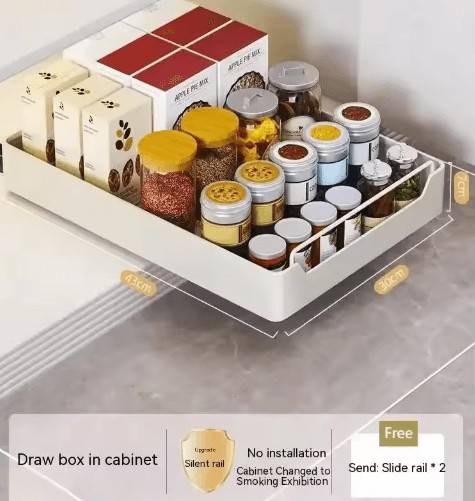
 Aisha's pickPlastic Storage Cupboards With Room for More Than You’d Think
 Aisha's pickPlastic Storage Units for Homes With Too Much Stuff
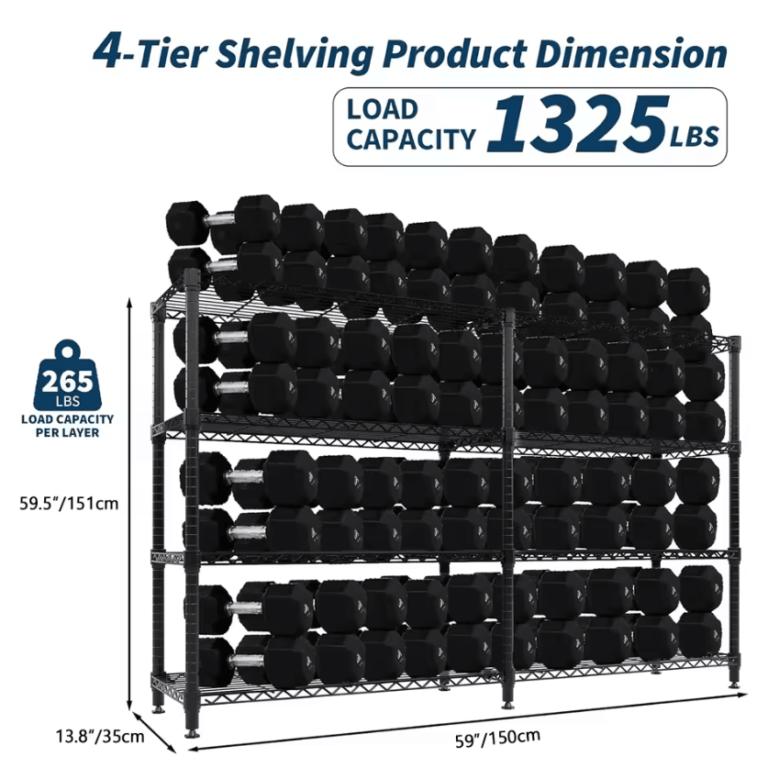 Aisha's pickPlastic Storage Units with Shelves That Keep Surfaces Clear
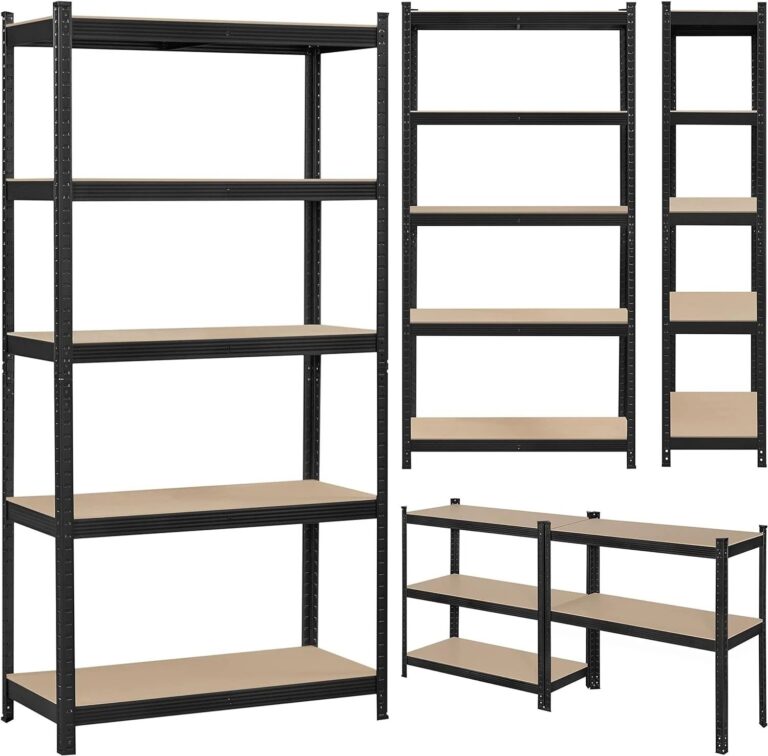
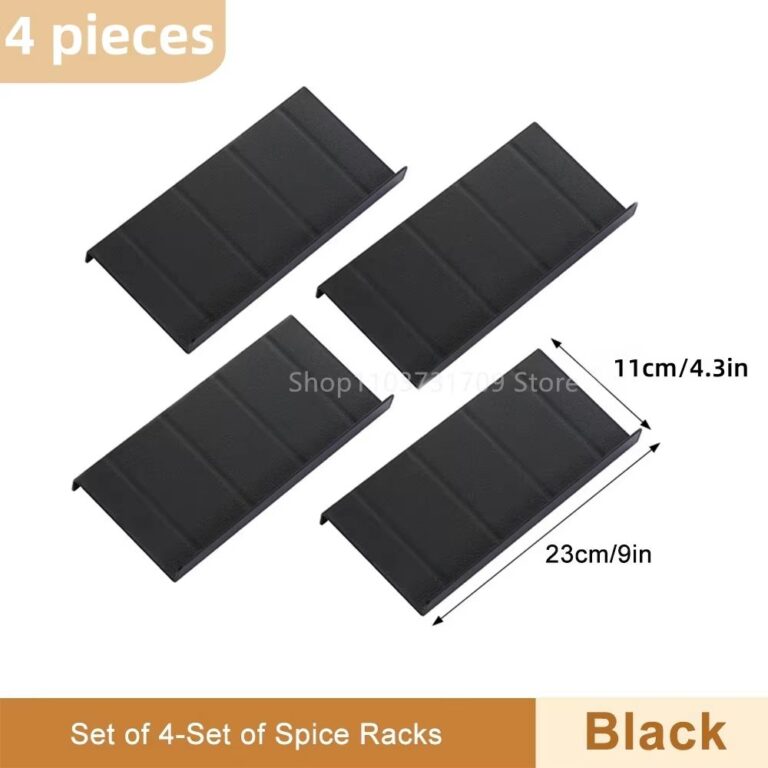 Aisha's pickPlastic Tool Cabinets That Squeeze Into Awkward Corners
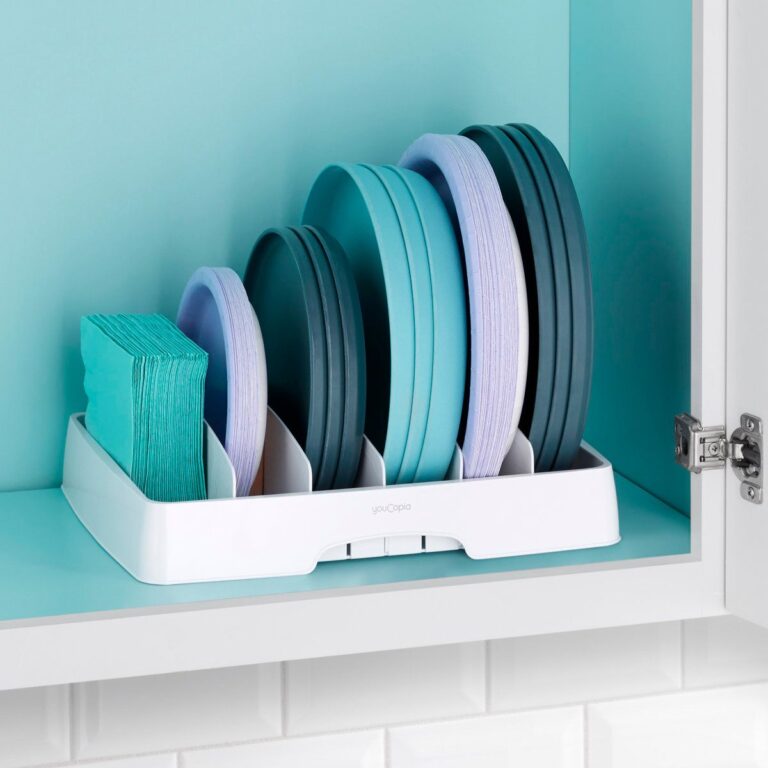
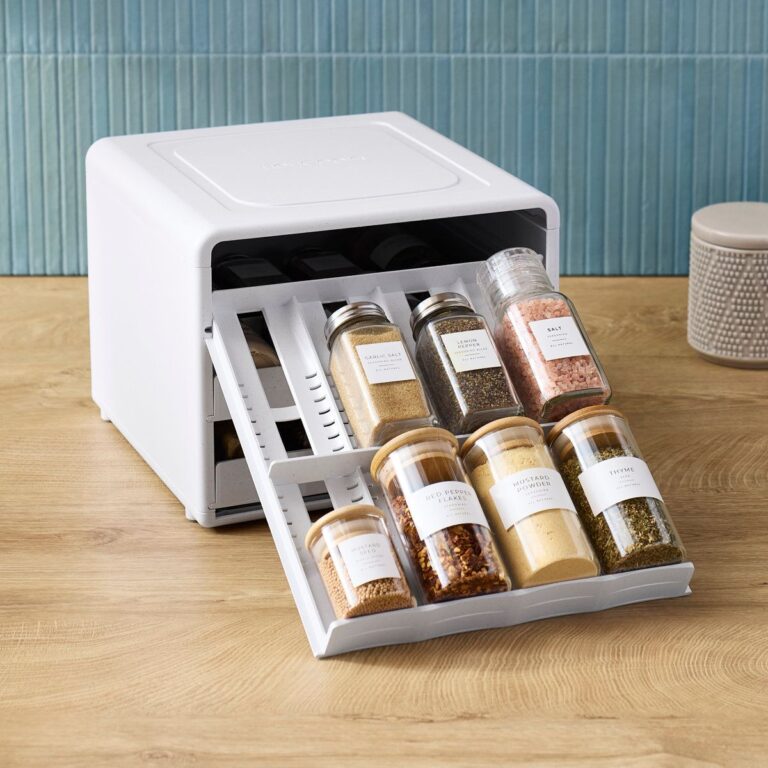 Aisha's pickSmall Plastic Storage Cabinets You’ll Keep for Years
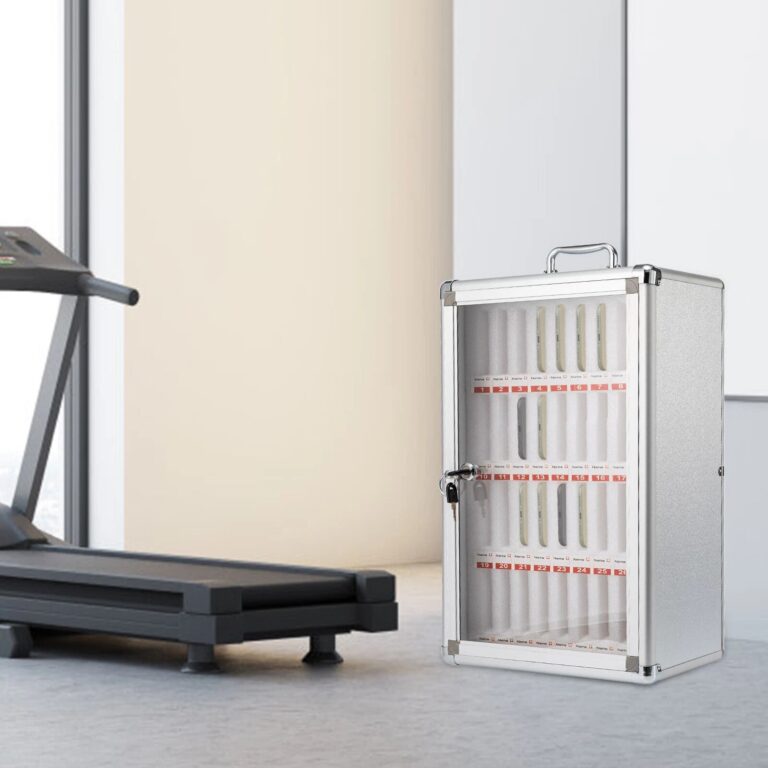
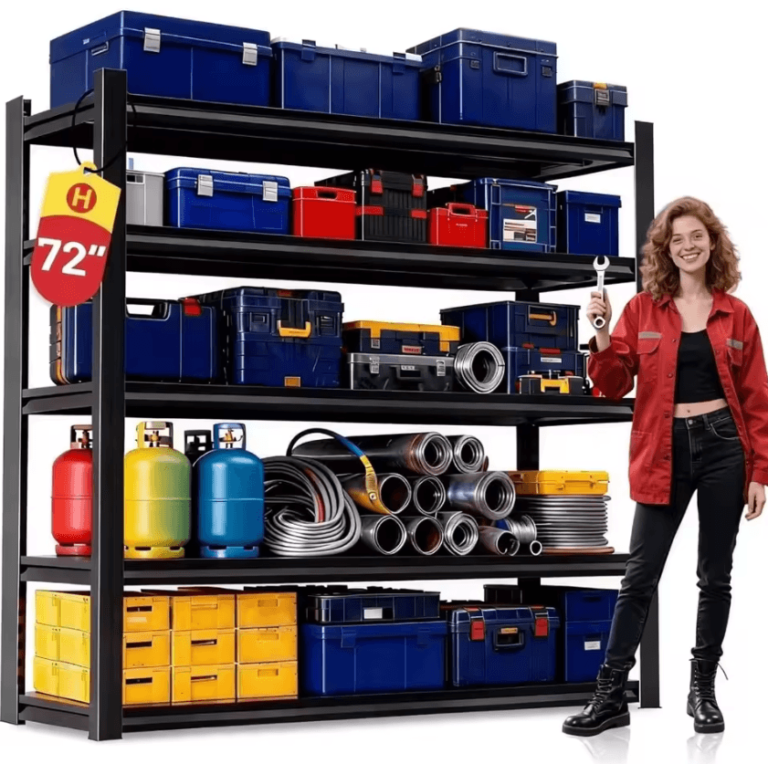 Aisha's pickSmall Plastic Storage Units With Some CharacterAlso worth a lookStorage CabinetsThe hallway closet in my first apartment had exactly one shelf and a bar for coats, and every…See the collections →
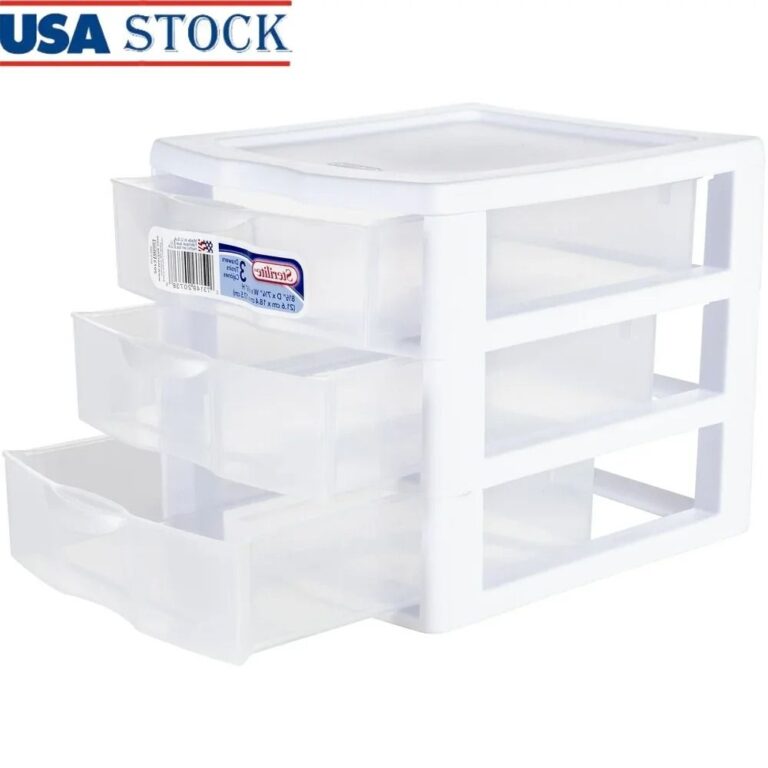
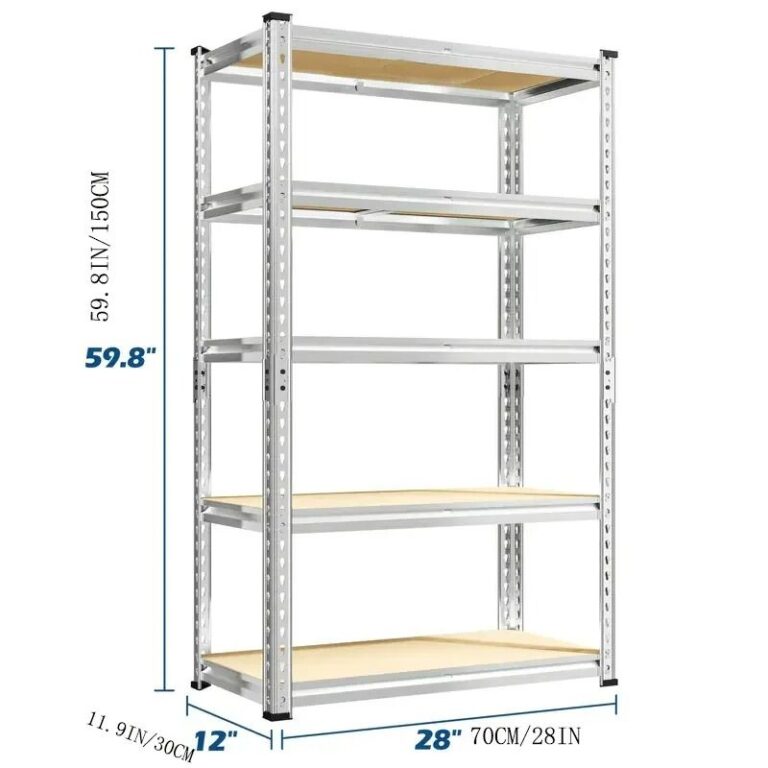 Aisha's pickExtra Large Plastic Storage Units That Look Good Even When Full
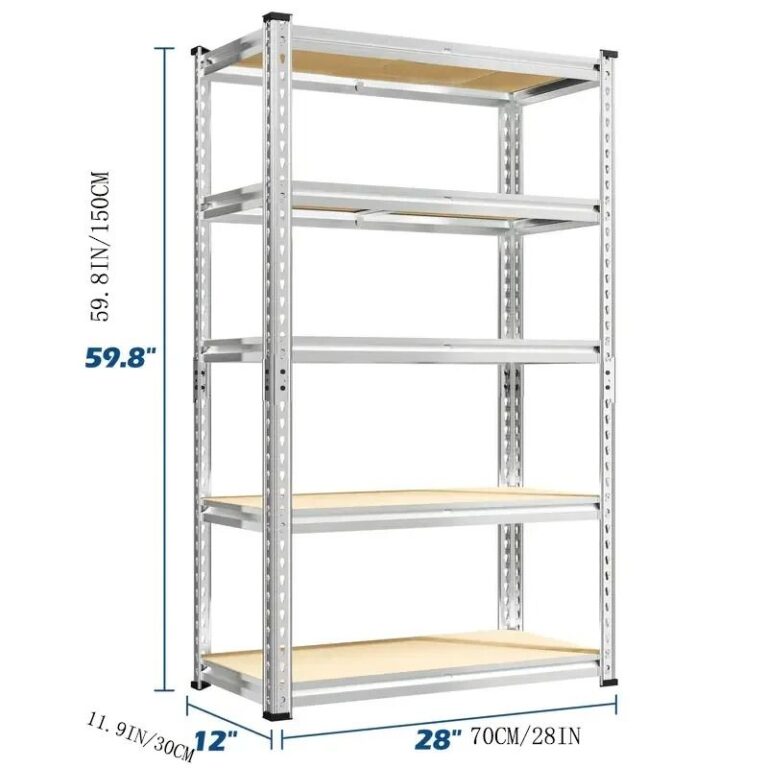
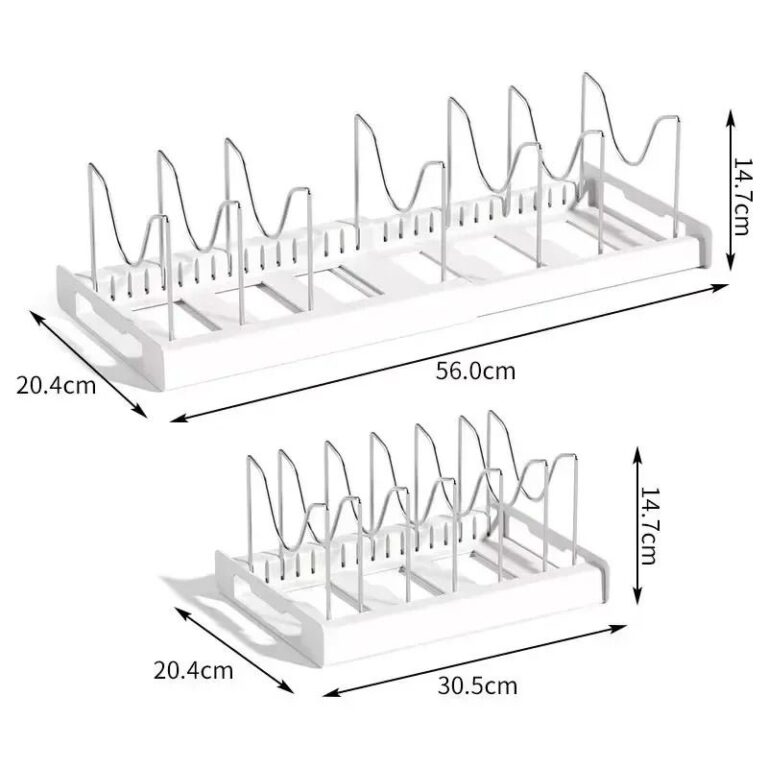 Aisha's pickLarge Plastic Storage Cabinets for Homes With Too Much Stuff
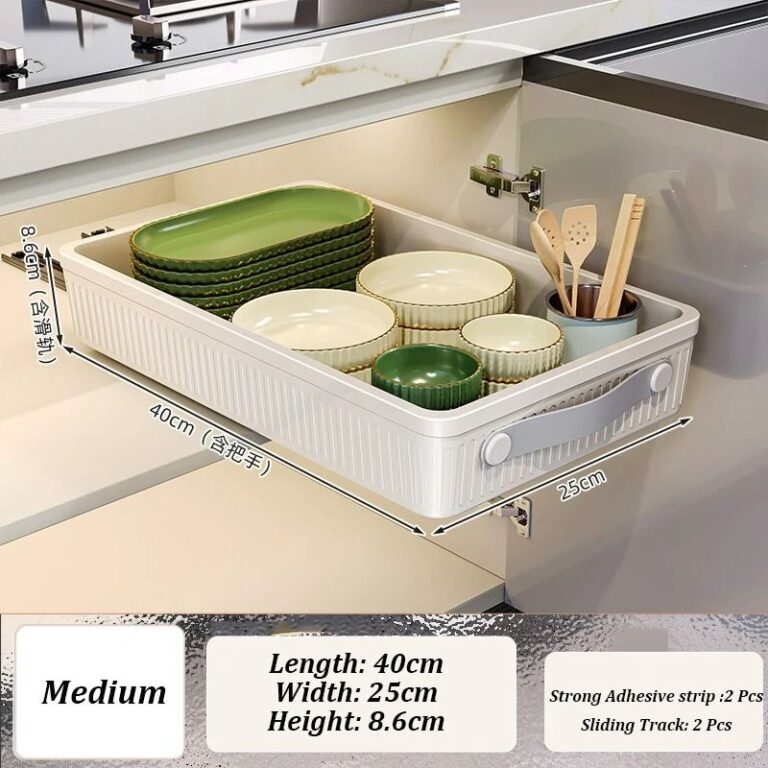
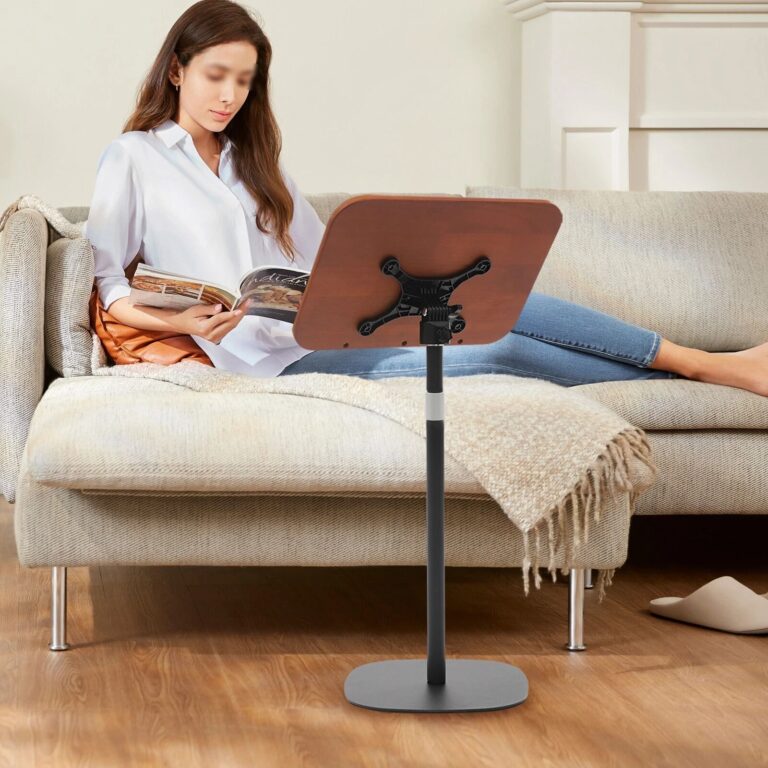 Aisha's pickPlastic Book Displays That Make Tidying Up Quicker
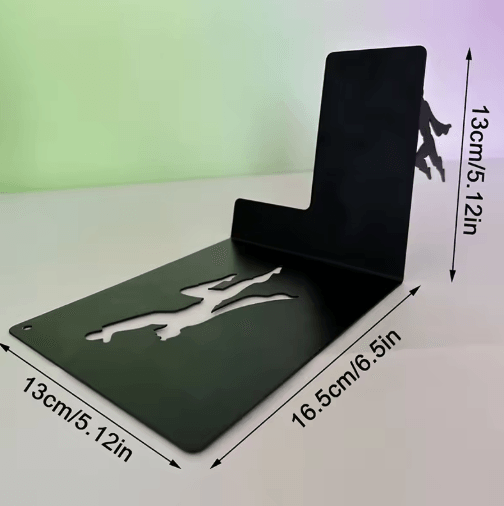
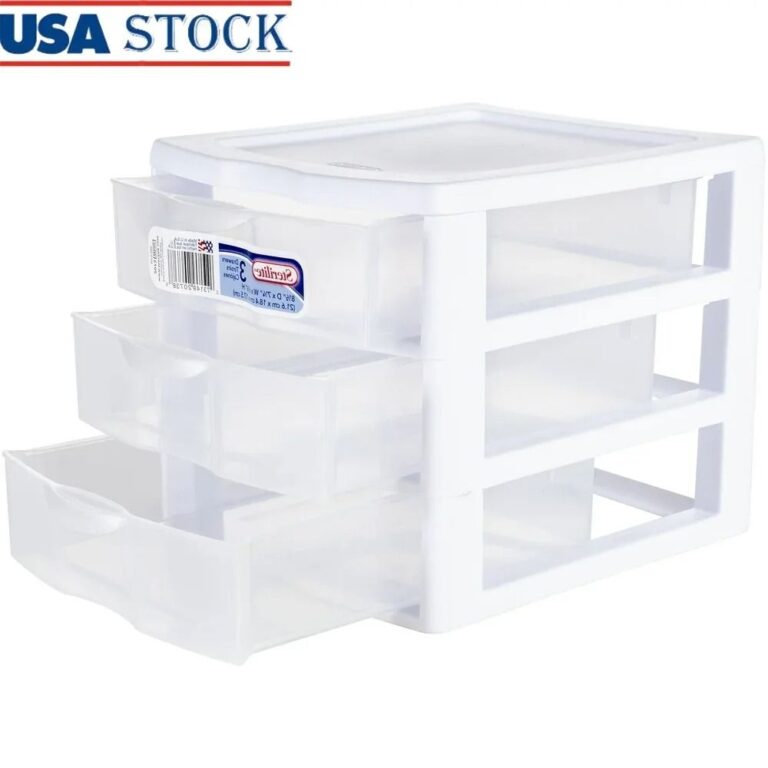 Aisha's pickPlastic Drawer Units That Squeeze Into Awkward Corners
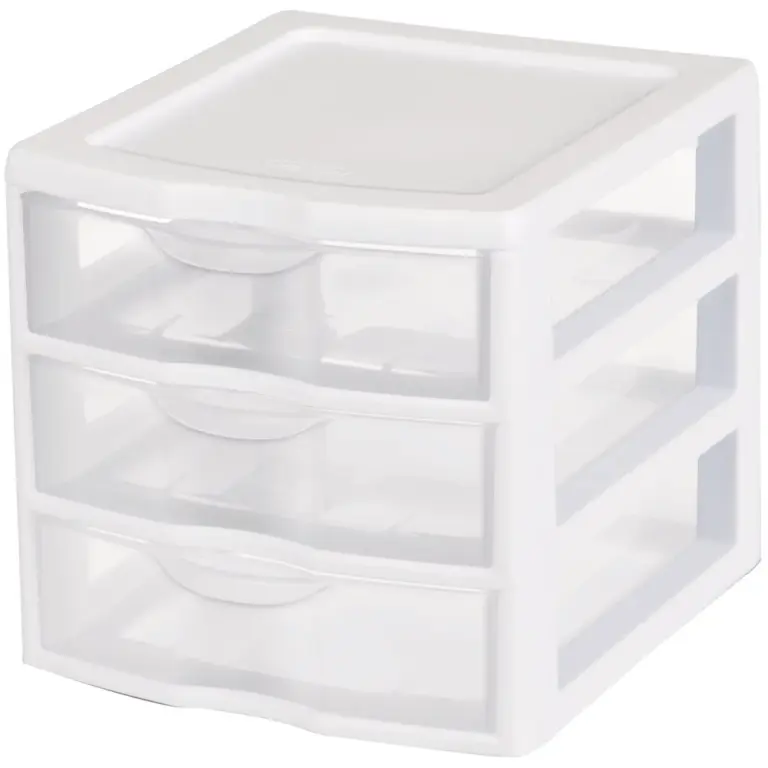
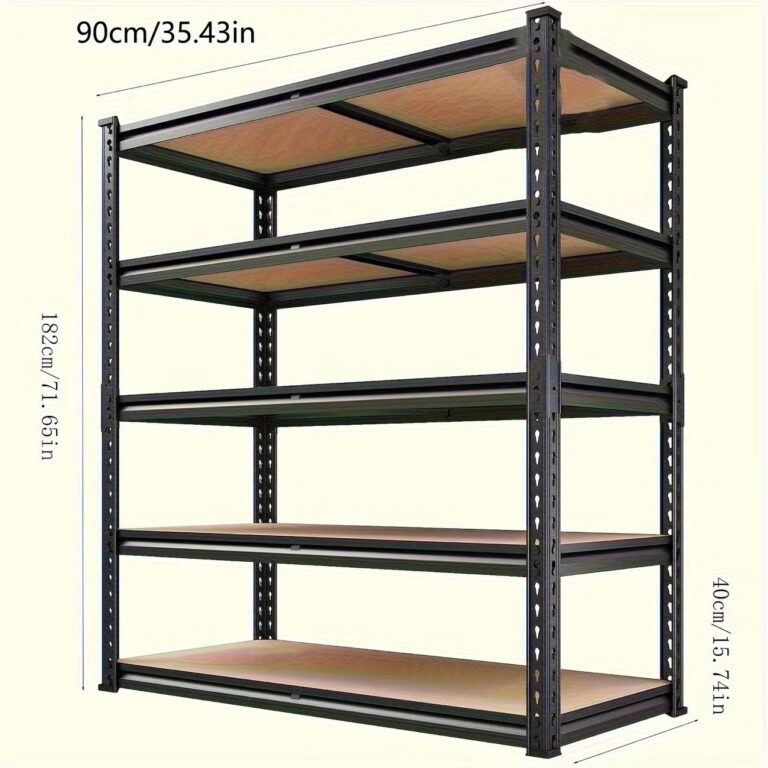 Aisha's pickPlastic Shelving Units That Don’t Look Mass Produced