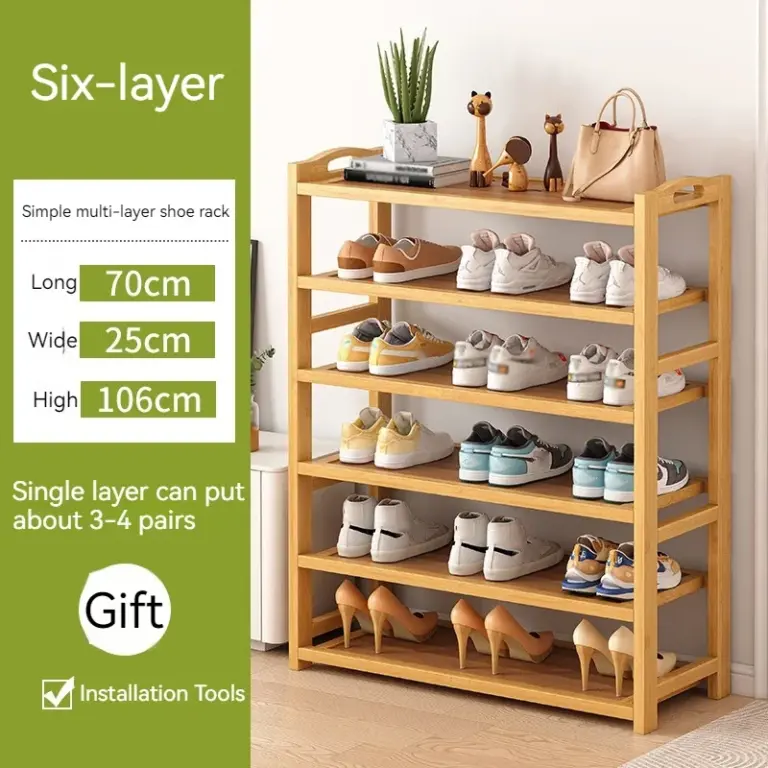
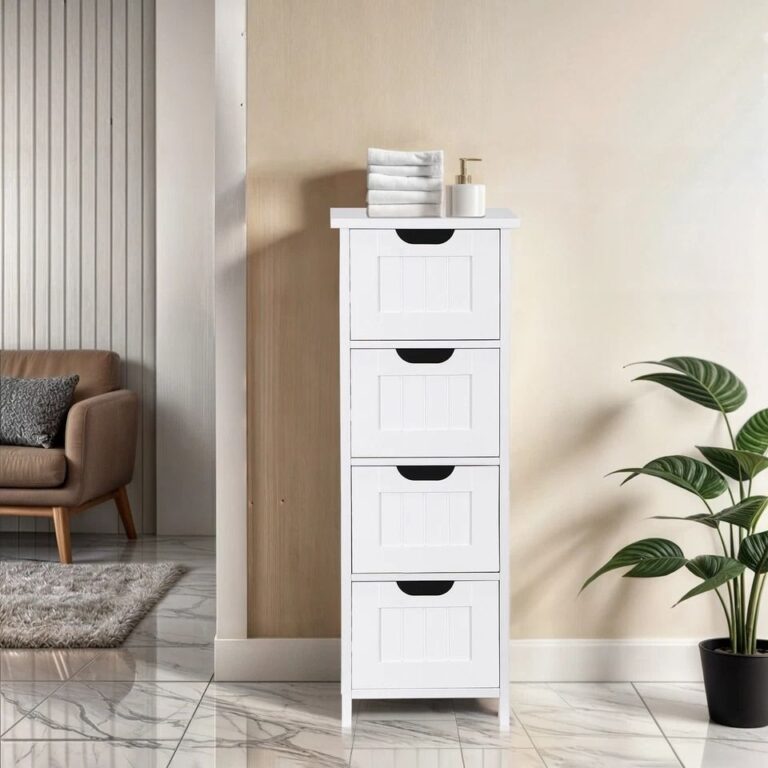
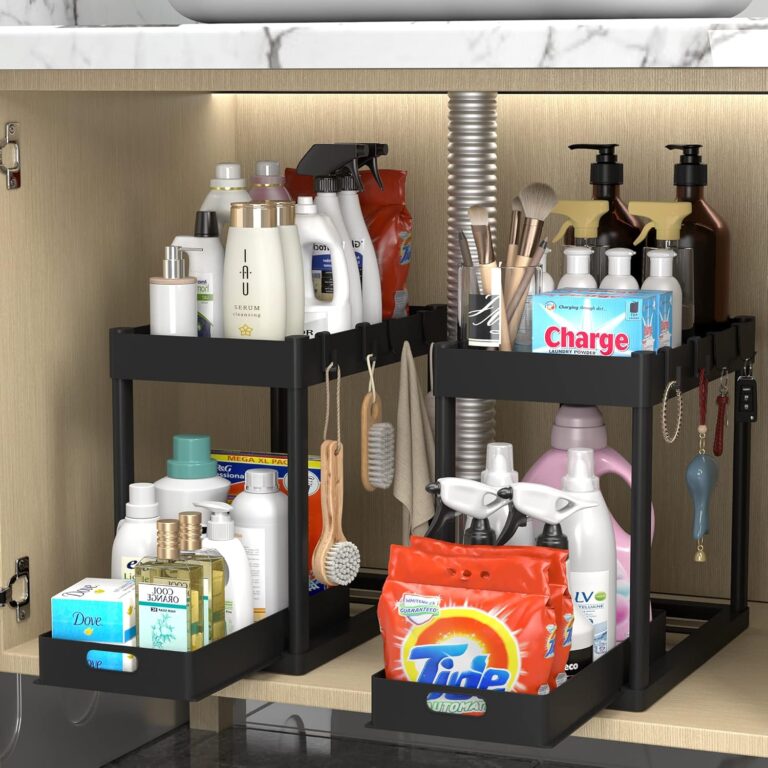
There's a point most evenings when I need somewhere to put a laptop, a stack of mail and a remote control that nobody can find, and a modern cabinet with a flat door and a clean handle solves that problem without turning into a junk drawer for the whole house. I like that it closes. That's really the whole pitch. Everything goes in, the door shuts, the room looks like adults live there again.
This style suits rooms that already have a lot going on visually, a living room with a patterned rug, a hallway with coats and shoes, a bedroom that doubles as an office. The flat fronts and plain hardware calm all that down instead of adding to it. It works in older houses just as well as new builds, it's not a style that needs white walls and concrete floors to make sense. Where it struggles is in a room that's already spare and minimal, where another flat surface just reads as empty. When you're looking at one in a shop or checking it on delivery, open every door and drawer and feel for resistance. Runners should glide, not scrape or need a shove. Check the back panel, not just the front, some are a thin sheet stapled on, which tells you everything about how the rest of the piece was put together. Press on a shelf to see if it flexes. Run a hand along the edge of the top, a cheap laminate edge will feel slightly sharp or uneven where a proper one is smooth.
Measuring matters more with these than with most furniture because the flat, simple look makes any size mistake obvious, there's no detail to hide behind. Measure the actual wall space, then take off a few inches on each side so the piece doesn't look jammed in. Measure the depth too, especially in a hallway, nobody wants to sidestep a cabinet every morning. Check door swing against anything nearby, a drawer that only opens halfway before it hits an armchair is a mistake you'll notice every single day. The usual error is buying by eye from a photo and ending up with something a foot too long or a few inches too shallow for what you actually needed it to hold.
Over time these wear exactly how they're built. Solid wood ones pick up small marks and mellow in color, and you can sand and refinish them when they do. Veneer and laminate pieces hold up fine if you keep them out of direct sun and wipe spills before they sit, but scratches on those are final, there's no sanding your way out of a photograph of wood. A soft cloth and a dry wipe down is really all either one needs.
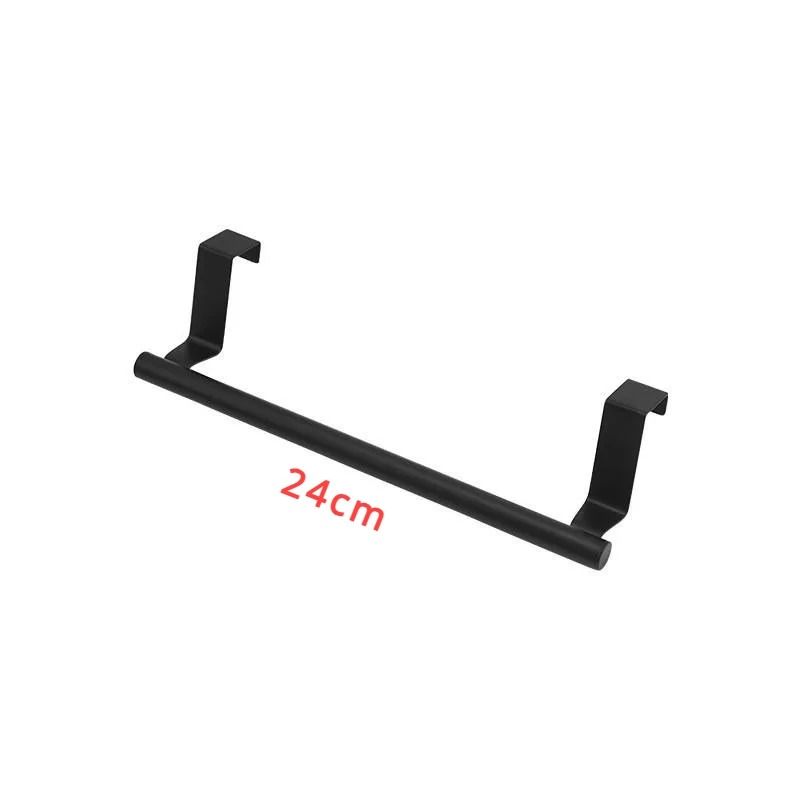 Aisha's pickModern Bathroom Cabinets That Are Easy to Keep Clean
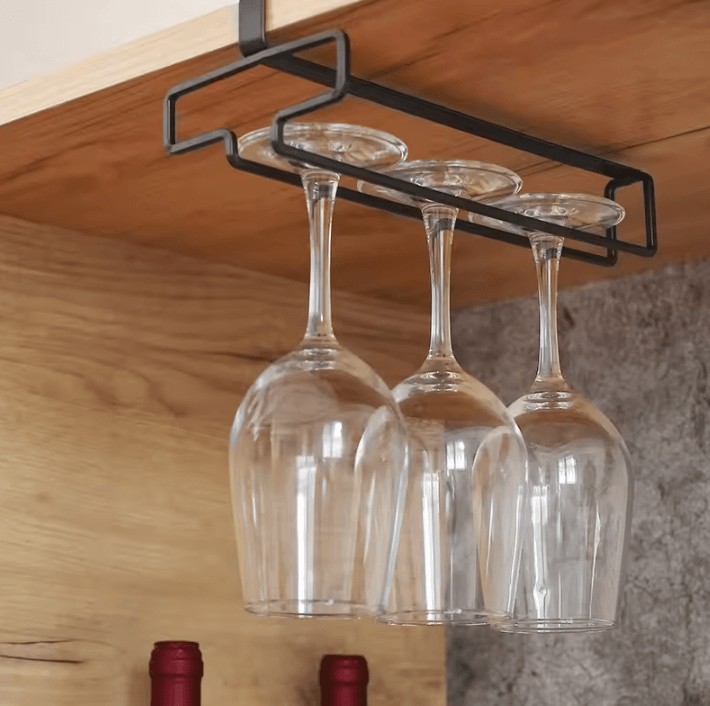 Aisha's pickModern Wine Cabinets That Sort Out the Chaos
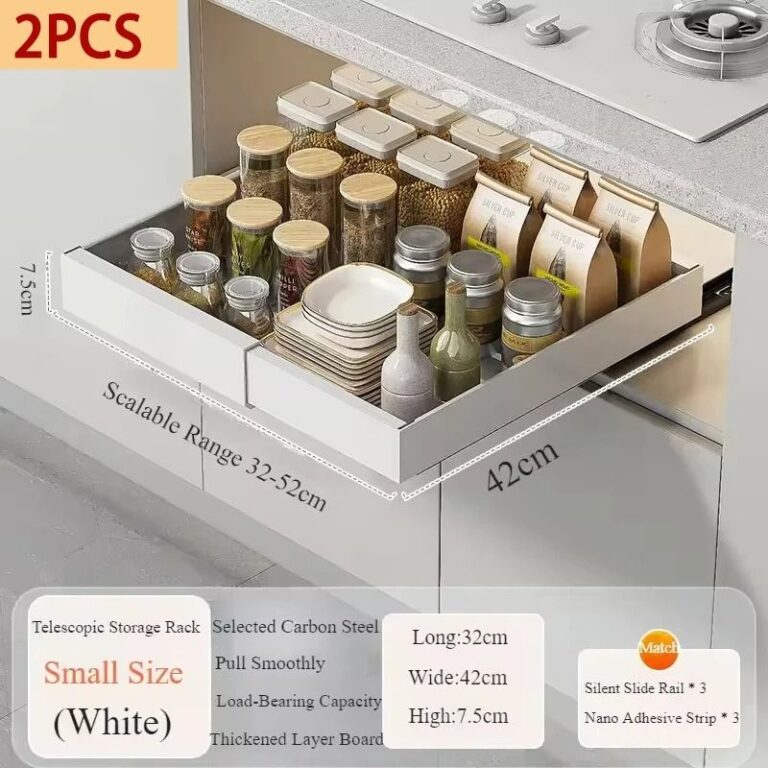 Aisha's pickModern Bathroom Storage Cabinets That Make Mornings Easier
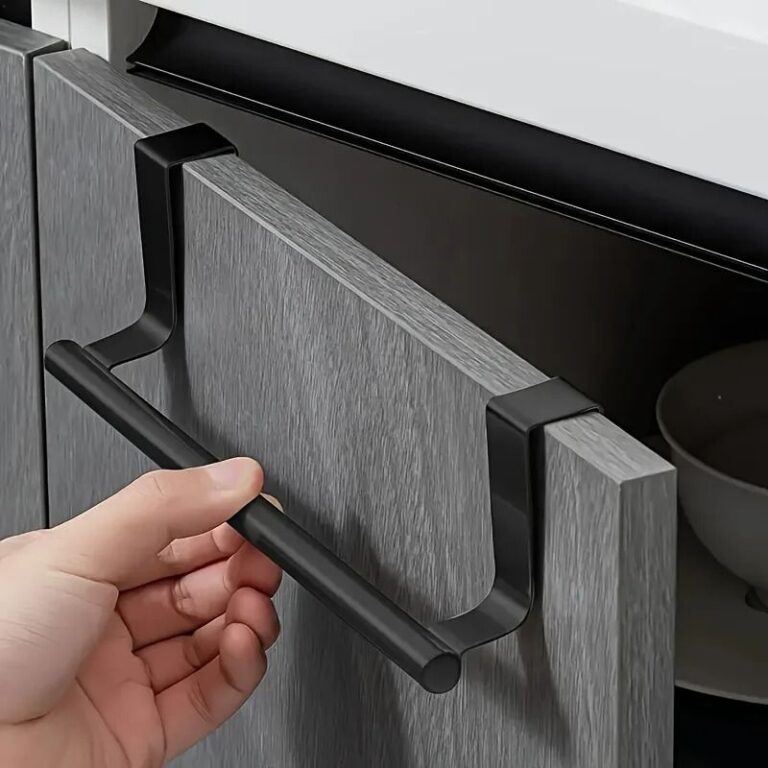
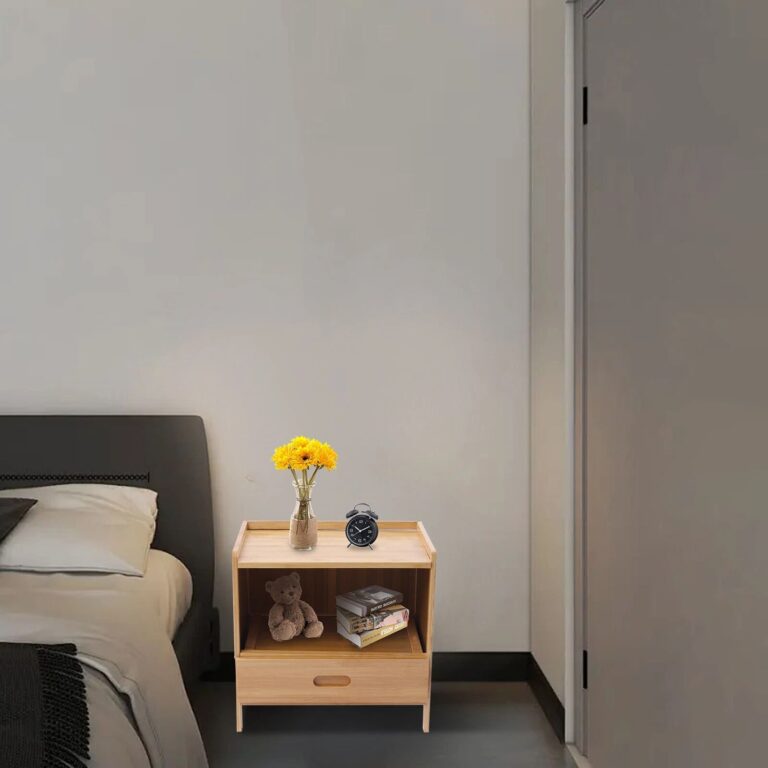 Aisha's pickModern Nightstands That Swallow the Clutter
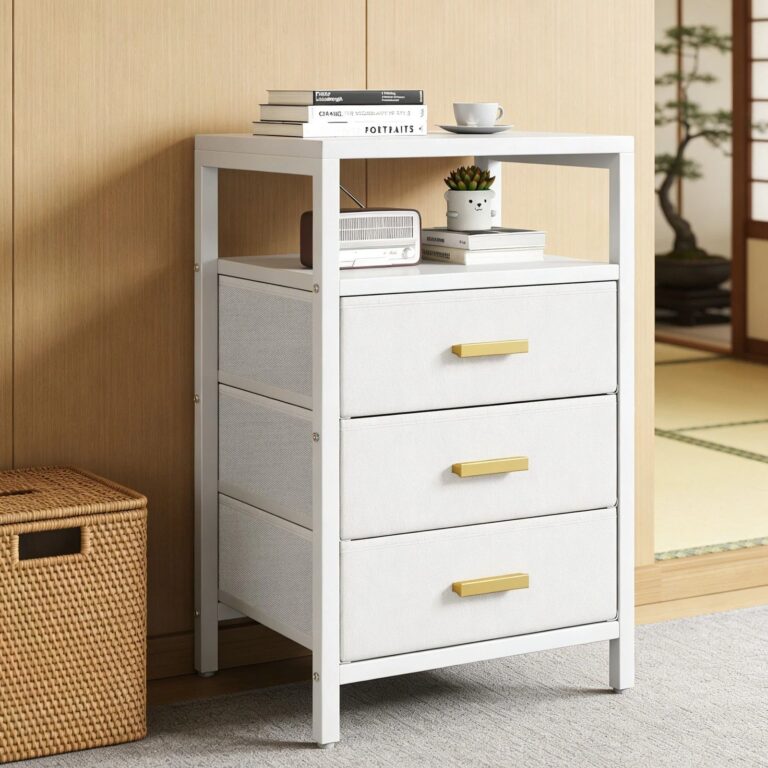
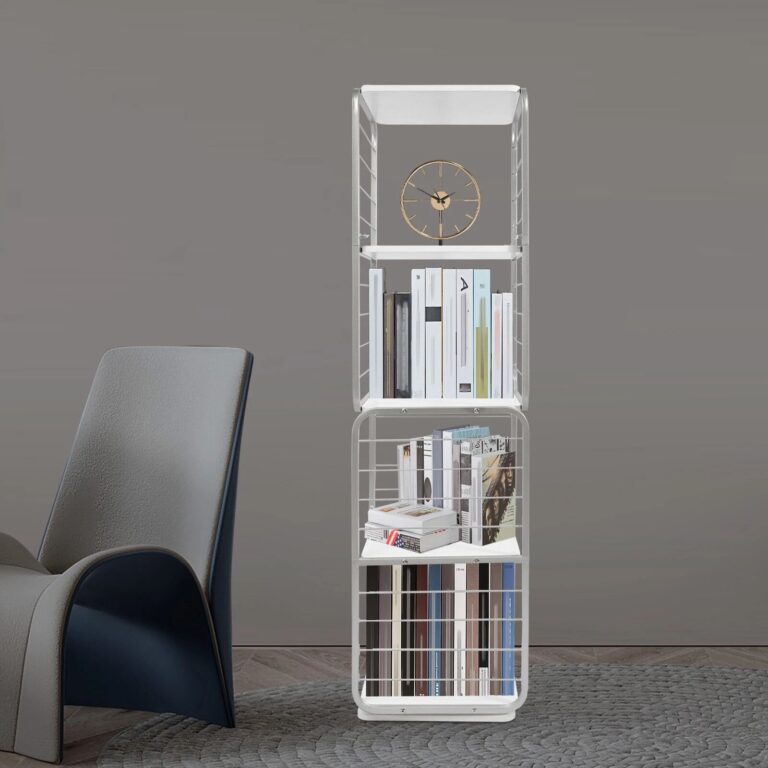 Aisha's pickModern Book Displays That Survive Kids and Pets

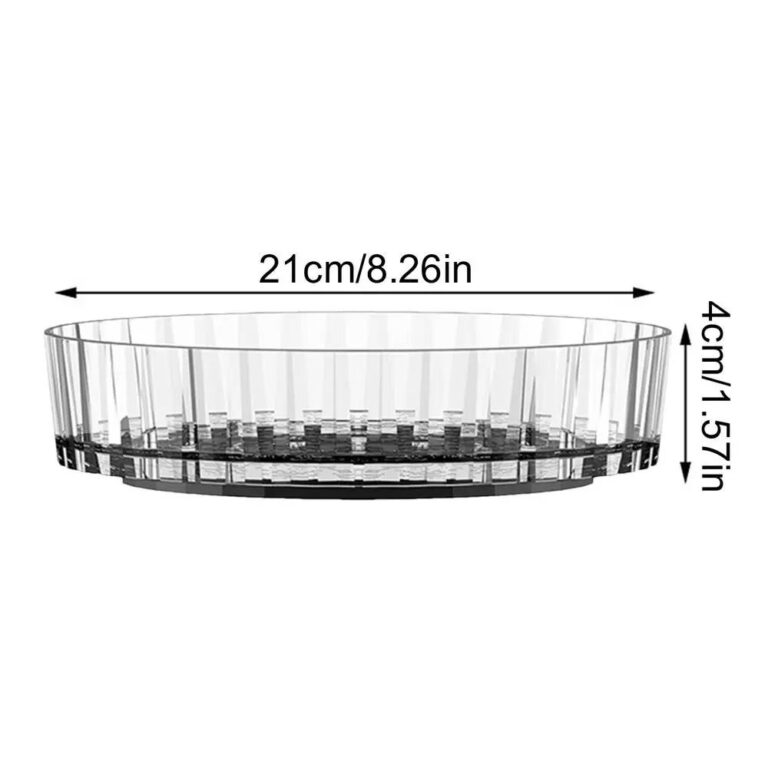 Aisha's pickModern Dining Room Cabinets That Squeeze Into Awkward Corners

 Aisha's pickModern Display Cabinets That Swallow the Clutter
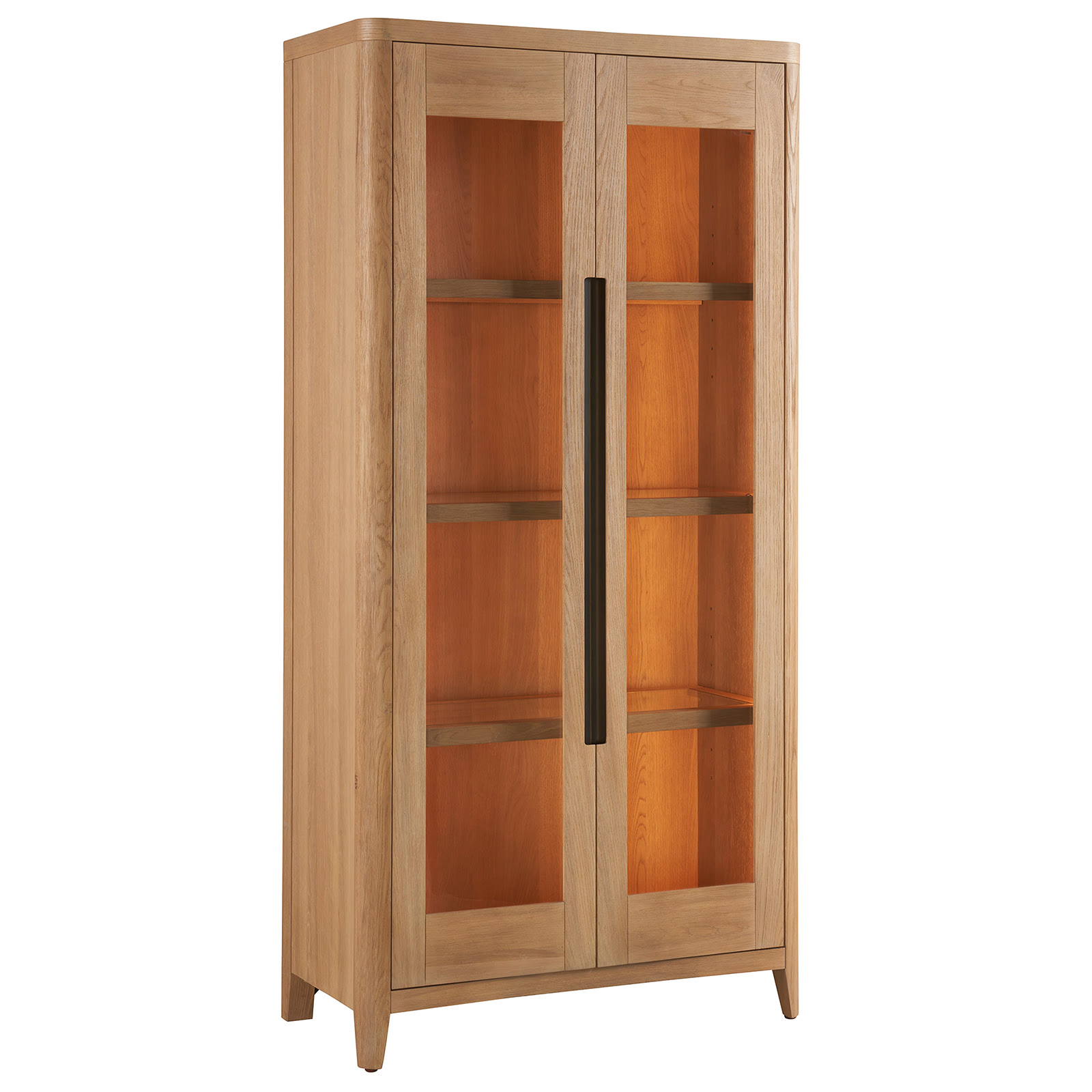
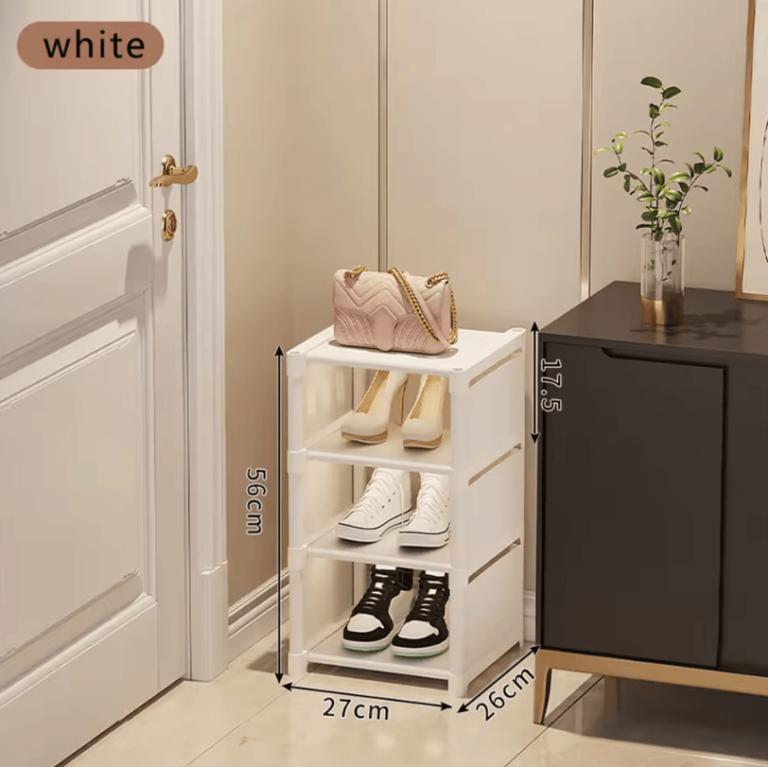 Aisha's pickModern Entryway Cabinets for Homes With Too Much Stuff

 Aisha's pickModern File Cabinets We Wish We’d Bought SoonerAlso worth a lookStorage CabinetsThe hallway closet in my first apartment had exactly one shelf and a bar for coats, and every…See the collections →
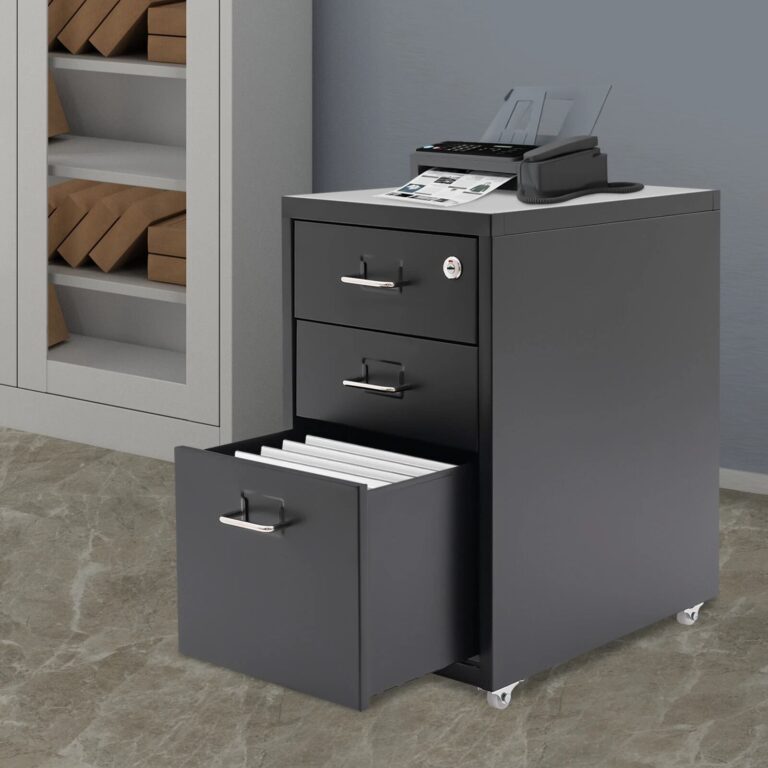
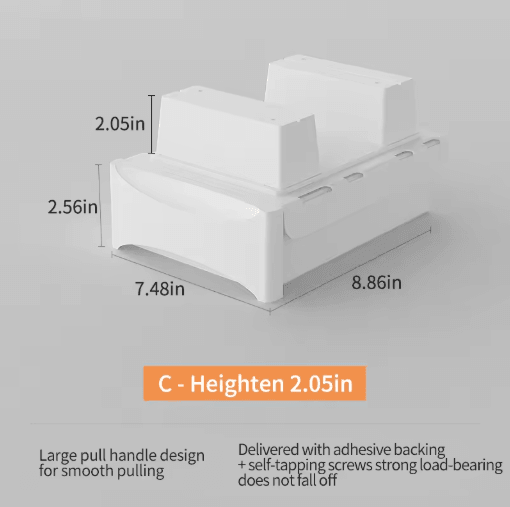 Aisha's pickModern Filing Cabinets That Keep the Desk Clear

 Aisha's pickModern Hallway Cabinets That Sort Out the Pile by the Door
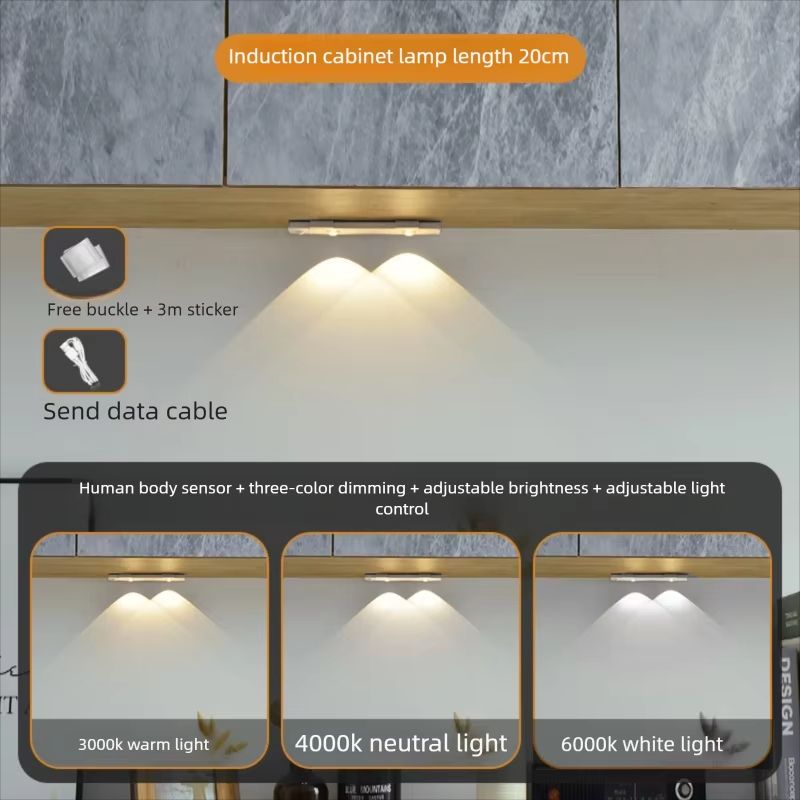
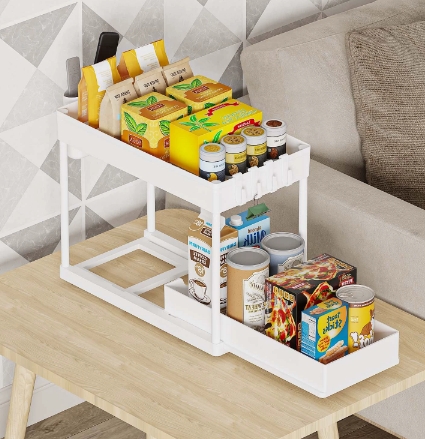 Aisha's pickModern Kitchen Cabinets That Swallow the Clutter
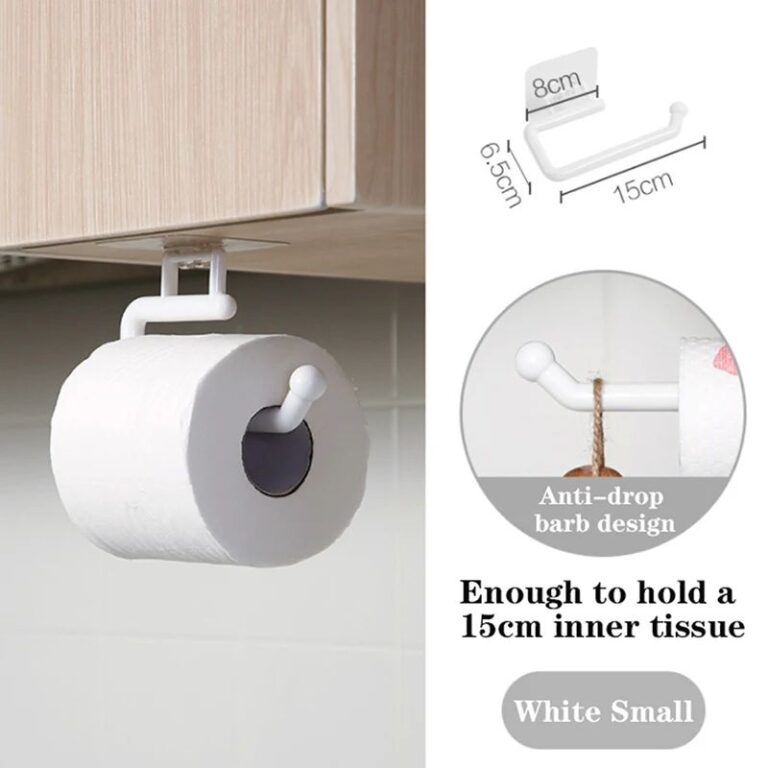
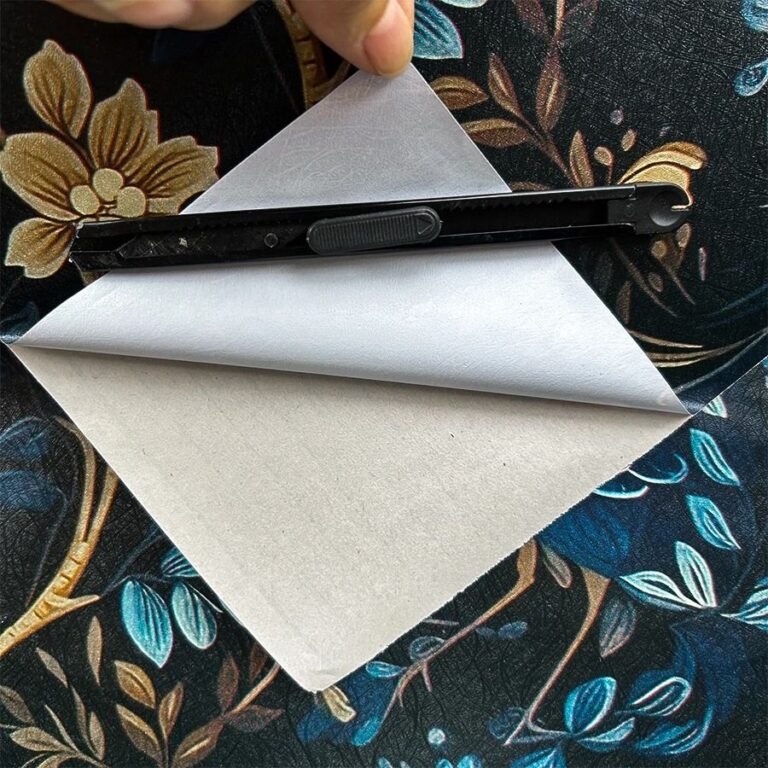 Aisha's pickModern Kitchen Cabinets With Room for More Than You’d Think

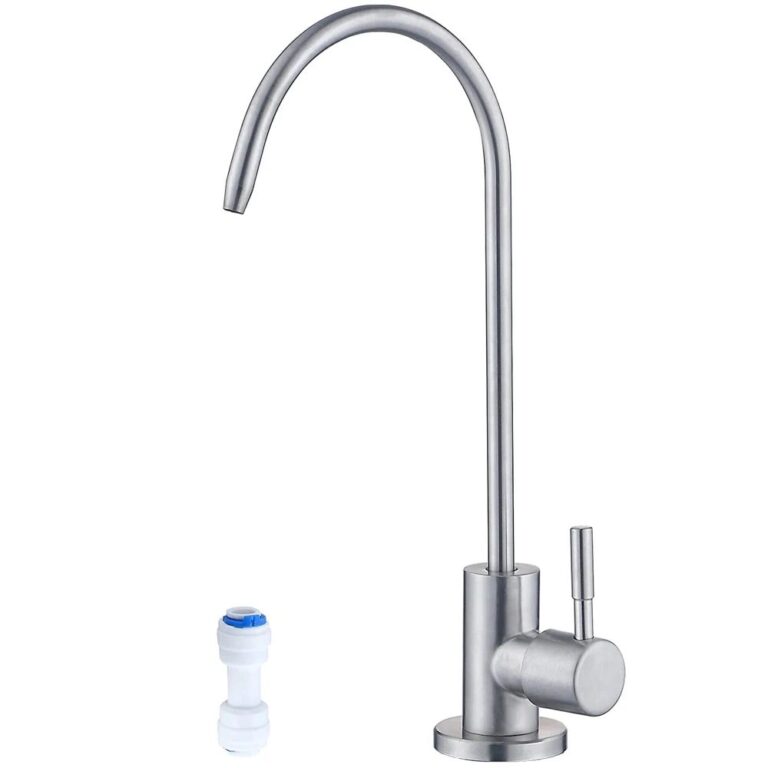 Aisha's pickModern Kitchen Units That Cope With Steam and Splashes

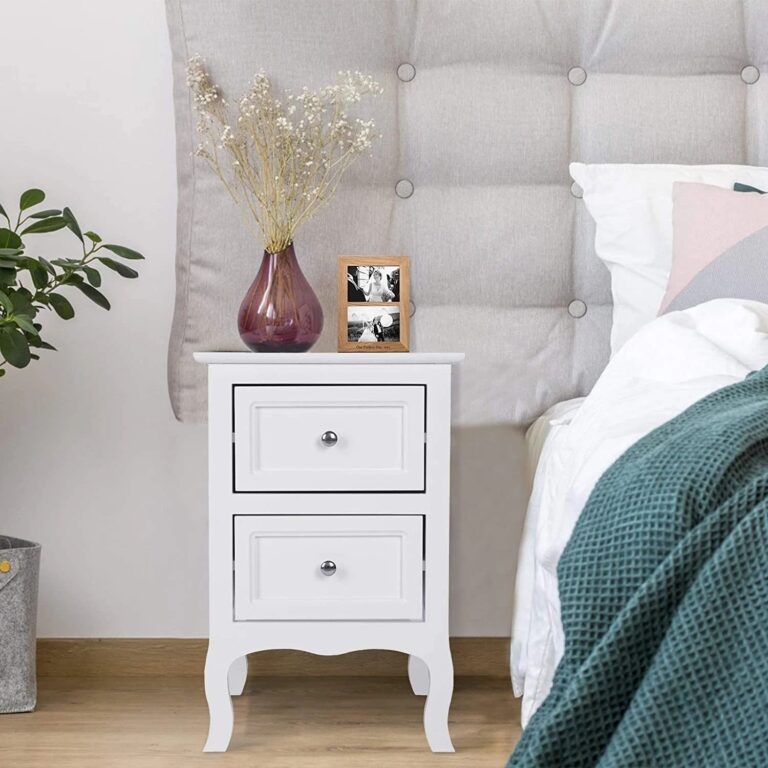 Aisha's pickContemporary Nightstands for a Calmer Bedroom
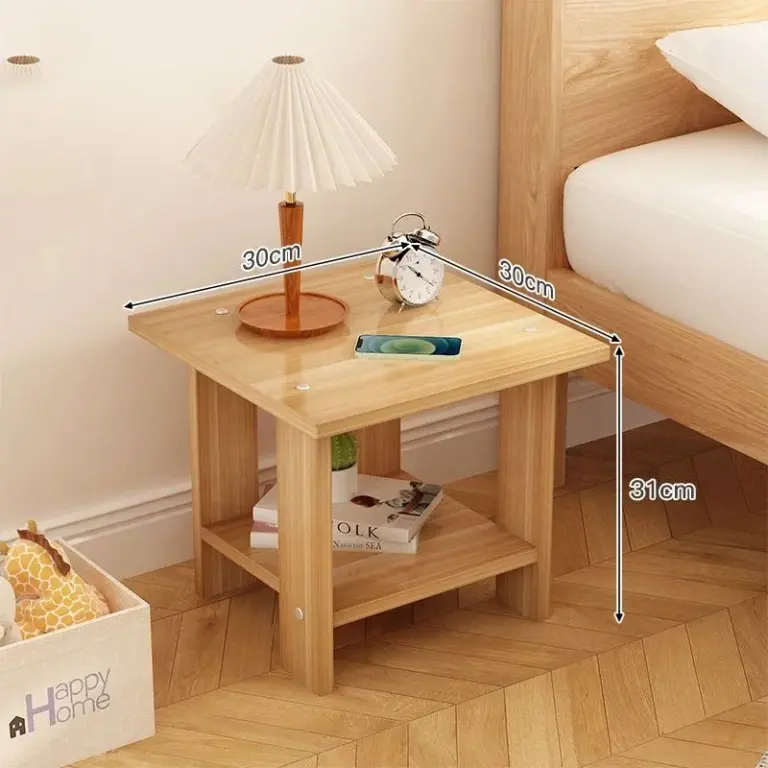
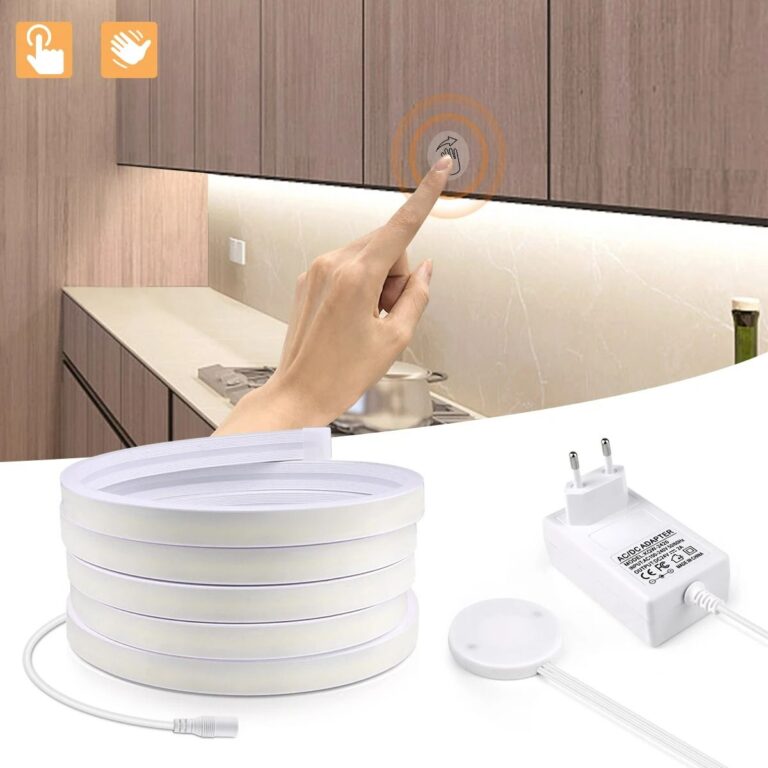 Aisha's pickModern Mirror Cabinets for When the Old Ones Give Up
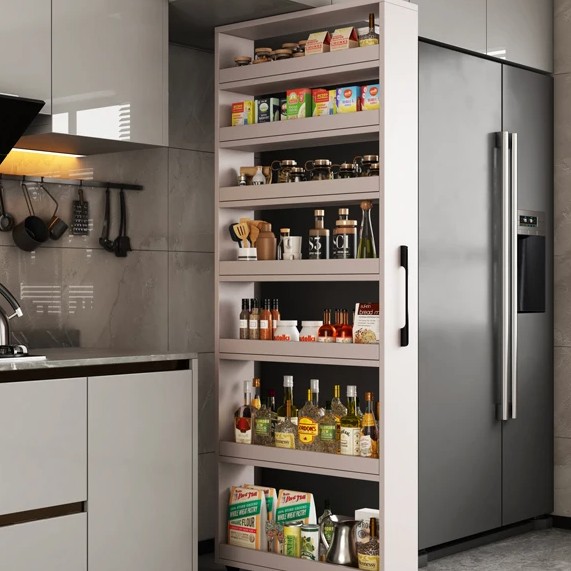 Aisha's pickContemporary Sideboards That Swallow the Clutter
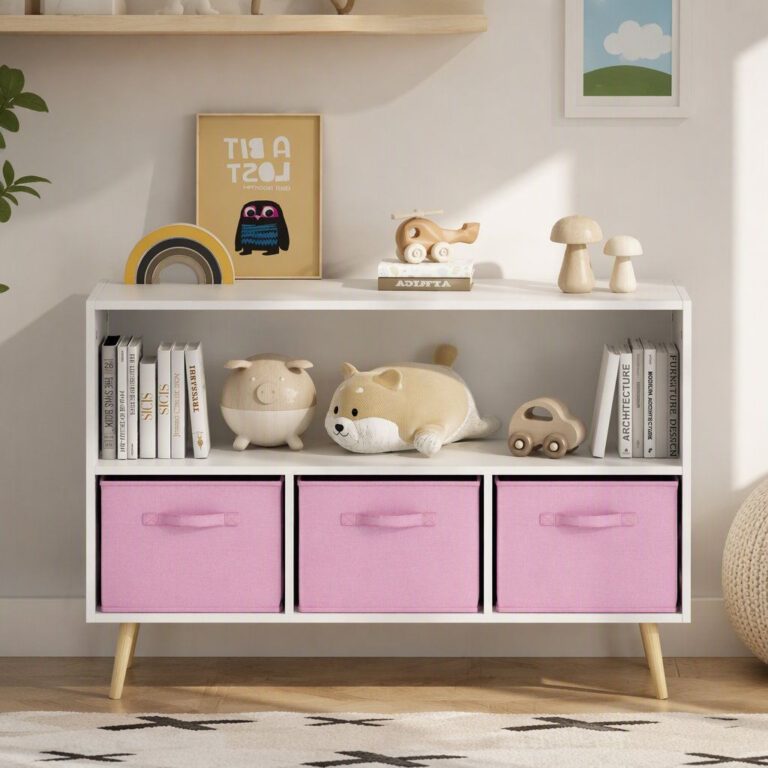
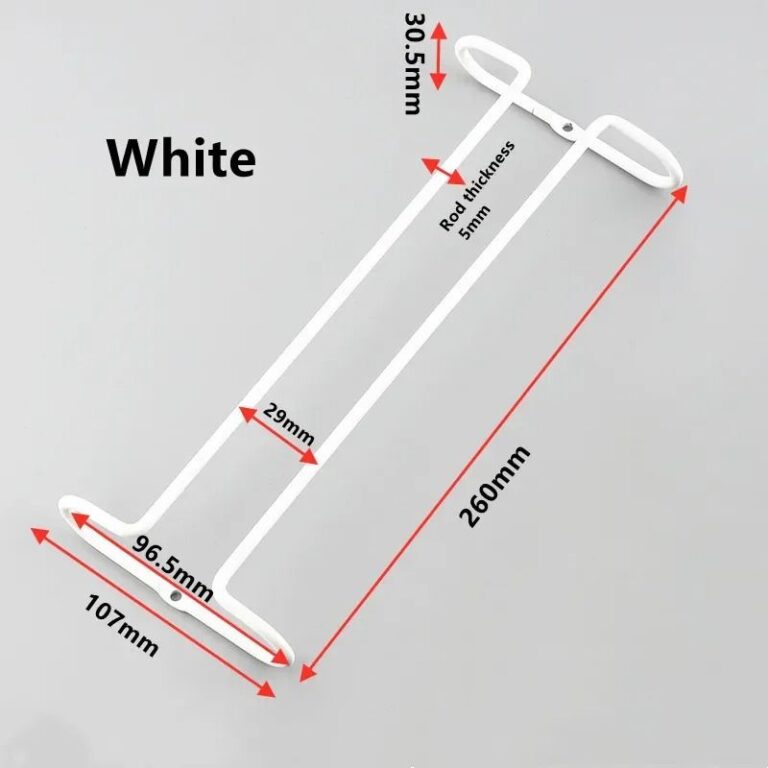 Aisha's pickModern Storage Cabinets Hunted Down So You Don’t Have ToAlso worth a lookOffice CabinetsBefore you buy anything, measure your doorways, not just the room.See the collections →

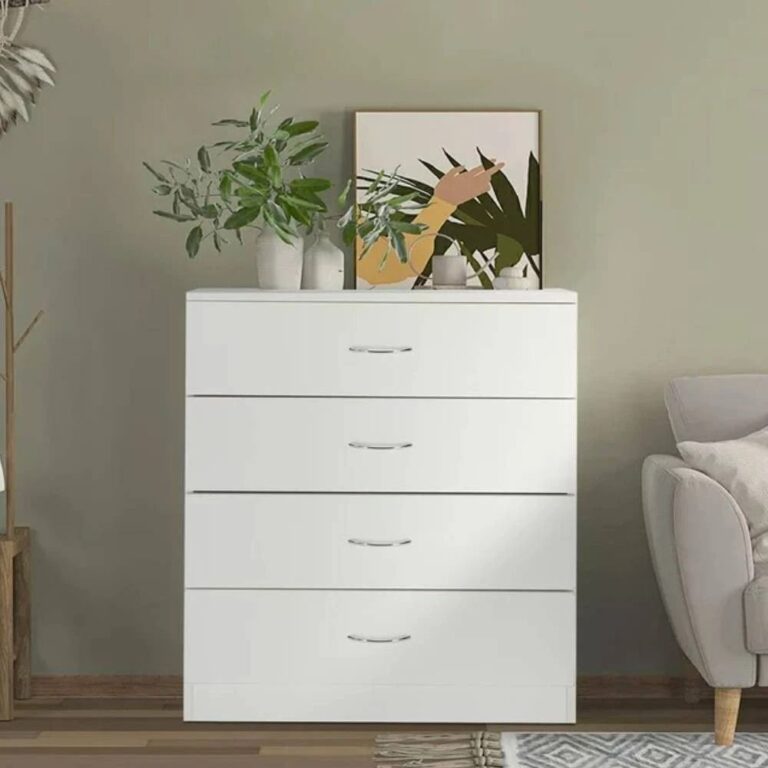 Aisha's pickContemporary Storage Cabinets That Make Tidying Up Quicker