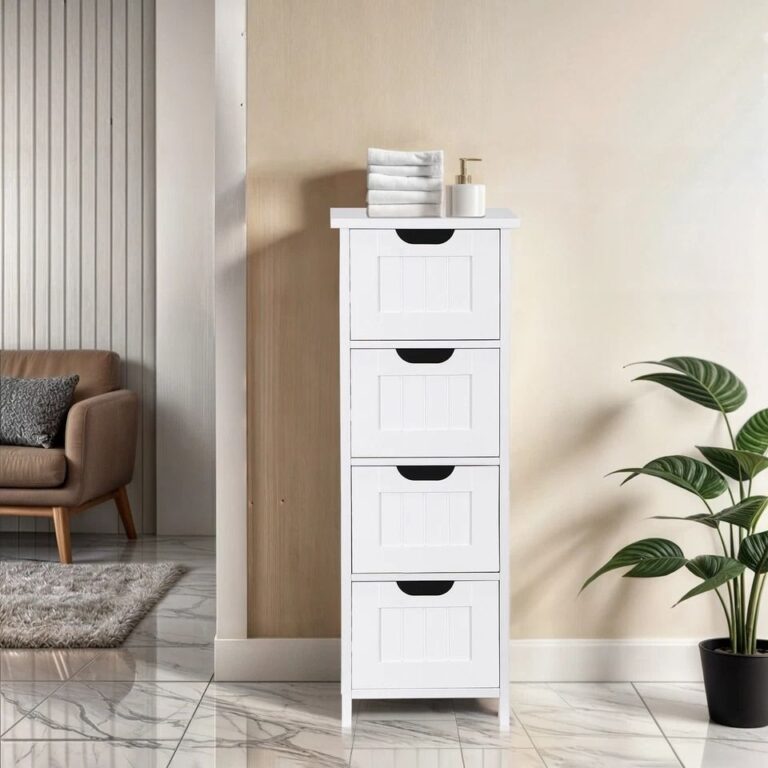
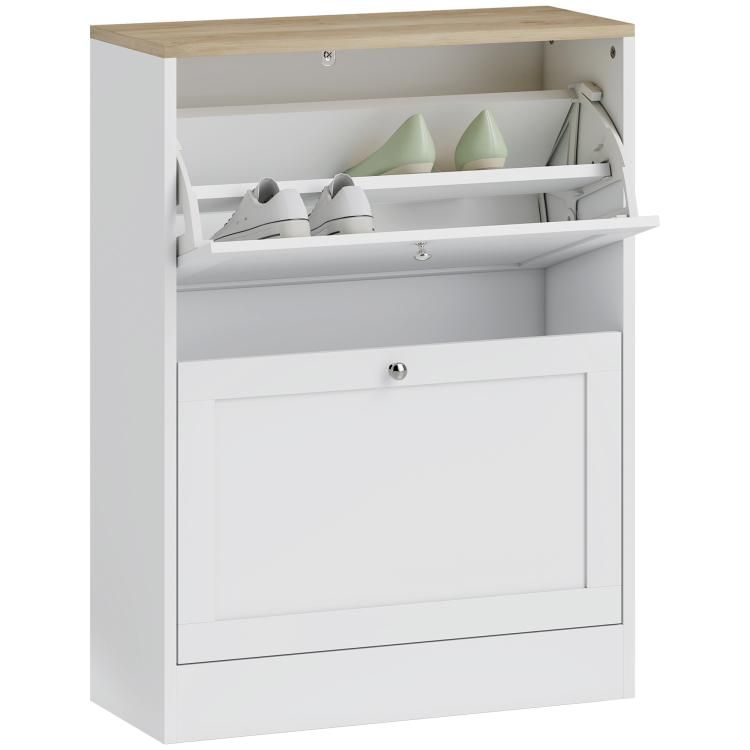
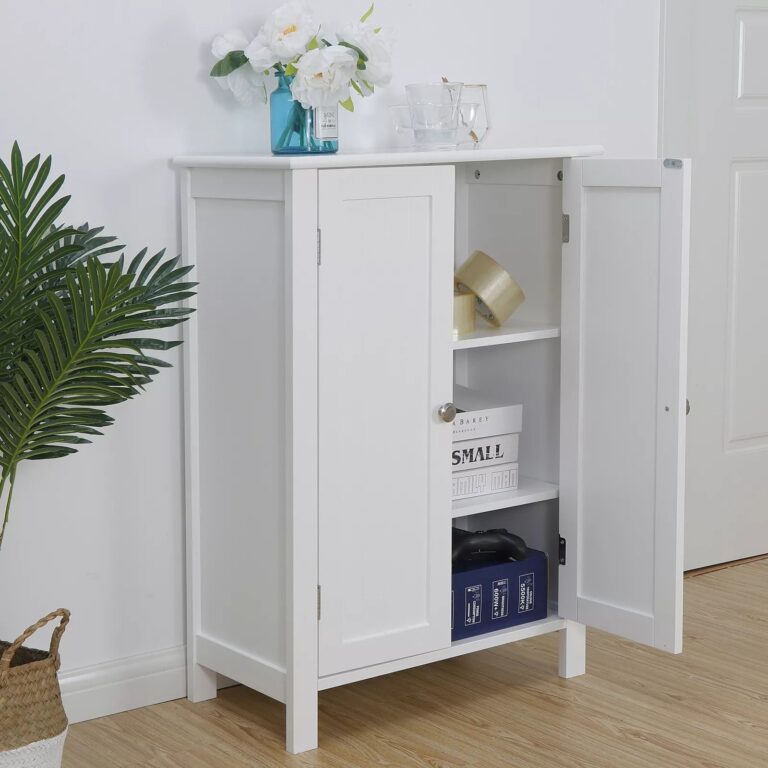
A good white cabinet catches the light in a way dark wood never will. Run your hand over a painted door that's been finished properly and you feel the faint texture of brushwork under the sheen, not a flat plastic skin. Open the drawers and there should be a little resistance, then a smooth glide, like the thing was built by someone who expected you to use it for thirty years, not three.
Now, the honest part. White shows everything. Every greasy fingerprint near a kitchen handle, every water ring from a sweating glass set down without a coaster, every scuff a moving dolly leaves on a baseboard-height panel. If you've got young kids with markers or a dog who leans against furniture to scratch an itch, a matte white cabinet in a high traffic hallway is asking for trouble, and you'll be wiping it down more than you bargained for. It's also the wrong call in a room that gets harsh, flat light all day with no warmth to soften it, because stark white under cool bulbs can read closer to a doctor's office than a home. Where it does beautifully is in rooms that get real daylight, a dining room with east facing windows that go gold in the morning, a bedroom that catches late afternoon sun, a coastal or farmhouse style house where the walls already lean pale and the cabinet isn't fighting anything. It also works hard in small or dark rooms, a cramped hallway, a basement den, anywhere you need the eye to bounce light around rather than absorb it.
Older houses with some trim and molding already in place tend to suit a white cabinet more generously than a stripped down new build, because the existing woodwork gives it context instead of leaving it looking dropped in from a showroom floor. For finishes, I'd steer toward a soft white with a hint of warmth in it, something closer to old linen or chalk than clinical white, since true bright white under artificial light at night can feel a little cold and institutional. A slight sheen, not gloss, not chalky matte, hides fingerprints and cleans up easier, and it photographs calmer at every hour instead of glaring back at you under a lamp.
Given a few years, a decent white cabinet doesn't stay pristine, and that's not a flaw, it's the point. The corners soften first, the paint along the edges thins to a faint ivory where hands have rested on it a thousand times, and if you let it age honestly instead of touching it up every season, it starts to look like something that belongs to the house rather than something you bought last spring.
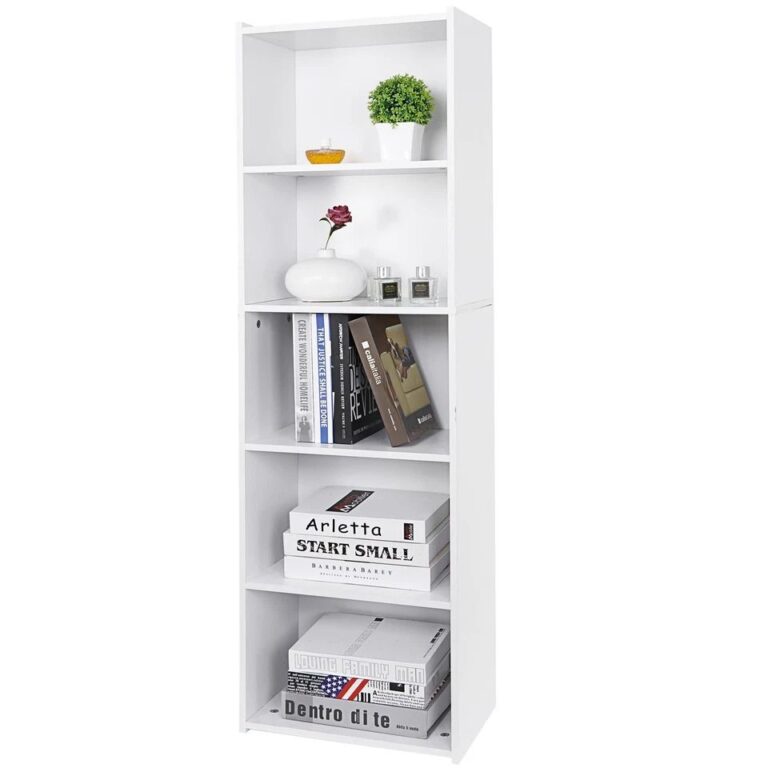
 Aisha's pickWhite Book Displays That Squeeze Into Awkward Corners

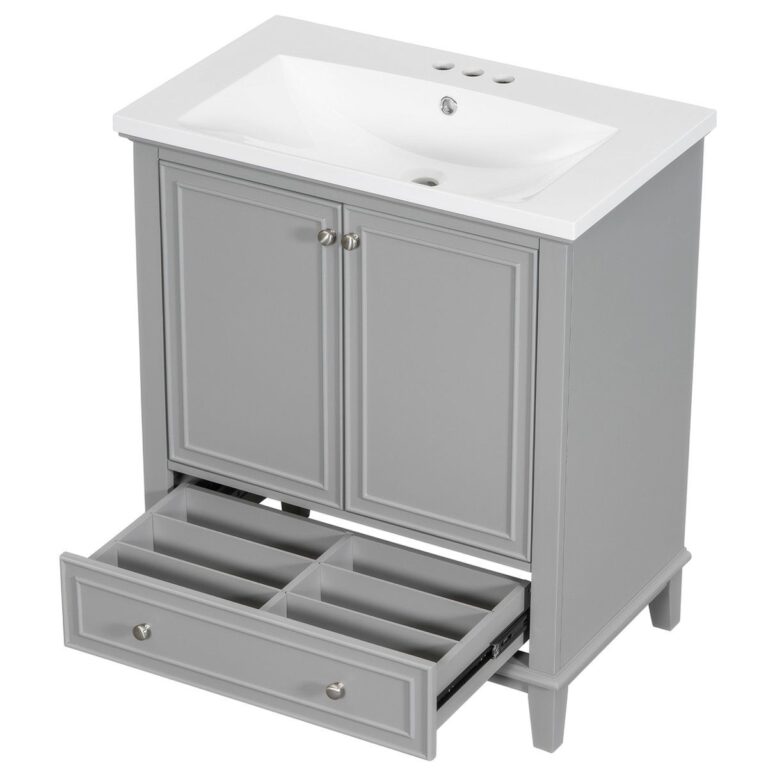
 Aisha's pickLarge White Storage Units That Make a Room Feel Finished
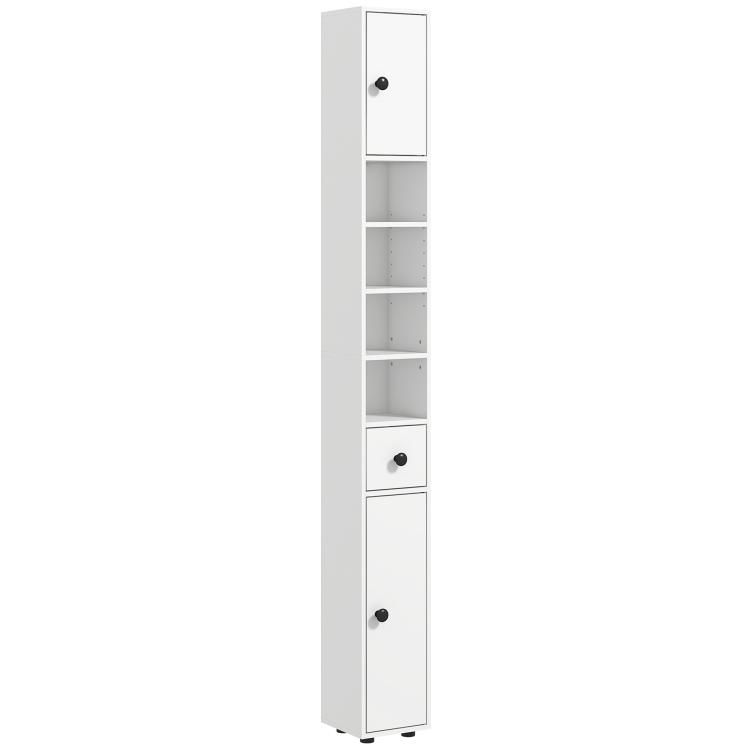
 Aisha's pickWhite Storage Cabinets with Doors That Look Good Even When Full
 Aisha's pickWhite Dining Room Cabinets We’d Buy Again
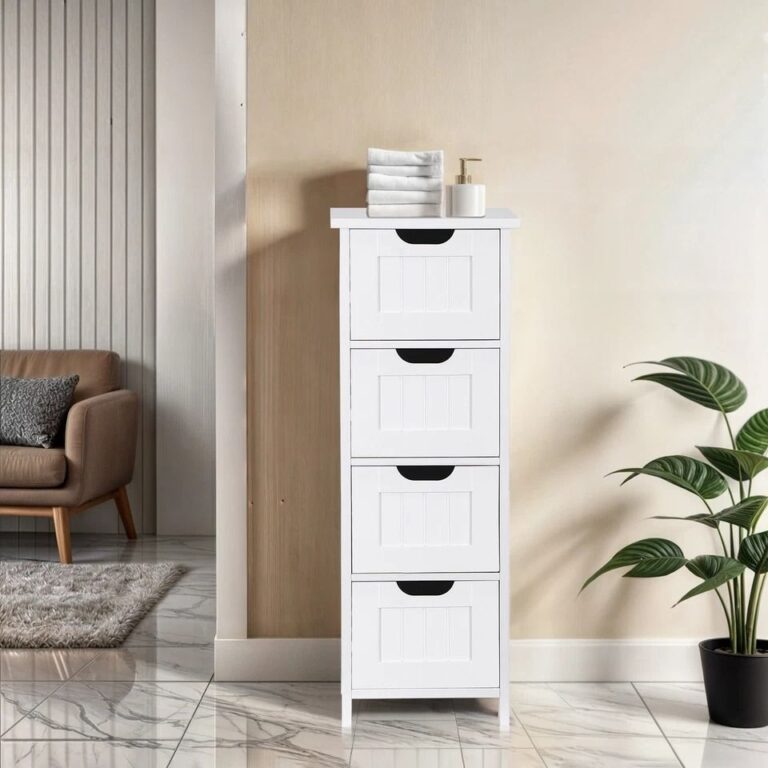
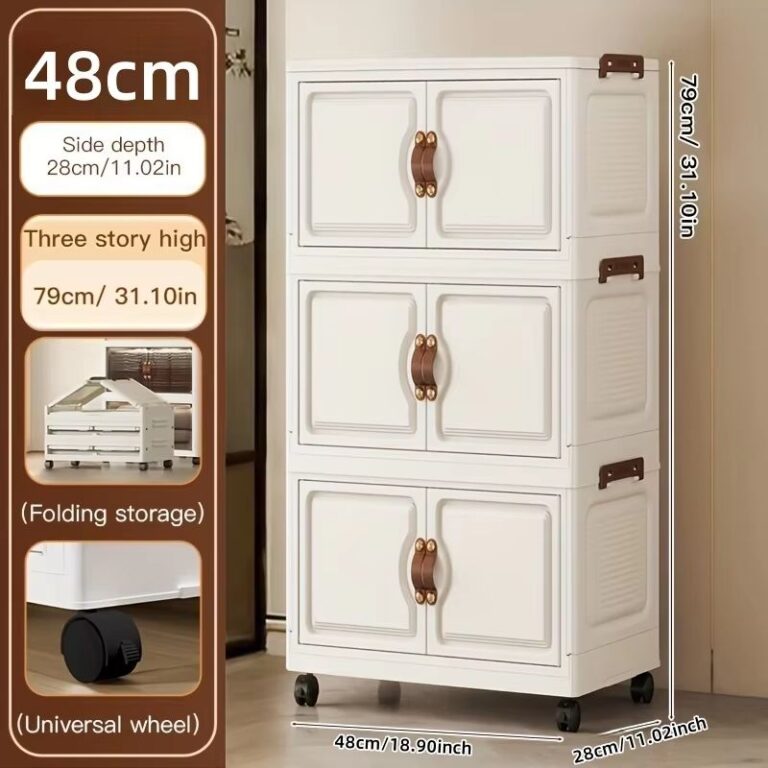 Aisha's pickNarrow White Storage Cabinets That Keep Surfaces Clear
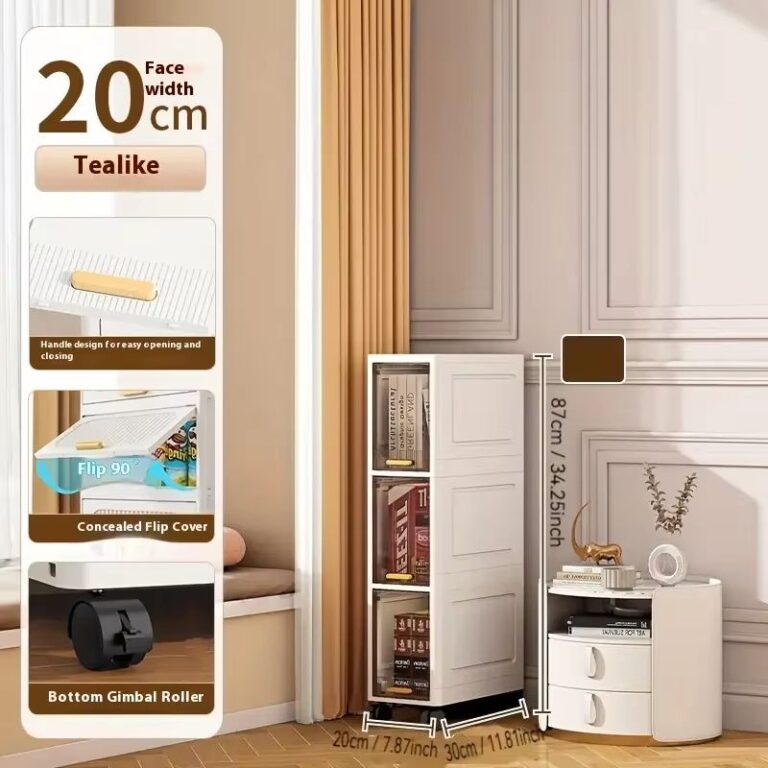
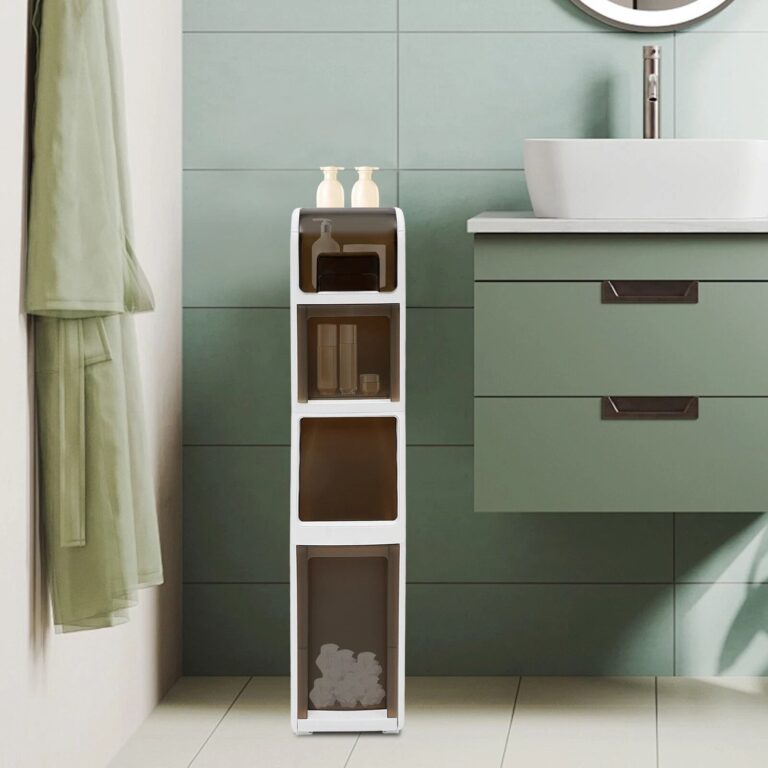 Aisha's pickSimple White Storage Cabinets with Drawers Done Well
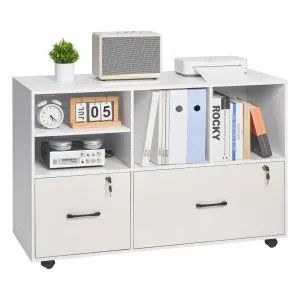 Aisha's pickWhite File Cabinets That Do the Job Right
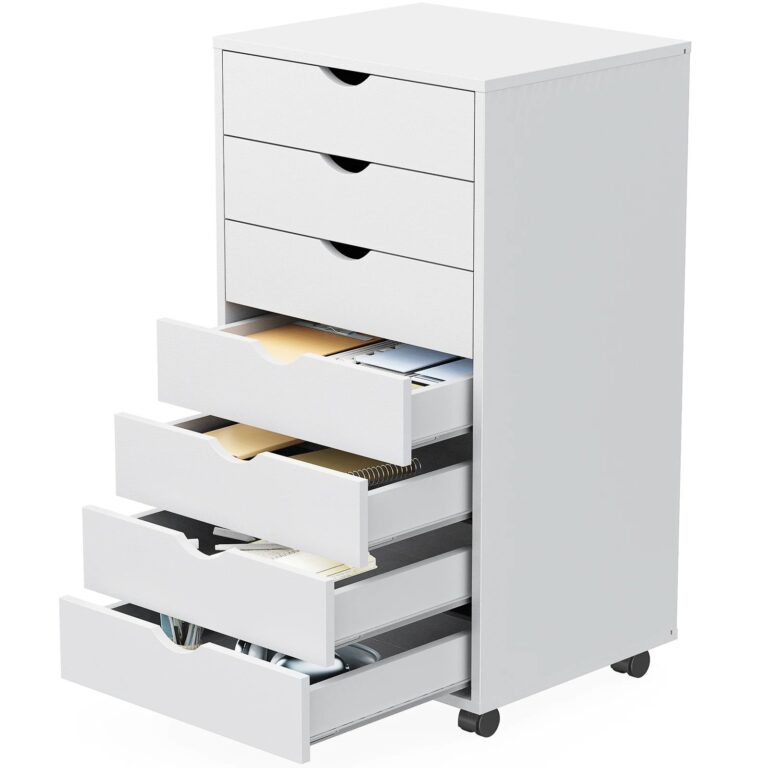
 Aisha's pickSlim White Storage Cabinets for Homes With Too Much Stuff
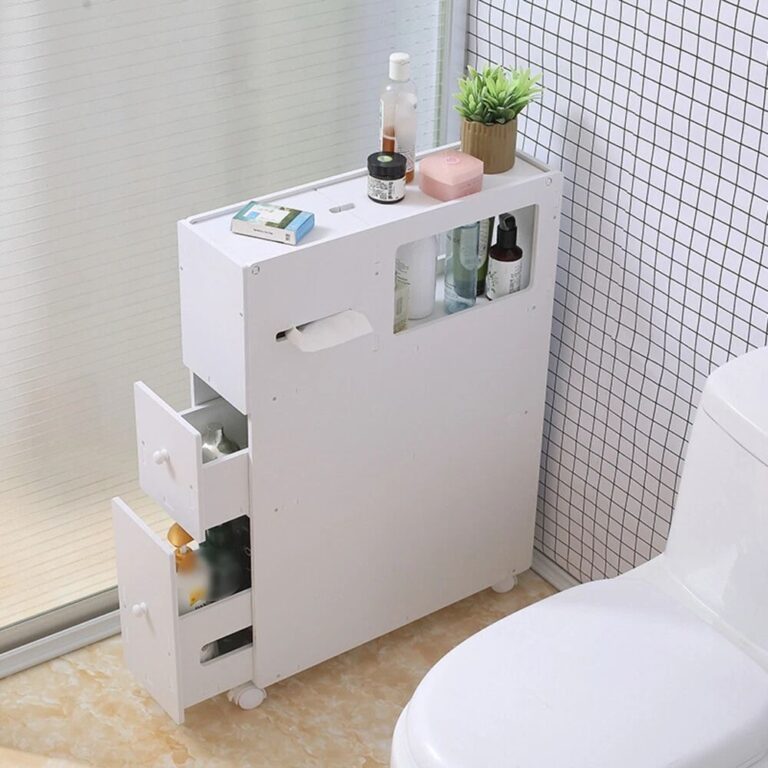
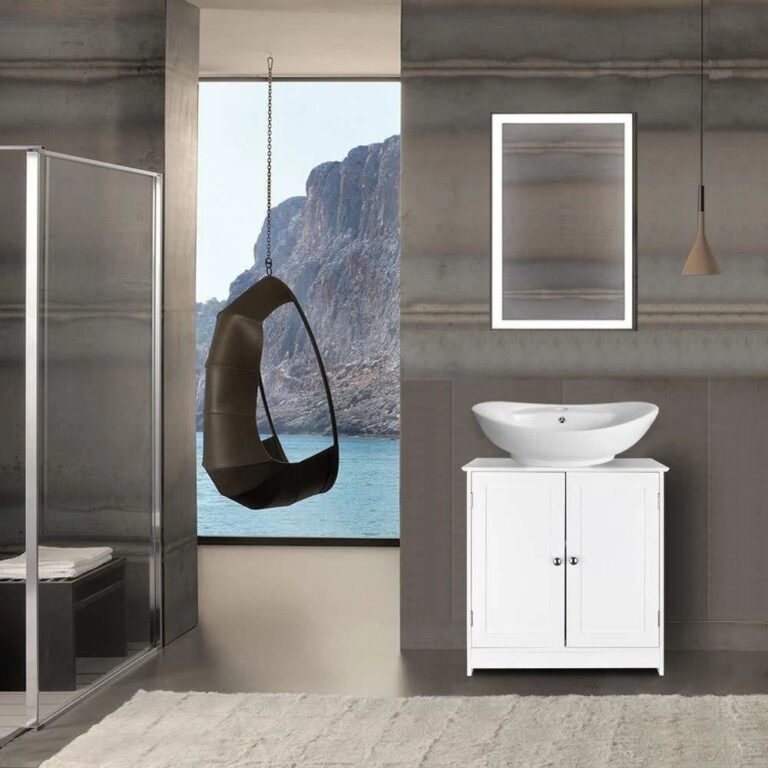 Aisha's pickWhite Storage Cabinets with Shelves That Fit Into Real LifeAlso worth a lookWhite Storage CabinetsThe first thing you notice isn't the color, it's where the color stops looking the same.See the collections →
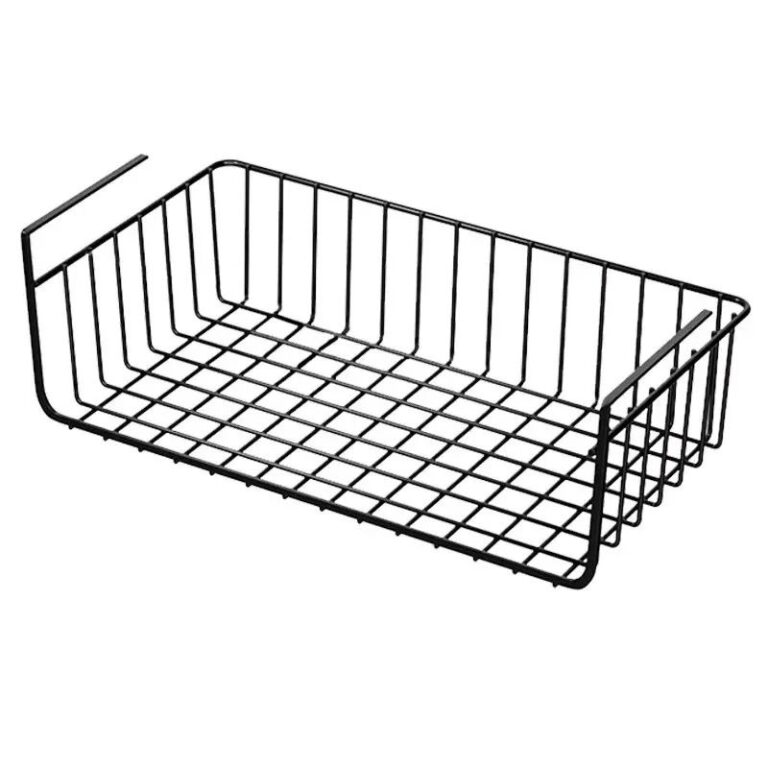
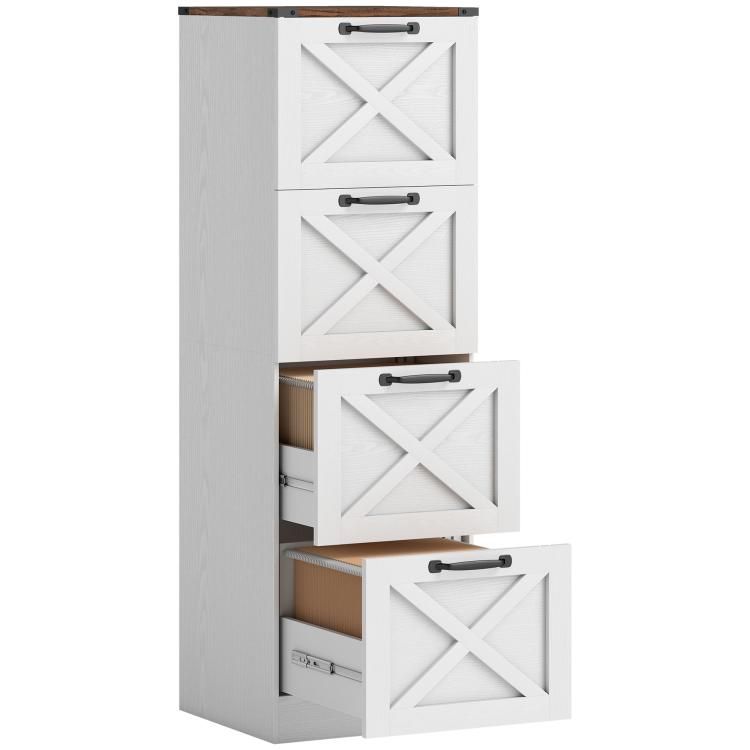 Aisha's pickWhite Filing Cabinets for Working From Home Without the Backache
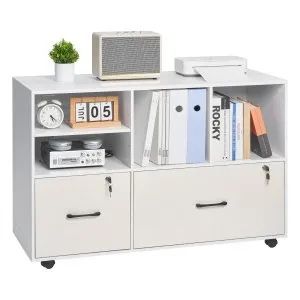
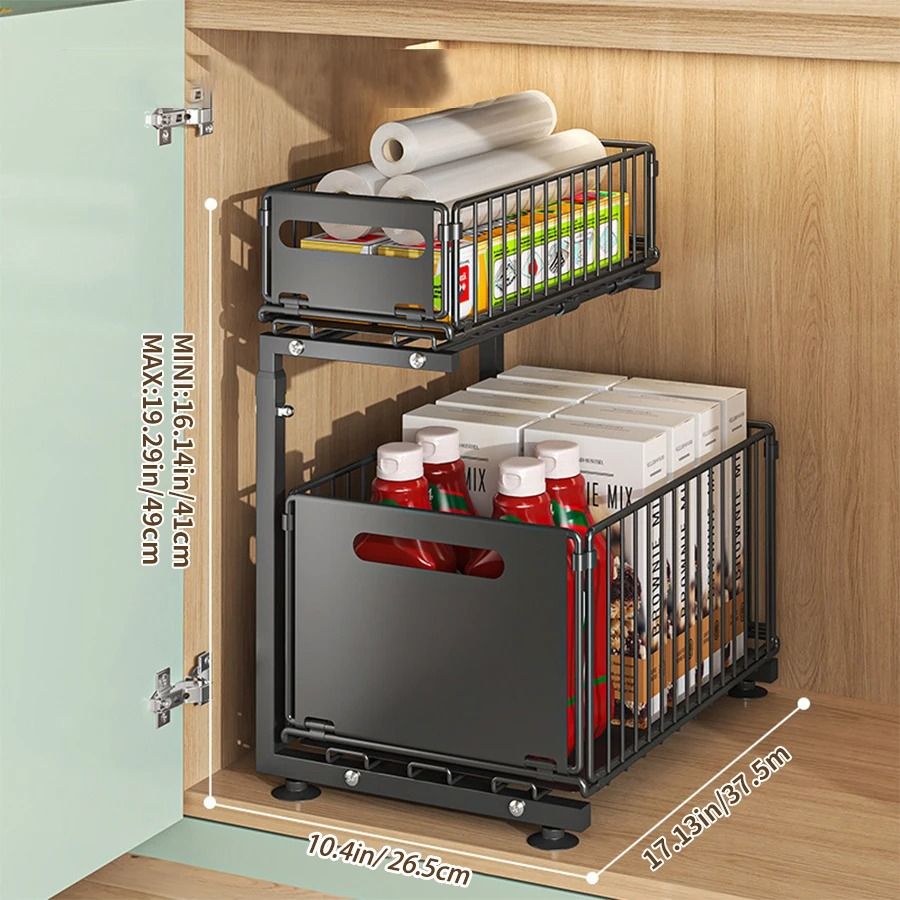 Aisha's pickSmall White Storage Cabinets Worth Knowing About

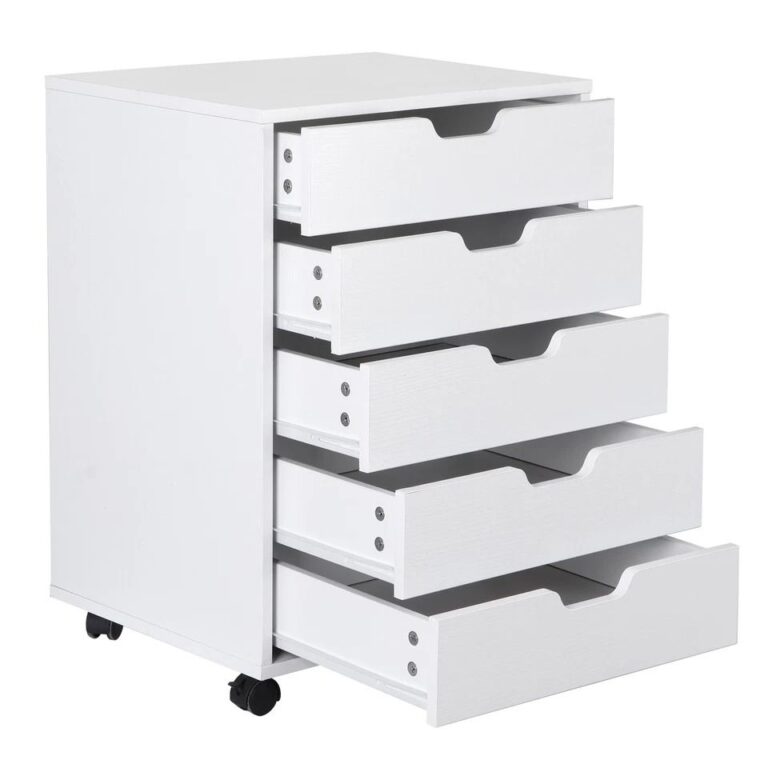 Aisha's pickWhite Storage Units That Make a Room Feel Finished
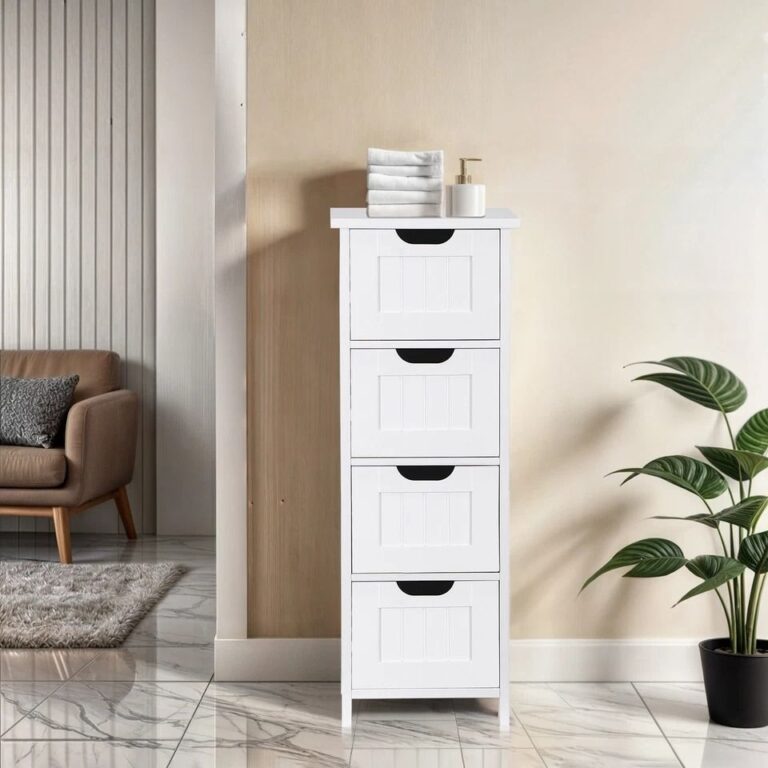
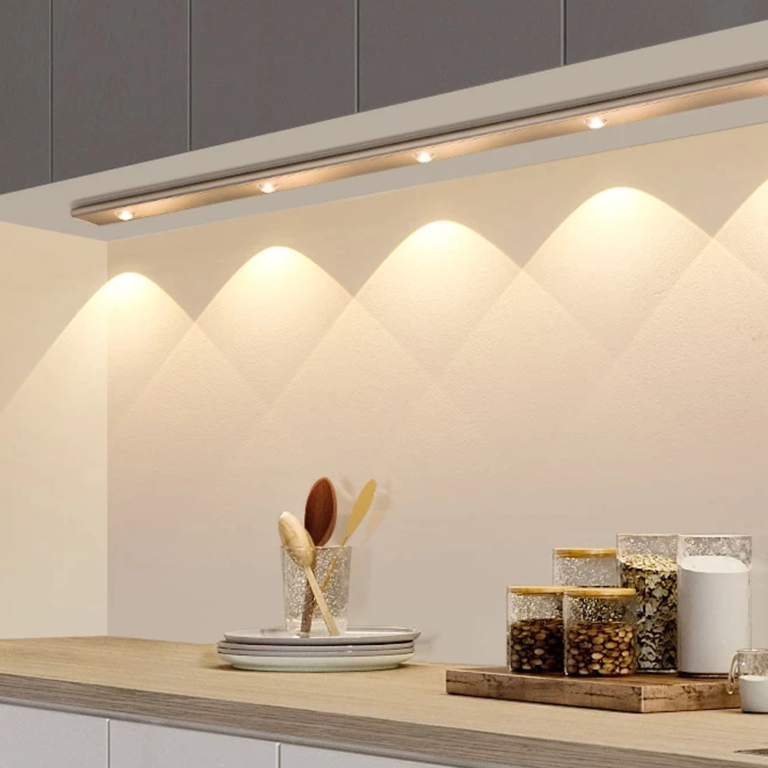 Aisha's pickWhite Hallway Cabinets From Stores Big and Small
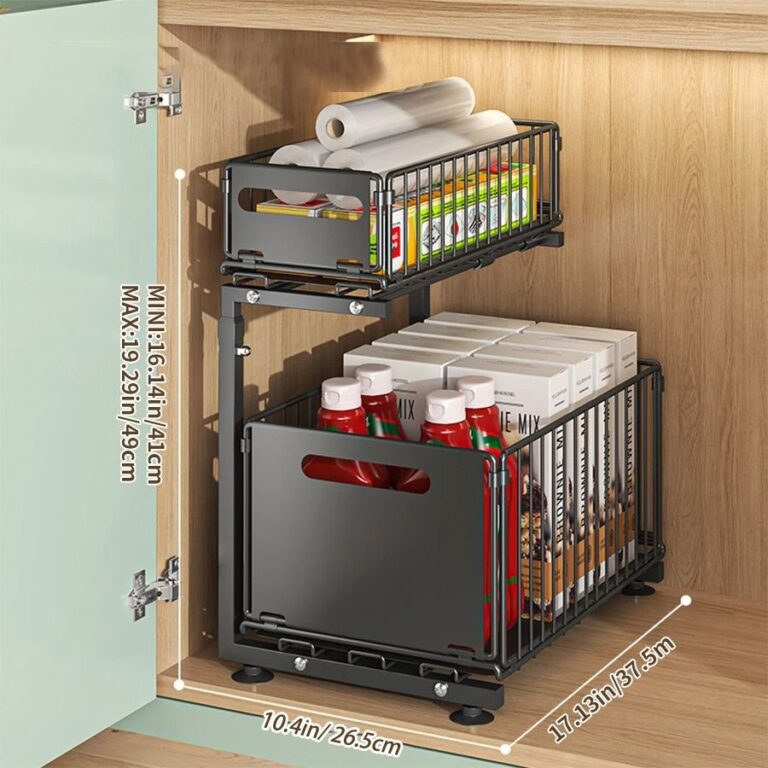 Aisha's pickTall White Storage Cabinets That Swallow the Clutter
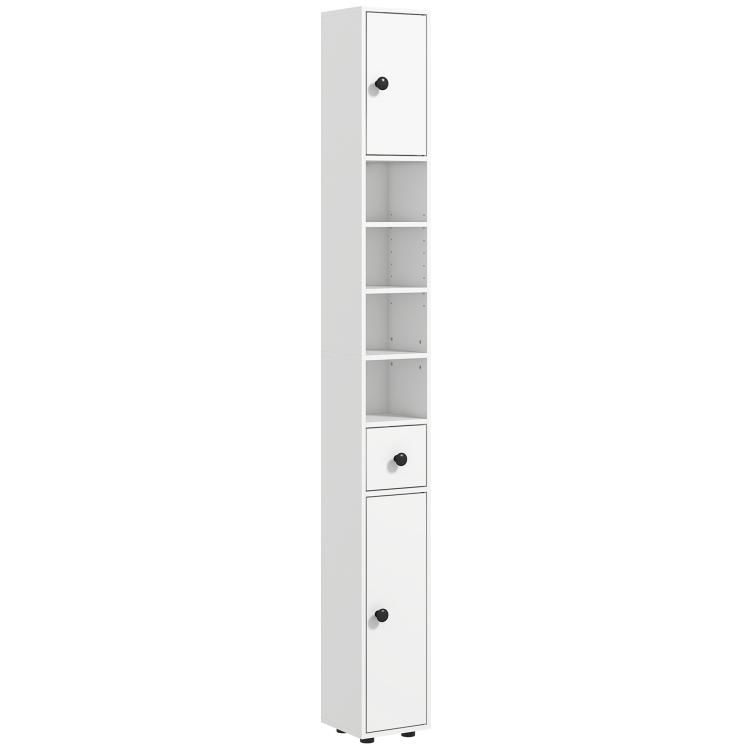
 Aisha's pickWhite Hutches That Look Better in Real Life
 Aisha's pickThe White Bathroom Storage Cabinets Worth Your Cash
 Aisha's pickWhite Kitchen Cabinets We Wish We’d Bought Sooner
 Aisha's pickWhite Freestanding Kitchen Storage Cabinets That Cope With Steam and SplashesAlso worth a lookStorage CabinetsThe hallway closet in my first apartment had exactly one shelf and a bar for coats, and every…See the collections →
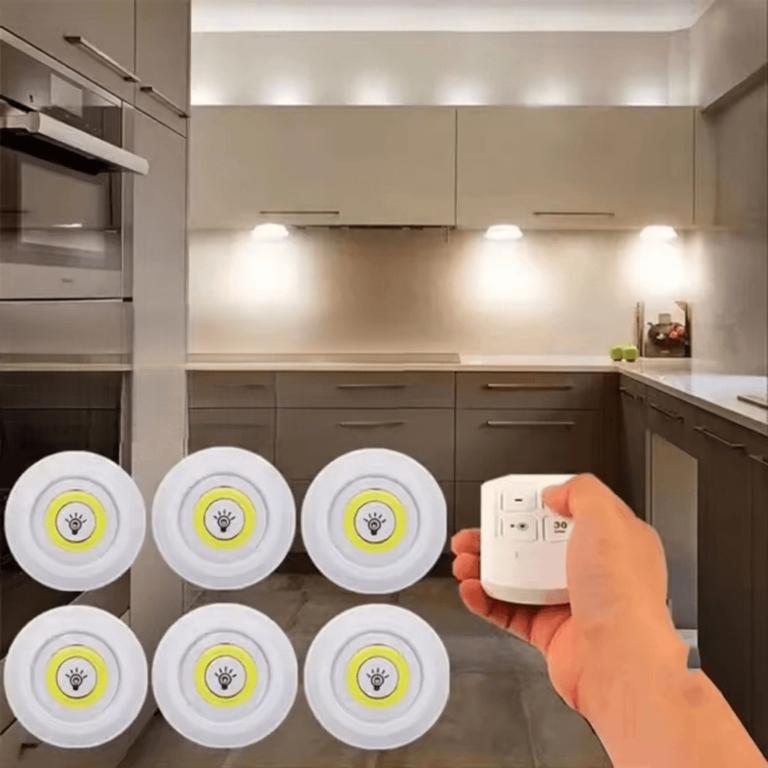 Aisha's pickWhite Kitchen Cabinets With Room for More Than You’d Think

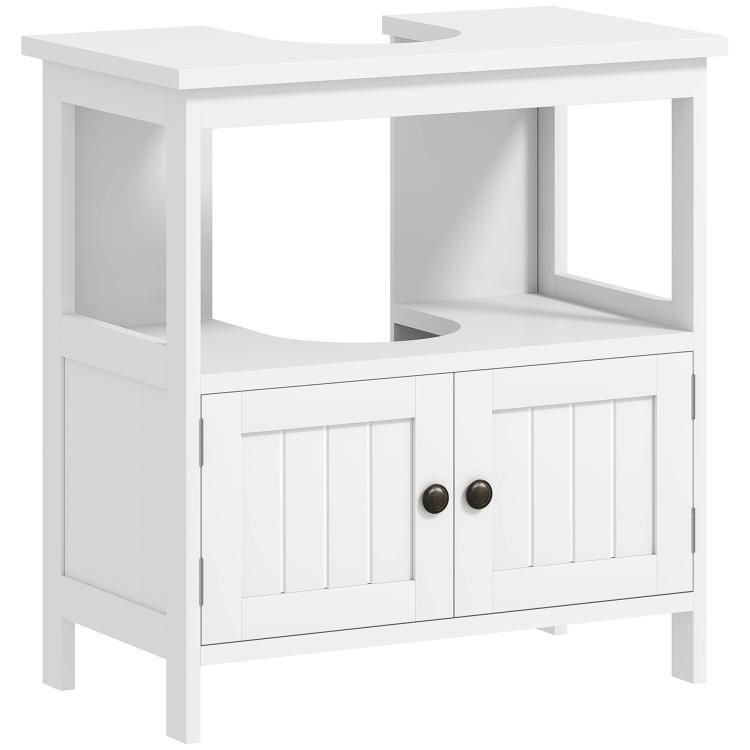 Aisha's pickWhite Freestanding Storage Cabinets That Swallow the Clutter
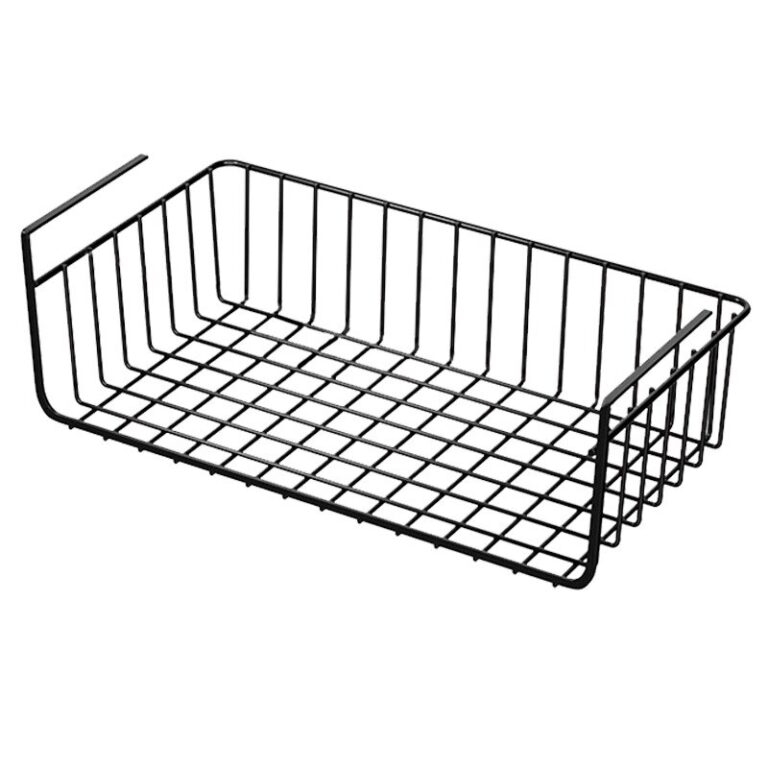
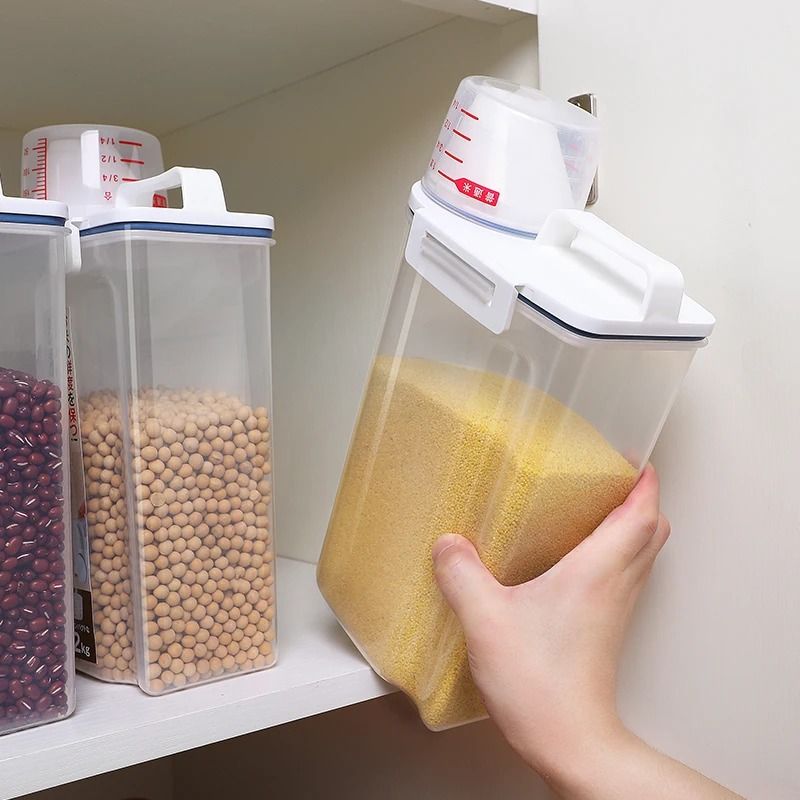 Aisha's pickWhite Kitchen Pantries That Make Tidying Up Quicker
 Aisha's pickWhite Kitchen Storage Cabinets for Homes With Too Much Stuff
 Aisha's pickWhite Kitchen Units That Get Better With Age
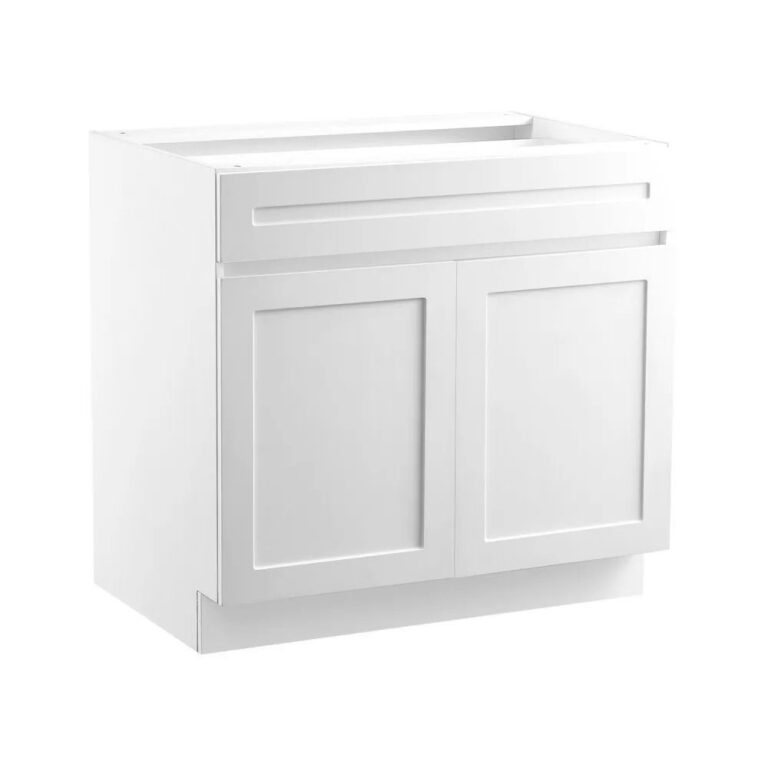 Aisha's pickWhite Kitchen Storage Cabinets with Doors That Won’t Date in a Year
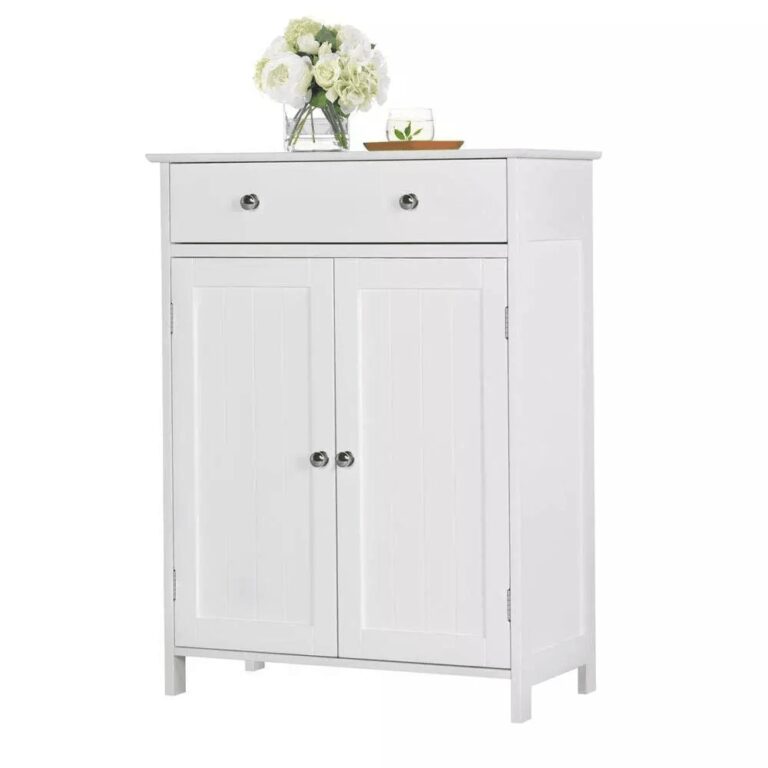
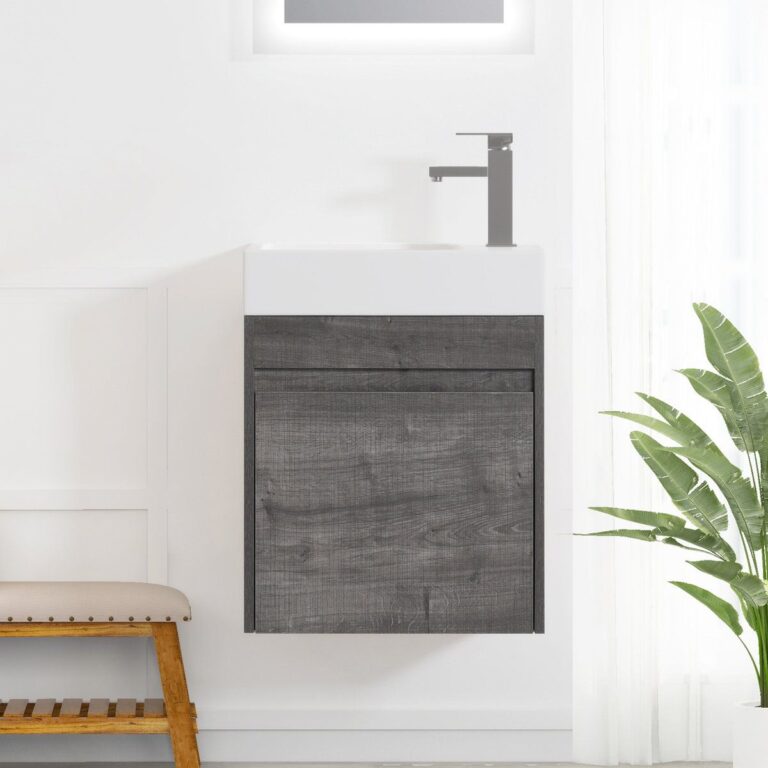 Aisha's pickWhite Mirror Cabinets That Hold Up to Everyday Life
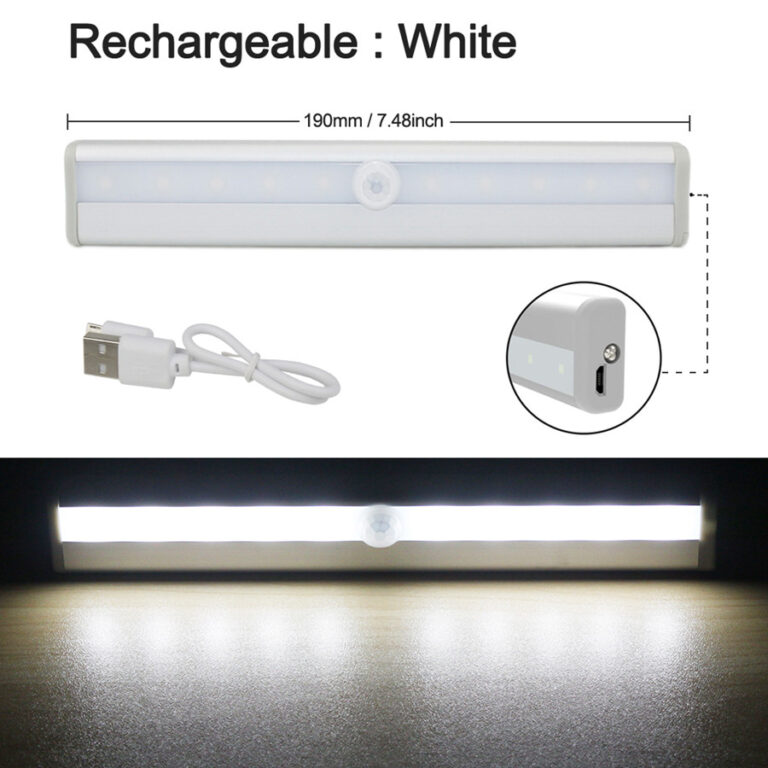 Aisha's pickWhite Kitchen Storage Cabinets with Drawers That Do the Job Right
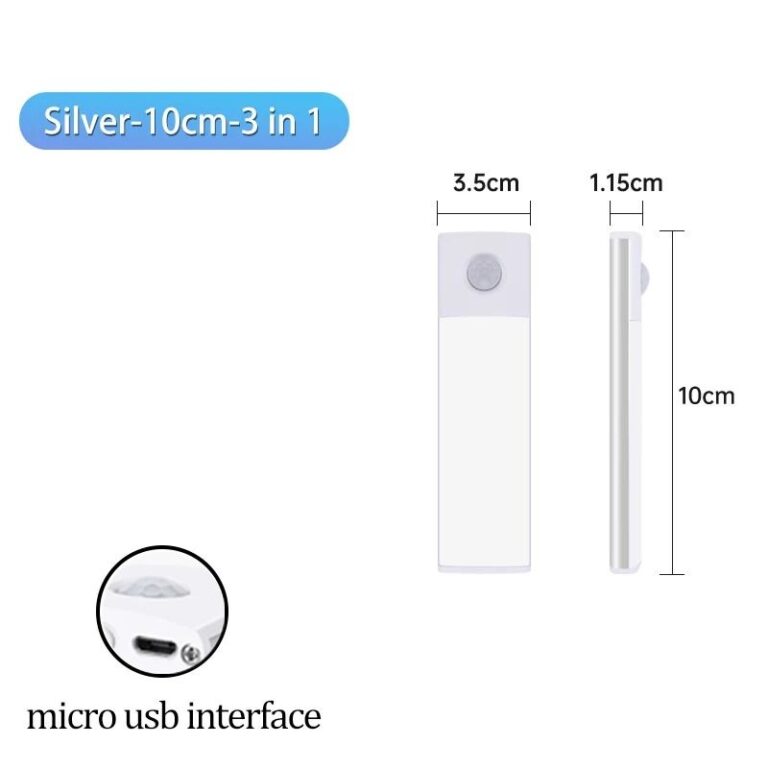
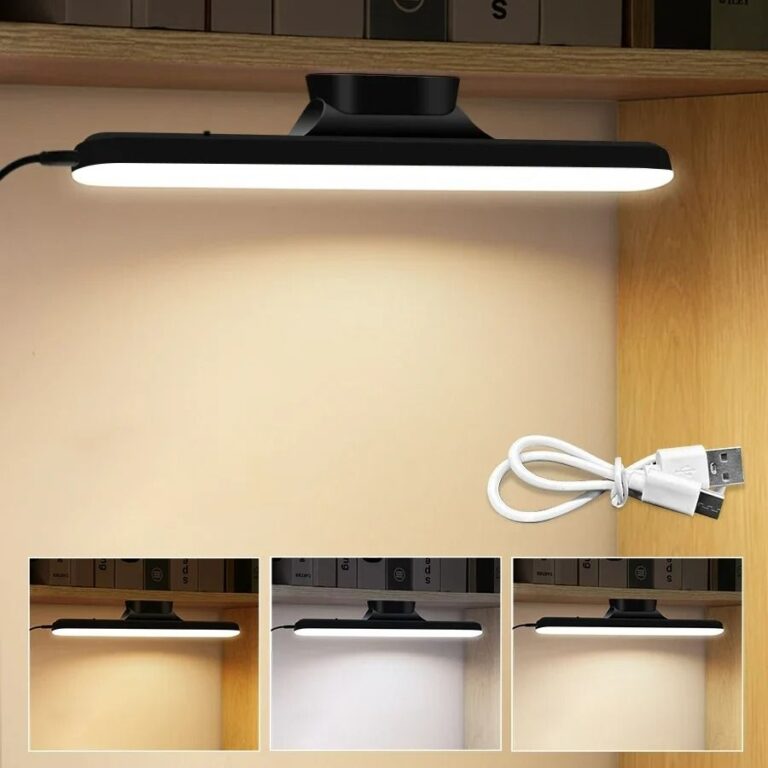 Aisha's pickWhite Mirror Cabinets with Lights That Look Like They Cost MoreAlso worth a lookOffice CabinetsBefore you buy anything, measure your doorways, not just the room.See the collections →
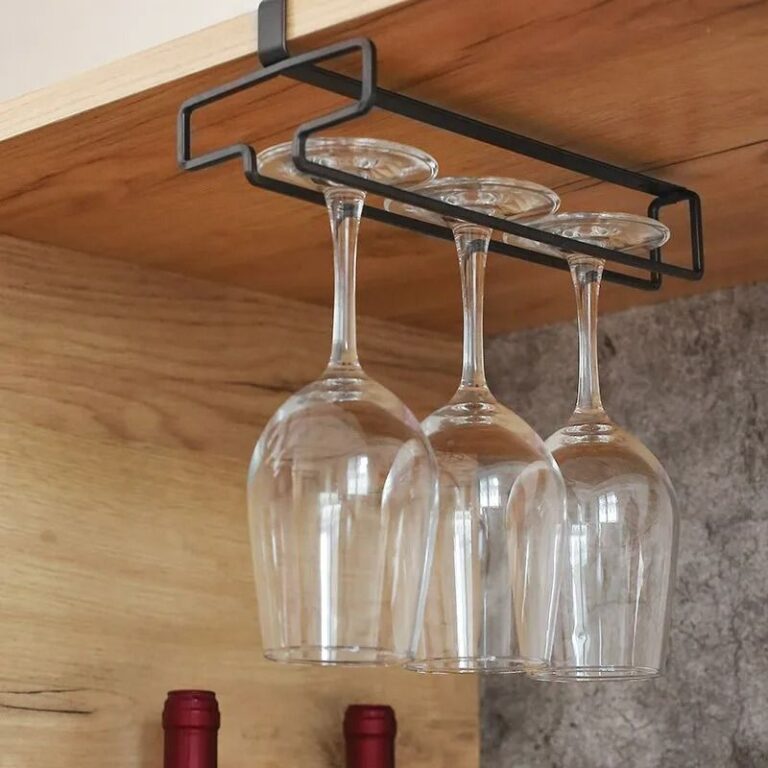 Aisha's pickThe White Kitchen Storage Cabinets with Shelves Worth Your Cash
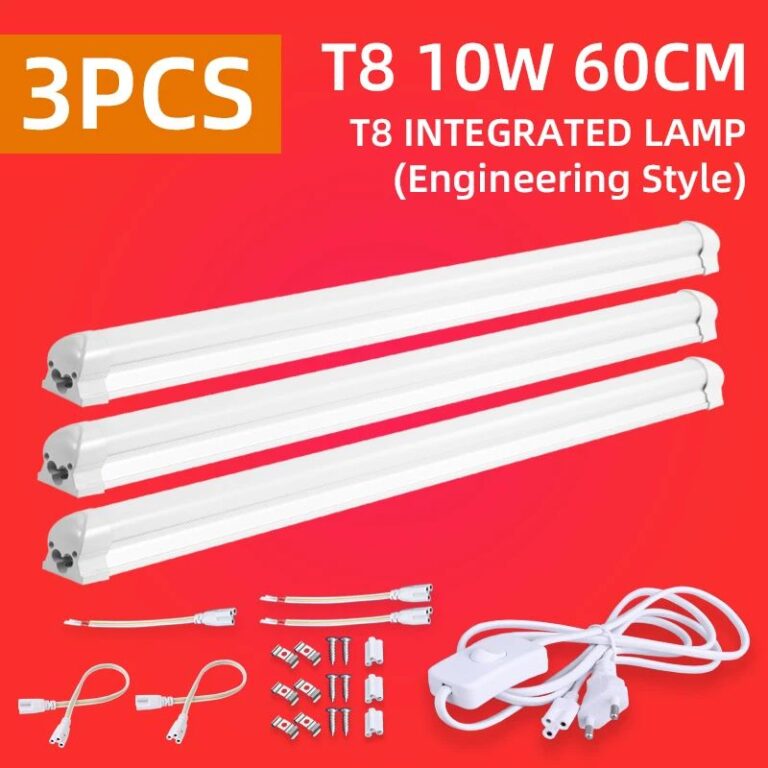
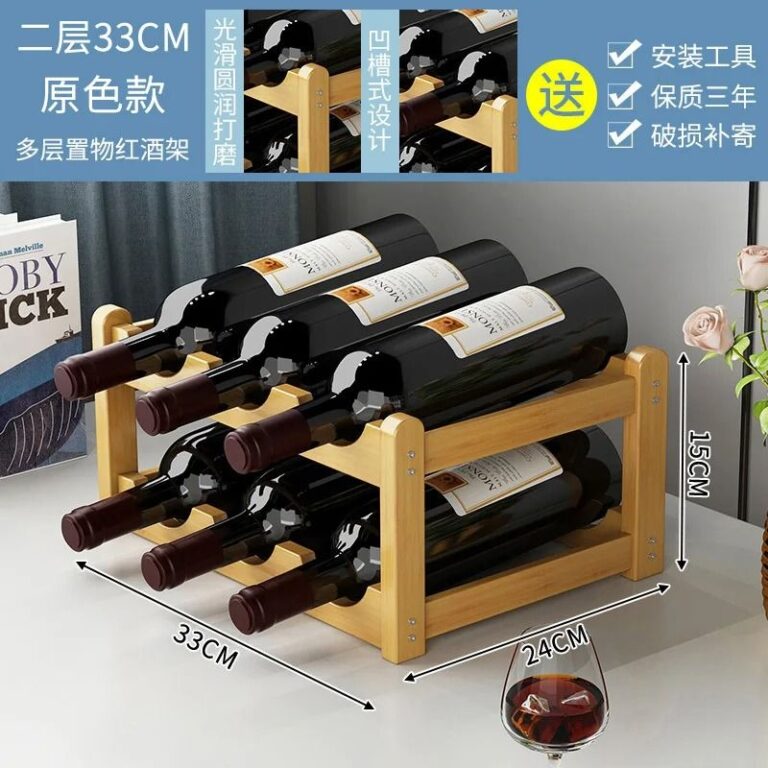 Aisha's pickWhite Pantry Cabinets That Swallow the Clutter
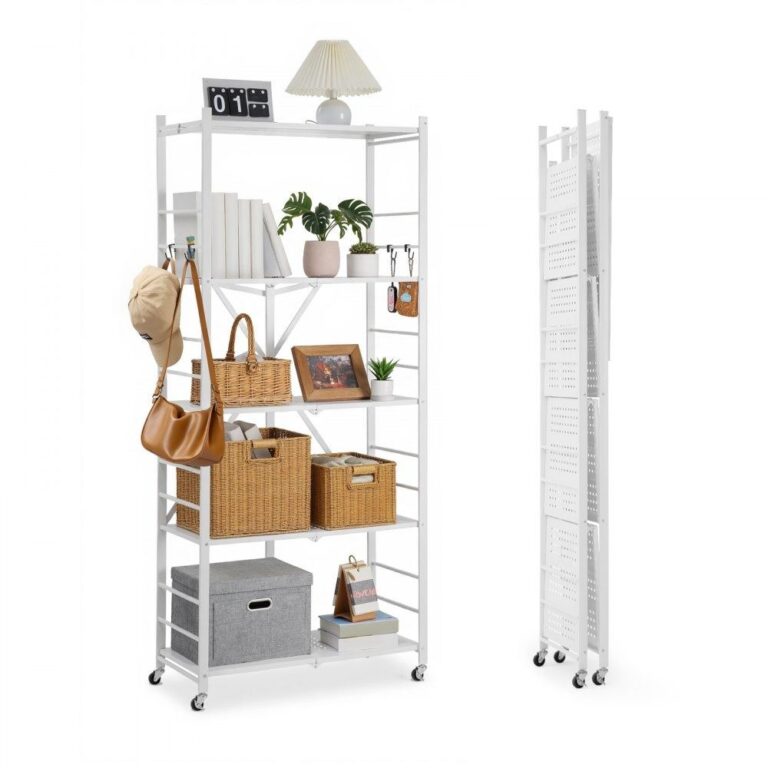 Aisha's pickWhite Kitchen Storage Units That Cope With Steam and Splashes
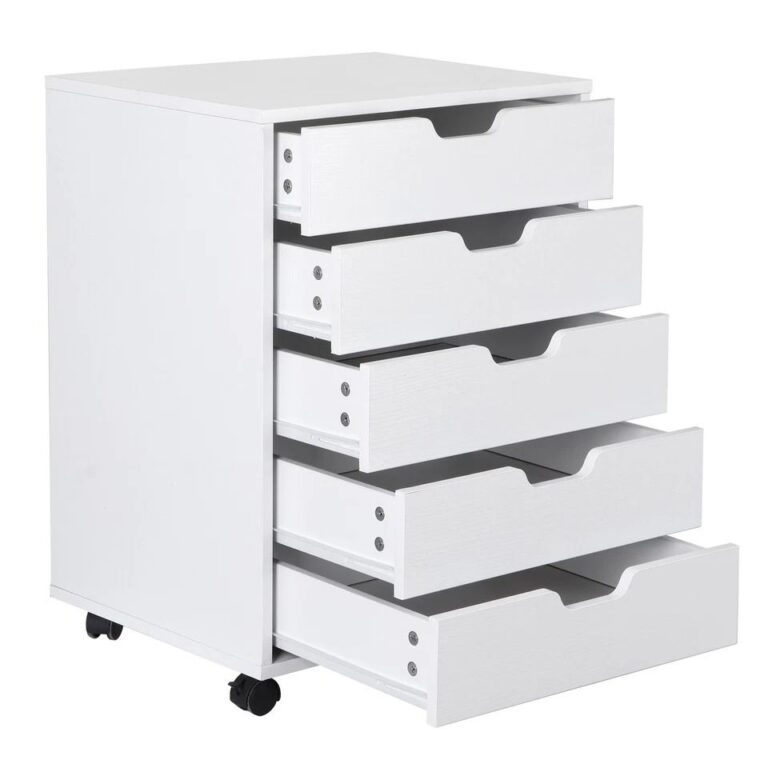
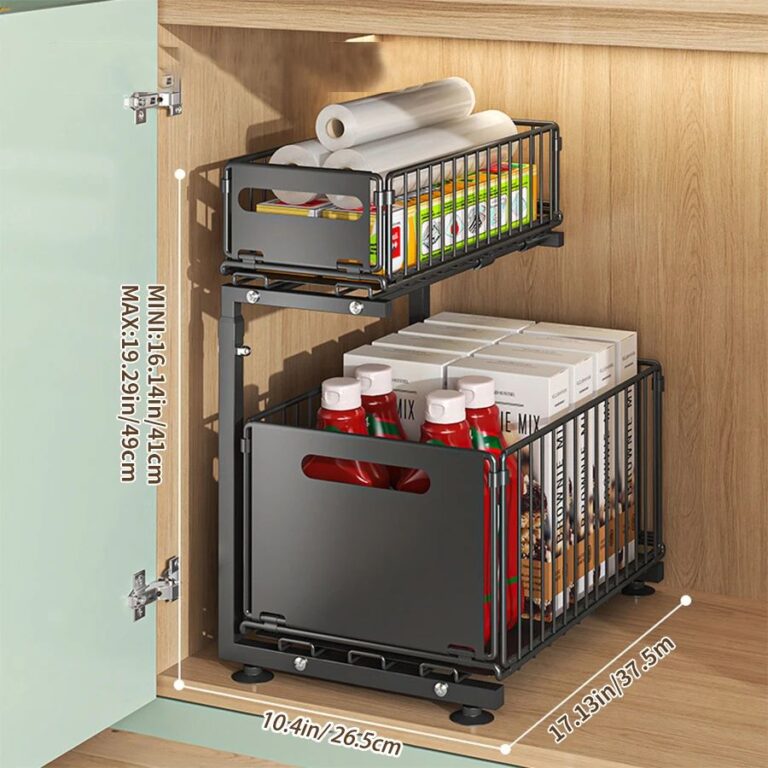 Aisha's pickWhite Bathroom Cabinets That Make Mornings Easier
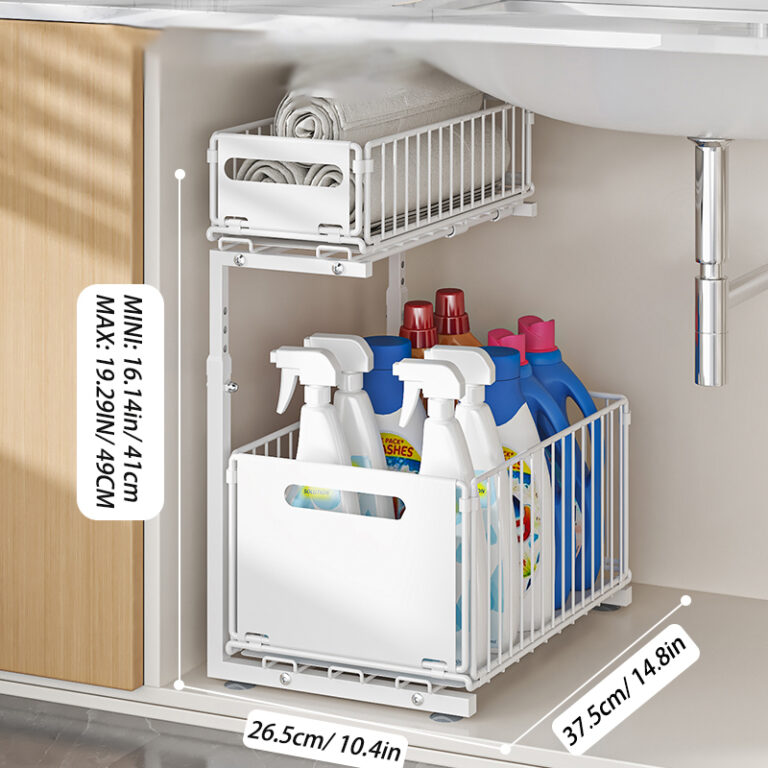
 Aisha's pickWhite Pantry Cabinets with Doors That Don’t Look Mass Produced
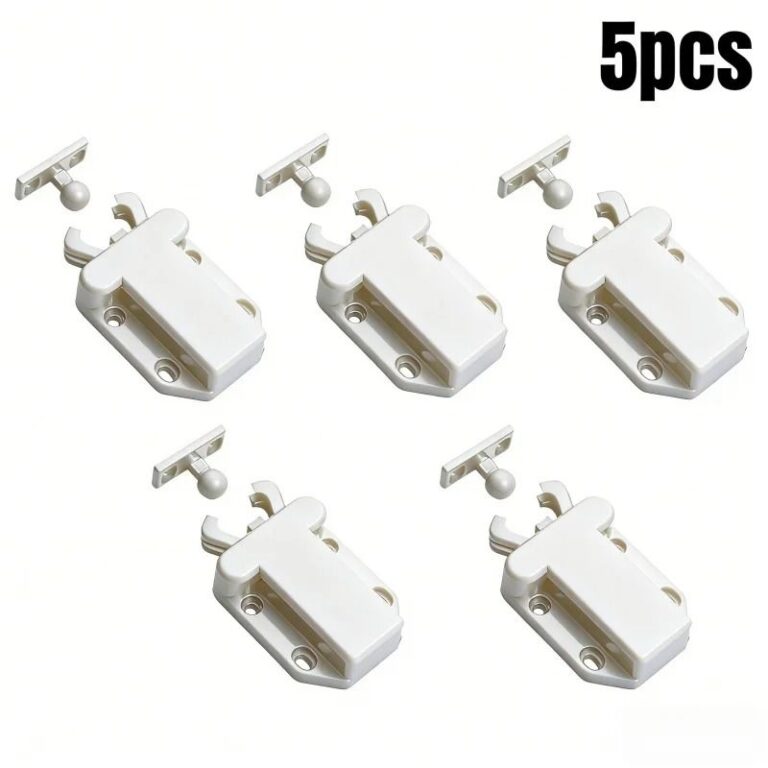
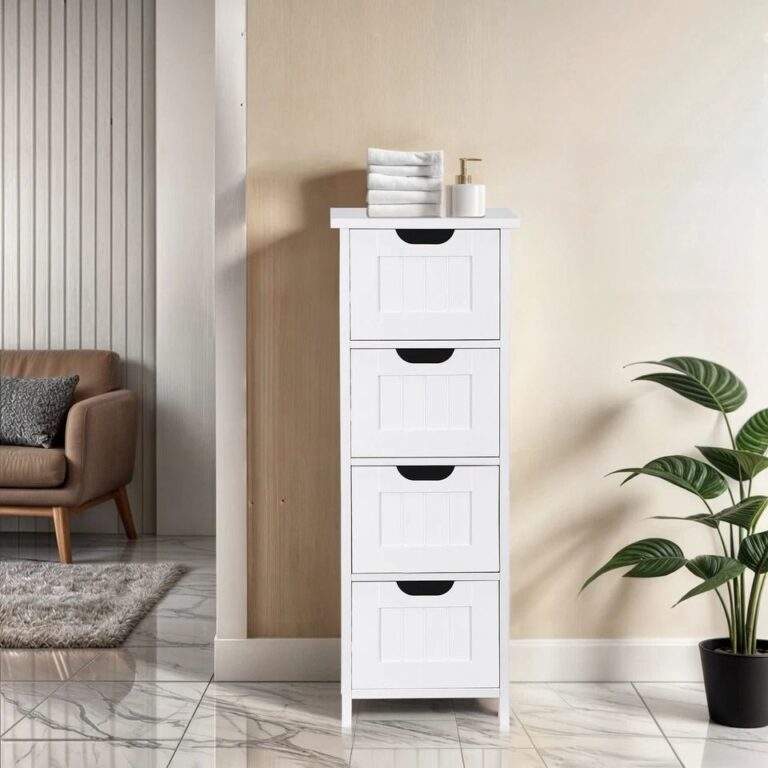 Aisha's pickWhite Office Storage Cabinets You Won’t Regret Buying
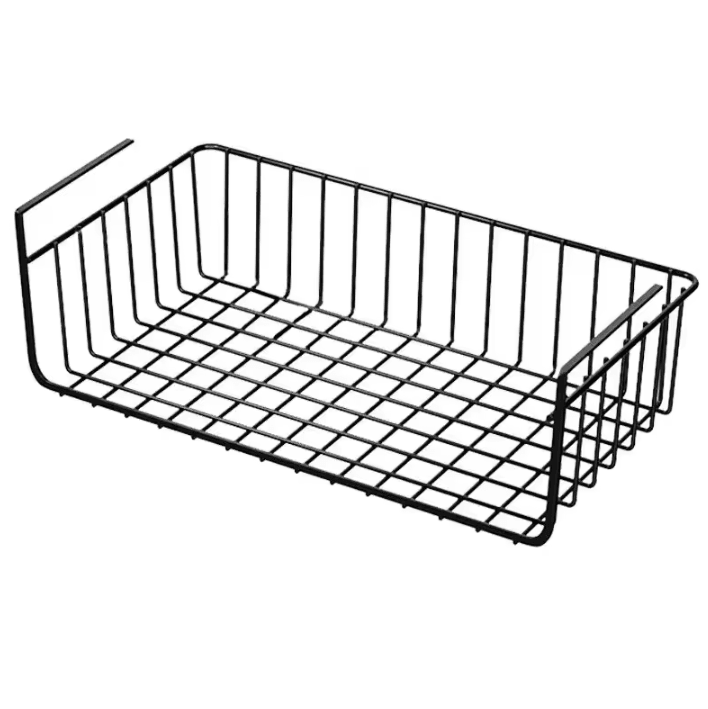
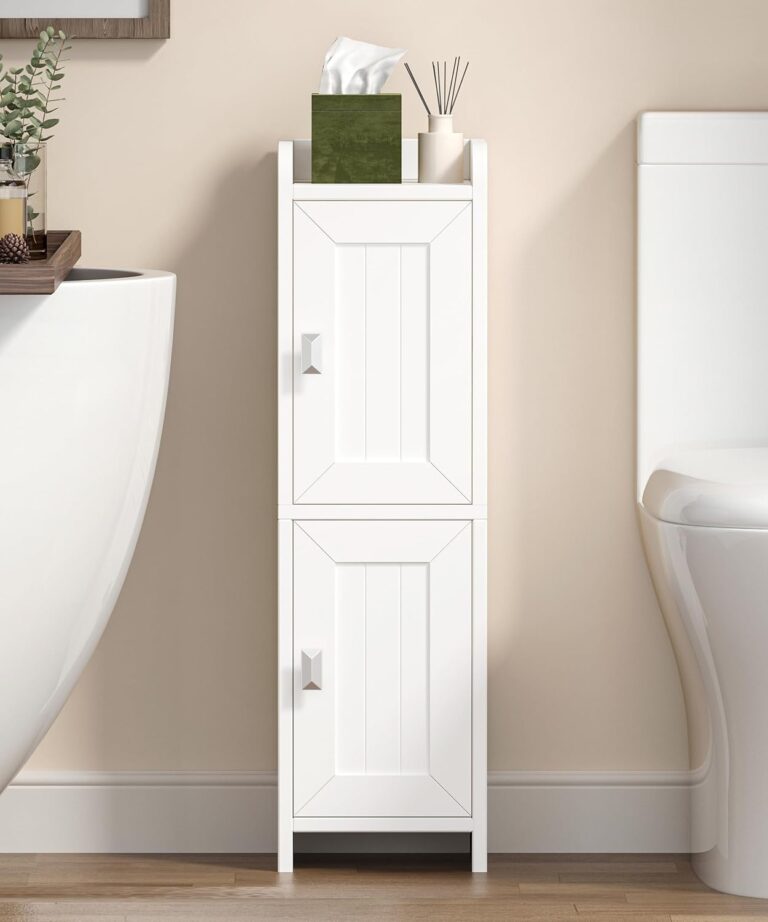 Aisha's pickWhite Bathroom Floor Cabinets That Get Better With Age
 Aisha's pickWhite Shelving Units Pulled From Dozens of Stores