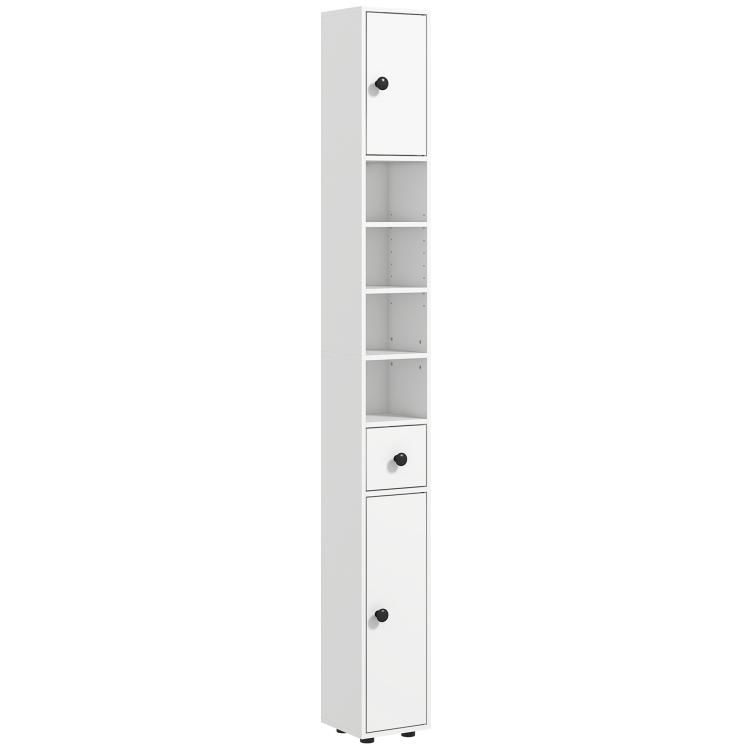
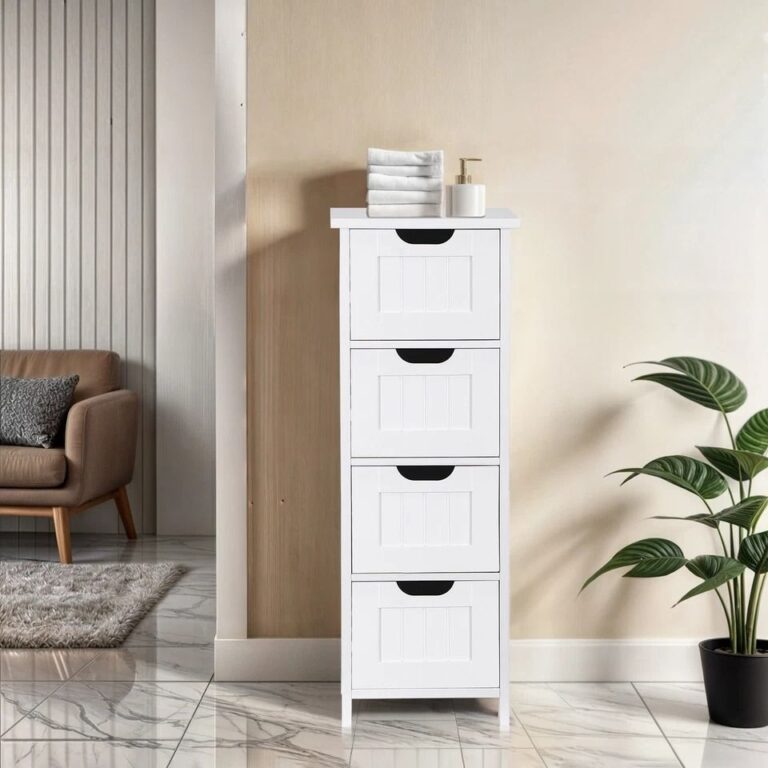
The first thing you notice isn't the color, it's where the color stops looking the same. Give a white storage cabinet six months near a window and you'll see a faint yellow line creep across one side where the sun hits it daily. Nobody tells you that in the shop, under the fluorescent lights everything reads the same flat white.
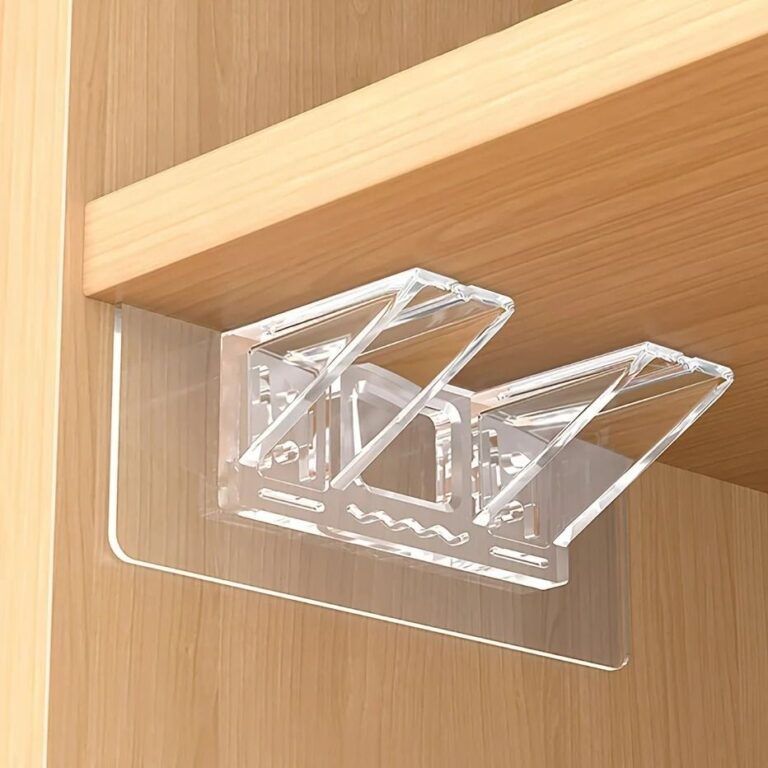
This kind of cabinet is the wrong call in a steamy bathroom with no extractor fan, or tucked beside a radiator, because heat and damp are what turn a crisp white panel into something with a faint gray bloom around the edges within a year. It's also not the one to buy if you need it to survive a mudroom or a kitchen that gets properly splashed, since most white storage pieces are painted MDF or laminate over chipboard, not solid wood, and water finds the seams before you'd think. When you're measuring up, don't just check the width of the wall, check the door swing too, you need the full open width plus a couple of inches of clearance or you'll be reaching around an open door every single morning like it's a personal insult. Measure the depth against anything it sits beside, a half inch mismatch looks sloppy once it's in place and you notice it every day, not just on delivery day. Tap the side panel with a knuckle before you commit, a hollow, light knock means thin board and lighter duty shelves, a denser thud means it'll hold more without bowing. Check the shelves are adjustable, not fixed, because fixed shelving is how you end up with a cabinet that's half empty on top and crammed on the bottom forever.
White storage cabinets age in two very different ways depending on finish. Painted finishes chip at the corners first, especially near handles and the bottom edge where shoes and vacuum cleaners clip it, and once one chip shows the whole thing suddenly looks ten years older than it is. Laminate wears more evenly but scratches show up starker against white than they would against a darker finish, so wipe it down with a damp cloth and something mild, nothing abrasive, and keep anything acidic off the top. Touch up paint chips early with a matched pot rather than waiting, because bare MDF edges soak up grime fast and go gray before they go anything else. Hinges are worth a check every year or so, a loose screw on a heavy door is how you end up with a cabinet that doesn't close flush anymore.
Where it struggles is sitting next to warm, orange toned wood, the two whites and woods read as mismatched rather than deliberate, and it also clashes with other white pieces that lean slightly cream or slightly blue, since those undertones only become obvious once they're side by side in the same room.
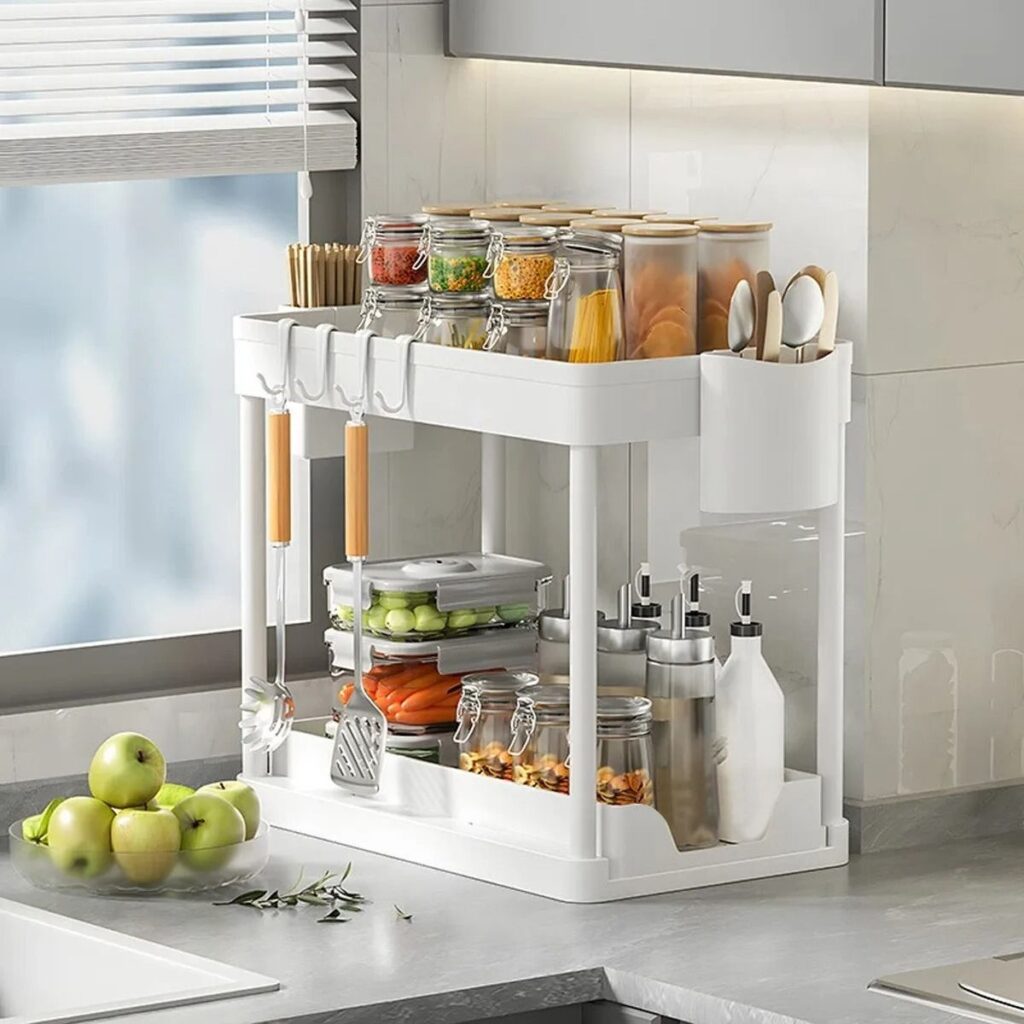 Aisha's pickWhite Freestanding Kitchen Storage Cabinets That Cope With Steam and Splashes
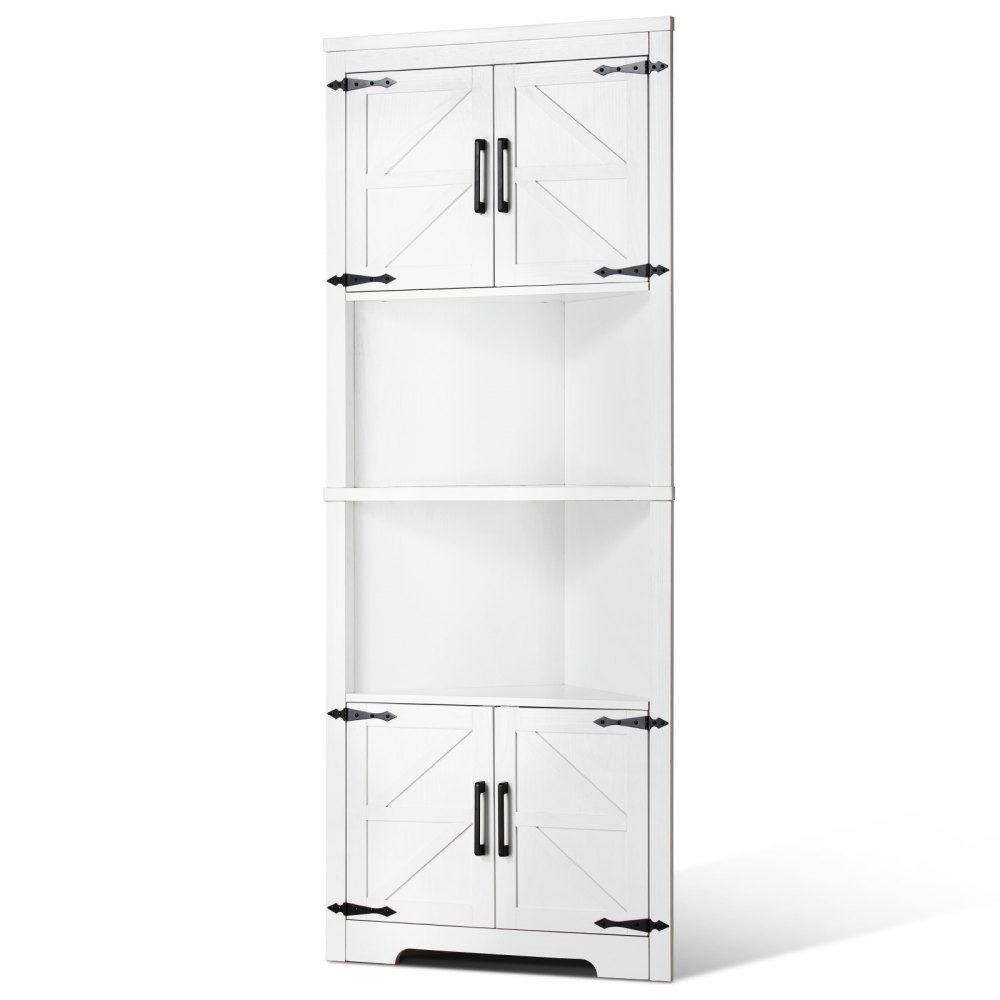
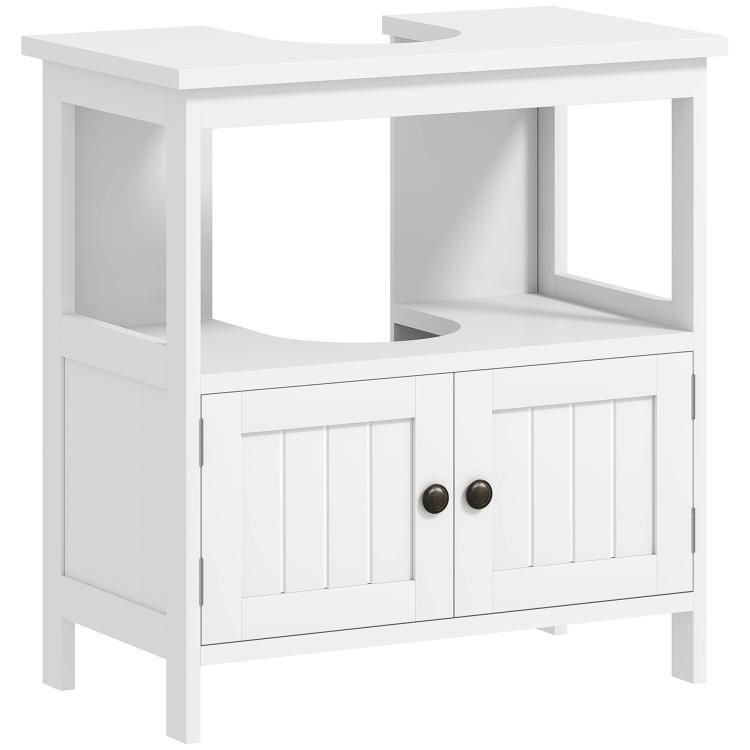 Aisha's pickWhite Freestanding Storage Cabinets That Swallow the Clutter
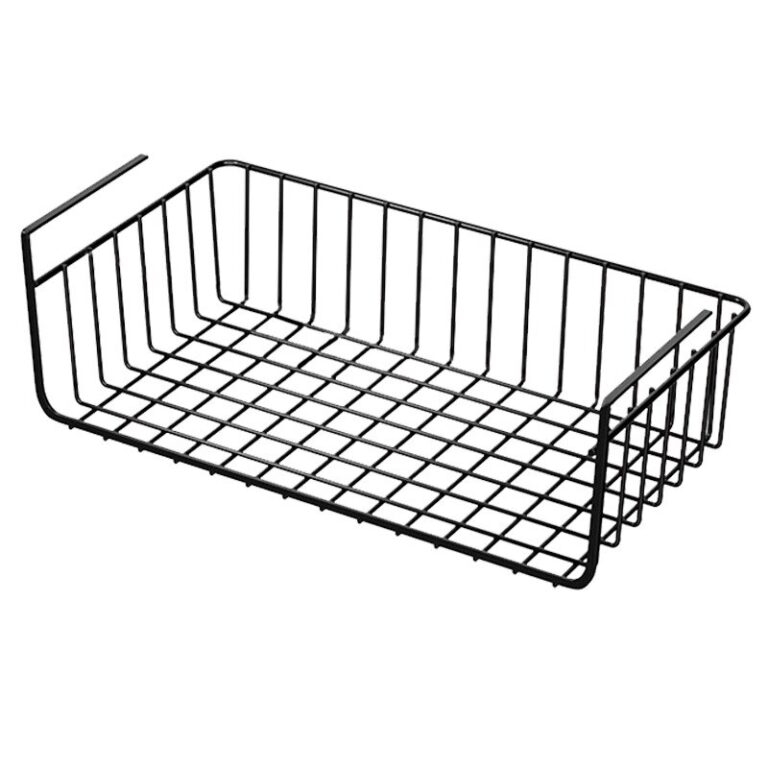
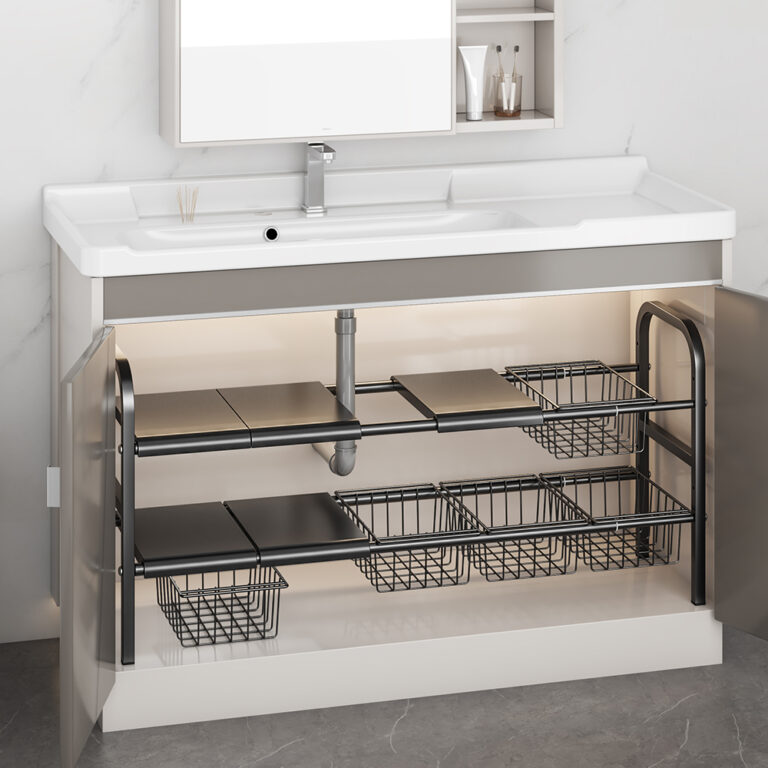 Aisha's pickWhite Kitchen Storage Cabinets for Homes With Too Much Stuff
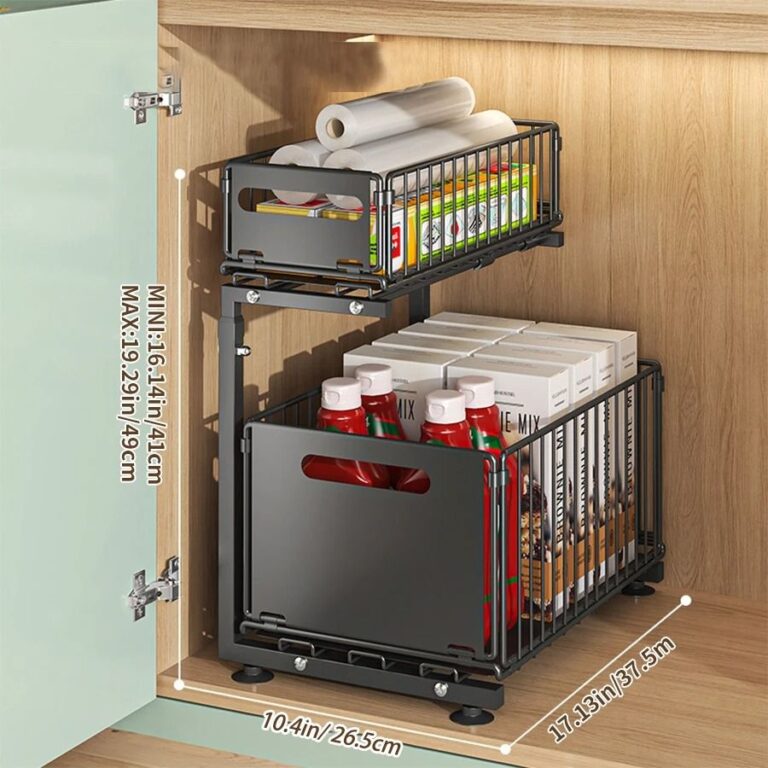
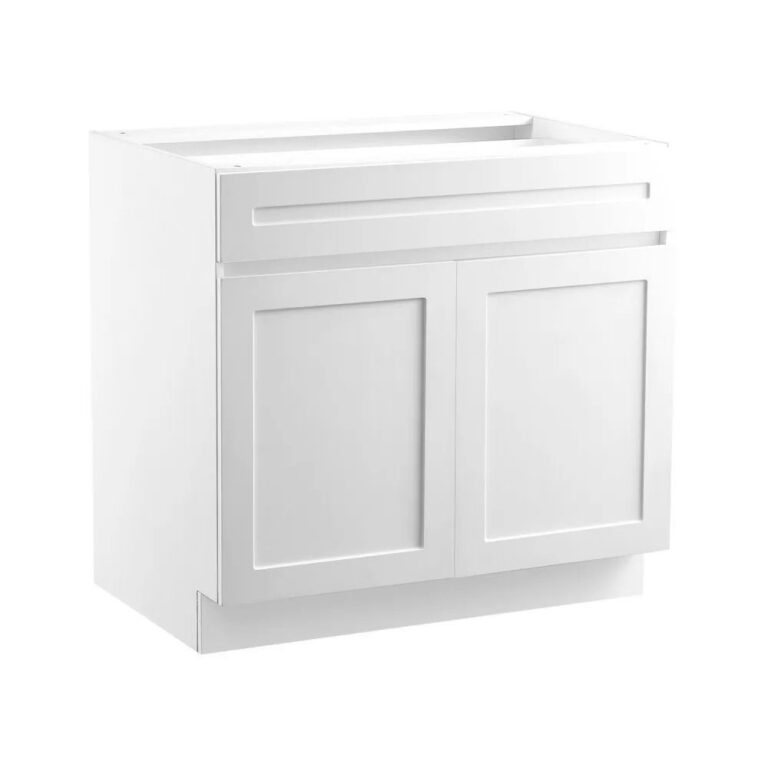 Aisha's pickWhite Kitchen Storage Cabinets with Doors That Won’t Date in a Year
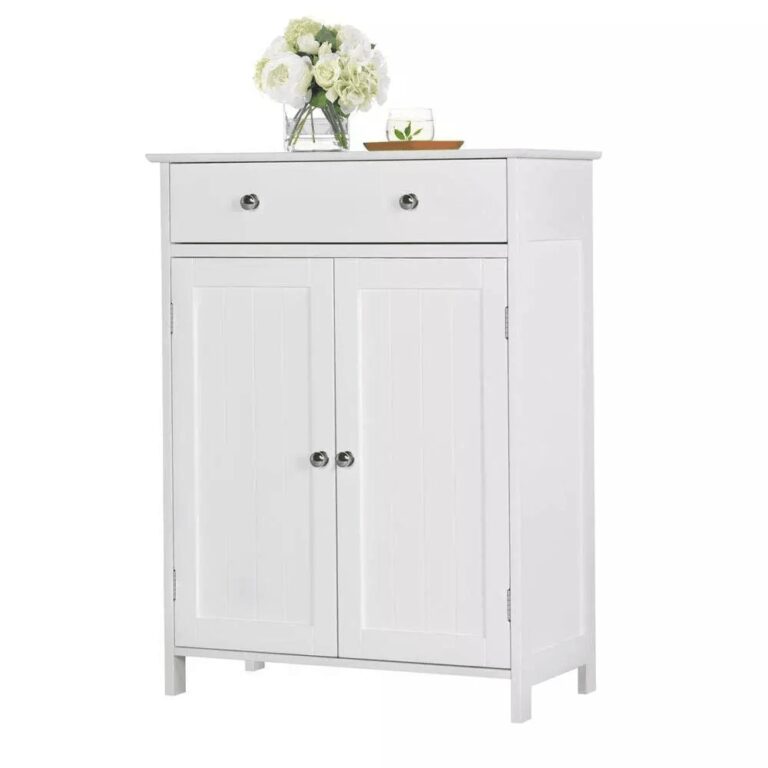
 Aisha's pickWhite Kitchen Storage Cabinets with Drawers That Do the Job Right
 Aisha's pickThe White Kitchen Storage Cabinets with Shelves Worth Your Cash
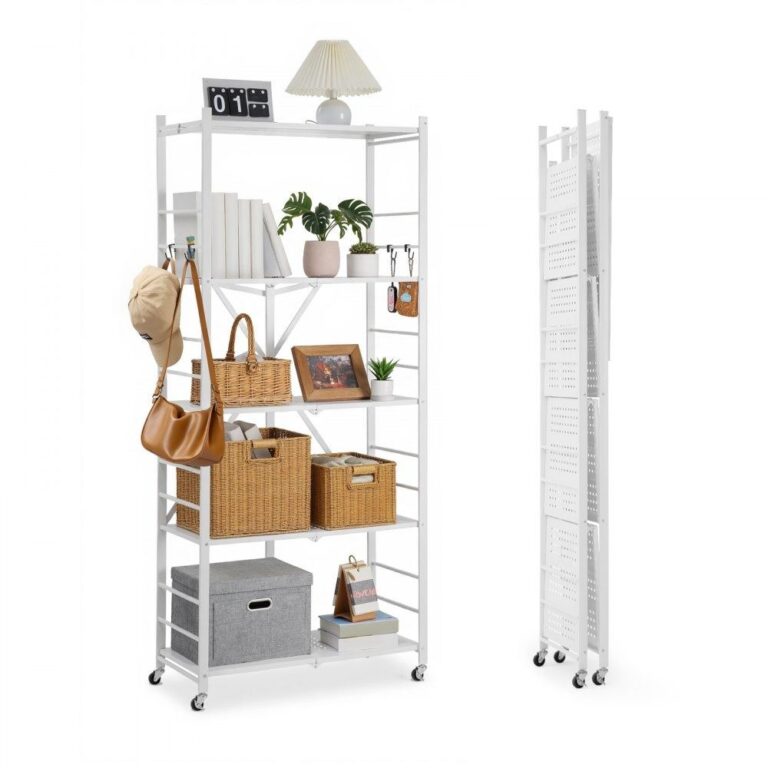 Aisha's pickWhite Kitchen Storage Units That Cope With Steam and Splashes
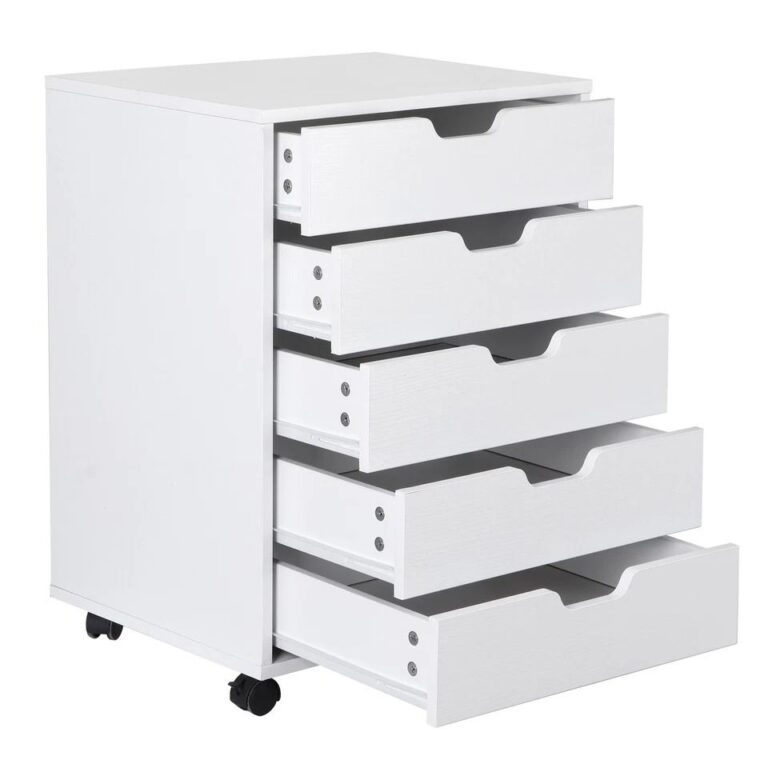
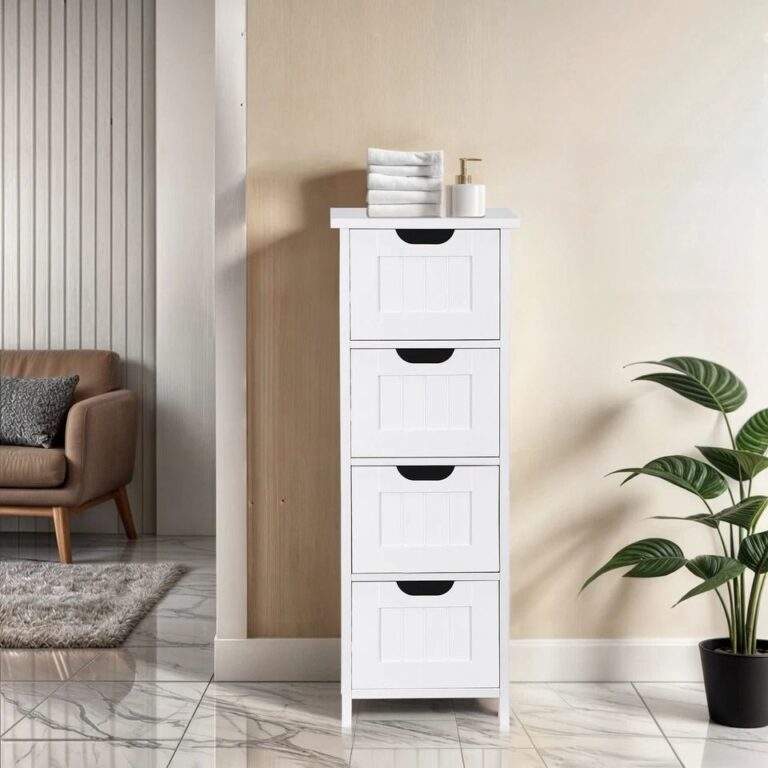 Aisha's pickWhite Office Storage Cabinets You Won’t Regret Buying
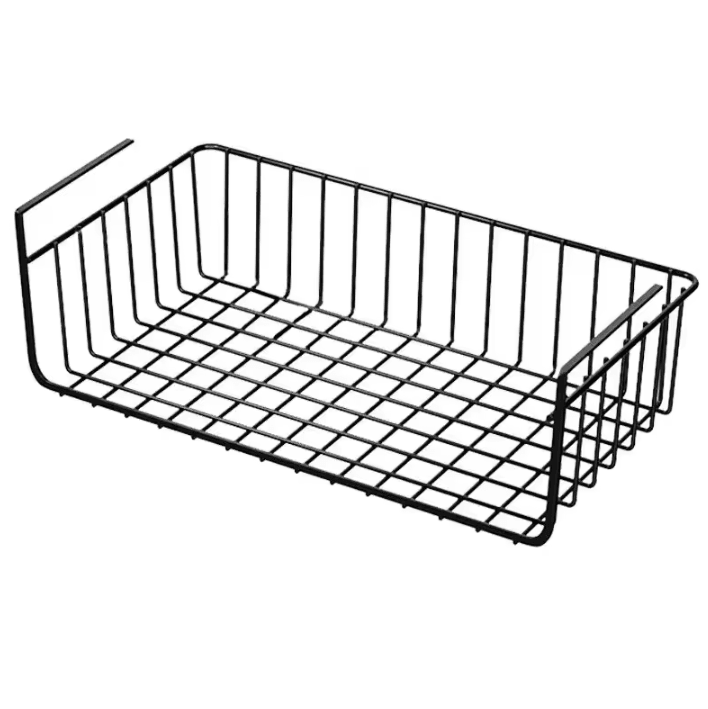
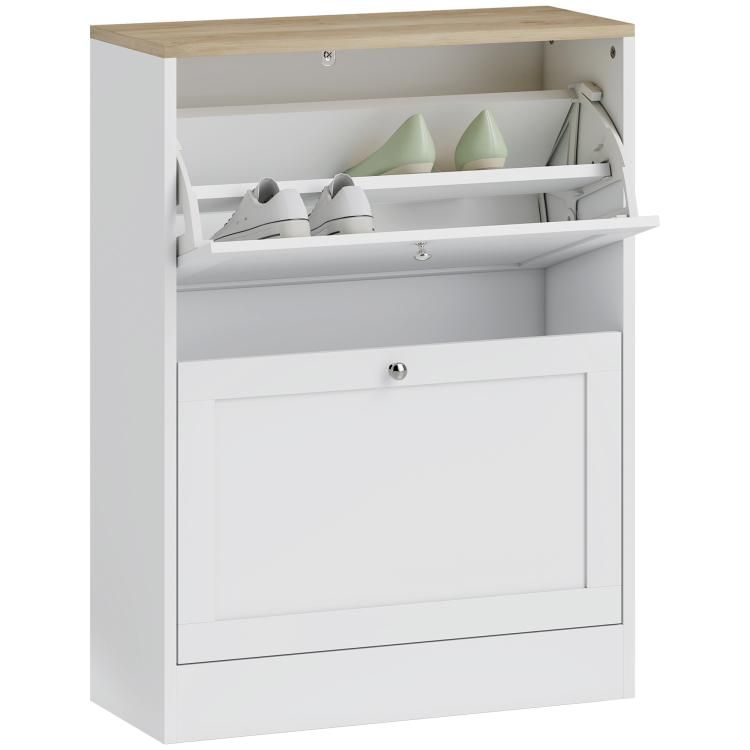
 Aisha's pickWhite Shoe Storage Cabinets for Narrow HallwaysAlso worth a lookWhite CabinetsA good white cabinet catches the light in a way dark wood never will.See the collections →
 Aisha's pickLarge White Storage Cabinets We Wish We’d Bought Sooner

 Aisha's pickWhite Storage Cabinets That Don’t Look Mass Produced
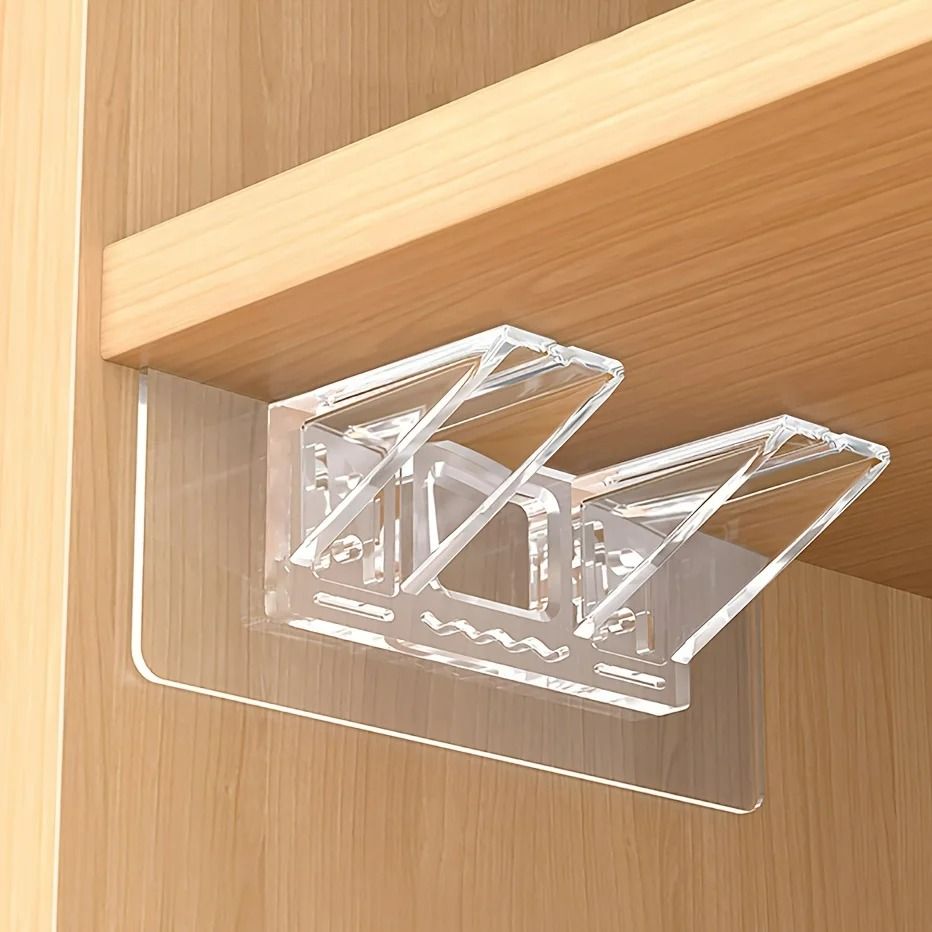
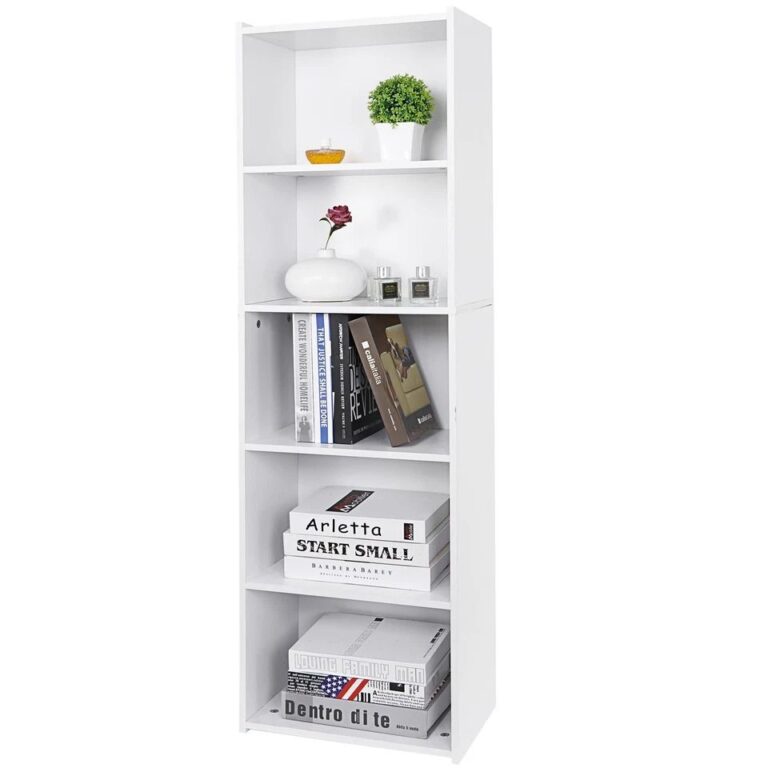 Aisha's pickLarge White Storage Units That Make a Room Feel Finished
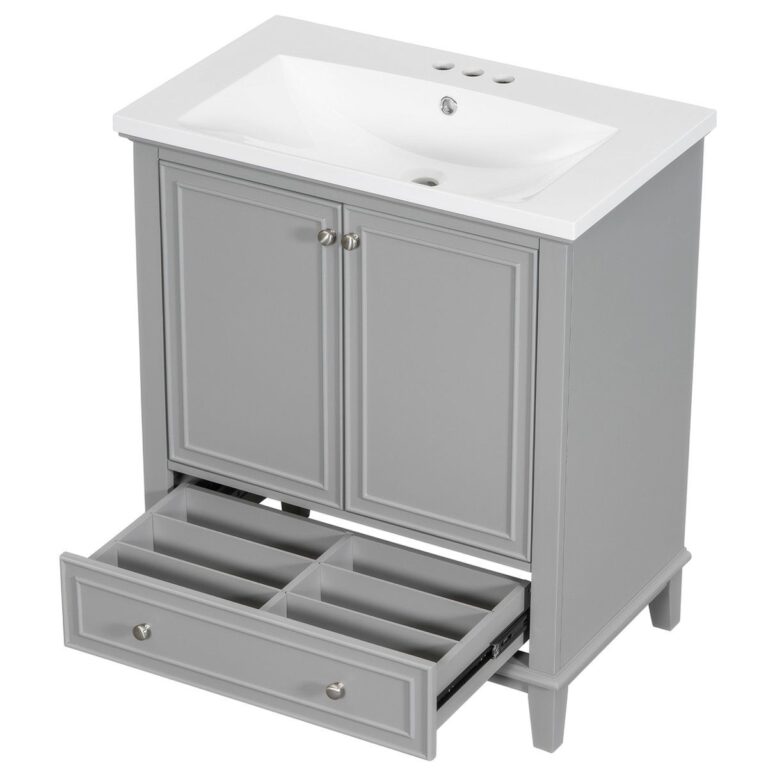 Aisha's pickWhite Storage Cabinets with Doors That Look Good Even When Full
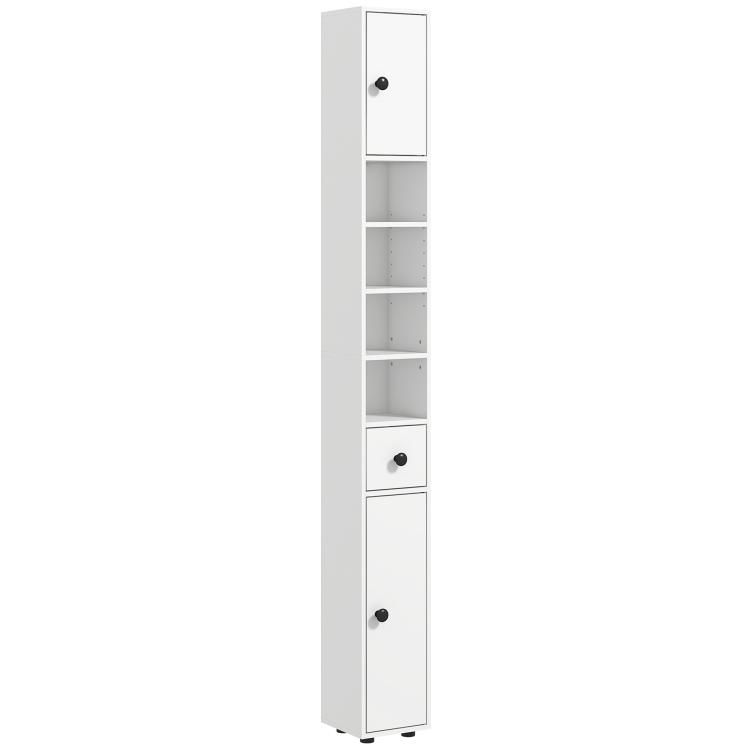
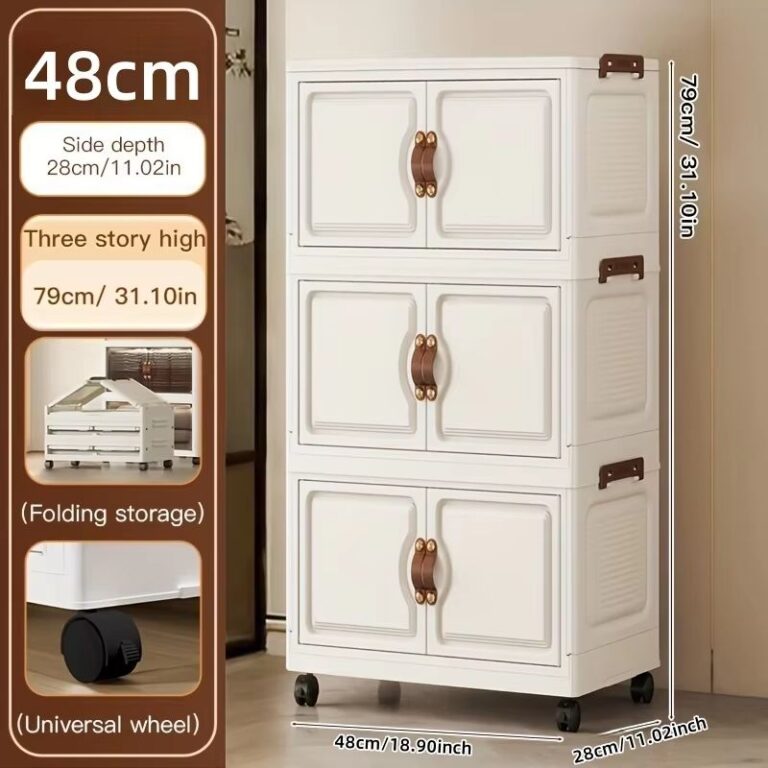 Aisha's pickNarrow White Storage Cabinets That Keep Surfaces Clear
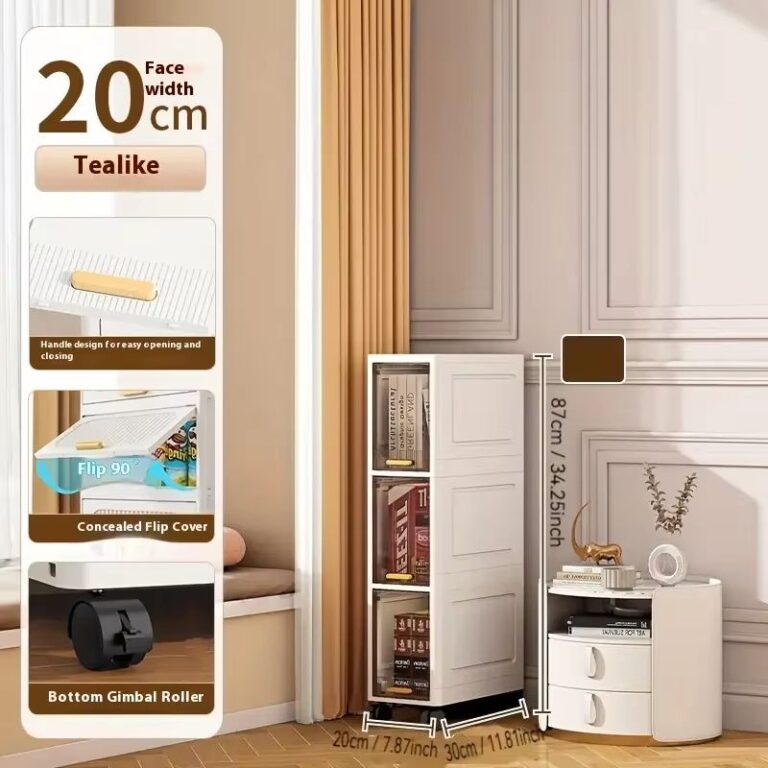
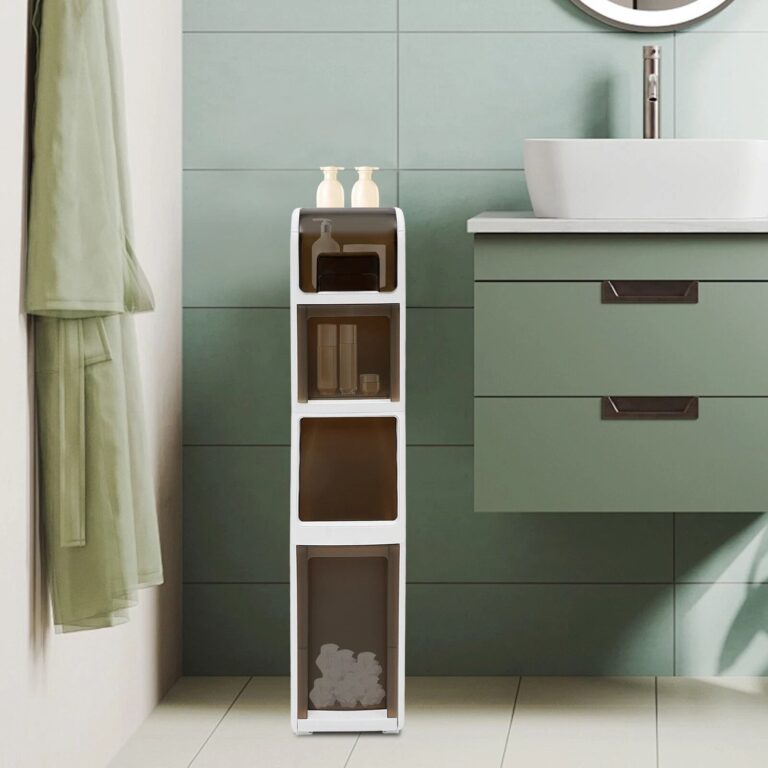 Aisha's pickSimple White Storage Cabinets with Drawers Done Well
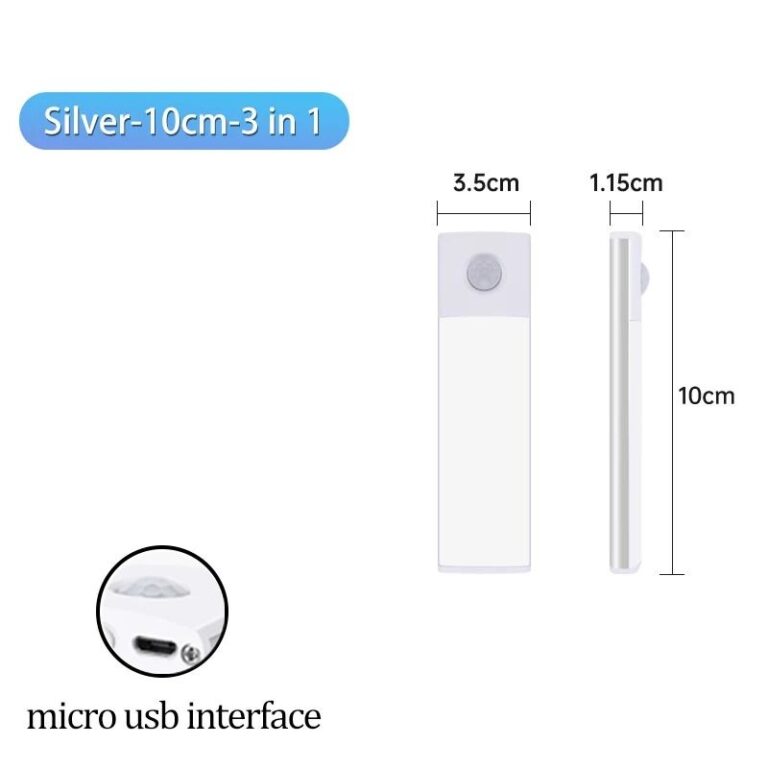
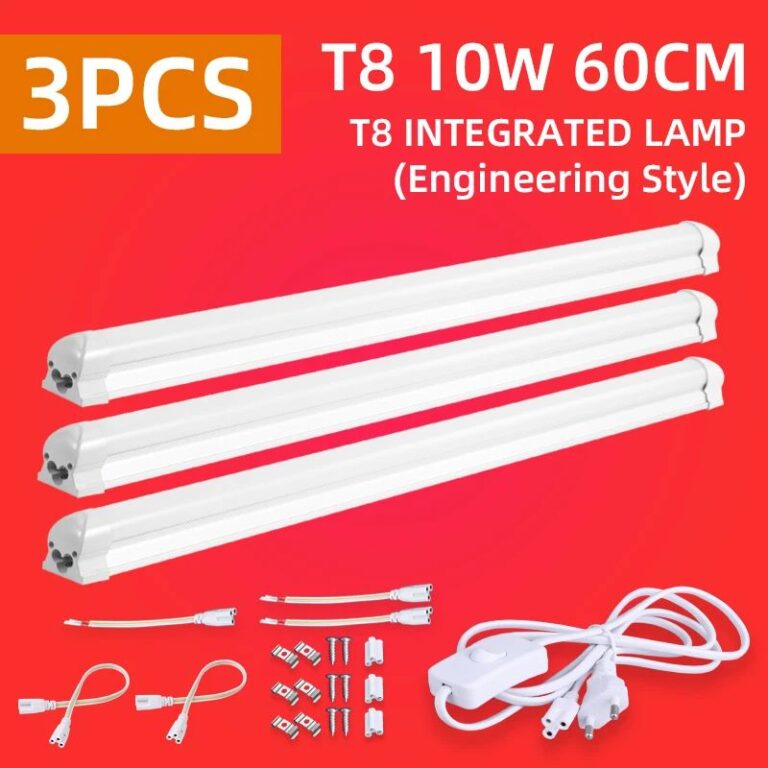 Aisha's pickSlim White Storage Cabinets for Homes With Too Much Stuff
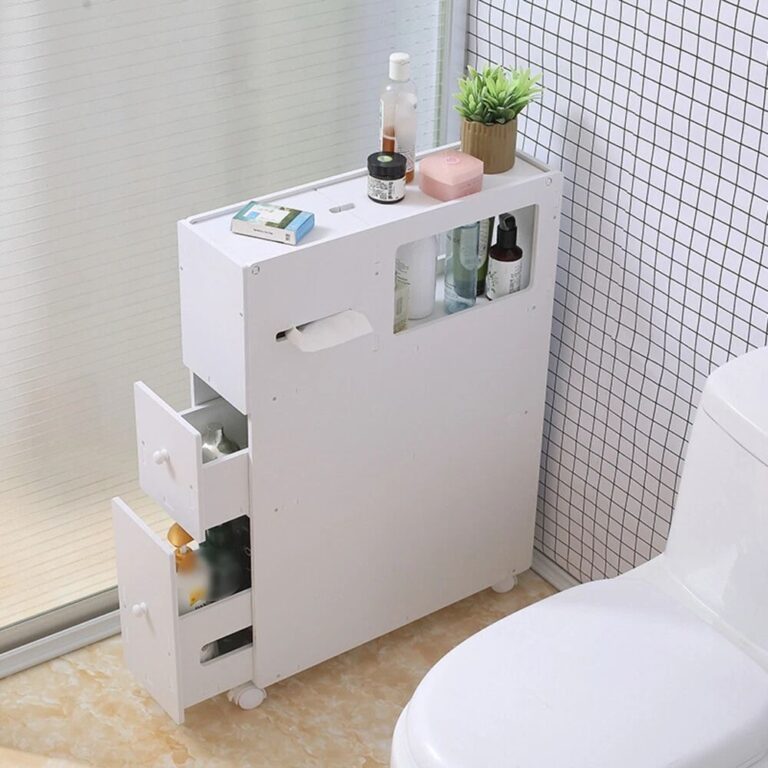
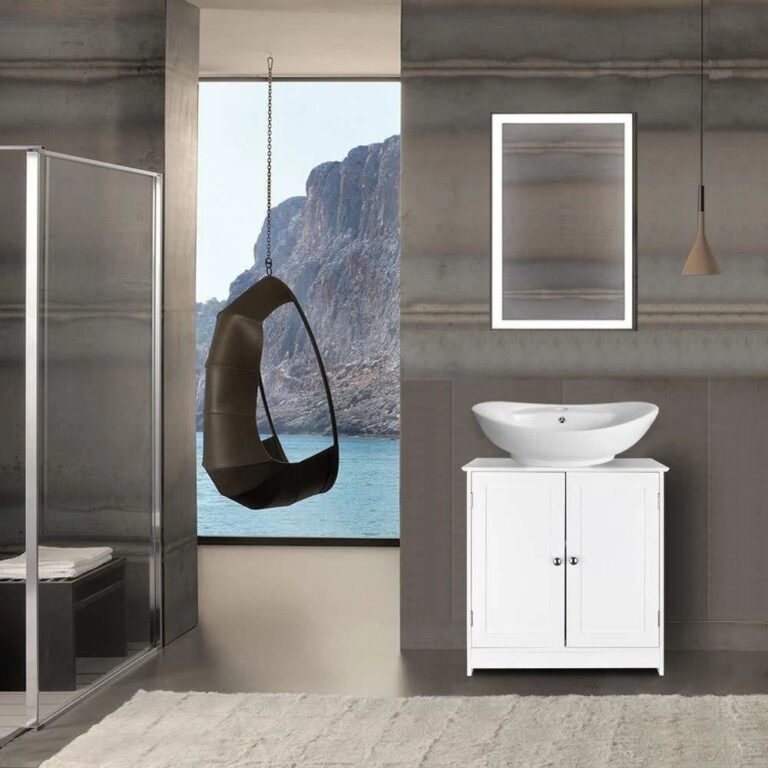 Aisha's pickWhite Storage Cabinets with Shelves That Fit Into Real Life
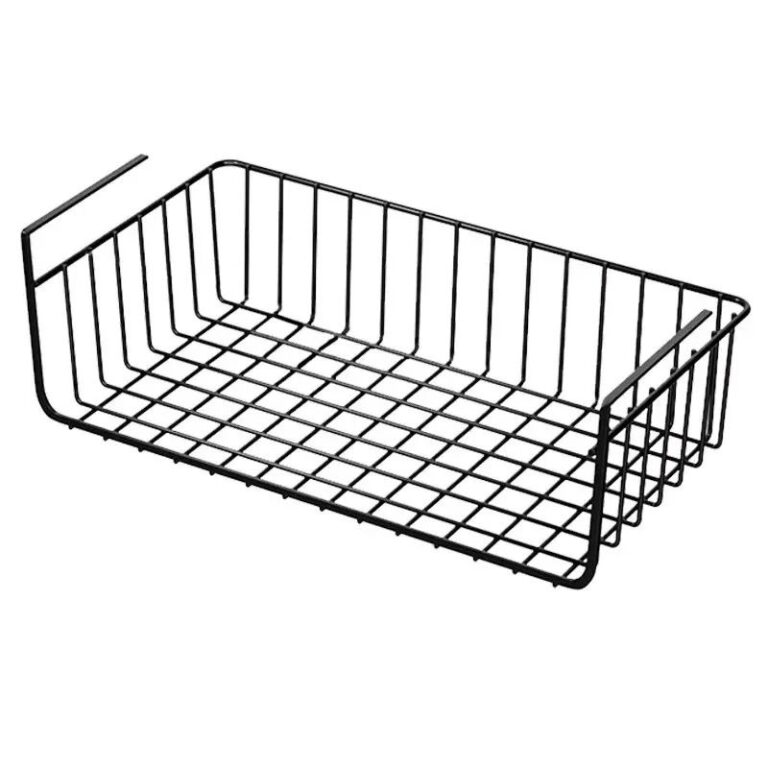
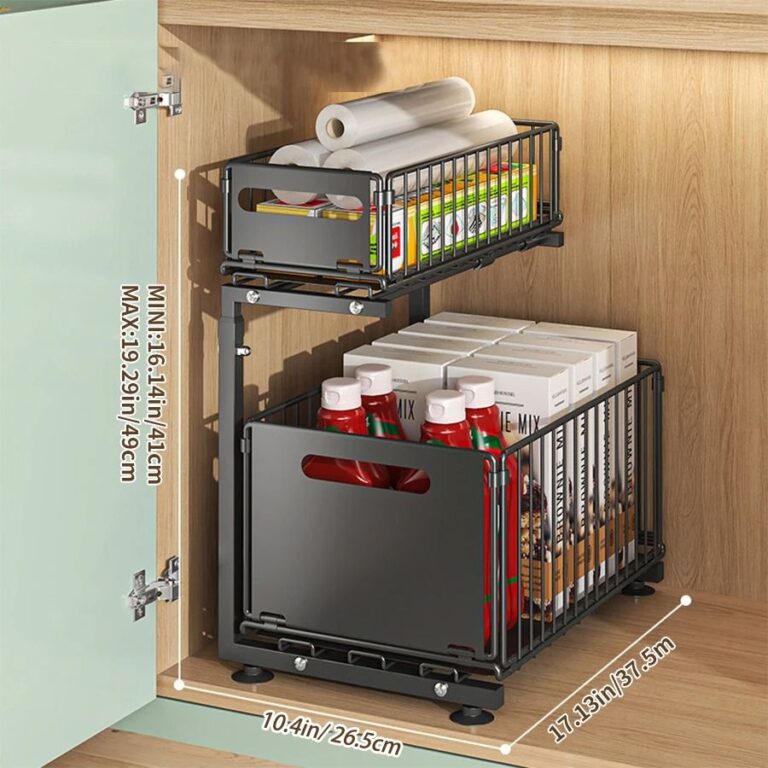 Aisha's pickSmall White Storage Cabinets Worth Knowing About

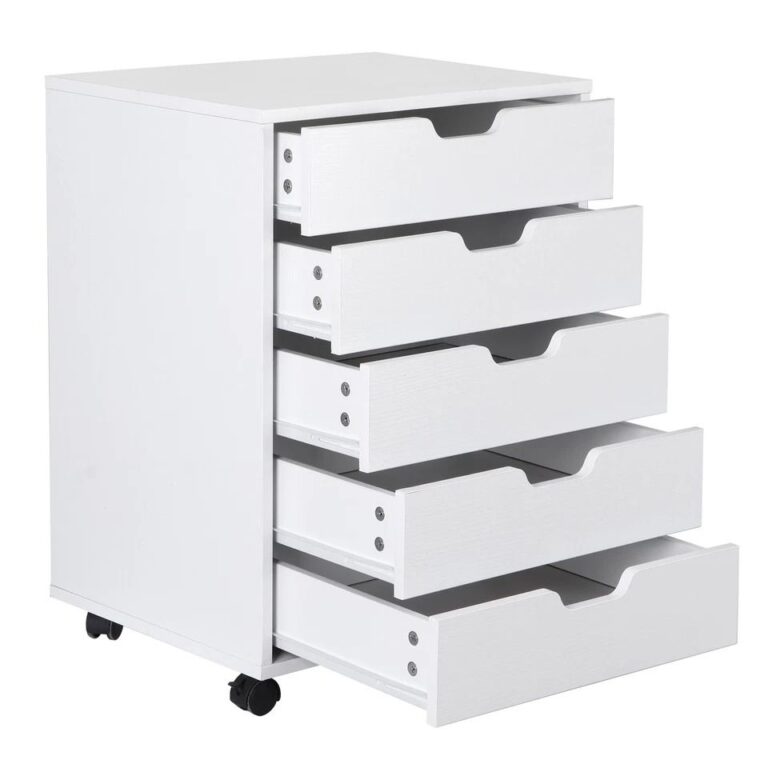 Aisha's pickWhite Storage Units That Make a Room Feel Finished
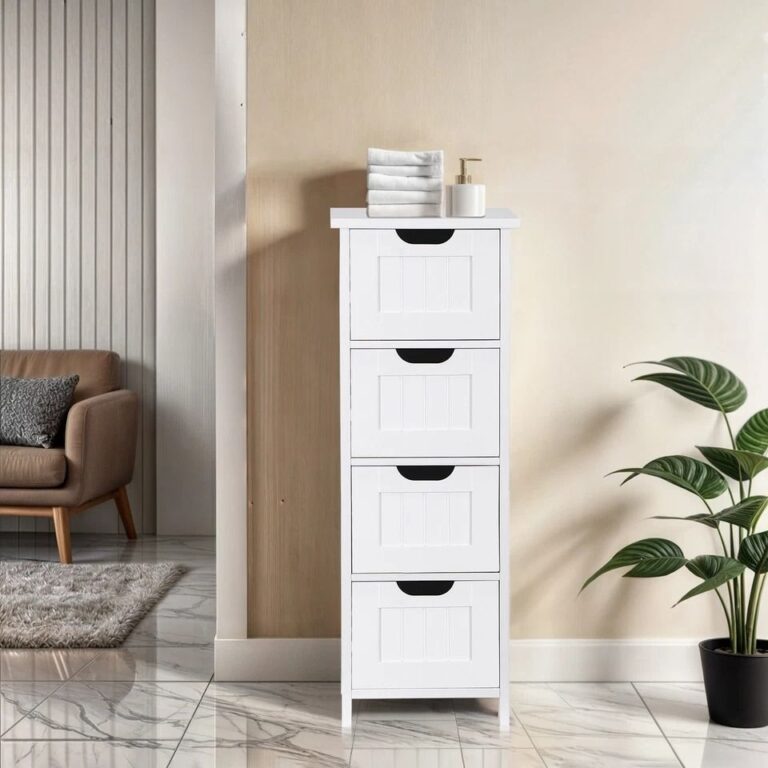
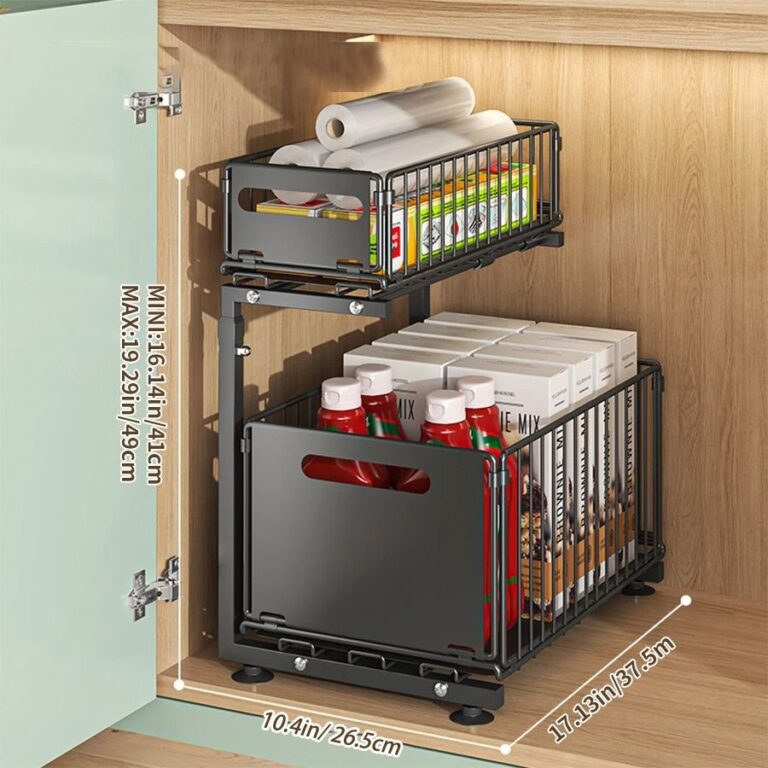 Aisha's pickTall White Storage Cabinets That Swallow the Clutter