Freestanding cabinets get a bad rap for being the thing you buy when you can't be bothered to work out built ins, and honestly, that reputation is half deserved and half lazy. A good one isn't a compromise. It's furniture that can move with you, which matters a lot more than people admit until they're the ones leaving a rental and realizing the cabinet they love is screwed into a wall that isn't theirs.
These work almost anywhere you've got an awkward run of wall and no appetite for a contractor, which is most rooms in most houses I've ever lived in. A hallway that needs somewhere for shoes and mail. A dining room with nowhere to put the good plates. A bedroom corner that's been empty since you moved in three years ago. In winter, with the light low and amber by four in the afternoon, a cabinet with some depth to it and a warm wood tone makes a room feel more settled than it has any right to. In summer, lighter finishes keep the same spot from feeling heavy when the windows are open and everything else in the room is trying to breathe. Wood ages the best of any material here, picking up a little color and a few honest marks over the years, which is part of the deal rather than a flaw, so don't panic the first time it gets a water ring. Wipe spills fast, keep it out of direct sun if you can, and give it a wax or oil every so often if it's an open grain finish, that's really the whole maintenance plan. Painted and veneered versions need less fuss but show chips more, so a coaster habit matters more there than people expect. In an ordinary room, a freestanding cabinet sits well against plain walls more than busy ones, pairs naturally with a rug that has some age or texture to it, and does better next to soft lighting, a lamp on top or beside it, than under a harsh overhead. It doesn't need matching furniture around it. It needs a bit of breathing room on either side so it reads as a piece rather than a slab.
When you're looking at one in person or checking it the day it arrives, run your hand along the back edges and the inside of the doors, that's where cheap finishing shows up first. Open every door and drawer, more than once, cabinets that feel fine standing still can rock or stick once they're loaded. Check the feet are adjustable if your floor isn't perfectly flat, because almost no floor is, and look at how the back panel is attached, a flimsy stapled back on a tall cabinet is asking to bow under weight. Keep it out of direct sun and off a damp floor, and it'll outlast most of the other furniture in the room.
 Aisha's pickFreestanding Storage Cabinets We Wish We’d Bought Sooner

 Aisha's pickFreestanding Bathroom Cabinets With Some Character

 Aisha's pickFreestanding Storage Units With Room for More Than You’d Think

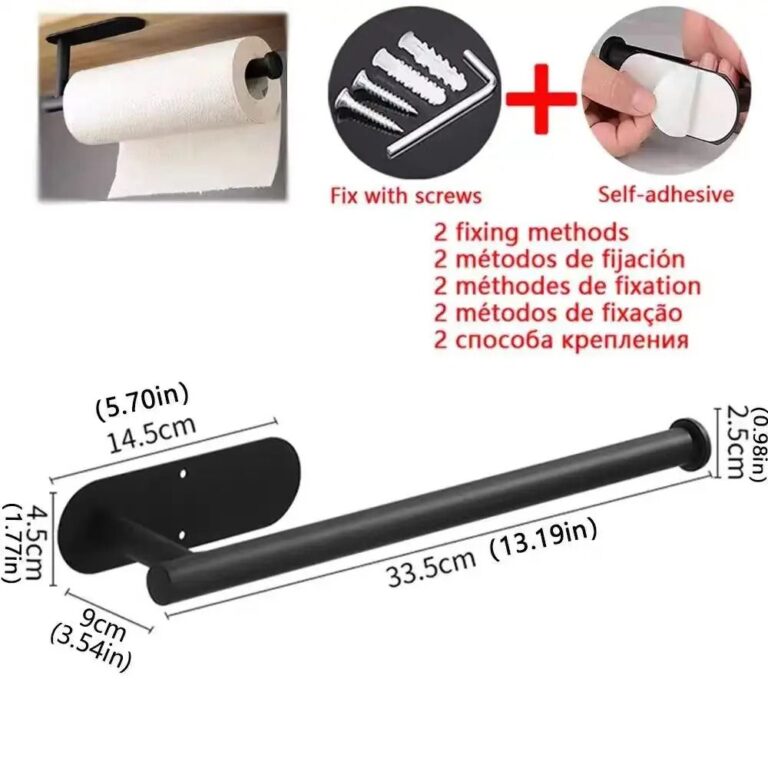 Aisha's pickFreestanding Bathroom Storage Cabinets That Stand Up to Steam

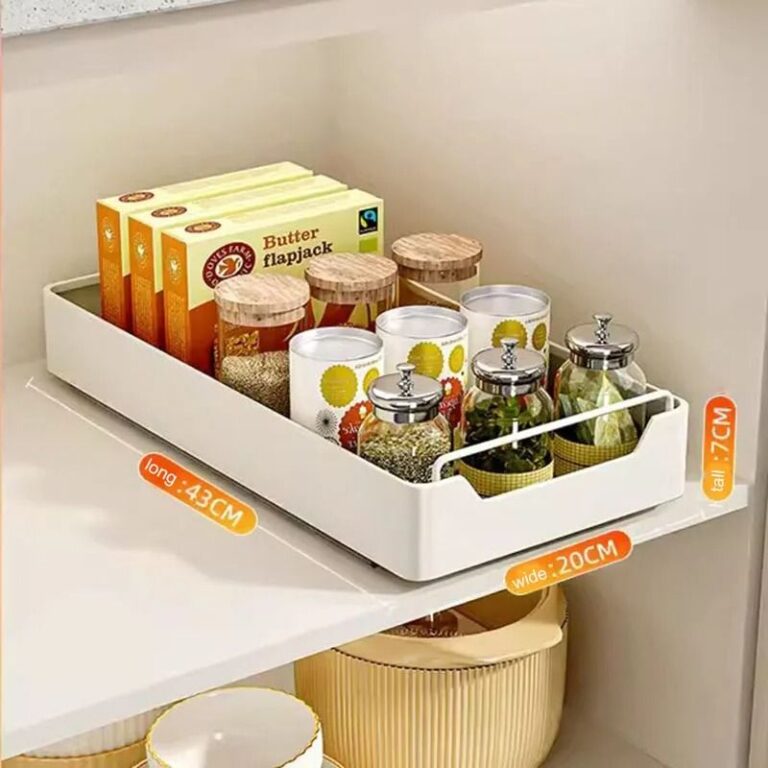 Aisha's pickFreestanding Tall Kitchen Cabinets Pulled From Dozens of Stores
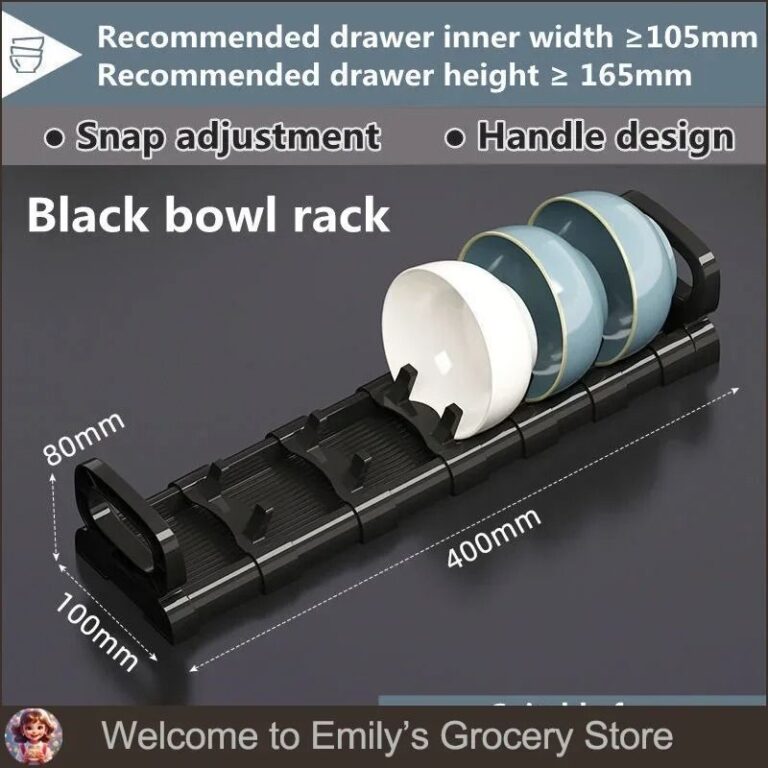
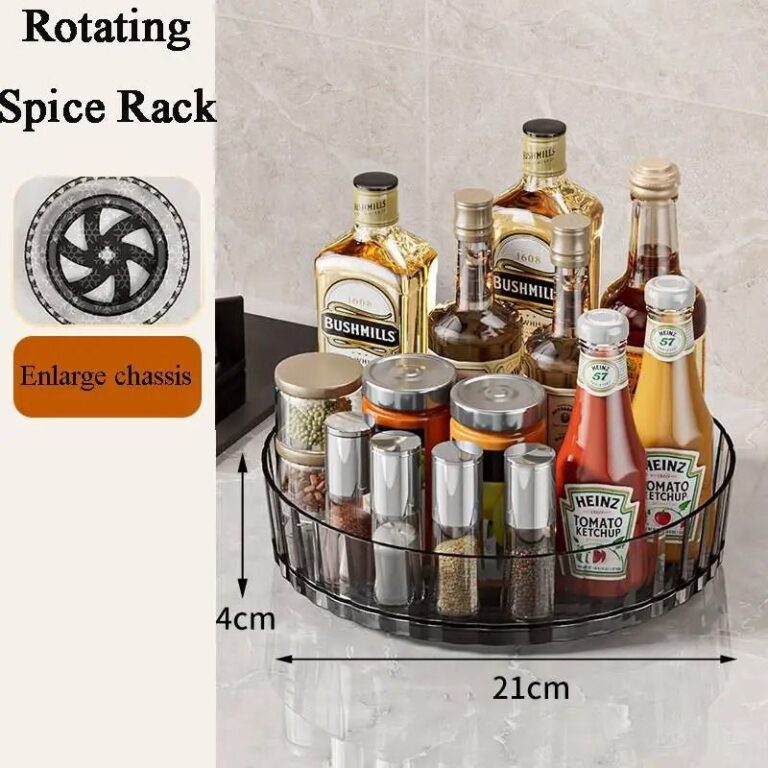 Aisha's pickFreestanding Kitchen Cabinets That Work in Old Houses and New Ones
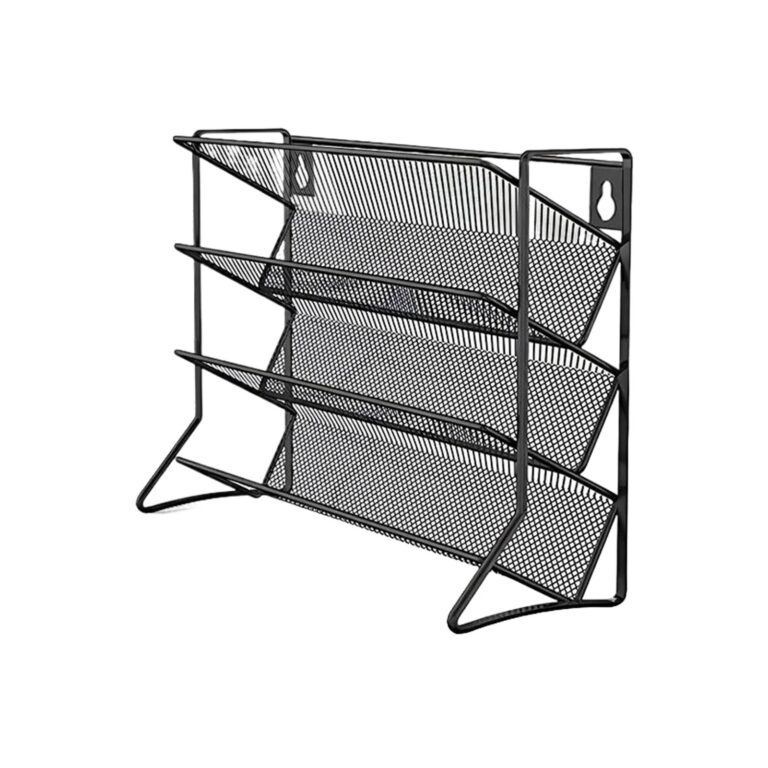
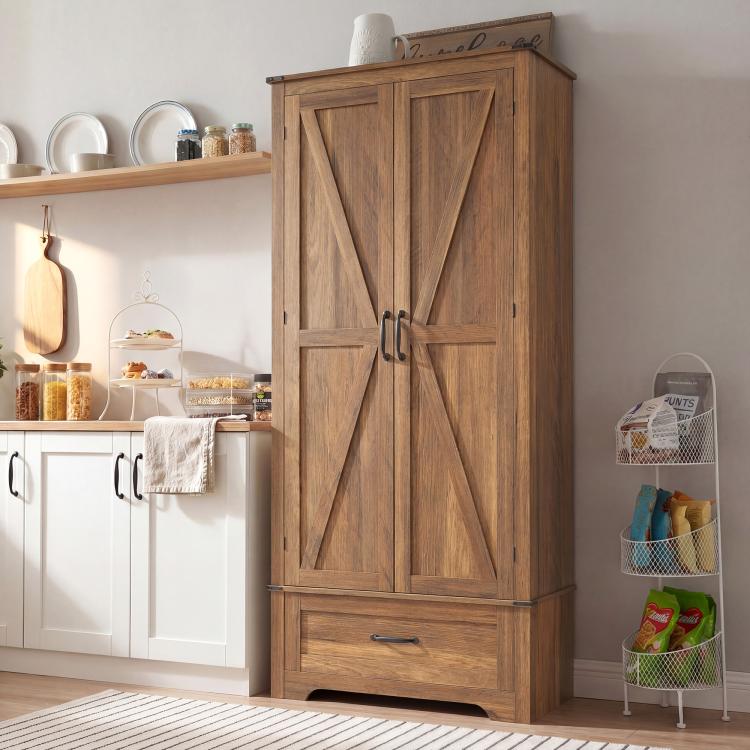 Aisha's pickTall Freestanding Kitchen Storage Cabinets That Make Small Changes Feel Big
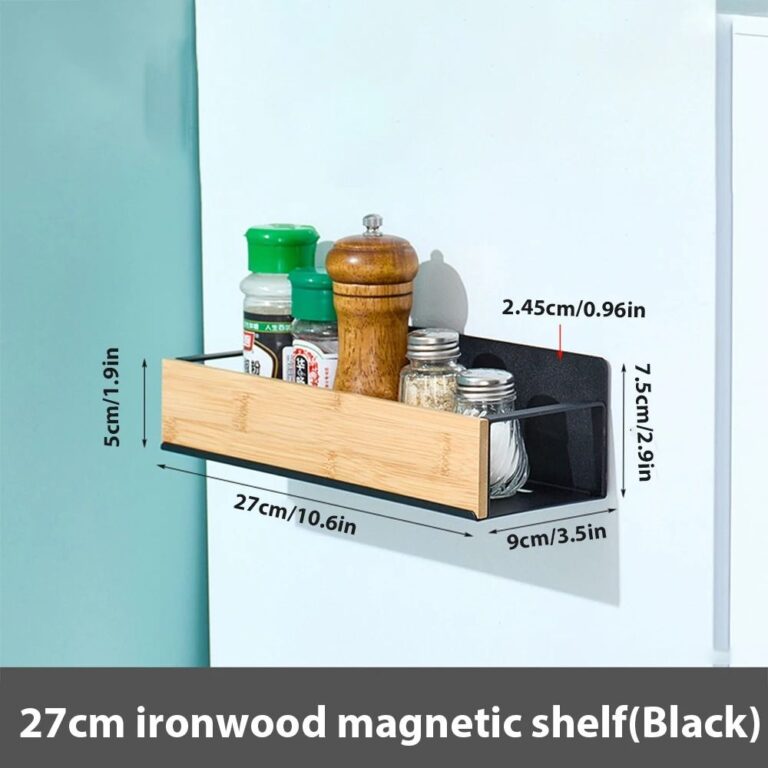
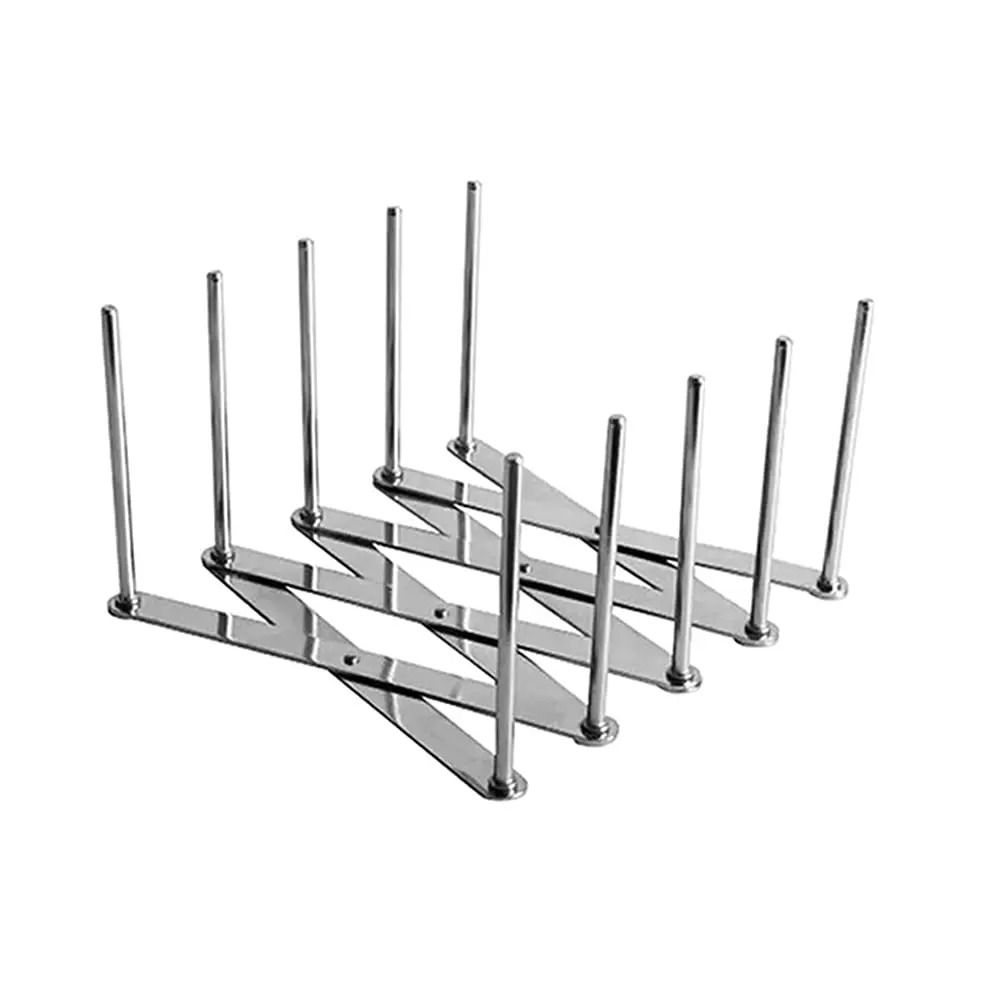 Aisha's pickFreestanding Kitchen Cabinets with Doors That Make Tidying Up Quicker
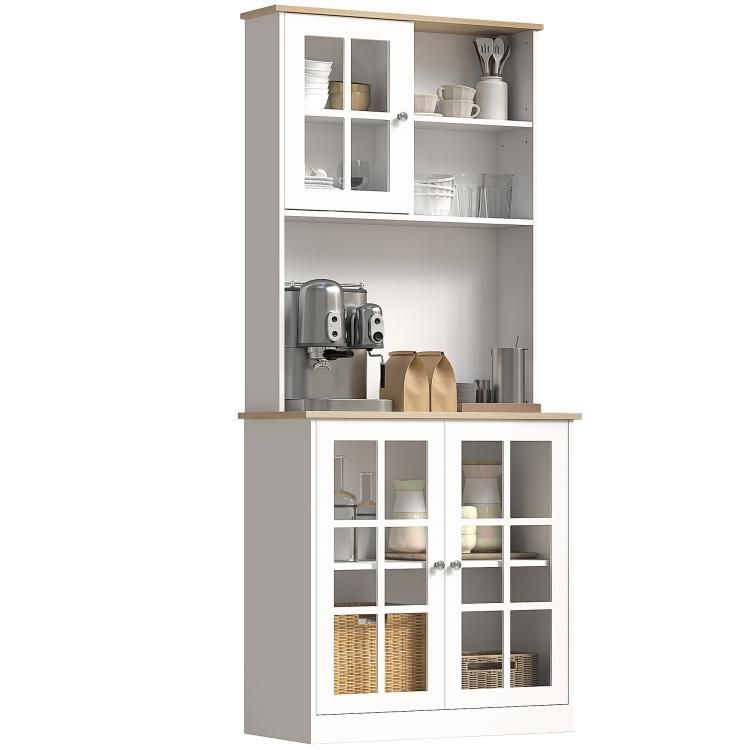
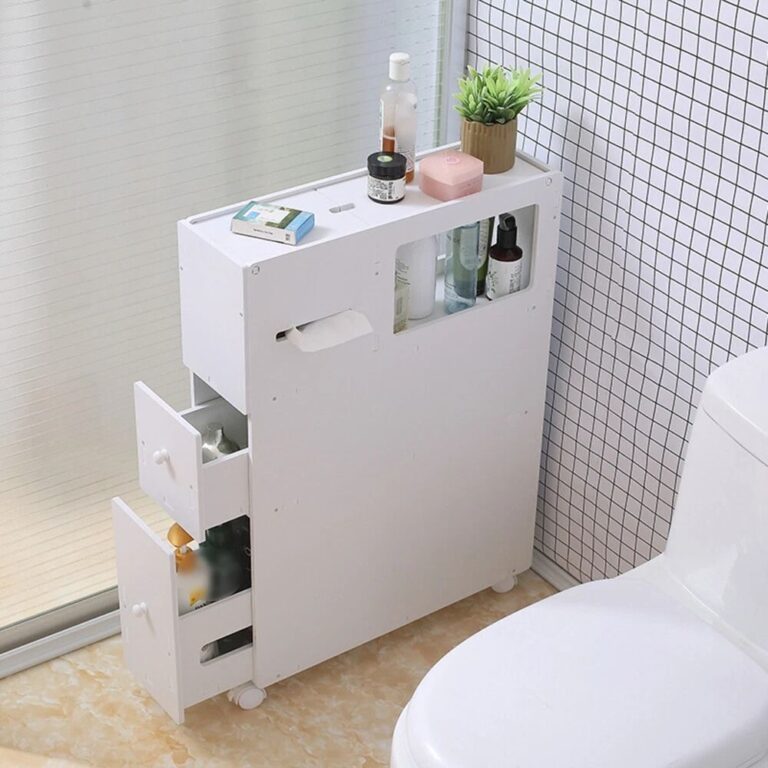 Aisha's pickWhite Freestanding Bathroom Cabinets That Look Good Next to Old TilesAlso worth a lookStorage CabinetsThe hallway closet in my first apartment had exactly one shelf and a bar for coats, and every…See the collections →
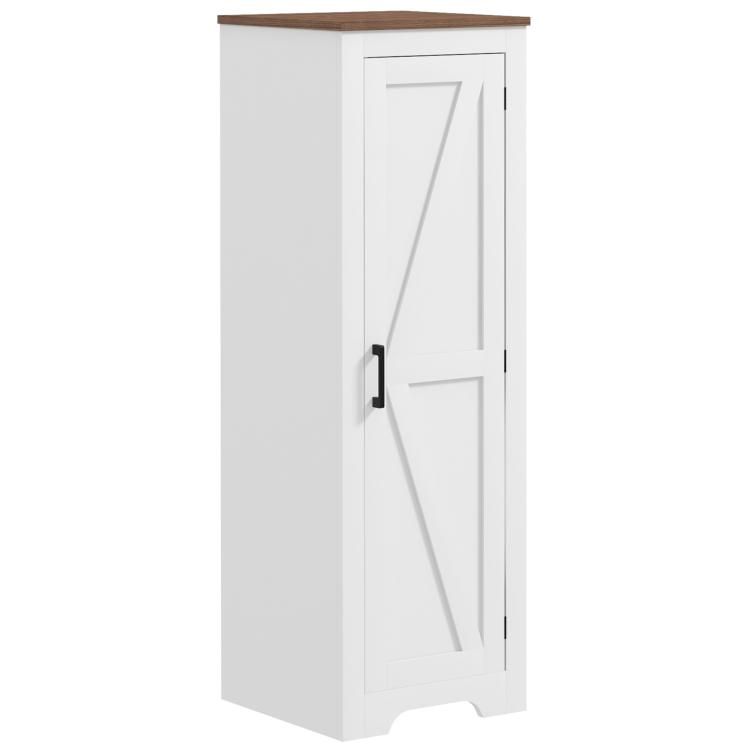
 Aisha's pickFreestanding Kitchen Cabinets with Shelves That Hide the Mess for Good
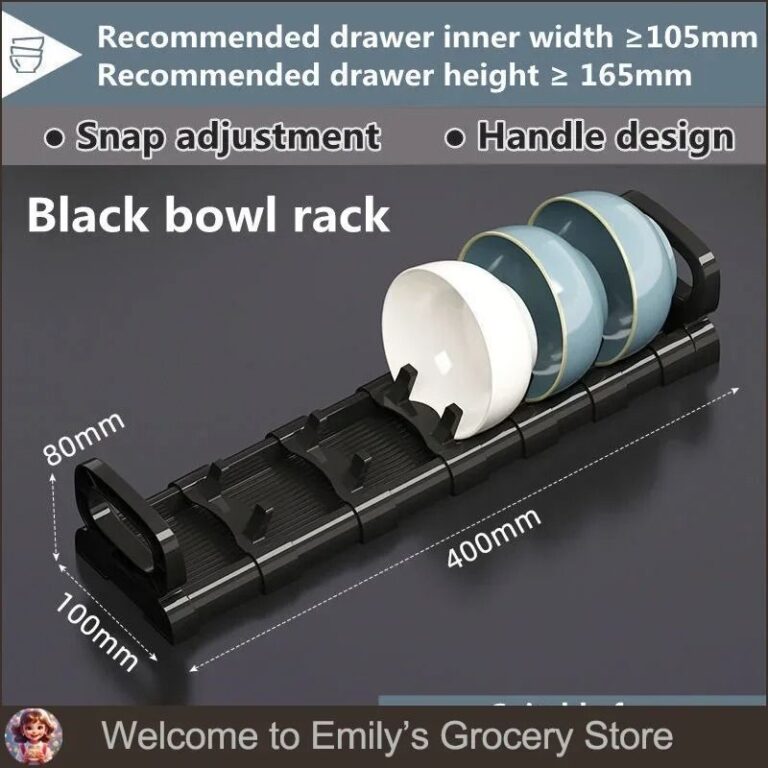
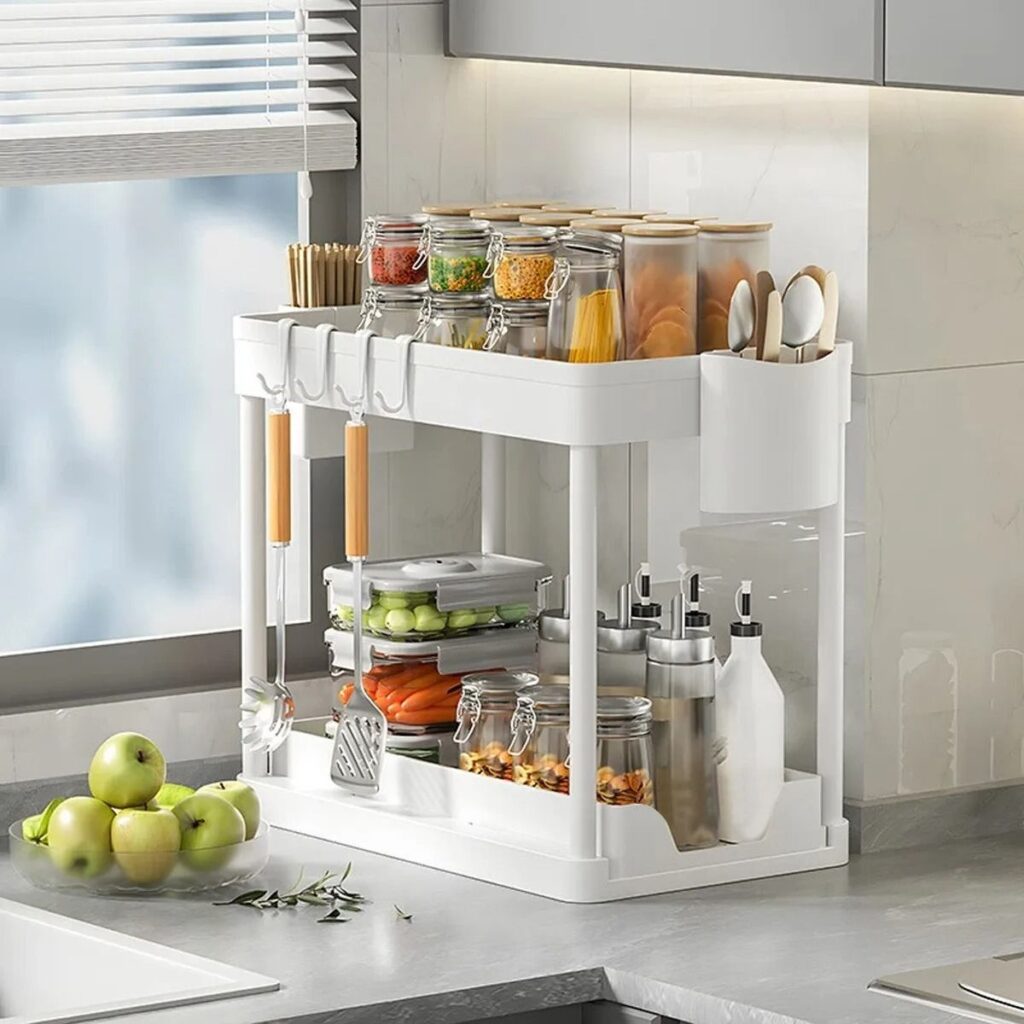 Aisha's pickWhite Freestanding Kitchen Cabinets You’ll Still Like in Five Years
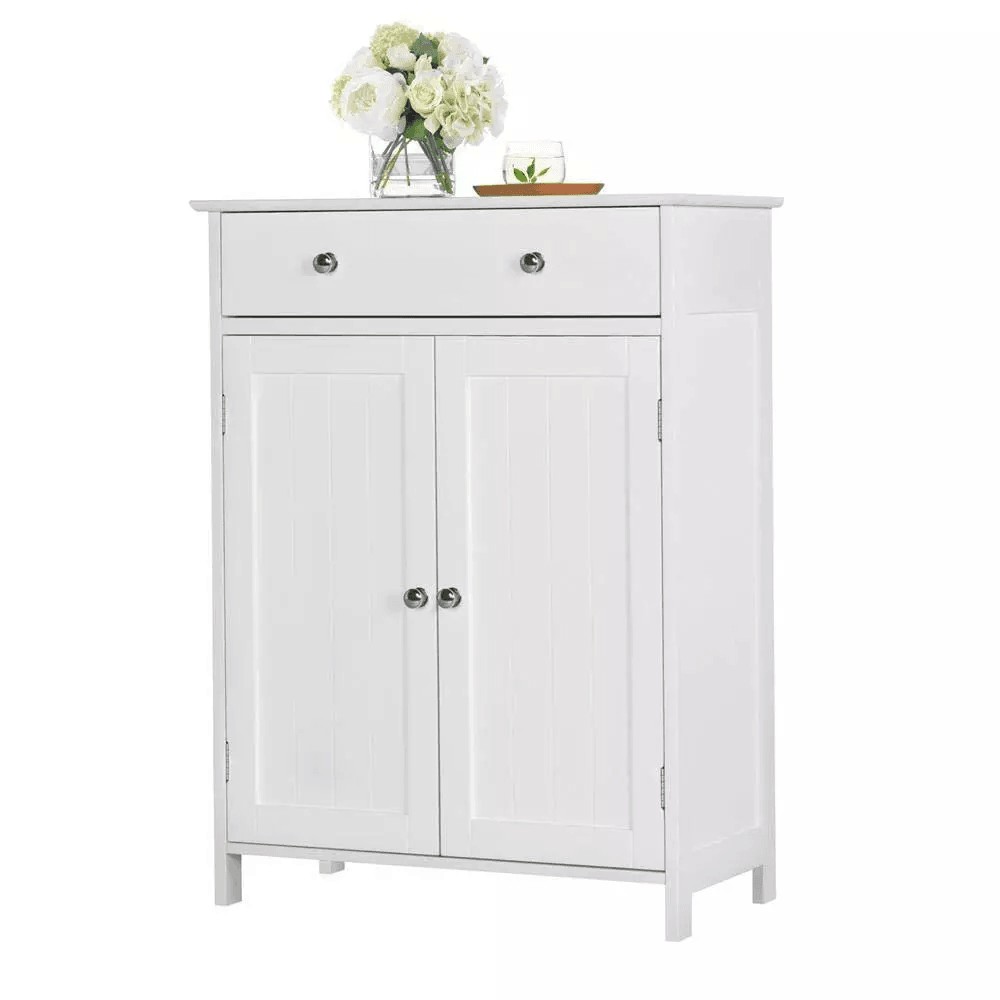
 Aisha's pickFreestanding Kitchen Cabinets That Make Cooking a Bit Nicer

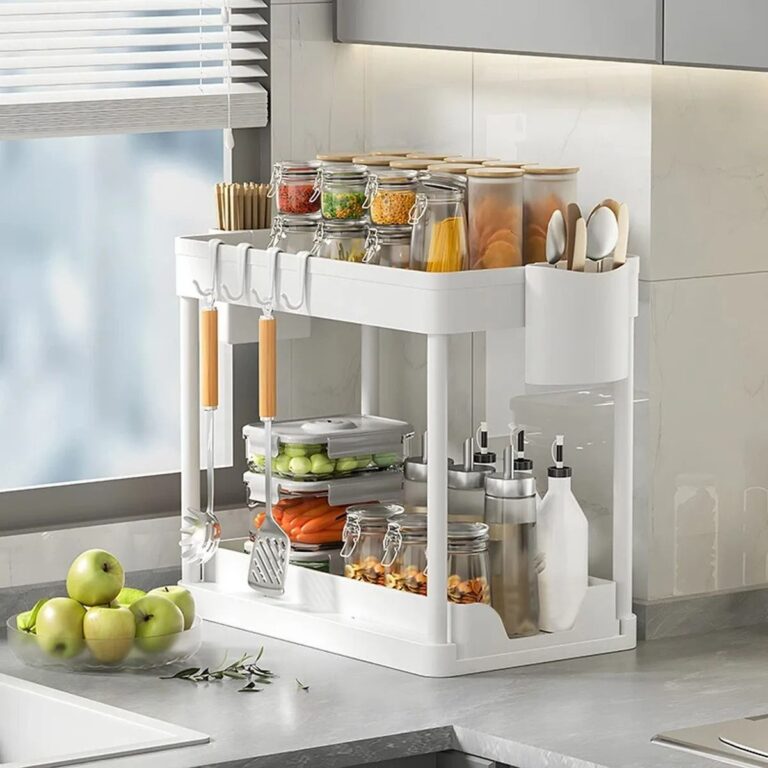 Aisha's pickWhite Freestanding Kitchen Storage Cabinets That Cope With Steam and Splashes
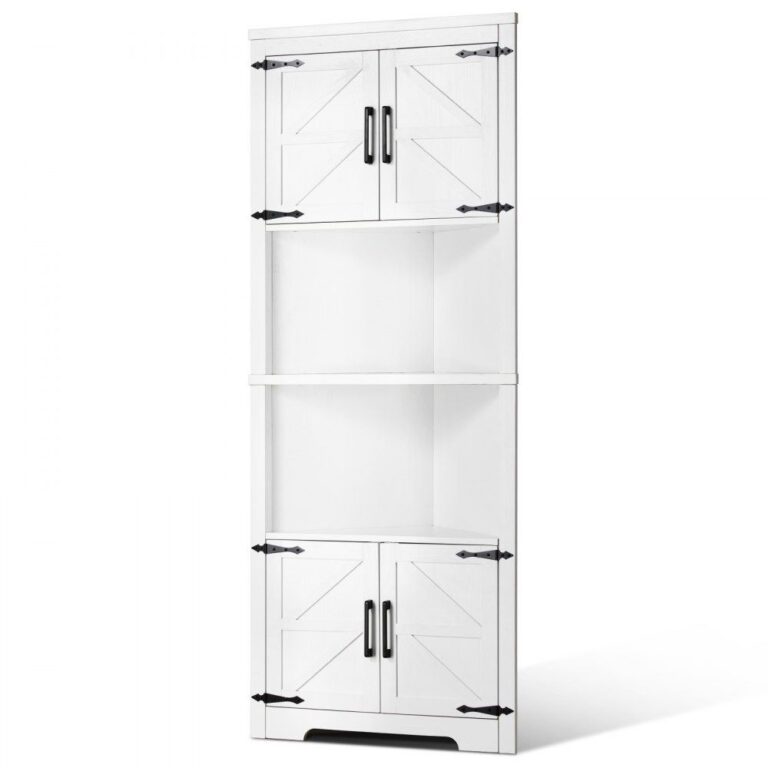
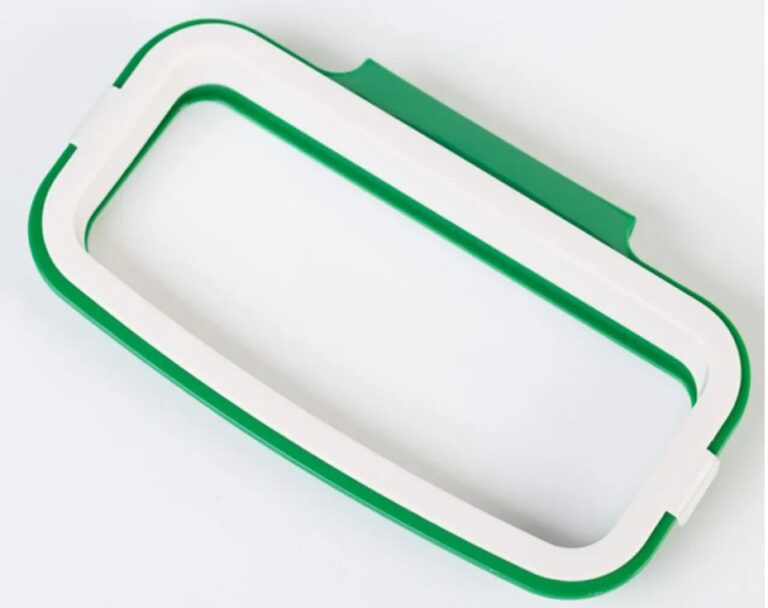 Aisha's pickFreestanding Kitchen Cupboards for the Bits That Never Have a Home
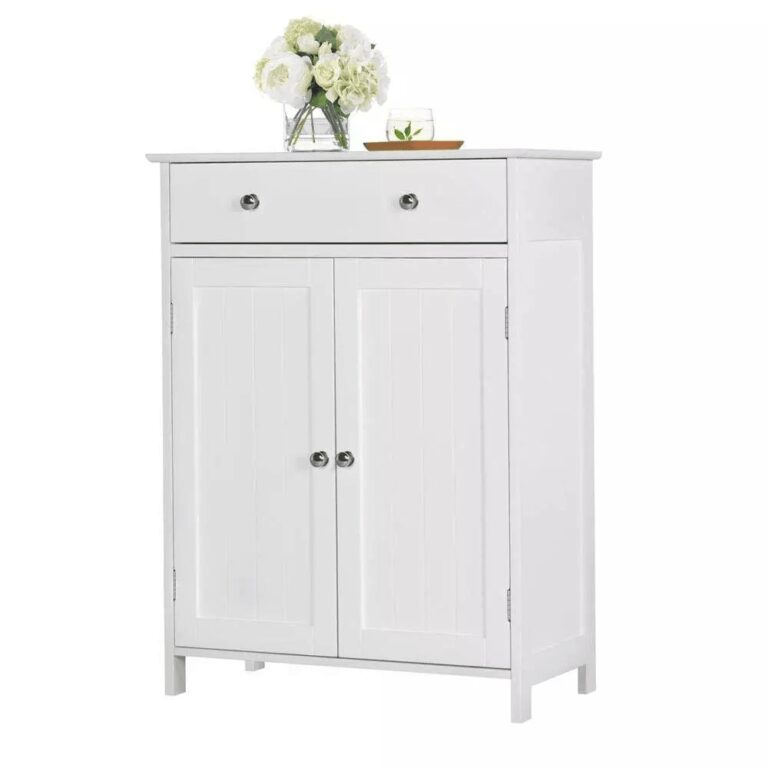
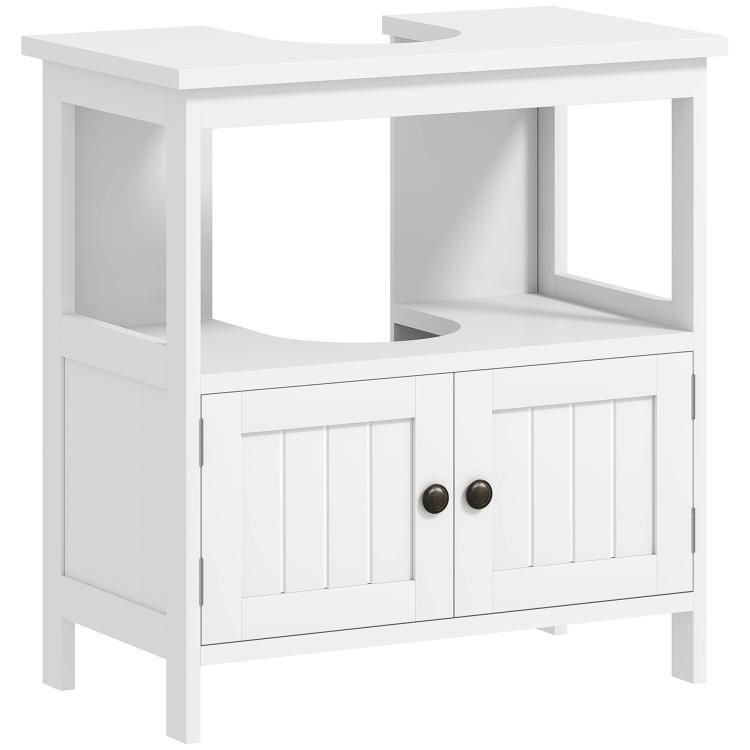 Aisha's pickWhite Freestanding Storage Cabinets That Swallow the Clutter
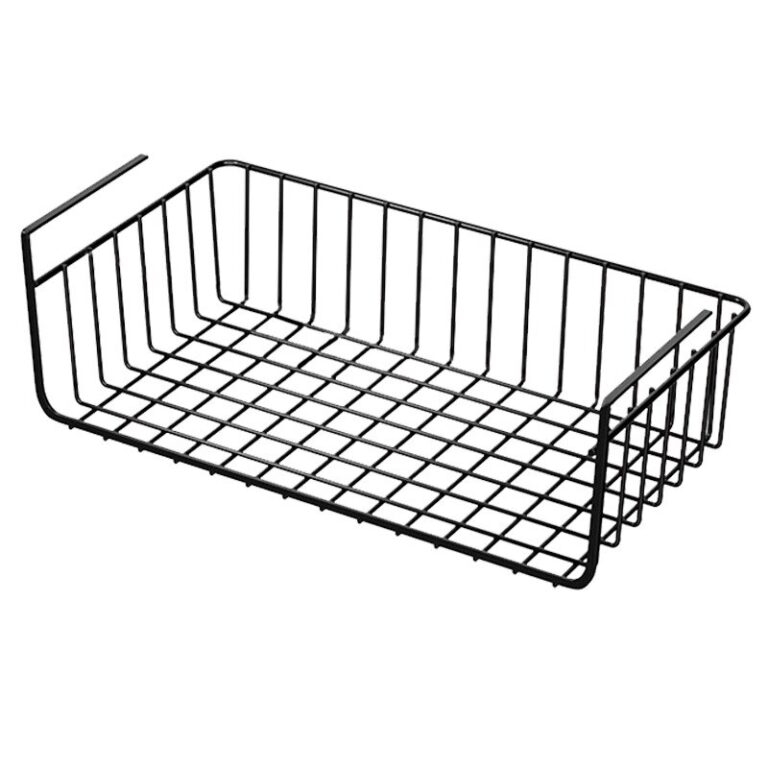
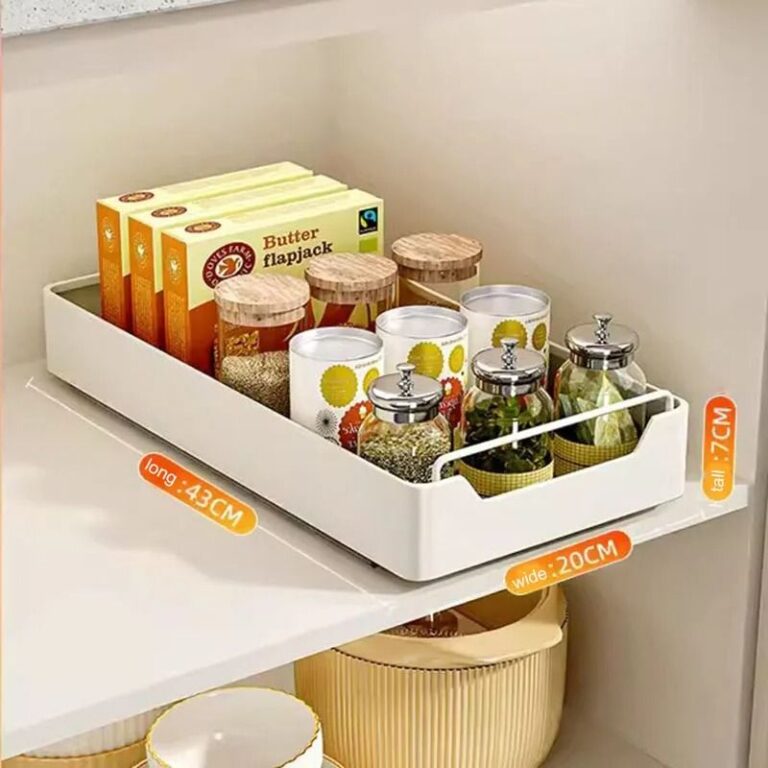 Aisha's pickFreestanding Kitchen Pantries for Homes With Too Much Stuff
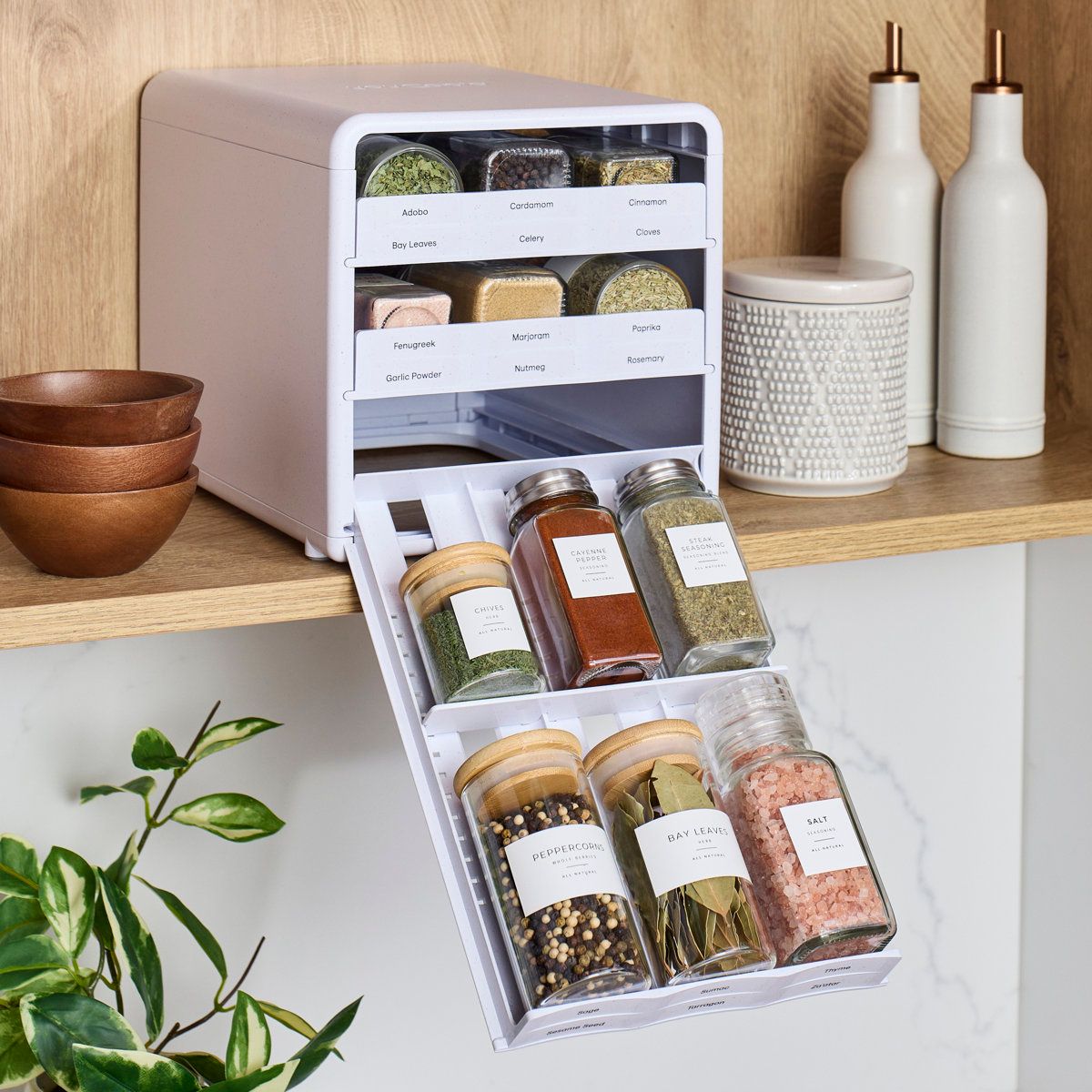
 Aisha's pickFreestanding Kitchen Storage Cabinets That Survive Kids and Pets

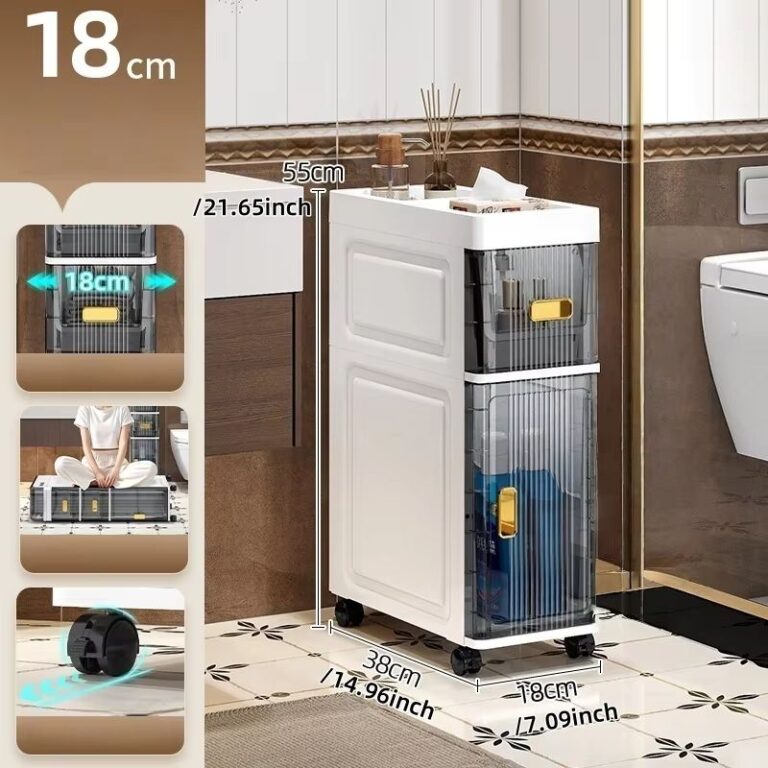 Aisha's pickFreestanding Living Room Cabinets for Movie Nights and Slow SundaysAlso worth a lookOffice CabinetsBefore you buy anything, measure your doorways, not just the room.See the collections →
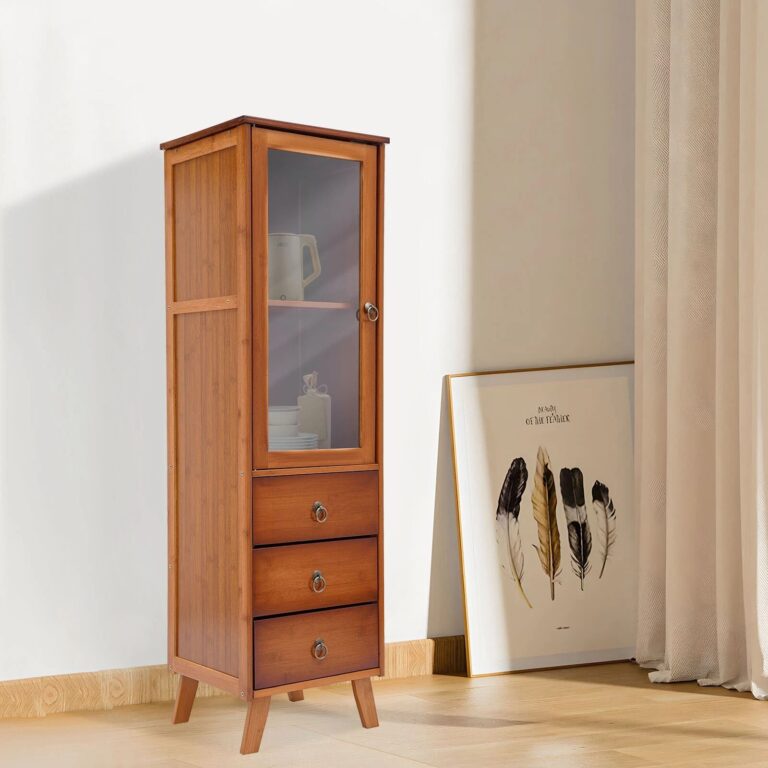
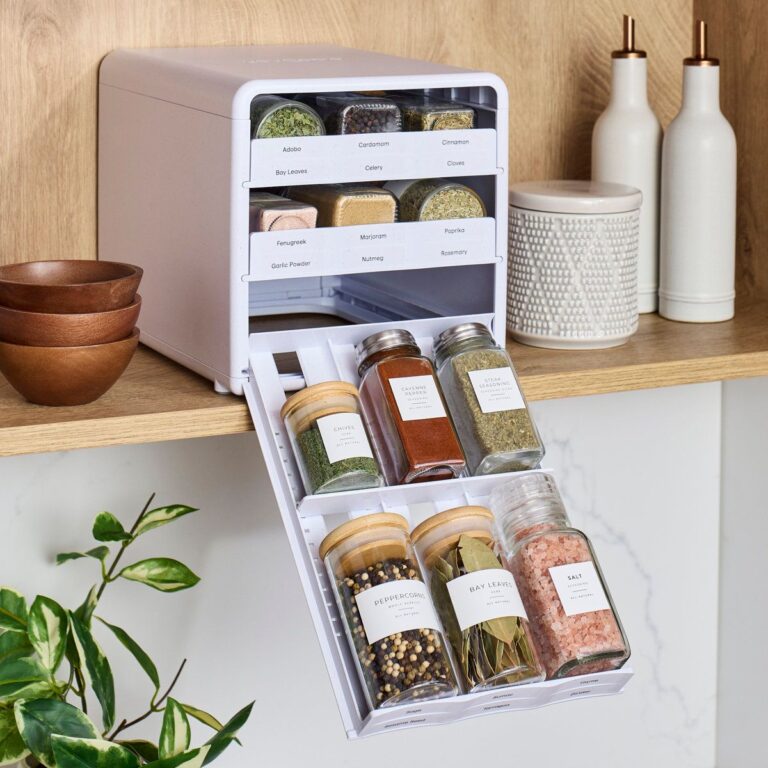 Aisha's pickFreestanding Pantries for Busy Kitchens
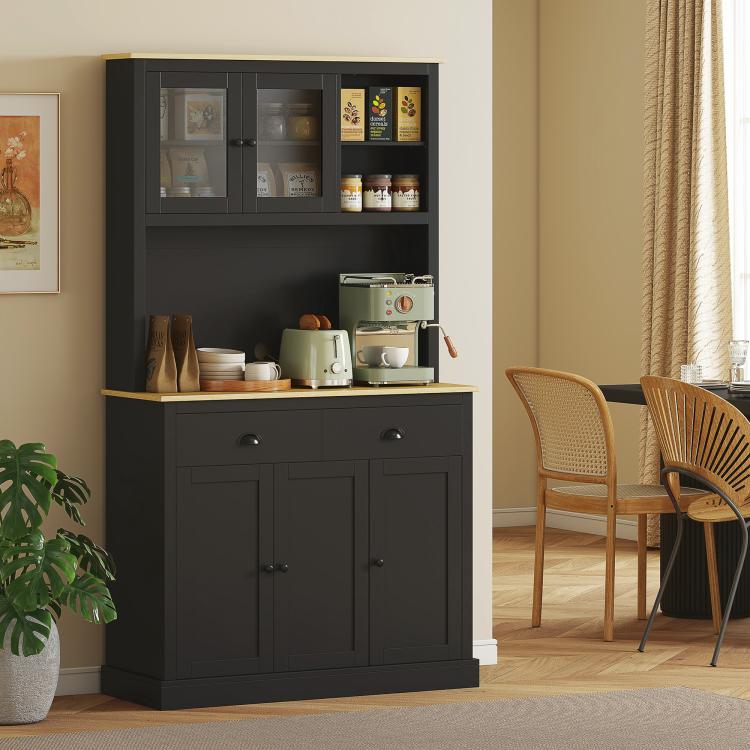
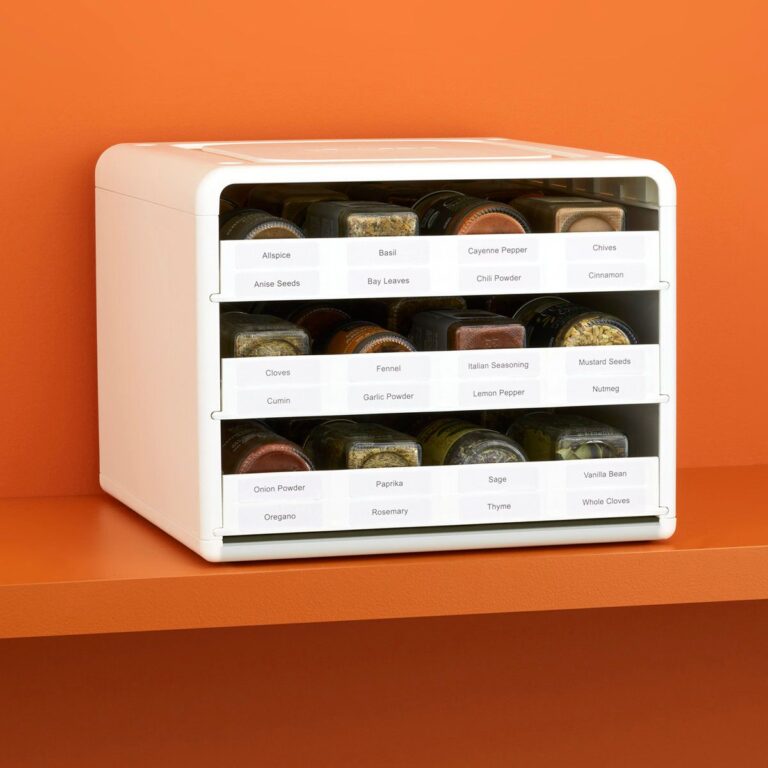 Aisha's pickFreestanding Pantry Cabinets With a Bit More About Them